HARRISON SPRINGS HEALTH CAMPUS
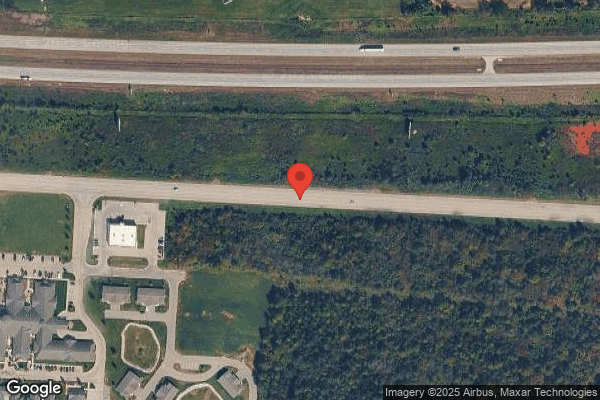
871 PACER DRIVE NW, CORYDON, IN 47112 (812) 738-0317
For profit - Corporation 58 Beds TRILOGY HEALTH SERVICES Data: November 2025
Trust Grade
90/100
#45 of 505 in IN
Last Inspection: March 2025

Within standard 12-15 month inspection cycle. Federal law requires annual inspections.

Overview

Harrison Springs Health Campus in Corydon, Indiana, has an excellent Trust Grade of A, indicating it is highly recommended for care. Ranked #45 out of 505 facilities in Indiana places it in the top half, and it is the best option among three nursing homes in Harrison County. The facility's trend is stable, with only one issue reported in both 2024 and 2025, and it has a solid staffing rating with a turnover rate of 30%, which is well below the state average. However, there are some concerns, such as a lack of cleanliness in the kitchen and inadequate responses to resident feedback about dining services, as well as a failure to notify a physician regarding a resident's opened surgical wound. Despite these weaknesses, the facility boasts good RN coverage, with more registered nurses than 80% of Indiana facilities, which helps ensure quality care.

Trust Score
A
90/100
In Indiana
#45/505
Top 8%
Safety Record
Low Risk
No red flags
Inspections
Holding Steady
1 → 1 violations
Staff Stability
○ Average
30% turnover. Near Indiana's 48% average. Typical for the industry.
Penalties
✓ Good
No fines on record. Clean compliance history, better than most Indiana facilities.
Skilled Nurses
✓ Good
Each resident gets 49 minutes of Registered Nurse (RN) attention daily — more than average for Indiana. RNs are trained to catch health problems early.
Violations
○ Average
7 deficiencies on record. Average for a facility this size. Mostly minor or procedural issues.
★★★★★
5.0
Overall Rating
★★★☆☆
3.0
Staff Levels
★★★★★
5.0
Care Quality
★★★★★
5.0
Inspection Score
Stable
2024: 1 issues
2025: 1 issues

The Good

  • 5-Star Quality Measures · Strong clinical quality outcomes
  • Full Sprinkler Coverage · Fire safety systems throughout facility
  • No fines on record
  • Staff turnover below average (30%)

    18 points below Indiana average of 48%

Facility shows strength in quality measures, fire safety.

The Bad

Staff Turnover: 30%

15pts below Indiana avg (46%)

Typical for the industry

Chain: TRILOGY HEALTH SERVICES

Part of a multi-facility chain

Ask about local staffing decisions and management

The Ugly 7 deficiencies on record

Mar 2025 1 deficiency
CONCERN (D)

Potential for Harm - no one hurt, but risky conditions existed

Quality of Care (Tag F0684)

Could have caused harm · This affected 1 resident

Based on record review and interview, the facility failed to ensure the physician was notified and/or follow up with the physician when a resident's surgical wound opened up for 1 of 2 residents revie...

Read full inspector narrative →
Based on record review and interview, the facility failed to ensure the physician was notified and/or follow up with the physician when a resident's surgical wound opened up for 1 of 2 residents reviewed for quality of care. (Resident 20) Findings include: The record for Resident 20 was reviewed on 3/21/25 at 8:30 a.m. The resident's diagnoses included, but were not limited to, acquired absence of the left toe, an open wound of the left foot, gangrene, orthopedic aftercare, and diabetes. The care plan, dated 2/7/25, indicated that the resident had a surgical incision. The interventions included, but were not limited to, administer analgesics per the physician's order, observe the surgical incision for signs of infection, observe the surgical site to ensure well approximated and for non-healing, and treatment to the surgical site as ordered by the physician. The physician's order, dated 2/8/25, indicated staff were to paint the resident's left foot surgical wound with betadine, cover with gauze, wrap with kerlix dressing, and apply ace wrap. The admission Minimum Data Set (MDS) assessment, dated 2/10/25, indicated the resident was cognitively intact. The resident had a surgical wound and required surgical wound care. The physician's note, dated 2/18/25, indicated the resident's pain in his left foot had worsened. He also reported increased drainage from the surgical site. Due to the increased pain, increased drainage, dorsal flap redness, extending necrosis, and increasingly cool temperature to the dorsal and planter flap of the left foot. The physician believed the resident was going to need a more proximal amputation. The physician indicated the foot had not progressed and only worsened. A call was placed for vascular surgery for the resident to be seen. The nurse's note, dated 2/22/25 at 4:50 p.m., indicated the nurse went to complete the resident's dressing change per the physician's order. The resident's incision sight was observed to have a small 3 milligram (mm) by 1 mm open area along with one staple still left in place. The weekend supervisor was notified, and the treatment was completed. The nurse's note, dated 2/22/25 at 5:01 p.m., indicated a staple was observed on the resident's right foot incision. The physician had removed other staples earlier in the week. The physician's office was notified about the staple, but could only leave a voicemail. There were no signs of infection noted. The nurse's note, dated 2/25/25 at 11:30 a.m., indicated the Nurse Practioner (NP) requested to see the resident's left foot. The foot dressing was unwrapped, and the NP examined the site of the resident's amputation. The site had dehisced and had an area on the bottom of foot. New orders were received to send the resident to the hospital emergency room for evaluation and treatment. The record lacked documentation indicating the physician was informed that the residents surgical wound had opened. During an interview, on 3/25/25 at 1:10 p.m., RN 3 indicated the residents wound gradually opened. She did not feel it all happened at once. She did not know what day the wound started to open. On the day the resident was sent to the hospital she was assisting the NP with the residents' dressing change. After removing the dressing, the wound had dehisced, and the resident was sent to the hospital. During an interview, on 3/25/25 at 1:40 p.m., LPN (Licensed Practical Nurse) 4 indicated he walked in the room while the nurse was changing the resident's dressing change. The doctor had removed his staples, and the nurse indicated one staple was left. LPN 4 indicated he called and left a voicemail about the staple. The nurse would have had to call the doctor and inform him about the open incision. He did not know if there was a follow up with the physician or NP. He indicated normally the NP would document in the progress notes, but the LPN did not see any documentation indicating there was a follow up with the physician or NP. During an interview on 3/26/25 at 11:30 a.m., LPN 5 indicated she informed the Supervisor/Charge Nurse that the resident's wound had opened, and a staple was observed. The Supervisor indicated he would notify the physician, and the LPN assumed the physician was informed. She did not recall if there was a follow up with the physician or not. The LPN indicated she notified her supervisor and thought the Supervisor notified the physician about the wound opening. The Physician Notification policy, dated 9/12/17 and revised 12/17/24, included, but was not limited to, .11. Attempts to notify the physician/provider and their response should be documented in the resident electronic health record.12. The 24-Hour report shall be utilized for nurse to nurse communication regarding the status of the notification and response back. 13. If the attending physician, or their practitioner does not respond to notification attempts the Medical Director and Director of Health Services should be notified for further instructions. 3.1-37(a)
Feb 2024 1 deficiency
CONCERN (E) 📢 Someone Reported This

A family member, employee, or ombudsman was alarmed enough to file a formal complaint

Potential for Harm - no one hurt, but risky conditions existed

Deficiency F0565 (Tag F0565)

Could have caused harm · This affected multiple residents

Based on record review and interview, the facility failed to appropriately respond to and act upon resident concerns from the Resident Council meetings. This deficient practice had the potential to af...

Read full inspector narrative →
Based on record review and interview, the facility failed to appropriately respond to and act upon resident concerns from the Resident Council meetings. This deficient practice had the potential to affect the 51 health care residents currently residing in the facility. Findings Include: The resident council meeting minutes, dated 9/6/23, indicated residents voiced concerns related to dining services. The dining times were inconsistent, and they were supposed to serve lunch at 11:30 a.m., and dinner ran late. There was sloppy food presentation, too many peas and carrots, and more variety was desired. Residents had concerns about staff transportating them back to their rooms and they wanted rolls. The response, as documented by the Dietary Manager on 9/8/23, indicated the concern could have been a one time occurrence. Dinner started on time every day. Lunch was at 11:30 a.m. and dinner was at 4:30 p.m. Some residents requested their meals early and that was their right. If the meal was ready, they would serve them. The response did not address the concerns with the presentation, transport back to the resident's rooms, or food concerns. The resident council meeting minutes, dated 10/6/23, indicated the residents voiced concerns related to dining services, which indicated lunch did not start until noon. Mealtimes were inconsistent, and it was still hard to find someone to transport residents back to their rooms after meals. The response, as documented by the Dietary Manager on 10/8/23, indicated lunch had been very consistent on a specific day. A lot of residents made special requests and service fell behind about 10 minutes. The Dietary Manager did not agree that this situation happened. The response did not address the concerns relating to staff transport back to the resident's rooms. The resident council meeting minutes, dated 11/6/23, indicated residents voiced concerns related to dining services. The room trays were very late and the food was not an accurate temperature. The response, as documented by the Dietary Manager on 11/7/23, indicated room trays were served every day at 8:00 a.m., 12:00 p.m., and 5:00 p.m. at their posted time. It did not vary often. Sometimes it was off 5 or 10 minutes because of special orders by residents that were not on the menu. It was very common for residents to order breakfast items at dinner time, which slowed service down. The response did not address the concerns relating to staff transport back to the resident rooms or food temperatures. The resident council meeting minutes, dated 12/7/23, indicated residents voiced concerns related to dining services. They were requesting that silverware be rolled and placed at the steam table for every meal, not set out on the tables. Dishes were coming out dirty and gritty. There was no help getting back after meals. One resident reported feeling as if she didn't get big enough food portions. Residents were tired of getting the same food, including chicken and burgers, over and over. Residents wanted staff to read their diets and many orders. Food was still cold and not being prepared properly. The response, as documented by the Dietary Manager on 12/19/23, indicated he followed the company's policies on how they should set the tables. They would not set the tables in the evening because the silverware sat on the tables all night and the residents were afraid the silverware would be contaminated, so he honored that request. Only one resident wanted the silverware to be rolled all day long, but he explained to her it was not the policy. The resident who requested larger portions could have whatever she wanted and did. She ate very large portions every meal which was why she had a considerable weight gain and there was some confusion there. He would mention the food temperatures in the next chef circle. He recently had a chef circle, and no residents voiced any concerns about the food to him. The response did not address the concerns regarding dirty dishes, repetitive menus, or reading menus and orders. The resident council meeting minutes, dated 1/5/24, indicated residents voiced concerns with dining services. The dining plates were cold they needed to be heated up before serving. The dishes were gritty. Potatoes were coming out partially rotten. Chili beans were too hard, and too much salt was being used in meals. The response, as documented by the Social Services director on 1/5/24, indicated dietary was notified of the concerns and dishes were to be gathered and washed nightly. The response did not address the concerns any further, and did not address cold plates, the partially rotten potatoes, chili beans or too much salt. Resident council meeting minutes, dated 2/2/24, indicated residents voiced concerns with dietary services. They were not getting what they circled on their menu. One resident had to wait a long time to get back to their room. The response, as documented by the Social Services Director on 2/5/24, indicated staff were to check all trays before serving to make sure the menu was correct, and staff were to make sure residents were taken back to their rooms after meal service. The facility could not provide any documentation where they had thoroughly investigated the resident concerns and actions taken to correct them. During an interview on 2/13/24 at 9:35 a.m., the Executive Director indicated he was the grievance official and did the final resolutions. When the grievances were brought up the Activities Director typed them up and they distributed them to whatever department had a grievance and the department leader addressed the issue. He would expect them to speak to the residents and investigate to verify concerns. They tried to address all concerns. He would follow up on them. There had been some repetitive concerns on food. There was one certain individual who voiced the concerns about being taken back to their rooms, but it was not across the board. Some things were getting addressed, but he didn't know why it was getting brought up again. They had not interviewed residents. He had stayed on evening dinners to monitor, but he didn't have an audit sheet to show he was there. As far as the repetitive concerns, he read them, and he did the resolution and signed off on them, but did not do anything on his part to address the concerns. Ultimately it would come down to him. His expectation would be not to deflect the concern, but to investigate the concern. During an interview on 2/13/24 at 9:59 a.m., the Activities Director indicated he conducted the meetings. Residents voiced concerns to him, and he filled the concerns out. He reported the concerns to the IDT (interdisciplinary team). One of the main concerns voiced was residents not being taken back to their rooms after meals. They tried to approach those concerns by making themselves available, but it was not good enough. As far as things being able to change immediately, that didn't happen, and it added fuel to the problem. Some things could not be fixed. It was one specific resident who voiced the concerns about being taken back to her room, but other residents did agree it was a concern as well. The meals were often late, the kitchen had been struggling. Their times were never consistent, and he had observed that. Residents would wait for food forever. They were often just waiting for their food, and he did not know what to say to them. It was an operation in the kitchen that stopped that from happening. They didn't come back and tell the residents about the resolution like they should. It usually waited until the next meeting. He did not get responses. When the new meeting would come up, he would ask if old business had gotten better, because he didn't know if anything got better unless the residents told him. During an interview on 2/13/24 at 12:07 p.m., the Resident Council President indicated they did have some continued concerns at the resident council minutes. The big issue was getting a resident back to their room after the meals. It was just one resident, but there were others who did experience that as well. She did mention the concern multiple times. They had been late serving in the dining room. Concerns were typed into the computer, and then the head of whatever division it fell under saw it and tried to adjust to the problem. She had experienced cold food one time. Other residents had complained about it at the meetings. They had tried different serving techniques and whether to use the steam table or not. The most current Resident Council policy included, but was not limited to, . The resident Council was created to promote the resident's right to organize and participate in resident groups in the Campus for the purpose of self-determination . 7. The group facilitator will determine the prevalence of the concern/recommendations voiced to determine the appropriate follow-up. 8. The group's grievances and recommendations will be brought to the attention of the Executive Director who will forward the concerns to the appropriate department leader for attention and response . 8.2 Individual issues should be handled by following the Campus concern/grievance policy and procedure. 9. Actions taken and/or considerations given to issues will be reported back to the Resident Council at the next meeting . The most current Resident Concern policy included, but was not limited to, . Procedures 1. The facility will provide an open and customer friendly atmosphere for residents and their families and representatives to voice concerns and problems with the assurance that their concerns will be heard and acted upon. 2. The facility will be committed to the on-going education of their employees on immediately responding to and resolving customer concerns . 4. The facility will follow these basic steps in responding to a complaint . Listen to the concern without interruption . Thank the person who brought the concern to the staff . Apologize to the person bringing the concern and acknowledge that what happened is not to our standards . Not make excuses for why or how this has happened . Take steps to correct the problem . Make the problem their own by following up to make sure it is resolved, and stays resolved . 9. The department leader will investigate and discuss the concerns with the team and will implement, or educate to prevent further concerns . The department leader will document the resolution on the concern form using an addendum when needed and will follow up with the person reporting the concern to explain the resolution . 3.1-3(1) This citation relates to Complaint IN00428084.
Jan 2023 4 deficiencies
CONCERN (D)

Potential for Harm - no one hurt, but risky conditions existed

Accident Prevention (Tag F0689)

Could have caused harm · This affected 1 resident

**NOTE- TERMS IN BRACKETS HAVE BEEN EDITED TO PROTECT CONFIDENTIALITY** Based on record review and interview, the facility failed to ensure fall interventions were implemented to prevent future falls ...

Read full inspector narrative →
**NOTE- TERMS IN BRACKETS HAVE BEEN EDITED TO PROTECT CONFIDENTIALITY** Based on record review and interview, the facility failed to ensure fall interventions were implemented to prevent future falls for 1 of 4 residents reviewed for accidents. (Resident 21) Findings include: The clinical record for Resident 21 was reviewed on 1/20/23 at 1:06 p.m. The diagnoses included, but were not limited to, disc degeneration, lumbar region, dementia with other behavioral disturbance, unspecified fall, subsequent encounter, repeated falls, muscle weakness, difficulty in walking, need for assistance with personal care, wedge compression fracture of T5-T6 vertebra, multiple fractures of ribs, left side. The Quarterly MDS (Minimum Data Set) assessment, dated 11/25/22, indicated the resident was severely cognitively impaired, required extensive assistance of one staff member with transfers, and had one fall without injury since her last assessment. The care plan, initiated on 9/27/21 and last revised 12/27/22, indicated the resident was at risk for falling related to impaired mobility and medications. The nurse's note, dated 4/27/22 at 3:36 p.m., indicated the resident reported she had fallen in her room when transferring from the toilet and her foot slipped. The IDT (Interdisciplinary Team) note, dated 4/28/22 at 9:14 a.m., indicated the root cause of the resident's fall was her foot slipping during transfer. The immediate intervention was to provide the resident with education to use call light for assistance. The new intervention placed after discussion with the IDT was to have therapy evaluate and treat the resident as indicated for proper, safe transfer techniques. The therapy discharge note, dated 5/20/22, indicated the resident had an automatic brake system (ABS) placed to her wheelchair to lock brakes due to her inaccuracy with remembering to lock her brakes. The nurse's note, dated 5/21/22 at 6:06 p.m., indicated the resident was found sitting on the bathroom floor with her head against the wall by her shower bench. The resident appeared to have been toileting herself without her wheelchair or calling for assistance. The resident was sent to the hospital for evaluation. The nurse's note, dated 5/21/22 at 9:01 p.m., indicated the resident returned from the hospital with no evidence of acute breaks or fractures and orders for an antibiotic for a UTI (urinary tract infection). The IDT note, dated 5/23/22 at 9:14 a.m., indicated the resident was recently discharged from therapy and an ABS was placed to her wheelchair for safety due to the resident not locking the brakes when transferring. The root cause of the fall was forgetfulness, poor safety awareness, poor cognitive function, and the resident attempting to transfer without assisstive devices. The new intervention was for the resident to be assessed by the psychiatric consult team for increased behaviors, treatment for a UTI, and increased frequency of toileting to every 2 hours. The clinical record lacked documentation of the intervention of an ABS being added to the resident's care plan. The fall event report, dated 12/14/22 at 3:51 p.m., indicated the resident fell in her room while transferring herself. The personal inspection indicated the resident's wheelchair did not have anti-rollbacks in place. The IDT note, dated 12/15/22 at 9:20 a.m., indicated the resident had a non-injury fall with the root cause being the resident attempted to get into her wheelchair and due to cognitive deficits the resident did not lock her brakes. The new intervention placed was to provide the resident with anti-roll backs to her wheelchair. During an interview on 1/25/23 at 11:02 a.m., PTA (Physical Therapy Assistant) 13 indicated the ABS went on the back of the wheelchair and prevented it from tilting back. It was the same thing as anti-rollbacks. During an interview on 1/25/23 at 11:30 a.m., OT (Occupational Therapist) 14 indicated the ABS went on the back of the wheel chair and prevented it from tipping or rolling. It was the same as the anti-roll back system. If a resident was determined to need an ABS they would go to the Therapy Director and let her know and she would make the orders for it. During an interview on 1/25/23 at 11:37 a.m., the Therapy Director indicated the ABS was the same as the anti-roll back system. They used it a lot for a resident who forgot to put their brakes on their wheelchairs. When they stood it had a hydraulic system that when it feels the weight come off the seat it had two silver arms that put pressure on the rear wheels and kept it from moving. When they got up, their wheelchair auto locked. It was a great way to prevent falls for residents that had cognitive impairments who forgot to lock their wheelchairs. Typically they went to the meeting after any falls and if an ABS was needed she would let the IDT team know so they could put in an order and update the care plan for the intervention. Maintenance would install the system. When the resident fell on [DATE], it was a different wheelchair. She did not know what happened to the wheelchair she was in previously, and they had not assessed and determined her to not need the ABS any more. If the resident's wheelchair had changed for some reason the ABS should have been continued onto the new wheelchair. She did not know why it was not continued and based on the last time she saw her, the resident would benefit from the ABS. She had not changed the recommendation at any time. During an interview on 1/25/23 at 11:43 a.m., the DON (Director of Nursing) indicated if a therapy referral was the intervention and therapy suggested a new fall intervention, the intervention should have been put into place on the care plan. Why it did not happen with the ABS intervention she did not know. The Fall Management policy, provided on 1/23/23 at 1:30 p.m. by the Campus Support Clinical, included, but was not limited to, . Purpose . mitigate fall risk factors and implement preventative measures . Procedure . 1 . b. Care plan interventions should be implemented that address the resident's risk factors . 5. The resident care plan should be updated to reflect any new or change in interventions . 3.1-45(a)(1)
CONCERN (D)

Potential for Harm - no one hurt, but risky conditions existed

Deficiency F0745 (Tag F0745)

Could have caused harm · This affected 1 resident

**NOTE- TERMS IN BRACKETS HAVE BEEN EDITED TO PROTECT CONFIDENTIALITY** Based on observation, record review, and interview, the facility failed to ensure appropriate social services follow-up and moni...

Read full inspector narrative →
**NOTE- TERMS IN BRACKETS HAVE BEEN EDITED TO PROTECT CONFIDENTIALITY** Based on observation, record review, and interview, the facility failed to ensure appropriate social services follow-up and monitoring for residents experiencing grief and poor adjustment to the facility for 2 of 3 residents reviewed for social services. (Residents 45 and 20) Findings include: 1. The clinical record for Resident 45 was reviewed on [DATE] at 11:10 a.m. The diagnoses included, but were not limited to, depression and generalized anxiety disorder. The nurse's note, dated [DATE] at 4:10 p.m., indicated the resident arrived to the facility by ambulance and was alert and oriented and able to make her needs known. The care plan, dated [DATE], indicated the resident demonstrated an altered mood due to recent life losses and admission to facility. The interventions included, but were not limited to, adjustment counseling contacts as needed, monitor for increased signs of depression with the PHQ-9 assessment as needed, observe the resident's adjustment to facility, rehab program, daily activity, and refer to psychiatric services as needed. The admission MDS (Minimum Data Set) assessment, dated [DATE], indicated the resident was cognitively intact and exhibited no rejection of care. The Social Service Comprehensive Note, dated [DATE], indicated the resident was seen for her initial first assessment. Her PhQ-9 (depression screening assessment) indicated the resident had moderate depression. She had a diagnosis of depression. She had no rejection of care behaviors in the past week. She signed the consent for psychiatric care services. She planned to discharge to assisted living if able. The Social History Observation dated [DATE], indicated the resident was a widow, had a history of mental illness and abuse. The nurse's note, dated [DATE] at 2:04 p.m., indicated the resident was refusing care that morning. The nurse's note, dated [DATE] at 12:55 p.m., indicated the resident was refusing to attend her doctor's appointment. The nurse's note, dated [DATE] at 8:53 a.m., indicated the resident had a trending weight loss. She had lost 10 pounds over 30 days and a request would be made for an appetite stimulant. The nurse's note, dated [DATE] at 10:35 a.m., indicated the resident was refusing her breakfast. The nurse and the CNA (Certified Nurse Aide) tried to talk the resident into eating, but she was refusing. The nurse's notes, on [DATE] at 10:40 a.m. and 11:34 a.m., indicated the resident was refusing her medications and refused her lunch. Nursing staff would follow up with the NP (Nurse Practitioner) and the DON (Director of Nursing). The care plan, dated [DATE], indicated the resident had a history of a traumatic experience or event. The interventions included, but were not limited to, assist the resident to identify and avoid triggers from the traumatic experience, encourage the resident to voice feelings of nervousness, fears, and general uneasiness related to trauma history and refer to physician as needed, observe for signs of re-traumatization such as anxiety, avoidance, depression, disassociation, intrusive thoughts, new/worsening behaviors, or sleep disturbances, provide supportive contacts to resident as needed, and offer psychiatric and supportive services to the resident and/or resident representative. The care plan indicated to add resident specific trauma triggers, however there were none added. The nurse's note, dated [DATE] at 10:21 a.m., indicated the resident was refusing her medications. She was educated on the importance of taking her medications as scheduled, and the adverse effects that included up to and leading to death. The resident stated she understood. The care plan, initiated on [DATE], indicated the resident was non-compliant with physician orders and plan of care as evidenced by rejecting medications at times. The interventions included, but were not limited to, encourage the resident to actively participate in care plan and decision making, and encourage the resident to participate in decision making by offering choices and discussion of advance directives. The nurse's note, dated [DATE] at 11:15 a.m., indicated the resident had refused all medications, wanted to stay in bed with the door closed and lights off. The nurse's note, dated [DATE] at 9:20 a.m., indicated the resident continued to be poorly motivated to participate in rehab. The nurse's note, dated [DATE] at 9:56 a.m., indicated staff encouraged the resident to get out of her bed and come to meals but she continued to refuse. The nurse's note, dated [DATE] at 9:07 a.m., indicated staff encouraged the resident to get out of her bed and come to meals but she continued to refuse. The clinical record lacked documentation of any social services follow-up related to the resident's refusal of care, medication, and meals or any referrals to counseling or psychiatric services. During an observation, on [DATE] at 11:39 a.m., Resident 45 was lying abed staring towards her closed window. She had a flat affect and refused to complete an interview at the time. She was very quiet and reserved. During an observation, on [DATE] at 1:10 p.m., Resident 45 was lying abed staring towards her closed window. She indicated she did not eat lunch today, she just didn't want to. The resident's answers were short and clipped and she did not make eye contact. During an interview on [DATE] at 2:12 p.m., the SSD (Social Services Director) indicated all of her notes were in the clinical record either under observations or the progress notes. She did not keep any separate notes. She met with residents, some of them every week, or as needed, and she tried to do daily rounding. She would do daily rounding as needed or weekly. She said hi to the residents weekly but did not document every single time. If the resident experienced a death she would go and chat with them, talk with them, open up an event so they could document, and see how they're doing. She would put a progress note in, and would try to do it at least once a week. If they showed signs of depression, such as exhibiting a lot of tearfulness, she would offer them therapy services and to see the psychiatric NP. Signs of depression could include irritability, the stages of grief, difficulty sleeping, eating or not eating well, isolating themselves, not coming out of their rooms, or any change in their behavior. If they exhibited these symptoms she would go in and talk with them, do an assessment, notify the NP, try to talk to them about evaluation with the therapist and psychiatric services. She did not know Resident 45 very well. She was pretty quiet. During an interview on [DATE] at 2:29 p.m., the SSD indicated Resident 45's spouse had died recently and she didn't want any psychiatric services when she first came in. Initially the resident was going to transition to Assisted Living, but she wasn't doing great medically and they decided to have her stay in long term care. She was very private and did not talk much at all. She was aware the resident didn't want to come out of her room. She was not aware of the resident refusing meals. She had asked the resident about psychiatric services but had not documented it. She was very resistant. She would talk to her at her quarterly review and try to get her to open up and get the services, she thought they would be good for her. During an observation on [DATE] at 12:57 p.m., Resident 45 was laying abed, still in her pajamas. Her meal tray was untouched. She indicated she didn't feel like eating and was feeling down. Her answers were short and quiet. She remained abed, staring towards the closed window during the conversation. During an interview on [DATE] at 11:54 a.m., the Director of Nursing indicated they believed the resident's behavior was just her normal and that it was just who she was. 2. The clinical record for Resident 20 was reviewed on [DATE] at 1:55 p.m. The diagnoses included, but were not limited to, traumatic subdural hemorrhage without loss of consciousness, metabolic encephalopathy, sepsis, unspecified organism, urinary tract infection, pneumonia, unspecified organism, acute respiratory failure with hypoxia, acute kidney failure, surgical aftercare following surgery on the digestive system, paroxysmal atrial fibrillation, depression, anxiety disorder, and insomnia. The admission MDS assessment, dated [DATE], indicated Resident 20 was moderately cognitively intact. The care plan, dated [DATE], indicated the resident recently experienced the death and dying of a someone close to them. The resident was progressing through the stages of grief. The interventions included, but were not limited to, encourage the resident to continue to eat meals in the dining room with other residents, encourage the resident to participate in structured activities and individual leisure activities, life enrichment, nursing, and social services, provide supportive counseling contacts as needed, refer to psychiatric services as needed, monitor for increased signs and symptoms of depression, observe the resident's mood, affect, and behaviors with all hands-on care and contacts. The clinical record lacked documentation indicating the resident was seen by the Social Services during the grieving process. The nurse's note, dated [DATE] at 9:16 a.m., indicated the resident recently lost his spouse. Staff would monitor the resident for any depression or adverse effects. The nurse's note, dated [DATE] at 2:20 a.m., indicated the resident had seemed sadder during the shift, but no tearfulness or signs and symptoms of increased depression. The nurse's note, dated [DATE] at 1:51 p.m., indicated the resident's family member transported the resident to his family member's funeral. He had been very quiet during the shift. During an interview on [DATE] at 1:10 p.m., LPN (Licensed Practical Nurse) 9 indicated when a resident lost a loved one staff would monitor for increased depression symptoms like tearfulness, sadness, lack of interest and decreased appetite. She would sit 1 on 1 with the resident and encourage the resident to express his feelings and do more frequent checks. If she identified these symptoms of increased depression she would notify the DON, psychiatric services, and make the SSD aware. The Director of Social Services Job Description, provided on [DATE] at 1:10 p.m. by the Campus Support Clinical, indicated the Duties and Responsibilities of the Director of Social Services included, but were not limited to, . 4. Reviews and revises care plans and assessments as necessary . 9. Ensure that social service progress notes are informative and descriptive of the services provide and of the resident's response to the service . 3.1-34(a)
CONCERN (D)

Potential for Harm - no one hurt, but risky conditions existed

Medication Errors (Tag F0758)

Could have caused harm · This affected 1 resident

Based on record review and interview, the facility failed to ensure residents were free from unnecessary psychotropic medications for 1 of 5 residents reviewed for Unnecessary Psychotropic Medication ...

Read full inspector narrative →
Based on record review and interview, the facility failed to ensure residents were free from unnecessary psychotropic medications for 1 of 5 residents reviewed for Unnecessary Psychotropic Medication Use. (Resident 15) Findings include: The clinical record for Resident 15 was reviewed on 7/13/21 at 10:38 a.m. The diagnoses included, but were not limited to, generalized anxiety disorder, major depressive disorder, repeated falls, cognitive communication deficit, unsteadiness on feet, insomnia, and dementia with behavioral disturbance. The Quarterly MDS (Minimum Data Set) assessment, dated 10/18/22, indicated the resident was severely cognitively impaired. The physician's orders dated 4/3/22 included, but were not limited to, sertraline 50 mg (milligram) tablet once a day, memantine 5 mg tablet twice a day, buspirone 15 mg tablet twice a day, alprazolam 0.25 mg tablet at bedtime with a start date of 4/4/22, and Abilify (aripiprazole) 1 mg at bedtime with a start date of 9/5/22. The care plan, dated 12/7/22 and last revised on 1/17/23, indicated the resident was at risk for adverse consequences related to receiving antipsychotic medication for: dementia with behavior disturbance. The interventions included but were not limited to, GDR (Gradual Dose Reduction) at least twice a year unless contraindicated, observe and report signs of sedation, anticholinergic and/or extrapyramidal symptoms, administer medication per physician order, review for continued need at least quarterly, attempt to give the lowest dose possible, and pharmacy consultant review as needed. The clinical record lacked documentation indicating the resident had more than 1 behavior before adding an antipsychotic medication. The nurse's note, dated 7/8/22 at 1:11 p.m., indicated the NP (Nurse Practitioner assessed the resident on 7/7/22. The GDR, dated 6/2/22, indicated the decrease in the Abilify dose was effective. A new order was received to discontinue the Abilify. The nurse's note, dated 7/18/22 at 2:38 p.m., indicated the resident had no adverse reactions observed related to the GDR of Abilify. The resident was pleasant and cooperative with staff. She was out of her room and going to the dining room for meals. The nurse's note, dated 9/1/22 at 9:52 p.m., indicated the resident was yelling at the staff. She was upset with staff regarding her current isolation status and related covid exposure. She was tearful and yelling at staff with numerous complaints. She complained about meals, linens being changed on bed, and staff responsiveness. Staff attempted to offer reassurance to the resident. A family member visited and offered reassurance to the resident. The resident's behavior improved after the visit with her family member. The resident had no further yelling out, and no further tearful episodes were observed. A message was left for NP to inform her of the behavior. The nurse's note, dated 9/1/22 5:15 p.m., indicated the Director of Social Services was called to the resident's room. The resident was observed yelling and tearful. The resident stated, the man in the kitchen told me to get out, and you all are feeding me leftovers. She was in isolation and had not left her room. The CAR (Clinically at Risk) notes, dated 10/28/22, indicated the resident had orders for Abilify, buspirone, and Xanax. No behaviors were documented on the care assistance record. The CAR notes, dated 12/22/22 at 4:04 p.m., indicated the resident had orders for Abilify, buspirone, and Xanax. She remained at the facility for long term care. The targeted behaviors were being monitored, and no behaviors are noted on the care assistance record. During an interview on 1/24/22 at 1:10 p.m., LPN (Licensed Practical Nurse) 9 indicated interventions for behaviors included, but were not limited to, distraction, 1 on 1 care, offer food or fluids, toileting, and activities. She indicated nonpharmacological interventions would be used before adding or increasing the resident's medication. The resident had not had any behaviors during her care of the resident. The resident was sweet and very kind. During an interview on 1/24/23 at 1:42 p.m., the DON indicated interventions would depend on the behavior the resident was having or the cause. IDT would meet and talk about the behaviors. They would then open an event and discuss the appropriate treatment for the resident. There was not a specific number of behaviors or how often the resident had behaviors that they went by. The interventions would include talk therapy, validating feelings, investigate the root cause of the behavior, anticipate needs, and assess for pain. The facility doctor or the Nurse Practitioner would be called. The Psychotropic Medication Usage and Gradual Dose Reduction policy, last revised 11/7/22, provided on 1/25/23 at 10:53 a.m., included, but was not limited to, .1 Residents shall receive psychotropic medications only if designated medically necessary by the prescriber, with appropriate diagnosis or documentation to support its usage. The medical necessary will be documented in the resident's medical record and in the care planning process . 3.1-48(a)(4)
CONCERN (F)

Potential for Harm - no one hurt, but risky conditions existed

Food Safety (Tag F0812)

Could have caused harm · This affected most or all residents

Based on observation, record review, and interview, the facility failed to ensure the kitchen, dry storage room and equipment were clean and in good repair for 3 of 3 kitchen observations. This defici...

Read full inspector narrative →
Based on observation, record review, and interview, the facility failed to ensure the kitchen, dry storage room and equipment were clean and in good repair for 3 of 3 kitchen observations. This deficient practice had the potential to affect 52 of 52 residents that received food from the kitchen. Findings included: 1. During the initial tour of the kitchen on 1/19/23 between 9:20 a.m. and 9:45 a.m., while accompanied by [NAME] 10, the following concerns were observed: - Ice machine - around the top where the door connected to the machine, there was a moderate build-up of lime scale which dripped down both sides and in the front. - The shelf under the steam table had black and brown food particles and dirt on it and heavy rust on the metal wires. - The drain and cover below the preparation sink had a heavy build-up of food particles in it. - The flour and sugar bins had brown streaks down the outside with crumbs on the tops. - The grill had a heavy coating of brown and black grease in the drip pan and black build-up on the grill racks. - The floor under and behind the wheels of the steamer, convection oven, dish storage racks and condiments cart had black particles in the ground-in dirt with food particles on the floor all the way to the wall. - The condiment cart had streaks down all sides. - The dry storage floor under and in front of the shelving had pepper packets, pieces of paper, and brown food crumbs with a black dirt build-up. The snack bin in the dry storage had large yellow food crumbs in it. - Walk in freezer - the floor under the shelves and in the pathway had pieces of paper, peas, carrots, and multiple brown/black spots ranging in size from a dime to a half-dollar size. - Walk-in refrigerator - the floor under and in front of the shelving had pieces of lettuce, an apple, pieces of paper, and brown crumbs. - The floor under the steam table and the food preparation table by the stove and the food preparation counter which held the slice toaster, mixer and food processor had heavy ground-in black dirt. - The big toaster had a moderate amount of black and brown bread crumbs in it. - The floor behind and under the fryer had a heavy brown grease build-up. - Around the entire kitchen, the baseboards and three (3) inches of floor, which extended from the baseboards had a build-up of black and brown dirt and food particles. - There was a heavy amount of food particles in the drain and cover under the 2 compartment sink. There also was a scattering of white large particles on the floor to the right of the drain. - The plate warmer machine had multiple white and yellow spots down all the sides and food particles at the base and around the edge of where the plates were put into the machine. 2. During the temperature and meal service check on 1/19/23 between 11:00 a.m. and 12:30 p.m., the following concerns were observed: - The same issues already identified at 9:20 a.m. remained. - The 2 slice toaster had multiple brown spots and smears on all sides and the top had large brown dried spots on it. - The flat top had egg and potatoes residue on it. The cook was observed to place hamburgers, hot dogs, and a ham sandwich on it for lunch. - The stove and burners had a moderate amount of brown, yellow and black dried-on debris on them. - The butter pan had a thick coating of white and yellow coating around the inside. [NAME] 10 at this time indicated the pan was used for frying eggs and other foods, which required butter and staff just kept filling up the pan with new liquid butter as it got low. He could not remember when it was last washed. - The floor under the ice machine and the dish machine had a heavy build-up of black dirt with black particles on the shelves. - One of three food strainers which were hanging up with the spoons had a moderate coating of food particles dried on the inner rim. - Maintenance Staff 11 and 12 were observed to enter the kitchen to fix a faucet at the handwashing sink. No hairnets were observed on their heads. When questioned, both staff members indicated they did not have a hairnet on and knew they were supposed to. A large note was observed placed on the wall as one entered the kitchen which indicated Notice - hair restraints required beyond this point: which was underlined in yellow. - The floor under the ice machine and the dish machine had a heavy build-up of black dirt with black particles on the shelves. - The shelf just below the cutting boards had a moderate amount of brown and tan food particles on it. - An inner pan and lid to a crockpot was observed on a shelf with brown and white crumbs and residue on the lid, edges and inside. - [NAME] 10 at this time, was observed to pick up 2 frozen hamburger patties, 2 slices of rye bread, slices of ham and 2 slices of cheese from a bag and placed them on the flat top to cook. He then placed a handful of sauerkraut onto the bread and spread it out, picked up the ham slices and placed them onto the sandwich and pressed the sandwich down. He also took some frozen chicken fingers and tossed them in a bowl of bread crumbs and placed them into the fryer. All of these things were done with the cook's bare hands. He then placed the bowl of used bread crumbs on a shelf. He also took the food processor he had just used for hot dogs, rinsed it in the 2 compartment sink and then used it to make pureed fries all the while he had the same pair of gloves on. - The mobile steam table which went to the units had multiple orange and white splatters and streaks on the front and back with food crumbs on the base. 3. During a kitchen observation on 1/23/23 between 10:30 a.m. and 11:10 a.m., the following concerns were observed: - The same issues identified on 1/19/23 at 9:40 a.m. remained. - The 2 slice toaster had multiple brown spots and smears on all sides and the top had large brown dried spots on it. - The stove and burners had a moderate amount of brown, yellow and black dried-on debris on them. - The floor under the ice machine and the dish machine had a heavy build-up of black dirt with black particles on the shelves. - The shelf just below the cutting boards had a moderate amount of brown and tan food particles on it. - An inner pan and lid to a crockpot was observed on a shelf with brown and white crumbs and residue on the lid, edges and inside. - The mobile steam table which went to the units had multiple orange and white splatters and streaks on the front and back with food crumbs on the base. In an interview with the Director of Food Services at this time, he indicated he had just put up stock in the walk-in refrigerators and freezer, so everything was good in there. On 1/24/23 at 12:55 p.m., the Director of Food Service presented a copy of the as-completed cleaning schedules for November and December 2022 and January 2023 for the kitchen. He indicated that he had been short of staff in the kitchen for 2 years and he had been pulling a lot of over hours. The cleaning schedules were being maintained as directed and the floor that had been laid was the wrong type of floor as the floor machine tended to rip up the flooring. The drains with the food particles should not have been like that. Review of the as-completed cleaning schedules between November and December 2022 and January 2023 indicated the following tasks had been signed off as having been cleaned: - Monday AM [NAME] - Convection oven and 2 stove burners, flat top, and drip pan every day. - Monday PM [NAME] - 2 stove burners and drip pan. - Monday Dietary Aide - pull out shelves food service cart clean and sanitize both sides. - Tuesday AM [NAME] - Flat top and drip pan every day. - Tuesday PM [NAME] - Backsplash on stove and flat top - Wednesday PM [NAME] - Deck scrub Floor - Wednesday Dietary Aide - Condiment cart was to be cleaned and organized - Thursday AM Dietary Aide - Stainless steel, clean ice machine - Thursday PM [NAME] - Char-grill and drip pan - Friday AM [NAME] - Backsplash behind equipment and sides - Friday AM Dietary Aide - Help with backsplash behind all equipment 3.1-21(i)(3)
Nov 2022 1 deficiency
CONCERN (D) 📢 Someone Reported This

A family member, employee, or ombudsman was alarmed enough to file a formal complaint

Potential for Harm - no one hurt, but risky conditions existed

Deficiency F0578 (Tag F0578)

Could have caused harm · This affected 1 resident

**NOTE- TERMS IN BRACKETS HAVE BEEN EDITED TO PROTECT CONFIDENTIALITY** Based on interview and record review, the facility failed to ensure staff verified a resident's (Resident D) code status prior t...

Read full inspector narrative →
**NOTE- TERMS IN BRACKETS HAVE BEEN EDITED TO PROTECT CONFIDENTIALITY** Based on interview and record review, the facility failed to ensure staff verified a resident's (Resident D) code status prior to the initiation of CPR for 1 of 3 residents reviewed for resident rights. Findings include: The clinical record for Resident D was reviewed on [DATE] at 11:38 a.m. The diagnoses included, but were not limited to, respiratory failure with hypoxia, hypertension, diabetes and right sided hemiparesis. The annual MDS (Minimum Data Set) assessment, dated [DATE], indicated the resident's cognition was intact. Review of the resident's Face Sheet indicated a Do Not Resuscitate status. The care plan, dated [DATE], indicated the resident/resident representative had chosen an advance directive and that the decision will be honored. The Stat of Indiana Out of Hospital Do Not Resuscitate Declaration and Order, dated [DATE], indicated that if Resident D experienced cardiac failure in a place, other than an acute care hospital, cardiopulmonary resuscitation (CPR) procedures should be withheld. The form was signed by Resident D on [DATE] and by the resident's physician on [DATE]. The progress note, dated [DATE] at 9:36 a.m., indicated LPN (Licensed Practical Nurse) 2 was called to the resident's room by staff emergency light at 8:00 a.m. Upon entering the resident's room, the resident was found lifeless. It was asked if the resident was a full code and a verbal yes was given. CPR was initiated and 911 called per other staff. EMS (emergency medical services) arrived at 8:15 a.m. and took over CPR. The progress note, dated [DATE] at 10:00 a.m., indicated LPN 9 entered the resident's room at 8:00 a.m. to give the resident her morning medication. Resident D was sitting in her chair like she normally does. LPN 9 went over to the resident and could not wake her. Her skin was clammy and cold. LPN 9 immediately activated the emergency call light. With the help of staff, the resident was moved to the floor and CPR was initiated. EMS arrived at 8:15 a.m. and immediately took over CPR. The resident was announced as expired at 8:40 a.m. The progress note, dated [DATE] at 12:43 p.m., indicated the nurse entered the resident's room at 8:00 a.m. to administer medications and observed the resident in her recliner, unresponsive and without respirations or heartbeat. CPR was initiated and EMS called. EMS arrived at 8:15 a.m., relieved campus staff and continued CPR. The DSS (Director of Social Services) was present and discovered that Resident D had a DNR (Do Not Resuscitate) on file. EMS was notified of the DNR, called their physician and received orders to stop CPR. During an interview on [DATE] at 1:04 p.m., LPN 2 indicated prior to initiating CPR, she asked LPN 9 if the resident was a full code and she responded yes. During an interview on [DATE] at 1:07 p.m., LPN 9 indicated she did tell LPN 2 that the resident was a full code. LPN 2 had looked at the advance directives a while back and the resident was a full code. She went from memory rather than checking. The resident was a full code and then changed to a DNR. On [DATE] at 1:20 p.m., the Director of Nursing provided a current copy of the document titled Cardiopulmonary Resuscitation (CPR) dated [DATE]. It included, but was not limited to, Procedure .If a resident has Do Not Resuscitate orders signed by the physician, no CPR is expected
Understanding Severity Codes (click to expand)
Life-Threatening (Immediate Jeopardy)
J - Isolated K - Pattern L - Widespread
Actual Harm
G - Isolated H - Pattern I - Widespread
Potential for Harm
D - Isolated E - Pattern F - Widespread
No Harm (Minor)
A - Isolated B - Pattern C - Widespread

Questions to Ask on Your Visit

  • "Can I speak with families of current residents?"
  • "What's your RN coverage like on weekends and overnight?"

Our Honest Assessment

Strengths
  • • Grade A (90/100). Above average facility, better than most options in Indiana.
  • • No major safety red flags. No abuse findings, life-threatening violations, or SFF status.
  • • No fines on record. Clean compliance history, better than most Indiana facilities.
  • • 30% turnover. Below Indiana's 48% average. Good staff retention means consistent care.
Concerns
  • • No significant concerns identified. This facility shows no red flags across CMS ratings, staff turnover, or federal penalties.
Bottom line: Generally positive indicators. Standard due diligence and a personal visit recommended.

About This Facility

What is Harrison Springs Health Campus's CMS Rating?

CMS assigns HARRISON SPRINGS HEALTH CAMPUS an overall rating of 5 out of 5 stars, which is considered much above average nationally. Within Indiana, this rating places the facility higher than 99% of the state's 100 nursing homes. This rating reflects solid performance across the metrics CMS uses to evaluate nursing home quality.

How is Harrison Springs Health Campus Staffed?

CMS rates HARRISON SPRINGS HEALTH CAMPUS's staffing level at 3 out of 5 stars, which is average compared to other nursing homes. Staff turnover is 30%, compared to the Indiana average of 46%. This relatively stable workforce can support continuity of care.

What Have Inspectors Found at Harrison Springs Health Campus?

State health inspectors documented 7 deficiencies at HARRISON SPRINGS HEALTH CAMPUS during 2022 to 2025. These included: 7 with potential for harm.

Who Owns and Operates Harrison Springs Health Campus?

HARRISON SPRINGS HEALTH CAMPUS is owned by a for-profit company. For-profit facilities operate as businesses with obligations to shareholders or private owners. The facility is operated by TRILOGY HEALTH SERVICES, a chain that manages multiple nursing homes. With 58 certified beds and approximately 53 residents (about 91% occupancy), it is a smaller facility located in CORYDON, Indiana.

How Does Harrison Springs Health Campus Compare to Other Indiana Nursing Homes?

Compared to the 100 nursing homes in Indiana, HARRISON SPRINGS HEALTH CAMPUS's overall rating (5 stars) is above the state average of 3.1, staff turnover (30%) is significantly lower than the state average of 46%, and health inspection rating (5 stars) is much above the national benchmark.

What Should Families Ask When Visiting Harrison Springs Health Campus?

Based on this facility's data, families visiting should ask: "Can I visit during a mealtime to observe dining assistance and food quality?" "How do you handle medical emergencies, and what is your hospital transfer rate?" "Can I speak with family members of current residents about their experience?"

Is Harrison Springs Health Campus Safe?

Based on CMS inspection data, HARRISON SPRINGS HEALTH CAMPUS has a clean safety record: no substantiated abuse findings (meaning no confirmed cases of resident harm), no Immediate Jeopardy citations (the most serious violation level indicating risk of serious injury or death), and is not on the Special Focus Facility watch list (a federal program monitoring the lowest-performing 1% of nursing homes). The facility has a 5-star overall rating and ranks #1 of 100 nursing homes in Indiana. While no facility is perfect, families should still ask about staff-to-resident ratios and recent inspection results during their visit.

Do Nurses at Harrison Springs Health Campus Stick Around?

HARRISON SPRINGS HEALTH CAMPUS has a staff turnover rate of 30%, which is about average for Indiana nursing homes (state average: 46%). Moderate turnover is common in nursing homes, but families should still ask about staff tenure and how the facility maintains care continuity when employees leave.

Was Harrison Springs Health Campus Ever Fined?

HARRISON SPRINGS HEALTH CAMPUS has no federal fines on record. CMS issues fines when nursing homes fail to meet care standards or don't correct problems found during inspections. The absence of fines suggests the facility has either maintained compliance or corrected any issues before penalties were assessed. This is a positive indicator, though families should still review recent inspection reports for the full picture.

Is Harrison Springs Health Campus on Any Federal Watch List?

HARRISON SPRINGS HEALTH CAMPUS is not on any federal watch list. The most significant is the Special Focus Facility (SFF) program, which identifies the bottom 1% of nursing homes nationally based on persistent, serious quality problems. Not being on this list means the facility has avoided the pattern of deficiencies that triggers enhanced federal oversight. This is a positive indicator, though families should still review the facility's inspection history directly.