INDIAN CREEK HEALTHCARE CENTER

240 BEECHMONT DR, CORYDON, IN 47112 (812) 738-8127
Non profit - Corporation 135 Beds COMMUNICARE HEALTH Data: November 2025
Trust Grade
70/100
#153 of 505 in IN
Last Inspection: March 2025

Within standard 12-15 month inspection cycle. Federal law requires annual inspections.

Overview

Indian Creek Healthcare Center in Corydon, Indiana, has a Trust Grade of B, which means it is considered a good facility, solid but not outstanding. It ranks #153 out of 505 nursing homes in Indiana, placing it in the top half, and #2 out of 3 in Harrison County, indicating only one local option is better. The facility is improving, with issues decreasing from 6 in 2024 to 2 in 2025. Staffing is a concern, rated 2 out of 5 stars, but the turnover rate is relatively low at 34%, which is better than the state average. Notably, there have been no fines recorded, which is a positive sign, but the RN coverage is less than 95% of Indiana facilities, meaning residents may not receive the level of nursing care needed. However, there are some serious concerns, including a recent incident where a resident suffered a fractured wrist and a black eye due to inadequate dementia care. Additionally, there have been issues with documentation of infections among residents, which raises questions about the quality of medical oversight. Overall, while the facility has strengths like a good Trust Grade and low fines, potential residents and their families should be aware of the staffing challenges and specific care incidents.

Trust Score
B
70/100
In Indiana
#153/505
Top 30%
Safety Record
Moderate
Needs review
Inspections
Getting Better
6 → 2 violations
Staff Stability
○ Average
34% turnover. Near Indiana's 48% average. Typical for the industry.
Penalties
✓ Good
No fines on record. Clean compliance history, better than most Indiana facilities.
Skilled Nurses
⚠ Watch
Each resident gets only 19 minutes of Registered Nurse (RN) attention daily — below average for Indiana. Fewer RN minutes means fewer trained eyes watching for problems.
Violations
⚠ Watch
16 deficiencies on record. Higher than average. Multiple issues found across inspections.
★★★★☆
4.0
Overall Rating
★★☆☆☆
2.0
Staff Levels
★★★★☆
4.0
Care Quality
★★★★☆
4.0
Inspection Score
Stable
2024: 6 issues
2025: 2 issues

The Good

  • 4-Star Quality Measures · Strong clinical quality outcomes
  • Full Sprinkler Coverage · Fire safety systems throughout facility
  • No fines on record
  • Staff turnover below average (34%)

    14 points below Indiana average of 48%

Facility shows strength in quality measures, fire safety.

The Bad

Staff Turnover: 34%

11pts below Indiana avg (46%)

Typical for the industry

Chain: COMMUNICARE HEALTH

Part of a multi-facility chain

Ask about local staffing decisions and management

The Ugly 16 deficiencies on record

1 actual harm
Jun 2025 1 deficiency
CONCERN (D) 📢 Someone Reported This

A family member, employee, or ombudsman was alarmed enough to file a formal complaint

Potential for Harm - no one hurt, but risky conditions existed

Comprehensive Care Plan (Tag F0656)

Could have caused harm · This affected 1 resident

Based on observation, interview and record review, the facility failed to ensure an intervention was in place related to staff monitoring the placement and functionality of a resident's bed alarm for ...

Read full inspector narrative →
Based on observation, interview and record review, the facility failed to ensure an intervention was in place related to staff monitoring the placement and functionality of a resident's bed alarm for 1 of 3 residents reviewed for development and implementation of a care plan interventions. (Resident B) Findings include: During an observation, on 6/13/25 at 10:13 a.m., a bed alarm was observed in place on Resident B's bed. The clinical record for Resident B was reviewed on 6/13/25 at 9:17 a.m. The resident's diagnoses included, but were not limited to, epilepsy and convulsions. The care plan, initiated on 5/16/25 and revised on 6/8/19, indicated the resident was at risk for falls related to seizures and the resident was to have a bed alarm in place for safety. The Internal Dispute Resolution note, dated 5/19/25 at 10:36 a.m., indicated Resident B had an unwitnessed fall. The resident was found lying on the floor next to the bed. The resident's bed alarm cord was ripped from the alarm. The resident's care plan was updated with a new cordless alarm placed on resident's bed. The physician's order, dated 6/13/25, indicated the resident had a bed alarm in place and staff were to check the placement and verify functioning every shift. The clinical record lacked documentation of an order for staff to check the placement and function of the bed alarm every shift prior to 6/13/25. During an interview, on 6/13/25 at 11:15 a.m., the Regional Director of Clinical Operations indicated the facility did not have a policy on bed alarms. During an interview, on 6/13/25 at 11:25 a.m., the Director of Nursing indicated staff should be checking the placement and function of the alarm every shift. This Citation relates to Complaint IN00459799 3.1-35(b)(1)
Jan 2025 1 deficiency
CONCERN (D) 📢 Someone Reported This

A family member, employee, or ombudsman was alarmed enough to file a formal complaint

Potential for Harm - no one hurt, but risky conditions existed

Respiratory Care (Tag F0695)

Could have caused harm · This affected 1 resident

**NOTE- TERMS IN BRACKETS HAVE BEEN EDITED TO PROTECT CONFIDENTIALITY** Based on interview and record review, the facility failed to ensure a hospital discharge order for a BiPAP machine, at night and...

Read full inspector narrative →
**NOTE- TERMS IN BRACKETS HAVE BEEN EDITED TO PROTECT CONFIDENTIALITY** Based on interview and record review, the facility failed to ensure a hospital discharge order for a BiPAP machine, at night and as needed, was implemented upon admission for 1 of 3 residents reviewed for respiratory care. (Resident B) Findings include: The clinical record for Resident B was reviewed on 1/2/25 at 9:49 a.m. The resident's diagnoses included, but were not limited to, chronic obstructive pulmonary disease (COPD) and acute respiratory failure with hypercapnia. The hospital Discharge summary, dated [DATE], indicated discharge diagnoses of acute hypercapnic respiratory failure, acute COPD exacerbation, community acquired pneumonia and pleural effusion. The discharge plan included supplemental oxygen during the day and a BiPAP (non-invasive ventilation therapy that helps with breathing difficulties) machine at bedtime and as needed during the day for confusion. The resident would be discharged to a rehabilitation facility and the BiPAP equipment would be delivered to the resident's home. The clinical record lacked documentation of any BiPAP orders for the resident The progress note, dated 10/31/24 at 8:00 p.m., indicated the resident arrived by ambulance to the facility. The Nurse Practitioner (NP) note, dated 11/1/24 at 11:46 a.m., indicated the resident was diagnosed with hypercapnia and required use of a BiPAP. The hospital discharge summary reported that the BiPAP would be delivered to the resident's home. The family called and said that they would bring it in. Obtain a BiPAP and ensure compliance. The progress note, dated 11/3/24 at 8:50 p.m., indicated Resident B was observed with acute onset of shortness of air. The resident's sensor indicated his oxygen level was reading 85% (percent) on a nasal cannula. The resident was provided a breathing treatment with little effectiveness. The resident was transferred to the emergency room. During an interview on 1/2/25 at 10:55 a.m., the Administrator in Training (AIT) indicated the facility has spoken with the resident's member on 11/1/24 related to the BiPAP machine. The family member indicated he went to the resident's home to look for the BiPAP machine. The family indicated the machine was not located. The facility indicated they could acquire one for the resident. The family member indicated the machine had already been paid for and he would go back the next to look again. During an interview on 1/2/25 at 11:08 a.m., NP 6 indicated there should have been a BiPAP machine available when the resident was admitted . The facility had since put a plan into place to ensure all as needed medical devices were available upon the residents admission. On 1/2/25 at 12:13 p.m., the AIT (Administrator in Training) provided a current, undated copy of the document titled Physician Orders. It included, but was not limited to, Policy .It is the policy of this facility to provide resident centered care that meets the .physical .needs .of the residents The safety of residents .is of primary importance The Past noncompliance began on 10/31/24 at 8:00 p.m The deficient practice was corrected by 11/4/24 after the facility implemented a systemic plan that included the following actions: All licensed nursing staff were educated on expectations as it related to BiPAP/CPAP orders and obtaining equipment timely (11/4/24); Audits were implemented on all new admissions for BiPAP/CPAP needs which also included a 14-day look back to ensure all residents with BiPAP/CPAP needs had orders and equipment in place (11/4/24). This Citation relates to Complaint IN00448691 3.1-47(a)(6)
Nov 2024 2 deficiencies
CONCERN (D) 📢 Someone Reported This

A family member, employee, or ombudsman was alarmed enough to file a formal complaint

Potential for Harm - no one hurt, but risky conditions existed

Free from Abuse/Neglect (Tag F0600)

Could have caused harm · This affected 1 resident

Based on observation, interview and record review, the facility failed to ensure staff to resident abuse did not occur for 1 of 3 residents reviewed for abuse. (Resident B) Findings include: The clini...

Read full inspector narrative →
Based on observation, interview and record review, the facility failed to ensure staff to resident abuse did not occur for 1 of 3 residents reviewed for abuse. (Resident B) Findings include: The clinical record for Resident B was reviewed on 11/25/24 at 10:39 a.m. The resident's diagnoses included, but were not limited to, dementia with other behavioral disturbance, anxiety and depressive episodes. On 11/25/24 at 11:53 a.m., an investigation conducted on 1/30/24 and provided for review where NAIT (nurse aide in training) 4 sent a photograph of Resident B through social media. The photograph was observed to showed Resident B from her head to her feet, sitting a commode with her pants down to her thighs. The resident's side view of the right side of her face was visible. NAIT 4 sent the photo and video to another staff member (CNA 6) and an outside person not employed by the facility. NAIT 4 admitted she had sent the photo and video of the resident to CNA 6, but not to anyone else. The incident report, dated 1/30/24 and reported to the Indiana Department of Health on 11/25/24, indicated the facility was contacted related to a possible photo taken of a resident (Resident B) in the bathroom. During an interview on 11/25/24 at 2:34 p.m., CNA (Certified Nurse Aide) 5 indicated it was not ok or allowed to take pictures or videos of any residents or to put them on social media. On 11/25/24 at 12:10 p.m., the current policy titled Unauthorized Disclosure of Resident Images dated 8/10/2016 included, but was not limited to, Policy .It is the policy of .to provide resident centered care that inhibits employees from taking photos and/or distributing photographs in any fashion .including but not limited to posting on social media sites .that demean or humiliate a resident .Use of such videos or photographs will be treated a a form of abuse On 11/25/24 at 11:53 a.m., the Director of Nursing provided a current, undated copy of the document titled INDIANA Abuse & Neglect & Misappropriation of Property. It included, but was not limited to, Mistreatment .defined a staff treating a resident inappropriately or exploiting a resident .Examples .taking unauthorized photos The Past noncompliance began on 1/30/24 at 3:24 p.m. The deficient practice was corrected by 1/30/24 after the facility implemented a systemic plan that included the following actions: All staff were educated on abuse and neglect (1/30/24); all staff were educated on Unauthorized Disclosure of Resident Images (1/30/24); Quality Assurance monitoring on abuse, neglect and unauthorized disclosure of resident images were implemented and ongoing (1/30/24). This Citation relates to Complaint IN00445147 3.1-27(a)(1)
CONCERN (D) 📢 Someone Reported This

A family member, employee, or ombudsman was alarmed enough to file a formal complaint

Potential for Harm - no one hurt, but risky conditions existed

Report Alleged Abuse (Tag F0609)

Could have caused harm · This affected 1 resident

Based on observation, interview and record review, the facility failed to report an allegation of abuse to the proper agencies, including the Indiana Department of Health, for 1 of 8 facility reported...

Read full inspector narrative →
Based on observation, interview and record review, the facility failed to report an allegation of abuse to the proper agencies, including the Indiana Department of Health, for 1 of 8 facility reported incidents reviewed. Findings include: During an interview on 11/25/24 at 10:52 a.m., the Director of Nursing indicated when she first took over, there was a staff member (NAIT 4) who put a picture on snap chat of Resident B. It was not reported because the resident was not identifiable. The facility knew who the resident was, but no one else would have known. During an interview on 11/25/24 at 12:15 p.m., the RDCO (Regional Director of Clinical Operations) indicated the incident was not reported due to there was no intent to harm or abuse the resident. The resident had no psychosocial changes. The NAIT 4 was terminated due to her actions. The incident report, dated 1/30/24 and reported to the Indiana Department of Health was on 11/25/24, indicated the facility was contacted related to a possible photo taken of a resident (Resident B) in the bathroom. The clinical record for Resident B was reviewed on 11/25/24 at 10:39 a.m. The resident's diagnoses included, but were not limited to, dementia with other behavioral disturbance, anxiety and depressive episodes. On 11/25/24 at 11:53 a.m., the facility provided a copy of an investigation conducted on 1/30/24 where NAIT (nurse aide in training) 4 sent a photograph of Resident B through social media. The photograph was viewed and showed Resident B from her head to her feet, sitting a commode with her pants down to her thighs. The resident's side view of her face, her hair style, and her clothing were visible. On 11/25/24 at 12:10 p.m., the current policy titled Unauthorized Disclosure of Resident Images dated 8/10/2016 included, but was not limited to, Policy .It is the policy of .to provide resident centered care that inhibits employees from taking photos and/or distributing photographs in any fashion .including but not limited to posting on social media sites .that demean or humiliate a resident On 11/25/24 at 1:36 p.m., the RDCO provided a current, undated copy of the document titled Occurrence Incident Reporting. It included, but was not limited to, It is the policy of this facility to provide resident centered care that meets the psychosocial .of the resident. Safety is a primary concern for our residents .State reportable incidents will be reported as required This Citation relates to Complaint IN00445147 3.1-28(a) 3.1-28(c) 3.1-28(e)
Jan 2024 4 deficiencies
CONCERN (D)

Potential for Harm - no one hurt, but risky conditions existed

Quality of Care (Tag F0684)

Could have caused harm · This affected 1 resident

Based on record review and interview, the facility failed to ensure appropriate assessment, monitoring, and treatment for a resident experiencing a seizure for 1 of 25 residents reviewed for Quality o...

Read full inspector narrative →
Based on record review and interview, the facility failed to ensure appropriate assessment, monitoring, and treatment for a resident experiencing a seizure for 1 of 25 residents reviewed for Quality of Care. (Resident 327) Findings include: The record for resident 327 was reviewed on 1/18/24 at 10:05 a.m. The diagnoses included, but were not limited to, epilepsy unspecified, not intractable, without status epilepticus, syncope and collapse, unspecified convulsions, altered mental status, disorientation, dementia, and cognitive communication deficit. The care plan, dated 11/16/23, indicated the resident had a seizure disorder. The goal was for the resident to be free from seizure activity. The interventions included, but were not limited to, allow seizure to run its course; observe progression noting type of body movement, and duration; assess frequency; duration and type of seizure activity; assess the mental status after the seizure including level of consciousness, confusion, and hallucinations; if possible, ask resident to verbalize feelings after the seizure; do not force any objects into resident's mouth such as fingers, medicine, tongue depressor or airway when teeth are clenched; give medications as ordered, monitor and document for effectiveness and side effects; monitor labs and report any sub therapeutic or toxic results to the physician; obtain and monitor lab work and diagnostic work as ordered; report results to the MD (Medical Doctor) and follow up as indicated. The Seizure Documentation would include the location of seizure activity, type of seizure activity, duration, level of consciousness, any incontinence, sleeping or dazed post-ictal state, and after seizure activity. The Nurse Practitioners (NP's) note, dated 11/16/23 at 1:00 a.m., indicated the resident was a new admission after a hospitalization for syncope and collapse. He had a known seizure disorder and was not taking Depakote as prescribed. His medications included, but were not limited to, Divalproex Sodium (Depakote Sprinkles) Delayed Release Sprinkle 125 mg (milligrams) with instructions to give 4 capsules by mouth in the morning and 5 capsules by mouth in the evening for seizure disorder. The resident would continue with his Depakote at the current dosage. The instructions included to monitor for seizure activity. The nurse's note, dated 11/21/23 at 8:51 a.m., indicated the resident was up in the dining room and had a seizure lasting 46 seconds. The resident was assessed without injury and assisted to bed. The NP and the resident's family were notified. Nursing staff would continue to monitor the resident. The NP's note, dated 11/21/23 at 12:04 p.m., indicated nursing staff reported the seizure to her. The assessment and plan included to add Keppra to the resident's medications for maintenance therapy, moving up the resident's neurology follow-up to 11/28/23, obtaining stat (urgent) laboratory tests including a CBC (Complete Blood Count) and CMP (Complete Metabolic Panel), monitoring for seizure activity, and give Ativan 1 mg IM (intramuscular injection) every 12 hours as needed for seizure activity. The NP's note, dated 11/22/23 at 12:05 p.m., indicated the resident's family reported he used to take Keppra before the Depakote and never had seizures while on it. The resident's prior pharmacy was contacted, and they indicated he took Keppra 500 mg twice daily. The assessment and plan included instructions to start Keppra 250 mg twice daily before increasing to 500 mg twice daily and to monitor for seizure activity. The nurse's note, dated 12/17/23 at 8:30 p.m., indicated the resident's family was in the facility and was expressing concern about the resident's decreased intake and refusals of medications, including his seizure medications since having COVID-19. She wanted to check the resident's Depakote level and consider IV (intravenous) fluids. The NP was contacted and gave a new order for 1 liter of subcutaneous fluids. The resident already had orders in place for a CBC, CMP, and Depakote level in the morning. The subcutaneous fluids were placed, and staff would continue to monitor. The NP's note, dated 12/18/23 at 12:37 p.m., indicated the resident had a seizure on 12/17/23 and was more lethargic since. He was not eating or drinking, and his family was requesting to start IV fluids. The nursing staff reported the resident was having difficulty swallowing and his morning medications ran down the outside of his mouth. Speech therapy was evaluating and reported he had successful swallowing. The resident's family member was concerned about him not receiving his seizure medications. Subcutaneous fluids were started, and laboratory testing was ordered. The record lacked any nursing documentation of seizure activity, assessment, monitoring, or administration of the resident's as needed Ativan on 12/17/23. During an interview on 1/16/24 at 1:29 p.m., the resident's family member indicated when the resident had COVID it had been hard on him. He had stopped eating and was refusing his medications. The day she came back to see him he had two seizures. One was unwitnessed, but he had another one that evening. She'd asked if he could go to the hospital, but they were quick about getting him an IV. During an interview on 1/22/24 at 1:32 p.m., the resident's family member indicated the day she'd come in, they suspected he had a seizure that morning because his lips were dark. The second seizure was in the evening, and she was with him when it happened. Staff came in to help. She believed CNA 12 was there, as well as another staff member. They turned him on his side and did what they were supposed to do. It didn't last very long, but he was jerking. They started IV fluids the next day. During an interview on 1/22/24 at 1:38 p.m., CNA (Certified Nurse Aide) 12 indicated she recalled the seizure. It was on a weekend she knew. She was walking down the hall when the resident's family called out for them. When she went in, the resident was actively seizing. She sent the other aide to get the nurse while she rolled him onto his left side and cleared his surroundings. During an interview on 1/22/24 at 2:11 p.m., the NP indicated after reviewing her note from 12/18/23, she was aware the resident had a seizure on 12/17/23 because nursing staff had told her the resident had a seizure. She would expect staff to, besides notifying her, give the resident the Ativan he had orders for, and to monitor his post-ictal state and if he continued to seize, to send him out if needed. She would expect to see documentation of the seizure and follow-up monitoring. The Ativan should have been administered for any witnessed seizure. The Controlled Substance Record sheet for Resident 327's lorazepam (Ativan) 10 mL (milliliters) solution indicated no doses of the medication had been administered since it was delivered on 11/22/23. During an observation of the 100 Hall Medication storage room with Unit Manager 10 on 1/22/24 at 2:23 p.m., the resident's lorazepam 10 mL solution vial was observed to be sealed, with the protective cap still in place. No doses had been administered. The lorazepam was received on 11/22/23. The Unit Manager indicated the unopened bottle was the only bottle received for the resident and it had not been administered. During an interview on 1/23/24 at 9:26 a.m., LPN 8 indicated the resident did have seizures. She recalled hearing he had a seizure over the weekend around the time he had COVID-19. They monitored him for seizures. In the event he had a seizure they watched him, made sure they notified the doctor, see if there were any new orders, time the seizure, make sure he didn't get hurt, and make sure his medications had been given. They would document the incident, any details of the seizure, how long it lasted, what was occurring, any medications administered, MD notification, and any assessment of the resident. They would also document any follow up monitoring. The most current Clinical Documentation Standards policy, included, but was not limited to, .Nurses will follow the basic standard of practice for documentation including but not limited to providing a timely and accurate account of resident information in the medical record . b. The nurse is expected to . Document accurately and truthfully to the best of his/her knowledge, what is heard or seen during assessments or encounters that concern the resident . Document the status of the resident including changes . 3.1-37(a)
CONCERN (D)

Potential for Harm - no one hurt, but risky conditions existed

Deficiency F0744 (Tag F0744)

Could have caused harm · This affected 1 resident

**NOTE- TERMS IN BRACKETS HAVE BEEN EDITED TO PROTECT CONFIDENTIALITY** Based on record review and interview, the facility failed to ensure person centered interventions were implemented for dementia ...

Read full inspector narrative →
**NOTE- TERMS IN BRACKETS HAVE BEEN EDITED TO PROTECT CONFIDENTIALITY** Based on record review and interview, the facility failed to ensure person centered interventions were implemented for dementia related behaviors for 1 of 5 residents reviewed for Dementia Care. (Resident 110) Findings include: The record for Resident 110 was reviewed on 1/19/24 at 9:36 a.m. The diagnoses included, but were not limited to, unspecified dementia with behavioral disturbance, anxiety disorder, hallucinations, and depression. The pre-admission Home and Community Referral form, indicated the resident had a diagnoses of dementia and was living with her family. She got upset when she was told she had dementia and could not live on her own. Her family was going through caregiver burnout and were looking for long term care placement. The PASRR (Pre-admission Screening and Resident Review) Level 1 screening, dated 4/21/23, indicated the resident had no known or suspected mental health diagnoses. She did have dementia and significant short term memory impairments. She had no history of mental health services. She had no known mental health behaviors, which affected her interpersonal interactions. The care plan, initiated on 4/26/23, indicated the resident may have a behavior problem related to hallucinations, dementia with behaviors, depression, and anxiety. The behaviors included distressing hallucinations, wandering or exit seeking, anxiousness, restlessness, agitation, angry outbursts, resistance to care, tearfulness, and negative remarks. The goal was for the resident to have fewer episodes of behaviors monthly. The interventions, all initiated on 4/26/23, included but were not limited to, administer medications as ordered, monitor and document for side effects and effectiveness, allow resident to vent feelings, offer support, attempt care later when agitated. The non-pharmacological intervention included family contact, socialization, watching TV, music, calm environment, snacks/drinks, allow venting/provide emotional support, walking around on unit, exercise games, praise indications of progress/improvement in behaviors, provide a program of activities that was of interest and accommodated the resident's status. The care plan lacked any interventions specific to the resident's personal history, likes, dislikes, preferences, routines, or any indication or triggers for specific behaviors. The care plan lacked any development of new interventions beyond 4/26/23. The admission MDS (Minimum Data Set) assessment, dated 5/2/23, indicated the resident was severely cognitively impaired, experienced hallucinations, but had no behaviors. She had dementia and anxiety disorder, but no other mental health diagnoses. She was not taking any antipsychotic, antianxiety, antidepressant, or hypnotic medications. The nurse's note, dated 4/25/23 at 1:10 p.m., indicated the resident admitted to the facility and was oriented to her room. Her medications on admission included hydroxyzine 1 tablet every 6 hours as needed for restlessness. The behavior note, dated 4/25/23 at 1:52 p.m., indicated the resident was anxious about her new stay. The family talked about plans and left the facility. Staff offered reassurance, snacks, and drinks. The resident refused. After talking with the nurse practitioner new orders for hydroxyzine were given. The resident took the medication. The nurse's note, dated 5/6/23 at 1:08 p.m., indicated the resident was anxious and wanted to go home. She called her family and was given hydroxyzine. The nurse's note, dated 5/9/23 at 10:32 a.m., indicated the resident had been taking her hydroxyzine as needed with effectiveness and the NP (Nurse Practitioner) gave orders to give it routinely. The behavior note, dated 5/20/23 at 10:51 a.m., indicated the resident was having periods of crying and anxiety. Staff had offered a quiet environment, snacks, and activities. She had called family several times. This had little effect with her crying spells. Family requested pharmacological intervention. The NP was informed and ordered Lexapro 5 mg (milligrams). Staff would continue to offer non-pharmacological interventions. The nurse's note, dated 5/22/23 at 8:22 a.m., indicated the resident received new orders for buspirone 7.5 mg twice daily for anxiety and Lexapro 10 mg daily for depression. The nurse's note, dated 5/27/23 at 9:00 p.m., indicated the resident was very anxious and restless that evening. She was offered her dinner tray and stated that she couldn't sit anywhere. She was offered different seats but then walked off to her room and refused to eat. Her dinner tray was taken to her room, but she still refused to eat. She just kept saying she was very anxious. She was offered a quiet area to speak about her feelings, which was effective for a short period. She was offered snacks, drinks, and music but none were accepted. She spoke with her family who was able to calm her for a short period. The NP was contacted and ordered a 1-time dose of hydroxyzine 25 mg. The resident took the medication and laid down. The nurse's note, dated 6/6/23 at 10:02 a.m., indicated the resident's family had taken her out for a home visit and reported it had been very stressful. She had behaviors and was throwing items and slamming doors. The resident had slammed her hand in a door. No injuries were observed. The Social Services note, dated 6/6/23 at 2:20 p.m., indicated a care plan meeting was held with the resident's family. They discussed the resident's medication, weight, and plan of care. The note did not address any discussion of the resident's behaviors or behavioral interventions. The behavior note, dated 7/22/23 at 8:27 p.m., indicated the resident was very anxious and restless that evening. The resident called her family and her anxiousness worsened. The resident was offered a quiet area to speak freely about feelings, which was effective for a short period. She was offered snacks, drinks, and music but none were accepted. The resident took her medication without issues and was laid down. The behavior note, dated 9/24/23 at 3:26 p.m., indicated the resident's family was in to visit and the resident was very anxious and restless after they left. She was redirected to her room for a quiet environment to express her feelings. She kept hearing people say they were taking her soda. Staff explained no one would take her soda and she had one, but she drank it. The resident didn't believe staff and started screaming at them. They brought the resident down to get another soda and she then sat in the dining room watching a movie. The behavior note, dated 10/3/23 at 5:19 p.m., indicated the resident had increased anxiousness. Staff offered to assist her with needs and she refused. She indicated she just wanted to talk to her family. The family was called and spoke to the resident. She appeared to be calmer and happy and pleased with the call. The behavior note, dated 10/7/23 at 6:09 p.m., indicated the resident was very anxious and restless. The resident called family, but got no answer and her anxiousness got worse. She was offered by the nurse a quiet area to speak about her feelings, which was effective for a short time. She was offered snacks, drinks, and music but none were accepted. She took her medication without issues. The behavior note, dated 10/8/23 at 9:09 a.m., indicated the resident was very anxious and restless. She wanted her family to come visit, but they were not sure if they would make it in. The resident's anxiousness got worse. She was offered by the nurse a quiet area to speak about her feelings, which was effective for a short time. She was offered snacks, drinks, and music, but none were accepted. She took her medication and laid down without issues. The nurse's note, dated 10/10/23 at 6:43 p.m., indicated the resident had increased agitation and anxiousness. New orders were given to increase the resident's Lexapro. The nurse's note, dated 10/22/23 at 5:36 p.m., indicated the resident had a decline through the weekend. She was not eating or drinking much and had increased anxiety. She was sleeping more in between calling her family about her anxiety. The NP was updated. The behavior note, dated 10/30/23 at 7:04 p.m., indicated the resident was very anxious. She was refusing to eat her dinner. She kept stating she was very anxious. She was offered by the nurse a quiet area to speak about her feelings, which was effective for a short time. She was offered snacks, drinks, and music but none were accepted. Her family was called and was able to calm her for a short period. The NP gave a one-time order for hydroxyzine 25 mg. The resident took the medication and was laid down. The behavior note, dated 11/6/23 at 8:45 p.m., indicated the resident came to the nurse's station concerned about her babies and indicated they had her babies locked up. Staff tried to provide reassurance that everyone was safe at home and getting ready for bed and that she had talked to her family after dinner. The resident started to become agitated and started screaming at staff to let her babies go. Staff tried to redirect her with snacks, refreshments, television, and other diversional activities but she was refusing. Her family was called and had a conversation with her on the phone. Staff would continue to monitor. The behavior note, dated 11/6/23 at 8:30 p.m., indicated the resident spoke to her family for some time. The nurse spoke with the family who indicated they would come see the resident in the morning. The resident allowed the nurse to assist her to her room. Snacks and refreshments were provided and accepted. The resident was pleasant and compliant with care. The behavior note, dated 11/15/23 at 8:05 a.m., indicated the resident had increased agitation. She came out of her room and was pacing and yelling at staff and name calling. The resident believed staff took her children from her and she attempted to strike staff. The resident was provided reassurance, offered soda, brought to a quiet environment, and family contact. The interventions were effective for a short time, but the resident continued with agitation. A call was placed to the NP and new orders for a one-time dose of Ativan 0.5 mg were given. The resident was in her room with a staff member at her bedside and family was aware. The nurse's note, dated 11/15/23 at 11:12 a.m., indicated new orders were given for Ativan 0.5 mg every 12 hours as needed for anxiety and Depakote 125 mg twice daily for dementia with behaviors. The behavior note, dated 11/16/23 at 6:56 p.m., indicated the resident became agitated with staff. She was anxious and had repetitive concerns. Staff offered reassurance and redirection which was only effective for brief periods. She stated she believed someone had her children while raising her voice. Staff assured her, her children were safe. She was provided a quiet environment, snacks, and soda, which was effective. The behavior note, dated 11/17/23 at 11:10 a.m., indicated the resident had paranoid delusions related to her children and heard people speaking. She believed people were talking about her. Staff offered reassurance and redirection which was effective for brief periods. She was anxious related to paranoia. Staff offered snacks and soda she liked, and she accepted them. She was provided with a calm, quiet environment as needed. The NP note, dated 11/20/23 at 1:00 a.m., indicated the resident was seen by psychiatric services who started her on Depakote, but discontinued her orders for Ativan 0.5 mg related to lethargy. The resident continued with impulsive behaviors, agitation, and verbal aggression and diversional activity was not successful. The behavior note, dated 12/13/23 at 6:09 p.m., indicated the resident had delusional ideations and was combative towards staff that evening and was not easily redirected. She was provided a calm environment, offered snacks and drinks, which the resident accepted, and the resident was more easily redirected. The behavior note, dated 12/13/23 at 9:00 p.m., indicated the resident was on the phone with a family member and was becoming agitated with them. Redirection was attempted, but she was still arguing on the phone call. The NP gave a one-time order for anxiety medication. The resident finished the phone call and was redirected to her room to provide a calm, quiet environment, and reassurance. Snacks and drinks were offered and accepted. The nurse's note, dated 1/5/24 at 2:42 p.m., indicated the resident's buspirone was increased and she had some anxiousness, but was easily redirected. The behavior note, dated 1/8/24 at 12:39 p.m., indicated the resident was tearful and agitated. She was offered a calm environment, allowed to vent her feelings, offered snacks and drinks, and redirection was effective for short periods. The behavior note, dated 1/8/24 at 9:01 p.m., indicated the resident had aggression. She was given snacks and placed in a quiet environment without success. The NP gave new orders for Ativan as needed. The nurse's note, dated 1/9/24 at 9:43 a.m., indicated the resident received new orders to increase her Depakote to 250 mg twice daily. The nurse's note, dated 1/10/24 at 7:03 p.m., indicated the resident was agitated several times throughout the shift. She was redirected with as needed medication, taken to her room, provided a sound machine, and given snacks and drinks. The nurse's note, dated 1/10/24 at 7:30 p.m., indicated staff redirected the resident with a calm environment, sound machine, snacks, and drinks, which was effective for short periods, but the resident still had agitation. PRN (as needed) medication was administered and had good results. The nurse's note, dated 1/11/24 at 3:36 p.m., indicated the resident received new orders from the Psychiatric NP to start the resident on Risperdal 0.25 mg at bedtime. The behavior note, dated 1/12/24 at 4:45 a.m., indicated the resident woke up with increased agitation. She was up wandering the halls and vigorously yelling for her mother. She could not state what she wanted or needed from mother. She was offered snacks, drinks, and refreshments and refused. She was toileted with some effectiveness, but still wandering and yelling randomly. She was given PRN Tylenol and Ativan. The behavior note, dated 1/13/24 at 5:17 a.m., indicated the resident woke up with increased agitation. She was up wandering the halls and vigorously yelling for her mother. She could not state what she wanted or needed from mother. She was offered snacks, drinks, and refreshments and refused. She was toileted with some effectiveness, but still wandering and yelling randomly. She was given PRN Tylenol and Ativan. The behavior note, dated 1/15/24 at 8:00 p.m., indicated the resident had increased agitation. She was yelling about her children and wandering around the unit yelling for her mother. Staff attempted redirection with little success. Snacks and refreshments were provided, but the resident was still agitated. PRN medication was given. The record lacked documentation of any Social Services follow-up on the resident's continued dementia related behaviors and delusions, or any development of new, patient centered, non-pharmacological interventions or assessment of behavioral triggers and patterns. During an interview on 1/22/24 at 12:57 p.m., Unit Manager 10 indicated the Memory Care Unit's Social Services Director (SSD) was currently SSD 13. She had taken over a couple of weeks ago, and previously it had been SSD 14 who had left. SSD 14 had done the Social Services duties, which had included interacting with the resident, setting up care plans, and being involved in resident adjustment to the facility. During an interview, on 1/22/24 at 1:02 p.m., the SSD 13 indicated when a resident had behaviors the first thing they should do was talk to the family and get a feel for who the resident was. They would find things they could relate to the resident's long-term memory of their person. It would depend on the stage of dementia they were in, whether they're able to do coloring books, or if they wanted a baby doll. With person centered care, they considered the stage of dementia the resident was in. They would document these efforts and have it on the care plan. They would involve activities and huddle with staff to inform them of the person-centered interventions. Nine times out of ten, residents were over stimulated or suffering from delusions. She would try to see what was going on that had upset them, then she would discuss it with the NP, in morning meetings, with the psychiatric care provider. They would talk with the family members. She didn't like using medication. That's where the resident's background came in. It was imperative to know their background. Resident 110 was challenging. She was very delusional and restless. A lot of times it was just too much stimulation or delusional ideations. She responded well to a calm environment and 1 on 1 care. Sometimes if they just chatted with her a bit, she would calm. She thought before the resident came in, she was a homemaker. She watched TV and liked to ho outside. The types of TV and music she liked should be in the care plan. The prior SSD would have been responsible for getting those things. Activities had way more in-depth assessments than Social Services did, which included things like favorite colors and animals. None of the Social Services assessments delved into that now. It was more focused on substance abuse. During an interview on 1/22/24 at 1:34 p.m., CNA (Certified Nurse Aide) 12 indicated she often took care of Resident 110. Lately she had a lot of crying spells. Something would make her sad and she would be inconsolable. They tried to lay her down as much as possible. She also would get really mad at times. She wouldn't say they had identified any triggers, but talking to her family member would upset her. Usually, an hour or so after her family would leave, she would get upset and wonder where her baby was. They would offer snacks, take her on walks, or just be with her. They would try to get her to take a nap or toilet. She liked to do puzzles, and she thought the resident had done those before. She liked the activities with the stretcher toys, and she loved Christmas movies. They had tried to give her a baby, sometimes she liked it, but sometimes it stressed her out. During an interview on 1/23/24 at 8:27 a.m., the RDCO (Regional Director of Clinical Operations) indicated the resident used to be a phlebotomist, she liked to talk to her grandchildren, but it could also be a big trigger for her. She was only with her family a short period of time before she came into the facility. During an interview on 1/23/24 at 8:30 a.m., the Director of Nursing indicated the resident's family member had been in the process of getting her into the doctor to figure out a plan, but it had become too much so they came to the facility. The family said the resident was a very private person. When they couldn't produce the resident's grandchildren, it was a big trigger. The grandchildren came in to visit at times and when they left, she would get weepy. The family member didn't say what kind of stuff the resident enjoyed. She didn't know her very well. During an interview on 1/23/24 at 9:43 a.m., Unit Manager 10 indicated the only thing she knew about her back history was that she was living with her family, and her behaviors were getting to be too much for them to manage, so she had her committed to the facility. She didn't know about the resident's past life, the hobbies and interests she had. She did know she loved dolls, but that was just something she'd learned from her being there. She felt like maybe she worked in a hospital. Her behaviors since she'd been there had included her suddenly becoming angry. They always redirected her to a quiet place. They tried to sit and talk with her. She loved Pepsis, so they could usually get her redirected with a Pepsi. She couldn't identify any triggers for the behaviors. She was involved in the IDT (Interdisciplinary Team) conversations about the resident's behaviors. They had discussed her outbursts and didn't know if she was hearing things. They had discussed non-pharmacological interventions. She loved to talk about her children and dogs she had owned in the past. She would talk about family and friends from the past, but she didn't know if they'd included this information in the resident's care plan. She reviewed the resident's care plan and indicated she had more of the generic non-pharmacological interventions. The resident liked certain snacks, including the puffy cheese snack, fudge rounds and [NAME] bars. She liked Christmas movies. Sometimes talking about her family would work and other times it wouldn't. The most current Dementia Care Resident Rights and Privileges policy, included, but was not limited to, . It is the policy of this facility to provide resident centered care that meets the psychosocial, physical, and emotional needs and concerns of the residents . The most current Behavior Management General policy included, but was not limited to, . Residents will be provided with a resident centered behavior management plan to safely manage the resident and others . Procedures . 7. Complete a Care Plan a. Update with change and/or new behaviors b. Involve social service and activities departments as appropriate c. Review pharmacological and non-pharmacological interventions d. Include resident specific interventions. e. Alert staff to changes f. Discuss plan with resident and family . 3.1-37(a)
CONCERN (E)

Potential for Harm - no one hurt, but risky conditions existed

Transfer Notice (Tag F0623)

Could have caused harm · This affected multiple residents

5. The clinical record for Resident 103 was reviewed on 1/16/24 at 9:40 a.m. The diagnoses included, but were not limited to, sepsis, pneumonia, anxiety, hypertension and anemia. The Significant Chang...

Read full inspector narrative →
5. The clinical record for Resident 103 was reviewed on 1/16/24 at 9:40 a.m. The diagnoses included, but were not limited to, sepsis, pneumonia, anxiety, hypertension and anemia. The Significant Change MDS (Minimum Data Set) assessment, dated 12/26/23, indicated the resident was moderately cognitively intact. The nurse's note, dated 11/29/23 at 7:10 p.m., indicated upon entering the resident's room she was observed to have a rapid breathing pattern. The resident was easily aroused but kept falling back to sleep. She had a rapid pulse, and diminished lung sounds in the lower lobes. The resident's vital signs included a blood pressure of 87/47 mmHG (millimeters of mercury), a pulse of 137 beats per minute, respirations of 28, and her oxygen saturation level was 73%. The resident was immediately placed on oxygen at 2 liters per nasal cannula with no response to the oxygen therapy. The physician was called, and gave the order to send the resident to the emergency room for treatment and evaluation. The Notice of Transfer or Discharge form, dated 8/17/23, lacked documentation indicating the transfer form was signed and dated by the resident or the resident's representative. During an interview on 1/22/24 at 9:18 a.m., LPN (Licensed Practical Nurse) 4 indicated when she sent a resident out the hospital, she would send the hospital transfer form, which was a resident assessment. During an interview on 1/22/24 at 9:22 a.m., RN 5 indicated when she sent a resident to the hospital, she would call the report to the ER and notify the Ombudsman. She would call the family quickly. The resident would return with a discharge summary, hospital nurse report, laboratory results, diagnostics, and personal items. The Transfer/Discharge form was sent. Spaces for family to sign were available, but neither the nurse or the resident would sign the form. During an interview on 1/22/24 at 9:30 a.m., RN 6 indicated when sending a resident to the hospital, there was a yellow Transfer/Discharge form signed off by EMS and it was signed by the nurse. During an interview on 1/22/24 at 9:35 a.m., LPN 7 indicated she would send a transfer packet and she wasn't sure if she would sign it. Residents did not bring back the Transfer/Discharge form. During an interview on 1/22/24 at 9:42 a.m., LPN 8 indicated residents returned from the hospital with the hospital discharge summary, and whatever came back with the resident. She had not seen the Transfer/Discharge form. During an interview on 1/22/24 at 12:59 p.m., the Regional Director of Clinical Operations indicated the Business Office Manager would call the family about the Transfer/Discharge. During an interview on 1/22/24 at 1:07 p.m., the Business Office Manager 9 indicated when a resident was sent out, family was asked if they wanted the resident to return and would let them know what the rate was. They did not document if the resident or representative refused for the resident to return or if the representative failed to return the signed documents. The facility's current Bed Hold Policy included, but was not limited to, .The bed hold authorization form may be signed prior to the patient leaving the building, or within 24 hours of the resident leaving the facility or the following business day if the resident leaves on the weekend or a holiday . 3.1-12(a)(6)(A) Based on record review and interview, the facility failed to ensure 5 of 5 residents or responsible parties were provided written notice of Transfer/Discharge upon transfer to an acute care facility. (Residents 101, 26, 122, 83, and 103) Findings include: 1. The record for Resident 101 was reviewed on 1/17/24 at 2:05 p.m. The diagnosis included, but was not limited to, absence of parts of the digestive tract. The Annual MDS (Minimum Data Set) assessment, dated 1/5/24, indicated the resident was severely cognitively impaired. The nurse's note, dated 12/21/23 at 11:08 a.m., indicated the resident was lethargic with a temperature of 101.1 degrees Fahrenheit. Tylenol was given. The CMP (Comprehensive Metabolic Panel) liver enzymes were elevated, and the urine was bright orange with a strong noticeable odor. The NP (Nurse Practitioner) gave an order to transfer the resident to the ED (Emergency Department) at a local hospital. The resident's family was notified. The nurse's note, dated 12/22/23 at 5:58 p.m., indicated the resident was transferred from a local hospital to another hospital for further evaluation and treatment. An MRI (magnetic resonance imaging) was completed and the ERCP (Endoscopic Retrograde Cholangio Pancreatography) was pending. The Transfer/Discharge form lacked documentation of a signature by the resident's representative or the resident on 12/21/23. A facility representative had signed the form. 2. The record for Resident 26 was reviewed on 1/17/24 at 1:36 p.m. The diagnoses included, but were not limited to chronic obstructive pulmonary disease, pneumonia, chronic respiratory failure, and tracheostomy status. The Quarterly MDS assessment, dated 9/27/23, indicated the resident was cognitively intact. The nurse's note, dated 10/24/23 at 4:20 a.m., indicated the healthcare provider was called back to check on the resident. The resident still had a hard time catching her breath. The healthcare provider talked with the resident, and they decided to send the resident to the ER (emergency room) for evaluation. The Transfer/Discharge form lacked documentation of a signature by the resident's representative or the resident on 10/24/23. A facility representative had signed the form. 3. The record for Resident 122 was reviewed on 1/19/24 at 2:08 p.m. The diagnoses included, but were not limited to, gastrointestinal hemorrhage, alcohol abuse, and anemia. The admission MDS assessment, dated 1/3/24, indicated the resident was moderately cognitively impaired. The nurse's note, dated 1/9/24 at 2:41 p.m., indicated the physician and NP rounded in house and saw the resident at his bedside. Lab work was reviewed and new orders were obtained to send the resident to the ER to evaluate and treat as indicated for thrombocytosis, leukocytosis, and anemia. Lab work indicated critical HGB (hemoglobin), HCT (hematocrit) and PLT (platelet) elevation. Family was called and an ambulance was called for transportation to the ER. The Transfer/Discharge form lacked documentation of a signature by the resident's representative or the resident on 1/9/24. A facility representative had signed the form. 4. The record for Resident 83 was reviewed on 1/18/24 at 9:00 a.m. The diagnoses included, but were not limited to, displaced fracture of the base of neck of the left femur, unspecified dementia with other behavioral disturbance, anxiety disorder, and age related osteoporosis. The Quarterly MDS assessment, dated 8/6/23, indicated the resident had severe cognitive impairment and was rarely/never understood. The Incident note, dated 8/12/23 at 3:03 p.m., indicated the resident was found lying on the floor on her back in front of the recliner she had been sitting in earlier. Although the resident complained of general pain, she was able to move all extremities without issue. Her bilateral extremities had good alignment. The physician was notified with no new orders. The nurse's note, dated 8/12/23 at 8:16 p.m., indicated she was asked to evaluate the resident's left leg as it was observed to be shorter than the right with deformities to the left hip. Resident was now groaning and screaming in pain. Family was notified and requested the resident be sent to the hospital for further evaluation. The physician was notified and were awaiting new orders. The nurse's note, dated 8/12/23 at 8:22 p.m., indicated new orders were received to send the resident to the emergency room given the amount of pain and left leg abnormalities. The nurse's note, dated 8/112/23 at 8:50 p.m., indicated after EMS (Emergency Medical Services) left with the resident, the family was updated on the transfer. Documentation was lacking to indicate the resident or the responsible party were given written notice upon transfer to the hospital.
CONCERN (E)

Potential for Harm - no one hurt, but risky conditions existed

Deficiency F0625 (Tag F0625)

Could have caused harm · This affected multiple residents

5. The nurse's note, dated 11/29/23 at 7:10 p.m., indicated when the nurse entered Resident 103's room, she observed the resident with a rapid breathing pattern. She was easily aroused but she kept fa...

Read full inspector narrative →
5. The nurse's note, dated 11/29/23 at 7:10 p.m., indicated when the nurse entered Resident 103's room, she observed the resident with a rapid breathing pattern. She was easily aroused but she kept falling back to sleep. Her pulses were rapid, and her lung sounds were diminished in the lower lobes. The resident's blood pressure was 87/47 mmHG (millimeters of mercury), a pulse of 137 beats per minute, respirations of 28, and her oxygen level was 73% on room air. The resident was immediately placed on oxygen at 2 L (Liters) via nasal cannula and the physician was called. The resident had no response to the oxygen therapy. The oxygen was increased to 3.5L and her oxygen saturation only increased to 76 %. She was switched to an oxygen mask and placed on 4 L with no response to oxygen therapy. A new order was obtained from the NP (Nurse Practitioner) for one time dose of Rocephin (antibiotic) 1 gram IM (intramuscularly), and a onetime dose of Ipratropium/Albuteral breathing treatment. The resident was switched to a non-rebreather mask on 10 L of oxygen and her oxygen saturation only increased to 82% and her heart rate was still in the 130's, and resident continued to fall asleep after a response. The physician gave an order to send the resident to the hospital for evaluation and treatment. The clinical record lacked documentation indicating the resident or the Responsible party were given or had the facility's bed hold policy explained to them and had them sign a copy. The resident's diagnoses included, but were not limited to, sepsis, pneumonia, anxiety, hypertension, anemia and chronic kidney disease. The Significant Change MDS (Minimum Data Set) assessment, dated 12/26/23, indicated the resident was moderately cognitively intact. During an interview on 1/22/24 at 9:18 a.m., LPN (Licensed Practical Nurse) 4 indicated when she sent a resident out to the hospital, she would send the bed hold policy. During an interview on 1/22/24 at 9:22 a.m., RN 5 indicated when she sent a resident to the hospital the business office contacted the family about a Bed Hold. During an interview on 1/22/24 at 9:30 a.m., RN 6 indicated when sending a resident to the hospital, she sent the face sheet, EMS document, prepared packets with the MAR, the face sheet, the yellow facility transfer form, and the resident's record. The Unit Manager went over the documents upon the resident's return to the facility. During an interview on 1/22/24 at 9:35 a.m., LPN 7 indicated she would send a transfer packet and she wasn't sure if she would sign it. The Bed Hold form depended on how long they were out. If it was less than 24 hours, a Bed Hold form would not be sent with them. During an interview on 1/22/24 at 9:42 a.m., LPN 8 indicated residents returned from the hospital with the discharge summary, notes, and whatever came back with them. She had not seen a signed Bed Hold form. During an interview on 1/22/24 at 12:59 p.m., the Regional Director of Clinical Operations indicated the Business Office Manager would call the family about the Bed Hold. During an interview on 1/22/24 at 1:07 p.m., the Business Office Manager 9 indicated when a resident was sent out, the Bed Hold packet would be provided and family could ask what the rate was. She would send it certified if family was not available. A Bed Hold policy would be provided in the resident's admission packet. She did not provide the Bed Hold within 24 hours. They did not document if the resident or representative refused for the resident to return or if the representative failed to return the signed documents. The facility's current Bed Hold Policy included, but was not limited to, .The bed hold authorization form may be signed prior to the patient leaving the building, or within 24 hours of the resident leaving the facility or the following business day if the resident leaves on the weekend or a holiday . 3.1-12(a)(25) 3.1-12(a)(26) Based on record review and interview, the facility failed to ensure 5 of 5 residents or responsible parties were provided written notice of and signed the facility's bed hold policy upon transfer to an acute care facility. (Residents 101, 26, 122, 83, and 103) Findings include: 1. The nurse's note, dated 12/21/23 at 11:08 a.m., indicated Resident 101 was lethargic with a temperature of 101.1 degrees Fahrenheit. Tylenol was given. The CMP (Comprehensive Metabolic Panel) liver enzymes were elevated, and the urine was bright orange with a strong noticeable odor. The NP (Nurse Practitioner) gave an order to transfer the resident to the ED (Emergency Department) at a local hospital. The resident's family was notified. The nurse's note, dated 12/22/23 at 5:58 p.m., indicated the resident was transferred from a local hospital to another hospital for further evaluation and treatment. An MRI (magnetic resonance imaging) was completed and the ERCP (Endoscopic Retrograde Cholangio Pancreatography) was pending. The Bed Hold form lacked documentation of a signature by the resident's representative or the resident on 12/21/23. A facility representative had signed the form. The resident's diagnosis included, but was not limited to, absence of parts of the digestive tract. The Annual MDS (Minimum Data Set) assessment, dated 1/5/24, indicated the resident was severely cognitively impaired. 2. The nurse's note, dated 10/24/23 at 4:20 a.m., indicated the healthcare provider was called back to check on Resident 26. The resident still had a hard time catching her breath. The healthcare provider talked with the resident, and they decided to send the resident to the ER (emergency room) for evaluation. The Bed Hold form lacked documentation of a signature by the resident's representative or the resident on 10/24/23. A facility representative had signed the form. The resident's diagnoses included, but were not limited to chronic obstructive pulmonary disease, pneumonia, chronic respiratory failure, and tracheostomy status. The Quarterly MDS assessment, dated 9/27/23, indicated the resident was cognitively intact. 3. The nurse's note, dated 1/9/24 at 2:41 p.m., indicated the physician and NP rounded in house and saw Resident 122 at his bedside. Lab work was reviewed and new orders were obtained to send the resident to the ER to evaluate and treat as indicated for thrombocytosis, leukocytosis, and anemia. Lab work indicated critical HGB (hemoglobin), HCT (hematocrit) and PLT (platelet) elevation. Family was called and an ambulance was called for transportation to the ER. The Bed Hold form lacked documentation of a signature by the resident's representative or the resident on 1/9/24. A facility representative had signed the form. The resident's diagnoses included, but were not limited to, gastrointestinal hemorrhage, alcohol abuse, and anemia. The admission MDS assessment, dated 1/3/24, indicated the resident was moderately 10 cognitively impaired. 4. The nurse's note, dated 8/12/23 at 8:16 p.m., indicated Resident 83 was observed to have had a decline in condition after a fall earlier in the day. The resident's left leg appeared to be shorter than the right one with deformities to the left hip. The resident was also in extreme pain. The physician was notified and staff were awaiting new orders. The nurse's note, dated 8/12/23 at 8:22 p.m., indicated the physician returned the call and gave new orders for the resident to be transferred to the emergency room after the family's request for transfer, given the amount of pain and left leg deformities. The resident's diagnoses included, but were not limited to, displaced fracture of base of neck of left femur, unspecified dementia with other behavioral disturbance, anxiety disorder, and age related osteoporosis. The Quarterly MDS assessment, dated 8/6/23, indicated the resident had severe cognitive impairment and was rarely/never understood. Documentation was lacking to indicate the resident or the responsible party were given the facility's bed hold policy, the policy was explained to them, or had them sign a copy.
Mar 2023 1 deficiency 1 Harm
SERIOUS (G) 📢 Someone Reported This

A family member, employee, or ombudsman was alarmed enough to file a formal complaint

Actual Harm - a resident was hurt due to facility failures

Deficiency F0744 (Tag F0744)

A resident was harmed · This affected 1 resident

Based on interview and record review, the facility failed to provide appropriate dementia care, related to behaviors, for a resident (Resident B) which resulted in a fractured right wrist and a left b...

Read full inspector narrative →
Based on interview and record review, the facility failed to provide appropriate dementia care, related to behaviors, for a resident (Resident B) which resulted in a fractured right wrist and a left black eye for 1 of 3 residents reviewed for dementia care. Findings include: The clinical record for Resident B was reviewed on 2/28/23 at 11:35 a.m. The diagnoses included, but were not limited to, dementia with behavioral disturbance, anxiety and affective mood disorder. The admission evaluation report, dated 2/23/23 at 3:00 p.m., indicated the resident had a non-pressure area which consisted of diffuse punctured areas to the bottom of the right foot. She was a risk for falls with interventions to keep the room well-lit and free of clutter. The physician's order, dated 2/23/23 at 3:46 p.m., indicated the resident was to receive Ativan (medication for anxiety and restlessness) 0.25 ml (milliliters) every 4 hours as needed for anxiety and restlessness. The incident report, dated 2/24/23, indicated Resident B had an acute distal radial fracture and left eye bruising. The care plan, dated 2/24/23, indicated the resident had a behavior problem and to administer medications as ordered and communicate with resident/resident representative regarding behaviors. The progress note, dated 2/24/23 at 1:21 a.m., indicated the resident had been up all night rearranging the room. The resident attempted to hang pillows on the wall, moved a recliner in front of the bathroom, and took the mattress off the bed frame. Staff attempted to help the resident to place the room back in order and lay down, provided drinks and snacks with no success or change. The progress note, dated 2/24/23 at 11:21 a.m., indicated upon waking up this morning, the resident observed to have a bruised left eye and a bruise on the right wrist. The resident denied pain at this time. The progress note, dated 2/24/23 at 3:02 p.m., indicated the nurse practitioner was in, assessed the resident and ordered a STAT (immediate) X-ray of the right wrist due to increased pain and swelling. The radiology report, dated 2/24/23 at 3:08 p.m., indicated the resident had degenerative changes to the right wrist with an acute distal radial fracture. On 2/28/23 at 1:17 p.m., the Director of Nursing indicated it usually took a resident 72 hours to acclimate to the facility. If there were behaviors and the interventions had not worked, we sometimes call the family to come in and assist. It was based on case by case. During an interview on 2/28/23 at 3:03 p.m., CNA (Certified Nursing Aide) 5 indicated on 2/23/23, she moved to the South Hall at 10:00 p.m. When she had arrived to the hall, Resident B was very wild like. She went in to check on her and she had moved furniture around. She removed the mattress from the bed to the floor and moved the recliner chair in front of the bathroom. CNA 5 went in and moved everything back in place. She checked on her multiple times. Resident B was trying to pick things up off the floor that were not there. CNA 5 assisted the resident back to bed. She went back in to check on her and Resident B was trying to hang her pillow on the wall. CNA 5 placed the pillows back on the resident's bed. She toileted the resident at 2:50 a.m. and the resident was asleep at 3:00 a.m. CNA 5 checked on the resident multiple times after that and she did not observe any bruising; the room was dark as CNA 5 had turned the lights out and cracked the bathroom door with the bathroom light on. During an interview 2/28/23 at 4:40 p.m., CNA 8 indicated she worked night shift on 2/23/23. Resident B was a typical dementia resident. She wandered around wanting to rescue people from fires. She paced and was redirected, toileted, offered snacks and did not go to bed until 3:00 a.m. The only time she assisted with Resident B was around 3:00 a.m. on 2/24/23. The resident was not in her room, and she was found in another resident room hiding behind a wheelchair and Hoyer lift. CNA 8 did not notice any bruising until the end of her shift. During an interview on 3/1/23 at 11:37 a.m., LPN (Licensed Practical Nurse) 6 indicated when she assessed Resident B when she was having her behaviors. The resident's left eye was slightly puffy and thought maybe she had rubbed her eye. The interventions provided to Resident B were unsuccessful and her restlessness continued from 6:00 p.m. on 2/23/23 until 3:00 a.m. on 2/24/23. She did not administer Ativan for restlessness to the resident. She had not seen the order for Ativan, dated 2/23/23 at 3:46 p.m. The clinical record lacked documentation of the administration of the Ativan or family contact when non-pharmacological interventions for the resident's restlessness were not successful. On 3/1/23 at 1:58 p.m., the Director of Nursing provided a current, undated copy of the document titled Behavior Management General. It included, but was not limited to, It is the policy of this facility to .manage residents who are exhibiting behaviors .who may present a danger to themselves .Procedure .Review .pharmacologic and non-pharmacologic interventions This Federal tag relates to Complaint IN00402615 3.1-37
Feb 2023 6 deficiencies
CONCERN (D)

Potential for Harm - no one hurt, but risky conditions existed

Deficiency F0561 (Tag F0561)

Could have caused harm · This affected 1 resident

Based on observation, record review, and interview, the facility failed to ensure a resident's preferences and choices for meal service were honored for 1 of 2 residents reviewed for food choices. (Re...

Read full inspector narrative →
Based on observation, record review, and interview, the facility failed to ensure a resident's preferences and choices for meal service were honored for 1 of 2 residents reviewed for food choices. (Resident 48) Findings include: During an observation on 2/15/23, at 8:28 a.m., the resident received eggs for breakfast and her menu indicated no eggs because she was allergic to eggs. She had to send the breakfast tray back. She had a bowl of corn flakes on her tray. She was supposed to receive 2 pieces of bacon, hot cereal, and toast. She did not receive any of those foods. The CNA (Certified Nursing Aide) returned with a breakfast tray and the resident had 2 pieces of sausage and a piece of white bread. She indicated she didn't really like sausage, but she would eat it. The clinical record for Resident 48 was reviewed on 2/15/23 at 8:45 a.m. The diagnoses included, but were not limited to, anorexia, mild dementia with other behavioral disturbance, and other seasonal allergic rhinitis. The Annual MDS (Minimum Data Set) assessment, dated 2/3/23, indicated the resident was cognitively intact. The physician's order, dated 10/4/21 with a revision date of 9/2/22, indicated the resident received a regular diet. During an interview on 2/15/23, at 8:28 a.m., Resident 48 indicated she was allergic to eggs, and she received eggs several times a week. She indicated she wished they would get it straight so she wouldn't have to tell them. The resident's meal slips for the week of 2/14/23 thru 2/20/23, indicated no eggs. During an observation on 2/20/23 at 8:15 a.m., the resident received eggs for breakfast. She indicated she was allergic to eggs, and she just sent them back to the kitchen, but she did not ask for a substitute. During an interview on 2/20/23 at 8:25 a.m., the Dietary Manager indicated she was aware the resident was allergic to eggs, but she did not realize the resident was receiving eggs for breakfast. The Dining and Food Preferences policy and procedure, last reviewed September 2017, provided on 2/20/23 at 1:12 p.m. by the Director of Nursing, included, but was not limited to, . 4. Food allergies, food intolerance, food dislikes, and food and fluid preferences will be entered into the resident profile in the menu management software system . 7. The individual tray assembly ticket will identify all food items appropriate for the resident/patient based on diet order, allergies & intolerance, and preferences . 3.1-3(u)(3)
CONCERN (D)

Potential for Harm - no one hurt, but risky conditions existed

Deficiency F0886 (Tag F0886)

Could have caused harm · This affected 1 resident

Based on record review and interview, the facility failed to ensure the residents were COVID-19 tested in accordance with their policy for 2 of 6 residents reviewed. (Residents 22 and 57) Findings inc...

Read full inspector narrative →
Based on record review and interview, the facility failed to ensure the residents were COVID-19 tested in accordance with their policy for 2 of 6 residents reviewed. (Residents 22 and 57) Findings include: 1. The clinical record for Resident 22 was reviewed on 2/20/23 at 10:00 a.m. The diagnoses included, but were not limited to, acute respiratory failure with hypoxia, chronic obstructive pulmonary disease, pneumonia, history of COVID infection, shortness of breath, dyspnea, vascular dementia, and cerebral infarction affecting right dominant side. The Significant Change Minimum Data Set (MDS) assessment, dated 1/12/23, indicated the resident had severe cognitive impairment; had shortness of breath when lying down, and required extensive assist for mobility. A care plan, dated 5/2/18 with a review/revision date of 1/13/23, indicated the resident had the potential for difficulty breathing r/t (related to) SOB (shortness of breath), and respiratory failure with hypoxia. The interventions included, but were not limited to, monitor for changes in or development of signs and symptoms of breathing difficulty, such as SOB, alteration in breath sounds or increased respiratory rate, decrease in SpO2 (oxygen level in the blood); productive or non-productive cough, fever, chills, difficulty speaking, bluish skin color, and changes in cognition. Obtain laboratory testing and diagnostics as ordered, monitor and report results to physician. Staff were to report changes in respiratory status to the physician. A care plan, dated 1/8/21, indicated the resident had a history of COVID-19. The interventions included, but were not limited to, observe cardiac status such as arrhythmias, chest fluttering, shortness of breath, observe neurological system, change in mental status due to poor oxygenation, chronic fatigue or muscle weakness, observe respiratory status, such as chronic wheezing, asthma, general increased shortness of breath, lung damage, assess need for supplemental oxygen, and if any of the above symptoms occur, notify medical professional. On 12/14/22, the resident received new physician orders. The first order was for a Respiratory/COVID Screener: Any of the following S/Sx (signs and symptoms) observed: fever, chills, shortness of breath, body aches, cough, dry productive, diarrhea, nausea, vomiting, congestion, headache, loss of appetite, smell, or taste, fatigue, sore throat. If any S/Sx were observed, staff were to complete the Respiratory COVID Symptoms Evaluation. The second order was for COVID-19 testing as needed. May use PCR (polymerase chain reaction) or POC (rapid viral test) testing - as needed for COVID 19 Testing. An Infection Note, dated 1/13/23 at 12:57 a.m. indicated the resident was currently on PO (by mouth) ABT (antibiotic) Doxycycline 100 mg (milligrams) BID (twice daily) related to PNE (pneumonia) until 1/17/23. The resident was congested with a cough and was also running a fever. The NP (Nurse Practitioner) gave new orders to get a chest x-ray. The Nurse Practitioner note, dated 1/13/23 at 7:15 p.m., indicated the resident presented with fever which was acute on 1/12/23 and 1/13/23. Repeat the CXR (chest X-ray). The resident was still on doxycycline for a chest infection, but began vomiting on 1/13/23 which was consistent with a virus caught by other residents with acute pain of both ears. The resident had no diarrhea or increase in cough or chest congestion. The plan was to give zofran 4 mg q (every) 6 hrs (hours) as needed for vomiting. Staff were to monitor for recurring fever and encourage bland diet and sips of fluids. Review of the COVID testing logs and the Respiratory Surveillance logs for January 2023, indicated the resident was not tested for COVID. · During an interview with LPN (Licensed Practical Nurse) 9 on 2/20/23 at 10:20 a.m., she would monitor a resident for fever, chest and head congestion, coughing, vomiting as being possible signs of COVID. If the resident has any of these symptoms, she would then contact the Nurse Practitioner, the Director of Nursing and the Executive Director to get orders to test the resident for COVID and place them into isolation. She also indicated that even if the resident was tested and was negative before, she would re-test the resident if symptoms persist or become worse. 2. The clinical record for Resident 57 was reviewed on 2/15/23 at 10:26 a.m. The diagnoses included, but were not limited to, chronic obstructive pulmonary disease; personal history of COVID-19; and dementia. The Quarterly MDS assessment, dated 1/20/23, indicated the resident was severely cognitively impaired and required extensive assist of one staff member for mobility. On 11/26/20, a new physician's order was received for COVID-19 testing as needed. May use PCR or POC testing. A care plan, dated 1/8/21, indicated the resident had a history of COVID-19. The interventions included, but were not limited to, observe cardiac status such as arrhythmias, chest fluttering, shortness of breath, observe circulatory system, blood clotting, assess peripheral pulses, skin color, localized pain, change in skin temperature of localized area, sudden chest pain, difficulty breathing, change in mental state, observe neurological system, change in mental status due to poor oxygenation, chronic fatigue, muscle weakness, observe respiratory status, chronic wheezing, asthma, general increased shortness of breath, lung damage, and assess need for supplemental oxygen. A care plan, dated 1/20/21, indicated the resident was at risk for COVID-19 as evidenced by the pandemic. The interventions included, but were not limited to, encourage resident to report any new or worsening signs or symptoms as soon as possible; isolation precautions as needed, laboratory and diagnostic testing per physician's orders - report results; monitor for elevated temperature and lung sounds; and observe for signs and symptoms of respiratory distress - notify physician if occurs. A nursing note, dated 9/9/22 at 8:39 a.m., indicated the resident presented with wheezing, productive cough with light yellow phlegm, but no c/o (complaint of) SOA (shortness of air). New orders were obtained. A nursing note, dated 9/9/22 at 6:38 p.m., indicated the resident's spouse was updated on new orders of Z-Pak and Prednisone. Review of the Respiratory Surveillance Line List for September 2022 indicated the resident was not tested for possible COVID infection. On 10/25/22, a new physician's order was received for Respiratory/COVID Screener: Any of the following S/Sx observed, fever, chills, shortness of breath, body aches, cough dry or productive, diarrhea, nausea/vomiting, congestion, headache, loss of appetite, smell, or taste, fatigue, sore throat. If any S/Sx noted, complete the Respiratory COVID Symptoms Evaluation. On 2/20/23 at 1:20 p.m., the Director of Nursing presented a copy of the facility's current policy titled Criteria for COVID-19 Requirements dated 9/23/22. Review of this policy included, but was not limited to, . Policy: This policy is to assist with guidance on how to manage . resident surveillance . the criteria for admission into an isolation room . covid testing . The facility will isolate the resident in place and utilize Transmission-Based Precautions . Facility criteria including COVID-19 testing, use of PPE (personal protective equipment), and surveillance will follow the CDC (Center for Disease Control) and CMS (Center for Medicare/Medicaid Services) requirements. Additionally, the facility will follow each state or local health department guidance . Residents . b. Residents with symptoms of COVID-119 require the completion of the Respiratory/COVID Symptoms Evaluation at least daily until COVID-19 symptoms have resolved or resident recovers from COVID-19 . g. Residents who have symptoms of COVID-19 will be placed in quarantine and will be tested immediately. If the test result is negative, and no other source of infection is identified, the test is repeated in 48 hours . Consideration for COVID-19 Isolation Room - if symptoms are identified, place resident in isolation, obtain orders to test for COVID. Signs and Symptoms of COVID-19: Fever equal or greater than 100.0 or more than 2 temperatures of equal or greater than 99.0; cough; shortness of breath . congestion .
CONCERN (D)

Potential for Harm - no one hurt, but risky conditions existed

Safe Environment (Tag F0921)

Could have caused harm · This affected 1 resident

Based on observation and interview, the facility failed to maintain a sanitary and clean environment for 1 resident room and 2 of 3 hall unit shower rooms and handrails observed. (Resident 5, 300 Hall...

Read full inspector narrative →
Based on observation and interview, the facility failed to maintain a sanitary and clean environment for 1 resident room and 2 of 3 hall unit shower rooms and handrails observed. (Resident 5, 300 Hall, and 200 Hall) Findings include: 1. During an observation on 2/14/23, at 10:00 a.m., the shower room on the 300 Hall was dirty. The floor was darkened with stains and food debris. The debris on the shower floor included a plastic razor cover, dirty tissues, and food debris. During an observation 2/17/23 at 10:30 a.m., the following concerns were observed on the 300 Hall inside the handrails: - one large black bottle lid - used Kleenex - ink pen - Dried brown substances - dust 2. During an observation, on 2/15/23, at 11:00 a.m., the shower room on the 200 Halls had missing tile. The tile in the storage part of the shower had loose and broken tile pieces. During an observation, on 2/16/23 at 12:20 p.m., the following concerns were observed on the 200 Hall inside handrails: - 2 oatmeal cream pie wrappers - sweet and low packets - dirty alcohol wipes -used napkins -dried brown substances - candy wrappers - white Ensure lid - white colored pill - dust 3. During an observation on 2/18/23, at 11:03 a.m., Resident 5's room had several dried brown substances that ran down the wall above the resident's bed. During an interview on 2/20/23, at 8:50 a.m., Housekeeper Aide 13 indicated the rails were cleaned 3 times a day including the inside of the railing. If she walked by and saw debris, she would remove it. She indicated there should not be any debris inside the handrails because they were supposed to be cleaned 3 times a day. During an interview on 2/20/23, at 9:30 a.m., the Housekeeping Director indicated the rails should be cleaned 3 times a day and that included the inside of the rails. They would try to clean mornings, noon, and evenings. There should not have been any debris on the inside of the rails. The rooms would be cleaned daily and deep cleaned 1 time per month. Staff should have seen any substance above the resident's bed and cleaned it. The most recent housekeeping policy and procedure dated 1/1/2000, provided by the DON (Director of Nursing) on 2/20/23, at 1:12 p.m., included, but was not limited to . 2. Horizontal Surfaces - disinfected using a solution of properly diluted germicide, sanitize all horizontal surfaces. 3. Vertical surfaces are not completely wiped down daily - but must be spot cleaned daily. Walls - especially by trash cans, light switches, and door handles - will need special attention . 3.1-19(f)
CONCERN (E)

Potential for Harm - no one hurt, but risky conditions existed

Incontinence Care (Tag F0690)

Could have caused harm · This affected multiple residents

**NOTE- TERMS IN BRACKETS HAVE BEEN EDITED TO PROTECT CONFIDENTIALITY** Based on observation, record review, and interview, the facility failed to provide the appropriate perineal care and prevent fre...

Read full inspector narrative →
**NOTE- TERMS IN BRACKETS HAVE BEEN EDITED TO PROTECT CONFIDENTIALITY** Based on observation, record review, and interview, the facility failed to provide the appropriate perineal care and prevent frequent urinary tract infections for 3 of 5 residents reviewed for bowel and bladder. (Residents 28, 49, and 7) Findings include: 1. The clinical record for Resident 28 was reviewed on 2/20/23 at 8:57 a.m. The diagnoses included, but were not limited to, dementia and urinary tract infection. The care plan, initiated on 3/17/21 and last revised 4/4/22, indicated the resident was incontinent of urine and bowel related to impaired cognition and mobility. The interventions included, but were not limited to, nursing staff to toilet every hour as needed; check the resident for incontinence; wash, rinse and dry perineum after incontinence episodes; and observe for signs and symptoms of UTI (urinary tract infection) such as, pain, burning, urine cloudiness, fever, altered mental status, and foul smelling urine. The care plan, initiated on 2/5/23, indicated the resident had ESBL (Extended Spectrum Beta Lactamase) in her urine. The interventions included, but were not limited to, antibiotic as ordered; encourage fluids; monitor temperature; incontinent care with incontinent episodes; contact the physician with adverse reactions; and observe for signs and symptoms of infection such as altered mental status, fever, malaise, loss of appetite, activities of daily living decline, decreased urine output, and foul or cloudy urine. The physician's note, dated 9/16/22 at 12:48 p.m., indicated the resident presented with fatigue which had been worst the last two days. Her urinalysis (UA) indicated she had a UTI. Orders were given to start Keflex 500 mg (milligrams) twice daily for ten days for a UTI. The UA report, dated 9/18/22, indicated the resident had greater than 100,000 CFU/mL (colony forming units per milliliter) of the organism Klebsiella Pneumoniae and 50,000-100,000 CFU/mL of the organism Escherichia coli (E. Coli). The UA report, dated 10/13/22, indicated the resident had greater than 100,000 CFU/mL of the organism Klebsiella Pneumoniae. The infection note, dated 10/13/22 at 3:48 p.m., indicated the final results were obtained and a new order was given to start the resident on Rocephin 1 gram IM (intramuscularly injection) for 5 days as well as a probiotic daily for ten days. The physician's note, dated 11/10/22 at 11:30 a.m., indicated the resident had a positive urinalysis. A culture was performed with multiple sensitivities which were mostly intravenous medications. The infection was weakly susceptible to Macrobid. A new order was given for Macrobid 100 mg for five days with instructions to consider a repeat culture if no improvement in symptoms after three days. The UA report, dated 11/10/22, indicated the resident had greater than 100,000 CFU/mL of the organism E. Coli with ESBL which had resistance to third generation cephalosporins. The UA report, dated 2/4/23, indicated the resident had greater than 100,000 CFU/mL of the organism E. Coli with ESBL which had resistance to third generation cephalosporins. The nurse's note, dated 2/4/23 at 6:54 p.m., indicated the UA results were received with new orders to start Primaxin 250 mg IV every 8 hours for 7 days and to place the resident in contact precautions related to a UTI with ESBL. The physician's note, dated 2/15/23 at 2:22 p.m., indicated the resident had a UTI and had worsening behaviors such as agitation and combativeness with others as well as dark urine. She was switched to an oral antibiotic due to pulling her line out however she was not having improved symptoms. The oral antibiotic was not the most sensitive to the organism identified and she was now finishing on IV antibiotics due to continued behaviors. During a random observation of perineal care on 2/17/23 at 11:27 a.m., CNA (Certified Nurse Aide) 18 entered Resident 3's room. She washed her hands and donned gloves. She indicated the resident had urinated in her brief and she would provide perineal care. She removed the resident's brief and provided two swipes with a disposable wipe to the residents internal genitalia, but did not clean the resident's groin, perineum, rectum, or buttocks. She applied a clean brief and indicated the perineal care was completed at this time. During an interview on 2/17/23 at 2:20 p.m., CNA 19 indicated when providing perineal care they did complete care. They cleansed all areas. She would always cleanse the inner genitalia, outer genitalia, and she would cleanse from the center toward the outwards portions, wiping from front to back. Guidance for Klebsiella pneumoniae in Healthcare Settings was obtained on 2/21/23 from the CDC (Center for Disease Control) website. The guidance included, but was not limited to, . Klebsiella . is a type of Gram-negative bacteria that can cause different types of healthcare-associated infections . Increasingly, Klebsiella bacteria have developed antimicrobial resistance . Klebsiella bacteria are normally found in the human intestines (where they do not cause disease). They are also found in human stool (feces). In healthcare settings . Guidance for ESBL-producing Enterobacterales in Healthcare Settings was obtained on 2/21/23 from the CDC website. The guidance included, but was not limited to, . Enterobacterales are a large order of different types of bacteria (germs) that commonly cause infections both in healthcare settings and in communities. Examples of germs in the Enterobacterales order include Escherichia coli (E. coli) and Klebsiella pneumoniae . ESBL-producing germs live in the gastrointestinal (GI) tract, so it is especially important to clean your hands after using the bathroom and before eating or preparing food. You should remind healthcare providers and other caregivers to clean their hands before they care for you and before they handle any medical devices . 3. The review of the Antibiotic Stewardship dated July 1, 2022, thru February 18, 2023, indicated for the month of July there were 17 UTIs, in the month of August there were 26 UTIs, in the month of September there were 19 UTIs, in the month of October there were 18 UTIs, in the month of November there were 20 UTIs, in the month of December there were 17 UTIs, in the month of January there were 17 UTIs, and in the month of February there were 14 UTIs. During an interview on 2/18/23, at 2:55 p.m., the IP (infection Preventionist) indicated she would pick 5 areas of infection control to monitor, and UTI's were not one of them. She had not watched perineal or incontinent care. The current Perineal Care-Male & Female policy, was provided by the DON (Director of Nursing) on 2/20/23 at 10:45 a.m. The policy included, but was not limited to, . The purpose of this procedure is to provide cleanliness and comfort to the resident, to prevent infections . Female Residents . 2- Wash perineal area, wiping from front to back a) Separate labia and wash area downward from front to back . b) Continue to wash perineum moving from inside outward to the thighs, rinse perineum thoroughly in same direction using fresh water and a clean washcloth or disposable perineum wipes . 3- Ask the resident to turn on her side with her top leg slightly bent, if able. 4- Using a clean washcloth, apply soap or skin cleansing agent; use disposable perineum wipes if available. 5- Wash the rectal area thoroughly, wiping from the base of the labia towards and extending over the buttocks. 6- Rinse and dry thoroughly . 3.1-41(a)(2) 2. The clinical record for Resident 49 was reviewed on 2/15/23 at 2:08 p.m. The diagnoses included, but were not limited to Alzheimer's disease, displaced intertrochanteric fracture of the right femur, anterior dislocation of the right hip, dementia with behavioral disturbance, age related osteoporosis, pain, and a displaced fracture of the fifth metacarpal bone. The Quarterly MDS assessment, dated 2/1/23, indicated the resident was moderately cognitively impaired. She required extensive assistance of two staff members for bed mobility, dressing, toilet use and personal hygiene. The care plan, dated 10/7/20 and last revised on 1/25/23, indicated the resident's nursing toileting program for functional incontinence related to cognitive and physical impairment, medication use, and strict bed rest. The interventions, dated 10/7/20, indicated to check the resident as required for incontinence, wash, rinse and dry the perineum. The urinalysis results, dated 8/3/22, indicated the resident's white blood cell count was 6 to 20 per HPF (high power field), and a few epithelial cells and hyaline casts. A culture was indicated and resulted with less than 10,000 CFU/mL The nurse's note, dated 8/5/22 at 1:44 p.m., indicated the nurse practitioner was aware of the urinalysis results, with no new orders. The nurse's note, dated 8/29/22 at 1:35 p.m., indicated there were new orders from the nurse practitioner to obtain a CBC (complete blood count), BMP (basic metabolic panel), and UA on the resident. The urinalysis results, dated 8/30/22, indicated there were few epithelial cells and hyaline casts. The nurse's note, dated 8/30/22 at 3:36 p.m., indicated the urinalysis results were reviewed by the nurse practitioner with no new orders at this time. The urinalysis results, dated 2/17/23, indicated few epithelial cells and hyaline casts. Bacteria was present. During an observation of incontinence care on 2/17/23 at 11:16 a.m., LPN 12 and LPN 11 entered the resident's room and gathered supplies. They performed hand hygiene and applied gloves. LPN 11 turned off the call button on the wall with her gloved hand and pulled wipes from the package. LPN 12 unfastened the resident's brief. LPN 11 swiped the creases to each side of the labia with different multiple wipes. The labial area was not cleaned. The resident was rolled onto her left side and the brief was removed. LPN 11 obtained wipes and swiped the left buttock and disposed of the wipes. She then obtained multiple wipes and swiped the right buttock from front to back, then back to front. She disposed of the wipes. The anal area was not cleaned. The resident was rolled onto a clean brief and the brief was fastened without drying the resident. During an interview on 2/20/23 at 9:37 a.m., LPN 11 indicated for perineal care she would perform hand hygiene and apply gloves. She would use a wipe to clean the creases, then the middle. She would roll the resident onto their side and remove the brief. She would clean the buttocks, then the middle. She would swipe in a front to back motion and use a different wipe for each swipe. She usually used 3 wipes for the front area and 3 wipes for the back area. 3. The clinical record for Resident 7 was reviewed on 2/20/23 at 1:50 p.m. The diagnoses included, but were not limited to, Parkinson's disease, peripheral vascular disease, lack of coordination, and chronic pain syndrome. The Annual MDS assessment, dated 12/5/22, indicated the resident was severely cognitively impaired. The resident required extensive assistance of two staff members for bed mobility, transfers, locomotion on unit, dressing, toilet use, and personal hygiene. The care plan, dated 7/20/17 and last revised 10/7/20, indicated the resident had bladder and bowel incontinence related to confusion and impaired mobility. The interventions, dated 10/7/20, indicated the resident used disposable briefs and to change as needed, monitor and document for signs and symptoms of a urinary tract infection. During an observation of perineal care on 2/20/23 at 1:30 p.m., of Resident 7 by CNA 10, she entered the resident's room and used hand sanitizer, then applied gloves. She unfastened the resident's brief and tucked it between the resident's legs. She obtained 2 wipes and cleaned the creases to each side of the labia with the same area of the wipe, folded the wipe, and cleaned down the labia. The resident was rolled onto her left side and she had a bowel movement. The CNA obtained wipes and dragging them back to front to remove some of the stool. She obtained wipes and swiped front to back with 2 swipes of the same area of the wipe and she cleaned the stool from the anal area. She folded the wipe and with 2 swipes of the same area she cleaned the anal area. She folded the wipe and with 4 swipes of the same area she cleaned the buttocks using a back and forth motion. The resident was not dried. The clean brief was applied and fastened. LPN 9 was present during the perineal care. During an interview on 2/20/23 at 1:38 p.m., CNA 10 indicated she would clean the resident the resident between the folds, [NAME], and crannies. She would clean the back of the resident and put a brief on them. During an interview on 2/20/23 at 1:40 p.m., LPN 9 indicated CNA 10 touched the dresser with the dirty gloves from performing perineal care. She needed to change her gloves after the care and before touching the resident. She should not use the same area of the wipe without folding the wipe. Using the same area of the wipe more than once could cause UTIs.
CONCERN (E)

Potential for Harm - no one hurt, but risky conditions existed

Deficiency F0744 (Tag F0744)

Could have caused harm · This affected multiple residents

Based on observation, record review, and interview, the facility failed to ensure structured activities were conducted as scheduled on the Dementia Unit for 10 of 42 residents observed. This deficient...

Read full inspector narrative →
Based on observation, record review, and interview, the facility failed to ensure structured activities were conducted as scheduled on the Dementia Unit for 10 of 42 residents observed. This deficient practice had the potential to affect all 42 residents currently residing on the South Hall Dementia Unit. (Residents 322, 325, 82, 73, 60, 105, 320, 19, 16, and 10) Findings include: During an observation on 2/16/23 at 9:22 a.m., there were no activities occurring. 1. The clinical record for Resident 322 was reviewed on 2/20/22 at 9:00 a.m. The diagnoses included, but were not limited to, unspecified dementia with behavioral disturbance and altered mental status. The care plan, initiated on 2/16/23, indicated the resident had the potential for alteration in activity participation related to dementia. The interventions included, but were not limited to, assist the resident in obtaining materials and supplies for independent activity as needed and encourage active participation, assist resident to and from program area as needed, if the resident exhibits any behaviors provide quiet area with re-directional activities of resident preference or ability, invite and encourage active participation in programming of preference, ability, and choice. The Activities Assessment, dated 2/16/23, indicated the resident enjoyed coffee, reading the paper daily, walking daily, hunting and fishing, watching television with his spouse, and watching the news. He preferred to participate in scheduled activities in the morning. He preferred activities in his room. He needed assistance getting to and from activities. The behavior note, dated 2/12/23 at 3:30 p.m., indicated the resident was exit seeking, requesting to call police, delusional and stating his family member stole all his money and he needed the police. He was difficult to redirect with verbal conversation, staff offered coffee but he refused, he was redirected to his room where his spouse was sitting with some effectiveness, but only for a short time then the cycle repeated with the resident getting more agitated and cursing at staff. The note lacked documentation of any attempts to provide encouragement for individual or group activities. The nurse's note, dated 2/14/23 at 1:31 p.m., indicated the resident was ambulating on the unit exit seeking, and was going door to door saying he was going to call the police. The resident was redirected with calming conversation, offered toileting and snacks. He accepted but continued to be very anxious and to ask for the phone to call the police. He was very frustrated with redirection and was loud and agitated with staff. He was having delusions stating he thought he had been kidnapped. The physician was notified and a new order was given to give the resident Ativan 0.5 mg (milligrams) one time. The note lacked documentation of any attempts to provide encouragement for individual or group activities. The behavior note, dated 2/15/23 at 1:40 p.m., indicated the resident was becoming more and more agitated. A urine specimen was obtained to go out for a urinalysis on 2/16/23. He was becoming more frequent with his repetitive questions and still requested to leave. He was easy to redirect by offering to show him back to his room to rest with his spouse. The note lacked documentation of staff providing any encouragement for individual or group activities. 2. The clinical record for Resident 325 was reviewed on 2/20/23 at 9:15 a.m. The diagnoses included, but were not limited to, Alzheimer's disease, dementia with behavioral disturbance, anxiety disorder, depression, violent behavior, and irritability and anger. The care plan, initiated on 2/8/23, indicated the resident had behavior problems related to dementia, including wandering, distressing delusions, restlessness, anxiousness, care resistance, and poor appetite. Interventions included, but were not limited to, provide a program of activities that is of interest and accommodates the resident's status. The Activities Assessment, dated 2/15/23, indicated the resident enjoyed playing bingo, checkers, and dominos. She enjoyed reading, doing craft-based activities with staff such as painting and coloring, walking on the unit with staff, singing and dancing. Her favorite music was 50's and 60's music. She preferred to participate in morning and afternoon activities both in her room and in the activity room. She needed assistance getting to and from activities. 3. The clinical record for Resident 82 was reviewed on 2/20/23 at 9:30 a.m. The diagnoses included, but were not limited to, dementia with behavioral disturbance, major depressive disorder, and schizoaffective disorder. The care plan, initiated on 1/27/21 and last revised on 2/7/23, indicated the resident had a behavior problem related to dementia and had behaviors of wandering, exit seeking, negative remarks, sad affect, poor appetite, and rummaging. The interventions included, but were not limited to, provide a program of activities that is of interest and accommodates residents status. The Activities Assessment, dated 2/8/23, indicated the resident enjoyed walking on the secured unit, being outdoors, gardening, and snack socials. She preferred morning and afternoon activities both in her room and in the activities room. 4. The clinical record for Resident 73 was reviewed on 2/20/23 at 10:15 a.m. The diagnosis included, but was not limited to, dementia without behavioral disturbance. The care plan, initiated on 5/14/21 and last revised on 11/8/22, indicated the resident was at risk for wandering and elopement. The interventions included, but were not limited to, provide diversionary activities as needed, redirect as appropriate, provide structured activities at times of increased elopement risk, diversional tasks, redirection of ambulation pattern, and utilization of safe wandering areas. The Activity Assessment, dated 12/5/22, indicated the resident liked snacks and sweets, as well as coffee. He enjoyed walking the halls and talking with staff and other residents. He enjoyed western movies and older shows. He preferred activities in the morning, in the activity room. 5. The clinical record for Resident 60 was reviewed on 2/20/23 at 10:30 a.m. The diagnoses included, but were not limited to, dementia with behavioral disturbance, anxiety, insomnia, and major depressive disorder. The care plan, initiated on 1/25/21 and last revised on 4/25/22, indicated the resident had a potential for alteration in activity participation related to dementia. The interventions included, but were not limited to, assist the resident in obtaining materials for independent activities as needed and encourage active participation, assist the resident to and from the program area as needed, if the resident exhibited any behaviors assist to a quiet area with redirectional activities of resident preference, and invite and encourage active participation in programming of preference. The Activity Assessment, dated 11/22/22, indicated the resident enjoyed activities in the morning and afternoon in the activity room and outside the facility. 6. The clinical record for Resident 105 was reviewed on 2/20/23 at 10:45 a.m. The diagnosis included, but was not limited to, dementia without behavioral disturbance. The care plan, initiated on 11/22/22, indicated the resident was at risk for wandering and elopement. The interventions included, but were not limited to, provide diversionary activities as needed, redirect as appropriate, provide structured activities at times of increased elopement risk, diversional tasks, redirection of ambulation pattern, and utilization of safe wandering areas. The Activity Assessment, dated 11/22/22, indicated the resident enjoyed reading her bible, making flower arrangements and decorations, crafting activities, exercise by walking, watching movies, listening to gospel music, and singing. She preferred activities in the morning and afternoon in the activity room, in her own room, and outside the facility. 7. The clinical record for Resident 320 was reviewed on 2/20/23 at 11:00 a.m. The diagnoses included, but were not limited to, dementia without behavioral disturbance and major depressive disorder. The care plan, initiated on 1/20/22 and last revised on 1/26/23, indicated the resident had a potential for alteration in activity participation due to dementia. The interventions included, but were not limited to, assist the resident in obtaining materials and supplies for independent activity as needed and encourage active participation, assist the resident to and from the program area as needed, if the resident exhibited any behaviors assist to a quiet area with re-directional activities of resident preference. Her activity preferences included but were not limited to, alone time, movie and TV classics, snack socials, outdoor socials, bible stories, walking on the unit, family visits, games, coloring, painting, drawing, 50's and 60's music, reminiscing and manicures. The Activity Assessment, dated 12/27/22, indicated the resident enjoyed playing cards and bingo with other residents, listening to music, doing craft type activities, watching baseball, playing table-top games, and enjoyed socializing with staff and peers. She preferred activities in the morning and afternoon, and in both her own room and the activity room. 8. The clinical record for Resident 19 was reviewed on 2/20/23 at 11:15 a.m. The diagnoses included, but were not limited to, dementia with behavioral disturbance, anxiety disorder, and major depressive disorder. The care plan, initiated on 1/19/21 and last revised on 2/17/23, indicated the resident had a potential for alteration in activity participation due to dementia. Interventions included, but were not limited to, assist the resident in obtaining materials and supplies for independent activity as needed and encourage active participation, assist the resident to and from the program area as needed, if the resident exhibited any behaviors assist to a quiet area with re-directional activities of resident preference. Invite and encourage the resident to participate in programming of choice. Her activity preferences included but were not limited to, alone time, cleaning, snack socials, outdoor socials, family visits, bingo, beauty shop visits, manicures, TV and movie classics, folding towels, socializing, games, reminisce, coloring, story time, and bird watching. The Activity Assessment, dated 11/22/22, indicated the resident enjoyed playing bingo and basic card games, painting, coloring and simple crafts, watching television and listening to music. She was very social and enjoyed engaging in conversation with peers and staff. She preferred activities in the morning and afternoon, and in both her own room and the activity room, as well as outside the facility. 9. The clinical record for Resident 16 was reviewed on 2/20/23 at 11:30 a.m. The diagnoses included, but were not limited to, dementia with behavioral disturbance, anxiety disorder, and depression. The care plan, initiated on 1/19/21 and last revised on 2/17/23, indicated the resident had a potential for alteration in activity participation due to dementia. The interventions included, but were not limited to, assist the resident in obtaining materials/supplies for independent activity as needed and encourage active participation, assist the resident to and from the program area as needed, if the resident exhibited any behaviors assist to a quiet area with re-directional activities of resident preference. Invite and encourage the resident to participate in programming of choice. Her activity preferences included, but were not limited to, alone time, bingo, table games, cooking, reading romance and fiction, country music, walking and exercise, socializing, crocheting, sewing, reminiscing, manicures, TV and movies. The Activity Assessment, dated 8/5/22, indicated the resident enjoyed playing bingo and other games. She liked reading books and loved to stay busy. She was a very social person and worked for a radio station for over 30 years. She preferred activities in the morning and afternoon in the activity room. 10. The clinical record for Resident 10 was reviewed on 2/20/23 at 11:45 a.m. The diagnosis included, but was not limited to, vascular dementia. The care plan, initiated on 10/01/21 and last revised on 1/26/23, indicated the resident had a potential for alteration in activity participation due to dementia. The interventions included, but were not limited to, assist the resident in obtaining materials and supplies for independent activities as needed and encourage active participation, assist the resident to and from the program area as needed, if the resident exhibited any behaviors assist to a quiet area with re-directional activities of resident preference. Invite and encourage the resident to participate in programming of choice. His activity preferences included, but were not limited to, alone time, listening to TV and sports, being outdoors, sweet snacks, talking to his family on the phone, family visits, pet therapy, religious programs, classic country music, old gospel music, and caring for plants in his room. The Activity Assessment, dated 3/14/22, indicated the resident enjoyed playing cards, reading westerns, listening to football and classic television shows, and he enjoyed activities in the afternoon in the activity room and his own room. The review of the Activities Calendar, which was posted on the wall outside the dining room, indicated the next activity would be the Move and Groove activity taking place at 9:30 a.m. During an observation on 2/16/23 at 9:38 a.m., two residents were observed to be sitting in the main dining room with the MCF (Memory Care Facilitator). A sitcom was playing on the television and there were no guided activities occurring. The MCF was utilizing her personal cellphone and there were no other activities staff in sight. Resident 82 was observed to be ambulating aimlessly down the hallway with a towel in her hand. Resident 102 was in the secondary dining room having her nails painted by Activities Staff 15. There were no other residents observed to be encouraged to participate in nail-painting, and no attempts were made to conduct the Move and Groove activity. Residents 82, 73, and 105 were observed to be wandering the hallway aimlessly during this time with no staff interaction. During an observation on 2/16/23 at 10:18 a.m., the Activities Director was observed to be in the main dining room rolling a ball with Resident 10. Resident 60 was observed to be sitting in a chair in the corner of the room with no staff interaction. The TV remained on a sitcom. Resident 60 was not engaged, she was leaning her head back with her eyes closed. During an observation on 2/16/23 at 10:21 a.m., Resident 82 was watching a sitcom in the secondary dining room as activities staff painted a resident's nails. A third female resident was in the room but was not engaged by staff at this time. During an observation on 2/16/23 at 10:28 a.m., Residents 60, 82, 105, and 73 were observed to be wandering the hall aimlessly. Resident 105 grabbed ahold of Resident 82's arm. Resident 82 then turned around and reached out then pinched Resident 105 on the arm. Resident 82 then walked into the secondary dining room. There were five staff members observed on the hall at this time, and no efforts were made to redirect any of the residents to an activity. The review of the Activities Calendar, indicated the next activity on the schedule was for Music and Snacks at 10:30 a.m. During an observation on 2/16/23 at 10:30 a.m., Resident 325 was attempting to get into the supply room. A staff member redirected the resident away from the door and the resident continued to wander down the hall aimlessly. There were no attempts to redirect the resident with a guided activity. Resident 105 was observed to approach the desk three separate times asking staff members for a snack. The resident was given snacks which he took back to his room, but was not directed to any activities. During an observation on 2/16/23 at 10:34 a.m., Resident 105 again approached the nurse's station and asked for a snack. Resident 322 approached the nurse's station and asked the nurse for assistance calling an attorney. Staff attempted to make the call for the resident and then tried to redirect him back to his room, but he indicated he would just wait at the desk. There were five staff members at the nurse's station and no attempts were made to redirect Residents 105 or 322 to any activities. During an observation on 2/16/23 at 10:37 a.m., Resident 322 again asked for a snack. LPN (Licensed Practical Nurse) 16 indicated she did not have any snacks at this time but they would be having their snack activity very soon. During an observation on 2/16/23 at 10:43 a.m., Resident 322 was observed to once again attempt to get the staff to call an attorney. The MCF indicated to staff not to make the call, as the resident was in a guardianship. Staff redirected the resident to his room. No attempts were made to conduct the music and snack activity which had been scheduled for 10:30 a.m. During an observation on 2/16/23 at 10:44 a.m., the Activities Director was observed to be assisting one resident in the main dining room to eat a container of yogurt, however no efforts were observed of staff inviting other residents to a snack activity, or attempts to play music. Resident 60 was sitting in the corner of the room, watching the same sitcom that had been on the television all morning. Resident 322 exited his room and again approached the nurses station stating his money had been stolen. The MCF again redirected the resident back to his room. During an observation on 2/16/23 at 10:46 a.m., Resident 60 and 102 were in the secondary dining room with no staff interaction. Two nurses sat at the nurse's station, and the MCF returned to sit in a chair in the main dining room. The MCP observed Resident 10 as he sat in the dining room at a table by himself with no staff interaction after he finished his snack. Two staff members continued to paint two residents' nails in the secondary dining room. During an observation on 2/16/23 at 10:56 a.m., Resident 322 again approached the nurse's station indicating he had been swindled and he needed to get out. LPN 11 indicated she'd have to work on finding out who it was. The resident remained at the nurse's station rifling through business cards in his wallet with no staff interaction for several minutes. There were four residents in the secondary dining room with no guided activities at the time. The TV was playing the same sitcom. The residents were not focused on the television. The review of the Activities Calendar, indicated the next activity on the schedule was for Wash Wagon at 11:00 a.m. During an observation on 2/16/23 at 11:00 a.m., several staff members were observed to be talking to one another on the halls as Resident 16, 19, 60, and 10 sat in the dining room with no staff interaction. Resident 322 returned to his room. At 11:05 a.m. LPN 17 offered the residents in the dining room coloring pages and colored pencils. In the secondary dining room, Residents 320, 105, and 325 were sitting in the dining room as the Medical Records staff member observed the residents but did not interact with them. The same sitcom remained on the television. The residents did not appear engaged in the show. During an interview on 2/20/23 at 9:16 a.m., LPN 12 indicated activities were important on the unit. It helped lower the risk for falls, helped keep residents more hydrated, provided companionship and someone to socialize with. During an interview on 2/20/23 at 9:17 a.m., LPN 14 indicated the activities on the unit helped keep the residents busy. It gave them a sense of purpose. They were happier when they were doing something. During an interview on 2/20/23 at 9:33 a.m., the MCF indicated the activities played a huge role on the unit. They tried to have activities and exercise such as reminiscing, cognition activities, busy baskets, hand massages, and sensory activities. They were a huge role in the resident's lives. It kept them entertained. The whole unit was about structure. They encouraged the residents to attend activities unless they were sleeping. In the morning lots of folks wanted to go back to sleep. So it fluctuated. They encouraged people, that was part of the structure with the unit. If they wanted to go back to bed they let them. Providing activities helped with behaviors and wandering. Engaging residents helped break negative thought patterns. The move and groove activity was just actually any kind of music they could relate to along with exercise. The wash wagon activity was actually just something normal that folks would do before dinner. Staff provided a warm rag to wash the hands resident's hands. She could not say with certainty why the activities were not conducted according to the schedule on 2/16/23, she thought perhaps because staff got to doing the resident's nails they didn't want to just stop before everyone had their nails done. Herself or another staff member should have conducted the scheduled activities. During an interview on 2/20/23 at 10:55 a.m., the Activities Director indicated she was working on 2/16/23. They had attempted to do a balloon toss a bit earlier in the morning with the resident and didn't have very many people up. So she asked a resident if she wanted her nails done and they had several ladies who wanted their nails done so they went with that. It was nursing and activities staff's responsibility to direct residents to the activities. She would expect nursing to redirect wandering residents into activities that were being facilitated. She did not have a plan for conducting group activities while they had to do individual activities. Wash wagon was facilitated later on. It was 15 minutes late. They tried to adhere to the activities as much as possible. Some days were easier than others. Resident 322 liked to stay in his room. He enjoyed his coffee and television and was not the most social person. She had not attempted to provide any crosswords or busy activities in the resident's room yet. Directing him back to his room was not effective. The most current Dementia Care Resident Rights and Privileges policy was provided on 2/20/23 at 2:20 p.m. by the DON. It included, but was not limited to, . It is the policy of this facility to provide resident centered care that meets the psychosocial, physical and emotional needs and concerns of the residents . Residents will be permitted and assisted to participate in facility activities as they are able and at a level they can actively participate in, but will not be compelled to do so . 3.1-37(a)
CONCERN (F)

Potential for Harm - no one hurt, but risky conditions existed

Antibiotic Stewardship (Tag F0881)

Could have caused harm · This affected most or all residents

Based on record review and interview the facility failed to ensure an infection prevention and control program related to the tracking and monitoring of infections and antibiotics was followed related...

Read full inspector narrative →
Based on record review and interview the facility failed to ensure an infection prevention and control program related to the tracking and monitoring of infections and antibiotics was followed related to organisms and prescribing of antibiotics for UTIs. This deficient practice had the potential to affect 125 of 125 residents that reside in the facility. Findings include: The review of the Antibiotic Stewardship tracking log indicated the following information on residents with UTIs: In July 2022 there were 17 UTIs (urinary tract infections) on the tracking log, which included the number of cases of organizms identified: 2 Providencia Stuartii 3 Escherichia Coli 1 Escherichia Coli ESBL (Extended-Spectrum Beta-Lactamase) 1 Pneumoniae E. Faecalis VRE (Vancomycin Resistant Enterococci) 1 Klebsiella Pneumoniae ESBL 1 Pneumoniae Faecalis There were 6 residents that lacked documentation to indicate an organism despite being prescribed antibiotics. In August 2022 there were 26 UTIs on the tracking log, which included the number of cases of organizms identified: 4 Escherichia Coli 2 Streptococcus agalactiae 2 Escherichia Coli ESBL 3 Pseudomonas aeruginos 5 Escherichia Coli 2 Providencia Stuartii 1 Pseudomonas There were 6 residents that lacked documentation to indicate an organism despite being prescribed antibiotics There were 5 residents that had a UA (urinalysis) which came back clear but were still prescribed antibiotics. In September 2022 there were 19 UTIs on the tracking log, which included the number of cases of organizms identified: 3 Escherichia Coli 1 Proteus Mirabilis ESBL 2 Enterococcus Faecalis 2 Klebsiella Pneumoniae E. Coli 3 Pseudomonas Aeruginosa 1 Providencia Stuartii 1 Escherichia Coli ESBL 1 Providencia Rettgeri There were 2 residents that had no organism identified, but were prescribed antibiotics. There were 3 residents that lacked documentation to indicate an organism and were prescribed antibiotics. In October 2022 there were 18 UTIs on the tracking log, which included the number of cases of organizms identified: 2 Methicillin-Resistant Staphylococcus Aureaus 1 Klebsiella Pneumoniae 1 Enterococcus Faecalis 4 Proteus Mirabilis ESBL 1 Gram Negative Bacillus 3 Escherichia Coli 1 Citrobacter Koseri There were 4 residents that lacked documentation to indicate an organism and were prescribed antibiotics. In November 2022 there were 20 UTIs on the tracking log, which included the number of cases of organizms identified: 1 Enterobacter Cloacae CRE (Carbapenem Resistant) 4 Escherichia Coli 1 Streptococcus Agalactiae Group B 2 Proetus Mirabilisstrep Dysgalactiaep Aureaus 3 Enterococcus Faecium VRE (Vancomycin Resistant Enterococcus) 2 Morganella Morgani 2 Enterococcus Faecalis 1 Escherichia Coli ESBL 1 Methicillin Resistant Staphylococcus Aureaus 1 Proetus Mirabilis 1 Pseudomonas Aeruginosa There were 2 residents that lacked documentation to indicate an organism and were prescribed antibiotics. There was 1 urinalysis pending results with the resident prescribed antibiotics, the log was not updated with any organisms for this resident. In December 2022 there were 17 UTIs on the tracking log, which included the number of cases of organizms identified: 5 Escherichia Coli 3 Enterococcus Faecalis There were 4 residents that lacked documentation to indicate an organism and were prescribed antibiotics There were 4 residents with no growth of an organism and were prescribed antibiotics There was 1 resident with +1 leukocyte but no organism and was prescribed antibiotics In January 2023 there were 17 UTIs on the tracking log, which included the number of cases of organizms identified: 4 Escherichia Coli ESBL 2 Escherichia Coli 1 Providencia Stuartii 3 Enterococcus Faecalis VRE 1 Klebsiella Pneumoniae 1 Staphylococcus Epidermidis MRS (Methicillin Resistant) 1 Proteus Mirabilis 1 Pseudomonas Aeruginosa There were 2 residents that lacked documentation to indicate an organism and were prescribed antibiotics There was 1 resident with no growth and was prescribed antibiotics In February 2023 there were 14 UTIs on the tracking log, which included the number of cases of organizms identified: 2 Escherichia Coli 1 Escherichia Coli and Klebsiella Pneumoniae 1 Enterobacter Cloacae 1 Providencia Stuartii 1 Escherichia Coli ESBL 2 Methicillin Resistant Staphylococcus Aureaus 5 ESBL There was 1 resident that lacked documentation to indicate an organism and was prescribed antibiotics There was 1 resident with no growth and was prescribed antibiotics. The Antibiotic Stewardship lacked documentation that identified trends and patterns regarding infections, organisms and the use of antibiotics in the facility. During an interview on 2/18/23 at 2:55 p.m., the IP (infection Preventionist) indicated if a pattern or trend was observed she would consult with the SDC (Staff Development Coordinator) with educating the staff. The NP (Nurse Practitioner) was at the facility weekly, and she would be informed of the trend. Trends would be reviewed weekly in the QAPI (Quality Assurance Performance Improvement) meetings. Antibiotic use was reviewed weekly to improve antibiotic use. She would review new residents started on antibiotics every day. She would monitor handwashing, increased fluids, peri care, PPE (personal protective equipment) donning, and doffing, and TBP (transmission based precautions) randomly. She would monitor if there was a specific area of concern in the facility. The IP indicated she had not been monitoring the UTI's for trends and patterns. The most recent Antibiotic Stewardship Overview Policy and Procedure dated 3/11/22, provided by the DON on 2/14/23 at 10:00 a.m., included, but was not limited to . a) The infection preventionist will function as coordinator, data collections management, surveillance, and as a communication resource to the staff using evidence based criteria for reporting infections and outbreaks b) The IP will examine trends and patterns where improvements may be implemented . (1) Tracking how and why antibiotics are prescribed . (iii) Determine patterns (Practitioners, seasons, hallways, caregivers, for example) . c) Review of culture data .
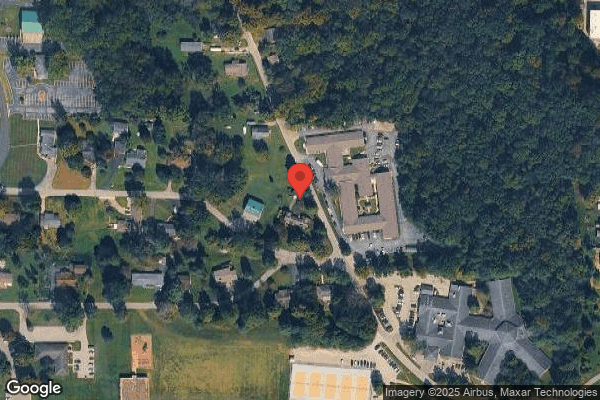
Dec 2022 1 deficiency
CONCERN (D) 📢 Someone Reported This

A family member, employee, or ombudsman was alarmed enough to file a formal complaint

Potential for Harm - no one hurt, but risky conditions existed

Medical Records (Tag F0842)

Could have caused harm · This affected 1 resident

Based on interview and record review, the facility failed to ensure a resident's (Resident C) medication administration record accurately reflected the administration of a narcotic pain medication for...

Read full inspector narrative →
Based on interview and record review, the facility failed to ensure a resident's (Resident C) medication administration record accurately reflected the administration of a narcotic pain medication for 1 of 3 residents reviewed for medical records. Findings include: The clinical record for Resident C was reviewed on 11/30/22 at 1:19 p.m. The diagnoses included, but were not limited to, osteoporosis and anxiety. The August 2022 medication administration record (MAR) indicated the resident was to receive Hydrocodone-Acetaminophen (narcotic pain medication) 7.5 - 325 mg (milligrams), one tablet every 6 hours as needed for pain. The August 2022 controlled drug administration record indicated Resident C received the narcotic pain medication on 8/13/22 at 8:00 p.m., 8/16/22 at 8:00 p.m., 8/18/22 at 8:00 p.m., 8/22/22 at 7:00 a.m., and 8/23/22 at 8:00 p.m. The August 2022 MAR lacked documentation of the administration of the medication on the above dates, the resident's pain level or the effectiveness of the medication. During an interview on 12/2/22 at 10:40 a.m., LPN (Licensed Practical Nurse) 2 indicated when an as needed pain medication was administered, it should be signed out on the narcotic record and the medication administration record. The most current Medication Administration policy, provided on 12/2/22 at 11:50 a.m., by the Executive Director, included, but was not limited to, . Procedure . General Procedure . Medication will be charted when given .Narcotics will be signed out when given . Documentation a. documentation of medication will be current for medication administration b. Documentation will follow accepted standards of nursing practice . This Federal tag relates to Complaint IN00388183 3.1-50(a)(1)(2)
Understanding Severity Codes (click to expand)
Life-Threatening (Immediate Jeopardy)
J - Isolated K - Pattern L - Widespread
Actual Harm
G - Isolated H - Pattern I - Widespread
Potential for Harm
D - Isolated E - Pattern F - Widespread
No Harm (Minor)
A - Isolated B - Pattern C - Widespread

Questions to Ask on Your Visit

  • "Can I speak with families of current residents?"
  • "What's your RN coverage like on weekends and overnight?"

Our Honest Assessment

Strengths
  • • No fines on record. Clean compliance history, better than most Indiana facilities.
  • • 34% turnover. Below Indiana's 48% average. Good staff retention means consistent care.
Concerns
  • • 16 deficiencies on record, including 1 serious (caused harm) violation. Ask about corrective actions taken.
Bottom line: Mixed indicators with Trust Score of 70/100. Visit in person and ask pointed questions.

About This Facility

What is Indian Creek Healthcare Center's CMS Rating?

CMS assigns INDIAN CREEK HEALTHCARE CENTER an overall rating of 4 out of 5 stars, which is considered above average nationally. Within Indiana, this rating places the facility higher than 99% of the state's 100 nursing homes. This rating reflects solid performance across the metrics CMS uses to evaluate nursing home quality.

How is Indian Creek Healthcare Center Staffed?

CMS rates INDIAN CREEK HEALTHCARE CENTER's staffing level at 2 out of 5 stars, which is below average compared to other nursing homes. Staff turnover is 34%, compared to the Indiana average of 46%. This relatively stable workforce can support continuity of care.

What Have Inspectors Found at Indian Creek Healthcare Center?

State health inspectors documented 16 deficiencies at INDIAN CREEK HEALTHCARE CENTER during 2022 to 2025. These included: 1 that caused actual resident harm and 15 with potential for harm. Deficiencies causing actual harm indicate documented cases where residents experienced negative health consequences.

Who Owns and Operates Indian Creek Healthcare Center?

INDIAN CREEK HEALTHCARE CENTER is owned by a non-profit organization. Non-profit facilities reinvest revenue into operations rather than distributing to shareholders. The facility is operated by COMMUNICARE HEALTH, a chain that manages multiple nursing homes. With 135 certified beds and approximately 120 residents (about 89% occupancy), it is a mid-sized facility located in CORYDON, Indiana.

How Does Indian Creek Healthcare Center Compare to Other Indiana Nursing Homes?

Compared to the 100 nursing homes in Indiana, INDIAN CREEK HEALTHCARE CENTER's overall rating (4 stars) is above the state average of 3.1, staff turnover (34%) is significantly lower than the state average of 46%, and health inspection rating (4 stars) is above the national benchmark.

What Should Families Ask When Visiting Indian Creek Healthcare Center?

Based on this facility's data, families visiting should ask: "Can you walk me through typical staffing levels on day, evening, and night shifts?" "Can I visit during a mealtime to observe dining assistance and food quality?" "How do you handle medical emergencies, and what is your hospital transfer rate?" "Can I speak with family members of current residents about their experience?" These questions are particularly relevant given the below-average staffing rating.

Is Indian Creek Healthcare Center Safe?

Based on CMS inspection data, INDIAN CREEK HEALTHCARE CENTER has a clean safety record: no substantiated abuse findings (meaning no confirmed cases of resident harm), no Immediate Jeopardy citations (the most serious violation level indicating risk of serious injury or death), and is not on the Special Focus Facility watch list (a federal program monitoring the lowest-performing 1% of nursing homes). The facility has a 4-star overall rating and ranks #1 of 100 nursing homes in Indiana. While no facility is perfect, families should still ask about staff-to-resident ratios and recent inspection results during their visit.

Do Nurses at Indian Creek Healthcare Center Stick Around?

INDIAN CREEK HEALTHCARE CENTER has a staff turnover rate of 34%, which is about average for Indiana nursing homes (state average: 46%). Moderate turnover is common in nursing homes, but families should still ask about staff tenure and how the facility maintains care continuity when employees leave.

Was Indian Creek Healthcare Center Ever Fined?

INDIAN CREEK HEALTHCARE CENTER has no federal fines on record. CMS issues fines when nursing homes fail to meet care standards or don't correct problems found during inspections. The absence of fines suggests the facility has either maintained compliance or corrected any issues before penalties were assessed. This is a positive indicator, though families should still review recent inspection reports for the full picture.

Is Indian Creek Healthcare Center on Any Federal Watch List?

INDIAN CREEK HEALTHCARE CENTER is not on any federal watch list. The most significant is the Special Focus Facility (SFF) program, which identifies the bottom 1% of nursing homes nationally based on persistent, serious quality problems. Not being on this list means the facility has avoided the pattern of deficiencies that triggers enhanced federal oversight. This is a positive indicator, though families should still review the facility's inspection history directly.