WATERS OF COVINGTON, THE
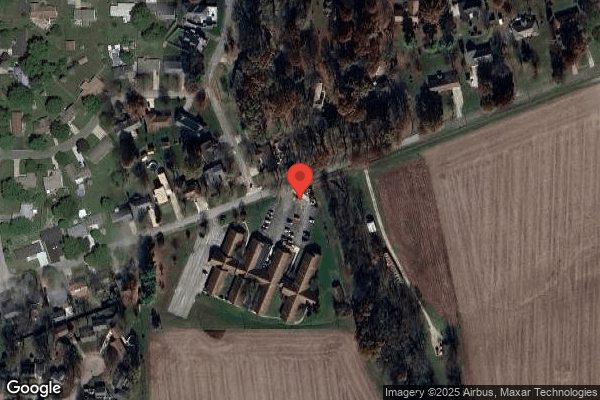
1600 E LIBERTY ST, COVINGTON, IN 47932 (765) 793-4818
For profit - Limited Liability company 119 Beds INFINITY HEALTHCARE CONSULTING Data: November 2025 1 Immediate Jeopardy citation
Trust Grade
3/100
#491 of 505 in IN
Last Inspection: October 2024

Within standard 12-15 month inspection cycle. Federal law requires annual inspections.

Overview

Waters of Covington in Indiana has received a Trust Grade of F, indicating significant concerns about the facility's quality and care. Ranked #491 out of 505 facilities in the state, this places them in the bottom half, while they are the only option in Fountain County. The facility is currently improving, with a decrease in reported issues from 14 in 2024 to just 3 in 2025, but it still faces several serious problems. Staffing is a weakness, with a low rating of 1 out of 5 stars and a turnover rate of 45%, although this is slightly below the state average. Notably, the facility has incurred $107,063 in fines, which is concerning as it is higher than 98% of Indiana facilities, suggesting ongoing compliance issues. Specific incidents include a resident who did not receive their required BIPAP machine after returning from the hospital, risking their health, and multiple residents being confined against their will, which could cause emotional distress. While there are some signs of improvement, families should weigh these serious concerns carefully when considering this nursing home.

Trust Score
F
3/100
In Indiana
#491/505
Bottom 3%
Safety Record
High Risk
Review needed
Inspections
Getting Better
14 → 3 violations
Staff Stability
⚠ Watch
45% turnover. Above average. Higher turnover means staff may not know residents' routines.
Penalties
✓ Good
$107,063 in fines. Lower than most Indiana facilities. Relatively clean record.
Skilled Nurses
⚠ Watch
Each resident gets only 25 minutes of Registered Nurse (RN) attention daily — below average for Indiana. Fewer RN minutes means fewer trained eyes watching for problems.
Violations
⚠ Watch
41 deficiencies on record. Higher than average. Multiple issues found across inspections.
★☆☆☆☆
1.0
Overall Rating
★☆☆☆☆
1.0
Staff Levels
★★★☆☆
3.0
Care Quality
★☆☆☆☆
1.0
Inspection Score
Stable
2024: 14 issues
2025: 3 issues

The Good

  • Full Sprinkler Coverage · Fire safety systems throughout facility
  • No fines on record

Facility shows strength in fire safety.

The Bad

1-Star Overall Rating

Below Indiana average (3.1)

Significant quality concerns identified by CMS

Staff Turnover: 45%

Near Indiana avg (46%)

Higher turnover may affect care consistency

Federal Fines: $107,063

Well above median ($33,413)

Significant penalties indicating serious issues

Chain: INFINITY HEALTHCARE CONSULTING

Part of a multi-facility chain

Ask about local staffing decisions and management

The Ugly 41 deficiencies on record

1 life-threatening 2 actual harm
Jul 2025 3 deficiencies 1 Harm
SERIOUS (G) 📢 Someone Reported This

A family member, employee, or ombudsman was alarmed enough to file a formal complaint

Actual Harm - a resident was hurt due to facility failures

Accident Prevention (Tag F0689)

A resident was harmed · This affected 1 resident

**NOTE- TERMS IN BRACKETS HAVE BEEN EDITED TO PROTECT CONFIDENTIALITY** Based on record review, observation, and interview, the facility failed to ensure a resident was assessed for and safely transfe...

Read full inspector narrative →
**NOTE- TERMS IN BRACKETS HAVE BEEN EDITED TO PROTECT CONFIDENTIALITY** Based on record review, observation, and interview, the facility failed to ensure a resident was assessed for and safely transferred in a mechanical lift resulting in actual harm when the resident fell from the mechanical lift sling during a transfer and sustained a fracture to the right tibia (bone in the lower leg) (Resident B), failed to ensure residents were appropriately transferred in mechanical lifts using the correct slings (Residents B and D), and to ensure a resident with multiple falls received updated interventions to prevent further falls (Resident C) for 3 of 4 residents reviewed for accidents. Findings include:1. Resident B’s record was reviewed on 7/22/25 at 11:23 a.m. Diagnoses on the resident’s profile included, but were not limited to, cerebral palsy (a group of neurological disorders that affect movement, muscle tone, and posture) and unspecified fracture of the upper end of the right tibia. A significant change Minimum Data Set (MDS) assessment, dated 7/1/25, indicated the resident had a severe cognitive impairment, was dependent for chair/bed transfers, and had one fall with a major injury since the prior assessment. A physician’s order, dated 8/29/19, indicated the resident was transferred with a mechanical lift. A care plan, initiated on 8/29/19, indicated the resident required staff assistance with activities of daily living (ADLs) related to cerebral palsy. Interventions included, but were not limited to, encourage the use of assistive devices as needed, mechanical lift. Current physician’s orders lacked documentation of orders related to the resident’s right tibia fracture. A fall risk review, dated 6/18/25, indicated the resident was a high risk for falls. A progress note, dated 6/18/25 at 12:00 p.m., indicated it was a late entry. The note indicated the Certified Nurse Aide (CNA) notified the nurse the resident slid out of the mechanical lift. The resident was found lying on the floor on her right side, and there were two CNAs in the room. The CNAs reported the resident slid out of the mechanical lift sling and landed on her right side when the resident began moving during the transfer. One CNA reported she was able to prevent the resident from hitting her head. The resident was assessed and did not complain of pain. The Nurse Practitioner (NP) was in the facility and assessed the resident. The NP stated the resident could be moved to the bed, and the resident was assisted back to bed. The resident’s family member was notified of the incident. The resident requested to get up for lunch, and the NP said the resident was able to get out of bed. The resident was assisted out of bed and went to lunch. A progress note, dated 6/18/25 at 1:10 p.m., indicated the resident fell out of the Hoyer sling, at 11:45 a.m., during a transfer from the bed to the chair. A Situation, Background, Assessment, Recommendation (SBAR) form, dated 6/18/25 at 11:45 a.m., indicated the resident had a fall, and the recommendation was to monitor the patient and use a bigger Hoyer (mechanical lift) sling when transferring. A progress note, dated 6/19/25 at 4:31 a.m., indicated x-rays were ordered for the resident’s right shoulder and right knee. A progress note, dated 6/19/25 at 4:44 a.m., indicated the mobile x-ray company was scheduled to complete the x-rays in the morning. An Interdisciplinary Team (IDT) progress note, dated 6/19/25 at 10:12 a.m., indicated the IDT was reviewing the resident’s fall from 6/8/25 [sic]. The resident slipped out of the mechanical lift sling while being transferred. The root cause was “slid out of Hoyer lift.” The intervention was to ensure the appropriate sling was being used. The IDT consisted of the Dietary Manager, MDS Coordinator, Social Services Director (SSD), and Assistant Director of Nursing (ADON). The medical record lacked documentation of an assessment of the resident for the safe use of the mechanical lift was completed. The incident investigation file contained the following two undated witness statements. A witness statement from CNA 4 stated, “I was in [Resident B’s] room providing care for her…put the Hoyer lift sling under her. [CNA 5] entered the room. We put the sling on the Hoyer lift. As I was pulling out from the bed as I was turning the Hoyer, [Resident B] began to move/wiggle in the sling. I asked her to stop moving. [CNA 5] and I were able to catch her head to prevent it from hitting the floor…” A witness statement from CNA 5 stated, “I…went into [Resident B’s] room to help [CNA 4] transfer her with the Hoyer lift. We put the sling on the Hoyer lift. As [CNA 4] was pulling the Hoyer from out from the bed and turning it, [Resident B] began to move/wiggle in the sling. [CNA 4] asked her to stop moving. I moved closer to help with the transfer, [Resident B] arched her back and slid out of the Hoyer sling. Although we did not keep her from falling, we were able to catch her head to prevent her from hitting her head….” A progress note, dated 6/19/25 at 11:45 a.m., indicated the mobile x-ray company completed the x-rays of the resident’s right shoulder and right knee. An x-ray report, dated 6/19/25, indicated the resident had a right tibia fracture. The physician signed the report and indicated, “apply splint refer to ortho [orthopedics].” A progress note, dated 6/19/25 at 12:29 p.m., indicated the resident’s x-ray results were received, and there was a fracture to the right tibia. The physician was notified and ordered a splint and orthopedic referral. The orthopedic office was contacted to schedule an appointment. A physician’s order, dated 6/20/25, indicated the resident was able to get in the wheelchair. A care plan, initiated on 6/20/25, indicated the resident had a fracture to the right tibia from a fall on 6/18/25. Interventions included, but were not limited to, handle gently when moving or positioning and maintain body alignment. An IDT progress note, dated 6/24/25 at 4:43 p.m., indicated it was an IDT fall follow up clarification. Upon chart review, there was a clarification on the date and events. The fall occurred on 6/18/25, and the IDT note, dated 6/19/25, mistakenly indicated it occurred on 6/8/25. The resident was being transferred via mechanical lift by two CNAs, became restless, and positioned her body in a straight board position. This position caused her to “maneuver herself out of the Hoyer lift sling.” The resident fell approximately three feet, and the CNAs were able to prevent her head from hitting the floor. The resident landed on her right leg. The NP was in the facility, assessed the resident, and indicated she was able to be moved from the floor to the bed. The resident was assessed and was not in pain. The root cause of the incident was the resident became restless and maneuvered herself out of the sling. Interventions included immediate assessment by the NP, staff education for mechanical lift transfers and dealing with residents who had increased agitation during a mechanical lift transfer, x-ray completed, orthopedic consult completed with a new order for a follow-up x-ray in six weeks. An orthopedic physician progress note, dated 6/24/25, stated, “…Given that the patient is nonambulatory, I strongly recommend nonoperative management, and the patient and her family concurred. Supportive care will be provided, including placing support underneath the leg during lifting and transferring. A knee immobilizer or brace is not recommended, as it may lead to increased swelling and complications…The fracture is expected to heal in approximately three to four months….” A progress note, dated 6/25/25 at 2:05 a.m., indicated the resident was seen by the orthopedic physician on 6/24/25, but the nurse had not seen any paperwork from the appointment. During an interview, on 7/22/25 at 1:42 p.m., Resident B indicated she fell out of the mechanical lift because the staff did not have her in the lift “right.” When she fell, her leg hurt. During an interview, on 7/22/25 at 2:41 p.m., Qualified Medication Aide (QMA) 7 indicated she worked 6/18/24 when the resident fell out of the mechanical lift sling. Someone reported to her the resident fell, and she went to get the ADON. The staff stated the resident “bucked” and fell out of the sling. She was not sure if that was unusual for the resident because she did not normally provide direct resident care. After the incident, the staff received training regarding mechanical lift transfers but not regarding sling size. If a resident needed a mechanical lift sling, staff retrieved it from the supply. The size should have been determined by weight. She thought the resident’s height might have been a factor in the mechanical lift sling size as well, but she was not sure about hip size. During an interview, on 7/22/25 at 2:47 p.m., CNA 8 indicated she was familiar with Resident B. There had been issues transferring the resident with the mechanical lift because of her contractures and stiffness. The facility got a new mechanical lift sling for her, and it helped. The new sling crosses between the resident’s legs. The sling they were using before was a “bath sling.” It was a large rectangle that acted like a hammock and seemed too big. She indicated the staff was not trained on which type of mechanical lift sling to use or which size. There have been times when staff used bath slings when they were not really appropriate because they were not sure what to use or the correct equipment was not available. During an interview, on 7/22/25 at 3:01 p.m., the Administrator indicated they purchased personalized mechanical lift slings for each resident who used the lift based on their weights. They wrote the residents’ name on the label. At the same time, the bath sling was observed and was noted to be a large rectangle shape. The sling was not a [mechanical lift brand name] sling. During an observation, on 7/23/25 at 9:50 a.m., CNA 4 and CNA 9 transferred Resident B from the bed to the chair with the mechanical lift. The legs of the lift were closed and under the bed. The CNAs attached the sling loops to the mechanical lift. CNA 4 lifted Resident B up and off the bed, moved the mechanical lift backwards, turned to the right, and positioned it in front of the resident’s wheelchair. Once the mechanical faced the resident’s wheelchair, CNA 4 opened the legs of the mechanical lift and pushed it towards the resident’s wheelchair. CNA 9 guided the resident into the wheelchair as CNA 4 lowered the lift. During the transfer, the straps of the mechanical lift pad were crossed between the resident’s legs, but the resident’s buttocks protruded through the opening of the mechanical lift sling and her legs hung over the sling straps at her knees. The CNAs did not support the resident’s fractured leg during the transfer. At the same time, the ADON indicated the resident’s buttocks were positioned that way due to her contractures. The mechanical lift sling was observed to have the resident’s name on it and was a different brand than the mechanical lift. The CNAs were unable to verbalize what size sling the resident required. On 7/23/25 at 10:27 a.m., the Housekeeping Supervisor provided a document titled, “Hoyer,” and indicated it was a list of residents and their weights provided to her by nursing. When she was provided with this list, she was told to order each resident on it a new mechanical lift sling based on their weight. She was not told to use any other body measurements, such as height or hip width, to determine sling size. Prior to the new slings being ordered, staff used full-body, rectangular slings for the mechanical lift for all residents. The new slings ordered were a different shape and the straps crossed between the residents’ legs. She was approved to order one new sling for the residents who required a mechanical lift for transfers and was supposed to order a second sling for each resident later. If the new sling was soiled, she had one extra of the new style sling, but only one size. Otherwise, the staff would have needed to use the old rectangular style slings they used before until the new sling was laundered. She ordered the slings through the medical supply company she always used and was not told they needed to be [mechanical lift brand name] slings. During an interview, on 7/23/25 at 10:50 a.m., CNA 4 indicated she was not notified of any requirement to do anything with Resident B’s fractured leg during transfers. She was not aware the resident’s fractured leg needed support during transfers. During an interview, on 7/23/25 at 1:22 p.m., CNA 4 and CNA 5 indicated they were the CNAs who transferred Resident B when she fell out of the mechanical lift sling. They used the rectangular lift sling. The resident stiffened up and fell out of the mechanical lift sling. They had new mechanical lift slings that crossed between the residents’ legs, and they worked better. On 7/23/25 at 1:40 p.m., the DON provided a document titled, “Interdisciplinary Resident Screen,” dated 6/19/25, and indicated it was the mechanical lift assessment for Resident B. The document indicated the resident had a recent fall and received a screening for physical therapy. The document did not include an assessment of the resident’s appropriateness or safety for use of the mechanical lift and was not a mechanical lift assessment. At the same time, the DON indicated she was not able to find any other mechanical lift assessments for the resident. On 7/22/25 at 2:55 p.m., the Administrator provided the user manual for the mechanical lift used by the facility, dated 10/1/18. The user manual indicated, “…Use common sense in all lifts. Special care MUST BE taken with people with disabilities who cannot cooperate while being lifted. [Mechanical lift brand name] slings and patient lift accessories are specifically designed to be used in conjunction with the [mechanical lift brand name] patient lifts. Slings and accessories designed by other manufacturers are not to be utilized as a component of [mechanical lift brand name] patient lift system…Using the sling…WARNING…If the patient is in a wheelchair, secure the wheel locks in place to prevent the chair from moving forwards or backwards…When using an adjustable lift base lift, the legs MUST be in the maximum opened/locked position before lifting the patient…The legs of the lift must be in the maximum open position for optimum stability and safety. If it is necessary to close the legs of the lift to maneuver the lift under a bed, close the legs of the lift only as long as it takes to position the lift over the patient and lift the patient off the surface of the bed. When the legs of the lift are no longer under the bed, return the legs of the lift to the maximum open position and lock the shifter handle immediately….” On 7/23/25 at 11:18 a.m., the DON provided a document titled, “Guidelines for Mechanical Lift Transfer/Usage,” dated 7/8/24, and indicated it was the policy currently being used by the facility. The policy indicated, “…Getting ready to use a Mechanical Lift…7) Never use a mechanical lift on a resident who is agitated, resistant or combative…10) Make sure that you have the correct sling for the resident. The sling needs to be: a) Compatible with the specific mechanical lift being used b) Correct size for the resident-this is determined using the resident’s size, weight, and hip measurements in accordance with the manufacturer’s recommendations….” 2. On 7/22/25 at 1:00 p.m., the medical record of Resident D was reviewed. The resident’s most recent admission to the facility was on 10/25/24. Admitting diagnosis included but not limited to repeated falls and reduced mobility. Review of physician orders indicated the record lacked an order to use the mechanical lift for transfers. A quarterly Minimum Data Assessment (MDS), dated [DATE], indicated the resident was extensive assist with two persons for transfers and was cognitively impaired. A care plan, dated 4/12/24, indicated the resident was at risk for falls. Interventions included, but were not limited to, antiroll back in wheelchair. A care plan, dated 8/1/24, indicated resident required assistance with activity of daily living care needs. Interventions included, but were not limited to, staff assist with transfers as needed, and assess by therapy as needed. The care plan lacked documentation of use of mechanical lift to transfer. On 7/22/25 at 1:50 p.m., observed Resident D being transferred from wheelchair to bed. Observed Certified Nurse aide (CNA) 4 operating the mechanical lift and CNA 9 assisting to position the resident in the mechanical lift pad. The top back of the pad observed to be approximately 4 inches above the back of the resident’s head. The resident was lifted approximately 18 inches over the wheelchair arm rest and moved to the bed. CNA 9 failed to lock the wheelchair prior to lifting the resident from the chair. CNA 4 failed to lock the brakes on the mechanical lift prior to lowering the resident onto the bed. 3. On 7/22/25 at 2:00 p.m., the medical record of Resident C was reviewed. The most recent admission to the facility was on 10/4/24. Admitting diagnosis included, but not limited to, chronic obstructive pulmonary disease (COPD) (a group of diseases that cause airflow blockage and breathing-related problems), weakness, and falls. A care plan, dated 3/29/24, indicated the resident was at risk for falls. Interventions included, but not limited to, anti rollbacks to wheelchair dated 1/24/23, color call light dated 4/4/22, and fall mat while in bed dated 9/6/23. The record indicated the resident had fallen on the following dates. On 6/22/25 the resident fell out of the wheelchair. On 6/28/25 the resident fell on the floor in front of her wheelchair. On 7/11/25 the resident fell out of wheelchair in the hall. On 7/14/25 the resident fell out of bed onto a mat. On 7/18/25 the resident was found sitting on the floor in the hallway in front of the wheelchair. The medical record lacked documentation of new preventive interventions being implemented after each fall. A fall risk assessment, dated 6/28/25, indicated the fall risk score was 13 and the resident was a high fall risk. A quarterly Minimum Data Set Assessment (MDS), dated [DATE], indicated the resident was cognitively impaired. A fall risk assessment, dated 7/19/25, indicated the fall risk score was 17 and the resident continued to be high fall risk. On 7/23/25 at 11:13 a.m., during an interview the Director of Nurses (DON) indicated the care plans were updated after incidents during the IDT (inter disciplinary team) meeting. The DON indicated the MDS Coordinator would update the care plan with interventions at that time. Review of four employee files hired between 2/7/24 and 7/31/24 lacked documentation of competency skills evaluations for use of mechanical lifts. On 7/23/25 at 11:42 a.m., observed Resident C laying on her back across the bed sleeping. Observed the wheelchair in front of the resident. Call light had red tape on the light, the wheelchair had anti tip bar on the back, there was not a mat on the floor next to the bed. On 7/22/2025 at 2:55 p.m., the provided a document titled, “Guidelines for incidents, accidents, falls,” dated 6/30/23, and indicated it was the policy currently being used by the facility. The policy indicated, “ .11. Each fall needs a new care plan intervention rolled out…15. Based on the results of the incident, accident, fall, the resident’s care plan will be addressed to ensure that any needed points of focus have measurable goals with appropriate interventions in place….” This citation relates to Complaint 1380602. 3.1-45(a)
CONCERN (D) 📢 Someone Reported This

A family member, employee, or ombudsman was alarmed enough to file a formal complaint

Potential for Harm - no one hurt, but risky conditions existed

Notification of Changes (Tag F0580)

Could have caused harm · This affected 1 resident

Based on record review and interview, the facility failed to ensure a resident's family member was notified in a timely manner of a resident's fracture for 1 of 4 residents reviewed for accidents (Res...

Read full inspector narrative →
Based on record review and interview, the facility failed to ensure a resident's family member was notified in a timely manner of a resident's fracture for 1 of 4 residents reviewed for accidents (Resident B). Findings include: Resident B's record was reviewed on 7/22/25 at 11:23 a.m. Diagnoses on the resident's profile included, but were not limited to, cerebral palsy (a group of neurological disorders that affect movement, muscle tone, and posture) and unspecified fracture of the upper end of the right tibia. A significant change Minimum Data Set (MDS) assessment, dated 7/1/25, indicated the resident had a severe cognitive impairment, was dependent for chair/bed transfers, and had one fall with a major injury since the prior assessment. A progress note, dated 6/18/25 at 12:00 p.m., indicated it was a late entry. The note indicated the Certified Nurse Aide (CNA) notified the nurse the resident slid out of the mechanical lift. The resident was found lying on the floor on her right side, and there were two CNAs in the room. The CNAs reported the resident slid out of the mechanical lift sling and landed on her right side when the resident began moving during the transfer. One CNA reported she was able to prevent the resident from hitting her head. The resident was assessed and did not complain of pain. The Nurse Practitioner (NP) was in the facility and assessed the resident. The NP stated the resident could be moved to the bed, and the resident was assisted back to bed. The resident's family member was notified of the incident. The resident requested to get up for lunch, and the NP said the resident was able to get out of bed. The resident was assisted out of bed and went to lunch. A progress note, dated 6/19/25 at 4:31 a.m., indicated x-rays were ordered for the resident's right shoulder and right knee. A progress note, dated 6/19/25 at 4:44 a.m., indicated the mobile x-ray company was scheduled to complete the x-rays in the morning. A progress note, dated 6/19/25 at 11:45 a.m., indicated the mobile x-ray company completed the x-rays of the resident's right shoulder and right knee. An x-ray report, dated 6/19/25, indicated the resident had a right tibia fracture. The physician signed the report and indicated, apply splint refer to ortho [orthopedics]. A progress note, dated 6/19/25 at 12:29 p.m., indicated the resident's x-ray results were received, and there was a fracture to the right tibia. The physician was notified and ordered a splint and orthopedic referral. The orthopedic office was contacted to schedule an appointment. The note lacked documentation the resident's family member was notified. A progress note, dated 6/20/25 at 10:30 a.m., indicated the resident's Power of Attorney (POA) was notified of the resident's right tibia fracture. The record lacked documentation the resident's POA was notified prior to this date and time. During an interview, on 7/23/25 at 9:20 a.m., the Director of Nursing (DON) indicated she noticed in the morning meeting, on 6/20/25, Resident B's family member had not been notified of the resident's fracture. They followed up with the staff nurse and verified the family member had not been notified, and the staff nurse indicated she had not notified the family. Once they found the notification was not completed, the DON notified the resident's family member. The resident's family member should have been notified of the new fracture on the same day it was found. On 7/23/25 at 11:09 a.m., the DON provided a document titled, Change in a Resident's Condition or Status, last revised in February 2021, and indicated it was the policy currently being used by the facility. The policy indicated, .Policy Statement: Our facility notifies the.resident representative of changes in the resident's medical.condition.Policy Interpretation and Implementation.4.a nurse will notify the resident's representative when: a. the resident is involved in any accident or incident that results in an injury.b. there is a significant change in the resident's physical.status. This citation relates to Complaint 1380602. 3.1-5(a)(2)
CONCERN (E) 📢 Someone Reported This

A family member, employee, or ombudsman was alarmed enough to file a formal complaint

Potential for Harm - no one hurt, but risky conditions existed

Deficiency F0726 (Tag F0726)

Could have caused harm · This affected multiple residents

**NOTE- TERMS IN BRACKETS HAVE BEEN EDITED TO PROTECT CONFIDENTIALITY** Based on observation, interview, and record review, the facility failed to ensure staff were competent in performing mechanical ...

Read full inspector narrative →
**NOTE- TERMS IN BRACKETS HAVE BEEN EDITED TO PROTECT CONFIDENTIALITY** Based on observation, interview, and record review, the facility failed to ensure staff were competent in performing mechanical lift transfers during 2 of 2 observed mechanical lift transfers (Residents B and D). This deficient practice had the potential to affect 15 of 15 residents who required a mechanical lift for transfers. Findings include:1. Resident B’s record was reviewed on 7/22/25 at 11:23 a.m. Diagnoses on the resident’s profile included, but were not limited to, cerebral palsy (a group of neurological disorders that affect movement, muscle tone, and posture) and unspecified fracture of the upper end of the right tibia. A significant change Minimum Data Set (MDS) assessment, dated 7/1/25, indicated the resident had a severe cognitive impairment, was dependent for chair/bed transfers, and had one fall with a major injury since the prior assessment. A physician’s order, dated 8/29/19, indicated the resident was transferred with a mechanical lift. A progress note, dated 6/18/25 at 12:00 p.m., indicated it was a late entry. The note indicated the Certified Nurse Aide (CNA) notified the nurse the resident slid out of the mechanical lift. The resident was found lying on the floor on her right side, and there were two CNAs in the room. The CNAs reported the resident slid out of the mechanical lift sling and landed on her right side when the resident began moving during the transfer. A progress note, dated 6/19/25 at 4:31 a.m., indicated x-rays were ordered for the resident’s right shoulder and right knee. An interdisciplinary team (IDT) progress note, dated 6/19/25 at 10:12 a.m., indicated the IDT was reviewing the resident’s fall from 6/8/25 [sic]. The resident slipped out of the mechanical lift sling while being transferred. The root cause was “slid out of Hoyer lift.” The intervention was to ensure the appropriate sling was being used. The IDT consisted of the Dietary Manager, MDS Coordinator, Social Services Director (SSD), and Assistant Director of Nursing (ADON). An x-ray report, dated 6/19/25, indicated the resident had a right tibia fracture. The physician signed the report and indicated, “apply splint refer to ortho [orthopedics].” An IDT progress note, dated 6/24/25 at 4:43 p.m., indicated it was an IDT fall follow up clarification. Upon chart review, there was a clarification on the date and events. The fall occurred on 6/18/25, and the IDT note, dated 6/19/25, mistakenly indicated it occurred on 6/8/25. The resident was being transferred via mechanical lift by two CNAs, became restless, and positioned her body in a straight board position. This position caused her to “maneuver herself out of the Hoyer lift sling.” The resident fell approximately three feet, and the CNAs were able to prevent her head from hitting the floor. The resident landed on her right leg. The NP was in the facility, assessed the resident, and indicated she was able to be moved from the floor to the bed. The resident was assessed and was not in pain. The root cause of the incident was the resident became restless and maneuvered herself out of the sling. Interventions included immediate assessment by the NP, staff education for mechanical lift transfers and dealing with residents who had increased agitation during a mechanical lift transfer, x-ray completed, orthopedic consult completed with a new order for a follow-up x-ray in six weeks. An orthopedic physician progress note, dated 6/24/25, stated, “…Given that the patient is nonambulatory, I strongly recommend nonoperative management, and the patient and her family concurred. Supportive care will be provided, including placing support underneath the leg during lifting and transferring. A knee immobilizer or brace is not recommended, as it may lead to increased swelling and complications…The fracture is expected to heal in approximately three to four months….” The incident investigation file contained the following two undated witness statements. A witness statement from CNA 4 stated, “I was in [Resident B’s] room providing care for her…put the Hoyer lift sling under her. [CNA 5] entered the room. We put the sling on the Hoyer lift. As I was pulling out from the bed as I was turning the Hoyer, [Resident B] began to move/wiggle in the sling. I asked her to stop moving. [CNA 5] and I were able to catch her head to prevent it from hitting the floor…” A witness statement from CNA 5 stated, “I…went into [Resident B’s] room to help [CNA 4] transfer her with the Hoyer lift. We put the sling on the Hoyer lift. As [CNA 4] was pulling the Hoyer from out from the bed and turning it, [Resident B] began to move/wiggle in the sling. [CNA 4] asked her to stop moving. I moved closer to help with the transfer, [Resident B] arched her back and slid out of the Hoyer sling. Although we did not keep her from falling, we were able to catch her head to prevent her from hitting her head….” During an interview, on 7/22/25 at 2:41 p.m., Qualified Medication Aide (QMA) 7 indicated she worked 6/18/24 when the resident fell out of the mechanical lift sling. Someone reported to her the resident fell, and she went to get the ADON. The staff stated the resident “bucked” and fell out of the sling. She was not sure if that was unusual for the resident because she did not normally provide direct resident care. After the incident, the staff received training regarding mechanical lift transfers but not regarding sling size. If a resident needed a mechanical lift sling, staff retrieved it from the supply. The size should have been determined by weight. She thought the resident’s height might have been a factor in the mechanical lift sling size as well, but she was not sure about hip size. During an interview, on 7/22/25 at 2:47 p.m., CNA 8 indicated she was familiar with Resident B. There had been issues transferring the resident with the mechanical lift because of her contractures and stiffness. The facility got a new mechanical lift sling for her, and it helped. The new sling crossed between the resident’s legs. The sling they were using before was a “bath sling.” It was a large rectangle that acted like a hammock and seemed too big. She indicated the staff was not trained on which type of mechanical lift sling to use or which size. There had been times when staff used bath slings when they were not really appropriate because they were not sure what to use or the correct equipment was not available. During an observation, on 7/23/25 at 9:50 a.m., CNA 4 and CNA 9 transferred Resident B from the bed to the chair with the mechanical lift. The legs of the lift were closed and under the bed. The CNAs attached the sling loops to the mechanical lift. CNA 4 lifted Resident B up and off the bed, moved the mechanical lift backwards, turned to the right, and positioned it in front of the resident’s wheelchair. Once the mechanical faced the resident’s wheelchair, CNA 4 opened the legs of the mechanical lift and pushed it towards the resident’s wheelchair. CNA 9 guided the resident into the wheelchair as CNA 4 lowered the lift. During the transfer, the straps of the mechanical lift pad were crossed between the resident’s legs, but the resident’s buttocks protruded through the opening of the mechanical lift sling and her legs hung over the sling straps at her knees. The CNAs did not support the resident’s fractured leg during the transfer. At the same time, the ADON indicated the resident’s buttocks were positioned that way due to her contractures. The mechanical lift sling was observed to have the resident’s name on it and was a different brand than the mechanical lift. The CNAs were unable to verbalize what size sling the resident required. During an interview, on 7/23/25 at 10:50 a.m., CNA 4 indicated she was not notified of any requirement to do anything with Resident B’s fractured leg during transfers. She was not aware the resident’s fractured leg needed support during transfers. During an interview, on 7/23/25 at 1:22 p.m., CNA 4 and CNA 5 indicated they were the CNAs who transferred Resident B when she fell out of the mechanical lift sling. They used the rectangular lift sling. The resident stiffened up and fell out of the mechanical lift sling. They had new mechanical lift slings that crossed between the residents’ legs, and they worked better. On 7/22/25 at 2:55 p.m., the Administrator provided the user manual for the mechanical lift used by the facility, dated 10/1/18. The user manual indicated, “…Use common sense in all lifts. Special care MUST BE taken with people with disabilities who cannot cooperate while being lifted. [Mechanical lift brand name] slings and patient lift accessories are specifically designed to be used in conjunction with the [mechanical lift brand name] patient lifts. Slings and accessories designed by other manufacturers are not to be utilized as a component of [mechanical lift brand name] patient lift system…Using the sling…WARNING…If the patient is in a wheelchair, secure the wheel locks in place to prevent the chair from moving forwards or backwards…When using an adjustable lift base lift, the legs MUST be in the maximum opened/locked position before lifting the patient…The legs of the lift must be in the maximum open position for optimum stability and safety. If it is necessary to close the legs of the lift to maneuver the lift under a bed, close the legs of the lift only as long as it takes to position the lift over the patient and lift the patient off the surface of the bed. When the legs of the lift are no longer under the bed, return the legs of the lift to the maximum open position and lock the shifter handle immediately….” On 7/23/25 at 11:18 a.m., the DON provided a document titled, “Guidelines for Mechanical Lift Transfer/Usage,” dated 7/8/24, and indicated it was the policy currently being used by the facility. The policy indicated, “…Getting ready to use a Mechanical Lift…7) Never use a mechanical lift on a resident who is agitated, resistant or combative…10) Make sure that you have the correct sling for the resident. The sling needs to be: a) Compatible with the specific mechanical lift being used b) Correct size for the resident-this is determined using the resident’s size, weight, and hip measurements in accordance with the manufacturer’s recommendations….” 2. On 7/22/25 at 1:50 p.m., observed Resident D being transferred from wheelchair to bed. Observed Certified Nurse aide (CNA) 4 operating the mechanical lift and CNA 9 assisting to position the resident in the mechanical lift pad. The top back of the pad observed to be approximately 4 inches above the back of the residents head. CNA 4 asked the resident not to hold onto the bar and instructed her to move her arms back and downward. When the resident pulled her arms back, both arms were moved down between the bar and the lift pad. The resident was lifted approximately 18 inches over the wheelchair arm rest and moved to the bed. CNA 9 failed to lock the wheelchair prior to lifting the resident from the chair. CNA 4 failed to lock the brakes on the mechanical lift prior to lowering the resident onto the bed. On 7/23/25 at 9:45 a.m., during a random observation, observed Resident (E) sitting in wheelchair in the main dining room. The resident was sitting on a mechanical lift sling. Observation of the label indicated the residents name was not on the label. On 7/23/25 at 10:00 a.m., during a random observation noted 2 mechanical lift slings were labeled with the residents names and dated 7/9/25. On 7/22/25 at 2:10 p.m., during interview CNA 4 indicated she did not know how to determine the correct size of the lift pad to be used for the resident. She indicated she thought the lift pad was the correct size to be used for the resident. She acknowledged she should have locked the wheelchair prior to lifting the resident from the wheelchair. On 7/22/25 at 2:20 p.m., during interview Qualified Medication Aide (QMA) 6 indicated she did not know how to determine the correct side of a mechanical lift pad to be used for a resident and she would determine the size by looking at the resident and if the lift pad was higher over the back of the residents head the pad would be too big. She indicated when she was transferring a resident from a wheelchair she would raise the bed to be even with the edge of the wheelchair arm rest and would raise the resident up just enough to clear the arm rest on the wheelchair. On 7/23/25 at 1:22 p.m. during interview CNA 4 and CNA 5 indicated they transferred the resident the way they did today during the observation except the resident moves a lot and stiffens up. They were using the rectangular lift pads. CNA 5 indicated she doesn’t normally work that hall, so she hasn’t had any training specific to how to transfer based on the residents risk factors. When they were hired/before the incident they demonstrated how to use the lift properly. After the incident, they had to re-do the mechanical lift competencies and the Assistant Director of Nursing (ADON) observed them do it to make sure they were able to do it. On 7/23/25 at 1:22 p.m. during interview CNA 4 and CNA 5 indicated they transferred the resident the way they did during the observation except the resident moved a lot and stiffens up. They were using the rectangular lift pads. CNA 5 indicated she didn’t normally work that hall, so she had not had any training specific to how to transfer based on the resident risk factors. When they were hired /before the incident they demonstrated how to use the lift properly. They felt like they were provided with equipment, staffing, etc. that they needed to take care of the residents. All residents had their own Hoyer lift pads with their names on them. If the pad needed laundered they put it in the laundry and then got a different pad. They usually got back pretty quickly. They would use the rectangle one right now until the other one came back until the second set of resident specific ones came in. On 7/22/25 at 2:47 p.m. during interview CNA 8 indicated she was not sure everyone was trained on which Hoyer slings to use or what size should be used per sling. There had been times where people had used “bath slings” even when that was not really appropriate either because they didn’t know what to use or because they didn’t have the correct thing available. On 7/22/25 at 2:30 p.m., the medical record of Resident D was reviewed. The residents most recent admission to the facility was on 10/25/24. The record lacked documentation of a physician order to use a mechanical lift for transfers. A quarterly Minimum Data Assessment (MDS) dated [DATE] indicated he resident was extensive assist with two persons for transfers and was cognitively impaired. The residents weight was obtained on 7/8/25 and recorded as 127 lb. According to the manufacture guidelines the residents weight determined she was to use a small mechanical lift pad. On 7/22/2025 at 2:55 p.m., the Administrator provided a document titled, “Guidelines for Mechanical lift Transfer/Usage,” dated 7/8/24, and indicated it was the policy currently being used by the facility. The policy indicated, “ .Getting ready to use a mechanical lift… 3. Be sure that you have the proper mechanical lift for the resident as per the physician’s order and the resident’s care plan. 4. Be sure the residents weight is appropriate for the lift to be used…10…b. Correct size for the resident this is determined using the residents size, weight, and hip measurements in accordance with the manufacture’s recommendations…About the mechanical lift itself…17, Position the lift and receiving surface at correct height to transfer resident easily. This can be with the bed at a higher than usual level or the waist level of the transferring staff, depending on the situation for safety and smooth transferring…Using the Mechanical Lift…34. Apply the wheel lock so it does not move once the mechanical lift is in position…43. Slowly lift the resident only as high as necessary to complete the desired transfer…48. Once the lift is locked and in position lower the lift….” This citation relates to Complaint 1380602. 3.1-14(i)
Nov 2024 2 deficiencies
CONCERN (D) 📢 Someone Reported This

A family member, employee, or ombudsman was alarmed enough to file a formal complaint

Potential for Harm - no one hurt, but risky conditions existed

Notification of Changes (Tag F0580)

Could have caused harm · This affected 1 resident

**NOTE- TERMS IN BRACKETS HAVE BEEN EDITED TO PROTECT CONFIDENTIALITY** Based on interview and record review, the facility failed to notify a resident's representative of changes in condition and trea...

Read full inspector narrative →
**NOTE- TERMS IN BRACKETS HAVE BEEN EDITED TO PROTECT CONFIDENTIALITY** Based on interview and record review, the facility failed to notify a resident's representative of changes in condition and treatment for 1 of 3 residents reviewed for family and /or representative notification. (Resident B) Findings include: On 11/22/24 at 10:00 a.m., during a phone interview, the Power of Attorney (POA) of Resident B indicated she had not been notified of changes in the condition of the resident including an incident which occurred between Resident B and another resident, or that the resident was to be sent to a psychiatric facility. Resident B was on hospice services and the hospice agency had not been informed of an order to transfer the resident. She indicated she had not been notified of medication changes such as a treatment for a rash or that the resident had been placed in isolation. On 11/22/24 at 10:30 a.m., the medical record of Resident B was reviewed. The resident was admitted to the facility on [DATE]. The most recent re-admission was on 1/13/24. admission diagnosis included but were not limited to chronic obstructive pulmonary disease (COPD) (a group of diseases that cause airflow blockage and breathing-related problems), unspecified dementia (the loss of cognitive functioning thinking, remembering, and reasoning to such an extent that it interferes with a person's daily life and activities) with other behavioral disturbance, chronic heart failure (a condition that develops when your heart doesn't pump enough blood for your body's needs), anxiety disorder (a feeling of fear, dread, and uneasiness). Physician orders included, but were not limited to, Sertraline (antidepressant) oral tablet 100 milligrams (mg) 1 tablet by mouth in the morning for depression, xanax (antianxiety) oral tablet 0.5 mg 1 tablet in the evening for anxiety, alprazolam (antianxiety) tablet 0.5 mg, give 1 tablet by mouth every 6 hours as needed for anxiety A quarterly Minimum Data Set (MDS) assessment, dated 10/14/24, indicated the resident was not cognitively intact and required extensive assistance of two persons for care. A care plan, dated 6/4/22, indicated the resident received anti-anxiety medications and was at risk for side effects related to diagnosis of anxiety and nervousness. Interventions included but were not limited to administer medications per physician orders, provide TLC (tender loving care), reassure resident as needed, redirect resident as needed. The nurse progress notes, dated 10/30/2024 at 7:09 p.m., indicated an incident had occurred between Resident B and another resident. The residents were separated and Resident B continued to be agitated. The staff stayed one on one with Resident B so the nurse could contact the doctor for further orders. On 10/30/24 at 7:47 p.m., the medical record indicated the physician was notified and an order was obtained to transfer the resident to a psychiatric facility for evaluation. The record lacked documentation of POA or hospice notification of the incident or the transfer the psychiatric facility. The medical record indicated on 9/12/24 a chest x-ray was administered to Resident B and on 9/13/24 the resident was placed on an antibiotic. The record lacked documentation of POA notification of medication order or change in condition. On 9/23/24 the medical record indicated a change in condition and the resident was administered intravenous fluids (fluids administered through a vein). The record lacked documentation of POA notification. On 10/4/24 the medical record indicated the resident had a change in condition and was sent to the hospital emergency room (ER) for evaluation and treatment. The record lacked documentation of POA notification On 11/22/24 at 12:25 p.m., during an interview, Qualified Medication Aide (QMA) 3 indicated if a resident had a change in condition they would notify the nurse, and the nurse would call the physician and the family. On 11/22/24 at 1:27 p.m., during an interview, Registered Nurse (RN) 4 indicated if a resident had a change of condition the RN would notify the family and document the notification in the assessment and in the nurses notes. If the nurse needed to send a resident out to the hospital the nurse would call an ambulance first then call the family. The RN indicated if a resident was on hospice services the nurse would contact the hospice nurse first and await directives from the hospice nurse and physician. On 11/22/24 at 1:35 p.m., during an interview, the Director of Nursing (DON) indicated if there was a change of condition in a resident the nurse should notify the family or responsible party first and notify them they had an order to send the resident to the hospital. She indicated if there was a change in medication the family or POA should be notified. On 11/22/2024 at 1:54 p.m., the DON provided an undated document titled, Your Rights and Protections as a Nursing Home Resident, and indicated it was the policy currently being used by the facility. The policy indicated, .Have Your Representative Notified: The nursing home must notify your doctor and, if known, your legal representative .when the following occurs: Your physical, mental, or psychological status starts to get worse .The nursing home decides to transfer or discharge you from the nursing home On 11/22/2024 at 1:55 p.m., the DON provided an undated document titled, Change in Resident's Condition Status, and indicated it was the policy currently being used by the facility. The policy indicated, .Policy: It is the policy of the facility to ensure that the resident's attending physician and Representative are notified of changes in the resident's condition or status .Procedure .2. Unless otherwise instructed the resident (if the resident is alert and oriented and their own representative) the nurse will notify the resident's representative when .Abuse situations or allegations of abuse. There is significant change in the resident's physical, mental or psychosocial status .A decision has been made to discharge the resident from the facility; and/or it is necessary to transfer the resident to the hospital This citation relates to Complaint IN00446280. 3.1-5(a)
CONCERN (E) 📢 Someone Reported This

A family member, employee, or ombudsman was alarmed enough to file a formal complaint

Potential for Harm - no one hurt, but risky conditions existed

ADL Care (Tag F0677)

Could have caused harm · This affected multiple residents

Based on observation, interview, and record review, the facility failed to ensure a resident who was unable to carry out activities of daily living (ADL) (daily self-care activities) received assistan...

Read full inspector narrative →
Based on observation, interview, and record review, the facility failed to ensure a resident who was unable to carry out activities of daily living (ADL) (daily self-care activities) received assistance with removal of facial hairs for 3 of 3 residents reviewed for facial hair (Residents E, F, and G), failed to clean and cut finger nails for 1 of 4 residents reviewed for ADL care (Resident B), and the facility failed to ensure a resident was provided showers for 1 of 3 residents reviewed for showers (Resident D). Findings include: 1. During an observation, on 11/22/24 at 12:00 p.m., Resident B was observed seated at a table in the dining room with long, jagged nails, that contained dark debris underneath them. Resident B's record was reviewed, on 11/22/24. A quarterly Minimum Data Set (MDS) assessment, dated 10/14/24, indicated the resident had severe cognitive impairment and required extensive assistance of two persons for care. A care plan, dated 6/4/22, indicated the resident received antianxiety medications. Interventions included, but were not limited to, the resident will have all needs met throughout the day being clean and odor free, all ADLs provided daily. 2. During an observation, on 11/22/24 at 12:00 p.m., Resident E was observed seated at a table in the dining room with multiple chin hairs. Resident E's record was reviewed, on 11/22/24. A quarterly Minimum Data Set (MDS) assessment, dated 9/23/24, indicated the resident was cognitively intact and required extensive assistance of one person for bed mobility, transfers, toileting, personal hygiene, and bathing. A care plan, dated 11/26/21, indicated the resident required assistance with ADLs due to poor activity endurance with interventions included, but were not limited to, encourage the resident to complete as much as they are able, and resident will perform ADLs with limited assistance by discharge to home. 3. During an observation, on 11/22/24 at 12:00 p.m., Resident F was observed seated at a table in the dining room with multiple chin hairs. Resident F's record was reviewed, on 11/22/24. A quarterly Minimum Data Set (MDS) assessment, dated 8/27/24, indicated the resident had severe cognitive impairment and required extensive assistance of two persons for bed mobility, transfers, toileting, personal hygiene, and bathing. A care plan, dated 8/23/24, indicated the resident required assistance with ADLs due to poor activity endurance with interventions included, but were not limited to, encourage the resident to complete as much as they are able, and set up and assist with shower 2 times per week and as needed. 4. During an observation, on 11/22/24 at 12:00 p.m., Resident G was observed seated at a table in the dining room with multiple chin hairs. Resident G's record was reviewed, on 11/22/24. A quarterly Minimum Data Set (MDS) assessment, dated 8/27/24, indicated the resident had severe cognitive impairment and required extensive assistance of one person for bed mobility, transfers, toileting, personal hygiene, and bathing. A care plan, dated 3/29/24, indicated the resident required assistance with ADLs related to diagnosis of reduced mobility, lack of coordination, schizophrenia (a serious mental condition that affects the way a person, thinks, acts and feels) with interventions included, but were not limited to, encourage the resident to complete as much as they are able, and bathe per resident preference 2 times per week and as needed. 5. During a review of a grievance form, dated 10/31/24, Resident D's family member had concerns about his showers and if his feet were being washed and dried properly. The form lacked documentation that staff were questioned about the showers. Resident D's record was reviewed, on 11/22/24. A quarterly Minimum Data Set (MDS) assessment, dated 9/24/24, indicated the resident had severe cognitive impairment and required extensive assistance of two persons for bed mobility, transfers, toileting, personal hygiene, and bathing. A care plan, dated 09/2023, indicated the resident required assistance with ADLs due to poor activity endurance with interventions included, but were not limited to, bathe per resident preference two times per week and as needed, set up and assist with shower two times per week and as needed, and refer to most current Choices for Resident Care document for resident preferences. A choices for resident care form, dated 9/25/23, indicated Resident D preferred showers twice a week. Review of an activity resident interview, dated 9/24/24, indicated Resident D's family member found it to be very important for him to be able to choose between a tub bath, shower, bed bath, or sponge bath. Review of point of care documentation, dated October 25, 2024, to November 22, 2024, indicated Resident D received three showers. The showers were documented for October 25th, November 4th, and November 10th. The record lacked any other showers documented for the last 30 days. During an interview, on 11/22/24 at 11:59 a.m., the Director of Nursing (DON) indicated she was not aware of anyone complaining about not getting their showers as preferred, but she was aware the Administrator was looking into using shower sheets again and binders for the Certified Nursing Aides (CNA). During an interview, on 11/22/24 at 12:10 p.m., Qualified Medication Aide (QMA) 3 indicated Resident D was on the evening shift shower schedule and required a Hoyer (mechanical) lift for transfers. During an interview, on 11/22/24 at 1:24 p.m., the DON indicated she was unable to find further documentation that Resident D had received more showers than the three that were documented in the last 30 days. She was unable to find an updated choices for resident care form since September of 2023. During a confidential interview, on 11/22/24 at 2:00 p.m., they indicated they had to shave Resident D yesterday 11/21/24 because it had been over a week since he was last shaved by the staff. There had been times when they had visited, and the resident's face and behind his ears were not clean and his feet were dry. They had questioned if he was being cleaned properly on his shower days. During an interview, on 11/22/24 at 12:25 p.m., Qualified Medication Aide (QMA) 5 indicated the staff would shave residents after showers which are two to three times per week. They would also clean and cut nails on shower days. During an interview, on 11/22/24 at 1:35 p.m., the Director of Nursing (DON) indicated staff should shave the residents and cut their nails on the residents' shower days. She further indicated if a resident was alert and oriented and had a preference not to be shaved it would be in the care plan. On 11/22/24 at 1:54 p.m., the DON provided an undated document titled, Activities of Daily Living, and indicated it was the policy currently being used by the facility. The policy indicated, .ADL care is provided throughout the day, evening and night as care planned and/ or as needed .Assisting the resident in personal care such as bathing, showering, dressing, eating, hair care, oral care, nail care, appropriate skin care (as indicated and as per care plan) .Do all required ADL documentation as required per policy and regulations This citation relates to Complaint IN00446843. 3.1-38(a)(3)
Oct 2024 7 deficiencies
CONCERN (D)

Potential for Harm - no one hurt, but risky conditions existed

Transfer Notice (Tag F0623)

Could have caused harm · This affected 1 resident

Based on record review and interview, the facility failed to ensure transfer and discharge documents were completed and provided to a resident's representative for a discharge to the hospital for 1 of...

Read full inspector narrative →
Based on record review and interview, the facility failed to ensure transfer and discharge documents were completed and provided to a resident's representative for a discharge to the hospital for 1 of 2 residents reviewed for hospitalization (Resident 57). Findings include: Resident 57's record was reviewed on 10/8/24 at 12:17 p.m. The profile indicated the resident's diagnoses included, but were not limited to, vascular dementia (a chronic condition that occurs when blood flow to the brain is disrupted, damaging brain tissue and affecting memory, thinking, and behavior). A quarterly Minimum Data Set (MDS) assessment, dated 8/27/24, indicated the resident had severe cognitive deficit with no documented behaviors. A care plan, with a revised date of 3/25/24, indicated the resident exhibited socially inappropriate behavior and other socially inappropriate verbal behaviors, regarding staff of color. A progress note, dated 3/24/24 at 7:35 a.m., indicated a Certified Nursing Assistant (CNA) had reported that the resident had put her hands between a male resident's legs while sitting next to each other in the dining room. The resident's had been separated from one another, assessed by a nurse, and placed on 15 minute checks. A Social Service progress note, dated 3/24/24 at 2:16 p.m., indicated Resident 57 had been referred to a Behavioral Health Care (BHC) hospital following the incident with the male resident earlier in the day. A historical review of the resident's physician's orders lacked documentation of an order to send the resident to the BHC hospital. The record lacked documentation that transfer and discharge forms had been completed and provided to the resident's representative. During an interview, on 10/8/24 at 3:16 p.m., Regional Clinical Consultant 18 indicated the facility had been unable to locate the transfer and discharge documents for the resident's BHC hospital transfer. The documents were required to be completed and provided to the resident or responsible party and a copy should have been placed into the resident's medical record. On 10/9/24 at 9:30 a.m., Regional Clinical Consultant 18 provided an undated document titled, Transfer and Discharge Policy and Procedure, and indicated it was the policy currently being used by the facility. The policy indicated, .Procedure .2 .Notice will be given the resident/responsible party .7. Before a facility transfers a resident to a hospital .the nursing facility will provide information to the resident/responsible party 3.1-12(a)(6)(A)(i) 3.1-12(a)(6)(A)(ii) 3.1-12(a)(6)(A)(iii)
CONCERN (D)

Potential for Harm - no one hurt, but risky conditions existed

Deficiency F0625 (Tag F0625)

Could have caused harm · This affected 1 resident

Based on record review and interview, the facility failed to ensure bed hold documents were completed and provided to a resident's representative for a discharge to the hospital for 1 of 2 residents r...

Read full inspector narrative →
Based on record review and interview, the facility failed to ensure bed hold documents were completed and provided to a resident's representative for a discharge to the hospital for 1 of 2 residents reviewed for hospitalization (Resident 57). Findings include: Resident 57's record was reviewed on 10/8/24 at 12:17 p.m. The profile indicated the resident's diagnoses included, but were not limited to, vascular dementia (a chronic condition that occurs when blood flow to the brain is disrupted, damaging brain tissue and affecting memory, thinking, and behavior). A quarterly Minimum Data Set (MDS) assessment, dated 8/27/24, indicated the resident had severe cognitive deficit with no documented behaviors. A care plan, with a revised date of 3/25/24, indicated the resident exhibited socially inappropriate behavior and other socially inappropriate verbal behaviors, regarding staff of color. A progress note, dated 3/24/24 at 7:35 a.m., indicated a Certified Nursing Assistant (CNA) had reported that the resident had put her hands between a male resident's legs while sitting next to each other in the dining room. The resident's had been separated from one another, assessed by a nurse, and placed on 15-minute checks. A Social Service progress note, dated 3/24/24 at 2:16 p.m., indicated Resident 57 had been referred to a Behavioral Health Care (BHC) hospital following the incident with the male resident earlier in the day. A historical review of the resident's physician's orders lacked documentation of an order to send the resident to the BHC hospital. The record lacked documentation that a bed hold policy had been completed and provided to the resident's representative. During an interview, on 10/8/24 at 3:16 p.m., Regional Clinical Consultant 18 indicated the facility had been unable to locate the completed bed hold policy documents for the resident's BHC hospital transfer. The documents were required to be completed and provided to the resident or responsible party and a copy should have been placed into the resident's medical record. On 10/9/24 at 9:30 a.m., Regional Clinical Consultant 18 provided an undated document, titled, Bed Hold, and indicated it was the policy currently being used by the facility. The policy indicated, Policy: It is the policy of the facility to provide the Resident, Resident's family member and/or the Resident's legal representative .prior to transfer to a hospital .information regarding the Resident's facility bed status and how the bed will be held. Note: A copy of the Bed Hold policy given to the Resident, Resident's family member and/or Resident's legal representative will be placed in the resident's record 3.1-12(a)(25)(A) 3.1-12(a)(25)(B) 3.1-12(a)(26)
CONCERN (D)

Potential for Harm - no one hurt, but risky conditions existed

Deficiency F0657 (Tag F0657)

Could have caused harm · This affected 1 resident

Based on interview and record review, the facility failed to ensure care plan meetings had been conducted in a timely manner for 2 of 24 residents reviewed for care plan meetings (Residents 44 and 76)...

Read full inspector narrative →
Based on interview and record review, the facility failed to ensure care plan meetings had been conducted in a timely manner for 2 of 24 residents reviewed for care plan meetings (Residents 44 and 76). Findings include: 1. During an interview, on 10/2/24 at 2:31 p.m., Resident 44 indicated she could not remember the last time she had a care plan meeting. Resident 44's record was reviewed on 10/7/24 at 10:44 a.m. The profile indicated the resident's diagnoses included, but were not limited to, multiple sclerosis (a chronic autoimmune disease [a condition where the body's immune system attacks healthy cells, tissues, or organs by mistake] that damages the areas of the body which protects nerve cells in the brain and spinal cord) and adult failure to thrive (when an older adult has a loss of appetite, eats and drinks less than usual, loses weight, and is less active than normal). A quarterly Minimum Data Set (MDS) assessment, dated 7/29/24, indicated the resident had moderate cognitive deficit. A care plan meeting progress note, dated 2/9/24 at 3:00 p.m., indicated a care plan meeting had been held. The resident and her representative had been invited to attend the meeting and the resident had attended the meeting. The record lacked documentation that a care plan meeting had been held since 2/9/24. During an interview, on 10/7/24 at 12:10 p.m., the Social Services Director (SSD) indicated she had not been in her position very long. She was not aware that the resident had not had a meeting since 2/9/24. When she became aware, she planned a meeting for 8/7/24 and sent invitations to the family and resident. Neither indicated they were going to attend the meeting. Because the resident and family did not plan to attend, the meeting had not been held. She was not aware that she should have documented that the meeting was not held and the explanation of why the resident had not attended, nor that a meeting could have been held without the resident and/or her representative present. 2. During an interview, on 10/3/24 at 10:07 a.m., Resident 76 indicated she could not recall when she had a care plan meeting. Her daughter may have attended one, but she had not told her about it. Resident 76's record was reviewed on 10/7/24 at 12:16 p.m. The profile indicated the resident's diagnoses included, but were not limited to, history of cerebral infarction (a serious condition that occurs when blood flow to the brain is blocked, causing brain tissue to die), Bell's palsy (a neurological disorder that causes temporary weakness or paralysis of the muscles on one side of the face), and cognitive communication deficit (a difficulty with communication caused by a disruption in cognitive processes). A quarterly Minimum Data Set (MDS) assessment, dated 8/27/24, indicated the resident had no cognitive deficit. A care plan meeting progress note, dated 6/26/24 at 1:33 p.m., indicated a care plan meeting had been held. The resident and her daughter had been invited to the meeting. The resident declined to attend, but her daughter was present for the meeting. The record lacked documentation that a care plan meeting had been held since 6/26/24. During an interview, on 10/7/24 at 12:10 p.m., the Social Services Director (SSD) indicated she had not been in her position very long. She was not aware that the resident had not had a meeting since 6/26/24. When she became aware, she planned a meeting for 9/13/24 and sent invitations to the family and resident. She had not yet heard back from the resident or the resident's family about their plans to attend. She was not aware that she should document the reason why a resident declined to attend the meetings. She was also unaware that a meeting could take place, even if, a resident and/or their representative declined to attend. On 10/7/24 at 12:49 p.m., the Director of Nursing (DON) provided a document, with a revised date of 9/18/18, titled, Baseline Care Plan Assessment/Comprehensive Care Plans, and indicated it was the policy currently being used by the facility. The policy indicated, .Procedure: .5. The facility Social Service Director or designee will notify the resident's responsible party .of the scheduled care plan conference .These notifications will be documented for reference .8 .A .note will be made in reference to the meeting to include all who attended 3.1-35(c)(2)(C) 3.1-35(e)
CONCERN (D)

Potential for Harm - no one hurt, but risky conditions existed

Incontinence Care (Tag F0690)

Could have caused harm · This affected 1 resident

3. Resident 1's record was reviewed on 10/4/24 at 10:19 a.m. The profile indicated the resident's diagnoses included, but were not limited to, personal history of urinary tract infections (UTI- an inf...

Read full inspector narrative →
3. Resident 1's record was reviewed on 10/4/24 at 10:19 a.m. The profile indicated the resident's diagnoses included, but were not limited to, personal history of urinary tract infections (UTI- an infection in any part of the urinary system), obstructive and reflux uropathy (conditions that damage the kidneys and urinary tract due to impaired urine flow), and neuromuscular dysfunction of bladder (condition that occurs when the nerves and muscles of the bladder don't communicate properly with the brain resulting in bladder control issues). A quarterly Minimum Data Set (MDS) assessment, dated 7/15/24, indicated the resident had severe cognitive impairment and had an indwelling catheter (a thin hollow tube that is inserted into the bladder to drain urine) and ostomy (a surgical procedure that creates an opening in the abdominal wall to allow waste to leave the body). A care plan, dated 6/10/23, indicated the resident had frequent urinary tract infections. Interventions included, but were not limited to, staff would monitor residents' vitals and report abnormal findings to the doctor. A care plan, dated 6/26/20, indicated the resident had a left side nephrotomy tube (a thin flexible tube that drains urine directly from the kidney into a bag outside of the body) and a catheter due to obstructive reflux uropathy. Interventions included, but were not limited to, monitor intake and output every shift, notify medical doctor of any changes, and provide catheter care every shift and as needed. A physician order, dated 1/6/24, indicated urinary catheter 16 Fr (French) (diameter of catheter tubing) 10cc (cubic centimeter) balloon, change as needed for occlusion and every night shift starting on the 14th and ending the 14th every month. A physician order, dated 9/21/24, indicated catheter care every shift, ensure catheter is anchored to the upper thigh and ensure catheter drainage bag was below the waist and covered every shift for Foley catheter. Review of September 2024 Treatment Administration Record (TAR) indicated Resident 1 had several holes where catheter care and outputs had not been documented. There was other documentation noted on a Point of Care (POC) task form that was completed by the Certified Nurse's Assistants (CNA) that catheter care and output were completed. During review of a September 2024 POC task form and the September 2024 TAR, the following indicated discrepancies in urinary output values for Resident 1: a. 9/5/24 the POC form indicated an output value of 1500ml (milliliters), and the TAR indicated 1350ml with a discrepancy of 150ml. b. 9/6/24 the POC form indicated an output value of 1450ml, and the TAR indicated 1400ml with a discrepancy of 50ml. c. 9/7/24 the POC form indicated an output value of 1250ml, and the TAR indicated 1900ml with a discrepancy of 650ml. d. 9/8/24 the POC form indicated an output value of 1750ml, and the TAR indicated 1900ml with a discrepancy of 150ml. e. 9/9/24 the POC form indicated an output value of 1350ml, and the TAR indicated 1400 with a discrepancy of 50ml. f. 9/10/24 the POC form indicated an output value of 2350ml, and the TAR indicated 900ml with a discrepancy of 1450ml. g. 9/11/24 the POC form indicated an output value of 1850ml, and the TAR indicated 1300 with a discrepancy of 550ml. h. 9/12/24 the POC form indicated an output value of 900ml, and the TAR indicated 1600ml with a discrepancy of 700ml. i. 9/13/24 the POC form indicated an output value of 1500ml, and the TAR indicated 1940ml with a discrepancy of 440ml. j. 9/14/24 the POC form indicated an output value of 2250ml, and the TAR indicated 1100ml with a discrepancy of 1150ml. k. 9/15/24 the POC form indicated an output value of 1250ml, and the TAR indicated 800ml with a discrepancy of 450ml. l. 9/16/24 the POC form indicated an output value of 2100ml, and the TAR indicated 1550ml with a discrepancy of 550ml. m. 9/17/24 the POC form indicated an output value of 1550ml, and the TAR indicated 1400ml with a discrepancy of 150ml. n. 9/18/24 the POC form indicated an output value of 1650ml, and the TAR indicated 820ml with a discrepancy of 830ml. o. 9/19/24 the POC form indicated an output value of 1200ml, and the TAR indicated 450ml with a discrepancy of 750ml. p. 9/20/24 the POC form indicated an output value of 0ml, and the TAR indicated 2600ml with a discrepancy of 2600ml. q. 9/21/24 the POC form indicated an output value of 2050ml, and the TAR indicated 2500 with a discrepancy of 450ml. r. 9/22/24 the POC form indicated an output value of 2400ml, and the TAR indicated 1650ml with a discrepancy of 750ml. s. 9/23/24 the POC form indicated an output value of 1700ml, and the TAR indicated 800ml with a discrepancy of 900ml. t. 9/24/24 the POC form indicated an output value of 620ml, and the TAR indicated 1250ml with a discrepancy of 630ml. u. 9/25/24 the POC form indicated an output value of 1650ml, and the TAR indicated 950ml with a discrepancy of 700ml. v. 9/26/24 the POC form indicated an output value of 1750ml, and the TAR indicated 1700ml with a discrepancy of 50ml. w. 9/27/24 the POC form indicated an output value of 1600ml, and the TAR indicated 2200ml with a discrepancy of 600ml. x. 9/28/24 the POC form indicated an output value of 1400ml, and the TAR indicated 3150ml with a discrepancy of 1750ml. y. 9/29/24 the POC form indicated an output value of 2400ml, and the TAR indicated 800ml with a discrepancy of 1600ml. z. 9/30/24 the POC form indicated an output value of 2200ml, and the TAR indicated 2200ml, with output totals that matched. During an interview, on 10/4/24 at 3:00 p.m., the Regional Nurse Consultant indicated the CNA's empty the urinary catheter drainage bags and then should be relaying that information to the nurses. There should not be two separate staff members documenting output because it could cause discrepancies and could impact residents' care. During an interview, on 10/4/24 at 3:38 p.m., Licensed Practical Nurse (LPN) 8 indicated she was not sure sometimes where to document the urine outputs because it was placed in different spots in the computer system. She indicated the CNA's do not always report to her when they empty the catheter bags. She understood how there could be discrepancies in the urine output documentation. On 10/7/24 at 9:39 a.m., the Director of Nursing (DON) provided a document and indicated it was a CNA's skills checklist and it was the expectation that they would measure urinary output on the residents who had catheters. On 10/4/24 at 2:20 p.m., the Regional Nurse Consultant, provided an undated document, titled, Catheters, and indicated it was the policy currently being used by the facility. The policy indicated, .b) need for accurate measurement of urinary output .6. The resident will have ongoing monitoring of the catheter related to the potential of UTI's and recognizing, reporting, and addressing significant changes 3.1-4(a)(1) Based on observation, record review, and interview, the facility failed to ensure a resident's indwelling urinary catheter bag (a bag that collects urine from a catheter inserted into the bladder) was kept from coming in contact with the floor for a resident with a UTI (urinary tract infection) for 1 of 4 residents reviewed for catheters (Resident 4), and failed to ensure measured urine output amounts from indwelling urinary catheter bags were accurate for 2 of 4 residents reviewed for catheter/UTI (Residents 4 and 1). Findings include: 1. Resident 4's record was reviewed on 10/4/24 at 11:18 a.m. The profile indicated the resident's diagnoses included, but were not limited to, obstructive and reflux uropathy (a disorder of the urinary tract that occurs due to obstructed urinary flow and can be either structural or functional) and benign prostatic hyperplasia (a non-cancerous condition that causes the prostate gland to enlarge, which can lead to urinary issues). A quarterly Minimum Data Set (MDS) assessment, dated 8/24/24, indicated the resident had an indwelling catheter. A care plan, dated 8/26/24, indicated the resident had a diagnosis of obstructive uropathy and had an indwelling urinary catheter and had a goal that he would not experience any signs or symptoms of infection. Interventions included, but were not limited to, document urine output every shift. The record indicated the resident had a current active UTI and had a physician's order for an antibiotic to treat the infection. A physician's order, dated 10/1/24, indicated to administer an 800-160 milligram (mg) tablet of Bactrim DS (antibiotic medication), by mouth two times a day for 10 days (stop date of 10/11/24) for UTI. During a random observation, on 10/4/24 at 3:01 p.m., Resident 4 was laying in his bed sleeping. His catheter drainage bag was lying flat on the floor. Both sides of the dignity bag (a bag that conceals a catheter drainage bag so it's not visible) were spread open exposing the sides of the catheter drainage bag. The catheter drainage bag was directly in contact with the floor. During an interview, on 10/8/24 at 3:01 p.m., the Regional Clinical Consultant 17 indicated it was the expectation of the facility that catheter tubing and/or catheter drainage bags should never be in contact with the floor. It would be an infection control risk. On 10/8/24 at 2:47 p.m., Regional Clinical Consultant 18 provided an undated document, titled, Catheters, and indicated it was the policy currently being used by the facility. The policy indicated, .Procedure: .4 ongoing care .protocols that adhere to professional standards of practice and facility policy and procedure with adherence to infection prevention and control techniques 2. Resident 4's record was reviewed on 10/4/24 at 11:18 a.m. The profile indicated the resident's diagnoses included, but were not limited to, obstructive and reflux uropathy (a disorder of the urinary tract that occurs due to obstructed urinary flow and can be either structural or functional) and benign prostatic hyperplasia (a non-cancerous condition that causes the prostate gland to enlarge, which can lead to urinary issues). A quarterly Minimum Data Set (MDS) assessment, dated 8/24/24, indicated the resident had an indwelling catheter. A care plan, dated 8/26/24, indicated the resident had a diagnosis of obstructive uropathy and had an indwelling urinary catheter and had a goal that he would not experience any signs or symptoms of infection. Interventions included, but were not limited to, document urine output every shift. A physician's order, dated 8/19/24, indicated to provide catheter care every shift, ensure catheter is anchored to the upper thigh and ensure catheter drainage bag is below the waist and covered. A physician's order, dated 8/21/24, indicated to anchor a 14 French (size of a catheter using the French size scale) Coude (a catheter with a curved tip that helps it pass through tight spots in the urethra, prostate, or bladder neck) catheter with a 10 cubic centimeter (cc) bulb (portion of the catheter which is inflated to hold the catheter in place) due to obstructive uropathy. Review of the September and October 2024 Treatment Administration Records (TARs) catheter output documentation and the resident's 30-day Point of Care (POC) task document, dated 9/5/24 through 10/4/24, completed by the Certified Nursing Assistants (CNAs), indicated significant discrepancies in the output amounts that had been documented. The discrepancies were as followed: a. 9/5/24, the POC form indicated an output value of 750 ml (milliliters), and the TAR indicated 700 ml with a discrepancy of 50 ml. b. 9/6/24, the POC form indicated an output value of 2300 ml, and the TAR indicated 1800 ml with a discrepancy of 500 ml. c. 9/7/24, the POC form indicated an output value of 1250 ml, and the TAR indicated 850 ml with a discrepancy of 400 ml. c. 9/8/24, the POC form indicated an output value of 1100 ml, and the TAR indicated 1200 ml with a discrepancy of 100 ml. d. 9/9/24, the POC form indicated an output value of 1100 ml, and the TAR indicated 1250 ml with a discrepancy of 150 ml. e. 9/10/24: the POC form indicated an output value of 900 ml, and the TAR indicated 450 ml with a discrepancy of 450 ml. f. 9/11/24: the POC form indicated an output value of 1200 ml, and the TAR indicated 1000 ml with a discrepancy of 200 ml. g. 9/12/24: the POC form indicated an output value of 950 ml, and the TAR indicated 1000 ml with a discrepancy of 50 ml. h. 9/13/24: the POC form indicated an output value of 2050 ml, and the TAR indicated 750 ml with a discrepancy of 1300 ml. i. 9/14/24: the POC form indicated an output value of 1550 ml, and the TAR indicated 1200 ml with a discrepancy of 350 ml. j. 9/15/24: the POC form indicated an output value of 1900 ml, and the TAR indicated 1300 ml with a discrepancy of 600 ml. k. 9/16/24: the POC form indicated an output value of 1000 ml, and the TAR indicated 750 ml with a discrepancy of 250 ml. l. 9/17/24: the POC form indicated an output value of 800 ml, and the TAR indicated 1725 ml with a discrepancy of 925 ml. m. 9/18/24: the POC form indicated an output value of 1800 ml, and the TAR indicated 1000 ml with a discrepancy of 800 ml. n. 9/19/24: the POC form indicated an output value of 1475 ml, and the TAR indicated 600 ml with a discrepancy of 875 ml. o. 9/20/24: the POC form indicated an output value of 700 ml, and the TAR indicated 1100 ml with a discrepancy of 400 ml. p. 9/21/24: the POC form indicated an output value of 1800 ml, and the TAR indicated 1450 ml with a discrepancy of 350 ml. q. 9/22/24: the POC form indicated an output value of 850 ml, and the TAR indicated 850 ml with no discrepancy noted. r. 9/23/24: the POC form indicated an output value of 1050 ml, and the TAR indicated 650 ml with a discrepancy of 400 ml. s. 9/24/24: the POC form indicated an output value of 850 ml, and the TAR indicated 1000 ml with a discrepancy of 150 ml. t. 9/25/24: the POC form indicated an output value of 1450 ml, and the TAR indicated 800 ml with a discrepancy of 650 ml. u. 9/26/24: the POC form indicated an output value of 500 ml, and the TAR indicated 1000 ml with a discrepancy of 500 ml. v. 9/27/24: the POC form indicated an output value of 600 ml, and the TAR indicated 650 ml with a discrepancy of 50 ml. w. 9/28/24: the POC form indicated an output value of 1000 ml, and the TAR indicated 1000 ml with no discrepancy noted. x. 9/29/24: the POC form indicated an output value of 950 ml, and the TAR indicated 450 ml with a discrepancy of 500 ml. y. 9/30/24: the POC form indicated an output value of 400 ml, and the TAR indicated 450 ml with a discrepancy of 50 ml. z. 10/1/24: the POC form indicated an output value of 1450 ml, and the TAR indicated 1450 ml with no discrepancy noted. aa. 10/2/24: the POC form indicated an output value of 900 ml, and the TAR indicated 1000 ml with a discrepancy of 100 ml. bb. 10/3/24: the POC form indicated an output value of 1950 ml, and the TAR indicated 600 ml with a discrepancy of 1350 ml. cc. 10/4/24: the POC form indicated an output value of 900 ml, and the TAR lacked documentation of any output measurement, resulting in a discrepancy of 900 ml.
CONCERN (D)

Potential for Harm - no one hurt, but risky conditions existed

Tube Feeding (Tag F0693)

Could have caused harm · This affected 1 resident

**NOTE- TERMS IN BRACKETS HAVE BEEN EDITED TO PROTECT CONFIDENTIALITY** Based on observation, interview, and record review, the facility failed to ensure an opened bottle of tube feeding formula (a li...

Read full inspector narrative →
**NOTE- TERMS IN BRACKETS HAVE BEEN EDITED TO PROTECT CONFIDENTIALITY** Based on observation, interview, and record review, the facility failed to ensure an opened bottle of tube feeding formula (a liquid mixture that contained all the necessary nutrients, delivered directly into a person's stomach or intestines through a tube when they were unable to eat normally by mouth) was labeled and dated for 1 of 1 resident reviewed for tube feeding (Resident 74). Findings include: On 10/04/24 at 10:43 a.m., observed 2 bottles of tube feeding formula on Resident 74's bedside table. One full bottle, and one bottle that had more than half of the contents missing. Both bottles indicated they were Glucerna with Carbsteady 1.2 CAL (a calorie dense formula with a specialized blend of slowly digestible carbohydrates [sugar]). Neither bottle was labeled or dated. During an interview on 10/04/24 at 10:43 a.m., Licensed Practical Nurse (LPN) 8 indicated she had given Resident 74 his bolus (syringe) feeding at about 8:30 a.m. that morning and had given him the bolus out of the mostly empty bottle of Glucerna that was located on the resident's bedside table. She indicated she was not the one who opened the bottle and was not sure who opened it or when. When tube feeding formulas were opened, they were required to label it with an opened date, expiration date, and initials. Once the container was opened, it was only good for 24 hours. Since she was not sure when it was opened, the safest thing would have been for her to discard it and get a new one. On 10/04/24 at 1:11 p.m., observed another bottle of Glucerna tube feed to be on Resident 74's bedside table. The container had a handwritten opened date of 10/4/24 and initials for LPN 8. The bottle lacked documentation of the time it had been opened. During an interview on 10/04/24 at 2:30 p.m., observed the bottle of Glucerna located in Resident 74's room on the bedside table with the Director of Nursing (DON). She indicated that the bottle had been opened, and along with the date and initials, the bottle should have a time opened written on the bottle. Once opened, the formula was only good for 72 hours. On 10/04/24 at 2:35 p.m., Resident 74's record was reviewed. The diagnoses included, but were not limited to, nontraumatic intracranial hemorrhage in cortical hemisphere (bleeding in the brain that occurs without trauma or surgery), dysphagia (difficulty swallowing), obstructive hydrocephalus (fluid built up in the brain due to a blockage in the brain's fluid passages, and aphasia (difficulty reading, writing, understanding, and expressing oneself). A physician's order, with a start date of 9/25/24, indicated to administer an enteral feed (a way to provide nutrition and fluids to someone unable to eat or drink) of Glucerna 1.2 at 285 milliliters (mL) per g-tube (a small, flexible tube that was surgically inserted through the abdomen and into the stomach to deliver food, liquids, and medication) every 4 hours. A quarterly Minimum Data Set (MDS), dated [DATE], indicated Resident 74 had a feeding tube and had severe cognitive impairment. On 10/2/24 at 11:48 a.m., the DON provided an undated document titled, Enteral Tube Feeding via Syringe (Bolus), and indicated it was the policy currently being used by the facility. The policy indicated, .The purpose of this procedure is to provide nutritional support to residents unable to obtain nourishment orally .3. Check the nutrition label against the order before administration. Check the following information: a. Resident name, ID and room number; b. Type of formula; c. Date formula was prepared; d. Route of delivery; e. Access site; f. Method (pump, gravity, syringe); and g. Rate of administration (ml/hr) On 10/4/24 at 3:28 p.m., the DON provided a document with an updated date of 7/4/24 titled, Abbott Glucerna 1.2 Cal, and indicated it was the policy currently being used by the facility. The policy indicated, .NOTE: Failure to follow the INSTRUCTIOS FOR USE increases the potential for microbial contamination .unless a shorter hand time is specified by the set manufacturer, hand product for up to 48 hours after initial connection when clean technique and only one new set are used. Otherwise hang for no more than 24 hours 3.1-44(a)(2)
CONCERN (D)

Potential for Harm - no one hurt, but risky conditions existed

Medication Errors (Tag F0758)

Could have caused harm · This affected 1 resident

Based on record review and interview, the facility failed to address a pharmacy recommendation for 1 of 5 residents reviewed for unnecessary medications (Resident 36). Findings include: On 10/04/24 R...

Read full inspector narrative →
Based on record review and interview, the facility failed to address a pharmacy recommendation for 1 of 5 residents reviewed for unnecessary medications (Resident 36). Findings include: On 10/04/24 Resident 36's record was reviewed. His diagnoses included, but were not limited to, depressive episodes (a period of time when someone experiences a depressed mood, along with other symptoms, that lasts for at least two weeks), insomnia (a sleep disorder that makes it hard to fall asleep, stay asleep, or get good quality sleep), cognitive communication deficit (struggle with social language skills, paying attention when conversing or being spoken to, reasoning and judgment abilities, and short and long-term memory), disorientation (a mental state where someone was confused about their time, place, or identity), auditory hallucinations (the experience of hearing sounds or voices that were not actually there), and visual hallucinations (a perceptual experience where a person sees things that were not there). A historical physician's order, dated 6/29/23, indicated to administer Zoloft (sertraline) 50 milligrams (mg) daily for depression. A quarterly Minimum Data Set (MDS) assessment, dated 10/01/23, indicated the resident was cognitively intact. On 10/08/24 at 1:08 p.m., pharmacy recommendations for Resident 36 were reviewed. A pharmacy review from Pharmacy Management Solutions, dated 12/23/23, indicated the order for Zoloft (sertraline) 50 mg daily was due for a review and dose reduction attempt. The recommendation requested to decrease Zoloft (sertraline) to 25 mg daily, and for the provider to document current mental and behavior status, review the new dose recommendation, or provide detailed reasons that a dose reduction was not indicated. The recommendation lacked documentation of a response from the provider. During an interview on 10/08/24 at 3:02 p.m., the Director of Nursing (DON) indicated the pharmacy review had not been addressed. She was not an employee at the facility during the time the pharmacy review should have been addressed and was not sure why it had not been completed. During an interview on 10/08/24 at 3:16 p.m., the Regional Nurse Consultant (RNC) 18 indicated she did not know what happened or why the pharmacy recommendation was not addressed and was not able to find any additional documentation in the electronic record to indicate that it was addressed by the provider. On 10/08/24 at 3:20 p.m., the RNC 18 provided an undated document, titled, Distribution of Medication Regimen Review Report and indicated it was the policy currently being used by the facility. The policy indicated, .The consultant pharmacist will report any recommendations of apparent irregularities resulting from the medication regimen review of each resident to the attending physician, the director of nursing and medical director on a medication regimen review report form or in electronic record keeping system. Each recommendation must be acted upon .1. The report form will be used by the consultant pharmacist to communicate findings of monthly pharmaceutical care consultation. 2. The consultant pharmacist will retain the information. 3. The report will be forwarded to the director of nursing. 4. The attending physician and/or medical director will document their review and response to the recommendations made by the consultant pharmacist directly on the medication regimen review report form or in the resident's medical record. If physician disagrees with recommendation or no change is being made, the physician must document rationale in the resident's medical record. 5. The director of nursing will follow up with any nursing actions needed relative to the physician's response. 6. Physician response to recommendations resulting in changes in medication therapy for individual resident will be forwarded to the POS or documented in electronic record keeping system and the nurse will order the medication from the pharmacy 3.1-48(b)(2)
CONCERN (D)

Potential for Harm - no one hurt, but risky conditions existed

Food Safety (Tag F0812)

Could have caused harm · This affected 1 resident

Based on observation and interview, the facility failed to ensure expired foods were disposed of, failed to ensure facial hair was covered with hair restraints, and failed to ensure potentially hazard...

Read full inspector narrative →
Based on observation and interview, the facility failed to ensure expired foods were disposed of, failed to ensure facial hair was covered with hair restraints, and failed to ensure potentially hazardous food (uncooked meats) were stored separately from other foods (cooked meat) during 2 of 2 kitchen observations. Findings include: During the initial kitchen tour with the Dietary Manager (DM) on 10/02/24 on 9:50 a.m., observed [NAME] 12 preparing food with a mustache that was not covered by a hair restraint. On 10/02/24 at 10:22 a.m., on the bottom shelf of the walk-in refrigerator, observed thawing beef in a pan with red liquid surrounding it. Sitting on top of the thawing beef was a package that the DM identified as thawing pork. On the same shelf, resting on top edge and side of the pan with thawing meats, was a container that the DM identified as cooked beef. During an interview on 10/02/24 at 10:25 a.m., the DM indicated that cooked and raw meat should not be on the same shelf. On 10/02/24 at 10:31 a.m., observed the front hall pantry to have a loaf of bread dated 9/16/24. The DM indicated once the bread was opened and dated, it was only good for 7 days and should have been discarded. On 10/02/24 at 10:36 a.m., observed the middle hall pantry to have a loaf of bread dated 9/11/24. She indicated that the night dietary aides were responsible for monitoring the pantry expiration dates daily. On 10/02/24 at 10:39 a.m., entered the back hall pantry with the DM, she took a loaf of opened bread from the counter and disposed of it in the trash. When asked why she threw it away, she indicated it should have been discarded and that it was dated for 9/11/24. During an interview on 10/02/24 at 11:37 a.m., the DM indicated that pork and beef should not have been thawing together on the same tray. On 10/07/24 at 12:25 p.m., observed [NAME] 12 in the food preparation area with a mustache that was not covered by a hair restraint. During an interview on 10/07/24 at 12:44 p.m., the DM indicated everyone who had facial hair was supposed to have it covered with a hair restraint or they would have shave. If staff had a mustache, it was also required to be covered. When asked if [NAME] 12's mustache was covered, she turned around and advised [NAME] 12 to pull the hair restraint up to cover his mustache. When she turned back around, she indicated that his mustache was not covered. On 10/2/24 at 11:48 a.m., the DM provided an undated document titled, Date Marking, and indicated it was the policy currently being used by the facility. The policy indicated, .Once a package is opened, it will be re-dated with the date the item was opened and shall be used by the safe food storage guidelines .4. Food items should be discarded when: The food item doesn't have a specific manufacturer expiration date and has been refrigerated for 7 days On 10/2/24 at 11:48 a.m., the DM provided an undated document titled, Food Storage, and indicated it was the policy currently being used by the facility. The policy indicated, .store raw meat, poultry, and fish separately from cooked and ready-to-eat food . On 10/7/24 at 2:20 p.m., the DM provided an undated document titled, .Code of Dress and Personal Appearance, and indicated it was the policy currently being used by the facility. The policy indicated, .1. The following practices and guidelines will be enforced by the Dining Services Manager. A. Hairnets, hair restraints, and beard guards shall be worn 3.1-21(i)(3)
Sept 2024 3 deficiencies
CONCERN (D) 📢 Someone Reported This

A family member, employee, or ombudsman was alarmed enough to file a formal complaint

Potential for Harm - no one hurt, but risky conditions existed

Pharmacy Services (Tag F0755)

Could have caused harm · This affected 1 resident

**NOTE- TERMS IN BRACKETS HAVE BEEN EDITED TO PROTECT CONFIDENTIALITY** Based on record review and interview the facility failed to obtain ordered medication for administration for 1 of 3 residents re...

Read full inspector narrative →
**NOTE- TERMS IN BRACKETS HAVE BEEN EDITED TO PROTECT CONFIDENTIALITY** Based on record review and interview the facility failed to obtain ordered medication for administration for 1 of 3 residents reviewed for medication administration (Resident AA). Findings include: On 8/30/24 at 5:00 p.m., the medical record of Resident AA was reviewed. The resident was admitted to the facility on [DATE]. Diagnosis included, but were not limited to, type 2 diabetes mellitus (a disease that occurs when your blood glucose, also called blood sugar is too high), hypertension (high blood pressure), and congestive heart failure (a condition that develops when your heart doesn't pump enough blood for your body's needs). Physician orders included, but were not limited to, Sitagliptin-metformin HCL (Janumet) 50-500 mg (milligram) 1 tablet two times daily for diabetes. A Minimum Data Set (MDS) assessment, dated 8/8/24, indicated the resident was cognitively intact. A care plan, dated 2/6/23, indicated the resident was at risk for hypoglycemia (low blood sugar) and or hyperglycemia (high blood sugar) related to diagnosis of diabetes mellitus. Interventions included, but were not limited to, administer medications as ordered by Medical Doctor (MD), dated 2/6/2023. The Medication Administration Record (MAR) for June indicated on 6/29/24 and 6/30/24 the resident did not receive metformin HCL two times per day as ordered. The medical record lacked documentation of physician notification of missed dose. The MAR for July indicated on 7/1/24 and 7/2/24 the resident did not receive metformin HCL two times per day as ordered. On 7/3/24 the medication was not administered for the morning dose. The medical record lacked documentation of physician notification of missed doses. On 8/29/24 at 5:10 p.m., during an interview Licensed Practical Nurse (LPN) 11 indicated if a medication was not available, they would obtain it from the emergency drug Cubex machine (a smart cabinet and software system that helps manage pharmacy supplies and controlled substances). If it were not available there, they would order the medication from the backup pharmacy. On 9/3/24 at 9:30 a.m., during an interview Registered Nurse (RN) 10 indicated if a medication was not available, they would obtain it from the emergency drug kit (EDK). If it was not available in the EDK, they would order it from the pharmacy. If a dose was missed, they would notify the physician or the nurse practitioner. On 9/3/24 at 10:00 a.m., during an interview the Director of Nursing (DON) indicated if a medication was not available, they would look in the EDK. If it was not there, they would call pharmacy for an immediate delivery. They were to notify the physician of the missed dose of medication. On 9/3/2024 at 10:12 a.m., the provided an undated document titled, Unavailable Medications Medication Shortages, and indicated it was the policy currently being used by the facility. The policy indicated, .Policy .medication shortage during normal pharmacy hours .1. Facility nurse will call the pharmacy to determine the status of the order. If the medication has not been ordered, facility nurse will place the order/reorder for the next scheduled delivery. 2. If the next available delivery causes a delay or a missed dose, the nurse should obtain medication from the emergency medication supply. 3. If the medication is not available in emergency medication supply, the facility nurse should notify the pharmacy and attempt to arrange for an emergency delivery. 4. If the next scheduled dose has been missed the nurse will notify the physician of the missed dosed of medication This citation relates to Complaint IN00441674. 3.1-25(a)
CONCERN (E) 📢 Someone Reported This

A family member, employee, or ombudsman was alarmed enough to file a formal complaint

Potential for Harm - no one hurt, but risky conditions existed

Respiratory Care (Tag F0695)

Could have caused harm · This affected multiple residents

Based on observation and interview, the facility failed to ensure respiratory equipment was cleaned, dated, and stored appropriately and residents had respiratory treatment orders for 8 of 8 Residents...

Read full inspector narrative →
Based on observation and interview, the facility failed to ensure respiratory equipment was cleaned, dated, and stored appropriately and residents had respiratory treatment orders for 8 of 8 Residents reviewed for respiratory care (Residents C, D, E, F, G, H, J, and K). Findings include: On 8/29/24 at 9:45 a.m., during initial observation of the facility. The following was observed. Resident J's oxygen was being administered at 2 L (liters) per nasal cannula (NC) (a thin flexible tube device to provide supplemental oxygen therapy to people who have lower oxygen levels). The oxygen tubing was dated 5/29/24. There was no dated oxygen equipment storage bag in the room. On 8/29/24 at 9:46 a.m., Resident K's, oxygen was being administered at 2 L per NC. There was no date on the oxygen tubing. An empty humidity bottle was attached to the oxygen delivery concentrator (a medical device that separates nitrogen from the air around you so you can breathe up to 95% pure oxygen. It converts ambient room air to a higher concentration of level of oxygen) was dated 2/7/24. There was no dated oxygen equipment storage bag in the room. On 8/29/24 at 9:47 a.m., Resident H's oxygen was being administered at 3 L per NC. The oxygen equipment storage bag was dated 4/2/24. The nebulizer treatment administration set was unbagged and sitting on top of nebulizer machine (an electrically powered machine that turns liquid medication into a mist so that it can be breathed directly into the lungs through a face mask or mouthpiece). On 8/29/24 at 9:49 a.m., Resident C had an undated oxygen equipment storage bag lying on the oxygen concentrator. Nebulizer equipment (typically consist of a main nebulization unit, a reservoir for holding the liquid for nebulization, and a mouthpiece through which drug aerosol is inhaled) was stored in an undated bag. The oxygen tubing was not dated. On 8/29/24 at 9:50 a.m., Resident D had oxygen tubing unbagged and lying on the floor. The medical record indicated there was no order for oxygen administration. On 8/29/24 at 9:52a.m., Resident E had undated oxygen tubing lying on the floor unbagged. The nebulizer equipment was lying on the bedside table. There was no dated oxygen equipment storage bag in the room. On 8/29/24 at 9:53 a.m., Resident F had oxygen being administered continually by NC. The humidity water bottle (a refillable bottle that adds moisture to oxygen to prevent the upper airway from drying out) was dated 8/29/24. There was no date on the oxygen tubing. There was no dated oxygen equipment storage bag in the room. The medical record indicated there was no order for oxygen administration. On 8/29/24 at 9:55 a.m., Resident G had an oxygen equipment storage bag dated 8/21/24. The nebulizer equipment storage bag was dated 8/7/24. The medical record indicated there was no order for oxygen administration. On 8/30/24 at 1:20 p.m., during general observation Resident E's nebulizer treatment equipment was not bagged. There was no dated nebulizer equipment storage bag in the room. On 8/30/24 at 1:26 p.m., during an interview Qualified Medication Aide (QMA) 6 acknowledge all the oxygen tubing and nebulizer equipment should be dated and bagged. The employee indicated all oxygen equipment was changed weekly. On 8/30/24 at 1:55 p.m., during an interview with the Assistant Director of Nursing (ADON) she indicated oxygen tubing was changed weekly. She indicated the staff dated all tubing, the storage bag, and water bottles when they were changed. She indicated the nebulizer treatment and oxygen equipment must be in a dated bag when not in use. On 8/30/2024 at 3:18 p.m., the Regional Nurse Consultant provided an undated document titled, Oxygen Administration, and indicated it was the policy currently being used by the facility. The policy indicated, .4. Tubing, humidifier bottles and filters will be changed, cleaned and maintained no less than weekly and PRN. Each will be labeled with date, time and initialed by staff completing this service to equipment This citation relates to Complaint IN00440676. 3.1-47(a)(4) 3.1-47(a)(5) 3.1-47(a)(6)
CONCERN (E) 📢 Someone Reported This

A family member, employee, or ombudsman was alarmed enough to file a formal complaint

Potential for Harm - no one hurt, but risky conditions existed

Deficiency F0807 (Tag F0807)

Could have caused harm · This affected multiple residents

Based on observation, interview, and record review, the facility failed to ensure residents had alternative hydration choices available for 2 of 3 days of the survey. This had the potential to effect ...

Read full inspector narrative →
Based on observation, interview, and record review, the facility failed to ensure residents had alternative hydration choices available for 2 of 3 days of the survey. This had the potential to effect for 81 of 81 residents who received hydration from the kitchen. Finding includes: On 8/29/24 at 12:50 p.m., Certified Nursing Aide (CNA) 20 indicated the Dietary Manager (DM) had told the staff on the units that staff were no longer able to make the residents coffee on the units, because it needed to be temped prior to serving coffee to the residents. The residents liked to have coffee when they got up in the mornings and the kitchen did not serve drinks until 7 a.m. with the breakfast. The Dietary Director removed the coffee grounds from the units and indicated staff were not allowed to make coffee for the residents. The residents were really upset about not having the coffee. One of the residents wanted coffee earlier today and the Dietary Director told the resident no, because it was too close to coffee hour. Coffee hour began at 10 a.m. Staff passed out ice water every shift, but not coffee nor any other drinks. The units used to make coffee for the residents all the time and the residents could get it any time they wanted it. During an observation of the units' pantries, on 8/29/24, no drinks were observed in the refrigerators and the pantries did not have coffee supplies. During an interview with the DM, on 8/29/24 at 4:03 p.m., she indicated residents were served drinks and coffee, when the kitchen opened at 7 a.m. The Director of Nursing (DON) had taken the coffee out of the units' pantries due to the coffee not being temped. The DM indicated she had purchased individual containers of orange juice for the pantries to have available for residents, but the dietary staff had served the orange juice to the residents during the breakfast meals in the dining room. On 8/30/24 at 3:25 p.m., the Regional Nurse Consultant (RN) 22 provided and identified an undated document as a current facility policy, titled Policy and Procedure Hydration Management. The policy indicated, .Purpose: To establish guidelines to ensure each resident receives sufficient fluid intake to maintain proper hydration in accordance with calculated needs .Policy: It is the policy of the facility to monitor the resident's fluid balance in accordance with assessed need or problems .1. The Dietary Manager or Registered Dietician (RD) will calculate fluid requirements for each resident admitted to the facility and will record fluid needs in the Nutritional Assessment .4. If not restricted, fluids will be offered at bedside and at the nurses' station .6. Fluids will be offered mid-morning, mid-afternoon, and at bedtime, in addition to mealtime and during medication administration .7. Staff will encourage fluid consumption during in room and other resident contacts unless contraindicated This citation relates to Complaint IN00441804. 3.1-46(b)
Apr 2024 2 deficiencies
CONCERN (D) 📢 Someone Reported This

A family member, employee, or ombudsman was alarmed enough to file a formal complaint

Potential for Harm - no one hurt, but risky conditions existed

Report Alleged Abuse (Tag F0609)

Could have caused harm · This affected 1 resident

Based on interview and record review, the facility failed to ensure a resident's allegation of abuse, and investigation of bruising on bilateral arms were accurately reported after the resident was fo...

Read full inspector narrative →
Based on interview and record review, the facility failed to ensure a resident's allegation of abuse, and investigation of bruising on bilateral arms were accurately reported after the resident was found to have bruising on bilateral arms, face, and chest, and a laceration on the lip for 1 of 4 incidents reviewed for reporting (Resident B). Findings include: An Indiana State Department of Health Survey Report System report, dated 3/19/24 at 5:40 a.m., indicated Resident B was observed by the nurse to have swelling and bruising to her left hand, and bruising to the right hand and right arm. After speaking with the resident, the Administrator (ADM) was unable to identify the source of the bruising. An X-Ray was ordered for the left hand. Resident B was referred to social services for psychosocial support for 7 days. An investigation was initiated, and the facility would update all applicable findings in the follow up report. The investigation was completed without findings. Resident B's x-ray results were negative. Resident care plan updated to reflect combative with care. A witness statement per LPN 22 indicated, on 3/19/24 around 4:30 a.m., she and a CNA heard screaming. At first, they thought it was a resident on ICF (intermediate care facility) unit who normally screamed out. The yelling/screaming continued and LPN 22 asked the CNA to go see if she could find where it was coming from. CNA returned and told the nurse that it was Resident B. LPN 22 went to the resident's room and the resident was up in the wheelchair outside her room. A CNA from another unit had been asked to get Resident B up because she had called her a [n-----]. The nurse started med pass and noticed the resident's shirt was pulled over top of the left hand. I could see bruising. I raised sleeves up on both arms when I discovered bruises. I asked CNA about them CNA [9] denied knowing anything about bruising. I asked why [Resident B] was screaming. CNA reported that when she was getting her dressed she said that [n------] were raping her. CNA asked to write statement. Administrator notified. A witness statement per CNA 9, on 3/19/24 at 4:30 a.m.went to get Resident B up for the day and assist with daily care resident was sleeping said resident name and tapped resident on shoulder and told resident I was going to help with getting her dress did peri care and changed soiled attends went to residents closet got resident clean pants put wheelchair by the bed when I went to put pants on resident [Resident B] started yelling help the [n------] are trying to rape tried to calm resident down resident continued to yell I exited the room, resident was still yelling. Coworker was coming from ICF and I asked could she see if she could get resident to put pants on and told her about the incident, resident was in wheelchair when we entered her room coming out of bathroom resident letted [sic] coworker assist with putting pants nurse informed me that resident has bruise on hand and arm. I did not observe any until nurse informed me. During that time at assisting nurse with asking resident what happened resident started saying and calling me [n------] and stating they are trying to rape me. Resident was asleep during the beginning of my shift and during bed checks resident was not saturated I letted [sic] resident sleep. Resident does get up and transfers in and out of chair at times without assistance. An Indiana State Department of Health Survey Report follow-up, indicated the investigation was complete without findings. Resident B's care plan was updated to reflect the resident was combative with care. The follow up report submitted on 3/25/24 lacked detailed documentation to include the extent of bruising on the hands and arms, bruising to the chest and face, and a laceration to the lip. The report lacked documentation of the suspension of CNA 9 for 5 days pending the investigation, and a care plan was not added to reflect combative with care. Instead an existing care plan for Resident B exhibited socially inappropriate behaviors was updated to reflect care in pairs. During an interview on 4/5/24 at 5:12 p.m., the ADM indicated during the investigation of Resident B's bruises, the facility had determined the extensive bruising and lacerated lip were caused by the resident being resistant to care, possibly flailing arms/hand and possibly hitting extremities on bedrail or the wall. She was not sure how the lip laceration or bruise on the chest occurred. CNA 9 had been suspended for 5 days pending investigation then returned to work. This had not been included on the state notifications. When asked why the resident allegations of being abused by the night CNA 9 were not reported, the ADM indicated at first she was not told about the allegations of abuse, just the bruises, and she was going by facility policy to report the bruises of unknown origin. CNA 9 was suspended due to customer service as she provided care in a rushed manner, and concerns with her tone of voice. The DON indicated they did not think to report Resident B's allegations of being raped as she had a history of PTSD from being raped. On 4/5/24 at 5:00 p.m., the ADM provided an Abuse Prevention Policy, undated, and indicated the policy was the one currently being used by the facility. The policy indicated, It is the policy of this facility to prevent resident abuses, neglect, mistreatment, and misappropriation of property. Each resident receives care and services in a person-centered environment in which all individuals are treated as human beings .Employees are required to report any incident, allegation or suspicion of potential abuse, neglect or mistreatment they observed, hear about or suspect to the Administrator or an immediate supervisor who will immediately report the allegation to the Administrator All incidents will be documented, whether or not abuse occurred, was alleged or suspected . The final investigation report will be completed within the required time frame allowed by the State Department of Health of the reported incident. The final report shall include facts determined during the process of investigation, review of the medical records, personnel files and interview of witnesses. The final investigation shall also include a conclusion of the investigation based on known facts. The Administrator or designee is then responsible for forwarding a final written report of the results of the investigation and any corrective action taken to the Department of Public Health . This Federal tag relates to Complaints IN00431337 and IN00431357. 3.1-28(c)
CONCERN (D) 📢 Someone Reported This

A family member, employee, or ombudsman was alarmed enough to file a formal complaint

Potential for Harm - no one hurt, but risky conditions existed

Quality of Care (Tag F0684)

Could have caused harm · This affected 1 resident

Based on observation, interview, and record review, the facility failed to have a system in place for documentation of falls, non-pressure wounds, and injuries, and failed to ensure assessments and do...

Read full inspector narrative →
Based on observation, interview, and record review, the facility failed to have a system in place for documentation of falls, non-pressure wounds, and injuries, and failed to ensure assessments and documentation were completed after falls, non-pressure wounds, and allegations of abuse were identified for 3 of 4 residents reviewed for falls and bruises (Residents B, C, and D). Findings include: 1a. An anonymous statement during the survey indicated Resident B was roughed up by a CNA (Certified Nursing Assistant) and had a busted lip and handprint marks all over her arms. The resident kept saying a big gorilla beat me up. On 4/3/24 at 9:30 a.m., the Administrator (ADM) indicated there had been only one (1) state reportable incident related to staff to resident abuse, or injuries of unknown origin, dated 2024, and indicated the reportable was not related to Resident B. An Indiana State Department of Health Survey Report System report, dated 3/19/24 at 5:40 a.m., indicated Resident B was observed by the nurse to have swelling, bruising to her left hand, and bruising to the right hand and right arm. After speaking with the resident, the ADM was unable to identify the source of the bruising. An X-Ray was ordered for the left hand. Resident B was referred to social services for psychosocial support for 7 days. An investigation was initiated, and the facility would update all applicable findings in follow up. The investigation was completed without findings. Resident B's x-ray results were negative. Resident care plan was updated to reflect combative with care. The resident record lacked documentation the resident had psychosocial support for 7 days or that the care plan was updated to reflect resident was combative with care. A witness statement per LPN 22 indicated, on 3/19/24 around 4:30 a.m. she and a CNA heard screaming. At first, they thought it was a resident on ICF (intermediate care facility) unit who normally screamed out. The yelling/screaming continued LPN 22 asked the CNA to go see if she could find where it was coming from. CNA returned and told the nurse that it was Resident B. LPN 22 went to the resident's room and the resident was up in wheelchair outside her room. CNA from another unit had been asked to get Resident B up because she had called her a [n-----]. The nurse started med pass and noticed the resident's shirt was pulled over top of the left hand. I could see bruising. I raised sleeves up on both arms when I discovered bruises. I asked CNA about them CNA [9] denied knowing anything about bruising. I asked why [Resident B] was screaming. CNA reported that when she was getting her dressed she said that [n------] were raping her. CNA asked to write statement. Administrator notified. A witness statement per CNA 9, on 3/19/24 at 4:30 a.m.went to get [Resident B] up for the day and assist with daily care resident was sleeping said resident name and tapped resident on shoulder and told resident I was going to help with getting her dress did peri care and changed soiled attends went to residents closet got resident clean pants put wheelchair by the bed when I went to put pants on resident started yelling help the [n------] are trying to rape . tried to calm resident down resident continued to yell I exited the room, resident was still yelling. Coworker was coming from ICF and I asked could she see if she could get resident to put pants on and told her about the incident, resident was in wheelchair when we entered her room coming out of bathroom resident letted [sic] coworker assist with putting pants nurse informed me that resident has bruise on hand and arm. I did not observe any until nurse informed me. During that time at assisting nurse with asking resident what happened resident started saying and calling me [n-----] and stating they are trying to rape me. Resident was asleep during the beginning of my shift and during bed checks resident was not saturated I letted [sic] resident sleep. Resident does get up and transfers in and out of chair at times without assistance. A confidential witness statement by CNA 25 indicated, .4:30 a.m. called to [Resident B's] room to assist staff and resident. I assisted resident with dressing and peri care and brought resident out of the room with me once completed due to resident appearing upset/frustrated with care. I did not witness any verbal or physical escalation at that time. Confidential interviews were conducted during the survey: a. The resident had gone out to the hospital due to increased behaviors i.e. stating someone broke in her room and something about sex, staff were unable to redirect. The day Resident B got bruises, she was carrying on about someone breaking into her room, these behaviors were different for her. The resident was observed to have bruises on the entire right arm from wrist to shoulder purple and darker in color with some red, the left arm had 4 or 5 little bruises on the forearm that looked like finger marks. She had a busted lip on the left side of her mouth with a small quarter sized purple bruise on her chin below the area on her lip. There was no knowledge the resident had recently had a fall. Had never been interviewed about Resident B's injuries. b. Before she left for the hospital, Resident B had extensive dark purple bruises on both forearms, and a purple bruise on her chin below the bottom lip. Had never been interviewed about Resident B's injuries. c. Resident B was observed with bruises, the left arm was entirely covered in dark purple bruises, right upper forearm, and dark purple bruise on left side of bottom lip. Had never been interviewed about Resident B's injuries. A CNA - Bath/Shower Checklist by Licensed Practical Nurse (LPN) 22, dated 3/19/24 at 7:00 a.m., indicated 10 measurements on a diagram of the body. There was no explanation to indicate the measurements were bruises or another injury. In addition, lacked documentation of discoloration and or swelling to the top of left hand. a. Upper right chest measurements 0.8 centimeters (cm) x (by) 0.5 cm, and 1.5 cm x 0.5 cm. b. Left chin under bottom lip 2.5 cm x 1.0 cm. c. Back of left forearm 3.0 cm x 1.5 cm. d. Back of left hand 10 cm x 12 cm. e. Back of right arm from elbow to wrist 11.5 cm x 5.5 cm, 7.2 cm x 6.5 cm, 3.3 cm x 4.0 cm, 3.5 cm x 3.0 cm, and on the back of the right hand 4.0 x 1.2 cm. Resident B's record was reviewed on 4/3/24 at 10:04 a.m. Diagnoses on Resident B's profile included, but were not limited to, vascular dementia without behavioral disturbance (condition can cause cognitive difficulty with reasoning, judgement, and memory deficits). A physician's order for Resident B, dated 8/25/23, indicated to administer Plavix (blood thinner) 75 milligrams (mg),1 tablet by mouth, one time a day for anti-platelet therapy. Physician's orders for Resident B, dated 3/19/24, monitor bruising on bilateral upper extremities (BUE) every shift until resolved. Ice pack on BUE twice daily (BID) for 24 hours related to adverse effect of anticoagulants. X-ray of left hand one time only. A progress notes, dated 3/19/24 at 6:58 a.m., indicated left two voicemail's for express mobile to x-ray residents left hand. The resident record lacked documentation of when nursing staff found the resident with bruises and a laceration on her lip, immediate follow up treatment by nursing, root cause of the bruising, the resident representative was notified, or why the resident needed x-rays to the left hand. An eINTERACT Change in Condition Evaluation, dated 3/19/24, indicated bruises identified on 3/18/24, on Plavix. Behavioral assessment was not clinically applicable to the change in condition being reported. Skin assessment was relevant to the change in condition reported, discoloration, left back of hand bruises, right forearm bruises, left forearm bruises. This notification lacked documentation of split lip, bruise on chin or chest, or measurements and extent of bruising. A Physician Progress Note, dated 3/19/24 at 11:09 a.m., Nurse Practitioner (NP) 23 documented the resident was seen in the morning in bed. CNA reported that resident didn't have any bruising yesterday evening, and this morning she had bruising on her left lower lip, and bilateral arms. On exam resident was alert, confused, disoriented, mentation was at baseline. Resident B denied any pain, or discomfort, she stated she didn't sleep well, and it was a rough night. Long term anticoagulant therapy. She presented hematoma's (a solid swelling of clotted blood within the tissues) on bilateral forearms and back of left hand. The left hand hematoma was still bleeding and increasing in size, and ice pack applied on BUE. Upon chart review she has been on aspirin and Plavix. A progress notes, dated 3/19/24 at 11:33 a.m., indicated large bruises noted on resident's hands, arms, chest, and mouth. DON and administrator were aware. A late entry progress notes, created by LPN 22 on 3/22/24 at 3:57 p.m. and effective date 3/19/24 at 3:37 p.m., indicated a change in condition. Recommendations: x-ray to left hand, ice pack for 24 hours, hold Plavix for 72 hours. A progress notes, dated 3/19/24 at 4:34 p.m., indicated new orders noted and received to hold Plavix for 3 days-bruising BUE; ice pack on BUE for 24 hours; monitor bruising every shift until resolved; decrease cyanocobalamin (Vitamin B-12) to twice a week, and get vitamin B 12 level on 6/17/24. Resident record lacked documentation the resident's bruises on the bilateral arms, edema to BUE, bruises on the chest and chin, or laceration on the chin were followed up by nursing to include root cause, measurements with description, immediate or on-going treatment, or progress towards healing after found on 3/19/24 through discharge 3/24/24. A Pain Review, dated 3/19/24, indicated in the past 5 days the resident received scheduled pain mediation regimen, had not received pain medication, or was offered and declined, and had not received non-medication interventions for pain. A quarterly MDS (Minimum Data Set) assessment, completed 3/18/24, assessed the resident as having the ability to make herself understood and to understand others. BIMS (brief Interview for mental status) score 7/15 indicating Resident B had severe cognitive impairment. Delirium symptoms included inattention, the resident had difficulty focusing attention, for example, being easily distractible or having difficulty keeping track of what was said, present but fluctuated in severity. Other behavioral symptoms not directed towards others (e.g., physical symptoms such as hitting or scratching self, pacing, rummaging, public sexual acts, disrobing in public, throwing, or smearing food or bodily wastes, or verbal/vocal symptoms like screaming, disruptive sounds), occurred 1-3 days during the assessment period. No rejection of care or wandering. Two or more falls without major injury since the prior assessment. No skin issues documented. A State Operational assessment, completed 3/18/24, assessed the resident as required extensive assistance of 1 person physical assist for bed mobility, transfers, and toilet use. There was no known significant weight loss or weight gain and no skin issues. A care plan, dated 3/13/24, indicated potential for skin discoloration and or bleeding related to aspirin and Plavix use. The goal was for the discoloration to resolve without complications. Interventions included labs per MD orders, medications per MD orders, notify MD and family of any changes in condition and increased skin discoloration, observe for unknown bruising or bleeding, and weekly and as needed skin checks. A care plan, dated 12/19/23, indicated skin integrity impaired related to bruise left cheek, left lower outer wrist, left upper outer wrist. On 3/20/24 bilateral hands, bilateral arms, lower lip left corner, split lower lip, resident on aspirin and Plavix. Goal will resolve without complications. Interventions notify MD and family of change in condition, observe for signs and symptoms of increase in size of area, observe vital signs as indicated, and treatment per orders. During an interview on 4/4/24 at 10:45 a.m., LPN 16 indicated, if a resident was found to have a new injury to include cuts or bruises, she would notify DON, ADM, MD and family. The injury or bruises would be documented in a skin assessment, incident report that included a progress note section, and document a description of the skin issue(s). Indicated before Resident B left for the hospital, she was observed to have bruises on the back of her hands and a bruise on her lip, the nurse had not heard why. During an interview on 4/4/24 at 3:03 p.m., QMA 10 indicated, Resident B had been transferred to an in-house psych hospital due to an increase in sexual behaviors to include being inappropriate with a male resident. Resident was alert with orientation to self. Resident was observed to have bruising, not sure of cause was not in the facility at the time of occurrence. QMA 10 observed resident to have the entire right arm covered in dark purple bruising, and a small dark purple bruise on her lower lip, but did not remember looking at the other arm. The ADM approached her and questioned if she had known CNA 9 to have been rough in the past. QMA 10 indicated she had heard complaints in the past from residents stating they did not want CNA 9 back in their room taking care of them. The aide had been suspended but had since returned to work. During an interview on 4/4/24 at 9:43 a.m., RN 26 indicated, if a resident was found on the floor, she could complete a full body assessment, neuro checks to include vital signs (VS), dependent on transfer ability get the resident off the floor, if rotation of lower extremities leave the resident on the floor and call 911. Notify family representative, MD, DON. Complete fall report, change in condition SBAR report, pain assessment, and skin assessment. If witnessed get statements. Documentation in the progress notes to include time and date of fall, description of how resident found, shoes and socks on or off, injury or not, who was notified such as family and MD, witnessed or unwitnessed, neuro checks per schedule. Root cause if known or statement of resident unable to tell what happened, type exactly what resident said. Every fall got an intervention, she would go through the care plan to see what was not already on intervention. Fall follow up was 3 days in the progress notes. If an injury such as a bruise or wound, she would open a wound assessment and it would trigger a weekly assessment. On an initial skin assessment for a wound there should be a description and measurements. During an interview on 4/4/24 at 3:03 p.m., QMA 10 indicated, Resident B had been transferred to an in-house psych hospital due to an increase in sexual behaviors to include being inappropriate with a male resident. Resident was alert with orientation to self. Resident was observed to have bruising, not sure of cause was not in the facility at the time of occurrence. QMA 10 observed resident to have the entire right arm covered in dark purple bruising, and a small dark purple bruise on her lower lip, did not remember looking at the other arm. The ADM approached her and questioned if she had known CNA 9 of being rough in the past, QMA indicated had heard complaints in the past from residents stating they did not want CNA 9 back in their room taking care of them. The aide had been suspended, but had since returned to work. During an interview on 4/5/24 at 1:50 p.m., the ADON acknowledged when a fall occurred, the process was for the staff nurse to assess the resident for injury to include vital signs and neuro checks if the resident had an unwitnessed fall or injuries. The nurse would open an incident report, complete a skin assessment, pain assessment, and fall assessments, and document the incident in the progress notes, and follow up of the fall for 72 hours. The nurse would send a SBAR (situation, background, assessment, recommendation) to the physician to notify of the fall and receive follow up orders, call the resident representative, and notify the Director of Nursing (DON). The documentation should have been completed by the nurse at the time of the fall or before leaving their shift. 1b. A Fall Risk Review, dated 1/2/24, the Assistant Director of Nursing (ADON) documented no history of falls in the last 3 months. Ambulation with assistance. Physician's orders lacked documentation of activity orders to be up with or without assistance, or with mobility devices. A late entry progress notes by an agency Licensed Practical Nurse (LPN) 22, created on 2/6/24 at 12:22 a.m., effective dated 2/3/24, indicated SBAR Summary for Providers, change in condition related to falls. Late entry IDT (interdisciplinary team) progress notes, created by the DON on 2/21/24 at 11:13 a.m., indicated the resident had an unwitnessed fall (on 2/3/24). The resident was noted to be in the hallway. ambulating without her wheelchair (WC), the WC was in another resident's bathroom. The resident was unable to state what had happened due to cognitive impairment. The root cause of fall was cognitive impairment causing poor safety awareness. New intervention put into place to keep resident in common areas as she allows. A progress notes, dated 2/15/24 at 4:30 a.m., indicated resident had an unwitnessed fall in bedroom. Resident was noted to be laying on the floor beside her bed. Breathing regular and unlabored. Skin pink, warm and dry. Resident was able to move all extremities without any difficulty. Denies having pain or hitting head. Supervisor, emergency contact, and MD notified. A late entry IDT progress notes, created by the DON on 2/20/24 at 2:34 p.m., effective date 2/16/24 at 2:30 p.m., indicated the resident had an unwitnessed fall. The resident was noted to be on the floor of her room by her bed. The resident was unable to state what happened due to cognitive impairment. No injuries noted. Neuro checks initiated and WNL (within normal limits) at the time of the fall. MD, family, DON and Therapy notified. The root cause of fall was resident poor safety awareness due to cognitive impairment and restlessness. New intervention put into place for to offer/assist resident with getting up and out of bed and bring to the nurse's station and offer a drink of resident choice. A progress notes, dated 2/22/24 at 5:30 a.m., indicated a bruise noted on left side of hip the size of a golf ball. A late physician's note, created on 3/18/2024 at 5:08 p.m. and effective date 2/22/24 at 5:07 p.m., indicated no documentation of skin impairment to include a bruise on the left hip. The resident record lacked documentation a skin assessment was completed for the bruise to the left hip, the MD or resident representative were notified timely, or follow up documentation was completed to identify the root cause of the bruise on the hip or on-going assessments were completed unit the hip bruise was resolved. Fall Tracking provided by the ADM on 4/3/24 at 10:30 a.m., dated February and March 2024, indicated Resident B had falls on 2/3 and 2/15. A care plan, date initiated 3/13/24, resident at risk for falls due to syncope. Goal was to be free from falls. Interventions included anti-rollbacks on wheelchair, assist resident with ADL's (activities of daily living -bathing, dressing, eating) as needed, encourage resident to use call light for assistance, from staff, encourage resident to wear non-skid footwear when out of bed, fall screen quarterly and as needed, keep call light within easy reach, notify MD of any changes, 2/5/24 keep in common areas as the resident will allow, and 2/15/24 if resident is restless while in bed offer to get her up and bring her out to the nurse's station and offer a drink. Refer to therapy as needed. During an interview on 4/5/24 at 4:45 p.m., DON indicated in morning meeting during risk management she read resident progress notes, would distribute notes to nurses of findings, contact responsible parties to fix documentation, and monitored until documentation was fixed. ADM indicated, as new management they knew there were a lot of processes that needed addressed and they were working on them as quickly as possible. During an interview on 4/5/24 at 4:40 p.m., the ADM indicated she could not answer as to why Resident B's bruises on bilateral upper extremities, chest, chin, and laceration on lip were not measured and described and followed up until resolved, or why falls and resident to resident abuse follow up was not in the resident record progress notes. ADM indicated nurse documentation of incidents to include wounds should have been basic knowledge for nurses. The DON indicated the documentation should have been in the chart, and on-going education for nursing staff was being provided. 2. Resident C's record was reviewed on 4/3/24 at 2:05 p.m. Diagnoses on Resident C's profile included, but were not limited to, dementia, and repeated falls. On 4/4/24 at 10:06 a.m., Resident C was out of her room, a fall mat was observed on the floor along the front side of the bed. QMA 11 indicated, the resident had recently had a fall when she rolled out of the bed onto her fall mat and was getting medication on her back due to complaints of back pain. On 4/4/24 at 2:45 p.m., Resident C was observed in a wheelchair sitting in front of nurses' station among peers. QMA 10 was observed to grab the resident's hands and stated we don't do this in my house in a stern voice. QMA 10 was then observed to take resident to her room after resident was asked if she wanted to go to her room and said yes. Fall report, dated February and March 2024, indicated resident documented as having fallen on 3/24/24. No additional falls on the reports. A Fall Risk Review completed on 3/22/24, score of 15 indicated high risk for falls. The resident had a history of falls in the past 3 months. She was non-ambulatory and used assistive devices. An eINTERACT SBAR Summary for Providers, dated 12/22/23 at 12:32 p.m., indicated change in condition related to falls. The resident record lacked documentation 72 hour post fall follow up was completed, or the family representative had been notified at the time of the incident. A progress notes, dated 3/24/24 at 5:36 a.m., indicated resident fell out of bed onto the mat that was placed there nightly for her safety. Resident was found next to her bed on the mat with her head toward the wall facing her bed and her legs pointing toward the closets in her room. An eINTERACT SBAR Summary for Providers, dated 3/25/24 at 1:48 a.m. indicated change in condition related to falls. A quarterly MDS assessment, completed on 2/27/24, assessed the resident as having the ability to make herself understood and to understand others. BIMS score 99 indicated resident unable to complete mental status assessment. There were no signs or symptoms of delirium, behaviors, rejection of care, or wandering, one fall without major injury since the prior assessment. No skin issues were documented. State Optional MDS assessment, dated 2/27/24, assessed the resident as having the ability to make herself understood. BIMS score 99 indicated resident unable to complete mental status assessment. There were no signs or symptoms of delirium, behaviors, rejection of care, or wandering. Resident required extensive assistance of 1 person physical assist for bed mobility, transfers, and toilet use. There was no known significant weight loss or weight gain. No wounds or skin concerns were noted. A care plan for falls, dated 11/14/22, indicated the resident was at risk for falls due to history of falls, dementia, heart disease, and anxiety. Goal was for the resident to be free from falls. Interventions included on 11/14/22 assist resident with ADL's as needed, keep call light within easy reach, on 6/2/23 brightly colored room sign with name, on 12/22/23 change to a more appropriate wheelchair. New intervention to increase toileting times and offer to get the resident up when awake was being added. During an interview on 4/5/24 at 1:50 p.m., the ADON acknowledged when a fall occurred, the process was for the staff nurse to assess the resident for injury to include vital signs and neuro checks if the resident had an unwitnessed fall or injuries. The nurse would open an incident report, complete a skin assessment, pain assessment, and fall assessments, and document the incident in the progress notes, and follow up of the fall for 72 hours. The nurse would send a SBAR (situation, background, assessment, recommendation) to the physician to notify of the fall and receive follow up orders, call the resident representative, and notify the Director of Nursing (DON). The documentation should have been completed by the nurse at the time of the fall or before leaving their shift. 3. An Indiana State Department of Health Survey Report System report, dated 2/23/24 at 12:1, indicated Resident D reported to ADM night shift CNA 12 was rude and hit him during care. Resident was referred to social service for psychosocial support. Investigation initiated, will update all applicable findings in follow up. MD, DON, HFA (Health Facility Administrator), and family aware. No injuries noted. Resident referred to social services for psychosocial support for 7 days. Staff member immediately placed on suspension. Investigation initiated, will update all applicable findings on follow up. Follow up, dated 2/27/24, resident continues with normal routine, no signs, or symptoms of distress. Staff and residents interviewed with no additional concerns noted. Full assessment completed with no findings. Social Services will continue to follow up and monitor for changes. Allegations unsubstantiated. Resident care plan updated for false allegations and racial slurs. MD, DON, HFA, and family aware. The resident record lacked documentation the resident had psychosocial support for 7 days or that the care plan was updated to reflect false allegation and racial slurs. On 4/4/14 at 10:21 a.m., resident was observed to be out of room. Resident D's record was reviewed on 4/5/24 at 11:00 a.m. Diagnoses on Resident D's profile included, but were not limited to, cerebral infarction (stroke). Progress notes, dated 2/20 - 2/28/24, lacked documentation of resident allegations of abuse by night aide or documentation by Social Service Designee (SSD) regarding psychosocial follow up or monitoring for distress for 7 days. A CNA - Bath/Shower Checklist, dated 2/23/24 at 12:15 (did not specify a.m. or p.m.) indicated discoloration &/or swelling to right outer wrist 1 cm x 1 cm, scratch on right forearm approximately 1 cm x 0.3 cm. The record lacked additional documentation of the skin impairments found on 2/23/24. During an interview on 4/5/24 at 1:50 p.m., the ADON indicated the process was for the staff nurse to assess the resident for injury to include vital signs and neuro checks if the resident had an unwitnessed fall or injuries. The nurse would open an incident report, complete a skin assessment, pain assessment, and fall assessments, and document the incident in the progress notes, and follow up of the fall for 72 hours. The nurse would send a SBAR (situation, background, assessment, recommendation) to the physician to notify of the fall and receive follow up orders, call the resident representative, and notify the Director of Nursing (DON). Policies for fall prevention, fall follow up, and physician notification for change in condition were not provided during the survey process. This Federal tag relates to Complaints IN00431337 and IN00431357. 3.1-37(a)
Sept 2023 7 deficiencies
CONCERN (D)

Potential for Harm - no one hurt, but risky conditions existed

Deficiency F0561 (Tag F0561)

Could have caused harm · This affected 1 resident

Based on interview and record review, the facility failed to ensure a resident was provided showers as preferred for 1 of 2 residents reviewed for choices (Resident 13). Finding includes: During an i...

Read full inspector narrative →
Based on interview and record review, the facility failed to ensure a resident was provided showers as preferred for 1 of 2 residents reviewed for choices (Resident 13). Finding includes: During an interview, on 9/6/23 at 1:45 p.m., Resident 13 indicated she had requested to receive two showers a week during evening shift, but she could not remember the last time she had received a shower. Resident 13's record was reviewed on 9/8/23 at 2:08 p.m. A quarterly Minimum Data Set (MDS) assessment, dated 8/15/23, indicated the resident had a moderate cognitive impairment and required a one-person physical assistance with bathing. A care plan, dated, 7/2/20, indicated the resident requires assistance with Activities of Daily Living (ADL's) related to decreased mobility, weakness, dementia, and depression. Interventions included, but were not limited to, bathe per resident preference 2 times per week and as needed. A choice for resident care document, dated 3/17/23, indicated Resident 13 preferred showers for bathing and requested the showers to be given on Tuesday and Thursday in the afternoon or evening time. Review of resident council minutes, dated 8/25/23, indicated the residents had concerns about not receiving the showers routinely as requested. Review of point of care documentation, dated July 2023, indicated Resident 13 did not receive a shower during the month of July. The record lacked any documentation of a shower for the month. Review of point of care documentation, dated August 2023, indicated Resident 13 received one shower on 8/8/23. The record lacked any other showers documented for the month. Review of point of care documentation, dated September 2023, indicated Resident 13 received one shower on 9/5/23. The record lacked any other showers documented for the month. During an interview on 9/8/23 at 11:15 a.m., the Administrator indicated he had received complaints from residents and families regarding residents not getting their showers routinely. He was aware that showers were not being provided routinely and was working on the issue. He had started an audit tool to help facilitate the issue. On 9/12/23, at 2:05 p.m., the Director of Nursing (DON) provided an undated document, titled, Resident Preferences,, and indicated it was the policy currently used by the facility. The policy indicated, Policy: It is the policy of the facility to ensure that as a part of a person centered approach to care, the resident receives care as to their preference and choice .It is upholding their Resident Rights 3.1-3(u)(1) 3.1-3(u)(3)
CONCERN (D)

Potential for Harm - no one hurt, but risky conditions existed

ADL Care (Tag F0677)

Could have caused harm · This affected 1 resident

Based on observation, interview, and record review, the facility failed to ensure a resident who was unable to carry out activities of daily living (ADL) (daily self-care activities) received assistan...

Read full inspector narrative →
Based on observation, interview, and record review, the facility failed to ensure a resident who was unable to carry out activities of daily living (ADL) (daily self-care activities) received assistance with removal of facial hairs for 1 of 3 residents reviewed for ADL care (Resident 96). Finding includes: During an observation, on 9/6/23 at 11:53 a.m., Resident 96 was observed lying in bed with multiple chin hairs and indicated she wished staff would get rid of her chin hairs, but most of the time staff do not even ask when they are bathing her. On 9/7/23 at 10:57 a.m., Resident 96's multiple chin hairs were observed, while the resident was lying in bed with her eyes closed. On 9/8/23 at 12:21 p.m., Resident 96 was observed seated at a table in the dining room with multiple chin hairs. On 9/8/23 at 1:30 p.m., Resident 96 was observed lying in bed with multiple chin hairs. On 9/11/23 at 11:13 a.m., Resident 96 was observed lying in bed and watching television with multiple chin hairs. On 9/11/23 at 2:55 p.m., Regional Nurse Consultant 9 observed Resident 96 with multiple chin hairs and indicated Resident 96 should have her facial hairs removed daily or during bathing by the staff. Resident 96's record was reviewed, on 9/8/23. An admission Minimum Data Set (MDS) assessment, dated 7/8/23, indicated the resident was cognitively intact and required extensive assistance of two persons for bed mobility, transfers, toileting, personal hygiene, and bathing. A care plan, dated 7/3/23, indicated the resident required assistance with ADLs related to generalized weakness with interventions included, but were not limited to, assist resident, as needed, so resident was per the resident's preference with the care plan goal of Resident 96 will have all ADLs met by staff through the next review. On 9/11/23 at 3:05 p.m., Regional Nurse Consultant 9 indicated Resident 96's facial hairs should have been removed when staff had provided the resident with ADL care, during bathing the resident. The Regional Nurse Consultant 9 provided and identified an undated document as a current facility policy, titled, Activities of Daily Living (Routine Care). The policy indicated, .Policy: Residents are given routine daily care and HS (bedtime) care by a Certified Nursing Assistant or a Nurse to promote hygiene, provide comfort and provided a homelike environment. ADL care is provided throughout the day, evening and night as care planned and/or as needed. ADL care is coordinated between the resident and the care givers with emphasis on resident preference as much as possible .ADL care of the resident includes: .Assisting the resident in personal care such as bathing, showering, dressing, eating, hair care, oral care, nail care, appropriate skin care (as indicated and as per care plan) 3.1-38(a)(3)
CONCERN (D)

Potential for Harm - no one hurt, but risky conditions existed

Pressure Ulcer Prevention (Tag F0686)

Could have caused harm · This affected 1 resident

Based on record review and interview, the facility failed to ensure that a resident received daily dressing changes to an unstageable pressure ulcer to his left heel for 1 of 3 residents reviewed for ...

Read full inspector narrative →
Based on record review and interview, the facility failed to ensure that a resident received daily dressing changes to an unstageable pressure ulcer to his left heel for 1 of 3 residents reviewed for pressure ulcers (Resident 94). Findings include: Resident 94's record was reviewed on 9/12/23 at 1:56 p.m. The profile indicated the resident's diagnosis included, but were not limited to, pressure ulcer to left heel, unstageable (full thickness tissue loss in which actual depth of the ulcer is completely obscured by slough or eschar in the wound bed). A weekly wound evaluation document, dated 8/28/23, indicated the resident had developed an unstageable pressure ulcer to his left heel on 7/4/23. The wound measures 1 x 1 cm and is 100% necrotic (dead cells) tissue in wound bed. A care plan, dated 7/19/23, indicated the resident had developed impaired skin integrity left heel pressure ulcer, unstageable. Interventions included but were not limited to apply the treatment per physician orders. A physician order, dated 7/6/23, indicated cleanse with wound cleanser, apply skin prep and cover with boarded foam every dayshift to unstageable wound on the left heel. Review of Treatment Administration Record (TAR), dated July 2023, lacked documentation the resident received a dressing change to his left heel on 7/6, 7/13, 7/14, 7/16, 7/18, 7/19, and 7/22. Review of TAR, dated August 2023, lacked documentation the resident received a dressing change to his left heel on 8/26 and 8/30. Review of TAR, dated September 2023, lacked documentation the resident received a dressing change to his left heel on 9/4, 9/5, and 9/11. During an interview, on 9/13/23 at 10:53 a.m., Assistant Director of Nursing (ADON) indicated Resident 94 had holes on his TAR for the left heel dressing change and the staff should have documented the dressing change or refusal if not done. On 9/13/23 at 11:00 a.m., the ADON provided an undated document, titled, Skin and Weight Assessment Team, and indicated it was the policy currently being used by the facility. The policy indicated, . Record on treatment sheet: Open area treatments need to be recorded on treatment sheet On 9/13/23 at 11:00 a.m., the ADON provided an undated document, titled, Physician Orders (Following Physician Orders), and indicated it was the policy currently used by the facility. The policy indicated, Policy: It is the policy of the facility to follow the orders of the physician 3.1-40(a)(2)
CONCERN (D)

Potential for Harm - no one hurt, but risky conditions existed

Deficiency F0760 (Tag F0760)

Could have caused harm · This affected 1 resident

Based on observation, record review, and interview, the facility failed to ensure insulin medication was administered within 15 minutes of meal service for 2 of 2 residents reviewed for significant me...

Read full inspector narrative →
Based on observation, record review, and interview, the facility failed to ensure insulin medication was administered within 15 minutes of meal service for 2 of 2 residents reviewed for significant medication error in a sample of 26 residents (Resident's 2 and 48). Findings include: 1. During an observation on 9/7/23 at 11: 20 a.m., Registered Nurse (RN) 14 assessed Resident 2 and prepared for insulin administration. The resident's blood glucose reading was 356. Humalog insulin 5 Units and 10 units of Humalog insulin according to the sliding scale administration order, was prepped to be administered. On 9/7/23 at 11:24 a.m., RN 14 administered 15 units of Humalog insulin to Resident 2. The resident was then assisted to the main dining room by a Certified Nurse Aide (CNA). During an observation on 9/07/23 at 11:39 a.m., Resident 2 was sitting at a table in the main dining room. Meal service had not begun, and there was no indication of food being served to the resident. During an observation on 9/07/23 at 12:00 p.m., Resident 2 was in the main dining room sitting at a table. The noon meal service had not begun and no indication the resident had been served food. During an observation on 9/7/23 at 12:21 pm, the lunch meal was served to the Resident 2. Insulin was administered 57 minutes prior to meal. On 9/8/23 at 9:00 a.m., the medical record of Resident 2 was reviewed. The resident had diagnosis including but not limited to, Diabetes mellitus, (a disease that occurs when your blood glucose, also called blood sugar, is too high), chronic obstructive pulmonary disease (COPD) (a group of diseases that cause airflow blockage and breathing-related problems). Physician Orders included but were not limited to: a. Insulin Detemir Solution 100 unit/ml, inject 30 unit subcutaneously two times a day for diabetes. b. Insulin Aspart Solution, inject as per sliding scale 3 times a day with meals; if blood sugar level is 0 - 149 = 0 units; 150 - 190 = 2 units; 191 - 230 = 4 units; 231 - 270 = 6 units; 271 - 310 = 8 units; 311 - 350 = 10 units. Call MD if Blood glucose greater than 350. A quarterly Minimum Data Set (MDS) assessment, dated 8/8/23, indicated the resident received insulin injections during the assessment period. A care plan, dated 9/27/2019, indicated resident was at risk for hypoglycemia and or hyperglycemia related to diagnosis of diabetes mellitus. Interventions included but were not limited to, observe for signs and symptoms of hypoglycemia and or hyperglycemia and administer medications as ordered by the physician. 2. During an observation on 9/07/23 at 11:26 a.m., Resident 48 was lying in bed. A breakfast tray was on the overbed table. All food except for dry cereal had been consumed. RN 14 assessed the blood sugar of Resident 48. The blood sugar reading was 240. On 9/7/23 at 11:35 a.m., RN 14 administered 6 units of Novolog insulin to Resident 48. During an observation on 9/07/23 at 12:29 p.m., Resident 48 was lying in bed. The breakfast meal tray was on the overbed table. Dry cereal was not consumed. The resident indicated she had not been given a snack after insulin was administered. During an observation on 9/7/23 at 1:50 p.m., Resident 48 was sitting up in bed and eating lunch meal. On 9/8/23 at 10:00 a.m., the medical record of Resident 48 was reviewed. The resident had diagnosis including but not limited to, Diabetes mellitus, (a disease that occurs when your blood glucose, also called blood sugar, is too high), supraventricular tachycardia (an irregularly fast or erratic heartbeat (arrhythmia) that affects the heart's upper chambers), hypothyroidism (a common condition where the thyroid doesn't create and release enough thyroid hormone into your bloodstream. This makes your metabolism slow down. Also called underactive thyroid), hypertension (also known as high or raised blood pressure, is a condition in which the blood vessels have persistently raised pressure). Physicians Orders included but were not limited to: a. Humalog Solution 100 UNIT/ML (Insulin Lispro), inject as per sliding scale: if 151 - 200 = 2 units; 201 - 250 = 4 units; 251 - 300 = 6 units; 301 - 350 = 8 units; 351 - 400 = 10 units On 9/8/23 at 9:00 a.m., the medical record of Resident 2 was reviewed. The resident has diagnosis including but not limited to, Diabetes mellitus, (a disease that occurs when your blood glucose, also called blood sugar, is too high), chronic obstructive pulmonary disease (COPD) (a group of diseases that cause airflow blockage and breathing-related problems). Physician Orders included but were not limited to, a. Insulin Detemir Solution 100 unit/ml, Inject 30 unit subcutaneously two times a day for diabetes. b. Insulin Aspart Solution, inject 3 times a day with meals as per sliding scale: if blood glucose (sugar) level is 0 - 149 = 0 units, 150 - 190 = 2 units; 191 - 230 = 4 units; 231 - 270 = 6 units; 271 - 310 = 8 units; 311 - 350 = 10 units. Call physician if Blood glucose greater than 350. A quarterly Minimum Data Set (MDS) assessment (a standardized assessment tool that measures health status in nursing home residents), dated 8/8/23, indicated the resident received insulin injections during the assessment period. A quarterly Minimum Data Set (MDS) assessment (a standardized assessment tool that measures health status in nursing home residents), dated 6/1/23, indicated the resident received insulin injections during the assessment period. A care plan, dated 9/27/2019 and 7/12/2021, indicated resident was at risk for hypoglycemia and or hyperglycemia related to diagnosis of diabetes mellitus. Interventions included but were not limited to observe for signs and symptoms of hypoglycemia and or hyperglycemia and administer medications as ordered by the physician. On 9/07/23 at 12:40 p.m., Qualified Medication Aide (QMA) 6 indicated they gave the residents who received insulin a snack within 15 minutes of the nurse administering insulin to the resident. Employee indicated she did not know if the residents had been given a snack after insulin was administered. On 9/07/23 at 12:43 p.m., RN 14 indicated she gave a snack depending on what the blood sugar reading was. She administered insulin to the residents within an hour of when they were to eat. She indicated she administered a cookie to Resident 48 around 12:00 p.m. On 9/07/23 at 12:52 p.m., QMA 8 indicated she would administer a snack to residents who had received insulin within 20 minutes of insulin administration. She indicated she did not know if Resident's 2 or 48 were administered a snack after insulin administration. On 9/7/23 at 1:20 p.m., the Director of Nursing indicated she was not aware of guidelines for insulin administration. She advised her staff to not administer insulin to a resident until food or a meal was ready to be served. On 9/7/23 at 2:30 p.m., the Director of Nursing (DON) provided and identified an undated document as a currently facility policy, titled FULL PRESCRIBING INFORMATION. The policy indicated, 1 INDCATIONS AND USAGE, 1.1 Treatment of Diabetes Mellitus. Novolog is an insulin indicated to improve glycemic control in adults and children with diabetes mellitus .5. WARNINGS AND PRECAUTIONS, 5.1 Administration .NovoLog has a more rapid onset of action and a shorter duration of activity than regular human insulin. An injection of NovoLog should immediately be followed by a meal within 5-10 minutes On 9/7/23 at 2:30 p.m., the Director of Nursing (DON) provided and identified an undated document as a currently facility policy titled, INSULIN TIP SHEET, dated March 2010. The policy indicated . RAPID ACTING INSULINS .Humalog (lispro). Novolog (aspart). Apidra (glulisine) .in general, administration must occur within 15 minutes of mealtime due to rapid action 3.1-48(c)(2)
CONCERN (D)

Potential for Harm - no one hurt, but risky conditions existed

Deficiency F0761 (Tag F0761)

Could have caused harm · This affected 1 resident

Based on observation, interview, and record review, the facility failed to ensure medication was labeled properly for 1 of 2 medication storage rooms reviewed for medication storage. Finding includes...

Read full inspector narrative →
Based on observation, interview, and record review, the facility failed to ensure medication was labeled properly for 1 of 2 medication storage rooms reviewed for medication storage. Finding includes: On 9/13/23 at 11:20 a.m., the rehabilitation unit medication storage room contained an undated multiple use vial of Tubersol (a clear, colorless solution for injection as an aid in the diagnosis of tuberculosis) solution. During an interview, on 9/13/23 at 11:21 a.m., Licensed Practical Nurse (LPN) 18 indicated Tubersol solution was good for 30 days once it had been opened. She would dispose of the vial since it was not labeled with an open date, and she wasn't sure how long it had been in the refrigerator. During an interview, on 9/13/23 at 11:22 a.m., Director of Nursing (DON) indicated the facility followed manufacturer guidelines regarding Tubersol solution storage and use. On 9/13/23 at 11:43 a.m., the DON provided an undated document, titled, Medications with Shortened Expiration Dates, and indicated it was the current policy used by the facility. The policy indicated, .Tubersol solution discard vials in use after 30 days 3.1-25(j)
CONCERN (D)

Potential for Harm - no one hurt, but risky conditions existed

Food Safety (Tag F0812)

Could have caused harm · This affected 1 resident

Based on observation, interview, and record review, the facility failed to ensure proper handwashing for 1 of 2 dining observations. Finding includes: During a dining observation, on 9/5/23 at 12:28 ...

Read full inspector narrative →
Based on observation, interview, and record review, the facility failed to ensure proper handwashing for 1 of 2 dining observations. Finding includes: During a dining observation, on 9/5/23 at 12:28 p.m., Certified Nursing Aide (CNA) 13 was observed to wash his hands for less than 20 seconds and touched the faucet handles with his bare hands, without paper towels, when turning off the water. The CNA placed clothing protectors on two different residents after washing his hands. During an interview, on 9/11/23 at 11:45 a.m., Housekeeping aide 11 indicated staff were to wash their hands with soap and water for approximately 30 seconds and they were to turn off the faucet handles by using a paper towel. During an interview, on 9/12/23 at 11:16 a.m., Director of Nursing (DON) indicated staff should not touch the faucet handles with their bare hands and should use a paper towel to turn the water off. On 9/12/23 at 11:15 a.m., the DON provided an undated document, titled, Hand Hygiene Guidelines, and indicated it was the policy currently used by the facility. The policy indicated, .ii. Apply generous amount of soap to hands and run hands together vigorously for at least 20 seconds .v. Use towel to turn off faucet and exit the area 3.1-21(i)(3)
CONCERN (D)

Potential for Harm - no one hurt, but risky conditions existed

Medical Records (Tag F0842)

Could have caused harm · This affected 1 resident

Based on record review and interview, the facility failed to ensure documented evidence of medication administration for 1 of 5 residents reviewed for unnecessary medications (Resident 91). Findings i...

Read full inspector narrative →
Based on record review and interview, the facility failed to ensure documented evidence of medication administration for 1 of 5 residents reviewed for unnecessary medications (Resident 91). Findings include: Resident 91's record was reviewed on 9/8/23 at 9:28 a.m. The profile indicated the resident's diagnoses included, but were not limited to, diabetes mellitus (a disorder in which the body does not produce enough or respond normally to insulin, causing blood sugar levels to be abnormally high), urinary tract infection (UTI-common infections that happen when bacteria, often from the skin or rectum, enter the urethra, and infect the urinary tract), hypertension (high blood pressure), bipolar disorder (a mental health condition that causes extreme mood swings that include emotional highs and lows), and anxiety disorder (persistent and excessive worry that interferes with daily activities). An admission Minimum Data Set (MDS-a standardized assessment tool that measures health status in nursing home residents) assessment, dated 7/7/23, indicated the resident received antipsychotic (medications used to treat psychosis [a collection of symptoms that affect the mind, where there has been some loss of contact with reality]) medication, and anti-anxiety medication (used to treat symptoms of anxiety). a. A physician's order, dated 6/26/23, indicated to administer insulin Detemir (diabetes medication) subcutaneous (SQ) solution 100 units/milliliter (ml). Staff were to inject 10 units SQ at bedtime related to diabetes mellitus. The resident's July 2023 medication administration record (MAR) lacked documentation of the 9:00 p.m., dose of the medication having been administered on 7/26/23. The resident's August 2023 MAR lacked documentation of the 9:00 p.m., dose of the medication having been administered on 8/6/23 and 8/26/23. b. A physician's order, dated 6/26/23, indicated to administer cranberry oral tablet (dietary supplement) 850 milligrams (mg); 1 tablet by mouth two times daily for UTI. The resident's July 2023 MAR lacked documentation of the 4:00 p.m., dose of the medication having been administered on 7/6/23 and 7/7/23. The resident's August 2023 MAR lacked documentation of the 4:00 p.m., dose of the medication having been administered on 8/12/23 and 8/19/23. c. A physician's order, dated 6/26/23, indicated to administer meclizine (used to treat allergy/cold symptoms, motion sickness and nausea) HCl (hydrochloride) tablet 12.5 mg, 1 tablet, by mouth, two times daily for prophylaxis (to preserve health). The resident's July 2023 MAR lacked documentation of the 4:00 p.m., dose of the medication having been administered on 7/1/23, 7/6/23 and 7/7/23. The resident's August 2023 MAR lacked documentation of the 4:00 p.m., dose of the medication having been administered on 8/12/23 and 8/19/23. d. A physician's order, dated 6/26/23, indicated to administer propranolol (used to treat high blood pressure) HCl 60 mg tablet, 1 tablet, by mouth two times daily for hypertension. The resident's July 2023 MAR lacked documentation of the 4:00 p.m., dose of the medication having been administered on 7/1/23, 7/6/23 and 7/7/23. The resident's August 2023 MAR lacked documentation of the 4:00 p.m., dose of the medication having been administered on 8/12/23 and 8/19/23. e. A physician's order, dated 6/26/23, indicated to administer novolog (diabetes medication) injection solution 100 units/ml, as per sliding scale (increasing administration of an insulin dose based on the blood sugar level), SQ after meals and at bedtime related to diabetes mellitus. The resident's July 2023 MAR lacked documentation of the 1:00 p.m., dose of the medication having been administered on 7/9/23 and 7/10/23, and the 10:00 p.m., dose having been administered on 7/26/23 and 7/30/23. The resident's August 2023 MAR lacked documentation of the 1:00 p.m., dose of the medication having been administered on 8/20/23, and the 10:00 p.m., dose having been administered on 8/5/23, 8/6/23, and 8/26/23. f. A physician's order, dated 6/30/23, indicated to check the resident's blood glucose level and record four times daily for diabetes mellitus. The resident's July 2023 MAR lacked documentation of the 4:00 p.m., monitoring having been completed on 7/10/23 and 7/23/23, and the 8:00 p.m., monitoring having been completed on 7/26/23. The resident's August 2023 MAR lacked documentation of the 4:00 p.m., monitoring having been completed on 8/10/23, 8/19/23, and 8/20/23, and the 8:00 p.m., monitoring having been completed on 8/5/23, 8/6/23, and 8/26/23. g. A physician's order, dated 8/6/23, indicated to administer cephalexin (antibiotic-a medication which can kill certain types of infections) capsule 500 mg, 1 capsule, by mouth four times daily for prophylaxis for 7 days. The resident's August 2023 MAR lacked documentation of the 4:00 p.m., dose of the medication having been administered 8/12/23. h. A physician's order, dated 6/26/23, indicated to administer buspirone (anti-anxiety medication) hydrochloride (HCl) tablet 15 milligrams (mg), 1 tablet, by mouth two times daily for anxiety. The resident's July 2023 medication administration record (MAR) lacked documentation of the 4:00 p.m., dose of the medication having been administered on 7/6/23 and 7/7/23. The resident's August 2023 MAR lacked documentation of the 4:00 p.m., dose of the medication having been administered on 8/12/23 and 8/19/23. i. A physician's order, dated 6/26/23, indicated to administer divalproex sodium (used to treat the manic phase [a period of extreme emotional highs, irritable moods, with excess activity and energy levels, rapid thoughts and speech, reckless behavior and feeling of invincibility] of bipolar disorder) tablet 500 mg, 1 tablet, by mouth two times daily for bipolar disorder. The resident's July 2023 MAR lacked documentation of the 4:00 p.m., dose of the medication having been administered on 7/1/23, 7/6/23 and 7/7/23. The resident's August 2023 MAR lacked documentation of the 4:00 p.m., dose of the medication having been administered on 8/12/23 and 8/19/23. j. A physician's order, dated 6/26/23, indicated to administer quetiapine fumarate (used to treat certain mental/mood conditions) tablet 100 mg, 1 tablet, by mouth three times daily for bipolar disorder. The resident's August 2023 MAR lacked documentation of the 2:00 p.m., dose of the medication having been administered on 8/5/23. During an interview, on 9/8/23 at 11:29 a.m., the Director of Nursing (DON) was unsure as to why the resident's MARs would not have been completed as required. She believed the staff who were responsible for not completing the MARs were no longer employed at the facility. On 9/8/23 at 3:10 p.m., the DON provided a document, dated October 2021, titled, Drug Administration--General Guidelines, and indicated it was the policy currently being used by the facility. The policy indicated, .Procedure: .7 .This individual records the administration on the resident's MAR at the time the medication is given. At the end of each medication pass, the person administering the medications reviews the MAR to ascertain that all necessary medications were administered and all administered doses were documented .9. The resident's MAR is initialed by the person administering the medication, in the space provided under the date, and on the line for that specific medication dose administration 3.1-50(a) 3.1-50(a)(1) 3.1-50(a)(2)
Aug 2023 1 deficiency 1 IJ
CRITICAL (J) 📢 Someone Reported This

A family member, employee, or ombudsman was alarmed enough to file a formal complaint

Immediate Jeopardy (IJ) - the most serious Medicare violation

Respiratory Care (Tag F0695)

Someone could have died · This affected 1 resident

**NOTE- TERMS IN BRACKETS HAVE BEEN EDITED TO PROTECT CONFIDENTIALITY** Based on observation, record review, and interview, the facility failed to ensure a resident's bilevel positive airway pressure ...

Read full inspector narrative →
**NOTE- TERMS IN BRACKETS HAVE BEEN EDITED TO PROTECT CONFIDENTIALITY** Based on observation, record review, and interview, the facility failed to ensure a resident's bilevel positive airway pressure (BIPAP) equipment (machine used to provide assistance during inspiration and expiration) was implemented upon hospital discharge, and failed to assess the resident's change in condition after not receiving a BIPAP for 3 days for 1 of 4 residents reviewed for quality of care (Residents B). Based on observation, record review, and interview, the facility failed to ensure a resident with a continuous positive airway pressure (CPAP) machine had physician orders and a plan of care for the CPAP machine for 1 of 4 residents reviewed for quality of care (Resident E). The immediate jeopardy began on [DATE] when Resident B returned from the hospital with orders for the resident to wear a BIPAP after the resident was in the intensive care unit (ICU) due to hypercapnia (elevated carbon dioxide [CO2] levels) on [DATE] requiring treatment with a BIPAP machine. The resident's BIPAP was not unboxed or set up until [DATE]. The resident was lethargic on [DATE] and [DATE]. No follow-up or physician notification on the resident's change in condition or follow-up related to the 3 days without the BIPAP were completed. The resident died on [DATE]. The Administrator was notified of the immediate jeopardy at 4:04 p.m. on [DATE]. The immediate jeopardy was removed on [DATE], but noncompliance remained at the lower scope and severity level of isolated, no actual harm with potential for more than minimal harm that is not immediate jeopardy. Findings include: 1. During an interview on [DATE] at 9:16 a.m., Family Member 2 indicated Resident B was in the hospital from [DATE] to [DATE] with diagnoses of high CO2 levels of 99 milliequivalents per liter (mEq/L) (normal range is 23 to 30 mEq/L). The resident was placed in the ICU where she was put on a BIPAP machine to blow off the CO2. The resident discharged to the nursing facility on [DATE]. On [DATE] Resident B was sent back to the hospital and again diagnosed with high CO2 levels and was placed on BIPAP in the ICU. When the resident went back to the facility on [DATE] she had orders to have a BIPAP at the skilled nursing facility. Family visited on [DATE] and found the BIPAP still in the plastic wrap in the box sitting on the bedside stand. The facility never took the machine out of the original package. Staff told family they had no idea she needed the BIPAP and indicated they had no orders from the hospital. The resident became lethargic, unresponsive, and subsequently died. Nursing staff should have known to call and clarify with the hospital or the physician if they were not sure of the resident's orders. During an interview on [DATE] at 9:16 a.m., Family Member 1 indicated when they visited Resident B on [DATE] around noon, the resident was found to be lethargic, slow to respond, and was not wearing her BIPAP. Family Member 1 found the BIPAP in the box in the resident's room. Family Member 1 unpackaged the BIPAP, set it up, and put it on Resident B. The facility staff had no answers for their lack of actions in implementing the BIPAP. There was a therapist, an aide, and Resident B in the room when Family Member 1 spoke with the Administrator about having to set up the BIPAP. Resident B had been back from the hospital for 3 days. Family Member 1 should not have had to set the BIPAP up. On [DATE] at 1:11 a.m. (family lived out of state in a time zone 1 hour behind the facility) they received a call Resident B had died. The nursing facility completely ignored Resident B's care. The facility knew the resident was retaining CO2 and had 2 hospital stays in July due to high CO2. The facility should have been monitoring and treating her condition. Family Member 1 was so upset they texted Family Member 2 and provided a screen shot of the text message with a time stamp. Screen shot of text, dated [DATE] at 11:44 a.m., indicated: Family Member 1: very lethargic, not very responsive. Opens her eyes and grins and back shut again. The CPAP [sic] machine had never been opened and put on her. She's been back here for three nights. Family Member 2: Oh. Did you ask them why? Family Member 1: They had no idea she was supposed to have it on Family Member 2: Why Family Member 1: No communication at this place or from doctor at [hospital name] Resident B's record was reviewed on [DATE] at 9:25 a.m. Diagnoses on Resident B's profile included but were not limited to chronic obstructive pulmonary disease (COPD) (chronic inflammatory lung disease that causes obstructed airflow from the lungs), and respiratory failure (serious condition that makes it difficult to breath on one's own when the lungs can't get enough oxygen into the blood). Hospital records, dated [DATE] to [DATE], indicated Resident B presented to the emergency department (ED) with respiratory distress, oxygen saturations 60% on room air (normal 95 - 100%), she was placed on high flow oxygen at 10 L. ABG's (arterial blood gas analysis measuring the balance of oxygen and carbon dioxide in the blood to see how well the lungs are working) on arrival notable PCO2 (Partial pressure of carbon dioxide in arterial blood) at 99 millimeters of mercury (mmHg) (normal range is 35 to 45 mmHg) and PO2 (partial pressure of oxygen) at 69 mmHg (normal range 75-100 mm Hg) indicating high levels of carbon dioxide and low levels of oxygen in the resident's blood. Resident was placed on BIPAP and put in ICU for advanced care and further monitoring. Diagnoses during the admission included exacerbation COPD, encephalopathy (brain disease that alters brain function and structure), and acute hypercapnia respiratory failure (an increase in arterial carbon dioxide due to respiratory failure or increased CO2 production, treated by wearing a CPAP or BIPAP machine). A progress note, dated [DATE] at 9:19 a.m., indicated the resident was able to make needs and wants known. Resident transferred with the assist of one staff. A progress note, dated [DATE] at 3:11 a.m., indicated the resident was alert and oriented to self with confusion. Able to voice needs, ambulates with standby assistance. A progress note, dated [DATE] at 4:22 p.m., resident had an episode of choking at lunch today, was able to clear airway on her own. Resident heart rate at this time was 105 (normal 60 - 100) beats per minute. A few hours later resident found to have heart rate of 115, and shallow respirations. Resident transferred to nearby hospital for evaluation and treatment, she was admitted . Hospital records, dated [DATE] to [DATE], indicated Resident B presented to the ED with respiratory distress, her CO2 level was 138, she was immediately put on a BIPAP and admitted to ICU. Resident was not responding to any stimuli upon arrival. Admitting diagnosis was chronic respiratory failure with hypoxia and hypercapnia. A Discharge Summary from the hospital, dated [DATE], indicated three orders, a. Respiratory assistive device, Bi-level, pressure capability (BIPAP). Description: humidifier, heated, used with positive airway pressure device. Type of BIPAP: without backup rate feature, used with noninvasive interface, e.g., nasal or facial mask (intermittent assist device with continuous positive airway pressure device). The instructions lacked documentation of frequency or times the BIPAP was to be worn. b. Amoxicillin-clavulanate (Augmentin an antibiotic) 875-125 milligrams (mg) give 1 tablet by mouth twice daily for 8 doses, for pneumonia caused by inhaling substance into the lungs. c. Anoro Ellipta 62.5-2.5 microgram (mcg) inhaler (non-steroidal medication used to treat COPD) give 1 puff by inhalation daily. An Admission/re-admission Screener, dated [DATE], indicated Resident B was admitted from the hospital for respiratory failure. The resident's respiration rhythm was irregular, and breath sounds diminished in the right and left upper and lower lungs. The resident was on a BIPAP, and oxygen per nasal cannula. A physician's order written by Registered Nurse (RN) 6, dated [DATE], indicated oxygen at 2 liters (L) per nasal cannula continuously for shortness of breath. A physician's order written by the Director of Nursing (DON), dated [DATE], indicated BIPAP at bedtime related to respiratory failure, unspecified with hypoxia (deficiency in the amount of oxygen reaching the tissues in the body). BIPAP settings: ST (spontaneous time) 15, IPAP (inspiratory pressure) 5, (optimal level is 4, with maximum 10, the higher level will help the lungs inflate to a larger volume and help with the clearance of CO2), EPAP (expiratory pressure) 28%. A physician's order, dated [DATE], indicated BIPAP every shift related to respiratory failure, unspecified with hypoxia. Resident to wear BIPAP at all times while sleeping day and night. BIPAP settings: ST 15, IPAP 5, (EPAP expiratory pressure) 28%. A Medication Administration Record (MAR), dated [DATE], indicated Registered Nurse (RN) 10 signed as having put the BIPAP machine on the resident on [DATE], [DATE], and [DATE]. In a progress notes, dated [DATE] at 3:20 p.m., RN 6 documented report received from local hospital, Resident B was to return to the facility, after being admitted to the hospital on [DATE] for respiratory failure and aspiration pneumonia. Resident was currently on oral antibiotics, and she was using a BIPAP along with 2 L O2 per nasal cannula (NC). The resident was a 1 assist with transfers, and currently in route per facility van. A progress note, dated [DATE] at 6:40 p.m., RN 6 documented resident arrived at approximately 4:30 p.m. She had been in bed since her return, non-responsive to verbal and tactile stimulation. O2 in place per NC at 2 L, uses BIPAP at HS (bedtime). A progress note, dated [DATE] at 5:01 a.m., LPN 10 documented the resident's only medication was an inhaler. A care plan for Resident B, dated [DATE], indicated the resident required the use of BIPAP due to respiratory failure with hypoxia. The goal was for the resident to be regulated with use of the BIPAP. Interventions included ensure mask/cannula fit properly and was functioning properly, ensure that the pressure settings of the device reflected what was ordered, ensure the device was functioning properly and refer to care manual as needed, notify the physician of any changes, observed oxygen saturations and vital signs as needed, and observed for side effects (i.e., headache, skin irritation, stomach bloating, nasal congestion, runny nose, anxiety, and claustrophobia). A progress notes, dated [DATE] at 6:46 a.m., indicated the resident to be alert and oriented to person. Resident B transferred with the assist of 2 staff. The Medicare 5 day Minimum Data Set (MDS) assessment, completed on [DATE], assessed the resident as having had oxygen therapy before and after admission, no invasive respiratory equipment, and no respiratory therapy. A progress notes, dated [DATE] at 4:31 a.m., indicated resident alert and oriented to self. Assist of 1 staff for activities of daily living (ADL's, daily self-care activities) and 2 staff with transfers using a mechanical lift. Resident was quiet, did not eat any evening meal, and had been sleeping throughout night with BIPAP on. A progress notes, dated [DATE] 7:49 a.m., indicated resident was alert and oriented to person. Transferred with the assist of 2 staff, and total assist with ADL's. A progress notes, dated [DATE] at 2:21 a.m., patient was checked on by nurse about 2:00 a.m. and found to be deceased . Resident record lacked documentation the physician was notified of the BIPAP not having been administered as ordered from [DATE] to [DATE] or the resident's declining condition. The record lacked documentation that follow up assessments of the resident were completed related to not having the BIPAP administer after being admitted with a history of high CO2 levels. During an interview, on [DATE] at 10:54 a.m., the Director of Nursing (DON) indicated, Resident B returned from the hospital on Friday [DATE] with orders for BIPAP at bedtime (HS). On Monday [DATE] the resident was not waking up during the day, so the DON changed the order for the resident to have BIPAP anytime she was in bed sleeping. DON indicated she had not been aware of the incident of family members being mad related to the BIPAP still being in the box when they visited, or that they had involved the Administrator in the incident, due to that being her day off. During an interview on [DATE] at 11:38 a.m., the Administrator indicated he had never spoke to Family Member 2, but he did remember a conversation with Family Member 1. The Administrator could not remember the timeline, but they spoke around noon one day, and had a good conversation. Family Member 1 informed him they had found the resident's BIPAP still in the box, and as the family member had set it up before they felt comfortable putting it together. The Administrator had not seen the BIPAP in the box. He went to see the nurse on the unit, Licensed Practical Nurse (LPN) 8, for clarification of the orders and was told the order read for the BIPAP to be worn at night. Then he went to the DON and had the order changed to be worn when in bed. As the resident was sleeping a lot of the time, it made sense to put it on thru the day and not just at bedtime. During a review of Resident B's record, on [DATE] at 2:35 p.m., with the Administrator, DON, and Regional Nurse Consultant, the DON indicated the resident was originally admitted to an area hospital on [DATE] and had orders for a BIPAP machine and oxygen while in ICU. Before being discharged the resident was on back to breathing on room air. The resident admitted to the nursing home on [DATE] with diagnoses of encephalopathy, and acute hypercapnia respiratory failure secondary to COPD exacerbation. Her only medication order at that time was an inhaler. On [DATE] the resident went back to the hospital due to tachycardia (high heart rate). The resident was alert, oriented and responsive when she left the facility. When Resident B reached the ED she was not responding to stimuli and was admitted with diagnoses of shortness of breath (SOB), possible aspiration pneumonia although an x-ray showed no infiltrates, and was ordered for antibiotic for empiric (based on experience and observation rather than on systemic logic) reasons. On [DATE] Resident B returned to the facility with orders for oxygen at 2 L, BIPAP, and inhaler, and antibiotics for empiric reasons. RN 6, the admitting nurse, indicated when the resident arrived at the facility, she got the BIPAP out of the medication room, and put it on the nurse's cart for the night nurse to put in room. The night nurse LPN 10 told the DON she could not remember if she set up the BIPAP or not. During an interview on [DATE] at 10:53 a.m., OTR (Occupational Therapist Registered) 7 indicated on [DATE] she had been in the room with Resident B to do her initial OT (occupational therapy) evaluation for the current visit, and during that time assisted to get her up in a chair for the family member to feed her. This was the last time she saw the resident awake. She did not awake the next day for therapy when checked on a few different times. On [DATE] Family Member 1 indicated they had taken the BIPAP out of the box and set it up. The family member was asking the OTR questions about the resident's BIPAP orders, and explained to OTR the resident's course of stay in the hospital and why the BIPAP machine was set up the way it was to lower the resident's CO2 levels. The OTR indicated she had never seen a BIPAP set up as this one and that questions about the BIPAP set up needed to be addressed by the nurse. But when LPN 8 was asked, she did not know the answers either. During an interview on [DATE] at 11:08 a.m., LPN 8 indicated she had a discussion with Resident B's family member on [DATE] about the BIPAP orders and she explained to them at that time the BIPAP orders were for hours of sleep at night. Family Member 1 told her the resident had not had the BIPAP on the night before, so he had set it up and put it on her. The Administrator spoke with the family about the BIPAP orders, and after their conversation the orders for the BIPAP were changed to have the resident wear anytime she was sleeping or in bed. On [DATE] the evening nurse LPN 12 had a hard time getting the BIPAP on the resident and had to get help from an agency nurse to put it on. LPN 8 indicated she had never seen the resident wearing the BIPAP until after the order was changed on [DATE]. Upon review of the interdisciplinary team notes in Resident B's record, LPN 8 indicated there was no documentation the physician had seen the resident after her re-admission on [DATE], no documentation of the resident not getting her BIPAP per orders, no documentation the physician was made aware of the resident not getting her BIPAP per orders from 7/21 to 7/24, or how the resident tolerated always having the BIPAP on [DATE]. LPN 8 indicated the physician visited residents in the facility on Thursdays, but at this time he was out of the country. During a phone interview, on [DATE] at 11:53 a.m., the primary care physician (PCP) indicated he routinely visited the facility in person weekly and was available via phone at any time to the staff for resident concerns. The resident was re-admitted to the facility on Friday [DATE] and expired Wednesday [DATE], he did not see her during that time. He did not receive a call from the facility regarding the resident not receiving her BIPAP per orders, or that she had a decline in condition during her stay. The resident had many co-morbidities that contributed to her death. He would have ordered BIPAP at night only for treatment of the exacerbation of COPD. To treat a diagnosis of acute hypercapnia respiratory failure possibly secondary to acute COPD exacerbation, he would have ordered the BIPAP full time to help reduce the CO2 levels. In his opinion the primary cause of death could have been related to the aspiration pneumonia which unfortunately happened and was being treated with antibiotics. But the buildup of CO2 from not having the BIPAP as ordered certainly could have contributed to her death. His question was if the resident still had above average CO2 levels before discharge from the hospital, why was the BIPAP ordered only for bedtime? Review of hospital discharge records available indicated there was no frequency documented for the BIPAP. The DON indicated she would contact the hospital for orders to clarify. During an interview on [DATE] at 12:25 p.m., Certified Nursing Aide (CNA) 13 indicated she had cared for Resident B during her stay. She was assigned to care for the resident on [DATE]. She entered the room when Family Member 1 was visiting and indicated the resident's BIPAP had still been in the box, and the family member had set it up and put it on the resident. The resident was sleepier and kind of nonresponsive the last few days she was at the facility. She primarily worked day shift but at times would come in a 2:00 a.m. She had never seen Resident B wearing a BIPAP until the afternoon of [DATE]. Attempts to contact LPN 10 multiple times during the survey were unsuccessful. During an interview on [DATE] at 12:49 a.m., RN 6 indicated on [DATE] she had worked a 2:00 p.m. to 6:00 p.m. shift. RN 6 had taken report from a hospital nurse and was told the resident would return with orders to have oxygen and BIPAP at night. RN 6 indicated she took the boxed BIPAP machine out of the mediation room and sat it on the mediation cart inside the nurse's station for the on-coming nurse LPN 10 to find and apply as ordered. Before leaving RN 6 gave report to LPN 10. RN 6 indicated, the hospital had faxed Resident B's orders to include the BIPAP ahead of the resident's return, and another nurse had put the orders into a queue to be activated when the resident arrived. When she heard the resident was coming, she activated the order and put in the BIPAP settings. RN 6 indicated she could not remember the specific orders for frequency at this time and was not sure if the orders from the hospital matched the orders input into the resident's electronic medical record (EMR). During an interview on [DATE] at 2:35 p.m., the DON indicated ahead of Resident B's re-admission orders on [DATE], the DON had received orders for the BIPAP and contacted the contracted durable medical equipment supplier for respiratory supplies, and the supplier had preset the BIPAP settings according to the physician's orders. The BIPAP arrived on [DATE] ahead of the resident's return and was stored in the medication room. Upon review of re-admission/hospital paperwork for [DATE], the DON indicated she could not find orders for frequency of the BIPAP, either at bedtime or to be always worn when in bed. When a resident was admitted to the facility, the receiving nurse was responsible for making sure resident orders were correct, and hospital orders matched the orders in the EMR. The DON indicated she had not been made aware Resident B had not received her BIPAP for 3 days upon re-admission, she would have notified the physician immediately for further instructions. DON indicated she was the nurse who changed the order on [DATE] per the Administrator's request for the resident to wear her BIPAP when in bed. DON indicated she had gotten the order by calling the physician but did not document in the resident record she had spoken to the physician or the reasoning for changing the order. During an interview on [DATE] at 2:40 p.m., LPN 4 indicated he and his peers had been helping to input physician's orders on [DATE] as there were multiple resident admissions. He did not remember writing orders for Resident B and had no knowledge of her BIPAP orders. During an interview on [DATE] at 3:25 p.m., the Administrator indicated after finding the resident had not been wearing her BIPAP as ordered for 3 days, he had not back tracked to figure out why the order had been dropped. He thought the issue was resolved, so he moved on. There was no follow up completed with staff to determine the root cause of the entire situation. During an interview on [DATE] at 12:30 p.m., RN 5 indicated she had cared for Resident B on the day shifts of [DATE], [DATE], and [DATE]. She had never seen the resident wearing a BIPAP when she arrived at work in the morning and had no knowledge of the resident having a BIPAP machine or physician's orders to wear one. During an interview on [DATE] at 12:48 p.m., CNA 14 indicated she was the aide assigned to care for Resident B from 6:00 p.m. to 6:00 a.m. on the nights of [DATE], [DATE], and [DATE]. The resident required total care with her ADL's, and she never saw her out of bed. CNA 14 indicated the resident was observed to wear oxygen per NC from a concentrator that sat on the right side of her bed. She did not remember seeing Resident B wearing a BIPAP on those nights she cared for her, and never saw any BIPAP equipment in the room. 2. On [DATE] at 10:40 a.m., Resident E was observed sitting in a low to the ground wheelchair at bedside, with a blue mechanical lift pad under her. A CPAP machine was sitting on the bedside stand and an oxygen concentrator beside the bedside stand and behind the resident. The resident was alert, oriented, and talkative about the circumstances that led her to be in the nursing home. Resident E indicated, approximately 10 years ago she had participated in a sleep study. That was when she had been given the CPAP machine to wear when sleeping, the machine still had the same original settings. Her last visit to a pulmonologist (physician who specializes in the respiratory system) was about 2 years ago. The day prior, [DATE], staff had come into her room and rinsed the filter in her CPAP and hung a respiratory sign on her door, they had not done those things before. Resident E's record was reviewed on [DATE] at 2:45pm. The census information indicated the resident was admitted on [DATE], with diagnoses that included, but were not limited to, sleep apnea (a potentially serious sleep disorder in which breathing repeatedly stops and starts). An Admission/re-admission Assessment, dated [DATE], indicated oxygen at 2 L and CPAP, there was no documentation to indicate frequency for use of the CPAP. A physician's order, dated [DATE], indicated oxygen at 2L via CPAP at bedtime in the evenings for shortness of breath. The order lacked documentation of CPAP settings. MARs dated May, June, and [DATE], indicated there was no documentation to indicate a CPAP was worn at night for shortness of breath or sleep apnea. A MAR, dated [DATE], indicated a new order [DATE] for oxygen at 2L via CPAP at bedtime in the evening for shortness of breath, 7:00 p.m. to 11:00 p.m. Interdisciplinary notes, dated July and [DATE], indicated there was no nursing or physician documentation related to the resident using a CPAP at night, respiratory status related to CPAP use, or tolerance to the CPAP at current settings. During an interview on [DATE] at 9:52 a.m., the DON indicated during an audit on [DATE] she found that Resident E had no orders for her CPAP. The resident had admitted to the facility in [DATE] and brought her CPAP machine from home with preset settings from another oxygen company the facility did not use. The DON indicated she had known the resident had a CPAP and knew she had worn it for years while home and in the facility at night since being admitted . The DON indicated she just did not realize the resident had no physician's order to use the CPAP while in the facility. The DON indicated once she realized Resident E had no order for the CPAP, she wrote an order on [DATE] for the resident to have the CPAP at bedtime for shortness of breath. The family of Resident E had visited on the evening of [DATE], and the DON was able to obtain history of the CPAP use, but she now needed to contact the physician to get his order for use. The DON indicated she had no orders for settings on the CPAP machine, could not verify the settings as it had come from home and had been preset in the past, and had not notified the physician before writing the orders for CPAP use on [DATE]. A care plan for Resident E, dated [DATE], indicated she required oxygen use due to low oxygen saturations. The goal was for the resident to have no complications from oxygen use. Interventions included change oxygen tubing/apply oxygen tubing per facility policy, labs as ordered by physician, medications per physician's orders, oxygen as ordered per physician, and report changes to the physician as needed. The resident record lacked a care plan for need and use of a CPAP machine until [DATE] during the survey. National Library of Medicine, Biotech Information at https://www.sleepfoundation.org/sleep-apnea/hypercapnia, ([DATE]) was retrieved on [DATE]. The guidance included an explanation of hypercapnia.Hypercapnia occurs when the concentration of carbon dioxide in the bloodstream rises above a certain level. This can upset the acid-base balance in the bloodstream and cause a range of mild to severe symptoms. Hypercapnia is considered a sign of a larger issue instead of being a standalone disease. It can occur suddenly, or it can exist in chronic form. Symptoms included labored or shallow breathing, wheezing, altered consciousness or confusion, fever, flushed skin, sweating profusely, fatigue or sleepiness, headache or nausea, and irritability On [DATE] at 2:35 p.m., DON provided a Physician's Orders - (Following Physician Orders) policy, undated, and indicated the policy was the one currently being used by the facility. The policy indicated, .It is the policy of the facility to follow the orders of the physician. At the time of admission, the facility must have orders for the resident's immediate care. The facility will have orders to provide essential care to the resident, consistent with the resident's mental and physical status upon admission .3. Orders that accompany the resident on admission will be clarified by the physician through action of the nurse who will contact the physician for clarification upon the resident's admission On [DATE] at 2:35 p.m., DON provided a Change in Resident's Condition or Status policy, undated, and indicated the policy was the one currently being used by the facility. The policy indicated, .It is the policy of the facility to ensure that the resident's attending physician and representative are notified of changes in the resident's condition or status. 1. The nurse will notify the resident's attending physician when .There is a significant change in the resident's physical, mental, or psychological status. There is need to alter the resident's treatment plan significantly .6. The nurse will record in the resident's medical record any changes in the resident's medical condition or status On [DATE] at 3:15 p.m., the DON provided a BIPAP/CPAP policy, undated, and indicated the policy was the one currently being used by the facility. The policy indicated, .To provide non-invasive breathing support for residents who are diagnosed with obstructive sleep apnea [[NAME]], COPD, CHF, and neuromuscular disease .BIPAP-[bi-level positive airway pressure] provides assistance during inspiration and expiration . IPAP- [inspiratory positive airway support] this is the inspiratory pressure that is set when BIPAP is used. EPAP- [expiratory positive airway pressure] this is the expiratory pressure that is set when BIPAP is used. Equipment: BIPAP/CPAP machine, face mask when head gear and straps-may be full face, partial face or nasal, oxygen source and tubing [as ordered], humidification source [if applicable], pulse oximetry. 1. Verify physician's order for pressure, oxygen, and parameters for pulse oximetry .2. Assemble equipment .6. Check equipment function - follow manufacturer's recommendations. 7. Place mask over resident's face. 8. Turn machine on. 9. Attach headgear and straps -verify there are no air leaks 10. Check pulse oximetry as per physician order .11. Monitor the resident throughout the night for any adverse reactions. 12. Report any issues or problems to the physician as appropriate. 13. Document in the progress notes the resident comfort and response to the efficacy of the current treatment The immediate jeopardy that began on [DATE] was removed on [DATE] when the facility ensured residents with respiratory orders had the required equipment, medication, and assessments as ordered. The facility ensured all residents with respiratory orders were assessed for appropriate orders and treatment. Staff were in-serviced on re-admission procedure, assessing for respiratory symptoms and change of condition, following physician orders, and notifying the physician of missing orders. The facility created a plan to monitor for implementation of orders for respiratory equipment and respiratory care. This Federal tag relates to Complaint IN00413639. 3.1-47(a)(6)
Dec 2022 6 deficiencies 1 Harm
SERIOUS (G) 📢 Someone Reported This

A family member, employee, or ombudsman was alarmed enough to file a formal complaint

Actual Harm - a resident was hurt due to facility failures

Deficiency F0603 (Tag F0603)

A resident was harmed · This affected 1 resident

**NOTE- TERMS IN BRACKETS HAVE BEEN EDITED TO PROTECT CONFIDENTIALITY** Based on observation, interview, and record review, the facility failed to ensure a resident's right to be free from involuntary...

Read full inspector narrative →
**NOTE- TERMS IN BRACKETS HAVE BEEN EDITED TO PROTECT CONFIDENTIALITY** Based on observation, interview, and record review, the facility failed to ensure a resident's right to be free from involuntary seclusion (separation of a resident from other residents or from the resident's room or confinement to resident's room against the resident's will, or the will of the resident representative) for 4 of 6 residents reviewed for abuse, when staff confined the residents in their room by tethering the door handles to the handrails in the hallway (Residents G, H, J, and K). Using the reasonable person concept, it is likely that this would lead to mental anguish including anger, distrust, and chronic or recurrent fear and anxiety. Findings include: On 12/8/22 at 10:31 a.m., the area Ombudsman reported she had received multiple anonymous phone calls indicating confused and mobile residents, who had been moved and were currently in isolation rooms on the end of the skilled nursing facility (SNF) hallway, had been secluded in their rooms against their will at the direction of the Director of Nursing (DON). Over the weekend of 12/3/22 evening staff members had used a gait belt and a regular belt to tie the doors to the handrail preventing the residents from leaving their rooms. She had received pictures of the tethered doors as proof from a complainant. Complainants indicated they were upset about the treatment of the residents. During an interview on 12/8/22 at 1:32 p.m., Qualified Medication Aide (QMA) 9 indicated she worked primarily on the Skilled Nursing Facility (SNF) unit. There were currently 3 resident rooms at the end of the hallway with residents in isolation. Residents were kept in their rooms and redirected if they tried to come out. Resident G routinely screamed with all care, or just laid in bed and screamed help for no reason, but she was able to transfer and move around in her wheelchair independently. QMA 9 indicated she had heard girls on 2nd shift barred the door to Resident G's room, but she did not know staff names. During an interview on 12/8/22 at 2:04 p.m., CNA 13 indicated she routinely worked evening shift on the SNF hallway. There were currently 3 rooms with 5 residents in isolation on the end of the hallway due to COVID-19 who had dementia and keeping the residents in their rooms included a lot of redirection. On 12/2/22 she had observed Residents G, H, J, and K's rooms tied shut with a gait belt and what looked like a thread. Upon observation she approached the nurse and was told she was not sure what it was, but they were told to make sure the residents stayed in their rooms. LPN 17 went and looked, and CNA 13 thought she removed it. It was not okay for the resident doors to be tied. During an interview on 12/8/22 at 3:35 p.m., the DON indicated she did not remember but thought she had been informed of the residents being tied into their rooms by the ADON by phone call on Friday 12/2/22 between 7:00 p.m. to 8:00 p.m. She had been informed a gait belt or something was on wandering residents' doors tying Residents G, H, J, and K into their rooms. Staff were told they were not allowed the tie the doors shut. DON indicated if residents wandered out, they were to be redirected back into their room. The DON indicated she had the ability to view the facility camera per her cellphone and looked at footage of the hallway and could see something but could not make out what was on the doors. She then called staff and told them if the doors were tied, they had to remove the ties immediately. There was no reason for the staff to have tied the doors as they were in the hallway and should have just re-directed as best as they could. During an interview on 12/8/22 at 5:20 p.m., the DON indicated she did not have pictures on her phone of the resident doors being tied shut, she must have just been showed the pictures by the ADON on Friday evening 12/2/22 while still in town at a parade the facility was participating in. The DON indicated upon seeing the pictures she had called the facility and spoke to LPN 17 and QMA 18. On 12/9/22 at 10:30 a.m., the DON provided a typed statement, dated 12/3/22, unsigned, indicated it was a statement from the Administrator. The statement indicated, Investigation: Per staff statements: CNAs secured doors to [room numbers] for approximately 90 minutes. Staff entered the room every 15 - 20 minutes. Staff was in area of rooms through the time doors were secured. Doors could be opened to approximately 1 foot. Residents did not appear to be in distress during staff visits to room. It was not the intent of staff to cause harm to residents in these rooms, intent was to prevent other residents from infection [COVID-19]. Conclusion: All staff in-serviced on proper protocol of isolation for COVID-19, Abuse, Customer Service, and Administrator notification. Confidential interviews were conducted during the survey indicated the following: a. The employee indicated there were 3 rooms with 5 residents on the SNF unit where residents were residing temporarily due to COVID-19 and need for isolation. She had heard on Friday evening 12/2/22 Residents G, H, J, and K's rooms had been tied shut on evening shift to prevent them from getting out and wandering in the hallway. During the day on Friday there was an extra aide just to provide oversight for the 3 isolation rooms but only 2 staff members on the evening shift, and when busy the aide on this end of the hallway indicated they could not provide oversight for them and put the other residents to bed. When the night shift came to work, they were not comfortable with having the doors tied closed and untied them. Pictures the employee saw showed Residents J and K's door was tied shut with some type of black belt and Resident's G and H's room was tied shut with a white sheet. b. The employee indicated on 12/2/22 at approximately 9:30 p.m., evening CNAs 13 and 21 were overheard discussing tying the doors shut to Resident G, H, J, and K rooms as the residents had COVID-19 and staff were having a hard time keeping Resident H in her room, she kept coming out and trying to walk per her normal routine. Employee was not comfortable with having the resident doors tied and along with another staff member viewed the doors and untied them. Understanding was day shift had a 3rd aide on the hallway to oversee the isolated residents until 6:00 p.m., and after that aide left CNAs 13 and 21 kept having to put Resident H back into her room so they tied the hallway door shut. Resident H was able to access Residents J and K's room through the connecting bathroom, so their door was tied shut also. Evening staff indicated management knew and had approved of the doors being tied. When the evening staff left the facility the night staff did not know what to do so they took pictures of the situation and sent them to the ADON with text asking if administration had approved of this. The ADON responded to no one had informed her about this. c. Employee indicated on Friday evening 12/2/22 evening CNA's 13 and 21 were overheard talking about tying the doors shut to Resident G, H, J, and K's rooms. Employee indicated this was illegal, so went with another staff member and looked at the doors and found the doors tied with gait belts with a crack in them, maybe could open 2 inches tops. The evening shift employees said management was aware, but the employee did not believe the Administrator or DON would allow this. The employees who had concerns about the doors being tied shut sent pictures as evidence to the ADON between 10:00 p.m. and 10:30 p.m., as she was usually awake late, and then untied the doors. The employee believed the staff had tied the doors out of frustration as these 4 residents had dementia and it was hard dealing with them. The 2 pictures were provided and observed. In the pictures Residents G and H's door was tied tight from the door handle to the railing with a white gait belt. Residents J and K's door was tied tight with a black belt from the door handle and the railing. Neither picture looked as if the doors could have been opened. d. Employee indicated, around 9:30 p.m. had overheard CNAs 13 and 21 discussing Resident H who liked to wander and how they were having a hard time keeping her in her room for isolation, and upper management said to tie her in her room. Employee indicated upper management would never have told staff to do that. Hearing the residents' doors were tied, instantly made the employee mad. What would have happened if a fire broke out, or the residents started fighting? They were all confused residents and had behaviors, like Resident G who threw things. It was not right to tie the residents up. This was abuse. Night CNAs observed the doors and untied them. Care of confused residents with COVID-19 was a little different as doors needed to be closed, but staff could not tie the doors, could not hold the doors shut, or forcefully keep them in there. This was abuse. e. Employee indicated, on 12/2/22 between 9:00 p.m. and 9:30 p.m. it was brought to her attention the doors to Residents G, H, J, and K's rooms were tied closed. They were supposedly the biggest wanderers. CNAs 13 and 21 indicated upper management was aware of it. Night CNAs went and untied the doors. Pictures of the tied doors had been texted to the ADON. This was abuse. During an interview on 12/8/22 at 5:25 p.m., QMA 18 indicated, he had been passing medications on the skilled unit the evening of 12/2/22. Residents G, H, J, and K were supposed to be in isolation, but would routinely wander. At 6:00 p.m. a CNA went home and CNAs 13 and 21 were left trying to figure out how to keep the residents in their rooms and finish their work. So, they decided to tie the doors around the doorknobs until they finished their work. QMA 18 indicated he did not believe LPN 17 gave permission for them to tie the doors, but they both knew about the situation and did not say anything to correct it. He did not know how long for sure the doors were tied shut but thought maybe 1 to 1½ hours before the DON called and said to remove the ties. During a phone interview on 12/9/22 at 8:53 a.m., the ADON indicated on Friday evening 12/2/22 she had received a text message from a CNA during the town parade around 7:00 p.m. to 8:00 p.m. The text was 2 pictures of Residents G, H, J, and K's doors tied shut, and she responded she did not know what that was. ADON indicated the staff had no permission to do that and were to remove it immediately. ADON then showed the picture to the DON, and she thought the DON went to the facility to make sure the ties had been removed after the parade. On 12/3/22 the ADON was informed CNA's 13 and 21 were responsible for tying the resident doors closed, they admitted to tying the doors but indicated they had been told to do so by QMA 9. When asked if they knew tying the doors closed was wrong, CNA's 13 and 21 indicated they had questioned this among themselves but were told to do it and had no answer to why they had not notified the ADON, DON, or Administrator. The plan for keeping isolated residents with dementia in their rooms included re-directing them back to their rooms as they cannot wander the hallways. During an interview on 12/9/22 at 9:53 a.m., CNA 21 indicated on 12/2/22 she had worked the evening shift with CNA 13 on the SNF hallway. There had been another CNA from day shift who stayed until 6:00 p.m., then it was just the 2 CNAs who were working the floor and could not just sit with the isolated residents. They used PPE and went in about every 15 to 20 minutes to check on the residents. Resident H was the main resident coming out, going back and forth to Resident G's room through the adjoining bathroom, wandered and kept coming out of her room. After the belts were applied to the resident doors, Resident H kept knocking on the door asking if anyone was out there. Even with the belt attached the door to Resident H's room opened inches where she could have taken the belt off if she pushed hard enough. CNA 21 indicated she and CNA 13 went to the nurse's desk and asked how they were going to do work and care for the residents, and QMA 9 told them night and day shift had tied the doors shut with belts. QMA 9 then handed the aides a gait belt and one regular belt, so at that point they assumed it was ok. They did not contact management and get approval. About an hour later the DON called and said the belts had to come off. LPN 17 and QMA 18 knew of the belts as they were sitting at the desk and overheard the discussion. CNA 21 indicated at the time they were under the impression the DON had approved the belts for medical purposes, but later found out that was not true as the DON was very upset with them. CNA 21 indicated she had been trained on abuse for years to include involuntary seclusion, so knew it was not right. But took the word of another staff and assumed it was okay. She should have called the DON and questioned the situation but trusted the QMA and took her word. Attempts were made to interview LPN 17 during the survey without a response. On 12/9/22 at 3:20 p.m., DON indicated she had been shown the pictures of the residents' doors being tied shut on Friday evening 12/2/22 by the ADON after the parade around 8:00 p.m. to 8:30 p.m. She did not come to the facility to investigate but called the facility and told them to remove the ties. The DON had the capacity to view video of the hallway to determine how long the ties had been on the doors but did not. She knew the ties were not on the doors at 6:30 p.m. when they left the facility so knew they could not have been on the doors long. When asked if any reasonable person who was alert and oriented had been tied in their room and unable to get out, would you expect them to be upset and angry, the DON indicated oh yea without a doubt. 1. During the initial tour on 12/5/22 at 11:05 a.m., Resident G's door was observed to be closed with a red stop sign taped to the door. The DON indicated the resident was in isolation after being symptomatic and testing positive for COVID-19. The resident's normal routine was to wander daily with another resident. The DON indicated Resident G was not doing well with isolation, she would yell and scream unless someone was in the room with her. Resident G's record was reviewed on 12/9/22 at 10:17 a.m. Diagnoses on Resident G's profile included, but were not limited to schizophrenia, dementia, anxiety disorder, history of falls, and convulsions. A physician's order for Resident G, dated 12/1/22, indicated transmission based contact/droplet isolation every shift. A progress notes for Resident G, dated 12/1/22 at 3:52 a.m., indicated the resident was positive for COVID-19, the family was notified, and the patient was in isolation. A social service notes for Resident G, dated 12/1/22 at 4:55 p.m., indicated resident had a diagnosis of COVID-19 and was in isolation. Resident had exhibited increased behavioral episode today of throwing things at the door and hitting at staff. Resident received an order for Haldol (antipsychotic to treat mental disorders) 0.2 ml (milliliter) and Risperdal (antipsychotic to treat schizophrenia) 0.25 mg (milligram). Resident had a diagnosis of undifferentiated Schizophrenia with Risperdal 0.25 mg twice daily. Resident was able to be redirected and calmed down to where staff could provide care. A progress notes for Resident G, dated 12/1/2022 at 7:04 p.m., indicated resident was extremely agitated this shift. The Physician was notified, and a new order obtained to give the resident Haldol IM (intramuscular). The resident record lacked documentation of behaviors in November 2022, then antipsychotic medications administered 12/1/22 due to increased behaviors after being placed in isolation and the door closed. The resident record lacked documentation the physician or responsible party had been made aware the resident was involuntarily secluded in her room by use of a gait belt to secure the door shut, assessed for injury, or that psychosocial assessments were completed following the incident. A quarterly Minimum Data Set (MDS) assessment, completed on 12/2/22, assessed Resident G as being unable to complete the BIMS (Brief Interview for Mental Status) assessment as the resident rarely/never understood the questions. She displayed signs and symptoms of delirium to include inattention, and disorganized thinking. Physical, verbal, and other signs of behaviors such as hitting or scratching self, throwing, or smearing food or bodily wastes, or verbal/vocal symptoms like screaming, disruptive sounds. There was documentation of rejection of care. Extensive assistance of 2 or more persons (+) physical assist for bed mobility, transfers, dressing, and toilet use. She was a limited assistance of 1 person physical assist for locomotion on and off the unit. Mobility devices included a wheelchair. A care plan for Resident G indicated she was at risk for falls due to a history of falls and dementia. The medical record lacked documentation of a current care plan related to being positive for COVID-19, being placed in isolation, or interventions to address the resident's increased behaviors related to isolation and being prevented from routine wandering. 2. During the initial tour on 12/5/22 at 11:07 a.m., Resident H's door was observed to be closed with a red stop sign taped to the door. The DON indicated the resident had been moved from her primary room to cohabitate with another resident in isolation after being symptomatic and testing positive for COVID-19. The resident's normal routine was to wander daily with another resident. When asked how the residents were kept isolated if they liked to wander, the DON and Administrator indicated they did the best they could, but at times the residents were placed in personal protective equipment (PPE), the other resident doorways to the hallway closed, and the residents were allowed to wander at the end of the hallway a bit. Resident H's record was reviewed on 12/9/22 at 10:48 a.m. Diagnoses on Resident H's profile included, but were not limited to, Alzheimer's disease, disorientation, and history of falling. A physician's order for Resident H, dated 5/11/20, indicated up ad lib (as wanted). A physician's order for Resident H, dated 12/2/22, indicated transmission based contact/droplet isolation every shift. A progress notes for Resident H, dated 12/1/22 at 7:00 p.m., indicated resident tested positive for COVID-19 and was immediately isolated to a room by herself, then moved to another room with another COVID-19 positive resident. A progress notes for Resident H, dated 12/3/2022 at 5:42 p.m., indicated resident alert and oriented to self with noted confusion and forgetfulness per usual self. Trying to wander into hallway, redirected with little difficulty. A progress notes for Resident H, dated 12/4/22 at 3:53 a.m., indicated made some attempts to leave room early in shift, however, staff was able to get resident calmed down drew attention away from door, remains under isolation precautions. A progress notes for Resident H, dated 12/4/2022 at 11:11 a.m., indicated resident with noted confusion and forgetfulness per usual self. Trying to wander into hallway, redirected with little difficulty. Resident record lacked documentation the physician and responsible party had been made aware the resident was involuntarily secluded in her room by use of a gait belt to secure the door shut, assessed for injury, or that psychosocial assessments were completed following the incident. An annual MDS assessment, completed on 11/29/22, assessed Resident H as being unable to participate in the BIMS assessment due to rarely/never understood the questions. Resident displayed signs or symptoms of delirium to include inattention and disorganized thinking. No symptoms of behaviors or rejection of care but did wander daily. Resident required extensive assistance of one person physical assist for bed mobility, and transfers. Resident required limited assistance of one person physical assist for walking in the room, and limited assistance of 2+ persons physical assist for walking in the corridor. Supervision and one person physical assist were needed for locomotion on and off the unit. No mobility devices were utilized. A care plan for Resident H, dated 5/12/20, indicated the resident wandered without natural purpose. The goal was for the resident to be safe while wandering in the facility. Interventions included, allow resident to vent, offer snacks and fluids, reassure resident as needed, redirect resident to activity of choice, refer to psychologist as needed, tender loving care, and wanderguard placed with placement and function checks every shift. A care plan for Resident H, dated 12/2/22, indicated the resident tested positive for COVID-19 and was to be placed in transmission based-droplet isolation. The goal for the resident was for the resident to be free from signs and symptoms of acute respiratory distress and secondary infections such as pneumonia. Interventions included the resident was to remain in her room with all services proved in her room, and to place in a private room if available. Observe for changes in mood and/or psychosocial changes such as increased confusion, changes in sleep patterns, changes in behavior, nervousness, weight loss, or crying episodes. The resident record lacked documentation of interventions to address the resident's behaviors related to isolation and being prevented from routine wandering. 3. During the initial tour on 12/5/22 at 11:16 a.m., Resident J's door was observed to be closed with a red stop sign taped to the door. The DON indicated the resident had been moved from her primary room to cohabitate with another resident in isolation after being symptomatic and testing positive for COVID-19. Resident J's record was reviewed on 12/9/22 at 12:20 p.m. Diagnoses on Resident J's profile included, but were not limited to, schizoaffective disorder bipolar type, delusional disorders, major depressive disorder, dementia, history of falling and repeated falls. A physician's order for Resident J, dated 12/1/22, indicated transmission based contact/droplet isolation every shift. A progress notes for Resident J, dated 11/30/22 at 4:40 p.m., indicated the resident was symptomatic and tested positive for COVID-19. The resident was moved to the skilled unit. A social service progress notes for Resident J on 12/4/22 at 2:58 p.m., indicated the resident liked to wander with no rational purpose. Resident was currently in isolation due to diagnosis of COVID-19-19. Resident record lacked documentation the physician and responsible party had been made aware the resident was involuntary secluded in her room by use of a gait belt to secure the door shut, assessed for injury, or that psychosocial assessments were completed following the incident. A Medicare 5 day MDS assessment complete on 12/5/22, assessed Resident J as not being able to complete a BIMS assessment due to her mental status. The resident displayed signs and symptoms of delirium to include inattention and disorganized thinking, and she wandered daily. Extensive assistance of one person physical assist for bed motility and transfers and walking in the room, she did not walk in the corridor. Supervision and one person physical assist for locomotion on the unit. Supervision and set up help only for locomotion off the unit. Mobility devices included a wheelchair. A care plan for Resident J, dated 8/2/22, indicated the resident exhibited physically aggressive behavior toward peer such as hitting at peers. The goal for the resident was to have no further increased behavioral episodes of hitting at peers. Interventions included explain appropriate behavior, redirect, refer to consulting psychologist, and visit with resident routinely to assess for any further behavioral episodes. A care plan for Resident J, dated 3/19/19, indicated the resident tended to speak unkindly to staff and peers at times, and she had exhibited verbal and physical aggressive behaviors. The goal was for the resident to speak kindly to staff and peers, be easily redirected when she was speaking rudely to staff and peers and have no further aggressive behaviors. Interventions included, allow resident to vent in a private location so that other residents cannot overhear her complaints, attempt redirection when resident was becoming rude with staff and/or peers, explain to resident inappropriate behavior when she was speaking rudely or unkindly to staff and/or peers, notify the physician with concerns, and redirect and explain inappropriate behaviors, and refer to consulting psychologist as indicated. The medical record lacked documentation of a current care plan related to being positive for COVID-19, being placed in isolation, or interventions to address the resident's behaviors related to isolation and being prevented from routine wandering, and how her aggressive behaviors toward others were being monitored with the door closed. 4. During the initial tour on 12/5/22 at 11:11 a.m., Resident K's door was observed to be closed with a red stop sign taped to the door. The DON indicated the resident had been moved from her primary room to cohabitate with another resident in isolation after being symptomatic and testing positive for COVID-19. Resident K's record was reviewed on 12/9/22 at 1:55 p.m. Diagnoses on Resident K's profile included, but were not limited to schizoaffective disorder bipolar type, vascular dementia, severe manic episodes, and history of falling. A physician's order, dated 11/28/20, indicated up ad lib. A physician's order for Resident K, dated 11/30/22, indicated transmission based contact/droplet isolation every shift. A progress notes for Resident K, dated 11/30/22 at 7:16 a.m., indicated the resident tested positive for COVID-19 and was placed in isolation. A progress notes for Resident K, dated 11/20/22 at 9:45 a.m., indicated the resident was found lying on the floor between the bed and three drawer chest. Abnormal vital signs included temperature 101.5 F (Fahrenheit) (normal 98.6), blood pressure 160/80 (normal less than 120 /80), pulse 102 (normal 60 - 100), and respirations 18 (normal 13 - 19). New orders for x-rays to left foot and toes. A social service progress notes for Resident K, dated 11/30/22 at 5:20 p.m., indicated resident required cues and redirection and wandered with no rational purpose and wander guard in place. A progress notes for Resident K, dated 12/4/22 at 4:11 a.m., indicated the resident did not appear to feel well, had a poor appetite, was cooperative with care, and remained under isolation precautions. A progress notes for Resident K, dated 12/5/2022 at 5:15 p.m., indicated the resident was found on the floor on her back by staff during rounds. Resident record lacked documentation the physician and responsible party had been made aware the resident was involuntary secluded in her room by use of a gait belt to secure the door shut, assessed for injury, or that psychosocial assessments were completed following the incident. A quarterly MDS assessment, completed on 12/2/22, assessed Resident K as not being able to participate in the BIMS assessment as she rarely/never understood. She displayed signs and symptoms of delirium to include inattention, disorganized thinking, and altered level of consciousness. She required extensive assistance of one person physical assist for bed mobility, transfers, locomotion on the unit, toilet use, and personal hygiene. She required limited assistance of 2+ persons physical assist for walking in the room and corridor. Limited assistance of one person physical assist for locomotion off the unit and eating. No history of falls was documented. A care plan for Resident J, dated 5/24/22, indicated the resident had to be redirected to her room and would attempt to go in other rooms at times. The goal was for the resident to be safe while lying in different positions and being redirected. Interventions included encourage resident to lie in proper positioning, redirect resident to own room, and sign in bright color for cue of her room. A care plan for Resident J, dated 3/5/22, indicated she was at risk for falls due to decreased mobility and weakness. The goal for the resident to be free from major injury related to falls. Interventions included assist resident with ADL's (activities of daily living) as needed, decreased mobility and weakness, encourage resident to use call light for assistance from staff. Encourage resident to wear non-skid footwear when out of bed. Due to COVID-19 positive changes in environment will be made. She was in isolation and generally weak at this time with new onset of pain. Resident continued with changes related to COVID-19 positive and was generally weak with temperature. A care plan for Resident J, dated 12/2/20, indicated resident wandered without natural purpose. The goal was for the resident to be safe wandering in the facility. Interventions included, allow resident to vent, offer snacks and fluids, reassure resident as needed, redirect to activities, refer to psychologist as needed, tender loving care, and wanderguard in place and check placement and function every shift. The medical record lacked documentation of interventions to address the resident's falls and behaviors related to isolation and being prevented from routine wandering, and how her aggressive behaviors toward others were being monitored with the door closed. On 12/9/22 at 10:30 a.m., the DON provided an Abuse Prevention Policy, undated, and indicated the policy was the one currently being used by the facility. The policy indicated, It is the policy of this facility to prevent resident abuses, neglect, mistreatment, and misappropriation of property. Each resident receives care and services in a person-centered environment in which all individuals are treated as human beings .Employees are required to report any incident, allegation or suspicion of potential abuse, neglect or mistreatment they observed, hear about or suspect to the Administrator or an immediate supervisor who will immediately report the allegation to the Administrator All incidents will be documented, whether or not abuse occurred, was alleged or suspected .Staff who are suspected of abuse or misconduct shall immediately (regardless of time left on shift) be barred from any further contact with residents of the facility and be suspended from duty, pending the outcome of the investigation .Involuntary seclusion: separation of the resident from other residents or from his or her room or confinement to his or her room [with or without roommates] against the resident's will, or the will of the resident's legal guardian or representative .Ensure all alleged violations involving abuse, neglect, exploitation or mistreatment .are reported immediately but not later than two hours after the allegation is made, if the events that cause the allegation involve abuse . Using the reasonable person concept, it is likely that residents being restrained in their rooms would lead to the residents having mental anguish including anger, distrust, and chronic or recurrent fear and anxiety. This Federal tag relates to Complaint IN00396693. 3.1-27(a)(4)
CONCERN (D) 📢 Someone Reported This

A family member, employee, or ombudsman was alarmed enough to file a formal complaint

Potential for Harm - no one hurt, but risky conditions existed

Report Alleged Abuse (Tag F0609)

Could have caused harm · This affected 1 resident

Based on interview and record review, the facility failed to ensure staff reported resident abuse within 2 hours for 4 of 6 residents reviewed for abuse (Residents G, H, J, and K). Findings include: ...

Read full inspector narrative →
Based on interview and record review, the facility failed to ensure staff reported resident abuse within 2 hours for 4 of 6 residents reviewed for abuse (Residents G, H, J, and K). Findings include: On 12/8/22 at 10:31 a.m., the area Ombudsman reported she had received multiple anonymous phone calls indicating confused and mobile residents, who had been moved and were currently in isolation rooms on the end of the skilled nursing facility (SNF) hallway, had been secluded in their rooms against their will at the direction of the Director of Nursing (DON). Over the weekend of 12/3/22 evening staff members had used a gait belt and a regular belt to tie the doors to the handrail preventing the residents from leaving their rooms. She had received pictures of the tethered doors as proof from a complainant. Complainants indicated they were upset about the treatment of the residents. They indicated no one had investigated the incident or asked them about their knowledge, and no one was being held accountable. A complainant indicated they had spoken to the Social Service Director but did not indicate they had spoken to the Administrator. During an interview on 12/8/22 at 3:35 p.m., the DON indicated she did not remember but thought she had been informed of the residents being tied into their rooms by the Assistant Director of Nursing (ADON) by phone call on Friday 12/2/22 between 7:00 p.m. to 8:00 p.m. She had been informed a gait belt or something was on wandering residents' doors tying Residents G, H, J, and K into their rooms. Staff were told they were not allowed the tie the doors shut. The DON indicated she had the ability to view the facility camera per her cellphone and looked at footage of the hallway and could see something but could not make out what was on the doors. The DON indicated, she had not informed the Administrator about the situation until the morning of Saturday 12/3/22 and did not remember sending the Administrator the pictures staff had sent. During an interview on 12/8/22 at 3:16 p.m., the Administrator indicated she was not informed until the morning of 12/3/22 by the DON that on the evening of 12/2/22 the resident's doors were tied. Upon questioning staff indicated the resident doors were tied but had the ability to be opened at least a foot. The Administrator indicated she asked staff why they had not called her and received no good answer. When asked if there was a discussion about reporting the incident as abuse/involuntary seclusion she indicated she had spoken to her boss the Regional [NAME] President of Operations (RVPO), and the decision was made to not report as residents were supposedly checked every 15 minutes, the doors opened approximately a foot, residents were not reported as being in distress. Social wellbeing assessments were done, and nothing noted out of their normal. The RVPO did not consider the situation to be involuntary seclusion. During an interview on 12/13/22 at 12:18 p.m., the Administrator indicated the incident of staff tying the doors to Resident's G, H, J, and K's rooms happened on the evening of Friday 12/2/22. The DON was notified by the Assistance Director of Nursing (ADON) that evening as they were together in town at the parade. The DON then notified the Administrator on 12/3/22, the DON did not indicate why she had not reported earlier. All staff to include the DON were trained at least monthly on abuse and the reporting process, and knew they were required to notify the Administrator immediately of any unusual incident to include abuse. The Administrator indicated she could not understand why none of the staff had called her to question, she would never have okayed the resident doors being tied shut. The Administrator notified her boss the Regional [NAME] President of Operations (RVPO) and after interviewing the staff, and knowing the ties were supposedly released every 15 minutes, they made the decision not to report as the situation was viewed as a restraint not seclusion of the resident. At the time of the exit survey on 12/13/22, the facility had not reported Residents G, H, J, and K being involuntary secluded (separation of a resident from other residents or from the resident's room or confinement to resident's room against the resident's will, or the will of the resident representative) on 12/2/22. On 12/9/22 at 10:30 a.m., the DON provided an Abuse Prevention Policy, undated, and indicated the policy was the one currently being used by the facility. The policy indicated, It is the policy of this facility to prevent resident abuses, neglect, mistreatment, and misappropriation of property. Each resident receives care and services in a person-centered environment in which all individuals are treated as human beings .Employees are required to report any incident, allegation or suspicion of potential abuse, neglect or mistreatment they observed, hear about or suspect to the Administrator or an immediate supervisor who will immediately report the allegation to the Administrator All incidents will be documented, whether or not abuse occurred, was alleged or suspected .Staff who are suspected of abuse or misconduct shall immediately (regardless of time left on shift) be barred from any further contact with residents of the facility and be suspended from duty, pending the outcome of the investigation .Involuntary seclusion: separation of the resident from other residents or from his or her room or confinement to his or her room [with or without roommates] against the resident's will, or the will of the resident's legal guardian or representative .Ensure all alleged violations involving abuse, neglect, exploitation or mistreatment .are reported immediately but not later than two hours after the allegation is made, if the events that cause the allegation involve abuse . This Federal tag relates to Complaint IN00396693. 3.1-28(c) 3.1-28(d)
CONCERN (D) 📢 Someone Reported This

A family member, employee, or ombudsman was alarmed enough to file a formal complaint

Potential for Harm - no one hurt, but risky conditions existed

Investigate Abuse (Tag F0610)

Could have caused harm · This affected 1 resident

**NOTE- TERMS IN BRACKETS HAVE BEEN EDITED TO PROTECT CONFIDENTIALITY** Based on observation, interview, and record review, the facility failed to assess, document, and conduct a thorough investigatio...

Read full inspector narrative →
**NOTE- TERMS IN BRACKETS HAVE BEEN EDITED TO PROTECT CONFIDENTIALITY** Based on observation, interview, and record review, the facility failed to assess, document, and conduct a thorough investigation for potential involuntary seclusion of residents by staff Certified Nursing Assistants (CNAs) 13 and 21 for 4 of 6 residents reviewed for abuse (Residents G, H, J, and K). Findings include: On 12/8/22 at 10:31 a.m., the area Ombudsman reported she had received multiple anonymous phone calls indicating confused and mobile residents in isolation rooms on the end of the skilled nursing facility (SNF) hallway had been secluded in their rooms against their will at the direction of the Director of Nursing (DON). Over the weekend of 12/3/22 evening staff members had used a gait belt and a regular belt to tie the doors to the handrail preventing the residents from leaving their rooms. She had received pictures of the tethered doors as proof from a complainant. Complainants indicated they were upset about the treatment of the residents. They indicated no one had investigated the incident or asked them about their knowledge, and no one was being held accountable Confidential interviews were conducted during the survey: a. The employee indicated she had heard on Friday evening 12/2/22 Residents G, H, J, and K's rooms had been tied shut on evening shift to prevent them from getting out and wandering in the hallway. Pictures indicated Residents J and K's door were tied shut with some type of black belt and Resident's G and H's room [ROOM NUMBER] was tied shut with a white sheet. They indicated they had not been interviewed by management or asked to provide a witness statement. b. The employee indicated on 12/5/22 she had heard Residents G, H, J, and K's rooms had their doors tied shut the prior evening to prevent from wandering out of their room, they did not know details. They indicated they had not been interviewed by management. c. The employee indicated on 12/2/22 at approximately 9:30 p.m., evening CNAs 13 and 21 were overheard discussing tying the doors shut to Resident G, H, J, and K rooms. The employee was not comfortable with having the resident doors tied and along with another staff member viewed the doors and untied them. They indicated had not spoken to a member of management or asked to provide a witness statement. d. Employee indicated on Friday evening 12/2/22 evening CNAs 13 and 21 were overheard talking about tying the doors shut to Resident G, H, J, and K's rooms. Employee indicated this was illegal, so went with another staff member and looked at the doors and found the doors tied with gait belts with a crack in them, maybe could open 2 tops. The employee indicated they had not spoken with management or been asked to provide a witness statement. e. Employee indicated, around 9:30 p.m. on 12/2/22, they had overheard CNAs 13 and 21 discussing Resident H who liked to wander and how they were having a hard time keeping her in her room for isolation, and upper management said to tie her in her room. The night shift CNAs observed the doors and untied them. They did not know if family members had been notified but would guess if they had been told at least Residents G and H's family members would have had a fit. She had not been questioned by management about the incident or asked to provide a witness statement. f. Employee indicated, on 12/2/22 between 9:00 p.m. - 9:30 p.m. it was brought to her attention the doors to Residents G, H, J, and K were tied together, they were supposedly the biggest wanderers. Night CNAs went and untied the doors. Pictures of the tied doors had been texted to the ADON. This was abuse and no doubt the CNAs that tied the doors knew better. The employee indicated they had not been interviewed by management or asked to provide a witness statement. On 12/9/22 at 10:30 a.m., the DON provided an undated typed statement, signed by the DON, which indicated, Regarding incident on 12/2/22, CNAs on duty state doors were able to open 1-2 feet at all times. They were aware this is a violation of resident rights, safety, and possible mental wellbeing. They state at least one staff was always outside the doors and residents were checked on regularly a minimum of every 15 minutes. Once they were told to remove the belts restricting the doors, they did as instructed. Writer interviewed residents who have no recollection of incident. Residents assessed for injury and pain, none noted. On 12/9/22 at 10:30 a.m., the DON provided a typed statement, dated 12/3/22, unsigned, indicated it was a statement from the Administrator. The statement indicated, Investigation: Per staff statements: CNAs secured doors to room [ROOM NUMBER] and 45 for approximately 90 minutes. Staff entered the room every 15 - 20 minutes. Staff was in area of rooms through the time doors were secured. Doors could be opened to approximately 1 foot. Residents did not appear to be in distress during staff visits to room. It was not the intent of staff to cause harm to residents in these rooms, intent was to prevent other residents from infection [Covid]. Conclusion: All staff in-serviced on proper protocol of isolation for Covid, Abuse, Customer Service, and Administrator notification. Handwritten Witness Statements by the Administrator for LPN 17, QMA 18, CNA 13 and CNA 21, indicated they had been told by the previous shift to secure doors to rooms for Residents G, H, J, and K. Residents were checked by staff every 15 - 20 minutes - staff went into rooms. Staff remained in area of rooms - could see residents through door opening. Residents were not in distress. Employee Disciplinary Action Report for LPN 17, dated and signed by the DON on 12/5/22, indicated the nature of violation was resident health/safety concern. The violation was related to resident's rights, involuntary seclusion as gait belt was used to restrain door and limit access. Doors were able to open 1-2 feet. Employee Disciplinary Action Report for QMA 18, dated and signed by the DON on 12/5/22, indicated nature of violation was resident health/safety concern and other. The violation was related to resident's rights, involuntary seclusion as gait belt was used to secure doors and limit access. Doors were able to open 1 to 2 feet. The form lacked documentation QMA had signed or dated the form to indicate the employee had received disciplinary action. Employee Disciplinary Action Report for CNA 21, dated and signed by the DON and Administrator on 12/5/22, indicated the nature of violation was resident health/safety concern and other with a violation of resident's rights, involuntary seclusion. A gait belt was used to restrain door and limit access. Door was able to open 1-2 feet. Employee Disciplinary Action Report for CNA 13, dated and signed by the DON and Administrator on 12/5/22, indicated the nature of violation was resident health/safety concern and other with a violation of resident's rights, involuntary seclusion. A gait belt was used to restrain door and limit access. Door was able to open 1-2 feet. During a phone interview on 12/9/22 at 8:53 a.m., the ADON indicated on Friday evening 12/2/22 she had received a text message from a CNA during the town parade around 7:00 p.m. to 8:00 p.m. The text was 2 pictures of Residents G, H, J, and K's doors tied shut. ADON then showed the picture to the DON, and she thought the DON went to the facility to make sure the ties had been removed after the parade. This was abuse and had no doubts the CNAs that tied the doors knew better. She was not sure how upper management handled the situation, or if it was it handled correctly. But there should have been an investigation, someone put on leave, and the incident should have been reported. On 12/9/22 at 3:20 p.m., DON indicated she had been shown the pictures of the residents' doors being tied shut on Friday evening 12/2/22 by the ADON after the parade around 8:00 p.m. to 8:30 p.m. She did not come to the facility to investigate but called the facility and told them to remove the ties. The DON had the capacity to view video of the hallway to determine how long the ties had been on the doors but did not. She knew the ties were not on the doors at 6:30 p.m. when they left the facility so knew they could not have been on the doors long. The DON did not notify the Administrator on Friday night 12/2/22 as she did not see this as abuse but considered this a case of staff using a restraint inappropriately. The 4 staff members identified as having been involved and having knowledge of tying the resident doors shut had been counseled but not suspended as the investigation was on-going and still trying to determine if this was considered abuse. When asked if an investigation had been initiated, to include resident physician's and resident representatives' notification, resident assessments for pain or injury and psychosocial wellbeing, she indicated she had notified the physician but had not documented the fact. She had instructed her nurses to notify resident representatives but had no idea if that had been done. During an interview on 12/13/22 at 12:18 p.m., the Administrator indicated the incident of staff tying the doors to Residents G, H, J, and K's rooms happened on the evening of Friday 12/2/22. The DON was notified by the Assistance Director of Nursing (ADON) that evening as they were together in town at the parade. The DON then notified the Administrator on 12/3/22. The Administrator notified her boss the Regional [NAME] President of Operations (RVPO) and after interviewing the staff, and knowing the ties were supposedly released every 15 minutes, they made the decision not to consider the incident as abuse as the situation was viewed as a restraint not seclusion of the resident. The Administrator interviewed the 4 employees (Licensed Practical Nurse (LPN) 17, Qualified Medication Aide (QMA) 18, Certified Nursing Assistant (CNA) 13, and CNA 21) who had been working the unit on the evening in question and she got their statements. The DON and ADON were supposed to have gotten witness statements from other staff members that worked on 12/2/22 and in-serviced all staff on abuse. The 4 staff members involved received written counseling, but they were not suspended. 1. During the initial tour on 12/5/22 at 11:05 a.m., Resident G's door was observed to be closed with a red stop sign taped to the door. The DON indicated the resident was in isolation after being symptomatic and testing positive for COVID-19. The resident's normal routine was to wander daily with another resident. The DON indicated Resident G was not doing well with isolation, she would yell and scream unless someone was in the room with her. Resident G's record was reviewed on 12/9/22 at 10:17 a.m. Diagnoses on Resident G's profile included, but were not limited to, schizophrenia, dementia, anxiety disorder, history of falls, and convulsions. The resident record lacked documentation the physician or responsible party had been made aware the resident was involuntarily secluded in her room by use of a gait belt to secure the door shut, assessed for injury, or that psychosocial assessments were completed following the incident. The medical record lacked documentation of a current care plan related to being positive for covid, being placed in isolation, or interventions to address the resident's increased behaviors related to isolation and being prevented from routine wandering. 2. During the initial tour on 12/5/22 at 11:07 a.m., Resident H's door was observed to be closed with a red stop sign taped to the door. The DON indicated the resident had been moved from her primary room to cohabitate with another resident in isolation after being symptomatic and testing positive for covid. The resident's normal routine was to wander daily with another resident. When asked how the residents were kept isolated if they liked to wander, the DON and Administrator indicated they did the best they could, but at times the residents were placed in personal protective equipment (PPE), the other resident doorways to the hallway closed, and the residents were allowed to wander at the end of the hallway a bit. Resident H's record was reviewed on 12/9/22 at 10:48 a.m. Diagnoses on Resident H's profile included, but were not limited to, Alzheimer's disease, disorientation, and history of falling. Resident record lacked documentation the physician and responsible party had been made aware the resident was involuntarily secluded in her room by use of a gait belt to secure the door shut, assessed for injury, or that psychosocial assessments were completed following the incident. The resident record lacked documentation of interventions to address the resident's behaviors related to isolation and being prevented from routine wandering. 3. During the initial tour on 12/5/22 at 11:16 a.m., Resident J's door was observed to be closed with a red stop sign taped to the door. The DON indicated the resident had been moved from her primary room to cohabitate with another resident in isolation after being symptomatic and testing positive for COVID-19. Resident J's record was reviewed on 12/9/22 at 12:20 p.m. Diagnoses on Resident J's profile included, but were not limited to, schizoaffective disorder bipolar type, delusional disorders, major depressive disorder, dementia, history of falling and repeated falls. Resident record lacked documentation the physician and responsible party had been made aware the resident was involuntary secluded in her room by use of a gait belt to secure the door shut, assessed for injury, or that psychosocial assessments were completed following the incident. The medical record lacked documentation of a current care plan related to being positive for covid, being placed in isolation, or interventions to address the resident's behaviors related to isolation and being prevented from routine wandering, and how her aggressive behaviors toward others were being monitored with the door closed. 4. During the initial tour on 12/5/22 at 11:11 a.m., Resident K's door was observed to be closed with a red stop sign taped to the door. The DON indicated the resident had been moved from her primary room to cohabitate with another resident in isolation after being symptomatic and testing positive for covid. Resident K's record was reviewed on 12/9/22 at 1:55 p.m. Diagnoses on Resident K's profile included, but were not limited to, schizoaffective disorder bipolar type, vascular dementia, severe manic episodes, and history of falling. Resident record lacked documentation the physician and responsible party had been made aware the resident was involuntary secluded in her room by use of a gait belt to secure the door shut, assessed for injury, or that psychosocial assessments were completed following the incident. The medical record lacked documentation of interventions to address the resident's falls and behaviors related to isolation and being prevented from routine wandering, and how her aggressive behaviors toward others were being monitored with the door closed. On 12/9/22 at 10:30 a.m., the DON provided an Abuse Prevention Policy, undated, and indicated the policy was the one currently being used by the facility. The policy indicated, It is the policy of this facility to prevent resident abuses, neglect, mistreatment, and misappropriation of property. Each resident receives care and services in a person-centered environment in which all individuals are treated as human beings All incidents will be documented, whether or not abuse occurred, was alleged or suspected .Staff who are suspected of abuse or misconduct shall immediately (regardless of time left on shift) be barred from any further contact with residents of the facility and be suspended from duty, pending the outcome of the investigation .Involuntary seclusion: separation of the resident from other residents or from his or her room or confinement to his or her room [with or without roommates] against the resident's will, or the will of the resident's legal guardian or representative . This Federal tag relates to Complaint IN00396693. 3.1-28(c) 3.1-28(d) 3.1-28(e)
CONCERN (D) 📢 Someone Reported This

A family member, employee, or ombudsman was alarmed enough to file a formal complaint

Potential for Harm - no one hurt, but risky conditions existed

Deficiency F0658 (Tag F0658)

Could have caused harm · This affected 1 resident

Based on observation, interview, and record review, the facility failed to ensure a resident's jejunostomy tube (j-tube) medications were administered correctly and the right medications were given fo...

Read full inspector narrative →
Based on observation, interview, and record review, the facility failed to ensure a resident's jejunostomy tube (j-tube) medications were administered correctly and the right medications were given for 1 of 1 resident reviewed for J-tube medication administration (Resident N). Findings include: 1. On 12/13/22 at 10:13 a.m., Resident N record was reviewed. His diagnoses included but were not limited to malignant neoplasm of the stomach (stomach cancer), acquired absence of part of the stomach, artificial openings of gastrointestinal tract (j-tube for assistance with caloric intake and medications), cerebral infarction due to occlusion (stroke), hemiplegia and hemiparesis affecting right dominant side (weakness and paralysis), and diabetes mellitus (blood sugar disorder). His physician orders included, but were not limited to: a. Elevate the head of his bed to 30 degrees b. Check j-tube placement two times a day before and after any feeds and before and after any medication administration. c. Flush j-tube every 4 hours with 30 mL (milliliters) of water before and after any feeds and before and after any medication administration. d. Enteral (artificial intestinal opening) feed two times a day continuous tube feeding at 70 mL per hour of Vivonex (nutritional support). e. Hydromorphone Hcl liquid 1 mg (milligram) per mL. Give 4 mL via j-tube every 8 hours for pain. f. Acetaminophen DM (pain relief and cough suppressant) liquid 325-10 mg per 10 mL. Give 30 mL via j-tube three times a day (TID) with a start date of 12/1/22. On 12/9/22 at 1:33 p.m., Resident N's acetaminophen DM was highlighted in pink on the Medication Administration Record (MAR) on the computer because it was late. QMA 9 indicated the medication cart was out of the Tylenol. She indicated it should have been ordered before it was out. She had wanted to give the hydromorphone 4 mL at the same time as the acetaminophen DM. The hydromorphone was due at 2:00 p.m. On 12/9/22 at 1:40 p.m., Qualified Medication Aide (QMA) 9 provided medication for Resident N. She indicated he did not have any acetaminophen DM. When she opened the order, it indicated to give Robitussin Severe Nighttime 12.5-5-325 mg/10 mL liquid. Scheduled TID. She poured the hydromorphone 4 mL in a medication cup and wrote it in the narcotic binder. She did not ask the nurse to check the j-tube placement. She opened the j-tube access tube, removed the plunger from the Toumey syringe, and poured in 30 mL of water. Without waiting to see if the water would go in by gravity, she poured in the hydromorphone 4 mL, and added another 30 mL of water. After waiting less than one minute and realizing the water medication mixture would not go in by gravity, she attached the plunger to the Toumey syringe and pushed the water and medication into the resident via his j-tube. Using the palm of her other hand, she appeared to be advancing the plunger with some effort. She did not have the nurse come into the room after the hydromorphone was given to check the j-tube placement again. 2. On 12/13/22 at 12:03 p.m., Licensed Practical Nurse (LPN) 33 indicated she needed to provide Resident N's Tylenol. She removed Mucinex Children's from the medication cart and poured 30 mL. The physician's order indicated to give acetaminophen DM, 30 mL, TID. She indicated the medications were the same. The bottle indicated acetaminophen 325 mg for pain, phenylephrine 5 mg as a nasal decongestant, and diphenhydramine 12.5 mg as an antihistamine. She used a Toumey syringe, she checked for the j-tube placement. Then, she poured in 30 mL of water, 30 mL of Mucinex Children's, and 30 mL of water. She let the water medication mixture flow in by gravity. On 12/13/22 at 12:20 p.m., LPN 33 indicated when providing j-tube medication you always check for residual and placement to make sure the j-tube was in the right place and let the water and medications flow in by gravity. Pushing the medications will cause air in the belly. She indicated she checked Resident N for residual by pulling back on the syringe about 5 - 10 cc (cubic centimeters). On 12/13/22 at 12:45 p.m., the Regional Consultant indicated when providing j-tube medications the staff should always check for j-tube patency first, then give crushed medications in tepid water, then flush with 30-50 mL of water. On 12/13/22 at 12:50 p.m., the DON indicated she would not have used the syringe's plunger to push down the medication. Staff should have checked for residual and, at least, auscultate to check for placement. On 12/13 at 12:51 p.m., the Regional Consultant indicated the staff should have auscultated and listened for the whoosh of the air to check placement. Regarding checking for residual, the staff should not be doing it because it pulls the stomach acid out and back in the gut, possibly added bacteria to the gut from the tube or syringe. On 12/13/22 at 2:05 p.m., the Assistant Director of Nursing (ADON) indicated she did not know the medication (Robitussin Severe Nighttime and Mucinex MS) provided to Resident N was different from the medication ordered by the physician (acetaminophen DM). On 12/14/22 at 3:20 p.m., the Director of Clinical Services (DCS) for the pharmacy indicated Resident N's order for acetaminophen DM was an over-the-counter product. She indicated there was a new order for Mucinex MS today on 12/14/22 and older order for Robitussin Liquid Severe. She would need to further investigate. On 12/14/22 at 3:49 p.m., the DCS for the pharmacy indicated the doctor ordered acetaminophen DM liquid. Delsym was the same as the acetaminophen DM, but they did not have it in stock. So, they changed it to Robitussin Liquid Severe as an equivalent. But she indicated they were not the same, they had different ingredients. Dextromethorphan was a cough suppressant, and diphenhydramine was an antihistamine. She would continue to check with the pharmacist to find out how the order got changed. On 12/15/22 at 9:48, the DCS for the pharmacy indicated the pharmacist had made an error and the nurse at the facility did not catch the error. The pharmacy did not have the acetaminophen DM the physician ordered. The pharmacist who filled the order thought he was filling the order with an equivalent medication, but it was a misfill. The correct medication was an over-the-counter medication. Last night, the pharmacy filled the order correctly by sending a bottle of acetaminophen and a bottle of dextromethorphan. On 12/13/22 at 1:35 p.m., the DON provided Resident N's December MAR. It indicated acetaminophen DM was provided TID from 12/1/22 through 12/12/12. On 12/13/22, he only had it twice, and was awaiting his evening dose. On 12/9/22 at 1:40 p.m., QMA 9 opened the acetaminophen DM order, it indicated to give Robitussin Severe Nighttime 12.5-5-325 mg/10 mL liquid. Scheduled TID. It had been the replacement for acetaminophen DM when it ran out. On 12/9/22, the pharmacy provided Mucinex MS Liquid Nighttime Multi-Symptoms Cold medication as a replacement for acetaminophen DM. A current Qualified Medication Aide, Job Description, was provided by the DON, on 12/13/22 at 1:35 p.m. A review of the job description indicated, .The qualified Medication Aide (QMA) will administer medications with safety techniques and sound judgment under the supervision of a licensed nurse .Documents what medications were given for the day on the medication administrator record (MAR) chart A current policy, titled, Enteral Tube Medication Administration, was provided by the DON, on 12/13/22 at 1:35 p.m. A review of the policy indicated, .Verify physician's order. Liquid form of medication, when available is preferred. Right resident; right medication; right dose, right route; right time .Verify tube placement and flush tube with 30 cc of water. Instill the medications into the enteral tube utilizing the 60 cc piston syringe .Ensure that all medications have been administered to the resident and that no residual is left. Flush the tube again with a minimum of 30 cc water A current policy, titled, Medication Administration, was provided by the DON, on 12/13/22 at 1:35 p.m. A review of the policy indicated, .To ensure that resident medications are administered in a timely manner and documentation is completed to substantiate administration .Medication Administration Record will be signed after for each medication administered to the resident This Federal tag relates to Complaint IN00396646. 3.1-35(g)(1) 3.1-35(g)(2)
CONCERN (D) 📢 Someone Reported This

A family member, employee, or ombudsman was alarmed enough to file a formal complaint

Potential for Harm - no one hurt, but risky conditions existed

Pharmacy Services (Tag F0755)

Could have caused harm · This affected 1 resident

Based on observation, interview, and record review, the facility failed to ensure narcotics were signed out when given for 3 of 12 residents receiving narcotics (Resident T, Resident DD, and Resident ...

Read full inspector narrative →
Based on observation, interview, and record review, the facility failed to ensure narcotics were signed out when given for 3 of 12 residents receiving narcotics (Resident T, Resident DD, and Resident EE). Findings include: On 12/9/22 at 12:57 p.m., QMA 23 reviewed the narcotics on the South Med (medication) cart. Four narcotic counts were wrong, she indicated she forgot to write down all four narcotics. a. Resident T's Xanax (treats anxiety) 0.25 mg count was wrong, she added in the narcotic binder that it was given about 30 minutes ago. b. Resident DD's Lyrica 225 mg count was wrong, she indicated she Forgot to write it down. She gave it at noon. c. Resident EE's Lyrica (treats pain) 75 mg was not written down, she corrected it in the narcotic binder. She indicated she gave it about noon. d. Resident EE's Morphine sulfate (pain relief) 15 mg ER (extended release) narcotic count was wrong. She signed it out during the review. On 12/9/22 at 1:08 p.m., QMA 23 indicated the narcotics should have written down right away after the resident swallowed it. On 12/13/22 at 12:56 p.m., the Director of Nursing indicated the narcotics should have been signed out as soon as they are popped out of the medication card. A current Qualified Medication Aide, Job Description, was provided by the DON, on 12/13/22 at 1:35 p.m. A review of the job description indicated, .The qualified Medication Aide (QMA) will administer medications with safety techniques and sound judgment under the supervision of a licensed nurse .Documents what medications were given for the day on the medication administrator record (MAR) chart A current policy, titled, Medication Administration, was provided by the DON, on 12/13/22 at 1:35 p.m. A review of the policy indicated, .To ensure that resident medications are administered in a timely manner and documentation is completed to substantiate administration .Medication Administration Record will be signed after for each medication administered to the resident This Federal tag relates to Complaint IN00396646. 3.1-25(a) 3.1-25(b)(1) 3.1-25(b)(3) 3.1-25(c)
CONCERN (D) 📢 Someone Reported This

A family member, employee, or ombudsman was alarmed enough to file a formal complaint

Potential for Harm - no one hurt, but risky conditions existed

Infection Control (Tag F0880)

Could have caused harm · This affected 1 resident

Based on observation, interview, and record review, the facility failed to ensure hand washing was completed according to infection control practices for 8 of 18 residents reviewed for medication admi...

Read full inspector narrative →
Based on observation, interview, and record review, the facility failed to ensure hand washing was completed according to infection control practices for 8 of 18 residents reviewed for medication administration and resident care (Resident N, R, S, Q, U, Z, AA, and FF). Findings include: 1. On 12/9/22 at 2:03 p.m., Qualified Medication Aide (QMA) 9 was observed administering Resident Q's medications. After leaving her room, she did not wash or hand gel before preparing Resident R's medications. On 12/9/22 at 2:07 p.m., QMA 9 was observed administering Resident R's medication. After leaving his room, she did not wash or hand gel before preparing Resident S's medications. On 12/9/22 at 3:15 p.m., QMA 18 was observed administering Resident T's medication. After leaving her room, he did not wash or hand gel before preparing Resident FF's medication. On 12/9/22 at 3:20 p.m., QMA 18 was observed administering Resident FF's medication. After leaving her room, he did not wash or hand gel before preparing Resident U's medication. Resident U received her medications at 3:23 p.m. On 12/9/22 at 4:14 p.m., QMA 26 was observed administering Resident Y 's medication. After leaving her room, she did not wash or hand gel before preparing Resident Z 's medication. On 12/9/22 at 4:17 p.m., QMA 26 was observed administering Resident Z's medication. After leaving her room, she did not wash or hand gel before preparing Resident AA's medication. Resident AA received her medications at 4:21 p.m. 2. On 12/13/22 at 12:59 p.m., Certified Nursing Assistant (CNA) 32 was observed leaving Resident N's room carrying two small bags of soiled items. She dropped them off in the trash/soiled room. Without washing or gelling her hands she was observed to hold the handles of Resident Q's wheelchair to take her to her room to be toileted. On 12/13/22 at 1:04 p.m., CNA 32 indicated she should have washed her hands after leaving Resident N's room and disposing of soiled items, before she assisted Resident Q to her room for toileting. On 12/13/22 at 12:26 p.m., Licensed Practical Nurse (LPN) 33 indicated CNA 32 should have washed her hands between resident care events. On 12/13/22 at 12:52 p.m., the Director of Nursing (DON) indicated it was absolutely necessary for staff to, at least, sanitize their hands between residents. There were sanitizing stations throughout the building, and most of the staff had containers of hand gel in their pockets. A current policy, titled, Hand Hygiene Guidelines, with no date, was provided by the DON, on 12/13/22 at 1:35 p.m. A review of the policy indicated, .The scope of this guideline includes all interdisciplinary members, visitors, and individuals that partake in the resident plan of care .When hands are visibly soiled, exposure to a spore forming organism has been suspected or proven, before and after eating, and after using the restroom hands should be washed with a non-microbial or anti-microbial soap .When criteria above have not been met it is appropriate to use a waterless alcohol based agent This Federal tag relates to Complaint IN00396646. 3.1-18(b)
Jun 2022 10 deficiencies
CONCERN (D)

Potential for Harm - no one hurt, but risky conditions existed

PASARR Coordination (Tag F0644)

Could have caused harm · This affected 1 resident

**NOTE- TERMS IN BRACKETS HAVE BEEN EDITED TO PROTECT CONFIDENTIALITY** Based on record review and interview, the facility failed to ensure a referral for a re-evaluation was made to the state designa...

Read full inspector narrative →
**NOTE- TERMS IN BRACKETS HAVE BEEN EDITED TO PROTECT CONFIDENTIALITY** Based on record review and interview, the facility failed to ensure a referral for a re-evaluation was made to the state designated authority for a pre-admission screening and resident review (PASRR) for a resident with newly identified mental health diagnoses, for 1 of 1 residents reviewed for PASRR assessment (Resident 39). Findings include: Resident 39's record was reviewed on 6/22/22 at 11:21 a.m. The census indicated the resident had been admitted to the facility on [DATE]. A PASRR Level I assessment (a federal requirement to help ensure that individuals are not inappropriately placed in nursing homes for long term care) had been completed on 3/29/21. The outcome explanation indicated the resident had no serious mental illness (SMI) or an intellectual disability (ID). No Level II assessment (determines if a resident's intellectual disability or the mental disorder needs of the individual can be met in a nursing facility or if the individual requires specialized services) was required. The profile indicated the resident's diagnoses included, but were not limited to, undifferentiated schizophrenia (a type of schizophrenia that is diagnosed when an individual meets the criteria for diagnosis of schizophrenia but cannot be classified into any of the five defined subtypes; paranoid, disorganized, residual, catatonic, and undifferentiated). The record indicated the diagnosis was given to the resident on 4/8/21. An admission Minimum Data Set (MDS) assessment, dated 4/6/21, indicated the resident had not been considered by the state level II PASRR assessment. The assessment lacked documentation that the resident had a diagnosis of a SMI or an ID. A quarterly MDS assessment, dated 7/7/21, indicated the resident had active diagnoses which included, but were not limited to, schizophrenia. Review of the resident's care plans indicated the care plans lacked documentation of the schizophrenia diagnosis. A Social Services (SSD) progress note, dated 4/18/21, indicated the resident had received psychiatric services related to her diagnosis on undifferentiated schizophrenia and received antipsychotic medication (a class of psychotropic medication primarily used to manage psychosis, principally in schizophrenia but also in a range of other psychotic disorders). During an interview, on 6/22/22 at 11:53 a.m., the SSD indicated the MDS Coordinator was the person responsible for monitoring and the referral for PASRR residents. During an interview, on 6/22/22 at 12:03 p.m., the MDS Coordinator indicated she was the person who would ensure that PASRR's were reviewed for the residents. She had not referred the resident for a PASRR assessment after she had been given the schizophrenia diagnosis. She would look for a policy, but the facility would follow the regulations related to PASRR referrals. 3.1-16(d)(1)
CONCERN (D)

Potential for Harm - no one hurt, but risky conditions existed

Deficiency F0657 (Tag F0657)

Could have caused harm · This affected 1 resident

Based on observation, interview, and record review, the facility failed to ensure care plan interventions were personalized, implemented, and updated to include changes to fall management for 1 of 24 ...

Read full inspector narrative →
Based on observation, interview, and record review, the facility failed to ensure care plan interventions were personalized, implemented, and updated to include changes to fall management for 1 of 24 residents reviewed for care plans (Resident B). Findings include: On 6/16/22 at 1:58 p.m., Resident B was observed lying in bed with her eyes closed. The privacy curtain was pulled closed around the resident's side of the room, and a fall mat was observed rolled up and tucked into the space at the end of the bed. A wheelchair was observed parked on the far side of the over the bed table. The resident indicated if the staff would leave a chair she would get up and go to the bathroom by herself. On 6/20/22 at 7:55 a.m., Resident B was observed lying in bed, awake, curtain pulled closed, fall mat was observed rolled up and tucked into the space at the end of the bed, lights off, and the television (tv) turned off. A white call light button was observed clipped out of reach and sight of the resident. On 6/20/22 at 1:52 p.m., Resident B was observed lying on the bed, awake, curtain pulled around the bed, a fall mat rolled up and tucked into the space at the end of the bed, lights off, and no tv or radio turned on. On 6/21/22 at 11:41 a.m., Resident B was observed propelling herself in a wheelchair quickly all about the facility, approach the front door and push the code buttons without pushing the door in attempts to get out, then back to her room where she self-transferred into bed. On 6/22/22 at 8:33 a.m., Resident B was observed lying in bed, the privacy curtain was pulled halfway around the resident's side of the room obscuring her from sight from the hallway, and a fall mat rolled up and tucked into the space at the end of the bed. The resident was observed to have a white call light clipped on the bottom of the mattress out of sight of the resident. On 6/23/22 at 8:50 a.m., Resident B was observed lying in bed, a fall mat rolled up and tucked into the space at the end of the bed, and the privacy curtain was pulled halfway around the resident's side of the room obscuring her from sight from the hallway. A white call light button was observed clipped on the side of the bed out of sight of the resident. On 6/24/22 at 8:45 a.m., Resident B was observed lying in bed, the privacy curtain pulled halfway around bed, a white call light within reach, and a fall mat rolled up and stored at end of bed. When the resident was asked how she called staff for assistance resident stated, I don't know. Resident B did not recognize the white call light when it was shown to her or know the use. There was no night light observed in the resident's room or bathroom. Resident B's record was reviewed on 6/21/22 at 1:32 p.m. Diagnoses on Resident B's profile included, but were not limited to, repeated falls, unspecified dementia with behavioral disturbance, muscle weakness, reduced mobility, lack of coordination, recent fracture of the spine and right pelvis, difficulty walking, and cognitive communication deficit. A Physician's order, dated 7/23/21, indicated up ad lib with assistance. An In-service Attendance document, dated 6/9/22, indicated the content included, but not limited to, charting on falls every shift for 72 hours including neuro checks, and fall incident reports. The document indicated 39 staff members had received the documentation. An Incident Tracking report indicated, dated 3/1/22 - 6/20/22, indicated Resident B had 9 falls documented in the electronic medical record to include 3/1, 3/12, 3/14, 3/17, 3/21, 3/24, 4/1, 5/19, and 6/1. The resident record lacked documentation to indicate the fall care plan was updated after the resident experienced falls on 4/1/22 and 6/1/22. A quarterly MDS (Minimum Data Set) assessment, completed on 6/14/22, assessed the resident as requiring extensive assistance of 2 or more (+) person physical assist for bed mobility and transfers, extensive assist of one person physical assist for dressing, toilet use, and personal hygiene, and a wheelchair was used as her mobility device. No restraints or fall mats used, but she did have a wander guard. A care plan, dated 7/23/21, indicated late loss activities of daily living (ADLs) (a term used in healthcare to refer to people's daily self-care activities) and required staff assist with ADL's due to decreased mobility, weakness, and dementia. Interventions included, but were not limited to, staff assist with transfers as needed, staff assist with toileting as needed, staff assist with bed mobility as needed, and keep call light in reach. A care plan, dated 7/23/21, indicated the resident was at risk for falls due to decreased mobility and dementia. The goal was for the resident to remain free from falls. Interventions included, but were not limited to, encourage resident to use call light for assistance from staff, keep call light within easy reach, 3/18/22 encourage her to keep curtain and door open for lighting to alleviate fears, 3/22/22 fall mat at night, 4/4/22 colored call light, 6/3/22 night light, and 6/13/22 remove wheelchair from room when not in bed. A care plan, dated on 3/1/22 and updated 5/20/22, indicated the resident had a fall on 3/1/22, and had a subacute fracture of the right superior pubic ramus, and was documented as being at risk for further incidents. Goal was the resident will have no further incidents. Interventions included redirection of resident, refer to psych services, provide cues, and visit with resident to observe needs and/or concerns. The resident had another fall on 5/19/22. On 6/24/22 at 8:45 a.m., Training Nursing Assistant (TNA) 29 indicated Resident B would close her privacy curtain at times, but other times TNA 29 would partially close the curtain to keep the hallway lights from shining in the resident's eyes while she was lying down. She did not remember if the resident ever had colored tape on her call light. She had worked with Resident B for about 3 months and observed the resident to be mostly independent with transfers during the day. She would go to the bathroom independently sometimes although required assist due to being incontinent also. On 6/21/22 at 2:45 p.m., the DON provided an Accident Incident Reporting Policy, undated, indicated, To ensure that accidents and incidents that occur with residents are identified, reported, investigated, and resolved. To provide a database to study the cause of accidents/incidents and to provide assistance in implementing corrective actions to prevent reoccurrence when possible .14. Based on the results of the investigation, the resident care plan is revised as necessary to prevent or minimize further accidents/incidents when possible 3.1-35(c)(1) 3.1-35(d)(2)(B)
CONCERN (D)

Potential for Harm - no one hurt, but risky conditions existed

Deficiency F0744 (Tag F0744)

Could have caused harm · This affected 1 resident

**NOTE- TERMS IN BRACKETS HAVE BEEN EDITED TO PROTECT CONFIDENTIALITY** 2. Resident 44's record was reviewed on 6/20/22 at 11:56 a.m. A quarterly Minimum Data Set (MDS) assessment, dated 4/27/22, indi...

Read full inspector narrative →
**NOTE- TERMS IN BRACKETS HAVE BEEN EDITED TO PROTECT CONFIDENTIALITY** 2. Resident 44's record was reviewed on 6/20/22 at 11:56 a.m. A quarterly Minimum Data Set (MDS) assessment, dated 4/27/22, indicated the resident had a moderate cognitive impairment. Diagnoses on the resident's profile included, but were not limited to, unspecified dementia (a group of thinking and social symptoms that interferes with daily functioning) without behavioral disturbance depression (a mood disorder that causes a persistent feeling of sadness and loss of interest and can interfere with daily life) unspecified, and delirium (a serious disturbance in mental abilities that results in confused thinking and reduced awareness of the environment) due to known physiological condition. A care plan, goal target dated 7/3/22, indicated the resident had a history of making negative statements about wanting to die, a diagnosis of depression, unspecified dementia without behavioral disturbance, and delirium related to known physiological condition. The resident received an antipsychotic (medication primarily used to manage psychosis) and antidepressant (a medication to treat depression) and was at risk for side effects. Interventions were generalized and included administer medications as ordered, allow the resident time to vent feelings and offer reassurance, notify the physician with changes, observe for side effects, reassure resident, refer to consulting psychologist, and visit with resident to assess needs and concerns. The care plan lacked documentation of resident specific interventions, including types of things to discuss while visiting with the resident. A care plan, goal target dated 7/3/22, indicated the resident had experienced trauma related to a diagnosis of depression and unspecified dementia without behavioral disturbance. Interventions were generalized and included allow resident time to vent feelings and concerns, offer redirection, reassure, refer to consulting psychologist, and visit with resident routinely to observe for increased signs and symptoms of altered mood. The care plan lacked documentation of resident specific interventions, including types of things to discuss while visiting with the resident. A care plan, goal target dated 7/3/22, indicated the resident had cognitive loss with poor long term and short term memory. Interventions were generalized and included assist resident in finding room as needed, give medication as ordered, notify the physician of changes in cognitive status, provide orientation to resident throughout the day, and visit with resident routinely to assess needs and concerns. The care plan lacked documentation of resident specific interventions, including types of things to discuss while visiting with the resident. During an interview, on 6/21/22 at 10:37 a.m., Certified Nursing Assistant (CNA) 20 indicated if the staff needed to know resident specific care plan interventions for residents with dementia or behaviors, they would have to ask the nurse or the social services director (SSD). Specific interventions were communicated verbally. During an interview, on 6/21/22 at 10:46 a.m., the Director of Nursing (DON) indicated the admission nurses and CNA's would talk with the residents and get an idea of their history. The information was passed along, but not documented anywhere. CNA's were good about letting staff know about any specific resident requirements. On 6/21/22 at 2:45 p.m., the DON provided a policy titled, HOPE SPRINGS, and indicated it was the policy currently being used by the facility. The policy indicated, .We recognize that the course of Alzheimer's disease and related dementia disorders is relentless and irreversible and that our residents travel a path that leads to the fading of the individual's sense of self and loved ones .We believe, despite their disease processes, every one of our residents have physical, social, emotional, mental and spiritual needs that are equally important. We believe that when the time comes that an individual requires assistance in meeting their needs, assistance should be given willingly, lovingly, and with respect .We believe that all of our residents need love, understanding, and respect regardless of the limitations. It is our intent to ensure that these needs are met to the best of our ability. Therefore, we pledge to partner with our residents, their families, and their friends in the provision of care and service that will maximize the quality of life and ease the pain of passage through the disease process. We will provide this care with the utmost respect and dignity for each resident's strengths while allowing and embracing those differences that make each family unique On 6/23/22 at 1:25 p.m., the Corporate Nurse Consultant provided a document titled, RESIDENT PREFERENCES, and indicated it was the policy currently being used by the facility. The policy indicated, .Policy: It is the policy of the facility to ensure that as part of a 'person centered' approach to care, the resident receives care as to their preference and choice. The objective is to deliver care while honoring the resident's 'likes' and not subjecting them to any 'dislikes' developed over a lifetime experiences with living 3.1-37(a) Based on record review and interview, the facility failed to develop resident specific dementia care plans with person-centered interventions for 2 of 2 residents reviewed for dementia care (Residents 37 and 44). Findings include: 1. Resident 37's record was reviewed on 6/17/22 at 2:35 p.m. Diagnosis included, but was not limited to Alzheimer's disease (the most common dementia diagnosis among older adults caused by changes in the brain, including abnormal buildups of proteins, known as amyloid plaques and [NAME] tangles, that slowly destroy memory and thinking skills and, eventually, the ability to carry out the simplest of tasks). The 5-day scheduled Minimum Data Set (MDS) assessment, dated 4/21/22, indicated the resident had severe cognitive deficit with a diagnoses of Alzheimer's disease and non-traumatic brain dysfunction. A care plan, dated 5/16/22, indicated Resident 37 had a history of experiencing serious trauma during her lifetime, specifically, trauma related to unspecified psychosis not due to known substance of psychological condition and Alzheimer's disease, with interventions included, but not limited to, focus on trauma informed approaches acknowledging the type of mistreatment/maltreatment that the resident experienced and take steps to avoid retriggering negative memories. Provide psychiatric management [evaluation, treatment recommendation, med management and counseling sessions] as well as referral for psychological therapy to support stabilization, facilitate return to baseline functioning, monitor psychiatric symptoms and support/monitor psycho-active medications; provide culturally competent, sensitive trauma-informed care in accordance with professional standards accounting for the person's experiences and preferences in order to eliminate or mitigate triggers that may cause re-traumatization of the resident; and reinforce with the care giving team that trauma refers to experiences that caused intense physical and psychological stress reactions. Staff should be knowledgeable about the resident's past. The care plan documentation lacked specific person-centered interventions for the resident. During an interview, on 6/21/22 at 10:47 a.m., the Director of Nursing (DON) indicated upon admission the dementia care residents were asked by staff nurses and aides about their preferences and get to know the residents with their history and such. The information was passed along to other staff. The CNAs (Certified Nursing Assistants) were really good about implementing interventions for the residents. It was an interdisciplinary team effort. The information was not written down anywhere that she was aware of.
CONCERN (D)

Potential for Harm - no one hurt, but risky conditions existed

Medication Errors (Tag F0758)

Could have caused harm · This affected 1 resident

Based on record review and interview, the facility failed to ensure non-pharmacological interventions were attempted prior to administering an as needed (PRN) anti-anxiety medication, a PRN anti-anxie...

Read full inspector narrative →
Based on record review and interview, the facility failed to ensure non-pharmacological interventions were attempted prior to administering an as needed (PRN) anti-anxiety medication, a PRN anti-anxiety medication was re-evaluated by the physician for continued need (Resident 46), and a gradual dose reduction (GDR) was attempted for a psychotropic medication (Resident D) for 2 of 5 residents reviewed for unnecessary medications. Findings include: 1. Resident 46's record was reviewed on 6/17/22 at 3:05 p.m. An admission Minimum Data Set (MDS) assessment, dated 4/29/22, indicated the resident had a severe cognitive impairment and received an anti-anxiety medication one day of the assessment period. Diagnoses on the resident's profile included, but were not limited to, anxiety disorder unspecified. A physician's order, dated 4/29/22 and discontinued 5/2/22, indicated lorazepam (an anti-anxiety medication) 0.5 milligrams (mg) by mouth every eight hours as needed (PRN) for anxiety. A physician's order, dated 5/2/22, indicated lorazepam 0.5 mg by mouth every eight hours PRN for anxiety. A Medication Administration Record (MAR), dated May 2022, indicated the resident received PRN lorazepam twice on 5/1/22, twice on 5/4/22, once on 5/5/22, three times on 5/6/22, twice on 5/10/22, once on 5/11/22, twice on 5/12/22, once on 5/13/22, once on 5/16/22, twice on 5/17/22, once on 5/23/22, and once on 5/24/22. The MAR lacked documentation of what symptoms of anxiety the resident experienced, any non-pharmacological interventions attempted prior to the administration of the PRN lorazepam, and any review by the physician of the lorazepam order after 14 days. A MAR, dated June 2022, indicated the resident received PRN lorazepam once on 6/5/22 and once on 6/6/22. The MAR lacked documentation of what symptoms of anxiety the resident experienced, any non-pharmacological interventions attempted prior to the administration of the PRN lorazepam, and any review by the physician of the lorazepam order after 14 days. Progress notes, dated 5/1/22 to 6/17/22, lacked documentation of what symptoms of anxiety the resident experienced when PRN lorazepam was administered, any non-pharmacological interventions attempted prior to the administration of the PRN lorazepam, and any review by the physician of the continued need for the PRN lorazepam order. A care plan, goal target dated 8/7/22, indicated the resident received an anti-anxiety medication and was at risk for side effects related to a diagnosis of anxiety. During an interview, on 6/20/22 at 11:39 a.m., the Director of Nursing (DON) indicated when PRN anti-anxiety medication was given the symptoms of anxiety should have been documented. Non-pharmacological interventions should have been attempted prior to the administration of a PRN anti-anxiety medication, and they should have been documented in the progress notes. During an interview, on 6/21/22 at 11:15 a.m., the DON indicated she did not think the PRN lorazepam had to be reviewed by the physician for continued necessity within 14 days because the psychologist told her it was not a psychotropic medication. During an interview, on 6/21/22 at 1:25 p.m., the DON indicated she was unable to find any documentation the physician reviewed the PRN lorazepam within 14 days. On 6/21/22 at 3:05 p.m., the Social Services Director (SSD) provided a document titled, Policy and Procedure: Psychotropic Drugs Usage, and indicated it was the policy currently being used by the facility. The policy indicated, .Policy: Factors that may contribute to or are responsible for changes in a resident's behavior will be identified by the facility. Such factors may include but are not limited to psychosocial and/or environmental stressors, medical conditions, etc. When clinically appropriate, the facility staff will initiate non-medication approaches to assist in the treatment or alteration of the resident's behavior as behavioral redirection, environmental alterations, etc 3.1-48(a)(2) 3.1-48(a)(4) 2. Resident D's record was reviewed on 6/17/22 at 2:52 p.m. The profile indicated the resident's diagnoses included, but were not limited to narcolepsy (a chronic sleep disorder that causes overwhelming daytime drowsiness) without cataplexy (sudden loss of muscle tone while a person is awake leads to weakness and a loss of voluntary muscle control). A physician's order, dated 6/3/21, indicated modafinil (a stimulant [used to increase the activity of the brain chemicals dopamine and norepinephrine to increase alertness, attention, and energy] medication which produces psychoactive and euphoric effects, alterations in mood, perception, thinking) tablet 200 milligrams (mg), Controlled Drug (a drug or chemical whose manufacture, possession and use is regulated by a government), give 1 tablet by mouth, one time a day. A care plan, dated 6/9/21, indicated the resident had a diagnosis of narcolepsy and received medication for treatment and was at risk for complications. Interventions included, but were not limited to medication per orders. An annual Minimum Data Set (MDS) assessment, dated 5/25/22, indicated the resident had a diagnosis of narcolepsy. The assessment indicated the resident did not receive an antipsychotic medication and lacked documentation that a gradual dose reduction (GDR) had been attempted for any of the medications. A document titled, Psychotropic & Sedative/Hypnotic Utilization by Resident, dated between 9/1/21 and 9/29/21, indicated the resident received modafinil 100 mg daily for narcolepsy. The medication had been ordered on 6/3/21. The document lacked documentation of a GDR ever having been completed. The next evaluation of the medication was due in January 2022. The Social Services Director (SSD) provided a document, titled, Psychotropic & Sedative/Hypnotic Utilization by Resident, dated 1/1/22 through 1/21/22. The document indicated the behavior committee had determined, on 1/20/22, a GDR for the modafinil was contraindicated. The document lacked documentation to provide justification for the behavior committee's decision that the reduction was contraindicated. During an interview, on 6/20/22 at 11:43 a.m., the Director of Nursing (DON) indicated the resident was seen through the Veteran's Administration (VA) and they would make the decisions about GDR's of his medications. She would request documentation from the VA. No documentation was provided. During an interview, on 6/21/22 at 10:15 a.m., the SSD indicated she had contacted with the VA to request the documentation. The VA representative had indicated they would look into their medical records for any documentation. No documentation was provided. During an interview, on 6/21/22 at 2:40 p.m., the SSD indicated the behavioral committee would not GDR modafinil since it was not a psychotropic medication. She would continue to attempt to get some documentation for justification of the contraindication of the GDR. At the same time, minutes from the behavioral committee meeting, held on 1/20/22, were requested. No documentation was provided as a result of the request. On 6/20/22 at 2:36 p.m., the MDS Coordinator provided an undated document, titled, Policy and Procedure-Pharmacy Recommendations, and indicated it was the policy current being used by the facility. The policy indicated, Policy: It is the policy of the facility to monitor medication by pharmacy regimen reviews .to ensure that the residents are receiving medications that are effective and safe .3. The DON will coordinate through the nursing department, the notifications of physicians of the recommendations received from the Pharmacy Consultant's report. This process will begin within 72 hours of the receipt of the .report 3.1-48(a)(2)
CONCERN (D)

Potential for Harm - no one hurt, but risky conditions existed

Deficiency F0761 (Tag F0761)

Could have caused harm · This affected 1 resident

Based on observation and interview, the facility failed to store Apisol (aides in the detection of tuberculosis) in 1 of 3 medication refrigerators observed for medication storage (Fountain hallway). ...

Read full inspector narrative →
Based on observation and interview, the facility failed to store Apisol (aides in the detection of tuberculosis) in 1 of 3 medication refrigerators observed for medication storage (Fountain hallway). Findings include: During a medication pass observation of 6/20/22 at 8:20 a.m., the Fountain hallway medication room was observed with Qualified Medication Aide (QMA) 12. A refrigerator containing stored medications was observed to have an opened, mostly empty, and undated vial of Apisol. QMA 12 indicated she did not know the policy for storage of Apisol as the nurses were responsible for using the medication, but she did know bottles and vials were supposed to be dated and initialed by the nurse when opened. During a random observation of the Fountain hallway medication room with Registered Nurse (RN) 6 on 6/22/22 at 3:30 p.m., a second observation of the opened, mostly empty, and undated vial of Apisol. RN 6 indicated Apisol was supposed to be stored for only 30 days after opened and then discarded. On 6/23/22 11:28 a.m., a third observation of the Fountain hallway medication room with RN 6, the opened, mostly empty, and undated vial of Apisol remained in the medication refrigerator. RN 6 indicated she did not know how long the Apisol had been in the refrigerator as the Director of Nursing (DON) supplied it, but when new residents were admitted to the facility, she used the Apisol from her refrigerator to administer their mantoux test (skin test to screen for tuberculosis). On 7/23/22 at 11:35 a.m., the DON indicated she had gotten the current supply of Apisol about 3 weeks ago, the opened vial used for all newly admitted residents was in the Fountain hallway medication room refrigerator, the extra vials were in her office refrigerator unopened. Vials of Apisol were supposed to have been dated when opened and kept for only 30 days, she would pull the opened vial of Apisol from the Fountain hallway and replace it. On 6/23/22 at 12:00 p.m., the DON provided a Medication Storage in the Facility policy, undated, and indicated the policy was the one currently being used by the facility. The policy indicated, .Medications and biological are stored safely, securely, and properly following the manufacturer or supplier recommendations .18. Facility staff will assure that the multidose vial is stored following manufacturer's suggested storage conditions [as indicated by the pharmacy] and that aseptic technique is used by staff accessing the drug product . On 6/24/22 at 2:06 p.m., the DON provided a pharmacy Medications with Shortened Expiration Dates policy, undated, and indicated the policy was the one currently being used by the facility. The policy indicated, refrigerate Apisol, Tuberculin PPD diluted injection.Store at 35 degrees F [Fahrenheit] in the dark except when doses are actually being withdrawn from the vial. Vials in use more than 30 days should be discarded due to possible oxidation and degradation which may affect potency 3.1-25(m) 3.1-25(o)
CONCERN (D)

Potential for Harm - no one hurt, but risky conditions existed

Food Safety (Tag F0812)

Could have caused harm · This affected 1 resident

Based on observation and interview, the facility failed to ensure food was stored in a safe and sanitary manner (staff drink bottles were kept in the refrigerator with resident food items) for 2 of 2 ...

Read full inspector narrative →
Based on observation and interview, the facility failed to ensure food was stored in a safe and sanitary manner (staff drink bottles were kept in the refrigerator with resident food items) for 2 of 2 observations of the kitchen with the potential to effect 100 residents served from the kitchen. Findings include: During the initial kitchen tour with [NAME] 27, on 6/16/22 at 10:00 a.m., three staff drinks (two soda bottles and one water bottles) were observed sitting in the back of the fridge intermingled food items stored for resident use. The [NAME] indicated the drinks belonged to the staff and not the residents. During a random kitchen observation with the Dietary Manager, on 6/20/22 at 10:34 a.m., four bottles of soda and one bottle of water, identified by the Dietary Manager as staff drinks, were observed. At the same time, the Dietary Manager indicated the drinks should not be placed in the resident refrigerator. During an interview, on 6/21/22 at 9:55 a.m., the Dietary Manager indicated that she was unable to find a policy related to intermingling staff food and drinks with resident food items. The facility would follow the State regulations. The facility policy was that no staff food or drinks should ever be stored in with resident food items. The staff had a refrigerator in the employee break area for their food and drinks. 3.1-21(i)(3)
CONCERN (E)

Potential for Harm - no one hurt, but risky conditions existed

Deficiency F0558 (Tag F0558)

Could have caused harm · This affected multiple residents

**NOTE- TERMS IN BRACKETS HAVE BEEN EDITED TO PROTECT CONFIDENTIALITY** Based on observation, interview, and record review, the facility failed to ensure call lights were kept within residents' reach ...

Read full inspector narrative →
**NOTE- TERMS IN BRACKETS HAVE BEEN EDITED TO PROTECT CONFIDENTIALITY** Based on observation, interview, and record review, the facility failed to ensure call lights were kept within residents' reach for 5 of 32 residents call lights reviewed (Residents C, 7, 49, 47, and 52). Findings include: 1. On 6/16/22 at 10:42 a.m., Resident C was observed lying in bed, the touch pad call light was tied to the half bed rail but was hanging about eight inches below the mattress and out of the resident's reach. On 6/20/22 at 9:39 a.m., Resident C was observed lying in bed, the touch pad call light was tied to the half bed rail but was hanging about eight inches below the mattress. At the same time, the resident indicated she was told she had a call light but was never able to find it. On 6/21/22 at 10:16 a.m., Resident C was observed lying in bed, the touch pad call light was tied to the half bed rail but was hanging about eight inches below the mattress. Resident C's record was reviewed on 6/21/22 at 11:31 a.m. Diagnoses on the resident's profile included, but were not limited to, vascular dementia (a common form of dementia caused by an impaired supply of blood to the brain) without behavioral disturbance. A quarterly Minimum Data Set (MDS) assessment, dated 6/11/22, indicated the resident had a moderate cognitive impairment and required extensive assistance with bed mobility, toilet use, personal hygiene, and was totally dependent for transfers. A care plan, goal target dated 8/18/22, indicated late loss activities of daily living (ADLs) (a term used in healthcare to refer to people's daily self-care activities) and required staff assist with ADL's. Interventions included but were not limited to keep call light within reach. A care plan, goal target dated 8/18/22, indicated the resident was at a high risk for falls. Interventions included but were not limited to encourage the resident to use the call light to ask for assistance and keep call light within reach. 2. On 6/21/22 at 10:19 a.m., Resident 7 was observed lying on a mattress on the floor in his room. There were two other mattresses on the floor surrounding this mattress and further surrounded by fall mats. One bulb call light was in the left corner, between the mattress and the wall, and the second bulb call light hung over the light fixture above the other bed in the room. When the resident was asked how he would get help from staff he replied, Press the button. When asked where the button was, he pointed to the one hanging over the light, and was unaware of the call light in the left corner. Resident 7 indicated the call light would be hard to reach. On 6/22/22 at 2:21 p.m., Resident 7 was observed lying on the center mattress of three on the floor, surrounded by fall mats. One bulb call light was in the left corner, between the mattress and the wall, and the second bulb call light was hung over the light fixture above the other bed in the room. Resident 7's record was reviewed on 6/22/22 at 11:48 a.m. A quarterly Minimum Data Set (MDS) assessment, dated 6/15/22, indicated the resident had a moderate cognitive impairment per staff assessment and required extensive assistance with bed mobility, transfers, toilet use, and personal hygiene. A care plan, goal target dated 8/18/22, indicated late loss activities of daily living (ADLs) (a term used in healthcare to refer to people's daily self-care activities) and required staff assist with ADL's. Interventions included, but were not limited to, keep call light within reach placed on wall low enough for the resident to reach, but sometimes the resident yelled out for assistance. A care plan, goal target dated 8/18/22, indicated the resident refused to stay in bed or ask for assistance to get up, and the resident chose to sleep on the floor. Interventions included but were not limited to keep call light within reach. A care plan, goal target dated, 8/18/22, indicated the resident was at a high risk for falls. Interventions included, but were not limited to, bulb call light, encourage resident to use call light for staff assistance, and keep call light within easy reach. 3. On 6/16/22 at 1:48 p.m., Resident 49 was observed up in her chair, at the foot of the bed. The touch pad call light was attached to the bed, not within the resident's reach. On 6/20/22 at 1:59 p.m., Resident 49 was observed up in her chair, next to the wall, across from the end of her bed. The touch bad call light was attached to the bed, not within the resident's reach. Resident 49's record was reviewed on 6/23/22 at 2:10 p.m. A quarterly Minimum Data Set (MDS), dated [DATE], indicated the resident had a moderate cognitive impairment per staff assessment, required extensive assistance with bed mobility, dressing, toilet use, personal hygiene, and was totally dependent for transfers. A care plan, goal target dated 7/24/22, indicated late loss activities of daily living (ADLs) (a term used in healthcare to refer to people's daily self-care activities) and required staff assist with ADL's. Interventions included, but were not limited to, keep call light within reach. A care plan, goal target dated 7/24/22, indicated the resident was at risk for falls. Interventions included, but were not limited to, encourage resident to use call light for staff assistance and keep call light within easy reach. During an interview, on 6/21/22 at 10:37 a.m., Certified Nursing Assistant (CNA) 20 indicated call lights should have been within reach, and staff should have checked they were within reach prior to leaving a residents' room. During an interview, on 6/21/22 at 11:06 a.m., CNA 19 indicated should have been within reach. Staff should have checked the call lights were placed within reach before they left the residents' room. 4. On 6/16/22 at 10:46 a.m., Resident 47 indicated she would use the call light to call for staff assistance. Resident 47 was observed lying in bed and observed to look through her bedding for the call light cord. After five minutes, she did not find the call light cord that was observed hooked to the bottom on the left side bedrail of the bed. Resident 47 indicated if she needed staff and could not get to the call light and guessed she just would not get help. On 6/20/22 at 11:58 a.m., Resident 47 was observed lying in bed. Resident 47's call light was observed hanging from the bottom on the left side bedrail of the bed within 6 inches of the floor, out of sight and out of reach of the resident. When Resident 47 was asked to utilize her call light, she indicated she could not find it. On 6/21/22 at 8:21 a.m., Resident 47 was observed lying in bed. Resident 47's call light was observed hanging from the bottom of the left side bedrail, out of sight and out of reach of the resident. When Resident 47 was asked to utilize her call light, she indicated she could not find it. On 6/24/22 at 10:18 a.m., Resident 47 was observed lying in bed. Resident 47's call light was observed tucked in a zippered portion of the resident's mattress, out of reach and out of sight. Resident 47 indicated she could not find her call light. On 6/24/22 at 10:22 a.m., Occupation Therapist Registered (OTR) 25 indicated all dependent residents should have a call light within reach, while in their rooms. On 6/24/22 at 10:36 a.m., Certified Nursing Assistant (CNA) 20 indicated all residents should have a call light within reach to call for staff's assistance, while the residents are in their rooms. Resident 47's record was reviewed, on 6/20/22 at 10:02 a.m. diagnoses included, but were not limited to, dementia (chronic or persistent disorder of the mental processes caused by brain disease or injury and marked by memory disorders, personality changes, and impaired reasoning) without behavioral disturbance and muscle weakness. A quarterly Minimum Data Set (MDS) assessment, dated 4/29/22, indicated Resident 47 had a severe cognitive impairment and was an extensive assist of two persons for bed mobility and was total dependence of two persons for transfers. A current care plan, initiated on 10/21/21, indicated Resident 47 had the potential for further decline in Activities of Daily Living (ADL) functions due to debility, with an intervention included, but was not limited to, call light within reach. A current care plan, initiated on 10/27/21, indicated Resident 47 was at risk for falls due to generalized weakness, with interventions included, but were not limited to, encourage resident to use call light for assistance from staff and keep call light within easy reach. 5. On 6/17/22 at 9:24 a.m., Resident 52 was observed lying in bed. Resident 52's call light was observed wrapped around the bedrail, hanging almost to the floor, out of sight and out of reach of the resident. When Resident 52 was asked to utilize her call light, she indicated she could not find it. On 6/24/22 at 10:15 a.m., Resident 52 was observed lying in bed. Resident 52's call light was observed wrapped around the bedrail, dangling a few inches from the floor, out of sight and out of reach of the resident. When Resident 52 was asked to utilize her call light, she indicated she could not find it. During an interview, on 6/24/22 at 10:22 a.m., Occupational Therapist Registered (OTR) 25 indicated Resident 52 was confused but could use her call light to call for staff assistance and should have a call light within reach while in her room. During an interview, on 6/24/22 at 10:40 a.m., Certified Nursing Assistant (CNA) 20 indicated Resident 52's call light cord should not have been wrapped around the bedrail and dangling near the floor. The call light should have been clipped to the resident's blanket within reach of Resident 52. CNA 20 unwrapped the call light button cord, clipped it to the resident's blanket, and indicated Resident 52 had lucid moments when she could call for staff assistance. The yellow tape was placed on the call light to remind the resident to use the call light for staff assistance. Resident 52's record was reviewed, on 6/23/22 at 9:11 a.m., diagnoses included but were not limited to heart failure and muscle weakness. An annual Minimum Data Set (MDS) assessment, dated 5/6/22, indicated Resident 52 had severe cognitive impairment and was an extensive assist of two persons for bed mobility and transfers. A current care plan, initiated on 7/16/19, indicated Resident 52 had the potential for further decline in Activities of Daily Living (ADL) functions due to poor activity endurance and weakness, with an intervention included, but not limited to keep call light within reach. A current care plan, initiated on 7/16/19, indicated Resident 52 was at risk for fall due to a history of falls, heart disease, and muscle weakness, with interventions included, but not limited to call light within easy reach, encourage resident to use call light for assistance from staff, and colored tape had been placed on the call light to assist in cueing its use. On 6/21/22 at 2:45 p.m., the Director of Nursing (DON) indicated the residents' call lights should have been within reach before the staff left the residents' rooms. The DON provided and identified a document as a current facility policy titled, Call Light, Use of, dated 1/20/20. The policy indicated, .Procedure Purpose: .To respond promptly to resident's call for assistance .When providing care to residents be sure to position the call light conveniently for the resident to use. Tell the resident where the call light is and show him/her how to use the call light .Be sure all call lights are placed on the bed at all times, never on the floor or bedside stand 3.1-3(v)(1)
CONCERN (E)

Potential for Harm - no one hurt, but risky conditions existed

ADL Care (Tag F0677)

Could have caused harm · This affected multiple residents

**NOTE- TERMS IN BRACKETS HAVE BEEN EDITED TO PROTECT CONFIDENTIALITY** Based on observation, record review, and interview, the facility failed to ensure activities of daily living (ADL's) (a term use...

Read full inspector narrative →
**NOTE- TERMS IN BRACKETS HAVE BEEN EDITED TO PROTECT CONFIDENTIALITY** Based on observation, record review, and interview, the facility failed to ensure activities of daily living (ADL's) (a term used in healthcare to refer to people's daily self-care activities) and fingernail care was provided to residents who required assistance for 4 of 32 residents reviewed for ADL's (Residents C, E, B, and D). Findings include: 1. On 6/16/22 at 10:44 a.m., Resident C was observed lying in bed, in a hospital gown, and fingernails on bilateral (both) hands were long, untrimmed, with dark debris underneath them. On 6/20/22 at 9:39 a.m., Resident C was observed lying in bed, in a hospital gown, and fingernails on bilateral hands had dark debris underneath them. The fingernails on the left hand were observed to be very long, and the fingernails on the right hand were shorter. On 6/21/22 at 10:16 a.m., Resident C was observed lying in bed, in a hospital gown, and fingernails on bilateral hands had dark debris underneath them. The fingernails on the left hand were observed to be very long, and the fingernails on the right hand were shorter. Resident C's record was reviewed on 6/21/22 at 11:31 a.m. Diagnoses on the resident's profile included, but were not limited to, vascular dementia (a common form of dementia caused by an impaired supply of blood to the brain) without behavioral disturbance. A quarterly Minimum Data Set (MDS) assessment, dated 6/11/22, indicated the resident had a moderate cognitive impairment, was totally dependent upon two staff members for transfers, required extensive assistance of two staff members for dressing, and extensive assistance of one staff member for personal hygiene. The assessment lacked documentation the resident rejected care. Progress notes, dated June 2022, lacked documentation the resident refused ADL care. Review of shower sheets indicated the resident received a complete bed bath on 6/1/22, 6/2/22, 6/3/22, 6/5/22, 6/6/22, 6/7/22, 6/8/22, 6/10/22, 6/14/22, 6/17/22, 6/19/22, received a shower on 6/11/22, 6/13/22, and refused a complete bed bath on 6/4/22, and 6/16/22. A care plan, goal target dated 8/18/22, indicated, the resident had a late loss activities of daily living (ADLs) (a term used in healthcare to refer to people's daily self-care activities) and required staff assist with ADL's. Interventions included but were not limited to staff assisted with showers twice weekly and as needed. Care plans lacked documentation the resident preferred to wear a hospital gown or refused ADL care. During an interview, on 6/21/22 and 1:38 p.m., Resident C indicated they wanted to get dressed and get out of bed, however the staff often did not offer to get her up. They did not like to wear a hospital gown. During an interview, on 6/21/22 at 1:39 p.m., Licensed Practical Nurse (LPN) 14 indicated the resident got out of bed only a couple of times a week and refused at times. Refusals should have been documented somewhere, but she was not sure if that was being done. The resident usually wore a hospital gown. During an interview, on 6/21/22 at 1:33 p.m., Qualified Medication Aide (QMA) 8 indicated Resident C had not normally refused ADL or fingernail care. Refusals should have been documented. During an interview, on 6/21/22 at 1:46 p.m., Certified Nursing Assistant (CNA) 16 and CNA 17 indicated the resident had not wanted to get up that morning. CNA 17 indicated it was hard to get Resident C up if there were not three CNAs scheduled on the unit, and this day they only had two scheduled. If there were three, she had time to go in, talk to the resident for a while, and the resident would usually get up then. They did not have the extra time to spend with the resident to do this and get her up when there was only two of them. CNA 16 indicated the resident would have gotten dressed if she had gotten up that day. It was hard to get residents like Resident C up with the staffing in the building. This resident required a lot of care, and they would have been able to get her up more often if they had more staff. It was also hard to get fingernail care done because there was not enough staff available. 2. On 6/16/22 at 1:50 p.m., Resident E was observed with long, untrimmed fingernails on bilateral (both) hands with dark debris underneath them. They were eating their dessert from their lunch tray with their fingers. Certified Nursing Assistant (CNA) 16 entered the room and asked the resident if they were done with their tray and removed the tray from the room. CNA 16 did not offer the resident to wash their hands. On 6/20/22 at 12:14 p.m., Resident E was observed with untrimmed fingernails on bilateral hands with dark debris underneath and around them. On 6/21/22 at 1:32 p.m., Resident E was observed with untrimmed fingernails on bilateral hands with dark debris underneath and around them. Resident E's record was reviewed on 6/17/22 at 10:17 a.m. A quarterly Minimum Data Set (MDS) assessment, dated 4/18/22, indicated the resident was moderately cognitively impaired per staff assessment and required extensive assistance of one staff member for personal hygiene. The assessment lacked documentation the resident rejected care. Diagnoses on the resident's profile included, but were not limited to, unspecified dementia (a group of thinking and social symptoms that interferes with daily functioning) without behavioral disturbance. Review of shower sheets indicated the resident received a shower on 6/2/22, 6/5/22, 6/7/22, 6/12/22, 6/16/22, and refused showers on 6/9/22, 6/14/22, and 6/19/22. A care plan, goal target date of 7/24/22, indicated, the resident had late loss activities of daily living (ADLs) (a term used in healthcare to refer to people's daily self-care activities) and required staff assist with ADL's. Interventions included but were not limited to staff assisted with showers twice weekly and as needed. Care plans lacked documentation the resident refused ADL care. During an interview, on 6/21/22 at 10:37 a.m., Certified Nursing Assistant (CNA) 20 indicated fingernail care should have been done with showers but was done when they had time to do it. If fingernail care was refused, they would report it to the nurse. She did not think refusals were documented anywhere. There was not enough staff in the facility to get the resident's care done. She was providing care that shift to 42 residents with one other CNA. They were able to keep residents, alive and dry, and there was no time to do anything else, including fingernail care. During an interview, on 6/21/22 at 11:06 a.m., CNA 19 indicated fingernail care should have been done with showers and as needed. If the care was refused, they would have documented it on the shower sheets. Staffing levels made it hard to get the required care done. They could barely get the required showers done, and it was not realistic for them to get fingernail care done. They were able to do the necessities, and there was no time for anything else. During an interview, on 6/21/22 at 2:01 p.m., the Director of Nursing (DON) indicated fingernail care should have been done when needed and per the residents' preferences. Resident E refused care at times, but staff should have offered to wash or wipe her hands after she was observed eating with them. 4. On 6/16/22 at 1:57 p.m., Resident B was observed with a heavy growth of long gray whiskers on her chin. On 6/17/22 at 8:49 a.m., Resident B was observed with a heavy growth of long gray whiskers on her chin. She was wearing unseasonable stretchy leggings with a Christmas motif in red, white, and dark blue, paired with a plaid flannel shirt [NAME] pink and lavender in color. On 6/17/22 at 3:30 p.m., a second observation of Resident B with a heavy growth of long whiskers on her chin. She continued to wear unseasonable stretchy leggings with a Christmas motif in red, white, and dark blue, paired with a plaid flannel shirt [NAME] pink and lavender in color. On 6/21/22 at 11:41 a.m., Resident B was observed to have dry scaly skin on her feet, ankles, and toes, long chipped fingernails, and long, thick, dark fungal looking toenails. Registered Nurse (RN) 11 indicated the resident did not have a diabetic diagnoses, but due to the state of her nails would most likely need the podiatrist to cut and trim them. RN 11 indicated that was a question for the Director of Nursing (DON). On 6/22/22 at 11:44 a.m., Resident B was observed throughout the survey wearing the same 2 pair of pants (blue scrub pants or stretchy Christmas motif pants) and 2 tops (pink and lavender plaid flannel, or white turtleneck). A Personal Inventory sheet for Resident B, signed 7/23/21, indicated the resident had personal items to include, but were not limited to, 22 shirts/blouses, 10 slacks/jeans, and 3 sweaters. Resident B's record was reviewed on 6/21/22 at 1:32 p.m. Diagnoses on Resident B's profile included, but were not limited to, unspecified dementia with behavioral disturbance. The quarterly MDS (Minimum Data Set) assessment, completed on 6/14/22, assessed Resident B as having no behaviors, and no rejection of care. The resident required extensive assist of one person physical assist for dressing, toilet use, and personal hygiene. A care plan, dated 7/23/21, indicated late loss activities of daily living (ADLs) (a term used in healthcare to refer to people's daily self-care activities) and required staff assist with ADL's due to decreased mobility and dementia. Interventions included but were not limited to bathe per resident preference 2 times a week and as needed. Comprehensive CNA Shower Review sheets, documented showers on 6/2/22, 6/7/22, 6/9/22, 6/11/22, 6/14/22, and refused 6/21/22. There was no documentation to indicate Resident B's chin hairs were shaved, or if the resident needed her toenails cut. The resident record lacked documentation her fingernails had recently been trimmed or cleaned. A confidential interview during the survey indicated, Resident B's fingernails were long and jagged, and she had long overgrown fungal looking toenails. The nurses could have trimmed or filed her fingernails, but the podiatrist needed to cut her toenails. Staff used to have time to meet basic needs of the residents, but when staffing for 3 hallway included only a nurse, a Qualified Medication Aide (QMA), and 2 aides for up to 50 residents. That was not enough staff. During an interview with the Social Service Director (SSD) on 6/21/22 at 2:24 p.m., she indicated she thought Resident B was scheduled to be seen by the podiatrist for foot care every 3 months, and the resident's nails looked like they had been trimmed 3 months ago. With the thickness of Resident B's toenails, it was not something the staff could do safely, but the dry scaly feet could have been treated by staff putting lotion on them. On 6/21/22 at 2:45 p.m., the Director of Nursing (DON) provided a document titled, Activities of Daily Living (Routine Care), and indicated it is the policy currently being used by the facility. The policy indicated, Policy: Residents are given routine daily care and HS care by a C.N.A. or a Nurse to promote hygiene, provide comfort and provide a homelike environment. ADL care is provided throughout the day, evening and night as care planned and/or as needed .Assisting the resident in personal care such as .dressing .nail care .as well as encouraging participation in physical, social, and recreational activities On 6/21/22 at 2:45 p.m., the DON provided a document titled, NAIL CARE, and indicated it was the policy currently being used by the facility. The policy indicated, Policy: It is the policy of the facility to provide personal hygiene needs and to promote health, safety and the prevention of infection. This includes clean, smooth nails at a well-groomed safe length acceptable to the resident 3.1-38(2)(a) 3.1-38(3)(d) 3.1-38(3)(e) 3.1-38(5) 3. During the initial tour observation, on 6/17/22 at 9:49 a.m., Resident D's fingernails were long and appeared untrimmed with dark debris under them. During a random observation, on 6/20/22 at 11:37 a.m., the resident's fingernails were long and appeared untrimmed with dark debris under them. During a random observation, on 6/21/22 at 1:37 p.m., the resident was visiting with a family member in his room. The resident's fingernails were long and appeared untrimmed with dark debris under them. Resident D's record was reviewed on 6/17/22 at 2:52 p.m. The profile indicated the resident's diagnoses included, but were not limited to, hemiplegia affecting the right dominant side (severe paralysis on one side of your body caused by brain damage) and aphasia following cerebral infarction ( a disorder that affects how you communicate). A 5-day Medicare Minimum Data Set (MDS) assessment, dated 6/13/22, indicated the resident had no cognitive deficit and required extensive assistance of 1 with personal hygiene. A care plan, dated 6/3/21, indicated late loss activities of daily living (ADLs) (a term used in healthcare to refer to people's daily self-care activities) and required staff assist with ADL's. Interventions included but were not limited to bathe per resident preference 2 times a week and as needed. Review of shower sheets indicated the resident had been given showers on 6/1/22, 6/5/22, 6/10/22, 6/13/22, 6/15/22, and 6/17/22. During an interview, on 6/17/22 at 9:49 a.m., the resident indicated the staff would give him bed baths each day.
CONCERN (E)

Potential for Harm - no one hurt, but risky conditions existed

Unnecessary Medications (Tag F0759)

Could have caused harm · This affected multiple residents

Based on observation, interview, and record review, the facility failed to ensure a medication error rate of less than 5%, related failing to administer morning medications for 6 of 9 residents observ...

Read full inspector narrative →
Based on observation, interview, and record review, the facility failed to ensure a medication error rate of less than 5%, related failing to administer morning medications for 6 of 9 residents observed in the allowed time frame when 45 errors were observed during 85 opportunities for errors during medication administration resulting in an error rate of 52.94% (Residents P, Q, R, S, H, and T). Findings include: During a random observation on 6/21/22 at 8:40 a.m., Registered Nurse (RN) 6 was observed sitting at the Fountain hallway nurse's desk documenting. RN 6 indicated she did not pass the 8:00 a.m. medications, she had a Qualified Medication Aide (QMA) coming in a bit to pass all the medications for the hallway, but the QMA did not come in at 6:00 a.m. due to personal scheduling. When asked if the medication pass would be completed in a timely manner per order by 9:00 a.m., RN 6 indicated well I hope so. On 6/21/22 at 9:09 a.m., RN 6 was observed administering morning medications to Resident H. The medications being administer included zinc sulfate 220 milligrams (mg) 1 mouth (PO) twice daily, multivitamin with mineral po twice daily, Vitamin C 500 mg twice daily, sertraline (antidepressant) 50 mg take 1 and a half tabs daily to equal 75 mg, cetirizine (antihistamine) 10 mg po daily, ferosul (iron supplement) 325 mg po daily, fish oil 1000 mg PO daily, Vitamin B12 500 microgram (mcg) po daily, isosorbide mononitrate 30 mg extended release (ER) daily, and metoprolol tartrate 25 mg take ½ tablet po twice daily. The electronic MAR was observed to have the resident's medications highlighted red. On 6/21/22 at 9:20 a.m., RN 6 was observed administering morning medications to Resident T. The medications being administer included amlodipine besylate (antihypertensive) 5 mg po daily, clopidogrel 75 mg po daily, timolol maleate (for glaucoma) one drop in each eye daily, Rhopressa (treatment for glaucoma) eye drop in each eye daily, and brinzolamide ophthalmic suspension (treatment for glaucoma) one drop in each eye twice daily. The electronic MAR was observed to have the resident's medications highlighted red. On 6/21/22 at 9:22 a.m., QMA 12 was observed administering morning medications to Resident Q. The medications being administer included Calcium Carbonate -Vit D3 tablet (supplement) 600/400 mg (milligrams) daily, morphine sulfate (narcotic pain reliever) 15 mg twice daily, pregabalin (treated nerve pain) 25 mg po (by mouth) twice daily, multi-vitamin daily, propranolol (antihypertensive) 60 mg give 1/2 tab twice daily, Zoloft (antidepressant) 50 mg po daily, Vitamin B 12 mg daily, Miralax (laxative) 17 gm (grams) powder in 8 oz (ounce) fluids daily, Lidoderm patch to lower back apply daily and remove at bedtime. The electronic medication administration record (MAR) was observed to have the resident's medications highlighted red. QMA 12 indicated red meant the medications were late in being administered. QMA 12 indicated sometimes the nurse would pass the medications before she arrived, it just depended on how busy the nurse was. On 6/21/22 9:42 a.m., QMA 12 was observed administering morning medications to Resident R. The medications being administered included Tylenol XL (analgesic) 500 mg 2 tablets po twice daily, Cardizem (antihypertensive) 60 mg po twice daily, Eliquis (blood thinner) 2.5 mg po daily, Lexapro (antidepressant) 10 mg po daily, Ferrex (iron supplement) 50 mg po twice daily, Lasix (diuretic) 40 mg po daily, Lisinopril (antihypertensive) 40 mg po daily, Metoprolol Tartrate (antihypertensive) 75 mg po daily, Potassium Chloride (potassium) 20 milliequivalents (meq) po daily, Senna Docusate Sodium (laxative) 8.6 - 50 mg 2 tablets po daily, and Tamsulosin (treated urinary retention) 0.4 mg po daily. The electronic MAR was observed to have the resident's medications highlighted red. Review of the MAR for the Fountain hallway residents on 6/21/22 at 9:51 a.m., QMA 12 indicated there were still 5 resident names highlighted in red indicating they had not received their morning medications. On 6/21/22 at 9:55 a.m., QMA 12 was observed administering morning medications to Resident S. The medications being administer included Aspirin (blood thinner/analgesic) 81 mg po daily, Budesonide - Formoterol Fumarate Aerosol (bronchodilator) 160-4.5 mcg (micrograms) 2 puffs daily, Buspar (antianxiety) 10 mg po three times daily, Lasix 40 mg po daily, Lisinopril 5 mg po daily, Prilosec (treated heartburn) 40 mg po daily, OxyContin (narcotic pain reliever) 10 mg every 12 hours, and Potassium Chloride 20 milliequivalents (meq) 2 caps daily. Fluticasone (steroid) nasal spray 50 mcg 2 sprays to each nostril daily was not available, QMA 12 indicated it would have to be ordered. The electronic MAR was observed to have the resident's medications highlighted red. On 6/21/22 at 9:57 a.m., QMA 12 was observed administering morning medications to Resident P. The medications being administer included buspirone (used to treat anxiety) 10 mg po daily, Plavix (blood thinner) 75 mg po daily, Cymbalta (antidepressant) 60 mg po daily , Eliquis 5 mg po twice daily, Proscar (treats urinary retention) 5 mg po daily, folic acid (treats anemia) 1 mg po daily, Lasix 40 mg po twice daily, Gabapentin (anticonvulsant and new pain medication) 100 mg po twice daily, Glipizide (anti-diabetic) 5 mg po twice daily, lisinopril 40 mg po daily, metformin (anti-diabetic) 100 mg po twice daily, metformin 250 mg po twice daily, metoprolol tartrate 25 mg po twice daily, Lidoderm (anesthetic) patch apply daily and remove at bedtime, and Duloxetine (antidepressant) ER (extended release) 60 mg daily. The electronic MAR was observed to have the resident's medications highlighted red. The QMA was interrupted in the middle administering Resident P's medications to assist the nurse with a resident that had fallen. On 6/23/22 at 12:00 p.m., the Director of Nursing (DON) provided an In-Service Attendance document, dated 4/3/22. The content included, observe med pass, 1 hour prior/1 hour post administration time to pass meds, and no presetting. Documentation of staff signatures indicated 10 nurses and QMA's signed as having received the information to include, but not limited to, LPN 14, QMA 26, RN 15, RN 6, and QMA 12. During an interview on 6/21/22 at 9:09 a.m., QMA 12 indicated she worked the day shift which was scheduled 6:00 a.m. to 2:30 p.m., but she did come in to work until closer to 8:30 a.m. to 9:00 a.m. for personal reasons. QMA 12 indicated when she arrived, she routinely passed medications to the residents on the entire Fountain hallway, and due to currently having 19 residents, it usually took her about an hour to complete the medication pass. Observation of QMA 12's current electronic payroll tracking with the Assistant Business Office Manager (ABOM), dated 5/31 to 6/21/22, indicated documentation QMA 12 had arrived to pass morning medications at the following times, 5/31: 8:53 a.m., 6/1: 8:47 a.m., 6/2: 8:45 a.m., 6/7: 8:50 a.m., 6/8: 8:45 a.m. , 6/9: 8:58 a.m., 6/14: 9:05 a.m., 6/15: 8:54 a.m., 6/16: 9:00 a.m., and 6/21: 8:46 a.m. During an interview with the Administrator (ADM) on 6/21/22 at 10:05 a.m., she indicated she had been informed the Fountain hallway residents were last getting their morning medications on this date but thought QMA 12 usually was in the facility closer to 8:00 a.m. most days. On 6/20/22 11:00 a.m., the MDS Coordinator provided a Medication Administration Guidelines policy, undated, and indicated the policy was the one currently being used by the facility. The policy indicated, The right time, administer medications according to times of administration by the facility policy and/or the physician/prescriber. Medications are administered within sixty [60] minutes of scheduled time [unless otherwise specified] . This Federal tag relates to Complaint IN00382015. 3.1-48(c)(1)
CONCERN (F)

Potential for Harm - no one hurt, but risky conditions existed

Deficiency F0725 (Tag F0725)

Could have caused harm · This affected most or all residents

2a. The facility failed to ensure sufficient staff were scheduled and available to provide timely administration of morning medications for 6 of 9 residents observed for medication administration (Res...

Read full inspector narrative →
2a. The facility failed to ensure sufficient staff were scheduled and available to provide timely administration of morning medications for 6 of 9 residents observed for medication administration (Residents H, P, Q, R, S, and T). During a random observation of the 8:00 a.m. morning medication pass on 6/20/22, Registered Nurse (RN) 6 failed to administer morning medications to 6 of 9 residents observed in the allowed time frame, resulting in an error rate of 52.94%. During a random observation on 6/22/22 9:03 a.m., Licensed Practical Nurse (LPN) 14 was observed administering insulin on the ICF north hallway and indicated there were still 3 residents' 8:00 a.m. insulin left to administer. LPN 14 indicated, she was supposed to have a Qualified Medication Aide (QMA) coming in to help at 10:00 a.m., but that was after morning medications and insulin were due to be administered. On 6/22/22 at 9:05 a.m., review of the electronic medication administration record (MAR) documentation for the 8:00 a.m. medication pass with LPN 7. The electronic MAR lacked documentation that 59 of 98 residents had been administered their 8:00 a.m. medications, resulting in an error rate of 60%. On 6/23/22 at 9:08 a.m., observation of the electronic MAR documentation for the 8:00 a.m. medication pass with LPN 7. The electronic MAR lacked documentation 29 of 99 residents had been administered their 8:00 a.m. medications, resulting in an error rate of 28%. During a random observation on 6/23/22 at 9:25 a.m., QMA 26 was observed passing morning medications on the Skilled north hallway. RN 15 indicated the QMA was responsible for administering medications to the entire hallway of 34 residents. The QMA usually began her medication pass at 7:00 a.m. to be done by 9:00 a.m., but many of the residents were challenging and it took longer to pass them. RN 15 indicated, at times she helped the QMA pass medications, but she was not aware it was considered an error if the medications were not passed in a timely manner. A confidential interview during the survey indicated the facility staffed mostly with their own employees, but they supplemented staffing using agency staff. There was just not enough staff and personnel were burnt out and threatening to quit. During an interview on 6/22/22 at 9:50 a.m., the DON indicated the Assistant Director of Nursing (ADON) was responsible for scheduling of the nursing personnel. Due to the ADON currently being off work, the DON and others were staffing nurses and a CNA had stepped in and was scheduling aides. The charge nurses were responsible for making sure medications were passed in a timely manner, and if they could not get them done, they should have come and informed the DON. The DON was ultimately responsible for assuring the facility had adequate nursing staff to meet the needs of the residents. 2b. On 6/20/22 at 8:17 a.m., during the morning medication pass on the Fountain hallway, Registered Nurse (RN) 6 was observed to take a cup of preset medications out of the north medication cart and administer to Resident J. RN 6 indicated the QMA scheduled to work her hallway for the day shift had not shown up, so she had to preset all the residents' morning medication for administration. Eight (8) additional cups of preset medications were observed in the cart. During an interview on 6/20/22 at 12:20 p.m., RN 9 indicated, the nurses were not allowed to preset medications. The medication administration was to be completed by taking the medication cart to the hallway, use the electronic tablet to view the physician's order and set up the medications, administer the medications, then sign off in the electronic medical record (EMR). During an interview on 6/20/22 at 12:33 p.m., RN 11 indicated nurses were not allowed to preset medications in this facility. During an interview on 6/20/22 at 12:36 p.m., RN 6 indicated there were currently 18 residents on the Fountain hallway. Due to having no 2nd medication passer that morning, she had preset all 18 residents' medications for administration. On 6/20/22 at 2:49 p.m., the Director of Nursing (DON) indicated the facility had no policy on presetting medications. Cross Reference F759. This Federal tag relates to Complaints IN00382015 and IN00383726. 3.1-17(a) Based on observation, interview, and record review, the facility failed to ensure sufficient staffing to accommodate residents' needs and preferences for 8 of 8 residents reviewed during a resident council meeting (Residents F, G, H, J, K, L, M, and N), to provide nail care for dependent residents for 4 of 32 residents reviewed for ADL's (Residents C, E, B, and D), and to ensure sufficient staff were scheduled and available to provide timely administration of morning medications for 6 of 9 residents reviewed for medication administration (Residents H, P, Q, R, S, and T), and sufficient staffing concerns have the potential to affect 100 of 100 residents residing in the facility. Findings include: 1. During a Resident Council meeting, on 6/21/22 at 2:09 p.m., the Resident Council group indicated the residents of the facility did not get the help and care needed in a timely manner from staff. The residents had to wait 30 to 45 minutes for their calls lights to be answered by staff, especially at night and when staff took breaks. A confidential interview during the survey, indicated Resident B's fingernails were too long and jagged, and the resident had long overgrown fungal looking toenails. The nurses could have trimmed or filed her fingernails, but the podiatrist needed to cut her toenails. Staff used to have time to meet the basic needs of the residents, but when staffing for the unit hallway included only a nurse, Qualified Medication Aide (QMA) and 2 aides for up to 50 residents which was just not enough staff. A confidential interview during the survey indicated they usually did not work the front hallway so were not as familiar with the residents' specific needs, but there was not enough staff scheduled for the day and she had been moved to the front hallway unit. A confidential interview during the survey, indicated staffing on the front 3 hallways included a nurse, QMA, Certified Nursing Assistant (CNA) and a NA (not yet certified as a nursing assistant), and it was not enough staff to make sure the residents got the care they needed. On 6/21/22 at 10:37 a.m., CNA 20 indicated the residents' fingernail care and shaving were done when staff had the time and should be done with showers. There was not enough staff at the facility to get the residents' care done. Today she was taking care of 42 residents with one other CNA. There was a nurse and a QMA for 42 residents. They just do what they can do alive and dry. Extra stuff, such as nail care, was very difficult to get done. There was now a red zone isolation resident who required 1 on 1 care. So that was making the strain on staffing worse. During an interview, on 6/24/22 at 10:47 a.m., the Director of Nursing (DON) indicated usually the Assisted Director of Nursing (ADON) did the staff schedules, but she was off work. The facility had a staff scheduler, but they had quit the job position. The facility could not keep staff in that scheduling position, due to the scheduler having to cover for holes in the facility schedule when the staff called off work. The staff development coordinator was assisting with the staff schedule until someone was hired for the position. On 6/24/22 at 10:59 a.m., the staff development Licensed Practical Nurse (LPN) 7 indicated she was assisting with the facility's staffing schedule. When call ins happened, the DON, ADON, and herself covered the vacant shifts to ensure the staffing needs were met. The facility had utilized agency staffing for nursing, Qualified Medication Aides (QMAs), and started utilizing agency Certified Nursing Assistants (CNAs) today (6/24/22). The facility had used agency CNAs in the past and had agency nurses and QMAs on the schedule. The facility daily staffing needs indicated the first shift needed 6 to 7 CNAs and with at least 3 nurses and 2 QMAs to cover the day shift. Evening shift should have had 3 nurses, 3 QMAs, and 6 or 7 CNAs. Night shift should have had scheduled 2 nurses and 1 QMA with 5 CNAs, with 1 CNA with a nurse in the back, with 2 CNAs in the front, and 2 CNAs on the skilled units. Staff development coordinator was a new position for her. The staff development coordinator position responsibilities ensured that all facility staff had their required education, like medication pass, proper hand washing, and new employee orientations. During an interview, on 6/24/22 at 11:35 a.m., the Administrator indicated the facility staffing schedule was a challenge. She reviewed the staffing schedules daily and ensured that staffing was covered by offering staff bonuses to pick up extra shifts, during crucial shifts had started offering extra and double shift bonuses to staff. The facility staff get bonuses for working their scheduled shifts without calling in. The facility utilized agency staff as needed and came in herself when needed. The department managers had come in, if needed, to cover the empty shift spots. The facility had weekend manager days scheduled (manager on duty). The facility had scheduled a sufficient number of staff, but the call ins hurt the staffing schedule. The Administrator indicated she could not teach work ethic and staff called off of their assigned shift without any prior notice to the facility. The facility completed a wage analysis last fall and increased the CNAs' and nurses' wages, but the increase still had not helped to resolve the staffing schedule challenges. On 6/24/22 at 2:06 p.m., the DON provided and identified a document as a current facility policy titled, Policy and Procedure Standard Supervision and Monitoring, dated 11/25/11. The policy indicated, .Purpose: This guideline emphasizes a proactive intervention promoting enhanced physical and psychosocial well-being. The facility recognizes supervision and guidance to the resident is an essential part of nursing care in which standard approaches are successful in meeting the resident's physical and psychosocial needs .Staff assignments are based on the resident 'needs' as far as their acuity and their assessment results and their person-centered care planning Cross Reference F677.
Understanding Severity Codes (click to expand)
Life-Threatening (Immediate Jeopardy)
J - Isolated K - Pattern L - Widespread
Actual Harm
G - Isolated H - Pattern I - Widespread
Potential for Harm
D - Isolated E - Pattern F - Widespread
No Harm (Minor)
A - Isolated B - Pattern C - Widespread

Questions to Ask on Your Visit

  • "What changes have you made since the serious inspection findings?"
  • "Can I speak with families of current residents?"
  • "What's your RN coverage like on weekends and overnight?"

Our Honest Assessment

Strengths
  • • Licensed and certified facility. Meets minimum state requirements.
Concerns
  • • Multiple safety concerns identified: 1 life-threatening violation(s), 2 harm violation(s), $107,063 in fines. Review inspection reports carefully.
  • • 41 deficiencies on record, including 1 critical (life-threatening) violation. These warrant careful review before choosing this facility.
  • • $107,063 in fines. Extremely high, among the most fined facilities in Indiana. Major compliance failures.
  • • Grade F (3/100). Below average facility with significant concerns.
Bottom line: Trust Score of 3/100 indicates significant concerns. Thoroughly evaluate alternatives.

About This Facility

What is Waters Of Covington, The's CMS Rating?

CMS assigns WATERS OF COVINGTON, THE an overall rating of 1 out of 5 stars, which is considered much below average nationally. Within Indiana, this rating places the facility higher than 0% of the state's 100 nursing homes. A rating at this level reflects concerns identified through health inspections, staffing assessments, or quality measures that families should carefully consider.

How is Waters Of Covington, The Staffed?

CMS rates WATERS OF COVINGTON, THE's staffing level at 1 out of 5 stars, which is much below average compared to other nursing homes. Staff turnover is 45%, compared to the Indiana average of 46%. This relatively stable workforce can support continuity of care.

What Have Inspectors Found at Waters Of Covington, The?

State health inspectors documented 41 deficiencies at WATERS OF COVINGTON, THE during 2022 to 2025. These included: 1 Immediate Jeopardy (the most serious level, indicating potential for serious harm or death), 2 that caused actual resident harm, and 38 with potential for harm. Immediate Jeopardy findings are rare and represent the most serious regulatory concerns. They require immediate corrective action.

Who Owns and Operates Waters Of Covington, The?

WATERS OF COVINGTON, THE is owned by a for-profit company. For-profit facilities operate as businesses with obligations to shareholders or private owners. The facility is operated by INFINITY HEALTHCARE CONSULTING, a chain that manages multiple nursing homes. With 119 certified beds and approximately 83 residents (about 70% occupancy), it is a mid-sized facility located in COVINGTON, Indiana.

How Does Waters Of Covington, The Compare to Other Indiana Nursing Homes?

Compared to the 100 nursing homes in Indiana, WATERS OF COVINGTON, THE's overall rating (1 stars) is below the state average of 3.1, staff turnover (45%) is near the state average of 46%, and health inspection rating (1 stars) is much below the national benchmark.

What Should Families Ask When Visiting Waters Of Covington, The?

Based on this facility's data, families visiting should ask: "What changes have been made since the serious inspection findings, and how are you preventing similar issues?" "Can you walk me through typical staffing levels on day, evening, and night shifts?" "Can I visit during a mealtime to observe dining assistance and food quality?" "How do you handle medical emergencies, and what is your hospital transfer rate?" These questions are particularly relevant given the facility's Immediate Jeopardy citations and the below-average staffing rating.

Is Waters Of Covington, The Safe?

Based on CMS inspection data, WATERS OF COVINGTON, THE has documented safety concerns. Inspectors have issued 1 Immediate Jeopardy citation (the most serious violation level indicating risk of serious injury or death). The facility has a 1-star overall rating and ranks #100 of 100 nursing homes in Indiana. Families considering this facility should ask detailed questions about what corrective actions have been taken since these incidents.

Do Nurses at Waters Of Covington, The Stick Around?

WATERS OF COVINGTON, THE has a staff turnover rate of 45%, which is about average for Indiana nursing homes (state average: 46%). Moderate turnover is common in nursing homes, but families should still ask about staff tenure and how the facility maintains care continuity when employees leave.

Was Waters Of Covington, The Ever Fined?

WATERS OF COVINGTON, THE has been fined $107,063 across 2 penalty actions. This is 3.1x the Indiana average of $34,150. Fines at this level are uncommon and typically indicate a pattern of serious deficiencies, repeated violations, or failure to correct problems promptly. CMS reserves penalties of this magnitude for facilities that pose significant, documented risk to resident health or safety. Families should request specific documentation of what issues led to these fines and what systemic changes have been implemented.

Is Waters Of Covington, The on Any Federal Watch List?

WATERS OF COVINGTON, THE is not on any federal watch list. The most significant is the Special Focus Facility (SFF) program, which identifies the bottom 1% of nursing homes nationally based on persistent, serious quality problems. Not being on this list means the facility has avoided the pattern of deficiencies that triggers enhanced federal oversight. This is a positive indicator, though families should still review the facility's inspection history directly.