ST ELIZABETH HEALTHCARE CENTER
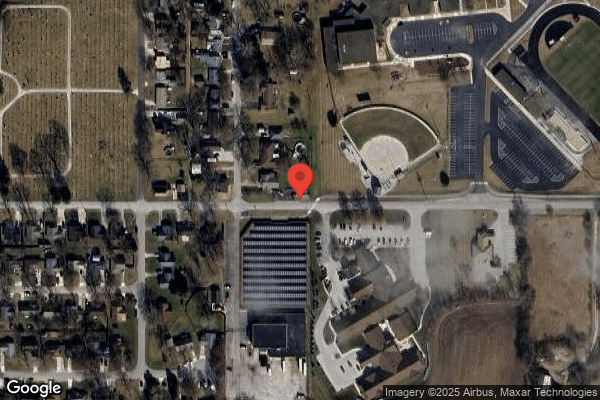
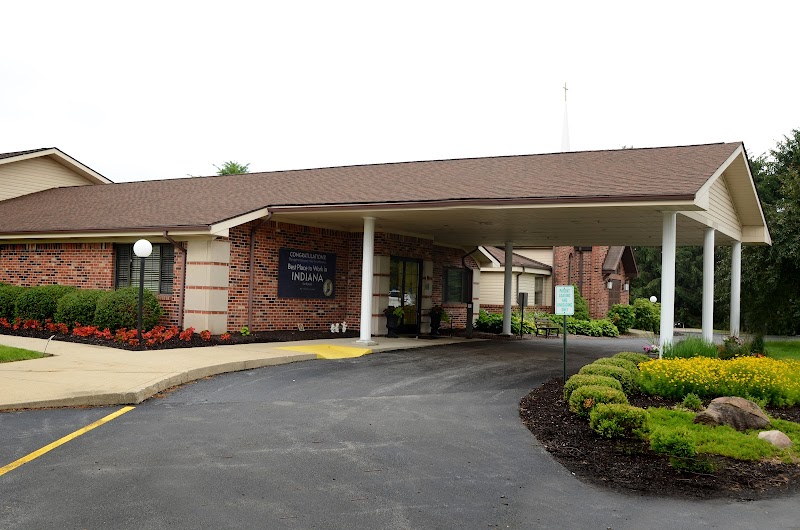
701 ARMORY RD, DELPHI, IN 46923 (765) 564-6380
Non profit - Corporation 64 Beds TRILOGY HEALTH SERVICES Data: November 2025
Trust Grade
60/100
#191 of 505 in IN
Last Inspection: May 2025

Inspected within the last 6 months. Data reflects current conditions.

Overview

St. Elizabeth Healthcare Center has a Trust Grade of C+, indicating it is slightly above average but not exceptional. It ranks #191 out of 505 facilities in Indiana, placing it in the top half, and it is the only option in Carroll County. The facility is improving, with issues decreasing from 8 in 2024 to 4 in 2025. Staffing is a concern, with a turnover rate of 57%, higher than the state average, which may affect continuity of care. There have been no fines, which is a positive sign, and the center has more RN coverage than 98% of Indiana facilities, allowing for better oversight of resident care. However, there have been serious incidents, such as a resident having two pain patches improperly monitored, and concerns about staffing levels affecting timely responses to resident needs, indicating areas for improvement in their operations.

Trust Score
C+
60/100
In Indiana
#191/505
Top 37%
Safety Record
Moderate
Needs review
Inspections
Getting Better
8 → 4 violations
Staff Stability
⚠ Watch
57% turnover. Above average. Higher turnover means staff may not know residents' routines.
Penalties
✓ Good
No fines on record. Clean compliance history, better than most Indiana facilities.
Skilled Nurses
✓ Good
Each resident gets 67 minutes of Registered Nurse (RN) attention daily — more than 97% of Indiana nursing homes. RNs are the most trained staff who catch health problems before they become serious.
Violations
⚠ Watch
28 deficiencies on record. Higher than average. Multiple issues found across inspections.
★★★★☆
4.0
Overall Rating
★★★☆☆
3.0
Staff Levels
★★★★★
5.0
Care Quality
★★★☆☆
3.0
Inspection Score
Stable
2024: 8 issues
2025: 4 issues

The Good

  • 5-Star Quality Measures · Strong clinical quality outcomes
  • Full Sprinkler Coverage · Fire safety systems throughout facility
  • No fines on record

Facility shows strength in quality measures, fire safety.

The Bad

Staff Turnover: 57%

11pts above Indiana avg (46%)

Frequent staff changes - ask about care continuity

Chain: TRILOGY HEALTH SERVICES

Part of a multi-facility chain

Ask about local staffing decisions and management

Staff turnover is elevated (57%)

9 points above Indiana average of 48%

The Ugly 28 deficiencies on record

1 actual harm
May 2025 4 deficiencies
CONCERN (D) 📢 Someone Reported This

A family member, employee, or ombudsman was alarmed enough to file a formal complaint

Potential for Harm - no one hurt, but risky conditions existed

Deficiency F0565 (Tag F0565)

Could have caused harm · This affected 1 resident

Based on interview and record review, the facility failed to ensure resident council concerns and grievances were resolved for 3 of 5 residents reviewed for resident council concerns. (Resident 28, 37...

Read full inspector narrative →
Based on interview and record review, the facility failed to ensure resident council concerns and grievances were resolved for 3 of 5 residents reviewed for resident council concerns. (Resident 28, 37 and B) Findings include: A meeting with the resident council was conducted on 5/5/25 at 10:01 a.m. The residents in attendance indicated call light wait times had been an ongoing concern. The resident council meeting minutes were reviewed and indicated: a. On 2/24/25, the residents indicated the call light waiting time was long. b. On 3/19/25, the residents indicated the call light response time remained untimely. The call light concerns from 2/24/25 were included with no resolution. c. On 4/21/25, the residents indicated there were concerns with the call lights being answered in a timely manner. The call light concerns from 3/19/25 were included with no resolution. 1. During an interview, on 4/30/25 at 10:34 a.m., Resident B indicated she had laid in her feces and urine before and there had been times when Resident B waited over an hour before someone cleaned her up. It could take anywhere from 30 minutes to over an hour for someone to answer the call light and provide care. The call lights continued to be an ongoing issue. 2. During an interview, on 5/5/25 at 10:01 a.m., Resident 28 indicated call lights could take up to 30 minutes before being answered and had been an issue for a while now. 3. During an interview, on 5/5/25 at 10:02 a.m., Resident 37 indicated call light wait times were an ongoing problem. During an interview, on 5/1/25 at 3:00 p.m., the Clinical Support Nurse provided a general form which indicated the names of the residents who had filled out a grievance, but no evidence of specific concerns or resolution. The Clinical Support Nurse indicated the grievances/concerns forms were filled out in a program on the computer and she could not print an individual form from the program with the information. During an interview, on 5/5/25 at 10:05 a.m., the Activity Director indicated she helped the residents fill out grievances/concerns forms. Management reviewed the concerns. Management has been invited to resident council meetings to address the concerns. During an interview, on 5/8/25 at 3:03 p.m., the Director of Nursing (DON) indicated the facility had completed call light audits. Call light audits from 4/1/25 to 4/29/25 were the only audits the facility could provide. A current facility policy, titled Resident Council, dated 6/2/16 and received from Director of Nursing (DON) 5/7/25 at 4:30 p.m., indicated .The Resident Council structure and process including staff liaison designation will be established with the residents .Residents are informed of council meetings and are encouraged to utilize the complaint resolution process .Minutes of the meeting will be recorded and maintained for a least 2 years. Minutes will not disclose specific individuals who voice concerns about the Campus. The group facilitator will determine the prevalence of the concerns/recommendations voiced to determine appropriate follow-up. The group's grievances and recommendations will be brought to the attention of the Executive Director who will forward the concerns to the appropriate department leader for attention and response. Responses regarding resolutions will be documented, reviewed by the Executive Director and kept with Resident Council minutes .Actions taken and/or considerations given to issues will be reported back to the Resident Council at the next meeting A current facility policy, titled Resident Concern Process, dated 11/13/19 and received from DON on 5/7/25 at 4:30 p.m., indicated .To provide a process of handling, tracking and resolving customer concerns to provide excellence in customer service .The facility staff will follow these basic steps in responding to a complaint: Listen to the concern without interruption .Take steps to correct the problem. Make the problem their own by following up to make sure it is resolved and stays resolved .Concerns are reviewed in morning meeting, noting new entries and assigning them for follow up and resolution .The Executive Director will review and manage the follow up of the concerns .The QAPI team will review the trends of the concerns and the action plans to resolve concerns on a monthly basis A current policy, titled Your Rights and Protections as a Nursing Home Resident, not dated and received from the Executive Director at entrance indicated .Make Complaints: You have the right to make a complaint to the staff of the nursing home, or any other person, without fear of punishment. The nursing home must address the issue promptly This citation relates to Complaint IN00452657. 3.1-3(l)
CONCERN (D)

Potential for Harm - no one hurt, but risky conditions existed

Deficiency F0692 (Tag F0692)

Could have caused harm · This affected 1 resident

Based on interview and record review, the facility failed to ensure staff obtained a follow-up weight to determine if a significant weight loss or gain had occurred and to document if a resident refus...

Read full inspector narrative →
Based on interview and record review, the facility failed to ensure staff obtained a follow-up weight to determine if a significant weight loss or gain had occurred and to document if a resident refused for 1 of 3 residents reviewed for nutrition. (Resident B) Findings include: The clinical record for Resident B was reviewed on 5/1/25 at 1:44 p.m. The diagnoses included, but were not limited to, chronic obstructive pulmonary disease, asthma, diabetes mellitus, morbid obesity, hypertension, major depressive disorder, post-traumatic stress disorder, major depressive disorder, panic disorder, bipolar disorder, anxiety disorder, and chronic pain. Resident B had the following weights: 1. On 11/2/24, the weight was 322.6 pounds. 2. On 12/16/24, the weight was 246.3 pounds. Resident B had a 23.65 % weight loss in 1 month. 3. On 1/1/25, the weight was 314.0 pounds. Resident B had a 27.49 % weight gain in 1 month. There was no documentation, between 11/1/24 to 5/7/25, of the significant gain or loss, no indication the resident was re-weighed, and no indication the physician, dietician, or family representative were notified. During an interview, on 5/6/25 at 2:39 p.m., the Clinical Support Nurse indicated the resident had refused some weights. The staff should attempt multiple times to obtain a resident's weight. During an interview, on 5/7/25 at 2:40 p.m., Licensed Practical Nurse (LPN) 11 indicated any staff member could weigh a resident. When a resident refused to be weighed, staff would attempt 1 or 2 more times to obtain the weight. Resident B was a mechanical lift weight. If the resident refused 3 times, management would be told. During an interview, on 5/7/25 at 2:41 p.m., Certified Nursing Assistant (CNA) 12 indicated when a resident refused to be weighed, she would inform the nurse, and the nurse would let management know. The nurse would normally get the resident to agree to be weighed, Resident B liked to be weighed before breakfast and CNA 12 did not know of anytime the resident refused. During an interview, on 5/7/25 at 2:46 p.m., Qualified Medical Assistant (QMA) 13 indicated Resident B did not normally refuse to be weighed. Resident B had never refused care when she asked. If a resident refused to be weighed, she would attempt multiple times and then inform management. During an interview, on 5/7/25 at 2:48 p.m., QMA 14 indicated she would attempt 2 or 3 times to obtain a weight. If a resident refused, she would tell management. During an interview, on 5/7/25 at 2:55 p.m., the Clinical Support Nurse indicated the facility did not have a documentation policy and they followed the state guidelines. A current facility policy, titled Guidelines for Weight Tracking, dated 12/17/24 and received from the Clinical Support Nurse on 5/6/25 at 2:39 p.m., indicated .Residents who have a weight that seem out of normal range shall be re-weighed to determine the accuracy of the original weight .The physician, resident representative and dietitian shall be notified of a weight variance of 5% in 30 days, 7.5% in 90 days, and 10% in 180 days. (Unless on a planned weight loss or gain program) A current facility policy, titled Clinical Services-Weight Management, dated 12/20/24 and received from the Clinical Support Nurse on 5/6/25 at 2:39 p.m., indicated .Review of error weights, daily, in CCM .Re-weights as needed .Correct weights as needed .Invalidate weights as needed 3.1-46(a)(1)
CONCERN (E)

Potential for Harm - no one hurt, but risky conditions existed

Deficiency F0628 (Tag F0628)

Could have caused harm · This affected multiple residents

**NOTE- TERMS IN BRACKETS HAVE BEEN EDITED TO PROTECT CONFIDENTIALITY** 4. The clinical record for Resident 27 was reviewed on 5/6/25 at 11:03 a.m. The diagnoses included, but were not limited to, dis...

Read full inspector narrative →
**NOTE- TERMS IN BRACKETS HAVE BEEN EDITED TO PROTECT CONFIDENTIALITY** 4. The clinical record for Resident 27 was reviewed on 5/6/25 at 11:03 a.m. The diagnoses included, but were not limited to, displaced intertrochanteric fracture of left femur, pneumonitis due to inhalation of food and vomit, diabetes type 2, hypertension, depression, anxiety, dysphagia, pain, heart attack, stroke, and myalgia. A progress note, dated 4/29/25 at 11:35 a.m., indicated Resident 27 was sent to the emergency room for symptoms of a stroke. The record did not contain documentation to indicate Resident 27 or the resident's representative were given information in writing regarding the reason for the resident's transfer to the hospital or the facility's bed hold policy, including the facility's charge to hold a bed. During an interview, on 5/5/25 at 1:42 p.m., the Director of Nursing (DON) indicated the discharge paperwork was usually printed and sent to the hospital with the resident, but there was no specific indication in the chart the transfer form and the bed hold policy with charges were given to the residents and the residents' representative. During an interview, on 5/5/25 at 2:46 p.m., the Clinical Support Nurse indicated there was no documentation in the electronic health record to indicate the residents or the residents' representatives were given the bed hold policy. A current facility policy, titled Discharge/Transfer Notification Process Communicating Unplanned Discharges, dated 2/8/22 and received from the DON on 5/5/25 at 2:56 p.m., indicated .This communication must occur within 24 hours of receiving a 30-day notice, and/or PRIOR to conversation with families regarding internal service line transfers .If the campus is requesting a move out or choosing to change a resident's service level, communication must be sought A current facility policy, titled Bed Hold Policy, dated 2/1/11 and received from Director of Nursing on 5/5/25 at 11:00 a.m., indicated .the campus will properly inform residents in advance of their option to make bed-hold payments as well as the amount of the facility's charge to hold a bed . 3.1-12(a)(6)(A)(ii) 3.1-12(a)(6)(A)(iii) 3.1-12(a)(26) Based on interview and record review, the facility failed to ensure the written reason for discharge and the bed hold policy with cost information was provided to the resident and resident's representative for 4 of 4 residents reviewed for hospitalization. (Resident 2, F, 23 and 27) Findings include: 1. The clinical record for Resident 2 was reviewed on 5/1/25 at 11:49 a.m. The diagnoses included, but were not limited to, cervical spina bifida, pressure ulcer, type 2 diabetes mellitus, paraplegia, hydrocephalus, cerebral palsy, major depressive disorder, anxiety disorder, neuromuscular dysfunction of the bladder, and mood affective disorder. A notice of transfer discharge, dated 4/30/25, indicated the reason for the discharge and the bed hold policy was included. The notice did not include any indication of the charges for holding the bed while the resident was discharged . The notice did not indicate Resident 2 was provided with a written copy of the notice or the bed hold policy information. A nursing progress note, dated 4/30/25 at 3:47 p.m., indicated the resident was taken to the hospital by emergency medical service (EMS) at 3:40 p.m., for suicidal ideation. The nursing note did not indicate any transfer or bed hold information given to Resident 2 by the facility. A nursing progress note, dated 4/30/25 at 3:23 p.m., indicated the resident notified staff of thoughts of suicide. The staff verbally notified the resident and resident's family of the plan to discharge to the hospital. During an interview, on 5/5/25 at 2:44 p.m., Resident 2 indicated he did not remember receiving a copy of the discharge information or bed hold policy.2. The clinical record for Resident F was reviewed on 5/1/25 at 11:46 a.m. The diagnoses included, but were not limited to, congestive heart failure, pulmonary edema, hypertension, diabetes mellitus, chronic kidney disease, dementia, depression, atrial fibrillation, and fibromyalgia. Resident F was transferred from the facility to the hospital on 1/2/25, 1/10/25 and 1/22/25. The documentation did not indicate a bed hold policy was given to the resident or responsible party. 3. The clinical record for Resident 23 was reviewed on 5/1/25 at 1:54 p.m. The diagnoses included, but were not limited to, Alzheimer's disease, diabetes mellitus, chronic obstructive pulmonary disorder, hypertension, depression, epilepsy, major depressive disorder, cardiomegaly, congestive heart failure, and dementia. Resident 23 was transferred from the facility to the hospital on [DATE], [DATE] and [DATE]. The documentation did not indicate a bed hold policy was given to the resident or responsible party.
CONCERN (E)

Potential for Harm - no one hurt, but risky conditions existed

Infection Control (Tag F0880)

Could have caused harm · This affected multiple residents

Based on interview and record review, the facility failed to ensure staff had documented training prior to administering 2 step Mantoux skin tests for tuberculosis (TB) and all parts of the procedure ...

Read full inspector narrative →
Based on interview and record review, the facility failed to ensure staff had documented training prior to administering 2 step Mantoux skin tests for tuberculosis (TB) and all parts of the procedure were documented to ensure accuracy for 1 of 5 employees and 3 of 7 residents reviewed for infection control. (CNA 16, Resident 2, 20, and 50) Findings include: 1. A facility tuberculin testing for employees' form indicated CNA 16 was given a second step Mantoux test on 4/10/24 and read on 4/12/24. There was no documentation to indicate the time the second step test was given or read to ensure there was a 48-hour lapse before reading the test. 2. The clinical record for Resident 2 was reviewed on 5/1/25 at 11:49 a.m. The diagnoses included, but were not limited to, spina bifida with hydrocephalus, type 2 diabetes mellitus, paraplegia, cerebral palsy, major depressive disorder with psychotic symptoms, anxiety disorder, and neuromuscular dysfunction of bladder. A TB skin test record, dated 2/2/24, indicated LPN 3 administered the skin test. There was no documentation to indicate LPN 3 was trained to administer TB tests. 3. The clinical record for Resident 20 was reviewed for 5/2/25 at 9:47 a.m. The diagnoses included, but were not limited to, type 2 diabetes mellitus with hyperglycemia, chronic obstructive pulmonary disease, chronic respiratory failure with hypoxia, chronic diastolic congestive heart failure, dementia, and schizoaffective disorder bipolar type. A first step TB skin test record indicated the skin test was administered on 2/20/25 at 8:23 p.m., by RN 8. The skin test was read on 2/22/25 with no time recorded to indicate the time the second step test was read to ensure there was a 48-hour lapse before reading the test. There was no documentation to indicate RN 8 was trained to administer TB tests. A second step TB skin test record indicated the skin test was administered on 3/7/25 at 11:54 p.m., by RN 9. The skin test was read on 3/8/25 with no time recorded. The test was read before the 48 hours. There was no documentation to indicate RN 9 was trained to administer TB tests. 4. The clinical record for Resident 50 was reviewed on 5/1/25 at 2:26 p.m. The diagnoses included, but were not limited to, metabolic encephalopathy, Parkinson's disease, dementia, delirium, delusional disorders, major depressive disorder, anxiety disorder, depression, visual hallucinations, and hydrocephalus. A physician's order, dated 4/16/25, indicated to administer Aplisol (TB) solution intradermally (into the skin) on 4/16/25. The Medication Administration Record (MAR) indicated the skin test was administered late on 4/17/25 at 2:41 a.m., by RN 9. The skin test was read on 4/18/25. 48 hours had not passed before the test was read. There was no documentation to indicate RN 9 was trained to administer TB tests. During an interview, on 5/7/25 at 1:54 p.m., the Infection Prevention Nurse indicated 2 step TB tests should be completed upon admission for all residents. The test should be read between 48 and 72 hours after administration. The clinical record should have included the time the test was administered. The nurses who administer and read the tests must be trained. During an interview, on 5/7/25 at 1:54 p.m., the Director of Nursing (DON) indicated 2 step TB tests were required upon admission and should have been read within the 48-to-72-hour window to be considered valid. She indicated LPN 2, LPN 3, RN 5, LPN 6, RN 7, RN 8, and RN 9 did not have the required training to give or read TB tests. The facility could not verify if LPN 4 was certified because she was no longer in their system. A current facility policy, titled Mantoux Test Procedure, dated 12/16/24 and provided by the Clinical Support Nurse on 5/6/25 at 10:02 a.m., indicated .Record administration of Mantoux Test (date, time .) . Read the Mantoux Test results in 48-72 hours A current facility policy, titled Guidelines for TB Control Plan for Residents-Indiana, dated 4/2/24 and provided by the DON on 5/5/25 at 2:56 p.m., indicated .tuberculin skin test .administered by persons having documentation of training from a department approved program .Upon admission a baseline two-step TST shall be completed 3.1-18(e) 3.1-18(h)
Apr 2024 8 deficiencies
CONCERN (D)

Potential for Harm - no one hurt, but risky conditions existed

Deficiency F0565 (Tag F0565)

Could have caused harm · This affected 1 resident

Based on interview and record review, the facility failed to ensure resident council concerns and grievances were addressed and the resolutions to the concerns/grievances were documented in the meetin...

Read full inspector narrative →
Based on interview and record review, the facility failed to ensure resident council concerns and grievances were addressed and the resolutions to the concerns/grievances were documented in the meeting minutes for 4 of 12 months reviewed for resident council meeting minutes. (July 2023, January 2024, February 2024, March 2024. Finding includes: During the resident council meeting, on 4/17/24 at 10:00 a.m., the residents indicated the call lights continued to be an ongoing concern. The resident council meeting minutes were reviewed and indicated the following: a. On 7/14/23, there were concerns voiced with the call light response times. The resident council meeting minutes, dated 8/14/23, did not indicate the call light concerns from 7/14/23 were discussed and no resolution was included in the meeting minutes. b. On 1/15/24, there were concerns voiced about the call light response times at night being extended. c. On 2/19/24, there were concerns voiced about the call lights in the evening. The minutes did not include the call light concerns from 1/15/24 were reviewed or resolved. d. On 3/18/24, 1 of 2 residents indicated there were still concerns about the call lights. The minutes did not include the call light concerns from 2/19/24 were reviewed or resolved. e. On 4/15/24, the minutes did not include the call light concerns from 3/18/24 were reviewed or resolved. During an interview, on 4/17/24 at 10:09 a.m., Resident 28 indicated she had to put her call light on several occasions for her roommate. The call light would stay on for an hour or more. The call lights have continued to be an ongoing issue. During an interview, on 4/17/24 at 10:11 a.m., Resident 41 indicated the call lights would stay on for 30 minutes to 1 hour before they were answered. There were times the lights were not answered, and she would provide her own care. During an interview, on 4/17/24 at 10:20 a.m., Resident 3 indicated during several resident council meetings the call lights concerns were discussed. The resident considered his call light as his lifeline and there were times the staff would exit the room without making sure the call light was within his reach. During an interview, on 4/18/24 at 10:39 a.m., the Activity Director indicated she helped the residents fill out the grievances when they had a concern, and she did not know why the call light concerns had not been addressed. During an interview, on 4/18/24 at 3:10 p.m., the Director of Nursing Services (DNS) indicated she did not have documentation call light audits were completed. A current policy, titled Resident Council, dated 6/2/16 and received from Executive Director on 4/19/24 at 4:53 p.m., indicated .Patients are informed of council meetings and are encouraged to utilize the complaint resolution process .The group facilitator will determine the pervious of the concerns/recommendations voiced to determine appropriate follow-up. The group's grievances and recommendations will be brought to the attention of the Executive Director who will forward the concerns to the appropriate department leader for attention and response. Responses regarding resolutions will be documented, reviewed by the Executive Director, and kept with Resident Council minutes .Actions taken and/or considerations given to issues will be reported back to the Resident Council at the next meeting. A current policy, titled Your Rights and Protections as a Nursing Home Resident, not dated and received from Executive Director at entrance indicated .Make Complaints: You have the right to make a complaint to the staff of the nursing home, or any other person, without fear of punishment. The nursing home must address the issue promptly A current policy, titled Resident Concern Process, dated 11/13/19 and received from Executive Director on 4/19/24 at 4:59 p.m., indicated .To provide a process of handling, tracking and resolving customer concerns to provide excellence in customer service .The facility staff will follow these basic steps in responding to a complaint: Listen to the concern without interruption .Take steps to correct the problem. Make the problem their own by following up to make sure it is resolved and stays resolved .Concerns are reviewed in morning meeting, noting new entries and assigning them for follow up and resolution .The Executive Director will review and manage the follow up of the concerns .The QAPI team will review the trends of the concerns and the action plans to resolve concerns on a monthly basis 3.1-3(l)
CONCERN (D)

Potential for Harm - no one hurt, but risky conditions existed

Deficiency F0582 (Tag F0582)

Could have caused harm · This affected 1 resident

Based on interview and record review, the facility failed to ensure the Notice of Medicare Non-Coverage was given 48 hours prior to the Medicare benefits ending date for 2 of 3 residents reviewed for ...

Read full inspector narrative →
Based on interview and record review, the facility failed to ensure the Notice of Medicare Non-Coverage was given 48 hours prior to the Medicare benefits ending date for 2 of 3 residents reviewed for beneficiary notices. (Resident 38 and 101) Findings include: 1. The Notice of Medicare Non-Coverage (NOMNC) for Resident 38 indicated the Medicare services would end on 3/13/24 and Medicare probably would not pay for Skilled Nursing and Therapy after 3/13/24. Resident 38 signed the NOMC on 3/12/24. This was only a 24-hour notice prior to the end of the Medicare covered services. 2. The NOMNC for Resident 101 indicated the Medicare services would end on 3/5/24 and Medicare would probably not pay for Skilled Nursing and Therapy after this date. Resident 101 signed the NOMNC on 3/4/24. This was only a 24-hour notice prior to the end of the Medicare covered services. During an interview, on 4/19/24 at 12:43 p.m., the Executive Director (ED) indicated the staff who completed the notices was out of the facility on leave and was not able to be interviewed. The ED did not know the reason the notices were only given with a 24-hour notice instead of the 48-hour notice required. A current policy, titled NOMNC Completion SOP [Standard Operating Procedure], dated last reviewed on 12/31/23 and received from the ED on 4/19/24, indicated .In order to streamline communication for completion of Notice of Medicare Non-Coverage [NOMNC] .this SOP outlines the expectations for completion .For residents being notified of discontinuation of their Medicare coverage, the NOMNC is required to be issued 2 calendar days prior to the actual discharge from Medicare 3.1-4(f)(3)
CONCERN (D)

Potential for Harm - no one hurt, but risky conditions existed

PASARR Coordination (Tag F0644)

Could have caused harm · This affected 1 resident

Based on interview and record review, the facility failed to ensure a revised Preadmission Screen and Resident Review (PASARR) level I was completed after psychotropic medications were prescribed for ...

Read full inspector narrative →
Based on interview and record review, the facility failed to ensure a revised Preadmission Screen and Resident Review (PASARR) level I was completed after psychotropic medications were prescribed for 1 of 5 residents reviewed for PASARR. (Resident 40) Finding includes: The clinical record for Resident 40 was reviewed on 4/16/24 at 4:39 p.m. The diagnoses included, but were not limited to, depression, anxiety disorder, dementia, congestive heart failure, and hypertension. A PASARR level I, dated 3/1/24, indicated the resident did not require a level II. The PASARR level I indicated the resident was not taking any mental health medications and did not have a mental health diagnosis. The level I screen indicated if changes occurred or new information refuted these findings a new screen must be submitted. A physician's order, dated 3/27/24, indicated duloxetine delayed release (an antidepressant) 30 milligram (mg), give one capsule twice a day for depression. A care plan, dated 3/27/24, indicated the resident was at risk for developing adverse effects from the use of antidepressant medications. The approaches included, but were not limited to, administering medication per the physician's order. During an interview, on 4/18/24 at 3:34 p.m., the Executive Director indicated the Social Service Director was on vacation and she would have to look at the resident's PASARR information. During an interview, on 4/18/24 at 4:57 p.m., the Clinical Support Nurse indicated the level I was completed on 3/1/24 and the medication was not started until 3/27/24. The facility policy indicated the facility had a total of 14 days to complete a new PASARR level I and they were beyond 14 days. A new PASARR level I should have been completed. The facility did not have a PASARR policy. The facility used the Indiana PASARR Standard Operating Procedure Revenue [NAME] & Collections. 3.1-16(d)(1)(A) 3.1-16(d)(1)(B)
CONCERN (D)

Potential for Harm - no one hurt, but risky conditions existed

Deficiency F0761 (Tag F0761)

Could have caused harm · This affected 1 resident

Based on observation, interview and record review, the facility failed to ensure expired medications were removed from the medication cart and medications were labeled for 1 of 3 medication carts revi...

Read full inspector narrative →
Based on observation, interview and record review, the facility failed to ensure expired medications were removed from the medication cart and medications were labeled for 1 of 3 medication carts reviewed for medication storage. (500 back hall medication cart) Finding includes: During an observation, on 4/18/24 at 11:08 a.m., the 500 back hall medication cart had a partial bottle of Robitussin DM with an expiration date of 2/22/24, and a partial bottle of Geri tussin Liquid 100/5 with an expiration date of 3/18/24. The bottom drawer contained a partial bottle of Tums unlabeled, 2 tubes of Diclofenac sodium topical gel 1% unlabeled, and a partial bottle of Childrens Tylenol with a resident's name in marker and not labeled. During an interview, on 4/18/24 at 11:30 a.m., QMA 11 indicated she did not know what resident(s) were receiving the Tums and Diclofenac gel. The expired medications should have been removed. She took expired medications to the Director of Nursing Services for destruction. A current policy, titled Medication and Storage in the facility, received from the Clinical Support Nurse on 4/19/24 at 9:30 a.m., indicated .outdated, contaminated, or deteriorated medications and those in containers that are cracked, soiled or with secure closures are immediately removed from inventory, disposed of according to procedures for medication disposal A current policy, titled Medication Administration-General Guidelines, dated 11/2018 and received from the Clinical Support Nurse on 4/18/24 at 1:30 p.m., indicated .label, container and contents are checked for integrity, and compared against the medication administration record by reviewing the 5 rights .prior to administration of any medication, the medication and dosage schedule on the resident's medication administration record are compared with the medication label 3.1-25(l)(1) 3.1-25(o)
CONCERN (D)

Potential for Harm - no one hurt, but risky conditions existed

Safe Environment (Tag F0921)

Could have caused harm · This affected 1 resident

**NOTE- TERMS IN BRACKETS HAVE BEEN EDITED TO PROTECT CONFIDENTIALITY** Based on observation, interview and record review, the facility failed to ensure resident rooms and hallways were in good repair...

Read full inspector narrative →
**NOTE- TERMS IN BRACKETS HAVE BEEN EDITED TO PROTECT CONFIDENTIALITY** Based on observation, interview and record review, the facility failed to ensure resident rooms and hallways were in good repair and rooms were free of odors for 5 of 28 rooms observed for environment on the 500 hall. (room [ROOM NUMBER], 512, 517, 518 and 519). Findings include: 1. During an observation, on 4/15/24 at 11:20 a.m., the doorway of room [ROOM NUMBER] was missing approximately 18 inches of carpet. The hall between rooms [ROOM NUMBERS] had two gold floor plates which were missing pieces of carpet around them. During an interview, on 4/15/24 at 3:37 p.m., the Maintenance Director indicated there were no purchase orders for the carpet in room [ROOM NUMBER] or the 500 hall. 2 During an observation, on 4/15/24 at 3:37 p.m., room [ROOM NUMBER]'s bed was very loud when moving up and down. During an interview, on 4/15/24 at 3:38 p.m., the Maintenance Support and the Maintenance Director indicated there were approximately 50 beds like room [ROOM NUMBER]'s bed. The Maintenance Support indicated the bed sounded like it was getting ready for take-off. The reason the bed made loud noises was the grease on the bottom of the bed frame dried. They would spray WD 40 (a type of lubricant) on the bed frame to correct the loud noise. The beds were old. The company who manufactured the beds was no longer in business. 3. During an observation, on 4/15/24 at 12:27 p.m., room [ROOM NUMBER], 518 and 519 had a strong urine odor. The odor was carried out into the hallway. During an interview, on 4/15/24 at 12:30 p.m., Certified Nursing Assistant (CNA) 8 indicated the 500 hall always had a strong odor. room [ROOM NUMBER] had a really bad smell, and they did not know why. During an interview, on 4/15/24 at 12:50 p.m., the Assistant Director of Nursing Services (ADNS) indicated she did not know what was being done about the strong odors on the 500 Hall. During an interview, on 4/15/24 at 3:41 p.m., the Maintenance Support indicated the facility changed all the exhaust fans in room [ROOM NUMBER] and there was still an odor. room [ROOM NUMBER] had a strong urine odor, and the facility thought it was because a resident used a urinal and would spill urine on the carpet. At the time of the exit conference, the facility did not provide an environmental policy. A current policy, titled Resident Rights, dated as reviewed on 4/18/21 and received from the Executive Director (ED) on 1/4/23 at 1:00 p.m., indicated .The resident has a right to a safe, clean, comfortable and Homelike environment, including but not limited to receiving treatment and supports for daily living 3.1-19(f)(5)
CONCERN (E)

Potential for Harm - no one hurt, but risky conditions existed

Quality of Care (Tag F0684)

Could have caused harm · This affected multiple residents

**NOTE- TERMS IN BRACKETS HAVE BEEN EDITED TO PROTECT CONFIDENTIALITY** 3a. The clinical record for Resident 31 was reviewed on 4/18/24 at 12:22 p.m. The diagnoses included, but were not limited to, p...

Read full inspector narrative →
**NOTE- TERMS IN BRACKETS HAVE BEEN EDITED TO PROTECT CONFIDENTIALITY** 3a. The clinical record for Resident 31 was reviewed on 4/18/24 at 12:22 p.m. The diagnoses included, but were not limited to, pneumonia, type 2 diabetes mellitus, chronic anemia, dementia, pleural effusion, atelectasis (partial collapse or closure of part of the lung), and diastolic congestive heart failure. A care plan for Resident 31, dated 3/27/24, indicated the resident was at risk for hypo/hyperglycemia related to diabetes mellitus. A long-term goal indicated the resident would be free of symptoms of hypo/hyperglycemia through the next review. A physician's order, dated 3/8/24, indicated insulin Aspart U-100 per sliding scale and to call MD if blood sugar was greater than 400 mg/dL. A progress note, dated 3/8/24 at 5:20 p.m., indicated Resident 31 had a blood glucose level of 591 prior to dinner. The physician was called and gave a new order for NovoLog 6 units now and to recheck the blood glucose in 2 hours. If the repeat blood sugar was in normal range, the nurse did not need to call the provider. A vitals record, dated 3/8/24 at 4:49 p.m., indicated a blood sugar of 591 mg/dL. A vitals record, dated 3/8/24 at 7:52 p.m., indicated a blood sugar of 460 mg/dl. The listed acceptable (normal) range was 45-300 mg/dl. A vitals record dated 3/8/24 at 9:18 p.m. indicated a blood sugar of 460 mg/dl. The listed acceptable (normal) range was 45-300 mg/dl. The electronic medical record did not contain any physician notifications for the repeat blood sugars. During an interview, on 4/18/24 at 1:30 p.m., the Clinical Support Nurse indicated the facility could not provide any documentation of the physician notification of the abnormal repeat blood sugars of 460 mg/dL. 3b. A physician's order, dated 2/29/24 and discontinued 3/8/24, indicated Novolin 70-30 FlexPen (insulin nph and regular human) give 8 units subcutaneous each morning and 3 units each evening. A physician's order, dated 3/8/24 and discontinued 3/19/24, indicated Levemir FlexPen (insulin detemir u-100) insulin pen give 10 units subcutaneous twice a day. The electronic medical record did not contain hold orders for the Novolin 70-30 or the Levemir. A vitals record, dated 3/7/24 at 10:57 a.m., indicated a blood sugar of 349 mg/dL. The acceptable range listed was 45-300 mg/dL. A vitals record, dated 3/7/24 at 4:38 p.m., indicated a blood sugar of 286 mg/dL. The Medication Administration Record (MAR) for Resident 31 indicated the Novolin 70-30 insulin was held on 3/7/24 in the morning and the evening due to poor intakes. The MAR for Resident 31 indicated the Novolin 70-30 insulin was held on 3/8/24 in the morning due to poor intakes. The electronic medical record did not contain any physician notifications for the held insulin. During an interview, on 4/19/24 at 12:02 p.m., LPN 1 indicated she was not sure when or if 70/30 or Levemir should be held if there was not a specific order. She would look it up with her resources or ask the physician before holding it. The physician should be notified if a medication was held. During an interview, on 4/18/24 at 1:30 p.m., the Clinical Support Nurse indicated the facility could not provide any documentation of the physician notification for the held insulin. The endocrinology textbook chapter by [NAME] J Rushakoff, MD in Inpatient Diabetes Management (01/07/19) from https://www.ncbi.nlm.nih.gov/books/NBK278972/, accessed on 04/19/24, indicated basal insulin, such as Novolin 70-30 and Levemir, was needed even when a patient was not eating. 4. The clinical record for Resident 29 was reviewed on 4/16/24 at 3:52 p.m. The diagnoses included, but were not limited to, type 2 diabetes with diabetic chronic kidney disease, acute kidney failure, and atrophy (wasting away) of the kidney. A physician's order, with a start date of 5/23/23 and an end date of 7/26/23, indicated the resident received insulin glargine (insulin which works over a longer period of time) 12 units before breakfast. Hold the insulin if the blood sugar was less than 150. Resident 29's MAR (Medication Administration Record) indicated the following blood sugars: a. On 7/3/24, the blood sugar was 139. Insulin was administered. b. On 7/4/24, the blood sugar was 124. Insulin was administered. c. On 7/7/24, the blood sugar was 138. Insulin was administered. d. On 7/8/24, the blood sugar was 146. Insulin was administered. e. On 7/11/24, the blood sugar was 112. Insulin was administered. f. On 7/13/24, the blood sugar was 148. Insulin was administered. g. On 7/14/24, the blood sugar was 137. Insulin was administered. h. On 7/15/24, the blood sugar was 148. Insulin was administered. During an interview, on 4/18/24 at 10:47 a.m., the DHS (Director of Health Services) indicated they should not have administered the insulin. 5a. The clinical record for Resident 16 was reviewed on 4/17/24 at 9:42 a.m. The diagnoses included, but were not limited to, long term current use of insulin, bradycardia (slow heart rate), paroxysmal atrial fibrillation, ventricular premature depolarization, and type 2 diabetes mellitus. A physician's order, dated 7/9/21, indicated digoxin tablet (used to treat heart failure and heart rhythm problems), give 125 micrograms (mcg) every other day, with special instructions to hold the medication if her pulse was less than 60 and to notify the physician. The Medication Administration Record (MAR) indicated, on 3/19/24, Resident 16's pulse was 51 and the digoxin tablet was given. The MAR indicated, on 4/12/24, Resident 16's pulse was 56 and the digoxin tablet was given. The MAR indicated the digoxin was held due to a pulse rate less than 60 on 3/23/24, 3/31/24, and 4/14/24. The clinical record did not indicate the provider was notified of the pulse rate less than 60 or when the digoxin was given and not given according to the physician's order. During an interview, on 4/18/24 at 10:27 a.m., LPN 1 indicated staff would call or notify the physician in person for an abnormal vital sign, blood sugar, or if a medication was held. The staff should notify the provider as soon as they could. During an interview, on 4/18/24 at 1:30 p.m., the Clinical Support Nurse indicated the facility could not provide any documentation of the physician notification of the heart rate or the medication being held. 2b. A physician's order, dated 1/15/24, indicated insulin aspart U-100 insulin pen, give 5 units subcutaneous prior to meals, with special instructions to hold if the blood sugar was less than 110 mg/dL. The MAR, dated 3/19/24, indicated 5 units of insulin were given at breakfast with a blood sugar of 105 at 7:05 a.m. The MAR, dated 3/26/24, indicated 5 units of insulin were given at breakfast with a blood sugar of 83 at 7:17 a.m. The MAR, dated 3/27/24, indicated 5 units of insulin were given at breakfast with a blood sugar of 108 at 7:48 a.m. A current policy, titled Bruise, Rash, Lesion, Skin Tear, Laceration Assessment Guidelines, dated as revised on 5/10/16 and received from the Executive Director on 4/19/24 at 4:00 p.m., indicated .One weekly follow-up assessment may be completed to ensure rash/lesion is resolved, healing, or becomes a chronic skin condition. If further follow-up is needed, documentation may be placed in a progress note A current policy, titled Medication Administration- General Guidelines, dated as revised on 11/2018 and received from the Clinical Support Nurse on 4/18/24 at 1:30 p.m., indicated .Medications are administered in accordance with written orders of the prescriber A current policy, titled Physician-Provider Notification Guidelines, dated as reviewed on 12/31/23 and received from the Clinical Support Nurse on 4/18/24 at 1:30 p.m., indicated .To ensure the resident's physician or practitioner .is aware of all diagnostic testing results or change in condition in a timely manner to evaluate condition for need of provision of appropriate interventions for care Attempts to notify the physician/provider and their response should be documented in the resident electronic medical record 3.1-37(a) Based on observation, interview and record review, the facility failed to assess and document the progress of a non-pressure skin wound, to assess and document the skin condition of a resident with a splint in place, to notify the physician when blood sugar readings were elevated, failed to follow the physician's orders for medications and to notify the physician per the physician's order for 5 of 5 residents reviewed for quality of care. (Resident 23, 37, 31, 29 and 16) Findings include: 1. During an observation, on 4/16/24 at 11:13 a.m., Resident 23 had a bandage on her right and left elbows and another bandage on her left forearm. She indicated the bandages on the elbows were used as a preventative. She had an area of open skin on the left forearm. The clinical record for Resident 23 was reviewed on 4/17/24 at 11:40 a.m. The diagnoses included, but were not limited to, type 2 diabetes mellitus with diabetic neuropathy, depression, chronic obstructive pulmonary disease, and congestive heart failure. A progress note, dated 2/25/24 at 7:33 p.m., indicated the resident had an open area on her left arm which measured 3.1 centimeter (cm) in length and 2 cm in width. A physician's order, dated 2/26/24, indicated to clean the left forearm skin tear with cleanser or normal saline, apply skin prep to the peri wound, apply aquacel AG (an antimicrobial wound dressing) to the wound bed and to cover with a foam dressing every 5 days. The electronic health record (EHR) had no documentation of the open skin area since 2/25/24. During an interview, on 4/17/24, the Director of Nursing Services (DNS) indicated the resident had a skin issue which was caused from a hospitalization. She was not sure if the EHR had any documentation about the skin area after the initial measurements were entered on 2/25/24. During an interview, on 4/19/24 at 2:41 p.m., the DNS indicated she measured the left forearm wound two days ago and put in a late note. The wound should have been assessed and measured weekly since 2/25/24 when it was identified, and it had not been measured. 2. During an observation, on 4/16/24 at 12:04 p.m., Resident 37 had a left hand/wrist splint device in place which was wrapped with an elastic bandage. The resident's left wrist, hand and fingers were swollen. The resident indicated she broke her hand, and it was hurting. During an observation, on 4/17/24 at 11:25 a.m., the resident's left hand and fingers remained swollen. The clinical record for Resident 37 was reviewed on 4/18/24 at 2:09 p.m. The diagnoses included, but were not limited to, unspecified dementia without behavioral disturbance and hypertensive heart disease with heart failure. A physician's order, dated 4/8/24, indicated to monitor for blanching, color and odor related to the non-removable splint/cast three times a day. The electronic health record (EHR) did not have any documentation of edema for the resident's left wrist, hand, and fingers. During an interview, on 4/18/24 at 3:11 p.m., the Executive Director (ED) indicated the resident had self-ambulated in the hallway, had an unwitnessed fall, and sustained a fracture of the left radius (one of two bones of the forearm). During an interview, on 4/19/24 at 3:04 p.m., the DNS indicated the resident was followed by the orthopedic physician. She could not find documentation about the resident's swollen fingers and hand. The facility did not have any notes from the orthopedic physician. There was no care plan in place for the resident's fracture. During an observation with the DNS, on 4/19/24 at 3:27 p.m., the resident was lying in bed in her room. The resident's left hand and left fingers were very swollen. There was an open area on the left hand near the thumb which was about the size of a dime. The DNS indicated an edema event should have been initiated in the EHR and the open skin should have been measured and documented in the EHR. The DNS could not find any documentation in the EHR about the swelling.
CONCERN (E)

Potential for Harm - no one hurt, but risky conditions existed

Respiratory Care (Tag F0695)

Could have caused harm · This affected multiple residents

2. During an observation, on 4/15/24 at 12:45 p.m., Resident 31 was wearing oxygen tubing connected to an empty portable oxygen tank. During an interview, on 4/15/24 at 12:49 p.m., CNA 10 indicated t...

Read full inspector narrative →
2. During an observation, on 4/15/24 at 12:45 p.m., Resident 31 was wearing oxygen tubing connected to an empty portable oxygen tank. During an interview, on 4/15/24 at 12:49 p.m., CNA 10 indicated the portable tank was empty and the resident relied on supplemental oxygen. CNA 10 indicated she would fill up the tank. During an observation, on 4/16/24 at 10:28 a.m., the portable oxygen tank for Resident 31 was empty and the flow rate dial was set on 2.5 liters while he was sitting in the activities room in his reclining wheelchair (Broda chair). The nurse was notified. LPN 9 took the portable oxygen tank off Resident 31's Broda chair and refilled tank. LPN 9 returned the refilled portable oxygen tank to Resident 31 and reconnected the oxygen tubing. The flow rate remained at 2.5 liters of oxygen. During an observation, on 4/16/24 at 3:53 p.m., the oxygen tubing was not dated, and the flow rate was set at 3 liters. During an observation, on 4/17/24 at 3:31 p.m., Resident 31 was in bed, the oxygen tubing was not dated, and the flow rate was set at just under 3 liters of oxygen. During an observation, on 4/18/24 at 10:07 a.m., Resident 31 was asleep in his Broda chair in the activities room with the portable oxygen tank dial set at a flow rate of 2.5 liters. During an observation, on 4/18/24 at 2:36 p.m., Resident 31 was asleep in his room with the oxygen set on a flow rate of 2.5 liters. The clinical record for Resident 31 was reviewed on 4/18/24 at 12:22 p.m. The diagnoses included, but were not limited to, pneumonia, type 2 diabetes mellitus, chronic anemia, dementia, pleural effusion, atelectasis (partial collapse or closure of part of the lung), and diastolic congestive heart failure. A physician's order, dated 3/26/24, indicated 2 liters of continuous oxygen. A care plan, dated 4/16/24, indicated the resident required supplemental oxygen to maintain oxygen saturation. Interventions included, but were not limited to, administering oxygen per the physician's order. During an interview, on 4/18/24 at 10:23 a.m., LPN 1 indicated Resident 31 was on 2 to 3 liters of oxygen, only the nurses were allowed to adjust the oxygen flow rate, and the rate was to be set on the flow rate ordered by the physician. 3. During an observation, on 4/16/24 at 10:04 a.m., Resident 20's oxygen was at a flow rate of 5 liters with extended tubing which was not labeled with a date. During an observation, on 4/16/24 at 4:15 p.m., Resident 20 was wearing oxygen at a flow rate of 4 liters via nasal canula tubing which was not labeled with a date. During an observation, on 4/17/24 at 10:10 a.m., Resident 20 was wearing oxygen at a flow rate of 5 liters. During an observation, on 4/17/24 at 3:28 p.m., Resident 20 continued to wear oxygen at a flow rate of 5 liters. During an interview, on 4/17/24 at 10:10 a.m., Resident 20 indicated he would ask staff to turn up his oxygen when he was having trouble breathing, which happened a lot. The clinical record for Resident 20 was reviewed on 4/17/24 at 4:56 p.m. The diagnoses included, but were not limited to, type 2 diabetes, morbid obesity, chronic respiratory failure, chronic obstructive pulmonary disease (COPD), congestive heart failure (CHF), paroxysmal atrial fibrillation, anxiety, cardiomegaly, dependence on continuous supplemental oxygen, pneumonia, pulmonary edema, and anemia. A profile care guide in the resident's care plan, dated 7/21/23, indicated an intervention of oxygen at 3 liters. A physician's order, dated 4/7/24, indicated 3 liters of continuous oxygen. During an interview, on 4/18/24 at 10:23 a.m., LPN 1 indicated Resident 20's oxygen order prior to his last hospital visit was for 3 to 5 liters for his comfort. LPN 1 indicated she did not realize it had changed to 3 liters. A current policy, titled Administration of Oxygen, dated as approved on 5/2018 and received from the Clinical Support Nurse on 4/18/24 at 1:30 p.m., indicated .Verify physician's order for the procedure .Date the tubing for the date it was initiated .Adjust the oxygen delivery device so that .the proper flow of oxygen is administered 3.1-47(a)(6) Based on observation, interview and record review, the facility failed to ensure oxygen tubing was dated, oxygen canisters were filled, and the oxygen was set on the flow liter as ordered by the physician for 3 of 4 residents reviewed for respiratory care. (Resident 23, 31 and 20) Findings include: 1. During an observation, on 4/16/24 at 11:06 a.m., Resident 23's oxygen (02) was set at 3 liters per minute by nasal cannula and there was no date on the tubing. The resident indicated her 02 was supposed to be set at 3 liters per minute. During an interview, on 4/16/24 at 11:08 a.m., Qualified Medication Aide (QMA) 2 indicated the oxygen tubing was not dated. During an observation, on 4/18/24 at 3:31 p.m., with the Clinical Support Nurse, Resident 23's 02 was set at 1.5 liters. During an interview, on 4/18/24 at 4:02 p.m., the Clinical Support Nurse indicated the resident's 02 was to be set at 2 liters during the day and 3 liters at night. The 02 should have been set at 2 liters instead of the 1.5 liters or 3 liters. The clinical record for Resident 23 was reviewed on 4/17/24 at 11:40 a.m. The diagnoses included, but were not limited to, chronic congestive heart failure, chronic obstructive pulmonary disease, chronic respiratory failure, shortness of breath, sarcoidosis (an inflammatory disease which affects the lungs), cerebral infarction, and dependence on supplemental oxygen. A care plan, dated 3/26/24 and last reviewed on 4/16/24, indicated the resident had a potential for shortness of breath related to the chronic obstructive pulmonary disease and required supplemental oxygen to maintain 02 saturations. The approaches included, but were not limited to, administer 02 as ordered by the medical doctor. A care plan, dated 3/26/22 and last reviewed on 3/28/24, indicated the resident had a potential for complications related to congestive heart failure. The approaches included, but were not limited to, oxygen as ordered by the medical doctor. A physician's order, dated 1/19/23 and open ended, indicated to change the 02 tubing monthly on the first day of the month. A physician's order, dated 3/8/23 and open ended, indicated 02 at 3 liters during the night. A physician's order, dated 4/16/24 and open ended, indicated 02 at 2 liters per nasal cannula continuous.
CONCERN (E)

Potential for Harm - no one hurt, but risky conditions existed

Infection Control (Tag F0880)

Could have caused harm · This affected multiple residents

**NOTE- TERMS IN BRACKETS HAVE BEEN EDITED TO PROTECT CONFIDENTIALITY** Based on observation, interview and record review, the facility failed to ensure staff followed infection control standards rela...

Read full inspector narrative →
**NOTE- TERMS IN BRACKETS HAVE BEEN EDITED TO PROTECT CONFIDENTIALITY** Based on observation, interview and record review, the facility failed to ensure staff followed infection control standards related to handwashing during food service, following enhanced barrier precautions during wound care, during incontinence care, for urinary catheters, for storing linens and clothes in rooms, and disposing of soiled linens for 6 of 6 staff and 3 of 3 residents randomly observed for infection control practices. (Assistant Food Director, Guest Relations 5, Director of Health Services, RN 6, QMA 2, Resident 40, Resident 5, Resident 149 and CNA7) Findings include: 1. During an observation, on 4/15/24 at 12:12 p.m., the Assistant Food Director served a plate of food to a resident without washing his hands between serving plates. During an observation, on 4/15/24 at 12:15 p.m., the Assistant Food Director served a plate of food to a resident without washing his hands between serving plates. During an observation, on 4/15/24 at 12:17 p.m., the Assistant Food Director served a plate of food to a resident without washing his hands between serving plates. During an observation, on 4/15/24 at 12:21 p.m., the Assistant Food Director served a plate of food to a resident without washing his hands between serving plates. During an observation, on 4/18/24 at 12:19 p.m., Guest Relations 5 was waving her apron towards her face as a fan and scratched her arm while she was waiting to serve food. During an observation, on 4/18/24 at 12:23 p.m., Guest Relations 5 served a plate of food to a resident without washing her hands. During an interview, on 4/18/24 at 12:28 p.m., the Assistant Food Director indicated he did notice he was not washing his hands between serving plates and he should have been washing his hands. Staff should also not touch their arms or surfaces before delivering trays. 2. During an observation, on 4/18/24 at 2:43 p.m., the DHS (Director of Health Services) and RN 6 went to complete wound care for Resident 2 who had a stage 3 or 4 pressure wound, a urinary catheter, and was in enhanced barrier precautions. The DHS and RN 6 walked into the room and put on gloves. They completed wound care and then changed the resident's brief, handling the resident's catheter tubing in the process. The DHS and RN 6 did not have a gown on during wound care. The clinical record for Resident 2 was reviewed on 4/18/24 at 3:00 p.m. The diagnoses included, but were not limited to, stage 3 pressure ulcer of the left buttocks, unstageable pressure ulcer of the sacral region, paraplegia, and osteomyelitis. A physician's order, with a start date of 4/1/24, indicated staff were to use enhanced barrier precautions, wearing gloves and a gown at a minimum during high-contact care activities. During an interview, on 4/18/24 at 3:06 p.m., the DHS indicated they should have put on gowns on for enhanced barrier precautions.4. During an observation, on 4/15/24 at 11:32 a.m., Resident 40's catheter bag was laying on the floor. During an interview, on 4/15/24 at 11:38 a.m., the Executive Director indicated the catheter bag was not to be on the floor and she would get someone to assist the resident. 5. During an observation, on 4/15/24 at 11:49 a.m., Resident 5 had two pillows, a blanket, and one blue sock on the floor next to the bed. In the recliner next to the resident's bed, there were folded linen sheets, a quilt, a shirt, a gown, a blanket and two blue cushions. During an interview, on 4/15/24 at 11:54 a.m., CNA 8 indicated the pillows, the blanket, and the sock should not be on the floor and the other items should not be stored on the chair. 6. During an observation, on 4/15/24 at 11:58 a.m., Resident 149 had a soaked brief laying on the resident's bed. During an interview, on 4/15/24 at 11:47 a.m., the Minimum Data Set (MDS) Coordinator indicated she did not know why the brief was on the resident's bed. The resident was dependent on all incontinence care and the dirty brief should not have been left on the resident's bed. 7. During an observation, on 4/15/24 at 3:08 p.m., CNA 7 exited room [ROOM NUMBER] carrying a large amount of rolled up linen not in a bag down the 500 hall. The linen was touching the staff's left side while she carried the linen. CNA 7 then entered room [ROOM NUMBER] and left the room with the linen in a trash bag. During an interview, on 4/15/24 at 3:10 p.m., CNA 7 indicated she had just finished changing a resident and forgot to put the linen in a trash bag and she probably should not be carrying dirty linens down the hall without being in a trash bag. A current policy, titled Enhanced Barrier Precautions (EBP) Standard Operating Procedure, dated as approved 4/1/24 and received from the Clinical Support Nurse on 4/18/24 at 5:00 p.m., indicated .Enhanced Barrier Precautions (EBP) will be in place during high-contact care activities for residents with the following conditions: a. Residents at an increased risk of MDRO acquisition which include i. All Residents with chronic wounds, including but not limited to, pressure ulcers .All residents with indwelling medical devices 1. Includes but not limited to: catheters .At minimum, staff shall wear gloves and gowns during high-contact care activities A current policy, titled Preserving Dignity with Indwelling Catheter, dated as revised 4/19/24 and received from the Executive Director on 4/19/24 at 4:55 p.m., indicated .Urinary drainage bags and catheter tubing should be kept from touching the floor surface A current policy, titled Guidelines for Handwashing/Hand Hygiene, dated as revised 2/9/17 and received from the Executive Director on 4/19/24 at 4:55 p.m., indicated .All health care workers shall utilize hand hygiene frequently and appropriately .Health Care Workers (HCW) shall utilize hand hygiene at times such as: Reporting to work; before/after eating .Before/after preparing/serving meals, drinks, tube feedings, etc .before/after having direct physical contact with residents .After removing gloves worn per Standard Precautions for direct contact with excretions or secretions, mucous membranes A current policy, titled Perineal Care for Incontinence, dated as revised 11/9/17 and received from the Executive Director on 4/16/24 at 10:38 a.m., indicated .Residents may be cleaned using washcloths, wet wipes or dry wipes .Pay particular attention to infection prevention and control techniques when performing peri care, to prevent introduction of contamination that may lead to a urinary tract infection 3.1-18(b)(1) 3.1-18(l) 3. During an observation of incontinence care for Resident 21, on 4/15/24 at 1:43 p.m., Qualified Medication Aide (QMA) 2 wiped the resident's peri-area with a disposable wipe. QMA 2 did not remove her gloves. She then pulled up the resident's blankets and tucked them in around her neck and chest area and handed the resident her touch pad call light. She had touched the blankets and the call light with the same gloves she used to wipe the resident's peri-area. During an interview, on 4/15/24 at 1:53 p.m., QMA 2 indicated she did not realize she had left the same gloves on and touched the resident's blankets and call light. The DNS was present and QMA 2 and the DNS walked away and did not go back into the resident's room to sanitize the touch pad call light.
Jul 2023 1 deficiency
CONCERN (D) 📢 Someone Reported This

A family member, employee, or ombudsman was alarmed enough to file a formal complaint

Potential for Harm - no one hurt, but risky conditions existed

Accident Prevention (Tag F0689)

Could have caused harm · This affected 1 resident

Based on interview and record review, the facility failed to ensure a resident with a diagnosis of dementia, who was at risk for elopement, was supervised when the resident left the facility through a...

Read full inspector narrative →
Based on interview and record review, the facility failed to ensure a resident with a diagnosis of dementia, who was at risk for elopement, was supervised when the resident left the facility through a door in the kitchen without staffs knowledge for 1 of 5 residents reviewed for accidents. (Resident J) The deficient practice was corrected by 03/5/2023, prior to the start of the survey, and was therefore past non compliance. The facility thoroughly investigated the elopement. Staff were educated on elopement policies and procedures, a facility elopement drill was conducted, and all residents were evaluated and assessments were updated for elopement risk. Finding includes: An incident report, dated 3/4/2023, indicated a resident was found outside the facility with no supervision. The record for Resident J was reviewed on 3/5/2023 at 2:58 p.m. Diagnoses included, but were not limited to, dementia with other behavioral disturbances, adult failure to thrive, hypertension, disorientation, and atrial fibrillation. A nursing note, dated 3/5/2023, indicated the resident was seen outside the facility near the dumpsters, on 3/4/2023 at 4:10 p.m. The resident was wearing a hat, long pants, socks and shoes, a t-shirt and a long sleeve shirt. The resident was oriented to himself, and had no shortness of breath or pain. His wanderguard bracelet was in place and in working condition. The resident indicated he was waiting for his girlfriend to pick him up at the facility. The physician and family was notified. Resident J was placed on 15 minute checks, from 3/4/2023 until 3/8/32023, with no exit seeking behavior noted. The resident had cognitive and memory impairment which effects his safety and judgement. A nursing note, dated 3/5/2023 at 12:41 p.m., indicated the resident had been evaluated and assessed by the facility physician and his medication had been adjusted. A witness statement, on 3/4/2023, CNA 2 indicated she was in another resident's room on 3/4/3034 at 4:10 p.m. She looked out the window and saw Resident J outside by the dumpsters. She grabbed another staff member and when outside and got the resident. The resident was in no distress and sitting in his wheelchair. A witness statement, on 3/4/2023, CNA 3 indicated she was going on a break outside in the parking lot area on 3/4/3034 at 4:10 p.m., she heard sounds from the dumpster area and saw resident J outside by the dumpsters. She saw CNA 2 and another staff member coming toward the dumpsters. The resident was in no distress and sitting in his wheelchair. The resident was returned to the facility through the facility front door when his alarm sounded and the doors were locked properly. A witness statement, on 3/4/2023, CNA 4 indicated she had seen Resident J in the activities room at 4:00 p.m. She saw Resident J heading to the dining room, when she assisted another resident to their room. She then was asked by CNA 2 to assist her in getting Resident J from outside near the dumpsters. The resident was in no distress and sitting in his wheelchair. An investigation report by the facility indicated the door behind the hot food serving area was left open and the kitchen door to the outside was left open and neither door was supervised by staff. An episodic event form, completed on 3/5/2023, indicated the resident was found outside on the property, the door was unlocked in the kitchen, and the outside kitchen door was opened. During an observation, on 7/13/2023 at 10:30 a.m., the distance from the facility building to the dumpsters was 50 feet. The dumpsters were on the facility property. The kitchen doors were locked. Resident J had a wanderguard in place and it was checked and activated on his right wrist. During an interview, on 7/12/2023 at 2:00 p.m., the Regional Clinical Support (RCS) indicated the doors should have been closed and locked. The doors were evaluated by the maintenance department and have been refurnished with new locks. The staff were in-serviced on locking the 2 doors and not leaving them open at any time without supervision. The quality control records for the observation and testing of the doors in the facility was ongoing and would continue on a monthly basis. During an interview, on 7/13/2023 at 10:45 a.m., Resident J oriented to himself. He did not know the date, day of week, or present time. He was confused as to his location and thought he was home and the staff were his housekeepers. A current facility policy, titled Guideline of Elopement/ Missing Resident, dated as revised on 12/31/2022 and provided by the RCS on 7/12/2023 at 4:40 p.m., indicated .Purpose: to establish guidelines to report and investigate all reports of elopement/missing persons. It is the responsibility of all personnel to report any residents attempting to leave the premises or suspected of being missing to the charge nurse as soon as possible 3.1-45(a)(2)
Jan 2023 15 deficiencies 1 Harm
SERIOUS (G)

Actual Harm - a resident was hurt due to facility failures

Deficiency F0760 (Tag F0760)

A resident was harmed · This affected 1 resident

**NOTE- TERMS IN BRACKETS HAVE BEEN EDITED TO PROTECT CONFIDENTIALITY** Based on record review and interview, the facility failed to ensure pain patches were monitored for placement and to change an o...

Read full inspector narrative →
**NOTE- TERMS IN BRACKETS HAVE BEEN EDITED TO PROTECT CONFIDENTIALITY** Based on record review and interview, the facility failed to ensure pain patches were monitored for placement and to change an order received from a hospital discharge for 1 of 5 residents reviewed for medication errors. (Resident E). Resident E was admitted to the hospital due to a change in mental condition. Finding includes: 1. A Facility Incident Report, dated 11/3/22 at 6:20 p.m., indicated the resident displayed a change in condition. When the nurse assessed Resident E, two fentanyl 37.5 mcg (microgram) patches (a pain patch apply to the skin) were discovered on the resident's chest. On the right side the patch was dated 10/30/22, and on the left side the patch was dated 11/2/22. The record for Resident E was reviewed on 1/9/23 at 4:21 p.m. Diagnoses included, but were not limited to, altered mental status, depressive disorder, anxiety disorder, nonpsychotic mental disorder, and cognitive communication deficit. A progress note, dated 11/3/22 at 6:20 p.m., indicated the nurse entered the room and noticed the resident had her eyes closed and was hard to arouse. An assessment was completed on the resident and two Fentanyl 37.5 mcg/hr patches were found on the resident's upper chest. The patches were dated 10/30/22 and 11/2/22. A progress note, dated 11/03/2022 at 8:00 p.m., indicated a new order for Narcan 0.4 mg (milligram) Intramuscular (IM) was administered and the resident was transferred to the Emergency Department. An Emergency Department report, dated 11/3/22, indicated the resident presented with respiratory distress. The resident was found with two fentanyl 37.5 mcg patches. During an interview, on 1/5/23 at 10:15 a.m., Resident E's family member indicated they received a call from the nurse informing them the resident was going to the hospital. The nurse thought the resident had too much Fentanyl. During an interview, on 1/10/23 at 11:06 a.m., the Administrator indicated the resident had two fentanyl patches. The nurse found the resident with her eyes closed and she was hard to arouse. The nurse completed an assessment on the resident. There were two fentanyl 35 mcg/hr patches on her chest. The nurse notified the physician and family. The nurse gave Narcan 0.4 mg IM and the resident was sent to the emergency room. During an interview, on 1/10/23 at 11:44 a.m., LPN 3 indicated the nurses were now supposed to double check the placement of a fentanyl patches and the site with two staff members. 2. The resident returned from the hospital on [DATE] with a new order to discontinue the current fentanyl 37.5 mcg/hr patch and start fentanyl 25 mcg/hr applied every 72 hours. A Medication Administration Record (MAR) indicated fentanyl 37.5 mcg/hr was given on 11/15, 11/18, 11/21, 11/24, 11/27, 11/30, 12/3, 12/6, 12/9, 12/12, 12/15, 12/18, 12/21, 12/24, 12/27, 12/30/22 and 1/2, 1/5, 1/8 and 1/11/23. The resident was administered the incorrect dosage of fentanyl 37.5 mcg for 10 weeks. During an interview, on 1/11/23 at 2:16 p.m., the Clinical Support Nurse indicated the resident's hospital discharge order from 11/4/22 was to discontinue previous order for fentanyl 37.5 mcg and replace it with 25 mcg/hr every 72 hours. The order was not put in correctly. A current policy, titled Specific Medication Administration Procedures, dated as revised 11/18 and received by the Administrator on 1/6/23 at 10:44 a.m., indicated .To administer medications in a safe and effective manner .After administration, return to cart, replace medication container .and document administration in the MAR or TAR, and controlled substance sign out record, if indicated. Monitor for side effects or adverse drug reactions immediately after administration and throughout each shift .Notification of Physician/Prescriber .Suspected adverse drug reactions A current policy, titled Guidelines for Medication Error Reporting. undated and received by the Clinical Support Nurse on 1/11/23 at 3:17 p.m., indicated .To identify medications given in error and expedite correction actions .In the event of a medication error, nursing personnel should first take whatever immediate action is necessary to protect the resident's safety and welfare. Notify the attending physician promptly of the error. Implement physician's orders. Notify the resident or responsible party. Initiate the appropriate Event form. Monitor the resident closely for 72 hours or as directed. Document the following in the resident's clinical record. A description of the error (brief). Name of physician and time notified. Physician's subsequent orders. Medication errors will be reviewed by the Quality Assurance Committee to identify trends and/or actions for implementations 3.1-48(c)(2)
CONCERN (D) 📢 Someone Reported This

A family member, employee, or ombudsman was alarmed enough to file a formal complaint

Potential for Harm - no one hurt, but risky conditions existed

Deficiency F0565 (Tag F0565)

Could have caused harm · This affected 1 resident

**NOTE- TERMS IN BRACKETS HAVE BEEN EDITED TO PROTECT CONFIDENTIALITY** Based on interview and record review, the facility failed to resolve resident council concerns and grievances for 3 of 3 residen...

Read full inspector narrative →
**NOTE- TERMS IN BRACKETS HAVE BEEN EDITED TO PROTECT CONFIDENTIALITY** Based on interview and record review, the facility failed to resolve resident council concerns and grievances for 3 of 3 residents reviewed for resident council concerns. (Resident R, Q and S) Findings include: During the resident council interview, on 1/6/23 at 2:48 p.m., the residents indicated it took a long time to get call lights answered and the facility would indicate they were short CNAs, but the residents would find them sitting at the nurse's station. Sometimes it took 45 minutes to an hour for help and some residents have waited 2 hours. They were not receiving showers timely and sometimes they had to find the staff member to get a shower. Resident R indicated she had to complain at least three times to get her showers. Residents Q and S indicated they did not always get two showers a week. They are told by the CNAs they did not have enough staff to complete showers. The residents indicated they felt their concerns were not getting resolved. A resident concern form, dated 1/31/22, Resident R indicated it took a very long time to get her light answered. The response from the staff member (no signature was on the form) indicated a discussion with the resident and staff was completed. Staff was reminded about answering call lights quickly. It may not be immediate due to care, but they would get there as soon as possible. The facility would emphasize answering call lights during staff meetings. The staff member indicated he/she had personally answered the call light. The resident council meeting minutes, dated 2/14/22 at 10:30 a.m., Resident R indicated the call lights were still a problem. The response from the RN indicated emphasis was placed on caregivers and employees committed to answer the call lights as soon as possible as a priority. The Director of Health Services and Executive Director would round to ensure call lights were answered timely throughout the day. The resident council meeting minutes, dated 5/9/22 at 10:00 a.m., indicated the residents felt like things had not been resolved. A resident council response form, dated 5/9/22, indicated the residents had concerns about staff answering call lights and then not returning with help. The staff response to the concern indicated staff returned as soon as they could and when another caregiver was available. This could take longer than we wish it to, but staff will continue to try to improve in answering call lights and meeting needs faster. A resident concern form, dated 12/19/22, indicated a resident reported 2 days ago she was put on the toilet and left for 2 hours. She and her roommate had both had their call lights on. The staff response was to discuss with resident and apologize for delay in care. They informed the resident new staff was being hired and having all staff assist with toileting. There was no documentation of staff education for answering call lights. During an interview, on 1/11/23 at 3:10 p.m., the Nursing Clinical Support Staff indicated there were no call light audits completed. A current policy, titled Resident Rights Amended [DATE], dated as revised 2/15/17 and received from Clinical Support Nurse on 1/4/23 at 1:00 p.m., indicated .Grievances. The resident has the right to .Voice grievances to the facility or other agency or entity that hears grievances without discrimination or reprisal. Such grievances include those with respect to care and treatment which has been furnished as well as that which has not been furnished; and the behavior of staff and of other residents; and other concerns regarding their LTC facility stay .b. The resident has the right to and the facility must make prompt efforts by the facility to resolve grievances the resident may have This Federal tag relates to Complaints IN00390095, IN00381685, IN00381691 and IN00381305. 3.1-3(l)
CONCERN (D)

Potential for Harm - no one hurt, but risky conditions existed

PASARR Coordination (Tag F0644)

Could have caused harm · This affected 1 resident

Based on interview and record review, the facility failed to submit a revised Preadmission Screen and Resident Review (PASARR) Level I after psychotropic medications were prescribed for 1 of 3 residen...

Read full inspector narrative →
Based on interview and record review, the facility failed to submit a revised Preadmission Screen and Resident Review (PASARR) Level I after psychotropic medications were prescribed for 1 of 3 residents reviewed for PASARR. (Resident M) Finding includes: The record for Resident M was reviewed on 1/10/23 at 6:30 a.m. Diagnoses included, but were not limited to, dementia unspecified severity without behavioral disturbance, depression, delusional disorder, hypertension, and congestive heart failure. A PASARR level I, dated 2/12/21, indicated the resident did not require a Level II. The resident was taking Sertraline 0.5 mg for depression. A physician's order, dated 5/13/22, indicated divalproex sprinkle (a mood stabilizer medication) 125 mg (milligram) every 8 hours for delusional disorder. A physician's order, dated 5/13/22, indicated risperidone (an antipsychotic medication) 0.5 mg (milligram) give 1 tablet by mouth twice a day for delusional disorder. During an interview, on 1/11/23 at 4:34 p.m., the Social Services Director (SSD) indicated the resident was admitted from their Assisted Living and was on divalproex sprinkle and risperidone tablet. A new PASARR should have been completed when the resident started on divalproex and risperidone. During an interview, on 1/12/23 at 3:45 p.m., the Clinical Support Nurse indicated the facility did not have a policy on PASARR. 3.1-16(d)(1)(A) 3.1-16(d)(1)(B)
CONCERN (D)

Potential for Harm - no one hurt, but risky conditions existed

Deficiency F0679 (Tag F0679)

Could have caused harm · This affected 1 resident

Based on observation, record review and interview, the facility failed to ensure a cognitively impaired resident was provided a preferred activity for 1 of 3 residents reviewed for activities. (Reside...

Read full inspector narrative →
Based on observation, record review and interview, the facility failed to ensure a cognitively impaired resident was provided a preferred activity for 1 of 3 residents reviewed for activities. (Resident 37) Finding includes: During an observation, on 1/4/23 at 3:14 p.m., Resident 37 was sitting up in her Broda chair (for positioning), her television was not on, and she was looking towards her roommate's television. During an observation, on 1/6/23 at 2:18 p.m., the resident was lying in bed, in her room, and the hospice staff was at the bedside. The resident was looking towards the roommate's television and hers was not on. During an interview, on 1/6/23 at 2:20 p.m., the hospice nurse indicated she did notice the resident was paying attention to the roommate's television and was not sure why the facility staff did not turn the resident's television on. During an observation, on 1/9/23 at 2:26 p.m., the resident was sitting up, in the Broda chair, facing her TV which was turned off. During an observation, on 1/9/23 at 3:43 p.m., the resident was sitting up, in her Broda chair, her head was resting on her left hand. Her television was not on. The record for Resident 37 was reviewed on 1/9/23 at 4:37 p.m. Diagnoses included, but were not limited to, dementia without behavioral disturbance, congestive heart failure, type 2 diabetes mellitus, and major depressive disorder. A care plan, dated 2/11/22 and last updated on 2/13/22, indicated the resident did not care for group activities. The goal included the resident would accept adaptations and modifications to enable participation in activities which were meaningful. The approaches included, but were not limited to, the resident would be provided activities which were meaningful to her including watching television. During an interview, on 1/10/23 at 10:57 a.m., LPN 3 indicated she did not know if the resident's television worked since she did not usually take care of this resident. LPN 3 could not find the remote control for the television and when she turned the TV (television) on with the button on the side, the power came on and no picture. She indicated the facility had changed providers for the TV and she would need to get maintenance to set up the TV service. During an interview, on 1/10/23 at 3:07 p.m., the Life Enrichment Director (LED) indicated she did not know if the resident watched TV in her room. She did like to watch the screen in the hallway which listed resident pictures on it. A current policy, titled Life Enrichment, dated as reviewed on 6/3/17 and received from the Assistant Director of Health Services on 1/11/23 at 11:05 a.m., indicated .The Life Enrichment Department designs programs which are meaningful, diverse, stimulating, and consistent with the needs, preferences, and abilities of each individual resident/patient .Programs are designed to provide opportunities for each resident/patient to meet their social, physical, cognitive, and emotional needs and recreation interests 3.1-33(a)
CONCERN (D)

Potential for Harm - no one hurt, but risky conditions existed

Deficiency F0688 (Tag F0688)

Could have caused harm · This affected 1 resident

Based on observation, interview and record review, the facility failed to continue to provide a recommended hand splint for a resident with a contracture to the right hand for 1 of 4 residents reviewe...

Read full inspector narrative →
Based on observation, interview and record review, the facility failed to continue to provide a recommended hand splint for a resident with a contracture to the right hand for 1 of 4 residents reviewed for range of motion. (Resident P) Finding includes: The record for Resident P was reviewed on 1/6/23 at 3:18 p.m. Diagnoses included, but were not limited to, dementia without behavioral disturbance, osteoarthritis, pain in the joints of the right hand, and age-related osteoporosis. A physician's order, dated 10/29/21, indicated to apply the splint to the right hand at night and to remove the splint in the a.m. A physician's order, dated 10/29/21, indicated to observe the skin integrity under the splint/brace at bedtime. An OT (occupational therapy) note, dated 11/15/21, indicated the resident had a right hand contracture. An orthotist (a specialist in braces and artificial limbs) was consulted. An OT note, dated 11/19/21, indicated the resident's caregivers would demonstrate and verbalize the donning and doffing of the right hand orthotic with 100% accuracy. A care plan, revised on 11/15/22, indicated the resident had a risk for skin breakdown related to the use of a splint/brace at bedtime. During an observation and interview, on 1/10/23 at 10:52 a.m., LPN 3 indicated there was no hand splint in the resident's room and she had never put a hand splint on the resident. The resident had a contracture of the right hand. During an interview, on 1/10/23 at 11:29 a.m., the Clinical Support Nurse indicated the right-hand splint was discontinued in May. During an interview, on 1/11/23 at 10:04 a.m., the ADHS (Assistant Director of Health Services) indicated the facility could not find any documentation on the rationale for the discontinuation of the right-hand splint. There was no information in the progress notes, the OT was not consulted when the splint was discontinued, and the resident was no longer being seen by the OT. The facility did not provide a policy on ROM or the use of orthotics at the time of exit. 3.1-42(a)(2)
CONCERN (D)

Potential for Harm - no one hurt, but risky conditions existed

Accident Prevention (Tag F0689)

Could have caused harm · This affected 1 resident

Based on observation, interview and record review, the facility failed to ensure medications were not left unattended for 1 of 3 residents observed for medication administration. (Resident H) Finding ...

Read full inspector narrative →
Based on observation, interview and record review, the facility failed to ensure medications were not left unattended for 1 of 3 residents observed for medication administration. (Resident H) Finding includes: During an observation, on 1/4/23 at 2:29 p.m., a medication cup containing one white, one yellow, and one orange pill was found sitting on Resident H's bedside table. The record for Resident H was reviewed on 1/6/23 at 10:13 a.m. Diagnoses included, but were not limited to, bipolar disorder, anxiety disorder, chronic obstructive pulmonary disease, post-traumatic stress disorder, and monoplegia (paralysis limited to a single limb). A physician's order, dated 8/1/22, indicated clonazepam (a controlled substance for anxiety) 0.5 mg (milligrams) tablet give 1 tablet by mouth three times a day. A physician's order, dated 8/1/22, indicated docusate sodium (Colace) (a stool softener) 100 mg capsule give 1 tablet by mouth three times a day. A physician's order, dated 9/21/22, indicated divalproex (Depakote) (used to treat bipolar disorder) delayed release 250 mg tablet give 1 tablet by mouth three times a day. There was no physician's order or care plan to self-administer medication. During an interview, on 1/4/23 at 2:35 p.m., LPN 3 indicated she placed the pills on the bedside table and left the room. The medications in the cup were Depakote, clonazepam, and Colace. The medication was not supposed to be left at the bedside. During an interview, on 1/4/23 at 3:48 a.m., the Administrator indicated pills were not to be left at the bedside unattended. During an interview, on 1/9/23 at 10:36 a.m., the Clinical Support Nurse indicated the resident must be alert and oriented and have a care plan to self-medicate. A current policy, titled Specific Medication Administration Procedures, dated as revised 11/18 and received by the Administrator on 1/6/23 at 10:44 a.m., indicated .To administer in a safe and effective manner .Security: All medication storage areas (carts, medication rooms, central supply) are locked at all times unless in use and under the direct observation of the medication administration personnel . After administration, return to cart, replace medication container (if multi-dose and doses remain), and document administration in the MAR or TAR, and controlled substance sign out record, if indicated .Monitor for side effects or adverse drug reactions immediately after administration and throughout each shift 3.1-45(a)(2)
CONCERN (D) 📢 Someone Reported This

A family member, employee, or ombudsman was alarmed enough to file a formal complaint

Potential for Harm - no one hurt, but risky conditions existed

Incontinence Care (Tag F0690)

Could have caused harm · This affected 1 resident

Based on interview and record review, the facility failed to ensure a resident was started on the bowel protocol and to ensure an incontinent resident was changed for 2 of 2 residents observed for bow...

Read full inspector narrative →
Based on interview and record review, the facility failed to ensure a resident was started on the bowel protocol and to ensure an incontinent resident was changed for 2 of 2 residents observed for bowel and bladder. (Resident O and L) Findings include: 1. During an interview, on 1/4/23 at 3:42 p.m., Resident O indicated she was incontinent of bowel and bladder. She was constipated and had not had a bowel movement (BM) in days. The record for Resident O was reviewed on 1/5/23 at 10:58 a.m. Diagnoses included, but where not limited to, aspiration pneumonia, depressive disorder, anxiety disorder, hypertension, and history of malignant neoplasm of brain (brain tumor). A physician's order, dated 3/22/22, indicated the resident may utilize the facility bowel protocol as needed. A physician's order, dated 7/4/22, indicated to give Colace (a bowel softener) 1 capsule two times a day when needed. A Profile Care Guide, dated 4/18/22, indicated the resident was incontinent of bowel and bladder. A Care Plan, dated 4/1/22, indicated Resident O had an impairment in functional status and was an extensive assist with toileting An Intake & Output Report indicated the resident did not have a bowel movement in 12 days from 12/2/22 through 12/14/22. A Certified Resident Care Associate job description, dated 10/09, indicated the CRCA was responsible to assist residents to the bathroom, to maintain intake and output records as instructed, and to check and report bowel movements and character of stools. The Medication Administration Record (MAR) indicated Colace 100 mg capsule was given one time from 12/1/22 through 1/9/23. During an interview, on 1/10/23 at 10:05 a.m., the Assistant Director of Health Services (ADHS) indicated the CRCAs were responsible to chart when an incontinent resident had a BM. The residents were started on the Bowel Protocol when admitted . During an interview, on 1/10/23 at 10:20 a.m., CRCA 8 indicated when an incontinent resident had a bowel movement, they charted the bowel movement. The policy was if a bowel movement was not charted the resident did not have one. 2. During an observation, on 1/4/23 at 3:28 p.m., Resident L was sitting in the hallway and had a very strong urine odor. During an observation, on 1/6/23 at 2:55 p.m., the resident's room had a strong urine odor and the odor continued out into the hallway. During an observation, on 1/10/23 at 9:14 a.m., CRCA 4 and CRCA 6 were providing incontinent care for the resident. The CRCAs entered the room and indicated the room had a very strong odor. CRCA 4 indicated the room had a very strong urine odor and normally did. CRCA 4 could not get to the resident as often as she should because they were so shorted staff. They were supposed to check residents every two hours and they did not. The resident was last checked around 4:30 a.m., on the nightshift. CRCA 4 pulled down the blanket and the residents brief appeared wet. The resident's peri area was very red. The resident was turned over and a patch was on the resident's coccyx dated 1/10/23. The resident's buttocks between the cheeks were red. The record for Resident L was reviewed on 1/8/23 at 2:30 p.m. Diagnoses included, but were not limited to, dementia, psychotic disturbance, anxiety disorder, mood disturbance, and cognitive communication deficit. A Care Plan, dated 7/15/19, indicated Resident L had impairment in functional status and was an extensive 2 person assist with toileting. A Care Plan, dated 7/15/19, indicated Resident L experienced episodes of incontinence and needed assistance with toileting needs. During an interview, on 1/6/23 at 3:03 p.m., the Assistant Director of Health Services (ADHS) indicated the resident's room had a very offensive odor, she searched the room and did not find any dirty briefs. She indicated the room had a smell and she would have to find out why. During an interview, on 1/11/23 at 12:21 p.m., the Director of Health Services (DHS) indicated the residents should be checked on every 2 hours if not hourly and incontinent residents needed changed at the time, they were found incontinent. A current policy, titled Bowel Protocol Guideline, dated as revised 11/9/17 and received from the Clinical Support Nurse on 1/9/23 at 10:00 a.m., indicated .To provide guidance for the use of bowel stimulants for residents with constipation. Upon admission, an order may be obtained to 'Utilize Bowel Protocol as needed' If the resident needs to utilize the bowel protocol, the 'Bowel Protocol' order set may be opened, and orders entered from order set. The Ineffective Bowel Pattern Event should be initiated for any resident not having a BM with 72 hours (unless this has been determined to be a usual bowel pattern for the individual). A progress note associated to the Ineffective Bowel Event, should be completed until the resident has a BM or the bowel pattern returns to normal for the resident. The progress note should include abdominal distention, pain and bowel sounds This Federal tag relates to Complaints IN00381685 and IN00381691. 3.1-38(a)(2)(C) 3.1-42(a)(2)
CONCERN (D)

Potential for Harm - no one hurt, but risky conditions existed

Respiratory Care (Tag F0695)

Could have caused harm · This affected 1 resident

**NOTE- TERMS IN BRACKETS HAVE BEEN EDITED TO PROTECT CONFIDENTIALITY** Based on observation, record review and interview, the facility failed to obtain a physician's order for the use of oxygen (02) ...

Read full inspector narrative →
**NOTE- TERMS IN BRACKETS HAVE BEEN EDITED TO PROTECT CONFIDENTIALITY** Based on observation, record review and interview, the facility failed to obtain a physician's order for the use of oxygen (02) and to clarify the exact liter flow level for the 02 for 1 of 2 residents reviewed for 02 use. (Resident 6) Finding includes: During an observation, on 1/4/23 at 3:28 p.m., Resident 6 was lying in bed, in her room, and had 02 on at 3L/M (three liters per minute) by nasal cannula (NC). During an observation, on 1/6/23 at 2:25 p.m., the resident was lying in bed, in her room, with 02 per NC in place. During an observation, on 1/9/23 at 3:35 p.m., the resident was sitting up, in a wheelchair, in the common area close to the nurse's desk and had 02 per NC in place. The record for Resident 6 was reviewed on 1/6/23 at 11:42 a.m. Diagnoses included, but were not limited to, influenza A, chronic obstructive pulmonary disease, chronic respiratory failure, malignant neoplasm of the lung, and pneumonia. A care plan, dated 8/28/2019 and last revised on 1/5/23, indicated the resident had a potential for shortness of breath while lying flat and required supplemental 02 to maintain 02 saturations. The approaches included to administer 02 per the physician's order. A progress note, dated 12/19/22 at 11:16 a.m., indicated the resident requested to be transported to the emergency department due to feeling like she had pneumonia. The resident had a low-grade temperature and a cough. The resident was transported by EMS (emergency medical services). A progress note, dated 12/25/22 at 1:11 p.m., indicated the resident returned from the hospital and had oxygen at 2L per NC. A progress note, dated 12/28/22 at 1:48 p.m., indicated the resident had course lung sounds and 02 at 2L. A progress note, dated 12/30/22 at 2:31 a.m., indicated the resident had on 02 at 2L continuous. A progress note, dated 1/1/23 at 8:00 a.m., indicated the resident's initial 02 check was 89%. The resident was lying down almost flat in bed. The head of bed was elevated and the 02 was increased to 3L. The recheck was 93%. The notes did not include the physician was notified of the need to increase the 02 to 3L. A physician's order, dated 1/5/23, indicated oxygen at 2L per nasal cannula continuous. May titrate to keep oxygen above 93%. The physician's order was not entered until 1/5/23 and the order did not include the number of liters per minute the 02 could be titrated. The resident had 02 from 12/25/22 through 1/5/23 without an order. During an interview, on 1/6/23 at 12:25 p.m., the Clinical Support ED (Executive Director) indicated he was not aware the physician's order for the resident's oxygen did not get entered into the electronic health record until 1/5/23. He would need to talk to the DHS (Director of Health Services). During an interview, on 1/6/23 at 2:29 p.m., the Clinical Support Nurse indicated the admitting nurse would be responsible to obtain and enter the physician's order for the 02 into the EHR. The resident returned from the hospital on [DATE] and she did not know the reason the 02 orders did not get obtained until 1/5/23. The order should include a set number of liters and if the 02 was continuous or just at night. During an interview, on 1/9/23 at 4:08 p.m., the Clinical Support Nurse indicated the physician's orders for the 02 did not include the parameters for the liter flow to keep the 02 saturation at 93% or above and should have included the parameters. A current policy, titled Administration of Oxygen, dated as reviewed on 12/1/21 and received from the Clinical Support Nurse on 1/6/23 at 3:24 p.m., indicated .Guidelines to properly Administering Oxygen and any Respiratory procedure .Verify physician's order for the procedure .In cases of emergency oxygen may be administered as a nursing intervention unit a physician order may be obtained .Oxygen setting must be set and adjusted by a licensed nurse .Turn on the oxygen. Unless otherwise ordered, start the flow of oxygen at the rate of 2 to 3 liters per minute .Place appropriate oxygen device on the resident .If more the 4L of oxygen is needed the resident should receive liquid oxygen rather than use a concentrator 3.1-47(a)(6)
CONCERN (D)

Potential for Harm - no one hurt, but risky conditions existed

Deficiency F0761 (Tag F0761)

Could have caused harm · This affected 1 resident

Based on observation and interview, the facility failed to dispose of loose pills, refrigerate an unopened insulin pen and to dispose of a compromised controlled substance for 2 of 6 carts reviewed fo...

Read full inspector narrative →
Based on observation and interview, the facility failed to dispose of loose pills, refrigerate an unopened insulin pen and to dispose of a compromised controlled substance for 2 of 6 carts reviewed for medication storage. (500 front and 500 back cart) Findings include: 1. During an observation, on 1/9/23 at 3:30 p.m., Cart 500 back had the following: a. seven and a half unidentified loose pills in the second drawer. b. A card of Tylenol #3 (a controlled pain medication) 300-30 mg (milligram) for Resident 4 with the covering on slot 4 torn and the pill was exposed. c. An unopened Lantus pen (for diabetes mellitus) with a label to refrigerate if unopened in the top drawer for Resident 157. 2. During an observation, on 1/11/23 at 9:45 a.m., Cart 500 front had two unidentified loose pills in the bottom of the second drawer. During an interview, on 1/9/23 at 3:30 p.m., the Certified Resident Medication Assistant (CRMA) 10 counted seven and a half unidentified loose pills in the 500 back cart and indicated she did not look on the back of the narcotic cards when counting the narcotics. During an interview, on 1/9/23 at 4:18 p.m., the Director of Health Services (DHS) indicated there should not be loose pills in the medication cart and the staff could not see the Tylenol #3 card was torn by looking from the front of the card. During an interview, on 1/11/23 at 9:45 a.m., RN 11 indicated there should not be pills loose in the bottom of the drawers. They should be destroyed in the drug buster locked in the medication rooms. A current policy, titled Medication Storage and Labeling, undated and received from the Clinical Support Nurse on 1/12/23 at 3:45 p.m., indicated .To administer in a safe and effective manner .Security: All medication storage areas (carts, medication rooms, central supply) are locked at all times unless in use and under the direct observation of the medication administration personnel .Secured (locked) locations, accessible only to designated staff; clean and sanitary conditions 3.1-25(o)
CONCERN (D) 📢 Someone Reported This

A family member, employee, or ombudsman was alarmed enough to file a formal complaint

Potential for Harm - no one hurt, but risky conditions existed

Food Safety (Tag F0812)

Could have caused harm · This affected 1 resident

Based on record review, interview and observation, the facility failed to serve food at appropriate temperatures for 4 of 4 residents reviewed for food at appropriate temperatures. (Residents Q, R, S ...

Read full inspector narrative →
Based on record review, interview and observation, the facility failed to serve food at appropriate temperatures for 4 of 4 residents reviewed for food at appropriate temperatures. (Residents Q, R, S and G) Findings include: During the resident council interview, on 1/6/23 at 2:48 p.m., Resident's Q, R, and S indicated the food was cold when it was served, especially when served to the residents' room. During an interview, on 1/5/23 at 12:47 p.m., Resident G indicated the food did not taste good at all and was served cold with no flavor. During an interview, on 1/6/23 at 9:55 a.m., Resident G complained of the breakfast being cold. During an interview, on 1/9/23 at 12:15 p.m., Resident G indicated the food was cold and horrible over the weekend and the trays came out late. On resident concern form, dated 2/14/22, a resident indicated the food was cold. The response from the dietary manager indicated for the staff to always make sure the resident's food was hot and when the resident did not come to the dining room, he could not always control the temperatures. The resident council meeting minutes, dated 5/9/22 at 10:00 a.m., indicated things had not been resolved. Residents indicated they would like the food warmer. The response from the dietary manager was to talk to residents and staff to make sure the plate warmers were being used, food temperatures were being taken by staff, and to follow up with residents after meals. The resident council meeting minutes, dated 6/13/22 at 10:30 a.m., indicated the food was still cold sometimes. During the kitchen walk-through, on 1/5/23 at 11:40 a.m., the Dietary Manager checked the temperature of the main meal item, pizza, and the temperature was 140 degrees Fahrenheit. The salad sitting on the counter in the kitchen next to the service window had a temperature of 63 degrees Fahrenheit. During an interview, on 1/5/23 at 11:45 a.m., the Dietary Manager indicated the salad temperatures were too high and the pizza should have been 145 degrees Fahrenheit. During an observation of the room tray service, on 1/5/23 at 12:56 p.m., the tray service started with the cart temperature for cold foods at 31 degrees Fahrenheit and for the hot foods the cart temperature was 195 degrees Fahrenheit. The last tray served was at 1:20 p.m., and the pizza on the tray had a temperature of 120 degrees Fahrenheit and the applesauce for dessert was 52 degrees Fahrenheit. During an interview, on 1/5/23 at 1:25 p.m., the Dietary Manager indicated the applesauce was at room temperature because a new container was opened and was served immediately. The temperature for the pizza should have been 145 degrees Fahrenheit to serve. During an interview, on 1/5/23 at 12:22 p.m., LPN 3 indicated the room trays were delivered at various times and she did not know if the food was warm. A current publication, titled Nutrition In-Service Manual, dated 2010, indicated .hot food must be kept at 135 degrees Fahrenheit or above .cold food must be kept at 41 degrees Fahrenheit or below .bacteria in food can multiply and cause food born illness or death for the geriatric population A current policy, titled Hot & Cold Temperature Holding Guidelines, undated and received from the Administrator on 1/5/23 at 1:05 p.m., indicated .The temperature of all foods on the serving line will be measured prior to resident service and recorded at every meal .Hot food in the steam table should be at least 135 or higher degrees Fahrenheit and arrive approximately at greater than or equal to 120 degrees Fahrenheit when the resident is served. This is a guideline as certain foods like hot breads and eggs will not be this hot .Cold foods should be 40 degrees or less when the temperature is taken in the kitchen at the time of services .Thermometers should be in all refrigerators, freezers, and storage areas .There should be immediate follow-up on refrigerator and freezer temperatures deviations to correct the problem. (Exception-when the freezer is on the automatic defrost cycle This Federal Tag relates to Complaint IN00390095. 3.1-21(i)(1) 3.1-21(i)(2) 3.1-21(i)(3)
CONCERN (D) 📢 Someone Reported This

A family member, employee, or ombudsman was alarmed enough to file a formal complaint

Potential for Harm - no one hurt, but risky conditions existed

Medical Records (Tag F0842)

Could have caused harm · This affected 1 resident

Based on observation, record review and interview, the facility failed to accurately document whether a splint was utilized for a resident's right-hand contracture for 1 of 4 residents reviewed for ra...

Read full inspector narrative →
Based on observation, record review and interview, the facility failed to accurately document whether a splint was utilized for a resident's right-hand contracture for 1 of 4 residents reviewed for range of motion. (Resident P) Finding includes: The record for Resident P was reviewed on 1/6/23 at 3:18 p.m. Diagnoses included, but were not limited to, dementia without behavioral disturbance, osteoarthritis, pain in joints of the right hand, and age-related osteoporosis. A physician's order, dated 10/29/21, indicated to observe the skin integrity under the splint/brace at bedtime. The physician's order did not include what type of splint/brace or where the brace would be located. An OT (occupational therapy) note, dated 11/15/21, indicated the resident had a right hand contracture. An orthotist (a specialist in braces and artificial limbs) was consulted. A care plan, revised on 11/15/22, indicated the resident had a risk for skin breakdown related to the use of a splint/brace at bedtime. The care plan did not indicate the type of splint/brace. During an observation, on 1/10/23 at 10:52 a.m., LPN 3 indicated there was no hand splint in the resident's room and she had never put a hand splint on the resident. The resident had a contracture of the right hand. During an interview, on 1/10/23 at 11:29 a.m., the Clinical Support Nurse indicated the order to check the skin under the splint each night should have been discontinued when the splint was discontinued. The current documentation was not correct. The facility had not provided a policy on documentation prior to exit. This Federal tag relates to Complaint IN00381305. 3.1-50(a)(2)
CONCERN (D) 📢 Someone Reported This

A family member, employee, or ombudsman was alarmed enough to file a formal complaint

Potential for Harm - no one hurt, but risky conditions existed

Safe Environment (Tag F0921)

Could have caused harm · This affected 1 resident

**NOTE- TERMS IN BRACKETS HAVE BEEN EDITED TO PROTECT CONFIDENTIALITY** 7. During an observation, on 1/6/23 at 2:55 p.m., room [ROOM NUMBER] had a horrible urine odor, and the odor went out into the h...

Read full inspector narrative →
**NOTE- TERMS IN BRACKETS HAVE BEEN EDITED TO PROTECT CONFIDENTIALITY** 7. During an observation, on 1/6/23 at 2:55 p.m., room [ROOM NUMBER] had a horrible urine odor, and the odor went out into the hallway. During an observation and interview, on 1/6/23 at 3:03 p.m., the Assistant Director of Health Services (ADHS) went into room [ROOM NUMBER] and indicated the room had an offensive odor. The ADHS searched the room and did not find any dirty briefs in the trash cans. The ADHS indicated the room had a smell and she would have to find out why. During an interview, on 1/6/23 at 3:05 p.m., Housekeeping 7 noticed the smell on 1/5/23 and could not locate why. During an interview, on 1/09/23 at 9:43 a.m., Resident D's family member indicated there had been a horrible odor in the 500 hallway for a while and it smelled like urine. During an interview, on 1/10/23 at 9:14 a.m., CRCA 4 and CRCA 6 were providing incontinence care for Resident R. Resident R's room on the 500 hallway had a very strong odor. The CRCAs indicated the room had a very strong urine odor and normally did due to both residents in room were heavy wetter's. 8. During an observation, on 1/10/23 at 9:01 a.m., Resident D's dresser had four drawers. The two knob drawers were missing one knob on each drawer. During an interview, on 1/10/23 at 9:08 a.m., the Maintenance Support indicated he was aware the knobs on several dressers were missing. They were replacing them as they got to them. During an interview, on 1/5/23 at 1:10 p.m., Maintenance Clinical Support 9 indicated the facility was going to hold a maintenance blitz where staff from other facilities would come in and paint. This happened twice a year. The building was also due for renovations in the future and the trim around the doors would be replaced then. During an interview, on 1/11/23 at 4:55 p.m., the ED (Executive Director) indicated the corporate office had a plan for renovating the facility although they did not want to send the plan or the dates of the renovation. During an interview, on 1/12/23 at 4:00 p.m., the Clinical Support Nurse indicated they did not have a policy for environment. The facility uses the resident rights policy. A current policy, titled Resident Rights, dated as reviewed on 12/2/21 and received from the ED on 1/4/23 at 1:00 p.m., indicated .Prior to or upon admission the designated staff member, will inform the resident and/or the resident's representative of the resident's rights and responsibilities. Resident rights. Safe environment .The resident has a right to a safe, clean, comfortable and Homelike environment, including but not limited to receiving treatment and supports for daily living This Federal tag relates to Complaint IN00388615. 3.1-19(f)(5) Based on observation, interview and record review, the facility failed to ensure residents' rooms were free of soiled linens, soiled briefs, gouged and unpainted doorways, strong odors, and missing furniture handles for 8 of 29 rooms on the 500 hall. (Rooms 504, 505, 506, 512, 507, 510, 517 and 519). Findings include: 1. During an observation, on 1/4/23 at 2:30 p.m., room [ROOM NUMBER] had a clear plastic trash bag of soiled clothes on the bathroom floor. There was a used clear bandage with a white center laying on the bathroom floor next to the trash can. The bottom third of the bathroom door trim had gouging and was painted over the gouges. During an interview, on 1/4/23 at 2:34 p.m., RN 14 indicated soiled clothing was not usually left on the bathroom floor. 2. During an observation, on 1/4/23 at 2:37 p.m., room [ROOM NUMBER] had a brief soiled with BM (bowel movement) on the floor next to the toilet. The toilet was filled with BM. The trim on the bathroom door had gouging and missing paint on the lower part up to where the doorknob was located. The edge of the door had gouging and missing paint and there was plaster on the floor noted at the entrance to the bathroom. 3. During an observation, on 1/4/23 at 2:56 p.m., room [ROOM NUMBER] bathroom door trim had gouging on the lower 1/4 of the trim. The trim was painted although the gouging was still visible. 4. During an observation, on 1/4/23 at 3:22 p.m., room [ROOM NUMBER] bathroom door had gouging all over on the inside and outside of the bathroom. 5. During an observation, on 1/5/23 at 11:22 am, room [ROOM NUMBER] bathroom door trim had gouging and missing paint and about halfway up the door there was a large gouge about 12 inches long with missing paint. 6. During an observation, on 1/5/23 at 1:08 p.m., room [ROOM NUMBER] had gouging and missing paint all around the bathroom door frame.
CONCERN (E) 📢 Someone Reported This

A family member, employee, or ombudsman was alarmed enough to file a formal complaint

Potential for Harm - no one hurt, but risky conditions existed

ADL Care (Tag F0677)

Could have caused harm · This affected multiple residents

Based on observation, interview and record review, the facility failed to ensure a resident needing assistance with ADLs (activity of daily living) were provided the scheduled daily showers for 6 of 6...

Read full inspector narrative →
Based on observation, interview and record review, the facility failed to ensure a resident needing assistance with ADLs (activity of daily living) were provided the scheduled daily showers for 6 of 6 residents reviewed for showers. (Resident H, I, L, M, N and O) Finding includes: 1. During an interview, on 1/4/23 at 2:29 p.m., Resident H indicated he needed assistance with ADL care. The resident's showers were scheduled for twice a week. The facility had been short staffed, and the resident had not received a shower in weeks. The record for Resident H was reviewed on 1/6/23 at 10:13 a.m. Diagnoses included, but were not limited to, bipolar disorder, anxiety disorder, chronic obstructive pulmonary disease, post-traumatic stress disorder, and monoplegia (paralysis limited to a single limb). A Profile Care Guide, dated 4/28/22, indicated the resident's showers were scheduled for Wednesday and Saturday on dayshift. The MDS (Minimum Data Set) assessment, dated 10/18/22, indicated the resident was a two-person extensive assist with showers and bathing. An Activity of Daily Living (ADL) report indicated Resident H was missing 20 showers from 10/26/22 through 1/9/23. 2. During an interview, on 1/4/23 at 3:08 p.m., Resident I indicated she had not received a shower in over 3 weeks. The resident did not want a bed bath and was told the staff could not give showers due to being short staffed. The record for Resident I was reviewed on 1/6/23 at 11:45 a.m. Diagnoses included, but were not limited to, Parkinson disease, depressive disorder, delusional disorders, hypertension, hallucinations, and schizoaffective disorder. A profile care guide, dated 4/18/22, indicated the resident's showers were scheduled for Monday and Thursday on dayshift. The MDS assessment, dated 12/23/22, indicated the resident was totally dependent with a 2 person assist for showers and bathing. An Activity of Daily Living (ADL) report indicated Resident I did not have a shower from 12/15/22 through 1/5/23. 3. During an observation, on 1/4/23 at 3:28 p.m., Resident L was sitting in the hallway and had a very strong urine odor. The record for Resident L was reviewed on 1/8/23 at 2:30 p.m. Diagnoses included, but were not limited to, dementia, psychotic disturbance, anxiety disorder, mood disturbance, and cognitive communication deficit. A profile care guide, dated 4/18/22, indicated the resident's showers were scheduled for Monday and Thursday on dayshift. The MDS assessment, dated 11/8/22, indicated the resident was a 2-person total assistance with showers and bathing. An Activity of Daily Living (ADL) report indicated Resident I did not have a shower from 11/4/22 through 12/31/22. 4. The record for Resident M was reviewed on 1/10/23 at 6:30 a.m. Diagnoses included, but were not limited to, hypertension, dementia unspecified severity without behavioral disturbance, depression, schizophrenia, and delusional disorder. A profile care guide, dated 3/23/22, indicated the resident's showers were scheduled for Monday and Thursday on dayshift. The MDS assessment, dated 8/18/22, indicated the resident was a 1-person total assist with showers and bathing. An Activity of Daily Living (ADL) report indicated Resident M did not have a shower from 11/8/22 through 11/25/22. 5. During an interview, on 1/10/23 at 9:12 a.m., Resident N indicated he had not received a shower for one week. He wanted a shower and was told they were short staffed. The record for Resident N was reviewed on 1/9/23 at 3:28 p.m. Diagnoses included, but were not limited to, paraplegia, spina bifida, depressive disorder, anxiety disorder, neuromuscular dysfunction of bladder, and colostomy. The MDS assessment, dated 8/18/22, indicated the resident was a total dependence, 1 person assist with showers and bathing. An Activity of Daily Living (ADL) report indicated Resident N was missing 11 showers from 11/8/22 through 1/6/23. 6. During an observation, on 1/4/23 at 3:42 p.m., Resident O's hair appeared dirty and oily. During an observation, on 1/6/23 at 10:48 a.m., Resident O's hair remained dirty. The resident indicated she did not receive showers. The record for Resident O was reviewed on 1/5/23 at 10:58 a.m. Diagnoses included, but were not limited to, aspiration pneumonia, depressive disorder, anxiety disorder, hypertension, and history of malignant neoplasm of brain (brain tumor). A profile care guide, dated 4/18/22, indicated the resident's showers were scheduled for Wednesday and Saturday on dayshift. An Activity of Daily Living (ADL) report indicated Resident O was missing 15 showers from 11/2/22 through 1/6/23. During an interview, on 1/4/23 at 3:42 p.m., Resident O indicated she did not get showers and did not want a bed bath. The CRCAs tell the residents they were short staffed. During an interview, on 1/5/23 at 1:00 p.m., CRCA 4 indicated they were very short staffed. They could not get to the residents' showers. During an interview, on 1/9/23 at 4:13 p.m., CRCA 12 indicated the staff hardly had time to do showers, they were very short staffed, and it was hard to get the job done. During an interview, on 1/9/23 at 4:14 p.m., CRCA 13 indicated she could not get her work completed and most days went home upset. During an interview, on 1/10/23 at 9:20 a.m., Resident O indicated she did not have a shower on Saturday. The resident asked for a shower and was told they did not have the staff. During an interview, on 1/10/23 at 11:44 a.m., LPN 3 indicated the residents did not get showers today and they would not get done. They were very short staffed, and the management team said to do the best they could. A current policy, titled Guidelines for Bathing Preference, dated as revised 5/11/16 and received from the Clinical Support Nurse on 1/9/23 at 10:39 a.m., indicated .The resident shall determine their preference for bathing upon admission .Type of bathing - tub bath, bed bath or shower. If the resident is unable to communicate their preference this information shall be obtained from the resident representative based on known history. Bathing shall occur at least twice a week unless resident preference states otherwise This Federal tag relates to Complaints IN00381685 and IN00381691. 3.1-38(a)(3)(B) 3.1-38(b)(2)
CONCERN (F) 📢 Someone Reported This

A family member, employee, or ombudsman was alarmed enough to file a formal complaint

Potential for Harm - no one hurt, but risky conditions existed

Deficiency F0725 (Tag F0725)

Could have caused harm · This affected most or all residents

Based on observation, interview and record review, the facility failed to ensure enough staff were available to check on call light response times, to staff CNAs according to the Facility Assessment p...

Read full inspector narrative →
Based on observation, interview and record review, the facility failed to ensure enough staff were available to check on call light response times, to staff CNAs according to the Facility Assessment plan, to complete resident baths and showers, to check and change incontinent residents every 2 hours, and to observe medication administration. This deficient practice had the potential to affect 56 of 56 residents residing in the facility. Findings include: 1. During an interview, on 1/4/23 at 3:21 p.m., Resident T indicated it took one hour to get staff to answer her call light. During an interview, on 1/4/23 at 3:34 p.m., Resident K indicated the facility had staffing issues due to illnesses with covid and the flu. During an interview, on 1/4/23 at 4:43 p.m., Resident U indicated it took a long time to get help and he wasn't sure his call light was working correctly. During the resident council meeting, on 1/6/23 at 2:48 p.m., the residents indicated it took a long time to get call lights answered and the staff would say they are short staffed of CNAs and nurses. The residents would find the staff standing at the nurse's station and it would take 45 minutes to one hour and sometimes 2 hours to get help at times. One resident indicated she had to complain 3 times before she got a shower and was not always getting 2 showers a week. During an anonymous staff interview, on 1/9/23 at 2:14 p.m., the staff indicated on most days there were only 2 CNAs for the entire 500 hall for 42 residents. The residents' showers were a hit and miss and the squeaky wheel would get showers and the ones who didn't complain did not get showers as often. The CNAs would not stay here when they realized how much work it was going to be with just 2 CNAs for the unit. There had been some nurses who left employment. There had also been staff illness with the flu and other things, so this had not helped with staffing. During an interview, on 1/11/23 at 11:00 a.m., the DHS (Director of Health Services) indicated the as-worked staffing schedules did not include what unit the CNAs were assigned to work. The facility staffed 2 CNAs for the 500 hall and one CNA for the 300 and 400 halls for a total of 3 CNAs for the shift. The facility was not staffing with 13 CNAs per day as listed on the Facility Assessment for the average daily census of 55. The facility staffed with 9 or less CNAs per 24 hours. The census for the survey was 56. She was aware residents had grievances about call light response times and since she started working at the facility, in October of 2022, there had not been a call light audit completed. 2. The facility failed to ensure 6 out of 6 residents who required assistance received scheduled showers. a. Resident H was missing 20 showers from 10/26/22 through 1/9/23. b. Resident I did not receive a shower from 12/15/22 through 1/5/23. c. Resident L did not receive a shower from 11/4/22 through 12/31/22. d. Resident M did not receive a shower from 11/8/22 through 11/25/22 e. Resident N was missing 11 showers from 11/8/22 through 1/6/23 f. Resident O was missing 15 showers from 11/2/22 through 1/6/23. 3. During an observation, on 1/6/23 at 2:55 p.m., Resident L's room had a strong odor of urine, and the odor could be smelled in the hallway. During an interview, on 1/10/23 at 9:40 a.m., CRCA 4 indicated Resident L was supposed to be checked for incontinence every 2 hours although she had not been checked for 5 hours. There was a strong odor of urine in the room. The facility was short staffed and CRCA 4 did not have time to check the resident every 2 hours. 4. A facility grievance form, dated 6/13/22, indicated the staff was leaving medications on their tables. During an observation, on 1/4/23 at 2:29 p.m., a medication cup containing one white, one yellow, and one orange pill was found siting on Resident H's bedside table. During an interview, on 1/4/23 at 2:35 p.m., LPN 3 indicated she placed the pills on the bedside table and left the room. During an interview, on 1/11/23 at 11:07 a.m., the DHS indicated the facility had several team members who left employment and they were trying to recruit new staff on an ongoing basis. The staff were supposed to float to assist with showers and the staff needed to work as a team. The staff were marking showers as refused which did not coincide with the resident concern forms. The staff were instructed not to mark a shower as refused unless they talked to a nurse. She was not aware of the strong urine odor in the 500 hall. A current policy, titled Resident Rights, last reviewed on 12/1/21 and received from the Executive Director on 1/4/23 at 1:00 p.m., indicated .This facility will inform the resident both orally and in writing in a language that the resident understands of his or her rights and all rules and regulations governing resident conduct and responsibilities during the stay in the facility .The resident has the right to a dignified existence, self-determination, and communication with and access to persons and services inside and outside the facility .The right to participate in the development of his or her person-centered plan of care, including but not limited to the type, amount and frequency, and duration of care .The right to receive the services and/or items in the plan of care .The right to reside and receive services in the facility with reasonable accommodation of the resident needs and preferences .The resident has the right to .Voice grievances to the facility or other agency or entity that hears grievances without discrimination or reprisal. Such grievances include those with respect to care and treatment which has been furnished as well as that which has not been furnished .the behavior of staff and of other residents .other concerns regarding their LTC facility stay This Federal tag relates to Complaints IN00390095, IN00381691, IN00381305 and IN00381685 3.1-17(a) 3.1-17(b)
MINOR (C)

Minor Issue - procedural, no safety impact

Staffing Information (Tag F0732)

Minor procedural issue · This affected most or all residents

Based on observation, interview and record review, the facility failed to have nurse staffing posted where it could easily be viewed and failed to have the staffing posted correctly for 5 of the 7 day...

Read full inspector narrative →
Based on observation, interview and record review, the facility failed to have nurse staffing posted where it could easily be viewed and failed to have the staffing posted correctly for 5 of the 7 days during the survey. (January 4, 5, 6, 9 and 10) Finding includes: During ongoing observations, between 1/4/23 and 1/10/23, the surveyors could not locate the posted nurse staffing. During an interview, on 1/10/23 at 2:08 p.m., the ED (Executive Director) indicated the nurse staffing was posted on the 400 hallway just outside the DHS (Director of Health Services) office. The staffing was posted in a corner of the wall where it was not visible while walking down the hallway. The ED was not aware the staffing should be visible to all visitors and should include the exact staff hours worked. The staffing did not show exactly how many staff were working and the exact hours each staff worked. The facility had some staff who worked 8-hour shifts and some staff who worked 12-hour shifts and the posted staffing did not indicate this. A current policy, titled Guidelines for Staff Posting, dated as reviewed on 12/01/2021 and received from the Assistant Director of Health Services on 1/11/23 at 11:05 a.m., indicated .To ensure compliance with federal regulations requiring posting on a daily basis for each shift, the number of nursing personnel responsible for providing direct resident care .At the beginning of the day the number and amount of hours of licensed nurses [RN and LPN] and the number and hours of unlicensed nursing personnel, per shift, who provide direct care to residents will be posted .Handwritten numbers must be legibly printed in black ink .and should be easily seen and read by residents, staff, visitors and others who are interested in our campus daily staffing information .Staffing sheets should be posted in a common area easily visible upon entry to the campus 3.1-17(b)
Understanding Severity Codes (click to expand)
Life-Threatening (Immediate Jeopardy)
J - Isolated K - Pattern L - Widespread
Actual Harm
G - Isolated H - Pattern I - Widespread
Potential for Harm
D - Isolated E - Pattern F - Widespread
No Harm (Minor)
A - Isolated B - Pattern C - Widespread

Questions to Ask on Your Visit

  • "Why is there high staff turnover? How do you retain staff?"
  • "Can I speak with families of current residents?"
  • "What's your RN coverage like on weekends and overnight?"

Our Honest Assessment

Strengths
  • • No fines on record. Clean compliance history, better than most Indiana facilities.
Concerns
  • • 28 deficiencies on record, including 1 serious (caused harm) violation. Ask about corrective actions taken.
  • • 57% turnover. Above average. Higher turnover means staff may not know residents' routines.
Bottom line: Mixed indicators with Trust Score of 60/100. Visit in person and ask pointed questions.

About This Facility

What is St Elizabeth Healthcare Center's CMS Rating?

CMS assigns ST ELIZABETH HEALTHCARE CENTER an overall rating of 4 out of 5 stars, which is considered above average nationally. Within Indiana, this rating places the facility higher than 99% of the state's 100 nursing homes. This rating reflects solid performance across the metrics CMS uses to evaluate nursing home quality.
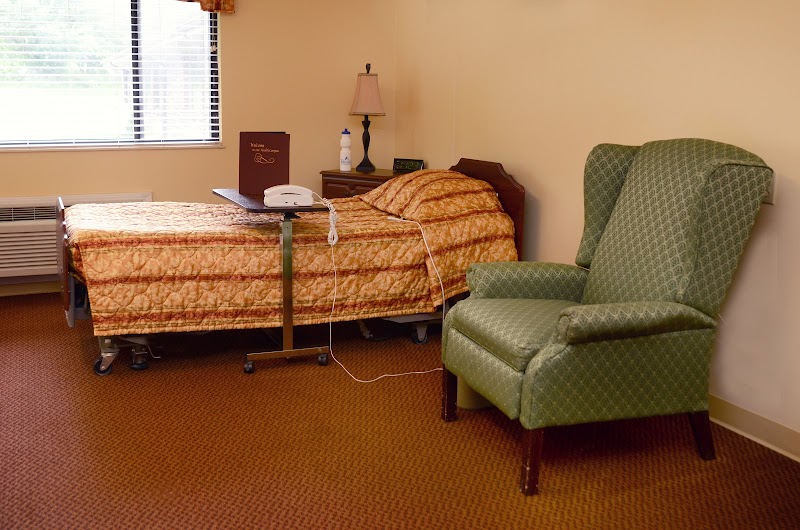
How is St Elizabeth Healthcare Center Staffed?

CMS rates ST ELIZABETH HEALTHCARE CENTER's staffing level at 3 out of 5 stars, which is average compared to other nursing homes. Staff turnover is 57%, which is 11 percentage points above the Indiana average of 46%. High turnover can affect care consistency as new staff learn residents' individual needs.

What Have Inspectors Found at St Elizabeth Healthcare Center?

State health inspectors documented 28 deficiencies at ST ELIZABETH HEALTHCARE CENTER during 2023 to 2025. These included: 1 that caused actual resident harm, 26 with potential for harm, and 1 minor or isolated issues. Deficiencies causing actual harm indicate documented cases where residents experienced negative health consequences.
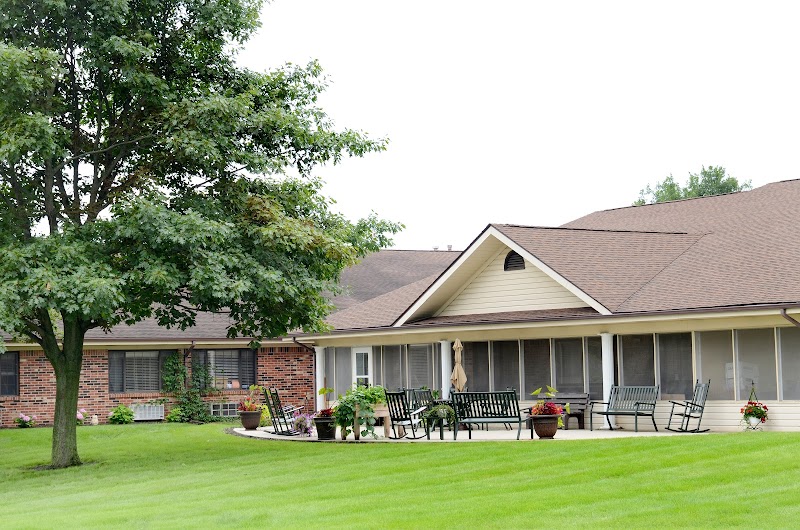
Who Owns and Operates St Elizabeth Healthcare Center?

ST ELIZABETH HEALTHCARE CENTER is owned by a non-profit organization. Non-profit facilities reinvest revenue into operations rather than distributing to shareholders. The facility is operated by TRILOGY HEALTH SERVICES, a chain that manages multiple nursing homes. With 64 certified beds and approximately 52 residents (about 81% occupancy), it is a smaller facility located in DELPHI, Indiana.
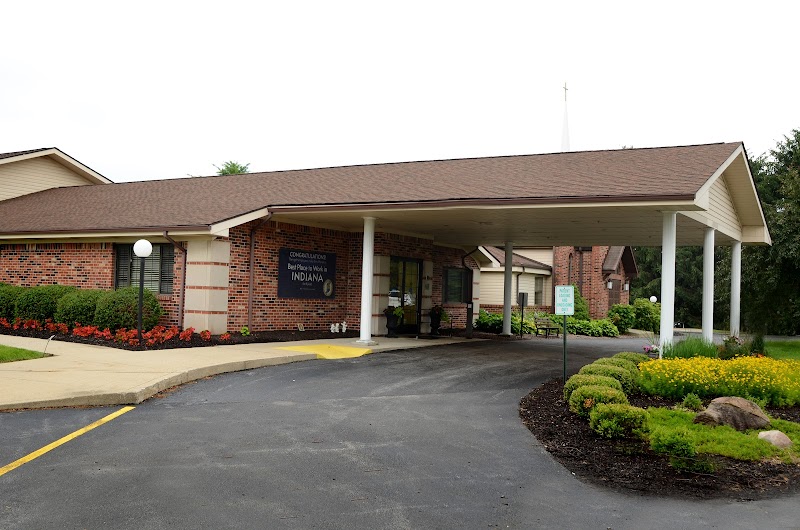
How Does St Elizabeth Healthcare Center Compare to Other Indiana Nursing Homes?

Compared to the 100 nursing homes in Indiana, ST ELIZABETH HEALTHCARE CENTER's overall rating (4 stars) is above the state average of 3.1, staff turnover (57%) is significantly higher than the state average of 46%, and health inspection rating (3 stars) is at the national benchmark.

What Should Families Ask When Visiting St Elizabeth Healthcare Center?

Based on this facility's data, families visiting should ask: "How do you ensure continuity of care given staff turnover, and what is your staff retention strategy?" "Can I visit during a mealtime to observe dining assistance and food quality?" "How do you handle medical emergencies, and what is your hospital transfer rate?" "Can I speak with family members of current residents about their experience?" These questions are particularly relevant given the facility's high staff turnover rate.

Is St Elizabeth Healthcare Center Safe?

Based on CMS inspection data, ST ELIZABETH HEALTHCARE CENTER has a clean safety record: no substantiated abuse findings (meaning no confirmed cases of resident harm), no Immediate Jeopardy citations (the most serious violation level indicating risk of serious injury or death), and is not on the Special Focus Facility watch list (a federal program monitoring the lowest-performing 1% of nursing homes). The facility has a 4-star overall rating and ranks #1 of 100 nursing homes in Indiana. While no facility is perfect, families should still ask about staff-to-resident ratios and recent inspection results during their visit.

Do Nurses at St Elizabeth Healthcare Center Stick Around?

Staff turnover at ST ELIZABETH HEALTHCARE CENTER is high. At 57%, the facility is 11 percentage points above the Indiana average of 46%. High turnover means new staff may not know residents' individual needs, medications, or preferences. It can also be disorienting for residents, especially those with dementia who rely on familiar faces. Families should ask: What is causing the turnover? What retention programs are in place? How do you ensure care continuity during staff transitions?

Was St Elizabeth Healthcare Center Ever Fined?

ST ELIZABETH HEALTHCARE CENTER has no federal fines on record. CMS issues fines when nursing homes fail to meet care standards or don't correct problems found during inspections. The absence of fines suggests the facility has either maintained compliance or corrected any issues before penalties were assessed. This is a positive indicator, though families should still review recent inspection reports for the full picture.

Is St Elizabeth Healthcare Center on Any Federal Watch List?

ST ELIZABETH HEALTHCARE CENTER is not on any federal watch list. The most significant is the Special Focus Facility (SFF) program, which identifies the bottom 1% of nursing homes nationally based on persistent, serious quality problems. Not being on this list means the facility has avoided the pattern of deficiencies that triggers enhanced federal oversight. This is a positive indicator, though families should still review the facility's inspection history directly.