APERION CARE DEMOTTE
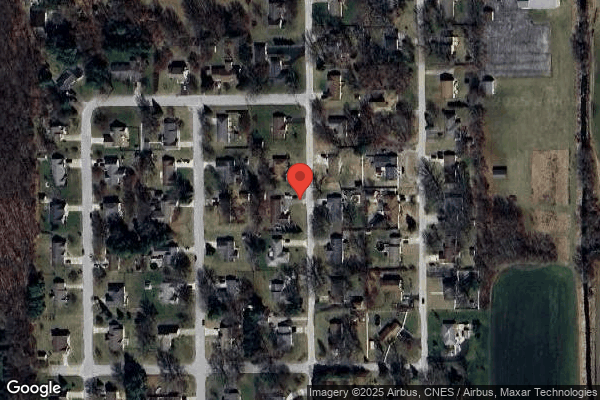
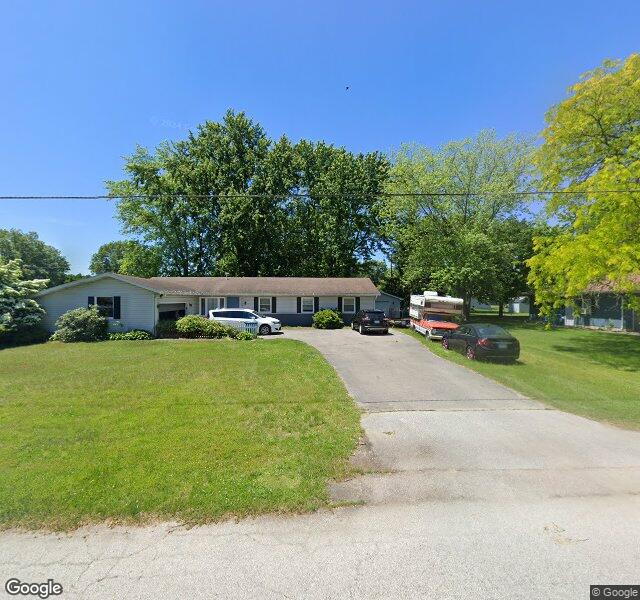
10352 N 600 E COUNTY LINE RD, DEMOTTE, IN 46310 (219) 345-5211
For profit - Corporation 93 Beds APERION CARE Data: November 2025
Trust Grade
35/100
#324 of 505 in IN
Last Inspection: September 2024

Within standard 12-15 month inspection cycle. Federal law requires annual inspections.

Overview

Aperion Care Demotte has received a Trust Grade of F, which indicates significant concerns about the quality of care provided. With a state rank of #324 out of 505 facilities in Indiana, they are in the bottom half, and they rank #2 out of 2 in Newton County, meaning there is only one other option in the area. The facility's trend is improving, with a decrease in issues from 17 in 2024 to 5 in 2025, but the overall staffing rating is poor at 1 out of 5 stars, with a high turnover rate of 64%, well above the state average. While the facility has no fines on record and offers better RN coverage than 77% of Indiana facilities, there have been serious concerns, such as a resident losing significant weight due to inadequate monitoring and interventions, and a resident suffering a fractured clavicle from a fall due to insufficient safety measures. Overall, while there are some strengths, such as RN coverage, the serious issues and poor staffing performance raise concerns for families considering this nursing home.

Trust Score
F
35/100
In Indiana
#324/505
Bottom 36%
Safety Record
Moderate
Needs review
Inspections
Getting Better
17 → 5 violations
Staff Stability
⚠ Watch
64% turnover. Above average. Higher turnover means staff may not know residents' routines.
Penalties
✓ Good
No fines on record. Clean compliance history, better than most Indiana facilities.
Skilled Nurses
○ Average
Each resident gets 33 minutes of Registered Nurse (RN) attention daily — about average for Indiana. RNs are the most trained staff who monitor for health changes.
Violations
⚠ Watch
48 deficiencies on record. Higher than average. Multiple issues found across inspections.
★★☆☆☆
2.0
Overall Rating
★☆☆☆☆
1.0
Staff Levels
★★★★★
5.0
Care Quality
★☆☆☆☆
1.0
Inspection Score
Stable
2024: 17 issues
2025: 5 issues

The Good

  • 5-Star Quality Measures · Strong clinical quality outcomes
  • Full Sprinkler Coverage · Fire safety systems throughout facility
  • No fines on record

Facility shows strength in quality measures, fire safety.

The Bad

2-Star Overall Rating

Below Indiana average (3.1)

Below average - review inspection findings carefully

Staff Turnover: 64%

18pts above Indiana avg (46%)

Frequent staff changes - ask about care continuity

Chain: APERION CARE

Part of a multi-facility chain

Ask about local staffing decisions and management

Staff turnover is elevated (64%)

16 points above Indiana average of 48%

The Ugly 48 deficiencies on record

2 actual harm
Feb 2025 5 deficiencies
CONCERN (D) 📢 Someone Reported This

A family member, employee, or ombudsman was alarmed enough to file a formal complaint

Potential for Harm - no one hurt, but risky conditions existed

Deficiency F0602 (Tag F0602)

Could have caused harm · This affected 1 resident

Based interview and record review, the facility failed to ensure residents were free from misappropriation of resident property related to drug diversions of residents' narcotic pain medications (hydr...

Read full inspector narrative →
Based interview and record review, the facility failed to ensure residents were free from misappropriation of resident property related to drug diversions of residents' narcotic pain medications (hydrocodone and oxycodone) for 3 of 3 residents reviewed for misappropriation of resident property. (Residents B, F, and G) The deficient practice was corrected on 1/3/25, prior to the start of the survey, and was therefore past noncompliance. Finding includes: A Indiana Department of Health (IDOH) reported incident indicated on 12/27/24 at 10:01 a.m., it was reported to the Assistant Director of Nursing and the Administrator that the facility was unable to account for a Resident B's narcotic pain medication or oxycodone 15 mg (milligrams). A 5-Day Follow-up to the reported incident, dated 1/3/25, indicated a registered nurse had admitted to taking Resident B's oxycodone 15 mg. The investigation of the incident, undated and completed by the RN Nurse Consultant, indicated all residents' medications and count sheets were reviewed. There were discrepancies for the narcotic pain medications for Residents B, F, and G. Review of the resident records and investigation indicated the following: 1. Resident B's record was reviewed on 2/6/25 at 11:02 a.m. The diagnoses included, but were not limited to, peripheral neuropathy and diabetes mellitus. A Physician's Order, dated 10/12/24, indicated oxycodone 15 mg was to be administered every four hours as needed for pain rated at 5-10. The pharmacy delivery sheets indicated 30 tablets of oxycodone 15 mg were delivered on on November 5, 16, 21, 24, and 27, 2024, and December 3, 9, 18, 21, and 26, 2024, for a total of 300 tablets. The narcotic count records were unable to be located for the deliveries on November 5, 24, and 27, 2024 and December 3, 18, and 21, 2024. The Medication Administration Records (MARs), dated 11/2024 and 12/2024, indicated 12 tablets of oxycodone 15 mg were given in November and 15 tablets given in December. A total of 273 oxycodone 15 mg were unaccounted for. 2. Resident F's record was reviewed on 2/6/25 at 2/6/25 at 2 p.m. The diagnoses included, but were not limited to, diabetes mellitus and dementia. The Quarterly Minimum Data Assessment, dated 12/2/24, indicated a severely impaired cognitive status. A Physician's Order, dated 5/18/24 and discontinued on 12/23/24, indicated hydrocodone-acetaminophen 5-325 mg was to be administered as needed every six hours for breakthrough pain. The investigation indicated the hydrocodone was signed out by RN 4 on the narcotic count sheets on October 25, 27 (twice), 29, and 30 (twice), 2024, November 1, 4, 5 (twice), 9, 10, 11, 12, 21, 23 (twice), and 28, 2024, and December 2, 3, 5, and 12, 2024. The MAR, dated 11/2024 and 12/2024, indicated the medication was only signed out as administered on 10/27/24 and 11/2024. There were 22 tablets of hydrocodone 5-325 mg unaccounted for and not documented as received by the resident. 3. Resident G's record was reviewed on 2/6/25 at 2:15 p.m. The diagnoses included, but were not limited to, osteoarthritis. A Physician's Order, dated 9/9/24, indicated hydrocodone-acetaminophen 10-325 mg was to be given every 6 hours as needed for moderate pain. The pharmacy delivery sheets indicated 30 tablets of hydrocodone 10-325 mg was delivered on 11/1/24, 11/10/24, 11/20/24, 11/27/24 and 12/3/24 for a total of 150 tablets. The narcotic count records were unable to be located for the deliveries on 11/1/24, 11/20/24, 11/27/24, and 12/3/24. The MARs, dated 11/2024 and 12/2024, indicated there were 60 tables given in November and 65 tablets given in December. A total 125 tablets were signed as given. There were 25 tablets not accounted for. The investigation indicated there were a total of 440 narcotic tablets unaccounted for from November through 12/27/24. During an interview on 2/6/25 at 12:17 p.m., the ADON indicated RN 3 had voiced a concern on 12/26/24 that RN 4 had been administering several oxycodones to Resident B. On 12/26/24, Resident B had a card of 8 and a card of 30 oxycodone tablets in the medication cart. On the morning of 12/27/24, the ADON indicated the card of 8 oxycodone tablets was missing. RN 3 had indicated 1 oxycodone had been given out of the card of 8 on the evening of 12/26/24. The 7 left in the card were unaccounted for. She indicated RN 4 would volunteer to come in early to relieve the nurses on the evening shift. When the facility reviewed when she came in early, it was the days the pharmacy was delivering the narcotics that she had ordered. RN 4 would sign for the narcotics and the count sheet and the cards would be missing. RN 4 took the card with 7 of Resident B's oxycodone and the narcotic count record. RN 4 admitted to taking the card and the narcotic count record. During a telephone interview with the Corporate RN Consultant on 2/6/25 at 12:28 p.m., she indicated RN 4 had admitted to taking the 7 oxycodone tablets. RN 4 had informed the Police Officer she had been taking the medication over the course of a year. There were over 300 narcotics missing. It was determined RN 4 would order the medications then be at the facility when they were delivered and take the medications along with the narcotic count record or she would sign the medications out and not sign the MAR as given. The deficient practice was corrected by 1/3/25 after the facility implemented a systemic plan that included the following actions: law enforcement were notified and responded to the allegation with an investigation, narcotic counts were immediately performed, oriented residents were interviewed to ensure there was no pain or discomfort, and nurses were interviewed. New protocols were initiated to prevent further drug diversion, the Director of Nursing (DON) or the ADON will check the narcotic counts randomly to ensure staff are following the new protocols. When adding narcotic cards to the cart, there must be two signatures and two staff members must sign the delivered narcotic in when delivered by pharmacy. If the narcotic is discontinued, medication card is empty, or the narcotic count record is completed, the DON or ADON will remove the card and the count record. The Narcotics will be counted at the beginning and end of every shift and will be signed by two staff (nurse/QMA). Education has been provided to 12 of the 21 nurses/QMA's and agency staff will be educated when they work. The new protocols are kept in the front the narcotic count binder on each cart. A narcotic count was completed on the 4 of 4 medication carts in the facility and all narcotics were accounted for. Five nurses on day and evening shift were interviewed and were able to describe the new protocols and what to do if there was a discrepancy. They also indicated they would report if a resident was receiving more pain medications than normal. The DON indicated the audits would be continued indefinitely and the results form the audits would be discussed in Quality Assurance meetings. This citation relates to Complaint IN00450100. 3.1-28(a)
CONCERN (D) 📢 Someone Reported This

A family member, employee, or ombudsman was alarmed enough to file a formal complaint

Potential for Harm - no one hurt, but risky conditions existed

Report Alleged Abuse (Tag F0609)

Could have caused harm · This affected 1 resident

Based on record review and interview, the facility failed to ensure a 5-Day follow up to a reported incident of misappropriation to the Indiana Department of Health (IDOH) contained thorough and compl...

Read full inspector narrative →
Based on record review and interview, the facility failed to ensure a 5-Day follow up to a reported incident of misappropriation to the Indiana Department of Health (IDOH) contained thorough and complete information from the facility's investigation of the incident, for 1 of 1 reported incident reviewed. Finding includes: A Indiana Department of Health (IDOH) reported incident indicated on 12/27/24 at 10:01 a.m., it was reported to the Assistant Director of Nursing and the Administrator, the facility was unable to account for a Resident B's narcotic pain medication or oxycodone 15 mg (milligrams). The Staff involved were RN 3 and RN 4. A 5-Day follow-up to the reported incident, dated 1/3/25, indicated the drug diversion was substantiated due to RN 4 admission of taking the oxycodone. Cross reference F602. The 5-day follow up lacked information from the investigation that indicated two other residents were found to have missing narcotic medication, how many narcotics were unaccounted for, and that RN 3 was not involved in the misappropriation of the medication. During an interview on 2/6/25 at 12:17 p.m., Regional [NAME] President indicated the 5-day follow up was missing information found during the investigation. This citation relates to Complaint IN00450100. 3.1-28(e)
CONCERN (D) 📢 Someone Reported This

A family member, employee, or ombudsman was alarmed enough to file a formal complaint

Potential for Harm - no one hurt, but risky conditions existed

Quality of Care (Tag F0684)

Could have caused harm · This affected 1 resident

Based on observation, interview, and record review, the facility failed to ensure a resident received necessary care and services related to no investigation for the root cause for a resident's multip...

Read full inspector narrative →
Based on observation, interview, and record review, the facility failed to ensure a resident received necessary care and services related to no investigation for the root cause for a resident's multiple skin tears for 1 of 2 residents reviewed for quality of care and skin tears. (Resident C) Finding includes: During an observation and interviews on 2/5/25 from 8:45 a.m. to 9:42 a.m., CNA 1 and CNA 2 entered Resident C's room to provide care. The resident was observed to have two dressings on the right arm and two dressings on the back of her right hand. CNA 1 indicated the resident had skin tears on her arms. Resident C's record was reviewed on 2/5/25 at 11:46 a.m. The diagnoses included, but were not limited to, vascular dementia and diabetes mellitus. The resident was receiving hospice care. A Significant Change Minimum Data Set (MDS) assessment, dated 12/10/24, indicated the resident had short and long term memory problems, was dependent for all activities of daily living, had skin tears present, and received hospice care. The Wound Report indicated a skin tears were identified on the right forearm and right hand on 1/31/25. During an interview on 2/5/25 at 2:30 p.m. the Assistant Director of Nursing (ADON) indicated there were no investigations for the causes of the skin tears. The resident would pick at her skin when she was uncomfortable and there was no care plan with interventions for picking at the skin. The Corporate RN Consultant indicated the skin tears were to be investigated to determine the cause of the tear. This citation relates to Complaint IN00451858. 3.1-37
CONCERN (D) 📢 Someone Reported This

A family member, employee, or ombudsman was alarmed enough to file a formal complaint

Potential for Harm - no one hurt, but risky conditions existed

Pressure Ulcer Prevention (Tag F0686)

Could have caused harm · This affected 1 resident

Based on observation, interview, and record review, the facility failed to ensure a resident's pressure ulcers were assessed thoroughly and timely, the Physician was notified timely of a decline in a ...

Read full inspector narrative →
Based on observation, interview, and record review, the facility failed to ensure a resident's pressure ulcers were assessed thoroughly and timely, the Physician was notified timely of a decline in a pressure ulcer, and an intervention to prevent pressure ulcers was in place, for 1 of 3 residents reviewed for pressure ulcers. (Resident C) Finding includes: During an observation and interviews on 2/5/25 from 8:45 a.m. to 9:42 a.m., CNA 1 and CNA 2 entered Resident C's room to provide care. When the resident was turned to the right side, there was a large dressing on the left hip with copious amount of bloody drainage that was seeping under the dressing onto the pad underneath the resident and a foul odor was present from the dressing. There was a dressing also observed on the sacral area. At 9:24 a.m., the Assistant Director of Nursing (ADON) entered the room and indicated she was also the Wound Nurse. The ADON indicated she completed wound rounds with the Wound Nurse Practitioner (NP) weekly. Resident C was on hospice and the Wound NP did not see the resident weekly. The ADON completed the wound care and indicated the left hip had two wounds. The ADON estimated the first left hip wound as Length (L) 4 centimeters (cm) by width (W) 3 cm and the second wound was estimated at (L)7 cm by (W) 4 cm with a small area of 0.5 cm depth and slough covering the rest of the wound. The ADON indicated the areas had declined and the odor, drainage, and slough were new to the area. She was just made aware that the treatment to the left hip had been changed and was unsure when the Hospice Nurse changed the treatment orders, as it had not been communicated to her. The ADON indicated the left hip had just been covered with a dressing prior to the calcium alginate (wound treatment for wounds with drainage). A dry dressing was removed from the sacral area. There were two wounds on the sacral area. The ADON indicated both wounds were unstageable due to the necrotic tissue and the areas had declined. She did not complete skin checks and assessments on every resident. The nurses completed weekly skin assessments and were to notify her if there was a concern. Resident C's record was reviewed on 2/5/25 at 11:46 a.m. The diagnoses included, but were not limited to, vascular dementia and diabetes mellitus. The resident was receiving hospice care. A Care Plan, dated 11/7/24, indicated there was a potential for impairment of the skin. The interventions included, the treatments would be completed as ordered. A re-admission Skin Assessment, dated 12/2/24 at 7:48 p.m., indicated the left buttock had a 3.6 cm by 2.4 cm (length and width was not specified) open area that was superficial. A Nurse's Progress Note, dated 12/2/24 at 8:22 p.m., clarified the open area was on the right buttock not the left buttock. A Physician's Order, dated 12/2/24, indicated a foam dressing was to be used on the right buttock for protection. The order was discontinued on 12/5/24. A Significant Change Minimum Data Set (MDS) assessment, dated 12/10/24, indicated the resident had short and long term memory problems, was dependent for all activities of daily living, had an indwelling urinary catheter, was frequently incontinent of bowels, had no unhealed pressure ulcers, had skin tears present, and received hospice care. A Weekly Skin Assessment, dated 12/16/24 at 9:57 p.m., indicated there was a stage two (partial thickness of skin) wound on the right buttock and the coccyx had fragile skin. There were no measurements of the open area on the right buttock. A Weekly Skin Assessment, dated 12/23/24, indicated a stage two area on the right buttock, the coccyx was red, and a protective dressing was used for the right buttock area. The pressure areas were not measured or described. A Physician's Order, dated 12/28/24 and discontinued 12/31/24, indicated the sacral area was to be cleansed with soap and water, patted dry and a sacral foam dressing was to be applied for protection on Tuesdays, Thursdays, and Saturdays for skin maintenance. A Physician's Order, dated 1/2/25, indicated the sacral area was to be cleansed with soap and water, patted dry, and a sacral foam dressing was to be used for protection. The treatment was to be completed on Tuesdays, Thursdays, and Saturdays for skin maintenance. A Weekly Skin assessment, dated 1/3/25 at 5:31 p.m., indicated the right buttock area had a stage two pressure area and a treatment was in place. The coccyx (sacral) area was red and a prophylactic dressing was used for the area. There were no Weekly Skin Assessments completed from 12/23/24 to 1/3/25. The right buttock and coccyx areas were not measured or thoroughly described. A Weekly Skin Assessment, dated 1/25/25 and completed by RN 3, indicated the right buttock was unstageable (depth of the wound cannot be determined due to eschar or slough) and the sacral area was red. A hydrocolloid dressing was used for the sacral area. There were no Weekly Skin Assessments completed from 1/3/25 through 1/25/25. There were no measurements or thorough descriptions of the pressure areas on the 1/25/25 assessment. There was no documentation the Wound Nurse, Physician, and family had been notified of the decline of the right buttock pressure area. A Care Plan, dated 1/27/25 and revised on 2/5/25, indicated a pressure ulcer was present on the right buttock. The interventions included the treatment would be completed as ordered. The Care Plan did not indicate other pressure ulcers were present. A Physician's Order, dated 12/28/25 and discontinued on 1/31/25, indicated the bilateral hips were to be cleansed with soap and water, patted dry and a hydrocolloid (protective dressing) was to applied to the area for protection on every Tuesday, Thursday, and Saturday evening. There were no skin assessments of the bilateral hips that indicated there were open areas or the condition of the skin. A Hospice Nurse's Note, dated 1/10/25 at 1:15 p.m., indicated a large stage three (full thickness tissue loss) wound was present on the left hip that had declined from a stage two. The ADON was notified. The wound was cleansed and a foam dressing was applied. There was no thorough assessment of the left hip wound that indicated a size and description of the area. A Hospice Nurse's Note, dated 1/31/25 at 1:45 p.m., indicated the stage three area on the left hip was observed. There was odorous drainage on the old dressing and no warmth to the area. The facility staff were notified and informed the dressing needed to be changed daily. There had been no documentation of changes in the left hip status from 1/10/25 to 1/31/25. The area had not been assessed by the facility. A Physician's Order, dated 1/31/25, indicated on 2/1/25, the bilateral hips were to be cleansed with soap and water, patted dry, calcium alginate was to be applied and then covered with a foam dressing daily. There were no thorough assessments of the pressure area on the left hip that indicated the size or description. A Weekly Skin Assessment, dated 2/4/25 and completed by RN 3, indicated the sacral area was red and a hydrocolloid dressing was used for protection. The right buttock remained unstageable and a treatment was in place. There were no measurement or thorough description of the pressure areas on the assessment. There was no assessment of the left hip. During an interview on 2/5/25 at 10 a.m., the ADON indicated the Weekly Skin Assessments were to be completed by the nurses and the nurses would either contact her by writing/alert charting or orally about the concerns. The nurses were responsible for obtaining treatment orders. The nurses were not responsible for assessments/staging and measurements. The ADON looked at the wound areas on Thursdays or sooner, if I can get to them, for the initial assessment. She did rounds with the Wound NP on Thursdays and pictures were taken along with the measurements. She did not assess a pressure area unless the area was open. The ADON indicated no one had notified her the resident's left hip area had opened. The Wound NP did not consult on/assess Resident C. She had just seen the calcium alginate order for the left hip this morning. During an telephone interview on 2/5/25 at 11 a.m., the Hospice Nurse, indicated she would inform the nurse taking care of the resident of any changes and updates. The pressure areas were unavoidable due to the resident's decline in status and nutrition. During an interview on 2/5/25 at 2:30 p.m., the ADON indicated the bilateral hips were not being assessed on the weekly skin assessment. There was no area of concern on the right hip and the order should state the treatment was for the left hip. She indicated there had been no assessments or measurements of the left hip and sacral area completed. The care plan was not correct for the pressure area on the right buttock and the information was taken from the weekly skin assessments. During an interview on 2/5/25 at 2:40 p.m., the ADON indicated there was no open area on the right buttock and the treatment to right buttock had been discontinued 12/5/24 During an observation on 2/5/25 at 2:52 p.m., the resident was lying in bed, the low air loss mattress was not turned on nor plugged in. The ADON indicated at the time of the observation, she was unsure how long the air flow on the bed had been turned off. There was no pressure area located on the right buttock. The ADON indicated she was unsure why staff were documenting there was an area on the right buttock. During a telephone interview on 2/6/25 at 1:28 a.m., RN 3 indicated he had marked the wrong area and there was not an unstageable area on the right buttock. The unstageable area was on the sacral area and was necrotic. The ADON had not been notified, as it was assumed she had already known about the area. A facility skin condition assessment policy, dated 6/8/18 and received from the ADON as current, indicated pressure ulcers would be assessed and measured at least weekly by a licensed nurse and documented in the resident's record. The nurse was to observe the wound daily or with dressing changes. Any drainage, redness, pain will be documented in the Nurses' Progress Notes. A pressure ulcer policy, dated 1/17/18 and received from the Corporate RN Consultant as current, indicated a wound assessment was to be initiated and documented in the resident's record when a pressure ulcer was identified. Changes in the resident's skin was to be reported to the nurse and the nurse was to perform a detailed assessment. At the earliest sign of a pressure area, the resident, legal representative and the attending physician was to be notified. The initial observation was to be described in the the Nurses' Progress Notes. Pressure area were to be measured at least weekly and recorded in centimeters in the clinical record. The wound assessment was to be completed and to include the site/location, size in length, width, and depth, the stage of the pressure ulcer, odor, drainage, and description. This citation relates to Complaint IN00451858. 3.1-40(a)(2) 3.1-40(a)(3)
CONCERN (D) 📢 Someone Reported This

A family member, employee, or ombudsman was alarmed enough to file a formal complaint

Potential for Harm - no one hurt, but risky conditions existed

Infection Control (Tag F0880)

Could have caused harm · This affected 1 resident

Based on observation, interview, and record review, the facility failed to ensure correct Personal Protective Equipment (PPE) was used by staff members (CNA 1 and CNA 2) when providing care to a resid...

Read full inspector narrative →
Based on observation, interview, and record review, the facility failed to ensure correct Personal Protective Equipment (PPE) was used by staff members (CNA 1 and CNA 2) when providing care to a resident (Resident C) who was in Enhanced Barrier Precautions (EBP), for two random observations for infection control. Finding includes: During an observation on 2/5/25 at 8:45 a.m., CNA 1 and CNA 2 entered Resident C's room to provide care. There was a sign on the resident's door which indicated the resident required EBP and there was PPE stored in a container in the hallway. An indwelling urinary catheter was present and CNA 1 indicated the resident had skin tears and pressure ulcers. CNA 1 and CNA 2 wore gloves and no gowns. They were stopped prior to starting care. CNA 1 and CNA 2 indicated they should have a gown on while providing care. During an observation on 2/5/25 at 11:49 a.m., CNA 2 and LPN 5 were at Resident C's bedside and was repositioning the resident in bed. They wore gloves. They were not wearing a gown. LPN 5 indicated EBP PPE should have been worn during care. Cross reference F684. A EPB facility policy, dated 5/7/24 and received from the Corporate RN Consultant as current, indicated EBP was to be utilized for residents with chronic wounds and/or indwelling catheters. 3.1-18(b)
Sept 2024 12 deficiencies
CONCERN (D)

Potential for Harm - no one hurt, but risky conditions existed

Deficiency F0554 (Tag F0554)

Could have caused harm · This affected 1 resident

**NOTE- TERMS IN BRACKETS HAVE BEEN EDITED TO PROTECT CONFIDENTIALITY** 2. On 9/17/24 at 10:49 a.m., Resident 32 was observed walking out of her bathroom, to her bed. There was a medication cup on her...

Read full inspector narrative →
**NOTE- TERMS IN BRACKETS HAVE BEEN EDITED TO PROTECT CONFIDENTIALITY** 2. On 9/17/24 at 10:49 a.m., Resident 32 was observed walking out of her bathroom, to her bed. There was a medication cup on her dresser that contained 4 pills. One bottle of saline nasal spray and one bottle of Fluticasone Propionate Suspension (a nasal spray for allergies), both labeled with Resident 32's name, were observed on her bathroom counter. The resident indicated the nurse left the pills for her that morning and that she administered her own nasal sprays. Resident 32's record was reviewed on 9/17/24 at 1:18 p.m. Diagnoses included, but were not limited to, obsessive-compulsive disorder, hypothyroidism, and allergic rhinitis. An Annual Minimum Data Set (MDS) assessment, dated 7/10/24, indicated the resident was cognitively intact. An Interdisciplinary Team (IDT) note, dated 12/4/2023, indicated the IDT met to review the resident and determined the resident was able to self-administer supplements and eye drops. The Physician's Orders indicated the resident may self-administer supplements, eye drops, saline nasal spray. There were no orders for self-administration of prescribed oral medications or Fluticasone Propionate Suspension. During an interview on 9/17/24 at 10:52 a.m., LPN 2 indicated she left 4 pills in a medication cup on the residents' dresser around 8:00 a.m. because she was told the resident could take them herself. The medications were [NAME] oil, Levothyroxine (a thyroid medication), fluvoxamine maleate (a medication for obsessive-compulsive disorder), and Advil (Ibuprofen). During an interview on 9/19/24 1:31 p.m., the Regional VP of Operations indicated the assessment to self-administer should be done every 6 months, and the medications should not be left at the bedside, but he would check the policy. A policy titled, Medication Administration General Guidelines, and received as current from the facility on 9/19/24, indicated, .12. Residents are allowed to self-administer medications when specifically authorized by the attending physician and in accordance with procedures for self-administration of medications .16. The resident is always observed after administration to ensure was completely ingested. If only a partial dose is ingested, this noted on the MAR, and action is taken as appropriate . 3.1-11(a) Based on observation, record review, and interview, the facility failed to ensure residents were assessed for self-administration of medications and had a Physician's Order to self-administer medications, for 2 of 2 residents reviewed for self-administration of medication. (Residents 9 and 32) Findings include: 1. During a medication pass observation on 9/19/24 at 11:12 a.m., LPN 1 was observed preparing Resident 9's medications. The nurse indicated the resident was to have a nebulizer breathing treatment. She poured a plastic vial of ipratropium-albuterol (medication to help control the symptoms of lung disease) 3 ml (milliliters) into a medicine cup attached to an oxygen mask. She then placed the oxygen mask over the resident's face, turned on the treatment machine, and told the resident to take a few deep breaths. She then told the resident she would be back in to remove the breathing treatment in about 10 minutes. The LPN then proceeded to leave the room and walked back to the medication cart to prepare the next resident's medication. The LPN was not observed checking the resident's oxygen saturation or lung sounds prior to administering the nebulizer treatment. During an interview after leaving the resident's room, the LPN indicated she did not check his oxygen saturation or lung sounds. She was unaware if the resident had a self-administration assessment completed. She further indicated she did not normally stay in the resident's rooms while they were receiving the breathing treatments. Record review for Resident 9 was completed on 9/19/24 at 11:40 a.m. Diagnosis included, but were not limited to, hypertension, anxiety, and dyspnea (shortness of breath). The record lacked any indication there was a Physician's Order or a medication self-administration assessment completed for the resident to self administer his breathing treatment without supervision. During an interview on 9/19/24 at 11:44 a.m., the Regional [NAME] President of Operations indicated the residents were not to be left alone during a breathing treatment unless they had a Physician's Order and a self-administration assessment completed. A policy titled, Nebulizer-Medication Administration, and received as current from the facility on 9/19/24, indicated, .4. Obtain baseline pulse, respiratory rate and lung sounds .12. Remain with resident for the treatment unless the resident has been assessed and authorized to self-administer .
CONCERN (D)

Potential for Harm - no one hurt, but risky conditions existed

Investigate Abuse (Tag F0610)

Could have caused harm · This affected 1 resident

**NOTE- TERMS IN BRACKETS HAVE BEEN EDITED TO PROTECT CONFIDENTIALITY** Based on record review and interview, the facility failed to ensure a resident involved in a physical altercation with another r...

Read full inspector narrative →
**NOTE- TERMS IN BRACKETS HAVE BEEN EDITED TO PROTECT CONFIDENTIALITY** Based on record review and interview, the facility failed to ensure a resident involved in a physical altercation with another resident received psychosocial follow up care for 1 of 3 residents reviewed for abuse. (Resident 136) Finding includes: The closed record for Resident 136 was reviewed on 9/19/24 at 9:30 a.m. The resident was admitted to the facility on [DATE] and discharged to home on 9/8/24. Diagnoses included, but were not limited to, unspecified dementia, hypertension and depression. He resided on the locked memory care unit. The admission Minimum Data Set assessment, dated 8/29/24, indicated the resident had severe cognitive impairment. An IDOH (Indiana Department of Health) Facility Reported Incident, dated 9/5/24, indicated another resident had approached Resident 136 and struck him numerous times. The residents were immediately separated and assessed for injuries. The other resident was sent to the hospital for aggressive behaviors to be evaluated, and Resident 136 was to be monitored for signs of psychosocial distress. There was no documentation the resident had been monitored for psychosocial distress following the incident. The resident was discharged to home on 9/8/24. During an interview on 9/19/24 at 10:37 a.m., the Social Service Director indicated residents were normally monitored for 72 hours after an altercation for psychosocial distress. For some reason, this event had not been triggered and he was not monitored after the altercation. The current Abuse Prevention and Reporting policy was reviewed and did not have specific guidelines for monitoring psychosocial distress. 3.1-28(d)
CONCERN (D)

Potential for Harm - no one hurt, but risky conditions existed

Transfer Notice (Tag F0623)

Could have caused harm · This affected 1 resident

Based on record review and interview, the facility failed to ensure a resident and/or their Responsible Party were notified in writing related to a transfer to the hospital for 1 of 3 residents review...

Read full inspector narrative →
Based on record review and interview, the facility failed to ensure a resident and/or their Responsible Party were notified in writing related to a transfer to the hospital for 1 of 3 residents reviewed for hospitalization. (Resident 27) Finding includes: Resident 27's record was reviewed on 9/18/24 at 3:01 p.m. Diagnoses included, but were not limited to, type 2 diabetes mellitus and elevation of levels of liver transaminase levels (liver enzymes). The Quarterly Minimum Data Set (MDS) assessment, dated 7/23/24, indicated the resident was moderately impaired for daily decision making. A Nurses' Note, dated 7/12/24 at 6:47 p.m., indicated the Physician was in to see the resident and new orders to send the resident to the hospital were obtained due to elevated liver enzymes. The Responsible Party was notified and report was called to the hospital. The resident was sent with appropriate paperwork. A Physician Order Note, dated 7/12/24 at 6:48 p.m., indicated the resident was seen due to elevated liver enzymes. The resident indicated he had nausea and emesis, but he did not inform staff. He had epigastric (upper abdomen) pain with palpation (touch). The resident was sent to the hospital. There was no documentation to indicate the State approved transfer form was completed and sent with the resident. There was no documentation to indicate the resident's Responsible Party had received written notification of the resident's transfer to the hospital. During an interview on 9/19/24 at 9:42 a.m., the Regional [NAME] President of Operations indicated there was no documentation related to the State transfer form being sent with the resident or to the resident's Responsible Party. A policy titled, Notice of Transfer and Discharge indicated .Prior to discharge or transfer, the facility will: Notify the resident and the resident's representative(s) of the transfer or discharge and the reasons for the move in writing and in a language and manner they understand. The facility will send a copy of the notice to a representative of the Office of the State Long-term Care Ombudsman . 3.1-12(a)(6)(A)(ii) 3.1-12(a)(6)(A)(iii)
CONCERN (D)

Potential for Harm - no one hurt, but risky conditions existed

Deficiency F0625 (Tag F0625)

Could have caused harm · This affected 1 resident

Based on record review and interview, the facility failed to ensure a resident and/or their Responsible Party were sent the facility's bed-hold and reserve bed payment policy before and upon transfer ...

Read full inspector narrative →
Based on record review and interview, the facility failed to ensure a resident and/or their Responsible Party were sent the facility's bed-hold and reserve bed payment policy before and upon transfer to the hospital for 1 of 3 residents reviewed for hospitalization. (Resident 27) Finding includes: Resident 27's record was reviewed on 9/18/24 at 3:01 p.m. Diagnoses included, but were not limited to, type 2 diabetes mellitus and elevation of levels of liver transaminase levels (liver enzymes). The Quarterly Minimum Data Set (MDS) assessment, dated 7/23/24, indicated the resident was moderately impaired for daily decision making. A Nurses' Note, dated 7/12/24 at 6:47 p.m., indicated the Physician was in to see the resident and new orders to send the resident to the hospital were obtained due to elevated liver enzymes. The Responsible Party was notified and report was called to the hospital. The resident was sent with appropriate paperwork. A Physician Order Note, dated 7/12/24 at 6:48 p.m., indicated the resident was seen due to elevated liver enzymes. The resident indicated he had nausea and emesis, but he did not inform staff. He had epigastric (upper abdomen) pain with palpation (touch). The resident was sent to the hospital. There was no documentation to indicate the facility's bed-hold policy was sent to the resident and/or their Responsible Party. During an interview on 9/19/24 at 9:42 a.m., the Regional [NAME] President of Operations indicated there was no documentation related to the bed-hold policy being sent to the resident and/or their Responsible Party. 3.1-12(a)(25)(A)
CONCERN (D)

Potential for Harm - no one hurt, but risky conditions existed

Quality of Care (Tag F0684)

Could have caused harm · This affected 1 resident

**NOTE- TERMS IN BRACKETS HAVE BEEN EDITED TO PROTECT CONFIDENTIALITY** 2. Resident 24's record was reviewed on 9/18/24 at 9:33 a.m. Diagnoses included, but were not limited to, dementia and hypertens...

Read full inspector narrative →
**NOTE- TERMS IN BRACKETS HAVE BEEN EDITED TO PROTECT CONFIDENTIALITY** 2. Resident 24's record was reviewed on 9/18/24 at 9:33 a.m. Diagnoses included, but were not limited to, dementia and hypertension. The Quarterly Minimum Data Set (MDS) assessment, dated 8/13/24, indicated the resident was cognitively intact. A Care Plan, dated 3/14/22, indicated the resident was at risk for decreased cardiac output related to hypertension (high blood pressure). Interventions included, but were not limited to, administer medications as ordered. A Physician's Order, dated 5/18/24, indicated lisinopril 20 milligram (mg) tablet once daily. A Physician's Order, dated 5/18/24, indicated amlodipine besylate 5 mg tablet once daily. A Physician's Order, dated 5/18/24, indicated hold lisinopril and amlodipine if systolic blood pressure (top number) is less than 110 every shift for hypotension. The August and September 2024 Medication Administration Record indicated the lisinopril and amlodipine were not held per the Physician's Order on the following dates and times: - 8/7/24 at 7:00 a.m., blood pressure 106/68 - 8/11/24 at 7:00 a.m., blood pressure 109/71 - 8/16/24 at 7:00 a.m., the medication was not administered and a blood pressure was not documented - 9/13/24 at 7:00 a.m., the medication was not administered and a blood pressure was not documented During an interview on 9/19/24 at 9:42 a.m., the Regional [NAME] President of Operations indicated he had no further information to provide. 3. Resident 55's record was reviewed on 9/18/24 at 11:51 a.m. Diagnoses included, but were not limited to, hypertension, chronic kidney disease, and type 2 diabetes mellitus. The Quarterly Minimum Data Set (MDS) assessment, dated 8/26/24, indicated the resident was cognitively intact for daily decision making. The current Care Plans, indicated the resident had hyperlipidemia, hypertension, and received hemodialysis three times per week. A Care Plan, dated 5/7/24, indicated the resident was at risk for decreased cardiac output related to hyperlipidemia, hypertension, and hypotension. Interventions included, but were not limited to, administer medications as ordered. The September 2024 Physician Order Summary indicated the resident received gabapentin 100 milligrams (mg) 1 capsule three times a day, midodrine 10 mg tablet three times a day, and sevelamer carbonate 800 mg 2 tablets with meals. The August and September 2024 Medication Administration Record (MAR) indicated the medications were not administered as ordered on the following dates and times: Midodrine: - 8:00 a.m. on 8/2, 8/5, 8/6, 8/10, 8/11, 8/16, 8/25, and 9/5/24 - 12:00 p.m. on 8/1, 8/3, 8/5, 8/6, 8/8, 8/10, 8/12, 8/13, 8/15, 8/16, 8/17, 8/23, 8/24, 8/27, 8/29, 8/31, 9/3, 9/5, 9/7, 9/8, 9/10, 9/12, 9/14, 9/17, and 9/19/24 - 4:00 p.m. on 8/5, 8/10, 8/17, and 8/19/24 - 6:00 p.m. on 8/22, 8/23, 8/25, 9/2, 9/5, 9/8, and 9/9/24 Gabapentin: - 8:00 a.m. on 8/21/24 - 12:00 p.m. on 8/1, 8/3, 8/6, 8/8, 8/10, 8/13, 8/15, 8/17, 8/20, 8/21, 8/24, 8/27, 8/29, 8/31, 9/3, 9/5, 9/7, 9/10, 9/12, 9/14, 9/17, and 9/19/24 - 8:00 p.m. on 9/9/24 Sevelamer carbonate: - 12:00 p.m. on on 8/1, 8/3, 8/6, 8/8, 8/10, 8/13, 8/15, 8/17, 8/24, 8/27, 8/29, 8/31, 9/3, 9/5, 9/7, 9/10, 9/12, 9/14, 9/17, and 9/19/24 A Physician's Order, dated 8/21/24, indicated midodrine 10 mg tablet three times a day, hold if systolic blood pressure (top number) is above 130. The August and September 2024 Medication Administration Record (MAR) indicated the midodrine was not held as ordered on the following dates and times: - 8/22/24 at 9:00 a.m., blood pressure 134/60 - 8/22/24 at 12:00 p.m., blood pressure 150/76 - 8/28/24 at 9:00 a.m., blood pressure 142/80 - 8/28/24 at 6:00 p.m., blood pressure 167/93 - 9/1/24 at 9:00 a.m., blood pressure 144/78 - 9/10/24 at 6:00 p.m., blood pressure 138/71 - 9/12/24 at 6:00 p.m., blood pressure 141/86 During an interview on 9/19/24 at 9:42 a.m., the Regional [NAME] President of Operations indicated he had no further information to provide. 4. During an observation and interview on 9/16/24 at 2:51 p.m., Resident 37 indicated she had gone to the hospital and they tried to put multiple intravenous lines into both arms, but they were not successful. The resident's bilateral forearms were observed with large discolorations. Resident 37's record was reviewed on 9/17/24 at 2:48 p.m. Diagnoses included, but were not limited to, hemiplegia (weakness) affecting the left nondominant side and major depressive disorder with psychotic features. The Quarterly Minimum Data Set (MDS) assessment, dated 8/20/24, indicated the resident was cognitively intact for daily decision making. A Weekly Skin Observation assessment, dated 9/11/24 at 8:03 a.m., indicated the general skin observation was warm, dry (normal) with no foot concerns. There were no skin problems. A Weekly Skin Observation assessment, dated 9/18/24 at 2:10 p.m., indicated the general skin observation was warm, dry (normal) with no foot concerns. There were no skin problems. During an interview on 9/19/24 at 9:42 a.m., the Regional [NAME] President of Operations indicated there was no documentation of the bruising in the resident's record and the staff had now implemented a new order for monitoring of the bilateral forearm bruising. A policy titled, Skin Condition Assessment & Monitoring - Pressure and Non-Pressure, indicated .Non-pressure skin conditions (bruises/contusions .etc.) will be assessed for healing progress and signs of complications or infection weekly .A wound assessment will be initiated and documented in the resident chart when pressure and/or other non-pressure skin conditions are identified by licensed nurse. 3.1-37(a) Based on observation, record review, and interview, the facility failed to ensure a resident with abnormal lab results received timely intervention for 1 of 3 residents reviewed for hospitalization (Resident 68), medications were given as ordered for 2 of 5 residents reviewed for unnecessary medications (Residents 24 and 55), and skin discolorations were assessed and monitored for 1 of 2 residents reviewed for non-pressure skin conditions. (Resident 37) Findings include: 1. On 9/18/24 at 9:31 a.m., Resident 68 was observed lying in bed with his eyes closed. Normal Saline 0.9% intravenous fluids were infusing at 100 ml (milliliters) per hour to his left upper arm PICC (peripherally inserted central catheter, intravenous access) line. The record for Resident 68 was reviewed on 9/18/24 at 9:43 a.m. Diagnoses included, but were not limited to, cerebral infarction, chronic kidney disease, and type 2 diabetes mellitus. The Quarterly Minimum Data Set (MDS) assessment, dated 8/30/24, indicated the resident was cognitively impaired. The resident was hospitalized on [DATE] and returned to the facility on 7/15/24. The resident was again hospitalized on [DATE] and returned to the facility on 8/24/24. A Care Plan, updated 3/4/24, indicated the resident was at risk for decreased cardiac output related to atrial fibrillation, hyperlipidemia, and hypertension. An intervention, dated 3/4/24, indicated to monitor lab values and report results to the Physician. A Care Plan, updated 3/4/24, indicated the resident was at risk for dehydration related to diuretic use. An intervention, dated 3/26/24, indicated to obtain labs and diagnostics as ordered and follow up with Physician as indicated. A Nurse Practitioner Note, dated 6/28/24 at 1:34 p.m., indicated the resident was seen for evaluation due to reported delusions, headaches, vomiting, and weight loss. The assessment indicated chronic kidney disease and sub-acute cholecystitis. Some lab tests and a KUB (x-ray of the kidney, ureter, bladder) were ordered for 6/28/24 and repeat lab tests were ordered for 7/1/24. A Progress Note, dated 6/28/24 at 3:54 p.m., indicated the KUB results and lab results were reported to the Nurse Practitioner. The lab results indicated the following tests were collected on 7/1/24 at 7:09 a.m. and reported on 7/1/24 at 7:59 p.m.: comprehensive metabolic panel (electrolytes), PT/INR (prothrombin time, blood clotting test), TSH (thyroid stimulating hormone), CBC (complete blood count), lipid panel (cholesterol and triglycerides), vitamin D 25-OH, folate, vitamin B12, and hemoglobin A1C (blood sugar levels). There was a lack of any documentation the lab results from 7/1/24 had been communicated with the Physician or Nurse Practitioner. A Nurse Practitioner Note, dated 7/2/24 at 3:26 p.m., indicated she had reviewed the 7/1/24 lab results. The BUN (blood urea nitrogen, a kidney function lab test) was 69 (elevated), the creatinine (a kidney function lab test) was 3.3 (elevated), the potassium was 5.6 (elevated), the alkaline phosphatase (a liver function lab test) was 800 (elevated), and the white blood cell count was 12 (elevated). She had spoken with the Nurse Practitioner who had been on call 7/1/24 and she had not been made aware of these lab results. The resident was to be sent out to the emergency room (ER) for renal failure. A Progress Note, dated 7/2/24 at 3:29 p.m., indicated the Nurse Practitioner had ordered to send the resident to the ER for abnormal labs. A Progress Note, dated 7/2/24 at 3:30 p.m., indicated 911 had been called to transport the resident to the ER. A Progress Note, dated 7/2/24 at 3:47 p.m., indicated EMS (Emergency Medical Services) was at the facility and the resident was going to the ER for evaluation and treatment. The hospital admission History and Physical, dated 7/2/24, indicated the resident was admitted for acute kidney injury. The chief complaint indicated acute renal failure and electrolyte abnormalities were found on follow up labs. Hyperkalemia (high potassium) and hyponatremia (low sodium) were mild and improved with IV (intravenous) hydration and the renal function was also improving. During an interview on 9/18/24 at 10:50 a.m., the Regional [NAME] President of Operations indicated he would look into the situation. No further information was provided.
CONCERN (D)

Potential for Harm - no one hurt, but risky conditions existed

Deficiency F0685 (Tag F0685)

Could have caused harm · This affected 1 resident

Based on observation, record review, and interview, the facility failed to ensure a resident received ancillary services to maintain vision and hearing in a timely manner, for 1 of 1 residents reviewe...

Read full inspector narrative →
Based on observation, record review, and interview, the facility failed to ensure a resident received ancillary services to maintain vision and hearing in a timely manner, for 1 of 1 residents reviewed for vision/hearing. (Resident 27) Finding includes: During an interview on 9/16/24 at 10:43 a.m., Resident 27 indicated he could not hear or see and required outside services, however, the facility had not done anything to help him with hearing or vision services at the time. Resident 27's record was reviewed on 9/18/24 at 3:01 p.m. Diagnoses included, but were not limited to, encephalopathy (brain disease), legal blindness, and hearing loss. The Quarterly Minimum Data Set (MDS) assessment, dated 7/23/24, indicated the resident was moderately impaired for daily decision making. He had moderate difficulty with the ability to hear and did not have hearing aids. He had highly impaired vision and did not have corrective lenses. A Care Plan, dated 3/25/24, indicated the resident had a behavior problem related to being hard of hearing and yelling out and speaking loudly. A Care Plan, dated 2/20/24, indicated the resident had impaired communication related to hearing deficits. A Physician's Order, dated 7/26/24, indicated to add the resident to the eye doctor list for the next rounds, as he requested an evaluation. An Ancillary Services Consent for vision, hearing, and podiatry services, dated 2/19/24, had verbal consent written for all services. During an interview on 9/18/24 at 3:11 p.m., the Social Services Director (SSD) indicated the resident and/or the Responsible Party had given verbal consent for the three ancillary services, however the Ancillary Service Company indicated they needed a signed consent and order to treat. Ancillary Service Company would not accept a verbal consent to treat. The SSD indicated the current list for the ancillary services did not include Resident 27 at this time for both audiology and optometry services. The SSD assessed needs for services on a quarterly basis and would address this with the resident and/or their Responsible Party at the next Care Plan Meeting. During an interview on 9/19/24 at 1:30 p.m., the Regional [NAME] President of Operations indicated the current process for ancillary services to come in and treat the residents started in March of 2024 and the facility staff had just sent off a new consent to treat with ancillary services. A policy titled, Policy on On-site Health Care Services, indicated .It is the policy of the facility to assist resident sin arranging health services on site as needed per resident request. Facility will make appointments for ancillary services as requested by resident. On-site services available: .b) audiologist c) optometry . 3.1-39(a)(1)
CONCERN (D)

Potential for Harm - no one hurt, but risky conditions existed

Accident Prevention (Tag F0689)

Could have caused harm · This affected 1 resident

Based on observation, record review, and interview, the facility failed to ensure fall precautions were in place for a resident with a history of falls for 1 of 7 residents reviewed for accidents. (Re...

Read full inspector narrative →
Based on observation, record review, and interview, the facility failed to ensure fall precautions were in place for a resident with a history of falls for 1 of 7 residents reviewed for accidents. (Resident 21) Finding includes: On 9/16/24 at 10:23 a.m., Resident 21 was observed seated in her wheelchair near the front Nurse's Station. Observation of her room at that time, indicated there were no non-skid strips to the floor anywhere in her room or bathroom. On 9/18/24 at 9:27 a.m., Resident 21 was assisted by staff to her room and was seated in her wheelchair. There were no non-skid strips observed to the floor anywhere in her room or bathroom. The record for Resident 21 was reviewed on 9/19/24 at 11:05 a.m. Diagnoses included, but were not limited to, dementia with psychotic disturbance, chronic obstructive pulmonary disease, and anxiety disorder. The Quarterly MDS (Minimum Data Set) assessment, dated 8/15/24, indicated the resident was cognitively impaired. She had one fall with major injury and one fall with no injury since the prior assessment. A Care Plan, updated 10/23/23, indicated the resident had a potential for falls. An intervention, dated 7/22/24, indicated non-skid strips in front of the bed and in the bathroom. An Indiana Department of Health reportable incident, dated 7/20/24, indicated the resident was found on the floor in the bathroom. The resident indicated she had spilled her drink while attempting to go to the bathroom and slipped in the liquid. She complained of right shoulder pain and was sent to the hospital for evaluation. She was found to have an anterior displaced fracture of sternal end of right clavicle. A Fall IDT (interdisciplinary team) Note, dated 7/22/24 at 10:18 a.m., indicated the resident had attempted to transfer herself to the toilet and slipped in iced tea that she had spilled on the floor. The suggested new intervention was to place non-skid strips in front of the bed and toilet and place lids on all cups. During an interview on 9/18/24 at 10:50 a.m., the Regional [NAME] President of Operations indicated he would review the fall interventions. A facility policy, titled Fall Prevention Program, indicated, .Safety interventions will be implemented for each resident identified at risk .Accident/Incident reports involving falls will be reviewed by the Interdisciplinary Team to ensure appropriate care and services were provided and determine possible safety interventions . 3.1-45(a)
CONCERN (D)

Potential for Harm - no one hurt, but risky conditions existed

Respiratory Care (Tag F0695)

Could have caused harm · This affected 1 resident

Based on observation, record review and interview, the facility failed to ensure a resident received the necessary care and treatment related to oxygen not administered as ordered or monitored for 1 o...

Read full inspector narrative →
Based on observation, record review and interview, the facility failed to ensure a resident received the necessary care and treatment related to oxygen not administered as ordered or monitored for 1 of 1 residents reviewed for respiratory care. (Resident 7) Finding includes: On 9/17/24 at 9:44 a.m., Resident 7 was observed seated in her recliner. There was an oxygen concentrator next to her that was turned on. The oxygen tubing and nasal cannula were lying on the floor. The resident indicated she only used the oxygen at night. On 9/18/24 at 11:53 a.m. the resident was observed seated in her room. The oxygen concentrator was off and the oxygen tubing was in a plastic bag. The resident's record was reviewed on 9/18/24 at 10:25 a.m. Diagnoses included, but were not limited to, acute and chronic respiratory failure, diabetes mellitus, schizoaffective disorder and depression. The Quarterly Minimum Data Set assessment, dated 8/15/24, indicated the resident had moderate cognitive deficits, required substantial assistance for transfers and moderate assistance for bed mobility. A Physician's Order, dated 8/31/24, indicted to administer oxygen at 3 liters per minute continuously per nasal cannula. The September 2024 Medication Administration Record (MAR) did not have any documentation related to oxygen being administered or refused. During an interview on 9/18/24 at 2:01 p.m., LPN 1 indicated the resident would refuse to use her oxygen and it was only ordered as needed. She was not aware the order was for continuous oxygen. There was no place on the MAR to document if the oxygen was refused or in use. 3.1-47(a)(6)
CONCERN (D)

Potential for Harm - no one hurt, but risky conditions existed

Deficiency F0698 (Tag F0698)

Could have caused harm · This affected 1 resident

**NOTE- TERMS IN BRACKETS HAVE BEEN EDITED TO PROTECT CONFIDENTIALITY** Based on observation, record review, and interview, the facility failed to provide the necessary care and services for residents...

Read full inspector narrative →
**NOTE- TERMS IN BRACKETS HAVE BEEN EDITED TO PROTECT CONFIDENTIALITY** Based on observation, record review, and interview, the facility failed to provide the necessary care and services for residents who received hemodialysis, related to not monitoring the dialysis access site, for 1 of 1 resident reviewed for dialysis. (Resident 231) Finding includes: On 9/16/24 at 10:19 a.m., Resident 231 was seated in his wheelchair near the front Nurse's Station. He had his dialysis bag on his lap and indicated he was waiting to leave for dialysis. He went to dialysis on Mondays, Wednesdays, and Fridays. He had a catheter to his right chest that was used for dialysis. The record for Resident 231 was reviewed on 9/19/24 at 11:05 a.m. Diagnoses included, but were not limited to, end stage renal disease, hypertension, and type 2 diabetes mellitus. The admission Minimum Data Set (MDS) assessment, dated 7/10/24, indicated the resident was cognitively intact and received hemodialysis services. The resident was hospitalized on [DATE] and readmitted to the facility on [DATE]. The Physician's Order Summary, dated 9/2024, indicated there were no current orders for when/where the resident was receiving dialysis or for monitoring of the dialysis catheter. There were previous orders, discontinued on 9/3/24, for dialysis services and dialysis catheter monitoring. These orders had not been continued upon readmission on [DATE]. The Medication Administration Record (MAR) and Treatment Administration Record (TAR), dated 9/2024, lacked any monitoring of the dialysis catheter for 9/13/24, 9/14/24, 9/15/24, 9/16/24, and 9/17/24. During an interview on 9/18/24 at 10:50 a.m., the Regional [NAME] President of Operations indicated he would review the dialysis orders. A Facility Policy, titled Dialysis Monitoring and Observation, received as current, indicated, .7. If the resident has a catheter for dialysis the nurse will assess the catheter site for any signs of drainage and condition of the dressing to the site every shift .Documentation: .3. Assessment of dialysis catheter site for any signs of drainage and condition of the dressing to the site every shift . 3.1-37(a)
CONCERN (D)

Potential for Harm - no one hurt, but risky conditions existed

Deficiency F0773 (Tag F0773)

Could have caused harm · This affected 1 resident

**NOTE- TERMS IN BRACKETS HAVE BEEN EDITED TO PROTECT CONFIDENTIALITY** Based on observation, record review, and interview, the facility failed to ensure abnormal lab results were reported to the Phys...

Read full inspector narrative →
**NOTE- TERMS IN BRACKETS HAVE BEEN EDITED TO PROTECT CONFIDENTIALITY** Based on observation, record review, and interview, the facility failed to ensure abnormal lab results were reported to the Physician for 1 of 3 residents reviewed for hospitalization (Resident 68). Finding includes: On 9/18/24 at 9:31 a.m., Resident 68 was observed lying in bed with his eyes closed. Normal Saline 0.9% intravenous fluids were infusing at 100 ml (milliliters) per hour to his left upper arm PICC (peripherally inserted central catheter, intravenous access) line. The record for Resident 68 was reviewed on 9/18/24 at 9:43 a.m. Diagnoses included, but were not limited to, cerebral infarction, chronic kidney disease, and type 2 diabetes mellitus. The Quarterly Minimum Data Set (MDS) assessment, dated 8/30/24, indicated the resident was cognitively impaired. The resident was hospitalized [DATE] and returned to the facility on 7/15/24. The resident was again hospitalized on [DATE] and returned to the facility on 8/24/24. A Care Plan, updated 3/4/24, indicated the resident was at risk for decreased cardiac output related to atrial fibrillation, hyperlipidemia, and hypertension. An intervention, dated 3/4/24, indicated to monitor lab values and report results to the Physician. A Care Plan, updated 3/4/24, indicated the resident was at risk for dehydration related to diuretic use. An intervention, dated 3/26/24, indicated to obtain labs and diagnostics as ordered and follow up with Physician as indicated. A Nurse Practitioner Note, dated 6/28/24 at 1:34 p.m., indicated the resident was seen for evaluation due to reported delusions, headaches, vomiting, and weight loss. The assessment indicated chronic kidney disease and sub-acute cholecystitis. Some labs and a KUB (x-ray of the kidney, ureter, bladder) were ordered for 6/28/24 and repeat labs were ordered for 7/1/24. A Progress Note, dated 6/28/24 at 3:54 p.m., indicated the KUB results and lab results were reported to the Nurse Practitioner. The lab results indicated the following labs tests were collected on 7/1/24 at 7:09 a.m. and reported on 7/1/24 at 7:59 p.m.: comprehensive metabolic panel (electrolytes), PT/INR (prothrombin time, blood clotting test), TSH (thyroid stimulating hormone), CBC (complete blood count), lipid panel (cholesterol and triglycerides), vitamin D 25-OH, folate, vitamin B12, and hemoglobin A1C (blood sugar levels). There was lack of any documentation the lab results from 7/1/24 had been communicated with the Physician or Nurse Practitioner. A Nurse Practitioner Note, dated 7/2/24 at 3:26 p.m., indicated she had reviewed the 7/1/24 lab results. The BUN (blood urea nitrogen, a kidney function lab test) was 69 (elevated), the creatinine (a kidney function lab test) was 3.3 (elevated), the potassium was 5.6 (elevated), the alkaline phosphatase (a liver function lab test) was 800 (elevated), and the white blood cell count was 12 (elevated). She had spoken with the Nurse Practitioner who had been on call 7/1/24 and she had not been made aware of these lab results. The resident was to be sent out to the emergency room (ER) for renal failure. A Progress Note, dated 7/2/24 at 3:29 p.m., indicated the Nurse Practitioner had ordered to send the resident to the ER for abnormal labs. A Progress Note, dated 7/2/24 at 3:30 p.m., indicated 911 had been called to transport the resident to the ER. A Progress Note, dated 7/2/24 at 3:47 p.m., indicated EMS (Emergency Medical Services) was at the facility and the resident was going to the ER for evaluation and treatment. The hospital admission History and Physical, dated 7/2/24, indicated the resident was admitted for acute kidney injury. The chief complaint indicated acute renal failure and electrolyte abnormalities were found on follow up labs. Hyperkalemia (high potassium) and hyponatremia (low sodium) were mild and improved with IV (intravenous) hydration and the renal function was also improving. During an interview on 9/18/24 at 10:50 a.m., the Regional [NAME] President of Operations indicated he would look into the situation. No further information was provided. A Facility Policy, titled Physician-Family Notification-Change in Condition, received as current, indicated, .The facility will inform the resident; consult with the resident's physician or authorized designee such as Nurse practitioner; and if known, notify the resident's legal representative or an interested family member when there is: .B. A significant change in the resident's physical, mental, or psychosocial status [i.e. deterioration in health, mental, or psychosocial status in either life-threatening conditions or clinical complications] .C. A need to alter treatment significantly [i.e. a need to discontinue an existing form of treatment due to adverse consequences, or to commence a new form of treatment]; A need to alter treatment significantly means a need to stop a form of treatment because of adverse consequences .or commence a new form of treatment to deal with a problem . 3.1-49(f)(2)
CONCERN (D)

Potential for Harm - no one hurt, but risky conditions existed

Infection Control (Tag F0880)

Could have caused harm · This affected 1 resident

Based on observation, interview, and record review, the facility failed to ensure multiple use equipment was disinfected after use on residents for 1 of 8 residents reviewed during a medication admini...

Read full inspector narrative →
Based on observation, interview, and record review, the facility failed to ensure multiple use equipment was disinfected after use on residents for 1 of 8 residents reviewed during a medication administration observation. (Resident 9 and LPN 1) Finding includes: During a medication pass observation on 9/19/24 at 11:12 a.m., LPN 1 was observed preparing Resident 9's medications. The nurse indicated she had to check the resident's blood pressure prior to giving him his medications. She removed a blood pressure wrist cuff from her medication cart and took it into the resident's room. She then proceeded to apply the blood pressure cuff to the resident's right wrist and turn on the machine. The blood pressure was completed and the LPN removed the blood pressure cuff and returned the blood pressure cuff to the medication cart. The LPN then proceeded to prepare and administer the residen'ts medication before moving onto the next residents. The LPN was not observed to clean the blood pressure cuff before or after applying it to the resident's wrist. During an interview after the observation, LPN 1 indicated she normally would clean the blood pressure cuff before and after using it on a resident and she did not. During an interview on 9/19/24 at 11:44 a.m., the Regional [NAME] President of Operations indicated the LPN should have cleaned the blood pressure cuff prior to using it on the resident. A policy titled, Cleaning & Sanitizing - Wheelchairs and Other Medical Equipment, received as current from the facility on 9/19/24, indicated, .5. Devices/equipment used for more than one resident shall be cleaned between each resident . 3.1-18(b)
CONCERN (E)

Potential for Harm - no one hurt, but risky conditions existed

Deficiency F0761 (Tag F0761)

Could have caused harm · This affected multiple residents

Based on observation and interview, the facility failed to ensure medications were properly stored for 2 of 4 medication carts observed. (ACU Cart, and [NAME] 1 Cart) Findings include: 1. On 9/20/24 a...

Read full inspector narrative →
Based on observation and interview, the facility failed to ensure medications were properly stored for 2 of 4 medication carts observed. (ACU Cart, and [NAME] 1 Cart) Findings include: 1. On 9/20/24 at 2:33 p.m., the ACU Medication Cart was observed with Agency QMA 1. There were multiple pills of different sizes and colors that were loose and out of the packages throughout the bottoms of the drawers in the cart. The QMA indicated that was the first day she had worked on the cart. 2. On 9/20/24 at 2:47 p.m., the [NAME] 1 Medication Cart was observed with RN 2. There were multiple pills of different sizes and colors that were loose and out of the packages throughout the bottoms of the drawers in the cart. The RN indicated that nursing was responsible to clean the carts. During an interview on 9/20/24 at 2:45 p.m., the Assistant Director of Nursing indicated the Director of Nursing was usually responsible to make sure the carts were cleaned. 3.1-25(j) 3.1-25(o)
Jul 2024 1 deficiency
CONCERN (D) 📢 Someone Reported This

A family member, employee, or ombudsman was alarmed enough to file a formal complaint

Potential for Harm - no one hurt, but risky conditions existed

Deficiency F0678 (Tag F0678)

Could have caused harm · This affected 1 resident

**NOTE- TERMS IN BRACKETS HAVE BEEN EDITED TO PROTECT CONFIDENTIALITY** Based on record review and interview, the facility failed to ensure cardiopulmonary resuscitation (CPR) (full code) was initiate...

Read full inspector narrative →
**NOTE- TERMS IN BRACKETS HAVE BEEN EDITED TO PROTECT CONFIDENTIALITY** Based on record review and interview, the facility failed to ensure cardiopulmonary resuscitation (CPR) (full code) was initiated as requested by the resident's Responsible Party/Health Care Representative, for a resident (Resident B) who was admitted into the facility on hospice, for 1 of 3 deceased residents who were reviewed for cardiopulmonary resuscitation status. Finding includes: Resident B's record was reviewed on [DATE] at 9:42 a.m. The diagnoses included, but were not limited to diabetes mellitus, dysphagia, urinary retention, prostate cancer, severe vascular dementia, acute and subacute stroke, coronary artery disease, and quadriplegia. A family member was listed as his Health Care Representative (HCR). A Hospital Physician's Note, dated [DATE] and signed by Hospital Physician 1, indicated the resident was to be discharged from the hospital on [DATE] with an order for hospice care. A Post Scope of Treatment form, dated [DATE] and signed by the HCR, indicated a request for CPR to be initiated if there was no pulse and the resident was not breathing. Comfort measures (allow natural death) was indicated for medical interventions if the there was a pulse and there was breathing or if there was a pulse and was not breathing. The resident was to be transferred to the hospital only if comfort needs were unable to be met. The Nursing admission Assessment, dated [DATE] at 2 a.m., indicated the resident was admitted into the facility for hospice care. A Physician's Order, dated [DATE], indicated a full code status. A Care Plan, dated [DATE], indicated a full code was to be initiated if needed. The interventions included, medications would be administered as ordered, the family would be encouraged to discuss concerns, the choices of the HCR would be honored, and CPR would be performed if the resident stopped breathing. A Care Plan, dated [DATE], indicated a terminal condition and hospice services were provided. The interventions included, visits with Clergy and Social Service would be provided as needed, hospice would be consulted about care issues and would visit per scheduled days for provided services, and pain management would be provided. The admission Minimum Data Set assessment, dated [DATE], indicated a short and long term memory problems, impairment to one side of the upper extremities and both sides of the lower extremities. He was dependent of all activities of daily living, required a feeding tube for all dietary nutrition and fluids, had one stage three (full thickness skin loss or necrosis) pressure ulcer and one stage four (full thickness skin loss or necrosis to the bone, muscle, or supporting structures) that were present on admission. The resident received hospice care. A Multidisciplinary Care Conference Progress Note, dated [DATE] at 12:06 p.m., indicated the Assistant Director of Nursing (ADON), the Hospice Executive Director, the Hospice Marketer, the Business Office Manager, and the Social Service Director met with the HCR. The CPR status was discussed and the HCR indicated she would not change the resident's CPR status. A Nurse Practitioner's (NP) Progress Note, dated [DATE] at 1:12 p.m., indicated there were multiple medical problems and the resident received hospice services. The resident was non-verbal, had a feeding tube present and patent, had a urinary catheter that was patent, and appeared comfortable. His oxygen saturation was 98% and he appeared weak and frail. A Hospice Nurse Progress Note, dated [DATE], indicated the visit began at 11:22 a.m. and was documented at 3:40 p.m. The Note indicated a temperature of 98.2. The pulse was at 88 beats per minute, weak, thready, and irregular. The respirations were at 22 per minute, labored and shallow. the blood pressure was 104/58. The resident was unable to understand and participate in care. He was lethargic and unable to speak. He was dependent for all activities of daily living. The resident was administered oxygen. A Nurse's Progress Note, dated [DATE] at 12:34 a.m., written by Agency RN 2, indicated the Hospice Nurse just visited the resident. The resident was showing signs and symptoms of actively dying. The Hospice Nurse notified the HCR and had requested the medications and tube feeding be discontinued. The HCR refused to discontinue the medications and tube feeding and had not wanted anything changed until she arrived at the facility and saw the resident herself. Agency RN 2 then indicated she notified the HCR and requested her to visit the resident before he expired. The HCR indicated she would be at the facility at 3 p.m. A Nurse's Progress Note, dated [DATE] at 1:55 p.m., written by Agency RN 2, indicated the resident had expired. The HCR was notified. A Nurse's Progress Note, dated [DATE] at 2:15 p.m., written by Agency RN 2, indicated Hospice, the Director of Nursing and the Physician were notified of the resident's death. During an interview on [DATE] at 11:20 a.m., the Director of Nursing (DON) indicated CPR had not been initiated and the resident had not been transferred to the hospital when he had signs of actively dying. During an interview on [DATE] at 11:30 a.m., Hospice Nurse 3, indicated she had visited the resident on [DATE] and completed an assessment and wound care. He was showing signs of actively dying and had rapid respirations. She notified the HCR and explained his status to her. The HCR was asked if she understood what was happening and the HCR stated, he's dying. Hospice Nurse 3 informed the HCR he would be seen daily by hospice. She had not discussed the resident being a full code or if she wanted the resident transferred to the hospital. During an interview on [DATE] at 12:50 p.m., the Hospice Executive Director indicated they had a meeting with the HCR and discussed the CPR status. The HCR wanted CPR and then indicated when the Good Lord takes him, he takes him. The HCR was informed his health was declining. He was bed bound and could not speak. During an interview on [DATE] at 1:10 p.m., Physician 2 indicated she and other physicians had spoken with the HCR multiple times when the resident was in the hospital. They explained to the HCR that the resident had no quality of life and they recommended hospice services. Physician 2 indicated the resident was very sick and CPR would not have made a difference in the outcome. During an interview on [DATE] at 2:45 p.m., Agency RN 2 indicated not too long after the hospice nurse left the facility, a CNA had requested she assess the the resident. Agency RN 2 indicated when she entered the room, the resident had already expired. No CPR had been initiated. She indicated she overheard the hospice nurse talking to the HCR and she had informed the HCR the resident was actively dying. Agency RN 2 indicated she had notified the HCR and asked her what she wanted done and was informed by the HCR she would be there at 3 p.m. No policy was provided prior to survey exit. This citation relates to Complaint IN00439650.
Mar 2024 4 deficiencies
CONCERN (D) 📢 Someone Reported This

A family member, employee, or ombudsman was alarmed enough to file a formal complaint

Potential for Harm - no one hurt, but risky conditions existed

Accident Prevention (Tag F0689)

Could have caused harm · This affected 1 resident

Based on observation, record review, and interview, the facility failed to ensure fall prevention interventions were in place, for 1 of 3 residents reviewed for falls. (Resident D) Finding includes: D...

Read full inspector narrative →
Based on observation, record review, and interview, the facility failed to ensure fall prevention interventions were in place, for 1 of 3 residents reviewed for falls. (Resident D) Finding includes: During an observation on 3/12/24 at 12:05 p.m., Resident D was lying in bed. The mattress he was lying on was a regular mattress without bolsters. The wheelchair was positioned next to his bed. There were no anti-tip bars on the wheelchair. During an observation on 3/12/24 at 5:05 p.m., the resident was lying on the bed. There were no anti-tip bars on the wheelchair next to the bed and no bolsters on the mattress. LPN 1 indicated there were no anti-tip bars on the wheelchair and no bolsters on the mattress. Resident D's record was reviewed on 3/12/24 at 4:24 p.m. The diagnoses included, but were not limited to, diabetes mellitus, and stroke. A Significant Change Minimum Data Set assessment, dated 2/20/24, indicated a severely impaired cognitive status, maximum assistance was required for bed mobility and transfers, and had one fall with a non-major injury. A Care Plan, dated 12/5/23, indicated a risk for falls. An intervention of anti-tip bars to the wheelchair was added on 2/12/24 and a bolster mattress intervention was added 2/26/24. An Initial Fall Note, dated 2/11/24, indicated a fall in the main dining room. The wheelchair went back and the resident fell backwards on his back. He received a small skin tear on the top of his right shoulder. An Interdisciplinary Team Note, dated 2/11/24, indicated the resident would forget at times to unlock his wheelchair. He attempted to push the wheelchair backwards away from the table and it tipped over backward. The intervention of anti-tip bars added to the wheelchair was to be initiated. An Initial Fall Note, dated 2/26/24 at 1:30 a.m., indicated Resident D was found on the floor next to the bed. He was unable to state what happened. There were no injuries. An Interdisciplinary Team Note, dated 2/26/24, indicated Resident D was found on the floor next to his bed, the bed was in the lowest position, and there were no injuries. Hospice was notified and a mattress with bolsters would be placed on the bed. The current Fall Prevention policy, dated 11/21/17 and received from the Administrator, indicated appropriate interventions would be utilized as necessary. All nursing personnel were responsible for ensuring the interventions were utilized and maintained. This citation relates to Complaints IN00426504 and IN00428343. 3.1-45(a)(2)
CONCERN (D) 📢 Someone Reported This

A family member, employee, or ombudsman was alarmed enough to file a formal complaint

Potential for Harm - no one hurt, but risky conditions existed

Respiratory Care (Tag F0695)

Could have caused harm · This affected 1 resident

Based on observation, record review, and interview, the facility failed to ensure oxygen was set at the correct flow rate, for 1 of 1 resident reviewed for oxygen usage. (Resident D) Finding includes:...

Read full inspector narrative →
Based on observation, record review, and interview, the facility failed to ensure oxygen was set at the correct flow rate, for 1 of 1 resident reviewed for oxygen usage. (Resident D) Finding includes: During an observation on 3/12/24 at 12:05 p.m. and 5:05 p.m., Resident D was lying in bed. Oxygen was being administered through a nasal cannula, and the oxygen flow rate was set at 3.5 liters per minute. LPN 1 was interviewed on 3/12/24 at 5:05 p.m., and indicated the oxygen was being administered between 3 and 3.5 liters per minute. She was unsure what the Physician's Order was for the oxygen administration flow rate. Resident D's record was reviewed on 3/12/24 at 4:24 p.m. The diagnoses included, but were not limited to, diabetes mellitus, and stroke. A Significant Change Minimum Data Set assessment, dated 2/20/24, indicated a severely impaired cognitive status, maximum assistance was required for bed mobility and transfers, and oxygen was administered. A Care Plan, dated 12/6/23, indicated oxygen therapy was required. Oxygen was to be administered per the Physician's Orders was an intervention initiated on 12/6/23. A Physician's Order, dated 12/14/23, indicated, ensure oxygen is set at 2 liters. This citation relates to Complaint IN00428343. 3.1-47(a)(6)
CONCERN (D) 📢 Someone Reported This

A family member, employee, or ombudsman was alarmed enough to file a formal complaint

Potential for Harm - no one hurt, but risky conditions existed

Deficiency F0887 (Tag F0887)

Could have caused harm · This affected 1 resident

Based on record review and interview, the facility failed to ensure the COVID-19 vaccination and boosters were administered to the residents who signed consents to receive them. They also failed to en...

Read full inspector narrative →
Based on record review and interview, the facility failed to ensure the COVID-19 vaccination and boosters were administered to the residents who signed consents to receive them. They also failed to ensure accurate documentation of when and what COVID-19 immunizations had been given prior to admission into the facility, for 2 of 5 residents reviewed for COVID-19 immunizations. (Residents C and J) Findings include: 1. During an interview on 3/12/24 at 11:54 a.m., Resident C indicated he was unable to remember if he had been questioned about his immunizations when he was first admitted to the facility. He indicated if he was due for any of the immunizations he would like to receive them. Resident C's record was reviewed on 3/12/24 at 2:47 p.m. The diagnoses included, but were not limited to, heart failure. The resident's admission date was 1/29/24. The admission Minimum Data (MDS) assessment, dated 2/5/24, indicated an intact cognitive status. The Immunization Record indicated the COVID-19 booster immunization was refused. The admission Agreement, dated 1/30/24, indicated he received education, was offered the COVID-19 immunization, and consented to be vaccinated or shown proof of having been vaccinated. There was no documentation the resident had been vaccinated for COVID-19 prior to admission or after admission into the facility. During an interview, on 3/12/24 at 3:30 p.m., the Director of Nursing (DON) indicated the admission Agreement had not indicated when the vaccinations were given. The facility had not attempted to find out when and what immunizations had been administered. 2. Resident J's record was reviewed on 3/23/24 at 11 a.m. The diagnoses included, but not limited to, hypertension. The resident's admission dated was 1/8/24. An admission MDS assessment, dated 1/11/24, indicated an intact cognitive status. The Immunization Record indicated the COVID-19/Booster vaccination had been refused. The admission Agreement, dated 1/9/24, indicated a signed consent to be vaccinated or shown proof of having been vaccinated for COVID-19. There was no documentation the resident had been vaccinated for COVID-19 prior to admission or after admission into the facility. This citation relates to Complaint IN00428343.
CONCERN (E) 📢 Someone Reported This

A family member, employee, or ombudsman was alarmed enough to file a formal complaint

Potential for Harm - no one hurt, but risky conditions existed

Deficiency F0883 (Tag F0883)

Could have caused harm · This affected multiple residents

Based on record review and interview, the facility failed to ensure residents received the pneumococcal and influenza immunizations after the resident/Responsible Party had signed a consent for the im...

Read full inspector narrative →
Based on record review and interview, the facility failed to ensure residents received the pneumococcal and influenza immunizations after the resident/Responsible Party had signed a consent for the immunizations, and failed to thoroughly investigate if prior immunizations had been completed, for 3 of 5 residents reviewed for immunizations. (Residents C, D, and J). The facility also administered the influenza and pneumococcal immunizations to a resident who had a declination signed by the Responsible Party for 1 of 5 residents reviewed for immunizations. (Resident E) Findings include: 1. During an interview on 3/12/24 at 11:54 a.m., Resident C indicated he was unable to remember if he had been questioned about his immunizations when he was first admitted to the facility. He indicated if he was due for any of the immunizations, he would like to receive them. Resident C's record was reviewed on 3/12/24 at 2:47 p.m. The diagnoses included, but were not limited to, heart failure. The resident's admission date was 1/29/24. The admission Minimum Data (MDS) assessment, dated 2/5/24, indicated an intact cognitive status and was offered and declined the influenza and pneumococcal immunizations. The Immunization Record indicated the influenza and the pneumococcal immunizations were refused. The admission Agreement indicated education on the influenza immunization was completed on 1/30/24 and the resident had already received the influenza immunization and consented for the annual vaccination for influenza. The admission Agreement indicated education had been completed on the PCV-20 and Prevnar 20 (pneumococcal immunization) and he had received the vaccine in the past. The consent to receive the vaccination was signed on 1/30/24. During an interview, on 3/12/24 at 3:30 p.m., the Director of Nursing (DON) indicated the admission Agreement had not indicated when the vaccinations were given. The facility had not attempted to find out when and what immunizations had been administered and when they were previously administered. 2. Resident D's record was reviewed on 3/12/24 at 4:24 p.m. The diagnoses included, but were not limited to, diabetes mellitus and stroke. The resident's admission date was 12/5/23. A Significant Change Minimum Data Set assessment, dated 2/202/4, indicated a severely impaired cognitive status, the influenza immunization had not been received, no reason was indicated, and the pneumococcal immunization was offered and declined. The Immunization Record indicated the influenza and PCV-20/Prevnar immunizations had been refused. The admission Agreement indicated the education for the influenza and pneumococcal immunization was completed on 12/6/23. The influenza consent indicated he had already received the influenza vaccination and he had refused the influenza vaccine at this time. The pneumococcal immunization indicated he had not already received the immunization and consented for the immunization to be be given. The facility had not administered the pneumococcal immunization. 3. Resident J's record was reviewed on 3/23/24 at 11 a.m. The diagnoses included, but were not limited to, hypertension. The resident's admission dated was 1/8/24. An admission MDS assessment, dated 1/11/24, indicated an intact cognitive status, the influenza and pneumococcal immunizations were offered and declined. The Immunization Record indicated the influenza and pneumococcal immunizations were refused. The admission Agreement, dated 1/9/24, indicated it was unknown if the the resident had the influenza immunization and the consent was signed to receive the immunization annually. It was unknown if the pneumococcal immunization had been received and the consent to receive the immunization was signed. Neither of the immunizations had been received. 4. Resident E's record was reviewed on 3/13/24 at 8:25 a.m. The diagnoses included, but were not limited to, stroke and Alzheimer's disease. The resident's admission date was 6/15/23. The admission Agreement, dated 6/15/23, indicated education was received for the influenza and pneumococcal immunizations and both were signed as declined. A Significant Change MDS assessment, dated 2/14/24, indicated the influenza vaccine had not been received and the pneumococcal immunization was not assessed. The Immunization Record indicated the influenza and pneumococcal immunizations had both been administered on 12/9/23. There were no consents for the immunizations. During an interview, on 3/13/24 at 2 p.m., the Director of Nursing indicated she was unable to find signed consents for the immunizations. An Influenza and Pneumococcal Immunization policy, dated 4/21/22, and received from the Administrator as current, indicated the resident or representative would be provided education on the immunizations upon admission and consent would be signed that indicated their choice. They have the opportunity to refuse the immunizations and the refusals would be documented in the clinical record. The medical record was to include at a minimum, if the resident received or did not receive the immunizations. This citation relates to Complaint IN00428343. 3.1-13(a)
Nov 2023 8 deficiencies
CONCERN (D) 📢 Someone Reported This

A family member, employee, or ombudsman was alarmed enough to file a formal complaint

Potential for Harm - no one hurt, but risky conditions existed

Safe Environment (Tag F0584)

Could have caused harm · This affected 1 resident

**NOTE- TERMS IN BRACKETS HAVE BEEN EDITED TO PROTECT CONFIDENTIALITY** Based on record review and interview, the facility failed to ensure an inventory record of a resident's property was provided to...

Read full inspector narrative →
**NOTE- TERMS IN BRACKETS HAVE BEEN EDITED TO PROTECT CONFIDENTIALITY** Based on record review and interview, the facility failed to ensure an inventory record of a resident's property was provided to a resident and/or the resident's representative on admission or discharge from the facility for 1 of 1 residents reviewed for personal property. (Resident B) Finding includes: Record review for Resident B was completed on 10/30/23 at 2:02 p.m. Diagnoses included, but were not limited to, hypertension, diabetes mellitus, and dementia. The resident admitted to the facility on [DATE] and discharged on 9/25/23. The admission Minimum Data Set (MDS) assessment, dated 8/28/23, indicated the resident was cognitively impaired. A Nurse's Note, dated 9/25/23 at 2:30 p.m., indicated the resident's son called and requested his dad be dressed and up in his chair around 4:00 p.m. and then hung up the phone. The last progress note in the resident's record was a Social Service Note, dated 9/26/23 at 10:00 a.m., that indicated she spoke with APS (Adult Protective Services) in regards to inappropriate discharge for Resident B. There was no documentation to indicate the resident or his family took any of his belongings when he left the facility. Interview with the Social Services Director (SSD) on 10/31/23 at 1:48 p.m., indicated the resident' son called and asked Nursing to have the resident ready and he was going to pick him up. The son picked him up and didn't bring him back. The resident had discharged AMA (against medical advice). The son did not take any of the residents belongings. The next day, the residents daughter came in and picked up the resident's belongings. The SSD was unable to find if the resident had an inventory sheet completed on admission nor did the daughter sign anything for which belongings she received when she picked up the resident's things. Interview with the Administrator on 10/31/23 at 2:35 p.m., indicated the facility usually completed an inventory list when residents were admitted . The staff should have had an inventory sheet completed with the resident's belongings listed so the family could have signed the sheet when they picked up his belongings. A facility policy titled, Release of a Resident's Personal Effects, received as current from the facility on 10/31/23, indicated, .3. Individuals receiving the resident's personal effect will be required too sign a release for such items 4. Documentation of the disposal of the resident's personal effects must be filed in the resident's medical record . This citation relates to complaint IN00418505. 3.1-9(g)
CONCERN (D)

Potential for Harm - no one hurt, but risky conditions existed

Deficiency F0657 (Tag F0657)

Could have caused harm · This affected 1 resident

2. During an interview with Resident 5 on 10/29/23 at 11:16 a.m., the resident indicated she was not familiar with care plan meetings and hadn't been to one since she came to the facility. The record...

Read full inspector narrative →
2. During an interview with Resident 5 on 10/29/23 at 11:16 a.m., the resident indicated she was not familiar with care plan meetings and hadn't been to one since she came to the facility. The record for Resident 5 was reviewed on 10/31/23 at 9:00 a.m. Diagnoses included, but were not limited to, anxiety disorder, polyneuropathy, abdominal hernia without obstruction or gangrene, major depressive disorder, bipolar disorder, and chronic obstructive pyelonephritis. The Quarterly Minimum Data Set (MDS) assessment, dated 8/6/23, indicated the resident was cognitively intact. A Care Plan Note, dated 5/29/19, indicated 5/29/19 was the last documented care plan meeting for Resident 5. IDT (interdisciplinary team) had met with the resident and her daughter. The care plans were reviewed, discussed, and updated. Interview with the Social Service Director on 11/1/23 at 10:08 a.m., indicated the last care plan invitation sent to Resident 5's daughter was dated for 11/28/22. The daughter did not respond. Interview with the Social Service Director on 11/1/23 at 10:33 a.m., indicated typically when a response was not given by the family, she didn't hold the care plan meeting. She would send out an invite to the family for the next care conference. A facility policy titled, Comprehensive Care Plan and provided by the Director of Nursing as current, indicated, The resident and/or resident representative shall be invited to review the plan of care with the interdisciplinary team either in person, via telephone or video conference [if available] at least quarterly. 3.1-35(d)(2)(B) Based on record review and interview, the facility failed to ensure care plan meetings were completed quarterly and/or included the family and IDT (interdisciplinary team) members as required for 2 of 19 residents reviewed for care planning. (Residents E and 5) Findings include: 1. Resident E's record was reviewed on 10/31/23 at 9:12 a.m. Diagnoses included, but were not limited to, Diabetes Mellitus and vascular dementia. The Quarterly Minimum Data Set assessment, dated 7/21/23, indicated the resident had severe cognitive impairment and required substantial/ maximum assistance for bed mobility and transfers. There was no documentation a quarterly care plan meeting had been completed since November 2022. Telephone interview on 11/1/23 at 9:46 a.m. with the resident's health care representative, indicated she had not been invited to or attended a care plan meeting in about a year. Prior to that, she had been invited regularly. A copy of the last invitation to the health care representative was provided by the Social Service Director (SSD) and was post marked 10/25/22. Interview with the SSD on 11/1/23 at 10:15 a.m., indicated the last care plan meeting for the resident was on November 7, 2022. She indicated she had no additional information why there had been no quarterly care plan meetings since.
CONCERN (D) 📢 Someone Reported This

A family member, employee, or ombudsman was alarmed enough to file a formal complaint

Potential for Harm - no one hurt, but risky conditions existed

ADL Care (Tag F0677)

Could have caused harm · This affected 1 resident

Based on observation, record review, and interview, the facility failed to ensure dependent residents received the ADL (activities of daily living) assistance needed related to uncut, dirty fingernail...

Read full inspector narrative →
Based on observation, record review, and interview, the facility failed to ensure dependent residents received the ADL (activities of daily living) assistance needed related to uncut, dirty fingernails for 2 of 3 residents reviewed for ADL care. (Residents D and E) Findings include: 1. On 10/30/23 at 11:29 a.m., Resident D was observed seated in his room. His fingernails were long and some were broken and jagged. On 10/31/23 at 10:28 a.m., the resident was observed seated in his room, his nails were still long and jagged. The resident's record was reviewed on 10/31/23 at 10:17 a.m. Diagnoses included, but were not limited to, osteoarthritis of the knee and frequent falls. The Quarterly Minimum Data Set assessment, dated 10/4/23, indicated the resident had significant cognitive impairment and required partial/ moderate assistance for eating, transfers and toileting. Interview with CNA 1 on 10/31/23 at 11:13 a.m., indicated staff did resident fingernail care on Sundays. She was unable to locate documentation the resident had nail care recently, but would complete it today. 2. On 10/29/23 at 9:42 a.m., Resident E was observed in bed eating breakfast. His fingernails were uncut and had dark debris under them. On 10/31/23 at 8:50 a.m., the resident was observed in bed, his fingernails were still uncut and dirty. The resident's record was reviewed on 10/31/23 at 9:12 a.m. Diagnoses included, but were not limited to, Diabetes Mellitus and vascular dementia. The Quarterly Minimum Data Set assessment, dated 7/21/23, indicated the resident had severe cognitive impairment and required substantial/ maximum assistance for bed mobility and transfers. The October 2023 shower sheets were marked No for nail care provided on all days except 10/13 and 10/27, which were left blank. Interview with CNA 1 on 10/31/23 at 11:13 a.m., indicated the resident would frequently eat with his fingers and debris would accumulate quickly. She would provide nail care today. This citation relates to Complaint IN00418505. 3.1-38(3)(E)
CONCERN (D)

Potential for Harm - no one hurt, but risky conditions existed

Quality of Care (Tag F0684)

Could have caused harm · This affected 1 resident

2. On 10/29/23 at 10:58 a.m. Resident 57 was observed lying in bed. There were multiple dark purple discolorations to the tops of both hands. There were no protective sleeves in place. On 10/30/23 at ...

Read full inspector narrative →
2. On 10/29/23 at 10:58 a.m. Resident 57 was observed lying in bed. There were multiple dark purple discolorations to the tops of both hands. There were no protective sleeves in place. On 10/30/23 at 3:00 p.m. Resident 57 was seated in his wheelchair outside his room. There were multiple dark purple discolorations to the tops of both hands. There were no protective sleeves in place. On 11/1/23 at 11:53 a.m. Resident 57 was lying in bed. The multiple dark purple discolorations remained to the tops of both hands. There were no protective sleeves in place. Record review for Resident 57 was completed on 11/1/23 at 10:13 a.m. Diagnoses included, but were not limited to, atrial fibrillation, congestive heart failure, and vascular dementia. The Quarterly Minimum Data Set (MDS) assessment, dated 10/4/23, indicated the resident was cognitively impaired and dependent on staff for ADLs (activities of daily living). A Care Plan, dated 10/16/23, indicated the resident had a skin tear to his right back hand and right forearm. An intervention included resident needs protective sleeves for the bilateral arms and tops of hands A Skin Condition Report, dated 10/13/23, indicated the resident had a small scratch and skin tear to the right back hand and a skin tear to the right forearm. The Weekly Skin Observations, dated 10/23/23 and 10/30/23, indicated the resident's skin was intact and there were no concerns. There was a lack of documentation of the discolored areas to the tops of both hands. The Medication Administration Record, dated 10/2023, indicated the resident received Xarelto (an anticoagulant medication) 10 mg (milligrams) daily. Interview with the Interim Director of Nursing on 11/2/23 at 8:44 a.m., indicated the discolorations were probably missed and should have been documented. A facility policy, titled Skin Condition Assessment & Monitoring-Pressure and Non-Pressure, received as current, indicated .Non pressure skin conditions (bruises/contusions, abrasions, lacerations, rashes, skin tears, surgical wounds etc) will be assessed for healing progress and signs of complications or infection weekly .A wound assessment will be initiated and documented in the resident chart when pressure and/or other non pressure skin conditions are identified by licensed nurse .Each resident will be observed for skin breakdown daily during care and on the assigned bath day by the CNA. Changes shall be promptly reported to the charge nurse who will perform the detailed assessment . 3. On 10/30/23 at 11:05 a.m., Resident 220 was observed seated in his wheelchair near the Nurse's Station. He had a black back brace in place over his chest and back. On 10/30/23 at 1:31 p.m., Resident 220 was observed seated in his wheelchair near the Nurse's Station. He had a black back brace in place over his chest and back. Record review for Resident 220 was completed on 10/30/23 at 1:43 p.m. Diagnoses included, but were not limited to, wedge compression fracture of the third lumbar vertebra and anemia. The Quarterly Minimum Data Set (MDS) assessment, dated 10/1/23, indicated the resident was cognitively impaired and dependent on staff for ADLs (activities of daily living). A Care Plan, dated 9/28/23, indicated the resident had an L3 compression fracture and a back brace was to be worn when out of bed. The Physician's Order Summary, dated 10/2023, lacked any orders for a back brace, guidance on when the resident should wear it, or monitoring to the skin under the brace. Interview with the Interim Director of Nursing on 10/30/23 at 2:50 p.m., indicated there should have been an order in place for the back brace. 3.1-37(a) Based on observation, record review, and interview, the facility failed to ensure a resident received treatment of edema related to compression stockings not in place, a skin discoloration was assessed and monitored, and a Physician's Order was in place for a resident with a back brace for 1 of 2 residents reviewed for edema, 1 of 2 residents reviewed for non-pressure skin conditions and 1 of 2 residents reviewed for positioning and range of motion. (Residents D, 57 and 220) Findings include: 1. On 10/30/23 at 11:29 a.m. and 10/31/23 at 10:28 a.m., Resident D was observed seated in his room. He had on two pair of regular socks and shoes, there were no compression socks worn. The resident's record was reviewed on 10/31/23 at 10:17 a.m. Diagnoses included, but were not limited to, osteoarthritis of the knee and frequent falls. The Quarterly Minimum Data Set assessment, dated 10/4/23, indicated the resident had significant cognitive impairment and required partial/ moderate assistance for eating, transfers and toileting. The current Edema Care Plan indicated the resident had edema to bilateral lower extremities. Interventions included to wear elastic stockings (TED hose). The Tasks in the electronic record indicated the resident was to have TED hose applied to bilateral lower extremities, on in the morning and removed at night. There was no documentation it had been completed in the past 30 days. Interview with CNA 1 on 10/31/23 at 11:13 a.m., indicated the CNAs were responsible for applying the TED hose. The resident did not like to wear them, and there was no charting related to the resident wearing or refusing TED hose.
CONCERN (D) 📢 Someone Reported This

A family member, employee, or ombudsman was alarmed enough to file a formal complaint

Potential for Harm - no one hurt, but risky conditions existed

Accident Prevention (Tag F0689)

Could have caused harm · This affected 1 resident

Based on observation, record review, and interview, the facility failed to ensure fall interventions were in place for a resident with a history of falls for 1 of 4 residents reviewed for falls. (Resi...

Read full inspector narrative →
Based on observation, record review, and interview, the facility failed to ensure fall interventions were in place for a resident with a history of falls for 1 of 4 residents reviewed for falls. (Resident C) Finding includes: On 10/30/23 at 10:00 a.m. and 10/31/23 at 10:29 a.m., Resident C's bed was observed. It was a standard mattress without bolsters. On 10/31/23 at 11:27 a.m., the resident was seated in the activity room. CNA 1 assisted the resident to a standing position from her wheelchair. There was a cushion in place, but there was not a Dycem (a non slip device for chairs) in place on the chair. The CNA indicated she thought the Dycem was in place, but it was not. The resident's record was reviewed on 10/30/23 at 2:35 p.m. Diagnoses included, but were not limited to, Parkinson's disease, difficulty walking, and repeated falls. A Progress Note, dated 10/24/23, indicated the resident had a witnessed fall in the bathroom attempting to self transfer. A Progress Note, dated 10/28/23, indicated the resident had an unwitnessed fall and was found lying on the floor next to her bed. The current Fall Care Plan indicated the resident was at high risk for falls related to impaired balance/ mobility, poor posture in wheelchair, multiple fractures and a history of falls. Interventions included a bolster mattress to the bed and a Dycem on the wheelchair. On 10/31/23, the Director of Nursing was made aware the above fall interventions were not in place. There was no additional information provided. This citation relates to Complaint IN00418505. 3.1-45(a)
CONCERN (D)

Potential for Harm - no one hurt, but risky conditions existed

Tube Feeding (Tag F0693)

Could have caused harm · This affected 1 resident

**NOTE- TERMS IN BRACKETS HAVE BEEN EDITED TO PROTECT CONFIDENTIALITY** Based on observation, record review, and interview, the facility failed to ensure Physician's Orders were in place for feeding t...

Read full inspector narrative →
**NOTE- TERMS IN BRACKETS HAVE BEEN EDITED TO PROTECT CONFIDENTIALITY** Based on observation, record review, and interview, the facility failed to ensure Physician's Orders were in place for feeding tube maintenance and a feeding bag was changed daily for 1 of 1 residents reviewed for tube feeding. (Resident 119) Finding includes: On 10/29/23 at 9:47 a.m., Resident 119 was observed in bed. He was non-responsive, had a trachea with oxygen flowing and tube feeding connected and running. The bag with the feeding solution was noted to have dried, clumpy solution on the inside sides of the bag and the date had been covered with a black marker. The date underneath the black marker was visible and indicated 10/24/23. On 10/29/23 at 2:40 p.m., the tube feeding was observed with the Nurse Consultant, it was still hanging and running. The Nurse Consultant indicated she could see the date beneath the black marker and she would look into it. The resident's record was reviewed on 10/30/23 at 1:15 p.m. Diagnoses included, but were not limited to, acute respiratory failure with hypoxia, persistent vegetative state and cerebral infarction. The resident was admitted on [DATE], sent to the hospital on 9/25/23, and readmitted on [DATE]. The admission Minimum Data Set assessment, dated 10/9/23, indicated the resident's cognition was unable to be assessed and he was dependant on staff for bed mobility, transfers, toileting and eating. The resident received hospice services. A Physician's Order, dated 10/11/23, indicated the resident received Glucerna 1.2 (tube feeding solution) at 90 milliliters an hour for 22 hours a day. On at 7:00 a.m., and turned off at 5 a.m. A Physician's Order, dated 9/21/23, indicated to change the intermittent feeding set every 24 hours. The order had been discontinued on 10/5/23. There was no current order for changing the intermittent feeding set. Interview with LPN 1 on 10/29/23 at 2:38 p.m., indicated she was going to change the feeding bag but did not have any bags compatible with that pump. She had contacted hospice about getting more bags. She was unsure when it had last been changed. The bags were supposed to changed daily. 3.1-44(a)(2)
CONCERN (E)

Potential for Harm - no one hurt, but risky conditions existed

Deficiency F0805 (Tag F0805)

Could have caused harm · This affected multiple residents

Based on observation, record review, and interview, the facility failed to ensure food was prepared in form to meet individual needs related to not following a recipe for pureed food or making pureed ...

Read full inspector narrative →
Based on observation, record review, and interview, the facility failed to ensure food was prepared in form to meet individual needs related to not following a recipe for pureed food or making pureed food the correct consistency. This had the potential to affect all 4 residents who received a pureed diet. Finding includes: On 11/1/23 at 11:10 a.m., [NAME] 1 was observed preparing pureed food. She indicated she was going to puree tacos. There was no recipe out for reference. She measured 5 scoops of taco meat and placed it in the blender and pureed. She then placed the meat in a prepared serving pan and put it on the steam table. The taco meat looked dry and chunky, not smooth. There were no additional ingredients added to the mixture. She indicated it was completed. The Dietary Manager (DM) observed the meat and indicated it was not smooth, it should be creamier. She also indicated it should not be just meat, but the whole taco that was pureed. At 11:40 a.m., the pureed taco mixture was observed. It was creamier and smoother. The [NAME] indicated she had just added liquid to the meat, she had not remade the pureed tacos with whole tacos. The DM was notified at that time the [NAME] had not remade the pureed tacos, only added liquid to the meat mixture. She indicated she thought the [NAME] had remade them and she would inservice the staff. The recipe for pureed tacos was soft beef taco (with no lettuce or tomato), water, beef base and picante sauce. The recipe for beef soft tacos was taco meat (ground beef, water, taco seasoning, onion), flour tortilla shell, shredded lettuce, shredded cheddar cheese and diced tomato. The current policy, Pureed Food Preparation, was received from the DM indicated, .2. Standardized recipes will be used to prepare all pureed foods . and, .6. Pureed foods will be the consistency of applesauce or smooth mashed potatoes . 3.1-21(a)(3)
MINOR (C)

Minor Issue - procedural, no safety impact

Staffing Information (Tag F0732)

Minor procedural issue · This affected most or all residents

Based on observation and interview, the facility failed to have daily nurse staffing postings. This had the potential to affect all 70 residents residing in the facility. Finding includes: On 10/29/23...

Read full inspector narrative →
Based on observation and interview, the facility failed to have daily nurse staffing postings. This had the potential to affect all 70 residents residing in the facility. Finding includes: On 10/29/23 at 9:35 a.m., the Nursing Staff Sheet was posted at the front entryway on top of a desk. The sheet was dated October 27, 2023. On 11/2/23 at 1:06 p.m., the Payroll Based Journal (PBJ) Staffing Data Report for Quarter 3 2023 (April 1-June 30) was reviewed. It had triggered submitted weekend staffing data was excessively low. The daily Nursing Staff Sheets were reviewed for April 1- June 30, 2023 and October 2 - November 1, 2023. There were no daily sheets for the following days: April 2023 -Saturdays: 4/1, 4/8, 4/15, 4/22, and 4/29/23 -Sundays: 4/2, 4/9, 4/16, 4/23, and 4/30/23 May 2023 -Saturdays: 5/6, 5/13, 5/20, and 5/27/23 -Sundays: 5/7, 5/14, 5/21, and 5/28/23 June 2023 -Saturdays: 6/3, 6/10, and 6/17/23 -Sundays: 6/4, 6/11, and 6/18/23 October 2023 -Saturdays: 10/7, 10/14, 10/21, and 10/28/23 -Sundays: 10/8, 10/15, and 10/22/23 Interview with the Administrator on 10/29/23 at 9:58 a.m., indicated the Nurse Staffing Posting should have been updated daily since 10/27/23. Interview with Interim Director of Nursing on 11/2/23 at 2:34 p.m., indicated they could not find the Nursing Staff Sheets were completed for the above dates.
Jun 2023 7 deficiencies 1 Harm
SERIOUS (G) 📢 Someone Reported This

A family member, employee, or ombudsman was alarmed enough to file a formal complaint

Actual Harm - a resident was hurt due to facility failures

Deficiency F0692 (Tag F0692)

A resident was harmed · This affected 1 resident

Based on record review and interview, the facility failed to ensure residents maintained an acceptable parameter of nutritional status, related to weights not obtained as ordered by a Physician and in...

Read full inspector narrative →
Based on record review and interview, the facility failed to ensure residents maintained an acceptable parameter of nutritional status, related to weights not obtained as ordered by a Physician and interventions for documented weight loss not initiated timely resulting in a significant weight loss. (Resident D) The facility also failed to document all meal intakes, the percentage of dietary supplements consumed as weight loss interventions, initiate interventions of weight loss timely, and to notify the Physician and Responsible Party in a timely manner of weight loss for 3 of 3 residents reviewed for weight loss. (Residents D, G, and F) Findings include: 1. Resident D's record was reviewed on 6/8/23 at 9:10 a.m. The diagnoses included, but were not limited to, dementia. An admission Minimum Data Set assessment, dated 2/25/23, indicated a moderately impaired cognitive status, able to feed herself with set up, weighed 111 pounds, had no significant weight loss or gain, and was on a therapeutic diet. A Care Plan, dated 2/27/23, indicated a history of weight loss. The interventions included the weight would be obtained and monitored per facility protocol, the dietary intakes would be monitored and recorded with each meal, and the Registered Dietician (RD) would evaluate and make diet change recommendations as needed. A Physician's Order, dated 2/22/23, indicated a no added salt diet. A Physician's Order, dated 2/27/23, indicated a weekly weight was to be obtained for four weeks. The weekly weights indicated on 2/27/23 the weight was 112 pounds and on 3/2/23 the weight was 112 pounds. The weights were not obtained and an NA (not applicable) was marked for the weekly weights of 3/13/23 and 3/20/23. The weight on 4/6/23 (next weight after the 3/2/23 weight) was 101.5 pounds, which was a 9.37% weight loss in a month. There was no documentation the Physician and Responsible Party had been notified of the significant weight loss on 4/6/23. No weight loss interventions were initiated at the time of the significant weight loss. No re-weigh was obtained after the weight of 4/6/23 to ensure accuracy. A Registered Dietician (RD) Progress Note, dated 4/13/23, indicated the weight was 101.5 pounds, a 9.4% weight loss in 30 days. The body mass index (BMI) was 18.6, which indicated underweight, and she had consumed 50-100% of most meals. A house supplement twice a day to help with calories and protein was recommended. A Physician's Order was received on 4/13/23 for the house supplement to be given twice a day. Another weight was obtained on 5/4/23 and was 101 pounds. A Physician's Order, dated 5/5/23, indicated Ensure pudding was to be given three times a day and mirtazapine (antidepressant, used as appetite stimulant) 7.5 mg (milligrams) was to be given at bed time. The order for the pudding was discontinued on 5/17/23. The Nurses' Progress Notes, dated 5/5/23 at 8:36 p.m., 5/6/23 at 12:15 p.m., 5/6/23 at 3:20 p.m., and 5/7/23 at 6:52 p.m., indicated the Ensure pudding had been unavailable and had not been given as ordered. An RD Progress Note, dated 5/17/23, indicated the resident was underweight, mirtazapine was ordered on 5/5/23 to enhance her appetite and the house supplement was administered three times a day. A Physician's Order, dated 6/7/23, indicated the house supplement was to be given three times a day and the mirtazpine was increased to 15 mg at bed time. The Medication Administration Record, dated 4/2023 and 5/2023, indicated the house supplements had been given to the resident, the amount consumed had not been documented. The diet intake records for the past 30 days (May 12 to June 7), indicated meals were not monitored for breakfast on May 12, 27, 28, 29, 30, 2023 and June 1, 5, and 7, 2023, for lunch on May 27, 28, 29, 30, 2023 and June 1, 2, 5, and 7, 2023, and for supper on June 6, 2023. On 6/8/23 at 12:00 p.m., the Director of Nursing (DON) and Administrator were informed of the weights not obtained as ordered, a significant weight loss was present when the weight was obtained and interventions had not been initiated for seven days after the significant weight loss. They were also informed the Physician and Responsible Party had not been notified timely. No further information was received at the time. During an interview on 6/8/23 at 1:40 p.m., the DON indicated the Ensure pudding had been discontinued due to the inability to get it. She was unsure why fortified pudding or other nutritional supplements available at the facility were not given. 2. Resident G's record was reviewed on 6/8/23 at 2:20 p.m. The diagnoses included, but were not limited to, dementia. A Quarterly MDS assessment, dated 2/22/23, indicated a moderately impaired cognitive status, able to feed herself with set up, weighed 100 pounds, had a significant weight loss, was on a prescribed weight loss regimen, and was on a mechanically altered diet. A Care Plan, dated 11/20/22, indicated she left 25% or more of her food uneaten for most meals and refuses/failure to eat. The interventions included, provide dietary supplements as ordered and monitor and record intake every shift. The monthly weights were: On 11/7/23 - 113 pounds. On 12/4/22 - 109.5 pounds. On 1/3/23 - 101 pounds. On 2/9/23 - 100 pounds. On 3/2/23 - 99 pounds. On 4/4/23 - 91 pounds. On 5/4/23 - 97 pounds a 14.15% weight loss in 6 months The Physician's Orders, indicated a mechanical soft diet on 11/7/22, mirtazpine 15 mg at bed time on 11/9/22, and health shakes with meals were ordered on 1/3/23. A Physician's Order, dated 5/18/23, two weeks after the significant weight loss, indicated house nutritional supplement twice a day. The Nurses' Progress Notes lacked documentation that the Responsible Party and Physician had been notified of the significant weight loss on 5/4/23. A re-weight had not been obtained. An RD Progress Note, dated 5/17/23, indicated a nutritional risk due to an unplanned weight loss of 14.2% in six months. She consumed 50-75% of meals and had a house nutritional supplement twice a day. The plan of care was appropriate to meet the estimated nutrition needs at this time. The MAR, dated 5/2023, indicated the house supplement was provided. The amount consumed had not been documented. The Dietary intake forms for the past 30 days, dated 5/12/23 through 6/8/23, indicated there had been no dietary intake for breakfast and lunch on 5/12/23, lunch on 5/15/23, breakfast and lunch on 5/21/23, lunch on 5/24/23, breakfast and lunch on 5/26/23, supper on 6/1/23, lunch and supper on 6/2/23, breakfast, lunch and supper on 6/3/23, breakfast and lunch on 6/4/23, breakfast and lunch on 6/6/23, and breakfast, lunch, and supper on 6/7/23. On 6/8/23 at 4 p.m., the Administrator indicated the planned weight loss on the MDS assessment was incorrect. 3. Resident F's record was reviewed on 6/8/23 at 12:49 p.m. The diagnoses included, but were not limited to, Parkinson's disease. A Quarterly MDS assessment, dated 3/7/23, indicated a moderately impaired cognitive status, required limited assistance with meals, weight was 123 pounds, had a significant weight loss, and was on a therapeutic diet. A Care Plan, dated 11/16/21 and revised on 6/6/23, indicated she was on a therapeutic diet. The interventions included encouragement to consume the diet ordered. The Care Plan had not been updated with the significant weight loss. The monthly weights were: On 11/8/22 - 140 pounds. On 12/14/23 - 132.5 pounds. On 1/4/23 - 131 pounds. On 2/14/23 - 130.5 pounds. On 3/2/23 - 122.5 pounds, a 6.13% weight loss from the previous month. On 4/6/23 - 120.5 pounds. On 5/8/23 - 123.5 pounds, a 11.8% weight loss in 6 months. There was no documentation that indicated the Physician and Responsible Party had been notified of the 6.13% weight loss on 3/2/23 and on 5/8/23. The had been no re-weight completed. The Physician's Orders indicated a 120 milliliters of a house supplement was administered from 12/19/22 to 3/6/23, 120 milliliters of health shake was administered from 3/7/23 to 5/17/23, a no added salt diet was ordered on 4/14/23, and a house supplement was to be given three times a day starting on 5/18/23. The MAR, dated 5/2023 and 6/2023, indicated the supplements had been given, the amount consumed had not been documented. A RD's Progress Note, dated 5/17/23, indicated the resident was a nutritional risk related to an unplanned weight loss at 11.8% in 6 months, which could be related to the Parkinson's disease. She consumed 50-100% of most meals and the house nutritional supplement three times a day had been clarified. The nutritional approach was adequate to meet the nutritional needs with intervention clarified. The Dietary intake forms for the past 30 days, dated 5/12/23 through 6/8/23 indicated there had been no dietary intake for lunch on 5/12/23, breakfast and lunch on 5/27/23, 5/28/23, 5/29/23, 5/30/23, Lunch on 6/1/23, breakfast and lunch on 6/5/23 and 6/7/23. A facility policy on weights, dated 11/14/23 and received from the DON as current, indicated residents identified at a nutritional risk may be weighed weekly or bi-weekly. A re-weight should be obtained if there is a difference of five pounds or greater (loss or gain) since the previous recorded weight. The re-weight should be taken as soon as possible, usually within 72 hours, prior to calling the Physician. Undesired weights of gains/losses of 5% in 30 days, 7.5% in three months, or 10% in six months were to be reported to the Physician, the RD and/or the Dietary Manager. A House Nutritional Supplement policy, received as current from the Dietary Manager on 6/8/23 at 1:05 p.m., indicated residents identified as needing additional nutrition interventions related to unplanned weight loss may consist of pudding, ice cream, health shakes, chocolate milk, Med Pass, a super donut, cookies and fortified cookies, a Magic Cup, name brand supplements if available, and yogurt/frozen yogurt. A facility policy for Physician and family notification, dated 11/13/18, indicated the Physician and family would be notified with a significant change in status or a need to alter treatment. This Federal tag relates to Complaint IN00408033. 3.1-46(a)(1)
CONCERN (D) 📢 Someone Reported This

A family member, employee, or ombudsman was alarmed enough to file a formal complaint

Potential for Harm - no one hurt, but risky conditions existed

Deficiency F0624 (Tag F0624)

Could have caused harm · This affected 1 resident

**NOTE- TERMS IN BRACKETS HAVE BEEN EDITED TO PROTECT CONFIDENTIALITY** Based on record review and interview, the facility failed to ensure resident's discharges to home were safe and orderly, related...

Read full inspector narrative →
**NOTE- TERMS IN BRACKETS HAVE BEEN EDITED TO PROTECT CONFIDENTIALITY** Based on record review and interview, the facility failed to ensure resident's discharges to home were safe and orderly, related to no description of a resident's wounds and no current vital signs upon discharge, for 2 of 3 residents reviewed for discharges. (Residents E and K) Findings include: 1. Resident E's record was reviewed on 6/7/23 at 11:37 a.m. The diagnoses included, but were not limited to, spinal cord injury of the thoracic spine, paraplegia, diabetes mellitus, hyperlipidemia, and depression. The resident was discharged from the facility to home on 5/27/23. The Wound Summary Forms, dated 5/23/23, indicated a pressure ulcers were located on the coccyx/sacral area, the left heel, the right ischial tuberosity, the left lateral mallelous (ankle), and the perineum. The skin condition on discharge was not documented (left blank) on the Discharge Instructions provided to the resident at the time of discharge. The treatments instructions were given without documentation when the treatment had been completed at the facility and when the next treatment was scheduled to be completed. During an interview on 6/8/23 at 10:46 a.m., Nurse 1 indicated she had completed the treatments right before he was discharged from the facility. She had not documented the skin condition at the time of the discharge. 2. Resident K's record was reviewed on 6/9/23 at 8:29 a.m. The diagnoses included, but were not limited to, osteomyelitis of vertebra, sacral, and sacrococcygeal region and sacral pressure ulcer. A Discharge Minimum Data Set assessment, dated 4/4/23, indicated the resident had a planned discharge to home. The discharge instructions, dated [DATE], indicated the vital signs and oxygen saturation levels were not assessed at the time of the discharge. The temperature documented was dated 3/19/23 at 1 p.m., respirations were dated 2/12/23 at 8 p.m., the oxygen saturation was dated 2/12/23 at 8:01 p.m., and the blood pressure and pulse were dated 3/30/23 at 9:15 a.m. During an interview on 6/9/23 at 9:09 a.m., the Director of Nursing indicated the vital signs were not current at the time of the discharge. This Federal tag relates to Complaint IN00409616. 3.1-12(a)(21)
CONCERN (D) 📢 Someone Reported This

A family member, employee, or ombudsman was alarmed enough to file a formal complaint

Potential for Harm - no one hurt, but risky conditions existed

ADL Care (Tag F0677)

Could have caused harm · This affected 1 resident

Based on record review and interview, the facility failed to ensure residents who required assistance with bathing, received bathing as preferred by the resident for 3 of 3 residents reviewed for bath...

Read full inspector narrative →
Based on record review and interview, the facility failed to ensure residents who required assistance with bathing, received bathing as preferred by the resident for 3 of 3 residents reviewed for bathing. (Residents D, F, and G) Findings include: 1. Resident D's record was reviewed on 6/8/23 at 9:10 a.m. The diagnoses included, but were not limited to, dementia. An admission Minimum Data Set (MDS) assessment, dated 2/25/23, indicated a moderately impaired cognitive status, required limited assistance of two staff for transfers, ambulation, hygiene, had no bathing and had no behaviors. The Care Plan, dated 2/22/23 and revised on 6/5/23, indicated a self-care deficit related to her cognitive status. The interventions included assistance of staff with bathing and showering was needed. The Preference Assessment, dated 2/25/23, indicated her preference for bathing was a shower twice a week. The showers were scheduled for Monday and Thursdays on day shift. No showers or bathing was received from February 22 through February 28, 2023. March 2023 documentation indicated the shower was refused on 3/2/23. Bathing had not been completed until 3/13/23 and she had gone 20 days without bathing. Bathing had not been completed from 3/31/23 to 4/6/23, from 4/10/23 to 4/24/23, from 5/19/23 to 5/25/23, and from 5/26/23 to 6/5/23. During an interview on 6/8/23 at 12:10 p.m., the Director of Nursing indicated the resident refused showers and would wash herself up in the bathroom. She indicated there was no Care Plan for refusals or interventions for the refusals. 2. Resident F was interviewed on 6/7/23 at 8:38 a.m., and indicated she was not showered and bathed twice a week. Resident F's record was reviewed on 6/8/23 at 12:49 p.m. The diagnoses included, but were not limited to, Parkinson's disease. A Quarterly MDS assessment, dated 3/7/23, indicated a moderately impaired cognitive status, no behaviors, required extensive assistance with transfers and hygiene, and was dependent for bathing. A Care Plan, dated 3/6/23, indicated refusals of showers. The interventions included to negotiate a time for showers so she can participate in the decisions. If she refused, leave and return 5-10 minutes later and attempt again. A Preference Assessment, dated 3/2/23, indicated her bathing preference was a shower and twice a week was acceptable. The shower was scheduled for Tuesday and Saturday days. The 4/2023 shower forms indicated no bathing had been completed from 4/5/23 to 4/11/23, 4/12/23 to 4/18/23, 4/19/23 to 4/25/23, 4/30/23 to 5/9/23 and 5/24/23 to 6/3/23. There was no documentation that indicated the resident refused the bathing. 3. Resident G was interviewed on 6/8/23 at 8:27 a.m., she indicated she had one shower last week and had not been getting showers twice a week. Resident G's record was reviewed on 6/8/23 at 2:20 p.m. The diagnoses included, but were not limited to, dementia. A Quarterly MDS assessment, dated 2/22/23, indicated a moderately impaired cognition, no behaviors, and required extensive assistance with bathing. A Care plan, dated 11/7/22, indicated a self-care deficit and the assistance was needed with activities of daily living. The Activity Preferences assessment, dated 4/18/23, indicated the preferred type of bathing was a shower and twice a week was acceptable. The showers were scheduled on Tuesday and Friday days. The Shower sheets indicated a bed bath was given on 5/12/23, a shower was received on 5/18/23, a bed bath was received on 5/22/23, 5/23/23, 5/25/23, and 5/26/23, a shower was received on 5/30/23 and a bed bath on 6/2/23. The Administrator and Director of Nursing were informed of bathing concerns on 6/8/23 at 5:45 p.m. No further information was received. This Federal tag relates to Complaint IN00408033. 3.1-38(b)(2)
CONCERN (D) 📢 Someone Reported This

A family member, employee, or ombudsman was alarmed enough to file a formal complaint

Potential for Harm - no one hurt, but risky conditions existed

Quality of Care (Tag F0684)

Could have caused harm · This affected 1 resident

Based on record review and interview, the facility failed to ensure a resident received medications as ordered by a Physician for 1 of 3 residents reviewed for quality of care related to medication ad...

Read full inspector narrative →
Based on record review and interview, the facility failed to ensure a resident received medications as ordered by a Physician for 1 of 3 residents reviewed for quality of care related to medication administration. (Resident E) Finding includes: Resident E's record was reviewed on 6/7/23 at 11:37 a.m. The diagnoses included, but were not limited to, spinal cord injury of the thoracic spine, paraplegia, diabetes mellitus, hyperlipidemia, and depression. The Physician's Orders included the following medication orders and dates of the orders: 4/7/23 - humalog insulin - the amount of the insulin was to be determined by the blood sugar results (sliding scale) and was to be completed before each meal (7 a.m., 11 a.m., and 4 p.m.) and at bed time (8 p.m.). 4/7/23 - lantus insulin, 15 units was to be administered at bedtime daily (8 p.m.). 4/6/23 - gabapentin (nerve pain) - 100 mg (milligrams) was to be administered three times a day, at 8 a.m., 12 p.m., and 4 p.m. 4/6/23 - atorvastatin (cholesterol medication) - 20 mg was to be administered at 8 p.m. daily. 4/6/23 - escitalopram (antidepressant) - 20 mg was to be administered at 8 p.m. daily. The Medication Administration Record (MAR), dated 4/2023, indicated the following medications were not administered as ordered: - The lantus insulin was not administered as on 4/26/23. - The gabapentin was not administered on 4/20/23 at 12 p.m. - The blood sugars were not obtained and the humalog insulin had not been given on 4/21/23 at 11 a.m., 4/24/23 at 4 p.m., 4/26/23 at 4 p.m., and 4/27/23 at 8 p.m. - The escitalopram was not administered on 4/27/23 at 8 p.m. - The atorvastatin was not administered on 4/27/23 at 8 p.m. The MAR, dated 5/2023, indicated the following medications were not administered as ordered: - The lantus insulin was not administered on 5/4/23. - The blood sugar had not been obtained and the humalog insulin had not been administered on 5/4/23 at 8 p.m. - The escitalopram was not administered on 5/4/23. - The atorvastatin was not administered on 5/4/23. The Administrator was notified of the medications not being administered on 6/7/23 at 5:45 p.m. No further information was received. This Federal tag relates to Complaint IN00409616. 3.1-37
CONCERN (D) 📢 Someone Reported This

A family member, employee, or ombudsman was alarmed enough to file a formal complaint

Potential for Harm - no one hurt, but risky conditions existed

Pressure Ulcer Prevention (Tag F0686)

Could have caused harm · This affected 1 resident

Based on record review and interview, the facility failed to ensure residents with pressure ulcers received the necessary treatment and services to promote healing, related to treatments not completed...

Read full inspector narrative →
Based on record review and interview, the facility failed to ensure residents with pressure ulcers received the necessary treatment and services to promote healing, related to treatments not completed as ordered for 2 of 3 residents reviewed for pressure ulcers. (Residents E and H) Findings include: 1. Resident E's record was reviewed on 6/7/23 at 11:37 a.m. The diagnoses included, but were not limited to, spinal cord injury of the thoracic spine, paraplegia, diabetes mellitus, hyperlipidemia, and depression. An admission Minimum Data Set assessment, dated 4/10/23, indicated an intact cognition, required extensive assistance of two staff for bed mobility and transfers, had two unstageable (full thickness tissue loss and unable to determine the depth due to eschar and/or slough) pressure ulcers at the time of the admission and pressure ulcer care was being administered. A Care Plan, dated 4/6/23, indicated a pressure ulcer on the left heel, the coccyx, and the right ischial tuberosity. The interventions included the treatments to the areas would be provided as ordered. The Wound Summary Forms indicated the following : a) The pressure area on the coccyx/sacral area was measured on 4/11/23. The area was present on admission, was unstageable, was 25% slough, had moderate serous drainage, and measured 13 centimeters (cm) by 17 cm , with a depth of 1 cm. The pressure wound on the coccyx/sacral area measurements on 5/23/23 were a stage 4 (full thickness skin loss with extensive destruction), 5% slough, heavy serous (clear yellow) drainage, and measured 13.5 cm by 11 cm with a 2 cm depth. The Physician's Orders for the treatments to the coccyx/sacral area were: On 4/7/23 to 5/9/23, the coccyx/sacral area was to have TheraHoney External Gel wound dressings applied every 3 days. On 5/10/23, the coccyx/sacral area was to be cleansed with normal saline, patted dry, and Dakin's (antiseptic) solution soaked gauze were to be applied. The area was to be covered with a dry dressing daily. On 5/27/23, the coccyx/sacral area was to be cleansed with normal saline, patted dry, gauze soaked Dakin's solution was to placed into the wound bed and covered with a dry dressing twice a day. b) The left heel pressure area was identified on admission and measured on 4/11/23 as an unstageable area, with a necrotic, hard, and firm covering, there was no drainage and measured 6 cm by 7 cm. The depth was unable to be determined. The left heel area was measurements on 5/24/23 indicated an unstageable, necrotic, hard, and firm area and was 6.5 cm by 3.5 cm. The depth was unable to be determined. The Physician's Orders for the treatments to the left heel were: On 4/7/23, the left heel was to be cleansed with wound cleanser, patted dry, skin prep (liquid film to reduce friction) was to be applied, and the area covered with a roll gauze daily on day shift. On 5/16/23 , the left heel was to be cleansed with wound cleanser, patted dry, and wiped with a betadine soaked gauze. The area was to be covered with a dry dry gauze and secured with tape every evening. c) On 5/15/23, a new pressure area was assessed on the right ischial tuberosity. The area was measured on 5/18/23, as a stage 3 (full thickness skin loss) with 50% slough, moderate serosanguinous drainage, and measured at 1 cm by 1 cm, with a 0.1 cm depth On 5/15/23, a Physician's Order to treat the area indicated the area was to be cleansed with Dakin's solution and covered with a dry gauze daily. d) On 5/15/23 a new pressure was assessed on the left lateral mallelous (ankle). The area was identified as a deep tissue pressure injury (DTI) (persistent non-blanchable area on the skin) and measured 1.5 cm by 0.7 cm with no depth. On 5/15/23, a Physician's Order to treat the area indicated the area was to be cleansed with Dakin's solution and covered with a dry gauze daily. e) On 5/16/23, a new pressure area on the perineum was assessed as a stage 3 pressure area, with 50% slough, scant serosanguinous (yellow/red) drainage, and measured at 2 cm by 2 cm with a 0.1 cm depth. On 5/17/23, a Physician's Order indicated the area was to be cleansed with normal saline, patted dry, and therahoney was to be applied to the wound bed and followed by calcium alginate (absorb drainage), then covered with a dry dry dressing daily. The Treatment Administration Record (TAR), dated 4/2023, indicated the following treatments had not been completed as ordered: - Treatment to the left heel had not been completed on April 8, 9, 17, 21, and 28, 2023. - Treatment to the coccyx/sacral area had not been completed on April 22 and 28, 2023. The TAR, dated 5/2023, indicated the following treatments had not been completed as ordered: - The treatments to the coccyx/sacral area had not been completed on May 12, 20, 22, and 26, 2023 - The treatments to the left ankle had not been completed on May 16, 21, and 22, 2023. - The treatments to the left heel had not been completed on May 16, 21, and 22, 2023. - The treatments to the perineum had not been completed on May 20, 22, and 26, 2023. - The treatments to the right ischial area was not completed on May 16, 21, and 22, 2023. The Administrator was notified of the treatments not being completed on 6/7/23 at 5:45 p.m. No further information was received. 2. Resident H's record was reviewed on 6/8/23 at 3:01 p.m. The diagnoses included, but were not limited to, degenerative disk disease. An admission MDS assessment, dated 4/6/23, indicated an intact cognitive status and no pressure ulcers were present. A Care Plan, dated 5/4/23, indicated a pressure ulcer on the left heel and coccyx. The interventions indicated wound care would be provided as ordered by the Physician. The Physician's Orders, indicated on 5/4/23, the left heel was to be cleansed, patted dry, and sure prep was to applied every shift. On 4/28/23, the area on the coccyx was to cleansed, patted dry, skin prep and a hydrocolloid (moist dressing) dressing was to be applied to the area on Monday, Wednesday, and Friday. The TAR, dated 5/2023, indicated the treatment had not been completed on Monday, May 1, 2023. During an interview on 6/8/23 at 4:29 p.m., the Director of Nursing indicated the treatment to the coccyx had not been signed as completed on 5/1/23. This Federal tag relates to Complaint IN00409616. 3.1-40(a)(2)
CONCERN (D) 📢 Someone Reported This

A family member, employee, or ombudsman was alarmed enough to file a formal complaint

Potential for Harm - no one hurt, but risky conditions existed

Accident Prevention (Tag F0689)

Could have caused harm · This affected 1 resident

**NOTE- TERMS IN BRACKETS HAVE BEEN EDITED TO PROTECT CONFIDENTIALITY** Based on record review and interview, the facility failed to ensure a resident who was exit seeking, received adequate supervisi...

Read full inspector narrative →
**NOTE- TERMS IN BRACKETS HAVE BEEN EDITED TO PROTECT CONFIDENTIALITY** Based on record review and interview, the facility failed to ensure a resident who was exit seeking, received adequate supervision and assistance devices to prevent elopement from the facility, for 1 of 1 resident reviewed for elopement. (Resident M) Finding includes: A State Reported Incident Form indicated the incident occurred on 5/24/23 at 7:01 a.m Resident M per the report was in room [ROOM NUMBER]-A (North Hall), was observed by an employee in the Employee Parking Lot, and was attempting to unlock an employee car. He had exited through an egress door. The follow up report, dated 5/30/23, indicated the resident was placed on one on one care until the door was secured and a company had come to the facility to place a more secured magnet on the door. All alarms were checked and functioning. Staff were interviewed by the facility and statements were written as follows: A typed statement, dated 5/24/23 by CNA 2, indicated approximately at 7:30 a.m. she had attempted to redirect Resident M. He had been extremely aggravated since 6 a.m., wanted to go home and thought his car was in the parking lot. He was unable to be redirected. He could not be redirected to a room because he had been aggravated all night and she had been informed by the Midnight CNA he was moved to the Alzheimer's Care Unit (ACU) due to his agitation and had not been assigned a room. She left the hall unattended for less than a minute to get the Nurse to assist her. When they returned to the Unit they were unable to find the resident. They started searching immediately. He was brought back into the facility by a staff member. He was able to show them how he pushed the door open. A written and signed statement, dated 5/24/23 by CNA 3 indicated on 5/24/23 at 6:50 a.m., she had observed the resident outside in the parking lot through a window on the North Hall. She went outside and convinced the resident to return to the inside of the building. He had keys in his hands and was attempting to unlock a car. A hand written note, signed and dated 5/24/23 by Nurse 2, indicated around 6:30 a.m., CNA 2 came off the ACU and informed her the resident was attempting to leave the building. Nurse 2 and Nurse 3 immediately went to the Unit. They began searching the Unit rooms, bathrooms and windows. A hand written noted, signed by Nurse 3, indicated he and Nurse 2 entered the ACU and were unable to find Resident M. They inspected exit doors and windows. They showed no signs of him exiting or damage. The resident was found in the parking lot within 5 minutes. Resident M's closed record was reviewed on 6/9/23 at 10:35 a.m. The diagnoses included, but were not limited to, Dementia. The resident was at the facility for Respite Care. An admission Minimum Data Set assessment, dated 5/26/23, indicated a severely impaired cognitive status, no behaviors, required supervision of transfers and ambulation, and had no falls. An Elopement Risk Assessment, dated 5/23/23, indicated there had been no exit seeking behaviors and he was not a risk for elopement. An admission 72 hour Progress Note, dated 5/23/23 at 9:54 p.m., indicated he transferred independently without support, required supervision with walking in his room and corridor. There was no documentation of the resident being agitated or exit seeking since admission on [DATE] to 5/24/23 at 7:10 p.m. A Nurse's Progress Note, dated 5/24/23 at 7:10 p.m., indicated he had not exhibited any exit seeking on the shift, remained in the ACU, was in good spirits and he was being monitored. There was no documentation in the Progress Notes of the elopement until 5/30/23 at 6:14 p.m. and Interdisciplinary Note indicated the resident had exited the building unattended. He was located in the facility parking lot and was escorted by the staff back into the building. He had pushed on the exit door causing the door to disengage. The State Reportable Incident had not indicated the resident was on the ACU when he exited, if the alarm on the exit door had activated, and how far the resident had walked once outside of the building. During an interview on 6/9/23 at 11:50 a.m., the Administrator was interviewed. The Corporate RN was present during the interview. The Administrator was unsure if the alarm had been activated. She indicated it was not written on the statements if the alarm had been activated. She indicated the alarm on the door had been shut off for only a few minutes so the Construction Workers could bring cabinets in through the door. CNA 3 had observed the resident outside and immediately went out to assist him back to the facility. She indicated she had not informed the State on the incident report the resident had exited the ACU and how far he had walked after leaving the building. CNA 2 was interviewed on 6/9/23 at 11:50 a.m. She indicated she had come into work at 6 a.m. on 5/24/23 and had received report from the Midnight CNA the resident had been moved to the ACU around 5 a.m. due to his agitation. He had not been assigned a room so she was unable to redirect him back to a room. He remained agitated and she was unable to redirect him. He walked with her to the corridor exit doors. She exited the doors to get help from the Nurses. Nurse 2 was on the other side of the doors and Nurse 3 was at the desk. They both immediately came to the ACU. When they returned, they did not see the resident and they started looking for him. There was no alarm activated. Everything happened from approximately 7:10 a.m. to 7:15 a.m. Staff checked every room and bathroom and checked the door at the end for the hall because he had been looking out that door. Nurse 3 had gone outside the door to look for the resident when CNA 3 brought the resident back to the ACU. No one had informed her the alarm was off. She was later told it had been shut off to bring the cabinets in. There were no Construction Workers observed on the ACU until around 8 a.m. During an interview on 6/9/23 at 12:02 p.m., the Maintenance Director indicated he had shut the alarm off about 7 a.m. They were putting new cabinets in the Dining Room on the ACU. The Construction Company were supposed to tell him when they were done bringing the cabinets in so he could reset the alarms. He had reset the alarm after he was made aware of the elopement. It had been turned off for approximately 30 minutes. He indicated he had informed the Nurse the alarm had been shut off, but he could not remember which Nurse he had informed. Nurse 2 was interviewed on 6/9/23 at 12:07 p.m. She indicated she had arrived at work at 6 a.m. She was at the Medication Cart when CNA 2 came and requested help. She and Nurse 3 immediately went to the ACU. She thought the CNA came to her about 6:30 a.m. Upon entering the ACU they did not see the resident and began looking in every room and bathroom. They could not find him and a Code Pink (missing resident) was called about the same time CNA 3 was bringing the resident back to the facility. There was no alarm sounding. If the alarm was sounding, she indicated staff would have looked outside the exit immediately. Everything had happened quickly and it had not seemed he was out of the building for very long. 3.1-45(a)(2)
CONCERN (D) 📢 Someone Reported This

A family member, employee, or ombudsman was alarmed enough to file a formal complaint

Potential for Harm - no one hurt, but risky conditions existed

Medical Records (Tag F0842)

Could have caused harm · This affected 1 resident

**NOTE- TERMS IN BRACKETS HAVE BEEN EDITED TO PROTECT CONFIDENTIALITY** Based on record review and interview, the facility failed to ensure medical records were complete and accurately documented, rel...

Read full inspector narrative →
**NOTE- TERMS IN BRACKETS HAVE BEEN EDITED TO PROTECT CONFIDENTIALITY** Based on record review and interview, the facility failed to ensure medical records were complete and accurately documented, related to follow up appointments with clinics, removal of a tunneled PICC (peripherally inserted central catheter), and vital sign assessments, for 2 of 10 residents reviewed for medical records. (Residents K and E) Findings include: 1. Resident K's record was reviewed on 6/9/23 at 8:29 a.m. The diagnoses included, but were not limited to, osteomyelitis of vertebra, sacral, and sacrococcygeal region and sacral pressure ulcer. a) A Physician's Order, dated 3/323, indicated the resident was to be transferred to the hospital for a removal of a tunneled PICC by the Radiology Department. There was no documentation that indicated the resident went to the hospital and/or the PICC was discontinued. During an interview on 6/9/23 at 9:40 a.m., the Director of Nursing (DON) indicated there was no documentation the PICC had been removed. During an interview on 6/9/23 at 10:20 a.m., the DON indicated the Hospital was notified and the PICC was removed on 3/3/23 and paperwork would be placed in the record. b) The discharge instructions, dated [DATE], indicated the vital signs and oxygen saturation levels were not assessed at the time of the discharge. The temperature documented was dated 3/19/23 at 1 p.m., respirations were dated 2/12/23 at 8 p.m., the oxygen saturation was dated 2/12/23 at 8:01 p.m., and the blood pressure and pulse was dated 3/30/23 at 9:15 a.m. A Nurse's Progress Note, dated 4/4/23 at 1:15 p.m., indicated the resident was discharged to home and vital signs were stable upon discharge. There were no current vital signs recorded at the time of discharge. During an interview on 6/9/23 at 9:09 a.m., the Director of Nursing indicated the vital signs were not current at the time of the discharge. 2. Resident E's record was reviewed on 6/7/23 at 11:37 a.m. The diagnoses included, but were not limited to, spinal cord injury of the thoracic spine, paraplegia, diabetes mellitus, hyperlipidemia, and depression. A Nurse's Progress Note, dated 5/15/23 at 4:11 p.m., indicated orders were received from the Wound Clinic for a follow up appointment on 5/22/23 at 9:45 a.m. There was no documentation that indicated the resident went to the appointment on 5/22/23. The Wound Nurse was interviewed on 6/8/23 at 9:44 a.m. She indicated the resident refused to go back to the Wound Clinic and said once he was discharged from the facility, the Veteran's Administration would take over his care. He and his family had not wanted to pay for the Wound Clinic. This Federal tag relates to Complaint IN00409616. 3.1-50(a)(1) 3.1-50(a)(2)
Nov 2022 11 deficiencies 1 Harm
SERIOUS (G) 📢 Someone Reported This

A family member, employee, or ombudsman was alarmed enough to file a formal complaint

Actual Harm - a resident was hurt due to facility failures

Accident Prevention (Tag F0689)

A resident was harmed · This affected 1 resident

**NOTE- TERMS IN BRACKETS HAVE BEEN EDITED TO PROTECT CONFIDENTIALITY** Based on record review and interview, the facility failed to ensure interventions were in place for a resident with a history of...

Read full inspector narrative →
**NOTE- TERMS IN BRACKETS HAVE BEEN EDITED TO PROTECT CONFIDENTIALITY** Based on record review and interview, the facility failed to ensure interventions were in place for a resident with a history of falls, which resulted in a fractured clavicle sustained during another fall for 1 of 5 residents reviewed for accidents. (Resident B) Finding includes: Resident B's record was reviewed on 11/3/22 at 9:20 a.m. The resident was admitted on [DATE]. Diagnoses included, but was not limited to, dementia. A Significant Change Minimum Data Set assessment, dated 9/27/22, indicated the resident had significant cognitive impairment, and required extensive two person assistance for bed mobility. A Fall Care Plan, dated 8/18/22, indicated the resident was at high risk for falls due to generalized weakness and impaired cognition. Interventions included anticipate resident need, bed height where feet are flat on the floor, proper foot wear and encourage call light use. A Progress Note, dated 8/27/22, indicated the resident had been found on the floor next to her bed. She was complaining of pain and had decreased range of motion. She was sent to the emergency room (ER) for evaluation and returned to the facility with no major injury noted. Actions indicated an intervention of a floor mat was to be added. An Interdisciplinary Team Note, dated 8/29/22, indicated interventions and care plan were updated. The Fall Care Plan had no updates at that time. A Progress Note, dated 9/20/22, indicated the resident had again been found on the floor next to her bed. The resident was noted to have an injury to the left side of her head, so was sent to the ER for evaluation. The resident returned to the facility later that day with a diagnosis of a left clavicle fracture. Interview with the Director of Nursing (DON) on 11/4/22, indicated the intervention of a floor mat had not been implemented and the care plan had not been updated after the first fall on 8/27/22. The current policy, Fall Prevention Program, was provided by the DON on 11/3/22, indicated, .Accident/ Incident Reports involving falls will be reviewed by the Interdisciplinary Team to ensure appropriate care and services were provided and determine possible safety interventions This Federal tag relates to Complaint IN00388875. 3.1-45(a)
CONCERN (D)

Potential for Harm - no one hurt, but risky conditions existed

Resident Rights (Tag F0550)

Could have caused harm · This affected 1 resident

Based on observation, record review and interview, the facility failed to ensure resident dignity was maintained related to an uncovered urinary catheter bag for 1 of 4 residents reviewed for dignity....

Read full inspector narrative →
Based on observation, record review and interview, the facility failed to ensure resident dignity was maintained related to an uncovered urinary catheter bag for 1 of 4 residents reviewed for dignity. (Resident 39) Finding includes: On 11/2/22 at 11:55 a.m., Resident 39 was observed lying in bed. A urinary catheter bag was hanging on the side of the bed with visible urine in the bag. There was not a covering over the bag. The bag was visible from the hallway. On 11/3/22 at 10:03 a.m., Resident 39 was observed lying in bed. A urinary catheter bag was hanging on the side of the bed with visible urine in the bag. There was not a covering over the bag. The bag was visible from the hallway. Record review for Resident 39 was completed on 11/4/22 at 1:39 p.m. Diagnoses included, but were not limited to, neurogenic bladder, and dementia. The Quarterly Minimum Data Set (MDS) assessment, dated 9/8/22, indicated the resident was moderately cognitively impaired. The resident had an indwelling urinary catheter. Interview with CNA 1 on 11/3/22 at 10:05 a.m., indicated they usually cover the catheter bags with a pillow case. The midnight aides must have forgotten to put one over it after they emptied it. 3.1-3(a)
CONCERN (D)

Potential for Harm - no one hurt, but risky conditions existed

Deficiency F0558 (Tag F0558)

Could have caused harm · This affected 1 resident

**NOTE- TERMS IN BRACKETS HAVE BEEN EDITED TO PROTECT CONFIDENTIALITY** 2. On 11/2/22 at 1:07 p.m., Resident 63's call light was observed out of reach of the resident on the floor. Resident 63's reco...

Read full inspector narrative →
**NOTE- TERMS IN BRACKETS HAVE BEEN EDITED TO PROTECT CONFIDENTIALITY** 2. On 11/2/22 at 1:07 p.m., Resident 63's call light was observed out of reach of the resident on the floor. Resident 63's record was reviewed on 11/7/22 at 9:13 a.m. Diagnosis included, but were not limited to, dysphagia (swallowing difficulty) following a stroke, dementia, and malnutrition. The Quarterly Minimum Data Set (MDS) assessment, dated 9/27/22, indicated the resident was moderately cognitively impaired for daily decision making. During the environmental tour with the Administrator on 11/4/22 at 2:10 p.m., she indicated she had no further information to provide. 3.1-3(v)(1) Based on observation, record review and interview, the facility failed to ensure residents received reasonable accommodations to meet their needs related to a toilet riser not fitted properly over the toilet and a call light not in reach for 2 of 79 residents observed for accommodation of needs. (Residents 182 and 63) Findings include: 1. On 11/1/22 at 10:49 a.m., Resident 182 was observed sitting on his bed in his room. He indicated the toilet riser over the toilet did not fit correctly. The toilet riser hole did not line up correctly over the toilet bowl. When he would sit on the riser to use the restroom his urine would hit the floor in front of him. He had to put towels down on the floor to catch the urine. He indicated he had been in the facility for a few weeks and had spoken to multiple staff about fixing the toilet riser to fit over the toilet correctly but no one had ever attempted to fix it. He indicated the CNAs would offer him use of a urinal. He had told them he preferred to use the toilet and did not like to use a urinal. The toilet riser over the toilet was observed to have a gap from the toilet riser hole and the toilet bowel. The bathroom floor had urine soaked towels on the floor in front of the toilet and a urine soaked roll of toilet paper on the floor. On 11/3/22 at 9:36 a.m., Resident 182 was observed sitting in his wheelchair in his room. He indicated he was discharging home from the facility that day. The same toilet riser was observed over the toilet and their were urine soaked towels on the floor in front of the toilet again. Record review for Resident 182 was completed on 11/3/22 at 9:00 a.m. Diagnoses included, but were not limited to, end stage renal disease and respiratory failure. The resident was admitted to the facility on [DATE]. The Medicare 5 day Minimum Data Set (MDS) assessment, dated 10/28/22, indicated the resident was cognitively intact. On 11/3/22 at 9:41 a.m., the MDS Coordinator was observed passing medications outside of the resident's room. She indicated she was unaware his toilet riser did not fit over the toilet. The aides should have let maintenance know. She would inform maintenance and remove the wet towels from the floor.
CONCERN (D)

Potential for Harm - no one hurt, but risky conditions existed

ADL Care (Tag F0677)

Could have caused harm · This affected 1 resident

**NOTE- TERMS IN BRACKETS HAVE BEEN EDITED TO PROTECT CONFIDENTIALITY** 3. On 11/1/22 at 2:07 p.m., Resident 17 was observed lying in bed. The resident's hair appeared greasy and her fingernails had d...

Read full inspector narrative →
**NOTE- TERMS IN BRACKETS HAVE BEEN EDITED TO PROTECT CONFIDENTIALITY** 3. On 11/1/22 at 2:07 p.m., Resident 17 was observed lying in bed. The resident's hair appeared greasy and her fingernails had dark debris underneath them. The resident indicated she didn't receive bathing regularly and would like her hair washed. On 11/3/22 at 9:27 a.m., Resident 17 was observed lying in bed. The resident's hair appeared greasy still and she had dark debris underneath her fingernails. The resident indicated she still had not had any bathing. Record review for Resident 17 was completed on 11/3/22 at 11:55 a.m. Diagnoses included, but were not limited to, neurogenic bladder, multiple sclerosis, wound infection, malnutrition, anxiety, and depression. The Significant Change Minimum Data Set (MDS) assessment, dated 10/10/22, indicated the resident was cognitively intact. The resident required an extensive 2+ person assist for personal hygiene, a total 2+ person assist for bathing. The Preferences section of the assessment indicated it was very important to the resident to choose her bathing. The Bathing Tasks indicated the resident preferred a bed bath on Monday and Thursdays during the 2-10 shift. The Bathing Tasks for 10/1/22 through 11/3/22 was reviewed on 11/7/22. The resident had only received a bed bath with her hair being washed on 10/10/22, 10/27/22, and 11/3/22. There was no documentation marked to indicate the resident had refused any bed baths during that period. Interview with the Director of Nursing on 11/7/22 at 11:25 a.m., indicated the resident should be offered at least 2 bed baths a week. The staff should be documenting on the Bathing Tasks if the resident refused. 3.1-38(a)(2)(A) 3.1-38(a)(3)(B) 3.1-38(a)(3)(E) Based on observation, record review and interview, the facility failed to provide ADL (activities of daily living) assistance to dependent residents related to completing scheduled baths/ showers and providing nail care for 3 of 7 residents reviewed for ADL care. (Residents 34, 63 and 17) Findings include: 1. On 11/1/22 at 1:25 p.m., Resident 34 was observed lying in her bed. She indicated she did not always get her scheduled baths or her hair washed. The resident's record was reviewed on 11/7/22 at 2:05 p.m. The resident was admitted on [DATE]. Diagnoses included, but were not limited to, fibromyalgia and rheumatoid arthritis. The Quarterly Minimum Data Set (MDS) assessment, dated 9/6/22, indicated the resident was cognitively intact. She required extensive assist of 2 staff for bed mobility and transfers. The bathing tasks indicated the resident preferred bed baths on Monday and Thursday. Since October 1, 2022, she received a bed bath on 10/6, 10/17, 10/20, 10/27, 10/31 and 11/3. Bathing was marked as Not Applicable on 10/3, 10/13, and 10/24. There was no entry for 10/10. Interview with the Director of Nursing (DON) on 11/7/22 at 3:00 p.m., indicated staff should not be marking bathing as Not Applicable and if she refused, it should be marked as a refusal. 2. On 11/2/22 at 1:07 p.m., and 11/3/22 at 9:11 a.m., Resident 63 was observed in bed. His fingernails were long and had dark debris under them. On 11/7/22 at 9:08 a.m., his fingernails were observed to have been cleaned, but remained uncut. The resident's record was reviewed on 11/7/22 at 9:13 a.m. The resident was admitted on [DATE]. Diagnoses included, but were not limited to, hemiplegia and hemiparesis (weakness and paralysis on one side of the body) and dementia. The Quarterly MDS assessment, dated 9/27/22, indicated the resident had moderate cognitive deficits and required extensive assistance for personal hygiene. Interview with CNA 3, on 11/7/22 at 10:10 a.m., indicated nail care should be completed on every bath/ shower day. She did not know why it hadn't been completed, but would take care of today.
CONCERN (D)

Potential for Harm - no one hurt, but risky conditions existed

Deficiency F0680 (Tag F0680)

Could have caused harm · This affected 1 resident

Based on record review and interview, the facility failed to ensure the Activities Program was directed by a qualified professional. Finding includes: The employee records were reviewed on 11/9/22 a...

Read full inspector narrative →
Based on record review and interview, the facility failed to ensure the Activities Program was directed by a qualified professional. Finding includes: The employee records were reviewed on 11/9/22 at 10:15 a.m. The records lacked documentation related to the Activity Director's qualifications or certifications. Interview with the Human Resources Director on 11/9/22 at 3:39 p.m., indicated the Activity Director was promoted on 1/4/21 to her position, however she had not completed any certifications to be qualified for the position. 3.1-33(e)
CONCERN (D) 📢 Someone Reported This

A family member, employee, or ombudsman was alarmed enough to file a formal complaint

Potential for Harm - no one hurt, but risky conditions existed

Quality of Care (Tag F0684)

Could have caused harm · This affected 1 resident

**NOTE- TERMS IN BRACKETS HAVE BEEN EDITED TO PROTECT CONFIDENTIALITY** Based on record review and interview, the facility failed to ensure post fall monitoring was completed timely for another reside...

Read full inspector narrative →
**NOTE- TERMS IN BRACKETS HAVE BEEN EDITED TO PROTECT CONFIDENTIALITY** Based on record review and interview, the facility failed to ensure post fall monitoring was completed timely for another resident for 1 of 5 residents reviewed for accidents. (Resident C) Finding includes: On 11/03/22 at 10:56 a.m., Resident C's record was reviewed. The resident was admitted on [DATE]. Diagnoses included, but were not limited to, dementia, metabolic encephalopathy and chronic obstructive pulmonary disease. The resident was discharged on 9/6/22. A Significant Change Minimum Data Set assessment, dated 8/30/22, indicated the resident had severe cognitive impairment and required extensive assist of two for bed mobility and used a mechanical lift for transfers. A Reportable Event, dated 8/13/22, indicated the resident had been found on the floor next to her bed. She had been sent to the emergency room for evaluation. The resident was returned to the facility later that day with a C7 (cervical spine) fracture and staples to her head. The post fall charting was started on 8/16/22, there was no post fall documentation on 8/14 or 8/15/22. Interview with the DON on 11/3/22 at 1:51 p.m., indicated there was no post fall documentation for Resident C until 8/16/22 and should have been started the day of the fall. The current policy, Fall Prevention Program, was provided by the DON on 11/3/22, indicated, .Accident/ Incident Reports involving falls will be reviewed by the Interdisciplinary Team to ensure appropriate care and services were provided and determine possible safety interventions This Federal tag relates to Complaint IN00388875. 3.1-45(a)
CONCERN (D)

Potential for Harm - no one hurt, but risky conditions existed

Deficiency F0692 (Tag F0692)

Could have caused harm · This affected 1 resident

**NOTE- TERMS IN BRACKETS HAVE BEEN EDITED TO PROTECT CONFIDENTIALITY** Based on observation, record review and interview, the facility failed to ensure residents maintained acceptable parameters of n...

Read full inspector narrative →
**NOTE- TERMS IN BRACKETS HAVE BEEN EDITED TO PROTECT CONFIDENTIALITY** Based on observation, record review and interview, the facility failed to ensure residents maintained acceptable parameters of nutritional status related to not obtaining a re-weight or having a dietician assessment completed after a significant weight loss for 1 of 2 residents reviewed for nutrition. (Resident 63) Finding includes: The record for Resident 63 was reviewed on 11/7/22 at 9:13 a.m. The resident was admitted on [DATE]. Diagnoses included, but were not limited to, dementia and dysphagia (difficulty swallowing). The Quarterly Minimum Data Set assessment, dated 9/27/22, indicated the resident had moderate cognitive impairment and had a feeding tube. The resident's weight on 9/16/22 was 157 pounds (lbs), on 10/19/22 he weighed 146 lbs; there was an 11 lb weight loss, or 7% weight loss in one month. There was no re-weight completed. On 10/21/22, a weight change note, weight warning had been triggered in the Progress Notes. The resident was hospitalized from 9/17-9/20/22. There was not a new admission weight upon return to the facility. The current policy, Weights, was received from the Director of Nursing (DON) on 11/7/22, indicated, .Re-weight should be obtained if there is a difference of 5# or greater (gain or loss) since previous recorded weight and, .Undesired or unanticipated weight gain/loss of 5% in 30 days .shall be reported to the physician, Dietician and/or Dietary Manager as appropriate Interview with the DON on 11/7/22 at 10:20 a.m., indicated a significant weight change would trigger a warning. There should be a re-weight completed within three days, and the dietician should be notified to assess. She indicated she was not aware the resident had a significant weight loss that had been triggered. 3.1-46
CONCERN (D)

Potential for Harm - no one hurt, but risky conditions existed

Deficiency F0740 (Tag F0740)

Could have caused harm · This affected 1 resident

Based on observation, record review and interview, the facility failed to ensure a resident with behaviors had interventions being implemented for 1 of 1 residents reviewed for mood/behavior. (Residen...

Read full inspector narrative →
Based on observation, record review and interview, the facility failed to ensure a resident with behaviors had interventions being implemented for 1 of 1 residents reviewed for mood/behavior. (Resident 22) Finding includes: On 11/2/22 at 10:59 a.m., Resident 22 was observed lying in bed. The resident was moaning/groaning and making a repetitive statement of help me. A CNA was observed walking by the resident's room to retrieve a mechanical lift in the hallway. The CNA did not stop and check on the resident. The resident continued with the groaning/moaning and repetitive statement of help me until a CNA came in the room to talk to her at 11:40 a.m. On 11/4/22 at 1:53 p.m., the resident was observed lying in bed moaning/groaning and making repetitive statements of help me. No staff were observed going into the room to check on the resident. A continuous observation was completed on 11/7/22 from 1:30 p.m. through 3:13 p.m. The resident was lying in bed moaning/groaning and saying help me. A housekeeper had gone into the room to clean the room and did not talk with the resident. The Receptionist went in to place papers on the roommate's bedside table and did not talk with the resident. The Social Service Director (SSD) was made aware at 2:16 p.m. and 2:35 p.m., about the resident's moaning/groaning and repetitive statement of help me. The SSD walked by the resident's room but did not stop in the resident's room to check on the resident. The Assistant Director of Nursing (ADON) was made aware at 3:00 p.m. about the resident's behaviors & verbalizations. She also walked by the resident's room and did not stop in to check on the resident. CNA 2 and the Receptionist again were observed to walk into the room at 3:09 p.m. They both walked to the side of the roommate but did not stop to check on Resident 22 who was moaning and groaning. Record review for Resident 22 was completed on 11/7/22 at 9:54 a.m. Diagnoses included, but were not limited to, dementia and seizure disorder. The Annual Minimum Data Set (MDS) assessment, dated 8/31/22, indicated the resident was cognitively impaired. The resident had mood problems and physical behavior symptoms towards others. The resident's preferences indicated it was very important to her to listen to music, do things in groups of people, attend religious services and to do her favorite activities. A Care Plan, dated 7/25/19 and revised 8/30/19, indicated the resident had a behavior problem. She would frequently yell out loudly, I am hungry, Give me something to eat, help me was common. Interventions included to encourage group activities and offer snacks. A Social Services Care Plan, dated 7/28/16 and revised 7/21/22, indicated the resident had a history of striking out at objects, staff, grabbing at other residents, yelling out Help Me! repeatedly. Interventions included to attempt any or all of the following to assist in redirection: toilet, snack, drink, reposition, move to quiet area, walk, reassurance, validation of feelings, rub back/arm, hold hand, turn music on/off, turn TV on/off, give incontinence care, pain management, lay down for nap, encourage to sit and rest, remove from agitation, dress for appropriate temp, approach by alternate caregiver, call family so resident can talk, give object to hold, give candy/gum, use humor, redirect when necessary, and provide 1 on 1's when necessary. Interview with the SSD on 11/7/22 at 2:16 p.m., indicated she could hear the resident moaning/groaning in her room and would have to look into what interventions were in place for the resident's behavior monitoring. Follow up interview at 2:35 p.m., indicated the resident received 1 on 1 visits. She used to like to read the bible and listen to music, but not so much anymore since the progression of her dementia. Staff should be trying interventions with the resident when she was saying repetitive statements of help me and moaning/groaning. Interview with the ADON on 11/7/22 at 3:00 p.m., indicated she could hear the resident moaning/groaning in her room and she would have staff take care of it. Interview with the Director of Nursing, MDS Coordinator and the ADON on 11/7/22 at 3:14 p.m., indicated staff should not be walking by the resident and ignoring her when she was calling out from her room. They should have attempted an intervention. Interview with the Activity Director on 11/9/22 at 10:54 a.m., indicated the resident received 1 on 1 activities 3 x a week in the morning. Since the resident seemed to be more awake after lunch she would switch her 1 on 1's to then. No one had told her she had been moaning/groaning in bed during the observed times. 3.1-43(a)(1)
CONCERN (E)

Potential for Harm - no one hurt, but risky conditions existed

Deficiency F0804 (Tag F0804)

Could have caused harm · This affected multiple residents

Based on observation and interview, the facility failed to ensure food served to resident rooms was received hot for 1 of 2 units observed. This had the potential to affect 21 of 22 residents who resi...

Read full inspector narrative →
Based on observation and interview, the facility failed to ensure food served to resident rooms was received hot for 1 of 2 units observed. This had the potential to affect 21 of 22 residents who resided on that unit. (North Hall) Finding includes: On 11/7/22 at 12:14 p.m., lunch trays were delivered to the North Hall. The carts were open with no doors, and the plates were covered with a plastic dome lid, there was no bottom portion of the plate/ lid combination used to help keep food warm. On 11/07/22 at 12:19 p.m., a test lunch tray was obtained from the serving cart on the North Hall. The Kitchen Employee use a food thermometer and obtained the following food temperatures: - mashed potatoes: 125 degrees. - meatloaf: 108 degrees - mixed vegetables: 117 degrees The meatloaf was sampled and noted to be luke warm to cold. Interview with the Kitchen employee at that time, indicated she had no idea what temperature the food should be when served to residents. Interview with Resident 34, who resided on the North Hall, on 11/7/22 at 1:10 p.m., indicated the food was always served cold. 3.1-21(a)(2)
CONCERN (E)

Potential for Harm - no one hurt, but risky conditions existed

Food Safety (Tag F0812)

Could have caused harm · This affected multiple residents

Based on observation, record review and interview, the facility failed to ensure a sanitary kitchen related to unlabeled, undated and improperly stored food, unpasteurized eggs and staff not cleaning ...

Read full inspector narrative →
Based on observation, record review and interview, the facility failed to ensure a sanitary kitchen related to unlabeled, undated and improperly stored food, unpasteurized eggs and staff not cleaning a utensil prior to use in the main kitchen. This had the potential to affect 86 of 87 residents who consumed food prepared in the main kitchen. Findings include: 1. During the initial tour of the kitchen on 11/1/22 at 9:22 a.m., with the Housekeeping Supervisor (HS) the following observations were made in the walk in refrigerator: - There were two crates with milk in them sitting directly on the floor. - There was an open bag of blue cheese, undated. - There were 8 fruit cups, uncovered and undated. - Only unpasteurized eggs were available. In the dry storage room: - A bin of oatmeal was uncovered. - A case of bleach was stored directly next to the oatmeal bin. - Three cereal bins on shelf were not labled or dated. 2. During a follow up visit to the kitchen on 11/7/22 at 11:12 a.m., the Kitchen Employee was observed preparing to take food temperatures. She reached into a plastic bin holding utensils and found the thermometer, which was uncapped. Without cleaning the thermometer, she prepared to put it in the meat on the holding cart. The employee was stopped and asked if she should clean the thermometer first. She indicated it should be cleaned first. The current policy, Labeling and Dating Foods, was received from the HS on 11/1/22, indicated, .Once opened, all ready to eat, potentially hazardous food will be re-dated with a use by date The current policy, Monitoring Food Temperatures for Meal Service, was received from the Administrator on 11/9/22, indicated, .thermometers are washed, rinsed, sanitized before and after each meal use Interview with the HS during the initial tour, indicated the previous dietary manager always stored milk like that and items should be covered and labeled. She indicated she would contact the food supplier immediately and get pasteurized eggs. 3.1-21(i)(3)
CONCERN (E) 📢 Someone Reported This

A family member, employee, or ombudsman was alarmed enough to file a formal complaint

Potential for Harm - no one hurt, but risky conditions existed

Safe Environment (Tag F0921)

Could have caused harm · This affected multiple residents

**NOTE- TERMS IN BRACKETS HAVE BEEN EDITED TO PROTECT CONFIDENTIALITY** Based on observation and interview, the facility failed to keep the resident's environment clean and in good repair related to d...

Read full inspector narrative →
**NOTE- TERMS IN BRACKETS HAVE BEEN EDITED TO PROTECT CONFIDENTIALITY** Based on observation and interview, the facility failed to keep the resident's environment clean and in good repair related to dirty toilets and dirty towels on the bathroom floor for 2 of 3 halls throughout the facility. (North and [NAME] Halls) Findings include: During the Environmental tour on 11/4/22 at 2:10 p.m., the following was observed: 1. North Hall a. room [ROOM NUMBER] - The toilet was dirty. Two residents resided in the room and two residents shared the bathroom. b. room [ROOM NUMBER]-B - A brown colored substance was noted to two areas on the resident's blanket. During an interview with the Administrator during the tour, she indicated the above areas needed to be cleaned. 2. [NAME] Hall a. room [ROOM NUMBER] - There were wet urine-soaked towels and toilet paper on the floor surrounding the toilet during a random observation on 11/1/22 at 10:49 a.m. During an interview with the MDS Coordinator on 11/3/22 at 9:41 a.m., indicated she was unaware his toilet riser did not fit. This Federal tag relates to Complaint IN00388875. 3.1-19(f)
Understanding Severity Codes (click to expand)
Life-Threatening (Immediate Jeopardy)
J - Isolated K - Pattern L - Widespread
Actual Harm
G - Isolated H - Pattern I - Widespread
Potential for Harm
D - Isolated E - Pattern F - Widespread
No Harm (Minor)
A - Isolated B - Pattern C - Widespread

Questions to Ask on Your Visit

  • "Why is there high staff turnover? How do you retain staff?"
  • "Can I speak with families of current residents?"
  • "What's your RN coverage like on weekends and overnight?"

Our Honest Assessment

Strengths
  • • No fines on record. Clean compliance history, better than most Indiana facilities.
Concerns
  • • Multiple safety concerns identified: 2 harm violation(s), Payment denial on record. Review inspection reports carefully.
  • • 48 deficiencies on record, including 2 serious (caused harm) violations. Ask about corrective actions taken.
  • • Grade F (35/100). Below average facility with significant concerns.
  • • 64% turnover. Above average. Higher turnover means staff may not know residents' routines.
Bottom line: Trust Score of 35/100 indicates significant concerns. Thoroughly evaluate alternatives.

About This Facility

What is Aperion Care Demotte's CMS Rating?

CMS assigns APERION CARE DEMOTTE an overall rating of 2 out of 5 stars, which is considered below average nationally. Within Indiana, this rating places the facility higher than 0% of the state's 100 nursing homes. A rating at this level reflects concerns identified through health inspections, staffing assessments, or quality measures that families should carefully consider.

How is Aperion Care Demotte Staffed?

CMS rates APERION CARE DEMOTTE's staffing level at 1 out of 5 stars, which is much below average compared to other nursing homes. Staff turnover is 64%, which is 18 percentage points above the Indiana average of 46%. High turnover can affect care consistency as new staff learn residents' individual needs. RN turnover specifically is 57%, which is notably high. RNs provide skilled clinical oversight, so turnover in this role can affect medical care quality.

What Have Inspectors Found at Aperion Care Demotte?

State health inspectors documented 48 deficiencies at APERION CARE DEMOTTE during 2022 to 2025. These included: 2 that caused actual resident harm, 45 with potential for harm, and 1 minor or isolated issues. Deficiencies causing actual harm indicate documented cases where residents experienced negative health consequences.

Who Owns and Operates Aperion Care Demotte?

APERION CARE DEMOTTE is owned by a for-profit company. For-profit facilities operate as businesses with obligations to shareholders or private owners. The facility is operated by APERION CARE, a chain that manages multiple nursing homes. With 93 certified beds and approximately 84 residents (about 90% occupancy), it is a smaller facility located in DEMOTTE, Indiana.

How Does Aperion Care Demotte Compare to Other Indiana Nursing Homes?

Compared to the 100 nursing homes in Indiana, APERION CARE DEMOTTE's overall rating (2 stars) is below the state average of 3.1, staff turnover (64%) is significantly higher than the state average of 46%, and health inspection rating (1 stars) is much below the national benchmark.

What Should Families Ask When Visiting Aperion Care Demotte?

Based on this facility's data, families visiting should ask: "How do you ensure continuity of care given staff turnover, and what is your staff retention strategy?" "Can you walk me through typical staffing levels on day, evening, and night shifts?" "Can I visit during a mealtime to observe dining assistance and food quality?" "How do you handle medical emergencies, and what is your hospital transfer rate?" These questions are particularly relevant given the facility's high staff turnover rate and the below-average staffing rating.

Is Aperion Care Demotte Safe?

Based on CMS inspection data, APERION CARE DEMOTTE has a clean safety record: no substantiated abuse findings (meaning no confirmed cases of resident harm), no Immediate Jeopardy citations (the most serious violation level indicating risk of serious injury or death), and is not on the Special Focus Facility watch list (a federal program monitoring the lowest-performing 1% of nursing homes). The facility has a 2-star overall rating and ranks #100 of 100 nursing homes in Indiana. While no facility is perfect, families should still ask about staff-to-resident ratios and recent inspection results during their visit.

Do Nurses at Aperion Care Demotte Stick Around?

Staff turnover at APERION CARE DEMOTTE is high. At 64%, the facility is 18 percentage points above the Indiana average of 46%. Registered Nurse turnover is particularly concerning at 57%. RNs handle complex medical decisions and coordinate care — frequent RN changes can directly impact care quality. High turnover means new staff may not know residents' individual needs, medications, or preferences. It can also be disorienting for residents, especially those with dementia who rely on familiar faces. Families should ask: What is causing the turnover? What retention programs are in place? How do you ensure care continuity during staff transitions?

Was Aperion Care Demotte Ever Fined?

APERION CARE DEMOTTE has no federal fines on record. CMS issues fines when nursing homes fail to meet care standards or don't correct problems found during inspections. The absence of fines suggests the facility has either maintained compliance or corrected any issues before penalties were assessed. This is a positive indicator, though families should still review recent inspection reports for the full picture.

Is Aperion Care Demotte on Any Federal Watch List?

APERION CARE DEMOTTE is not on any federal watch list. The most significant is the Special Focus Facility (SFF) program, which identifies the bottom 1% of nursing homes nationally based on persistent, serious quality problems. Not being on this list means the facility has avoided the pattern of deficiencies that triggers enhanced federal oversight. This is a positive indicator, though families should still review the facility's inspection history directly.