OAK GROVE CHRISTIAN RETIREMENT VILLAGE
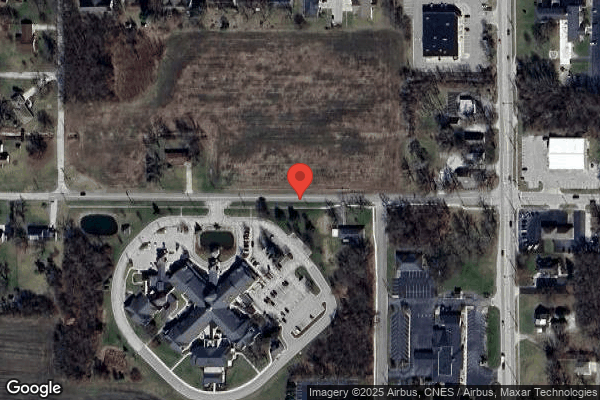
221 W DIVISION ST, DEMOTTE, IN 46310 (219) 987-7005
Non profit - Corporation 73 Beds Independent Data: November 2025
Trust Grade
35/100
#470 of 505 in IN
Last Inspection: October 2024

Within standard 12-15 month inspection cycle. Federal law requires annual inspections.

Overview

Oak Grove Christian Retirement Village has received a Trust Grade of F, indicating significant concerns about the quality of care provided. It ranks #470 out of 505 facilities in Indiana, placing it in the bottom half, and is the second-best option in Jasper County, although there is only one other facility available. The facility is improving, with issues decreasing from 16 in 2024 to 5 in 2025. Staffing is considered a strength, with a rating of 4 out of 5 stars and good RN coverage, meaning residents benefit from more registered nurses than 75% of Indiana facilities. However, there are serious concerns, including a failure to provide adequate assistance during resident transfers that caused pain and injuries, and issues with kitchen sanitation that could affect all residents.

Trust Score
F
35/100
In Indiana
#470/505
Bottom 7%
Safety Record
Moderate
Needs review
Inspections
Getting Better
16 → 5 violations
Staff Stability
⚠ Watch
55% turnover. Above average. Higher turnover means staff may not know residents' routines.
Penalties
✓ Good
No fines on record. Clean compliance history, better than most Indiana facilities.
Skilled Nurses
✓ Good
Each resident gets 54 minutes of Registered Nurse (RN) attention daily — more than average for Indiana. RNs are trained to catch health problems early.
Violations
⚠ Watch
51 deficiencies on record. Higher than average. Multiple issues found across inspections.
★☆☆☆☆
1.0
Overall Rating
★★★★☆
4.0
Staff Levels
★★★★☆
4.0
Care Quality
★☆☆☆☆
1.0
Inspection Score
Stable
2024: 16 issues
2025: 5 issues

The Good

  • 4-Star Staffing Rating · Above-average nurse staffing levels
  • 4-Star Quality Measures · Strong clinical quality outcomes
  • Full Sprinkler Coverage · Fire safety systems throughout facility
  • No fines on record

Facility shows strength in staffing levels, quality measures, fire safety.

The Bad

1-Star Overall Rating

Below Indiana average (3.1)

Significant quality concerns identified by CMS

Staff Turnover: 55%

Near Indiana avg (46%)

Higher turnover may affect care consistency

The Ugly 51 deficiencies on record

1 actual harm
Aug 2025 3 deficiencies
CONCERN (D) 📢 Someone Reported This

A family member, employee, or ombudsman was alarmed enough to file a formal complaint

Potential for Harm - no one hurt, but risky conditions existed

Quality of Care (Tag F0684)

Could have caused harm · This affected 1 resident

Based on record review and interview, the facility failed to ensure medications were administered as ordered for 1 of 3 residents reviewed for medication administration. (Resident C) Finding includes:...

Read full inspector narrative →
Based on record review and interview, the facility failed to ensure medications were administered as ordered for 1 of 3 residents reviewed for medication administration. (Resident C) Finding includes: Resident C's record was reviewed on 8/13/25 at 9:04 a.m. Diagnoses included, but were not limited to, Alzheimer's disease, heart failure, and hypertensive chronic kidney disease. The Annual Minimum Data Set assessment, dated 7/18/25, indicated the resident was moderately impaired for daily decision making. A Care Plan, dated 3/31/25, indicated the resident had an altered cardiovascular status related to congestive heart failure, hypertension (high blood pressure), and hyperlipidemia (high levels of fat/lipids in the blood). Interventions included, but were not limited to, administer medications as ordered. A Physician's Order, dated 4/1/25, indicated metoprolol tartrate (blood pressure medication) 25 milligrams, 1 tablet by mouth twice a day. Check blood pressure (bp) prior to administering the medication. Hold the medication if bp is less than 100/50 or heart rate is less than 60. The June 2025 Medication Administration Record (MAR) indicated the medication was held on the following dates and times: - Morning dose: 6/13/25 bp 101/55 and 6/19/25 no vital signs recorded - Bedtime dose: 6/14/25 bp 104/50 The July 2025 Medication Administration Record (MAR) indicated the medication was held on the following dates and times: - Bedtime dose: 7/2/25 bp 108/58 and 7/31/25 bp 106/68 The August 2025 Medication Administration Record (MAR) indicated the medication was held on the following dates and times: - Morning dose: 8/5/25 no vital signs recorded - Bedtime dose: 8/2/25 bp 117/50 During an interview on 8/13/25 at 2:15 p.m., the Director of Nursing indicated she had no further information to provide related to the medications being held when the vital signs were within the parameters to administer. This citation relates to Complaint 2587154. 3.1-37(a)
CONCERN (D) 📢 Someone Reported This

A family member, employee, or ombudsman was alarmed enough to file a formal complaint

Potential for Harm - no one hurt, but risky conditions existed

Respiratory Care (Tag F0695)

Could have caused harm · This affected 1 resident

Based on observation, record review and interview, the facility failed to ensure residents received the necessary care and treatment related to oxygen administration, lack of respiratory assessments, ...

Read full inspector narrative →
Based on observation, record review and interview, the facility failed to ensure residents received the necessary care and treatment related to oxygen administration, lack of respiratory assessments, and oxygen saturation monitoring for 2 of 4 residents reviewed for respiratory care. (Residents B and D)Findings include:1. Record review for Resident B was completed on 8/12/25 at 1:39 p.m. Diagnoses included, but were not limited to, heart failure, chronic pulmonary edema (excess fluid in the lungs), and hypertension. The Quarterly Minimum Data Set (MDS) assessment, dated 7/9/25, indicated the resident was moderately cognitively impaired. The resident required partial moderate assistance with bed mobility and dressing. The resident received oxygen therapy. A Care Plan, dated 7/3/25, indicated the resident required oxygen therapy related to ineffective gas exchange. An intervention included to check the oxygen tank every 4 hours to make sure the resident had sufficient supply. The August 2025 Physician’s Order Summary (POS) indicated an order for oxygen at 4 liters per nasal cannula continuously. A Resident Experience Form, dated 6/29/25, indicated that the resident’s daughter had a grievance that her mother’s portable oxygen tank was empty at approximately 10:00 a.m. on 6/29/25. The investigation included that CNA 1 reported the night shift did not fill the tanks before leaving. CNA 2 indicated the tank was not empty when she put it out, it felt “heavy”. The Teachable Moment on the grievance for CNA 1 and CNA 2 was the oxygen tanks must be checked at the start of a shift and before changing a resident from room concentrator to a portable tank to be certain the tank contained enough oxygen to last until the resident returned to the room. The record lacked any documentation a respiratory assessment had been completed on Resident B after the resident’s oxygen tank was found to be empty on the morning of 6/29/25. A Progress Note, dated 7/20/25 at 8:52 p.m., indicated the resident had a decrease in appetite that morning, afternoon and evening. The resident only ate bites for meals, sipped on fluids and did not take her morning medications. The resident kept falling asleep. The resident’s oxygen tank that evening “malfunctioned” at dinner time. The resident’s oxygen saturation was at 78%. The oxygen tank was refilled, and the resident was placed on 3 liters of oxygen. The resident’s oxygen saturation was then at 92% after applying the oxygen. The doctor and family were made aware and the doctor ordered laboratory testing to be completed the next morning. A Progress Note, dated 7/20/25 at 9:55 p.m., indicated that during rounds, the resident was observed to have difficulty breathing. The resident’s oxygen saturation was at 76% on 3 liters of oxygen. The doctor was called, and an order was received to increase the oxygen to 4-5 liters and monitor. The resident’s oxygen saturation was 84% on 5 liters. The family was made aware and asked that the resident be sent out the hospital. The resident was sent to the hospital by ambulance. During an interview on 8/12/25 at 3:45 p.m., the Assistant Director of Nursing (ADON) indicated on the morning of 7/20/25, the resident’s oxygen tank had to be filled due to it being empty. The resident was out and about in the facility all day in her wheelchair on her portable oxygen. The resident was on her portable oxygen tank all day. At dinner time, the resident appeared to have trouble breathing. The resident’s oxygen tank was empty. The nurse filled the tank up and the resident’s oxygen saturation increased and was not having any difficulty breathing. Later in the evening after dinner, the resident’s oxygen saturation had decreased again, and she was transported to the hospital. During an interview on 8/13/25 at 1:00 p.m., the Administrator indicated she had only in-serviced the 2 CNAs after the incident on 6/29/25 due to it being an isolated incident. On 7/20/25, the resident’s oxygen tank was found to be empty that morning and then again at dinner and had to be filled both times. At dinner the resident started having respiratory distress and after the tank was filled her oxygen saturation got better. Then approximately an hour later, she started having respiratory distress and the resident was sent out to the hospital. They then completed education and in-serviced all staff related to filling the oxygen tanks. During the education they found that a lot of the CNAs did not know how to check to see if the portable oxygen tanks were full or not. They completed an in-service with the oxygen supplier. 2. On 8/12/25 at 2:40 p.m., Resident D was observed lying in bed with her eyes closed. She had oxygen on per nasal cannula which was connected to a concentrator that was set at 2 liters per minute. On 8/13/25 at 1:16 p.m., Resident D was observed sitting up in the chair in her room. She had oxygen on per nasal cannula which was connected to a concentrator that was set at 2 liters per minute. Resident D’s record was reviewed on 8/13/25 at 1:45 p.m. Diagnoses included, but were not limited to, heart failure and atrial fibrillation (irregular heartbeat). The Quarterly Minimum Data Set assessment, dated 6/19/25, indicated the resident was moderately cognitively impaired. She was not on oxygen therapy. A Physician’s Order, dated 7/7/25, indicated oxygen at 2 liters per minute via nasal cannula to keep oxygen saturation above 90% as needed for shortness of breath. The August 2025 Medication Administration Record indicated the as needed order for oxygen at 2 liters per minute was not marked as administered during the month of August. The last documented oxygen saturation for Resident D was on 8/7/25 at 3:47 p.m. which indicated her oxygen saturation was 95% on room air. During an interview on 8/13/25 at 2:18 p.m., the Director of Nursing indicated there should have been an order for oxygen saturation monitoring. A policy titled, “Oxygen Administration,” indicated “…1. Oxygen is administered under orders of a physician, except in the case of an emergency. In such case, oxygen is administered and orders for oxygen are obtained as soon as practicable when the situation is under control…3. Team members shall document the initial and ongoing assessment of the resident’s condition warranting oxygen and the response to oxygen therapy…13. When changing from a concentrator to a portable tank, team members shall observe portable oxygen tanks gauge to ensure sufficient oxygen is available. A. If the gauge reads below 500 psi, it is recommended to refill or replace the tank. B. The tank should be checked regularly while in use to ensure adequate oxygen is available…” This citation relates to Complaint 2567618. 3.1-47(a)(6)
CONCERN (D) 📢 Someone Reported This

A family member, employee, or ombudsman was alarmed enough to file a formal complaint

Potential for Harm - no one hurt, but risky conditions existed

Medical Records (Tag F0842)

Could have caused harm · This affected 1 resident

Based on record review and interview, the facility failed to maintain clinical records that were complete and accurately documented related to documentation of medications and oxygen administered for ...

Read full inspector narrative →
Based on record review and interview, the facility failed to maintain clinical records that were complete and accurately documented related to documentation of medications and oxygen administered for 2 of 4 residents reviewed for medications and oxygen. (Residents B and C) Findings include:1. Record review for Resident B was completed on 8/12/25 at 1:39 p.m. Diagnoses included, but were not limited to, heart failure, chronic pulmonary edema (excess fluid in the lungs), and hypertension. The Quarterly Minimum Data Set (MDS) assessment, dated 7/9/25, indicated the resident was moderately cognitively impaired. The resident required partial moderate assistance with bed mobility and dressing. The resident received oxygen therapy. A Care Plan, dated 7/3/25, indicated the resident required oxygen therapy related to ineffective gas exchange. An intervention included the resident required the oxygen continuous at all times. A Care Plan, dated 7/25/25, indicated the resident had an order for BiPAP (bilevel positive airway pressure machine to assist with breathing) therapy to be worn at bedtime and during naps. An intervention included to alert the physician and family if the resident refused. The August 2025 Physician’s Order Summary (POS) indicated orders for the following: - BiPAP to be worn at bedtime and during naps. Chart if the resident refused. - oxygen at 4 liters per nasal cannula continuously.- donepezil hydrochloride (dementia medication) 10 mg (milligrams) at bedtime- escitalopram oxalate (depression medication) 10 mg in the morning - mirtazapine (depression medication) 7.5 mg at bedtime- omeprazole (reduces stomach acid production) 40 mg in the morning - potassium chloride (medication to treat or prevent low blood potassium levels) 10 mEq (milliequivalent) in the morning - senna-docusate sodium (stool softener) 8.6-50 mg at bedtime- Eliquis (blood thinner) 2.5 mg two times a day- furosemide (diuretic) 40 mg two times a day - metoprolol tartrate (blood pressure medication) 25 mg two times a day The July 2025 Medication Administration Record (MAR) lacked documentation the resident’s BiPAP was worn at bedtime on 7/30/25. The August 2025 MAR was blank and lacked documentation the following orders were administered on the following dates and times: 8/2/25 at 8:00 p.m.: BiPAP, mirtazapine, Eliquis, furosemide, and metoprolol tartrate8/2/25 evening shift: oxygen at 4 liters8/2/25 at bedtime: donepezil hydrochloride and senna-docusate sodium8/5/25 at 8:00 a.m.: escitalopram oxalate, omeprazole, Eliquis, furosemide, and metoprolol tartrate8/5/25 in the morning: potassium chloride8/5/25 day shift: oxygen at 4 liters During an interview on 8/13/25 at 3:45 p.m., the Director of Nursing (DON) indicated she could not provide any documentation related to the blanks on the MARs for the above dates and times. 2. Resident C’s record was reviewed on 8/13/25 at 9:04 a.m. Diagnoses included, but were not limited to, Alzheimer’s disease, chronic obstructive pulmonary disease (COPD), and chronic respiratory failure with hypoxia (low oxygen). The Annual Minimum Data Set assessment, dated 7/18/25, indicated the resident was moderately cognitively impaired and required oxygen therapy. A Care Plan, dated 3/31/25, indicated the resident had COPD and chronic respiratory failure with hypoxia. Interventions included, but were not limited to, administer aerosol or bronchodilators (inhalers) as ordered. The current August Physician’s Order Summary indicated ipratropium/albuterol solution 1 vial inhale orally four times a day, Anoro Ellipta aerosol inhaler 62.5-25 1 puff inhale orally once daily, and budesonide suspension 1 milligram/2 milliliter 1 inhalation orally four times a day via nebulizer. The June 2025 Medication Administration Record indicated the Anoro Ellipta inhaler was not administered as ordered on 6/19/25 and 6/25/25 at 12:00 p.m., and the budesonide suspension inhaler was not administered as ordered on 6/1/25, 6/19/25, and 6/25/25 at 12:00 p.m. The July 2025 Medication Administration Record indicated the ipratropium/albuterol inhaler was not administered as ordered on 7/26/25 at 6:00 a.m. During an interview on 8/13/25 at 2:15 p.m., the Director of Nursing indicated she had no further information to provide. This citation relates to Complaint 2587154. 3.1-50(a)(1) 3.1-50(a)(2)
May 2025 2 deficiencies 1 Harm
SERIOUS (G) 📢 Someone Reported This

A family member, employee, or ombudsman was alarmed enough to file a formal complaint

Actual Harm - a resident was hurt due to facility failures

Accident Prevention (Tag F0689)

A resident was harmed · This affected 1 resident

Based on observation, record review, and interview, the facility failed to ensure a resident received proper assistance to prevent accidents, related to a CNA (Agency CNA 1) transferring a dependent r...

Read full inspector narrative →
Based on observation, record review, and interview, the facility failed to ensure a resident received proper assistance to prevent accidents, related to a CNA (Agency CNA 1) transferring a dependent resident (Resident B) from the bed to a chair without following the plan of care, causing pain and fractures to the resident's right leg and left ribs. The facility also failed to ensure Resident D, who was a high risk for falls and had a history of falls, was adequately supervised to prevent a fall which resulted in a head laceration requiring staples for healing for 2 of 3 residents reviewed for accidents/supervision. Findings include: 1. During an observation on 5/6/25 at 9:25 a.m., Resident B was sitting in a high back reclining chair. A mechanical lift pad was underneath the resident. She indicated the staff used a mechanical lift to transfer her. There was an immobilizer on her right lower leg. Resident B's record was reviewed on 5/6/25 at 10:26 a.m. The diagnoses included, but were not limited to, a spiral fracture of the right tibia, peripheral vascular disease, history of traumatic brain injury, and cognitive deficit. A Care Plan, dated 11/1/23 and reviewed on 1/13/25, indicated assistance was required for activities of daily living. The interventions included a mechanical lift was to be used for all transfers with the assistance of two staff members. A Quarterly Minimum Data Set (MDS) assessment, dated 2/8/25, indicated the resident had moderate cognitive impairment, had no behaviors, no impairment of movement of the upper and lower extremities, was dependent for all activities of daily living (ADL's) except eating, had no falls, and received an antiplatelet medication. A Physical Therapy Evaluation and Plan of Treatment, dated 2/28/25, indicated the resident was dependent for bed mobility and transfers, had decreased balance, and a mechanical lift and a high back wheelchair with elevating legs were to be utilized for the resident. The CNA Care Card, dated 3/7/25, indicated the resident required a mechanical lift for transfers and was dependent for care. The night shift staff were to assist the resident out of bed in the morning. A Nurse's Progress Note, dated 3/10/25 at 7:20 a.m., indicated the day shift CNA (CNA 3) reported to the nurse that there was bruising to the resident's right shin. The resident denied pain and winced when touched. The night shift CNA (Agency CNA 1) indicated the resident's legs were hanging out of the bed when he entered the room that morning. Pain medication was administered as ordered and the Nurse Practitioner (NP) was notified. Orders were received for a STAT x-ray of the right shin and the resident's family was notified. The NP Progress Note, dated 3/10/25, indicated there were complaints of pain and swelling in the right lower extremity. There was localized redness, swelling, and pain to her right tibia a couple inches below her knee. There was pain with palpation. There was no obvious deformity but a large amount of swelling. The resident was grimacing and appeared to be in distress. There was no respiratory distress, and the breath sounds were clear. After the visit the x-ray result was received and indicated a right proximal tibia fracture, she was transferred to the emergency room for further evaluation. A mobile x-ray report, dated 3/10/25 at 2:36 p.m., indicated there was an acute appearing proximal right tibia fracture. The emergency room Physician's Progress Note, dated 3/10/25 at at 1:53 p.m., indicated right lower leg injury, normal breath sounds and no respiratory distress. She had intact distal pulses, no edema, tenderness, or major deformities of the extremities. The hospital x-ray of the right tibia and fibula indicated a nondisplaced spiral fracture of the proximal tibia. There was no abnormal soft tissue calcification, and bone mineralization was normal. The chest x-ray indicated there were multiple left lower rib fractures. The family opted for conservative treatment. A knee immobilizer was applied, and the resident was transferred back to the facility. A Hospital emergency room Note, dated 3/10/25 at 7:00 p.m., indicated the resident had no acute distress and was transferred back to the facility. A Nurse's Progress Note, dated 3/10/25 at 10:29 p.m., indicated the resident returned to the facility per ambulance. She was assisted to bed by two people. There was an immobilizer on the right lower leg. She complained of pain to the area. An NP Progress Note, dated 3/12/25 at 9:51 a.m., indicated an immobilizer had been placed on the right lower leg due to a tibia fracture. Tylenol was not effective for the pain and an order for Norco (narcotic pain medication) was given and effective. She appeared to be in distress and pain. She was grimacing any time the leg was moved. Pain medication was increased to twice a day. A Physician's Order, dated 3/12/25, indicated Norco 5 - 325 milligrams, give one tablet twice a day. An Indiana Department of Health (IDOH) reported incident, dated 3/10/25 with follow up on 3/24/25, indicated on 3/10/25 at 6:30 a.m., a CNA observed a large bruise on the resident's left shin (sic) (right shin) and notified the nurse. An x-ray was obtained and an acute proximal tibia fracture was found on the left (sic) leg. The resident was then transferred to the Hospital emergency room for a further evaluation. The investigation of the incident included the following: A handwritten statement by LPN 4, dated and signed on 3/10/25 and no time documented, indicated CNA 3 asked her to assess the resident's swollen area on the right leg. There was a 2 centimeter (cm) by 2 cm raised hematoma on the right shin. The resident was asked what happened and she stated she was skipping and fell. She denied pain. She drew her leg back with light palpitation. An as needed Tylenol was administered. Agency CNA 1 was interviewed. He indicated when he entered the room, the resident's legs were hanging out of the bed. LPN 4 clarified the statement and asked if the resident had been falling out of the bed and Agency CNA 1 stated, no. He indicated he dressed her and transferred her into the wheelchair. The NP was notified, and an x-ray was ordered. A skin assessment was completed, and no other bruises or injuries were observed. A handwritten statement by CNA 3, dated and signed on 3/10/25 and no time documented, indicated she came into work at 6:00 a.m. She was receiving a walking rounds report from Agency CNA 1. Resident B was sitting in her room in a wheelchair with the mechanical lift pad positioned under the resident. She checked the positioning of the resident and made sure her feet were on the foot pedals. When she started to adjust the right leg, she observed a large swollen bruise under the right knee and the resident called out in pain. The nurse was immediately notified. A text message from the Administrator to Agency CNA 1, dated 3/10/25 at 12:27 p.m., asked the CNA for a written statement. Agency CNA 1 responded on 3/10/25 at 9:21 p.m. and indicated a statement would be emailed. An e-mailed statement from Agency CNA 1, dated 3/11/25 at 1:09 a.m., indicated the resident had been obvert (sic) with her left and right legs hanging off the left side of the bed. The legs were lifted back onto the bed and she was placed in the wheelchair. The day shift CNA came into the room and noticed the resident grimacing with pain when she attempted to place her legs on the leg rests, and she alerted the nurse. An e-mailed statement from Agency CNA 1, dated 3/11/25 at 11:47 a.m., indicated he had not used the mechanical lift to transfer the resident. He had placed an arm under both her legs and the other arm under her back and lifted her into the wheelchair. He had sent a picture with e-mail that had a man cradling a woman in his arms, with one arm around her back and one arm supporting the knees. The typed statement under the picture was, Like this into her wheelchair. The Facility Investigation of the incident, dated 3/10/25, indicated several staff who had worked with the resident one to two days prior to the incident had been interviewed and no injury had been observed. The conclusion of the investigation indicated the injury likely occurred when the resident was transferred from the bed to the chair without the use of the mechanical lift. Agency CNA 1 had signed an orientation acknowledgement for the facility on 11/26/24. During an interview on 5/7/25 at 8:30 a.m., the Administrator indicated the orientation of the residents and their care for the agency staff was completed by the nursing staff when the Agency Staff were working. They received report from the nurses and the CNAs, and they were given the CNA Care Card. Agency CNA 1 knew the mechanical lift was to be utilized for the resident's transfer, he placed the lift pad on the wheelchair before he lifted the resident into the wheelchair. She indicated that he had worked at the facility numerous times. A facility mechanical lift policy, dated 6/2024 and received from the Administrator as current, indicated the interdisciplinary team evaluated and assessed each resident's individual mobility needs and the mechanical lift would be utilized based on the resident's needs. Staff were expected to maintain compliance with safe handling/transfer practices. Resident transfers were to be performed according to the individual plan of care. 2. During an observation on 5/7/25 at 2:12 p.m., Resident D was sitting outside in a wheelchair during an activity. She was smiling and had no signs or symptoms of pain. There was a bruise and five staples located on the left front forehead. Resident D's record was reviewed on 5/7/25 at 2:07 p.m. The diagnoses included, but were not limited to, stroke and osteoporosis. A Care Plan, dated 3/11/25, indicated there was a risk for falls. The intervention, dated 11/26/24, indicated the resident would be assisted to the bathroom. A Fall Assessment, dated 1/11/25, indicated the resident was disoriented to person, place, and time, had a fall in the past three months, was chair bound, was unable to perform the gait balancing assessment, received medications that could cause falls, and was high risk for falls. A Quarterly MDS assessment, dated 2/28/25, indicated a severely impaired cognition status, no behaviors, no impairment of the upper and lower extremities, required moderate assistance for toilet transfers and hygiene and maximum assistance for transfers. She required a wheelchair for mobility. An undated CNA Care Card indicated the resident was a one person assist with the gait belt, a wheelchair was used, and in capital red letters it stated the resident was a fall risk. A Nurse's Progress Note, dated 4/28/25 at 6:28 a.m., indicated the staff had alerted the nurse at approximately 5:10 a.m. that the resident had fallen. The resident was observed lying on the bathroom floor on her right side. There was blood on the floor and the CNA was holding pressure to the resident's head. There was a laceration on the left side of the resident's head. The Emergency Medical System was notified for the resident to be transferred to the hospital. A Written Statement, signed and dated by CNA 2 on 4/28/25 at 5:15 a.m., indicated the resident was in the bathroom on the toilet. The CNA, turned her back for a couple of seconds to obtain a pair of socks and heard the resident fall. The nurse was notified, and pressure was applied to the wound until the medics arrived. A Nurse's Progress Note, dated 4/28/25 at 11 a.m., indicated the resident returned from the hospital. The forehead laceration measured 3 cm by 0.1 cm and there were five staples placed that closed the wound. The resident was placed on every 15-minute checks. A Post Fall Assessment, dated 4/28/25 at 1:30 p.m., indicated the fall had not been witnessed. The fall occurred in the bathroom and the resident attempted to self-toilet at the time of the fall. The resident stood up from the toilet and fell. An Interdisciplinary Team Note, dated 4/28/25, indicated the CNA had left the resident alone in the bathroom while she retrieved her clothing for the day and the resident fell. An IDOH reported incident, dated 4/28/25, indicated on 4/28/25 at 5:10 a.m., CNA 2 had alerted the nurse the resident had fallen in the bathroom. The resident was found lying on the bathroom floor on her right side. CNA 2 was holding pressure to the left side of the resident's head due to a laceration. CNA 2 had indicated she turned around to retrieve a pair of socks, and the resident attempted to perform self-toilet hygiene and fell. The resident was immediately transferred to the Emergency Room. The interventions that were put into place included the resident would not be left unattended while in the bathroom and clothing needed was to be placed in reach while care was provided. During an interview on 5/7/25 at 2:30 p.m., the Director of Nursing (DON) indicated CNA 2 was not in the bathroom at the time of the fall. Residents who were at high risk for falls were not to be left alone in the bathroom. During an interview on 5/7/25 at 2:35 p.m., the Administrator indicated CNA 2 was in the bathroom at the time of the fall. Her written statement indicated she had just turned her back to the resident for a few seconds. During an interview on 5/7/25 at 2:37 p.m., CNA 2 indicated the resident had never tried to stand on her own before. The resident was on the toilet. She had forgotten to get the resident's socks when she assisted her into the bathroom. She went out of the bathroom to the dresser to get the socks. The resident was always in her sight, until she turned for a second to get the socks and then she heard the resident fall. This citation relates to Complaint IN00455274. 3.1-45(a)(2)
CONCERN (D) 📢 Someone Reported This

A family member, employee, or ombudsman was alarmed enough to file a formal complaint

Potential for Harm - no one hurt, but risky conditions existed

Quality of Care (Tag F0684)

Could have caused harm · This affected 1 resident

Based on record review and interview, the facility failed to ensure a resident who received new diagnoses of a fractured right tibia and multiple fractured ribs from a facility incident was assessed t...

Read full inspector narrative →
Based on record review and interview, the facility failed to ensure a resident who received new diagnoses of a fractured right tibia and multiple fractured ribs from a facility incident was assessed thoroughly and frequently upon returning from the emergency room for 1 of 3 residents reviewed for quality of care. (Resident B) Finding includes: Resident B's record was reviewed on 5/6/25 at 10:26 a.m. The diagnoses included, but were not limited to, a spiral fracture of the right tibia, peripheral vascular disease, history of traumatic brain injury, and cognitive deficit. Cross reference F689. A Nurse's Progress Note, dated 3/10/25 at 10:29 p.m., indicated the resident returned to the facility per ambulance. She was assisted to bed by two staff. There was an immobilizer on the right lower leg. She complained of pain to the area. A Nurse's Progress Note, dated 3/11/25 at 1:37 a.m., indicated the immobilizer on the right leg was in place. There was no assessment of the right leg or the status of the resident. There were no assessments completed by the nurses on 3/12/25. A Nurse Practitioner (NP) Progress Note, dated 3/12/25 at 9:51, indicated an immobilizer had been placed on the right lower leg due to a tibia fracture. Tylenol was not effective for the pain and an order for Norco (narcotic pain medication) was given and effective. She appears to be in distress and pain. She was grimacing anytime the leg was moved. Pain medication was increased to twice a day. A Nurse's Progress Note, dated 3/13/25 at 10:52 a.m., indicated there was edema of the bilateral lower extremities. No further assessment of the status of the leg or fractured ribs were documented. There were no further assessments completed on the right leg status and fractured ribs. During an interview on 5/7/25 at 9:46 a.m., the Director of Nursing indicated the nurses' were to complete follow up assessments. She indicated there were no further assessments found. An acute condition change policy, dated 1/23/24 and received from the Director of Nursing as current, indicated the staff were to monitor and document the resident's progress and responses to treatment. This citation relates to Complaint IN00455274. 3.1-37
Oct 2024 12 deficiencies
CONCERN (D)

Potential for Harm - no one hurt, but risky conditions existed

Transfer Notice (Tag F0623)

Could have caused harm · This affected 1 resident

Based on record review and interview, the facility failed to ensure a resident and/or their Responsible Party were notified in writing related to a transfer to the hospital for 1 of 2 residents review...

Read full inspector narrative →
Based on record review and interview, the facility failed to ensure a resident and/or their Responsible Party were notified in writing related to a transfer to the hospital for 1 of 2 residents reviewed for hospitalization. (Resident 15) Finding includes: Resident 15's record was reviewed on 10/17/24 at 9:50 a.m. Diagnoses included, but were not limited to, heart failure, diabetes mellitus and fluid overload. The Quarterly Minimum Data Set assessment, dated 7/27/24, indicated the resident was significantly impaired for daily decision making. Progress Notes indicated the resident was sent to the hospital on 8/24/24 and returned to the facility on 8/29/24. There was no documentation to indicate the State approved transfer form was completed and sent with the resident. There was no documentation to indicate the resident's Responsible Party had received written notification of the resident's transfer to the hospital. During an interview on 10/17/24 at 9:20 a.m., RN 4 indicated when residents were sent out to the hospital they were sent with a face sheet, a copy of the DNR, bed hold policy and transfer/ discharge papers. Copies were made and given to medical records. During an interview on 10/17/24 at 2:20 p.m., the Director of Nursing indicated they were unable to locate the State approved transfer form. 3.1-12(a)(6)(A)(ii) 3.1-12(a)(6)(A)(iii)
CONCERN (D)

Potential for Harm - no one hurt, but risky conditions existed

Deficiency F0625 (Tag F0625)

Could have caused harm · This affected 1 resident

Based on record review and interview, the facility failed to ensure a resident and/or their Responsible Party were sent the facility's bed hold and reserve bed payment policy before and upon transfer ...

Read full inspector narrative →
Based on record review and interview, the facility failed to ensure a resident and/or their Responsible Party were sent the facility's bed hold and reserve bed payment policy before and upon transfer to the hospital for 1 of 2 residents reviewed for hospitalization. (Resident 15) Finding includes: Resident 15's record was reviewed on 10/17/24 at 9:50 a.m. Diagnoses included, but were not limited to, heart failure, diabetes mellitus and fluid overload. The Quarterly Minimum Data Set assessment, dated 7/27/24, indicated the resident was significantly impaired for daily decision making. Progress Notes indicated the resident was sent to the hospital on 8/24/24 and returned to the facility on 8/29/24. There was no documentation to indicate the facility's bed hold policy was completed and sent with the resident. There was no documentation to indicate the resident's Responsible Party had received written notification of the facility's bed hold policy. During an interview on 10/17/24 at 9:20 a.m., RN 4 indicated when residents were sent out to the hospital they were sent with a face sheet, a copy of the DNR, bed hold policy and transfer/ discharge papers. Copies were made and given to medical records. During an interview on 10/17/24 at 2:20 p.m., the Director of Nursing indicated they were unable to locate the bed hold policy. 3.1-12(a)(12)(A)
CONCERN (D)

Potential for Harm - no one hurt, but risky conditions existed

Deficiency F0657 (Tag F0657)

Could have caused harm · This affected 1 resident

Based on observation, record review, and interview, the facility failed to ensure care plans were reviewed and revised to include changes related to IV (intravenous) fluids for 1 of 22 resident care p...

Read full inspector narrative →
Based on observation, record review, and interview, the facility failed to ensure care plans were reviewed and revised to include changes related to IV (intravenous) fluids for 1 of 22 resident care plans reviewed. (Resident D) Finding includes: Resident D was observed in bed on 10/15/24 at 9:44 a.m. There were no IV supplies or equipment in her room. The resident indicated she had not had an IV since returning to the facility from the hospital on 9/14/24. Resident D's record was reviewed on 10/17/24 at 1:44 p.m. Diagnoses included, but were not limited to, malignant neoplasm of kidney, urinary tract infection, pathological fracture, bone cancer, paraplegia, and neuromuscular dysfunction of the bladder. The Quarterly Minimum Data Set (MDS) assessment, dated 8/27/24, indicated the resident was cognitively intact. A Care Plan, dated 9/14/24, indicated the resident needed IV fluids for dehydration. Interventions included, but were not limited to, administer IV fluids, monitor IV site and arm every shift, and complete flushes per orders. There were no Physician's Orders for IV fluids. During an interview on 10/22/24 at 2:55 p.m., the Director of Nursing (DON) indicated the resident was not receiving IV fluids, and the care plan would need to be modified. 3.1-35(c)(1)
CONCERN (D)

Potential for Harm - no one hurt, but risky conditions existed

Quality of Care (Tag F0684)

Could have caused harm · This affected 1 resident

Based on record review and interview, the facility failed to ensure parameters were in place for Physician notification related to weight monitoring for a resident with three times a week weights for ...

Read full inspector narrative →
Based on record review and interview, the facility failed to ensure parameters were in place for Physician notification related to weight monitoring for a resident with three times a week weights for 1 of 1 resident reviewed for edema. (Resident 15) Finding includes: Resident 15's record was reviewed on 10/17/24 at 9:50 a.m. Diagnoses included, but were not limited to, heart failure, diabetes mellitus and fluid overload. The Quarterly Minimum Data Set assessment, dated 7/27/24, indicated the resident was significantly impaired for daily decision making. A Physician's Order, dated 4/22/24, indicated to weigh the resident every Monday, Wednesday and Friday related to congestive heart failure. There were no parameters in place for when to notify the Physician of a change in weight. The current Fluid Maintenance Care Plan indicated the resident was at risk for fluid volume overload due to congestive heart failure. Interventions included, but were not limited to, monitor electrolytes, assess for presence of edema, follow fluid volume restriction orders and monitor input and output. During an interview on 10/18/24 at 10:50 a.m., the Director of Nursing indicated she had contacted the Nurse Practitioner and received orders to notify him if there was a five pound increase in a week. She indicated it had not been on the previous order. The Weight Monitoring Policy, revised on 9/4/24, indicated, .The care plan should address the following, to the extent possible: .d. Time frame and parameters for monitoring 3.1-37
CONCERN (D)

Potential for Harm - no one hurt, but risky conditions existed

Pressure Ulcer Prevention (Tag F0686)

Could have caused harm · This affected 1 resident

Based on observation, record review, and interview, the facility failed to ensure a resident with pressure ulcers received the treatment and services necessary to promote healing related to updating a...

Read full inspector narrative →
Based on observation, record review, and interview, the facility failed to ensure a resident with pressure ulcers received the treatment and services necessary to promote healing related to updating and following Physician's Orders for wound care for 1 of 3 residents reviewed for pressure ulcers (Resident 20). Finding includes: During an observation of Resident 20's wound care on 10/21/24 at 10:54 a.m., the Wound Care Nurse was observed changing the dressings on the right heel, right ankle, and right lower leg. She entered the room, washed her hands with soap and water, and donned a gown and gloves. She removed the old dressings from the right lower leg, right ankle, and right heel, each dated 10/19/24. She removed her gloves and donned new gloves, without performing hand hygiene between glove use. She sprayed wound cleanser to gauze and cleaned the right lower leg and then threw away the gauze. She removed more gauze, sprayed it with wound cleanser and cleaned the right ankle. She removed more gauze, sprayed it with wound cleanser and cleaned the right heel. She opened a foam dressing, reached into her pocket and removed a marker, wrote the date on the foam dressing, and continued to perform wound care. She applied honey wound gel to the foam dressing and placed it over the right heel wound. She continued to apply the dressings to the right ankle and right lower leg by putting drops of Tetracyte (topical antibiotic) to the open areas, an oil emulsion dressing, and then a calcium alginate dressing over the top with rolled gauze to hold the dressing in place. She dated the dressing, removed her gloves, and washed her hands. Resident 20's record was reviewed on 10/17/24 at 11:47 a.m. Diagnoses included, but were not limited to, cellulitis to the right lower limb, acute kidney failure, and heart failure. The Significant Change in Status Minimum Data Set (MDS) assessment, dated 8/23/24, indicated the resident was significantly impaired for daily decision making. He required assistance from staff for transfers and bed mobility. A Physician's Order, dated 9/26/24, indicated apply medical grade honey gel to right heel and cover with border gauze on Tuesday, Thursday, and Saturday. A Wound Care Progress Report, dated 10/10/24, indicated the resident had an unstageable right lateral heel pressure ulceration measuring 4.5 centimeters (cm) by 3.5 cm by 0.1 cm. Treatment orders included to apply Tetracyte to the wound bed, followed by medical grade honey and calcium alginate. Cover the wound with bordered gauze daily and as needed for soiled or loose dressing. During an interview on 10/21/24 at 11:26 a.m., the Wound Care Nurse indicated the wound care was ordered for three times a week. She was unaware of daily treatment changes. During an interview on 10/22/24 at 2:14 p.m., the Administrator indicated she had no further information to provide. A policy titled, Wound Treatment Policy, indicated .1. Wound treatments will be provided in accordance with physician orders, including the cleansing method, type of dressing, and frequency of dressing change. 3.1-40(a)(2)
CONCERN (D)

Potential for Harm - no one hurt, but risky conditions existed

Incontinence Care (Tag F0690)

Could have caused harm · This affected 1 resident

Based on observation, record review, and interview, the facility failed to ensure an indwelling Foley (urinary) catheter collection bag for a resident with a history of infection was covered and not h...

Read full inspector narrative →
Based on observation, record review, and interview, the facility failed to ensure an indwelling Foley (urinary) catheter collection bag for a resident with a history of infection was covered and not hanging off the top of a garbage can for 1 of 1 residents reviewed for urinary catheters. (Resident C) Finding includes: On 10/16/24 at 10:37 a.m., Resident C was observed sitting in a recliner in her room. The resident's urinary catheter bag was uncovered and hanging off the top of a garbage can sitting next to her. The uncovered bag was touching the top and the side of the garbage can. The garbage can was observed with trash in the can. On 10/16/24 at 3:15 p.m., the Assistant Director of Nursing (ADON) was asked to observe the resident's catheter bag. Resident C was observed sitting in a recliner in her room. The resident's urinary catheter bag was uncovered and hanging off the top of a garbage can sitting next to her. The uncovered bag was touching the top and the side of the garbage can. The garbage can was observed with trash in the can. Record review for Resident C was completed on 10/16/24 at 3:10 p.m. Diagnoses included, but were not limited to, cancer, hypertension, depression, and COPD (chronic obstructive pulmonary disease). The Annual Minimum Data Set (MDS) assessment, dated 8/23/24, indicated the resident was moderately cognitively impaired. The resident required a substantial maximal assistance with toileting, hygiene, and transfers. The resident had an indwelling urinary catheter. A Care Plan, dated 12/1/23, indicated the resident had an indwelling urinary catheter with potential for infection. An intervention included for catheter care as ordered. The October 2024 Physician's Order Summary indicated the resident had the following orders: - catheter care every shift - ensure catheter bag was below the waist, covered, and the tubing was not touching the floor A Physician's Order, dated 8/20/24 and discontinued 8/27/24, indicated Cipro (antibiotic) 250 mg (milligrams) twice a day for 7 days for a urinary tract infection. During an interview on 10/16/24 at 3:15 p.m., the ADON indicated the resident's catheter bag should not have been attached to the garbage can. 3.1-41(a)(2)
CONCERN (D) 📢 Someone Reported This

A family member, employee, or ombudsman was alarmed enough to file a formal complaint

Potential for Harm - no one hurt, but risky conditions existed

Respiratory Care (Tag F0695)

Could have caused harm · This affected 1 resident

3. Resident D was observed in bed on 10/15/24 at 9:44 a.m. There was an oxygen concentrator near the foot of her bed, which the resident indicated she only used at night. The water bottle in the conce...

Read full inspector narrative →
3. Resident D was observed in bed on 10/15/24 at 9:44 a.m. There was an oxygen concentrator near the foot of her bed, which the resident indicated she only used at night. The water bottle in the concentrator was labeled 10/6/24. Resident D's record was reviewed on 10/17/24 at 1:44 p.m. Diagnoses included, but were not limited to, malignant neoplasm of kidney, UTI, pathological fracture, bone cancer, paraplegia, and neuromuscular dysfunction of bladder. The Quarterly Minimum Data Set (MDS) assessment, dated 8/27/24, indicated the resident was cognitively intact. During an interview on 10/15/24 at 11:00 a.m., LPN 1 indicated the water bottle should be changed every week, and that the resident's bottle was outdated. A policy titled, Oxygen Administration and received as current from the facility on 10/22/24, indicated, .4 c. Equipment setting for the prescribed flow rates .5 b. Change oxygen tubing and mask/cannula weekly and as needed if it becomes soiled or contaminated. c. Change humidifier bottle when empty, and weekly per facility policy . 5 d. If applicable, change nebulizer tubing and delivery devices weekly . This citation relates to Complaint IN00442131. 3.1-47(a)(6) Based on observation, record review and interview, the facility failed to ensure residents received the necessary care and treatment related to respiratory equipment not changed as ordered and incorrect flow rate of oxygen (O2) administered for 3 of 4 residents reviewed for respiratory care. (Residents B, C, and D) Findings include: 1. On 10/15/24 at 10:16 a.m., Resident B was observed sitting in a wheelchair in her room. An oxygen concentrator was next to the resident. The water humidification bottle on the concentrator was dated, 10/6/24. The resident's night stand drawer was open and a nebulizer treatment mask was observed, dated 10/6/24. Record review for Resident B was completed on 10/16/24 at 3:02 p.m. Diagnoses included, but were not limited to, heart failure, respiratory failure, and COPD (chronic obstructive pulmonary disease). The Quarterly Minimum Data Set (MDS) assessment, dated 8/19/24, indicated the resident was moderately cognitively impaired. The resident required oxygen therapy. A Care Plan, dated 11/19/23, indicated the resident had a diagnosis of COPD and was dependent on supplemental oxygen. An intervention included to administer oxygen. The October 2024 Physician's Order Summary (POS), indicated the following orders: - DuoNeb (medication used to treat airway narrowing) 3 ml (milliliters), inhale 1 vial four times daily with nebulizer machine - Change respiratory equipment: O2 tubing, humidifier, nebulizer tubing every week. During an interview on 10/15/24 at 10:59 a.m., LPN 1 indicated the nebulizer mask and humidifier bottle was outdated and should have been changed. 2. On 10/16/24 at 10:37 a.m., Resident C was observed sitting in a recliner in her room. The resident had a nasal cannula in place and attached to an oxygen concentrator. The concentrator was set at a flow rate between 2 and 2.5 liters. On 10/16/24 at 3:15 p.m., the Assistant Director of Nursing (ADON) was asked to observe the resident's oxygen flow rate. Resident C was observed sitting in a recliner in her room. The resident had a nasal cannula in place and attached to an oxygen concentrator. The concentrator was set at a flow rate between 2 and 2.5 liters. Record review for Resident C was completed on 10/16/24 at 3:10 p.m. Diagnoses included, but were not limited to, cancer, hypertension, depression, and COPD. The Annual Minimum Data Set (MDS) assessment, dated 8/23/24, indicated the resident was moderately cognitively impaired. The resident required a substantial maximal assistance with dressing and transfers. The resident required oxygen therapy. A Care Plan, dated 6/2/23, indicated the resident had a diagnosis of COPD and used oxygen via nasal cannula. An intervention included for oxygen as ordered. The October 2024 POS indicated an order for oxygen at 3 liters continuously. During an interview on 10/16/24 at 3:15 p.m., the ADON indicated the resident's oxygen was set at 2.5 liters and not at the correct flow rate.
CONCERN (D)

Potential for Harm - no one hurt, but risky conditions existed

Medication Errors (Tag F0758)

Could have caused harm · This affected 1 resident

**NOTE- TERMS IN BRACKETS HAVE BEEN EDITED TO PROTECT CONFIDENTIALITY** Based on record review and interview, the facility failed to ensure each resident's medication regimen was managed and monitored...

Read full inspector narrative →
**NOTE- TERMS IN BRACKETS HAVE BEEN EDITED TO PROTECT CONFIDENTIALITY** Based on record review and interview, the facility failed to ensure each resident's medication regimen was managed and monitored to promote or maintain the resident's highest practicable mental, physical, and psychosocial well-being related to lack of non-pharmacological interventions used prior to giving anti-anxiety medication and lack of monitoring for side effects of an antidepressant for 2 of 5 residents reviewed for unnecessary medications. (Residents 37 and 48) Findings include: 1. Resident 37's record was reviewed on 10/18/24 at 9:00 a.m. Diagnoses included, but were not limited to, Alzheimer's dementia, depression and asthma. The Quarterly Minimum Data Set (MDS) assessment, dated 7/19/24, indicated the resident had significant cognitive impairment and received anti-anxiety medications. A Physician's Order, dated 6/24/24, indicated to give alprazolam (anti-anxiety medication), 0.25 milligrams (mg) every six hours as needed for as needed for anxiety. A Physician's Order, dated 6/21/24, was for an anxiety protocol every shift: 1) Address physical needs 2) Change environment 3) Redirect thoughts 4) All of the above. The September and October 2024 Medication Administration Record (MAR) indicated alprazolam had been given on 9/3, 9/10, 9/21, 9/22 and 10/13. There was no documentation on the MAR or in Progress Notes indicating any non-pharmacological interventions had been attempted prior to giving the medication. During an interview on 10/21/24 at 11:10 a.m., the Director of Nursing (DON) provided medication administration notes that indicated non-pharmacological interventions had been attempted on 9/3 and 10/13. There was no documentation for the remaining days. 2. Resident 48's record was reviewed on 10/17/24 at 11:22 a.m. Diagnoses included, but were not limited to, unspecified dementia, depression and multiple sclerosis. The Significant Change MDS, dated [DATE], indicated the resident had moderate cognitive impairment and received antidepressant medications. A Physician's Order, dated 8/13/24, indicated to give sertraline (an antidepressant), 100 mg daily for depression. A Physician's Order, dated 8/12/24, indicated to give buproprion (an antidepressant), 150 mg daily for depression. A Psychotropic Medication Care Plan, dated 5/22/24, indicated the resident was at risk for adverse effects related to psychotropic medication that included sertraline and buproprion. Interventions included, but were not limited to, observe for any signs of adverse effects from antidepressant use such as dry mouth, blurred vision, constipation, fatigue and drowsiness. There was no physician's order or documentation in the resident's record to indicate she was being monitored for adverse side effects. During an interview on 10/21/24 at 9:45 a.m., the DON indicated antipsychotic and antidepressant medication side effects should be monitored every shift and there should be a physician's order in place for that monitoring. She indicated there was not an order in place. The policy, Psychotropic Medication Policy, revised 8/23/24, indicated, .7. Residents who use psychotropic drugs shall also receive non-pharmacological interventions to facilitate reduction or discontinuation of the psychotropic drug The policy also indicated, .8. Residents who use psychotropic drugs will be observed for side effects of the medication and, .14. The resident's response to the medication(s), including progress towards goals and presence/absence of adverse consequences, shall be documented in the resident's medical record 3.1-48(a)(3) 3.1-48(b)(2)
CONCERN (D)

Potential for Harm - no one hurt, but risky conditions existed

Medical Records (Tag F0842)

Could have caused harm · This affected 1 resident

Based on record review and interview, the facility failed to ensure clinical records were complete and accurately documented related to the lack of a resident's name on a self-medication administratio...

Read full inspector narrative →
Based on record review and interview, the facility failed to ensure clinical records were complete and accurately documented related to the lack of a resident's name on a self-medication administration assessment for 1 of 5 residents reviewed for unnecessary medications. (Resident 23) Finding includes: The record for Resident 23 was reviewed on 10/16/24 at 2:46 p.m. Diagnoses included, but were not limited to, repeated falls, hemiplegia (paralysis on one side of the body) due to a stroke, aphasia (loss of language use), hypertension, and right foot drop. The Quarterly Minimum Data Set (MDS) assessment, dated 8/6/24, indicated the resident had moderate cognitive impairment, and required set up assistance for most activities of daily living. A Physician's Order, dated 8/2/24, indicated the resident could self-administer Econazole nitrate powder (an antifungal medication) topically, twice daily to the groin and scrotum. A Self-Administration of Medication Evaluation, dated 8/2/24 and received from the Assistant Director of Nursing (ADON), failed to document a resident's name. During an interview on 10/21/24 at 3:30 p.m., the ADON indicated the evaluation was for Resident 23, but she accidentally wrote her own name on the form instead of his. 3.1-50(a)(1)(2)
CONCERN (D)

Potential for Harm - no one hurt, but risky conditions existed

Infection Control (Tag F0880)

Could have caused harm · This affected 1 resident

Based on observation and interview, the facility failed to ensure infection control guidelines were in place and implemented related to hand hygiene and glove use during a wound treatment for 1 of 1 t...

Read full inspector narrative →
Based on observation and interview, the facility failed to ensure infection control guidelines were in place and implemented related to hand hygiene and glove use during a wound treatment for 1 of 1 treatments observed. (Wound Care Nurse and Resident 20) Finding includes: During an observation of Resident 20's wound care on 10/21/24 at 10:54 a.m., the Wound Care Nurse was observed changing the dressings on the right heel, right ankle, and right lower leg. She entered the room, washed her hands with soap and water, and donned a gown and gloves. She removed the old dressings from the right lower leg, right ankle, and right heel, each dated 10/19/24. She removed her gloves and donned new gloves, without performing hand hygiene between glove use. She sprayed wound cleanser to gauze and cleaned the right lower leg and then threw away the gauze. She removed more gauze, sprayed it with wound cleanser and cleaned the right ankle. She removed more gauze, sprayed it with wound cleanser and cleaned the right heel. She did not perform hand hygiene or change gloves between caring for each wound. She opened a foam dressing, reached into her pocket and removed a marker, wrote the date on the foam dressing, and continued to perform wound care without sanitizing her hands and changing gloves. She applied honey wound gel to the foam dressing and placed it over the right heel wound. She continued to apply the dressings to the right ankle and right lower leg by putting drops of Tetracyte (topical antibiotic) to the open areas, an oil emulsion dressing, and then a calcium alginate dressing over the top with rolled gauze to hold the dressing in place. She dated the dressing, removed her gloves, and washed her hands. During an interview on 10/21/24 at 11:26 a.m., the Wound Care Nurse indicated she was supposed to do hand hygiene between glove use, put on new gloves between caring for each wound, and she should have changed gloves after reaching into her pocket. During an interview on 10/22/24 at 12:57 PM, the Administrator indicated she had no further information to provide. A corresponding policy was requested at the time, but was never received. 3.1-18(b)
CONCERN (E)

Potential for Harm - no one hurt, but risky conditions existed

Pharmacy Services (Tag F0755)

Could have caused harm · This affected multiple residents

Based on record review and interview, the facility failed to establish and/or maintain a system that accounted for, periodically reconciled, and ensured the disposition of all controlled drugs, relate...

Read full inspector narrative →
Based on record review and interview, the facility failed to establish and/or maintain a system that accounted for, periodically reconciled, and ensured the disposition of all controlled drugs, related to inaccurate documentation of narcotic medications for 1 of 3 residents reviewed for narcotics. (Resident 211) This had the potential to affect all residents who received narcotic medications. The deficient practice was corrected by 9/26/24, prior to the start of the survey, and was therefore past noncompliance. The facility thoroughly investigated the narcotic documentation irregularities and possible staff involvement, notified the appropriate entities, re-educated current staff on misappropriation and narcotic documentation, and implemented audits for narcotic documentation accuracy. Finding includes: The record for Resident 211 was reviewed on 10/18/24 at 9:16 a.m. Diagnoses included, but were not limited to, chronic obstructive pulmonary disease, heart failure, Alzheimer's disease, and absence of right leg above knee. The Quarterly Minimum Data Set assessment indicated the resident was cognitively intact for daily decision making and received a routine pain medication regimen. She took opioid medications. A Physician's Order, dated 8/18/22, indicated oxycodone-acetaminophen 10-325 milligram tablet every 6 hours for pain management. The Facility Reported Incident, dated 9/25/24 at 10:30 a.m., indicated during an investigation into documentation irregularities, the Administrator began to suspect that 4 tablets of oxycodone were missing. Immediately an investigation was initiated, the pharmacy was notified and asked to conduct an audit. The Medical Director and the resident's physician, resident's family and the police department were all notified. Routine surveillance of medication records were being conducted for preventative measures. The follow up indicated the audits of medication records revealed three residents with suspect medication administrations. All families were informed of the suspected misappropriate of narcotics or potential medication error. The results of the investigation did not conclusively identify an individual responsible for the missing medication. Other issues that were identified as a result of the investigation had been determined to be a violation of the medication administration and documentation policy. The employee involved was addressed in accordance with progressive discipline. All nurses were re-educated regarding misappropriation and medication administration and documentation policy. Routine audits would be conducted by the Director of Nursing (DON) or her designee and the results would be submitted to QAPI monthly. The QAPI team would determine if audits should be amended or discontinued. The Investigation Summary, dated 9/25/24, indicated on 9/24/25 at approximately 3:15 p.m., LPN 1 brought Resident 211's narcotic sign out sheet to the DON and informed her of irregularities. LPN 1 stated that she gave the dose recorded on 9/21/24 at 12:00 a.m. and stated that the following recorded administrations used her initials, but she did not give the doses. The next two lines are concealed by whiteout and new documentation was written over it. This was a new narcotic sheet and the 9/21/24 6:00 a.m. dose was the first for the current sheet and medication card. The Narcotic Sheet, dated 9/19/24 at 12:20 p.m., indicated a new card for oxycodone/acetaminophen tablet 10-325 milligram with 30 pills was received. The first dose recorded was 9/20/24 at 6:00 a.m. signed out by LPN 1. The date was written over a whited out area. The next two doses for 9/20/24 at 12:00 p.m. and 6:00 p.m. were also written over a whited out area and signed out by LPN 1. Two more doses were signed out by LPN 1 on the sheet for 9/21/24 at 12:00 a.m. and 6 a.m. The previous Narcotic sheet, dated 9/14/24 at 8:30 p.m., indicated oxycodone/acetaminophen tablet 10-325 milligrams. Doses were signed out as administered on 9/20/24 at 6:00 a.m., 12:00 p.m., and 6:00 p.m., and 9/21/24 at 12:00 a.m. During an interview on 10/18/24 at 10:32 a.m., the Administrator indicated she had performed audits on all of the narcotics in house after this was brought to her attention. She also looked at the corresponding Medication Administration Records (MAR) and noticed some discrepancies with one of the nurses, RN 5, not putting the medications administered in the MAR, but checking it off on the narcotic count sheets as well as being a primary nurse to administer as needed narcotics. RN 5 no longer worked in the facility after the information was discovered. The facility was unable to determine who removed the medications from the card or who altered the narcotic count sheet. There was now ongoing auditing as well as education provided to all the nursing staff regarding misappropriation of medication, documentation of medication administration, narcotic count sheet accuracy, narcotic medication ordering/discontinuance, and controlled substances. The audits were being conducted weekly on all narcotic sheets and corresponding MARs in house. During an interview on 10/18/24 at 11:22 a.m. the Director of Nursing indicated she had not been doing any type of auditing prior to the event taking place regarding narcotic medications and had no further information to provide. 3.1-25(b)(3)
CONCERN (F)

Potential for Harm - no one hurt, but risky conditions existed

Food Safety (Tag F0812)

Could have caused harm · This affected most or all residents

Based on observation, record review and interview, the facility failed to ensure a sanitary kitchen related to dishwasher temperatures not reaching the required temperature and lack of temperature mon...

Read full inspector narrative →
Based on observation, record review and interview, the facility failed to ensure a sanitary kitchen related to dishwasher temperatures not reaching the required temperature and lack of temperature monitoring for a high temperature dish machine. This had the potential to affect all 52 residents who received meals from the Main Kitchen. Finding includes: The initial kitchen tour was completed on 10/15/24 at 9:00 a.m. with the Dietary Manager (DM). The DM indicated the dishwasher was a high temperature dish machine. A wash cycle was observed and the wash temperature was 105 degrees (Fahrenheit) and the rinse was 191 degrees. The DM indicated the wash cycle should be 180 degrees and he was unsure about the rinse cycle. The Dish Machine Temperature Log for October 2024 was reviewed. The log indicated, High Temperature Machine Wash 160 degrees, Rinse 180 degrees. Report any variations to the Food Service Supervisor or Administrator. Breakfast wash/rinse temperatures were recorded as follows: 10/2- 128/185 10/4- 130/187 10/9- 127/187 10/10-129/134 10/11- 138/187 10/14- 156/176 Lunch temperatures were recorded as follows: 10/14- 178/185 Dinner temperatures were recorded as follows: 10/2- 180/183 10/3- 181/185 10/5- 181/187 10/6- 180/187 10/9- 129/134 10/10- 129/134 10/11- 118/184 There were no additional temperatures recorded for breakfast, lunch or dinner in October. During an interview on 10/22/24 at 3:05 p.m., the DM indicated the manufacturer had come to the facility on Tuesday to reset the dishwasher and temperatures were now in range. The policy, Dishwasher Temperature, indicated, .Water temperatures shall be measured and recorded prior to each meal and/or after the dishwasher has been emptied or refilled for cleaning purposes. 3.1-21(3)
Jul 2024 1 deficiency
CONCERN (D) 📢 Someone Reported This

A family member, employee, or ombudsman was alarmed enough to file a formal complaint

Potential for Harm - no one hurt, but risky conditions existed

Medical Records (Tag F0842)

Could have caused harm · This affected 1 resident

Based on record review and interview, the facility failed to ensure medical records were complete and accurately documented, related to oxygen administration and saturation levels, for 2 of 3 resident...

Read full inspector narrative →
Based on record review and interview, the facility failed to ensure medical records were complete and accurately documented, related to oxygen administration and saturation levels, for 2 of 3 residents reviewed for oxygen. (Residents B and C). Findings include: 1. A record review for Resident B was completed on 7/24/24 at 10:41 a.m. Diagnoses included, but were not limited to, chronic obstructive pulmonary disease (COPD), hypertension, and dementia. The Quarterly Minimum Data Set (MDS) assessment, dated 4/22/24, indicated the resident was cognitively impaired. The resident received oxygen therapy. A Care Plan, dated 5/4/24, indicated the resident had chronic respiratory failure, COPD, and used oxygen. An intervention included to check oxygen saturation every shift. A Resident Experience Form, dated 7/15/24, indicated the resident's daughter had a concern with the resident's portable oxygen tank not being turned on. The summary of the investigation indicated the portable oxygen tank was full but not turned on. The facility spoke with the Nurse Practitioner who then gave an order to check the oxygen saturation every shift. The July 2024 Physician's Order Summary (POS) included the following orders: - oxygen at 3 liters per nasal cannula continuously - check oxygen saturation every shift The July 2024 Medication Administration Summary (MAR) indicated the oxygen administration and oxygen saturation level was not documented on the following dates and shifts: - 7/19/24: 11:00 p.m. - 7:00 a.m. shift - 7/20/24: 3:00 p.m. - 11:00 p.m. shift - 7/21/24: 11:00 p.m. - 7:00 a.m. shift There was a lack of any documentation in the resident's record regarding the oxygen administration and saturation levels on the above dates and shifts. During an interview on 7/24/24 at 3:00 p.m., the Director of Nursing (DON) indicated she could not provide anything further related to the oxygen administration and saturation levels being documented on the above dates and shifts. 2. A record review for Resident C was completed on 7/24/24 at 12:56 p.m. Diagnoses included, but were not limited to, COPD, diabetes mellitus, hypertension, and dementia. The Quarterly MDS assessment, dated 5/24/24, indicated the resident was moderately cognitively impaired. The resident received oxygen therapy. A Care Plan, dated 2/26/24, indicated the resident had a diagnosis of COPD and required oxygen use. An intervention included for oxygen as ordered. The July 2024 POS included the following order: - oxygen at 2 liters per nasal cannula continuously The July 2024 MAR indicated the oxygen administration was not documented on the following date and shift: - 7/19/24: 11:00 p.m. - 7:00 a.m. shift There was a lack of any documentation in the resident's record regarding the oxygen administration or saturation level on the above date and shift. During an interview on 7/24/24 at 3:00 p.m., the Director of Nursing (DON) indicated she could not provide anything further related to the oxygen administration and saturation level being documented on the above dates and shift. A facility policy titled, Oxygen Administration and received as current from the facility indicated, .3. Staff shall document the initial and ongoing assessment of the resident's condition warranting oxygen and the response to oxygen therapy . This citation relates to Complaint IN00439002. 3.1-50(a)(1)
May 2024 2 deficiencies
CONCERN (D) 📢 Someone Reported This

A family member, employee, or ombudsman was alarmed enough to file a formal complaint

Potential for Harm - no one hurt, but risky conditions existed

Report Alleged Abuse (Tag F0609)

Could have caused harm · This affected 1 resident

Based on record review and interview, the facility failed to report an allegation of abuse/neglect to the Administrator of the facility, for 1 of 1 resident with an allegation of abuse/neglect voiced ...

Read full inspector narrative →
Based on record review and interview, the facility failed to report an allegation of abuse/neglect to the Administrator of the facility, for 1 of 1 resident with an allegation of abuse/neglect voiced by a family member. (Resident B) Finding includes: Resident C's record was reviewed on 5/13/24 at 8:09 a.m. The diagnoses included, but were not limited to, Alzheimer's disease, dementia, and diabetes mellitus. A Quarterly Minimum Data Set assessment, dated 2/17/24, indicated the resident had a moderately impaired cognitive status, had no behaviors, and was dependent for eating. A Care Plan, dated 7/21/23, indicated a risk for falls. An intervention, dated 7/21/23, indicated no hot drinks were to be served in the room or with meals. A Nurse's Progress Note, dated 5/8/24 at 4:29 a.m., indicated Agency LPN 1 was summoned to the resident's room by a CNA and observed the resident in bed with reddened skin to the upper abdomen and underneath the left breast. The areas were tender to touch and the resident grimaced and winced when the area was touched. Resident B had indicated she had spilled her coffee while trying to take a drink. A cold compress was applied to the affected area. The Nurse Practitioner was notified and the Responsible Party had not answered the phone. A Nurse's Progress Note, dated 5/8/24 at 6:18 a.m., indicated Agency LPN 1 had placed a call to the Responsible Party and informed him of the spilled coffee incident and thee reddened skin on the upper abdomen and underneath the left breast. The Responsible Party then informed the nurse, the resident was not to have food or drinks in the room and accused the facility of, willful and criminal neglect. During an interview on 5/13/24 at 9:47 a.m., the Director of Nursing (DON) indicated no investigation had been completed because there had been no redness of the skin when she observed the resident. The allegation of abuse/neglect had not been reported to the Administrator or the Indiana Department of Health (IDOH). The Responsible Party had entered the facility later that day and had not said anything to her about neglect. During an interview on 5/14/24 at 9:53 a.m., Agency LPN 1 indicated the CNA on the night shift had given a cup of hot coffee to the resident while the resident was still in bed. Agency LPN 1 was able to get a hold of the Responsible Party after the third time of calling. She reported the phone call to the day shift nurse coming on duty and the DON had called into the facility and she reported the statement to her. During an interview on 5/14/24 at 10:10 a.m., the DON indicated she had called in to the facility and the nurse had informed her about the phone call, but had not said he made an allegation of neglect. The facility abuse policy, dated 9/20/22, and identified as current by the Interim Administrator, indicated an allegation of abuse, neglect, and exploitation would be investigated immediately and all allegations were to be reported to the Administrator, state agency, adult protective services, and all other required agencies, immediately, but not later than 2 hours after the allegation was made. This citation relates to Complaint IN00434136. 3.1-28(c)
CONCERN (D) 📢 Someone Reported This

A family member, employee, or ombudsman was alarmed enough to file a formal complaint

Potential for Harm - no one hurt, but risky conditions existed

Accident Prevention (Tag F0689)

Could have caused harm · This affected 1 resident

Based on record review and interview, the facility failed to ensure adequate supervision was provided and care plan interventions were followed to prevent a fall (Resident D) and spillage of hot coffe...

Read full inspector narrative →
Based on record review and interview, the facility failed to ensure adequate supervision was provided and care plan interventions were followed to prevent a fall (Resident D) and spillage of hot coffee on the skin (Resident C), for 2 of 3 residents reviewed for accidents and supervision. Findings include: 1. Resident D's record was reviewed on 5/14/24 at 8:58 a.m. The diagnoses included, but were not limited to, dementia. A Quarterly Minimum Data Set (MDS) assessment, dated 4/22/24, indicated the resident had a severely impaired cognitive status, no behaviors, no impairments of the upper and lower extremities, was dependent for toileting, and required maximum assistance for bed mobility and transfers. She was independent with wheelchair mobility and had no falls since the last review. During an interview on 5/14/24 at 10:04 a.m., The RN MDS Nurse indicated the MDS assessment was incorrect and the resident had a fall on 2/29/24 and the MDS would be modified. A revised Care Plan, dated 5/4/24, indicated a risk for injuries related to falls and falls had occurred on 12/15/23, 1/29/24, 2/29/24, and 5/4/24. An intervention, dated 2/29/24, was added to the care plan that indicated she would not be left alone in her room while sitting in the wheelchair. A Nurse's Progress Note, dated 5/3/24 at 9:33 p.m., indicated RN 2 was called to the resident's room after the resident fell. Resident D was on the floor next to the bed and had hit her head and the head was bleeding. CNA 4 applied pressure to the head, the resident had not been moved, and EMS (Emergency Management Services) were notified and she was transferred to the emergency room (ER) for an evaluation and treatment. The resident had informed the nurse she forgot to lock her wheelchair. A Nurse's Progress Note, dated 5/4/24 at 4:29 a.m., indicated the resident returned from the ER around 4:15 a.m. with two staples in the back of the head due to a laceration. The neurological exam was stable and 30 minute safety checks were to be continued. A facility investigation of the fall, dated 5/4/24, indicated the resident forgets to lock her wheelchair when she tries to transfer. She received a 2 centimeter by 1 centimeter laceration with two staples required and had an overlying hematoma (bruising) of the lacerated area. Anti-roll back brakes were to be applied to the wheelchair. During an interview on 5/14/24 at 10:10 a.m., the Director of Nursing (DON) indicated the resident was left in her room by herself while in the wheelchair. During an interview on 5/14/24 at 10:43 a.m., QMA 3 indicated she had given the resident her pain medication and eye drops and had just left the room when her and CNA 4 heard a crash and the resident yell out. They went to her room immediately and the resident was on the floor next to her bed. The resident had said she was reaching for the TV remote on her bed and slid out of the wheelchair. The brakes on the wheelchair were no locked. The resident was in her room by herself. During an interview on 5/14/24 at 11:30 a.m., CNA 4 indicated she had been in the resident's room about 15 minutes prior to the fall. CNA 4 and QMA 3 were in the hall when they heard the crash and they both responded immediately. The resident was not moved, the nurse was notified and responded immediately. The resident had said she was reaching for her remote control on her bed. 2. Resident C's record was reviewed on 5/13/24 at 8:09 a.m. The diagnoses included, but were not limited to, Alzheimer's disease, dementia, and diabetes mellitus. A Quarterly Minimum Data Set assessment, dated 2/17/24, indicated the resident had a moderately impaired cognitive status, had no behaviors, and was dependent for eating. A Care Plan, dated 7/21/23, indicated a risk for falls. An intervention, dated 7/21/23, indicated no hot drinks were to be served in the room or with meals. The CNA Care Sheet, dated 4/11/23, indicated she was not to have meals, snacks, or hot drinks in her room. A Nurse's Progress Note, dated 5/8/24 at 4:29 a.m., indicated Agency LPN 1 was summoned to the resident's room by a CNA and observed the resident in bed with reddened skin to the upper abdomen and underneath the left breast. The areas were tender to touch and the resident grimaced and winced when the area was touched. Resident B had indicated she had spilled her coffee while trying to take a drink. A cold compress was applied to the affected area. A Nurse's Progress Note, dated 5/8/24 at 5:36 a.m., indicated there was no further redness to the upper abdomen and left breast. Cold compresses were continued. A Nurse Practitioner's Progress Note, dated 5/9/24 at 1:52 p.m., indicated there was no redness, swelling, pain, or visual burn of the upper abdomen and left breast. During an interview on 5/13/24 at 10:24 a.m., the Director of Nursing and Assistant Director of Nursing indicated the staff had access to the CNA Care Sheet which had the 4/11/23 intervention of no hot drinks in the room. This citation related to Complaint IN00434136. 3.1-45(a)(2) .
Apr 2024 1 deficiency
CONCERN (D) 📢 Someone Reported This

A family member, employee, or ombudsman was alarmed enough to file a formal complaint

Potential for Harm - no one hurt, but risky conditions existed

Quality of Care (Tag F0684)

Could have caused harm · This affected 1 resident

Based on record review and interview, the facility failed to ensure a resident received the necessary treatment and services related to the lack of a thorough and timely assessment completed after a r...

Read full inspector narrative →
Based on record review and interview, the facility failed to ensure a resident received the necessary treatment and services related to the lack of a thorough and timely assessment completed after a resident had fallen for 1 of 3 residents reviewed for falls. (Resident B) Finding includes: Resident B's record was reviewed on 4/16/24 at 10:50 a.m. The diagnoses included, but were not limited to, Alzheimer's disease, fracture around the internal prostheses of the left knee, and pathological fracture of the right ankle. A Nurse's Progress Note, dated 3/29/24 at 7:44 p.m., indicated the resident was being assisted with transferring by Agency CNA 1 and was lowered to floor in the bathroom. There were no injuries observed. The family, Nurse Practitioner, and the Director of Nursing (DON) were notified. The vital signs were within normal limits. The after-fall assessment on 3/29/24 at 7:44 p.m., was not thorough and had not included the presence or absence of significant findings, nor the actual vital signs. There were no other assessments completed after the fall on 3/29/24 at 7:44 p.m., until 3/30/24 at 6:28 a.m. A Nurse's Progress Note, dated 3/30/24 at 6:28 a.m., indicated RN 1 was asked to assess the resident's right ankle. The right lower leg and ankle had 3+ edema, bruising, and appeared deformed. Both lower extremities had pulses present. The Nurse Practitioner and the DON were notified. A Nurse's Progress Note, dated 3/30/24 at 12:58 p.m., indicated the resident had been transferred to the hospital on 3/30/24 at 7:10 a.m. A Nurse's Progress Note, dated 3/30/24 at 9:07 p.m., indicated the resident returned from the hospital with a diagnosis of right tibia/fibula fracture. A X-ray result, dated 3/30/24, indicated a comminuted fracture of the distal tibia and fibula. A telephone interview, received from the Administrator, dated 4/1/24 at 8:26 a.m., indicated RN 1 was interviewed and reported the resident had not been yelling, any more than usual and RN 1 had been in the room two to three times the night of 3/29/24 - 3/30/24 and all was good. During an interview on 4/16/24 at 1:11 p.m., the DON indicated there should have been post-fall assessments for 72 hours after the fall. She was unable to find any assessments completed after the fall until that morning on 3/30/24. A facility policy, titled, Post Fall Assessment Policy, dated 10/7/23 and received as current from the DON, indicated the resident would be observed for delayed complications of a fall for approximately forty-eight hours after an observed or suspected fall, and the findings would be documented in the medical record. The documentation would include signs or symptoms of pain, swelling, bruising, deformity, and/or decreased mobility, and any changes in level of responsiveness/consciousness and overall function. The presence or absence of significant findings were to be documented. This citation relates to Complaint IN00431990. 3.1-37(a)
Nov 2023 13 deficiencies
CONCERN (D)

Potential for Harm - no one hurt, but risky conditions existed

Resident Rights (Tag F0550)

Could have caused harm · This affected 1 resident

Based on observation, record review, and interview, the facility failed to ensure a resident's dignity was maintained related to an uncovered urinary catheter bag for 1 of 1 residents reviewed for dig...

Read full inspector narrative →
Based on observation, record review, and interview, the facility failed to ensure a resident's dignity was maintained related to an uncovered urinary catheter bag for 1 of 1 residents reviewed for dignity. (Resident 21) Finding includes: On 11/13/23 at 10:24 a.m. and again on 11/14/23 at 11:42 a.m., Resident 21 was observed lying in bed. A urinary catheter bag was hanging on the side of the bed with visible urine in the bag. There was not a covering over the bag. The bag was visible from the doorway. Record review for Resident 21 was completed on 11/14/23 at 11:45 a.m. Diagnoses included, but were not limited to, stroke, neurogenic bladder, anxiety, and depression. The Quarterly Minimum Data Set (MDS) assessment, dated 9/18/23, indicated the resident was cognitively moderately impaired. The resident had an indwelling urinary catheter. Interview with RN 1 on 11/14/23 at 11:47 a.m., indicated the resident's catheter bag should have been covered with a dignity bag. 3.1-3(a)
CONCERN (D)

Potential for Harm - no one hurt, but risky conditions existed

Deficiency F0561 (Tag F0561)

Could have caused harm · This affected 1 resident

Based on observation, record review, and interview, the facility failed to ensure a resident's preference was honored related to not receiving a beverage of choice per her request for 1 of 2 residents...

Read full inspector narrative →
Based on observation, record review, and interview, the facility failed to ensure a resident's preference was honored related to not receiving a beverage of choice per her request for 1 of 2 residents reviewed for choices. (Resident 1) Finding includes: On 11/15/23 at 9:23 a.m., Resident 1 was sitting at a table by the nurse's station. The resident asked LPN 1 if she could have some hot chocolate. LPN 1 indicated she would have to ask the resident's nurse. LPN 1 was observed asking RN 1 if the resident could have some hot chocolate. RN 1 indicated the resident would have to wait until the resident's daughter arrived to the facility to assist her with the hot chocolate. The resident would spill it on herself without assistance. LPN 1 then went back and told the resident she would have to wait until her daughter got there to assist her with the hot chocolate. Record review for Resident 1 was completed on 11/15/23 at 9:21 a.m. Diagnoses included, but were not limited to tardive dyskinesia (movement disorder that causes involuntary facial tics), heart failure, hypertension, and depression. The Quarterly Minimum Data Set (MDS) assessment, dated 8/28/23, indicated the resident was cognitively moderately impaired. The resident required supervision of 1 person for eating. A Care Plan, dated 6/27/23, indicated the resident had an alteration in ADL (activities of daily living) self-performance and mobility related to impaired mobility. An intervention included for staff to provide assistance as needed for eating. Interview with RN 1 on 11/15/23 at 9:55 a.m., indicated the resident needed assistance with her hot chocolate. The resident had a tendency to shake and would spill it on herself. The resident would have to wait for her daughter to get there to help her. She could not help her herself because she did not have the time. Interview with the Director of Nursing (DON) on 11/15/23 at 10:00 a.m., indicated RN 1 should have assisted the resident with some hot chocolate. If the RN did not have time then she should have found another staff member to assist the resident. 3.1-3(u)(1)
CONCERN (D)

Potential for Harm - no one hurt, but risky conditions existed

Transfer Notice (Tag F0623)

Could have caused harm · This affected 1 resident

2. The closed record for Resident 55 was reviewed on 11/16/23 at 9:55 a.m. Diagnoses included, but were not limited to, hypertension, type 2 diabetes mellitus, and arthritis. The admission Minimum Dat...

Read full inspector narrative →
2. The closed record for Resident 55 was reviewed on 11/16/23 at 9:55 a.m. Diagnoses included, but were not limited to, hypertension, type 2 diabetes mellitus, and arthritis. The admission Minimum Data Set (MDS) assessment, dated 10/2/23, indicated the resident was cognitively intact. A Progress Note, dated 10/6/23 at 12:12 a.m., indicated the resident was yelling out in pain and had a large amount of blood coming from his right hip incision. The Nurse Practitioner was notified, and the resident was sent to the Emergency Room. There was a lack of documentation any hospital transfer form had been completed or the State transfer form had been provided in writing to the resident or his responsible party. Interview with the Director of Nursing (DON) on 11/16/23 at 2:18 p.m., indicated the resident had been sent out 911 and there was no paper work sent at that time. She was unable to provide any further documentation. 3.1-12(a)(6)(ii) 3.1-12(a)(6)(iii) Based on record review and interview, the facility failed to ensure a resident and/or their Responsible Party were notified in writing related to a transfer to the hospital for 2 of 3 residents reviewed for hospitalization. (Residents 48 and 55) Findings include: 1. Resident 48's record was reviewed on 11/14/23 at 11:56 a.m. Diagnoses included, but were not limited to, dementia, anxiety and depression. The resident resided on the memory care unit. The Quarterly Minimum Data Set assessment, dated 9/5/23, indicated the resident required limited staff assistance for bed mobility, transfers and eating, and extensive staff assist for toileting. Progress Notes dated 8/5/23, indicated the resident was sent to the hospital for evaluation following a fall. The resident returned later that day. On 8/6/23, the resident was sent back to the hospital for additional evaluation after complaining of pain to her hip from the fall. There was a lack of documentation any hospital transfer form had been completed or the State transfer form had been provided in writing to the resident or his responsible party for the hospital transfers on 8/5 or 8/6/23. Interview with the Director of Nursing (DON), on 11/15/23 at 10:52 a.m., indicated there were no transfer or State forms completed for those two days.
CONCERN (D)

Potential for Harm - no one hurt, but risky conditions existed

Deficiency F0655 (Tag F0655)

Could have caused harm · This affected 1 resident

**NOTE- TERMS IN BRACKETS HAVE BEEN EDITED TO PROTECT CONFIDENTIALITY** Based on record review and interview, the facility failed to ensure a baseline care plan was developed and implemented within 48...

Read full inspector narrative →
**NOTE- TERMS IN BRACKETS HAVE BEEN EDITED TO PROTECT CONFIDENTIALITY** Based on record review and interview, the facility failed to ensure a baseline care plan was developed and implemented within 48 hours of admission for 1 of 18 residents reviewed for care plans. (Resident 48) Finding includes: Resident 48's record was reviewed on 11/14/23 at 11:56 a.m. The resident was admitted to the facility on [DATE]. Diagnoses included, but were not limited to, dementia, anxiety and depression. The resident resided on the memory care unit. The Quarterly Minimum Data Set assessment, dated 9/5/23, indicated the resident required limited staff assistance for bed mobility, transfers, and eating, and extensive staff assist for toileting. The admission Care Plan was initiated on 7/15/23. There were no care plans prior to that date, including a baseline care plan within 48 hours of admission. Interview with the Medical Records Coordinator, on 11/15/23 at 11:15 a.m., indicated there was no baseline care plan completed for the resident.
CONCERN (D)

Potential for Harm - no one hurt, but risky conditions existed

Comprehensive Care Plan (Tag F0656)

Could have caused harm · This affected 1 resident

Based on observation, record review, and interview, the facility failed to develop and implement a care plan for a resident with denture problems for 1 of 20 resident care plans reviewed. (Resident 1)...

Read full inspector narrative →
Based on observation, record review, and interview, the facility failed to develop and implement a care plan for a resident with denture problems for 1 of 20 resident care plans reviewed. (Resident 1) Finding includes: On 11/13/23 at 10:21 a.m., and 11/15/23 at 9:17 a.m., Resident 1 was observed not wearing her dentures. Record review for Resident 1 was completed on 11/15/23 at 9:21 a.m. Diagnoses included, but were not limited to tardive dyskinesia (movement disorder that causes involuntary facial tics), heart failure, hypertension, and depression. The Quarterly Minimum Data Set (MDS) assessment, dated 8/28/23, indicated the resident was cognitively moderately impaired. The resident required supervision of 1 person for eating. The assessment did not have the section checked for broken or loosely fitting dentures. The record lacked any documentation of a dental care plan. Interview with RN 1 on 11/15/23 at 9:55 a.m., indicated the resident's dentures did not fit and that was why she was not wearing them. The resident had tardive dyskinesia (movement disorder that causes involuntary facial tics) and played with her dentures while in her mouth by pushing them out with her tongue. She was unsure if the resident had a Care Plan that addressed her denture issues. Interview with the Director of Nursing on 11/15/23 at 11:51 a.m., indicated they should have had a care plan in place to address the resident's dentures as related to the resident having tardive dyskinesia, sometimes resulting in having problems wearing her dentures. 3.1-35(a)
CONCERN (D)

Potential for Harm - no one hurt, but risky conditions existed

ADL Care (Tag F0677)

Could have caused harm · This affected 1 resident

Based on observation, record review, and interview, the facility failed to ensure the necessary care and services were provided to a dependent resident related to assistance with dentures daily for 1 ...

Read full inspector narrative →
Based on observation, record review, and interview, the facility failed to ensure the necessary care and services were provided to a dependent resident related to assistance with dentures daily for 1 of 3 residents reviewed for activities of daily living. (Resident 1) Finding includes: On 11/13/23 at 10:21 a.m., Resident 1 was observed sitting in a wheelchair in her room. The resident did not have any teeth. A sign was taped on the front of her dresser that indicated to put the resident's dentures in her mouth every morning. The sign also indicated the dentures were in a yellow cup in the bathroom. The dentures were then observed to be inside a yellow cup on the bathroom sink. On 11/15/23 at 9:17 a.m., Resident 1 was observed sitting in a wheelchair by the nurses's station. The resident did not have her dentures in. At 9:19 a.m., the resident's dentures were observed in the yellow cup on top of her bathroom sink. On 11/15/23 at 10:59 a.m., Resident 1 was observed sitting in a wheelchair in her room. The resident had her dentures in her mouth. The resident was talking with her daughter. The resident's dentures appeared to be staying in place in her mouth while she was talking. The resident indicated the dentures felt good. The resident's daughter indicated she would prefer that the facility attempted to put the resident's dentures in every day and that was why she put the sign up on her dresser. Record review for Resident 1 was completed on 11/15/23 at 9:21 a.m. Diagnoses included, but were not limited to tardive dyskinesia (movement disorder that causes involuntary facial tics), heart failure, hypertension, and depression. The Quarterly Minimum Data Set (MDS) assessment, dated 8/28/23, indicated the resident was cognitively moderately impaired. The resident required supervision of 1 person for eating. The assessment did not have the section checked for broken or loosely fitting dentures. The record lacked any documentation of a dental care plan. A CNA Resident Care Guide, dated 6/27/23, indicated the resident had dentures. There were no indications the resident was unable to wear them. The record lacked any documentation the resident refused to wear her dentures or that she had problems wearing them and keeping them in. Interview with RN 1 on 11/15/23 at 9:55 a.m., indicated the resident's dentures did not fit and that was why she was not wearing them. The resident's daughter put the sign up in her room because she wanted the resident to wear them. The resident had tardive dyskinesia (movement disorder that causes involuntary facial tics) and played with her dentures while in her mouth by pushing them out with her tongue. She was unaware the dentures were in the residents bathroom, she thought the resident's daughter took them home a long time ago. She was unsure if the CNAs documented when the resident was unable to wear her dentures or not because she could not see CNA documentation. Interview with CNA 1 on 11/15/23 at 10:55 a.m., indicated she sometimes was able to put the resident's dentures in and sometimes the resident would refuse them. Sometimes the resident indicated she had a sore on her gums and they hurt so she didn't want to wear her dentures. She did not let the nurse know the resident was unable to wear her dentures because she had a sore on her gums or document anywhere when the resident refused them. Interview with the Director of Nursing on 11/15/23 at 11:51 a.m., indicated the CNAs should be letting the nurse know when the resident had problems with her dentures and didn't or couldn't wear them. They should have had a care plan in place to address the resident's dentures as related to the resident having tardive dyskinesia, sometimes resulting in having problems wearing her dentures. 3.1-38(a)(3)(C)
CONCERN (D)

Potential for Harm - no one hurt, but risky conditions existed

Quality of Care (Tag F0684)

Could have caused harm · This affected 1 resident

Based on record review and interview, the facility failed to ensure a resident received the necessary treatment and services related to the lack of a thorough assessment completed after a fall for 1 o...

Read full inspector narrative →
Based on record review and interview, the facility failed to ensure a resident received the necessary treatment and services related to the lack of a thorough assessment completed after a fall for 1 of 1 residents reviewed for falls. (Resident 32) Finding includes: Record review for Resident 32 was completed on 11/14/23 at 2:00 p.m. Diagnoses included, but were not limited to, hemiplegia following cerebral infarct affecting left nondominant side, epilepsy, type 2 diabetes mellitus without complications, constipation, hypertension, and vitamin D deficiency. The Quarterly Minimum Data Set (MDS) assessment, dated 8/25/23, indicated bed mobility, dressing, transfers, and toileting required extensive assistance. Eating required supervision, and hygiene required limited assistance. The resident also required a wheelchair, cane, and crutches. Progress Notes, dated 10/16/23, indicated the CNA report sheet listed 1 assist, left side weakness, wheelchair bound, and bed pan at night for the resident. Interview with the DON on 11/15/23 at 2:32 p.m. indicated she was unaware of any recent fall. A Fall Report, provided by the Director of Nursing (DON) on 11/15/23 at 3:00 p.m., indicated the resident had a fall on 11/11/23 at 9:00 p.m. The fall was documented by agency staff. There was no post fall follow-up assessment documented on Resident 32. Interview with the DON on 11/15/23 at 3:32 p.m., indicated the resident did have a fall on 11/11/23 at 9:00 p.m. The fall was documented by agency staff. Documentation indicated the physician was notified. No fall follow-up assessment was completed. There should have been a fall follow-up completed. A facility policy, titled, Post Fall Assessment Policy and received as current from the DON on 11/20/23, indicated, After a Fall . Observe for delayed complications of a fall for approximately forty-eight [48] hours after an observed or suspected fall, and will document findings in the medical record 3.1-37(a)
CONCERN (D)

Potential for Harm - no one hurt, but risky conditions existed

Respiratory Care (Tag F0695)

Could have caused harm · This affected 1 resident

Based on observation, record review and interview, the facility failed to ensure a resident received the proper care and treatment for respiratory services related to an empty oxygen humidifier bottle...

Read full inspector narrative →
Based on observation, record review and interview, the facility failed to ensure a resident received the proper care and treatment for respiratory services related to an empty oxygen humidifier bottle and oxygen tubing not changed as ordered for 1 of 1 residents reviewed for respiratory care. (Resident 20) Finding includes: On 11/15/23 at 2:19 p.m. and 11/16/23 at 2:40 p.m., Resident 20 was observed in her bed. Her oxygen concentrator was on, the nasal cannula in place and flowing at 2 liters per minute. The nasal cannula tubing was connected to the humidifier bottle on the concentrator. The humidifier bottle was empty and the date on the tubing was 11/8. The resident's record was reviewed on 11/16/23 at 2:20 p.m. Diagnoses included, but were not limited to, dementia, heart failure and chronic obstructive pulmonary disease. She resided on the memory care unit. The Quarterly Minimum Data Set assessment, dated 10/11/23, indicated the resident was severely cognitively impaired and required extensive staff assistance for bed mobility, transfers and toileting. She used oxygen while in the facility. The current Physician's Orders indicated to change respiratory equipment, oxygen tubing, humidifier (water bottle) weekly. The November 2023 Treatment Administration Record indicated the respiratory equipment had been changed on 11/12. Interview with LPN 1 on 11/16/23 at 2:44 p.m., indicated oxygen equipment was supposed to be changed on Sunday nights. She indicated she would change the equipment at that time. 3.1-47(a)(6)
CONCERN (D)

Potential for Harm - no one hurt, but risky conditions existed

Drug Regimen Review (Tag F0756)

Could have caused harm · This affected 1 resident

**NOTE- TERMS IN BRACKETS HAVE BEEN EDITED TO PROTECT CONFIDENTIALITY** Based on record review and interview, the facility failed to ensure each resident's medication regimen was managed and monitored...

Read full inspector narrative →
**NOTE- TERMS IN BRACKETS HAVE BEEN EDITED TO PROTECT CONFIDENTIALITY** Based on record review and interview, the facility failed to ensure each resident's medication regimen was managed and monitored to promote or maintain the resident's highest practicable mental, physical, and psychosocial well-being related not following up on pharmacy recommendations in a timely manner for 1 of 5 residents reviewed for unnecessary medications. (Resident 48) Finding includes: Resident 48's record was reviewed on 11/14/23 at 11:56 a.m. The resident was admitted to the facility on [DATE]. Diagnoses included, but were not limited to, dementia, anxiety and depression. The resident resided on the memory care unit. The Quarterly Minimum Data Set assessment, dated 9/5/23, indicated the resident required limited staff assistance for bed mobility, transfers and eating, and extensive staff assist for toileting. Current Physician's Orders included Pantoprazole (a proton pump inhibitor used to treat acid reflux) 40 milligrams (mg) daily for gastric problem and Sertraline (an antidepressant) 50 mg daily for dementia. A Consultant Pharmacist Communication to Nursing form, dated 6/30/23, indicated to clarify the diagnoses for Sertraline as dementia without behaviors was not an appropriate diagnosis. A Consultant Pharmacist Communication to Physician form, dated 8/24/23, recommended to discontinue Pantoprazole 40 mg daily due to adverse effects from long term use, and to consider using Tums instead if acid suppression was still needed. There was no indication the Communication forms had been reviewed or recommendations were accepted or declined. Interview with the Director of Nursing, on 11/17/23 at 1:35 p.m., indicated the diagnosis for Sertraline had been changed on 11/13/23 to anxiety and depression. This was almost five months after the recommendation was made. Telephone interview with the Nurse Practitioner on 11/17/23 at 1:54 p.m., indicated he recalled seeing the recommendation to discontinue the Pantoprazole, but did not want to discontinue the medication due to the resident's condition. He indicated he had documented her condition in his progress notes, but did not address the recommendation made. 3.1-25(i)
CONCERN (D)

Potential for Harm - no one hurt, but risky conditions existed

Deficiency F0757 (Tag F0757)

Could have caused harm · This affected 1 resident

Based on record review and interview, the facility failed to ensure each resident's medication regimen was managed and monitored to promote or maintain the resident's highest practicable mental, physi...

Read full inspector narrative →
Based on record review and interview, the facility failed to ensure each resident's medication regimen was managed and monitored to promote or maintain the resident's highest practicable mental, physical, and psychosocial well-being related to not monitoring the pulse prior to medication administration with ordered parameters for 1 of 5 residents reviewed for unnecessary medications. (Resident 24) Finding includes: The record for Resident 24 was reviewed on 11/14/23 at 2:00 p.m. Diagnoses included, but were not limited to, hypertension, dementia, and hyperlipidemia. The admission Minimum Data Set assessment, dated 10/31/23, indicated the resident was cognitively impaired. The Physician's Order Summary, dated 11/2023, indicated an order for metoprolol succinate ER (extended release) (an antihypertensive medication) 50 mg (milligrams) daily. Hold if heart rate less than 60 or blood pressure less than 100/50. The Medication Administration Record (MAR), dated 11/2023, indicated the resident's blood pressure was documented prior to the administration of the metoprolol medication. There was lack of any documentation the heart rate had been monitored. Interview with the Assistant Director of Nursing (ADON) on 11/14/23 at 3:38 p.m., indicated she had been able to obtain some heart rate monitoring from the vital signs section of the chart, however, the readings were not consistent with the medication administration time and multiple days were missing. The medication order had been recently changed and it had not been put in the computer system correctly to include the heart rate monitoring documentation. 3.1-48(a)(1)
CONCERN (D)

Potential for Harm - no one hurt, but risky conditions existed

Deficiency F0839 (Tag F0839)

Could have caused harm · This affected 1 resident

**NOTE- TERMS IN BRACKETS HAVE BEEN EDITED TO PROTECT CONFIDENTIALITY** Based on interview and record review, the facility failed to ensure a staff member who worked in the facility as a Registered Nu...

Read full inspector narrative →
**NOTE- TERMS IN BRACKETS HAVE BEEN EDITED TO PROTECT CONFIDENTIALITY** Based on interview and record review, the facility failed to ensure a staff member who worked in the facility as a Registered Nurse had an active license. This had the potential to affect all 54 residents who resided in the facility. Finding includes: The employee files were reviewed on [DATE] at 9:22 a.m. RN 2 was hired into the facility as a Registered Nurse on [DATE]. The nurse's license expired on [DATE]. Interview with the HR Director on [DATE] at 10:24 a.m., indicated the last time RN 2 worked in the facility as a Registered Nurse was [DATE]. The nurse would be taken off the schedule until her license was renewed. 3.1-14(s)
CONCERN (D)

Potential for Harm - no one hurt, but risky conditions existed

Infection Control (Tag F0880)

Could have caused harm · This affected 1 resident

Based on observation, record review, and interview, the facility failed to ensure infection control guidelines were in place and implemented related to a lancet disposed of improperly for a random obs...

Read full inspector narrative →
Based on observation, record review, and interview, the facility failed to ensure infection control guidelines were in place and implemented related to a lancet disposed of improperly for a random observation during a blood sugar check. (Resident 107) Finding includes: On 11/16/23 at 11:21 a.m., RN 3 assessed Resident 107's blood sugar levels. RN 3 sterilized her hands and took the glucometer out of the bag. RN 3 applied gloves, cleaned the residents finger, and pricked the finger to obtain the blood sample. The resident's blood sugar was 190. The RN took off her gloves and threw them, including the lancet, into the garbage can in the resident's room. The RN proceeded to walk out of the resident's room into the hallway. Interview with the RN on 11/16/23 at 11:28 a.m., indicated she thought she put the lancet in the sharps container. The surveyor informed the RN that she put the lancet in her gloves and threw it in the trash can in the resident's room. The RN indicated she believed she did put the lancet in the garbage can inside her glove on accident, but she knew the lancet belonged in the sharps container. Interview with Director of Nursing (DON) on 11/16/23 at 3:15 p.m., indicated the lancet should have been placed in the sharps container and not the resident's trash can. The DON provided documentation of an in-service for RN 3 regarding the proper disposal of sharps. 3.1-18(a)
CONCERN (F)

Potential for Harm - no one hurt, but risky conditions existed

Food Safety (Tag F0812)

Could have caused harm · This affected most or all residents

Based on observation and interview, the facility failed to ensure a sanitary kitchen related to built up burnt food debris and grease in 2 ovens for 1 of 1 kitchens observed (Main Kitchen). This had t...

Read full inspector narrative →
Based on observation and interview, the facility failed to ensure a sanitary kitchen related to built up burnt food debris and grease in 2 ovens for 1 of 1 kitchens observed (Main Kitchen). This had the potential to affect 54 residents who received food from the kitchen. Finding includes: The initial kitchen tour was completed on 11/13/23 at 9:07 a.m. The inside of 2 ovens had an accumulation of built up burnt food debris and grease. Interview with [NAME] 1 on 11/13/23 at 9:18 a.m., indicated the ovens were supposed to be cleaned weekly and dig not appear to be cleaned for awhile. Interview with the Dietary Manager on 11/17/23 at 11:09 a.m., indicated the ovens should be cleaned at least weekly. 3.1-21(i)(3)
Sept 2023 3 deficiencies
CONCERN (D) 📢 Someone Reported This

A family member, employee, or ombudsman was alarmed enough to file a formal complaint

Potential for Harm - no one hurt, but risky conditions existed

Deficiency F0554 (Tag F0554)

Could have caused harm · This affected 1 resident

Based on observation, record review, and interview, the facility failed to determine self-administration of medications was appropriate for residents, related to medications left with the residents fo...

Read full inspector narrative →
Based on observation, record review, and interview, the facility failed to determine self-administration of medications was appropriate for residents, related to medications left with the residents for self administration and no assessment to indicate the residents were appropriate for self administration of medications, for 3 of 3 residents observed with medications left on the table and in the room for administration. (Residents F, C, and E) Findings include: 1) During an observation on 9/25/23 at 8:57 a.m., Resident F was sitting in the Dining Room at a table with three other residents. She had a medication cup sitting in front of her, which contained multiple pills. The resident then began taking the medications orally until all medications were gone. The Nurse was at the Medication Cart, located at the Nurses' Station, outside of the Dining Room. The Nurse's back was to the resident. During an interview on 9/25/23 at 9 a.m., Nurse 3 indicated she was going to come back to the Dining Room and she does not normally leave the medications with the resident. Resident F's record was reviewed on 9/26/23 at 9:54 a.m. The diagnoses included, but were not limited to, hypertension. An admission Minimum Data Set (MDS) assessment indicated her cognition was intact. There was no Self-Administration of Medication assessment completed nor a Physician's order for the resident to self-administer her own medication. 2) During an observation on 9/25/23 at 9:18 a.m. through 9:21 a.m., Resident C was sitting at a table in the Dining Room. There was a medication cup sitting in front of the resident that contained multiple pills. Nurse 1 indicated Nurse 4 had left the medications on the table. Nurse 1 then exited the Dining Room, leaving the medications on the table in front of the resident. The resident then self-administered some of the medications and left two in the medication cup. Nurse 4 was standing at the Medication Cart located at the Nurses' Station, out of visual view of the resident. The resident then placed the last two medications in her mouth, and removed an oblong white pill from her mouth and laid it on the table. She took a bit of her cereal, then placed the pill from the table in her mouth and swallowed. All of the medications in the medication cup were self-administered. During an interview on 9:21 a.m., Nurse 4 indicated she usually watched the residents take their medications. Resident C's record was reviewed on 9/25/23 at 4:15 p.m. The diagnoses included, but were not limited to, dementia. A Quarterly Minimum Data Set (MDS) assessment, dated 9/4/23, indicated a moderately impaired cognitive status. There was no Self-Administration of Medication assessment completed nor a Physician's order for the resident to self-administer her own medication. 3. During an observation on 9/25/23 at 9:24 a.m., CNA 2 exited Resident E's room and handed a medication cup, which contained a light tan/yellow powder to Nurse 1. The medication cup had written on the outside abd [abdominal] folds. Nurse 1 identified the powder as nystatin powder (antifungal). Resident E's record was reviewed on 9/26/23 at 10:23 a.m. The diagnoses included, but were not limited to, vascular dementia. A Quarterly MDS assessment, dated 9/12/23, indicated her cognitive status was intact. A Physician's Order dated 9/16/23, indicated the nystatin powder was to be applied to the abdominal folds and groin area twice a day until 9/23/23. There was no Self-Administration of Medication assessment completed nor a Physician's order for the resident to self-administer her own medication. A Medication Administration policy, dated 10/31/22, and received from the Director of Nursing as current, indicated the resident was to be observed taking the medication. 3.1-11
CONCERN (D) 📢 Someone Reported This

A family member, employee, or ombudsman was alarmed enough to file a formal complaint

Potential for Harm - no one hurt, but risky conditions existed

Deficiency F0806 (Tag F0806)

Could have caused harm · This affected 1 resident

**NOTE- TERMS IN BRACKETS HAVE BEEN EDITED TO PROTECT CONFIDENTIALITY** Based on observation, record review, and interview, the facility failed to ensure dietary preferences were followed, related to ...

Read full inspector narrative →
**NOTE- TERMS IN BRACKETS HAVE BEEN EDITED TO PROTECT CONFIDENTIALITY** Based on observation, record review, and interview, the facility failed to ensure dietary preferences were followed, related to not providing items listed on the individual meal card for 1 of 3 residents reviewed for food preferences. (Resident B) Finding includes: During a supper meal observation on 9/25/23 at 5:16 p.m., Resident B was served a [NAME] sandwich, green beans, mixed melon fruit, coffee, and cranberry juice. The individual dietary menu card indicated the resident preferred hot tea and whole milk. During an breakfast meal observation on 9/26/23 at 8:31 a.m., Resident B was served an egg and sausage biscuit sandwich, a piece of wheat toast with butter, coffee, and apple juice. The individual dietary card indicated the resident preferred cranberry juice. During an interview on 9/26/23 at 8:37 a.m., Nurse 1 indicated the resident's son filled out the menu preferences at the beginning of each month. During an interview on 9/26/23 at 8:43 a.m., CNA 1 indicated the residents were to be served what was chosen on their menu card. Resident B's record was reviewed on 9/25/23 at 11:54 a.m. The diagnoses included, but were not limited to, Alzheimer's disease, dementia, and diabetes mellitus. An Annual Minimum Data Set assessment, dated 7/19/23, indicated a severely impaired cognitive status, supervision was required when eating, no significant weight loss or gain, and received a therapeutic diet. A Care Plan, dated 7/22/22 and updated on 7/21/23, indicated a therapeutic diet was received. The interventions included the resident's son would fill out her menu. A Physician's Order, dated 8/3/23, indicated a no concentrated sweets diet was to be received. This Federal tag relates to Complaint IN00414951. 3.1-21(a)
CONCERN (D) 📢 Someone Reported This

A family member, employee, or ombudsman was alarmed enough to file a formal complaint

Potential for Harm - no one hurt, but risky conditions existed

Deficiency F0808 (Tag F0808)

Could have caused harm · This affected 1 resident

Based on observation, record review, and interview, the facility failed to ensure residents were served therapeutic diets as ordered by the Physician, related to dietary and extra protein supplements,...

Read full inspector narrative →
Based on observation, record review, and interview, the facility failed to ensure residents were served therapeutic diets as ordered by the Physician, related to dietary and extra protein supplements, for 2 of 3 residents observed for therapeutic diets. (Residents C and D) Findings include: 1. During an observation of the dinner meal on 9/25/23 at 5:33 p.m., Resident C received her meal, which consisted of chicken corn bread bake, vegetable soup, melon mix, and cranberry juice. She had not received a health shake with her meal. After she consumed her dinner, she left the dining room at 5:58 p.m. and had not received a health shake with her dinner meal. During an observation on 9/26/23 at 8:38 a.m., Resident C received her breakfast meal, which consisted of one hard cooked egg, a piece of toast, cold cereal, and cranberry juice. The Dietary Card indicated she was to receive double protein for breakfast. During an interview with Dietary Aide 1 on 9/26/23 at 8:40 a.m., he indicated double protein would be two servings of eggs. The special instructions were on the Dietary Card and he may have missed it when he served the resident her breakfast. During an interview on 9/26/23 at 8:44 a.m., Nurse 2 indicated the nurses gave the health shakes and they were kept in the refrigerator in the Kitchenette. Resident C's record was reviewed on 9/25/23 at 4:15 p.m. The diagnoses included, but were not limited to, dementia. A Quarterly Minimum Data Set (MDS) assessment, dated 9/4/23, indicated a moderately impaired cognitive status, supervision was needed for eating, and had a significant weight loss. A Care Plan, dated 8/9/21, indicated a nutritional risk. The interventions included a diet as ordered would be served and supplements would be given. A Nutritional Assessment, dated 9/7/23 at 3:17 p.m., indicated a regular diet with double protein serving at breakfast. A 3% weight loss in 180 days. A health shake daily at dinner was recommended for added calories and protein. A Physician's Order on 12/18/20 indicated a regular diet. The current Physician's Orders indicated an order for double protein at breakfast on 8/22/23 and a health shake for dinner on 9/19/23. 2. During an observation on 9/25/23 at 5:30 p.m., Resident D received her dinner meal, which consisted of vegetable soup, chicken corn bread bake, mixed melons. On 9/25/23 at 5:41 p.m., she had consumed 100% of the soup and bites of the chicken corn bread bake. She then ambulated out of the Dining Room. No health shake had been received with her dinner. Resident D's record was reviewed on 9/25/23 at 3:23 p.m. The diagnoses included, but were not limited to, stroke. An admission MDS assessment, dated 8/11/23, indicated long and short term memory problems, required supervision while eating, had no significant weight gain or loss, and received a mechanically altered diet. A Care Plan, dated 8/4/23, indicated a risk for impaired nutrition. The interventions included a diet as ordered would be served. A Physician's Order, dated 8/4/23, indicated a diet order of mechanical soft with ground meat. A Physician's Order, dated 9/13/23, indicated a health shake was to be given with dinner. A Nutrition at Risk Progress Note, dated 9/7/23, indicated a risk of malnutrition and a health shake daily was recommended for calorie support. This Federal tag relates to Complaint IN00414951. 1.3-21(b)
Jul 2023 9 deficiencies
CONCERN (D) 📢 Someone Reported This

A family member, employee, or ombudsman was alarmed enough to file a formal complaint

Potential for Harm - no one hurt, but risky conditions existed

Quality of Care (Tag F0684)

Could have caused harm · This affected 1 resident

2. Interview with Resident K on 7/6/23 at 10:02 a.m., indicated she would have problems with her bowels sometimes and they would give her medication and prune juice, which usually worked. The record f...

Read full inspector narrative →
2. Interview with Resident K on 7/6/23 at 10:02 a.m., indicated she would have problems with her bowels sometimes and they would give her medication and prune juice, which usually worked. The record for Resident K was reviewed on 7/6/23 at 2:17 p.m. Diagnoses included, but were not limited to, hypertension, atrial fibrillation, and osteoarthritis. The Quarterly Minimum Data Set (MDS) assessment, dated 4/11/23, indicated the resident was cognitively intact and always incontinent of bowel and bladder. A current care plan, updated 4/18/23, indicated the resident had a history of constipation. The interventions included, monitor and record bowel movements every shift and administer medication as ordered. The Bowel Function Point of Care Daily Charting, dated 6/2023, lacked documentation that the resident had any bowel movements from 6/7/23 through 6/11/23, 5 days since her previous bowel movement. The Treatment Administration Record (TAR), dated 6/2023, indicated the resident had no bowel movements from 6/7/23 through 6/11/23, 5 days since her previous bowel movement. The Physician's Order Summary, dated 7/2023, indicated an order for sennosides-docusate sodium 8.6 mg (milligrams)-50mg daily on Sunday, Tuesday, Thursday, and Saturday. Milk of Magnesia 400 mg/5 ml, 30 ml (milliliters) daily as needed for constipation. Miralax 17 grams daily as needed for constipation. The Medication Administration Record, dated 6/2023, indicated the resident had not received any PRN (as needed) Milk of Magnesia or Miralax. Interview with the ADON (Assistant Director of Nursing) on 7/6/23 at 4:33 p.m., indicated if there is no bowel movement for 3 days then staff should provide an intervention. The intervention would depend on the resident and what worked best for them. Most of the time it would be a PRN medication if they had orders for one. A facility policy titled, Bowel Elimination Management, received as current, indicated .4. If the resident does not have a bowel movement in 3 days, resident will be offered MOM (Milk of Magnesium) daily until a bowel movement is produced. Bowel sounds should be assessed and documented q (every) shift . This Federal tag relates to Complaint IN00412035. 3.1-37(a) Based on record review and interview, the facility failed to ensure a bowel management program was initiated for residents who had not had a bowel movement in over three days for 2 of 3 residents reviewed for a bowel management program. (Residents C and K) Findings include: 1. Resident C's record was reviewed on 7/7/23 at 10:56 a.m. The diagnoses included, but were not limited to, Alzheimer's disease and diabetes. A Quarterly Minimum Data Set assessment, dated 4/20/23, indicated a severely impaired cognitive status, extended assistance of two staff for transfers, limited assistance of one staff for ambulation, extensive assistance of one staff for toileting, and was continent of bowel movements. A Physician's Order, dated 7/17/20, indicated bowel movements were to be monitored every shift. A Physician's Order, dated 5/4/22, indicated Milk of Magnesia (MoM), 30 cc (cubic centimeters), as needed daily for constipation. The Treatment Administration Record, dated 6/2023, indicated a bowel movement on day shift on 6/2/23, on evening shift on 6/7/23 (4 days with a bowel movement), 6/9/23, 6/10/23, 6/15/23 (4 days without a bowel movement), 6/20/23 (4 days without a bowel movement), on night shift on 6/20/23, and on day shift on 6/26/23 (5 days without a bowel movement). The Medication Administration Record, dated 6/2023, indicated the as needed MoM was only administered on 6/2/23 in June.
CONCERN (D) 📢 Someone Reported This

A family member, employee, or ombudsman was alarmed enough to file a formal complaint

Potential for Harm - no one hurt, but risky conditions existed

Pressure Ulcer Prevention (Tag F0686)

Could have caused harm · This affected 1 resident

**NOTE- TERMS IN BRACKETS HAVE BEEN EDITED TO PROTECT CONFIDENTIALITY** Based on record review and interview, the facility failed to ensure residents received pressure ulcer treatments, interventions,...

Read full inspector narrative →
**NOTE- TERMS IN BRACKETS HAVE BEEN EDITED TO PROTECT CONFIDENTIALITY** Based on record review and interview, the facility failed to ensure residents received pressure ulcer treatments, interventions, and nutritional supplements as ordered by the Physician, for 2 of 3 residents reviewed for pressure ulcers. (Residents E and H) Findings include: 1. Resident E's record was reviewed on 7/6/23 at 12:05 p.m. The diagnoses included, but were not limited to, sacral pressure ulcer, Parkinson's disease, and congestive heart failure. A Quarterly Minimum Data Set assessment (MDS), dated [DATE], indicated a moderately impaired cognitive status, extensive assistance of two staff for bed mobility, dependent on two staff for transfers, extensive care for toileting and hygiene. A stage 4 (full thickness skin loss with extensive destruction, tissue necrosis, or damage to the muscle, bone, or supporting structures) pressure ulcer was present on admission. A pressure reducing mattress, a pressure reducing cushion in the chair, nutritional interventions, and pressure ulcer care was provided. A Care Plan, dated 1/4/23, indicated a stage 4 pressure ulcer on the sacrum was present. The interventions included treatments would be completed as ordered, supplements were to be given as ordered, and he would be assisted with turning and repositioning. A Physician's Order, dated 1/23/23, indicated to turn resident every two hours. A Physician's Order, dated 5/4/23, indicated the stage 4 pressure ulcer on the sacrum was to be cleansed with normal saline, patted dry, collagen powder (wound healing), then silver alginate (absorbent and antimicrobial wound dressing) was to be applied to the wound bed, then the wound was to be covered by a foam dressing daily. A Physician's Order, dated 5/4/23, indicated an arterial ulcer on the left fifth toe. The treatment was to cleanse the area with normal saline, pat the area dry, Hydrofera Blue (wound protection) was to be applied and then covered with a bordered gauze, three times per week. A Physician's Order, dated 6/27/23, indicated Prostat (protein supplement) 30 cc's (cubic centimeters) was to be given three times a day for the pressure ulcers. A Physician's Order on 5/25/23, indicated the left fifth toe treatment had been changed and now the area was to be cleansed with normal saline, patted dry, and covered with a foam dressing three times a week. The Treatment Administration Record (TAR), dated 5/2023, indicated the treatment to the sacral pressure wound had not been completed on 5/16/23. The TAR indicated the treatment for the fifth left toe had not been completed on 5/18/23 and 5/27/23. The TAR, dated 6/2023, indicated the resident had not been turned every two hours as scheduled on 6/1/23 at 6 a.m. and 2 p.m., 6/2/23 at 8 a.m., 6/10/23 at 8 a.m., 6/11/23 at 8 a.m., 6/12/23 at 6 a.m., 6/14/23 at 4 p.m., 6/16/23 at 4 p.m., and 6/30/23 at 8 a.m., 10 a.m., and 12 p.m. The Medication Administration Record (MAR), dated 6/2023, indicated the Prostat had not been given on 6/30/23 at 12 p.m. During an interview on 7/7/23 at 8:13 a.m., the Director of Nursing indicated the treatments, turning/repositioning, and the dietary supplement had not been administered as ordered. 2. Resident H's record was reviewed on 7/11/23 at 9:35 .am. The diagnoses included, but were not limited to, multiple sclerosis A Quarterly MDS assessment, dated 6/28/23, indicated an intact cognitive status, required extensive assistance of two staff for bed mobility, and was dependent on two staff for transfers. There was a stage 4 pressure ulcer present on admission. A pressure relief mattress and cushion for chair was used, nutritional supplements given, and treatments to the area was administered. A Care Plan, dated 3/21/23, indicated pressure ulcers was present. The interventions included treatments were to be completed as ordered. A Physician's Order, dated 5/28/23 through 6/22/23, indicated the sacral pressure wound was to be cleansed with normal saline, patted dry, packed with collagen rope (wound healing) and covered with a foam dressing daily. The TAR, dated 6/20/23, indicated the treatment had not been completed on June 5, 9, 17, and 20, 2023. A Physician's Order, dated 6/23/23, indicated the sacral pressure wound was to be cleansed with normal saline, patted dry, packed with collagen rope, covered with calcium alginate (stimulated granulation), and then a foam dressing is applied daily. The TAR, dated 6/2023, indicated the treatment had not been completed on 6/27/23. A Physician's Order, dated 3/22/23, indicated Arginaid (dietary supplement to assist in wound healing), one packet was to be given daily. The MAR, dated 6/2023, indicated the Arginaid had not been administered on 6/8/23 and 6/26/23. During an interview on 7/11/23 at 10:32 a.m., the Director of Nursing acknowledged the treatments and dietary supplement had not been administered as ordered. This Federal tag relates to Complaint IN00403128. 3.1-40(a)(2)
CONCERN (D) 📢 Someone Reported This

A family member, employee, or ombudsman was alarmed enough to file a formal complaint

Potential for Harm - no one hurt, but risky conditions existed

Incontinence Care (Tag F0690)

Could have caused harm · This affected 1 resident

Based on record review and interview, the facility failed to ensure urinary catheter care was provided every shift and an antibiotic was administered as ordered for a resident with a urinary tract inf...

Read full inspector narrative →
Based on record review and interview, the facility failed to ensure urinary catheter care was provided every shift and an antibiotic was administered as ordered for a resident with a urinary tract infection (UTI), for 1 of 2 residents reviewed for urinary catheters. (Resident E) Finding includes: Resident E's record was reviewed on 7/6/23 at 12:05 p.m. The diagnoses included, but were not limited to, urinary tract infection, Parkinson's disease, and congestive heart failure. A Quarterly Minimum Data Set assessment, dated 6/30/23, indicated a moderately impaired cognitive status, a urinary catheter was present, required extensive assistance with hygiene and was dependent on staff for bathing. A Care Plan, dated 1/9/23, indicated an indwelling urinary catheter was present and there was a potential for infection. The interventions included, peri care was to be provided every shift and as needed. A Care Plan, dated 6/23/23, indicated the indwelling urinary catheter was due to a stage 4 pressure ulcer (full thickness skin loss with extensive destruction, tissue necrosis, or damage to the muscle, bone, or supporting structures) and there was a potential for recurring infections. The interventions included, peri care was to be provided every shift and as needed. A Care Plan, dated 6/23/23, indicated a UTI was present and he was on antibiotics. The interventions included, the antibiotic would be administered as ordered. A Physician's Order, dated 6/24/23, indicated meropenem (antibiotic) 1 gram was to be administered intravenously every eight hours. A Physician's Order, dated 1/4/23 and 6/23/23, indicated urinary catheter care was to be completed every shift. The Medication Administration Record (MAR), dated 6/2023, indicated the meropenem had not been administered on 6/25/23 at 2 p.m. and 6/29/23 at 10 p.m. The Treatment Administration Record (TAR), dated 5/2023, indicated the urinary catheter care had not been completed on 5/18/23 and 5/27/23 on night shift. The TAR, dated 6/2023, indicated urinary catheter care had not been completed on 6/1/23 on day shift. During an interview on 7/7/23 at 8:13 a.m., the Director of Nursing indicated the antibiotic and urinary catheter care had not been completed as ordered. This Federal tag relates to Complaint IN00403128. 3.1-41(a)(2)
CONCERN (D) 📢 Someone Reported This

A family member, employee, or ombudsman was alarmed enough to file a formal complaint

Potential for Harm - no one hurt, but risky conditions existed

Deficiency F0694 (Tag F0694)

Could have caused harm · This affected 1 resident

Based on record review and interview, the facility failed to care for PICC ( peripherally inserted central catheter) line in accordance with professional standards of practice, related to measurement ...

Read full inspector narrative →
Based on record review and interview, the facility failed to care for PICC ( peripherally inserted central catheter) line in accordance with professional standards of practice, related to measurement of the catheter to ensure dislodgement had not occurred, flushes, and assessments of the insertion site for 1 of 1 residents reviewed with PICC line. (Resident E) Finding includes: Resident E's record was reviewed on 7/6/23 at 12:05 p.m. The diagnoses included, but were not limited to, urinary tract infection, Parkinson's disease, and congestive heart failure. A Care Plan, dated 6/23/23, indicated a PICC line was present in the left upper arm and there was a potential for infection or infiltration. The interventions indicated the status of the PICC line insertion site and integrity of the dressing would be completed every shift and the line would be flushed as ordered. The Physician's Orders, dated 6/23/23 indicated, the PICC insertion site was to be assessed every shift, a flush of 10 milliliters of normal saline was to be completed every shift, and the length of the PICC line was to measured daily. The Medication Administration Record (MAR), dated 6/2023, indicated the PICC insertion site had not been assessed and the line had not been flushed on 6/25/23 day shift. The measurement of the PICC line had not been completed on 6/23/23 and 6/25/23 and on 6/24, 26, 27, 28, 29, and 30/23 there were initials that indicated the PICC had been measured but there was no measurement documented. The MAR, dated 7/2023, indicated the PICC line had not been flushed and assessed on 7/2/23 on the night shift. On 7/7/23 at 8:13 a.m., the Director of Nursing indicated the flushes and assessments had not been completed and there was no measurement documented for the PICC line. Requested a PICC line care policy on 7/7/23 at 8:13 a.m., from the Director of Nursing and received policy for PICC line dressing change on 7/7/23 at 10:59 a.m. This Federal tag relates to Complaint IN00403128. 3.1-47(a)(2)
CONCERN (D) 📢 Someone Reported This

A family member, employee, or ombudsman was alarmed enough to file a formal complaint

Potential for Harm - no one hurt, but risky conditions existed

Deficiency F0757 (Tag F0757)

Could have caused harm · This affected 1 resident

Based on record review and interview, the facility failed to ensure a resident was free from unnecessary medications, related to inadequate monitoring of a blood pressure and pulse, medications admini...

Read full inspector narrative →
Based on record review and interview, the facility failed to ensure a resident was free from unnecessary medications, related to inadequate monitoring of a blood pressure and pulse, medications administered when pulse and blood pressure out of the prescribed parameters, and medications not given as ordered related to blood pressure medications and insulin for 2 of 4 residents reviewed for unnecessary medications. (Residents E and C) Findings include: 1. Resident E's record was reviewed on 7/6/23 at 12:05 p.m. The diagnoses included, but were not limited to, urinary tract infection, Parkinson's disease, and congestive heart failure. a. A Physician's Order, dated 5/3/23, indicated Entresto 24-26 mg (milligrams) every 12 hours. Hold for blood pressure below 110/50 and/or heart rate less than 60. The Medication Administration Record (MAR), dated 5/2023 indicated: The Entresto was administered at 8 a.m. on 5/3/23 with a blood pressure of 94/48, 5/4/23 with a blood pressure of 100/40, and 5/5/23 with a blood pressure of 100/40, 5/9/23 with a blood pressure of 103/45, 5/20/23 with a blood pressure of 93/54. The Entresto was administered at 8 p.m. on 5/3/23 and 5/4/23 with no blood pressure or pulse taken. On 5/11/23 another Physician's Order for Entresto 24-26 mg to be given every 12 hours and hold for blood pressure less than 110/50 and/or heart rate less than 60 was received. The Entresto was administered at 8 a.m. on 5/26/23 with a blood pressure of 98/55, on 5/28/23 with a blood pressure of 79/42. The Entresto was administered on May 12, 13, 15, 16, 18, 19, 23, and 24, 2023 without the heart rate obtained. The Entresto was administered at 8 p.m. on 5/12/23 with a blood pressure of 105/46, 5/18/23 with a blood pressure of 107/59, and 5/28/23 with a blood pressure of 108/48. It was also administered on May 11, 13, 24, 15, 17, 18, 21, 22, 23, 24, 25, 26, 27, 29, 30, and 31, 2023 without the heart rate obtained. The MAR, dated 6/2023 indicated: The Entresto was administered at 8 a.m. on 6/7/23 with a blood pressure of 102/53. It was also administered on June 6, 9, 11, 12, 13, 14, 15, and 16, 2023 without the heart rate obtained. The Entresto was administered at 8 p.m. on 6/3/23 with a blood pressure of 104/50. It was also administered on June 1, 4, 5, 10, 15, 16, and 17, 2023 without the heart rate obtained. On 6/23/23, another Physician's Order was obtained for Entresto 24-26 mg to be given every 12 hours and hold for blood pressure less than 110/50 and/or heart rate less than 60 was received. The Entresto was administered at 8 p.m. on 6/28/23 with a blood pressure of 105/51. It was administered on June 23 through June 30, 2023 without the heart rate obtained. The MAR, dated 7/2023 indicated: The Entresto was administered at 8 p.m. on July 1, 2, and 4, 2023 without the heart rate obtained. b. A Physician's Order, dated 5/23/23, indicated Midodrine 5 mg three times a day for low blood pressure and was not to be given for blood pressures over 120/60. The MAR, dated 5/2023, indicated the Midodrine was not given at 4 p.m. on 5/28/23, and was administered at 4 p.m. on 5/29/23 with a blood pressure of 126/60. The MAR, dated 6/2023, indicated the Midodrine was administered at 8 a.m. on 6/7/23 with a blood pressure of 130/64 and on 6/16/23 with a blood pressure of 120/70. The MAR, dated 7/2023, indicated the Midodrine at 4 p.m. was not administered on 7/3/23. During an interview on 7/7/23 at 8:13 a.m., the Director of Nursing indicated the medication had not been given/completed as ordered. 2. Resident C was observed on 7/6/23 at 10:23 a.m., in bed with her eyes closed. The call light was draped over the bedside dresser upper drawer toward the recliner in the room and was out of reach from the bed. Resident C's record was reviewed on 7/7/23 at 10:56 a.m. The diagnoses included, but were not limited to, Alzheimer's disease and diabetes. The Care Plan, dated 10/14/21, indicated a diagnoses of diabetes mellitus. The interventions included accu-checks would be completed as ordered and insulin would be administered as ordered. A Physician's Order, dated 8/11/22, indicated Humalog insulin was to be administered after the accu-check was completed four times a day. The amount of the insulin administered depended on the results of the accu-check (sliding scale). The Medication Administration Record (MAR), dated 6/2023, indicated the accu-check had not been completed on 6/4/23 before lunch and no insulin had been administered. The accu-check had not been completed on 6/5/23, 6/6/23, 6/10/23, and 6/12/23 before bedtime and no insulin had been administered. A Physician's Order, dated 3/19/23, indicated Lantus insulin, 15 units was to be administered at 5 p.m. The MAR, dated 6/2023, indicated the Lantus insulin had not been administered on 6/6/23 at 5 p.m. During an interview on 7/7/23 at 1 p.m., the Director of Nursing (DON) indicated there were no initials on the MAR that indicated the blood sugars and insulin were administered or completed as ordered. This Federal tag relates to Complaint IN00403128. 3.1-48(a)(3)
CONCERN (D) 📢 Someone Reported This

A family member, employee, or ombudsman was alarmed enough to file a formal complaint

Potential for Harm - no one hurt, but risky conditions existed

Deficiency F0895 (Tag F0895)

Could have caused harm · This affected 1 resident

Based on record review and interview, the facility failed to ensure contracted staff were educated on the facility's baseline policies and procedures of the facility, for 6 of 6 Agency Staff reviewed ...

Read full inspector narrative →
Based on record review and interview, the facility failed to ensure contracted staff were educated on the facility's baseline policies and procedures of the facility, for 6 of 6 Agency Staff reviewed for orientation. (Agency LPN 1, Agency LPN 2, Agency LPN 3, Agency CNA 4, Agency CNA 5, Agency CNA 6) Finding includes: The Agency/Travel Staff Acknowledgement form, dated 6/18/20, and received from the Administrator as current, indicated it was the facility policy to ensure agency staff received the appropriate education to provide care for the residents and to adhere to facility and company policies. Information/policies provided in the acknowledgement packet included, abuse and neglect, elopement, emergency preparedness, HIPPA security, resident rights, restraint free environment and COVID-19 procedures. During an interview on 7/7/23 at 2:07 p.m., the Nursing Staff Scheduler, indicated the Agency/Travel Staff Acknowledgement packet has not been provided for the current Agency staff. The packets have not been completed since April 2023. Review of three Agency LPN's schedule, indicated Agency LPN 1 had worked on July 2, 2023, Agency LPN 2 had worked June 10, 21, 26, 2023 and July 2, 2023, and Agency LPN 3 had worked June 29, 2023 and July 6, 2023 and had not received the facilities information and policy orientation. Review of three Agency CNA's scheduled, indicated Agency CNA 4 had worked June 1, 6, 8, 12, 13, 14, 15, 16, 19, 20, 21, 22, 28, 29, 30, 2023 and July 2, 2023, Agency CNA 5 had worked June 2, 10, 20, 26, 30, 2023 and July 1,10,13, 2023, and Agency CNA 6 had worked June 8,10, 12, 18, 22, 2023 and July 1, 2, 2023 and had not received the facilities information and policy orientation. This Federal tag relates to Complaint IN00403128.
CONCERN (E) 📢 Someone Reported This

A family member, employee, or ombudsman was alarmed enough to file a formal complaint

Potential for Harm - no one hurt, but risky conditions existed

Deficiency F0558 (Tag F0558)

Could have caused harm · This affected multiple residents

Based on observation, record review and interview, the facility failed to accommodate the needs of residents related to the call lights being out of reach for 4 random resident observations. (Resident...

Read full inspector narrative →
Based on observation, record review and interview, the facility failed to accommodate the needs of residents related to the call lights being out of reach for 4 random resident observations. (Residents C, Q, P, and J) Findings include: 1. Resident C was observed on 7/6/23 at 10:23 a.m., in bed with her eyes closed. The call light was draped over the bedside dresser upper drawer toward the recliner in the room and was out of reach from the bed. Resident C's record was reviewed on 7/7/23 at 10:56 a.m. The diagnoses included, but were not limited to, Alzheimer's disease and diabetes. The Care Plan, dated 10/14/21, indicated a risk for falls. The interventions included the call light would be kept within reach. 2. During an observation on 7/6/23 at 10:26 a.m., Resident Q was in bed. the call light was clipped to the cord on the wall behind the bed and not within reach. During an observation on 7/6/23 at 3:23 p.m., the resident was sitting in the chair in the room. The call light remained clipped to the cord on the wall behind the bed and not within reach. Nursing Employee 2 was interviewed at the time of the observation and indicated the resident would not be able to reach the call light if she needed assistance. Resident Q's record was reviewed on 7/7/23 at 6:51 a.m. The diagnoses included, but were not limited to, peripheral vascular disease. A Care Plan, dated 4/7/23, indicated a risk for injuries due to falls. The intervention included the call light would be within reach. 3. During an observation on 7/6/23 at 10:27 a.m., Resident P was lying in bed with her eyes closed. The call light was on the floor. During an observation on 7/6/23 at 3:23 p.m., the resident was lying in bed. The call light was draped over the top drawer of the bedside dresser and not within reach. Resident P searched for the call light on her nightgown and was unable to find it when asked what she would do if she needed help. She was unable to reach the call light on the dresser. During an interview on 7/6/23 at 3:25 p.m., Nursing Employee 2 indicated the resident was unable to reach her call light. Resident P's record was reviewed on 7/7/23 at 6:48 a.m. The diagnoses included, but were not limited to, dementia. A Care Plan, dated 12/27/22, indicated a risk for injuries due to falls. The intervention included the call light would be within reach. 4. During an observation on 7/6/23 at 10:29 a.m., Resident J was lying in bed. The bed was lowered to the floor with a floor mat on the left side of the bed. The call light was on the floor at the end of the bed. During an observation on 7/6/23 at 3:23 p.m., the resident was lying in bed. The call light remained on the floor at the end of the bed. At the time of the observation, Nursing Employee 2 indicated the resident was unable to reach the call light. Resident P's record was reviewed on 7/7/23 at 6:50 a.m. The diagnoses included, but were not limited to Alzheimer's disease. A Care Plan, dated 3/4/21, indicated a history of falls. The interventions included to ensure the call light was in reach. This Federal tag relates to Complaint IN00406313. 3.1-3(v)(1)
CONCERN (E) 📢 Someone Reported This

A family member, employee, or ombudsman was alarmed enough to file a formal complaint

Potential for Harm - no one hurt, but risky conditions existed

Deficiency F0804 (Tag F0804)

Could have caused harm · This affected multiple residents

Based on observation, record review, and interview, the facility failed to serve food that was palatable and attractive and to ensure the correct amount of food was served, for 1 of 2 meals in 1 of 3 ...

Read full inspector narrative →
Based on observation, record review, and interview, the facility failed to serve food that was palatable and attractive and to ensure the correct amount of food was served, for 1 of 2 meals in 1 of 3 Dining Rooms. (Oak Branch Dining Room) Finding includes: The lunch meal in the Oak Branch Dining Room was observed on 7/6/23 at 12:18 p.m. The menu for the meal included Panko chicken parmesan and spaghetti noodles. Dietary Employee 1 was using a small plastic table spoon and placed an unmeasured amount of spaghetti noodles on the residents' plates. The spaghetti was served dry, with no sauce added. The Nursing staff were then serving the meal to the residents in the Dining Room. Dietary Employee 1 indicated at the time of the observation, that the spaghetti sauce had not been delivered and there was not any sauce for the noodles. He indicated the residents could have butter on the noodles if they requested it. 16 meal trays of spaghetti with no sauce was observed being prepared and served. Resident R was interviewed on 7/6/23 at 12:23 p.m. and indicated she preferred spaghetti sauce on the noodles. She indicated the menu was spaghetti noodles and there was no no sauce and she would like sauce. Resident S indicated she wanted sauce on the noodles. Resident T indicated with spaghetti noodles, you got to have sauce. Resident U also indicated she would have liked sauce for her spaghetti. During an interview with the Dietary Manager on 7/6/23 at 12:30 p.m., she indicated the spaghetti sauce had not been ordered and someone from the kitchen had just left the facility to go an buy some sauce at the store. She indicated the residents were to receive 4 ounces of spaghetti and Dietary Employee 1 should have been aware how much 4 ounces of spaghetti was. The spaghetti sauce was delivered to the Dining Room on 7/6/23 at 12:36 p.m. with only a few meal trays left to be served. During an interview with the Director of Nursing on 7/7/23 at 8:13 a.m., she indicated 33 residents received meals from the facility on the Oak Branch Unit. The dietary spread sheet, dated 4/13/23, and received from the Dietary Manager as current, indicated lunch included Panko chicken parmesan with spaghetti noodles and 4 ounces of spaghetti noodles was to be served with a 4 ounce spoodle. This Federal tag relates to Complaints IN00403128 and IN00406313. 3.1-21(a)(2)
CONCERN (E) 📢 Someone Reported This

A family member, employee, or ombudsman was alarmed enough to file a formal complaint

Potential for Harm - no one hurt, but risky conditions existed

Food Safety (Tag F0812)

Could have caused harm · This affected multiple residents

Based on observation, record review, and interview the facility failed to ensure a lunch meal was served in accordance with professional standards for food service safety, related to touching the resi...

Read full inspector narrative →
Based on observation, record review, and interview the facility failed to ensure a lunch meal was served in accordance with professional standards for food service safety, related to touching the residents' food with a gloved hand, with no changing of the gloves after touching menu cards, plates, and other items in the serving area, for 1 of 2 meals observed in 1 of 3 Dining Rooms. (lunch meal and Oak Branch Dining Room) Finding includes: The lunch meal in the Oak Branch Dining Room was observed on 7/6/23 at 12:18 p.m. The menu for the meal included spaghetti noodles. Dietary Employee 1 was using a small plastic table spoon to serve the noodles. The spoon was unable to hold the noodles. Dietary Employee 1 would hold the noodles on the spoon with a gloved hand, then placed the noodles on the residents' plates. The gloves were not changed between plates and the Employee was observed touching menu cards, plates, utensils, and other objects in the serving area with the gloved hand. During an interview with the Dietary Manager on 7/6/23 at 12:30 p.m., she indicated the spaghetti should have been serviced with tongs. During an interview with the Director of Nursing on 7/7/23 at 8:13 a.m., she indicated 33 residents received meals from the facility on the Oak Branch Unit. The dietary spread sheet, dated 4/13/23, and received from the Dietary Manager as current, indicated a 4 ounce spoodle was to be used to serve the spaghetti noodles. This Federal tag relates to Complaints IN00403128 and IN00406313. 3.1-21(i)(3)
Sept 2022 5 deficiencies
CONCERN (D)

Potential for Harm - no one hurt, but risky conditions existed

Investigate Abuse (Tag F0610)

Could have caused harm · This affected 1 resident

Based on record review and interview, the facility failed to ensure a complete and thorough investigation was completed related to missing narcotics for 1 of 2 residents reviewed for abuse/misappropri...

Read full inspector narrative →
Based on record review and interview, the facility failed to ensure a complete and thorough investigation was completed related to missing narcotics for 1 of 2 residents reviewed for abuse/misappropriation. (Resident 28) Finding includes: On 9/12/22 at 9:16 a.m. a Reportable Event was reviewed related to possible misappropriation of narcotics. The reportable indicated on 8/12/22, Resident 28 was sent to the hospital at 4:00 p.m. The resident had two Percocet (a narcotic pain medication) remaining in the medication cart. The record indicated one of the Percocet was signed out, date not legible, at 6 p.m., and the other signed out on 9/13/22 at 12:00 (no a.m. or p.m. noted), both when the resident was not in the facility. When it was discovered, the Administrator and Assistant Director of Nursing were notified and an investigation was initiated. Interview with QMA 1 on 9/12/22 at 9:43 a.m., indicated her signature had been forged on the Medication Administration Record (MAR) for Resident 28's Percocet. Interview with the Director of Nursing (DON) on 9/12/22 at 10:10 a.m., indicated it was never determined what happened to the narcotics. QMA 1 had indicated her signature had been forged on the MAR. All nursing staff working around that time had been drug tested and everyone was negative. The Interim Director of Nursing had refused to be tested. The DON had not interviewed any residents or contacted law enforcement or any other agency. She had spoken to staff, but did not document interviews or collect any written statements. The investigation packet contained drug test results from six nurses working around that time and a copy of the inservice provided to nursing staff. There were no interviews or witness statements. The narcotics were signed out on the controlled drug record by a nurse whose signature allegedly had been forged. There was nothing related to a forged signature in the investigation. There was no indication law enforcement had been contacted. The current policy, Abuse, Neglect and Exploitation, indicated, .7. Investigation of abuse, neglect or exploitation .a. Interview the involved resident and document all responses .c. Interview all witness separately .obtain witness statements, according to appropriate policies. All statements should be signed and dated by the person making the statement. d. Document the entire investigation chronologically . The policy also indicated, .9. g. If a crime, or suspicion of a crime has occurred, notify the local law enforcement agency 3.1-28(d)
CONCERN (D)

Potential for Harm - no one hurt, but risky conditions existed

Comprehensive Care Plan (Tag F0656)

Could have caused harm · This affected 1 resident

**NOTE- TERMS IN BRACKETS HAVE BEEN EDITED TO PROTECT CONFIDENTIALITY** 2. Resident B's record was reviewed on 9/8/22 at 12:18 p.m. Diagnoses included, but were not limited to, COPD (chronic obstructi...

Read full inspector narrative →
**NOTE- TERMS IN BRACKETS HAVE BEEN EDITED TO PROTECT CONFIDENTIALITY** 2. Resident B's record was reviewed on 9/8/22 at 12:18 p.m. Diagnoses included, but were not limited to, COPD (chronic obstructive pulmonary disease), type 2 diabetes mellitus, and vascular dementia with behavioral disturbance. The Annual MDS (Minimum Data Set) assessment, dated 7/20/22, indicated the resident received a diuretic medication. The Medication Administration Record (MAR), dated 9/2022, indicated the resident received Lasix (furosemide, a diuretic medication) 40 mg (milligrams) daily. There was lack of documentation of any care plan related to the diuretic medication. Interview with the MDS Nurse on 9/9/22 at 9:35 a.m., indicated there should have been a care plan in place for the diuretic medication and she may have resolved the care plan by accident. 3.1-35(a) Based on record review and interview, the facility failed to ensure comprehensive care plans were implemented related to medications for 2 of 15 resident care plans reviewed. (Residents 32 and B) Findings include: 1. Resident 32's record was reviewed on 9/12/22 at 9:48 a.m. The resident was admitted to the facility on [DATE]. Diagnoses included, but were not limited to, a left hip fracture, depression and Diabetes Mellitus. A Physician's Order, dated 8/16/22, indicated the resident was to take Zoloft (an antidepressant) daily for depression. The current Psychotropic Medication Care Plan indicated the resident was on an antidepressant and anti-anxiety medications. The care plan did not have goals or interventions related to antidepressants; all goals and interventions were related to the anti-anxiety medication. Interview with the Minimum Data Set (MDS) Nurse on 9/13/22 at 9:55 a.m., indicated the care plan should have goals and interventions in place for both medications. It had been overlooked.
CONCERN (D)

Potential for Harm - no one hurt, but risky conditions existed

Quality of Care (Tag F0684)

Could have caused harm · This affected 1 resident

**NOTE- TERMS IN BRACKETS HAVE BEEN EDITED TO PROTECT CONFIDENTIALITY** Based on observation, record review and interview, the facility failed to ensure a resident received the necessary care and trea...

Read full inspector narrative →
**NOTE- TERMS IN BRACKETS HAVE BEEN EDITED TO PROTECT CONFIDENTIALITY** Based on observation, record review and interview, the facility failed to ensure a resident received the necessary care and treatment related to diarrhea for 1 of 1 residents reviewed for constipation and/or diarrhea. (Resident 32) Finding includes: On 9/7/22 at 10:03 a.m., Resident 32 was observed in her room. She was seated in a recliner watching TV. She indicated she was having bad diarrhea for the past two days. LPN 2 was notified at that time. The resident's record was reviewed on 9/12/22 at 9:48 a.m. The resident was admitted to the facility on [DATE]. Diagnoses included, but were not limited to, a left hip fracture, depression and Diabetes Mellitus. A Nurse Note, dated 9/8/22, indicated the resident had complained of diarrhea to the Nurse Practitioner (NP). A one time order for immodium (an antidiarrheal medication) 2 milligrams, had been received. A Physician's Order, dated 8/9/22, indicated the resident received Miralax (a laxative) 17 grams, daily for constipation. The Medication Administration Record indicated Miralax had been given every day in September, including 9/7/22 and 9/8/22, the days the resident was complaining of diarrhea. Interview with the Director of Nursing on 9/13/22 at 10:23 a.m., indicated if the resident was having diarrhea she should not have been given Miralax. 3.1-37(a)
CONCERN (D)

Potential for Harm - no one hurt, but risky conditions existed

Accident Prevention (Tag F0689)

Could have caused harm · This affected 1 resident

Based on observation, record review, and interview, the facility failed to ensure proper supervision was provided with showering for 1 of 2 residents reviewed for accidents. (Resident B) Finding inclu...

Read full inspector narrative →
Based on observation, record review, and interview, the facility failed to ensure proper supervision was provided with showering for 1 of 2 residents reviewed for accidents. (Resident B) Finding includes: On 9/7/22 at 1:36 p.m., Resident B was observed seated in her wheelchair in the hallway. She was propelling herself towards her room. She indicated she did not remember falling recently. Resident B's record was reviewed on 9/8/22 at 12:18 p.m. Diagnoses included, but were not limited to, COPD (chronic obstructive pulmonary disease), type 2 diabetes mellitus, and vascular dementia with behavioral disturbance. The Annual MDS (Minimum Data Set) assessment, dated 7/20/22, indicated the resident was cognitively impaired, required an extensive assist of 2 for transfers and personal hygiene. She required an extensive assist of 1 for bathing. A Fall Risk Assessment, dated 7/23/22, indicated the resident was at high risk for falls. A Progress Note, dated 7/23/22 at 11:23 p.m., indicated the resident had an unwitnessed fall from the shower chair after attempting to get up and was found on the bathroom floor. She had lacerations to her right forehead and right knee and complained of right knee pain. The Nurse Practitioner was notified, and the resident was sent to the hospital for evaluation. The resident returned to the facility on 7/24/22 at 5:40 a.m. There was no indication of any further injuries or orders upon return to the facility. A Fall Investigation Report, dated 7/23/22 at 11:00 p.m., indicated staff had been assisting the resident with showering around shift change time. Other call lights were going off and staff left the resident in the shower alone to assist the other residents. Upon return to the resident's bathroom, she was found on the floor and indicated she was trying to get towels to dry off with. The root cause of the fall was the resident lost her balance attempting to dry herself off in the shower alone. Interview with the DON (Director of Nursing) on 9/8/22 at 1:59 p.m., indicated the staff would assist the resident in to the shower. She was mostly independent with washing herself and then she would call staff when she was done to assist her with getting out of the shower. The nurse was assisting the resident, then went to answer call lights, and when he returned the resident was on the floor. The resident should not have been left alone in the shower. The nurse and the CNA working the night of the fall were given teachable moments. The nurse was no longer employed at the facility. This Federal tag relates to Complaint IN00386370. 3.1-45(a)
CONCERN (D)

Potential for Harm - no one hurt, but risky conditions existed

Infection Control (Tag F0880)

Could have caused harm · This affected 1 resident

Based on observation, record review, and interview, the facility failed to ensure infection control guidelines were in place and implemented, including those to prevent and/or contain COVID-19, relate...

Read full inspector narrative →
Based on observation, record review, and interview, the facility failed to ensure infection control guidelines were in place and implemented, including those to prevent and/or contain COVID-19, related to ensuring each visitor was screened thoroughly before entering the facility for 1 of 5 visitors reviewed. (Visitor 1) Finding includes: On 9/7/22, 9/8/22, and 9/9/22 Visitor 1 entered the facility and completed the screening questions on the facility's kiosk. Each day, one of the screening questions answered by Visitor 1 caused her to be flagged in the system for review prior to entry. The kiosk had not printed a visitor sticker and a message was displayed that indicated she would receive a phone call from the facility. Visitor 1 never received any phone calls from the facility. Interview with the Director of Nursing on 9/9/22 at 3:30 p.m., indicated each visitor should answer the screening questions on the kiosk upon entering the facility. If any of the questions were flagged for review, it would alert on a facility phone. There was always a staff member assigned to be responsible for the phone and responding to any alerts. The staff member would then call the visitor and review the screening with them. She indicated on the above dates, the Unit Secretary and Receptionist were responsible for the phone and had not responded to the alerts. Staff should have called Visitor 1 and reviewed the screening questions with her. The Indiana Department of Health COVID-19 Infection Control Guidance in Long-term Care Facilities, updated 2/8/22, indicated, .Screen all persons who enter the facility; (e. g. visitors, vendors and HCP) for signs and symptoms of COVID-19 (e.g., questions about and observations of signs or symptoms) and deny entry to those with COVID-19 diagnosis, signs or symptoms, or those who have had close contact with someone with COVID 19 infection in the prior 10 days (regardless of the visitor's vaccination status). Visitors who have a positive viral test for COVID-19, symptoms of COVID-19 or meet the criteria for quarantine, should not enter the facility. Even if visitors and vendors have met the community criteria to discontinue isolation and quarantine, they should not visit if they have any of the following and have not met the same criteria for nursing home residents who have symptoms of COVID-19, have a positive viral test for COVID-19, or are a close contact with someone with COVID-19 . 3.1-18(b)
Understanding Severity Codes (click to expand)
Life-Threatening (Immediate Jeopardy)
J - Isolated K - Pattern L - Widespread
Actual Harm
G - Isolated H - Pattern I - Widespread
Potential for Harm
D - Isolated E - Pattern F - Widespread
No Harm (Minor)
A - Isolated B - Pattern C - Widespread

Questions to Ask on Your Visit

  • "Can I speak with families of current residents?"
  • "What's your RN coverage like on weekends and overnight?"

Our Honest Assessment

Strengths
  • • No fines on record. Clean compliance history, better than most Indiana facilities.
Concerns
  • • 51 deficiencies on record, including 1 serious (caused harm) violation. Ask about corrective actions taken.
  • • Grade F (35/100). Below average facility with significant concerns.
Bottom line: Trust Score of 35/100 indicates significant concerns. Thoroughly evaluate alternatives.

About This Facility

What is Oak Grove Christian Retirement Village's CMS Rating?

CMS assigns OAK GROVE CHRISTIAN RETIREMENT VILLAGE an overall rating of 1 out of 5 stars, which is considered much below average nationally. Within Indiana, this rating places the facility higher than 0% of the state's 100 nursing homes. A rating at this level reflects concerns identified through health inspections, staffing assessments, or quality measures that families should carefully consider.

How is Oak Grove Christian Retirement Village Staffed?

CMS rates OAK GROVE CHRISTIAN RETIREMENT VILLAGE's staffing level at 4 out of 5 stars, which is above average compared to other nursing homes. Staff turnover is 55%, compared to the Indiana average of 46%.

What Have Inspectors Found at Oak Grove Christian Retirement Village?

State health inspectors documented 51 deficiencies at OAK GROVE CHRISTIAN RETIREMENT VILLAGE during 2022 to 2025. These included: 1 that caused actual resident harm and 50 with potential for harm. Deficiencies causing actual harm indicate documented cases where residents experienced negative health consequences.

Who Owns and Operates Oak Grove Christian Retirement Village?

OAK GROVE CHRISTIAN RETIREMENT VILLAGE is owned by a non-profit organization. Non-profit facilities reinvest revenue into operations rather than distributing to shareholders. The facility operates independently rather than as part of a larger chain. With 73 certified beds and approximately 55 residents (about 75% occupancy), it is a smaller facility located in DEMOTTE, Indiana.

How Does Oak Grove Christian Retirement Village Compare to Other Indiana Nursing Homes?

Compared to the 100 nursing homes in Indiana, OAK GROVE CHRISTIAN RETIREMENT VILLAGE's overall rating (1 stars) is below the state average of 3.1, staff turnover (55%) is near the state average of 46%, and health inspection rating (1 stars) is much below the national benchmark.

What Should Families Ask When Visiting Oak Grove Christian Retirement Village?

Based on this facility's data, families visiting should ask: "Can I visit during a mealtime to observe dining assistance and food quality?" "How do you handle medical emergencies, and what is your hospital transfer rate?" "Can I speak with family members of current residents about their experience?"

Is Oak Grove Christian Retirement Village Safe?

Based on CMS inspection data, OAK GROVE CHRISTIAN RETIREMENT VILLAGE has a clean safety record: no substantiated abuse findings (meaning no confirmed cases of resident harm), no Immediate Jeopardy citations (the most serious violation level indicating risk of serious injury or death), and is not on the Special Focus Facility watch list (a federal program monitoring the lowest-performing 1% of nursing homes). The facility has a 1-star overall rating and ranks #100 of 100 nursing homes in Indiana. While no facility is perfect, families should still ask about staff-to-resident ratios and recent inspection results during their visit.

Do Nurses at Oak Grove Christian Retirement Village Stick Around?

OAK GROVE CHRISTIAN RETIREMENT VILLAGE has a staff turnover rate of 55%, which is 9 percentage points above the Indiana average of 46%. Moderate turnover is common in nursing homes, but families should still ask about staff tenure and how the facility maintains care continuity when employees leave.

Was Oak Grove Christian Retirement Village Ever Fined?

OAK GROVE CHRISTIAN RETIREMENT VILLAGE has no federal fines on record. CMS issues fines when nursing homes fail to meet care standards or don't correct problems found during inspections. The absence of fines suggests the facility has either maintained compliance or corrected any issues before penalties were assessed. This is a positive indicator, though families should still review recent inspection reports for the full picture.

Is Oak Grove Christian Retirement Village on Any Federal Watch List?

OAK GROVE CHRISTIAN RETIREMENT VILLAGE is not on any federal watch list. The most significant is the Special Focus Facility (SFF) program, which identifies the bottom 1% of nursing homes nationally based on persistent, serious quality problems. Not being on this list means the facility has avoided the pattern of deficiencies that triggers enhanced federal oversight. This is a positive indicator, though families should still review the facility's inspection history directly.