WATERS OF DUNKIRK SKILLED NURSING FACILITY, THE
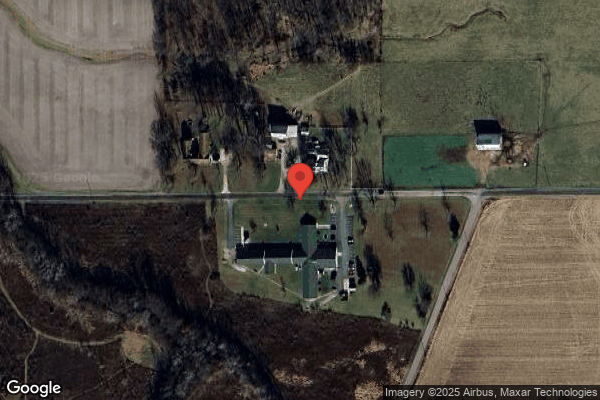
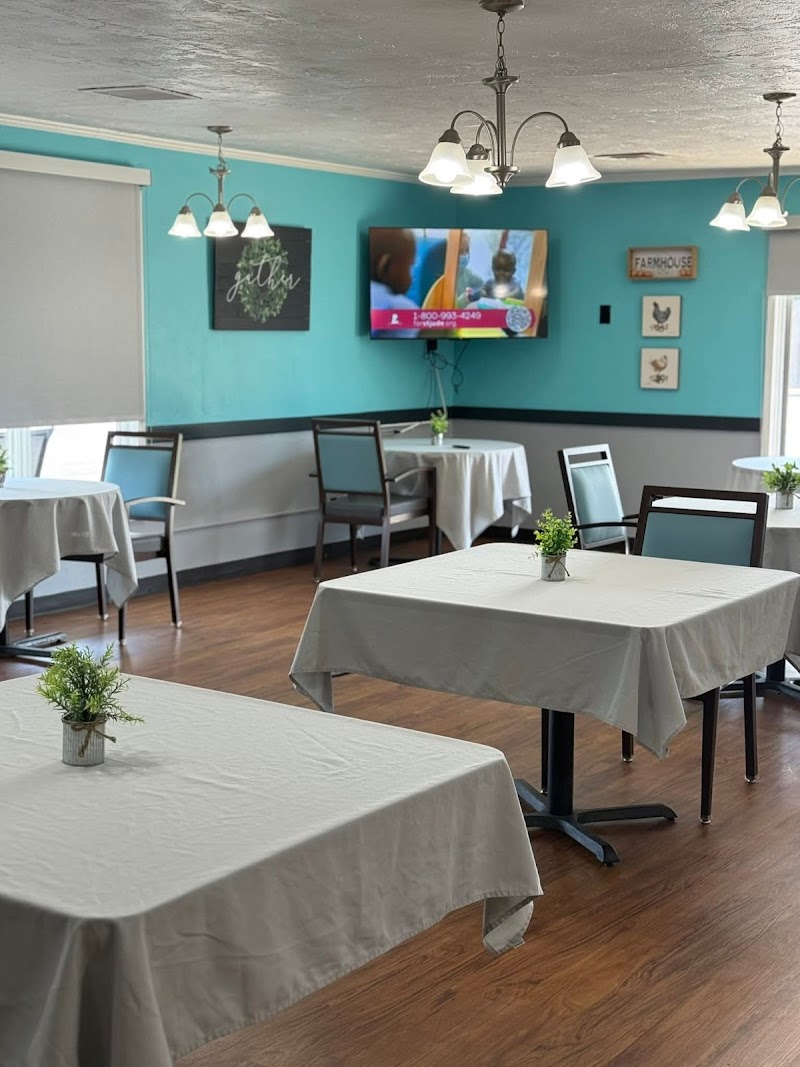
11563 W 300 S, DUNKIRK, IN 47336 (765) 768-7537
For profit - Corporation 46 Beds INFINITY HEALTHCARE CONSULTING Data: November 2025
Trust Grade
70/100
#305 of 505 in IN
Last Inspection: March 2025

Within standard 12-15 month inspection cycle. Federal law requires annual inspections.

Overview

Waters of Dunkirk Skilled Nursing Facility has a Trust Grade of B, which means it's considered a good choice but sits in the bottom half of facilities in Indiana, ranking #305 out of 505. While the facility has a strong staffing turnover rate of 35%, which is better than the state average, it shows a concerning trend, increasing from 1 issue in 2024 to 5 in 2025. Notably, there were incidents where residents did not receive meals according to their preferences and where a dishwasher failed to meet sanitization standards, posing potential health risks. On a positive note, there have been no fines reported, and the facility has more registered nurse coverage than 75% of Indiana facilities, which is a significant strength. Overall, while there are strengths in staffing and RN coverage, families should be aware of the recent increase in concerns and specific incidents affecting care quality.

Trust Score
B
70/100
In Indiana
#305/505
Bottom 40%
Safety Record
Low Risk
No red flags
Inspections
Getting Worse
1 → 5 violations
Staff Stability
○ Average
35% turnover. Near Indiana's 48% average. Typical for the industry.
Penalties
✓ Good
No fines on record. Clean compliance history, better than most Indiana facilities.
Skilled Nurses
○ Average
Each resident gets 41 minutes of Registered Nurse (RN) attention daily — about average for Indiana. RNs are the most trained staff who monitor for health changes.
Violations
○ Average
10 deficiencies on record. Average for a facility this size. Mostly minor or procedural issues.
★★★☆☆
3.0
Overall Rating
★★★☆☆
3.0
Staff Levels
★★★★★
5.0
Care Quality
★★☆☆☆
2.0
Inspection Score
Stable
2024: 1 issues
2025: 5 issues

The Good

  • 5-Star Quality Measures · Strong clinical quality outcomes
  • Full Sprinkler Coverage · Fire safety systems throughout facility
  • No fines on record
  • Staff turnover below average (35%)

    13 points below Indiana average of 48%

Facility shows strength in quality measures, fire safety.

The Bad

3-Star Overall Rating

Near Indiana average (3.1)

Meets federal standards, typical of most facilities

Staff Turnover: 35%

11pts below Indiana avg (46%)

Typical for the industry

Chain: INFINITY HEALTHCARE CONSULTING

Part of a multi-facility chain

Ask about local staffing decisions and management

The Ugly 10 deficiencies on record

Mar 2025 5 deficiencies
CONCERN (D)

Potential for Harm - no one hurt, but risky conditions existed

Transfer Notice (Tag F0623)

Could have caused harm · This affected 1 resident

Based on record review and interview, the facility failed to ensure the resident's representative was notified in writing of the transfer/discharge appeal rights for 3 of 3 hospitalizations. (Resident...

Read full inspector narrative →
Based on record review and interview, the facility failed to ensure the resident's representative was notified in writing of the transfer/discharge appeal rights for 3 of 3 hospitalizations. (Resident 17, 77 and 127) Findings include: 1. Resident 77's clinical record was reviewed on 3/18/25 at 3:22 p.m. Diagnoses included encounter for surgical aftercare following surgery on the circulatory system, presence of cardiac pacemaker, paroxysmal atrial fibrillation (rapid irregular heart rhythm), and sick sinus syndrome (irregular heart rhythm). A progress note, dated 3/8/25 at 10:20 a.m., indicated the resident had three large amounts of dark red stool. The physician and the family were notified. Physician's orders were received to send the resident to the hospital for evaluation. The clinical record lacked indication that the resident and the resident's representative were notified of the transfer/discharge appeal rights in writing for the resident's transfer to the hospital. During an interview, dated 3/20/25 at 10:51 a.m., the Assistant Director of Nursing (ADON) indicated when a resident was sent to the hospital, a face sheet, a transfer form, a change of condition form, a medication list, and code status were sent with the resident. A bed hold and a transfer notice, which was attached to the bed hold, was also sent. The family was called and notified of the resident's transfer.3. Resident 127's clinical record was reviewed on 3/18/25 at 1:42 p.m. Diagnoses included type 2 diabetes mellitus without complications, multiple sclerosis (a chronic, autoimmune disease that affects the central nervous system (brain and spinal cord), hemiplegia (paralysis of one side of the body) and hemiparesis (weakness on one side of the body, often affecting the arm and leg) following cerebral infarction (blood flow to the brain was interrupted, causing brain tissue to die) affecting right dominant side, and stage 3 pressure ulcer of sacral region (tailbone). A progress note, dated 1/13/25 at 3:39 p.m., indicated Resident 127 had returned from an appointment and had no urine in her catheter bag or tubing. The irrigation of her catheter was attempted without success. A catheter change was attempted but was unsuccessful. The Medical Director was notified, and new orders were received to send Resident 127 to the emergency room (ER) for evaluation and treatment. The note indicated all appropriate paperwork was sent with the resident. The resident's representative was notified and agreeable with new orders. The clinical record lacked indication that the resident and the resident's representative were notified of the transfer/discharge appeal rights in writing for the resident's transfer to the hospital. During an interview, on 3/20/25 at 10:56 a.m., the Social Services Director (SSD) indicated she was only responsible to notify the ombudsman with transfers and discharges. She was not responsible to notify anyone else of the transfers and discharges. During an interview, on 3/21/25 at 11:51 a.m., the SSD indicated the transfer/discharge appeal rights notice was included in the packet sent to the hospital with the resident for an emergency room visit or a hospital stay. The transfer/discharge paperwork went with the resident to the hospital in a packet. One time, she had mailed the resident's transport/discharge appeal rights form because the family was not available. During an interview, on 3/21/25 at 12:05 p.m., the Director of Nursing (DON) indicated the transfer/discharge appeal rights were sent with the resident to the hospital. The paperwork was not mailed to the resident's representative. During an interview, on 3/21/25 at 2:53 p.m., the Administrator indicated she had a bed hold policy but did not have a policy on transfer/discharge appeal rights. 3.1-12(a)(6)(A)(i) 3.1-12(a)(6)(A)(ii) 3.1-12(a)(6)(A)(iii) 2. Resident 17's clinical record was reviewed on 3/19/25 at 10:53 a.m. Diagnoses included necrotizing fasciitis (an inflammation of the connective tissue surrounding muscles, blood vessels, and nerves), cutaneous abscess of groin, diabetes mellitus, and unspecified systolic congestive heart failure. A progress note, dated 9/7/2024 at 10:55 a.m. and 9/17/25 at 3:55 p.m., indicated that the resident complained of chest pain. A physician's order was obtained on both dates to send the resident to the emergency room (ER) for evaluation. A progress note, dated 2/4/25 at 12:54 a.m., indicated that the resident complained of nausea and vomiting and was observed to have had an elevated pulse, low oxygen saturation, increased weakness, dizziness with standing, and brain fog. A physician's order was obtained to send the resident to the ER for evaluation. The clinical record failed to indicate that the resident, who was his own representative, received a copy of the transfer/discharge appeal rights paperwork at the time of each ER transfer. During an interview, on 3/20/25 at 10:50 a.m., LPN 6 indicated that the transfer/discharge process was to complete a resident assessment, documentation of findings, physician notification, receive an order to transfer, family notification to see if they agree with the transfer, and to complete paperwork. The paperwork completed was the eINTERACT outpatient transfer form, eINTERACT change of condition form, bed hold policy, and copied orders, face sheet, and code status. When the paperwork was completed, it was placed in a packet. The packet was sent with the EMT's to the hospital. If the paperwork was not completed when the EMTs arrived at the facility, the facility staff faxed information to the hospital. No paperwork was given to the resident or resident's family.
CONCERN (E)

Potential for Harm - no one hurt, but risky conditions existed

Deficiency F0804 (Tag F0804)

Could have caused harm · This affected multiple residents

**NOTE- TERMS IN BRACKETS HAVE BEEN EDITED TO PROTECT CONFIDENTIALITY** Based on observation, record review, and interview, the facility failed to ensure the palatability of the meals served for 7 of ...

Read full inspector narrative →
**NOTE- TERMS IN BRACKETS HAVE BEEN EDITED TO PROTECT CONFIDENTIALITY** Based on observation, record review, and interview, the facility failed to ensure the palatability of the meals served for 7 of 7 residents reviewed for palatable meals. (Resident 77, 12, 26, 15, 23, 17, and 19). Findings include: 1. During an interview, on 3/17/25 at 2:37 p.m., Resident 12 indicated she was disgusted with the food. The food was horrible. She had green meatloaf. She had a taco salad made with hash browns not lettuce. The eggs were often watery and were not done. At times, the hot chocolate tasted like coffee was mixed in with it. She ate a lot of grilled cheese sandwiches because the food was not good. They even messed up the grilled cheese at times. The food tasted like slop. During an interview, on 3/17/25 at 3:40 p.m., Resident 26 indicated the food was terrible. She ate peanut butter and jelly sandwiches on more than one occasion. She was often uncertain what the meats were until she looked at the menu. The eggs were nasty and watery. They had almost no taste. She tried the eggs three different times and was not going to eat them again. The vegetables were mushy too. During an interview, on 3/19/25 at 10:30 a.m., Resident 26 indicated she had sausages so hard at breakfast she couldn't cut them with a fork. The food was consistently not good. During an interview, on 3/19/24 at 12:05 p.m., LPN 8 indicated the food was not good since the kitchen had been outsourced. During an observation, on 3/19/25 at 12:16 p.m., the lunch meal was sampled. The lunch consisted of ham with brown gravy, sweet potatoes, green beans, spice cake, hot chocolate, and lemonade. The brown gravy was very salty making it difficult to discern the flavor of the ham. The spice cake had a hard top and edges that were crunchy and had very little flavor to indicate what the flavor the cake actually was. The lemonade tasted watered down, with little flavor. During an observation, on 3/20/25 at 7:49 a.m., Resident 80's meal tray sat on the meal cart. The eggs were sitting on the plate with watery fluid around them. During an observation, on 3/20/25 at 7:56 a.m., a breakfast meal was sampled. The breakfast consisted of scrambled eggs, a small muffin, oatmeal, hot chocolate, toast, apple juice, and fruit punch. The eggs were wet with no seasoning. The muffin had little flavor, was dark in color, and was hardened on the top and bottom. The oatmeal was mushy. The hot chocolate had an odd odor with a faint smell of coffee. During an interview, on 3/20/25 at 9:08 a.m., Resident 26 indicated she did not want oatmeal again today for breakfast. She was not going to try the eggs again as she had already done that three times. She indicated yesterday's lunch had gravy that was really salty. The sweet potatoes were like mush. The spice cake was burnt on the bottom. The food was either over seasoned or under seasoned most of the time. During an interview, on 3/20/25 at 2:53 p.m., LPN 6 indicated the muffins were very hard today at breakfast. The food had been different, not as good, since the kitchen had been outsourced. During an interview, on 3/21/25 at 10:05 a.m., Resident 77 indicated the food was disgusting. He had only had a couple of good meals since he had been here. Yesterday he had gotten what he thought was supposed to be a muffin. The muffin was so hard it bounced off the table. The food was bad. He was considering getting therapy elsewhere unless the food improved. Resident 26's clinical record was reviewed on 3/18/25 at 1:45 p.m. Diagnoses included type 2 diabetes mellitus without complication. Current orders included consistent carbohydrates with no added salt diet. Resident 26's admission Minimum Data Set (MDS), dated [DATE], indicated the resident was cognitively intact. Resident 12's clinical record was reviewed on 3/18/25 at 1:52 p.m. Diagnoses included anemia, gastroparesis (a condition where the stomach muscles do not function properly, resulting in delayed emptying of food into the small intestine), hypokalemia (low potassium blood level), and type 2 diabetes mellitus with diabetic neuropathy (a complication of diabetes that damages the nerves throughout the body). Current orders included consistent carbohydrates with no added salt diet and regular diet with ground meats if resident requested. Resident 12's quarterly MDS assessment, dated 2/3/25, indicated the resident was cognitively intact. Resident 77's clinical record was reviewed on 3/18/25 at 2:22 p.m. Diagnoses included hypothyroidism and hyperlipidemia. Current orders included no added salt packet on tray with regular diet. Resident 77's admission MDS assessment, dated 3/8/25, indicated the resident was cognitively intact.3. During an interview, on 3/17/25 at 11:16 a.m., Resident 23 indicated his biggest complaint was how the food was inedible and bland tasting. The oatmeal was always cold, the French toast was always soggy, and the hot chocolate tasted like chocolate milk. The resident's representative brought him breakfast every morning because he doesn't like the food the facility serves. During an interview, on 3/17/25 at 11:33 a.m., Resident 19 indicated the food was cold and had little flavor. During a dining room observation, on 3/19/25 at 11:55 a.m., RN 4 requested cottage cheese for a resident. Dietary Manager 2 indicated they were out of cottage cheese. During an observation, on 3/19/25 at 12:14 p.m., the lunch meal was sampled. The sampled tray included spice cake with whipped topping, chunks of sweet potatoes, fresh cut green beans, and ham with brown gravy on top. The ham was overpowered by the saltiness of the brown gravy. The crust of the spice cake was extremely hard and crunchy. The top of the cake was dark brown in color, and was hard to pierce with a fork. The inside of the cake was dry and lacked any spice flavor. The lemonade was very weak in flavor and tasted like lemon water. During a dining room observation, on 3/19/25 at 12:40 p.m., eight residents had large amounts of hard, crusty edges of spice cake left on their plates. The plates also contained large amounts of ham and sweet potatoes. During an interview, on 3/20/25 at 7:53 a.m., Dietary Manager 2 indicated the muffins had hardened while they sat on the counter during the breakfast meal. During an observation, on 3/20/25 at 7:56 a.m., the breakfast meal was sampled. The sampled meal included oatmeal with a small plastic container of brown sugar on the side, scrambled eggs, a brown-colored muffin, white toast, hot chocolate, fruit punch, and apple juice. The scrambled eggs were very moist almost wet tasting, with no seasoning. The brown muffin was hard on the top, outside, and bottom and was dry on the inside. The oatmeal was overcooked and very mushy. The hot chocolate had a faint smell of coffee mixed with another unidentifiable smell. During an interview, on 3/20/25 at 8:20 a.m., Dietary Manager 2 indicated the water used for the hot chocolate came from the water spigot on the side of the coffee maker. During an interview, on 3/20/25 at 8:23 a.m., the Regional Operational Manager indicated the hot water sampled from the coffee pot spigot tasted like well water. They mixed two scoops of hot chocolate mix into the water when preparing it for residents. Prior to serving the residents, he taste tested the food. During an interview, on 3/20/25 at 8:47 a.m., QMA 10 indicated there had been numerous complaints made by residents regarding the food. Sometimes the facility did not have items that were on the menu. During an interview, on 3/20/25 at 8:48 a.m., CNA 11 indicated the food was terrible and lacked flavor. During an interview, on 3/20/25 at 8:52 a.m., RN 4 indicated the food was terrible and lacked flavor. During an interview, on 3/21/25 at 11:43 a.m., the Administrator indicated the residents had a concern regarding the appearance of French fries in December 2024. The fries were checked, and they were served at the correct temperature. The Administrator contacted the outsourced kitchen's regional manager and had discussed ordering a different brand of fries. The kitchen was started on a Performance Improvement Plan (PIP) in February 2025. Resident 23's clinical record was reviewed on 3/19/25 at 1:54 p.m. Diagnoses included unspecified atrial fibrillation, essential hypertension (high blood pressure), hyperlipidemia (high levels of fats in the blood), acute respiratory failure with hypoxia (the body's tissues do not receive enough oxygen), chronic diastolic (congestive) heart failure, type 2 diabetes mellitus without complications, generalized muscle weakness, and major depressive disorder. Current orders included consistent carbohydrates with no added salt diet, regular texture with thin liquids consistency. Resident 23's quarterly Minimum Data Set (MDS), dated [DATE], indicated the resident was cognitively intact. Resident 19's clinical record was reviewed on 3/21/25 at 11:34 a.m. Diagnoses included type 2 diabetes mellitus with hyperglycemia (high blood sugar), chronic kidney disease, generalized muscle weakness, and hypertension (high blood pressure). Current orders included consistent carbohydrates with no added salt diet, regular texture with thin liquids consistency. Resident 19's quarterly Minimum Data Set (MDS), dated [DATE], indicated the resident was cognitively intact. A current facility policy, dated 3/25/12, titled Presentation of the Meal, provided by the Administrator, on 3/21/25 at 11:43 a.m., indicated the following: .Meals are served attractively, accurately, efficiently, and at the appropriate temperature A current facility policy, dated 2/18/19, titled Resident Satisfaction with Food and Dining, provided by the Administrator, on 3/12/25 at 11:55 a.m., indicated the following: The Director of Food and Nutrition Services monitors the quality of the food served and the level of resident satisfaction regarding their overall dining experience 3.1-21(a)(1)(2) 2. During an interview, on 3/17/25 at 10:26 a.m., Resident 17 indicated that he had several complaints regarding the facility dining services which included inappropriate food temperatures, missed items on trays, and he had not consistently received extra protein with his meals as ordered. During an observation, on 3/17/25 at 12:25 p.m., several resident plates were observed in the dining room with more than 1/2 of the served food remaining on the plates, which included plates that staff assisted residents with eating. Residents had departed from tables. During an interview, on 3/17/25 at 3:25 p.m., Resident 15 indicated the facility food was bland, contained no flavor, and soups were served cold. Resident 15's clinical record was reviewed on 3/18/25 at 1:48 p.m. Diagnoses included unspecified dementia, hypertension (high blood pressure), iron deficiency anemia, and hyperlipidemia (high levels of fats in the blood). Current physician orders included regular texture, thin liquids diet. Resident 17's clinical record was reviewed on 3/19/25 at 10:53 a.m. Diagnoses included necrotizing fasciitis (an inflammation of the connective tissue surrounding muscles, blood vessels, and nerves), cutaneous abscess (localized collection of pus that forms under the skin) of groin, diabetes mellitus, and unspecified systolic congestive heart failure. Current orders included consistent carbohydrates with no added salt diet, regular texture with thin liquid; with double protein at breakfast for wound healing. Resident 17's quarterly Minimum Data Set (MDS), dated [DATE], indicated the resident was cognitively intact. During an interview, on 3/19/25 at 12:06 p.m., Resident 15 indicated she did not like the lunch that was served and was given peanut butter and jelly sandwich as an alternative. She does not like the way the food is prepared or the lack of being prepared and felt it caused her diarrhea. Her family supplied her with snacks and drinks. During an observation, on 3/19/25 at 12:16 p.m., a lunch tray was sampled. Two slices of ham were covered with a thin brown gravy/glaze. The gravy tasted excessively salty. The saltiness of the gravy overpowered the taste of the ham. The spice cake's edges/top/bottom were very hard and crunchy. Increased pressure was applied to the fork to go through the edges of the cake. The inner part of the cake was soft and dry, minimally moist, and bland in flavor. During an observation, on 03/19/25 at 12:40 p.m., most plates that remained in the dining room after lunch had at least 50% -100% of ham eaten. At least six plates and six bowls with uneaten green beans, sweet potatoes, and the outer edging of cake, sitting on the dining room tables. Multiple cups of fluids at least half full were left on four tables. During an observation, on 3/20/25 07:43 a.m., Resident's 15's uncovered meal tray sat on her bedside table, untouched. The meal items were scrambled eggs, toast, and [NAME] Krispie cereal. During an observation and interview, on 3/20/25 at 7:48 a.m., Resident 17 indicated that the eggs were watery, had an odd consistency, and lacked flavor. A watery residue was observed on the resident's plate as he used his fork to push the scrambled eggs from one edge of the plate to the other edge. The top of the scrambled eggs had been covered with pepper; he indicated it had been his attempt to make the eggs edible. He picked up the muffin, flipped it over in his hand, and banged it on his plate and bedside table. The muffin was observed to be dark brown in color and made a thumping noise as he struck it on his plate and bedside table. The resident did not eat the scrambled eggs or the muffin. During an observation, on 3/20/25 at 8:03 a.m., a breakfast tray was sampled. The scrambled eggs had excessive moisture causing eggs to be wet and were very bland. Bread was lightly toasted and was buttered. The oatmeal was very soft and mushy with minimal flavor and was overcooked. The muffin had a darkened and hard top that was crunchy when bitten into. The inner part of the muffin was dry and crumbly. The hot chocolate was very light in color, had a peculiar odor, had a faint odor and taste of coffee,and was poor in flavor.
CONCERN (F)

Potential for Harm - no one hurt, but risky conditions existed

Menu Adequacy (Tag F0803)

Could have caused harm · This affected most or all residents

**NOTE- TERMS IN BRACKETS HAVE BEEN EDITED TO PROTECT CONFIDENTIALITY** Based on observation, record review, and interview, the facility failed to ensure menus and the resident's preferences were foll...

Read full inspector narrative →
**NOTE- TERMS IN BRACKETS HAVE BEEN EDITED TO PROTECT CONFIDENTIALITY** Based on observation, record review, and interview, the facility failed to ensure menus and the resident's preferences were followed for 3 of 5 residents reviewed for dining services. (Resident 12, 14, and 26) This deficiency had the potential to affect 31 of 31 residents who receive meals from the facility's dining services. Findings include: 1. During an observation, on 3/18/25 at 2:11 p.m., a sign on the wall by the kitchen indicated the following lunch and dinner options were available: grilled cheese sandwich, hamburger on bun, hot dog on bun, peanut butter and jelly sandwich on bread, mashed potatoes, potato chips, alternate fruit, cottage cheese (as a protein substitute), and green beans. During an observation, on 3/19/25 at 11:27 a.m., the sign on the wall listing the lunch and dinner options remained as listed above. The menu for 3/19/25 lunch was baked ham, sweet potato casserole, French cut green been, and chocolate cake with icing. During an observation, on 3/19/25 at 11:58 a.m., Resident 14 sat in her recliner in her room and did not have a tray in front of her. All trays had been delivered on the hall. During an interview, on 3/19/25 at 12:05 p.m., LPN 8 indicated Resident 14 often refused her meals. She would almost always eat a hot dog. The kitchen did not have hot dogs today. The facility kitchen ran out of items frequently. The kitchen staff had to go get milk the other day before they could serve meals because they had run out. The facility kitchen often ran out of items. During an observation, on 3/19/25 at 12:16 p.m., the lunch meal was sampled. The meal consisted of ham with brown gravy, sweet potatoes, cut green beans, and spice cake with whipped topping. During an observation, on 3/20/25 at 7:34 a.m., Resident 14 sat in her recliner in her room with her feet elevated and did not have a breakfast tray. During an interview, on 3/19/25 at 7:47 a.m., the ADON indicated the resident had refused her tray, and she had been offered alternatives. The staff had been getting her to eat a hot dog for lunch and dinner as she would often eat the hot dog. During an interview, on 3/20/25 at 2:53 p.m., the Administrator indicated she had just started a Performance Improvement Plan (PIP) for the kitchen in February 2025 for the residents not getting what they ordered. The residents had been more concerned about the wastefulness of the food being thrown away than anything else. During an interview, on 3/20/25 at 3:31 p.m., LPN 6 indicated the kitchen frequently did not serve what was on the menu. They don't have what the residents want or what is on the menu. They run out of something at least once a week for example they ran out of [NAME] Krispies and hot dogs recently. The dining service has changed since being outsourced. Resident 14's clinical record was reviewed on 3/18/25 at 2:29 p.m. Diagnoses included vitamin D deficiency, hyponatremia (low sodium blood level), vitamin B12 deficiency, and gastroesophageal reflux disease (a condition where stomach contents flow back up into the esophagus) without esophagitis (inflammation of the esophagus). Current physician's orders included the following: Regular texture general diet with super cereal in the morning, a protein and caloric supplement three times a day, and mirtazapine 15 milligrams (mg) at bedtime for appetite stimulant. 2. During an interview, on 3/17/25 at 2:37 p.m., Resident 12 indicated the staff went over the menu with her the day before it is served. The day the meal was served, half the time, they didn't have what was on the menu. They served her something different than what she ordered lots of times. The facility ran out of eggs frequently. During an interview, on 3/19/25 at 12:11 p.m., Resident 12 indicated she was supposed to get a hot dog. The kitchen did not have any. She requested a salad, and she received her salad in a small pudding dish. She had wanted more salad since she had not gotten her hot dog. She didn't really like spice cake very well and would have preferred the chocolate cake on the menu. She was so upset with the meal; she no longer had an appetite. During an observation, on 3/20/35 at 7:38 a.m., the resident sat in her recliner looking at her plate of scrambled eggs with cheese. At the same time, she indicated she was supposed to get her scrambled eggs in a bowl, because it was easier for her to eat them that way. She indicated her meal ticket was clearly written out to have her eggs in a bowl not on a plate. Review of Resident 12's meal ticket, provided by Resident 12 on 3/20/25 at 7:38 a.m., indicated the resident wanted two scrambled eggs with cheese in a big white bowl. NO PLATE was written on the meal ticket Resident 12's clinical record was reviewed on 3/18/25 at 1:52 p.m. Diagnoses included anemia, gastroparesis (a condition where the stomach muscles do not function properly, resulting in delayed emptying of food into the small intestine), hypokalemia (low potassium blood level), and type 2 diabetes mellitus with diabetic neuropathy (a complication of diabetes that damages the nerves throughout the body). Current physician's orders included the following: consistent carbohydrate with no added salt diet and regular diet with ground meats if the resident requests. A quarterly Minimum Data Set assessment (MDS), dated [DATE], indicated the resident was cognitively intact. 3. During a dining room observation, on 3/19/25 at 11:55 a.m., RN 4 requested cottage cheese for a resident. Dietary Manager 2 indicated they were out of cottage cheese. During an interview, on 3/20/25 at 8:23 a.m., the Regional Operational Manager indicated another kitchen staff member had been ordering the food supplies since the facility dietary manager had been on leave. During an interview, on 3/20/25 at 8:47 a.m., QMA 10 indicated sometimes the meals provided were not what was on the menu. During an interview, on 3/20/25 at 9:08 a.m., Resident 26 indicated she had ordered a hot dog as an alternative last night for dinner as she did not like what they had. The staff told her they didn't have any hot dogs last night. She ordered cottage cheese and didn't get it. She thought they probably didn't have that either as the facility did not have cottage cheese lots of times. She had asked for salad with ranch dressing six times. Five of the six times she got Italian dressing which she did not like, she had been told the facility was out of ranch dressing. Yesterday's meal was supposed to have sweet potato casserole, but they only had sweet potatoes. She preferred chocolate cake, but they had spice cake. During an observation, on 3/20/25 at 11:47 a.m., the lunch meal consisted of French style green beans, mashed potatoes, cubed steak with brown gravy, and cheesecake. The menu posted outside the kitchen door indicated the lunch menu was Italian baked chicken, garlic mashed potatoes, cauliflower, and vanilla pudding. During an interview, on 3/20/25 at 11:54 p.m., the resident indicated she did not care for what was on the menu and had ordered a hot dog. She decided not to eat the hot dog as she wasn't in the mood for it. A review of Resident 26's meal ticket, provided by Resident 26, on 3/20/25 at 11:54 AM, indicated the lunch menu was Italian baked chicken, garlic mashed potatoes, cauliflower, and vanilla pudding. During an interview, on 3/21/25 at 10:52 a.m., the Administrator indicated the company that provided the dining services ordered the food supplies. Items that were missing were not always communicated with the nursing staff. If items were not on the supply truck, they went to the store. They did not have salad and hot dogs on the truck this week. She was uncertain why these items were not received. She instructed the kitchen staff to go to the store to get the missing items. Resident 26's clinical record was reviewed on 3/18/25 at 1:45 p.m. Diagnoses included type 2 diabetes mellitus without complication. Current physician's orders included consistent carbohydrates with no added salt diet. An admission MDS, dated [DATE], indicated the resident was cognitively intact. A current facility policy, dated 2/6/20, titled Menus, provided by the Administrator, on 3/21/25 at 11:43 a.m., indicated the following: .Menus are planned in advance and are followed as written to meet the nutritional needs of the residents 3.1-20(i)(4)
CONCERN (F)

Potential for Harm - no one hurt, but risky conditions existed

Food Safety (Tag F0812)

Could have caused harm · This affected most or all residents

A. Based on observation, interview, and record review, the facility failed to ensure the high-temperature dishwasher functioned at a level to maintain proper sanitization requirements. This deficient ...

Read full inspector narrative →
A. Based on observation, interview, and record review, the facility failed to ensure the high-temperature dishwasher functioned at a level to maintain proper sanitization requirements. This deficient practice had the potential to impact 31 of 31 residents who received meals from the facility kitchen. B. Based on observation and interview, the facility failed to properly store and distribute food under sanitary conditions while maintaining equipment cleanliness. This deficient practice had the potential to impact 31 of 31 residents who received meals from the facility kitchen. Findings include: During the initial kitchen tour, on 3/17/25 at 9:59 a.m., the following concerns regarding inaccurate high temperature dishwashing were observed: A. The high temperature dishwashers washing temperature was 113 Fahrenheit degrees (F) instead of the requirement of 150 degrees F or higher. During an interview, on 3/17/25 at 10:34 a.m., the Maintenance Director indicated the wash temperature would not get above 113 F degrees. The wash temperature should be above 150 degrees F. The wash temperature, the Friday before, was ranging between 146-148 degrees F. The facility had been using the dishwasher since Friday with temperatures below range. The facility should have used the three-compartment sink for sanitation instead. During an interview, on 3/17/25 at 10:38 a.m., Dietary Manager 2 indicated the dishwasher was safe to use prior to Maintenance servicing the dishwashing machine. During an interview, on 3/17/25 at 10:54 a.m., the Maintenance Assistant indicated the dishwasher had a loose thermostat wire that tripped the reset button. A current facility policy, dated 9/27/18, titled, Mechanical Ware Washing, provided by the Administrator, on 3/21/25 at 11:43 a.m., indicated the following: .When the dish machine is not washing/sanitizing properly, stop the process and contact the Director of Food and Nutrition Services and/or the Maintenance Director. Food may not be served on dinnerware that has not been sanitized per guidelines B. During the initial kitchen tour, on 3/17/25 at 9:59 a.m., the following concerns regarding food storage were observed: An upright refrigerator was observed with the following: Uncovered individual drinks sitting on top of a tray. Fresh fruit in uncovered individual plastic cups in the refrigerator. An upright freezer was observed with the following: An uncovered, undated bowl of fruit was on the bottom shelf of the freezer. Six biscuits were laying loose on top of another pack of biscuits. The toaster had crumbs all over the top of the toaster. The toaster was smeared with a white substance on the top right side. The toaster also had a brown, crumb-like substance inside the dial of the toaster. During an interview, on 3/17/25 at 10:03 a.m., Dietary Manager 2 indicated the six biscuits should have been covered and labeled. During an interview, on 3/18/25 at 10:32 a.m., Dietary Manager 7 indicated all items in the refrigerators and freezers needed to be labeled and covered. A current facility policy, dated 11/25/19, titled, Food Storage, provided by the Administrator, on 3/21/25 at 11:43 a.m., indicated the following: .Food is stored and prepared in a clean and safe sanitary manner that complies with state and federal guidelines 3.1-21(i)(3)
MINOR (B)

Minor Issue - procedural, no safety impact

Deficiency F0577 (Tag F0577)

Minor procedural issue · This affected multiple residents

Based on observation, interview, and record review, the facility failed to ensure the results from their last annual Indiana Department of Health (IDOH) survey report were posted at an accessible heig...

Read full inspector narrative →
Based on observation, interview, and record review, the facility failed to ensure the results from their last annual Indiana Department of Health (IDOH) survey report were posted at an accessible height for 1 of 1 residents interviewed (Resident 23). This deficient practice had the potential to impact 31 of 31 residents/or representatives for those residents who resided in the facility. Findings include: During an observation, on 3/17/25 at 12:04 p.m., the State Survey Binder was on the lower shelf of a sofa table, against the wall right outside the Administrator's office, about four inches off the floor. During an observation, on 3/18/25 at 2:03 p.m., the State Survey Binder was on the lower shelf of a sofa table, against the wall right outside the Administrator's office, about four inches off the floor. During an observation, on 3/19/25 at 9:00 a.m., the State Survey Binder was on the lower shelf of a sofa table, against the wall right outside the Administrator's office, about four inches off the floor. During an observation, on 3/20/25 at 7:39 a.m., the State Survey Binder was on the lower shelf of a sofa table, against the wall right outside the Administrator's office, about four inches off the floor. During an interview, on 3/21/25 at 11:11 a.m., Resident 23 indicated that the State Survey Binder had not been reachable by all residents due to their mobility limitations. During an interview, on 3/21/25 at 11:14 a.m., QMA 10 indicated that the State Survey Binder had not been reachable by all resident's due to their mobility limitations. The State Survey Binder usually sat on the top shelf of the sofa table. During an interview, on 3/21/ 25 at 12:15 p.m., the Administrator indicated she was responsible for the State Survey Binder. The binder was generally kept on the top shelf of the sofa table. She had not noticed the binder was moved to the bottom shelf. A current facility policy, dated 8/2017, titled Survey Posted/Accessible, provided by the Administrator, on 3/21/25 at 2:46 p.m., indicated the following: .The location of the most recent annual survey including the facilities response to the findings must be clearly posted in a prominent area easily accessible to residents, their family members and their legal representatives as well as the public 3.1-3(b)(1)
Dec 2024 1 deficiency
CONCERN (D) 📢 Someone Reported This

A family member, employee, or ombudsman was alarmed enough to file a formal complaint

Potential for Harm - no one hurt, but risky conditions existed

Accident Prevention (Tag F0689)

Could have caused harm · This affected 1 resident

Based on interview and record review, the facility failed to identify the number of staff needed for physical transfers and to ensure physical transfers were provided in a consistent manner for a resi...

Read full inspector narrative →
Based on interview and record review, the facility failed to identify the number of staff needed for physical transfers and to ensure physical transfers were provided in a consistent manner for a resident who required extensive assistance for mobility for 1 of 3 residents reviewed for accidents. (Resident B) This deficient practice resulted in Resident B sustaining a fracture to her right ankle. Findings include: Review of a facility self reportable, dated 12/9/24, indicated on 12/7/24, Resident B had been transferred to bed from her wheelchair. The resident's right foot had not turned with the rest of her body. The report indicated a head-to-toe assessment had been completed with no injuries noted at that time. The resident had complained of discomfort to her right ankle and right lower leg, but had declined pain medication. Resident B continued to complain of pain throughout the night and early morning hours. The nurse indicated the right ankle had become swollen. An order for x-rays was provided and the result showed an acute ankle fracture. Resident B's clinical record was reviewed on 12/31/24 at 11:03 a.m. Diagnoses included right side hemiplegia and hemiparesis following stroke, peripheral vascular disease, difficulty in walking, major depressive disorder, and chronic pain syndrome. A current care plan, dated 12/22/21, and revised on 10/17/24, indicated Resident B required assistance extensive assistance with transfers. The care plan goal indicated the resident would feel secure with staff providing major support for transfer with some support. Interventions included to explain procedure and reassure safety. A current care plan, dated 11/30/21 and revised on 11/28/23, indicated Resident B required assistance with all activities of daily living (ADL) including transfers, since her recent medical event. The resident had right side hemiplegia following a stroke several years ago. She was unable to care for herself independently and had no voluntary movement to her upper and lower left side. She required extensive to dependent assistance of staff with all ADL tasks. Interventions included to encourage resident to participate in ADLs within her abilities and to assess and honor the resident's preferences. A quarterly Minimum Data Set (MDS) assessment, dated 11/26/24, indicated Resident B had moderate cognitive impairment, was dependent on staff for upper and lower body dressing, and required substantial/maximum assistance of staff (staff completes more than half of the effort) for transferring. The resident felt down, depressed or hopeless half or more days during assessment period. The resident displayed no behaviors or rejection of care, and received no scheduled or as needed pain medications during assessment period. An incident progress note, dated 12/7/24 at 2:06 p.m., indicated CNA 3 had transferred Resident B to bed following lunch. CNA 3 indicated to the nurse that when she was turning the resident the resident's ankle had not turned with the rest of the resident's body, causing pain to the resident's right ankle/lower leg. The resident's right lower extremity had no edema, bruising, or redness. The provider was notified with no new orders given at that time. A nursing progress note, dated 12/7/24 at 8:00 p.m., indicated the resident had requested a dose of pain medication. The resident had complained of pain to her right ankle and the nurse noticed the resident's foot and ankle had become swollen without discoloration present. A change of plan of care/orders progress note, dated 12/8/24 at 12:37 p.m., indicated the resident had complaints of pain and swelling her right ankle. An order was provided to obtain x-rays of the right ankle. An incident progress note, dated 12/8/24 at 3:55 p.m., indicated the x-ray result had been received and reported to the provider. The resident had a right acute fracture of the distal tibia. The medical doctor was notified and provided orders for resident to remain in bed. An incident progress note, dated 12/9/24 at 4:27 p.m., indicated new orders had been received for the resident to remain non-weight bearing to right lower extremity and to apply ice and elevation. Resident B was to be transferred to the orthopaedic walk-in clinic the following day. An Interdisciplinary Team (IDT) note, dated 12/10/24 at 10:53 a.m., indicated staff were transferring Resident B from the wheelchair to the bed. When staff and the resident turned, the resident's right foot had not turned with her body. The resident complained of pain and the CNA reported it to the nurse. The nurse completed a head-to-toe assessment. Resident B was found to have no visible injuries, but did complain of pain. The resident refused pain medication when offered. The complaint of pain remained throughout the night and swelling to area right ankle was observed. The resident's physician was updated and orders obtained for x-ray on 12/8/24. An x-ray was obtained with a finding of an acute fracture. The physician was again updated with multiple new orders, including the resident to be taken to [orthopaedic provider] when open on Monday. A current physician order, dated 12/8/24, included ketorolac tromethamine (to temporarily treat acute pain) 10 mg (milligram), one tablet every six hours as needed for moderate to severe pain. The resident had at least one dose daily since the fracture, with an average pain rating at 7 on a scale of 1-10. During a random observation, on 12/31/24 at 10:43 a.m., Resident B was lying in bed on her back, covered with a blanket. Her eyes were closed and her head was positioned to the left. The resident was dressed in a hospital gown. During an interview on 12/31/24 at 11:39 a.m., the ADON indicated Resident B was a two person assist for transfer prior to her fracture. CNA 3 had just finished her CNA class in June and had recently passed her certification. The ADON was unsure if CNA 3 referenced the CNA assignment sheets prior to providing care, but that was the expectation of staff. The ADON had since educated the staff regarding two person assists and that two staff must assist in care when indicated. The facility had no specific policy regarding staff assisted transfers or where to locate information on resident care needs. During a random observation, on 12/31/24 at 11:40 a.m., Resident B was lying in her bed on her back, covered with a blanket. Her eyes were closed and her head was positioned to the right. The resident was dressed in a hospital gown. During a telephone interview on 12/31/24 at 11:51 a.m., CNA 3 indicated she had been a CNA since the first week of November 2024. She was not aware that Resident B was a two person assist for transfers. She had witnessed staff transferring Resident B independently. She was unaware the facility had CNA Assignment Sheets. She was transferring Resident B and her foot usually slid with her body when turning her to her bed or chair, but this time, her right foot had not turned. The CNA reported it to the nurse as soon as she completed getting the resident settled in bed. During a random observation, on 12/31/24 at 1:10 p.m., Resident B was lying in her bed on her back, covered with a blanket. Her eyes were closed and her head was straight on her pillow. The resident was dressed in a hospital gown. During an interview on 12/31/24 at 1:48 p.m., Resident B indicated she hadn't been out of bed today because she just hadn't felt like it. She had a loss of appetite, but had not felt like an increase in depression or anything like that since her fracture. Staff had always transferred her with just one person and on this occasion, her foot just had not slid as usual. She had pain, but staff were good to provide her medication when she needs the medication. She felt more tired than usual. During an interview on 12/31/24 at 2:10 p.m., CNA 2 indicated she had previously transferred Resident B with another staff member due to her being a two person transfer. The resident currently required a mechanical lift for transfer due to her fractured ankle. CNA 2 reviewed the CNA assignment sheets for resident care needs as well as the Task tab on the electronic health record. She had noticed the resident was not getting out of bed as much as before her injury, but did not appear to be upset or in pain. During an interview on 12/31/24 at 2:10 p.m., CNA 6 indicated she had assisted Resident B frequently and had not noticed any major change in her since fracturing her ankle. The resident had gotten up from bed, maybe not as often, but close to her baseline. The resident had complained to her about discomfort in her ankle. CNA 6 indicated the resident had been a two person transfer prior to her injury because of her right side, specifically her right leg, not moving during transfer and the need for support. She received resident care needs from the CNA Assignment Sheets and from the Task information in the electronic health record. This citation relates to complaint IN00448842. 3.1-45(a)
Jun 2023 2 deficiencies
CONCERN (F) 📢 Someone Reported This

A family member, employee, or ombudsman was alarmed enough to file a formal complaint

Potential for Harm - no one hurt, but risky conditions existed

Deficiency F0726 (Tag F0726)

Could have caused harm · This affected most or all residents

Based on interview and record review, the facility failed to ensure residents received medications, including insulin injections, from qualified nursing personnel and failed to ensure medications were...

Read full inspector narrative →
Based on interview and record review, the facility failed to ensure residents received medications, including insulin injections, from qualified nursing personnel and failed to ensure medications were prepared and administered within professionally accepted standards for 5 of 5 residents reviewed for medication administration (Residents B, C, E, F, and G). These deficient practices had the potential to effect 41 of 41 residents in the facility. Findings include: Review of a facility self reportable, dated 5/26/2023 indicated on 5/25/2023, during job shadowing activity, LPN 1 allowed a nursing student to pass medications to five facility residents. During an interview, on 6/14/2023 at 10:37 a.m., the Administrator indicated they had not been aware of LPN 1's daughter (who was the nursing student named in the report) job shadowing her until they were contacted by concerned staff, who reported witnessing the nurse's daughter administering medications to residents. The Administrator indicated LPN 1 had requested permission to do the job shadowing from the DON. The Director of Nursing was out of the facility during the time of the survey. The facility did not have a contract with a nursing program for clinical rotation. During an interview, on 6/14/2023 at 10:42 a.m., CNA 3 indicated during the evening shift on 5/26/2023, they witnessed LPN 1 and her daughter administering medication to several residents. CNA 3 had witnessed LPN 1's daughter administer insulin to Resident G. CNA 3 and other staff became concerned and called the Administrator. CNA 3 did not know the nursing student personally, but knew she was the daughter of LPN 1. During an interview, on 6/14/2023 at 12:25 p.m., QMA 4 indicated they had been working when LPN 1's daughter was job shadowing her. QMA 4 was insulin qualified, but the facility did not allow QMAs to give insulin. She usually draw up the insulin for LPN 1, to be nice to her. She knew she was not supposed to prepare medication for someone else. The nurse told her not to draw up the insulin that day, because she was going to do it with the student. QMA 4 believed the nursing student was there as part of a clinical rotation. During an interview, on 6/14/2023 at 1:35 p.m., LPN 6 indicated QMAs were not allowed to administer insulin in the facility. They would not allow a QMA to draw up insulin or pre-set any medications. During an interview, on 6/14/2023 at 1:48 p.m., QMA 7 indicated the facility did not allow QMAs to give insulin. QMAs checked the blood sugars, and the nurses administered the insulin. She never drew up the insulin for the nurse. It was not in her scope of practice. During an interview, on 6/14/2023 at 1:56 p.m., Resident E indicated a few weeks ago someone gave her an insulin shot who should not have. They did not work in the facility. At the time, she was told they were here for training. She thought it was a new employee. The next day she found out that was not true. She felt like she was lied to. If she had known the truth, she would not have allowed them to give her the insulin. During a phone interview, on 6/15/2023 at 9:45 a.m., the DON indicated LPN 1 requested to have her daughter job shadow her. She gave LPN 1 permission because the facility had allowed it in the past. In the past, potential new hires would ask to job shadow nurses and aides. The facility did not have a policy for job shadowing. The DON defined job shadowing as observation only. At no time did she give LPN 1 permission for the daughter to provide resident care or administer medications. The DON did not inform the Administrator she gave LPN 1 permission to have the daughter job shadow. The DON did not define the definition of job shadowing with LPN 1 when permission was granted. During an interview on, 6/15/2023 at 11:05 a.m., the Administrator and ADON indicated the facility did not have a policy or any type of guidance for job shadowing. The Administrator and ADON defined job shadowing as observation only - not to perform any duties. Only nurses and QMAs were allowed to administer medication. LPN 1 was no longer employed at the facility, and was unable to be reached for interview. Review of a written statement from LPN 1's daughter/Nursing Student 2 indicated she had administered insulin to five residents. The student believed this to be part of the job shadowing. A list of the resident names was provided by the Administrator on 6/15/23. Review of a written statement from LPN 1, dated 5/26/2023, indicated she had been given permission to have her daughter job shadow her. Her daughter was a RN candidate and she believed she was allowed to administer insulin. The student was also diabetic, and administered insulin to herself. a. The clinical record for Resident B was reviewed on 6/14/2023 at 12:00 p.m. Diagnoses included type 2 diabetes and vascular dementia. b. The clinical record for Resident C was reviewed on 6/14/2023 at 12:11 p.m. Diagnoses included cerebrovascular disease and type 2 diabetes. c. The clinical record for Resident E was reviewed on 6/14/2023 at 12:39 p.m. Diagnoses included chronic heart failure and type 2 diabetes. d. The clinical Record for Resident F was reviewed on 6/14/2023 at 12:43 p.m. Diagnoses included type 2 diabetes and stage 3 chronic kidney disease. e. The clinical record for Resident G was reviewed on 6/14/2023 at 12:46 p.m. Diagnoses included type 2 diabetes and Parkinson's disease. Review of a current, undated, facility policy titled Medication Administration, indicated the following: 1. Licensed professional nurses administer medications according to times documented on the Medication Administration Record Review of an online document, titled Medication Administration: NCLEX-RN, dated 2/15/23 and retrieved from https://www.registerednursing.org/nclex/medication-administration, indicated the following: .Nurses are legally and ethically responsible and accountable for accurate and complete medication administration, observation, and documentation This Federal tag relates to complaint IN00409625. 3.1-14(j) 3.1-25(b)(1) 3.1-47(a)(1)
CONCERN (F) 📢 Someone Reported This

A family member, employee, or ombudsman was alarmed enough to file a formal complaint

Potential for Harm - no one hurt, but risky conditions existed

Administration (Tag F0835)

Could have caused harm · This affected most or all residents

Based on interview and record review, the facility management team allowed an unqualified individual, who was not employed or contracted with the facility, to provide care and have access to resident ...

Read full inspector narrative →
Based on interview and record review, the facility management team allowed an unqualified individual, who was not employed or contracted with the facility, to provide care and have access to resident information. The facility failed to ensure residents did not receive medications, including insulin injections, from an unqualified individual for 5 of 5 residents reviewed for medication administration. This deficient practice had the potential to affect 41 of 41 facility residents. Findings include: Review of a facility self reportable, dated 5/26/2023 indicated on 5/25/2023, during job shadowing activity, LPN 1 allowed an unlicensed nursing student to pass medications to five facility residents. During an interview, on 6/14/2023 at 10:37 a.m., the Administrator indicated they had not been aware of LPN 1's daughter (who was the nursing student named in the report) job shadowing her until they were contacted by concerned staff, who reported witnessing the nurse's daughter administering medications to residents. The Administrator indicated LPN 1 had requested permission to do the job shadowing from the DON. The Director of Nursing was out of the facility during the time of the survey. The facility did not have a contract with a nursing program for clinical rotation. During a phone interview, on 6/15/2023 at 9:45 a.m., the DON indicated LPN 1 requested to have her daughter job shadow her. She gave LPN 1 permission because the facility had allowed it in the past. In the past, potential new hires would ask to job shadow nurses and aides. The facility did not have a policy for job shadowing. The DON defined job shadowing as observation only. At no time did she give LPN 1 permission for the daughter to provide resident care or administer medications. The DON did not inform the Administrator she gave LPN 1 permission to have the daughter job shadow. The DON did not define the definition of job shadowing with LPN 1 when permission was granted. During an interview, on 6/15/2023 at 11:05 a.m., the Administrator and ADON indicated the facility did not have a policy or guidance for job shadowing. The Administrator and ADON defined job shadowing as observation only - not to perform any duties. Neither were aware of the job shadowing event until contacted by staff with concerns. Cross reference F726. This Federal tag relates to complaint IN00409625. 3.1-13(a)(1)
Apr 2023 1 deficiency
CONCERN (D) 📢 Someone Reported This

A family member, employee, or ombudsman was alarmed enough to file a formal complaint

Potential for Harm - no one hurt, but risky conditions existed

Quality of Care (Tag F0684)

Could have caused harm · This affected 1 resident

Based on interview and record review, the facility failed to assess and document bruising of unknown origin to a resident's hand for 1 of 3 residents reviewed for accidents (Resident B). Findings inc...

Read full inspector narrative →
Based on interview and record review, the facility failed to assess and document bruising of unknown origin to a resident's hand for 1 of 3 residents reviewed for accidents (Resident B). Findings include: Resident B's clinical record was reviewed on 4/24/23 at 9:03 a.m. Diagnoses included Alzheimer's disease with early onset, vascular dementia, unspecified severity, with other behavioral disturbance, other seizures, major depressive disorder, single episode, and epilepsy, unspecified, not intractable, without status epilepticus. Her current medications included, citalopram hydrobromide (treat depression) 20 mg (milligram) daily, levetiracetam (treat seizures) 500 mg twice daily, and mirtazapine (treat depression) 30 mg daily. An admission skin assessment, dated 4/8/23, indicated she had unspecified bruises and three tattoos. A nurses note, dated 4/10/23 at 12:35 p.m., indicated she was not responding to staff. The hospice aide gave her a shower. She was a heavy assist of two staff members with transfers, but the hospice aide indicated she ambulated to bathroom when she was at home. She had no signs or symptoms of pain or discomfort and she had no skin issues. A nurses note, dated 4/11/23 at 9:59 a.m., indicated she was alert to her name. She was restless and walked the hallways with one to two assistance of staff. Her gait was very unsteady. She had anxiety and was given antianxiety medication with some effectiveness. She had been on one on one with staff, and she attempted to walk or transfer without assistance and without regards to safety. On 4/13/23 at 8:15 p.m., she discharged home. During an interview with LPN 23, on 4/24/23 at 9:25 a.m., she indicated on Monday 4/10/23, she had noticed light purple bruising to Resident B's thumb and around to her pointer finger. She was not sure which hand it was. The resident tried to get up a lot while she was at the facility, but she did not have any falls and there was no abuse reported to her. During an interview with LPN 15, on 4/24/23 at 9:36 a.m., she indicated Resident B had dark purple bruising on her hand. The hospice aide had mentioned it to her, and LPN 15 thought she admitted with it, and it could have been from a blood draw. During an interview with the ADON, on 4/24/23 at 9:43 a.m., she indicated she had noticed bruising located on her hand in passing but was not sure which hand it was, but thought it was her right hand. They thought she had a blood draw prior to admitting to the facility. They would normally document bruising. There was no abuse, nor any falls or seizures, while she was at the facility. Resident B was, for the most part, non-responsive and they could barely get her to eat. Then, on Tuesday 4/11/23, she was up and going. During an interview with the hospice aide, on 4/24/23 at 12:22 p.m., she indicated she was Resident B's aide at the facility and at her home. She was at the facility on Monday 4/10/23 and did not notice the bruise. On Wednesday 4/12/23, her right hand was swollen and black and blue, so she went to LPN 15, and she indicated to her it could have been from a lab draw. She had existing bruising to her left hand when she admitted to the facility. During an interview with LPN 23, on 4/24/23 at 2:20 p.m., she indicated they would normally document bruising when a resident was admitted or when bruising was noticed. During an interview with the DON, on 4/24/23 at 2:24 p.m., she indicated, on 4/10/23, she noticed a bruise to Resident B's right hand. She went to the shower room with the aide and asked Resident B questions and looked at her bottom. She assumed the bruising was from a lab draw that may have been drawn while she was at home. The bruise on the top of her right hand wasn't completely black and blue, but it was darker. It did get darker and darker as the week went on. Resident B did not complain of pain. Normally, they would chart bruising and she should had charted it on Monday when she noticed it. During an interview with LPN 27, on 4/24/23 at 2:45 p.m., she indicated she did not notice a bruise to the resident's right hand when she admitted to the facility. She did a thorough skin check on Resident B. When she did skin checks, she basically disrobed the resident, including checking their heels, elbows, and back. During an interview with CNA 17, on 4/24/23 at 4:23 p.m., she indicated she had noticed a bruise on the top of Resident B's right hand, and it was swollen and it didn't look fresh. She reported to the bruising to LPN 23 and she told her that she already knew about it. A family member came to pick her up on 4/13/23. The family member noticed the bruise to her right hand and was surprised. The family member asked what had happened to her hand. CNA 17 told her told her that the nurse said it was already there. The family member indicated it had not been there prior to admission. A review of a hospital history of present illness document, dated 4/14/23 at 1:31 p.m., indicated Resident B was on hospice due to terminal illness and was at a nursing home for respite care. A significant bruise was noticed over her right hand and wrist at discharge from the facility. No one seemed to know how she received the bruising. The bruise was dark brown, so it had occurred several days ago. A right wrist x-ray was performed. The impression of the x-ray indicated displaced and overriding comminuted fracture at the base of the first metacarpal (fracture dislocation of the right thumb). An undated, current, facility policy titled SKIN OBSERVATION/ASSESSMENT, provided by the DON on 4/24/23 at 3:58 p.m., indicated the following: Policy .Conditions that will be observed for include, but are not limited to, what appear to the care giver to be bruises .discoloration .Note .the care giver will notify the nurse immediately so that the nurse can perform a skin assessment and notify the physician/family as appropriate and also obtain any needed orders for treatment. Appropriate documentation and care planning will be completed as per policy This Federal tag relates to complaint IN00406798. 3.1-37(a)
Feb 2023 1 deficiency
CONCERN (D)

Potential for Harm - no one hurt, but risky conditions existed

Accident Prevention (Tag F0689)

Could have caused harm · This affected 1 resident

Based on observation, record review, and interview, the facility failed to develop and implement interventions to reduce the risk of falls for 1 of 3 residents reviewed for accidents, (Resident 93). T...

Read full inspector narrative →
Based on observation, record review, and interview, the facility failed to develop and implement interventions to reduce the risk of falls for 1 of 3 residents reviewed for accidents, (Resident 93). This deficient practice resulted in a fall with a fracture requiring hospitalization. Findings include: During an observation, on 2/17/23 at 10:56 a.m., Resident 93's room included pressure alarms to his bed and recliner, and a floor mat beside his bed. The resident's clinical record was reviewed on 2/15/23 at 1:04 p.m. Diagnoses included, but were not limited to, non-displaced fracture of proximal phalanx of right ring finger, repeated falls and dementia. Current physician orders included the following: a. 2/4/23, non-weight bearing to right hand, elevate as tolerated. b. 2/4/23, monitor surgical incision to right hand 4th digit. c. 2/4/23, bed/chair alarm to be used at all times. d. 2/4/23, cleanse right elbow medial area open skin tear/surgical incision with wound wash, cover open area with thin layer of bacitracin, cover with non-adherent pad and wrap with gauze and secure with self-adhering wrap. e. 2/4/23, cleanse right elbow lateral area, open skin tear/surgical incision with wound wash, cover open area with thin layer of bacitracin (antibiotic), cover with non-adherent pad, wrap with gauze and secure with self-adhering wrap. f. 2/15/23, remove sutures at this time to right arm. g. 2/14/23, cleanse skin tears to the top of back of head area with wound wash then apply thin layer of bacitracin. A 1/28/23 discharge/return anticipated MDS (Minimum Data Set) assessment indicated an unplanned discharge to an acute hospital. He required extensive assistance with bed mobility, transfers, to walk in room, with dressing, toilet use and personal hygiene. Since the prior MDS assessment, he had one fall with injury, except major injury and one fall with major injury. A progress note, dated 1/19/23 at 5:00 a.m., indicated he had an unwitnessed fall in his room. His roommate alerted staff of the fall. He was found sitting on the floor, with his back to the bathroom. A head to toe assessment had been completed, with skin tears notes to his right arm and a hematoma to his left forehead. An IDT (Interdisciplinary Team) progress note, dated 1/19/23 at 1:47 p.m., indicated maintenance had inspected floor alarm with loose wiring noted, and the floor alarm was replaced. An alarm was to remain in place and be utilized during hours of sleep for impaired safety during night time hours. A current fall risk care plan, initiated on 12/16/20 and revised on 1/20/23, indicated he was at risk for falls due to his condition and risk factors, arthritis, assistive device for mobility, confusion/forgetfulness, and he refused to use call light during the night to ask for assistance. Most falls occurred during hours of sleep, he had a slow shuffling gait, and forgot to use assistive device for walking. Interventions included, but were not limited to, alarm floor mat to be used at all times during hours of sleep and check functioning every shift (3/11/22) and floor alarm replaced (1/19/23). The fall risk care plan did not indicate new interventions/precautions had been developed or implemented after his fall on 1/19/23. A progress note, dated 1/24/23 at 3:39 a.m., indicated he had woken up at about 1:30 a.m. to got to the bathroom, setting off the alarm. He was assisted back to bed by staff, 15 minutes later he had once again set off the alarm by getting up and taking himself to the bathroom, then every 10-15 minutes for two hours he got up to go to the bathroom, setting off the alarm each time. His roommate complained of getting very little sleep. Other residents on the same hall also complained of getting woke up numerous times during the night. A progress note, dated 1/25/23 at 5:21 a.m., indicated the resident had been up and down, setting the alarm off several times, and waking his roommate. Other residents had also complained about getting woken up. He was assisted to the bathroom and brought to the lounge to watch television for a short time, then he demanded to go back to bed. He was up again a short time later, taking himself to the bathroom, and setting off the alarm. Staff attempted to educate him on dangers of getting up by himself, but he was unable to understand. A progress note, dated 1/26/23 at 2:10 a.m., indicated he had been up and down since 12:30 a.m., going to the bathroom repeatedly due to not remembering he had just been there. He became short and verbally abusive to staff, and the floor alarm was upsetting other residents. A progress note, dated 1/26/23 at 9:56 a.m., indicated the doctor had been updated about resident getting up throughout the night, sounding the alarm, and causing distress to other residents. Staff had encouraged activities throughout the day. A progress note, dated 1/27/23 at 3:41 a.m., indicated he had ben up numerous times to the bathroom, setting off the alarm and waking others. The resident declined suggestions to go to television lounge with another resident. A progress note, dated 1/27/23 at 11:46 a.m., indicated a new order to start melatonin (supplement sleep-aid) at bedtime and to monitor for effectiveness and any side effects. A progress note, dated 1/28/23 at 3:00 a.m., indicated staff responded to the alarm sounding, and assisted him to the bathroom. A progress note, dated 1/28/23 at 9:55 p.m., indicated staff responded to alarm sounding. Resident 93 was found sitting on the floor. Obvious injuries had immediately been noted to his right forehead and right elbow. He was assisted up per three staff and seated on side of his bed. His right hand, fourth digit was grossly deformed with what appeared as white bone protruding from back of his finger. An order received to send to the emergency room for evaluation and treatment. An IDT progress note, dated 2/4/23 at 12:15 p.m., indicated Resident 93 returned to the facility on 2/3/23 from the hospital with three surgical incisions, two to his right elbow and one to his right hand fourth digit, which was a distal inter-phalangeal joint dislocation. He had also been diagnosed with pneumonia during his hospital stay. A current care plan, created on 2/4/23 and revised on 2/14/23, indicated he was at risk for complications of healing of his surgical site to right arm and finger. Interventions included, but were not limited to, administer treatment as ordered and assess incision daily during treatment for signs or symptoms of infection (increased redness or warmth), pain, drainage or dehiscence. During an interview on 2/17/23 at 10:51 a.m., CNA 5 indicated the resident used to have a floor alarm, but now had a bed and chair pressure alarm. During an interview, on 2/17/23 at 10:58 a.m., LPN 7 indicated the resident had frequent falls and needed more assistance with care since he returned from the hospital. Review of an undated, current facility policy, titled INCIDENTS/ACCIDENTS/FALLS, provided by the Director of Nursing on 2/20/23 at 11:26 a.m., indicated the following: .11 .Each fall needs a new intervention rolled out 3.1-45(a)(2)
Understanding Severity Codes (click to expand)
Life-Threatening (Immediate Jeopardy)
J - Isolated K - Pattern L - Widespread
Actual Harm
G - Isolated H - Pattern I - Widespread
Potential for Harm
D - Isolated E - Pattern F - Widespread
No Harm (Minor)
A - Isolated B - Pattern C - Widespread

Questions to Ask on Your Visit

  • "Can I speak with families of current residents?"
  • "What's your RN coverage like on weekends and overnight?"

Our Honest Assessment

Strengths
  • • No major safety red flags. No abuse findings, life-threatening violations, or SFF status.
  • • No fines on record. Clean compliance history, better than most Indiana facilities.
  • • 35% turnover. Below Indiana's 48% average. Good staff retention means consistent care.
Concerns
  • • No major red flags. Standard due diligence and a personal visit recommended.
Bottom line: Mixed indicators with Trust Score of 70/100. Visit in person and ask pointed questions.

About This Facility

What is Waters Of Dunkirk Skilled Nursing Facility, The's CMS Rating?

CMS assigns WATERS OF DUNKIRK SKILLED NURSING FACILITY, THE an overall rating of 3 out of 5 stars, which is considered average nationally. Within Indiana, this rating places the facility higher than 0% of the state's 100 nursing homes. This mid-range rating indicates the facility meets federal standards but may have areas for improvement.
How is Waters Of Dunkirk Skilled Nursing Facility, The Staffed?

CMS rates WATERS OF DUNKIRK SKILLED NURSING FACILITY, THE's staffing level at 3 out of 5 stars, which is average compared to other nursing homes. Staff turnover is 35%, compared to the Indiana average of 46%. This relatively stable workforce can support continuity of care.

What Have Inspectors Found at Waters Of Dunkirk Skilled Nursing Facility, The?

State health inspectors documented 10 deficiencies at WATERS OF DUNKIRK SKILLED NURSING FACILITY, THE during 2023 to 2025. These included: 9 with potential for harm and 1 minor or isolated issues.
Who Owns and Operates Waters Of Dunkirk Skilled Nursing Facility, The?

WATERS OF DUNKIRK SKILLED NURSING FACILITY, THE is owned by a for-profit company. For-profit facilities operate as businesses with obligations to shareholders or private owners. The facility is operated by INFINITY HEALTHCARE CONSULTING, a chain that manages multiple nursing homes. With 46 certified beds and approximately 35 residents (about 76% occupancy), it is a smaller facility located in DUNKIRK, Indiana.
How Does Waters Of Dunkirk Skilled Nursing Facility, The Compare to Other Indiana Nursing Homes?

Compared to the 100 nursing homes in Indiana, WATERS OF DUNKIRK SKILLED NURSING FACILITY, THE's overall rating (3 stars) is below the state average of 3.1, staff turnover (35%) is significantly lower than the state average of 46%, and health inspection rating (2 stars) is below the national benchmark.

What Should Families Ask When Visiting Waters Of Dunkirk Skilled Nursing Facility, The?

Based on this facility's data, families visiting should ask: "Can I visit during a mealtime to observe dining assistance and food quality?" "How do you handle medical emergencies, and what is your hospital transfer rate?" "Can I speak with family members of current residents about their experience?"

Is Waters Of Dunkirk Skilled Nursing Facility, The Safe?

Based on CMS inspection data, WATERS OF DUNKIRK SKILLED NURSING FACILITY, THE has a clean safety record: no substantiated abuse findings (meaning no confirmed cases of resident harm), no Immediate Jeopardy citations (the most serious violation level indicating risk of serious injury or death), and is not on the Special Focus Facility watch list (a federal program monitoring the lowest-performing 1% of nursing homes). The facility has a 3-star overall rating and ranks #100 of 100 nursing homes in Indiana. While no facility is perfect, families should still ask about staff-to-resident ratios and recent inspection results during their visit.

Do Nurses at Waters Of Dunkirk Skilled Nursing Facility, The Stick Around?

WATERS OF DUNKIRK SKILLED NURSING FACILITY, THE has a staff turnover rate of 35%, which is about average for Indiana nursing homes (state average: 46%). Moderate turnover is common in nursing homes, but families should still ask about staff tenure and how the facility maintains care continuity when employees leave.

Was Waters Of Dunkirk Skilled Nursing Facility, The Ever Fined?

WATERS OF DUNKIRK SKILLED NURSING FACILITY, THE has no federal fines on record. CMS issues fines when nursing homes fail to meet care standards or don't correct problems found during inspections. The absence of fines suggests the facility has either maintained compliance or corrected any issues before penalties were assessed. This is a positive indicator, though families should still review recent inspection reports for the full picture.

Is Waters Of Dunkirk Skilled Nursing Facility, The on Any Federal Watch List?

WATERS OF DUNKIRK SKILLED NURSING FACILITY, THE is not on any federal watch list. The most significant is the Special Focus Facility (SFF) program, which identifies the bottom 1% of nursing homes nationally based on persistent, serious quality problems. Not being on this list means the facility has avoided the pattern of deficiencies that triggers enhanced federal oversight. This is a positive indicator, though families should still review the facility's inspection history directly.