PARKVIEW HAVEN

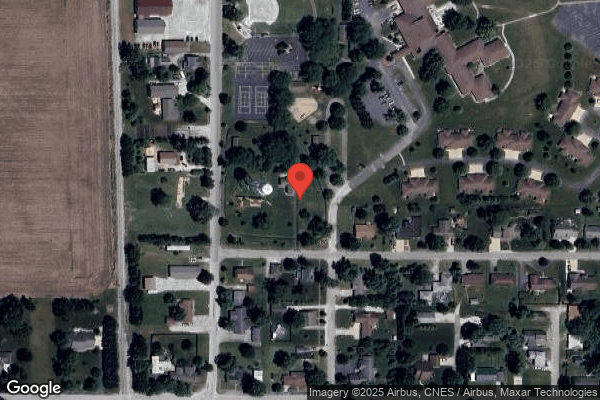
101 CONSTITUTION DR, FRANCESVILLE, IN 47946 (219) 567-9149
Government - City/county 42 Beds Independent Data: November 2025
Trust Grade
65/100
#278 of 505 in IN
Last Inspection: June 2025

Inspected within the last 6 months. Data reflects current conditions.

Overview

Parkview Haven has a Trust Grade of C+, indicating it is slightly above average but not exceptional. It ranks #278 out of 505 nursing homes in Indiana, placing it in the bottom half of facilities statewide, but it is #2 out of 3 in Pulaski County, meaning only one other local option is better. The facility's performance is worsening, with issues increasing from 6 in 2024 to 7 in 2025. Staffing is a strength, with a rating of 4 out of 5 stars and a turnover rate of 24%, well below the state average of 47%. There have been zero fines, which is promising, but RN coverage is only average. Specific incidents include improperly labeled and stored medications, which poses a risk for residents, and failures in infection control practices, including documentation issues related to COVID-19 testing and hand hygiene. Additionally, a resident's care plan was incomplete, contributing to a fall risk. Overall, while there are strengths in staffing and no fines, the facility has notable concerns that families should consider.

Trust Score
C+
65/100
In Indiana
#278/505
Bottom 45%
Safety Record
Low Risk
No red flags
Inspections
Getting Worse
6 → 7 violations
Staff Stability
✓ Good
24% annual turnover. Excellent stability, 24 points below Indiana's 48% average. Staff who stay learn residents' needs.
Penalties
✓ Good
No fines on record. Clean compliance history, better than most Indiana facilities.
Skilled Nurses
✓ Good
Each resident gets 46 minutes of Registered Nurse (RN) attention daily — more than average for Indiana. RNs are trained to catch health problems early.
Violations
⚠ Watch
22 deficiencies on record. Higher than average. Multiple issues found across inspections.
★★★☆☆
3.0
Overall Rating
★★★★☆
4.0
Staff Levels
★★☆☆☆
2.0
Care Quality
★★★☆☆
3.0
Inspection Score
Stable
2024: 6 issues
2025: 7 issues

The Good

  • 4-Star Staffing Rating · Above-average nurse staffing levels
  • Low Staff Turnover (24%) · Staff stability means consistent care
  • Full Sprinkler Coverage · Fire safety systems throughout facility
  • No fines on record
  • Staff turnover is low (24%)

    24 points below Indiana average of 48%

Facility shows strength in staffing levels, staff retention, fire safety.

The Bad

3-Star Overall Rating

Near Indiana average (3.1)

Meets federal standards, typical of most facilities

The Ugly 22 deficiencies on record

Jun 2025 7 deficiencies
CONCERN (D)

Potential for Harm - no one hurt, but risky conditions existed

Deficiency F0655 (Tag F0655)

Could have caused harm · This affected 1 resident

**NOTE- TERMS IN BRACKETS HAVE BEEN EDITED TO PROTECT CONFIDENTIALITY** Based on observation, record review, and interview, the facility failed to ensure a resident's Baseline Care Plan was complete a...

Read full inspector narrative →
**NOTE- TERMS IN BRACKETS HAVE BEEN EDITED TO PROTECT CONFIDENTIALITY** Based on observation, record review, and interview, the facility failed to ensure a resident's Baseline Care Plan was complete and accurate related to the use of half side rails for 1 of 7 residents reviewed for accidents. (Resident 183) Finding includes: During an observation and interview on 6/18/25 at 11:15 a.m., Resident 183 was observed sitting up in bed, there were half side rails on each side of the bed. The resident indicated she had a couple of falls out of her bed since she arrived to the facility. On 6/20/25 at 4:45 p.m., Resident 183 was observed sitting up in bed. She indicated the facility got her a longer bed and it was comfortable for her. There were half side rails observed on each side of the bed. Resident 183's record was reviewed on 6/19/25 at 3:52 p.m. Diagnoses included, but were not limited to, lymphedema of the left lower extremity, colon cancer, and dementia. The resident admitted to the facility on [DATE]. An Observation document, titled, Restraints/Adaptive Equipment - Side Rails Assessment and Consent, dated 6/10/25 at 11:36 p.m., indicated siderails were to be used as an enabler due to the resident's weakness. Both top half side rails were to provide assistance with transfers and bed mobility. The Baseline Care Plan, dated 6/10/25, lacked any documentation related to bed mobility limitations and need for half side rails. The admission Minimum Data Set (MDS) assessment, dated 6/17/25, was still in progress. A Care Plan, dated 6/17/25, indicated the resident was at risk for falls. Interventions included, but were not limited to, offer the resident a different bed. During an interview on 6/24/25 at 11:40 a.m., the Director of Nursing indicated the resident had half side rails in place since admission. They had just recently placed her in a longer bed with the same type of side rails per her request. During an interview on 6/25/25 at 12:13 p.m., the Assistant Director of Nursing indicated there should have been an order for the side rails and it should have been on the Baseline Care Plan. A policy titled, Care Plans - Baseline, indicated .1. To assure that the resident's immediate care needs are met and maintained, a baseline care plan will be developed within forty-eight hours of the resident's admission 3. The baseline care plan will be used until the staff can conduct the comprehensive assessment and develop and interdisciplinary person-centered care plan. 4. The resident and their representative will be provided a summary of the baseline care plan that includes but is not limited to: a. The initial goals of the resident; b. A summary of the resident's medication and dietary instructions; c. Any services and treatments to be administered by the facility and personnel acting on behalf of the facility; and d. Any updated information based on the details of the comprehensive care plan, as necessary . A policy titled, Proper Use of Side Rails, indicated .3. An assessment will be made to determine the resident's symptoms, risk of entrapment and reason for using side rails. When used for mobility or transfer, an assessment will include a review of the resident's a. Bed mobility; b. Ability to change positions, transfer to and from bed or chair, and to stand and toilet; c. Risk of entrapment from the use of side rails; and d. That the bed's dimensions are appropriate for the resident's size and weight. 4. The use of side rails as an assistive device will be addressed in the resident care plan . 3.1-35(a)
CONCERN (D)

Potential for Harm - no one hurt, but risky conditions existed

Comprehensive Care Plan (Tag F0656)

Could have caused harm · This affected 1 resident

Based on record review, and interview, the facility failed to ensure comprehensive care plans were implemented for residents for risk of elopement, pain, and antibiotic therapy for 3 of 15 resident ca...

Read full inspector narrative →
Based on record review, and interview, the facility failed to ensure comprehensive care plans were implemented for residents for risk of elopement, pain, and antibiotic therapy for 3 of 15 resident care plans reviewed. (Residents 5, 25, and 6) Findings include: 1. Record review for Resident 5 was complete on 6/19/25 at 4:00 p.m. Diagnoses included, but were not limited to, paranoid schizophrenia, anxiety, and dementia. The Quarterly Minimum Data Set (MDS) assessment, dated 4/2/25, indicated the resident was cognitively impaired. The resident was independent with bed mobility, transfers, and walking. An Elopement Evaluation, dated 4/7/25, indicated the resident was independent with ambulation. The resident was cognitively impaired and had poor decision-making skills. The resident had a history of wandering into unsafe areas and was a risk for elopement. The section in the assessment related to Elopement Care Plan was not checked as initiated with a comment, already has wanderguard. The June 2025 Physician's Order Summary (POS) indicated an order for a WanderGuard (wearable device that triggers an alarm when resident approaches or enters a restricted zone) to the left leg daily. The record lacked any documentation an elopement care plan had been put into place for the resident. During an interview on 6/20/25 at 11:07 a.m., the Director of Nursing (DON) indicated the resident was at risk for elopement and wore a WanderGuard. The assessment was marked not to initiate a care plan because the staff member already thought there was one in place. There should have been elopement care plan in place and they would implement one. 2. Record review for Resident 25 was completed on 6/20/25 at 11:02 a.m. Diagnoses included, but were not limited to, fibromyalgia (condition that involves widespread body pain), anemia, hypertension, stroke, and anxiety. The Quarterly MDS assessment, dated 5/5/25, indicated the resident was cognitively moderately impaired. The resident had received as needed (PRN) pain medication and non-medication interventions for pain. The resident had occasional pain. The June 2025 POS indicated an order for duloxetine (antidepressant also used to treat muscle pain and stiffness associated with fibromyalgia) 20 mg (milligrams) daily. A Physician's Note, dated 4/18/25 at 7:39 p.m., indicated to continue the duloxetine 20 mg for fibromyalgia pain. The resident was undergoing a gradual dose reduction. The record lacked any documentation that a care plan had been put into place for the resident's pain. During an interview on 6/20/25 at 12:42 p.m., the DON indicated the resident should have had a care plan for pain put into place and they would implement one. 3. Resident 6's record was reviewed on 6/19/25 at 11:50 a.m. Diagnoses included, but were not limited to, retention of urine and fractures of right ulna and left femur. The Quarterly Minimum Data Set (MDS) assessment, dated 4/25/25, indicated the resident was severely cognitively impaired for daily decision making. In the last 7 days, the resident received antibiotic medication. A Physician's Order, dated 12/10/24, indicated sulfamethoxazole-trimethoprim (Bactrim, antibiotic medication) tablet, 800-160 milligrams daily at bedtime. The April, May, and June 2025 Medication Administration Record indicated the resident received Bactrim daily. The record lacked a comprehensive care plan related to antibiotic use. During an interview on 6/24/25 at 11:34 a.m., the Director of Nursing indicated there should have been a care plan related to antibiotic use. 3.1-35(a)
CONCERN (D)

Potential for Harm - no one hurt, but risky conditions existed

Deficiency F0657 (Tag F0657)

Could have caused harm · This affected 1 resident

**NOTE- TERMS IN BRACKETS HAVE BEEN EDITED TO PROTECT CONFIDENTIALITY** Based on observation, record review and interview, the facility failed to update care plans related to safety and fall intervent...

Read full inspector narrative →
**NOTE- TERMS IN BRACKETS HAVE BEEN EDITED TO PROTECT CONFIDENTIALITY** Based on observation, record review and interview, the facility failed to update care plans related to safety and fall interventions for 2 of 15 resident care plans reviewed. (Residents 21 and 8) Findings include: 1. On 6/20/25 at 12:13 p.m., Resident 21's room was observed. The call light cord was wrapped around the upper assist rail on the bed and a black zip tie was holding the cord to the assist rail. There was a silver hand bell on top of the resident's dresser. The resident was not in the room at the time. The record for Resident 21 was reviewed on 6/19/25 at 11:59 a.m. Diagnoses included, but were not limited to, dementia with mood disturbance, general anxiety disorder, and psychotic disorder with delusions. The Quarterly MDS assessment, dated 4/29/25, indicated the resident was cognitively impaired. She required supervision with bed mobility and ambulation. A Care Plan, updated 4/30/25, indicated the resident was at risk for decline in mood related to depression. She had a history of wanting to self-harm and had received inpatient mental health treatment. An intervention, dated 10/29/24, indicated the call light was removed and the resident was provided with a hand bell to use. An Indiana Department of Health reportable incident, dated 10/9/24, indicated the resident was observed with the call light cord wrapped twice around her neck and was sliding down the side of the bed. The resident voiced she was trying to harm herself. The cord was removed, and the resident was sent to the hospital for evaluation. The resident received inpatient mental health treatment and returned to the facility on [DATE]. A Progress Note, dated 10/24/24, indicated the call light cord had been removed from the room and the resident was provided with a bell. A Physician's Order, dated 10/29/24, indicated the resident was to have a call bell beside the bed at all times. During an interview on 6/20/25 at 3:30 p.m., the Director of Nursing indicated the original safety intervention had been to remove the call light cord from the room and use a bell instead. There was a care plan meeting with the resident's family, and it was decided to put the call light back in the room and zip tie it to the bed rail. He was unsure when the meeting had occurred but indicated the care plan should have been updated. 2. On 6/19/25 at 10:31 a.m. Resident 8 was observed seated in her wheelchair in the activity room. There were no anti-lock brakes in place to her wheelchair. On 6/20/25 at 11:47 a.m., Resident 8 was observed seated in her wheelchair in the dining room eating lunch. There were no anti-lock brakes in place to her wheelchair. The record for Resident 8 was reviewed on 6/23/25 at 1:06 p.m. Diagnoses included, but were not limited to, congestive heart failure, hypertension, and depression. The Quarterly MDS assessment, dated 5/29/25, indicated the resident was cognitively impaired and had one fall without injury since the prior assessment. A Care Plan, updated 5/20/25, indicated the resident was at risk for falls. An intervention, dated 11/18/22, indicated roll back brakes were added to the wheelchair. A Physician's Order, dated 6/26/24, indicated anti-lock brakes to wheelchair. During an interview on 6/20/25 at 3:30 p.m., the Director of Nursing indicated the anti-lock brakes were a very old intervention and were no longer in place. It should have been discontinued. 3.1-35(d)(2)(B)
CONCERN (D)

Potential for Harm - no one hurt, but risky conditions existed

Quality of Care (Tag F0684)

Could have caused harm · This affected 1 resident

Based on observation, record review, and interview, the facility failed to ensure residents received the necessary treatment and services related to not completing a treatment order as needed and the ...

Read full inspector narrative →
Based on observation, record review, and interview, the facility failed to ensure residents received the necessary treatment and services related to not completing a treatment order as needed and the monitoring and assessment of skin discolorations for 2 of 2 residents reviewed for non-pressure related skin conditions. (Residents 24 and 4) Findings include: 1. On 6/18/25 at 3:52 p.m., Resident 24 was observed sitting in a wheelchair in the dining area. There were reddened raised areas to the right side of her chin and both sides of her nose. On 6/19/25 at 3:57 p.m., Resident 24 was observed sitting in a wheelchair by the nurses' station. The reddened raised areas were still observed to her chin and nose. On 6/20/25 at 3:12 p.m., Resident 24 was observed lying in bed. The reddened raised areas were still observed to her chin and nose. Record review for Resident 24 was completed on 6/20/25 at 12:21 p.m. Diagnoses included, but were not limited to, schizophrenia, Alzheimer's, dementia, anxiety, and bipolar disorder. The Quarterly Minimum Data Set (MDS) assessment, dated 5/27/25, indicated the resident was cognitively impaired. The resident required a partial moderate assistance for upper body dressing and a substantial maximum assistance for transfers. A Physician's Note, dated 5/21/25 at 10:58 p.m., indicated to continue the clotrimazole for the dermatitis. The June 2025 Physician's Order Summary (POS) indicated an order for clotrimazole-betamethasone cream (treats fungal skin infections) topically to the dry patches on face twice a day as needed. The June 2025 Medication Administration Record (MAR) indicated the resident had received the as needed cream last on 6/10/25. During an interview on 6/20/25 at 3:14 p.m., RN 1 indicated the resident was admitted to the facility with the rash. The doctor indicated it was xerosis (severe dry skin) and the cream was applied twice a day. The reddened areas had cleared up and then the cream was ordered as needed. She was unaware the reddened areas had appeared on the resident's face again. She would notify the doctor and apply the as needed cream. During an interview on 6/20/25 at 3:34 p.m., the Director of Nursing (DON) indicated they were going to contact the doctor to get the cream as routine instead of as needed. Staff should have been applying the cream to the areas on the resident's face. 2. On 6/18/25 at 4:05 p.m., Resident 4 was observed seated in her wheelchair in the dining room. She had a nickel-sized purple discoloration to the top of her right wrist. On 6/20/25 at 11:48 a.m., Resident 4 was observed seated in her wheelchair in the dining room eating lunch. The purple discoloration remained to her right wrist. Record review for Resident 4 was completed on 6/20/25 at 12:00 p.m. Diagnoses included, but were not limited to, vascular dementia, atrial fibrillation, and hypertension. The Quarterly Minimum Data Set (MDS) assessment, dated 4/7/25, indicated the resident was cognitively impaired and received antiplatelet medication. She required substantial/maximal assist with toileting, bed mobility, and transfers. A Care Plan, updated 8/30/24, indicated the resident received antiplatelet therapy. The interventions included to observe for signs of active bleeding such as ecchymotic areas (bruising). The Weekly Skin Assessments, dated 6/4/25, 6/11/25, and 6/18/25, were signed off as completed but lacked any documentation of skin discolorations. During an interview on 6/20/25 at 3:30 p.m., the Director of Nursing was made aware of the resident's right wrist skin discoloration. He indicated he would look into it. No further information was provided. A current facility policy, titled Resident Examination and Assessment, indicated, .Physical Exam .8. Skin: a. intactness; b. moisture; c. color; d. texture; and e. presence of bruises, pressure sores, redness, edema, rashes .Documentation: .3. All assessment data obtained during the procedure . 3.1-37(a)
CONCERN (D)

Potential for Harm - no one hurt, but risky conditions existed

Accident Prevention (Tag F0689)

Could have caused harm · This affected 1 resident

Based on observation, record review, and interview, the facility failed to ensure fall precautions were in place for a resident with a history of falls for 1 of 7 residents reviewed for accidents. (Re...

Read full inspector narrative →
Based on observation, record review, and interview, the facility failed to ensure fall precautions were in place for a resident with a history of falls for 1 of 7 residents reviewed for accidents. (Resident 1) Finding includes: On 6/18/25 at 3:54 p.m., Resident 1 was observed seated in her wheelchair in the dining room. There were no anti-lock brakes in place to her wheelchair. On 6/19/25 at 10:30 a.m., Resident 1 was observed seated in her wheelchair in the lounge area watching television. There were no anti-lock brakes in place to her wheelchair. On 6/20/25 at 11:48 a.m., Resident 1 was observed seated in her wheelchair in the dining room eating lunch. There were no anti-lock brakes in place to her wheelchair. The record for Resident 1 was reviewed on 6/20/25 at 2:58 p.m. Diagnoses included, but were not limited to, hypertension, vascular dementia, and delusional disorder. The Quarterly Minimum Data Set (MDS) assessment, dated 6/4/25, indicated the resident was cognitively impaired. She had no falls since the prior assessment. She required substantial/maximal assist with bed mobility and transfers. A Care Plan, updated 6/18/25, indicated the resident was at risk for falls. An intervention, dated 4/22/24, indicated to apply anti-lock brakes to the wheelchair. A Physician's Order, dated 6/24/24, indicated to apply anti-lock brakes on the wheelchair. The Medication Administration Record, dated 6/2025, indicated the anti-lock brakes to the wheelchair had been signed out as in place every shift. During an interview on 6/20/25 at 3:30 p.m., the Director of Nursing indicated they had changed out the resident's wheelchair in the last couple months and had not transferred the anti-lock brakes. They should have been in place. 3.1-45(a)
CONCERN (D)

Potential for Harm - no one hurt, but risky conditions existed

Deficiency F0692 (Tag F0692)

Could have caused harm · This affected 1 resident

Based on record review and interview, the facility failed to monitor nutritional intake for meals for a resident with history of weight loss for 1 of 1 resident reviewed for nutrition. (Resident 6) F...

Read full inspector narrative →
Based on record review and interview, the facility failed to monitor nutritional intake for meals for a resident with history of weight loss for 1 of 1 resident reviewed for nutrition. (Resident 6) Finding includes: Resident 6's record was reviewed on 6/19/25 at 11:50 a.m. Diagnoses included, but were not limited to, fractures of right ulna and left femur, cognitive communication deficit, and chronic pain. The Quarterly Minimum Data Set (MDS) assessment, dated 4/25/25, indicated the resident was severely cognitively impaired for daily decision making. She required supervision for eating. She had a weight loss of 5% or more in the last month or loss of 10% or more in last 6 months and was not on physician-prescribed weight loss regimen. On 12/3/2024, the resident weighed 165 lbs. On 6/2/2025, the resident weighed 145 pounds, which was a 12.12% loss. A Food and Nutrition Care Plan, dated 12/12/24, indicated the resident was consuming 50-75% of meals with no difficulties. She had a weight loss of 19.6 pounds in 6 months. She had been changed to a mechanical soft diet until new dentures were received. Interventions included, but were not limited to, serve and encourage consumption of supplements per order, follow prescribed diet, follow per Nutrition At Risk (NAR), and monitor and record intake. A Dietician Note Monthly Nutrition Weight Change Review, dated 6/12/25 at 2:52 p.m., indicated the resident triggered for significant weight loss over 180 days for the month of June. Weight changes were likely due to poor intakes. She had varied intakes, mostly averaging 50-75% at meals and good acceptance of supplements. The resident was followed in NAR to monitor weight, was discontinued on 5/8/25 after weight stabilized. Her weight had been stable for 90 days. Current interventions remain appropriate. Continue with current interventions, monitoring weight, and plan of care. The Intake - Breakfast, Lunch, and Dinner documentation was reviewed from 4/1/25 through 6/19/25. The following meal consumption amounts were not documented: - Breakfast on 4/12, 4/17, 4/20, 4/24, 4/29, 5/8, 5/19, and 6/2/25 - Lunch on 4/1, 4/23, 5/1, 5/7, 5/20, and 5/22/25 - Dinner on 4/6, 4/11, 4/15, 4/24, 5/3, 5/6, 5/7, 5/13, 5/14, 5/17, 5/18, 5/23, 5/29, 5/31, 6/1, 6/11, and 6/14/25 During an interview on 6/24/25 at 11:00 a.m., the Director of Nursing indicated he had no further information to provide. A facility policy titled, Food and Nutrition Services, indicated .7. Nursing personnel, with the assistance of the food and nutrition services staff, will evaluate (and document as indicated) food and fluid intake of residents with, or at risk for, significant nutritional problems . 3.1-46(a)
CONCERN (E)

Potential for Harm - no one hurt, but risky conditions existed

Deficiency F0761 (Tag F0761)

Could have caused harm · This affected multiple residents

Based on observation and interview, the facility failed to ensure medications were properly labeled and stored for 1 of 1 medication carts observed. (North Hall Cart) Finding includes: On 6/24/25 at 2...

Read full inspector narrative →
Based on observation and interview, the facility failed to ensure medications were properly labeled and stored for 1 of 1 medication carts observed. (North Hall Cart) Finding includes: On 6/24/25 at 2:33 p.m., the North Hall Medication Cart was observed with QMA 2. The following medications were not labeled or stored properly: a. There was a bottle of Vitamin C 500 milligram tablets, Tylenol 500 milligram tablets, and famotidine 20 milligram tablets with Resident 25's name and physician written in black marker. There were no administration instructions for the medications. b. There was a bottle of Tylenol 500 milligram tablets with Resident 25's name and physician written in black marker. There were no administration instructions. c. There was a bottle of aspirin 81 milligram tablets and vitamin D3 25 microgram tablets with Resident 14's name and physician written in black marker. There were no administration instructions. d. There were two bottles of multivitamin tablets with Resident 30's name and physician written in black marker. There were no administration instructions. e. There was a bottle of magnesium citrate 250 milligram tablets, vitamin D3 25 microgram tablets, and vitamin B12 500 microgram tablets with Resident 3's name and physician written in black marker. There were no administration instructions. During an interview on 6/25/25 at 12:14 p.m., the Assistant Director of Nursing (ADON) indicated the medication bottles were brought in by the residents' families. They should have appropriate labels, but the labels the facility currently had would cover up too much of the medication information on the bottle so they had just been writing the names and physician directly on the bottles. A facility policy, Storage of Medications, indicated .3. Drug containers that have missing, incomplete, improper, or incorrect labels shall be returned to the pharmacy for proper labeling before storing . 3.1-25(j)
Jun 2024 6 deficiencies
CONCERN (D)

Potential for Harm - no one hurt, but risky conditions existed

Deficiency F0554 (Tag F0554)

Could have caused harm · This affected 1 resident

2. During a random observation on 5/28/24 at 4:14 p.m., a bottle of sore throat spray (phenol anesthetic) was sitting on top of the dresser. During an interview at the time, Resident 9 indicated she r...

Read full inspector narrative →
2. During a random observation on 5/28/24 at 4:14 p.m., a bottle of sore throat spray (phenol anesthetic) was sitting on top of the dresser. During an interview at the time, Resident 9 indicated she received the medication from her most recent hospital stay and kept it in her room in case she needed to use it. On 5/29/24 at 11:06 a.m., the sore throat spray was noted on top of the dresser. Resident 9's record was reviewed on 5/29/24 at 4:04 p.m. Diagnoses included, but were not limited to, fracture of the left tibia and type 2 diabetes mellitus. The admission Minimum Data Set (MDS) assessment, dated 4/8/24, indicated the resident was cognitively intact for daily decision making. There were no orders for a throat spray or self-administration of the medication. There was also no self-administration of medication assessment completed. During an interview on 5/31/24 at 9:56 a.m., the Director of Nursing indicated he had no further information to provide. A policy for medication self administration was requested, but none were provided prior to exit. 3.1-11(a) Based on observation, record review, and interview, the facility failed to ensure residents were assessed for self-administration of medications and had a physician's order to self-administer medications, for 2 of 2 residents reviewed for self-administration of medication. (Residents 139 and 9) Findings include: 1. On 5/28/24 at 11:17 a.m., Resident 139 was observed seated in her recliner in her room. The nebulizer machine on her bedside table was on and she had the mask in place over her mouth and nose. The resident indicated her nebulizer treatment was in progress. There were no staff present in the room or near the room. The resident's record was reviewed on 5/30/24 at 2:35 p.m. Diagnoses included, but were not limited to, hypertension, chronic kidney disease, and atrial fibrillation. The admission Minimum Data Set (MDS) assessment, dated 5/17/24, indicated the resident was cognitively intact. A Physician's Order, dated 5/16/24, indicated ipratropium-albuterol solution 0.5 mg (milligrams)-3 mg/3 ml (milliliters) two times a day. There was a lack of any physician's order for self-administration of the medication or any self administration of medication assessment. During an interview on 5/31/24 at 10:31 a.m. with the Director of Nursing (DON), he indicated there were no orders for self-administration of the nebulizer treatment and no self-administration assessment had been completed. A facility policy, titled, Oral Inhalation Administration, received from the DON as current, indicated .Nebulizer Administration .13. Remain with resident for the treatment unless the resident has been assessed and authorized to self-administer .
CONCERN (D)

Potential for Harm - no one hurt, but risky conditions existed

Quality of Care (Tag F0684)

Could have caused harm · This affected 1 resident

Based on observation, record review, and interview, the facility failed to ensure an area of discoloration was assessed and monitored for 1 of 2 residents reviewed for skin conditions (non-pressure re...

Read full inspector narrative →
Based on observation, record review, and interview, the facility failed to ensure an area of discoloration was assessed and monitored for 1 of 2 residents reviewed for skin conditions (non-pressure related). (Resident 1) Finding includes: On 5/28/24 at 11:26 a.m., Resident 1 was sitting in the recliner in her room. She had a discoloration noted to the outer portion of her right calf. At the time, Resident 1 indicated her lower leg sometimes bothered her, so she would put some cream on the affected area. On 5/30/24 at 11:37 a.m., Resident 1 was sitting in the recliner in her room. The outer portion of her right calf was discolored. The resident indicated she had put some cream on it, but it was still hurting. Resident 1's record was reviewed on 5/29/24 at 12:13 p.m. Diagnoses included, but were not limited to, venous insufficiency and peripheral vascular disease. The Quarterly Minimum Data Set (MDS) assessment, dated 5/18/24, indicated the resident was moderately impaired for daily decision making. A Physician's Order, dated 2/15/24, indicated a weekly skin assessment was to be performed. The May 2024 Medication Administration Record (MAR) indicated the weekly skin assessment was completed on 5/3, 5/6, 5/10, 5/13, 5/17, 5/20, 5/24, 5/27, and 5/31/24. There was no documentation related to the discoloration on the outer right calf. During an interview on 5/31/24 at 3:02 p.m., the Director of Nursing indicated there was no recent documentation related to a discoloration on the right calf. A policy for skin monitoring was requested but none were provided prior to exit. 3.1-37(a)
CONCERN (D)

Potential for Harm - no one hurt, but risky conditions existed

Pressure Ulcer Prevention (Tag F0686)

Could have caused harm · This affected 1 resident

Based on observation, record review, and interview, the facility failed to ensure orders for a pressure ulcer dressing were specific and dressings were in place per physician's orders for 1 of 1 resid...

Read full inspector narrative →
Based on observation, record review, and interview, the facility failed to ensure orders for a pressure ulcer dressing were specific and dressings were in place per physician's orders for 1 of 1 residents reviewed for pressure ulcers. (Resident 1) Finding includes: On 5/28/24 at 11:36 a.m., Resident 1 was observed in her room. She had a nude colored dressing on her right buttocks. There was no date on the dressing. The resident, at that time, indicated she had a wound on her buttocks that caused her some pain. She thought the staff were putting cream on the area. During an observation of the wound on 5/31/24 at 1:29 p.m., the Director of Nursing (DON) wiped calmoseptine from Resident 1's buttocks. There was no dressing noted to either side of the buttocks. There were two discolored areas on the middle cleft on both cheeks. There were no open areas noted at the time. Resident 1's record was reviewed on 5/29/24 at 12:13 p.m. Diagnoses included, but were not limited to, chronic kidney disease, venous insufficiency, and peripheral vascular disease. The Quarterly Minimum Data Set (MDS) assessment, dated 5/18/24, indicated the resident was moderately impaired for daily decision making. A Care Plan, dated 5/11/24, indicated the resident had a pressure ulcer to the left and right gluteal cleft. Interventions included, but were not limited to, assess and record the condition of the skin surrounding the pressure ulcer, assess the pressure ulcer, and keep the area clean and dry. A Physician's Order, dated 5/11/24, indicated to change dressing to the left buttock every two days or if soiled as needed. The May 2024 Medication Administration Record (MAR) indicated the left buttock dressing was completed on 5/11/24, 5/21/24, 5/25/24, and 5/27/24. On 5/13/24, 5/15/24, 5/17/24, 5/19/24, 5/23/24, and 5/31/24 the wound was left open to air. On 5/29/24 the resident refused the treatment. A Physician's Order, dated 2/15/24, indicated a weekly skin assessment was to be completed. The May 2024 MAR indicated the weekly skin assessment was completed on 5/3, 5/6, 5/10, 5/13, 5/17, 5/20, 5/24, 5/27, and 5/31/24. A Nurses' Note, dated 5/11/24 at 8:32 p.m., indicated the resident requested the nurse to assess an area of discomfort on the buttock. There were two small areas near the middle cleft on both cheeks. The area to the right cheek measured 2 cm (centimeters) by 3 cm. The skin surrounding was reddened and there was a slightly raised area with a small opening. The left side wound measured 1 cm by 2 cm. It was slightly raised with a small opening in the skin. There were no signs of infection or drainage noted. Barrier cream and a dressing was applied to the left cheek. A Wound Management Detail Report, dated 5/16/24 at 10:42 a.m., indicated the resident had a stage 2 pressure area to the right buttock measuring 1.5 cm by 2 cm. The wound bed was red with granulation tissue. The treatment was calmoseptine on the wound area. There were no further wound assessments or measurements for either of the pressure areas. During an interview on 6/3/24 at 1:40 p.m., the DON indicated he did not recall the resident having any open areas to the buttocks and a nurse may have added the generic order for the dressing to the area. He was not aware of that order. A policy for wound care and monitoring was requested but none were provided prior to exit. 3.1-40(a)(2)
CONCERN (D)

Potential for Harm - no one hurt, but risky conditions existed

Accident Prevention (Tag F0689)

Could have caused harm · This affected 1 resident

Based on observation, record review, and interview, the facility failed to ensure fall interventions were in place for 1 of 3 residents reviewed for accidents. (Resident 23) Finding includes: On 5/29...

Read full inspector narrative →
Based on observation, record review, and interview, the facility failed to ensure fall interventions were in place for 1 of 3 residents reviewed for accidents. (Resident 23) Finding includes: On 5/29/24 at 2:56 p.m. and on 5/30/24 at 3:01 p.m., Resident 23 was observed lying in bed with her eyes closed. A wheelchair was next to the resident's bed. The wheelchair had a cushion in the seat area. There was not a Dycem (non slip mat) observed on top or underneath the cushion. Record review for Resident 23 was completed on 5/29/24 at 12:29 p.m. Diagnoses included, but were not limited to, Alzheimer's disease, dementia, anxiety, depression, and history of falling. The Quarterly Minimum Data Set (MDS) assessment, dated 2/23/24, indicated the resident was cognitively impaired. The resident used a wheelchair and required a substantial maximum assistance with transfers. The resident had 3 falls including 1 with an injury since the previous assessment. A Care Plan, dated 12/8/21 and revised 5/28/24, indicated the resident was at risk for falls due to weakness at times, impaired mobility and balance, impaired cognition, incontinence, history of falls, impaired vision, and poor safety awareness. An intervention included to add a Dycem to the wheelchair. The May 2024 Physician's Order Summary indicated an order for a Dycem under the wheelchair cushion to prevent slipping out of the wheelchair. A Progress Note, dated 5/12/24 at 5:56 p.m., indicated the resident slid from her wheelchair to the floor onto her buttocks. During an interview on 5/30/24 at 3:07 p.m., RN 1 indicated the resident was supposed to have a Dycem in her wheelchair. She then went and observed the resident's wheelchair. There was no Dycem on top of the wheelchair cushion. She pulled the cushion up and there was no Dycem underneath the wheelchair cushion. The RN then proceeded to cut a piece of Dycem from a roll to place it into the resident's wheelchair. A policy for fall interventions was requested but none were provided prior to exit. 3.1-45(a)
CONCERN (D)

Potential for Harm - no one hurt, but risky conditions existed

Infection Control (Tag F0880)

Could have caused harm · This affected 1 resident

**NOTE- TERMS IN BRACKETS HAVE BEEN EDITED TO PROTECT CONFIDENTIALITY** Based on observation, record review, and interview, the facility failed to ensure a resident with a chronic wound was placed in ...

Read full inspector narrative →
**NOTE- TERMS IN BRACKETS HAVE BEEN EDITED TO PROTECT CONFIDENTIALITY** Based on observation, record review, and interview, the facility failed to ensure a resident with a chronic wound was placed in enhanced barrier precautions (EBP) for high contact resident care activities for 1 of 1 residents reviewed for EBP (Resident 29) and no education provided to staff as part of the facility's infection control program. This had the potential to affect all 37 residents residing in the facility. Finding includes: On 5/28/24 at 3:09 p.m., Resident 29's room was observed. There were no signs for enhanced barrier precautions on the door or inside of the room. There was no personal protective equipment near the entrance of the room or inside of the resident's room. During an interview on 6/3/24 at 10:18 a.m., LPN 1 indicated she had never had a resident on enhanced barrier precautions. They had at least one wound in the facility at that time and the resident was not on any type of precautions. Resident 29's record was reviewed on 6/3/24 at 9:00 a.m. Diagnoses included, but were not limited to, adult failure to thrive and cancer to the maxillary sinus. The admission Minimum Data Set assessment, dated 2/28/24, indicated the resident was moderately impaired for daily decision making. A Wound Assessment, dated 5/29/24 at 4:02 p.m., indicated the resident had a stage 2 pressure ulcer above the left buttock measuring 0.5 centimeters (cm) by 0.5 cm. The wound bed was filled with granulation tissue. The wound had been present since his admission on [DATE]. There were no physician's orders for enhanced barrier precautions. A policy for EBP was requested but none were provided prior to exit. During an interview on 6/3/24 at 12:07 p.m., the Assistant Director of Nursing indicated that she had not implemented any enhanced barrier precautions in the building as she still needed to read up on what to do for the EBP. She had not provided any education to the facility staff at this time. 3.1-18(b)
MINOR (C)

Minor Issue - procedural, no safety impact

Staffing Information (Tag F0732)

Minor procedural issue · This affected most or all residents

Based on observation and interview, the facility failed to post a current daily nurse staffing posting. This had the potential to affect all 37 residents residing in the facility. Finding includes: On...

Read full inspector narrative →
Based on observation and interview, the facility failed to post a current daily nurse staffing posting. This had the potential to affect all 37 residents residing in the facility. Finding includes: On 6/3/24 at 10:04 a.m., the Nursing Staffing sheet was posted on the bulletin board near the Nurse's Station. The posting was dated 5/30/24. On 6/3/24 at 11:08 a.m., the Nursing Staffing sheet was posted on the bulletin board near the Nurse's Station. The posting was dated 5/30/24. During an interview on 6/3/24 at 12:08 p.m., the Assistant Director of Nursing (ADON) indicated the Unit Coordinator or Medial Records staff usually updated the staffing posting daily. She was not sure why the posting had not been updated.
Dec 2023 2 deficiencies
CONCERN (D) 📢 Someone Reported This

A family member, employee, or ombudsman was alarmed enough to file a formal complaint

Potential for Harm - no one hurt, but risky conditions existed

Free from Abuse/Neglect (Tag F0600)

Could have caused harm · This affected 1 resident

Based on observation, record review, and interview, the facility failed to ensure a resident was free from verbal and physical abuse, related to a staff member's forceful attempts to pry a resident's ...

Read full inspector narrative →
Based on observation, record review, and interview, the facility failed to ensure a resident was free from verbal and physical abuse, related to a staff member's forceful attempts to pry a resident's hand open, pressing their fingers into the resident's neck, and yelling foul language at the resident, for 1 of 2 residents reviewed for abuse. (Resident B and Terminated Employee 1) Finding includes: Resident B was interviewed on 12/27/23 at 9:13 a.m. She indicated an Employee had given her medications and she had not wanted to take them. The Employee kept pushing me to take them and I wanted to know what they were. The Employee cussed at her and said they were going to make me take them. She had a glass of water in her hand and threw it at the Employee so they would leave her alone. They then put their thumb up to her neck and pressed hard into her neck. She demonstrated what was done. The observation indicated the Employee's thumb and forefinger was in the front/left middle area of the neck and was pressing into the skin. She indicated they had pressed hard and it hurt. She then, got away from them and reported the incident. The Police come in and the Employee can no longer come into the building. An Indiana Department of Health (IDOH) reported incident, dated 12/6/23 at 12 p.m., indicated on 12/6/23 at 5:01 a.m., Resident B was treated inappropriately by Terminated Employee 1. The Terminated Employee 1 was immediately suspended and the incident was under investigation. The follow-up to the IDOH reported incident, dated 12/11/23, indicated the Resident alleged that the staff member made contact with her neck and arm after she had refused her medications and she had tossed water in the employee's face. Terminated Employee 1 was interviewed and indicated they had grabbed the front of the resident's clothing, and not her neck area, and had held her arm to keep her from falling. Staff members working at the time were interviewed and one staff member indicated she heard yelling though did not know what had happened. Another staff member stated she immediately separated the employee and the resident. Several residents were interviewed and indicated they heard loud speaking though were unable to hear what was being said. The local police were notified. There had been no evidence of injury to the resident. The allegation of abuse was substantiated and the Employee was terminated. Resident B's record was reviewed on 12/27/23 at 11:33 a.m. The diagnoses included, but were not limited to, Alzheimer's disease. A Quarterly Minimum Data Set assessment, dated 11/21/23, indicated a moderately impaired cognitive status, had no behaviors, and was independent for ambulation. A Nurse's Progress Note, dated 12/6/23 at 12:44 p.m., indicated she had made an allegation of being treated inappropriately by a staff member. An assessment was completed and there was no redness or discoloration of the skin not completed and there was no redness or discoloration of the skin noted and there was no acute distress noted. A Nurse's Progress note, dated 12/6/23 at 4:40 p.m., indicated she was calm and was in no distress. A signed statement from the Assistant Director of Nursing (ADON), dated 12/6/23 and not time documented, indicated Employee 3 asked her to talk to Resident B. The resident had been talking to Employee 3 about an incident that occurred. The resident indicated Terminated Employee 1 had gotten mad at her for not taking her medications and they had argued back and forth for a while, then she threw a glass of water in his face. She indicated he then pressed his thumb into her neck and she asked him if he was trying to kill her. She then started screaming and he walked away. There were no marks on the resident's neck or any signs of injury. She was calm during the interview. The Administrator was then alerted. Terminated Employee 1 was interviewed by the facility on 12/7/23 at approximately 2:30 p.m. per telephone and he indicated the resident's medications were placed on her walker seat and he then walked away from the resident. She then refused to take the medication and he attempted to get the medications back to destroy them. She refused to give the medications back and eventually threw a cup of water in his face. He then grabbed the resident by the shirt and yelled at her. She no longer had her hands on the walker and he held her arm to get her to hold onto the walker. Employee 2 then intervened and he walked away. Employee 2's written, non-dated and non-signed statement, indicated around 4:30 a.m., Terminated Employee 1 had started the medication pass. Resident B had exited her room with her walker and indicated the resident was not in a good mood. Employee 4 had attempted to have a conversation with the resident and Terminated Employee 1 set a small plastic cup of water and a medication cup with medications on her walker and walked away. Employee 4 then walked away from the resident. The resident had started to ambulate towards her room and she stopped by the medication cart where Terminated Employee 1 was standing. Employee 2 was unsure what the resident had said, then Terminated Employee 1 asked for the medications back from the resident if she was not going to take them. He then yelled, give me the f****** meds He was attempting to pry her hand open because she had the medications clenched in her hand. She then grabbed the cup of water and threw it at him. He then pushed her against the wall and had one hand up under her chin. He was yelling at her to, stop being so f****** mean and hateful. Employee 2 then jumped up and said, hey and the he let go of the resident. The resident was rubbing her neck and said, you hurt me, you stupid idiot. The two were separated. They continued yelling at each other. Terminated Employee 1 was walking away and yelling, F*** you repeatedly. The resident was assisted back to her room and then took the medications. She then got dressed. When the Day Shift staff came in, the resident started talking to Employee 3. Employee 4 was interviewed on 12/6/23 at approximately 10:30 a.m. by telephone, and indicated around 5:30 a.m. she had heard yelling. She was in another resident's room assisting them to the bathroom. After she completed the care, she noticed water on the floor by the Nurses' Station. Residents G, H, and J, who resided on the hallway close to where the incident occurred, were interviewed on 12/6/23. They indicated they heard yelling in the hallway. They were unsure what was being said. During a telephone interview on 12/27/23 at 6:20 p.m., Employee 2 indicated Resident B had not been in a good mood the morning of 12/6/23. Terminated Employee 1 brought a medication cup with medications in it and a glass of water and sat them on the seat of the walker. The resident was ambulating toward her room and she stopped and asked the him what was in her medication cup and she was informed it was her medications. The medication cup was in her hand. Employee 2 then looked up and observed him attempting to pry the medication out of the resident hands and was saying f****** give them back, the resident threw a glass of water on him. He then grabbed the resident's neck and had her back against the wall. The resident started yelling, you hurt my throat and he yelled back, f*** you. Employee 2 was attempting to separate the resident and the employee. Employee 2 was trying to talk to the resident and Terminated Employee 1 was yelling at her in the hall, f*** you. During an interview on 12/28/23 at 11:02 a.m., Employee 4 indicated Resident B had not been in a good mood on 12/6/23. She had been talking to the resident when Terminated Employee 1 placed the medications on the resident's walker. A call light was then activated down the hall. She responded to the call light and assisted that resident into the bathroom. She was unable to hear what was being said but could hear yelling in the hallway. After the care had been completed, she observed water on the floor and was told by Terminated Employee 1 that Resident B had thrown water at him. During an interview on 12/28/23 at 11:08 a.m., the ADON indicated Employee 3 had asked her to talk to Resident B on 12/6/23 around 6:35 a.m. She had been told the resident was making some weird remarks. The resident had informed her she had words with Terminated Employee 1 and had thrown water in his face. He had gotten mad and put his hands around her throat. The Administrator had been notified by text around 8:45 a.m. on 12/6/23. A facility Abuse Policy, received from the DON as current, and dated 2017, indicated the resident has the right to be from verbal and physical abuse and must not be subjected to abuse by anyone. This citation relates to Complaint IN00423481. 3.1-27(a)(1) 3.1-27(b)
CONCERN (D) 📢 Someone Reported This

A family member, employee, or ombudsman was alarmed enough to file a formal complaint

Potential for Harm - no one hurt, but risky conditions existed

Report Alleged Abuse (Tag F0609)

Could have caused harm · This affected 1 resident

Based on record review and interview, the facility failed to report an allegation of abuse to the Administrator of the facility, in a timely manner, related to a staff to resident abuse allegation, fo...

Read full inspector narrative →
Based on record review and interview, the facility failed to report an allegation of abuse to the Administrator of the facility, in a timely manner, related to a staff to resident abuse allegation, for 1 of 2 residents reviewed for abuse. (Resident B and Terminated Employee 1) Finding includes: An Indiana Department of Health (IDOH) reported incident, dated 12/6/23 at 12 p.m., indicated on 12/6/23 at 5:01 a.m., Resident B was treated inappropriately by Terminated Employee 1. The Terminated Employee 1 was immediately suspended and the incident was under investigation. The follow-up to the IDOH reported incident, dated 12/11/23, indicated the Resident alleged that the staff member made contact with her neck and arm after she had refused her medications and she had tossed water in the employee's face. Terminated Employee 1 was interviewed and indicated they had grabbed the front of the resident's clothing, and not her neck area and had held her arm to keep her from falling. Staff members working at the time were interviewed and one staff member indicated she heard yelling though did not know what had happened. Another staff member stated she immediately separated the employee and the resident. Several residents were interviewed and indicated they heard loud speaking though were unable to hear what was being said. The local police were notified. There had been no evidence of injury to the resident. The allegation of abuse was substantiated and the Employee was terminated. Cross reference F600. Employee 2's written, non-dated and non-signed statement, indicated around 4:30 a.m., Terminated Employee 1 had started the medication pass. Resident B had exited her room with her walker and indicated the resident was not in a good mood. Employee 4 had attempted to have a conversation with the resident and Terminated Employee 1 set a small plastic cup of water and a medication cup with medications on her walker and walked away. Employee 4 then walked away from the resident. The resident had started to ambulate towards her room and she stopped by the medication cart where Terminated Employee 1 was standing. Employee 2 was unsure what the resident had said, then Terminated Employee 1 asked for the medications back from the resident if she was not going to take them. He then yelled, give me the f****** meds He was attempting to pry her hand open because she had the medications clenched in her hand. She then grabbed the cup of water and threw it at him. He then pushed her against the wall and had one hand up under her chin. He was yelling at her to, stop being so f****** mean and hateful. Employee 2 then jumped up and said, hey and he let go of the resident. The resident was rubbing her neck and said, you hurt me, you stupid idiot. The two were separated. They continued yelling at each other. Terminated Employee 1 was walking away and yelling, F*** you repeatedly. The resident was assisted back to her room and then took the medications. She then got dressed. When the Day Shift staff came in, the resident started talking to Employee 3. Employee 2 was interviewed by telephone on 12/27/23 at 6:20 p.m. and indicated Resident B had not been in a good mood the morning of 12/6/23. Terminated Employee 1 brought a medication cup with medications in it and a glass of water and sat them on the seat of the walker. The resident was ambulating toward her room and she stopped and asked the him what was in her medication cup and she was informed it was her medications. The medication cup was in her hand. Employee 2 then looked up and observed him attempting to pry the medication out of the resident hands and was saying f****** give them back, the resident threw a glass of water on him. He then grabbed the resident's neck and had her back against the wall. The resident started yelling, you hurt my throat and he yelled back, f*** you. Employee 2 was attempting to separate the resident and the employee. Employee 2 was trying to talk to the resident and Terminated Employee 1 was yelling at her in the hall, f*** you. She indicated she had not notified the Administrator or the Director of Nursing after the incident had occurred. During an interview on 12/28/23 at 10:31 a.m., the Administrator indicated he was not made aware of the allegation in a timely manner and he should have been called by Employee 2. He indicated he telephone number is posted at the Nurses' Desk. During an interview on 12/28/23 at 11:08 a.m., the ADON (Assistant Director of Nursing) indicated Employee 3 had asked her to talk to Resident B on 12/6/23 around 6:35 a.m. She had been told the resident was making some weird remarks. The resident had informed her she had words with Terminated Employee 1 and had thrown water in his face. He had gotten mad and put his hands around her throat. The Administrator was then notified by text around 8:45 a.m. on 12/6/23. The facility Abuse Policy, received from the DON as current, and dated 2017, indicated abuse allegations were to be reported immediately to the Administrator. This citation relates to Complaint IN00423481. 3.1-28(c)
Apr 2023 7 deficiencies
CONCERN (D)

Potential for Harm - no one hurt, but risky conditions existed

Deficiency F0557 (Tag F0557)

Could have caused harm · This affected 1 resident

Based on observation, record review, and interview, the facility failed to ensure a resident's dignity was maintained related to an uncovered urinary catheter bag for 1 of 1 residents reviewed for uri...

Read full inspector narrative →
Based on observation, record review, and interview, the facility failed to ensure a resident's dignity was maintained related to an uncovered urinary catheter bag for 1 of 1 residents reviewed for urinary catheters. (Resident 31) Finding includes: On 4/3/23 at 9:21 a.m., and 4/4/23 at 1:49 p.m., Resident 31 was observed in bed. There was an uncovered urinary catheter bag hanging on the side of the bed with urine visible in it. The resident's record was reviewed on 4/4/23 at 2:33 p.m. Diagnoses included, but were not limited to, neuromuscular dysfunction of the bladder and prostate cancer. A Physician's Order, dated 2/8/23, indicated to insert an indwelling catheter. A Catheter Care Plan, dated 2/15/23, included the intervention to keep the catheter drainage bag covered to maintain the resident's dignity and privacy. Interview with the Director of Nursing, on 4/4/23 at 2:51 p.m., indicated the catheter bag should have been covered. 3.1(9)(a)
CONCERN (D)

Potential for Harm - no one hurt, but risky conditions existed

ADL Care (Tag F0677)

Could have caused harm · This affected 1 resident

Based on observation, record review, and interview, the facility failed to ensure the necessary care and services were provided to a dependent resident related to not assisting a resident with removal...

Read full inspector narrative →
Based on observation, record review, and interview, the facility failed to ensure the necessary care and services were provided to a dependent resident related to not assisting a resident with removal of facial hair and completing nail care for 1 of 1 residents reviewed for activities of daily living (ADLs). (Resident 15) Finding includes: On 4/4/23 at 9:50 a.m., Resident 15 was observed sitting in a wheelchair in her room. The resident had facial hair to the chin and upper lip. The resident's nails had dark debris underneath them. On 4/5/23 at 11:11 a.m., Resident 15 was observed sitting in a lounge area visiting with her daughter. The resident still had facial hair and dirty fingernails. Interview at that time with the daughter indicated she was unsure when the last time the resident had been shaved. She had asked in the past for the staff to leave a wash cloth in her room so she could clean the resident's fingernails but they never had left one in the room. On 4/6/23 at 10:14 a.m., Resident 15 was observed sitting in a wheelchair in her room. The resident still had facial hair and dirty fingernails. LPN 1 was administering the resident her medications then started to leave the room. Interview with the LPN at that time indicated she knew the resident would refuse shaving and nail care at times and the CNAs should have been documenting when the resident refused. Record review for Resident 15 was completed on 4/4/23 at 2:37 p.m. Diagnoses included, but were not limited to, Alzheimer's disease, anxiety and arthritis. The Annual Minimum Data Set (MDS) assessment, dated 1/14/23, indicated the resident was cognitively impaired. The resident required an extensive 2+ person assist for personal hygiene. A Care Plan, dated 12/9/21 and revised on 3/7/23, indicated the resident required assistance with ADLs due to weakness, possibly vision impaired, dementia, impaired mobility and balance. An intervention included to assist with shaving and nail cleaning as needed. There was no documentation to indicate the resident had recently refused shaving or nail care. Interview with the Director of Nursing on 4/6/23 at 1:58 p.m., indicated the resident would refuse care at times. The staff should have been documenting when she refused care but had not. 3.1-38(a)(3)(D) 3.1-38(a)(3)(E)
CONCERN (D)

Potential for Harm - no one hurt, but risky conditions existed

Quality of Care (Tag F0684)

Could have caused harm · This affected 1 resident

Based on observation, record review, and interview, the facility failed to ensure residents received the necessary treatment and services related to the monitoring and assessment of skin discoloration...

Read full inspector narrative →
Based on observation, record review, and interview, the facility failed to ensure residents received the necessary treatment and services related to the monitoring and assessment of skin discolorations for 2 of 4 residents reviewed for non-pressure related skin conditions. (Residents 136 and 15) Findings include: 1. On 4/3/23 at 12:38 p.m., Resident 136 was observed lying in bed. The resident had a dark red/purple discoloration to the inside of his left hand. On 4/5/23 at 11:08 a.m., Resident 136 was observed sitting in a wheelchair in his room. The same discoloration was observed. On 4/6/23 at 10:48 a.m., Resident 136 was observed sitting in a wheelchair in the therapy room. The same discoloration was observed. Record review for Resident 136 was completed on 4/5/23 at 3:51 p.m. Diagnoses included, but were not limited to, anemia, hypertension, diabetes mellitus, and peripheral vascular disease. The admission Minimum Data Set (MDS) assessment, dated 3/30/23, indicated the resident was moderately cognitively impaired. The resident required an extensive 2+ person assist with bed mobility, transfers, and personal hygiene. The resident required an extensive 1 person assist with dressing and toilet use. A Care Plan, dated 3/25/23 and revised on 4/5/23, indicated the resident was prescribed an anticoagulant/antiplatelet therapy. An intervention included to observe for signs of active bleeding which included ecchymotic (bruised) areas. A Care Plan, dated 3/24/23 and revised 4/5/23, indicated the resident had delicate skin and was a high risk for bruises and skin tears. An intervention included to observe for bruises with routine care and showers and to report bruises to the nurse. The April 2023 Physician's Order Summary indicated an order for pentoxifylline (increases blood flow in arteries) 400 mg (milligrams) three times a day. There was no documentation to indicate the resident's discoloration had been assessed or was being monitored. Interview with the Director of Nursing (DON) on 4/6/23 at 1:58 p.m., indicated they were unaware of the resident's discoloration and would assess the area. 2. On 4/4/23 at 9:50 a.m., Resident 15 was observed sitting in a wheelchair in her room. The resident had a purple discoloration observed to her left middle finger. On 4/5/23 at 11:11 a.m., Resident 15 was observed sitting in a lounge area visiting with her daughter. The resident still had a purple discoloration observed to her left middle finger. Interview at that time with the daughter indicated she did not know about the discoloration. She was aware of discolorations in the past from laboratory draws but was unsure how the resident could have received the discoloration on her finger. On 4/6/23 at 10:14 a.m., Resident 15 was observed sitting in a wheelchair in her room. The resident's discoloration to the finger still remained. LPN 1 was administering the resident her medications then started to leave the room. Interview with the LPN at that time indicated she was unsure how the resident received the discoloration to her finger. The discoloration should have been assessed and monitored. Record review for Resident 15 was completed on 4/4/23 at 2:37 p.m. Diagnoses included, but were not limited to, Alzheimer's disease, anxiety and arthritis. The Annual Minimum Data Set (MDS) assessment, dated 1/14/23, indicated the resident was cognitively impaired. The resident required an extensive 2+ person assist for bed mobility, transfers, dressing, toilet use, and personal hygiene. A Care Plan, dated 2/15/22 and revised 1/26/23, indicated the resident had delicate skin and a high risk for bruises and skin tears. An intervention included to observe for bruises with routine care and showers and to report bruises to the nurse. There was no documentation to indicate the resident's discoloration had been assessed or was being monitored. Interview with the Director of Nursing on 4/6/23 at 1:58 p.m. indicated she could not find any documentation the resident's discoloration had been assessed and was being monitored. 3.1-37(a)
CONCERN (D)

Potential for Harm - no one hurt, but risky conditions existed

Respiratory Care (Tag F0695)

Could have caused harm · This affected 1 resident

Based on observation, record review, and interview, the facility failed to ensure a resident received proper treatment and care related to oxygen administration flow rate for 1 of 1 residents reviewed...

Read full inspector narrative →
Based on observation, record review, and interview, the facility failed to ensure a resident received proper treatment and care related to oxygen administration flow rate for 1 of 1 residents reviewed for respiratory care. (Resident 2) Finding includes: On 4/6/23 at 11:50 a.m., Resident 2 was observed seated in a recliner in his room. He was wearing a nasal cannula and oxygen was flowing at 3 liters per minute (lpm) from the oxygen concentrator. On 4/6/23 at 1:43 p.m., the resident was observed again in his room with the Director of Nursing (DON), the oxygen was flowing at slightly above 2.5 lpm. The resident's record was reviewed on 4/5/23 at 1:41 p.m. Diagnoses included but were not limited to, asthma and arteriosclerotic heart disease. A Physician's Order, dated 3/1/22, indicated oxygen at 2 lpm continuously to maintain oxygen saturation above 90%. Interview with the DON on 4/6/23 at 1:43 p.m., indicated the oxygen was not on the correct setting. 3.1-47(a)(6)
CONCERN (E)

Potential for Harm - no one hurt, but risky conditions existed

Infection Control (Tag F0880)

Could have caused harm · This affected multiple residents

**NOTE- TERMS IN BRACKETS HAVE BEEN EDITED TO PROTECT CONFIDENTIALITY** Based on observation, record review and interview, the facility failed to ensure infection control guidelines were in place and ...

Read full inspector narrative →
**NOTE- TERMS IN BRACKETS HAVE BEEN EDITED TO PROTECT CONFIDENTIALITY** Based on observation, record review and interview, the facility failed to ensure infection control guidelines were in place and implemented, including those to prevent and/or contain COVID-19, related to inaccurate documentation of employee COVID-19 test results, (Employee 1 and 2), lack of a policy related to care for COVID-19 positive residents, and hand hygiene during medication pass for 2 staff members observed during medication pass. (QMA 1 and LPN 2) Findings include: 1. The employee COVID-19 testing results and logs were reviewed on 4/6/23. Employee 1 was tested on [DATE], the result was positive. Contact tracing was conducted and 8 residents that the employee had been in contact with were tested for COVID-19. There were no positive residents. Employee 2 was tested on [DATE], the result was positive. All residents in the facility were tested, no positive residents were identified. The February 2023 COVID-19 tracking log indicated Employee 1 had returned to work on 2/8/23 and was noted as negative for COVID-19. Employee 2 returned to work on 2/11/23 and was noted as negative for COVID-19. Interview with the Infection Control Nurse, on 4/6/23 at 10:10 a.m., indicated she was unsure why the employees had positive test results, but returned to work after 2 days, and were noted as negative on the tracking log. She later indicated the test results had been filled out incorrectly, the employees had not been positive for COVID-19 at that time. 2. The policy related to care and assessment for COVID-19 positive residents was requested for review on 4/11/23. No policy was provided. Interview with the Infection Control Nurse, on 4/6/23 at 10:10 a.m., indicated COVID-19 positive residents were to have a full assessment and vitals taken every shift while in isolation. Interview with the Director of Nursing, on 4/11/23 at 2:00 p.m., indicated they did not have a policy, they were following Center for Disease Control (CDC) guidelines. She was not aware the CDC guidance no longer included resident assessment guidelines, and facilities were to include that in their own policy. 3. On 4/4/23 at 10:02 a.m., QMA 1 was observed preparing to complete a blood glucose test on a resident. While at the medication cart, the QMA donned a pair of latex gloves. She then closed the computer, locked the medication cart, gathered the glucose testing supplies and walked down the hall to the resident's room. She knocked on the door and moved a wheelchair while wearing the gloves. She tested the resident's glucose level via finger stick, gathered the testing supplies, and exited the room. She walked down the hall to the medication cart and then removed her gloves. Interview with the QMA at that time, indicated she was not aware she should not have worn gloves during the entire process and while touching other things. 4. On 4/5/23 at 4:05 p.m., LPN 2 was observed preparing to give a resident an insulin injection. She had not performed hand hygiene prior to inserting the syringe into the insulin vial and drawing up the insulin. She then entered the resident's room, donned a pair of gloves and gave the injection. She removed the gloves and disposed of them, took the resident to the dining room, then returned to the medication cart. She had not performed hand hygiene. Interview with the LPN at that time, indicated she should have washed her hands. The policy, Handwashing/ Hand Hygiene, was received from the DON on 4/6/23, indicated, .Use an alcohol based hand rub .or soap and water for the following situations: b. Before and after direct contact with residents; .d. Before performing any non surgical invasive procedure; .l. After contact with objects in the immediate vicinity of the resident .9. Use of gloves does not replace hand washing/ hand hygiene. Integration of glove use along with routine hand hygiene is recognized as the best practice 3.1-18(a) 3.1-18(b)(1)
MINOR (C)

Minor Issue - procedural, no safety impact

Deficiency F0574 (Tag F0574)

Minor procedural issue · This affected most or all residents

Based on interview and record review, the facility failed to ensure the residents were informed of their right to formally complain to the Indiana Department of Health (IDOH) and were given informatio...

Read full inspector narrative →
Based on interview and record review, the facility failed to ensure the residents were informed of their right to formally complain to the Indiana Department of Health (IDOH) and were given information on how to contact IDOH. This had the potential to affect the 36 residents who resided in the facility. Finding includes: During the Resident Council group meeting on 4/5/23 at 9:50 a.m., 6 of the 6 residents in attendance, including the Resident Council President, indicated they did not know how to contact IDOH to make a formal complaint. They were not aware of where they could find the contact information for IDOH and could not remember the information being discussed at previous Resident Council meetings. The Resident Council meeting minutes for the last 3 months indicated there was not a discussion regarding the right of residents to formally complain or how to contact IDOH. The hotline number to contact IDOH was located on a bulletin board by the nurses station. The posting was on the bottom right corner of the board but was not in view because a medication cart was in front of the posting. The medication cart was usually parked in front of the board throughout the day. Interview with the Activity Director on 4/5/23 at 10:10 a.m., indicated she was unaware the residents did not know how to make a complaint to IDOH or that the information was not easily accessible to the residents. 3.1-8(b)(4)
MINOR (C)

Minor Issue - procedural, no safety impact

Deficiency F0888 (Tag F0888)

Minor procedural issue · This affected most or all residents

Based on record review and interview, the facility failed develop and implement comprehensive policies and procedures to prevent COVID-19 related to the lack of mitigation plans for additional precaut...

Read full inspector narrative →
Based on record review and interview, the facility failed develop and implement comprehensive policies and procedures to prevent COVID-19 related to the lack of mitigation plans for additional precautions for unvaccinated employees in the Employee COVID-19 Vaccination Policy. This had the potential to affect all 36 residents in the facility. Finding includes: The Employee COVID-19 Vaccination Policy was reviewed on 4/11/23. The policy lacked additional COVID-19 mitigation plans for unvaccinated employees. Interview with the Infection Control Nurse, on 4/6/23 at 10:10 a.m., indicated all staff were required to wear surgical masks regardless of vaccination status, they did not require additional measures for unvaccinated staff. Interview with the Director of Nursing, on 4/11/23 at 2:00 p.m., indicated she was unaware the policy was required to have additional measures for unvaccinated staff.
Understanding Severity Codes (click to expand)
Life-Threatening (Immediate Jeopardy)
J - Isolated K - Pattern L - Widespread
Actual Harm
G - Isolated H - Pattern I - Widespread
Potential for Harm
D - Isolated E - Pattern F - Widespread
No Harm (Minor)
A - Isolated B - Pattern C - Widespread

Questions to Ask on Your Visit

  • "Can I speak with families of current residents?"
  • "What's your RN coverage like on weekends and overnight?"

Our Honest Assessment

Strengths
  • • No major safety red flags. No abuse findings, life-threatening violations, or SFF status.
  • • No fines on record. Clean compliance history, better than most Indiana facilities.
  • • 24% annual turnover. Excellent stability, 24 points below Indiana's 48% average. Staff who stay learn residents' needs.
Concerns
  • • 22 deficiencies on record. Higher than average. Multiple issues found across inspections.
Bottom line: Mixed indicators with Trust Score of 65/100. Visit in person and ask pointed questions.

About This Facility

What is Parkview Haven's CMS Rating?

CMS assigns PARKVIEW HAVEN an overall rating of 3 out of 5 stars, which is considered average nationally. Within Indiana, this rating places the facility higher than 0% of the state's 100 nursing homes. This mid-range rating indicates the facility meets federal standards but may have areas for improvement.

How is Parkview Haven Staffed?

CMS rates PARKVIEW HAVEN's staffing level at 4 out of 5 stars, which is above average compared to other nursing homes. Staff turnover is 24%, compared to the Indiana average of 46%. This relatively stable workforce can support continuity of care.

What Have Inspectors Found at Parkview Haven?

State health inspectors documented 22 deficiencies at PARKVIEW HAVEN during 2023 to 2025. These included: 19 with potential for harm and 3 minor or isolated issues.

Who Owns and Operates Parkview Haven?

PARKVIEW HAVEN is owned by a government entity. Government-operated facilities are typically run by state, county, or municipal agencies. The facility operates independently rather than as part of a larger chain. With 42 certified beds and approximately 32 residents (about 76% occupancy), it is a smaller facility located in FRANCESVILLE, Indiana.

How Does Parkview Haven Compare to Other Indiana Nursing Homes?

Compared to the 100 nursing homes in Indiana, PARKVIEW HAVEN's overall rating (3 stars) is below the state average of 3.1, staff turnover (24%) is significantly lower than the state average of 46%, and health inspection rating (3 stars) is at the national benchmark.

What Should Families Ask When Visiting Parkview Haven?

Based on this facility's data, families visiting should ask: "Can I visit during a mealtime to observe dining assistance and food quality?" "How do you handle medical emergencies, and what is your hospital transfer rate?" "Can I speak with family members of current residents about their experience?"

Is Parkview Haven Safe?

Based on CMS inspection data, PARKVIEW HAVEN has a clean safety record: no substantiated abuse findings (meaning no confirmed cases of resident harm), no Immediate Jeopardy citations (the most serious violation level indicating risk of serious injury or death), and is not on the Special Focus Facility watch list (a federal program monitoring the lowest-performing 1% of nursing homes). The facility has a 3-star overall rating and ranks #100 of 100 nursing homes in Indiana. While no facility is perfect, families should still ask about staff-to-resident ratios and recent inspection results during their visit.

Do Nurses at Parkview Haven Stick Around?

Staff at PARKVIEW HAVEN tend to stick around. With a turnover rate of 24%, the facility is 21 percentage points below the Indiana average of 46%. Low turnover is a positive sign. It means caregivers have time to learn each resident's needs, medications, and personal preferences. Consistent staff also notice subtle changes in a resident's condition more quickly. Registered Nurse turnover is also low at 22%, meaning experienced RNs are available to handle complex medical needs.

Was Parkview Haven Ever Fined?

PARKVIEW HAVEN has no federal fines on record. CMS issues fines when nursing homes fail to meet care standards or don't correct problems found during inspections. The absence of fines suggests the facility has either maintained compliance or corrected any issues before penalties were assessed. This is a positive indicator, though families should still review recent inspection reports for the full picture.

Is Parkview Haven on Any Federal Watch List?

PARKVIEW HAVEN is not on any federal watch list. The most significant is the Special Focus Facility (SFF) program, which identifies the bottom 1% of nursing homes nationally based on persistent, serious quality problems. Not being on this list means the facility has avoided the pattern of deficiencies that triggers enhanced federal oversight. This is a positive indicator, though families should still review the facility's inspection history directly.