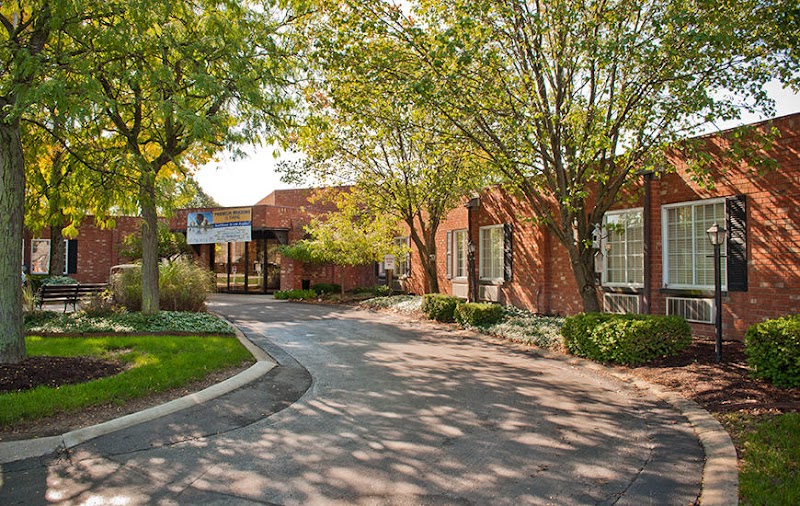

FRANKLIN MEADOWS

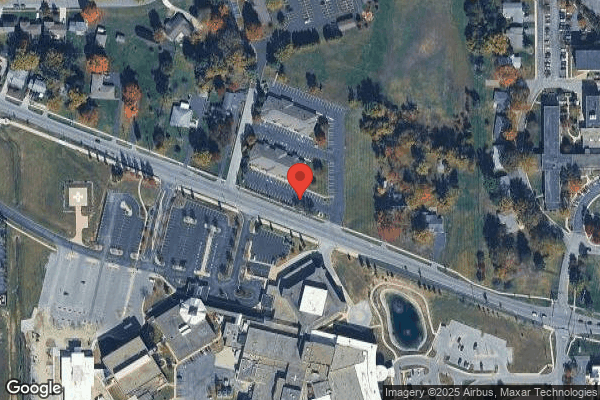
1285 W JEFFERSON ST, FRANKLIN, IN 46131 (317) 736-9113
For profit - Limited Liability company 114 Beds AMERICAN SENIOR COMMUNITIES Data: November 2025
Trust Grade
90/100
#36 of 505 in IN
Last Inspection: September 2024

Within standard 12-15 month inspection cycle. Federal law requires annual inspections.

Overview

Franklin Meadows has received a Trust Grade of A, indicating it is an excellent facility that is highly recommended for care. It ranks #36 out of 505 nursing homes in Indiana, placing it in the top half of all facilities in the state, and #2 out of 10 in Johnson County, meaning it is one of the best local options available. However, the facility is currently experiencing a worsening trend, with issues increasing from 1 in 2023 to 7 in 2024. Staffing is a notable concern, with a rating of 2 out of 5 stars and a turnover rate of 53%, slightly above the state average, suggesting that staff may not stay long enough to build strong relationships with residents. On a positive note, Franklin Meadows has no fines on record, indicating compliance with regulations, but there have been serious concerns regarding sanitation practices in the kitchen, with staff not properly covering their hair while handling food, and a past incident involving an allegation of sexual abuse that was not reported with sufficient detail to the health department.

Trust Score
A
90/100
In Indiana
#36/505
Top 7%
Safety Record
Low Risk
No red flags
Inspections
Getting Worse
1 → 7 violations
Staff Stability
⚠ Watch
53% turnover. Above average. Higher turnover means staff may not know residents' routines.
Penalties
✓ Good
No fines on record. Clean compliance history, better than most Indiana facilities.
Skilled Nurses
⚠ Watch
Each resident gets only 25 minutes of Registered Nurse (RN) attention daily — below average for Indiana. Fewer RN minutes means fewer trained eyes watching for problems.
Violations
⚠ Watch
11 deficiencies on record. Higher than average. Multiple issues found across inspections.
★★★★★
5.0
Overall Rating
★★☆☆☆
2.0
Staff Levels
★★★★★
5.0
Care Quality
★★★★☆
4.0
Inspection Score
Stable
2023: 1 issues
2024: 7 issues

The Good

  • 5-Star Quality Measures · Strong clinical quality outcomes
  • Full Sprinkler Coverage · Fire safety systems throughout facility
  • No fines on record

Facility shows strength in quality measures, fire safety.

The Bad

Staff Turnover: 53%

Near Indiana avg (46%)

Higher turnover may affect care consistency

Chain: AMERICAN SENIOR COMMUNITIES

Part of a multi-facility chain

Ask about local staffing decisions and management

The Ugly 11 deficiencies on record

Dec 2024 1 deficiency
CONCERN (D) 📢 Someone Reported This

A family member, employee, or ombudsman was alarmed enough to file a formal complaint

Potential for Harm - no one hurt, but risky conditions existed

Report Alleged Abuse (Tag F0609)

Could have caused harm · This affected 1 resident

Based on interview and record review, the facility failed to ensure an allegation of sexual abuse was reported to the state health department with sufficient information to determine the severity of t...

Read full inspector narrative →
Based on interview and record review, the facility failed to ensure an allegation of sexual abuse was reported to the state health department with sufficient information to determine the severity of the allegation. (Resident B, Resident C) Findings include: On 12/4/24 at 8:57 a.m., the Director of Nursing (DON) provided a copy of a facility reportable incident, dated 11/4/24 at 3:36 p.m., from the State department of health survey reporting system. A review of the incident report indicated Resident C (female resident) communicated that she was inappropriately touched. The residents were separated. The immediate action taken indicated Resident B (male resident) and Resident C were immediately separated. The physician, Director of Nursing (DON), Administrator, and family were notified. Resident B and Resident C were interviewed. Resident B placed was placed on one on one supervision. The police were notified. The follow-up, dated 11/8/24, indicated the facility investigation with the residents and staff interviews concluded with no additional concerns arising. Psychosocial follow-up was completed by the Social Service Director (SSD). Resident B and Resident C remained free from psychosocial distress. Resident B remained on one on one supervision. Resident C was moved to a new room on a different unit. The physician assessed Resident C with no concerns. The family satisfied with current status of investigation. During an interview on 12/4/24 at 9:08 a.m., the Social Service Director (SSD) indicated she was made aware of an alleged sexual encounter between Resident B and Resident C minutes after CNA 1 walked into Resident C's room and thought sexual activity had occurred. The SSD immediately went to Resident C's room to check on her, and when the SSD walked in, Resident C was smiling, laughing, and took a hit from a vape. Resident C did not seem like she was in any distress. When the SSD asked Resident C what happened, Resident C told the SSD that Resident B entered her room, pulled down her pants, and performed oral sex. This was not discussed nor planned, and Resident C did not want Resident B to perform oral sex on her. Resident C's parent was her guardian due to an anoxic brain injury due to an apparent drug overdose. During an interview on 12/4/24 at 9:48 a.m., the Administrator indicated he received a phone call from the SSD, on 11/4/24 at approximately 2:00 p.m. The SSD indicated CNA 1 brought Resident B to the SSD office and told the SSD that she entered Resident C's room and found Resident B with his head toward Resident C's groin. The Administrator and the SSD took Resident B to the Administrator's office to interview him, and Resident B indicated that he performed oral sex on Resident C. The Administrator was made aware that law enforcement handed over the information to the county prosecutor. The following information was not included in the initial incident report: - Resident B indicated during the interview prior to the incident report being filed that Resident B was cognitively intact and admitted to performed oral sex on Resident C. - Resident C was moderately cognitively impaired and had a guardian. The following information was not included in the incident report follow up: - Resident C indicated she did not consent to Resident B performing oral sex on her. - The police investigation was handed over to the county prosecutor's office and there had not been a response from the prosecutor's office. On 12/5/24 at 11:00 a.m., the facility was unable to provide a policy regarding reporting to the state agency prior to exit. This citation relates to Complaint IN00446679. 3.1-28(c)
Sept 2024 6 deficiencies
CONCERN (D)

Potential for Harm - no one hurt, but risky conditions existed

Transfer Notice (Tag F0623)

Could have caused harm · This affected 1 resident

Based on interview and record review, the facility failed to ensure that the written Notice of Transfer and Discharge was provided to the resident, the resident's representative, and to the Office of ...

Read full inspector narrative →
Based on interview and record review, the facility failed to ensure that the written Notice of Transfer and Discharge was provided to the resident, the resident's representative, and to the Office of the State Long-Term Care Ombudsman for 2 of 4 residents reviewed for transfers. (Resident 34, Resident 90) Findings include: 1. On 9/26/24 at 10:19 a.m., Resident 34's clinical record was reviewed. The diagnoses included, but were not limited to, COPD (Chronic Obstructive Pulmonary Disease) and chronic cholecystitis with chronic cholecystitis-Pulled chole drain (condition that causes cholesterol to build up in the gallbladder forming polyps). A progress note, dated 4/22/24 at 8:12 p.m., indicated Resident 34 was transferred to the hospital emergency department. The transfer was a facility-initiated transfer. The clinical record lacked documentation that the written Notice of Transfer or Discharge document was provided to Resident 34, the representative, or the Office of the State Long-Term Care Ombudsman for the hospital transfer on 4/22/24. 2. On 9/26/24 at 1:00 p.m., Resident 90's clinical record was reviewed. The diagnoses included, but were not limited to, COPD, kidney disease, and diabetes. A progress note, 7/31/24 at 4:07 p.m., indicated Resident 90 was transferred to the hospital emergency department on 7/31/24. The transfer was a facility-initiated transfer. The clinical record lacked documentation that the written Notice of Transfer or Discharge documents were provided to Resident 90, the representative, or the Office of the State Long-Term Care Ombudsman for the hospital transfer on 7/31/24. During an interview on 9/27/24 at 11:20 a.m., the Corporate Nurse Consultant indicated the facility lacked verification that the written notification of the transfer and discharge notice was given to the residents, the representatives, and to the Office of the State Long-Term Care Ombudsman. On 9/27/24 at 8:00 a.m., the Director of Nursing Services provided a copy of the American Senior Communities Hospital Discharge/Transfer policy, dated February 2019, and indicated it was the current policy in use by the facility. A review of the policy indicated, .Nursing will contact the responsible party/family member to inform them of the pending discharge/transfer to the acute care hospital .transfer notification will be reviewed with the responsible part at the time of notification and documented in the medical record . 3.1-12(a)(6)(A)(i) 3.1-12(a)(6)(A)(ii)
CONCERN (D)

Potential for Harm - no one hurt, but risky conditions existed

Deficiency F0625 (Tag F0625)

Could have caused harm · This affected 1 resident

Based on interview and record review, the facility failed to ensure written bed hold notifications were provided to the resident and the resident's representative for 2 of 4 residents reviewed for tra...

Read full inspector narrative →
Based on interview and record review, the facility failed to ensure written bed hold notifications were provided to the resident and the resident's representative for 2 of 4 residents reviewed for transfers. (Resident 34, Resident 90) Findings include: 1. On 9/26/24 at 10:19 a.m., Resident 34's clinical record was reviewed. The diagnoses included, but were not limited to, COPD (a lung disease that makes it difficult to breathe), congestive heart failure (a condition that occurs when the heart can't pump enough blood to meet the body's needs), and atrial fibrillation (an irregular heartbeat). A progress note, dated 4/22/24 at 8:12 p.m., indicated Resident 34 was transferred to the hospital emergency department. The transfer was a facility-initiated transfer. The clinical record lacked documentation that the written bed hold notification was provided to Resident 34 or the representative for the hospital transfer on 4/22/24. 2. On 9/26/24 at 1:00 p.m., Resident 90's clinical record was reviewed. The diagnoses included, but were not limited to, COPD, type 1 diabetes mellitus, and congestive heart failure. A progress note, dated 7/31/24 at 4:07 p.m., indicated Resident 90 was transferred to the hospital emergency department on 7/31/24. The transfer was a facility-initiated transfer. The clinical record lacked documentation that the written bed hold notification was provided to Resident 90 or the representative for the hospital transfer on 7/31/24. During an interview on 9/27/24 at 11:20 a.m., the Corporate Nurse Consultant indicated the facility lacked verification that the written bed hold notification was given to the resident and their representative. On 9/27/24 at 8:00 a.m., the DON (Director of Nursing) provided a copy of the American Senior Communities Bed Hold policy, dated November 2017, and indicated it was the current policy in use by the facility. A review of the policy indicated that the resident and the resident's representative will be provided the bed hold policy at the time of the hospital transfer or therapeutic leave and that the facility will document the notification to the resident and resident representative of the bed hold policy. 3.1-12(a)(25) 3.1-12(a)(26)
CONCERN (D)

Potential for Harm - no one hurt, but risky conditions existed

Assessment Accuracy (Tag F0641)

Could have caused harm · This affected 1 resident

Based on observation, interview, and record review, the facility failed to ensure the accuracy of an Minimum Data Set (MDS) assessment for 1 of 1 residents reviewed for dental. The resident had ill fi...

Read full inspector narrative →
Based on observation, interview, and record review, the facility failed to ensure the accuracy of an Minimum Data Set (MDS) assessment for 1 of 1 residents reviewed for dental. The resident had ill fitting dentures that were not coded. (Resident 21) Finding includes: On 9/24/24 at 11:18 a.m., observed Resident 21 sitting on her bed watching television. Resident 21 had no bottom front teeth. On 9/26/24 at 9:45 a.m., observed Resident 21 sitting on her bed visiting with her spouse. Resident 21 was observed to have no bottom front teeth. During an interview at that time, the resident indicated she had a partial set of dentures. She indicated they did not fit her anymore, the dentures were in the top drawer of her dresser. On 9/26/24 at 10:00 a.m., Resident 21's clinical record was reviewed. The diagnosis included, but was not limited to, type 2 diabetes mellitus. An admission (MDS) assessment, dated 8/30/24, indicated Resident 21 had no dentures or partials. During an interview on 9/26/24 at 9:47 a.m., the MDS Coordinator indicated the assessment should have indicated Resident 21 had missing bottom front teeth. During an interview on 9/26/24 at 10:20 a.m., the Director of Nursing indicated an oral exam should have been completed during Resident 21's admission assessment. During an interview on 9/26/24 at 11:33 a.m., the Director of Nursing indicated the facility did not have a specific policy for the Minimum Data Set assessment. The facility utilized RAI manual. On 9/26/24 at 12:00 p.m., the RAI Manual, dated 10/2024, was reviewed. A review of the manual indicated Required Tracking Records: A comprehensive assessment is required upon admission and annual.3. If the resident has dentures or partials, examine for loose fit . 3.1-31(d)
CONCERN (D)

Potential for Harm - no one hurt, but risky conditions existed

PASARR Coordination (Tag F0644)

Could have caused harm · This affected 1 resident

Based on record review and interview, the facility failed to ensure a resident was referred to the State-designated authority contractor for a Level II (PASRR) for new mental health diagnosis for 1 of...

Read full inspector narrative →
Based on record review and interview, the facility failed to ensure a resident was referred to the State-designated authority contractor for a Level II (PASRR) for new mental health diagnosis for 1 of 1 residents reviewed for PASRR. (Resident 80) Finding includes: On 9/26/24 at 1:00 p.m., Resident 80's clinical record was reviewed. Resident 80 had a new diagnosis of psychoactive disorder on 6/18/24 without a referral for a Level II PASRR evaluation. During an interview on 9/25/24 at 1:35 p.m., the Director of Nursing indicated that a PASRR Level II referral was not completed and it should have been updated for Resident 80 after the new diagnosis of psychoactive disorder. On 9/26/24 at 9:10 a.m., the Director of Nursing Services (DON) provided a copy of an American Senior Communities PASRR Policy, dated 11/2017, and indicted that it was the current policy in use by the facility. The policy indicated it was the policy of the facility to ensure that any Pre-admission Screening and Resident Review (PASRR) recommendations which impact those with intellectual and mental disability or related conditions were completed as prescribed and PASRR assessments were updated with significant changes in mental or physical status. 3.1-16(d)(1)(A) 3.1-16(d)(1)(B)
CONCERN (D)

Potential for Harm - no one hurt, but risky conditions existed

Deficiency F0849 (Tag F0849)

Could have caused harm · This affected 1 resident

Based on observation, interview, and record review, the facility failed to ensure a resident's hospice communication binder contained the on-going communication and collaboration between the facility ...

Read full inspector narrative →
Based on observation, interview, and record review, the facility failed to ensure a resident's hospice communication binder contained the on-going communication and collaboration between the facility and the hospice staff for 1 of 3 residents reviewed for hospice services. The hospice communication binder lacked any hospice documentation of services provided to the resident. (Resident 8) Finding includes: During an interview on 9/24/24 at 12:05 p.m., Resident 8 indicated he was receiving hospice services. On 9/25/24 at 1:23 p.m., Resident 8's clinical record was reviewed. The diagnosis included, but was not limited to, bladder cancer. Physician orders, dated 8/30/24 with no end date noted, indicated Resident 8 had elected to receive hospice services due to bladder cancer. The Significant Change Minimum Data Set (MDS) assessment, dated 9/6/24, indicated Resident 8 was moderately cognitively impaired and had a diagnosis of bladder cancer. Resident 8 had elected to receive hospice services. During an observation on 9/25/24 at 2:30 p.m., Resident 8's hospice communication binder, located at the nurse's station, was observed and reviewed. On the outside of the binder the following information was observed: Resident 8's name and room number and the hospice provider's name and contact information. Observed inside the binder was a type-written Table of Contents document which listed the various documents that were to be in the binder. A review of the document included but was not limited to: consents; physician orders; nursing notes; hospice aide assignment and notes; social worker notes; medication profile; and chaplain notes. No resident information or provider documentation was found inside the communication binder. During an interview at that time, RN 3 indicated Resident 8's hospice provider employees were to place their documentation into the hospice communication binder. The binder was a tool to ensure the facility was kept up to date on the resident's hospice status. RN 3 indicated she was unaware that the binder lacked the hospice provider's documentation. On 9/27/24 at 9:10 a.m., the Director of Nursing Services (DNS) provided a copy of Medicaid Hospice Election document. A review of the document indicated Resident 8's appointed Power of Attorney opted for Resident 8 to receive hospice services as of 8/30/24. The document was signed by the Power of Attorney on 8/30/24. Resident 8's hospice communication binder and electronic clinical record lacked an on-going communication and collaboration records were shared between the facility and the hospice staff. During an interview on 9/25/24 at 2:40 p.m., the DNS indicated she was unaware that the hospice communication binder and the facility's electronic clinical record lacked Resident 8's hospice provider documentation. During an interview on 9/26/24 at 1:45 p.m., the DNS indicated the facility's hospice communication binder was to contain Resident 8's hospice provider's documentation to ensure communication and collaboration between the provider and the facility. On 9/26/24 at 9:10 a.m. the DNS provided a copy of the One Time Nursing Facility and Hospice Services Agreement dated 8/29/24 and indicated it was the current facility and hospice agreement in use by the facility. A review of the document indicated, .Coordination of Responsibilities: the parties agree to accept responsibility for the provision of all necessary care and services .in accordance with each party's policies and procedures .liaisons to facilitate cooperation and communication between the parties . The document was executed on 8/29/24 as indicated by the signature of both parties. On 9/26/24 at 2:44 p.m., the DNS provided a copy of the Hospice Policy, dated September 2024, and indicated it was the current policy in use by the facility. A review of the policy indicated, it is the policy of this facility that when a resident elects hospice benefit, the contracted hospice company and facility will coordinate to establish .a pattern of communication between the hospice company, healthcare professionals, facility staff and resident/representative . 3.1-37(a)
CONCERN (D)

Potential for Harm - no one hurt, but risky conditions existed

Deficiency F0883 (Tag F0883)

Could have caused harm · This affected 1 resident

**NOTE- TERMS IN BRACKETS HAVE BEEN EDITED TO PROTECT CONFIDENTIALITY** Based on interview and record review, the facility failed to follow vaccination administration guidelines for the pneumococcal v...

Read full inspector narrative →
**NOTE- TERMS IN BRACKETS HAVE BEEN EDITED TO PROTECT CONFIDENTIALITY** Based on interview and record review, the facility failed to follow vaccination administration guidelines for the pneumococcal vaccine. The appropriate pneumococcal vaccine was not given for residents who had consented to receive their pneumococcal vaccinations per CDC (Centers for Disease Control and Prevention) guidelines for 2 of 8 residents reviewed for immunizations. (Resident 41, Resident 78) Findings include: 1. On 9/24/24 at 1:00 p.m., Resident 41's clinical record was reviewed. Resident 41's diagnoses included, but were not limited to, unspecified dementia, chronic atrial fibrillation (a type of irregular heartbeat), type 2 diabetes, and chronic kidney disease. -Resident 41's immunization records indicated Resident 41 received a PCV (pneumococcal conjugate vaccine) 13 on 9/12/16 but lacked any documentation for a PPSV (pneumococcal polysaccharide) vaccine. -Resident 41 was of [AGE] years of age or older. On 9/25/24, the DON (Director of Nursing), provided a copy of Resident 41's pneumococcal vaccination consent form which was marked as resident wished to receive pneumococcal vaccinations per the recommendations of the CDC's pneumococcal vaccine timing for adults. The form was unsigned but was dated for 8/21/24 at 1:00 p.m. 2. On 9/24/24 at 1:30 p.m., Resident 78's clinical record was reviewed. Resident 78's diagnoses included, but were not limited to, unspecified dementia, COPD (a lung disease that makes it difficult to breathe), and old myocardial infarction (a heart attack). -Resident 78's immunization records lacked any documentation for either a PCV type or a PPSV type pneumococcal vaccine. -Resident 78 was of [AGE] years of age or older. On 9/25/24, the DON, provided a copy of Resident 78's pneumococcal vaccination consent form, which was marked as resident wished to receive pneumococcal vaccinations per the recommendations of the CDC's pneumococcal vaccine timing for adults. The form was signed by resident or by resident's responsible party and was dated for 2/8/24 at 1:57 p.m. During an interview on 9/25/24 at 1:25 p.m., the DON indicated that the appropriate pneumococcal vaccinations should have been given for both residents. On 9/24/24 at 10:05 a.m., the DON provided an undated policy titled, Pneumococcal Vaccination, and indicated it was the policy currently in use. The policy stated that the facility utilized CDC guidance for pneumococcal vaccine recommendations per the CDC's pneumococcal vaccine timing for adults. On 9/27/24 at 10:30 a.m., a review of the CDC guidelines at the following website regarding pneumococcal vaccine times for adults (https://www.cdc.gov/pneumococcal/downloads/Vaccine-Timing-Adults-JobAid.pdf), last updated on 9/12/24, indicated that diabetes mellitus, chronic lung diseases, and chronic heart diseases are all chronic health conditions where pneumococcal vaccinations are recommended for adults 19 through [AGE] years old in addition to being recommended for adults [AGE] years old and older. 3.1-13(a)
Oct 2023 1 deficiency
CONCERN (E)

Potential for Harm - no one hurt, but risky conditions existed

Food Safety (Tag F0812)

Could have caused harm · This affected multiple residents

Based on observation, interview, and record review, the facility failed to ensure food was served in a sanitary manner for 2 of 3 kitchen observations. Staff hair was not covered while in the kitchen....

Read full inspector narrative →
Based on observation, interview, and record review, the facility failed to ensure food was served in a sanitary manner for 2 of 3 kitchen observations. Staff hair was not covered while in the kitchen. (Dietary Cook, Dietary Staff 2, and Dietary Staff 3) Findings include: 1. During a kitchen observation, on 10/24/23 from 11:37 a.m. to 12:20 p.m., the following was observed: - Dietary [NAME] was observed walking throughout the kitchen food preparation area and was observed preparing ham salad for the noon meal. Dietary [NAME] was observed to have hair in front of both ears and upper cheek area, outside of the beard guard, that was approximately 1/2 inch in length. The facial hair was observed to not be covered. - Dietary Staff 2 was observed walking throughout the kitchen area where the noon meal was being prepared and was washing dishes at the 3-compartment sink area. Dietary Staff 2 was observed to have hair in front of both ears and upper cheek area, outside of the beard guard, that was approximately 1/2 inch in length. The facial hair was observed to not be covered. - Dietary Staff 3 was observed walking throughout the kitchen area where the noon meal was being prepared and was washing dishes at the 3-compartment sink area. Dietary Staff 3 was observed to have hair in front of both ears and upper cheek area, outside of the beard guard, that was approximately 1/2 inch in length. The facial hair was observed to not be covered. 2. During a follow-up kitchen observation, on 10/24/23 from 1:40 p.m. to 1:45 p.m., the following was observed: - Dietary [NAME] was observed walking throughout the kitchen food preparation area. Dietary [NAME] was observed carrying a beard guard. Dietary [NAME] was observed to have hair in front of both ears and facial hair that was approximately 1/2 inch in length. The facial hair was observed to not be covered. - Dietary Staff 3 was observed walking throughout the kitchen area and washing dishes at the 3-compartment sink area. Dietary Staff 3 was observed wearing a beard guard below the chin area. Dietary Staff 3 was observed to have hair in front of both ears and facial hair that was approximately 1/2 inch in length. The facial hair was observed to not be covered. During an interview on 10/25/23 at 10:30 a.m., the Dietary Manager indicated staff hair, including facial hair, was to be kept covered while in the kitchen. On 10/25/23 at 12:39 p.m. the Administrator provided a copy of the American Senior Communities Culinary Personal Hygiene policy, dated June 2021, and indicated it was the current policy in use by the facility. A review of the policy indicated, .Personal Cleanliness .wear a clean hat and/or other hair restraint. Culinary employees with facial hair should also wear a beard restraint . 3.1-21(i)(2) 3.1-21(i)(3)
Dec 2022 3 deficiencies
CONCERN (D)

Potential for Harm - no one hurt, but risky conditions existed

Notification of Changes (Tag F0580)

Could have caused harm · This affected 1 resident

Based on observation, interview, and record review, the facility failed to ensure the physician was notified when there was a change in condition for 1 of 2 residents reviewed for oxygen therapy. (Res...

Read full inspector narrative →
Based on observation, interview, and record review, the facility failed to ensure the physician was notified when there was a change in condition for 1 of 2 residents reviewed for oxygen therapy. (Resident 71) Findings include: On 11/28/22 at 1:19 p.m., observed Resident 71 in her room resting on her bed. Resident 71 was observed to not be utilizing any oxygen therapy (a medical treatment known as supplemental oxygen which could attain or maintain healthy oxygen levels). Next to Resident 71's bed side table, an oxygen concentrator machine (a machine that takes in air from the room and filters out the nitrogen which provides a higher amount of oxygen needed for oxygen therapy) was observed. The oxygen concentrator was observed to not be turned on. On 11/29/22 at 11:23 a.m., observed Resident 71 in her room resting on her bed. Resident 71 was observed to not be utilizing any oxygen therapy. Next to Resident 71's bed side table, an oxygen concentrator machine was observed. The oxygen concentrator was observed to not be turned on. On 11/30/22 at 2:10 p.m., Resident 71 was observed walking in the hall with the Physical Therapist and did not exhibit any respiratory distress. Resident 71 was observed to not be utilizing any oxygen therapy. On 11/30/22 at 2:20 p.m., observed Resident 71 in her room resting on her bed. Resident 71 was observed to not be utilizing any oxygen therapy and did not exhibit any respiratory distress. Next to Resident 71's bed side table, an oxygen concentrator was observed. The oxygen concentrator was observed to not be turned on. On 11/30/22 at 3:00 p.m., Resident 71's clinical record was reviewed. The diagnoses included, but were not limited to, acute respiratory failure with hypoxia (low blood oxygen levels) and a history of COVID 19. Physician orders included, but were not limited to: Continuous oxygen at 3 liters per nasal cannula, start date of 10/28/22 with no end date indicated. Change oxygen tubing and humidity, clean concentrator and filter weekly, start date of 10/28/22 with no end date indicated. Oxygen saturation (the amount of oxygen circulating in your blood), start date of 10/28/22 with no end date indicated. Resident 71's care plan, initiated on 10/28/22 and current through 2/13/23, indicated, Resident is at risk for impaired gas exchange related to acute respiratory failure with hypoxia, COVID 19, oxygen dependent .oxygen 3L per NC [3 liters per nasal cannula]. The admission MDS (Minimum Data Set) Assessment, dated 11/2/22, indicated Resident 71 was moderately cognitive impaired and was receiving oxygen therapy. The current CNA (Certified Nursing Assistant) assignment / task sheet (specific care instructions for Resident 71) indicated Oxygen 3L per NC. On 12/1/22 at 11:45 a.m., the Director of Nursing Services (DNS) provided a copy of the November 2022 Vitals Report. A review of the document indicated 44 of 60 shifts (12-hour shifts per day) where no oxygen therapy was administered to Resident 71 as directed by the physician's order for continuous oxygen at 3 liters per NC. The document indicated the oxygen saturation levels ranged between 95%-99% during that same time frame. During an interview on 11/30/22 at 2:25 p.m., Resident 71 indicated she had not used any oxygen for several weeks and was not sure why they [staff] still had the box [concentrator] in her room. During an interview on 11/30/22 at 2:30 p.m., Licensed Practical Nurse 3 indicated Resident 71 was admitted to the facility with a physician's order for continuous oxygen. Since early November, Resident 71's oxygen saturation levels have been stable and she had not needed any oxygen therapy. During an interview on 12/1/22 at 11:10 a.m., the Director of Nursing Services (DNS) indicated Resident 71 was admitted to the facility on continuous oxygen due to COVID-19. Resident 71 recovered from COVID-19 and the oxygen saturation levels had been stable since early November. The physician should have been updated regarding Resident 71's change in condition and to clarify the need for continuous oxygen therapy. During an interview on 12/1/22 at 1:30 p.m., the DNS indicated the facility lacked a physician's notification for a change in resident condition policy. 3.1-5(a)(3)
CONCERN (D)

Potential for Harm - no one hurt, but risky conditions existed

Medication Errors (Tag F0758)

Could have caused harm · This affected 1 resident

Based on interview and record review, the facility failed to ensure that as needed anti-anxiety medication had a stop date for 1 of 6 residents reviewed for unnecessary medications. (Resident 26) Find...

Read full inspector narrative →
Based on interview and record review, the facility failed to ensure that as needed anti-anxiety medication had a stop date for 1 of 6 residents reviewed for unnecessary medications. (Resident 26) Finding includes: On 11/28/22 at 11:18 A.M., Resident 26's clinical record was reviewed. A Significant Change MDS (Minimum Data Set) assessment, dated 9/30/22, indicated Resident 26 had moderate cognitive impairment and a diagnosis of unspecified anxiety disorder. The Physician's Orders included, but were not limited to. Xanax (an anti-anxiety medication) 0.25 mg (milligrams), once daily as needed for anxiety, started on 9/26/22. The order lacked a stop date for the medication. A Pharmacy Consultation Report, dated 9/26/22, included, but was not limited to, a recommendation that Resident 26 had a PRN (as needed) order for Xanax without at stop date. The report stated: If the medication cannot be discontinued at this time, current regulations require that the prescriber document the indication for use, the intended duration of therapy, and the rationale for the extended time period. At the bottom of the report, the physician had checked the box which stated, I decline the recommendation(s) above and do not wish to implement any changes due to the reasons below and keep until psych eval was written in with the physician's signature. A Pharmacy Consultation Report, dated 10/26/22, included, but was not limited to, a repeated recommendation from 9/26/22: Resident 26 had a PRN order for Xanax without a stop date. The report stated: If the medication cannot be discontinued at this time, current regulations require that the prescriber document the indication for use, the intended duration of therapy, and the rationale for the extended time period. At the bottom of the report, where the physician would accept or decline the recommendation, the report was blank. During an interview on 12/2/22 at 12:30 P.M., the DON (Director of Nursing) indicated that Resident 26's Xanax PRN order, dated 9/26/22, lacked an end date for the medication. On 12/2/22 at 11:45 A.M., the DON provided a copy of the Psychotropic Management policy, dated October 2022, and indicated it was the current policy in use by the facility. A review of the policy indicated that, PRN orders for other psychotropic drugs [besides antipsychotic medications] are limited to 14 days unless it is deemed appropriate to use longer by the physician or prescribing practitioner. The prescriber must document their rationale in the medical record including the duration . 3.1-48(a)(2)
CONCERN (E)

Potential for Harm - no one hurt, but risky conditions existed

Food Safety (Tag F0812)

Could have caused harm · This affected multiple residents

**NOTE- TERMS IN BRACKETS HAVE BEEN EDITED TO PROTECT CONFIDENTIALITY** Based on observation, interview, and record review, the facility failed to ensure food was served in a sanitary manner for 4 of ...

Read full inspector narrative →
**NOTE- TERMS IN BRACKETS HAVE BEEN EDITED TO PROTECT CONFIDENTIALITY** Based on observation, interview, and record review, the facility failed to ensure food was served in a sanitary manner for 4 of 4 kitchen observations. The handwashing sink was not accessible or functional, food was not covered, food was not dated, the dishwashing machine temperature gauge was broken, staff hair was not covered, fans were dirty, boxes were thrown on the ground out the back door, scoops were stored in bulk food containers. Findings include: 1. On 11/28/22 from 9:55 a.m. to 10:40 a.m., during the initial kitchen tour with the DM (Dietary Manager) the following was observed: a. The sink/hand washing station, located just inside the kitchen area and next to the dish machine was observed. The sink contained a drainpipe, an unidentifiable spray can, and a hand soap dispenser. The sink was observed to not be connected to a drainpipe. No working hand soap dispenser was observed near the sink area. b. The sink/hand washing station, located across the kitchen near the rear exit door, next to the three-compartment sink area and near the food preparation area, was observed. In front of the sink area, multiple filled and emptied boxes of various supplies were observed and prevented staff from reaching the sink area, hand soap dispenser, paper towel dispenser, or trash can. The soap dispenser was observed to be empty, and the paper towel dispenser was not in working order. c. The only other sink/hand washing station was in the kitchen's staff restroom, located just inside the kitchen area near the dish machine area. Inside the poorly lit restroom, the following was observed: - multiple gallon jugs of various cleansers were within two feet from the front of the sink area; - a sink was located approximately four feet from the restroom door; the sink area and the faucet handles had multiple dark colored stains and an unknown dark substance adhered to the unit; - the paper towel dispenser was not in working order and no paper towels were available for use; - the hand soap dispenser was located on the wall next to the paper towel dispenser; - the trash can was next to the sink and was approximately four feet from the restroom door; - approximately four feet from the sink area (and six feet from the restroom door) was the toilet area; the toilet seat lid and the toilet water tank lid were observed on the floor next to the toilet. At the back of the toilet bowl, an unknown black substance was observed; and - no trash can was available near the restroom door. During an interview at that time, the DM indicated the kitchen sink/hand washing station (located next to the dish machine) had been broken for awhile and the hand washing stations should be accessible and equipped with supplies for staff to use. d. Outside of the kitchen's rear exit door, approximately 20 boxes that had not been collapsed were observed on the ground. An unidentified staff member was observed opening the rear kitchen door, without exiting the kitchen, the staff person tossed an empty box onto the pile of boxes. No staff members were visible in the area at that time. During an interview at that time, the DM indicated staff were break-down the cardboard boxes and place them into the dumpster container. e. The walk-in refrigerator unit was observed and was located approximately 15 feet outside of and detached from the facility (kitchen area). The following food items were observed on a shelf in the refrigerator unit: - one tray that contained 5 small condiment cups of an unknown food item were observed to not be covered or labeled with a date or name of food items; - one partially opened 46-ounce can of [NAME] tomato juice was observed. The can was approximately half full of tomato juice and about ¼ of the metal lid was still attached to the can. The food item lacked a tight-fitting lid and a label indicating when the item was opened. The following food items were observed on the food cart within the walk-in refrigerator and lacked a cover and a label to indicate the food type and date for when it was placed into the refrigerator: - one tray with approximately 70 small condiment cups of ketchup; - one tray with 35 small cups of slaw; - two trays each with 30 small cups of pears; and - 1 tray with 20 small cups of cherry crisp. During an interview at that time, the DM indicated the foods were to be kept covered and labeled. The food carts are used to transport the foods from inside the facility kitchen to the walk-in refrigerator unit (a detached unit from the facility) and then transported back inside to the kitchen as needed. f. In the dry food storage area, located near the kitchen's rear exit door, the following was observed: - An unlabeled large plastic bulk container was approximately 1/3 filled with a white powdery substance and contained a metal scoop inside the container which was partially covered by the food item. The container was observed to not be closed or labeled. - An unlabeled large plastic bulk container was approximately ½ filled with a white substance. The contained was observed to not be closed or labeled. - A 16-ounce bag of small marshmallows was observed on a shelf. The bag was ½ full of marshmallows and the bag was observed to not be closed. During an interview at that time, the DM indicated the food containers were to be kept closed and no scoops were to be left in the bulk containers. g. The dish machine area was observed. The temperature gauge's glass covering was observed to be broken as half of the glass was missing from the gauge unit. The temperature gauge registered 80 degrees Fahrenheit. Hot steam was observed coming from the dish machine during the wash and rinse cycles. The DM was observed using the laser thermometer to check the temperature which read 120 degrees Fahrenheit. During an interview at that time, the DM indicated he was unsure how long the dish machine temperature gauge had been broken. The November 2022 Low Temperature Dish Machine Temperature/Sanitizer Log was observed hanging on the wall near the dish machine. A review of the log indicated daily for each meal, staff were to initialize and record the wash temperature, rinse temperature, and sanitizer results. The document lacked any data beyond the noon meal on November 16, 2022. During an interview at that time, the DM indicated staff were to complete the dish machine temperature log daily for each meal service. 2. On 11/28/22 from 12:10 p.m. to 12:30 p.m., during a follow-up kitchen visit, the following was observed: a. The sink/hand washing station, located just inside the kitchen area and next to the dish machine was observed. The sink contained a drainpipe, an unidentifiable spray can, and a hand soap dispenser. The sink was observed to not be connected to a drainpipe. b. The DM was observed walking through out the kitchen area where the noon meal was being prepared. The DM was observed to have facial hair, approximately ½ inch in length, between the facial mask and his ears. The facial hair was observed to not be covered. c. Dietary Aide 4 was observed walking through out the kitchen where the noon meal was being prepared. Dietary Aide 4 was observed delivering clean plates, bowls, and utensils to the steam table where the noon meal was being plated. Dietary Aide 4 was observed wearing a baseball cap. Below the cap and in front of the ears, Dietary Aide 4's hair, approximately 1 inch in length, was observed to not be covered. d. [NAME] 5 was observed walking through out the kitchen area where the noon meal was being prepared and was observed taking the noon meal starting temperatures. [NAME] 5 was observed wearing a baseball cap. Below and in front of the ears [NAME] 5's hair, approximately 2 inches in length, was observed to not be covered. During an interview, at that time, the DM indicated all staff hair was to be covered while in the kitchen. 3. On 11/28/22 from 12:40 p.m. to 12:50 p.m., during a following up kitchen visit, the following was observed: a. The sink/hand washing station, located just inside the kitchen area and next to the dish machine was observed. The sink contained a drainpipe, an unidentifiable spray can, and a hand soap dispenser. The sink was observed to not be connected to a drainpipe. b. A 24-inch oscillating fan was observed attached to the wall, approximately 18 inches from the ceiling and located near the dish machine, stove, and food preparation table area. The fan's blade cover, blades, and electrical cord were observed to be covered with dust and black colored grime-like particles. c. A 24-inch oscillating fan was observed attached to the wall, approximately 18 inches from the ceiling and located near the three-compartment sink area, food preparation table area, the kitchen's rear exit door and dry storage room. The fan's blade cover, blades, and electrical cord were observed to be covered with dust and black colored grime-like particles. d. A 24-inch box fan was observed on the floor at the doorway near the dry storage room and was facing the kitchen's food preparation table area. The fan's blade cover, blades, and electrical cord were observed to be covered with dust and black colored grime-like particles. During an interview at that time, the DM indicated the fans were dirty and were to be cleaned monthly. e. On 11/29/22 at 1:43 p.m., the walk-in refrigerator unit was observed and was located approximately 15 feet outside of and detached from the facility (kitchen area). Inside the walk-in refrigerator on the food cart, 9 small condiment cups filled with mayonnaise were observed. The food items lacked a cover and a label to indicate the food type and date for when it was placed into the refrigerator. 4. On 11/29/22 at 1:50 p.m., during a follow up kitchen observation, the following was observed: a. The sink/hand washing station, located just inside the kitchen area and next to the dish machine was observed. The sink contained a drainpipe, an unidentifiable spray can, and a hand soap dispenser. The sink was observed to not be connected to a drainpipe. b. A 24-inch oscillating fan was observed attached to the wall, approximately 18 inches from the ceiling and located near the dish machine, stove, and food preparation table area. The fan's blade cover, blades, and electrical cord were observed to be covered with dust and black colored grime-like particles. c. A 24-inch oscillating fan was observed attached to the wall, approximately 18 inches from the ceiling and located near the three-compartment sink area, food preparation table area, the kitchen's rear exit door and dry storage room. The fan's blade cover, blades, and electrical cord were observed to be covered with dust and black colored grime-like particles. During an interview on 11/29/22 at 1:55 p.m., the DM indicated the kitchen staff were assigned specific cleaning duties based on their job assignments. The DM was responsible for the heavy cleaning, such as cleaning the fans. During an interview on 12/1/22 at 1:21 p.m., the DM indicated the sink/hand washing station, located near the dish machine, fell off the wall along with the soap dispense a while back. The replacement sink had not been completely installed yet. The sink was not available to be used. The DM indicated he had not had time to complete the deep cleaning in the kitchen. On 11/28/22 at 11:20 a.m., the DM provided a copy of the November 2022 Low Temp Dish Machine Temperature/Sanitizer Log. A review of the log indicated daily for each meal, staff were to initialize and record the wash temperature, rinse temperature, and sanitizer results. The document lacked any data beyond the noon meal on November 16, 2022. On 11/29/22 at 2:30 p.m., the Administrator provided an undated copy of the Kitchen Cleaning Schedule and indicated it was the November 2022 cleaning schedule in use by the facility. A review of the document indicated staff were to document (by using their initials) when each task was completed. The document lacked any staff initials or any checks to indicate the task had been completed. The document indicated, .[dietary] Aides .Cooks .hand washing sink .garbage disposal .take trash out . On 11/30/22 at 8:30 a.m., the DNS (Director of Nursing Services) provided a copy of the Recording Dish Machine Temperatures/Sanitizer policy, dated November 2022, and indicated it was the current policy in use by the facility. A review of the policy indicated, .dishwashing staff will monitor and record dish machine temperatures and /or sanitizer concentration to assure proper sanitizing of dishes .staff will be trained to record dish machine temperatures for wash and rinse cycles and the sanitizer concentration .temps will be monitored and recorded before running dishes for each meal period .temperatures should be observed routinely anytime dish machine is in operation to ensure temperature adequacy .the Culinary Manager will spot check these logs to ensure the temperatures/sanitizer concentrations are appropriate .dishwashing staff will be trained to report any problems with the dish machine temperature and/or sanitizer concentration to the Culinary Manager as soon as they occur .Culinary Manager will promptly assess any dish machine problems and take corrective action to assure appropriate cleaning and sanitizing of dishes . On 11/30/22 at 8:30 a.m., the DNS provided a copy of the Food Storage policy, dated October 2017, and indicated it was the current policy in use by the facility. A review of the policy indicated, .the dietary supply store room is the center of control by maintaining the quality of products .containers with tight-fitting covers must be used for storing .sugar .bulk foods .all containers must be accurately labeled and dated .scoops are not stored in the food containers .refrigerated, ready-to-eat .foods .shall be clearly marked with the date the original container is opened and the date by which the food shall be consumed or discarded .items include mayonnaise .ketchup .label these items when opened and use or dispose .all foods should be covered or wrapped tightly, labeled and dated . On 11/30/22 at 8:30 a.m., the DNS provided a copy of the Cleaning and Sanitizing policy, dated October 2017, and indicated it was the current policy in use by the facility. A review of the policy indicated, .cleanliness and sanitation of the kitchen is of utmost importance to ensure safe food handling and meal service .the Food Service Manager shall post a cleaning schedule in the kitchen and assign cleaning responsibilities to assure timely cleaning of all areas and equipment .the areas .walls, ceilings and light fixtures shall be kept free of .dirt and dust .food storage areas shall be kept well organized . On 11/30/22 at 8:30 a.m., the DNS provided a copy of the Food Handling policy, dated November 2015, and indicated it was current policy in use by the facility. A review of the policy indicated, .all food preparation and serving areas shall be maintained in accordance with state and local sanitation standards, food handling, food preparation, and meal service .everyone entering the kitchen shall wear hair nets . On 12/1/22 at 2:55 p.m., a review of the retail Food Establishment Sanitation Requirements Title 10 IAC 7-24, effective November 13, 2004, indicated: .refrigerated, ready to eat, potentially hazardous food prepared .shall be clearly marked to indicate the date or day by which the food shall be consumed on the premises .discarded .covered containers, or wrappings .wrap food tightly to prevent cross contamination .working containers holding food or food ingredients that are removed from their original packages for use in the retail food establishment, such as .flour .sugars .shall be identified with the common name of the food .handles above the top of the food within containers or equipment that can be closed, such as .sugar .food employees shall wear hair restraints .hair coverings or nets, beard restraints .that are designed and worn to wear effectively keep their hair from contacting .exposed food .receptacles and waste handling units for refuse, recyclables and returnables shall be kept covered with tight-fitting lids or doors if kept outside .accumulation of debris .are minimized .effective cleaning is facilitated around .the unit . 3.1-21(i)(2) 3.1-21(i)(3) 3.1-21(i)(5)
Understanding Severity Codes (click to expand)
Life-Threatening (Immediate Jeopardy)
J - Isolated K - Pattern L - Widespread
Actual Harm
G - Isolated H - Pattern I - Widespread
Potential for Harm
D - Isolated E - Pattern F - Widespread
No Harm (Minor)
A - Isolated B - Pattern C - Widespread

Questions to Ask on Your Visit

  • "Can I speak with families of current residents?"
  • "What's your RN coverage like on weekends and overnight?"

Our Honest Assessment

Strengths
  • • Grade A (90/100). Above average facility, better than most options in Indiana.
  • • No major safety red flags. No abuse findings, life-threatening violations, or SFF status.
  • • No fines on record. Clean compliance history, better than most Indiana facilities.
Concerns
  • • 11 deficiencies on record. Higher than average. Multiple issues found across inspections.
Bottom line: Generally positive indicators. Standard due diligence and a personal visit recommended.

About This Facility

What is Franklin Meadows's CMS Rating?

CMS assigns FRANKLIN MEADOWS an overall rating of 5 out of 5 stars, which is considered much above average nationally. Within Indiana, this rating places the facility higher than 99% of the state's 100 nursing homes. This rating reflects solid performance across the metrics CMS uses to evaluate nursing home quality.

How is Franklin Meadows Staffed?

CMS rates FRANKLIN MEADOWS's staffing level at 2 out of 5 stars, which is below average compared to other nursing homes. Staff turnover is 53%, compared to the Indiana average of 46%.

What Have Inspectors Found at Franklin Meadows?

State health inspectors documented 11 deficiencies at FRANKLIN MEADOWS during 2022 to 2024. These included: 11 with potential for harm.

Who Owns and Operates Franklin Meadows?

FRANKLIN MEADOWS is owned by a for-profit company. For-profit facilities operate as businesses with obligations to shareholders or private owners. The facility is operated by AMERICAN SENIOR COMMUNITIES, a chain that manages multiple nursing homes. With 114 certified beds and approximately 84 residents (about 74% occupancy), it is a mid-sized facility located in FRANKLIN, Indiana.

How Does Franklin Meadows Compare to Other Indiana Nursing Homes?

Compared to the 100 nursing homes in Indiana, FRANKLIN MEADOWS's overall rating (5 stars) is above the state average of 3.1, staff turnover (53%) is near the state average of 46%, and health inspection rating (4 stars) is above the national benchmark.

What Should Families Ask When Visiting Franklin Meadows?

Based on this facility's data, families visiting should ask: "Can you walk me through typical staffing levels on day, evening, and night shifts?" "Can I visit during a mealtime to observe dining assistance and food quality?" "How do you handle medical emergencies, and what is your hospital transfer rate?" "Can I speak with family members of current residents about their experience?" These questions are particularly relevant given the below-average staffing rating.

Is Franklin Meadows Safe?

Based on CMS inspection data, FRANKLIN MEADOWS has a clean safety record: no substantiated abuse findings (meaning no confirmed cases of resident harm), no Immediate Jeopardy citations (the most serious violation level indicating risk of serious injury or death), and is not on the Special Focus Facility watch list (a federal program monitoring the lowest-performing 1% of nursing homes). The facility has a 5-star overall rating and ranks #1 of 100 nursing homes in Indiana. While no facility is perfect, families should still ask about staff-to-resident ratios and recent inspection results during their visit.

Do Nurses at Franklin Meadows Stick Around?

FRANKLIN MEADOWS has a staff turnover rate of 53%, which is 7 percentage points above the Indiana average of 46%. Moderate turnover is common in nursing homes, but families should still ask about staff tenure and how the facility maintains care continuity when employees leave.

Was Franklin Meadows Ever Fined?

FRANKLIN MEADOWS has no federal fines on record. CMS issues fines when nursing homes fail to meet care standards or don't correct problems found during inspections. The absence of fines suggests the facility has either maintained compliance or corrected any issues before penalties were assessed. This is a positive indicator, though families should still review recent inspection reports for the full picture.

Is Franklin Meadows on Any Federal Watch List?

FRANKLIN MEADOWS is not on any federal watch list. The most significant is the Special Focus Facility (SFF) program, which identifies the bottom 1% of nursing homes nationally based on persistent, serious quality problems. Not being on this list means the facility has avoided the pattern of deficiencies that triggers enhanced federal oversight. This is a positive indicator, though families should still review the facility's inspection history directly.