HICKORY CREEK AT FRANKLIN
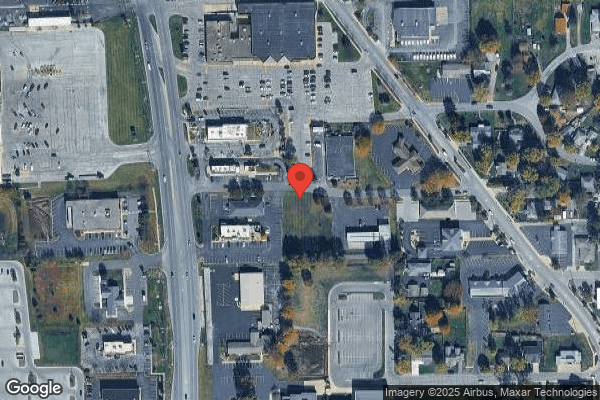

580 LEMLEY STREET, FRANKLIN, IN 46131 (317) 736-8214
For profit - Corporation 36 Beds AMERICAN SENIOR COMMUNITIES Data: November 2025 1 Immediate Jeopardy citation
Trust Grade
76/100
#52 of 505 in IN
Last Inspection: January 2025

Within standard 12-15 month inspection cycle. Federal law requires annual inspections.

Overview

Hickory Creek at Franklin has a Trust Grade of B, which means it is a good choice, solidly positioned above average. It ranks #52 out of 505 facilities in Indiana, placing it in the top half, and #5 out of 10 in Johnson County, indicating that it is one of the better local options. The facility is improving, with the number of issues decreasing from 2 in 2024 to none in 2025. However, staffing is a concern, earning only 1 out of 5 stars, and the turnover rate is high at 47%, which could impact resident care consistency. Additionally, the facility has incurred $7,446 in fines, which is higher than 90% of Indiana facilities, suggesting ongoing compliance issues. There were critical incidents noted during inspections, including a significant lapse in supervision that allowed a resident to elope and walk into traffic, posing a serious safety risk. There were also concerns about food safety practices, such as kitchen staff not covering their hair while preparing meals, and a failure to provide a resident with their prescribed diet, which led to dissatisfaction with the food quality. While there are strengths in overall care and health inspections, these weaknesses highlight areas that need attention.

Trust Score
B
76/100
In Indiana
#52/505
Top 10%
Safety Record
High Risk
Review needed
Inspections
Getting Better
2 → 0 violations
Staff Stability
⚠ Watch
47% turnover. Above average. Higher turnover means staff may not know residents' routines.
Penalties
✓ Good
$7,446 in fines. Lower than most Indiana facilities. Relatively clean record.
Skilled Nurses
○ Average
Each resident gets 38 minutes of Registered Nurse (RN) attention daily — about average for Indiana. RNs are the most trained staff who monitor for health changes.
Violations
○ Average
8 deficiencies on record. Average for a facility this size. Mostly minor or procedural issues.
★★★★★
5.0
Overall Rating
★☆☆☆☆
1.0
Staff Levels
★★★★★
5.0
Care Quality
★★★★★
5.0
Inspection Score
Stable
2024: 2 issues
2025: 0 issues

The Good

  • 5-Star Quality Measures · Strong clinical quality outcomes
  • Full Sprinkler Coverage · Fire safety systems throughout facility
  • No fines on record

Facility shows strength in quality measures, fire safety.

The Bad

Staff Turnover: 47%

Near Indiana avg (46%)

Higher turnover may affect care consistency

Federal Fines: $7,446

Below median ($33,413)

Minor penalties assessed

Chain: AMERICAN SENIOR COMMUNITIES

Part of a multi-facility chain

Ask about local staffing decisions and management

The Ugly 8 deficiencies on record

1 life-threatening
Apr 2024 2 deficiencies
CONCERN (D)

Potential for Harm - no one hurt, but risky conditions existed

Deficiency F0805 (Tag F0805)

Could have caused harm · This affected 1 resident

Based on observation, interview, and record review, the facility failed to ensure a resident received the correct diet as ordered by the physician for 1 of 1 residents reviewed for diet order. (Reside...

Read full inspector narrative →
Based on observation, interview, and record review, the facility failed to ensure a resident received the correct diet as ordered by the physician for 1 of 1 residents reviewed for diet order. (Resident 228) Finding includes: During an interview on 4/2/24 at 9:00 a.m., Resident 228 indicated she did not like the food at the facility. It's terrible. On 4/2/24 at 12:30 p.m., Resident 228 was observed in the main dining room. Resident 228's meal consisted of, but was not limited to, pureed cornbread and pureed salad. On 4/4/24 at 8:30 a.m., observed Resident 228 in her room. Resident 228's bedside table was sitting next to her bed. The breakfast tray was sitting on top and included scrambled eggs and ham in pureed consistency. On 4/4/24 at 12:57 p.m., observed a bedside table in Resident 228's room. The table had her lunch tray sitting on top. The tray consisted of, but was not limited to, meatballs in pureed consistency and green beans in pureed consistency. On 4/2/24 at 1:15 p.m., the clinical record of Resident 228 was reviewed. The diagnosis included, but was not limited to, dysphasia. An admission MDS (Minimum Data Set) assessment, dated 4/4/24, indicated Resident 228 had moderate cognitive impairment. A care plan dated 4/4/24 and current through 7/4/24, indicated Resident requires mechanically altered diet related to dysphasia. Goal: Resident will tolerate current diet consistency without signs/symptoms of difficulty chewing/swallowing. Approach: .Honor known food preferences and provide diet per MD order. A physicians order, dated 3/29/24 with no end date, indicated Resident 228 was to receive a Regular, Soft Bite-Sized diet. During an interview on 4/4/24 at 9:59 a.m., the Dietary Manager indicated the facility followed the physicians orders and a diet guide sheet. The diet guide sheet specified if the resident was to receive pureed or bite sized consistency for each food item. On 4/4/24 at 11:30 a.m., the Dietary Manager provided a diet Guide Sheet, dated 2023. The guide sheet indicated the following food items should be served in the following consistency for a soft and bite sized diet: - Sweet and sour meatballs should be soft and bite sized. - green beans should be soft and bite sized. - corn bread should be soft and bite sized. During an interview on 4/4/24 at 1:11 p.m., the Regional Nurse consultant indicated the green beans and meatballs should have been soft and bite sized as ordered by the physician. On 4/4/24 at 12:30 p.m., the Administrator provided a policy titled General Food Preparation and Handling, dated June 2023, and indicated it was the current policy being used by the facility. A review of the policy indicated .14. Recipes will be followed as written. 15. Food will be altered to the appropriate consistency to meet individual needs of the residents. 3.1-21(a)(3)
CONCERN (D)

Potential for Harm - no one hurt, but risky conditions existed

Infection Control (Tag F0880)

Could have caused harm · This affected 1 resident

Based on observation, interview, and record review, the facility failed to ensure infection control procedures were completed for 1 of 5 residents reviewed for resident care. Glove changes and hand hy...

Read full inspector narrative →
Based on observation, interview, and record review, the facility failed to ensure infection control procedures were completed for 1 of 5 residents reviewed for resident care. Glove changes and hand hygiene was not performed. (LPN 2, Resident 11) Findings include: On 4/3/24 at 12:55 p.m., Resident 11's clinical record was reviewed. The diagnoses included, but were not limited to, obstructive and reflux uropathy (disorder of the urinary tract that occurs due to obstructed urinary flow; back-up of urine into the kidneys) and chronic kidney disease. The Physician Orders included, but were not limited to, the following: - catheter order: foley catheter (device that helps drain urine from the bladder) care, every shift, start date of 3/9/24 with no end date indicated. -bilateral buttocks treatment: MASD [moisture associated skin damage, inflammation of the skin] .cleanse area with Medline Hydrating Spray Cleaner, pat dry, MIX 1:1 Calmoseptine and House antifungal cream and apply to bilateral buttocks every shift, start date 4/2/24 with no end date indicated. The admission Minimum Data Set (MDS) assessment, dated 3/15/24, indicated Resident 11 was mildly cognitively impaired, had an indwelling urinary catheter, and had MASD to the bilateral buttocks. Resident 11's care plans included, but were not limited to the following: Problem: Resident has impaired skin integrity: Dermatitis rash to bilateral buttocks [related to] fecal incontinence .Start date - 3/26/24 and current through 6/26/24 .Approach: treatment as ordered . Problem: Resident requires an indwelling urinary catheter [related to] obstructive uropathy .Start date - 3/13/24 and current through 6/20/24 .Approach: provide assistance for catheter care . On 4/2/24 at 10:34 a.m., Resident 11 was observed resting in bed. A covered urinary catheter bag and catheter tubing were observed hanging on the bed rail. During an interview at that time, Resident 11 indicated he has had a urinary catheter for a while and had a sore on his back. On 4/4/24 at 2:15 p.m., Licensed Practical Nurse (LPN) 2 was observed providing catheter care and bilateral buttocks care to Resident 11. The following was observed: - Resident 11 was resting in bed on his back. The urinary catheter bag and catheter tubing were observed hanging on the bed rail. - LPN 2 donned the plastic PPE (personal protective equipment - gown and two sets of plastic gloves) and placed the urinary catheter care and bilateral buttocks care supplies on the over-bed table located next to Resident 11's bed. - LPN 2 performed urinary catheter care. LPN 2 was not observed to change the gloves or conduct hand hygiene prior to transitioning from a contaminated (dirty) area to a non-contaminated (clean) area. - LPN 2 then assisted Resident 11 to turn onto his left side to begin the bilateral buttocks care. Upon turning the resident, LPN 2 observed Resident 11 had been incontinent of bowel. A red-colored rash was observed on Resident 11's buttock area. - LPN 2 walked to Resident 11's closet, approximately 10 feet from the bed, to retrieve a clean incontinent brief and handy wipes. LPN 2 then performed incontinent care to Resident 11. The soiled incontinent brief and wipes were placed on top of the bed linens at the foot end of the bed. LPN 2 was not observed to change the gloves or conduct hand hygiene prior to transitioning from the contaminated area to a clean area. - LPN 2 then performed the bilateral buttocks treatment care by cleansing the area with Medline Hydrating Spray Cleaner and patted dry the exposed area. LPN 2 was not observed to change the gloves or conduct hand hygiene prior to transitioning from the contaminated area to a clean area. - Using the left hand, LPN 2 picked up the previously prepared medicine cup of Calmoseptine and House antifungal cream and placed her right index finger into the medicine cup. LPN 2 turned toward the resident. Just prior to LPN 2 having reached Resident 11 with the medicine cup in hand, LPN 2 indicated during an interview at that time, she had spaced having to change the gloves and perform hand hygiene when going from a contaminated [dirty] area to a clean area. LPN 2 then asked if she should change the gloves before continuing the treatment. - LPN 2 then walked to the PPE supply storage unit, located on the floor at the foot end of Resident 11's bed. LPN 2 removed the original gloves, applied hand sanitizer, and donned new gloves. - LPN 2 picked up the original medicine cup that contained the Calmoseptine and House antifungal cream. LPN 2 indicated at that time, she was using the left side of the cup since she had previously put her finger in the right side of the cup. LPN 2 then applied the Calmoseptine and House antifungal cream. During an interview on 4/5/24 at 8:55 a.m., the Corporate Nurse Consultant indicated staff were to conduct hand hygiene and change gloves during personal care when going from a contaminated area to a clean area. During an interview on 4/5/24 at 9:57 a.m., the Director of Nursing Services (DNS) indicated staff were to wash hands and change gloves during personal care when going between contaminated and clean areas. On 4/5/24 at 8:55 a.m., the Corporate Nurse Consultant provided a copy of the Standard and Transmission-Based Precautions (isolation) policy, dated September 2023, and indicated it was the current policy in use by the facility. A review of the document indicated, .prevent the spread of infection from resident to resident .hand hygiene: hand washing .hand rub .perform hand hygiene: before having direct contact with a resident; before performing clean/aseptic procedure; after contact with the resident; after contact with .body fluids .contaminated surfaces; after touching resident surroundings .Gloves: wear gloves when it can be anticipated that contact with .body fluids .change gloves during care and perform hand hygiene if hands will move from a contaminated site to a clean site . 3.1-18(b)(1)
Dec 2023 1 deficiency
CONCERN (D) 📢 Someone Reported This

A family member, employee, or ombudsman was alarmed enough to file a formal complaint

Potential for Harm - no one hurt, but risky conditions existed

Investigate Abuse (Tag F0610)

Could have caused harm · This affected 1 resident

Based on interview and record review, the facility failed to complete a thorough investigation for an allegation of physical abuse for 1 of 3 residents reviewed for abuse. (Resident B) Finding include...

Read full inspector narrative →
Based on interview and record review, the facility failed to complete a thorough investigation for an allegation of physical abuse for 1 of 3 residents reviewed for abuse. (Resident B) Finding includes: During an interview on 12/13/23 at 10:44 a.m., LPN 1 (Licensed Practical Nurse) indicated on 12/7/23 at approximately 2:00 p.m., Resident B indicated they were going to get her that night. When LPN 1 asked who Resident B was talking about, Resident B indicated a tall male night nurse and a female night nurse. During an interview on 12/13/23 at 10:30 a.m., Family Member 1 indicated on 12/8/23, Resident B called Family Member 1 and indicated a large black female nurse and a tall, skinny, white male nurse beat her and raped her on night shift. Family Member 1 was not sure what night Resident B was talking about. Family Member 1 notified the Administrator on 12/8/23. During an interview on 12/13/23 at 10:57 a.m., the Administrator indicated on 12/7/23, Resident B reported that the night shift nurses beat her up. First Resident B's described the staff as 2 females and a male, all of them German. Then Resident B indicated it was a tall male and one female. On 12/8/23, Resident B's daughter called the Administrator and indicated Resident B called and indicated Resident B was beaten and raped on night shift. The description Resident B gave her daughter of the night nurses was a large black female nurse and a tall, skinny, white male nurse. The physical description Resident B gave to the Administrator matched the description of CNA 1 and LPN 2. CNA 1 and LPN 2 worked night shift on 12/6/23. Resident B made the allegation about the night shift nurses on 12/7/23 at approximately 2:00 p.m. Both CNA 1 and LPN 2 were allowed to return to work for night shift on 12/7/23, because Resident B indicated the alleged perpetrators were German. At that time, the facility did not have any nurses that were German that worked in the facility. The description Resident B gave didn't match the nurses that were working at that time so the facility closed the investigation. During an interview on 12/13/23 at 11:05 a.m., the DON (Director of Nursing) indicated she did not complete a thorough interview with CNA 1 nor LPN 2 regarding the allegation of physical abuse made by Resident B on 12/7/23. The DON reviewed the facility's abuse questionnaire with CNA 1 and LPN 2. During an interview on 12/13/23 at 11:56 a.m., the ADON (Assistant Director of Nursing) indicated she had not witnessed nor heard about any abuse in the facility, but on 12/7/23 the ADON completed interviews with CNA 1 and LPN 2 regarding the allegation Resident B made, on 12/7/23. The ADON reviewed the abuse questionnaire with CNA 1 and LPN 2. The clinical record for Resident B was reviewed on 12/13/23 at 8:27 a.m. The diagnoses included, but were not limited to, mood disorder, anxiety disorder, and cognitive communication deficit. The Annual MDS (Minimum Data Set) assessment, dated 10/10/23, indicated Resident B was cognitively intact. A witness statement, dated 12/7/23, indicated Resident B indicated to LPN 1 they were really going to get her that night. LPN 1 asked what they looked like and Resident B indicated there were 2 women and one man. The man was tall and laughed a lot. He laughed when he hurt Resident B. The man and women were German. A witness statement, dated 12/7/23 at 2:05 p.m., indicated Resident B indicated to LPN 1 that the two night shift nurses from last night were trying to kill her and that was why Resident B was so sore. The two night shift nurses beat her up really bad. Resident B told LPN 1 to be careful who LPN 1 told. On 12/13/23 at 1:22 p.m., the DON provided a copy of a document, titled Staff Abuse Questionnaire, dated 12/7/23, and indicated this was the abuse questionnaire that was reviewed with CNA 1. A review of the abuse questionnaire indicated CNA 1 did not witness any employee, resident, nor visitor abuse or mistreat another resident. CNA 1 was not suspicious of any employee mistreating residents. CNA 1 did not witness any employee acting frustrated, stressed, short, fatigued, irritable, isolated, nor showing other signs of burnout. CNA 1 did not witness any employee treat residents unkindly, laugh at residents, rush or perform care roughly, use unsafe practices, nor treat resident in an inappropriate manner. CNA 1 had not seen any unusual bruises, markings, nor witnessed a resident act guarded nor fearful. The signature line for CNA 1 indicated over the phone. The Staff Abuse Questionnaire was reviewed with CNA 1 by the ADON. The document lacked a completed thorough interview with CNA 1 regarding the physical abuse allegation involving CNA 1, that Resident B reported on 12/7/23. On 12/13/23 at 1:22 p.m., the DON provided a copy of a document, titled Staff Abuse Questionnaire, dated 12/7/23, and indicated this was the abuse questionnaire that was reviewed with LPN 2. A review of the abuse questionnaire indicated LPN 2 did not witness any employee, resident, nor visitor abuse or mistreat another resident. LPN 2 was not suspicious of any employee mistreating residents. LPN 2 did not witness any employee acting frustrated, stressed, short, fatigued, irritable, isolated, nor showing other signs of burnout. LPN 2 did not witness any employee treat residents unkindly, laugh at residents, rush or perform care roughly, use unsafe practices, nor treat resident in an inappropriate manner. LPN 2 had not seen any unusual bruises, markings, nor witnessed a resident act guarded nor fearful. The signature line for LPN 2 indicated over the phone. The Staff Abuse Questionnaire was reviewed with LPN 2 by the ADON. The document lacked a completed thorough interview with LPN 2 regarding the physical abuse allegation that involved LPN 2, Resident B reported, on 12/7/23. A daily staffing report, dated 12/6/23, indicated LPN 2 and CNA 1 were the only nursing staff that worked night shift. A daily staffing report, dated 12/7/23, indicated LPN 2 and CNA 1 were the only nursing staff that worked night shift. During an interview on 12/13/23 at 10:20 a.m. CNA 1 (Certified Nursing Aide) indicated CNA 1 worked night shift on 12/6/23 from approximately 10:00 p.m. until 12/7/23 at approximately 6:00 a.m. CNA 1 worked night shift again on 12/7/23 from approximately 10:00 p.m. until 12/8/23 at approximately 6:00 a.m. The first time CNA 1 was interviewed regarding an abuse allegation that involved CNA 1 and LPN 2 was after his shift ended on 12/8/23. The clinical record lacked documentation of a completed thorough investigation that included interviews with LPN 2 and CNA 1 that included facts and observations regarding the physical abuse allegation made by Resident B on 12/7/23 before CNA 1 and LPN 2 returned to work for night shift on 12/7/23. On 12/13/23 at 9:02 a.m., the Administrator provided a copy of a facility policy, titled Abuse Prohibition, Reporting, and Investigation, dated 2/2010, and indicated this was the current policy used by the facility. A review of the policy indicated any staff member implicated in the alleged abuse will be removed from the facility at once and will remain suspended until an investigation is completed. The investigation will include facts and observations by involved employees. All residents will be protected from physical harm during an investigation by implementing staffing changes, if necessary, to protect the residents from the alleged perpetrator. This citation relates to Complaint IN00423709. 3.1-28(d)
Sept 2023 1 deficiency
CONCERN (D) 📢 Someone Reported This

A family member, employee, or ombudsman was alarmed enough to file a formal complaint

Potential for Harm - no one hurt, but risky conditions existed

Infection Control (Tag F0880)

Could have caused harm · This affected 1 resident

Based on observation, interview, and record review, the facility failed to ensure infection control practices implemented to mitigate the spread of COVID-19 for 2 of 3 residents reviewed for infection...

Read full inspector narrative →
Based on observation, interview, and record review, the facility failed to ensure infection control practices implemented to mitigate the spread of COVID-19 for 2 of 3 residents reviewed for infection control. A staff member entered a resident's room with droplet precautions without eye protection and 2 staff members where observed not wearing a facemask inside the facility as indicated on the sign posted at each entrance to the facility. (Resident B, CNA 1, CNA 2, Maintenance Director) Finding includes: 1. On 9/27/23 at 9:00 a.m., observed the Maintenance Director walk through a hallway approximately 4 feet from multiple residents sitting in the hallway without a facemask on. On 9/27/23 at 1:12 p.m., observed CNA 2 in a resident room with both residents in the room. CNA 2 was kneeling between the 2 beds approximately five feet from each resident. CNA 2 was not wearing a facemask. CNA 2 picked up a clear garbage bag that contained a soiled brief then walked out of the room. At that time, CNA 2 indicated she should have re-applied the facemask after the resident pulled it off of her face. CNA 2 pulled an intact, folded, face mask out of her pocket and put the mask on her face. During an interview on 9/27/23 at 1:17 p.m., the Maintenance Director indicated a facemask was required while in the facility. 2. During an interview on 9/27/23 at 9:45 a.m., CNA 1 (Certified Nursing Aide) indicated Resident B was in isolation precautions for testing positive for COVID-19. At that time, the door to Resident B's room was closed. There was a red sign on Resident B's door that indicated droplet/contact precautions and a gown, gloves, N95 mask, and eye protection were required to enter Resident B's room. Observed CNA 1 knock on Resident B's door and open the door. CNA 1 walked into the room and walked toward Resident B's roommate but within 4 feet of Resident B. Resident B was not wearing a face mask and the privacy curtain was not fully pulled to separate the room. Then CNA 1 exited the room. At that time, CNA 1 indicated eye protection was required to enter the room and she should have worn a face shield into the room. The clinical record for Resident B was reviewed on 9/27/23 at 11:37 a.m. The diagnoses included, but were not limited to, COVID-19, diabetes, and morbid obesity. An admission MDS (Minimum Data Set) assessment, dated 9/12/23, indicated Resident B was cognitively intact. A progress note, dated 9/25/23 at 12:08 p.m., indicated exposure testing took place. Resident B tested positive with a point of care antigen test. Resident B was noted to have a cough, congestion, fatigue, and shortness of breath. Resident B was placed in droplet/contact isolation for 10 days. A physicians order initiated on 9/25/23, indicated Resident B droplet/contact isolation due to a highly transmissible pathogen, related to COVID-19. On 9/27/23 at 9:27 a.m., the Administrator provided a copy of a facility policy, titled COVID-19 Policy, dated 7/2023, and indicated this was the current policy used by the facility. A review of the policy indicated this community will implement infection control practices to reduce the risk of transmission of COVID-19. Residents and staff that reside or work on a unit or area of the facility experiencing a COVID-19 outbreak when the source of COVID-19 cannot be determined through contact tracing. This Federal tag relates to Complaint IN00416222. 3.1-18(b)(1)
May 2023 4 deficiencies 1 IJ
CRITICAL (J)

Immediate Jeopardy (IJ) - the most serious Medicare violation

Accident Prevention (Tag F0689)

Someone could have died · This affected 1 resident

Based on observation, interview, and record, the facility failed to provide supervision to prevent elopement 1 of 1 residents reviewed. A resident was able to exit the facility with a delivery person....

Read full inspector narrative →
Based on observation, interview, and record, the facility failed to provide supervision to prevent elopement 1 of 1 residents reviewed. A resident was able to exit the facility with a delivery person. The resident was found by a family member on a in the turn lane of a heavily traveled highway. (Resident 20) This deficient practice resulted in an Immediate Jeopardy. The Immediate Jeopardy began on, 5/15/23 at approximately 10:30 a.m., when the facility failed to provide supervision to prevent elopement. The resident was found walking in the turn lane of a highly traveled highway. The Administrator and the Director of Nursing were notified of the Immediate Jeopardy on 5/16/23 at 4:30 p.m. The Immediate Jeopardy was removed on 5/17/23 at 2:15 p.m., but noncompliance remained at the lower scope and severity level of isolated, no actual harm but potential for more than minimal harm that is not Immediate Jeopardy. Finding includes: During an interview on 5/16/23 at 10:40 a.m., the Administrator indicated Resident 20 had eloped from the facility yesterday (5/15/23). She indicated they suspected a flower delivery person that was in the facility at approximately 10:30 a.m., left the facility and Resident 20 exited the building at that time. Resident 20's parents take him to their house every evening for dinner. Resident 20 will stand by the door waiting for his parents to pick him up. The facility was unaware Resident 20 had exited the facility until his parents called the facility and reported they saw him walking outside at 10:40 a.m. On 5/16/23 at 10:50 a.m., the Administrator provided a written interview with RN 3, who had indicated she had last seen Resident 20 at 10:21 a.m. on 5/15/23. During an interview on 5/16/23 at 11:04 a.m., the DON indicated Resident 20 usually stood at the door. That was where his parents picked him up. The staff was unaware Resident 20 had went out the facility door until his parents called and reported it. During an interview on 5/16/23 at 11:39 a.m., CNA 2 indicated Resident 20 liked to stand by the door and wait for his parents to come and get him for dinner. During an interview on 5/16/23 at 1:20 p.m., the Administrator indicated the code to open the doors was posted above the key pad. On 5/16/23 at 1:30 p.m., the key pad at the front door and the side doors were observed. The key pads had a visible taped on paper on the top of the key pad. The paper indicated *(next mm [month]current yy[year]) was posted on the paper on top of the key pad. During an interview on 5/16/23 at 3:09 p.m., Resident 20's mother indicated Resident 20's father was on driving on State Road 31 on the morning of 5/15/23. His father observed Resident 20 walking south in the median, on the heavily traveled high way, approximately 0.25 - 0.5 miles away from the facility. At that time, Resident 20 was attempting to walk back across the northbound lanes of State Road 31 and was in the turn lane on the southbound side. A semi truck was driving close to the area Resident 20 was standing in. Resident 20 was observed in the turn lane with during a heavy traffic time. Resident 20's father pulled over and redirected Resident 20 into his car. On 5/16/23 at 3:30 p.m., Resident 20's clinical record was reviewed. The diagnosis included, but was not limited to, diffuse traumatic brain injury. A Quarterly Minimum Data Set (MDS) assessment, dated 3/17/23, indicated Resident 20's cognitive status was severely impaired. A care plan, dated 4/7/23 and current through 7/7/23, indicated Resident 20 was at risk for elopement per the Elopement Risk Assessment due to impaired cognition, ability to ambulate independently, and a history of intrusive wandering and waiting by exit doors. The interventions included, but was not limited to, all facility exits secured. A Interdisciplinary Progress Note, dated 5/16/23 at 8:59 a.m., indicated Resident 20 exited the building. During an observation on 5/17/23 at 8:10 a.m., the outside of the facility was observed. The facility was observed to be on the east side of State Road 31, approximately one half block from the highway, on the northbound side. During an interview on 5/17/23 at 10:30 a.m., Resident 20's father indicated on 5/15/23 he was driving south bound on State Road 31. He observed his son walking south bound in the turn lane of State Road 31. Resident 20's father was afraid his son was going to cross back over the north bound lane into heavy traffic. Resident 20's father pulled over and told his son to stay where he was. Resident 20's father approached his son and redirected him to his car. He drove Resident 20 to his mothers house. Resident 20's mother immediately called and informed the facility of the incident. On 5/16/23 at 3:00 p.m., the Administrator provided a policy titled Elopement Prevention and Response Program, dated October 2013, and indicated it was the current policy being used by the facility. A review of the policy indicated .c. Resident will be identified as an 'Elopement Risk', 'Wanderguard', 'electric monitoring device', 'security bracelet' etc on direct care staff communication method (ie Matrix Profile, resident care sheets, etc). The Immediate Jeopardy that began on 5/15/23 was removed on 5/17/23 when the facility inserviced staff, family, and visitors not to let residents out of the facility, but the noncompliance remained at the lower scope and severity level of no harm but potential for more than minimal harm that is not Immediate Jeopardy because a systemic plan of correction had not been implemented to prevent recurrence. 3.1-45(a)(2)
CONCERN (D)

Potential for Harm - no one hurt, but risky conditions existed

Medication Errors (Tag F0758)

Could have caused harm · This affected 1 resident

Based on interview and record review, the facility failed to ensure an AIMS (Abnormal Involuntary Movement Scale) was completed for 1 of 5 residents reviewed for unnecessary medications. (Resident 134...

Read full inspector narrative →
Based on interview and record review, the facility failed to ensure an AIMS (Abnormal Involuntary Movement Scale) was completed for 1 of 5 residents reviewed for unnecessary medications. (Resident 134) Finding includes: On 5/18/23 at 9:21 a.m., Resident 134's clinical record was reviewed. The diagnoses included, but were not limited to, schizoaffective disorder and bipolar disorder. The Physician Orders included, but were not limited to: Zyprexa (an antipsychotic medication), 5 mg (milligrams), one tablet at bedtime for schizoaffective disorder and bipolar disorder, initiated 4/7/23. The Pharmacy Consultation Report, dated 4/15/23, indicated .[Resident 134] receives an antipsychotic, olanzapine 5mg. [at bedtime] .recommendation: please include the following guidance for olanzapine in the interdisciplinary care .ensure the following are monitored and documented in the medical record .perform an assessment for involuntary movements (AIMS) at baseline and then at least every 6 months . The document was signed by the ADNS (Assistant Director of Nursing) on 4/18/23. Resident 134's care plan indicated, Resident is at risk for adverse side effects relate to use of psychotropic medication. The interventions included, but were not limited to, AIMS assessment two times a year. During an interview on 5/19/23 at 9:10 a.m., the facility Corporate Nurse indicated Resident 134's AIMS assessment was not completed until 5/18/23. During an interview on 5/19/23 at 9:20 a.m., the Interim DNS (Director of Nursing Services) indicated Resident 134's baseline AIMS assessment should have been completed when Zyprexa was started in April. On 5/19/23 at 11:15 a.m., the Interim DNS provided a copy of the Psychotropic Management policy, dated July 2022, and indicated it was the current policy in use by the facility. A review of the policy indicated, .it is the policy of American Senior Communities to ensure that a resident's psychotropic medication regime helps promote the resident's highest practicable mental, physical, and psychosocial well-being with person centered intervention and assessment. These medications are managed in collaboration with professional services and facility staff to include non-pharmacological interventions, assessment, and reduction as applicable. Definition: a psychotropic drug is any drug that affects brain activities associated with mental processes and behavior: anti-psychotic; anti-depressant .Potential adverse side effects to psychotropic medications will be observed each shift by a license nurse. An AIMS assessment will be completed for residents who are taking antipsychotic medication as a tool to monitor for adverse side effects. The assessment should be completed within 72 hours of a new order . 3.1-48(a)(3)
CONCERN (E)

Potential for Harm - no one hurt, but risky conditions existed

Food Safety (Tag F0812)

Could have caused harm · This affected multiple residents

Based on observation, interview, and record review, the facility failed to ensure foods were served in a sanitary and safe manner for 3 of 3 kitchen observations. Staff hair was not covered while in t...

Read full inspector narrative →
Based on observation, interview, and record review, the facility failed to ensure foods were served in a sanitary and safe manner for 3 of 3 kitchen observations. Staff hair was not covered while in the kitchen food preparation area. (Cook 2 and Dietary Manager) Findings include: 1. During the initial kitchen tour on 5/15/23 from 10:15 a.m. to 10:30 a.m., [NAME] 2 was observed organizing the lunch meal tickets at the kitchen's center preparation table while the DM (Dietary Manager) was preparing the noon meal at the stove and preparation table area. [NAME] 2 was observed to have multiple loose hairs, approximately 3 inches in length, in front of the ears and at the neck line that were not covered. 2. During a follow-up kitchen observation on 5/15/23 from 11:45 a.m. to 11:55 a.m., [NAME] 2 was observed filling the noon meal drink glasses at the kitchen's center preparation table while the DM was recording the starting food temperatures for the noon meal at the stove and preparation table area. [NAME] 2 was observed to have multiple loose hairs, approximately 3 inches in length, in front of the ears and at the neck line that were not covered. 3. During a follow-up kitchen observation on 5/15/23 from 12:30 p.m. to 12:40 p.m., the following was observed: - [NAME] 2 was walking through-out the kitchen area where the noon meal had been prepared and served to the residents. [NAME] 2 was observed to have multiple loose hairs, approximately 3 inches in length, in front of the ears and at the neck line that were not covered. - The DM was observed recording the ending noon meal temperatures. The DM was observed to have multiple loose hairs, approximately 3 inches in length, at the neckline that were not covered. During an interview on 5/15/23 at 12:45 p.m., the DM indicated staff's hair was to be covered while in the kitchen. On 5/15/23 at 1:25 p.m., the Administrator provided a copy of the American Senior Communities Culinary Personal Hygiene policy, dated November 2022, and indicated it was the current policy in use by the facility. A review of the policy indicated, .Employees will maintain good personal hygiene to prevent food contamination .all employees working in the culinary department must wear a clean hair restraint which effectively covers all hair . On 5/15/23 at 3:05 p.m., a review of the Retail Food Establishment Sanitation Requirements Title 410 IAC 7-24, effective November 13, 2004, indicated, .food employees shall wear hair restraints, such as hats, hair coverings or nets .that are designed and worn to wear effectively keep their hair from contacting .exposed food . 3.1-21(i)(2) 3.1-21(i)(3)
MINOR (C)

Minor Issue - procedural, no safety impact

Garbage Disposal (Tag F0814)

Minor procedural issue · This affected most or all residents

Based on observation, interview, and record review, the facility failed to ensure the dumpster side panel door was kept closed when not in use for 1 of 2 dumpster observations. Findings include: Durin...

Read full inspector narrative →
Based on observation, interview, and record review, the facility failed to ensure the dumpster side panel door was kept closed when not in use for 1 of 2 dumpster observations. Findings include: During the initial facility tour with the DM (Dietary Manager) on 5/15/23 from 10:33 a.m. to 10:37 a.m., the facility dumpster area, located adjacent to the facility, was observed. The dumpster container had two side sliding panel doors. The left side panel area lacked a door. Inside the dumpster multiple filled trash bags were observed. No staff were observed in the area. During an interview at that time, the DM indicated the left sliding door had been missing for quite some time. The dumpster container was supposed to be kept closed when not in use. During an interview on 5/16/23 at 8:55 a.m., the Corporate Director indicated a make shift sliding door was installed on the dumpster yesterday [5/15/23] and he had observed a flock of birds flying near the dumpster container. The Corporate Director indicated the facility did not have a dumpster policy regarding the doors and lids being kept closed. During an interview on 5/19/23 at 9:06 a.m., the DM who indicated she was unsure how long the dumpster sliding door had been missing from the dumpster; however, the previous Maintenance Director who left in mid April was aware. During an interview on 5/19/23 at 10:24 a.m., the Maintenance Supervisor indicated the dumpster's side sliding panel door had been missing for at least a month. On 5/15/23 at 2:00 p.m., a review of the Retail Food Establishment Sanitation Requirements - Title 410 IAC 7-24, effective November 13, 2004, indicated, .receptacles and waste handling units for refuse, recyclables and returnables shall be kept covered with tight-fitting lids or doors if kept outside .accumulation of debris .are minimized .effective cleaning is facilitated around .the unit . 3.1-21(i)(5)
Understanding Severity Codes (click to expand)
Life-Threatening (Immediate Jeopardy)
J - Isolated K - Pattern L - Widespread
Actual Harm
G - Isolated H - Pattern I - Widespread
Potential for Harm
D - Isolated E - Pattern F - Widespread
No Harm (Minor)
A - Isolated B - Pattern C - Widespread

Questions to Ask on Your Visit

  • "What changes have you made since the serious inspection findings?"
  • "Can I speak with families of current residents?"
  • "What's your RN coverage like on weekends and overnight?"

Our Honest Assessment

Strengths
  • • Licensed and certified facility. Meets minimum state requirements.
Concerns
  • • Multiple safety concerns identified: 1 life-threatening violation(s). Review inspection reports carefully.
  • • 8 deficiencies on record, including 1 critical (life-threatening) violation. These warrant careful review before choosing this facility.
Bottom line: Generally positive indicators. Standard due diligence and a personal visit recommended.

About This Facility

What is Hickory Creek At Franklin's CMS Rating?

CMS assigns HICKORY CREEK AT FRANKLIN an overall rating of 5 out of 5 stars, which is considered much above average nationally. Within Indiana, this rating places the facility higher than 99% of the state's 100 nursing homes. This rating reflects solid performance across the metrics CMS uses to evaluate nursing home quality.
How is Hickory Creek At Franklin Staffed?

CMS rates HICKORY CREEK AT FRANKLIN's staffing level at 1 out of 5 stars, which is much below average compared to other nursing homes. Staff turnover is 47%, compared to the Indiana average of 46%.

What Have Inspectors Found at Hickory Creek At Franklin?

State health inspectors documented 8 deficiencies at HICKORY CREEK AT FRANKLIN during 2023 to 2024. These included: 1 Immediate Jeopardy (the most serious level, indicating potential for serious harm or death), 6 with potential for harm, and 1 minor or isolated issues. Immediate Jeopardy findings are rare and represent the most serious regulatory concerns. They require immediate corrective action.

Who Owns and Operates Hickory Creek At Franklin?

HICKORY CREEK AT FRANKLIN is owned by a for-profit company. For-profit facilities operate as businesses with obligations to shareholders or private owners. The facility is operated by AMERICAN SENIOR COMMUNITIES, a chain that manages multiple nursing homes. With 36 certified beds and approximately 33 residents (about 92% occupancy), it is a smaller facility located in FRANKLIN, Indiana.

How Does Hickory Creek At Franklin Compare to Other Indiana Nursing Homes?

Compared to the 100 nursing homes in Indiana, HICKORY CREEK AT FRANKLIN's overall rating (5 stars) is above the state average of 3.1, staff turnover (47%) is near the state average of 46%, and health inspection rating (5 stars) is much above the national benchmark.

What Should Families Ask When Visiting Hickory Creek At Franklin?

Based on this facility's data, families visiting should ask: "What changes have been made since the serious inspection findings, and how are you preventing similar issues?" "Can you walk me through typical staffing levels on day, evening, and night shifts?" "Can I visit during a mealtime to observe dining assistance and food quality?" "How do you handle medical emergencies, and what is your hospital transfer rate?" These questions are particularly relevant given the facility's Immediate Jeopardy citations and the below-average staffing rating.

Is Hickory Creek At Franklin Safe?

Based on CMS inspection data, HICKORY CREEK AT FRANKLIN has documented safety concerns. Inspectors have issued 1 Immediate Jeopardy citation (the most serious violation level indicating risk of serious injury or death). The facility has a 5-star overall rating and ranks #1 of 100 nursing homes in Indiana. Families considering this facility should ask detailed questions about what corrective actions have been taken since these incidents.

Do Nurses at Hickory Creek At Franklin Stick Around?

HICKORY CREEK AT FRANKLIN has a staff turnover rate of 47%, which is about average for Indiana nursing homes (state average: 46%). Moderate turnover is common in nursing homes, but families should still ask about staff tenure and how the facility maintains care continuity when employees leave.

Was Hickory Creek At Franklin Ever Fined?

HICKORY CREEK AT FRANKLIN has been fined $7,446 across 1 penalty action. This is below the Indiana average of $33,153. While any fine indicates a compliance issue, fines under $50,000 are relatively common and typically reflect isolated problems that were subsequently corrected. Families should ask what specific issues led to these fines and confirm they've been resolved.

Is Hickory Creek At Franklin on Any Federal Watch List?

HICKORY CREEK AT FRANKLIN is not on any federal watch list. The most significant is the Special Focus Facility (SFF) program, which identifies the bottom 1% of nursing homes nationally based on persistent, serious quality problems. Not being on this list means the facility has avoided the pattern of deficiencies that triggers enhanced federal oversight. This is a positive indicator, though families should still review the facility's inspection history directly.