OTTERBEIN FRANKLIN SENIORLIFE COMM RES & COM CARE
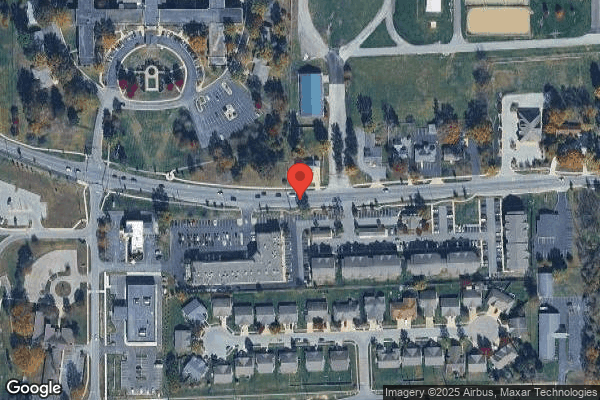
1070 W JEFFERSON ST, FRANKLIN, IN 46131 (317) 736-7185
Non profit - Church related 208 Beds OTTERBEIN SENIORLIFE Data: November 2025
Trust Grade
55/100
#275 of 505 in IN
Last Inspection: July 2024

Within standard 12-15 month inspection cycle. Federal law requires annual inspections.

Overview

Otterbein Franklin SeniorLife Community Res & Com Care has a Trust Grade of C, which means it is average and in the middle of the pack among nursing homes. It ranks #275 out of 505 facilities in Indiana, placing it in the bottom half, and it is the lowest-ranked option in Johnson County at #10 out of 10. The facility's trend is stable, with 5 issues reported in both 2024 and 2025, indicating no improvement or decline. Staffing is rated at 3 out of 5 stars, but with a turnover rate of 52%, this is average compared to Indiana's average of 47%. Although there have been no fines reported, which is a positive sign, there are some serious concerns to note. For example, there were incidents where residents were not protected from physical and sexual abuse, with one resident being involved in multiple inappropriate interactions with others. Additionally, the kitchen staff was observed not following proper hygiene practices during food preparation, which raises concerns about food safety. Overall, while there are some strengths in staffing and no fines, serious issues regarding resident safety and hygiene need consideration.

Trust Score
C
55/100
In Indiana
#275/505
Bottom 46%
Safety Record
Moderate
Needs review
Inspections
Holding Steady
5 → 5 violations
Staff Stability
⚠ Watch
52% turnover. Above average. Higher turnover means staff may not know residents' routines.
Penalties
✓ Good
No fines on record. Clean compliance history, better than most Indiana facilities.
Skilled Nurses
○ Average
Each resident gets 32 minutes of Registered Nurse (RN) attention daily — about average for Indiana. RNs are the most trained staff who monitor for health changes.
Violations
⚠ Watch
19 deficiencies on record. Higher than average. Multiple issues found across inspections.
★★★☆☆
3.0
Overall Rating
★★★☆☆
3.0
Staff Levels
★★★★☆
4.0
Care Quality
★★★☆☆
3.0
Inspection Score
Stable
2024: 5 issues
2025: 5 issues

The Good

  • 4-Star Quality Measures · Strong clinical quality outcomes
  • Full Sprinkler Coverage · Fire safety systems throughout facility
  • No fines on record

Facility shows strength in quality measures, fire safety.

The Bad

3-Star Overall Rating

Near Indiana average (3.1)

Meets federal standards, typical of most facilities

Staff Turnover: 52%

Near Indiana avg (46%)

Higher turnover may affect care consistency

Chain: OTTERBEIN SENIORLIFE

Part of a multi-facility chain

Ask about local staffing decisions and management

The Ugly 19 deficiencies on record

2 actual harm
Jul 2025 1 deficiency
CONCERN (D) 📢 Someone Reported This

A family member, employee, or ombudsman was alarmed enough to file a formal complaint

Potential for Harm - no one hurt, but risky conditions existed

Accident Prevention (Tag F0689)

Could have caused harm · This affected 1 resident

Based on observation, interview, and record review, the facility failed to provide supervision to prevent a cognitively impaired resident from exiting the facility without staff knowledge for 1 of 3 r...

Read full inspector narrative →
Based on observation, interview, and record review, the facility failed to provide supervision to prevent a cognitively impaired resident from exiting the facility without staff knowledge for 1 of 3 residents reviewed for supervision. (Resident B) Findings include:During an interview on 7/23/25 at 9:00 a.m., the Unit Secretary indicated she was working, on 7/1/25 at approximately 10:30 a.m., when Resident B exited the facility without staff knowledge. Resident B was found on the sidewalk next to the employee parking lot near the independent living houses where she used to live with her husband. Resident B was wearing a wanderguard (a bracelet that locks a door and sounds an alarm when a wandering resident approaches the door), but the door did not lock and the alarm did not sound. Resident B's wanderguard was in place when the Unit Secretary brought her back inside the facility. Resident B was normally confused and at different times she would press on the exit doors and said things like she wanted to go home. During an interview on 7/23/25 at 9:20 a.m., observed Resident B in her room, on the secured unit, lying in bed sleeping. Resident B's family member was sitting at her bedside and indicated Resident B had exited the facility a few weeks ago and he would be staying with her until her discharge at the end of the week when they were going to move out of state. The clinical record for Resident B was reviewed on 7/23/25 at 9:51 a.m. The diagnoses included, but were not limited to, dementia and delirium.A Wander and Elopement Risk Assessment, dated 6/28/25, indicated Resident B had a history of wandering, was unaware of safety concerns, had cognitive impairment, and poor decision making. A progress note, dated 6/29/25 at 8:26 p.m., indicated Resident B was confused and had been displaying exit seeking behaviors. A progress note, dated 7/1/25 at 10:56 a.m., indicated Resident B was found wandering in the employee parking lot on the sidewalk near the independent living homes. An admission Minimum Data Set (MDS) assessment, dated 7/2/25, indicated Resident B was severely cognitively impaired and had not displayed wandering behaviors.A Care Plan, dated 7/2/25, indicated Resident B was at risk for wandering and an elopement because she was disoriented to place, wandered, and had impaired safety awareness. Resident B had attempted to follow family members out of the facility, had searching behaviors, and had spoken about going home. During an interview on 7/23/25 at 10:02 a.m., the Administrator indicated Resident B walked out the door to the rehab unit, on 7/1/25 at 10:22 a.m. Resident B then walked to another exit where residents were taken outside when they were being transported. Resident B walked along the sidewalk that lined the employee parking lot where she was found by the Unit Secretary standing on the sidewalk. Resident B was brought back into the facility at 10:34 a.m. The rehab unit was not a secured unit. However, the door had a wanderguard alarm and a keypad, so when Resident B approached the door with the wanderguard, the door should have alarmed and locked but it did not. On 7/23/25 at 11:28 a.m., observed the path Resident B walked to the sidewalk where she was located by the Unit Secretary. Resident B walked out of the rehab unit door into a hallway that led to a set of sliding glass doors approximately 60 feet from the rehab unit. The sliding doors did not have a wanderguard alarm. Outside the sliding doors was a well-kept sidewalk along a parking lot. Resident B walked along the sidewalk and around to the side of the facility where the sidewalk ended at the employee parking lot, where Resident B was located by the Unit Secretary, approximately 150 feet from the sliding doors. On 7/23/25 at 11:42 a.m., observed the Unit Secretary hold a wanderguard in her hand and walked near the exit doors of the rehab unit. The door alarm sounded and locked. On 7/23/25 at 9:45 a.m., the Administrator provided a copy of a facility policy, titled Elopement, dated 3/27/00, and indicated this was the current policy used by the facility. A review of the policy indicated it was the policy of the facility that all necessary steps are taken to protect at risk elders from the risk of elopement.This citation relates to Complaint 12471943.1-45(a)(2)
May 2025 1 deficiency
CONCERN (D) 📢 Someone Reported This

A family member, employee, or ombudsman was alarmed enough to file a formal complaint

Potential for Harm - no one hurt, but risky conditions existed

Accident Prevention (Tag F0689)

Could have caused harm · This affected 1 resident

Based on observation, interview, and record review, the facility failed to prevent a severely cognitively impaired resident from exiting the facility without staff knowledge for 1 of 3 residents revie...

Read full inspector narrative →
Based on observation, interview, and record review, the facility failed to prevent a severely cognitively impaired resident from exiting the facility without staff knowledge for 1 of 3 residents reviewed for elopement. (Resident B) Findings include: During an interview on 5/13/25 at 11:26 a.m., Qualified Medication Aide (QMA) 1 indicated, on 4/27/25, Resident B got on the elevator after the dietary aide scanned their badge to open the elevator doors. Resident B wore a wanderguard so an alarm should have sounded when she approached the threshold of the elevator. On 5/13/25 at 11:29 a.m., observed Health Center (HC) 2's elevators from the HC2 common area. There were two elevators side by side marked 2 (elevator on the right side) and 2A (elevator on the left side). To the right of each elevator door, were the up and down buttons and a little black box marked elevator. To the right of elevator 2's door was another black box marked code alert and above the box marked code alert was a larger white box with a touch screen to enter a number code. Elevator 2 opened to a common area, on the first floor, that led to the front entrance. At that time, LPN 1 indicated the staff had to scan their badge on the black box marked elevator for the elevator door to open. The black box marked code alert, and the larger white box were for the wanderguard alarm, so if a resident who wore a wanderguard approached the threshold of the elevator an alarm sounded, and staff had to scan their badge or type a code into the larger white box to shut off the alarm. LPN 1 used another wanderguard to approach the elevator threshold and the alarm sounded. The alarm was shut off when LPN 1 scanned her badge on the black box marked code alert. The clinical record for Resident B was reviewed on 5/13/25 at 12:35 p.m. The diagnoses included, but were not limited to, Alzheimer's disease, anxiety disorder, and osteoporosis. A care plan, dated 8/4/23, indicated Resident B was at risk for an elopement related to impaired safety awareness. The interventions included, but were not limited to, distract Resident B from wandering by offering pleasant diversions, structured activities, food, conversation, or television(initiated on 8/4/23) and apply wanderguard to Resident B's left ankle (initiated on 8/4/23 and revised on 4/28/25). A quarterly Minimum Data Set (MDS) assessment, dated 2/27/25, indicated Resident B was severely cognitively impaired. A Wander/Elopement Risk Assessment, dated 2/27/25, indicated Resident B was a low risk for elopement. A progress note, dated 4/27/25 at 6:17 p.m., indicated Resident B had just walked past the nurses station with her walker. Writer was charting on the computer and said hi to Resident B. At approximately 4:30 p.m., received phone call from residential unit stating that they found Resident B outside in the front of the building . Resident B was returned to the unit by the weekend supervisor. On 5/13/25 at 1:55 p.m., the Administrator in Training (AIT) provided a copy of a disciplinary action form, dated 4/28/25, and indicated this was the disciplinary action taken when the dietary aide allowed Resident B onto the HC2 elevator. A review of the document indicated, on 4/27/25, the dietary aide called for the elevator for Resident B who was later found in the parking lot. The elopement policy was reviewed with the dietary aide. The document was signed by the dietary aide. On 5/14/25 at 8:41 a.m., observed the path Resident B walked when she exited through the main front entrance doors. Resident B entered the HC2 elevator 2, and went to the first floor. The elevator opened to a common area hall, with carpeted floors, that led to the main front entrance approximately 100 yards from the elevators. Just before the main front entrance door was a receptionist desk. Immediately outside the main front entrance door was a covered area 30 feet by 30 feet, that covered the driveway and entrance. A well-kept sidewalk led from the front door down, approximately 100 feet, on each side of the building. On the west side of the main entrance the sidewalk led to a smaller entrance approximately 50 feet from the main front entrance, a gazebo approximately 60 feet from the main entrance, and a stop sign at the end of the sidewalk. At the stop sign there was a driveway that led to the parking lot. On 5/14/25 at 9:02 a.m., observed the security footage, dated 4/27/25, when Resident B exited through the main front entrance. At that time, the Maintenance supervisor indicated Resident B used elevator 2 to get to the first floor. A review of the security footage indicated: - At 4:02 p.m., Resident B walked outside the main front entrance with her rollator. She stopped and turned to the right (west side of main entrance). - At 4:03 p.m., Resident B started to walk down the driveway. She did not use the sidewalk. - At 4:07 p.m., Resident B walked up onto the sidewalk near the stop sign. - At 4:08 p.m., Resident B stopped near the stop sign at the end of the sidewalk and turned around. Resident B started walking back toward the gazebo. - At 4:12 p.m., Resident B walked to the smaller front entrance and tried to open the door manually instead of using the handicap button. She was not able to open the door enough to get her rollator inside. - At 4:13 p.m., another resident approached Resident B, in an electric wheelchair, and held the door for Resident B to walk back inside. The smaller front entrance entered into the residential area of the facility where she was met by staff. On 5/13/25 at 9:25 a.m., the AIT provided a copy of a facility policy, titled Elopement, dated 11/2019, and indicated this was the current policy used by the facility. A review of the policy indicated it was the policy of the facility that all necessary steps were taken to protect at risk resident from the risk of elopement. All partners will be trained on hire regarding elopement controls, elopement/wandering and missing persons policies and procedures. This citation relates to Complaint IN00458454. 3.1-45(a)(2)
Apr 2025 3 deficiencies
CONCERN (D) 📢 Someone Reported This

A family member, employee, or ombudsman was alarmed enough to file a formal complaint

Potential for Harm - no one hurt, but risky conditions existed

Deficiency F0602 (Tag F0602)

Could have caused harm · This affected 1 resident

Based on observation, interview and record review, the facility failed to protect the resident's right to be free from misappropriation of residents' controlled medications for 2 of 3 residents review...

Read full inspector narrative →
Based on observation, interview and record review, the facility failed to protect the resident's right to be free from misappropriation of residents' controlled medications for 2 of 3 residents reviewed for misappropriation. (Resident B, Resident C) Findings include: 1. During an interview on 4/8/25 at 1:42 p.m., Unit Manager (UM) 1 indicated during the last week of February 2025, a medication monitoring record (a document used by the facility to reconcile controlled medications) was found in a binder that it did not belong behind the nurse's station. The medication monitoring record was for Resident B and indicated on 2/14/25, Resident B should have had two oxycodone (prescription narcotic pain medication) 15 milligrams (mg) tablets remaining in the locked medication cart. The medication monitoring record was last used on 2/14/25. When UM 1 looked, there were no oxycodone tablets remaining in the packet. UM 1 reported the discrepancy to the Director of Nursing (DON) that day. The clinical record for Resident B was reviewed on 4/9/25 at 10:13 a.m. The diagnoses included, but were not limited to, cerebral palsy, spondylosis, contractures, and cervical disc disorder with myelopathy. A quarterly Minimum Data Set (MDS) assessment, dated 1/1/25, indicated Resident B was cognitively intact. A current physicians order, initiated on 4/12/23, indicated give one oxycodone 15 mg tablet orally three times daily for pain. A Medication Monitoring Record, dated 2/10/25 through 2/14/25, indicated a packet of fifteen oxycodone 15 mg tablets were received from the pharmacy for Resident B. On 2/14/25, Resident B should have had two oxycodone 15 mg tablets left in the medication packet. The monitoring record lacked any documentation of waste, spoilage, nor disposition of the remaining two doses of oxycodone 15 mg. On 4/9/25 at 9:20 a.m., the Administrator provided a copy of a facility disciplinary action form, dated 3/19/25, and indicated this was the disciplinary action taken when the Director of Nursing (DON) informed the Administrator that he was made aware of an allegation of misappropriation of Resident B's controlled substances but did not report the information to the Administrator. A review of the disciplinary action form indicated the DON was suspended pending investigation and then terminated for not reporting an allegation of misappropriation on 2/25/25. 2. On 4/8/25 at 10:18 a.m., the Administrator provided a copy of a facility reportable incident, dated 3/17/25 at 11:01 a.m. A review of the reportable incident indicated Resident C alleged that RN 1 had not been administering her oxycodone 15 mg, but instead had been administering allergy pills to Resident C. On 4/18/25 at 10:18 a.m., the Administrator provided the investigation into the misappropriation of resident property. The investigation included, but was not limited to: - A typed and signed staff statement, dated 3/6/25, indicated LPN 1 found an unknown small white pill taped into Resident C's packet of oxycodone 15 mg. LPN 1 recognized the unknown pill because the oxycodone were small green tablets, and the unknown medication was a small white tablet. LPN 1 immediately went to UM 1 to report and the DON walked up, so LPN 1 reported to the DON. The statement was signed by LPN 1. - A typed and signed staff statement, dated 3/13/25 at approximately 12:45 p.m., indicated RN 2 reconciled the controlled substances with RN 1. When the reconciliation was completed, RN 2 noticed a medication cup on top of the medication cart that contained a small amount of pink liquid. When RN 2 asked RN 1 what was the pink liquid, RN 1 indicated the pink liquid was Resident C's oxycodone 15 mg that had to be destroyed. RN 2 watched RN 1 destroy the pink liquid, but later recognized Resident C's oxycodone 15 mg was green not pink. RN 2 reported to UM 1 and UM 1 immediately called the DON and reported this. - A typed and signed staff statement, dated 3/17/25, indicated Resident C told LPN 1 when she asked RN 1 for oxycodone 15 mg, RN 1 had been administering a small white tablet of an unknown medication. This was reported to UM 1 immediately. The clinical record for Resident C was reviewed on 4/8/25 at 10:41 a.m. The diagnoses included, but were not limited to, anxiety, chronic obstructive pulmonary disorder, and chronic respiratory failure. A quarterly MDS assessment, dated 2/7/25, indicated Resident C was cognitively intact. A current physicians order, initiated on 1/30/25, indicated give one oxycodone 15 mg orally every six hour as needed for moderate to severe pain. During an interview on 4/8/25 at 12:58 p.m., Resident C indicated when she would request an oxycodone 15 mg tablet for pain, RN 1 would give her a different unknown medication instead. Resident C had become concerned because she would get very tired and sleepy whenever RN 1 gave her the oxycodone but that was not her normal reaction to the oxycodone. Resident C started paying attention to what RN 1 would give to her when she requested her oxycodone. The oxycodone 15 mg were small green pills but when Resident C would request the oxycodone from RN 1, RN 1 would bring a little white pill shaped like a football. During an interview on 4/8/25 at 1:37 p.m., the Administrator indicated on approximately 3/6/25, LPN 1 made the Director of Nursing (DON) aware that one of Resident C's oxycodone 15 mg tablets had been removed from the pill packet and an unknown pill was placed into the packet then the packet was taped shut. During an interview on 4/8/25 at 2:20 p.m., LPN 1 indicated on 3/6/25, she found a little white pill of an unknown medication taped into Resident C's packet of oxycodone. She recognized the white pill because Resident C's oxycodone was a small green pill. LPN 1 reported the information to the DON immediately. On 4/9/25 at 9:20 a.m., the Administrator provided a copy of a facility disciplinary action form, dated 3/19/25, and indicated this was the disciplinary action taken when the Director of Nursing (DON) informed the Administrator that he was made aware of allegations of misappropriation of Resident B's oxycodone 15 mg, on 2/25/25, and Resident C's oxycodone, on 3/6/25, and on 3/13/25, but did not report the information to the Administrator until 3/17/25. A review of the disciplinary action form indicated the DON was suspended pending investigation and then terminated, on 3/19/25, for not reporting allegations of misappropriation. On 4/8/25 at 10:18 a.m., the Administrator provided a copy of a facility policy, titled Abuse, Mistreatment, Neglect, Exploitation and Misappropriation of Resident Property, dated 10/26/22, and indicated this was the current policy used by the facility. A review of the policy indicated residents have the right to be free from misappropriation of property. This citation relates to Complaint IN00455719. 3.1-28(a)
CONCERN (D) 📢 Someone Reported This

A family member, employee, or ombudsman was alarmed enough to file a formal complaint

Potential for Harm - no one hurt, but risky conditions existed

Report Alleged Abuse (Tag F0609)

Could have caused harm · This affected 1 resident

Based on interview and record review, the facility failed to report allegations of misappropriation of residents' narcotic (prescription controlled substance used to treat pain) pain medications to th...

Read full inspector narrative →
Based on interview and record review, the facility failed to report allegations of misappropriation of residents' narcotic (prescription controlled substance used to treat pain) pain medications to the Administrator for 2 of 3 residents reviewed for misappropriation. (Resident B, Resident C) Findings include: 1. During an interview on 4/8/25 at 1:42 p.m., Unit Manager (UM) 1 indicated during the last week of February 2025, a medication monitoring record was found in a binder behind the nurse's station. The medication monitoring record was for Resident B and indicated Resident B should have had two oxycodone (prescription narcotic pain medication) 15 milligrams (mg) tablets remaining in the locked medication cart. When UM 1 looked, there were no oxycodone tablets remaining in the packet. UM 1 reported this to the Director of Nursing (DON) that day. 2. On 4/8/25 at 10:18 a.m., the Administrator provided a copy of a facility reportable incident, dated 3/17/25 at 11:01 a.m. A review of the reportable incident indicated Resident C alleged that RN 1 had not been administering her oxycodone but instead had been administering allergy pills. During an interview on 4/8/25 at 1:37 p.m., the Administrator indicated on approximately 3/13/25, LPN 1 made the DON aware that a one of Resident C's oxycodone 15 mg tablets had been removed from the pill packet and an unknown pill was placed into the packet and the packet had been taped shut. The DON did not report this information to the Administrator until 3/17/25. The DON was terminated for not reporting this information to the Administrator immediately. During an interview, on 4/8/25 at 2:20 p.m. LPN 1 indicated she found a little white pill of an unknown medication taped into Resident C's packet of oxycodone. She recognized the white pill because Resident C's oxycodone was a small green pill. LPN 1 reported the information to the DON immediately. On 4/8/25 at 10:18 a.m., the Administrator provided a copy of a facility policy, titled Abuse, Mistreatment, Neglect, Exploitation and Misappropriation of Resident Property, dated 10/26/22, and indicated this was the current policy used by the facility. A review of the policy indicated all allegation of misappropriation of a resident's property should be reported to the state health department immediately. This citation relates to Complaint IN00455719. 3.1-28(c)
CONCERN (D) 📢 Someone Reported This

A family member, employee, or ombudsman was alarmed enough to file a formal complaint

Potential for Harm - no one hurt, but risky conditions existed

Pharmacy Services (Tag F0755)

Could have caused harm · This affected 1 resident

Based on observation, interview, and record review, the facility failed to ensure controlled medication records were accurately reconciled to account for all controlled drugs for 2 of 3 residents revi...

Read full inspector narrative →
Based on observation, interview, and record review, the facility failed to ensure controlled medication records were accurately reconciled to account for all controlled drugs for 2 of 3 residents reviewed for misappropriation of property. (Resident B, Resident C) Findings include: 1. During an interview on 4/8/25 at 1:42 p.m., Unit Manager (UM) 1 indicated during the last week of February 2025, a medication monitoring record (a document used by the facility to reconcile the number of controlled substances each resident had) was found in a binder behind the nurse's station. The document did not belong in the binder. The medication monitoring record was for Resident B and indicated Resident B should have had two oxycodone (controlled drug to treat pain) 15 milligrams (mg) tablets remaining in the locked medication cart. The medication monitoring record was last used, on 2/14/25. When UM 1 reviewed the packet of Resident B's oxycodone 15 mg, there were no oxycodone tablets remaining in the packet. The clinical record for Resident B was reviewed, on 4/9/25 at 10:13 a.m. Diagnoses included, but were not limited to, cerebral palsy, spondylosis, contractures, and cervical disc disorder with myelopathy. A current physicians order, initiated 4/12/23, indicated give one oxycodone 15 mg tablet orally three times daily for pain. During a medication reconciliation observation on 4/9/25 at 8:56 a.m., Qualified Medication Aide (QMA) 2 did not remove each controlled medication packets, so that both staff that reconciled the controlled drugs were able to observe the controlled medication in each packet. At that time, QMA 2 indicated when a controlled medication was delivered, the nursing staff should ensure the controlled medications were reconciled. The medication monitoring records were then placed in the controlled drug binder on each medication cart. Each time a nurse or QMA removed a controlled medication from the cart, that person should have signed the medication monitoring record, along with the date and time the medication was given, the amount that was on hand before administering the medication, the amount of medication administered, and the amount of the medication that remained in the cart. If a controlled medication had to be wasted, the staff should document that in the record of waste box and when a resident discharged , the amount of remaining controlled medication in the packet should have been documented in the disposition of remaining doses box. The monitoring records were used by the staff during shift change to reconcile the controlled medications. QMA 2 had not thought about both staff members observing the number of controlled drugs in each packet during a reconciliation. On 4/9/25 at 9:20 a.m., the Administrator provided a copy of a document, titled Medication Monitoring Record, dated 2/10/25 through 2/14/25. At the top of the monitoring record was a label that indicated a packet of 15 oxycodone 15 mg was delivered for Resident B on 2/10/25. Just below the label was a line that indicated Received by: (print name), licensed nurse and Amount Received. Just below that was a graph with seven tabs that ran across the document. The tabs were labeled from left to right, Name of Person Giving, Initial if in Error, Date MM/DD/YY [month, day, year], Time AM/PM, amount on hand, amount given, and amount remaining. Under the labeled boxes were lines that ran across the document, numbered 1 (first line) through 20 (last line). Just below that was a box labeled record of waste and spoilage and below that another box labeled disposition of remaining doses. A review of the information documented on the medication monitoring document indicated: Received by: (print name), Licensed Nurse like - one signature and one printed name. Date received line - 2/10/25. Amount received line - 15 tablets - Line 1 - signature, 2/10/25 at 12:00 p.m., 15 tablets on hand, 1 tablet administered, 14 tablets remained. - Line 2 - signature, 2/10/25 at 10:00 p.m., 14 tablets on hand, 1 tablet administered, 13 tablets remained. - Line 3 - signature, no date documented at 6:00 a.m., no on hand documented, no amount given documented, 12 tablets remained. - Line 4 - signature, 2/11/25 at 12:00 p.m., 12 tablets on hand, 1 tablet administered, 11 tablets remained. - Line 5 - signature, illegible date, no time documented, no on hand documented, no amount administered documented, 10 tablets remained. - Line 6 - no signature documented, no date documented at 6:00 a.m., no on hand documented, no amount given documented, 9 tablets remained. - Line 7 - signature, 2/12/25 at 12:00 p.m., 9 tablets on hand, 1 tablet administered, 8 tablets remained. - Line 8 - signature, 2/12/25 at 10:00 p.m., 8 tablets on hand, 1 tablet administered, 7 tablets remained. - Line 9 - signature, 2/13/25 at 6:00 a.m., 7 tablets on hand, 1 tablet administered, 6 tablets remained, and a line drawn through the documentation on line 9. - Line 10 - signature, 2/13/25 at 6:00 a.m., 6 tablets on hand, 1 tablet administered, 5 tablets remained. - Line 11 - signature, 2/13/25 at 12:00 p.m., 5 tablets on hand, 1 tablet administered, 4 tablets remained. - Line 12 - signature, 2/13/25 at 10:00 p.m., 4 tablets on hand, 1 tablet administered, 3 tablets remained. - Line 13 - signature, 2/14/25 at 6:00 a.m., 3 tablets on hand, 1 tablet administered, 2 tablets remained. The medication monitoring record, dated 2/10/25 through 2/14/25, lacked sufficient documentation to account for the controlled drug administrations on line 3, line 5, line 6, line 9 when a line was drawn through the documentation on line 9, and no documentation to account for the two remaining oxycodone tablets that remained, on 2/14/25. 2. On 4/8/25 at 10:18 a.m., the Administrator provided a copy of a facility reportable incident, dated 3/17/25 at 11:01 a.m. A review of the reportable incident indicated Resident C alleged that RN 1 had not been administering her oxycodone 15 mg but instead had been administering allergy pills to Resident C. During an interview on 4/8/25 at 2:20 p.m., LPN 1 indicated, on 3/6/25 at approximately 12:00 p.m. (approximately 4 hours after the shift started), she found a little white pill of an unknown medication taped into Resident C's packet of oxycodone 15 mg. She recognized the white pill because Resident C's oxycodone tablets were small green pills. LPN 1 didn't think she saw the oxycodone pill packet when she reconciled the controlled substances that morning. The clinical record for Resident C was reviewed on 4/8/25 at 10:41 a.m. The diagnoses included, but were not limited to, anxiety, chronic obstructive pulmonary disorder, and chronic respiratory failure. A current physicians order, initiated 1/30/25, indicated give one oxycodone 15 mg orally every six hour as needed for moderate to severe pain. On 4/9/25 at 9:20 a.m., the Administrator provided a undated copy of a facility policy, titled Narcotic Discrepancies, and indicated this was the current policy used by the facility. A review of the policy indicated the facility would maintain a signed medication count record. This citation relates to Complaint IN00455719. 3.1-25(e)(2)
Sept 2024 1 deficiency
CONCERN (D) 📢 Someone Reported This

A family member, employee, or ombudsman was alarmed enough to file a formal complaint

Potential for Harm - no one hurt, but risky conditions existed

Accident Prevention (Tag F0689)

Could have caused harm · This affected 1 resident

Based on observation, interview, and record review, the facility failed to provide supervision to prevent a cognitively impaired resident who resided on a secured memory care unit from walking out of ...

Read full inspector narrative →
Based on observation, interview, and record review, the facility failed to provide supervision to prevent a cognitively impaired resident who resided on a secured memory care unit from walking out of the facility for 1 or 3 residents reviewed for elopements. (Resident B) Finding includes: On 9/25/24 from 9:25 a.m. until 9:30 a.m., observed the North 33 exit door on the secured memory care unit that led outside to a courtyard. The glass exit door was unlocked by CNA 1 using a button behind the nurse's station. The courtyard was enclosed by a brick privacy fence with a wooden door. The wooden door had a deadbolt lock and a shiny silver metal latch with another lock. Outside the wooden door was a set of concrete stairs that led down to a sidewalk and then to the parking lot. The parking lot was approximately 60 feet from a street in an independent living neighborhood on the facility's property. At that time, CNA 1 indicated Resident B had a history of exit seeking behaviors. The staff supervised him more often. When Resident B tried to elope in the past he told staff he was going to work. During an interview on 9/25/24 at 11:47 a.m., the Maintenance Director indicated the lock on the wooden door in the courtyard was working prior to Resident B walking out to the parking lot. The wooden door should never be unlocked. During an interview on 9/26/24 at 8:42 a.m., the Administrator indicated her understanding was, on 9/9/24 at approximately 5:45 a.m., Resident B told CNA 2 he had to go to work. CNA 2 explained that Resident B didn't have to go to work and that she would get him some coffee after she finished with another resident. When CNA 2 was finished working with the other resident, the phlebotomist was on the unit looking for another resident. CNA 2 helped the phlebotomist find a resident and that was when CNA 2 noticed Resident B was not in his room and reported to the nurse. Meanwhile, at approximately 5:50 a.m., the facility received a phone call that a person had fallen in the parking lot. The night supervisor and another nurse walked outside to see what happened. Resident B was on the ground in the north parking lot and was sent to the hospital. On 9/25/24 at 10:00 a.m., the Administrator provided the facility investigation into Resident B's elopement. The investigation included, but was not limited to: An undated witness statement indicated, at 6:00 a.m. CNA 2 informed Licensed Practical Nurse (LPN) 1 that a resident was missing. CNA 2 picked up a phone and immediately began searching rooms and called the supervisor. CNA 2 was informed that Resident B had fallen outside in the parking lot. The door to the courtyard did not latch when LPN 1 pushed the button at the beginning of her shift and found the wooden door open upon further investigation. An undated witness statement indicated at approximately 5:30 a.m., Resident B told CNA 2 that he had to go to work. CNA 2 explained that Resident B did not have to go to work. CNA 2 went back to the resident she was assisting. The phlebotomist was looking for another resident, so CNA 2 took the phlebotomist to that resident. CNA 2 noticed Resident B wasn't in his room and had begun looking in the common area and dining area. CNA 2 notified the nurse. Then called another unit and was told a resident was found in the parking lot. A witness statement, dated 9/9/24, indicated RN 1 followed the night supervisor to the northside parking lot for a report of a person down on the ground. Upon observation and assessment, it was determined to call 911. When RN 1 returned to the unit, he informed CNA 2 that she needed to go to the parking lot to see if Resident B was the person on the ground. The clinical record for Resident B was reviewed on 9/25/24 at 10:11 a.m. The diagnoses included, but were not limited to, Alzheimer's disease, dementia, and osteoporosis. A Quarterly MDS (Minimum Data Set) assessment, dated 7/10/24, indicated Resident B was severely cognitively impaired. A care plan, dated 2/20/23, indicated Resident B was an elopement risk related to impaired safety awareness. Interventions included, but were not limited to, distract Resident B from wandering by offering pleasant diversions, structured activities, food, conversation, television, books Resident B prefers, and reside on secured unit for increased safety. A care plan, dated 3/7/23, indicated Resident B had at times placed all his belongings on his bed, had stated he was going home, and he needed to go to work. Interventions included, but were not limited to, provide emotional support as needed and offer activities of interest such as listening to his favorite music. A progress note, dated 9/9/24 at 7:00 a.m., indicated Resident B was up wandering before breakfast. Resident B told CNA 2 he was going to work. While CNA 2 and LPN 1 were in another resident's room providing assisting, Resident B exited the unit through the door to the courtyard. After entering the courtyard, Resident B opened the gate and entered the employee parking lot where he fell. The night supervisor assessed Resident B and called 911. An Interdisciplinary Team (IDT) note, dated 9/10/24 at 10:00 a.m., indicated the IDT met to discuss the fall and elopement. On 9/25/24 at 10:08 a.m., the Administrator provided a copy of a facility policy, titled Elopement, dated 11/6/19, and indicated this was the current policy used by the facility. A review of the policy indicated it was the policy of the facility that all necessary steps were taken to protect elders from the risk of elopement. This Federal tag relates to Complaint IN00442884. 3.1-45(a)(2)
Jul 2024 4 deficiencies
CONCERN (D)

Potential for Harm - no one hurt, but risky conditions existed

Respiratory Care (Tag F0695)

Could have caused harm · This affected 1 resident

Based on observation, interview, and record review, the facility failed to ensure a resident received continuous oxygen treatment therapy for 1 of 3 residents reviewed for oxygen. (Resident 81) Findin...

Read full inspector narrative →
Based on observation, interview, and record review, the facility failed to ensure a resident received continuous oxygen treatment therapy for 1 of 3 residents reviewed for oxygen. (Resident 81) Finding includes: During an observation on 7/24/24 at 10:12 a.m., Resident 81 was observed lying in bed with her eyes closed and the head of the bed elevated. At the head of Resident 81's bed, next to the wall was an oxygen concentrator with oxygen tubing lying from the back side of concentrator over the top with the nasal cannula on the front side of concentrator. The tubing was observed to be out of Resident 81's reach. During an observation on 7/24/24 at 1:08 p.m., Resident 81 was observed in bed with a food tray on the over bed table. The head of the bed was elevated. Resident 81's speech was slurred and she had difficulty keeping her eyes open. Resident 81's nasal cannula was observed to still be over the concentrator at the head of bed, out of reach of Resident 81. During an observation on 7/24/24 at 1:14 p.m., RN 2 placed pulse oximeter, (a device which detects and displays a person's oxygen saturation level) observed the pulse oximeter result display indicated a reading of 75 percent. RN 2 then placed oxygen nasal cannula on Resident 81. Resident 81 was observed to become more alert with clear, audible speech. During an observation 7/26/24 at 9:32 a.m., Resident 81 was observed up in a wheelchair propelling herself in the hallway with no oxygen. During an interview at that time, RN 10 indicated she was not familiar with Resident 81. RN 10 noted per order that Resident 81 had an order for continuous oxygen per nasal cannula. On 7/24/24 at 12:50 p.m., Resident 81's clinical record was reviewed. Resident 81's diagnoses included, but were not limited to, Chronic Obstructive Pulmonary Disease and acute and chronic Respiratory failure with hypoxia. The Quarterly Minimum Data Set (MDS) assessment, dated 5/10/24, indicated Resident 81 was severely cognitively impaired and utilized oxygen treatment therapy. Physician Orders included, but were not limited to, oxygen per nasal cannula continuous inhalation to maintain oxygen saturation greater than 90 percent, every shift for respiratory failure, initiated 12/9/22. The Care Plans included, but were not limited to: At risk for respiratory complications, initiated 2/25/22 The interventions included, but were not limited to, administer oxygen as ordered. On 7/29/24 at 10:02 a.m., the Administrator provided a copy of the Oxygen Therapy Policy, reviewed 11/2014, and indicated it was the current policy in use by the facility. A review of the policy indicated, .It is the policy of the Nursing Department to administer oxygen in accordance with physician's order and on an emergency basis . 3.1-47(a)(6)
CONCERN (D)

Potential for Harm - no one hurt, but risky conditions existed

Pharmacy Services (Tag F0755)

Could have caused harm · This affected 1 resident

Based on record review and interview, the facility failed to document the drug dispositions for 2 of 3 closed records reviewed for drug dispositions. (Resident 139, Resident 44) Findings include: 1. R...

Read full inspector narrative →
Based on record review and interview, the facility failed to document the drug dispositions for 2 of 3 closed records reviewed for drug dispositions. (Resident 139, Resident 44) Findings include: 1. Resident 139's closed clinical record was reviewed on 7/29/24 at 9:17 a.m. Resident 139 was discharged home on 6/12/24. The diagnoses included, but were not limited to, multiple sclerosis; dementia; mood disturbance and anxiety; epilepsy; GERD (gastro-esophageal reflux disease); congestive heart failure (CHF); hyperlipidemia (HDL); depression; constipation, pain, and hypertension (HTN). Physician's Orders, dated June 2024 and current at the time of Resident 139's discharge from the facility, included but were not limited to the following: - Acetaminophen (over the counter pain medication) 1000 milligrams (mg) by mouth at bedtime for pain - Albuterol Sulfate (a bronchodilator) inhalation nebulization solution 2.5 mg/3 ml (milliliters) .083% every 8 hours as needed for wheezing. - Atorvastatin (a medication used to treat high cholesterol) 20 mg at bedtime. - Cholecalciferol (Vitamin D) 50 micrograms (mcg) daily. - Docusate sodium (stool softner) 100 mg twice a day. - Escitalopram oxalate (antidepressant) 5 mg daily. - Furosemide (a diuretic medication) 20 mg daily. - Levetiracetam (anticonvulsant medication) 500 mg twice a day. - Metoprolol tartrate (a blood pressure medication) 12.5 mg twice a day. - Pantoprazole sodium (a medication used to treat GERD) 20 mg daily. The closed clinical record lacked a drug disposition document for Resident 139's non-narcotic medications. 2. Resident 44's closed clinical record was reviewed on 7/30/24 at 8:30 a.m. The diagnoses included, but were not limited to, HTN, type 2 diabetes, atrial fibrillation (a-fib), chronic kidney disease, HDL, restless leg syndrome (RLS), anemia, GERD, CHF, pain, and major depression. Physician's Orders, dated July 2024 and current at the time of Resident 44's death, included but were not limited to the following: - Acetaminophen extended release 650 mg every 6 hours as needed for pain. - Aspirin (anti-inflammatory medication) 81 mg daily. - Atorvastatin calcium 20 mg at bedtime. - Empagliflozin (medication used to treat diabetes) 25 mg daily. - Ferrous sulfate (iron supplement) 325 mg every other day. - Gabapentin (nerve pain medication) 100 mg, 2 capsules daily at bedtime. - Humalog kwik-pen insulin sliding scale for diabetes - Isosorbide mononitrate (a medication for heart related chest pain) 20 mg daily. - Pantoprazole sodium 40 mg daily. - Rivaroxaban (blood thinner) 15 mg daily. - Torsemide (diuretic medication) 60 mg twice a day. The closed clinical record lacked a drug disposition document for Resident 44's non-narcotic medications. During an interview on 7/29/24 at 11:45 a.m., the Administrator indicated the closed clinical records for Resident 139 and Resident 44 lacked drug dispositions records for their non-narcotic medications. The facility disposed of the medications upon the resident's discharge from the facility; however, a non-narcotic drug disposition record was not completed for either resident. During an interview on 7/31/24 at 8:45 a.m., Unit Manager 11 indicated resident medications were to be destroyed at the time of the resident's discharge from the facility. Non-narcotic drug disposition records were not completed when residents were discharged . On 7/29/24 at 11:40 a.m., the Administrator provided a copy of the Medication Disposal and Returns policy, dated 6/21/17, and indicated it was the current policy in use by the facility. A review of the document indicated, .facilities will dispose of .medications .in accordance with local, State, and Federal regulations . 3.1-25(s)
CONCERN (D)

Potential for Harm - no one hurt, but risky conditions existed

Infection Control (Tag F0880)

Could have caused harm · This affected 1 resident

**NOTE- TERMS IN BRACKETS HAVE BEEN EDITED TO PROTECT CONFIDENTIALITY** Based on observation, record review, and interview, the facility failed to ensure the staff were wearing PPE (personal protectio...

Read full inspector narrative →
**NOTE- TERMS IN BRACKETS HAVE BEEN EDITED TO PROTECT CONFIDENTIALITY** Based on observation, record review, and interview, the facility failed to ensure the staff were wearing PPE (personal protection equipment) for 1 of 3 residents who were observed for enhanced barrier precautions. (Resident 9) Findings Include: On 7/24/24 at 10:30 a.m., RN 2, CNA 4, LPN 3, entered Resident 9's room to provide wound care. RN 2 carried in supplies retrieved from treatment cart, LPN 3 assisted with turning and positioning Resident 9 while CNA 4 held clean linen. RN 2, LPN 3, and CNA 4 donned gloves. RN 2 and LPN 3 turned Resident 9 on his left side and RN 2 removed the old bandage and changed her gloves, no hand hygiene was observed. RN 2 cleaned the wound and a topical medication was applied to the wound. CNA 4 then provided incontinence care with only gloves. Only gloves were utilized during the observed treatment by all three staff providing care. Resident 9's clinical record was reviewed on 7/24/24 at 11:00 a.m., The diagnosis included, but was not limited to, pressure ulcer of right buttock, stage 3. The Quarterly MDS (Minimum Data Set) assessment, dated 6/14/24, indicated Resident 9 had moderate cognitive impairment and an open area to the right buttock. The Physician Orders included, but were not limited to, Enhanced Barrier Precautions- Gloves and Gown with treatment and or care every shift for wound ordered 3/16/20 During an interview on 7/26/9:28 a.m., Resident 9 indicated that Nurses never wear a gown when providing wound care. During an interview on 7/26/24 at 11:00 a.m., Administrator indicated that staff should wear gloves and gown with Enhanced Barrier Precautions. On 7/29/24 at 10:02 a.m., the Administrator provided a copy of policy titled, [NAME] Senior Life Procedure, Isolation Precautions, revised 8/1/22. The policy indicated Elements of Enhanced Barrier Precautions, gloves and gowns should be work during high-contact resident care, dressing, bathing/showering, changing linens, transferring (when in resident room), providing hygiene, toileting, device care (use in central line, urinary catheter, feeding tube, tracheostomy) and wound care (skin opening requiring a dressing). 3.1-18(b)(1)
CONCERN (E)

Potential for Harm - no one hurt, but risky conditions existed

Food Safety (Tag F0812)

Could have caused harm · This affected multiple residents

Based on observation, interview, and record review, the facility failed to ensure foods were served in a sanitary and safe manner for 6 of 6 kitchen observations. Staff hair was not covered while in t...

Read full inspector narrative →
Based on observation, interview, and record review, the facility failed to ensure foods were served in a sanitary and safe manner for 6 of 6 kitchen observations. Staff hair was not covered while in the kitchen food preparation area. (Assistant Dietary Manager, Chef 5, Dietary Aide 6, Dietary Aide 7, Kitchen Contractor 8, and Dietary Aide 9) Findings include: 1. During the initial kitchen tour with the Dietary Manager (DM), on 7/23/24 from 10:10 a.m. to 10:20 a.m., the following was observed: - Assistant DM was observed walking throughout the kitchen area where the noon meal was being prepared. Assistant DM's hair located in front of her ears was approximately 2 inches in length and the hair at the neckline was approximately 4 inches in length. The hair was observed to not be covered. - Chef 5 was observed walking throughout the kitchen area where the noon meal was being prepared. Chef 5's hair, approximately 2 inches in length, was observed to not be covered. 2. During a follow-up kitchen observation, on 7/23/24 from 11:30 a.m. to 12:05 p.m., the following as observed: - Dietary Aide 6 was observed at the steamtable taking the noon starting food temperatures and plating the noon meal. Dietary Aide 6 had multiple loose hairs in front of her ears and at the neckline. The loose hairs were approximately 3 inches in length and were observed to not be covered. - Dietary Aide 7 was observed plating the noon meal at the steamtable. Dietary Aide 7 had multiple loose hairs in front of her ears and across the top of her head. The loose hairs were approximately 1 inch in length and were observed to not be covered. - Chef 5 was observed walking throughout the kitchen area where the noon meal was being plated. Chef 5 was observed preparing food for the evening meal. Chef 5 had multiple loose hairs in front of his ears and at the neckline. The loose hairs were approximately 2 inches in length and were observed to not be covered. - Kitchen Contractor 8 was observed walking throughout the kitchen area and near the steamtable where the noon meal foods were being plated. Kitchen Contractor 8's hair on his head was approximately 1 inch in length. He also had facial hair, approximately 2 inches in length, that covered his entire facial area. Kitchen Contractor 8's hair was observed to not be covered. During an interview at that time, Kitchen Contractor 8 indicated all hair was to be kept covered when in the kitchen area. 3. During a dining observation on 7/23/24 at 12:10 p.m., Dietary Aide 9 was observed in the Rehabilitation Unit. Dietary Aide 9 was observed working at the steamtable unit and was plating the resident's noon meal. Dietary Aide 9 had multiple hair braids in front of the left ear. The braids were approximately 7 inches in length and were observed to not be covered. 4. During a follow-up kitchen observation, on 7/23/24 from 12:30 p.m. to 12:45 p.m., the following was observed: - Chef 5 was observed walking throughout the kitchen area; near the steamtable where the noon meal was being plated; and working at the food preparation table preparing desserts for the evening meal. Chef 5 had multiple loose hairs in front of his ears and at the neckline. The loose hairs were approximately 2 inches in length and were observed to not be covered. - Dietary Aide 6 was observed plating the noon meals at the steamtable and was taking the ending temperatures for the noon meal. Dietary Aide 6 had multiple loose hairs in front of her ears and at the neckline. The loose hairs were approximately 3 inches in length and were observed to not be covered. 5. During a follow-up kitchen observation, on 7/30/24 from 11:10 a.m. to 11:20 a.m., the following was observed: - Dietary Aide 6 was observed frying an egg on the grill and taking the noon meal food starting temperatures at the steamtable. Dietary Aide 6 had multiple loose hairs in front of her ears and at the neckline. The loose hairs were approximately 3 inches in length and were observed to not be covered. - Assistant DM was observed near the grill area where noon foods were being prepared and was near the steamtable where the noon meal foods were being held. Assistant DM's hair located in front of her ears was approximately 2 inches in length and the hair at the neckline was approximately 4 inches in length. The hair was observed to not be covered. 6. During a follow-up kitchen observation, on 7/30/24 from 1:15 p.m. to 1:20 p.m., Dietary Aide 6 was observed at the steamtable plating the noon meal and began taking the ending temperatures for noon meal. Dietary Aide 6 had multiple loose hairs in front of her ears and at the neckline. The loose hairs were approximately 3 inches in length and were observed to not be covered. During an interview on 7/23/24 at 12:50 p.m.c, the DM indicated all staff's hair was to be covered while in the kitchen. During an interview on 7/30/24 at 1:25 p.m., the Corporate Traveling Chef indicated staff were to keep their hair completely covered while in the kitchen. On 7/25/24 at 9:00 a.m., the DM provided a copy of the Employee Sanitary Practices policy, dated 2013, and indicated it was the current policy in use by the facility. A review of the policy indicate, .all kitchen employees will practice standard sanitary procedures .wear hair restraints when preparing food (hairnet, hat, and/or beard restraint) to prevent from contacting exposed food .follow all federal, state, and local requirements . On 7/25/24 at 4:05 p.m., a review of the Retail Food Establishment Sanitation Requirements Title 410 IAC 7-24, effective November 13, 2004, indicated, .food employees shall wear hair restraints, such as .beard restraints . 3.1-21(i)(2) 3.1-21(i)(3)
Sept 2023 2 deficiencies
CONCERN (D)

Potential for Harm - no one hurt, but risky conditions existed

Deficiency F0554 (Tag F0554)

Could have caused harm · This affected 1 resident

**NOTE- TERMS IN BRACKETS HAVE BEEN EDITED TO PROTECT CONFIDENTIALITY** Based on observation, interview, and record review, the facility failed to ensure a self medication administration assessment wa...

Read full inspector narrative →
**NOTE- TERMS IN BRACKETS HAVE BEEN EDITED TO PROTECT CONFIDENTIALITY** Based on observation, interview, and record review, the facility failed to ensure a self medication administration assessment was completed for residents with medications at bedside for 1 of 1 random observations. (Resident 82) Finding includes: During an observation on 8/24/23 from 12:03 p.m. to 12:07 p.m., Resident 82's room door was open. The resident's door was in full view of the hall. Resident 82 was up in her recliner with a bedside table over her lap. No staff were observed to be in the room or in hallway. The following items were observed to be sitting on top of the bedside table: - One clear plastic pill cup was filled with miscellaneous tablet and capsules. - One clear plastic pill cup was observed with unidentifiable medications. - One clear plastic pill cup was observed approximately half-filled with a pink-colored liquid. On 8/30/23 1:03 p.m., Resident 82's clinical record was reviewed. The clinical record lacked a self-administration of medications assessment for Resident 82. On 8/30/23 at 1:26 p.m., a record review of the Minimum Data Set (MDS), dated [DATE], indicated, .administer medications per Physician's order and keep safe and secure within facility. During an interview on 8/24/23 at 12:10 p.m., Licensed Practical Nurse (LPN 3) indicated staff were not supposed to leave medications at the bedside. On 8/29/23 at 1:00 p.m., the Executive Director provided a policy titled Medication Administration Policy, dated 11/21/17, and indicated it was the policy currently in use for the facility. The policy indicated, documented medications will be administered to residents as prescribed and by persons lawfully authorized to do so in a manner consistent with good infection control and standards of practice. 3.1-11(a)
CONCERN (D)

Potential for Harm - no one hurt, but risky conditions existed

Deficiency F0558 (Tag F0558)

Could have caused harm · This affected 1 resident

Based on observation, interview, and record review, the facility failed to provide reasonable accommodation of needs for 2 of 3 random observations. Two resident's call lights were not within reach. (...

Read full inspector narrative →
Based on observation, interview, and record review, the facility failed to provide reasonable accommodation of needs for 2 of 3 random observations. Two resident's call lights were not within reach. (Resident 109, Resident 81) Finding includes: 1. On 8/24/23 at 11:34 a.m., observed Resident 109 sitting in a chair in his room facing his TV. The call light was attached to his bed directly behind him and was out of reach. On 8/25/23 at 9:23 a.m., Resident 109 was observed sitting in a chair facing the TV with the call light attached to the bed. The call light was observed to be behind the resident out of reach. Resident 109 indicated that he wanted brown sugar for his grits. During an interview on 8/25/23 at 9:26 a.m., CNA 1 indicated Resident 109 used his call light. On 8/30/23 at 8:54 a.m., Resident 109's clinical record was reviewed. The Quarterly MDS (Minimum Data Set) assessment, dated 6/6/23, indicated Resident 109 had moderate cognitive impairment and required limited assistance of one person for transfers. 2. On 8/24/23 at 12:13 p.m., observed Resident 81 up in recliner. Resident 81's call light was observed on her bed, out of reach. At that time, Resident 81 indicated she used the call light when needed. During an interview on 8/24/23 at 12:16 p.m., CNA 2 indicated most residents used their call light when assistance was needed. On 8/30/23 at 10:10 a.m., Resident 81's clinical record was reviewed. The Quarterly Minimum Data Set (MDS) assessment, dated 8/2/23, indicated the resident was dependent on staff for toileting. During an interview on 8/29/23 at 12:55 p.m., the Administrator indicated that the facility lacked a policy regarding call lights being within reach of the resident. The Administrator indicated call lights should have been within reach of the residents. 3.1-3(v)(1)
Mar 2023 1 deficiency
CONCERN (D) 📢 Someone Reported This

A family member, employee, or ombudsman was alarmed enough to file a formal complaint

Potential for Harm - no one hurt, but risky conditions existed

Free from Abuse/Neglect (Tag F0600)

Could have caused harm · This affected 1 resident

Based on interview and record review, the facility failed to protect the residents right to be free from sexual abuse by a resident to another resident for 2 of 3 resident reviewed for abuse. (Residen...

Read full inspector narrative →
Based on interview and record review, the facility failed to protect the residents right to be free from sexual abuse by a resident to another resident for 2 of 3 resident reviewed for abuse. (Resident B, Resident C, Resident D) Finding includes: During an interview on 3/17/23 at 8:29 a.m., LPN 1 indicated she was on the unit the day Resident C touched Resident D's breast, on 3/2/23. She heard about Resident C touching Resident B's breast on 3/4/23, but she did not work that day. The clinical record for Resident B was reviewed on 3/17/23 at 8:31 a.m. The diagnoses included, but were not limited to, dementia and traumatic brain injury. A Quarterly MDS (Minimum Data Set) assessment, dated 2/1/23, indicated Resident B was not cognitively intact. A progress note, dated 3/4/23 at 5:45 p.m., indicated RN found Resident C with his fingers on Resident B's nipples. When Resident C saw RN coming, he quickly put his hand up Resident B's shirt and felt her breast. Resident B did not seem upset, as she was talking out loud and smiling, although using a lot of word salad (confused or unintelligble mixutre of seemingly random words or phrases). Resident B separated from Resident C and taken to her room to lay down, rest, and watch TV. The clinical record for Resident D was reviewed on 3/17/23 at 8:38 a.m. The diagnoses included, but were not limited to, Alzheimer's disease and depression. A Quarterly MDS assessment, dated 1/11/23, indicated Resident D was not cognitively intact. A progress note, dated 3/2/23 at 4:30 p.m., indicated Resident D was found in Resident C's room. Resident C was present as well. Resident D was naked except for a brief. Resident C was naked from the waste down. The CNA witnessed Resident C touching Resident D's breast. Resident D did not look distressed or show any emotion toward the incident. The residents were immediately separated. The clinical record for Resident C was reviewed on 3/17/23 at 10:36 a.m. The diagnoses included, but were not limited to, cerebral infarct and bipolar disorder. A Quarterly MDS assessment, dated 3/3/23, indicated Resident C was not cognitively intact. A care plan, dated 3/3/23 and current through 5/30/23, indicated Resident C had physical behavior problems directed toward others such as touching a female resident's breast, attempting to touch staff's breast. Interventions included, but were not limited to, resident is one to one supervision at this time, initiated 3/5/23. A progress note, dated 3/2/23 at 4:30 p.m., indicated Resident D was found in Resident C's room. Resident D was nude except for an incontinence brief and Resident C was nude from the waist down. CNA witnessed Resident C touching Resident D's breasts. Resident D did not look distressed or show any emotion towards said incident. Residents were immediately separated. A progress note, dated 3/4/23 at 5:45 p.m., indicated Resident C out in hallway in his wheelchair. RN told Resident C she was going to give him his medication and he continued to wheel past RN. RN picked up the medicine and opened up a Coke for Resident C. Upon going around the corner immediately with the medication, the RN saw Resident C with his fingers on Resident B's nipples. When Resident C saw the RN coming, he quickly put his hand up Resident B's shirt and felt her breast. Both parties immediately separated and Resident C was taken to his room. A stop sign was placed across his doorway. On 3/17/23 at 9:08 a.m., the Administrator provided a copy of an undated facility policy, titled Abuse, Mistreatment, Neglect, Exploitation and Misappropriation of Resident Property, and indicated this was the current policy used by the facility. A review of the policy indicated residents have the right to be free from abuse. This Federal tag relates to Complaint IN00403114. 3.1-27(a)(1)
Jan 2023 2 deficiencies
CONCERN (D) 📢 Someone Reported This

A family member, employee, or ombudsman was alarmed enough to file a formal complaint

Potential for Harm - no one hurt, but risky conditions existed

Free from Abuse/Neglect (Tag F0600)

Could have caused harm · This affected 1 resident

Based on interview and record review, the facility failed to protect the residents right to be free from physical and verbal abuse by another resident for 1 of 3 residents reviewed for abuse. (Residen...

Read full inspector narrative →
Based on interview and record review, the facility failed to protect the residents right to be free from physical and verbal abuse by another resident for 1 of 3 residents reviewed for abuse. (Resident B, Resident C) Finding includes: Resident B's clinical record was reviewed on 1/9/23 at 1:35 p.m The diagnoses included, but were not limited to, dementia unspecified severity with agitation, psychotic disturbances, and Alzheimer disease. The progress notes indicated that on 11/21/22, Resident B had a resident to resident altercation with his roommate, Resident C. Resident B pushed Resident C down by the bathroom door and blocked the staff from entering the room. Resident B continued to yell at Resident C. The police and security were called to assist to get into the room. Upon opening the door, Resident C was observed to be on the floor with Resident B standing over the top of him. Resident C's clinical record wad reviewed on 1/9/23 at 12:00 p.m. The diagnosis included, but was not limited to, dementia without behaviors. The clinical indicated Resident B had no cognitive impairment. The progress note indicated that on 11/21/22, Resident C was trying to come out of his room to see staff when there was a resident to resident altercation. Resident B pushed Resident C to the floor and would not let Resident C out of the room. Resident C blocked the door. After the door was able to be opened, the staff removed Resident C from the floor was assessed to have a skin tear on the left upper arm. During an interview with House Supervisor on 1/9/23 at 3:55 p.m., she indicated she was called by the CNA (Certified Nursing Assistant) to come to the Special Care Unit immediately. Upon her arrival, she observed the CNA and nurse attempting to get into Resident B and Resident C's room, however, Resident B was blocking the door. Security and police were called and were able to remove Resident C out of the room. During an interview with CNA 1 on 1/9/23 at 4:10 p.m., she indicated she was coming out of another room and heard a door open slowly then slammed shut. At that time, she was able to get the door open slightly and she observed Resident B standing over Resident C with his foot on Resident C's abdomen. Then Resident B slammed the door shut again and she was unable to get into the room. This Federal tag relates to Complaint IN00398091. 3.1-27(a)(1) 3.1-27(b)
CONCERN (D) 📢 Someone Reported This

A family member, employee, or ombudsman was alarmed enough to file a formal complaint

Potential for Harm - no one hurt, but risky conditions existed

Accident Prevention (Tag F0689)

Could have caused harm · This affected 1 resident

Based on interview and record review, the facility failed to provide supervision to prevent elopements for 1 of 1 residents reviewed for elopement. (Resident B) Finding includes: On 1/9/23 at 1:50 p.m...

Read full inspector narrative →
Based on interview and record review, the facility failed to provide supervision to prevent elopements for 1 of 1 residents reviewed for elopement. (Resident B) Finding includes: On 1/9/23 at 1:50 p.m., SS (Social Services) indicated when Resident B returned from a hospitalization he was placed on the unsecured side of the facility until a bed on the secured unit was available. Resident B's clinical record wad reviewed on 1/9/23 at 2:15 p.m. The diagnoses included but were not limited to, dementia with behaviors. An Annual MDS (Minimum Data Set) assessment, dated 12/28/22, indicated Resident B was not cognitively intact. A late entry progress note dated, 11/30/22 at 3:31 a.m., indicated Resident B was observed sitting in a recliner in the common area at 1:15 a.m. The nurse started passing medications down the east hall and heard the elevator open. The nurse had run up front to find Resident B had gotten on the elevator. A head count was initiated and the nurse and staff started looking for Resident B. At 2:00 a.m., the resident was seen walking up to the employee entrance door and came inside. A progress note, dated 11/29/22 at 1:16 p.m., the SS indicated during an interview with Resident B, Resident B remembered taking a walk and stated he just wanted to take a walk. Resident B was placed on 15 minutes checks. This Federal tag relates to Complaint IN00398091. 3.1-45(a)(2)
Oct 2022 4 deficiencies 2 Harm
SERIOUS (G)

Actual Harm - a resident was hurt due to facility failures

Free from Abuse/Neglect (Tag F0600)

A resident was harmed · This affected 1 resident

Based on interview and record review, the facility failed to protect the residents right to be free from sexual and physical abuse for 3 of 4 residents reviewed. This deficient practice resulted in th...

Read full inspector narrative →
Based on interview and record review, the facility failed to protect the residents right to be free from sexual and physical abuse for 3 of 4 residents reviewed. This deficient practice resulted in three residents being sexually and physically abused by another resident within one and a half hours. (Resident 225, Resident 10, Resident 71, Resident 93) Findings include: On 10/21/22 at 10:10 a.m., a facility reportable incident was received. The reportable incident, dated 10/20/22, indicated Resident 225 was found by staff in Resident 10's room. Resident 225 had her hand on Resident 10's genital area. Resident 225 was redirected out to the nurse's area. A half an hour later Resident 225 was observed to be sitting on Resident 71's lap. Resident 225 was touching Resident 71's face and attempting to kiss him on the face. The residents were separated. Within the next half hour, Resident 225 was observed by staff to make physical contact to Resident 93's face with an open hand. On 10/21/22 at 12:00 p.m., Resident 225's clinical record was reviewed. The diagnosis included, but was not limited to, generalized anxiety disorder. The Medicare MDS (Minimum Data Set) assessment, dated 10/4/22, indicated Resident 225 had severe cognitive impairment. A care plan, dated 9/28/22 and current through 1/20/23, indicated Resident 225 had a behavior problem related to dementia. The interventions included, but were not limited to, provide one on one observation, as needed. A Behavior Note, dated 10/8/22 at 3:24 a.m., indicated Resident 225 was awake at this time. Regularly attempting to enter other resident and becomes agitated and combative when not allowed to enter other resident rooms. A Behavior Note, dated 10/10/22 at 5:49 a.m., indicated Resident 225 was going into other residents rooms and going through their things. When reminded that was not her room and trying to redirect, resident became agitated and combative. Resident 225 continued to wander the unit at that time. A Behavior Note, dated 10/10/22 at 8:55 a.m., indicated Resident 225 was going into other resident's rooms and getting in their beds with them. Resident 225 was trying to pull other residents out of their beds. A Behavior Note, dated 10/10/22 at 5:55 p.m., indicated Resident 225 continues to go into other resident's rooms. Staff has tried to remove resident to another area and she starts yelling Stop, I will hit you and call the police. A Behavior Note, dated 10/12/22 at 8:37 p.m., indicated Resident 225 was in the common area bothering the other residents while they were watching a movie. Resident 225 then sat down on another resident's lap. A Behavior Note, dated 10/13/22 at 9:12 a.m., indicated another resident complained that Resident 225 entered her room in the middle of the night. Resident 225 allegedly had woken and scared this female resident. Resident 225 was touching the residents face. On 10/20/22 between 5:30 p.m., and 6:45 p.m., the following aggressive behaviors were exhibited: 1. A Behavior Monitoring Record, dated 10/20/22 at 5:50 p.m., indicated staff found Resident 225 in Resident 10's room. Resident 225 had her hand over Resident 10's incontinence brief, over the penis area. Resident 10 appeared uncomfortable and was trying to get up. Resident 225 held Resident 10 down by his arm. 2. A Behavior Monitoring Record, dated 10/20/22 at 6:40 p.m., indicated Resident 225 was observed to be sitting on Resident 71's lap. Resident 225 was stroking his face and ready to kiss him. 3. A Behavior Monitoring Record, dated 10/20/22 at 6:45 p.m., indicated Resident 225 had went into Resident 93's room and slapped Resident 93 on the hand. The clinical record for Resident 10 was reviewed on 10/21/22 at 10:30 a.m. A Quarterly MDS assessment, dated 7/27/22, indicted Resident 10 had severe cognitive impairment. The clinical record for Resident 71 was reviewed on 10/21/22 at 12:00 p.m. A Quarterly MDS assessment, dated 9/21/22, indicated Resident 71 had severe cognitive impairment. During an interview on 10/21/22 at 10:47 a.m., Resident 71's indicated that he was fine. Resident 71 has no recollections of any negative interactions with staff or other residents. The clinical record for Resident 93 was reviewed on 10/21/22 at 12:30 p.m. A Quarterly MDS assessment, dated 10/1/22, indicated Resident 93 had mild cognitive impairment. During an interview on 10/21/22 at 10:30 a.m., Resident 93 indicated she does recall being slapped by Resident 225. Resident 93 also indicated Resident 225 goes in and out of other resident rooms. Resident 225 gets into other resident's belongings. She gets agitated and combative when someone attempts to get her out of the other residents rooms. During an interview on 10/21/22 at 11:05 a.m., CNA 7 indicated she was working the evening of 10/20/22. CNA 7 witnessed Resident 225 touching Resident 10 inappropriately. She indicated Resident 10 was a retired minister and was actively trying to get away from Resident 225. He was visibly uncomfortable and trying to move away from Resident 225. Resident 225 was holding him and physically preventing him from stopping her or getting away. Resident 225 has had ongoing aggression since she was admitted . Resident 225 at times has tried to pull other residents out of their beds. We were unable to provide one on one observation of Resident 225 during the incidents. She indicated staff did try to keep Resident 225 in sight. She indicated there was only one nurse and one CNA working the unit that shift. During an interview on 10/21/22 at 10:17 a.m., LPN 6 indicate she had worked during the evening of 10/20/22. She indicated three incidents all occurred close together yesterday evening with Resident 225 engaging in inappropriate/abusive behaviors with three other residents on the memory care unit. Resident 225 was inappropriately touching a male resident, Resident 10, in a sexual way, she was sitting on another male resident, Resident 71's, lap trying to kiss him, and then slapped a third female resident, Resident 93. LPN 6 indicated they were unable to provide one on one observation of Resident 225 due to only one nurse and one CNA working at that time. On 10/28/22 at 12:30 p.m., the Administrator indicated Resident 225 should have been placed on one on one observation after the first incident. She also indicated she thought Resident 225 was put on one on one observation after the first incident. On 10/18/22 at 9:00 a.m., the Administrator provided a policy titled Abuse Policy, undated, and indicated it was the current policy being used by the facility. The following are examples of abuse .a. Physical Abuse .slapping .b. Sexual Abuse .1. Nonconsensual sexual contact with a resident by another resident or visitor. 3.1-27(a)(1)
SERIOUS (G)

Actual Harm - a resident was hurt due to facility failures

Deficiency F0725 (Tag F0725)

A resident was harmed · This affected 1 resident

**NOTE- TERMS IN BRACKETS HAVE BEEN EDITED TO PROTECT CONFIDENTIALITY** Based on observation, interview, and record review, the facility failed to ensure sufficient nursing staffing services were avai...

Read full inspector narrative →
**NOTE- TERMS IN BRACKETS HAVE BEEN EDITED TO PROTECT CONFIDENTIALITY** Based on observation, interview, and record review, the facility failed to ensure sufficient nursing staffing services were available and provided to the residents residing in 1 of 5 units within the facility. The lack of sufficient staff failed to meet the expectations outlined in the facility's assessment; the established staff to resident ratio; and the resident population acuity level. This deficient practice resulted in 3 residents being sexually and physically abused. ([NAME] Special Care unit) Findings include: 1. During the survey period, from 10/17/22 to 10/28/22, the following interviews were conducted: a. The [NAME] Special Care unit was supposed to have 2 CNAs (Certified Nursing Assistant) assigned to the unit. However, often a CNA would be reassigned to a different unit because it was short staffed which then led the [NAME] Special Care unit to also be short staffed. Not having enough staff made it difficult to meet the needs of the residents, especially when a resident required one-to-one supervision due to behavioral issues. On 10/20/22 between 5:30 p.m. to 6:30 p.m., a resident needed one-to-one supervision because of inappropriate/abusive behaviors toward three residents. During that time, only one licensed nurse (Registered Nurse or Licensed Practical Nurse) and one CNA were working in the unit and they were unable to provide one-to-one supervision for the resident due to lack of staff. b. When only 1 CNA was working in the [NAME] Special Care unit, it was tough to take care of the residents when they were exhibiting behavioral issues. On 10/20/22 between 5:30 p.m. and 6:30 p.m., one licensed nurse and one CNA were working in the unit. A resident was in need of one-to-one supervision because of inappropriate behaviors. There were not enough staff to provide the one-to-one supervision and provide care for the other residents on the unit. c. The Memory Care Unit was to have one licensed nurse and 2 CNAs for the 6:45 a.m. to 6:45 p.m. shift. There were times when a CNA was reassigned to another unit and that CNA was not replaced on the memory care unit. d. The CNA scheduled work hours were from 6:45 a.m. to 6:45 p.m. Only one CNA was working in the memory care unit on the day of the interview. On 10/20/22 a CNA was originally assigned to the memory care unit. At 2:30 p.m., the CNA was reassigned to another unit which left one nurse and one CNA in the memory care unit for the remainder of the shift. It was reported probably half of the residents on the unit had behavioral issues including physical aggression toward others. e. The Memory Care Unit was to have one licensed nurse and 2 CNAs for each day from 6:45 a.m. to 6:45 p.m. On 10/24/22, there was one CNA and a CNA in training (who was not able to perform all the duties of a CNA) working on the unit. f. On the date of the interview, there was a nurse, one Helping Hand worker, one student CNA, one CNA, and a new CNA (in orientation) working in the memory care unit. It was rare to have that many staff working on this unit at one time. On 10/20/22 the schedule showed there were to be 2 CNAs working with the licensed nurse on the unit. One CNA was reassigned to another unit at 2:45 p.m. which left just one CNA and the licensed nurse in the memory care unit. It was indicated possibly a resident's behavioral issues were caused by the lack of staff working on the unit. g. For the past several weeks, there had not been enough staff to take care of all the residents. Staff are pulled from this unit to work in another area and that leaves us short. 2. The following observations were noted during the survey. a. On 10/21/22 from 10:45 a.m. to 11:25 a.m., the [NAME] Special Care unit had one licensed nurse and two CNAs working at that time. b. On 10/24/22 from 2:45 p.m. to 3:00 p.m., the [NAME] Special Care unit had one licensed nurse and one CNA working at that time. c. On 10/25/22 from 9:30 a.m. to 9:45 p.m., the [NAME] Special Care unit had one licensed nurse, one CNA and two CNAs in training working at that time. 3. On 10/24/22 at 11:10 a.m., the Administrator provided a copy of the [NAME] Special Care Unit's staffing grid. A review of the document indicated for the memory care census of 23 residents, the unit required one licensed nurse and 2 CNAs for the 6:45 a.m. to 6:45 p.m. shift; one Helping Hand for an eight-hour shift; and one nurse and one CNA for the 6:45 p.m. to 6:45 a.m. shift. On 10/24/22 at 11:10 a.m., the Administrator provided a copy of the [NAME] Special Care unit as worked licensed nurse and CNA staffing schedule. A review of the document indicated the following: -On 9/25/22 from 6:45 a.m. to 6:45 p.m., two CNAs were on the schedule. One CNA was listed as having worked during that shift while the other CNA was reassigned to another unit. The CNA was not replaced. -On 9/30/22 from 6:45 p.m. to 6:45 a.m., one CNA and one QMA (Qualified Medication Aide) were on the schedule. No licensed nurse was on the schedule. -On 10/1/22 from 6:45 p.m. to 6:45 a.m., one CNA and one QMA were on the schedule. No licensed nurse was on the schedule. -On 10/7/22 from 6:45 p.m. to 6:45 a.m one CNA and one QMA were on the schedule. No licensed nurse was on the schedule. -On 10/8/22 from 6:45 a.m. to 6:45 p.m., two CNAs were on the schedule. One CNA was listed as having worked during that shift while the other CNA was reassigned to another unit. The CNA was not replaced. -On 10/9/22 from 6:45 a.m. to 6:45 p.m., two CNAs were on the schedule. One CNA was listed as having worked during that shift while the other CNA was reassigned to another unit. The CNA was not replaced. -On 10/9/22 from 6:45 p.m. to 6:45 a.m., one CNA was on the schedule. One QMA was on the schedule who worked from 6:30 p.m. to 11:00 p.m. and the licensed nurse was scheduled to work from 11:00 p.m. to 7:00 a.m.; however, the licensed nurse on the schedule was reassigned to another unit. The licensed nurse was not replaced and the CNA worked alone during the remainder of the shift. -On 10/10/22 from 6:45 a.m. to 6:45 p.m., two CNAs were on the schedule. One CNA was listed as having worked during that shift while the other CNA was reassigned to another unit. The CNA was not replaced. -On 10/10/22 from 6:45 p.m. to 6:45 a.m., one CNA was on the schedule but called in and did not work her shift. The CNA was not replaced and so the licensed nurse worked alone during that shift. -On 10/12/22 from 6:45 a.m. to 6:45 p.m., two CNAs were on the schedule. One CNA called in and did not work her shift. The CNA was not replaced. -On 10/12/22 from 6:45 p.m. to 6:45 a.m., the licensed nurse listed on the schedule was reassigned to another unit. The licensed nurse was not replaced. One CNA on the schedule worked alone during that shift. -On 10/13/22 from 6:45 p.m. to 6:45 a.m., the licensed nurse listed on the schedule was reassigned to another unit. The licensed nurse was not replaced. One CNA on the schedule worked alone during that shift. -On 10/14/22 from 6:45 a.m. to 6:45 p.m., one QMA was on the schedule and no licensed nurse worked on that shift. -On 10/14/22 from 6:45 p.m. to 6:45 a.m., one QMA was on the schedule and no licensed nurse worked on that shift. -On 10/15/22 from 6:45 a.m. to 6:45 p.m., two CNAs were on the schedule. One CNA was listed as having worked during that shift while the other CNA was reassigned to another unit. The CNA was not replaced. -On 10/17/22 from 6:45 p.m. to 6:45 a.m., one QMA was on the schedule. No licensed nurse was on the schedule. -On 10/19/22 from 6:45 a.m. to 6:45 p.m., two CNAs were on the schedule. One CNA called in and did not work her shift. The CNA was not replaced. -On 10/22/22 from 6:45 a.m. to 6:45 p.m., one CNA was on the schedule. -On 10/22/22 from 6:45 p.m. to 6:45 a.m., one QMA was on the schedule. No licensed nurse was on the schedule. -On 10/23/22 from 6:45 a.m. to 6:45 p.m., two CNAs were on the schedule. One CNA left work at 1:00 p.m. and was not replaced. During an interview, on 10/24/22 at 11:18 a.m., the Director of Nursing Services and Administrator indicated the as worked schedule, from 9/25/22 through 10/23/22, was updated as staff changes occurred and the report reflected who worked which shift, date, and work location. The [NAME] Special Care unit staffing grid was developed for the facility by the corporate office based on the resident's acuity level and as determined by the facility assessment. The staffing grid was to be updated as the acuity levels changed. Based on the documents, the memory care unit required one licensed nurse and 2 CNAs for the 6:45 a.m. to 6:45 p.m. shift; one Helping Hand for an eight-hour shift; and one nurse and one CNA for the 6:45 p.m. to 6:45 a.m. shift. 4. The lack of sufficient nursing staff resulted in three residents being sexually and physically abused. Cross reference F600. During an interview, on 10/25/22 at 11:30 a.m., the Administrator indicated the facility lacked a sufficient staffing policy. On 10/24/22 at 1:15 p.m., the Administrator provided a copy of the Certified Nursing Assistant job description, dated 9/21/19, and indicated it was the current job description in use by the facility. A review of the document indicated, .assure that resident rights are maintained at all times . On 10/25/22 at 11:05 a.m., the Administrator provided a copy of the Proactive Medical Review Facility Assessment, dated 7/5/2022, and indicated it was the current guidelines in use. A review of the document indicated, .Census levels are reviewed on a daily basis and scheduling tool is used to assist in determining staffing levels required based on changes in census levels. When changes in resident needs arise, such as increased levels of supervision, staffing levels are adjusted accordingly to ensure resident needs are met. Acuity levels are discussed daily .(i.e. behaviors .changes in condition .changes in supervision .higher ratios due to higher acuity levels and behavioral and cognitive needs . 3.1-17(a)
CONCERN (D)

Potential for Harm - no one hurt, but risky conditions existed

Infection Control (Tag F0880)

Could have caused harm · This affected 1 resident

**NOTE- TERMS IN BRACKETS HAVE BEEN EDITED TO PROTECT CONFIDENTIALITY** Based on observation, record review, and interview the facility failed to ensure infection control measures were implemented to ...

Read full inspector narrative →
**NOTE- TERMS IN BRACKETS HAVE BEEN EDITED TO PROTECT CONFIDENTIALITY** Based on observation, record review, and interview the facility failed to ensure infection control measures were implemented to prevent the spread of COVID-19 for 1 of 5 units observed. Staff were not wearing PPE (Personal Protective Equipment) as indicated by facility policy and trash receptacles were not placed inside the resident rooms to remove PPE prior to exiting the room. ([NAME] Special Care Unit, Resident 3, Resident 29) Findings include: 1. On 10/19/22 from 9:15 a.m. until 9:35 a.m., Helping Hand (HH) 1 was observed working on the [NAME]'s Special Care Unit. HH 1 had a face mask on. The face mask was observed to be under her chin and around her neck, exposing her nose and mouth. During an interview at that time, HH 1 indicated she pulls the mask up to the correct position if she was helping a resident. On 10/20/22 at 11:00 a.m., the Administrator provided signage that indicated Notice: Face masks are required. Additional signage indicated Don't wear your facemask under your nose or mouth. On 10/19/22 at 10:55 a.m., the Administrator provided a policy titled, COVID-19 policy and procedure, dated 9/30/22, and indicated it was the current policy being used by the facility. A review of the policy indicated, Personal Protective Equipment: .Facemask, eye protection. On 10/19/22 at 9:33 a.m., the Administrator indicated a resident who resided on the [NAME]'s Special Care unit was positive for COVID-19. 2. On 10/17/22 from 11:25 until 11:40 a.m., during the initial tour an uncovered trash receptacle and Personal Protective Equipment (PPE) was observed outside of room [ROOM NUMBER]. The trash receptacle was full and overflowing with used PPE. room [ROOM NUMBER] had a sign on the door that indicated, STOP Droplet isolation. On 10/18/22 at 12:15 p.m., a Health Note, dated 10/10/22 at 11:26 a.m. was reviewed. The note indicated Resident 3, who resided in room [ROOM NUMBER], tested positive for COVID-19 on 10/10/22 at 11:26 a.m. 3. On 10/17/22 from 11:25 until 11:40 a.m., during the initial tour, a trash receptacle and PPE was observed outside of room [ROOM NUMBER]. The trash receptacle was full and overflowing with used PPE. room [ROOM NUMBER] had a sign on the door that indicated, STOP Droplet isolation. On 10/18/22 at 12:15 p.m., a Health Note, dated 10/11/22 at 7:44 p.m., was reviewed. The note indicated Resident 29, who resided in room [ROOM NUMBER], had tested positive for COVID-19 and was placed in isolation. During an interview on 10/17/22 at 11:40 a.m., LPN 3, indicated she was not sure if the trash receptacles were supposed to be inside or outside of the isolation room. During an interview on 10/17/22 at 11:44 a.m., LPN 4 indicated, she was not sure of the correct placement of the isolation trash receptacle and had not had a chance to ask anyone yet. On 10/28/22 at 11:00 a.m., the Administrator indicated a policy for correct isolation room set up was not available. 3.1-18(b)(1)
CONCERN (D)

Potential for Harm - no one hurt, but risky conditions existed

Deficiency F0883 (Tag F0883)

Could have caused harm · This affected 1 resident

Based on interview and record review, the facility failed to follow to ensure vaccinations were administered for 1 of 8 residents reviewed. A pneumococcal vaccination was not given. (Resident 50) Find...

Read full inspector narrative →
Based on interview and record review, the facility failed to follow to ensure vaccinations were administered for 1 of 8 residents reviewed. A pneumococcal vaccination was not given. (Resident 50) Finding includes: On 10/18/22 at 10:03 A.M., Resident 50's clinical record was reviewed. Resident 50's immunization record showed that she received a pneumococcal conjugate (Prevnar 13) vaccine on 11/12/20 but the record lacked documentation of a pneumococcal polysaccharide (PPSV23) vaccine. On 10/19/22 at 11:00 A.M., the Administrator provided a copy of Resident 50's signed Consent to Administer Pneumococcal Polysaccharide (PPSV23) Vaccine. The consent for the vaccination was signed by Resident 50's power of attorney (POA) for healthcare on 11/5/20. At the bottom of the form was a handwritten notation dated for 11/5/20 at 2:15 PM which read, POA would like [Resident 50] to receive. During an interview on 10/19/22 at 11:25 A.M., the Administrator and the Director of Nursing (DON) indicated they did not have a record for Resident 50's PPSV23 immunization and that it should have been administered to Resident 50. On 10/26/22 at 9:20 A.M., the Administrator provided a copy of Resident 50's PPSV23 immunization record which indicated that Resident 50 received the vaccination from the facility on 10/21/22 at 8:15 A.M. On 10/24/22 at 1:15 P.M., the Administrator provided a copy of the facility policy titled, Influenza and Pneumococcal Immunization, dated as revised for 6/19/19, and indicated it was the policy currently in use. Under the pneumococcal heading, it stated that each resident should be offered pneumococcal vaccinations upon admission, that residents or their representatives are to receive education regarding the benefits and potential side effects of the vaccine, and that residents or their representatives have the right to refuse the immunization. 3.1-13(a)
Understanding Severity Codes (click to expand)
Life-Threatening (Immediate Jeopardy)
J - Isolated K - Pattern L - Widespread
Actual Harm
G - Isolated H - Pattern I - Widespread
Potential for Harm
D - Isolated E - Pattern F - Widespread
No Harm (Minor)
A - Isolated B - Pattern C - Widespread

Questions to Ask on Your Visit

  • "Can I speak with families of current residents?"
  • "What's your RN coverage like on weekends and overnight?"

Our Honest Assessment

Strengths
  • • No fines on record. Clean compliance history, better than most Indiana facilities.
Concerns
  • • 19 deficiencies on record, including 2 serious (caused harm) violations. Ask about corrective actions taken.
  • • Grade C (55/100). Below average facility with significant concerns.
Bottom line: Mixed indicators with Trust Score of 55/100. Visit in person and ask pointed questions.

About This Facility

What is Otterbein Franklin Seniorlife Comm Res & Com Care's CMS Rating?

CMS assigns OTTERBEIN FRANKLIN SENIORLIFE COMM RES & COM CARE an overall rating of 3 out of 5 stars, which is considered average nationally. Within Indiana, this rating places the facility higher than 0% of the state's 100 nursing homes. This mid-range rating indicates the facility meets federal standards but may have areas for improvement.
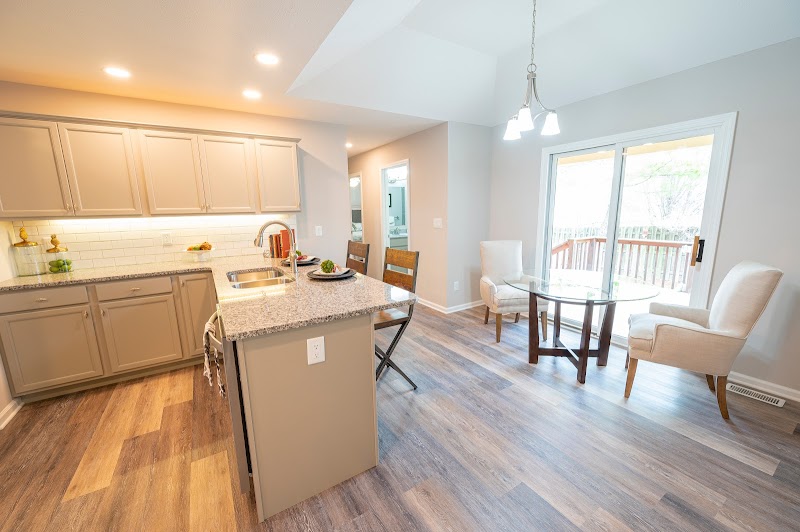
How is Otterbein Franklin Seniorlife Comm Res & Com Care Staffed?

CMS rates OTTERBEIN FRANKLIN SENIORLIFE COMM RES & COM CARE's staffing level at 3 out of 5 stars, which is average compared to other nursing homes. Staff turnover is 52%, compared to the Indiana average of 46%.

What Have Inspectors Found at Otterbein Franklin Seniorlife Comm Res & Com Care?

State health inspectors documented 19 deficiencies at OTTERBEIN FRANKLIN SENIORLIFE COMM RES & COM CARE during 2022 to 2025. These included: 2 that caused actual resident harm and 17 with potential for harm. Deficiencies causing actual harm indicate documented cases where residents experienced negative health consequences.

Who Owns and Operates Otterbein Franklin Seniorlife Comm Res & Com Care?

OTTERBEIN FRANKLIN SENIORLIFE COMM RES & COM CARE is owned by a non-profit organization. Non-profit facilities reinvest revenue into operations rather than distributing to shareholders. The facility is operated by OTTERBEIN SENIORLIFE, a chain that manages multiple nursing homes. With 208 certified beds and approximately 129 residents (about 62% occupancy), it is a large facility located in FRANKLIN, Indiana.

How Does Otterbein Franklin Seniorlife Comm Res & Com Care Compare to Other Indiana Nursing Homes?

Compared to the 100 nursing homes in Indiana, OTTERBEIN FRANKLIN SENIORLIFE COMM RES & COM CARE's overall rating (3 stars) is below the state average of 3.1, staff turnover (52%) is near the state average of 46%, and health inspection rating (3 stars) is at the national benchmark.

What Should Families Ask When Visiting Otterbein Franklin Seniorlife Comm Res & Com Care?

Based on this facility's data, families visiting should ask: "Can I visit during a mealtime to observe dining assistance and food quality?" "How do you handle medical emergencies, and what is your hospital transfer rate?" "Can I speak with family members of current residents about their experience?"

Is Otterbein Franklin Seniorlife Comm Res & Com Care Safe?

Based on CMS inspection data, OTTERBEIN FRANKLIN SENIORLIFE COMM RES & COM CARE has a clean safety record: no substantiated abuse findings (meaning no confirmed cases of resident harm), no Immediate Jeopardy citations (the most serious violation level indicating risk of serious injury or death), and is not on the Special Focus Facility watch list (a federal program monitoring the lowest-performing 1% of nursing homes). The facility has a 3-star overall rating and ranks #100 of 100 nursing homes in Indiana. While no facility is perfect, families should still ask about staff-to-resident ratios and recent inspection results during their visit.

Do Nurses at Otterbein Franklin Seniorlife Comm Res & Com Care Stick Around?

OTTERBEIN FRANKLIN SENIORLIFE COMM RES & COM CARE has a staff turnover rate of 52%, which is 6 percentage points above the Indiana average of 46%. Moderate turnover is common in nursing homes, but families should still ask about staff tenure and how the facility maintains care continuity when employees leave.

Was Otterbein Franklin Seniorlife Comm Res & Com Care Ever Fined?

OTTERBEIN FRANKLIN SENIORLIFE COMM RES & COM CARE has no federal fines on record. CMS issues fines when nursing homes fail to meet care standards or don't correct problems found during inspections. The absence of fines suggests the facility has either maintained compliance or corrected any issues before penalties were assessed. This is a positive indicator, though families should still review recent inspection reports for the full picture.

Is Otterbein Franklin Seniorlife Comm Res & Com Care on Any Federal Watch List?

OTTERBEIN FRANKLIN SENIORLIFE COMM RES & COM CARE is not on any federal watch list. The most significant is the Special Focus Facility (SFF) program, which identifies the bottom 1% of nursing homes nationally based on persistent, serious quality problems. Not being on this list means the facility has avoided the pattern of deficiencies that triggers enhanced federal oversight. This is a positive indicator, though families should still review the facility's inspection history directly.