BELLTOWER HEALTH & REHABILITATION CENTER
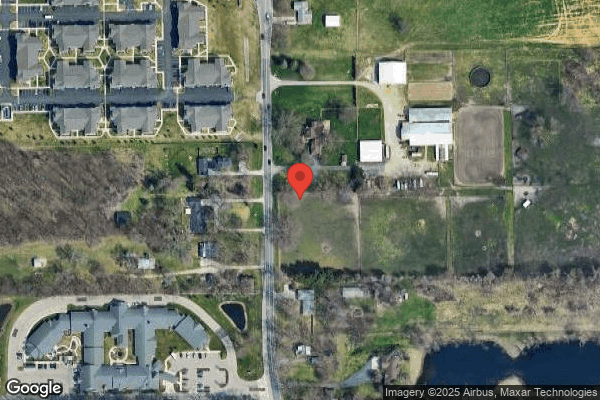
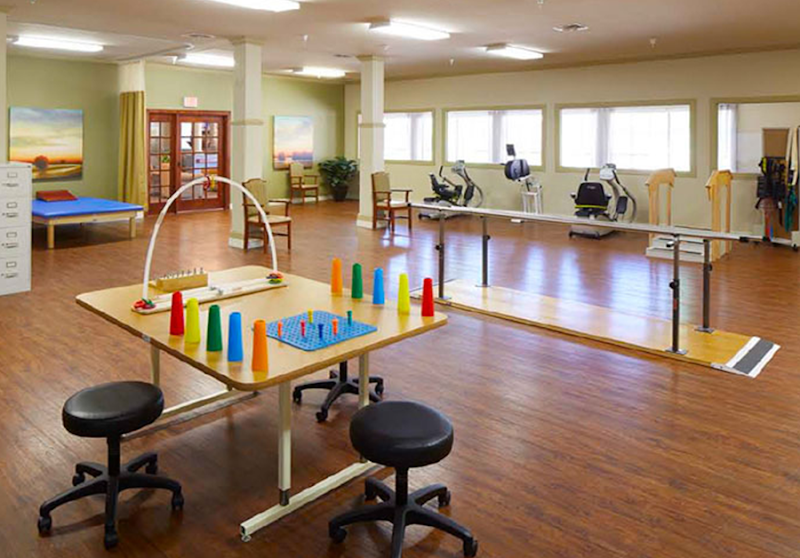
5805 NORTH FIR ROAD, GRANGER, IN 46530 (574) 406-6600
For profit - Corporation 96 Beds FUNDAMENTAL HEALTHCARE Data: November 2025
Trust Grade
68/100
#122 of 505 in IN
Last Inspection: June 2025

Inspected within the last 6 months. Data reflects current conditions.

Overview

Belltower Health & Rehabilitation Center has a Trust Grade of C+, indicating it is slightly above average in quality. It ranks #122 out of 505 facilities in Indiana, placing it in the top half, and #3 out of 18 in St. Joseph County, suggesting only two local options are better. The facility's performance has been stable, with three issues identified in both 2024 and 2025. Staffing is somewhat of a concern, with a rating of 2 out of 5 stars and a turnover rate of 23%, which is better than the state average but still indicates challenges. Additionally, the facility has faced $6,293 in fines, which is higher than 79% of Indiana facilities, indicating compliance issues. While Belltower excels in quality measures with a score of 5 out of 5, there are serious concerns regarding food safety and resident care. For example, the facility failed to consistently implement pressure ulcer prevention for residents, leading to a serious new pressure ulcer for one individual. Moreover, kitchen inspections revealed unsanitary food storage practices, including expired and unlabeled items, which could impact many residents. Overall, while there are strengths, particularly in quality measures, families should weigh these concerns carefully when considering care options.

Trust Score
C+
68/100
In Indiana
#122/505
Top 24%
Safety Record
Moderate
Needs review
Inspections
Holding Steady
3 → 3 violations
Staff Stability
✓ Good
23% annual turnover. Excellent stability, 25 points below Indiana's 48% average. Staff who stay learn residents' needs.
Penalties
⚠ Watch
$6,293 in fines. Higher than 98% of Indiana facilities. Major compliance failures.
Skilled Nurses
⚠ Watch
Each resident gets only 23 minutes of Registered Nurse (RN) attention daily — below average for Indiana. Fewer RN minutes means fewer trained eyes watching for problems.
Violations
⚠ Watch
25 deficiencies on record. Higher than average. Multiple issues found across inspections.
★★★★☆
4.0
Overall Rating
★★☆☆☆
2.0
Staff Levels
★★★★★
5.0
Care Quality
★★★☆☆
3.0
Inspection Score
Stable
2024: 3 issues
2025: 3 issues

The Good

  • 5-Star Quality Measures · Strong clinical quality outcomes
  • Low Staff Turnover (23%) · Staff stability means consistent care
  • Full Sprinkler Coverage · Fire safety systems throughout facility
  • No fines on record
  • Staff turnover is low (23%)

    25 points below Indiana average of 48%

Facility shows strength in quality measures, staff retention, fire safety.

The Bad

Federal Fines: $6,293

Below median ($33,413)

Minor penalties assessed

Chain: FUNDAMENTAL HEALTHCARE

Part of a multi-facility chain

Ask about local staffing decisions and management

The Ugly 25 deficiencies on record

1 actual harm
Jun 2025 1 deficiency
CONCERN (F)

Potential for Harm - no one hurt, but risky conditions existed

Food Safety (Tag F0812)

Could have caused harm · This affected most or all residents

Based on observation, interview and record review, the facility failed to store food in a sanitary manner related to undated and unlabeled foods and drinks for 1 of 1 kitchen areas observed. (Main kit...

Read full inspector narrative →
Based on observation, interview and record review, the facility failed to store food in a sanitary manner related to undated and unlabeled foods and drinks for 1 of 1 kitchen areas observed. (Main kitchen) This issue had the potential to affect 82 of 83 residents who consumed food from the kitchen. Finding includes: During an initial tour of the kitchen, on 6/2/2025 at 9:50 A.M. with the Dietary Manager (DM), the following foods were observed in the walk-in cooler undated, unlabeled or expired: -a container of blue liquid, undated and unlabeled. -2 unopened packages of bologna with a use or freeze by date of 5/1/2025. -half a turkey breast, wrapped in saran wrap, undated and unlabeled. On 6/2/2025 at 10:30 A.M., the following foods were observed in the walk-in freezer undated or unlabeled: -2 Ziploc bags containing a pastry-rolled food item, undated and unlabeled. -1 bag of artichoke dip, unlabeled and undated. -multiple pieces of fish wrapped in saran wrap, unlabeled and undated. -a white piece of meat wrapped in saran wrap, unlabeled and undated. -a steak wrapped in saran wrap, unlabeled and undated. During an interview, on 6/2/2025 at 10:50 A.M., the Dietary Manager indicated all food products should have been dated and labeled and expired products thrown away. On 6/3/2025 at 10:45 A.M., the Dietary Manager provided a policy titled, Food Safety in Receiving and Storage dated 6/20/2023 and indicated the policy was the one currently used by the facility. The policy indicated .Food will be received and stored by methods to minimized contamination and bacterial growth .are properly covered, labeled, dated with a use-by date .Mark them clearly to indicate the date by which the food shall be consumed or discarded .The day of preparation or day original container is opened shall be considered day 1 . 3.1-19 (i)(3)
May 2025 2 deficiencies
CONCERN (D) 📢 Someone Reported This

A family member, employee, or ombudsman was alarmed enough to file a formal complaint

Potential for Harm - no one hurt, but risky conditions existed

Abuse Prevention Policies (Tag F0607)

Could have caused harm · This affected 1 resident

Based on record review and interview, the facility failed to ensure an allegation of abuse resolution was followed regarding care assignments for 1 of 3 residents reviewed for abuse. (Resident C) Find...

Read full inspector narrative →
Based on record review and interview, the facility failed to ensure an allegation of abuse resolution was followed regarding care assignments for 1 of 3 residents reviewed for abuse. (Resident C) Finding includes: A record review for Resident C was completed on 5/8/2025 at 8:45 A.M. Diagnoses included, but were not limited to: dementia, psychosis, anxiety disorder and narcolepsy. A Quarterly Minimum Data Set (MDS) assessment, dated 2/20/2025, indicated Resident C had moderate cognitive impairment and required substantial/maximal assistance of one staff member for showers and transfers. A facility reported incident investigation was completed and sent to the Indiana Department of Health on 4/16/2025. The report indicated an insurance case manager had interviewed Resident C and he had reported he felt unsafe and did not like CNA 2 (certified nursing assistant) who cared for him. As a result of the investigation, Resident C was informed CNA 2 would no longer be assigned to care for him. Resident C was satisfied with the resolution. Point of Care documentation (electronic CNA documentation of care provided) indicated CNA 2 had completed care for Resident C on 4/23/2025, 4/28/2025 and 4/29/2025. The care areas included bathing, bed mobility, transfers and toilet use. During an interview, on 5/8/2025 at 9:42 A.M., LPN 3 indicated Resident C preferred that CNA 2 not care for him. During an interview, on 5/8/2025 at 10:24 A.M., Resident C indicated CNA 2 used to scream and yell in his ear. He indicated he got rid of CNA 2, but CNA 2 had continued to provide care for him. During an interview, on 5/8/2025 at 10:41 A.M., CNA 4 indicated CNA 2 worked on the hallway, where Resident C resided, by herself routinely. She indicated she was not aware if there were any residents for whom CNA 2 was not to provide care. A policy was provided on 5/8/2025 at 11:45 A.M., by the Executive Director. The policy titled, Abuse, Neglect, Exploitation, or Mistreatment, indicated, .6. The facility's Leadership will implement appropriate and necessary guidelines, which prohibit the mistreatment, neglect, and abuse of the patient/resident .Investigation .G. Measures taken to prevent future incidents This citation relates to Complaint IN00457672 3.1-28(e)
CONCERN (D) 📢 Someone Reported This

A family member, employee, or ombudsman was alarmed enough to file a formal complaint

Potential for Harm - no one hurt, but risky conditions existed

Quality of Care (Tag F0684)

Could have caused harm · This affected 1 resident

Based on record review and interview, the facility failed to follow a physician's order when administering blood pressure medication for 1 of 6 residents reviewed for quality of care. (Resident E) Fin...

Read full inspector narrative →
Based on record review and interview, the facility failed to follow a physician's order when administering blood pressure medication for 1 of 6 residents reviewed for quality of care. (Resident E) Finding includes: A record review for Resident E was completed on 5/7/2025 at 11:28 A.M. Diagnoses included, but were not limited to: vascular dementia, cerebral infarction (stroke) hypertension and atrial fibrillation. An admission Minimum Data Set (MDS) assessment, dated 2/7/2025, indicated Resident E had severe cognitive impairment. A Nurse Practitioner Note, dated 4/4/2025, indicated Resident E's hypertension was chronic, stable and staff were to monitor Resident E's blood pressure closely. A Care Plan, initiated on 2/3/2025 and updated on 5/7/2025, indicated Resident E had hypertension and received antihypertensive medication. The goal was to promote vascular perfusion with the blood pressure to be within normal range. The interventions included, but were not limited to: to administer medications as ordered, monitor the medications effectiveness, watch for severe reactions and to report to the physician as needed. A Physician's Order, initiated on 2/2/2025 and discontinued on 4/21/2025, indicated an order for the resident to receive metoprolol tartrate (a beta blocker to decrease blood pressure) 25 milligrams twice daily. A Physician's Order, initiated on 4/21/2025, indicated an order for the resident to receive metoprolol tartrate 25 milligram twice daily with additional orders to hold (the metoprolol tartrate) for a systolic blood pressure less than 100 mmHg and a diastolic blood pressure less than 60 mmHg. Metoprolol tartrate 25 milligrams was given even though the blood pressure readings obtained prior tot he admnistration were below the ordered parameters for administrion on the following days: -4/7/2025 8:38 P.M. 90/53 mmHg (millimeters of mercury) -4/9/2025 9:30 P.M. 88/50 mmHg -4/10/2025 4:49 P.M. 97/60 mmHg -4/11/2025 9:42 P.M. 90/50 mmHg -4/23/2025 4:41 P.M. 93/53 mmHg -4/29/2025 6:54 P.M. 90/58 mmHg -5/6/2025 5:01 P.M. 80/50 mmHg During an interview, on 5/8/2025 at 9:51 A.M., LPN 3 indicated if a systolic blood pressure reading was low, anything under 100-110 mmHg, she would question giving blood pressure medication. She indicated the physicians usually gave parameters on when to hold a blood pressure medication. She indicated if the physician's order indicated to hold the blood pressure medication for a systolic blood pressure under 100 mmHg, she would not give the medication if the resident's blood pressure assessments were below 100 mm/Hg. She indicated if a resident had a systolic blood pressure below 95 mmHg, she would have inform the physician. A policy was provided, on 5/8/2025 at 11:45 A.M., by the Executive Director. The policy titled, Physician Orders, indicated, .The qualified licensed nurse will obtain and transcribe orders according to Facility Practice Guidelines .Medication/Treatment 1. The facility should not administer medications or biologicals except upon the order of a physician/prescriber lawfully authorized to prescribe them 3.1-37(a)
Jul 2024 3 deficiencies
CONCERN (D)

Potential for Harm - no one hurt, but risky conditions existed

Comprehensive Care Plan (Tag F0656)

Could have caused harm · This affected 1 resident

2. During an interview on 7/22/2024 at 10:04 A.M., Resident 56 indicated she cooked all of her own meals in her air fryer in her room and doesn't eat the facility's food. Her brother took her to the s...

Read full inspector narrative →
2. During an interview on 7/22/2024 at 10:04 A.M., Resident 56 indicated she cooked all of her own meals in her air fryer in her room and doesn't eat the facility's food. Her brother took her to the store to buy food once a week. During an observation on 7/22/2024 at 10:10 A.M., Resident 56 had an air fryer on a table in her room, plugged in to the electric outlet. There was a spatula hanging from the wall above the air fryer. Resident 56's record review was completed on 7/22/2024 at 10:50 A.M. Her diagnoses included, but were not limited to: type 2 diabetes mellitus and hypertension. A Quarterly Minimum Data Set Assessment (MDS) dated , 6/25/2024, indicated the resident had moderate cognitive impairment. Resident 56's record lacked the documentation she had regarding a Care Plan to address her ability to cook in her room with an air fryer or a Care Plan regarding she had refused to follow the facility's rules about cooking in her room. There were no notes documented in her record referring to education or noncompliance related to using an air fryer in her room. During an interview on 7/24/2024 at 11:10 A.M., CNA 4 indicated she knew Resident 56 cooked in her room and was not aware the resident should not cook in her room. During an interview on 7/24/2024 at 11:30 A.M., CNA 5 indicated staff knew when Resident 56 was cooking because they could smell her food. CNA 5 had never been told Resident 56 should not cook in her room. CNA 5 indicated she did not help Resident 56 cook or clean up after cooking. Duringm an interview with the Unit Manager (UM) 3, completed on 7/24/2024 at 12:11 P.M., she indicated Resident 56 was not allowed to use an air fryer in her room. In the past, Resident 56 had been educated on not cooking in her room, but the resident was not compliant with cooking in her room. There was not a Care Plan regarding using an air fryer or for refusing to follow the facility's policy on cooking in resident rooms. On 7/26/2024 at 2:45 P.M., the Executive Director provided a policy dated, 5/5/2023 and titled, Care Plan Process, Person-Centered Care, and identified it as the policy currently used by the facility. The policy indicated, .The facility will develop and implement a baseline and comprehensive care plan for each resident includes the instructions needed to provide effective and person-centered care of the resident . 11. The person-centered care plan includes: . B. Problem . E. Interventions, discipline specific services and frequency F. Refusal of services and/or treatments 1) Evaluation of resident's decision-making capacity 2) Educational attempts 3) Attempts to find alternative means to address the identified risk/need 3.1-35(a) Based on interview and record review, the facility failed to develop a care plan regarding communication needs for 1 of 1 residents reviewed for Communication and Sensory Needs (Resident 39) and accident hazards for 1 of 1 residents reviewed for Accidents. (Resident 56) Findings include: 1. A record review for Resident 39 was completed on 7/24/2024 at 9:53 A.M. Diagnoses included, but were not limited to, cerebral infarction, neoplasm of the lower jaw bone, and occlusion and stenosis of the right carotid artery. A Quarterly Minimum Data Set (MDS) assessment, dated 7/5/2024, indicated Resident 39 was moderately cognitively impaired, his vision and hearing were adequate, his speech was sometimes understood and he sometimes understood others and he required substantial to maximal assistance from staff for bed mobility needs. The Progress Notes, since he was admitted , indicated Resident 39 was unable to use the call light and staff anticipated his needs. The care plan lacked a problem, goal, or interventions related to the resident's inability to use the call light or the provision of an alternate method to communicate his needs. During an interview on 7/24/2024 at 1:27 P.M., CNA 6 indicated Resident 39 was sometimes able to use the call light. He was able to verbally communicate and called out if he needed anything but if he was angry and yelling, he was hard to understand. She checked on him throughout the shift. During an interview on 7/23/2024 at 11:52 A.M., the resident was not able to answer the surveyor's questions. During an interview on 7/24/2024 at 2:09 P.M., Resident 39 was able to speak. He indicated he was able to push the call button for help but was unable to activate the call button when he attempted to demonstrate his ability to utilize the call light.He indicated he called out for help when he needed it and he was confident if he called out, someone would come. During an interview on 7/25/2024 at 1:53 P.M., Unit Manager 2 indicated the facility had not thought of using a touchpad type of call light. The resident's inability to use the call light should have been on the care plan. During an interview on 7/26/2024 at 2:45 P.M., the Executive Director (ED) indicated the facility did not have a policy that addressed accommodation of needs.
CONCERN (D)

Potential for Harm - no one hurt, but risky conditions existed

Accident Prevention (Tag F0689)

Could have caused harm · This affected 1 resident

Based on interview, observation and record review, the facility failed to keep ensure Resident 56's environment was free of potential hazards for 1 of 1 resident reviewed for environmental hazards. (R...

Read full inspector narrative →
Based on interview, observation and record review, the facility failed to keep ensure Resident 56's environment was free of potential hazards for 1 of 1 resident reviewed for environmental hazards. (Resident 56) Finding includes: During an interview on 7/22/2024 at 10:04 A.M., Resident 56 indicated she cooked all of her own meals and does not eat the facility's food. Her brother takes her to the store to buy food once a week. An observation was completed on 7/22/2024 at 10:10 A.M. Resident 56 had an air fryer on a table, plugged in to the electric outlet. There was a spatula hanging on the wall above the air fryer. Resident 56's record review was completed on 7/22/2024 at 10:50 A.M. Her diagnoses included, but were not limited to: type 2 diabetes mellitus and hypertension. A Quarterly Minimum Data Set Assessment (MDS) dated , 6/25/2024, indicated the resident had moderate cognitive impairment. Resident 56's record lacked the documentation she had a Care Plan to address her ability to cook in her room or a Care Plan indicating she had refused to follow the facility's policy regarding cooking in her room. During an interview on 7/24/2024 at 11:10 A.M., CNA 4 indicated she knew Resident 56 cooked in her room and was not aware the resident should not cook in her room. During an interview on 7/24/2024 at 11:30 A.M., CNA 5 indicated staff knew when Resident 56 was cooking because they could smell her food. CNA 5 had never been told Resident 56 should not cook in her room. CNA 5 indicated she did not help Resident 56 cook or clean up after cooking. During an interview with the Unit Manager (UM) 3, completed on 7/24/2024 at 12:11 P.M., she indicated Resident 56 was not allowed to use an air fryer in her room. In the past, Resident 56 had been educated on not cooking in her room but the resident was not compliant with facility's policy on cooking in her room. During an interview on 7/24/2024 at 1:20 P.M., the Corporate Regulation Specialist indicated all electric devices brought into the facility should be tested by the Maintenance Department remove and and add . She was unsure if the air fryer had been inspected. She indicated Resident 56 should not cook in her room. During an interview on 7/29/2024 at 11:10 A.M., the Maintenance Director indicated he had not inspected the air fryer for safety and Resident 56 should not cook in her room. On 7/24/2024 at 2:30 P.M., the Executive Director provided a policy dated, 3/2006 and titled, Maintenance/Housekeeping policies and procedures and identified it as the policy currently used by the facility. The policy indicated, .Written Criteria, which include equipment for life support, infection control, environmental support and equipment support elements are used to identify inclusion in the program .All equipment shall be evaluated for inclusion into the program prior to use 3.1-45(a)
CONCERN (F)

Potential for Harm - no one hurt, but risky conditions existed

Food Safety (Tag F0812)

Could have caused harm · This affected most or all residents

Based on observation, interview and record review, the facility failed to store and prepare food in a sanitary manner related to expired leftovers, open and undated food in the walk-in cooler and skil...

Read full inspector narrative →
Based on observation, interview and record review, the facility failed to store and prepare food in a sanitary manner related to expired leftovers, open and undated food in the walk-in cooler and skillets with missing Teflon for 1 of 1 kitchens reviewed. This had the potential to affect 69 of 69 residents who received their meals from the kitchen. Findings include: During the initial kitchen tour on 7/22/2024 at 9:00 A.M with the Certified Dietary Manager (CDM), the following was observed in the walk-in cooler: -A plastic container with pasta noodles dated, 7/11/2024. -An opened jar of jalapenos with no opened on or use by dates. -An opened jar of enchilada sauce with no opened on or use by dates. -An opened bag of whipped topping with no opened on or use by dates. -3 cups of mixed berries with no made on or use by dates. -3 cups of yogurt with no made on or use by dates. During the initial kitchen tour with the CDM on 7/22/2024 at 9:20 A.M., three skillets utilized by the facility for preparing meals were found to be scratched and missing some of the Teflon coating. During an interview on 7/22/2024 at 9:25 A.M., the CDM indicated all food that was prepared should have been labeled with a made on date and an expiration date. All jars and containers should be labeled with opened on and expiration dates once opened and left overs should have been disposed of after three days. Skillets with scratches and missing Teflon should not be used and should have been thrown away. The facility does not have a policy related to the condition of the cookware used by the facility. On 7/22/2024 at 10:40 A.M., the CDM provided a policy, dated, 6/20/2023, and titled, Nutrition Policies and Procedures and identified it as the policy currently used by the facility. The policy indicated, .Temperature Control for Safety leftovers are discarded after 3 days unless otherwise indicated .All foods removed from the original packaging are stored in a closed container or tightly wrapped package and labeled with the common name of the item and the date it was opened 3.1-21(i)(3)
Aug 2023 15 deficiencies
CONCERN (D)

Potential for Harm - no one hurt, but risky conditions existed

Deficiency F0578 (Tag F0578)

Could have caused harm · This affected 1 resident

**NOTE- TERMS IN BRACKETS HAVE BEEN EDITED TO PROTECT CONFIDENTIALITY** Based on interview and record review, the facility failed to ensure the Physician Orders for Scope of Treatment (POST) form matc...

Read full inspector narrative →
**NOTE- TERMS IN BRACKETS HAVE BEEN EDITED TO PROTECT CONFIDENTIALITY** Based on interview and record review, the facility failed to ensure the Physician Orders for Scope of Treatment (POST) form matched the Physician order for 1 of 82 residents whose Advanced Directives were reviewed (Resident 232). Finding includes: A record review was completed on [DATE] at 1:16 P.M. Resident 232's POST form was signed by the resident on [DATE] indicating to attempt CPR (Cardiopulmonary Resuscitation), and full interventions to meet medical needs. The POST form was signed by the physician on [DATE]. A Physician order, dated [DATE], indicated Resident 232's code status was a DNR (Do Not Resuscitate). A Care Plan, with a start date of [DATE], indicated that Resident 232 had elected a full code status with a goal of directing medical care to make values and treatments known in which stated desires would be honored. Approaches to support Resident 232's code status included, but were not limited to, notifying the physician of resident's desires and any needed physician's order obtained. During an interview, on [DATE] at 2:50 P.M., Employee 12 reviewed Resident 232's chart and indicated that orders stated that Resident 232 was a DNR and that the signed POST form was for a Full Code status. During an interview on, [DATE] at 2:18 P.M., Employee 10 indicated the code status for residents would be found on the face sheet of the residents' chart, and in physician orders. On [DATE] at 2:45 P.M., the DON provided a current policy titled Advanced Directives with no initiation or revision date. The policy indicated .Physician Orders for Life Sustaining Treatment: A form designed to improve patient care by creating a portable medical order form that records patient treatment wishes so that emergency personnel know what treatments the patient wants in the event of a medical emergency 3.1-4(I)(7)
CONCERN (D)

Potential for Harm - no one hurt, but risky conditions existed

Transfer Notice (Tag F0623)

Could have caused harm · This affected 1 resident

Based on record review and interview, the facility failed to ensure that transfer and discharge paperwork was completed and given to a resident or family members and failed to notify the ombudsman in ...

Read full inspector narrative →
Based on record review and interview, the facility failed to ensure that transfer and discharge paperwork was completed and given to a resident or family members and failed to notify the ombudsman in a timely manner of resident's discharge from the facility for 1 of 1 residents reviewed for notification of discharge. (Resident 76) Finding Includes: A record review was conducted on 8/14/23 at 2:49 P.M., for Resident 76. Diagnoses included, but were not limited to: urinary tract infection, acute embolism and thrombosis of unspecified deep veins of unspecified lower extremity, malignant neoplasm of uterus, inflammatory disease of uterus. An admission MDS (Minimum Data Set) assessment, date 5/8/2023, indicated the resident was cognitively intact. A Discharge MDS assessment, dated 7/11/2023, indicated the resident had been discharged with an anticipated return to facility. A Progress Note, dated 7/11/2023 at 4:15 A.M., indicated Resident 76 had a significant change in condition and was sent to the ER (Emergency Room). No documentation was available that indicated transfer forms were completed and sent with Resident 76 to the hospital. A Discharge report and email, dated 8/7/2023 at 1:48 P.M., was provided by the Social Services Director on 8/14/2023 at 3:30 P.M., and did not include Resident 76 on the monthly discharge report to the Ombudsman. A Discharge report and email sent to the Ombudsman, dated 8/14/2023 at 3:54 P.M., was provided by the Executive Director which included Resident 76 as being discharged to the hospital. During an interview, on 8/14/2023 at 2:26 P.M., the MDS coordinator indicated that the resident was sent out to the hospital on 7/11/2023. It was unknown if transfer paperwork was sent with Resident 76 as there was nothing in the computer and the resident did not return to the facility. During an interview, on 8/14/2023 at 2:45 P.M., Employee 9 indicated that all transfer and discharge paperwork, including the bed hold paperwork, should be in the computer system, and if not in the computer, it was probably not done as staff has not been consistently completing paperwork. During an interview, on 8/14/2023 at 4:10 P.M., with the Administrator and Director of Nursing indicated there was no copy of transfer paperwork in the chart as paperwork is not duplicated and is sent with a resident when the resident transfers out. The facility would get the packet back when resident returned to the facility. (This resident did not return from the hospital). The Administrator indicated that the Ombudsman was sent a more comprehensive list of discharges for the month of July 2023 which was different from the Social Service Director's list. A current policy was provided by the Regional Nurse, on 8/9/2023 at 11:30 A.M., titled Discharge Notification with a revision date of 10/1/2020. The policy indicated .To specify the limited conditions under which a skilled nursing facility or nursing facility may initiate, transfer or discharge of a resident, the documentation that must be included in the medical record, and who is responsible for making the documentation .the facility must notify the resident and the resident's representative of the transfer or discharge and the reasons for the move in writing and in a language and manner they understand. The facility must send a copy of the notice to a representative of the Office of the State long-Term Care Ombudsman and documentation to reflect in the resident's medical record. Document the reasons for transfer or discharge in the resident's medical record .a copy of the transfer/discharge notice must be included in the resident's medical record . Information provided to the receiving provider must include a minimum of the following: contact information of the practitioner responsible for the care of the resident, resident representative information, all special instructions or precautions for ongoing care, comprehensive care plans, diagnoses and allergies, medications and most relevant labs .when a resident is temporarily transferred on an emergency basis to an acute care facility, notice of the transfer may be provided to the resident representative as soon as practicable .Copies of emergency transfers must also be sent to the Ombudsman, but they may be sent when practicable, such as in a list of residents on a monthly basis .They facility will keep evidence of monthly notification of Emergent Discharges to the Ombudsman 3.1-12(a)(6)(A)
CONCERN (D)

Potential for Harm - no one hurt, but risky conditions existed

Comprehensive Assessments (Tag F0636)

Could have caused harm · This affected 1 resident

Based on observation, record review and interviews, the facility failed to ensure the comprehensive assessment was accurate and completed for 2 residents reviewed for dental status and bowel and bladd...

Read full inspector narrative →
Based on observation, record review and interviews, the facility failed to ensure the comprehensive assessment was accurate and completed for 2 residents reviewed for dental status and bowel and bladder continence . (Resident 1 &51) Findings include: 1. The record for Resident 1, reviewed on 8/10/2023 at 2:54 P.M., indicated the resident was admitted to the facility with diagnosis, including but not limited to: multiple sclerosis, dry mouth and limitation of activities due to disability. The most recent Quarterly Minimum Data Set (MDS) assessment, completed on 6/29/2023, indicated the resident was alert and oriented and there was no indication, under the Oral/Dental Status section of the resident being edentulous (without teeth). Resident 1 was identified as requiring extensive to total staff assistance for activities of daily living, including personal hygiene, transfers and wheelchair locomotion. The significant change MDS assessment, completed 11/2/2022, did not assess the resident as being edentulous. During an interview with Resident 1, on 8/8/2023 at 9:01 A.M., she indicated her dentures were fitting sloppy and she indicated no one was offering to assist her with cleaning her dentures. During an interview with the MDS assessment coordinator, on 8/14/2023 between 8:00 A.M., and 5:00 P.M., she confirmed the MDS assessments were incorrect for Resident 1 regarding her oral status/teeth. 2. The record for Resident 51 was reviewed on 8/9/2023 at 1:51 P.M. Resident 51 was admitted to the facility with diagnosis, including but not limited to: urinary tract infection, type 2 diabetes mellitus with diabetic polyneuropathy, moderate, dementia without behavioral disturbance, lack of coordination, muscle wasting and atrophy multiple sites and muscle weakness. The Quarterly MDS assessment, dated 7/8/2023, indicated the resident was severely cognitively impaired, required the extensive assistance of two staff for transfers, bed mobility and toileting and required the extensive assistance of one staff for w/c locomotion, personal hygiene and dressing needs. The resident's incontinence needs section was not completed on the quarterly review. The admission MDS assessment, completed on 6/23/2023 for Resident 51, indicated the resident required extensive assistance of two staff for toileting needs and was always continent of her bowels and bladder. There was no bowel or bladder incontinence assessment completed for Resident 51 in the clinical record. The baseline care plan for Resident 51, contained a plan to address the resident's incontinence of bowel and bladder with interventions to assist the resident as needed. During an interview with CNA 13, on 8/10/2023 at 10:04 A.M., she indicated Resident 51 was both continent and incontinent of her bowels and bladder. She indicated the resident was usually aware of her need to void but did not always make it to the bathroom and was often incontinent. During an interview with the MDS coordinator, on 8/14/2023 at 10:04 A.M., she indicated the resident's admission and Quarterly MDS assessments regarding the bowel and bladder continence section were incorrectly coded and should have reflected Always incontinent not Always Continent. The MDS coordinator confirmed a bowel and bladder incontinence assessment had not been completed. 3.1-31(d)
CONCERN (D)

Potential for Harm - no one hurt, but risky conditions existed

Comprehensive Care Plan (Tag F0656)

Could have caused harm · This affected 1 resident

Based on observation, record review and interviews, the facility failed to ensure care plans were developed for 2 of 19 residents reviewed for care planning. (Residents 1 for dental care and Resident ...

Read full inspector narrative →
Based on observation, record review and interviews, the facility failed to ensure care plans were developed for 2 of 19 residents reviewed for care planning. (Residents 1 for dental care and Resident 15 Diabetes, Diuretic, anithypertensive and Vitamin D medication use) Findings include: 1. The record for Resident 1, reviewed on 8/10/2023 at 2:54 P.M., indicated the resident was admitted to the facility with diagnoses, included but not limited to: multiple sclerosis, dry mouth and limitation of activities due to disability. The Quarterly Minimum Data Set (MDS) assessment, completed on 6/29/2023, indicated the resident was alert and oriented and there was no indication, under the Oral/Dental Status section of the resident being edentulous (without teeth). The Significant Change MDS assessment, completed 11/2/2022, did not assess the resident as being edentulous. The current health care plans for Resident 1 included a plan to assist the resident with activities of daily living but the plan was not specific to what kinds of oral/dental assistance the resident needed. During an interview with Resident 1, on 8/8/2023 at 9:01 A.M., she indicated her dentures were fitting sloppy and she indicated no one was offering to assist her with cleaning her dentures. The most recent dental exam for Resident 1, completed on 3/11/2020, recommended the resident use adhesive to ensure her dentures were fitting properly During an observation and interview with CNA 14, on 8/11/23 at 9:58 A.M., she thought the resident had dentures but when she was asked if she had assisted the resident with denture care, she changed her mind and said maybe she has her own teeth. When asked to show where the resident's dental care equipment was located, CNA 14 walked into the resident's bathroom and could not locate any dental care equipment. CNA 14 then looked around room and could not locate any dental care supplies. Finally, Resident 1 indicated she thought she had some denture cleansing tablets she had purchased in a three drawer plastic cabinet. CNA 14 opened the top drawer of the cabinet and and there was a box of denture cleansing tablets shoved to the back of the drawer. Resident 1 was interview on 8/8, 8/9, 8/10 and 8/11 after she had received morning care regarding dental care and she indicated she had not been offered and/or assisted with denture care. During an interview with the MDS assessment coordinator, on 8/14/2023 between 8:00 A.M. and 5:00 P.M., she confirmed the MDS assessments were incorrect for Resident 1 regarding her oral status/teeth and she confirmed there was no care plan regarding denture care needs for Resident 1. 2. The record for Resident 15 was completed on 8/8/2023 at 11:45 A.M. Resident 15 was admitted to the facility with diagnoses, included but not limited to: nontraumatic subarachnoid hemorrhage, arteriosclerotic heart disease, chronic atrial fibrillation, type 2 diabetes mellitus, hypertension, and dysfunction of the bladder. The Quarterly MDS (minimum data set) assessment, completed on 6/20/2023 ,indicated Resident 15 was alert and oriented, required extensive assist of two staff for bed mobility, dressing and extensive assist of one for personal hygiene and toileting needs and was totally dependent for bathing needs, had not transferred out of bed, had two stage 3 unhealed pressure ulcers, and an indwelling urinary catheter The current Physician's Orders for medications, included, but were not limited to: a vitamin D supplement, Lantus insulin (a diabetic medication), Lasix (a diuretic medication) , Lisinopril (a medication to treat high blood pressure) Metaprolol Tartrate (a medication to treat high blood pressure, and Trajenta (a diabetic medication). There was no care plan to address the resident's diabetes, vitamin D deficiency, hypertension or diuretic medication use. During an interview with Employee 16, an OT1 on 8/10/2023 at 9:39 A.M., he indicated he had been working with the resident for approximately two weeks in May and when he was ready to work on transfers and chair positioning in the Broda reclining chair, the Hospice staff had removed the chair from the resident's room. He indicated he had requested multiple times for nursing to contact the Hospice staff in regards to the chair, but the chair had not been returned. There was no plan regarding the resident's need for a Broda chair. During an interview with the MDS coordinator, on 8/14/2023 at 9:45 A.M., she confirmed there was no care plan regarding hypertensive, vitamin D and diuretic medication use, no care plan regarding diabetes and no care plan addressing the resident's Broda chair needs. 3.1-35(a) 3.1-35(b)(1)
CONCERN (D)

Potential for Harm - no one hurt, but risky conditions existed

ADL Care (Tag F0677)

Could have caused harm · This affected 1 resident

Based on observation, record review and interviews, the facility failed to ensure nail care was provided for 1 of 6 residents reviewed for Activities of Daily Living (ADL) needs. (Resident 20) Finding...

Read full inspector narrative →
Based on observation, record review and interviews, the facility failed to ensure nail care was provided for 1 of 6 residents reviewed for Activities of Daily Living (ADL) needs. (Resident 20) Finding includes: A record review was completed for Resident 20 on 8/8/2023 at 3:09 P.M. Diagnoses included, but were not limited to: hemiplegia and hemiparesis following cerebral infarction affecting right dominant side, aphasia and dementia without behavioral disturbances. A Quarterly Minimum Data Set assessment, dated 5/15/2023, indicated she was totally dependent for bathing and extensive assist of one with grooming and personal hygiene. A Care Plan, dated 11/15/2023, indicated Resident 20 required assistance with activities of daily living (ADL's) due to cerebral vascular accident with right side hemiplegia. Interventions included: bathing dependent of one staff and dressing extensive assist of one. During an observation, on 8/7/2023 at 11:58 A.M., Resident 20's last 3 fingers on her right-hand curled under, her nails were long and jagged with a brown substance under them and her toe nails were long. During an observation, on 8/9/2023 at 9:34 A.M., Resident 20's last 3 fingers on her right-hand curled under, her nails were long and jagged and both hands had a brown substance under them. During an observation, on 8/11/2023 at 11:00 A.M., Resident 20's last 3 fingers were curled under, her nails were long, jagged and hand brown substance under them. During an interview, on 8/10/2023 at 3:39 P.M., CNA 7 indicated when she gave a shower, she gathered the supplies together then washed the resident's hair and continued down the body, dried the resident off, conducted a skin check, applied lotion, and dressed them. During an interview, on 8/11/2023 at 9:48 A.M., CNA 4 indicated she gathered her linens, informed the resident, she assisted them with washing, hair, nails, shaving, applied lotion then dressing. During an interview, on 8/11/2023 at 9:56 A.M., CNA 8 indicated she gathered linen, informed the resident, and assisted with washing as needed, then dried them off. She charted in the charting system and filled out a shower sheet. On 8/11/2023 at 11:18 A.M., the Regional Nurse indicated they did not have a policy on nail care. 3.1-38(3)(E)
CONCERN (D)

Potential for Harm - no one hurt, but risky conditions existed

Quality of Care (Tag F0684)

Could have caused harm · This affected 1 resident

Based on observation, record review and interviews, the facility failed to ensure 1 of 1 residents reviewed for Hospice services, received coordinated care between Hospice and the facility. (Resident ...

Read full inspector narrative →
Based on observation, record review and interviews, the facility failed to ensure 1 of 1 residents reviewed for Hospice services, received coordinated care between Hospice and the facility. (Resident 15) Finding includes: Resident 15 was admitted to the facility with diagnoses included, but not limited to: nontraumatic subarachnoid hemorrhage, arteriosclerotic heart disease, chronic atrial fibrillation, hyperlipidemia, type 2 diabetes mellitus, mild cognitive impairment of uncertain or unknown etiology, hemiplegia and hemiparesis following cerebral infarction affecting left non-dominant side, HTN, morbid obesity, neuromuscular dysfunction of the bladder, dysphasia, post COVID 19, depression, constipation, insomnia. On 1/24/2023, major depressive disorder, recurrent, mild was added to his diagnosis list. The Quarterly MDS (minimum data set) assessment, completed on 6/20/2023, indicated Resident 15 was alert and oriented, required extensive assist of two staff for bed mobility, dressing and extensive assist of one for personal hygiene and toileting needs and was totally dependent for bathing needs, had not transferred out of bed during the assessment period, had two stage 3 unhealed pressure ulcers, and an indwelling urinary catheter. During an interview with Resident 15, on 8/8/2023 at 9:50 A.M., he indicated he could not get out of bed because Hospice had taken his Broda chair. He explained he did not feel safe in the high back wheelchair in his room currently, because he just slid out of the chair. He indicated he was working with therapy and when the therapist was ready to work on transfers to the Broda chair, he discovered Hospice had removed the chair from the room. The resident indicated he was looking forward to being able to get out of his bed/room and possibly attend some activities and go outside when his family visited. The current Physician's Orders and Care Plan indicated the resident was receiving Hospice services. A labeled binder at the Nurses' desk, which had the resident's name and Hospice provider on the front, had not been updated since March 2023. During an interview with the Nursing Unit Manager, on 8/10/2023 at 9:30 A.M., the unit manager indicates she did not realize the documentation in the Hospice binder was from February and March 2023 upon review. During an interview with a representative from Resident 15's Hospice provider, on 8/10/2023 at 11:43 A.M it was determined the Hospice provider should have been bringing current clinical notes into the facility every two weeks. She indicated facility's choose whether to have electronic communication or printed documents and this facility was supposed to have been receiving updated , printed notes in the Hospice binder every two weeks. The Hospice representative was unaware the binder had not been updated since March 2023. When queried regarding therapy recommendations and recent services, the representative indicated she was not aware of any approved therapy service for Resident 15. The Hospice provider usually sent their own therapy consultants. The representative did confirm the Broda chair had been removed by Hospice because the resident was not utilizing the chair. She was unaware of any attempts made to request the chair be brought back for the resident's use. When asked if Hospice participated in any care plan meetings with the facility and the resident, they indicated they did but could located or give the most recent care plan meeting they had attended for Resident 15. During an interview with the SSD, on 8/14/2023 at 11:40 A.M., she indicated the resident was supposed to have had a care plan meeting on 6/30/2023 but she was on vacation and the meeting was not completed. Review of facility documentation indicated Resident 15 had a care plan meeting with Hospice participation in January 2023 and had not had a care plan meeting since January. The facility contract with the Hospice provider for Resident 15 indicated the following service to be provided by the Hospice company: .2.3 Information/Documentation provided to Facility on admission and on-going, including: .Most recent POC (plan of care) .Copies of clinical notes after each visit; .2.4 IDT (Interdisciplinary team) Designate a member of each IDT that is responsible for a patient who is a resident of the Facility the designated member is responsible for providing overall coordination of the Hospice care of the patient with the facility reprentative and communicating with Facility representatives and other Hospice to ensure quality of care for the patients/family; 3.1-37
CONCERN (D) 📢 Someone Reported This

A family member, employee, or ombudsman was alarmed enough to file a formal complaint

Potential for Harm - no one hurt, but risky conditions existed

Pressure Ulcer Prevention (Tag F0686)

Could have caused harm · This affected 1 resident

Based on record review, observation and interview, the facility failed to ensure a resident had interventions in place to prevent the development of a DTI (deep tissue injury) skin area for 1 of 4 res...

Read full inspector narrative →
Based on record review, observation and interview, the facility failed to ensure a resident had interventions in place to prevent the development of a DTI (deep tissue injury) skin area for 1 of 4 residents reviewed for pressure ulcers. (Resident 39) Finding includes: During an interview, on 8/11/2023 at 11:55 A.M., the Assistant Director of Nurses (ADON) indicated Resident 39 had a non- pressure area to the right buttocks, and a deep tissue injury to the left heel. During an observation, on 8/11/2023 at 11:57 A.M., the following was observed on the left heel: a dark purple area approximately 1 x 1/2. The ADON indicated at times the aides would put a pillow under the legs. The ADON indicated the area was measured on Wednesday 8/9/2023, and measured 2.2 cm (centimeter) x 2.5 cm. During an interview, on 8/11/2023 at 11:58 A.M., Resident 39 indicated when I asked them (aides) to put the pillow under my legs they have an attitude and feel like they don't have time. The resident indicated she did not have the area before she fell and fractured her hip. A record review was completed on 8/11/2023 at 2:29 P.M. Resident 39's diagnoses included, but were not limited to: hypertension, fractured hip, anxiety, depression, chronic pain, fibromyalgia and rheumatoid arthritis. A 5-day MDS (Minimum Data Set) assessment, dated 7/19/2023, indicated Resident 39 required extensive assist of 1 staff for bed mobility, transfers, dressing, toilet use and limited assist for eating. A Nurses' Note, dated 7/10/2023 at 6:17 P.M., indicated the resident arrived via ground ambulance, transferred to chair by EMS (emergency medical services).Resident returned from [name of hospital] after surgery-fixation left hip IM nailing. Resident is alert and oriented and able to make her needs known, up with walker and 2 assist to pivot to bedside commode. Resident resting with eyes closed in recliner. No signs or symptoms of pain noted at this time A Nurse's Note, dated 7/11/2023 at 5:15 P.M., indicated a follow up skin assessment was completed. Left Hip fracture. Upper surgical area 4 sutures noted, lower left hip 3 sutures noted both surgical areas well approximated. No drainage noted The Note lacked documentation of any assessment of the left heel. An admission assessment, dated 7/11/2023, indicated a surgical site to the left hip. The Assessment lacked the documentation of a skin assessment being completed on the left heel. A Nurse's Note, dated 7/12/2023 at 5:39 A.M., indicated Resident 39 was in the recliner resting with eyes closed. A Nurse's Note, dated 7/13/2023 at 6:30 A.M., indicated Resident 39 complained of pain to the left heel this AM. The resident continues to rest in her recliner with lower extremity on hard surface of leg rest. Redness blanchable noted to the left heel. The physician was notified with new orders for skin prep, heel protector and elevating the left lower extremity. Heel protector applied, left lower leg elevated with pillows and resident encouraged to keep it elevated. Resident stated pain relief after treatment started. A Nurses's Note, dated 7/15/2023 at 12:36 A.M., indicated BLE ( bilateral lower extremities) elevated and heel protector to left heel in place. Compliant with med's and care and is resting quietly in bed at this time. A Nurse's Note, dated 7/17/2023 at 3:36 P.M., indicated: Skin assessment completed, noted DTI (deep tissue injury) to the left heel, 2 cm (centimeter) x 1 cm. Physician was notified and new orders received for Sure Prep (protective barrier), heel cup (heel protector) and change weekly. A Wound Evaluation and Management Summary, dated 7/19/2023, indicated the resident had an unstageable area to the left heel partial thickness measuring 1.5 x 1.0 cm (centimeters). Expanded Evaluation Performed: The development of this wound and the context surrounding the development were considered in greater depth today. Discussed pain and pain management stratigies with the patient, family, and/or care providing staff. Patient not following recommendations to elevate legs. Patient not following repositioning or off loading recommendations. Reviewed off - loading surfaces and discussed care plan. Discussed wound healing trajectory and expectations with patient and/or family The clinical record lacked the documentation to show that Resident 39 was refusing and being non-compliant with the interventions of not off loading her heels. A Nursing Weekly Wound measurement, Date/Time Observed 7/17/2023 at 3:26 P.M. Length - head to toe direction was 2 cm (centimeters). Width - hip to hip direction 1cm Wound healing status: Declining Comments: DTI A Nursing Weekly Wound measurement: Date/Time Observed 7/19/2023 at 7:38 A.M. Length - head to toe direction (centimeters) 1.5 Width - hip to hip direction (centimeters) 1 Comments: unstageable A Nursing Weekly Wound measurement: Date/Time Observed 7/26/2023 at 10:43 A.M. Length - head to toe direction (centimeters) 2 Width - hip to hip direction (centimeters) 2 Wound healing: status Declining Comments: non compliant A current Care Plan, dated 5/19/2023 and revised on 8/8/2023, indicated the resident was at risk for skin breakdown related moisture, and sitting for extended periods of time. Preferred to sleep in a recliner causing additional risk.Interventions included, but were not limited to: .Apply house skin barrier cream as needed. Daily skin inspection by CNA. Weekly skin assessment by nurse. Pressure reducing mattress and labs and diagnostics as ordered. Medications/Supplements as ordered. Notify MD/NP of any new areas. Perform treatment as ordered. Report any decline to wound nurse and wound physician A current Care Plan, dated 7/26/2023, indicated . the resident has a DTI (deep tissue injury) to her left heel. Interventions included, but were not limited to: Assess and record the condition of the skin surrounding the pressure. Assess the pressure ulcer for location, stage, size length, width, and depth, presence/absence of granulation tissue and epithelization weekly Conduct a systematic skin inspection weekly. Report any signs of further skin breakdown Keep clean and dry as possible. Minimize skin exposure to moisture. Keep linens clean, dry, and wrinkle free A current Care Plan, dated 1/28/2018 and revised on 8/8/2023, indicated the resident was at risk for pain/discomfort related to: Fibromyalgia, rheumatoid arthritis, osteoarthritis, history of hip pain, chronic pain, lower back pain. Interventions included, but were not limited to: sleept in recliner for comfort, position for comfort with physical support as necessary. During an interview, on 8/11/2023 at 2:57 P.M., the ADON indicated there were no interventions put into place prior to the resident obtaining the area to the heel. During an interview, on 8/11/2023 at 3:31 P.M., the Director of Nursing indicated there should have been new interventions put into place when she came back after her surgery. On 8/14/2023, a policy for Pressure Ulcer Prevention was requested, but one was not provided prior to the survey exit. This Federal tag relates to complaint IN00411784. 3.1-40
CONCERN (D)

Potential for Harm - no one hurt, but risky conditions existed

Incontinence Care (Tag F0690)

Could have caused harm · This affected 1 resident

**NOTE- TERMS IN BRACKETS HAVE BEEN EDITED TO PROTECT CONFIDENTIALITY** Based on observation, interview, and record review, the facility failed to ensure a resident received appropriate care of a neph...

Read full inspector narrative →
**NOTE- TERMS IN BRACKETS HAVE BEEN EDITED TO PROTECT CONFIDENTIALITY** Based on observation, interview, and record review, the facility failed to ensure a resident received appropriate care of a nephrostomy tube and foley catheter and Physician Orders for treatment for 1 of 1 residents reviewed for urinary and nephrostomy catheter. (Resident 179) Finding includes: A record review for Resident 179 was conducted on 8/10/2023 at 9:30 A.M. Diagnoses included, but not limited to: unspecified focal traumatic brain injury with loss of consciousness of unspecified duration, quadriplegia, persistent vegetative state, dysphagia following nontraumatic intracranial hemorrhage, gastrostomy status, and contracture of muscle sites-Bilattwrist (bilateral wrist), hip, knee, ankle. A Care Plan, dated 7/30/2023, indicated (Resident' first name) requires an indwelling urinary catheter and nephrostomy tube r/t obstructive uropathy. The goal was the following: Resident will have catheter care managed appropriately, as evidenced by: not exhibiting signs of urinary tract infection or urethral trauma. The interventions included: Assess the drainage every shift. Record the amount, type, color, odor. Observe for leakages, Keep catheter system a closed system as much as possible, Nephrostomy and Catheter per MD order, Provide assistance with catheter care, Report signs of UTI (acute confusion, urgency, frequency, bladder spasms, nocturia, burning, pain/difficulty urinating, nausea, emesis, chills, fever, low back/flank pain, malaise, foul odor, concentrated urine, blood in urine). During an interview, on 8/10/2023 at 9:44 A.M., LPN 3 indicated Resident 179 should have had an order for the foley catheter with size, catheter care, to change monthly, and to irrigate as needed, and she did not see any orders. During an interview, on 8/10/2023 at 9:49 A.M., LPN 3 indicated Resident 179 also did not have a daily dressing change order for his nephrostomy tube. During an observation, on 8/10/2023 at 9:51 A.M., LPN 3 indicated the date on the dressing at the nephrostomy site was dated 8/4 with initials. There was a large clear dressing with visible yellow colored gauze with yellow drainage and a scant amount of blood-tinged drainage. The skin around the ostomy insertion site was noted to be red with blood. A foul odor was noted in the room when she was cleansing the site. During an interview, on 8/10/2023 at 11:04 A.M., LPN 3 indicated Resident 179 was sent out to emergency room (ER) the nephrostomy tube was put in on 6/23/2023 at the hospital they found out he had hydroneprosis and he returned on 6/30/2023 with the nephrostomy tube. A Progress Note, dated 7/22/2023 at 10:00 A.M., indicated he was moaning and facial grimace and a temperature of 100.4, his right nephrostomy tube draining amber urine with visible pus. Physician was notified and was sent to ER. A Progress Note, dated 7/30/2023 at 5:57 P.M., indicated resident returned from the hospital. A Patient Transfer Assessment Form, dated 7/30/2023, indicated he had a urethral catheter. On 8/10/2023 at 10:59 A.M., the MDS Nurse provided a policy titled, Nephrostomy and Cystostomy tube dressing changes, from [NAME] book, dated 2023 and indicated the policy was the one currently used by the facility. The policy indicated .Special considerations: Change the dressings daily and as needed . And a policy titled, Indwelling Urinary Catheter Care and Removal, from [NAME] book, dated 2023 and indicated the policy was the one currently used by the facility. The policy indicated .Provide routine hygiene for meatal care On 8/14/2023 at 9:37 A.M., the Director of Nursing provided a policy titled, Nursing Policies and Procedures SUBJECT: Physician Orders, dated 5/5/2023, and indicated the policy was the once currently used by the facility. The policy indicated .1. The qualified licensed nurse completes an admission medication regiment review from the transfer record form an acute care hospital, home, or other entity. 2. A call is placed to the physician to confirm the orders and request any additional orders as needed, 3.1-41
CONCERN (D)

Potential for Harm - no one hurt, but risky conditions existed

Respiratory Care (Tag F0695)

Could have caused harm · This affected 1 resident

Based on observation, interview, and record review, the facility failed to ensure respiratory equipment was stored and maintained per professional standards and signage was on the door for 2 of 2 resi...

Read full inspector narrative →
Based on observation, interview, and record review, the facility failed to ensure respiratory equipment was stored and maintained per professional standards and signage was on the door for 2 of 2 residents reviewed for respiratory care. (Resident 68) Finding includes: A record review was completed for Resident 68 on 8/11/2023 at 9:42 A.M. Diagnoses included. but were not limited to: chronic obstructive pulmonary disease and emphysema. During an observation, on 8/7/2023 at 11:34 A.M., Resident 68 respiratory storage bag was dated 7/28/2023 and oxygen humidifier was very low on water with the same date. During an observation, on 8/8/2023 at 9:35 A.M. the respiratory equipment was still dated 7/28/2023. During an observation, on 8/9/2023 at 9:14 A.M., the respiratory equipment was still dated 7/28/2023. During and observation, on 8/11/2023 at 9:11 A.M. CNA 4 entered the resident's room with a portable oxygen tank, placed the tubing on the machine then wrapped the nasal cannula around the two handles of the wheelchair. During an interview, on 8/11/2023 at 9:19 A.M., CNA 4 indicated she should not have wrapped the tubing around the handles, instead she should have placed it in the bag due to germs. During an observation, on 8/11/2023 at 9:39 A.M., there was no signage on the door that oxygen was in use. During an observation, on 8/12/2023 at 5:15 P.M., there was no signage on the door that oxygen was in use. During an interview, on 8/9/2023 at 9:15 A.M., the Unit Manager 14 indicated that it should have be changed weekly, it was missed. During an interview, on 8/12/2023 at 5:23 P.M., the Unit Manager 15 indicated that a sign should have been on the door that oxygen is in use. A Physician Order, dated 1/5/2023, indicated to change oxygen equipment, tubing/nasal cannula/mask/humidification system weekly. A Physician Order, dated 1/5/2023, indicated to keep oxygen cannula/mask/tubing/and or nebulizer bagged when not in use, every shift. On 8/14/2023 at 2:04 P.M., the Director of Nursing provided a policy titled, Respiratory Policies and Procedures Equipment Change Schedule, dated 4/1/2022, and indicated the policy was the one currently used by the facility. The policy indicated .Nasal Cannula: Change on an as needed basis or per State regulations. Bubbler: change with circuit The policy did not address the storage of oxygen tubing when not in use. 3.1-47(a)(6)
CONCERN (D)

Potential for Harm - no one hurt, but risky conditions existed

Drug Regimen Review (Tag F0756)

Could have caused harm · This affected 1 resident

Based on record review and interview, the facility failed to initiate physician signed pharmacy recommendations to decrease a pain medication in a timely manner for 1 of 5 residents reviewed for unnec...

Read full inspector narrative →
Based on record review and interview, the facility failed to initiate physician signed pharmacy recommendations to decrease a pain medication in a timely manner for 1 of 5 residents reviewed for unnecessary medications. (Resident 39) Finding includes: A record review was completed on 8/11/2023 at 2:29 P.M. Resident 39's diagnoses included, but were not limited to: hypertension, fractured hip, anxiety, depression, chronic pain, fibromyalgia and rheumatoid arthritis. A 5-day MDS (Minimum Data Set) assessment, dated 7/19/2023, indicated Resident 39 required extensive assist of 1 staff for bed mobility, transfers, dressing, toilet use and limited assist for eating. A Pharmacy Consultation Report, dated 1/5/2023, indicated Resident 39 received three or more CNS (central nervous system) medications which can cause an increase risk for fall and fractures. The recommendation was to reevaluate this combination and reduce the dose of Pregabalin (nerve pain medication) to 200 mg (milligrams) BID (twice a day) with the end goal of discontinuation. A Pharmacy Consultation Report, dated 3/6/2023, indicated Resident 39 received three or more CNS medications which can cause an increase risk for fall and fractures. The recommendation was to reevaluate this combination and reduce the dose of Pregabalin to 200 mg BID with the end goal of discontinuation. A Pharmacy Consultation Report, dated 5/7/2023, indicated Resident 39 received three or more CNS medications which can cause an increase risk for fall and fractures. The recommendation was to reevaluate this combination and reduce the dose of Pregabalin to 200 mg BID with the end goal of discontinuation. A Pharmacy Consultation Report, dated 6/7/2023, indicated Resident 39's physician had accepted the pharmacies recommendation to decrease the Pregabalin to 200 mg twice a day on 5/18/2023, but the order has not yet been processed. The recommendation was to please process the accepted pharmacy recommendation and update the medical record accordingly. A Medication Administration Record (MAR), dated May 2023, indicated Resident 39 had received the Pregabalin medication 200 mg three times a day from 5/1/2023 to 5/31/2023. A MAR, dated June 2023, indicated Resident 39 had received the Pregabalin 200 mg three times a day from 6/1/2023 to 6/30/2023. A MAR, dated July 2023, indicated Resident 39 had received the Pregabalin 200 mg three times a day from 7/1/2023 to 7/7/2023. During an interview, on 8/14/2023 at 10:55 A.M., the Director of Nursing indicated the pharmacy recommendation was not followed up timely and should have been. On 8/14/2023 at 4:21 P.M., the Director of Nursing provided the policy titled, Pharmacy Services Policies and Procedures: 1.2 Medication regimen Review, dated 4/1/2022, and indicated the policy was the one currently used by the facility. The policy indicated .6. For non-Urgent recommendations, the Facility and Attending Physician must address the recommendation(s) in a timely manner that meets the needs of the resident. Upon receipt of the written Consultant Pharmacist Report of non-urgent recommendations, the DON or facility designee shall provide the report to the attending physician(s) or their designee during the next regularly scheduled visit or within 5 business days, whichever should come first. A. Attending physician or designee should respond to the recommendation within 14 days of the pharmacist's review date, but not later than the Consultant Pharmacist's next monthly MRR (Medical Record Review) 3.1-25(i)
CONCERN (D)

Potential for Harm - no one hurt, but risky conditions existed

Deficiency F0757 (Tag F0757)

Could have caused harm · This affected 1 resident

Based on observation, record review and interviews, the facility failed to ensure the medication regimen was free from unnecessary medication for 2 of 5 residents reviewed for medication use. (Residen...

Read full inspector narrative →
Based on observation, record review and interviews, the facility failed to ensure the medication regimen was free from unnecessary medication for 2 of 5 residents reviewed for medication use. (Resident 15 regarding monitoring of medications and 51 regarding antibiotic use) Findings include: 1. The record for Resident 15 was reviewed on 8/9/2023 at 9:52 A.M Resident 15 was admitted to the facility with diagnoses included, but not limited to: nontraumatic subarachnoid hemorrhage, atherlosclerotic heart disease, chronic atrial fibrillation, type 2 diabetes mellitus, , hemiplegia and hemiparesis following cerebral infarction affecting left non-dominant side, hypertension, morbid obesity, neuromuscular dysfunction of the bladder, dysphasia. The Quarterly MDS (Minimum Data Set) assessment, completed on 6/20/2023 indicated Resident 15 was alert and oriented, required extensive assist of two staff for bed mobility, dressing and extensive assist of one for personal hygiene and toileting needs and was totally dependent for bathing needs, had not transferred out of bed, had two stage 3 unhealed pressure ulcers, and an indwelling urinary catheter The current medications for Resident 15 included Lantus insulin and Tradjenta, medication to treat type 2 diabetes mellitus. There was a Physician's Order indicating a hemoglobin A1C (a laboratory test to determine the effectiveness of the resident's medication and diet in respect to the diabetes disease process) was to have been completed annually but the order had been discontinued and rewritten and there was no Hemoglobin A1C completed in the past 12 months for Resident 15. There was no plan to address the resident's current medication use of Lisinopril and Metoprolol Tartrate, both given to treat hypertension. The last recorded blood pressure for Resident 15 was documented May 28, 2023. The unit manager brought the resident's Hospice binder into the conference room on 8/10/2023 but then realized the most recent note in the binder for Resident 15 was from March 2023. During an interview with the MDS coordinator, on 8/14/2023 at 9:40 A.M. she confirmed there had been no hemoglobin A1C level completed in the past 12 months. 2. The record for Resident 51 was reviewed on 8/8/2023 at 1:51 P.M. Resident 51 was admitted to the facility on with diagnoses included. but not limited to: urinary tract infection, Type 2 diabetes mellitus with diabetic polyneuropathy and moderate, dementia without behavioral disturbance. The Quarterly MDS assessment, dated 7/8/2023, indicated the resident was severely cognitively impaired, required the extensive assistance of two staff for transfers, bed mobility and toileting needs and required the extensive assistance of one staff for w/c locomotion, personal hygiene and dressing needs. The resident's incontinence needs section was not completed on the quarterly review. The current medication regimen for Resident 51 included the antibiotic medication, Macrobid, ordered to start on 8/3/2023 and end on 8/10/2023 to treat a urinary tract infection. A Nursing Progress Note, dated 7/10/2023 at 5:15 A.M., indicated the resident's son had visited the night before and noticed Resident 51's increased confusion and forgetfulness and requested the resident be assessed for a possible urinary tract infection. The note indicated the physician was notified, an order received for a urinalysis with culture and sensitivity if indicated. The sample was collected and the laboratory was notified of the need to pick up the collected sample. The urinalysis was completed and results reported to the facility on 7/12/2023. The Nurse Practitioner indicated she wanted to wait (to treat) until the culture and sensitivity results were completed. The physician ordered the antibiotic, Levofloxacin, on 7/19/2023 to be given for 8 days to address the resident's urinary tract infection. A Nursing Progress Note, dated 8/3/2023 at 7:17 P.M., indicated the Nurse Practitioner was notified of the resident's urinalysis results and ordered the antibiotic, Macrobid, to be given for 7 days. There was no documentation of a second urinalysis being obtained and no documentation of continued signs and/or symptoms of an urinary tract infection. During an interview with a representative of the laboratory company, on 8/9/2023 at 4:00 P.M., she indicated there was only one urinalysis test ran for Resident 51. The test was received on 7/10/2023 and the culture and sensitivity results were reported to the physician and facility on 7/14/2023. During an interview with the Infectious Preventionist, on 8/14/2023 at 10:19 A M., she indicated the floor nurse thought the fax date on a copy of the urinalysis culture and sensitivity results faxed to the facility, notified the MD and obtained a new antibiotic order in error. The policy and procedure regarding antibiotic orders was requested and not received. An original document regarding the McGreer's system to documenting an infection was presented but the form was completed for the second antibiotic use but utilized the documentation from the 7/10/2023 urinalysis results. 3.1-48(a)(1) 3.1-48(a)(3)
CONCERN (D)

Potential for Harm - no one hurt, but risky conditions existed

Medication Errors (Tag F0758)

Could have caused harm · This affected 1 resident

Based on record review and interview, the facility failed to ensure a Pharmacy Recommendation and Physician's Order, to gradually reduce an antipsychotic medication, was implemented timely for 1 of 5 ...

Read full inspector narrative →
Based on record review and interview, the facility failed to ensure a Pharmacy Recommendation and Physician's Order, to gradually reduce an antipsychotic medication, was implemented timely for 1 of 5 residents reviewed for medication use. (Resident 15) Finding includes: The record for Resident 15 was reviewed on 8/9/2023 at 9:52 A.M. Resident 15 was admitted to the facility with diagnoses included, but not limited to: nontraumatic subarachnoid hemorrhage, mild cognitive impairment of uncertain or unknown etiology, depression and insomnia. On 1/24/2023 , a diagnoses of major depressive disorder, recurrent, mild was added. The Quarterly MDS (minimum data set) assessment, completed on 6/20/2023 indicated Resident 15 was alert and oriented, required extensive assist of two staff for bed mobility, dressing and extensive assist of one for personal hygiene and toileting needs and was totally dependent for bathing needs, had not transferred out of bed, had two stage 3 unhealed pressure ulcers, and an indwelling urinary catheter. The current medication regimen for Resident 15 included the antipsychotic medication, Risperdone 0.5 mg to be given twice a day. A Pharmacy Recommendation, dated 1/4/2023 was made for A.M. dose of Risperdone to be reduced from 0.5 mg to 0.25 mg. The recommendation was accepted by the physician on 1/12/2023. Review of the Physician's Order history indicated there was no Physician's Order documented and the dose of 0.5 mg twice a day was continued until August 10, 2023. A Pharmacy Recommendation to again attempt a gradual dose reduction was requested in April 2023 but contraindicated by the physician. The pharmacy recommendation on 5/7/2023 was again made to request a reduction in the Risperdone from 0.5 mg twice a day to 0.25 mg in the AM and 0.5 mg in the PM. The request was approved by the physician on 8/10/2023 and a new order to reflect the changes was implemented. During an interview with the Social Services Director, on 8/14/2023 at 3:08 P.M., she indicated she does not put Physician Orders into the computer system. She indicated she collects the pharmacy recommendations and the physician responses and gives the signed recommendations to the Director of Nursing. The SSD indicated she does not check the physician orders to ensure the medication changes for gradual dose reductions are implemented timely. On 8/14/2023 at 4:21 P.M., the Director of Nursing provided the policy titled, Pharmacy Services Policies and Procedures: 1.2 Medication regimen Review, dated 4/1/2022, and indicated the policy was the one currently used by the facility. The policy indicated .6. For non-Urgent recommendations, the Facility and Attending Physician must address the recommendation(s) in a timely manner that meets the needs of the resident. Upon receipt of the written Consultant Pharmacist Report of non-urgent recommendations, the DON or facility designee shall provide the report to the attending physician(s) or their designee during the next regularly scheduled visit or within 5 business days, whichever should come first. A. Attending physician or designee should respond to the recommendation within 14 days of the pharmacist's review date, but not later than the Consultant Pharmacist's next monthly MRR (Medical Record Review) A policy regarding Physician Orders was provided on 8/14/2023 at 9:47A.M., by the Director of Nursing but there were no timeframes or specific procedures described related to transferring written physician orders from the bottom of the pharmacy recommendation form into the electronic charting system to ennsure the order was implemented timely. 3.1-48(b)(2)
CONCERN (D)

Potential for Harm - no one hurt, but risky conditions existed

Deficiency F0761 (Tag F0761)

Could have caused harm · This affected 1 resident

**NOTE- TERMS IN BRACKETS HAVE BEEN EDITED TO PROTECT CONFIDENTIALITY** Based on observation, interview and record review, the facility failed to ensure medications were dated when opened, failed to s...

Read full inspector narrative →
**NOTE- TERMS IN BRACKETS HAVE BEEN EDITED TO PROTECT CONFIDENTIALITY** Based on observation, interview and record review, the facility failed to ensure medications were dated when opened, failed to store wound cleanser away from medications, failed to ensure medication carts were free of loose pills and failed to ensure residents alcohol bottles were labeled with resident identifiers in 3 of 3 medication carts and 1 of 1 medication rooms observed. ( F/D Medication cart, B Medication cart, Memory Care Medication cart and the Long Term Medication room) Findings include: 1. On 8/11/2023 at 9:13 A.M., a medication storage observation was completed with QMA 5 on the F/D Hall cart, the following was observed: An opened and undated bottle of Robitussin cough syrup. Three (3) opened and undated bottles of [NAME]-lax (stool softener). An opened and undated bottle of ant-acid tablets. During an interview, on 8/11/2023 at 9:15 A.M., QMA 5 indicated the medications should have had a date opened. 2. On 8/11/2023 at 9:24 A.M., a medication storage observation was completed with LPN 2 on the B Hall medication cart, the following was observed: Six (6) loose pills and pieces of tablets in 2 drawers. An opened and undated bottle of Robitussin cough syrup. An opened and undated bottle of MOM (Milk of Magnesium) Two (2) bottles of Dyna 4 hex (antiseptic) in the drawer with liquid medications. During an interview, on 8/11/2023 at 9:28 A.M., LPN 2 indicated the medications should have had a date opened on them and the cleanser should not be in the medication cart. 3. On 8/11/2023 at 9:39 A.M., a medication storage observation was completed with QMA 6 on the memory care medication cart, the following was observed: Two (2) loose pills in cart. An opened, undated bottle of Magnesium Citrate with no resident identifiers. During an interview, on 8/11/2023 at 9:45 A.M., QMA 6 indicated there should be no loose pills in the cart and the Magnesium Citrate should have had a date opened and a resident name on it. 4. On 8/12/2023 at 9:50 A.M., a medication storage observation was completed with QMA 5 on the Long Term Care medication room, the following was observed: The medication refrigerator had a red sticky substance along the bottom of the drawers. Under the sink the following was observed: An opened 1/2 empty bottled of Absolute vodka with no resident identifier. An opened bottle of Tanqueray [NAME] 1/4 full with no resident identifier. An opened bottle of Cabernet Sauvignon wine 3/4 full, with no resident identifier. A bottle of perfume with no resident identifier. During an interview, on 8/11/2023 at 9:50 A.M., QMA, 5 indicated the fridge should have been cleaned and the bottles of liqueur should have a resident's name on them. On 8/11/2023 at 11:20 A.M., the Corporate Nurse provided the policy titled, Pharmacy Services Policies and Procedures: Section 8- Medication Storage, dated 4/1/2022, and indicated the policy was the one currently used by the facility. The policy indicated .7. Once multi-dose packaged medication or biological is opened, nursing will mark multi-dose products (e.g. inhalers, insulin, ophthalmic, optics, and the like) with the date opened and follow manufactures/supplier guidelines with respect to expiration dates. 8. Potentially harmful substances (e.g. urine test reagent tablets, household poisons, cleaning supplies, and disinfectants) are clearly identified and stored away from medications 3.1-25(j)
CONCERN (E)

Potential for Harm - no one hurt, but risky conditions existed

Deficiency F0657 (Tag F0657)

Could have caused harm · This affected multiple residents

3. A record review for Resident 58 was completed on 8/8/2023 at 9:15 A.M. Diagnoses included, but not limited to: type 2 diabetes, hypertension, difficulty walking and muscle weakness. During an inter...

Read full inspector narrative →
3. A record review for Resident 58 was completed on 8/8/2023 at 9:15 A.M. Diagnoses included, but not limited to: type 2 diabetes, hypertension, difficulty walking and muscle weakness. During an interview, on 8/8/2023 at 9:42 A.M., Resident 58 indicated she does not have care plan meetings. The electronic medical record under the care conference section indicated that she had a care plan meeting on 3/16/2023 and 6/20/2022. During an interview, on 8/9/2023 at 10:22 A.M., the Social Service Director indicated she did not have a care conference in June of 2023 or December of 2022, and she should have. They follow the Minimum Data Set Assessment schedule. There was no documentation in the medical record that they met as a team to review her plan of care. 4. A record review for Resident 179 was conducted on 8/10/2023 at 9:30 A.M. Diagnoses included, but were not limited to: unspecified focal traumatic brain injury with loss of consciousness of unspecified duration, quadriplegia, persistent vegetative state, dysphagia following nontraumatic intracranial hemorrhage, gastrostomy status, and contracture of muscle sites-Bilattwrist (bilateral wrist), hip, knee, ankle. A Care Plan, dated 8/28/2018, indicated, [Resident name] has a history of UTI and is at risk for future infections r/t [related to] incontinence. During an interview, on 8/10/2023 at 2:30 P.M., the MDS coordinator indicated she should have revised/resolved the urinary incontinence care plan when he received the foley catheter. On 8/9/2023 at 10:57 A.M., the Social Service Director provided a policy titled, Person Centered Care Plan, dated 10/19/2017, and indicated the policy was the one currently used by the facility. The policy indicated .8. Social Service staff notifies patient/resident and his/her legal representative prior to each care plan meeting and invites them to attend the meeting in order to solicit his/her input. If the patient/resident or their legal representative is unable to attend, the care plan will be reviewed with the patient/resident or their legal representative and their responses will be promptly documented 3.1-35(a) 2. During an interview, on 8/11/2023 at 11:55 A.M., the Assistant Director of Nurses (ADON) indicated Resident 39 had a non - pressure area to the right buttocks, and a deep tissue injury to the left heel. During an observation, on 8/11/2023 at 11:57 A.M., the following was observed on the left heel: a dark purple area approximately 1 x 1/2. The ADON indicated at times the aides would put a pillow under the legs. The area was measured on Wednesday 8/9/2023, and measured 2.2 cm x 2.5 cm. During an interview, on 8/11/2023 at 11:58 A.M., Resident 39 indicated when I asked them (aides) to put the pillow under my legs they have an attitude and feel like they don't have time. The resident indicated she did not have the area before she fell and fractured her hip. A record review was completed on 8/11/2023 at 2:29 P.M. Resident 39's diagnoses included, but were not limited to: hypertension, fractured hip, anxiety, depression, chronic pain, fibromyalgia and rheumatoid arthritis. A 5-day MDS (Minimum Data Set) assessment, dated 7/19/2023, indicated Resident 39 required extensive assist of 1 staff for bed mobility, transfers, dressing, toilet use and limited assist for eating. A Nurse's Note, dated 7/13/2023 at 6:30 A.M., indicated Resident 39 complained of pain to the left heel this AM.The resident continues to rest in her recliner with lower extremity on hard surface of leg rest. Redness blanchable noted to the left heel. The physician was notified with new orders for skin prep, heel protector and elevating the left lower extremity. Heel protector applied, left lower leg elevated with pillows and resident encouraged to keep it elevated. Resident stated pain relief after treatment started Current Physician Orders included the following: Order date of 7/13/2023 to elevate/float heels while in bed. Order date of 7/17/2023 for a Heel cup to the left heel and to change weekly. Order date of 7/26/2023 to cleanse with normal saline and apply betadine daily to the left heel. A current Care Plan, dated 7/26/2023, indicated the resident has a DTI (deep tissue injury) to her left heel. Interventions included, but were not limited to: Assess and record the condition of the skin surrounding the pressure. Assess the pressure ulcer for location, stage, size length, width, and depth, presence/absence of granulation tissue and epithelization weekly. Conduct a systematic skin inspection weekly. Report any signs of further skin breakdown Keep clean and dry as possible. Minimize skin exposure to moisture. Keep linens clean, dry, and wrinkle free. A Nurse's Note, dated 7/17/2023 at 3:36 P.M., indicated .a skin assessment was completed, noted DTI (deep tissue injury) to the left heel. MD notified and new orders noted for Sure prep (protective barrier) and heel cup, change weekly During an interview, on 8/11/2023 at 3:31 P.M., the Director of Nursing indicated there should have been new interventions put into place when she came back after her surgery and the care plan was not updated and should have been.Based on observation, record review and interviews, the facility failed to ensure a care plan meeting was conducted timely and care plans revised timely for 4 of 19 residents reviewed for careplanning. (Resident 15, 39, 58 and179) Finding includes: 1. The record for Resident 15 was reviewed on 8/14/2023 at 12:30 P.M. Resident 15 was admitted to the facility with diagnoses included, but not limited to: nontraumatic subarachnoid hemorrhage, atherlosclerotic heart disease, chronic atrial fibrillation, hyperlipidemia, type 2 diabetes mellitus, mild cognitive impairment of uncertain or unknown etiology, hemiplegia and hemiparesis following cerebral infarction affecting left non-dominant side, and insominia. The Quarterly, MDS (minimum data set) assessment, completed on 6/20/2023, indicated Resident 15 was alert and oriented, required extensive assist of two staff for bed mobility, dressing and extensive assist of one for personal hygiene and toileting needs and was totally dependent for bathing needs, had not transferred out of bed, had two stage 3 unhealed pressure ulcers, and an indwelling urinary catheter. During an interview with a representative from Resident 15's Hospice provider, conducted on 8/10/2023 at 11:43 A.M., she indicated Hospice usually attended the care plan meetings with the facility but she could not determine the date of the last coordinated care plan meeting. The care plan documentation from Resident 15's clinicial record indicated the last care plan meeting was conducted in January 2023. During an interview with the Social Service Director, on 8/14/2023 at 11:40 A.M., she indicated the resident was supposed to have had a care plan meeting on 6/30/2023 but she was on vacation and the meeting was not conducted.
CONCERN (E)

Potential for Harm - no one hurt, but risky conditions existed

Food Safety (Tag F0812)

Could have caused harm · This affected multiple residents

Based on observation, interview, and record review, the facility failed to ensure food was stored in accordance with professional standards for food safety. This deficient practice had the potential t...

Read full inspector narrative →
Based on observation, interview, and record review, the facility failed to ensure food was stored in accordance with professional standards for food safety. This deficient practice had the potential to affect the 80 of 82 residents who received food from the kitchen. Findings include: 1.During a tour of the kitchen, conducted on 8/7/2023 at 7:29 A.M. to 7:44 A.M., with the Dietary Manager, the following was observed: - In the dry storage there was an open bag of heath toffee candy pieces and bag of nachos undated. -The freezer had a bag of hash browns and jalapeno poppers not sealed. - The reach in refrigerator had 2 open gallons all items without an open date. During an interview, on 8/7/2023 at 7:43 A.M., the Dietary Manager indicated that all items should have an open date and the 2 items in the freezer should have been sealed properly. 2. During a tour of the nourishment rooms on 8/14/2023 between 10:04 A.M. to 10:13 A.M., with the Dietary Manager, the following was observed: -The long term care room had a container with vegetables/salad in a plastic shopping bag without a name or date, and a bottle of prune juice and 2 pitchers of juice without an open date. - The refrigerator temperatures posted on the appliance was missing entries for 8/12/2023 and 8/13/2023. During an interview, on 8/14/2023 at 10:06 A.M., the Dietary Manager indicated that the food could have been a staff members lunch and the juice should have bend dated. And that his staff oversees checking the refrigerator temperatures twice a day and they did not this past weekend. 3. During an observation, on 8/14/2023 at 10:08 A.M. of the Rehab nourishment room the following was observed: - The refrigerator had an open bottle of prune juice, 2 pitchers of juice and 2 cartons of thicken liquids without open dates. -Temperature monitoring submissions for the following dates: 8/5/2023, 8/6/2023, 8/12/2023 and 8/13/2023. During an interview, on 8/14/2023 at 10:13 A.M., the Dietary Manager indicated the liquids should have been dated when open/made and his staff oversaw monitoring the refrigerator temperatures twice a day and they did not 8/5/2023, 8/6/2023, 8/12/2023 and 8/13/2023. On 8/9/2023 at 1:39 P.M., the Director of Nursing provided a policy titled, Nutrition Policies and Procedures, SUBJECT: Food Safety In Receiving And Storage, revised 6/20/2023, and indicated the policy was the one currently used by the facility. The policy did not address the labeling of an item when it is open. On 8/14/2023 at 2:25 P.M., the Dietary Manager provided a policy titled, Nutrition Policies And Procedures, SUBJECT: Nourishment/Snacks, revised 6/20/2023, and indicated the policy was the one currently used by the facility. The policy indicated .5. Store bulk nourishments in a separate refrigerator from medications. Temperature control is monitored at least twice daily for all nourishment room refrigerators and/or freezers. Anything in the nourishment room that is not properly labeled and dated will be discarded 3.1-21(i)(3)
Mar 2023 4 deficiencies 1 Harm
SERIOUS (G) 📢 Someone Reported This

A family member, employee, or ombudsman was alarmed enough to file a formal complaint

Actual Harm - a resident was hurt due to facility failures

Pressure Ulcer Prevention (Tag F0686)

A resident was harmed · This affected 1 resident

**NOTE- TERMS IN BRACKETS HAVE BEEN EDITED TO PROTECT CONFIDENTIALITY** Based on observation, record review and interviews, the facility failed to ensure preventative pressure ulcer measures were impl...

Read full inspector narrative →
**NOTE- TERMS IN BRACKETS HAVE BEEN EDITED TO PROTECT CONFIDENTIALITY** Based on observation, record review and interviews, the facility failed to ensure preventative pressure ulcer measures were implemented consistently and pressure ulcer treatments were completed as ordered for 2 of 3 residents reviewed for pressure ulcers and/or skin issues (Resident D and F). This deficient practice resulted in the development of an unstageable and Stage 3 new pressure ulcer for Resident F. Findings include: 1. During an observation on 3/22/2023 at 9:51 A.M., Resident F was observed to be lying in bed with on an air mattress. The right foot had a Prevalon boot in place, and the left leg was on a pillow, but the heels were not floated off the mattress. During an observation on 3/22/2023 at 3:19 P.M., the right foot had a Prevalon boot in place, and the left foot was resting on the air mattress. The pillow was on the floor. The record for Resident F was reviewed on 3/22/2023 at 10:47 a.m. Diagnoses included, but were not limited to: Diabetes Mellitus, morbid obesity, and hemiplegia. A Braden Scale for Predicting Pressure Sore Risk on 3/1/2023, indicated Resident was at moderate risk for pressure ulcer development. On 1/13/2022 an unstageable pressure ulcer was identified to Resident F's left lateral ankle. The pressure ulcer measured 2.5 centimeters by 2 centimeters with granulation tissue. A Nurse's Note on 2/1/2023 at 4:08 A.M., indicated the wound physician visited for wound measurements. The left lateral ankle measured 3 centimeters by 2.5 centimeters. A new order was received for Betadine Solution daily. On 2/8/2023 at 1:12 P.M., a Nurse's Note indicated the wound physician visited for wound measurements. A new order was obtained for calcium alginate and wrap with Kerlix daily. On 2/16/2023 at 12:09 P.M., a Nurse's Note indicated measurements per the wound physician to the left lateral ankle were 3 centimeters by 3 centimeters. On 3/1/2023 at 12:53 P.M., a Nurse's Note indicated physician wound measurements to left lateral ankle 3 centimeters by 2.5 centimeters, and a new right heel deep tissue injury measured 0.6 centimeters by 0.5 centimeters. A new order was obtained for skin prep to the right heel and to float the heels in bed. On 3/8/2023 at 2:44 P.M., a Nurse's Note indicated the left lateral ankle measured 2.2 centimeters by 2.2 centimeters by 0.2 centimeters. The right heel deep tissue injury was healed. A Weekly Skin Observation on 3/14/2023 at 8:45 A.M., indicated Resident F did not have any new skin issues noted. This was the latest weekly skin assessment documented. On 3/16/2023 at 2:13 P.M., a Nurse's Note indicated the wound physician was here for measurements. The left lateral ankle had not changed in size. During an observation on 3/23/2023 at 10:56 A.M., with the wound physician, Resident F was observed lying in bed with a Prevalon boot to his left foot and a Prevalon boot was laying in the recliner chair. He did not have his feet floated from the mattress. The wound physician removed a dressing of Kerlix that was wrapped around the the left ankle and foot. The dressing had the date of 3/19 (2023) written on the tape. The wound doctor indicated the pressure ulcer measured 2 centimeters by 2 centimeters. He also indicated Resident F had a new stage 3 pressure ulcer to the left lateral heel, measuring 0.5 centimeters by 0.5 centimeters. During an interview on 3/23/2023 at 11:04 A.M., the wound physician indicated the date on the ankle dressing was 3/19, and the dressing was to be changed daily. During an interview on 3/23/2023 at 11:15 A.M., Resident F indicated it had been a few days since the dressing had been changed. A Wound Evaluation and Management Summary on 3/23/2023, indicated an assessment and evaluation was completed, and a stage 3 pressure wound of the left lateral heel was present for at least one day. The wound size was documented as 0.5 centimeters by 0.5 centimeters by 0.2 centimeters. A treatment of Hydrogel with silver and Kerlix would be completed daily. 2. Resident D was observed on 3/22/2023 at 9:45 A.M., lying in bed on her back. There was a covered foam pressure relieving mattress on her bed and two incontinence pads underneath her. During an interview at this time, Resident D indicated she was getting Silicone cream to her buttocks. The record for Resident D was reviewed on 3/22/2023 at 1:56 P.M. Resident D was recently hospitalized and readmitted to the facility on [DATE]. The hospital records for Resident D indicated she presented to the hospital with a raw red buttocks and red/open excoriation to her back. The hospital discharge orders for Resident D dated 3/2/2023, included orders nystatin cream mixed with house barrier cream to the buttocks every shift. The Medication and Treatment record for Resident D for March 2023 indicated the nystatin cream mixed with house barrier cream to buttocks was only documented as having been completed once a day. During an observation and interview, completed on 3/23/2023 at 11:10 A.M., with the Wound Nurse, wound physician and Director of Nursing, Resident D's skin and wounds were observed. The resident's buttocks and upper posterior thighs had a large area of blanchable purplish skin. There were two bleeding open areas noted on the right buttocks and right ischium. The resident's left hip area was noted to be a bright red. The Director of Nursing indicated the reddened area was warm to the touch. The resident was moaning with pain during the wound observation. There was also an open area, which the Director of Nursing indicated was new, on the left ischium area. The wound physician indicated the whole area was MASD (moisture associated skin damage) with open areas. He indicated the open areas were to be treated with calcium alginate, to stop bleeding and promote skin healing, and covered with a protective dressing. The resident was lying on a covered foam mattress with two quilted incontinence pads and a folded bath blanket underneath her bottom area. During an interview with the Wound nurse, on 3/23/2023 at 11:45 AM., she indicated the wound physician had ordered calcium alginate for the open areas. The wound nurse was unsure what cream/treatment had been applied to the rest of the MASD areas. During an interview with LPN 6, on 3/23/2023 at 1:51 P.M., she indicated the resident was supposed to be receiving nystatin cream mixed with barrier cream to her buttocks areas. She indicated the pharmacy would mix the creams and send the treatment in a white container and the treatment would be kept on the treatment cart. During an observation of the cart with LPN, there was no treatment located for Resident D's buttocks. LPN 6 then looked through the resident's room and could not find any Nystatin cream. During an interview with a pharmacist from the facility's pharmacy, on 3/23/2023 at 2:00 P.M., she indicated the pharmacy had not filled any mixed cream order for Resident D. She indicated a tube of Nystatin cream, 30 grams, had been filled on 3/14/2023 and a new tube was scheduled to be sent out on 3/23/2023. She indicated the facility had house barrier cream to mix with the Nystatin cream. On 3/23/2023 at 2:21 P.M., the Administrator provided a policy titled, Pressure Ulcers. The policy indicated, .Pressure ulcers will be evaluated and treated in accordance with professional standards of practice to heal and prevent pressure ulcers unless clinically unavoidable This Federal tag relates to Complaint IN00399975.
CONCERN (D) 📢 Someone Reported This

A family member, employee, or ombudsman was alarmed enough to file a formal complaint

Potential for Harm - no one hurt, but risky conditions existed

Quality of Care (Tag F0684)

Could have caused harm · This affected 1 resident

Based on record review and interviews, the facility failed to ensure a physician's order for a diabetic ulcer was obtained timely for 1 of 3 residents reviewed for wounds (Resident E). Findings inclu...

Read full inspector narrative →
Based on record review and interviews, the facility failed to ensure a physician's order for a diabetic ulcer was obtained timely for 1 of 3 residents reviewed for wounds (Resident E). Findings include: 1. The record review for resident E was completed on 3/23/2023 at 10:53 A.M. Diagnosis included but were not limited to: type 2 diabetes with pre-existing foot ulcer, status post fall at home, status post acute dehydration, mild anemia, history of surgical amputation of the toes of the left foot and moderate protein calorie malnutrition. A wound care consult note, from the acute care facility, dated 1/25/2023, indicated the resident had been assessed to have a clean left heel. The note indicated the treatment applied to the heel was a normal saline pack wound dressing covered with an aquacel alginate dressing and secured with a foam dressing. The facility admission assessment for Resident E, dated 1/27/2023, indicated the resident's left heel wound measured: length 2.0 centimeters, width 2.5 centimeters, no depth. The wound bed tissue was described as: black, brown, dry, covered with 100 % eschar, and a large amount of serosanguineous drainage. A baseline care plan, completed on 1/28/2023, included a plan to address the resident's impaired skin due to a diabetic wound with interventions to turn and reposition the resident, complete skin checks, and treatments as ordered by the physician. A progress note dated 1/29/2023 at 7:21 A.M., indicated resident E had voiced concerns to LPN 5 about the treatment to his left heel. LPN 5 told the resident there was no ordered treatment for his heel wound and she applied a wet to dry dressing. A progress note dated 1/29/2023 at 9:10 A.M., indicated Resident E informed LPN 5 he was not feeling well. LPN 5 assessed the resident and noted his left heel had a foul smell and the resident's temperature was slightly elevated at 99.9 degrees Fahrenheit. The physician was notified and orders were given to transfer the resident to an acute care facility. During an interview on 3/23/2023 at 1:51 P.M., with LPN 5, she indicated she had taken care of the resident on the third shift on 1/28/2023 into the morning hours of 1/28/2023. She indicated the resident had put his call light on and told her his wound was smelling. The nurse indicated the resident had removed his dressing and wanted something done for his wound. The nurse indicated there was no treatment order and she had informed the resident there was no order for a treatment. LPN 5 then indicated she put a wet to dry dressing on his left heel and informed the resident the wound nurse would be in on Monday. The nurse indicated this event occurred at the change of shifts and she did report to her co-workers of the need for a treatment order for the resident's left heel. LPN 5 indicated she should have obtained an order for the wet to dry dressing she had applied. During an interview on 3/23/2023 at 2:32 P.M., the Director of Nursing indicated their process obtaining treatment order for wounds was to notify the wound nurse and the wound nurse was to contact the physician. The nurse completing the MatrixCare- General admission Observation Assessment should have contacted the wound nurse to obtain treatment orders for resident E's left heel diabetic ulcer. The Director of Nursing indicated the nurses must have a physician order for all treatments. This Federal tag relates to complaint IN00400935. 3.1-37
CONCERN (D) 📢 Someone Reported This

A family member, employee, or ombudsman was alarmed enough to file a formal complaint

Potential for Harm - no one hurt, but risky conditions existed

Deficiency F0691 (Tag F0691)

Could have caused harm · This affected 1 resident

**NOTE- TERMS IN BRACKETS HAVE BEEN EDITED TO PROTECT CONFIDENTIALITY** Based on observation, record review and interviews, the facility failed to ensure 1 of 1 residents reviewed for nephrostomy tube...

Read full inspector narrative →
**NOTE- TERMS IN BRACKETS HAVE BEEN EDITED TO PROTECT CONFIDENTIALITY** Based on observation, record review and interviews, the facility failed to ensure 1 of 1 residents reviewed for nephrostomy tubes received care as ordered. (Resident D) Finding includes: Resident D was observed on 3/22/2023 at 9:45 A.M., lying in bed on her back. During an interview with Resident D, completed on 3/22/2023 at 9:45 a.m., she indicated the wound nurse was completing dressing changes to the nephrostomy tubes a few times a week. Resident D indicated she had lots of pain in her back, due to her nephrostomy tubes. The record for Resident D was reviewed on 3/22/2023 at 1:56 P.M. Resident D was recently hospitalized and readmitted to the facility on [DATE] with diagnosis, including but not limited to Sepsis due to complicated urinary tract infection from catheter associated UTI from the nephrostomy tubes. The discharge orders for Resident D, on 3/2/2023 included orders for the nephrostomy tubes to have a dressing to each, changed daily. The Medication and Treatment record for Resident D for March 2023 indicated the nephrostomy tube dressing, were only documented three times a week, on Monday, Wednesday and Friday. During an observation and interview, completed on 3/23/2023 at 11:10 A.M., with the wound nurse, wound physician and Director of Nursing , Resident D's skin and wounds were observed. There was a loose, undated dressing around her right nephrostomy tube, which was inserted into her right flank area. The resident's left hip area was noted to be a bright red. The Director of Nursing indicated the reddened area was warm to the touch. She confirmed the left nephrostomy tube dressing was completely loosened from the skin and was not dated. The resident's left nephrostomy tubing was noted to have frank bloody drainage in the tubing and bag. The resident was moaning with pain during the wound observation. During an interview with the wound nurse, on 3/23/2023 at 11:45 AM., she indicated prior to the most recent hospital admission, Hospice had been changing the nephrostomy tube dressings on Monday, Wednesdays and Fridays and when the resident was readmitted , on 3/2/2023, Hospice was no longer taking care of her, so she changed the order so she was responsible for changing the nephrostomy tube dressings on Monday, Wednesday and Fridays. When the order was reviewed by the wound nurse, she confirmed the order indicated the dressing changes were to be completed daily and she had made an order entry error. This Federal tag relates to Complaint IN00403792 and IN00401058. 3.1-47(a)(3)
CONCERN (D) 📢 Someone Reported This

A family member, employee, or ombudsman was alarmed enough to file a formal complaint

Potential for Harm - no one hurt, but risky conditions existed

Deficiency F0694 (Tag F0694)

Could have caused harm · This affected 1 resident

**NOTE- TERMS IN BRACKETS HAVE BEEN EDITED TO PROTECT CONFIDENTIALITY** Based on record review and interviews, the facility failed to ensure orders for PICC (peripheral inserted central catheter) were...

Read full inspector narrative →
**NOTE- TERMS IN BRACKETS HAVE BEEN EDITED TO PROTECT CONFIDENTIALITY** Based on record review and interviews, the facility failed to ensure orders for PICC (peripheral inserted central catheter) were implemented regarding care and discontinuation for 1 of 1 residents reviewed for intravenous needs. (Resident D) Finding includes: During an observation and interview with Resident D, on 3/23/2023 at 11:10 A.M., she indicated she had recently been in the hospital with an infection. She confirmed she had a PICC line in her right arm. She indicated it was finally removed last week. The record for Resident D was reviewed on 3/22/2023 at 1:56 P.M. Resident D was recently hospitalized and readmitted to the facility on [DATE] with diagnosis, including but not limited to Sepsis due to complicated urinary tract infection from catheter associated UTI from the nephrostomy tubes. The hospital records indicated the resident had a PICC line placed in her right upper arm. The discharge orders for Resident D, on 3/2/2023 included orders for the resident to receive intravenous antibiotics every 8 hours for 7 days. There was also an order for the PICC line to be removed on 3/9/2023 after checking with the Infectious Disease physician. The Medication and Treatment record for Resident D for March 2023 indicated the resident received antibiotics from 3/3/2023 through 3/7/2023. There was documentation the intravenous tubing for the antibiotics was changed every 24 hours and the PICC line was flushed before and after each antibiotic infusion. There was no documentation the PICC line dressing was changed. There was no documentation in the nursing progress notes or the Medication and Treatment record for Resident D, after 3/7/2023 regarding the PICC line site, except an entry, dated 3/13/2023 at 1:43 P.M., which indicated the picc line had been removed from the resident's upper right arm and a pressure dressing had been applied. During an interview with the Director of Nursing, on 3/23/2023 at 2:00 P.M., she indicated she would have expected the nursing staff to have changed the PICC site dressing, using sterile technique at least weekly. She would also expect nursing to chart that the PICC line insertion site had been assessed. She indicated any assessment of the PICC site should have been documented in the Medication/Treatment record and/or the nursing progress notes. During an interview with RN 2 , on 3/23/2023 at 2:30 P.M., she indicated she had wondered why the PICC line had not been removed on 3/10/2023 and she had called the Infection Disease physician's office to confirm the line could be removed. She indicated the resident was not in the building on 3/10/2023 so the line could not be removed at that time. The nursing progress notes indicated the resident was transferred to the hospital on 3/10/2023 and returned to the facility on 3/10/2023 after having a left nephrology tube replaced. RN indicated the PICC site dressing should be changed weekly. The policy and procedure, titled Peripherally Inserted Central Catheter (PICC) Line, Insertion of Assessment/Dressing Care of PICC Line, provided by the Administrator on 3/23/2023 at 2:21 P.M. included instructions to replace the dressing every 3 - 7 days depending on the physician's orders. In addition, the insertion site was to be assessed for complications and the assessment documented. There were no specific instructions on where to document the assessment. The Administrator indicated the policy was the facility's current policy regarding PICC line care. This Federal tag relates to Complaint IN00401058. 3.1-47(a)(2)
Understanding Severity Codes (click to expand)
Life-Threatening (Immediate Jeopardy)
J - Isolated K - Pattern L - Widespread
Actual Harm
G - Isolated H - Pattern I - Widespread
Potential for Harm
D - Isolated E - Pattern F - Widespread
No Harm (Minor)
A - Isolated B - Pattern C - Widespread

Questions to Ask on Your Visit

  • "Can I speak with families of current residents?"
  • "What's your RN coverage like on weekends and overnight?"

Our Honest Assessment

Strengths
  • • 23% annual turnover. Excellent stability, 25 points below Indiana's 48% average. Staff who stay learn residents' needs.
Concerns
  • • 25 deficiencies on record, including 1 serious (caused harm) violation. Ask about corrective actions taken.
Bottom line: Mixed indicators with Trust Score of 68/100. Visit in person and ask pointed questions.

About This Facility

What is Belltower Health & Rehabilitation Center's CMS Rating?

CMS assigns BELLTOWER HEALTH & REHABILITATION CENTER an overall rating of 4 out of 5 stars, which is considered above average nationally. Within Indiana, this rating places the facility higher than 99% of the state's 100 nursing homes. This rating reflects solid performance across the metrics CMS uses to evaluate nursing home quality.

How is Belltower Health & Rehabilitation Center Staffed?

CMS rates BELLTOWER HEALTH & REHABILITATION CENTER's staffing level at 2 out of 5 stars, which is below average compared to other nursing homes. Staff turnover is 23%, compared to the Indiana average of 46%. This relatively stable workforce can support continuity of care.

What Have Inspectors Found at Belltower Health & Rehabilitation Center?

State health inspectors documented 25 deficiencies at BELLTOWER HEALTH & REHABILITATION CENTER during 2023 to 2025. These included: 1 that caused actual resident harm and 24 with potential for harm. Deficiencies causing actual harm indicate documented cases where residents experienced negative health consequences.

Who Owns and Operates Belltower Health & Rehabilitation Center?

BELLTOWER HEALTH & REHABILITATION CENTER is owned by a for-profit company. For-profit facilities operate as businesses with obligations to shareholders or private owners. The facility is operated by FUNDAMENTAL HEALTHCARE, a chain that manages multiple nursing homes. With 96 certified beds and approximately 83 residents (about 86% occupancy), it is a smaller facility located in GRANGER, Indiana.

How Does Belltower Health & Rehabilitation Center Compare to Other Indiana Nursing Homes?

Compared to the 100 nursing homes in Indiana, BELLTOWER HEALTH & REHABILITATION CENTER's overall rating (4 stars) is above the state average of 3.1, staff turnover (23%) is significantly lower than the state average of 46%, and health inspection rating (3 stars) is at the national benchmark.

What Should Families Ask When Visiting Belltower Health & Rehabilitation Center?

Based on this facility's data, families visiting should ask: "Can you walk me through typical staffing levels on day, evening, and night shifts?" "Can I visit during a mealtime to observe dining assistance and food quality?" "How do you handle medical emergencies, and what is your hospital transfer rate?" "Can I speak with family members of current residents about their experience?" These questions are particularly relevant given the below-average staffing rating.

Is Belltower Health & Rehabilitation Center Safe?

Based on CMS inspection data, BELLTOWER HEALTH & REHABILITATION CENTER has a clean safety record: no substantiated abuse findings (meaning no confirmed cases of resident harm), no Immediate Jeopardy citations (the most serious violation level indicating risk of serious injury or death), and is not on the Special Focus Facility watch list (a federal program monitoring the lowest-performing 1% of nursing homes). The facility has a 4-star overall rating and ranks #1 of 100 nursing homes in Indiana. While no facility is perfect, families should still ask about staff-to-resident ratios and recent inspection results during their visit.

Do Nurses at Belltower Health & Rehabilitation Center Stick Around?

Staff at BELLTOWER HEALTH & REHABILITATION CENTER tend to stick around. With a turnover rate of 23%, the facility is 23 percentage points below the Indiana average of 46%. Low turnover is a positive sign. It means caregivers have time to learn each resident's needs, medications, and personal preferences. Consistent staff also notice subtle changes in a resident's condition more quickly.

Was Belltower Health & Rehabilitation Center Ever Fined?

BELLTOWER HEALTH & REHABILITATION CENTER has been fined $6,293 across 1 penalty action. This is below the Indiana average of $33,142. While any fine indicates a compliance issue, fines under $50,000 are relatively common and typically reflect isolated problems that were subsequently corrected. Families should ask what specific issues led to these fines and confirm they've been resolved.

Is Belltower Health & Rehabilitation Center on Any Federal Watch List?

BELLTOWER HEALTH & REHABILITATION CENTER is not on any federal watch list. The most significant is the Special Focus Facility (SFF) program, which identifies the bottom 1% of nursing homes nationally based on persistent, serious quality problems. Not being on this list means the facility has avoided the pattern of deficiencies that triggers enhanced federal oversight. This is a positive indicator, though families should still review the facility's inspection history directly.