HICKORY CREEK AT SUNSET
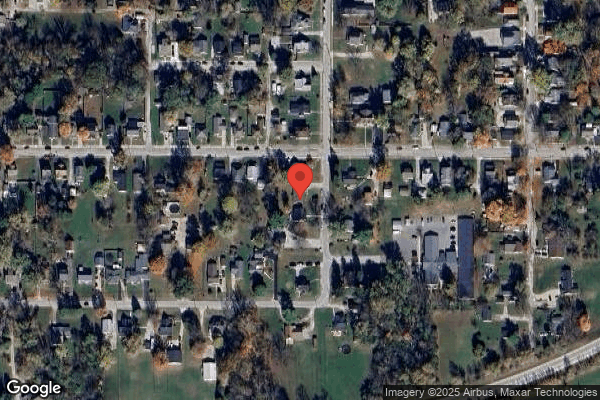
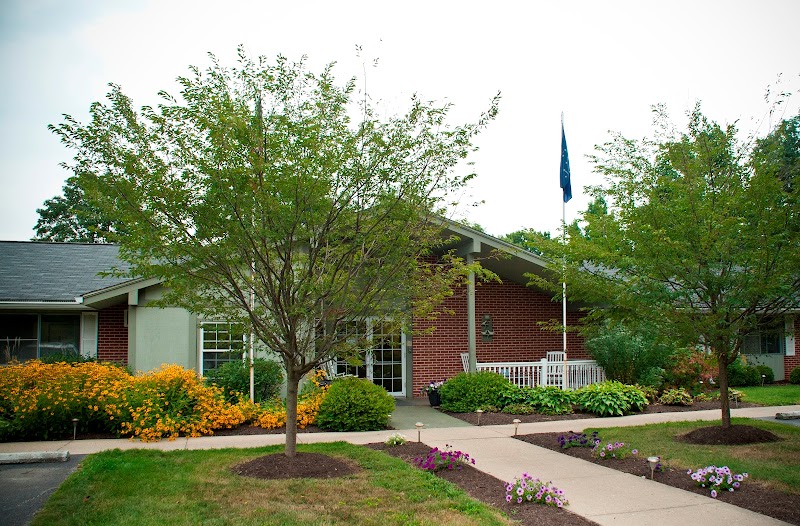
1109 S INDIANA STREET, GREENCASTLE, IN 46135 (765) 653-3143
Government - County 68 Beds AMERICAN SENIOR COMMUNITIES Data: November 2025
Trust Grade
65/100
#253 of 505 in IN
Last Inspection: September 2024

Within standard 12-15 month inspection cycle. Federal law requires annual inspections.

Overview

Hickory Creek at Sunset has a Trust Grade of C+, indicating it is slightly above average but not exceptional. It ranks #253 out of 505 facilities in Indiana, placing it in the bottom half of state options, and #5 out of 5 in Putnam County, meaning there are no better local alternatives. The facility is showing improvement, with issues decreasing from six in 2024 to just one in 2025. However, staffing is a concern, rated at 2 out of 5 stars, with a turnover rate of 46%, which is slightly better than the state average but still indicates some instability. There have been no fines, which is a positive sign. On the downside, recent inspections revealed several specific concerns. For example, staff failed to properly wash their hands during meal service, which could lead to infection risks. Additionally, there was a troubling incident where a resident fell and sustained a nasal fracture because they were not safely transported in their wheelchair. While the facility is working to improve, families should weigh these strengths and weaknesses carefully when considering care for their loved ones.

Trust Score
C+
65/100
In Indiana
#253/505
Top 50%
Safety Record
Low Risk
No red flags
Inspections
Getting Better
6 → 1 violations
Staff Stability
⚠ Watch
46% turnover. Above average. Higher turnover means staff may not know residents' routines.
Penalties
✓ Good
No fines on record. Clean compliance history, better than most Indiana facilities.
Skilled Nurses
○ Average
Each resident gets 34 minutes of Registered Nurse (RN) attention daily — about average for Indiana. RNs are the most trained staff who monitor for health changes.
Violations
⚠ Watch
15 deficiencies on record. Higher than average. Multiple issues found across inspections.
★★★☆☆
3.0
Overall Rating
★★☆☆☆
2.0
Staff Levels
★★★☆☆
3.0
Care Quality
★★★☆☆
3.0
Inspection Score
Stable
2024: 6 issues
2025: 1 issues

The Good

  • Full Sprinkler Coverage · Fire safety systems throughout facility
  • No fines on record

Facility shows strength in fire safety.

The Bad

3-Star Overall Rating

Near Indiana average (3.1)

Meets federal standards, typical of most facilities

Staff Turnover: 46%

Near Indiana avg (46%)

Higher turnover may affect care consistency

Chain: AMERICAN SENIOR COMMUNITIES

Part of a multi-facility chain

Ask about local staffing decisions and management

The Ugly 15 deficiencies on record

Feb 2025 1 deficiency
CONCERN (D) 📢 Someone Reported This

A family member, employee, or ombudsman was alarmed enough to file a formal complaint

Potential for Harm - no one hurt, but risky conditions existed

Accident Prevention (Tag F0689)

Could have caused harm · This affected 1 resident

**NOTE- TERMS IN BRACKETS HAVE BEEN EDITED TO PROTECT CONFIDENTIALITY** Based on interview, observation, and record review, the facility failed to ensure a resident was safely transported in her wheel...

Read full inspector narrative →
**NOTE- TERMS IN BRACKETS HAVE BEEN EDITED TO PROTECT CONFIDENTIALITY** Based on interview, observation, and record review, the facility failed to ensure a resident was safely transported in her wheelchair resulting in a fall and nasal fracture for 1 of 3 residents reviewed for accidents (Resident B). The deficient practice was corrected on 1/22/25, prior to the start of the survey, and was therefore past noncompliance. Findings include: During an interview, on 2/4/25 at 10:23 a.m., Resident B indicated she was admitted to the facility in December 2024 with a right shoulder and right hip fracture following a fall at home. On the morning of 1/10/25, the facility's bus driver was going to take her out to an appointment in Indianapolis to have her sutures removed from her previous fracture repair. The bus driver pushed her in her wheelchair, from her room towards the exit door, and she was moving pretty fast. There was a dip in the floor near the dining room, and when the bus driver pushed the wheelchair over the dip the resident's foot got caught on the floor. She was wearing sneakers, and the bottom of them caught on the floor. The resident went face first out of the wheelchair and sprained her right foot, fractured her nose, and sustained a black eye. The resident did not remember if she had foot pedals for her wheelchair available, but they were not in place at the time the incident occurred. The resident indicated after the fall, the staff assisted her back to the wheelchair, and they proceeded to her appointment in Indianapolis. The physician's office, in Indianapolis, sent her to the emergency room (ER) from her appointment. At the ER, they diagnosed the resident with a nasal fracture. The facility's bus driver took the resident back to the facility, the same day, after the ER visit. The resident indicated she had pain related to the fall. At the same time, the resident was observed with a small purple bruise under her right eye, surrounded by yellowish/greenish bruising. On 2/4/25 at 11:58 a.m., a change in the floor grade was observed when walking to the dining room from the 100 hall. The floor went up slightly when walking in that direction. Resident B's record was reviewed on 2/5/25 at 9:40 a.m. Diagnoses on the continuity of care document (CCD) included, but were not limited to, fracture of unspecified part of the neck of the right femur (large bone in thigh) and unspecified fracture of the lower end of the right humerus (bone in the upper arm). An admission Minimum Data Set (MDS) assessment, dated 12/29/24, indicated the resident was cognitively intact and had not refused care. The resident had an impairment in mobility of one side of the upper and lower extremities. The resident used a manual wheelchair, was dependent for wheeling 50 feet and making 2 turns, and was dependent for wheeling 150 feet. The resident was dependent with lower body dressing and for putting on and taking off footwear. A fall event, dated 1/10/25, indicated the resident had a witnessed fall, hit her head, and experienced pain. There was bruising and swelling noted. The resident was being pushed in the dining room by staff, and went down a slope, while going to the facility's bus. The resident was lying on her stomach and had shoes on. Environmental factors observed in the area of the fall indicated, foot pedals off. The intervention put in place to prevent another fall was to ensure foot pedals were in place when the resident used the wheelchair. An Interdisciplinary Team (IDT) note, dated 1/10/25, indicated the resident fell when a staff member propelled the resident and her feet caught on the floor when exiting the dining room. The resident fell forward out of the wheelchair. There was bruising to the resident's ankle and face and bleeding from her nose. The immediate, short term intervention indicated the resident was assisted into the wheelchair and went to the appointment. Foot pedals were applied to the wheelchair. The intervention put in place to address the root cause of the fall was to put foot pedals on the resident's wheelchair when the staff propelled her. A care plan, initiated on 12/24/24, indicated the resident was at risk for falls and had a history of falls prior to admission. An intervention, dated 1/10/25, indicated, foot pedals on wheelchair when staff propelling her. ER discharge instructions, dated [DATE], indicated diagnoses from the ER visit included fall, periorbital (around the eye) hematoma (localized collection of blood caused by an injury) of the right eye, and nasal bone fracture. The discharge instructions indicated the resident needed to maintain sinus precautions (measures taken to prevent further irritation or injury to the sinuses). During an interview, on 2/4/25 at 12:05 p.m., Certified Nurse Aide (CNA) 4 indicated when the resident fell her shoe caught just right on the dip in the floor, and she fell forward out of the wheelchair. It was an easy area to trip over. He was not sure if the resident should have had foot pedals in place at the time of the fall, but she did have foot pedals afterwards. During an interview, on 2/4/25 at 2:56 p.m., Licensed Practical Nurse (LPN) 3 indicated he was not sure which residents were required to have foot pedals for their wheelchair. He did not remember if the resident should have had foot pedals at the time of her fall. During an interview, on 2/4/25 at 3:04 p.m., CNA 5 indicated she was the bus driver the day the resident's fall occurred. She told the resident to keep her feet up, but when they hit the dip in the floor, near the dining room, the resident's sneakers hit the ground and got stuck. CNA 5 indicated she stopped, grabbed the resident's shoulders, and tried to pull her back, but the resident fell. She did not think the fall would have occurred if the resident had not been wearing the sneakers with a bottom that was easy to get stuck to the floor. CNA 5 did not indicate, however, any extra precautions taken when propelling the resident while she was wearing the sneakers. Staff assisted the resident back into the wheelchair, and she took the resident to her appointment. Foot pedals were not on the resident's wheelchair when the incident occurred, and she was not able to remember if they were put on after the fall or not. Since the incident, it was made a requirement to put foot pedals on wheelchairs when the residents used the facility's bus for transportation. They received training on using foot pedals when residents went to appointments. When residents were propelled down ramps they were trained to put their hands on the resident's shoulder. During an interview, on 2/5/25 at 8:45 a.m., the Executive Director (ED) indicated they did not have a facility policy regarding wheelchairs or a requirement for foot pedals. After the incident, they made it their policy to use foot pedals for all residents going out for appointments unless they refused. On 2/5/25 at 9:45 a.m., the ED provided a document titled, Fall Management Policy, last revised in August 2022 and indicated it was the policy currently being used by the facility. The policy indicated, .Facilities must implement comprehensive, resident-centered fall prevention plans for each resident at risk for falls or with a history of falls The deficient practice was corrected by 1/22/25 after the facility implemented a systemic plan that included the following actions: immediate assessment by the charge nurse of the effected resident and the provision of first aide and follow-up care, staff members who provided assistance to residents with wheelchair transport received education on proper wheelchair transport activities, staff members educated that residents who required assistance with wheelchair mobilization for appointments outside of the facility should use foot pedals while being transported to and from the appointment, and a Quality Assurance and Performance Improvement (QAPI) plan implemented with the completion of an audit tool for scaled ongoing monitoring. The first audit tool was completed on 1/22/25. This citation relates to Complaint IN00451216. 3.1-45(a)(2)
Sept 2024 3 deficiencies
CONCERN (D) 📢 Someone Reported This

A family member, employee, or ombudsman was alarmed enough to file a formal complaint

Potential for Harm - no one hurt, but risky conditions existed

Resident Rights (Tag F0550)

Could have caused harm · This affected 1 resident

Based on observation, record review, and interview, the facility failed to ensure the dignity of a resident during meal service for 1 of 2 dining observations (Resident B). Findings include: During o...

Read full inspector narrative →
Based on observation, record review, and interview, the facility failed to ensure the dignity of a resident during meal service for 1 of 2 dining observations (Resident B). Findings include: During observation of the lunch meal in the main dining room, on 9/5/24 at 12:22 p.m., Resident B was sitting at a table along with Resident C. Both residents required physical assistance with eating their meals. Both residents had been provided drinks and were being assisted with their drinks by an unidentified staff member. On 9/5/24 at 12:42 p.m., Resident C received her meal tray and was assisted to eat by the unidentified staff. No tray was served to Resident B. Nursing Assistant in Training (NAIT) 5 sat at the table to assist Resident B with her drink. On 9/5/24 at 12:58 p.m., Resident B requested that she get at least something to eat. At the same time, the resident indicated that she had requested a hamburger as a substitute for the scheduled meal way before she had been brought into the dining room, so the kitchen should have had plenty of time to prepare it for her. NAIT 5 went to the kitchen station to check on the resident's meal tray. On 9/5/24 at 1:02 p.m., NAIT 5 brought Resident B's meal tray to the table and began to assist her with her meal. Resident B's record was reviewed on 9/11/24 at 9:42 a.m. The profile indicated the resident's diagnoses included, but were not limited to, quadriplegia (a type of paralysis that affects all four limbs and the torso) and dysphasia (difficulty swallowing). A quarterly Minimum Data Set (MDS) assessment, dated 7/23/24, indicated the resident had no cognitive deficit and was dependent with substantial/maximum assistance with eating. A care plan, dated 4/11/23, indicated the resident required assistance with activities of daily living (ADL-the basic tasks people do to care for themselves and live independently) which included, but were not limited to eating. Interventions included, but were not limited to, assist with eating and drinking. During an interview, on 9/5/24 at 2:31 p.m., Resident B indicated having to wait for her meal at lunch had upset her. The kitchen knew she wanted a hamburger instead of what was being served way before she was brought into the dining room. The kitchen staff told her they had to go out to buy hamburger and prepare it for her. She felt that was odd because she understood they had just had a delivery earlier in the morning. During an interview, on 9/10/24 at 11:10 a.m., the Certified Food Manager (CFM) indicated, on 9/5/24, the resident had requested hamburger for a lunch meal alternative. They had a delivery come that morning, but hamburger was not on the delivery. She had to run out to get the hamburger, to fix it for the resident. The resident was offered something else but had declined. During an interview, on 9/10/24 at 12:32 p.m., the Executive Director (ED) indicated her understanding was that the staff had offered the resident her cottage cheese while she was waiting for her hamburger on the lunch meal on 9/5/24. During an interview, on 9/10/24 at 1:41 p.m., Resident B indicated she did not remember anyone offering her anything to eat. If staff would have offered her cottage cheese she would have taken it, because she always ate her cottage cheese. On 9/10/24 at 2:25 p.m., the ED provided an undated document, titled, Your Rights and Protections as a Nursing Home Resident, and indicated it was the policy currently being used by the facility. The policy indicated, .You have the right to be treated with dignity .You have the right to decide .your meals This citation relates to Complaint IN00442280. 3.1-3(a)
CONCERN (D)

Potential for Harm - no one hurt, but risky conditions existed

Deficiency F0761 (Tag F0761)

Could have caused harm · This affected 1 resident

**NOTE- TERMS IN BRACKETS HAVE BEEN EDITED TO PROTECT CONFIDENTIALITY** Based to observation, interview, and record review, the facility failed to ensure medications and biologicals were dated when op...

Read full inspector narrative →
**NOTE- TERMS IN BRACKETS HAVE BEEN EDITED TO PROTECT CONFIDENTIALITY** Based to observation, interview, and record review, the facility failed to ensure medications and biologicals were dated when opened, and failed to properly dispose discontinued medication, for 1 of 2 medication carts and 1 of 1 medication rooms observed for medication storage (Residents 256, 51, and 33). Findings included: 1. On [DATE] at 9:50 a.m., the West/North medication cart contained an opened and undated bottle of Brimonidine eyedrops (used to lower pressure in the eyes). The bottle contained a label that indicated it was for Resident 256. During an interview with Registered Nurse (RN) 4, she indicated that it was their policy not to use eyedrops after 30 days of opening. Resident 256's record was reviewed on [DATE] at 10:18 a.m., her diagnoses included, but were not limited to, type two diabetes (a chronic condition that occurs when the body doesn't produce enough insulin or doesn't use insulin properly). A physician's order, dated [DATE], indicated to administer Brimonidine drops 0.2%, 1 drop in each eye, twice daily. During an interview on [DATE] at 2:29 p.m., the DON indicated that the expiration date for eyedrops, after opening, depended on what the medication was. 2. On [DATE] at 9:50 a.m., Registered Nurse (RN) 4 pulled a medication bottle from the West/North medication cart drawer. The medication, observed it to be an opened bottle of Latanoprost eyedrops (used to lower pressure in the eyes) with an opened date of [DATE]. The bottle contained a label that indicated it was for Resident 51. During an interview with RN 4, she indicated the eyedrops were not good anymore. She was not sure if the medication had been administered after the use by date. Resident 51's record was reviewed on [DATE] at 10:19 a.m., her diagnoses included, but were not limited to, glaucoma (eye condition where the optic nerve, which connects the eye to the brain, becomes damaged). A physician's order, dated [DATE], indicated to administer Latanoprost drops, 0.005%, one drop in each eye at bedtime. 3. On [DATE] at 9:50 a.m., the West/North medication cart contained and opened and undated bottle of Refresh Relieva eyedrops (used to relieve eye discomfort and prevent irritation). The label indicated it was for Resident 51. Resident 51's record was reviewed on [DATE] at 10:19 a.m., her diagnoses included, but were not limited to, glaucoma (eye condition where the optic nerve, which connects the eye to the brain, becomes damaged). The record lacked documentation of a current physician's order for Refresh Relieva eyedrops. A historical physician's order, with a beginning date of [DATE] and a discontinuation date of [DATE], indicated to administer Refresh Relieva drops 0.5-0.9%, one drop into both eyes at bedtime. On [DATE] at 10:35 a.m., Registered Nurse (RN) 4 indicated she could not find a current order for Resident 51's Refresh Relieva eyedrops, and they should have been discarded after [DATE]. 4. On [DATE] at 9:50 a.m., the West/North medication cart contained and opened and undated multidose vial of Lidocaine HCL 1% solution. The bottle contained a label that indicated it was for Resident 33. During an interview with Registered Nurse (RN) 4, she indicated that the Lidocaine was used to reconstitute Resident 33's Ceftriaxone (antibiotic) injection and should have been dated when opened. Resident 33's record was reviewed on [DATE] at 1:40 p.m., her diagnoses included, but were not limited to, urinary tract infection. A nursing progress note, dated [DATE], indicated urinalysis with culture and sensitivity was reported to the on call and a new order was received, to administer Ceftriaxone, one gram daily, intramuscularly (injected by needle into the muscle), for five days. A physician's order, with a beginning date of [DATE] and a discontinuation date of [DATE], indicated to administer Ceftriaxone, reconstituted solution, one gram injection, once daily. 5. On [DATE] at 9:10:05 a.m., the back hall medication room had a container with five vials of Tuberculin solution (a medication used to test for tuberculosis [serious bacterial infection]), one of the five vials had been opened and not dated. During an interview with Registered Nurse (RN) 4, she indicated that the vial of tuberculin solution should have been dated when opened and was only good for 30 days after opening. On [DATE] at 3:30 p.m., the Director of Nursing (DON) provided the policy titled, Storage and Expiration Dating of Medications and Biologicals, with a revision date of [DATE], and indicated the policy was the one currently used by the facility. The policy indicated, .11. Once any medication or biological package is opened, facility should follow manufacturer/supplier guidelines with respect to expiration dates for opened medications. Facility staff should record the date opened on the primary medication container (i.e., vial, bottle, inhaler) when the medication has a shortened expiration date once opened or opened .11.1 Facility staff may record the calculated expiration date based on date opened on the primary medication container .11.3. If a multi-dose vial of an injectable medication has been opened or accessed (i.e. needle punctured), the vial should be dated and discarded within 28 days unless the manufacturer specifies a different (shorter or longer) date for that opened vial. 11.4. When an ophthalmic solution or suspension has a manufacturer shortened beyond use date once opened, facility staff should record the date opened and the date to expire on the container .21. Facility should ensure that medications and biologicals for expired or discharged or hospitalized residents are stored separately, away from use, until destroyed or returned to the provider. 21. Facility should destroy or return all discontinued, outdated/expired, or deteriorated medications or biologicals in accordance with pharmacy return/destruction guidelines and other applicable law On [DATE] at 3:30 p.m., the DON provided the policy titled, Disposal/Destruction of Expired or Discontinued Medication, with a revision date of [DATE], and indicated the policy was the one currently used by the facility. The policy indicated, .2. Once an order to discontinue a medication is received, facility staff should remove this medication from the resident's medication supply On [DATE] at 3:30 p.m., the DON provided an undated document titled, Omnicare, Medication Storage Guidance, and indicated the policy was the one currently used by the facility. The policy indicated, .Multiple-Dose Vials for Injection, Date when opened and discard unused portion after 28 days .Tuberculin Tests: Aplisol Injection; Tubersol Injection .Date when opened and discard unused portion after 30 days .Xalatan Opthalmic Solution (latanoprost) .Date when opened and discard after 6 weeks On [DATE] at 3:30 p.m., the DON provided an undated document titled, Brimonidine Tartrate 0.2% w/v Eye Drops, and indicated it was the manufacturers guidelines currently used by the facility. The policy indicated, .6.3 Shelf Life .After first opening: 28 days On [DATE] at 3:30 p.m., the DON provided an undated document titled, Refresh Tears - carboxymethylcellulose sodium solution/drops Allergan, inc., and indicated it was the manufacturers guidelines currently used by the facility. The policy indicated, .Refresh Tears .discard 90 days after opening 3.1-25(j) 3.1-25(o)
CONCERN (E)

Potential for Harm - no one hurt, but risky conditions existed

Food Safety (Tag F0812)

Could have caused harm · This affected multiple residents

Based on observation, interview, and record review, the facility failed to ensure proper handwashing procedure during meal service for 1 of 2 dining observations. Findings include: During an observat...

Read full inspector narrative →
Based on observation, interview, and record review, the facility failed to ensure proper handwashing procedure during meal service for 1 of 2 dining observations. Findings include: During an observation of the lunch meal service, on 9/5/24 at 12:27 p.m., Nursing Assistant in Training (NAIT) 5 was observed to wash hands for less than 20 seconds and to turn off the water faucet without using a paper towel as a barrier. She then proceeded to serve trays to multiple residents in the dining room. During an interview, on 9/10/24 at 3:08 p.m., the Director of Nursing (DON) indicated all staff should all be aware of proper handwashing technique. The NAIT had been trained on handwashing and should have known better. On 9/10/24 at 2:25 p.m., the Executive Director (ED) provided a skills competency document, with a revision date of 7/2022, titled, Hand Hygiene, and indicated it was the policy currently being used by the facility. The policy indicated, .Procedure Steps: .6. Vigorously rub hands for at least 20 seconds .10. Use paper towel to turn off faucet 3.1-21(i)(3)
Jun 2024 3 deficiencies
CONCERN (D) 📢 Someone Reported This

A family member, employee, or ombudsman was alarmed enough to file a formal complaint

Potential for Harm - no one hurt, but risky conditions existed

Deficiency F0742 (Tag F0742)

Could have caused harm · This affected 1 resident

Based on observation, interview, and record review, the facility failed to ensure a resident with a history of post-traumatic stress disorder and anxiety, received appropriate services to attain the h...

Read full inspector narrative →
Based on observation, interview, and record review, the facility failed to ensure a resident with a history of post-traumatic stress disorder and anxiety, received appropriate services to attain the highest practicable mental and psychosocial well-being resulting in psychosocial distress for 1 of 2 residents reviewed for psychosocial wellbeing (Resident G). Findings include: On 6/27/24 at 12:27 p.m., during a routine observation and interview with the resident, he was sitting up in his wheelchair in his room. The resident was alert and meticulous in his note taking and record keeping. He indicated he had notes, recordings of conversations, and text messages when he had voiced and written his concerns to the Administrator, facility staff, and the Director of Nursing. He was pleasant but emotional during the interview. The resident indicated he has severe abandonment anxiety. He had suffered from this since his accident when his wife tried to kill him resulting in trauma. The resident indicated he had been seeing psychiatric (psych) services since his accident but did not use the services through the facility. The resident indicated the facility staff were aware of this. When he was admitted he was in a room on the East side of the building and used the shower room on that side. The resident indicated he was placed in the shower room and the call light cord would not reach him where he was sitting. The staff tied a string to the cord to enable him to call for assistance. The resident indicated the facility staff told him they could not tie a string to the cord due to it being a choking hazard. The resident indicated the string was removed and he was provided a bell to ring for assistance. He was unsure of the exact date of the occurrence. The resident indicated he was placed in the shower room on a bedside commode to use the restroom. He rang the bell, and no one answered or came to assist him. The resident indicated he became increasingly upset and fearful. He indicated he started yelling and throwing things that were within his reach. The Administrator came to the door and obtained assistance for him. The resident indicated he told the Administrator he had been left for around 1.5 hours. He was moved to another room in the west hall and was advised the shower room had a call system which would reach him. The resident indicated he had been left several times in the shower room since being moved. On 5/28/24 the resident indicated he had an appointment to have an MRI at the hospital and he needed to complete his bowel regiment prior to leaving for his appointment. The resident indicated he had asked several staff members to take him to the bathroom. One of the Certified Nurse Aides (CNA) took him to the shower room and left him there. He indicated he was left in the shower room for about 30 minutes. He pulled the light cord, and no one came, and he started yelling for help. He indicated after some time the staff came in to assist him, he was unsure of how long he had been left without assistance. The resident indicated he had been forgotten 4 or 5 different times in the shower room. The resident indicated another occasion when he had been forgotten in the shower room, he was unsure of the date of occurrence. The resident indicated he had to yell for assistance because no one answered the bell. The resident indicated a nurse opened the door and told him he had heard him yelling and would get an aide to assist him. During the interview the resident provided copies of dated text messages that had been sent to the Director of Nursing regarding being forgotten in the shower room, asking for help and indicated he had mental health issues related to problems in his past. The resident became emotional when retelling of the incidents and had to stop several times. He indicated this had caused him a great deal of anxiety and he had felt abandoned by the staff. The resident indicated on 5/28/24 he was sent to the hospital for an MRI and was told by the nurse his transportation was taken care of. The resident indicated he was not given any information about who was taking him or picking him up. The resident indicated he was left outside the hospital to wait to be picked up. The transportation van did not show up. The resident indicated he attempted to call the facility for about 30 minutes. No one answered the phone. An off duty employee from the facility saw him at the hospital and took him back to the facility. He indicated he was very fearful and anxious at the time and felt abandoned by the staff. On 6/27/24 at 12:46 p.m., during an interview, CNA 4 indicated on 5/31/24 she had placed the resident in the shower room because he was needing to go to the bathroom before leaving to have an MRI done at the hospital. She acknowledged she did not tell anyone she had placed the resident in the shower room. She gave him a call light to call for assistance and left to do other things. The CNA indicated she was working on appointments and she and another CNA heard someone yelling for help. The other CNA asked who was in the shower room. She told the CNA she put the resident in the shower room to use the bathroom. The CNA then removed the resident from the shower room. On 6/28/24 at 9:00 a.m., the medical record of Resident G was reviewed. The resident was admitted to the facility with diagnosis which included, but not limited to, burn of unspecified degree of right foot, paraplegia (paralysis that occurs in the lower half of the body), generalized anxiety disorder (a feeling of fear, dread, and uneasiness. It might cause you to sweat, feel restless and tense, and have a rapid heartbeat), and major depressive disorder (an illness characterized by persistent sadness and a loss of interest in activities that you normally enjoy, accompanied by an inability to carry out daily activities, for at least two weeks). Most recent MRI assessment indicated the resident was minimal assist of one for activities of daily living (ADL). A care plan, dated 4/11/2024, indicated the resident was at risk for signs and symptoms of anxiety (worried facial expressions, repetitive movements, shortness of breath, nausea, sweating, tremors, irritability, insomnia, reports of anxiety). Resident had a diagnosis of anxiety. Interventions included, but were not limited to, encourage resident to verbalize fears and anxiety; offer validation and reassurance, maintain a calm environment, observe for increase in signs and symptoms of anxiety; and obtain psych services as appropriate. A care plan, dated 2/29/2024, indicated the resident was a new admission to the facility and requires implementation of services to promote physical, emotional, and psychosocial well-being. Interventions included, but were not limited to, assist with transfers, ambulation, bed mobility, toileting and/or incontinent care, and honor resident wishes. A care plan, dated 3/11/2024, indicated resident was at risk for signs and symptoms of depression, expresses feeling depressed, feeling tired, trouble concentrating, feeling nervous, and/or fidgety. Resident had a diagnosis of depression. Resident reported feeling down, trouble concentrating, feeling tired and moving slowly on recent PHQ-9. Interventions included, but were not limited to, allow resident to express feelings and frustrations; offer validation and support; and emphasize and promote independence and feelings of control and choice. The medical record lacked evidence of a trauma assessment being completed after the resident informed the Director of Nursing and Administrator, he had a diagnosis of PTSD. The record lacked documentation for offering of additional behavior health services. The record lacked evidence of a care plan for trauma-based care. On 6/28/2024 at 2:00 p.m., the Administrator provided a document, titled, Trauma Informed Cre, dated 2/20, and indicated it was the policy currently being used by the facility. The policy indicated, .It is the policy of this facility to ensure that residents who are trauma survivors receive culturally competent trauma-informed care in accordance with professional standards of practice and accounting for residents' experiences and preferences to eliminate or mitigate triggers that may cause re-traumatization of the resident .Trauma informed care is an approach to delivering care that involves understanding, recognizing and responding to the effects of all types of trauma .Procedure .2. Residents who screen positive for a history of trauma will be referred to behavioral health services for further screening. 3. Behavioral health services will assist the resident and interdisciplinary team in developing a plan of care which will be added to the medical record. This plan of care will incorporate individual experiences .4. The plan of care will routinely be evaluated whether the interventions have been able to mitigate(or reduce) the impact of identified triggers on the resident that may cause re-traumatization On 6/27/2024 at 2:00 p.m., the Administrator provided a document, titled, Resident Rights, dated 3/15/17, and indicated it was the policy currently being used by the facility. The policy indicated, .Resident Rights .Safe Environment .You have the right to a safe, clean comfortable and homelike environment, including but not limited to receiving treatment and supports for daily living safety This citation relates to Complaint IN00435710. 3.1-43(a)(1)
CONCERN (D) 📢 Someone Reported This

A family member, employee, or ombudsman was alarmed enough to file a formal complaint

Potential for Harm - no one hurt, but risky conditions existed

Deficiency F0778 (Tag F0778)

Could have caused harm · This affected 1 resident

Based on observation and interview, the facility failed to assist the resident in obtaining transportation from a hospital appointment for 1 of 1 residents reviewed for transportation (Resident G). Fi...

Read full inspector narrative →
Based on observation and interview, the facility failed to assist the resident in obtaining transportation from a hospital appointment for 1 of 1 residents reviewed for transportation (Resident G). Findings include: On 6/27/24 at 12:27 p.m., during a routine observation and interview with Resident G, he was sitting up in his wheelchair in his room. Resident G was very alert and meticulous in his note taking and record keeping. He indicated he had notes and recordings of conversations and text messages when he had voiced and written his concerns to the Administrator, facility staff and the Director of Nursing about being left at the hospital without transportation back to the facility. The resident indicated on 5/28/24 he was sent to the hospital for an MRI. He was told by the nurse his transportation was taken care of, but he was not given any information about who was taking him. When he completed the MRI approximately an hour and a half later, he was left outside. His transportation van did not show up. The resident indicated he had attempted to call the facility for about 30 minutes. No one answered the phone. When the transportation van did not come to the hospital an off duty employee of the facility brought him back to the facility after randomly seeing him outside the hospital. On 6/28/24 at 9:57a.m., during a confidential interview Employee 3 indicated on 5/28/24 they were leaving the hospital where Resident G had been. The resident was sitting outside in the front of the hospital and indicated he was waiting for the van. He had been there for an MRI and was told by the driver he was not on his list to pick up. While the employee observed the resident call the facility at least six times with no answer. The employee called the facility and talked to the supervisor. The employee explained the situation and asked who was picking up the resident. The supervisor indicated no one knew what was going on. The employee agreed to bring him back to the facility. The employee indicated the same day just prior to the resident going to the hospital he had been left in the shower room and he was very upset and feeling abandoned. On 6/28/24 at 10:05a.m., during a confidential interview Employee 5 indicated Employee 3 called on 5/28/24 about Resident G being left at the hospital. The employee spoke to several staff members regarding who was picking him up and asked for the transportation phone number. The staff indicated they did not have a number. No one knew who to call. On 6/28/24 at 9:00 a.m., the medical record of Resident G was reviewed. Resident G was admitted to the facility with diagnoses which included, but not limited to, burn of unspecified degree of right foot, paraplegia (paralysis that occurs in the lower half of the body), diabetes (a disease that occurs when your blood glucose, also called blood sugar, is too high), generalized anxiety disorder (a feeling of fear, dread, and uneasiness. It might cause you to sweat, feel restless and tense, and have a rapid heartbeat), and major depressive disorder (an illness characterized by persistent sadness and a loss of interest in activities that you normally enjoy, accompanied by an inability to carry out daily activities, for at least two weeks). On 6/28/2024 at 2:33 p.m., the Administrator provided an undated document, titled, ASC Facility Bus/Van Transportation Guidelines, and indicated it was the policy currently being used by the facility. The policy indicated, .Transportation will be provided by the facility bus/van for residents participating in activities outside of the facility .Outside transport should be the chosen option prior to utilizing facility van for physician and or other medical related appointments . On 6/27/2024 at 2:00 p.m., the Administrator provided a document, titled, Resident Rights, dated 3/15/17, and indicated it was the policy currently being used by the facility. The policy indicated, .Resident Rights .Safe Environment .You have the right to a safe, clean comfortable and homelike environment, including but not limited to receiving treatment and supports for daily living safety This citation relates to Complaint IN00435710. 3.1-49(j)(3)
CONCERN (D) 📢 Someone Reported This

A family member, employee, or ombudsman was alarmed enough to file a formal complaint

Potential for Harm - no one hurt, but risky conditions existed

Deficiency F0806 (Tag F0806)

Could have caused harm · This affected 1 resident

Based on observation, interview, and medical record review, the facility failed to honor a resident's dietary dislikes and food preferences 1 of 3 residents reviewed for food preferences (Resident G)....

Read full inspector narrative →
Based on observation, interview, and medical record review, the facility failed to honor a resident's dietary dislikes and food preferences 1 of 3 residents reviewed for food preferences (Resident G). Findings include: On 6/27/24 at 12:27 p.m., during observation and interview Resident G indicated he can't have gassy foods, spicy foods, or greasy food due to an issue with his digestion related to his paralysis. He indicated he had met with the dietitian when he was admitted , and he had told the staff several times of his food preferences. He understood he had a regular diet ordered but the staff did not provide his preferences as requested. The resident indicated he continued to receive foods he can't tolerate. He indicated at times he must eat it because there was only grilled cheese or cold cuts sandwich offered as an alternate. He was given sausage and eggs every day though he had told them he can't eat greasy food. On 6/27/24 at 1:05 p.m., observed the resident being served the noon meal. The diet slip indicated a regular diet. He was served sausage pizza for lunch. His preferences and dislikes were not listed on the diet slip. The resident indicated he has told the staff many times of his dislikes. He had only met once with a dietitian but had voiced complaints to the Administrator and the Director of Nursing. He indicated he had continued to be served foods that he did not like or tolerate. On 6/28/24 at 2:00 p.m., during an interview with the Administrator, she indicated she had offered numerous alternates to the resident. She indicated the diet ticket would not indicate the resident's dietary dislikes because the resident changed his mind all the time. She indicated he would not be served foods that were on a dislike list if a list had been provided. A food preference list had not been created for Resident G. She indicated she had been aware of different preferences the resident had communicated to her. She indicated she had not tried alternate ways of communication for the resident to express his dislikes and preferences. On 6/28/24 at 9:00 a.m., the medical record of resident G was reviewed. Resident was admitted to the facility with diagnoses which included, but not limited to, paraplegia (paralysis that occurs in the lower half of the body), gastro-esophageal reflux disease (a common condition in which the stomach contents move up into the esophagus), diabetes (a disease that occurs when your blood glucose, also called blood sugar, is too high), generalized anxiety disorder (a feeling of fear, dread, and uneasiness. It might cause you to sweat, feel restless and tense, and have a rapid heartbeat), and major depressive disorder (an illness characterized by persistent sadness and a loss of interest in activities that you normally enjoy, accompanied by an inability to carry out daily activities, for at least two weeks). The medical record lacked documentation of care plan addressing dietary food preferences. On 6/27/2024 at 2:00 p.m., the Administrator provided a document, titled, Residents Rights, dated 3/15/17, and indicated it was the policy currently being used by the facility. The policy indicated, .Residents Rights .Respect and Dignity .The right to reside and receive services in the facility with reasonable accommodation of your needs and preferences .Self Determination .You have the right to make choices about aspects of your life in the facility that are significant to you This citation relates to Complaint IN00435710. 3.1-21(d)(4) 3.1-21(d)(5)
Jul 2023 6 deficiencies
CONCERN (D)

Potential for Harm - no one hurt, but risky conditions existed

Resident Rights (Tag F0550)

Could have caused harm · This affected 1 resident

Based on observation, interview, and record review, the facility failed to ensure a resident's dignity was maintained when the resident was not changed after an incontinence episode and instead asked ...

Read full inspector narrative →
Based on observation, interview, and record review, the facility failed to ensure a resident's dignity was maintained when the resident was not changed after an incontinence episode and instead asked to eat alone in her room while seated in a soiled brief and wheelchair instead of eating her meal in the main dining room per her usual preference for 1 of 16 residents reviewed for dignity (Resident 5). Findings include: During an observation, on 7/24/23 at 12:20 p.m., Resident 5 was observed seated in her wheelchair in her room staring out the window and appeared upset. Resident 5 indicated her husband used to visit daily, but for the last few months he had been unable to visit her. She enjoyed eating breakfast and lunch in the main dining room to socialize with everyone. However, today, she was in the therapy room with Physical Therapist (PT) 5 and had wet herself and the urine ran onto the therapy floor. PT 5 told Resident 5 that she would take her down to her room to be changed from the wet brief before lunch. PT 5 wheeled the resident out of the therapy room, to the resident's room, and told the staff that the resident needed to be changed. Certified Nursing Assistant (CNA) 17 had come into the resident's room and told the resident that the resident was going to be assisted to eat in her room, then the resident would be laid down in bed and the brief changed after eating lunch. On 7/24/23 at 12:26 p.m., CNA 17 brought Resident 5's lunch tray into her room and indicated she was told by staff, CNA 10, to assist Resident 5 with her meal in her room, because Resident 5 had soiled in her brief. CNA 17 was to lay her down after feeding the resident lunch. CNA 17 indicated she did not have the time to change Resident 5's brief now. Resident 5 told CNA 17 she wanted to eat the ice cream first, because the ice cream was already melting. CNA 17 opened the partially melted ice cream container and fed Resident 5 the soft ice cream, while Resident 5 sat in her wheelchair in the urine saturated brief. On 7/24/23 at 12:39 p.m., PT 5 indicated at about noon Resident 5 was in the therapy room receiving therapy. The resident was repositioned in the wheelchair, the resident was saturated in urine, and the urine was running onto the therapy floor. PT told Resident 5 that she would take her down to her room to be changed from the wet brief before lunch. PT 5 indicated she had told CNA 10 that Resident 5 was wet and needed to be changed. CNA 10 told CNA 17, Resident 5 needed to be changed from the wet brief. On 7/24/23 at 12:59 p.m., the Administrator indicated she had spoken to Resident 5 and the resident had indicated she would eat her meal in her room, before being changed from the wet brief. The Administrator then had spoken to CNA 10. CNA 10 told the Administrator that she had told CNA 17 to feed Resident 5 in her room, then change her wet brief. Staff had not asked Resident 5 if the resident wanted to be changed from the wet brief, prior to eating lunch. The Administrator indicated she had sent CNA 10 and CNA 17 home for not providing incontinence care to the resident before the resident was assisted to eat her lunch. On 7/24/23 at 1:20 p.m., the Administrator indicated she had spoken to the PT 5. PT 5 indicated she had told CNA 10 and CNA 17 that Resident 5 needed to be changed from the wet brief. The Administrator indicated she was going to have staff complete a skin sweep of all residents in the building. On 7/24/23 at 3:03 p.m., the Regional [NAME] President (VP) indicated, CNA 17 was sent home today for not providing incontinence care to Resident 5. The facility was completing a facility wide skin check review of all the residents. On 7/25/23 at 10:05 a.m., Resident 5 indicated yesterday at lunch time, my ice cream was already melting, and my sandwich was warm. So I wanted to eat my meal, while the ice cream was still partially frozen, and the sandwich was still warm. On 7/26/23 at 10:48 a.m., the [NAME] President (VP) indicated Resident 5 had soiled her brief in the therapy room. PT 5 took the resident back to her room and notified CNA 10 the resident needed incontinence care due to a wet brief. CNA 10 had communicated that information of Resident 5's wet brief to CNA 17. CNA 17 had asked CNA 10 for guidance because it was mealtime. So, CNA 17 had asked Resident 5 what the resident preferred, being fed lunch or being changed now. Resident 5 indicated she would eat first. The CNA left the room to get the resident's lunch tray and then fed her lunch. Resident 5 was cognitive and was able to make her needs known. The facility had suspended from work CNA 17 and CNA 10 for not providing incontinence care, prior to feeding Resident 5 her lunch. On 7/27/23 at 8:45 a.m., the Regional Director of Clinical Operations (RDCO) 14 indicated she had spoken to Resident 5 and Resident 5 had indicated, staff had asked her if she wanted to be transferred into the bed and changed or did the resident want to eat her lunch first. Resident 5 had told staff that she would eat her lunch first and then be changed from the wet brief. Resident 5's record was reviewed, on 7/26/23 at 9:15 a.m. Diagnoses included, but were not limited to, major depressive disorder (mental condition characterized by a persistently depressed mood and long-term loss of pleasure or interest in life), unspecified anxiety disorder (mental health disorder characterized by feelings of worry, anxiety, or fear that are strong enough to interfere with daily activities), quadriplegia (a symptom of paralysis [loss of the ability to move and sometimes to feel anything in part or most of the body] that affects all a person's limbs and body from the neck down), contractures (condition of shortening and hardening of muscles, tendons, or other tissue, often leading to deformity and rigidity of joints) of the right hand, right wrist, left wrist, dysphagia-oropharyngeal phase (swallowing problems occurring in the mouth and/or the throat) and complete traumatic amputation at level between the right knee and ankle. A significant change in status Minimum Data Set (MDS) assessment, dated 4/25/23, indicated Resident 5 was cognitively intact; required total dependence of two staff members for bed mobility, transfer, bathing, and toilet use; total dependence of one staff member for eating and personal hygiene; had functional limitation in range of motion in the upper and lower extremities on both sides of the body; was always incontinent of bladder and bowel; and had a stage 3 pressure ulcer injury (full-thickness skin loss potentially extending into the subcutaneous tissue layer), and was at risk for pressure ulcers. An ADL's functional status/rehabilitation potential care plan, dated 4/11/23, indicated the resident required assistance with ADL's including bed mobility, transfers, eating, and toileting with interventions included, but were not limited to, assist with transfers as needed per mechanical lift and two staff assistance, assist with eating and drinking as needed, and assist with dressing/grooming/hygiene as needed, with the goal of the resident had a desire to improve current functional status. A progress note, dated 4/3/23 at 6:39 p.m., indicated, Resident 5 had acquired a new wound/skin injury, stage 3 pressure ulcer, to the right gluteal fold (the horizontal skin crease that forms below the buttocks, separating the upper thigh from the buttocks) with pain of tenderness to touch or pain when pressure was on the area. The root cause of the pressure ulcer determination was of high friction area, incontinence, and staying in a wheelchair. A new intervention was initiated of staff to assist resident to bed between meals. A pressure ulcer/injury care plan, dated 4/7/23, indicated Resident 5 had a pressure ulcer to the right gluteal fold, with interventions included, but were not limited to, staff to assist resident to bed between meals, if the resident preferred to stay up, offer to lay down and change resident prior to getting back up, keep off affected area as much as possible, and keep area clean and dry. A urinary incontinence care plan, dated 4/11/23, indicated Resident 5 required assistance with toileting/incontinence due to diagnoses and medication use, with interventions included, but were not limited to, assist with elimination and incontinence care as needed, with the goal of the resident will be free from adverse effects from incontinence. A Physical Therapy treatment encounter note, dated 7/24/23 at 1:31 p.m., indicated Resident 5 had received physical therapy on that day and the session had ended early due to the resident requiring assistance for clean up from soiling her brief and during the therapy session had experienced 4 out of 10 intermittent pain scale in the right thigh region and both knees. A note, handwritten and signed by PT 5, dated 7/24/23 at 3:22 p.m., indicated, PT 5 had Resident 5 in the therapy gym, repositioned the resident in her wheelchair, and noticed a puddle of urine on the floor. CNA 12 walked by the gym and Resident 5 told CNA 12 that she needed to be changed. CNA 12 told Resident 5 and PT 5 the name of the CNA in charge of the resident's care (CNA 17) and to let her know. PT 5 took the resident back to her room. On the way back, CNA 12 and CNA 17 passed each other in the hallway and CNA 12 told CNA 17 that Resident 5 needed to be changed and she glanced in our direction. PT 5 took Resident 5 to her room, gave the resident her call light, and went to find towels. As PT 5 exited the linen closet, CNA 17 was observed walking into Resident 5's room. Resident 5 indicated to CNA 17 that she needed to be change. PT 5 returned to the therapy gym. A handwritten note, dated 7/24/23, signed by CNA 17, indicated therapist had pushed Resident 5 down and the hall, 12:10 p.m., lunch time, and told CNA 17 Resident 5 was wet and left a puddle on the floor in therapy. CNA 17 had felt under the resident's wheelchair, and it was not wet, and CNA 17 did not observe any wetness. CNA 17 had asked another CNA what to do. The CNA told CNA 17 to ask Resident 5 if it was okay to feed her in her room today for lunch and then change her brief . Resident 5 had indicated she wanted to eat first, and that was what CNA 17 did, fed her then laid Resident 5 down and changed her. A handwritten note, dated 7/24/23, signed by CNA 10, indicated, a CNA came to her and asked what she would do. CNA 10 indicated, she would ask Resident 5 what she wanted to do, get changed or eat first. Resident 5 told the other CNA she wanted to eat first. So, the CNA fed the resident in her room for her dignity. A Social Services Director (SSD) handwritten note, dated 7/24/23, indicated Resident 5 had told the SSD, the therapy lady had told Resident 5 that she had a little puddle underneath her, when she was in therapy and the therapist brought the resident back to her room and told staff the resident was wet and needed to be changed. Staff told the therapist to leave the resident in her room, staff would feed the resident in her room, then put the resident in her bed to change her wet brief, and that was fine with the resident. The resident would like to be changed, but it was feeding time now. The food came and the ice cream was already melting, and she ate that first. A handwritten note, dated 7/26/23, signed by the RDCO, the Administrator, and the Registered Nurse/Unit Manager (RN) 8 indicated, during an interview, Resident 5 had indicated, on Monday 7/24/23, the aide came into her room without her lunch tray and asked Resident 5 if she wanted to be changed first and then eat. The resident had told the aide that she wanted to eat first. The aide returned to the resident's room with the lunch tray. A psychologist note, dated 7/28/23 at 1:26 p.m., indicated a session with Resident 5 had been conducted, on this date, via telehealth of a staff request for a wellness check for Resident 5, related to the event, on Monday 7/28/23. Resident 5 described the event in question. She indicated she experienced an incontinence episode around the time lunch was being served. Resident 5 shared how she was hungry and her lunch, notably included ice cream, so she elected to be changed after she finished her ice cream and meal. Resident 5 reported it was her decision to eat first before initiating the care/hygiene process. Resident 5 denied having been denied access to care, any emotional distress or mental anguish related to this event. She denied it as having been traumatic and further denied any associated related trauma or distress symptom response. The resident's record and incident investigation lacked documentation that the resident was educated that her food would be kept warm and her ice cream cold if she elected to get changed first and taken to the dining room. The record lacked documentation that the resident was educated on the effects on her pressure ulcers of sitting in urine. The record lacked documentation the resident was assessed for pain when sitting in her urine. Prevention and Care for Incontinence-Associated Dermatitis Among Older Adults: A Systematic Review - PMC (nih.gov) (2010) was retrieved on 7/25/23 from the National Library of Medicine website. The guidance included, .Damage to the skin can occur within 10-15 minutes following contact with moisture from stool or urine, causing overhydration and a slight swelling. In addition, the presence of friction and shear mechanical forces can decrease skin functioning and cause skin injury. Thus, the potential for skin breakdown among incontinent older adults requires careful assessment and care . On 7/24/23, the ADM provided and identified a document as the facility's admission agreement, including the Resident Rights policy, for all residents and was the current facility policy, dated 12/2022. The policy indicated, .Nursing Home Resident Rights .The resident has the right to a dignified existence, self-determination, and communication with and access to persons and services inside and outside the facility. A facility must protect and promote the rights of each resident .Respect and Dignity .The resident has the right to be treated with respect and dignity, including the right to: .Reside and receive services in the facility with reasonable accommodation of resident needs and preferences except when to do so would endanger the health or safety of the resident or other residents 3.1-9(a)
CONCERN (D)

Potential for Harm - no one hurt, but risky conditions existed

ADL Care (Tag F0677)

Could have caused harm · This affected 1 resident

Based on observation, interview, and record review, the facility failed to ensure incontinence care was provided for dependent residents for 1 of 16 residents reviewed for Activities of Daily Living (...

Read full inspector narrative →
Based on observation, interview, and record review, the facility failed to ensure incontinence care was provided for dependent residents for 1 of 16 residents reviewed for Activities of Daily Living (ADL) (daily self-care activities) care (Residents 17). Findings include: On 7/27/23 at 10:30 a.m., during the Resident Council meeting, Resident 17 indicated he had been double briefed at night, several times a month over past several months. He did not know why. He was blind and unable to identify the staff members. He was double briefed again the previous night and was left without being changed and was a mess, soaked in urine, in the morning. The Resident Council Members indicated the staff came in and woke them up during the night and ask if they needed to be changed. The residents indicated there were not enough supplies. The facility staff told them they were often out of briefs and the supplies would not come in for several days. On 7/28/23 at 9:35 a.m., Certified Nurse Aide (CNA) 16 indicated the facility had not had enough briefs at times for the residents. When the resident was wet, they gave them a shower or bed bath. They used pink pads when they did not have briefs available. She indicated she had provided care to several residents who were found to be double briefed and saturated in urine, staff gave lots of showers and bed baths because of this. On 7/28/23 at 9:45 a.m., Resident 17's record was reviewed. Diagnoses included but were not limited to, hemiplegia (a loss of strength in the arm, leg, and sometimes face on one side of the body) and hemiparesis (a relatively mild loss of strength), following cerebral infarction (when blood flow to a part of your brain is stopped either by a blockage or the rupture of a blood vessel), affecting right dominant side, chronic obstructive pulmonary disease (a group of diseases that cause airflow blockage and breathing-related problems), type 2 diabetes mellitus (a disease that occurs when your blood glucose, also called blood sugar, is too high) with diabetic neuropathy (a type of nerve damage that can occur if you have diabetes). A quarterly Minimum Data Set (MDS) assessment (a standardized assessment tool that measures health status in nursing home residents), dated 6/27/23, indicated the resident required extensive assistance of two persons for dressing and toileting. Care plans, dated 4/11/23, indicated the resident was experiencing complications/residual effects which impact daily function related to diagnosis Cerebral Vascular Accident (CVA) (when blood flow to a part of your brain is stopped either by a blockage or the rupture of a blood vessel) with right dominate hemiplegia. An approach, dated 4/11/23, indicated to assist with Activities of Daily Living (ADLs) (activities related to personal care), as needed. Urinary Incontinence care plan, dated 4/11/23, indicated the resident required assistance with toileting due to impaired and decreased mobility ., approaches dated 4/11/23, assist with elimination assist with incontinent care. On 7/28/23 at 2:52 p.m., Registered Nurse (RN) 8 indicated, all residents should be provided incontinence care when wet or soiled. On 7/28/23 at 2:52 p.m., RN 8 indicated the facility did not have a policy for ADL care, and provided document, titled INCONTINENT BRIEF APPLICATION, dated 02/2010 and review dated 4/2012. RN 8 indicated it was the current policy for the facility. The policy indicated, .Procedure steps .1. Verify resident and explain procedure . 2. Provide policy . 3. Wash hands . 4. Put on gloves . 5. Unfasten and remove brief resident is currently wearing . 6. Provide perineal care . 7. Place back of brief between resident's . 8. Bring front of brief between resident's legs and up to waist . 9. Fasten each side of brief and adjust to fit . 10. Redress or position resident as needed . 11. Remove gloves . 12. Wash hands . 13. Soiled or used brief should be secured in plastic bag and disposed of in soiled utility room .14. Do not leave in residents' room 3.1-38(a)(3)
CONCERN (D)

Potential for Harm - no one hurt, but risky conditions existed

Respiratory Care (Tag F0695)

Could have caused harm · This affected 1 resident

2. On 7/24/23 at 10:00 a.m., during an observation, Resident 13 was sleeping in bed. The head of the bed was slightly elevated. The call light was under the left hand. A water pitcher was on a table a...

Read full inspector narrative →
2. On 7/24/23 at 10:00 a.m., during an observation, Resident 13 was sleeping in bed. The head of the bed was slightly elevated. The call light was under the left hand. A water pitcher was on a table against the far wall out of the reach of the resident. Oxygen was being administered via an oxygen concentrator, (concentrators pull in room air, separates the other gases from the oxygen, exhausts the other gasses, and delivers the oxygen to the patient), at 4 liters (L) via nasal cannula (NC) (a medical device to provide supplemental oxygen therapy to people who have lower oxygen levels). On 7/25/23 at 11:15 a.m., observed the resident lying in bed with call light under her left hand. The head of the bed was in a slightly elevated position. Oxygen was being administered at 4 L via NC per an oxygen concentrator. Resident appeared to be anxious and tearful and indicated she was in pain. Licensed Practical Nurse (LPN) 5 administered pain medication. Resident was groaning and made gurgling sounds. Registered Nurse (RN) 8 observed resident. The resident vomited a large amount of yellow liquid. The head of the bed was elevated, and personal care was provided to the resident. On 7/26/23 at 2:16 p.m., observed the resident lying in bed. The head of the bed was elevated, and oxygen was being administered at 4 L via NC per an oxygen concentrator. The resident denied pain, the call light was within reach. The resident indicated she did not feel well but gave no specific complaints and indicated she had no recurrence of nausea or vomiting from the day before. On 7/27/23 at 9:15 a.m., observed the resident lying in bed. The water pitcher was on the overbed table within reach. The call light was on the left side of the bed within reach. Oxygen was being administered at 4 L via NC per an oxygen concentrator. On 7/27/23 at 11:45 a.m., interview with RN 8, RN observed the oxygen delivery was set at 4 L and being administered via a nasal cannula (NC). The RN indicated the oxygen order was for oxygen administration 2 L at bedtime. The RN lowered the oxygen to 2 L. On 7/27/23 at 11:50 a.m., RN 8 reviewed the medical record, current orders, and the current hospice orders, and identified a physician order dated 5/10/23 for oxygen administration 2 to 5 L as needed for diagnosis of, Chronic Obstructive Pulmonary Disease (COPD) (a group of diseases that cause airflow blockage and breathing-related problems). The current medical record indicated, an order dated 4/14/23, oxygen administration 2 liters per nasal cannula at night. RN 8 acknowledged the oxygen was administered continuously and orders were different. On 7/27/23 at 2:00 p.m., phone interview with hospice nurse, the nurse indicated an order was written and dated, 5/10/2023 for oxygen to be administered at 2 to 5 L as needed. The hospice nurse indicated the order had been initiated during hospice admission and the hospice nurse would write an order and would notify the facility nurse of any new orders that were written during the admission process. During follow-up visits the hospice nurse would review and verify all orders, any orders that were written during that visit were given to the nurse assigned to the resident. On 7/25/23 at 12:12 p.m., the medical record for Resident 13 was reviewed. The medical record indicated an order for hospice care services for diagnosis of COPD. Hospice physician order, dated 5/10/23, indicated oxygen administration 2 to 5 L as needed for diagnosis of COPD. The current medical record indicated an order, dated 4/14/23, oxygen administration, 2 liters per nasal cannula at night. The oxygen order for both medical records lacked documentation of oxygen administration device and lacked documentation for an indication to administer oxygen as needed and at night. Diagnoses included, but were not limited to, hemiplegia (a loss of strength in the arm, leg, and sometimes face on one side of the body) and hemiparesis (a relatively mild loss of strength), following other cerebrovascular disease affecting right dominant side, COPD, Hypertensive heart disease with heart failure (a long-term condition that develops over many years in people who have high blood pressure), Parkinson's disease (a brain disorder that causes unintended or uncontrollable movements, such as shaking, stiffness, and difficulty with balance and coordination), unspecified dementia (the loss of cognitive functioning, thinking, remembering, and reasoning to such an extent that it interferes with a person's daily life and activities), with anxiety (a feeling of fear, dread, and uneasiness) It can be a normal reaction to stress), Unspecified sequelae (residual effects or conditions produced after the acute phase of an illness or injury has ended) of cerebral infarction (the medical term for a stroke. A stroke is when blood flow to a part of your brain is stopped either by a blockage or the rupture of a blood vessel). The Quarterly Minimum Data Set, (MDS-a standardized assessment tool that measures health status in nursing home residents), dated 7/6/23, indicated a diagnosis of COPD, Hospice services, and oxygen administration. A Care Plan dated 4/11/2023, indicated the Resident has potential for impaired gas exchange related to diagnosis of COPD and shortness of breath when lying flat. Goal date 8/27/2023, the resident will have adequate respiratory functions as evidenced by decreased or absence of dyspnea, improved breath sounds, decreased or absence of shortness of breath and improved oximetry results. An intervention, dated 4/11/23, included but were not limited to, administer medications as ordered, and administer oxygen as ordered 2 L at night. Documentation lacked evidence of communication between the facility and the hospice nurse identifying correct oxygen orders for oxygen delivery device, liter flow or administration times. On 7/28/23 at 10:14 a.m., the Regional Director of Clinical Operations (RDCO) provided a document titled, Hospice Policy dated 1/2016, revision dates 11/17, 10/18, 8/19 and indicated it was the policy currently being used by the facility. The policy indicated, .Policy: It is the policy of this facility that when a resident elects the hospice benefit that the contracted hospice company and facility will coordinate to establish both a person-centered plan of care reflecting the physical, spiritual, mental, and psychosocial needs of the resident as well as a pattern of communication between the hospice company, healthcare professionals, facility staff and resident/representative. Procedure: .2. c. Care and services (including medications and supplies) that the facility and hospice will provide in order to be responsive to the residents needs and desire for hospice care On 7/28/23 at 10:45 a.m., the Regional Director of Clinical Operations (RDCO) provided an undated document titled, Oxygen Therapy and Devices and indicated it was the policy currently being used by the facility. The policy indicated, . Indications for oxygen use . 1. Obstructive pulmonary disease . Definition of Oxygen . 1) Oxygen is a drug which must be ordered by a physician . c. Concentrated . i. Units plugs into the wall . ii. Concentrators pull in room air, separates the other gases from the oxygen, exhausts the other gasses, and delivers the oxygen to the patient .Initiation of oxygen .1) Verify physician order .7) Apply device to the patient with appropriate liter flow .Oxygen Devices .1) Nasal cannula .a. Low flow device by which nasal prongs are placed in the nares to deliver up to 44% oxygen using 1-6 LPN 3.1-47(a)(4) 3.1-47(a)(5) 3.1-47(a)(6) Based on observation, interview, and record review, the facility failed to ensure proper storage of a respiratory bilevel positive airway pressure (BiPAP) equipment (machine used to supply pressure to push air into the lungs) (Resident 15) and failed to ensure a physician's order for oxygen therapy was followed (Resident 13) for 2 of 2 residents reviewed for respiratory care. Findings include: 1. On 7/25/23 at 11:15 a.m., Resident 15's BiPAP mask was observed unbagged, on the resident's bed. On 7/26/23 at 12:57 p.m., Resident 15's BiPAP mask was observed unbagged, on the resident's bed. Resident 15 indicated, he used the BiPAP every night to help with his breathing and sleep. On 7/27/23 at 11:54 a.m., Resident 15's BiPAP mask was observed on the resident's bed, not bagged. On 7/27/23 at 2:56 p.m., the Regional Director of Clinical Operations (RDCO) observed Resident 15's unbagged BiPAP mask on the resident's bed and indicated, the BiPAP face mask should be bagged, when not in use. Resident 15's record was reviewed, on 7/27/23 at 2:04 p.m. Diagnoses included, but were not limited to, chronic respiratory failure with hypoxia (deficiency in the amount of oxygen reaching the tissues in the body) and chronic obstructive pulmonary disease (COPD) (chronic inflammatory lung disease that causes obstructed airflow from the lungs). A quarterly Minimum Data Set (MDS) assessment, dated 6/29/23, indicated the resident was cognitively intact, experienced shortness of breath when lying flat, and received oxygen therapy. A care plan, dated 11/22/22, indicated the resident was at risk for impaired gas exchange related to chronic respiratory failure with hypoxia and COPD. Interventions included, but were not limited to, BiPAP treatments as ordered. A physician's order, dated 11/22/22, indicated, BiPAP Settings: 12-16cm H2O (water) with 3 liters (L) of oxygen at bedtime and off upon waking. On 7/28/23 at 8:50 a.m., the RDCO provided and identified an undated document as a current facility policy, titled Bi-Level Therapy, and she indicated, the facility policy did not specify the storage of a BiPAP mask, but the BiPAP face mask should be bagged, when not in use.
CONCERN (D)

Potential for Harm - no one hurt, but risky conditions existed

Unnecessary Medications (Tag F0759)

Could have caused harm · This affected 1 resident

Based on observation, interview, and record review, the facility failed to ensure a medication error rate of less than 5%, when 3 errors were observed during 35 opportunities resulting in an error rat...

Read full inspector narrative →
Based on observation, interview, and record review, the facility failed to ensure a medication error rate of less than 5%, when 3 errors were observed during 35 opportunities resulting in an error rate of 8.57% related to not administering medication in accordance with physician's orders and manufactures instructions for 3 of 3 residents observed for insulin administration (Residents 20, 17, and 9). Findings include: During a random continuous observation, on 7/26/23 from 11:25 a.m. to 12:44 p.m., Registered Nurse (RN) 11 indicated there were 4 residents with orders for blood glucose monitoring using a glucose meter and insulin coverage before lunch. Resident 24 was observed to refuse to have her blood sugar checked per glucose meter, RN 11 indicated the refusal was normal for this resident. 1. On 7/20/23 at 12:41 p.m., RN 11 was observed preparing a glucose meter and Novolog flex pen (a rapid-acting insulin available in a disposable insulin pen with a push-button extension) for Resident 20. RN 11 indicated the resident had always done his own blood sugar check and given his own insulin as he did not like the staff poking him. RN 11 gave Resident 20 the glucose meter, and observed as he checked his glucose, the reading was 259 (normal range for an adult per the American Diabetic Association 70-99). RN 11 was observed to prepare a Novolog flex pen, indicated the resident was to receive 11 units (U) per the routine dose, and due to his high blood sugar reading would get an additional 6 U. RN prepared the flex pen by putting a needle on the opened pen, dialed up the dosage, and handed the flex pen and alcohol prep pad to the resident. RN 11 observed the resident as he cleaned the skin on the back of his right upper arm out of his sight, place the flex pen against his skin, pushed the button, and immediately pulled the needle back out. During this process, RN 11 was not observed to clean the end of the flex pen before putting a needle on the pen, did not prime the pen (perform an air shot by dialing up 2 U of insulin, press the button, and make sure insulin came out of the needle to assure no air bubbles and pen functional), and did not prompt the resident to hold the needle in his arm long enough to allow the insulin medication time to administer (slowly counting to 10 after pressing the dose button). Additionally, the sliding scale insulin was administered late. Resident 20's record was reviewed on 7/27/23 at 9:54 a.m. Diagnoses on Resident 20's profile included, but were not limited to, schizophrenia (mental disorder characterized by continuous or relapsing episodes of psychosis), and type 2 diabetes mellitus (the body either doesn't produce enough insulin, or it resists insulin) with skin ulcer, diabetic kidney disease, and diabetic retinopathy (damage to the retina). A physician's order, dated 5/5/23, indicated Novolog Flex Pen U-100 Insulin, administer insulin subcutaneous per sliding scale according to blood glucose results three times daily at 7:00 a.m., 11:00 a.m., and 4:00 p.m. If Blood Sugar is less than 60, call MD (physician). If Blood Sugar is 0 to 119, give 0 Units. If Blood Sugar is 120 to 160, give 2 Units. If Blood Sugar is 161 to 200, give 5 Units. If Blood Sugar is 201 to 240, give 8 Units. If Blood Sugar is greater than 240, give 11 Units. If Blood Sugar is greater than 400, call MD. A physician's orders, dated 5/22/23, indicated Novolog Flex Pen U-100 Insulin give 6 U subcutaneous three times a day at 7:30 a.m., 12:00 p.m., and 5:00 p.m., administer with sliding scale dosage. A physician's order, dated 7/11/23, indicated Lantus Solostar U-100 Insulin give 13 U twice daily 6:00 a.m. - 11:00 a.m., and 6:00 p.m. - 11:00 p.m. RN 11 indicated, this insulin was administered around 5:00 a.m. by the night nurse. Blood sugar monitoring for Resident 20, dated July 2023, indicated his blood glucose levels were documented 3 to 5 times daily, and ranged from 79 to 346. There were only 2 readings within the normal range. Resident 20's record, dated 1/16/23 to 7/27/23, lacked documentation a medication self-administration assessment was completed. The record lacked a physician's order for self-administration of insulin, a care plan for self-administration of medication, and documentation the resident was educated on proper procedure for administering insulin with a Novolog flex pen. A quarterly Minimum Data Set (MDS) assessment, dated 6/27/23, indicated the resident had the ability to make himself understood and to understand others. A Brief Interview for Mental Status (BIMS) score of 12 out of 15 indicated the resident had moderately impaired cognition. Documentation of 7 insulin injections were received during the last 7 days. A care plan for Resident 20, indicated the resident was at risk for effects of hyperglycemia (blood glucose levels too high) or hypoglycemia (blood glucose levels too low) related to use of glucose lowering medication and/or diagnosis of diabetes mellitus. The goal was for the resident to not experience symptoms of hyperglycemia or hypoglycemia. Interventions included diet as ordered, document abnormal findings and notify the MD, medications as ordered, and monitor blood sugars as ordered. During an interview, on 7/27/23 at 9:48 a.m., RN 11 indicated she was not sure if Resident 20 had a physician's order to self-administer his medications. But he would not let the staff poke him, he had done it before being admitted , and it was his choice to do his own. During an interview on 7/27/23 at 10:20 a.m., Resident 20 was observed lying on the bed. He indicated he had been back into the facility for about 7 months. During his stay staff had allowed him to check his own blood sugars and administer his own insulin. When giving his insulin he held the needle in the skin about 2 seconds. Staff had not educated him on the use of the glucose monitor or giving his own insulin. 2. During a random insulin administration observation for Resident 17 on 7/26/23 at 11:39 a.m., RN 11 was observed to check the blood glucose level with a result on 212. She then prepared a Novolog flex pen but putting a needed onto an opened pen, dialed up 6 U of Novolog insulin, put the insulin needle into the abdomen, pushed in the plunger, and immediately pulled the needle back out. RN 11 did not clean the pen before putting on a needle, did not prime the flex pen, and when the insulin was administered she put the needle into the skin and pulled it back out in one fluid movement, not giving time for the insulin to administer. Resident 17's record was reviewed on 7/27/23 at 10:39 a.m. Diagnoses on Resident 17's profile included, but were not limited to, type 2 diabetes mellitus with diabetic neuropathy (nerve damage that occurs with diabetes that most often affects the legs and feet). A physician's order, dated 8/20/23, indicated to administer Novolog Flex Pen U-100 Insulin per sliding scale according to blood glucose results three times daily at 7:00 a.m., 11:00 a.m., and 4:00 p.m. If Blood Sugar is less than 60, call MD. If Blood Sugar is 0 to 129, give 0 Units. If Blood Sugar is 130 to 175, give 3 Units. If Blood Sugar is 176 to 225, give 6 Units. If Blood Sugar is 226 to 275, give 9 Units. If Blood Sugar is 276 to 325, give 12 Units. If Blood Sugar is 326 to 400, give 20 Units. If Blood Sugar is greater than 400, call MD. Blood sugar monitoring for Resident 17, dated July 2023, indicated his blood glucose levels were documented 3 times daily, ranged from 75 to 398, and had only 5 readings within the normal range. A quarterly MDS assessment, completed on 6/27/23, indicated the resident had the ability to make himself understood and to understand others. BIMS score 12/15 indicated moderately impaired cognition. Documentation of 7 insulin injections were received during the last 7 days. A care plan for Resident 17, indicated the resident was at risk for effects of hyperglycemia or hypoglycemia related to use of glucose lowering medication and/or diagnosis of diabetes mellitus. The goal was for the resident to not experience symptoms of hyperglycemia or hypoglycemia. Interventions included, diet as ordered, document abnormal findings and notify the MD, medications as ordered, and monitor blood sugars as ordered. 3. During a random insulin administration observation for Resident 9 on 7/26/23 at 12:14 p.m., RN 11 was observed to check the blood glucose level with a result of 354. She then dialed up 18 U of Novolog insulin (Novolog 8 U routine and 10 U sliding scale), put the insulin needle into the abdomen, push in the plunger, and immediately pull the needle back out. She was observed to take the insulin pen out of the refrigerator and administer. It should have been used at room temperature by taking the flex pen out of the refrigerator 1 to 2 hours before use. When the insulin was administered, she put the needle into skin and pulled it out in one fluid movement, not giving time for the insulin to administer. Additionally, the medication was administered late after removing the resident from the dining room after she had already started eating. Resident 9's record was reviewed on 7/27/23 at 11:42 a.m. Diagnoses on Resident 9's profile included, but were not limited to, Alzheimer's disease, and type 2 diabetes with kidney disease and diabetic neuropathy. A physician's order for Resident 9, dated 7/11/23, indicated Novolog Flex Pen U-100 Insulin, administer 8 U subcutaneous three times daily at 7:00 a.m., 11:00 a.m., and 4:00 p.m. Hold if blood sugar under 120. A physician's order for Resident 9, dated 7/18/23, indicated Novolog Flex Pen insulin, administer insulin subcutaneous per sliding scale according to blood sugar results three times daily at 7:00 a.m., 11:00 a.m., and 4:00 p.m. If Blood Sugar is less than 60, call MD. If Blood Sugar is 0 to 119, give 0 Units. If Blood Sugar is 120 to 200, give 4 Units. If Blood Sugar is 201 to 250, give 7 Units. If Blood Sugar is greater than 250, give 10 Units. If Blood Sugar is greater than 400, call MD. Blood sugar monitoring for Resident 9, dated July 2023, indicated her blood glucose levels were documented 3 times daily, always documented as above normal, ranged from 102 - 544, with 3 readings over 400 on 7/7 at 544, 7/10 at 496, and 7/16 at 436. A quarterly MDS assessment, completed on 6/21/23, indicated resident usually had the ability to make herself understood and usually to understand others. BIMS score 12/15 indicated moderately impaired cognition. Documentation of 7 insulin injections were received during the last 7 days. A care plan for Resident 9, indicated the resident was at risk for effects of hyperglycemia or hypoglycemia related to use of glucose lowering medication and/or diagnosis of diabetes mellitus. The goal was for the resident to not experience symptoms of hyperglycemia or hypoglycemia. Interventions included, diet as ordered, document abnormal findings and notify the MD, medications as ordered, and monitor blood sugars as ordered. During an interview on 7/27/23 at 9:40 a.m., Registered Nurse (RN) 11 indicated, at lunch time there were 6 residents that had orders for blood sugar monitoring with insulin coverage, and if she was the only nurse or working with a Qualified Medication Aide (QMA), she checked the blood sugar levels and administered the insulin for all of them. There were 3 glucose monitors that were shared between residents for blood sugar monitoring, and the residents all had flex pens with insulin. The insulin pens were kept in the medication room refrigerator before being opened. After a flex pen was opened it was stored at room temperature on the medication cart for up to 28 days. Her process for administering insulin included, put a needle on the insulin pen, dial up the amount of insulin to be administered, ask the resident where they wanted their shot, put the needle in the skin, push the dial button, hold a couple to 3 seconds, and take out the needle. During an interview on 7/27/23 at 2:15 p.m., RN 11 indicated she had received education on use of the Novolog flex pen in the past but had not had education at this facility. She was not aware of needing to bring the flex pen up to temperature when removing from the refrigerator by waiting 1 to 2 hours before using or holding the flex pen in the skin by counting to 10, per manufacturer instructions. She thought she only needed to hold the pen in the skin for administration for 3 seconds. During an interview on 7/27/23 at 3:45 p.m., the Executive Director (ED) indicated blood glucose monitoring and insulin administration education had been provided to staff in preparation for their annual survey, she was unable to locate documentation of the education. On 7/27/23 at 3:45 p.m., the Regional Director of Clinical Operations (RDCO) provided a Nursing Skills Competency list, titled, Insulin Pen Administration, dated 10/2019, and indicated the competency was the one currently being used by the facility. The competency indicated, 8. Attach pen needle by twisting the needle onto end of insulin. 9. Pull off and remove outer pen needle protective cap and cover. 10. Prime the pen by dialing 2 units. 11. Push the end of the pen to push out the 2 units. [A small drop of insulin should be visible. If insulin does not appear, repeat]. 12. Dial desired insulin dosage to be administered to resident. 13. Choose an injection site. 14. Cleanse injection site with alcohol swab and allow to dry. 15. Grasp about one inch of skin between thumb and finger of non-dominant hand. 16. Insert pen needle at a 45 - 90 - degree angle into skin. 17. Push injection button down at end of pen completely to give insulin. 18. Wait 5 - 10 seconds while keeping insulin pen and pen needle in place, to ensure all insulin is given. 19. Pull the insulin pen and needle out from the injection site . 3.1-48(c)(1)
CONCERN (D)

Potential for Harm - no one hurt, but risky conditions existed

Staffing Data (Tag F0851)

Could have caused harm · This affected 1 resident

Based on record review and interview, the facility failed to accurately report weekend staffing hours in the PBJ (payroll-based journal) reporting system for the 1 of 3 staffing quarters in 2023. Find...

Read full inspector narrative →
Based on record review and interview, the facility failed to accurately report weekend staffing hours in the PBJ (payroll-based journal) reporting system for the 1 of 3 staffing quarters in 2023. Findings include: During review of the CASPER (Community Assessment for Public Health Emergency Response) report, on 7/21/23 at 9:00 a.m., the CASPER report indicated, the facility had reported low weekend staffing and a 1-star staffing rate for the second quarter of 2023. During an interview, on 7/28/23 at 9:28 a.m., the Regional [NAME] President of Clinical Operations (VP) indicated, the PBJ information was inputted by the corporate office and the data was not correct. The salary staff and the agency staff were not included on the schedule for the PBJ data. During an interview, on 7/28/23, the Administrator (ADM) indicated the facility did not have a policy regarding the PBJ reporting and the facility followed the state regulation regarding this. The deficient practice was corrected by 4/1/23, prior to the start of the survey and was therefore Past Noncompliance. The facility had implemented a systemic plan that included hiring more licensed and unlicensed staff for the weekends, moving staff to work the weekends, and accurately reporting staffing hours. Current staffing was reviewed during the survey without concerns. 3.1-17(a)
CONCERN (E)

Potential for Harm - no one hurt, but risky conditions existed

Food Safety (Tag F0812)

Could have caused harm · This affected multiple residents

Based on observation, interview, and record review, the facility failed to ensure proper handling of linens used in the kitchen and to ensure paper towels were available for proper handwashing, during...

Read full inspector narrative →
Based on observation, interview, and record review, the facility failed to ensure proper handling of linens used in the kitchen and to ensure paper towels were available for proper handwashing, during 1 of 2 kitchen observations. This deficient practice had the potential to effect 36 of 36 residents who received food from the kitchen. Findings include: 1. On 7/24/23 at 9:46 a.m., Housekeeper 6 was observed carrying clean linen into the kitchen area. The linens were being held up against the housekeeper's uniform. 2. The initial kitchen observation was completed with [NAME] 7, on 7/24/23 at 10:04 a.m. While washing their hands at the handwashing sink, the visitor observed there were no paper towels available to dry their hands and to turn off the water at the sink. At the same time, [NAME] 7 indicated since there were no paper towels available, there were clean towels in the bin under the sink, which would be used to dry their hands and turn off the water at the sink. She had not yet seen a housekeeper to request more paper towels be placed next to the handwashing sink. A towel from the bin was used, by the visitor, to dry their hands. When retrieving a second towel to turn off the water at the sink, the visitor pulled what appeared to be a dry mop head from the bin. On 7/24/23 at 10:07 a.m., [NAME] 7 retrieved the used towels from the visitor and then touched a lid of the receptacle, she identified as the receptacle to place the dirty towels into after use, with her bare hands. After touching the lid of the receptacle, she indicated had completed a safe food handing course and understood she needed to wash her hands after touching the lid. The [NAME] was not observed to wash her hands during the remainder of the kitchen observation. During an interview, on 7/24/23 at 11:18 a.m., the Housekeeping Supervisor indicated there should always be paper towels in the kitchen and staff should not be using the towels in the bin below the handwashing sink to dry their hands. The kitchen staff should have notified one of the housekeeping staff and got the paper towels refilled. The towels in the bin under the handwashing sink were for use in the sanitation of the kitchen. The housekeeping staff would always ensure there were paper towels in the kitchen storage room available for the kitchen staff. At the same time, she indicated no staff should ever carry clean linens up against their bodies. During an interview, on 7/25/23 at 10:59 a.m., the Culinary Manager indicated paper towels were not routinely kept in the kitchen storage room. Housekeeping provided the paper towels to the kitchen. When paper towels were needed, the kitchen staff were to notify the housekeeper to replace their stock. The cloth towels in the bin were used for cleaning purposes only. On 7/25/23 at 11:36 a.m., the Regional Director of Clinical Operations (RDCO) provided a document, with a revision date of 7/2022, titled, Hand Hygiene, and indicated it was the policy currently being used by the facility. The policy indicated, .Hand Hygiene with soap and water [hand washing]. 1. Check that the sink area are supplied with soap and paper towels .8. Use clean paper towel; dry hands and wrists thoroughly. 9. Discard paper towels in wastebasket. 10. Use paper towels to turn off faucet On 7/25/23 at 12:00 p.m., the RDCO provided a document, with a revision date of 12/2021, titled, Laundry/Linen, and indicated it was the policy currently being used by the facility. The policy indicated, .Procedure: .2 .i. Clean linen should be carried away from body to prevent contamination 3.1-19(g) 3.1-21(i)(3)
May 2022 2 deficiencies
CONCERN (D)

Potential for Harm - no one hurt, but risky conditions existed

PASARR Coordination (Tag F0644)

Could have caused harm · This affected 1 resident

**NOTE- TERMS IN BRACKETS HAVE BEEN EDITED TO PROTECT CONFIDENTIALITY** Based on record review and interview, the facility failed to ensure a referral for a re-evaluation was made to the state designa...

Read full inspector narrative →
**NOTE- TERMS IN BRACKETS HAVE BEEN EDITED TO PROTECT CONFIDENTIALITY** Based on record review and interview, the facility failed to ensure a referral for a re-evaluation was made to the state designated authority for a pre-admission screening and resident review (PASRR) for a resident with newly identified mental health diagnoses for 1 of 1 residents reviewed for PASRR assessment (Resident 14). Findings include: Resident 14's record was reviewed on 5/6/22 at 2:01 p.m. The profile indicated the resident admitted to the facility on [DATE]. A PASRR Level 1 assessment (a federal requirement to help ensure that individuals are not inappropriately placed in nursing homes for long term care) had been completed on 11/7/20. The outcome explanation indicated the resident had no serious mental illness (SMI) or an intellectual disability (ID). No level 2 assessment (determines if a resident's intellectual disability or the mental disorder needs of the individual can be met in a nursing facility or if the individual requires specialized services) was required. An admission minimum data set (MDS) assessment, dated 8/31/21, lacked documentation that the resident had a diagnosis of SMI or an ID. The resident's diagnoses list indicated the resident had the diagnoses of recurrent depressive disorder (a mental health disorder characterized by persistently depressed mood or loss of interest in activities, causing significant impairment in daily life) on 11/3/21, and a bipolar disorder (a disorder associated with episodes of mood swings ranging from depressive lows to manic highs) on 11/15/21. A care plan, dated 11/16/21, indicated the resident had a diagnosis of bipolar disorder, related to experiencing racing thoughts. A care plan, dated 11/29/21, indicated the resident had a diagnosis of depression, as evidenced by voicing her feeling of being depressed, tired, anxiety, and voicing she wanted to kill herself because there is nothing else for her to do and she was no longer needed. A significant change MDS assessment, dated 2/8/22, indicated the resident had diagnoses of depression and bipolar disorder. Social Services Director (SSD) progress notes, from admission to 5/5/22, lacked documentation that a PASRR assessment was requested related to the resident's new mental health diagnoses. During an interview, on 5/9/22 at 9:39 a.m., the SSD indicated she had just requested a new PASRR evaluation, for the resident on 5/5/22. A new evaluation should have been requested earlier after the resident's new mental health diagnoses were added. On 5/9/22 at 10:18 a.m., the SSD provided a document, dated 2016, titled, Indiana (IN) PASRR Level 1 and LOC Provider Policy and Procedures, and indicated it was the policy currently being used by the facility. The policy indicated, .Federal Requirements of PASRR .The PASRR process must be completed prior to admission, and whenever an individual experiences a significant change in condition as a Status Change review .Who is evaluated through PASRR? Persons with Serious Mental Illness (SMI) .The federal definition for SMI is: Diagnosis of a major mental illness, such as .bipolar disorder, major depression 3.1-16(d)(1)
CONCERN (D)

Potential for Harm - no one hurt, but risky conditions existed

Food Safety (Tag F0812)

Could have caused harm · This affected 1 resident

Based on observation, interview, and record review, the facility failed to ensure the dishwasher was monitored for 2 of 2 months reviewed and failed to ensure hand hygiene was performed during dining ...

Read full inspector narrative →
Based on observation, interview, and record review, the facility failed to ensure the dishwasher was monitored for 2 of 2 months reviewed and failed to ensure hand hygiene was performed during dining service for 2 of 2 dining observations (Residents 19, 8, and 2). Findings include: 1. During an initial tour of the kitchen, on 5/4/22 at 10:16 a.m., the Culinary Manager indicated she thought the dishwasher sanitized the dishwasher by a high temperature rinse cycle. At the same time, the Culinary Manager operated the dishwasher and observed the thermometer reach 120 degrees Fahrenheit at the highest temperature during the cycle. She then indicated the dishwasher must have sanitized the dishes through chemical sanitization, but they were unable to obtain the test strips to verify an adequate amount of chemical sanitization solution was present in the dishwasher since she started working as the Culinary Manager. She had been in the position for about a month. The dishwasher monitoring log, dated May 2022, lacked documentation the dishwasher was checked during the month. A dishwasher monitoring log, dated April 2022, indicated the dishwasher was a low temperature dish machine. The log instructions indicated, .Use litmus test paper to check chlorine level daily during each meal. Chlorine should be greater than 50 ppm and less than 100 ppm. Document findings of ppm on the top of box and dish machine wash temperature in the bottom area of box for each meal. File for 12 months The log lacked documentation the chlorine parts per million (ppm) or temperature were checked from 4/1/22 to 4/10/22. The log lacked documentation the chlorine ppm was checked from 4/11/22 to 4/30/22. A dishwasher monitoring log, dated May 2022, lacked documentation the chlorine ppm or temperature were checked from 5/1/22 to 5/4/22. The log indicated the chlorine ppm was zero at breakfast on 5/9/22. During an interview, on 5/9/22 at 9:38 a.m., the Administrator indicated the dishwasher chlorine ppm tested at zero that morning so paper dishes were being utilized until it was repaired. There had been issues obtaining the test strips for the dishwasher, and they had to get some from another facility. During an interview, on 5/9/22 at 9:42 a.m., the Culinary Manger indicated she had been in her position since 4/11/22. Since that date, the staff checked the temperature of the dishwasher, but not the level of the chlorine sanitizer solution. The ppm of the chlorine sanitizer solution should have been checked at each meal but was not due to the lack of test strips. They started checking it on 5/5/22. On 5/9/22 at 11:00 a.m., the Administrator provided a document titled, TEST STRIPS AND SANITIZERS: A COMPLETE BUYING GUIDE, and indicated it was the policy currently being used by the facility. The policy indicated, .Types of Chemical Sanitizers: .Chlorine-based .between 50 ppm and 200 ppm .How Do You Use Test Strips and How Often? Chlorine-based sanitizers: Dip the strip into the sanitizing solution, then immediately remove and compare to the color chart. If it reads between 50 ppm and 200 ppm, then the concentration is fine 2a. During a continuous dining observation, on 5/4/22 from 12:34 p.m. to 12:47 p.m., Certified Nursing Assistant (CNA) 12 adjusted Residents 19 and 8's chairs and clothing protectors, gave Resident 19 a drink and adjusted her chair, gave Resident 8 a drink, touched Resident 8's shoulder and gave her a bite of food, leaned on both resident's wheelchair arms, wiped Resident 19's mouth with the clothing protector, wiped Resident 8's mouth with the clothing protector and the resident sneezed into it, gave Resident 8 a drink, touched Resident 19's face bare handed and gave her a drink. During an interview, on 5/10/22 at 2:18 p.m., the Director of Nursing (DON) indicated if two residents were being fed, but nothing else was touched, she did not think the staff should have performed hand hygiene between each resident. However, if extraneous items were touched or residents were touched, hand hygiene should have been performed between each interaction. 2b. During a dining observation, on 5/10/22 at 12:38 p.m., in the main dining room, Certified Nursing Assistant (CNA) 11 was observed to place a clothing protector onto Resident 2, open a container of salad dressing and place the dressing onto a bowl of salad, adjusted Resident 8's neck pillow, touched her own face, fed Resident 8 a spoonful of food, then CNA 11 gave Resident 8 a drink from a cup. CNA 11 dropped a cell phone onto the floor from her pocket and picked up the phone from the floor, while holding Resident 8's drink cup. CNA 11 then continued by giving a spoonful of food to Resident 8. CNA 11 gave Resident 2 a spoonful of food and a drink from a cup, then CNA 11 used Resident 2's clothing protector as a napkin and wiped Resident 2's mouth. CNA 11 then gave Resident 8 a spoonful of food, pulled out the cell phone from her pocket, looked at the phone screen, tucked the phone back into her pocket, then fed Resident 8 several bites of food, wiped Resident 8's mouth with the resident's clothing protector, then fed Resident 2 a spoonful of food. CNA 11 was not observed to perform hand hygiene during the observation. On 5/10/22 at 2:20 p.m., CNA 11 indicated, staff should wash their hands or sanitize their hands with hand sanitizing gel between each time they switch residents, when assisting two residents to eat. The Director of Nursing, on 5/10/22 at 2:23 p.m., provided and identified a document as a current facility policy titled, Hickory Creek Healthcare Nursing Policy and Procedure Assisted Dining, dated June 2021, which indicated, .Ideally, staff should assist one resident at a time to eat, but staff can assist multiple residents if they sanitize their hands between residents with soap and water if visibly soiled, or with ABHR (alcohol based hand rub) if not visibly soiled. Hand hygiene is required before every resident contact 3.1-21(i)(3)
Understanding Severity Codes (click to expand)
Life-Threatening (Immediate Jeopardy)
J - Isolated K - Pattern L - Widespread
Actual Harm
G - Isolated H - Pattern I - Widespread
Potential for Harm
D - Isolated E - Pattern F - Widespread
No Harm (Minor)
A - Isolated B - Pattern C - Widespread

Questions to Ask on Your Visit

  • "Can I speak with families of current residents?"
  • "What's your RN coverage like on weekends and overnight?"

Our Honest Assessment

Strengths
  • • No major safety red flags. No abuse findings, life-threatening violations, or SFF status.
  • • No fines on record. Clean compliance history, better than most Indiana facilities.
Concerns
  • • 15 deficiencies on record. Higher than average. Multiple issues found across inspections.
Bottom line: Mixed indicators with Trust Score of 65/100. Visit in person and ask pointed questions.

About This Facility

What is Hickory Creek At Sunset's CMS Rating?

CMS assigns HICKORY CREEK AT SUNSET an overall rating of 3 out of 5 stars, which is considered average nationally. Within Indiana, this rating places the facility higher than 0% of the state's 100 nursing homes. This mid-range rating indicates the facility meets federal standards but may have areas for improvement.

How is Hickory Creek At Sunset Staffed?

CMS rates HICKORY CREEK AT SUNSET's staffing level at 2 out of 5 stars, which is below average compared to other nursing homes. Staff turnover is 46%, compared to the Indiana average of 46%.

What Have Inspectors Found at Hickory Creek At Sunset?

State health inspectors documented 15 deficiencies at HICKORY CREEK AT SUNSET during 2022 to 2025. These included: 15 with potential for harm.

Who Owns and Operates Hickory Creek At Sunset?

HICKORY CREEK AT SUNSET is owned by a government entity. Government-operated facilities are typically run by state, county, or municipal agencies. The facility is operated by AMERICAN SENIOR COMMUNITIES, a chain that manages multiple nursing homes. With 68 certified beds and approximately 49 residents (about 72% occupancy), it is a smaller facility located in GREENCASTLE, Indiana.

How Does Hickory Creek At Sunset Compare to Other Indiana Nursing Homes?

Compared to the 100 nursing homes in Indiana, HICKORY CREEK AT SUNSET's overall rating (3 stars) is below the state average of 3.1, staff turnover (46%) is near the state average of 46%, and health inspection rating (3 stars) is at the national benchmark.

What Should Families Ask When Visiting Hickory Creek At Sunset?

Based on this facility's data, families visiting should ask: "Can you walk me through typical staffing levels on day, evening, and night shifts?" "Can I visit during a mealtime to observe dining assistance and food quality?" "How do you handle medical emergencies, and what is your hospital transfer rate?" "Can I speak with family members of current residents about their experience?" These questions are particularly relevant given the below-average staffing rating.

Is Hickory Creek At Sunset Safe?

Based on CMS inspection data, HICKORY CREEK AT SUNSET has a clean safety record: no substantiated abuse findings (meaning no confirmed cases of resident harm), no Immediate Jeopardy citations (the most serious violation level indicating risk of serious injury or death), and is not on the Special Focus Facility watch list (a federal program monitoring the lowest-performing 1% of nursing homes). The facility has a 3-star overall rating and ranks #100 of 100 nursing homes in Indiana. While no facility is perfect, families should still ask about staff-to-resident ratios and recent inspection results during their visit.

Do Nurses at Hickory Creek At Sunset Stick Around?

HICKORY CREEK AT SUNSET has a staff turnover rate of 46%, which is about average for Indiana nursing homes (state average: 46%). Moderate turnover is common in nursing homes, but families should still ask about staff tenure and how the facility maintains care continuity when employees leave.

Was Hickory Creek At Sunset Ever Fined?

HICKORY CREEK AT SUNSET has no federal fines on record. CMS issues fines when nursing homes fail to meet care standards or don't correct problems found during inspections. The absence of fines suggests the facility has either maintained compliance or corrected any issues before penalties were assessed. This is a positive indicator, though families should still review recent inspection reports for the full picture.

Is Hickory Creek At Sunset on Any Federal Watch List?

HICKORY CREEK AT SUNSET is not on any federal watch list. The most significant is the Special Focus Facility (SFF) program, which identifies the bottom 1% of nursing homes nationally based on persistent, serious quality problems. Not being on this list means the facility has avoided the pattern of deficiencies that triggers enhanced federal oversight. This is a positive indicator, though families should still review the facility's inspection history directly.