MILL POND HEALTH CAMPUS
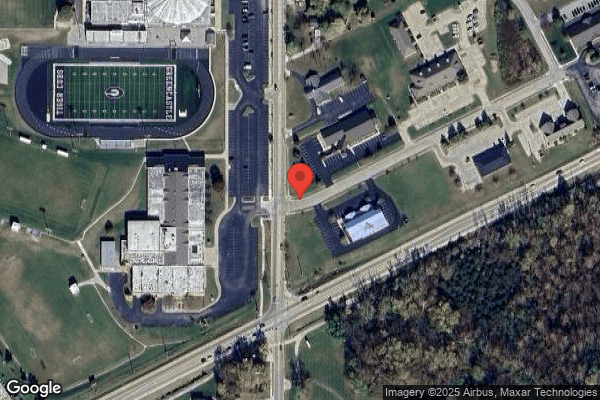
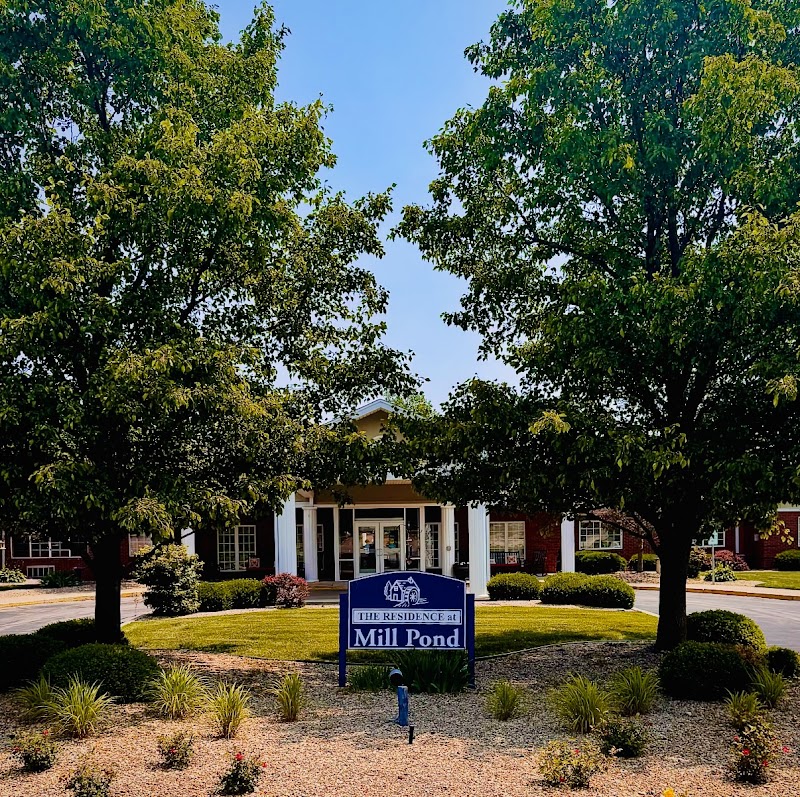
1014 MILL POND LANE, GREENCASTLE, IN 46135 (765) 653-4397
Government - County 68 Beds TRILOGY HEALTH SERVICES Data: November 2025
Trust Grade
60/100
#163 of 505 in IN
Last Inspection: March 2025

Within standard 12-15 month inspection cycle. Federal law requires annual inspections.

Overview

Mill Pond Health Campus in Greencastle, Indiana has a Trust Grade of C+, indicating it is slightly above average but not exceptional. It ranks #163 out of 505 facilities in Indiana, placing it in the top half, and #3 out of 5 in Putnam County, meaning only one local option ranks higher. Unfortunately, the facility's trend is worsening, with issues increasing from 2 in 2024 to 6 in 2025. Staffing is a concern, rated at 2 out of 5 stars, although the turnover rate is at 38%, which is better than the state average of 47%. There have been no reported fines, which is a positive sign, and they have average RN coverage. However, there are serious issues to consider: one resident suffered a hip fracture due to a poorly assembled bed, and another resident experienced multiple urinary tract infections because catheters were used without clear justification. While the facility does have a good quality measures rating of 5 out of 5, these incidents highlight significant areas for improvement. Overall, families should weigh these strengths and weaknesses carefully.

Trust Score
C+
60/100
In Indiana
#163/505
Top 32%
Safety Record
Moderate
Needs review
Inspections
Getting Worse
2 → 6 violations
Staff Stability
○ Average
38% turnover. Near Indiana's 48% average. Typical for the industry.
Penalties
✓ Good
No fines on record. Clean compliance history, better than most Indiana facilities.
Skilled Nurses
○ Average
Each resident gets 40 minutes of Registered Nurse (RN) attention daily — about average for Indiana. RNs are the most trained staff who monitor for health changes.
Violations
⚠ Watch
22 deficiencies on record. Higher than average. Multiple issues found across inspections.
★★★★☆
4.0
Overall Rating
★★☆☆☆
2.0
Staff Levels
★★★★★
5.0
Care Quality
★★★☆☆
3.0
Inspection Score
Stable
2024: 2 issues
2025: 6 issues

The Good

  • 5-Star Quality Measures · Strong clinical quality outcomes
  • Full Sprinkler Coverage · Fire safety systems throughout facility
  • No fines on record
  • Staff turnover below average (38%)

    10 points below Indiana average of 48%

Facility shows strength in quality measures, fire safety.

The Bad

Staff Turnover: 38%

Near Indiana avg (46%)

Typical for the industry

Chain: TRILOGY HEALTH SERVICES

Part of a multi-facility chain

Ask about local staffing decisions and management

The Ugly 22 deficiencies on record

2 actual harm
Aug 2025 2 deficiencies
CONCERN (D) 📢 Someone Reported This

A family member, employee, or ombudsman was alarmed enough to file a formal complaint

Potential for Harm - no one hurt, but risky conditions existed

Comprehensive Care Plan (Tag F0656)

Could have caused harm · This affected 1 resident

Based on record review and interview, the facility failed to develop a care plan for the resident's respiratory durable medical equipment, a cough assist device and a suctioning device, for 1 of 3 res...

Read full inspector narrative →
Based on record review and interview, the facility failed to develop a care plan for the resident's respiratory durable medical equipment, a cough assist device and a suctioning device, for 1 of 3 residents reviewed for quality of care. (Resident B)Findings include:A clinical record review for Resident B was completed on 8/19/25 at 10:26 a.m. Diagnoses included amyotrophic lateral sclerosis (ALS) (a progressive neurodegenerative disease), dysphagia (difficulty swallowing), rheumatoid arthritis, depression, and anxiety. The resident was admitted to the facility from her home on 7/15/25 and was receiving hospice services. An admission Minimum Data Set (MDS) assessment, dated 7/21/25, indicated the resident was cognitively intact, was unable to speak, understood others and was able to be understood. The resident required substantial to maximal assistance for dressing, bed mobility, and personal hygiene. She was dependent on staff for assistance with transfer, wheelchair mobility, showering, toileting, A nursing progress note, dated 7/15/25 at 9:17 p.m., included the resident was alert and oriented and communicated by using a whiteboard. She utilized a ventilator machine at night and had an airway clearance device at bedside.The resident's care plan lacked a problem, goal, or approach regarding the resident's ventilator machine, airway clearance device (suctioning), and cough assist device.During an interview on 8/19/25 at 2:18 p.m., the Director of Nursing (DON) indicated the resident had been using the respiratory equipment at home and had used them in the facility on her own. The staff had not been in-serviced regarding the cough assist device or the ventilator machine that she used at night. There was a staff member that worked most days on her hall that was familiar with the ventilator machine. The resident's care plan lacked an entry regarding her respiratory devices. During an interview on 8/19/25 at 5:05 p.m., the Corporate Nurse Consultant indicated the equipment was her preference to use. She had brought them from home and used them as needed. The hospice care plan indicated that hospice was responsible for medical supplies. The facility had not entered a care plan for the cough assist device or the suctioning device.A current facility policy, revised 8/21/24, titled, 48 Hour Baseline Care Plan Guidelines, provided by the Corporate Nurse Consultant on 8/19/25 at 5:11 p.m., included the following: Procedure .5. Any changes to the residents care will be care planned accordingly until the comprehensive care plan is developed and then will be included on the comprehensive care plan.This citation relates to Intake 2584408.3.1-35(a)
CONCERN (D) 📢 Someone Reported This

A family member, employee, or ombudsman was alarmed enough to file a formal complaint

Potential for Harm - no one hurt, but risky conditions existed

Quality of Care (Tag F0684)

Could have caused harm · This affected 1 resident

Based on record review and interview, the facility failed to obtain physician's orders or the assessment for the use of a cough assist device and an airway clearance device (suctioning) for 1 of 4 res...

Read full inspector narrative →
Based on record review and interview, the facility failed to obtain physician's orders or the assessment for the use of a cough assist device and an airway clearance device (suctioning) for 1 of 4 residents reviewed for quality of care. (Resident B)Findings include:A clinical record review for Resident B was completed on 8/19/25 at 10:26 a.m. Diagnoses included amyotrophic lateral sclerosis (ALS) (a progressive neurodegenerative disease), dysphagia (difficulty swallowing), rheumatoid arthritis, depression, and anxiety. The resident was admitted to the facility from her home on 7/15/25 and was receiving hospice services. An admission minimum data set (MDS) assessment, dated 7/21/25, indicated the resident was cognitively intact, was unable to speak, understood others and was able to be understood. The resident required substantial to maximal assistance for dressing, bed mobility, and personal hygiene. She was dependent on staff for assistance with transfer, wheelchair mobility, showering, and toileting. A nursing progress note, dated 7/15/25 at 3:23 p.m. included the resident was alert and oriented and used a whiteboard for communication. The resident had a gastric tube and received supplement five times a day. Resident orders had been entered.A nursing progress note, dated 7/15/25 at 9:17 p.m., included the resident was alert and oriented and communicated by using a whiteboard. She utilized a ventilator machine at night and had an airway clearance device at bedside.The physician's orders lacked an order for an airway clearance device or a cough assist device. During an interview on 8/19/25 at 2:18 p.m., the Director of Nursing (DON) indicated there should have been physician orders regarding the resident's cough assist device and airway clearance device (suctioning). The resident had used the devices as needed. The resident had been using the respiratory equipment at home and had used them in the facility on her own. The resident's care plan lacked an entry regarding her respiratory devices. During an interview on 8/19/25 at 5:05 p.m., the Corporate Nurse Consultant indicated the equipment was her preference to use. She had brought them from home and used them as needed. The hospice care plan indicated that hospice was responsible for medical supplies. The facility had not entered a care plan or physician orders for the cough assist device or the suctioning device.No policy was provided prior to the exit conference. The Corporate Nurse Consultant indicated there was no specific policy regarding physician orders. This citation relates to Intake 2584408.3.1-37(a)
Mar 2025 4 deficiencies
CONCERN (D)

Potential for Harm - no one hurt, but risky conditions existed

Quality of Care (Tag F0684)

Could have caused harm · This affected 1 resident

**NOTE- TERMS IN BRACKETS HAVE BEEN EDITED TO PROTECT CONFIDENTIALITY** Based on observation, interview, and record review, the facility failed to ensure a physician order was obtained for a Tubigrip ...

Read full inspector narrative →
**NOTE- TERMS IN BRACKETS HAVE BEEN EDITED TO PROTECT CONFIDENTIALITY** Based on observation, interview, and record review, the facility failed to ensure a physician order was obtained for a Tubigrip (a tubular bandage that provides support for sprains, strains, swelling, and more) for 1 of 1 resident reviewed for limited range of motion (Resident 32). Findings include: During the initial pool observation, on 2/28/25 at 10:46 a.m., Resident 32 was sitting up in bed eating breakfast and a dressing was noted on the resident's left arm from her hand to up past her elbow. The resident indicated the wrap had been on her left arm for a while because she banged it on the side rail of her bed, and she was unable to use her left arm normally. Resident 32's record was reviewed on 3/3/25 at 10:18 a.m. The profile indicated the resident's diagnosis included, but were not limited to, brain mass (a cancerous or noncancerous mass or growth of abnormal cells in the brain), Alzheimer's disease with early onset (when Alzheimer's is diagnosed before the age of [AGE] years old), and edema, unspecified (swelling caused by excess fluid in tissues or body cavities). A quarterly Minimum Data Set (MDS) assessment, dated 1/12/25, indicated the resident had moderate cognitive impairment and had functional impairment on one side. A care plan, dated 7/8/24, indicated the resident was at risk for skin breakdown; requires assistance with bed mobility, transfers, and toileting. Interventions included, but were not limited to, left arm geri sleeve (long sleeve to help prevent skin shear) and avoid shearing skin during positioning, transferring, and turning. The care plan lacked an intervention indicating the resident had a Tubigrip on left arm. During an interview with a family member, on 3/3/25 at 1:30 p.m., the family member indicated the dressing had been on the resident's left arm for awhile and she thought it was because of the swelling in her left arm and skin tears. A late entry progress note, dated 12/26/24, indicated Resident 32 had a new skin tear to her left arm and had increased swelling in her arm. Steri strips (thin adhesive bandages that help close wounds) applied to the skin tear. A progress note, dated 1/26/35, indicated Resident 32 had received another skin tear to left forearm during care while turning in bed. Left arm was very edematous and the resident had little movement in the arm. A progress note, dated 2/1/25, indicated Resident 32 had a skin tear to her left upper posterior arm. Resident's arm noted to be very edematous, skin was very frail, and thin due to swelling. Hospice notified and would assess the resident tomorrow. A hospice progress note, dated 2/2/25, indicated Resident 32 had a skin tear to the back of left arm. The resident's record lacked documentation of a physician order for any kind of wrap or dressing/sleeve to resident's left arm. During an interview, on 3/3/25 at 2:21 p.m., the Certified Resident Medication Aide (CRMA) 5 indicated the resident had on a dressing/sleeve due to the skin tears on her left arm. During an interview, on 3/3/25 at 2:22 p.m., Registered Nurse (RN) 6 indicated Resident 32 had skin tears to her left arm and it was swollen, so the dressing/sleeve was used as a preventive measure. During an interview, on 3/4/25 at 9:04 a.m., the Clinical Support Nurse indicated Resident 32 had a Tubigrip on her left arm but was unable to find a physician order for its use. On 3/4/25 at 1:55 p.m., the Clinical Support Nurse provided a document with a revised date of 9/21/17, titled, Physician - Provider Notification Guidelines, and indicated it was the policy currently being used by the facility. The policy indicated, .To ensure the resident's physician or practitioner is aware of all diagnostic testing results or change in condition in a timely manner to evaluate condition for need of provisions of appropriate interventions for care .1. Resident assessments for change in condition suspected injury, event of unknown origin or ordered lab and or other diagnostic tests should be completed in a timely manner 3.1-37
CONCERN (D)

Potential for Harm - no one hurt, but risky conditions existed

Respiratory Care (Tag F0695)

Could have caused harm · This affected 1 resident

Based on observation, record review, and interview, the facility failed to ensure that a nebulizer (a small machine that turns liquid medicine into a mist that can be inhaled into the lungs) mask was ...

Read full inspector narrative →
Based on observation, record review, and interview, the facility failed to ensure that a nebulizer (a small machine that turns liquid medicine into a mist that can be inhaled into the lungs) mask was bagged when not in use for 1 of 2 residents reviewed for respiratory care (Resident 19). Findings include: During the initial observation of Resident 19, on 2/28/25 at 9:41 a.m., the resident's nebulizer mask was observed un-bagged and sitting on her bed side table. During a random observation, on 3/4/25 at 9:41 a.m., the resident's nebulizer mask was observed un-bagged and sitting on her bed side table. During a random observation, on 3/5/25 at 9:18 a.m., the resident's nebulizer mask was observed un-bagged and sitting on her bed side table. At the same time the Clinical Support observed the un-bagged mask. Resident 19's record was reviewed on 3/4/25 at 9:47 a.m. The profile indicated the resident's diagnoses included, but were not limited to, atherosclerotic heart disease of native coronary artery (a buildup of fats, cholesterol and other substances in and on the walls of the heart arteries that reduces blood flow) and stage 4 chronic kidney disease (a condition where the kidneys are severely damaged and are not filtering waste well). A quarterly Minimum Data Set (MDS) assessment, dated 12/6/24, indicated the resident had no cognitive deficit. The assessment lacked documentation of any shortness of breath (SOB). Review of the resident's care plans lacked documentation of any respiratory concerns, or the use of medications related to respiratory concerns. A physician's order, dated 2/19/25, indicated to administer one 0.5 milligram (mg)-3 mg (2.5 mg base)/3 milliliter (ml) vial of ipratropium-albuterol solution (a medication which works by opening the airways and reducing inflammation in the lungs to help the patient breathe) for nebulization every 4 hours as needed. Review of the February 2025 medication administration record (MAR) indicated the resident had been administered one nebulizer treatment on, 2/20/25 at 2:36 p.m., for congestion. A Nurse Practitioner (a registered nurse with advanced training to diagnose and treat patients) note, dated 2/19/25 at 10:15 a.m., indicated the resident had been seen for increased weakness and fatigue. She had the flu the other week. No SOB was documented, but she had a productive cough (a cough that brings up mucous or phlegm [thick substance secreted by the mucous membranes of the respiratory passages]). Interventions included, but were not limited to, Duonebs (medication that combines ipratropium and albuterol to treat chronic obstructive pulmonary disease) every 4 hours as needed. During an interview, on 3/5/25 at 9:18 a.m., the Clinical Support indicated the resident's nebulizer mask should have been bagged and dated for storage when not in use. On 3/5/25 at 9:40 a.m., the Clinical Support provided a document, with a review date of 12/16/24, titled, Respiratory Equipment, and indicated it was the policy currently being used by the facility. The policy indicated, .SOP Details .3. Medication Nebulizers .f. Store .in plastic bag, marked with date and resident's name, between uses 3.1-47(a)(6)
CONCERN (D)

Potential for Harm - no one hurt, but risky conditions existed

Deficiency F0757 (Tag F0757)

Could have caused harm · This affected 1 resident

Based on record review and interview, the facility failed to ensure a recommendation made by the Pharmacists was addressed in a timely manner for 1 of 5 residents reviewed for unnecessary medications ...

Read full inspector narrative →
Based on record review and interview, the facility failed to ensure a recommendation made by the Pharmacists was addressed in a timely manner for 1 of 5 residents reviewed for unnecessary medications (Resident 22). Findings include: Resident 22's record was reviewed on 2/28/25 at 2:10 p.m. The profile indicated the resident's diagnoses included, but were not limited to, hypertensive heart and chronic kidney disease with heart failure (conditions that can lead to heart failure that linked to high blood pressure) and stage 5 chronic kidney disease (a condition when the kidneys are severely damaged and have stopped doing their job of filtering waste from the blood). The profile lacked documentation of a diagnosis of hypotension (low blood pressure). A quarterly Minimum Data Set (MDS) assessment, dated 1/26/25, indicated the resident had no cognitive deficit and received dialysis (a treatment that removes waste products and excess fluid from the blood when the kidneys are not functioning properly). A care plan, dated 4/17/24, indicated the resident was non-compliant with physician orders, which included, but were not limited to, not taking medications. The care plan lacked documentation of the resident having hypotension. A pharmacy recommendation, dated 4/29/24, indicated to consider adjusting the dose times and hold parameters for the resident's Midodrine (anti-hypotensive medication) 5 milligrams (mg) three times a day (TID). The statement, Leave alone, had been written on the bottom of the document with the date of 5/2/24. The recommendation lacked any physician documentation to justify the statement. During an interview, on 3/3/25 at 1:58 p.m., the Clinical Support indicated she could not find documentation for a rationale for the statement leave alone. A pharmacy recommendation, dated 6/24/24, indicated to avoid giving the evening dose of Midodrine 5 mg TID after evening meal or within 4 hours of bedtime to prevent supine hypertension (HTN-high blood pressure when lying down). The document indicated the task had been completed. Review of the June 24 medication administration record (MAR) indicated the medication had been given between 6:00 p.m., and 10:00 p.m. The MAR lacked documentation of the specific time the medication had been administered. A pharmacy recommendation, dated 7/22/24, indicated to avoid giving evening dose of Midodrine 5 mg TID after evening meal or within 4 hours of bedtime to prevent supine HTN. The document indicated the task had been completed. Review of the July 2024 MAR indicated the evening dosage times had been changed to 4:00 p.m., to 6:00 p.m. During an interview, on 3/3/25 at 2:26 p.m., the Executive Director (ED) indicated the expectation was that pharmacy recommendations would be addressed within the time prior to the next pharmacy medication regimen review date. During an interview, on 3/3/25 at 2:28 p.m., the Clinical Support indicated she was not able to locate a specific policy related to the physician addressing the pharmacy recommendations. The facility would follow the State and Federal regulations. It was expected that all pharmacy recommendations would be addressed timely by the physician and the facility. 3.1-48(a)(4) 3.1-48(a)(6)
CONCERN (D)

Potential for Harm - no one hurt, but risky conditions existed

Food Safety (Tag F0812)

Could have caused harm · This affected 1 resident

Based on observation, interview, and record review, the facility failed to ensure proper labeling of prepared food, and the facility failed to dispose of expired food for 1 of 2 kitchen observations. ...

Read full inspector narrative →
Based on observation, interview, and record review, the facility failed to ensure proper labeling of prepared food, and the facility failed to dispose of expired food for 1 of 2 kitchen observations. This had the potential to affect 50 of 50 residents who received food from the kitchen. Findings include: 1. During an initial kitchen tour with the Business Office Manager (the Dietary Manager was unavailable), on 2/27/25 at 10:27 a.m., a plastic container of prepared chicken salad was observed on a shelf in the walk-in refrigerator. There was no label or use by date on the container of chicken salad. The business office manager was not aware of when the chicken salad was prepared and how long it had been in the walk-in refrigerator. She indicated the chicken salad would have to be discarded since it did not contain a label with a use by date on it. During an interview, on 2/27/25 at 10:30 a.m., Dietary Services Assistant 8 indicated prepared food was good for 4 days and then should be discarded. 2. In the refrigerator, on 2/27/25 at 10:32 a.m., there was a plastic container of prepared poppy seed dressing with a use by date of 2/24/25, container of prepared lemonade with a use by date of 2/24/25, container of prepared apple raspberry juice with a use by date of 2/24/25, container of prepared blue Gatorade with a use by date of 2/24/25, and an opened container of thickened liquid with a use by date of 2/24/25. The business office manager indicated the juices and salad dressing should have been discarded. During an interview, on 3/4/25 at 9:26 a.m., the Dietary Manager indicated prepared food items were good for 3 days and then should be discarded. The food items should contain a label with a use by date and then should be discarded after that date. On 2/27/25 at 12:30 p.m., the Clinical Support Nurse, provided a document with a review date of January 2025, titled, Leftover Food Storage, and indicated it was the policy currently being used by the facility. The policy indicated, .To enforce proper storage and usage of leftover food and ultimately avoid microbial foodborne illness .2. Date all food and use or discard within three days 3.1-21(i)(3)
Jul 2024 1 deficiency
CONCERN (D) 📢 Someone Reported This

A family member, employee, or ombudsman was alarmed enough to file a formal complaint

Potential for Harm - no one hurt, but risky conditions existed

Free from Abuse/Neglect (Tag F0600)

Could have caused harm · This affected 1 resident

Based on record review and interviews, the facility failed to ensure that a staff member followed the facility abuse policy and cell phone use policy for 1 of 3 residents reviewed for abuse (Resident ...

Read full inspector narrative →
Based on record review and interviews, the facility failed to ensure that a staff member followed the facility abuse policy and cell phone use policy for 1 of 3 residents reviewed for abuse (Resident B). The deficient practice was corrected on 7/5/24, prior to the start of the survey, and was therefore past noncompliance. Finding includes: On 7/24/24 at 9:45 a.m., a review of an Indiana Department of Health (IDOH) Reportable Incident document, dated 6/29/24 at 9:30 p.m., indicated Certified Resident Care Assistant (CRCA) 9 posted a video on a social media platform with an unidentifiable resident in the restroom. The video contained a caption indicating, this woman will be the death of me, and the employee was making a grimacing face while holding up her middle finger. The CRCA was immediately suspended upon the report of the social media video and an investigation began. Review of investigation summary, dated 6/29/24 at 11:00 p.m., indicated that a staff member reported to the ED that a social media video was posted of a resident in the background and CRCA 9 was making hand gestures in the background. The CRCA was suspended on 6/29/24 pending an investigation. On 6/30/24 abuse education was initiated with active staff. On 7/1/24 the resident was identified through an interview with the suspended employee. Resident B was identified as the one in the video. Once an identification of the resident had been made the responsible party and medical doctor was informed. The facility interviewed CRCA 9, and she admitted to violating the facility's abuse policy. The CRCA was terminated from her position at the facility. All residents had a head-to-toe skin assessment completed and residents with a BIMS above 8 were interviewed. Education was provided to all staff. Resident B's record was reviewed on 7/24/24 at 1:23 p.m. The profile indicated the resident's diagnosis included, but were not limited to, depression (a mental state that can affect person's thoughts, feelings, behaviors, and sense of well-being), generalized anxiety disorder (severe, ongoing anxiety that interferes with daily activities), and Alzheimer's (a progressive disease that destroys memory and other important mental functions). A Brief Interview for Mental Status (BIMS) assessment completed on 5/28/24, indicated the resident had severe cognitive impairment. During an interview, on 7/24/24 at 11:10 a.m., the Dementia Care Director indicated she was aware of the incident that occurred on 6/29/24 on the evening shift, but she was not working that evening. The Dementia Care Director indicated she did not see the social media post that CRCA 9 sent to other co-workers and was surprised to hear that it had occurred. The Dementia Care Director was not aware of the employee having any other disciplinary issues. The Dementia Care Director indicated all staff were educated when hired on cell phone usage and posting on social media. During an interview, on 7/24/24 at 11:15 a.m., the Certified Residential Medication Aide (CRMA) 4 indicated she was made aware of the social media video after the fact. CRCA 9 had not sent her the video and so therefore she had not seen it personally. CRMA 4 indicated she was shocked to hear that it had occurred and was not aware of the staff member ever doing anything like that before. Staff were educated during their onboarding training about cell phone use and what not to post on social media. During an interview, on 7/24/24 at 11:31 a.m., the Regional Nurse Consultant indicated CRCA 9 sent a video on a social media platform to her coworkers which was reported to the Executive Director (ED) on 6/29/24. The resident who was in the video was not identifiable. The CRCA made a poor choice and was terminated for her actions. During an interview, on 7/24/24 at 11:57 a.m., the Social Worker with hospice, indicated Resident B was pleasantly confused and was not usually aware of her surroundings. During an interview, on 7/24/24 at 12:05 p.m., the Director of Health Services (DHS) indicated she was made aware of the social media post from the ED on the same evening it had occurred. CRCA 9 was immediately suspended, pending investigation. The DHS indicated that had not had any other instances with this staff member prior to the post. The social media video was sent to fellow co workers and reported to the ED. During an interview, on 7/24/24 at 1:47 p.m., Social Service Director (SSD) indicated she was aware of the social media video but did not see it personally. Resident B was watched for a few days after the instance, and she had not noticed any psychological changes. SSD indicated the resident was not cognitively intact. Review of an Episodic Event form, dated 7/1/24 indicated CRCA 9 was having a bad day and made a poor choice making a video and posting it on a social media platform. Immediate education was initiated with current staff members and will continue ongoing. The facility will audit compliance by interviewing a total of 3 staff members weekly until they are 100% compliant, then weekly times 4 weeks. Then monthly times 5 months by asking related questioned to the facility abuse policy. Review of the in-service sign-up sheet, dated 6/30/24 and 7/1/24, indicated staff were educated on abuse and cell phone usage. The sign-up sheet contained 92 staff signatures. During an interview, on 7/24/24 at 2:15 p.m., the DHS indicated CRCA 9 was terminated from her position on 7/5/24. On 7/24/24 at 11:35 a.m., the Regional Nurse Consultant provided a document, dated June 2023, titled, Cell Phones, Cameras, and Electronic Devices, and indicated it was the policy currently being used by the facility. The policy indicated, .b. Use of personal cell phones and other electronic devices are strictly prohibited in work areas .c. The unauthorized use of a cell phone, camera or other electronic device to photograph or record any resident and/or his/her personal space, including accommodations and personal care, without the resident's or designated representative's written consent is prohibited On 7/24/24 at 11:35 a.m., the Regional Nurse Consultant provided a document, with a revised date of 8/29/29, titled, Abuse and Neglect Procedural Guidelines, and indicated it was the policy currently being used by the facility. The policy indicated, .l. Social Media - This would include keeping and/or distributing demeaning or humiliating photographs and recordings through social media or multimedia messaging The deficient practice was corrected by 7/5/24 after the facility implemented a systemic plan that included the following actions: head to toe skin assessment of all residents, interviews were conducted on all residents with a BIMS over 8, in-servicing education to staff related to abuse and cell phone usage, and ongoing monitoring by Quality Assurance and Performance Improvement (QAPI). This Federal finding relates to Complaint IN00437687. 3.1-27(a) 3.1-27(b)
Jan 2024 1 deficiency
CONCERN (D)

Potential for Harm - no one hurt, but risky conditions existed

Deficiency F0761 (Tag F0761)

Could have caused harm · This affected 1 resident

Based on observation, interview, and record review, the facility failed to ensure an opened multi-dose vial of tuberculin (TB) protein derivative solution (a sterile solution containing the growth pro...

Read full inspector narrative →
Based on observation, interview, and record review, the facility failed to ensure an opened multi-dose vial of tuberculin (TB) protein derivative solution (a sterile solution containing the growth products or specific substances extracted from the tubercle bacillus and used in the diagnosis of tuberculosis) had documentation of the date the vial was opened for use for 1 of 1 medication storage room reviewed. Finding includes: During an observation tour of the medication storage room, on 1/22/24 at 10:50 a.m., no open date was observed on an opened multi-dose vial of TB protein derivative solution. During an interview, on 1/22/24 at 10:55 a.m., the Assistant Director of Health Services (ADHS) indicated the TB vial would have been used for both residents and staff. The nurse who had opened the TB vial must have just forgotten to put the date opened on the vial. All the nurses should know that any multi-dose vial of medication should have an open date documented on the vial and discarded after 30 days. On 1/22/24 at 11:40 a.m., the Regional Director of Clinical Operations (RDCO) indicated the opened vial of the TB protein derivative solution should have been dated when opened and discarded after 30 days. The RDCO provided and identified a document as a current facility policy titled, Medication Storage in the Facility, revised dated January 2018. The policy indicated, .D. When the original seal of a manufacturer's container or vial is initially broken, the container will be dated .1) A date opened sticker shall be placed on the medication. (OTE: the best stickers to affix contain both a date opened and expiration notation line). The expiration date of the vial or container will be [30] days unless the manufacturer recommends another date or regulations/guidelines require different dating 3.1-25(j) 3.1-25(k)(6)
Jan 2023 1 deficiency 1 Harm
SERIOUS (G) 📢 Someone Reported This

A family member, employee, or ombudsman was alarmed enough to file a formal complaint

Actual Harm - a resident was hurt due to facility failures

Accident Prevention (Tag F0689)

A resident was harmed · This affected 1 resident

Based on observation, interview, and record review, the facility failed to ensure a resident's bed was fully assembled which resulted in the resident having a fall from the bed and sustaining a hip fr...

Read full inspector narrative →
Based on observation, interview, and record review, the facility failed to ensure a resident's bed was fully assembled which resulted in the resident having a fall from the bed and sustaining a hip fracture for 1 of 3 residents reviewed for accidents. (Resident B) The isolated actual harm deficient practice began on January 10, 2023 when the facility failed to ensure a resident's bed was fully assembled. The deficient practice was corrected on January 12, 2023, prior to the start of the survey, and was therefore Past Noncompliance. Findings include: Resident B's clinical records were reviewed on January 19, 2023 at 9:55 a.m. Diagnoses included, but were not limited to cancer, coronary artery disease, heart failure, hypertension, diabetes mellitus, thyroid disorder, and seizure disorder. The admission Minimum Data Set (MDS) assessment, dated January 04, 2023, indicated Resident B was cognitively intact. When communicating she was able to understand others with clear comprehension. She could independently walk, with a walker, in her room with staff's supervision. She had fallen at home prior to her admission. A Fall Risk Review (non-dated, identified by the Director of Nursing as completed upon admission) indicated identified fall risks that included, but were not limited to a history of falls prior to admission within the past month, falls within the past two to six months and had an unsteady gait (unsteady when walking). The review indicated the resident was a moderate risk for falls. A Care plan, with start date January 09, 2023, indicated Resident B was at risk for falling related to history of falls prior to admission. The care plan goal, dated through April 09, 2023, indicated Resident B would remain free of falls with major injury. Care approaches staff would implement to achieve the established goal indicated: January 09, 2023 start date: -Therapy would evaluate and treat as needed. -Staff to assist with transfers as needed. -Provide non-skid footwear. -Keep personal items and frequently used items within reach. -Keep call light within reach. -Ensure the floor was free of liquids and foreign objects. -Encourage resident to assume standing position slowly. January 10, 2023 start date: -Bed frame changed. Resident B's progress notes indicated: January 02, 2023 at 5:33 p.m., Resident was able to walk with a walker and stand by assistance. Resident would use a wheelchair for long distance. January 03, 2023 at 9:45 a.m., Physician Admit Note. Patient admitted for rehab following seizure and subdural hematoma [brain injury with bleeding]. Patient unsteady . January 06, 2023 at 2:51 a.m., Resident ambulated with a walker and unsteady gait. January 10, 2023 at 8:45 a.m., Writer called to room and notified that resident had a fall. Resident had complaints of left hip pain. N.O. [new order] received for left hip/pelvis x-ray January 11, 2023 at 5:27 p.m., IDT Review [review committee] - Resident noted with fall in her room. Resident stated she was standing up with walker and went to sit down on the end of the bed and slid off on to the floor Resident B's left hip X-ray, dated January 10, 2023, indicated an intertrochanteric left femoral fracture (type of hip fracture). Resident B's discharge hospital notes, dated January 15, 2023, indicated, .she sustained a fall in her room at [nursing home] Her fall appeared to be mechanical in nature [attribute fall to extrinsic factors in the environment]. She was found to have a left hip fracture and was admitted to Orthopedic surgery service for management During the interview, on January 19, 2023 at 10:45 a.m., Employee 13 indicated on the morning of January 10, 2023 she entered Resident B's room and observed her to be on the floor at the foot end of her bed. The mattress had slid off the bed and was hanging off the foot end of the bed. No foot board was on the bed and the two bottom corner mattress guards, that would secure the mattress in place, were gone. Employee 13 then alerted Employee 7 of the fall. During the interview, on January 19, 2023 at 10:25 a.m., Employee 7 indicated on the morning of January 10, 2023 Employee 13 reported Resident B had fallen in her room. Employee 7 went to Resident B's room and observed the resident to be on the floor at the foot end of the bed. No foot board was on the bed and the two bottom corner mattress guards, that would secure the mattress in place, were gone. The mattress was observed to have slid down from the top of the bed and hung over the foot end of the bed drooping towards the floor. Resident B had reported she went to sit down and the bed moved on me. Employee 7 checked the bed frame wheels and the wheels had been in the locked position and the bed had not moved, only the mattress had. On January 19, 2023 at 1:10 p.m., Resident B's roommate (identified from resident room census dated January 10, 2023) was interviewed. During the interview, the roommate indicated Resident B's bed foot board had been removed prior to her being admitted . The roommate pointed out two resident closets and a chest of drawers on the right side of the room when walking into the room. The roommate had not been able to freely maneuver her wheelchair between the chest and closets and previous roommates (prior to Resident B) bed on the left side of the room. Staff had come to the room and removed the foot board to allow her independent mobility. The roommate's clinical records were reviewed on January 19, 2023 at 1:00 p.m. The quarterly Minimum Data Set Assessment indicated the roommate was cognitively intact. On January 19, 2023 at 9:35 a.m., Resident B's family was interviewed. During the interview, the family indicated since Resident B's first day of admission through January 10, 2023, the foot board of her bed had been missing. The mattress had slide down and would need to be pulled up to be correctly positioned on the bed frame. Staff were aware of this issue, as staff had been observed to slide the mattress up from the bottom of the bed to correctly center it on the frame. During the interview, on January 19, 2023 at 11:15 a.m., the Administrator indicated Resident B's bed from January 10, 2023 had been removed and was no longer in use. A bed similar to the Resident B's bed was observed. During the observation, the Administrator pointed at the foot board of the bed and indicated the foot board had not been on the bed at the time of the fall. On the bed frame, at the corner foot ends were plastic cups that fit around the bottom corners of the mattress. The cups may have been missing, and not on the bed, at the time of the fall. On January 19, 2023 at 1:25 p.m. the Administrator provided a copy of Trilogy Service Standards (non-dated). The Administrator indicated the standards are utilized as a check list to ensure room readiness for each new resident. A review of the check list indicated a .Plant Operations . Furniture in good repair; Bed functions properly. The Past Noncompliance isolated actual harm deficient practice began on January 10, 2023. The deficient practice was removed corrected by January 12, 2023 after the facility implemented a systemic plan that included the following actions: -Resident B's bed was removed from service. -A facility wide bed audit was completed. -Staff were in-serviced on correct implementation of Trilogy Service Standards that included ensuring all furniture was in good repair and beds function properly. -Staff were in-serviced on correct implementation of immediately reporting and to whom of resident equipment in need of repair. -Administrative staff auditing resident beds weekly and monitoring of systemic plan. This Federal tag relates to Complaint IN00399133. 3.1-45(a)(1)
Oct 2022 13 deficiencies 1 Harm
SERIOUS (G)

Actual Harm - a resident was hurt due to facility failures

Incontinence Care (Tag F0690)

A resident was harmed · This affected 1 resident

**NOTE- TERMS IN BRACKETS HAVE BEEN EDITED TO PROTECT CONFIDENTIALITY** Based on interview, observation, and record review, the facility failed to ensure catheters (a tube inserted into the bladder to...

Read full inspector narrative →
**NOTE- TERMS IN BRACKETS HAVE BEEN EDITED TO PROTECT CONFIDENTIALITY** Based on interview, observation, and record review, the facility failed to ensure catheters (a tube inserted into the bladder to drain urine) were not inserted without a clinical justification resulting in actual harm when a resident had multiple urinary tract infections (UTI) and 2 hospital transfers for UTI's (Resident 22) and catheter tubing and bags were not in direct contact with the floor (Residents 22 and 19) for 2 of 3 residents reviewed for catheters and UTI's. Findings include: 1. During an interview, on 9/27/22 at 10:51 a.m., Resident 22 indicated she was not sure why she had a catheter, and wished she did not have it. She had severe bladder pain, and was not sure if she had been checked for a UTI. At the same time, the resident was observed up in her wheelchair in the lounge area, with the catheter bag partially inside a dignity bag (bag to cover up the urine drainage system to provide privacy). The dignity bag was dragging the floor. On 9/27/22 at 12:46 p.m., Resident 22 was observed up in her wheelchair, on the patio, with the Foley (a flexible tube inserted through the urethra into the bladder to drain urine) catheter bag dragging the floor. On 9/27/22 at 3:14 p.m., Resident 22 was observed up in her wheelchair, propelling herself down the hallway, and the Foley catheter tubing was touching the floor. The Foley catheter bag was partially inside the dignity bag, and the dignity bag was dragging the floor. Resident 22's record was reviewed on 9/28/22 at 11:37 a.m. An annual Minimum Data Set (MDS) assessment, dated 8/16/22, indicated the resident had a moderate cognitive impairment, an indwelling catheter, and required extensive assistance of 1 staff member for toilet use. Census information indicated the resident was admitted to the facility on [DATE]. An admission assessment, dated 10/8/19, indicated was continent of the bladder and did not have an indwelling catheter. A physician's order, dated 1/19/21, and discontinued 10/15/21, indicated Foley catheter 16 French (F) (size of catheter tubing) and 5 milliliter (ml) balloon. A progress note, dated 1/20/21, indicated the resident's hospice (specialized care for the terminally ill) nurse placed a Foley catheter the day before, 16 F and 5 ml balloon. The note lacked documentation of a clinical indication for the catheter or any indication the resident had urinary retention. A progress note, dated 1/21/21, indicated an Interdisciplinary Team (IDT) review of the Foley catheter placement for urinary retention. The note lacked documentation of the urinary retention or any other clinical indication for the catheter. A diagnosis, dated 1/21/21, indicated neuromuscular dysfunction of the bladder (lacking bladder control due to brain,, spinal cord, or nerve problems). The diagnosis lacked documentation of any supporting documentation. A physician's order, dated 10/23/21 and discontinued 9/13/22, indicated furosemide (a diuretic medication) 40 milligrams (mg) by mouth daily. A progress note, dated 10/24/22, indicated the resident no longer received hospice services. A physician's progress note, dated 12/21/21, indicated the resident urinated too much and wanted a catheter. The physician's assessment indicated incontinence and the plan was to discontinue torsemide (a diuretic) to see if it helped with urination and to possibly increase the oxybutynin at the next visit if no improvement. A re-admission nursing assessment, dated 3/5/22, indicated the resident did not have an indwelling catheter. A physician's progress note, dated 4/7/22, indicated the resident complained frequently of urination and leaking, and wanted to try something. The resident was on furosemide for chronic swelling of legs, still some edema (swelling), planned to try oxybutynin 10 mg every day. A physician's progress note, dated 5/5/22, indicated the resident was seen related to sore right upper quadrant of abdomen, complained of bloating, and gas. Physician's orders included, but were not limited to, discontinue oxybutynin to see if it helped gas. A progress note, dated 5/16/22, indicated the resident had a non-healing wound to the right inner groin, history of urinary incontinence, usual inability to know when incontinent, and increased moisture when up in wheelchair due to sweating and briefs (adult diaper). Physician ordered a Foley catheter be inserted through 5/30/22, and removed on 5/31/22, if improvements were noted. If none noted, the physician was to be updated for further direction. The note lacked documentation the resident had urinary retention or another diagnosis to support the insertion of a Foley catheter. A progress note, dated 5/16/22, indicated an 18 F, 30 ml balloon Foley catheter was inserted with sterile technique. The notes lacked documentation the resident had urinary retention or another diagnosis to support the insertion of a Foley catheter. A progress note, dated 5/16/22, indicated IDT review of Foley catheter, placement was to promote healing to inner groin from urine excoriation. The note lacked documentation the resident had urinary retention. A care plan, date initiated 5/19/22, indicated the resident had a Foley catheter for neurogenic bladder. Interventions included, but were not limited to, observe for signs or symptoms of UTI. A progress note, dated 5/21/22, indicated the Foley catheter, 18 F, 30 ml, was replaced using sterile technique due to occlusion. Cloudy urine with sediment was immediately returned. The note lacked documentation the resident had urinary retention or another diagnosis to support the insertion of a Foley catheter. Progress notes lacked documentation the Foley catheter was followed up on 5/30/22, as ordered by the physician. A progress note, dated 6/13/22, indicated the nurse attempted to flush the Foley catheter but was unsuccessful. The Foley catheter was repositioned, and flush attempted again, but was unsuccessful. The catheter was removed, and re-anchored with an 18 F and 30 ml balloon. Cloudy yellow urine was immediately returned. The note lacked documentation the resident had urinary retention or another diagnosis to support the insertion of a Foley catheter. A progress note, dated 6/18/22, indicated the resident had a yeast like odor to the vaginal area, and white discharge was noted. The physician was notified. A physician's order, dated 6/19/22, indicated Diflucan (a medication for fungal infections) 150 mg by mouth one time only for vaginal yeast infection. A progress note, dated 6/19/22, indicated the resident remained with a yeast like odor to the peri (groin) area. A Diflucan was administered that morning. A progress note, dated 7/6/22, indicated the physician was notified a urine chemical strip (detects changes in a person's urine such as potential infections) was performed with positive results. The resident complained of burning and discomfort. The resident's urine was noted with a strong, foul odor, and visible sediment. A sample was sent to the lab. A progress note, dated 7/7/22, indicated the resident was tearful the last evening and complained of urinary and back pain related to UTI. As needed pain medications were administered as ordered and a new order for pyridium (a urinary pain relief medication) was obtained. A progress note, dated 7/8/22, indicated the lab was unable to do a culture on the urine sample sent related to multiple organisms were present A recollection was indicated. The physician ordered the urine to be re-collected and sent to the lab for further work up. A progress note, dated 7/8/22, indicated a new urine sample was collected for lab pick up. A physician's order, dated 7/8/22, indicated Azo urinary pain relief (a medication to ease bladder pain) 99.5 mg by mouth 4 times a day as needed for urinary burning. A progress note, dated 7/10/22, indicated the resident had a fever earlier in the shift and had positive urinalysis results after recollection due to contamination. The physician was notified of the results and ordered Cipro (an antibiotic) 500 mg by mouth twice daily for 7 days. A physician's progress note, dated 7/11/22, indicated the resident was seen for multiple problems including, but not limited to, upset stomach and back pain. The resident was previously on hospice services, but was discharged when she had a fecal impaction. The assessment indicated the resident had a UTI, and the plan was to change the Cipro to Levaquin (an antibiotic) 500 mg by mouth for 10 days. A physician's order, dated 7/10/22 and discontinued on 7/11/22, indicated Cipro 500 mg by mouth twice daily for UTI. A physician's order, dated 7/12/22 and completed 7/22/22, indicated levofloxacin 500 mg daily. A progress note, dated 7/25/22, indicated the resident complained of bladder pain, and the catheter had a moderate amount of cloudy yellow urine. Water intake was encouraged and the resident was given an as needed Azo tablet. A progress note, dated 7/27/22, indicated the resident complained of generalized pain throughout the abdomen. The resident was not able to say exactly where the pain was, but responded when the area near the bladder was palpated. The resident had a functional Foley catheter. The physician was notified. A physician's progress note, dated 7/27/22, indicated the resident was seen related to complaints of right upper quadrant and epigastric (upper abdomen) pain and cried during the exam. The resident was not sure if she wanted to go to the emergency room, but eventually agreed to go. The resident had a Foley catheter for urinary retention. The note lacked documentation of when or how the urinary retention was diagnosed. A diagnosis, dated 7/27/22, indicated acute cystitis (infection of the bladder or lower urinary tract) without hematuria (blood in urine). Hospital records, dated 7/27/22, indicated the resident was treated for an acute UTI with cystitis, no hematuria. The resident was prescribed Macrobid (an antibiotic) 100 mg by mouth every 12 hours for 7 days. The resident present to the hospital with a Foley catheter, which was changed while she was there. A computed tomography (CT) scan (medical imaging technique used to obtain detailed internal images of the body) of the abdomen and pelvis was performed at the hospital and indicated the left ureter (thin tube between kidney and bladder) was dilated and no urethral calculus (stone) was noted. The dilation was possibly due to a recently passed stone. A progress note, dated 7/27/22, indicated the resident returned from the hospital, and Macrobid 100 mg twice daily for 7 days was ordered. A physician's order, dated 7/28/22 and completed 8/3/22, indicated Macrobid 100 mg by mouth twice daily for UTI. A physician's order, dated 7/30/22, indicated Foley catheter, indwelling urinary catheter size 18 F with 10 ml balloon for neuromuscular dysfunction of the bladder. A physician's progress note, dated 8/31/22, indicated the resident was seen related to complaints of bladder spasms, and had chronic Foley for neurogenic bladder and urine retention. The progress note lacked documentation the Foley catheter was actually inserted related to urine excoriation and any support for how the neurogenic bladder or urinary retention were diagnosed. The physician ordered oxybutynin 5 mg twice daily. A physician's order, dated 9/13/22, indicated oxybutynin 10 mg by mouth twice daily for bladder spasms. A physician's order, dated 9/13/22, indicated furosemide 40 mg by mouth twice daily for edema. A physician's progress note, dated 9/13/22, indicated the resident was seen related to complaints of bladder spasms and pain. The resident had a standard Foley catheter in place and increased swelling to the left leg. The physician ordered to increase the oxybutynin to 10 mg twice daily and increase Lasix to 40 mg twice daily. A progress note, dated 9/18/22, indicated the resident complained of abdominal pain at a 10 out of 10 on the pain scale despite medication being administered. The resident had watery stool, nausea and vomiting, and abdominal distention with a history of bowel obstructions. The resident was sent to the emergency room for evaluation and treatment. Hospital records, dated 9/18/22, indicated the resident was treated for an acute UTI with cystitis and hematuria. The resident complained of abdominal pain and was not sure when it started. The resident was prescribed Macrobid 100 mg by mouth every 12 hours for 7 days. A CT scan of the abdomen and pelvis was performed at the hospital and indicated the bladder was decompressed with a Foley catheter in place, and there were nonobstructing stones in the left kidney. Impressions of the CT scan included, but were not limited to, inflamed appearing urinary bladder with Foley catheter in place with possible cystitis, correlate with urinalysis (urine test to check for infection). A progress note, dated 9/19/22, indicated an IDT review of the hospitalization. The resident was sent to the hospital for abdominal pain and the resident returned from the emergency room with a diagnosis of UTI, to be treated with an antibiotic. The clinical record lacked documentation the resident was referred to a urologist (a physician who specializes in the urinary system) or any supporting documentation the resident had urinary retention. During an interview, on 9/29/22 at 9:39 a.m., the Director of Health Services (DHS) indicated the resident had a diagnosis of neuromuscular dysfunction of the bladder prior to the catheter insertion in May 2022. She was not sure why the catheter was inserted in May or what testing or clinical justification was found for the diagnosis. During an interview, on 9/29/22 at 10:48 a.m., the DHS indicated the Foley catheter was inserted in May 2022 for moisture associated skin breakdown, and this was not a normal reason a catheter would have been placed. She was not able to find any follow up was done for the catheter as per the physician's order, and the catheter was left in place. She reviewed the documentation from when the resident had a Foley catheter from January to October 2021, and was unable to find any supportive documentation for the diagnosis of urinary retention or neuromuscular dysfunction of the bladder. The resident was on hospice services at the time, but was not any longer. Foley catheter tubing and bags should not have been in contact with the floor. The resident was not referred to a urologist. On 9/29/22 at 11:31 a.m., the DHS provided a document titled, Guidelines for the Use of Indwelling Catheter, and indicated it was the policy currently being used by the facility. The policy indicated, .OVERVIEW: The purpose of urinary catheterization is to provide urinary drainage when medically necessary and to evaluate its continued use. A resident who enters the campus with an indwelling urinary catheter, or subsequently receives one is assessed for removal of the catheter as soon as possible unless the resident's clinical condition demonstrates that catheterization is necessary .An indwelling catheter is not used unless there is a valid medical justification; An indwelling catheter for which continuing use is not medically justified is discontinued as soon as clinically warranted by the attending physician and/or urologist .A resident with or without a catheter, receives the appropriate care and services to prevent infections to the extent possible .SOP DETAILS: 1. Urinary catheters are deemed medically necessary for the following reasons and must have supporting diagnosis for its use (per the interpretive guidelines): a. Resident has acute urinary retention or bladder outlet obstruction .f. Other conditions as deemed valid by the attending physician and/or urologists with supporting documentation. Examples of Inappropriate Uses of Indwelling Catheters: g. As a substitute for nursing care of the resident with incontinence 2. On 9/28/22 at 9:36 a.m., Resident 19 was observed sitting in a wheelchair by the nurses' station. Resident 19's catheter (a tube inserted into the bladder to drain urine) tubing was observed touching the floor underneath his wheelchair. On 9/28/22 at 2:34 p.m., Resident 19 was observed lying in bed with his eyes closed, the catheter bag was observed hanging from bed frame with the catheter tubing on the floor. On 9/29/22 at 10:51 a.m., the Director of Health Services (DHS) indicated catheter tubing should not be on the floor. On 9/30/22 at 12:19 p.m., Resident 19 was observed sitting in a wheelchair in the main dining room eating lunch with the catheter tubing touching the floor. On 9/30/22 at 12:28 p.m., Resident 19 was observed sitting in a wheelchair propelling himself from the dining room with the catheter tubing dragging onto the floor. At that time, the Clinical Support observed the resident propelling himself with the catheter tubing touching the floor and indicated Resident 19's catheter tubing should not be touching the floor. The Clinical Support indicated she would go and assist Resident 19 with his catheter tubing to get the tubing off the floor. On 10/5/22 at 12:42 p.m., Resident 19 was observing sitting in a wheelchair propelling himself from the dining room with the catheter tubing dragging the floor. Resident 19's record was reviewed on 9/29/22 at 10:26 a.m. Diagnoses included but were not limited to, benign prostatic hyperplasia (prostate gland [a gland surrounding the neck of the bladder] enlargement that can cause urination difficulty), retention of urine, and obstructive and reflux uropathy (occurs when urine cannot drain through the urinary tract). A quarterly Minimum Data Set (MDS) assessment, dated 9/22/22, indicated the resident was cognitively intact, had an indwelling catheter, required extensive assistance of one person for toilet use, required extensive assistance of two persons for dressing and personal hygiene, and had impairments of the lower extremities (hip, knee, ankle, foot) on both sides. A bowel and bladder care plan, initiated on 12/6/19, indicated Resident 19 required a suprapubic (S/P) (a surgically created connection between the urinary bladder and the skin used to drain urine from the bladder in individuals with obstruction of normal urinary flow) catheter. Interventions included but were not limited to leg strap in place to prevent resident's catheter from being pulling out, provide assistance with catheter care and change catheter per physician orders with the goal, target dated 12/29/22, of the resident will be free from adverse effects from catheter use. A physician's order, dated 4/10/22, indicated Resident 19 required a S/P catheter with daily and as needed care to cleanse area around S/P site and the catheter to be changed every four weeks. On 9/29/22 at 11:31 a.m., the DHS provided a document titled, Urinary Catheter Care, and indicated it was the policy currently being used by the facility. The policy indicated, .OVERVIEW: To prevent infection of the resident's urinary tract. SOP DETAILS: .11. Be sure the catheter tubing and drainage bag are kept off the floor 3.1-41(a)(1) 3.1-41(a)(2)
CONCERN (D)

Potential for Harm - no one hurt, but risky conditions existed

Resident Rights (Tag F0550)

Could have caused harm · This affected 1 resident

Based on observation, record review, and interview, the facility failed to ensure privacy was provided during a catheter (a tube inserted into the bladder to drain urine) care observation (Resident 22...

Read full inspector narrative →
Based on observation, record review, and interview, the facility failed to ensure privacy was provided during a catheter (a tube inserted into the bladder to drain urine) care observation (Resident 22) and a resident was not dressed in pants with holes in them (Resident 36) for 2 of 2 residents reviewed for dignity. Findings include: 1. On 9/29/22 at 1:25 p.m., Resident 22's catheter care was observed. Upon entrance to the resident's room, Resident 22 was observed lying in bed, pants off, in a brief (adult diaper), uncovered. Qualified Medication Aide (QMA) 15 and Certified Nursing Assistant (CNA)13 were in the resident's bathroom, washing their hands. QMA 15 and CNA 13 completed catheter care, and left the resident's bedside to wash their hands and retrieve a clean brief. During the time they were away from the bedside, the resident was left nude from the waist down, and uncovered. After QMA 15 and CNA 13 washed their hands and retrieved a clean brief, they returned to the resident's bedside, put the clean brief on the resident, and covered the resident up with a sheet. Resident 22's record was reviewed on 9/28/22 at 11:37 a.m. An annual Minimum Data Set (MDS) assessment, dated 8/16/22, indicated the resident had a moderate cognitive impairment, an indwelling catheter, and required extensive assistance of 1 staff member for toileting and personal hygiene. A physician's order, dated 1/21/21, indicated Foley (a tube inserted through the urethra into the bladder to drain urine) catheter 16 French (F) (catheter size) with 5 milliliter (ml) balloon. A care plan, initiated 5/19/22, indicated the resident had a Foley catheter. Interventions included, but were not limited to, provide assistance with catheter care. During an interview, on 9/29/22 at 2:07 p.m., Registered Nurse (RN) 14 indicated the resident should have been provided privacy during catheter care. On 9/29/22 at 11:31 a.m., the Director of Health Services (DHS) provided a document titled, Urinary Catheter Care, and indicated it was the policy currently being used by the facility. The policy indicated, .OVERVIEW: To prevent infection of the resident's urinary tract. SOP DETAILS: .20. To perform the procedure: .i. Provide privacy. Cover the resident with a sheet, exposing on the perineal area 2. During an observation, on 9/27/22 at 12:04 p.m., Resident 36 was observed in the restorative dining room with other residents and staff. A large hole in the right hip area of his sweat pants was observed, and his leg was clearly visible through the hole. Resident 36's record was reviewed on 10/3/22 at 10:07 a.m. Diagnoses on the resident's profile included, but were not limited to cerebral palsy (a congenital disorder of movement, muscle tone, or posture) unspecified and severe intellectual disabilities. A quarterly Minimum Data Set (MDS) assessment, dated 8/25/22, indicated the resident had a severe cognitive impairment and required extensive assistance of 2 staff members for dressing. A care plan, goal target dated 12/1/22, indicated the resident had potential for decline in current functional and cognitive status related to cerebral palsy. Interventions included, but were not limited to, provide required level of assistance for activities of daily living (ADL) (daily tasks related to resident care and hygiene) care including, but not limited to, dressing. During an interview, on 9/30/22 at 11:44 a.m., Licensed Practical Nurse (LPN) 12 indicated staff should not have dressed Resident 36 in clothes with holes in them. During an interview, on 9/30/22 at 11:47 a.m., Certified Nursing Assistant (CNA) 13 indicated she was aware Resident 36 had a hole in his pants on 9/27/22, and she assisted him with getting dressed that day. The resident's pants had holes in them from staff pulling them up. Sometimes they would put the pants with holes in them on the resident if he did not have anything else to wear. He needed new clothes, and she had told the nurse. During an interview, on 9/30/22 at 12:48 p.m., the Social Services Director (SSD) indicated she was not notified the resident needed clothes. The facility staff would have assisted in purchasing the resident's clothes because he did not have family to help him. The staff should not have dressed the resident in clothes with holes in them. On 10/3/22 at 12:00 p.m., the Director of Health Services (DHS) provided a document titled, Resident Rights Guidelines, and indicated it was the policy currently being used by the facility. The policy indicated, .POLICY: Resident Rights Guidelines. PURPOSE: To ensure resident rights are respected and protected and provide an environment in which they can be exercised. PROCEDURES: Procedure: .2. Our residents shave a right to .a. Be treated with dignity and respect 3.1-3(t)
CONCERN (D)

Potential for Harm - no one hurt, but risky conditions existed

Deficiency F0558 (Tag F0558)

Could have caused harm · This affected 1 resident

Based on observation, record review, and interview, the facility failed to ensure a call light was kept within the resident's reach for 1 of 16 residents reviewed for call lights (Resident 25). Findin...

Read full inspector narrative →
Based on observation, record review, and interview, the facility failed to ensure a call light was kept within the resident's reach for 1 of 16 residents reviewed for call lights (Resident 25). Findings include: On 9/27/22 at 10:26 a.m., An unidentified staff member was observed leaving Resident 25's room. Resident 25 was observed up in the chair, in her room. The call light was lying on the resident's bed, not within the resident's reach. On 9/28/22 at 2:57 p.m., Resident 25 was observed sitting in the chair, in her room. The call light was lying across the bed, out of the resident's reach. On 9/29/22 at 1:11 p.m., Resident 25 was observed sitting in the chair, in her room, eating lunch. The call light was observed lying on the floor at the foot of the bed. At the same time, the resident indicated she was supposed to press the call button in order to get staff assistance, and the call light was, over there, and pointed towards the foot of the bed. The resident indicated she was not able to reach the call light. On 9/29/22 at 1:24 p.m., Resident 25 was observed sitting in the chair, in her room. She yelled out, Come here, come here, I need help! Registered Nurse (RN) 14 entered the resident's room. On 9/29/22 at 1:34 p.m., Resident 25 was observed sitting in the chair, in her room, and her call light was within reach. At the same time, RN 14 indicated she was the nurse who entered the resident's room when she yelled out. She noticed the resident's call light was not within reach, and was on the floor. Call lights should have been kept within residents' reach. Resident 25 was able to use the call light if she could reach it. Resident 25's record was reviewed on 9/29/22 at 1:17 p.m. Diagnoses on the resident's profile included, but were not limited to, dementia (a group of thinking and social symptoms that interferes with daily functioning) in other diseases classified elsewhere with behavioral disturbance. A quarterly Minimum Data Set (MDS) assessment, dated 8/25/22, indicated the resident had a moderate cognitive impairment and required extensive assistance from staff for activities of daily living (ADL) (daily tasks related to resident care and hygiene). A care plan, goal target dated, 12/1/22, indicated the resident was at risk for falls. Interventions included, but were not limited to, keep call light within reach. On 10/4/22 at 10:46 a.m., the Executive Director (ED) provided a document titled, Guidelines for Answering Call Lights, and indicated it was the policy currently being used by the facility. The policy indicated, .POLICY: Guidelines for Answering Call Lights. PURPOSE: To respond to the resident's request and needs. PROCEDURES: .2. Ensure the call light is plugged in securely to the outlet and in reach of the resident 3.1-3(v)(1)
CONCERN (D)

Potential for Harm - no one hurt, but risky conditions existed

Deficiency F0561 (Tag F0561)

Could have caused harm · This affected 1 resident

Based on interview and record review, the facility failed to ensure residents were provided showers as preferred for 1 of 2 residents reviewed for choices (Resident 27). Findings include: During an in...

Read full inspector narrative →
Based on interview and record review, the facility failed to ensure residents were provided showers as preferred for 1 of 2 residents reviewed for choices (Resident 27). Findings include: During an interview, on 9/27/22 at 11:02 a.m., Resident 27 indicated she was scheduled for a shower twice a week but had only been getting a shower occasionally. Resident 27's record was reviewed on 9/29/22 at 2:10 p.m. A quarterly Minimum Data Set (MDS) assessment, dated 8/17/22, indicated the resident was cognitively intact, required supervision-oversight for dressing, toilet use and personal hygiene, and required one-person physical help in part of bathing activity with impairments on both lower extremities. A profile care guide care plan, dated 4/5/22, indicated to shower resident per schedule. The medical record lacked documentation of refusal of showers. On 9/29/22 at 3:43 p.m., the Director of Health Services (DHS) indicated Resident 27 was scheduled for showers twice a week, on Mondays and Thursdays, with a staff setup for the showers, but the resident had not received two showers weekly, according to the shower sheets documentation. The DHS provided Resident 27's shower sheets documents for August and September 2022. The shower sheets documentation titled, Point of Care ADL Report (MDS 3.0), indicated the resident had received showers on 8/1/22, 8/5/22, 8/15/22, 8/18/22, 8/22/22, 8/25/22, 8/29/22, 9/1/22, 9/5/22, 9/8/22, 9/12/22, 9/19/22, 9/22/22, and 9/29/22. On 9/29/22 at 4:28 p.m., Clinical Support provided and identified a document as a current facility policy, titled Guidelines for Bathing Preference, dated 5/11/16. The policy indicated, .Purpose .To establish a personal preference bathing routine .Procedures .1. The resident will be advised of Trilogy's guidelines for residents to self determine their plan of care and schedule during their stay in the campus .2. The resident shall determine their preference for bathing upon admission .a. Day of the week .b. Time of day - morning or evening .c. Type of bathing - tub bath, bed bath or shower .4. Bathing shall occur at least twice a week unless resident preference states otherwise 3.1-3(u)(3)
CONCERN (D)

Potential for Harm - no one hurt, but risky conditions existed

Notification of Changes (Tag F0580)

Could have caused harm · This affected 1 resident

Based on record review and interview the facility failed to ensure staff notified the physician that a resident was experiencing difficulty breathing, received timely intervention to reduce or allevia...

Read full inspector narrative →
Based on record review and interview the facility failed to ensure staff notified the physician that a resident was experiencing difficulty breathing, received timely intervention to reduce or alleviate anxiety and improve respiratory function for 1 of 3 residents reviewed for respiratory care. Finding include: The medical record was reviewed on 9/26/22 at 12:55p.m. An entry in the progress notes by Registered Nurse (RN) 8, dated 9/5/22 at 4 p.m., indicated that Licensed Practical Nurse (LPN) 9 had reported that Resident 8 experienced difficulty breathing during the night shift. Resident 8 continued to complain of difficulty breathing in the morning. RN 8 administered Residents 8's albuterol inhaler that was ordered as needed and routine Ativan 1 milligram with poor results. RN 8 indicated that Resident 8 was not eating and had not had an appetite and complained of not feeling well at lunch. RN 8 assessed Resident 8 and noted faint crackles (abnormal lung sounds characterized by discontinuous clicking or rattling sounds) throughout the lungs, an increase in edema (puffiness caused by excess fluid trapped in the body's tissues) in arms and legs and a large weight increase. RN 8 notified the physician and orders were received to increase Lasix (a medication used to treat fluid retention). A nutrition progress note dated 9/25/22 indicated that resident's weight was 188.3 pounds, a loss of 16 pounds in 34 days. On 9/30/22 at 9:45 a.m., the Director of Nursing indicated that she was unaware that Resident 8 had been having difficulty breathing on 9/5/22 and 9/6/22. The Director of Nursing indicated that LPN 9 should have assessed Resident 8 and notified the physician. LPN 9 would receive education. On 9/30/22 at 1:15 p.m., the Director of Nursing provided a form titled Notification of change in condition and indicated it was the policy used for the notification to the physician. The policy indicated reasons to notify the physician immediately, .A need to alter treatment significantly, A deterioration in health or clinical complications, . 3.1-47(a)(4) 3.1-47(a)(5) 3.1-47(a)(6)
CONCERN (D)

Potential for Harm - no one hurt, but risky conditions existed

Comprehensive Care Plan (Tag F0656)

Could have caused harm · This affected 1 resident

Based on record review and interview the facility failed to ensure that Resident care plans were person centered for 1 of 14 residents reviewed for depression. Findings include: On 9/28/22 at 1:10 p....

Read full inspector narrative →
Based on record review and interview the facility failed to ensure that Resident care plans were person centered for 1 of 14 residents reviewed for depression. Findings include: On 9/28/22 at 1:10 p.m., the clinical record was reviewed for Resident 8. Diagnoses included but was not limited to, unspecified dementia, and major depressive disorder. On 9/28/22 at 1:15 p.m., Resident 8's physician orders were reviewed and indicated that on 3/9/21 Sertraline (an antidepressant) 150 milligrams everyday was initiated for depression and on 6/6/22 Zoloft (an antidepressant) 150 milligrams everyday was initiated for Depression. On 9/28/22 at 1:36 p.m., Resident 8's care plan initiated on 3/8/21 for depression was reviewed. The problem indicated that Resident 8 demonstrated altered mood due to recent life losses and placement in facility. The care plan goal was listed as Resident's altered mood will not result in uncompensated depression. The interventions listed were added on 3/8/21 and included, Adjustment counseling as needed, encourage healthy reminiscing, Medications as ordered, monitor for signs and symptoms of depression, observe residents' adjustment to facility, offer routine schedule and consistency of care, and refer to psych services. On 9/29/22 at 2:52 p.m., in a progress note, dated 7/1/22 at 5:20 p.m., RN 8 documented that Resident 8 was crying uncontrollably and that multiple visits to Resident 8's room was made during the shift and Resident 8 was tearful each visit. On 9/27/22 at 11:04 a.m., during an interview with Resident 8, she was tearful and indicated feelings of loneliness and that no one at facility takes an interest in her problems. On 9/30/22 at 10:15 a.m., the Social Services Director (SSD) indicated that if a staff member needed to know how to care for Resident 8 specifically, they could ask her what her interest were. The SSD indicated that she would make Resident 8's care plan interventions person centered moving forward. On 9/30/22 at 1:15 p.m., the Director of Nursing provided a form titled Comprehensive care plan guideline and identified it as the facility care plan policy, The policy indicated .Care plan interventions should be reflective of risk areas or disease processes that impact the individual resident, .Comprehensive care plans need to remain accurate and current 3.1-35(a)
CONCERN (D)

Potential for Harm - no one hurt, but risky conditions existed

Deficiency F0657 (Tag F0657)

Could have caused harm · This affected 1 resident

**NOTE- TERMS IN BRACKETS HAVE BEEN EDITED TO PROTECT CONFIDENTIALITY** 2. On 9/28/22 at 1:15 pm Resident 8's medical record was reviewed. Resident 8's diagnosis included but was not limited to Unspec...

Read full inspector narrative →
**NOTE- TERMS IN BRACKETS HAVE BEEN EDITED TO PROTECT CONFIDENTIALITY** 2. On 9/28/22 at 1:15 pm Resident 8's medical record was reviewed. Resident 8's diagnosis included but was not limited to Unspecified dementia, and Hairy cell leukemia not having achieved remission. The Minimum Data Set (MDS) completed on 7/21/22 indicated that Resident 8 requires extensive assist of two persons with transfers, dressing, toileting and personal hygiene. On 9/28/22 at 2:23 p.m., Resident 8's fall care plan that was initiated on 3/18/21 was reviewed and noted to have been updated on 6/8/22 to include dycem in the wheelchair as an intervention to the Resident 8's fall from 6/7/22. On 9/29/22 at 2:43 p.m., Resident 8's wheelchair was observed in the presence of the Director of Nursing and the dycem was not found in the wheelchair or the resident's room. The Director of Nursing indicated that she would obtain dycem and place it in Resident 8's wheelchair. On 9/30/22 at 12 p.m., the Director of Nursing provided a form titled, Falls Management Programs and Guidelines, and indicated that it was a facility policy. The policy indicated that care plan interventions should be implemented that address the resident's risk factors 3.1-35(c)(1) 3.1-35(a) Based on interview and record review, the facility failed to ensure a resident had been invited and been given opportunity to attend his care plan meeting (Resident 39), and that a care plan was revised (Resident 8) for 2 of 14 resident care plan meetings and care plans reviewed. Findings include: 1. During an interview, on 9/27/22 at 11:16 a.m., Resident 39 indicated he could not remember ever having or attending a care plan meeting. Resident 39's record was reviewed on 9/29/22 at 9:54 a.m. The census indicated the resident had been admitted to the facility on [DATE]. The profile indicated the resident diagnoses included, but were not limited to, chronic obstructive pulmonary disease (COPD-a group of lung diseases that block airflow and make it difficult to breathe) and type 2 diabetes mellitus with diabetic neuropathy (impairment in the way the body regulates and uses sugar [glucose] as a fuel with nerve damage that can occur if you have diabetes). A quarterly Minimum Data Set (MDS), dated [DATE], indicated the resident had moderate cognitive deficit. Review of Resident First Meeting (care plan) minutes indicated the following: a. A meeting note, dated 9/23/21, indicated the resident representative had participated in meeting via electronic device (phone, conference call, video chat, etc). The record lacked documentation of the resident participating, being invited, or refusal/declining to attend. the meeting. b. A meeting note, dated 12/16/21, indicated the resident representative had participated in meeting via electronic device (phone, conference call, video chat, etc). The record lacked documentation of the resident participating, being invited, or refusal/declining to attend. the meeting. c. A meeting note, dated 3/23/23, indicated the resident representative had participated in meeting via electronic device (phone, conference call, video chat, etc). The record lacked documentation of the resident participating, being invited, or refusal/declining to attend. the meeting. d. A meeting note, dated 6/6/22, indicated the resident representative had participated in meeting via electronic device (phone, conference call, video chat, etc). The record lacked documentation of the resident participating, being invited, or refusal/declining to attend. the meeting. e. A meeting note, dated 9/23/22, indicated the resident representative had participated in meeting via electronic device (phone, conference call, video chat, etc). The record lacked documentation of the resident participating, being invited, or refusal/declining to attend. the meeting. During an interview, on 9/29/22 at 2:37 p.m., the Social Services Director (SSD) indicated the resident had never attended the care plan meeting and wouldn't even remember if her had attended, since he had dementia. His step-son is involved and had participated via telephone in his care plan meetings. Their policy indicated all resident's should be invited to their meetings. She had not documented the resident had not attending the meetings. On 9/29/22 at 2:52 p.m., the Executive Director (ED) provided a document, with a revision dated of 3/7/19, titled, Resident First Meeting Guidelines, and indicated it was the policy currently being used by the facility. The policy indicated, .Purpose: To facilitate communication and participation regarding the resident's plan of care, medical condition, and care needs between the resident, family, resident representative, and care givers. Procedures .6. Director of Social Services or designee should send invitations to the resident and/or representative notifying them of the date and time of the conference .12. Review of the resident's condition since the last meeting .and any areas of concern should be discussed with the team, family, and resident .13. Review the resident's goals and discuss with the team, family, and resident
CONCERN (D)

Potential for Harm - no one hurt, but risky conditions existed

ADL Care (Tag F0677)

Could have caused harm · This affected 1 resident

Based on observation, record review, and interview, the facility failed to ensure nail care was provided to a dependent resident for 1 of 16 residents reviewed for activities of daily living (ADL) (da...

Read full inspector narrative →
Based on observation, record review, and interview, the facility failed to ensure nail care was provided to a dependent resident for 1 of 16 residents reviewed for activities of daily living (ADL) (daily tasks related to resident care and hygiene) (Resident 25). Findings include: On 9/27/22 at 10:29 a.m., Resident 25 was observed with long, untrimmed fingernails on bilateral (both) hands with chipped nail polish and dark debris underneath them. On 9/28/22 at 2:57 p.m., Resident 25 was observed with long, untrimmed fingernails on bilateral hands with chipped nail polish and dark debris underneath them. On 9/29/22 at 1:11 p.m., Resident 25 was observed with long, untrimmed fingernails on bilateral hands with chipped nail polish and dark debris underneath them. The resident was eating a grilled cheese sandwich. On 9/30/22 at 10:10 a.m., Resident 25 was observed with long, untrimmed fingernails on bilateral hands with chipped nail polish and dark debris underneath them. Resident 25's record was reviewed on 9/29/22 at 1:17 p.m. A quarterly Minimum Data Set (MDS) assessment, dated 8/25/22, indicated the resident had a moderate cognitive impairment, required extensive assistance from 1 staff member for personal hygiene, received hospice (specialized care for the terminally ill) care while a resident, and lacked documentation the resident rejected care. Diagnoses on the resident's profile included, but were not limited to, Parkinson's disease (a disorder of the central nervous system that affects movement, often including tremors) and dementia (a group of thinking and social symptoms that interferes with daily functioning) in other diseases classified elsewhere with behavioral disturbance. A care plan, initiated 1/26/22, indicated the resident required assistance with ADL care related to a diagnosis of Parkinson's disease. A physician's order, dated 4/12/22, indicated hospice services related to terminal diagnosis of end stage Parkinson's disease. Progress notes, dated August and September 2022, lacked documentation the resident refused nail care. Hospice visit task lists, dated 9/2/22, 9/7/22, 9/9/22, 9/14/22, 9/16/22, and 9/20/22, indicated nail care was provided by hospice staff. A hospice facility visit note, dated 9/27/22, indicated a shower and ADL care was provided. The note lacked documentation nail care was offered, provided, or refused. During an interview, on 9/29/22 at 3:25 p.m., the Director of Health Services (DHS) indicated the resident received showers twice weekly from the hospice service. During an interview, on 9/29/22 at 10:35 a.m., the DHS indicated hospice staff should have provided nail care during showers. Facility staff should have provided nail care if they noticed it needed done. If the resident refused ADL care it should have been documented. During an interview, on 10/3/22 at 11:32 a.m., the DHS indicated there was no facility policy for nail care. Nail care should have been provided with showers and as needed. Nail care should have included trimming, filing, and cleaning underneath the fingernails. 3.1-38(a)(3)(E)
CONCERN (D)

Potential for Harm - no one hurt, but risky conditions existed

Accident Prevention (Tag F0689)

Could have caused harm · This affected 1 resident

Based on record review and interview the facility failed to ensure a resident was safely transferred resulting in a resident sustaining a fracture of the left ankle during a transfer and failed to imp...

Read full inspector narrative →
Based on record review and interview the facility failed to ensure a resident was safely transferred resulting in a resident sustaining a fracture of the left ankle during a transfer and failed to implement a post fall intervention (Resident 8) for 1 of 3 residents reviewed. Findings include: Resident 8's medical record was reviewed on 9/29/22 at 10:58 a.m. A review of the quarterly Minimum Data set (MDS) assessment, dated 4/22/22, indicated that Resident 8 required extensive assistance of one with toileting. The progress notes, on 6/7/22 at 12:15 p.m., indicated that CNA 10 was assisting Resident 8 to transfer from the toilet to the wheelchair. During the transfer, Resident 8's legs buckled, and the Resident was lowered to the floor, on her left foot. Resident 8 complained of pain and an ice pack was applied to left ankle. A progress note, dated 6/7/22, indicated an X-ray was ordered with the results as an acute nondisplaced fracture of the lateral malleolus and distal tibial diaphysis (Ankle). On 9/29/22 at 3:08 p.m., Certified nursing assistant (CNA) 10 was interviewed and indicated that on 6/7/2022 she was assisting Resident 8 off the toilet and into her wheelchair when Resident's legs buckled, and she sat on her left foot. CNA 10 indicated that her assignment sheet instructed that Resident 8 requires two assistants to transfer and toilet. CNA 10 indicated that she did not remember why she had assisted Resident 8 without assistance. On 9/30/22 at 2:50 p.m., the Director of Nursing (DON) provided a form titled,Teachable moment dated 6/8/22 that was addressed to CNA 10, a certified nursing assistant, that listed Education provided to verify resident transfer status on CRCA (CNA) assignment sheet prior to providing care. The DON indicated that in-servicing and education was not performed for other nursing staff. A review of the quarterly Minimum Data set (MDS) assessment, dated 7/21/22, indicated that Resident 8 required extensive assistance of two with transfers and toileting. On 9/29/22 at 2:43 p.m., the care plan was reviewed and had been revised on 9/28/22. An intervention was added to the care plan after the fall on 6/7/22 to apply dycem in the resident's wheelchair. An observation of Resident 8's wheelchair was made in the presence of the DON, and dycem was not present in the wheelchair. The DON looked in the resident's wheelchair and indicated that dycem was not found in the wheelchair and that she would go and get some for the chair. On 9/30/22 at 12 p.m., the DON provided a document titled Fall Management Program Guidelines and indicated it was the policy being used for falls. The policy indicated .Trilogy Health Services recognizes even the most vigilant efforts may not prevent falls and injuries. In those cases, intensive efforts will be directed toward minimizing or preventing injury communicate interventions during shift report a review by the Interdisciplinary team to evaluate thoroughness of the investigation and appropriateness of the interventions 3.1-45(a)
CONCERN (D)

Potential for Harm - no one hurt, but risky conditions existed

Deficiency F0692 (Tag F0692)

Could have caused harm · This affected 1 resident

**NOTE- TERMS IN BRACKETS HAVE BEEN EDITED TO PROTECT CONFIDENTIALITY** Based on interview, record review, and observation, the facility failed to ensure fresh water was consistently provided to the r...

Read full inspector narrative →
**NOTE- TERMS IN BRACKETS HAVE BEEN EDITED TO PROTECT CONFIDENTIALITY** Based on interview, record review, and observation, the facility failed to ensure fresh water was consistently provided to the residents, for 1 of 1 resident reviewed for hydration (Resident 42) and for 2 of 2 residents during a random observation (Residents 39 and 5). Findings include: During an interview, on 9/27/22 at 3:10 p.m., Resident 42 indicated she did not regularly get fresh water. Resident 42's record was reviewed on 9/28/22 at 11:53 a.m. The profile indicated the resident's diagnoses included, but were not limited to, hemiplegia and hemiparesis (muscle weakness or partial paralysis on one side of the body that can affect the arms, legs, and facial muscles) following cerebral infarction (stroke) affecting left non-dominant side. An admission Minimum Data Set (MDS), dated [DATE], indicated the resident had moderate cognitive deficit and required set-up with eating. During a random observation of the 200 hall, on 9/28/22 at 1:48 p.m., fresh ice water was being passed to all of the residents on the hall. During an observation of Resident 42's room, on 9/28/22 at 2:36 p.m., the resident was not in her room. A Styrofoam cup of ice water was sitting on the resident's bed side table (BST). The cup was dated 9/28/22. During an observation of the resident's room, on 9/29/22 at 9:52 a.m., the resident was not in her room. A Styrofoam cup was observed sitting on the resident's BST. The cup was dated 9/28/22. During a random observation, on 9/30/22 at 9:22 a.m., the resident was in therapy. At the same time, when asked if she had received fresh water, she indicated she only gets it sometimes. During a random observation of the resident's room, on 9/30/22 at 2:44 p.m. the resident's was not in her room. A Styrofoam cup was observed sitting on the resident's BST. The cup was dated 9/28/22. During an interview, on 9/30/22 at 3:00 p.m., Certified Nursing Assistant (CNA) 19 indicated water was supposed to be passed on the night shift. The day shift would pass if they had time to pass to. If a resident requested water during the day shift the staff would get them some fresh water. During an interview, on 9/30/22 at 3:24 PM CNA 13 indicated the CNAs typically would pass water daily. It may have been overlooked the past couple of days due to the State being in the building and them being very busy. Lack of staff would play a small part in this, but it should still be done. During a random observation, on 9/30/22 at 3:28 p.m., Resident 39 and Resident 5 were observed in their room. No water was observed on either of their BSTs. At the same time, Resident 39 indicated no one had passed water to them today and it was hit and miss if the night shift would give them fresh water. Resident 5 indicated she could use a cup of cool water as she was thirsty. During an interview, on 10/03/22 at 2:20 p.m., the Director of Health Services (DHS) indicated she was unsure if there was a facility policy regarding passing of fresh water. The staff were supposed to pass fresh water twice daily. Staff must have just missed passing the water from 9/28/22 until 9/30/22. During an interview, on 10/03/22 at 3:32 p.m., the MDS Support indicated she had not been able to locate a policy on passing fresh water. 3.1-46(b)
CONCERN (D)

Potential for Harm - no one hurt, but risky conditions existed

Medication Errors (Tag F0758)

Could have caused harm · This affected 1 resident

Based on record review and interview, the facility failed to ensure an as needed (PRN) antianxiety medication was not ordered for longer than 14 days and PRN administrations of the medication were mon...

Read full inspector narrative →
Based on record review and interview, the facility failed to ensure an as needed (PRN) antianxiety medication was not ordered for longer than 14 days and PRN administrations of the medication were monitored for 1 of 5 residents reviewed for unnecessary medications (Resident 25). Findings include: Resident 25's record was reviewed on 9/29/22 at 1:17 p.m. A quarterly Minimum Data Set (MDS) assessment, dated 8/25/22, indicated the resident had a moderate cognitive impairment. Diagnoses on the resident's profile included, but were not limited to, dementia (a group of thinking and social symptoms that interferes with daily functioning) in other diseases classified elsewhere with behavioral disturbance and Parkinson's disease (a progressive disorder that affects the nervous system and the parts of the body controlled by the nerves). A physician's order, dated 4/12/22, indicated hospice (specialized care for the terminally ill) services related to terminal diagnosis of end stage Parkinson's disease. A progress note, dated 8/15/22, indicated the resident's hospice nurse was in the facility to assess the resident. An order was given for lorazepam. The note lacked documentation of any support the PRN order was to be in place longer than 14 days. A physician's order, dated 8/16/22, indicated lorazepam intensol (an antianxiety medication) concentrate 2 milligrams (mg) per milliliter (ml), administer 0.25 ml by mouth every 4 hours PRN for anxiety and restlessness. The order lacked documentation of a clinical justification for leaving it in place longer than 14 days. A medication administration record (MAR), dated August 2022, indicated the lorazepam intensol 0.25 ml was administered 1 time. The MAR lacked documentation of any non-pharmacological interventions attempted prior to the administration of the medication. A MAR, dated September 2022, indicated lorazepam intensol 0.25 ml was administered 20 times. The MAR lacked documentation of any non-pharmacological interventions attempted prior to the administration of the medication. A care plan, date initiated 9/1/22, indicated the resident was at risk for adverse consequences related to receiving antianxiety medication for anxiety. Interventions included, but were not limited to, attempt non-pharmacological interventions prior to the administration of the PRN antianxiety medication. During an interview, on 9/30/22 at 11:11 a.m., the Clinical Support Registered Nurse (RN) indicated when a PRN antianxiety medication was administered the staff should have documented non-pharmacological interventions attempted prior to administration. This should have been documented on the MAR with the PRN administration documentation. During an interview, on 9/30/22 at 12:50 p.m., the Director of Health Services (DHS) indicated there should have been an area on the MAR for non-pharmacological interventions to be documented with the documentation of the administration of the medication. She was unable to find any supporting documentation from the physician for the PRN antianxiety medication to be in place longer than 14 days. Normally hospice would have provided documentation, but there was nothing available from them. On 9/30/22 at 1:14 p.m., the MDS Corporate Support provided a document titled, Psychotropic Medication Usage and Gradual Dose Reductions, and indicated it was the policy currently being used by the facility. The policy indicated, .POLICY: Psychotropic Medication Usage and Gradual Dose Reductions. PURPOSE: To ensure every effort is made for residents receiving psychoactive medications to obtain the maximum benefit with minimal unwanted side effects through appropriate use, evaluation and monitoring by the interdisciplinary team. PROCEDURES: 1. Residents shall receive psychotropic medications only if designated medically necessary by the prescriber, with appropriate diagnosis or documentation to support its usage. The medical necessity will be documented in the resident's medical record and in the care planning process .8. Orders for PRN medications will have designated purpose for use. Administration of PRN medications will be documented in the eMAR and indicate prior interventions to include; non-pharmacological interventions. 9. PRN order for psychotropic drugs are limited to 14 days. Except as provided if the attending physician or prescriber believes that it is appropriate for the PRN order to be extended beyond 14 days, he or she should document their rationale in the resident's medical record and indicate the duration for the PRN order 3.1-48(a)(4)
CONCERN (D)

Potential for Harm - no one hurt, but risky conditions existed

Food Safety (Tag F0812)

Could have caused harm · This affected 1 resident

Based on observation, interview, and record review, the facility failed to ensure hand hygiene was completed when assisting residents to eat during 2 of 2 restorative dining observations (Residents 36...

Read full inspector narrative →
Based on observation, interview, and record review, the facility failed to ensure hand hygiene was completed when assisting residents to eat during 2 of 2 restorative dining observations (Residents 36, 2, 11, 93, and 25). Findings include: During a continuous restorative dining room observation, on 9/27/22 from 11:56 a.m. to 12:15 p.m., Certified Nursing Assistant (CNA) 13 was observed wearing gloves and assisting Residents 36 and 2 to eat. CNA 13 rubbed her nose through her surgical mask with a gloved hand, and continued to assist Resident 36 to eat. Resident 2 picked up her plate and attempted to lick the food that was on it. CNA 13 removed the plate from Resident 2's hands and placed on the table, removed her gloves, and gave Resident 36 a bite of food. No hand hygiene was performed between residents. CNA 13 then performed hand hygiene, put on new gloves, gave Resident 36 a bite of food, removed her gloves again, and gave Resident 11 a bite of food. No hand hygiene was performed between residents. CNA 13 performed hand hygiene, put on new gloves, gave Resident 36 a bite of food, removed gloves, retrieved another drink for Resident 2 and assisted her to take a drink upon returning to the table. No hand hygiene was performed between the residents. During a continuous restorative dining room observation, on 9/30/22 from 12:14 p.m. to 12:30 p.m., CNA 13 was observed wearing gloves and assisting Resident 36 to eat. CNA 13 then assisted Resident 93 to get a drink, touching her straw, wearing the same gloves. No hand hygiene was performed between residents. CNA 13 removed the gloves, performed hand hygiene, and put on new gloves. CNA 13 gave Resident 25 a bit of food, then returned to Resident 36 and assisted him to eat. CNA 13 touched Resident 2's plate and moved it closer to the resident. CNA 13 then returned to Resident 93, assisted her to get a drink, touching her straw with a gloved hand. No hand hygiene was performed between residents. CNA 13 removed the gloves, performed hand hygiene, and put on new gloves. CNA 13 assisted Resident 25 to get a bite of food and take a drink, then returned to Resident 36 and assisted him to eat. CNA 13 returned to Resident 93 and assisted her to get a drink. No hand hygiene was performed between residents. CNA 13 then performed hand hygiene, retrieved a napkin, and wiped Resident 93's mouth bare handed. CNA 13 washed her hands, put on new gloves, returned to Resident 36, and assisted him to eat. CNA 13 moved Resident 2's plate closer to her on the table and assisted her to eat. CNA 13 returned to Resident 25 and attempted to give her a bite of food, but she refused. No hand hygiene was performed between residents. During an interview, on 9/30/22 at 12:40 p.m., CNA 13 indicated she should have performed hand hygiene between resident contacts and anytime she removed her gloves. During an interview, on 9/30/22 at 12:50 p.m., the Director of Health Services (DHS) indicated hand hygiene should have been performed in the dining room between residents. Gloves were not required to be worn, but if they were worn, they should have been removed, and hand hygiene performed between residents. On 9/30/22 at 1:17 p.m., the Minimum Data Set (MDS) Corporate Support provided a document titled, Guideline for Handwashing/Hand Hygiene, and indicated it was the policy currently being used by the facility. The policy indicated, .POLICY: Guideline for Handwashing/Hand Hygiene. PURPOSE: Handwashing is the single most important factor in preventing transmission of infections. Hand hygiene is a general term that applies to either handwashing or the use of an antiseptic hand rub, also known as alcohol based hand rub (ABHR). 1. All health care workers shall utilize hand hygiene frequently and appropriately .3. Health Care Workers shall use hand hygiene at times such as: .b. Before/after preparing/serving meals, drinks .c. Before/after having direct physical contact with residents. d. After removing gloves, worn per Standard Precautions 3.1-21(i)(3)
CONCERN (D)

Potential for Harm - no one hurt, but risky conditions existed

Infection Control (Tag F0880)

Could have caused harm · This affected 1 resident

Based on observation, record review, and interview, the facility failed to ensure gloves were worn during insulin administration during 1 of 1 observations of insulin administration (Resident 40). Fin...

Read full inspector narrative →
Based on observation, record review, and interview, the facility failed to ensure gloves were worn during insulin administration during 1 of 1 observations of insulin administration (Resident 40). Findings include: On 9/28/22 at 9:53 a.m., Registered Nurse (RN) 17 was administered Humalog (fast acting insulin) 7 units (u) subcutaneously (SQ) (the fatty layer between the skin and muscle) to Resident 40. RN 17 administered the insulin injection bare handed, no gloves were donned. Resident 40's record was reviewed on 10/3/22 at 2:23 p.m. An admission Minimum Data Set (MDS) assessment, dated 9/11/22, indicated the resident had a severe cognitive impairment. A physician's order, dated 9/6/22, indicated Humalog 5 u SQ three times a day, before each meal, in addition to sliding scale. A physician's order, dated 9/6/22, indicated Humalog SQ three times a day via sliding scale, 2 u were administered per sliding scale during the 9/28/22 observation. During an interview, on 10/3/22 at 11:58 a.m., RN 14 indicated gloves should have been worn during insulin injections. During an interview, on 10/3/22 at 2:21 a.m., the Director of Health Services (DHS) indicated gloves should have been worn during insulin injections. On 10/3/22 at 3:30 p.m., the MDS Corporate Support provided a document titled, SPECIFIC MEDICATION ADMINISTRATION PROCEDURES, and indicated it was the policy currently being used by the facility. The policy indicated, .Put on gloves. Intradermal, Subcutaneous, Intramuscular 3.1-18(a)
Understanding Severity Codes (click to expand)
Life-Threatening (Immediate Jeopardy)
J - Isolated K - Pattern L - Widespread
Actual Harm
G - Isolated H - Pattern I - Widespread
Potential for Harm
D - Isolated E - Pattern F - Widespread
No Harm (Minor)
A - Isolated B - Pattern C - Widespread

Questions to Ask on Your Visit

  • "Can I speak with families of current residents?"
  • "What's your RN coverage like on weekends and overnight?"

Our Honest Assessment

Strengths
  • • No fines on record. Clean compliance history, better than most Indiana facilities.
  • • 38% turnover. Below Indiana's 48% average. Good staff retention means consistent care.
Concerns
  • • 22 deficiencies on record, including 2 serious (caused harm) violations. Ask about corrective actions taken.
Bottom line: Mixed indicators with Trust Score of 60/100. Visit in person and ask pointed questions.

About This Facility

What is Mill Pond Health Campus's CMS Rating?

CMS assigns MILL POND HEALTH CAMPUS an overall rating of 4 out of 5 stars, which is considered above average nationally. Within Indiana, this rating places the facility higher than 99% of the state's 100 nursing homes. This rating reflects solid performance across the metrics CMS uses to evaluate nursing home quality.
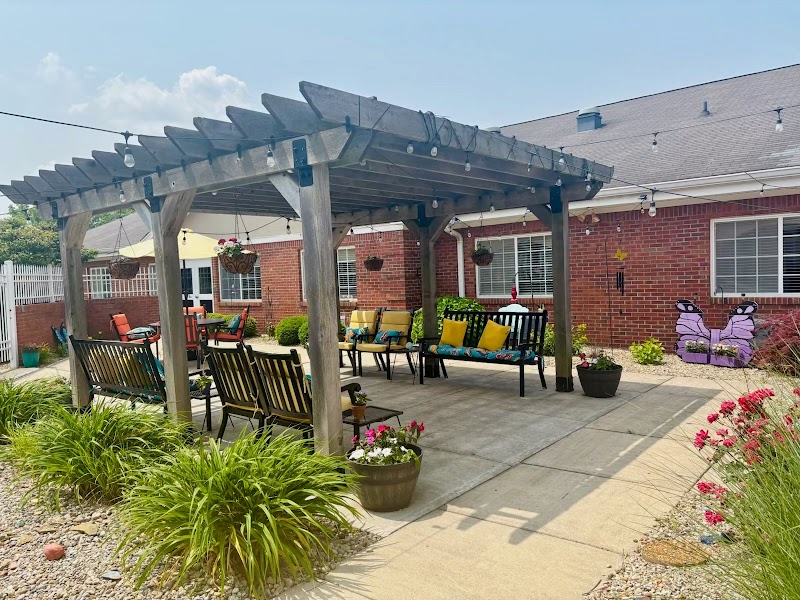
How is Mill Pond Health Campus Staffed?

CMS rates MILL POND HEALTH CAMPUS's staffing level at 2 out of 5 stars, which is below average compared to other nursing homes. Staff turnover is 38%, compared to the Indiana average of 46%. This relatively stable workforce can support continuity of care.

What Have Inspectors Found at Mill Pond Health Campus?

State health inspectors documented 22 deficiencies at MILL POND HEALTH CAMPUS during 2022 to 2025. These included: 2 that caused actual resident harm and 20 with potential for harm. Deficiencies causing actual harm indicate documented cases where residents experienced negative health consequences.
Who Owns and Operates Mill Pond Health Campus?

MILL POND HEALTH CAMPUS is owned by a government entity. Government-operated facilities are typically run by state, county, or municipal agencies. The facility is operated by TRILOGY HEALTH SERVICES, a chain that manages multiple nursing homes. With 68 certified beds and approximately 54 residents (about 79% occupancy), it is a smaller facility located in GREENCASTLE, Indiana.
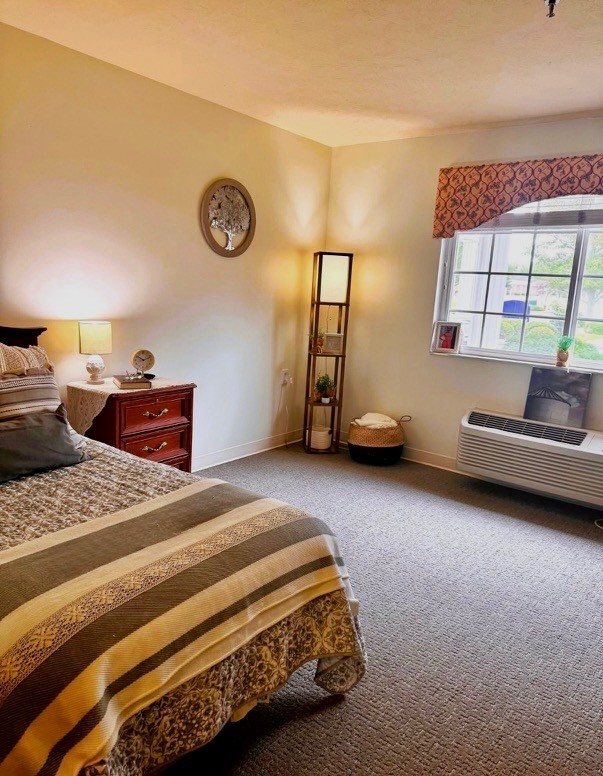
How Does Mill Pond Health Campus Compare to Other Indiana Nursing Homes?

Compared to the 100 nursing homes in Indiana, MILL POND HEALTH CAMPUS's overall rating (4 stars) is above the state average of 3.1, staff turnover (38%) is near the state average of 46%, and health inspection rating (3 stars) is at the national benchmark.

What Should Families Ask When Visiting Mill Pond Health Campus?

Based on this facility's data, families visiting should ask: "Can you walk me through typical staffing levels on day, evening, and night shifts?" "Can I visit during a mealtime to observe dining assistance and food quality?" "How do you handle medical emergencies, and what is your hospital transfer rate?" "Can I speak with family members of current residents about their experience?" These questions are particularly relevant given the below-average staffing rating.

Is Mill Pond Health Campus Safe?

Based on CMS inspection data, MILL POND HEALTH CAMPUS has a clean safety record: no substantiated abuse findings (meaning no confirmed cases of resident harm), no Immediate Jeopardy citations (the most serious violation level indicating risk of serious injury or death), and is not on the Special Focus Facility watch list (a federal program monitoring the lowest-performing 1% of nursing homes). The facility has a 4-star overall rating and ranks #1 of 100 nursing homes in Indiana. While no facility is perfect, families should still ask about staff-to-resident ratios and recent inspection results during their visit.

Do Nurses at Mill Pond Health Campus Stick Around?

MILL POND HEALTH CAMPUS has a staff turnover rate of 38%, which is about average for Indiana nursing homes (state average: 46%). Moderate turnover is common in nursing homes, but families should still ask about staff tenure and how the facility maintains care continuity when employees leave.

Was Mill Pond Health Campus Ever Fined?

MILL POND HEALTH CAMPUS has no federal fines on record. CMS issues fines when nursing homes fail to meet care standards or don't correct problems found during inspections. The absence of fines suggests the facility has either maintained compliance or corrected any issues before penalties were assessed. This is a positive indicator, though families should still review recent inspection reports for the full picture.

Is Mill Pond Health Campus on Any Federal Watch List?

MILL POND HEALTH CAMPUS is not on any federal watch list. The most significant is the Special Focus Facility (SFF) program, which identifies the bottom 1% of nursing homes nationally based on persistent, serious quality problems. Not being on this list means the facility has avoided the pattern of deficiencies that triggers enhanced federal oversight. This is a positive indicator, though families should still review the facility's inspection history directly.