APERION CARE GREENFIELD
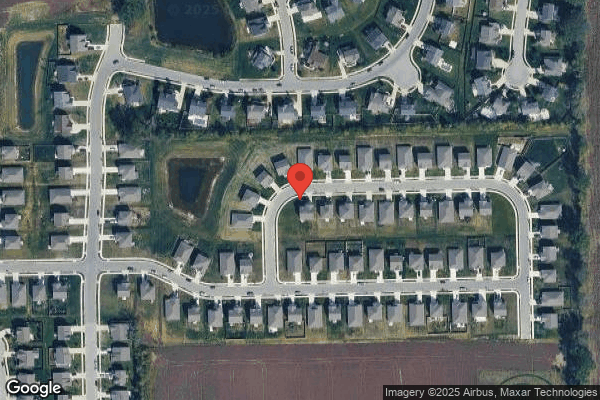

5430 W US 40, GREENFIELD, IN 46140 (317) 894-3301
For profit - Corporation 60 Beds APERION CARE Data: November 2025
Trust Grade
40/100
#414 of 505 in IN
Last Inspection: August 2024

Within standard 12-15 month inspection cycle. Federal law requires annual inspections.

Overview

Aperion Care Greenfield has a Trust Grade of D, which means it is below average and has some concerning issues. It ranks #414 out of 505 facilities in Indiana, placing it in the bottom half statewide, and #4 out of 5 in Hancock County, indicating limited local options for better care. The facility is worsening, with reported issues increasing from 5 in 2023 to 19 in 2024. Staffing is somewhat of a strength, rated 2 out of 5 stars with a turnover rate of 40%, which is below the state average, suggesting some staff stability. However, there are serious concerns about RN coverage, as it is lower than 81% of Indiana facilities, which is crucial for catching potential problems. Specific inspection findings reveal some troubling practices. For instance, the facility failed to ensure that trash was properly contained, with lids left open and trash on the ground, which poses sanitation risks. Additionally, expired food was found in the refrigerator, which could affect residents' health. There was also a failure to provide adequate fluids at the bedside for residents, leaving some without necessary hydration support. While there are no fines recorded, these deficiencies highlight significant areas needing improvement.

Trust Score
D
40/100
In Indiana
#414/505
Bottom 19%
Safety Record
Low Risk
No red flags
Inspections
Getting Worse
5 → 19 violations
Staff Stability
○ Average
40% turnover. Near Indiana's 48% average. Typical for the industry.
Penalties
✓ Good
No fines on record. Clean compliance history, better than most Indiana facilities.
Skilled Nurses
⚠ Watch
Each resident gets only 21 minutes of Registered Nurse (RN) attention daily — below average for Indiana. Fewer RN minutes means fewer trained eyes watching for problems.
Violations
⚠ Watch
38 deficiencies on record. Higher than average. Multiple issues found across inspections.
★☆☆☆☆
1.0
Overall Rating
★★☆☆☆
2.0
Staff Levels
★★★☆☆
3.0
Care Quality
★☆☆☆☆
1.0
Inspection Score
Stable
2023: 5 issues
2024: 19 issues

The Good

  • Full Sprinkler Coverage · Fire safety systems throughout facility
  • No fines on record
  • Staff turnover below average (40%)

    8 points below Indiana average of 48%

Facility shows strength in fire safety.

The Bad

1-Star Overall Rating

Below Indiana average (3.1)

Significant quality concerns identified by CMS

Staff Turnover: 40%

Near Indiana avg (46%)

Typical for the industry

Chain: APERION CARE

Part of a multi-facility chain

Ask about local staffing decisions and management

The Ugly 38 deficiencies on record

Oct 2024 1 deficiency
CONCERN (D) 📢 Someone Reported This

A family member, employee, or ombudsman was alarmed enough to file a formal complaint

Potential for Harm - no one hurt, but risky conditions existed

Report Alleged Abuse (Tag F0609)

Could have caused harm · This affected 1 resident

Based on interview and record review, the facility failed to report an allegation of abuse to the Indiana Department of Health (IDOH) timely for 1 of 3 residents reviewed for abuse. (Resident B) Findi...

Read full inspector narrative →
Based on interview and record review, the facility failed to report an allegation of abuse to the Indiana Department of Health (IDOH) timely for 1 of 3 residents reviewed for abuse. (Resident B) Findings include: The clinical record for Resident B was reviewed on 10/15/24 at 10:14 a.m. Her diagnoses included, but were not limited to, anxiety and depression. An interview was conducted with Resident B on 10/11/24 at 12:20 p.m. She indicated on Sunday, 10/6/24, Certified Nursing Assistant (CNA) 3 grabbed her left arm and shook her, telling her 'you don't talk to me like that,' and called her a crazy b**** along with other names. CNA 3 ran out of the room when one of the nurses came in. CNA 3 was screaming she was never going in that 'damn b****'s' room again. Resident B reported this to the night shift nurse, who was right outside the door when CNA 3 was still screaming. On 10/11/24 at 1:11 p.m., the Business Office Manager (BOM) provided a copy of an email sent to her from Resident B on Monday, 10/7/24 at 6:14 a.m., with Serious complaint in the subject line. The email indicated CNA 3 grabbed Resident B's left arm and forcefully shook her repeatedly; that CNA 3 refused to leave her room; that CNA 3 left her hanging over the bed in the Hoyer lift; that CNA 3 refused to reposition her in the bed, telling her to 'figure that out yourself;' that her call light wasn't answered for 11 hours the night of 10/5/24; along with several other allegations. The email read, All of [name of CNA 3's] actions this weekend have been either neglect or abusive. An interview was conducted with the BOM on 10/11/24 at 1:01 p.m. She indicated she received the email from Resident B the morning of 10/7/24. She responded to Resident B via email the same day that an investigation was started. Resident B replied, thanking her for the quick response, and they began to investigate. The Administrator was on vacation, on 10/7/24, and currently still was, as she left for vacation on 10/3/24. This allegation of abuse by Resident B was not reported to the IDOH. The BOM assumed it was the Assistant Director of Nursing (ADON) who was responsible for reporting it. They just reported it today, 10/11/24. On 10/11/24 at 1:03 p.m., the Regional Nurse Consultant (RNC) provided a copy of a reportable, dated 10/11/24, regarding Resident B's allegations of abuse against CNA 3. On 10/15/24 at 12:45 p.m., an interview was conducted with the Administrator. She indicated the BOM and ADON were responsible for reporting to IDOH in her absence. The Abuse Prevention and Reporting policy was provided by the BOM on 10/11/24 at 1:21 p.m. It read, Any allegation of abuse or any incident that results in serious bodily injury will be reported to the Department of Public Health immediately, but not more than two hours after the allegation of abuse. Any incident that does not involve abuse and does not result in serious bodily injury shall be reported within 24 hours. This citation relates to Complaint IN00444277. 3.1-28(c)
Aug 2024 18 deficiencies
CONCERN (D)

Potential for Harm - no one hurt, but risky conditions existed

Safe Environment (Tag F0584)

Could have caused harm · This affected 1 resident

Based on observation, interview, and record review, the facility failed to provide a homelike environment for 2 of 12 residents reviewed for a clean environment. (Resident 43 and Resident 31) Findings...

Read full inspector narrative →
Based on observation, interview, and record review, the facility failed to provide a homelike environment for 2 of 12 residents reviewed for a clean environment. (Resident 43 and Resident 31) Findings include: 1. Resident 43's clinical record, reviewed on 8/28/24 at 2:47 p.m., indicated diagnoses that included, but were not limited to, type 2 diabetes mellitus, alcoholic cirrhosis of the liver, and schizophrenia. During an observation on 8/27/24 at 1:43 p.m., Resident 43's bathroom floor was sticky to walk on, a bedpan, uncovered, with an open bag of adult diapers were laying on the floor, and there was paint peeling off the walls behind the bed frames. During an interview on 8/30/24 at 2:00 p.m., the Executive Director (ED) indicated she was aware of the paint peeling on the wall. The ED indicated the two residents in the room kept moving their beds around and [scuffing] up the paint on the wall. The ED indicated maintenance had been in the room to repaint it several times. 2. Resident 31's clinical record, reviewed on 9/30/24 at 12:46 p.m., indicated diagnoses that included, but were not limited to, chronic obstructive pulmonary disease, cerebral infarction, heart failure, and hypertension. During an observation on 8/28/24 at 10:48 a.m., Resident 31's bathroom floor had a Styrofoam cup, lid, straw, wash basin and toilet paper on it. During an observation on 08/30/24 at 12:00 p.m., Resident 31's toilet bowl lid was off the toilet and sitting on the bathroom floor. An open toilet paper roll and a wash basin were laying on the floor. During an interview on 08/30/24 at 02:11 p.m., the ED indicated the resident had just taken the toilet bowl lid off and it was now back in place. A care plan, revised 3/7/24, indicated Resident 31 will be provided with a homelike environment. An admission packet included resident rights provided by the ED, on 8/28/24 at 10:45 a.m., indicated, .you have the right to a safe, clean, comfortable, and homelike environment . 3.1-19(f)(5)
CONCERN (D)

Potential for Harm - no one hurt, but risky conditions existed

Deficiency F0625 (Tag F0625)

Could have caused harm · This affected 1 resident

Based on interview and record review, the facility failed to maintain documentation Resident 5's representative was provided with a bed hold policy for 1 of 1 resident reviewed for hospitalization. F...

Read full inspector narrative →
Based on interview and record review, the facility failed to maintain documentation Resident 5's representative was provided with a bed hold policy for 1 of 1 resident reviewed for hospitalization. Findings include: The clinical record for Resident 5 was reviewed on 8/29/24 at 2:34 p.m. The diagnoses included stroke. A Quarterly Minimum Data Set (MDS) assessment, dated 6/28/24, indicated Resident 5 was cognitively intact. The census flowsheet for Resident 5 indicated a therapeutic leave from 7/22/24 to 7/26/24. During an interview on 8/30/24 at 1:45 p.m., Resident 5 indicated he did not know what a bed hold policy was and did not receive any paperwork prior to going to the hospital in July of 2024. During an interview on 8/30/24 at 3:20 p.m., the Executive Director indicated the staff could not find the bed hold policy for Resident 5's July hospitalization. The expectation was nursing staff would provide the bed hold policy at the time of transfer to the resident or their representative. A blank copy of the Bed Hold Policy Notice was provided, on 8/30/24 at 3:20 p.m., by the Executive Director. The policy contained the availability to indicate when a resident was unable to sign, copy mailed to representative, and a place for resident signature. 3.1-12(a)(25)(A) 3.1-12(a)(25)(B)
CONCERN (D)

Potential for Harm - no one hurt, but risky conditions existed

Assessment Accuracy (Tag F0641)

Could have caused harm · This affected 1 resident

Based on interview and record review, the facility failed to accurately encode Minimum Data Set (MDS) information for 2 of 19 residents reviewed from MDS accuracy. (Resident 5 and Resident 19) Findin...

Read full inspector narrative →
Based on interview and record review, the facility failed to accurately encode Minimum Data Set (MDS) information for 2 of 19 residents reviewed from MDS accuracy. (Resident 5 and Resident 19) Findings include: 1. The clinical record for Resident 5 was reviewed on 8/29/24 at 2:34 p.m. The diagnoses included bipolar disorder. An admission MDS assessment, dated 2/1/24, indicated that Resident 5 did not have a PASARR (Preadmission Screening and Resident Review) Level II. A PASARR Level II, dated 6/21/19, indicated Resident 5 had a serious mental illness but did not need specialized services. During an interview on 8/30/24 at 11:45 a.m., the Social Services Director indicated Resident 5 had a serious mental illness and the most current Level II was the one dated 6/21/19. 2. The clinical record for Resident 19 was reviewed on 8/30/2024 at 1:30 p.m. The medical diagnoses included chronic obstructive pulmonary disease. A Quarterly MDS assessment, dated 7/26/24, indicated Resident 19 did not have a prognosis of six months or less but received hospice services. A hospice care plan, revised on 3/13/24, indicated Resident 19 received hospice care. A certification of terminal illness for Resident 19 provided, on 8/30/24 at 10:45 a.m., by the Executive Director indicated a terminal diagnosis with a life expectancy of six months or less if the disease runs its projected course. During an interview, on 8/30/24 at 12:45 p.m., the MDS Nurse indicated the aforementioned assessments for Resident 5 and Resident 19 were coded incorrectly due to oversight. A policy entitled, Resident MDS Assessment and Care Planning Standard, was provided by the Social Services Director on 8/30/24 at 2:10 p.m. The policy indicated all assessments are to be completed timely and accurately for the Resident Assessment Instrument Manual.
CONCERN (D)

Potential for Harm - no one hurt, but risky conditions existed

Deficiency F0645 (Tag F0645)

Could have caused harm · This affected 1 resident

Based on interview and record review, the facility failed to ensure Resident 11 had a completed Preadmission Screening and Resident Review (PASARR) prior to admission to the facility for 1 of 3 reside...

Read full inspector narrative →
Based on interview and record review, the facility failed to ensure Resident 11 had a completed Preadmission Screening and Resident Review (PASARR) prior to admission to the facility for 1 of 3 residents reviewed for PASARR. Findings include: The clinical record for Resident 11 was reviewed on 8/30/24 at 12:15 p.m. The diagnoses included schizophrenia. An admission Minimum Data Set (MDS) assessment, dated 2/1/24, indicated Resident 11 did not have a PASARR Level II. Per the Indiana State Department of Family and Social Services Administration, all applicants to Medicaid-certified nursing facilities in Indiana are entered in the state's web-based PASARR system, and a Level I screen is completed to initiate the PASARR process. If indicated, a PASARR Level II evaluation is performed to identify the specialized needs of individuals with mental illness (MI), intellectual or developmental disability ID/DD, or both (MI/ID/DD). A PASARR Level I for Resident 11, dated 1/24/19, indicated that Resident 11 needed an on-site Level II review. During an interview on 8/30/24 at 12:55 p.m., the Social Service Director (SSD) indicated the facility did not have documentation for a Level II completed for Resident 11 after 1/24/2019. The SSD indicated the facility received an influx of residents around the time Resident 11 admitted and that the Level II was not completed due to oversight. A policy entitled, Preadmission Screening and Annual Resident Review (PASARR), was provided by the Director of Nursing on 8/30/24 at 8:40 a.m. The policy indicated, .The facility will participate in or completed the Level I screen for all potential admissions regardless of payer source .Based on the Level I, if an individual is determined to meet the above criterion, the facility will not admit and individual, the facility will refer the potential admission to the State PASARR representative for a Level II screening process . 3.1-16(d)(1)
CONCERN (D)

Potential for Harm - no one hurt, but risky conditions existed

Deficiency F0657 (Tag F0657)

Could have caused harm · This affected 1 resident

Based on interview and record review, the facility failed to hold regularly scheduled care plan meetings for 1 of 2 residents reviewed for care planning. (Resident 45) Findings include: The clinical r...

Read full inspector narrative →
Based on interview and record review, the facility failed to hold regularly scheduled care plan meetings for 1 of 2 residents reviewed for care planning. (Resident 45) Findings include: The clinical record for Resident 45 was reviewed on 8/28/24 at 12:15 p.m. Her diagnoses included, but were not limited to, dementia and major depressive disorder. She was admitted to the facility, on 11/6/23, from another facility. The 11/6/23 nursing note read, Resident is a new admit from [name of previous facility,] came to the facility via facility van. Resident is alert to name but confused with place where she is and time of day . The 8/1/24 Quarterly Minimum Data Set (MDS) assessment indicated she was severely cognitively impaired. An interview was conducted with Family Member 2 on 8/28/24 at 12:29 p.m. She indicated Resident 45 was transferred to her current facility from another facility. Family Member 2 received a voicemail from the previous facility that Resident 45 was being transferred the following day. By the time Family Member 2 received the voicemail, Resident 45 was already transferred to her current facility. Family Member 2 received several phone calls about missed appointments from a local hospital provider regarding missed oncology, optometry, and diabetic clinic appointments. She hadn't had any scheduled care plan meetings with the current facility to discuss these things. The electronic health record (EHR) indicated Resident 45 had a, 11/14/23, admission MDS assessment and, 5/1/24, Quarterly MDS assessment, but no corresponding care plan meetings were found. The 4/29/24, 3:12 p.m. care plan invite note indicated there would be a care plan meeting held, on 5/23/24, and that Family Member 2 was planning on attending. There was no information in the clinical record indicating the, 5/23/24, care plan meeting ever took place. An interview was conducted with the Social Services Director (SSD) in the presence of the ADON (Assistant Director of Nursing) on 8/30/24 at 11:08 a.m. The SSD indicated they held care plan meetings for residents quarterly. The meetings were documented in the EHR under a care plan meeting note. He was out of the facility in May 2024, so he couldn't speak as to whether the, 5/23/24, care plan meeting was held. He reviewed Resident 45's clinical record and indicated he did not see actual verification the, 5/23/24, care plan meeting was held, and there was no verification of a, November 2023, care plan meeting held, or verification of family invitation to a meeting after Resident 45's, 11/6/23, admission to the facility. He'd spoken to Family Member 2 on the phone previously, but he had no knowledge of any missed appointments. The Comprehensive Care Plan policy was provided by the (DON) Director of Nursing on 8/30/24 at 10:30 a.m. It read, A comprehensive care plan must be .Prepared by an interdisciplinary team that includes but is not limited to .To the extent practicable, the participation of the resident and the resident's representative(s). An explanation should be included in a resident's medical record if the participation of the resident and their resident representative is determined not practicable for the development of the resident's care plan The resident and/or resident representative shall be invited to review the plan of care with the interdisciplinary team either in person, via telephone or video conference (if available) at least quarterly. As a best practice, thee interdisciplinary team should attempt to schedule an initial meeting with the resident and/or resident representative within 5 days of admission to review the baseline plan of care and make updates or revisions as indicated based on feedback and input of the resident and/or representative prior to the development of the comprehensive care plan. 3.1-35(d)(2)(B)
CONCERN (D)

Potential for Harm - no one hurt, but risky conditions existed

Deficiency F0679 (Tag F0679)

Could have caused harm · This affected 1 resident

**NOTE- TERMS IN BRACKETS HAVE BEEN EDITED TO PROTECT CONFIDENTIALITY** Based on observation, interview, and record review, the facility failed to follow scheduled activities calendar or provide outsi...

Read full inspector narrative →
**NOTE- TERMS IN BRACKETS HAVE BEEN EDITED TO PROTECT CONFIDENTIALITY** Based on observation, interview, and record review, the facility failed to follow scheduled activities calendar or provide outside activities for 3 of 3 residents reviewed for activities. (Resident 34, Resident 41, and Resident 35). Findings include: 1. Resident 35's record, reviewed on 8/28/24 at 2:43 p.m., indicated Resident 35 had diagnoses that included, but were not limited to, fibromyalgia, type 2 diabetes, alcoholic cirrhosis, chronic obstructive pulmonary disease, and alcohol abuse. A Quarterly Minimum Data Set (MDS) assessment for Resident 35, dated 8/20/24, indicated he was cognitively intact for daily decision making. During an interview on 8/27/24 at 1:16 p.m., Resident 35 indicated that the activities director did not offer a variety of activities. We were supposed to play cards one day, which it was on the activities calendar, but no one had any cards, so we couldn't play. Resident 35 had requested to go on outings with the facility, but the facility told him no, because they do not have enough transportation for all the residents. 2. Resident 41's clinical record, reviewed on 8/28/24 at 2:38 p.m., indicated diagnoses that included, but were not limited to, acute respiratory failure, encephalopathy, major depressive disorder, and hypertension. An admission MDS assessment, dated 7/16/24, indicated Resident 41 was cognitively intact for daily decision making. During an interview on 8/28/24 at 10:30 a.m., Resident 41 indicated he wanted to leave the facility for outings, but they did not provide it. Resident 41 indicated they do not get to go anywhere, and it was upsetting to him. Resident 41 had a care plan, dated 2/3/24, and indicated he enjoyed anything outdoors and enjoyed going outside when the weather was nice. During an interview on 8/30/24 at 10:52 a.m., the Activities Director (AD) indicated the facility had not been able to leave or go on outings because they only had a small van that held three to four people and one wheelchair. The AD indicated the facility had not been out in the community since February 2024. The AD indicated the residents can go outside during smoking hours. 3. The clinical record for Resident 34 was reviewed on 8/28/24 at 1:00 p.m. His diagnoses included, but were not limited to, hemiplegia and hemiparesis, cerebral vascular accident, and hypertension. He was admitted to the facility on [DATE]. The August 2024 Activity Calendar was posted on the wall in the hallway outside of the dining room. It indicated on 8/28/24 at 11:00 a.m. Daily Chronicle was scheduled and Church with (name of volunteer) was scheduled for 8/28/24 at 11:15 a.m. On observation of residents, including Resident 34, in the main dining room was made on 8/28/24 from 11:11 a.m. to 11:15 a.m. There was no Daily Chronicle or Church with (volunteer name) activity occurring. The television was playing a national news network, but none of the residents, including Resident 34, were watching. There was no substitute activity occurring in place of the Church activity. Resident 34 was sitting at a table. Drinks were being passed by staff, but no activities were occurring. The 8/13/24 Significant Change MDS assessment indicated he was cognitively intact. An interview was conducted with Resident 34 in his room on 8/28/24 at 1:03 p.m. He indicated they didn't really do group activities in the facility, except bingo twice a week. He was unaware of what the Daily Chronicle activity, referenced on the August 2024 activity calendar daily, actually was. The Church activity, referenced for 11:15 a.m. today was a volunteer activity, but the volunteer didn't come today. The August 2024 Activity Calendar, posted on the wall in the hallway outside of the dining room, indicated manicures was scheduled for 8/29/24 at 2:30 p.m. An observation of the dining room was made on 8/29/24 at 2:38 p.m. There was one resident receiving a manicure by activity staff. There were ten other residents sitting in the dining room, with no other activity, music, art project, or anything occurring. The television was playing a national news network, but none of the residents were watching, and it was not turned up loud enough to be heard throughout the dining room. An interview and observation was conducted with Resident 34 in his room on 8/29/24 at 2:42 p.m. He was watching television. He indicated he had no interest in doing manicures. As far as activities outside of the facility, there was a fishing activity back in May or June 2024, but that was the last time they left the facility to attend an activity. He would like for the facility to have more activities outside of the facility. Resident 34's activity care plan, revised 8/29/24, did not reference his preference for activities away from the facility. It referenced inviting him to go outdoors to get fresh air, but not activities away from the facility. The August 2024 Activity Calendar, posted on the wall in the hallway outside of the dining room, did not include any activities away from the facility. The Activities Program policy was provided by the DON (Director of Nursing) on 8/30/24 at 8:40 a.m. It read, Purpose: To provide an ongoing program of activities designed to appeal to the residents' interests and to enhance his or her highest practicable level of physical, mental, and psychosocial well-being. Guidelines: The Activity Director, trained staff, or volunteer will: 1. Identify and involve each resident in an ongoing program of activities that is designed to appeal to his or her interests and needs 3. A minimum of 4-7 organized activities will be scheduled daily .7. The program of activities will include a system that allows thee activity staff to develop, implement, and evaluate the resident's interests and involvement in the activities provided and adjust the daily programming as needed in order to meet the needs of the residents. 3.1-33(a) 3.1-33(b)(3)
CONCERN (D)

Potential for Harm - no one hurt, but risky conditions existed

Quality of Care (Tag F0684)

Could have caused harm · This affected 1 resident

**NOTE- TERMS IN BRACKETS HAVE BEEN EDITED TO PROTECT CONFIDENTIALITY** Based on interview, observation, and record review, the facility failed to date a dry dressing to a skin impairment (Resident 1)...

Read full inspector narrative →
**NOTE- TERMS IN BRACKETS HAVE BEEN EDITED TO PROTECT CONFIDENTIALITY** Based on interview, observation, and record review, the facility failed to date a dry dressing to a skin impairment (Resident 1) and failed to complete skin assessment as care planned (Resident 34) for 2 of 2 residents reviewed for skin impairments. Findings include: 1. The clinical record for Resident 1 was revied on 8/30/24 at 1:50 p.m. The medical diagnoses included schizophrenia. A Quarterly Minimum Data Set assessment, dated 8/15/24, indicated that Resident 1 was cognitively impaired. Resident 1 needed minimal to substantial assistance for activities of daily living and was at risk for developing skin alternations. A nursing assessment, dated 8/20/24, indicated that Resident 1 was at high risk of skin alternations. A wound evaluation, dated 8/28/24, indicated Resident 1 had a non-pressure wound to the scalp with undetermined thickness from a fall. Measurements for the wound were 3 centimeters (cm) x 2 cm x Not Measurable. A skin care plan, revised 8/28/24, indicated Resident 1 had an abrasion to the forehead. An intervention indicated to provide treatment as ordered. A physician order, dated 8/28/24, indicated to cover area to Resident 1's right forehead with a dressing daily. During an observation, on 8/28/24 at 1:55 p.m., Resident 1 had a white dry dressing on the right side of the forehead. The dressing did not indicate a date, time, or initials of the staff member which had applied the dressing. During an observation, on 8/29/24 at 12: 20 p.m., Resident 1 was in the main dining room. Resident 1 had a white dry dressing on the right side of the forehead. The dressing did not indicate a date, time, or initials of the staff member which had applied the dressing. During an observation, on 8/29/24 at 2:00 p.m., Resident 1 was laying in bed. Resident 1 had a white dry dressing on the right side of the forehead. The dressing did not indicate a date, time, or initials of staff. LPN 13 verified that the dressing did not contain date, time, or initials of the staff member which had applied the dressing. LPN 13 stated that she would change the dressing and did not know when it was last changed. 2. The clinical record for Resident 34 was reviewed on 8/24/24 at 1:00 p.m. His diagnoses included, but were not limited to, hemiplegia and hemiparesis, cerebral vascular accident, and hypertension. He was admitted to the facility on [DATE]. The 8/13/24 Significant Change Minimum Data Set assessment indicated he was cognitively intact. An interview and observation was conducted with Resident 34 in his room on 8/28/24 at 1:14 p.m. He indicated, I have these dark spots all over my arms, for the past three weeks. They say it's from blood thinners. Resident 34 had dark reddish, brown spots of various shapes covering both forearms. The physician's orders indicated for one tablet of Clopidogrel Bisulfate (antiplatelet medication used to prevent heart attacks and strokes) 75 milligrams (mg) to be administered one time a day for stroke, starting 8/24/24. The 8/7/24 antiplatelet therapy care plan indicated an intervention was, Daily skin inspection. Report abnormalities to the nurse, initiated 8/7/24. The electronic health record (EHR) indicated one skin assessment was completed thus far in August 2024. It was dated 8/6/24 and referenced bruising to his abdomen. It did not reference his arms. There were no subsequent skin assessments for August 2024 in the EHR. An interview was conducted with the DON (Director of Nursing) on 8/29/24 at 10:27 a.m. She indicated skin assessments were completed weekly and on shower days. The assessments should be documented in the EHR under the assessments tab. The DON reviewed Resident 34's EHR at this time and indicated she only saw the, 8/6/24, skin assessment. She was unaware who was responsible for the daily skin inspections referenced in his, 8/7/24, antiplatelet therapy care plan, but they should also be documented in the EHR. She would look further into this. An interview was conducted with the DON on 8/29/24 at 2:05 p.m. She indicated she did not have verification of any other skin assessments for Resident 34 in August 2024 beyond the, 8/6/24, assessment and no verification of any daily skin assessments, as care planned. The Skin Condition Assessment & Monitoring policy was provided by the DON on 8/30/24 at 8:40 a.m. It read, Purpose: To establish guidelines for assessing, monitoring and documenting the presence of skin breakdown, pressure injuries and other non-pressure skin conditions and assuring interventions are implemented. Guidelines: .Non-pressure skin conditions (bruises/contusions, abrasions, lacerations, rashes, skin tears, surgical wounds, etc.) will be assessed for healing progress and signs of complications or infection weekly Residents identified will have a weekly skin assessment by a licensed nurse. A wound assessment will be initiated and documented in the resident chart when pressure and/or other non-pressure skin conditions are identified by licensed nurse. Each resident will be observed for skin breakdown daily during care and on the assigned bath day by the CNA (Certified Nursing Assistant.) Changes shall be promptly reported to the charge nurse who will perform the detailed assessment Wound Assessment/Measurement: .3. Dressings which are applied to pressure ulcers, skin tears, wounds, lesions or incisions shall include the date of the licensed nurse who performed the procedure. Dressing will be checked daily for placement, cleanliness, and signs and symptoms of infection. 3.1-37(a)
CONCERN (D)

Potential for Harm - no one hurt, but risky conditions existed

Deficiency F0685 (Tag F0685)

Could have caused harm · This affected 1 resident

**NOTE- TERMS IN BRACKETS HAVE BEEN EDITED TO PROTECT CONFIDENTIALITY** Based on observation, interview, and record review, the facility failed to ensure optometry services were provided timely to a r...

Read full inspector narrative →
**NOTE- TERMS IN BRACKETS HAVE BEEN EDITED TO PROTECT CONFIDENTIALITY** Based on observation, interview, and record review, the facility failed to ensure optometry services were provided timely to a resident who consented to receive optometry services for 1 of 3 residents reviewed for vision or hearing services. (Resident 34) Findings include: The clinical record for Resident 34 was reviewed on 8/28/24 at 1:00 p.m. His diagnoses included, but were not limited to, hemiplegia and hemiparesis, major depressive disorder, and hypertension. He was admitted to the facility on [DATE]. The 2/9/22 ancillary services care plan, revised 7/15/24, indicated he consented to receive optometry services through the facility's optometry provider with interventions for him to be seen by the appropriate provider to ensure any issue was resolved. The 10/30/22 physician's order indicated he may be seen by the optometrist, as needed. The 8/12/24 Ancillary Services Assessment form indicated Resident 34 needed assistance with corrective lenses. The 8/13/24 Significant Change Minimum Data Set assessment indicated he was cognitively intact. An observation and interview were conducted with Resident 34 in his room on 8/28/24 at 1:10 p.m. He indicated he currently wore reading glasses, but used to wear regular glasses, and thought he needed to wear regular glasses now. Resident 34 was not wearing any glasses during the interview. There were no optometry consultations in Resident 34's clinical record. An interview was conducted with the SSD (Social Services Director) on 8/29/24 at 10:33 a.m. The SSD indicated they'd worked at the facility since November 2023. The facility used a specific provider for optometry services. The optometry provider gathered consent forms and scheduled appointments for residents. The optometry provider remained in touch with the SSD to let them know when they would be coming to the facility. At each MDS assessment, the SSD would reach out to their optometry provider, if the resident needed services. The optometry provider was in the facility on 8/19/24, but Resident 34 was not seen at that visit. The SSD reviewed the upcoming optometry list, but Resident 34 was not on it. The SSD reviewed Resident 34's clinical record at this time and indicated he did not see that Resident 34 had received optometry services in the facility, at least since he'd worked there. The On-Site Health Care Services policy was provided by the SSD on 8/29/24 at 12:23 p.m. It read, It is the policy of the facility to assist residents in arranging health services on site as needed per resident request. Standards: 1) Facility will make appointments for ancillary services as requested by resident. 2) On-Site services available: .c) Optometry. 3.1-39(a)(1)
CONCERN (D)

Potential for Harm - no one hurt, but risky conditions existed

Accident Prevention (Tag F0689)

Could have caused harm · This affected 1 resident

Based on interview, observation, and record review, the facility failed to complete quarterly smoking assessments for 1 of 1 resident reviewed for smoking safety. (Resident 23) Findings include: The...

Read full inspector narrative →
Based on interview, observation, and record review, the facility failed to complete quarterly smoking assessments for 1 of 1 resident reviewed for smoking safety. (Resident 23) Findings include: The clinical record for Resident 23 was reviewed on 8/29/24 at 2:00 p.m. The diagnoses included chronic obstructive pulmonary disease. An Annual Minimum Data Set assessment, dated 7/30/24, indicated Resident 23 was cognitively intact and utilized tobacco products. A smoking care plan, revised 12/5/23, indicated Resident 23 was a cigarette smoker with an intervention of smoking assessment upon admission, quarterly and as needed. During an interview on 8/30/24 at 2:15 p.m., the Executive Director indicated the staff could not locate the quarterly smoking assessment for Resident 23 for the last year. Activities and social services were to split the duty of completing smoking assessments. A policy entitled, Smoking Safety, was provided by the Social Service Director on 8/30/24 at 8:40 a.m. The policy indicated smoking assessment will be completed at the time of admission, quarterly, and as needed. 3.1-45(a)(2)
CONCERN (D)

Potential for Harm - no one hurt, but risky conditions existed

Respiratory Care (Tag F0695)

Could have caused harm · This affected 1 resident

Based in interview, observation, and record review, the facility failed to supervise a dependent resident with administration of an aerosol generating procedure for 1 of 1 reviewed for respiratory car...

Read full inspector narrative →
Based in interview, observation, and record review, the facility failed to supervise a dependent resident with administration of an aerosol generating procedure for 1 of 1 reviewed for respiratory care. (Resident 30) Findings include: The clinical record for Resident 30 was reviewed on 8/30/24 at 11:05 a.m. The diagnoses included Alzheimer's disease. An Annual Minimum Data Set assessment, dated 7/26/24, indicated Resident 30 was cognitively impaired. Resident 30 was dependent on staff for all activities of daily living. A respiratory care plan, revised 8/19/24, indicated Resident 30 had altered respiratory status related to a diagnosis of asthma with an intervention of administer medications as ordered. A physician order, dated 6/19/24, indicated to administer an aerosolized medication to Resident 30 every six hours. During an observation on 8/27/24 at 1:46 p.m., Resident 30 was sitting in a wheelchair in the resident's room. A nebulizer was running with the tubing detached from the face mask and the mask was placed under Resident 30's chin. During an observation and interview on 8/27/24 at 1:48 p.m., Licensed Practical Nurse (LPN) 13 was at the nurses' station. LPN 13 entered Resident 30's room to find Resident 30 with the nebulizer detached with the face mask pulled under Resident 30's chin. LPN 13 stated, [Resident 30] pulls [Resident 30's] treatment off all the time. LPN 13 stated, Resident 30 should probably be supervised during administration of aerosolized medication and was not able to self-administer the aerosolized treatment. LPN 13 retrieved new tubing then completed administration of the aerosol treatment. A policy entitled, Nebulizer- Medication Administration, was provided by the Director of Nursing on 8/30/24 at 8:40 a.m. The policy indicated staff will .Remain with the resident for the treatment unless the resident has been assessed and authorized to self- administer . 3.1-47(a)(6)
CONCERN (D)

Potential for Harm - no one hurt, but risky conditions existed

Deficiency F0761 (Tag F0761)

Could have caused harm · This affected 1 resident

**NOTE- TERMS IN BRACKETS HAVE BEEN EDITED TO PROTECT CONFIDENTIALITY** Based on observation, interview, and record review, the facility failed to ensure medication storage rooms did not contain expir...

Read full inspector narrative →
**NOTE- TERMS IN BRACKETS HAVE BEEN EDITED TO PROTECT CONFIDENTIALITY** Based on observation, interview, and record review, the facility failed to ensure medication storage rooms did not contain expired supplies for 2 of 2 medication rooms observed. (Facility) Findings include: An observation conducted of Medication Storage room [ROOM NUMBER], on [DATE] at 9:40 a.m., indicated a urinary catheter with expiration of 2022 and a box of tuberculin syringes with expiration of 2023. An observation conducted of Medication Storage room [ROOM NUMBER] with Registered Nurse (RN) 12, on [DATE] at 9:45 a.m., indicated a box of tuberculin safety syringes expired, on [DATE], and six safety syringes with an expiration date of [DATE]. RN 12 indicated there was a supply room with all needed medical supplies and the medication storage rooms would consist of medical supplies needed for the daily tasks. It was the nurses' responsibility to check the medication storage rooms to ensure the supply items were not expired. A policy titled Medication Storage, revised [DATE], was provided by the Executive Director on [DATE] at 2:10 p.m. The policy indicated, .4. Facility should ensure that medications and biologicals that: (1) have an expired date on the label .are stored separate from other medications until destroyed or returned to the supplier 3.1-25(j)
CONCERN (D)

Potential for Harm - no one hurt, but risky conditions existed

Laboratory Services (Tag F0770)

Could have caused harm · This affected 1 resident

Based on interview and record review, the facility failed to ensure Resident 19 had a routine lab drawn per physician order for 1 of 1 resident reviewed for laboratory services. Findings include: The...

Read full inspector narrative →
Based on interview and record review, the facility failed to ensure Resident 19 had a routine lab drawn per physician order for 1 of 1 resident reviewed for laboratory services. Findings include: The clinical record for Resident 19 was reviewed on 8/30/24 at 1:30 p.m. The medical diagnoses included hypothyroidism. A Quarterly Minimum Data Set assessment, dated 7/26/24, indicated Resident 19 was cognitively impaired. A physician order, dated 5/23/24, indicated routine labs every six months to review Resident 19's thyroid levels. A nursing progress note, dated 5/23/24, indicated lab was unable to obtain blood for the routine tests and Will try next lab day . During an interview, on 8/30/24 at 2:15 p.m., the Executive Director indicated that the facility could not find where the labs were obtained for Resident 11's thyroid levels in May of 2024. The thyroid level lab was missed in May 2024. The nursing staff was responsible for obtaining labs per physician order. A policy entitled, Physician Notification of Laboratory/Radiology/Diagnostic Results, was provided by the Social Services Director on 8/30/24 at 2:10 p.m. The policy indicated the purpose of the policy was to, .assure physician ordered diagnostic tests are performed . 3.1-49(a)
CONCERN (D)

Potential for Harm - no one hurt, but risky conditions existed

Dental Services (Tag F0791)

Could have caused harm · This affected 1 resident

**NOTE- TERMS IN BRACKETS HAVE BEEN EDITED TO PROTECT CONFIDENTIALITY** Based on observation, interview, and record review, the facility failed to ensure dental services were provided timely to a resi...

Read full inspector narrative →
**NOTE- TERMS IN BRACKETS HAVE BEEN EDITED TO PROTECT CONFIDENTIALITY** Based on observation, interview, and record review, the facility failed to ensure dental services were provided timely to a resident with no bottom dentures for 1 of 2 residents reviewed for dental status and services. (Resident 34) Findings include: The clinical record for Resident 34 was reviewed on 8/28/24 at 1:00 p.m. His diagnoses included, but were not limited to, hemiplegia and hemiparesis, major depressive disorder, and hypertension. He was admitted to the facility on [DATE]. The 2/25/22 ancillary services consent form indicated Resident 34 consented to receiving dental services in the facility. The 2/9/22 dentures care plan, revised 7/15/24, indicated he wore upper dentures with an intervention to refer to the dentist routinely and as needed. The 10/30/22 physician's order indicated he may be seen by the dentist, as needed. The 8/12/24 Ancillary Services Assessment form indicated Resident 34 needed assistance with dental or dentures. The 8/13/24 Significant Change MDS (Minimum Data Set) Assessment indicated he was cognitively intact. An observation and interview were conducted with Resident 34 in his room on 8/28/24 at 1:09 p.m. He indicated he had top dentures but needed bottom dentures. He hadn't seen the dentist at all since he'd been in the facility. Resident 34 was wearing his top dentures but had no bottom dentures. There were no dental consultations in Resident 34's clinical record. An interview was conducted with the SSD (Social Services Director) on 8/29/24 at 10:33 a.m. The SSD indicated they'd worked at the facility since November 2023. The facility used a specific provider for dental services. The dental provider gathered consent forms and scheduled appointments for residents. The dental provider remained in touch with the SSD to let them know when they would be coming to the facility. At each MDS assessment, the SSD would reach out to their dental provider, if the resident needed services. The SSD thought the dental provider was in the facility within the last few months but was not sure of the date. The SSD reviewed Resident 34's clinical record at this time and indicated he did not see that Resident 34 had received dental services in the facility, at least since he'd worked there. The Dental Services and Loss or Damage of Dentures policy was provided by the SSD on 8/29/24 at 12:23 p.m. It read, The facility will, if necessary or requested by the resident, assist with scheduling appointments for dental services, arranging for transportation to and from the dental services location and promptly refer residents with lost or damaged dentures for dental services. The On-Site Health Care Services policy was provided by the SSD on 8/29/24 at 12:23 p.m. It read, It is the policy of the facility to assist residents in arranging health services on site as needed per resident request. Standards: 1) Facility will make appointments for ancillary services as requested by resident. 2) On-Site services available: .e) Dental. 3.1-24(a)(1) 3.1-24(a)(3)
CONCERN (D)

Potential for Harm - no one hurt, but risky conditions existed

Antibiotic Stewardship (Tag F0881)

Could have caused harm · This affected 1 resident

Based on interview and record review, the facility failed to ensure an antibiotic was appropriate for the treatment of a urinary tract infection (UTI) for 1 of 2 residents reviewed for antibiotic ther...

Read full inspector narrative →
Based on interview and record review, the facility failed to ensure an antibiotic was appropriate for the treatment of a urinary tract infection (UTI) for 1 of 2 residents reviewed for antibiotic therapy. (Resident 45) Findings include: The clinical record for Resident 45 was reviewed on 8/30/24 at 11:30 a.m. The diagnoses included, but were not limited to, dementia, psychotic disorder, and recurrent UTIs. A progress note, dated 7/9/24 at 4:31 a.m., indicated a urine specimen was obtained for a urinalysis with culture and sensitivity (a diagnostic test to identify and quantify the microorganisms present in a urine sample and determine their sensitivity to various antibiotics). A physician note, dated 7/10/24, indicated a possible concern for a UTI. The urine culture was pending, and if the results were not available (on 7/10/24), the plan was to start Macrobid 100 milligrams twice daily for 7 days. A care plan, initiated 7/11/24, indicated Resident 45 had a UTI. The interventions included, but were not limited to, administer antibiotic therapy as prescribed and monitor laboratory results. A progress note, dated 7/12/24 at 10:31 p.m., indicated Resident 45 was being treated for a UTI with Macrobid 100 milligrams twice daily until 7/17/24. The urinalysis and culture with sensitivity resulted. The Nurse Practitioner was notified and indicated to continue Macrobid treatment, as previously ordered, for a UTI. A lab result, reported 7/12/24, indicated a urinalysis along with culture and sensitivity was completed. The culture indicated the organism as PROETUS MIRABILIS. The culture and sensitivity did not have Macrobid as an antibiotic listed to determine if it was sensitive, resistant, or intermediate. An article published by the National Institutes of Health under National Library of Medicine, dated December of 2011, was reviewed on 8/30/24 at 3:20 p.m. The article indicated the following, .Nitrofurantoin [generic drug name and Macrobid and Macrodantin both contain the drug nitrofurantoin, but in different forms] is active against most common uropathogens, but most Proteus species .are naturally resistant .If urine cultures are positive for Proteus species .an alternate agent should be selected A policy titled Antimicrobial Stewardship Program, undated, was provided by the Minimum Data Set (MDS) Nurse on 8/30/24 at 12:00 p.m. The policy indicated the following, .Antibiotic Stewardship Program (ASP). This program will promote appropriate use of antibiotics in our facility .This multidisciplinary team will regularly review appropriateness of antibiotic courses and make recommendations for adjustment in practice where necessary .monitor and report patterns of antibiotic use and resistance
CONCERN (E)

Potential for Harm - no one hurt, but risky conditions existed

Deficiency F0558 (Tag F0558)

Could have caused harm · This affected multiple residents

Based on observation, interview, and record review, the facility failed to ensure fluids were available at the bedside for 7 of 7 residents reviewed for accommodation of needs. (Residents 21,19, 30, 4...

Read full inspector narrative →
Based on observation, interview, and record review, the facility failed to ensure fluids were available at the bedside for 7 of 7 residents reviewed for accommodation of needs. (Residents 21,19, 30, 43, 41, 31, and 35) Findings include: 1. Resident 21's record, reviewed on 8/28/24 at 2:40 p.m., indicated diagnoses that included, but were not limited to, type 2 diabetes mellitus, schizoaffective disorder, bipolar, and dementia. During an observation and interview on 08/27/24 at 12:34 p.m., Resident 21 indicated no ice water was ever passed. Resident 21 indicated staff used to pass ice water at night, now if they wanted water, they got it themselves. A cup was located at Resident 21's bedside and was less than half full. Fresh ice water had not been passed, thus far, on 8/27/24. During an observation on 08/29/24 at 10:26 a.m., a Styrofoam cup was on the bedside table with 8/28 written on it. Another empty cup was sitting on the bedside table. An admission Minimum Data Set (MDS) assessment, dated, 7/19/24, indicated Resident 21 was cognitively intact for daily decision making. Resident 21 had a care plan, dated 6/30/24, indicating to encourage fluids. 2. Resident 31's record, reviewed on 8/28/24 at 2:41 p.m., indicated diagnoses that included, but were not limited to, chronic obstructive pulmonary disease, cerebral infarction, heart failure, and schizophrenia. During an observation on 8/28/24 at 10:47 a.m., Resident 31 did not have any water at the bedside. During an observation on 8/29/24 at 10:33 am., Resident 31 had no cup of water at the bedside. 3. Resident 35's record, reviewed on 8/28/24 at 2:43 p.m., indicated diagnoses that included, but were not limited to, fibromyalgia, alcoholic cirrhosis, chronic obstructive pulmonary disease, bipolar, anxiety, and hepatic encephalopathy. During an observation and interview on 8/27/24 at 1:31 p.m., Resident 35 had no water at the bedside. Resident 35 indicated, we rarely ever get fresh ice water and definitely not daily. During an observation on 8/29/24 at 10:33 a.m., Resident 35 had no cup of water at the bedside. A Quarterly MDS assessment, dated 8/20/24, indicated Resident 35 was cognitively intact. 4. Resident 41's record, reviewed on 8/28/24 at 2:38 p.m., indicated diagnoses that included, but were not limited to, acute respiratory failure, encephalopathy, paraplegia, type 2 diabetes, anemia, and hypertension. During an observation and interview on 8/28/24 at 10:38 a.m., Resident 41 had no water at the bedside. They indicated there was never any drinking water brought in the room. Resident 41 indicated the only water in the room was the one to flush out the feeding tube. During an observation on 8/29/24 at 10:36 a.m., Resident 41 had no water at the bedside. During an observation on 8/30/24 at 10:01 a.m., Resident 41 had no water at the bedside. An admission MDS assessment, dated 7/16/24, indicated Resident 41 was cognitively intact. 5. Resident 43's record, reviewed on 8/28/24 at 2:37 p.m., indicated diagnoses that included, but was not limited to, hemiplegia and hemiparesis following a cerebral infarction, acute respiratory failure, aphasia, and hypertension. During an observation and interview on 8/27/24 at 1:48 p.m., Resident 43 indicated there was no water at the bedside. They hardly had any ice water brought into their room. During an observation on 8/29/24 at 10:31 a.m., Resident 43 had no water at the bedside. During an observation on 08/30/24 10:47 a.m., Resident 43 had no water cup at the bedside. Resident 43 indicated, they did come in one time yesterday with a cup of fresh water, but no one has been in today. A MDS assessment, dated, 8/19/24, indicated Resident 43 was cognitively intact. During an interview on 08/29/24 at 10:37 a.m., Certified Nursing Assistant (CNA) 10 indicated she typically passed water to the residents in the morning, but it depended on how busy it was and how long showers took. If the staff don't pass ice water in the morning, they attempt to get it done after lunch or before the shift ended. 6. The clinical record for Resident 19 was reviewed on 8/30/2024 at 1:30 p.m. The medical diagnoses included stroke. A Quarterly MDS assessment, dated 7/26/2024, indicated Resident 19 was cognitively impaired and needed set-up assistance for daily tasks of eating. During an observation on 8/27/2024 at 11:45 a.m., Resident 19 was sitting in a wheelchair in his room. Resident 19 had no fluids available in the room. A clear plastic cup was on the floor under the bed. During an observation on 8/29/2024 at 1:46 p.m., Resident 19 was sitting in a wheelchair is his room. Resident 19 had no fluids available in his area of the room. 7. The clinical record for Resident 30 was reviewed on 8/31/2024 at 11:05 a.m. The diagnoses included Alzheimer's disease. An Annual MDS assessment, dated 7/26/2024, indicated Resident 30 was cognitively impaired and was dependent on staff for daily tasks of eating. During an observation on 8/27/2024 at 1:35 p.m., Resident 30 was sitting in a wheelchair in her room. Resident 30 had no fluids available in the room. During an observation on 8/29/2024 at 2:20 p.m., Resident 30 was sitting in a wheelchair in her room. Resident 30 had no fluids available in her area of the room. During an interview on 8/27/2024 at 2:05 p.m., CNA 17 indicated staff had no time to pass fluids this shift yet. Residents were able to get fluids with meals and if they requested it. During an interview on 8/30/2024 at 1:30 p.m., the Executive Director indicated all staff can pass fluids, but the direct care staff were primarily responsible to pass fresh fluids to residents' rooms every shift unless clinically contraindicated. A policy entitled, Water Pass- Hydration, was provided by the Social Service Director on 8/30/2024 at 2:10 p.m. The policy indicated that fresh cold ice water would be provided to each resident at a minimum of three times a day. 3.1-3(v)(1)
CONCERN (E)

Potential for Harm - no one hurt, but risky conditions existed

Free from Abuse/Neglect (Tag F0600)

Could have caused harm · This affected multiple residents

**NOTE- TERMS IN BRACKETS HAVE BEEN EDITED TO PROTECT CONFIDENTIALITY** Based on interview and record review, the facility failed to ensure residents were free from physical abuse for 5 of 5 residents...

Read full inspector narrative →
**NOTE- TERMS IN BRACKETS HAVE BEEN EDITED TO PROTECT CONFIDENTIALITY** Based on interview and record review, the facility failed to ensure residents were free from physical abuse for 5 of 5 residents reviewed for abuse. (Residents 2, 13, 31, 33, and 45) Findings include: 1. The clinical record for Resident 45 was reviewed on 8/28/24 at 12:15 p.m. Her diagnoses included, but were not limited to, dementia and major depressive disorder. She was admitted to the facility on [DATE] from another facility. The 8/1/24 Quarterly Minimum Data Set (MDS) assessment indicated she was severely cognitively impaired. An interview was conducted with Family Member 2 on 8/28/24 at 12:29 p.m. She indicated Resident 45 was transferred to her current facility from another facility. Family Member 2 received a voicemail from the previous facility that Resident 45 was being transferred the following day. By the time Family Member 2 received the voicemail, Resident 45 was already transferred to her current facility. Resident 45 had behaviors daily. She was combative and hallucinated. Another male resident smacked her at the facility about a month ago. The potential for aggressive behaviors care plan, revised 7/29/24, indicated the goal was for Resident 45 to not harm herself, residents, or others. 2. The clinical record for Resident 31 was reviewed on 8/30/24 at 12:00 p.m. Her diagnoses included, but were not limited to, bipolar disorder, depression, psychotic disorder, and schizophrenia. The behavior care plan, revised 2/29/24, indicated she had behaviors directed towards others. The goal was for her to not show behaviors of yelling, hitting, and throwing items. The investigative file into a resident to resident altercation between Resident 45 and Resident 31 was provided by the DON (Director of Nursing) on 8/30/24 at 8:40 a.m. The file included an incident report dated 3/11/24. The report indicated, on 3/11/24, Resident 45 was sitting at the dining room table drinking her coffee when Resident 31 wheeled up behind Resident 45 in her wheelchair hitting Resident 45 with open hand on her back. Resident 45 then stood up and they both began swinging at each other making contact with each other's face and arms. Head to toe assessments were completed on both residents. Both residents were placed on one to one supervision. The file included three, undated, documented interviews conducted by the Executive Director (ED) with the (ADON) Assistant Director of Nursing, (QMA) Qualified Medication Aide 3, and (CNA) Certified Nursing Assistant 4. The undated, documented interview with the ADON read, I was the nurse on duty. I immediately separated the residents, assessed, notified families. Admin [Administrator] present made aware. The undated, documented interview with QMA 3 read, I heard a lot of noise in the hallway. When I ran around the corner ADON was taking care of the problem. I assisted with getting [name of another resident] out the dining room. Admin came and asked what happened so was made aware. The undated, documented interview with CNA 4 read, I seen the two women swinging at each other. I ran and helped pull them away from each other. Admin and ADON present and helped. 3. The clinical record for Resident 2 was reviewed on 8/30/24 at 12:02 p.m. His diagnoses included, but were not limited to, dementia and schizophrenia. The behavior care plan, revised 5/25/24, indicated he had physical aggression towards others. The goal was for him to have a decrease in episodes of physical abuse or yelling out towards others with redirection from staff. The investigative file into a resident to resident altercation between Resident 2 and Resident 45 was provided by the DON (Director of Nursing) on 8/30/24 at 8:40 a.m. The file included an incident report dated 7/1/24. The report indicated, on 6/30/24, Resident 2 was sitting in his wheelchair trying to get outside to smoke and Resident 45 was sitting in her wheelchair in the way. Resident 2 attempted to move Resident 45 and when Resident 45 asked him to leave her alone, Resident 2 swung with an open hand making contact with her left eye. Head to toe assessments were completed on both residents. Resident 2 was placed on one to one supervision. The file included two undated, documented interviews conducted by the ED with LPN (Licensed Practical Nurse) 5 and LPN 6. The undated, documented interview with LPN 5 read, I was the nurse on duty. I yelled for help to separate the residents, assessed, notified families. Admin [Administrator] just left so I called her to inform. She came back and started talking to residents and staff. The undated, documented interview with LPN 6 read, I was standing in the dining room, assisting the staff for smoke break. I helped [name of LPN 5] separate and assess the residents. I was standing next to [name of LPN 5] when he called Admin. 4. The clinical record for Resident 13 was reviewed on 8/30/24 at 12:04 p.m. Her diagnoses included, but were not limited to, schizoaffective disorder, major depression, and anxiety. The investigative file into a resident to resident altercation between Resident 13 and Resident 45 was provided by the DON (Director of Nursing) on 8/30/24 at 8:40 a.m. The file included an incident report dated 7/25/24. The report indicated, on 7/25/24, Resident 13 was in her wheelchair rolling down the hallway where she got too close to Resident 45. Resident 45 reacted by swinging with an open hand making contact with the back of Resident 13's head. Both residents were separated and assessed. Resident 45 was placed on one to one supervision. The 7/29/24 follow up section indicated both residents were seen by their physicians. The file included three, undated, documented interviews conducted by the ED with QMA 7, the ADON, and CNA 8. The undated, documented interview with QMA 7 read, I heard [names of Resident 45 and Resident 13] got into it but I was down getting report so I didn't see anything. I didn't assist with anything. Admin [Administrator] was present and handling situation. The undated, documented interview with the ADON read, I was walking past the MDR [main dining room] when I saw [name of Resident 45] swing and hit [name of Resident 13.] I separated them with the help of admin and staff. Notified M.D. [Medical Director], families, and completed assessments. Assisted with 1:1s [one to one supervision] . The undated, documented interview with CNA 8 read, I heard a lot of noise coming from the dining room, as soon as I turned the corner the ADON was already there. I helped get [Resident 13] out of the dining room. Admin was also in the dining room helping. 5. The clinical record for Resident 33 was reviewed on 8/30/24 at 12:06 p.m. His diagnoses included, but were not limited to, traumatic brain injury, bipolar disorder, and depression. The 7/29/24 investigative file into a resident to resident altercation between Resident 31 and Resident 33 was provided by the Housekeeping Supervisor on 8/30/24 at 8:55 a.m. The file included an incident report dated 8/5/24. The report indicated, on 7/29/24, both residents were in the hallway in their wheelchairs. Resident 33 was passing by Resident 31 when Resident 31 reached over and slapped Resident 33 in the face and back of the head. Both residents were immediately separated and assessed. Neurological checks were initiated on Resident 33. The 8/5/24 follow up section indicated Resident 31 was seen by her physician and medications were adjusted. The file included three, undated, documented interviews conducted by the ED with LPN 6, Staff Member 50, and CNA 9. The undated, documented interview with LPN 6 read, I heard a lot of noise so I can [sic] around the corner. I didn't witness it but was made aware by staff and admin [Administrator.] I assessed resident and made notifications to families and M.D. Admin was present so I didn't report to anyone. The undated, documented interview with Staff Member 50 read, I was in the dining room when it happened. I got [name of Resident 33] while another staff member got [name of Resident 31.] Admin came around the corner and asked what happened and I told her. The undated, documented interview with CNA 9 read, I hurried up and grabbed [name of Resident 31] and got her out the dining room. Admin came around the corner and assisted with the incident. An interview was conducted with the ED on 8/30/24 at 9:52 a.m. She indicated after investigating, she substantiated resident to resident abuse for all four altercations, as she was present for most of them, and all four of them were witnessed by staff. The Abuse Prevention and Reporting policy was provided by the SSD (Social Services Director) on 8/29/24 at 12:23 p.m. It read, This facility affirms the right of our residents to be free from abuse, neglect, exploitation, misappropriation of property, deprivation of goods and services by staff or mistreatment. This facility therefore prohibits abuse, neglect, exploitation, misappropriation of property, and mistreatment of residents Abuse: Abuse means any physical or mental injury or sexual assault inflected upon a resident other than by accidental means. Abuse is the willful infliction of injury, unreasonable confinement, intimidation, or punishment with resulting physical harm, pain, or mental anguish to a resident Physical Abuse is the infliction of injury on a resident that occurs other than by accidental means and that requires medical attention. Physical abuse includes hitting, slapping, pinching, kicking, and controlling behavior through corporal punishment. 3.1-27(a)(1)
CONCERN (E)

Potential for Harm - no one hurt, but risky conditions existed

Infection Control (Tag F0880)

Could have caused harm · This affected multiple residents

Based on observation, interview, and record review, the facility failed to place soiled linen in bags when transported through the hallway; ensure soiled linen was contained in soiled utility bins loc...

Read full inspector narrative →
Based on observation, interview, and record review, the facility failed to place soiled linen in bags when transported through the hallway; ensure soiled linen was contained in soiled utility bins located in the hallway of the facility; and ensure PPE (personal protective equipment) was properly discarded after resident care, prior to leaving the room for 2 of 2 soiled utility bins randomly observed; 1 of 1 random observation of soiled linen transportation by staff; and 7 of 7 residents who were or resided in rooms with a roommate who were in EBP (enhanced barrier precautions). (Residents 5, 11, 29, 30, 36, 45, and 150) Findings include: On 8/27/24 at 1:10 p.m., an observation of a soiled linen bin in the hallway was made. There was unbagged, soiled linen hanging out of the bin. The unbagged, soiled linen was piled so high within the bin, that the lid was unable to be closed and was resting on top of the soiled linen. On 8/29/24 at 10:16 a.m., an observation of a soiled linen bin in the hallway near the social services office was made. There was white linen hanging out of the bin, draped over the side. The linen hanging out of the bin was not contained within the bin or within a bag. An interview was conducted with CNA (Certified Nursing Assistant) 10, who happened to be in the area of the above referenced soiled linen bin, on 8/29/24 at 10:16 a.m. She indicated they brought the soiled linen from the residents' rooms and placed them into the bins in the hallway, as they did not bring the bin itself into residents' rooms. At the end of their shift, they brought the soiled linen bins into the soiled linen room. On 8/29/24 at 3:45 p.m., an observation of CNA 11 was made. She walked down the hallway from the employee breakroom area towards the dining room with a trash bag and a cloth bed pad partially rolled up in her gloved hand. There was a brown substance on the floor in three spots in the area located between the employee break room and the nurses' station. LPN 6 was observed to bend over and pick up the brown substances from the floor. An interview was conducted with LPN 6 on 8/29/24 at 3:45 p.m. She indicated she didn't know what the brown substance was and just picked it up. On 8/30/24 at 10:19 a.m., an observation of a soiled linen bin in the hallway near the beauty shop was made. There was unbagged, soiled linen hanging out of the bin. The unbagged, soiled linen was piled so high within the bin, that the lid was unable to be closed and was resting on top of the soiled linen. An interview was conducted with CNA 4 on 8/30/24 at 10:19 a.m. during the above observation. He indicated the soiled linen was supposed to be in a bag. They bagged the soiled linen in the residents' room, then put it into the soiled linen bin in the hallway. He stated, I'm not sure why this isn't in a bag. On 8/27/24 at 11:12 a.m., an observation of an uncovered trash receptacle in the hallway outside of Resident 5's room was made. The receptacle had no lid and there was trash visible inside of the receptacle. There was a sign on the doorway indicating this room was being utilized by a resident who was in EBP (enhanced barrier precautions-infection control intervention designed to reduce transmission of multidrug-resistant organisms that employs targeted gown and glove use during high contact resident care activities.) On 8/27/24 at 1:05 p.m., an observation of an uncovered trash receptacle in the hallway outside of Resident 5's room was made. The receptacle had no lid and there was used PPE (personal protective equipment,) including gowns and gloves visible inside of the receptacle. On 8/27/24 at 1:05 p.m., an observation of an uncovered trash receptacle in the hallway outside of Resident 11's and Resident 30's room was made. The receptacle had no lid and there was trash visible inside of the receptacle, including used PPE. There was a sign on the doorway indicating this room was being utilized by a resident who was in EBP. On 8/27/24 at 1:09 p.m., an observation of an uncovered trash receptacle in the hallway outside of Resident 36's and Resident 150's room was made. The receptacle had no lid and there was trash visible inside of the receptacle, including used PPE. There was a sign on the doorway indicating this room was being utilized by a resident who was in EBP. On 8/27/24 at 1:11 p.m., an observation of an uncovered trash receptacle in the hallway outside of Resident 29's and Resident 45's room was made. The receptacle had no lid and there was trash visible inside of the receptacle, including used PPE. There was a sign on the doorway indicating this room was being utilized by a resident who was in EBP. An interview was conducted with the ADON (Assistant Director of Nursing) on 8/27/24 at 1:07 p.m. He indicated staff were doffing their PPE in the hallway and throwing it away in the uncovered trash receptacles. He did not know where the lids to the trash receptacles were, but the receptacles should probably be covered. The Linen Handling Principles policy was provided by the Social Services Director on 8/30/24 at 2:10 p.m. It read, Purpose: To ensure proper handling of soiled and clean linen and personal laundry to prevent the spread of microorganisms. Guidelines: .8. Soiled linen hampers shall be transported to the Laundry Department on a regular schedule to prevent overflowing by assigned personnel 10. Soiled linens shall be carefully removed from beds, rolled inward, and placed directly into plastic bag or soiled linen containers, at the location of use and not transported openly through corridors (unless in plastic bag.) 3.1-18(b)(1)(A) 3.1-18(b)(2) 3.1-18(j)
CONCERN (F)

Potential for Harm - no one hurt, but risky conditions existed

Garbage Disposal (Tag F0814)

Could have caused harm · This affected most or all residents

Based on observation, interview, and record review, the facility failed to ensure trash was contained within the dumpster and lids were closed on the dumpster for 52 of 52 residents in the facility. ...

Read full inspector narrative →
Based on observation, interview, and record review, the facility failed to ensure trash was contained within the dumpster and lids were closed on the dumpster for 52 of 52 residents in the facility. Findings include: A tour of the kitchen was conducted with the DM (Dietary Manager) on 8/27/24 at 11:15 a.m. During the tour, an observation was made of the outside dumpster area. There were two dumpsters next to each other located near the outside dry storage food shed. Each dumpster had two lids. The left lid of the left dumpster, when facing the dumpsters, was completely opened. There was a clear bag of trash on the ground to the left of the left dumpster. There was a blue glove on the ground to the right of the left dumpster. There were several bags of trash inside of the opened dumpster. An interview was conducted with the DM during observation of the outside dumpster area. She indicated she was unable to reach the dumpster door. On 8/28/24 at 10:04 a.m. and 8/29/24 at 11:28 a.m., the same dumpster lid as reference in the 8/27/24, 11:15 a.m. kitchen tour was observed open again. The Garbage and Rubbish Disposal policy was provided by the MDSC (Minimum Data Set Assessment Coordinator) on 8/30/24 at 10:52 a.m. It read, Procedure: 4. All containers will be provided with tight-fitting lids or covers, and will be leak proof and waterproof 8. Outdoor trash receptacles will be kept covered and the surrounding area kept free of litter. 3.1-21(i)(5)
Jun 2023 5 deficiencies
CONCERN (D)

Potential for Harm - no one hurt, but risky conditions existed

Deficiency F0557 (Tag F0557)

Could have caused harm · This affected 1 resident

Based on observation, interview, and record review, the facility failed to provide a dignity bag to cover a catheter. This affected 1 of 3 residents reviewed for catheters. (Resident 13) Findings inc...

Read full inspector narrative →
Based on observation, interview, and record review, the facility failed to provide a dignity bag to cover a catheter. This affected 1 of 3 residents reviewed for catheters. (Resident 13) Findings include: On 6/21/23, at 11:57 a.m., Resident 13 was observed sitting in a specialty chair, and the catheter bag was uncovered and hung from the underneath of the chair. During an observation, on 6/22/23, at 12:45 p.m., with the ADON, Resident 13's uncovered catheter bag hung from the side of her bed that faced the door. On 6/26/23, at 12:28 p.m., Resident 13 was seated in her specialty chair in the dining room and her catheter was uncovered and attached to the underneath of the chair. Resident 13's record was reviewed, on 6/22/23, at 10:44 a.m. The record indicated Resident 13 had diagnoses that included, but were not limited to, Parkinson's disease, high blood pressure, and anxiety. A Quarterly Minimum Data Set assessment, dated 5/8/23, indicated Resident 13 was cognitively intact, had an indwelling catheter, and did not walk. Resident 13 had physician's orders for a foley catheter, with a 14 French, 30 cubic centimeter balloon, to be changed on the 10th of every month and as needed. During an interview, on 6/26/23, at 1:35 p.m., the Director of Nurses indicated the CNA's and nurses were responsible to ensure resident catheters are in dignity bags. A policy for Quality of Life - Dignity, was provided by the Director of Nurses, on 6/27/23 at 9:55 a.m. The policy included, but was not limited to: Policy Statement: Each resident shall be cared for in a manner that promotes and enhances quality of life, dignity, respect and individuality. Policy Interpretation and Implementation: 1. Residents shall be treated with dignity and respect at all times. 2. Treated with dignity means the resident will be assisted in maintaining and enhancing his or her self-esteem and self-worth .11. Demeaning practices and standards of care that compromise dignity are prohibited. Staff shall promote dignity and assist residents as needed by: a. Helping the resident to keep urinary catheter bags covered 3.1-3(t)
CONCERN (D)

Potential for Harm - no one hurt, but risky conditions existed

Grievances (Tag F0585)

Could have caused harm · This affected 1 resident

Based on interview and record review, the facility failed to complete a grievance form to include the date of resident and/or responsible party notification of the resolution of a grievance and to lis...

Read full inspector narrative →
Based on interview and record review, the facility failed to complete a grievance form to include the date of resident and/or responsible party notification of the resolution of a grievance and to list the disposition of the grievance for 1 of 2 residents reviewed for the grievance process. (Resident 22) Findings include: The clinical record for Resident 22 was reviewed on 6/26/2023 at 1:33 p.m. The medical diagnosis included quadriplegia. A Quarterly Minimum Data Set (MDS) Assessment, dated for 4/11/2023, indicated that Resident 22 was cognitively intact. A grievance form for Resident 22, dated for 6/20/2022, indicated that Resident 22 stated a staff member broke his tablet. The form did not indicate who the grievance was received by, department to resolve the issues, actions taken to resolve the outcome, date resolved, resolved by or date of the administrator's signature. An interview with Resident 22 on 6/26/2023 at 2:30 p.m. indicated he still did not know the resolution of the grievance for from June 2022. He stated a staff member had broken his tablet last year and the previous administrator kept telling him that he was going to get it fixed, but never did. The last conversation he had with the previous Administrator regarding this tablet was in November of last year. An interview with the Administrator on 6/27/2023 10:30 a.m. indicated that the grievance form for Resident 22 dated 6/20/2022 was not completed per the protocol of the building. A policy entitled, Grievances/Complaints, Recording and Investigating was provided by the MDS Nurse on 6/26/2023 at 2:35 p.m. The policy indicated, .The Grievance Officer will record and maintain all grievances and complaints .The following information will be recorded and maintained .The date the residents, or interested party, was informed of the findings . The policy further indicated, .The residents, or person acting on behalf of the resident, will be informed of the findings of the investigation, as well as any corrective actions recommended, within 5 workings days of filing the grievance or complaint . 3.1-7(2) 3.1-7(3)(b)
CONCERN (D)

Potential for Harm - no one hurt, but risky conditions existed

Pressure Ulcer Prevention (Tag F0686)

Could have caused harm · This affected 1 resident

Based on observation, interview and record review the facility failed to implement pressure relieving boots as ordered by the physician for a resident with a pressure ulcer for 1 of 3 residents review...

Read full inspector narrative →
Based on observation, interview and record review the facility failed to implement pressure relieving boots as ordered by the physician for a resident with a pressure ulcer for 1 of 3 residents reviewed for pressure ulcer (Resident 12). Finding include: During an observation on 6/21/23 at 10:42 a.m., Resident 12 was laying in bed with heels/feet laying on the bed. The resident had pressure relieving boots laying in a chair in across his room. During an interview with the Director Of Nursing (DON) on 6/26/23 at 1:35 p.m., indicated the nurse and CNA's were responsible to ensure Resident 12 had his pressure relieving boots in place. Review of the record of Resident 12 on 6/27/23 at 11:30 a.m., indicated the resident's diagnoses included, but were not limited to, osteoarthritis, weakness, diabetes and dementia. The physician recapitulation for Resident 12, dated June 2023, indicated the resident was to wear bilateral pressure relieving boots at all times every shift for healing (5/18/23). The admission Minimum Data Set (MDS) assessment for Resident 12, dated 5/24/23, indicated the resident was moderately impaired for daily decision making. The resident had no behaviors of rejection of care. The resident required extensive assistance of two people for bed mobility and transfers. The resident was at risk for developing pressure ulcers. The local wound center evaluation and management summary for Resident 12, dated 6/15/23, indicated the resident had a wound on the left heel, right heel and right ankle. The resident had an unstageable Deep Tissue Injury (DTI) on the right lateral foot (partial thickness). The wound measured 7 centimeters (cm) by 2 cm. The wound was greater in depth and had deteriorated due to nutritional compromise. The wound assessment for Resident 12, dated 6/22/23, indicated the resident had a pressure ulcer on the right lateral foot measuring 7 cm by 2 cm. The wound bed was black/brown (eschar). The skin management policy provided by the DON on 6/27/23 at 9:55 a.m., indicated the resident would implement appropriate interventions to promote healing. 3.1-40(a)(2)
CONCERN (D)

Potential for Harm - no one hurt, but risky conditions existed

Incontinence Care (Tag F0690)

Could have caused harm · This affected 1 resident

Based on observation, interview and record review the facility failed to maintain a Foley catheter in a manner to prevent Urinary Tract Infection (UTI) by keeping it from being in contact with the flo...

Read full inspector narrative →
Based on observation, interview and record review the facility failed to maintain a Foley catheter in a manner to prevent Urinary Tract Infection (UTI) by keeping it from being in contact with the floor for 1 of 5 residents reviewed for catheter (Resident 12). Finding include: During an observation on 6/21/23 at 10:40 a.m., Resident 12 was laying in bed. The resident's urinary Foley catheter was laying on the floor at the foot of his bed with no dignity bag. During an interview with the Director Of Nursing (DON) on 6/27/23 at 1:35 p.m., indicated the CNA's and Nurses were responsible to ensure Resident 12's catheter was in a dignity bag and not laying on the floor. Review of the record of Resident 12 on 6/27/23 at 11:30 a.m., indicated the resident's diagnosis included, but were not limited to, history of Urinary Tract Infection (UTI). The plan of care for Resident 12, dated 1/5/23, indicated the resident was at risk to develop a UTI related to having a history of UTI's and anchored Foley catheter. The plan of care of Resident 12, dated 1/5/23, indicated the resident had a Foley catheter related to stage 4 pressure ulcer on the coccyx. The admission Minimum Data Set (MDS) assessment for Resident 12, dated 5/24/23, indicated the resident was moderately impaired for daily decision making. The resident had an indwelling Foley catheter. The Urinary Catheter policy provided by the DON on 6/27/23 at 9:55 a.m., indicated the purpose of the procedure was to prevent infection of the resident's urinary tract. The guidelines included, but were not limited to, Be sure the catheter tubing and drainage bag are kept off the floor. 3.1-41(a)(2)
CONCERN (D)

Potential for Harm - no one hurt, but risky conditions existed

Deficiency F0727 (Tag F0727)

Could have caused harm · This affected 1 resident

Based on interview and record review, the facility failed to ensure a Registered Nurse (RN) was utilized for at least 8 hours a day on 1/14/23, 1/28/23, 2/25/23, 3/25/23, 6/4/23, and 6/18/23, upon rev...

Read full inspector narrative →
Based on interview and record review, the facility failed to ensure a Registered Nurse (RN) was utilized for at least 8 hours a day on 1/14/23, 1/28/23, 2/25/23, 3/25/23, 6/4/23, and 6/18/23, upon review on the daily schedules for June of 2023 and the Payroll Based Journal Staffing Data Report for the quarter of January 1, 2023, to March 31, 2023. Findings include: Upon review of the Payroll Based Journal Staffing Data Report, dated January 1, 2023, to March 31, 2023, indicated there were no RN hours for 1/14/23, 1/28/23, 2/25/23, and 3/25/23. Upon review of the daily schedules for June of 2023, the following days were noted without RN hours or partial hours: 6/4/23- no RN hours & 6/18/23- only 5.5 hours. An interview conducted with the Director of Nursing (DON), on 6/22/23 at 2:35 p.m., indicated there was no RN coverage on the dates of 1/14/23, 1/28/23, 2/25/23, and 3/25/23. On 6/18/23, the DON indicated she came in at 12:30 p.m. and stayed until 6:00 p.m. 3.1-17(b)(3)
Mar 2022 14 deficiencies
CONCERN (D)

Potential for Harm - no one hurt, but risky conditions existed

Deficiency F0558 (Tag F0558)

Could have caused harm · This affected 1 resident

Based on observation, interview and record review the facility failed to provide a call light and fluids at bedside for 2 of 17 residents reviewed for accommodation of needs (Resident 8 and Resident 7...

Read full inspector narrative →
Based on observation, interview and record review the facility failed to provide a call light and fluids at bedside for 2 of 17 residents reviewed for accommodation of needs (Resident 8 and Resident 7). Findings include: 1.) During an observation on 3/7/22 at 12:00 p.m., Resident 8 was sitting on the edge of his bed and indicated he wanted to get up. The resident's call light was on the floor, behind his dresser and out of reach. The resident's roommate's call light that was also on the floor but reachable, and was activated. CNA 1 and CNA 2 came in and transferred the resident from the bed to the wheelchair at 12:06 p.m. Review of the record of Resident 8's diagnoses included but no limited to chronic respiratory failure with hypoxia, heart failure, Chronic Obstructive Pulmonary Disease (COPD), hypertension, dementia, morbid obesity, lack of coordination, hemiplegia and hemiparesis, muscle weakness, acute kidney failure and osteoporosis. The plan of care for Resident 8, dated 10/22/19, indicated the resident had the potential for falls related to hemiparesis to left side, gait/balance problems. The interventions included, but were not limited to, ensure the resident's call light was within reach and encourage to use it for assistance as needed and the resident's needs required prompt response to all request for assistance. 2.) During an observation on 3/8/22 at 11:27 p.m., Resident 7 was laying in bed awake. The resident's call light was laying under his bed on the floor. The resident had a bedside table next to his bed with no fluids on it. The resident's call light was activated. QMA 14 came in the resident's room and picked up his call light and hooked it to his bed. QMA 14 indicated the resident did utilize the call light. Resident 7 requested for QMA 14 to give him some water. QMA 14 brought the resident in a cup of thickened water and left the room. During an observation on 3/10/22 at 11:15 a.m., Resident 7 was laying in bed. The resident's call light was hanging over the end of his bed and out of reach, the resident had a small plastic cup of thin water sitting on his bedside table. Review of the resident of Resident 7 on 3/9/22 at 11:50 a.m., indicated the resident's diagnoses included, but were not limited to, Alzheimer's disease, dementia, heart failure, seizures, COPD, osteoporosis, abnormal gait, major depression and benign prostatic hyperplasia. The March 2022 physician recapitulation for Resident 7, indicated the resident was ordered nectar thickened liquids and could have thin liquids for pleasure between meals. The plan of care for Resident 7, dated 6/7/19, indicated the resident was at risk to develop urinary tract infections (UTI) and had a history of UTI's. The interventions included, but were not limited to, encourage the resident to drink plenty of fluids, especially water and cranberry juice. The plan of care for Resident 7, dated 9/21/20, indicated the resident was at risk for falls related to dementia and had history of falls. The interventions included, but were not limited to, encourage the resident to ask for staff assistance as needed. During an interview with the Director of Nursing (DON) on 3/10/22 at 3:05 p.m., indicated it was the responsibility of the nurses and CNA's to ensure Resident 8 and Resident 7 had their call lights in reach and that Resident 7 had fluids at his bedside. The call light policy provided by the Assistant Director Of Nursing (ADON) on 3/10/22 at 2:25 p.m., indicated the resident's call light is to be within reach of the dependent resident and answered promptly. The hydration policy provided by the ADON on 3/10/22 at 2:25 p.m., indicated the facility would provide adequate hydration to prevent and treat dehydration. 3.1-3(v)(1)
CONCERN (D)

Potential for Harm - no one hurt, but risky conditions existed

Deficiency F0583 (Tag F0583)

Could have caused harm · This affected 1 resident

Based on observation, interview and record review the facility failed to provide privacy to a resident during changing a incontinence brief for 1 of 3 residents reviewed for activities of daily living...

Read full inspector narrative →
Based on observation, interview and record review the facility failed to provide privacy to a resident during changing a incontinence brief for 1 of 3 residents reviewed for activities of daily living (Resident 8). Finding include: During an observation on 3/9/22 at 1:39 p.m., CNA 3 had Resident 8 stand up from his wheelchair and hold onto his walker while she pulled his pants down and changed his incontinence brief. CNA 3 did not pull any privacy curtains and Resident 8's roommate was present in the room. The roommate did not have any privacy curtains present Review of the record of Resident 8 on 3/9/22 at 1:25 p.m., indicated the resident's diagnoses included, but were not limited to, chronic respiratory failure with hypoxia, heart failure, Chronic Obstructive Pulmonary Disease (COPD), hypertension, dementia, morbid obesity, lack of coordination, hemiplegia and hemiparesis, muscle weakness, acute kidney failure and osteoporosis. During an interview with the Administrator on 3/10/22 at 2:05 p.m., indicated it was the responsibility of housekeeping and laundry to ensure Resident 8's room had privacy curtains. The quality of life - dignity policy provided by the Assistant Director Of Nursing on 3/10/22 at 3:00 p.m., indicated each resident shall be cared for in a manner that promotes and enhances quality of life, dignity, respect and individuality. Staff shall promote, maintain and protect resident privacy, including bodily privacy during assistance with personal care and during treatment procedures. 3.1-3(p)(4)
CONCERN (D)

Potential for Harm - no one hurt, but risky conditions existed

Assessment Accuracy (Tag F0641)

Could have caused harm · This affected 1 resident

**NOTE- TERMS IN BRACKETS HAVE BEEN EDITED TO PROTECT CONFIDENTIALITY** 2. The medical record for Resident 5 was reviewed on 3/8/2022 at 11:48 a.m. The diagnoses included, but were not limited to, hem...

Read full inspector narrative →
**NOTE- TERMS IN BRACKETS HAVE BEEN EDITED TO PROTECT CONFIDENTIALITY** 2. The medical record for Resident 5 was reviewed on 3/8/2022 at 11:48 a.m. The diagnoses included, but were not limited to, hemipelegia, instability of the left leg, and deformities of the left leg. A Quarterly Minimum Data Set (MDS), dated [DATE], indicated Resident 5 was cognitively intact and had no falls during the look back period. Fall investigations for Resident 5 indicated she had fallen on 8/27/2021 and 8/31/2021. An interview with the MDS nurse on 3/10/2022 at 1:43 p.m., indicated there were no falls coded on the 9/23/2021 MDS. 3. The medical record for Resident 10 was reviewed on 3/10/2022 at 12:45 p.m. The diagnosis included, but were not limited to, chronic pain syndrome. A Quarterly MDS, dated [DATE], indicated Resident 10 was on hospice care. No order or contract for hospice care present for Resident 10. An interview with the MDS nurse on 3/10/2022 at 1:43 p.m., indicated that Resident 10 was not on hospice care and a correction would be made to the MDS. A policy entitled, MDS, was provided by the Assistant Director of Nursing on 3/10/2022 at 2:25 p.m. The policy indicated that each interdisciplinary team member will sign their portion of the MDS to certify accuracy. Based on interview and record review, the facility failed to accurately reflect the resident's status on a Minimum Data Set (MDS) Assessment for 3 of 19 residents reviewed. (Residents 23, 5, and 10) Findings include: 1. Resident 23's record was reviewed, on 3/08/22 at 3:36 p.m., and had diagnoses that included, but were not limited to, Parkinson's disease, epilepsy, dementia without behavioral disturbance, anxiety, and depression. A Quarterly MDS assessment, dated 12/1/21, indicated Resident 23 was cognitively intact, required extensive assistance of 2 for transfers, extensive assist of 1 for personal hygiene, was totally dependent on one for bathing, and had nothing checked under the section on the MDS for Obvious or likely cavity or broken natural teeth was not marked. A Significant Change MDS, dated [DATE], indicated Resident 23 was moderately cognitively intact, required extensive assist of 2 for transfers, was totally dependent on 1 for bathing/personal hygiene, and the section on the MDS for Obvious or likely cavity or broken natural teeth was not marked. An admission nursing assessment, dated 6/18/21, indicated she had broken teeth, was getting dentures, and her lower teeth needed removed. A dental visit, on 2/22/22 included, but was not limited to, an oral evaluation that indicated she has partial tooth loss, and her upper dentures were cleaned. On 3/11/22, at 12:15 p.m., Resident 23's lower front teeth were observed to be broken off and had black areas on the teeth. CNA 5 looked for her upper dentures and could not find them. A care plan for dentures dated as last reviewed on 7/22/21 indicated the resident wore upper dentures and had a few natural lower teeth. On 3/14/22 at 1:32 p.m., the Director of Nursing indicated the MDS coordinator should have documented the broken or obvious cavities on the MDS.
CONCERN (D)

Potential for Harm - no one hurt, but risky conditions existed

Comprehensive Care Plan (Tag F0656)

Could have caused harm · This affected 1 resident

**NOTE- TERMS IN BRACKETS HAVE BEEN EDITED TO PROTECT CONFIDENTIALITY** Based on observation, interview, and record review, the facility failed to completely develop and implement care plan for a pres...

Read full inspector narrative →
**NOTE- TERMS IN BRACKETS HAVE BEEN EDITED TO PROTECT CONFIDENTIALITY** Based on observation, interview, and record review, the facility failed to completely develop and implement care plan for a pressure area (Resident 3) and antipsychotic medications use (Resident 5) for 2 of 19 residents reviewed for care planning. Findings include: 1. The medical record for Resident 3 was reviewed on 3/10/2022 at 12:13 p.m. The diagnoses included, but were not limited to, Stage 3 pressure area, Stage 4 pressure area, and quadriplegia. A Quarterly Minimum Data Set (MDS), dated [DATE], indicated that Resident 3 was cognitively intact. The assessment indicated Resident 3 was dependent on staff for assistance with activities of daily living, had one Stage 3 pressure area, one Stage 4 pressure area, and used pressure reducing devices to both bed and chair. A pressure wound care plan, dated 7/31/2020, indicated Resident 3 had active wounds. No intervention for specialty mattress was added until 3/10/2022. A wound care physician note, dated 11/24/2021, indicated that Resident 3 was to use a Group 2 mattress. Group 2 support surfaces are generally designed to either replace a standard hospital or home mattress or as an overlay placed on top of a standard hospital or home mattress. Products in this category include powered air flotation beds, powered pressure reducing air mattresses, and non-powered advanced pressure reducing mattresses. The indication of a Group 2 mattress continued on the weekly wound reports, including the 3/9/2022 report. During an observations on 3/7/2022 at 12:07 p.m., Resident 3 was noted to be on a Group 2 mattress. He indicated the mattress the mattress was uncomfortable at the bend or when he was placed side to side. During an observations on 3/9/2022 at 2:00 p.m., Resident 3 was noted to be on a Group 2 mattress. During an observations on 3/14/2022 at 11:34 p.m., Resident 3 was noted to be on a new Group 2 mattress. During an interview with the MDS on 3/10/2022 at 1:43 p.m., reviewed the care plan for Resident 3 and indicated no intervention of Group 2 mattress. 2. The medical record for Resident 5 was reviewed on 3/8/2022 at 11:48 a.m. The diagnoses included, but were not limited to, depression and anxiety. A Quarterly Minimum Data Set, dated [DATE], indicated Resident 5 was cognitively intact and had mild to moderate depression symptoms. The assessment further indicated Resident 5 utilized antipsychotic medications daily. An order for Resident 5 indicated abilify 10 milligrams (an antipsychotic medication) daily with a start dated of 3/12/2020. Upon review of the care plans on 3/8/2022, no care plan present for the use of antipsychotic medication. An interview with the Social Service Designee on 3/10/2022 at 1:03 p.m., indicated that sometimes care plans will get missed but they would correct it. Verified no antipsychotic care plan present for Resident 5. An antipsychotic care plan was added to Resident 5's medical record on 3/10/2022. A policy entitled, Care Planning - Interdisciplinary Team, was provided by the Assistance Director of Nursing on 3/10/2022 at 2:25 p.m. The policy indicated that a comprehensive care plan for each resident should be developed within seven days of completions of the resident assessment/Minimum Data Set. 3.1-35(b)(1)
CONCERN (D)

Potential for Harm - no one hurt, but risky conditions existed

ADL Care (Tag F0677)

Could have caused harm · This affected 1 resident

Based on observation, interview, and record review, the facility failed to assist residents with nail care for 2 of 5 residents reviewed for activities of daily living (ADL) assistance. (Residents 20 ...

Read full inspector narrative →
Based on observation, interview, and record review, the facility failed to assist residents with nail care for 2 of 5 residents reviewed for activities of daily living (ADL) assistance. (Residents 20 and 23) Findings include: 1. During an observation, on 3/8/22 at 02:06 p.m., Resident 20 was observed to have long dirty nails, and he said it has been a month since they were trimmed. Resident 20's record was reviewed, on 3/9/22 at 1:32 p.m., and indicated Resident 20 had diagnoses that included, but were not limited to, end stage renal disease, anemia in chronic kidney disease, low blood pressure, vascular dementia with behavioral disturbance, age-related cognitive decline, insomnia, and anxiety disorder. A Quarterly Minimum Data Set (MDS) assessment, dated 12/29/21, indicated Resident 20 was moderately impaired in cognitive skills for daily decision making, required supervision and set up with transfers, dressing, and personal hygiene. A care plan, last reviewed on 3/8/22, indicated a focus that the resident has an ADL self care performance deficit due to end stage renal disease and resident also refuses showers. A goal was that the resident will be clean, dry, and neatly dressed every day for the next 90 days. Interventions included, but were not limited to: praise all efforts at self care .Encourage the resident to participate to the fullest extent possible with each interaction. Showers: offer showers per residents preference and assist as needed .personal hygiene: the resident requires encouragement to complete tasks. provide hygiene products such as soap, toothpaste Review of ADL care documentation dated 2/10/22 to 3/10/22 indicated nail care was not documented as being completed. 2. During an interview, on 3/8/22 at 10:48 a.m., Resident 23's fingernails were observed to have a black substance under most of the nails. Said she likes her fingernails to be shorter. Resident 23's record was reviewed, on 3/08/22 at 3:36 p.m., and indicated diagnoses that included, but were not limited to, Parkinson's disease, epilepsy, dementia without behavioral disturbance, anxiety, and depression. A Quarterly MDS assessment, dated 12/1/21, indicated Resident 23 was cognitively intact, required extensive assistance of 2 for transfers, extensive assist of 1 for personal hygiene, and was totally dependent on 1 for bathing. A care plan, dated 6/22/21, had a focus of an ADL self care performance deficit. A goal was she would be clean, dry, and neatly dressed every day. Interventions included, but were not limited to: requiring total assist of 1-2 staff for bathing, shower or bath per her preference, and requires total assist of 1 staff with personal hygiene and oral care. Review of ADL care documentation indicated, in the last 2 months, Resident 23 had been given nail care on 2/10/22, 2/12/22, 2/17/22, and 3/4/22. On 3/11/22 at 11:42 a.m., Resident 23's fingernails were observed to have a yellowish brown discoloration under the nails, were long and had a jagged, broken nail. Resident 23 said she hasn't had her nails trimmed in a while and doesn't know why. On 3/14/22 at 1:12 p.m., the Director of Nursing indicated residents are supposed to get nail care done on shower days, and she doesn't think they have a specific care plan for nail care. A policy and procedure for nail care was provided by the Director of Nursing on 3/14/22 at 10:00 a.m. The policy included, but was not limited to: Nails should be kept short, clean and free of rough edges. Nails should be groomed weekly and as indicated. Cleanliness and good grooming contribute to the dignity and self-esteem of every Resident 3.1-38(a)(3)
CONCERN (D)

Potential for Harm - no one hurt, but risky conditions existed

Deficiency F0679 (Tag F0679)

Could have caused harm · This affected 1 resident

Based on observation, interview and record review the facility failed to provide an ongoing activity program for 2 of 3 residents reviewed for activities (Resident 15 and Resident 7). Findings includ...

Read full inspector narrative →
Based on observation, interview and record review the facility failed to provide an ongoing activity program for 2 of 3 residents reviewed for activities (Resident 15 and Resident 7). Findings include: 1.) Based on observation and interview with Resident 15 on 3/7/22 at 2:02 p.m., the resident was laying in bed awake there, was no TV or radio playing and no self initiated activities observed. The resident indicated he was not included in activities at the facility and enjoyed playing the piano, scrabble, card games and board games. During an observation on 3/8/22 at 12:19 p.m., Resident 15 was laying in his bed awake, there was no TV or radio playing and no self initiated activities available for the resident. During an observation on 3/9/22 at 12:04 p.m., Resident 15 was sitting in his wheelchair in his room, there was no TV or radio playing and no self initiated activities available for the resident. During an observation on 3/11/22 at 2:03 p.m., Resident 15 was sitting in his wheelchair in his room turning the lights off and on. The resident had no TV or radio playing and there were no magazines or self initiated activities for the resident available. Review of the record of Resident 15 on 3/9/22 at 12:04 p.m., indicated the resident's diagnoses included, but were not limited to, cerebral infarction, diabetes, conduct disorder, schizoaffective disorder, altered mental status, major depression, chronic kidney disease, hypertension, mild cognitive impairment. The Annual Minimum Data Set (MDS) assessment for Resident 15, dated 2/3/22, the resident was moderately impaired for daily decision making, required cues and supervision for daily decision making. The resident required limited assistance of one person for transfers and did not ambulate. It was somewhat important to read magazines, books and newspapers, listen to music, Keep up with the news, participate in his favorite activity and participate in religious activities and it was very important to go outside for fresh air weather permitting. The plan of care for Resident 15, dated 2/10/22, indicated the resident preferred self directed activities of choice, such as watching TV, daily strolls, socializing with fellow residents and staff, snacking in between meals, taking naps. The resident occasionally goes for outdoor activities and daily chronicle. The resident required redirection on the location of his room and may need assistance from staff members. The resident enjoyed listening to music and keeping up with the news. The activity evaluation for Resident 15, dated 2/10/22, indicted the resident enjoyed cards, games, sports, music, computer, spiritual activities, spending time outdoors, watching TV, listening to the radio, parties, keeping up with the news, community outings and group activities. The activity participation for Resident 15, dated February and March 2022, indicated the resident did not attend any activities. 2.) During an observation on 3/8/22 at 11:26 a.m., Resident 7 was laying in bed awake, there was no TV or radio playing. During an observation on 3/9/22 at 11:50 a.m., Resident 7 was laying awake in bed, there was no TV or radio playing. The resident indicated he would like to get out of bed. Reported to QMA 14 that the resident was requesting to get up. During an observation on 3/10/22 at 11:15 a.m., Resident 7 was laying in bed awake, there was no TV or radio playing. Review of the resident of Resident 7 on 3/9/22 at 11:50 a.m., indicated the resident's diagnoses included, but were not limited to, Alzheimer's disease, dementia, heart failure, seizures, Chronic Obstructive Pulmonary Disease (COPD), osteoporosis, abnormal gait, major depression and benign prostatic hyperplasia. The Significant Change MDS assessment for Resident 7, dated 8/27/21, indicated the resident was moderately impaired for daily decision making. It was very important for the resident to listen to music, keep up with the news and participate in his favorite activity, it was somewhat important for the resident to be around animals, participate in group activities, go outside and participate in religious activities. The plan of care for Resident 7, dated 3/11/2020, indicated the resident prefers independent room activities such as watching TV, listening to music. The resident occasionally participates in group activities such as coffee and special events. The resident enjoyed keeping up with the news, listening to music and reading books and newspapers. The activity evaluation for Resident 7, dated 10/28/2020, indicated the resident enjoyed cards, sports, music, spiritual activities, watching TV, watching movies, parties, keeping up with the news and community outings. The activity participation for Resident 7, dated February and March 2022, indicated the resident did not attend any activities. During an interview with the Activity Assistant on 3/10/22 at 12:39 p.m., indicated Resident 15 and Resident 7 did not participate in activities in February or March 2022 and did not receive any one on one activities. The Activity Director responsible for ensuring the residents received activities were no longer employed at the facility. The activity program policy provided by the Director Of Nursing on 3/11/22 at 2:45 p.m., indicated the activity program was designed to meet the needs of each resident on a daily basis. Individualized and group activities would be provided. 3.1-33(a)
CONCERN (D)

Potential for Harm - no one hurt, but risky conditions existed

Quality of Care (Tag F0684)

Could have caused harm · This affected 1 resident

Based on observations, interview, and record review, the facility failed to complete Abnormal Involuntary Movement Scale (AIMS) assessments on Resident 192 after the initiation/change in psychotropic ...

Read full inspector narrative →
Based on observations, interview, and record review, the facility failed to complete Abnormal Involuntary Movement Scale (AIMS) assessments on Resident 192 after the initiation/change in psychotropic medications for 1 of 6 residents reviewed for antipsychotic medications. Findings include: The medical record for Resident 192 was reviewed on 3/11/2022 at 2:00 p.m. The diagnoses included, but were not limited to, schizoaffective disorder, depression, and tardive dyskinesia. A physician order for Resident 192, dated 5/12/2021, indicated risperdal 6 milligrams (mg) twice a day. This order was discontinued on 9/8/2021. A physician order for Resident 192, dated 9/8/2021, indicated risperdal 4 mg three times a day. This order was discontinued on 10/26/2021. A physician order for 192, dated 10/26/2021, indicates risperdal 4 mg every 8 hours. A physician order for Resident 192, dated 11/10/2021, indicated zyprexa 2.5 mg daily. This orders was discontinued on 12/22/2021. A physician order for Resident 192, dated 12/22/2021, indicated zyprexa 5 mg daily. Both zyprexa and risperdal are antipsychotic medications. AIMS assessments were completed on Resident 192 on 5/12/2021, 7/8/2021, 10/22/2021, and 2/25/2022. Resident 192 had antipsychotic medication changes without accompanying AIMS assessments on 9/8/2021, 11/10/2021, and 12/22/2021. An interview with the DON 3/14/2022 at 11:45 a.m., indicated that AIMS should be competed per policy. A policy entitled, Psychotropic Management, was provided by the Assistance Director of Nursing on 3/10/2022 at 2:25 p.m. The policy indicated, The Licensed Nurse will completed Abnormal Movement Scale (AIMS) test (See Forms Tab) upon initiation and/or change of medication and every 6 months thereafter for residents receiving Antipsychotic medications. 3.1-37(a)
CONCERN (D)

Potential for Harm - no one hurt, but risky conditions existed

Deficiency F0688 (Tag F0688)

Could have caused harm · This affected 1 resident

**NOTE- TERMS IN BRACKETS HAVE BEEN EDITED TO PROTECT CONFIDENTIALITY** Based on interview, observation, and record review, the facility failed to apply arm sling for alignment and pain control for 1 ...

Read full inspector narrative →
**NOTE- TERMS IN BRACKETS HAVE BEEN EDITED TO PROTECT CONFIDENTIALITY** Based on interview, observation, and record review, the facility failed to apply arm sling for alignment and pain control for 1 of 1 residents reviewed for sling assistive devices. ( Resident 5) Findings include: The medical record for Resident 5 was reviewed on 3/8/2022 at 11:48 a.m. The diagnoses included, but were not limited to, hemipelgia and muscle weakness. A Quarterly Minimum Data Set, dated [DATE], indicated Resident 5 was cognitively intact and had impaired mobility to one upper extremity and one lower extremity. An order for Resident 5, dated 5/31/2019, indicated use for sling to left shoulder for alignment and pain control. An observation on 3/7/2022 at 2:32 p.m., Resident 5 was in her wheelchair and with her left arm hanging to the side. She knocked the arm against the furniture. An interview with Resident 5 on 3/7/2022 at 2:32 p.m., indicated she used a sling but the staff lost it about a month ago. An observation on 3/8/2022 at 1:34 p.m., Resident 5 was noted without her sling on. A policy and procedure entitled, ARM SLING, was provided by he Assistant Director of Nursing on 3/10/2022 at 2:25 p.m. The policy indicated for staff to apply arm sling as ordered by the physician. 3.1-42(a)(2)
CONCERN (D)

Potential for Harm - no one hurt, but risky conditions existed

Accident Prevention (Tag F0689)

Could have caused harm · This affected 1 resident

Based on observation, interview and record review the facility failed to utilize a gait belt during resident transfers, failed to have a call light within reach and failed to implement fall interventi...

Read full inspector narrative →
Based on observation, interview and record review the facility failed to utilize a gait belt during resident transfers, failed to have a call light within reach and failed to implement fall interventions after a resident fell for 2 of 5 residents reviewed for accidents (Resident 8 and 39). Findings include: 1. During an observation on 3/7/22 at 12:00 p.m., Resident 8 was sitting on the edge of his bed and indicated he wanted to get up. The resident's call light was on the floor, behind his dresser and out of reach. The resident's roommate's call light that was also on the floor but reachable and was activated. CNA 1 and CNA 2 came in and transferred the resident from the bed to the wheelchair at 12:06 p.m., the CNA's did not use a gait belt and the resident had a difficult time standing and pivoting, he was weak and unsteady. CNA 2 lifted the resident under his arms and CNA 1 was unable to get on the other side of the resident due to limited space. CNA 1 indicated they may need to get a hoyer lift to transfer the resident. CNA 2 with minimal assistance from the resident transferred him into the wheelchair. During the transfer the resident expressed fear that he was going to fall. During an observation on 3/9/22 at 1:39 p.m., CNA 3 assisted Resident 8 from the wheelchair to a standing position at his walker. CNA 3 did not use a gait belt during the transfer. The resident was provided with incontinence care while standing at his walker. The resident was weak and unsteady and indicated he needed to sit down. Resident 8 began sitting down with CNA 3 holding on to the back of his pants. Resident 8's left side of his wheelchair was not locked and the resident fell into his wheelchair as it moved. CNA 3 indicated she did not use a gait belt during the transfer because the facility did not have gaitbelts. CNA 3 indicated she had never seen any staff use a gait belt during transfers. Review of the record of Resident 8 on chronic respiratory failure with hypoxia, heart failure, Chronic Obstructive Pulmonary Disease (COPD), hypertension, dementia, morbid obesity, lack of coordination, hemiplegia and hemiparesis, muscle weakness, acute kidney failure and osteoporosis. The Quarterly Minimum Data Set (MDS) assessment for Resident 8, dated 12/30/22, indicated the resident was moderately impaired for daily decision making. The resident required extensive assistance of two people to transfer and the resident did not ambulate. The fall risk assessment for Resident 8, dated 3/5/22, indicated the resident was at high risk for falls. The fall report for Resident 8, dated 2/16/22 at 6:45 p.m., indicated resident slid out of wheelchair onto the floor in the dining room was witnessed no injury. The fall report for Resident 8, dated 3/5/22 at 2:00 a.m., the resident was found lying on the floor by his bedside. The resident reported sliding off the bed no injuries. The plan of care for Resident 8, dated 10/22/19, indicated the resident had the potential fall related to hemiparesis to left side, gait/balance problems. The interventions included, but were not limited to, ensure the resident's call light was within reach and encourage to use it for assistance as needed and the resident's needs required prompt response to all request for assistance. The plan of care documentation indicated no fall interventions were implemented after the Resident fell on 2/16/22 or 3/5/22. The plan of care for Resident 8, dated 8/21/2019, indicated the resident had Activity Of Daily Living (ADL) deficit related to vascular dementia. The interventions included, but were not limited to, the resident required a mechanical lift for transfer with the assistance of two staff. 2. During an observation on 3/7/22 at 12:11 p.m., Resident 39 requested assistance to get up from his bed to his wheelchair. CNA 2 assisted the resident to his wheelchair holding him under his arms and did not use a gait belt during the transfer. During an interview with Resident 39 on 3/8/22 at 11:13 a.m., indicated sometimes staff used a gait belt when they assisted him with transfers and sometimes they did not use a gait belt. Review of the record of Resident 39 on 3/9/22 at 2:20 p.m., indicated the resident's diagnoses included, but were not limited to, COPD, hemiplegia and hemiparesis, hypertension, Cerebral Vascular Accident (CVA), altered mental status, congestive heart failure, mood disorder and history of falls. The Annual MDS assessment for Resident 39, dated 2/10/22, indicated the resident was cognitively intact, decisions were consistent and reasonable. The resident required extensive assistance of one person to transfer and ambulated once or twice with the assistance of one person. The plan of care for Resident 39, dated 12/18/2020, indicated the resident had an ADL deficit related to congestive heart failure, COPD, hemiparesis and CVA. The interventions included, but were not limited to, extensive assistance of two staff for transfers. The plan of care for Resident 39, dated 12/18/2020, indicated the resident indicated the resident was at risk for falls related to a history of falls, unsteady gait, CVA and hemiparesis. During an interview with the Director Of Nursing (DON) on 3/10/22 at 3:05 p.m., indicated it was her responsibility to ensure CNA's had gait belts available for transfers. The Interdisciplinary Team (IDT) was responsible to implement interventions after resident falls. During an interview with the DON on 3/11/22 at 11:50 a.m., indicated the IDT failed to implement interventions after Resident 8's fall on 2/16/22 and 3/5/22. The fall management policy provided by the Assistant Director of Nursing (ADON) on 3/10/22 at 2:25 p.m., indicated IDT would modify and implement a care plan and treatment approach to minimize repeat falls. The facility was responsible to implement individualized interventions related to/for each resident fall risk. The transfer policy provided by the ADON on 3/10/22 at 2:25 p.m., indicated when transferring a resident from the bed to a wheelchair the procedure included, but were not limited to, apply and grasp a gait belt. 3.1-33(a)(1) 3.1-33(a)(2)
CONCERN (D)

Potential for Harm - no one hurt, but risky conditions existed

Respiratory Care (Tag F0695)

Could have caused harm · This affected 1 resident

2. During an observation on 3/7/22 at 12:00 p.m., Resident 8 was sitting on the edge of his bed and indicated he wanted to get up. The resident had an oxygen concentrator at the end of his bed with na...

Read full inspector narrative →
2. During an observation on 3/7/22 at 12:00 p.m., Resident 8 was sitting on the edge of his bed and indicated he wanted to get up. The resident had an oxygen concentrator at the end of his bed with nasal cannula tubing hooked to and laying on the floor. CNA 2 and CNA 3 transferred the resident to his wheelchair. The resident's wheelchair had a portable oxygen tank on the back of it with no nasal cannula tubing hooked to it. The CNA's did not pick up the oxygen tubing off the floor or get oxygen tubing for the portable tank. The resident was not receiving oxygen. During an observation and interview with the Administrator on 3/7/22 at 2:29 p.m., Resident 8 was sitting in his room in his wheelchair with portable oxygen tank on the back and no nasal cannula tubing attached. The resident did not have any oxygen being provided. The oxygen tubing remained on the floor. The resident sounded short of breath, when queried if he was feeling short of breath the resident indicated no he was not. The Administrator picked up the oxygen tubing on the floor and indicated he would go get new nasal cannula tubing and hook up the resident to his oxygen. Review of the record of Resident 8 on chronic respiratory failure with hypoxia, heart failure, Chronic Obstructive Pulmonary Disease (COPD), hypertension, dementia, morbid obesity, lack of coordination, hemiplegia and hemiparesis, muscle weakness, acute kidney failure and osteoporosis. The March 2022 physician recapitulation for Resident 8, indicated the resident was ordered oxygen via nasal cannula at 3 liters continuously. The plan of care for Resident 8, dated 6/20/21 indicated the resident had oxygen therapy related shortness of breath, COPD and congestive heart failure. The interventions included, but were not limited to, oxygen as ordered by the physician. The plan of care for Resident 8, dated 10/20/16, indicated the resident had COPD, breathing sounds audible without auscultation, adventitious during exertion and at rest. The interventions included, but were not limited to, provide oxygen therapy as ordered by the physician. During an interview with the Director Of Nursing (DON) on 3/10/22 at 3:05 p.m., indicated the CNA's should have obtained new oxygen tubing and placed it on Resident 8's portable tank and provided the resident with oxygen. The oxygen administration policy provided by the Assistant Director Of Nursing on 3/10/22 at 2:25 p.m., indicated the facility would provide oxygen therapy to residents as ordered by the physician. 3.1-47(a)(6) Based on observation, interview, and record review, the facility failed to provide oxygen as ordered by the physician for 2 residents (Resident 40 and 8) and failed to ensure a nurse set the flow rate for a resident. (Resident 40) This affected 2 of 4 residents reviewed for respiratory care. Findings include: 1. On 3/7/22 at 12:40 p.m., Resident 40 was observed as he sat in the hallway, in his wheelchair, and stated he was short of breath. CNA 1 approached Resident 4 and asked him what his oxygen was supposed to be on, and he said 3 (liters per minute or lpm). She stated it was on 1 lpm and adjusted it to 3 lpm. She was assisting Resident 40 to the nurse when he stopped and said he didn't want to go because they weren't a respiratory therapist or physician or nothing. CNA 1 stated she would have the nurse see the resident. On 3/7/22, at 12:43 p.m., QMA 12 was walking towards the nurse's station. Resident 40 was wheeling to his room in his wheelchair and still had complaints of being short of breath. QMA 12 checked his oxygen settings and oxygen saturation level. She stated Resident 40 was on 5 lpm and needed to be on 3 lpm, and she adjusted the flow. QMA 12 returned to resident and verified flow at 3 lpm and oxygen was 99%. Resident 40's record was reviewed on 3/11/22 at 1:50 p.m. and indicated he had diagnoses that included, but were not limited to, chronic obstructive pulmonary disease, acute and chronic respiratory failure with low oxygen, schizophrenia, mood affective disorder, dementia with behavioral disturbance, and high blood pressure. Current physician's orders included: Oxygen using a nasal cannula at 3 liters per minute. Monitor oxygen saturation every shift and record. Dated 8/7/2021 A care plan, dated 11/20/20, indicated Resident 40 is at risk for impaired gas exchange because of his chronic obstructive pulmonary disease and chronic bronchitis. The goal is that he will have no complaints of shortness of breath through the next review. Interventions included, but were not limited to: Allow rest breaks as needed, assess breath sounds as needed, assess color, respiratory rate/rhythm as needed .02 per MD order. On 3/14/22 at 1:25 p.m., the Director of Nursing indicated Resident 40 will turn his own oxygen on and up, usually before he gets in his wheelchair.
CONCERN (E)

Potential for Harm - no one hurt, but risky conditions existed

Safe Environment (Tag F0584)

Could have caused harm · This affected multiple residents

**NOTE- TERMS IN BRACKETS HAVE BEEN EDITED TO PROTECT CONFIDENTIALITY** 3. An observation conducted, on 3/8/22 at 8:45 a.m., noted Resident 10's room with dust on the shelf below the television. 4. A...

Read full inspector narrative →
**NOTE- TERMS IN BRACKETS HAVE BEEN EDITED TO PROTECT CONFIDENTIALITY** 3. An observation conducted, on 3/8/22 at 8:45 a.m., noted Resident 10's room with dust on the shelf below the television. 4. An observation conducted, on 3/8/22 at 8:59 a.m., noted Resident 16's room with dust on the shelf below the television. There was a piece of flooring missing below the left lower part of the bed. 5. An observation conducted, on 3/8/22 at 9:10 a.m., noted Resident 37's room with dust on the shelf above the silver television. Based on observation and interview the facility failed to provide a homelike environment with painted walls, baseboards, pictures, closet doors and dust on shelves for 7 of 17 residents reviewed for homelike environment (Resident 8, Resident 15, Resident 39, Resident 4, Resident 10, Resident 16 and Resident 37). Findings include: 1. During an observation on 3/9/22 at 1:39 p.m., Resident 8, Resident 15 and Resident 39 all shared bedroom [ROOM NUMBER]. The room had no pictures hanging on the walls, three different colors of paint, peeling paint, one closet door missing with clothes hanging out of it and missing baseboards. During an interview with the Social Service Director on 3/10/22 at 12:39 p.m., indicated housekeeping was responsible to ensure bedroom [ROOM NUMBER] was homelike. The S.S.D. indicated she encouraged families to bring in resident's personal items and activities bought items for the residents when they needed or wanted something. During an interview with Resident 8 on 3/10/22 at 1:45 p.m., indicated his bedroom had been in disrepair a long time and needed painted. The resident indicated he would love it if the facility would fix his bedroom. During an interview and observation with the Administrator on 3/10/22 at 2:05 p.m., indicated he agreed `Resident 8, Resident 15 and Resident 39's bedroom was not homelike. The Administrator indicated it was the responsibility of the Maintenance Director to complete the painting in room [ROOM NUMBER] and keep items repaired in the room. Laundry was responsible to ensure room [ROOM NUMBER] had privacy curtains. During an interview with the Maintenance Director on 3/10/22 at 2:42 p.m., indicated he was unsure when the painting in room [ROOM NUMBER] started, the person that started painting room [ROOM NUMBER] was no longer employed at the facility. The Maintenance Director was aware the room was missing baseboards and the closet door was broke. The Social Service Director job description provided by the Business office Manager on 3/10/22 at 12:20 p.m., indicated the essential job functions included, but were not limited to, providing a homelike or homey environment and it was not achieved simply through enhancements to the physical environment. It concerns striving for person-centered care that emphasizes individualization, relationships and a psychosocial environment that welcomes each resident and makes him/her comfortable. 2. On 3/09/22, at 11:40 a.m., Resident 4 was observed walking around in the dining room with a coat and hood on. He walked to his room and laid down on his bed. His room did not have any personal items on the walls or on the bedside stand. On 03/14/22, at 10:32 a.m., Resident 4 walked down the hallway and into his room. There were no books, newspapers, or any reading material observed and resident said he has a Bible. His floor was sticky. He said he doesn't have a tv or radio and none was observed in his room. There were no pictures or decorations on his walls or in his room, his closet was empty, his chest of drawers was empty and his bed side table was empty beside his bed. When queried where his clothes were, he said he was wearing them. Resident 4's record was reviewed, on 3/09/22 at 3:16 p.m., and indicated diagnoses that included, but were not limited to, anemia, schizophrenia, generalized muscle weakness, abnormalities of gait and mobility, cognitive communication deficit, and anxiety disorder. An admission Minimum Data Set (MDS) assessment, dated 9/21/21, indicated Resident 4 was moderately cognitively impaired, it was very important for him to have books, newspapers, and magazines to read, and to listen to music he likes. A Quarterly MDS assessment, dated 12/22/21, indicated Resident 4 was moderately impaired in cognitive skills for daily decision making and required supervision of one for activities of daily living. An inventory sheet, dated 9/14/21 had documentation he had 3 T-shirts, 2 foundation garments, 2 slacks, 1 pair of shoes, and 3 pair of socks. No other items were listed on his inventory sheet. During an interview, on 3/14/22 at 11:00 a.m., CNA 4 indicated Resident 4 was putting his clothes in the toilet so they keep his clothes in the laundry room on a cart for him. She said he has only been on this side of the facility for about 2 weeks and thought his personal belongings might be in his old room on the other side of the building.
CONCERN (E)

Potential for Harm - no one hurt, but risky conditions existed

Deficiency F0761 (Tag F0761)

Could have caused harm · This affected multiple residents

Based on observation, interview and record review, the facility failed to ensure medication carts didn't contain expired medications for 2 of 2 medication carts observed. Findings include: 1a. The [N...

Read full inspector narrative →
Based on observation, interview and record review, the facility failed to ensure medication carts didn't contain expired medications for 2 of 2 medication carts observed. Findings include: 1a. The [NAME] medication cart was observed with Qualified Medication Aide (QMA) 12, on 3/7/22 at 1:45 p.m. The following was noted: -A vial of Novolog for Resident 5 with no open date. The pharmacy label noted a date of 11/14/21. -A bottle of Atropine drops with a pharmacy label dated for 1/27/21 for Resident 12. -A bottle of Fluocinolone oil with a pharmacy label dated for 2/4/21 for Resident 3. QMA 12 indicated the pharmacy staff comes out monthly to audit the carts. 1b. The East medication cart was observed with QMA 14, on 3/8/22 at 9:22 a.m. There was a vial of Novolog with an open date of 1/31/22 and a vial of Levemir with an open date of 1/17/22 for Resident 14. QMA 14 indicated she doesn't observe the insulin due to her not being allowed to administer it. An interview conducted with the Director of Nursing (DON), on 3/14/22 at 1:35 p.m., indicated the pharmacy comes on a monthly basis to audit the medication carts but the nursing staff should be putting open dates on items when they are opened and discard the items when they expire. A policy titled Storage and Expiration of Medications, Biologicals, Syringes and Needles, revised 1/1/13, was provided by the DON, on 3/8/22 at 2:37 p.m. The policy indicated the following, .4. Facility should ensure that medications and biologicals .4.1 Have an Expiration Date on the label .4.2 Have not been retained longer than recommended by manufacturer or supplier guidelines .5. Once any medication or biological package is opened, Facility should follow manufacturer/supplier guidelines with respect to expiration dates for opened medications 3.1-25(k)(6) 3.1-25(o)
CONCERN (E)

Potential for Harm - no one hurt, but risky conditions existed

Infection Control (Tag F0880)

Could have caused harm · This affected multiple residents

**NOTE- TERMS IN BRACKETS HAVE BEEN EDITED TO PROTECT CONFIDENTIALITY** 4. The medical record for Resident 5 was reviewed on 3/8/2022 at 11:48 a.m. The diagnoses included, but were not limited to, dep...

Read full inspector narrative →
**NOTE- TERMS IN BRACKETS HAVE BEEN EDITED TO PROTECT CONFIDENTIALITY** 4. The medical record for Resident 5 was reviewed on 3/8/2022 at 11:48 a.m. The diagnoses included, but were not limited to, depression, anxiety, and chronic obstructive pulmonary disease. A Quarterly Minimum Data Set, dated [DATE], indicated Resident 5 was cognitively intact and used oxygen therapy. An oxygen care plan, dated 3/10/2020, indicated Resident 5 used oxygen at bedtime to help promote gas exchange. A physician order for Resident 5, dated 5/31/2019, indicated oxygen at 2 liters per minute by nasal cannula at bedtime. An observations on 3/7/2022 at 2:29 p.m., Resident 5's oxygen concentrator was still running and her nasal cannula was laying on her bed, not within a bag. An observation on 3/8/2022 at 2:04 pm., Resident 5's oxygen concentrator was still running and her nasal cannula was laying on her bed, not within a bag. An interview with QMA 14 on 3/8/2022 at 2:10 p.m., indicated that oxygen tubing should be kept in a bag for storage when not in use. 3.1-18(b)(1) 3.1-18(b)(2) Based on observation, interview and record review, the facility failed to ensure infection control practices during medication administration with glove use, have soiled linen and trash bins with coverings, failed to properly prevent and/or contain COVID-19 by not initiating transmission-based precautions (TBP) timely, and failed properly store oxygen tubing when not in use. (Resident 14, Resident 12, Resident B, and Resident 5) Findings include: 1. An observation of insulin administration was conducted on 3/8/22 at 8:55 a.m. Registered Nurse (RN) 15 proceeded to draw up Novolog for Resident 14, walk into his room, and administer the insulin into his abdomen. She didn't have on gloves during administration of insulin to Resident 14's abdomen. RN 15 stated I should have had gloves on. 2. An observation was conducted, on 3/8/22 at 9:20 a.m., of Resident 12 ambulating up and down the hallway by the main dining room. She was proceeding to place her hands inside the soiled linen and trash bins that contained trash and soiled linens in the hallway by the dining room. There were no lids on the bins during the observation. The same bins were observed with no lids on the following date(s)/time(s): 3/8/22 at 10:45 a.m., 3/8/22 at 3:35 p.m., 3/11/22 at 10:48 a.m., 3/11/22 at 12:30 p.m., 3/11/22 at 1:25 p.m., & 3/14/22 at 11:00 a.m. 3. The clinical record for Resident B was reviewed on 3/11/22 at 2:13 p.m. The diagnoses included, but were not limited to, COVID-19, schizophrenia, encephalopathy, respiratory failure, and Alzheimer's disease. A Progress Note, dated 12/31/21, indicated Resident B was in the yellow zone due to facility COVID testing results. A PCR (polymerase chain reaction) test for COVID-19 indicated Resident B was tested for COVID-19 on 1/5/22 and the results were noted on 1/7/22 as positive for COVID-19. A physician order, dated 1/9/22, was noted for TBP for positive COVID-19 results. There were no previous physician orders for TBP for Resident B prior to 1/9/22. An interview conducted with the Director of Nursing (DON), on 3/14/22 at 1:35 p.m., indicated RN 15 should have donned gloves prior to insulin administration. The bins for the soiled linen and trash should have a cover. She wasn't sure why there was a delay in the TBP order related to COVID.
CONCERN (F)

Potential for Harm - no one hurt, but risky conditions existed

Food Safety (Tag F0812)

Could have caused harm · This affected most or all residents

Based on observation, interview and record review, the facility failed to ensure proper food storage related to having expired foods in the main refrigerator. This had the potential to affect all 42 r...

Read full inspector narrative →
Based on observation, interview and record review, the facility failed to ensure proper food storage related to having expired foods in the main refrigerator. This had the potential to affect all 42 residents that reside in the facility. Findings include: A brief kitchen tour was conducted with Dietary Manager (DM) 10 on 3/7/22 at 11:45 a.m. The main refrigerator was observed and noted the following: A container labeled chicken salad with no open date and a use by date of 2/23/22, A container of hot dogs dated 3/3/22, & A container of mushrooms dated 2/27/22. DM 10 indicated she only keeps leftovers for one day and if it's not utilized, they then discard it. A policy titled Storage Guidelines, dated 3/2018, was provided by DM 10 on 3/7/22 at 11:45 a.m. The policy indicated all cooked meat and leftovers must be discarded after 3 days and to follow handling recommendations on products. 3.1-21(i)(3)
Understanding Severity Codes (click to expand)
Life-Threatening (Immediate Jeopardy)
J - Isolated K - Pattern L - Widespread
Actual Harm
G - Isolated H - Pattern I - Widespread
Potential for Harm
D - Isolated E - Pattern F - Widespread
No Harm (Minor)
A - Isolated B - Pattern C - Widespread

Questions to Ask on Your Visit

  • "Can I speak with families of current residents?"
  • "What's your RN coverage like on weekends and overnight?"

Our Honest Assessment

Strengths
  • • No major safety red flags. No abuse findings, life-threatening violations, or SFF status.
  • • No fines on record. Clean compliance history, better than most Indiana facilities.
  • • 40% turnover. Below Indiana's 48% average. Good staff retention means consistent care.
Concerns
  • • 38 deficiencies on record. Higher than average. Multiple issues found across inspections.
  • • Grade D (40/100). Below average facility with significant concerns.
Bottom line: Trust Score of 40/100 indicates significant concerns. Thoroughly evaluate alternatives.

About This Facility

What is Aperion Care Greenfield's CMS Rating?

CMS assigns APERION CARE GREENFIELD an overall rating of 1 out of 5 stars, which is considered much below average nationally. Within Indiana, this rating places the facility higher than 0% of the state's 100 nursing homes. A rating at this level reflects concerns identified through health inspections, staffing assessments, or quality measures that families should carefully consider.

How is Aperion Care Greenfield Staffed?

CMS rates APERION CARE GREENFIELD's staffing level at 2 out of 5 stars, which is below average compared to other nursing homes. Staff turnover is 40%, compared to the Indiana average of 46%. This relatively stable workforce can support continuity of care.

What Have Inspectors Found at Aperion Care Greenfield?

State health inspectors documented 38 deficiencies at APERION CARE GREENFIELD during 2022 to 2024. These included: 38 with potential for harm.

Who Owns and Operates Aperion Care Greenfield?

APERION CARE GREENFIELD is owned by a for-profit company. For-profit facilities operate as businesses with obligations to shareholders or private owners. The facility is operated by APERION CARE, a chain that manages multiple nursing homes. With 60 certified beds and approximately 50 residents (about 83% occupancy), it is a smaller facility located in GREENFIELD, Indiana.

How Does Aperion Care Greenfield Compare to Other Indiana Nursing Homes?

Compared to the 100 nursing homes in Indiana, APERION CARE GREENFIELD's overall rating (1 stars) is below the state average of 3.1, staff turnover (40%) is near the state average of 46%, and health inspection rating (1 stars) is much below the national benchmark.

What Should Families Ask When Visiting Aperion Care Greenfield?

Based on this facility's data, families visiting should ask: "Can you walk me through typical staffing levels on day, evening, and night shifts?" "Can I visit during a mealtime to observe dining assistance and food quality?" "How do you handle medical emergencies, and what is your hospital transfer rate?" "Can I speak with family members of current residents about their experience?" These questions are particularly relevant given the below-average staffing rating.

Is Aperion Care Greenfield Safe?

Based on CMS inspection data, APERION CARE GREENFIELD has a clean safety record: no substantiated abuse findings (meaning no confirmed cases of resident harm), no Immediate Jeopardy citations (the most serious violation level indicating risk of serious injury or death), and is not on the Special Focus Facility watch list (a federal program monitoring the lowest-performing 1% of nursing homes). The facility has a 1-star overall rating and ranks #100 of 100 nursing homes in Indiana. While no facility is perfect, families should still ask about staff-to-resident ratios and recent inspection results during their visit.

Do Nurses at Aperion Care Greenfield Stick Around?

APERION CARE GREENFIELD has a staff turnover rate of 40%, which is about average for Indiana nursing homes (state average: 46%). Moderate turnover is common in nursing homes, but families should still ask about staff tenure and how the facility maintains care continuity when employees leave.

Was Aperion Care Greenfield Ever Fined?

APERION CARE GREENFIELD has no federal fines on record. CMS issues fines when nursing homes fail to meet care standards or don't correct problems found during inspections. The absence of fines suggests the facility has either maintained compliance or corrected any issues before penalties were assessed. This is a positive indicator, though families should still review recent inspection reports for the full picture.

Is Aperion Care Greenfield on Any Federal Watch List?

APERION CARE GREENFIELD is not on any federal watch list. The most significant is the Special Focus Facility (SFF) program, which identifies the bottom 1% of nursing homes nationally based on persistent, serious quality problems. Not being on this list means the facility has avoided the pattern of deficiencies that triggers enhanced federal oversight. This is a positive indicator, though families should still review the facility's inspection history directly.