BRICKYARD HEALTHCARE - BRANDYWINE CARE CENTER
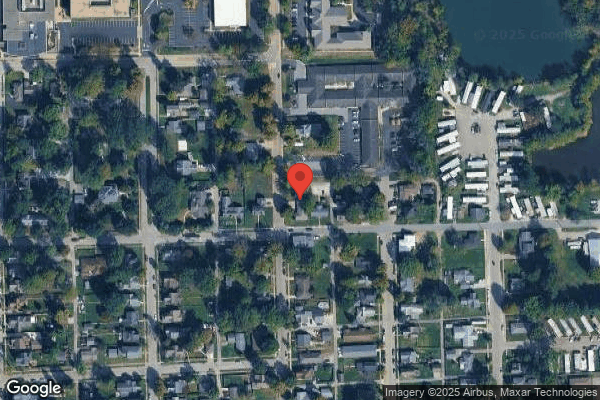
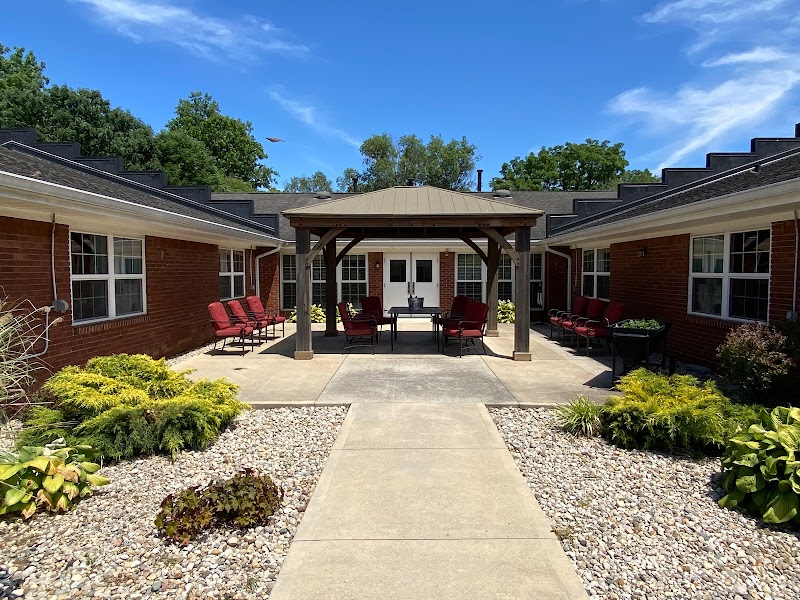
745 N SWOPE ST, GREENFIELD, IN 46140 (317) 462-9221
For profit - Corporation 128 Beds BRICKYARD HEALTHCARE Data: November 2025
Trust Grade
25/100
#425 of 505 in IN
Last Inspection: March 2025

Within standard 12-15 month inspection cycle. Federal law requires annual inspections.

Overview

Brickyard Healthcare - Brandywine Care Center has received a Trust Grade of F, indicating significant concerns about the care provided. Ranking #425 out of 505 facilities in Indiana places it in the bottom half, and #5 out of 5 in Hancock County means it is the least favorable option locally. The facility's situation is worsening, with the number of issues doubling from 12 in 2024 to 24 in 2025. Staffing is rated at 2 out of 5 stars, with a turnover rate of 57%, which is average but suggests a lack of stability among caregivers. Although the facility has not incurred any fines, serious incidents, such as resident-to-resident physical abuse and failures in fall prevention leading to injuries, raise concerns about safety. There is average RN coverage, which is essential for catching issues that other staff might overlook. Overall, while there are some strengths, such as no fines, the significant issues and poor rankings make this facility a concerning choice for families.

Trust Score
F
25/100
In Indiana
#425/505
Bottom 16%
Safety Record
Moderate
Needs review
Inspections
Getting Worse
12 → 24 violations
Staff Stability
⚠ Watch
57% turnover. Above average. Higher turnover means staff may not know residents' routines.
Penalties
✓ Good
No fines on record. Clean compliance history, better than most Indiana facilities.
Skilled Nurses
○ Average
Each resident gets 36 minutes of Registered Nurse (RN) attention daily — about average for Indiana. RNs are the most trained staff who monitor for health changes.
Violations
⚠ Watch
51 deficiencies on record. Higher than average. Multiple issues found across inspections.
★☆☆☆☆
1.0
Overall Rating
★★☆☆☆
2.0
Staff Levels
★★★★☆
4.0
Care Quality
★☆☆☆☆
1.0
Inspection Score
Stable
2024: 12 issues
2025: 24 issues

The Good

  • 4-Star Quality Measures · Strong clinical quality outcomes
  • Full Sprinkler Coverage · Fire safety systems throughout facility
  • No fines on record

Facility shows strength in quality measures, fire safety.

The Bad

1-Star Overall Rating

Below Indiana average (3.1)

Significant quality concerns identified by CMS

Staff Turnover: 57%

11pts above Indiana avg (46%)

Frequent staff changes - ask about care continuity

Chain: BRICKYARD HEALTHCARE

Part of a multi-facility chain

Ask about local staffing decisions and management

Staff turnover is elevated (57%)

9 points above Indiana average of 48%

The Ugly 51 deficiencies on record

2 actual harm
Jun 2025 3 deficiencies
CONCERN (D) 📢 Someone Reported This

A family member, employee, or ombudsman was alarmed enough to file a formal complaint

Potential for Harm - no one hurt, but risky conditions existed

Notification of Changes (Tag F0580)

Could have caused harm · This affected 1 resident

Based on observation, interview, and record review, the facility failed to timely notify the attending physician, hospice provider, and the resident's representative of a lack of pain medication and c...

Read full inspector narrative →
Based on observation, interview, and record review, the facility failed to timely notify the attending physician, hospice provider, and the resident's representative of a lack of pain medication and continued status of the medication's unavailability for 1 of 3 residents reviewed for pain medication receipt. (Resident B) Findings include: The clinical record of Resident B was reviewed on 6-26-25 at 12:24 p.m. The diagnoses included, but were not limited to, polyosteoarthritis, unspecified severe dementia and late onset Alzheimer's disease. His most recent Minimum Data Set assessment, dated 6-12-25, indicated his cognition was severely impaired, he received routine or scheduled pain medication and received hospice services. An observation of Resident B, on 6-26-25 at 10:16 a.m., revealed his speech was unclear, not in response to situation and with no discernable speech pattern. A review of his May 2025 Medication Administration Record (MAR) denoted he did not receive his physician-ordered medication of Norco (an opioid combination product of hydrocodone and acetaminophen) 5-325 milligrams (mg) four times daily for pain and discomfort of left ankle fracture from the morning dose of 5-21-25, through the evening/bedtime dose on 5-26-25. It did indicate Resident B received the third dose of the day on 5-26-25. The corresponding nurse's notes for this time period indicated the following: 5-21-25 at 8:24 a.m., and 11:58 a.m. - med not available. 5-21-25 at 3:09 p.m. - med not available; talk to hospice for refill. 5-22-25 at 7:27 a.m. and 11:28 a.m. - reordered. 5-22-25 at 5:12 p.m. and 9:31 p.m. - on order. 5-23-25 at 11:13 a.m., 11:16 a.m., 4:39 p.m., and 9:23 p.m. - on order. 5-24-25 at 10:05 a.m., and 12:03 p.m. - drug item unavailable. 5-24-25 at 4:42 p.m., and 7:22 p.m. - on order. 5-25-25 at 7:50 a.m., and 12:18 p.m. - no information documented. 5-25-25 at 9:02 p.m. - on order. 5-26-25 at 12:16 p.m., and 3:52 p.m. - no information documented. 5-26-25 at 10:26 p.m. - on order. The associated narcotic record for Resident B's Norco 5/325 mg four times daily for pain and discomfort of left ankle fracture indicated there were no doses signed out by the facility's nursing staff after 5-20-25 at 12:00 p.m. (noon) until the next dose signed out on 5-27-25 at 12:00 p.m. The narcotic record indicated fifty-six (56) tablets of this medication were received from the contracted pharmacy on 5-26-25, with no time indicated of the medication's receipt. The nursing progress notes, during the time period of 5-21-25 to 5-27-25, did not reflect any notifications of Resident B's responsible party being made aware of the lack of scheduled pain medication. The only notation of communication to the medical provider of the lack of the scheduled pain medication was as indicated above on 5-21-25, nor was the status of obtaining the medication indicated during the same time period. During an interview with the Corporate Nurse on 6-26-25 at 1:05 p.m., she indicated she was unable to locate any of the documentation from May 21st to May 26, 2025, that addresses anything about letting hospice or the attending physician know this resident was out of his Norco but will keep looking. In talking with the attending physician and pharmacy, I discovered some of the staff had reached out to them for a new script, but since he was a hospice resident, they [hospice] were responsible for the order. The staff did reach out to hospice for the new script. I did not see any documentation that addressed the resident's responsible party was made aware of the situation. On 6-26-25 at 1:22 p.m., the Corporate Nurse provided a copy of a policy entitled, Notification of Changes, with a copyright date of 2024. This policy indicated, The purpose of this policy is to ensure the facility promptly informs the resident, consults the resident's physician; and notifies, consistent with his or her authority, the resident's representative when there is a change requiring notification .Circumstances requiring notification include .Circumstances that require a need to alter treatment. This may include: New treatment. Discontinuation of a current treatment due to: Adverse consequences. Acute condition. Exacerbation of a chronic condition . On 6-26-25 at 1:30 p.m., the Corporate Nurse provided a copy of a policy entitled, Unavailable Medications, with a copyright date of 2025. This policy indicated, The facility shall use uniform guidelines for unavailable medications . Staff shall take immediate action when it is known that the medication is unavailable: Determine reason for unavailability, length of time medication is unavailable, and what efforts have been attempted by the facility or pharmacy provider to obtain the medication; Notify physician of inability to obtain medication upon notification or awareness that medication is not available. Obtain alternative treatment orders and/or specific orders for monitoring resident while medication is on hold .If a resident misses a scheduled dose of the medication, staff shall follow procedures for medication errors, including physician/family notification . This citation relates to Complaint IN00462164. 3.1-5(a)(2)
CONCERN (D) 📢 Someone Reported This

A family member, employee, or ombudsman was alarmed enough to file a formal complaint

Potential for Harm - no one hurt, but risky conditions existed

Deficiency F0697 (Tag F0697)

Could have caused harm · This affected 1 resident

**NOTE- TERMS IN BRACKETS HAVE BEEN EDITED TO PROTECT CONFIDENTIALITY** Based on interview and record review, the facility failed to consistently document the pain status of 1 of 3 residents revived f...

Read full inspector narrative →
**NOTE- TERMS IN BRACKETS HAVE BEEN EDITED TO PROTECT CONFIDENTIALITY** Based on interview and record review, the facility failed to consistently document the pain status of 1 of 3 residents revived for receipt of pain medications during a time period of five days when the resident was without their physician ordered and routinely scheduled opioid pain medication. (Resident B) Findings include: The clinical record of Resident B was reviewed on 6-26-25 at 12:24 p.m. The diagnoses included, but were not limited to, polyosteoarthritis, unspecified severe dementia and late onset Alzheimer's disease. His most recent Minimum Data Set assessment, dated 6-12-25, indicated his cognition was severely impaired, he received routine or scheduled pain medication and received hospice services. An observation of Resident B on 6-26-25 at 10:16 a.m., revealed his speech was unclear, not in response to situation and with no discernable speech pattern. Resident B did not display any signs of pain or discomfort at that time. During the entrance conference with the Executive Director on 6-25-25, she indicated she was unaware of any medication errors since she arrived to the facility in early [DATE]. On 6-25-25 at 2:50 p.m., the Executive Director provided a written statement which indicated, No med error from [DATE] to current 6-25-25. In an interview on 6-25-25 at 3:30 p.m., with the Director of Nursing and the Assistant Director of Nursing, each indicated they were unaware of any issues with any residents not having their scheduled pain medication for several days last month. A review of Resident B's [DATE] Medication Administration Record (MAR) denoted he did not receive his physician-ordered medication of Norco (an opioid combination product of hydrocodone and acetaminophen) 5-325 milligrams (mg) four times daily for pain and discomfort of left ankle fracture from the morning dose of 5-21-25, through the evening/bedtime dose on 5-26-25. The order for this medication also included an entry to include an assessment for the resident's pain level, at the time of the medication's administration. During the time period of 5-21-25 through 5-26-25 when the medication was not available for administration, the entry box for the pain assessment was blocked out with a computer-generated x, which did not allow an assessment to be entered into the MAR. During this same time period, Resident B did receive two doses of morphine sulfate concentrate of 20 mg/milliliter (ml) with instructions to administer 0.25 ml (or 5 mg) by mouth every two hours as needed for pain and shortness of breath. The doses were administered, on 5-21-25 at 8:58 a.m. and 5-24-25 at 10:05 a.m., with the pain level indicated to be at a level of 4 out of 10, with follow-up documentation the medication had been effective. A review of the nursing progress notes, during the time period of 5-21-25 through 5-26-25, reflected the administration of the above mentioned morphine sulfate, and indicated both doses were effective. No other notations regarding Resident B's pain status were located in the nursing progress notes. In an interview with the Corporate Nurse, on 6-26-25 at 2:25 p.m., she indicated the facility nursing staff, charts by exception, so there wouldn't be a note unless there was an issue about his pain. On 6-26-25 at 3:01 p.m., the Corporate Nurse provided a copy of a policy entitled, Pain Management, with a copyright date of 2025. This policy indicated, The facility must ensure that pain management is provided to residents who require such services, consistent with professional standards of practice, the comprehensive person-centered care plan, and the resident's goals and preferences .The facility will utilize a systemic approach for recognition, assessment, treatment and monitoring of pain .The facility will use a pain assessment tool, which is appropriate for the resident's cognitive status, to assist staff in consistent assessment of a resident's pain . This citation relates to Complaint IN00462164. 3.1-37(a)
CONCERN (D) 📢 Someone Reported This

A family member, employee, or ombudsman was alarmed enough to file a formal complaint

Potential for Harm - no one hurt, but risky conditions existed

Pharmacy Services (Tag F0755)

Could have caused harm · This affected 1 resident

Based on observation, interview, and record review, the facility failed to ensure 1 of 3 residents reviewed for receipt of pain medications received their medications as ordered by the physician and f...

Read full inspector narrative →
Based on observation, interview, and record review, the facility failed to ensure 1 of 3 residents reviewed for receipt of pain medications received their medications as ordered by the physician and failed to ensure an investigation was conducted into the issue of the lack of receipt of scheduled pain medication for five days. (Resident B) Findings include: The clinical record of Resident B was reviewed on 6-26-25 at 12:24 p.m. The diagnoses included, but were not limited to, polyosteoarthritis, unspecified severe dementia and late onset Alzheimer's disease. His most recent Minimum Data Set assessment, dated 6-12-25, indicated his cognition was severely impaired, he received routine or scheduled pain medication and received hospice services. An observation of Resident B, on 6-26-25 at 10:16 a.m., revealed his speech was unclear, not in response to situation and with no discernable speech pattern. During the entrance conference with the Executive Director on 6-25-25, she indicated she was unaware of any medication errors since she arrived to the facility in early May 2025. On 6-25-25 at 2:50 p.m., the Executive Director provided a written statement which indicated, No med error from May 1, 2025 to current 6-25-25. In an interview on 6-25-25 at 3:30 p.m., with the Director of Nursing and the Assistant Director of Nursing, each indicated they were unaware of any issues with any residents not having their scheduled pain medication for several days last month. A review of Resident B's May 2025 Medication Administration Record (MAR) denoted he did not receive his physician-ordered medication of Norco (an opioid combination product of hydrocodone and acetaminophen) 5-325 milligrams (mg) four times daily for pain and discomfort of left ankle fracture from the morning dose of 5-21-25, through the evening/bedtime dose on 5-26-25. It did indicate Resident B did receive the third dose of the day on 5-26-25. The corresponding nurse's notes for this time period indicated the following: 5-21-25 at 8:24 a.m., and 11:58 a.m., med not available. 5-21-25 at 3:09 p.m. med not available; talk to hospice for refill. 5-22-25 at 7:27 a.m. and 11:28 a.m., reordered. 5-22-25 at 5:12 p.m. and 9:31 p.m., on order. 5-23-25 at 11:13 a.m., 11:16 a.m., 4:39 p.m. and 9:23 p.m., on order. 5-24-25 at 10:05 a.m., and 12:03 p.m., drug item unavailable. 5-24-25 at 4:42 p.m., and 7:22 p.m., on order. 5-25-25 at 7:50 a.m., and 12:18 p.m., no information documented. 5-25-25 at 9:02 p.m., on order. 5-26-25 at 12:16 p.m., and 3:52 p.m., no information documented. 5-26-25 at 10:26 p.m. on order. The associated narcotic record for Resident B's Norco 5-325 mg four times daily for pain and discomfort of left ankle fracture indicated there were no doses signed out by the facility's nursing staff after 5-20-25 at 12:00 p.m. (noon) until the next dose signed out on 5-27-25 at 12:00 p.m. The narcotic record indicated fifty-six (56) tablets of this medication were received from the contracted pharmacy, on 5-26-25, with no time indicated of the medication's receipt. The nursing progress notes during the time period of 5-21-25 to 5-27-25 did not reflect any notifications of Resident B's responsible party being made aware of the lack of scheduled pain medication. The only notation of communication to the medical provider of the lack of the scheduled pain medication was as indicated above on 5-21-25, nor was the status of obtaining the medication indicated during the same time period. In an interview with the Corporate Nurse, on 6-26-25 at 1:05 p.m., she indicated she was unable to locate any of the documentation from May 21st to May 26, 2025, that addresses anything about letting hospice or the attending physician know this resident was out of his Norco but will keep looking. In talking with the attending physician and pharmacy, I discovered some of the staff had reached out to them for a new script, but since he was a hospice resident, they [hospice] were responsible for the order. The staff did reach out to hospice for the new script. On 6-26-25 at 1:22 p.m., the Corporate Nurse provided a copy of a policy entitled, Medication Errors, with a copyright date of 2025. This policy indicated, It is the policy of this facility to provide protections for the health, wealth, and rights of each resident by ensuring residents receive care and services in an environment free of significant medication errors. 'Medication error' means the observed or identified preparation or administration of medications or biologicals which is not in accordance with the prescriber's order .or accepted professional standards and principles which apply to professionals providing services .The facility shall ensure medications will be administered as follows: According to physician's orders .Medication errors, once identified, will be evaluated to determine if considered significant or not by utilizing the following three general guidelines: Resident's Condition .Drug Category .Frequency of Error .The facility will consider factors indicating errors in medication administration, including, but not limited to the following: Medication administered not in accordance with the prescriber's order .If a medication error occurs, the following procedures will be initiated .Monitor and document the resident's condition .Document actions taken in the medical record. Once the resident is stable, the nurse reports the incident to the appropriate supervisor and completes the incident or occurrence report . On 6-26-25 at 1:30 p.m., the Corporate Nurse provided a copy of a policy entitled, Unavailable Medications, with a copyright date of 2025. This policy indicated, The facility shall use uniform guidelines for unavailable medications. The facility maintains a contract with a pharmacy provider to supply the facility with routine, prn [as needed or requested], and emergency medications. A STAT [immediate or emergent] supply of commonly used medications is maintained in-house for timely initiation of medications. The facility shall follow established procedures for ensuring residents have a sufficient supply of medications. Medications may be unavailable for a number of reasons. Staff shall take immediate action when it is known that the medication is unavailable: Determine reason for unavailability, length of time medication is unavailable, and what efforts have been attempted by the facility or pharmacy provider to obtain the medication; Notify physician of inability to obtain medication upon notification or awareness that medication is not available. Obtain alternative treatment orders and/or specific orders for monitoring resident while medication is on hold .If a resident misses a scheduled dose of the medication, staff shall follow procedures for medication errors, including physician/family notification . This citation relates to Complaint IN00462164. 3.1-25(a) 3.1-25(b)(3) 3.1-25(b)(9)
Mar 2025 21 deficiencies
CONCERN (D)

Potential for Harm - no one hurt, but risky conditions existed

Resident Rights (Tag F0550)

Could have caused harm · This affected 1 resident

Based on interview and record review, the facility failed to promote dignity for 2 of 4 residents reviewed for quality of care. (Resident B and Resident H) Findings include: 1a. The clinical record ...

Read full inspector narrative →
Based on interview and record review, the facility failed to promote dignity for 2 of 4 residents reviewed for quality of care. (Resident B and Resident H) Findings include: 1a. The clinical record for Resident B was reviewed on 3/20/2025 at 11:30 a.m. The medical diagnoses included dementia and anxiety. A Quarterly Minimum Data Set assessment, dated 12/20/2024, indicated Resident B was cognitively impaired, did not have behaviors of rejecting care, was incontinent of bowel and bladder, and dependent on staff for toileting needs. An incontinence care plan, revised 2/2/2025, indicated Resident B had functional bladder incontinence. Resident B needed interventions of checking and changing incontinent products as needed. A grievance form, dated 2/26/2025, indicated a concern was filed regarding Resident B being left sitting in his chair for an extended period and regarding the last time he was assisted with toileting needs. 1b. The clinical record for Resident F was reviewed on 3/19/2025 at 2:04 p.m. The medical diagnosis included anxiety disorder. A Quarterly Minimum Data Set assessment, dated 1/7/2025, indicated Resident F was cognitively intact. During an interview on 3/19/2025 at 11:30 a.m., Resident F indicated he was very concerned about how the staff treat Resident B because staff will often get Resident B out of bed, around 9:30 a.m., and do not change Resident B until they lay him down for bed around 9:30 p.m. Resident F recalled a specific time instance that Resident B was taken to sit in front of the television in the common room, at 9:30 a.m., and was not brought back to the room until 9:30-10:00 p.m. Resident B was noted to be soaking wet with urine. Resident F felt it was disrespectful and ridiculous for Resident B to be left up all day and be urine soaked. 2. The clinical record for Resident H was reviewed on 3/21/2025 at 11:30 a.m. The medical diagnoses included diabetes and chronic obstructive pulmonary disease. An admission Minimum Data Set assessment, dated 2/10/2025, indicated Resident H was cognitively intact, did not reject care, and was frequently incontinent of bowel and bladder. Care plans, revised 2/24/2025, indicated Resident H had incontinence of bowel and bladder, requiring the need for assistance with incontinence care. During an interview with Resident H on 3/18/2025 at 1:45 p.m., she indicated there were times her call light went off for an extended period. Resident H provided handwritten notes of how long her call light was on before it was answered. During this time frame, Resident H indicated she had episodes of bladder and bowel incontinence, but one specific incident resulted in her becoming incontinent of a bowel movement and sitting in her waste for over an hour. This made Resident H feel disgusting and humiliated. Review of the handwritten notes provided by Resident H indicated the following times she waited over thirty minutes to have her call light answered: 3/10/2025 - call light turned on at 6:20 p.m. and answered at 7:10 p.m., 3/11/2025 - call light turned on at 6:25 p.m. and answered at 7:30 p.m., 3/15/2025 - call light turned on at 1:19 p.m. and answered at 2:25 p.m., 3/16/2025 - call light turned on at 11:00 a.m. and answered at 11:45 a.m., 3/16/2025 - call light turned on at 2:20 p.m. and answered at 3:10 p.m., and 3/16/2025 - call light turned on at 8:15 p.m. and answered at 9:15 p.m. During an interview with the Director of Nursing Services on 3/24/2025 at 2:05 p.m., she indicated it was the expectation for all residents to be treated with dignity and respect. 3.1-3(a) 3.1-3(t)
CONCERN (D)

Potential for Harm - no one hurt, but risky conditions existed

Deficiency F0552 (Tag F0552)

Could have caused harm · This affected 1 resident

**NOTE- TERMS IN BRACKETS HAVE BEEN EDITED TO PROTECT CONFIDENTIALITY** Based on interview and record review, the facility failed to timely follow up on a resident's request to be transferred to the h...

Read full inspector narrative →
**NOTE- TERMS IN BRACKETS HAVE BEEN EDITED TO PROTECT CONFIDENTIALITY** Based on interview and record review, the facility failed to timely follow up on a resident's request to be transferred to the hospital for treatment regarding scrotal swelling and pain for 1 of 2 residents reviewed for choices. (Resident J) Findings include: The clinical record for Resident J was reviewed on 3/21/2025 at 12:45 p.m. The medical diagnoses included respiratory failure and diabetes. A Quarterly Minimum Data Set assessment, dated 2/7/2025, indicated Resident J was cognitively intact and did not exhibit behaviors. A care plan, revised 11/15/2023, indicated Resident J had depression and a psychotic disorder. Interventions were listed to allow and encourage choices. During an interview on 3/19/2025 at 12:12 p.m., Resident J indicated earlier this month he had swelling to his scrotum. He requested to go to the emergency room, but the nurse came in and told him to take some pain medicine. He stated he took the pain medicine and then asked to go to the ER [emergency room], but she wouldn't send him. The next day, the pain to his scrotum continued. Around evening into night shift change, on 3/3/2025, per Resident J, he asked to go to the ER on ce more, but the nurse wouldn't send him. He stated he waited a few more hours, but the pain was getting too severe, so he asked to be transferred to the ER again, but the nurse wouldn't send him. He indicated he then called emergency services to be transferred to the hospital. A physician order, dated 10/25/2024, indicated for Resident J to utilize Norco (narcotic pain medication) 10/325 mg (milligrams) every six hours as needed for severe pain. A nursing progress note, dated 3/2/2025 at 3:26 a.m., indicated the nurse was called to Resident J's room for scrotal swelling, redness, and pain. The nurse called the on-call provider and received an order to elevate the areas of swelling and administer pain medication. A nursing progress note, dated 3/3/2025 at 2:42 a.m., indicated the nurse was alerted to the police department responding to Resident J's call to emergency services related to wanting to go the hospital for severe groin pain. The nurse notified the on-call provider and placed a call to emergency services. A nursing progress note, dated 3/3/2025 at 2:54 a.m., indicated Resident J was transferred to the hospital via emergency services. Review of the March 2025 Medication Administration Record (MAR) indicated Resident J utilized Norco twice, on 3/2/2025, for pain rated 8 out of 10 (severe pain). During an interview on 3/21/2025 at 11:09 a.m., Certified Nurse Aide (CNA) 14 indicated she remembered working with Resident J when he had a swollen scrotum. Resident J had requested, around 10:00 - 11:00 p.m., to go the hospital, but she could not remember if it was the first (3/2/2025) or the second (3/3/2025) night she worked with him. She stated she then went and told the nurse, but he was not sent out right away. She doesn't remember the police department coming, but she remembered in the middle of the shift Resident J was transferred to the hospital. During an interview on 3/21/2025 at 1:30 p.m., Registered Nurse (RN) 15 indicated she worked with Resident J on 3/3/2025 and 3/4/2025. She stated she never heard Resident J request to go to the hospital and nothing was unusual with the shift. When progress notes were read back to RN 15, she stated he had requested to go to the hospital, but the on-call provider wanted to give as needed pain medication. She stated she worked with him the next night as well, the lady that works at the end of the hall told her Resident J wanted to go to the hospital, but she was unsure of the time. She went to assess resident, and he had scrotal swelling, continuing from the night before. She did not send him to the hospital. During an interview on 3/20/2025 at 11:30 a.m., the Assistant Director of Nursing indicated he was the one that sent Resident J to the hospital on 3/3/2025. He stated RN 15 told him Resident J wanted to go to the hospital, so he started the transfer, but the police department showed up during that time as well. He had not heard anything prior to this about Resident J wanting to go to the hospital, but it was the expectation of the facility that if a resident was alert, oriented, and made their own decisions, staff would send them to the hospital per their request. During an interview on 3/25/2025 at 11:30 a.m., the Director of Nursing Services indicated she could not locate any assessments or notes other than the listed progress notes for Resident J between 3/2/2025 and 3/3/2025. Hospital paperwork, dated 3/6/2025, indicated Resident J was admitted to the local hospital from [DATE]-[DATE] for scrotal swelling, urinary retention, and hematuria (blood in the urine). Resident J was treated with continuous bladder irrigation, diuretics (water pills), and antibiotics. A policy entitled, Resident Rights, was provided by the Director of Nursing Services on 3/24/2025 at 9:52 a.m. The policy indicated, .The facility will ensure that all direct care and indirect care staff members .are educated on the right of residents and the responsibility of the facility to properly care for its residents . 3.1-3(n)(3)
CONCERN (D)

Potential for Harm - no one hurt, but risky conditions existed

Grievances (Tag F0585)

Could have caused harm · This affected 1 resident

Based on interview, observation, and record review, the facility failed to ensure a grievance was forwarded to the grievance official and failed to implement a resolution of a grievance for 2 of 2 res...

Read full inspector narrative →
Based on interview, observation, and record review, the facility failed to ensure a grievance was forwarded to the grievance official and failed to implement a resolution of a grievance for 2 of 2 residents reviewed for grievances. (Resident H and Resident B) Findings include: 1a. The clinical record for Resident H was reviewed on 3/21/2025 at 11:30 a.m. The medical diagnoses included diabetes and chronic obstructive pulmonary disease. An admission Minimum Data Set assessment, dated 2/10/2025, indicated Resident H was cognitively intact, did not reject care, and was frequently incontinent of bowel and bladder. Care plans, revised 2/24/2025, indicated Resident H had incontinence of bowel and bladder and required the need for assistance with incontinence care. During an interview with Resident H on 3/18/2025 at 1:45 p.m., she indicated she filled out two grievances since she had been in the facility. She believed one grievance was filled out at the end of February, the other was filled out about two weeks ago, and both were given to Qualified Medication Aide (QMA) 9. Review of the grievance log, on 3/21/2025 at 12:40 p.m., indicated Resident H had filed a grievance on 2/28/2025. There were no other grievances on file at that time for Resident H. During an interview with Resident H on 3/21/2025 at 1:45 p.m., she indicated no one ever followed up with her about her grievances. She stated, [The Administrator] came down to talk to me about the first one, but she got called away. I don't know what they're supposed to do to help, or anything, but no one ever talked to me about it. 1b. The clinical record for Resident 68 was reviewed on 3/24/2025 at 11:55 a.m. The medical diagnosis included chronic obstructive pulmonary disease. An admission Minimum Data Set assessment, dated 1/21/2025, indicated Resident 68 was cognitively intact. An interview conducted with Resident 68, on 3/21/2025 at 1:40 p.m., indicated she was present when Resident H provided both grievances to QMA 9. 2a. The clinical record for Resident F was reviewed on 3/19/2025 at 2:04 p.m. The medical diagnosis included anxiety disorder. A Quarterly Minimum Data Set assessment, dated 1/7/2025, indicated Resident F was cognitively intact. During an interview on 3/19/2025 at 11:30 a.m., Resident F indicated he was very concerned about how the staff treat Resident B because staff will often get Resident B out of bed, around 9:30 a.m., and do not change Resident B until they lay him down for bed around 9:30 p.m. Resident F indicated he reported these concerns in the form of a grievance on behalf of Resident B and the staff have not corrected leaving Resident B up for an extended period of time. During an interview on 3/24/2025 at 12:45 p.m., Resident F indicated staff have not been laying his roommate, Resident B, down between meals. He stated if, and it was very rare that they do, the staff lay Resident B down between lunch and supper, then the staff do not get Resident B back up for dinner at all. He stated the staff had laid Resident B down between lunch and supper less than a handful of times since he raised his concern on 2/26/2025. 2b. The clinical record for Resident B was reviewed on 3/20/2025 at 11:30 a.m. The medical diagnoses included dementia and anxiety. A Quarterly Minimum Data Set assessment, dated 12/20/2024, indicated Resident B was cognitively impaired, did not have behaviors of rejecting care, was incontinent of bowel and bladder, and dependent on staff for toileting needs. An incontinence care plan, revised 2/2/2025, indicated Resident B had functional bladder incontinence. Resident B needed interventions of checking and changing incontinent products as needed. A grievance form, dated 2/26/2025, indicated a concern was filed regarding Resident B being left sitting in his chair for an extended period and regarding the last time he was assisted with toileting needs. The resolution entered on the grievance was to place Resident B back to bed after lunch and supper. During an observation on 3/19/2025 at 2:30 p.m., Resident B was noted to be sleeping in his Geri chair in the common room. During an observation on 3/21/2025 at 1:50 p.m., Resident B was noted to be sleeping in his Geri chair in the common room. A policy entitled, Resident and Family Grievances, was provided by the Director of Nursing Services on 3/24/2025 at 9:56 a.m. The policy indicated if a staff receives a grievance, then they are to forward the grievance form to the Grievance Official as soon as practicable, and the Grievance Official will take steps in resolving grievances. 3.1-7(a)(2)
CONCERN (D)

Potential for Harm - no one hurt, but risky conditions existed

Assessment Accuracy (Tag F0641)

Could have caused harm · This affected 1 resident

Based on interview and record review, the facility failed to accurately input medication data into the Minimum Data Set (MDS) assessment for 1 of 1 resident reviewed for MDS accuracy. (Resident 70) Fi...

Read full inspector narrative →
Based on interview and record review, the facility failed to accurately input medication data into the Minimum Data Set (MDS) assessment for 1 of 1 resident reviewed for MDS accuracy. (Resident 70) Findings include: The clinical record for Resident 70 was reviewed on 3/20/25 at 11:41 a.m. The diagnoses included, but were not limited to, diabetes mellitus and dementia. The admission MDS assessment, dated 2/14/25, indicated Resident 70 was on an anti-coagulant (blood thinner) and an antibiotic. Resident 70's Electronic Health Record (EHR) indicated no current order for an antibiotic or an anti-coagulant. The EHR indicated Resident 70 was on Plavix, which is considered an anti-platelet drug, not an anti-coagulant. During an interview with the MDS Coordinator on 3/20/25 at 12:08 p.m., she indicated she should have marked the anti-platelet tab and not the anti-coagulant tab while entering information into the Resident Assessment Instrument for inputting data. The MDS Coordinator indicated it was her error. The MDS Coordinator also indicated she thought Resident 70 was still on an antibiotic during their seven day look back period, but she was not, and it was entered in error. During an interview with the MDS Coordinator on 3/20/25 at 12:08 p.m., she indicated the Resident Assessment Instrument was used for inputting resident data for the MDS assessment because it had all the tools and information to put into the system.
CONCERN (D)

Potential for Harm - no one hurt, but risky conditions existed

Comprehensive Care Plan (Tag F0656)

Could have caused harm · This affected 1 resident

Based on interview, observation, and record review, the facility failed to establish care plans for refusals of care (Resident H), psychological needs (Resident J), and transfer/ambulation status (Res...

Read full inspector narrative →
Based on interview, observation, and record review, the facility failed to establish care plans for refusals of care (Resident H), psychological needs (Resident J), and transfer/ambulation status (Resident 190) for 3 of 8 residents reviewed for care planning. Findings include: 1. The clinical record for Resident H was reviewed on 3/21/2025 at 11:30 a.m. The medical diagnoses included diabetes and chronic obstructive pulmonary disease. An admission Minimum Data Set assessment, dated 2/10/2025, indicated Resident H was cognitively intact, did not reject care, and was frequently incontinent of bowel and bladder. Review of shower documentation for Resident H indicated she refused nine showers in the last 60 days. No care plan was on file for Resident H's refusals of care. 2. The clinical record for Resident J was reviewed on 3/21/2025 at 12:15 p.m. The medical diagnoses included respiratory failure and diabetes. A Quarterly Minimum Data Set assessment, dated 2/7/2025, indicated Resident J was cognitively intact and did not exhibit behaviors. During an interview on 3/19/2025 at 12:12 p.m., Resident J indicated his roommate exhibited behavior in his room that made him uncomfortable. No care plan indicated Resident J's psychological needs regarding roommate's behavior. 3. The clinical record for Resident 190 was reviewed on 3/24/2025 at 2:30 p.m. The medical diagnoses included pain and anxiety. A nursing assessment, dated 3/13/2025, established Resident 190's functional status at admission. Resident 190 utilized supervision or touch assistance for walking 10 and 50 feet with a walker. During an interview on 3/19/2025 at 10:39 a.m., Registered Nurse (RN) 13 indicated they did not know Resident 190's transfer or ambulation status. During an interview on 3/19/2025 at 10:42 a.m., Certified Nurse Aide (CNA) 11 indicated she believed Resident 190 was able to be up on his own. No care plans were in place to discern Resident 190's transfer or ambulation status. A policy entitled Comprehensive Care Plans was provided by the Corporate Nurse on 3/21/2025 at 9:50 a.m. The policy indicated it was the goal of the facility to develop and implement a comprehensive person-centered care plans for each resident for all nursing, medical, mental, and psychosocial needs. 3.1-35(a) 3.1-35(b)(1) 3.1-35(b)(2)
CONCERN (D)

Potential for Harm - no one hurt, but risky conditions existed

Quality of Care (Tag F0684)

Could have caused harm · This affected 1 resident

Based on observation, interview, and record review, the facility failed to ensure a wound dressing remained in place as ordered (Resident G) and weekly skin assessments were conducted per the facility...

Read full inspector narrative →
Based on observation, interview, and record review, the facility failed to ensure a wound dressing remained in place as ordered (Resident G) and weekly skin assessments were conducted per the facility policy (Resident 59) for 2 of 3 residents reviewed for non-pressure skin concerns. Findings include: 1. The clinical record for Resident G was reviewed on 3/19/25 at 2:58 p.m. The diagnoses included, but were not limited to, dementia, anxiety disorder, insomnia, vertigo, and neoplasm of uncertain behavior of skin. An Annual Minimum Data Set (MDS) assessment, dated 1/16/25, indicated Resident G was severely cognitively impaired and had open lesions. A care plan, revised 1/25/25, indicated Resident G had skin impairment related to skin cancer to the right temple. The interventions included, but were not limited to, follow facility protocols for treatment of injury. A physician order, dated 2/18/25, indicated the cleanse the right forehead with wound cleanser, pat dry, apply Vaseline, then cover with foam every other day and as needed for soilage. An interview conducted with a family member of Resident G, on 3/19/25 at 11:25 a.m., indicated she was the power of attorney (POA) for Resident G and the facility was not good with communication. Resident G goes to the cancer center due to skin cancer to the right forehead. The cancer center had expressed concerns recently about the lack of healing and concerns of improper treatment of the wound. The following observations were conducted of Resident G with no treatment in place to the right forehead: 3/19/25 at 10:05 a.m., 3/19/25 at 12:08 p.m., 3/19/25 at 2:50 p.m., and 3/20/25 at 12:08 p.m. 2. The clinical record for Resident 59 was reviewed on 3/21/25 at 12:33 p.m. The diagnoses included, but were not limited to, asthma, Alzheimer's disease, chronic pain, and unspecified psychosis. An Annual MDS assessment, dated 1/8/25, indicated Resident 59 was severely cognitively impaired, supervision with transferring, supervision with walking, and had no skin impairments. A care plan for pressure ulcers, revised 1/12/25, indicated Resident 59 was at risk for pressure ulcers. The interventions included, but were not limited to, follow facility policies/protocols for the prevention/treatment of skin breakdown. The assessments conducted for Resident 59, located in the electronic health record, were reviewed and indicated the last weekly skin assessment was conducted on 2/24/25. 3.1-37(a)
CONCERN (D)

Potential for Harm - no one hurt, but risky conditions existed

Pressure Ulcer Prevention (Tag F0686)

Could have caused harm · This affected 1 resident

Based on observation, interview, and record review, the facility failed to ensure a resident had weekly skin assessments for 1 of 4 residents reviewed for pressure injuries. (Resident 39) Findings inc...

Read full inspector narrative →
Based on observation, interview, and record review, the facility failed to ensure a resident had weekly skin assessments for 1 of 4 residents reviewed for pressure injuries. (Resident 39) Findings include: The clinical record for Resident 39 was reviewed on 3/19/25 at 2:23 p.m. The diagnoses included, but were not limited to, polyneuropathy, pain, and anxiety. Resident 39 had a care plan, initiated 1/20/25, for potential for pressure ulcer development with an intervention to follow facility policies/protocols for the prevention/treatment of skin breakdown. The Braden Scale (for predicting pressure ulcer risk evaluation document), dated 2/24/25, indicated Resident 39 had a Braden score of 12, indicating Resident 39 was at high risk for developing pressure ulcers. The Annual Minimum Data Set assessment, dated 2/26/25, indicated Resident 39 was cognitively intact, was dependent on a mechanical lift for transfer, was chairfast, always incontinent of bowel and bladder, and was at risk for pressure injuries. Resident 39's weekly skin assessments indicated they had a skin assessment, completed 2/22/25, with skin intact documented. During review of the Electronic Health Record (EHR), Resident 39 did not have another skin assessment, until 3/12/25, which indicated Resident 39 had a new skin issue to the right gluteus, that was a pressure injury, stage 3 (a full-thickness skin loss, where subcutaneous fat is visible, but bone, tendon, or muscle is not exposed), and was acquired in house. A physician's order, dated 3/13/25, indicated to cleanse the right buttock with wound wash, pat dry, apply collagen to wound bed, and cover with a dry bordered dressing every day shift. During a wound care observation of Resident 39 on 3/21/25 at 10:44 a.m., with Registered Nurse (RN) 6, Resident 39 called out that it hurt and was grimacing when RN 6 removed the previous buttock dressing and began to do wound care. During an interview with Resident 39 on 3/24/25 at 11:00 a.m., they indicated they noticed their bottom hurting for some time and she indicated she was scratching it and had informed the aides that it was bothering her, but they told her it was just red from her scratching. Resident 39 indicated it hurts to sit. During an interview with the Director of Nursing Services (DNS) on 3/20/25 at 2:22 p.m., she indicated floor nurses and unit managers were responsible for completing weekly skin assessments. The DNS indicated they recently did a skin sweep of the facility, and the floor nurse staff did not keep up with them (assessments) and the unit managers were supposed to review them. A Skin Assessment policy provided by the DNS, on 3/20/25 at 1:15 p.m., indicated .1. A full body, or head to toe, skin assessment will be conducted by a licensed or registered nurse upon admission/re-admission and weekly thereafter . A Pressure Injury Prevention and Management policy provided by the DNS, on 3/20/25 at 1:15 p.m., indicated .2. The facility shall establish and utilize a systematic approach for pressure injury prevention and management, including prompt assessment .3 . (c) Licensed nurses will conduct a full body skin assessment on all residents weekly 3.1-40(a)(1)
CONCERN (D)

Potential for Harm - no one hurt, but risky conditions existed

Deficiency F0688 (Tag F0688)

Could have caused harm · This affected 1 resident

Based on observation, interview, and record review, the facility failed to develop and implement a Range of Motion (ROM) program and splint program for a resident with limited ROM for 1 of 1 resident ...

Read full inspector narrative →
Based on observation, interview, and record review, the facility failed to develop and implement a Range of Motion (ROM) program and splint program for a resident with limited ROM for 1 of 1 resident reviewed for ROM (Resident 75). Findings include During an interview with Resident 75 on 3/19/25 at 11:29 a.m., he indicated the facility does not provide him with ROM exercises. The resident indicated he was stiff and needed assistance moving all his extremities. The resident indicated he would like to be provided with ROM exercises. Review of the clinical record of Resident 75, on 3/19/25 at 2:00 p.m., indicated the diagnoses included, but were not limited to, hemiplegia and hemiparesis following nontraumatic intracerebral hemorrhage affecting the right dominant side, muscle weakness, difficulty walking, depression and anxiety. The Occupational Therapy evaluation and plan for Resident 75, dated 8/2/24, indicated the goal was for the resident's family and caregivers to be provided with education and training on adaptive hemi-techniques, approach, encouragement, and safest strategies to use with assisting the resident with Activities of Daily Living (ADL), bed mobility, positioning, splinting of the right hand, checking for skin irritation and redness. Passive Range of Motion (PROM), pelvic floor strengthening exercises, and joint protection principles for the right upper and lower extremities. The Occupational Therapy discharge summary for Resident 75, dated 8/23/24, indicated the resident would be provided with a functional maintenance program of ROM and splint/brace program. The plan of care for Resident 75, dated 12/10/24, indicated the resident had an ADL self-care performance deficit related to limited mobility and stroke with right hemiplegia/hemiparesis. The interventions did not include any type of range of motion exercises or right-hand splint application. The most recent Minimum Data Set (MDS) assessment for Resident 75, dated 3/5/25, indicated the resident was moderately impaired for daily decision making. The resident had the ability to be understood and understand others. The resident had impairment of functional range of motion on one side of the upper and lower extremity. During an observation and interview with Resident 75 on 3/21/25 at 1:56 p.m., he indicated he could barely move his right arm, the resident raised his right arm slightly and it was flaccid (hanging loosely), and the resident raised his right leg slightly. The resident indicated it was hard to move his right arm and right leg. The resident indicated he was becoming more stiff. The facility did not provide range of motion exercises. The resident indicated that the CNA's do not provide ROM with care. The resident indicated he would like to be provided with ROM exercises so he could get better. The resident did not have a splint in place on the right hand. During an observation on 3/24/25 at 1:15 p.m., Resident 75 was propelling himself down the hallway in his wheelchair. The resident's right arm was flaccid, and he was not utilizing the right arm to propel himself. The resident was able to move his right leg some to assist in moving himself in the wheelchair. No splint was in place on the right hand. During an interview with Certified Nurse Aide (CNA) 10 on 3/24/25 at 1:16 p.m., they indicated the CNA's do not provide ROM exercises; the restorative aides were responsible for that. CNA 10 indicated they did not know where the facility documented ROM programs for the residents. During an interview with CNA 11 on 3/24/25 at 1:20 p.m., they indicated the CNA's do not provide ROM programs for the residents. The restorative aides were responsible for the ROM programs. During an interview with Restorative Aide 12 on 3/24/25 at 1:25 p.m., they indicated she had been the restorative aide for about a year. There was a binder they documented on and on the computer. Resident 75 was not on a restorative program for ROM exercise. During an interview with the Director of Therapy on 3/24/25 at 1:27 p.m., they indicated Resident 75's family came in the facility every day and provided ROM exercises for Resident 75. During an observation and interview with Resident 75 on 3/24/25 at 1:30 p.m., he indicated his family did not provide ROM exercises for him. The resident's family had their own health issues and was not able to provide ROM exercises for him. The resident indicated he did have a splint for his right hand. The CNAs put the splint on sometimes, but not every day. The resident indicated the splint does not bother him and he had never refused to wear it. The resident did not have a splint in place on the right hand. During an interview with the Director of Therapy on 3/24/25 at 1:33 p.m., they indicated the family, and the CNAs should be providing Resident 75 with ROM exercises and assist with applying the right-hand splint. During an interview with the Director of Nursing Services (DNS) on 3/24/25 at 1:55 p.m., she indicated the facility had restorative aides and they should be providing Resident 75 with the ROM program. During an observation on 3/25/25 at 10:05 a.m., Resident 75 was wheeling himself in a wheelchair within the common area of the facility with his left hand. Resident 75 had a splint in place on the right hand. The prevention of decline in ROM policy was provided by the DNS on 3/24/25 at 10:50 a.m. The policy indicated the facility would provide interventions, exercises, and therapy to maintain or improve ROM. This included, but were not limited to, specialized rehabilitation, restorative, maintenance and braces/splints. 3.1-42(a)(2)
CONCERN (D)

Potential for Harm - no one hurt, but risky conditions existed

Accident Prevention (Tag F0689)

Could have caused harm · This affected 1 resident

Based on interview and record review, the facility failed to fully conduct a fall follow-up and implement interventions after a fall for 1 of 2 residents reviewed for falls. (Resident 59) Findings inc...

Read full inspector narrative →
Based on interview and record review, the facility failed to fully conduct a fall follow-up and implement interventions after a fall for 1 of 2 residents reviewed for falls. (Resident 59) Findings include: The clinical record for Resident 59 was reviewed on 3/21/25 at 12:33 p.m. The diagnoses included, but were not limited to, asthma, Alzheimer's disease, chronic pain, and unspecified psychosis. An Annual Minimum Data Set (MDS) assessment, dated 1/8/25, indicated Resident 59 was severely cognitively impaired, supervision with transferring, supervision with walking, and had a fall with injury since the last MDS assessment. A care plan for falls, revised 1/12/25, indicated Resident 59 was at risk for falls related to confusion and psychoactive drug use. The interventions included, but were not limited to, activities that minimized the potential for falls (initiated on 11/18/24) and staff to help when doing rounds (initiated on 2/28/25). A post fall evaluation note, dated 1/24/25 at 10:46 a.m., indicated Resident 59 fell on 1/21/25 at 12:30 a.m. Resident 59 was startled by a sounding alarm and fell to her knees. The alarm was silenced, and Resident 59 was sent to the emergency room (ER) for evaluation for pain. The note indicated Resident 59's care plan was updated. A post fall evaluation note, dated 1/26/25 at 6:29 a.m., indicated Resident 59 fell on 1/26/25 at 4:29 a.m. Resident 59 had an unwitnessed fall while attempting to get out of bed. Her bed was in a high position when the fall occurred. Resident 59 had a laceration to her left upper eye with bleeding, hematoma to the left lower eye, and a tear to the lower lip with bleeding. Resident 59 was sent out to the emergency room. A progress note, dated 1/26/25 at 8:48 a.m., indicated Resident 59 returned to the facility from the local hospital emergency room. She received sutures to the left eye. An interdisciplinary team (IDT) fall assessment, dated 1/27/25, indicated Resident 59 was found on the floor beside her bed on 1/26/25 at 5:00 a.m. Resident 59 was attempting to self-transfer and had her bed placed in a high position. The immediate interventions put into place was assessing Resident 59 for injury and assisted resident up and back to bed. Under the question of what additional interventions were put into place, the response was blank. Resident 59's fall care plan did not include an intervention listed for the fall events occurring on 1/21/25 and 1/26/25. A policy entitled Fall Prevention Program, dated 2024, was provided by the Director of Nursing Services on 3/24/25 at 2:00 p.m. The policy indicated when a resident experienced a fall the facility would assess the resident, complete a post-fall assessment, complete an incident report, notify the physician and family, review the resident's care plan and update as indicated, document all assessments and actions, and obtain witness statements in the case of injury. 3.1-45(a)(1) 3.1-45(a)(2)
CONCERN (D)

Potential for Harm - no one hurt, but risky conditions existed

Deficiency F0692 (Tag F0692)

Could have caused harm · This affected 1 resident

Based on observation, interview, and record review, the facility failed to ensure residents with weight loss were encouraged to consume supplements as recommended by the Registered Dietitian (RD) for ...

Read full inspector narrative →
Based on observation, interview, and record review, the facility failed to ensure residents with weight loss were encouraged to consume supplements as recommended by the Registered Dietitian (RD) for 2 of 4 residents reviewed for nutrition. (Resident D and Resident 46) Findings include: 1. The clinical record for Resident D was reviewed on 3/20/25 at 2:58 p.m. The diagnoses included, but were not limited to, schizophrenia, alcohol-induced psychotic disorder, diabetes mellitus, malnutrition, and major depressive disorder. An Annual Minimum Data Set (MDS) assessment, dated 3/3/25, indicated Resident D had moderate cognitive impairment and was dependent on staff with eating. A physician order, dated 3/18/25, indicated Resident D was on a puree diet with nectar/mildly thick consistency for liquids. A care plan for nutrition, revised 3/16/25, indicated Resident D was on a puree diet, had a history of significant weight loss, and food was to be served in mugs and thinned to nectar consistency. The interventions included, but were not limited to, providing and serve diet as ordered, providing and serve supplements as ordered, and the RD to make diet change recommendations as needed. An observation was conducted of breakfast meal service in the Alzheimer's Care Unit (ACU) on 3/20/25 at 8:55 a.m. A staff member was next to Resident D and assisting him with eating his breakfast. There were four mugs that contained food and a magic cup supplement, in the original packaging, on his meal tray. The staff member removed the lid on each of the four mugs to assist with eating, but the magic cup remained unopened and did not attempt to be given to Resident D. An observation was conducted of lunch meal service in the ACU on 3/20/25 at 12:50 p.m. A staff member was assisting Resident D with eating and there were three mugs that had the lids removed on his tray along with a magic cup supplement in the original packaging. After Resident D was done consuming lunch, the staff member removed his meal tray and placed it on the tray rack. The magic cup remained unopened, and the staff member did not attempt or encourage Resident D to consume the magic cup supplement. 2. The clinical record for Resident 46 was reviewed on 3/21/25 at 11:49 a.m. The diagnoses included, but were not limited to, autistic disorder, anxiety disorder, malnutrition, and muscle weakness. A Quarterly MDS assessment, dated 2/4/25, indicated Resident 46 had severe cognitive impairment and was supervision with one staff member for eating. A physician order, dated 2/10/23, indicated Resident 46 was to be given snacks in-between meals and document the amount consumed. A nutrition care plan, revised 1/30/25, indicated Resident 46 had a history of significant weight loss and received and therapeutic diet. The interventions included, but were not limited to, providing and serve diet as ordered and providing and serving supplements as ordered: magic cup at lunch and fortified cereal at breakfast. An observation was conducted of lunch meal service on 3/20/25 from 12:25 p.m. to 1:10 p.m. During the observation, Resident 46 was consuming food from two bowls with a specialized spoon. Her meal tray was located on the kitchen island and contained another bowl of an unknown food item along with a magic cup supplement. When Resident 46 was finished consuming her food within the two bowels, Certified Nurse Aide (CNA) 3 proceeded to take the meal tray from the kitchen island and onto the tray rack. The magic cup was not opened or even placed near Resident 46 for them to consume. A policy entitled Nutritional and Dietary Supplements, dated 2022, was provided by the Director of Nursing Services on 3/24/25 at 9:52 a.m. The policy indicated that the facility would provide nutritional and dietary supplements to each resident, consistent with the resident's assessed needs and may be provided by dietitian recommendation as allowed by physician standing order. The care plan would be reflected with the new or modified nutritional interventions. 3.1-46(a)(2)
CONCERN (D)

Potential for Harm - no one hurt, but risky conditions existed

Respiratory Care (Tag F0695)

Could have caused harm · This affected 1 resident

Based on observation, interview, and record review, the facility failed to ensure oxygen tubing was dated for 1 of 1 resident reviewed for oxygen administration. (Resident 241) Findings include: Durin...

Read full inspector narrative →
Based on observation, interview, and record review, the facility failed to ensure oxygen tubing was dated for 1 of 1 resident reviewed for oxygen administration. (Resident 241) Findings include: During an observation of Resident 241 on 3/18/25 at 2:22 p.m., Resident 241 had oxygen tubing on by nasal cannula. The oxygen tubing did not have a date to indicate when it was last changed. During an observation of Resident 241 on 3/19/25 at 12:48 p.m., Resident 241 had oxygen tubing on by nasal cannula. The oxygen tubing was not dated. The clinical record for Resident 241 was reviewed on 3/19/25 at 2:15 p.m. The diagnoses included, but were not limited to, chronic obstructive pulmonary disease and respiratory failure. A care plan, initiated on 3/13/25, indicated Resident 241 was on continuous oxygen at two liters per minute via nasal cannula. During an observation on 3/21/25 at 2:21 p.m., Resident 241's oxygen tubing was not dated. During an interview with Registered Nurse (RN) 6 on 3/21/25 at 2:22 p.m., they indicated they did not know why the oxygen tubing was not dated. RN 6 indicated they usually change the tubing once a week and the night shift staff conducts it. The Oxygen Administration policy was provided by the Director of Nursing Services on 3/24/25 at 10:50 a.m. It indicated .5. Change oxygen tubing and mask/cannula weekly and as needed . 3.1-47(a)(6)
CONCERN (D)

Potential for Harm - no one hurt, but risky conditions existed

Deficiency F0697 (Tag F0697)

Could have caused harm · This affected 1 resident

Based on observation, interview, and record review, the facility failed to ensure a resident who received scheduled pain medication received follow-up to ensure effectiveness after receiving scheduled...

Read full inspector narrative →
Based on observation, interview, and record review, the facility failed to ensure a resident who received scheduled pain medication received follow-up to ensure effectiveness after receiving scheduled pain medication, ensure follow-up after a scheduled appointment pertaining to chronic back pain, and ensure Lidoderm (pain relief) patches were documented when applied and removed after 12 hours for 1 of 2 residents reviewed for pain. (Resident 78) Findings include: 1a. The clinical record for Resident 78 was reviewed on 3/21/25 at 12:39 p.m. The diagnoses included, but were not limited to, chronic back pain, dementia, and hypertension. A Quarterly Minimum Data Set (MDS) assessment, dated 3/13/25, indicated Resident 78 was moderately cognitively impaired, received scheduled pain medication, did not receive as needed pain medication, did not receive non-pharmalogical interventions for pain, had frequent pain in the last five days, and documented the worst pain rating over the last five days as a 5 out of 10. A physician order, dated 8/2/24, was noted for Extra Strength Tylenol 500 milligrams; administer one tablet by mouth three times a day for chronic pain syndrome. A physician order, dated 8/12/24, was noted for Biofreeze gel 4%; apply to left hip and lower back topically every six hours as needed for pain. An interview and observation were conducted with Resident 78 on 3/18/25 at 2:25 p.m. He was sitting in a chair near the dining room. The resident stated his back hurt, and the staff only administered Tylenol, and it was not effective. Resident 78 was observed rubbing his back and grimacing when talking about the pain in his back. The medication administration record (MAR), dated March 2025, indicated eight occasions to where Resident 78's pain was documented greater than five out of ten on the pain scale. There was no indication on the MAR whether the scheduled Tylenol was effective for Resident 78's pain. The MAR for March 2025 indicated the Biofreeze gel was documented, as administered, on 3/7/25. No other administrations were noted. 1b. A physician order, dated 11/7/24, indicated to use Lidoderm External Patch 5%; apply to the lower back one time and day for back pain and remove at 9:00 p.m. There was no documentation in the MAR, dated March 2025, to indicate the removal of the Lidoderm patches. The website Drugs.com at https://www.drugs.com/pro/lidoderm.html, retrieved on 3/24/25 at 1:00 p.m., updated January 15, 2025, indicated the patch should be applied to intact skin for up to twelve hours. Excessive dosing by applying the Lidoderm patch to larger areas or for longer than the recommended wearing time could result in increased absorption of lidocaine and high blood concentrations. 1c. A provider progress note, dated 1/22/25, indicated Resident 78 was seen due to chronic back pain. Resident 78 had an appointment with a neurosurgeon provider, on 2/5/25, for the chronic back pain. The plan was to continue to tizanidine (short-acting muscle relaxer) four milligrams three times daily, continue the Lidoderm patch, continue Tylenol three times daily, and Biofreeze applied to the lower back and hip as needed. A provider progress note, dated 2/19/25, indicated Resident 78 was seen due to chronic back pain. Resident 78 was seen by a neurosurgeon provider, on 2/5/25, and the provider was awaiting notes from that appointment. The plan was to continue to tizanidine four milligrams three times daily, continue the Lidoderm patch, continue Tylenol three times daily, and Biofreeze applied to the lower back and hip as needed. A provider progress note, dated 3/5/25, indicated Resident 78 was seen due to chronic back pain. Resident 78 was seen by a neurosurgeon provider, on 2/5/25, and the provider was awaiting notes from that appointment. The plan was to continue to tizanidine four milligrams three times daily, continue the Lidoderm patch, continue Tylenol three times daily, and Biofreeze applied to the lower back and hip as needed. A provider progress note, dated 3/19/25, indicated Resident 78 was seen due to chronic back pain. Resident 78 was seen by a neurosurgeon provider, on 2/5/25, and the provider was awaiting notes from that appointment. The plan was to continue to tizanidine four milligrams three times daily, continue the Lidoderm patch, continue Tylenol three times daily, and Biofreeze applied to the lower back and hip as needed. There were no notes located in Resident 78's clinical record to indicate he was seen by the neurosurgeon provider or any further instructions from the neurosurgeon provider appointment, dated 2/5/25. There were no current physician orders for the utilization of tizanidine for Resident 78. A physician order, dated 10/1/24, indicated the utilization of tizanidine four milligrams three times a day for a muscle relaxant for 14 days. There was no documentation in the clinical record to show any evaluation after the tizanidine was completed for Resident 78 on 10/15/24. A policy entitled Pain Management, dated February 2025, was provided by the Corporate Nurse on 3/21/25 at 9:50 a.m. The policy indicated the facility was to manage or prevent pain, consistent with the comprehensive assessment and plan of care, current professional standards of practice, and the resident's goals and preferences. Gather information including, but not limited to, resident's goals for pain management and his/her satisfaction with the current level of pain control. The facility will develop, implement, monitor and revise as necessary interventions to prevent or manage each individual resident's pain beginning at admission. For residents with an addiction history or opioid use disorder (OUD), the facility should use strategies to relieve pain while also considering the OUD or addiction history. These strategies may include continuation of medication assisted treatment (MAT), if appropriate, non-opioid pain medications, and non-pharmacological approaches. Also, referral to a pain management clinic for other interventions that need to be administered under the close supervision of pain management specialists will be considered for residents with more advanced, complex or poorly controlled pain. 3.1-37(a)
CONCERN (D) 📢 Someone Reported This

A family member, employee, or ombudsman was alarmed enough to file a formal complaint

Potential for Harm - no one hurt, but risky conditions existed

Deficiency F0740 (Tag F0740)

Could have caused harm · This affected 1 resident

Based on observation, interview, and record review, the facility failed to ensure 15-minute checks were initiated for a resident with behaviors for 1 of 2 residents reviewed for behavior monitoring. (...

Read full inspector narrative →
Based on observation, interview, and record review, the facility failed to ensure 15-minute checks were initiated for a resident with behaviors for 1 of 2 residents reviewed for behavior monitoring. (Resident E) Findings include: The clinical record for Resident E was reviewed on 3/20/25 at 9:42 a.m. The diagnoses included, but were not limited to, diffuse traumatic brain injury and alcohol dependence. The Director of Nursing Services provided a facility incident report on 3/20/25 at 11:33 a.m. It indicated an incident occurred, on 2/18/25, when facility staff alleged Resident E had his hand down another resident's pants. It indicated the facility employee was unaware of the location of Resident E's hands and the two residents were immediately separated. A Quarterly Minimum Data Set (MDS) assessment, dated 12/26/24, indicated Resident E had moderate cognitive impairment. A written statement from Certified Nurse Aide (CNA) 8, dated 2/19/25, indicated, on 2/18/25 after dinner, she saw two residents, one of them being Resident E sitting next to each other. She noticed the two residents laughing so she went over to check on the two. CNA 8 indicated she noticed Resident E's hand was inside of another resident's pants. CNA 8 indicated she was unable to verify if his hand was between the pants and the brief or the brief and the other resident's body. CNA separated the two residents immediately and informed the nurse and Executive Director. A behavioral care plan was provided by the Director of Nursing Services on 3/24/25 at 1:00 p.m. It indicated Resident E had a history of behavioral symptoms directed towards other residents which include attempting to feed other residents and assisting them with care including checking for wet briefs. An intervention for 15-minute checks was initiated on 2/18/25. During an interview with Qualified Medication Aide (QMA) 9 on 3/21/25 at 10:30 a.m., they indicated Resident E was not on 15-minute checks. QMA 9 indicated Resident E acted fatherly over the other resident. QMA 9 indicated Resident E would try and take care of the other resident and staff would re-direct him and Resident E was easily re-directed. During an interview with Corporate Nurse 5 on 3/21/25 at 11:53 a.m., she indicated no documentation could be found to indicate 15-minute checks were ever initiated or being done on Resident E as per the care plan. Corporate Nurse 5 indicated they began behavioral monitoring every shift starting 2/19/25. Corporate Nurse 5 indicated nursing was responsible for 15-minute checks being completed and they should sign off on the 15-minute observation log. A Behavioral Health Services policy was provided by the Director of Nursing Services on 3/24/25 at 1:00 p.m. It indicated .7. (c) Monitor the resident closely .(i) Ensure appropriate follow-up .(k) Evaluate resident and care plan routinely to ensure the approaches are meeting the needs of the resident . This citation relates to Complaint IN00454664. 3.1-37(a) 3.1-43(a)(1)
CONCERN (D) 📢 Someone Reported This

A family member, employee, or ombudsman was alarmed enough to file a formal complaint

Potential for Harm - no one hurt, but risky conditions existed

Deficiency F0745 (Tag F0745)

Could have caused harm · This affected 1 resident

Based on interview and record review, the facility failed to timely follow-up on a resident's psychosocial needs regarding his roommate exhibiting inappropriate behavior in front of him for 1 of 4 res...

Read full inspector narrative →
Based on interview and record review, the facility failed to timely follow-up on a resident's psychosocial needs regarding his roommate exhibiting inappropriate behavior in front of him for 1 of 4 residents reviewed for behaviors. (Resident J) Findings include: The clinical record for Resident J was reviewed on 3/21/2025 at 12:45 p.m. The medical diagnoses included respiratory failure and diabetes. A Quarterly Minimum Data Set assessment, dated 2/7/2025, indicated Resident J was cognitively intact and did not exhibit behaviors. A care plan, revised 11/15/2023, indicated Resident J had depression and a psychotic disorder. Interventions were listed to encourage activities, provide emotional support, companionship, and to provide opportunities to voice mental health concerns to staff. During an interview on 3/19/2025 at 12:12 p.m., Resident J indicated his roommate (Resident E) will engage in the act of self-pleasure with the door and curtain open. This act made Resident J feel dirty and disgusted. Resident J reported this to staff about a month to six weeks ago per his recall, and the Social Services Director (SSD) came down to tell his roommate to pull the curtain. Since the SSD spoke to his roommate, Resident J reports his roommate continued to do the act with the door and curtains open, as well as being uncomfortable with the noises his roommate makes during said actions. Resident J indicated no staff have followed up with him regarding his concerns since that time. During an interview on 3/21/2025 at 10:51 a.m., the SSD indicated she was made aware of Resident E's behaviors about a month ago during an intradisciplinary team meeting. The SSD spoke with Resident E about pulling the curtain and closing the door before he engaged in said activities, but she had not been back to follow-up on the concerns, nor did she document it in the clinical record. The SSD stated the reason she did not follow-up on the concern or intervention was because she was busy putting out fires. A policy entitled Documentation in Medical Record was provided by the Director of Nursing Services on 3/24/2025 at 9:52 a.m. The policy indicated Each resident's medical record shall contain an accurate representation of the action experience of the resident . A policy entitled Social Services was provided by the Director of Nursing Services on 3/24/2025 at 10:50 a.m. The policy indicated the social worker would assist residents .in voicing and obtaining resolution to grievances about treatment, living conditions . as well as encouraging and promoting each resident's dignity, assure the resident's care plan reflects any ongoing social service's needs, and monitor the resident's progress in improving physical, mental, and psychosocial functioning. A job description entitled Social Worker was provided by the Director of Nursing Services on 3/24/2025 at 10:57 a.m. The job description indicated the social worker will assist in the identification of and to provide each resident's social, emotional, and psychosocial needs. This citation is related to Complaint IN00454664. 3.1-34(a)(1)
CONCERN (D)

Potential for Harm - no one hurt, but risky conditions existed

Deficiency F0757 (Tag F0757)

Could have caused harm · This affected 1 resident

Based on interview and record review, the facility failed to administer an anticoagulant medication as ordered by the physician, which resulted in receiving the medication for an excessive duration fo...

Read full inspector narrative →
Based on interview and record review, the facility failed to administer an anticoagulant medication as ordered by the physician, which resulted in receiving the medication for an excessive duration for 1 of 1 resident reviewed for death. (Resident 88) Findings include: The clinical record for Resident 88 was reviewed on 3/24/25 at 11:53 a.m. Her diagnoses included, but were not limited to, a-fib (atrial fibrillation.) The 8/27/24 care plan indicated she was at risk for complications related to anticoagulant medication due to atrial fibrillation. The goal was for her to remain without complications from bleeding or injury. Interventions, initiated 8/27/24, were to observe for adverse reactions such as cramps, diarrhea, hemorrhage, and signs and symptoms of bleeding such as tarry stools and blood in the urine. The December 2024 physician's orders indicated to administer one five mg tablet of apixaban, also known as Eliquis (anticoagulant medication that makes blood flow through your veins more easily), two times a day, effective 8/26/24. The 12/21/24 at 6:02 p.m. change of condition note indicated, Situation: Resident presented with bloody, loose stools Assessment: Resident possesses temp [temperature] of 97.3, respirations of 20, BP [blood pressure] of 103/66, pulse oximetry of 100% on 2L [two liters] NC [nasal cannula.] IS A&OX3 [alert and oriented to person, place, situation.] Abdomen possesses normoactive BS [bowel sounds] X [times] 4, flat, painful upon palpitation. Response: Provider on call [name of provider] called and notified of change in condition, provided order for STAT [immediate] hemoglobin reading for resident's bloody stools, faxed STAT CBC [complete blood count] lab report MD notified: yes. Family Notified: Family called and notified. The 12/22/24 at 12:39 p.m. change of condition note indicated, Situation: Resident was found to have hemoglobin level of 6.5 .Assessment: Is A&Ox3, states has pain in abdomen. Possess BP of 96/56, pulse of 86, respirations of 20, temperature of 96, and pulse ox of 94% on NC. Response: Provider was called and notified of decrease in hemoglobin, was told to send to ED [emergency department.] Resident was informed of her low level hemoglobin, and was told she needs to go the hospital to get a transfusion, resident was hesitant to go, called healthcare representative, was able to convince to be sent out MD notified: yes. Family Notified: yes. Disposition of resident at transfer: Nervous. The 12/23/24 hospital discharge notes indicated, Features of this condition may have been alarming at the beginning. Severe pain, marked: Distention, greatly elevated white count, recent GI [gastrointestinal] bleeding were very concerning. She did not improve faster than we anticipated Discharge Plan Patient Disposition: Xfer [Transfer] - Skilled Nurse Facility. Condition: Fair. Hospital Course: She had no more bleeding. She did not have any bowel movement normal, much less diarrhea. Her abdomen pain felt much better. We started C.difficile treatment but I will not continue. Her hemoglobin improved. She did have 1 [one] more unit of blood today. Biggest intervention we make, is stopping her blood thinner. I do not think this white count she has represents infection .Acute GI bleeding: Plan: She is on anticoagulation for her A-fib. She has been off and on that before mostly for hematuria and anemia. Will use a PPI (proton-pump inhibitor) and hold her blood thinner .Paroxysmal A-fib: Plan: As before I think she will have to go without her blood thinner, likely long-term. Home Meds [Medications] and New Rx's Prescriptions: Discontinued Eliquis 5 mg tablet 5 mg PO [by mouth] BID [twice daily]. The December 2024 medication administration record (MAR) indicated, after returning from the hospital, she was administered her apixaban (Eliquis) five mg tablet the evening of 12/23/24 and the morning of 12/24/24. An interview was conducted with the Director of Nursing Services (DNS) on 3/25/25 at 12:15 p.m. She reviewed the 12/23/24 hospital discharge orders, the December 2024 MAR, and indicated Resident 88 should not have been administered the two administrations of apixaban after returning to the facility from the hospital. The Unnecessary Drugs policy was provided by the DNS on 3/25/25 at 1:01 p.m. It indicated, It is the facility's policy that each resident's entire drug/medication regimen is managed and monitored to promote or maintain the resident's highest practicable mental, physical and psychosocial well-being free from unnecessary drugs The attending physician will assume leadership in medication management by developing, monitoring, and modifying the medication regimen in collaboration with residents and/or representatives, other professionals, and the interdisciplinary team. Each resident's drug regimen will be reviewed on an ongoing basis, taking into consideration the following elements . b. Duration of use . e. Preventing, identifying and responding to adverse consequences; f. Any combination of the reasons stated above. 3.1-48(a)(2) 3.1-48(a)(5) 3.1-48(a)(6)
CONCERN (D)

Potential for Harm - no one hurt, but risky conditions existed

Dental Services (Tag F0791)

Could have caused harm · This affected 1 resident

Based on observation, interview, and record review, the facility failed to follow-up on dental recommendations for a tooth extraction for 2 of 3 residents reviewed for dental services. (Resident G and...

Read full inspector narrative →
Based on observation, interview, and record review, the facility failed to follow-up on dental recommendations for a tooth extraction for 2 of 3 residents reviewed for dental services. (Resident G and Resident 12) Findings include: 1. An observation conducted of Resident G, on 3/19/25 at 10:05 a.m., noted broken teeth. An interview conducted with a family member of Resident G, on 3/19/25 at 11:25 a.m., indicated she was the power of attorney (POA) for Resident G and the facility was not good with communication. Resident G had a tooth infection back in December of 2024. She was unsure if Resident G's infected tooth had been pulled. She signed consent forms for Resident G to be seen by the dentist. She believed he was seen by the in-house dentist on 2/27/25. She indicated she was told the in-house dentist provider would be able to assist with the tooth extraction for Resident G. The clinical record for Resident G was reviewed on 3/19/25 at 2:58 p.m. The diagnoses included, but were not limited to, dementia, anxiety disorder, insomnia, vertigo, and neoplasm of uncertain behavior of skin. An Annual Minimum Data Set (MDS) assessment, dated 1/16/25, indicated Resident G was severely cognitively impaired and had likely cavities or broken natural teeth. A physician order, dated 12/12/24, indicated to please schedule an appointment with the dentist as soon as possible for possible extraction of tooth. Resident G started on an antibiotic on 12/12/24. A physician progress note, dated 1/2/25, indicated Resident G continued an antibiotic, until 12/22/24, for an infected tooth on the right lower jaw. Resident G was pending a referral to see a dentist. A progress note, dated 1/14/25, indicated the facility contacted the family member of Resident G about him needing to see a dentist. The family member was going to check with insurance on coverage and call the facility back. A care plan for ancillary services, revised 1/25/25, indicated Resident G declined dental services. A care plan for dental, revised 1/25/25, indicated Resident G had teeth in poor repair along with broken teeth. The interventions included, but were not limited to, make an appointment with the dentist (initiated on 12/13/24). A dental evaluation from the in-house dental provider, dated 1/27/25, indicated Resident G had root tips present, red and inflamed tissue, a broken tooth that wasn't restorable, and a decayed tooth that wasn't restorable. A dental evaluation from the in-house dental provider, dated 2/27/25, indicated Resident G received a cleaning. He had heavy plaque and calculus, tissue inflammation, and poor oral hygiene. There was no indication that a tooth was pulled for Resident G. 2. An observation conducted of Resident 12, on 3/18/25 at 2:25 p.m., noted missing teeth and her front teeth were dark in color. The clinical record for Resident 12 was reviewed on 3/18/25 at 2:49 p.m. The diagnoses included, but were not limited to, bipolar disorder, anxiety disorder, delusional disorder, dementia, and congestive heart failure. An Annual MDS assessment, dated 12/17/24, indicated Resident 12 was rarely understood and had cavities or broken natural teeth. A care plan for dental, initiated on 1/26/25, indicated Resident 12 had teeth in poor repair. The interventions included, but were not limited to, monitor/document/report as needed regarding signs of symptoms of oral/dental problems like pain, abscess, debris in mouth, teeth missing, loose, broken, eroded, decayed, and ulcers in mouth. A dental evaluation by the in-house dental provider, dated 5/10/24, indicated Resident 12 had roots tips present and rampant decay and broken teeth throughout. A recommendation was listed to extract all remaining teeth and fabricate a complete denture. A progress note, dated 9/10/24, indicated Resident 12 was grimacing and rubbing her left cheek. There were broken teeth to the right lower jaw that appeared grey and black in color. The Assistant Director of Nursing (ADON) was notified and indicated Resident 12 was on the list to be seen by the in-house dentist to address the issue. A dental evaluation by the in-house dental provider, dated 9/16/24, indicated a referral was written for Resident 12 to see an oral surgeon for mild sedation and x-rays to diagnose a possible abscess. The x-rays were not able to be taken of Resident 12 unless she was sedated. There was no follow-up in Resident 12's clinical record regarding follow-up for an oral surgeon. A policy entitled Dental Services, dated 2025, was provided by the Corporate Nurse on 3/21/25 at 9:50 a.m. The policy indicated the facility will, if necessary or requested, assist the resident with making dental appointments and arranging transportation to and from the dental services location. All actions and information regarding dental services, including any delays related to obtaining dental services, will be documented in the resident's medical record. 3.1-24(a)(2) 3.1-24(b)
CONCERN (D)

Potential for Harm - no one hurt, but risky conditions existed

Deficiency F0807 (Tag F0807)

Could have caused harm · This affected 1 resident

Based on observation, interview, and record review, the facility failed to ensure the appropriate thickened liquids were provided for 2 of 5 residents observed for dining. (Resident 46 and Resident D)...

Read full inspector narrative →
Based on observation, interview, and record review, the facility failed to ensure the appropriate thickened liquids were provided for 2 of 5 residents observed for dining. (Resident 46 and Resident D) Findings include: 1. An observation was conducted of the lunch meal service in the Alzheimer's Care Unit (ACU) on 3/19/25 from 12:15 p.m. to 12:55 p.m. During the observation, Resident D was assisted with eating by Certified Nurse Aide (CNA) 2. Resident D's food items were a certain consistency and provided in handled cups. Resident D's meal ticket indicated he was on a puree diet with nectar thickened liquids. There was another meal tray located just behind CNA 2 and located on the kitchen island. That meal tray consisted of a meal ticket with Resident 46's name on it with a diet of puree with honey thickened liquids. CNA 2 reached for an orange liquid that was located on Resident 46's meal tray, removed the lid from the cup, and proceeded to assist Resident D with consuming the thickened orange drink. The clinical record for Resident D was reviewed on 3/20/25 at 2:58 p.m. The diagnoses included, but were not limited to, schizophrenia, alcohol-induced psychotic disorder, diabetes mellitus, malnutrition, and major depressive disorder. A physician order, dated 3/18/25, indicated Resident D was on a puree diet with nectar/mildly thick consistency for liquids. A care plan for nutrition, revised 3/16/25, indicated Resident D was on a puree diet, had a history of significant weight loss, and food was to be served in mugs and thinned to nectar consistency. The interventions included, but were not limited to, providing and serve diet as ordered. 2. An observation was conducted of the lunch meal service on 3/20/25 from 12:25 p.m. to 1:10 p.m. During the observation, Resident 46 was feeding herself puree food with a specialized spoon and was approximately 50% done with eating her meal. No drinks were observed on her food tray, that was located on the kitchen island, nor at the table Resident 46 was sitting at. CNA 3 proceeded to go into the kitchen area, open the refrigerator, and retrieved a container of a yellow thickened liquid to pour into a cup for Resident 46 to consume. Resident 46 started consuming the yellow thickened liquid and was about 50% done with drinking it. The container of the yellow thickened liquid was observed to be golden fruit punch and the container indicated it was mildly thickened/nectar thick constancy. Resident 46's meal ticket indicated she was to receive moderate thick/honey thick liquids. CNA 2 was in the kitchen and was asked about Resident 46's fluid consistency. CNA 2 indicated she believed Resident 46 was nectar thickened liquids. CNA 2 observed the container of the golden fruit punch that was labeled as nectar thick, and CNA 2 went to review Resident 46's meal ticket, and the meal ticket indicated honey thickened liquids. Resident 46 finished consuming the golden fruit punch after the interview with CNA 2. The clinical record for Resident 46 was reviewed on 3/21/25 at 11:49 a.m. The diagnoses included, but were not limited to, autistic disorder, anxiety disorder, malnutrition, and muscle weakness. A physician order, dated 4/30/24, indicated Resident 46's diet order consisted of large portion diet, puree texture, and honey thickened/moderately thick consistency for liquids. A nutrition care plan, revised 1/30/25, indicated Resident 46 had a history of significant weight loss and received and therapeutic diet. The interventions included, but were not limited to, providing and serve diet as ordered. A policy entitled Thickened Liquids, revised February 2023, was provided by the Corporate Nurse on 3/21/25 at 9:50 a.m. The policy indicated that thickened liquids are provided only when ordered by a physician/practitioner or when ordered by a dietitian. The use of thickened liquids will be based on the resident's individual needs as determined by the resident's assessment and will be in accordance with the resident's goals and preferences. 3.1-46(a)(2)
CONCERN (D)

Potential for Harm - no one hurt, but risky conditions existed

Infection Control (Tag F0880)

Could have caused harm · This affected 1 resident

Based on observation, interview, and record review, the facility failed to ensure infection control practices were maintained during a medication administration observation for 2 of 5 residents observ...

Read full inspector narrative →
Based on observation, interview, and record review, the facility failed to ensure infection control practices were maintained during a medication administration observation for 2 of 5 residents observed for medication administration. (Facility) Findings include: An observation of medication administration was conducted, on 3/20/25 from 8:10 a.m. to 8:40 a.m., with Registered Nurse (RN) 4. RN 4 proceeded to prepare morning medications for Resident 246. RN 4 donned gloves prior to taking a bottle of Mirilax, poured the Mirilax medication into water to dissolve, and gave the morning medications for Resident 246 to take. RN 4 proceeded to remove the gloves but did not conduct hand hygiene after glove removal. RN 4 then went to prepare morning medications for Resident 247. RN 4 donned gloves, without conducting hand hygiene, retrieved an insulin pen, used an alcohol wipe to wipe off the hub of the insulin pen, applied the needle, primed the insulin pen with two units, and then administered the insulin to Resident 247's left thigh. RN 4 returned to the medication cart to place the insulin pen back into the medication cart while keeping the same gloves on to administer insulin to Resident 247. RN 4 touched the medication cart keys, the medication cart, opened the medication cart, touched the laptop, and then prepared Resident 247's morning medications while wearing the same gloves. After Resident 247 took her morning medications, RN 4 doffed the gloves and performed hand hygiene. An interview conducted with RN 4, on 3/20/25 at 8:45 a.m., indicated he understood when explained about the lack of hand hygiene and stated, I'll do better next time. A policy entitled Hand Hygiene, dated May 2024, was provided by the Corporate Nurse on 3/21/25 at 9:50 a.m. The policy indicated that the use of gloves does not replace hand hygiene. Perform hand hygiene prior to donning gloves, and immediately after removing gloves. 3.1-18(l)
CONCERN (D)

Potential for Harm - no one hurt, but risky conditions existed

Deficiency F0887 (Tag F0887)

Could have caused harm · This affected 1 resident

**NOTE- TERMS IN BRACKETS HAVE BEEN EDITED TO PROTECT CONFIDENTIALITY** Based on interview and record review, the facility failed to obtain a physician's order for administration of the 2024-2025 Covi...

Read full inspector narrative →
**NOTE- TERMS IN BRACKETS HAVE BEEN EDITED TO PROTECT CONFIDENTIALITY** Based on interview and record review, the facility failed to obtain a physician's order for administration of the 2024-2025 Covid-19 vaccination and administer or arrange for administration of the vaccination, per policy, for 2 residents who consented to receive it out of 5 residents reviewed for Covid-19 vaccination. (Residents 23 and 50) Findings include: 1. The clinical record for Resident 23 was reviewed on 3/25/25 at 9:45 a.m. His diagnoses included, but were not limited to, chronic obstructive pulmonary disease, diabetes mellitus, heart disease, end stage renal disease, and hypertension. He was admitted to the facility on [DATE]. The Covid-19 Vaccine Consent Form, signed by Resident 23 on 10/16/24, indicated he was screened for eligibility, education on the vaccination, and consented to receive the updated Covid-19 vaccine. The immunizations portion of the electronic health record indicated the most recent Covid-19 vaccination for him was administered on 1/26/23. 2. The clinical record for Resident 50 was reviewed on 3/25/25 at 9:45 a.m. His diagnoses included, but were not limited to, Alzheimer's disease and anxiety. He was admitted to the facility on [DATE]. The Covid-19 Vaccine Consent Form, signed by Resident 50's representative on 12/6/24, indicated Resident 50 was screened for eligibility, education on the vaccination was provided, and they consented for Resident 50 to receive the updated Covid-19 vaccine. The immunizations portion of the electronic health record indicated the most recent Covid-19 vaccination for him was administered on 3/14/24. An interview was conducted with the Director of Nursing Services (DNS) on 3/25/25 at 11:20 a.m. She indicated they knew immunizations were a problem, so they focused on influenza vaccinations first and were currently working on Covid-19 vaccinations. Resident 23 consented on 10/16/24, and Resident 50, on 12/6/24, to receive the updated Covid-19 vaccination, but the facility hadn't done them yet. She had a list of which residents needed which vaccinations, but they still needed to obtain orders and get them completed. The Indiana Department of Health Respiratory Illness Line List was provided by the Executive Director on 3/18/25 at 2:30 p.m. It indicated six residents and seventeen staff tested positive for Covid-19 since 1/3/25. The Covid-19 Vaccination policy was provided by the Executive Director on 3/18/25 at 2:30 p.m. It indicated, Policy Explanation and Compliance Guidelines . 11. Covid-19 vaccinations will be offered to residents when supplies are available, as per CDC (Centers for Disease Control) and/or FDA [Food and Drug Administration] guidelines unless such immunization is medically contraindicated, the individual has already been immunized during this time period, or refuses to receive the vaccine. 12. Following assessment for potential medical contraindications, Covid-19 vaccinations for residents may be administered in accordance with physician-approved 'standing orders.' 13. The facility may administer the vaccine directly or the vaccine may be administered indirectly through an arrangement with a pharmacy partner or local health department. 14. The facility will educate and offer the Covid-19 vaccine to residents, resident representatives and staff and maintain documentation of such 17. Residents or their representatives and staff will sign the consent form prior to administration of the Covid-19 vaccine. This information will be retained in the resident's medical record or the staff's medical file.
CONCERN (E)

Potential for Harm - no one hurt, but risky conditions existed

Deficiency F0657 (Tag F0657)

Could have caused harm · This affected multiple residents

**NOTE- TERMS IN BRACKETS HAVE BEEN EDITED TO PROTECT CONFIDENTIALITY** 3. During an interview with Resident 22 on 3/19/25 at 11:13 a.m., he indicated he did not have care plan meetings. Resident 22 i...

Read full inspector narrative →
**NOTE- TERMS IN BRACKETS HAVE BEEN EDITED TO PROTECT CONFIDENTIALITY** 3. During an interview with Resident 22 on 3/19/25 at 11:13 a.m., he indicated he did not have care plan meetings. Resident 22 indicated last year there was one scheduled and he was sick, and no one rescheduled it. Resident 22 indicated that was the only time he had been invited to one. During an interview with the SSD on 3/20/25 at 1:05 p.m., she indicated the facility was supposed to have care plan meetings with residents every three months and on admission. Review of the clinical record of Resident 22, on 3/20/25 at 1:40 p.m., indicated the diagnoses included, but were not limited to, chronic obstructive pulmonary disease, morbid obesity, diabetes, asthma, pulmonary hypertension, anxiety disorder, atrial fibrillation, agitation, and post-traumatic stress disorder. The Quarterly MDS assessment, dated 1/7/25, indicated the resident was cognitively intact for daily decision making. The resident was reasonable and consistent. A care plan meeting for Resident 22, dated 6/6/24, indicated the resident advised to invite no family and the resident declined to attend. A care plan meeting for Resident 22, dated 12/10/24, indicated the resident declined to come. These were the only two care plan meetings for 2024. The resident had no documented care plan meetings in 2025. 4. During an interview with Resident 80 on 3/19/25 at 11:30 a.m., she indicated she had never been invited to a care plan meeting since she was admitted to the facility. Review of the record of Resident 80, on 3/20/25 at 2:10 p.m., indicated the diagnoses included, but were not limited to, bipolar disorder, anxiety disorder, morbid obesity, hypertension, muscle weakness and insomnia. The admission MDS assessment for Resident 80, dated 12/26/24, indicated the resident was cognitively intact for daily decision making. The resident was consistent and reasonable. The resident was admitted to the facility on [DATE]. The resident's clinical record indicated the resident had not had any care plan meetings since admission to the facility. During an interview with the SSD on 3/20/25 at 1:05 p.m., she indicated the facility was supposed to have care plan meetings with residents every three months and on admission. The care planning resident participation policy provided by the Corporate Nurse, on 3/21/25 at 12:05 p.m., indicated the facility supports the resident's right to be informed of, and participate in, his or her care planning and treatment. The facility would notify the resident and/or the resident representative in advance. The facility would honor the resident's right to participate in establishing the expected goals and outcome of the care, the type, amount, frequency, and duration of care, and any other factors related to the effectiveness of the plan of care. The facility would discuss the plan of care with the resident and/or the representative at regularly scheduled care plan conferences, and allow them to see the care plan, initially, at routine intervals, and after significant changes. The facility would make an effort to schedule the conference at the best time of the day for the resident and/or resident representative. The facility would obtain a signature from the resident and/or resident representative after discussion or viewing of the care plan. 3.1-35(d)(2)(B) Based on interview and record review, the facility failed to ensure care plan meetings were held quarterly for 4 of 5 residents reviewed for care planning. (Resident G, Resident 22, Resident 39, and Resident 80) Findings include: 1. The clinical record for Resident G was reviewed on 3/19/25 at 2:58 p.m. The diagnoses included, but were not limited to, dementia, anxiety disorder, insomnia, vertigo, and neoplasm of uncertain behavior of skin. An Annual Minimum Data Set (MDS) assessment, dated 1/16/25, indicated Resident G was severely cognitively impaired. An interview conducted with a family member of Resident G, on 3/19/25 at 11:25 a.m., indicated she was the power of attorney (POA) for Resident G and the facility was not good with communication. There had not been a care plan meeting for a long time. A progress note titled Care Plan Meeting Minutes, dated 10/11/24, indicated a quarterly care plan meeting was held with the family member of Resident G. There were no further indications of a care plan meeting being held with the family member of Resident G since 10/11/24. 2. During an interview with Resident 39 on 3/19/25 at 11:02 a.m., they indicated they could not recall having care plan meetings. The clinical record for Resident 39 was reviewed on 3/19/25 at 2:23 p.m. The diagnoses included, but were not limited to, polyneuropathy and major depressive disorder. The Electronic Health Record (EHR) indicated Resident 39 had a care plan meeting on 6/7/24. The EHR indicated no care plan meetings were held after 6/7/24. The Annual MDS assessment, dated 2/26/25, indicated Resident 39 was cognitively intact. The MDS indicated it was very important to Resident 39 to have family, or a close friend involved in discussion about their care. During an interview with the Social Service Director (SSD) on 3/20/25 at 1:10 p.m., they indicated Resident 39 had not had a care plan meeting since 6/7/24. The SSD indicated the facility should have care plan meetings for residents quarterly and as needed. The SSD also indicated it was social services who were responsible for holding care plan meetings for residents and she did not know why the previous SSD did not have any further meetings for Resident 39.
CONCERN (E) 📢 Someone Reported This

A family member, employee, or ombudsman was alarmed enough to file a formal complaint

Potential for Harm - no one hurt, but risky conditions existed

ADL Care (Tag F0677)

Could have caused harm · This affected multiple residents

Based on observation, interview, and record review, the facility failed to ensure a resident was assisted with eating timely that resulted in the resident taking food and drinks from other residents (...

Read full inspector narrative →
Based on observation, interview, and record review, the facility failed to ensure a resident was assisted with eating timely that resulted in the resident taking food and drinks from other residents (Resident 67), ensure a resident was assisted with changing his clothes and assisted with shaving (Resident G), ensure a resident was provided showers as preferred (Resident J), and ensure assistance with transfer/ambulation (Resident 190) for 4 of 6 residents reviewed for activities of daily living (ADLs). Findings include: 1. The clinical record for Resident 67 was reviewed on 3/21/25 at 11:49 a.m. The diagnoses included, but were not limited to, schizophrenia, alcohol-induced persisting dementia, and anxiety disorder. A Quarterly Minimum Data Set (MDS) assessment, dated 1/30/25, indicated severe cognitive impairment and supervision with one staff person for eating. An ADL care plan, revised 10/24/24, indicated Resident 67 was able to eat with setup assistance of one staff person. An observation was conducted of lunch meal service in the Alzheimer's Care Unit (ACU) on 3/19/25 from 12:15 p.m. to 12:55 p.m. During the observation, Resident 67 was sitting at a dining table with Resident 21. The Dementia Care Director gave Resident 21 a cup of coffee. Resident 67 then asked for a cup of coffee and the Dementia Care Director stated, hold on. Resident 67 reached for Resident 21's coffee and was redirected by staff not to reach for Resident 21's coffee. Resident 67 reached for Resident 21's coffee, again, and was able to get a hold of the coffee and she drank the remainder of the coffee in Resident 21's cup, that was previously consumed by Resident 21. Resident 21 stated that's mine when Resident 67 got a hold of the coffee cup and proceeded to drink it. Resident 67 later proceeded to reach for Resident 21's food off her tray that was set in front of her. Resident 21 stated to Resident 67 get away from mine. Resident 21 put her hand up while commenting to Resident 67, but no physical contact was made. The nursing staff proceeded to take Resident 67 to another table, at 12:45 p.m., where Resident 82 was sitting and consuming his lunch. Resident 67 still had not received her meal tray at that time. Resident 67 reached over to Resident 82's tray and took a plastic container of cake that was not open and was able to open it. Resident 82 noticed Resident 67 had opened his container of cake and Resident 82 grabbed the plastic container to retrieve the cake. Facility staff intervened and let Resident 67 keep the plastic container of cake and got Resident 82 another piece of cake. While the staff were retrieving another piece of cake for Resident 82, Resident 67 reached towards Resident 82's cup of coffee and proceeded to drink the remainder of the coffee. The facility staff assisted Resident 67 to another table, brought her food tray over, and she proceeded to consume her lunch without any further issues. An interview conducted with Certified Nurse Aide (CNA) 2, on 3/20/25 at 9:00 a.m., indicated Resident 67 can be grabby at times with food, especially sweets. The goal was to provide Resident 67 with her entrée first and then give her dessert when she finished the entrée. If she were to see the dessert first, she would only want to focus on the dessert and not her entire meal. There were times that Resident 67 will just sit there and not even attempt to feed herself and other days she will be fully capable of feeding herself. The staff try to sit Resident 67 places, not by herself, but in positions to where she cannot grab others food. 2. The clinical record for Resident G was reviewed on 3/20/25 at 2:04 p.m. The diagnoses included, but were not limited to, dementia, anxiety disorder, and need for assistance with personal care. An Annual MDS assessment, dated 1/16/25, indicated supervision with set up assistance for shower/bathing, upper and lower body dressing, and personal hygiene. An ADL care plan, revised 1/25/25, indicated Resident G had an ADL self-care performance deficit related to confusion and dementia. The interventions included, but were not limited to, shower with supervision of one staff member, supervision of one staff member for dressing, supervision of one staff member for personal hygiene, and resident prefers long hair and a beard (initiated 10/24/24). An observation was conducted of Resident G, on 3/19/25 at 10:05 a.m., of him wearing a white shirt with brown spots scattered on the shirt. There was stubble to his face. An observation was conducted of Resident G, on 3/19/25 at 12:15 p.m., of him wearing the same white shirt with brown spots scattered on the shirt. Resident B approached the staff and showed them a razor that was broken in half. The resident indicated he wanted to shave but couldn't shave due to the razor being broken. The nursing staff removed the razor and told the resident they will assist with shaving him later. The stubble remained to his face. An observation was conducted of Resident G, on 3/19/25 at 2:50 p.m., of him wearing the same white shirt with brown spots scattered on the shirt. The stubble remained to his face. An observation and interview were conducted of Resident G, on 3/20/25 at 12:08 p.m., of him lying in bed wearing the same white shirt, from 3/19/25, with brown spots scattered on the shirt. Resident G indicated he had not been shaved, and the stubble remained on his face. He indicated the razor he had was broken and he no longer had one to shave himself and indicated I need to put it up, got some marks on it, when asked about his white shirt with brown spots on it. There were no care plans to indicate Resident G refused care. Shower documentation for March 2025 indicated the following showers/baths for Resident G: 3/10/25 - refused, 3/13/25 - shower completed, 3/17/25 - refused shower, and 3/20/25 - shower completed. A policy entitled Activities of Daily Living, dated August 2024, was provided by the Corporate Nurse on 3/21/25 at 9:50 a.m. The policy indicated the facility would provide care and services for bathing, dressing, grooming, oral care, transfer and ambulation, toileting, and eating to include meals and snacks. 3. The clinical record for Resident J was reviewed on 3/21/2025 at 12:45 p.m. The medical diagnoses included respiratory failure and diabetes. A Quarterly Minimum Data Set assessment, dated 2/7/2025, indicated Resident J was cognitively intact and did not exhibit behaviors. A care plan, revised 11/13/2024, indicated Resident J needed assistance of one staff member for showers. A CNA task sheet, provided on 3/21/2025 at 2:00 p.m., indicated Resident J was scheduled for showers every Tuesday and Friday on the evening shift. During an interview on 3/19/2025 at 12:12 p.m., Resident J indicated staff do not shower him as often as he would like. He stated he would like showers every other day, but he was lucky to get one a week. He stated in the last month; he had missed showers more than he received them. Review of the shower documentation indicated Resident J received a partial bed bath, on 2/25/2025, instead of a shower and no refusal was recorded along with no documentation, for 3/7/2025, regarding his scheduled shower. During an interview on 3/21/2025 at 1:57 p.m., Resident J indicated he was given his nighttime care of washing his hands and face, on 2/25/2025, but the staff did not offer him a bath. He stated, on 3/7/2025, the staff did not offer to give him a shower. 4. The clinical record for Resident 190 was reviewed on 3/24/2025 at 2:30 p.m. The medical diagnoses included pain and anxiety. A nursing assessment, dated 3/13/2025, established Resident 190's functional status at admission. Resident 190 utilized supervision or touch assistance for walking 10 and 50 feet with a walker. During an interview on 3/19/2025 at 10:33 a.m., Resident 190 was noted to stand up from his wheelchair in the common room with his walker next to him. Registered Nurse (RN) 13 immediately came to Resident 190 and assisted him in the toilet. Resident 190 was brought back to the common room in his wheelchair. Resident 190's walker was placed out of his reach. Within a few minutes, Resident 190 attempted to stand from his wheelchair. RN 13 and CNA 11 assisted Resident 190 with standing. CNA 11 retrieved Resident 190's walker and gave it to him. CNA 11 stood next to Resident 190 for less than a minute before walking way to attend to another resident. Resident 190 began to walk around the common room without staff assistance. During an interview on 3/19/2025 at 10:39 a.m., RN 13 indicated they did not know Resident 190's transfer or ambulation status. During an interview on 3/19/2025 at 10:42 a.m., CNA 11 indicated she believed Resident 190 was able to be up on his own. A policy entitled, Resident Showers, was provided by the Director of Nursing Services on 3/24/2025 at 9:52 a.m. The policy indicated, .Residents will be provided showers as per request or as per facility schedule . A policy entitled, Safe Resident Transfer/Handling, was provided by the Director of Nursing Services on 3/24/2025 at 9:52 a.m. The policy indicated, .All residents require safe handling when transferred to prevent or minimize the risk for injury . This citation is related to Complaints IN00454664 and IN00454943. 3.1-38(a)(2)(A) 3.1-38(a)(2)(B) 3.1-38(a)(3)(A) 3.1-38(a)(3)(D)
Nov 2024 1 deficiency
CONCERN (D) 📢 Someone Reported This

A family member, employee, or ombudsman was alarmed enough to file a formal complaint

Potential for Harm - no one hurt, but risky conditions existed

Deficiency F0604 (Tag F0604)

Could have caused harm · This affected 1 resident

**NOTE- TERMS IN BRACKETS HAVE BEEN EDITED TO PROTECT CONFIDENTIALITY** Based on interview and record review, the facility failed to ensure a resident was free from a physical restraint during a blood...

Read full inspector narrative →
**NOTE- TERMS IN BRACKETS HAVE BEEN EDITED TO PROTECT CONFIDENTIALITY** Based on interview and record review, the facility failed to ensure a resident was free from a physical restraint during a blood sugar check for 1 of 3 residents reviewed for abuse. The deficient practice was corrected on 10/23/24, prior to the start of the survey, and was therefore past noncompliance. (Resident B) Findings include: The clinical record for Resident B was reviewed on 11/12/24 at 12:30 p.m. Her diagnoses included, but were not limited to, dementia, mood disorder, and diabetes. She was admitted to the facility on [DATE] and resided on the memory care unit of the facility. The 8/26/24 dementia care plan indicated the goal was for her to be able to communicate basic needs on a daily basis. Interventions were to explain all procedures and reason before performing, initiated 8/26/24, and pleasant interaction, which reassures patient when confused, initiated 8/26/24. The 10/17/24 psychiatry progress note indicated, Assessment and Plan: 1. Mood disorder: No recent behavioral issues per staff report. Patient denies feeling depressed or anxious. She does not appear manic .2. Dementia: CT (computed tomography) showed small vessel ischemic disease, indicating vascular component. History and interview would suggest a severe stage of impairment. BIMS [Brief Interview for Mental Status] = 9, indicating moderate impairment Progressive illness. Continue supportive care and environment. f/u [follow up] 4 weeks and prn [as needed] On 11/12/24 at 12:30 p.m., the Executive Director (ED) provided the investigative file into an incident involving Resident B, Registered Nurse (RN) 2, Qualified Medication Aide (QMA) 3, and Certified Nursing Assistant (CNA) 4. The file included the, 10/23/24, statement from RN 2, the, 10/23/24, statement from CNA 4, and the, 10/21/24, statement from QMA 3. The 10/23/24 statement from RN 2 read, In August, back in the AACU [Advanced Alzheimer's Care Unit], I went into residents room to obtain a blood sugar on [name of Resident B]. The resident was not cooperating so I left the room. I reported to [name of QMA 3] that I was unable to get the blood sugar because the resident did not want to be poked. [Name of QMA 3] said 'I will take care of her.' [Name of QMA 3] went to get [name of Resident B] out of her room and brought her outside of the nursing station, in the hallway. [Name of QMA 3] asked another CNA by the name of [name of CNA 4], to hold the resident. [Name of QMA 3] then held [Name of Resident B's] hand and looked at me and said poke it. I did as she said. [Names of CNA 4 and QMA 3] then let go of [name of Resident B]. At the time, I had only been at my job for a few days and was still learning the concept of abuse as I was new to the United States. An interview was conducted with RN 2 via telephone on 11/12/24 at 2:57 p.m. She indicated back in August 2024, she was a new nurse in training, and QMA 3 was her preceptor. QMA 3 asked her to prick' the patients that were diabetic, and one of them was Resident B. RN 2 informed Resident B that she would be obtaining her blood sugar, and Resident B informed her that she did not want it checked. RN 2 then left Resident B's room and informed QMA 3 that Resident B did not want her blood sugar checked. QMA 3 informed RN 2 that she (QMA 3) would take care of it. RN 2 and QMA 3 went back to Resident B's room. QMA 3 assisted Resident B in her wheelchair into the hallway. QMA 3 tried to get a hold of Resident B's hand. Resident B tried to stand, so QMA 3 was trying to hold her down, had her arms around her. Resident B was too strong, so QMA 3 asked for help from one of the CNAs. One of the CNAs helped QMA 3 hold Resident B down, grabbed Resident B's hand, and QMA 3 told her (RN 2) to poke her. RN 2 poked her on her pointy finger or thumb. RN 2 did not have access to the MAR (medication administration record) at that time, so she did not document the blood sugar check. At the time this happened, she did not report it to anyone, because I didn't know what they were doing. RN 2 did not take part in holding her back and was trying to calm her. Eventually, RN 2 reported the incident to someone from corporate office. The 10/23/24 CNA 4 statement indicated, I was sitting at the dining room table before dinner in AACU, [name of QMA 3] asked me to help her hold [name of Resident B] down because [name of Resident B] would not let [name of QMA 3] get her blood sugar. [Name of QMA 3] went and got the nurse. We went down by the nurses station in the hallway. [Name of QMA 3] kept telling the resident [name of Resident B] that she needed to get her blood sugar and the resident continued to refuse. I tried to tell [name of Resident B] she needed to let us so that we did not send her to the hospital. [Name of Resident B] tried to get out of her wheelchair and the nurse was trying to direct [name of Resident B] to sit back in her wheel chair. Once [name of Resident B] sat back in her wheel chair [name of QMA 3] said I need to get your blood sugar. [Name of Resident B] stood up again and was holding onto the rail trying to get away. The nurse pushed the wheel chair behind [name of Resident B] and was able to get her to sit back in her wheel chair. I rubbed the top of her hands to try and sooth [sic] her. The nurse was trying to console the resident as well. [Name of QMA 3] was standing and waiting. I turned [name of Resident B's] hand around and told her we were going to get her blood sugar. She was crying and said just get it over with. [Name of QMA 3] poked her. I brought [name of Resident B] to the dining room and got her water. [Name of Resident B] then said she wanted to go to her room so I took her back to her room. CNA 4 was unavailable for interview. The 10/21/24 QMA 3 statement, signed by QMA 3, indicated, [Name and title of QMA 3] denies administering insulin as she is not currently insulin certified. Denies claim of holding resident down to administer insulin or oral medications. QMA states she does not have any coworkers or knowledge of someone having concerns or issues with [name of QMA 3.] Reports having signed off on insulins at times by accident, then reported to nurse for correction. An interview was conducted with QMA 3 via telephone on 11/12/24 at 2:49 p.m. She indicated she no longer worked at the facility, but remembered Resident B. Resident B refused insulin, so the nurse called her family to come in, as only family could get her to do it. QMA 3 never held Resident B still to have her blood sugar checked or insulin administered, and never saw anyone else hold her either. QMA 3 was terminated from employment with the facility for holding down a resident and administering insulin. They said two people confirmed it. That never happened, never held down any patient. She was just terminated a few weeks ago, so if it happened in August, she was unsure why she was just recently terminated. If she ever witnessed something like that, she'd go to the Assistant Director of Nursing or ED and inform them. An interview was conducted with the ED on 11/12/24 at 12:45 p.m. She indicated she received a call from corporate that they received a call about a resident who was restrained, in August 2024, during a blood sugar check involving QMA 3. The ED began an investigation. During interviews, RN 2 answered yes to the abuse questions asked. RN 2 informed her that QMA 3 came from behind Resident B and wrapped her arms around her while CNA 4 held Resident B's arm. The ED interviewed CNA 4, who at first answered no to all of the abuse questions. CNA 4 then answered yes to the abuse questions but gave her a slightly different story about how Resident B was held during the blood sugar check. The ED questioned CNA 4 as to whether she considered the occurrence to be abusive, and CNA 4 informed her she was told to come help, but thought afterwards it may not have been the best situation. The ED informed CNA 4 she should have reported it, and explained to RN 2 that they cannot hold a resident down in long term care. On 11/12/24 at 3:15 p.m., the ED provided the Restraint Free Environment policy. It indicated, It is the policy of this facility that each resident shall attain and maintain his/her highest practicable well-being in an environment that prohibits the use of restraints for discipline or convenience and limits restraint use to circumstances in which the resident has medical symptoms that warrant the use of restraints. Definitions: Physical Restraint refers to any manual method or physical or mechanical device, material, or equipment attached or adjacent to the resident's body that the individual cannot remove easily which restricts freedom of movement or normal access to one's body. Physical restraints may include, but are not limited to .Holding down a resident in response to a behavioral symptom, or during the provision of care if the resident is resistive or refusing the care Compliance Guidelines: 1. The resident has the right to be treated with respect and dignity, including the right to be free from any physical or chemical restraint imposed for the purpose of discipline or staff convenience, and not required to treat the resident's medical symptoms. This deficient practice was corrected, on 10/23/24, after the facility implemented a systemic plan that included the following actions: assessment or interview of all residents regarding safety and abuse; corrective action for the staff involved in physically restraining a resident; in-servicing education to staff related to care of residents with resistive behaviors and/or dementia; provision of oversight, audits, and additional training as needed by regional/corporate/hired consultant team visits at least weekly; and daily clinical review by Director of Nursing Services or Designee for behaviors or injury that may need further investigation or intervention with findings presented to the Quality Assessment and Assurance (QAA) Committee for review. This citation relates to Complaint IN00445740. 3.1-3(w)
Aug 2024 4 deficiencies 1 Harm
SERIOUS (G) 📢 Someone Reported This

A family member, employee, or ombudsman was alarmed enough to file a formal complaint

Actual Harm - a resident was hurt due to facility failures

Free from Abuse/Neglect (Tag F0600)

A resident was harmed · This affected 1 resident

Based on interview, observation, and record review, the facility failed to prevent three events of resident-to-resident physical abuse perpetrated by Resident B for 3 of 5 resident reviewed for abuse....

Read full inspector narrative →
Based on interview, observation, and record review, the facility failed to prevent three events of resident-to-resident physical abuse perpetrated by Resident B for 3 of 5 resident reviewed for abuse. This deficient practice resulted in Resident D, Resident G, and Resident E being physically assaulted by Resident B and experiencing negative psychosocial outcomes. Findings include: The facility incident reports, dated from 7/8/2024 through 8/10/2024, indicated Resident B perpetrated resident-to-resident physical abuse on three events as follows: Event 1: 7/8/2024 indicated an event of resident-to-resident physical abuse perpetrated by Resident B occurred at 5:10 p.m. when Resident B was sitting in a wheelchair in the threshold of a staff member's door. The report indicated Resident D attempted to pass through the threshold, Resident B would not move, and Resident B tapped Resident D on the shoulder. Interventions for Resident B and Resident D were listed as: head-to-assessments, 15-minute checks, psychosocial follow up, reviewing of care plans, and updating care plans as needed. Event 2: 8/6/2024 indicated an event of resident-to-resident physical abuse occurred at 5:09 p.m., when Resident G attempted to get coffee in the dining room where Resident B was sitting in a wheelchair. Resident G asked Resident B to move multiple times then nudged Resident B's wheelchair. Resident B became agitated and made contact with Resident G's forearm with an open hand. Interventions were listed as: immediately separating Resident B and Resident G, Resident B was placed on line of site for remainder, Resident G was placed on 15-minute checks, and care plans for Resident B and Resident G were reviewed and updated as needed. Event 3: 8/10/2024 indicated an event of resident-to-resident physical abuse perpetrated by Resident B occurred at 8/5/2024 at 1:30 a.m. Resident E indicated Resident B made contact with the right side of Resident E's head. Interventions were listed as: psychosocial support for Resident B and Resident E, Resident B was placed on 15-minute checks, and care plans for Resident B and Resident E reviewed and updated as needed. The follow up on the incident, dated 8/15/2024, indicated Resident B was transferred to a neuropsychological hospital for evaluation. 1. The clinical record for Resident B was reviewed on 8/20/2024 at 11:45 a.m. Medical diagnoses included bipolar disorder, intellectual disabilities, encephalopathy, and anxiety disorder. A Quarterly Minimum Data Set (MDS) assessment, dated 8/1/2024, indicated Resident B was severely cognitively impaired, exhibited physical and verbal abusive behaviors symptoms directed toward others, and rejected care during the assessment period. A behavior care plan, last revised 5/15/2024, indicated Resident B had a history of exhibiting aggressive behaviors such as hitting, grabbing, pinching and kicking. Intervention included: assist Resident B to not enter other's personal space, redirect away and engage in personal activities as well as providing a quiet environment. An admission consent, dated 1/22/2024, indicated Resident B's next of kin refused in-house psychiatric services. The progress notes, dated from 2/1/2024 through 7/7/2024 indicated Resident B demonstrated seven events of physically abusive behaviors directed towards others. A psychotherapy note, dated 7/3/2024, indicated Resident B had difficulty trusting male providers. Resident B was also exhibited difficulty concentrating, irritability, grief, and loss of independence. A nursing progress note, dated 7/8/2024, indicated Resident B was .in staff office door when another resident was attempting to back out of office. The other resident ask resident to back up so that he could leave the room. This resident tapped the other resident on the shoulder. The behavior care plan, last revised on 5/15/2024, indicated an intervention of 15-minute checks initiated on 7/8/2024. Review of the July treatment administration record for Resident B after indicated 15-minute checks were completed per the physician order from 7/8/2024 through 7/15/2024. A primary care provider note, dated 7/9/2024, indicated Resident B had bipolar disorder with listed interventions to monitor mood, consult psych [consult psychological services], currently undergoing and continue group therapy with psychotherapist and next of kin. A social service progress note, dated 7/10/2024, indicated Resident B had no psychosocial distress. This note did not include any interventions or recommendations. The interdisciplinary progress notes, dated from 7/9/2024 through 8/6/2024, did not include documentation to indicate staff attempted to obtain a psychiatric consultation for Resident B, or psychiatric care was refused. A psychotherapy note, dated 7/16/2024, indicated a visit was made with Resident B and Resident B's next of kin. During the visit Resident B's next of kin noticed Resident B was more irritable and anxious. Interventions used during the therapy session were listed as exploration of emotions, psych-education, review of treatment, structured problem solving, supportive reflection, and symptom management. Clinical recommendations were Resume Treatment as Planned and Terminate Treatment, but did not include documentation to indicate the clinician recommended interventions to prevent further resident-to-resident physical abuse perpetrated by Resident B. A psychotherapy note, dated 7/18/2024, indicated Resident B was feeling more anxious and fearful. Resident B did not feel comfortable around all the staff and residents in the facility. A psychotherapy note, dated 7/26/2024, indicated Resident B had a dislike for another resident and was afraid of being harmed by another resident. Interventions utilized during the session included: exploration of emotions, interactive feedback, psycho-education, review of treatment, structured problem solving, supportive reflection, symptom management, and motivational interviewing/motivation therapy interventions. Clinical recommendations were Resume Treatment as Planned and Terminate Treatment, but did not include documentation to indicate the clinician recommended interventions to prevent further resident-to-resident physical abuse perpetrated by Resident B A primary care provider note, dated 8/5/2024, indicated Resident B had bipolar disorder with listed interventions to monitor mood, consult psych, currently undergoing and continue group therapy with psychotherapist and next of kin. A behavior charting note, dated 8/6/2024, indicated Resident G attempted to get coffee in the dining room. Resident B was in a wheelchair in front of the coffee. Resident G asked Resident B to move. When Resident B did not move, Resident G nudged Resident B's wheelchair. Resident B became agitated and made contact with Resident G's right forearm with an open hand. Immediate intervention of redirection of Resident B and line-of-site supervision were effective. A physician order, dated 8/6/2024, indicated a physician's order for Resident B to have line of sight for the remainder of the shift (continuous observation). A social service progress note, dated 8/8/2024, indicated Resident B had no psychological distress Review of the August 2024 treatment medication records indicated Resident B was on 15-minute checks from 8/6/2024 through 8/14/2024. During an interview with the Executive Director, on 8/21/2024 at 12:20 p.m., indicated part of the process for potential admission was to assure the facility can meet the needs of every admission. With Resident B's medical diagnosis, the facility anticipated that Resident B would have behaviors and elevated behavioral needs. During an interview with Registered Nurse (RN) 2 on 7/20/2024 at 12:15 p.m., indicated RN 2 was familiar with Resident B. RN 2 worked directly and indirectly with Resident B since admission. Resident B was known to have behaviors while at the facility. RN 2 indicated Resident B had physical behaviors with other residents and staff. Resident B's interventions were usually effective, but not always. RN 2 indicated interventions included diversional activities, utilizing Resident B's CD's, and calling Resident B's next of kin. When they were not effective, the staff were to try and eliminate the risk of Resident B harming other residents if possible. During an interview with Licensed Practical Nurse (LPN) 1, on 7/20/2024 at 12:45 p.m., indicated LPN 1 was aware that Resident B had a lot of behaviors since Resident B was admitted . LPN 1 had worked indirectly with Resident B since LPN 1 worked on the same unit as Resident B but did not work Resident B's hall. The staff try to keep [Resident B] away from others if they can. The only interventions LPN 1 recalled were utilizing Resident B's CD's, and redirection. During an interview with Activities Assistant 4, on 7/20/2024 on 1:25 p.m. indicated Resident B had behaviors. A week after Resident B was admitted , Activity Assistant 4 indicated Resident B had kicked me in the center of the chest unprovoked. Since the incident with Resident B, Activities Assistant 4 avoided Resident B to the degree of rescheduling or moving activities if Resident B was present. If Resident B had behaviors, Activity Assistant 4 indicated staff would make sure residents are safe then she would retrieve clinical staff since she was not comfortable with Resident B around. During an interview with the Director of Nursing Services, on 7/20/2024 at 2:15 p.m., the primary care physician team was responsible for managing Resident B's behaviors and medications due to the next of kin refusing psychiatric services. All staff were responsible for preventing resident-to-resident abuse. During an interview with the Executive Director, on 8/21/2024 at 2:00 p.m., the interventions implemented after the Event 1, reported on 7/8/2024, were 15-minute checks for the duration of the physician's order, review and update of the care plans, and social services to follow up for psychosocial support for both residents involved. During an interview with the Executive Director, on 8/21/2024 at 2:00 p.m., the interventions implemented, after the Event 2, reported on 8/6/2024, were listed as Resident B was placed line of sight for the remainder of the shift then 15-minute checks, psychological support as needed, and review and update of care plans as needed. A primary care provider note, dated 8/8/2024, indicated Resident B had bipolar disorder with listed interventions to include monitor mood, consult psych, currently undergoing group therapy with psychotherapist and next of kin. The note stated Resident B was agitated and had a gradual reduction dose failure. A psychotherapy note, dated 8/9/2024, indicated the behavioral psychotherapist spoke with Resident B's next of kin. Resident B's next of kin was agreeable to Resident B being seen by the in-house psychiatrist. During an interview with the Director of Nursing Services, on 7/20/2024 at 2:15 p.m., indicated the facility was in the process of getting Resident B seen by in house psychological services when Resident B was transferred for a neuropsychological evaluation. The progress note for Resident B, reviewed on 8/20/2024 at 11:45 a.m., did not indicate Event 3. Review of August 2024 treatment administration record after the Event 3, 15-minute checks were initiated on 8/6/2024. A social service progress note, dated 8/12/2024, indicated Resident B had no psychosocial distress. This note did not include any interventions or recommendations. A nursing progress note, dated 8/12/2024 at 2:15 a.m., indicated that Resident B's next of kin refused to have Resident B sent to a neuropsychiatric hospital for evaluation and treatment. The note did not contain additional interventions for Resident B's physical aggressive behaviors. The comprehensive care plan provided by the Director of Nursing Services (DNS), on 8/21/2024 at 11:15 a.m., did not include documentation to indicate a new intervention to prevent further resident-to-resident physical abuse perpetrated by Resident B after Event 2 or Event 3. During an interview with the Executive Director, on 8/21/2024 at 2:00 p.m., the interventions for the Event 3, reported 8/10/2024, were 15-minute checks as they worked with Resident B's next of kin about sending Resident B to a neuropsychiatric hospital for evaluation and treatment, 15-minute checks, review and update of the care plans, and social services to follow up for psychosocial assessments for both residents involved. The Executive Director indicated that the new of kin for Resident B refused neuropsychiatric evaluation after this event. An additional physical behavior event with Resident B striking a staff member, on 8/13/2024, was the deciding factor to prompt Resident B to be sent out for a neuropsychiatric evaluation and treatment. 2. The clinical record for Resident D was reviewed on 8/20/2024 at 11:27 a.m. The medical diagnoses included post-traumatic stress disorder, major depressive disorder, and anxiety disorder. A Quarterly MDS assessment, dated 6/5/2024, indicated Resident D was cognitively intact and did not exhibit behaviors in the last seven days. During an interview and observation with Resident D, on 8/20/2024 at 1:45 p.m., indicated on 7/8/2024 Resident D was making a phone call in the DNS's office. Resident D was attempting to leave the office when Resident B came in. Resident D stated, .[Resident B] got mad and slammed his wheelchair into mine, took the DVDs that he carries and threw the box at me then hit me on the head and shoulder with his fist . Further Resident D stated, .It stunned me to get hit with CDs . and that the punch to Resident D's shoulder .hurt and made a red mark . During an interview with the Executive Director, on 8/21/2024 at 2:00 p.m., the interventions implemented after Event 1 were 15-minute checks for the duration of the physician's order, review and update of the care plans, and social services to follow up for psychosocial assessments. The 15-minute checks were completed per the physician order, psychosocial assessments were completed for Resident D, and care plan was reviewed. 3. The clinical record for Resident G was reviewed on 8/21/2024 at 10:58 a.m. The medical diagnoses included mood disorder and schizophrenia. A Quarterly MDS assessment, dated 8/5/2024, indicated Resident G was cognitively intact and did not exhibit behaviors in the last seven days. During an interview and observation, on 8/21/2024 at 1:45 p.m., Resident G indicated, on 8/6/2024, Resident G had an altercation with Resident B. Resident G was trying to get coffee, but Resident B was sitting in front of the coffee and refused to move. Resident G stated .I asked him to move three times, and he wouldn't, so I moved his wheelchair just enough to reach the coffee. [Resident B] waited until I was reaching over to get the coffee then punched me in the stomach and the arm . Resident G reiterated it was a punch with a closed fist. Resident G did not have bruising or redness per recall but was a little sore. Resident G walked away and told the staff to call the police. Resident G indicated after the incident the Director of Nursing Services and Executive Director told Resident G to avoid Resident B. Resident G felt that was impossible since Resident B wanders all over the facility and into our rooms. Resident G stated, . I did not feel safe with [Resident B] around after that ., .I had been spending more time outside where [Resident B] cannot come to try and avoid [Resident B] . and [Resident B] has been gone about a week and I feel much safer. I was afraid [Resident B] would hit me anytime I was around him . 4. The clinical record for Resident E was reviewed on 8/20/2024 at 2:05 p.m. The medical diagnoses included major depressive disorder, dementia, and mood disturbances. A Quarterly MDS Assessment, dated 8/6/2024, indicated Resident E was cognitively intact and did not exhibit behaviors in the last seven days. During an interview and observation, on 8/21/2024 at 11:10 a.m., Resident E indicated that earlier this month Resident B came up behind Resident E and hit Resident E in the side of the head. Resident E stated, .he hit me so hard that my glasses went flying. They are carbon coated and have a large scratch in them, look at them . Resident E then took off eyeglasses to show a large scratch on the right lens. Resident E indicated that this was fourth time that Resident B had hit him. Resident E stated, .[Resident B] has hit me four times that I can remember. I've told staff about it, but they never do anything about it . When asked what interventions were placed after the 8/10/2024 event, Resident E stated, .they [the staff] told me to just avoid [Resident B], but I can't. [Resident B] goes anywhere [Resident B] wants. [Resident B] comes in my room, [Resident B] goes into the nurses' station. The staff let [Resident B] do whatever because they [the staff] are scared of [Resident B]. [Resident B] hits the staff and us. [Resident B] hit my roommate just a few weeks ago . Resident E indicated that he was scared that Resident B would hit Resident E again because Resident B attacked Resident E from behind. Resident E stated since the incident Resident E checked every room before going in to make sure Resident B was not in there and avoided activities if Resident B was around. Resident E indicated Resident B has been gone for about a week and Resident E felt that I can breathe without being afraid I'm going to get hit upside the head for no reason. A policy entitled, Abuse, Neglect and Exploitation, was provided by the Director of Nursing Services on 8/20/2024 at 12:50 p.m. The policy defined abuse as, .the willful infliction of injury .with resulting physical harm, pain or mental anguish, which many include .certain resident to resident altercations .Instances of abuse of all residents, irrespective of any mental or physical condition, cause physical harm, pain or mental anguish . The policy of the facility indicated the intention was to, .provide protection for health, welfare and rights of reach resident by developing and implementing written policies and procedures that prohibit and prevent abuse . The policy further stated, .The facility will implement policies and procedures to prevent and prohibit all types of abuse . including, .identification, ongoing assessment, care planning for appropriate interventions, and monitor of residents with needs and behaviors which might lead to conflict . This citation relates to Complaints IN00439368 and IN00440821. 3.1-27(a)(1)
CONCERN (D) 📢 Someone Reported This

A family member, employee, or ombudsman was alarmed enough to file a formal complaint

Potential for Harm - no one hurt, but risky conditions existed

Safe Environment (Tag F0584)

Could have caused harm · This affected 1 resident

Based on observation, interview, and record review, the facility failed to maintain a safe environment regarding use of an outside door for 1 of 3 residents reviewed for environmental hazards. (Reside...

Read full inspector narrative →
Based on observation, interview, and record review, the facility failed to maintain a safe environment regarding use of an outside door for 1 of 3 residents reviewed for environmental hazards. (Resident G) Findings include: The clinical record for Resident G was reviewed on 8/21/24 at 10:58 a.m. The diagnoses included, but were not limited to, borderline personality disorder. An interview was conducted with Resident G on 8/20/24 at 1:45 p.m. He indicated there was a back door at the end of the hallway in the facility that led to the parking lot. The door had sharp edges that cut him several times when he used it. The maintenance staff put a metal piece around the edge of the door, but the piece broke down within months, so now they put duct tape over the broken-down areas on the edge of the door. The duct tape wore through in no time, and had to be replaced every week or so. He felt they needed to replace the door, instead of continuing to put temporary fixes in place. He used the door numerous times a day to smoke or to spend time outside of the facility. He currently had two cuts, one within the last few days, and the other was within the last two weeks. Resident G informed nursing about his cuts, as they were the ones who supplied him with the band-aid currently covering one of the cuts. An observation of the two areas on Resident G's left forearm was made, on 8/20/24 at 1:45 p.m., during the above interview. One of the areas was scabbed in a linear pattern, the diameter of a quarter. The second area had similar attributes with a band-aid covering it, that Resident G partially removed, then reapplied, per his preference. The 8/19/24 nursing note indicated, Resident came to desk and showed writer area top of left forearm that appears to be an old skin tear that opened up. Resident stated he bumped it on the door coming in from outside. Writer cleaned area with normal saline and applied a bandaid at this time. Resident denies pain at this time. Will continue to monitor. An observation of the above referenced outside door leading to the back parking lot was made with the ED (Executive Director) and Maintenance Supervisor (MS) on 8/21/24 at 11:08 a.m. The MS opened the door, so the edge of the door could be observed. There was a metal door edge protector covering the edge of the entire length of the door that wrapped approximately six inches around the front and back of the door. The door edge protector was held in place with two rows of screws running from the top of the door to the bottom of the door, evenly placed, on each side of the door edge protector. There was silver and red duct tape covering the width of the door edge protector near the handle/latch part of the door. There was a one-and-a-half-inch area on the metal door edge protector, near the handle/latch, where the duct tape had worn away, leaving the area with exposed, torn metal with rough edges. An interview was conducted with the MS, on 8/21/24 at 11:08 a.m., during the observation of the above referenced door. He indicated he put duct tape over the edge of the door two weeks ago. He parked in the back parking lot, so he was able to notice when it needed taped again. The metal door edge protector was placed sometime in the latter part of 2023, and it lasted a long time. The door edge protector was good until about a month ago, at which time, he started using duct tape. An interview was conducted with the ED, on 8/21/24 at 11:08 a.m., during the observation of the above referenced door. She indicated they had one company come out to look at the door and were waiting on a quote from another company. She started calling to get quotes this month. She was unaware there was a resident who cut his arm on the door. The Safe and Homelike Environment policy was provided by the Director of Nursing Services on 8/20/24 at 12:50 p.m. It indicated, In accordance with residents' rights, the facility will provide a safe, clean, comfortable and homelike environment, allowing the resident to use his or her personal belongings to the extent possible. This includes ensuring that the resident can receive care and services safely and that the physical layout of the facility maximizes resident independence and does not pose a safety risk 'Environment' refers to any environment in the facility that is frequented by residents, including (but not limited to) the residents' rooms, bathrooms, hallways, dining areas, lobby, outdoor patios, therapy areas and activity areas. This citation relates to Complaint IN00439368. 3.1-19(a)
CONCERN (D) 📢 Someone Reported This

A family member, employee, or ombudsman was alarmed enough to file a formal complaint

Potential for Harm - no one hurt, but risky conditions existed

Investigate Abuse (Tag F0610)

Could have caused harm · This affected 1 resident

**NOTE- TERMS IN BRACKETS HAVE BEEN EDITED TO PROTECT CONFIDENTIALITY** Based on interview and record review, the facility failed to maintain documentation of a complete and thorough investigating to ...

Read full inspector narrative →
**NOTE- TERMS IN BRACKETS HAVE BEEN EDITED TO PROTECT CONFIDENTIALITY** Based on interview and record review, the facility failed to maintain documentation of a complete and thorough investigating to include the identification of potentially vulnerable residents and prevention of further abuse for 3 of 3 investigations reviewed. Findings include: 1. The clinical record for Resident B was reviewed on 8/20/2024 at 11:45 a.m. Medical diagnoses included bipolar disorder, intellectual disabilities, encephalopathy, and anxiety disorder. A Quarterly Minimum Data Set assessment (MDS), dated [DATE], indicated Resident B was severely cognitively impaired, exhibited physical, verbal, and wandering for one to three days of the last seven reviewed, and exhibited rejection of care for four to six of the last seven days reviewed. A behavior care plan, dated 1/24/2024, indicated that Resident B had a history of exhibiting aggressive behaviors such as hitting, grabbing, pinching and kicking. Interventions, dated 1/24/2024, included: Assisting Resident B to not enter other's personal space, redirect away and engage in personal activities as well as providing a quiet environment. Review of incident reports for Resident B indicated that there were three events of resident-to-resident physical alternations. Event 1 was reported on 7/8/2024, Event 2 was reported on 8/6/2024, and Event 3 was reported on 8/10/2024 Review of progress notes for Resident B indicated physical behaviors towards others on the following dates: 2/1/2024, 2/12/2024, 3/26/2024, 3/31/2024, 4/30/2024, 5/17/2024, 6/10/2024, 7/8/2024, 7/23/2024, 8/4/2024, 8/5/2024, and 8/13/2024. 2. The clinical record for Resident D was reviewed on 8/20/2024 at 11:27 a.m. The medical diagnoses included post-traumatic stress disorder, major depressive disorder, and anxiety disorder. A Quarterly MDS assessment, dated 6/5/2024, indicated Resident D was cognitively intact and did not exhibit behaviors in the last seven days. An incident report and investigative file for Event 1, provided by the Executive Director on 8/21/2024 at 11:53 a.m., indicated, on 7/8/2024, Resident B and Resident D had a physical altercation. The file included an interview from the staff member present during the altercation and a statement from Resident D. The file did not include additional resident interviews, staff interviews, or identification of potentially vulnerable residents. 3. The clinical record for Resident G was reviewed on 8/21/2024 at 10:58 a.m. The medical diagnoses included mood disorder and schizophrenia. A Quarterly MDS assessment, dated 8/5/2024, indicated Resident G was cognitively intact and did not exhibit behaviors in the last seven days. An incident report for Event 2, provided by the Executive Director, on 8/21/2024 at 11:53 a.m., indicated, on 8/6/2024, a physical altercation occurred between Resident B and Resident G. No interviews were included in the file from staff or residents nor were potentially vulnerable residents identified. 4. The clinical record for Resident E was reviewed on 8/20/2024 at 2:05 p.m. The medical diagnoses included major depressive disorder, dementia, and mood disturbances. A Quarterly MDS assessment, dated 8/6/2024, indicated Resident E was cognitively intact and did not exhibit behaviors in the last seven days. An incident report for Event 3, provided by the Executive Director, on 8/21/2024 at 11:53 a.m., indicated, on 8/10/2024, Resident E reported a physical altercation with Resident B. The file included progress notes and an interview from Resident E. The file did not include additional resident interviews, staff interviews, or identification of potentially vulnerable residents. During an interview with the Executive Director, on 8/21/2024 at 12:29 p.m., indicated she did not interview or identify other residents because it was .only them [the residents] directly present and involved . During an interview with the Executive Director, on 8/21/2024 at 2:00 p.m., indicated they did not screen or identify additional potentially vulnerable residents. The interventions after the incident reported on 7/8/2024, were 15-minute checks. The interventions for incident, reported 8/6/2024, were line of sight for the remainder of the shift then 15-minutes checks. The interventions for the incident, reported 8/10/2024, were 15-minute checks as they worked with Resident B's next of kin about neuropsychiatric evaluation. The deciding factor for sending Resident B for a neuropsychiatric evaluation was when Resident B hit another staff member on 8/13/2024. A policy entitled, Abuse, Neglect and Exploitation, was provided by the Director of Nursing Services on 8/20/2024 at 12:50 p.m. The policy defined abuse as, .the willful infliction of injury .with resulting physical harm, pain or mental anguish, which many include .certain resident to resident altercations .Instances of abuse of all residents, irrespective of any mental or physical condition, cause physical harm, pain or mental anguish . The policy of the facility indicated the intention was to, .provide protection for health, welfare and rights of reach resident by developing and implementing written policies and procedures that prohibit and prevent abuse . The policy further stated, .The facility will implement policies and procedures to prevent and prohibit all types of abuse . including, .identification, ongoing assessment, care planning for appropriate interventions, and monitor of residents with needs and behaviors which might lead to conflict . This citation relates to Complaints IN00439368 and IN00440821. 3.1-28(d)
CONCERN (D) 📢 Someone Reported This

A family member, employee, or ombudsman was alarmed enough to file a formal complaint

Potential for Harm - no one hurt, but risky conditions existed

Quality of Care (Tag F0684)

Could have caused harm · This affected 1 resident

Based on observation, interview, and record review, the facility failed to complete a resident's dressing changes timely, as ordered, for 1 of 3 residents reviewed for skin conditions. (Resident D) Fi...

Read full inspector narrative →
Based on observation, interview, and record review, the facility failed to complete a resident's dressing changes timely, as ordered, for 1 of 3 residents reviewed for skin conditions. (Resident D) Findings include: The clinical record for Resident D was reviewed on 8/20/24 at 11:27 a.m. The diagnoses included, but were not limited to, lymphedema, peripheral vascular disease, hypertension, and type 2 diabetes mellitus. He was readmitted to the facility from the hospital on 8/11/24. The 6/5/24 Quarterly MDS (Minimum Data Set) assessment indicated he was cognitively intact. The 8/11/24, 2:22 p.m. Nursing Clinical admission Note indicated, Skin note: cellulitis left leg, weeping and red in appearance. Special Care: .Resident currently on antibiotics. Antibiotic name: cefuroxime Dx [Diagnosis:] cellulitis. The 8/11/24, revised 8/12/24, physician's order indicated, Wound Care: left lateral leg: Cleanse with wound cleanser and pat dry. Apply collagen to wound bed and cover with border gauze. Change every other day and PRN [as needed] if soiled or dislodged. One time a day every other day for wound care. The 8/11/24, revised 8/12/24, physician's order indicated, Wound Care: Left lower lateral leg: Cleanse with wound cleanser and pat dry. Apply collagen to wound bed and cover with border gauze. Change every other day and PRN if soiled or dislodged. One time a day every other day for wound care. The 8/11/24, revised 8/12/24, physician's order indicated, Wound care: left medial leg: Apply skin prep and allow to dry. Leave open to air. Complete daily. One time a day for wound care. The 8/14/24 skin and wound note, written by NP (Nurse Practitioner) 5, referenced Resident D's left lateral leg venous wound, left lower lateral leg venous wound, and left medial leg venous wound with treatment recommendations that corresponded with the above physician's orders for these wounds. The note also referenced a fourth venous wound to Resident D's left lateral leg with a treatment recommendation to cleanse with wound cleanser; apply collagen to base of the wound; secure with bordered gauze; and to change daily and PRN. Resident D's 8/14/24 Wound Assessment Reports also indicated four venous wounds with treatments corresponding with NP 5's, 8/14/24, skin and wound note. Resident D's physician's orders and, August 2024, MAR (medication administration record) did not include daily treatments to a venous wound of the left lateral leg, as referenced in NP 5's, 8/14/24, skin and wound note and, 8/14/24, Wound Assessment Reports. The 8/19/24, 11:51 a.m. nurse's note indicated, Resident c/o [complained of] yellow-green exudates from left lower extremity. NP notified, new order for wound culture. Specimen obtained and transported to lab. The 8/19/24, 11:52 a.m. nurse's note indicated, Wound cultures from LLE [lower left extremity] sent to lab this morning awaiting results. An observation of Resident D was made on 8/20/24 at 12:15 p.m. He was sitting on the side edge of his bed with his bare legs visible from the knees down. There were no dressings on his lower left leg. An interview and observation was conducted with Resident D on 8/20/24 at 1:45 p.m. He was still sitting on the side edge of his bed with his bare legs visible from the knees down. There were no dressings on his lower left leg. He indicated he'd been waiting since 5:00 a.m. this morning to have his treatments completed to his legs, but no one had come in to do them. On 8/20/24 at 2:01 p.m., an interview was conducted with QMA (Qualified Medication Aide) 6. She indicated Resident D's legs should be wrapped. The nurse on another hall agreed to do his legs, but they weren't done yet. On 8/21/24 at 10:15 a.m., the DNS (Director of Nursing Services) provided a signed, written statement, dated 8/20/24, that indicated, Around 1045 [a.m.,] DNS notified by QMA regarding residents dressing change. QMA stated nurse on her hall was 'swamped.' DNS instructed QMA to inform nurse on opposite hall to do dressing change on resident as DNS was addressing a more urgent matter at time of notification. The Clean Dressing Change policy was provided by the DNS on 8/20/24 at 12:50 p.m. It indicated, It is the policy of this facility to provide wound care in a manner to decrease potential for infection and/or cross-contamination. Physician's orders will specify type of dressing and frequency of changes .Each wound will be treated individually. This citation relates to Complaint IN00439368. 3.1-37(a)
Jul 2024 1 deficiency
CONCERN (D) 📢 Someone Reported This

A family member, employee, or ombudsman was alarmed enough to file a formal complaint

Potential for Harm - no one hurt, but risky conditions existed

Notification of Changes (Tag F0580)

Could have caused harm · This affected 1 resident

**NOTE- TERMS IN BRACKETS HAVE BEEN EDITED TO PROTECT CONFIDENTIALITY** Based on interview and record review, the facility failed to promptly notify the resident's representative following a fall with...

Read full inspector narrative →
**NOTE- TERMS IN BRACKETS HAVE BEEN EDITED TO PROTECT CONFIDENTIALITY** Based on interview and record review, the facility failed to promptly notify the resident's representative following a fall with injury for 2 of 4 residents reviewed for falls. (Residents E and G) Findings include: 1. The clinical record of Resident E was reviewed on 7-16-24 at 11:52 a.m. Her diagnoses included, but were not limited to, a neurocognitive disorder with [NAME] Body and unspecified dementia. She was admitted to the facility in, June 2024, for a short-term respite stay of less than 2 weeks, into the facility's secured dementia care unit. Her admission Minimum Data Set assessment, dated 6-25-24, indicated she was severely cognitively impaired, was ambulatory and had a history of falls in the previous one to six months, prior to admission to the facility. A progress note, dated 6-25-24 at 2:00 p.m., indicated Resident E had been agitated and she was taking her clothes off. It indicated a nurse assessed the resident and found [a] bump on her left forehead. A notation, dated 6/25/2024 at 2:21 p.m., indicated the Nurse Practitioner assessed the resident, and initiated serial neurological assessments. An interdisciplinary note, dated 6-26-24 at 5:26 p.m., in the review of the fall, indicated the sister of Resident E was contacted about fall, and listed the sister's personal telephone number. It did not identify the time, date or method of notification to the sister of the unwitnessed fall. In an interview, on 7-16-24 at 9:56 a.m., with a family member of Resident E, she indicated she was notified by the Director of Nursing (DON) that a fall had occurred, on 6-25-24, around noon, but did not learn of the fall until she went to visit Resident E, around dinner time the same day. The family member indicated the DON told her that she should have contacted her earlier and might have sent her out to the hospital to be checked. In an interview, on 7-16-24 at 1:06 p.m., with the DON, she indicated she needed to accept responsibility for the late notification to the family of Resident E of the unwitnessed fall. I had told someone that I would call the family and I didn't get around to it. When the family came in later that evening, they were made aware of it. At 1:50 p.m., the DON indicated the approximate time of notification was 6-25-24 at 5:00 p.m. 2. The clinical record of Resident G was reviewed on 7-16-24 at 12:55 p.m. It indicated her diagnoses included, but were not limited to, Alzheimer's disease, diabetes, depression, and anxiety. It indicated she had lived on the secured dementia care unit for over 2 years. Her most recent Minimum Data Set assessment, dated 6-21-24, indicated she was severely cognitively impaired, was ambulatory, and had no recent falls. A progress note, dated 7-6-24 at 10:00 a.m., indicated an unnamed staff person had notified the nurse the resident was found on floor by writer lying on right side sitting up on right arm. Res [resident] was visibly upset and is yelling out in pain. Res left arm sore to touch. Arm removed from sleeve and res left wrist is reddened and swollen. A second progress note, dated 7-6-24 at 10:06 a.m., and identified as a Fall Risk Evaluation, indicated Resident G had 1-2 falls in past 3 months, had Intermittent confusion and was ambulatory. She was identified by the facility as a fall risk. Additional details included, Fall occurred in the hallway. Resident was reaching for item(s) at time of the fall. The reason for the fall was not evident. It indicated the fall resulted in the left wrist being swollen and painful and she was sent to a local emergency room for evaluation and treatment. The facility was later informed Resident G had sustained a fractured left wrist. The progress notes reflected the facility had notified the physician and/or nurse practitioner of the fall but did not indicate the time or method of notification. The progress notes did not reflect the date, time, method of notification or which family representative had been notified of the fall and injury. A progress note, dated 7-6-24 at 9:15 p.m., indicated the resident had returned to the facility and the family was at the bedside at that time. In an interview with the daughter and healthcare representative of Resident G, on 7-15-24 at 3:50 p.m., indicated she was known to the facility as her mother's healthcare representative. She indicated on the date of her mother's fall and fracture; she had not received any contact from the facility regarding the fall and fracture. I visit her very frequently and mom has been on the memory care unit since she came here. It was a Saturday and I was home all day. From what I was told, she had the fall around 9:00 or 10:00 a.m., and they sent her out almost immediately. They did not call me. Instead, they called my brother around 5:00 or 6:00 p.m. He didn't call me for several hours after that and he just assumed that I already knew what was going on. So, that ended up causing mom to lay in the emergency room for nearly 10 hours by herself. You have to understand she has advanced dementia. That had to be very upsetting for her and probably [for] the staff in the emergency room, too, because she couldn't give them any details of what happened or her medical history. I would like you to check into this to see what happened. I don't want this to happen to anyone else. In an interview, on 7-16-24 at 1:06 p.m., with the Director of Nursing (DON), she indicated when she looked into the concerns of Resident G's family, she learned the nurse on duty had called the first person on the contact list, at the time of the fall, in the computer. I have since fixed the ordering of the contacts in the computer. That is why the son was called and not the daughter. The DON indicated she and Resident G's daughter had discussed this concern previously and that's what prompted me to check the contact list and talk to the nurse. On 7-16-24 at 2:18 p.m., the DON provided a copy of a policy entitled, Notification of Changes, with a copyright date of 2023. This policy indicated, The purpose of this policy is to ensure the facility promptly informs the resident, consults the resident's physician; and notifies, consistent with his or her authority, the resident's representative when there is a change requiring notification .Compliance Guidelines: The facility must inform the resident, consult with the resident's physician and/or notify the resident's family member or legal representative when there is a change requiring notification. Circumstances requiring notification include: Accidents [such as] resulting in injury; potential to require physician intervention .Circumstances that require a need to alter treatment. This may include: a new treatment .Residents incapable of making decisions: the representative would make any decisions that have to be made . This citation relates to Complaint IN00437810. 3.1-5(a)(1) 3.1-5(a)(2) 3.1-5(a)(3) 3.1-5(a)(4)
Jan 2024 6 deficiencies
CONCERN (D)

Potential for Harm - no one hurt, but risky conditions existed

Deficiency F0558 (Tag F0558)

Could have caused harm · This affected 1 resident

Based on interview and record review, the facility failed to honor the time of bathing preferences for 2 of 4 residents reviewed for bathing needs. (Resident 30 and 32) Findings include: 1. The clin...

Read full inspector narrative →
Based on interview and record review, the facility failed to honor the time of bathing preferences for 2 of 4 residents reviewed for bathing needs. (Resident 30 and 32) Findings include: 1. The clinical record for Resident 30 was reviewed on 11/8/2024 at 10:48 a.m. The medical diagnosis included dementia. A Quarterly Minimum Data Set (MDS) Assessment, dated 11/6/2023, indicated Resident 30 was cognitively impaired and did not reject care. A resident preference evaluation, dated 11/16/2023, indicated that Resident 30 preferred to take showers in the morning. The facility task documentation indicated to offer Resident 30 showers two times a week on Tuesday and Friday evenings. 2. The clinical record for Resident 32 was reviewed on 1/9/2024 at 10:26 a.m. The medical diagnosis included Alzheimer's disease. A Quarterly MDS Assessment, dated for 12/20/2023, indicated Resident 32 was cognitively intact and did not reject care. An interview with Resident 32 on 1/3/2023 at 11:58 a.m. indicated that she does not get her showers when she would like them. She stated her preference was to have her showers around 3 p.m., but the staff often do not offer it until right before bed (around 8-10 p.m.) She indicated she often tells the direct care staff she wants her showers earlier and they will tell her they are too busy earlier in the shift to give her a shower. An interview with Resident 32 on 1/5/2024 at 11:24 a.m. indicated she had refused her shower on Wednesday (1/3/2024) because they tried to give it right before bed. A resident preference assessment, dated for 4/4/2023, indicated it was very important for Resident 32 to decide her bathing preferences. Review of shower documentation for Resident 32 indicated she refused showers offered on 12/3/2023 at 8:42 p.m., 12/6/2023 at 9:18 p.m., 12/13/2023 at 9:21 p.m., 12/17/2023 at 9:30 p.m., and 1/3/2024 at 8:25 p.m. A policy entitled, Promoting/Maintaining Resident Self-Determination, was provided by the Director of Clinical Operations on 1/8/2024 at 11:00 a.m. The policy indicated, .Each resident has the right to choose their schedules (including sleeping, eating, bathing, and waking times) . 3.1-3(v)(1)
CONCERN (D)

Potential for Harm - no one hurt, but risky conditions existed

ADL Care (Tag F0677)

Could have caused harm · This affected 1 resident

Based on observation, interview and record review the facility failed to provide nail care for a dependent resident with bilateral hand contractures for 1 of 5 residents reviewed for Activities Of Dai...

Read full inspector narrative →
Based on observation, interview and record review the facility failed to provide nail care for a dependent resident with bilateral hand contractures for 1 of 5 residents reviewed for Activities Of Daily Living (ADL) (Resident 29). Finding include: During an observation on 1/03/24 at 11:18 a.m.,. Resident 29 had long fingernails on both hands with peeling fingernail polish, the resident had bilateral hand contractures and the resident's fingernails were pressing into the palms of her hands. During an interview with Resident 29's family member on 1/03/24 at 11:40 a.m., indicated Resident 29's fingernails were too long and needed to be trimmed. During an observation on 1/04/24 at 1:04 p.m., Resident 29 had long fingernails on both hands with peeling fingernail polish, the resident had bilateral hand contractures and the resident's fingernails were pressing into the palms of her hands. During on observation on 1/05/24 at 10:38 a.m., Resident 29 had long fingernails on both hands with peeling fingernail polish, the resident had bilateral hand contractures and the resident's fingernails were pressing into the palms of her hands. Review of the record of Resident 29 on 1/8/24 at 1:40 p.m., indicated the resident's diagnoses included, but were not limited to, dementia, psychotic disorder with delusions, weakness and joint stiffness and bilateral hand contractures. The plan of care for Resident 29, dated 7/12/23, indicated the resident had physical functioning/self care deficit secondary to dementia. The resident required assistance with personal hygiene and grooming. The interventions included, but were not limited to, was dependent on one person for assistance with personal hygiene. The Quarterly Minimum Data (MDS) assessment for Resident 29, dated 12/26/23, indicated the resident was severely impaired for daily decision. The resident was dependent on staff for personal hygiene. During an interview with the Director Of Nursing on 1/8/24 at 2:45 p.m., indicated it was the responsibility of the CNA's to ensure Resident 29 was provided nail care. The nail care policy provided by the Director Of Clinical Operations on 1/9/24 at 10:45 a.m., indicated the purpose was to provide guidelines for the provision of care to a resident's nails for good grooming and health. Routine cleaning and inspection of nails would be provided during ADL care on an ongoing basis. 3.1-38(a)(3)(E)
CONCERN (D)

Potential for Harm - no one hurt, but risky conditions existed

Quality of Care (Tag F0684)

Could have caused harm · This affected 1 resident

2. The clinical record for Resident 9 was reviewed on 1/5/2023 at 2:40 p.m. The medical diagnoses included stroke and Alzheimer's disease. An admission Minimum Data Set Assessment, dated for 12/8/202...

Read full inspector narrative →
2. The clinical record for Resident 9 was reviewed on 1/5/2023 at 2:40 p.m. The medical diagnoses included stroke and Alzheimer's disease. An admission Minimum Data Set Assessment, dated for 12/8/2023, indicated that Resident 9 had both short- and long-term memory problems, was dependent on staff for activities of daily living, utilized an indwelling urinary catheter, was at risk for pressure areas, and currently had three pressure areas. A urinary catheter care plan, dated for 12/11/2023, indicated Resident 9 utilized an indwelling urinary catheter. Physician orders for catheter sizing and care were added to Resident 9's medical chart on 12/18/2023. An interview with the Director of Nursing on 1/8/2024 at 1:30 p.m. indicated that the clinical staff review the admission orders on the next business day for completeness and accuracy. 3. The clinical record for Resident 14 was reviewed on 1/9/2024 at 10:32 a.m. The medical diagnoses included anxiety and disorganized schizophrenia. A Quarterly Minimum Data Set Assessment, dated 1/2/2024, indicated Resident 14 cognitively intact. A physician order, dated for 6/23/2023, indicated to obtain blood pressure for Resident 14 prior to medication administration and to hold blood pressure medication if systolic blood pressure (top number) is under 110 or diastolic blood pressure (bottom number) is less than 60. Review of the December medication administration record (MAR) for Resident 14 indicated the following blood pressures with a diastolic blood pressure less than 60: 12/9/2023 - 150/53 12/10/2023 - 142/59 12/23/2023 - 136/47 12/24/2023 - 148/37 Further review of the December MAR indicated Resident 14 received blood pressure medications on 12/9/2023, 12/10/2023, 12/23/2023, and 12/24/2023 without notification to the physician of the out-of-range blood pressure readings. An interview with the Director of Clinical Operations on 1/8/2024 at 11:08 a.m. indicated the expectation is that nursing staff will follow physician orders as written or to notify physician of discrepancy. A policy entitled, admission Orders, was provided by the Director of Clinical Operations on 1/8/2024 at 11:00 a.m. indicated at the time of admission, orders should include at a minimum routine care orders that should allow facility staff to provide essential care to the resident consistent with their physical status. 3.1-37(a) Based on interview and record review the facility failed to obtain daily weights as ordered by the physician for Congestive Heart Failure (CHF), failed to follow the physician order to hold blood pressure medications per parameters and failed to obtain Foley catheter and catheter care orders for 3 of 3 residents reviewed for quality of care (Resident 61, Resident 14 and Resident 9). Findings include: 1.) Review of the record of Resident 61 on 1/8/23 at 11:40 a.m., indicated the resident's diagnosis included, but were not limited to, congestive heart failure. The January 2024 physician Recapitulation order for Resident 61, (original order date 2/23/23), indicated the resident was to have daily weights completed due to congestive heart failure. The facility was to notify the physician/Nurse Practitioner if the resident has 3 pounds or greater gain in 1 day or 5 pounds or more in a week. The Medication Administration Record (MAR) for Resident 61, dated December 2023, indicated the resident weight was 105.8 pounds on 12/23/23, the resident's weight was not completed on 12/24/23, 12/25/23 or 12/26/23. The resident's weight was 118 pounds on 12/27/23, this indicated a 12.2 pound weight gain. During an interview with the Director Of Nursing (DON) on 1/8/23 at 2:48 p.m., indicated it was the responsibility of the nurse and CNA to obtain Resident 61's daily weights as ordered by the physician on 12/24/23, 12/25/23 and 12/26/23.
CONCERN (D)

Potential for Harm - no one hurt, but risky conditions existed

Pressure Ulcer Prevention (Tag F0686)

Could have caused harm · This affected 1 resident

Based on interview, record review, and observations, the facility failed to utilize pressure relieving boots for a dependent resident at risk for developing pressure areas for 1 of 1 residents reviewe...

Read full inspector narrative →
Based on interview, record review, and observations, the facility failed to utilize pressure relieving boots for a dependent resident at risk for developing pressure areas for 1 of 1 residents reviewed for pressure areas. (Resident 9) Findings include: The clinical record for Resident 9 was reviewed on 1/5/2023 at 2:40 p.m. The medical diagnoses included stroke and Alzheimer's disease. An admission Minimum Data Set Assessment, dated for 12/8/2023, indicated that Resident 9 had both short- and long-term memory problems, was dependent on staff for activities of daily living, utilized an indwelling urinary catheter, was at risk for pressure areas, and currently had three pressure areas. A pressure area care plan, dated for 12/11/2023, indicated for Resident 9 to utilized prevalon boots, a type of pressure reliving boots. An observation on 1/2/2024 at 11:45 a.m. indicated Resident 9 laying in bed with a low air loss mattress in place. Her prevalon boots were sitting next to her bed in a chair. An observation on 1/2/2024 at 1:40 p.m. indicated Resident 9 laying in bed with a low air loss mattress in place. Her prevalon boots were sitting next to her bed in a chair. An interview with the Assistant Director of Nursing on 1/8/2024 at 1:00 p.m. indicated that Resident 9 does not refuse care and it is the responsibility of her direct care staff to ensure pressure relieving measures were in place. A policy entitled, Pressure Injury Prevention and Management, was provided by the Director of Nursing on 1/8/2024 at 1:30 p.m. the policy indicated, .The facility is committed to the prevention of avoidable pressure injuries . 3.1-40(a)(2)
CONCERN (D)

Potential for Harm - no one hurt, but risky conditions existed

Deficiency F0692 (Tag F0692)

Could have caused harm · This affected 1 resident

Based on observation, interview and record review the facility failed to provide fortified pudding at lunch as ordered by the physician for a resident with a history of significant weight loss for 1 o...

Read full inspector narrative →
Based on observation, interview and record review the facility failed to provide fortified pudding at lunch as ordered by the physician for a resident with a history of significant weight loss for 1 of 5 residents reviewed for nutrition (Resident 61). Finding include: During an observation on 1/03/24 at 12:33 p.m., Resident 61 was thin in appearance. During an observation on 1/04/24 at 1:02 p.m., Resident 61 was eating lunch in her room, the resident did not have fortified pudding on her tray. During an observation and interview on 1/05/24 at 12:52 p.m., Resident 61 was eating lunch in her room, the resident did not have fortified pudding on her tray. The resident's tray card indicated she was to have fortified pudding. Resident 61 indicated sometimes she received her fortified pudding and sometimes she did not. Review of the record of Resident 61 on 1/8/23 at 11:40 a.m., indicated the resident's diagnoses included, but were not limited to, chronic obstructive pulmonary disease, congestive heart failure, hypertension, muscle weakness, gastro-esophageal reflux and chronic kidney disease. The plan of care for Resident 61, dated 12/26/23, indicated the resident was malnourished and had a Body Mass Index (BMI) less than 22. The resident had a weight loss of 5% in the last month (11/23/23). The interventions included, but were not limited to, fortified pudding with lunch (12/14/23). The Interdisciplinary Team (IDT) Nutrition at Risk progress note for Resident 61, dated 12/21/23, indicated the resident's weight was down 10.9% in 30 days. The resident's Body Mass Index (BMI) was 18.7 and she was underweight range with inadequate oral intake. The resident's weight was 105.8 pounds. The intervention included, but were not limited to, fortified pudding with lunch. The Interdisciplinary Team (IDT) Nutrition at Risk progress note for Resident 61, dated 1/4/24, indicated the resident's weight had improved and the resident's weight was 113 pounds. The intervention in place included, but were not limited to, fortified pudding at lunch. The January 2024 physician Recapitulation order for Resident 61, (original order date 12/14/23), indicated the resident was ordered to have fortified pudding at lunch. The Significant Change Minimum Data Set (MDS) for Resident 61, dated 12/11/23, indicated the resident was cognitively intact for daily decision making. The resident had a weight loss of 5% or more in the last month or loss of 10% in six months that was not a prescribed weight loss regimen. During an interview with the Dietary Manager on 1/8/23 at 1:25 p.m., indicated the Dietary Aide was was responsible to ensure Resident 61 receives her fortified pudding at lunch. The weight monitoring policy provided by the Director Of Nursing (DON) on 1/8/24 at 1:30 p.m., indicated the based on the resident's comprehensive assessment, the facility would ensure that all residents maintain acceptable parameters of nutritional status. The plan would include, but were not limited to, identify resident specific interventions. Interventions would be identified, implemented, and monitored. 3.1-46(a)(1) 3.146(a)(2)
CONCERN (D)

Potential for Harm - no one hurt, but risky conditions existed

Drug Regimen Review (Tag F0756)

Could have caused harm · This affected 1 resident

Based on interview and record review, the facility failed to ensure the attending physician reviewed and signed medication regimen reviews (MRR) for 2 of 5 residents reviewed for unnecessary medicatio...

Read full inspector narrative →
Based on interview and record review, the facility failed to ensure the attending physician reviewed and signed medication regimen reviews (MRR) for 2 of 5 residents reviewed for unnecessary medications. (Resident 14 and 50) Findings include: 1. The clinical record for Resident 14 was reviewed on 1/9/2024 at 10:32 a.m. The medical diagnoses included anxiety and disorganized schizophrenia. A Quarterly Minimum Data Set Assessment, dated 1/2/2024, indicated Resident 14 was cognitively intact. A MRR review, dated for 6/28/2023, indicated a recommendation for a gradual dose reduction (GDR) for Zoloft or guidance to document a contraindication to the GDR. This MRR was not signed by a provided until 8/28/2023 to reflect to attempt the GDR for Resident 14's Zoloft. The attending physician visited Resident 14 on 7/8/2023. The psychiatric nurse practitioner visited Resident 14 on 7/13/2023. 2. Resident 50's record was reviewed on 1/04/24 at 11:10 a.m. The record indicated Resident 50 had diagnoses that included, but were not limited to, dementia with psychotic disturbance, anxiety, high blood pressure, depression, type 2 diabetes mellitus, diverticulosis of intestine, tremor, Parkinsonism, and generalized muscle weakness. An Annual Minimum Data Set assessment, dated 11/10/23, indicated Resident 50 was severely impaired in cognitive skills for daily decision making, had dementia, and received insulin, antipsychotic medications, and diuretics. A Medication Regimen Review (MRR), dated 5/21/23, indicated a recommendation for: Current order: Latuda 20 mg (milligrams) qd (every day). Within the first year a resident is admitted on an antipsychotic medication, or after an antipsychotic medication has been initiated in the facility, a gradual dose reduction (GDR) must be attempted in two separate quarters (with at least one month between the attempts), unless clinically contraindicated. After the first year, a GDR must be attempted annually, unless clinically contraindicated. Recommendation: Please consider reducing or dcing (discontinuing) medication. If a GDR is clinically contraindicated at this time, pleas document the clinical rationale. This must address the reason(s) why an attempted dose reduction would likely impair function or cause psychiatric instability by exacerbating an underlying medical or psychiatric disorder. The physician did not follow up on this recommendation until 7/4/23. An MRR, dated 6/27/23, indicated a recommendation for: Current order: Omeprazole 20 mg qd. This patient has been receiving the above PPI (proton pump inhibitor) for GERD (gastro-esophageal reflux disease) .Recommendations: Please evaluate and consider discontinuing this PPI and attempting a trial of .famotidine 40 mg po (by mouth) hs (bedtime) or DC (discontinue) the PPI, if clinically appropriate. The physician did not follow up on the recommendation until 8/17/23. An MRR, dated 6/27/23, indicated a recommendation for: CMS (Centers for Medicare and Medicaid Services) guidelines require periodic evaluation of antidepressants for potential reductions in dose to determine if the symptoms can be controlled utilizing a lower dose of if the antidepressant can be discontinued. Please evaluate if a dose reduction may be clinically appropriate. If a gradual dose reduction is clinically contraindicated at this time, please document the clinical rational below. The following information may assist with documentation. 1)____Attempt a dose reduction: D/C. 2)____A GDR is not clinically appropriate at this time, The risk vs. benefit has been evaluated and the attempt would likely impair the resident's function, exacerbate the underlying psychiatric/medical condition or increase the residents expression and/or indications of distress. 3)____Other:________. The physician did not follow up on the recommendation until 8/17/23. A policy for Addressing Medication Regimen Review Irregularities was provided by the Director of Nursing on 1/8/24 at 1:30 p.m. The policy included, but was not limited to, It is the policy of this facility to provide a Medication Regimen Review (MRR) for each resident in order to identify irregularities and respond to those irregularities in a timely manner to prevent the occurrence of an adverse drug event .4. The pharmacist must report any irregularities to the attending physician, the facility's medical director and director of nursing, and the reports must be acted upon .5. The report should be submitted to the DON within 10 working days of the review On 1/09/24, at 11:02 a.m., the Director of Clinical Operations indicated their policy doesn't talk about a time frame and provided the state regulation. 3.1-25(i)
Jul 2023 1 deficiency
CONCERN (D) 📢 Someone Reported This

A family member, employee, or ombudsman was alarmed enough to file a formal complaint

Potential for Harm - no one hurt, but risky conditions existed

Deficiency F0776 (Tag F0776)

Could have caused harm · This affected 1 resident

Based on interview and record review, the facility failed to obtain timely physician-ordered referral services for radiology services and for a referral for a pulmonology clinic for 2 of 3 residents r...

Read full inspector narrative →
Based on interview and record review, the facility failed to obtain timely physician-ordered referral services for radiology services and for a referral for a pulmonology clinic for 2 of 3 residents reviewed for referrals. (Residents C and D) Findings include: 1. The clinical record of Resident C was reviewed on 7-13-23 at 8:55 a.m. His diagnoses included, but were not limited to hemiplegia affecting his left side, seizure disorder, traumatic brain injury and chronic pain syndrome. His most recent Minimum Data Set (MDS) assessment, dated 5-8-23, indicated he was cognitively impaired. A review of Resident C's most recent nursing progress notes, dated 6-16-23 at 11:13 a.m., indicated he was physician-order for a CT scan of the chest for complaints of chest pain, thought to be muscular in nature. A progress note, dated 6-16-23 at 11:24 a.m. indicated the request for the CT scan referral was sent to the local hospital's centralized scheduling department. A progress note, dated 6-29-23 at 3:58 p.m., indicated facility staff called the local hospital's centralized scheduling department for a status update of the CT scan. It indicated the facility was informed the scheduling department was still awaiting insurance approval for the scan and would notify the facility once authorization was received. In an interview with the Director of Nursing (DON) on 7-13-23 at 10:25 a.m., she indicated she is generally the person that keeps track of referrals for the facility. The DON indicated she has had some problems with the scheduling department at the local hospital and this is one of those cases. I have checked back with them several times and keep getting the feedback of they haven't gotten the approval from his insurance company. We will check back again. No additional documentation of the status of the chest CT scan was noted between 6-29-23 and 7-13-23 at 11:27 a.m. In an interview on 7-13-23 at 12:35 p.m., with the Corporate Nurse, she indicated she had called over to scheduling this same date and was told the scheduling department would get back with her. She indicated a scheduling department staff member called back 10 to 15 minutes later and said the provider [physician] would need to call the insurance company to provide them with additional information for the prior authorization for the testing. She indicated she then spoke with the facility's PA [physician assistant], and he did an evaluation of the resident and decided the resident was no longer in need of the chest CT scan. She indicated the PA then addressed the issue with the attending physician, who agreed the CT could be canceled. She indicated she did document this information in the clinical record. 2. The clinical record of Resident D was reviewed on 7-13-23 at 10:32 a.m. Her diagnoses included, but were not limited to idiopathic peripheral autonomic neuropathy, high blood pressure, atherosclerotic heart disease, anxiety, unspecified dementia and chronic respiratory failure with hypoxia. Her most recent Minimum Data Set (MDS) assessment, dated 5-11-23, indicated she was cognitively impaired. Review of the clinical record indicated a Physician Assistant's [PA] note, dated 5-30-23, indicated, Abnormal CXR [chest xray]: Pt [patient] to be seen by pulmonology. Pt is in no respiratory distress. O2 [oxygen levels] stable. PA notes, dated 6-13-23 and 6-27-23, indicated, Chronic respiratory failure: Continue O2 via NC [nasal cannula, part of an oxygen delivery system]. Pt to FUP w/ [follow up with] pulmonology [lung specialist] due to previous abnormal CXR. Will continue to monitor respiratory status. On 7-12-23 at 3:00 p.m., the Director of Nursing (DON) provided a copy of documents she described as the referral information she typically faxes to the local hospital's scheduling department when a facility resident is in need of a physician ordered test or to be seen by a specialist. In an interview with the DON on 7-13-23 at 10:25 a.m., she indicated she is generally the person that keeps track of referrals for the facility. The DON indicated she has had some problems with the scheduling department at the local hospital. In another interview with the DON on 7-13-23 at 11:12 a.m., she indicated she usually uses a physical fax stamp to show what date any information has been faxed to an entity, and added it didn't appear she had done so for Resident D's information for the local hospital's scheduling department. In a review of the clinical record for Resident D, no progress notes were located to reflect the status of the pulmonary referral as of 7-13-23 at 11:00 a.m. In an interview with the DON on 7-13-23 at 12:35 p.m., she indicated she had reached out today to the local hospital's scheduling department and they were able to find Resident D's contact information, but not the referral information and nothing had been done about the referral for scheduling a pulmonary consult. The DON indicated she provided the requested information to that department today as per their request. The DON indicated when she spoke with scheduling department, they informed her had the appointment been made previously, they would have notified the resident's family, not the facility, as that was the contact information they had on file. The DON indicated in conversation with the scheduling department, they seemed to understand to contact the facility with the appointment information to allow the facility to make transportation arrangements as she is a current resident of the facility. No progress notes were located in the clinical record to reflect a pulmonary appointment had been made or status check of the referral as of 7-13-23 at 11:00 a.m. A progress note, dated 7-13-23 at 11:45 a.m., indicated the facility had called on the same date and spoke with a person with the the Internal Medicine department of the local hospital regarding a referral that was sent to ensure receipt. It indicated the staff were unable to locate a prior pulmonary referral for Resident D. The note clarified Resident D was currently a resident of the facility and the facility would need to be contacted in order to set up appointment. This Federal tag relates to Complaint IN00412691. 3.1-49(g)
Jun 2023 4 deficiencies
CONCERN (D) 📢 Someone Reported This

A family member, employee, or ombudsman was alarmed enough to file a formal complaint

Potential for Harm - no one hurt, but risky conditions existed

Abuse Prevention Policies (Tag F0607)

Could have caused harm · This affected 1 resident

Based on interview and record review, the facility failed to ensure their polices and procedures related to abuse were followed for an allegation of physical and verbal abuse for 1 of 3 residents revi...

Read full inspector narrative →
Based on interview and record review, the facility failed to ensure their polices and procedures related to abuse were followed for an allegation of physical and verbal abuse for 1 of 3 residents reviewed for abuse. (Resident D ) Findings include: On 6-1-23 at 11:30 a.m., the Administrator provided a copy of an abuse allegation for Resident D, alleging CNA 4 and CNA 5 had applied a skin barrier cream to his sacral and scrotal area that had a burning sensation to him and the same staff members spoke to Resident D rudely and used profanity during the time of incontinence care. The abuse allegation copies included a copy of the report the facility sent to IDOH-LTC. The report indicated the incident between Resident D and the two CNA's occurred on 5-10-23 at/around 6:30 a.m. The report indicated the Administrator was not made aware of the abuse allegations until 5-11-23 at/around 9:35 a.m. The accompanying fax cover sheet indicated the abuse allegation notification was not sent to IDOH-LTC until 5-11-23 at 4:45 p.m. In an interview with the Administrator on 6-1-23 at 1:00 p.m., she indicated she did not receive the report of the alleged abuse until the next morning during the morning meeting on 5-11-23. I immediately stopped the morning meeting and assigned different staff members to different tasks in order to get as much done as possible towards the investigation. Our DCE (Director of Clinical Education) at the time .was aware of the situation the day before and I was very disappointed she did not report to me immediately. It ended up that I didn't get the report sent to state until later in the afternoon. She indicated the DCE was relatively new to the position and was very concerned as to what was going to happen to her. I explained the first thing we needed to do was resident safety and investigate the allegation. She indicated two days later on 5-13-23 at approximately 3:00 a.m., she received a text message from the DCE that she was ill and would not be into work that day. On the following Monday, 5-15-23, when the Administrator returned to work, she indicated had received a letter of resignation from the DCE, effective immediately. A review of the employee record of the DCE, indicated she began employment with the facility on 3-28-23. It indicated she had completed abuse and neglect training, including abuse reporting training on the same date. In an interview on 6-1-23 at 1:23 p.m., with CNA 4, she indicated she and a co-worker went into Resident D's room on 5-10-23 before breakfast to get him cleaned up for the morning. She indicated Resident D requested a specific cream to be placed on his privates area, as he had some raw places there for a long time. We didn't have it, but we used the purple tube of a barrier cream and when he said it wasn't the right one, then the co-worker washed it off. The nurse, when we went asked her about the cream, she said he had a new cream and it hadn't come in yet. CNA 4 indicated she did not recall any inappropriate words or elevated voice tones being used by she or the other CNA during this time, but did recall Resident D was yelling and cursing at she and the other CNA. CNA 4 recalled Resident D later apologized and said he really appreciated everything we do. He has a history of telling stories that aren't true, he even was moved from one room to another because of stuff like this. He has been a care in pairs person for a long time. I don't take care of him anymore because of this. In an interview on 6-1-23 at 2:17 p.m., with CNA 5, she indicated on the morning of 5-10-23, she and another CNA had gone into Resident D's room to get him ready for the day. He was yelling and cussing at us the whole time. He [later]went around telling everyone he could find in the building that we put some cream on him that was burning him and we hadn't cleaned it off. That was not true at all. When we got him cleaned up, because he has some incontinence problems and some reddened areas to his bottom, and he doesn't like to lay down during the day, we tried to tell him how important it was to make sure he had some barrier cream on his bottom. As soon as we put the cream on his bottom and privates, and they were red-looking, he started yelling and cussing at us that we did it wrong and it was burning. So, I went and got the stuff to wash his bottom and privates with soap and water and rinsed and dried it good. CNA 5 indicated, The next day, me and [name of CNA 4] got called into the office by [name of the Administrator] and it scared me to death. I've been doing this for 20 years and never had anybody accuse me of abusing them. We were put on suspension immediately, until they got their investigation done and was able to come back to work. That resident has a long history of saying things about people that aren't true. That's why we went in there with two of us to get him cleaned up and dressed for the day. In an interview with Resident D on 5-31-23 at 2:05 p.m., he indicated he has been at the facility since last fall. Resident D indicated he is treated, overall pretty good. I can't say I have ever had anyone intentionally be rude or treat me bad or speak to me hatefully .the situation a few weeks ago, was a misunderstanding between him and the nursing staff and was dealt fine by the administrative team. A review of the clinical record of Resident D was conducted on 6-1-23 at 9:59 a.m. His most recent Minimum Data Set (MDS) assessment, dated 4-3-23, indicated he is cognitively intact. A review of his current, but undated care plans indicated he has made false accusations about staff and he sometimes yells at staff. The Administrator provided a copy of a policy entitled, Abuse, Neglect and Exploitation, on 5-31-23 at 10:16 a.m. This policy had a copyright date of 2023 and was indicated to be the current policy utilized by the facility. This policy indicated, It is the policy of this facility to provide protections for the health, welfare and rights of each resident by developing and implementing written policies and procedures that prohibit and prevent abuse, neglect and exploitation and misappropriation of resident property .The facility will develop and implement written policies and procedures that: Prohibit and prevent abuse, neglect and exploitation of residents and misappropriation of resident property; Establish policies and procedures to investigate any such allegations .The components of the facility abuse prohibition plans are discussed herein: I. Screening .II. Employee Training .III. Prevention of Abuse, Neglect and Exploitation .IV. Identification of Abuse, Neglect and Exploitation .V. Investigation of Alleged Abuse, Neglect and Exploitation .VI. Protection of Resident .VII. Reporting/Response .VIII. Coordination with QAPI. This Federal tag relates to Complaint IN00408932. 3.1-28(a)
CONCERN (D) 📢 Someone Reported This

A family member, employee, or ombudsman was alarmed enough to file a formal complaint

Potential for Harm - no one hurt, but risky conditions existed

Report Alleged Abuse (Tag F0609)

Could have caused harm · This affected 1 resident

Based on interview and record review, the facility failed to ensure an allegation of staff to resident physical and verbal abuse was reported to the Administrator within 2 (two) hours of becoming awar...

Read full inspector narrative →
Based on interview and record review, the facility failed to ensure an allegation of staff to resident physical and verbal abuse was reported to the Administrator within 2 (two) hours of becoming aware of the allegation by a facility staff member, as well as the facility reporting the allegation of abuse to the Indiana Department of (IDOH) Long Term Care Division (LTC), within 2 (two) hours of being made aware of the allegation of abuse. (Resident D ) Findings include: On 6-1-23 at 11:30 a.m., the Administrator provided a copy of an abuse allegation for Resident D, alleging CNA 4 and CNA 5 had applied a skin barrier cream to his sacral and scrotal area that had a burning sensation to him and the same staff members spoke to Resident D rudely and used profanity during the time of incontinence care. The abuse allegation copies included a copy of the report the facility sent to IDOH-LTC. The report indicated the incident between Resident D and the two CNA's occurred on 5-10-23 at/around 6:30 a.m. The report indicated the Administrator was not made aware of the abuse allegations until 5-11-23 at/around 9:35 a.m. The accompanying fax cover sheet indicated the abuse allegation notification was not sent to IDOH-LTC until 5-11-23 at 4:45 p.m. In an interview with the Administrator on 6-1-23 at 1:00 p.m., she indicated she did not receive the report of the alleged abuse until the next morning during the morning meeting on 5-11-23. I immediately stopped the morning meeting and assigned different staff members to different tasks in order to get as much done as possible towards the investigation. Our DCE (Director of Clinical Education) at the time .was aware of the situation the day before and I was very disappointed she did not report to me immediately. It ended up that I didn't get the report sent to state until later in the afternoon. She indicated the DCE was relatively new to the position and was very concerned as to what was going to happen to her. I explained the first thing we needed to do was resident safety and investigate the allegation. She indicated two days later on 5-13-23 at approximately 3:00 a.m., she received a text message from the DCE that she was ill and would not be into work that day and on the following Monday, 5-15-23, when the Administrator returned to work, she had received a letter of resignation from the DCE, effective immediately. A review of the employee record of the DCE, indicated she began employment with the facility on 3-28-23. It indicated she had completed abuse and neglect training, including abuse reporting training on the same date. In an interview on 6-1-23 at 1:23 p.m., with CNA 4, she indicated she and a co-worker went into Resident D's room on 5-10-23 before breakfast to get him cleaned up for the morning. She indicated Resident D requested a specific cream to be placed on his privates area, as he had some raw places there for a long time. We didn't have it, but we used the purple tube of a barrier cream and when he said it wasn't the right one, then the co-worker washed it off. The nurse, when we went asked her about the cream, she said he had a new cream and it hadn't come in yet. CNA 4 indicated she did not recall any inappropriate words or elevated voice tones being used by she or the other CNA during this time, but did recall Resident D was yelling and cursing at she and the other CNA. CNA 4 recalled Resident D later apologized and said he really appreciated everything we do. He has a history of telling stories that aren't true, he even was moved from one room to another because of stuff like this. He has been a care in pairs person for a long time. I don't take care of him anymore because of this. In an interview on 6-1-23 at 2:17 p.m., with CNA 5, she indicated on the morning of 5-10-23, she and another CNA had gone into Resident D's room to get him ready for the day. He was yelling and cussing at us the whole time. He [later]went around telling everyone he could find in the building that we put some cream on him that was burning him and we hadn't cleaned it off. That was not true at all. When we got him cleaned up, because he has some incontinence problems and some reddened areas to his bottom, and he doesn't like to lay down during the day, we tried to tell him how important it was to make sure he had some barrier cream on his bottom. As soon as we put the cream on his bottom and privates, and they were red-looking, he started yelling and cussing at us that we did it wrong and it was burning. So, I went and got the stuff to wash his bottom and privates with soap and water and rinsed and dried it good. CNA 5 indicated, The next day, me and [name of CNA 4] got called into the office by [name of the Administrator] and it scared me to death. I've been doing this for 20 years and never had anybody accuse me of abusing them. We were put on suspension immediately, until they got their investigation done and was able to come back to work. That resident has a long history of saying things about people that aren't true. That's why we went in there with two of us to get him cleaned up and dressed for the day. In an interview with Resident D on 5-31-23 at 2:05 p.m., he indicated he has been at the facility since last fall. Resident D indicated he is treated, overall pretty good. I can't say I have ever had anyone intentionally be rude or treat me bad or speak to me hatefully .the situation a few weeks ago, was a misunderstanding between him and the nursing staff and was dealt fine by the administrative team. A review of the clinical record of Resident D was conducted on 6-1-23 at 9:59 a.m. His most recent Minimum Data Set (MDS) assessment, dated 4-3-23, indicated he is cognitively intact. A review of his current, but undated care plans indicated he has made false accusations about staff and he sometimes yells at staff. The Administrator provided a copy of a policy entitled, Abuse, Neglect and Exploitation, on 5-31-23 at 10:16 a.m. This policy had a copyright date of 2023 and was indicated to be the current policy utilized by the facility. This policy indicated, It is the policy of this facility to provide protections for the health, welfare and rights of each resident by developing and implementing written policies and procedures that prohibit and prevent abuse, neglect and exploitation and misappropriation of resident property .The facility will develop and implement written policies and procedures that .Establish policies and procedures to investigate any such allegations .The facility will have written procedures that include: Reporting of all alleged violations to the Administrator, state agency .and all other required agencies .Immediately, but not later than 2 hours after the allegation is made, if the events that cause the allegation involve abuse or result in serious bodily injury . This Federal tag relates to Complaint IN00408932. 3.1-28(c)
CONCERN (D) 📢 Someone Reported This

A family member, employee, or ombudsman was alarmed enough to file a formal complaint

Potential for Harm - no one hurt, but risky conditions existed

Investigate Abuse (Tag F0610)

Could have caused harm · This affected 1 resident

Based on interview and record review, the facility failed to ensure an allegation of staff to resident physical and verbal abuse was reported to the Administrator within 2 (two) hours of becoming awar...

Read full inspector narrative →
Based on interview and record review, the facility failed to ensure an allegation of staff to resident physical and verbal abuse was reported to the Administrator within 2 (two) hours of becoming aware of the allegation by a facility staff member, which in turn resulted in the facility failing to institute safeguards for the resident's safety during the 27 hours in which the resident was not being potentially protected from the alleged perpetrators. (Resident D ) Findings include: On 6-1-23 at 11:30 a.m., the Administrator provided a copy of an abuse allegation for Resident D, alleging CNA 4 and CNA 5 had applied a skin barrier cream to his sacral and scrotal area that had a burning sensation to him and the same staff members spoke to Resident D rudely and used profanity during the time of incontinence care. The abuse allegation copies included a copy of the report the facility sent to IDOH-LTC. The report indicated the incident between Resident D and the two CNA's occurred on 5-10-23 at/around 6:30 a.m. The report indicated the Administrator was not made aware of the abuse allegations until 5-11-23 at/around 9:35 a.m. The accompanying fax cover sheet indicated the abuse allegation notification was not sent to IDOH-LTC until 5-11-23 at 4:45 p.m. In an interview with the Administrator on 6-1-23 at 1:00 p.m., she indicated she did not receive the report of the alleged abuse until the next morning during the morning meeting on 5-11-23. I immediately stopped the morning meeting and assigned different staff members to different tasks in order to get as much done as possible towards the investigation. Our DCE (Director of Clinical Education) at the time .was aware of the situation the day before and I was very disappointed she did not report to me immediately. It ended up that I didn't get the report sent to state until later in the afternoon. She indicated the DCE was relatively new to the position and was very concerned as to what was going to happen to her. I explained the first thing we needed to do was resident safety and investigate the allegation. She indicated two days later on 5-13-23 at approximately 3:00 a.m., she received a text message from the DCE that she was ill and would not be into work that day. On the following Monday, 5-15-23, when the Administrator returned to work, she indicated had received a letter of resignation from the DCE, effective immediately. A review of the employee record of the DCE, indicated she began employment with the facility on 3-28-23. It indicated she had completed abuse and neglect training, including abuse reporting training on the same date. In an interview on 6-1-23 at 1:23 p.m., with CNA 4, she indicated she and a co-worker went into Resident D's room on 5-10-23 before breakfast to get him cleaned up for the morning. She indicated Resident D requested a specific cream to be placed on his privates area, as he had some raw places there for a long time. We didn't have it, but we used the purple tube of a barrier cream and when he said it wasn't the right one, then the co-worker washed it off. The nurse, when we went asked her about the cream, she said he had a new cream and it hadn't come in yet. CNA 4 indicated she did not recall any inappropriate words or elevated voice tones being used by she or the other CNA during this time, but did recall Resident D was yelling and cursing at she and the other CNA. CNA 4 recalled Resident D later apologized and said he really appreciated everything we do. He has a history of telling stories that aren't true, he even was moved from one room to another because of stuff like this. He has been a care in pairs person for a long time. I don't take care of him anymore because of this. In an interview on 6-1-23 at 2:17 p.m., with CNA 5, she indicated on the morning of 5-10-23, she and another CNA had gone into Resident D's room to get him ready for the day. He was yelling and cussing at us the whole time. He [later]went around telling everyone he could find in the building that we put some cream on him that was burning him and we hadn't cleaned it off. That was not true at all. When we got him cleaned up, because he has some incontinence problems and some reddened areas to his bottom, and he doesn't like to lay down during the day, we tried to tell him how important it was to make sure he had some barrier cream on his bottom. As soon as we put the cream on his bottom and privates, and they were red-looking, he started yelling and cussing at us that we did it wrong and it was burning. So, I went and got the stuff to wash his bottom and privates with soap and water and rinsed and dried it good. CNA 5 indicated, The next day, me and [name of CNA 4] got called into the office by [name of the Administrator] and it scared me to death. I've been doing this for 20 years and never had anybody accuse me of abusing them. We were put on suspension immediately, until they got their investigation done and was able to come back to work. That resident has a long history of saying things about people that aren't true. That's why we went in there with two of us to get him cleaned up and dressed for the day. She indicated she could not recall if she interacted with Resident D at any point later on the date of 5-10-23, but she recalled on 5-11-23 both she and CNA 4 were not scheduled to work on Resident D's hallway and did not interact with him prior to being removed from her work assignment. In an interview with Resident D on 5-31-23 at 2:05 p.m., he indicated he has been at the facility since last fall. Resident D indicated he is treated, overall pretty good. I can't say I have ever had anyone intentionally be rude or treat me bad or speak to me hatefully .the situation a few weeks ago, was a misunderstanding between him and the nursing staff and was dealt fine by the administrative team. A review of the clinical record of Resident D was conducted on 6-1-23 at 9:59 a.m. His most recent Minimum Data Set (MDS) assessment, dated 4-3-23, indicated he is cognitively intact. A review of his current, but undated care plans indicated he has made false accusations about staff and he sometimes yells at staff. The Administrator provided a copy of a policy entitled, Abuse, Neglect and Exploitation, on 5-31-23 at 10:16 a.m. This policy had a copyright date of 2023 and was indicated to be the current policy utilized by the facility. This policy indicated, It is the policy of this facility to provide protections for the health, welfare and rights of each resident by developing and implementing written policies and procedures that prohibit and prevent abuse, neglect and exploitation and misappropriation of resident property .The facility will develop and implement written policies and procedures that: Prohibit and prevent abuse, neglect and exploitation and misappropriation of resident property; Establish policies and procedures to investigate any such allegations .The facility will make efforts to ensure all residents are protected from physical and psychosocial harm, as well as additional abuse, during and after the investigation. Examples include, but are not limited to: Responding immediately to protect the alleged victim and integrity of the investigation; Examining the alleged victim for any sign of injury, including physical examination or psychosocial assessment if needed; Increased supervision of the alleged victim and residents; Room or staffing changes, if necessary, to protect the resident(s) from the perpetrator; Protection from retaliation; Providing emotional support and counseling to the resident during and after the investigation, as needed; Revision of the resident's care plan if the resident's medical, nursing, physical, mental or psychosocial needs or preferences change as a result of the incident of abuse . This Federal tag relates to Complaint IN00408932. 3.1-28(a) 3.1-28(d)
CONCERN (D) 📢 Someone Reported This

A family member, employee, or ombudsman was alarmed enough to file a formal complaint

Potential for Harm - no one hurt, but risky conditions existed

Pharmacy Services (Tag F0755)

Could have caused harm · This affected 1 resident

Based on observation, interview and record review, the facility failed to ensure a staff member did not allow a resident's medication to come in contact with their bare hands during the preparation of...

Read full inspector narrative →
Based on observation, interview and record review, the facility failed to ensure a staff member did not allow a resident's medication to come in contact with their bare hands during the preparation of medication for administration for 1 of 1 resident's reviewed for medication preparation. (Resident C) Findings include: During a tour of the facility on 5-31-23 at 10:25 a.m., RN 2 was observed to prepare medications for administration to Resident C. RN 2 was observed to obtain medication cards for simethicone and dicyclomine (medications used for gastric discomfort) and pop those medications directly into his bare hand and then into the medication cup. RN 2 was interviewed at this time, regarding the practice of placing the medication into his bare hand, prior to placing the medication directly into the medication cup. RN 2 reiterated multiple times that it was an acceptable practice to place the medications into his bare hands, because they [his hands] are sanitized. In an interview with the Director of Nursing on 5-31-23 at 10:45 a.m., she indicated staff should not place medications into their bare hands. A review of Resident C's clinical record was conducted on 5-31-23 at 1:03 p.m. Her diagnoses included, but were not limited to, multiple sclerosis and GERD (gastroesophageal reflux disease). A review of her current medications included, but were not limited to, dicyclomine 20 mg (milligrams) four times daily and simethicone 250 mg, 2 capsules every 8 hours. On 6-1-23 at 8:55 a.m., the Administrator provided a copy of a policy entitled, Medication Administration. This policy had a copyright date of 2023, and was indicated to be the policy currently in use by the facility. This policy indicated, Medications are administered by licensed nurses, or other staff who are legally authorized to do in this state, as ordered by the physician and in accordance with professional standards of practice, in a manner to prevent contamination or infection .Remove medication from source, taking care not to touch medication with bare hand. On 6-1-23 at 8:55 a.m., the Administrator provided a copy of a policy entitled, Infection Prevention and Control Program. This policy had a copyright date of 2023, and was indicated to be the policy currently in use by the facility. This policy indicated, The facility has established and maintains an infection prevention and control program designed to provide a safe, sanitary, and comfortable environment and to help prevent the development and transmission of communicable diseases and infections as per accepted national standards and guidelines .Licensed staff shall adhere to safe injection and medication administration practices, as described in relevant facility policies. 3.1-25(b) 3.1-25(e)(1) 3.1-18(a)
May 2023 1 deficiency
CONCERN (D) 📢 Someone Reported This

A family member, employee, or ombudsman was alarmed enough to file a formal complaint

Potential for Harm - no one hurt, but risky conditions existed

Deficiency F0760 (Tag F0760)

Could have caused harm · This affected 1 resident

Based on interview and record review, the facility failed to ensure medications were administered to the correct resident or in the correct manner for 2 of 3 residents reviewed for medication errors. ...

Read full inspector narrative →
Based on interview and record review, the facility failed to ensure medications were administered to the correct resident or in the correct manner for 2 of 3 residents reviewed for medication errors. (Residents H and K) Findings include: 1. The clinical record for Resident H was reviewed on 5/12/2023 at 12:45 p.m. Her medical diagnoses included, but were not limited to, heart failure and edema. The quarterly minimum data set assessment, dated 4/14/2023, indicated that Resident H was cognitively intact. A medication error report for Resident H, dated 5/7/2023, indicated Resident H had received the following medications in error: -Vitamin B12 Oral Tablet Extended Release 1000 MCG [microgram] Cyanocobalamin), a vitamin supplement. -Vitamin B-12 (Riboflavin), a vitamin supplement. -Divalproex Sodium Tabled Delayed Release 500 MG [milligram], an anti-seizure medication. -Docusate Sodium Capsule 100 MG, a medication used for constipation relief. -Motegrity Oral Tablet 2 MG (Prucalopride Succinate), a medication for use with chronic idiopathic constipation. -Keppra 1000 mg, an anti-seizure medication. These medications were not physician-ordered for Resident H. In an interview with Resident H on 5/12/2023 at 1:25 p.m., she indicated that on the morning of 5/7/2023, she was given the wrong medication. A nurse that she did not know the name of, came in and gave her medications in a cup. The nurse did not identify herself, address the resident by name, or explain what the medications were for. Resident H indicated she did not question the medications because she was to be starting a new medication for her edema and she believed that's why there were more pills than usual. After taking these medications, she reported feeling ill, having diarrhea, being dizzy, and having no appetite. The quarterly minimum data set assessment, dated 3/21/2023, indicated that Resident G was cognitively intact. In an interview with Resident G on 5/12/2023 at 1:35 p.m., she indicated that on the morning on 5/7/2023, her roommate (Resident H) was given her seizure medication by accident. She believed around 6:30 to 7 a.m., that morning, she realized she had not received her early morning and she alerted QMA 1. She overheard staff in the hallway saying that Resident H had taken Resident G's seizure medication. She received her usual morning medications around 8:30 a.m., that morning by QMA 1. Resident G indicated that Resident H was having diarrhea and would not eat for 5/7/2023 and 5/8/2023, so she stayed in the room to keep an eye on Resident H. In an interview with the DON on 5/12/2023 at 2:30 p.m., she indicated she would expect staff to verify a resident by their photo as well as verbally introducing themselves to the resident and calling the residents by their preferred names during encounters. 2. During a medication pass observation on 5-12-23 at 9:10 a.m., with QMA 4, she was observed to prepare Resident K's morning medications for administration and administered 12 medications orally. The physicians's order for cyanocobalamin sublingual (under the tongue)(vitamin B-12) 1000 micrograms daily sublingual as a supplement. In an interview with QMA 4 on 5-12-23 at 10:45 a.m., she indicated she had given this vitamin orally, not under the tongue. A policy entitled, Medications Administration, was provided by the Corporate Nurse on 5-15-23 at 12:45 p.m., with a copyright date of 2022. The policy indicated, Medications are administered .as ordered by the physician .Identify the resident by photo in the MAR (medication administration record) .If other than PO [oral] route, administer in accordance with facility policy for the relevant route of administration (i.e., injection, eye, ear, rectal, etc.). This Federal tag relates to Complaint IN00401552 and Complaint IN00408363. 3.1-48(c)(2)
Oct 2022 9 deficiencies 1 Harm
SERIOUS (G)

Actual Harm - a resident was hurt due to facility failures

Accident Prevention (Tag F0689)

A resident was harmed · This affected 1 resident

Based on observation, interview, and record review, the facility failed to ensure a resident was safely assisted with locomotion while up in wheelchair for a resident observed leaning forward numerous...

Read full inspector narrative →
Based on observation, interview, and record review, the facility failed to ensure a resident was safely assisted with locomotion while up in wheelchair for a resident observed leaning forward numerous times resulting in resident (Resident 30) falling forward and requiring sutures and failed to ensure fall interventions were implemented for Resident 54 for 2 of 3 residents reviewed for accidents. Findings include: 1. The clinical record for Resident 30 was reviewed on 10/20/22 at 3:04 p.m. The diagnoses included, but were not limited to, anxiety disorder, muscle weakness, pain, osteoarthritis, and history of transient ischemic attack. An admission Minimum Data Set (MDS) assessment, dated 8/9/22, noted Resident 30 with needing extensive assistance with one staff for transfers, locomotion on and off of unit, and marked no for the use of a wheelchair but yes for a walker. An at risk for falls care plan, revised 10/21/22, indicated the following interventions: - Assess the wheelchair is of appropriate size; assess need for footrests, initiated on 8/3/22. - Education to staff and therapy staff wheelchair pedals (sic), initiated on 9/30/22. - Foot pedals to wheelchair when staff propelling wheelchair. Foot pedals not necessary when resident is propelling herself with supervision, initiated on 9/30/22 and revised on 10/21/22. A Physical Therapy Evaluation, dated 8/3/22, indicated the following, .Musculoskeletal System Assessment .RLE [right lower extremity] Strength .Impaired .LLE [left lower extremity] Strength .Impaired .Test/Sit Balance .Functional Reach - Forward Direction = 4 inches (predictive of falls) A Physical Therapy Progress Report, dated 8/30/22 to 9/12/22, indicated under the Functional Skills Assessment that Resident 30 was supervision with or touching assistance when using the wheelchair with 50 feet and partial/moderate assistance when using the wheelchair with 150 feet or greater. A post fall evaluation, dated 9/29/22, indicated the following, .9/29/2022 11:02 propel in w/c [wheel chair] by therapy .Reason for fall .res [resident] put feet down on floor and fell out of w/c .Injury Details .laceration to nose and head .ER Visit/Hospitalization /Details .res [resident] received sutures .Fall Details Note .Resident was propelling self with therapy assistance, resident started to lean forward when therapy was trying to help resident with positioning she leaned forward and put feet on the floor causing her to fall forward hitting her head on the floor .Conclusion Note .Resident needs to ensure that foot pedals are on wheelchair when locomotion occurs in hallways An IDT (Interdisciplinary Team) Fall document, dated 10/2/22, indicated the following, .Resident was propelling to therapy with therapist as they were assisting resident then fell forward out of wheelchair hitting her head on the floor and causing laceration .What is the Root Cause of the fall .Resident was leaning forward while propelling herself per norm [normal] along with being assisted by therapist then resident fell forward to hit head. Therapist was attempting to intervene and help resident with positioning when she fell forward .What immediate interventions were put into place in response to the fall .New intervention of w/c [wheelchair] foot pedals put in place when resident is locomoting with assistance An interview conducted with Licensed Practical Nurse (LPN) 4, on 10/21/22 at 2:40 p.m., indicated she was working the day that Resident 30 fell forward from her wheelchair. She recalled Therapy Staff 3 assisting Resident 30 in her wheelchair. Resident 30 has these tendencies to where if she doesn't want to do something she will either tell you she doesn't want to do it or she will, in this case, lean forward in her wheelchair. LPN 4 recalled Therapy Staff 3 having to stop at least twice in the hallway to assist Resident 30 to sit upright in her wheelchair and move her back due to her leaning forward. LPN 4 was at the nurses' station charting and then heard a thud and had seen Resident 30 lying face down on the floor with her legs underneath her wheelchair. Resident 30 ended up going out to the hospital to have sutures placed. Resident 30 was able to propel herself in the wheelchair, but she didn't really utilize her feet. She would utilize her hands to propel the wheel chair and she was capable of going long distances. An interview conducted with Therapy Staff 3, on 10/24/22 at 2:27 p.m., indicated he was assisting Resident 30 with locomotion down the hallway. They were headed for group therapy at that time. Resident 30 was leaning forward a little bit. He would verbally redirect or touch her shoulder to instruct her to move her wheelchair if needed. He would ask Resident 30 to sit back up when she leaned forward, and she was able to sit back up but not completely straight. Therapy Staff 3 was not used to working with Resident 30 and was not familiar with her baseline. Resident 30 would bend her knees and brought her feet under her wheelchair to pull herself forward. Therapy Staff 3 was assisting Resident 30 a little and letting her guide the motion. When Resident 30 was propelling herself forward she would plant her feet on the floor to move herself forward. Resident 30 was leaning forward throughout the transport. It didn't appear that Resident 30 had foot pedals in place so she could propel the wheelchair. An interview conducted with Physical Therapist on 10/21/22 at 12:56 p.m., indicated Resident 30 was being propelled by therapy staff to go to group therapy from what he understood. Resident 30 had poor eyesight and that was part of the reason to make her supervision within 50 feet and partial/moderate assistance when 150 feet or greater with her wheelchair mobility. She got COVID-19 and had the incident of falling out of her wheelchair and that's why we have foot pedals on her wheelchair now. If a resident can propel themselves, we try not to place foot pedals on their chairs due to safety. An in-service attendance sheet, dated 9/30/22, indicated the following, .ALL RESIDENTS MUST BE TRANSPORTED WITH FOOTPEDALS REGARDLESS OF ABILITY TO SELF PROPEL WHEN STAFF IS TRANSPORTING FOR SAFETY AND TO PREVENT INJURIES An interview conducted with Nurse Consultant on 10/25/22 at 2:40 p.m. indicated when the staff physically transport resident, they are to have foot pedals in place as part of the in-service. 2.) During an observation on 10/18/22 at 2:32 p.m., Resident 54 was laying in bed, the resident's bed in was in a high position. During an observation on 10/20/22 at 3:40 p.m., Resident 54 was laying in bed, the resident's bed was in the high position. During an observation on 10/21/22 at 1:35 p.m., Resident 54 was sitting in bed, the resident's bed was in the high position. Review of the record of Resident 54 on 10/21/22 at 1:55 p.m., indicated the resident's diagnoses included, but were not limited to, displaced interchanteric fracture of left femur, congestive heart failure, osteoarthritis, dementia, anxiety, depression, adult failure to thrive and muscle weakness. The plan of care for Resident 54, dated 6/2/22, indicated the resident was at risk for falls due to new environment, medication and poor safety awareness. The intervention included, but were not limited to, low bed when in bed (10/10/22). The fall evaluation for Resident 54, dated 10/9/22 at 4:00 a.m., the resident had a history of falls. The resident was heard yelling for help. The resident found on the floor next to bed on her bottom. The resident was confused and unable to recall the reason for trying to get out of bed. The immediate intervention was to lower the bed to the floor. The fall evaluation for Resident 54, dated 10/15/22 at 5:00 p.m., indicated the resident fell attempting to get out of bed. The resident acquired bruising on the lower back and buttocks. The environmental cause was the bed was too high, leading to a worse fall. The fall risk assessment for Resident 54, dated 10/15/22, indicated the resident was at risk for falls. During an observation on 10/24/22 at 11:10 a.m., Resident 59 was laying in bed, the resident' bed was in high position. During an observation on 10/24/22 at 11:35 a.m., Resident 59 was laying in bed, the resident' bed was in high position. During an observation and interview on 10/24/22 at 2:25 p.m., Resident 59 was in bed with a hospital gown, her bed was in high position. LPN 1 indicated she was unsure why the resident;s bed was in the high position and put the resident's bed significantly lower position. A policy titled Accidents and Supervision, undated, was provided by the Executive Director on 10/24/22 at 9:25 a.m. The policy indicated the following, .Each resident will receive adequate supervision and assistive devices to prevent accidents. This includes .1. Identifying hazard(s) and risk(s) .2. Evaluating and analyzing hazard(s) and risk(s) .3. Implementing interventions to reduce hazard(s) and risk(s) .5. Supervision- Supervision is an intervention and a means of mitigating accident risk. The facility will provide adequate supervision to prevent accidents. Adequacy of supervision .b. Based on the individual resident's assessed needs and identified hazards in the resident environment 3.1-45(a)(1) 3.1-45(a)(2)
CONCERN (D)

Potential for Harm - no one hurt, but risky conditions existed

Deficiency F0552 (Tag F0552)

Could have caused harm · This affected 1 resident

**NOTE- TERMS IN BRACKETS HAVE BEEN EDITED TO PROTECT CONFIDENTIALITY** Based on observation, interview, and record review, the facility failed to ensure there was communication between staff and a re...

Read full inspector narrative →
**NOTE- TERMS IN BRACKETS HAVE BEEN EDITED TO PROTECT CONFIDENTIALITY** Based on observation, interview, and record review, the facility failed to ensure there was communication between staff and a resident in a language that both could understand, with a resident who spoke a different language than the facility. This affected 1 of 1 resident reviewed for communication. (Resident E) Findings include: Resident E's record was reviewed on 10/20/22, at 11:38 a.m., and indicated diagnoses that included, but were not limited to, traumatic brain bleeding, respiratory failure, generalized muscle weakness, atrial fibrillation, high blood pressure, gastro-esophageal reflux disease, has a gastrostomy tube and a tracheostomy, cognitive communication deficit, anemia, seizures, and joint stiffness. An Annual Minimum Data Set assessment (MDS), dated [DATE], indicated Resident E was severely impaired in cognitive skills for daily decision making, was totally dependent on two staff for bed mobility, dressing, personal hygiene, did not walk, was impaired on both sides of upper and lower extremities in range of motion, had a gastrostomy tube, received oxygen and had a tracheostomy. A Quarterly MDS, dated [DATE], indicated he was severely impaired in cognitive skills for daily decision making, had total dependence on two for bed mobility, bathing, and transfers, did not walk, total dependence of one for dressing, personal hygiene, and eating, was impaired on both sides of upper and lower extremities in range of motion, had a gastrostomy tube, received oxygen and had a tracheostomy. A care plan, dated 3/25/21, indicated a focus for: Impaired Communication due to not always being understood as resident only speaks French Creole. Goal: Will use alternative communication systems effectively. Interventions: Allow calm unhurried environment to encourage communication. Anticipate patient needs. Listen carefully, validate verbal and non verbal expressions. Use simple and direct communication to promote understanding. Utilize family or interpreter PRN [as needed]. A care plan, dated 3/26/21, indicated a focus for: I cannot speak or understand English. My primary language is French. Goal: I will be able to participate in activities I enjoy in my native language, as well as programs that are not dependent on my being able to understand or speak English. Interventions: As answering questions in English is difficult for me, please provide me with questions requiring short, non-complex verbal responses, i.e. yes/no or simple word answers. Ask my family to face time with me in my native language. Introduce me to other patients, staff, and visitors who also speak my native language. Please use a communication board, pictures or gestures to help you understand my needs and to help me understand you as needed. Use google app to translate English to French. A care plan, dated 3/25/21, indicated a focus for I am at risk for psychosocial well-being concern r/t (related to) impaired communication skills. Goal: I will not show a decline in psychosocial well-being or experience adverse effects through next care review. Interventions: Provide support and allow me to express feelings, fears and concerns as able. Observe me for psychosocial and mental status changes - document and report as indicated. Provide me with in room activities of choice as I'm able. Provide alternative methods of communication to my family/visitors. A Social Service progress notes, dated 9/12/2022 at 2:10 p.m., indicated: Mood interview can not be conducted. Resident is rarely/never understood Social Service progress notes on 9/12/2022 at 2:07 p.m.: BIMS [brief interview for mental status] Evaluation Interview: BIMS Score: 99.0 Staff assessed. Brief Interview for Mental Status should not be conducted. (Resident is rarely/never understood). Complete staff assessment for mental status. Yes. Resident was unable to complete Brief Interview for Mental Status. Seems or appears to recall after 5 minutes: Memory problem. Seems or appears to recall long past: Memory OK. Resident is normally able to recall staff names and faces. Resident is able to recall he or she is in a nursing home/hospital swing bed. Resident made decisions regarding tasks of daily life: Severely impaired. Presence: No. Frequency: Never or 1 day. On 10/19/22 at 2:22 p.m., Resident E was observed in bed, his TV was on, the head of his bed was up 30 degrees, he was non verbal when spoken to, and did not make eye contact. On 10/24/22 at 9:55 a.m., Resident E was observed in bed, his eyes open, he was non verbal. LPN 2 indicated he will be assisted out of bed after lunch. On 10/24/22, at 11:05 a.m., Resident E was observed as he received tracheostomy care, and was transferred from his bed to a specialty reclining chair with assistance from CNA 7, LPN 2, and QMA 6. LPN 2 explained to the resident what they were going to do and there was no response from Resident E. He had no facial expressions nor attempted to speak. On 10/25/22, at 1:55 p.m., CNA 7 said he has facial expressions and eye movements, he makes faces, said no one here speaks French but he has a family friend who comes in who speaks French. She indicated he possibly doesn't understand what they are saying, or his level of competency is low. On 10/25/22, at 2:30 p.m., the Director of Nurses indicated Resident E has family that face times on his tablet, his primary language is French but he can understand some English as well, they explain what they are going to do with him, they go by step by step instructions with him, they go by facial expressions from him, he will make eye contact, they watch for squinting to show he is uncomfortable. His friend [name of friend] calls and checks on him, and he has a guardian. The Resource Nurse said, at this time, that he doesn't communicate anymore because his baseline is nonverbal. A policy for Comprehensive Care Plans was provided by the Nurse Consultant, on 10/25/22 at 3:36 p.m. The policy included, but was not limited to, It is the policy of this facility to develop and implement a comprehensive person-centered care plan for each resident, consistent with resident rights, that includes measurable objectives and timeframes to meet a resident's medical, nursing, and mental and psychosocial needs that are identified in the resident's comprehensive assessment .3. The comprehensive care plan will describe, at a minimum, the following .f. Resident specific interventions that reflect the resident's needs and preferences and align with the resident's cultural identity, as indicated. If the resident is non-English speaking, the facility will identify how communication will occur with the resident. The care plan will identify the language spoken and tools used to communicate 3.1-4(c)
CONCERN (D)

Potential for Harm - no one hurt, but risky conditions existed

Comprehensive Care Plan (Tag F0656)

Could have caused harm · This affected 1 resident

**NOTE- TERMS IN BRACKETS HAVE BEEN EDITED TO PROTECT CONFIDENTIALITY** Based on interview and record review, the facility failed to develop and implement care plans for blood pressure medications, a ...

Read full inspector narrative →
**NOTE- TERMS IN BRACKETS HAVE BEEN EDITED TO PROTECT CONFIDENTIALITY** Based on interview and record review, the facility failed to develop and implement care plans for blood pressure medications, a gastro-esophageal medication, a hyperlipidemia (high blood fats) medication, and Parkinson's disease medication. This affected 1 of 27 residents reviewed for care plans. (Resident 71) Findings include: Resident 71's record was reviewed, on 10/20/22 at 3:50 p.m. and indicated diagnoses that included, but were not limited to, traumatic brain injury, chronic obstructive pulmonary disease with acute exacerbation, tremor, high blood fats, high blood fats, Parkinson's disease, depression, stroke, and anxiety. An admission Minimum Data Set assessment (MDS), dated [DATE], indicated Resident 71 was cognitively intact and received antianxiety, antidepressant, anticoagulant, and opioid medications. A Quarterly MDS, dated [DATE], indicated Resident 71 was moderately cognitively impaired, and received antianxiety, antidepressant, anticoagulant, and opioid medications. Current physician's ordered medications included, but were not limited to: - Lisinopril 5 mg, one by mouth every day for high blood pressure, started 6/10/22 - Propanolol 40 mg, one by mouth twice a day for high blood pressure, started 6/10/22 - Omeprazole suspension two mg per milliliter, give 20 mg by mouth twice a day for gastro-esophageal reflux disease, started 6/10/22 - Atorvastatin calcium 40 mg (milligrams), one by mouth in the evening for high blood fats, started 6/10/22 - Sinemet 25/250, one by mouth four times a day for Parkinson's, started 6/10/22 - Entacapone 200 mg, one by mouth four times a day for Parkinson's, started 6/10/22 There were no care plans in the clinical record that addressed high blood pressure, gastro-esophageal reflux disease, high blood fats, or Parkinson's disease. On 10/25/22, at 2:30 p.m., the Corporate Consultant provided newly written care plans for high blood pressure, gastro-esophageal reflux disease, high blood fats, and Parkinson's disease that included the medications and the care plans were dated 10/25/22. A policy, for Comprehensive Care Plans, was provided by the Corporate Consultant on 10/25/22, and indicated, but was not limited to: It is the policy of this facility to develop and implement a comprehensive person-centered care plan for each resident, consistent with resident rights, that includes measurable objectives and timeframes to meet a resident's medical, nursing, and mental and psychosocial needs that are identified in the resident's comprehensive assessment 3.1-35(a)
CONCERN (D)

Potential for Harm - no one hurt, but risky conditions existed

ADL Care (Tag F0677)

Could have caused harm · This affected 1 resident

Based on observation, interview and record review the facility failed to ensure a dependent resident was assisted with getting dressed and transferred out of bed for 1 of 5 residents reviewed for Acti...

Read full inspector narrative →
Based on observation, interview and record review the facility failed to ensure a dependent resident was assisted with getting dressed and transferred out of bed for 1 of 5 residents reviewed for Activities of Daily Living (ADL) (Resident 54). Finding include: During an observation on 10/18/22 at 2:32 p.m., Resident 54 was laying in bed awake in a hospital gown. During an observation on 10/19/22 at 2:47 p.m., Resident 54 was laying in bed awake in a hospital gown. During an observation on 10/20/22 at 3:40 p.m., Resident 54 was asleep in bed in a hospital gown. During an observation on 10/21/22 at 1:35 p.m., Resident 54 was sitting in bed in a hospital gown eating lunch independently. Review of the record of Resident 54 on 10/21/22 at 1:55 p.m., indicated the resident's diagnoses included, but were not limited to, displaced interchanteric fracture of left femur, congestive heart failure, osteoarthritis, dementia, anxiety, depression, adult failure to thrive and muscle weakness. The plan of care for Resident 54, dated 6/2/22, indicated the resident had physical functioning deficit related to: mobility impairment, range of motion limitations, bilateral fractured femurs and self care impairment. The interventions included, but were not limited to, extensive assist with dressing of one person and transfer with two staff and a mechanical lift. The Quarterly Minimum Data Set (MDS) assessment for Resident 54, dated 8/31/22, indicated the resident was severely cognitively impaired for daily decision making. The resident had no behaviors of rejecting care. The resident required extensive assistance of one person for transfers and getting dressed. The resident did not ambulate. During an observation on 10/24/22 at 11:10 a.m., Resident 59 ways laying in bed awake in a hospital gown. During an observation and interview on 10/24/22 at 2:30 p.m., Resident 59 was laying in bed awake in a hospital gown. CNA 9 indicated she did not know why the resident was not up out of bed and dressed. CNA 9 indicated normally the resident got out of bed every day. 3.1-38(a)(3)
CONCERN (D)

Potential for Harm - no one hurt, but risky conditions existed

Deficiency F0679 (Tag F0679)

Could have caused harm · This affected 1 resident

Based on observation, interview and record review the facility failed to provide an ongoing activity program for 1 of 1 resident's reviewed for activities (Resident 59). Finding include: During an obs...

Read full inspector narrative →
Based on observation, interview and record review the facility failed to provide an ongoing activity program for 1 of 1 resident's reviewed for activities (Resident 59). Finding include: During an observation on 10/18/22 at 2:43 p.m., Resident 59 was laying in bed, there was no TV no radio on. The resident was in bed talking to herself. During an observation on 10/20/22 at 3:48 p.m., Resident 59 was laying in bed awake, the resident's fingernails were dirty and jagged. There were no activities, TV or radio.\ During an observation on 10/21/22 at 11:59 a.m., Resident 59 was in bed in a gown awake no TV or radio on, the resident says hi and smiles. Review of the record of Resident 59 on 10/21/22 at 12:20 p.m., indicated the resident's diagnoses included, but were not limited to, dementia, diabetes, cognitive communication disorder, and delusional disorder. The Annual Minimum Data Set (MDS) assessment for Resident 59, dated 9/5/22, indicated the resident was severely impaired for daily decision making. The resident required extensive assistance of two people to transfer, the resident did not ambulate. The enjoyed listening to music, being around animals such as pets, spending time outdoors, participating in religious activities and participating in her favorite activity. The resident had no natural teeth or tooth fragment(s) (edentulous). The activity care plan for Resident 59, dated 9/14/22, indicated the resident would participate in the recreational activities. The resident enjoyed watching TV in her room and sitting in the dining room. The interventions were invite me to my favorite activity and to try new things that might be interesting such as crafts and music programs, give cues and instructions if needed and sit the resident near the activity leader or volunteer for assistance. Review of Resident 59's activity participation for August 2022, September 2022 and October 2022, indicated the resident had no documented participation in activities. During observation on 10/21/22 at 1:10 p.m., Resident 59 was laying in bed, staff brought her tray in and raised the head of the bed, there was no TV or radio on. During an observation on 10/21/22 at 1:45 p.m., Resident 59 was laying in bed eating ice cream, no TV or radio on. During an observation on 10/24/22 at 11:15 a.m., Resident 59 sitting in the dining room no activities sitting by herself. During an observation on 10/24/22 at 3:10 p.m , Resident 59 sitting in the dining room no activities sitting by herself. During an interview with the Activity Director on 10/25/22 at 1:40 p.m., indicated Resident 59 was not currently on one on one activity schedule. The resident usually sat during group activities and actively listened. Today she did a craft and responded very well. The facility realized and noticed recently she should be one on one activities and not just sitting there listening and do more focused personal activities. The CNA's are responsible to get her up and then activities and nursing staff are suppose to bring her to the activities. No one specifically responsible to ensure TV or radio on in her room, anyone could turn on a TV and radio for her, the resident was unable to do that herself. The activity policy provided by the Regional Resource Nurse on 10/25/22 at 11:20 a.m., indicated the facility would provide an ongoing program to support residents in their choice of activities based on their comprehensive assessment, care plan and preferences. Special considerations will be made for developing meaningful activities for residents with dementia and/or special needs. 3.1-33(a)
CONCERN (D)

Potential for Harm - no one hurt, but risky conditions existed

Tube Feeding (Tag F0693)

Could have caused harm · This affected 1 resident

Based on observation, interview, and record review, the facility failed to ensure a gastrostomy tube (g-tube) flush rate was consistent with physician orders for 1 of 1 resident reviewed for g-tubes. ...

Read full inspector narrative →
Based on observation, interview, and record review, the facility failed to ensure a gastrostomy tube (g-tube) flush rate was consistent with physician orders for 1 of 1 resident reviewed for g-tubes. (Resident 11) Findings include: The clinical record for Resident 11 was reviewed 10/20/22 at 2:50 p.m. The diagnoses included, but were not limited to, hemiplegia, dysphagia, gastrostomy status, and nutritional deficiency. A physician order, dated 8/15/22, indicated Osomolite 1.2 at 80 milliliters (mLs) an hour along with water flushes at 25 mLs an hour to be administered through Resident 11's g-tube. A physician order, dated 7/8/22, indicated to provide water flushes at 25 mLs an hour while the g-tube feeding is infusing. The following observations were conducted to where Resident 11 was connected to his g-tube feeding pump. The settings to the pump read 80 mL per hour g-tube feeding and 75 mL per hour water flush instead of the 25 mL an hour per physician orders: 10/19/22 at 2:14 p.m., 10/20/22 at 2:05 p.m., 10/20/22 at 3:44 p.m., & 10/21/22 at 9:05 a.m. A care plan for Resident 11's feeding tube, revised 8/2/22, indicated to provide water flushes as ordered. An interview conducted with Nurse Consultant, on 10/25/22 at 2:40 p.m., indicated the milliliters set to the feeding pump should match the physician orders. A policy titled Flushing a Feeding Tube, undated, was provided by the Executive Director on 10/24/22 at 9:25 a.m. The policy indicated to verify physician orders for tube feeding flush amount. 3.1-44(a)(2)
CONCERN (D)

Potential for Harm - no one hurt, but risky conditions existed

Respiratory Care (Tag F0695)

Could have caused harm · This affected 1 resident

**NOTE- TERMS IN BRACKETS HAVE BEEN EDITED TO PROTECT CONFIDENTIALITY** Based on observation, interview, and record review, the facility failed to ensure the utilization of normal saline or sterile wa...

Read full inspector narrative →
**NOTE- TERMS IN BRACKETS HAVE BEEN EDITED TO PROTECT CONFIDENTIALITY** Based on observation, interview, and record review, the facility failed to ensure the utilization of normal saline or sterile water during suctioning of a tracheostomy (Resident 78) for 1 of 1 resident reviewed for tracheostomy status, failed to have oxygen tubing dated, and orders in place for oxygen for 2 of 3 residents (Residents 30 and 52) reviewed for oxygen therapy. Findings include: 1. The clinical record for Resident 30 was reviewed on 10/20/22 at 2:52 p.m. The diagnoses included, but was not limited to, anxiety disorder, muscle weakness, and history of COVID-19. An admission Minimum Data Set (MDS) assessment, dated 8/9/22, indicated Resident 30 was not on oxygen therapy. An observation conducted, on 10/18/22 at 2:37 p.m., of Resident 30 up in wheelchair with oxygen in place and on 1 liter. The oxygen tubing was not labeled or dated. There was no bag observed. An observation conducted on 10/19/22 at 11:06 a.m., of Resident 30 lying in bed with oxygen in place. No date or label was noted on the oxygen tubing. There was no bag observed. An observation conducted on 10/19/22 at 2:19 p.m., of Resident 30 lying in bed with oxygen in place. No date or label was noted on the oxygen tubing. There was no bag observed. An observation conducted on 10/20/22 at 11:46 a.m., of Resident 30 lying in bed with oxygen in place. No date or label was noted on the oxygen tubing. There was no bag observed. An observation conducted on 10/20/22 at 3:47 p.m., of Resident 30's oxygen tubing with the date of 10/20. The date 10/20 was noted on the humidification bottle as well. A physician order, dated 10/20/22, was noted for 3 liters of oxygen via nasal cannula continuous. There were no previous orders for oxygen in Resident 30's clinical record. A respiratory care plan, initiated 10/20/22, indicated Resident 30 having an alteration in respiratory status due to impaired gas exchange. The intervention listed was to administer oxygen as ordered. 2. The clinical record for Resident 52 was reviewed on 10/20/22 at 2:25 p.m. The diagnoses included, but were not limited to, chronic obstructive pulmonary disease, congestive heart failure, and muscle weakness. A physician order, dated 12/27/20, noted the use of oxygen at 3 liters via nasal cannula. A care plan for respiratory status, revised 10/17/22, indicated to administer oxygen as needed per physician orders, An observation conducted, on 10/18/22 at 2:30 p.m., of Resident 52's room. Her oxygen tubing was observed hanging from the concentrator with the nose prongs making contact with the floor. There was no bag with a date nor a date on the oxygen tubing. An observation conducted, on 10/19/22 at 9:18 a.m., of Resident 52's oxygen tubing hanging from the concentrator with the nose prongs making contact with the floor. There was no bag with a date nor a date of the oxygen tubing. The same was observed on 10/19/22 at 11:05 a.m. An observation conducted, on 10/20/22 at 11:47 a.m., of Resident 52's oxygen tubing. There was a date of 10/20 noted on the oxygen tubing. A policy titled Oxygen Administration, undated, was provided by the Executive Director on 10/24/22 at 9:25 a.m. The policy indicated the following, .1. Oxygen is administered under orders of a physician, except in the case of an emergency .4. The resident's care plan shall identify the interventions for oxygen therapy, based upon the resident's assessment and orders .5.b. Change oxygen tubing and mask/cannula weekly and as needed if it becomes soiled or contaminated 3. Resident E's record was reviewed on 10/20/22 at 11:38 a.m. and indicated diagnoses that included, but were not limited to, traumatic brain bleeding, respiratory failure, tracheostomy, and cognitive communication deficit An Annual Minimum Data Set (MDS) assessment, dated 3/18/22, indicated Resident E was severely impaired in cognitive skills for daily decision making, received oxygen and had a tracheostomy. A Quarterly MDS, dated [DATE], indicated he was severely impaired in cognitive skills for daily decision making, had a gastrostomy tube, received oxygen and had a tracheostomy. On 10/24/22 at 11:05 a.m., Resident E was observed as he received tracheostomy care. LPN 2 suctioned the resident and cleansed around his tracheostomy and under his oxygen mask. LPN 2 used sterile technique to open the sterile tracheostomy suctioning supplies, then picked up a half cup of water that sat on the bedside stand and suctioned the water through the suction catheter before and after she placed the suction catheter into the tracheostomy tube. She suctioned the resident twice. Then he was transferred from bed to a specialty reclining chair with assistance of LPN 2, CNA 7, and QMA 6 and a mechanical lift. On 10/24/22, at 12:22 p.m., LPN 2 said she used warm water that she had brought in the room before, to flush his gastrostomy and she didn't know she was going to need to do trach care and suction him. Physician's orders for tracheostomy included, but were not limited to: Trach suctioning as needed & monitor skin for signs of irritation or infection. Notify MD for complications as needed and dated 5/26/2021. A Policy for Tracheostomy Care-Suctioning was provided by the Resource Nurse on 10/24/22 at 4:20 p.m. The policy included, but was not limited to, Policy: The facility will ensure that residents who need respiratory care, including tracheal suctioning, are provided such care consistent with professional standards of practice, the comprehensive person-centered care plan and resident goals and preferences. Tracheal suctioning is performed by a licensed nurse to clear the throat and upper respiratory tract of secretions that may block the airway. Procedure: 1. Gather equipment and set up, attach suction tubing to canister .6. Open the bottle of normal saline solution or sterile water. 7. Using sterile technique, open the suction catheter kit and put on the sterile gloves. Consider the glove on your dominant hand sterile, and the non-dominant hand clean. 8. Using non-dominant (clean) hand, pour the normal saline solution into the disposable sterile solution container 3.1-47(a)(4) 3.1-47(a)(5) 3.1-47(a)(6)
CONCERN (E)

Potential for Harm - no one hurt, but risky conditions existed

Pressure Ulcer Prevention (Tag F0686)

Could have caused harm · This affected multiple residents

3). The clinical record for Resident 14 was reviewed on 10/20/22 at 3:13 p.m. The diagnoses included, but was not limited to, cerebral palsy, muscle weakness, dysphagia, and difficulty in walking. A ...

Read full inspector narrative →
3). The clinical record for Resident 14 was reviewed on 10/20/22 at 3:13 p.m. The diagnoses included, but was not limited to, cerebral palsy, muscle weakness, dysphagia, and difficulty in walking. A Quarterly Minimum Data Set (MDS) assessment, dated 10/20/22, noted Resident 14 needing extensive assistance with 2 staff for bed mobility and transfers along with extensive assistance with 1 staff for locomotion on and off of unit. A physician order, dated 9/8/22, was noted to apply calcium alginate to the left buttock, cover with bordered gauze, and change daily. A physician order, dated 10/3/22, was noted to apply calcium alginate to the right buttock, cover with bordered gauze, and change daily. A care plan, revised 6/1/22, indicated Resident 14 was at risk for pressure ulcer development due to assistance required with bed mobility. Interventions were to have bilateral bed canes to assist with bed mobility. A care plan, revised 6/1/22, indicated Resident 14 was at risk for skin breakdown and intervention listed to turn and reposition on a schedule. A care plan for pressure ulcers, dated 8/22/22, indicated Resident 14 had acquired pressure ulcers to left buttocks. Intervention was to apply treatments as ordered. An observation conducted on 10/20/22 at 11:47 a.m., of Resident 14 up in his recliner sitting upright. An observation conducted on 10/20/22 at 2:01 p.m., of Resident 14 up in his recliner sitting upright. An observation conducted on 10/20/22 at 3:45 p.m., of Resident 14 up in his recliner sitting upright. Resident B did not have his position changed throughout these observations. The electronic treatment administration records (ETARs) for October of 2022 was reviewed and noted the following holes for the order to the right buttock: 10/4/22, 10/6/22, 10/9/22, 10/10/22, 10/11/22, 10/13/22, 10/14/22, 10/16/22, & 10/17/22. The ETAR for October of 2022 was reviewed and noted the following holes for the order to the left buttock: 10/4/22, 10/8/22, & 10/11/22. 4). The clinical record for Resident 33 was reviewed on 10/19/22 at 1:48 p.m. The diagnoses included, but was not limited to, muscle weakness, diabetes mellitus, malnutrition, and pressure ulcer of sacral region. A care plan for pressure ulcers, revised 8/17/22, noted the intervention to apply treatments as ordered. A physician order, dated 10/7/22, was noted to pack Resident 33's coccyx with Dakins gauze, cover with a foam dressing, and change daily. A physician order, dated 6/29/22, was noted to apply a hydrocolloid dressing to Resident 33's right ischium every Monday, Wednesday, and Friday. The ETAR for October of 2022 was reviewed and noted the following holes for the order to the coccyx: 10/4/22, 10/7/22, 10/8/22, & 10/11/22. The ETAR for October of 2022 was reviewed and noted the following holes for the order to the right ischium: 10/3/22, 10/7/22, 10/10/22, 10/12/22, 10/14/22, & 10/17/22. An interview conducted with Nurse Consultant on 10/25/22 at 2:40 p.m., indicated we have noticed a concern with agency staff, in particular, about not signing off treatments on the ETAR. A policy titled Wound Treatment Management, undated, was provided by Nurse Consultant on 10/24/22 at 3:45 p.m. The policy indicated the following, .1. Wound treatments will be provided in accordance with physician orders .7. Treatments will be documented on the Treatment Administration Record 3.1-40(a)(2) Based on observation, interview and record review the facility failed to provide pressure ulcer interventions, turn/reposition residents and failed to provided pressure ulcer treatments as ordered for 4 of 5 residents reviewed for pressure ulcers (Resident 4, Resident 8, Resident 14 and Resident 33). Findings include: 1.) During an observation on 10/19/22 at 11:45 a.m., Resident 4 was laying in bed with her heels flat on the mattress. Review of the record of Resident 4 on 10/20/22 at 12:00 p.m., indicated the resident's diagnosis included, but were not limited, stage four pressure ulcer. The October 2022 physician recapitulation for Resident 4, indicated the resident was ordered cleanse with normal saline pat dry and paint with betadine daily. The Minimum Data Set (MDS) assessment for Resident 4, dated 10/14/22, indicated the resident was cognitively intact for daily decision making. The resident had no behaviors of refusing care. The required extensive assistance of one person for bed mobility and did not ambulate. The resident was at risk for pressure ulcers and had one stage four pressure ulcer. The October Treatment Administration Record (TAR) for Resident 4, indicated the resident did not receive a dressing change on 10/7/22, 10/15/22 and 10/16/22. The pressure ulcer risk assessment for Resident 4, dated 10/3/22, indicated the resident was at high risk of developing pressure ulcers. The wound center note for Resident 4, dated 10/6/22 and 10/20/22, indicated the resident was to ensure compliance with turning protocol and soft offloading heel boots. The care plan for Resident 4, dated 4/22/22, indicated the resident had altered skin integrity pressure ulcer related to acquired pressure ulcer to the left second toe. The pressure ulcer assessment for Resident 4, dated 10/20/22, indicated the resident had a stage four pressure ulcer (full thickness tissue loss) of the left second toe. During observation and interview on 10/20/22 at 3:44 p.m., Resident 4 heels not floated, there was a blue pad under her calves, but the resident's heels continued to lay flat on the bed. The resident indicated sometimes the staff did float her heels with a pillow and/or heel protector boots but not always. During an observation on 10/21/22 at 12:01 p.m., Resident 4 was asleep in bed, the resident's heels were flat on the bed. During an observation on 10/24/22 at 11:20 a.m., Resident 4 laying in bed heels floated. 2.) During an observation on 10/19/22 at 1:58 p.m., Resident 8 was laying in bed with heels flat on the mattress. The resident did not have a low air loss mattress. During observation and interview on 10/20/22 at 3:51 p.m., Resident 8 heels were not floated. The resident indicated staff never floated her heels on pillow or apply heel protector boots. The resident indicated her pressure ulcer was almost healed. The resident indicated she had always had a regular mattress. The resident indicated it would not bother her to float her heels in bed, staff just did not do it. During an observation on 10/21/22 at 11:50 a.m., Resident 8 was laying in bed talking on the phone. The resident's heels were flat on the bed. Review of the record of Resident 8 on 10/21/22 at 11:00 a.m., indicated the resident's diagnoses included, but were not limited to, muscle wasting and atrophy, chronic kidney disease and muscle weakness. The pressure ulcer risk assessment for Resident 8, dated 10/2/22, indicated the resident was at moderate risk to develop pressure ulcers. The physician recapitulation for Resident 8, dated October 2022, indicated the resident was ordered to float Heels as tolerated while in bed. The MDS assessment for Resident 8, dated 10/14/22, indicated the resident was cognitively intact for daily decision making and did not have any behaviors of rejection of care. The resident was at risk for developing a pressure ulcer and had one stage three pressure ulcer. The wound center evaluation for Resident 8, dated 10/20/22, indicated the resident had a stage three pressure ulcer on the coccyx. The resident was to have a turning protocol and speciality mattress. The pressure ulcer assessment for Resident 8, dated 10/20/22, indicated the resident had a stage three (full thickness loss) on her coccyx. During an observation and interview with Resident 8 on 10/24/22 at 11:00 a.m., Resident in bed heels not floated flat on bed. Resident indicated she did not want to get up today. Resident was on a regular mattress. During an interview with the Wound care Nurse Practitioner on 10/24/22 at 12:08 p.m., indicated Resident 8 should have a low air loss mattress due to having a stage three on her coxxyx. During an observation on 10/24/22 at 3:00 p.m., LPN 2 Unit manager provided pressure ulcer treatment for Resident 8. The resident was on a regular mattress, heels not floated. LPN 2 indicated it was the responsibility of the CNA's to ensure resident's heels were floated when they turned and repositioned the resident.
CONCERN (E)

Potential for Harm - no one hurt, but risky conditions existed

Medical Records (Tag F0842)

Could have caused harm · This affected multiple residents

**NOTE- TERMS IN BRACKETS HAVE BEEN EDITED TO PROTECT CONFIDENTIALITY** Based on interview and record review, the facility failed to document vital signs with the accurate time obtained (Resident 94) ...

Read full inspector narrative →
**NOTE- TERMS IN BRACKETS HAVE BEEN EDITED TO PROTECT CONFIDENTIALITY** Based on interview and record review, the facility failed to document vital signs with the accurate time obtained (Resident 94) and failed to ensure completion of the electronic medication administration record (EMAR) and electronic treatment administration record (ETAR) for 4 residents (Resident 11, 14, 33, and 293). This affected 5 of 30 residents reviewed for complete and accurate records. Findings include: 1. The clinical record for Resident 94 was reviewed on [DATE] at 3:25 p.m. The medical diagnoses included, but were not limited to, heart failure and atrial fibrillation. A nursing progress note, dated [DATE] at 4:23 p.m., indicated that Resident 94's respiration had ceased, and the physician was notified to call the death. A burial transit permit for Resident 94 indicated the date of death on [DATE] and the time of death as 4:23 p.m. Vital signs for Resident 94 were recorded at 5:55 p.m. indicated he had a blood pressure of 68/45, temperature of 89 degrees Fahrenheit, heart rate of 79 beats per minute, and respirations of 22 breaths per minutes. An interview with Resource Nurse on [DATE] at 11:43 a.m. indicated that the nurse had forgotten to late entry the vital signs resulting in a documentation error. 2. The clinical record for Resident 293 was reviewed on [DATE] at 3:30 p.m. The diagnoses included, but were not limited to, rectal abscess, malignant neoplasm of rectum, and muscle weakness. A physician order, dated [DATE], was noted to pack wound to left buttock with Dakins soaked gauze, cover with an abdominal pad, and secure with tape daily. The ETAR for October of 2022 was reviewed and noted the following holes: [DATE], [DATE], [DATE], [DATE], & [DATE]. 3. The clinical record for Resident 33 was reviewed on [DATE] at 1:48 p.m. The diagnoses included, but was not limited to, muscle weakness, diabetes mellitus, malnutrition, and pressure ulcer of sacral region. The EMAR for October of 2022 was reviewed. The document consisted of 23 pages with 19 physician orders. There were 15 holes in total in the EMAR. The ETAR for October of 2022 was reviewed. A physician order, dated [DATE], was noted for a treatment to Resident 33's left medial foot. From [DATE] to [DATE] there were 12 holes in the ETAR. A physician order, dated [DATE], was noted to float Resident 33's heels twice daily. From [DATE] to [DATE] there were 14 holes in the ETAR. A physician order, dated [DATE], was noted for Foley catheter care every shift for Resident 33. From [DATE] to [DATE] there were 16 holes in the ETAR. 4. The clinical record for Resident 11 was reviewed [DATE] at 2:50 p.m. The diagnoses included, but were not limited to, hemiplegia, dysphagia, gastrostomy status, and nutritional deficiency. The EMAR for October of 2022 was reviewed for Resident 11. A physician order, dated [DATE], noted to apply a drainage sponge to their gastrostomy (g-tube) tube site twice daily. There were 5 holes in the EMAR from [DATE] to [DATE]. A physician order, dated [DATE], noted to check placement of the g-tube prior to medication administration every shift. From [DATE] to [DATE] there were 7 holes in the EMAR. A physician order, dated [DATE], noted to check residual to Resident 11's g-tube every shift. From [DATE] to [DATE] there were 7 holes in the EMAR. A physician order, dated [DATE], noted for 100 milliliters water flush via g-tube every 8 hours for gentle hydration. From [DATE] to [DATE] there were 7 holes in the EMAR. 5. The clinical record for Resident 14 was reviewed on [DATE] at 3:13 p.m. The diagnoses included, but was not limited to, cerebral palsy, muscle weakness, dysphagia, and difficulty in walking. The EMAR for October of 2022 was reviewed. A physician order, dated [DATE], was noted for buspirone 7.5 milligrams daily. There were 4 holes in the EMAR from [DATE] to [DATE]. A physician order, dated [DATE], was noted for Zyrtec 10 milligrams daily. There were 4 holes in the EMAR from [DATE] to [DATE]. A physician order, dated [DATE], was noted to apply Fluocinonide Solution 0.05% to scalp twice daily. There were 5 holes in the EMAR from [DATE] to [DATE]. A physician order, dated [DATE], was noted for Norco tablet 5-325 milligrams every 8 hours. There were 7 holes in the EMAR from [DATE] to [DATE]. An interview conducted with Nurse Consultant on [DATE] at 2:40 p.m. indicated they are in the process to get consistency with staff to ensure completion of the EMARs and ETARs. A policy titled Documentation in Medical Record, undated, was provided by the Executive Director on [DATE] at 9:25 a.m. The policy indicated the following, .2. Documentation shall be completed at the time of service, but no later than the shift in which the assessment, observation, or care service occurred .3. Principles of documentation include, but are not limited to .b. Documentation shall be accurate, relevant, and complete, containing sufficient details about the resident's care and/or responses to care .c. Documentation shall be timely and in chronological order 3.1-50(a)(1) 3.1-50(a)(2)
Understanding Severity Codes (click to expand)
Life-Threatening (Immediate Jeopardy)
J - Isolated K - Pattern L - Widespread
Actual Harm
G - Isolated H - Pattern I - Widespread
Potential for Harm
D - Isolated E - Pattern F - Widespread
No Harm (Minor)
A - Isolated B - Pattern C - Widespread

Questions to Ask on Your Visit

  • "Why is there high staff turnover? How do you retain staff?"
  • "Can I speak with families of current residents?"
  • "What's your RN coverage like on weekends and overnight?"

Our Honest Assessment

Strengths
  • • No fines on record. Clean compliance history, better than most Indiana facilities.
Concerns
  • • 51 deficiencies on record, including 2 serious (caused harm) violations. Ask about corrective actions taken.
  • • Grade F (25/100). Below average facility with significant concerns.
  • • 57% turnover. Above average. Higher turnover means staff may not know residents' routines.
Bottom line: Trust Score of 25/100 indicates significant concerns. Thoroughly evaluate alternatives.

About This Facility

What is Brickyard Healthcare - Brandywine's CMS Rating?

CMS assigns BRICKYARD HEALTHCARE - BRANDYWINE CARE CENTER an overall rating of 1 out of 5 stars, which is considered much below average nationally. Within Indiana, this rating places the facility higher than 0% of the state's 100 nursing homes. A rating at this level reflects concerns identified through health inspections, staffing assessments, or quality measures that families should carefully consider.
How is Brickyard Healthcare - Brandywine Staffed?

CMS rates BRICKYARD HEALTHCARE - BRANDYWINE CARE CENTER's staffing level at 2 out of 5 stars, which is below average compared to other nursing homes. Staff turnover is 57%, which is 11 percentage points above the Indiana average of 46%. High turnover can affect care consistency as new staff learn residents' individual needs. RN turnover specifically is 63%, which is notably high. RNs provide skilled clinical oversight, so turnover in this role can affect medical care quality.

What Have Inspectors Found at Brickyard Healthcare - Brandywine?

State health inspectors documented 51 deficiencies at BRICKYARD HEALTHCARE - BRANDYWINE CARE CENTER during 2022 to 2025. These included: 2 that caused actual resident harm and 49 with potential for harm. Deficiencies causing actual harm indicate documented cases where residents experienced negative health consequences.
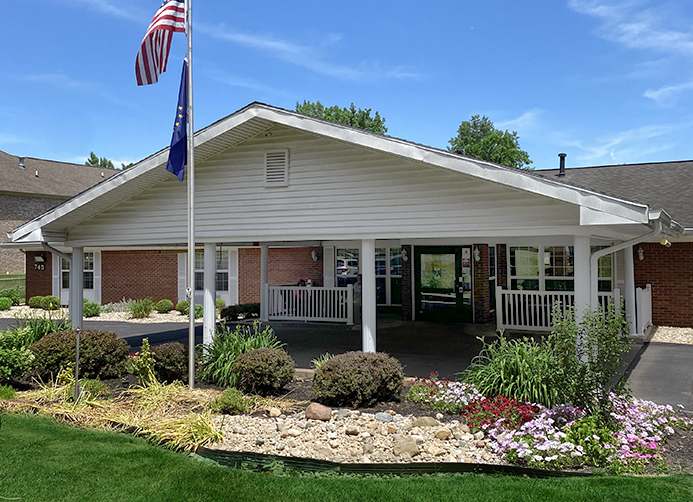
Who Owns and Operates Brickyard Healthcare - Brandywine?

BRICKYARD HEALTHCARE - BRANDYWINE CARE CENTER is owned by a for-profit company. For-profit facilities operate as businesses with obligations to shareholders or private owners. The facility is operated by BRICKYARD HEALTHCARE, a chain that manages multiple nursing homes. With 128 certified beds and approximately 88 residents (about 69% occupancy), it is a mid-sized facility located in GREENFIELD, Indiana.
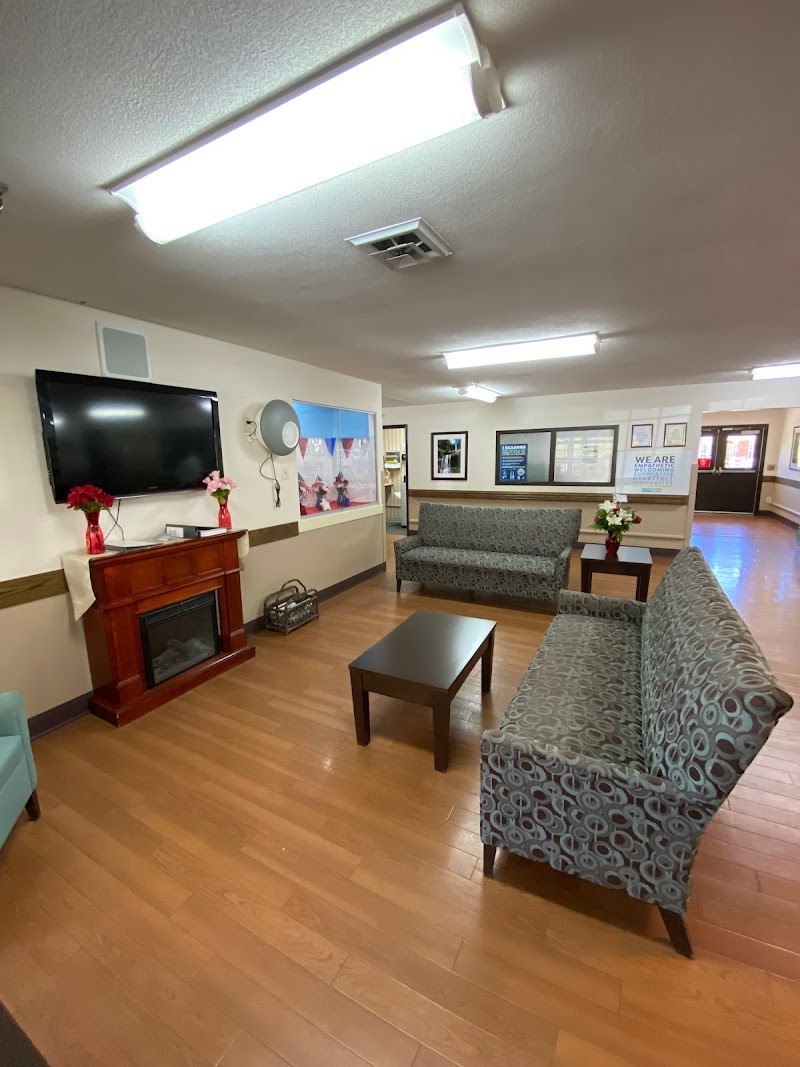
How Does Brickyard Healthcare - Brandywine Compare to Other Indiana Nursing Homes?

Compared to the 100 nursing homes in Indiana, BRICKYARD HEALTHCARE - BRANDYWINE CARE CENTER's overall rating (1 stars) is below the state average of 3.1, staff turnover (57%) is significantly higher than the state average of 46%, and health inspection rating (1 stars) is much below the national benchmark.

What Should Families Ask When Visiting Brickyard Healthcare - Brandywine?

Based on this facility's data, families visiting should ask: "How do you ensure continuity of care given staff turnover, and what is your staff retention strategy?" "Can you walk me through typical staffing levels on day, evening, and night shifts?" "Can I visit during a mealtime to observe dining assistance and food quality?" "How do you handle medical emergencies, and what is your hospital transfer rate?" These questions are particularly relevant given the facility's high staff turnover rate and the below-average staffing rating.

Is Brickyard Healthcare - Brandywine Safe?

Based on CMS inspection data, BRICKYARD HEALTHCARE - BRANDYWINE CARE CENTER has a clean safety record: no substantiated abuse findings (meaning no confirmed cases of resident harm), no Immediate Jeopardy citations (the most serious violation level indicating risk of serious injury or death), and is not on the Special Focus Facility watch list (a federal program monitoring the lowest-performing 1% of nursing homes). The facility has a 1-star overall rating and ranks #100 of 100 nursing homes in Indiana. While no facility is perfect, families should still ask about staff-to-resident ratios and recent inspection results during their visit.

Do Nurses at Brickyard Healthcare - Brandywine Stick Around?

Staff turnover at BRICKYARD HEALTHCARE - BRANDYWINE CARE CENTER is high. At 57%, the facility is 11 percentage points above the Indiana average of 46%. Registered Nurse turnover is particularly concerning at 63%. RNs handle complex medical decisions and coordinate care — frequent RN changes can directly impact care quality. High turnover means new staff may not know residents' individual needs, medications, or preferences. It can also be disorienting for residents, especially those with dementia who rely on familiar faces. Families should ask: What is causing the turnover? What retention programs are in place? How do you ensure care continuity during staff transitions?

Was Brickyard Healthcare - Brandywine Ever Fined?

BRICKYARD HEALTHCARE - BRANDYWINE CARE CENTER has no federal fines on record. CMS issues fines when nursing homes fail to meet care standards or don't correct problems found during inspections. The absence of fines suggests the facility has either maintained compliance or corrected any issues before penalties were assessed. This is a positive indicator, though families should still review recent inspection reports for the full picture.

Is Brickyard Healthcare - Brandywine on Any Federal Watch List?

BRICKYARD HEALTHCARE - BRANDYWINE CARE CENTER is not on any federal watch list. The most significant is the Special Focus Facility (SFF) program, which identifies the bottom 1% of nursing homes nationally based on persistent, serious quality problems. Not being on this list means the facility has avoided the pattern of deficiencies that triggers enhanced federal oversight. This is a positive indicator, though families should still review the facility's inspection history directly.