HICKORY CREEK AT GREENSBURG
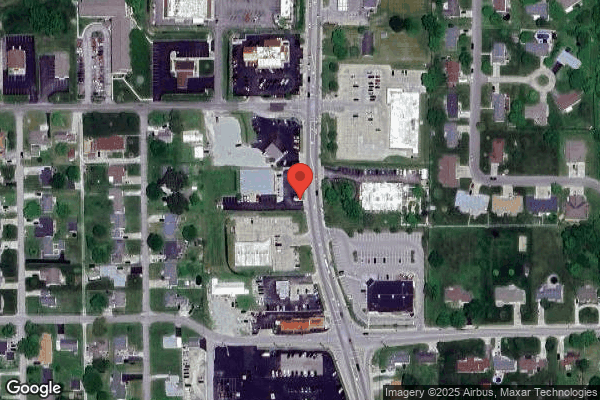
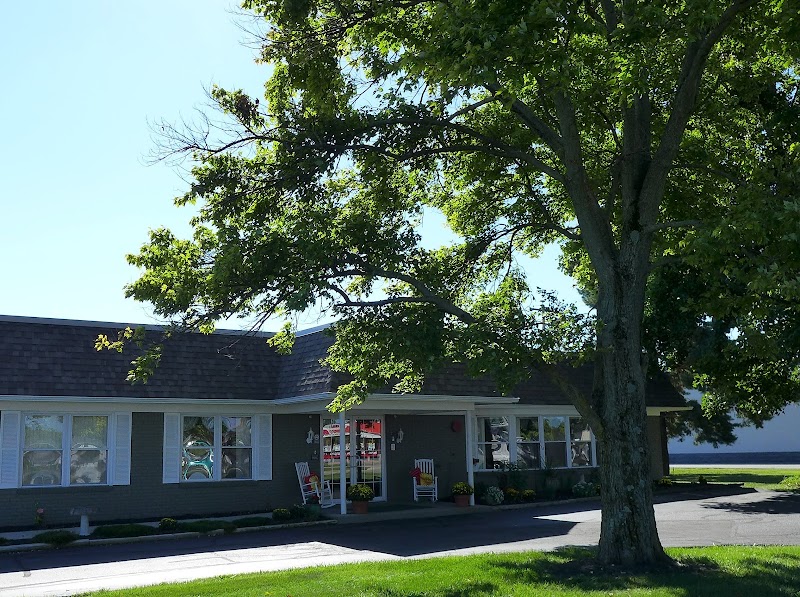
1620 N LINCOLN ST, GREENSBURG, IN 47240 (812) 663-7503
For profit - Corporation 36 Beds AMERICAN SENIOR COMMUNITIES Data: November 2025
Trust Grade
70/100
#150 of 505 in IN
Last Inspection: October 2024

Within standard 12-15 month inspection cycle. Federal law requires annual inspections.

Overview

Hickory Creek at Greensburg has a Trust Grade of B, meaning it is a good facility and generally a solid choice for families. It ranks #150 out of 505 nursing homes in Indiana, placing it in the top half, and #2 out of 5 in Decatur County, indicating there is only one better option nearby. The facility's trend is improving, with issues decreasing from 9 in 2023 to 4 in 2024. However, staffing is a concern, rated at only 1 out of 5 stars, with a turnover rate of 46%, which is slightly below the state average. There have been specific incidents noted, such as not having a registered nurse on duty for eight consecutive hours on several days and unsanitary conditions in the kitchen, such as improperly stored food, which raises potential health risks for residents.

Trust Score
B
70/100
In Indiana
#150/505
Top 29%
Safety Record
Low Risk
No red flags
Inspections
Getting Better
9 → 4 violations
Staff Stability
⚠ Watch
46% turnover. Above average. Higher turnover means staff may not know residents' routines.
Penalties
✓ Good
No fines on record. Clean compliance history, better than most Indiana facilities.
Skilled Nurses
○ Average
Each resident gets 37 minutes of Registered Nurse (RN) attention daily — about average for Indiana. RNs are the most trained staff who monitor for health changes.
Violations
⚠ Watch
22 deficiencies on record. Higher than average. Multiple issues found across inspections.
★★★★☆
4.0
Overall Rating
★☆☆☆☆
1.0
Staff Levels
★★★★★
5.0
Care Quality
★★★★☆
4.0
Inspection Score
Stable
2023: 9 issues
2024: 4 issues

The Good

  • 5-Star Quality Measures · Strong clinical quality outcomes
  • Full Sprinkler Coverage · Fire safety systems throughout facility
  • No fines on record

Facility shows strength in quality measures, fire safety.

The Bad

Staff Turnover: 46%

Near Indiana avg (46%)

Higher turnover may affect care consistency

Chain: AMERICAN SENIOR COMMUNITIES

Part of a multi-facility chain

Ask about local staffing decisions and management

The Ugly 22 deficiencies on record

Oct 2024 4 deficiencies
CONCERN (D)

Potential for Harm - no one hurt, but risky conditions existed

Incontinence Care (Tag F0690)

Could have caused harm · This affected 1 resident

**NOTE- TERMS IN BRACKETS HAVE BEEN EDITED TO PROTECT CONFIDENTIALITY** Based on record review and interview, the facility failed to obtain laboratory results and start and antibiotic in a timely mann...

Read full inspector narrative →
**NOTE- TERMS IN BRACKETS HAVE BEEN EDITED TO PROTECT CONFIDENTIALITY** Based on record review and interview, the facility failed to obtain laboratory results and start and antibiotic in a timely manner for 1 of 2 residents reviewed for urinary tract infections. (Resident 12) Findings include: The clinical record for Resident 12 was reviewed on 10/09/24 at 8:50 A.M. An Annual Minimum Data Set (MDS) assessment, dated 09/25/24, indicated the resident was cognitively intact. The resident's diagnoses included, but were not limited to, cerebral infarction, Urinary Tract Infection (UTI) in the last 30 days, seizure disorder, anxiety, depression, and psychotic disorder. A Progress Note, dated 09/01/24 at 8:47 A.M., indicated the resident's family member was in the facility and that the resident had complained of burning with urination. The staff would encourage more fluids for 24 hours. The writer assessed the resident's urine. The urine lacked odor, sediment, and was clear/yellow. The resident had indicated the burning with urination happened one time. The staff would continue to encourage more fluids and would reassess the resident in 24 hours. A Progress Note, dated 09/03/24 at 1:47 P.M., indicated the resident was complaining of burning and pain with urination and low back pain. The Nurse Practitioner (NP) was notified that the resident had been encouraged to drink more fluids for 24 hours and was having complaints. An order was obtained for a Urinalysis (UA) and a Culture and Sensitivity (C&S). A Progress Note, dated 09/05/24 at 10:27 A.M., indicated the resident's urine was sent with the lab technician. A Progress Note, dated 09/09/24 at 11:03 A.M., indicated the staff were still awaiting culture and sensitivity reports at that time. A Progress Note, dated 09/09/24 at 9:55 P.M., indicated the resident's urine had a foul odor. The resident stated, I just don't feel good. Fluids were encouraged and taken well. A Progress Note, dated 09/11/24 at 11:31 P.M., indicated the resident's urine had a foul odor. Fluids were encouraged and taken well. A Progress Note, dated 09/12/24 at 10:30 A.M., indicated the resident's first dose of Bactrim (an antibiotic) was pulled from the Emergency Drug Kit (EDK) that morning for an infection. The resident was encouraged and assisted with fluid intake. A Urine Specimen, indicated the resident's urine was collected on 09/04/24, received at the lab on 09/06/24 and resulted to the facility on [DATE]. The resident's urine contained Escherichia coli (E.coli). A physician's order, dated 09/11/24 through 09/18/24, indicated the resident was to receive Bactrim 800-160 mg (milligrams), twice a day, for a UTI. The September 2024 EMAR/ETAR (Electronic Medication Administration Record/Electronic Treatment Administration Record) indicated the resident did not receive the Bactrim medication on 09/11/24 at 8:00 P.M., due to the medication being unavailable. The resident received the first dose of Bactrim on 09/12/24 at 8:00 A.M. The Surveillance Log Of Resident Infections and Antibiotic Use for September 2024, indicated the resident's date of onset for UTI was 09/05/24. A Urine sample was obtained on 09/04/24 and the resident started an antibiotic on 09/11/24. During an interview on 10/09/24 at 1:02 P.M., Licensed Practical Nurse (LPN) 2 indicated the resident used a urinal. If a resident needed a laboratory test completed the lab service would come to the facility daily at 6:00 A.M. If the resident needed a UA C&S the staff would obtain the urine and have it ready for the lab to take when they came to the facility. If the lab was missed when the laboratory staff came there was a service the facility used to come and get the sample to be tested. If a resident had an order for a UA C&S and ended up having and UTI, then the resident should have been started on an antibiotic within three days of obtaining the urine. If the facility didn't have the results of the urine, she would call the lab, request them, and document it in a progress note. During an interview on 10/09/24 at 2:41 P.M., the Director of Nursing (DON) indicated the lab had been taking five days to get culture results back. Their lab was out of another State. The resident's final culture result was on 09/08/23 and the resident should have been started on an antibiotic sooner than he did. The current facility policy titled, Infection Prevention and Control Program, with a revision date of 05/2023, was provided by the Administrator on 10/07/24 during the entrance conference. The policy indicated, .The facility shall establish and maintain infection prevention and control program (IPCP) designed to provide a safe, sanitary, and comfortable environment and help prevent the development and transmission of communicable diseases and infections. The IPCP is comprehensive system for preventing, identifying reporting, investigating, and controlling infections and communicable diseases for all resident, staff, volunteers, visitors, and other individuals providing services under contractual arrangement . The current facility policy titled, Guidelines for Lab and Radiology Tracking with a revision date of 4/24, was provided by the Administrator on 10/10/24 at 3:16 P.M. The policy indicated, .If any lab and/or radiology test ordered are not resulted as expected, investigate and take the necessary steps to obtain the results . During an interview on 10/10/24 at 2:51 P.M., the Administrator indicated the facility did not have any other policies related to lab services. 3.1-41(a)(2)
CONCERN (D)

Potential for Harm - no one hurt, but risky conditions existed

Deficiency F0757 (Tag F0757)

Could have caused harm · This affected 1 resident

Based on record review and interview, the facility failed to follow a physician's order related to hold parameters for insulin for 1 of 5 residents reviewed for unnecessary medications. (Resident 10) ...

Read full inspector narrative →
Based on record review and interview, the facility failed to follow a physician's order related to hold parameters for insulin for 1 of 5 residents reviewed for unnecessary medications. (Resident 10) Findings include: The clinical record for Resident 10 was reviewed on 10/07/24 at 1:47 P.M. A Quarterly Minimum Data Set (MDS) assessment, dated 08/13/24, indicated the resident was cognitively intact. The resident's diagnoses included, but were not limited to, diabetes, hypertension, and depression. The resident had received insulin for seven of seven days during the review period. The current physician's order, with a start date of 07/12/24, indicated the resident was to receive insulin lispro, 25 units, three times a day. The staff were to hold (not administer) the insulin if the resident's blood sugar was less than 120. The July, August, and September EMAR/ETAR (Electronic Administration Record/Electronic Treatment Administration Record) indicated the resident received the insulin when their blood sugar was less than 120 on the following dates and times: - 07/25/24 at 7:00 A.M., when the resident's blood sugar was 118, - 08/12/24 at 7:00 A.M., when the resident's blood sugar was 107, - 08/14/24 at 7:00 A.M., when the resident's blood sugar was 79, - 08/17/24 at 7:00 A.M., when the resident's blood sugar was 73, - 08/23/24 at 7:00 A.M., when the resident's blood sugar was 111 and 5:00 P.M., when the blood sugar was 105, - 09/14/24 at 7:00 A.M., when the resident's blood sugar was 111, - 09/20/24 at 7:00 A.M., when the resident's blood sugar was 106, - 09/23/24 at 7:00 A.M., when the resident's blood sugar was 82, - 09/25/24 at 7:00 A.M., when the resident's blood sugar was 113, - 09/29/24 at 7:00 A.M., when the resident's blood sugar was 96, and 12:00 P.M., when the blood sugar was 110, and - 10/07/24 at 7:00 A.M., when the resident's blood sugar was 106. During an interview on 10/09/24 at 9:47 A.M., Licensed Practical Nurse (LPN) 2 indicated she normally would check the resident's blood sugar and hold the insulin until she was done eating and then administer it. She had messaged the Nurse Practitioner (NP) the other day and had not changed the instructions on the order to reflect the new order. It had been a couple weeks since she talked to the NP. She would normally make a progress note related to talking with the NP. If a resident had hold parameters on an insulin, she would obtain the blood sugar and hold the medication per the physician's order. The current facility policy, titled General Dose Preparation and Medication Administration, with a revision date of 04/30/24, was provided by the DON on 10/09/24 at 2:33 P.M. The policy indicated, .Verify each time a medication is administered that it is the correct medication, at the correct does, at the correct route, at the correct rate, at the correct time, for the correct resident . 3.1-48(a)(6)
CONCERN (D)

Potential for Harm - no one hurt, but risky conditions existed

Unnecessary Medications (Tag F0759)

Could have caused harm · This affected 1 resident

Based on observation, record review, and interview, the facility failed to maintain a medication error rate of less than 5% related to medication errors for 1 of 4 residents observed for medication ad...

Read full inspector narrative →
Based on observation, record review, and interview, the facility failed to maintain a medication error rate of less than 5% related to medication errors for 1 of 4 residents observed for medication administration. (Resident 10) Findings include: On 10/09/24 at 8:44 A.M., Licensed Practical Nurse (LPN) 2 was observed as she prepared to administer Resident 10's medications. She removed the resident's medication blister packs from the medication cart and popped various tablets and capsules into a medication cup. She took the resident's liquid lactulose (a laxative) medication from the cart and poured it into another medication cup. The dosage marks indicated there were 15 mls (milliliters) of lactulose in the cup. She then poured the lactulose from the medication cup into a larger cup and indicated the resident preferred to take the medication from a bigger cup. She prepared the resident's Lispro (short acting) insulin pen, dialing up 25 units of insulin. The LPN indicated the resident's blood sugar was only 106 that morning and she wanted to wait and see if the resident ate all of her breakfast before she administered the insulin. The LPN entered the resident's room and determined the resident ate her breakfast. She did not recheck the resident's blood sugar. She gave the resident her oral medications including the lactulose and injected the Lispro insulin into the resident's right arm. The clinical record for Resident 10 was reviewed on 10/07/24 at 1:47 P.M. A Quarterly Minimum Data Set (MDS) assessment, dated 08/13/24, indicated the resident was cognitively intact. The resident's diagnoses included, but were not limited to, diabetes, hypertension, and depression. The resident had received insulin for seven of seven days during the review period. The resident's current physician's orders were reviewed and included the following orders: - An open-ended order, with a start date of 07/09/24, to administer lactulose,10 gm (grams) per 15 ml. Amount to administer, 30 mls, twice a day, and, - An open-ended order, with a start date of 07/12/24, to administer insulin Lispro, 25 units, three times a day. The staff were to hold (not administer) the insulin if the resident's blood sugar was less than 120. During an interview on 10/09/24 at 9:47 A.M., LPN 2 indicated she should have given the resident 30 mls of the lactulose. Regarding the insulin, she talked to the NP (Nurse Practitioner) the other day and she said as long as the resident ate her breakfast, ate some protein, and her blood sugar was not under 100, it was ok to give her the scheduled insulin. She didn't change the special instructions on the order in the EMAR (Electronic Medication Administration Record) to reflect the changes. She should have changed the special instructions to reflect the new order. Normally, she would have made a progress note too. It was a couple of weeks ago, she was not sure if she made any notes about it. If a resident had hold parameters for insulin, she would obtain the blood sugar and hold the medication per the order if the blood sugar was too low. The current facility policy, titled General Dose Preparation and Medication Administration, with a revision date of 04/30/24, was provided by the DON (Director of Nursing) on 10/09/24 at 2:33 P.M. The policy indicated, .Verify each time a medication is administered that it is the correct medication, at the correct does, at the correct route, at the correct rate, at the correct time, for the correct resident . Cross Reference F757 3.1-48(c)(1) 3.1-48(c)(1)
CONCERN (F)

Potential for Harm - no one hurt, but risky conditions existed

Deficiency F0727 (Tag F0727)

Could have caused harm · This affected most or all residents

Based on interview and record review, the facility failed to provide the required RN (Registered Nurse) on duty for eight consecutive hours a day for 12 of 29 days reviewed. Findings include: During ...

Read full inspector narrative →
Based on interview and record review, the facility failed to provide the required RN (Registered Nurse) on duty for eight consecutive hours a day for 12 of 29 days reviewed. Findings include: During an interview on 10/09/24 at 1:24 P.M., the Director of Nursing (DON) indicated they were the only RN working in the facility at this time so sometimes there was not an RN on duty for eight consecutive hours a day. During an interview on 10/11/24 at 10:31 A.M., the Regional Director of Clinical Services indicated the payroll was completed by the facility staff then the corporate Manager of Financial Operations compiled the information and reported the Payroll-Based Journal (PBJ). During an interview on 10/11/24 at 10:38 A.M., the Manager of Financial Operations indicated, based on their records for Fiscal Year Quarter 3 (April 1, through June 30), the facility had one day with zero RN hours, and 21 days with less than 8 RN hours. The nursing as-worked weekend schedules for April, May, and June 2024, were provided by the Administrator on 10/07/24 at 12:40 P.M. The records indicated an RN was not on duty for eight consecutive hours on the following dates: - 04/13/24, - 04/14/24, - 04/19/24, and - 05/25/24. The nursing as-worked weekend schedules for September and October 2024, were provided by the DON on 10/09/24 at 3:15 P.M. The records indicated an RN was not on duty for eight consecutive hours on the following dates: - 09/01/24, - 09/07/24, - 09/14/24, - 09/15/24, - 09/22/24, - 09/28/24, - 09/29/24, and - 10/06/24. The Facility Assessment, with an approval date of 08/01/24, was provided by the Administrator on 10/10/24 at 12:20 P.M. The record indicated the average number of RNs needed for direct care/facility staff was four. During an interview on 10/10/24 at 2:52 P.M., the Administrator indicated they did not have a facility policy related to RN coverage. 3.1-17(b)(3)
Sept 2023 1 deficiency
CONCERN (D) 📢 Someone Reported This

A family member, employee, or ombudsman was alarmed enough to file a formal complaint

Potential for Harm - no one hurt, but risky conditions existed

Deficiency F0744 (Tag F0744)

Could have caused harm · This affected 1 resident

Based on interview and record review, the facility failed to implement interventions to address a resident's dementia care needs related to wandering into other resident's personal space for 1 of 4 re...

Read full inspector narrative →
Based on interview and record review, the facility failed to implement interventions to address a resident's dementia care needs related to wandering into other resident's personal space for 1 of 4 residents reviewed for dementia care. (Resident C) Findings include: A progress note, dated 08/28/23 at 6:00 P.M., indicated a nursing staff member entered Resident B's room and observed Resident C touching Resident B inappropriately. The residents were immediately separated. Resident B was assessed and there were no injuries observed. The resident's family, physician, and police were notified. The clinical record for Resident B was reviewed on 09/27/23 at 10:30 A.M. A Quarterly MDS (Minimum Data Set) assessment, dated 08/21/23, indicated the resident was severely cognitively impaired. The diagnoses included, but were not limited to, diabetes, Alzheimer's disease, anxiety, and depression. During an interview on 09/27/23 at 9:52 A.M., LPN (Licensed Practical Nurse) 2 indicated on 08/28/23 she went to Resident B's room to check her blood sugar and give the resident her evening medications. The door was closed to the room. She knocked, no one answered, so she cracked the door open. Resident B was laying on her bed and her shirt was pulled up to her neck. Resident C was standing next to the bed and he had his hands on Resident B's bare breasts. Both residents just froze when they saw her. She escorted Resident C out of the room and had another staff member take him to his own room. She conducted a head to toe assessment on Resident B and asked her if she was okay. The resident did not seem upset about what happened. Resident C was upset, he denied he did anything and couldn't understand why LPN 2 asked him to go to his room. LPN 2 indicated they had to keep an eye on Resident C. In the last week or so leading up to the incident, he had been going into Resident B's room and Resident B had been sharing her snacks with him. Staff would escort him out of the room when they caught him in there. Before this incident, Resident C had gone into Resident D's room and made her uncomfortable. This started within a day or two of his admission to the facility. Resident D and Resident G shared a room. He had been asked to stay out of their room. He was trying to be friendly with Resident D, but it was making her uncomfortable. He had been making inappropriate suggestions. Resident G would turn on the call light to get staff into the room and tell Resident D to tell staff what Resident C said to her. Resident C needed frequent redirection. The Administrator, Social Services Director, and DON (Director of Nursing) all talked to him about it. It lasted a few weeks, but then he stopped going in their room, it seemed like he got the hint that Resident D wasn't interested. The clinical record for Resident C was reviewed on 09/27/23 at 9:30 A.M. An admission MDS assessment, dated 07/12/23, indicated the resident was moderately cognitively impaired. The diagnoses included, but were not limited to, non-Alzheimer's dementia, seizure disorder, and depression. The resident exhibited wandering behavior during the assessment review period. Resident C's admission records, that included, but were not limited to, a psychiatric evaluation follow up, dated 05/15/23, were provided by the Administrator on 09/28/23 at 1:30 P.M. The evaluation indicated staff reported the resident has had some difficulty with making sexual remarks towards females but he had not been physical with anyone. Staff also reported the resident had increased confusion in the evening which appeared to be sundowning. The medication review indicated the resident received 10 mg (Milligrams) of Provera daily for sexual aggression. An IDT (Interdisciplinary Team) Behavior Review Note, dated 07/10/23 at 3:14 P.M., indicated Resident C was wandering into peers' rooms. The resident was redirected. The root cause of the resident's behavior expression was determined to be related to their dementia. The resident's care plan was updated, and preventative interventions included, but were not limited to, the following: redirect the resident, offer an activity of interest, ensure basic needs were met, and engage in conversation. During an interview on 09/28/23 at 1:50 P.M., Residents D and G indicated there were times that a resident might wander in their room, but they would eventually leave, it wasn't a big deal. Resident G indicated Resident D did have a problem with a male resident a few months ago, but the resident was no longer in the facility. Resident D indicated a male resident would come into her room. He was inappropriate with her. She told a nurse about it, and they handled it. During an interview on 09/28/23 at 2:17 P.M., the Administrator indicated Resident C went back to the facility he was at before he was admitted here. She was unaware of any issues with Resident C and Resident B before the incident occurred. She was unaware of any incidents with Resident C and any other residents in the facility. The current facility policy, titled Behavior Management, with a revision date of 08/22, was provided by the Administrator on 09/28/23 at 1:51 P.M. The policy indicated, .It is the policy .to provide behavior interventions for residents with problematic or distressing behaviors . This Federal tag relates to Complaint IN00416303. 3.1-37(a)
Aug 2023 8 deficiencies
CONCERN (D)

Potential for Harm - no one hurt, but risky conditions existed

Quality of Care (Tag F0684)

Could have caused harm · This affected 1 resident

Based on observation, interview, and record review, the facility failed to complete neurological assessments after a fall for 1 of 4 residents reviewed for accidents. (Resident 22) Findings include: D...

Read full inspector narrative →
Based on observation, interview, and record review, the facility failed to complete neurological assessments after a fall for 1 of 4 residents reviewed for accidents. (Resident 22) Findings include: During an observation on 08/08/23 at 9:59 A.M., Resident 22 was in his wheelchair. A staff member was assisting the resident to go outside for some fresh air. A Quarterly MDS (Minimum Data Set) assessment, dated 07/14/23, indicated the resident was severely cognitively impaired. The diagnoses included, but were not limited to, anemia, heart failure, hypertension, non-Alzheimer's dementia, hemiplegia or hemiparesis, and depression. The resident required extensive assistance of two or more staff members with bed mobility and transfers. A Fall Event, dated 02/02/23, indicated the resident had an unwitnessed fall at 9:30 P.M. He was found lying on the floor face up on his back. The resident indicated he had leaned too far off the bed and fell on his back. The resident was assessed with no injuries. His vital signs were stable and neurological checks were initiated. A Neurological Assessment, dated 02/02/23, lacked documentation to indicate the resident's neurological checks were completed on the following dates and times: - 02/02/23 at 9:45 P.M., 10:00 P.M., 10:15 P.M., 11:15 P.M., 11:45 P.M., and - 02/03/23 at 1:15 A.M., 2:15 A.M., 3:15 A.M. During an interview on 08/09/23 at 1:51 P.M., LPN (Licensed Practical Nurse) 2 indicated the resident currently had used a mechanical lift for transfers due to some recent falls. If a resident had an unwitnessed fall the nurse was to assess the resident, obtain their vitals, and assist the resident up. If the fall was not witnessed the nurse should initiate neurological checks. The neurological checks were completed on paper. Once they were complete, she would file them in the resident's file or put them in the DON's box. The current facility policy titled, Fall Management, with a revised date of 8/2022, was provided by the DON on 08/09/23 at 3:34 P.M. The policy indicated, .to ensure residents residing within the facility receive adequate supervision and or assistance to prevent injury related to falls .Post fall .any resident experiencing a fall will be assessed immediately by the charge nurse for possible injuries and necessary treatment will be provided. A neurological assessment will be initiated on all un-witnessed falls . A current, undated, Neurological Assessment procedure form was provided by the DON on 08/09/23 at 3:34 P.M. The form indicated neurological assessment documentation should included, .Date .Time .Q [every] 15 min [minutes] x [times] 1 hr [hour] .Q 30 min x 2 hr .Q 1 hr x 4 hr .Every eight hours x 72 hours . 3.1-37(a)
CONCERN (D)

Potential for Harm - no one hurt, but risky conditions existed

Pressure Ulcer Prevention (Tag F0686)

Could have caused harm · This affected 1 resident

Based on observation, record review, and interview, the facility failed to ensure appropriate interventions were in place for a resident at risk for pressure ulcers that currently had a pressure ulcer...

Read full inspector narrative →
Based on observation, record review, and interview, the facility failed to ensure appropriate interventions were in place for a resident at risk for pressure ulcers that currently had a pressure ulcer for 1 of 2 residents reviewed for pressure ulcers. (Resident 25) Findings include: Resident 25 was observed in her room in bed on 08/06/23 at 1:15 P.M. The resident was wearing a pressure reducing boot on her right foot. The resident was not wearing a boot on her left foot. The resident's left foot was not elevated, and her heel was resting on the mattress. On 08/07/23 at 9:36 A.M., the resident was observed in a common area. The resident was sitting in a broda (positioning wheelchair) chair. A pressure reducing boot was on the resident's right foot. The resident was wearing a nonskid sock on her left foot. Her left heel was resting on the chair footrest. On 08/08/23 at 9:50 A.M., the resident was observed in her room in her chair. The chair was in a reclined position, with the resident's legs extended and her feet up on the footrest. The resident was wearing a pressure reducing boot on her right foot and a non-skid sock on her left. The resident's left heel was in contact with the chair footrest. On 08/08/23 at 10:54 A.M., the resident's right heel wound was observed with the ADON (Assistant Director of Nursing). The resident was in her room in her chair. The chair was reclined, with the resident's legs extended and her feet were up on the footrest. The resident was wearing a pressure reducing boot on the right foot and a non-skid sock on the left. The resident's left heel was in contact with the chair footrest. The ADON removed the boot and sock from the resident's right heel. A golf ball sized wound was observed on the resident's right heel. The wound bed was dry and dark brown in color. There was no drainage or signs of infection. During an interview on 08/08/23 at 10:55 A.M., the ADON indicated the resident has had the wound on the right heel for less than two months. The wound started out as intact blister. The resident did not wear pressure reducing boots before the wound developed. The ADON indicated she was the facility wound nurse. The resident was to wear the boot while she was up in her chair. The resident's left heel was resting on the footrest of the chair. The resident was not wearing a pressure reducing boot on the left foot. She was not sure why she wasn't wearing a boot on the left foot. She had looked before, and couldn't find another boot in the resident's room, she thought it might have been in the laundry. A Significant Change MDS (Minimum Data Set) assessment, dated 06/21/23, indicated the resident was severely cognitively impaired. The resident required extensive to total staff assistance for all ADLs (Activities of Daily Living). The resident's diagnoses included, but were not limited to, stroke, dysphagia, hemiplegia, malnutrition, and depression. The resident was at risk for pressure ulcers and had one, unhealed Stage 2 (Partial-thickness skin loss with exposed dermis, presenting as a shallow open ulcer. The wound bed was viable, pink, or red, moist, and may also present as an intact or open/ruptured blister) pressure ulcer at the time of the assessment. The resident received hospice services. On 08/09/23 at 8:49 A.M., the resident was observed in her room in her chair. The chair was in a reclined position, with the resident's legs extended and her feet up on the footrest. The resident was wearing a pressure reducing boot on her right foot and a non-skid sock on her left. The resident's left heel was in contact with the chair footrest. On 08/09/23 at 10:10 A.M., the resident was observed in her room in her chair. The chair was reclined, with the resident's legs extended and her feet up on the footrest. The resident was wearing a pressure reducing boot on her right foot and a non-skid sock on her left. The resident's left heel was in contact with the chair footrest. On 08/09/23 at 1:29 P.M., the resident was observed in the common area near the television. The resident's chair was reclined, with the resident's legs extended and her feet up on the footrest. The resident was wearing a pressure reducing boot on her right foot and a non-skid sock on her left. The resident's left heel was in contact with the chair footrest. On 08/09/23 at 2:09 P.M., the resident was observed in the common area near the television. The resident's chair was reclined, with the resident's legs extended and her feet up on the footrest. The resident was wearing a pressure reducing boot on her right foot and a non-skid sock on her left. The resident's left heel was in contact with the chair footrest. On 08/10/23 at 9:20 A.M., the resident was observed in her room in her chair. The chair was reclined, with the resident's legs extended and her feet up on the footrest. The resident was wearing a pressure reducing boot on her right foot and a non-skid sock on her left. The resident's left heel was in contact with the chair footrest. A Wound Management Detail Report indicated the resident's Stage 2 pressure wound was first observed on 06/27/23 at 11:23 A.M. The wound measured 4 cm (centimeters) x 3.5 cm. The depth could not be measured. The comments section indicated the wound was an intact blister on the resident's right heel that was pale in color and firm to touch. A liquid skin protectant treatment was ordered to be administered twice a day and the resident was to wear pressure reducing boots to both heels while in bed. The resident's Plan of Care was reviewed on 08/08/23 at 11:40 A.M., and included a Risk for Skin Breakdown Care Plan, with a start date of 05/22/23. The interventions included, but were not limited to, the following: - Foam boots to bilateral feet while in bed, with a start date of 06/27/23, and - Foam boot to right heel at all times, with a start date of 07/27/23. The current MD orders included, but were not limited to the following: - An open-ended order, with a start date of 06/26/23, to float the resident's heels as much as she tolerates, - An open-ended order, with a start date of 07/06/23, for the resident to wear foam boots on both feet while in bed, and - An open-ended order, with a start date of 07/27/23, for a foam boot to be in place on her right heel at all times. During an interview on 08/10/23 at 1:36 P.M., the DON (Director of Nursing) indicated the interventions in place for the resident included the foam boots that started on 06/27/23. One boot stayed on her heel at all times. The resident was to wear both of them when she was in bed. Sometimes she kicked the boot off. If a resident refused to wear boots, nursing staff should document the refusal in the resident's record. It would not hurt to have the boot on the left foot while she was up in the chair. The resident's clinical record lacked documentation the resident refused to wear the pressure reducing boots. During an interview on 08/10/23 at 2:59 P.M., CNA (Certified Nurse Aide) 5 indicated she worked second shift and was familiar with the resident. She assisted the resident into bed. Pressure reducing interventions they had implemented for the resident included turning and repositioning the resident every 2 hours. The resident liked to lean on her left side, so they tried to keep pressure off that side. The resident wore a pressure reducing boot on her right foot because she had a pressure ulcer on her right heel. They did not put a pressure reducing boot on her left foot, and she didn't wear a pressure reducing boot on her left foot when she was in bed. There were two boots in her room, but they were both for the right foot in case one of them was soiled. The current facility policy, titled SKIN MANAGEMENT PROGRAM, with a most recent revision date of 05/22, was provided by the DON on 08/10/23 at 2:24 P.M. The policy indicated, .a resident with pressure ulcers receives necessary treatment and services, consistent with professional standards of practice, to promote healing, prevent infection, and prevent new ulcers from developing . 3.1-40(a)(2)
CONCERN (D)

Potential for Harm - no one hurt, but risky conditions existed

Accident Prevention (Tag F0689)

Could have caused harm · This affected 1 resident

Based on observation, interview, and record review, the facility failed to ensure the identified fall intervention, of a trapeze bar, was accessible for 1 of 4 residents reviewed for accident hazards....

Read full inspector narrative →
Based on observation, interview, and record review, the facility failed to ensure the identified fall intervention, of a trapeze bar, was accessible for 1 of 4 residents reviewed for accident hazards. (Resident 22) Findings include: The clinical record for Resident 22 was reviewed on 08/09/23 at 2:00 P.M. A Quarterly MDS (Minimum Data Set) assessment, dated 07/14/23, indicated the resident was severely cognitively impaired. The diagnoses included, but were not limited to, anemia, heart failure, hypertension, non-Alzheimer's dementia, hemiplegia or hemiparesis, and depression. The resident required extensive assistance of two or more staff members with bed mobility and transfers. A Fall Event, dated 07/04/23 at 12:55 P.M., indicated the resident had an unwitnessed fall. The resident was found sitting on the floor next to the bed. The resident stated he was trying to scoot himself up in bed. An IDT (Interdisciplinary Team) Note, dated 07/05/23 at 12:41 P.M., indicated the resident had an unwitnessed fall, he was observed sitting beside the bed. The resident was trying to scoot back in the bed and slid out of the bed. An intervention was put into place for a trapeze bar to assist in positioning. An at-risk fall Care Plan, with a start date of 10/24/22 and a revised date of 08/09/23, indicated the intervention, with a start date of 07/05/23, was for the resident to have a trapeze bar to assist the resident with positioning himself in bed. During an observation on 08/09/23 at 2:25 P.M., the resident was lying in bed on his back. The triangle trapeze grab bar over the resident's bed was hung to high and not accessible by the resident. During an observation on 08/10/23 at 10:03 A.M., the resident was lying in bed on his back. The triangle trapeze grab bar over the resident's bed was hung to high and not accessible by the resident. During an interview and observation on 08/10/23 at 10:43 A.M., CNA (Certified Nurse Aide) 4 indicated the resident was able to stand when he first came to the facility. He had recently not been able to stand. A trapeze bar was added to his bed a couple of days ago to help him position himself. She confirmed that the trapeze bar was not down at that time to be accessible by the resident. During an observation and interview on 08/10/23 at 10:46 A.M., Resident 22 was lying in bed. He indicated he was able to reposition himself with the trapeze bar when it was down, but the staff left it up and he couldn't reach it. The current facility policy titled, Fall Management, with a revised date of 8/2022, was provided by the DON on 08/09/23 at 3:34 P.M. The policy indicated, .to ensure residents residing within the facility receive adequate supervision and or assistance to prevent injury related to falls .Residents who are categorized as moderate to high risk should have fall interventions implemented based on resident specific risk factors .The resident care specific requirements will be communicated to the assigned caregiver utilizing resident profile or CNA assignment sheet . 3.1-45(a)(2)
CONCERN (D)

Potential for Harm - no one hurt, but risky conditions existed

Incontinence Care (Tag F0690)

Could have caused harm · This affected 1 resident

Based on observation, interview, and record review, the facility failed to administer medications for a Urinary Tract Infection for 1 of 14 residents reviewed. (Resident 17) Findings include: During a...

Read full inspector narrative →
Based on observation, interview, and record review, the facility failed to administer medications for a Urinary Tract Infection for 1 of 14 residents reviewed. (Resident 17) Findings include: During an observation and interview on 08/06/23 at 11:32 A.M., Resident 17 was sitting on the side of her bed. The resident indicated she has had a lot of UTI's (urinary tract infections). A Significant Change MDS (Minimum Data Set) assessment, dated 06/21/23, indicated the resident was cognitively intact. The diagnoses included, but were not limited to, anemia, hypertension, renal insufficiency, diabetes, depression, and bipolar. A Progress Note, dated 02/16/23 at 11:03 A.M., indicated the resident had a new order for cephalexin (an antibiotic) for a UTI. A Urine Culture, dated 02/14/23, indicated the resident's urine culture organism contained Escherichia Coli (E.coli). A physician's order, dated 02/16/23 through 02/23/23, indicated the staff were to administer the resident's cephalexin 500 mg (milligrams) every 8 hours. The February 2023 EMAR/ETAR (Electronic Medication Administration Record/Electronic Treatment Administration Record) indicated the resident had not received the antibiotic medication on the following dates and times: - 02/19/23 at 7:00 A.M., - 02/21/23 at 11:00 P.M., and - 02/22/23 at 11:00 P.M. A UTI Care Plan, dated 02/16/23, indicated staff were to administer the resident's antibiotics as ordered. A Progress Note, dated 03/09/23 at 8:28 A.M., indicated the resident had a new order for amoxicillin 500 mg, three times a day, for a UTI with E.coli. A physician's order, dated 03/09/23 through 03/15/23, indicated the staff were to administer the resident's amoxicillin 500 mg, three times a day. The March 2023 EMAR/ETAR indicated the resident had not received the antibiotic medication on 03/15/23 at 7:00 A.M. During an interview on 08/10/23 at 10:04 A.M., the ADON (Assistant Director of Nursing) indicated when a medication was given it would have the nurse's initials on the EMAR. During an interview on 08/10/23 at 10:15 A.M., the DON (Director of Nursing) indicated the blank in the EMAR signified a missed medication dose. The current facility policy titled, General Dose Preparation and Medication Administration, with a revised date of 01/01/22, was provided by the DON on 08/10/23 at 1:10 P.M. The policy indicated, .should comply with Applicable Law and the State Operations Manual when administering medications .Document necessary medication administration/treatment information [e.g., .when medications are given .] 3.1-25(b)(2)
CONCERN (D)

Potential for Harm - no one hurt, but risky conditions existed

Deficiency F0698 (Tag F0698)

Could have caused harm · This affected 1 resident

Based on interview and record review, the facility failed to monitor/assess a resident's fistula following dialysis treatments for 1 of 1 resident reviewed for dialysis. (Resident 24) Findings includ...

Read full inspector narrative →
Based on interview and record review, the facility failed to monitor/assess a resident's fistula following dialysis treatments for 1 of 1 resident reviewed for dialysis. (Resident 24) Findings include: During an interview on 08/06/23 at 11:21 A.M., Resident 24 indicated he left the facility for dialysis treatments on Mondays, Wednesdays, and Fridays, at around 10:00 A.M. He returned around 2:30 P.M. During an interview on 08/10/23 at 9:21 A.M., the ADON (Assistant Director of Nursing) indicated, for residents who received dialysis treatments outside of the facility, the staff checked their vital signs before they left and when they came back. They were weighed when they came back. The dialysis treatment facility weighed them before and after treatments, but the facility still did their own weight when they come back to ensure it was correct. The resident had a fistula (dialysis access port) in his arm. When he returned from having a dialysis treatment the staff at the facility checked his fistula for a bruit and thrill. They checked the bruit and thrill every day each 12-hour shift, but upon return from dialysis it was checked to make sure it was not bleeding or swollen. They also reviewed his dialysis binder when he returned from treatments. The dialysis center put information in the binder that the facility staff needed to review. Facility staff documented the assessments of the resident before and after dialysis treatments under Events in the EHR (Electronic Health Record). The resident had not been sent out to the hospital in the last three months. The facility did not fill out any paper on the post dialysis assessment. The post dialysis assessments were in the computer. During an interview on 08/10/23 at 9:36 A.M., the DON (Director of Nursing) indicated there should be a dialysis Event for every day the resident received dialysis treatments. The Event History document was provided by the ADON on 08/10/23 at 9:39 A.M The record lacked a post dialysis assessment for the following dates: - 07/28/23, - 07/19/23, - 07/17/23, - 07/12/23, - 07/05/23, - 07/03/23, - 06/30/23, - 06/19/23, and - 06/16/23. The Progress Notes were provided by the DON on 08/10/23 at 10:28 A.M., and included, but were not limited to, the following: - A note, dated 06/23/23 at 2:07 P.M., indicated the resident had returned from the dialysis center early due to his fistula infiltrating during his session. His left lower forearm was noted with slight swelling from the infiltration. The resident's clinical record lacked a nursing assessment post dialysis of shunt cite after the resident returned to the facility after receiving dialysis on the above listed dates that he had received treatments. The facility provided the dialysis center's post vitals, however the resident's clinical record lacked a facility document shunt assessment once the resident arrived back at the facility. During an interview on 08/10/23 at 10:36 A.M., the DON indicated on 06/23/23, the Dialysis center had sent back paperwork indicating the resident's fistula had infiltrated and the staff here at the facility were to monitor the fistula site. The resident had a port in his chest they had used for dialysis treatments prior to him getting the fistula in his arm. They had tried to place a fistula in his arm before and it had been unsuccessful, so they had continued to use the port in his chest for a while. He had gotten a new fistula in his arm this year. On 06/23/23 the fistula was in his arm, the same fistula they were currently using. She had not seen the fistula when it had infiltrated. The clinical record was reviewed on 08/07/23 at 1:51 P.M. A Quarterly MDS (Minimum Data Set) assessment, dated 05/24/23, indicated the resident was cognitively intact. The diagnoses included, but were not limited to, hypertension, obstructive uropathy, and renal insufficiency. The resident received dialysis treatments. The current Dialysis Care policy, with a reviewed date of 11/2017, was provided by the DON on 08/10/23 at 10:28 A.M. The policy indicated, .For .residents receiving dialysis at a certified dialysis facility: .An assessment of the resident will be completed upon return from each dialysis visit to include vital signs and assessment of the site including bruit and thrill (if applicable), drainage, and general condition .A dialysis event will be initiated in EMR [Electronic Medical Record] to include time of transfer and completed on return to the unit . 3.1-37(a)
CONCERN (D)

Potential for Harm - no one hurt, but risky conditions existed

Deficiency F0757 (Tag F0757)

Could have caused harm · This affected 1 resident

Based on record review and interview, the facility failed to follow the physician's order to discontinue a medication after a pharmacy recommendation for 1 of 5 residents reviewed for unnecessary medi...

Read full inspector narrative →
Based on record review and interview, the facility failed to follow the physician's order to discontinue a medication after a pharmacy recommendation for 1 of 5 residents reviewed for unnecessary medications. (Resident 21) Findings include: Resident 21's clinical record was reviewed on 08/09/23 at 1:48 P.M. A Quarterly MDS (Minimum Data Set) assessment, dated 07/12/23, indicated the resident was cognitively intact. The diagnoses included, but were not limited to, heart failure, renal insufficiency, and diabetes with diabetic kidney complication. A Pharmacy Consultation Report, dated 06/19/23, indicated the resident received Farxiga (a diabetic medication)10 mg (milligrams) daily. The resident had an eGFR (estimated glomerular filtration rate, a test that measured kidney function) of 44 ml/min (milliliters per minute). The manufacturer stated to avoid this medication in patients with an eGFR of less than 45. The pharmacist recommended considering discontinuing the medication. The physician response indicated the MD accepted the recommendation to discontinue the medication on 06/23/23. The resident's current medication orders included, but were not limited to, an open ended order, with a start date of 04/19/23, to administer Farxiga 10 mg once a day. The June, July, and August 2023 EMAR (Electronic Medication Administration Record) indicated the resident received the medication every day. During an interview on 08/09/23 at 2:50 P.M., the DON (Director of Nursing) indicated the medication should have been discontinued when the MD accepted the pharmacy recommendation, and it was not discontinued. The resident continued to receive the medication daily. The current facility policy, titled Medication Regimen Reviews and Pharmacy Recommendations, dated 10/2018, was provided by the DON on 08/09/23 at 2:57 P.M. The policy indicated, .Pharmacy recommendations should be reviewed with follow up by the physician within 30 days of the facility receiving . The current facility policy, titled MatrixCare Physician Orders Policy, with a most recent revision date of 02/14/22, was provided by the DON on 08/09/23 at 12:12 P.M. The policy indicated, .orders will be entered into MatrixCare Physician Orders by the Nurse receiving the order . 3.1-48(a)(5)
CONCERN (D)

Potential for Harm - no one hurt, but risky conditions existed

Infection Control (Tag F0880)

Could have caused harm · This affected 1 resident

Based on observation and interview, the facility failed to follow infection control guidelines for 1 of 2 wound observations (Resident 12) and 1 of 2 insulin administrations (Resident 3). Findings in...

Read full inspector narrative →
Based on observation and interview, the facility failed to follow infection control guidelines for 1 of 2 wound observations (Resident 12) and 1 of 2 insulin administrations (Resident 3). Findings include: 1. During and observation on 08/08/23 at 2:58 P.M., Resident 12 was lying in his bed on his right side. LPN (Licensed Practical Nurse) 2 indicated the resident had just received a shower. The LPN donned gloves from a box, gathered dry wash cloths and placed them directly in the resident's bathroom sink. She wet the cloths with water and applied soap to a few of them. After the cloths were wet, she placed them on a pad at the end of the resident's bed. She removed her gloves and sanitized her hands. The resident was positioned, and the nurse used the cloths to wash and rinse the resident's wound to the bilateral groin area. The wounds showed no signs of infection, and no odor was present. During an interview on 08/10/23 at 11:01 A.M., the DON (Director of Nursing) indicated the resident's wounds were to be washed with soap and water. Staff should have held the wash cloths in their clean gloved hand while wetting them and putting soap on them. Then the staff should have placed them in a bag at the foot of the resident's bed, so they didn't touch anything. Staff should never sit clean wash cloths in the resident's sink to get them wet. During an interview on 08/10/23 at 1:44 P.M., CNA (Certified Nurse Aide) 4 indicated when she gave a resident a bath, she would get a bath basin and place wash cloths in it, to get them wet. She would never place clean wash cloths directly in the resident's bathroom sink. The current facility Skills Competency-Nursing Policy & Procedure, titled, Dressing Change Clean Technique with a revised date of 06/2021, was provided by the DON on 08/10/23 at 2:24 P.M. The policy indicated, .Prepare a clean work surface or place a clean barrier such as clean towel or paper towel to ensure easy access to supplies during procedure .Set up clean field with dressing change supplies and other necessary equipment . 2. During an observation on 08/09/23 at 8:31 A.M., LPN 2 gathered Resident 3's Lispro insulin pen from a medication cart. She removed the pen from a clear reusable plastic bag, removed the cap from the pen, and attached a needle to the pen. She did not cleanse the hub of the pen with alcohol before attaching the needle. She primed the insulin pen and dialed up the dose needed for the resident. She assisted the resident into the bathroom, used an alcohol pad to cleanse the resident's skin, and injected the medication. During an interview on 08/09/23 at 8:43 A.M., LPN 2 indicated she should have cleansed the pen before attaching the needle. During an interview on 08/10/23 at 3:00 P.M., the Regional Director of Clinical Services indicated the insulin pen should have been cleansed with alcohol before the needle was attached. The current facility policy, titled Insulin Pen Administration, with a reviewed on date of 10/2019, was provided by the DON on 08/10/23 at 2:24 P.M. The policy indicated, .wipe top of insulin pen with alcohol swab/pad if instructions indicated . 3.1-18(b)
CONCERN (E)

Potential for Harm - no one hurt, but risky conditions existed

Food Safety (Tag F0812)

Could have caused harm · This affected multiple residents

Based on observation, interview, and record review, the facility failed to store dry foods in a sanitary manner related to the dry storage room. This deficient practice had the potential to affect all...

Read full inspector narrative →
Based on observation, interview, and record review, the facility failed to store dry foods in a sanitary manner related to the dry storage room. This deficient practice had the potential to affect all 30 residents who reside in the facility. Findings include: During an initial kitchen and dry storage observation on 08/06/23 at 10:42 A.M., the following was observed: - a watermelon sat inside a plastic container that contained ranch dressing packets, - a cardboard box of disposable lids and a cardboard box of plastic bowls sat on the floor under the middle rack, and - there was a white powdered substance along the back wall behind the middle rack of dry goods that measured approximately 3-4 feet long and 6 inches wide, and - 4 small Styrofoam bowls, a tea bag, a clear plastic bowl, and a coffee creamer were laying on the floor under the storage racks. - two rodent traps with no visible rodent droppings. On 08/06/23 at 11:24 A.M., The Daily Cleaning Schedule for the kitchen were reviewed with Dietary Aide 6 , the August 2023 cleaning logs lacked documentation that the dry storage room was cleaned on 08/04/23, 08/05/23 and 08/006/23. It was noted a copy of the schedule was needed. The Daily Cleaning Schedule was reviewed on 08/06/23 at 1:34 P.M., with [NAME] 7, the logs were now signed with a staff member's initials to indicated the Dry Storage Room was cleaned on 08/04/23, 08/05/23, and 08/06/23. During a dry storage observation on 08/06/23 at 1:41 P.M., the following was observed: - a cardboard box of disposable lids and a cardboard box of plastic bowls sat on the floor under the middle rack, and - there was a white powdered substance along the back wall behind the middle rack of dry goods that measured approximately 3-4 feet long and 6 inches wide, and - 4 small Styrofoam bowls, a tea bag, a clear plastic bowl, and a coffee creamer were laying on the floor under the storage racks. - two rodent traps with no visible rodent droppings. During an observation and interview of the dry storage room with the Social Services Director on 08/08/23 at 9:20 A.M., the following was observed: - a cardboard box of plastic bowls sat on the floor under the middle rack, and - there was a white powdered substance along the back wall behind the middle rack of dry goods that measured approximately 3-4 feet long and 6 inches wide, and - 4 small Styrofoam bowls, a tea bag, a clear plastic bowl, and a coffee creamer were laying on the floor between the bread rack and another storage rack. - two rodent traps with no visible rodent droppings. The Social Service Director, who was assisting with managing the kitchen, indicated the dry storage room should be cleaned daily and deep cleaned once a week. The daily cleaning schedule log was observed and indicated the dry storage room had been cleaned, swept, and mopped, daily, since 08/06/23. She indicated the staff should not have signed the log if it had not been cleaned. The current facility policy titled, Cleaning Schedules with a revised date of 05/23, was provided by the DON (Director of Nursing) on 08/09/23 at 12:13 P.M. The policy indicated, .The culinary staff will maintain the sanitation of the culinary department through compliance with a written, comprehensive cleaning schedule .The cleaning schedule will be posted for all cleaning tasks, and employees will initial tasks once completed .The Culinary Manager is responsible to ensure all cleaning tasks are completed timely and thoroughly . 3.1-21(i)(3)
Sept 2022 9 deficiencies
CONCERN (D)

Potential for Harm - no one hurt, but risky conditions existed

Deficiency F0602 (Tag F0602)

Could have caused harm · This affected 1 resident

Based on record review and interview, the facility failed to prevent misappropriation of resident medications for 1 of 11 residents reviewed. (Resident 9) Findings include: A Facility Reportable Incid...

Read full inspector narrative →
Based on record review and interview, the facility failed to prevent misappropriation of resident medications for 1 of 11 residents reviewed. (Resident 9) Findings include: A Facility Reportable Incident, dated 08/16/22, indicated Resident 9 was missing his Xanax (a controlled substance anxiety medication) from a locked medication cart. The medication carts were searched without results, the nurses were questioned on delivery. The pharmacy and physician were notified, and a new prescription was obtained. The local police department was notified, and a report was filed. The medication was replaced by the facility and a suspected employee was terminated. A Pharmacy Delivery Receipt, dated 08/07/22, indicated a count of 60, 1 mg (milligram) tablets of Xanax for Resident 9 were delivered to the facility and signed by an RN. During an interview on 09/06/22 at 2:48 P.M., the Administrator indicated she had been notified that the resident was missing two pill packs with 30 tablets in each pack, of his Xanax. Herself, the DON (Director of Nursing), and ADON (Assistant Director of Nursing) had all looked for the cards of medications and could not find them. Upon investigating the medications were ordered and delivered from the pharmacy. The narcotic count sheets were missing but was able to locate the paper where RN 5 had signed for the delivery of the medications. The DON had spoken with RN 5, and she said she never signed for the medications. The local police were called, and a report was filed. A new prescription was obtained and filled for the resident. The nurse was a no call no show for her next shift, but would have been let go. There were no other medication discrepancies in the building and the resident was not harmed. The current facility policy, titled Abuse Prohibition, Reporting, and Investigation, with a revised date of February 2020, was provided by the DON on 09/06/22. The policy indicated, .Provide guidelines to prohibit and prevent abuse, neglect, exploitation of residents and misappropriation of resident property .provide each resident with an environment that is free from abuse, neglect, misappropriation of resident property, and exploitation .Misappropriation of Resident Fund or Property- Deliberate misplacement, exploitation, or wrongful, temporary, or permanent use of a resident's property or money without the resident's consent . 3.1-28(a)
CONCERN (D)

Potential for Harm - no one hurt, but risky conditions existed

Quality of Care (Tag F0684)

Could have caused harm · This affected 1 resident

Based on record review and interview, the facility failed to follow the physicians' orders and complete neurological assessments after falls for 2 of 3 residents reviewed for falls. (Residents 15 and ...

Read full inspector narrative →
Based on record review and interview, the facility failed to follow the physicians' orders and complete neurological assessments after falls for 2 of 3 residents reviewed for falls. (Residents 15 and 13) Findings include: 1. The clinical record for Resident 15 was reviewed on 09/08/22 at 9:19 A.M. An admission MDS (Minimum Data Set) assessment, dated 06/24/22, indicated the resident was cognitively intact. The diagnoses included, but were not limited to, orthostatic hypotension, diabetes, and osteoporosis. A Fall Event, dated 07/28/22 at 8:10 P.M., indicated the resident had a fall in the bathroom that was witnessed by staff. The resident was attempting to transfer herself to the commode when she had gotten dizzy and tried to sit back down. A Fall Event, dated 07/29/22 at 9:19 P.M., indicated the resident had an unwitnessed fall in her bedroom. An IDT (Interdisplinary Team) Note, dated 08/01/22 at 10:10 A.M., indicated the IDT was for a resident's fall on 07/28/22. The root cause of the fall was orthostatic hypotension. An IDT (Interdisplinary Team) Note, dated 08/01/22 at 1:36 P.M., indicated the IDT was for a fall on 07/29/22. The root cause of the fall was orthostatic hypotension. A Progress Note, dated 08/01/22 at 2:25 P.M., indicated new orders were received for the resident to have a urinalysis and orthostatic blood pressures and heart rate. During an interview on 09/08/22 at 10:34 A.M., LPN (Licensed Practical Nurse) 2 indicated orthostatic blood pressures were obtained lying, sitting, and standing. The blood pressures would be documented in the EMAR (Electronic Medication Administration Record). During an interview on 09/08/22 at 10:44 A.M., the DON (Director of Nursing) indicated orthostatic blood pressures were obtained lying, sitting, and standing. The blood pressures would be documented in the EMAR. During an interview on 09/08/22 at 1:21 P.M., the DON indicated there were no neurological checks completed after the resident's fall on 07/29/22. The clinical record lacked any neurological assessments after the unwitnessed fall on 07/29/22 or any orthostatic blood pressures with heart rates. 2. The clinical record for Resident 13 was reviewed on 09/06/22 at 2:55 P.M. A Quarterly MDS assessment, dated 06/30/22, indicated the resident was moderately cognitively impaired. The diagnoses included, but were not limited to, cancer, hypertension, anxiety, and depression. The resident had one fall with no injury, and one fall with an injury that was not major, since the last assessment on 05/06/22. A Fall Event record, dated 06/12/22, was provided by the DON on 09/08/22 at 2:02 P.M. The record indicated the resident had an unwitnessed fall on 06/12/22 at 6:30 P.M. The resident had been sitting in his wheelchair in his room and was first observed, after the fall, lying on his left side in front of his wheelchair. The Progress Notes for June 2022, were provided by the Corporate Nurse on 09/08/22 at 2:22 P.M. A note, dated 06/12/22 at 9:10 P.M., indicated the resident had slid out of his wheelchair during a coughing event. The resident was assisted up off the floor with the aid of three staff members. The clinical record lacked documentation that neurological assessments had been completed following the fall on 06/12/22. During an interview on 09/08/22 at 1:23 P.M., the DON indicated there should have been neurological assessments completed for the resident's fall on 06/12/22. The current Fall Management Program policy, with a revised date of 11/2017, was provided by the DON on 09/08/22 at 10:33 A.M. The policy indicated, .Post fall .A neurological assessment will be initiated on all unwitnessed falls . 3.1-37(a)
CONCERN (D)

Potential for Harm - no one hurt, but risky conditions existed

Pressure Ulcer Prevention (Tag F0686)

Could have caused harm · This affected 1 resident

Based on observation, interview, and record review, the facility failed to administer wound treatments for 1 of 2 residents reviewed for pressure ulcers. (Resident 4) Findings include: On 09/06/22 at ...

Read full inspector narrative →
Based on observation, interview, and record review, the facility failed to administer wound treatments for 1 of 2 residents reviewed for pressure ulcers. (Resident 4) Findings include: On 09/06/22 at 9:30 A.M., Resident 4 was observed in her room sitting in her wheelchair. The resident was wearing pressure reducing boots on both lower extremities. The resident was pleasant and indicated she had just received a shower and was doing well. She had had a wound on her foot, but it was healed now. The resident's clinical record was reviewed on 09/06/22 at 10:00 A.M. An admission MDS (Minimum Data Set) assessment, dated 02/07/22, indicated the resident was moderately cognitively impaired. The diagnoses included, but were not limited to, non-Alzheimer's dementia, hypertension, MS (Multiple Sclerosis), depression, and muscle weakness. The resident required extensive assistance from two staff members for bed mobility and was totally dependent on staff for transfers and locomotion on and off the unit. One of the resident's upper extremities was impaired. The resident did not walk and used a wheelchair. The resident was at risk for pressure ulcers and utilized pressure reducing devices for the bed and chair. There were no pressure ulcers present during the assessment review period. A Wound Management Report, dated 02/15/2022 at 10:43 A.M., indicated a pressure ulcer was identified on the top of the resident's right foot. The wound measured 2 cm (centimeters) x (by) 1.5 cm. The comments section indicated the resident had a hard calloused area that was dark purple/red in color. The resident had pressure reducing interventions in place and denied pain or discomfort. The wound was described as stable. An MD visit note, dated 02/15/22, indicated the resident had a DTI (Deep Tissue Pressure Injury), a purple or maroon localized area of discolored intact skin or blood filled blister due to damage of underlaying soft tissue from pressure and/or shearing) on her right foot. The treatment orders were to apply Skin Prep (a liquid film forming dressing) and monitor the wound. The MD indicated it would be difficult to offload the resident's heel because of her chronic MS related issues. The February and March 2022 TARs (Treatment Administration Record) were provided by the Corporate Nurse on 09/08/22 at 11:22 A.M. The February 2022 TAR included an open ended physician's order, with a start date of 02/15/22, to apply Skin Prep to the resident's right foot for the DTI every shift. The treatment was administered as ordered. The March TAR lacked documentation of a treatment to the resident's foot. A Wound Management Report, dated 03/17/22 at 7:05 P.M., indicated the wound measured 2 cm x 1.5 cm. The comments section indicated the wound remained a hard calloused area that was dark purple/brown in color. The resident had pressure reducing interventions in place and reported some discomfort to the wound site at times. The wound was described as stable. A Progress note dated 03/22/22 at 6:09 P.M. indicated the MD was in to see the resident and new orders were received. An MD visit note, dated 03/22/22, indicated the pressure ulcer on the resident's lateral right foot contained eschar (dark necrotic skin), and was no longer just a deep tissue injury. New orders included a treatment of Medihoney and a dressing to be changed every 48 hours. They might need to consider a wound clinic or podiatry referral if the wound did not improve. The March 2022 TAR and ETAR (Electronic Treatment Administration Record) lacked documentation of administration of a treatment for the resident's right foot from 03/01/22 until 03/22/22 when the Medihoney treatment began. On 09/01/22 at 10:47 A.M., the Wound Management Report indicated the wound was considered healed and treatment was discontinued. The wound was closed with good tissue covering the area. On 09/08/22 at 10:21 A.M., the resident's right foot was observed with the ADON (Assistant Director of Nursing). There was an area of thick calloused skin that measured approximately 2 cm x 1.5 cm. The thick skin was somewhat transparent, and there was a very small darker area that measured approximately 4 mm (millimeters) x 2 mm in the center of the skin. The ADON indicated that was where the wound was, and the wound was considered healed. The current treatment was a foam cushion to the area for protection. During an interview on 09/08/22 at 2:02 P.M., the DON (Director of Nursing) indicated they tried a few different treatments for the resident. All treatment orders should be administered and documented as administered on the treatment record. The current facility policy, titled Skin Management Program, and dated 05/22, was provided by the DON on 09/08/22 at 1:21 P.M. The policy indicated, .a resident with pressure ulcers receives necessary treatment and services, consistent with professional standards of practice, to promote healing . 3.1-40(a)(2)
CONCERN (D)

Potential for Harm - no one hurt, but risky conditions existed

Deficiency F0698 (Tag F0698)

Could have caused harm · This affected 1 resident

**NOTE- TERMS IN BRACKETS HAVE BEEN EDITED TO PROTECT CONFIDENTIALITY** Based on record review and interview, the facility failed to monitor bruit and thrill for a dialysis site for 1 of 1 resident re...

Read full inspector narrative →
**NOTE- TERMS IN BRACKETS HAVE BEEN EDITED TO PROTECT CONFIDENTIALITY** Based on record review and interview, the facility failed to monitor bruit and thrill for a dialysis site for 1 of 1 resident reviewed for dialysis. (Resident 6) Findings include: The clinical record for Resident 6 was reviewed on 09/06/22 at 10:05 A.M. An admission MDS (Minimum Data Set) assessment, dated 06/01/22, indicated the resident was cognitively intact. The diagnoses included, but were not limited to, cancer, anemia, hypertension, renal insufficiency, diabetes, and end stage renal disease. The resident had received dialysis while a resident in the facility. A Progress Note, dated 08/05/22 at 5:14 P.M., indicated the resident had a vascular access device of a dialysis port and a fistula in the left forearm. An open-ended physician's order, dated 08/13/22, indicated the resident had a dialysis access site in the left forearm. The site was to be monitored every shift for signs and symptoms of infection, edema, pain, numbness, bleeding, and leaks, and ensure the access site was clean, dry, and a dressing was intact as ordered. The MD was to be notified of unusual findings and document in a progress note. A Care Plan indicated the resident was receiving hemodialysis and was at risk for complications such as fluid imbalance, bleeding, or infection with access site to the left arm. Interventions included, but were not limited to, .Assess dialysis access site every shift for excessive bleeding, drainage, swelling, redness, [NAME] [warmth], [and] bruit/thrill. Document findings, report abnormals to MD and dialysis . The clinical record indicated the resident's dialysis fistula bruit and thrill was only monitored on the following dates in August and September 2022: - 08/05/22 at 4:30 P.M. - 08/06/22 at 3:23 A.M., - 08/08/22 at 3:30 P.M., - 08/10/22 at 3:45 P.M., - 08/12/22 at 3:30 P.M., - 08/15/22 at 2:15 P.M., - 08/19/22 at 3:03 P.M., - 08/22/22 at 4:15 P.M., - 08/24/22 at 2:16 P.M., and - 09/02/22 at 3:10 P.M. During an interview on 09/08/22 at 10:20 A.M., LPN (Licensed Practical Nurse) 2 indicated the resident's bruit and thrill should be monitored once a shift and document in the EMAR (Electronic Medication Administration Record). During an interview on 09/08/22 at 10:42 A.M., the DON (Director of Nursing) indicated the bruit and thrill should be monitored every shift and there should have been a physician's order to monitor it. The current facility policy titled, Dialysis Care with a revision date of 11/2017, was provided by the DON on 09/08/22 at 2:02 P.M. The policy indicated, .to ensure that residents requiring dialysis receive such services, consistent with professional standards of practice, the comprehensive person-centered care, and the residents' goals and preferences. The facility will assure that each resident receives care and services for the provision of hemodialysis and/or peritoneal dialysis consistent with professional standards of practice . 3.1-37(a)
CONCERN (D)

Potential for Harm - no one hurt, but risky conditions existed

Deficiency F0757 (Tag F0757)

Could have caused harm · This affected 1 resident

Based on record review and interview, the facility failed to follow physician's orders related to hold parameters for a blood pressure medication for 2 of 5 residents reviewed for unnecessary medicati...

Read full inspector narrative →
Based on record review and interview, the facility failed to follow physician's orders related to hold parameters for a blood pressure medication for 2 of 5 residents reviewed for unnecessary medications. (Resident 13) Findings include: The clinical record for Resident 13 was reviewed on 09/06/22 at 2:55 P.M. A Quarterly MDS (Minimum Data Set) assessment, dated 06/30/22, indicated the resident was moderately cognitively impaired. The diagnoses included, but were not limited to, cancer, hypertension, anxiety, and depression. The August and September 2022 EMARS (Electronic Medication Administration Records) were provided by the DON (Director of Nursing) on 09/08/22 at 1:21 P.M. The record indicated the resident had an open-ended physician's order, with a start date of 07/20/22, to receive Metoprolol 50 mg (milligrams), twice a day for a diagnosis of hypertension. The medication was to be held, .if pulse [was] less than 55, SBP [Systolic Blood Pressure] < [less than] 110 . The resident had received the medication on the following dates and times when the systolic blood pressure (the top number) was out of the specified parameters: - 08/03/22 from 6:00 P.M. to 10:00 P.M., the blood pressure was 99/59, - 08/04/22 from 6:00 P.M. to 10:00 P.M., the blood pressure was 98/62, - 08/05/22 from 6:00 P.M. to 10:00 P.M., the blood pressure was 98/62, - 08/07/22 from 7:00 A.M. to 11:00 A.M., the blood pressure was 96/54, - 08/08/22 from 6:00 P.M. to 10:00 P.M., the blood pressure was 102/62, - 08/09/22 from 7:00 A.M. to 11:00 A.M., the blood pressure was 94/56, and from 6:00 P.M. to 10:00 P.M., the blood pressure was 96/62, - 08/10/22 from 6:00 P.M. to 10:00 P.M., the blood pressure was 100/60, - 08/13/22 from 7:00 A.M. to 11:00 A.M., the blood pressure was 54/23, and from 6:00 P.M. to 10:00 P.M., the blood pressure was 94/48, - 08/14/22 from 7:00 A.M. to 11:00 A.M., the blood pressure was 90/58, and from 6:00 P.M. to 10:00 P.M., the blood pressure was 96/62, - 08/17/22 from 7:00 A.M. to 11:00 A.M., the blood pressure was 101/58, and from 6:00 P.M. to 10:00 P.M., the blood pressure was 105/64, - 08/18/22 from 6:00 P.M. to 10:00 P.M., the blood pressure was 105/64, - 08/19/22 from 7:00 A.M. to 11:00 A.M., the blood pressure was 109/61, - 08/20/22 from 7:00 A.M. to 11:00 A.M., the blood pressure was 102/56, - 08/21/22 from 7:00 A.M. to 11:00 A.M., the blood pressure was 106/58, - 08/22/22 from 6:00 P.M. to 10:00 P.M., the blood pressure was 101/55, - 08/23/22 from 6:00 P.M. to 10:00 P.M., the blood pressure was 109/63, - 09/01/22 from 7:00 A.M. to 11:00 A.M., the blood pressure was 97/65, - 09/02/22 from 6:00 P.M. to 10:00 P.M., the blood pressure was 95/55, - 09/03/22 from 6:00 P.M. to 10:00 P.M., the blood pressure was 101/70, - 09/04/22 from 7:00 A.M. to 11:00 A.M., the blood pressure was 104/70, - 09/05/22 from 7:00 A.M. to 11:00 A.M., the blood pressure was 81/48, and from 6:00 P.M. to 10:00 P.M., the blood pressure was 100/76, and on - 09/06/22 from 7:00 A.M. to 11:00 A.M., the blood pressure was 97/57, and from 6:00 P.M. to 10:00 P.M., the blood pressure was 100/68. During an interview on 09/08/22 at 11:49 A.M., the DON (Director of Nursing) indicated the facility lacked a policy for following MD orders and it was a standard of nursing practice. 3.1-48(a)(1) 3.1-48(a)(4)
CONCERN (D)

Potential for Harm - no one hurt, but risky conditions existed

Deficiency F0761 (Tag F0761)

Could have caused harm · This affected 1 resident

**NOTE- TERMS IN BRACKETS HAVE BEEN EDITED TO PROTECT CONFIDENTIALITY** Based on observation and interview, the facility failed to store medications appropriately for 2 of 2 medication carts reviewed....

Read full inspector narrative →
**NOTE- TERMS IN BRACKETS HAVE BEEN EDITED TO PROTECT CONFIDENTIALITY** Based on observation and interview, the facility failed to store medications appropriately for 2 of 2 medication carts reviewed. Findings include: During an observation on [DATE] at 10:07 A.M., two medication carts were reviewed with LPN (Licensed Practical Nurse) 2. The following was observed: - a lispro insulin pen for Resident 6 was not opened and undated. The LPN indicated the medication should have been dated. The delivery date on the package was not a good indication when the medication was pulled from the refrigerator because they will use the same package for a new pen, - a bottle of liquid Colace for Resident 10 that had 40 ml (milliliters) left with no open date, - a used albuterol inhaler for Resident 21 with no open date, - a Humalog insulin pen for Resident 5 with 200 units left with no open date, - a bottle of liquid Colace for Resident 19 with no open date, - a bottle of ocean nasal spray for Resident 16 with an open date of [DATE], - an almost empty inhaler of budesonide for Resident 22 with no open date LPN 2 indicated all the medications should have had an open date and removed them from the medication carts. The current facility policy titled, Storage and Expiration of Medications, Biological's, Syringes and Needles, with a revision date of [DATE], was provided by the Administrator on [DATE] at 3:41 P.M. The policy indicated, .Facility should ensure that medications and biological's that: (1) have and expired date on the label; (2) have been retained longer than recommended by manufacturer or supplier guidelines .Once any medication or biological package is opened, Facility should follow manufacturer/supplier guidelines with respect to expiration dates for opened medications. Facility staff should record the date opened on the medication container when the medication has a shortened expiration date once opened .Facility staff may record the calculated expiration date based on date opened on the medication container . 3.1-25(j) 3.1-25(k)(6)
CONCERN (E)

Potential for Harm - no one hurt, but risky conditions existed

Deficiency F0692 (Tag F0692)

Could have caused harm · This affected multiple residents

4. The clinical record for Resident 6 was reviewed on 09/06/22 at 10:05 A.M. An admission MDS assessment, dated 06/01/22, indicated the resident was cognitively intact. The diagnoses included, but wer...

Read full inspector narrative →
4. The clinical record for Resident 6 was reviewed on 09/06/22 at 10:05 A.M. An admission MDS assessment, dated 06/01/22, indicated the resident was cognitively intact. The diagnoses included, but were not limited to, cancer, anemia, hypertension, renal insufficiency, diabetes, end stage renal disease. The resident had received dialysis while a resident in the facility. An open-ended physicians' order, with a start date of 08/04/22, indicated the resident was to receive Nepro (a nutrition supplement), with meals. The August and September 2022 EMARS were reviewed and indicated the resident had not received the Nepro supplement on the following dates and times due to the supplement not being available: - 08/05/22 from 6:00 A.M. to 8:00 A.M., 11:00 A.M. to 1:00 P.M., and 4:00 P.M. to 6:00 P.M., - 08/06/22 from 11:00 A.M. to 1:00 P.M. and 4:00 P.M. to 6:00 P.M., - 08/07/22 from 6:00 A.M. to 8:00 A.M., 11:00 A.M. to 1:00 P.M., and 4:00 P.M. to 6:00 P.M., - 08/08/22 from 6:00 A.M. to 8:00 A.M. and 4:00 P.M. to 6:00 P.M., - 08/09/22 from 6:00 A.M. to 8:00 A.M., 11:00 A.M. to 1:00 P.M., and 4:00 P.M. to 6:00 P.M., - 08/28/22 from 11:00 A.M. to 1:00 P.M. and 4:00 P.M. to 6:00 P.M., - 09/02/22 from 6:00 A.M. to 8:00 A.M. and 4:00 P.M. to 6:00 P.M., and - 09/05/22 from 6:00 A.M. to 8:00 A.M., 11:00 A.M. to 1:00 P.M., and 4:00 P.M. to 6:00 P.M. The Complete Care Plan for Resident 6 was provided by the DON (Director of Nursing) on 09/08/22 at 2:02 P.M. A Care Plan titled, Nutritional Status, included an intervention, but not limited to, .oral supplement as ordered . The clinical record lacked any indication the physician was notified that the resident had not received the supplement. 5. The clinical record for Resident 22 was reviewed on 09/08/22 at 10:08 A.M. An admission MDS assessment, dated 07/29/22, indicated the resident was cognitively intact. The diagnoses included, but were not limited to, fractures, anemia, hypertension, and malnutrition. A physicians' order, dated 08/12/22 through 09/18/22, indicated the resident was to receive Mighty Shakes supplement, 177 ml, three times a day. The August and September 2022 EMARS were reviewed and indicated the resident had not received the Mighty Shake supplement on the following dates and times due to the supplement not being available: - 08/13/22 at 8:00 A.M., 12:00 P.M, and 5:00 P.M., - 08/14/22 at 8:00 A.M., 12:00 P.M., and 5:00 P.M., - 08/22/22 at 8:00 A.M., 12:00 P.M., and 5:00 P.M., - 08/23/22 at 5:00 P.M., - 08/24/22 at 12:00 P.M., - 08/27/22 at 8:00 A.M., 12:00 P.M., and 5:00 P.M., - 08/28/22 at 8:00 A.M., 12:00 P.M., and 5:00 P.M., - 09/01/22 at 5:00 P.M., - 09/02/22 at 8:00 A.M., 12:00 P.M., and 5:00 P.M., and - 09/05/22 at 8:00 A.M., 12:00 P.M., and 5:00 P.M. During an interview on 09/06/22 at 2:37 P.M., LPN 4 indicated when medications or supplements were not available to give it would be documented in the EMAR and the physician should be notified. She would also document in a progress note that she had notified the physician. During an interview on 09/08/22 at 10:20 A.M., LPN 2 indicated if the residents received mighty shake supplements they would be sent out from the kitchen and other supplements like Nepro, 2-cal, and Glucerna would be provided by the nursing department. The current facility policy titled, Supplements and Nourishments, with a revised date of 06/19, was provided by the DON on 09/08/22 at 1:21 P.M. The policy indicated, .It is the policy of this facility to ensure residents receive supplements and nourisments appropriate to their nutritional needs, physician's order, and preferences . 3.1-46(a)(1) Based on interview and record review, the facility failed to ensure residents received ordered nutritional supplements for 5 of 12 residents reviewed. (Residents 10, 3, 6, 22, and 13) Findings include: 1. The clinical record for Resident 10 was reviewed on 09/06/22 at 1:38 P.M. A Significant Change MDS (Minimum Data Set) assessment, dated 06/22/22, indicated the resident was severely cognitively impaired. The diagnoses included, but were not limited to, Alzheimer's disease, COPD (Chronic Obstructive Pulmonary Disease), and dysphagia. The resident required extensive staff assistance with eating. The resident was admitted to hospice services on 07/28/22. A Registered Dietician Progress Note, dated 08/04/2022 at 8:54 A.M., indicated the resident had experienced a 7 lb. (pound) weight loss in 30 days, a 13 lb. weight loss in 90 days, and a 24 lb. weight loss in 180 days. The resident was receiving hospice services and further weight loss could be expected. The resident received an appetite stimulant and nutritional supplements. The resident's current physician's orders included an open ended order, with a start date of 05/16/22, that indicated the resident was to receive a Mighty Shake (a protein and calorie dense nutritional supplement) with all meals (three times a day). The July, August, and September 2022 EMARs (Electronic Medication Administration Record) were reviewed and indicated the resident had not received the shakes on the following dates and times due to the supplement not being available: - 07/11/22 from 12:00 P.M. to 2:00 P.M., - 07/12/22 from 8:00 A.M. to 10:00 A.M., - 07/13/22 from 8:00 A.M. to 10:00 A.M., - 07/16/22 from 5:00 P.M. to 7:00 P.M., - 07/22/22 from 12:00 P.M. to 2:00 P.M., and 5:00 P.M. to 7:00 P.M., - 07/25/22 from 8:00 A.M. to 10:00 A.M.,12:00 P.M. to 2:00 P.M., and 5:00 P.M. to 7:00 P.M., - 07/26/22 from 12:00 P.M. to 2:00 P.M., and 5:00 P.M. to 7:00 P.M., - 07/27/22 from 8:00 A.M. to 10:00 A.M., - 07/30/22 from 5:00 P.M. to 7:00 P.M., - 08/04/22 from 5:00 P.M. to 7:00 P.M., - 08/08/22 from 5:00 P.M. to 7:00 P.M., - 08/13/22 from 8:00 A.M. to 10:00 A.M., - 08/18/22 from 5:00 P.M. to 7:00 P.M., - 09/01/22 from 5:00 P.M. to 7:00 P.M., - 09/02/22 from 8:00 A.M. to 10:00 A.M.,12:00 P.M. to 2:00 P.M., and 5:00 P.M. to 7:00 P.M., and - 09/05/22 from 8:00 A.M. to 10:00 A.M.,12:00 P.M. to 2:00 P.M., and 5:00 P.M. to 7:00 P.M. 2. The clinical record for Resident 3 was reviewed on 09/06/22 at 2:40 P.M. A Quarterly MDS assessment, dated 05/25/22, indicated the resident was moderately cognitively impaired. The diagnoses included, but were not limited to, Alzheimer's disease, diabetes, COPD, and peripheral vascular disease. The resident's current physician's orders included an open ended order, with a start date of 09/15/21, that indicated the resident was to receive a Mighty Shake supplement once a day at 2:00 P.M. The July, August, and September 2022 EMARs (Electronic Medication Administration Record) were reviewed and indicated the resident had not received the shake supplement on the following dates due to the supplement not being available: - 07/21/22, - 07/22/22, - 07/25/22, - 07/26/22, - 07/30/22, - 07/31/22, - 08/04/22, - 08/05/22, - 08/13/22, - 08/14/22, - 08/19/22, - 08/21/22, - 08/22/22, - 08/27/22, - 08/28/22, - 09/02/22, and - 09/05/22. During an interview on 09/08/22 at 10:23 A.M., the Kitchen Manager indicated the kitchen staff ordered the Mighty Shakes and the fortified ice cream. There was a standing order, they received a case of the shakes each week. They did have some problems getting their shipment a couple of weeks ago, but the kitchen had a recipe they could use to make the shakes in house, so they always had the shakes available. They did not have a shortage of shakes in July or August. For most residents, the shakes were delivered with meals, so they were placed on the meal trays and delivered with the food. The shakes were listed on the residents' meal tickets. Resident 10 and Resident 13 received them 3 times a day. They almost always drank them. Resident 3 received shakes at lunch and seemed to like them, she thought they were a special treat just for her. During an interview on 09/08/22 at 2:48 P.M., CNA (Certified Nurse Aide) 3 indicated mighty shakes were delivered on meal trays. Staff really encouraged the residents to drink their shakes. If a resident didn't eat much of their meal, staff would go to the kitchen and see if they could get a shake for the resident (if it wasn't already on their meal ticket), just to try and make sure they were getting something nutritious. Mighty shakes were always available, she had never not been able to give a resident a mighty shake because they didn't have any. 3. The clinical record for Resident 13 was reviewed on 09/06/22 at 2:55 P.M. A Quarterly MDS assessment, dated 06/30/22, indicated the resident was moderately cognitively impaired. The diagnoses included, but were not limited to, cancer, hypertension, anxiety, and depression. The August and September 2022 EMARS were provided by the DON on 09/08/22 at 1:21 P.M. The record indicated the resident had an open-ended physician's order, with a start date of 05/06/22, to receive Boost nutritional supplement three times a day for weight loss and had not received the supplement on the following dates and times due to the supplement not being available: - 08/28/22 from 2:00 P.M. to 10:00 P.M., - 09/02/22 from 6:00 A.M. to 2:00 P.M., and 2:00 P.M. to 10:00 P.M., - 09/05/22 from 2:00 P.M. to 10:00 P.M., and - 09/07/22 from 6:00 A.M. to 2:00 P.M. The record indicated the resident had an open-ended physician's order, with a start date of 06/16/22, to receive Mighty Shakes nutritional supplements, 177 ml, three times a day with all meals and had not received the supplement on the following dates and times due to the supplement not being available: - 08/04/22 at 9:00 A.M., - 08/05/22 at 6:00 P.M., - 08/13/22 at 9:00 A.M., and 1:00 P.M., - 08/14/22 at 9:00 A.M., 1:00 P.M., and 6:00 P.M., - 08/27/22 at 9:00 A.M., 1:00 P.M., and 6:00 P.M., - 09/01/22 at 6:00 P.M., - 09/02/22 at 9:00 A.M., 1:00 P.M., and 6:00 P.M., and - 09/05/22 at 1:00 P.M., and 6:00 P.M. The Nutritional Status Care Plan was provided by the DON on 09/08/22 at 1:21 P.M. The record indicated the resident was as at risk for altered nutrition and weight status and was to receive Mighty Shakes with all meals.
CONCERN (E)

Potential for Harm - no one hurt, but risky conditions existed

Pharmacy Services (Tag F0755)

Could have caused harm · This affected multiple residents

Based on record review and interview, the facility failed to have medications available for 2 of 5 residents reviewed for unnecessary medications. (Residents 6 and 9) Findings include: 1. The clinical...

Read full inspector narrative →
Based on record review and interview, the facility failed to have medications available for 2 of 5 residents reviewed for unnecessary medications. (Residents 6 and 9) Findings include: 1. The clinical record for Resident 6 was reviewed on 09/06/22 at 10:05 A.M. An admission MDS (Minimum Data Set) assessment, dated 06/01/22, indicated the resident was cognitively intact. The diagnoses included, but were not limited to, cancer, anemia, hypertension, renal insufficiency, diabetes, and end stage renal disease. The resident had received dialysis while a resident in the facility. An open ended physicians' order, with a start date of 05/25/22, indicated the resident was to take Eliquis (a platelet medication) 5 mg (milligrams), twice a day. An open ended physicians' order, with a start date of 09/07/22, indicated the resident was to take carbamazepine (an anticonvulsant medication) 100 mg, twice a day. The July, August, and September 2022 EMARS (Electronic Medication Administration Record) for Resident 6 indicated the resident had not received the following medications due to being unavailable: - Eliquis on 07/14/22 at 7:00 A.M. to 11:00 A.M., 07/15/22 at 7:00 A.M. to 11:00 A.M., 07/16/22 at 7:00 A.M. to 11:00 A.M. and 6:00 P.M. to 10:00 P.M., and 07/17/22 at 7:00 A.M. to 11:00 A.M., and -carbamazepine on 09/08/22 at 7:00 A.M. to 11:00 A.M., The clinical record lacked documentation the physician was notified of the resident not receiving the medications. 2. The clinical record for Resident 9 was reviewed on 09/06/22 at 11:16 A.M. A Significant Change MDS assessment, dated 06/21/22, indicated the resident was cognitively intact. The diagnoses included, but were not limited to, stroke, anemia, heart failure, hypertension, anxiety, depression, and non-Alzheimer's dementia. An open ended physician's order, with a start date of 04/19/22, indicated the resident was to take levothyroxine (a thyroid medication) 88 mcg (micrograms), once a day. An open ended physician's order, with a start date of 11/16/21, indicated the resident was to take Symbicort (an inhaler) two puffs, twice a day. An open ended physician's order, with a start date of 11/16/21, indicated the resident was to take buspirone (an anxiety medication) 10 mg (milligrams), twice a day. An open ended physician's order, with a start date of 05/25/22, indicated the resident was to take Fish Oil (a supplement) 1 (gram), twice a day. An open ended physician's order, with a start date of 08/17/21, indicated the resident was to take gabapentin (a nerve pain medication) 100 mg, three times a day. An open ended physician's order, with a start date of 07/18/22, indicated the resident was to take guaifenesin (a cold medication) 600 mg, twice a day. An open ended physician's order, with a start date of 06/01/21, indicated the resident was to take metoprolol (a blood pressure medication) 50 mg, twice a day. An open ended physician's order, with a start date of 08/22/22, indicated the resident was to take mirtazapine (an antidepressant medication) 30 mg, once a day. The June, July, August, and September 2022 EMARS (Electronic Medication Administration Record) for Resident 6 indicated the resident had not received the following medications due to being unavailable: - levothyroxine on 06/23/22, 06/24/22, 07/19/22, 07/20/22, 07/21/22, 07/22/22, 08/14/22, 08/15/22, 08/16/22, 08/18/22, - Symbicort on 06/14/22 from 7:00 A.M. to 11:00 A.M., 06/17/22 from 7:00 A.M. to 11:00 A.M., - buspirion on 07/19/22 from 7:00 A.M. to 11:00 A.M., - Fish Oil on 07/27/22 from 7:00 A.M. to 11:00 A.M., 07/28/22 from 7:00 A.M. to 11:00 A.M., - gabapentin on 07/03/22 at 8:00 A.M., 07/04/22 at 8:00 A.M., - guaifenesin on 07/21/22 from 7:00 A.M. to 11:00 A.M., 07/22/22 from 07:00 A.M. to 11:00 A.M., 07/26/22 from 7:00 A.M. to 11:00 A.M., - metoprolol on 07/22/22 from 7:00 A.M. to 11:00 A.M., and - mirtazepine on 09/06/22 from 6:00 A.M. to 11:00 A.M. The clinical record lacked documentation the physician was notified of the resident not receiving the medications. During an interview on 09/06/22 at 2:37 P.M., LPN 4 indicated when medications or supplements were not available to give it would be documented in the EMAR and the physician should be notified. She would also document in a progress note that she had notified the physician. Medications could be ordered from the pharmacy every day. If the script was recurrent the medication could be ordered before 4 P.M. for it to arrive the same evening. The current facility policy titled, 1.0 Providing Pharmacy Products and Services, with a revision date of 01/01/13, was provided by the DON (Director of Nursing) on 09/08/22 at 1:21 P.M. The policy indicated, .During the normal business hours set forth in the Facility-Specific Information Sheet, facility staff may contact pharmacy by phone or fax at the phone/fax numbers provided in the Facility-Specific Information Sheet, or by mail or hand delivery, as specified by applicable law . 3.1-25(a)
CONCERN (F)

Potential for Harm - no one hurt, but risky conditions existed

Deficiency F0727 (Tag F0727)

Could have caused harm · This affected most or all residents

Based on interview and record review, the facility failed to provide the required RN (Registered Nurse) on duty for eight hours a day for 2 of the 8 days during the survey time period. Findings includ...

Read full inspector narrative →
Based on interview and record review, the facility failed to provide the required RN (Registered Nurse) on duty for eight hours a day for 2 of the 8 days during the survey time period. Findings include: During an interview on 09/08/22 at 2:27 P.M., the DON (Director Of Nursing) indicated the facility did not have an RN working in the facility for eight consecutive hours on the weekends. She, the DON, was on call every weekend and would come in when needed. There was always an LPN (Licensed Practical Nurse) in the building. They were actively trying to hire more RNs. The DON and RN 6 were the only two RNs currently working in the facility and RN 6 only worked part-time. The corporation required her to come in and make rounds at least once a day on the weekends and on any other day an RN was not on duty. She was not required to stay the full 8 hours. She did not clock in when working on the floor. They had used agency nursing services at times but were having difficulty in regards to the availability of RNs. They did not currently have any nursing waivers. During an interview on 09/08/22 at 2:58 P.M., the Corporate Nurse indicated they had an RN come in a couple of times a day and make rounds when there was no RN on duty. They were aware of the regulation to have an RN on duty 8 hours a day and they were actively trying to hire an RN. They did not have a policy related to having an RN on duty for 8 hours each day. From September 1 through September 8 as worked schedule indicated there had not been an RN on duty in the building on Saturday, 09/03/22, or Sunday, 09/04/22. 3.1-17(b)(3)
Understanding Severity Codes (click to expand)
Life-Threatening (Immediate Jeopardy)
J - Isolated K - Pattern L - Widespread
Actual Harm
G - Isolated H - Pattern I - Widespread
Potential for Harm
D - Isolated E - Pattern F - Widespread
No Harm (Minor)
A - Isolated B - Pattern C - Widespread

Questions to Ask on Your Visit

  • "Can I speak with families of current residents?"
  • "What's your RN coverage like on weekends and overnight?"

Our Honest Assessment

Strengths
  • • No major safety red flags. No abuse findings, life-threatening violations, or SFF status.
  • • No fines on record. Clean compliance history, better than most Indiana facilities.
Concerns
  • • 22 deficiencies on record. Higher than average. Multiple issues found across inspections.
Bottom line: Mixed indicators with Trust Score of 70/100. Visit in person and ask pointed questions.

About This Facility

What is Hickory Creek At Greensburg's CMS Rating?

CMS assigns HICKORY CREEK AT GREENSBURG an overall rating of 4 out of 5 stars, which is considered above average nationally. Within Indiana, this rating places the facility higher than 99% of the state's 100 nursing homes. This rating reflects solid performance across the metrics CMS uses to evaluate nursing home quality.

How is Hickory Creek At Greensburg Staffed?

CMS rates HICKORY CREEK AT GREENSBURG's staffing level at 1 out of 5 stars, which is much below average compared to other nursing homes. Staff turnover is 46%, compared to the Indiana average of 46%.

What Have Inspectors Found at Hickory Creek At Greensburg?

State health inspectors documented 22 deficiencies at HICKORY CREEK AT GREENSBURG during 2022 to 2024. These included: 22 with potential for harm.
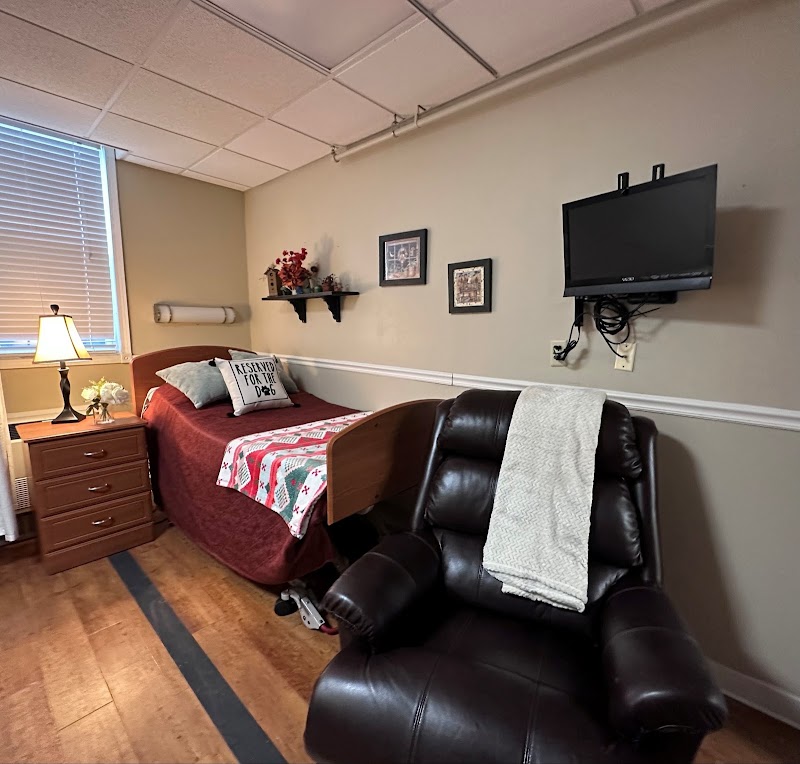
Who Owns and Operates Hickory Creek At Greensburg?

HICKORY CREEK AT GREENSBURG is owned by a for-profit company. For-profit facilities operate as businesses with obligations to shareholders or private owners. The facility is operated by AMERICAN SENIOR COMMUNITIES, a chain that manages multiple nursing homes. With 36 certified beds and approximately 28 residents (about 78% occupancy), it is a smaller facility located in GREENSBURG, Indiana.
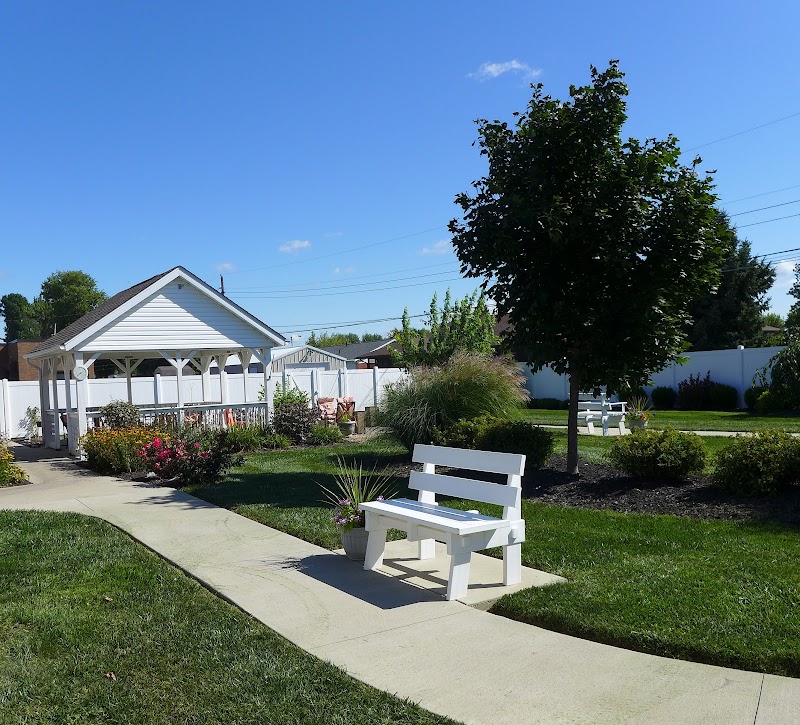
How Does Hickory Creek At Greensburg Compare to Other Indiana Nursing Homes?

Compared to the 100 nursing homes in Indiana, HICKORY CREEK AT GREENSBURG's overall rating (4 stars) is above the state average of 3.1, staff turnover (46%) is near the state average of 46%, and health inspection rating (4 stars) is above the national benchmark.

What Should Families Ask When Visiting Hickory Creek At Greensburg?

Based on this facility's data, families visiting should ask: "Can you walk me through typical staffing levels on day, evening, and night shifts?" "Can I visit during a mealtime to observe dining assistance and food quality?" "How do you handle medical emergencies, and what is your hospital transfer rate?" "Can I speak with family members of current residents about their experience?" These questions are particularly relevant given the below-average staffing rating.

Is Hickory Creek At Greensburg Safe?

Based on CMS inspection data, HICKORY CREEK AT GREENSBURG has a clean safety record: no substantiated abuse findings (meaning no confirmed cases of resident harm), no Immediate Jeopardy citations (the most serious violation level indicating risk of serious injury or death), and is not on the Special Focus Facility watch list (a federal program monitoring the lowest-performing 1% of nursing homes). The facility has a 4-star overall rating and ranks #1 of 100 nursing homes in Indiana. While no facility is perfect, families should still ask about staff-to-resident ratios and recent inspection results during their visit.

Do Nurses at Hickory Creek At Greensburg Stick Around?

HICKORY CREEK AT GREENSBURG has a staff turnover rate of 46%, which is about average for Indiana nursing homes (state average: 46%). Moderate turnover is common in nursing homes, but families should still ask about staff tenure and how the facility maintains care continuity when employees leave.

Was Hickory Creek At Greensburg Ever Fined?

HICKORY CREEK AT GREENSBURG has no federal fines on record. CMS issues fines when nursing homes fail to meet care standards or don't correct problems found during inspections. The absence of fines suggests the facility has either maintained compliance or corrected any issues before penalties were assessed. This is a positive indicator, though families should still review recent inspection reports for the full picture.

Is Hickory Creek At Greensburg on Any Federal Watch List?

HICKORY CREEK AT GREENSBURG is not on any federal watch list. The most significant is the Special Focus Facility (SFF) program, which identifies the bottom 1% of nursing homes nationally based on persistent, serious quality problems. Not being on this list means the facility has avoided the pattern of deficiencies that triggers enhanced federal oversight. This is a positive indicator, though families should still review the facility's inspection history directly.