ASPEN TRACE HEALTH & LIVING COMMUNITY
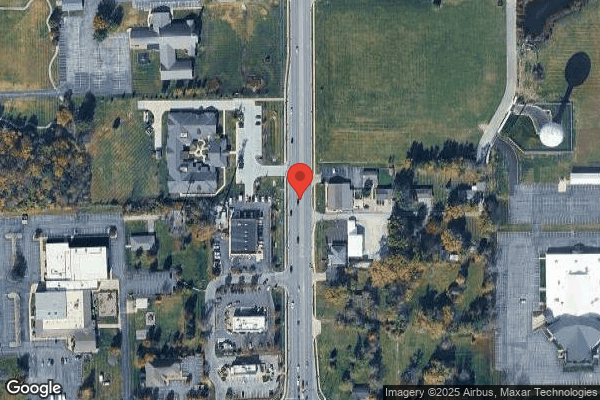

3154 SOUTH STATE ROAD 135, GREENWOOD, IN 46143 (317) 535-3344
Government - County 104 Beds CARDON & ASSOCIATES Data: November 2025
Trust Grade
85/100
#6 of 505 in IN
Last Inspection: April 2025

Within standard 12-15 month inspection cycle. Federal law requires annual inspections.

Overview

Aspen Trace Health & Living Community in Greenwood, Indiana has a Trust Grade of B+, which means it is recommended and above average in quality. It ranks #6 out of 505 facilities in Indiana, placing it in the top half, and is the best option among 10 facilities in Johnson County. The facility is stable, having reported 2 issues in both 2023 and 2025. While it has excellent ratings for overall care, health inspections, and quality measures, staffing is a concern with a low 1-star rating and a high turnover rate of 70%, significantly above the state average. There have been no fines reported, which is a positive sign, but there is notably less RN coverage than 99% of Indiana facilities, which could impact the quality of care. Specific incidents include a failure to keep food preparation sanitary, as observed staff did not cover their hair in the kitchen, and a resident’s call light was out of reach, making it difficult for them to summon help when needed. Additionally, an insulin pen was not labeled with an open date, which poses a risk in medication management. Overall, while Aspen Trace has strengths in its overall care quality, the staffing issues and specific incidents raised during inspections indicate areas that require attention.

Trust Score
B+
85/100
In Indiana
#6/505
Top 1%
Safety Record
Low Risk
No red flags
Inspections
Holding Steady
2 → 2 violations
Staff Stability
⚠ Watch
70% turnover. Above average. Higher turnover means staff may not know residents' routines.
Penalties
✓ Good
No fines on record. Clean compliance history, better than most Indiana facilities.
Skilled Nurses
⚠ Watch
Each resident gets only 15 minutes of Registered Nurse (RN) attention daily — below average for Indiana. Fewer RN minutes means fewer trained eyes watching for problems.
Violations
✓ Good
Only 5 deficiencies on record. Cleaner than most facilities. Minor issues only.
★★★★★
5.0
Overall Rating
★☆☆☆☆
1.0
Staff Levels
★★★★★
5.0
Care Quality
★★★★★
5.0
Inspection Score
Stable
2023: 2 issues
2025: 2 issues

The Good

  • 5-Star Quality Measures · Strong clinical quality outcomes
  • Full Sprinkler Coverage · Fire safety systems throughout facility
  • No fines on record

Facility shows strength in quality measures, fire safety.

The Bad

Staff Turnover: 70%

24pts above Indiana avg (46%)

Frequent staff changes - ask about care continuity

Chain: CARDON & ASSOCIATES

Part of a multi-facility chain

Ask about local staffing decisions and management

Staff turnover is elevated (70%)

22 points above Indiana average of 48%

The Ugly 5 deficiencies on record

Apr 2025 2 deficiencies
CONCERN (D)

Potential for Harm - no one hurt, but risky conditions existed

Deficiency F0558 (Tag F0558)

Could have caused harm · This affected 1 resident

Based on observation, interview, and record review, the facility failed to provide reasonable accommodation of needs for 1 of 22 residents reviewed for resident call light access. (Resident 12) Findin...

Read full inspector narrative →
Based on observation, interview, and record review, the facility failed to provide reasonable accommodation of needs for 1 of 22 residents reviewed for resident call light access. (Resident 12) Finding includes: On 4/22/25 at 9:18 a.m., Resident 12 was observed sitting up in bed. The over-the-bed table was in front of the resident. Resident 12's call light was observed hanging from the headboard behind the resident's left shoulder. The call light was out of sight and out of reach of Resident 12. During an interview at that time, Resident 12 indicated she did not know where her call light was. Resident 12 indicated the call light was not always accessible to her when she was in bed. During an interview on 4/22/25 at 9:25 a.m., Qualified Medication Aide (QMA) 3 indicated call lights were to be within the resident's reach. During an interview on 4/22/25 at 9:45 a.m., the Assistant Director of Nursing indicated call lights were to be kept within the resident's reach. On 4/22/25 at 9:55 a.m., Resident 12's clinical record was reviewed. The diagnoses included, but were not limited to, dementia, repeated falls, diabetes, and chronic kidney disease. The Annual Minimum Data Set (MDS) assessment, dated 3/25/25, indicated Resident 12 was moderately cognitively impaired, required substantial assistance with transfers, and had a history of falls. Resident 12's care plan, revised on 3/25/25, indicated the resident was at risk of falls. The interventions, included but was not limited to, keep call light within reach. On 4/24/25 at 9:45 a.m., the Director of Nursing provided a copy of the Resident Rights policy, dated June 2019, and indicated it was the current policy in use by the facility. A review of the policy indicated, .communities are committed to protecting and promoting the rights of the residents .equal access to quality care .receive care in accordance with personal preference . 3.1-3(v)(1)
CONCERN (D)

Potential for Harm - no one hurt, but risky conditions existed

Deficiency F0761 (Tag F0761)

Could have caused harm · This affected 1 resident

**NOTE- TERMS IN BRACKETS HAVE BEEN EDITED TO PROTECT CONFIDENTIALITY** Based on observation, interview, and record review, the facility failed to ensure medications were labeled with an open date for...

Read full inspector narrative →
**NOTE- TERMS IN BRACKETS HAVE BEEN EDITED TO PROTECT CONFIDENTIALITY** Based on observation, interview, and record review, the facility failed to ensure medications were labeled with an open date for 1 of 4 medication carts observed. An insulin pen was not labeled with an open date. (Renaissance 2 Medication Cart) Finding includes: On 4/22/25 at 8:30 a.m., the Renaissance 2 Medication Cart was observed. An opened Insulin Flex Pen 100 units/ml (milliliter) lacked labeling indicating the date the insulin pen was opened or to whom it was prescribed. LPN 2 indicated there was no label on the insulin and confirmed at that time that the 300-unit flex pen had 100 units remaining. During an interview on 4/22/25 at 9:48 a.m., the Corporate Nurse indicated the open date should have been on the insulin pen. On 4/22/25 at 1:10 p.m., the Corporate Nurse provided a policy titled, Section D, Drug Storage from Life Span Policy and procedure [NAME], undated, and indicated it was the current policy being used by the facility. A review of the policy indicated .Refrigerator Storage, 7, Insulin and PPD (TB) vaccine and other multi-dose vials requiring refrigeration need to be dated when opened. All vials should be discarded 28 days of the open date . 3.1-25(j)
Jul 2023 2 deficiencies
CONCERN (D) 📢 Someone Reported This

A family member, employee, or ombudsman was alarmed enough to file a formal complaint

Potential for Harm - no one hurt, but risky conditions existed

Comprehensive Care Plan (Tag F0656)

Could have caused harm · This affected 1 resident

Based on observation, interview, and record review, the facility failed to follow the plan of care for 1 of 4 residents reviewed for medication administration. Physician's orders were not followed. (R...

Read full inspector narrative →
Based on observation, interview, and record review, the facility failed to follow the plan of care for 1 of 4 residents reviewed for medication administration. Physician's orders were not followed. (Resident B) Finding includes: During an observation on 7/6/23 at 8:55 a.m., Registered Nurse (RN) 3 was observed preparing Resident B's medications with the DON present. When RN 3 got to the order for the dabigatran etexilate (Pradaxa) medication, RN 3 indicated that the medication was not available and that it had been reordered from the pharmacy. Neither staff member knew the generic name for the medication. During an interview on 7/6/23 at 1:57 p.m., the Administrator and the DON indicated that the medication had not been recognized by the generic name by staff administering medications and staff were unaware it was in the medication cart. They indicated Resident B had received it intermittently and should have received it twice daily as ordered. During an observation with the Administrator on 7/6/23 at 3:15 p.m., Resident B's dabigatran etexilate (Pradaxa) medication was observed in the bottom drawer of the medication cart containing Resident B's other medications. The label indicated that the pharmacy had sent the medication to the facility on 6/27/23. On 7/7/23 at 9:15 a.m., Resident B's clinical record was reviewed. Resident B's diagnoses included, but were not limited to, paroxysmal atrial fibrillation (a rapid, erratic heart rate that starts and stops on its own), chronic diastolic congestive heart failure (a serious condition in which the heart doesn't pump blood as efficiently as it should), chronic kidney disease, and the presence of a cardiac pacemaker. Physician orders included, and were not limited to: - Dabigatran etexilate (Pradaxa, a blood thinner or anticoagulant medication) capsule; 75 mg (milligrams) 1 capsule, oral twice a day for paroxysmal atrial fibrillation with a start date of 6/26/23 and no stop date noted. Resident B's electronic medication administration record (eMAR) from 6/26/23 through 7/6/23 was reviewed and indicated that the following: - On 6/27/23 for the Upon Rising (7:00 a.m. - 11:00 a.m.) dose, the medication was marked as not administered; the reason was On Hold and the comment was awaiting pharmacy. - On 6/27/23 for the Before Bedtime (6:00 p.m. - 10:00 p.m.) dose, the medication was marked as not administered; the reason was Other, and the comment was pending pharm. - On 6/28/23 for the Upon Rising dose, the medication was marked as not administered; the reason was Other, and the comment was waiting on rx [prescription]. - On 6/29/23 for the Upon Rising dose, the medication was marked as not administered; the reason was Drug/Item Unavailable, and the comment was pharmacy notified, waiting on delivery. - On 6/30/23 for the Upon Rising dose, the medication was marked as not administered; the reason was Drug/Item Unavailable, and the comment was pharmacy has been notified. - On 7/1/23 for the Upon Rising dose, the medication was marked as not administered; the reason was Drug/Item Unavailable. The entry lacked an associated comment. - On 7/2/23 for the Upon Rising dose, the medication was marked as not administered; the reason was On Hold and the comment was awaiting arrival. - On 7/3/23 for the Upon Rising dose, the medication was marked as not administered; the reason was On Hold and the comment was awaiting pharmacy. - On 7/5/23 for the Upon Rising dose, the medication was marked as not administered; the reason was Drug/Item Unavailable, and the reason was medication reordered. - On 7/5/23 for the Before Bedtime dose, the medication was marked as not administered; the reason was Drug/Item Unavailable. The entry lacked an associated comment. On 7/10/23 at 8:50 a.m., the DON provided a copy of the Protocol for Following Physician Orders, dated for 4/3/17, and indicated it was the policy currently in use by the facility. A review of the policy indicated under the procedure portion, All licensed staff will verify and follow physician orders as written. If for any reason, the physician order cannot be followed, the professional will contact the physician for further instructions. This Federal tag relates to Complaint IN00412739. 3.1-35(g)(2)
CONCERN (E)

Potential for Harm - no one hurt, but risky conditions existed

Food Safety (Tag F0812)

Could have caused harm · This affected multiple residents

Based on observation, interview, and record review, the facility failed to ensure foods were served in a sanitary and safe manner for 2 of 3 kitchen observations. Staff hair was not covered while in t...

Read full inspector narrative →
Based on observation, interview, and record review, the facility failed to ensure foods were served in a sanitary and safe manner for 2 of 3 kitchen observations. Staff hair was not covered while in the kitchen food preparation area. (Cook 2, Dietary Manager) Findings include: 1. During a follow-up kitchen observation on 7/5/23 from 11:30 a.m. to 11:50 a.m., the following was observed: a. [NAME] 2 was observed walking through out the kitchen area where the noon meal was being prepared and was observed near the steam table and near the food carts where the noon meal was being held. [NAME] 2 was observed to have multiple hairs in front of both ears, approximately 2 inches in length, and multiple hairs, approximately one inch in length above and below the neckline, that were observed to not be covered. b. The DM (Dietary Manager) was observed walking through out the kitchen area where the noon meal was being prepared and was observed near the steam table and near the food carts where the noon meal was being held. The DM was observed to have multiple hairs, approximately 2 inches in length at and above the neckline, that were observed to not be covered. 2. During a follow-up kitchen observation on 7/5/23 from 12:50 p.m. to 12:55 p.m., the following was observed: a. [NAME] 2 was observed walking through out the kitchen area near the steam table where the noon meal was being held. [NAME] 2 was observed to have multiple hairs in front of both ears, approximately 2 inches in length, and multiple hairs, approximately one inch in length, above and below the neckline, that were observed to not be covered. b. The DM was observed walking through out the kitchen and near the steam table where the noon meal was being held. The DM was observed to have multiple hairs, approximately 2 inches in length, at and above the neckline, that were observed to not be covered. On 7/7/23 at 8:00 a.m., the Activity Director provided a copy of the 4/27/23 Resident Council Minutes. A review of the minutes indicated, .New business .Dietary - staff not wearing hairnets . On 7/7/23 at 3:50 p.m., the Kitchen Corporate Consultant provided a copy of the Resident/Family Concern/Grievance Form, dated 4/27/23. A review of the document indicated, .Person receiving concern: Activity Director; Department responsible for concern: Dietary. Section 1: nature of concern .hairnets. During an interview on 7/5/23 at 1:00 p.m., the Kitchen Corporate Consultant indicated all staff hair was to be totally covered while in the kitchen. On 7/5/23 at 1:13 p.m., the Kitchen Corporate Consultant provided a copy of the Environmental Sanitation/Infection Control policy, dated 2012, and indicated it was the current policy in use by the facility. A review of the policy indicated, .staff involved in storing, preparing, distributing and serving food to residents practice habits of good personal hygiene to protect residents from contamination and food borne illness. Standards of personal hygiene reflect federal, state and local requirements .hair restraint that effectively covers head .is worn in food preparation areas .hair is arranged to prevent contamination of food, equipment, and utensils . On 7/7/23 at 3:30 p.m., a review of the Indiana Food Establishment Sanitation Requirements, Title 410 IAC 7-24, effective November 13, 2004, indicated, .food employees shall wear hair restraints, such as hats, hair coverings or nets .that are designed and worn to effectively keep their hair from contacting .exposed food . 3.1-21(i)(2) 3.1-21(i)(3)
Dec 2022 1 deficiency
CONCERN (D) 📢 Someone Reported This

A family member, employee, or ombudsman was alarmed enough to file a formal complaint

Potential for Harm - no one hurt, but risky conditions existed

Medical Records (Tag F0842)

Could have caused harm · This affected 1 resident

**NOTE- TERMS IN BRACKETS HAVE BEEN EDITED TO PROTECT CONFIDENTIALITY** Based on interview and record review, the facility failed to ensure a medical record were complete for 1 of 3 residents reviewed...

Read full inspector narrative →
**NOTE- TERMS IN BRACKETS HAVE BEEN EDITED TO PROTECT CONFIDENTIALITY** Based on interview and record review, the facility failed to ensure a medical record were complete for 1 of 3 residents reviewed for medical records. (Resident B) Finding includes: During an interview on 12/29/22 at 2:07 p.m., Resident B indicated she was sent to the hospital a few weeks ago but she didn't remember why. The clinical record for Resident B was reviewed on 12/30/22 at 8:31 a.m. The diagnosis included, but was not limited to, anxiety disorder. A Quarterly MDS (Minimum Data Set) assessment, dated 9/22/22, indicated Resident B was cognitively intact. A hospital Discharge summary, dated [DATE], indicated Resident B was sent to the emergency department and diagnosed with aspiration and pneumonia. The clinical record lacked information related to Resident B's transfer to the hospital. During an interview on 12/30/22 at 12:19 p.m., the DON (Director of Nursing) indicated Resident B was sent to the emergency department on 10/7/22. The staff should have documented when Resident B was sent to the hospital. On 12/30/22 at 10:00 a.m., the DON provided a copy of a facility policy, titled Change in a Resident's Condition or Status, dated 10/2010, and indicated this was the current policy used by the facility. A review of the policy indicated the nurse supervisor/charge nurse with record in the resident's medical record information relative to changes in the resident's medical/mental condition or status. This Federal tag relates to Complaint IN00397556. 3.1-50(a)(1)
Understanding Severity Codes (click to expand)
Life-Threatening (Immediate Jeopardy)
J - Isolated K - Pattern L - Widespread
Actual Harm
G - Isolated H - Pattern I - Widespread
Potential for Harm
D - Isolated E - Pattern F - Widespread
No Harm (Minor)
A - Isolated B - Pattern C - Widespread

Questions to Ask on Your Visit

  • "Why is there high staff turnover? How do you retain staff?"
  • "Can I speak with families of current residents?"
  • "What's your RN coverage like on weekends and overnight?"

Our Honest Assessment

Strengths
  • • Grade B+ (85/100). Above average facility, better than most options in Indiana.
  • • No major safety red flags. No abuse findings, life-threatening violations, or SFF status.
  • • No fines on record. Clean compliance history, better than most Indiana facilities.
  • • Only 5 deficiencies on record. Cleaner than most facilities. Minor issues only.
Concerns
  • • 70% turnover. Above average. Higher turnover means staff may not know residents' routines.
Bottom line: Generally positive indicators. Standard due diligence and a personal visit recommended.

About This Facility

What is Aspen Trace Health & Living Community's CMS Rating?

CMS assigns ASPEN TRACE HEALTH & LIVING COMMUNITY an overall rating of 5 out of 5 stars, which is considered much above average nationally. Within Indiana, this rating places the facility higher than 99% of the state's 100 nursing homes. This rating reflects solid performance across the metrics CMS uses to evaluate nursing home quality.

How is Aspen Trace Health & Living Community Staffed?

CMS rates ASPEN TRACE HEALTH & LIVING COMMUNITY's staffing level at 1 out of 5 stars, which is much below average compared to other nursing homes. Staff turnover is 70%, which is 24 percentage points above the Indiana average of 46%. High turnover can affect care consistency as new staff learn residents' individual needs. RN turnover specifically is 78%, which is notably high. RNs provide skilled clinical oversight, so turnover in this role can affect medical care quality.

What Have Inspectors Found at Aspen Trace Health & Living Community?

State health inspectors documented 5 deficiencies at ASPEN TRACE HEALTH & LIVING COMMUNITY during 2022 to 2025. These included: 5 with potential for harm.

Who Owns and Operates Aspen Trace Health & Living Community?

ASPEN TRACE HEALTH & LIVING COMMUNITY is owned by a government entity. Government-operated facilities are typically run by state, county, or municipal agencies. The facility is operated by CARDON & ASSOCIATES, a chain that manages multiple nursing homes. With 104 certified beds and approximately 97 residents (about 93% occupancy), it is a mid-sized facility located in GREENWOOD, Indiana.

How Does Aspen Trace Health & Living Community Compare to Other Indiana Nursing Homes?

Compared to the 100 nursing homes in Indiana, ASPEN TRACE HEALTH & LIVING COMMUNITY's overall rating (5 stars) is above the state average of 3.1, staff turnover (70%) is significantly higher than the state average of 46%, and health inspection rating (5 stars) is much above the national benchmark.

What Should Families Ask When Visiting Aspen Trace Health & Living Community?

Based on this facility's data, families visiting should ask: "How do you ensure continuity of care given staff turnover, and what is your staff retention strategy?" "Can you walk me through typical staffing levels on day, evening, and night shifts?" "Can I visit during a mealtime to observe dining assistance and food quality?" "How do you handle medical emergencies, and what is your hospital transfer rate?" These questions are particularly relevant given the facility's high staff turnover rate and the below-average staffing rating.

Is Aspen Trace Health & Living Community Safe?

Based on CMS inspection data, ASPEN TRACE HEALTH & LIVING COMMUNITY has a clean safety record: no substantiated abuse findings (meaning no confirmed cases of resident harm), no Immediate Jeopardy citations (the most serious violation level indicating risk of serious injury or death), and is not on the Special Focus Facility watch list (a federal program monitoring the lowest-performing 1% of nursing homes). The facility has a 5-star overall rating and ranks #1 of 100 nursing homes in Indiana. While no facility is perfect, families should still ask about staff-to-resident ratios and recent inspection results during their visit.

Do Nurses at Aspen Trace Health & Living Community Stick Around?

Staff turnover at ASPEN TRACE HEALTH & LIVING COMMUNITY is high. At 70%, the facility is 24 percentage points above the Indiana average of 46%. Registered Nurse turnover is particularly concerning at 78%. RNs handle complex medical decisions and coordinate care — frequent RN changes can directly impact care quality. High turnover means new staff may not know residents' individual needs, medications, or preferences. It can also be disorienting for residents, especially those with dementia who rely on familiar faces. Families should ask: What is causing the turnover? What retention programs are in place? How do you ensure care continuity during staff transitions?

Was Aspen Trace Health & Living Community Ever Fined?

ASPEN TRACE HEALTH & LIVING COMMUNITY has no federal fines on record. CMS issues fines when nursing homes fail to meet care standards or don't correct problems found during inspections. The absence of fines suggests the facility has either maintained compliance or corrected any issues before penalties were assessed. This is a positive indicator, though families should still review recent inspection reports for the full picture.

Is Aspen Trace Health & Living Community on Any Federal Watch List?

ASPEN TRACE HEALTH & LIVING COMMUNITY is not on any federal watch list. The most significant is the Special Focus Facility (SFF) program, which identifies the bottom 1% of nursing homes nationally based on persistent, serious quality problems. Not being on this list means the facility has avoided the pattern of deficiencies that triggers enhanced federal oversight. This is a positive indicator, though families should still review the facility's inspection history directly.