GREENWOOD HEALTH AND LIVING COMMUNITY
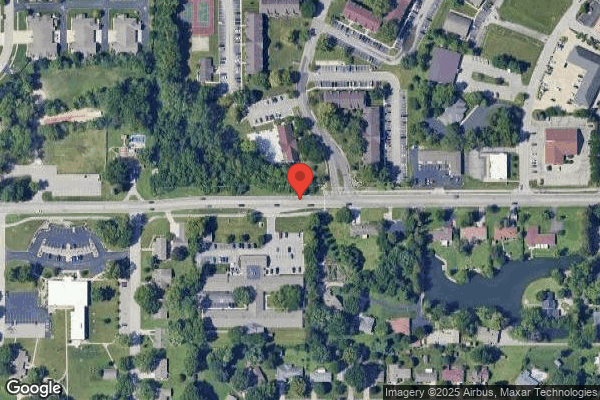

937 FRY RD, GREENWOOD, IN 46142 (317) 881-3535
For profit - Corporation 111 Beds CARDON & ASSOCIATES Data: November 2025
Trust Grade
60/100
#245 of 505 in IN
Last Inspection: May 2025

Inspected within the last 6 months. Data reflects current conditions.

Overview

Greenwood Health and Living Community has a Trust Grade of C+, which means it is slightly above average but still has room for improvement. It ranks #245 out of 505 facilities in Indiana, placing it in the top half, but it is #9 out of 10 in Johnson County, indicating limited local options for better care. The facility is experiencing a worsening trend, with the number of issues increasing from 4 in 2024 to 7 in 2025. Staffing is a significant concern, rated at 1 out of 5 stars, with a staff turnover rate of 61%, much higher than the state average of 47%. While there are no fines on record, which is a positive sign, the facility has faced serious concerns such as missing narcotic medications for multiple residents and a failure to implement care plans for individuals at risk of falls, which raises questions about resident safety and care quality.

Trust Score
C+
60/100
In Indiana
#245/505
Top 48%
Safety Record
Low Risk
No red flags
Inspections
Getting Worse
4 → 7 violations
Staff Stability
⚠ Watch
61% turnover. Above average. Higher turnover means staff may not know residents' routines.
Penalties
✓ Good
No fines on record. Clean compliance history, better than most Indiana facilities.
Skilled Nurses
⚠ Watch
Each resident gets only 26 minutes of Registered Nurse (RN) attention daily — below average for Indiana. Fewer RN minutes means fewer trained eyes watching for problems.
Violations
⚠ Watch
13 deficiencies on record. Higher than average. Multiple issues found across inspections.
★★★☆☆
3.0
Overall Rating
★☆☆☆☆
1.0
Staff Levels
★★★★★
5.0
Care Quality
★★★☆☆
3.0
Inspection Score
Stable
2024: 4 issues
2025: 7 issues

The Good

  • 5-Star Quality Measures · Strong clinical quality outcomes
  • Full Sprinkler Coverage · Fire safety systems throughout facility
  • No fines on record

Facility shows strength in quality measures, fire safety.

The Bad

3-Star Overall Rating

Near Indiana average (3.1)

Meets federal standards, typical of most facilities

Staff Turnover: 61%

15pts above Indiana avg (46%)

Frequent staff changes - ask about care continuity

Chain: CARDON & ASSOCIATES

Part of a multi-facility chain

Ask about local staffing decisions and management

Staff turnover is elevated (61%)

13 points above Indiana average of 48%

The Ugly 13 deficiencies on record

May 2025 6 deficiencies
CONCERN (D)

Potential for Harm - no one hurt, but risky conditions existed

Deficiency F0558 (Tag F0558)

Could have caused harm · This affected 1 resident

Based on observation, interview and record review, the facility failed to provide reasonable accommodation of needs for 1 of 19 reviewed for call light access. (Resident 73) Finding includes: On 5/20/...

Read full inspector narrative →
Based on observation, interview and record review, the facility failed to provide reasonable accommodation of needs for 1 of 19 reviewed for call light access. (Resident 73) Finding includes: On 5/20/25 from 8:35 a.m. to 8:40 a.m., Resident 73 was observed resting in bed while eating breakfast. Resident 73's call light was observed approximately 3 feet to the left of the head of the bed. The call light cord and mechanism were observed hanging from the wall to approximately 3 inches above the floor. The observed call light system was not within reach of the resident. During an interview at that time, Resident 73 indicated he did not know where the call light was located. During an interview on 5/20/25 at 8:43 a.m., Scheduler 7 indicated Resident 73's call light was to be kept within reach of the resident. Resident 73 sometimes would throw his call light around. On 5/22/25 at 8:45 a.m., Resident 73 was observed sitting in his wheelchair that was positioned at the foot end on the left side of the bed. Resident 73 was facing away from the head of the bed. Against the wall and to the left of the head of the bed was a small bedside table. The call light cord and mechanism were observed hanging from the wall and resting onto the floor to the left of the bedside table. The observed call light system was not within reach of the resident. During an interview at that time, Resident 73 indicated he did not where the call light was located. During an interview on 5/22/25 at 8:47 a.m., Unit Manager 8 indicated call lights were to be kept within reach of the resident. Resident 73 was known to toss the call light around at times. On 5/20/25 at 1:18 p.m., Resident 73's clinical record was reviewed. The diagnosis included, but was not limited to, hemiplegia and hemiparesis (paralysis) following a stroke affecting the dominant right side. The Annual Minimum Data Set (MDS) assessment, dated 4/29/25, indicated Resident 73 was severely cognitively impaired and was at risk for falls. During an interview on 5/22/25 at 8:29 a.m., the Administrator indicated the facility did not have a specific call light policy. The facility practice was that staff were to ensure the call lights were kept within reach of the residents. 3.1-3(v)(1)
CONCERN (D)

Potential for Harm - no one hurt, but risky conditions existed

Quality of Care (Tag F0684)

Could have caused harm · This affected 1 resident

Based on observation, record review, and interview, the facility failed to provide care in accordance with the plan of care for 1 of 1 residents reviewed for skin conditions. Physician's orders were n...

Read full inspector narrative →
Based on observation, record review, and interview, the facility failed to provide care in accordance with the plan of care for 1 of 1 residents reviewed for skin conditions. Physician's orders were not followed for skin treatments. (Resident F) Finding includes: On 5/20/25 at 8:30 a.m., observed Resident F in the hallway. Resident F was observed sitting in his wheelchair in the hall way. Resident F was wearing short pants. Multiple dried scabs were observed on both of his legs. An open area was observed on his left knee. No dressing was observed. On 5/21/25 at 9:00 a.m., observed Resident F in the hallway wearing short pants. Multiple dried scabs were observed on his both of his legs. An open area was observed on his left knee. No dressing was observed. On 5/22/25 at 9:18 a.m., Resident F was observed sitting in the hallway in his wheelchair wearing shorts. Dried red drainage was observed on his left leg. Open area's on both legs and his left knee were observed to be exposed. On 5/23/25 at 9:48 a.m., Resident F's clinical record was reviewed. The diagnosis included, but was not limited to, type 2 diabetes mellitus with neuropathy. A Physician's Order, initiated 4/13/25, indicated to clean the open scab on the left knee every other day with normal saline and cover with a border dressing every evening and every shift as needed for soilage or dislodgement. During an interview on 5/22/25 at 1:30 p.m., the Director of Nursing indicated the facility was to follow the physicians orders for the treatment of Resident F's lower extremities and should have had a dressing as ordered by the physician. 3.1-37(a)
CONCERN (D)

Potential for Harm - no one hurt, but risky conditions existed

Tube Feeding (Tag F0693)

Could have caused harm · This affected 1 resident

Based on observation, interview, and record review, the facility failed to ensure a resident's enteral feeding (tube feeding) was signed and dated for 1 of 1 resident reviewed for enteral feeding devi...

Read full inspector narrative →
Based on observation, interview, and record review, the facility failed to ensure a resident's enteral feeding (tube feeding) was signed and dated for 1 of 1 resident reviewed for enteral feeding devices. (Resident 253) Finding includes: On 5/19/25 at 11:45 a.m., Resident 253's clinical record was reviewed. The diagnoses included, but were not limited to, atherosclerotic heart disease (a build-up of plaque in artery walls) and unspecified dysphagia (difficulty swallowing). Physician's Orders indicated Resident 253 had an order for Osmolite 1.2 (a type of enteral tube feeding) to run at 65 mL/hr (milliliters per hour) and H20 (water) at 53 mL/hr bolus (dose) to run continuously on each shift. On 5/19/25 at 12:45 p.m., Resident 253 was observed resting in bed. Next to the bed was an IV pole with an electronic pump device connected to Resident 253. The device was noted to be running at the time of observation. The tube feeding container running into the pump device was labeled as Osmolite 1.2 roughly three fourths full of a tan colored liquid and an unlabeled bag filled with clear liquid also running into the pump device. The feeding container had areas where staff could sign and date it, but they were blank. The clear plastic bag of clear fluid was also unlabeled or dated. The tubing itself was unlabeled or dated. On 5/20/25 at 8:40 a.m., Resident 253 was observed sitting up in his wheelchair. Next to the wheelchair was an electronic pump device connected to Resident 253. The device was noted to be running at the time of observation. The tube feeding container running into the pump device was an Osmolite 1.2 mostly full of a tan colored liquid and an unlabeled bag filled with clear liquid also running into the pump device. The feeding container had areas where staff could sign and date it, but they were blank. The clear plastic bag of clear fluid was also unlabeled or dated and the top of the bag was open. The tubing itself was unlabeled or dated. During an interview on 5/20/25 at 8:58 a.m., LPN 9 indicated that the feeding container and water flush bag should both be labeled, and that the flush bag should not be open. LPN 9 closed the water flush bag and indicated another nurse had started Resident 253's tube feeding earlier, but LPN 9 would find out when it was signed out and have it labeled appropriately. During an interview on 5/22/25 at 9:00 a.m., the DON (Director of Nursing) and Administrator indicated that the tube feeding bag should have been signed and dated. 3.1-47(a)(2)
CONCERN (D)

Potential for Harm - no one hurt, but risky conditions existed

Infection Control (Tag F0880)

Could have caused harm · This affected 1 resident

Based on interview and record review, the facility failed to ensure residents were provided a two-step tuberculin skin test upon admission for 1 of 5 resident reviewed for tuberculin skin tests. (Resi...

Read full inspector narrative →
Based on interview and record review, the facility failed to ensure residents were provided a two-step tuberculin skin test upon admission for 1 of 5 resident reviewed for tuberculin skin tests. (Resident 50) Finding includes: On 5/19/25 at 12:45 p.m., Resident 50's clinical record was reviewed. The diagnoses included, but were not limited to, chronic respiratory failure, chronic pulmonary edema (an abnormal build up of fluid in the lungs), and type 2 diabetes mellitus (a chronic condition causes high blood sugar levels). Resident 50 had an admission date of 3/29/25. Resident 50's TB (Tuberculin) test administration history indicated that resident had a first step TB skin test administered on 3/29/25 and a first step TB skin test administered on 4/30/25. The two skin tests were each read with negative results and they were administered 32 days apart. Both tests were labeled in the system as first step TB skin tests and there was no timely second step associated with either. During an interview on 5/22/25 at 9:00 a.m., the DON (Director of Nursing) indicated that Resident 50's two step TB skin tests were being repeated as the first two were administered too far apart chronologically. On 5/22/25 at 9:22 a.m., the Administrator provided a copy a policy titled Tuberculosis Infection Control Program, dated October 2017, and indicated it was the policy currently in use by the facility. A review of the policy indicated, A. Screening Admissions or Readmissions .4. If the first TST [tuberculin skin test] is negative, a follow-up TST will be administered 1 to 3 weeks after the initial test is read. 3.1-18(f)
CONCERN (E) 📢 Someone Reported This

A family member, employee, or ombudsman was alarmed enough to file a formal complaint

Potential for Harm - no one hurt, but risky conditions existed

Deficiency F0602 (Tag F0602)

Could have caused harm · This affected multiple residents

**NOTE- TERMS IN BRACKETS HAVE BEEN EDITED TO PROTECT CONFIDENTIALITY** Based on interview and record review, the facility failed to protect the resident's rights to be free from misappropriation of p...

Read full inspector narrative →
**NOTE- TERMS IN BRACKETS HAVE BEEN EDITED TO PROTECT CONFIDENTIALITY** Based on interview and record review, the facility failed to protect the resident's rights to be free from misappropriation of property for 5 of 5 residents reviewed for misappropriation of property. Narcotic medications were missing. (Resident B, Resident C, Resident D, Resident E, Resident F) Findings include: 1. On 5/20/25 at 12:02 p.m., Resident B's clinical record was reviewed. The diagnoses included, but were not limited to, hypertensive chronic kidney disease and osteomyelitis of vertebra (inflammation of bone caused by infection of a spinal disc). The Annual MDS (Minimum Data Set) assessment, dated 4/7/25, indicated Resident B was cognitively intact. The Physician's Orders included, but were not limited to: - Hydrocodone-acetaminophen (narcotic pain medication) 5-325 mg (milligrams), every six hours a day for pain, initiated 3/27/24. 2. On 5/20/25 at 12:05 p.m., Resident C's clinical record was reviewed. The diagnoses included, but were not limited to, osteomyelitis, pneumonia, and acute respiratory distress. The admission MDS assessment, dated 5/1/24, indicated Resident C was cognitively intact. The Physician Order Report, dated 4/30/25, indicated the following: - Oxycodone-acetaminophen (narcotic pain medication) 5-325 mg, one tablet every four hours as needed for acute pain. 3. On 5/20/25 at 12:08 p.m., Resident D's clinical record was reviewed. The diagnoses included, but were not limited to, atrial fibrillation and personal history of traumatic brain injury. The Quarterly MDS assessment, dated 4/11/25, indicated Resident D was severely cognitively impaired. The Physician Order Report, dated 4/18/25 indicated the following: -Tramadol (narcotic pain medication) 50 mg, three times a day. 4. On 5/20/25 at 12:10 p.m., Resident E's clinical record was reviewed. The diagnoses included, but were not limited to, cerebral palsy, contracture of right knee, and acute kidney failure. The Quarterly MDS assessment, dated 5/16/25, indicated Resident E was moderately cognitive impaired. The Physician Order Report, dated 3/28/25 indicated the following: - Hydrocodone-acetaminophen 5-325 mg tablet oral tab three times a day. 5. On 5/20/25 at 12:15 p.m., Resident F's clinical record was reviewed. The diagnoses included, but were not limited to, chronic obstructive pulmonary disease, physical debility, and type 2 diabetes mellitus. The admission MDS assessment, dated 4/28/25, indicated Resident F was moderately cognitive impaired. The Physician Order Report, dated 4/21/25 indicated the following: - Hydrocodone-acetaminophen 5-235 mg, one by mouth every six hours as needed. During an interview on 5/21/25 at 2:18 p.m., the Director of Nursing (DON) and Administrator indicated that on 5/7/25 it was brought to their attention that there were a few discrepancies in the narcotic count. During the facility investigation it was discovered that on 5/5/25, LPN 4 took possession of 30 tablets of hydrocodone-acetaminophen 5-325 mg and a card of Ambien prescribed for Resident B. LPN 4 did return the Ambien for destruction but indicated she did not know what happened to Resident B's 30 tablets of hydrocodone-acetaminophen that she had removed for destruction. The DON and Administrator indicated at that time that LPN 4 also signed out an oxycodone-hydrocodone 5-325 mg for Resident C. Resident C was not in facility at that time. It was also noted a Tramadol 50 mg tablet was obtained from the narcotic lock box as an as needed medication for Resident D. Resident D did not have an order for Tramadol as needed, only scheduled times. The DON and Administrator indicated that further investigation revealed hydrocodone-acetaminophen 5-325 mg was missing from the narcotic lock box for Resident E. Resident E was missing 44 hydrocodone-acetaminophen 5-325 mg. LPN 4 was placed on leave pending the investigation and terminated. The DON called LPN 4 who indicated she accidentally took the 44 hydrocodone-acetaminophen 5-325 mg from the facilities lock box and would return them. On 5/22/25 at 9:49 a.m., the facility investigation into the missing narcotic pain medication was reviewed. The investigation indicated the following: - Resident B's Controlled Drug Record indicated the resident should have had 30 hydrocodone-acetaminophen 5-325 mg on the cart. The tablets were missing. - Resident C Oxycodone-acetaminophen 5-325 mg, one tablet every four hours as needed for acute pain. The facility investigation indicated that one medication was missing - Resident D's Tramadol 50 mg three times a day. The facility investigation indicated one Tramadol was missing. - Resident E's hydrocodone-acetaminophen 5-325 mg tablet, oral tab three times a day. The facility investigation indicated one hydrocodone-acetaminophen was missing. - Resident F's hydrocodone-acetaminophen 5-235 mg, one by mouth, every six hours as needed. The facility investigation indicated that 44 hydrocodone-acetaminophen were missing. During an interview on 5/22/25 at 10:34 a.m., LPN 10 indicated that when narcotics needed to be destroyed the Unit Manager was notified and if a resident refused a narcotic, then two nurses would sign off on the destruction. During an interview on 5/22/25 at 10:55 a.m., RN 12 indicated the DON took care of destruction of narcotics unless it was a single dose refusal then two nurses signed off on the destruction. On 5/22/25 at 8:54 a.m., the Administrator (ADM) provided the facility policy, Abuse, Neglect, and Misappropriation Prohibition and Prevention Policy, with a revision date of 6/4/19, and indicated it was the policy currently being used by the facility. A review of the policy indicated, .It is the policy of [NAME] & Associates, Inc. and its member Communities to provide each resident with an environment that is free from .misappropriation of their property . On 5/22/25 at 8:42 a.m., the Administrator (ADM) provided the facility policy, Clinical- Policy and Procedure for Scheduled Drugs, undated, and indicated it was the policy currently being used by the facility. A review of the policy indicated, . 2, 2.3, Discontinued schedule II, III, IV and V drugs are to be destroyed in the Community in the presence of the Director of Nursing (DON) or designee and a registered nurse employed by Community and their disposal record in accordance with the procedures for destruction of controlled drugs as provided in section 3. 4, 4.1, At the beginning of an associate's shift they must be count and account for all scheduled drugs, including refrigerated drugs with the outgoing associate. 4.2, At the end of an associate's shift they must count and account for all scheduled drugs, including refrigerated drugs with the oncoming associate. This citation relates to the Complaint IN00459109. 3.1-28(a)
CONCERN (E)

Potential for Harm - no one hurt, but risky conditions existed

Comprehensive Care Plan (Tag F0656)

Could have caused harm · This affected multiple residents

Based on observation, interview, and record review, the facility failed to develop care plans for 5 of 19 residents reviewed. Care plans were not developed for skin conditions, use of an electric whee...

Read full inspector narrative →
Based on observation, interview, and record review, the facility failed to develop care plans for 5 of 19 residents reviewed. Care plans were not developed for skin conditions, use of an electric wheelchair, and non-compliance. (Resident F, Resident 28, Resident 73, Resident 56, Resident 74) Finding includes: 1. On 5/20/25 at 8:30 a.m., observed Resident F in the hallway. Resident F was observed sitting in his manual wheelchair in the hall way. Resident F was wearing short pants. Multiple dried scabs were noted on his bilateral lower extremities. An open area was observed on his left knee and no dressing was observed. During an interview on 5/20/25 at 9:30 a.m., Resident F indicated the facility took his electric wheelchair away from him. On 5/20/25 at 10:00 a.m., Resident F's clinical record was reviewed. The diagnoses included, but were not limited to, physical debility and muscle weakness. An admission Assessment, dated 4/21/25, indicated Resident F arrived to the facility with a motorized wheelchair. An admission Minimum Data Set (MDS) assessment, dated 4/28/25, indicated Resident F was cognitively intact. A Physician's Order, dated 4/13/25 with no end date, indicated clean open scab on left knee every other day with normal saline and cover with a border dressing every evening and every shift as needed for soilage or dislodgement. An Occupational Therapy Note, dated 5/15/25, indicated Resident F had several incidents where he had run into objects with his power wheelchair. The facility would prohibit the use of the electric wheel chair until further assessments and training were completed. The clinical record lacked a comprehensive care plan related to the use of Resident F's electric wheel and skin conditions. During an interview on 5/21/25 at 1:00 p.m., the Administrator indicated the electric wheelchair was taken away for safety issues. Resident F was to be evaluated by Occupational Therapy to determine if the resident was safe to use the electric wheelchair. During an interview on 5/21/25 at 1:33 p.m., the Administrator indicated the clinical record lacked a care plan regarding the electric wheelchair. During an interview on 5/24/25 at 2:33 p.m., the Director of Nursing indicated the clinical record lacked a care plan regarding Resident F's skin conditions. 2. On 5/24/25 at 12:00 p.m., the clinical record of Resident 74 was reviewed. The diagnoses included but was not limited to, vascular dementia and type 2 diabetes mellitus. A Skin Assessment, dated 2/26/25, indicated an open area on Resident 74's right heel. A Physician's order, dated 3/29/25, indicated, cleanse right heel with normal saline or wound cleanser. Pat dry and paint with betadine pad with ABD pad and wrap with kerlix. The clinical record lacked a care plan related to the pressure ulcer on Resident 74's right heel. On 5/24/25 the Administrator indicated the facility was unable to locate a current skin care plan that included the pressure ulcer on Resident 74's right heel. 3. On 5/19/25 from 9:40 a.m. to 9:50 a.m., Resident 56 was observed resting in bed. The bed was observed to be in the highest position, approximately 40 inches above the floor. The handheld bed control device was observed on the bed and within reach of the resident. No staff were visible in the area during that time. During an interview at that time, Resident 56 indicated she liked the bed being so high above the floor so she could watch people walking in the hall. On 5/19/25 from 11:25 a.m. to 11:35 a.m., Resident 56 was observed resting in bed. The bed was observed to be in the highest position, approximately 40 inches above the floor. The handheld bed control device was observed on the bed and within reach of the resident. No staff were visible in the area during that time. During an interview on 5/19/25 at 11:37 a.m., LPN 5 indicated she did not know the reason for Resident 56's bed to have been left in the highest position. LPN 5 was observed exiting Resident 56's room without lowering the height of the bed. During an interview on 5/19/25 at 11:37 a.m., CNA 6 Indicated Resident 56's bed was not usually kept in the highest position and there were times when Resident 56 would adjust the height of the bed. CNA 6 was observed adjusting the bed into a lower position. On 5/19/25 at 11:45 a.m., Resident 56's clinical record was reviewed. The diagnoses included, but were not limited to, dementia, mood disturbance, and anxiety. The Quarterly Minimum Data Set (MDS) assessment, dated 3/4/25, indicated Resident 56 was severely cognitively impaired. The clinical record lacked a care plan related to Resident 56's non-compliance with keeping the bed in the low position. During an interview on 5/21/25 at 4:15 p.m., the Administrator indicated Resident 56's care plan should have reflected her non-compliance with keeping the bed in the low position. 4. On 5/20/25 from 8:35 a.m. to 8:40 a.m., Resident 73 was observed resting in bed while eating breakfast. Resident 73's call light was observed approximately 3 feet to the left of the head of the bed. The call light cord and mechanism were observed hanging from the wall to approximately 3 inches from the floor. The observed call light system was not within reach of the resident. During an interview at that time, Resident 73 indicated he did not know where the call light was located. During an interview on 5/20/25 at 8:43 a.m., Scheduler 7 indicated Resident 73's call light was to be kept within reach of the resident. Resident 73 sometimes would throw his call light around. On 5/22/25 at 8:45 a.m., Resident 73 was observed sitting in his wheelchair that was positioned at the foot end of the left side of the bed. Resident 73 was facing away from the head of the bed. Against the wall and to the left of the head of the bed was a small bedside table. The call light cord and mechanism were observed hanging from the wall to the floor to the left of the bedside table. The observed call light system was not within reach of the resident. During an interview at that time, Resident 73 indicated he did not where the call light was located. During an interview on 5/22/25 at 8:47 a.m., Unit Manager 8 indicated call lights were to be kept within reach of the resident. Resident 73 was known to toss the call light around at times. On 5/20/25 at 1:18 p.m., Resident 73's clinical record was reviewed. The diagnosis included, but was not limited to, hemiplegia and hemiparesis (paralysis) following a stroke affecting the dominant right side. The Annual MDS assessment, dated 4/29/25, indicated Resident 73 was severely cognitively impaired and at risk for falls. Resident 73's clinical record lacked a care plan to address Resident 73's behavior for throwing the call light beyond his capacity to retrieve the call light. 5. During an observation on 5/21/25 at 11:00 a.m., Resident 28's coccyx and right ankle treatments were observed as ordered by the physician. Unit Manager 8 was observed cleansing the right ankle with normal saline, patting it dry, and applying a collagen sheet with silver and covering the area. Unit Manager 8 was also observed applying a thin layer of triad wound dressing to Resident 28's coccyx area. On 5/21/25 at 9:23 a.m., Resident 28's clinical record was reviewed. The diagnoses included, but were not limited to, sepsis, disorder of the muscle and abnormal posture. Current Physician Orders included, but was not limited to, the following: - Dated 3/19/25 with no end date noted, indicated Cleanse wound to [right] ankle with [normal saline], pat dry, apply collagen sheet with silver, cover with island dressing .daily . - Dated 5/15/25 with no end date noted, indicated triad wound dressing paste, thin amount - topical .apply thin layer to [moisture associated skin damage] .every shift . The Annual MDS assessment, dated 3/3/25, indicated Resident 28 was moderately cognitively impaired. Section M: Skin Conditions indicated Resident 28 was at risk of developing pressure ulcers and currently had one stage 2 pressure ulcer and one stage 3 pressure ulcer. On 5/22/25 at 9:22 a.m., the Administrator provided a copy of the current Wound Evaluation and Management Summary document that was completed by the Wound Physician on 5/21/25. A review of the document indicated Resident 28 currently had a stage 2 pressure wound on the coccyx and a stage 3 wound on the right ankle. The wounds had been present for at least 98 days and were considered in the healing process. Resident 28's clinical record lacked a a care plan for the two pressure ulcers. During an interview on 5/21/25 at 4:15 p.m., the Director of Nursing indicated Resident 28's care plan should have reflected the coccyx and right ankle-related skin conditions. On 5/22/25 at 1:21 p.m., the Administrator provided a copy of the Care Pans, Comprehensive Person-Centered policy, dated December 2016, and indicated it was the current policy being used by the facility A review of the document included, .A comprehensive, person-centered care plan that includes measurable objectives and timetables to meet the resident's physical, psychosocial and functional needs is developed and implemented for each resident .assessments of the residents are ongoing and care plans are revised as information about the residents and the residents' condition change . 3.1-35(a)
Apr 2025 1 deficiency
CONCERN (D) 📢 Someone Reported This

A family member, employee, or ombudsman was alarmed enough to file a formal complaint

Potential for Harm - no one hurt, but risky conditions existed

Deficiency F0602 (Tag F0602)

Could have caused harm · This affected 1 resident

**NOTE- TERMS IN BRACKETS HAVE BEEN EDITED TO PROTECT CONFIDENTIALITY** Based on interview and record review, the facility failed to protect the resident's rights to be free from misappropriation of p...

Read full inspector narrative →
**NOTE- TERMS IN BRACKETS HAVE BEEN EDITED TO PROTECT CONFIDENTIALITY** Based on interview and record review, the facility failed to protect the resident's rights to be free from misappropriation of property for 1 of 1 allegation of misappropriation of property. (Resident B) Finding include: On 4/30/25 at 12:02 p.m., Resident B's clinical record was reviewed. The diagnoses included, but were not limited to, diabetes mellitus, right tibia (shin bone) fracture, cellulitis, and pain in right leg. The annual MDS (Minimum Data Set) assessment, dated 3/7/25, indicated Resident B was cognitively intact. The Physician Order Report, dated 4/30/25, indicated the following: - Oxycodone-acetaminophen (pain medication) 7.5-325 mg (milligrams), twice a day for pain, initiated 1/13/25. - Oxycodone-acetaminophen 7.5-325 mg, every 4 hours as needed for right leg pain, initiated 1/13/25. Resident B's Controlled Drug Record for Oxycodone-acetaminophen 7.5-325 mg had a tablet signed out on 4/11/25 at 10:00 a.m. by Licensed Practical Nurse (LPN) 1. Four tablets remained. During an interview on 4/30/25 at 1:08 p.m., the Director of Nursing (DON) indicated on 4/11/25, when LPN 1 started her day shift, she counted the medications which were in the lock box on the 200 medication cart. At 10:00 a.m., LPN 1 administered Resident B an Oxycodone-acetaminophen 7.5-325 mg ordered twice a day for pain. There were 4 tablets left on the medication card. At the end of her day shift (2:30 p.m.), LPN 1 went to count the medication in the 200 medication cart lock box, and Resident B's Oxycodone-acetaminophen 7.5-325 mg medication card was missing. During LPN 1's shift, she gave the 200 hall medication cart keys to the Unit Manager (UM). The UM placed another resident's medication in the lock box on the 200 hall medication cart. During an interview on 4/30/24 at 1:53 p.m., the UM indicated on 4/11/25, a resident was moving to the 200 hall. She got the 200 hall medication cart keys from LPN 1. With LPN 2, she placed three medication cards in the lock box. The UM did not indicate she and LPN 1 counted the lock box after the UM placed the medication in the 200 hall medication lock box. During an interview on 4/30/25 at 2:00 p.m., RN 1 indicated she worked evening shift on 4/11/25. At the beginning of her shift, RN 1 and LPN 1 counted the medication cards in the 200 medication lock box. LPN 1 was checking the Controlled Drug Records in the narcotic binder and RN 1 was counting the medication on the card. LPN 1 indicated Resident B had 4 Oxycodone-acetaminophen 7.5-325 mg tablets on the card. RN 1 indicated Resident B did not have a card with Oxycodone-acetaminophen 7.5-325 mg tablets. LPN 1 indicated Resident B had Oxycodone-acetaminophen 7.5-325 mg at 10:00 a.m., and should have had 4 left on her card. RN 1 indicated Resident B medication card was not in the cart. RN 1 reported to the DON Resident B's Oxycodone-acetaminophen 7.5-325 mg tablets were missing. On 4/30/25 at 2:54 p.m., the Administrator (ADM) provided the facility policy, Abuse, Neglect, and Misappropriation Prohibition and Prevention Policy, with a revision date of 6/4/19, and indicated it was the policy currently being used by the facility. A review of the policy indicated, .It is the policy of [NAME] & Associates, Inc. and its member Communities to provide each resident with an environment that is free from .misappropriation of their property . On 4/30/25 at 2:54 p.m., the Administrator (ADM) provided the facility policy, Drug Storage, undated, and indicated it was the policy currently being used by the facility. A review of the policy indicated, 10. All Class II drugs must be stored under double lock at all time . This citation relates to the Complaint IN00457431. 3.1-28(a)
May 2024 4 deficiencies
CONCERN (D)

Potential for Harm - no one hurt, but risky conditions existed

Comprehensive Care Plan (Tag F0656)

Could have caused harm · This affected 1 resident

**NOTE- TERMS IN BRACKETS HAVE BEEN EDITED TO PROTECT CONFIDENTIALITY** Based on observation, interview, and record review, the facility failed to develop a person-centered care plan for a resident wi...

Read full inspector narrative →
**NOTE- TERMS IN BRACKETS HAVE BEEN EDITED TO PROTECT CONFIDENTIALITY** Based on observation, interview, and record review, the facility failed to develop a person-centered care plan for a resident with a hearing device for 1 of 1 residents reviewed with a hearing device. (Resident 42) Finding includes: On 5/8/24 at 11:03 a.m., Resident 42 was observed resting in bed. During an interview at that time, Resident 42 indicated she was not able to hear or understand what was being said because she was unable to find her amplifier device system (hearing assistance device). On 5/9/24 at 9:24 a.m., Resident 42 was observed resting in bed. Resident 42 was observed putting on a head-set which was attached to an amplifier system. During an interview at that time, Resident 42 indicated she relied on the amplifier device system to be able to hear. On 5/10/24 at 11:15 a.m., Resident 42 was observed resting in bed watching TV. Resident 42 was observed wearing a head-set which was attached to an amplifier device system. On 5/9/24 at 1:06 p.m., Resident 42's clinical record was reviewed. Diagnosis included, but was not limited to, hearing deficit. The Quarterly Minimum Data Set (MDS) assessment, dated 1/30/24, indicated Resident 42 was moderately cognitively intact and utilized a hearing aid or other hearing appliance. A Quarterly/Annual Nursing Assessment, dated 5/3/24 at 12:24 p.m. indicated Resident 42 had a hearing deficit. On 5/10/24 at 2:03 p.m., the Regional Nurse Consultant provided a copy of Resident 42's audiology assessment dated [DATE]. A review of the assessment indicated Resident 42 .uses assistive listening device . The clinical record lacked a person-centered comprehensive care plan regarding Resident 42's hearing deficit and the use of the amplifier device system. During an interview on 5/09/24 at 2:55 p.m., the Regional Nurse Consultant indicated the clinical record lacked a specific person-centered care plan for Resident 42's hearing deficit and the use of the amplifier device system. The care plan should have been initiated when Resident 42 began using the device. During an interview on 5/10/24 at 11:20 a.m., Resident 42 indicated she has used the amplifier device system for years. During an interview on 5/10/24 at 11:33 a.m., the Staff Development Coordinator indicated Resident 42 had used the amplifier device system for a long time. During an interview on 5/13/24 at 10:55 a.m., Qualified Medication Aide (QMA) 2 indicated Resident 42 had used the amplifier device system for several years. On 5/9/24 at 3:30 p.m., the Regional Nurse Consultant provided a copy of the Care Plans, Comprehensive Person-Centered policy, dated December 2016, and indicated it was the current policy in use by the facility. A review of the policy indicated, .policy statement: a comprehensive person-centered care plan that includes a measurable objectives and timetables to meet the resident's physical, psychosocial and functional needs is developed and implemented for each resident .describe the services that are to be furnished to attain or maintain the resident's highest practicable physical, mental, and psychological well-being .comprehensive person-centered care plan is developed within seven (7) days of the completion of the required comprehensive assessment (MDS) . 3.1-35(a)
CONCERN (D)

Potential for Harm - no one hurt, but risky conditions existed

Deficiency F0761 (Tag F0761)

Could have caused harm · This affected 1 resident

**NOTE- TERMS IN BRACKETS HAVE BEEN EDITED TO PROTECT CONFIDENTIALITY** Based on observation, interview, and record review, the facility failed to ensure medications were dated for 1 of 2 medication c...

Read full inspector narrative →
**NOTE- TERMS IN BRACKETS HAVE BEEN EDITED TO PROTECT CONFIDENTIALITY** Based on observation, interview, and record review, the facility failed to ensure medications were dated for 1 of 2 medication carts of observed. Insulin pens were not dated with an open date. (200 Medication Hall Cart) Findings include: During a medication storage and labeling review, on 5/9/24 at 9:25 a.m., observed 4 opened Insulin Flex Pens 100 units/ml (milliliter) in 200 Hall Medication Cart. The Flex Pens were not labeled indicating the date the Flex pens were opened. During an interview on 5/10/24 at 9:05 a.m., the Regional Nurse Consultant indicated the insulin pens on the cart should have been dated with an open date. On 5/9/24 at 10:15 a.m., the Director of Nursing provided a policy titled, Insulin Packaging G-24, from Policy and Procedure [NAME], undated, and indicated it was the current policy being used by the facility. A review of the policy indicated .1. When activating a bottle of insulin, remove the bottle from the box, Date the bottle, Retain the bottle for 28 days, then discard. 3.1-25(j)
MINOR (C)

Minor Issue - procedural, no safety impact

Staffing Information (Tag F0732)

Minor procedural issue · This affected most or all residents

Based on observation, interview, and record review, the facility failed to ensure the actual hours worked were posted for 3 of 4 days of the survey. Findings include: On 5/8/24 at 11:45 a.m., observ...

Read full inspector narrative →
Based on observation, interview, and record review, the facility failed to ensure the actual hours worked were posted for 3 of 4 days of the survey. Findings include: On 5/8/24 at 11:45 a.m., observed the posted nursing hours, dated 5/8/24, on the wall behind the nurses station. No other posted nursing hours were observed. The posted nursing hours lacked the actual hours worked. On 5/9/24 at 8:20 a.m., observed the posted nursing hours, dated 5/9/24, on the wall behind the nurses station. No other posted nursing hours were observed. The posted nursing hours lacked the actual hours worked. On 5/10/24 at 8:45 a.m., observed the posted nursing hours, dated 5/10/24, on the wall behind the nurses station. No other posted nursing hours were observed. The posted nursing hours lacked the actual hours worked. During an interview on 5/10/24 at 9:00 a.m., the Director of Nursing (DON) indicated they had posted the actual nursing hours. On 5/10/24 at 9:33 a.m., the DON provided a policy titled Posting Direct Care Daily Staffing Numbers, undated, and indicated it was the current policy being used by the facility. A review of the policy indicated .g. The actual time worked during that shift of each category and type of nursing staff.
MINOR (C)

Minor Issue - procedural, no safety impact

Garbage Disposal (Tag F0814)

Minor procedural issue · This affected most or all residents

Based on observation, interview, and record review, the facility failed to ensure the top dumpster lids were kept closed when not in use and that the dumpster area was free of rubbish for 2 of 3 obser...

Read full inspector narrative →
Based on observation, interview, and record review, the facility failed to ensure the top dumpster lids were kept closed when not in use and that the dumpster area was free of rubbish for 2 of 3 observations. Finding includes: 1. During the initial facility tour with the Regional Dietary Consultant, on 5/8/24 from 10:30 a.m. to 10:35 a.m., the dumpster container area was observed. The dumpster area was located approximately 30 yards from the kitchen's rear exit door. The following was observed: - Two dumpster containers were observed. The trash dumpster was located on the right side and had two top lids. One of the two top lids was observed to not be closed. Multiple filled trash bags were visible inside the dumpster container. - Next to the dumpster container were multiple broken-down boxes and one large un-broken down box leaning against the trash dumpster container. - No staff were visible near the dumpster area. During an interview at that time, the Regional Dietary Consultant indicated the dumpster area was to be kept clean, free of debris and the top lids were to be kept closed when not in use. 2. During a follow-up observation, on 5/9/24 at 10:56 a.m., with the Regional Dietary Manager the following was observed: - The recycle dumpster, located next to the trash dumpster container was observed. The recycle dumpster had two top lids. Both top lids were observed to not be closed. Multiple broken-down and unbroken-down boxes were visible inside and hanging on the outside of the recycle dumpster container. - No staff were observed in the area at the time. During an interview at that time, the Regional Dietary Manager indicated the lids were to be kept closed and all the boxes were to be broken-down when placed into the recycle dumpster container. On 5/9/24 at 10:55 a.m., the Regional Nurse Consultant provided a copy of Food-Related Garbage and Rubbish Disposal policy, dated December 2008, and indicated it was the current policy in use by the facility. A review of the policy indicated, .food-related garbage and rubbish containing shall be disposed of in accordance with current state laws regulating such matters .all garbage and rubbish containers shall be provided with tight-fitting lids or covers .outside dumpsters provided by garbage pick-up services will be kept closed and free of surrounding litter . On 5/10/24 at 3:10 p.m., a review of the Retail Food Establishment Sanitation Requirements - Title 410 IAC 7-24, effective November 13, 2004, indicated, .receptacles and waste handling units for refuse, recyclables and returnables shall be kept covered with tight-fitting lids or doors if kept outside .accumulation of debris .are minimized .effective cleaning is facilitated around .the unit . 3.1-21(i)(5)
Sept 2023 1 deficiency
CONCERN (E) 📢 Someone Reported This

A family member, employee, or ombudsman was alarmed enough to file a formal complaint

Potential for Harm - no one hurt, but risky conditions existed

Comprehensive Care Plan (Tag F0656)

Could have caused harm · This affected multiple residents

Based on observation, interview, and record review, the facility failed to implement the plan of care for 4 out of 5 residents reviewed for falls. Call lights were not within reach. (Resident B, Resid...

Read full inspector narrative →
Based on observation, interview, and record review, the facility failed to implement the plan of care for 4 out of 5 residents reviewed for falls. Call lights were not within reach. (Resident B, Resident C, Resident D, Resident E) Finding includes: 1. On 9/19/23 at 9:07 a.m., observed Resident B sitting in his wheelchair, in his room, watching television. Resident B's call light was observed attached to Resident B's pillow, on the bed, approximately 4 feet from Resident B. At that time, Resident B indicated if he needed assistance he would use the call light, but he could not reach the call light. Resident B was not able to propel his wheelchair on his own nor transfer and get to the bathroom without assistance because his leg was amputated. The clinical record for Resident B was reviewed 9/20/23 at 12:37 p.m. The diagnoses included, but were not limited to, acquired absence of right leg below the knee and abnormality of gait and mobility. A Brief Interview for Mental Status, dated 9/19/23, indicated Resident B was mildly cognitively impaired. A care plan, dated 9/18/23 and current through 12/19/23, indicated Resident B was at risk for falls and fall related injuries related to an amputation. The interventions included, but were not limited to, keep the call light in reach at all times, cue or remind Resident B to utilize the call light to seek assistance as needed. 2. On 9/19/23 from 9:46 a.m. until 9:53 a.m., observed Resident C laying in her bed sleeping. Resident C's call light was wrapped around the foot board of the other bed in her room approximately 6 feet from Resident C. At that time, QMA 1 (Qualified Medication Aide) walked into Resident C's room and indicated Resident C was at high risk for a falls and should have had her call light within reach even though she was sleeping. The clinical record for Resident C was reviewed on 9/20/23 at 12:41 p.m. The diagnoses included, but were not limited to, repeated falls, anxiety disorder, and diabetic neuropathy. A Quarterly MDS (Minimum Data Set) assessment, dated 9/15/23, indicated Resident C was cognitively intact. Resident C required extensive assistance from 2 staff for bed mobility, transfers, and toileting. Resident C required extensive assistance from 1 staff for personal hygiene, A care plan, dated 1/10/23 and current through 10/21/23, indicated Resident C was at risk for falls and fall related injuries related to a history of repeated falls and weakness. The interventions included, but were not limited to, keep the call light in reach at all times and cue or remind Resident C to utilize the call light to seek assistance as needed. 3. On 9/19/23 at 9:57 a.m., observed Resident D sitting up in a recliner chair with a walker in front of her. Resident D's call light was laying on the floor, at the foot of her bed, approximately 4 feet behind Resident D. At that time, Resident D indicated if she needed any help, she would use her call light. Resident D was observed to feel the arm rest on her chair and indicated the call light should be right there. Resident D could not reach the call light. The clinical record for Resident D was reviewed on 9/20/23 at 12:50 p.m. The diagnoses included, but were not limited to, diabetes, dementia, and delusional disorder. A Quarterly MDS assessment, dated 6/28/23, indicated Resident D was severely cognitively impaired. Resident D required extensive assistance from 1 staff for bed mobility, transfers, and toilet use. A care plan, dated 8/24/16 and current through 10/3/23, indicated Resident D was at risk for falls and fall related injuries related to weakness, debility, and dizziness. The interventions included, but were not limited to, keep the call light in reach and cue or remind Resident D to utilize the call light to seek assistance as needed. 4. On 9/19/23 at 9:59 a.m., observed Resident E sitting up in a chair. Resident E's call light was attached to her pillow on the opposite side of her bed, approximately 4 feet away from Resident E. At that time Resident E indicated she did not think she could reach her call light if she needed assistance. Resident E needed assistance to transfer. At that time, CNA 1 (Certified Nursing Aide) entered Resident E's room. CNA 1 indicated Resident E's call light should always be within reach when Resident E was in her room. The clinical record for Resident E was reviewed on 9/20/23 at 1:00 p.m. The diagnoses included, but were not limited to, repeated falls, obesity, and vascular dementia. A Quarterly MDS assessment, dated 6/18/23, indicated Resident E was mildly cognitively impaired. Resident E required extensive assistance from 1 staff for bed mobility, transfers, dressing, toileting, and personal hygiene. A care plan, dated 1/2/23 and current through 9/23/23, indicated Resident E was at risk for falls and fall related injuries related to history of repeated falls and unsteady on feet. The interventions included, but were not limited to, keep call light in reach at all times and cue or remind resident to utilize call light to seek assistance as needed. During an interview on 9/19/23 at 2:05 p.m., the Unit Manager indicated Resident B's, ResIdent C's, Resident D's, and Resident E's call lights should have been within reach. On 9/20/23 at 1:20 p.m., the facility was unable to provide a policy regarding call lights. This Federal tag relates to Complaint IN00415069. 3.1-35(g)(2)
Jul 2023 1 deficiency
CONCERN (D) 📢 Someone Reported This

A family member, employee, or ombudsman was alarmed enough to file a formal complaint

Potential for Harm - no one hurt, but risky conditions existed

Deficiency F0573 (Tag F0573)

Could have caused harm · This affected 1 resident

**NOTE- TERMS IN BRACKETS HAVE BEEN EDITED TO PROTECT CONFIDENTIALITY** Based on interview and record review, the facility failed to provide medical records to the POA (Power of Attorney) for 1 of 3 r...

Read full inspector narrative →
**NOTE- TERMS IN BRACKETS HAVE BEEN EDITED TO PROTECT CONFIDENTIALITY** Based on interview and record review, the facility failed to provide medical records to the POA (Power of Attorney) for 1 of 3 residents reviewed for access to medical records. (Resident B) Finding includes: On [DATE] at 12:20 p.m., Resident B's clinical record was reviewed. The clinical record indicated Resident B passed away in [DATE]. During an interview with Administrator and DON on [DATE] at 1:56 p.m., the facility last corresponded with the POA of Resident B in January of 2023 after her father passed away. The medical records person had indicated the POA was sent a medical release form to which the POA sent back signed in February, however, there was no follow up as to how or whether the POA received the medical records. The Administrator indicated once the form was received by the medical records department, the Administrator immediately sends a copy of the completed request to the legal department of the company for approval. The Administrator indicated he did not received a request to get medical records nor did he hear from the corporations legal department. The medical records laptop was reviewed by the technology department, there was no correspondence between the medical records person and the legal department of the facility. On [DATE] at 12:30 p.m. the DON presented the facilities Legal Policy and Procedure for ALL requests for Medical Records, dated [DATE], and indicated it was the policy currently in use by the facility, which indicated under the guidance, the health records of a deceased patient maybe requested by the person's representative . This Federal tag relates to Complaint IN00409546. 3.1-4(b)(2)
Understanding Severity Codes (click to expand)
Life-Threatening (Immediate Jeopardy)
J - Isolated K - Pattern L - Widespread
Actual Harm
G - Isolated H - Pattern I - Widespread
Potential for Harm
D - Isolated E - Pattern F - Widespread
No Harm (Minor)
A - Isolated B - Pattern C - Widespread

Questions to Ask on Your Visit

  • "Why is there high staff turnover? How do you retain staff?"
  • "Can I speak with families of current residents?"
  • "What's your RN coverage like on weekends and overnight?"

Our Honest Assessment

Strengths
  • • No major safety red flags. No abuse findings, life-threatening violations, or SFF status.
  • • No fines on record. Clean compliance history, better than most Indiana facilities.
Concerns
  • • 13 deficiencies on record. Higher than average. Multiple issues found across inspections.
  • • 61% turnover. Above average. Higher turnover means staff may not know residents' routines.
Bottom line: Mixed indicators with Trust Score of 60/100. Visit in person and ask pointed questions.

About This Facility

What is Greenwood Health And Living Community's CMS Rating?

CMS assigns GREENWOOD HEALTH AND LIVING COMMUNITY an overall rating of 3 out of 5 stars, which is considered average nationally. Within Indiana, this rating places the facility higher than 0% of the state's 100 nursing homes. This mid-range rating indicates the facility meets federal standards but may have areas for improvement.

How is Greenwood Health And Living Community Staffed?

CMS rates GREENWOOD HEALTH AND LIVING COMMUNITY's staffing level at 1 out of 5 stars, which is much below average compared to other nursing homes. Staff turnover is 61%, which is 15 percentage points above the Indiana average of 46%. High turnover can affect care consistency as new staff learn residents' individual needs.

What Have Inspectors Found at Greenwood Health And Living Community?

State health inspectors documented 13 deficiencies at GREENWOOD HEALTH AND LIVING COMMUNITY during 2023 to 2025. These included: 11 with potential for harm and 2 minor or isolated issues.
Who Owns and Operates Greenwood Health And Living Community?

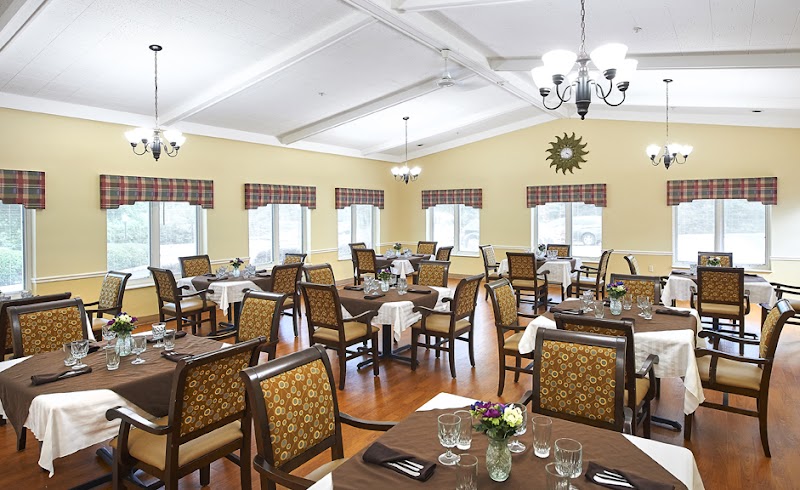
GREENWOOD HEALTH AND LIVING COMMUNITY is owned by a for-profit company. For-profit facilities operate as businesses with obligations to shareholders or private owners. The facility is operated by CARDON & ASSOCIATES, a chain that manages multiple nursing homes. With 111 certified beds and approximately 96 residents (about 86% occupancy), it is a mid-sized facility located in GREENWOOD, Indiana.
How Does Greenwood Health And Living Community Compare to Other Indiana Nursing Homes?

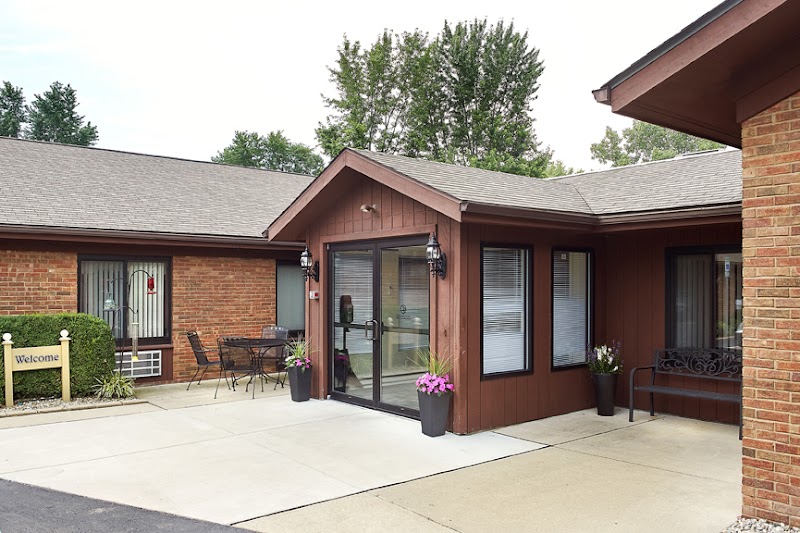
Compared to the 100 nursing homes in Indiana, GREENWOOD HEALTH AND LIVING COMMUNITY's overall rating (3 stars) is below the state average of 3.1, staff turnover (61%) is significantly higher than the state average of 46%, and health inspection rating (3 stars) is at the national benchmark.

What Should Families Ask When Visiting Greenwood Health And Living Community?

Based on this facility's data, families visiting should ask: "How do you ensure continuity of care given staff turnover, and what is your staff retention strategy?" "Can you walk me through typical staffing levels on day, evening, and night shifts?" "Can I visit during a mealtime to observe dining assistance and food quality?" "How do you handle medical emergencies, and what is your hospital transfer rate?" These questions are particularly relevant given the facility's high staff turnover rate and the below-average staffing rating.

Is Greenwood Health And Living Community Safe?

Based on CMS inspection data, GREENWOOD HEALTH AND LIVING COMMUNITY has a clean safety record: no substantiated abuse findings (meaning no confirmed cases of resident harm), no Immediate Jeopardy citations (the most serious violation level indicating risk of serious injury or death), and is not on the Special Focus Facility watch list (a federal program monitoring the lowest-performing 1% of nursing homes). The facility has a 3-star overall rating and ranks #100 of 100 nursing homes in Indiana. While no facility is perfect, families should still ask about staff-to-resident ratios and recent inspection results during their visit.

Do Nurses at Greenwood Health And Living Community Stick Around?

Staff turnover at GREENWOOD HEALTH AND LIVING COMMUNITY is high. At 61%, the facility is 15 percentage points above the Indiana average of 46%. High turnover means new staff may not know residents' individual needs, medications, or preferences. It can also be disorienting for residents, especially those with dementia who rely on familiar faces. Families should ask: What is causing the turnover? What retention programs are in place? How do you ensure care continuity during staff transitions?

Was Greenwood Health And Living Community Ever Fined?

GREENWOOD HEALTH AND LIVING COMMUNITY has no federal fines on record. CMS issues fines when nursing homes fail to meet care standards or don't correct problems found during inspections. The absence of fines suggests the facility has either maintained compliance or corrected any issues before penalties were assessed. This is a positive indicator, though families should still review recent inspection reports for the full picture.

Is Greenwood Health And Living Community on Any Federal Watch List?

GREENWOOD HEALTH AND LIVING COMMUNITY is not on any federal watch list. The most significant is the Special Focus Facility (SFF) program, which identifies the bottom 1% of nursing homes nationally based on persistent, serious quality problems. Not being on this list means the facility has avoided the pattern of deficiencies that triggers enhanced federal oversight. This is a positive indicator, though families should still review the facility's inspection history directly.