GREENWOOD HEALTHCARE CENTER
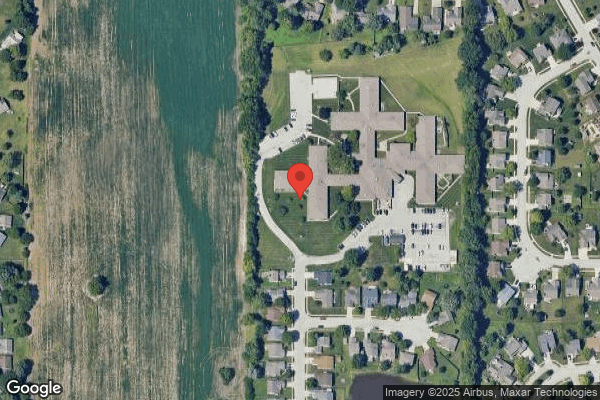
377 WESTRIDGE BLVD, GREENWOOD, IN 46142 (317) 888-4948
Government - Hospital district 185 Beds COMMUNICARE HEALTH Data: November 2025 1 Immediate Jeopardy citation
Trust Grade
68/100
#143 of 505 in IN
Last Inspection: August 2024

Within standard 12-15 month inspection cycle. Federal law requires annual inspections.

Overview

Greenwood Healthcare Center has a Trust Grade of C+, indicating it is slightly above average in quality but still has room for improvement. It ranks #143 out of 505 facilities in Indiana, placing it in the top half, but only #8 out of 10 in Johnson County, meaning there are better local options available. The facility is on an improving trend, with issues decreasing from 5 in 2024 to just 2 in 2025. Staffing is a weakness, rated only 2 out of 5 stars, but the turnover rate of 36% is better than the state average, suggesting some staff stability. Although there have been no fines, a critical incident occurred when a resident, who required one-on-one supervision for exit-seeking behavior, managed to leave the secured memory care unit undetected and was found two miles away. Additionally, the facility failed to provide written notifications regarding transfers for several residents, which could impact their care and communication with families.

Trust Score
C+
68/100
In Indiana
#143/505
Top 28%
Safety Record
High Risk
Review needed
Inspections
Getting Better
5 → 2 violations
Staff Stability
○ Average
36% turnover. Near Indiana's 48% average. Typical for the industry.
Penalties
✓ Good
No fines on record. Clean compliance history, better than most Indiana facilities.
Skilled Nurses
○ Average
Each resident gets 30 minutes of Registered Nurse (RN) attention daily — about average for Indiana. RNs are the most trained staff who monitor for health changes.
Violations
⚠ Watch
12 deficiencies on record. Higher than average. Multiple issues found across inspections.
★★★★☆
4.0
Overall Rating
★★☆☆☆
2.0
Staff Levels
★★★★★
5.0
Care Quality
★★★☆☆
3.0
Inspection Score
Stable
2024: 5 issues
2025: 2 issues

The Good

  • 5-Star Quality Measures · Strong clinical quality outcomes
  • Full Sprinkler Coverage · Fire safety systems throughout facility
  • No fines on record
  • Staff turnover below average (36%)

    12 points below Indiana average of 48%

Facility shows strength in quality measures, fire safety.

The Bad

Staff Turnover: 36%

10pts below Indiana avg (46%)

Typical for the industry

Chain: COMMUNICARE HEALTH

Part of a multi-facility chain

Ask about local staffing decisions and management

The Ugly 12 deficiencies on record

1 life-threatening
May 2025 1 deficiency 1 IJ
CRITICAL (J) 📢 Someone Reported This

A family member, employee, or ombudsman was alarmed enough to file a formal complaint

Immediate Jeopardy (IJ) - the most serious Medicare violation

Accident Prevention (Tag F0689)

Someone could have died · This affected 1 resident

**NOTE- TERMS IN BRACKETS HAVE BEEN EDITED TO PROTECT CONFIDENTIALITY** Based on observation, interview, and record review, the facility failed to provide supervision to prevent a resident that reside...

Read full inspector narrative →
**NOTE- TERMS IN BRACKETS HAVE BEEN EDITED TO PROTECT CONFIDENTIALITY** Based on observation, interview, and record review, the facility failed to provide supervision to prevent a resident that resided on a secured memory care unit and was to be receiving one to one staff supervision for exit seeking behavior, from exiting the secured memory care unit through a window in another resident's room. The resident was found by staff approximately 2 miles from the facility. (Resident B) The Immediate Jeopardy began on April 27, 2025, when Resident B exited the secured memory care unit through another residents window. The Administrator, Regional Nurse, and Assistant Director of Nursing were notified of the Immediate Jeopardy on May 6, 2025 at 2:00 p.m. The Immediate Jeopardy was removed, and the deficient practice corrected, on 4/28/25, prior to the start of the survey and was therefore Past Noncompliance. Finding includes: On 5/6/25 at 8:32 a.m., observed Resident B's room. Just past the door and to the left was the restroom. CNA 1 was sitting in a chair just past the restroom. The privacy curtain was pulled around bed A (closest to the door). Resident B was lying in his bed sleeping. His bed was observed to be next to the window (bed B). At that time, CNA 1 indicated Resident B was on one-to-one staff supervision. Resident B was not in her line of site because she was trying to give him privacy due to behaviors. On 5/6/25 at 8:39 a.m., observed the Secured Memory Care Unit 1 secured courtyard area just outside the memory care dining room. The door to enter the secured courtyard was located in the dining room and was unlocked by typing in a code. The courtyard was surrounded by an approximately 6-foot privacy fence with a door that was also secured with a code to unlock. There was a wooden swing and a heavy wrought iron table in the middle of the courtyard. At that time, Activity Director 1 indicated it was her understanding that Resident B took the screws out of the window in a room next to the courtyard, then opened the window and climbed out to the courtyard. Once Resident B was in the courtyard, he used a chair to climb over the fence, so Activity Director 1 removed the furniture from the courtyard. During an interview on 5/6/25 at 9:30 a.m., the Assistant Director of Nursing (ADON) indicated Resident B was to be receiving one-to-one staff supervision at the time he climbed out the window and left the facility without staff knowledge. Resident B was to be receiving one-to-one staff supervision because he had requested to sign out for a leave of absence some time ago. Resident B was found by staff approximately 2 miles from the facility. The clinical record for Resident B was reviewed on 5/6/25 at 9:39 a.m. The diagnoses included, but were not limited to, dementia, alcohol abuse, and frontotemporal neurocognitive disorder. An admission Evaluation, dated 12/6/24, indicated Resident B did not have a history of elopements. A Progress Note, dated 12/6/24 at 3:40 p.m., indicated Resident B was admitted to the secured memory care unit 1. Resident B was unhappy about being at the facility and wanted family to come get him. A care plan, dated 12/6/24, indicated Resident B was at risk for elopement related to frontotemporal lobe dementia. The interventions included, but were not limited to, complete a wandering evaluation upon admission, re-admission, quarterly, and as needed (dated 12/6/24) and provide diversionary activities as needed (dated 12/6/24). A care plan, dated 12/12/24, indicated Resident B required a secured unit related to elopement risk and poor cognition. The interventions included, but were not limited to, evaluate for the need of a secured unit (dated 12/12/24) and notify the medical provider and Resident B's representative of behavior changes (dated 12/12/24). A Quarterly Minimum Data Set (MDS) assessment, dated 2/20/25, indicated Resident B had no cognitive impairment. A progress note, dated 2/1/25 at 1:42 p.m., indicated Resident B got out of the building after he was told the door code by one of the other residents. Resident B wanted to leave with his parents after visiting, but his parents refused so he got out on his own. Resident B was accompanied by two staff members while outside the building. Staff tried to encourage him to come in the building. Resident B was finally persuaded to come back in the building after his parents had left, but he would not stop talking about how he intended to leave the building. A progress note, dated 2/8/25 at 10:30 a.m., indicated the writer received a phone call from a CNA who was with Resident B at a grocery store. The CNA reported that Resident B refused to sign the leave of absence book before going to the store. The CNA reported Resident B was unwilling to get back into the car with the CNA to return to the facility. The writer met the CNA and Resident B at the grocery store and Resident B stated he wanted a 2 liter of soda which was purchased. Resident B willingly got into writer's car and returned to facility without incident. Resident B remained his own responsible party and was educated on signing out for a leave of absence. Resident B was not receptive to education on the leave of absence process and was placed on one-to-one staff supervision to ensure that he was safe if attempting to leave the facility for a leave of absence. A Wander Observation Tool, dated 3/7/25 at 2:22 p.m., indicated Resident B was not accepting of the current living environment. Resident B's family/responsible party voiced concern that he might try to leave and had a history of elopement. Resident B was at risk for elopement. A Letter of Guardianship, dated 3/12/25, indicated Resident B was an incapacitated adults and granted guardianship to family members. A progress note, dated 4/27/25 at 3:00 p.m., indicated evening one-to-one staff reported to Secured Memory Care Unit 1 and Resident B was unable to be found. A window in another residents room was found to be open with the screen out and a screws securing the window were unscrewed and lying on the window seal. The window lead out to a secured courtyard. A chair was pushed up against the fence and appeared that Resident B had climbed over the fence. Facility initiated head count and found Resident B to be the only resident not to be in his room or in the facility. The police and staff returned to facility with Resident B. During an interview on 5/6/25 at 10:01 a.m., the Regional Nurse indicated the staff that was to be providing the one-to-one supervision had been told to perform other work duties for other residents due to call offs. On 5/6/25 at 10:10 a.m., the ADON provided a copy of a timeline of events when Resident B exited the facility through the window, on 4/27/25. A review of the timeline indicated: - At approximately 1:40 p.m., Resident B was seen at nurse's station. - At 2:20 p.m., the CNA arrived on the Secured Memory Care Unit 1 and could not locate Resident B. - A window in another resident's room was found to be open with the screen pushed out to the courtyard. - At 2:50 p.m., a staff member found Resident B approximately 2 miles from the facility at a fire station on a busy main road. Resident B refused to return to facility with staff. - At approximately 2:56 p.m., the ADON arrived at Resident B's location and Resident B refused to return with the ADON. - At approximately 3:00 p.m., a staff member contacted the police. - At approximately 3:08 p.m., police arrived at Resident B's location. - At approximately 3:10 p.m., the Director of Nursing (DON) arrived at Resident B's location. - At approximately 3:30 p.m., Resident B was returned to the facility by the police. During an interview on 5/6/25 at 1:03 p.m., CNA 2 indicated, on 4/27/25, she was scheduled to do one-to-one staff supervision with Resident B for day shift, but when she arrived to work she was asked to perform her normal work duties with other residents on the Secured Memory Care Unit 1. Resident B was not on one-to-one supervision, on 4/27/25 during day shift. CNA 2 left the facility before Resident B exited the facility through the window on evening shift. During an interview on 5/6/25 at 1:10 p.m., Qualified Medication Aide (QMA) 1 indicated Resident B normally displayed exit seeking behaviors. Resident B would case other resident's rooms and try to watch visitors type in the codes to unlock the doors. On 4/27/25 from 6:00 a.m. until 2:00 p.m., Resident B was to be receiving one-to-one staff supervision with CNA 2, but CNA 2 was asked to perform her normal work duties with other residents on the secured memory care unit. Resident B did not receive one-to-one staff supervision during the day shift. Resident B was upset because a lighter had been removed from his room. QMA 1 last saw Resident B standing at the nurse's station, on 4/27/25 at approximately 1:40 p.m. QMA 1 was unaware that Resident B exited the facility until approximately 2:20 p.m., when CNA 3 reported to QMA 1 that she could not locate Resident B. Resident B was located by staff and returned to the facility with the ADON. Resident B told staff he left the facility because it was too easy. Resident B exited the facility approximately 3 months ago, on a weekend, through the window in his own room. QMA 1 could not remember the details of that incident. On 5/6/25 at 1:43 p.m., observed Resident B's door to be shut and CNA 4 standing in the hallway. Resident B was sitting on his bed in his room with no staff present in the room. At that time, CNA 4 indicated Resident B should have been receiving one-to-one supervision. On 5/6/25 from 2:10 p.m. until 2:30 p.m., observed the likely path Resident B walked when he exited the facility and was found approximately 2 miles away. Resident B climbed out a window of another resident's room. The window lead to a secured courtyard with a privacy fence approximately 6 feet tall. Resident B placed a chair against the fence near the fence's door and climbed over the fence. Once over the fence there was a small sidewalk that lead around the facility and large grassy field surrounded by trees with a residential neighborhood just past the trees. Approximately 200 yards from the courtyard was a residential street with well-kept sidewalk on each side. Once in the residential neighborhood the roads were windy, and [NAME] like with speed limit of 25 miles per hour. After approximately 1.8 miles the road through the residential neighborhood met a busy main road with no sidewalk on the south side of the road and on the north side just past the road the land slopes down approximately 10 feet to an asphalt sidewalk. The sidewalk led to a driveway and then the fire station where Resident B was located. During an interview on 5/7/25 at 8:14 a.m., Resident B indicated he exited the facility through a window across the hall, climbed over the privacy fence in the courtyard, walked toward the woods at the back of the facility, and through the neighborhood to where the staff located him. Resident B did not remember removing any screws from the window. Resident B also remembered walking alone to a grocery store a few months ago. Resident B was able to open the memory care door by entering the code into the secured unit exit door and then he pushed on the service door and walked out. The service door was (Resident B accurately pointed in the direction of the service door) that way. Then he walked through the parking lot and down the street to the grocery store. During an interview on 5/7/25 at 9:40 a.m., CNA 4 indicated when she came to work, on 4/27/25 at approximately 2:00 p.m., she was not made aware that the staff for the day shift one-to-one supervision was asked to do general work duties with the other residents. CNA 4 was not aware there was no staff with Resident B. When CNA 3 came to the unit, she said she couldn't locate Resident B, and staff started looking for him. Resident B had been on one-to-one supervision for a couple months after he exited the facility through the window in his room and walked to the grocery store approximately 1.0 miles from the facility. CNA 4 was not at work when Resident B exited through the window in his room, but she received the information in report when she came in to work the day that happened. On 5/6/25 at 9:30 a.m., the Administrator provided a copy of an undated facility policy, titled Elopement Prevention and Management Overview, and indicated this was the current policy used by the facility. A review of the policy indicated an elopement is when a resident leaves the premises or a safe area without authorization or necessary supervision. The past noncompliance Immediate Jeopardy began on 4/27/25. The Immediate Jeopardy was removed and the deficient practice corrected by 4/28/25 after the facility implemented a systemic plan that included the following actions: audits of elopement evaluations and care plans, inservicing staff on elopement procedures and one-to-one staff supervision, and ongoing monitoring. This citation relates to Complaint IN00458484. 3.1-45(a)(2)
Feb 2025 1 deficiency
CONCERN (D) 📢 Someone Reported This

A family member, employee, or ombudsman was alarmed enough to file a formal complaint

Potential for Harm - no one hurt, but risky conditions existed

Free from Abuse/Neglect (Tag F0600)

Could have caused harm · This affected 1 resident

Based on interview and record review, the facility failed to protect the resident's rights to be free from physical abuse by a staff member for 1 of 3 residents reviewed for abuse. A staff member held...

Read full inspector narrative →
Based on interview and record review, the facility failed to protect the resident's rights to be free from physical abuse by a staff member for 1 of 3 residents reviewed for abuse. A staff member held down the residents arms to provide care. (Resident B, CNA 1) Finding includes: During an interview on 2/7/25 at 10:30 a.m., the Administrator (ADM) indicated CNA 1 was recently terminated for physically holding down Resident B's wrists/arms during resident care. She indicated Resident B had become combative during care and the CNA held down Resident B's limbs to prevent an injury to herself. On 2/7/25 at 10:45 a.m., Resident B's clinical record was reviewed. The diagnoses included, but were not limited to, Alzheimer's disease, dementia, and anxiety disorder. The Quarterly Minimum Data Set assessment, dated 12/26/24, indicated Resident B had severe cognitive impairment. A progress note, dated 1/23/25 at 12:00 p.m., indicated the resident was receiving care and the hospice aid became concerned with the CNA's technique. During an interview on 2/7/25 at 12:00 p.m., CNA 1 indicated the hospice aide called her into the Resident B's room to help with care because the resident was combative. When CNA 1 arrived to the room, the resident was swinging her arms around and biting at her and the hospice aide. CNA 1 indicated she grabbed the resident by the arm/wrist area, and held her arms down to the her chest. She further indicated she probably used poor judgement by holding down the resident's upper limbs. During an interview on 2/7/25 at 2:02 p.m., Hospice Aide 1 indicated she was dressing the resident after a bath and she began to kick and hit her. Hospice Aide 1 asked CNA 1 for help because the resident was not fully clothed. When CNA 1 entered the room, CNA 1 grabbed the resident by the arms/wrists and forcibly held down the resident's limbs. She further indicated the CNA told the resident, this is why we get bruises, as the she used her weight to hold down the resident's arms. On 2/7/25 at 2:26 p.m., the ADM provided a copy of the facility's policy, INDIANA Abuse & Neglect & Misappropriation of Property, undated, and indicated it was the policy currently being used. A review of the policy indicated, . Definitions . Physical Abuse . Examples . improper use of restraints. Policy: It is the policy of this facility to provide resident centered care that meets the psychosocial, physical, and emotional needs and concerns of the residents . This deficient practice was corrected on 1/25/25 after the facility implemented a systemic plan of correction that included the following actions: all staff was educated on the abuse, neglect, handling difficult behaviors, and restraint policies, with ongoing monitoring and audits. This citation relates to Complaint IN00451897. 3.1-27(a)(1)
Aug 2024 4 deficiencies
CONCERN (D)

Potential for Harm - no one hurt, but risky conditions existed

Deficiency F0554 (Tag F0554)

Could have caused harm · This affected 1 resident

Based on observation, interview, and record review, the facility failed to ensure a resident could self-administer medication for 1 of 1 randomly observed resident (Resident 38). Finding include: On ...

Read full inspector narrative →
Based on observation, interview, and record review, the facility failed to ensure a resident could self-administer medication for 1 of 1 randomly observed resident (Resident 38). Finding include: On 8/7/24 at 2:41 p.m., Resident 38 was observed to be resting in her bed. A bottle of Tums (antacid) was observed to be on her bedside table. On 8/8/24 at 11:15 a.m., Resident 38 was observed to be resting in her bed. A bottle of Tums was observed to be on her bedside table. On 8/12/24 at 10:58 a.m., Resident 38 was observed to be resting in bed with a bottle of Tums lying in bed beside her. On 8/12/24 at 11:37 a.m., Resident 38's clinical record was reviewed. The diagnoses included, but were not limited to, end stage renal disease (ESRD) and gastro-esophageal reflux disease (GERD). The Self Administration of Medication Assessment, dated 10/14/22 at 12:20 p.m., indicated Resident 38 could administer Halls throat lozenges. The Order Summary Report, dated 8/12/24, lacked a physician order for Tums or to self-administer medication. The care plan lacked a care plan to self-administer medication. During an interview on 8/12/24 at 11:46 a.m., LPN 1 indicated if a resident wanted to self-administer medication at bedside, a self-administer medication assessment would need to be completed. During an interview on 8/12/24 at 4:00 p.m., the Director of Nursing (DON) indicated Resident 38's clinical record lacked a recent self-administer medication assessment. She would need one to administer medication at bedside. On 8/12/24 at 4:15 p.m., the DON provided the facility's policy, Resident Self-Administration of Medications, undated, and indicated it was the policy being used by the facility. A review of the policy indicated, .a. Resident may not self-administer medications until the assessment is completed by the IDT [interdisciplinary team] team and determined to be safe to do so . 3.1-11(a)
CONCERN (D)

Potential for Harm - no one hurt, but risky conditions existed

Safe Environment (Tag F0921)

Could have caused harm · This affected 1 resident

Based on observation, interview, and record review, the facility failed to ensure residents were provided an adequately lit, homelike environment for 1 of 7 units reviewed for environmental concerns. ...

Read full inspector narrative →
Based on observation, interview, and record review, the facility failed to ensure residents were provided an adequately lit, homelike environment for 1 of 7 units reviewed for environmental concerns. (Unit G) On the following dates and times the main hallway of the secured Unit G was observed to have dim, flickering overhead fluorescent lights, and dark colored walls void of homelike decor or adornment: - On 8/6/24 at 12:35 p.m. - On 8/6/24 at 2:40 p.m. - On 8/7/24 at 10:40 a.m. - On 8/7/24 at 12:50 p.m. - On 8/7/24 at 3:05 p.m. - On 8/8/24 at 9:28 a.m. - On 8/8/24 at 2:26 p.m. - On 8/9/24 at 12:27 p.m. - On 8/9/24 at 3:10 p.m. - On 8/12/24 at 9:45 a.m. - On 8/12/24 at 12:05 p.m. Confidential interviews were conducted during the course of the survey from 8/6/24 through 8/12/24. These interviews indicated the secured Unit G was consistently dimly lit with flickering overhead fluorescent lights. The hallway walls were dark and lacked decor indicative of a homelike environment. During an interview on 8/12/24 at 12:15 p.m., the Administrator indicated the main hallway of the secured Unit G was dimly lit, with flickering overhead fluorescent lights, and the walls were dark and lacking homelike decor or adornment. On 8/12/24 at 10:20 a.m., the Assistant Director of Nursing provided the Residents Rights and Facility Responsibilities, undated, and indicated these were the resident rights currently used by the facility. A review of the Resident Rights and Facility Responsibilities indicated, .the resident has a right to a safe, clean, comfortable and homelike environment .adequate and comfortable lighting levels in all areas . 3.1-19(f)
CONCERN (E)

Potential for Harm - no one hurt, but risky conditions existed

Transfer Notice (Tag F0623)

Could have caused harm · This affected multiple residents

Based on record review and interview, the facility failed to ensure the written notification required for a transfer and discharge was provided to the resident and/or the resident representative for 4...

Read full inspector narrative →
Based on record review and interview, the facility failed to ensure the written notification required for a transfer and discharge was provided to the resident and/or the resident representative for 4 of 4 residents reviewed for hospitalization and discharge. (Resident 96, Resident 148, Resident 145, and Resident 160) Findings include: 1. On 8/9/24 at 1:00 p.m., Resident 96's clinical record was reviewed. The diagnoses included, but were not limited to, opioid dependence and acute respiratory failure with hypoxia (an absence of enough oxygen in the tissues to sustain bodily functions). Residents 96's transfer forms indicated the resident was sent to the hospital on 5/12/24 and 6/23/24. The clinical record lacked documentation of written Notice of Transfer and Discharge forms having been provided to the resident and/or the resident representative. 2. On 8/12/24 at 2:27 p.m., Resident 148's clinical record was reviewed. The diagnoses included, but were not limited to, asthma, tracheostomy (procedure to help air and oxygen reach the lungs by creating an opening into the trachea (windpipe) from outside the neck), dependence on respirator/ventilator (a machine that helps you breathe or breathes for you), acute and chronic respiratory failure with hypoxia, and gastrostomy (creation of an artificial external opening into the stomach for nutritional support) status. Residents 148's transfer form indicated the resident was sent to the hospital on 5/30/24. The clinical record lacked documentation of written Notice of Transfer and Discharge forms having been provided to the resident and/or the resident representative. 3. On 8/12/24 at 11:17 a.m., Resident 145's clinical record was reviewed. The diagnoses included, but were not limited to, pressure ulcer and osteomyelitis (bone infection). A Progress Note, dated 7/30/24 at 4:33 p.m., indicated Resident 145 was transferred to the hospital for worsening of a wound. The clinical record lacked documentation of written Notice of Transfer and Discharge forms having been provided to the resident. During an interview on 8/12/24 at 3:55 p.m., the Director of Nursing (DON) indicated they did not have a written notification of the Transfer and Discharge forms provided to the resident.4. Resident 160's clinical record was reviewed on 8/12/24 at 3:02 p.m. The diagnosis included, but was not limited to, encephalopathy. Resident 160's progress notes indicated the resident was sent to the hospital on 6/5/24 and 7/17/24. The clinical record lacked documentation of written Notice of Transfer and Discharge forms having been provided to the resident and the resident's representative. During an interview on 8/12/24 at 11:50 a.m., the DON indicated there had been no documentation of the Notice of Transfer or Discharge forms having been provided to the resident and/or the resident representative for Resident 96, Resident 148, Resident 145, and Resident 160. On 8/12/24 at 4:00 p.m., the Director of Nursing provided the facility's policy,Transfer and Discharge Policy undated, and indicated it was the policy currently being used by the facility. A review of the policy indicated, . 4. A letter containing admission/discharge/transfer and appeal rights will be discussed with the resident or responsible party and will be mailed to them as soon as practical . 3.1-12(a)(6)(A)(i) 3.1-12(a)(6)(A)(iii)
CONCERN (E)

Potential for Harm - no one hurt, but risky conditions existed

Deficiency F0625 (Tag F0625)

Could have caused harm · This affected multiple residents

Based on interview and record review, the facility failed to ensure the notification of the bed-hold policy required for a resident who transferred to the hospital was provided in writing to the resid...

Read full inspector narrative →
Based on interview and record review, the facility failed to ensure the notification of the bed-hold policy required for a resident who transferred to the hospital was provided in writing to the resident or the resident representative for 4 of 4 residents reviewed for hospitalization and discharge. (Resident 96, Resident 148, Resident 145, and Resident 160) Findings include: 1. On 8/9/24 at 1:00 p.m., Resident 96's clinical record was reviewed. The diagnoses included, but were not limited to, opioid dependence and acute respiratory failure with hypoxia (an absence of enough oxygen in the tissues to sustain bodily functions). Residents 96's transfer forms, indicated the resident was sent to the hospital on 5/12/24 and 6/23/24. The clinical record lacked documentation of written notification of the bed-hold policy having been provided to the resident or the resident representative. 2. On 8/12/24 at 2:27 p.m., Resident 148's clinical record was reviewed. The diagnoses included, but were not limited to, asthma, tracheostomy (procedure to help air and oxygen reach the lungs by creating an opening into the trachea (windpipe) from outside the neck), dependence on respirator/ventilator (a machine that helps you breathe or breathes for you), acute and chronic respiratory failure with hypoxia, and gastrostomy (creation of an artificial external opening into the stomach for nutritional support). Residents 148's transfer form, indicated the resident was sent to the hospital on 5/30/24. The clinical record lacked documentation of written notification of the bed-hold policy having been provided to the resident or the resident representative. 3. On 8/12/24 at 11:17 a.m., Resident 145's clinical record was reviewed. The diagnoses included, but were not limited to, pressure ulcer and osteomyelitis (bone infection). A Progress Note dated, 7/30/24 at 4:33 p.m., indicated Resident 145 was transferred to the hospital for worsening of wound. The clinical record lacked documentation of written notification of the bed-hold policy having been provided to the resident. During an interview on 8/12/24 at 3:55 p.m., the Director of Nursing (DON) indicated they did not send the bed hold policy with the resident when they went to the hospital. 4. Resident 160's clinical record was reviewed on 8/12/24 at 3:02 p.m. The diagnosis included, but was not limited to, encephalopathy. Resident 160's progress notes indicated the resident was sent to the hospital on 6/5/24 and 7/17/24. The clinical record lacked documentation of written notification which specified the facility's bed-hold policy having been provided to the resident or the resident's representative. During an interview on 8/12/24 11:50 a.m., the DON indicated there was no documentation of the bed-hold policy having been provided to the resident or the resident representative for Resident 96, Resident 148, Resident 145, and Resident 160. On 8/12/24 at 4:14 p.m., the Director of Nursing provided the facility's policy,Bed Hold Policy undated, and indicated it was the policy currently being used by the facility. A review of the policy indicated, . b. If applicable according to state law if the bed hold authorization form cannot be signed prior to the resident leaving and needs to be mailed, it must be mailed certified return receipt . e. The business office manager or designee will follow all state specific guidelines upon resident return regarding notifying resident or responsible part of amount of bed hold days used and left . 3.1-12(a)(25) 3.1-12(a)(26)
Mar 2024 1 deficiency
CONCERN (D) 📢 Someone Reported This

A family member, employee, or ombudsman was alarmed enough to file a formal complaint

Potential for Harm - no one hurt, but risky conditions existed

Pharmacy Services (Tag F0755)

Could have caused harm · This affected 1 resident

Based on interview and record review, the facility failed to ensure accurate reconciliation and accounting for narcotics (controlled medications) were performed for 2 of 3 shifts reviewed. (LPN 2, LPN...

Read full inspector narrative →
Based on interview and record review, the facility failed to ensure accurate reconciliation and accounting for narcotics (controlled medications) were performed for 2 of 3 shifts reviewed. (LPN 2, LPN 3, RN 4) Findings include: On 3/26/24 at 9:00 a.m., Resident D's clinical record was reviewed. Resident D's physician orders included, but were not limited to, oxycodone (narcotic/controlled pain medication) 5 mg (milligrams) every 8 hours as needed for pain, started on 2/22/24 and discontinued on 2/23/24. The February Medication Administration Record (MAR) indicated Resident D had not received any oxycodone pain medication during the month of February. During an interview on 3/26/24 at 10:05 a.m., the Assistant Director of Nursing Services (ADNS) indicated the facility Controlled Drug Administration Record reflected no oxycodone were administered to Resident D. Additionally, the 30 oxycodone tablets were missing from the narcotic box. The number of tablets in the lock box and paper document should have matched. During an interview on 3/26/24 at 10:20 a.m., the ADNS indicated the following: - On 2/25/24 Licensed Practical Nurse (LPN) 2 worked the 6:00 a.m. to 2:00 p.m. shift on the 200 hall. At the end of the shift, LPN 2 and Registered Nurse (RN) 4 were notified that the next shift staff member, LPN 3 would be late reporting to work. - RN 4 advised LPN 2 to complete a fast narcotic count [not a detailed count] and then give the medication cart keys to RN 4. RN 4 would then give the medication cart keys to LPN 3 upon her arrival. LPN 2 conducted the narcotic count and indicated all 30 oxycodone tablets were in the narcotic lock box which was located inside the medication cart. - On 2/25/24 at 3:45 p.m., LPN 3 arrived at the facility and began her work duties on the 200 hall. LPN 3 failed to conduct a narcotic count upon her arrival at the facility. LPN 3 worked until 6:00 a.m. on 2/26/24. LPN 3 had not given any oxycodone tablets to Resident D during LPN 3's shift. - On 2/26/24 at 6:00 a.m., LPN 3 and LPN 5 conducted the narcotic count. At that time, it was discovered 30 oxycodone tablets were missing from the narcotic lock box. LPN 3 notified management of the missing narcotics. - The facility conducted an investigation of the missing 30 oxycodone tablets. The facility was unable to determine what happened to the missing narcotic tablets. LPN 2 and LPN 3 failed to follow the narcotic count procedures. Two nurses were to reconcile all narcotics in the lock boxes with the paper record document at the start and end of each shift as indicated by facility policy. During an interview on 3/26/24 at 11:20 a.m., LPN 2 indicated the following: - On 2/25/24, she was assigned the 200 hall and had worked the 6:00 a.m. to 2:00 p.m. shift. - At the beginning of the shift, she completed the narcotic count by herself as no other staff were available to witness the narcotic count. - LPN 2 indicated Resident D had not complained of pain and no pain medication was given during the shift. - At the end of the shift, RN 4 notified LPN 2 that her relief staff person LPN 3 would be late. - RN 4 directed LPN 2 to complete a fast narcotic count [not a detailed count] and to give the medication cart keys to RN 4. - LPN 2 indicated RN 4 was sitting at the nurses station and was about 6 feet away from the medication cart while LPN 2 conducted the narcotic count. RN 4 did not have a direct line of vision of the narcotic box while LPN 2 conducted the narcotic count. - LPN 2 indicated there were 30 oxycodone tablets observed in the narcotic box. On 3/26/24 at 1:22 p.m., the Administrator provided a copy of the Pharmacy Delivery Manifest. A review of the document indicated on 2/24/24 at 5:53 a.m., the pharmacy delivered 30 tablets of oxycodone 5 mg for Resident D. The document was signed by Qualified Medication Aide (QMA) 7 as receiving the medication. During an interview on 3/26/24 at 2:25 p.m., RN 6 indicated two staff members were to conduct and reconcile the narcotic counts at the start and end of each shift. On 3/27/24 at 11:10 a.m., the ADNS provided the February 2024 Controlled Drug Administration Record (document used to track and monitor controlled medications including, but not limited to, oxycodone). A review of the document indicated, on 2/24/24 the pharmacy delivered 30 tablets of oxycodone 5 mg for Resident D. QMA 7 signed the document indicating the receipt of the 30 tablets. The document indicated no oxycodone tablets were administered to Resident D during the month of February. On 3/27/24 at 8:50 a.m. the Administrator provided an undated copy of the Controlled Substance Storage policy and indicated it was the current policy in use by the facility. A review of the policy indicated, Medications included in the Drug Enforcement Administration (DEA) classification as controlled substances are subject to special handling, storage, disposal ands recordkeeping in the facility in accordance with federal, state and other applicable laws and regulations .medications subject to abuse or diversion are stored in a permanently affixed, double locked compartment .controlled substance accountability record is prepared by the pharmacy/facility .at each shift change, or when keys are transferred, a physical inventory of all controlled substances .is conducted by two licensed personnel and is documented . This Federal tag relates to Compliant IN00429421. 3.1-25(e)(3)
Jun 2023 3 deficiencies
CONCERN (D)

Potential for Harm - no one hurt, but risky conditions existed

Deficiency F0554 (Tag F0554)

Could have caused harm · This affected 1 resident

Based on observation, interview, and record review, the facility failed to ensure medications were not left at bedside without a self medication administration assessment for 1 of 1 random observation...

Read full inspector narrative →
Based on observation, interview, and record review, the facility failed to ensure medications were not left at bedside without a self medication administration assessment for 1 of 1 random observations.(Resident 79) Finding includes: During an interview on 6/27/23 at 11:30 a.m., with Resident 79, a medicine cup full of pills was observed to be sitting on the bedside table. The resident indicated the nurse dropped them off that morning and had not left any water nor had she split the potassium in half as required by the resident to swallow the pill. During an interview on 6/27/23 at 11:45 a.m., Licensed Practical Nurse (LPN) 1 indicated she should have stayed with Resident 79 to watch her take the morning medications. LPN 1 indicated Resident 79 was not assessed to self administer medications. Resident 79's clinical record was reviewed on 6/27/23 at 11:50 a.m. The diagnoses included, but were not limited to, Multiple Sclerosis (MS) and peripheral vascular disease. Current physician orders, dated June, 2023, indicated Resident 79's medications included, but were not limited to: - Abilify (for depression) 5 milligrams (mg) 1 tablet in the morning. - Ascorbic acid (for wound healing) 500 mg 1 tablet in the morning. - Bupropion (for depression) 150 mg 1 tablet in the morning. - Cymbalta (for depression) 30 mg 1 capsule in the morning. - Cymbalta 60 mg 1 capsule in the morning. - Lasix (for swelling) 40 mg 1 tablet in the morning. - Linzess (for constipation) 72 micrograms (mcg) 1 capsule in the morning. - Multivitamin give 1 table in the morning. - Oxybutynin chloride (for bladder spasms) 5 mg 1 tablet in the morning. - Potassium chloride (for swelling) 20 milliequivalent (meq) 1 tablet in the morning. - Vitamin D3 give 2000 units in the morning. - Zinc sulfate oral capsule give 1 capsule in the morning. - Zyrtec (for allergies) 10 mg 1 tablet in the morning. - Cephalexin (for urinary tract infection) 250 mg 1 capsule in the morning. - Ferrex (iron) 150 capsule two times a day. - Senna-time (for constipation) 8.6-50 mg give 2 tablets by mouth two times a day. - Baclofen (for MS) 10 mg give 1 tablet three times a day. - Lyrica (for pain) 75 mg give 1 capsule three times a day. A review of the Medication Administration Record on 6/28/23 at 11:00 a.m., for Resident 79 indicated the above medications were administered as ordered on 6/27/23. During an interview on 6/27/23 at 12:18 a.m., the Infection Control Nurse indicated LPN 1 should have stayed to observe Resident 79 take her medications. On 6/30/23 at 3:35 p.m., the Executive Director provided the facility's policy, Medication Administration undated, and indicated it was the policy currently being used by the facility. A review of the policy indicated, . bb. Remain with resident until the medication is swallowed . cc. Do not leave medication at bedside . 3.1-11(a)
CONCERN (D)

Potential for Harm - no one hurt, but risky conditions existed

Assessment Accuracy (Tag F0641)

Could have caused harm · This affected 1 resident

Based on interview and record review, the facility failed to ensure Minimum Data Set (MDS) assessments accurately reflected resident status for 3 of 3 residents reviewed for accuracy of assessments. L...

Read full inspector narrative →
Based on interview and record review, the facility failed to ensure Minimum Data Set (MDS) assessments accurately reflected resident status for 3 of 3 residents reviewed for accuracy of assessments. Level 2 PASRR (Preadmission Screening and Resident Review) and discharge status were coded incorrectly. (Resident 25, Resident 38, Resident 166) Findings include: 1. On 6/30/23 at 11:40 a.m., Resident 25's clinical record was reviewed. The diagnoses included, but were not limited to, bipolar disorder and major depressive disorder. The Level 2 PASRR, dated 7/19/21 indicated, You meet PASRR criteria based on your diagnoses, current symptoms, and treatment needs including recent medication management. The Annual MDS assessment, dated 9/23/22, indicated, Has the resident been evaluated by level 2 PASRR and determined to have a serious mental illness and/or mental retardation or related condition .no. 2. On 6/30/23 at 11:50 a.m., Resident 38's clinical record was reviewed. The diagnoses included, but were not limited to, schizoaffective disorders and dementia. The Level 2 PASRR, dated 10/26/21 indicated, You meet PASRR criteria based on your diagnosis of Schizoaffective, psychotic/delusional disorder current and past symptoms and need for mental health treatment to manage symptoms. The Annual MDS assessment, dated 10/22/22, indicated, Has the resident been evaluated by level 2 PASSR and determined to have a serious mental illness and/or mental retardation or related condition .no. During an interview on 6/30/23 at 3:50 p.m., the MDS Coordinator indicated the MDS assessments for Resident 38 and Resident 25 were coded incorrectly. 3. On 6/30/23 at 2:40 p.m., Resident 166's clinical record was reviewed. The diagnoses included but were not limited to, anemia, cardiomyopathy, and rhabdomyolysis. A Discharge MDS assessment, dated 5/3/23, indicated the resident was discharged to an acute hospital. A review of the resident's progress notes indicated the following: - On 4/27/23 at 2:55 p.m., she would be discharged from the facility to a motel. - On 5/3/23 at 3:34 p.m., she was discharged from the facility with all of her belongings. During an interview on 6/30/23 at 3:50 p.m., the MDS Coordinator indicated the resident's MDS assessment was coded inaccurately as she was discharged to the motel. 3.1-31(d)
CONCERN (D)

Potential for Harm - no one hurt, but risky conditions existed

Comprehensive Care Plan (Tag F0656)

Could have caused harm · This affected 1 resident

2. During an observation on 6/28/23 at 2:32 p.m., Resident 151 was observed to be resting in his bed with a urinary catheter drainage bag hanging from the bed frame. During an observation on 6/30/23 a...

Read full inspector narrative →
2. During an observation on 6/28/23 at 2:32 p.m., Resident 151 was observed to be resting in his bed with a urinary catheter drainage bag hanging from the bed frame. During an observation on 6/30/23 at 10:13 a.m., Resident 151 was observed to be resting in his bed with a urinary catheter drainage bag hanging from the bed frame. On 6/29/23 at 10:09 a.m., Resident 151's clinical record was reviewed. The diagnoses included, but were not limited to, cerebral infarction (stroke), respiratory failure, and neuromuscular dysfunction (lacks bladder control) of the bladder. The Physician orders, dated June 6/30/23, indicated Resident 151 was ordered Bactrim DS (antibiotic) 800-160 milligrams (mg) twice a day for 7 days for urinary tract infection (UTI) (start date 6/26/23). The Infection Surveillance Criteria, dated 6/27/23, indicated Resident 151 had a UTI with an indwelling catheter. Resident 151's care plan lacked a care plan for UTI. During an interview on 6/29/23 at 11:27 a.m., Licensed Practical Nurse (LPN) indicated Resident 151 had an UTI. During an interview on 6/30/23 at 2:25 p.m., the Director of Nursing (DON) indicated when a resident had a UTI, there should be a UTI care plan. The care plans lacked a UTI care plan. On 6/30/23 at 3:30 p.m., the Executive Director provided the facility policy, Plan of Care Overview, undated and indicated this was the policy currently being used by the facility. A review of the policy indicated It is the policy of this facility to provide resident centered care that meets the psychosocial, physical and emotional needs and concerns of the residents . 3.1-35(a) Based on interview and record review, the facility failed to ensure a care plan was in place for a resident who was diagnosed with a urinary tract infection for 2 of 2 residents reviewed for urinary tract infections. (Resident 34, Resident 151) Findings include: 1. Resident 34's clinical record was reviewed on 6/30/23 at 11:00 a.m. The diagnosis included, but was not limited to, adult failure to thrive. Current physician orders, dated June 2023, indicated Resident 34 was taking amoxicillin-pot clavulanate (an antibiotic) tablet 875-125 milligrams 1 tablet by mouth every 12 hours for Extended Spectrum Beta-Lactamase (ESBL) in the urine. The start date was 6/23/23. The Infection Surveillance Criteria Report, dated 6/29/23, indicated Resident 34 was diagnosed with a urinary tract infection (UTI). A lab report, dated 6/22/23, indicated Resident 34 had greater than 100,000 escherichia coli ESBL which indicated the resident had a UTI. A review of the care plans on 6/30/23 at 12:00 p.m., for Resident 34 lacked documentation of a current care plan for a urinary tract infection.
May 2022 2 deficiencies
CONCERN (E)

Potential for Harm - no one hurt, but risky conditions existed

Grievances (Tag F0585)

Could have caused harm · This affected multiple residents

Based on interview and record review, the facility failed to ensure resident grievances were acted upon and promptly resolved for residents who had food complaints for 8 of 8 residents reviewed for fo...

Read full inspector narrative →
Based on interview and record review, the facility failed to ensure resident grievances were acted upon and promptly resolved for residents who had food complaints for 8 of 8 residents reviewed for food. (Resident 8, Resident 67, Resident 31, Resident 139, Resident 76, Resident 108, Resident 166, and Resident 98). Findings include: The following interviews were conducted during the survey. -On 5/17/22 at 3:03 p.m., Resident 8 indicated the food was terrible. -On 5/19/22 at 10:42 a.m., Resident 67 indicated the food was terrible. The food was tough and overcooked. -On 5/17/22 at 2:00 p.m., Resident 31 indicated the food sucks and just does not taste good. -On 5/18/22 at 3:33 p.m., Resident 139 indicated the food was terrible. They served too much of the same things like broccoli and spinach. -On 5/18/22 11:26 a.m., Resident 76 indicated the food was not the best. -On 5/17/22 at 11:19 a.m., Resident 108 indicated the food does not taste good. -On 5/17/22 at 2:39 p.m., Resident 166 indicated the food was terrible. -On 5/17/22 at 12:10 p.m., Resident 98 indicated the food was terrible. On 5/23/22 at 3:00 p.m., the Dietary Manager provided copies of the Food Council Notes. The forms indicated the following: -On 3/18/22, the Food Council indicated the grilled cheese was soggy and was not toasted; a resident was given the wrong soup when ordered or was not given soup at all; chicken tenders were not given when ordered; the food was too salty; and too much pasta was on the menu. -On 4/15/22, the Food Council indicated the pancakes were hard; biscuits were hard; and breakfast was soupy. The Food Council Notes lacked documentation of the Dietary Manager's corrective action to the food council's concerns. During an interview on 5/24/22 at 11:36 a.m., the Dietary Manager indicated the food council meeting note's lacked documentation of corrective actions or follow-ups. On 5/24/22 at 1:10 p.m., the Director of Nurses provided the facility's policy, Resident Grievance Indiana, dated of 6/19/18, and indicated it was the policy currently being used by the facility. A review of the policy indicated, .If corrective action was or will be taken, a summary of the corrective action. If corrective action will not be taken, then an explanation of why such action is not necessary . 3.1-7(a)(2)
CONCERN (E)

Potential for Harm - no one hurt, but risky conditions existed

Safe Environment (Tag F0921)

Could have caused harm · This affected multiple residents

**NOTE- TERMS IN BRACKETS HAVE BEEN EDITED TO PROTECT CONFIDENTIALITY** Based on observation, interview, and record review, the facility failed to provide a safe and sanitary environment for 10 of 25 ...

Read full inspector narrative →
**NOTE- TERMS IN BRACKETS HAVE BEEN EDITED TO PROTECT CONFIDENTIALITY** Based on observation, interview, and record review, the facility failed to provide a safe and sanitary environment for 10 of 25 rooms and 2 of 5 units reviewed for environment. Ceiling vents were dirty, ceiling tiles were stained, light covers were missing, outlet covers were missing, walls were in disrepair, equipment was dirty and broken, urine odors were present. (Reflections Unit 1 Hallway, Resident 39, Reflections Unit 2, room [ROOM NUMBER], room [ROOM NUMBER], room [ROOM NUMBER], room [ROOM NUMBER], room [ROOM NUMBER], room [ROOM NUMBER], room [ROOM NUMBER], room [ROOM NUMBER], room [ROOM NUMBER]) Findings include: 1. On 5/16/22 at 11:20 A.M., the first 2 ceiling vents in the Reflections 1 Unit hallway were observed to have a black powder-like substance on the grills. On 5/18/22 at 2:30 P.M., the same was observed. On 5/24/22 at 2:00 P.M., the same was observed. 2. On 5/16/22 at 11:20 A.M., the ceiling tile around the second ceiling vent in the Reflections 1 Unit hallway was observed to be stained with a brown and black substance, indicative of water damage. On 5/18/22 at 2:30 P.M., the same was observed. On 5/24/22 at 2:00 P.M., the same was observed. 3. On 5/16/22 at 11:20 A.M., a fluorescent ceiling light in Reflections 1 unit hallway was observed to be missing a light covering. On 5/18/22 at 2:30 P.M., the same was observed. On 5/24/22 at 2:00 P.M., the same was observed. 4. On 5/17/22 at 10:45 A.M., the wall to the left of the entryway to the room of room [ROOM NUMBER] was observed to have multiple dime size holes. 5. On 5/18/22 at 11:25 A.M., the electrical outlet next to the bed in room [ROOM NUMBER] was observed to have a missing outlet cover. The walls next to and behind the bed were observed to be stained with light brown stains in a pattern indicative of dripping water. On 5/20/22 at 2:00 P.M., the walls next to and behind the bed were observed to be stained with light brown stains in a pattern indicative of dripping water. On 5/23/22 at 3:05 P.M., the walls next to and behind the bed were observed to be stained with light brown stains in a pattern indicative of dripping water. 6. On 5/18/22 at 11:30 A.M., the walls next to and behind the bed in room [ROOM NUMBER] were observed to be stained with light brown stains in a pattern indicative of dripping. The feeding tube pole next to the bed was observed to be stained with a dry, brown substance. On 5/20/22 at 2:01 P.M., the same was observed. On 5/23/22 at 3:06 P.M., the same was observed. 7. On 5/17/22 at 2:02 P.M., Resident 39's broda chair and wedge pillow were observed to be dirty with a dried brown substance. On 5/19/22 at 11:11 A.M., the same was observed. On 5/24/22 at 2:30 P.M., the same was observed. 8. On 5/18/22 at 11:19 A.M., room [ROOM NUMBER] was observed with scuff marks and stains on the walls, the closet door and drawers would not close, and the light in the bathroom was not working. 9. On 5/18/22 at 11:41 A.M., room [ROOM NUMBER] privacy curtains were observed to be dirty with a dried dark red substance, the closet door was off the track, and the walls had scuff marks. 10. On 5/19/22 at 11:03 A.M., room [ROOM NUMBER] was observed to have paint scuffs on the walls, the racks were broken in the closet, and the closet door was off the track. 11. On 5/19/22 at 11:07 A.M., room [ROOM NUMBER] was observed with scuff marks on the walls and closet door and the trim was off the bottom of the wall. 12. On 5/19/22 at 11:15 A.M., the feeding pump in room [ROOM NUMBER] was observed to be dirty with dried formula on the machine and pole, the walls had scuff marks, and there was a hole in the wall above the outlet next to the air conditioning unit. On 5/20/22 at 3:06 P.M., the feeding pump in room [ROOM NUMBER] was observed to dirty with dried formula on the machine and pole. On 5/23/22 at 11:28 A.M., the feeding pump in room [ROOM NUMBER] was observed to dirty with dried formula on the machine and pole. On 5/24/22 at 1:32 P.M., the feeding pump in room [ROOM NUMBER] was observed to dirty with dried formula on the machine and pole. 13. On 5/19/22 at 11:26 A.M., room [ROOM NUMBER] was observed to have scuff marks on the walls.14. On 5/18/22 at 2:45 P.M., the following was observed on the Reflections 2 hall: a. A strong urine odor was noted immediately upon entrance to the unit. b. Blinds were Broken in the dining room. c. The paint was scuffed off of the floor board heating unit. d. The handrails on both sides of the hall were scuffed and discolored. e. Multiple bedroom thresholds were missing the lower doorjamb trim on both sides, approximately 5 inches above the floor. f. A broken ceiling fluorescent light cover in the dining room. g. Intake vents were covered in brown substance and lint, with one having a wash cloth shoved up between the vent and the ceiling in the dining room. During an interview on 5/24/22 at 3:00 P.M., the Maintenance Director indicated the damage, disrepair, uncleanliness, and foul odors were present and in need of repair and remedying. On 5/24/22 at 1:30 P.M., the Admissions Director provided the Resident Rights and Facility Responsibilities, dated 7/19/21, and indicated these were the Resident Rights and Facility Responsibilities currently used by the facility. A review of the policy indicated, .the resident has the right to a safe, clean, comfortable and homelike environment . 3.1-19(f)
Understanding Severity Codes (click to expand)
Life-Threatening (Immediate Jeopardy)
J - Isolated K - Pattern L - Widespread
Actual Harm
G - Isolated H - Pattern I - Widespread
Potential for Harm
D - Isolated E - Pattern F - Widespread
No Harm (Minor)
A - Isolated B - Pattern C - Widespread

Questions to Ask on Your Visit

  • "What changes have you made since the serious inspection findings?"
  • "Can I speak with families of current residents?"
  • "What's your RN coverage like on weekends and overnight?"

Our Honest Assessment

Strengths
  • • No fines on record. Clean compliance history, better than most Indiana facilities.
  • • 36% turnover. Below Indiana's 48% average. Good staff retention means consistent care.
Concerns
  • • Multiple safety concerns identified: 1 life-threatening violation(s). Review inspection reports carefully.
  • • 12 deficiencies on record, including 1 critical (life-threatening) violation. These warrant careful review before choosing this facility.
Bottom line: Mixed indicators with Trust Score of 68/100. Visit in person and ask pointed questions.

About This Facility

What is Greenwood Healthcare Center's CMS Rating?

CMS assigns GREENWOOD HEALTHCARE CENTER an overall rating of 4 out of 5 stars, which is considered above average nationally. Within Indiana, this rating places the facility higher than 99% of the state's 100 nursing homes. This rating reflects solid performance across the metrics CMS uses to evaluate nursing home quality.
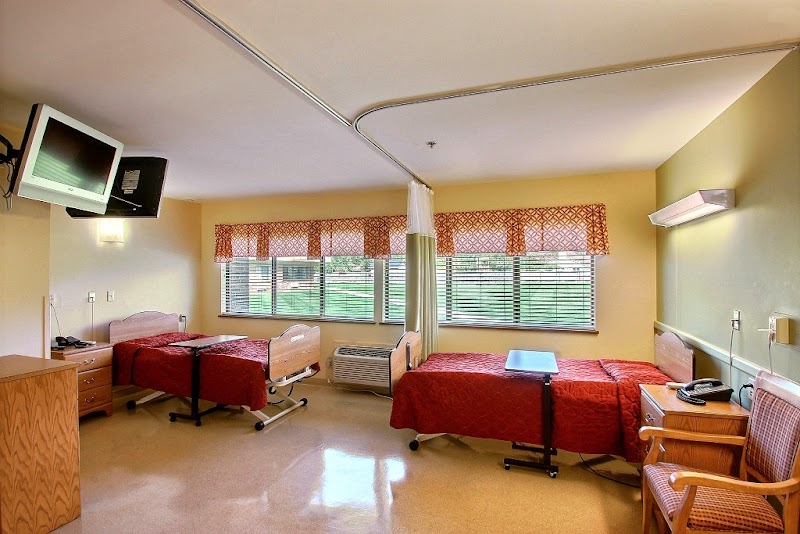
How is Greenwood Healthcare Center Staffed?

CMS rates GREENWOOD HEALTHCARE CENTER's staffing level at 2 out of 5 stars, which is below average compared to other nursing homes. Staff turnover is 36%, compared to the Indiana average of 46%. This relatively stable workforce can support continuity of care.

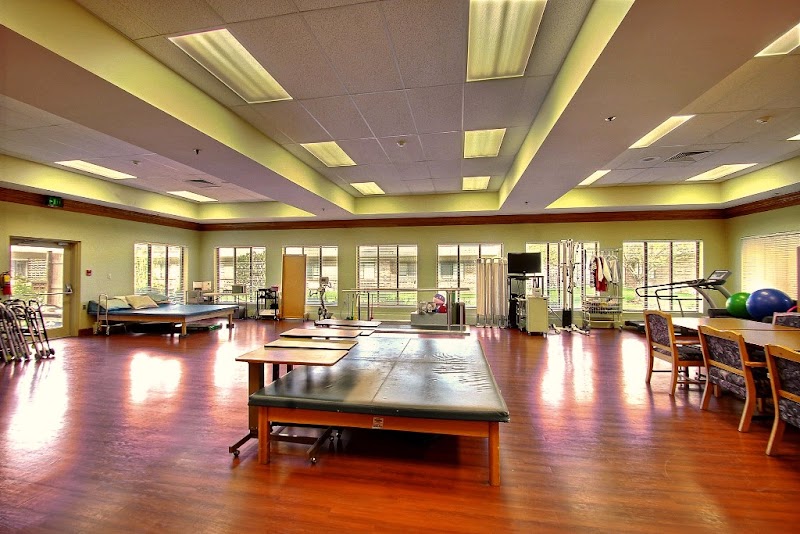
What Have Inspectors Found at Greenwood Healthcare Center?

State health inspectors documented 12 deficiencies at GREENWOOD HEALTHCARE CENTER during 2022 to 2025. These included: 1 Immediate Jeopardy (the most serious level, indicating potential for serious harm or death) and 11 with potential for harm. Immediate Jeopardy findings are rare and represent the most serious regulatory concerns. They require immediate corrective action.
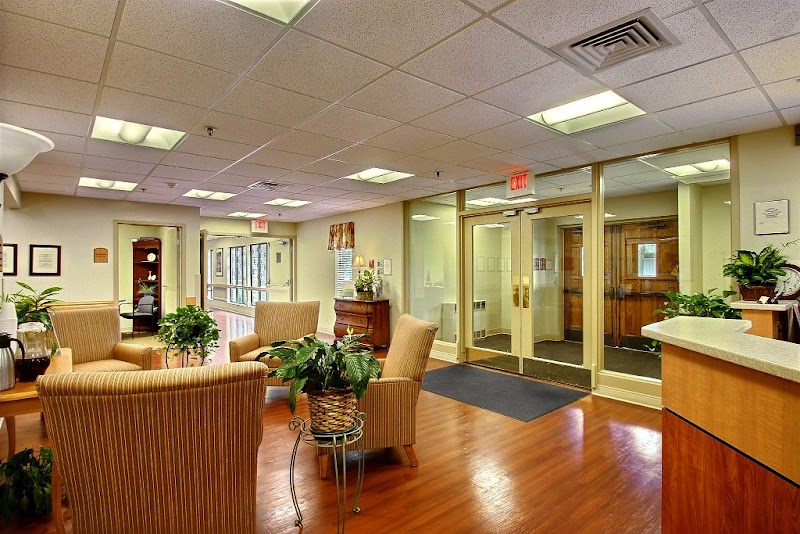
Who Owns and Operates Greenwood Healthcare Center?

GREENWOOD HEALTHCARE CENTER is owned by a government entity. Government-operated facilities are typically run by state, county, or municipal agencies. The facility is operated by COMMUNICARE HEALTH, a chain that manages multiple nursing homes. With 185 certified beds and approximately 161 residents (about 87% occupancy), it is a mid-sized facility located in GREENWOOD, Indiana.
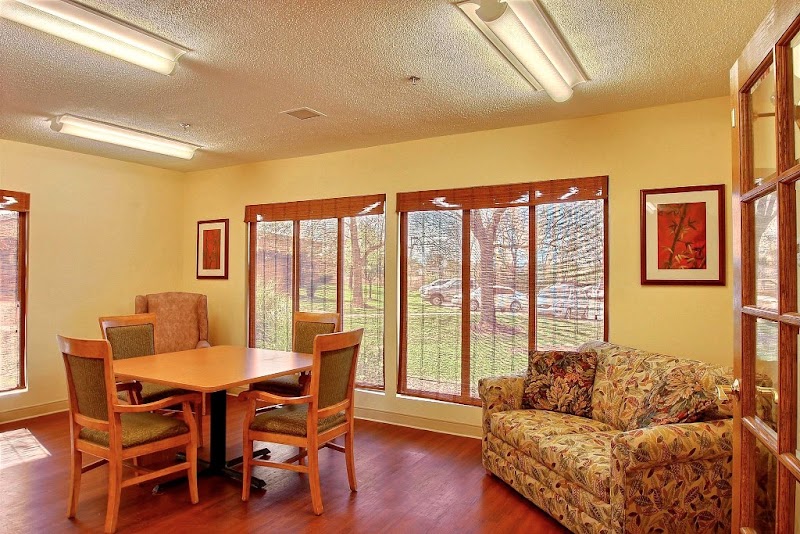
How Does Greenwood Healthcare Center Compare to Other Indiana Nursing Homes?

Compared to the 100 nursing homes in Indiana, GREENWOOD HEALTHCARE CENTER's overall rating (4 stars) is above the state average of 3.1, staff turnover (36%) is significantly lower than the state average of 46%, and health inspection rating (3 stars) is at the national benchmark.

What Should Families Ask When Visiting Greenwood Healthcare Center?

Based on this facility's data, families visiting should ask: "What changes have been made since the serious inspection findings, and how are you preventing similar issues?" "Can you walk me through typical staffing levels on day, evening, and night shifts?" "Can I visit during a mealtime to observe dining assistance and food quality?" "How do you handle medical emergencies, and what is your hospital transfer rate?" These questions are particularly relevant given the facility's Immediate Jeopardy citations and the below-average staffing rating.

Is Greenwood Healthcare Center Safe?

Based on CMS inspection data, GREENWOOD HEALTHCARE CENTER has documented safety concerns. Inspectors have issued 1 Immediate Jeopardy citation (the most serious violation level indicating risk of serious injury or death). The facility has a 4-star overall rating and ranks #1 of 100 nursing homes in Indiana. Families considering this facility should ask detailed questions about what corrective actions have been taken since these incidents.

Do Nurses at Greenwood Healthcare Center Stick Around?

GREENWOOD HEALTHCARE CENTER has a staff turnover rate of 36%, which is about average for Indiana nursing homes (state average: 46%). Moderate turnover is common in nursing homes, but families should still ask about staff tenure and how the facility maintains care continuity when employees leave.

Was Greenwood Healthcare Center Ever Fined?

GREENWOOD HEALTHCARE CENTER has no federal fines on record. CMS issues fines when nursing homes fail to meet care standards or don't correct problems found during inspections. The absence of fines suggests the facility has either maintained compliance or corrected any issues before penalties were assessed. This is a positive indicator, though families should still review recent inspection reports for the full picture.

Is Greenwood Healthcare Center on Any Federal Watch List?

GREENWOOD HEALTHCARE CENTER is not on any federal watch list. The most significant is the Special Focus Facility (SFF) program, which identifies the bottom 1% of nursing homes nationally based on persistent, serious quality problems. Not being on this list means the facility has avoided the pattern of deficiencies that triggers enhanced federal oversight. This is a positive indicator, though families should still review the facility's inspection history directly.