
GREENWOOD MEADOWS

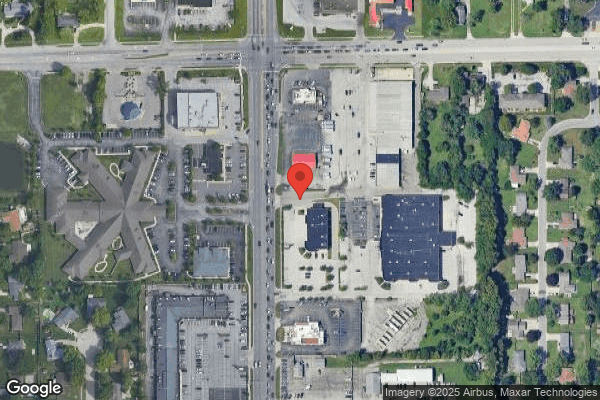
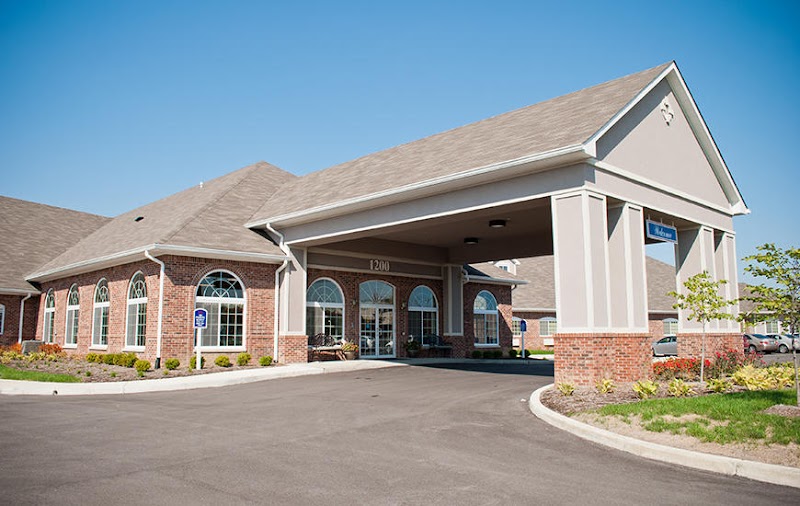
1200 N STATE ROAD 135, GREENWOOD, IN 46142 (317) 300-2200
Non profit - Corporation 169 Beds AMERICAN SENIOR COMMUNITIES Data: November 2025
Trust Grade
85/100
#42 of 505 in IN
Last Inspection: September 2024

Within standard 12-15 month inspection cycle. Federal law requires annual inspections.

Overview

Greenwood Meadows has a Trust Grade of B+, indicating it is above average and recommended for families considering care options. It ranks #42 out of 505 facilities in Indiana, placing it in the top half, and #3 out of 10 in Johnson County, with only two local options rated higher. However, the facility is facing a concerning trend, worsening from 2 issues in 2023 to 5 in 2024. Staffing has a 3/5 rating, with a turnover rate of 45%, slightly below the state average but still indicates some instability. While there have been no fines, which is a positive aspect, the facility has been cited for failing to notify a provider of critical lab results for a resident with high blood sugar, not monitoring the weight of a resident showing signs of severe weight loss, and providing inappropriate dietary options for a diabetic resident. This mix of strengths and weaknesses should be carefully considered by families.

Trust Score
B+
85/100
In Indiana
#42/505
Top 8%
Safety Record
Low Risk
No red flags
Inspections
Getting Worse
2 → 5 violations
Staff Stability
⚠ Watch
45% turnover. Above average. Higher turnover means staff may not know residents' routines.
Penalties
✓ Good
No fines on record. Clean compliance history, better than most Indiana facilities.
Skilled Nurses
✓ Good
Each resident gets 50 minutes of Registered Nurse (RN) attention daily — more than average for Indiana. RNs are trained to catch health problems early.
Violations
⚠ Watch
13 deficiencies on record. Higher than average. Multiple issues found across inspections.
★★★★★
5.0
Overall Rating
★★★☆☆
3.0
Staff Levels
★★★★★
5.0
Care Quality
★★★★☆
4.0
Inspection Score
Stable
2023: 2 issues
2024: 5 issues

The Good

  • 5-Star Quality Measures · Strong clinical quality outcomes
  • Full Sprinkler Coverage · Fire safety systems throughout facility
  • No fines on record

Facility shows strength in quality measures, fire safety.

The Bad

Staff Turnover: 45%

Near Indiana avg (46%)

Higher turnover may affect care consistency

Chain: AMERICAN SENIOR COMMUNITIES

Part of a multi-facility chain

Ask about local staffing decisions and management

The Ugly 13 deficiencies on record

Sept 2024 3 deficiencies
CONCERN (D)

Potential for Harm - no one hurt, but risky conditions existed

Notification of Changes (Tag F0580)

Could have caused harm · This affected 1 resident

Based on interview and record review, the facility failed to notify a provider of laboratory results that fell outside of clinical reference ranges for 1 of 5 residents reviewed for unnecessary medica...

Read full inspector narrative →
Based on interview and record review, the facility failed to notify a provider of laboratory results that fell outside of clinical reference ranges for 1 of 5 residents reviewed for unnecessary medications. (Resident 105) Findings include: On 9/20/24 at 1:58 p.m., Resident 105's clinical record was reviewed. The diagnoses included, but were not limited to, type 2 diabetes mellitus (DM) with diabetic neuropathy, peripheral vascular disease, and surgical amputation of the right leg (below the knee). A review of the current, September, 2024, physician's orders indicated: On 7/4/24, the resident was ordered insulin aspart U-100 (medication used to treat DM) per sliding scale, at bedtime, 8:00 p.m. The order specified to contact the MD (medical doctor) if blood sugar was great than 400. The resident's blood sugar results on the Electronic Medical Record (EMAR) and vitals login included, but were not limited to: -On 9/8/24 at 9:37 p.m., the resident's blood glucose was 421 mg/dL (milligrams per deciliter). The physician was not notified. -On 8/29/24 at 8:33 p.m., the resident's blood sugar was 414 mg/dL. The physician was not notified. -On 8/29/24 at 7:40 p.m., the resident's blood sugar was 423 mg/dL. The physician was not notified. -On 7/29/24 at 8:11 p.m., the resident's blood sugar was 420 mg/dL. The physician was not notified. -On 7/28/24 at 8:38 p.m., the resident's blood sugar was 437 mg/dL. The physician was not notified. A review of the resident's progress notes, from July to September, 2024, did not indicate a reason why the physician was not notified of any glucose result greater than 400 mg/dL. On 9/23/24 at 3:53 p.m., the Director of Nursing (DON) indicated the resident blood sugars were documented under a few different spots and the staff would call the on-call provider if the resident had a blood glucose out of parameters. On 9/24/24 at 4:25 p.m., the DON provided the facility policy, Blood Glucose Monitoring, revised on 2/2015, and indicated it was the policy currently being used. A review of the policy indicated, . Residents who have a physician's order to obtain routine capillary blood glucose will have a physician's order specifying the blood glucose parameters requiring physician notification . The physician will be notified when the resident's blood glucose is outside the physician stated parameters . 3.1-5(a)(3)
CONCERN (D)

Potential for Harm - no one hurt, but risky conditions existed

Deficiency F0692 (Tag F0692)

Could have caused harm · This affected 1 resident

Based on observation, interview and record review, the facility failed to monitor weights and implement interventions for a resident with assessed significant weight loss for 1 of 4 residents reviewed...

Read full inspector narrative →
Based on observation, interview and record review, the facility failed to monitor weights and implement interventions for a resident with assessed significant weight loss for 1 of 4 residents reviewed for nutrition. (Resident 27) Findings include: On 9/19/24 at 10:18 am, Resident 27 was observed in her bed. Her wrists were small with bony prominence's, and her face showed indications of emaciation with sunken cheeks and hollow eye sockets. On 9/19/24 at 10:40 am, Resident 27's clinical record was reviewed. The diagnoses included, but were not limited to, dementia, hypothyroidism, and vitamin D deficiency. The quarterly review Minimum Data Set assessment, dated 6/3/24, indicated the resident was severely cognitively impaired. The Care Area Assessment Detail Worksheet, dated 3/8/24, indicated the resident had a history of significant weight loss in the prior 180 days. On 4/3/24 the resident weighed 95 pounds. On 7/4/24 the resident weighed 93 pounds. On 8/1/24 the resident weighed 87 pounds, which indicated a significant weight loss of 11.58 percent in 120 days and a significant weight loss of 6.45 percent in 28 days. No weights were recorded between 7/4/24 and 8/1/24. On 8/7/24 the resident weighed 90 pounds. On 9/3/24 the resident weighed 84 pounds, which indicated a significant weight loss of 6.67 percent in 26 days. No weights were recorded between 8/7/24 and 9/3/24. A Follow Up Nutrition Review, dated 9/4/24, indicated, .loss of 5% or more in the last month or loss of 10% or more in the last 6 months .not assessed ., and .gain of 5% or more in the last month or 10% in the last 6 months .yes, on physician-prescribed weight-gain regimen .resident continues on a regular diet . A Dietitian Review, dated 9/9/24, indicated, .resident is at nutritional risk d/t [due to] unintentional weight loss .resident is on regular diet .hx [history] of benecalorie [an unflavored supplement that could increase the calorie and protein content of most foods and beverages] supplement in oatmeal which was providing additional 330 kcals [kilocalories]. Resident stopped eating her oatmeal with benecalorie in it . Physician orders indicated the resident was prescribed benecalorie to be added to her oatmeal from 6/12/24 until discontinued on 8/15/24. No further dietary, nutritional, or pharmacological interventions were ordered or implemented after 8/15/24. The resident was not on a physician-prescribed weight-gain regimen after 8/15/24. On 9/23/24 at 4:20 p.m., the Director of Nursing provided the Resident Weight Monitoring policy, revised 9/2024, and indicated this was the policy used by the facility. A review of the policy indicated, .bi-monthly weights will be obtained at a minimum for .residents who have experienced a significant weight loss of 5% in 30 days, 7.5% in 90 days or 10% in 180 days . During an interview on 9/23/24 at 4:22 p.m., the Director of Nursing indicated residents identified with significant weight loss underwent a minimum of bi-monthly weight monitoring. 3.1-46(a)(1)
CONCERN (D)

Potential for Harm - no one hurt, but risky conditions existed

Deficiency F0800 (Tag F0800)

Could have caused harm · This affected 1 resident

**NOTE- TERMS IN BRACKETS HAVE BEEN EDITED TO PROTECT CONFIDENTIALITY** Based on interview and record review, the facility failed to ensure a resident with a diagnosis of type 2 diabetes mellitus (chr...

Read full inspector narrative →
**NOTE- TERMS IN BRACKETS HAVE BEEN EDITED TO PROTECT CONFIDENTIALITY** Based on interview and record review, the facility failed to ensure a resident with a diagnosis of type 2 diabetes mellitus (chronic high blood sugar which could be controlled with diet, exercise, and some medications) received a therapeutic diet for 1 of 7 residents reviewed for food. (Resident 283) Findings include: During an interview on 9/18/24 at 11:34 a.m., Resident 283 indicated she was a diabetic and was getting cakes with frosting and doughnuts. She should not be getting those desserts because she was a diabetic. On 9/20/24 at 10:25 a.m., Resident 283's clinical record was reviewed. The diagnoses included, but were not limited to, left femur fracture and type 2 diabetes mellitus with diabetic neuropathy (pain and numbness in hands and feet). The After Visit Summary, dated 9/12/24 at 3:28 p.m., indicated diet instructions were progress as tolerated. The After Visit Summary lacked documentation of Resident 283's diet as regular. The dietary order, dated 9/12/24, indicated a regular diet. The Discharge summary, dated [DATE] at 10:39 a.m., indicated she had diagnosis of diabetes mellitus for 25 years. Her glucose was 183 on 9/10/24 and 163 on 9/9/24. Her diet was a diabetic diet. The Hospitalist Post-Acute Care Note, dated 9/13/24, indicated the resident had diagnosis of diabetes mellitus. The note lacked documentation of resident's diet. The Hospitalist Post-Acute Care Note, dated 9/16/24, indicated the resident had blood sugars of 140-260. The note lacked documentation of resident's diet. The Initial Nutrition Review, dated 9/16/24 at 1:19 p.m., indicated the current diet order was a regular diet. The special diet prior to admission was low sugar. The clinical record lacked documentation once the facility received the discharge summary and saw the diet was a diabetic diet they clarified the diet with the doctor. During an interview on 9/23/24 at 2:45 p.m., Resident 283 indicated when she was at home prior to her admission to the facility her accu-checks were 130-180 mg/dl (milligrams/deciliter). Since she had been at the facility and was getting regular desserts, her accu-checks had been higher. The other day, she received a sugar cream pie. She was unsure if it was a diabetic pie or regular pie, ate the pie, and her accu-check was around 260 mg/dl. During an interview on 9/23/24 at 2:54 p.m., the Director of Nursing Services (DON) indicated when a resident was discharged from the hospital, they would follow the diet they had in the hospital. The facility's diet for diabetics was carbohydrate controlled diet. During an interview on 9/23/24 at 4:24 p.m., the DON indicated when Resident 283 was admitted , they only had the After Visit Summary. They did not receive the Discharge Summary until the next morning. She indicated she did not have any documentation of notifying the doctor of the diet which was on the discharge summary or that he wanted to continue with the regular diet after the discharge summary was received. On 9/23/24 at 4:30 p.m., the DON provided the facility's policy, Nursing Admission/Return admission Policy and Procedure, dated 7/2024 and indicated it was the policy being used by the facility. A review of the policy indicated .b. Diet - transcribe the diet using the correct terminology .1. Resident being admitted from the hospital must have a discharge summary. If not present at admission, contact the transferring facility for a copy . 1.3-20(a)
Mar 2024 2 deficiencies
CONCERN (D) 📢 Someone Reported This

A family member, employee, or ombudsman was alarmed enough to file a formal complaint

Potential for Harm - no one hurt, but risky conditions existed

Free from Abuse/Neglect (Tag F0600)

Could have caused harm · This affected 1 resident

Based on interview and record review, the facility failed to protect a resident's right to be free from verbal abuse by a staff member for 1 of 3 residents reviewed for abuse. (Resident B, CNA 1) Find...

Read full inspector narrative →
Based on interview and record review, the facility failed to protect a resident's right to be free from verbal abuse by a staff member for 1 of 3 residents reviewed for abuse. (Resident B, CNA 1) Finding includes: During an interview on 3/13/24 at 8:46 a.m., the Administrator indicated, on 2/29/24 at approximately 3:30 a.m. LPN 1 called the DON to report CNA 1 for using foul language when CNA 1 was providing care to Resident B. LPN 1 entered Resident B's room and stopped CNA 1 from providing care. LPN 1 asked CNA 1 to leave Resident B's room and wait for LPN 1 at the nurse's station. LPN 1 finished providing care to Resident B then LPN 1 called the DON. The DON told LPN 1 that CNA 1 had to leave the facility. When LPN 1 told CNA 1 that CNA 1 needed to leave the facility, CNA 1 did not leave. CNA 1 went to other staff and called LPN 1 names. LPN 1 called the police. The Administrator believed CNA 1 left the facility as the police arrived. CNA 1 quit working for the facility when CNA 1 would not respond to the Administrator's phone calls during this investigation. On 3/13/24 at 10:00 a.m., the Administrator provided a witness statement, dated 2/29/24, the statement indicated LPN 1 overheard CNA 1 using foul language when CNA 1 was speaking to Resident B. LPN 1 entered Resident B's room and stopped CNA 1 from providing care. CNA 1 exited Resident B's room. CNA 1 was instructed to clock out and leave the building. CNA 1 became agitated and verbally aggressive toward staff. LPN 1 notified the DON and called the police for assistance. CNA 1 exited the facility. The clinical record for Resident B was reviewed on 3/13/24 at 10:02 a.m. The diagnoses included, but were not limited to, diabetes, hip fracture, and anxiety. An admission MDS (Minimum Data Set) assessment, dated 1/13/24, indicated Resident B was severely cognitively impaired. A progress note, dated 2/29/24 at 3:45 a.m., indicated concern with care noted related to communication. The physician and family were notified. The Administrator and DON were notified. Staff were to observe Resident B and report any changes to the physician. During an interview on 3/13/24 at 12:45 p.m., LPN 1 indicated on 2/29/24 at approximately 3:00 a.m., LPN 1 was sitting at the nurse's station and overheard CNA 1 tell Resident B to get his dirty f****** hands off of CNA 1. LPN 1 walked to Resident B's doorway, which was approximately 10 feet from the nurse's station. By the time LPN 1 got to Resident B's doorway, CNA 1 told Resident B to get his dirty f****** hands off of CNA 1 two more times. LPN 1 asked CNA 1 to stop providing care and exit Resident B's room. Once CNA 1 was out of Resident B's room, LPN 1 asked CNA 1 to wait in the nurse's station for LPN 1 to return. LPN 1 entered Resident B's room to finish providing care to Resident B. When LPN 1 was finished providing care to Resident B, LPN 1 walked away from the nurse's station to get another staff member to witness LPN 1's conversation with CNA 1. When LPN 1 returned to the nurse's station and told CNA 1 she needed to leave the facility. CNA 1 became upset and refused to leave. CNA 1 walked to two other halls to speak with other staff. LPN 1 repeatedly asked CNA 1 to leave the facility and finally LPN 1 had to call the police. CNA 1 left the facility before the police spoke with her. On 3/13/24 at 8:51 a.m., the DON provided a copy of a facility policy, dated 2/2010, titled Abuse Prohibition, Reporting, and Investigation, and indicated this was the current policy used by the facility. A review of the policy indicated it was the policy of the facility to provide each resident with an environment free from abuse. This citation relates to IN00428632. 3.1-27(b)
CONCERN (D) 📢 Someone Reported This

A family member, employee, or ombudsman was alarmed enough to file a formal complaint

Potential for Harm - no one hurt, but risky conditions existed

Investigate Abuse (Tag F0610)

Could have caused harm · This affected 1 resident

Based on interview and record review, the facility failed to follow the abuse policy and ensure an alleged perpetrator of abuse was immediately removed from the facility for 1 of 3 allegations of abus...

Read full inspector narrative →
Based on interview and record review, the facility failed to follow the abuse policy and ensure an alleged perpetrator of abuse was immediately removed from the facility for 1 of 3 allegations of abuse reviewed. (CNA 1) Finding included: During an interview on 3/13/24 at 8:46 a.m., the Administrator indicated, on 2/29/24 at approximately 3:30 a.m., LPN 1 called the DON to report CNA 1 for using foul language when CNA 1 was providing care to Resident B. LPN 1 entered Resident B's room and stopped CNA 1 from providing care. LPN 1 asked CNA 1 to leave Resident B's room and wait for LPN 1 at the nurse's station. LPN 1 finished providing care to Resident B then LPN 1 called the DON. The DON told LPN 1 that CNA 1 had to leave the facility. When LPN 1 told CNA 1 that CNA 1 needed to leave the facility, CNA 1 did not leave. CNA 1 went to other staff and called LPN 1 names. LPN 1 called the police. The Administrator believed CNA 1 left the facility as the police arrived. During an interview on 3/13/24 at 12:45 p.m., LPN 1 indicated on 2/29/24 at approximately 3:00 a.m. LPN 1 was sitting at the nurse's station and overheard CNA 1 tell Resident B to get his dirty f****** hands off of CNA 1. LPN 1 walked to Resident B's doorway, which was approximately 10 feet from the nurse's station. By the time LPN 1 got to Resident B's doorway, CNA 1 told Resident B to get his dirty f****** hands off of CNA 1 two more times. LPN 1 asked CNA 1 to stop providing care and exit Resident B's room. Once CNA 1 was out of Resident B's room, LPN 1 asked CNA 1 to wait in the nurse's station for LPN 1 to return. LPN 1 entered Resident B's room to finish providing care to Resident B. When LPN 1 was finished providing care to Resident B, LPN 1 walked away from the nurse's station to get another staff member to witness LPN 1's conversation with CNA 1. When LPN 1 returned to the nurse's station and told CNA 1 she needed to leave the facility. CNA 1 became upset and refused to leave. CNA 1 walked to two other halls to speak with other staff. LPN 1 repeatedly asked CNA 1 to leave the facility and finally LPN 1 had to call the police. CNA 1 left the facility before the police spoke with her. CNA 1 was under constant supervision by staff after she was told to leave and walked out of the nurse's station. On 3/13/24 at 8:51 a.m., the DON provided a copy of a facility policy, dated 2/2010, titled Abuse Prohibition, Reporting, and Investigation, and indicated this was the current policy used by the facility. A review of the policy indicated any staff member implicated in the alleged abuse will be removed from the facility at once. This citation relates to Complaint IN00428632. 3.1-28(d)
Sept 2023 2 deficiencies
CONCERN (D)

Potential for Harm - no one hurt, but risky conditions existed

Incontinence Care (Tag F0690)

Could have caused harm · This affected 1 resident

Based on observation, interview, and record review, the facility failed to ensure a resident with an indwelling catheter received care to prevent UTI's (urinary tract infections) for 1 of 1 residents ...

Read full inspector narrative →
Based on observation, interview, and record review, the facility failed to ensure a resident with an indwelling catheter received care to prevent UTI's (urinary tract infections) for 1 of 1 residents reviewed for catheters. The urinary catheter tubing and bag were resting on the floor. (Resident 65) Findings include: On 9/8/23 at 10:58 a.m., Resident 65 was observed sitting in her wheelchair with the indwelling catheter tubing touching the floor. On 9/11/23 at 10:57 a.m., Resident 65 was observed sitting in her wheelchair with her indwelling catheter bag and tubing touching the floor. On 9/12/23 at 11:46 a.m., Resident 65 was observed sitting in the dinning room in her wheelchair with her indwelling catheter tubing touching the floor. On 9/13/23 at 8:52 a.m., Resident 65 was observed sitting in the dinning room in her wheelchair with her indwelling catheter tubing touching the floor. On 9/13/23 at 11:20 a.m., Resident 65 was observed sitting in the dinning room in her wheelchair with her indwelling catheter tubing resting on the floor. On 9/14/23 at 11:24 a.m., Resident 65 was observed in bed with the indwelling catheter tubing touching the floor. On 9/14/23 at 11:30 a.m., Resident 65's clinical record was reviewed. The diagnoses included, but were not limited to, chronic kidney disease, type 2 diabetes mellitus, vascular dementia, cognitive communication deficit, and personal history of UTIs. A progress note, dated 9/13/23 at 10:07 a.m., indicated the resident had a UTI and was ordered antibiotics for treatment. A review of the resident's current, September 2023, physician's ordered indicated on 9/13/23 the resident was prescribed Macrobid (an antibiotic medication) for UTI treatment. A urinalysis (UA) dated 7/21/23 indicated the resident had a UTI. A UA dated 6/19/23 indicated the resident had a UTI. A UA dated 5/16/23 indicated the resident had a UTI. A 5/5/23 indwelling urinary catheter care plan, current through 10/10/23, indicated an intervention for staff to not allow tubing or any part of the draining system to touch the floor. During an interview on 9/14/23 at 11:30 a.m., the 100 hall Unit Manager (UM) indicated the resident currently had an UTI. During an observation at that time with UM present, the indwelling catheter tubing was observed touching the floor. The UM indicated the tubing should had been clipped up on the bed. 3.1-41(a)(2)
MINOR (C)

Minor Issue - procedural, no safety impact

Staffing Information (Tag F0732)

Minor procedural issue · This affected most or all residents

Based on observation, interview, and record review, the facility failed to ensure the daily nurse staffing information sheet was changed each day, the total hours and actual hours worked by licensed s...

Read full inspector narrative →
Based on observation, interview, and record review, the facility failed to ensure the daily nurse staffing information sheet was changed each day, the total hours and actual hours worked by licensed staff was broken down into categories, and failed to maintain the sheets for a period of 18 months for 1 of 1 daily nurse staffing information sheets observed. Findings include: On 9/7/23 at 11:00 a.m., the daily nurse staffing information sheet was observed to be on the receptionist desk dated for 9/1/23. The staffing information sheet lacked documentation of each shift broken down by Registered Nurse (RN), Licensed Practical Nurse (LPN) and Certified Nurse Aide (CNA). During an interview on 9/14/23 at 11:57 a.m., the Administrator indicated the nurse staffing information sheet should be changed every day. During an interview on 9/14/23 at 11:58 a.m., the Regional Director of Clinical (RDC) indicated she had changed the sheet on 9/7/23, but was unsure what time it was changed. During an interview on 9/14/23 at 12:11 p.m., the RDC indicated the nurse staffing information sheet from 9/1/2023 was not available because it had been put in the shredder box. On 9/14/23 at 1:19 p.m., the Director of Nursing provided the facility policy, Posted Nurse Staffing Data and Retention Requirements, dated 7/2019, and indicated it was the policy currently being used by the facility. A review of the policy indicated, . Policy: . The facility must maintain the posted daily nurse staff data for a minimum of 18 months . Procedure: 1. The facility must post the the following information at the beginning of each shift . d. The total number and actual hours worked by the following categories of licensed and unlicensed staff . i. Registered nurses, ii. Licensed practical nurse, iii. Certified nurse aides . 7. The Total Hours column should be broken down by total hours worked by RN, LPN and CNA .
Nov 2022 1 deficiency
CONCERN (D) 📢 Someone Reported This

A family member, employee, or ombudsman was alarmed enough to file a formal complaint

Potential for Harm - no one hurt, but risky conditions existed

Quality of Care (Tag F0684)

Could have caused harm · This affected 1 resident

Based on interview and record review, the facility failed to ensure the administration of rapid acting insulin (a prescription medication, injected into the fat layer under the skin, used in the treat...

Read full inspector narrative →
Based on interview and record review, the facility failed to ensure the administration of rapid acting insulin (a prescription medication, injected into the fat layer under the skin, used in the treatment of type 1 and 2 diabetes mellitus that begins to take effect after approximately 5 to 15 minutes after injection) was administered to the correct resident for 1 of 3 residents reviewed for insulin administration. (Resident B, Resident C) Finding includes: During an interview on 11/22/22 at 10:15 a.m., RN 1 (Registered Nurse) indicated she was the nurse that administered insulin aspart (rapid acting insulin) to Resident B. The insulin was meant to be administered to Resident C, but she got confused when she looked at the pictures on the MAR (Medication Administration Record) because Resident B and Resident C's pictures are right next to each other, and they were also in the same room. Resident B returned from dinner approximately 45 minutes later and indicated to her that he felt low. She rechecked Resident B's blood sugar and looked at the picture on the MAR again, and that was when she realized she had administered insulin to the wrong resident. She should have paid more attention to the pictures on the MAR to identify the correct resident. Resident C received the correct dose of insulin when he returned from dinner. The clinical record for Resident B was reviewed on 11/22/22 at 10:18 a.m. The diagnoses included, but were not limited to, urinary tract infection, dementia, and heart failure. An admission MDS (Minimum Data Set) assessment, dated 7/18/22, indicated Resident B was not cognitively intact. A progress note, dated 10/21/22 at 8:31 p.m., indicated before dinner Resident B accidently received insulin aspart 14 units. When Resident B returned from dinner around 6:30 p.m., Resident B stated he was not feeling well, his blood sugar was 58, and at that time the writer realized she administered insulin to wrong resident. Resident B was alert and oriented, 2 glass of orange juice with 7-8 packs of sugar were administered. After 20 minutes the blood sugar was 63, ensure plus with 4 more sugars packets was administered to Resident B. After 20 minutes the blood sugar was 71. The DON (Director of Nursing) and on call Nurse Practitioner were notified. After 30 minutes the blood sugar was 71. A 12 oz (ounce) soda given to Resident B. Also received order from the Nurse Practitioner to give Glucagon 1 MG (milligrams) and keep checking blood sugar every 15 minutes until blood sugar is above 100, then continue checking blood sugar every hour for 24 hours. After 15 minutes of Glucagon administration blood sugar was 119. Nurse Practitioner and DON made aware. Resident B was alert and able to swallow. Thirty minutes later blood sugar was 141. Hospice informed and family informed. The clinical record for Resident B lacked a diagnosis for diabetes mellitus. The clinical record for Resident B lacked a physician's order for insulin aspart. On 11/22/22 at 11:15 a.m. The Director of Nursing provided a nursing skills competency, titled Insulin Pen Administration, dated 6/2018. A review of the skills competency indicated, 1. Verify resident . On 11/22/22 at 7:12 a.m. The Director of Nursing provided a copy of a facility policy, titled General Dose Preparation and Medication Administration, dated 12/1/2017, and indicated this was the current policy used by the facility. A review of the policy indicated facility staff should verify each time a medication is administered that it is the current medication, at the correct dose, at the correct route, at the correct rate, at the correct time, for the correct resident . This Federal tag relates to Complaint IN00394996. 3.1-37(a)
Oct 2022 5 deficiencies
CONCERN (D)

Potential for Harm - no one hurt, but risky conditions existed

Deficiency F0554 (Tag F0554)

Could have caused harm · This affected 1 resident

Based on observation, interview, and record review, the facility failed to ensure a self medication administration assessment was completed for 1 of 7 residents observed for medication administration....

Read full inspector narrative →
Based on observation, interview, and record review, the facility failed to ensure a self medication administration assessment was completed for 1 of 7 residents observed for medication administration. Staff left medications in the resident room without a self medication administration assessment. (Resident 220) Finding includes: On 10/17/22 at 12:04 p.m., Qualified Medication Aide (QMA) 1 was observed to hand Resident 220 a cup with clonidine HCL (a medication used to treat high blood pressure) 0.2 mg (milligrams) and turn and leave the room. On 10/17/22 at 12:30 p.m., Resident 220's clinical record was reviewed. The diagnosis included, but was not limited to, hypertension. The physician's orders, dated 10/1/22 through 10/21/22, indicated Resident 220's medications included, but were not limited to, clonidine HCL 0.2 mg tablet three times a day. The Significant Change Minimum Data Set (MDS) assessment, dated 8/5/22, indicated Resident 220 was cognitively intact. During an interview on 10/17/22 at 12:49 p.m., QMA 1 indicated Resident 220 was alert and oriented and did not require observation during medication administration. During an interview on 10/21/22 at 10:30 a.m., the Director of Nursing Services (DNS) indicated Resident 220 had not had a medication self administration assessment completed and it had not been normal practice to leave medications at the bedside. On 10/24/22 at 2:17 p.m., the DNS provided the facility policy, General Dose Preparation and Medication Administration dated 12/1/2007, and indicated it was the policy currently being used by the facility. A review of the policy indicated, . 5. During medication administration, facility staff should take all measures required by facility policy and applicable law, including, but not limited to the following . 5.9 observe the resident's consumption of the medication [s] . 3.1-11(a)
CONCERN (D)

Potential for Harm - no one hurt, but risky conditions existed

Notification of Changes (Tag F0580)

Could have caused harm · This affected 1 resident

Based on observation, interview, and record review, the facility failed to notify the physician of a change in condition for 1 of 4 residents reviewed for falls. The physician was not notified of new ...

Read full inspector narrative →
Based on observation, interview, and record review, the facility failed to notify the physician of a change in condition for 1 of 4 residents reviewed for falls. The physician was not notified of new onset pain and low blood pressure following a fall. (Resident 105) Finding includes: On 10/18/22 at 2:25 p.m., non-skid strips were observed to be on the floor beside Resident 105's bed. On 10/21/22 at 10:22 a.m., Resident 105 was observed to be lying in bed with non-skid strips beside her bed. On 10/20/22 at 9:55 a.m., Resident 105's clinical record was reviewed. The diagnoses included, but were not limited to, dementia, anxiety, and right hip fracture. The Quarterly Minimum Data Set (MDS) assessment, dated 7/14/22, indicated Resident 105 had moderately impaired cognition. A Fall Event, dated 9/10/22 at 9:19 p.m., indicated Resident 105 was found lying on her right side in her room. She had a bruise to her forehead. A progress note, dated 9/11/22 at 3:58 a.m., indicated Resident 105 had pain in her right leg. The pain radiated from her right hip to her right knee. Her blood pressure was 74/47 mm/Hg (millimeters/Mercury) while lying down and 80/54 mm/Hg while sitting. The September 2022 PRN (as needed) Medication Administration History indicated the following: -On 9/11/22 at 3:57 a.m., Resident 105 was administered hydrocodone-acetaminophen (a narcotic pain medication) 5-325 mg (milligrams) for pain. The pain medication was not effective. -On 9/13/22 at 4:18 a.m., Resident 105 was administered hydrocodone-acetaminophen 5-325 mg (milligrams) for pain. The pain medication was somewhat effective. The Hospitalist Post-Acute Care note, dated 9/12/22 (no time indicated), indicated Resident 105 had complaints of right hip pain after fall on 9/10/22. She had pain with ambulation and range of motion. She had hypotension (low blood pressure) throughout the weekend. The recommendation was a right hip x-ray. The x-ray dated, 9/13/22 at 8:33 a.m., indicated right hip fracture. The clinical record lacked documentation of physician notification of right hip pain or low blood pressure on 9/11/22. During an interview on 10/21/22 at 11:55 a.m., the Director of Health Services (DHS) indicated she could not provide documentation of the nurse practitioner or physician being notified on 9/11/22 when Resident 105 complained of right hip and knee pain or low blood pressure. On 10/21/22 at 2:20 p.m., the DHS provided the facility's policy, Fall Management Policy, with a revised date of 8/2022, and indicated this was the policy currently being used by the facility. A review of the policy indicated .3. The physician will be contacted immediately, if there are injuries, and orders will be obtained . On 10/24/22 at 2:18 p.m., the DHS indicated they did not have a physician notification policy. 3.1-5(a)(1)
CONCERN (D)

Potential for Harm - no one hurt, but risky conditions existed

Comprehensive Care Plan (Tag F0656)

Could have caused harm · This affected 1 resident

Based on observation, interview, and record review, the facility failed to implement care plan interventions for 1 of 4 residents reviewed for falls. Neon tape was not applied to the wheelchair breaks...

Read full inspector narrative →
Based on observation, interview, and record review, the facility failed to implement care plan interventions for 1 of 4 residents reviewed for falls. Neon tape was not applied to the wheelchair breaks. (Resident 11) Finding includes: On 10/17/22 at 10:37 a.m., Resident 11 was observed sitting in her wheelchair with significant left-sided facial bruising and a large bandage on the back of her right hand. The bruising varied in coloration from deep purple to red, extending from her forehead down to her left cheek, and a large hematoma was observed above the resident's left eyebrow. There was no neon tape applied to the resident's wheelchair breaks at this time. On 10/17/22 at 10:40 a.m., Resident 11's clinical record was reviewed. The diagnoses included, but were not limited to, difficulty in walking, age-related physical debility, muscle weakness, and osteoarthritis. A fall event report, dated 10/9/22 at 8:11 a.m., indicated the resident had an unwitnessed fall after she attempted to reposition herself in her unlocked wheelchair. The Progress Notes indicated the following: - On 10/9/22 at 9:33 a.m., the resident was heard yelling from her room. She was found sitting on the floor next to her wheel chair and stated she forgot to lock the wheelchair before she repositioned herself which caused the wheelchair to move away. The resident stated that she bumped her left side of forehead on the floor and sustained a left-sided forehead hematoma and a right hand skin tear. - On 10/10/22 at 11:49 a.m., an IDT (interdisciplinary team) review note indicated the resident had a bruise to her left eye which was 100% purple in color. She also had sustained a left eye and right hand skin tear. A new care plan intervention initiated was to apply neon tape to her wheelchair breaks. - On 10/18/22 at 2:18 p.m., the resident continued to have bruising to left eye and skin tears to her right hand and left forehead. Resident 11's current care plan, dated 2/9/17 with a goal date of 11/15/22, indicated an intervention was implemented on 10/9/22, for neon tape to be applied to her wheelchair breaks. During an interview on 10/21/22 at 1:01 p.m., the resident indicated she had a fall which resulted in the left side of her face hitting the floor. The large hematoma remained over brow and a foam dressing remained to the back of her hand. The resident was observed sitting up in her wheelchair without neon tape in place on the breaks. On 10/24/22 at 10:56 a.m., an observation of the resident's wheelchair indicated no neon tape was applied to her wheelchair brakes. During an interview on 10/24/22 at 11:43 a.m., the Director of Health Services (DHS) indicated per a signature log that the neon tape was applied on 10/10/22. She did not know for certain if the staff applied the neon tape to the resident's wheelchair breaks or if the resident removed the tape. 3.1-35(g)(2)
CONCERN (D)

Potential for Harm - no one hurt, but risky conditions existed

Quality of Care (Tag F0684)

Could have caused harm · This affected 1 resident

2. On 10/18/22 at 10:14 A.M., Resident 90 was observed lying in his bed. The skin on his hands, arms, chest, face, and legs was dry, red, and flaking. At that time, Resident 90 indicated his skin was ...

Read full inspector narrative →
2. On 10/18/22 at 10:14 A.M., Resident 90 was observed lying in his bed. The skin on his hands, arms, chest, face, and legs was dry, red, and flaking. At that time, Resident 90 indicated his skin was itchy and stinging. Resident 90 was unsure if he was receiving treatment for his skin. On 10/19/22 at 11:05 A.M., Resident 90 was observed lying in his bed. The skin on his hands, arms, chest, face, and legs was dry, red, and flaking. At that time, Resident 90 indicated his skin was itchy and uncomfortable. On 10/20/22 at 11:26 A.M., Resident 90 was observed lying in his bed. The skin on his hands, arms, chest, face, and legs was dry, red, and flaking. At that time, Resident 90 indicated his skin was itchy and uncomfortable. On 10/19/22 at 2:40 P.M., Resident 90's clinical record was reviewed. The diagnoses included, but were not limited to, acute kidney failure, congestive heart failure, and anxiety disorder. The admission MDS (Minimum Data Set) assessment, dated 9/19/22, indicated the resident was cognitively intact. A nursing progress note, dated 10/12/2022 at 9:08 A.M., indicated, Resident with rash all over body, warm to touch .put in communication book . A nursing progress note, dated 10/14/2022 at 3:16 P.M., indicated, .Patient with red rash and dry skin. NP [Nurse Practitioner] aware. Patient has hx [history] of allergic reaction to previous antibiotic. Benadryl given per orders. A nursing progress note, dated 10/17/2022 at 1:06 A.M., indicated, .New skin issue on L arm, resident scratched himself since it's too itchy . The resident's admission face sheet, dated 9/13/22, indicated, .no known drug allergies . A physician's order with a start date of 10/12/22 and a discontinue date of 10/14/22 indicated the resident was prescribed 25 mg (milligrams) of benadryl every 8 hours for 3 days. The clinical record lacked follow up for Resident 90's continued skin rash following treatment. During an interview on 10/21/22 at 9:45 AM, the Director of Nursing indicated the resident developed an allergic reaction to an antibiotic which caused his skin to be red, dry, and itchy. The resident was given benadryl for several days. 3.1-37(a) Based on observation, interview, and record review, the facility failed to ensure care and services were provided to maintain the residents highest practicable well being for 1 of 2 residents reviewed for skin conditions and 1 of 3 residents reviewed for hospitalizations. Vital signs, blood sugars, and a thorough assessment were not completed following a change in condition and a skin rash was not reevaluated after treatment. (Resident 90, Resident 88) Findings include: 1. On 10/20/22 at 11:23 a.m., Resident 88's clinical record was reviewed. The diagnoses included, but were not limited to, metabolic encephalopathy and Type II diabetes mellitus with diabetic neuropathy. A review of the Progress Notes for Resident 88 included the following: - On 9/22/22 at 3:55 a.m., Resident vomited in bed, gave prn [as needed] zophran [sic, a medication to prevent nausea and vomiting] sublingual [under the tongue]. CNA [certified nursing assistant] cleaning resident up. - On 9/22/22 at 5:16 a.m., Resident vomited in bed again, asked her if she thinks it may be something she ate that is making her sick, resident states she is not sure. Set HOB [head of bed] at 45 degrees, notified MD [medical doctor] in communication book. - On 9/22/22 at 8:09 a.m., Writer checked resident glucose and reading hi [high]. Writer rechecked glucose and reading was hi again. Resident was lethargic and unable to answer neurological questions. Writer notified on call MD [medical doctor] and new orders given. Writer notified son of new orders and he understood. Son stated that his mother called him last night and stated that she was not feeling well and that she was nauseated. Writer informed son that prn medication was given. Resident was transferred to [hospital name] for further evaluation and treatment. The Vitals Report for Resident 88 indicated the following: 9/22/22 at 12:23 a.m., oxygen saturation 95%, blood pressure 132/69, respirations 18, pulse 67, temperature 98.4. 9/22/22 at 6:43 a.m., oxygen saturation 93% and temperature 96.8. 9/22/22 at 7:03 a.m., blood sugar 498. 9/22/22 at 8:39 a.m., blood sugar 500. 9/22/22 at 11:47 a.m., blood sugar off scale: high. The clinical record lacked documentation of vital signs, blood sugar, and a thorough assessment being completed from the time the resident started vomiting at 3:55 a.m. until 7:03 a.m. A document titled, Internal Medicine Attending Attestation dated 9/22/22, at 2:58 p.m., for Resident 88 indicated the resident presents due to mental state change . Assessment/Plan 1. Acute metabolic encephalopathy 2. diabetic ketoacidosis without coma 3. acute UTI [urinary tract infection] 4. elevated troponin 5. hyperkalemia 6. AKI on chronic kidney disease 7. coronary artery disease 9. chronic heart failure . During an interview on 10/21/22 at 9:50 a.m., the Director of Nursing Services (DNS) indicated the night shift nurse did not check Resident 88's blood sugar or vital signs on 9/22/22 after the resident started vomiting. During an interview on 10/21/22 at 10:51 a.m., Licensed Practical Nurse 1 indicated Resident 88 was cognitively not acting right when she came on shift the morning of 9/22/22. She immediately checked her blood sugar and it was high. She checked it again and it was high. It was unusual for the resident to vomit so she called the nurse practitioner for new orders. During an interview on 10/21/22 at 12:24 p.m., Registered Nurse 1 indicated Resident 88 started vomiting about 3:30 a.m. She could not remember if she took or vital signs or blood sugar that night. On 10/21/22 at 11:15 a.m., the facility indicated they did not have a policy related to completing vital signs, blood sugars, or a thorough assessment for a resident with diabetes mellitus who starts vomiting.
CONCERN (D)

Potential for Harm - no one hurt, but risky conditions existed

Deficiency F0698 (Tag F0698)

Could have caused harm · This affected 1 resident

Based on interview and record review, the facility failed to ensure ongoing assessment and oversight of the resident before, during, and after dialysis treatments, including monitoring the resident's ...

Read full inspector narrative →
Based on interview and record review, the facility failed to ensure ongoing assessment and oversight of the resident before, during, and after dialysis treatments, including monitoring the resident's condition during treatments, and failed to have ongoing communication and collaboration with the dialysis facility for 1 of 1 resident reviewed for dialysis services. (Resident 11) Findings include: On 10/19/22 at 9:40 a.m., Resident 11's clinical record was reviewed. The diagnoses included, but were not limited to, end stage renal disease and dependence on renal dialysis. The resident's dialysis communication documents from September 2022 to October 24, 2022, indicated 15 out of 23 visits had no dialysis nurse communication notes. The dialysis nursing sections were blank. During an interview on 10/24/22 at 10:58 a.m., the Director of Health Services (DHS) indicated the dialysis communication tool is not always returned to the facility. She indicated staff would sometimes try to call the dialysis center to see if they could get information. On 10/24/22 at 2:15 p.m., the DHS provided the facility policy, Dialysis Care, revised on November, 2017, and indicated it was the policy currently being used. A review of the policy indicated, .Ongoing assessment of the resident's condition and monitoring for complications before and after dialysis treatments received at a certified dialysis facility . Ongoing assessment and oversight of the resident before, during, and after dialysis treatments, including monitoring of the resident's condition during treatment, monitoring for complications . Ongoing communication and collaboration with the dialysis facility regarding dialysis care and services . 3.1-37(a)
Understanding Severity Codes (click to expand)
Life-Threatening (Immediate Jeopardy)
J - Isolated K - Pattern L - Widespread
Actual Harm
G - Isolated H - Pattern I - Widespread
Potential for Harm
D - Isolated E - Pattern F - Widespread
No Harm (Minor)
A - Isolated B - Pattern C - Widespread

Questions to Ask on Your Visit

  • "Can I speak with families of current residents?"
  • "What's your RN coverage like on weekends and overnight?"

Our Honest Assessment

Strengths
  • • Grade B+ (85/100). Above average facility, better than most options in Indiana.
  • • No major safety red flags. No abuse findings, life-threatening violations, or SFF status.
  • • No fines on record. Clean compliance history, better than most Indiana facilities.
Concerns
  • • 13 deficiencies on record. Higher than average. Multiple issues found across inspections.
Bottom line: Generally positive indicators. Standard due diligence and a personal visit recommended.

About This Facility

What is Greenwood Meadows's CMS Rating?

CMS assigns GREENWOOD MEADOWS an overall rating of 5 out of 5 stars, which is considered much above average nationally. Within Indiana, this rating places the facility higher than 99% of the state's 100 nursing homes. This rating reflects solid performance across the metrics CMS uses to evaluate nursing home quality.

How is Greenwood Meadows Staffed?

CMS rates GREENWOOD MEADOWS's staffing level at 3 out of 5 stars, which is average compared to other nursing homes. Staff turnover is 45%, compared to the Indiana average of 46%. This relatively stable workforce can support continuity of care.

What Have Inspectors Found at Greenwood Meadows?

State health inspectors documented 13 deficiencies at GREENWOOD MEADOWS during 2022 to 2024. These included: 12 with potential for harm and 1 minor or isolated issues.

Who Owns and Operates Greenwood Meadows?

GREENWOOD MEADOWS is owned by a non-profit organization. Non-profit facilities reinvest revenue into operations rather than distributing to shareholders. The facility is operated by AMERICAN SENIOR COMMUNITIES, a chain that manages multiple nursing homes. With 169 certified beds and approximately 146 residents (about 86% occupancy), it is a mid-sized facility located in GREENWOOD, Indiana.

How Does Greenwood Meadows Compare to Other Indiana Nursing Homes?

Compared to the 100 nursing homes in Indiana, GREENWOOD MEADOWS's overall rating (5 stars) is above the state average of 3.1, staff turnover (45%) is near the state average of 46%, and health inspection rating (4 stars) is above the national benchmark.

What Should Families Ask When Visiting Greenwood Meadows?

Based on this facility's data, families visiting should ask: "Can I visit during a mealtime to observe dining assistance and food quality?" "How do you handle medical emergencies, and what is your hospital transfer rate?" "Can I speak with family members of current residents about their experience?"

Is Greenwood Meadows Safe?

Based on CMS inspection data, GREENWOOD MEADOWS has a clean safety record: no substantiated abuse findings (meaning no confirmed cases of resident harm), no Immediate Jeopardy citations (the most serious violation level indicating risk of serious injury or death), and is not on the Special Focus Facility watch list (a federal program monitoring the lowest-performing 1% of nursing homes). The facility has a 5-star overall rating and ranks #1 of 100 nursing homes in Indiana. While no facility is perfect, families should still ask about staff-to-resident ratios and recent inspection results during their visit.

Do Nurses at Greenwood Meadows Stick Around?

GREENWOOD MEADOWS has a staff turnover rate of 45%, which is about average for Indiana nursing homes (state average: 46%). Moderate turnover is common in nursing homes, but families should still ask about staff tenure and how the facility maintains care continuity when employees leave.

Was Greenwood Meadows Ever Fined?

GREENWOOD MEADOWS has no federal fines on record. CMS issues fines when nursing homes fail to meet care standards or don't correct problems found during inspections. The absence of fines suggests the facility has either maintained compliance or corrected any issues before penalties were assessed. This is a positive indicator, though families should still review recent inspection reports for the full picture.

Is Greenwood Meadows on Any Federal Watch List?

GREENWOOD MEADOWS is not on any federal watch list. The most significant is the Special Focus Facility (SFF) program, which identifies the bottom 1% of nursing homes nationally based on persistent, serious quality problems. Not being on this list means the facility has avoided the pattern of deficiencies that triggers enhanced federal oversight. This is a positive indicator, though families should still review the facility's inspection history directly.