MILLER'S MERRY MANOR
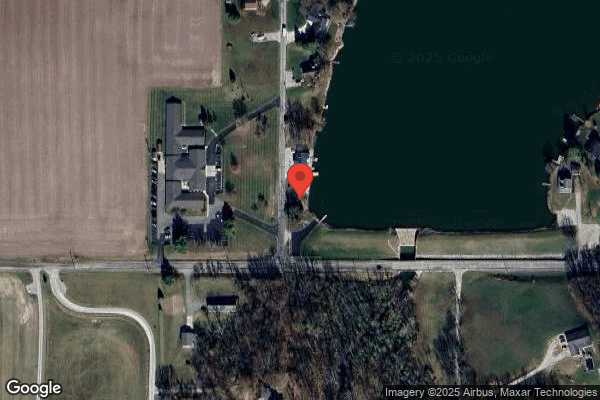
7440 N COUNTY ROAD 825 E, HOPE, IN 47246 (812) 546-4416
For profit - Corporation 75 Beds MILLER'S MERRY MANOR Data: November 2025
Trust Grade
85/100
#77 of 505 in IN
Last Inspection: May 2025

Inspected within the last 6 months. Data reflects current conditions.

Overview

Miller's Merry Manor in Hope, Indiana, has a Trust Grade of B+, which means it is above average and generally recommended for families considering care options. It ranks #78 out of 505 facilities in the state, placing it in the top half, and #3 out of 6 in Bartholomew County, indicating it is one of the better local choices. However, the facility is experiencing a worsening trend, as the number of reported issues increased from 2 in 2024 to 4 in 2025. Staffing is a concern with a low rating of 2 out of 5 stars and a high turnover rate of 67%, which is above the Indiana average of 47%. On a positive note, there have been no fines reported, and the facility has better RN coverage than 86% of Indiana facilities, which helps ensure higher quality care. However, recent inspections revealed some issues, including food stored unsafely with unlabeled and outdated items in the kitchen, and a lack of consistent RN coverage on many days. Additionally, one resident was found self-administering medication without proper supervision, which raises concerns about adequate nursing oversight. While there are some strengths, such as strong RN coverage, families should weigh these alongside the staffing issues and incidents noted in the inspections.

Trust Score
B+
85/100
In Indiana
#77/505
Top 15%
Safety Record
Low Risk
No red flags
Inspections
Getting Worse
2 → 4 violations
Staff Stability
⚠ Watch
67% turnover. Above average. Higher turnover means staff may not know residents' routines.
Penalties
✓ Good
No fines on record. Clean compliance history, better than most Indiana facilities.
Skilled Nurses
✓ Good
Each resident gets 47 minutes of Registered Nurse (RN) attention daily — more than average for Indiana. RNs are trained to catch health problems early.
Violations
○ Average
9 deficiencies on record. Average for a facility this size. Mostly minor or procedural issues.
★★★★★
5.0
Overall Rating
★★☆☆☆
2.0
Staff Levels
★★★★★
5.0
Care Quality
★★★★☆
4.0
Inspection Score
Stable
2024: 2 issues
2025: 4 issues

The Good

  • 5-Star Quality Measures · Strong clinical quality outcomes
  • Full Sprinkler Coverage · Fire safety systems throughout facility
  • No fines on record

Facility shows strength in quality measures, fire safety.

The Bad

Staff Turnover: 67%

20pts above Indiana avg (46%)

Frequent staff changes - ask about care continuity

Chain: MILLER'S MERRY MANOR

Part of a multi-facility chain

Ask about local staffing decisions and management

Staff turnover is elevated (67%)

19 points above Indiana average of 48%

The Ugly 9 deficiencies on record

May 2025 4 deficiencies
CONCERN (D)

Potential for Harm - no one hurt, but risky conditions existed

Deficiency F0554 (Tag F0554)

Could have caused harm · This affected 1 resident

Based on observation, interview, and record review, the facility failed to ensure a resident that self-administered medications was appropriately assessed for self-administration for 1 of 12 residents...

Read full inspector narrative →
Based on observation, interview, and record review, the facility failed to ensure a resident that self-administered medications was appropriately assessed for self-administration for 1 of 12 residents reviewed for medications. (Resident 28) Findings include: Resident 28 was observed on 05/20/25 at 2:31 P.M. The resident was in her room sitting on the side of her bed with an overbed table in front of her. The resident was holding a mask connected to a nebulizer machine up to her face and a breathing treatment was being administered. The door was closed, and no nursing staff were present. During an interview, on 05/27/25 at 10:21 A.M., the resident indicated she received breathing treatments twice a day. The nurse would bring the medication and put it in the nebulizer. They checked her oxygen levels before the treatment and then she would hold the mask and administer the treatment herself. One certain nurse would stay in the room while the treatment was being administered. All the other nurses did not stay in the room and let the resident do it by herself. During an interview, on 05/27/25 at 10:28 A.M., the Director of Nursing (DON) indicated there were no residents in the facility that self-administered medication. If a resident did self-administer, there would be an assessment to ensure they were capable of administering the medication and there would be a physician's order to self-administer. When administering a breathing treatment, nurses should first listen to the resident's lung sounds, respirations, and cough. They would then begin the treatment and stay in the room with the resident for the entire time it took for the medication to be administered, about fifteen minutes. When the treatment was complete, the nurse should reassess the resident. The resident's clinical record was reviewed on 05/22/25 at 2:35 P.M. A Significant Change Minimum Data Set assessment, dated 05/02/25, indicated the resident was cognitively intact. The resident's diagnoses included, but were not limited to, heart failure, hypertension, and COPD (Chronic Obstructive Pulmonary Disease). The resident's current physician's orders included, but were not limited to, an open-ended order with a start date of 03/25/25, for staff to administer the resident's Ipratropium-Albuterol Inhalation Solution 0.5-2.5 (3) milligrams (mg) two times a day for shortness of breath. The resident's record lacked a physician's order to self-administer medications and a medication self-administration assessment. The current facility policy, titled Subject: Self Administration of Meds Procedure & Assessments, with a print date of 05/27/25, was provided by the DON on 05/27/25 at 11:05 A.M. The policy indicated, .For each medication to be self-adm [sic], the resident's ability must be assessed .a physician's order must be obtained . The current facility policy, titled Subject: High Mist Nebulizer or Oxygen Tank Procedure, with a print date of 05/27/25, was provided by the DON on 05/27/25 at 11:31 A.M. The policy indicated, .Nurse must remain with resident during treatment, unless the resident has been assessed to be safe to self-administer the treatment and has a current physician's order to do so . 3.1-11(a)
CONCERN (D)

Potential for Harm - no one hurt, but risky conditions existed

Quality of Care (Tag F0684)

Could have caused harm · This affected 1 resident

Based on record review and interview, the facility failed to follow the physician's orders related to cardiac medication administration parameters for 2 of 12 residents reviewed for quality of care. (...

Read full inspector narrative →
Based on record review and interview, the facility failed to follow the physician's orders related to cardiac medication administration parameters for 2 of 12 residents reviewed for quality of care. (Residents 28 and 21) Findings include: 1. Resident 28's clinical record was reviewed on 05/22/25 at 2:35 P.M. A Significant Change Minimum Data Set (MDS) assessment, dated 05/02/25, indicated the resident was cognitively intact. The resident's diagnoses included, but were not limited to, heart failure, hypertension, and COPD (Chronic Obstructive Pulmonary Disease). The resident's current physician's order included, but was not limited to, an order with a start date of 04/29/25 and a discontinued-on date of 05/21/25, for staff to administer the resident's clonidine hydrochloride 0.3 milligram (mg) tablet at bedtime for hypertension. The medication was to be held if the resident's systolic blood pressure (top number) was less than 180. The May 2025 Electronic Medication Administration Record (EMAR) indicated the medication was administered when the systolic blood pressure was less than 180 on the following dates: - On 05/09/25 the resident's blood pressure was 166/72, - On 05/12/25 the resident's blood pressure was 156/74, and - On 05/16/25 the resident's blood pressure was 145/82. 2. The clinical record for Resident 21 was reviewed on 05/21/25 at 3:17 P.M. A Significant Change MDS assessment, dated 03/08/25, indicated the resident was severely cognitively impaired. The resident's diagnoses included, but were not limited to, Parkinson's disease, anemia, atrial fibrillation, coronary artery disease, heart failure, hypertension, and neurogenic bladder. A physician's note, dated 03/06/25, indicated the staff were to hold the resident's metoprolol (a cardiovascular medication) if the resident's heart rate was less than 60 or the systolic blood pressure was less than 110. A physician's order, dated 03/01/2025 through 04/23/25, indicated the staff were to administer the resident's metoprolol 50 mg, three times a day for hypertension. The staff were to hold the medication if the resident's heart rate was less than 60/systolic blood pressure was less than 110. The physician reviewed the order and decreased the frequency of the medication. A new physician's order, dated 04/23/25 through 05/01/25, indicated the staff were to administer the resident's metoprolol 50 mg, twice a day for hypertension. The staff were to hold the medication if the resident's heart rate was less than 60/systolic blood pressure was less than 110. The physician reviewed the order and decreased the dosage of the medication. An open-ended physician's order, with a start date of 05/01/25, indicated the staff were to administer the resident's metoprolol 25 mg, twice a day for hypertension. The staff were to hold the medication if the resident's heart rate was less than 60 or the systolic blood pressure was less than 110. The March, April, and May 2025 EMAR indicated the medication was administered when the resident's heart rate was not obtained or the resident's heart rate was less than 60 or the systolic blood pressure was less than 110 on the following dates and times: - On 03/07/25 the resident's heart rate was not obtained for the morning or the evening dose, - On 03/08/25 the resident's heart rate was not obtained for the morning dose, - On 03/25/25 the resident's blood pressure was 102/64 for the evening dose, - On 04/06/25 the resident's heart rate was 43 for the midday dose, - On 04/11/25 the resident's heart rate was 56 and the blood pressure was 104/76 for the evening dose, - On 04/12/25 the resident's heart rate was 50 for the morning dose, - On 04/15/25 the resident's blood pressure was 93/64 for the morning dose, - On 04/24/25 the resident's heart rate and blood pressure were not obtained for the evening dose, - On 04/25/25 the resident's heart rate was 56 for the morning dose and the heart rate was not obtained for evening dose, - On 04/26/25 the resident's heart rate and blood pressure were not obtained for the morning dose, - On 04/27/25 the resident's heart rate and blood pressure were not obtained for the morning dose, - On 04/28/25 the resident's heart rate and blood pressure were not obtained for the morning dose, - On 04/29/25 the resident's heart rate was 43 for the morning dose, - On 04/30/25 the resident's heart rate was 55 for the morning dose, - On 05/01/25 the resident's blood pressure was 99/54 for the morning dose, - On 05/03/25 the resident's heart rate was 51 and the blood pressure was 105/65 for the morning dose, - On 05/11/25 the resident's heart rate was 58 for the morning dose, - On 05/13/25 the resident's heart rate was 55 for the morning dose, and - On 05/17/25 the resident's heart rate was 56 for the morning and evening dose. During an interview, on 05/23/25 at 1:25 P.M., RN 2 indicated if a resident had hold parameters on a medication, she would obtain the vital signs before she administered the medication. If the medication was outside the parameters, then she would not administer the medication and would document in the EMAR why the medication was not given. During an interview, on 05/27/25 at 2:18 P.M., the Inservice Director indicated when she obtained the order for the metoprolol in March for Resident 21's hold parameters it was to hold the medication for a systolic blood pressure of less than 110 or a heart rate less than 60. The current facility policy titled, Medication Administration was provided by the Director of Nursing on 05/23/25 at 2:05 P.M. The policy indicated, .Keep medications that require special nursing assessments in a separate cup .Complete necessary assessments before administering medications . 3.1-37(a)
CONCERN (D)

Potential for Harm - no one hurt, but risky conditions existed

Deficiency F0761 (Tag F0761)

Could have caused harm · This affected 1 resident

Based on observation and interview, the facility failed to store medications appropriately for 1 of 2 medication carts observed (North Hall Medication Cart) Findings include: The North Hall Medication...

Read full inspector narrative →
Based on observation and interview, the facility failed to store medications appropriately for 1 of 2 medication carts observed (North Hall Medication Cart) Findings include: The North Hall Medication Cart was observed with Licensed Practical Nurse 3 On 05/27/25 at 9:56 A.M., and contained the following: - a vial of insulin glargine with no open date for Resident 43. The bottle was 3/4 full and had a pharmacy date of 10/20/24 and - an albuterol inhaler for Resident 35 with no open date. The package had a pharmacy date of 12/20/24. During an interview, on 05/27/25 at 10:07 A.M., the Director of Nursing indicated insulin vials and inhalers should have open dates on them once they were opened. The insulin was good for 28 days after it was opened. The current facility policy titled, Storage of Medications dated 12/26/2024, was provided by the Director of Nursing on 05/27/25 at 11:10 A.M. The policy indicated, .Medications and biological are stored safely, securely, and properly, following manufacturer's recommendations .Certain medications or package types, such as IV solutions, multiple dose injectable vials, ophthalmic, nitroglycerin tablets, blood sugar solutions and strips, once opened, require an expiration date shorter than the manufacturer's expiration date to insure medication purity and potency .When the original seal of a manufacturer's container or vial is initially broken, the container or vial will be dated . 3.1-25(o)
CONCERN (E)

Potential for Harm - no one hurt, but risky conditions existed

Food Safety (Tag F0812)

Could have caused harm · This affected multiple residents

Based on observation and interview, the facility failed to store foods in a sanitary manner related to unlabeled and outdated foods and employee personal items in the main kitchen refrigerators for 1 ...

Read full inspector narrative →
Based on observation and interview, the facility failed to store foods in a sanitary manner related to unlabeled and outdated foods and employee personal items in the main kitchen refrigerators for 1 of 3 kitchen observations. Findings include: During the initial tour of the facility kitchen with Dietary Aide (DA) 4 on 05/20/25 at 9:21 A.M., the following items were observed in the refrigerators: - An uncovered bowl of yellow gelatin dessert with whipped topping and a slice of berry pie were on a tray on the top shelf of the refrigerator. The items nor the tray were dated, - A large, lidded container with two cheese sandwiches labeled as prepared on 05/11/25, and - An employee's unopened energy drink and bottle of diet soda. During an interview, on 05/20/25 at 9:25 A.M., DA 4 indicated the desserts on the tray were not labeled and should be thrown out. The label on the cheese sandwiches indicated they were prepared on 05/11/25. The sandwiches were good for one week after they were prepared. The energy drink and soda belonged to her and should have been placed in the employee refrigerator. During an interview, on 05/27/25 at 10:14 A.M., the Dietary Manager indicated employee items were not supposed to be stored in the kitchen refrigerator. There was not a policy related to employee items in the kitchen refrigerator. During an interview, on 05/27/25 at 2:37 P.M., the Dietary Manager indicated items like the pie and the gelatin should be covered and the tray should be labeled with prepared on and use by dates. The cheese sandwiches were good for seven days after they were prepared. The current facility policy, titled Dietary Manuals, with a print date of 05/27/25, was provided by the Dietary Manager on 05/27/25 at 11:44 A.M. The policy indicated, .all foods should be stored and protected under safe and sanitary conditions .Food not in original containers are clearly labeled for contents, dated, and stored in food rated containers with tight fitting lids . 31-21(i)(2) 3.1-21(i)(3)
Jul 2024 2 deficiencies
CONCERN (D)

Potential for Harm - no one hurt, but risky conditions existed

ADL Care (Tag F0677)

Could have caused harm · This affected 1 resident

3. On 07/11/24 at 9:24 A.M., Resident 37 indicated he didn't get his scheduled showers. Yesterday, he was in the therapy room and staff came and told him they would shower him after lunch, but they ne...

Read full inspector narrative →
3. On 07/11/24 at 9:24 A.M., Resident 37 indicated he didn't get his scheduled showers. Yesterday, he was in the therapy room and staff came and told him they would shower him after lunch, but they never came back to do it. Now he had to go out for an appointment without having been showered. He was supposed to get a shower twice a week. It had been a while since he'd had a shower. The resident's clinical record was reviewed on 07/09/24 at 12:14 P.M. An Annual MDS assessment, dated 06/26/24, indicated the resident was moderately cognitively impaired. The diagnoses included, but were not limited to, CKD (Chronic Kidney Disease), obstructive uropathy, and diabetes. The resident had an indwelling urinary catheter and currently received an antibiotic for a urinary tract infection. The resident's Preferences Care Plan, with an initiation date of 06/25/24, indicated the resident preferred to take a shower twice a week. The facility Shower List was provided by the Administrator on 07/12/24 at 10:53 A.M. The list indicated the resident was to receive a shower on Wednesdays and Saturdays on day shift. The CNA Shower Sheet paper record and the Tasks record for baths/showers from the EHR for June and July 2024 were provided by the DON on 07/10/24 11:39 AM., and indicated the following: - the resident declined a shower on Saturday, June 22, 2024, - the resident declined a shower on Wednesday, June 26, 2024, and - the resident received a shower on Thursday, June 27, 2024. A Progress Note, dated Saturday, July 6, 2024, at 9:21 P.M., indicated the resident refused to be showered per staff. A Progress Note, dated Wednesday, July 10, 2024, at 11:50 A.M., indicated the resident declined a shower that morning and would be offered a partial bath after lunch along with a change of clothes. During an interview on 07/11/24 at 1:05 P.M., QMA 2 indicated if a resident refused a shower, she would let the nurse know and come back and try again. It would be documented in the resident's record. The resident's clinical record indicated they were admitted to the facility on Monday, June 17, 2024, and had received one shower since admission. The facility admission packet was reviewed and included, under Resident Rights, regarding planning and implementing care, the resident had the right to receive the services included in the plan of care. The current Charting Procedure policy, dated 10/23/23, was provided by the DON on 07/12/24 at 10:10 A.M., and indicated, .PURPOSE .To accurately document in an organized manner all pertinent information related to the resident in the medical record . 3.1-38(b)(2) Based on interview, observation, and record review, the facility failed to provide scheduled ADL (Activities of Daily Living) care related to bathing for 3 of 12 residents reviewed. (Residents 4, 15, and 37) Findings include: 1. During an interview on 07/08/24 at 10:22 A.M., Resident 4 indicated she went two weeks without a bath a couple of months ago because things just kept happening. There were phone calls and emergencies. During an interview on 07/11/24 at 10:11 A.M., the resident indicated her bath days were twice a week on day shift. When she didn't get a bath, it made her feel dirty! The resident's clinical record was reviewed on 07/09/24 at 9:43 A.M. A Quarterly MDS (Minimum Data Set) assessment, dated 06/19/24, indicated the resident was cognitively intact. The resident's diagnoses included, but were not limited to, chronic obstructive pulmonary disease, heart failure, and post-polio syndrome. The current Care Plan for the resident's preferences, with an initiated date of 06/07/22, was provided by the Regional Administrator on 07/12/24 at 12:47 P.M., and indicated it was important to the resident to receive a bed bath two times a week. The SHOWER LIST was provided by the Administrator on 07/12/24 at 10:53 A.M., and indicated the resident was to get a bath/shower during day shift on Mondays and Thursdays. The CNA Shower Sheet paper records and the Tasks record for baths/showers from the EHR (Electronic Health Record) were provided by the DON (Director of Nursing) on 07/10/24 at 11:39 A.M., and indicated the resident received a full body bath on the following dates: - 04/22/24, - 05/02/24, the resident went nine days without a full body bath, and - 05/09/24, the resident went six days without a full body bath, - 05/13/24, - 05/16/24, - 05/24/24, - 05/27/24, - 05/30/24, - 06/03/24, - 06/10/24, the resident went six days without a full body bath, - 06/17/24, the resident went six days without a full body bath, - 06/20/24, - 06/27/24, the resident went six days without a full body bath, - 07/01/24, and - 07/08/24, the resident went six days without a full body bath. The resident was to receive a bath or shower on Mondays and Thursdays. From 04/22/24 to 07/08/24, the resident should have received 23 baths. The resident had received 15 baths. No refusals were documented on the CNA Shower Sheet records or in the EHR. During an interview on 07/09/24 at 2:35 P.M., the Social Services Director indicated the resident was very pleasant and usually did not refuse care. During an interview and observation on 07/10/24 at 10:25 A.M., Corporate Nurse 6 indicated if a resident had a shower, it should be documented in the EHR. The Shower Sheets were kept for 90 days then they were shredded. The Shower Sheets were observed in a large clear plastic tub in piles. During an interview on 07/11/24 at 10:37 A.M., CNA (Certified Nurse Aide) 3 indicated residents were scheduled for a bath or shower twice a week, Monday through Saturday. The staff filled out a Shower Sheet with the resident's name, room number, date, and skin inspections. She signs the sheet, the resident signs it if they were coherent, and the nurse signed the sheet. They also did daily charting on the computer, and it asked about the showers. They had the opportunity to document whether the resident had a full shower, full bath, or any refusals. They had the option, on the computer system, to chart refusals. If a resident refused a shower/bath the first time, she notified the nurse and would approach the resident later. If they refused a second time, she notified the nurse. Sometimes if the nurse talked to them, they would take a shower. The Shower Sheets and the computer had the option to document refusals. 2. Resident 15's clinical record was reviewed on 07/10/24 at 3:15 P.M. An admission MDS assessment, dated 03/27/24, indicated the resident was severely cognitively impaired. The resident's diagnoses included, but was not limited to, a stroke, hypertension, and seizure disorder. The resident was dependent on staff for all ADLs. The CNA Shower Sheet paper records and the Tasks record for Baths/showers from the EHR were provided by the DON on 07/10/24 3:15 P.M., and indicated the resident received a full body bath on the following dates: - Friday, 06/07/24, full body bath, - Tuesday, 06/11/24, full body bath, - Friday, 06/21/24, full body bath and, - Tuesday, 07/09/24, full body bath. The resident was to receive a bath or shower on Tuesdays and Fridays. From 06/01/24 to 07/10/24, the resident should have received 11 baths. The resident only received 4. There were only two days marked as a refusal on the bathing records. During an interview on 07/12/24 at 12:21 P.M., CNA 3 indicated the resident liked to stick to a routine and receive a bed bath or shower in the morning prior to breakfast. She was dependent of all ADLs. She was to receive her showers two times a week on Tuesday and Friday.
CONCERN (D)

Potential for Harm - no one hurt, but risky conditions existed

Quality of Care (Tag F0684)

Could have caused harm · This affected 1 resident

**NOTE- TERMS IN BRACKETS HAVE BEEN EDITED TO PROTECT CONFIDENTIALITY** Based on interview, record review, and observation, the facility failed to monitor a wound for a resident who was at risk for sk...

Read full inspector narrative →
**NOTE- TERMS IN BRACKETS HAVE BEEN EDITED TO PROTECT CONFIDENTIALITY** Based on interview, record review, and observation, the facility failed to monitor a wound for a resident who was at risk for skin breakdown for 1 of 12 residents reviewed for Quality of Care. (Resident 4) Findings include: During an interview on 07/08/24 on 10:25 A.M., Resident 4 indicated they had a wound in between their legs where the mechanical lift grabbed their leg and bites it. During an observation and interview on 07/10/24 at 11:08 A.M., the resident was in bed and indicated the area was on their inner thigh. It was painful. The staff gave them Tylenol and it had helped. It had looked like hamburger at one point if it didn't have a top on it. The resident clarified that the wound was from the mechanical lift. During an interview on 07/12/24 at 10:28 A.M., the resident indicated they had the wound probably for years, ever since the facility started using the mechanical lift. It healed then opened back up. The clinical record was reviewed on 07/09/24 at 9:43 A.M. A Quarterly MDS (Minimum Data Set) assessment, dated 06/19/24, indicated the resident was cognitively intact. The resident's diagnoses included, but were not limited to, chronic obstructive pulmonary disease, heart failure, and post-polio syndrome. The resident was at risk for pressure ulcers. The Nursing-New Skin Alteration Assessment dated 05/12/24 was provided by the Regional Administrator on 07/12/24 at 11:53 A.M. The Assessment indicated, .Treatment Record (TAR) must be updated w/ (with) new skin problems. Even if no treatment is ordered it must be monitored at least daily until healed . The resident had a new wound on the right posterior upper thigh that was open and measured 5.6 cm (centimeters) x (by) 4.0 cm. The wound was red in color, non-blanchable, had uneven edges, was cool to the touch, and had no odor or drainage. Triad cream (a zinc oxide paste) was applied to the wound. The Nursing-Weekly Assessment records dated 05/14/24 through 07/09/24, were provided by the DON (Director of Nursing) on 07/12/24 at 11:36 A.M. The records lacked documentation the resident had any new skin alterations, including, but not limited to, wounds, rashes, excoriation, skin tears, or abrasions. A current Care Plan for the resident's Right posterior upper thigh skin alteration, with an initiated date of 05/13/24, was provided by the DON on 07/12/24 at 1:08 P.M. The Care Plan indicated the resident had a history of skin alterations and risk factors that included, but were not limited to, morbid obesity and immobility. The Care Plan did not indicate the skin concern had been resolved. The EMAR/ETAR (Electronic Medication Administration Record/Electronic Treatment Administration Record) for May 2024, was provided by the DON on 07/12/24 at 11:36 A.M. The record lacked documentation the resident's wound, identified on 05/12/24, was being monitored daily. The Progress Notes from 05/06/24 to 07/08/24 were provided by the Regional Administrator on 07/12/24 at 12:47 P.M. The record lacked documentation regarding the resident's wound identified on 05/12/24. During an interview on 07/12/24 at 10:30 A.M., the DON indicated regarding skin assessments, when they found a new skin condition, they opened an initial occurrence or a new skin alteration assessment. Then the residents were followed by the Wound Nurse until the wounds were healed. They would assess the wound weekly. The weekly assessments would be under the Assessment tab on the EHR (Electronic Health Record). Even if it was a non-pressure wound it would be monitored weekly. Based on whether it was improving or declining, the Wound Nurse would consult with the providers. The DON reviewed Resident 4's New Skin Alteration assessment dated [DATE], and indicated when there was a skin alteration, the staff would monitor them in the EMAR/ETAR (Electronic Medication Administration Record/Electronic Treatment Administration Record) daily. The new skin alteration should have been documented on the Nursing-Weekly assessment dated [DATE]. If the wound still existed, it would be documented on the Weekly assessments. On 07/10/24 at 11:47 A.M., incontinence care was observed for the resident with QMA (Qualified Medication Aide) 2 and CNA (Certified Nurse Aide) 3. While cleaning the resident's backside, a light pink area with irregular edges approximately the size of a half dollar was observed. The area had traces of white ointment on it with no measurable depth. As the staff cleaned the resident, a couple of small areas around the edge of the wound started to bleed slightly. The current nursing Charting Procedure policy, dated 10/23/23, was provided by the DON on 07/12/24 at 10:10 A.M. The policy indicated, .PURPOSE .To accurately document in an organized manner all pertinent information related to the resident in the medical record .Nursing progress notes and assessments will be completed in the EMR (Electronic Medical Record) .PERTINENT CHARTING .Documentation will be completed for all pertinent issues either in nurses progress notes or in the assessment module of the EMR .Any new physical .complaint will be documented in the EMR under the coordination assessment and/or progress note .Pertinent charting will be completed daily or more often until resolved or stable . 3.1-37(a)
Nov 2023 1 deficiency
CONCERN (D) 📢 Someone Reported This

A family member, employee, or ombudsman was alarmed enough to file a formal complaint

Potential for Harm - no one hurt, but risky conditions existed

Deficiency F0887 (Tag F0887)

Could have caused harm · This affected 1 resident

**NOTE- TERMS IN BRACKETS HAVE BEEN EDITED TO PROTECT CONFIDENTIALITY** Based on record review and interview, the facility failed to provide COVID-19 booster immunizations in a timely manner for 3 of ...

Read full inspector narrative →
**NOTE- TERMS IN BRACKETS HAVE BEEN EDITED TO PROTECT CONFIDENTIALITY** Based on record review and interview, the facility failed to provide COVID-19 booster immunizations in a timely manner for 3 of 8 residents reviewed for immunizations. (Residents E, F, and H) Findings include: 1. The clinical record for Resident E was reviewed on 11/29/23 at 1:42 P.M. The resident was admitted on [DATE]. An admission MDS assessment, dated 09/18/23, indicated the resident was cognitively intact. The diagnoses included, but were not limited to, diabetes, heart disease, and rib fractures. The COVID-19 Vaccination Status, Consent & Information record, dated 09/11/23, was provided by the Administrator on 11/29/23 at 3:39 P.M. The record indicated the resident had been educated and requested the COVID-19 vaccine be administered. The record was signed by the resident's representative on 09/12/23. The resident had received the following COVID-19 immunizations: - dated 02/10/21, - dated 03/05/21, - dated 10/19/21, - dated 05/31/22, and - dated 10/28/22, prior to admission. The clinical record lacked documentation the resident had received a COVID-19 booster since 10/28/22 or following admission on [DATE]. The booster was not administered until 11/15/23. The Infection Surveillance Data Collection Form log was provided by the DON on 11/29/23 at 11:07 A.M. The record indicated the resident tested positive for COVID-19 ON 11/16/23. The Progress Notes, from 09/01/23 to present, lacked documentation the resident had been offered a COVID-19 booster prior to 11/15/23. The current, completed, and discontinued physician's orders, from 09/01/23 to present, lacked orders for a COVID-19 booster vaccine prior to 11/15/23. 2. The clinical record for Resident F was reviewed on 11/29/23 at 1:48 P.M. The resident was admitted on [DATE]. A Quarterly MDS assessment, dated 11/08/23, indicated the resident was cognitively intact. The diagnoses included, but were not limited to, Parkinson's disease and respiratory failure. The COVID-19 Vaccination Status, Consent & Information record, dated 08/01/23, was provided by the Administrator on 11/29/23 at 3:39 P.M. The record indicated the resident had been educated and requested the COVID-19 vaccine be administered. The record was signed by the resident's representative on 08/01/23. The resident had received the following COVID-19 immunizations: - dated 01/20/21, - dated 02/17/21, - dated 01/20/22, and - dated 07/06/22, prior to admission. The clinical record lacked documentation the resident had received a COVID-19 booster since 07/06/22 or following admission on [DATE]. The Infection Surveillance Data Collection Form log was provided by the DON on 11/29/23 at 11:07 A.M. The record indicated the resident tested positive for COVID-19 ON 11/20/23. The Progress Notes, from 09/01/23 to present, lacked documentation the resident had been offered a COVID-19 booster. The current, completed, and discontinued physician's orders, from 09/01/23 to present, lacked orders for a COVID-19 booster shot. 3. The clinical record for Resident H was reviewed on 11/29/23 at 3:28 P.M. The resident was admitted on [DATE]. An admission MDS assessment, dated 10/06/23, indicated the resident was moderately cognitively impaired. The diagnoses included, but were not limited to, coronary artery disease and chronic obstructive pulmonary disease. The COVID-19 Vaccination Status, Consent & Information record, dated 09/29/23, was provided by the Administrator on 11/30/23 at 12:25 P.M. The record indicated the resident had been educated and requested the COVID-19 vaccine be administered. The record was signed by the resident on 09/29/23. The resident had received the following COVID-19 immunizations: - dated 01/26/21, - dated 02/24/21, and - dated 01/13/23, prior to admission. The clinical record lacked documentation the resident had received a COVID-19 booster since 01/13/23 or following admission on [DATE]. The booster was not administered until 11/15/23. The Progress Notes, from 09/01/23 to present, lacked documentation the resident had been offered a COVID-19 booster prior to 11/15/23. The current, completed, and discontinued physician's orders, from 09/01/23 to present, lacked orders for a COVID-19 booster shot prior to 11/15/23. During an interview on 11/29/23 at 11:30 A.M., the DON indicated residents' consents for vaccines were in their admission agreements and on their paper hard charts. During an interview on 11/29/23 at 11:11 A.M., the Administrator indicated no residents had been sent out to the hospital for COVID-19 during this recent outbreak. During an interview on 11/29/23 at 3:35 P.M., the DON indicated when a resident was admitted and desired to have immunizations the facility would review their CHIRP (Children & Hoosiers Immunization Registry Program) and see what immunizations they had and discuss with the resident or family what immunizations were currently available and needed at that time. The staff contacted the MD and would get the order for whatever vaccines that specific resident needed, contact the pharmacy, and order them. It usually took about 24 hours if the pharmacy had the vaccines in stock. They had not had any trouble getting vaccines. Once the vaccines were received in house, usually the next day, they were administered as ordered. During an interview on 11/29/23 at 3:58 P.M., the DON indicated she had been in her current position since August 2023. She had ordered a house stock of the new COVID-19 vaccines on 11/13/23 and provided a copy of the order receipt. She indicated she had not ordered any COVID-19 vaccines prior to 11/13/23. She did not think their pharmacy had the boosters available until 11/01/23. During an interview on 11/29/23 at 4:20 P.M., the Consultant Pharmacist indicated the pharmacy did not have the vaccines available until November 1, 2023, and they had sent correspondence to the facilities letting them know they were available. On November 6,2023, the pharmacy received the order for the vaccines. There was a delay because the vaccines were routed to the wrong queue. The facility brought it to their attention on 11/13/23 and the vaccines were sent out that night. When the pharmacy received an order, it was usually sent out in 24 to 48 hours. During an interview on 11/30/23 at 11:25 A.M., the Nurse Consultant indicated if a medicine or vaccine was not available from their pharmacy, they would have a backup plan with their pharmacy or use a local retail pharmacy. If it was something their pharmacy was not able to get, they would go through a local retail pharmacy. A CDC (Centers for Disease Control) press release, dated 09/12/23, indicated, . Updated COVID-19 vaccines from Pfizer-BioNTech and Moderna will be available later this week. Vaccination remains the best protection against COVID-19-related hospitalization and death. Vaccination also reduces your chance of suffering the effects of Long COVID, which can develop during or following acute infection and last for an extended duration. If you have not received a COVID-19 vaccine in the past 2 months, get an updated COVID-19 vaccine to protect yourself this fall and winter . The current Prevention and Containment of Coronavirus (COVID-19) policy dated 09/08/23, was provided by the Administrator on 11/30/23 at 1:27 P.M. The policy indicated, .Policy .To follow the guidelines and recommendations set forth by the Indiana State Department of Health, CDC, .and other experts in the field of infection control and prevention and epidemiology in prevent the transmission and containment of COVID-19 .The corporate COVID-19 committee .will review all resource updates, guidance and recommendations and will revise or create policies and procedures dealing with COVID-19 as deemed necessary .COVID vaccination is encouraged and promoted for staff, residents and visitors. Vaccination is offered to all staff and residents .COVID vaccine .Must have a physician order and consent .Encourage staff and residents to stay up-to-date on COVID-19 vaccine . This citation relates to Complaint IN00422517. 3.1-18(b)(1)
May 2023 2 deficiencies
CONCERN (D)

Potential for Harm - no one hurt, but risky conditions existed

Quality of Care (Tag F0684)

Could have caused harm · This affected 1 resident

Based on record review and interview, the facility failed to monitor vitals signs and follow a physician's order related to blood sugar monitoring for 2 of 13 residents reviewed for quality of care. (...

Read full inspector narrative →
Based on record review and interview, the facility failed to monitor vitals signs and follow a physician's order related to blood sugar monitoring for 2 of 13 residents reviewed for quality of care. (Residents 231 and 1) Findings include: 1.A. The record for Resident 231 was reviewed on 05/23/23 at 2:27 P.M. The diagnoses included, but were not limited to, heart failure, hypertension, diabetes, and kidney disease. A physician's order, dated 04/26/23 through 05/04/23, indicated the resident was to be administered Digoxin (a heart medication), one tablet, once a day. The staff were to hold the medication if the heart rate was less than 60. The April and May 2023 EMAR/ETAR (Electronic Medication Administration Record/Electronic Treatment Administration Record) were reviewed and indicated the resident had received the medication on 04/26/23 through 05/04/23 with no documented heart rates. During an interview on 05/25/23 at 1:24 P.M., the MDS (Minimum Data Set) Coordinator indicated if a resident required the heart rate to be monitored prior to administration of the medication it would be documented in the EMAR/ETAR. If the medication was to be held due to the heart rate parameters then it would also be documented in the EMAR/ETAR. 1.B. An open-ended physician's order, with a start date of 05/05/23, indicated the residents blood sugar was to be checked once a day at 5:30 A.M., with no insulin coverage. The MD was to be notified if the blood sugar was less than 70 or greater than 400. The record, including the May 2023 EMAR/ETAR, lacked the resident's blood sugar level was documented on the following dates: - 05/06/23 through 05/09/23, - 05/11/23 through 05/12/23, - 05/14/23 through 05/15/23, and - 05/17/23 through 05/20/23. 2. During an interview on 05/23/23 at 11:08 A.M., Resident 1 indicated she was diabetic and received insulin before meals. Sometimes her blood sugar was high. The resident's record was reviewed on 05/25/23 at 10:24 A.M. A Quarterly MDS assessment, dated 03/22/23, indicated the resident was moderately cognitively impaired. The diagnoses included, but were not limited to, diabetes, anemia, stroke, non-Alzheimer's dementia, and malnutrition. The resident received insulin everyday of the assessment review period. The resident's current medication orders included a physician's order, with a start date of 11/14/22 that was discontinued on 05/26/23, for Humalog insulin solution. Nursing staff were to assess the resident's blood sugar before meals and administer insulin based on a sliding scale. Nursing staff were to notify the MD if the resident's blood sugar was less than 60 or greater than 350. During an interview on 05/25/23 at 1:20 P.M., RN 2 indicated the nurses documented blood sugar assessments in the EMAR. They should follow physician's orders and notify the MD of a blood sugar reading that was higher or lower than the parameters set in the order. They should document the notification and the MD's response in the computer. The April and May 2023 EMARs were reviewed on 05/26/23 at 12:07 P.M. The EMARs indicated the resident's blood sugar was greater than 350 on the following dates and times: - On 04/07/23 at 8:00 A.M., the resident's blood sugar was 400, - On 04/20/23 at 5:00 P.M., the resident's blood sugar was 359, - On 04/21/23 at 11:30 A.M., the resident's blood sugar was 366, - On 04/22/23 at 11:30 A.M., the resident's blood sugar was 385, - On 05/07/23 at 5:00 P.M., the resident's blood sugar was 376, - On 05/09/23 at 11:30 A.M., the resident's blood sugar was 390, - On 05/13/23 at 11:30 A.M., the resident's blood sugar was 377, - On 05/14/23 at 5:00 P.M., the resident's blood sugar was 387, - On 05/16/23 at 11:30 A.M., the resident's blood sugar was 396, - On 05/19/23 at 5:00 P.M., the resident's blood sugar was 393, - On 05/20/23 at 5:00 P.M., the resident's blood sugar was 387, and - On 05/23/23 at 11:30 A.M., the resident's blood sugar was 367. The resident's record lacked documentation the MD was notified of the blood sugars that were higher than 350. A Care Plan for hypo/hyperglycemia was provided by the Administrator on 05/26/23 at 11:49 A.M. The interventions included, but were not limited to, an intervention that was initiated on 11/04/22 to notify the MD of blood sugar readings outside the ordered parameters. The current facility policy, titled Medication Administration Procedure, with a start date of 08/29/2016, was provided by the Administrator on 05/26/23 at 10:42 A.M. The policy indicated, .Complete necessary assessments before administering medications . The current facility policy, titled Physician and Family Notification of Condition Changes, with a start date of 11/30/2016, was provided by the Administrator on 05/26/23 at 10:42 A.M. The policy indicated, .keep the physician, resident, and family appraised of all condition changes .Notify the physician of any change in condition that may or may not warrant a change in the treatment plan .document the information reported .document the response from the physician . 3.1-37(a)
CONCERN (E)

Potential for Harm - no one hurt, but risky conditions existed

Deficiency F0727 (Tag F0727)

Could have caused harm · This affected multiple residents

Based on record review and interview, the facility failed to provided RN coverage for 20 of 25 days reviewed. Findings included: The as worked nurse staffing schedules were provided by the Administra...

Read full inspector narrative →
Based on record review and interview, the facility failed to provided RN coverage for 20 of 25 days reviewed. Findings included: The as worked nurse staffing schedules were provided by the Administrator on 05/24/23 at 3:06 P.M. The schedules lacked RN coverage for the following dates: - 10/01/22, no RN coverage - 10/02/22, only four hours RN coverage, - 10/08/22, only four hours RN coverage, - 10/09/22, only four hours RN coverage, - 10/15/22, no RN coverage, - 10/16/22, only four hours RN coverage, - 10/22/22, no RN coverage, - 10/23/22, only four hours RN coverage, - 11/12/22, no RN coverage, - 11/23/22, only four hours RN coverage, - 11/26/22, only four hours RN coverage, - 11/27/22, only four hours RN coverage, - 12/10/22, only four hours RN coverage, - 12/11/22, no RN coverage, - 12/24/22, no RN coverage, - 12/31/22, only four hours RN coverage, - 01/01/23, only four hours RN coverage, - 04/09/23, only four hours RN coverage, - 05/13/23, no RN coverage,and - 05/14/23, no RN coverage. During an interview on 05/24/23 at 3:39 P.M., LPN (Licensed Practical Nurse) 3 indicated there was supposed to be an RN in the building for 8 hours a day. The RN coverage was a little spotty at the moment. She didn't have any RN's to work the weekend shifts. During an interview on 05/25/23 at 11:06 A.M., the Administrator indicated the facility did not have a policy for RN coverage. They would follow the State and Federal regulation. 3.1-17(b)(3)
Understanding Severity Codes (click to expand)
Life-Threatening (Immediate Jeopardy)
J - Isolated K - Pattern L - Widespread
Actual Harm
G - Isolated H - Pattern I - Widespread
Potential for Harm
D - Isolated E - Pattern F - Widespread
No Harm (Minor)
A - Isolated B - Pattern C - Widespread

Questions to Ask on Your Visit

  • "Why is there high staff turnover? How do you retain staff?"
  • "Can I speak with families of current residents?"
  • "What's your RN coverage like on weekends and overnight?"

Our Honest Assessment

Strengths
  • • Grade B+ (85/100). Above average facility, better than most options in Indiana.
  • • No major safety red flags. No abuse findings, life-threatening violations, or SFF status.
  • • No fines on record. Clean compliance history, better than most Indiana facilities.
Concerns
  • • 67% turnover. Above average. Higher turnover means staff may not know residents' routines.
Bottom line: Generally positive indicators. Standard due diligence and a personal visit recommended.

About This Facility

What is Miller'S Merry Manor's CMS Rating?

CMS assigns MILLER'S MERRY MANOR an overall rating of 5 out of 5 stars, which is considered much above average nationally. Within Indiana, this rating places the facility higher than 99% of the state's 100 nursing homes. This rating reflects solid performance across the metrics CMS uses to evaluate nursing home quality.

How is Miller'S Merry Manor Staffed?

CMS rates MILLER'S MERRY MANOR's staffing level at 2 out of 5 stars, which is below average compared to other nursing homes. Staff turnover is 67%, which is 20 percentage points above the Indiana average of 46%. High turnover can affect care consistency as new staff learn residents' individual needs. RN turnover specifically is 58%, which is notably high. RNs provide skilled clinical oversight, so turnover in this role can affect medical care quality.

What Have Inspectors Found at Miller'S Merry Manor?

State health inspectors documented 9 deficiencies at MILLER'S MERRY MANOR during 2023 to 2025. These included: 9 with potential for harm.

Who Owns and Operates Miller'S Merry Manor?

MILLER'S MERRY MANOR is owned by a for-profit company. For-profit facilities operate as businesses with obligations to shareholders or private owners. The facility is operated by MILLER'S MERRY MANOR, a chain that manages multiple nursing homes. With 75 certified beds and approximately 36 residents (about 48% occupancy), it is a smaller facility located in HOPE, Indiana.

How Does Miller'S Merry Manor Compare to Other Indiana Nursing Homes?

Compared to the 100 nursing homes in Indiana, MILLER'S MERRY MANOR's overall rating (5 stars) is above the state average of 3.1, staff turnover (67%) is significantly higher than the state average of 46%, and health inspection rating (4 stars) is above the national benchmark.

What Should Families Ask When Visiting Miller'S Merry Manor?

Based on this facility's data, families visiting should ask: "How do you ensure continuity of care given staff turnover, and what is your staff retention strategy?" "Can you walk me through typical staffing levels on day, evening, and night shifts?" "Can I visit during a mealtime to observe dining assistance and food quality?" "How do you handle medical emergencies, and what is your hospital transfer rate?" These questions are particularly relevant given the facility's high staff turnover rate and the below-average staffing rating.

Is Miller'S Merry Manor Safe?

Based on CMS inspection data, MILLER'S MERRY MANOR has a clean safety record: no substantiated abuse findings (meaning no confirmed cases of resident harm), no Immediate Jeopardy citations (the most serious violation level indicating risk of serious injury or death), and is not on the Special Focus Facility watch list (a federal program monitoring the lowest-performing 1% of nursing homes). The facility has a 5-star overall rating and ranks #1 of 100 nursing homes in Indiana. While no facility is perfect, families should still ask about staff-to-resident ratios and recent inspection results during their visit.

Do Nurses at Miller'S Merry Manor Stick Around?

Staff turnover at MILLER'S MERRY MANOR is high. At 67%, the facility is 20 percentage points above the Indiana average of 46%. Registered Nurse turnover is particularly concerning at 58%. RNs handle complex medical decisions and coordinate care — frequent RN changes can directly impact care quality. High turnover means new staff may not know residents' individual needs, medications, or preferences. It can also be disorienting for residents, especially those with dementia who rely on familiar faces. Families should ask: What is causing the turnover? What retention programs are in place? How do you ensure care continuity during staff transitions?

Was Miller'S Merry Manor Ever Fined?

MILLER'S MERRY MANOR has no federal fines on record. CMS issues fines when nursing homes fail to meet care standards or don't correct problems found during inspections. The absence of fines suggests the facility has either maintained compliance or corrected any issues before penalties were assessed. This is a positive indicator, though families should still review recent inspection reports for the full picture.

Is Miller'S Merry Manor on Any Federal Watch List?

MILLER'S MERRY MANOR is not on any federal watch list. The most significant is the Special Focus Facility (SFF) program, which identifies the bottom 1% of nursing homes nationally based on persistent, serious quality problems. Not being on this list means the facility has avoided the pattern of deficiencies that triggers enhanced federal oversight. This is a positive indicator, though families should still review the facility's inspection history directly.