SERENITY SPRING SENIOR LIVING AT JASONVILLE
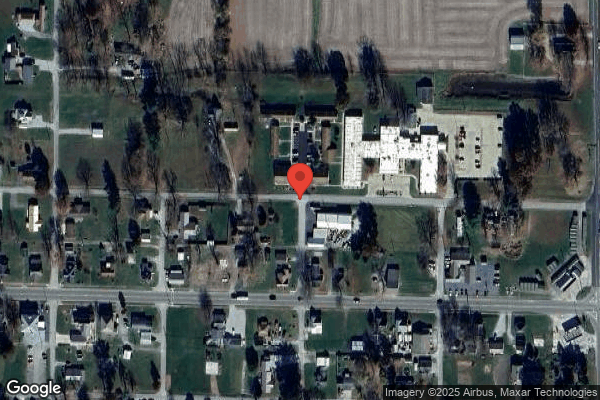

800 E OHIO ST, JASONVILLE, IN 47438 (812) 665-2226
For profit - Corporation 60 Beds CONTINUUM HEALTHCARE Data: November 2025
Trust Grade
80/100
#186 of 505 in IN
Last Inspection: February 2025

Within standard 12-15 month inspection cycle. Federal law requires annual inspections.

Overview

Serenity Spring Senior Living at Jasonville has a Trust Grade of B+, indicating it is above average and recommended for families seeking care. Ranked #186 out of 505 facilities in Indiana, it falls in the top half, but it is the second-best option in Greene County, with only one other facility available locally. The facility's trend is stable, with a consistent number of issues reported in the last two years. Staffing is rated average with a 3 out of 5 stars, and the turnover rate is 48%, which is similar to the state average. Notably, the facility has not incurred any fines, which is a positive sign. However, there are some concerning incidents noted during inspections. For example, expired food was found in the kitchen, including sour cream and buttermilk, which should have been discarded. Additionally, oxygen delivery systems for several residents were not labeled or dated, which does not meet professional standards. Overall, while there are strengths in the facility's performance, these issues highlight areas that need improvement for the safety and well-being of residents.

Trust Score
B+
80/100
In Indiana
#186/505
Top 36%
Safety Record
Low Risk
No red flags
Inspections
Holding Steady
3 → 3 violations
Staff Stability
⚠ Watch
48% turnover. Above average. Higher turnover means staff may not know residents' routines.
Penalties
✓ Good
No fines on record. Clean compliance history, better than most Indiana facilities.
Skilled Nurses
⚠ Watch
Each resident gets only 27 minutes of Registered Nurse (RN) attention daily — below average for Indiana. Fewer RN minutes means fewer trained eyes watching for problems.
Violations
○ Average
8 deficiencies on record. Average for a facility this size. Mostly minor or procedural issues.
★★★★☆
4.0
Overall Rating
★★★☆☆
3.0
Staff Levels
★★★☆☆
3.0
Care Quality
★★★★☆
4.0
Inspection Score
Stable
2024: 3 issues
2025: 3 issues

The Good

  • Full Sprinkler Coverage · Fire safety systems throughout facility
  • No fines on record

Facility shows strength in fire safety.

The Bad

Staff Turnover: 48%

Near Indiana avg (46%)

Higher turnover may affect care consistency

Chain: CONTINUUM HEALTHCARE

Part of a multi-facility chain

Ask about local staffing decisions and management

The Ugly 8 deficiencies on record

Feb 2025 3 deficiencies
CONCERN (D)

Potential for Harm - no one hurt, but risky conditions existed

Assessment Accuracy (Tag F0641)

Could have caused harm · This affected 1 resident

Based on interview and record review, the facility failed to ensure the accuracy of the Minimum Data Set (MDS) assessment for 2 of 13 residents reviewed for accuracy of the MDS assessments. (Resident ...

Read full inspector narrative →
Based on interview and record review, the facility failed to ensure the accuracy of the Minimum Data Set (MDS) assessment for 2 of 13 residents reviewed for accuracy of the MDS assessments. (Resident 4, Resident 21) Findings include: 1. On 2/10/25 at 9:44 a.m., Resident 4's clinical record was reviewed. The diagnoses included, but were not limited to, UTI (urinary tract infection) and congested heart failure. Resident 4's February 2025 Physician Orders indicated Macrobid (antibiotic) 50 milligrams (mg) by mouth at bedtime for UTI with a start date of 8/28/24. The Medication Administration Record (MAR), dated 11/28/24 through 12/4/24, indicated Macrobid 50 mg was administered at bedtime for UTI prevention. The quarterly MDS (Minimum Data Set) assessment, dated 12/4/24, lacked documentation of antibiotic use in the last seven days. During an interview on 2/10/25 at 11:45 a.m., the MDS nurse indicated antibiotic use was not coded on the quarterly MDS assessment, dated 12/4/24, and it should have been. 2. On 2/5/25 at 2:56 p.m., Resident 21's clinical record was reviewed. The diagnoses included, but were not limited to, compression fracture, adult failure to thrive, and urinary tract infection (UTI). A review of the resident medical record indicated, on 11/27/24, the resident returned from the hospital, due to unrelated condition, and an order for Cefdinir oral capsule (antibiotic) was received related to UTI. Review of the emergency room triage note, dated 11/26/24, urine culture results, collected on 11/26/24, and discharge medications, dated 11/27/24, indicated resident was diagnosed with an UTI. A review of the Significant Change MDS assessment, dated 12/12/24, lacked documentation of UTI diagnosis. During an interview with MDS nurse on 2/10/25 at 11:45 a.m., she indicated on the Significant Change MDS assessment, dated 12/12/24, a diagnosis of UTI was not coded and according to RAI (Resident Assessment Instrument) tool criteria it should have been. A review of the RAI User's Manual (v.1.19.1, effective 10/1/24) on 2/10/25 at 11:55 a.m., indicated for diagnosis of UTI, a look-back period of 30 days for active disease instead of 7 days . physician diagnosis of UTI prior to admission is acceptable. This information may be included in the hospital transfer summary or other paperwork. During an interview with the MDS nurse on 2/10/25 at 1:50 p.m., she indicated the facility did not have a MDS assessment coding policy. She indicated the facility followed the RAI manual for coding MDS assessments. 3.1-31(d)
CONCERN (D)

Potential for Harm - no one hurt, but risky conditions existed

Respiratory Care (Tag F0695)

Could have caused harm · This affected 1 resident

Based on observation, record review, and interview, the facility failed to provide respiratory care for 1 of 1 residents reviewed for oxygen therapy. Oxygen tubing was not labeled with a date or docum...

Read full inspector narrative →
Based on observation, record review, and interview, the facility failed to provide respiratory care for 1 of 1 residents reviewed for oxygen therapy. Oxygen tubing was not labeled with a date or documented oxygen tubing was changed. (Resident 30). Finding includes: On 2/4/25 at 2:44 p.m., Resident 30 was observed lying in bed with the O2 (Oxygen) nasal cannula (NC) not in nares (nose). There was no date observed on the NC tubing. On 2/6/25 at 9:30 a.m., Resident 30 was observed lying in bed with O2 in place at 2 L (liters) via NC. There was no date observed on the NC tubing. On 2/7/25 at 9:01 a.m., Resident 30 was observed lying in bed with O2 being administered at 2 L via NC. No date was observed on the NC tubing. During an interview on 2/7/25 at 10:50 a.m., LPN 1 indicated there was no date on the oxygen tubing. During an interview on 2/7/25 at 11:04 a.m., the DON indicated that the oxygen tubing was changed every Friday. The DON indicated tubing changes should be documented on the Treatment Administration Record (TAR). On 2/6/25 at 9:31 a.m., Resident 30's clinical record was reviewed. The diagnoses included, but were not limited to, Chronic Obstructive Pulmonary Disease (COPD), respiratory failure with hypoxia (low level of oxygen in the blood), and dementia. The admission Minimum Data Set (MDS) assessment, dated 1/13/25, indicated oxygen therapy. A review of resident's care plan, initiated on 1/7/25, indicated the resident had oxygen therapy. A physician's order, dated 1/7/25, indicated oxygen at 2 LPM (liters per minute) per nasal cannula via O2 concentrator and/or tank continuously. The physician's orders lacked an order to change to oxygen tubing. The clinical record lacked documentation the oxygen tubing had been changed. During an interview on 2/10/25 at 10:17 a.m., the DON indicated an order was placed on 2/10/25 for Resident 30's oxygen tubing to be changed. 3.1-47(a)(6)
CONCERN (E)

Potential for Harm - no one hurt, but risky conditions existed

Food Safety (Tag F0812)

Could have caused harm · This affected multiple residents

Based on observation, interview, and record review, the facility failed to ensure food was stored in a sanitary manner for 1 of 2 kitchen observations. Expired foods were not discarded and food was no...

Read full inspector narrative →
Based on observation, interview, and record review, the facility failed to ensure food was stored in a sanitary manner for 1 of 2 kitchen observations. Expired foods were not discarded and food was not labeled. Findings include: On 2/4/25 at 10:17 a.m., during the initial tour of kitchen with the Dietary Manager (DM), the following was observed: - The refrigerator by the serving line had a pitcher of red liquid. The pitcher lacked a date on it. At that time, the DM removed the pitcher and indicated it should have had a date on it. - The walk-in refrigerator had two cartons of sour cream with an expiration date of 1/31/25. The DM indicated the sour cream was expired and should have been discarded. - The walk-in refrigerator had seven half gallons of buttermilk with an expiration date of 1/31/25. The DM indicated the buttermilk was expired and should have been discarded. The DM indicated staff checked for expired food every day. On 2/10/25 at 1:50 p.m., the Director of Nursing (DON) provided the facility's policy, Food Receiving and Storage, undated, and indicated it was the policy currently being used by the facility. A review of the policy indicated 1. All foods stored in the refrigerator or freezer are covered, labeled and dated (use by date) 7. Refrigerated foods are labeled, dated and monitored so they are used by their use by date, frozen, or discarded . 3.1-21(i)(2) 3.1-21(i)(3)
Jan 2024 3 deficiencies
CONCERN (D)

Potential for Harm - no one hurt, but risky conditions existed

Transfer Notice (Tag F0623)

Could have caused harm · This affected 1 resident

**NOTE- TERMS IN BRACKETS HAVE BEEN EDITED TO PROTECT CONFIDENTIALITY** Based on interview and record review, the facility failed to ensure the written notification required for a transfer and dischar...

Read full inspector narrative →
**NOTE- TERMS IN BRACKETS HAVE BEEN EDITED TO PROTECT CONFIDENTIALITY** Based on interview and record review, the facility failed to ensure the written notification required for a transfer and discharge was given to the resident and the resident representative for 1 of 1 resident reviewed for hospitalization. (Resident 25) Findings include: On 1/11/24 at 10:00 a.m., Resident 25's clinical record was reviewed. The diagnosis included, but was not limited to malignant neoplasm (abnormal growth of cells) of the brain. Resident 25's progress notes indicated the resident was sent to the hospital on [DATE] and 11/23/23. The clinical record lacked documentation of written notification of the Transfer and Discharge forms being provided to the resident and the resident representative. During an interview on 1/12/24 at 11:52 a.m., the Director of Nursing indicated the Notice of Transfer or Discharge forms were not sent to the resident representative in writing and they had not kept a copy of the forms that would have went with the resident to the hospital. On 1/16/24 at 1:07 p.m., the Clinical Care Coordinator provided the facility policy, Admission, Transfer and Discharge Team-Rehab/Skilled, with a revised date of 7/26/23, and indicated this was the policy currently being used by the facility. A review of the policy did not indicate sending a notice of Transfer and Discharge form with the resident and resident representative when the resident was transferred to the hospital. 3.1-12(a)(6)(A)(i) 3.1-12(a)(6)(A)(ii)
CONCERN (D)

Potential for Harm - no one hurt, but risky conditions existed

Deficiency F0625 (Tag F0625)

Could have caused harm · This affected 1 resident

**NOTE- TERMS IN BRACKETS HAVE BEEN EDITED TO PROTECT CONFIDENTIALITY** Based on interview and record review, the facility failed to ensure the notification of the bed-hold policy required for a resid...

Read full inspector narrative →
**NOTE- TERMS IN BRACKETS HAVE BEEN EDITED TO PROTECT CONFIDENTIALITY** Based on interview and record review, the facility failed to ensure the notification of the bed-hold policy required for a resident who transferred to the hospital was provided in writing to the resident or the resident representative for 1 of 1 resident reviewed for hospitalization. (Resident 25) Findings include: On 1/11/24 at 10:00 a.m., Resident 25's clinical record was reviewed. The diagnosis included, but was not limited to, malignant neoplasm (abnormal growth of cells) of the brain. Resident 25's progress notes indicated the resident was sent to the hospital on [DATE] and 11/23/23. The clinical record lacked documentation of the written notification that specified the facility's bed-hold policy had been provided to the resident or the resident representative. During an interview on 1/12/24 at 11:52 a.m., the Director of Nursing indicated the bed-hold policy forms were not sent to the resident representative in writing and they had not kept a copy of the forms that would have went with the resident to the hospital. On 1/16/24 at 12:39 p.m., the Clinical Care Coordinator provided the facility policy, Bed-Hold-Rehab/Skilled, with a revised date of 12/18/22, and indicated this was the policy currently being used by the facility. A review of the policy indicated, . POLICY: At the time of . transfer . the location will provide written information to the resident or resident representative that specifies: 1. The duration of the state bed-hold policy . 2. The reserve bed payment policy in the state plan . 3. The location's policies regarding bed-hold periods permitting a resident to return . 3.1-12(a)(25) 3.1-12(a)(26)
CONCERN (E)

Potential for Harm - no one hurt, but risky conditions existed

Food Safety (Tag F0812)

Could have caused harm · This affected multiple residents

Based on observation, interview, and record review, the facility failed to ensure food was stored and prepared in a sanitary manner for 3 of 3 observations of the kitchen. Pre-prepared beverages and f...

Read full inspector narrative →
Based on observation, interview, and record review, the facility failed to ensure food was stored and prepared in a sanitary manner for 3 of 3 observations of the kitchen. Pre-prepared beverages and foods were uncovered, unlabeled, and undated and staff hair was not covered by a hair covering. (Dietary Manager, Dietary Manager In Training, Dietary Aide 1) Findings include: 1. On 1/9/24 from 9:55 a.m. to 10:42 a.m., during the initial kitchen tour with the DM (Dietary Manager) the following was observed: - The standing glass refrigerator in the facility kitchen was observed to contain 3 trays of uncovered, unlabeled, and undated individually pre-poured cups of a white, brown, orange, and red liquid and additionally one tray of individual bowls of red gelatin with white topping. - The walk-in refrigerator unit at the end of the serving station was observed to have 2 trays of uncovered, unlabeled, and undated individual pre-poured cups of white, brown, orange, and red liquid, as well as red gelatin with white topping. - The main dining hall had one unlabeled and undated pitcher of pink liquid on a self-service drink counter. - The Dietary Manager In Training (DM-IT) was observed walking through out the kitchen area while the noon meal was being prepared. The DM-IT was observed to have hair, approximately 1 inch in length, at the nape of the neck, and around the front of face that was not covered by hair covering. - The DM was observed walking through out the kitchen while the noon meal was being prepared. The DM was observed to have hair, approximately 1 inch in length, at the nape of the neck. The hair was observed to not be covered by hair covering. - Dietary Aide (DA) 1 was observed walking through out the kitchen while the noon meal was being prepared. DA 1 was observed delivering clean plates, bowls, and utensils to the steam table in anticipation of the noon meal. DA 1 was observed to have hair, approximately 1 inch in length, at the nape of the neck, and around front of face to not be covered by hair covering. - [NAME] 2 was observed taking the noon meal starting temperatures. [NAME] 2 was observed to have approximately ½ inch in length of facial hair not covered by facial hair covering. 2. On 1/10/24 from 11:10 a.m. to 11:50 a.m., during a follow-up visit to the kitchen, the following was observed: - The standing glass refrigerator in the facility kitchen was observed to contain one tray of premade cups of white and red liquid and half of a tray of yellow pudding with white topping. The items were observed to be uncovered, unlabeled, and undated. - The walk-in refrigerator contained one deep metal baking dish with standing liquid at the bottom, 4 empty cups laying on the side at the bottom of baking dish, and 12 uncovered beverages upright containing white, brown, and red liquid. - DA 1 was observed walking around the kitchen area where the noon meal was being prepared. DA 1 was observed to be bringing dirty dishes to the dishwasher area. DA 1 was observed to have hair, approximately 1 inch in length, at the nape of the neck, and around front of face that was not covered by hair covering. - The DM was observed walking throughout the kitchen while the noon meal was being prepared. The DM was observed to have hair, approximately 1 inch in length, at the nape of the neck that was not covered by a hair covering. 3. On 1/11/24 from 11:10 a.m. to 11:50 a.m., during a follow-up visit to kitchen, the following was observed: - The standing glass refrigerator in the facility kitchen was observed to contain one tray of premade cups of white liquid that was uncovered, unlabeled and undated. - The walk-in refrigerator contained one tray of premade cups of white, and brown liquid with aluminum foil covering one fourth of the tray, the remainder of the tray was uncovered with aluminum foil creased and folded over. - The DM-IT was observed walking throughout the kitchen area while the noon meal was being prepared. The DM-IT was observed to have hair, approximately 1 inch in length, at the nape of the neck that was not covered by hair covering. During an interview with the DM on 1/9/24 at 10:20 a.m., she indicated that foods and drinks were to be kept covered, dated, and labeled and all staff hair was to be completely covered while in the kitchen. During an interview with DA 1 on 1/9/24 at 10:30 a.m., she indicated that any remaining foods or drinks, or premade food or drinks should be covered, labeled, and dated. During an interview on with DM-IT on 1/11/24 at 10:15 a.m., she indicated the cups of liquid, bowls of dessert should have been covered, labeled, and dated to ensure freshness and to identify the beverages and dessert. She further indicated that all hair must be covered with a hair covering. On 1/16/24 at 11:25 a.m., the Clinical Coordinator provided the Food-Supply Storage-Food and Nutrition Services policy revised 5/11/23, and indicated it was the policy currently being used by the facility. A review of the policy indicated, . refrigerated items shall be covered, labeled indicating product name, and dated [month/day/year] product was received or prepared . all pre-dished items must be covered, labeled, and dated. On 1/16/24 at 11:25 a.m., the Clinical Coordinator provided the facility policy, Food and Nutrition Employee hygiene and dress code - Food and Nutrition Services policy with a revised date of 6/13/23, and indicated it was the policy currently used by the facility. A review of the policy indicated, . all food preparation and serving areas shall be maintained in accordance with state and local sanitation standards, food handling, food preparation, and meal service .everyone entering the kitchen shall wear hair nets . On 1/16/23 at 1:55 p.m., a review of the Retail Food Establishment Sanitation Requirements Title 10 IAC 7-24, effective November 13, 2004, indicated: . refrigerated, ready to eat, potentially hazardous food prepared . shall be clearly marked to indicate the date or day by which the food shall be consumed on the premises . discarded . covered containers, or wrappings . wrap food tightly to prevent cross contamination . food employees shall wear hair restraints . hair coverings or nets, beard restraints . that are designed and worn to wear effectively keep their hair from contacting . exposed food . 3.1-21(i)(2) 3.1-21(i)(3)
Nov 2022 2 deficiencies
CONCERN (D)

Potential for Harm - no one hurt, but risky conditions existed

Comprehensive Care Plan (Tag F0656)

Could have caused harm · This affected 1 resident

Based on observation, interview, and record review, the facility failed to ensure staff implemented a fall care plan intervention for a resident with a history of falls for 1 of 2 residents reviewed f...

Read full inspector narrative →
Based on observation, interview, and record review, the facility failed to ensure staff implemented a fall care plan intervention for a resident with a history of falls for 1 of 2 residents reviewed for accidents.(Resident 15) Findings include: On 11/17/22 at 10:55 a.m., Resident 15 was observed sitting in bed wearing a long oxygen tube connected to the oxygen concentrator at her bedside. The tubing was approximately 20 feet long and was tangled underneath her bed and walker. The resident stated how the floor was very slippery and demonstrated how her feet slipped with her slippers on by sliding her feet back and forth while sitting upright in her bed. On 11/18/22 at 11:48 a.m., Resident 15 was observed in bed shuffling her oxygen tubing around in an attempt to detangle the long tube. On 11/17/22 at 2:29 p.m., Resident 15's clinical record was reviewed. The diagnoses included, but were not limited to, COPD (Chronic Obstructive Pulmonary Disease), chronic respiratory failure, difficulty in walking, heart failure, muscle weakness, and unsteadiness on feet. A review of Resident 15's care plans indicated a fall care plan, revised on 9/15/22 with a target dated of 2/15/23, had a fall intervention for staff to ensure oxygen tubing was shortened. On 11/17/22 at 2:58 p.m., the DON indicated that hospice staff were responsible for changing the oxygen tubing. She indicated she was not aware of the resident being care planned for needing short oxygen tubing. On 11/18/22 at 2:30 p.m., the DON provided the facility policy, Fall Prevention And Management- Rehab/Skilled Therapy & Rehab, revised on 3/30/22, and indicated it was the policy currently being used by the facility. A review of the policy indicated, .[post fall] 18. Continue to monitor condition and the effectiveness of the interventions . 3.1-35(g)(2)
CONCERN (E)

Potential for Harm - no one hurt, but risky conditions existed

Respiratory Care (Tag F0695)

Could have caused harm · This affected multiple residents

Based on observation, interview, and record review, the facility failed to provide respiratory care in accordance with professional standards and the plan of care for 5 of 6 residents reviewed. Oxygen...

Read full inspector narrative →
Based on observation, interview, and record review, the facility failed to provide respiratory care in accordance with professional standards and the plan of care for 5 of 6 residents reviewed. Oxygen was not administered and oxygen tubing was not labeled and dated. (Resident 15, Resident 189, Resident 2, Resident 23, Resident 26) Findings include: 1. On the following dates and times, Resident 15 was observed in bed with oxygen being delivered through tubing which was not labeled and dated: - 11/14/22 at 11:10 A.M. - 11/15/22 at 10:55 A.M. - 11/17/22 at 2:10 P.M. On 11/15/22 at 2:00 P.M., Resident 15's clinical record was reviewed. The diagnoses included, but were not limited to, heart failure and muscle weakness. A physician's order with a start date of 8/27/22 indicated the resident was to receive continuous oxygen through a nasal cannula. 2. On the following dates and times, Resident 2 was observed in bed with oxygen being delivered through tubing which was not labeled and dated: - 11/14/22 at 11:20 A.M. - 11/15/22 at 11:00 A.M. - 11/17/22 at 2:15 P.M. On 11/16/22 at 10:05 A.M., Resident 2 was observed lying in bed asleep with no oxygen nasal cannula (N/C) in his nostrils. The oxygen tubing was rolled up and sitting on the oxygen tank. On 11/16/22 at 10:06 A.M., Licensed Practical Nurse (LPN) 1 and Registered Nurse (RN) 2 were notified that Resident 2 was not wearing oxygen. LPN 1 and RN 1 were observed to immediately enter the room. Resident 2's oxygen saturation was 90% on room air. LPN 1 put the N/C in Resident 2's nostrils. After a few minutes the oxygen saturation was back up to 98%. On 11/16/22 at 10:19 A.M., Resident 2's clinical record was reviewed. The diagnoses included, but were not limited to, hypertensive heart disease, chronic kidney disease with heart failure, and dyspnea (shortness of breath). Physician orders, dated 9/18/2022 through 11/18/2022, for Resident 2 indicated, . Oxygen via nasal cannula 1-4 liters per minute every shift for dyspnea and hypoxia . The Quarterly Minimum Data Set (MDS) assessment, dated 9/19/22, indicated Resident 2 was not interviewable and wore oxygen while a resident. A care plan, initiated on 12/28/20, and current through target date 12/26/22, for Resident 2 indicated, . Focus: The resident is at risk for altered cardiovascular status R/T [related to] HHD with HF [hypertensive heart disease with heart failure] . Oxygen for SOB [shortness of breath] . Goal: Resident will be free from s/s [signs and symptoms] of complications of cardiac problems through the review date . Interventions: . Administer oxygen as ordered . During an interview on 11/16/22 at 10:07 a.m., LPN 1 indicated Resident 2 had just been put back to bed after being up for breakfast and the Certified Nursing Assistants (CNA's) forgot to put his oxygen back on. 3. On the following dates and times, Resident 189 was observed in a wheelchair in his room with oxygen being delivered through tubing which was not labeled and dated: - 11/14/22 at 11:30 A.M. - 11/15/22 at 11:05 A.M. - 11/17/22 at 2:20 P.M. On 11/15/22 at 2:10 P.M., Resident 189's clinical record was reviewed. The diagnoses included, but were not limited to, respiratory failure and kidney failure. A physician's order with a start date of 11/15/22 indicated the resident was to receive continuous oxygen through a nasal cannula. 4. On the following dates and times, Resident 23 was observed in bed with oxygen being delivered through tubing which was not labeled and dated: - 11/14/22 at 11:25 A.M. - 11/15/22 at 11:05 A.M. - 11/17/22 at 2:25 P.M. On 11/15/22 at 2:20 P.M., Resident 23's clinical record was reviewed. The diagnoses included, but were not limited to, respiratory failure and depressive episodes. A physician's order with a start date of 10/14/22 indicated the resident was to receive continuous oxygen through a nasal cannula. 5. On the following dates and times, Resident 26 was observed in bed with oxygen being delivered through tubing which was not labeled and dated: - 11/14/22 at 11:35 A.M. - 11/15/22 at 11:10 A.M. - 11/17/22 at 2:30 P.M. On 11/15/22 at 2:30 P.M., Resident 26's clinical record was reviewed. The diagnoses included, but were not limited to, pneumonia and weakness. A physician's order with a start date of 11/22/21 indicated the resident was to receive oxygen through a nasal cannula as needed to maintain oxygen levels at or above 92%. On 11/17/22 at 2:58 P.M., the Director of Nursing indicated the oxygen tubing for Resident 15, Resident 189, Resident 2, Resident 23, and Resident 26 were not labeled and dated. Oxygen tubing was to be changed and labeled with the date it was changed once weekly. On 11/18/22 at 2:30 P.M., the Director of Nursing provided the facility policy, Oxygen Administration, Safety, Mask Types-R/S, LTC, Therapy and Rehab with a revised date of 6/29/22, and indicated it was the policy currently being used by the facility. A review of the policy indicated, verify physician order, attach nasal cannula, equipment should be changed weekly and marked with date and initials. 3.1-47(a)(6)
Understanding Severity Codes (click to expand)
Life-Threatening (Immediate Jeopardy)
J - Isolated K - Pattern L - Widespread
Actual Harm
G - Isolated H - Pattern I - Widespread
Potential for Harm
D - Isolated E - Pattern F - Widespread
No Harm (Minor)
A - Isolated B - Pattern C - Widespread

Questions to Ask on Your Visit

  • "Can I speak with families of current residents?"
  • "What's your RN coverage like on weekends and overnight?"

Our Honest Assessment

Strengths
  • • Grade B+ (80/100). Above average facility, better than most options in Indiana.
  • • No major safety red flags. No abuse findings, life-threatening violations, or SFF status.
  • • No fines on record. Clean compliance history, better than most Indiana facilities.
Concerns
  • • No significant concerns identified. This facility shows no red flags across CMS ratings, staff turnover, or federal penalties.
Bottom line: Generally positive indicators. Standard due diligence and a personal visit recommended.

About This Facility

What is Serenity Spring Senior Living At Jasonville's CMS Rating?

CMS assigns SERENITY SPRING SENIOR LIVING AT JASONVILLE an overall rating of 4 out of 5 stars, which is considered above average nationally. Within Indiana, this rating places the facility higher than 99% of the state's 100 nursing homes. This rating reflects solid performance across the metrics CMS uses to evaluate nursing home quality.
How is Serenity Spring Senior Living At Jasonville Staffed?

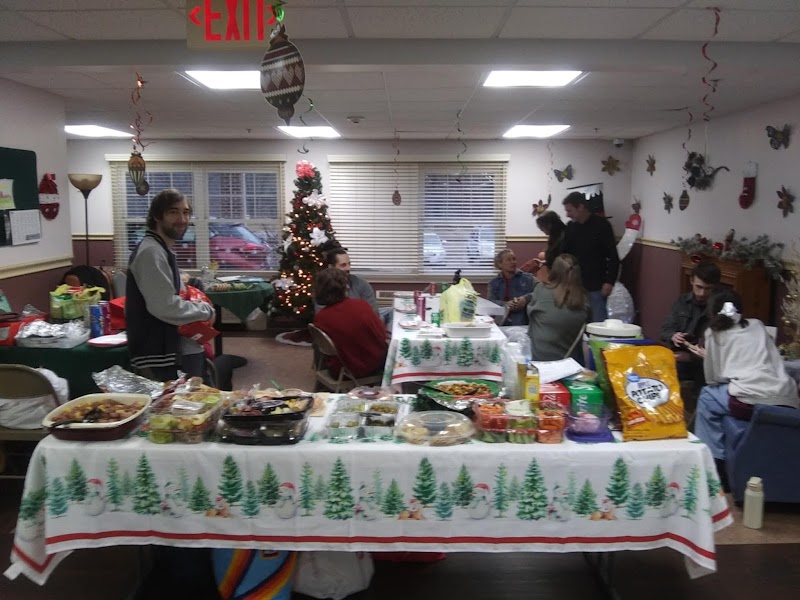
CMS rates SERENITY SPRING SENIOR LIVING AT JASONVILLE's staffing level at 3 out of 5 stars, which is average compared to other nursing homes. Staff turnover is 48%, compared to the Indiana average of 46%.

What Have Inspectors Found at Serenity Spring Senior Living At Jasonville?

State health inspectors documented 8 deficiencies at SERENITY SPRING SENIOR LIVING AT JASONVILLE during 2022 to 2025. These included: 8 with potential for harm.
Who Owns and Operates Serenity Spring Senior Living At Jasonville?

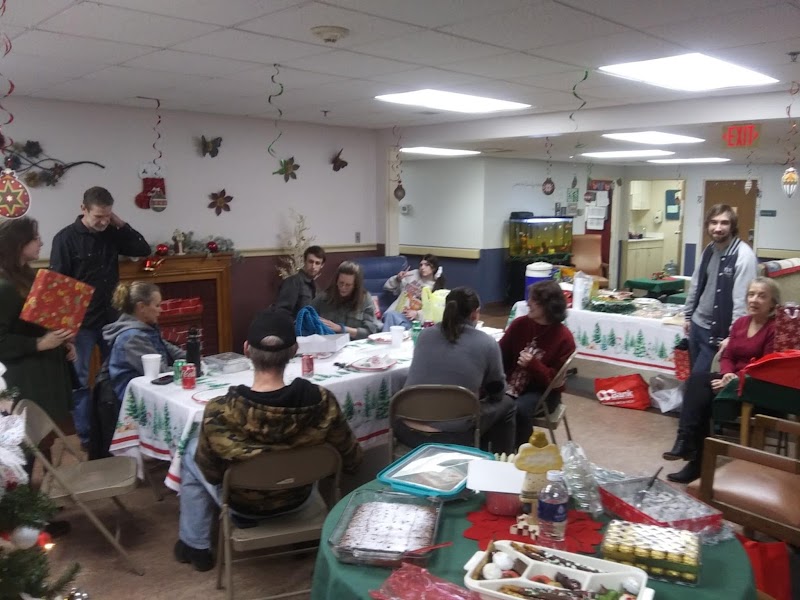
SERENITY SPRING SENIOR LIVING AT JASONVILLE is owned by a for-profit company. For-profit facilities operate as businesses with obligations to shareholders or private owners. The facility is operated by CONTINUUM HEALTHCARE, a chain that manages multiple nursing homes. With 60 certified beds and approximately 41 residents (about 68% occupancy), it is a smaller facility located in JASONVILLE, Indiana.
How Does Serenity Spring Senior Living At Jasonville Compare to Other Indiana Nursing Homes?

Compared to the 100 nursing homes in Indiana, SERENITY SPRING SENIOR LIVING AT JASONVILLE's overall rating (4 stars) is above the state average of 3.1, staff turnover (48%) is near the state average of 46%, and health inspection rating (4 stars) is above the national benchmark.

What Should Families Ask When Visiting Serenity Spring Senior Living At Jasonville?

Based on this facility's data, families visiting should ask: "Can I visit during a mealtime to observe dining assistance and food quality?" "How do you handle medical emergencies, and what is your hospital transfer rate?" "Can I speak with family members of current residents about their experience?"

Is Serenity Spring Senior Living At Jasonville Safe?

Based on CMS inspection data, SERENITY SPRING SENIOR LIVING AT JASONVILLE has a clean safety record: no substantiated abuse findings (meaning no confirmed cases of resident harm), no Immediate Jeopardy citations (the most serious violation level indicating risk of serious injury or death), and is not on the Special Focus Facility watch list (a federal program monitoring the lowest-performing 1% of nursing homes). The facility has a 4-star overall rating and ranks #1 of 100 nursing homes in Indiana. While no facility is perfect, families should still ask about staff-to-resident ratios and recent inspection results during their visit.

Do Nurses at Serenity Spring Senior Living At Jasonville Stick Around?

SERENITY SPRING SENIOR LIVING AT JASONVILLE has a staff turnover rate of 48%, which is about average for Indiana nursing homes (state average: 46%). Moderate turnover is common in nursing homes, but families should still ask about staff tenure and how the facility maintains care continuity when employees leave.

Was Serenity Spring Senior Living At Jasonville Ever Fined?

SERENITY SPRING SENIOR LIVING AT JASONVILLE has no federal fines on record. CMS issues fines when nursing homes fail to meet care standards or don't correct problems found during inspections. The absence of fines suggests the facility has either maintained compliance or corrected any issues before penalties were assessed. This is a positive indicator, though families should still review recent inspection reports for the full picture.

Is Serenity Spring Senior Living At Jasonville on Any Federal Watch List?

SERENITY SPRING SENIOR LIVING AT JASONVILLE is not on any federal watch list. The most significant is the Special Focus Facility (SFF) program, which identifies the bottom 1% of nursing homes nationally based on persistent, serious quality problems. Not being on this list means the facility has avoided the pattern of deficiencies that triggers enhanced federal oversight. This is a positive indicator, though families should still review the facility's inspection history directly.