BRICKYARD HEALTHCARE - KNOX CARE CENTER
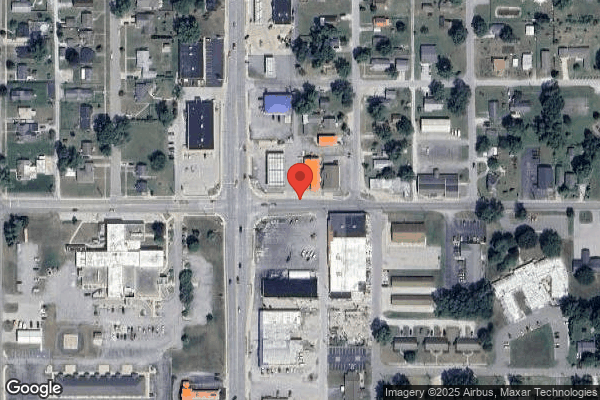
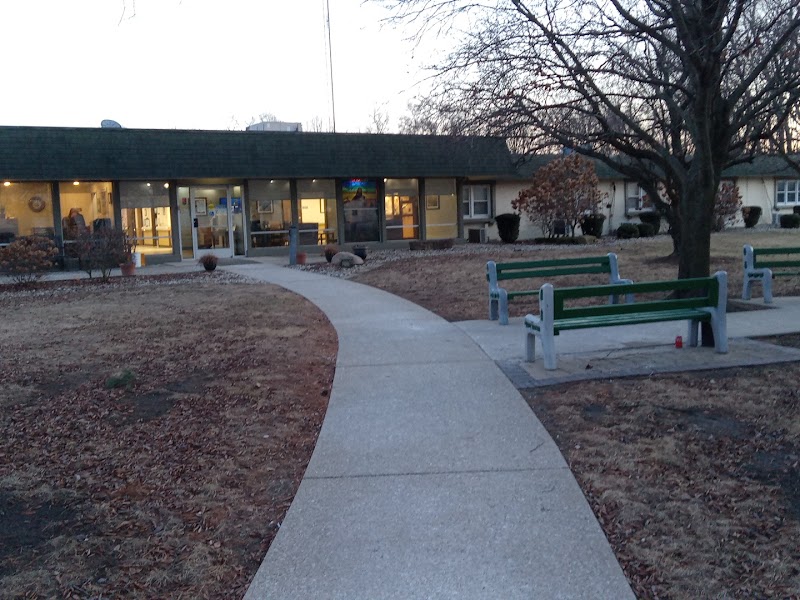
300 E CULVER RD, KNOX, IN 46534 (574) 772-6248
For profit - Limited Liability company 57 Beds BRICKYARD HEALTHCARE Data: November 2025
Trust Grade
90/100
#14 of 505 in IN
Last Inspection: April 2025

Within standard 12-15 month inspection cycle. Federal law requires annual inspections.

Overview

Brickyard Healthcare - Knox Care Center in Knox, Indiana, has an excellent Trust Grade of A, indicating it is highly recommended and performs well compared to other facilities. It ranks #14 out of 505 in Indiana, placing it in the top half of state facilities, and is the only option in Starke County. However, the facility is currently facing a concerning trend, as the number of issues identified has increased from 3 in 2024 to 6 in 2025. Staffing is a mixed bag, with a below-average rating of 2 out of 5 stars, but a turnover rate of 42% is still better than the state average of 47%. While there have been no fines recorded, the facility has had some serious concerns, including failure to ensure proper care plans for residents and not monitoring a resident's sleep patterns, which could lead to further health issues.

Trust Score
A
90/100
In Indiana
#14/505
Top 2%
Safety Record
Low Risk
No red flags
Inspections
Getting Worse
3 → 6 violations
Staff Stability
○ Average
42% turnover. Near Indiana's 48% average. Typical for the industry.
Penalties
✓ Good
No fines on record. Clean compliance history, better than most Indiana facilities.
Skilled Nurses
○ Average
Each resident gets 33 minutes of Registered Nurse (RN) attention daily — about average for Indiana. RNs are the most trained staff who monitor for health changes.
Violations
○ Average
10 deficiencies on record. Average for a facility this size. Mostly minor or procedural issues.
★★★★★
5.0
Overall Rating
★★☆☆☆
2.0
Staff Levels
★★★★★
5.0
Care Quality
★★★★☆
4.0
Inspection Score
Stable
2024: 3 issues
2025: 6 issues

The Good

  • 5-Star Quality Measures · Strong clinical quality outcomes
  • Full Sprinkler Coverage · Fire safety systems throughout facility
  • No fines on record
  • Staff turnover below average (42%)

    6 points below Indiana average of 48%

Facility shows strength in quality measures, fire safety.

The Bad

Staff Turnover: 42%

Near Indiana avg (46%)

Typical for the industry

Chain: BRICKYARD HEALTHCARE

Part of a multi-facility chain

Ask about local staffing decisions and management

The Ugly 10 deficiencies on record

Apr 2025 6 deficiencies
CONCERN (D)

Potential for Harm - no one hurt, but risky conditions existed

Deficiency F0657 (Tag F0657)

Could have caused harm · This affected 1 resident

Based on observation, record review, and interview, the facility failed to ensure care plans were implemented and/or updated for 1 of 15 resident care plans reviewed. (Resident 43) Finding includes: O...

Read full inspector narrative →
Based on observation, record review, and interview, the facility failed to ensure care plans were implemented and/or updated for 1 of 15 resident care plans reviewed. (Resident 43) Finding includes: On 3/30/25 at 10:38 a.m., Resident 43 was observed lying in bed. There was a dime-sized scabbed area to his left upper cheek/temple area. The resident indicated he was unsure what happened or how long the scabbed area had been there. On 3/31/25 at 3:05 p.m., Resident 43 was observed lying in bed. The scabbed area remained to his left upper cheek/temple area. On 4/1/25 at 8:58 a.m., Resident 43 was observed lying in bed. The scabbed area remained to his left upper cheek/temple area. The record for Resident 43 was reviewed on 4/1/25 at 2:57 p.m. Diagnoses included, but were not limited to, dementia, type 2 diabetes mellitus, and hypertension. The Annual Minimum Data Set (MDS) assessment, dated 1/3/25, indicated the resident was cognitively impaired and required staff assistance with activities of daily living (ADLs). A Care Plan, dated 11/7/24, indicated the resident had a scab to the left temporal area. The interventions included to monitor the area and document weekly. There was a lack of documentation of any skin-picking behaviors by the resident or why the scabbed area remained unhealed. A Skin Check Note, dated 3/27/25, indicated the resident had a scab to the left temporal area measuring 2 cm (centimeters) by 1 cm. The wound was acquired in house and was greater than 3 months old. It was previously improving but progress had stalled. There was a lack of documentation of any skin-picking behaviors by the resident or why the scabbed area remained unhealed. During an interview on 4/2/25 at 1:47 p.m., the Director of Nursing (DON) indicated the resident had the scabbed area for a while now and would pick at the area frequently. She thought the skin-picking behaviors had been documented and care planned but was unable to provide any documentation. A treatment had been attempted to the area but was discontinued due to the resident continually picking at the area. 3.1-35(c)(1)
CONCERN (D)

Potential for Harm - no one hurt, but risky conditions existed

Quality of Care (Tag F0684)

Could have caused harm · This affected 1 resident

Based on record review and interview, the facility failed to ensure residents received necessary care and services, related to lack of monitoring of sleep patterns per the care plan for 1 of 1 residen...

Read full inspector narrative →
Based on record review and interview, the facility failed to ensure residents received necessary care and services, related to lack of monitoring of sleep patterns per the care plan for 1 of 1 resident reviewed for care planning. (Resident 22) Finding includes: On 3/30/25 at 10:48 a.m., Resident 22 indicated she had been having difficulty sleeping at night and it had been ongoing since she had her trazodone (antidepressant) discontinued. Resident 22's record was reviewed on 4/1/25 at 1:12 p.m. Diagnoses included, but were not limited to, major depressive disorder, insomnia, and seizures. The Quarterly Minimum Data Set (MDS) assessment, dated 1/6/25, indicated the resident was cognitively intact. She had received antidepressant, opioid, and anticonvulsant medications during the 7-day look back period. The Physician Order Summaries indicated the resident had an order for trazodone 150 milligram (mg) one tablet in the evening which was started on 12/4/24 and discontinued on 5/20/24. On 5/20/24, a new order was started for trazodone 100 mg one tablet in the evening, which was discontinued on 6/3/24. On 6/3/24, a new order was started for trazodone 50 mg one tablet in the evening, which was discontinued on 6/17/24. A Care Plan, updated on 12/10/24, indicated the resident was at risk for sleep pattern disturbance related to insomnia or not being able to sleep. Interventions included, but were not limited to, administer sleep medications as ordered by the physician, assess for side effects, and assess usual pattern of sleep. A Care Plan, updated on 12/10/24, indicated the resident had depression related to a major depressive disorder diagnosis. Interventions included, but were not limited to, administer medications as ordered and provide psychiatry consult if indicated. A Psychiatry Progress Note, dated 3/17/25, indicated the resident continued to report ongoing concerns with sleep and depression. The diagnoses and plan indicated the resident had sleep disorder and staff were monitoring sleep patterns due to reports of poor sleep. The record lacked documentation of any monitoring of sleep patterns. During an interview on 4/1/25 at 4:00 p.m., the Director of Nursing indicated she was not aware the resident was having complaints of trouble sleeping. There was no documentation in the record for monitoring of the resident's sleep patterns. 3.1-37(a)
CONCERN (D)

Potential for Harm - no one hurt, but risky conditions existed

Incontinence Care (Tag F0690)

Could have caused harm · This affected 1 resident

Based on observation, interview, and record review, the facility failed to ensure indwelling Foley (urinary) catheter tubing was kept off of the floor for a resident with a history of urinary tract in...

Read full inspector narrative →
Based on observation, interview, and record review, the facility failed to ensure indwelling Foley (urinary) catheter tubing was kept off of the floor for a resident with a history of urinary tract infections (UTIs) for 1 of 1 resident reviewed for urinary catheters. (Resident 46) Finding includes: Resident 46 was observed on 3/31/25 at 3:35 p.m., 3:44 p.m., and 4:14 p.m. sitting in a manual wheelchair in the East Hall near the nurses' station. The catheter collection bag was hanging in a dignity bag under the chair. The tubing was touching the floor. During observations of the resident, a nursing staff member was sitting at the nurses' station across from the resident and a medication pass administration observation was ongoing from 3:35 p.m. to 3:55 p.m. with QMA 1 in the same hall. Resident 46's record was reviewed on 4/1/25 at 9:14 a.m. Diagnoses included, but were not limited to, chronic kidney disease, history of urinary tract infections, and retention of urine. The admission 5-day Minimum Data Assessment, dated 3/9/25, indicated the resident was severely cognitively impaired and had an indwelling catheter. The April 2025 Physician Order Summary indicated the resident had a urinary catheter and was currently taking macrobid (antibiotic) 100 mg, one capsule twice a day for a urinary tract infection (UTI) for 7 days. A Care Plan, dated 3/4/25, indicated the resident had an indwelling urinary catheter. Interventions included, but were not limited to, provide catheter care per orders, monitor for signs and symptoms of UTI, and monitor intake and output. On 3/31/25 at 4:25 p.m., the Director of Nursing was notified of the catheter on the floor. She indicated the catheter dignity bag needed to be adjusted so that it hung higher under the chair, she immediately took the resident to her room so that she could adjust the bag and get the tubing off of the floor. A policy related to catheters was received and was not applicable to the concern. 3.1-41(a)(2)
CONCERN (D)

Potential for Harm - no one hurt, but risky conditions existed

Deficiency F0692 (Tag F0692)

Could have caused harm · This affected 1 resident

**NOTE- TERMS IN BRACKETS HAVE BEEN EDITED TO PROTECT CONFIDENTIALITY** Based on record review and interview, the facility failed to ensure timely follow up on dietary recommendations was completed fo...

Read full inspector narrative →
**NOTE- TERMS IN BRACKETS HAVE BEEN EDITED TO PROTECT CONFIDENTIALITY** Based on record review and interview, the facility failed to ensure timely follow up on dietary recommendations was completed for a resident with a history of weight loss for 1 of 3 residents reviewed for nutrition. (Resident 38) Finding includes: Resident 38's record was reviewed on 3/31/25 at 1:37 p.m. Diagnoses included, but were not limited to, chronic kidney disease and heart failure. The resident admitted to the facility on [DATE], discharged on 2/25/25, and was re-admitted on [DATE]. The admission Minimum Data Set (MDS) assessment, dated 3/5/25, indicated the resident was severely cognitively impaired and had weight loss while not on a prescribed weight-loss regimen. A Care Plan, updated on 3/5/25, indicated the resident had a potential nutritional problem related to a diet restrictions, weight loss over the last 30 days, and the resident having a large weight loss between discharge home and readmission. Interventions included, but were not limited to, administer medications as ordered, monitor intake and record every meal, and the Registered Dietician was to evaluate and make diet change recommendations as needed. The resident weighed 244.6 pounds (lbs) on 2/7/25, 205.8 lbs on 2/28/25, and 218 lbs on 3/28/25. A Physician Order, dated 2/28/25, indicated no salt packet diet, regular texture and regular consistency. A Nutrition Assessment, dated 3/4/25, indicated a recommendation for 30 milliliters ProT gold daily (a protein supplement) due to skin impairments and ice cream at lunch to aid with weight maintenance. There were no updated dietary or physician's orders related to ProT gold daily or ice cream at lunch. During an interview on 4/1/25 at 1:35 p.m., the Director of Nursing (DON) indicated the Registered Dietician sent email updates regarding any new recommendations. The DON did not recall receiving any update around that time for the resident so the recommendations were not implemented. A policy titled, Nutritional Management, revised on 1/1/25, indicated .4. Monitoring/revision .e. Nutritional recommendations may be made by the dietitian based on the resident's preferences, goals, clinical condition or other factors and followed up with the physician/practitioner for orders as per facility policy, if indicated. Best practice to address RDN recommendations is within ~72 hours . 3.1-46(a)(1) 3.1-46(a)(2)
CONCERN (D)

Potential for Harm - no one hurt, but risky conditions existed

Medical Records (Tag F0842)

Could have caused harm · This affected 1 resident

Based on record review and interview, the facility failed to maintain clinical records that were complete and accurately documented related to the lack of documentation prior to a urinalysis being com...

Read full inspector narrative →
Based on record review and interview, the facility failed to maintain clinical records that were complete and accurately documented related to the lack of documentation prior to a urinalysis being completed on a resident for 1 of 1 resident reviewed for UTIs (urinary tract infections). (Resident 9) Finding includes: Record review for Resident 9 was completed on 4/1/25 at 2:20 p.m. Diagnoses included, but were not limited to, hypertension, diabetes mellitus, and dementia. The Quarterly Minimum Data Set assessment, dated 1/9/25, indicated the resident was moderately cognitively impaired. The resident had an indwelling urinary catheter. A Care Plan, dated 11/20/24, indicated the resident had an indwelling urinary catheter related to obstructive and reflux uropathy. An intervention included to monitor/record/report to physician any signs or symptoms of UTI which included: pain, burning, blood tinged urine, cloudiness, no output, deepening of urine color, increased pulse,increased temp, urinary frequency, foul smelling urine, fever, chills, altered mental status, change in behavior, or change in eating patterns. A Progress Note, dated 3/19/25 at 2:13 p.m., indicated the urinalysis was reviewed by the physician. A new order for an antibiotic was received. There was a lack of documentation in the Progress Notes or Assessments prior to 3/19/25 to indicate why the urinalysis was completed. During an interview on 4/1/25 at 4:00 p.m., the Director of Nursing indicated the urinalysis was completed on the resident because he was not acting like himself. The urine in his catheter tube and bag was cloudy and discolored, he was pale, and he complained of back pain. They completed the urinalysis and the resident had met the criteria for an antibiotic. There was no documentation she could provide that was completed before the note about the urinalysis results on 3/19/25. 3.1-50(a)(2)
CONCERN (D)

Potential for Harm - no one hurt, but risky conditions existed

Infection Control (Tag F0880)

Could have caused harm · This affected 1 resident

Based on observation, record review, and interview, the facility failed to ensure infection control guidelines were in place and implemented related to not changing gloves and performing hand hygiene ...

Read full inspector narrative →
Based on observation, record review, and interview, the facility failed to ensure infection control guidelines were in place and implemented related to not changing gloves and performing hand hygiene during a wound treatment for 1 of 2 residents reviewed for pressure ulcers. (Resident 14) Finding includes: On 4/1/25 at 8:57 a.m., LPN 1 was observed completing Resident 14's wound care. She donned a gown and gloves, removed the resident's left heel protector boot and sock, removed her gloves and washed her hands. She donned new gloves and cleaned the resident's left heel wound. She then applied the treatment to the wound. After completing the treatment, she removed her gloves and washed her hands. LPN 1 had not changed her gloves or performed hand hygiene after cleaning the wound and before applying the treatment to the wound. During an interview on 4/1/25 at 9:40 a.m., the Director of Nursing (DON) indicated LPN 1 told her she thought she had changed her gloves after cleaning the wound. A facility policy, titled Clean Dressing Change, provided by the DON as current, indicated, .12. Cleanse the wound as ordered, taking care to not contaminate other skin surfaces or other surfaces of the wound .Pat dry with gauze .14. Perform hand hygiene and put on clean gloves. 15. Apply topical ointments or creams and dress the wound as ordered. Protect surrounding skin as indicated with skin protectant .17. Discard disposable items and gloves into appropriate trash receptacle and perform hand hygiene . 3.1-18(b)
Jun 2024 3 deficiencies
CONCERN (D)

Potential for Harm - no one hurt, but risky conditions existed

Comprehensive Care Plan (Tag F0656)

Could have caused harm · This affected 1 resident

2. Resident 20's record was reviewed on 6/25/24 at 1:59 p.m. Diagnoses included, but were not limited to, dementia and renal cancer. The Quarterly Minimum Data Set (MDS) assessment, dated 4/18/24, in...

Read full inspector narrative →
2. Resident 20's record was reviewed on 6/25/24 at 1:59 p.m. Diagnoses included, but were not limited to, dementia and renal cancer. The Quarterly Minimum Data Set (MDS) assessment, dated 4/18/24, indicated the resident was severely cognitively impaired for daily decision making. She required assistance with activities of daily living including, oral hygiene, toileting hygiene, showering, and personal hygiene. While a resident, she received insulin injections, antidepressants, opioids, and hypoglycemic medications. The June 2024 Physician Order Summary indicated the resident received a scheduled Norco (opioid pain medication) 5-325 milligrams (mg) twice daily and Norco 5-325 mg every 12 hours as needed. There was no care plan related to pain or opioid medication use. During an interview on 6/26/24 at 10:33 a.m., the DON indicated the care plan should have been in place. During an interview on 6/28/24 at 9:02 a.m., the VPRC indicated they had identified a problem with their care plans and had begun auditing to correct the issue. A facility policy, titled Comprehensive Care Plans, received as current, indicated, .2. The comprehensive care plan will be developed within 7 days after completion of the comprehensive MDS assessment. All Care Assessment Areas triggered by the MDS will be considered in developing the plan of care .The facility's rationale for deciding wheter to proceed with care planning will be evicenced in the clinical record. 3. The comprehensive care plan will describe, at a minimum, the following: a. The services that are to be furnished to attain or maintain the resident's highest practicalbe physical, mental, and psychosocial well-being . 3.1-35(a) Based on record review and interview, the facility failed to ensure a comprehensive care plan was developed and in place for pain for 1 of 16 resident care plans reviewed. (Residents 21 and 20) Findings include: 1. The record for Resident 21 was reviewed on 6/25/24 at 11:55 a.m. Diagnoses included, but were not limited to, hypertension, Parkinson's disease, and unspecified pain. The Quarterly MDS assessment, dated 4/9/24, indicated the resident was cognitively impaired, received opioid medication, and scheduled pain medication. The Physician Order Summary, dated 6/2024, indicated the resident was to receive tramadol (an opioid pain medication) 50 mg (milligrams) twice a day. The Medication Administration Record (MAR), dated 6/2024, indicated the resident had received the tramadol medication twice a day. During an interview on 6/26/24 at 9:38 a.m., the Director of Nursing (DON) indicated the care plan should have been in place. They had recently completed a mock survey and identified some issues with care plans. During an interview on 6/28/24 at 11:03 a.m., the [NAME] President of Regulatory Compliance (VPRC) indicated they had completed a mock survey a couple weeks ago and identified issues with care plans. They had completed an inservice and started audits. She provided the care plan audits, but the audits were for care plans related to anticoagulant medication and skin issues.
CONCERN (D)

Potential for Harm - no one hurt, but risky conditions existed

Deficiency F0657 (Tag F0657)

Could have caused harm · This affected 1 resident

**NOTE- TERMS IN BRACKETS HAVE BEEN EDITED TO PROTECT CONFIDENTIALITY** 3. Resident 32's record was reviewed on 6/26/24 at 10:15 a.m. Diagnoses included, but were not limited to, dementia and insomnia...

Read full inspector narrative →
**NOTE- TERMS IN BRACKETS HAVE BEEN EDITED TO PROTECT CONFIDENTIALITY** 3. Resident 32's record was reviewed on 6/26/24 at 10:15 a.m. Diagnoses included, but were not limited to, dementia and insomnia. The Annual Minimum Data Set (MDS) assessment, dated 6/15/24, indicated the resident was moderately impaired for daily decision making. While a resident, she received antianxiety, antidepressant, diuretic, and opioid medications. A Care Plan, dated 10/8/21, indicated the resident was at risk for sleep pattern disturbance and had an order for melatonin. Interventions included, but were not limited to, administer the sleep medications as ordered by the Physician, and observe, document, and report adverse side effects. The April Medication Regimen Review (MRR), dated 4/18/24, indicated a recommendation to discontinue melatonin tablet 5 milligrams (mg), 1 tablet at bedtime. The April 2024 Physician Order Summary indicated the melatonin 5 mg tablet at bedtime was discontinued on 4/26/24. During an interview on 6/26/24 3:01 p.m., the Director of Nursing indicated the care plan should have been updated with the medication change. During an interview on 6/28/24 at 9:02 a.m., the VPRC indicated they had identified a problem with their care plans and had begun auditing to correct the issues. A facility policy, titled Comprehensive Care Plans, received as current, indicated, .5. The comprehensive care plan will be reviewed and revised by the interdisciplinary team after each comprehensive and quarterly MDS assessment . 3.1-35(b)(1) 2. The record for Resident 21 was reviewed on 6/25/24 at 11:55 a.m. Diagnoses included, but were not limited to, hypertension, Parkinson's disease, and bipolar disorder with psychotic features. The Quarterly MDS assessment, dated 4/9/24, indicated the resident was cognitively impaired and received antipsychotic medication. A care plan, updated 3/1/24, indicated the resident was at risk for drug related complications associated with the use of the antipsychotic medication Nuplazid. The Physician Order Summary, dated 6/2024, indicated the resident was to receive Seroquel (an antipsychotic medication) 25 mg (milligrams) twice a day. There were no current orders for the Nuplazid medication, it was discontinued on 2/12/24. The Medication Administration Record (MAR), dated 6/2024, indicated the resident had received the Seroquel medication twice a day. During an interview on 6/26/24 at 9:38 a.m., the Director of Nursing (DON) indicated the care plan should have been updated. They had recently completed a mock survey and identified some issues with care plans. During an interview on 6/28/24 at 11:03 a.m., the [NAME] President of Regulatory Compliance (VPRC) indicated they had completed a mock survey a couple weeks ago and identified issues with care plans. They had completed an inservice and started audits. She provided the care plan audits, but the audits were for care plans related to anticoagulant medication and skin issues. Based on observation, record review and interview, the facility failed to ensure care plans were implemented and/ or updated with changes for 3 of 16 resident care plans reviewed. (Residents 44, 21, and 32) Findings include: 1. On 6/25/24 at 9:47 a.m., Resident 44 was observed in her bed. She had a tubi grip (type of compression stocking) on her left leg and she had a wound vac attached to her right leg. The resident's record was reviewed on 6/26/24 at 11:45 a.m. The resident was admitted to the facility on [DATE]. Diagnoses included, but were not limited to, unspecified wound to right and left lower leg, cellulitis and Diabetes Mellitus. The admission Minimum Data Set assessment, dated 5/16/24, indicated the resident was cognitively intact and received care for a surgical wound. A General Note, dated 6/10/24, indicated the resident had returned from the wound clinic with new orders for a wound vac to right lower leg at 125 mm/hg (millimeters of mercury). A Physician's Order, dated 6/10/24, indicated to ensure wound vac properly functioning at 125 mm/hg every shift. A Physician's Order, dated 6/19/24, indicated to change the wound vac three times and week. Cleanse the wound on right lower leg with wound cleanser, rinse wound with normal saline and pat dry. Apply barrier film to skin surrounding wound, apply black foam to base of wound and adhere with wound vac adhesive. A Skin Care Plan initiated, 5/21/24, indicated the resident had a surgical wound to the right shin. Interventions included, but were not limited to, weekly skin assessment by licensed nurse, encourage good nutrition, monitor for signs of infection and keep incision site clean and dry. There was no intervention related to use of a wound vac. During an interview on 6/27/24 at 10:00 a.m., the Director of Nursing indicated the care plan had not been updated.
CONCERN (D)

Potential for Harm - no one hurt, but risky conditions existed

Deficiency F0679 (Tag F0679)

Could have caused harm · This affected 1 resident

Based on observation, record review, and interview, the facility failed to ensure activities were implemented for a cognitively impaired dependent resident for 1 of 1 residents reviewed for activities...

Read full inspector narrative →
Based on observation, record review, and interview, the facility failed to ensure activities were implemented for a cognitively impaired dependent resident for 1 of 1 residents reviewed for activities. (Resident 4) Finding includes: On 6/24/24 at 10:06 a.m., Resident 4 was lying in bed with her eyes closed. The room was dark, the television was off, and there was no music playing. There was a CD player/radio observed on her dresser, a doll and multiple stuffed animals on her shelf. On 6/24/24 at 1:50 p.m., Resident 4 was lying in bed. The room was dark, the television was off, and there was no music playing. On 6/25/24 at 1:56 p.m., Resident 4 was lying in bed. Her eyes were open, and she was yelling out. The room was dark, the television was off, and there was no music playing in her room. At this time, there was a singer performing in the main dining room. On 6/26/24 at 11:07 a.m., Resident 4 was lying in bed. Her eyes were open, she was talking, and looking around the room. The room was dark, the television was off, and there was no music playing in her room. On 6/26/24 at 2:02 p.m., Resident 4 was lying in bed. Her eyes were open, and she was looking at the ceiling. The room was dark, the television was off, and there was no music playing in her room. The record for Resident 4 was reviewed on 6/26/24 at 9:24 a.m. Diagnoses included, but were not limited to, Alzheimer's disease, delusional disorder, circadian rhythm sleep disorder, and anxiety disorder. The Quarterly MDS assessment, dated 6/1/24, indicated the resident was cognitively impaired and required assistance with activities of daily living. The Significant Change MDS assessment, dated 9/11/23, indicated the resident was cognitively impaired and required assistance with activities of daily living. It was important for her to listen to music, be around animals/pets, participate in her favorite activities and in religious activities. A current care plan indicated the resident required one to one activity programming. Interventions included, offer 1:1 visits three or more per week as tolerated, offer activities and supplies for things she can do in her room such as Christian music, CD player, and Bible. Provide tactile stimulation such as hand massages and lotion, reading mail or reading the Bible. A current care plan indicated the resident found strength and comfort in her religious beliefs. Interventions included, offer her gospel and Christian music, have her music playing for her daily, offer reading material such as the Bible, and read the Bible to her occasionally during her 1:1 visits. The quarterly Activity Participation Review, dated 6/11/24, indicated the resident received 1:1 activities 3-4 days a week. The resident's favorite activities were marked as entertainment-television, music, movies, visiting groups. It was noted that she liked to listen to music and to her television and preferred a quiet environment. The quarterly Activity Participation Review, dated 3/11/24, indicated the resident received 1:1 activities 3-4 days a week. The resident's favorite activities were marked as entertainment-television, music, movies, visiting groups. It was noted that staff played music for her and had TV on for her. She liked to have lotion put on her arms, hands, and legs. The Activity Task documentation, dated 5/29/24 through 6/25/24, indicated 1:1 activities were completed 3 times per week and included conversation/reminiscing, sensory, music/singing, and TV. There were no other activities documented other than the 1:1 activities. During an interview on 6/26/24 at 2:26 p.m., the Director of Nursing (DON) indicated the resident went through cycles where she would be awake for three days and then sleep for three days. On the days when she was sleeping, they would respect her quiet time and let her be. When she was awake, they would put on music for her. This had not been documented in the care plan. During an interview on 6/28/24 at 9:17 a.m., the Activity Director indicated they completed 1:1 activities with the resident three times a week. They would make sure she had her music playing. If she was in a quiet time and content, then they would leave her alone and at times she would not want to be bothered. She had not documented the quiet time or any refusal in activity participation. 3.1-33(a)
Sept 2023 1 deficiency
CONCERN (D)

Potential for Harm - no one hurt, but risky conditions existed

Deficiency F0694 (Tag F0694)

Could have caused harm · This affected 1 resident

Based on observation, record review, and interview, the facility failed to care for a PICC line (peripherally inserted central catheter, intravenous catheter placed into the peripheral veins of the up...

Read full inspector narrative →
Based on observation, record review, and interview, the facility failed to care for a PICC line (peripherally inserted central catheter, intravenous catheter placed into the peripheral veins of the upper arm) in accordance with professional standards of practice, related to flushing the PICC line for 1 of 1 residents reviewed for intravenous care. (Resident 148) Finding includes: On 9/6/23 at 11:03 a.m., Resident 148 was observed standing in the doorway to his room. There was a PICC line in place to his right upper arm. It was covered with a wrap and the date on the site dressing was unable to be seen. Resident 148's record was reviewed on 9/6/23 at 11:21 a.m. Diagnoses included, but were not limited to, infection and inflammatory reaction due to internal right hip prosthesis. A Physician's Order, dated 8/21/23, indicated a double lumen PICC line to the right upper extremity. A Physician's Order, dated 8/25/23, indicated ceftriaxone sodium (Rocephin, an antibiotic) 2 g (grams) IV daily at 9 a.m. A Physician's Order, dated 8/21/23, indicated normal saline flush, 10 ml (milliliters) every shift (5 a.m.-5 p.m. and 5 p.m. to 5 a.m.). There were no Physician's Orders to indicate the PICC was to be flushed with saline before and after the administration of the antibiotic medication. The Medication Administration Records (MAR), dated 8/2023 and 9/2023, indicated the ceftriaxone had been administered as ordered. The normal saline flushes were documented as given once on the 5 a.m. to 5 p.m. shift and once on the 5 p.m. to 5 a.m. shift. There was lack of documentation to indicate the PICC was flushed with saline before and after the administration of the antibiotic medication. Interview with the Director of Nursing (DON) on 9/7/23 at 11:14 a.m., indicated the PICC was to be flushed with normal saline before and after the administration of the antibiotic medication. She would clarify the flush orders to indicate that process. A facility policy, titled Intravenous Therapy, received as current, indicated, .Intermittent Medication Infusion .13. Attach 10ml syringe normal saline to flush to confirm patency of vascular access device as per protocol .19. If medication set to primary tubing, disconnect, disinfect needleless connector with appropriate antiseptic solution and flush and/or lock with 10 cc syringe of normal saline/locking solution as per protocol for vascular device used . 3.1-47(a)(2)
Understanding Severity Codes (click to expand)
Life-Threatening (Immediate Jeopardy)
J - Isolated K - Pattern L - Widespread
Actual Harm
G - Isolated H - Pattern I - Widespread
Potential for Harm
D - Isolated E - Pattern F - Widespread
No Harm (Minor)
A - Isolated B - Pattern C - Widespread

Questions to Ask on Your Visit

  • "Can I speak with families of current residents?"
  • "What's your RN coverage like on weekends and overnight?"

Our Honest Assessment

Strengths
  • • Grade A (90/100). Above average facility, better than most options in Indiana.
  • • No major safety red flags. No abuse findings, life-threatening violations, or SFF status.
  • • No fines on record. Clean compliance history, better than most Indiana facilities.
  • • 42% turnover. Below Indiana's 48% average. Good staff retention means consistent care.
Concerns
  • • No significant concerns identified. This facility shows no red flags across CMS ratings, staff turnover, or federal penalties.
Bottom line: Generally positive indicators. Standard due diligence and a personal visit recommended.

About This Facility

What is Brickyard Healthcare - Knox's CMS Rating?

CMS assigns BRICKYARD HEALTHCARE - KNOX CARE CENTER an overall rating of 5 out of 5 stars, which is considered much above average nationally. Within Indiana, this rating places the facility higher than 99% of the state's 100 nursing homes. This rating reflects solid performance across the metrics CMS uses to evaluate nursing home quality.

How is Brickyard Healthcare - Knox Staffed?

CMS rates BRICKYARD HEALTHCARE - KNOX CARE CENTER's staffing level at 2 out of 5 stars, which is below average compared to other nursing homes. Staff turnover is 42%, compared to the Indiana average of 46%. This relatively stable workforce can support continuity of care. RN turnover specifically is 60%, which is notably high. RNs provide skilled clinical oversight, so turnover in this role can affect medical care quality.

What Have Inspectors Found at Brickyard Healthcare - Knox?

State health inspectors documented 10 deficiencies at BRICKYARD HEALTHCARE - KNOX CARE CENTER during 2023 to 2025. These included: 10 with potential for harm.
Who Owns and Operates Brickyard Healthcare - Knox?

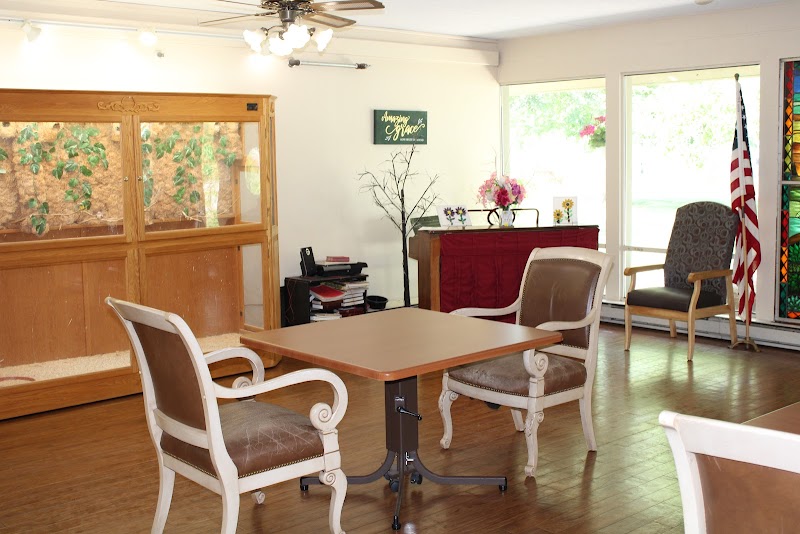
BRICKYARD HEALTHCARE - KNOX CARE CENTER is owned by a for-profit company. For-profit facilities operate as businesses with obligations to shareholders or private owners. The facility is operated by BRICKYARD HEALTHCARE, a chain that manages multiple nursing homes. With 57 certified beds and approximately 46 residents (about 81% occupancy), it is a smaller facility located in KNOX, Indiana.
How Does Brickyard Healthcare - Knox Compare to Other Indiana Nursing Homes?

Compared to the 100 nursing homes in Indiana, BRICKYARD HEALTHCARE - KNOX CARE CENTER's overall rating (5 stars) is above the state average of 3.1, staff turnover (42%) is near the state average of 46%, and health inspection rating (4 stars) is above the national benchmark.

What Should Families Ask When Visiting Brickyard Healthcare - Knox?

Based on this facility's data, families visiting should ask: "Can you walk me through typical staffing levels on day, evening, and night shifts?" "Can I visit during a mealtime to observe dining assistance and food quality?" "How do you handle medical emergencies, and what is your hospital transfer rate?" "Can I speak with family members of current residents about their experience?" These questions are particularly relevant given the below-average staffing rating.

Is Brickyard Healthcare - Knox Safe?

Based on CMS inspection data, BRICKYARD HEALTHCARE - KNOX CARE CENTER has a clean safety record: no substantiated abuse findings (meaning no confirmed cases of resident harm), no Immediate Jeopardy citations (the most serious violation level indicating risk of serious injury or death), and is not on the Special Focus Facility watch list (a federal program monitoring the lowest-performing 1% of nursing homes). The facility has a 5-star overall rating and ranks #1 of 100 nursing homes in Indiana. While no facility is perfect, families should still ask about staff-to-resident ratios and recent inspection results during their visit.

Do Nurses at Brickyard Healthcare - Knox Stick Around?

BRICKYARD HEALTHCARE - KNOX CARE CENTER has a staff turnover rate of 42%, which is about average for Indiana nursing homes (state average: 46%). Moderate turnover is common in nursing homes, but families should still ask about staff tenure and how the facility maintains care continuity when employees leave.

Was Brickyard Healthcare - Knox Ever Fined?

BRICKYARD HEALTHCARE - KNOX CARE CENTER has no federal fines on record. CMS issues fines when nursing homes fail to meet care standards or don't correct problems found during inspections. The absence of fines suggests the facility has either maintained compliance or corrected any issues before penalties were assessed. This is a positive indicator, though families should still review recent inspection reports for the full picture.

Is Brickyard Healthcare - Knox on Any Federal Watch List?

BRICKYARD HEALTHCARE - KNOX CARE CENTER is not on any federal watch list. The most significant is the Special Focus Facility (SFF) program, which identifies the bottom 1% of nursing homes nationally based on persistent, serious quality problems. Not being on this list means the facility has avoided the pattern of deficiencies that triggers enhanced federal oversight. This is a positive indicator, though families should still review the facility's inspection history directly.