ROLLING MEADOWS HEALTH CARE CENTER
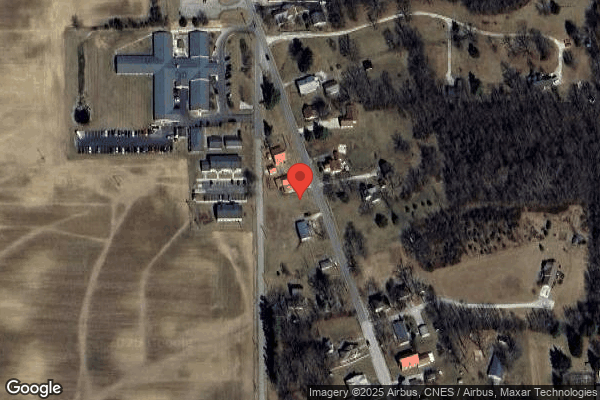

604 RENNAKER ST, LA FONTAINE, IN 46940 (765) 662-9350
For profit - Corporation 115 Beds TLC MANAGEMENT Data: November 2025
Trust Grade
85/100
#88 of 505 in IN
Last Inspection: October 2024

Within standard 12-15 month inspection cycle. Federal law requires annual inspections.

Overview

Rolling Meadows Health Care Center in La Fontaine, Indiana has a Trust Grade of B+, indicating it is above average and recommended for families considering care options. It ranks #88 of 505 facilities in Indiana, placing it in the top half, and is the best option among the 8 facilities in Wabash County. The facility is improving, having reduced its issues from 4 in 2024 to just 1 in 2025. Staffing is a bit of a concern, receiving a 2/5 star rating with a 44% turnover rate, which is slightly below the state average. While there are no fines on record, which is a positive sign, the facility does have less RN coverage than 90% of Indiana facilities, which could impact care quality. However, there have been some serious issues noted during inspections. For example, the facility failed to implement safety measures for two residents at risk of falls, resulting in one resident sustaining a hip fracture after a fall. Additionally, they did not properly follow up on physician orders for medications, leading to potential delays in care for residents with serious health conditions. These incidents indicate that while there are strengths, such as no recorded fines and excellent quality measures, there are also significant weaknesses that families should consider.

Trust Score
B+
85/100
In Indiana
#88/505
Top 17%
Safety Record
Moderate
Needs review
Inspections
Getting Better
4 → 1 violations
Staff Stability
○ Average
44% turnover. Near Indiana's 48% average. Typical for the industry.
Penalties
✓ Good
No fines on record. Clean compliance history, better than most Indiana facilities.
Skilled Nurses
⚠ Watch
Each resident gets only 21 minutes of Registered Nurse (RN) attention daily — below average for Indiana. Fewer RN minutes means fewer trained eyes watching for problems.
Violations
✓ Good
Only 5 deficiencies on record. Cleaner than most facilities. Minor issues only.
★★★★★
5.0
Overall Rating
★★☆☆☆
2.0
Staff Levels
★★★★★
5.0
Care Quality
★★★★☆
4.0
Inspection Score
Stable
2024: 4 issues
2025: 1 issues

The Good

  • 5-Star Quality Measures · Strong clinical quality outcomes
  • Full Sprinkler Coverage · Fire safety systems throughout facility
  • No fines on record
  • Staff turnover below average (44%)

    4 points below Indiana average of 48%

Facility shows strength in quality measures, fire safety.

The Bad

Staff Turnover: 44%

Near Indiana avg (46%)

Typical for the industry

Chain: TLC MANAGEMENT

Part of a multi-facility chain

Ask about local staffing decisions and management

The Ugly 5 deficiencies on record

1 actual harm
Jun 2025 1 deficiency 1 Harm
SERIOUS (G) 📢 Someone Reported This

A family member, employee, or ombudsman was alarmed enough to file a formal complaint

Actual Harm - a resident was hurt due to facility failures

Accident Prevention (Tag F0689)

A resident was harmed · This affected 1 resident

Based on observation, interview and record review, the facility failed to implement immediate interventions to prevent future falls for 2 of 3 residents reviewed for falls. (Residents B and C). This d...

Read full inspector narrative →
Based on observation, interview and record review, the facility failed to implement immediate interventions to prevent future falls for 2 of 3 residents reviewed for falls. (Residents B and C). This deficient practice resulted in Resident B sustaining a right hip fracture during a subsequent fall following a fall resulting in a wrist fracture. Findings include: 1. Resident B's clinical record was reviewed on 5/30/25 at 10:55 a.m. Diagnoses included fracture of the left wrist, fracture of the right femur, dementia, muscle weakness, difficulty walking and the need for personal assistance with care. Current physician orders included bed alarm for safety 5/28/25, check placement of splint to left wrist, watch for signs and symptoms of swelling, metoprolol succinate (antihypertensive) 25 milligrams (mg) daily and Rivastigmine tartrate (dementia) 1.5 mg daily. A fall risk assessment, dated 3/20/25, indicated Resident B was at high risk of falls for reasons including intermittent confusion, previous falls in the past three months, and gait/balance problems. A current care plan, initiated on 9/23/24, indicated Resident B was at risk for falls related to poor decision making and impaired balance. Interventions included a bed alarm would be used to reminded Resident B to ask for staff assistance for bed mobility and transfers (5/27/25), hourly rounding initiated for the next 72 hours to help establish any new habits or routines resident may have (5/20/25), wearing proper footwear or nonskid footwear when Resident B was up (9/23/24), personal items within reach (4/15/25), an alternating air mattress with bolsters (5/27/25), call light within reach (9/23/24), care plan would be updated upon Resident B's return from the hospital (5/19/25), and remind Resident B to change positions slowly (4/15/25). A 4/9/25, quarterly, MDS assessment indicated Resident B was cognitively impaired. Resident B required supervision or touching staff assistance when rolling to the left and right. Resident B required partial/moderate assistance with toilet transfers. Resident B was independent when walking 10,50, and 150 feet. A 5/19/25, quarterly, Minimum Data Set (MDS) Assessment indicated Resident B was cognitively impaired. Resident B required substantial/ maximal staff assistance with toileting hygiene and when rolled to the left and right. Resident B required partial/moderate staff assistance with chair/bed to chair transfer and toilet transfers. Resident B was independent when walking 10, 50, and 150 feet. A progress note, dated 5/19/25 at 2:23 a.m., indicated Resident B was in the bathroom being toileted by the CNA. The CNA turned toward the sink to grab towels, when Resident B ran out of the bathroom with her pants around her ankles. As Resident B turned to face the CAN, Resident B lost her balance and fell hitting the back of her head on the wall. The nurse assessed Resident B for injuries. Resident B was noncompliant with staff attempting to help her up off the floor. The nurse and CNA were able to assist Resident B back to her bed. The nurse was unable to obtain vital signs due to Resident B's combativeness. Neurological checks were initiated. A progress note, dated 5/19/25 at 5:43 a.m., indicated Resident B's left wrist was bruised and swollen. The DON and physician was notified. On 5/19/25 at 5:58 a.m., indicated an order was obtained for a left wrist x-ray if the resident's representative agreed. On 5/19/25 at 7:57 a.m., indicated Resident B's left wrist appeared swollen, bruised and painful. The NP was notified. A new order was placed for a left wrist x-ray and hydrocodone if the resident's representative agreed. The resident's representative was notified and indicated the facility could do what was needed including sending Resident B to the hospital. The NP was notified and advised to send Resident B to the emergency room for evaluation. On 5/20/25 at 4:30 p.m., indicated Resident B returned from the hospital. Left wrist x-ray results indicated acute left wrist fracture status post fall. Resident B was seen by orthopedics, who placed a cast on Resident B's left wrist. No immediate interventions were implemented to prevent further falls. On 5/25/25 at 2:55 p.m., indicated Resident B was found on the floor between the two beds in her room, lying on her right side. A skin tear was noted to Resident B's right elbow and a bruise was noted to her right eyebrow. Neurological checks were initiated. The NP was notified and recommended sending Resident B to the emergency room for a CT scan if Resident B's representative agreed. On 5/25/25 at 3:05 p.m., indicated Resident B's representative was notified and declined sending the resident to the emergency room at this time. On 5/25/25 at 10:18 p.m., indicated Resident B was shifting weight off her right hip while groaning and rubbing her hip. Pain medication was administered. Pain medication was effective for a short time. Resident B appeared uncomfortable when toileted a short time later. The NP was notified, and a new order was received for a right hip x-ray. Resident B's representative was notified and declined to send Resident B to the emergency room. On 5/26/25 at 3:00 p.m., indicated Resident B's right hip x-ray showed a right femur fracture. On 5/26/25 at 3:30 p.m., Resident B's representative was notified of the x-ray results. Resident B's representative declined sending Resident B to the hospital for evaluation and treatment of her right hip fracture. During an interview, on 5/30/25 at 11:03 a.m., LPN 30 indicated, prior to the fall on 5/25/25, Resident B had been resting in bed. Staff found the resident between the two beds in the room maybe 45 minutes later, following shift change. A medication review was requested due to the resident recently starting taking hydrocodone (opiate pain medication). During an interview, on 5/30/25 at 11:10 a.m., RN 5 indicated CNA 35 came and notified her on 5/25/25 that Resident B had fallen. Resident B was assessed by RN 5. RN 5 and the CNA lifted Resident B off the floor and placed Resident B into bed. Resident B's immediate fall intervention was bed in the lowest position and increased supervision during neurological checks. CNA 35 was unavailable for interview during the survey on May 30 and June 2, 2025. On 5/30/25 at 11:43 a.m., RN 6 indicated after a resident experienced a fall, the immediate intervention would be put into place by the nurse. The Interdisciplinary Team (IDT) would later review the fall and update the care plan On 5/30/25 at 1:00 p.m., the DON indicated neurological checks were a nursing measure and not an immediate intervention to a fall. Immediate interventions after a fall would be documented in the residents' progress note and in a 24-hour report. The resident care plan should be updated with immediate interventions. On 5/30/25 at 1:14 p.m., CNA 7 indicated, on 5/19/25, he heard a noise and saw Resident B walking down the hallway. He assisted Resident B to the bathroom. CNA 7 turned to grab towels from the bathroom sink when Resident B ran behind him out of the bathroom with her pants and brief around her ankles. When Resident B turned around, Resident B tripped and fell, hitting her head against the wall. CNA 7 went and got RN 5. CNA 7 and RN 5 assisted Resident B into bed after the RN completed her assessment. No immediate intervention was put into place. 2. Resident C's clinical record was reviewed on 5/30/25 at 10:55 a.m. Diagnoses included Parkinson's disease without dyskinesia (abnormal, involuntary movements), unspecified dementia, muscle weakness, and need for assistance with personal care. A fall risk assessment, dated 12/5/24, indicated Resident C was at moderate risk for falls. A 3/11/25, quarterly, MDS assessment indicated the resident had moderate cognitive impairment. Moderate assistance was needed for toileting hygiene, footwear, and personal hygiene. Supervision was needed for rolling left and right, going from sitting to standing, chair/bed to chair transfers, and toilet transfers. A walker was used as a mobility device and the resident needed supervision for walking 10 feet. The resident had two falls without injury since the prior MDS assessment. A current care plan for falls, dated 12/20/23, indicated the resident was at risk for falls due to the resident not always using assistive devices, having impaired balance and coordination, and having an unsteady gait. Interventions included the following: additional anti-skid strips placed in front of recliner (03/24/2025), educate and remind the resident to use the call light, even for standby assistance (03/03/2025), have personal items that the resident uses frequently within his reach (12/20/23), call light within reach (12/20/23), reminder signs will be placed within view in my room to remind me to use the call light for assistance (per POA request) (12/23/24), falling leaf program (6/4/24), wear proper footwear or non-slip footwear when resident is up (12/20/23), assistive devices will be kept within resident's reach (3/24/25), and resident will sit on non-skid mat in my recliner (12/5/24). An Interdisciplinary Team (IDT) note, dated 1/7/25 at 2:51 p.m., indicated Resident C fell on 1/6/25 at 3:30 p.m. as he attempted to transfer without assistance. The resident pulled the call light cord and facility staff found him sitting on the bathroom floor. The intervention implemented was to re-educate the resident on the importance of using the call light for staff assistance with ambulation to and from the bathroom, hygiene, and dropped items off of the floor. The clinical record lacked a nurse's note for a fall on 1/6/25. A risk management form, provided by RN 3, on 6/2/25 at 10:25 a.m., indicated the immediate action taken was that Resident C was educated on the importance of call light usage. The call light was placed with personal belongings in reach of the resident while in his recliner. A fall investigation worksheet, provided by RN 3, on 6/2/25 at 10:25 a.m., indicated that Resident C was on the bathroom floor, holding onto the railing. The resident took self to the toilet and pulled the call light. The new interventions put into place were 4 P's (position, personal needs, pain, placement), educate resident on call light, and call light in reach. A 4 P's flow sheet, provided by RN 3, on 6/2/25 at 10:25 a.m., indicated a lack of documentation on 1/7/25 from 10:00 a.m. to 1:00 p.m. and on 1/8/25 from 6:00 a.m. to 5:00 p.m. A progress note, dated 3/2/25 at 11:55 p.m., indicated Resident C used his call light and was found sitting on his bedroom floor beside his bed. The resident slid from the edge of his bed as he reached to move his walker closer. Facility staff assisted the resident from the floor back into bed. No immediate interventions were implemented to prevent further falls. An IDT note, dated 3/3/25 at 11:38 a.m., indicated Resident C fell on 3/2/25 at 10:45 p.m. The resident was organizing his walker and bedside table; he leaned further than anticipated and slid to the floor. The resident indicated to IDT staff that he continues to do as much as he can on his own, but sometimes his body disagrees. The intervention implemented was call lights were to be in reach and resident education was provided about natural decline of body and encouraged to use the call light for assistance, even to have a staff member present for stand by assistance. A risk management form, provided by RN 3, on 6/2/25 at 10:25 a.m., indicated the immediate action taken was Resident C was assisted to standing position, using two staff members, and assisted back into bed. A fall investigation worksheet, provided by RN 3, on 6/2/25 at 10:25 a.m., indicated Resident C was organizing his walker and bedside table and leaned farther than expected and slid to the floor. The new interventions put into place were resident education provided on call light use, even if to have a staff member present for standby assist. A 4 P's flow sheet, provided by RN 3 on 6/2/25 at 10:25 a.m., indicated a lack of documentation on 3/3/25 from 3:00 p.m. to 9:00 p.m. and on 3/4/25 from 4 p.m. to 9:00 p.m. A fall risk assessment, dated 3/7/25, indicated Resident C was at moderate risk for falls. A progress note, dated 3/21/25 at 9:45 p.m., indicated Resident C was found lying on his back with his head facing the closet and his feet towards the bed. The resident had previously been in his recliner. His walker was beside him. Staff observed blood on the floor after assisting the resident to a standing position. The resident was found to have had two abrasions to his right buttock. No immediate interventions were implemented to prevent further falls. An IDT note, dated 3/24/25 at 3:40 p.m., indicated Resident C had a fall on 3/21/25 at 9:25 p.m. The resident had been transferring without assistance and had attempted to get up from the recliner. During a post fall interview, the resident indicated that he had Parkinson's and falling was expected. The fall intervention implemented was to add additional anti-skid strips in front of Resident C's recliner, provide education, and offer encouragement to use the call light for assistance. A risk management form, provided by RN 3, on 6/2/25 at 10:25 a.m., indicated the immediate action taken was Resident C was assessed for injuries. A fall investigation worksheet, provided by RN 3, on 6/2/25 at 10:25 a.m., indicated that Resident C had attempted to get up from recliner. The new interventions section of form was incomplete and did not list an intervention. A 4 P's flow sheet, provided by RN 3 on 6/2/25 at 10:25 a.m., showed lack of documentation on 3/21/25 through 3/25/25 until 2:00 p.m. A progress note, dated 4/30/25 at 7:45 p.m., indicated Resident C had fallen in his room. He was found lying on the floor with his head towards the door and his feet towards the window. His walker was laying on the floor beside him. The resident had two skin tears to his right arm. The immediate intervention was that the resident went to bed and he was encouraged to use the call light and ask for staff assistance. An IDT note, dated 5/1/25 at 2:06 p.m., indicated Resident C had a fall on 4/30/25 at 7:45 p.m. The resident attempted to transfer without assistance. The resident indicated that he had lowered himself to the floor and he did not fall. The intervention implemented was that staff will encourage the resident to increase fluids and have a urinal within his reach. A risk management form, provided by RN 3 on 6/2/25 at 10:25 a.m., indicated the immediate action taken was Resident C was encouraged to use call light and have staff help with transfers. A fall investigation worksheet, provided by RN 3 on 6/2/25 at 10:25 a.m., indicated that Resident C lost his balance. The new interventions put into place was staff would keep urinal within resident reach. A 4 P's flow sheet, provided by RN 3 on 6/2/25 at 10:25 a.m., indicated lack of documentation on 5/1/25 from 3:00 p.m. to 5:00 p.m., 11:00 p.m. to 5/2/25 5:00 a.m., and 5/2/25 from 12:00 p.m. to 5:00 p.m. During an interview, on 6/2/25 at 10:06 a.m., CNA 4 indicated staff was to offer Resident C assistance with his personal care. The facility staff was to approach and supervise when the resident was observed attempting to perform tasks independently. She was unable to recall any fall interventions that were in place for Resident C, other than to prompt resident to ask for help. She was made aware of resident falls and interventions by shift reports. During an interview, on 6/2/25 at 10:28 a.m., QMA 8 indicated the nurses documented when a resident fell and the nurses put in a fall intervention in the nurse's notes. Resident C was not considered a high fall risk. He ambulated by himself with his walker and was a one assist for toileting needs. The fall interventions Resident C had in place was using a walker and wearing non-skid socks. She had not noticed a decline in his cognitive function. During an interview, on 6 /2/25 at 10:38 a.m., LPN 9 indicated that Resident C's fall interventions were using a walker or wheelchair, non-skid socks, and proper footwear. The nurse was to implement an immediate fall intervention with each facility fall. The immediate intervention was to be documented on a post-fall note and in the risk management assessment. LPN 9 indicated she did not update the care plans with immediate fall interventions. A paper form was passed between shifts and should inform staff of any new intervention put into place. IDT usually informed staff verbally of any care plan updates. During an interview, on 6/2/25 at 11:44 a.m., RN 3 indicated that the floor nurses were expected to do a post-fall assessment, obtain vital signs, assess for injuries, and implement an immediate fall intervention. A fall intervention was to prevent another fall from occurring. The nurses were to document interventions on a fall note template. She updated the care plan with new interventions after she reviewed the fall. RN 3 confirmed that Resident C's record lacked documentation of a nurses note on 1/6/25 for a fall. The immediate intervention for the 1/6/25 fall was re-education. She updated the care plan with that intervention after the 1/7/25 IDT meeting. No immediate intervention was put into place for Resident C's fall that occurred on 3/2/25 and she spoke with Resident C after the 3/3/25 IDT meeting about the natural decline of his body and his disease progression. The immediate intervention for Resident C's 3/21/25 fall was to assess for injuries and after the IDT meeting on 3/24/25 an intervention was added to place additional skid strips in front of Resident's C's recliner. The immediate fall intervention on 4/30/25 was to encourage Resident C to use his call light. RN 3 updated the care plan with a new intervention on 5/1/25. The new intervention was to increase fluids and have urinal within reach. There was no mention of Resident C and bathroom use in the post-fall note, but she felt she needed to come up with something and the resident was usually going to and from the bathroom. She considered Resident C's cognitive function when she implemented new fall interventions. Resident C's cognitive function had shown a 4-point decline since September 2024. He scored moderate cognitive impairment three months ago. New interventions were conveyed to staff by in-service papers that needed to be signed by the facility staff. RN 3 confirmed IDT usually met 24 to 72 hours after the initial fall and that an immediate intervention was to be placed prior to IDT meeting. RN 3 confirmed that the immediate interventions that were put into place at the time of Resident C's recent falls would not prevent another fall from occurring. During an interview, on 6/2/25 at 11:44 a.m., the DON indicated that the floor nurses were not using the fall template regularly and they could either use the template or enter a nurse's note. Fall packets were made to aid in the documentation processes. Floor nurses had been educated to update resident's care plan at the time of the fall. The nurses' notes regarding Resident C's falls were vague and needed to give more details. Re-education was to be done with each fall and was not considered a new intervention. A new intervention was not put into place for Resident C's 1/6/25 fall. The 4 P's form that was included in Resident C's fall packets had not completed accurately and contained missed documentation. The DON confirmed that the immediate interventions put into place at the time of Resident C's recent falls would not prevent another fall from occurring. During an interview, on 6/2/25 at 12:37 p.m., LPN 10 indicated Resident C was a high fall risk. Immediate fall interventions were documented by the nurses on the risk management form and IDT updated the care plans. During an interview, on 6/2/25 at 12:40 p.m., LPN 13 indicated the floor nurse completing the fall investigation and paperwork also determined the immediate fall intervention. The MDS Coordinator updated the care plans. New interventions were passed on during shift report. Alert paper charting was completed and stayed at the nurse's station. During an interview, on 6/2/25 at 1:10 p.m., LPN 11 indicated immediate fall interventions were relayed during shift report and documented on the risk management form. The risk management team reviewed the fall and updated the care plan accordingly. Staff inservices were provided with resident falls and their interventions. During an interview, on 6/2/25 at 1:35 p.m., LPN 12 indicated floor nurses were permitted to update the care plan, but usually did not and staff waited for the MDS Coordinator to update them. She relayed her immediate intervention for Resident C's 3/21/25 fall during her shift report. She was unaware of how notifications were conveyed when the risk management team or the MDS Coordinator updated the care plans. A current policy, titled Fall investigation and Risk Evaluation, provided by the DON on 6/2/25 at 11:10 a.m., indicated the following: . Policy: It is the policy of this facility to provide an environment that is free from accident hazards over which the facility has control and provides supervision and assisted devices to prevent avoidable accidents A current policy, titled Care Plan Revisions Upon Status Change, provided by the DON on 6/2/25 at 11:10 a.m., indicated the following: . The care plan will be updated with the new or modified interventions. Care plans will be modified as needed by the MDS Coordinator or other designated staff member This citation relates to Complaint IN00459934. 3.1-45(a)(2)
Oct 2024 2 deficiencies
CONCERN (D)

Potential for Harm - no one hurt, but risky conditions existed

PASARR Coordination (Tag F0644)

Could have caused harm · This affected 1 resident

**NOTE- TERMS IN BRACKETS HAVE BEEN EDITED TO PROTECT CONFIDENTIALITY** Based on record review and interview, the facility failed to ensure a Preadmission Screening and Resident Review (PASRR) was sub...

Read full inspector narrative →
**NOTE- TERMS IN BRACKETS HAVE BEEN EDITED TO PROTECT CONFIDENTIALITY** Based on record review and interview, the facility failed to ensure a Preadmission Screening and Resident Review (PASRR) was submitted for a resident with a newly diagnosed mental health condition requiring psychotropic medication for 2 of 3 residents reviewed for PASRR (Resident 76 and 90). Findings include: 1. Resident 76's clinical record was reviewed on 10/28/24 at 10:41 a.m. Diagnoses included unspecified dementia, severe, with anxiety (9/9/23), major depressive disorder (9/9/23), generalized anxiety disorder (9/9/23), and psychotic disorder with delusions due to known physiological condition (9/15/23). Current orders included olanzapine (antipsychotic) 2.5 milligrams (mg) daily (started 9/17/24), risperidone (antipsychotic) 1 mg twice a day (started 7/26/24), clonazepam (antianxiety)1 mg daily (started 8/14/24), and fluoxetine (antidepressant) 20 mg daily (started 7/27/24). An annual Minimum Data Set (MDS) assessment, completed 9/12/24, indicated the resident's diagnoses included depression, anxiety, and psychotic disorder. The resident's medications included an antipsychotic and antidepressant. The resident received the antipsychotic on a routine basis. A current care plan for behavioral symptoms such as throwing things, pacing, slapping, cursing, repetitive verbalization, spitting, rummaging, yelling/screaming, having delusions and hallucinations, and having an anxiety disorder and a cognitive deficit was initiated on 9/12/23 and last revised on 5/10/24. Interventions included the following: When the resident's behavior disrupts a social setting, remove her if she is not able to be redirected (initiated 9/12/23). The resident has delusions that cause her distress. She needs reassurance, validation, and understanding from the staff (initiated 8/9/24). Do not argue or confront the resident regarding her behavior (initiated 10/11/24). A progress note, dated 7/12/24 at 11:46 a.m., indicated the resident had increased confusion and new or worsened delusions or hallucinations. The resident became physically violent with staff and spit on staff when staff attempted to redirect her from other residents' rooms. The provider was notified. A new order was received to send the resident to the emergency room for evaluation and then to a behavioral facility from the emergency room if appropriate. A progress note, dated 7/26/24 at 3:40 p.m., indicated the resident returned from her stay at a psychiatric facility. Resident 76's current PASRR, dated 9/9/23, provided by the Assistant Director of Nursing (ADON) on 10/28/24 at 9:25 a.m., indicated the resident's current suspected or diagnosed mental health conditions included anxiety disorder and depression/depressive disorder. Psychotic disorder was not listed. The behavior and symptoms section of the PASRR indicated there were no known mental health behaviors which affected interpersonal interactions. There were no known recent or current mental health symptoms. Bupropion (antianxiety) 300 mg daily was listed under mental health medications and lacked listing other psychotropic medications. 2. Resident 90's clinical record was reviewed on 10/28/24 at 9:56 a.m. Diagnoses included unspecified dementia, unspecified severity, without behavioral disturbance, psychotic disturbance, mood disturbance, and anxiety (4/1/24), anxiety disorder (4/1/24), delusional disorders (4/1/24), and major depressive disorder, recurrent, moderate (4/1/24). Current orders included escitalopram (antidepressant) 20 mg daily (started 9/17/24), risperidone (antipsychotic) 0.25 mg daily (from 4/2/24 through 8/13/24), and risperidone 0.25 mg every other day (from 8/14/24 through 8/28/24). A quarterly MDS assessment, completed 8/2/24, indicated the resident's diagnoses included anxiety disorder, depression, and psychotic disorder. The resident's medications included an antipsychotic, antianxiety, and antidepressant. The antipsychotic was received on a routine basis. A care plan for behavioral symptoms such as false beliefs, seeing and hearing things that are not there, repetitive verbalization/questions, hitting/kicking, slapping, grabbing, throwing, yell/scream, cursing, rummaging, and having an anxiety disorder, a cognitive deficit, delusions, hallucinations, and major depression was initiated on 4/22/24 and revised on 8/9/24. Interventions included the following: The resident has hallucinations that cause her distress. She needs reassurance, validation, and understanding from the staff (initiated 4/22/24). The staff should participate in the resident's reality when indicated (initiated 4/22/24). If the resident is agitated, the staff is to not begin care, give her space, and return later initiated (10/11/24). Resident 90's current PASRR, dated 3/12/24, provided by the Assistant Director of Nursing (ADON) on 10/28/24 at 9:25 a.m., indicated the resident's current suspected or diagnosed mental health conditions included anxiety disorder, depression/depressive disorder, and major depressive disorder, recurrent, moderate. Psychotic disorder was not listed. The behavior and symptoms section of the PASRR indicated there were no known mental health behaviors which affected interpersonal interactions. There were no known recent or current mental health symptoms. Buspirone (antianxiety) 5 mg daily and escitalopram (antidepressant) 20 mg daily were listed under mental health medications and lacked listing of other psychotropic medications. During an interview, on 10/29/24 at 9:36 a.m., the Social Services Director indicated she would submit a new PASRR when a resident had a new psychotropic medication or psychiatric diagnoses or if dementia was added. She indicated she had submitted several new applications for PASRR when a new medication was added, and the application was rejected saying it was not necessary. She had not submitted a new PASRR application for Resident 76 nor 90 because both had significant dementia. According to Indiana PASRR FAQs for providers [frequently asked questions], revised 2022, accessed on 10/31/24 at 11:48 a.m. at maximusclincalservices.com, .If a significant change in mental health status has occurred since the last approval, a new Level I screening is required When is Status Change review required? Whenever there is a change in the mental status of an individual, since the prior Level 1 review According to the Indiana PASRR Level I & Level of Care Screening Procedures for Long Term Care Services Provider Manual, last revised 4/20/20, If a NF [nursing facility] resident's behavioral or mental status significantly changes, the NF must submit a new Level I to report the change through the PASRR process. This applies to people who have a known Level II condition and to people with a previous negative Level I . Examples of a mental status change event include: A new mental health diagnosis that is not listed on previous [NAME] or Level II. A new psychotropic medication for mental illness A current policy, dated 2024, provided by the Nurse Consultant, titled Resident Assessment-Coordination with PASARR Program, indicated Any resident who exhibits a newly evident or possible serious mental disorder, intellectual disability, or a related condition will be referred promptly to the state mental health or intellectual disability authority for a level II resident review. Examples include: . b. A resident whose intellectual disability or related condition was not previously identified and evaluated through PASARR. c. A resident transferred, admitted , or readmitted to the facility following an inpatient psychiatric stay or equally intensive treatment
CONCERN (D)

Potential for Harm - no one hurt, but risky conditions existed

Pharmacy Services (Tag F0755)

Could have caused harm · This affected 1 resident

Based on record review and interview, the facility failed to ensure procedures were in place to ensure pending physician's orders were followed up on and medications administered in a timely manner fo...

Read full inspector narrative →
Based on record review and interview, the facility failed to ensure procedures were in place to ensure pending physician's orders were followed up on and medications administered in a timely manner for 1 of 5 residents reviewed for unnecessary medications (Resident 70). Finding includes: Resident 70's clinical record was reviewed on 10/29/24 at 2:12 p.m. Diagnoses included atherosclerotic heart disease of native coronary artery without angina pectoris and type 2 diabetes mellitus without complications. Current physician's orders included insulin glargine (for diabetes), inject 15 units daily (started 10/25/24), dulaglutide (for diabetes), inject 1.5 milligrams (mg) every Saturday (started 10/26/24), metformin (for diabetes)1000 mg twice a day (started 2/11/24), and obtain blood sugars at meals and at bedtime. Notify physician for blood sugars less than 60 or greater than 400 mg/dl (deciliters) (started 9/18/24). The pharmacist recommended an increase in semaglutide to 1 mg from 0.5 mg every week and a decrease in insulin glargine from 24 units to 15 units daily to augment glucose insulin dependent secretion, slow gastric emptying, provide cardioprotective benefits, and aid in weight loss. The nurse practitioner (NP) signed the order on 10/24/24. The resident's medication administration record (MAR) lacked initials indicating administration of the dulaglutide on 10/26/24. The record lacked documentation of the medication being held or physician notification about the medication. During an interview, on 10/29/24 at 4:36 p.m., the Director of Nursing (DON) was uncertain if the dulaglutide had been given on 10/26/24 and she would check into it. During an interview, on 10/29/24 at 4:41 p.m., the Assistant Director of Nursing (ADON) indicated the physician had been notified on 10/28/24 about a pharmacy interchange. During an interview, on 10/30/24 at 9:35 a.m., the DON indicated the dulaglutide was ordered on 10/24/24 and delivered on 10/25/24. The pharmacy had made an interchange for the originally ordered semaglutide to dulaglutide. Because of the substitution, the order became pending and needed confirmation. The order would not have shown up on the MAR and was not have been given. Pending orders showed up on the resident's orders but not on the MAR. The dulaglutide order was changed and given on 10/29/24 and set up for every week on Tuesdays. During an interview, on 10/30/24 at 2:27 p.m., LPN 7 indicated the nurse practitioner (NP) had agreed to the pharmacy recommendation. Semaglutide was ordered. The pharmacy changed the order from the semaglutide to dulaglutide as a pharmacy interchange. The pharmacy was able to change the order on the electronic software and would have caused the order to be pending until the new order was confirmed by the provider. The order was placed on the provider's notification board for the NP to review. She reviewed it on 10/28/24. When the order was confirmed, the order date would have been the date the pharmacy had changed the order and sent the medication. The next date to give the medication would have been the next Saturday, 11/2/24. During an interview, on 10/30/24 at 2:49 p.m., the ADON indicated when the order was confirmed, the order date did not change from the original date on 10/25/24. Providers understood and signed an agreement that an interchange for certain medications will be done unless they specifically write dispense as written. The order for the semaglutide was not written dispense as ordered. A current facility policy, dated 11/1/2023, provided by the Nurse Consultant on 10/30/24 at 3:30 p.m., titled Medication Orders, indicated .Documentation of Medication Orders: .b. Clarify the order .ensure the new order is in the MAR 3.1-25(a)
Apr 2024 1 deficiency
CONCERN (D) 📢 Someone Reported This

A family member, employee, or ombudsman was alarmed enough to file a formal complaint

Potential for Harm - no one hurt, but risky conditions existed

Deficiency F0726 (Tag F0726)

Could have caused harm · This affected 1 resident

**NOTE- TERMS IN BRACKETS HAVE BEEN EDITED TO PROTECT CONFIDENTIALITY** Based on record review and interview, the facility failed to provide prompt physical assessment of a resident complaining of hav...

Read full inspector narrative →
**NOTE- TERMS IN BRACKETS HAVE BEEN EDITED TO PROTECT CONFIDENTIALITY** Based on record review and interview, the facility failed to provide prompt physical assessment of a resident complaining of having sustained a fall and experiencing hip pain, resulting in a delay in treatment for a hip fracture for 1 of 3 residents reviewed for accidents (Resident C). The deficient practice was corrected on 4/18/24, prior to the start of the survey, and was therefore past noncompliance. Findings include: Review of a facility reported incident, dated 4/15/24, indicated Resident C's family member had reported the resident was reporting right hip pain. The assessing nurse determined external rotation and swelling of the right leg. Resident C was transferred to the emergency department and found to have sustained a right hip fracture. Resident B's clinical record was reviewed on 4/26/24 at 9:22 a.m. Diagnoses included non-displaced right intertrochanteric (hip) fracture, chronic atrial fibrillation, osteoporosis, hypertension, muscle weakness, and Alzheimer's disease. Current physicians orders included, but were not limited to, metoprolol succinate extended release (blood pressure medication) 25 mg daily at bedtime, Aricept 5 mg (dementia medication), and Norco 5-325 mg (opioid pain medication) every four hours as needed for pain. A 3/5/24 admission Functional Abilities assessment indicated Resident C had no upper or lower extremity impairments and used a wheelchair for mobility. The resident required substantial/maximum assistance to move from sit to stand, sit to lying, for chair/bed to chair transfers, toileting, and to walk ten feet in distance. A 3/5/24 quarterly fall risk evaluation indicated Resident C was at high risk for falls. A 3/13/24 admission Minimum Data Set assessment, dated 3/13/24, indicated Resident C was severely cognitively impaired. Resident C's medication administration record dated 4/14/24 indicated Tylenol was administered at 4:49 p.m. for a pain level of 4 out of 10. LPN 5 recorded the resident's pain level at a 2 out of 10 at 5:49 p.m. A 4/14/24 at 11:03 p.m. Nurse Note indicated at approximately 6:35 p.m. that day, Resident C's family member reported the resident was complaining of having experienced a fall and was having very bad hip pain. The responding nurse observed the resident's foot to be rotated outward and her hip swollen. The resident was not able to move her leg and rated her pain at 8 out of a scale of 10. The ambulance was called at 7:49 p.m., and arrived at the facility at 8:10 p.m. A 4/14/24 at 11:33 p.m. Nurse Note indicated the resident was admitted to the hospital with a right hip fracture. A 4/15/24 at 11:20 a.m. interdisciplinary team note indicated Resident C had reported a fall on 4/14/24 at 6:35 p.m. The resident's care plan would be reviewed upon return to the facility. A hospital emergency department note dated 4/14/24 indicated the resident was seen by the provider at 8:55 p.m. Resident C had decreased range of motion to her right leg and pain with movement. She had an obvious deformity of her right hip. A 4/20/24 at 4:34 a.m. Nurse Note indicated the resident reported some pain with movement and an achy feeling at other times. During an interview, on 4/26/24 at 9:43 a.m., the DON indicated a review of the facility cameras showed Resident C standing in her doorway at around 4:00 p.m. on 4/14/24. The resident turned around and the bathroom door was observed to [NAME] open. A facility nurse had gone to Resident C to check on her and found the resident to be fine. Later in the day, around supper time, Resident C was complaining of pain. The resident had not experienced any falls while at the facility. During an interview, on 4/26/24 at 1:00 p.m., QMA 3 indicated she had started her shift on 4/14/24 at 2:00 p.m. CNA 8 reported to QMA 3 that Resident C was complaining of a fall and she couldn't move her leg. QMA 3 went to check on the resident, who was lying in bed. QMA 3 did not notice any bruising to indicate Resident C had fallen or that something was wrong with her hip. QMA 3 left to ask the nurse who had been on duty the day before if Resident C had fallen. She also asked the day shift CNA if the resident had fallen earlier in the day. They both said no. QMA 3 then reported to LPN 5 that Resident C was saying she had fallen, and QMA 3 had not seen any bruising. LPN 5 gave authorization for the QMA to administer Tylenol to the resident. She later reported to the oncoming nurse at shift change that Resident C had complained of having fallen. During an interview, on 4/26/24 at 11:15 a.m., LPN 5 indicated, on 4/14/24, she had heard Resident C holler out, and then the nurse heard a loud knock sound. LPN 5 ran into the resident's room, because it had sounded bad. The resident was sitting in her wheelchair, which was backed against the bathroom door. LPN 5 propelled the resident in her wheelchair, asking if she needed to use the bathroom. The resident said no. LPN 5 assisted the resident over near her bed, in the wheelchair, and gave her the call light. Resident C did not complain of pain or injury. When QMA 3 had notified her of Resident C's complaint of having fallen and hip pain, QMA 3 had told the nurse there was no bruising noted. LPN 5 felt the pain must have been related to arthritis. LPN 5 did not assess Resident C. During an interview, on 4/29/24 at 9:14 a.m., LPN 5 indicated she should have assessed Resident C when she complained of having fallen and hip pain. She didn't normally work that hallway, or provide care for Resident C. When the resident's family member voiced concern about the resident's complaint, LPN 5 asked RN 13 if she would assess her, since it was the second time the resident had voiced the complaint. During an interview, on 4/29/24 at 11:21 a.m., RN 13 indicated, on 4/14/24 during shift report, she was told Resident C had told staff she had fallen, but no one witnessed a fall. No one had assisted her back to bed. QMA 3 reported to RN 13 that she had looked at Resident C, but hadn't seen any bruising, and LPN 5 had given authorization for Tylenol to be given for pain. When RN 13 went to assess Resident C, the resident's upper thigh was swollen and her foot was rotated outward. She called the doctor and had the resident sent to the emergency department. Resident C's family member came to the nurses station and reported to someone else the resident's complaints of pain and having fallen. RN 13 did not assess Resident C immediately, as the off-going staff wasn't too concerned about anything. She usually started her medication pass around 7:00 p.m., so she began with that. During an interview, on 4/29/24 at 10:10 a.m., the DON indicated QMAs are allowed to repeat what the resident reports, but the nurse should complete an assessment. Nursing staff had been educated about nurses completing the assessment themselves and not the QMA. It was very unusual for Resident C to be seen standing by herself, she required assistance with mobility. Review of a current, undated, facility job description titled Licensed Practical Nurse (LPN), provided by the DON on 4/29/24 at 11:21 a.m., indicated one of the primary purposes of the nurse's role included professional assessments and documentation of the resident's health. The LPN was also responsible for periodic resident visits to observe for symptoms, changes in condition, gauging unexpressed needs and ascertaining the need for additional or modified services. The deficient practice was corrected by 4/18/24 after the facility implemented a systemic plan that included the education of licensed and registered nurses regarding prompt assessment of residents complaining of injury, implemented a plan to review communication of reports of injury and pain, and ongoing monitoring in daily meetings and the facility Quality Assurance and Performance Improvement (QAPI) committee. This citation relates to Complaint IN00432566. 3.1-17(a) .
Jan 2024 1 deficiency
CONCERN (D)

Potential for Harm - no one hurt, but risky conditions existed

Infection Control (Tag F0880)

Could have caused harm · This affected 1 resident

2. During a medication administration observation on 1/5/24 at 2:46 p.m., when LPN 4 administered medications to Residents 44, 12, 2, and 61, hand hygiene was not completed before or after the adminis...

Read full inspector narrative →
2. During a medication administration observation on 1/5/24 at 2:46 p.m., when LPN 4 administered medications to Residents 44, 12, 2, and 61, hand hygiene was not completed before or after the administrations. She placed a pill directly into her bare hand before placing it into a medication cup, and administered the medication to Resident 44. She dropped a tablet into the narcotic box, retrieved it from the box with bare hands, placed it in a medication cup, and administered it to Resident 12. During an interview on 1/5/24 at 3:29 p.m., LPN 4 indicated she was unaware she shouldn't have retrieved the pill, since it had not fallen on the floor. Her practice was to put medications directly into a medication cup, never into her hand. She indicated she had washed her hands with soap and water at the beginning of the medication pass and it was not her practice to perform hand hygiene in between residents. During an interview on 1/5/24 at 3:45 p.m., the DON indicated LPN 4 should not have picked up the pill from the narcotic drawer and administered the medication. The medication should have been discarded. LPN 4 should have been performing hand hygiene before preparing medications to be administered and again following administration to a resident. A current facility policy, dated 2023, titled Medication Administration, and provided by the Corporate Nurse Consultant on 1/5/24 at 3:35 p.m., indicated the following: .4. Wash hands prior to administering medication per facility protocol and product .13. Remove medication from source, taking care not to touch medication with bare hand .16. Wash hands using facility protocol and product 3.1-18(a)(l) Based on observation and interview, the facility staff failed to sanitize a multi-use blood glucose meter according to manufacturer's instruction, and failed to ensure staff handled medications in a sanitary manner and performed hand hygiene during a medication administration observation. Findings include: 1. During a random observation on the 100 hall on 1/4/24 at 10:48 a.m., LPN 2 returned to her medication cart with a multi-use blood glucose meter. She used a sanitizing cloth to wipe the device and placed it in a basket on top of lancets (used to obtain blood sample). During an interview at the time of the observation, LPN 2 indicated the device would be ready to re-use after she completed her charting. She did not know what the wet time for sanitizing the device was. She indicated the device was wet when she wiped it down and would be ready to re-use after it dried. Following approximately 45 seconds, the nurse indicated the device was dry and ready for use. During an interview on 1/4/24 at 1:50 p.m., the DON indicated the blood glucose meter should be sanitized per the manufacturer's instructions with a wet time of two minutes. A current facility policy, revised 2/2022, titled, Glucose Meter Cleaning & Testing, provided by the Corporate Nurse Consultant on 1/4/24 at 10:55 a.m., indicated the following: .Procedure: .5. Wipe entire external surface of the blood glucose meter with germicidal wipe. Ensure meter stays wet for 2 minute time period. 6. Place cleaned meter on paper towel, in plastic cup or clean barrier
Understanding Severity Codes (click to expand)
Life-Threatening (Immediate Jeopardy)
J - Isolated K - Pattern L - Widespread
Actual Harm
G - Isolated H - Pattern I - Widespread
Potential for Harm
D - Isolated E - Pattern F - Widespread
No Harm (Minor)
A - Isolated B - Pattern C - Widespread

Questions to Ask on Your Visit

  • "Can I speak with families of current residents?"
  • "What's your RN coverage like on weekends and overnight?"

Our Honest Assessment

Strengths
  • • Grade B+ (85/100). Above average facility, better than most options in Indiana.
  • • No fines on record. Clean compliance history, better than most Indiana facilities.
  • • 44% turnover. Below Indiana's 48% average. Good staff retention means consistent care.
Concerns
  • • 5 deficiencies on record, including 1 serious (caused harm) violation. Ask about corrective actions taken.
Bottom line: Generally positive indicators. Standard due diligence and a personal visit recommended.

About This Facility

What is Rolling Meadows Health's CMS Rating?

CMS assigns ROLLING MEADOWS HEALTH CARE CENTER an overall rating of 5 out of 5 stars, which is considered much above average nationally. Within Indiana, this rating places the facility higher than 99% of the state's 100 nursing homes. This rating reflects solid performance across the metrics CMS uses to evaluate nursing home quality.
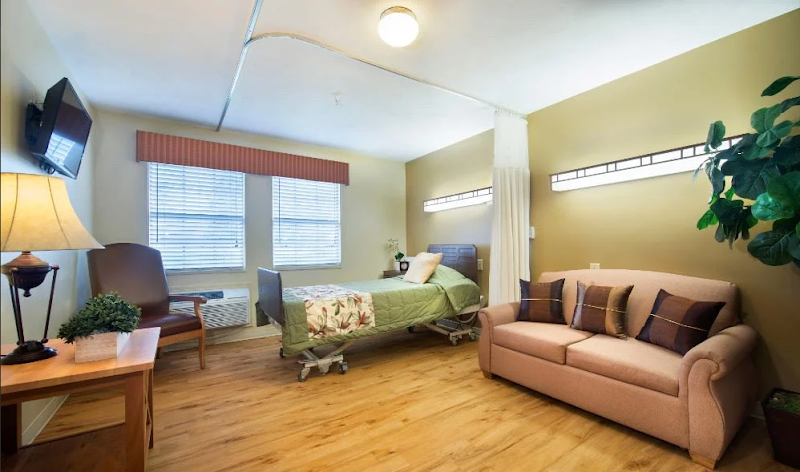
How is Rolling Meadows Health Staffed?

CMS rates ROLLING MEADOWS HEALTH CARE CENTER's staffing level at 2 out of 5 stars, which is below average compared to other nursing homes. Staff turnover is 44%, compared to the Indiana average of 46%. This relatively stable workforce can support continuity of care.

What Have Inspectors Found at Rolling Meadows Health?

State health inspectors documented 5 deficiencies at ROLLING MEADOWS HEALTH CARE CENTER during 2024 to 2025. These included: 1 that caused actual resident harm and 4 with potential for harm. Deficiencies causing actual harm indicate documented cases where residents experienced negative health consequences.
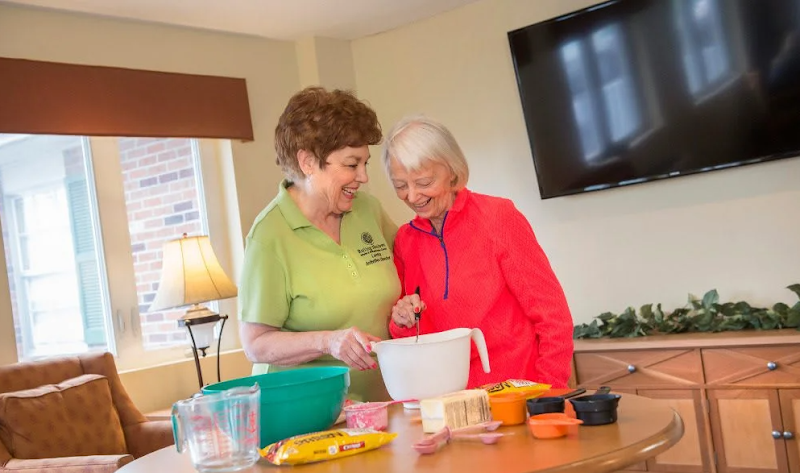
Who Owns and Operates Rolling Meadows Health?

ROLLING MEADOWS HEALTH CARE CENTER is owned by a for-profit company. For-profit facilities operate as businesses with obligations to shareholders or private owners. The facility is operated by TLC MANAGEMENT, a chain that manages multiple nursing homes. With 115 certified beds and approximately 87 residents (about 76% occupancy), it is a mid-sized facility located in LA FONTAINE, Indiana.
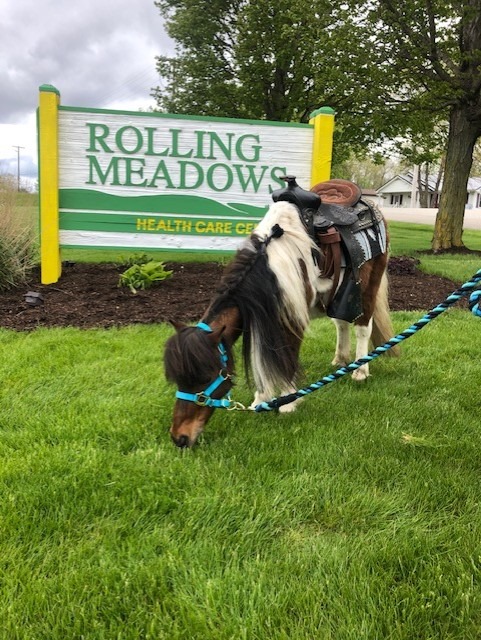
How Does Rolling Meadows Health Compare to Other Indiana Nursing Homes?

Compared to the 100 nursing homes in Indiana, ROLLING MEADOWS HEALTH CARE CENTER's overall rating (5 stars) is above the state average of 3.1, staff turnover (44%) is near the state average of 46%, and health inspection rating (4 stars) is above the national benchmark.

What Should Families Ask When Visiting Rolling Meadows Health?

Based on this facility's data, families visiting should ask: "Can you walk me through typical staffing levels on day, evening, and night shifts?" "Can I visit during a mealtime to observe dining assistance and food quality?" "How do you handle medical emergencies, and what is your hospital transfer rate?" "Can I speak with family members of current residents about their experience?" These questions are particularly relevant given the below-average staffing rating.

Is Rolling Meadows Health Safe?

Based on CMS inspection data, ROLLING MEADOWS HEALTH CARE CENTER has a clean safety record: no substantiated abuse findings (meaning no confirmed cases of resident harm), no Immediate Jeopardy citations (the most serious violation level indicating risk of serious injury or death), and is not on the Special Focus Facility watch list (a federal program monitoring the lowest-performing 1% of nursing homes). The facility has a 5-star overall rating and ranks #1 of 100 nursing homes in Indiana. While no facility is perfect, families should still ask about staff-to-resident ratios and recent inspection results during their visit.

Do Nurses at Rolling Meadows Health Stick Around?

ROLLING MEADOWS HEALTH CARE CENTER has a staff turnover rate of 44%, which is about average for Indiana nursing homes (state average: 46%). Moderate turnover is common in nursing homes, but families should still ask about staff tenure and how the facility maintains care continuity when employees leave.

Was Rolling Meadows Health Ever Fined?

ROLLING MEADOWS HEALTH CARE CENTER has no federal fines on record. CMS issues fines when nursing homes fail to meet care standards or don't correct problems found during inspections. The absence of fines suggests the facility has either maintained compliance or corrected any issues before penalties were assessed. This is a positive indicator, though families should still review recent inspection reports for the full picture.

Is Rolling Meadows Health on Any Federal Watch List?

ROLLING MEADOWS HEALTH CARE CENTER is not on any federal watch list. The most significant is the Special Focus Facility (SFF) program, which identifies the bottom 1% of nursing homes nationally based on persistent, serious quality problems. Not being on this list means the facility has avoided the pattern of deficiencies that triggers enhanced federal oversight. This is a positive indicator, though families should still review the facility's inspection history directly.