BRICKYARD HEALTHCARE - LAPORTE CARE CENTER
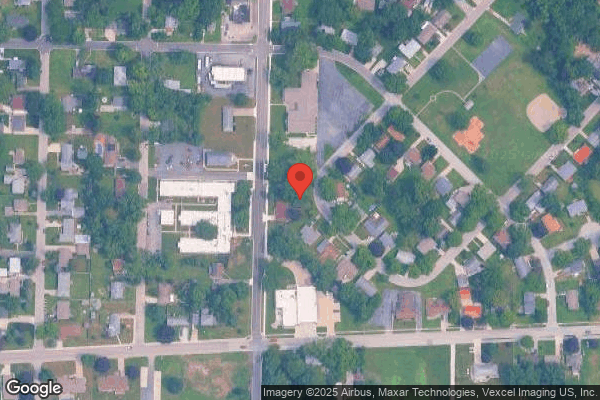
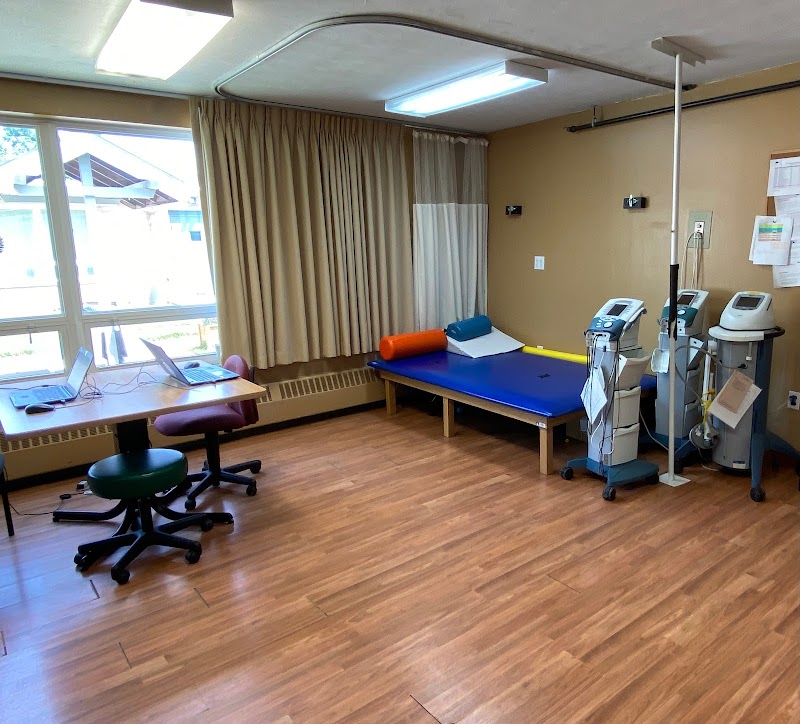
1700 I STREET, LA PORTE, IN 46350 (219) 362-6234
For profit - Corporation 87 Beds BRICKYARD HEALTHCARE Data: November 2025
Trust Grade
40/100
#429 of 505 in IN
Last Inspection: April 2025

Within standard 12-15 month inspection cycle. Federal law requires annual inspections.

Overview

Brickyard Healthcare - LaPorte Care Center has received a Trust Grade of D, indicating below-average performance with some concerns. Ranking #429 out of 505 facilities in Indiana places it in the bottom half, and it is the lowest-ranked option in La Porte County. The facility's situation is worsening, with issues increasing from 9 in 2024 to 16 in 2025. Staffing is a relative strength, with a 3/5 star rating and a turnover rate of 33%, which is better than the state average. However, there have been serious concerns regarding cleanliness in the kitchen, with incidents of dirty food equipment and lack of proper food handling that could affect residents' health. Additionally, the facility failed to ensure that residents were properly assessed for self-administering medications, raising further concerns about care quality.

Trust Score
D
40/100
In Indiana
#429/505
Bottom 16%
Safety Record
Low Risk
No red flags
Inspections
Getting Worse
9 → 16 violations
Staff Stability
○ Average
33% turnover. Near Indiana's 48% average. Typical for the industry.
Penalties
✓ Good
No fines on record. Clean compliance history, better than most Indiana facilities.
Skilled Nurses
⚠ Watch
Each resident gets only 28 minutes of Registered Nurse (RN) attention daily — below average for Indiana. Fewer RN minutes means fewer trained eyes watching for problems.
Violations
⚠ Watch
37 deficiencies on record. Higher than average. Multiple issues found across inspections.
★☆☆☆☆
1.0
Overall Rating
★★★☆☆
3.0
Staff Levels
★★☆☆☆
2.0
Care Quality
★☆☆☆☆
1.0
Inspection Score
Stable
2024: 9 issues
2025: 16 issues

The Good

  • Full Sprinkler Coverage · Fire safety systems throughout facility
  • No fines on record
  • Staff turnover below average (33%)

    15 points below Indiana average of 48%

Facility shows strength in fire safety.

The Bad

1-Star Overall Rating

Below Indiana average (3.1)

Significant quality concerns identified by CMS

Staff Turnover: 33%

13pts below Indiana avg (46%)

Typical for the industry

Chain: BRICKYARD HEALTHCARE

Part of a multi-facility chain

Ask about local staffing decisions and management

The Ugly 37 deficiencies on record

Apr 2025 16 deficiencies
CONCERN (D)

Potential for Harm - no one hurt, but risky conditions existed

Resident Rights (Tag F0550)

Could have caused harm · This affected 1 resident

**NOTE- TERMS IN BRACKETS HAVE BEEN EDITED TO PROTECT CONFIDENTIALITY** Based on observation, record review and interview, the facility failed to maintain a resident's dignity related to wearing a hos...

Read full inspector narrative →
**NOTE- TERMS IN BRACKETS HAVE BEEN EDITED TO PROTECT CONFIDENTIALITY** Based on observation, record review and interview, the facility failed to maintain a resident's dignity related to wearing a hospital gown during the day and not consistently offering pleasure food for 1 of 1 resident reviewed for dignity. (Resident 17) Finding includes: During a random observation on 3/31/25 at 11:21 a.m., Resident 17 was observed in bed wearing a hospital gown. At that time, an enteral tube feeding was infusing into the peg tube (a tube inserted directly into the stomach for nutrition). The resident's roommate was seated in a chair in the room as well. At 11:25 a.m., the roommate received her lunch meal and proceeded to eat in the room. Resident 17 did not receive a tray and was not offered anything to eat. On 3/31/23 at 3:22 p.m., the resident was observed in bed still wearing a hospital gown. During an interview at that time, the resident indicated she did not receive anything to eat for lunch, and sometimes they would bring a pudding for me to eat. During random observations on 4/1/25 at 8:58 a.m., 1:10 p.m. and 2:30 p.m., the resident was observed in bed wearing a hospital gown. During random observations on 4/2/25 at 10:20 a.m. and 11:26 a.m., the resident was observed in bed wearing a hospital gown. During lunch, the resident's roommate received her tray in the room, however, Resident 17 was not offered anything to eat. At 1:30 p.m., the resident remained dressed in her hospital gown. At 5:14 p.m., the resident's roommate received her dinner tray and again Resident 17 was not asked if she wanted anything to eat or served a dinner tray. The record for Resident 17 was reviewed on 4/2/25 at 10:45 a.m. The resident was admitted to the facility on [DATE]. Diagnoses included, but were not limited to, stroke, hemiplegia (weakness or paralysis on one side of the body), dysphagia (difficulty swallowing), chronic kidney disease, heart failure, peg tube, high blood pressure, and a cardiac pacemaker. The Significant Change Minimum Data Set (MDS) assessment, dated 1/22/25, indicated the resident was not cognitively intact for daily decision making and was dependent on staff for dressing and personal hygiene. There was no care plan that indicated the resident preferred to wear a hospital gown during the day. A Physician's Order, dated 3/5/25, indicated enteral feed of Jevity 1.2 Cal at 55 cubic centimeters (cc) per hour for 24 hours. There was no order indicating nothing by mouth. During an interview on 3/31/25 at 12:07 p.m. CNA 1 indicated they would serve the resident pleasure foods only if she requested something. During an interview on 4/3/25 at 10:49 a.m., the Dietary Food Manager indicated they do not normally send the resident any food, they wait to see if the resident requested a pudding or yogurt and then they would send one up. During an interview on 4/3/25 at 11:00 a.m., the Director of Nursing indicated the resident should be offered pleasure foods at every meal and there was no care plan indicating the resident preferred to be dressed in a hospital gown. During an interview on 4/3/25 at 2:00 p.m., CNA 1 indicated they had always dressed the resident in the hospital gown. 3.1-3(t)
CONCERN (D) 📢 Someone Reported This

A family member, employee, or ombudsman was alarmed enough to file a formal complaint

Potential for Harm - no one hurt, but risky conditions existed

Grievances (Tag F0585)

Could have caused harm · This affected 1 resident

Based on record review and interview, the facility failed to file a grievance form, thoroughly investigate, and resolve grievances related to a resident representative's complaints for 1 of 1 resident...

Read full inspector narrative →
Based on record review and interview, the facility failed to file a grievance form, thoroughly investigate, and resolve grievances related to a resident representative's complaints for 1 of 1 resident reviewed for grievances. (Resident B) Finding includes: The closed record for Resident B was reviewed on 4/3/25 at 10:43 a.m. Diagnoses included but were not limited to, diabetes, sacral (tailbone area) pressure ulcer, cancer of the large intestine, and dementia. The 1/29/25 Quarterly Minimum Data Set (MDS) assessment indicated the resident was cognitively intact for daily decision making, and required maximum assistance with ADLs (activities of daily living) and transfers. A Social Services Note, dated 3/3/25, indicated during a meeting with the SSD (Social Services Director), nursing, wound care, and the Administrator, the resident's representative had concerns about the resident's care and made multiple accusations. There was no documentation of the specific concerns, investigation or resolution. A grievance form was not initiated. A Social Services Note, dated 3/6/25, indicated the resident's representative made accusations that a bug was found on the resident when he was at the wound clinic, and that he had bite marks on his skin. The nurse and aide assessed the resident and his room, and found no bugs or bite marks. The note from the wound clinic did not indicate finding a bug or bite marks. The Social Service Note did not indicate a resolution of the complaint. A grievance form was not initiated. During an interview on 4/3/25 at 3:15 p.m., the SSD indicated no grievances had been filled out regarding the representative's concerns because they wanted everything done immediately. She met with the representative regularly and documented this in her notes. The SSD indicated they should have filled out a grievance for each of the resident representative's concerns. A policy titled, Resident and Family Grievances, received as current on 4/4/25 at 12:00 p.m. from the SSD indicated, . The staff member receiving the grievance will record the nature and specifics of the grievance on the designated grievance form . The Grievance Official will take steps to resolve the grievance, and record information about the grievance, and those actions, on the grievance form . The Grievance Official, or designee, will keep the resident appropriately apprised of progress towards resolution of the grievances . This citation relates to complaint IN00455286. 3.1-7(a)(2)
CONCERN (D)

Potential for Harm - no one hurt, but risky conditions existed

ADL Care (Tag F0677)

Could have caused harm · This affected 1 resident

**NOTE- TERMS IN BRACKETS HAVE BEEN EDITED TO PROTECT CONFIDENTIALITY** Based on observation, record review, and interview, the facility failed to ensure activities of daily living (ADLs) were complet...

Read full inspector narrative →
**NOTE- TERMS IN BRACKETS HAVE BEEN EDITED TO PROTECT CONFIDENTIALITY** Based on observation, record review, and interview, the facility failed to ensure activities of daily living (ADLs) were completed for dependent residents related to shaving and washing hair for 3 of 8 residents reviewed for ADLs. (Residents 17, 37, and 63) Findings include: 1. During random observations on 3/31/25 at 11:21 a.m. and 3:22 p.m., Resident 17 was observed in bed wearing a hospital gown. At that time, she had a moderate amount of facial hair on her chin. During random observations on 4/1/25 at 8:58 a.m., 1:10 p.m. and 2:30 p.m., the resident was observed in bed wearing a hospital gown and had a moderate amount of facial hair on her chin. During random observations on 4/2/25 at 10:20 a.m., 11:26 a.m., 1:30 p.m. and 5:14 p.m., the resident was observed in bed wearing a hospital gown and had a moderate amount of facial hair on her chin. The record for Resident 17 was reviewed on 4/2/25 at 10:45 a.m. The resident was admitted to the facility on [DATE]. Diagnoses included, but were not limited to, stroke, hemiplegia, dysphagia (difficulty swallowing), chronic kidney disease, heart failure, peg tube, high blood pressure, and a cardiac pacemaker. The Significant Change Minimum Data Set (MDS) assessment, dated 1/22/25, indicated the resident was not cognitively intact for daily decision making and was dependent on staff for dressing and personal hygiene. A Care Plan, dated 11/25/24, indicated the resident had an ADL self-care performance deficit related to a stroke. The resident required assistance of one person with personal hygiene. The CNA task section indicated the resident received a shower on Tuesday and Fridays. There was no documentation the resident had been assisted with the removal of the facial hair on her chin. During an interview on 4/3/25 at 11:00 a.m., the Director of Nursing indicated the resident should be shaved as needed. 2. During a random observation on 3/31/25 at 11:35 a.m., , Resident 37 was observed sitting up in a Broda chair. At that time, he had a large amount of facial hair observed on his face and chin. During random observations on 4/1/25 at 9:00 a.m., 1:14 p.m., and 2:30 p.m., the resident remained with a large amount of facial hair on his face and chin. The record for Resident 37 was reviewed on 4/1/25 at 2:50 p.m. Diagnoses included, but were not limited to, Parkinson's disease, Alzheimer's disease, high blood pressure, delusions, osteoarthritis, depression, and acute kidney failure. The 3/3/25 Quarterly Minimum Data Set (MDS) assessment indicated the resident was not alert and oriented and was dependent on staff for personal hygiene. A Care Plan, revised on 12/9/23, indicated the resident had an ADL self-care performance deficit related to Parkinson's and Alzheimer's disease. The resident required assistance of one person with personal hygiene. The CNA task section indicated the resident had completed showers on 3/6, 3/10, 3/17, and 3/20/25, however, there was no documentation the resident was shaved. During an interview on 4/3/25 at 11:00 a.m., the Director of Nursing indicated the resident should be shaved as needed. She has contacted hospice to ensure this was done during his bath days. 3. During random observation on 3/31/25 at 11:25 a.m., 2:20 p.m., and 3:15 p.m., on 4/1/25 at 8:59 a.m., 1:10 p.m., and 2:32 p.m., and on 4/2/25 at 10:20 a.m., 11:30 a.m., and 5:20 p.m., Resident 63 was observed with a large amount of facial hair on his face and chin area. The resident's hair was also observed to be matted and knotted on the back of his head. On 4/3/25 at 9:30 a.m., QMA 1 and the Wound Nurse were observed in the room and were shown the resident's hair and that he was unshaven. During an interview on 4/3/25 at 9:50 a.m., QMA 1 indicated the hospice CNA came at least two times a week to bathe the resident. She indicated he was in need of a shave. During an interview on 4/3/25 at 9:55 a.m., the Wound Nurse indicated the resident's hair was matted and his scalp was dry. The record for Resident 63 was reviewed on 4/2/25 at 11:45 a.m. The resident was admitted to the facility on [DATE]. Diagnoses included, but were not limited to, acute respiratory failure, anxiety, heart disease, osteoarthritis, and heart failure. The 12/24/24 Significant Change Minimum Data Set (MDS) assessment indicated the resident was never/rarely understood and was severely impaired for decision making. The resident was dependent on staff for personal hygiene. A Care Plan, revised on 3/4/25, indicated the resident had an ADL self-care performance deficit related to impaired balance and limited mobility. The resident required assistance of one staff with personal hygiene. The CNA task section indicated the resident received a shower or bed bath on Wednesdays and Saturdays. A complete bed bath was last given on 3/29/25. There was no documentation the resident was shaved or had his hair washed. During an interview on 4/3/25 at 11:09 a.m., the Director of Nursing indicated the resident should have been shaved and had his hair washed as needed. 3.1-38(a)(3)(B) 3.1-38(a)(3)(D)
CONCERN (D)

Potential for Harm - no one hurt, but risky conditions existed

Quality of Care (Tag F0684)

Could have caused harm · This affected 1 resident

**NOTE- TERMS IN BRACKETS HAVE BEEN EDITED TO PROTECT CONFIDENTIALITY** Based on observation, record review, and interview, the facility failed to ensure a resident with signs and symptoms of constipa...

Read full inspector narrative →
**NOTE- TERMS IN BRACKETS HAVE BEEN EDITED TO PROTECT CONFIDENTIALITY** Based on observation, record review, and interview, the facility failed to ensure a resident with signs and symptoms of constipation was treated for 1 of 1 resident reviewed for constipation, and areas of discoloration, and edema were assessed and monitored for 1 of 2 residents reviewed for skin conditions non-pressure related and for 1 of 1 resident reviewed for edema. (Residents 63, 57, and 122) Findings include: 1. The record for Resident 63 was reviewed on 4/2/25 at 11:45 a.m. The resident was admitted to the facility on [DATE]. Diagnoses included, but were not limited to, acute respiratory failure, anxiety, heart disease, osteoarthritis, and heart failure. The 12/24/24 Significant Change Minimum Data Set (MDS) assessment indicated the resident was never/rarely understood and was severely impaired for decision making. The resident was dependent on staff for ADL care and was always incontinent of bowel. A Care Plan, revised on 1/19/25, indicated the resident was at risk for constipation related to decreased mobility. The approaches were to follow facility bowel protocol for bowel management and record bowel movements each day. A Physician's Order, dated 12/18/24, indicated Bisacodyl Rectal Suppository, insert 1 suppository rectally every 24 hours as needed for constipation. A Physician's Order, dated 12/20/24, indicated hospice care. A Physician's Order, dated 1/31/25, Morphine Sulfate (Concentrate) Solution 20 milligrams (mg) give 0.25 milliliter (ml) by mouth every 1 hour as needed (prn) for pain. A Physician's Order, dated 2/3/25 indicated Morphine Sulfate (Concentrate) Solution 20 mg give 0.25 milliliter (ml) by mouth every six hours for pain. A Physician's Order, dated 3/14/25, indicated Docusate Sodium Liquid 50 mg, give 10 ml by mouth one time a day for constipation. The resident had no bowel movement on the following days: 1/1/25-1/5/25, 2/16/25-2/21/25, 3/3/25-3/8/25, and 3/22/25-3/25/25. The Medication Administration Record (MAR) for the month of 3/2025 indicated the prn suppository was not signed out as being administered for constipation. During an interview on 4/3/25 at 3:00 p.m., the Director of Nursing indicated they had no policy for constipation. If the resident had no bowel movement after three days, they would give the as needed (prn) medications and if there were no as needed medications, the nurses should be calling the doctor. 2. During a random observation on 3/31/25 at 11:10 a.m., bruising was observed to Resident 57's shins and right knee. During subsequent observations on 4/1/25 at 1:33 p.m. and 4/2/25 at 10:05 a.m., the bruising remained present to the resident's shins and right knee. Resident 57's record was reviewed on 4/2/25 at 11:33 a.m. Diagnoses included, but were not limited to, hypertensive heart disease with heart failure and diabetes. The 1/27/25 Quarterly Minimum Data Set (MDS) assessment indicated the resident was cognitively intact for daily decision making, required substantial assistance with ADLs, and partial/moderate assistance with transfers. A Care Plan, dated 12/14/24, indicated the resident was on anticoagulant therapy (blood thinners). Interventions included monitoring and documenting bruising. A Physician's Order, dated 1/28/25, indicated to observe for signs and symptoms of bleeding including tarry stools, blood in urine, and bruising every shift. The record lacked documentation of assessments of the resident's bruised shins and right knee. During an interview on 4/3/25 at 11:36 a.m., the Director of Nursing indicated bruises should be assessed and documented in the resident's record. During an interview on 4/3/25 on 3:05 p.m., the DON indicated the resident was up and about all of the time, bruised easily and was on blood thinners. 3. During a random observation on 4/1/25 at 9:02 a.m., Resident 122's hands were observed to be swollen. The ring on his left hand was digging into his finger. At that time, the resident indicated his hands were swollen, but he did not know why. During an observation on 4/02/25 at 9:33 a.m., the resident was resting in bed. The swelling to his hands appeared unchanged. The resident's record was reviewed on 4/2/25 at 9:00 a.m. Diagnoses included, but were not limited to, gastrointestinal bleed, heart disease, and chronic kidney disease. The 3/28/25 Skilled Nurse admission Assessment indicated the resident was cognitively intact for daily decision making, required one person physical assist with ADLs (activities of daily living) and transfers, and had new,1+ pitting edema (1 out of 4 on a scale of severity of swelling that stays indented when pressed with a finger) to his left hand/fingers. A Nurse's Note, dated 3/9/25, indicated the resident had edema (swelling) to both arms/hands. The record lacked any other assessments of the resident's edema. The care plan lacked interventions related to monitoring or treatment of the edema. During an interview on 4/3/25 at 9:38 a.m., RN 2 indicated she did not notice the resident's swelling, she only checked his vital signs. During an interview on 4/03/25 at 3:06 p.m., the Director of Nursing indicated edema should be assessed and documented regularly. She was not sure why the resident had edema and would ask the nurse practitioner to see the resident. 3.1-37
CONCERN (D)

Potential for Harm - no one hurt, but risky conditions existed

Deficiency F0687 (Tag F0687)

Could have caused harm · This affected 1 resident

**NOTE- TERMS IN BRACKETS HAVE BEEN EDITED TO PROTECT CONFIDENTIALITY** Based on observation, record review, and interview, the facility failed to ensure a resident's toenails were cut, kept trimmed a...

Read full inspector narrative →
**NOTE- TERMS IN BRACKETS HAVE BEEN EDITED TO PROTECT CONFIDENTIALITY** Based on observation, record review, and interview, the facility failed to ensure a resident's toenails were cut, kept trimmed and podiatry care was provided for 1 of 1 resident reviewed for foot care. (Resident 63) Finding includes: During random observations on 3/31/25 at 11:25 a.m. and 4/1/25 at 8:59 a.m., Resident 63 was sitting up in a Broda chair. On 4/2/25 at 10:20 a.m., 11:30 a.m., and 5:20 p.m., the resident was observed reclined in a Broda chair. At those times, the resident was observed with very long toenails. On 4/3/25 at 9:32 a.m., QMA 1 and the Wound Nurse were in the room. At that time, they were both shown the resident's long toenails. During an interview on 4/3/25 at 9:55 a.m., the Wound Nurse indicated the resident received hospice care, so they would have to let hospice know the toenails needed to be trimmed. The record for Resident 63 was reviewed on 4/2/25 at 11:45 a.m. The resident was admitted to the facility on [DATE]. Diagnoses included, but were not limited to, acute respiratory failure, anxiety, heart disease, osteoarthritis, and heart failure. The 12/24/24 Significant Change Minimum Data Set (MDS) assessment, indicated the resident was never/rarely understood and was severely impaired for decision making. The resident was dependent on staff for personal hygiene. There were no visits by the podiatrist. During an interview on 4/3/25 at 11:08 a.m., the Social Service Director indicated on 2/10/25 hospice deemed podiatry services were not necessary for the resident, therefore he had not seen the podiatrist since admission. During an interview on 4/3/25 at 11:09 a.m., the Director of Nursing indicated the hospice CNA and hospice nurse were in the facility at least three times during the week and provided his baths, so his toenails should have been observed. 3.1-47(a)(7)
CONCERN (D)

Potential for Harm - no one hurt, but risky conditions existed

Deficiency F0688 (Tag F0688)

Could have caused harm · This affected 1 resident

Based on observation, record review, and interview, the facility failed to ensure assistive devices were in place for a resident with a limited range of motion for 1 of 1 resident reviewed for positio...

Read full inspector narrative →
Based on observation, record review, and interview, the facility failed to ensure assistive devices were in place for a resident with a limited range of motion for 1 of 1 resident reviewed for positioning. (Resident 50) Finding includes: During random observations on 3/31/25 at 11:34 a.m. and 12:15 p.m., and on 4/1/125 at 11:32 a.m. and 1:12 p.m., Resident 50 was observed sitting in her wheelchair. At that time, her right arm was elevated on a small bed pillow. There was no arm tray observed on the wheelchair. The record for Resident 50 was reviewed on 4/1/125 at 2:10 p.m. Diagnoses included, but were not limited to, Alzheimer's disease, stroke, right side hemiplegia (weakness or paralysis of one side of the body), vascular dementia, anxiety, high blood pressure, and osteoarthritis. The 2/10/25 Annual Minimum Data Set (MDS) assessment indicated the resident was not cognitively intact for daily decision making and had a limited range of motion impairment to one side for the upper extremity. A Care Plan, dated 12/13/24, indicated the resident had an ADL self-care performance deficit related to a stroke and hemiplegia. The approaches were for the resident to use the right shoulder arm tray to support the right upper extremity while upright in wheelchair for joint protection and proximal support. A Physician's Order, dated 3/29/24, indicated the resident was to use a right shoulder arm tray to support the right upper extremity while upright in wheelchair for joint protection and proximal support. every shift. The 1/2025, 2/2025 and 3/2025 Medication Administration Records (MAR) indicated the right shoulder tray was signed out as being on the wheelchair every day shift. There were no documented refusals of the right shoulder arm tray. During an interview on 4/3/25 at 2:00 p.m., CNA 1 indicated the tray was located in between the dresser and night stand and was to be attached to her wheelchair when she was up. She indicated the resident's daughter may ask for it to be removed sometimes. During an interview on 4/3/25 at 3:00 p.m., the Director of Nursing indicated the tray was to be on the resident's wheelchair. 3.1-42(a)(2)
CONCERN (D)

Potential for Harm - no one hurt, but risky conditions existed

Accident Prevention (Tag F0689)

Could have caused harm · This affected 1 resident

**NOTE- TERMS IN BRACKETS HAVE BEEN EDITED TO PROTECT CONFIDENTIALITY** Based on observation, record review, and interview, the facility failed to ensure residents with a history of falls had preventi...

Read full inspector narrative →
**NOTE- TERMS IN BRACKETS HAVE BEEN EDITED TO PROTECT CONFIDENTIALITY** Based on observation, record review, and interview, the facility failed to ensure residents with a history of falls had preventions in place to prevent more falls/injuries related to a floor mat beside the bed and keeping the bed in the lowest position for 2 of 3 residents reviewed for falls. (Residents 37 and 63) Findings include: 1. During random observations on 4/1/25 at 9:00 a.m. and 2:30 p.m., and on 4/2/25 at 3:00 p.m., Resident 37 was observed in bed. At those times, the resident's bed was not in the lowest position. The record for Resident 37 was reviewed on 4/1/25 at 2:50 p.m. Diagnoses included, but were not limited to, Parkinson's disease, Alzheimer's disease, high blood pressure, delusions, osteoarthritis, depression, and acute kidney failure. The 3/3/25 Quarterly Minimum Data Set (MDS) assessment indicated the resident was not alert and oriented and was dependent on staff transfers and bed mobility. The resident had no falls since the last assessment. A Care Plan, revised on 9/20/24, indicated the resident was at risk for falls. The approaches were to keep the bed in the lowest position. A Nurses' Note, dated 12/28/24 at 9:28 p.m., indicated the resident was found on the floor on the floor mat next to the bed. During an interview on 4/3/25 at 3:00 p.m., the Director of Nursing indicated the bed should be in the lowest position. 2. During random observations on 3/21/25 at 2:20 p.m. and 3:15 p.m., Resident 63 was observed in bed. There was no floor mat on the floor next to the bed. The record for Resident 63 was reviewed on 4/2/25 at 11:45 a.m. The resident was admitted to the facility on [DATE]. Diagnoses included, but were not limited to, acute respiratory failure, anxiety, heart disease, osteoarthritis, and heart failure. The 12/24/24 Significant Change Minimum Data Set (MDS) assessment, indicated the resident was never/rarely understood and was severely impaired for decision making. The resident was dependent on staff for bed mobility and transfers. There was no history of falls since the last assessment. A Care Plan, dated 11/25/24, indicated the resident was at risk for falls. The approaches were to place a floor mat next to the bed at all times while the resident was in the bed. The record indicated the resident was found on the floor next to the bed on 11/22/24 and 11/25/24. A Physician's Order, dated 11/26/24, indicated to place a floor mat at the bedside at all times while the resident was in the bed, every shift. During an interview on 4/3/25 at 11:00 a.m., the Director of Nursing indicated the mat should have been on the floor next to the bed. 3.1-45(a)(2)
CONCERN (D)

Potential for Harm - no one hurt, but risky conditions existed

Deficiency F0692 (Tag F0692)

Could have caused harm · This affected 1 resident

**NOTE- TERMS IN BRACKETS HAVE BEEN EDITED TO PROTECT CONFIDENTIALITY** Based on observation, record review, and interview, the facility failed to ensure food consumption logs were completed for resid...

Read full inspector narrative →
**NOTE- TERMS IN BRACKETS HAVE BEEN EDITED TO PROTECT CONFIDENTIALITY** Based on observation, record review, and interview, the facility failed to ensure food consumption logs were completed for residents with a history of weight loss for 3 of 4 residents reviewed for nutrition. (Residents 14, 39, and 52) Findings include: 1. On 3/31/25 at 11:54 a.m., Resident 14 was seated in her room in her wheelchair. The resident was served noodles, meatballs, peas, and a fruit cup. The resident indicated she wanted nothing to eat. On 4/2/25 at 11:38 a.m., the resident was served grilled cheese and soup for lunch. She was not eating any of her meal. At 11:55 a.m., the resident was observed drinking her milk but not eating any food. The record for Resident 14 was reviewed on 4/1/25 at 1:12 p.m. Diagnoses included, but were not limited to, mild cognitive impairment, adult failure to thrive, and dysphagia (difficulty swallowing). The Significant Change Minimum Data Set (MDS) assessment, dated 1/13/25, indicated the resident had moderate cognitive impairment. The resident had sustained a weight loss during the assessment reference period. A Care Plan, dated 9/30/24 and reviewed on 3/31/25, indicated the resident had a nutritional problem or potential nutritional problem related to hemiplegia and hemiparesis (muscle weakness and/or paralysis), chronic obstructive pulmonary disease (COPD), anxiety disorder, hypertension, recurrent depressive disorder, and adult failure to thrive. The goal was for the resident to maintain adequate nutritional status. A Physician's Order, dated 3/6/25, indicated the resident received a regular diet. A Physician's Order, dated 3/11/25, indicated the resident was also receiving an enteral feeding (a method of providing nutrition directly into the gastrointestinal tract through a tube) of Jevity 1.2, 100 milliliter (ml) bolus five times a day. The resident had sustained a 27% weight loss in the past six months. The March 2025 Food Consumption Log indicated there was no intake documented for all three meals on 3/4/25. No breakfast was documented on 3/25/25 and no dinner was documented on 3/10/25, 3/20/25, and 3/26/25. During an interview on 4/4/25 at 8:45 a.m., the Director of Nursing indicated the resident's food consumption should have been documented for each meal. 2. On 4/2/25 at 11:55 a.m., Resident 39 was observed in his room eating lunch. He was served soup and a grilled cheese sandwich. The record for Resident 39 was reviewed on 4/2/25 at 9:57 a.m. Diagnoses included, but were not limited to, stroke, congestive heart failure, and dependence on renal dialysis. The Quarterly Minimum Data Set (MDS) assessment, dated 3/4/25, indicated the resident was moderately impaired for daily decision making and he required set up or clean up assistance with eating. No weight issues were identified during the assessment reference period. A Care Plan, dated 10/18/24 and reviewed on 2/14/25, indicated the resident had a nutritional problem or potential nutritional problem related to being on a therapeutic diet due to end stage renal disease (ESRD) with hemodialysis. The resident would request foods that were restricted on his dialysis diet; weight may fluctuate due to dialysis; meal intakes vary; potential for chewing/swallowing difficulty due to dysphagia (difficulty swallowing). The goal was for the resident to maintain adequate nutritional status as evidenced by maintaining weight with no significant weight changes, no signs and symptoms of malnutrition, and meeting estimated nutrition needs. The resident was hospitalized [DATE]-[DATE] and had a 12% weight loss in one month. A Physician's Order, dated 3/18/25, indicated the resident was to receive a regular diet with no salt packet; no bananas, dried fruit, potatoes, tomatoes, or oranges. Limit to four ounces of milk daily and double protein at meals. The March 2025 Food Consumption Log indicated the resident's dinner intake was not documented on 3/4/25, 3/20/25, and 3/27/25. During an interview on 4/4/25 at 8:45 a.m., the Director of Nursing indicated the resident's food consumption should have been documented. 3. On 3/31/25 at 11:52 a.m. and 12:03 p.m., Resident 52 was observed in her room in bed sleeping. The resident's lunch tray was covered and on the overbed table. On 4/2/25 at 12:02 p.m., the resident was seated in the main dining room. She was served grilled cheese, soup, and jello for lunch. The resident was encouraged to eat by staff and was asked if she would like something else. The resident indicated she didn't want anything else and she would just drink her coffee. The record for Resident 52 was reviewed on 4/1/25 at 3:22 p.m. Diagnoses included, but were not limited to, neurocognitive disorder with behavior disturbance, protein-calorie malnutrition, and dysphagia (difficulty swallowing). The Quarterly Minimum Data Set (MDS) assessment, dated 2/28/25, indicated the resident was cognitively impaired for daily decision making and she required set up or clean up assistance with eating. No weight issues were noted during the assessment reference period. A Care Plan, dated 10/18/24 and reviewed on 1/19/25, indicated the resident had a nutritional problem or potential nutritional problem related to being at nutritional risk related to low body weight (LBW), a body mass index (BMI) less than 19; meal intake varied, would decline breakfast but would drink coffee; history of receiving a mechanically altered diet due to Barrett's esophagus, dysphagia; abnormal labs due to anemia, LBW; weight may fluctuate due to edema, diuretic; weight gain was desired; diagnoses include depression, protein calorie malnutrition; need for supplements to meet estimated needs. Interventions included, but were not limited to, monitor intake and record every meal. The April 2025 Physician's Order Summary (POS) indicated the resident was to receive a regular diet, mechanical soft/easy to chew texture and nectar thick liquids. The resident was also to be weighed weekly and was receiving an appetite stimulant. The March 2025 Food Consumption Log indicated there was no intake documented for lunch and dinner on 3/4/25. There was no intake documented for dinner on 3/7/25, 3/10/25, and 3/21/25. During an interview on 4/4/25 at 8:45 a.m., the Director of Nursing indicated the resident's food consumption should be monitored for each meal. 3.1-46(a)(1)
CONCERN (D)

Potential for Harm - no one hurt, but risky conditions existed

Tube Feeding (Tag F0693)

Could have caused harm · This affected 1 resident

**NOTE- TERMS IN BRACKETS HAVE BEEN EDITED TO PROTECT CONFIDENTIALITY** Based on observation, record review, and interview, the facility failed to ensure the head of the bed was elevated to at least 4...

Read full inspector narrative →
**NOTE- TERMS IN BRACKETS HAVE BEEN EDITED TO PROTECT CONFIDENTIALITY** Based on observation, record review, and interview, the facility failed to ensure the head of the bed was elevated to at least 45 degrees while a resident's enteral feeding was infusing into the peg tube (a tube inserted directly into the stomach for nutrition) for 1 of 1 resident reviewed for tube feeding. (Resident 17) Finding includes: During a random observation on 4/2/25 at 5:14 p.m., Resident 17 was observed lying completely flat in bed. The head of the bed was flat and not elevated to at least 45 degrees. At that time, the resident had an enteral tube feeding infusing at 55 cubic centimeters (cc) per hour. CNA 2 and RN 1 were immediately notified and asked to reposition the resident in bed. During an interview at that time, CNA 2 and RN 2 both indicated the resident played with the remote control and would lower the head of the bed all the time by herself. RN 1 indicated she had administered her medication at 4:10 p.m., and the head of the bed was elevated at that time. The record for Resident 17 was reviewed on 4/2/25 at 10:45 a.m. The resident was admitted to the facility on [DATE]. Diagnoses included, but were not limited to, stroke, hemiplegia, dysphagia (difficulty swallowing), chronic kidney disease, heart failure, peg tube, high blood pressure, and a cardiac pacemaker. The Significant Change Minimum Data Set (MDS) assessment, dated 1/22/25, indicated the resident was not cognitively intact for daily decision making, had no oral problems and had a feeding tube through which she received 51% or more of nutrition. A Care Plan, dated 11/24/24, indicated the resident required a tube feeding related to dysphagia. The approaches were to ensure the head of the bed was at least 45 degrees. A Physician's Orders, dated 3/5/25, indicated Enteral Feed every shift of Jevity 1.2 Cal at 55 cc per hour times 24 hours a day. During an interview on 4/3/25 at 11:00 a.m., the Director of Nursing indicated the head of the resident's bed was to be elevated to at least 45 degrees. She was aware of the incident that happened on 4/2/25. The current 2024 Care and Treatment of Feeding Tubes policy provided by the DON on 4/4/25 at 8:30 a.m., indicated the resident's care plan will direct staff regarding proper positioning of the resident consistent with the resident's individual needs. 3.1-44(a)(2)
CONCERN (D)

Potential for Harm - no one hurt, but risky conditions existed

Deficiency F0697 (Tag F0697)

Could have caused harm · This affected 1 resident

Based on observation, record review, and interview, the facility failed to assess and document a resident's pain in accordance with their care plan for 1 of 1 resident reviewed for pain management. (R...

Read full inspector narrative →
Based on observation, record review, and interview, the facility failed to assess and document a resident's pain in accordance with their care plan for 1 of 1 resident reviewed for pain management. (Resident 20) Finding includes: During an observation on 3/31/25 at 10:36 a.m., Resident 20 winced in pain when moving in bed. He indicated he had pain in his shoulder and hip daily rating 5-8 out of 10. He indicated all the facility was doing for his pain was giving him Tylenol and he did not know why. The resident's record was reviewed on 4/1/25 at 3:30 p.m. Diagnoses included but were not limited to, amputation of the left leg, COPD (chronic obstructive pulmonary disease), and acute respiratory failure with hypoxia (low oxygen levels). The 2/5/25 Quarterly Minimum Data Set (MDS) assessment indicated the resident was cognitively intact for daily incision making, required partial assistance with ADLs (activities of daily living) and was independent with transfers. A Physician's Order, dated 12/22/24, indicated Biofreeze External Gel 4 % (a topical pain medication) to the left hip every 3 hours as needed for hip pain. A Physician's Order, dated 12/23/24, indicated Acetaminophen ER Oral Tablet Extended Release 650 MG by mouth every 8 hours for osteoarthritis of the left hip. A Care Plan, revised on 12/13/24, indicated the resident was at risk for pain related to generalized degeneration. Interventions included monitoring and recording pain characteristics: quality, severity, location, onset, duration, aggravating factors, and relieving factors. The record lacked documentation of regular pain assessments. During an interview on 4/3/25 at 11:37 a.m., the Director of Nursing indicated pain should be assessed and documented for a resident taking pain medication or having pain. The EMR (electronic medical record) program got rid of the pain assessment form they had been using, and they would have to figure out something else. A policy titled, Pain Management, received as current on 4/4/25 at 1:20 p.m. from the DON indicated, . In order to help a resident attain or maintain his/her highest practicable level of physical, mental and psychosocial well-being and to prevent or manage pain, the facility will: a. Recognize when the resident is experiencing pain and identify circumstances when the pain can be anticipated . Manage or prevent pain, consistent with the comprehensive assessment and plan of care . 3.1-37(a)
CONCERN (D)

Potential for Harm - no one hurt, but risky conditions existed

Deficiency F0698 (Tag F0698)

Could have caused harm · This affected 1 resident

Based on record review and interview, the facility failed to ensure a dialysis access site was assessed and monitored as ordered for 1 of 1 resident reviewed for dialysis. (Resident 39) Finding includ...

Read full inspector narrative →
Based on record review and interview, the facility failed to ensure a dialysis access site was assessed and monitored as ordered for 1 of 1 resident reviewed for dialysis. (Resident 39) Finding includes: The record for Resident 39 was reviewed on 4/2/25 at 9:57 a.m. Diagnoses included, but were not limited to, stroke, congestive heart failure, and dependence on renal dialysis. The Quarterly Minimum Data Set (MDS) assessment, dated 3/4/25, indicated the resident was moderately impaired for daily decision making and he was receiving dialysis. A Care Plan, dated 12/12/24 and reviewed on 2/14/25, indicated the resident had an alteration in kidney function evidenced by hemodialysis for end stage renal disease (ESRD). Interventions included, but were not limited to, monitor, document, and report as needed (PRN) signs and symptoms of infection to access site: redness, swelling, warmth or drainage. A Physician's Order, dated 5/31/24 and listed as current on the April 2025 Physician's Order Summary (POS), indicated the resident's arteriovenous (AV) fistula (a dialysis access site) to the left upper extremity was to be assessed for patency as well as audible continuous bruit and palpable thrill every shift. The January 2025 Treatment Administration Record (TAR) indicated there was no documentation the AV fistula was assessed for the evening shift on 1/13/25, 1/17/25, and 1/22/25. There was no documentation for the night shift on 1/17/25. The February 2025 TAR indicated there was no documentation the AV fistula was assessed for the day shift on 2/28/25 and the evening shift on 2/1/25 and 2/7/25. The March 2025 TAR indicated there was no documentation the AV fistula was assessed for the day shift on 3/27/25, the evening shift on 3/31/25, and the night shift on 3/23/25. During an interview on 4/4/25 at 8:45 a.m., the Director of Nursing indicated the resident's fistula should have been monitored every shift. The current facility Hemodialysis policy was provided by the Director of Nursing on 4/4/25 at 9:45 a.m. The policy indicated the nurse would ensure the dialysis access site (for example AV shunt or graft) was checked before and after dialysis treatments and every shift for patency by auscultating for a bruit and palpating for a thrill. 3.1-37(a)
CONCERN (D)

Potential for Harm - no one hurt, but risky conditions existed

Deficiency F0757 (Tag F0757)

Could have caused harm · This affected 1 resident

**NOTE- TERMS IN BRACKETS HAVE BEEN EDITED TO PROTECT CONFIDENTIALITY** Based on record review and interview, the facility failed to ensure medications were not used for an excessive duration and an e...

Read full inspector narrative →
**NOTE- TERMS IN BRACKETS HAVE BEEN EDITED TO PROTECT CONFIDENTIALITY** Based on record review and interview, the facility failed to ensure medications were not used for an excessive duration and an excessive dose for 1 of 1 resident reviewed for antibiotics and 1 of 5 residents reviewed for unnecessary medications. (Residents 44 and 63) Findings include: 1. The record for Resident 44 was reviewed on 4/3/25 at 2:05 p.m. Diagnoses included, but were not limited to, ESBL (extended-spectrum beta-lactamase), neurogenic bladder, sepsis, and urinary tract infection (UTI). The Significant Change Minimum Data Set (MDS) assessment, dated 3/12/25, indicated the resident was cognitively intact. She was dependent with toileting hygiene, always incontinent of bladder, and had received an antibiotic during the last 7 days. A Care Plan, dated 10/17/24 and reviewed on 3/26/25, indicated the resident was on antibiotic therapy related to a history of frequent UTI's. A Physician's Order, dated 10/15/24 and listed as current on the April 2025 Physician's Order Summary (POS), indicated the resident was to receive Macrobid (an antibiotic) 100 milligrams (mg) daily for suppression of ESBL UTI. A Physician's Order, dated 11/21/24, indicated the resident had a 16 french/10 cc (cubic centimeter) Foley catheter. The catheter was discontinued on 12/27/24. A Physician's Order, dated 12/11/24, indicated the resident was to receive Zyvox (an antibiotic) 600 mg twice a day for 10 days for a UTI. A Physician's Order, dated 12/12/24, indicated the resident was to receive Meropenem (an antibiotic) 1 gram intravenously three times a day for 10 days for a UTI. A Nurse's Note, dated 12/26/24 at 12:40 p.m., indicated the resident returned from the hospital with no new orders. She was diagnosed with an acute UTI and to continue the Macrobid. A Physician's Order, dated 12/31/24, indicated the resident was to receive Levaquin (an antibiotic) 250 mg, two tablets daily for 10 days for a UTI. A Physician's Order, dated 1/24/25, indicated the resident was to receive Imipenem-Cilastatin (an antibiotic) 500 mg intravenously every 8 hours for 10 days for a UTI. A Physician's Order, dated 3/6/25, indicated the resident was to receive Meropenem (an antibiotic) 1 gram intravenously every 12 hours for a UTI for 5 days. The resident continued to receive the oral Macrobid while receiving the other antibiotics. During an interview on 4/4/25 at 8:45 a.m., the Director of Nursing indicated the resident had received numerous rounds of IV antibiotics on top of the oral antibiotic. She indicated the antibiotic was probably not effective any more and the resident was also receiving hospice services. She indicated she would reach out to hospice and see if they still wanted the Macrobid. 2. On 4/3/25 at 9:32 a.m., Resident 63 was observed sitting in a reclined Broda chair. At that time, the Wound Nurse was going to change the resident's bandages to both of his feet. QMA 1 entered the room and administered the resident Morphine Sulfate via a syringe into his mouth. During an interview at that time, QMA 1 indicated the resident was unable to determine his level of pain using a number scale. The record for Resident 63 was reviewed on 4/2/25 at 11:45 a.m. The resident was admitted to the facility on [DATE]. Diagnoses included, but were not limited to, acute respiratory failure, anxiety, heart disease, osteoarthritis, and heart failure. The 12/24/24 Significant Change Minimum Data Set (MDS) assessment indicated the resident was never/rarely understood and was severely impaired for decision making. The resident was dependent on staff for bed mobility and transfers. The resident had two unhealed Stage 2 pressure ulcers that were present on admission, received hospice care, and anti-anxiety and opioid medication. A Physician's Order, dated 12/20/24, indicated hospice care. A Physician's Order, dated 1/25/25, indicated Lorazepam 1 mg, give one tablet at bed time at 8:00 p.m. A Physician's Order, dated 1/27/25, indicated Lorazepam (an anti-anxiety medication) 0.5 mg, give 5 mg by mouth every two hours as needed for anxiety. A Physician's Order, dated 1/31/25, Morphine Sulfate (Concentrate) Solution 20 milligrams (mg) give 0.25 milliliter (ml) by mouth every one hour as needed for pain. A Physician's Order, dated 2/3/25 indicated Morphine Sulfate (Concentrate) Solution 20 mg give 0.25 milliliter (ml) by mouth every six hours for pain at 12:00 a.m., 6:00 a.m., 12:00 p.m., and 6:00 p.m. A Physician's Order, dated 2/27/25, indicated Lorazepam 1 mg, give 1 mg by mouth one time a day for increased agitation at 8:00 a.m. The 1/2025 Medication Administration Record (MAR) indicated the prn Lorazepam and prn Morphine Sulfate were administered simultaneously or very close together on the following dates and times: 1/8/25 at 7:15 a.m. for Lorazepam and 7:16 a.m. for Morphine 1/9/25 at 2:25 a.m for Lorazepam and 2:26 a.m. for Morphine 1/15/25 12:30 a.m. for both Lorazepam and Morphine 1/16/25 3:52 a.m., 9:50 p.m., and 11:52 p.m. for Lorazepam and 3:53 a.m., 9:50 p.m., and 11:52 p.m. for Morphine 1/17/25 11:24 p.m. for Lorazepam and 11:25 p.m. for Morphine 1/18/25 10:53 a.m. for Lorazepam and 10:54 a.m. for Morphine 1/19/25 8:23 p.m. for both Lorazepam and Morphine 1/20/25 6:06 p.m. for both Lorazepam and Morphine 1/21/25 5:04 p.m. for both Lorazepam and Morphine 1/24/25 7:12 p.m. and 9:50 p.m. for both Lorazepam and Morphine The 2/2025 MAR indicated the Lorazepam and Morphine Sulfate were administered simultaneously or very close together on the following dates and times: 2/19/25 9:00 p.m. for Lorazepam and 9:01 p.m., for Morphine 2/22/25 3:22 p.m. for both Lorazepam and Morphine 2/25/25 3:48 p.m. for Lorazepam and 3:47 p.m. for Morphine The 3/2025 MAR indicated the Lorazepam and Morphine Sulfate were administered simultaneously or very close together on the following dates and times: 3/3/25 3:48 p.m. for Lorazepam and 3:47 p.m., for Morphine 3/4/25 4:39 p.m. for Lorazepam and 4:38 p.m., for Morphine 3/5/25 3:29 p.m. for Lorazepam and 3:28 p.m., for Morphine 3/7/25 3:40 p.m. for Lorazepam and 3:41 p.m., for Morphine 3/8/25 4:15 p.m. for both Lorazepam and Morphine 3/9/25 4:15 p.m. for both Lorazepam and Morphine 3/13/25 9:15 p.m. for Lorazepam and 9:14 p.m., for Morphine 3/15/25 3:57 a.m. for both Lorazepam and Morphine 3/17/25 4:43 p.m. for both Lorazepam and Morphine 3/20/25 3:45 p.m. for both Lorazepam and Morphine 3/23/25 3:53 p.m. for both Lorazepam and Morphine 3/25/25 2:12 p.m. and 4:30 p.m. for Lorazepam and 2:13 p.m. and 4:30 p.m. for Morphine 3/30/25 1:26 p.m. for both Lorazepam and Morphine 3/31/25 3:37 p.m. for both Lorazepam and Morphine During an interview on 4/3/25 at 9:50 a.m., QMA 1 indicated depending on the resident's verbal and non verbal actions like how he was moaning, or the position of his legs, was how they scored his pain level. There was a chart in the computer, and based on staff observations, they checked the one he was exhibiting. During an interview on 4/3/25 at 11:00 a.m., the Director of Nursing (DON) indicated she had just reached out to hospice on Monday 3/31/25 to see if they would provide a Fentanyl patch for the resident instead of using the prn Morphine. During an interview on 4/3/25 at 3:00 p.m., the DON indicated nursing staff had a nonverbal pain scale that popped up on the MAR when they gave the Morphine. The Morphine and Lorazepam should not have been given together and Hospice was currently in the facility and was making adjustments to the resident's pain medication. 3.1-48(a)(2) 3.1-48(a)(3)
CONCERN (D)

Potential for Harm - no one hurt, but risky conditions existed

Deficiency F0761 (Tag F0761)

Could have caused harm · This affected 1 resident

Based on observation, record review, and interview, the facility failed to ensure medications were stored correctly for 1 of 7 residents observed during medication administration and 1 of 4 residents ...

Read full inspector narrative →
Based on observation, record review, and interview, the facility failed to ensure medications were stored correctly for 1 of 7 residents observed during medication administration and 1 of 4 residents reviewed for self-administration of medications. (Residents 23 and 20) Findings include: 1. On 4/2/25 at 4:32 p.m., LPN 1 was observed preparing medications for Resident 23. When the LPN entered the resident's room, a medication cup containing two pills was left on top of the medication cart as well as a Tamsulosin (a medication used to relax the muscles of the bladder and prostate) tablet which was in it's original package. Upon entering the room, the LPN closed the door and the medication cart was out of her view. During an interview on 4/3/25 at 2:00 p.m., the Director of Nursing indicated the pills should not have been left on top of the medication cart. The current facility Medication Storage policy was provided by the Director of Nursing on 4/4/25 at 9:45 a.m. The policy indicated all drugs and biologicals would be stored in locked compartments (i.e., medication carts, cabinets, drawers, refrigerators, and medication rooms) under proper temperature controls. 2. During a random observation on 3/31/25 at 10:36 a.m., a nebulizer machine was observed in Resident 20's room. At that time, the resident indicated there was a bag in his closet with the medication for the nebulizer that he got from his own pharmacy and that the facility let him use it sometimes. The paper bag contained 5 boxes of Albuterol (inhaled medication for breathing given via nebulizer) and one box of Fluticasone (an allergy nasal spray). The resident indicated he used them when he felt like he needed them. The resident's record was reviewed on 4/1/25 at 3:30 p.m. Diagnoses included but were not limited to, amputation of the left leg, COPD (chronic obstructive pulmonary disease), and acute respiratory failure with hypoxia (low oxygen levels). The 2/5/25 Quarterly Minimum Data Set (MDS) assessment indicated the resident was cognitively intact for daily incision making, required partial assistance with ADLs (activities of daily living) and was independent with transfers. A Physician's Order, dated 10/6/24, indicated Albuterol Inhaled Solution three times a day. There were no orders to use the resident's own medications or to keep the medications at the bedside. There were no orders for Fluticasone. During an interview on 4/3/25 at 11:37 a.m., the Director of Nursing indicated if a medication was to be kept at bedside, it should be written in the medication order and if a resident brought in their own medication, it needed to be evaluated by the facility. She was not aware of the bag of medication in the resident's closet, but she would look into it. A policy titled, Resident Self-Administration of Medication, received as current from the Director of Nursing on 4/4/25 at 8:30 a.m. indicated, . Bedside medication storage is permitted only when it does not present a risk to confused residents . The following conditions are met for bedside storage to occur: a. The manner of storage prevents access by other residents . b. The medications provided to the resident for bedside storage are kept in the containers dispensed by the provider pharmacy . 3.1-25(j) 3.1-25(m)
CONCERN (D)

Potential for Harm - no one hurt, but risky conditions existed

Infection Control (Tag F0880)

Could have caused harm · This affected 1 resident

**NOTE- TERMS IN BRACKETS HAVE BEEN EDITED TO PROTECT CONFIDENTIALITY** Based on observation, record review, and interview, the facility failed to ensure infection control practices were in place and ...

Read full inspector narrative →
**NOTE- TERMS IN BRACKETS HAVE BEEN EDITED TO PROTECT CONFIDENTIALITY** Based on observation, record review, and interview, the facility failed to ensure infection control practices were in place and implemented related to not donning personal protective equipment (PPE) for residents in enhanced barrier precautions (EBP) and not cleaning multi-use equipment during wound care for 1 of 1 resident with a tube feeding and for 1 of 1 resident with a pressure ulcer. (Residents 17 and 63 ) Findings include: 1. During a random observation on 4/2/25 at 5:14 p.m., Resident 17 was observed lying completely flat in bed. The head of the bed was flat and not elevated to at least 45 degrees. At that time, the resident had an enteral tube feeding infusing at 55 cubic centimeters (cc) per hour. CNA 2 and RN 1 were immediately notified and asked to reposition the resident in bed. CNA 2 and RN 1 both donned clean gloves to both hands and proceeded to reposition the resident in bed. The RN turned the tube feeding off and lifted up the resident's gown and disconnected the tube. At that time, the resident requested for the surveyor to leave the room. At 5:19 p.m., the door opened and both staff came out of the room. Observation inside the room at that time, indicated there were no used disposable isolation gowns in any of the trash cans in the room. On 4/3/25 at 10:00 a.m., the resident was observed in bed. At that time, there were two hospice CNAs standing on each side of the bed giving the resident a complete bed bath. Both CNAs were wearing gloves to both hands, however, neither one of them wore an isolation gown. The record for Resident 17 was reviewed on 4/2/25 at 10:45 a.m. The resident was admitted to the facility on [DATE]. Diagnoses included, but were not limited to, stroke, hemiplegia, dysphagia (difficulty swallowing), chronic kidney disease, heart failure, peg tube, high blood pressure, and a cardiac pacemaker. The Significant Change Minimum Data Set (MDS) assessment, dated 1/22/25, indicated the resident was not cognitively intact for daily decision making, had no oral problems and had a feeding tube through which she received 51% or more of nutrition. A Physician's Order, on the 4/2025 Physician Order Summary, indicated the resident was in Enhanced Barrier Precautions. During an interview on 4/4/25 at 11:00 a.m., the Senior Director of Clinical Education was made aware staff were not donning gowns when providing care for the resident and had no additional information to provide. The current 2025 Enhanced Barrier Precautions policy provided by the DON on 4/3/25 at 3:00 p.m., indicated An order for EBP will be obtained for residents with feeding tubes Personal Protective Equipment (gowns and gloves) for enhanced barrier precautions was necessary when performing high contact care activities such as bathing, dressing, changing briefs and device care with feeding tubes. 2. During a wound treatment observation on 4/3/25 at 9:32 a.m., the Wound Nurse was observed using her scissors to remove a white kerlix (a rolled gauze) bandage to the left foot. After the treatment was completed, she used the same scissors to cut the new bandage. She did not clean the scissors after removing the dirty bandage. The Wound Nurse then performed the treatment to the right foot. Using the same dirty scissors, she cut the old white kerlix bandage off the foot. After the treatment was completed, she used the same dirty scissors to cut the new bandage to the foot. During an interview at that time, the Wound Nurse was aware she did not clean her scissors in between dirty and clean bandages and between pressure areas. The record for Resident 63 was reviewed on 4/2/25 at 11:45 a.m. The resident was admitted to the facility on [DATE]. Diagnoses included, but were not limited to, acute respiratory failure, anxiety, heart disease, osteoarthritis, and heart failure. The 12/24/24 Significant Change Minimum Data Set (MDS) assessment indicated the resident was never/rarely understood and was severely impaired for decision making. The resident had two unhealed Stage 2 pressure ulcers that were present on admission. Physician's Orders, dated 2/21/25 and 3/19/25, indicated to cleanse the right and left heels with wound cleanser, pat dry, apply silver alginate and cover with a bordered gauze. Wrap with rolled gauze and secure with tape daily. During an interview on 4/4/25 at 9:30 a.m., the Director of Nursing indicated the scissors should have been cleaned after each use. The current 2024 Cleaning and Disinfection of Resident Care Equipment policy, provided by the Senior Director of Clinical Education, indicated multiple resident use equipment shall be cleaned and disinfected after each use. 3.1-18(b)
CONCERN (E)

Potential for Harm - no one hurt, but risky conditions existed

Deficiency F0554 (Tag F0554)

Could have caused harm · This affected multiple residents

Based on observation, record review, and interview, the facility failed to ensure a resident was assessed to self-administer medications and had physician's orders to self-administer for 4 of 4 reside...

Read full inspector narrative →
Based on observation, record review, and interview, the facility failed to ensure a resident was assessed to self-administer medications and had physician's orders to self-administer for 4 of 4 residents reviewed for self-administration of medication. (Residents 44, 52, 20 and 8) Findings include: 1. On 4/1/25 at 9:44 a.m., 1:09 p.m. and 3:50 p.m., a bag of Mucinex throat lozenges was observed in a plastic bin on Resident 44's overbed table. On 4/2/25 at 1:50 p.m., the bag of throat lozenges remained on the resident's overbed table. The record for Resident 44 was reviewed on 4/3/25 at 2:05 p.m. Diagnoses included, but were not limited to, chronic obstructive pulmonary disease (COPD) and chronic respiratory failure. The 3/12/25 Significant Change Minimum Data Set (MDS) assessment, indicated the resident was cognitively intact. The April 2025 Physician's Order Summary (POS) indicated the resident may self-administer her nebulizer treatment and oral medications once prepared by the licensed nurse/QMA. Medications may be left with me to self-administer as long as I am in the room. There was no physician's order for the throat lozenges. The last self-administration of medication assessment was dated 2/9/24. During an interview on 4/3/25 at 2:00 p.m., the Director of Nursing indicated the resident was no longer capable of self-administering her medications and the cough drops were removed from the resident's room. 2. On 4/1/25 at 1:05 p.m., 2:12 p.m. and 3:50 p.m., Resident 52 was observed in her room sleeping. A bottle of Thera Tears was observed on the resident's overbed table. The record for Resident 52 was reviewed on 4/1/25 at 3:22 p.m. Diagnoses included, but were not limited to, neurocognitive disorder with behavior disturbance and cerebral aneurysm. The Quarterly Minimum Data Set (MDS) assessment, dated 2/28/25, indicated the resident was cognitively impaired for daily decision making. The April 2025 Physician's Order Summary (POS), indicated the resident was to receive Refresh Plus Ophthalmic Solution, instill 2 drops in both eyes one time a day for chronic dry eyes. There was no physician's order to self-administer the eye drops. There was no self-administration of medication assessment available for review. During an interview on 4/3/25 at 11:45 a.m., the Director of Nursing indicated the resident did not have an order to self-administer the eye drops and they should not have been in the resident's room. 3. During a random observation on 3/31/25 at 10:36 a.m., a nebulizer machine, a bottle of Biofreeze (a topical pain medication), and a bottle of Fluticasone (an allergy nasal spray) were observed in Resident 20's room. At that time, the resident indicated the staff let him do nebulizer treatments on his own and there was a bag in his closet with the medication for the nebulizer that he got from his own pharmacy. During an observation on 4/1/25 at 9:20 a.m., the Biofreeze, Albuterol, and Fluticasone remained in the resident's room. The resident indicated he used them when he felt like he needed them. The resident's record was reviewed on 4/1/25 at 3:30 p.m. Diagnoses included but were not limited to, amputation of the left leg, COPD (chronic obstructive pulmonary disease), and acute respiratory failure with hypoxia (low oxygen levels). The 2/5/25 Quarterly Minimum Data Set (MDS) assessment indicated the resident was cognitively intact for daily incision making, required partial assistance with ADLs (activities of daily living) and was independent with transfers. A Physician's Order, dated 10/6/24, indicated Albuterol Inhaled Solution three times a day. A Physician's Order, dated 12/22/24, indicated Biofreeze Gel to the left hip topically every 3 hours as needed for hip pain. There were no orders for self-administration of Albuterol and Biofreeze or to keep the medications at the bedside. There was no order for Fluticasone. The most recent Self-Administration of Medication Assessment was dated 4/23/24. There was no documentation the resident was capable of administering topical medication. During an interview on 4/3/25 at 11:37 a.m., the Director of Nursing indicated medication self-administration assessments should be performed quarterly and as needed. If a medication was to be self-administered and/or kept at the bedside, it should be written in the medication order. She indicated she was not aware of the bag of medications in the resident's closet, but would look into it. 4. During a random observation on 3/31/25 at 10:49 a.m., a bottle of Astepro (an allergy nasal spray) and Mometasone Furoate (a topical steroid) were observed on Resident 8's bedside table. During an observation on 4/1/25 at 2:33 p.m., both medications remained on the bedside table. At that time, the resident indicated he used both of the medications when he needed them. The resident's record was reviewed on 4/1/25 at 3:35 p.m. Diagnoses included but were not limited to, dependence on renal dialysis, COPD, diabetes and seizures. The 12/24/24 Quarterly MDS assessment indicated the resident was cognitively intact for daily decision making, and required substantial assistance with ADLs and transfers. The most recent Self-Administration of Medication Assessment in the record was dated 5/11/23. During an interview on 4/3/25 at 11:37 a.m., the Director of Nursing indicated medication self-administration assessments should be performed quarterly and as needed. She indicated it was something they were working on correcting. A policy titled, Resident Self-Administration of Medication, received as current from the Director of Nursing on 4/4/25 at 8:30 a.m. indicated, . A resident may only self-administer medications after the facility's interdisciplinary team has determined which medications may be self-administered safely . Each resident is offered the opportunity to self-administer medications during the routine assessment by the facility's interdisciplinary team . 3.1-11
CONCERN (F)

Potential for Harm - no one hurt, but risky conditions existed

Food Safety (Tag F0812)

Could have caused harm · This affected most or all residents

Based on observation and interview, the facility failed to serve food under sanitary conditions related to dirty food equipment, dirty floors and dirty PVC pipes under the dish machine for 1 of 1 kitc...

Read full inspector narrative →
Based on observation and interview, the facility failed to serve food under sanitary conditions related to dirty food equipment, dirty floors and dirty PVC pipes under the dish machine for 1 of 1 kitchen observed. (The Main Kitchen) Findings include: During the brief Kitchen Sanitation Tour with the Dietary Food Manager on 3/31/25 at 9:38 a.m., the following was observed: a. There was a large amount of dried grease spillage on top of and on the sides of the deep fryer. The side of the stove next to the deep fryer was also dirty with dried grease. The side of the steamer was observed with dried grease as well as a large amount of food crumbs and dust under the steamer. b. The oven hood vents were dirty and greasy. c. The white PVC pipes under the dish machine were very dirty with a large accumulation of dried food spillage. The floor under the dish machine was dirty with adhered dirt against the wall. d. There were two rusted ceiling vents in the dish room. During an interview on 4/3/25 at 10:45 a.m., the Dietary Food Manager indicated all of the above was in need of cleaning. 3.1-21(i)(3)
May 2024 9 deficiencies
CONCERN (D)

Potential for Harm - no one hurt, but risky conditions existed

Deficiency F0558 (Tag F0558)

Could have caused harm · This affected 1 resident

Based on observation and interview, the facility failed to ensure a resident who required staff assistance for activities of daily living (ADLs) received necessary services related to having the abili...

Read full inspector narrative →
Based on observation and interview, the facility failed to ensure a resident who required staff assistance for activities of daily living (ADLs) received necessary services related to having the ability to reach the call light when ADL care was needed, for 1 of 1 resident reviewed for accommodation of needs. (Resident 32) Finding includes: During an interview on 5/8/24 at 10:12 a.m., Resident 32 indicated he had waited over 30 minutes to get help off the stool and he could not reach the call light to get help. On 5/8/24 at 10:20 a.m., Resident 32 was observed having attempted to reach for the call light from his wheel chair, but the call light was not within reach. The resident smelled of feces and had attempted to get help from staff. On 5/8/24 at 10:28 a.m., the resident was observed with the Director of Nursing (DON). The resident was seated in his wheelchair and had attempted to reach the call light. The DON witnessed his attempt and realized the call light was not within reach. She then moved the resident's bed several inches, which allowed the resident to pass through the space between the dresser and the bed and reach the call light. Resident 32's record was reviewed on 5/09/24 at 2:40 p.m. Diagnoses included, but were not limited to, hemiparesis (paralysis on one side of the body) following cerebral infarction affecting the right dominant side, chronic kidney disease, and diverticulosis (small pouches in the digestive tract). The Quarterly Minimum Data Set (MDS) assessment, dated 2/21/24, indicated the resident was dependent for toilet assistance and required partial to moderate assistance for toilet transferring. During an interview on 5/08/24 at 10:30 a.m., the DON indicated the resident was not able to reach the call light without his bed being moved, which then allowed the resident's wheelchair to fit through. 3.1-38(a)(2)
CONCERN (D)

Potential for Harm - no one hurt, but risky conditions existed

Deficiency F0602 (Tag F0602)

Could have caused harm · This affected 1 resident

Based on record review and interview, the facility failed to protect the residents' right to be free from misappropriation of medication related to a staff nurse using a resident's insulin pen for her...

Read full inspector narrative →
Based on record review and interview, the facility failed to protect the residents' right to be free from misappropriation of medication related to a staff nurse using a resident's insulin pen for her personal use, for 1 of 1 resident reviewed for misappropriation of medication. (Resident 25) The deficient practice was corrected by 10/31/23, prior to the start of the survey, and was therefore past noncompliance. The facility thoroughly investigated the misappropriation of medication, notified the police, placed the nurse on suspension while the investigation took place, the resident's insulin pen was removed from the medication cart and discarded, a new insulin pen was reordered for the resident to use, the facility provided inservices to the entire staff regarding the misappropriation of medication, and completed random observations on all shifts to ensure compliance of the policy was implemented correctly. The random observations were completed 5 times a week for 4 weeks, weekly for 4 weeks, and then weekly for 4 months. LPN 4 was guilty of misappropriation of medication and was terminated. Finding includes: An IDOH Incident Report, dated 10/30/23, was reviewed on 5/12/24. The report indicated it was reported to the Director of Nursing and the Administrator by QMA 1 on 10/28/23 at 8:01 p.m., that LPN 4 used Resident 25's insulin pen for her own personal use. CNA 2 and CNA 3 had witnessed LPN 4 use the resident's insulin pen on herself. Immediate action was taken by the facility and LPN 4 was placed on suspension pending the investigation. The resident's insulin pen was removed from the medication cart, was re-ordered, and billed to the facility. The preventative measures taken were to provide inservices to the entire staff on resident abuse and misappropriation of medications, an inservice on medication administration guidelines and insulin pen usage, and re-education on insulin pens being a single resident usage and not to be shared. To ensure compliance, random observations were completed that included all units and all shifts. They were completed 5 times a weekly, and then weekly for 4 weeks, and then weekly for 4 months. The follow up was determined after the investigation and the staff member was found guilty of misappropriation of medication and was then terminated. Interviews were conducted with staff members/witnesses on 10/30/23. Staff in-services were completed, and was added to QAPI (quality assurance performance improvement). The QAPI meeting date was 10/31/23 and the facility planned to monitor compliance through the results of audits being brought to QAPI meetings monthly for 3 months. Record Review was completed on 5/9/24 at 1:19 a.m. Diagnoses included, but were not limited to, type 2 diabetes mellitus with diabetic neuropathy. A Quarterly Minimum Data Set assessment, dated 2/28/24, indicated the resident was cognitively intact and required insulin usage. A Care Plan, dated 9/29/24, indicated alteration in blood glucose due to: Insulin Dependent Diabetes Mellitus. Interventions included administer medications as ordered. Medications included Insulin Glargine 100 UNIT/ML Solution pen-injector, Inject 55 unit subcutaneously every 12 hours related to TYPE 2 diabetes mellitus, ordered from 10/5/23 - 4/27/24. During an interview on 5/13/24 at 1:57 p.m., the Director of Nursing (DON) indicated LPN 4 used the resident's insulin pen on herself. The facility removed the insulin pen from the medication cart, discarded the pen in the trash can, suspended the employee, and launched an investigation, which was confirmed for misappropriation and the employee was terminated. A Policy titled, Abuse, Neglect, and Exploitation, provided by the Administrator on 5/8/24 at 11:00 a.m., indicated, .it is the policy of this facility to provide protections for the health, welfare and rights of each residents by developing and implementing written policies and procedures that prohibit and prevent abuse, neglect, exploitation and misappropriation of resident property . 3.1-28(a)
CONCERN (D)

Potential for Harm - no one hurt, but risky conditions existed

ADL Care (Tag F0677)

Could have caused harm · This affected 1 resident

3. On 5/08/24 at 10:36 a.m., Resident 11 was observed lying in her room. Her fingernails on her right hand were long and appeared dirty. The resident's hair appeared wet, and she indicated that she wo...

Read full inspector narrative →
3. On 5/08/24 at 10:36 a.m., Resident 11 was observed lying in her room. Her fingernails on her right hand were long and appeared dirty. The resident's hair appeared wet, and she indicated that she would like her nails cleaned. On 5/9/24 at 10:01 a.m., Resident 11 was observed lying in her bed wearing a gown. She indicated she received a shower yesterday. Resident 11's nails continued to appear dirty and unkempt. The resident's record was reviewed on 5/19/24 at 1:19 p.m. Diagnoses included, but were not limited to, hemiplegia (paralysis on one side of the body) to the left side, mild cognitive impairment, and contracture of the left upper arm. The Quarterly Minimum Data Set assessment, dated 4/11/24, indicated the resident was cognitively intact and required dependent assistance for toileting and bathing. A Care Plan, dated 4/10/24, indicated the resident preferred to keep her fingernails long, as long as they were well-groomed. On 5/9/24 at 1:59 p.m., the resident's nails were observed with CNA 1. During an interview at that time, CNA 1 indicated the resident's nails were still dirty and she would cleaned them right away. 3.1-38(3)(E) Based on observation, record review, and interview, the facility failed to provide ADL (activities of daily living) assistance to dependent residents related to nail care and the removal of facial hair, for 3 of 6 residents reviewed for ADL care. (Residents 23, 45, and 11) Findings include: 1. During random observations on 5/8/24 at 10:01 a.m. and 1:17 p.m., on 5/9/24 at 9:25 a.m., 11:55 a.m., and 1:08 p.m., and on 5/10/24 at 12:20 p.m., Resident 23 was observed in bed. At those times, the resident was unshaven. The record for Resident 23 was reviewed on 5/9/24 at 2:35 p.m., Diagnoses included, but were not limited to, dementia with behaviors, high blood pressure, heart disease, major depressive disorder, and anxiety. The 2/13/24 Quarterly Minimum Data Set (MDS) assessment indicated the resident was not cognitively intact for daily decision making and needed substantial/maximal assist with personal hygiene. A Care Plan, revised on 1/18/24, indicated the resident had a physical functioning /self care deficit related to weakness, impaired mobility, and impaired cognition. The approaches were to provide personal hygiene with one assist. A Hospice CNA Progress Note, dated 5/10/24 at 8:30 p.m., indicated a bed bath was provided, however, there was no documentation the resident had a shave. During an interview on 5/13/24 at 11:00 a.m., the Director of Nursing indicated the resident received hospice services. A bed bath was provided 2 times a week from the Hospice CNA, however, there was no documentation the resident received a shave during the care. 2. During random observations on 5/8/24 at 9:27 a.m. and 1:10 p.m., Resident 45 was observed sitting in a wheelchair in her room. At those times, the resident had long and dirty fingernails. The record for Resident 45 was reviewed on 5/13/24 9:53 a.m. Diagnoses included, but were not limited to, Alzheimer's dementia, high blood pressure, depression , psychotic disorder, and traumatic subdural hemorrhage encounter. The Quarterly Minimum Data Set (MDS) assessment, dated 3/14/24, indicated the resident was not cognitively intact for daily decision making. The resident had no impairment to her upper extremities or lower extremities and needed partial to moderate assistance with personal hygiene. A Care Plan, revised on 6/27/23, indicated the resident had an ADL self care deficit related to Alzheimer's dementia, impaired mobility, impaired cognition, and weakness. The resident's shower days were Mondays and Thursdays in the morning. The shower documentation indicated she received a shower on Monday 5/6/24, however, there was no documentation her nails were trimmed. During an interview on 5/13/24 at 10:10 a.m., the Director of Nursing indicated nail care should have been completed as needed.
CONCERN (D)

Potential for Harm - no one hurt, but risky conditions existed

Deficiency F0688 (Tag F0688)

Could have caused harm · This affected 1 resident

Based on observation, record review, and interview, the facility failed to ensure an assessment was completed and devices were in place for a resident with limited range of motion for 1 of 1 resident ...

Read full inspector narrative →
Based on observation, record review, and interview, the facility failed to ensure an assessment was completed and devices were in place for a resident with limited range of motion for 1 of 1 resident reviewed for range of motion. (Resident 45) Finding includes: During random observations on 5/8/24 at 9:27 a.m. and 1:10 p.m., on 5/9/24 at 9:28 a.m., 11:55 a.m., and 1:06 p.m., and on 5/10/24 at 12:30 p.m., Resident 45 was observed sitting in a wheelchair. At those times, the resident was observed with her left hand clenched and lying against her chest. On 5/13/24 at 11:00 a.m., the Director of nursing assessed the resident's left hand and indicated with passive range of motion, the ring finger could be straightened out, however, the middle finger would only extend up to 75 degrees. She indicated at the time, Occupational Therapy would be completing an assessment of the hand. The record for Resident 45 was reviewed on 5/13/24 9:53 a.m. Diagnoses included, but were not limited to, Alzheimer's dementia, high blood pressure, depression , psychotic disorder, and traumatic subdural hemorrhage encounter. The Quarterly Minimum Data Set (MDS) assessment, dated 3/14/24, indicated the resident was not cognitively intact for daily decision making. The resident had no impairment to her upper extremities or lower extremities and needed partial to moderate assistance with personal hygiene. A Care Plan, revised on 7/9/22, indicated the resident had a physical functioning deficit related to mobility impairment and self care impairment. The approaches were to monitor and report changes in physical functioning ability and rehab therapy services as ordered. Date initiated: 7/10/2021 A Functional and Abilities Assessment, dated 3/14/24, indicated the resident had impairment to one side for both upper and lower extremities. An Occupational Therapy (OT) Plan and Treatment, dated 3/8-4/6/24 indicated the resident had impaired left upper extremity strength for the shoulder and the elbow/forearm and wrist were all within normal limits. During an interview on 5/13/24 at 11:05 a.m., the Director of Nursing indicated she was unaware the resident had any range of motion limitations to the left hand and had no anti-contracture device for the left hand. A Nurses' Note, dated 5/13/24 at 11:24 a.m., completed by the Director of Nursing, indicated the resident was noted to have a limited extension (75%) of her right hand 2nd digit. The Physician was notified and a new order was received for OT to evaluate and treat. An Occupational Therapy Screen, completed on 5/13/24, indicated PIP (Proximal Interphalangeal Joint-knuckle) was 70 degrees. Pain was indicated by facial expressions and sounds, but when asked, patient denied pain. During an interview on 5/13/24 at 2:45 p.m., Certified Occupational Therapist Assistant (COTA) 1 indicated the resident had a limited range of motion at her knuckle of 70 degrees flexion. The resident will be picked up by OT for therapy. 3.1-42(a)(2)
CONCERN (D)

Potential for Harm - no one hurt, but risky conditions existed

Deficiency F0692 (Tag F0692)

Could have caused harm · This affected 1 resident

Based on record review and interview, the facility failed to ensure meal consumption was monitored for a resident with a history of weight loss and/or were at nutritional risk for 1 of 2 residents rev...

Read full inspector narrative →
Based on record review and interview, the facility failed to ensure meal consumption was monitored for a resident with a history of weight loss and/or were at nutritional risk for 1 of 2 residents reviewed for nutrition. (Resident 51) Finding includes: The record for Resident 51 was reviewed on 5/9/24 at 11:00 a.m. Diagnoses included, but were not limited to, pneumonia, diabetes, anemia, acute pancreatitis, and anxiety. The 2/26/24 admission Minimum Data Set (MDS) assessment indicated the resident was moderately impaired for daily decision making, had no oral problems and weighed 222 pounds with no significant weight loss. The resident needed setup or clean up assistance with eating. A Care Plan, dated 2/24/24, indicated the resident was at nutritional risk related to obesity, diabetes, and anemia. The approaches were to observe meal intakes. The resident weighed 204 pounds on 2/20/24 and 206 pounds on 3/6/24. A weight obtained on 4/12/24 indicated the resident weighed 189 pounds, which was an 8.25% weight loss in 30 days. Physician's Orders on the current 5/2024 Physician Order Summary, indicated the resident was to receive a controlled carbohydrate diet. The meal consumption intake logs indicated the following: - the breakfast meal was not documented on 3/16 and 4/18/24. - the lunch meal not documented on 3/11, 3/16, 3/20, 4/1, and 4/18/24. - the dinner meal was not documented on 3/10, 3/27, 4/13, 4/14, 4/16, 4/17, 4/21, and 4/29/24. During an interview on 5/13/24 at 1:00 p.m., the Director of Nursing indicated the resident's meal consumption intakes should be documented after every meal. 3.1-46(a)(1)
CONCERN (D)

Potential for Harm - no one hurt, but risky conditions existed

Deficiency F0728 (Tag F0728)

Could have caused harm · This affected 1 resident

Based on record review and interview, the facility failed to ensure a newly hired CNA was certified past 120 days of employment for 1 of 44 employees reviewed for licensure and certification. (Employe...

Read full inspector narrative →
Based on record review and interview, the facility failed to ensure a newly hired CNA was certified past 120 days of employment for 1 of 44 employees reviewed for licensure and certification. (Employee 1) Finding includes: Review of the employee records was completed on 5/14/24 at 10:02 a.m. Employee 1 was hired on 1/10/24. Employee 1's 120th day of employment was on 5/8/24. The employee's time card was reviewed and indicated she had worked on the following days as a CNA after her 120 days of employment without certification: 5/9/24, 5/13/24, and 5/14/24. During an interview on 5/14/24 at 10:47 a.m., the Payroll Coordinator indicated she was unaware they had only 120 days to work, she thought it was 120 shifts. Employee 1 was working the floor as a CNA today on 5/14/24. 3.1-14(e)
CONCERN (D)

Potential for Harm - no one hurt, but risky conditions existed

Medical Records (Tag F0842)

Could have caused harm · This affected 1 resident

Based on observation, record review, and interview, the facility failed to ensure clinical records were accurately documented related to weekly skin assessments and nutritional supplements for 1 of 1 ...

Read full inspector narrative →
Based on observation, record review, and interview, the facility failed to ensure clinical records were accurately documented related to weekly skin assessments and nutritional supplements for 1 of 1 residents reviewed for skin conditions and 1 of 2 residents reviewed for nutrition. (Residents 16 and 51) Findings include: 1. During a random observation on 5/8/24 at 9:36 a.m., Resident 16 was observed with many bloody and dried scabs all over his upper body including his arms and trunk. The record for Resident 16 was reviewed on 5/10/24 at 12:42 p.m. Diagnoses included, but were not limited to, pulmonary disease and fibrosis, type 1 diabetes, major depressive disorder, high blood pressure, heart disease, anxiety, and stroke. The Quarterly Minimum Data Set (MDS) assessment, dated 4/1/24, indicated the resident was cognitively intact for daily decision making and did receive applications of ointment other than the feet. The Care Plan, revised on 3/25/24, indicated the resident had altered skin integrity, non-pressure related to a rash to bilateral upper and lower extremities including his trunk. The approaches were to conduct a weekly skin inspection. Physician's Orders, dated 1/11/24, indicated Triamcinolone Acetonide External Cream 0.1 %, apply to the trunk, bilateral upper and lower extremities every evening and night shift. The Weekly Skin Review, dated 3/26/24, indicated the resident's skin was intact. The resident still had small scabs to arms and trunk. The Weekly Skin Review, dated 4/9/24, indicated the resident's skin was warm, dry and intact. The comment section indicated the resident does have a chronic rash to his extremities and a treatment was in place. The Weekly Skin Review, dated 4/30/24, indicated the resident's skin was intact. During an interview on 5/13/24 at 1:00 p.m., the Director of Nursing indicated she believed the nurses were thinking his skin was intact because he had no pressure ulcers, however, there was a spot on the weekly skin assessment to check off if the resident had a rash, redness, blisters, or skin tears and if they were pre-exiting. The above skin reviews were inaccurately documented. 2. The record for Resident 51 was reviewed on 5/9/24 at 11:00 a.m. Diagnoses included, but were not limited to, pneumonia, diabetes, anemia, acute pancreatitis, and anxiety. The 2/26/24 admission Minimum Data Set (MDS) assessment indicated the resident was moderately impaired for daily decision making, had no oral problems and weighed 222 pounds with no significant weight loss. The resident needed setup or clean up assistance with eating. A Care Plan, dated 2/24/24, indicated the resident was at nutritional risk related to obesity, diabetes, and anemia. The approaches were to observe meal intakes. The resident weighed 204 pounds on 2/20/24 and 206 pounds on 3/6/24. A weight obtained on 4/12/24 indicated the resident weighed 189 pounds, which was an 8.25% weight loss in 30 days. Physician's Orders, dated 3/30/24, indicated Ensure (a nutritional supplement) 237 milliliters (ml) at 9:00 a.m. and 6:00 p.m. Physician's Orders, dated 4/5/24, indicated Ensure 237 ml for 30 days at 8:00 a.m. and 4:00 p.m. The Medication Administration Record (MAR) for 4/2024 indicated both Ensure supplements were documented and signed out as being administered 4/5/24 through 4/30/24. The documentation indicated the resident received 4 cans of Ensure and only 1 hour difference in time. During an interview on 5/13/24 at 1:00 p.m., the Director of Nursing indicated the resident was only supposed to receive 2 cans of Ensure a day, not 4 cans. Nursing staff should have discontinued one of the orders so there would be no confusion. 3.1-50(a)(2)
CONCERN (E)

Potential for Harm - no one hurt, but risky conditions existed

Food Safety (Tag F0812)

Could have caused harm · This affected multiple residents

Based on observation, interview, and record review, the facility failed to ensure food was prepared and stored under sanitary conditions related to a greasy deep fryer, improper labeling of food, and ...

Read full inspector narrative →
Based on observation, interview, and record review, the facility failed to ensure food was prepared and stored under sanitary conditions related to a greasy deep fryer, improper labeling of food, and dried spillage in refrigerators in 1 of 1 kitchens and 2 of 3 pantries throughout the facility. (The Main Kitchen, A and C wing pantries) Findings includes: 1. During the Brief Kitchen Sanitation Tour on 5/8/24 at 9:12 a.m. with the Dietary Food Manager, (DFM) the following was observed: a. The deep fryer was noted with many food crumbs and was greasy on both sides, with the grease extending to the side of the convection oven. During an interview at that time, the DFM indicated the deep fryer was cleaned weekly. 2. During an observation of the A-Wing pantry refrigerator on 5/9/24 at 9:10 a.m., there was a heavy accumulation of dried pink, orange, and red beverage spillage. The refrigerator housed the resident's food and other beverages. During an interview at that time, LPN 3 had no comment regarding the spillage. 3. During an observation of the C-Wing pantry refrigerator on 5/14/24 at 9:25 a.m., there was an open bottle of orange Gatorade with no open date or label on it inside the refrigerator. During an interview at that time, LPN 2 indicated she did not know whose Gatorade it was, and thought maybe it was a resident who recently had a colonoscopy. The current 11/6/16 The Safe Food Procurement: Food from Outside Sources policy, provided by the Administrator on 5/8/24 at 11:00 a.m., indicated food or beverages brought in from the outside will be labeled with the resident's name, room number and dated by nursing with the current date the item was brought in to the facility. 3.1-21(i)(3)
CONCERN (E)

Potential for Harm - no one hurt, but risky conditions existed

Infection Control (Tag F0880)

Could have caused harm · This affected multiple residents

Based on observation, record review, and interview, the facility failed to maintain an infection control program related to incomplete documentation of the infection control program, incomplete mappin...

Read full inspector narrative →
Based on observation, record review, and interview, the facility failed to maintain an infection control program related to incomplete documentation of the infection control program, incomplete mapping of infections and lack of glove use during insulin administration during a medication pass for 1 of 8 residents observed during medication pass. (Resident 51 and LPN 1) Findings include: 1. The Infection Control Program was reviewed on 5/9/24 at 9:00 a.m. The January, February, March and April 2024 Infection Surveillance Data Collection Forms included the following: - resident's name and room number - infection type - infection onset date - antibiotic name - antibiotic start and stop date - comments The Infection Control Logs lacked any documentation of diagnostic lab or x-ray results or if criteria for a true infection were met. Five residents in March and ten residents in April lacked documentation of signs or symptoms associated with the infection. During an interview on 5/9/24 at 9:30 a.m. with the Infection Preventionist (IP), she indicated she did not include the infection criteria or diagnostic results on the Infection Log because the information was available elsewhere in the record. She also indicated she was unsure why there were no signs or symptoms documented on some of the entries. The current policy, Infection Surveillance, indicated, .refers to an ongoing systematic collection, analysis, interpretation and dissemination of infection-related data 2. The January 2024 Infection Control Log indicated there were seven residents with urinary tract infections (UTI). The January 2024 map had no residents documented as having a UTI. The March 2024 Infection Control Log indicated there were six residents with respiratory infections. The March 2024 map had no residents documented as having a respiratory infection. During an interview on 5/9/24 at 1:48 p.m., the IP nurse indicated infections were color coded and mapped monthly to identify trends. She indicated some of the missed infections had been carried over from the previous month, but several had been missed on the maps. The current policy, Infection Surveillance, indicated, .The facility will collect data to properly identify possible communicable diseases or infections among resident and staff before they spread by identifying .The infection site, pathogen (if available), signs and symptoms, and resident location, including a summary and analysis of the number of resident who developed infections ., and, .the identification of unusual or unexpected outcomes, infection trends or patterns 3. On 5/8/24 at 11:35 a.m., LPN 1 was observed administering medications. Resident 51 was to receive 3 units of Novolog (insulin). The nurse prepared the insulin pen and administered the medication to the resident. She did not don gloves prior to administering. During an interview following the observation, the LPN indicated she didn't think she was supposed to wear gloves during insulin administration. The current policy, titled Insulin Pen, indicated, .11. Procedure . b. perform hand hygiene. c. don gloves 3.1-18(b)(1)
May 2023 5 deficiencies
CONCERN (D) 📢 Someone Reported This

A family member, employee, or ombudsman was alarmed enough to file a formal complaint

Potential for Harm - no one hurt, but risky conditions existed

Notification of Changes (Tag F0580)

Could have caused harm · This affected 1 resident

**NOTE- TERMS IN BRACKETS HAVE BEEN EDITED TO PROTECT CONFIDENTIALITY** Based on record review and interview, the facility failed to ensure residents' family and Physicians were notified following a r...

Read full inspector narrative →
**NOTE- TERMS IN BRACKETS HAVE BEEN EDITED TO PROTECT CONFIDENTIALITY** Based on record review and interview, the facility failed to ensure residents' family and Physicians were notified following a resident to resident incident that required staff intervention for 2 of 3 residents reviewed for abuse. (Residents B and C) Finding includes: Resident B's record was reviewed on 5/24/23 at 10:28 a.m. Resident diagnosed included, but were not limited to, bipolar depression, unspecified dementia and Diabetes Mellitus. She resided in room [ROOM NUMBER]-2. The Annual Minimum Data Set (MDS) assessment, dated 4/9/23, indicated the resident was cognitively intact and was able to transfer and bed mobility with supervision. A Mental Health Care Plan indicated the resident had health needs related to bipolar disorder that will adequately met by the facility. Interventions included to monitor signs of depression including verbalizing negative statements and repetitive anxious or health related complaints. Resident C's record was reviewed on 5/24/23 at 11:24 a.m. The resident was admitted to the facility on [DATE] to room [ROOM NUMBER]-1. Diagnoses included, but were not limited to, urinary tract infection, sepsis and psychotic disorder with delusions. The admission MDS assessment, dated 5/10/23, indicated the resident was moderately cognitively impaired, and required extensive assist of one staff for transfers and bed mobility. General notes, dated 5/6, 5/7 and 5/8/23, indicated the resident was exhibiting behaviors of confusion, wandering, yelling out at night, throwing television off dresser and scratching staff. A confidential interview with Employee 1, on 5/24/23, indicated on 5/5/23 around 8:00 p.m., she entered the residents' room and observed Resident B standing over Resident C, there was an electric cord around her neck and Resident B was holding the ends of the cord. The residents were separated. Employee 1 notified the nurse on duty, LPN 1 of what had happened. Interview with LPN 1, on 5/25/23 at 9:47 a.m., indicated she had been notified by Employee 1 and CNA 1 of what had been witnessed. She assessed Resident C for injuries and called the Director of Nursing (DON) to report the event. The LPN indicated she did not notify family members or Physicians at that time, she thought the DON was going to take care of it. Resident B was moved into a different room that night. Interview with the Social Service Director (SSD), on 5/24/23 at 3:22 p.m., indicated she had notified Resident B's family of the room change. Resident C did not get a new roommate so family had not been notified. The SSD indicated she had not been aware of the incident on 5/5/23 until 5/24/23. The residents' records lacked documentation of the event or that family or Physicians had been notified. This Federal tag relates to Complaint IN00408752. 3.1-5(a)(1)
CONCERN (D) 📢 Someone Reported This

A family member, employee, or ombudsman was alarmed enough to file a formal complaint

Potential for Harm - no one hurt, but risky conditions existed

Free from Abuse/Neglect (Tag F0600)

Could have caused harm · This affected 1 resident

**NOTE- TERMS IN BRACKETS HAVE BEEN EDITED TO PROTECT CONFIDENTIALITY** Based on interview and record review, the facility failed to protect a resident's (Resident C) right to be free from physical ab...

Read full inspector narrative →
**NOTE- TERMS IN BRACKETS HAVE BEEN EDITED TO PROTECT CONFIDENTIALITY** Based on interview and record review, the facility failed to protect a resident's (Resident C) right to be free from physical abuse by another resident (Resident B) for 1 of 3 residents reviewed for abuse. Finding includes: A confidential interview with Employee 1 on 5/24/23, indicated on 5/5/23 around 8:00 p.m., Employee 1 entered the residents' room and observed Resident B standing over Resident C. There was an electric cord around her neck and Resident B was holding the ends of the cord. The residents were separated. Employee 1 notified the nurse on duty, LPN 1 of what had happened. Interview with CNA 1, on 5/25/23 at 11:18 a.m., indicated on the evening of 5/5/23, she had been assisting a resident across the hall when she heard Resident C calling for help. On entering the room, she saw Resident B standing over Resident C and Resident C had an electrical cord around her neck. Interview with LPN 1 on 5/25/23 at 9:47 a.m., indicated she had been notified by Employee 1 and CNA 1 of what had been witnessed. She assessed Resident C for injuries and called the Director of Nursing (DON) to report the event. Resident B was moved into a different room that night. Interview with the Administrator on 5/24/23 at 3:25 p.m., indicated he had been made aware of the incident two or three days later when a staff member approached him and asked about it. He did not recall who the staff member was. He indicated the DON had been involved with the incident. He also indicated Resident C had been loud and confused since admission. Interview with the DON on 5/24/23 at 3:15 p.m., indicated when LPN 1 notified her of the event on 5/5/23, she was told Resident B was very agitated and afraid the electrical cord was going to end up around her roommate's neck. Resident B was moved to a different room. There was no documentation and no report made to IDOH. Interview with Social Services on 5/24/23 at 3:22 p.m., indicated when she came to work the following Monday, 5/8/23, she was told by the Administrator they were concerned with Resident C's behaviors agitating Resident B, and had moved Resident B to another room as a proactive measure. a. Resident C's record was reviewed on 5/24/23 at 11:24 a.m. The resident was admitted to the facility on [DATE] into the same room as Resident B. Diagnoses included, but were not limited to, urinary tract infection, sepsis and psychotic disorder with delusions. The admission MDS assessment, dated 5/10/23, indicated the resident was moderately cognitively impaired, and required extensive assist of one staff for transfers and bed mobility. General notes, dated 5/6, 5/7 and 5/8/23, indicated the resident was exhibiting behaviors of confusion, wandering, yelling out at night, throwing television off dresser and scratching staff. There was no documentation related to the observed incident involving her roommate on 5/5/23. b. Resident B's record was reviewed on 5/24/23 at 10:28 a.m. Diagnoses included, but were not limited to, bipolar depression, unspecified dementia and Diabetes Mellitus. The Annual Minimum Data Set (MDS) assessment, dated 4/9/23, indicated the resident was cognitively intact and was able to transfer and move in bed with supervision. A Mental Health Care Plan indicated the resident had health needs related to bipolar disorder that will adequately met by the facility. Interventions included to monitor signs of depression including verbalizing negative statements and repetitive anxious or health related complaints. A Social Services General Note, dated 5/4/23, indicated the resident had not had any behaviors, delusions or hallucinations in the look back period. A General Note, dated 5/5/23, indicate the resident was being moved to a different room due to high irritation/anxiety with roommate. The current policy, Abuse, Neglect and Exploitation, indicated, .Abuse means the willful infliction of injury, unreasonable confinement, intimidation, or punishment with resulting physical harm, pain or mental anguish, which can include staff to resident abuse and certain resident to resident altercations This Federal tag relates to Complaint IN00408752. 3.1-27(a)(1)
CONCERN (D) 📢 Someone Reported This

A family member, employee, or ombudsman was alarmed enough to file a formal complaint

Potential for Harm - no one hurt, but risky conditions existed

Report Alleged Abuse (Tag F0609)

Could have caused harm · This affected 1 resident

**NOTE- TERMS IN BRACKETS HAVE BEEN EDITED TO PROTECT CONFIDENTIALITY** Based on record review and interview, the facility failed to ensure a resident to resident incident involving abuse was reported...

Read full inspector narrative →
**NOTE- TERMS IN BRACKETS HAVE BEEN EDITED TO PROTECT CONFIDENTIALITY** Based on record review and interview, the facility failed to ensure a resident to resident incident involving abuse was reported to the Indiana Department of Health (IDOH) as required for 2 of 3 residents reviewed for abuse. (Residents B and C) Finding includes: Resident B's record was reviewed on 5/24/23 at 10:28 a.m. Resident diagnosed included, but were not limited to, bipolar depression, unspecified dementia and Diabetes Mellitus. She resided in room [ROOM NUMBER]-2. The Annual Minimum Data Set (MDS) assessment, dated 4/9/23, indicated the resident was cognitively intact and was able to transfer and bed mobility with supervision. A Mental Health Care Plan indicated the resident had health needs related to bipolar disorder that will adequately met by the facility. Interventions included to monitor signs of depression including verbalizing negative statements and repetitive anxious or health related complaints. Resident C's record was reviewed on 5/24/23 at 11:24 a.m. The resident was admitted to the facility on [DATE]. Diagnoses included, but were not limited to, urinary tract infection, sepsis and psychotic disorder with delusions. The admission MDS assessment, dated 5/10/23, indicated the resident was moderately cognitively impaired, and required extensive assist of one staff for transfers and bed mobility. General notes, dated 5/6, 5/7 and 5/8/23, indicated the resident was exhibiting behaviors of confusion, wandering, yelling out at night, throwing television off dresser and scratching staff. A confidential interview with Employee 1, on 5/24/23, indicated on 5/5/23 around 8:00 p.m. She entered the residents room and observed Resident B standing over Resident C, there was an electric cord around her neck and Resident B was holding the ends of the cord. The residents were separated. Employee 1 notified the nurse on duty, LPN 1 of what had happened. Interview with CNA 1, on 5/25/23 at 11:18 a.m., indicated on the evening of 5/5/23, she had been assisting a resident across the hall when she heard Resident C calling for help. On entering the room, she saw Resident B standing over Resident C, Resident C had an electrical cord around her neck. Interview with LPN 1 on 5/25/23 at 9:47 a.m., indicated she had been notified by Employee 1 and CNA 1 of what had been witnessed. She assessed Resident C for injuries and called the Director of Nursing (DON) to report the event. Resident B was moved into a different room that night. Interview with the Administrator on 5/24/23 at 3:25 p.m., indicated he had been made aware of the incident two or three days later when a staff member approached him and asked about it. He did not recall who the staff member was. He indicated the DON had been involved with the incident. The incident had not been reported to IDOH. Interview with the DON on 5/24/23 at 3:15 p.m., indicated when LPN 1 notified her of the event on 5/5/23, she was told Resident B was very agitated and afraid the electrical cord was going to end up around her roommate's neck. Resident B was moved to a different room. There was no report made to IDOH. The current policy, Abuse, Neglect and Exploitation, indicated, .VII. Reporting/Response A. The facility will have written procedures that include: 1. Reporting of all alleged violations to the Administrator, state agency, adult protective services and all other required agencies .within specified time frames This Federal tag relates to Complaint IN00408752. 3.1-28(c)
CONCERN (D) 📢 Someone Reported This

A family member, employee, or ombudsman was alarmed enough to file a formal complaint

Potential for Harm - no one hurt, but risky conditions existed

Investigate Abuse (Tag F0610)

Could have caused harm · This affected 1 resident

**NOTE- TERMS IN BRACKETS HAVE BEEN EDITED TO PROTECT CONFIDENTIALITY** Based on record review and interview, the facility failed to ensure a resident to resident incident involving abuse was thorough...

Read full inspector narrative →
**NOTE- TERMS IN BRACKETS HAVE BEEN EDITED TO PROTECT CONFIDENTIALITY** Based on record review and interview, the facility failed to ensure a resident to resident incident involving abuse was thoroughly investigated for 2 of 3 residents reviewed for abuse. (Residents B and C) Finding includes: Resident B's record was reviewed on 5/24/23 at 10:28 a.m. Resident diagnosed included, but were not limited to, bipolar depression, unspecified dementia and Diabetes Mellitus. The Annual Minimum Data Set (MDS) assessment, dated 4/9/23, indicated the resident was cognitively intact and was able to transfer and move in bed with supervision. A Mental Health Care Plan indicated the resident had health needs related to bipolar disorder that will adequately met by the facility. Interventions included to monitor signs of depression including verbalizing negative statements and repetitive anxious or health related complaints. Resident C's record was reviewed on 5/24/23 at 11:24 a.m. The resident was admitted to the facility on [DATE] to room [ROOM NUMBER]-1. Diagnoses included, but were not limited to, urinary tract infection, sepsis and psychotic disorder with delusions. The admission MDS assessment, dated 5/10/23, indicated the resident was moderately cognitively impaired, and required extensive assist of one staff for transfers and bed mobility. General notes, dated 5/6, 5/7 and 5/8/23, indicated the resident was exhibiting behaviors of confusion, wandering, yelling out at night, throwing television off dresser and scratching staff. A confidential interview with Employee 1, on 5/24/23, indicated on 5/5/23 around 8:00 p.m. She entered the residents' room and observed Resident B standing over Resident C, there was an electric cord around her neck and Resident B was holding the ends of the cord. The residents were separated. Employee 1 notified the nurse on duty, LPN 1 of what had happened. She indicated she was instructed not to document anything about the incident. Interview with CNA 1 on 5/25/23 at 11:18 a.m., indicated on the evening of 5/5/23, she had been assisting a resident across the hall when she heard Resident C calling for help. On entering the room, she saw Resident B standing over Resident C, Resident C had an electrical cord around her neck. Interview with LPN 1 on 5/25/23 at 9:47 a.m., indicated she had been notified by Employee 1 and CNA 1 of what had been witnessed. She assessed Resident C for injuries, and called the Director of Nursing (DON) to report the event. She indicated she was told it was not necessary to document anything about the incident. Resident B was moved into a different room that night. Interview with the Administrator, on 5/24/23 at 3:25 p.m., indicated he had been made aware of the incident two or three days later when a staff member approached him and asked about it. He did not recall who the staff member was. He indicated the DON had been involved with the incident. Interview with the DON on 5/24/23 at 3:15 p.m., indicated when LPN notified her of the event on 5/5/23, she was told Resident B was very agitated and afraid the electrical cord was going to end up around her roommate's neck. Resident B was moved to a different room. There was no documented investigation of the event. The current policy, Abuse, Neglect and Exploitation, indicated, .V. Investigations of Alleged Abuse, Neglect and Exploitation A. An immediate investigation is warranted when suspicion of abuse, neglect or exploitation or reports of abuse, neglect or exploitation occur .6. Provide complete and thorough documentation of the investigation This Federal tag relates to Complaint IN00408752. 3.1-28(d)
CONCERN (D) 📢 Someone Reported This

A family member, employee, or ombudsman was alarmed enough to file a formal complaint

Potential for Harm - no one hurt, but risky conditions existed

Medical Records (Tag F0842)

Could have caused harm · This affected 1 resident

**NOTE- TERMS IN BRACKETS HAVE BEEN EDITED TO PROTECT CONFIDENTIALITY** Based on record review and interview, the facility failed to ensure a medical record was complete and accurate related to lack o...

Read full inspector narrative →
**NOTE- TERMS IN BRACKETS HAVE BEEN EDITED TO PROTECT CONFIDENTIALITY** Based on record review and interview, the facility failed to ensure a medical record was complete and accurate related to lack of documentation of observations of alleged abuse for 2 of 3 residents reviewed for medical records. (Residents B and C) Finding includes: A confidential interview with Employee 1, on 5/24/23, indicated on 5/5/23 around 8:00 p.m., Employee 1 entered the residents' room and observed Resident B standing over Resident C. There was an electric cord around her neck and Resident B was holding the ends of the cord. The residents were separated. Employee 1 notified the nurse on duty, LPN 1, of what had happened. Interview with CNA 1 on 5/25/23 at 11:18 a.m., indicated on the evening of 5/5/23, she had been assisting a resident across the hall when she heard Resident C calling for help. On entering the room, she saw Resident B standing over Resident C, Resident C had an electrical cord around her neck. Cross reference F600 & F610. Resident B's record was reviewed on 5/24/23 at 10:28 a.m. Resident diagnosed included, but were not limited to, bipolar depression, unspecified dementia and Diabetes Mellitus. She resided in room [ROOM NUMBER]-2. There was no documentation of the the incident observed by staff on 5/5/23. Resident C's record was reviewed on 5/24/23 at 11:24 a.m. The resident was admitted to the facility on [DATE]. Diagnoses included, but were not limited to, urinary tract infection, sepsis and psychotic disorder with delusions. There was no documentation of the incident observed by staff on 5/5/23. During a phone interview with LPN 1 on 5/25/23 at 9:47 a.m., she indicated she reported the incident to the Director of Nursing (DON) and was told there was no need to document anything. Interview with the DON, on 5/24/23 at 3:15 p.m., indicated that was not what had been reported to her on 5/5/23. She indicated they did not document anything. This Federal tag relates to Complaint IN00408752. 3.1-50(a)(1)
Feb 2023 7 deficiencies
CONCERN (D)

Potential for Harm - no one hurt, but risky conditions existed

Deficiency F0554 (Tag F0554)

Could have caused harm · This affected 1 resident

Based on observation, record review, and interview, the facility failed to ensure residents had Physician's Orders for medications and an assessment to self-administer their own medications for 1 of 1...

Read full inspector narrative →
Based on observation, record review, and interview, the facility failed to ensure residents had Physician's Orders for medications and an assessment to self-administer their own medications for 1 of 1 residents reviewed for self-administration of medication. (Residents 26) Finding includes: On 2/21/23 at 9:25 a.m., there were two inhalers sitting on top of the residents dresser. Resident 26 indicated she administered them by herself whenever she felt like she needed them. Resident 26's record was reviewed on 2/21/23 at 3:25 p.m. Diagnoses included, but were not limited to, displaced fracture of second cervical vertebra, chronic obstructive pulmonary disease, and anxiety disorder. The Annual Minimum Data Set (MDS) assessment, dated 1/26/23, indicated the resident was cognitively intact for daily decision making. A Physician's Order, dated 10/3/22, indicated Arnuity Ellipta aerosol powder breath activated 100 microgram/actuation, 1 puff inhale orally at bedtime. A Physician's Order, dated 10/3/22, indicated Anoro Ellipta aerosol powder breath activated 62.5-25 microgram/actuation, 1 puff inhale orally at bedtime. There were no orders for self-administration of medications. There was no self-administration assessment completed for the inhalers. Interview with the Director of Nursing on 2/23/23 at 9:51 a.m., indicated she had no further information to provide. 3.1-11(a)
CONCERN (D)

Potential for Harm - no one hurt, but risky conditions existed

ADL Care (Tag F0677)

Could have caused harm · This affected 1 resident

Based on observation, interview, and record review, the facility failed to ensure dependent residents received help with Activities of Daily Living (ADLs) related to long fingernails for 1 of 1 reside...

Read full inspector narrative →
Based on observation, interview, and record review, the facility failed to ensure dependent residents received help with Activities of Daily Living (ADLs) related to long fingernails for 1 of 1 residents reviewed for ADLs. (Resident 27) Finding includes: Interview with Resident 27 on 2/21/23 at 11:09 a.m., indicated his nails were too long on his contracted (fingers bent) right hand and they were digging into his palm. The nails on the right hand were observed to be longer than on the left hand. Resident 27's record was reviewed on 2/21/23 at 3:45 p.m. Diagnoses included, but were not limited to, stroke, heart disease, and olecranon bursitis of right elbow (extra fluid in the bursa). The Quarterly Minimum Data Set (MDS) assessment, dated 12/16/22, indicated the resident was moderately cognitively impaired for daily decision making. The resident required limited assistance with one person physical assist for bed mobility, transfer, and dressing. He required supervision with one person physical assist for personal hygiene. He had a functional limitation in range of motion affecting one side of both the upper and lower extremity. A Care Plan, dated 9/2/21, indicated the resident had a physical functioning deficit/self care impairment related to weakness, chronic obstructive pulmonary disease, history of a stroke, and right elbow bursitis. Interventions included, but were not limited to, assist with self care. Interview with the Director of Nursing on 2/23/23 at 10:54 a.m., indicated the CNA cut the resident's fingernails today and said that he often refuses those nails to be cut, however she did not document the refusals. 3.1-38(a)(3)(E)
CONCERN (D)

Potential for Harm - no one hurt, but risky conditions existed

Quality of Care (Tag F0684)

Could have caused harm · This affected 1 resident

Based on observation, record review, and interview, the facility failed to ensure areas of bruising were assessed and monitored for 1 of 2 residents reviewed for skin conditions (non-pressure related)...

Read full inspector narrative →
Based on observation, record review, and interview, the facility failed to ensure areas of bruising were assessed and monitored for 1 of 2 residents reviewed for skin conditions (non-pressure related). (Resident 114) Finding includes: On 2/21/23 at 2:01 p.m., Resident 114 was observed to have small scattered areas of reddish/purple discoloration to the top of her left and right hands. On 2/22/23 at 9:38 a.m., the resident was observed with fading reddish/purple discoloration to the ring finger on her left hand. The scattered areas of reddish/purple discoloration remained to her hands. The record for Resident 114 was reviewed on 2/22/23 at 1:34 p.m. Diagnoses included, but were not limited to, difficulty walking, low back pain, and anemia. The admission Minimum Data Set (MDS) assessment, dated 2/15/23, indicated the resident was moderately impaired for daily decision making and required extensive assistance with bed mobility and transfers. A Physician's Order, dated 2/15/23, indicated the resident was to have a weekly skin review. A Weekly Skin Review, dated 2/21/23, indicated the resident's skin was intact. There was no documentation related to the discoloration to the resident's hands and ring finger. A Skin assessment, dated 2/23/23, indicated the resident was noted to have scattered fading discolorations to the bilateral upper extremities. There was also an area around the left ring finger that was discolored. The resident would be placed on shift monitoring for the areas until they were totally faded. Interview with the Director of Nursing on 2/24/23 at 11:20 a.m., indicated the areas of discoloration should have been assessed and monitored in a more timely manner. 3.1-37(a)
CONCERN (D)

Potential for Harm - no one hurt, but risky conditions existed

Deficiency F0688 (Tag F0688)

Could have caused harm · This affected 1 resident

Based on observation, record review, and interview, the facility failed to ensure residents with a limited range of motion had a sling applied as ordered by the Physician for 1 of 2 residents reviewed...

Read full inspector narrative →
Based on observation, record review, and interview, the facility failed to ensure residents with a limited range of motion had a sling applied as ordered by the Physician for 1 of 2 residents reviewed for limited range of motion (ROM). (Resident 42) Finding includes: On 2/21/23 at 11:20 a.m. and 12:37 p.m., Resident 42 was observed in her wheelchair. The resident's right arm was resting next to her and she did not have a sling in use to the right arm. On 2/22/23 at 10:00 a.m., 11:15 a.m., and 1:25 p.m., the resident was in her wheelchair. The resident's right arm was resting next to her and she did not have a sling in use. On 2/23/23 at 11:26 a.m., the resident was brought into the dining room by her son. She was seated in her wheelchair and the sling was not in use to her right arm. The record for Resident 42 was reviewed on 2/22/23 at 3:08 p.m. Diagnoses included, but were not limited to, stroke and hemiplegia (paralysis on one side of the body) affecting the right dominant side. The Significant Change Minimum Data Set (MDS) assessment, dated 1/26/23, indicated the resident was moderately impaired for daily decision making and required extensive assistance with bed mobility and transfers. She had a functional limitation in ROM on one side of the upper and lower extremities. A Care Plan, last reviewed on 2/20/23, indicated the resident had active diagnoses of hemiparesis (muscle weakness)/hemiplegia to the right dominant side due to a stroke. Interventions included, but were not limited to, provide assistive devices as indicated. A Physician's Order, dated 1/11/23, indicated the resident was to wear a right arm sling when up for joint protection. The February 2023 Treatment Administration Record (TAR), indicated the sling had been signed out as being applied daily. Interview with the Director of Nursing on 2/23/23 at 2:15 p.m., indicated she applied the resident's sling every morning when she was working. She also indicated the resident would take the sling off and she would update the care plan to reflect that. 3.1-42(a)(2)
CONCERN (D)

Potential for Harm - no one hurt, but risky conditions existed

Respiratory Care (Tag F0695)

Could have caused harm · This affected 1 resident

Based on observation, record review, and interview, the facility failed to ensure oxygen was set at the correct flow rate for 1 of 2 residents reviewed for respiratory services. (Residents 54) Finding...

Read full inspector narrative →
Based on observation, record review, and interview, the facility failed to ensure oxygen was set at the correct flow rate for 1 of 2 residents reviewed for respiratory services. (Residents 54) Finding includes: On 2/21/23 at 10:13 a.m., Resident 54 was observed in her wheelchair in her room with a nasal cannula on running at 1.5 liters per minute. The oxygen tubing was dated 2/18/23. On 2/21/23 at 1:56 p.m., Resident 54 was observed in her wheelchair in her room with the oxygen concentrator set at 1.5 liters per minute. The oxygen tubing was dated 2/18/23. Resident 54's record was reviewed on 2/22/23 at 1:31 p.m. Diagnoses included, but were not limited to, chronic obstructive pulmonary disease (COPD), heart failure, and dyspnea (labored breathing). The Quarterly Minimum Data Set (MDS) set assessment, dated 2/7/23, indicated the resident was cognitively intact for daily decision making. The resident used oxygen. A Physician's Order, dated 12/31/22, indicated oxygen at 2 liters per minute via nasal cannula continuously. A Care Plan, dated 7/23/22, indicated the resident had an alteration in respiratory status due to COPD, sleep apnea, and dyspnea. Interventions included, but were not limited to, administer oxygen as needed per physician order. Monitor oxygen saturations on room air and/or oxygen. Monitor oxygen flow rate and response. Interview with the Director of Nursing on 2/23/23 at 9:51 a.m., indicated the resident's oxygen should have been set to 2 liters per minute. 3.1-47(a)(6)
CONCERN (D)

Potential for Harm - no one hurt, but risky conditions existed

Deficiency F0757 (Tag F0757)

Could have caused harm · This affected 1 resident

Based on record review and interview, the facility failed to ensure an apical pulse and blood pressure was monitored per cardiac medication parameters for 1 of 5 residents reviewed for unnecessary med...

Read full inspector narrative →
Based on record review and interview, the facility failed to ensure an apical pulse and blood pressure was monitored per cardiac medication parameters for 1 of 5 residents reviewed for unnecessary medications. (Resident 12) Finding includes: The record for Resident 12 was reviewed on 2/24/23 at 9:10 a.m. Diagnoses included, but were not limited to, hypertension and cerebral palsy. The Quarterly Minimum Data Set (MDS) assessment, dated 12/19/22, indicated the resident had short and long term memory problems and was severely impaired for daily decision making. A Physician's Order, dated 10/19/22, indicated the resident was to receive Propanolol (a heart medication) 10 milligrams (mg) twice a day for hypertension. The medication was to be held if the resident's systolic (top number) blood pressure was less than 110 and his heart rate was less than 60 beats per minute. The December 2022 Medication Administration Record (MAR), indicated the resident's blood pressure nor heart rate was documented prior to giving the medication. There was also no area on the MAR to document the resident's blood pressure and heart rate. The January and February 2023 MAR's also indicated the resident's blood pressure nor heart rate was documented prior to giving the medication. Interview with the Director of Nursing on 2/24/23 at 11:20 a.m., indicated the resident's blood pressure and heart rate should have been monitored prior to giving the medication. 3.1-48(a)(3)
CONCERN (F)

Potential for Harm - no one hurt, but risky conditions existed

Food Safety (Tag F0812)

Could have caused harm · This affected most or all residents

Based on observation, record review, and interview, the facility failed to store and prepare food under sanitary conditions related to dirty ovens and oven hood, wet serving trays stacked on top of ea...

Read full inspector narrative →
Based on observation, record review, and interview, the facility failed to store and prepare food under sanitary conditions related to dirty ovens and oven hood, wet serving trays stacked on top of each other, and the lack of hand hygiene before serving lunch for 1 of 1 kitchens. (The Main Kitchen) This had the potential to affect all 60 residents who resided in the facility and received food from the kitchen. Findings include: 1. On 2/20/23 at 10:00 a.m., the full kitchen sanitation tour with the Dietary Manager (DM) indicated the following: a. There was a large amount of black and burned food substances on the bottom of both ovens. There was a large amount of grease and brown stains on the inside of both oven doors. b. There was a large amount of grease and dust noted in between the oven hood slats. c. There were approximately 60 serving trays that were stacked on top of each other that were still wet. Interview with the DM at that time, indicated they probably need to be standing up longer on the racks to dry before they were stacked up. 2. On 2/20/23 at 11:18 a.m., during the tray line, Dietary [NAME] 1 was observed wearing gloves to both hands. At that time, he unplugged both portable steam tables and pushed them to the other side of the room. He pulled back the foil and plastic wrap from the prepared food and added utensils to each pan wearing the same gloves. At 11:22 a.m., he started plating the food with the same gloved hands. He did not perform hand hygiene before serving the food. At 11:23 a.m., the cook opened the bag of hamburger buns and removed one with the same gloved hands after touching all the other equipment including plates, pans, and utensils. Interview with the Dietary Food Manager on 2/20/22 at 11:35 a.m., indicated all of the above was in need of cleaning. The cook should have performed hand hygiene prior to serving the food and should not have picked up the hamburger bun wearing his old gloves. 3. The resident pantry was observed on 2/24/23 at 10:00 a.m., with the Activity Director. There was 1/4 gallon of apple cider opened with no date that had Activities written on it. The sell by date was 12/2022. There were 4 opened bottles of water with no name or date on them. There was a jar of opened pickles with no name or date opened and use by date of March 2023. There were two opened 2 liter bottles of cola and root beer with no name and or date opened. Interview with the Activity Director at that time, indicated the bottles of soda were from the super bowl party and she had no idea whose bottles of water those were or the jar of pickles. The apple cider was overlooked and she did not know that was still in there. Interview with the DM on 2/24/23 at 10:13 a.m., indicated the Activity Department used that refrigerator and all of those items. The resident's food from home or take out was also kept there. The current 2022 Use and Storage of Food Brought in by Family or Visitors policy, provided by the Director of Nursing on 2/20/22 at 2:55 p.m., indicated all food items that were already prepared by the family or visitor brought in must be labeled with content and dated. 3.1-21(i)(3)
Understanding Severity Codes (click to expand)
Life-Threatening (Immediate Jeopardy)
J - Isolated K - Pattern L - Widespread
Actual Harm
G - Isolated H - Pattern I - Widespread
Potential for Harm
D - Isolated E - Pattern F - Widespread
No Harm (Minor)
A - Isolated B - Pattern C - Widespread

Questions to Ask on Your Visit

  • "Can I speak with families of current residents?"
  • "What's your RN coverage like on weekends and overnight?"

Our Honest Assessment

Strengths
  • • No major safety red flags. No abuse findings, life-threatening violations, or SFF status.
  • • No fines on record. Clean compliance history, better than most Indiana facilities.
  • • 33% turnover. Below Indiana's 48% average. Good staff retention means consistent care.
Concerns
  • • 37 deficiencies on record. Higher than average. Multiple issues found across inspections.
  • • Grade D (40/100). Below average facility with significant concerns.
Bottom line: Trust Score of 40/100 indicates significant concerns. Thoroughly evaluate alternatives.

About This Facility

What is Brickyard Healthcare - Laporte's CMS Rating?

CMS assigns BRICKYARD HEALTHCARE - LAPORTE CARE CENTER an overall rating of 1 out of 5 stars, which is considered much below average nationally. Within Indiana, this rating places the facility higher than 0% of the state's 100 nursing homes. A rating at this level reflects concerns identified through health inspections, staffing assessments, or quality measures that families should carefully consider.
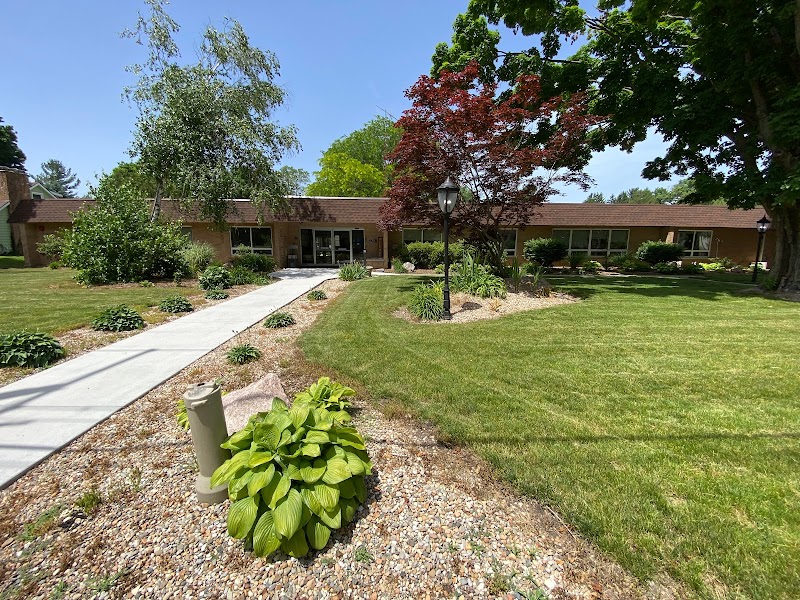
How is Brickyard Healthcare - Laporte Staffed?

CMS rates BRICKYARD HEALTHCARE - LAPORTE CARE CENTER's staffing level at 3 out of 5 stars, which is average compared to other nursing homes. Staff turnover is 33%, compared to the Indiana average of 46%. This relatively stable workforce can support continuity of care.

What Have Inspectors Found at Brickyard Healthcare - Laporte?

State health inspectors documented 37 deficiencies at BRICKYARD HEALTHCARE - LAPORTE CARE CENTER during 2023 to 2025. These included: 37 with potential for harm.
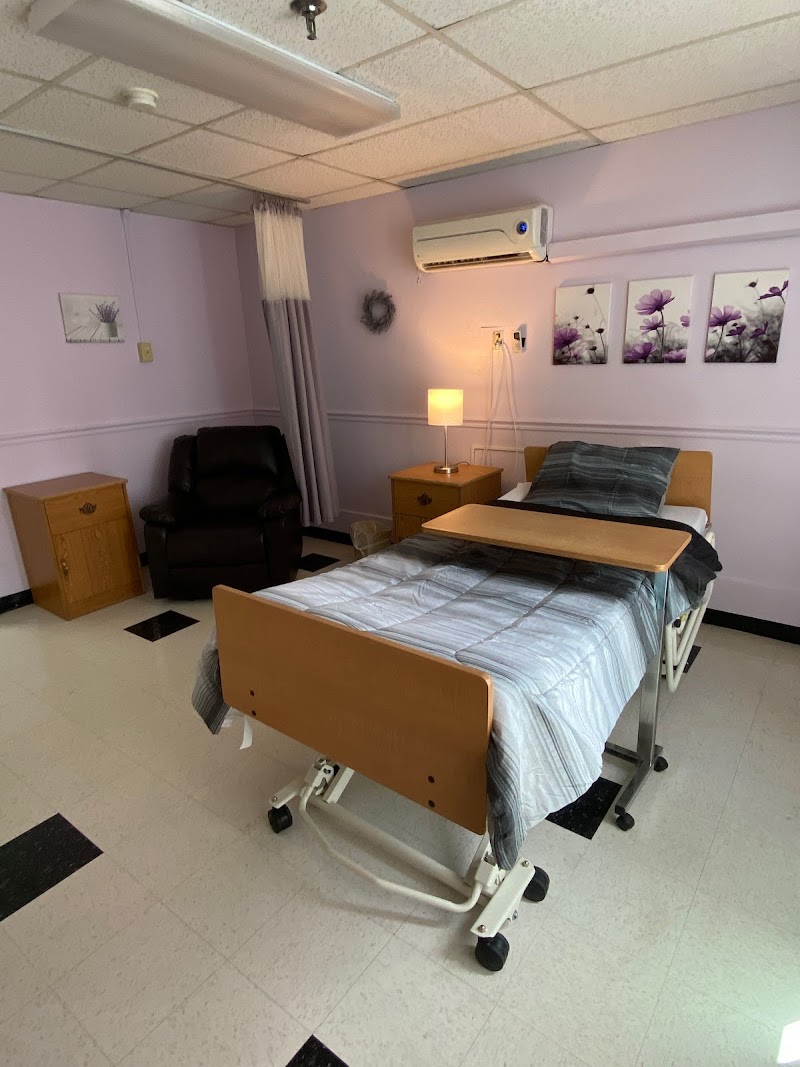
Who Owns and Operates Brickyard Healthcare - Laporte?

BRICKYARD HEALTHCARE - LAPORTE CARE CENTER is owned by a for-profit company. For-profit facilities operate as businesses with obligations to shareholders or private owners. The facility is operated by BRICKYARD HEALTHCARE, a chain that manages multiple nursing homes. With 87 certified beds and approximately 63 residents (about 72% occupancy), it is a smaller facility located in LA PORTE, Indiana.
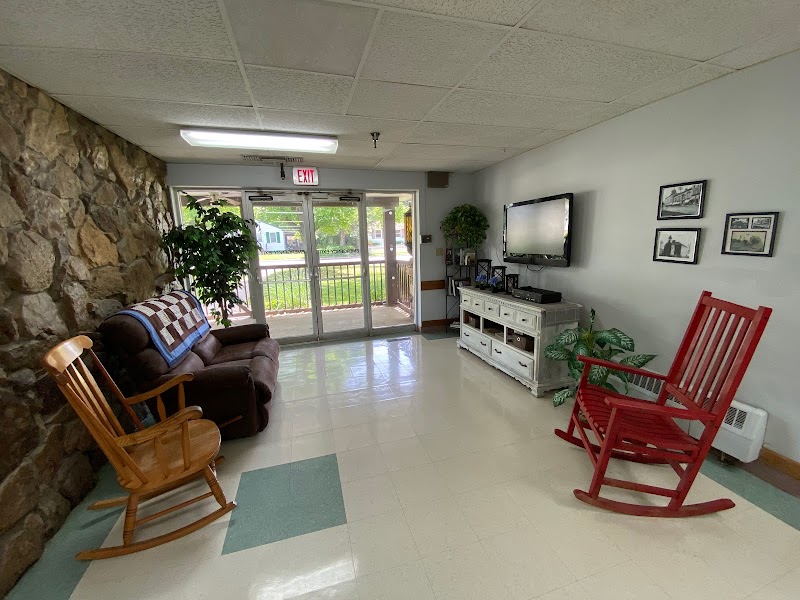
How Does Brickyard Healthcare - Laporte Compare to Other Indiana Nursing Homes?

Compared to the 100 nursing homes in Indiana, BRICKYARD HEALTHCARE - LAPORTE CARE CENTER's overall rating (1 stars) is below the state average of 3.1, staff turnover (33%) is significantly lower than the state average of 46%, and health inspection rating (1 stars) is much below the national benchmark.

What Should Families Ask When Visiting Brickyard Healthcare - Laporte?

Based on this facility's data, families visiting should ask: "Can I visit during a mealtime to observe dining assistance and food quality?" "How do you handle medical emergencies, and what is your hospital transfer rate?" "Can I speak with family members of current residents about their experience?"

Is Brickyard Healthcare - Laporte Safe?

Based on CMS inspection data, BRICKYARD HEALTHCARE - LAPORTE CARE CENTER has a clean safety record: no substantiated abuse findings (meaning no confirmed cases of resident harm), no Immediate Jeopardy citations (the most serious violation level indicating risk of serious injury or death), and is not on the Special Focus Facility watch list (a federal program monitoring the lowest-performing 1% of nursing homes). The facility has a 1-star overall rating and ranks #100 of 100 nursing homes in Indiana. While no facility is perfect, families should still ask about staff-to-resident ratios and recent inspection results during their visit.

Do Nurses at Brickyard Healthcare - Laporte Stick Around?

BRICKYARD HEALTHCARE - LAPORTE CARE CENTER has a staff turnover rate of 33%, which is about average for Indiana nursing homes (state average: 46%). Moderate turnover is common in nursing homes, but families should still ask about staff tenure and how the facility maintains care continuity when employees leave.

Was Brickyard Healthcare - Laporte Ever Fined?

BRICKYARD HEALTHCARE - LAPORTE CARE CENTER has no federal fines on record. CMS issues fines when nursing homes fail to meet care standards or don't correct problems found during inspections. The absence of fines suggests the facility has either maintained compliance or corrected any issues before penalties were assessed. This is a positive indicator, though families should still review recent inspection reports for the full picture.

Is Brickyard Healthcare - Laporte on Any Federal Watch List?

BRICKYARD HEALTHCARE - LAPORTE CARE CENTER is not on any federal watch list. The most significant is the Special Focus Facility (SFF) program, which identifies the bottom 1% of nursing homes nationally based on persistent, serious quality problems. Not being on this list means the facility has avoided the pattern of deficiencies that triggers enhanced federal oversight. This is a positive indicator, though families should still review the facility's inspection history directly.