CREASY SPRINGS HEALTH CAMPUS
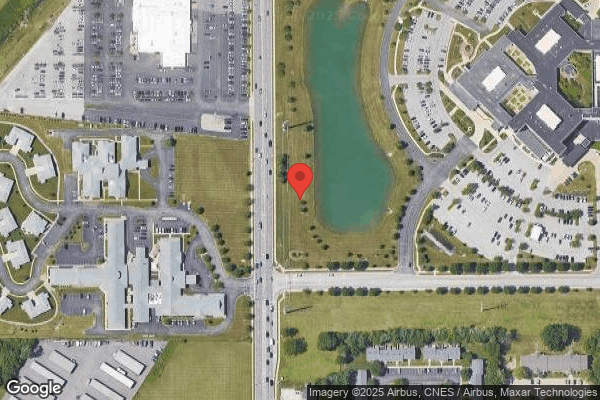
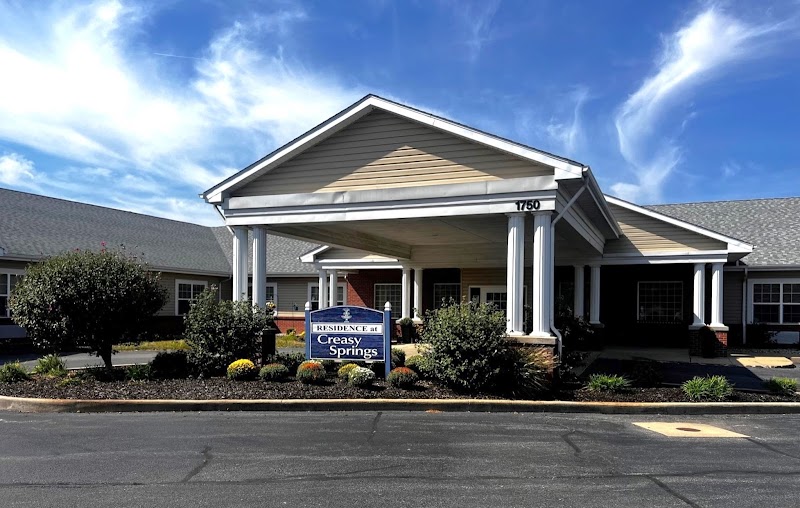
1750 S CREASY LN, LAFAYETTE, IN 47905 (765) 447-6600
For profit - Limited Liability company 71 Beds TRILOGY HEALTH SERVICES Data: November 2025
Trust Grade
48/100
#231 of 505 in IN
Last Inspection: February 2025

Within standard 12-15 month inspection cycle. Federal law requires annual inspections.

Overview

Creasy Springs Health Campus has a Trust Grade of D, which indicates below average performance and raises some concerns about the quality of care provided. It ranks #231 out of 505 facilities in Indiana, placing it in the top half, but only #7 out of 11 in Tippecanoe County, meaning there are better local options available. The facility's trend is worsening, with reported issues increasing from 9 in 2023 to 13 in 2025. Staffing is a relative strength, rated 4 out of 5 stars with a turnover rate of 44%, which is slightly below the state average, suggesting staff retention is better than many facilities. However, the $8,018 in fines is concerning, as it is higher than 84% of Indiana facilities, indicating potential compliance issues. There are serious incidents of care that families should be aware of. For example, one resident experienced hypoglycemia due to improper insulin administration, leading to an emergency room visit, while another resident sustained a laceration during transfer, requiring 31 stitches and resulting in a complicated skin infection. While the quality measures are rated excellent, these specific incidents highlight significant weaknesses in care that families should consider.

Trust Score
D
48/100
In Indiana
#231/505
Top 45%
Safety Record
Moderate
Needs review
Inspections
Getting Worse
9 → 13 violations
Staff Stability
○ Average
44% turnover. Near Indiana's 48% average. Typical for the industry.
Penalties
⚠ Watch
$8,018 in fines. Higher than 85% of Indiana facilities, suggesting repeated compliance issues.
Skilled Nurses
✓ Good
Each resident gets 67 minutes of Registered Nurse (RN) attention daily — more than 97% of Indiana nursing homes. RNs are the most trained staff who catch health problems before they become serious.
Violations
⚠ Watch
30 deficiencies on record. Higher than average. Multiple issues found across inspections.
★★★☆☆
3.0
Overall Rating
★★★★☆
4.0
Staff Levels
★★★★★
5.0
Care Quality
★★☆☆☆
2.0
Inspection Score
Stable
2023: 9 issues
2025: 13 issues

The Good

  • 4-Star Staffing Rating · Above-average nurse staffing levels
  • 5-Star Quality Measures · Strong clinical quality outcomes
  • Full Sprinkler Coverage · Fire safety systems throughout facility
  • No fines on record
  • Staff turnover below average (44%)

    4 points below Indiana average of 48%

Facility shows strength in staffing levels, quality measures, fire safety.

The Bad

3-Star Overall Rating

Near Indiana average (3.1)

Meets federal standards, typical of most facilities

Staff Turnover: 44%

Near Indiana avg (46%)

Typical for the industry

Federal Fines: $8,018

Below median ($33,413)

Minor penalties assessed

Chain: TRILOGY HEALTH SERVICES

Part of a multi-facility chain

Ask about local staffing decisions and management

The Ugly 30 deficiencies on record

2 actual harm
Sept 2025 1 deficiency
CONCERN (D) 📢 Someone Reported This

A family member, employee, or ombudsman was alarmed enough to file a formal complaint

Potential for Harm - no one hurt, but risky conditions existed

Accident Prevention (Tag F0689)

Could have caused harm · This affected 1 resident

**NOTE- TERMS IN BRACKETS HAVE BEEN EDITED TO PROTECT CONFIDENTIALITY** Based on interview and record review, the facility failed to ensure a resident with a diagnosis of dementia, who resided in the ...

Read full inspector narrative →
**NOTE- TERMS IN BRACKETS HAVE BEEN EDITED TO PROTECT CONFIDENTIALITY** Based on interview and record review, the facility failed to ensure a resident with a diagnosis of dementia, who resided in the secured locked unit, was not allowed to leave the facility unsupervised for 1 of 1 resident reviewed for elopement. (Resident B) The deficient practice was corrected on 8/25/25, prior to the start of the survey, and was therefore past noncompliance.Findings include:The clinical record for Resident B was reviewed on 9/8/25 at 2:58 p.m. The diagnoses included, but were not limited to, dementia and Alzheimer's disease.Resident B admitted to the facility on [DATE] at 11:21 a.m.An admission assessment, dated 8/22/25 at 11:24 a.m., indicated Resident B was not exit seeking, had no history of elopement, and ambulated without assistive devices. In a facility documented interview, dated 8/22/25, CNA 5 indicated she heard the door alarm and had directed CNA 2 to check the alarm.In a facility documented interview, dated 8/22/25, CNA 2 indicated she heard the door alarm on 8/22/25 at 6:30 p.m. She identified the location of the alarm. CNA 2 observed Resident B had sounded the alarm to the door. She opened the door with the code and reset the alarm. Resident B indicated he needed to go outside, she reentered the code and allowed the resident to go outside. CNA 2 indicated the resident asked where the [NAME] were located and she directed him toward the [NAME]. She then closed the door and reset the alarm. CNA 2 observed Resident B returning to the facility at 6:55 p.m. and was then aware of what had occurred.In a facility documented interview, dated 8/22/25, CNA 4 indicated around 6:45 p.m., she was riding in a car and recognized Resident B walking on the sidewalk north from the facility. She engaged Resident B in conversation, and she walked the resident back to facility. She indicated CNA 2 thought the resident was a family member and let him outside the facility.A nursing progress note, dated 8/23/25 at 12:38 p.m., indicated Resident B was found by CNA 4. The resident was found in a field area down from the facility before the intersection. Resident B was found at 6:45 p.m. The facility was not aware of Resident B's elopement until they were notified by CNA 4. The door alarm in the memory care unit did alarm when the resident opened the door.During an interview, on 9/8/25 at 12:50 p.m., the Executive Director (ED) indicated Resident B was allowed out of the facility by CNA 2 who thought the resident was a visitor. The resident had been admitted at 11:21 a.m. on 8/22/25 and left the facility at 6:30 p.m. Resident B attempted to leave the facility through the back door of the unit. Resident B had asked CNA 2 for directions to the independent [NAME]. CNA 2 let Resident B out the back door. The resident was found by staff at 6:45 p.m. and escorted back to facility by 6:55 p.m. Resident B was 10 minutes away and 0.5 miles. Resident B was assessed and had no injuries. The staff had been reeducated, CNA was disciplined, and audits were ongoing.During an interview, on 9/8/25 at 4:40 p.m., the Director of Health Service (DOHS) indicated CNA 2 should not have allowed Resident B to exit the facility. All staff have been re-educated on the elopement policy and procedures. Staff were the only ones allowed to leave the facility through a door which was not the front door. The facility had ongoing audits, elopement drills, resident assessments related to elopement and exit seeking behaviors.A current facility policy, titled Guideline of Elopement/ Missing Resident, dated as revised on 12/17/24 and provided by the ED on 9/8/25 at 4:48 p.m., indicated .It is the responsibility of all personnel to report any residents attempting to leave the premises or suspected of being missing to the charge nurse as soon as possible The deficient practice was corrected by 8/25/25, after the facility implemented a plan which included a thorough investigation, door checks, elopement assessments and care plans were updated, all staff members were re-educated on elopement, ongoing elopement drills and audits are being conducted, CNA 2 was suspended and disciplined.This citation relates to Intake 2598553.3.1-45(a)(2)
Feb 2025 12 deficiencies
CONCERN (D)

Potential for Harm - no one hurt, but risky conditions existed

Resident Rights (Tag F0550)

Could have caused harm · This affected 1 resident

Based on observation, interview and record review, the facility failed to ensure a resident was treated with respect and dignity by a staff member during meal service for 1 of 1 resident reviewed for ...

Read full inspector narrative →
Based on observation, interview and record review, the facility failed to ensure a resident was treated with respect and dignity by a staff member during meal service for 1 of 1 resident reviewed for dignity. (Resident 26) Findings include: During an observation, on 1/30/25 at 12:10 p.m., Resident 26 was sitting in his wheelchair in the dining room. Certified Nursing Assistant (CNA) 9 was standing on Resident 26's left side as she assisted him with feeding. CNA 9 remained standing for the entirety of the meal. The clinical record for Resident 26 was reviewed on 2/4/25 at 10:27 a.m. The diagnoses included, but were not limited to, Alzheimer's, hypertensive, anxiety disorder, tachycardia, dementia, and acute kidney failure. A care plan, dated 12/27/24, indicated the resident had experienced significant weight loss. The interventions included, but were not limited to, offer the resident encouragement and assistance with eating and report difficulties swallowing. During an interview, on 1/30/25 at 12:19 p.m., CNA 2 indicated she would sometime stand up and walk around feeding multiple residents if the room was full. CNA 2 indicated staff should not stand when feeding residents. During an interview, on 2/4/25 at 8:50 a.m., CNA 9 indicated she was not supposed to stand up while feeding the resident. She indicated standing up while feeding a resident could make the resident feel intimated. A facility document, titled Resident Rights, indicated .examples of treating residents with dignity and respect include .promoting resident independence and dignity while dining, such as avoiding .staff standing over residents while assisting them to eat A current facility policy, titled Resident Rights Guidelines, dated 12/31/23 and received at the entrance conference, indicated .To ensure resident rights are respected and protected and provide an environment in which they can be exercised .Our residents have a right to .be treated with dignity and respect . A current facility procedure, titled FEEDING, undated and received from the Executive Director (ED) on 2/4/25 at 10:34 a.m., indicated .confirm dietary card/tray .explain procedure .have resident wash hands .sit on unaffected side eye level with resident and facing them .make conversation with the resident; atmosphere should be pleasant 3.1-3(t)
CONCERN (D)

Potential for Harm - no one hurt, but risky conditions existed

Deficiency F0578 (Tag F0578)

Could have caused harm · This affected 1 resident

Based on interview and record review, the facility failed to promptly implement a do not resuscitate (DNR) order based on a resident's signed advance directive wishes for 2 of 3 residents reviewed for...

Read full inspector narrative →
Based on interview and record review, the facility failed to promptly implement a do not resuscitate (DNR) order based on a resident's signed advance directive wishes for 2 of 3 residents reviewed for advance directives. (Resident 152 and 160) Findings include: 1. The clinical record for Resident 152 was reviewed on 2/4/25 at 2:31 p.m. The diagnoses included, but were not limited to, cerebral infarction, metabolic encephalopathy, Alzheimer's disease, pneumonia, atrial fibrillation, hypertensive heart and chronic kidney disease with heart failure, and chronic diastolic (congestive) heart failure. An Indiana advance directive form, signed on 1/13/25, indicated the resident wished to not have life prolonging measures. An Indiana Physician Orders for Scope of Treatment (POST) form, signed on 1/13/25, indicated the resident chose to be a DNR. A physician's order, dated 1/23/25 at 2:32 p.m., indicated full code status. A State of Indiana Out of Hospital Do Not Resuscitate Declaration and Order form, signed on 1/23/25, indicated the resident was to be a DNR upon admission to the facility on 1/23/25. A physician's order, dated 1/24/25, indicated DNR code status. During an interview, on 2/5/25 at 10:40 a.m., the Legacy Director indicated the facility met with the resident and their representative at admission and discussed their desired code status. Then they make sure the paperwork was signed, scan the forms into the electronic medical record, and put the order in the computer for the chosen code status. As the facility prepared for a new admission, sometimes they would already have advance directive information and would only need to review the choices to make sure those are the current wants. The current code status was listed on the face sheet and at the top of the resident's information bar in the electronic medical record based on the physician's order so staff could quickly see the information during an emergency. 2. The clinical record for Resident 160 was reviewed on 2/3/25 at 12:57 p.m. The diagnoses included, but were not limited to, fracture of neck of right femur, fracture of the lower end of the right radius, metabolic encephalopathy, sepsis, bilateral acute embolism and thrombosis of tibial vein, chronic myeloproliferative disease, and lumbar spinal stenosis. A physician's order, dated 1/7/25, indicated the resident was a full code. A State of Indiana Out of Hospital Do Not Resuscitate Declaration and Order, dated and signed on 1/9/25, indicated the resident wanted a DNR code status. A social service progress note, dated 1/9/25 at 11:59 a.m., indicated the desired advance directive was reviewed with the resident and her family during the admission care plan meeting. A current care plan, dated 1/13/25, indicated the resident had chosen an advance directive of DNR. A physician's order, dated 1/17/25, indicated the resident's code status was DNR. During an interview, on 2/5/25 at 11:07 a.m., QMA 3 indicated during an emergency she would know the resident's code status by looking at the top of the resident information section in the electronic medical record or the resident's information sheet. A current facility policy, titled Guidelines for Advanced Directives, dated 9/26/24 and received from the Clinical Support Nurse on 2/4/25 at 9:00 a.m., indicated .Advanced Directives will be reviewed with resident and/or resident representative .at time of admission The resident or representative will advise .regarding wishes for end of life directives and code status .The nursing staff will obtain an order from the attending physician for the desired code status 3.1-4(f)(5)
CONCERN (D)

Potential for Harm - no one hurt, but risky conditions existed

PASARR Coordination (Tag F0644)

Could have caused harm · This affected 1 resident

Based on interview and record review, the facility failed to ensure a revised Preadmission Screen and Resident Review (PASARR) level I was submitted to reflect a resident's current diagnoses and medic...

Read full inspector narrative →
Based on interview and record review, the facility failed to ensure a revised Preadmission Screen and Resident Review (PASARR) level I was submitted to reflect a resident's current diagnoses and medications for 1 of 2 residents reviewed for PASARR. (Resident 32) Findings include: The clinical record for Resident 32 was reviewed on 2/4/25 at 11:05 a.m. The diagnoses included, but were not limited to, anxiety, depression, and adjustment disorder with mixed anxiety and depressed mood. A PASARR level I, dated 1/7/25, indicated no mental health diagnoses were known, or suspected and no mental health medications were being prescribed. A physician's order, dated 1/6/25, indicated to give trazodone (an antidepressant medication) 50 milligram (mg) daily. A physician's order, dated 1/7/25, indicated to give sertraline (an antidepressant medication) 25 mg daily. A physician's order, dated 1/7/25, indicated to give buspirone (an anxiety medication) 5 mg daily. There was no PASARR level I completed to reflect the resident's orders for sertraline, trazodone, and buspirone and the resident's mental health diagnoses. During an interview, on 2/5/25 at 2:27 p.m., the Social Service Director (SSD) indicated a new level I PASARR was not completed to reflect the diagnoses and medications, and no mental health diagnoses or medications were included on the PASARR, dated 1/7/25, and submitted by the facility admissions coordinator. A current facility policy, titled PASRR Level 1 and 2 General Quick Reference Guide, undated and received from the Director of Nursing (DON) on 2/5/25 at 3:08 p.m., indicated .Below are items that can/will trigger a Level II PASRR .Individual has a severe mental illness .diagnosis ex .Major Depression Disorder, Anxiety Disorder .individual has a Psych DX and/or Psych Rx regiment from a MD 3.1-16(d)(1)(A) 3.1-16(d)(1)(B)
CONCERN (D)

Potential for Harm - no one hurt, but risky conditions existed

Quality of Care (Tag F0684)

Could have caused harm · This affected 1 resident

Based on interview and record review, the facility failed to ensure medications were held according to the physician's ordered parameters for 1 of 5 residents reviewed for unnecessary medications. (Re...

Read full inspector narrative →
Based on interview and record review, the facility failed to ensure medications were held according to the physician's ordered parameters for 1 of 5 residents reviewed for unnecessary medications. (Resident 4) Findings include: The clinical record for Resident 4 was reviewed on 2/4/25 at 10:31 a.m. The diagnoses included, but were not limited to, essential primary hypertension, hypertensive chronic kidney disease with stage 1 through stage 4 chronic kidney disease, and type 2 diabetes mellitus. A physician's order, dated 4/11/23, indicated to give lisinopril (a blood pressure medication) 20 milligrams (mg) daily with special instructions to hold the medication for a systolic blood pressure less than 110. A Medication Administration Record (MAR), dated 7/1/24 through 7/31/24, indicated lisinopril was administered on 7/7/24 with a systolic blood pressure of 105 and on 7/14/24 with a systolic blood pressure of 102. A MAR, dated 8/1/24 through 8/31/24, indicated lisinopril was administered on 8/15/24 with a systolic blood pressure of 102 and on 8/26/24 with a systolic blood pressure of 103. A MAR, dated 9/1/24 through 9/30/24, indicated lisinopril was administered on 9/11/24 with a systolic blood pressure of 99. A MAR, dated 10/1/24 through 10/31/24, indicated lisinopril was administrated on 10/8/24 with a systolic blood pressure of 97. A care plan, dated 1/28/25, indicated Resident 4 had CKD (chronic kidney disease) with an intervention to administer medications as ordered. During an interview, on 2/4/25 at 2:38 p.m., an anonymous nurse indicated if a resident's blood pressure was outside of a hold parameter, the medication should be held. When a medication was held, there would be parenthesis on the MAR indicating a medication was held. A current facility policy, titled Preparation and General Guidelines IIA2: Medication Administration- General Guidelines, dated 11/18 and received from the Director of Nursing (DON) on 2/4/25 at 10:50 a.m., indicated .Medications are administered as prescribed A current facility policy, titled Specific Medication Administration Procedures IIB2: Oral Medication Administration, dated 11/18 and received from the Clinical Support nurse on 2/4/25 at 11:48 a.m., indicated .Review and confirm medication orders for each individual resident on the Medication Administration Record PRIOR to administering medications .Review medication administration record for any tests or vitals that need to be determined prior to preparing the medication 3.1-37(a)
CONCERN (D)

Potential for Harm - no one hurt, but risky conditions existed

Respiratory Care (Tag F0695)

Could have caused harm · This affected 1 resident

Based on observation, interview and record review, the facility failed to ensure a physician's order was obtained for the administration of oxygen for 2 of 4 residents reviewed for respiratory care. (...

Read full inspector narrative →
Based on observation, interview and record review, the facility failed to ensure a physician's order was obtained for the administration of oxygen for 2 of 4 residents reviewed for respiratory care. (Resident 150 and 156) Findings include: 1. During an observation, on 1/30/25 at 10:20 a.m., the resident was sitting in the chair in his room wearing 2 liters of oxygen via nasal cannula. He indicated he had been wearing oxygen yesterday and all during the night. The clinical record for Resident 150 was reviewed on 1/31/25 at 2:30 p.m. The diagnoses included, but were not limited to, pulmonary fibrosis, metabolic encephalopathy, chronic obstructive pulmonary disease, atelectasis, hypertensive heart and chronic kidney disease with heart failure, pulmonary hypertension, atrial fibrillation, and peripheral vascular disease. A vital signs report, dated 1/27/25 through 1/31/25, indicated the resident was on 1.5 liters of oxygen on 1/30/25 at 2:51 a.m. and on 2 liters of oxygen at 8:49 a.m. A current care plan, dated 1/28/25, indicated the resident had shortness of breath related to pulmonary fibrosis and to administer oxygen per the physician's order. A nursing progress note, dated 1/29/25 at 9:49 p.m., indicated the resident used oxygen at night at the hospital prior to his arrival at the facility. A nursing progress note, dated 1/30/25 at 9:03 a.m., indicated the resident was on 2 liters of oxygen via nasal cannula. An Interdisciplinary Team (IDT) progress note, dated 1/30/25 at 5:10 p.m., indicated the hospital reported the resident used oxygen at night. A physician's order, dated 1/30/25 at 5:13 p.m., indicated to administer oxygen at 2 liters per minute per nasal cannula as needed to keep sats >92%. During an interview, on 2/3/25 at 9:53 a.m., the Clinical Support Nurse indicated the resident did not have an order for oxygen administration prior to 1/30/25. 2. The clinical record for Resident 156 was reviewed on 1/31/25 at 2:27 p.m. The diagnoses included, but were not limited to, hemiplegia and hemiparesis following cerebral infarction affecting left non-dominant side, facial weakness, type 2 diabetes mellitus, hypertensive heart and chronic kidney disease with heart failure, acute systolic congestive heart failure, chronic kidney disease, non-ST elevation myocardial (NSTEMI), and asthma. A nursing progress note, dated 1/25/25 at 2:23 a.m., indicated the resident was placed on oxygen at 2 liters per nasal cannula for O2 saturations of 88%. A nursing progress note, dated 1/25/25 at 11:30 p.m., indicated the resident's oxygen was increased to 3 liters per nasal cannula. An IDT Respiratory/Emesis/SOB event note, dated 1/27/25 at 11:40 a.m., indicated the nurse practitioner was notified of the resident's signs and symptoms and multiple orders were received which did not include an order for oxygen administration. A nursing progress note, dated 1/27/25 at 11:05 p.m., indicated the resident was on oxygen. A nursing progress note, dated 1/28/25 at 10:31 p.m., indicated the resident was on oxygen. A physician's order, dated 1/29/25, indicated to administer oxygen at 1-5 liters per minute per nasal cannula to keep O2 saturation about 92%. During an interview, on 2/3/25 at 9:53 a.m., the Clinical Support Nurse indicated the resident did not have an order for oxygen administration prior to 1/29/25. During an interview, on 2/5/25 at 2:43 p.m., RN 2 indicated if a resident needed oxygen due to low saturations, she would call the physician to let him know and get an order for oxygen. A current facility policy, titled Administration of Oxygen, dated 12/13/24 and provided by the Clinical Support Nurse on 2/4/25 at 9:00 a.m., indicated .Verify physician's order for the procedure. 2. In cases of emergency oxygen may be administered as a nursing intervention until a physician order may be obtained 3.1-47(a)(6)
CONCERN (D)

Potential for Harm - no one hurt, but risky conditions existed

Deficiency F0757 (Tag F0757)

Could have caused harm · This affected 1 resident

Based on interview and record review, the facility failed to ensure an order to give Augmentin 500 milligrams (mg) was discontinued when a new order to give Augmentin 875 mg was received which resulte...

Read full inspector narrative →
Based on interview and record review, the facility failed to ensure an order to give Augmentin 500 milligrams (mg) was discontinued when a new order to give Augmentin 875 mg was received which resulted in double doses of the antibiotic for pneumonia for 1 of 2 residents reviewed for antibiotics. (Resident 156) Findings include: During an interview, on 1/31/25 at 10:32 a.m., the resident indicated she had been sick and coughing with pneumonia. The clinical record for Resident 156 was reviewed on 1/31/25 at 2:27 p.m. The diagnoses included, but were not limited to, hemiplegia and hemiparesis following cerebral infarction affecting left non-dominant side, facial weakness, type 2 diabetes mellitus with hyperglycemia, hypertensive heart and chronic kidney disease with heart failure, congestive heart failure, non-ST elevation myocardial (NSTEMI), and asthma. A lab report, dated 1/21/25, indicated the resident's GFR (glomerular filtration rate: a blood test to measure kidney function) was low at 24. The normal range was greater than 60. A physician's order, dated 1/24/25, indicated to give Augmentin (amoxicillin and clavulanate potassium) 500-125 milligram (mg) tablet every 12 hours with a stop date of 2/2/25. A physician's order, dated 1/27/25, indicated to give Augmentin 875-125 mg tablet every 12 hours with a stop date of 2/2/25. A Medication Administration Record (MAR), dated 1/27/25 through 2/3/25, indicated the resident received the generic form of Augmentin 875-125 mg at 7:00 a.m. and 7:00 p.m. and the generic form of Augmentin 500-125 mg at 9:00 a.m. and 9:00 p.m. until 2/2/25. During an interview, on 2/4/25 at 3:45 p.m., the Assistant Director of Nursing/Infection Preventionist indicated she was aware the resident was ordered a second dosing of the same antibiotic for pneumonia but had not verified the first dose had been discontinued. During an interview, on 2/5/25 at 2:44 p.m., Pharmacist 4 indicated when the pharmacy received a new order the pharmacist looked for duplicates and would cancel the previous order in their system. The facility usually sent a discontinue order for the duplicate with the new order, but he did not see one for the Augmentin. The pharmacy system did not flow over to the facility's MAR, so both doses would remain on the facility's MAR if the facility did not discontinue the order for the first dose. Residents with impaired kidney function needed a lower dose of Augmentin. He thought the 500 mg dose would have been okay for the resident but not the 875 mg. She should not receive both doses with her GFR of 24. During an interview, on 2/5/25 at 3:59 p.m., LPN 5 indicated if she would see a duplicate medication on the MAR with different doses, she would check the doctor's orders and the progress notes to see what she should give. If she still was not sure, she would call the pharmacy number and get in touch with a pharmacist who could help her determine what to do. LPN 5 had not given the resident medications during the double dosing period. A Medication Error Event progress note, dated 2/4/25 at 4:34 p.m., indicated a medication error occurred on 1/27/25 at 12:51 p.m. of a duplicate order resulting in the resident receiving Augmentin 875-125 mg every 12 hours and Augmentin 500-125 mg every 12 hours. FDA DOSAGE AND ADMINISTRATION: HIGHLIGHTS OF PRESCRIBING INFORMATION. Augmentin (amoxicillin and clavulanate potassium), https://www.accessdata.fda.gov. Accessed 4 February 2025. indicated The usual adult dose is one 500-mg tablet of AUGMENTIN every 12 hours or one 250-mg tablet of AUGMENTIN every 8 hours. For more severe infections and infections of the respiratory tract, the dose should be one 875-mg tablet of AUGMENTIN every 12 hours or one 500-mg tablet of AUGMENTIN every 8 hours .Patients with impaired renal function .Severely impaired patients with a glomerular filtration rate of <30 mL/min. should not receive the 875-mg tablet. Patients with a glomerular filtration rate of 10 to 30 mL/min. should receive 500 mg or 250 mg every 12 hours, depending on the severity of the infection 3.1-48(a)(1)
CONCERN (D)

Potential for Harm - no one hurt, but risky conditions existed

Deficiency F0761 (Tag F0761)

Could have caused harm · This affected 1 resident

**NOTE- TERMS IN BRACKETS HAVE BEEN EDITED TO PROTECT CONFIDENTIALITY** Based on observation, interview and record review, the facility failed to ensure compromised controlled substance medications we...

Read full inspector narrative →
**NOTE- TERMS IN BRACKETS HAVE BEEN EDITED TO PROTECT CONFIDENTIALITY** Based on observation, interview and record review, the facility failed to ensure compromised controlled substance medications were disposed of and unopened insulin was stored in the refrigerator for 2 of 2 medication carts (200 hall and 300 hall) and to ensure supplies were not stored under the sink in a medication room for 1 of 2 medication rooms reviewed for medication storage. (the 200-medication room) Findings include: 1. During an observation, on [DATE] at 1:18 p.m., the 200-hall medication cart had a compromised controlled substance card of lorazepam (for anxiety) 0.5 milligrams (mg) for Resident 26 with the 8 and 16 slots taped on the back of the card. The clinical record for Resident 26 was reviewed on [DATE] at 10:27 a.m. The diagnoses included, but were not limited to, Alzheimer's, hypertensive, anxiety disorder, tachycardia, dementia, and acute kidney failure. The medication card indicated the lorazepam 0.5 mg tablets had expired on [DATE]. There was no current order for the lorazepam 0.5 mg tablets in the Electronic Health Record (EHR). During an interview, on [DATE] at 1:20 p.m., Licensed Practical Nurse (LPN) 10 indicated when she started the shift, she counted the narcotics with the nurse and did not notice the tape on the back of the card. The two pills would need to be destroyed by two nurses. During an interview, on [DATE] at 1:23 p.m., the Assistant Director of Nursing (ADON) indicated the medication card should not have tape on the back of the card. The pills needed to be destroyed by two nurses. 2. During an observation, on [DATE] at 1:36 p.m., the 300-hall medication cart had a plastic bag with an unopened Humalog 100 unit/milliliter (ml) insulin pen for Resident 250. The bag had a sticker with instructions to keep the insulin in the refrigerator until it was opened. The clinical record for Resident 250 was reviewed on [DATE] at 3:40 p.m. The diagnoses included, but were not limited to, diabetes mellitus, atrial fibrillation, acute kidney failure, congestive heart failure, and anxiety disorder. A physician's order, dated [DATE], indicated to inject Humalog 100 unit/ml insulin subcutaneous before meals and to use according to the sliding scale. During an interview, on [DATE] at 1:41 p.m., LPN 11 indicated the package containing the insulin pen had instructions to keep the pen refrigerated until it was opened. During an interview, on [DATE] at 2:05 p.m., the Director of Nursing (DON) indicated an unopened insulin pen should be stored in the refrigerator until it was needed. The insulin pen should be destroyed and not put back in the refrigerator. 3. During an observation, on [DATE] at 1:25 p.m., the 200-medication room had two sleeves of drinking cups stored under the sink. During an interview, on [DATE] at 1:30 p.m., the Assistant Director of Nursing (ADON) indicated nothing should be stored under the sink in the medication room and the cups needed to be destroyed. A current policy, titled Guidelines for Disposal of Controlled Drugs, dated as revised [DATE] and received by the DON on [DATE] at 2:10 p.m., indicated .To ensure controlled substances are destroyed in accordance with State Laws and Federal Regulations .Immediately upon discontinuation, but no longer than three (3) business days after discontinuation of a patient's-controlled substance medication .The same two nurses - and DHS or DON .who removed the controlled substance medication from the medication cart shall transfer the medication to the Med Safe collection receptacle for disposal A current policy, titled Medication Storage in the Facility, dated as revised 11/2018 and received by the DON on [DATE] at 2:10 p.m., indicated .Outdated, contaminated, or deteriorated medication and those in containers that are cracked, soiled, or without secure closures are immediately removed from inventory, disposed of according to procedures for medication disposal .Expiration dates (beyond-use date) of dispensed medication shall be determined by the pharmacist at the time of dispensing .When the beyond-use dating for a medication identifies a month and year, the medication can be used through the last day of the month .Blister-pack cards .12 months from the date of dispensing .The medication administration personnel will check the expiration date of each medication before administrating it .Disposal of any medications prior to the expiration dating will be required if contamination or decomposition is apparent 3.1-25(m) 3.1-25(o)
CONCERN (D)

Potential for Harm - no one hurt, but risky conditions existed

Deficiency F0808 (Tag F0808)

Could have caused harm · This affected 1 resident

**NOTE- TERMS IN BRACKETS HAVE BEEN EDITED TO PROTECT CONFIDENTIALITY** Based on observation, interview and record review, the facility failed to accurately initiate the correct diet orders upon admis...

Read full inspector narrative →
**NOTE- TERMS IN BRACKETS HAVE BEEN EDITED TO PROTECT CONFIDENTIALITY** Based on observation, interview and record review, the facility failed to accurately initiate the correct diet orders upon admission and to provide a lunch tray in the correct consistency for 2 of 6 residents reviewed for dining. (Resident 151 and 156). Findings include: 1. During an observation, on 1/30/25 at 11:43 a.m., Resident 151 was sitting at a table in the dining room waiting for her lunch. The Administrator entered the dining room carrying the resident's plate and placed it in front of the resident with the chicken tenders facing her. The meal ticket indicated to serve a regular consistency diet, and the plate had 2 large whole chicken tenders, fries, and a piece of blueberry pie with regular crust. The resident grabbed a fry and began eating it. CNA 2 was assisting the resident with getting her fork when the cook brought out another piece of pie. The Speech Therapist looked over and told them Resident 151 was on a mechanical soft diet. The cook took the extra piece of pie with him and exited the dining room. The Speech Therapist indicated the fries were considered a mechanical soft food, but the chicken tenders and pie were not. CNA 2 stood up and turned the plate around so that the fries were in front of the resident and left the resident with the chicken fingers and pie while the CNA went out of the room. The Speech Therapist continued to assist another resident with eating. CNA 2 returned to the speech therapist and told her the kitchen was preparing another plate. The cook brought in a mechanical soft meal and exchanged the plates. He also took the white regular meal ticket and replaced it with a blue mechanical soft ticket. The new plate had cottage cheese, fries, and mechanical soft chicken pot pie covered with brown gravy. The resident started dipping her fry into her cottage cheese and cleared her throat with a soft cough. After a drink and eating a bite of cottage cheese without difficulty, she cleared her throat with a cough after another bite of the fry. The clinical record for Resident 151 was reviewed on 2/3/25 at 2:07 p.m. The diagnoses included, but were not limited to, cerebrovascular accident (CVA), altered mental status, Alzheimer's dementia, hypertension, and dysphagia. A hospital speech therapy note, dated 1/24/25, indicated the recommended diet was minced and moist with 1:1 feeding assistance to implement safe swallow strategies which included to alternate bites of food with drinks, add moisture to foods, and to clear pocketing. A hospital Discharge summary, dated [DATE], indicated a discharge diet of Level 5 Minced and Moist. A facility nurse's progress note, dated 1/27/25 at 8:00 p.m., indicated the resident was noted to pocket food on a minced diet. A physician's order, dated 1/27/25 and discontinued 1/28/25 at 10:08 a.m., indicated a regular consistency diet. A facility speech therapy note, dated 1/28/25 at 3:09 p.m., indicated to continue the hospital discharge diet with supervision and assistance. To have Resident 151 take small bites and sips, eat slowly, alternate liquids and solids, use a lingual sweep and then provide oral care after meals due to pocketing. A safe feeding technique form was provided at the nursing station and education to the floor nurse was provided. A current care plan, dated 1/28/25, indicated a regular diet and to provide a diet as ordered. A physician's order, dated 1/28/25 and discontinued on 1/29/25 at 8:33 p.m., indicated a mechanical soft consistency diet. A physician's order, dated 1/29/25, indicated to give a mechanical soft diet with pureed meat. During an interview, on 2/5/25 at 10:40 a.m., the Legacy Neighborhood Director indicated they used the hospital discharge orders as the facility admission orders. During an interview, on 2/5/25 at 11:02 a.m., the Director of Dining Services indicated the kitchen's ticket system relied on the diet order placed in the electronic medical record transferring over into their system. The diet tickets for each resident were already printed for lunch, so if the diet had changed close to a mealtime, the staff would need to come let the kitchen know. During an interview, on 2/5/25 at 11:07 a.m., QMA 3 indicated diet modifications and any cueing or swallowing assistance needed by residents were easy to find and on the resident's profile sheet. During an interview, on 2/5/25 at 2:55 p.m., the Speech Therapist indicated she would initially use the hospital discharge summary and speech therapy notes to recommend the diet. She did not change a resident's diet from the hospital's recommendation until she had watched Resident 151 over several days and mealtimes and talked to the staff and family. A current Diet Order Formulary and Translation Guide, dated 2/24 and provided by the Administrator on 2/4/25 at 12:15 p.m., indicated the Mechanical Soft with Pureed meats should be ordered in place of Level 5 Minced and Moist from the hospital. 2. During an observation, on 1/31/25 at 9:08 a.m., Resident 156 was in her room coughing up sputum with 2 liters of oxygen administered via nasal cannula. She indicated she had been sick and coughing for a few days with pneumonia. The clinical record for Resident 156 was reviewed on 1/31/25 at 2:27 p.m. The diagnoses included, but were not limited to, hemiplegia and hemiparesis following cerebral infarction affecting left non-dominant side, facial weakness, type 2 diabetes mellitus, hypertensive heart and chronic kidney disease with heart failure, acute systolic congestive heart failure, chronic kidney disease, non-ST elevation myocardial (NSTEMI), and asthma. A hospital after visit summary, dated 1/4/25, indicated a discharge diet order of Level 6 Soft and Bite-Sized consistency. A physician's order, dated 1/4/25, indicated to give a regular consistency diet. A dietitian note, dated 1/8/25 at 9:44 p.m., indicated the Resident 156 was on a regular consistency diet. A speech therapist note, dated 1/10/25 at 4:38 p.m., indicated she attempted to evaluate the resident but was unable to evaluate her due to the resident vomiting. A physician's order, dated 1/14/25, indicated a diet of regular consistency was ordered. A nursing progress note, dated 1/24/25 at 12:30 p.m., indicated the resident had a productive cough and the nurse practitioner was concerned about aspiration due to the resident reported coughing with meals and pneumonia. A speech therapist note, dated 1/24/25 at 3:16 p.m., indicated nursing had reported the resident had pneumonia, and the nurse practitioner would like the resident evaluated for possible aspiration. During an interview, on 2/4/25 at 2:03 p.m., the Clinical Support Nurse indicated the facility did not see the Soft and Bite-sized diet consistency order on the hospital discharge orders, so they ordered a regular diet. A current Diet Order Formulary and Translation Guide, dated 2/24 and provided by the Administrator on 2/4/25 at 12:15 p.m., indicated the Mechanical Soft should be ordered in place of Level 6 Soft and Bite-Sized from the hospital. 3.1-21(a)(3) 3.1-21(b)
CONCERN (D)

Potential for Harm - no one hurt, but risky conditions existed

Infection Control (Tag F0880)

Could have caused harm · This affected 1 resident

Based on observation, interview and record review, the facility failed to ensure staff wore gloves when touching a resident's medication for 1 of 1 resident randomly observed for infection control. (R...

Read full inspector narrative →
Based on observation, interview and record review, the facility failed to ensure staff wore gloves when touching a resident's medication for 1 of 1 resident randomly observed for infection control. (Resident 31) Findings include: During an observation, on 1/31/25 at 10:40 a.m., QMA 3 brought a pain pill in for the resident along with his morning pills in a small medication cup. The resident indicated he did not want his morning pills until he had food, but he did want to take the pain pill. QMA 3 then picked the pain pill out of the other pills without donning gloves and handed it to Resident 31. The resident attempted to put the pill into his mouth but dropped it onto his shirt. QMA 3 picked the pill up off the resident's shirt and placed it in his mouth without gloves. The clinical record for Resident 31 was reviewed on 2/4/25 at 9:06 a.m. The diagnoses included, but were not limited to, end stage renal disease, chronic diastolic (congestive) heart failure, hypertensive heart and chronic kidney disease, end stage renal disease, and dependence on renal dialysis. A physician's order, dated 1/20/25, indicated give hydrocodone-acetaminophen 7.5-325 mg three times a day as needed for pain. During an interview, on 1/31/25 at 11:01 a.m., QMA 3 indicated she should not have touched the pill with her bare hands and should have worn gloves when handling the medication. A current facility policy, titled Specific Medication Administration Procedures IIB2: Oral Medication Administration, dated 11/18 and received from the Clinical Support nurse on 2/4/25 at 11:48 a.m., indicated .For solid medications: pour or push the correct number of tablets or capsules into the souffle' cup, taking care to avoid touching the tablet or capsule, unless wearing gloves 3.1-18(b)(5)
CONCERN (D)

Potential for Harm - no one hurt, but risky conditions existed

Antibiotic Stewardship (Tag F0881)

Could have caused harm · This affected 1 resident

Based on interview and record review, the facility failed to ensure the antibiotic stewardship program included a system to monitor duplicate dosing antibiotic use for 1 of 2 residents reviewed for an...

Read full inspector narrative →
Based on interview and record review, the facility failed to ensure the antibiotic stewardship program included a system to monitor duplicate dosing antibiotic use for 1 of 2 residents reviewed for antibiotic stewardship. (Resident 156) Findings include: During an interview, on 1/31/25 at 10:32 a.m., Resident 156 indicated she had been sick and coughing with pneumonia The clinical record for Resident 156 was reviewed on 1/31/25 at 2:27 p.m. The diagnoses included, but were not limited to, hemiplegia and hemiparesis following cerebral infarction affecting left non-dominant side, facial weakness, type 2 diabetes mellitus, hypertensive heart and chronic kidney disease with heart failure, acute systolic congestive heart failure, chronic kidney disease, non-ST elevation myocardial (NSTEMI), and asthma. A lab report, dated 1/21/25, indicated the resident's GFR (glomerular filtration rate: a blood test to measure kidney function) was low at 24. The normal range was greater than 60. A nursing progress note, dated 1/24/25 at 12:30 p.m., indicated the resident had nausea, vomiting, head congestion, and a productive cough. A chest x-ray was completed and a verbal order from the nurse practitioner for Augmentin and nausea medication was received. A physician's order, dated 1/24/25, indicated to give Augmentin (amoxicillin and clavulanate potassium) 500-125 milligram (mg) tablet every 12 hours with a stop date of 2/2/25. A physician's order, dated 1/27/25, indicated to give Augmentin 875-125 milligram (mg) tablet every 12 hours with a stop date of 2/2/25. The electronic medical record did not include a discontinue order for Augmentin 500-125 mg. The electronic medical record did not include documentation of the need for the increased dosage of the antibiotic. A Medication Administration Record (MAR), dated 1/27/25 through 2/3/25, indicated the resident received the generic form of Augmentin 875-125 mg at 7:00 a.m. and 7:00 p.m. and the generic form of Augmentin 500-125 mg at 9:00 a.m. and 9:00 p.m. until 2/2/25. A nursing progress note, dated 1/28/25 at 2:07 p.m., indicated the resident was complaining of nausea but was having no signs or symptoms of an adverse reaction to the antibiotics. An Antibiotic Tracking log, dated January 2025, indicated the resident was on Augmentin 500 mg for pneumonia on 1/24/25 and the resident was listed again on 1/27/25 for Augmentin 875 mg for pneumonia. During an interview, on 2/4/25 at 3:45 p.m., the Assistant Director of Nursing/Infection Preventionist indicated she was not aware the resident was receiving 2 doses of the same antibiotic for pneumonia and had not questioned or investigated the higher dosing for the same infection. During an interview, on 2/5/25 at 2:44 p.m., Pharmacist 4 indicated when the pharmacy received a new order the pharmacist looked for duplicates and would cancel the previous order in their system. The facility usually sent a discontinue order for the duplicate with the new order, but he did not see one for the Augmentin. The pharmacy system did not flow over to the facility's MAR so both doses would be on the facility MAR if they did not discontinue the order for the first dose. Residents with renal failure needed a lower dose of Augmentin. The resident could have the 500 mg dose, but 875 mg dose was too high for her. She should not have received both doses with her renal function. During an interview, on 2/5/25 at 3:50 p.m., the Assistant Director of Nursing/Infection Preventionist indicated she received a report of new antibiotic orders to review each morning, and they discussed it during the daily clinical morning meeting. Normally, when they noticed a problem, such as a second antibiotic dose ordered, she would call the physician and question it, but she did not this time. No one in the clinical meeting investigated the second antibiotic dose. A Medication Error Event progress note, dated 2/4/25 at 4:34 p.m., indicated a medication error occurred on 1/27/25 at 12:51 p.m. of a duplicate order resulting in the resident receiving Augmentin 875-125 mg every 12 hours and Augmentin 500-125 mg every 12 hours. A current facility policy, titled Antibiotic Stewardship Guidelines, dated 12/16/24 and received from the Clinical Support Nurse on 2/4/25 at 9:00 a.m., indicated .Purpose .Reduce the risk of adverse events .from unnecessary or inappropriate antibiotic use .New orders for antibiotic usage will be reviewed during the campus Clinical Care Meeting on regular business days 3.1-18(b)(1)(A)
CONCERN (D)

Potential for Harm - no one hurt, but risky conditions existed

Deficiency F0883 (Tag F0883)

Could have caused harm · This affected 1 resident

Based on interview and record review, the facility failed to provide an influenza vaccination during the current influenza season when requested with a signed consent form for 1 of 5 residents reviewe...

Read full inspector narrative →
Based on interview and record review, the facility failed to provide an influenza vaccination during the current influenza season when requested with a signed consent form for 1 of 5 residents reviewed for immunizations. (Resident 13) Findings include: The clinical record for Resident 13 was reviewed on 2/3/25 at 3:40 p.m. The diagnoses included, but were not limited to, type 2 diabetes mellitus with diabetic chronic kidney disease, chronic obstructive pulmonary disease, chronic respiratory failure with hypercapnia, morbid (severe) obesity due to excess calories, Alzheimer's disease, bacterial pneumonia, atrial fibrillation, shortness of breath, dysphagia, and dependence on supplemental oxygen. An influenza vaccination consent form, dated 1/2/24 at 3:50 p.m., was signed by Resident 13 at 3:57 p.m. requesting the influenza immunization. A vaccination record for the resident, received from the Clinical Support Nurse on 2/4/25 at 9:00 a.m., indicated the resident received an influenza vaccine on 10/4/24 at 1:40 a.m. During an interview, on 2/4/25 at 11:00 a.m., the Clinical Support Nurse indicated the resident's medical record did not include any influenza vaccination between the signed consent on 1/2/24 and the administration on 10/4/24. During an interview, on 2/5/25 at 2:27 p.m., the Assistant Director of Nursing indicated after a resident signed a consent, she educated the resident or family in her role as the infection preventionist and then ordered the vaccine. She occasionally needed to batch the vaccines but would give them within a few days to a week. A current facility policy, titled Guidelines for Influenza, Pneumococcal, and COVID-19 Immunizations, dated 12/17/24 and received on 1/30/25 upon entrance, indicated .Upon admission, each resident .will sign an informed consent form indicating the acceptance .of immunization .Each resident will .receive the immunization per their request. 3.1-18(b)(5)
CONCERN (D)

Potential for Harm - no one hurt, but risky conditions existed

Deficiency F0887 (Tag F0887)

Could have caused harm · This affected 1 resident

Based on interview and record review, the facility failed to provide a Covid-19 vaccination when requested with a signed consent form for 1 of 5 residents reviewed for immunizations. (Resident 13) Fin...

Read full inspector narrative →
Based on interview and record review, the facility failed to provide a Covid-19 vaccination when requested with a signed consent form for 1 of 5 residents reviewed for immunizations. (Resident 13) Findings include: The clinical record for Resident 13 was reviewed on 2/3/25 at 3:40 p.m. The diagnoses included, but were not limited to, type 2 diabetes mellitus with diabetic chronic kidney disease, chronic obstructive pulmonary disease, chronic respiratory failure with hypercapnia, morbid (severe) obesity due to excess calories, Alzheimer's disease, bacterial pneumonia, atrial fibrillation, shortness of breath, dysphagia, and dependence on supplemental oxygen. A Covid-19 vaccination consent form, dated 1/2/24 at 3:50 p.m., was signed by Resident 13 at 3:57 p.m. requesting the Covid-19 immunization. A vaccination record for the resident, received from the Clinical Support Nurse on 2/4/25 at 9:00 a.m., indicated the resident received a Covid-19 vaccine on 10/4/24 at 1:40 a.m. During an interview, on 2/4/25 at 11:00 a.m., the Clinical Support Nurse indicated the resident's medical record did not include any Covid-19 vaccination between the signed consent on 1/2/24 and the administration on 10/4/24. During an interview, on 2/5/25 at 2:27 p.m., the Assistant Director of Nursing indicated after a resident signed a consent, she educated the resident or family in her role as the infection preventionist and then ordered the vaccine. She occasionally needed to batch the vaccines but would give them within a few days to a week. A current facility policy, titled Guidelines for Influenza, Pneumococcal, and COVID-19 Immunizations, dated 12/17/24 and received on 1/30/25 upon survey entrance, indicated .Upon admission, each resident .will sign an informed consent form indicating the acceptance .of immunization .Each resident will .receive the immunization per their request. 3.1-18(b)(5)
Dec 2023 9 deficiencies 1 Harm
SERIOUS (G)

Actual Harm - a resident was hurt due to facility failures

Deficiency F0760 (Tag F0760)

A resident was harmed · This affected 1 resident

Based on interview and record review, the facility failed to hold insulin according to the physician ordered parameters for 1 of 1 resident reviewed for insulin administration. (Resident 29) Resident ...

Read full inspector narrative →
Based on interview and record review, the facility failed to hold insulin according to the physician ordered parameters for 1 of 1 resident reviewed for insulin administration. (Resident 29) Resident 29 had hypoglycemia which resulted in an emergency room visit and hospitalization. Finding includes: During an interview, on 12/14/23 at 10:36 a.m., RN 6 indicated Resident 29 became unresponsive, on 12/13/23 at 9:00 p.m., and was sent to the emergency room. The resident had a blood sugar of 18 (mg) milligram/(dL)deciliter (a normal fasting blood sugar level was between 70 mg/dL and 100 mg/dL). The record for Resident 29 was reviewed on 12/18/23 at 4:13 p.m. Diagnoses included, but were not limited to, diabetes mellitus, congestive heart failure, chronic obstructive pulmonary disease, and hypertension. A care plan, dated 11/12/21, indicated the resident had a risk for hypoglycemia and hyperglycemia related to diabetes mellitus. The interventions included, but were not limited to, give medication per orders, monitor blood sugars per physician orders, and to observe for hypoglycemia such as sweating, cold, clammy skin, numbness of the fingers, toes, mouth, rapid heartbeat, tremors, and dizziness. A current physician's order, dated 9/21/22, indicated to give Novolog (a fast-acting insulin) 100 unit/ml subcutaneous (SQ). Give insulin before meals and at bedtime per the following sliding scale: a. If blood sugar was 141 to 150, give 2 units. b. If blood sugar was 151 to 200, give 3 units. c. If blood sugar was 201 to 250, give 5 units. d. If blood sugar was 251 to 300, give 9 units. e. If blood sugar was 301 to 350, give 11 units. f. If blood sugar was 351 to 400, give 13 units. g. If blood sugar was 401 to 450, give 15 units. h. If blood sugar was greater than 450, call MD. A current physician's order, dated 11/18/23, indicated Novolog 100 unit/ml, give 6 units SQ before meals and at bedtime. If the blood glucose was less than 201 hold the insulin. A Medication Administration Record (MAR) indicated the blood sugar level on 12/13/23 at 7:12 p.m., was 197. The resident received 6 units of Novolog. The resident should not have received the insulin, on 12/13/23 since the blood glucose was less than 201. A progress note, dated 12/13/2023 at 9:11 p.m., indicated the resident was found unresponsive to verbal and physical stimuli, eyes glazed, very sweaty, and coarse lung sounds with auditory gurgle. The resident was sent to the emergency department for evaluation and treatment. A hospital document, dated 12/13/23 at 9:34 p.m., indicated the resident presented to the emergency room from the facility and was unresponsive and diaphoretic. The resident's glucose level was less than 20 per emergency physician on call. A hospital document, dated 12/14/23 at 12:52 a.m., indicated the resident had symptomatic hypoglycemia with a history of diabetes mellitus. The emergency blood sugar level was 18. The resident was started on dextrose (used to provide extra water and carbohydrates), intravenous (IV) fluids, and the insulin would be on hold. The resident received an additional or inaccurate insulin dose at the facility. During an interview, on 12/19/23 at 10:45 a.m., the Clinical Support Nurse indicated the resident was sent to the ER for evaluation and treatment. RN 7 found the resident unresponsive. The resident received dextrose in the ER and her blood sugar level did not go up. They started the resident on IV dextrose and when she got to the hospital her blood glucose level was 18. During an interview, on 12/20/23 at 3:11p.m., RN 7 indicated a Certified Resident Care Assistant (CRCA) came to her and said the resident did not look right. When RN 7 entered the resident's room, she was unresponsive. The resident was sweaty, and her lungs sounded course. RN 7 was not sure when she gave insulin to the resident or what time the resident was sent to the hospital. During an interview, on 12/20/23 at 10:54 a.m., the Clinical Support Nurse indicated the resident was given 6 units of insulin when the blood sugar level was 197 at 7:10 p.m. The resident had a hold order for a blood sugar level of less than 201. The nurse gave the 6 units of Novolog with the 3 units. The resident became unresponsive and was sent out to the ER. A current policy, titled Guidelines for Medication Error Reporting, dated as revised 5/10/2017 and received by the Clinical Support Nurse on 12/20/23 at 5:15 p.m., indicated .To identify medications given in error and expedite correction actions .In the event of a medication error, nursing personnel should first take whatever immediate action is necessary to protect the resident's safety and welfare. Notify the attending physician promptly of the error. Implement physician's orders. Notify the resident or responsible party. Initiate the appropriate Event form. Monitor the resident closely for 72 hours or as directed. Document the following in the resident's clinical record: A description of the error (brief). Name of physician and time notified. Physician's subsequent orders. Medication errors will be reviewed by the Quality Assurance Committee to identify trends and/or actions for implementations A current policy, titled Guidelines for Medication Orders, dated as reviewed on 12/31/2022 and received by the Clinical Support Nurse on 12/20/23 at 12:00 p.m., indicated .Each resident shall be under the care of a licensed physician authorized to practice medicine in the state where care is provided and shall be seen by the physician in accordance with regulations and as resident condition warrants A document, titled Understanding Your Daily Insulin Needs, https://www.healthline.com/health/how-much-insulin-to-take-chart, dated May 10, 2023, indicated .Calculating how much insulin to take is usually based on two considerations: Basal insulin dose. A basal insulin dose is an amount that you give yourself daily regardless of the foods you eat. Bolus insulin dose. A bolus insulin dose helps correct or anticipate the carbohydrates you eat throughout the day. You will usually correct this with a bolus dose of rapid-acting insulin .you are estimating how many units of insulin it will take to process the carbohydrates you eat .as a general rule, 1 unit of rapid-acting insulin will process anywhere from 12 to 15 grams of carbohydrates .1 unit of insulin lowers your blood sugar by about 50 milligrams per deciliter (mg/dL) .not all people will process insulin the same way .Insulin has a narrow therapeutic index, which means there is a fine line between a beneficial dose and a harmful one. It's possible to overdose on insulin .Another factor to keep in mind is the 1:50 correction ratio. In general, correcting high blood sugar by 50 mg/dL uses 1 unit of insulin .This correction ratio - also known as the insulin sensitivity factor - can vary for different people or in different situations 3.1-48(c)(2)
CONCERN (D)

Potential for Harm - no one hurt, but risky conditions existed

Deficiency F0657 (Tag F0657)

Could have caused harm · This affected 1 resident

Based on interview and record review, the facility failed to ensure a resident with a Brief Interview for Mental Status (BIMS) which showed intact cognition was invited to participate in the care plan...

Read full inspector narrative →
Based on interview and record review, the facility failed to ensure a resident with a Brief Interview for Mental Status (BIMS) which showed intact cognition was invited to participate in the care plan meetings for 1 of 3 residents reviewed for care plan meetings. (Resident 57) Finding includes: During an interview, on 12/13/23 at 3:41 p.m., Resident 57 indicated she was not aware of care plan meetings. The record for Resident 57 was reviewed on 12/18/23 at 3:41 p.m. Diagnosis included, but were not limited to, bipolar II disorder, frontotemporal neurocognitive disorder, anxiety, and degenerative disease of the basal ganglia. A Minimum Data Set (MDS) assessment, dated 7/28/23, indicated the resident had a BIMS score of 14 which indicated intact cognition. A Resident First Meeting (care plan meeting), dated 7/27/23 at 5:32 p.m., indicated the resident's representative attended the meeting. The attendees included the Social Services Director (SSD), Licensed Practical Nurse (LPN), the facility Administrator, the Assistant Director of Health Services (ADHS) and the resident's spouse. The Resident First Meeting, dated 7/27/23, did not include the resident as being invited to the meeting and did not include the resident as attending the meeting. A Resident First Meeting, dated 10/23/23 at 2:24 p.m., indicated the resident's representative attended the meeting. The attendees also included an LPN. The Resident First Meeting, dated 10/23/23, did not include the resident as being invited to the meeting and did not include the resident as attending the meeting. During an interview, on 12/18/23 at 5:10 p.m., the Legacy Neighborhood Director indicated the resident would defer to her husband for everything. The Legacy Neighborhood Director did not have documentation to show the resident was invited to the care plan meetings or documentation to show the resident chose not to attend. The resident was not aware of the care plan meetings. The resident was able to make choices about her day-to-day life. A current policy, titled Resident's First Meeting Guidelines, dated as revised on 4/25/2022 and received from the Clinical Support Nurse on 12/19/23 at 3:52 p.m., indicated .Resident First Meeting Guidelines .To facilitate communication and participation regarding the resident's plan of care, medical condition and care needs between the resident, family, resident representative and care givers .A Resident First meeting should be scheduled and held within 5 business days of admission .Director of Social Services or designee should send invitations to the resident and/or representative notifying them of the date and time of the conference as far in advance as possible .Solicit input from the resident and/or representative regarding care choices and changes to their routine .Add any input from the resident and/or representative into the narrative notes sections on the observation form .The Resident First Meeting is a time to communicate information related to care needs and medical condition and seek input from the resident or representative .Review the resident goals and discuss with the team, family, and resident 3.1-35(c)(2)(C) 3.1-35(d)(2)(B)
CONCERN (D)

Potential for Harm - no one hurt, but risky conditions existed

Deficiency F0679 (Tag F0679)

Could have caused harm · This affected 1 resident

Based on observation, interview and record review, the facility failed to ensure a resident who was on the memory care unit was provided with preferred activities while in isolation for Covid-19 for 1...

Read full inspector narrative →
Based on observation, interview and record review, the facility failed to ensure a resident who was on the memory care unit was provided with preferred activities while in isolation for Covid-19 for 1 of 1 resident reviewed for activities. (Resident 59) Finding includes: During an observation, on 12/13/23 at 1:09 p.m., staff were in the room to assist the resident. He was sitting up in his wheelchair. There was no reading material, no television on, and no music playing in the room. During an observation, on 12/14/23 at 11:30 a.m., the resident was sitting up in his room on the side of the bed. The television was not on, there was no music playing, and no books or other activity material observed in the room. During an observation, on 12/14/23 at 12:30 p.m., QMA 11 went into the resident's room, she indicated he did not watch the television, did not listen to music, usually just sat in his wheelchair in the room, and did not participate in any activities. During an interview, on 12/14/23 at 2:22 p.m., the resident's daughter indicated he used to watch old westerns on television and liked the newspaper. The resident could still read, and he usually watched television with a group of residents although not in his room. During an observation, on 12/18/23 at 3:58 p.m., the resident was sitting up in the wheelchair in his room, there was no music playing, the television was not on, and there was no reading material in his room. The record for Resident 59 was reviewed on 12/14/23 at 5:04 p.m. Diagnosis included, but were not limited to, old myocardial infarction, osteoarthritis, hearing loss, age related cataracts, and a history of malignant neoplasm of the large intestine. The resident resided on the memory care unit although he did not have a diagnosis of dementia. A care plan, dated 10/3/23, indicated it was important for the resident to have the opportunity to engage in activities and engage in activities which were meaningful to the resident. The goal was for the staff to take the necessary actions to accommodate the resident's routine and for the resident to indicate he was satisfied with the activities. The approaches included, but were not limited to, it was important for the resident to have the opportunity to listen to music, there was no favorite type of music and he just enjoyed listening to music, it was important for the resident to keep up with the news so ensure the resident had avenues such as the newspaper and television. The resident enjoyed watching the news channel and reading the newspaper. The staff was to provide independent activity supplies such as playing cards, the daily chronicles, and music listening equipment. During an interview, on 12/19/23 at 2:30 p.m., Activity Staff 12 indicated the resident was in his room due to having Covid-19. He did like to listen to music. There was not much the activity staff could do when a resident was in their room due to Covid-19. The Legacy Neighborhood Director was the one completing the one-to-one activities in the resident's room. During an interview, on 12/19/23 at 2:33 p.m., the Legacy Neighborhood Director indicated she had not charted any one-to-one activities for the last two days for the resident. The resident did like country music and music from the 50's and 60's. The resident did not receive the newspaper and she had not read the newspaper to the resident. During an interview, on 12/19/23 at 2:38 p.m., CNA 5 indicated the resident liked to roam around and he sometimes would get agitated while listening to music. The resident did not have books or other reading material in his room. During an interview, on 12/19/23 at 3:41 p.m., the Clinical Support Nurse indicated she talked to the resident's daughter, and she indicated the resident loved church and religious music and maybe the agitation came from playing the wrong music. The resident liked looking through the newspaper and liked reading the Bible with large print. A current policy, titled Resident Choice, dated as effective 6/2/16 and received from the Clinical Support Nurse on 12/19/23 at 4:20 p.m., indicated .Residents are encouraged to participate in the life enrichment program (activity program) .It is the resident's choice to participate in the activities of their choosing .Residents will be invited to attend activities and will be provided the opportunity to participate in structured and individual programs .Resident who prefer not to participate in structured programs will be offered alternatives for meaningful pursuit of leisure interests 3.1-33(a)
CONCERN (D)

Potential for Harm - no one hurt, but risky conditions existed

Accident Prevention (Tag F0689)

Could have caused harm · This affected 1 resident

Based on interview and record review, the facility failed to keep a cognitively impaired resident safe from elopement for 1 of 3 residents reviewed for elopement. (Resident 118) This deficient practic...

Read full inspector narrative →
Based on interview and record review, the facility failed to keep a cognitively impaired resident safe from elopement for 1 of 3 residents reviewed for elopement. (Resident 118) This deficient practice was corrected on 11/24/23, prior to the start of the survey, and was therefore past noncompliance. Finding includes: The record for Resident 118 was reviewed on 12/14/23 at 10:27 a.m. Diagnoses included, but were not limited to, metabolic encephalopathy, atherosclerotic heart disease, abdominal aortic aneurysm, unspecified dementia, and dysphagia (difficulty swallowing). A Facility Reported Incident (FRI), dated 11/13/23 at 4:51 p.m., indicated the resident exited the campus and was seen sitting in the grass outside the campus door. A progress note, dated 11/13/23 at 5:15 p.m., indicated at approximately 4:51 p.m., the Executive Director (ED) was notified the resident was outside of the Legacy Unit and was laying in the grass. The resident indicated she was just resting in the yard. The resident showed no signs of pain or discomfort. A progress note, dated 11/13/23 at 5:45 p.m., indicated an investigation was started and it was determined the resident exited the Legacy Unit through another resident's room. The mechanism to secure the window had been loosened enough for the resident to open the window and push out the screen. The resident climbed out the window at approximately 4:48 p.m. The resident was seen outside by the Legacy Lane Coordinator at approximately 4:51 p.m. Prior to 4:48 p.m., the resident was noted to be exit seeking and staff had redirected her away from the door to an activity. The resident had gotten up from the activity at approximately 4:45 p.m. and was wandering in and out of rooms. All the windows were checked to ensure the safety mechanisms were functioning. The Director of Plant operations immediately fixed the window where the resident exited. A statement of witness form, dated 11/13/23, indicated the Legacy Director was in her office working, looked outside the window, and noticed Resident 118 outside. She called the Registered Nurse (RN) and any available staff to assist. They went outside and tried to redirect the resident and the resident was not compliant. She went back inside the facility to get more assistance while the other staff stayed with the resident. Staff were able to redirect the resident back into the facility a few moments later. A facility investigation summary, dated 11/14/23, indicated the resident had exited through a window. The resident was exit seeking and was wandering in and out of resident rooms. The resident had opened a window, removed the screen, and climbed out the window. The resident was seen laying in the grass on the property. The root cause was the window locking mechanism had been loosened and removed from the window. The resident removed the screen and climbed out of the window. The facility did a house wide audit to ensure all window locking mechanisms were secured and could not be loosened or taken off. A facility timeline, provided on 12/14//23 at 2:00 p.m., by the Clinical Support Nurse indicated the ED reviewed the facility cameras and at 4:37 p.m., the resident attempted to exit through the main entrance door. The resident was redirected by staff. The Legacy Director observed the resident outside the campus at 4:51 p.m. The resident was returned to the campus at 4:58 p.m. During an interview, on 12/18/23 at 4:51 p.m., the ED indicated the resident had attempted to go out the front door on 11/13/23 and the staff intervened. The resident was going to be placed on 15-minute checks when the Legacy Director was going into her office, looked out the window, and saw the resident outside. The ED walked over to the Legacy unit and there was a nurse sitting with the resident. The resident was taken back inside the Legacy unit and placed on one-to-one observation. Then all doors and windows were checked, and elopement drills were completed. A current policy, titled Elopement Risk Assessment and Prevention, dated as reviewed on 12/31/22, indicated .The campus strives to promote resident safety and protect the rights and dignity of the residents. A process to assess all residents for risk for elopement, implement prevention strategies for those identified as an elopement risk, institute measures for resident identification at the time of admission, and conduct a missing resident procedure. These policies assist to define the mechanisms and procedures for monitoring and managing resident at risk for elopement help to minimize the risk of a resident leaving a safe area without authorization and/or appropriate supervision .Elopements occur when a resident leaves the premises or a safe area without authorization .Wandering refers to a cognitively impaired resident's ability to move about inside the facility aimlessly and without an appreciation of personal safety needs and who may enter a dangerous situation .Each resident will be assessed for elopement risk upon admission, quarterly and with change in condition .A plan of care will be developed and implemented for each resident identified as having the potential to leave the facility unauthorized, requiring supervision for off ground privileges or wandering to an unsafe area .Activity programs should include plans for diversion and redirection during periods or increased wandering and exit seeking .Should a resident be found to have exited the doorway, in an unsafe area or missing the 'Elopement/Missing Resident Guidelines and Checklist' should be initiated and appropriate steps followed This deficient practice was corrected on 11/24/23, after the facility implemented a systemic plan which included the following actions, the facility investigated the elopement of the resident out the window, all rooms on the Legacy unit were checked to ensure the window safety mechanisms were in working order and were not able to be removed, daily checks were completed for 30 days of the window mechanisms, all residents who had exit seeking behaviors were identified, education was provided to all staff including identifying behaviors leading to elopement and were completed on 11/13 and 11/14/23 and elopement drills were completed on 11/15/23, 11/16/23, 11/17/23, 11/21/23, 11/22/23 and 11/23/23. 3.1-45(a)(2)
CONCERN (D)

Potential for Harm - no one hurt, but risky conditions existed

Deficiency F0692 (Tag F0692)

Could have caused harm · This affected 1 resident

Based on record review and interview, the facility failed to reweigh a resident with a weight loss and to notify the provider of a weight loss for 1 of 3 residents reviewed for nutrition. (Resident 55...

Read full inspector narrative →
Based on record review and interview, the facility failed to reweigh a resident with a weight loss and to notify the provider of a weight loss for 1 of 3 residents reviewed for nutrition. (Resident 55) Finding includes: The record for Resident 55 was reviewed on 12/18/23 at 11:03 a.m. Diagnoses included, but were not limited to, unspecified dementia, chronic kidney disease stage 3, age related physical debility, and altered mental status. A weight log indicated the following weights: a. On 8/5/23, the weight was 207.2 pounds. b. On 8/14/23, the weight was 212.6 pounds. c. On 8/21/23, the weight was 209 pounds. d. On 8/28/23, the weight was 199.2 pounds. There was a 6.3% weight loss from 8/21/23 to 8/28/23 (14 days). During an interview, on 12/19/23 at 10:57 a.m., the Clinical Support Nurse indicated their Electronic Health Record (EHR) did not trigger for a significant weight loss. There should have been a reweight completed to confirm the resident's weight. During an interview, on 12/19/23 at 2:23 p.m., the Clinical Support Nurse indicated there was no provider notification about the weight loss. A current policy, titled Guidelines for Weight Tracking, dated as last reviewed on 12/31/23 and received from the Clinical Support Nurse on 12/18/23, indicated .Residents who have a weight that seems out of normal range shall be re-weighed to determine the accuracy of the original weight .the physician, resident representative and dietitian shall be notified of a weight variance of 5% in 30 days 3.1-46(a)(1)
CONCERN (D)

Potential for Harm - no one hurt, but risky conditions existed

Tube Feeding (Tag F0693)

Could have caused harm · This affected 1 resident

Based on interview and record review, the facility failed to clear a clogged feeding tube (gastric tube) using an approved procedure for 1 of 3 residents reviewed for feeding tubes. (Resident 18) Fin...

Read full inspector narrative →
Based on interview and record review, the facility failed to clear a clogged feeding tube (gastric tube) using an approved procedure for 1 of 3 residents reviewed for feeding tubes. (Resident 18) Finding includes: The record for Resident 18 was reviewed on 12/14/23 at 5:10 p.m. Diagnoses included, but were not limited to, unspecified protein-calorie malnutrition, dysphagia, oropharyngeal phase, and artificial openings of gastrointestinal tract status. A progress note, dated 11/27/23 at 12:33 p.m., indicated the resident had a clogged feeding tube (gastric tube). The nurse tried coke (soda) to unclog the feeding tube after another nurse tried, without success. The nurse received an order to send the resident to the emergency room. There was no physician's order to use coke to unclog the feeding tube. During an interview, on 12/20/23 at 5:06 p.m., the Clinical Support Nurse indicated the policy did not include to put coke in the feeding tube to unclog it. A current policy, titled Administering Gastric/Jejunostomy Tube Medications, dated as reviewed 12/31/23 and received from the Clinical Support Nurse on 12/20/23 at 5:37 p.m., indicated .if the stomach contents cannot be aspirated, pull back slightly on the tube and reposition .if the tube is still not patent, withhold medication and notify the physician 3.1-44(a)(2)
CONCERN (D)

Potential for Harm - no one hurt, but risky conditions existed

Deficiency F0790 (Tag F0790)

Could have caused harm · This affected 1 resident

Based on observation, interview and record review, the facility failed to accurately assess a resident's mouth for teeth and dentures and to show documentation of the dental status and the need for a ...

Read full inspector narrative →
Based on observation, interview and record review, the facility failed to accurately assess a resident's mouth for teeth and dentures and to show documentation of the dental status and the need for a dental appointment had been documented for 1 of 2 residents reviewed for dental. (Resident 59) Finding includes: During an interview, on 12/14/23 at 2:28 p.m., the resident's daughter indicated the resident's dentures did not fit well and the staff indicated the dentist would come to the facility. The resident did not chew well because of the fit of the dentures. The record for Resident 59 was reviewed on 12/14/23 at 5:04 p.m. Diagnosis included, but were not limited to, old myocardial infarction, osteoarthritis, hearing loss, age related cataracts, and a history of malignant neoplasm of the large intestine. A physician's order, dated 9/29/23, indicated the resident may see the dentist as needed. An admission observation, dated 9/29/23 at 5:53 p.m., indicated the resident had full dentures which included upper and lower dentures. A care plan, dated 10/12/23, indicated the resident was at a risk for malnutrition related to the resident had no natural teeth and had upper and lower dentures. The care plan did not include the resident's dentures did not fit well and did not include the resident ate without the dentures in place. During an interview, on 12/19/23 at 2:30 p.m., the Legacy Neighborhood Director indicated the resident had not been seen by the dentist. The Director had talked to the family, on 12/19/23, about the resident seeing the dentist. There was no documentation prior to this date the dentist had been discussed with the resident's family. She did not know if the resident's dentures fit well or not and indicated she was not a clinical staff. During an observation and interview, on 12/19/23 at 2:38 p.m., CNA 5 indicated the resident's top dentures would fall when the resident's mouth was open. The resident only had upper dentures and there were no lower dentures in the resident's room. The resident was observed, and he had 4 or 5 natural teeth on the bottom. CNA 5 could not locate the resident's upper dentures and looked all over the room. During an interview, on 12/19/23 at 3:41 p.m., the Clinical Support Nurse indicated the resident's daughter was called and thought his upper dentures were in the bathroom. If the facility could not locate the dentures, they would fill out a resident concern form. The daughter indicated the resident never had lower dentures. The admission observation and care plan were not correct. The documentation did not include the resident's dental status had been discussed with the family prior to 12/19/23. A current policy, titled Dental Services Including Repair, Replacement, dated as reviewed on 12/31/22 and received from the Clinical Support Nurse on 12/19/23 at 4:20 p.m., indicated .to assist residents in obtaining routine and emergency dental care, per the resident request. The facility will assist by making appointments and/or by arranging for transportation to and from the dental services location .Clinical staff will assess teeth and gums upon admission, with each comprehensive assessment and as needed to identify pain, lost or broken teeth, visible signs of tooth decay and other chewing and swallowing problems .If through assessment of a resident's teeth and gums, a dental need is identified the nurse will contact social services or their designee who will follow through with making an appointment for the resident to consult with a Dentist .Social Services or their designee will assist with making the dental appointments and arranging transportation, if necessary .Social Services or their designee will assist with making the referral to a Dentist within 3 business days or less from the time a dental problem or concern is identified .If there is a delay in the actual treatment by a dental professional, an assessment of the resident's ability to eat and drink adequately will be completed .The facility will promptly, within 3 business days, refer residents with lost or damaged dentures for Dental services. If there is a delay with repair or replacement of dentures, the facility will document what was done to ensure the resident could still eat and drink adequately while awaiting dental services and the extenuating circumstances that led to the delay 3.1-24(a)(1) 3.1-24(a)(3)
CONCERN (D)

Potential for Harm - no one hurt, but risky conditions existed

Infection Control (Tag F0880)

Could have caused harm · This affected 1 resident

2. During an observation, on 12/14/23 at 10:09 a.m., Resident 269's catheter bag was touching the ground. During an observation, on 12/14/23 at 10:17 a.m., CRCA 2 went into Resident 269's room to chec...

Read full inspector narrative →
2. During an observation, on 12/14/23 at 10:09 a.m., Resident 269's catheter bag was touching the ground. During an observation, on 12/14/23 at 10:17 a.m., CRCA 2 went into Resident 269's room to check on the resident. During an observation, on 12/14/23 at 10:23 a.m., CRCA 2 had come out of the resident's room and the catheter bag was still touching the ground. During an observation, on 12/14/23 at 2:27 p.m., Resident 269's catheter bag was still touching the ground. The record for Resident 269 was reviewed on 12/18/23 at 10:47 a.m. Diagnoses included, but were not limited to, urinary tract infection, benign prostatic hyperplasia (BPH), overactive bladder, and retention of urine. A current physician's order, dated 12/14/23, indicated the resident had an indwelling urinary catheter. During an interview, on 12/14/23 at 2:36 p.m., RN 2 indicated the catheter bag was touching the ground and it should not be touching the ground. A current policy, titled Urinary Catheter Care, dated as last reviewed on 12/21/22 and received from the Clinical Support Nurse on 12/20/23 at 5:15 p.m., indicated .Be sure the catheter tubing and drainage bag are kept off the floor A current policy, titled COVID-19 Identification and Management, dated as revised on 6/5/23 and received from the Clinical Support Nurse on 12/20/23 at 5:15 p.m., indicated .When Caring for a COVID-19 Positive Resident or Resident in Transmission Based Precautions .Personal Protective Equipment (PPE) is required when caring for or entering the room of a person in TBP. Required PPE: N95 mask, gown, eye protection, and gloves .Eye protection (i.e., goggles or a face shield that covers the front and sides of the face) are to be worn during all resident care encounters .PPE must be removed and discarded after each resident care encounter A document, titled Interim Infection Prevention and Control Recommendations for Healthcare Personnel During the Coronavirus Disease 2019 (COVID-19) Pandemic, updated May 8, 2023, indicated The recommendations in this guidance continue to apply after the expiration of the federal COVID-19 Public Health Emergency .Personal Protective Equipment: HCP who enter the room of a patient with suspected or confirmed SARS-CoV-2 infection should adhere to Standard Precautions and use a NIOSH Approved particulate respirator with N95 filters or higher , gown, gloves, and eye protection (i.e., goggles or a face shield that covers the front and sides of the face). Respirators should be used in the context of a comprehensive respiratory protection program, which includes medical evaluations, fit testing, and training in accordance with the Occupational Safety and Health Administration's (OSHA) Respiratory Protection standard (29 CFR 1910.134) 3.1-18(b) Based on observation, interview and record review, the staff failed to wear the required PPE (Personal Protective Equipment) into an isolation room and to follow the PPE protocol for 1 of 4 hallways reviewed for transmission-based precautions (the Legacy hallway) and to ensure a catheter bag was not touching the ground for 1 of 2 residents reviewed for urinary catheter. (Resident 269) Findings include: 1a. During an observation, on 12/13/23 at 1:03 p.m., LPN 13 had on a N95 mask and put a face shield over the mask. She entered Resident 59's room to provide care. When LPN 13 came out of Resident 59's room, she took off her face shield and did not remove the N95 mask. She wore the same N95 into the hallway. During an interview, on 12/13/23 at 1:22 p.m., LPN 13 indicated she should have removed her N95 mask when leaving the resident's room. 1b. During an observation, on 12/19/23 at 2:43 p.m., CRCA 5 and CRCA 6 entered an isolation room on the Legacy unit. Both wore a surgical mask with face shield, and both were not wearing N95 masks. During an interview, on 12/19/23 at 2:44 p.m., LPN 7 indicated she thought the CRCAs needed a surgical mask when going into Covid positive rooms. During an interview, on 12/19/23 at 3:41 p.m., the Clinical Support Nurse indicated when entering a Covid positive room, a N95 mask should be worn. During an interview, on 12/19/23 at 3:55 p.m., the Clinical Support Nurse indicated the 200 hall and the Legacy unit were considered to be in a Covid outbreak and the staff were required to wear proper PPE while in Covid positive rooms. During an interview, on 12/20/23 at 2:55 p.m., the Clinical Support Nurse indicated the facility had 21 residents and 11 staff testing positive for Covid-19 from 12/1/23 to 12/20/23. During an interview, on 12/20/23 at 3:02 p.m., RN 10 indicated PPE must be worn while providing care in the resident's room.
CONCERN (D)

Potential for Harm - no one hurt, but risky conditions existed

Antibiotic Stewardship (Tag F0881)

Could have caused harm · This affected 1 resident

Based on interview and record review, the facility failed to follow an antibiotic stewardship program which included antibiotic use protocols and a system to monitor antibiotic use for 6 of 12 months ...

Read full inspector narrative →
Based on interview and record review, the facility failed to follow an antibiotic stewardship program which included antibiotic use protocols and a system to monitor antibiotic use for 6 of 12 months reviewed for antibiotic stewardship. (July 2023-December 2023) Findings include: During a record review, on 12/20/23 at 2:45 p.m., the Antibiotic Stewardship binder had antibiotic monitoring starting January 2023 to June 2023. There was no documentation, tracking of infections, and antibiotic monitoring from July 2023 to December 2023. During an interview, on 12/20/23 at 2:45 p.m., the Clinical Support Nurse indicated the Infection Preventionist (IP) would make sure the antibiotics were monitored and met the McGeer (an infection surveillance for long-term care facilities) criteria. The IP would map the trends of infections and depending on the infections the facility would in-service staff. During an interview, on 12/20/23 at 2:53 p.m., the Clinical Support Nurse indicated the Antibiotic Stewardship binder did not contain information of tracking infections past June 2023. A current policy, titled Antibiotic Stewardship Guideline, dated as reviewed 11/10/17 and received from the Executive Director on entrance, indicated Review infections and monitor antibiotic usage patterns. New orders for antibiotic usage will be reviewed during the campus Clinical Care Meeting on regular business days. Obtain and review laboratory reports for campus trends of resistance. Monitor antibiotic resistance patterns (MRSA, VRE .) infections. Include a separate report for the number of residents on antibiotics that did not meet criteria (McGreer Criteria) for active infection. Pharmacy provider will assist in review of all antibiotic usage for appropriateness 3.1-18(b)(3)
Oct 2022 8 deficiencies 1 Harm
SERIOUS (G)

Actual Harm - a resident was hurt due to facility failures

Quality of Care (Tag F0684)

A resident was harmed · This affected 1 resident

Based on interview and record review, the facility failed to access and document a skin condition after a resident received a laceration to her left calf while being transferred from her wheelchair to...

Read full inspector narrative →
Based on interview and record review, the facility failed to access and document a skin condition after a resident received a laceration to her left calf while being transferred from her wheelchair to her bed resulting in a trip to the emergency room where she received 31 stitches and subsequently developed a complicated skin infection 25 days later for 1 of 1 resident reviewed for non-pressure skin conditions. (Resident 17) Finding includes: The record for Resident 17 was reviewed on 10/04/22 at 11:05 a.m. Diagnoses included, but were not limited to, dementia without behavioral disturbance, anxiety and unspecified fall. An Incident Report, dated 09/01/2022 at 8:51 p.m., indicated Resident 17 was being assisted to bed from her wheelchair and received a laceration to her left lower extremity. On 09/02/22, the facility Nurse Practitioner gave an order to send the resident to the emergency room for evaluation and treatment. A Nurse Practitioner note, dated 09/02/22 at 9:19 a.m., indicated Resident 17 was being seen for a laceration to her left leg and evaluation of the wound. The area measured approximately 6 to 7 inches long and was draining heavy amounts of watery bloody fluid. The staff reported the laceration was deep and fat tissue could be seen at the inner most layer of skin in the body. Her left lower extremity was swollen and purple from bruising. It was very tender to touch. Due to the nature of the injury, the resident was sent out to the hospital for sutures. The initial assessment documentation from the hospital, dated 09/02/22 at 11:30 a.m., indicated the resident had a laceration to her left leg measuring approximately 10 cm (centimeters) in the shape of a C. Discharge instructions from the hospital, dated 09/02/22 at 12:32 p.m., indicated most skin wounds heal within ten days. To keep the wound clean, remove the dressing, wash the area with soap and water, and apply a thin layer of antibiotic ointment. However, even with proper treatment, a wound infection may sometime occur. Therefore, the wound should be assessed daily for signs of infection and the stitches should be removed within 7 to 14 days. There was not a physician's order in the resident's chart to assess the wound or clean and apply a thin layer of an antibiotic cream daily as documented in the hospital discharge instructions. There was also not a physician's order for when to remove the sutures. There was not a care plan with interventions related to the laceration she received on 09/01/22. From 09/02/22 through 09/26/22, the below progress notes were the only documentation related to the assessment of the resident's laceration to her left lower extremity. On 09/02/22 at 2:21 p.m., the resident returned from the emergency room with sutures and a bandage to her left lower extremity. On 09/02/22 at 9:30 p.m., the area was assessed to her left lower extremity and 31 sutures were observed. On 09/05/22, the sutures were intact with no signs or symptoms of infection. On 09/06/22, the dressing to her left lower extremity was clean, dry, and intact. The dressing was changed. On 09/20/22, the dressing to her left lower extremity was changed and the wound had watery bloody drainage and the sutures were intact. On 09/26/22 at 1:11 p.m., the Nurse Practitioner documented the reason the resident was being seen was for her leg wound. She indicated the wound was examined and found to be swollen with marked redness. There was a foul smelling pus drainage noted. Her sutures were still in place and the edges of the entire wound was covered with this drainage. The wound was starting to come apart where sutured and the majority of the laceration was open. The thirty-one sutures were removed from the resident's left lower extremity. The area was swollen, red and warm, there was a foul odor coming from the wound and the area was painful to touch. Almost the entire laceration had signs and symptoms of infection. She indicated the wound infection was intense and complex. On 09/26/22 at 3:22 p.m., the IDT (interdisciplinary team) indicated the resident's sutures were removed that day by the nurse practitioner. A current care plan, dated 09/26/22, indicated the resident had an infection to a skin tear to her left lower extremity. A current physician's order, dated 09/26/22 through 10/06/22, indicated the resident was started on linezolid (an antibiotic) for a complicated skin infection. A current physician's order, dated 09/26/22, indicated to cleanse the resident's wound to her left lower extremity and apply medication once a day. During an interview, on 10/5/22 at 3:19 p.m., the Director of Nursing indicated the resident's discharge instructions from the hospital was considered an order and should have been documented as an order in the resident's chart. The skin tear should have been cleaned and assessed daily and documented with a description and measurements weekly. The sutures should have also been removed within 7 to 14 days prior to 09/26/22. A current policy, titled Pressure/Stasis/Arterial/Diabetic Wound Guidelines, dated as revised 12/01/2021 and provided by the Director Of Nursing on 10/05/22 at 5:00 p.m., indicated .Purpose: To provide weekly documentation of wound measurements and condition .Re-assessment/measurement weekly or with significant change in wound noting the current treatment, medical interventions provided, and comments as needed 3.1-37(a)
CONCERN (D)

Potential for Harm - no one hurt, but risky conditions existed

PASARR Coordination (Tag F0644)

Could have caused harm · This affected 1 resident

Based on interview and record review, the facility failed to ensure the PASARR (preadmission screening and resident review) was completed when an antipsychotic medication and mental health diagnosis w...

Read full inspector narrative →
Based on interview and record review, the facility failed to ensure the PASARR (preadmission screening and resident review) was completed when an antipsychotic medication and mental health diagnosis was added for 1 of 1 resident reviewed for PASARR. (Resident 1) Finding includes: The record for Resident 1 was reviewed on 10/3/22 at 11:48 a.m. Diagnoses included, but were not limited to, delirium due to a known physiological condition, dementia without behavioral disturbance, chronic pain and depression. A PASARR, dated 5/4/22, indicated the resident did not have a mental health diagnosis. The only medication listed was Zoloft (an antidepressant). A physician's order, dated 9/15/22, indicated Risperdal (an antipsychotic) 0.5 mg (milligram) once a day at 1:00 p.m. A physician's order, dated 9/16/22, indicated to monitor for the target behaviors of sundowning, repetitive anxious concerns, anger and repetitive calls to son. During an interview, on 10/6/22, the Clinical Support Nurse indicated a new PASARR was not completed when the resident was prescribed Risperdal and received the diagnosis of delirium due to a known physiological condition and a new PASARR was indicated. A current policy, titled Indiana PASRR, not dated and received from the DHS (Director of Health Services) on 10/6/22 at 4:56 p.m., indicated .Preadmission Screening and Resident Review {PASRR] is a federal requirement to help ensure that individuals are appropriately placed in nursing facilities for long-term care .Trilogy Best practices .To comply with the pre-admission procedures within your state requires team approach .While it takes a team, here is a crosswalk to help you understand who best positioned to ensure each step of the process based upon their primary role and function .Change in status and Level II follow up .Social Services ensures paperwork is submitted 3.1-16(d)(1)(A) 3.1-16(d)(1)(B)
CONCERN (D)

Potential for Harm - no one hurt, but risky conditions existed

Deficiency F0692 (Tag F0692)

Could have caused harm · This affected 1 resident

Based on interview and record review, the facility failed to recognize and notify the physician of a significant weight gain and obtain weights for a resident with congestive heart failure (CHF) for 1...

Read full inspector narrative →
Based on interview and record review, the facility failed to recognize and notify the physician of a significant weight gain and obtain weights for a resident with congestive heart failure (CHF) for 1 of 4 residents reviewed for nutrition. (Resident 15) Finding includes: The record for Resident 15 was reviewed on 9/30/22 at 2:42 p.m. Diagnoses included, but were not limited to, fracture of left patella (kneecap), congestive heart failure (CHF), atrial fibrillation (irregular, often rapid heartbeat) and long-term anticoagulants (blood thinner). During an interview, on 9/30/22 at 11:06 a.m., Resident 15 indicated she was having swelling in her left lower leg. The nurses were aware of the swelling and she had a diagnoses of CHF. A physician's order, dated 7/18/22, indicated furosemide (a diuretic) 40 mg (milligram) tablet to give 1 tablet by mouth daily. A physician's order, dated 8/27/22, indicated furosemide 20 mg tablet to give 1 tablet by mouth daily. A physician's order, dated 9/23/22, indicated the resident was a daily weight. A care plan, dated 7/29/22, indicated the resident had a potential for complications related to CHF (congestive heart failure). The interventions included, but were not limited to, weight as ordered, observe for and report complications as needed and diet per MD order. A care plan, dated 7/29/22, indicated the resident was at risk for potential cardiovascular distress related to diagnosis labs per MD order. Report results to MD as needed, observe for signs and symptoms of cardiovascular distress and report if needed and observe for and report any side effects as needed. A care plan, dated 7/29/22, indicated the resident received diuretic medication related to CHF. The interventions included, but were not limited to, administer medication per MD orders, observe and report effectiveness as needed and labs per physician's orders, observe cardiovascular system and fluid status to determine effectiveness of diuretic therapy (e.g., edema, jugular vein distention, mental confusion). The resident had the following weights: 1. On 9/16/22, weight was 228.4 lbs. 2. On 10/3/22, weight was 247.2 lbs. The resident had an 8.23% weight gain in 17 days. The physician was not notified the significant weight gain occurred. There was no documentation of the physician being notified of the significant weight gain. A Vitals Report indicated the resident was missing 6 daily weights for 9/23, 9/24, 9/28, 9/29, 10/1 and 10/2/22. During an interview, on 10/4/22 at 3:56 p.m., the Director of Health Services (DHS) indicated it was their expectation if the physician ordered a daily weight they were to get the weight within 24 hours. A current policy, titled Guidelines for Weight Tracking, dated as revised on 1/16/22 and received from the DHS on 10/5/22 at 9:30 a.m., indicated .To ensure resident weight is monitored for weight gain and/or loss to prevent complications arising from compromised nutrition/hydration .Residents will have their weight taken and recorded upon admission to establish a baseline .The physician, resident representative and dietitian shall be notified of a weight variance of 5% in 30 days, 7.5% in 90 days, and 10% in 180 days (unless on a planned weight loss or gain program). The facility may open and complete a [name of facility-Weight/Nutrition Event for a significant weight variance of 5% in 30 days, 7.5% in 90 days, and 10% in 180 days. (Unless on a planned weight loss or gain program) .Residents with a significant weight changes can be added to Clinically At Risk A current policy, titled Clinical Services-Weight Monitoring, dated as revised on 12/21/20 and received from the DHS on 10/4/22 at 4:41 p.m., indicated .Weight monitoring is essential to the well-being of the residents we serve and requires a multidisciplinary approach .Review of missing weights .Daily Weights as ordered .May be delegated to DHS, ADHS or MDS .Weekly review of 5% weight changes in KeyStats .Open weight event for true 5% or greater weight changes 3.1-46(a)(1)
CONCERN (D)

Potential for Harm - no one hurt, but risky conditions existed

Respiratory Care (Tag F0695)

Could have caused harm · This affected 1 resident

Based on record review, interview and observation, the facility failed to obtain complete physician's orders for the use of a BIPAP (a non-invasive ventilation machine generating two adjustable pressu...

Read full inspector narrative →
Based on record review, interview and observation, the facility failed to obtain complete physician's orders for the use of a BIPAP (a non-invasive ventilation machine generating two adjustable pressure levels) for 2 of 2 residents reviewed for respiratory care. (Residents 49 and 11) Findings include: 1. During an observation, on 10/03/22 at 11:41 a.m., Resident 49 was sitting in a wheelchair in her room. She indicated she was having a rough day and appeared anxious. She had multiple questions about the BIPAP and the oxygen. She was asking for information to read to help her understand how it worked. The record for Resident 49 was reviewed on 09/30/22 at 3:07 p.m. Diagnoses included, but were not limited to, chronic obstructive pulmonary disease, acute respiratory failure with hypercapnia (excessive carbon dioxide in the blood stream), acute and chronic respiratory failure with hypoxia (not enough oxygen in the tissue to sustain bodily functions), pleural effusion and obstructive sleep apnea (intermittent airway blockage during sleep). A physician's order, dated 9/29/22, indicated an order for BIPAP at night and as needed during the day. The order did not include the IPAP (inspiratory positive airway pressure-high pressure when breathing in) and the EPAP (expiratory positive airway pressure-low pressure when breathing out) settings. A template in the facilities orders for BIPAP included an area to fill in settings for the IPAP, EPAP and oxygen settings. A treatment administration record, dated 9/1/22 to 9/30/22, indicated the BIPAP was administered to the resident by the nurse on 9/30/22. A treatment administration record, dated 10/1/22 to 10/6/22, indicated the BIPAP was administered to the resident by the nurse on 10/1/22, 10/2/22 and 10/3/22. A care plan, dated 9/30/22, indicated the resident was short of breath while lying flat and required continuous oxygen and the BIPAP at night. The interventions included, but were not limited to, oxygen per physician orders, elevate head of bed as needed and therapy to evaluate and treat as needed. 2. The record for Resident 11 was reviewed on 10/03/22 at 10:34 a.m. Diagnoses included, but were not limited to, chronic obstructive pulmonary disease, acute and chronic respiratory failure with hypercapnia (excessive carbon dioxide in the blood stream) and personal history of other malignant neoplasm (cancer) of the bronchus (wind pipe) and lung. A physician's order, dated 1/16/22, indicated an order for BIPAP at night and as needed during the day. The order did not include the IPAP (inspiratory positive airway pressure) and the EPAP (expiratory positive airway pressure) settings. A care plan for the BIPAP was not located. During an interview, on 10/5/22 at 10:41 a.m., the Director of Health Services indicated she was aware the BIPAP orders were incomplete without the IPAP, EPAP and oxygen settings. A facility policy was not obtained before the date of exit. 3.1-47(a)(6)
CONCERN (D)

Potential for Harm - no one hurt, but risky conditions existed

Deficiency F0725 (Tag F0725)

Could have caused harm · This affected 1 resident

3. During an interview, on 9/29/22 at 3:36 p.m., Resident D indicated there were concerns about his medications. The medication was administered late and they work short staffed. The record for Reside...

Read full inspector narrative →
3. During an interview, on 9/29/22 at 3:36 p.m., Resident D indicated there were concerns about his medications. The medication was administered late and they work short staffed. The record for Resident B was reviewed on 9/30/22 at 2:57 p.m. Diagnoses included, but were not limited too, metabolic encephalopathy, atrial fibrillation, gout, hypertension and malignant neoplasm of the kidney. The Medication Administration Record (MAR) indicated, in September, Resident D had 25 medications administered late. During an interview, on 10/3/22 at 10:15 a.m., an anonymous staff indicated the staffing was horrible. They normally work with 1 nurse and 1 CNA. The staff was told by the Executive Director to just deal with it. During an interview, on 10/4/22 at 9:09 a.m., an anonymous staff indicated it was just a nurse and a CNA. The nurses would state it was hard to get their work done because of answering lights and passing medication. There are times when medication were signed out late. A current policy, titled Preparation and General Guidelines, dated as revised on 11/18 and received from the DHS on 10/5/22 at 9:30 a.m., indicated .Medications are administered as prescribed in accordance with good nursing principles and practices and only be persons legally authorized to do so. Personnel authorized to administer medications do so only after they have been properly oriented to the facility's medication distribution system (procurement, storage, handling and administration) .Administration .Medications are administered in accordance with written orders of the prescribe .Medication are administered within 60 minutes of scheduled time, except before, with or after meal orders, which are administered based on mealtimes. Unless otherwise specified by the prescriber, routine medications are administered according to the established medication administration schedule for the facility . This Federal tag relates to Complaints IN00374336 and IN00374363. 3.1-17(a) Based on interview and record review, the facility failed to ensure there was adequate staff to administer medications to residents within the administration time frame for 2 of 3 residents reviewed for medication administration. (Residents C and D) Findings include: 1. During a review of the resident council meeting minutes, on 10/3/22 at 11:29 a.m., the following were noted: a. January 2022, the residents reported feeling guilty asking staff for anything after seeing how hard they work. b. April 29, 2022, reported difficulty talking to one staff although they did not identify the staff by name. c. May 30, 2022, reported needing more qualified help. d. June 7, 2022, reported nursing still seems overwhelmed. e. August 2022, reported help on the 200 hall disappears around meal times, the staff were chit chatting and call lights times were lengthy on the 200 hall at nights. During a resident council meeting, on 10/3/22 at 1:00 p.m., the residents indicated there was only one or two staff who passed out pills for the whole unit and it was a lot for the staff to do. The whole health care system was in a turmoil and they needed to be patient getting their problems straightened out. The 200 hall had been short staffed and the facility needed to hire more nurses. There may be only one staff to work on a hall with 17-18 residents. They need more staff coming to work because some of the staff would get burned out and not stay. During an interview, on 10/4/22 at 12:04 p.m., the Executive Director indicated during the April resident council meeting a resident was worried about a staff member being stressed. There was no further concern. During an interview, on 10/5/22 at 11:50 a.m., the DHS (Director of Health Services) indicated the nurses were allotted about 1.03 minutes for each pill that needed administered. The residents and staff had given feedback about the staff being rushed. Staff had brought up concerns about the medication pass and some of the scheduled morning medications had been moved from the 8:00 a.m., time slot. 2. During an interview, on 10/4/22 at 10:11 a.m., Resident C's family indicated the facility did not administer the resident's medications on time. The record for Resident C was reviewed on 10/3/22 at 11:07 a.m. Diagnoses included, but were not limited to, pneumonia, acute respiratory failure, chronic kidney disease, cerebral infarction and depression. A physician's order, dated 1/28/22, indicated ropinirole (a medication for restless leg syndrome) 0.25 mg (milligram) twice a day. A medication administration record (MAR), dated 1/31/22 through 2/28/22, indicated the ropinirole was to be administered at 11:30 a.m. and 5:00 p.m. The medication was administered late for the 5:00 p.m., dose on the following date: a. On 2/2/22 was administered at 6:34 p.m. b. On 2/9/22 was administered at 6:34 p.m. c. On 2/15/22 was administered at 6:11 p.m. d. On 2/20/22 was administered at 6:12 p.m. e. On 2/22/22 was administered at 6:27 p.m. f. On 2/23/22 was administered at 6:41 p.m. During an interview, on 10/5/22 at 10:51 a.m., the DHS indicated a medication scheduled for 5:00 p.m., would be considered late if it was administered after 6:00 p.m. She did not know what the facility staffing was like in January and February. During Covid the building was short staffed.
CONCERN (D)

Potential for Harm - no one hurt, but risky conditions existed

Medication Errors (Tag F0758)

Could have caused harm · This affected 1 resident

2. The record for Resident 20 was reviewed on 09/30/22 at 3:07 p.m. Diagnoses included, but were not limited to, Alzheimer's disease, major depressive disorder, delusional disorder and dementia with b...

Read full inspector narrative →
2. The record for Resident 20 was reviewed on 09/30/22 at 3:07 p.m. Diagnoses included, but were not limited to, Alzheimer's disease, major depressive disorder, delusional disorder and dementia with behavioral disturbance. A physician's order, dated 3/19/22, indicated valproic acid solution 250 milligrams/5 milliliters, 5 milliliters twice daily. A physician's order, dated 8/13/22, indicated Seroquel 25 milligrams twice daily. A physician's progress note, dated 09/02/22 at 5:22 p.m., indicated the staff had communicated the resident was more alert after the gradual dose reduction of Seroquel. The Alzheimer's disease plan of treatment was to continue Seroquel 25 milligrams twice daily. The plan of treatment for dementia without behavioral disturbance was to continue Depakote (valproic acid) to help with mood stability and behaviors. A care plan, dated 8/11/22, indicated the resident was at risk for adverse consequences due to antipsychotics for behaviors including delusions. A recent publication of PDR.net indicated .Seroquel (quetiapine) was indicated for the treatment of bipolar disorder, including mania, bipolar depression and major depressive disorder .the black box warning indicated antipsychotics are not approved for the treatment of dementia-related psychosis in geriatric patients and the use of Seroquel in this population should be avoided if possible due to an increase in morbidity and mortality . A recent publication of PDR.net indicated .Depakote (divalproex) was indicated for the treatment of bipolar disorder including mania .the black box warning indicated antipsychotics are not approved for the treatment of dementia-related psychosis in geriatric patients and the use of Depakote in this population should be avoided if possible due to an increase in morbidity and mortality . 3. The record for Resident 17 was reviewed on 10/04/22 at 11:05 a.m. Diagnoses included, but were not limited to, dementia without behavioral disturbance, anxiety and unspecified fall. A physician's order, dated 07/25/22, indicated the resident received Risperdal (an antipsychotic medication used to treat mental illness) for dementia with behavioral disturbances. A pharmacy recommendation, dated 08/03/22, indicated the resident was receiving Risperdal and it lacked an allowable diagnoses to support its use. A current care plan, dated 08/02/22, indicated the resident was at risk for side effects from receiving an antipsychotic medication. Interventions included, but were not limited to, performing an AIMS assessment (abnormal involuntary movement scale) assessment (used to measure abnormal involuntary movements after taking anti-psychotic medications for a prolonged period of time) per guidelines. An AIMS assessment could not be located in the resident's medical record. During an interview, on 10/05/22 at 2:34 p.m., the Director of Health Services (DHS) indicated the diagnosis of dementia with behavioral disturbances was not an appropriate diagnosis for an antipsychotic medication. During an interview, on 10/05/22 at 5:00 p.m., the DHS indicated if a resident was taking an antipsychotic medication an AIMS assessment should be completed and she could not provide one for Resident 17. A current policy, titled Psychotropic Usage and Gradual Dose Reductions, dated 10/9/17 and received from the DHS on 10/6/22 at 4:56 p.m., indicated .resident shall receive psychotropic medications only if designated medically necessary by the prescriber, with appropriate diagnosis or documentation to support its usage. The medical necessity will be documented in the .resident's medical record and in the care planning process A current policy, titled Guideline for: Abnormal Involuntary Movement Scale (AIMS), dated as revised 12/01/2021 and provided by the DHS on 10/06/22 at 2:00 p.m., indicated .1. A licensed nurse will complete an AIMS scale assessment on all residents on antipsychotic medications .2. The AIMS assessment will be completed .prior to the resident beginning this type of medication, or at the earliest possible time A current policy, titled MEDICATION MONITORING AND MANAGEMENT, dated as revised on 11/18 and provided by the DHS on 10/06/22 at 3:45 p.m., indicated .4) The resident's medication regimen is evaluated when .there is an irregularity identified in the pharmacist's monthly medication review .When a resident receives a new medication, the medication order is evaluated for the following .A written diagnosis .support each medication . 3.1-48(a)(3) 3.1-48(a)(4) Based on interview and record review, the facility failed to ensure residents had an appropriate diagnosis for the use of psychotropic medications for 3 of 4 residents reviewed for psychotropic medication use. (Resident 1, 20 and 17) Findings include: 1. The record for Resident 1 was reviewed on 10/3/22 at 11:48 a.m. Diagnoses included, but were not limited to, cerebral infarction, dementia without behavioral disturbance, delirium due to a known physiological condition, chronic pain and hearing loss. A physician's order, dated 4/27/22, indicated risperidone (an antipsychotic) 0.5 mg (milligram) once a day. The physician's order did not include a diagnosis with the medication. A care plan, dated 5/3/22, indicated the resident received an antipsychotic medication and was at a risk for adverse consequences. The medication was for the diagnosis of depression. The approaches included, but were not limited to, administer medications per the physician order, attempt to give the lowest dose possible, a pharmacy consultant review as needed and to observe and report signs of sedation. A PASARR (preadmission screening and resident review), dated 5/4/22, indicated the resident had no known or suspected mental health diagnosis and no known mental health behaviors which affected interpersonal interactions. The mental health medication listed was Zoloft (an antidepressant) for depression. There were no other mental health medications listed on the PASARR. A pharmacy recommendation, dated 5/6/22, indicated the resident had orders for risperidone which could put the resident at higher risk for falls. There was not an appropriate diagnosis for the resident to receive treatment with the medication. Please consider evaluating for continued use and taper down to risperidone 0.25 mg daily for 2 weeks then discontinue if not a candidate for continued treatment. The NP's (Nurse Practitioner) response, dated 5/11/22, indicated the resident was started on risperidone at [name of facility] mid April for dementia with behaviors. The son was aware and agreed with this choice. The resident was currently stable on this dose with no behavioral concerns. The dose was to be continued. An order set for target behaviors, dated 9/16/22, indicated to monitor each shift for sundowning (confusion and restlessness in people with dementia), repetitive anxious concerns, anger and repetitive calls to son. A care plan, dated 9/16/22, indicated the resident demonstrated behaviors including anger, repetitive anxious complaints, repetitively calling son at night and sundowning. The approaches included, but were not limited to assess for unmet needs, rest, food and companionship. During an interview, on 10/6/22 at 2:07 p.m., the Clinical Support Staff indicated the resident came from a different facility and was on risperidone when she came to the facility. The Nursing Drug Handbook indicated risperidone had a black box warning for elderly patients with dementia related psychosis with an increased risk for death. The medication was not approved to treat elderly patients with dementia related psychosis.
CONCERN (D)

Potential for Harm - no one hurt, but risky conditions existed

Deficiency F0761 (Tag F0761)

Could have caused harm · This affected 1 resident

Based on interview and record review, the facility failed to label eye drops with an opened date, dispose of a loose pill in the drawer and dispose of a compromised controlled substance in 1 of 3 medi...

Read full inspector narrative →
Based on interview and record review, the facility failed to label eye drops with an opened date, dispose of a loose pill in the drawer and dispose of a compromised controlled substance in 1 of 3 medication carts and 1 of 2 medication refrigerators observed for medication storage. (a 200 hall medication cart and medication refrigerator) Finding includes: During an observation, on 10/04/22 at 10:23 a.m., the cart for the back of the 200 hall had a card of Hydrocodone-acetaminophen (a controlled pain medication) 10/325 milligrams for Resident 35. The 29th slot in the card had the covering torn with tape covering the slot and pill. A bottle of artificial tears for Resident 32 had been opened and did not have a date open. A small green pill was found loose in the in the bottom of the drawer in the medication cart. The refrigerator in the medication room for medication storage contained ensure supplements. During an interview, on 10/04/22 at 10:23 a.m., Nurse 5 indicated the medication should not have tape over the medication. She indicated the medication should be destroyed in the disposal fluid in the medication room with a witness. The hydrocodone-acetaminophen and the green pill were destroyed by the nurse and the Director of Health Services (DHS). The nurse re-ordered the eye drops. The nurse indicated she thought the ensure would be considered a medication. A current policy, titled Medication Storage In the Facility, dated 9/1/13 and received from the DHS on 10/4/22 at 4:45 p.m., indicated .medications and biologicals are stored safely, securely and properly, following manufacture's recommendations or those of the supplier .refrigerated medications are kept separate from fruit juice, applesauce and other foods 3.1-25(j)
CONCERN (E)

Potential for Harm - no one hurt, but risky conditions existed

Deficiency F0657 (Tag F0657)

Could have caused harm · This affected multiple residents

5. The record for Resident 17 was reviewed on 10/04/22 at 11:05 a.m. Diagnoses included, but were not limited to, dementia without behavioral disturbance, mood disturbance and anxiety. A physician's o...

Read full inspector narrative →
5. The record for Resident 17 was reviewed on 10/04/22 at 11:05 a.m. Diagnoses included, but were not limited to, dementia without behavioral disturbance, mood disturbance and anxiety. A physician's order, dated 07/25/22, indicated the resident received Risperdal (an antipsychotic medication used to treat mental illness) for dementia with behavioral disturbances. The resident's care plan for the use of a psychotropic medication, dated 08/02/2022, was not revised to indicate the targeted behavioral disturbances the resident was exhibiting to indicate the use of the psychotropic medication. During an interview, on 10/05/22 at 2:59 p.m., the Corporate MDS (Minimum Data Set) Consultant indicated a resident on an antipsychotic medication should have a care plan with specific targeted behaviors related to the use of that specific medication. A current policy, titled Comprehensive Care Plan Guidelines dated 05/18/22, received on 10/5/22 at 04:00 p.m., from the Director of Health Services indicated .to ensure appropriateness of services and communication that will meet the resident's needs, severity/stability of conditions, impairment, disability, or disease in accordance with state and federal guidelines .comprehensive care plans need to remain accurate and current 3.1-35(b)(1) Based on interview and record review, the facility failed to update care plans for advanced directives, respiratory care and antipsychotics for 5 of 17 residents reviewed for care plans. (Resident 1, 19, 11, 20 and 17) Findings include: 1. The record for Resident 1 was reviewed on 10/3/22 at 11:48 a.m. Diagnoses included, but were not limited to, dementia, depression, age related physical debility and acute kidney failure. A physician's order, dated 9/19/22, indicated the resident was a DNR (do not resuscitate). A care plan, dated 9/16/22, indicated the resident's advanced directives were located in the resident documents. The long term goal was to honor the resident's and the resident's representative decision regarding advanced directives. The approaches included, but were not limited to, the advanced directives would be reviewed quarterly and as needed. 2. The record for Resident 19 was reviewed on 10/4/22 at 4:24 p.m. Diagnoses included, but were not limited to, atrial fibrillation, pneumonia, recurrent depressive disorder and generalized muscle weakness. A physician's order, dated 10/19/2018, indicated the resident was a full code. A care plan, dated 1/10/2020, indicated the advanced directives were located in the resident documents. The long term goal was to honor the resident's and the resident's representative decision regarding advanced directives. The approaches included, but were not limited to, the advanced directives would be reviewed quarterly and as needed. During an interview, on 10/5/22 at 2:49 p.m., the Social Services Director indicated she did not put anything on the advance directive care plan other than to look at the resident's documents and all the resident care plans for advanced directives were the same. 3. The record for Resident 11 was reviewed on 10/03/22 at 11:34 a.m. Diagnoses included, but were not limited to, chronic obstructive pulmonary disease, acute and chronic respiratory failure with hypercapnia (excessive carbon dioxide in the blood stream) and personal history of other malignant neoplasm (cancer) of the bronchus (wind pipe) and lung. A physician's order, dated 1/16/22, indicated an order for BIPAP (bilevel positive airway pressure machine) at night and as needed during the day. The order did not include IPAP (inspiratory positive airway pressure) and EPAP (expiratory positive airway pressure) settings. A care plan, dated 7/14/22, indicated the resident was short of breath while lying flat related to chronic obstructive pulmonary disease. Interventions included, but were not limited to, administer oxygen per physicians order and elevate head of bed. A care plan for the BIPAP machine was not located. 4. The record for Resident 20 was reviewed on 09/30/22 at 03:07 p.m. Diagnoses included, but were not limited to, Alzheimer's disease, major depressive disorder, delusional disorder and dementia without behavioral disturbance. A physician's order, dated 08/13/22, indicated Seroquel (an antipsychotic) 25 milligrams twice daily. A physician's order, dated 03/19/22, indicated valproic acid solution (an anticonvulsant) 250 milligrams/5 milliliters, 5 milliliters twice daily. A physician's progress note, dated 09/02/22 at 5:22 p.m., indicated the Alzheimer's disease plan of treatment was to continue Seroquel 25 milligrams twice daily. The plan of treatment for dementia without behavioral disturbance was to continue Depakote (valproic acid) to help with mood stability and behaviors. A care plan, dated 08/11/22, indicated the resident was at risk for adverse consequences related to receiving antipsychotic medication for behaviors including delusions. During an interview, on 10/5/22 at 2:59, the Clinical Support Nurse indicated a resident on antipsychotic medications should have had 2 care plans, one for the side effects of the medication and one for the behaviors the resident exhibited and one or both should have an appropriate diagnosis for the use of the medication and/or treatment documented.
Understanding Severity Codes (click to expand)
Life-Threatening (Immediate Jeopardy)
J - Isolated K - Pattern L - Widespread
Actual Harm
G - Isolated H - Pattern I - Widespread
Potential for Harm
D - Isolated E - Pattern F - Widespread
No Harm (Minor)
A - Isolated B - Pattern C - Widespread

Questions to Ask on Your Visit

  • "Can I speak with families of current residents?"
  • "What's your RN coverage like on weekends and overnight?"

Our Honest Assessment

Strengths
  • • 44% turnover. Below Indiana's 48% average. Good staff retention means consistent care.
Concerns
  • • 30 deficiencies on record, including 2 serious (caused harm) violations. Ask about corrective actions taken.
  • • Grade D (48/100). Below average facility with significant concerns.
Bottom line: Trust Score of 48/100 indicates significant concerns. Thoroughly evaluate alternatives.

About This Facility

What is Creasy Springs Health Campus's CMS Rating?

CMS assigns CREASY SPRINGS HEALTH CAMPUS an overall rating of 3 out of 5 stars, which is considered average nationally. Within Indiana, this rating places the facility higher than 0% of the state's 100 nursing homes. This mid-range rating indicates the facility meets federal standards but may have areas for improvement.
How is Creasy Springs Health Campus Staffed?

CMS rates CREASY SPRINGS HEALTH CAMPUS's staffing level at 4 out of 5 stars, which is above average compared to other nursing homes. Staff turnover is 44%, compared to the Indiana average of 46%. This relatively stable workforce can support continuity of care.

What Have Inspectors Found at Creasy Springs Health Campus?

State health inspectors documented 30 deficiencies at CREASY SPRINGS HEALTH CAMPUS during 2022 to 2025. These included: 2 that caused actual resident harm and 28 with potential for harm. Deficiencies causing actual harm indicate documented cases where residents experienced negative health consequences.

Who Owns and Operates Creasy Springs Health Campus?

CREASY SPRINGS HEALTH CAMPUS is owned by a for-profit company. For-profit facilities operate as businesses with obligations to shareholders or private owners. The facility is operated by TRILOGY HEALTH SERVICES, a chain that manages multiple nursing homes. With 71 certified beds and approximately 60 residents (about 85% occupancy), it is a smaller facility located in LAFAYETTE, Indiana.
How Does Creasy Springs Health Campus Compare to Other Indiana Nursing Homes?

Compared to the 100 nursing homes in Indiana, CREASY SPRINGS HEALTH CAMPUS's overall rating (3 stars) is below the state average of 3.1, staff turnover (44%) is near the state average of 46%, and health inspection rating (2 stars) is below the national benchmark.

What Should Families Ask When Visiting Creasy Springs Health Campus?

Based on this facility's data, families visiting should ask: "Can I visit during a mealtime to observe dining assistance and food quality?" "How do you handle medical emergencies, and what is your hospital transfer rate?" "Can I speak with family members of current residents about their experience?"

Is Creasy Springs Health Campus Safe?

Based on CMS inspection data, CREASY SPRINGS HEALTH CAMPUS has a clean safety record: no substantiated abuse findings (meaning no confirmed cases of resident harm), no Immediate Jeopardy citations (the most serious violation level indicating risk of serious injury or death), and is not on the Special Focus Facility watch list (a federal program monitoring the lowest-performing 1% of nursing homes). The facility has a 3-star overall rating and ranks #100 of 100 nursing homes in Indiana. While no facility is perfect, families should still ask about staff-to-resident ratios and recent inspection results during their visit.

Do Nurses at Creasy Springs Health Campus Stick Around?

CREASY SPRINGS HEALTH CAMPUS has a staff turnover rate of 44%, which is about average for Indiana nursing homes (state average: 46%). Moderate turnover is common in nursing homes, but families should still ask about staff tenure and how the facility maintains care continuity when employees leave.

Was Creasy Springs Health Campus Ever Fined?

CREASY SPRINGS HEALTH CAMPUS has been fined $8,018 across 1 penalty action. This is below the Indiana average of $33,159. While any fine indicates a compliance issue, fines under $50,000 are relatively common and typically reflect isolated problems that were subsequently corrected. Families should ask what specific issues led to these fines and confirm they've been resolved.

Is Creasy Springs Health Campus on Any Federal Watch List?

CREASY SPRINGS HEALTH CAMPUS is not on any federal watch list. The most significant is the Special Focus Facility (SFF) program, which identifies the bottom 1% of nursing homes nationally based on persistent, serious quality problems. Not being on this list means the facility has avoided the pattern of deficiencies that triggers enhanced federal oversight. This is a positive indicator, though families should still review the facility's inspection history directly.