MAJESTIC CARE OF LAFAYETTE
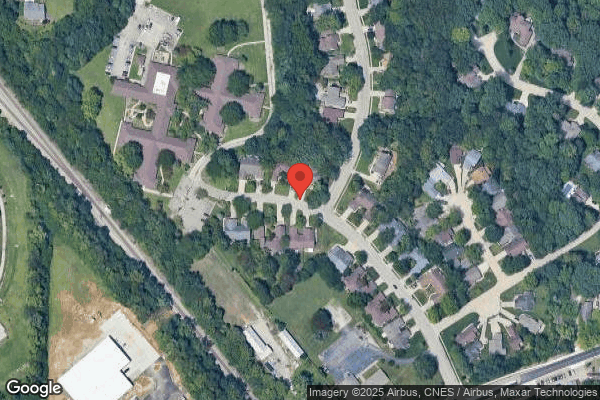

300 WINDY HILL DR, LAFAYETTE, IN 47905 (765) 477-7791
For profit - Corporation 122 Beds MAJESTIC CARE Data: November 2025
Trust Grade
45/100
#364 of 505 in IN
Last Inspection: October 2024

Within standard 12-15 month inspection cycle. Federal law requires annual inspections.

Overview

Majestic Care of Lafayette has received a Trust Grade of F, indicating significant concerns regarding the quality of care provided. It ranks #364 out of 505 facilities in Indiana, placing it in the bottom half, and #11 out of 11 in Tippecanoe County, meaning it is the least favorable option locally. While the facility is showing signs of improvement, with issues decreasing from 11 in 2024 to just 1 in 2025, the staffing is a major weakness, receiving only 1 out of 5 stars and having a high turnover rate of 61%, much above the state average. On a positive note, the facility has not incurred any fines, which is a good sign, and the RN coverage is average, providing a basic level of oversight. However, there have been concerning incidents, such as failing to administer pneumonia vaccines as consented for several residents and not addressing resident grievances over several months, which suggests a lack of responsiveness to the needs of residents.

Trust Score
D
45/100
In Indiana
#364/505
Bottom 28%
Safety Record
Low Risk
No red flags
Inspections
Getting Better
11 → 1 violations
Staff Stability
⚠ Watch
61% turnover. Above average. Higher turnover means staff may not know residents' routines.
Penalties
✓ Good
No fines on record. Clean compliance history, better than most Indiana facilities.
Skilled Nurses
○ Average
Each resident gets 33 minutes of Registered Nurse (RN) attention daily — about average for Indiana. RNs are the most trained staff who monitor for health changes.
Violations
⚠ Watch
42 deficiencies on record. Higher than average. Multiple issues found across inspections.
★★☆☆☆
2.0
Overall Rating
★☆☆☆☆
1.0
Staff Levels
★★★★★
5.0
Care Quality
★★☆☆☆
2.0
Inspection Score
Stable
2024: 11 issues
2025: 1 issues

The Good

  • 5-Star Quality Measures · Strong clinical quality outcomes
  • Full Sprinkler Coverage · Fire safety systems throughout facility
  • No fines on record

Facility shows strength in quality measures, fire safety.

The Bad

2-Star Overall Rating

Below Indiana average (3.1)

Below average - review inspection findings carefully

Staff Turnover: 61%

15pts above Indiana avg (46%)

Frequent staff changes - ask about care continuity

Chain: MAJESTIC CARE

Part of a multi-facility chain

Ask about local staffing decisions and management

Staff turnover is elevated (61%)

13 points above Indiana average of 48%

The Ugly 42 deficiencies on record

Aug 2025 1 deficiency
CONCERN (D) 📢 Someone Reported This

A family member, employee, or ombudsman was alarmed enough to file a formal complaint

Potential for Harm - no one hurt, but risky conditions existed

ADL Care (Tag F0677)

Could have caused harm · This affected 1 resident

Based on observation, interview and record review, the facility failed to ensure showers were given according to the scheduled shower days and were accurately documented for 1 of 5 residents reviewed ...

Read full inspector narrative →
Based on observation, interview and record review, the facility failed to ensure showers were given according to the scheduled shower days and were accurately documented for 1 of 5 residents reviewed for activities of daily living. (Resident C)Findings include:During an interview, on 8/21/25 at 10:40 a.m., Resident C indicated her shower days were scheduled in the morning every Tuesday and Thursday but due to the facility being short staffed, she had not been able to get into the shower to have her hair washed. Resident C indicated she needed a Hoyer lift for transferring which required two staff members. She indicated sometimes she did request a bed bath instead of a shower. Resident C indicated she had filed a grievance before related to not receiving a shower.The clinical record for Resident C was reviewed on 8/26/25 at 1:34 p.m. The diagnoses included, but were not limited to, major depressive disorder, metabolic encephalopathy, and type 2 diabetes mellitus.A care plan, dated 9/24/23 and last revised on 7/11/25, indicated Resident C preferred a bed bath. She would refuse showers and then tell her family she had not been given showers. The interventions included, but were not limited to, note refusals and offer a bed bath if the resident did not feel like taking a shower.A care plan, dated 5/7/25, indicated Resident C required assistance with activities of daily living (ADL) care with an intervention to assist with ADLs as needed.1. During an observation and interview, on 8/26/25 at 11:07 a.m., Resident C indicated the CNA had not come to ask if she would like to have her shower yet. Resident C indicated she wanted to get a shower today so her hair could be washed. Resident C's hair was observed to be slightly greasy. Resident C indicated she was going to turn on her call light and ask about her shower.During an observation and interview, on 8/26/25 at 2:35 p.m., Resident C indicated she still had not received a shower, and she had asked CNA 13 if she would get her shower today. Resident C stated CNA 13 told her She didn't know because state was in the building, and she has a lot of things to do. Resident C's hair was still observed to be slightly greasy.During an interview, on 8/26/25 at 2:39 p.m., the Assistant Director of Nursing indicated it was currently change of shift and CNA 13 had already left the building for the day. She was not sure if Resident C had a shower today.A review of the CNA tasks in the electronic health record indicated CNA 13 documented at 1:59 p.m., Resident C had been given a shower with the physical support of two people.During an interview, on 8/26/25 at 2:45 p.m., the Assistant Director of Nursing indicated a shower sheet could not be located for Resident C's shower on 8/26/25.During an interview, on 8/27/25 at 12:15 p.m., CNA 13 indicated she did not give Resident C a shower on 8/26/25. She thought she documented the shower as did not occur. CNA 13 indicated she did not have enough time after lunch to get all her stuff done, which was why Resident C did not receive a shower. The shower sheets had been moved, and she did not have time to look for them, so she did not complete a shower sheet for any showers she had given on 8/26/25.2. A review of the resident council meeting minutes indicated in the month of May 2025; residents were not receiving showers on their scheduled shower days.A facility document, titled C.N.A. Shower & Skin Care Alert Sheet, dated 7/3/25, was signed by CNA 16 and indicated Resident C was given a shower on 7/3/25.A facility grievance, dated 7/7/25, indicated Resident C reported she did not receive her scheduled shower on 7/3/25. The findings indicated Resident C did not receive a shower on 7/3/25. She was offered a shower on 7/4/25 but declined and would continue her previous shower schedule. The corrective action taken for the grievance was staff education.During an interview, on 8/26/25 at 3:08 p.m., the Director of Nursing indicated staff should complete a shower sheet with every shower or bed bath provided. If a resident refused a shower or bed bath, three separate attempts would be made to provide the shower or bed bath. If the resident refused all three attempts, the resident, CNA and the nurse would sign the shower sheet as refused. The Director of Nursing indicated she had been made aware staff were documenting showers which had not been done. She did not know why CNA 13 documented Resident C's shower had been given if the CNA did not actually give Resident C her shower and this was unacceptable.A CNA job description, dated 3/2025 and received from the Director of Nursing on 8/27/25 at 11:23 a.m., indicated .Essential responsibilities.to perform or assist the resident with completing Activities of Daily Living (ADL).Maintain effective communication with residents, families and community staff.documentation of room visits.perform other tasks as assigned.This position requires for the care team member to be able to perform and complete each essential duty satisfactorily.A current facility policy, titled Activities of Daily Living (ADLs), dated 1/2/24 and received from the Director of Nursing on 8/27/25 at 11:23 a.m., indicated .Care and services will be provided for the following activities of daily living.Bathing, dressing, grooming and oral care.A resident who is unable to carry out activities of daily living will receive the necessary services to maintain good nutrition, grooming, and personal and oral hygiene.A current facility policy, titled Resident Rights, dated 1/2/24 and received from the Director of Nursing on 8/27/25 at 11:23 a.m., indicated .The resident has the right to be informed of, and participate in, his or her treatment, including.the right to receive the services and/or items included in the plan of care.The resident has a right to a safe, clean, comfortable and homelike environment, including but not limited to receiving treatment and supports for daily living.This citation relates to Intakes 1818839, 1818840 and 2583804.3.1-38(a)(2)(A)3.1-38(a)(3)(B)3.1-38(b)(2)3.1-38(b)(3)
Oct 2024 11 deficiencies
CONCERN (D) 📢 Someone Reported This

A family member, employee, or ombudsman was alarmed enough to file a formal complaint

Potential for Harm - no one hurt, but risky conditions existed

Resident Rights (Tag F0550)

Could have caused harm · This affected 1 resident

Based on interview and record review, the facility failed to ensure care given to a resident was not completed by a particular staff member according to the resident's preference for 1 of 1 resident r...

Read full inspector narrative →
Based on interview and record review, the facility failed to ensure care given to a resident was not completed by a particular staff member according to the resident's preference for 1 of 1 resident reviewed for resident rights. (Resident D) Finding includes: During an interview, on 10/16/24 at 10:14 a.m., Resident D indicated he did not want RN 7 to take care of him and he had informed management staff. RN 7 was still taking care of him. During an interview, on 10/22/24 at 10:12 a.m., the Director of Nursing (DON) indicated she was aware RN 7 was not supposed to be taking care of Resident D. She was assigned to the hall often but was not to take care of Resident D. The clinical record for Resident D was reviewed on 10/17/24 at 3:29 p.m. The diagnoses included, but were not limited to, schizoaffective disorder, bipolar type, anxiety disorder and problem related to unspecified psychosocial circumstances. A Medication Administration Record (MAR) indicated RN 7 administered Resident D's medications on 9/1, 9/3, 9/4, 9/6, 9/7, 9/8, 9/9, 9/11, 9/20, 9/21, 9/22, 9/23, 10/5, 10/6, 10/12, and 10/16/24. A vitals tab indicated RN 7 obtained vital signs for Resident D on 9/1, 9/3, 9/4, 9/6, 9/8, 9/9, 9/11, 9/20, 9/21, 9/22, 9/23, 10/5, 10/6, 10/12, and 10/16/24. During an interview, on 10/23/24 at 10:00 a.m., LPN 8 indicated the resident had been expressing he did not want RN 7 to take care of him ever since she started working here. During an interview, on 10/23/24 at 11:25 a.m., the DON indicated it did appear as if RN 7 had been taking care of the resident. A facility policy, titled RESIDENT RIGHTS, dated 1/2/24 and received from the Clinical Support on 10/16/24 at 3:03 p.m., indicated .The resident has the right to and the facility must promote and facilitate resident self-determination through support of resident choice, including but not limited to: a. The resident has the right to choose activities, schedules (including sleeping and waking times), health care and providers of health care services consistent with his or her interests, assessments, and plan of care and other applicable provisions of this part This citation relates to Complaint IN00430580. 3.1-3(t)
CONCERN (D)

Potential for Harm - no one hurt, but risky conditions existed

Notification of Changes (Tag F0580)

Could have caused harm · This affected 1 resident

Based on interview and record review, the facility failed to ensure staff notified the Social Service Director and the resident's physician immediately after the resident expressed suicidal thoughts f...

Read full inspector narrative →
Based on interview and record review, the facility failed to ensure staff notified the Social Service Director and the resident's physician immediately after the resident expressed suicidal thoughts for 1 of 1 resident reviewed for notification. (Resident 81) Finding includes: During an interview, on 10/21/24 at 10:06 a.m., Resident 81 indicated she told a nurse, on 10/19/24, she felt like killing herself and wanted to get help. She had increased feelings of depression and anxiety and was very upset nothing was done. The clinical record for Resident 81 was reviewed on 10/12/22 at 11:25 a.m. The diagnoses included, but were not limited to, major depressive disorder and general anxiety. A physician's order, dated 5/18/24, indicated to give 60 milligrams (mg) of duloxetine delayed release for depression daily. A physician's order, dated 10/2/24, indicated to give 10 mg of buspirone for anxiety three times a day. A care plan, dated 7/23/24, indicated the resident was on a psychotropic medication. Interventions included, but were not limited to, monitor for side effects of antidepressant medication and suicidal thoughts. During an interview, on 10/21/24 at 11:18 a.m., the Social Service Assistant (SSA) indicated the resident came to her and indicated she wanted help. During an interview, on 10/21/24 at 11:21 a.m., the SSA indicated she was notified, at 11:00 a.m., by the resident she had suicidal thoughts over the weekend, and she had told her nurse. The procedure when a resident voiced suicidal thoughts was to put them on 15-minute checks and to immediately call the Director of Nursing (DON) and SSA. The DON and SSA were not notified until 10/21/24 at 11:00 a.m. During an interview, on 10/21/24 at 11:28 a.m., the Executive Director asked the SSD if the resident told staff about the incident and the SSA indicated the resident told a nurse. During an interview, on 10/21/24 at 1:39 p.m., the DON indicated she was unaware the resident had voiced suicidal thoughts over the weekend. The resident had increased anxiety. The procedure when a resident voiced suicidal thoughts was to call the DON and SSD first thing so they could start a plan. She should have been notified and was not. There was no documentation to indicate the DON, SSA or physician were notified of Resident 81's suicidal thoughts. A current policy, titled Suicidal Thoughts & Ideations, dated 1/2/24 and received from the Clinical Support Nurse on 10/21/24 at 10:16 a.m., indicated .All staff members will immediately report any suicidal ideation to the resident's charge nurse and facility social worker. Immediately notify the resident's physician if the resident presents with suicidal ideation, even if he or she isn't specific about a plan or intent .Objectively document the resident's mood and behaviors, as well as all actions taken, in the medical records A current policy, titled Change in Condition/Physician Notification, dated 1/2/24 and received from the Director of Nursing on 10/16/24 at 3:30 p.m., indicated .The nurse will notify the physician/NP/PA and the resident/resident's representative when: A significant change in the resident's physical, mental, or psychosocial status 3.1-5(a)(2)
CONCERN (D)

Potential for Harm - no one hurt, but risky conditions existed

Respiratory Care (Tag F0695)

Could have caused harm · This affected 1 resident

Based on observation, interview and record review, the facility failed to administer the correct amount of oxygen as ordered by the physician for 1 of 1 resident reviewed for respiratory care. (Reside...

Read full inspector narrative →
Based on observation, interview and record review, the facility failed to administer the correct amount of oxygen as ordered by the physician for 1 of 1 resident reviewed for respiratory care. (Resident 5) Finding includes: During an observation, on 10/16/24 at 11:15 a.m., Resident 5's oxygen concentrator (a device used to provide supplemental oxygen therapy) was set on 2 liters per minute (L). During an observation, on 10/17/24 at 9:57 a.m., Resident 5's oxygen concentrator was set on 2.5L. During an observation, on 10/18/24 at 11:31 a.m., Resident 5's oxygen concentrator was set on 2L. The clinical record for Resident 5 was reviewed on 10/17/24 at 3:30 p.m. The diagnoses included, but were not limited to, end stage renal disease, chronic respiratory failure with hypoxia, chronic obstructive pulmonary disease, chronic kidney disease, interstitial pulmonary disease, chronic pulmonary edema, personal history of malignant neoplasm of other sites of lip, oral cavity and pharynx, gastrostomy status, and dependence on renal dialysis. A care plan, dated 7/12/23, indicated the resident was on oxygen therapy. Interventions included, but were not limited to, observe for signs of respiratory distress and administer oxygen per order. A physician's order, dated 6/21/24, indicated the resident was to receive 1L of oxygen continuously. During an interview, on 10/18/24 at 11:39 a.m., QMA 4 indicated the resident's oxygen concentrator was on 2L. She was unsure of the resident's ordered liter flow. During an interview, on 10/18/24 at 11:43 a.m., LPN 3 indicated the resident's order was for 1L. During an interview, on 10/23/24 at 11:23 a.m., the Director of Nursing (DON) indicated Resident 5's oxygen liter flow was previously at the wrong setting and staff should have followed the physician's orders. A current policy, titled Oxygen Administration, dated 12/12/23 and received from the Clinical Support on 10/18/24 at 2:05 p.m., indicated .Oxygen is administered to residents who need it, consistent with professional standards of practice .Oxygen is administered under orders of a physician 3.1-47(a)(6)
CONCERN (D)

Potential for Harm - no one hurt, but risky conditions existed

Pharmacy Services (Tag F0755)

Could have caused harm · This affected 1 resident

Based on record review and interview, the facility failed to ensure staff accurately documented on the narcotic count sheets, documented medication administration in the Medication Administration Reco...

Read full inspector narrative →
Based on record review and interview, the facility failed to ensure staff accurately documented on the narcotic count sheets, documented medication administration in the Medication Administration Record, and properly documented the disposal of medication for 1 of 2 residents reviewed for pain management. (Resident E) Findings include: The clinical record for Resident E was reviewed on 10/16/24 at 11:46 a.m. The diagnosis included, but were not limited to, chronic pain syndrome and non-pressure chronic ulcer of foot. a. The following entries were documented in the month of August on a narcotic medication count sheet for Oxycodone (a narcotic medication to treat pain) 5 milligrams: 1. An entry, dated 8/3/24 at 5:00 a.m., indicated one Oxycodone was administered. This administration was not documented in the Medication Administration Record (MAR). 2. An entry, dated 8/3/24 at 6:20 p.m., indicated one Oxycodone was administered. This administration was not documented in the MAR. 3. An entry, dated 8/3/24 at 3:15 p.m., indicated one Oxycodone was administered. This administration was not documented in the MAR, had a single line strike through the entry, and was not initialed by the nurse. The documentation did not indicate 2 nurses' signatures were documented to show the medication was wasted and the medication was not documented in the MAR indicating the medication had been administered. On 8/3/24, two entries were out of chronological order. An entry was made for at 6:20 p.m., with a subsequent entry made at 3:15 p.m. During an interview, on 10/22/24 at 11:21 p.m., the Assistant Director of Nursing (ADON) indicated if a narcotic medication needed to be wasted, two nurses would sign the narcotic count sheet, and the medication would be destroyed. 4. An entry, dated 8/4/24 at 7:14 p.m., indicated one Oxycodone was administered. This administration was not documented in the MAR. 5. A physician order, with a start date of 8/21/24 and end date of 8/28/24, indicated Oxycodone HCI Oral Tablet 10 mg, give 1 tablet by mouth every 6 hours as needed for chronic pain for 7 days, may use two 5 milligram tabs until 10 milligrams arrived. The MAR indicated, on 8/21/24, Oxycodone 10 milligrams was administered. The documentation on the narcotic count sheet indicated, on 8/21/24 at 11:52 a.m., one Oxycodone 5 milligram was administered, indicating an incorrect documentation of the amount given. During an interview, on 10/22/24 at 1:15 p.m., the ADON indicated the nurse incorrectly documented the amount given. b. The following entries were documented in the month of September on the narcotic medication count sheet for Oxycodone 5 milligrams: 1. An entry, dated 9/14/24 at 5:20 p.m., indicated one Oxycodone was administered. This administration was not documented in the MAR. 2. An entry, dated 9/18/24 at 10:19 a.m., indicated one Oxycodone was administered and the remaining quantity was one. 3. An entry, dated 9/18/24 at 5:00 p.m., indicated one Oxycodone was administered and the remaining quantity was one. The remaining quantity documented on this entry was incorrect. 4. An entry, dated 9/18/24 at 5:00 p.m., indicated one Oxycodone was administered and the remaining quantity was zero. This entry did not have a nurse signature. During an interview, on 10/22/24 at 3:00 p.m., the Director of Nursing (DON) indicated she was aware the nurses were signing out the medication on the medication count sheet but not documenting the administration in the MAR. c. Review of a narcotic count sheet for a discontinued medication order of Oxycodone 10 milligrams, indicated 28 doses remained and were destroyed on 5/30/24. The documentation indicated LPN 9 signed the disposition of the remaining 28 doses on the narcotic count sheet and failed to obtain a witness signature. During an interview, on 10/22/24 at 11:21 p.m., the ADON indicated when a narcotic medication was destroyed, the unit manager and a nurse would destroy the remaining quantity, and both would sign the disposition sheet. During an interview, on 10/22/24 at 1:14 p.m., the ADON reviewed the disposition of remaining doses on the narcotic count sheet, dated 5/30/24, and indicated she was not sure why the disposition did not have a witness signature. She indicated, as the unit manager, she should have witnessed the destruction of the discontinued medication and signed as the witness. A current policy, titled Medication Administration, dated 1/2/2024 and received by the DON on 10/22/24 at 3:00 p.m., indicated .Sign MAR after administered A current policy, titled Documentation of Mediation Administration, last revised 4/2007 and received by the DON on 10/22/24 at 3:00 p.m., indicated .A Nurse of Certified Medication Aide (where applicable) shall document all medications administered to each resident on the resident's medication administration record (MAR) .Administration of medication must be documented immediately after (never before) it is given A current policy, titled Controlled Substances, last revised 4/2019 and received by the DON on 10/22/24 at 3:00 p.m., indicated .The facility complies with all laws, regulations, and other requirements related to handling, storage, disposal, and documentation of controlled medication .Upon disposition .Medication that are opened and subsequently not given (refused or partly administered) are destroyed. Waste and/or disposal of controlled medication are done in the presence of the nurse and a witness who also signs the disposition sheet This citation relates to Complaint IN00443626. 3.1-25(e)(2) 3.1-25(o) 3.1-25(s)(8)
CONCERN (D)

Potential for Harm - no one hurt, but risky conditions existed

Dental Services (Tag F0791)

Could have caused harm · This affected 1 resident

Based on observation, interview and record review, the facility failed to ensure a resident was assisted and received dental services for 1 of 1 resident reviewed for dental services. (Resident 8) Fin...

Read full inspector narrative →
Based on observation, interview and record review, the facility failed to ensure a resident was assisted and received dental services for 1 of 1 resident reviewed for dental services. (Resident 8) Finding includes: During an observation, on 10/16/24 at 11:27 a.m., Resident 8 had missing teeth. During an interview, on 10/16/24 at 11:27 a.m., Resident 8 indicated she wanted new dentures. She previously lost a large amount of weight, and her old dentures no longer fit. She indicated she would like to get new ones, but staff had not helped her to find a provider in her insurance network when she asked for assistance. The clinical record for Resident 8 was reviewed on 10/16/24 at 3:02 p.m. The diagnoses included, but were not limited to, type 2 diabetes mellitus, peripheral vascular disease, chronic diastolic heart failure, post-traumatic stress disorder, hyperlipidemia, and age-related physical debility. A physician's order, dated 9/19/22, indicated Resident 8 may be seen by a podiatrist, dentist, optometrist, audiologist, psychiatrist, and psychologist. A care plan, dated 9/11/22, indicated Resident 8 was at risk for oral and dental health problems due to being edentulous (having missing teeth). Interventions included, but were not limited to, coordinate arrangements for dental care, transportation as needed and as ordered. A care plan, revised on 9/30/24, indicated Resident 8 needed assistance with activities of daily living. Interventions included, but were not limited to, staff to assist and encourage oral care twice daily. A dental note, dated 7/31/23, indicated Resident 8 had no teeth or dentures present. Her oral tissue was within normal limits and the resident wanted dentures made. A dental note, dated 3/12/24, indicated Resident 8 wanted new upper and lower complete dentures. A dental note, dated 8/7/24, indicated Resident 8 was fully edentulous with no removable appliances present. The resident stated she would like dentures made. Her oral tissue was generalized healthy with no significant findings on visual exam. During an interview, on 10/21/24 at 11:20 a.m., the Social Services Assistant (SSA) indicated she did not know Resident 8 wanted dentures. During an interview, on 10/22/24 at 11:23 a.m., the Director of Nursing (DON) indicated it was the social services' responsibility to follow up with any recommendations from dental providers. During an interview, on 10/23/24 at 10:50 a.m., the DON indicated she was unsure why it had taken so long to address Resident 8's request for dentures. A current policy, titled Dental Services, dated 1/2/24 and received from the DON on 10/23/24 at 1:31 p.m., indicated .It is the policy of this facility to assist residents in obtaining routine .and emergency dental care .Oral care and denture care shall be provided in accordance with identified needs and as specified in the plan of care .Referrals to .dental provider shall be made as appropriate .The facility will, if necessary or requested, assist the resident with making dental appointments and arranging transportation to and from the dental services location 3.1-24(a)(3) 3.1-24(b)
CONCERN (D) 📢 Someone Reported This

A family member, employee, or ombudsman was alarmed enough to file a formal complaint

Potential for Harm - no one hurt, but risky conditions existed

Deficiency F0804 (Tag F0804)

Could have caused harm · This affected 1 resident

Based on observation and interview, the facility failed to ensure food was served at a safe and appetizing temperature for 1 of 1 room tray tested for temperatures. (100 hall) Findings include: Durin...

Read full inspector narrative →
Based on observation and interview, the facility failed to ensure food was served at a safe and appetizing temperature for 1 of 1 room tray tested for temperatures. (100 hall) Findings include: During an interview, on 10/16/24 at 10:54 a.m., Resident E indicated the food was usually cold, especially for room trays. During an interview, on 10/16/24 at 2:53 p.m., Resident 48 indicated the food was cold a lot. During a resident council meeting, on 10/18/24 at 2:35 p.m., the resident council indicated the food was cold, even when eating in the dining room. During an observation and interview, on 10/16/24 at 12:40 p.m., a lunch tray was chosen to get food temperatures. The ravioli temped at 116 degrees. The dietary manager indicated hot foods should be served at least 120 degrees or above. A facility policy, titled Food: Quality and Palatability, last revised on 2/2023 and received from the Director of Nursing on 10/16/24 at 3:30 p.m., indicated .Food will be prepared by methods that conserve nutritive value, flavor and appearance. Food will be palatable, attractive and served at a safe and appetizing temperature .Proper (safe and appetizing) temperature. Food should be at the appropriate temperature as determined by the type of food to ensure resident's satisfaction and minimizes the risk for scalding and burns This citation relates to Complaints IN00435618, IN00436796, and IN00439138. 3.1-21(a)(2)
CONCERN (D)

Potential for Harm - no one hurt, but risky conditions existed

Medical Records (Tag F0842)

Could have caused harm · This affected 1 resident

Based on interview and record review, the facility failed to document mood and behaviors in the Electric Health Records (EHR) for 1 of 1 resident with suicidal thoughts. (Residents 81) Finding include...

Read full inspector narrative →
Based on interview and record review, the facility failed to document mood and behaviors in the Electric Health Records (EHR) for 1 of 1 resident with suicidal thoughts. (Residents 81) Finding includes: During an interview, on 10/21/24 at 10:06 a.m., Resident 81 indicated she told a nurse, on 10/19/24, she felt like killing herself and wanted to get help. The resident was very upset. The clinical record for Resident 81 was reviewed on 10/12/24 at 11:25 a.m. The diagnoses included, but were not limited to, major depressive disorder and general anxiety. A physician's order, dated 5/18/24, indicated to give 60 milligrams (mg) of duloxetine delayed release for depression daily. A physician's order, dated 10/2/24, indicated to give 10 mg of buspirone for anxiety three times a day. There was nothing documented in the EHR about the thoughts and feeling Resident 81 was having. During an interview, on 10/21/24 at 11:21 a.m., the Director of Nursing (DON) indicated the staff should document the resident's mood and behavior in the medical records and nothing was charted. A current policy, titled Suicidal Thoughts & Ideations, dated 1/2/24 and received from the Clinical Support Nurse on 10/21/24 at 10:16 a.m., indicated .All staff members will immediately report any suicidal ideation to the resident's charge nurse and facility social worker. Immediately notify the resident's physician if the resident presents with suicidal ideation, even if he or she isn't specific about a plan or intent .Objectively document the resident's mood and behaviors, as well as all actions taken, in the medical records 3.1-50(1)
CONCERN (D) 📢 Someone Reported This

A family member, employee, or ombudsman was alarmed enough to file a formal complaint

Potential for Harm - no one hurt, but risky conditions existed

Infection Control (Tag F0880)

Could have caused harm · This affected 1 resident

Based on observation, interview and record review, the facility failed to ensure staff transported soiled linen down the hall correctly and staff wore PPE (personal protective equipment) into an isola...

Read full inspector narrative →
Based on observation, interview and record review, the facility failed to ensure staff transported soiled linen down the hall correctly and staff wore PPE (personal protective equipment) into an isolation room for 3 of 3 randomly observed staff. (CNA 12, 13 and 14) Findings include 1. During an observation, on 10/18/24 at 11:45 a.m., Certified Nursing Assistant (CNA) 12 was observed dragging a large clear trash bag of dirty linen down the 100 hall and placed the bag into the soiled utility room. During an interview, on 10/18/24 at 11:48 a.m., CNA 12 indicated she should not drag dirty linen down the hall. During an interview, on 10/18/24 at 11:49 a.m., the Director of Nursing (DON) indicated the CNA was not supposed to drag dirty linen down the hall. 2. During an observation, on 10/18/24 at 11:52 a.m., Resident G was in Enhanced Barrier Precautions (EBP). CNA 13 and CNA 14 was in the resident's room transferring the resident from her wheelchair to the bed. The CNAs were not wearing PPE when touching the resident, wheelchair, and bed. Licensed Practical Nurse (LPN) 6 entered the room wearing gloves and saw the CNAs without PPE. LPN 6 handed a gown enclosed in a clear bag to CNA 13 and instructed her to put it on. LPN 6 told CNA 14 she also needed to put on a gown and gloves. CNA 14 put on her gown and did not tie the back of the gown. The CNAs transferred the resident to the bed and removed the mechanical lift pad. CNA 14 took the used mechanical lift pad and returned to the resident's bedside without gloves. CNA 14 started to place a pillow under the resident's head and reposition the resident without wearing gloves. The clinical record for Resident G was reviewed, on 10/18/24 at 10:46 a.m. The diagnoses included, but were not limited to, end stage renal, major depressive disorder, and hypertension. A physician's order, dated 10/18/24, indicated EBP when engaging in high contact resident care activities. During an interview, on 10/18/24 at 12:03 a.m., CNA 14 indicated she was not aware gloves were needed when putting a pillow under the resident's head. During an interview, on 10/18/24 at 12:07 a.m., LPN 6 indicated CNA 14 needed to put gloves on before touching the resident and gowns need to be tied when providing care. A current policy, titled Hand Hygiene, dated 1/2/24 and provided by the Director of Nursing on 10/23/22 at 2:04 p.m., indicated .All staff will perform proper hand hygiene procedures to prevent the spread of infection A current policy, titled Infection Prevention & Control Program, dated 1/2/24 and provided at entrance on 10/16/24, indicated .Hand hygiene shall be performed in accordance with our facility's established hand hygiene procedures. All staff shall use personal protective equipment (PPE) according to established facility policy governing the use of PPE .Laundry and direct care staff shall handle, store, process, and transport linens to prevent spread of infection .All staff shall demonstrate competence in relevant infection control practices 3.1-18(b) 3.1-18(l)
CONCERN (D)

Potential for Harm - no one hurt, but risky conditions existed

Deficiency F0887 (Tag F0887)

Could have caused harm · This affected 1 resident

Based on interview and record review, the facility failed to ensure Covid-19 vaccines were provided when requested for 3 of 7 residents reviewed for immunizations. (Resident 65, 83 and 84) Findings in...

Read full inspector narrative →
Based on interview and record review, the facility failed to ensure Covid-19 vaccines were provided when requested for 3 of 7 residents reviewed for immunizations. (Resident 65, 83 and 84) Findings include: 1. The clinical record for Resident 65 was reviewed on 10/21/24 at 9:56 a.m. The diagnoses included, but were not limited to, recurrent moderate major depressive disorder, vitamin D deficiency, vitamin B12 deficiency anemia, prolonged grief disorder, generalized anxiety disorder, essential primary hypertension, and age-related physical debility. An informed consent form for the Covid-19 vaccine, dated 1/13/23, indicated the resident consented to receiving the vaccination. An informed consent form for the Covid-19 vaccine, dated 11/20/23, indicated the resident consented to receiving the vaccination. The electronic medical record did not include any record of a Covid-19 vaccination after the signed consent form in January or November 2023. During an interview, on 10/22/24 at 10:11 a.m., the Director of Nursing (DON) indicated the immunization should have been provided soon after the consent was signed, but it had not been ordered or given. 2. The clinical record for Resident 83 was reviewed on 10/21/24 at 9:56 a.m. The diagnoses included, but were not limited to, hemiplegia and hemiparesis following cerebral infarction affecting right dominant side, essential primary hypertension, dysphagia, epilepsy not intractable without status epilepticus, aphasia, and recurrent major depressive disorder. An informed consent form for the Covid-19 vaccine, dated 12/18/23, indicated the resident consented to receiving the vaccination. An informed consent form for the Covid-19 vaccine, dated 12/22/23, indicated the resident consented to receiving the vaccination. The electronic medical record did not include any record of a Covid-19 vaccination after the signed consent form on 12/18/23 or 12/22/23. During an interview, on 10/22/24 at 10:11 a.m., the DON indicated the immunization should have been provided soon after the consent was signed, but it had not been ordered or given. 3. The clinical record for Resident 84 was reviewed on 10/21/24 at 9:56 a.m. The diagnoses included, but were not limited to, end stage renal disease, chronic pulmonary edema, acute and chronic respiratory failure with hypoxia, type 2 diabetes mellitus with diabetic polyneuropathy, metabolic encephalopathy, severe morbid obesity, peripheral vascular disease, anemia, paraplegia, dependence on renal dialysis, pleural effusion, and bradycardia. An informed consent form for the Covid-19 vaccine, dated 8/19/24, indicated the resident consented to receiving the vaccination. The electronic medical record did not include any record of a Covid-19 vaccination after the signed consent form on 8/19/24. During an interview, on 10/22/24 at 10:11 a.m., the DON indicated the immunization should have been provided soon after the consent was signed, but it had not been ordered or given after the 8/19/24 consent. A current policy, titled Infection Prevention & Control Program, dated 1/2/24 and received from the DON upon entrance, indicated .Documentation will reflect the education provided and details whether or not the resident received the immunizations A current policy, titled Covid-19 Prevention and Management, dated 1/2/24 and received from the DON upon entrance, indicated .Resident Vaccination 1. Each resident will be offered the Covid-19 vaccine .The resident's medical record will include documentation that indicates .the date each dose of Covid-19 vaccine administered to the resident This citation relates to Complaint IN00441551. 3.1-18(b)(5)
CONCERN (D) 📢 Someone Reported This

A family member, employee, or ombudsman was alarmed enough to file a formal complaint

Potential for Harm - no one hurt, but risky conditions existed

Safe Environment (Tag F0921)

Could have caused harm · This affected 1 resident

**NOTE- TERMS IN BRACKETS HAVE BEEN EDITED TO PROTECT CONFIDENTIALITY** Based on observation and interview, the facility failed to ensure incontinence products and personal items were stored appropria...

Read full inspector narrative →
**NOTE- TERMS IN BRACKETS HAVE BEEN EDITED TO PROTECT CONFIDENTIALITY** Based on observation and interview, the facility failed to ensure incontinence products and personal items were stored appropriately, light bulbs were in working use, and trash was not on the ground for 5 of 70 rooms reviewed for environment (Rooms 112, 123, 134, 138, and 233). Findings include: 1. During an observation, on 10/16/24 at 11:07 a.m., room [ROOM NUMBER] had incontinence products, and an opened package of briefs stored on the bed next to the resident. 2. During an observation, on 10/16/24 at 10:29 a.m., room [ROOM NUMBER] had a foul smell and the light above the bed had 2 light bulbs not working. 3. During an observation, on 10/16/24 at 10:49 a.m., room [ROOM NUMBER] had paint on the floor, clothes not hung up, the closet was a mess, and items were on the floor. 4. During an observation, on 10/16/24 at 10:46 a.m., room [ROOM NUMBER] had briefs stored on the ground in the bathroom, a toothbrush and a hairbrush with other supplies were stored in a wire basket on the back of the toilet. 5. During an observation, on 10/16/24 at 11:17 a.m., room [ROOM NUMBER] had trash on the floor, food from breakfast, and a filled urinal on the bedside table. An environmental tour and interview were completed with the Maintenance Supervisor, the ED (Executive Director), and Housekeeping on 10/20/24 at 1:42 p.m. They indicated they needed to replace some of the light bulbs, redo the flooring where the paint was on the ground, and keep up with the trash on the ground in the rooms. Incontinence products should not be stored on the ground, and they could get a 3-level shelf to store some of the incontinence products on. A facility policy, titled RESIDENT RIGHTS, dated 1/2/24 and received from the Clinical Support on 10/16/24 at 3:03 p.m., indicated .The resident has a right to a safe, clean, comfortable, and homelike environment, including but not limited to receiving treatment and support for daily living safely This citation relates to Complaint IN00439138. 3.1-19(f)(5)
CONCERN (E)

Potential for Harm - no one hurt, but risky conditions existed

Deficiency F0883 (Tag F0883)

Could have caused harm · This affected multiple residents

Based on interview and record review, the facility failed to ensure pneumococcal vaccines were administered according to the signed consent form for 4 of 7 residents reviewed for immunizations. (Resid...

Read full inspector narrative →
Based on interview and record review, the facility failed to ensure pneumococcal vaccines were administered according to the signed consent form for 4 of 7 residents reviewed for immunizations. (Resident I, 9, 41 and 84) Findings include: 1. The clinical record for Resident I was reviewed on 10/21/24 at 9:56 a.m. The diagnoses included, but were not limited to, sepsis, acute cystitis with hematuria, cellulitis, type 2 diabetes mellitus with diabetic chronic kidney disease, acute kidney failure, chronic kidney disease stage 3, paroxysmal atrial fibrillation, anemia, long term current use of insulin, and essential primary hypertension. An informed consent form for the pneumococcal vaccine, dated 8/19/24, indicated the resident consented to receiving the vaccination. The electronic medical record did not include any record of the administration of the pneumococcal vaccination after the signed consent form on 8/19/24. During an interview, on 10/22/24 at 10:11 a.m., the Director of Nursing (DON) indicated the immunization should have been provided soon after the consent was signed, but it had not been ordered or given. 2. The clinical record for Resident 9 was reviewed on 10/21/24 at 9:56 a.m. The diagnoses included, but were not limited to, chronic bronchitis, asthma, chronic kidney disease stage 3, other forms of acute ischemic heart disease, chronic diastolic congestive heart failure, anemia, unspecified right bundle-branch block (disruption of the heart's electrical signal to the right side of the heart), essential primary hypertension, and obesity. An informed consent form for the pneumococcal vaccine, dated 1/31/24, indicated the resident consented to receiving the vaccination. The electronic medical record did not include any record of the administration of the pneumococcal vaccination after the signed consent form on 1/31/24. During an interview, on 10/22/24 at 10:11 a.m., the DON indicated the immunization should have been provided soon after the consent was signed, but it had not been ordered or given. 3. The clinical record for Resident 41 was reviewed on 10/21/24 at 9:56 a.m. The diagnoses included, but were not limited to, chronic obstructive pulmonary disease, acquired absence of left leg below the knee, peripheral vascular disease, severe morbid obesity, current long-term use of anticoagulants, and current long-term use of opiate analgesic. An informed consent form for the pneumococcal vaccine, dated 4/19/23, indicated the resident did not consent to receiving the vaccination. A physician's order, dated 10/25/23, indicated Pneumococcal 20-Valent Conjugate Vaccine 0.5 milliliters (ml) injected intramuscularly (IM) one time for immunization. A medication administration record (MAR), dated 10/1/23 through 10/31/23, indicated 0.5 ml pneumococcal 20-valent conjugate vaccine was administered IM, on 10/25/23 at 1:54 p.m., to the resident. A medication administration record (MAR), dated 10/1/23 through 10/31/23, indicated to monitor the resident for side effects from the pneumonia vaccine every shift for 3 Days starting 10/25/2023 at 2:00 p.m. During an interview, on 10/23/24 at 11:28 a.m., the DON indicated the pneumococcal consent form for Resident 41 indicated the resident had declined the vaccination. She indicated she did not find a signed consent for the vaccine administration on 10/25/23. 4. The clinical record for Resident 84 was reviewed on 10/21/24 at 9:56 a.m. The diagnoses included, but were not limited to, end stage renal disease, chronic pulmonary edema, acute and chronic respiratory failure with hypoxia, type 2 diabetes mellitus with diabetic polyneuropathy, metabolic encephalopathy, severe morbid obesity, peripheral vascular disease, anemia, paraplegia, dependence on renal dialysis, pleural effusion, and bradycardia. An informed consent form for the pneumococcal vaccine, dated April 2024, indicated the resident consented to receiving the vaccination. An informed consent form for the pneumococcal vaccine, dated 8/19/24, indicated the resident consented to receiving the vaccination. The electronic medical record did not include any record of the administration of the pneumococcal vaccination after the signed consent form in April or August 2024. During an interview, on 10/22/24 at 10:11 a.m., the DON indicated the immunization should have been provided soon after the consent was signed, but it had not been ordered or given after the April or August consents. A current policy, titled Infection Prevention & Control Program, dated 1/2/24 and received from the DON upon entrance, indicated .Documentation will reflect the education provided and details whether or not the resident received the immunizations A current policy, titled Pneumococcal Vaccination, dated 1/2/24 and received from the Clinical Support on 10/22/24 at 4:05 p.m., indicated .It is our policy to offer residents and staff immunization against pneumococcal disease in accordance with current CDC guidelines and recommendations .A consent form shall be signed prior to the administration of the vaccine and filed in the individual's medical record 3.1-18(b)(5)
Sept 2023 2 deficiencies
CONCERN (D) 📢 Someone Reported This

A family member, employee, or ombudsman was alarmed enough to file a formal complaint

Potential for Harm - no one hurt, but risky conditions existed

Deficiency F0676 (Tag F0676)

Could have caused harm · This affected 1 resident

Based on record review and interview, the facility failed to ensure residents were provided Activities of Daily Living (ADL) care for 4 of 4 residents reviewed for ADLs. (Residents J, K, L, and M) Fin...

Read full inspector narrative →
Based on record review and interview, the facility failed to ensure residents were provided Activities of Daily Living (ADL) care for 4 of 4 residents reviewed for ADLs. (Residents J, K, L, and M) Finding include: 1. An Indiana Department of Health (IDOH) reportable, dated 8/17/2023, indicated Resident J did not receive personal care when she needed to be changed on 8/16/2023. Resident B needed personal care when her ostomy bag leaked in her bed. She indicated CNA 2 did not provide her with care. CNA was terminated when the allegation was substantiated. The record for Resident J was reviewed on 9/12/2023 at 2:15 p.m. Diagnoses included, but were not limited to, hypertension, type 2 diabetes mellitus, bipolar disorder, and hemiplegia. The resident had a Brief Interview for Mental Status (BIMS) of 14. This score indicated the resident was not cognitively impaired. During an interview, on 9/12/2023 at 3:50 p.m., Resident J indicated her ostomy bag had leaked in her bed and she called for assistance. CNA 2 came to assist her. CNA 2 she did not clean her bed or change her linen. She slept in a wet bed all night. She notified the nursing staff, on 8/17/2023, she had not received care on 8/16/2023 when her ostomy bag leaked all over her and her bed. CNA 2 put a clean sheet over her and walked out of the room and never returned. The resident slept and woke up wet and in a wet bed. 2. The record for Resident K was reviewed on 9/12/2023 at 3:10 p.m. Diagnoses included, but were not limited to, chronic respiratory failure, type 2 diabetes mellitus, asthma, and edema. The resident had a BIMS score of 15. This score indicated the resident was not cognitively impaired. During an interview, on 9/12/2023 at 3:57 p.m., Resident K indicated she had been turned on her side by CNA 2. She was in position to have herself cleaned by CNA 2. CNA 2 left her in that position. CNA 2 did not return for 2 hours to complete her care. Resident K did not report her incident until she was questioned by the staff regarding care by CNA 2 during an investigation. Resident K did not recall the date, she indicated CNA 2 left her many times in that position and did not return for a long time. 3. The record for Resident L was reviewed on 9/12/2023 at 3:20 p.m. Diagnoses included, but were not limited to, anxiety and depressive disorders, emphysema, and chronic obstructive pulmonary disease (COPD). The resident had a BIMS score of 15. This score indicated the resident was not cognitively impaired. During an interview, on 9/12/2023 at 4:02 p.m., Resident L indicated care had been started many times by CNA 2 and then she would leave and not come back. She indicated this had happened to her many times. Resident L did not report the incidents until she was questioned by the staff regarding care by CNA 2 during an investigation. Resident L did not recall the date. 4. The record for Resident M was reviewed on 9/12/2023 at 3:30 p.m. Diagnoses included, but were not limited to, COPD and type 2 diabetes mellitus. The resident had a BIMS score of 15. This score indicated the resident was not cognitively impaired. A nursing note, dated 8/17/2023, indicated Resident M reported she was left with her pants and briefs around her knees on the side of her bed by CNA 2. CNA 2 just left the resident and the room and did not return. The resident wanted assistance from staff to complete dressing. During an interview, on 9/12/2023 at 4:40 p.m., the Executive Director (ED) indicated he interviewed CNA 2, and she denied the allegations of neglect of care. The ED suspended CNA 2 during the investigation. After the investigation was completed, the ED terminated CNA 2 due to lack of care to Residents J, K, L, and M and poor customer service. A policy was not received before the date of exit. This Federal tag relates to Complaint IN00416164. 3.1-38(a)(2)(A) 3.1-38(a)(2)(C)
CONCERN (D) 📢 Someone Reported This

A family member, employee, or ombudsman was alarmed enough to file a formal complaint

Potential for Harm - no one hurt, but risky conditions existed

Respiratory Care (Tag F0695)

Could have caused harm · This affected 1 resident

Based on observation, interview and record review, the facility failed to provide continuous oxygen flow for 2 of 2 residents reviewed for continuous oxygen per physician's orders at 2 liters. (Reside...

Read full inspector narrative →
Based on observation, interview and record review, the facility failed to provide continuous oxygen flow for 2 of 2 residents reviewed for continuous oxygen per physician's orders at 2 liters. (Residents B and D) Findings include: 1. The record for Resident B was reviewed on 9/11/2023 at 4:05 p.m. Diagnoses included, but were not limited to, acute kidney failure, anemia, end stage renal disease, and hyperkalemia. The resident had a Brief Interview for Mental Status (BIMS) of 14. This score indicated the resident was not cognitively impaired. Nursing notes indicated Resident B had a physician's order, dated 8/16/2023, for oxygen at 2 liters per minute via nasal cannula continuous, may titrate as needed. During an interview, on 9/11/2023 at 4:01 p.m., Resident B was observed to have oxygen at 2 liters with continuous flow per nasal cannula while she was in bed in her room. She indicated she did not get continuous oxygen when she went to the dialysis center for her treatment. When she left her room, her oxygen was disconnected and then she was reconnected to oxygen when it was her turn in dialysis. The dialysis center was in the facility. Resident B indicated the same thing happened to her when she was done in dialysis and transported back to her room. She was disconnected from oxygen and was not reconnected to oxygen until she returned to her room. She could wait as long as 20 minutes without oxygen while waiting for staff to transport her to her room. The resident indicted she was worried sometimes; she was short of breath when she has had to wait over 10 minutes without oxygen. 2. The record for Resident D was reviewed on 9/11/2023 at 4:27 p.m. Diagnoses included, but were not limited to, chronic kidney disease, acute and chronic respiratory failure with hypoxia, dependence on renal dialysis, and end stage renal disease. The resident had a BIMS of 14. This score indicated the resident was not cognitively impaired. Nursing notes indicated Resident D had a physicians' order, dated 8/16/2023, for oxygen at 2 liters per minute via nasal cannula continuous, may titrate as needed. During an interview, on 9/11/2023 at 4:08 p.m., Resident D was observed to have oxygen at 2 liters with continuous flow while on dialysis. She indicated she receives continuous oxygen when she arrived at the dialysis center for her treatment. On her way to dialysis, the staff disconnect her from her oxygen in her room and she had no oxygen until she gets her turn in dialysis. Sometimes she had to wait at the dialysis center with no oxygen until it was her turn. When she was done in dialysis center, she was disconnected from her oxygen and had to wait for transport to her room, sometimes she had to wait 15 to 20 minutes for her transport without oxygen. She was out of breath after 15 minutes. During an interview, on 9/11/2023 at 4:00 p.m., the Dialysis Nurse indicated the residents came to the dialysis center without oxygen and they were put on continuous oxygen when they were on dialysis. When the resident was finished with their dialysis treatment, she called the staff to transport the resident to their room. The resident was disconnected from oxygen, and they wait for transportation outside the dialysis center. She was not aware when the transportation comes to pick up the resident. The resident could not wait for transport in the dialysis center. The next resident was ready for the treatment and the resident who was finished needed to vacate the space. She indicated she did not know why the resident was not on oxygen during transport to and from the dialysis center. During an interview, on 9/11/2023 at 4:25 p.m., the Assistant Director of Nursing indicated residents on continuous oxygen should be on continuous oxygen throughout the day, evening, and night per physician's orders. The resident should be transported to dialysis with oxygen and then returned from dialysis to their room with oxygen. She was not aware Resident B and D were transported to and from dialysis without oxygen. During an interview, on 9/11/2023 at 4:40 p.m., the Director of Nursing indicated residents on continuous oxygen should be on continuous oxygen throughout the day, evening, and night per physician's orders. The resident should be transported to dialysis with oxygen and then returned from dialysis to their room with oxygen. She was not aware Resident B and D were transported to and from dialysis without oxygen. A policy was not received before the date of exit. This Federal tag relates to Complaint IN00416164. 3.1-47(a)(6)
Aug 2023 11 deficiencies
CONCERN (D) 📢 Someone Reported This

A family member, employee, or ombudsman was alarmed enough to file a formal complaint

Potential for Harm - no one hurt, but risky conditions existed

Resident Rights (Tag F0550)

Could have caused harm · This affected 1 resident

Based on interview and record review, the facility failed to ensure incontinence care was provided and the residents were free from negative comments by staff for 2 of 2 residents reviewed for dignity...

Read full inspector narrative →
Based on interview and record review, the facility failed to ensure incontinence care was provided and the residents were free from negative comments by staff for 2 of 2 residents reviewed for dignity. (Resident C and F) Findings include: 1. During an interview, on 8/10/23 at 2:44 p.m., Resident C indicated during the second shift she had her call light on. Certified Nursing Assistant (CNA) 3 came to the door and told the resident she was just changed about 10 minutes ago, and she would come back in 2 hours and change her. The resident told CNA 3 she had a bowel movement and told her she needed to be changed. CNA 3 walked in the room, turned the call light off, and told the resident she only had to change her every two hours and left the room. The record for Resident C was reviewed on 8/14/23 at 3:45 p.m. Diagnoses included, but were not limited to, clostridium difficile colitis (inflammation of the colon caused by bacteria which causes diarrhea), diabetes mellitus, and fracture of the upper end of the left humerus (the largest bone of the upper arm). A physician's order, dated 8/1/23, indicated the resident was to be placed in contact isolation precaution (for patients who have germs which could spread by touching the patient or surfaces in their rooms) for clostridium difficile colitis. A care plan, dated as revised 8/1/23, indicated the resident had impaired skin integrity from a coccyx pressure ulcer. The goal included to check for incontinence and provide incontinence care as needed. A care plan, dated as revised 8/3/23, indicated the resident had diarrhea, loose stools, and was positive for clostridium difficile colitis. The goal included to assist with peri care as needed and assist with incontinence care as needed. A care plan, dated as revised 8/3/23, indicated the resident had episodes of incontinence of bladder and bowels. The goal included to assist with routine toileting as needed and check routinely for incontinence and provide incontinence care as needed. A Facility Incident Report indicated, on 8/9/23, Resident C indicated a staff member entered the room to answer her call light and stated, I'm not coming in again for another 2 hours A statement from LPN 9 indicated, on 8/8/23 at approximately 7:45 p.m., LPN 9 went to administer medication to the resident. She asked why the call light was on. The resident told the nurse things were not working out at the facility. The resident was told the call light would only be answered every 2 hours. The resident became teary explaining at 5:45 p.m., Resident C asked to be changed due to being incontinent. CNA 3 told the resident the call light was just answered by another CNA and the resident did not need to be changed and she would be back in 2 hours. The resident complained of burning due to not being changed. A Certified Nursing Assistant (CNA) job description, signed on 7/18/22, by CNA 3 was reviewed. The position summary indicated the CNAs were to respond to resident's call lights to provide maximum comfort, safety, and privacy. Treat all residents with kindness, respect and dignity and the CNA must demonstrate empathy, courteous, kind, and professional workplace behavior and customer services to all residents, care team members, vendors, visitors, and family members at all times. During an interview, on 8/14/23 at 12:26 p.m., Resident C indicated CNA 3 was still working and had worked her unit again on 8/12/23. She was shocked to see the CNA was still caring for her. She had her call light on, and CNA 3 entered the room, turned the call light off, and left. The resident was incontinent and needed to be changed. During an interview, on 8/14/23 at 4:33 p.m., the Executive Director (ED) indicated he had not heard anything about the new complaint from Resident C. He indicated, to the Director of Nursing (DON), he thought the CNA was taken off Resident C's assignment. During an interview, on 8/14/23 at 4:35 p.m., the DON indicated she was in the resident's room earlier and the resident did say anything to her about CNA 3. The DON indicated the CNA worked the hall on Saturday. During an interview, on 8/15/23 at 10:29 a.m., LPN 9 indicated she worked with CNA 3 on 8/8/23. LPN 9 went to give Resident C's her medication and noticed the call light was on. LPN 9 asked why the call light was on and was told the resident asked to be changed two hours ago. CNA 3 indicated the resident was just changed and she did not have to change the resident for another two hours. CNA 3 had turned the call light off and left the room. Resident C had a bowel movement and was sitting in a dirty brief for two hours. The resident had clostridium difficile colitis and was incontinent. LPN 9 had heard CNAs were tired and frustrated from changing the resident. During an interview, on 8/15/23 at 4:51 p.m., CNA 2 indicated she could not get the resident's care completed and answering call lights was stressful. CNA 2 indicated she was working with CNA 3 today and was not aware of any CNAs who could not go into Resident C's room. Resident C had clostridium difficile colitis and asked to be changed a lot. During an interview, on 8/16/23 at 10:41 a.m., the Executive Director (ED) indicated he did not start another investigation for the complaint the resident made for 8/12/23. CNA 3 might have gone into the resident's room however CNA 3 indicated to the ED she did not go into the room. 2. During an interview, on 8/09/23 at 2:29 p.m., Resident F indicated there was a CNA who was mean to her and was not supposed to be entering her room. During a care plan meeting, the resident and the facility had discussed CNA 7 not entering her room. During an interview, on 8/11/23 at 12:31 p.m., the resident indicated CNA 7 had cared for her for several days after the care plan meeting. The CNA made rude comments and stated the dolls in her room were ugly. The resident was tearful and was still distressed with the care provided by the CNA. The record for Resident F was reviewed on 8/11/23 at 11:07 a.m. Diagnoses included, but were not limited to, cerebral palsy, major depressive disorder, muscle weakness, and anxiety. A care plan meeting, dated 7/20/23 at 10:36 a.m., indicated the resident had an issue with one of the caregivers and she was rude. The Nursing Director would address the issue. A written statement, dated 7/21/23, indicated CNA 7 was reminded sarcastic jokes and comments could be misunderstood. The CNA was taken off the resident's care assignment. During an observation, on 8/15/23 at 10:38 a.m., the assignment sheet at the nurse's station indicated CNA 7 was assigned to the Resident F. During an interview, on 8/15/23 at 10:39 a.m., CNA 7 confirmed the assignment listed on the board was correct. CNA 7 was not removed from the assignment as indicated in the written statement. During an interview, on 8/15/23 at 2:04 p.m., the ADON (Assistant Director of Nursing) indicated she was aware the resident had issues with CNA 7. The solution was to use a buddy system so the CNA was not in the room alone with the resident. She was not aware the resident was still distressed with the care provided from the CNA. During an interview, on 8/16/23 at 11:59 p.m., the Executive Director indicated he knew CNA 7 was rude to the resident and they had a care plan meeting to discuss the issue. The DON indicated the CNA was known to make jokes towards the resident but was not aware of the CNA calling her dolls ugly. The intervention to the problem was to care for the resident in pairs of staff instead of a single staff member taking care of the resident, although the resident did not have a care plan for caring in pairs. The Executive Director and DON indicated there was no investigation done for this issue. A psychiatric progress note, dated 8/2/23, indicated the clinician reviewed a behavioral health note, dated 7/28/23, which indicated the CNA continued to make fun of her dolls and was calling them ugly. The resident did not like being cared for by the CNA. A current policy, titled Abuse Prevention Program, dated as reviewed in March 2021 and received at entrance conference indicated .Verbal abuse is defined as any use of oral, written or gestured language that willfully includes disparaging and derogatory terms to residents or their families, or within their hearing distance, to describe residents, regardless of their age, ability to comprehend, or disability .Mental abuse is defined as, but is not limited to, humiliation, harassment, threats of punishment, or withholding of treatment or services This Federal tag relates to Complaint IN00413177. 3.1-3(a) 3.1-3(t) 3.1-3(v)(1)
CONCERN (D) 📢 Someone Reported This

A family member, employee, or ombudsman was alarmed enough to file a formal complaint

Potential for Harm - no one hurt, but risky conditions existed

Investigate Abuse (Tag F0610)

Could have caused harm · This affected 1 resident

2. During an interview, on 8/09/23 at 2:29 p.m., Resident F indicated there was a CNA who was mean to her and was not supposed to be entering her room. During a care plan meeting, the resident and the...

Read full inspector narrative →
2. During an interview, on 8/09/23 at 2:29 p.m., Resident F indicated there was a CNA who was mean to her and was not supposed to be entering her room. During a care plan meeting, the resident and the facility had discussed CNA 7 not entering her room. During an interview, on 8/11/23 at 12:31 p.m., the resident indicated CNA 7 had cared for her for several days after the care plan meeting. The CNA made rude comments and stated the dolls in her room were ugly. The resident was tearful and was still distressed with the care provided by the CNA. The record for Resident F was reviewed on 8/11/23 at 11:07 a.m. Diagnoses included, but were not limited to, cerebral palsy, major depressive disorder, muscle weakness, and anxiety. A psychiatric progress note, dated 8/2/23, indicated the clinician reviewed a behavioral health note, dated 7/28/23, which indicated the CNA continued to make fun of her dolls and was calling them ugly. The resident did not like being cared for by the aide. During an interview, on 8/16/23 at 11:59 p.m., the Executive Director (ED) and Director of Nursing (DON) indicated it was known CNA 7 was rude to the resident. The facility did not complete an investigation for potential abuse and did not interview other staff and residents. A current policy, titled Abuse Prevention Program, dated as revised on 3/2018 and received at entrance conference indicated, .When an incident of resident abuse is alleged, suspected, or confirmed, the incident must be immediately reported to facility management regardless of the time lapse since the incident occurred .Abuse Investigations .Interview staff members (on all shifts) who have had contact with the resident during the period of the alleged incident .Interview the resident's roommate, family members, and visitors 3.1-28(d) Based on interview and record review, the facility failed to fully investigate an allegation of abuse for 2 of 5 residents reviewed for abuse. (Resident C and F) Finding includes: 1. During an interview, on 8/10/23 at 2:44 p.m., Resident C indicated during second shift (2-10 p.m.) her call light was on. CNA 3 came to the door and told the resident she was changed about 10 minutes ago, and she would come back in 2 hours and change her. The resident told CNA 3 she had a bowel movement and she needed to be changed. CNA 3 walked in the room, turned the call light off, and told the resident she only had to change her every two hours then CNA 3 left the room. The record for Resident C was reviewed on 8/14/23 at 3:45 p.m. Diagnoses included, but were not limited to, clostridium difficile colitis (inflammation of the colon caused by bacteria which causes diarrhea), diabetes mellitus, and fracture of the upper end of the left humerus (the largest bone of the upper arm). A Facility Incident Report indicated, on 8/9/23, Resident C indicated a staff member entered the room to answer her call light and stated, I'm not coming in again for another 2 hours A statement from LPN 9 indicated, on 8/8/23 at approximately 7:45 p.m., LPN 9 went to administer medication to the resident. She asked why the call light was on. The resident told the nurse things were not working out at the facility. The resident was told the call light would only be answered every 2 hours and not sooner. The resident became teary explaining, at 5:45 p.m., she asked to be changed due to being incontinent of bowel. CNA 3 told the resident the call light was just answered by another CNA and the resident did not need to be changed. The CNA would be back in 2 hours. The resident complained of burning due to not being changed. During an interview, on 8/16/23 at 11:40 a.m., the Executive Director (ED) indicated he was not aware of what the policy for abuse stated about completing investigations for alleged abuse and he did not interview staff on all shifts. CNA 3 was given disciplinary actions. The CNA was not assigned to Resident C. CNA 3 would have given care to Resident C if the other CNA was on break. After investigating the incident, he determined the complaint was more of a customer service problem and not abuse. The staff got frustrated due to the amount of time the light went on and it was not appropriate for CNA 3 to say she would not go in the room more frequently than every two hours. The frequency of response was based on the resident's need and every 2 hours was just the minimum. When asked the difference between customer service and abuse he indicated it had to do with the content of what was said, the resident response, and whether there was intent. The CNA was acting out of frustration, she did not say she would not give the care and was not going to give it at the time. The investigation did not include the resident received the care.
CONCERN (D)

Potential for Harm - no one hurt, but risky conditions existed

Quality of Care (Tag F0684)

Could have caused harm · This affected 1 resident

Based on observation, interview and record review, the facility failed to ensure a resident's care was coordinated with Hospice staff for obtaining a positioning chair and to document follow-up for a ...

Read full inspector narrative →
Based on observation, interview and record review, the facility failed to ensure a resident's care was coordinated with Hospice staff for obtaining a positioning chair and to document follow-up for a resident with left arm swelling for 2 of 2 residents reviewed for Hospice. (Resident 5 and 15) Findings include: 1. During an observation, on 8/10/23 at 10:36 a.m., Resident 5 had left arm swelling on the side where her dialysis fistula was located. The resident's right arm was much smaller than the left arm. The record for Resident 5 was reviewed on 8/15/23 at 3:47 p.m. Diagnoses included, but were not limited to, end stage renal disease, dependence on renal dialysis, chronic respiratory failure, and chronic congestive heart failure. A physician's order, dated 7/6/23, indicated the resident had a dialysis fistula located in the left arm and to check the fistula every shift for thrill (feeling the motion of blood with the fingers) and bruit (a whooshing sound), swelling, pain, change in temperature, and/or bleeding. A progress note, dated 8/11/23 at 1:44 p.m., indicated the resident was resting in bed. The dialysis fistula had bruit and thrill present. There were no signs or symptoms of infection and no complaints of pain. A post dialysis communication, dated 8/11/23 at 10:30 p.m., indicated the resident's left arm was swollen, warm and reddened. The resident had an appointment to address this. The note did not include when or where the appointment to address the left arm swelling would happen. The electronic record did not include any further information about the left arm including if the arm was the same or the condition was worse. During an interview, on 8/16/23 at 3:20 p.m., the Assistant Director of Nursing (ADON) indicated the resident was in the emergency room for refusing dialysis. The dialysis staff had written the note about the swelling in the left arm, on 8/11/23, and they had scheduled a follow up appointment about the arm. The facility staff had no other documentation in the electronic record about the swelling or condition of the resident's left arm. The ADON did not have information about when the follow up appointment was or who would be doing the follow up appointment. 2. During an observation, on 8/9/23 at 1:29 p.m., Resident 15 indicated the hospice staff wanted to get her up in her chair today and the facility staff said no. She did not know if the staff were getting her a different chair. During an interview, on 8/9/23 at 1:40 p.m., RN 8 indicated the hospice staff was present to assist the resident to get up in the chair and the facility staff told hospice not to get the resident up. The hospice staff was supposed to get a more suitable chair for the resident. RN 8 did not know when the hospice staff would bring the chair. The resident had not been out of bed for 2 weeks because she did not have a suitable chair to sit in. During an observation, on 8/11/23 at 11:11 a.m., the resident was lying in bed in her room. During an observation, on 8/11/23 at 3:54 p.m., the resident was lying in bed in her room. The record for Resident 15 was reviewed on 8/11/23 at 11:23 a.m. Diagnoses included, but were not limited to, acute and chronic respiratory failure with hypoxia, chronic pulmonary edema, chronic obstructive pulmonary disease, congestive heart failure, need for assistance with personal care, osteoarthritis, and low back pain. A progress noted, dated 8/3/23 at 10:56 a.m., indicated the hospice staff were present and admitted the resident to their hospice services. A care plan, dated 8/3/23, indicated the resident was receiving hospice services due to heart failure. The interventions included, but were not limited to, hospice care per hospice care plan and nursing facility to provide required care in the absence of hospice personnel. The hospice binder only included admission paperwork and a staff sign in sheet. There were no progress notes in the binder and no information on the care provided or equipment requested for the resident. There was no hospice care plan in the binder. During an observation, on 8/15/23 at 2:41 p.m., the resident was lying in bed in her room, her eyes were closed, and the head of the bed was elevated. During an interview, on 8/15/23 at 3:01 p.m., the Unit Manager (UM) indicated the resident was having positioning issues while up in a chair. Prior to the resident's decline, she had a power chair and was determined to not be safe to use the chair. The UM was not aware hospice was going to get the resident another chair and would contact them. The electronic chart did not have information about hospice getting a positioning chair for the resident and the hospice binder had no progress notes in it at all. The UM called the hospice agency and the hospice agency asked what type of chair the facility wanted for the resident. They did not have information prior to the call about getting the resident a chair for positioning. The UM requested the hospice progress notes for the facility hospice binder since they did not have them. A current policy, titled Charting and Documentation, dated as revised July 2017 and received from the Executive Director (ED) on 8/16/23 at 4:33 p.m., indicated .All services provided to the resident, progress toward the care plan goals, or any changes in the resident's medical, physical, functional or psychosocial condition, shall be documented in the resident's medical record. The medical record should facilitate communication between the interdisciplinary team regarding the resident's condition and response to care .Documentation in the medical record may be electronic manual or combination .The following information is to be documented in the resident medical record .Objective observations .Treatments or services performed .Changes in the resident's condition .Events, incidents or accidents involving the resident .Progress toward or changes in the care plan goals and objectives .Documentation in the medical record will be objective .complete, and accurate A Hospice agreement, not dated, indicated .'Hospice Services' means those services provided to a Hospice Patient that are reasonable and necessary for the palliation and management of such Hospice Patient's terminal illness and are specified in a Hospice Patient's Plan of Care. Hospice Services include but are not limited to .nursing care and services by or under the supervision of a registered nurse .medical social services provided by a qualified social worker under the direction of a physician .medical supplies .use of medical appliances .The Plan of Care must reflect Hospice patient and family goals and interventions based on the problems identified in the Hospice patient assessments .The Plan of Care will reflect the participation of the Hospice, Facility and the Hospice Patient and family to the extent possible. Specifically, the Plan of Care includes .an identification of the Hospice Services 3.1-37(a)
CONCERN (D)

Potential for Harm - no one hurt, but risky conditions existed

Deficiency F0688 (Tag F0688)

Could have caused harm · This affected 1 resident

2. The record for Resident 57 was reviewed on 08/11/23 at 9:20 a.m. Diagnoses included, but were not limited to, cerebral palsy, and left-hand contracture. A physician order, dated 7/7/23, indicated a...

Read full inspector narrative →
2. The record for Resident 57 was reviewed on 08/11/23 at 9:20 a.m. Diagnoses included, but were not limited to, cerebral palsy, and left-hand contracture. A physician order, dated 7/7/23, indicated a palm protector was to be in the left hand donned upon bed and doffed upon rising. An electronic Medication Administration Record (MAR), dated July 2023, indicated there was no documentation by the staff for the placement or removal of the palm protector. An electronic MAR, dated August 2023, indicated there was no documentation by the staff for the placement or removal of the palm protector. During an interview, on 08/15/23 at 3: 39 p.m., Nurse 5 indicated she had not seen a palm protector for the resident. A current policy, titled Use of Assistive Devices, not dated and received from the Director of Nursing on 8/15/23 at 4:18 p.m., indicated .the use of devices would be based on the resident's comprehensive assessment, in accordance with the resident's plan of care .the facility will provide assistive devices for resident's who need them .nursing, dietary, social services, and therapy department will work together to ensure availability of devices, such as for ordering and/or replacement .facility staff will provide appropriate assistance to ensure that the resident can use the assistive devices .this may include education or therapy sessions for training on the use of the device, set up assistance supervision or physical assistance needed .direct care staff will be trained on the use of the devices as needed to carry out their roles and responsibilities regarding the devices .training will also include when to refer to other departments for changes in condition or problems with device .a nurse with responsibility for the resident will monitor for the consistent use of the device and safety in the use of the device .refusals of use, or problems with device will be documented in the medical record .modifications to the plan of care will be made as needed 3.1-42(2) Based on observation, record review and interview, the facility failed to ensure a resident had on a splint as ordered by the physician and to ensure a resident had a palm protector as ordered by the physician for 1 of 4 residents reviewed for limited range of motion. (Resident 14 and 57) Findings include: 1. During an observation, on 8/9/23 at 1:12 p.m., Resident 14 was observed to have a contracted right hand and did not have a splint in place. During an observation, on 8/11/23 at 11:16 a.m., the resident was in her wheelchair and was propelling herself in the hallway. The resident did not have a splint on her right hand. The record for Resident 14 was reviewed on 8/11/23 at 3:02 p.m. Diagnoses included, but were not limited to, hemiplegia (paralysis) and hemiparesis (weakness) following unspecified cerebrovascular disease affecting the right dominant side, chronic obstructive pulmonary disease, type 2 diabetes mellitus, and vascular dementia. A care plan, dated 8/24/21, indicated the resident needed assistance with activities of daily living related to impaired mobility, limited range of motion to the right upper extremity, and hand and wrist contractures. A physician's order, dated 9/1/21, indicated the nursing/CNA (Certified Nurse Aid) would put on a right-hand splint upon rising in the morning and to check the skin frequently for signs of decreased skin integrity. A physician's order, dated 9/1/21, indicated the nursing/CNA would take off the right-hand splint before the resident went to bed in the p.m. During an observation, with CNA 8 on 8/15/21 at 2:50 p.m., the resident did not have a splint on her right hand. CNA 8 located the splint in her nightstand by the bedside and indicated she did not know why the resident was not wearing her splint. During an interview, on 8/15/23 at 2:59 p.m., the LPN indicated she did not usually work the unit and she did not know about the splint for Resident 14. During an interview, on 8/15/23 at 3:01 p.m., the Unit Manager (UM) indicated the staff were signing on the Medication Administration Record (MAR) and Treatment Administration Record (TAR), the splint had been applied daily.
CONCERN (D)

Potential for Harm - no one hurt, but risky conditions existed

Respiratory Care (Tag F0695)

Could have caused harm · This affected 1 resident

Based on observation, record review and interview, the facility failed to ensure a resident's oxygen was set at the physician ordered liters per minute (LPM) and the oxygen tanks were stored safely fo...

Read full inspector narrative →
Based on observation, record review and interview, the facility failed to ensure a resident's oxygen was set at the physician ordered liters per minute (LPM) and the oxygen tanks were stored safely for 1 of 1 resident reviewed for oxygen. (Resident 15) Finding includes: During an observation, on 8/9/23 at 1:34 p.m., Resident 15's oxygen (02) was set at 4 LPM. The resident indicated the 02 should be at 3 LPM. During an observation and interview, on 8/9/23 at 1:47 p.m., the resident's 02 was still at 4 LPM and RN 6 indicated the resident's oxygen was supposed to be set at 3 LPM. The record for Resident 15 was reviewed on 8/11/23 at 11:23 a.m. Diagnoses included, but were not limited to, acute and chronic respiratory failure with hypoxia (low 02 content in the blood), chronic respiratory failure with hypercapnia (excessive carbon dioxide in the bloodstream), congestive heart failure, and anxiety disorder. A physician's order, dated 7/19/23, indicated 02 at 3 LPM by nasal cannula. A care plan, dated 12/15/21 and last revised on 4/24/23, indicated the resident was at risk for respiratory distress related to chronic respiratory failure with hypoxia/hypercapania, fluid overload, and sleep apnea. The interventions included, but were not limited to, administer oxygen as ordered. During an observation with Executive Director (ED), on 8/16/23 at 2:55 p.m., the resident's 02 was set at 3.5 LPM. There were five 02 canisters sitting on the floor in the corner of the room close to the doorway without any holder. The ED indicated the 02 canisters should be in a holder and some of the canisters were full and some were empty. A current policy, titled Oxygen Administration, not dated and received from the ADON (Assistant Director of Nursing) on 8/15/23 at 11:34 a.m., indicated, .Oxygen is administered to residents who need it, consistent with professional standards or practice, the comprehensive person-centered care plans, and the resident's goals and preferences .'Oxygen therapy' is the administration of oxygen at concentrations greater than that in ambient air .with the intent of treating or preventing the symptoms and manifestations of hypoxia .'Hypoxia' means decreased perfusion of oxygen to the tissues .Oxygen is administered under orders of a physician, except in the case of an emergency. In such case, oxygen is administered and orders for oxygen are obtained as soon as practicable when the situation is under control A current policy, titled Oxygen Safety, not dated and received from the ADON on 8/16/23 at 3:35 p.m., indicated .It is the policy of this facility to provide a safe environment for residents, staff, and the public. This policy addresses the use and storage of oxygen and the oxygen equipment .Safety is the responsibility of all staff, residents, visitors, and the general public .Staff, residents, and families will be educated on oxygen safety precautions in accordance with their roles and responsibilities related to the use and storage of oxygen .Oxygen Storage .Storage shall be planned so that cylinders can be used in the order in which they are received from the supplier. Empty cylinders shall be segregated from full cylinders. Empty cylinders will be marked to avoid confusion .Cylinders will be properly chained or supported in racks or other fastenings [i.e. sturdy portable carts, approved stands] to secure all cylinders from falling, whether connected, unconnected, full, or empty .When small-size [A, B, D, or E] cylinders are in use, they shall be attached to a cylinder stand or to medical equipment designed to receive and hold compressed gas cylinders .Handling Oxygen Cylinders .Protect cylinders from damage by not storing in locations where heavy objects may strike them or fall on them, or where they can be tipped over by foot traffic or door movement 3.1-47(a)(6)
CONCERN (D)

Potential for Harm - no one hurt, but risky conditions existed

Dental Services (Tag F0791)

Could have caused harm · This affected 1 resident

Based on observation, interview and record review, the facility failed to ensure a resident received routine oral care and follow up dental visits for 1 of 1 resident reviewed for dental services. (Re...

Read full inspector narrative →
Based on observation, interview and record review, the facility failed to ensure a resident received routine oral care and follow up dental visits for 1 of 1 resident reviewed for dental services. (Resident 14) Finding includes: During an observation, on 8/9/23 at 1:10 p.m., Resident 14 had very blackened bottom teeth, missing teeth and partial tooth pieces. There was a very foul odor noted when the resident was smiling and attempting to speak. During an interview, on 8/10/23 at 4:42 p.m., the resident's family member indicated the facility did not help the resident with her teeth and did not even give her a toothbrush at bedtime. The resident's teeth were really bad and she needed dental work. The place the facility sent her to could not do anything. The record for Resident 14 was reviewed on 8/11/23 at 3:02 p.m. Diagnoses included, but were not limited to, hemiplegia (paralysis) and hemiparesis (weakness) following unspecified cerebrovascular disease affecting the right dominant side, chronic obstructive pulmonary disease, type 2 diabetes mellitus, and vascular dementia. A physician's order, dated 8/24/21, indicated the resident could be seen by the podiatrist, dentist, and optometrist. A care plan, dated 8/24/21, indicated the resident needed assistance with activities of daily living and had impaired mobility, a history of a cerebrovascular accident with right side hemiplegia, limited range of motion to the right upper extremity, and impaired cognition. The interventions included, but were not limited to, staff to assist/encourage oral care twice daily and as needed. A care plan, dated 8/24/21, indicated the resident was at a risk for dental/mouth problems related to having her natural teeth with many missing teeth and a history of periodontal disease. The interventions included, but were not limited to, coordinate arrangement for dental care, transportation as needed, and to observe for signs of dental problems and decay. A dental note, dated 1/20/2020, indicated the resident had 16 missing teeth, poor periodontal health and periodontitis with swollen gums. The resident needed dental cleanings twice a year. A referral to [name of dental facility] was completed on 2/3/21. There was no visit note from [name of dental facility] in the resident record. A clinical note, dated 3/1/23, and faxed to the facility on 8/15/23, indicated the resident had an oral examination and limited X-rays taken. The resident had severe generalized calculus (a build up on the teeth which could lead to cavities, swollen gums and other oral health conditions) and multiple fractured teeth. The resident needed intervention by multiple specialists and a was referred to IU health department for the needed care. There was no documentation in the resident's record to show any follow up appointments for her dental issues had been scheduled. During an observation with CNA 8, on 8/15/23 at 2:50 p.m., there was no toothbrush located in the resident's room. CNA 8 searched the bedside table, both dressers, and the bathroom. During an interview, on 8/16/21 at 3:11 p.m., the Social Services Assistant indicated the resident's son was working with IU dentistry school to set up a dental appointment. This was discussed during the July care plan meeting. She did not know why an appointment had not been set up sooner since the resident was last seen by a dentist in 2/2023 and the follow up appointment was recommended then. The facility had not provided documentation of the July care plan meeting about the son setting up a dental appointment by the time of exit. A current policy, titled Dental Services and Missing Dentures, dated July 2020 and received from the Director of Nursing (DON) on 8/15/23 at 4:18 p.m., indicated .The facility obtains needed dental services, including routine and emergency dental services; assists in providing these services and makes prompt referrals for dental services as needed .The facility will obtain contracted outside dental services to meet the routine and emergency dental needs of each resident .The facility will assist residents who are eligible and wish to participate to apply for reimbursement of dental services as an incurred medical expense under Medicaid .The facility will assist in scheduling and transporting residents to dental appointments as needed. Efforts will be taken to minimize out of pocket costs to the resident or representative as applicable by attempting to utilize low cost transportation 3.1-24(a)(1) 3.1-24(b)
CONCERN (D)

Potential for Harm - no one hurt, but risky conditions existed

Safe Environment (Tag F0921)

Could have caused harm · This affected 1 resident

**NOTE- TERMS IN BRACKETS HAVE BEEN EDITED TO PROTECT CONFIDENTIALITY** Based on observation and interview, the facility failed to ensure rooms were free from urine odors, free from dirty clothes on t...

Read full inspector narrative →
**NOTE- TERMS IN BRACKETS HAVE BEEN EDITED TO PROTECT CONFIDENTIALITY** Based on observation and interview, the facility failed to ensure rooms were free from urine odors, free from dirty clothes on the floor and bedside tables, free from cardboard boxes on the floor and stacked on a plastic bin, personal belongings scattered in rooms, dirty clothes and a pillow on the floor for 6 of 6 rooms and failed to ensure flooring was replaced for 1 of 2 units reviewed for environment. (Rooms 105, 106, 108A, 110B, 112, 214, and the Cedarwood Unit) Findings include: During room observations, starting on 08/10/23 at 10:41 a.m., the following were observed: a. room [ROOM NUMBER] had a slight urine odor. b. room [ROOM NUMBER] had clothes all over the floor and the side of room, bed sheets were rolled up and a food tray was still sitting on the bedside table. c. room [ROOM NUMBER]A had a lot of clutter in the room, items were on the floor and chairs. The clothing and other personal belongings were unorganized. Two large cardboard boxes were stacked on top of each other, and another large cardboard box was stacked on top of a plastic bin. d. room [ROOM NUMBER]B had clothing in bags on the floor next to bed, multiple personal belongings were scattered all over the room. e. room [ROOM NUMBER] had piles of clothing sitting on top of the walker in room, unable to tell if the clothing was clean or dirty and a pillow on the floor. f. room [ROOM NUMBER] had one dirty hospital gown rolled up on the bedside table and one dirty gown rolled up on the chair. g. The hallway floor on the Cedarwood Unit was missing a large amount of flooring in front of the nurse's station. During an interview, on 8/9/23 at 1:28 p.m., RN 6 indicated the urine smell was from the resident who was incontinent and refused care. During an interview, on 8/16/23 at 2:58 p.m., the Executive Director (ED) indicated the boxes could be from unpacking. The clothing items in open bags and on the recliner were most likely dirty clothes. During a facility tour, on 8/10/23 at 10:52 a.m., with the ED and Director of Nursing (DON), the ED indicated room [ROOM NUMBER] had a slight urine odor and indicated the environmental staff must have measures for the strong urine odor coming from the room. The ED looked in room [ROOM NUMBER] and asked the resident about the laundry. The resident did not know why the clothes were all over floor. The ED indicated the damage for the flooring on the Cedarwood Unit was from a water heater hose. They were going to try and replace the missing section and the whole flooring. The facility had submitted a proposal for repair. The water damage came from the janitor's water heater hose and not the shower. The water damage happened six weeks ago. During a facility tour, starting on 08/16/23 at 2:33 p.m., with the Executive Director and Maintenance Director, the ED stated they were trying to get a capital order quote for the flooring on the Cedarwood Unit. There were no purchase orders for two months since the damage flooring was removed. room [ROOM NUMBER] was on a deep clean schedule; the mattress was covered by a membrane but odor might be coming from the curtains. A current policy, titled Department (Environmental Services) - Laundry and Linen, dated as revised on 1/2014 and received from the DON on 8/15/23 at 4:19 p.m., indicated .Consider all soiled linen to be potentially infectious and handle with standard precautions .All soiled linen must be placed directly into a covered laundry hamper which can contain the moisture .Handle soiled linen as little as possible to prevent agitation A current policy, titled Homelike Environment, dated as revised on 5/2017 and received from the DON on 8/15/23 at 4:18 p.m., indicated .The facility staff and management shall maximize, to the extent possible, the characteristics of the facility that reflect a personalized, homelike setting. These characteristics include; clean, sanitary and orderly environment .Pleasant, neutral scents 3.1-19(f)(5) 3.1-19(g)(1) 3.1-19(g)(2)
CONCERN (E)

Potential for Harm - no one hurt, but risky conditions existed

Deficiency F0565 (Tag F0565)

Could have caused harm · This affected multiple residents

**NOTE- TERMS IN BRACKETS HAVE BEEN EDITED TO PROTECT CONFIDENTIALITY** Based on record review and interview, the facility failed to ensure resident council grievances had a response for 7 of 7 months...

Read full inspector narrative →
**NOTE- TERMS IN BRACKETS HAVE BEEN EDITED TO PROTECT CONFIDENTIALITY** Based on record review and interview, the facility failed to ensure resident council grievances had a response for 7 of 7 months reviewed for resident council grievances. (January 2023 through July 2023) Findings include: The resident council meeting minutes were reviewed, on 8/14/23 at 1:00 p.m., for the months of January 2023 through July 2023. The resident council meeting minutes, dated January 2023, indicated there were concerns the call lights and medication pass took too long, showers were not consistent, food portions were still too small, the kitchen did not follow the menus, the rooms needed cleaned, soap and toilet paper needed refilled, clothes were lost, and rooms needed to be mopped. There were no documented responses. The resident council meeting minutes, dated February 2023, indicated there were concerns the call light responses were too long, CNAs had bad attitudes especially at night (overnight), showers were missed and residents were not asked about showers, small portions were served, meals were late, cold food was served at meals, clothes were lost, clothes weren't returned regularly, rooms were not cleaned, toilets were not cleaned, and television remotes were needed. Social Service was not following up on grievances, her door was never opened, and she was difficult to find. There were no documented responses. The resident council meeting minutes, dated March 2023, indicated there were concerns the call lights still took too long to answer, showers were a problem, showers were not given as scheduled, nursing was not ordering medications on time, continued to receive cold food, not following the menus, never knew what would be served at meals, clothes were lost, bleach stains were on the clothes, not receiving personal clothing back with any regularity. Social Service needed to be available and follow up on grievances. There were no documented responses. The resident council meeting minutes, dated April 2023, indicated the wheelchairs were dirty, water was not getting passed, the shower rooms were filthy, needed adequate dining room staff for meals, needed to serve snacks to the residents, would like follow up chat for medical issues and needed wound care 7 days a week, there were not always condiments on the cart, the meats were tough and hard to chew, portions were small, fried eggs, bacon and sausage for breakfast were inconsistent, would have liked to have Gatorade and soup for residents who were not feeling well, needed more active activities, laundry was not taken from rooms, windows needed cleaned, needed toilet paper in rooms and rooms needed mopped, closet doors needed fixed and temperatures needed regulated. There were no documented responses. The resident council meeting minutes, dated May 2023, indicated the resident felt like adaptive equipment was a problem, the food was cold, the menu was inconsistent or wrong, there was no alternate menu, there were not always anytime menu items, the food orders were wrong, there was no cake/dessert, the food quality was poor, serving size was not correct, would have liked ice cream in the evening, toilet needed cleaned in room [ROOM NUMBER], bathroom floors needed cleaned daily, laundry was missing, the clothing was mixed up and not to given to the correct resident, showers were not correct, staff finished serving meals and disappeared, the night aides were unfriendly and didn't help with residents, the shower rooms were filthy, and call light responses were long. There were no documented responses. The resident council meeting minutes, dated June 2023, indicated p.m. snacks were not served, needed the dining room staffed, last trays served usually were cold, the shower rooms needed cleaned better, cleaned wheel chairs not getting dried off, needed water passed, bathroom call lights wait were greater than 2½ hours, staff were sleeping in the lounge, staff were on the phone and not answering call lights, staff attitudes were bad, staff walked out and called in way too much, showers were not happening a lot of times, visits were not happening for some due to smells, some residents didn't know shower times, residents had concerns about the stand lift, resident were not getting pain medications timely, there complaints regarding specific staff members-horribly mean to residents, must wait for help and medications until time for staff to leave, playing on phone instead of putting residents to bed who were in pain, CNAs wouldn't help with ted hose. A note at the bottom of the council minutes indicated the residents did not want their names given to the staff they complained about. There were no documented responses. The resident council meetings minutes, dated July 2023, indicated a deep clean schedule was needed, and to put everything (belongings) back when completed, paper towels needed to be stocked, residents were sometimes cleaning their own rooms, trash needed emptied, closet doors needed repaired, building temp needed regulated, the blinds were dirty and were not working in some rooms, and requested to know how long to follow up on grievances. One response from Social Service indicated it would be a 2-4-day response for Social Services to follow-up. There were no other documented responses. During an interview with residents who regularly attended resident council meetings, on 8/15/23 at 2:00 p.m., the resident council president, Resident 34, Resident 23 and 22, who attend routinely, indicated the responses to grievances and resident concerns were not responded to in a timely manner or the concerns are not addressed at all. A current policy, titled Resident Council Meetings, not dated and received from the Human Resource on 8/16/23 at 4:03 p.m., indicated .the facility shall act upon concerns and recommendations of the council, make attempts to accommodate recommendations to the extent practicable and communicates its decisions to the council 3.1-3(l)
CONCERN (E)

Potential for Harm - no one hurt, but risky conditions existed

Deficiency F0679 (Tag F0679)

Could have caused harm · This affected multiple residents

3. During an observation and interview, on 8/09/23 at 1:58 p.m., Resident 63 was sitting in her room with the door shut. The resident indicated she enjoyed activities but the staff quit and now she st...

Read full inspector narrative →
3. During an observation and interview, on 8/09/23 at 1:58 p.m., Resident 63 was sitting in her room with the door shut. The resident indicated she enjoyed activities but the staff quit and now she stayed in her room except to go to dialysis. The resident was not reminded of the activities, and needed someone to take her. The CNAs told her they were too busy. The record for Resident 63 was reviewed on 8/14/23 at 11:53 p.m. Diagnoses included, but were not limited to, congestive heart failure, chronic pulmonary edema, dependent on renal dialysis, hypertension, cardiac pacemaker, and macular degeneration. A care plan, dated as revised on 8/9/23, indicated the resident was to be involved in group activities. The goal included to provide assistance or escort to activity functions, provide verbal reminders of time and place of activity. The Activity Participation Follow Up Question Report, for 7/1/23 to 8/15/23, indicated activities did not occur from 8/8/23 to 8/15/23. The resident had 8 days of no documented activities. During an interview, on 8/10/23 at 2:40 p.m., the DON indicated the activity staff left and at the time they had no Activity Director. 4. During an observation, on 8/09/23 at 1:49 p.m., Resident 41 was sitting in her high back wheelchair alone in her room facing the wall. The resident had no television or music playing. During an observation, on 8/10/23 at 9:33 a.m., the resident was sleeping in her wheelchair at the nurse's station. During an observation, on 8/11/23 at 10:22 a.m., the resident was sitting in her wheelchair at the nurse's station with the right side of her wheelchair up against the wall. During an observation, on 8/14/23 at 12:22 p.m., the resident was sitting in her wheelchair at the nurse's station with eyes closed. During an observation, on 8/15/23 at 9:44 a.m., the resident was sitting in her wheelchair sleeping. The record for Resident 41 was reviewed on 8/11/23 at 10:27 a.m. Diagnoses included, but were not limited to, anxiety disorder, schizoaffective disorder, and depressive order. A care plan, dated as revised on 8/9/23, indicated the resident would receive one on one activities three times a week. The goal included was to provide assistance or escort to activity functions and provide monthly activity calendar. The Activity Participation Follow Up Question Report, for 7/1/23 to 8/15/23, indicated activities did not occur from 7/30/23 to 8/15/23. The resident had 16 days of no documented activities. During an interview, on 8/15/23 at 10:49 a.m., the Cedarwood Unit Manager indicated she normally had the CNAs lay the resident down after each meal. She asked the CNAs to lay her down and they have not. The resident had one on one visits for activities. During an interview, on 8/15/23 at 2:47 p.m., the DON indicated the activities participation report was the only information they had on the resident. She was not sure if any activities happened after the last date on the report. A current policy, titled Individual Activities and Room Visit Program, dated as revised on 7/2018 and received from the DON on 8/14/23 at 11:50 a.m., indicated .Individual activities will be provided for those residents whose situation of condition prevents participation in other types of activities, and for those residents who do not wish to attend group activities .the activities program provides individualized activities consistent with the overall goals of an effective activities program .It is recommended that residents on a room visit program receive, at a minimum, three room visits per week. Typically, a room visit is ten to fifteen minutes in length A current policy, titled Activities Attendance, dated as revised on 6/1/18 and received from the DON on 8/15/23 at 4:18 p.m., indicated .The Activity Department records activities attendance and participation of all residents .Attendance and participation is recorded for every resident in group and individual activities daily. Documentation may be in paper form or in the electronic medical records .Records are reviewed on a regular basis to determine any changes in resident participation that might indicate a change in condition and lead to reassessment and care plan review .Attendance records are used when completing residents' progress notes to determine their participation as it relates to their activity plan 3.1-33(a) 3.1-33(b)(8) Based on observation, interview and record review, the facility failed to provide consistent and resident preferred activities for 4 of 4 residents reviewed for activities. (Resident 15, 79, 63 and 41) Finding includes: 1. During an observation and interview, on 8/9/23 at 1:29 p.m., the Resident 15 was lying in bed in her room. She indicated she wanted to go to activities although she could not since the staff were not getting her up in her chair. It had been nine weeks since the resident got to attend activities outside of her room. During an observation, on 8/11/23 at 11:11 a.m., the resident was lying in bed in her room. During an observation, on 8/11/23 at 3:54 p.m., the resident was lying in bed in her room. The record for Resident 15 was reviewed on 8/15/23 at 3:47 p.m. Diagnoses included, but were not limited to, end stage renal disease, dependence on renal dialysis, chronic respiratory failure, and chronic congestive heart failure. A care plan, dated 8/9/21 and revised on 1/31/23, indicated the resident preferred to be involved in small and large group activities. The resident preferred bingo, Pokeno, jackpot, bracelet making, and interacting with peers, family, and team members. An activity log, dated July 2023, indicated the resident had one to one visit on 7/6, 7/19 and 7/28/23. The resident had 3 activities documented for the month of July 2023. An activity log, dated August 2023, indicated the resident had one to one visit on 8/3, 8/5 and 8/9/23. The resident had 3 activities documented for the month of August 2023. The activity logs did not include any activities other than one to one visit. During an interview, on 8/9/23 at 1:40 p.m., RN 8 indicated the resident had not been out of bed for 2 weeks because she did not have a suitable chair to sit in. During an interview, on 8/15/23 at 3:10 p.m., the Unit Manager indicated the resident had not been out of bed for several weeks. She previously used a power chair and was determined to not be safe to use the power chair and did not have an alternate chair to use. 2. The record for Resident 79 was reviewed on 8/10/23 at 3:19 p.m. Diagnoses included, but were not limited to, delusional disorder, severe dementia without behavioral disturbance, psychotic disturbance or mood disturbance, and anxiety. During an observation, on 8/9/23 at 1:34 p.m., the resident was in her room. There were no books, magazines or newspapers in the room and no activities observed. During an observation, on 8/10/23 at 3:19 p.m., the resident was in bed with her eyes opened. The television was on with no activities noted and no books, magazines, or puzzles in the room. During an observation, on 8/14/23 at 10:20 a.m., the resident was sitting on the side of her bed. The television was not on and there were not books or magazines in the room and no staff interaction. During an observation, on 8/14/23 at 12:15 p.m., the resident was lying in bed with her eyes opened. The room was dimly lit, and the television was not on. A care plan, dated 6/19/2023, indicated the resident required room visits or one on one activity due to being on hospice and wanting to have one on ones instead of attending activities. The Minimum Data Set (MDS) assessment, dated 6/19/23, indicated it was very important for the resident to have books, newspaper, and magazines to read. The Activity Participation log for the month of July 2023 indicated one to one activity had been completed on 7/6, 7/10, 7/11, 7/16, 7/17, 7/18m 7/22 and 7/29. The resident had one to one activity 8 of 31 days. The Activity Participation log for the month of August 2023 indicated the resident refused activities on 8/1 and had one to one activity on 8/8 and 8/11/23. The resident only had two activities marked for the month of August. During an interview, on 8/14/23 at 12:15 p.m., the resident indicated no staff had been there to read or talk to her. During an interview, on 8/9/23 at 3:18 p.m., the Director of Nursing (DON) indicated the facility had no activity staff and all staff were assisting to provide activities until they could get new activity staff. The previous staff had left the position with short notice. During an interview, on 8/14/23 at 11:39 a.m., the Assistant Director of Nursing (ADON) indicated the Activity Log documentation had multiple blank spaces and she did not know what the blank spaces meant. If the blank spaces were nursing documentation it would indicate nothing happened.
CONCERN (E) 📢 Someone Reported This

A family member, employee, or ombudsman was alarmed enough to file a formal complaint

Potential for Harm - no one hurt, but risky conditions existed

Deficiency F0725 (Tag F0725)

Could have caused harm · This affected multiple residents

Based on interview and record review, the facility failed to ensure there was enough staff to address concerns identified by the resident council group for 7 of 7 resident council meetings reviewed, t...

Read full inspector narrative →
Based on interview and record review, the facility failed to ensure there was enough staff to address concerns identified by the resident council group for 7 of 7 resident council meetings reviewed, to provide incontinence care as identified by grievance concerns for 5 of 5 grievances reviewed, and to provide toileting needs for 2 of 2 residents reviewed for bowel and bladder. (Resident C and E) Findings include: 1. There were no documented responses to concerns from January 2023 to July 2023 from the resident council group meetings. During the resident council meetings, from January 2023 through July 2023, the resident council indicated there were concerns about call lights taking a long time, medication pass taking too long, showers not consistently done, the rooms needed cleaned and soap and toilet paper needed refilled. No follow up was done for their concerns. During the resident council interview, on 8/16/23 at 2:00 p.m., the resident council group indicated there was a lack of communication with residents and staff. The residents did not feel they could communicate with providers about their care. 2a. A grievance, dated 11/14/22, indicated Resident K would turn on his call light and the staff would say they would be right back and then would not return for hours. The staff indicated they could not see the call light well due to the facility windows. The grievance was confirmed, and the staff were educated. b. A grievance, dated 2/6/23, filled out by [name of hospice nurse], indicated Resident K was found soaked in a pool of urine and had saturated bed sheets and bed pads. The grievance was confirmed, and staff were educated on the importance of 2-hour resident checks. c. A grievance, dated 2/21/23, indicated Resident H was changed overnight although was left in soiled, wet clothing. There was dried urine underneath the resident and all over the chair and incontinence pad. The grievance was confirmed, and the staff was educated on the importance of checking clothing after incontinence episodes. d. A grievance, dated 2/21/23, indicated Resident G was found saturated in urine due to no staff went in during the night to check on the resident. The grievance was confirmed, and staff education was provided. The facility also called in agency staff to help with staffing needs. e. A grievance, dated 4/20/23, filled out by [name of hospice nurse] indicated Resident J was trying to get changed since before breakfast due to wetting her pant. She was changed during lunch around 11:30 a.m. The grievance was not confirmed since the resident was checked by staff one day later and was found to be dry. The grievance did not have an interview from the hospice staff who indicated the resident was not changed. 3a. During an interview, on 8/10/23 at 2:44 p.m., Resident C indicated during the second shift her call light was on. CNA 3 came to the door and told her she was just changed 10 minutes ago, and the CNA would come back in 2 hours to change her. The resident told the CNA she had a bowel movement and she needed to be changed. CNA 3 turned off the call light and told the resident she only had to change her every two hours and CNA 3 left the room. The record for Resident C was reviewed on 8/14/23 at 3:45 p.m. Diagnoses included, but were not limited to, clostridium difficile colitis (inflammation of the colon caused by bacteria which could cause diarrhea), diabetes mellitus, and fracture of the upper end of the left humerus (the largest bone of the upper arm). A care plan, dated as revised on 8/1/23, indicated the resident had diarrhea, loose stools and was positive for c-diff. The goal included to assist with peri care as needed and to assist with incontinent care as needed. During an interview, on 8/16/23, the Director of Nursing (DON) indicated the CNA may have been frustrated due to the amount of care the resident required. 3b. During an interview, on 8/9/23, a CNA indicated Resident E would lay in feces for a long time before staff would assist in cleaning him and the resident agreed. The record for Resident E was reviewed on 8/10/23 at 4:50 p.m. Diagnoses included, but were not limited to, cervical spina bifida with hydrocephalus, paraplegia, peripheral vascular disease, and chronic pain. During an interview, on 8/15/23 at 11:17 a.m., CNA 11 indicated there was not enough staff to get all the work done. The facility had low staffing. During an interview, on 8/15/23 at 11:19 a.m., CNA 12 indicated the facility usually had only one CNA in the hall and it took two CNAs to keep up with the work. During an interview, on 8/15/23 at 11:22 a.m., the Unit Manager indicated the unit should have 5 CNAs and currently only had 3 CNAs. During an interview, on 8/16/23 at 3:24 p.m., the Director of Nursing indicated there had been staffing challenges on the second shift. She would ask staff to stay over if there was not enough staff. The third shift had problems of call lights not being answered and she had worked on the third shift to monitor the call lights. The CNAs had been taking extra breaks and these were the staff complaining about not being able to get their work done. A current policy, titled Staffing, dated as revised October 2017 and received from the Unit Manager on 8/16/23 at 6:03 p.m., indicated .Our facility provides sufficient numbers of staff with the skill and competency necessary to provide care and services for all residents in accordance with resident care plans and the facility assessment .Staffing numbers and the skill requirements of direct care staff are determined by the needs of the residents based on each resident's plan of care 3.1-17(a)
MINOR (C)

Minor Issue - procedural, no safety impact

Staffing Information (Tag F0732)

Minor procedural issue · This affected most or all residents

Based on observation and interview, the facility failed to ensure posted staffing data had the actual worked hours per shift for 3 of 3 months reviewed for staffing. (6/4/23 through 8/9/23). Findings ...

Read full inspector narrative →
Based on observation and interview, the facility failed to ensure posted staffing data had the actual worked hours per shift for 3 of 3 months reviewed for staffing. (6/4/23 through 8/9/23). Findings include: During an observation, on 8/9/23 at 12:00 p.m., the census and staffing hours form posted at the main entrance, dated 6/4/23, indicated there were 94 residents, 2 RN's (Registered Nurses), 1 LPN (Licensed Practical Nurse), and 9 CNAs (Certified Nursing Assistant)/QMAs (Qualified Medication Assistant) with a total of 91.5 hours worked for the day shift. The evening shift had 1 RN, 2.5 LPNs, and 9 CNAs/QMAs for total of 64 hours worked. The night shift had 1 RN, 2 LPNs and 5 CNAs/QMAs for a total of 64 hours worked. The staffing hours and census form did not provide actual worked hours and the numbers indicated half staff members (2.5 LPNs) posted. During an interview, on 8/10/23 at 11:11 a.m., the Clinical Support Nurse indicated the staffing posted was from 6/4/23 and he did not know why the staffing had not been updated. During an observation, on 8/11/23, the census and staffing hours form, dated 8/11/23, did not have the actual worked hours posted. During an interview, on 8/16/23 at 4:45 p.m., the Director of Nursing indicated the facility did not have a policy for posted nurse staffing.
May 2023 3 deficiencies
CONCERN (D) 📢 Someone Reported This

A family member, employee, or ombudsman was alarmed enough to file a formal complaint

Potential for Harm - no one hurt, but risky conditions existed

Quality of Care (Tag F0684)

Could have caused harm · This affected 1 resident

Based on interview and record review, the facility failed to provide wound treatment and wound interventions as ordered by the physician for 2 of 3 residents reviewed for quality of care. (Residents D...

Read full inspector narrative →
Based on interview and record review, the facility failed to provide wound treatment and wound interventions as ordered by the physician for 2 of 3 residents reviewed for quality of care. (Residents D and B) Findings include: 1. The record for Resident D was reviewed on 5/5/2023 at 1:55 p.m. Diagnoses included, but were not limited to, non-pressure chronic ulcer of unspecified part of left lower leg (LLL) with fat layer exposed, congestive heart failure, peripheral chronic venous insufficiency, type 2 diabetes mellitus, atrial fibrillation, localized edema, and chronic embolism and thrombosis of unspecified vein. An admission Minimum Data Set (MDS) assessment, dated 2/28/23, indicated the resident had one venous and arterial ulcer and required extensive assist of 1 person for personal hygiene. A care plan indicated Resident D had symptoms of cellulitis. Interventions included, but were not limited to, observe for edema, observe for signs of infection, and treatment as ordered. The Medication Administration Record (MAR) indicated Resident D was to receive LLL treatment, to cleanse with normal saline, pat dry, apply calcium and alginate to the wound, and to apply zinc oxide to the peri wound. Cover the wound with super absorbent dressing. Cover both legs with 3-layer compression wraps. Change the dressing every Monday on the day shift related to the non-pressure chronic ulcer of the unspecified part of the LLL with fat exposed. The MAR indicated the treatment was not completed on 3/20/2023. A note from the wound care center, on 3/23/2023, indicated the resident was sent to the hospital for evaluation of possible cellulitis. During an interview, on 5/8/2023 at 1:16 p.m., with the Regional Clinical Staff (RCS), DON and Wound Nurse, the RCS indicated the treatment had not been documented as completed. Staff were not aware of the possible cellulitis until the notification, on 3/23/2023, the resident had been sent to the hospital for further evaluation from the wound clinic. 2. The record for Resident B was reviewed on 5/4/2023 at 1:03 p.m. Diagnoses included, but were not limited to, acquired absence of right upper limb below the elbow, pressure ulcer sacral region - stage 4, cardiomyopathy, flaccid neuropathic bladder, colostomy status, other disorders of the circulatory system, peripheral vascular disease, and venous insufficiency. An annual Minimum Data Set (MDS) assessment, dated 3/17/23, indicated the resident was an extensive 2 person assist for toileting, an extensive 1 person assist for personal hygiene, and had two stage 2 pressure ulcers which were present on admission. A care plan indicated Resident B had impaired skin integrity to the buttocks related to moisture associated skin damage. Interventions included, but were not limited to, assess and document skin condition, and wound treatment as ordered. A care plan indicated Resident B had impaired skin integrity to the left calf related to a venous/stasis ulcer. Interventions included, but were not limited to, assess and document skin condition, and wound treatment as ordered. A care plan indicated Resident B had impaired skin integrity related to a right heel pressure ulcer. Interventions included, but were not limited to, assess and document skin condition, and wound treatment as ordered. A care plan indicated Resident B had impaired skin integrity related to a sacrum pressure ulcer. Interventions included, but were not limited to, assess and document skin condition, and wound treatment as ordered. A care plan indicated Resident B had symptoms of a wound infection. Interventions included, but were not limited to, notify MD of worsening or unchanged condition, document abnormal findings, and treatment as ordered. The MAR indicated Resident B was to receive sacrum wound care daily, and to cleanse with Dakin's, apply calcium alginate with silver and moistened Dakin's gauze to the wound bed, and to cover with an adsorbent dressing. Apply zinc ointment to the Moisture-Associated Skin Damage (MASD). The MAR indicated the resident was not given the wound care on 3/11, 3/12, 3/27 and 3/29/2023. The MAR indicated Resident B was to receive wound care to his left calf, to cleanse with wound cleanser, pat dry, apply calcium alginate to the wound and to cover with super absorbent dressing, roll gauze, and stretchnet. Change daily. The MAR indicated the resident was not given the wound care on 3/11, 3/12, 3/19, 3/26, 3/27 and 4/3/2023. The MAR indicated Resident B was to receive Dakin's (1/2 strength) solution 0.25% (sodium hypochlorite), to apply to the sacrum and left calf topically every dayshift. The MAR indicated the treatment was not completed on the dayshift on 3/11, 3/12, 3/26, and 3/27/2023. The MAR indicated Resident B was to receive betadine external solution, to apply to the right heel topically every dayshift. Cleanse with wound cleanser, apply skin prep to the peri-wound, apply betadine moistened gauze, and change daily. The MAR indicated the resident was not given the wound care on 3/11, 3/12, 3/19, 3/26, 3/27 and 4/4/2023. The MAR indicated Resident B was to receive Cavilon Durable Barrier external cream 1.3%, to apply to the buttocks topically every day. The MAR indicated the resident was not given the care on 3/4, 3/11, 3/12, 3/19, 3/27 and 4/4/2023. The MAR indicated Resident B was to receive + dry absorbent pad or equivalent to the left groin/scrotum skin to manage moisture once a day. The MAR indicated the resident was not given the care on 3/11, 3/12, 4/3 and 4/4/2023. The MAR indicated Resident B was to receive a sacrum cleanse with wound cleanser. To apply hydrofera blue to the wound bed, cover with an absorbent dressing, and to apply zinc ointment to the MASD. The MAR indicated the resident was not given the wound care on 4/4/2023. The MAR indicated Resident B was to have pressure reduction boots on at all times while in bed. The MAR indicated the resident was not checked to have the pressure reduction boots on the dayshift on 3/4, 3/11, 3/12, 3/19 4/3 and 4/4, on the evening shift on 3/18 and 4/15, and on the night shift on 4/9/2023. The MAR indicated Resident B was to receive monitoring and adjustment of the low air loss mattress with settings per the resident's weight. The MAR indicated the resident was not given the care on the dayshift on 3/4, 3/11, 3/12, 3/19, 4/3 and 4/4, on the evening shift on 4/15, and on the nightshift on 4/9/2023. A nursing note, dated 4/18/2023, indicated the resident was sent to the hospital for evaluation when his scrotum area appeared edematous and had a greenish/black area to the right side of his penis shaft. A hospitalization note, dated 4/15/2023, indicated the resident was admitted for a diagnosis of Fournier's gangrene of penile and scrotal area. During an interview, on 5/8/2023 at 1:20 p.m., with the Regional Clinical Staff (RCS), DON and Wound Nurse, the RCS indicated the treatment had not been documented as completed. The MARs had not been documented correctly. He was not aware if the resident treatments had been performed or not been performed. The staff were to document every procedure which had been completed per the physician's order. A current facility policy, titled Abuse Prevention Program, dated as last revised March 2021 and received from the Executive Director on 5/4/23 at 1:55 p.m., indicated .Neglect is the failure of the facility, its employees or service providers to provide goods and service to a resident that are necessary to avoid physical harm, pain, mental anguish or mental illness A current facility policy, titled Skin Management, dated October 2019 and received from the Executive Director on 5/8/23 at 2:40 p.m., indicated .Residents identified at risk for skin breakdown will have appropriate prevention interventions put into place This Federal tag relates to Complaints IN00406869 and IN00405075. 3.1-37(a)
CONCERN (D) 📢 Someone Reported This

A family member, employee, or ombudsman was alarmed enough to file a formal complaint

Potential for Harm - no one hurt, but risky conditions existed

Incontinence Care (Tag F0690)

Could have caused harm · This affected 1 resident

Based on interview and record review, the facility failed to provide Foley catheter care as ordered by the physician for 1 of 3 residents reviewed for catheter care. (Resident B) Finding includes: The...

Read full inspector narrative →
Based on interview and record review, the facility failed to provide Foley catheter care as ordered by the physician for 1 of 3 residents reviewed for catheter care. (Resident B) Finding includes: The record for Resident B was reviewed on 5/4/2023 at 1:03 p.m. Diagnoses included, but were not limited to, acquired absence of right upper limb below the elbow, cardiomyopathy, flaccid neuropathic bladder, colostomy status, other disorders of the circulatory system, peripheral vascular disease, and venous insufficiency. An annual Minimum Data Set (MDS) assessment, dated 3/17/23, indicated the resident was an extensive 2 person assist for toileting, an extensive 1 person assist for personal hygiene, and had an indwelling catheter. A care plan indicated Resident B was at risk for infection/complications related to an indwelling catheter and neurogenic bladder. Interventions included, but were not limited to, document catheter output every shift, catheter and peri-care at least every shift and as needed and keep drainage bag and tubing below the level of the bladder. The Medication Administration Record (MAR) indicated Resident B was to have the Foley catheter urinary drainage bag covered for privacy on every shift. The MAR indicated this was not completed on the day shift on 3/4, 3/11, 3/12, 3/19, 4/3 and 4/4, on the evening shift on 3/18/2023 and 4/15, and on the night shift on 4/9/2023. The MAR indicated Resident B was to receive Foley catheter care on every shift. The MAR indicated the resident did not receive Foley catheter care on the day shift on 3/4, 3/11, 3/12, 3/19, 4/3 and 4/4, on the evening shift 3/18 and 4/15, and on the night shift on 4/9/2023. The MAR indicated Resident B was to have the Foley catheter irrigated with 60 ml (milliliters) of acetic acid daily. The MAR indicated the resident was not given this irrigation on 3/4/2023. The MAR indicated Resident B was to receive acetic acid solution 5%, to insert 60 cc in the urethra every day. The MAR indicated the resident was not given this care on 3/4, 3/11, 3/12, 3/19, 3/26, 3/27, 3/28, 4/3, and 4/4/2023. During an interview, on 5/8/2023 at 1:20 p.m., with the Regional Clinical Staff (RCS), DON and Wound Nurse, the RCS indicated the MAR had not been documented correctly. He was not aware if the resident's treatments had been performed or not been performed. The staff were to document every procedure which had been completed per physician's order. A current facility policy, titled Abuse Prevention Program, dated as last revised March 2021 and received from the Executive Director on 5/4/23 at 1:55 p.m., indicated .Neglect is the failure of the facility, its employees or service providers to provide goods and service to a resident that are necessary to avoid physical harm, pain, mental anguish or mental illness This Federal tag relates to Complaint IN00406869. 3.1-41(a)(1)
CONCERN (D) 📢 Someone Reported This

A family member, employee, or ombudsman was alarmed enough to file a formal complaint

Potential for Harm - no one hurt, but risky conditions existed

Deficiency F0691 (Tag F0691)

Could have caused harm · This affected 1 resident

Based on interview and record review, the facility failed to provide colostomy care as order by the physician for 1 of 3 residents reviewed for colostomy care. (Residents B) Findings include: The rec...

Read full inspector narrative →
Based on interview and record review, the facility failed to provide colostomy care as order by the physician for 1 of 3 residents reviewed for colostomy care. (Residents B) Findings include: The record for Resident B was reviewed on 5/4/2023 at 1:03 p.m. Diagnoses included, but were not limited to, acquired absence of right upper limb below the elbow, pressure ulcer sacral region - stage 4, cardiomyopathy, flaccid neuropathic bladder, colostomy status, other disorders of the circulatory system, peripheral vascular disease, and venous insufficiency. An annual Minimum Data Set (MDS) assessment, dated 3/17/23, indicated the resident was an extensive 2 person assist for toileting, an extensive 1 person assist for personal hygiene, and had a colostomy. A care plan indicated Resident B had an alteration in gastrointestinal status related to a colostomy for a perforation of the intestine and a history of a fistula of the intestine. Interventions included, but were not limited to, colostomy care as ordered and as needed. The Medication Administration Record (MAR) indicated Resident B was to receive colostomy care every shift and as needed. The MAR indicated the resident was not given colostomy care on the day shift on 3/4, 3/11, 3/12, 3/19, 4/3 and 4/4, on the evening shift on 3/18 and 4/15, and on the night shift on 4/9/2023. The MAR indicated Resident B was to have his colostomy bag changed every 3 days. The MAR indicated the resident was not given colostomy care on 3/4, 3/10, 3/19 and 4/3/2023. During an interview, on 5/8/2023 at 1:20 p.m., with the Regional Clinical Staff (RCS), DON and Wound Nurse, the RCS indicated the MARs had not been documented correctly. He was not aware if the resident's treatments had been performed or not been performed. The staff were to document every procedure which had been completed per the physician's orders. A current facility policy, titled Abuse Prevention Program, dated as last revised March 2021 and received from the Executive Director on 5/4/23 at 1:55 p.m., indicated .Neglect is the failure of the facility, its employees or service providers to provide goods and service to a resident that are necessary to avoid physical harm, pain, mental anguish or mental illness This Federal tag relates to Complaint IN00406869. 3.1-47(a)(3)
Jun 2022 14 deficiencies
CONCERN (D)

Potential for Harm - no one hurt, but risky conditions existed

Deficiency F0553 (Tag F0553)

Could have caused harm · This affected 1 resident

Based on record review and interview, the facility failed to complete and document resident care plan meetings and resident/representative participation in meetings for 2 of 3 residents reviewed for p...

Read full inspector narrative →
Based on record review and interview, the facility failed to complete and document resident care plan meetings and resident/representative participation in meetings for 2 of 3 residents reviewed for participation in care planning (Residents 15 and 40). Findings include: 1. The record for Resident 15 was reviewed on 6/21/22 at 1:47 p.m. Diagnoses included, but were not limited to, pneumonia due to MRSA (methicillin-resistant staphylococcus aureus-an infection difficult to treat due to resistance to some antibiotics), acute kidney failure, type 2 diabetes mellitus, chronic kidney failure, rheumatoid arthritis, and pulmonary embolism. During an interview with the Clinical Support Nurse and DON, on 6/23/22 at 1:41 p.m., the Clinical Support indicated there were no notes to show a care plan meeting was completed since 11/30/222 and there should have been meetings completed in February 2022 and May 2022. The DON thought this was during the transition with no social services staff on board. There usually was an Interdisciplinary Team (IDT) note written in the electronic health record (EHR) and there was not an IDT note for this resident. The facility was supposed to complete an initial care plan meeting within 72 hours and then every 3 months. During an interview, on 6/23/22 at 3:13 p.m., the Administrator indicated the previous two social services staff ended work on December 31, 2021 and January 7, 2022. There was a social services staff who worked from 2/10/22 through 6/17/22 and another staff who worked from 5/4/22 and was still currently working. The facility had no social services staff from January 7, 2022 through February 10, 2022. 2. The record for Resident 40 was reviewed on 6/22/22 at 11:00 a.m. Diagnoses included, but were not limited to, Covid-19, chronic kidney disease, diabetes mellitus, major depressive disorder, and generalized anxiety. A care plan meeting was completed on 12/31/21. The resident's electronic health record (EHR) did not have any further documentation of care plan meetings. The next meeting should have been completed on 3/31/22. The facility did not have documentation of the resident or resident representative being involved in a care plan meeting after 12/31/21. During an interview, on 06/23/22 at 2:24 p.m., Social Services 1 indicated care plan meetings were to be completed 72 hours after admission and each quarter thereafter. During an interview, on 06/23/22 03:13 p.m., the Executive Director indicated the facility had a schedule of care plan meetings for March, April, and May of 2022 and the meetings were completed but they had no documentation of the meetings having been completed and no documentation of resident or resident representative participation in the meetings. A current policy titled, Care Plans, Comprehensive Person-Centered, revised December 2016 and received from the Clinical Support on 6/24/22 at 10:41 a.m., indicated, .A comprehensive, person-centered care plan that includes measurable objectives and timetables to meet the resident's physical, psychosocial and functional needs is developed and implemented for each resident .The Interdisciplinary Team [IDT}, in conjunction with the resident and his/her family or legal representative, develops and implements a comprehensive, person-centered care plan for each resident .The IDT includes .A registered nurse .A nurse aide .A member of food and nutrition services staff .The resident and the resident's legal representative .Other staff or professionals as determined by the resident's needs or as requested by the resident .Each resident's comprehensive person-centered care plan will be consistent with the resident's rights to participate in the development and implementation of his or her plan of care, including the right to .Participate in the planning process .Identify individuals or roles to be included .Request revisions to the plan of care .Participate in establishing the expected goals and outcomes of care .The resident will be informed of his/her right to participate in his or her treatment .An explanation will be included in a resident's medical record if the participation of the resident and his/her resident representative for developing the resident's care plan is determined not practicable .The care planning process will .Facilitate resident and/or representative involvement .The Interdisciplinary Team must review and update the care plan .At least quarterly, in conjunction with the required quarterly MDS (minimum data set) assessment .The resident has the right to refuse to participate in the development of his/her care plan and medical and nursing treatments. Such refusals will be documented in the resident's clinical record in accordance with established policies 3.1-35(c)(2)(C)
CONCERN (D)

Potential for Harm - no one hurt, but risky conditions existed

Deficiency F0578 (Tag F0578)

Could have caused harm · This affected 1 resident

Based on interview and record review, the facility failed to develop a care plan, have a physician's order listed in orders, and to document an Advanced Directive/Code Status in the record for 1 of 1 ...

Read full inspector narrative →
Based on interview and record review, the facility failed to develop a care plan, have a physician's order listed in orders, and to document an Advanced Directive/Code Status in the record for 1 of 1 resident review for advance directives (Resident 302). Findings include: The record for Resident 302 was reviewed on 06/20/22 at 2:43 p.m. Diagnoses included, but were not limited to, chronic obstructive pulmonary disorder, malignant carcinoid tumor of the transverse colon (colon cancer) and dementia. There was no physician's order for code preference found in the resident's orders. There was no care plan for code status found in the record. The resident's preference for code status was not found on the face sheet. During an interview, on 06/20/22 at 2:50 p.m., the Director of Nursing indicated she did not know why Resident 302's record lacked documentation of flag for code status on the face sheet, a physician's order for code status, and a care plan for code status. A current facility policy dated 10/2016, provided by the Director of Nursing on 06/22/22 at 9:30 a.m., titled, Advanced Directives indicated, .Executed Advanced Directives will be documented in the medical record .Code status directives (both full and no code) will be documented via a physician's order, on the face sheet and care plan 3.1-4(f)(5)
CONCERN (D)

Potential for Harm - no one hurt, but risky conditions existed

Deficiency F0645 (Tag F0645)

Could have caused harm · This affected 1 resident

**NOTE- TERMS IN BRACKETS HAVE BEEN EDITED TO PROTECT CONFIDENTIALITY** Based on interview and record review, the facility failed to ensure residents with a major mental health diagnosis received a co...

Read full inspector narrative →
**NOTE- TERMS IN BRACKETS HAVE BEEN EDITED TO PROTECT CONFIDENTIALITY** Based on interview and record review, the facility failed to ensure residents with a major mental health diagnosis received a completed PASARR (pre-admission screening and resident review) screening for 3 of 4 residents reviewed for PASARR (Residents 93, 34, and 58). Findings include: 1. The record for Resident 93 was reviewed on 06/21/22 at 1:51 p.m. Diagnoses included, but were not limited to generalized anxiety disorder, major depressive disorder, and schizoaffective disorder. The admission Record for Resident 93 indicated she was admitted on [DATE]. During an interview with Social Services Director (SSD) 1, on 06/24/22 at 10:07 a.m., she indicated Level I PASSAR should be completed on admission and Resident 93's PASARR Level I was completed on 11/04/20. 3. The record for Resident 58 was reviewed on 6/22/22 at 9:50 a.m. Diagnoses included, but were not limited to, anemia, bipolar disorder, and chronic kidney disease. The admission Record for Resident 58 indicated she was admitted on [DATE]. During an interview with SSD 1, on 06/24/22 at 10:03 a.m., she indicated Level I PASARR should be completed on admission and Resident 58's PASARR was not completed at that time. A current policy, dated 7/2018 and revised on 8/2020, titled Pre-admission Screening and Resident Review provided by the Corporate Support Nurse, on 06/24/22 at 11:38 a.m., indicated .It is the policy of the facility to complete a Level I .Assessment upon admission A current policy, titled, Pre-admission Screening and Resident Review, last revised August 2010 and received from the DON on 6/24/22, indicated, .The purpose of Pre-admission Screening and Resident Review [PASSR] is to identify the best services and location for residents and/or those considering admission to a Medicaid certified nursing home who also have a Serious Mental Illness [SMI] or an Intellectual or Developmental Disability [IDD]. A PASSR is required before a person with a SMI or IDD is admitted to the facility. It is the policy of the facility to complete a Level 1/Level 2 Assessment upon admission and as needed to ensure the specialized needs of resident with SMI or IDD are met .Level 1 and Level 2 Assessments will be reviewed upon admission and are included in the resident's medical record .If the resident assessment was not completed prior to admission to the facility, then the Social Service Director or designee with be responsible for completion .A level I Assessment is completed with any new mental health diagnoses, symptoms, psychiatric hospitalizations and/or related medications .All recommendations from the Level 2 assessment .will be followed up on and incorporated into the plan of care 3.1-16(d)(1)(B) 2. The record for Resident 34 was reviewed on 6/22/22 at 1:56 p.m. Diagnoses included, but were not limited to paranoid schizophrenia, post traumatic stress disorder, and chronic anxiety. A care plan, dated 12/27/21, indicated the resident exhibited behavior symptoms of screaming, yelling, cursing, and making sexual comments towards staff. The interventions included, but were not limited to administer medications as ordered, document behaviors, listen to the resident's needs, and adjust the plan as appropriate. During an interview, on 6/22/22 at 4:27 p.m., the Cedarwood Unit Manager indicated the resident had an extensive psychiatric history, was homeless for a long time, and had a diagnosis of schizophrenia. During an interview, on 6/22/22 at 4:50 p.m., the DON indicated the records staff had not been able to keep up and the PASARR may not be scanned into the resident's electronic record. The resident was admitted on [DATE] and had a long history of psychiatric concerns. A PASARR Level I, dated 6/23/22 was provided by the facility on 6/24/22 at 10:15 a.m. The diagnoses included schizophrenia, anxiety, and post-traumatic stress disorder. A PASSR Level II evaluation must be conducted.
CONCERN (D)

Potential for Harm - no one hurt, but risky conditions existed

Deficiency F0660 (Tag F0660)

Could have caused harm · This affected 1 resident

**NOTE- TERMS IN BRACKETS HAVE BEEN EDITED TO PROTECT CONFIDENTIALITY** Based on record review and interview, the facility failed to provide accurate documentation of a resident's discharge plans and ...

Read full inspector narrative →
**NOTE- TERMS IN BRACKETS HAVE BEEN EDITED TO PROTECT CONFIDENTIALITY** Based on record review and interview, the facility failed to provide accurate documentation of a resident's discharge plans and discharge destination for 1 of 1 resident reviewed for discharge planning (Resident 85). Finding includes: The record for Resident 85 was reviewed on 6/22/22 at 11:27 a.m. Diagnoses included but were not limited to complete traumatic amputation of two or more left lesser toes, gangrene, local infection of skin and subcutaneous tissue, peripheral vascular disease, severe protein calorie malnutrition, recurrent depressive disorder, and malignant neoplasm of the left bronchus. The resident was admitted on [DATE], discharged on 4/4/22, then readmitted on [DATE], and discharged on 6/1/22. A discharge care plan, dated 3/11/22 and revised on 4/19/22, did not include if the resident would have long term placement, return to home, or had unknown plans. The interventions included but were not limited to invite the resident and family/significant others to the 72 hour care plan meeting and for social services to assist with discharge planning. A progress note, dated 4/4/22 at 1:36 p.m., indicated the resident discharged with his daughter to home and education was provided to the resident's daughter. An interdisciplinary team (IDT) progress note, dated 4/4/22 at 1:10 p.m., indicated the resident had a planned discharge to home with home health services and would need follow up appointments for cancer treatments. A discharge care plan, with no start date and canceled on 6/22/22, did not include if the resident would have long term placement, return to home or had unknown plans. The interventions included but were not limited to invite the resident and family/significant other to the 72 hour care plan meeting. A physician's order, dated 6/1/22, indicated to transfer the resident to [name of facility] for skilled nursing. An IDT progress note, dated 6/1/22 at 7:58 a.m., indicated the resident had a planned discharge to a skilled nursing facility and would need a home care aide and home health. The resident would not need home health services if he was discharged to a skilled facility. A progress note, dated 6/1/22 at 12:19 p.m., indicated the resident was discharged from the facility and discharge instructions were given to the resident's daughter. The progress note did not include the resident was discharged to a skilled facility. An IDT discharge planning and evaluation note, dated 6/1/22, indicated the resident needed home health, a home health aide and skilled nursing. A progress note, dated 6/6/22 at 4:47 p.m., indicated a referral was sent to [name of company] which is a home health care provider. During an interview, on 6/22/22 at 4:07 p.m., the DON indicated the resident admitted , left to go home with his daughter, was readmitted to the facility and then left to go to another skilled facility. Each department would fill out their part of the discharge note including social services would complete a section. The social services part of the note, dated 6/1/22, may have included the previous discharge plans for home health as the resident would not need home health services at a skilled facility. The resident was referred to a home health services provider on 6/6/22. During an interview, on 6/23/22 at 1:50 p.m., the Clinical Support Nurse, indicated the resident did not have any care plan meeting documented in the chart and the discharge can plans had not been completely filled out to include the discharge plans for the resident. The facility had changes in social services staff, and he was not sure if social services staff was employed during the time of the resident's discharges from the facility. A current policy, titled, Discharge plan and Notice of Transfer, reviewed on 7/20/17, and received from the DON on 6/24/22 at 4:36 p.m., indicated, .When the facility anticipates a resident's discharge to a private residence or to another nursing care facility .a discharge plan will be developed to help the resident adjust to his or her new living environment .The care plan team will collaborate with the resident and his or her representative to develop the discharge plan within 48 hours of admission .Advance notice of discharge should be provided to the extent possible to assure that an adequate discharge plan can be developed. When a 2 to 3 days' advance notice is not possible .staff will document reasons for a more limited discharge plan .The discharge plan will include at least the following .The identity of specific resident needs after discharge .A description of the resident's and family's preferences for care .A description of how the resident and family will access and pay for such services .A description of how the care should be coordinated if continuing treatment involves multiple caregivers .A description of how the resident and family need to prepare for the discharge or for subsequent service provision in the next setting .Social services should review the plan with the resident and family at least twenty-four [24] hours prior to discharge, whenever possible .When a resident initiates his or her transfer or discharge, the medical record should contain documentation or evidence of the resident's or resident representative's verbal or written notice of the intent to leave the facility, a discharge care plan, and documented discussions with the resident or if appropriate his/her representative, containing details of discharge planning, and arrangements for post-discharge care .Additionally the comprehensive care plan should contain the resident's goals for admission and desired outcomes, which should be in alignment with the discharge if it is resident initiated 3.1-36(a)(3)
CONCERN (D)

Potential for Harm - no one hurt, but risky conditions existed

Deficiency F0679 (Tag F0679)

Could have caused harm · This affected 1 resident

Based on observation, interview, and record review, the facility failed to complete activity assessments for preferred activities for 2 of 2 residents reviewed for activities (Resident 26 and 88). Fin...

Read full inspector narrative →
Based on observation, interview, and record review, the facility failed to complete activity assessments for preferred activities for 2 of 2 residents reviewed for activities (Resident 26 and 88). Finding includes: 1. During an observation, on 6/20/22 at 12:10 p.m., Resident 26 was lying in bed in her room, her eyes were closed. There was a sign on the door to indicate the resident was in transmission based precautions (TBP). The record for Resident 26 was reviewed on 6/23/22 at 3:19 p.m. Diagnoses included but were not limited to vascular dementia without behavioral disturbance, age related osteoporosis, repeated falls, hip fracture, and age related physical debility. A Record of One-on-One Activities for Resident 26 indicated the following: a. On 4/10/22, the activity staff talked with resident in the hallway. b. On 4/24/22, the activity staff talked with the resident in the dining room. c. On 5/6/22, the activity staff talked with the resident in the activity room. d. On 5/28/22, the activity staff talked with the resident in the dining room. During an interview, on 6/23/22 at 4:23 p.m., the Clinical Support Nurse indicated the resident did not have a completed activity assessment and did not have an activity care plan. 2. During an observation on 6/20/22 at 12:17 p.m., Resident 88 was sleeping in her room. There was a sign to indicate the resident was in TBP. During an observation, on 6/20/22 at 12:49 p.m., the resident was still sleeping and did not awaken to verbal conversation. The record for Resident 88 was reviewed on 6/22/22 at 10:33 a.m. Diagnoses included, but were not limited to, pneumonia, acute respiratory failure, end stage renal disease, dependence on renal dialysis, anxiety disorder, and legal blindness. A Record of One-on-One Activities for Resident 88 indicated the following: a. On 5/4/22, the activity staff had passive conversation and the resident had a little smiling. b. On 5/10/22, the activity staff delivered mail and the resident was sleeping. c. On 5/15/22, the activity staff dropped off mail the resident was polite but tired. During an interview, on 6/22/22 at 4:14 p.m., the Cedarwood Unit Manager (UM) indicated the resident was blind and could not even see shadows. During an interview, on 6/23/22 at 4:56 p.m., the Director of Nursing (DON) indicated the resident did not have an activity assessment and did not have an activity care plan. During an interview, on 6/24/22 at 4:47 p.m., the Activity Director indicated Residents 26 and 88 did not have activity assessments completed and it was just missed. The residents did receive weekly one to one visits in their rooms since they were on TBP. A current policy, titled, Activity Programs, dated 7/20/18, and received from the Clinical Support Nurse on 6/23/22 at 4:37 p.m. indicated, .Activity programs designed to meet the needs of each resident are available daily .Our activity programs are designed to encourage maximum individual participation and are geared to the individual resident's needs .Activities are scheduled 7 [seven] days a week during the day and some evenings and residents are given an opportunity to contribute to the planning, preparation, conducting, cleanup, and critique of the programs .Our activity programs consist of individual and small and large group activities that are designed to meet the needs and interests of each resident and included, as a minimum .Social activities are scheduled to increase self esteem, to stimulate interest and friendships, and to provide fun and enjoyment .Individualized and group activities are provided that .Reflect the schedules, choices and rights of the residents .Reflect the cultural and religious interests, hobbies, life experiences, and personal preferences of the residents .Appeal to men and women as well as those of various age groups .Adequate space and equipment are provided to ensure that needed services identified in the resident's plan of acre are met 3.1-33(a)
CONCERN (D)

Potential for Harm - no one hurt, but risky conditions existed

Quality of Care (Tag F0684)

Could have caused harm · This affected 1 resident

Based on observation, interview, and record review, the facility failed to ensure a resident was using splints per a physician's order for 1 of 2 residents reviewed for limited range of motion (Reside...

Read full inspector narrative →
Based on observation, interview, and record review, the facility failed to ensure a resident was using splints per a physician's order for 1 of 2 residents reviewed for limited range of motion (Resident 53). Findings include: During an observation on 06/20/22 at 11:15 a.m., Resident 53 was observed resting in a low bed, he appeared clean and dry and did not display any distress. During an observation on 06/21/22 at 09:24 a.m., Resident 53 was observed resting in a low bed, he appeared clean, and dry no distress was noted. The resident was not wearing splints on his hands. During an observation on 06/22/22 at 9:00 a.m., Resident 53 was resting in bed and appeared to be clean. The resident was watching TV and did not display and signs of distress. He was not wearing splints on his hands. During an observation on 06/22/22 at 02:20 p.m., Resident 53 was up in his chair with the TV on. He was clean and dry. The resident was not wearing splints to this hands. During an observation on 06/23/22 at 8:48 a.m., Resident 53 was resting in low bed, appeared clean and dry, and did not appear to be in distress. He was not wearing splints on his hands. In an interview with the Therapy Manager on 06/24/22 at 09:18 a.m., he indicated Resident 53 was seen by therapy from 04/2022 to 05/02/22. He had been seen by therapy for positioning and splinting. The splints were provided and initially the goal was for the resident to wear them for two hours, without any side effects to the skin. Currently the splints were to be put on in the morning and removed in the evening. The Therapy Manager indicated previously the splints were lost, he put in an order for palm protectors until the splints were in, and he did reorder them. He indicated the resident should have had splints now. During an observation on 06/24/22 at 9:35 a.m., with the Therapy Manger in attendance, the resident was observed resting in his room. Resident 53 was not wearing splints or palm protectors. At that time, the Therapy Manager searched the room for the splints, and indicated he felt he may not find the splints and can begin the process to reorder new splints. In an interview, on 06/24/22 at 11:27 a.m., the Director of Nursing indicated the braces/splints were lost and palm protectors had been applied until the sprints were received. In an interview, on 06/24/22 at 12:06 p.m., Licensed Practical Nurse (LPN) 3 indicated she was not aware Resident 53 had splints. The record for Resident 53 was reviewed on 06/23/22 at 2:56 p.m. Diagnoses included, but were not limited to cerebral palsy, scoliosis, and unspecified convulsions. A physician's order, initiated on 05/12/22, indicated Resident 53 was to have bilateral (both sides) resting Carrot Splints (a type of splint) on both hands upon rising and to remove upon going to bed. There was no plan of care addressing bilateral hand splints. A current facility policy was provided by the Director of Nursing on 06/24/22 at 4:27 p.m. The policy titled, Medication and Treatment Orders, covered taking orders, but not implementing orders. At that time, the Director of Nursing indicated staff was to follow/carry out physician's orders. 3.1-37(a)
CONCERN (D)

Potential for Harm - no one hurt, but risky conditions existed

Pressure Ulcer Prevention (Tag F0686)

Could have caused harm · This affected 1 resident

Based on interview and record review, the facility failed to provide dressing changes for a pressure wound as ordered by the physician for 1 of 5 residents reviewed for pressure wounds (Resident 58). ...

Read full inspector narrative →
Based on interview and record review, the facility failed to provide dressing changes for a pressure wound as ordered by the physician for 1 of 5 residents reviewed for pressure wounds (Resident 58). Finding includes: The record for Resident 58 was reviewed on 06/22/22 at 9:50 a.m. Diagnoses included, but were not limited to congestive heart failure, morbid obesity, and chronic pain. A physician's order, dated 03/09/22, indicated to cleanse the wound with cleanser, apply moistened collagen (a medication used to treat and heal pressure wounds) to the wound beds, cover with a foam border dressing, and change the dressing every other day. A MAR (Medication Administration Record) for 05/22 and 06/22 indicated the resident did not receive wound dressing changes on 05/14/22, 06/05/22, 06/09/22, and 06/15/22 as indicated by the lack of nursing documentation on those days. A care plan, dated 02/24/22, indicated the resident had a pressure ulcer on her coccyx (tail bone). Interventions included, but were not limited to, treat wound as indicated. During an interview with the Director of Nursing on, 06/24/22 at 2:48 p.m., she indicated if an order was not documented with a nurse's signature as completed then it was not done, and Resident 58 should have had her dressing changed every other day as the physician ordered. A current policy, revised on 10/2010, titled, Wound Care, indicated .The following information should be recorded in the resident's medical record .2. The date and time the wound care was given 3.1-40(a)(2)
CONCERN (D)

Potential for Harm - no one hurt, but risky conditions existed

Respiratory Care (Tag F0695)

Could have caused harm · This affected 1 resident

Based on observation, interview, and record review, the facility failed to date oxygen tubing for 2 of 5 residents reviewed for who received supplemental oxygen (Residents 13 and 22) and failed to adm...

Read full inspector narrative →
Based on observation, interview, and record review, the facility failed to date oxygen tubing for 2 of 5 residents reviewed for who received supplemental oxygen (Residents 13 and 22) and failed to administer the correct amount of oxygen as ordered by the physician for 3 of 5 residents reviewed for who received supplemental oxygen (Residents 13, 22, and 58). Findings include: 1. During an observation with Licensed Practical Nurse (LPN) 4 present, on 06/20/22 at 12:43 p.m., Resident 58 was receiving 2 liters of Oxygen as indicated on her oxygen concentrator. During an interview at that time, LPN 4 indicated according to the resident's physician's order she should have been receiving 1 liter of oxygen. The record for Resident 58 was reviewed on 06/22/22 at 9:50 a.m. Diagnoses included, but not limited to respiratory failure, hypertension, and COPD. A physician's order, dated 2/11/22, indicated the resident was to receive 1 liter of oxygen continuously. A care plan, dated 2/11/22, indicated the resident was at risk for respiratory distress. Interventions included, but were not limited to, administer oxygen as ordered. 2. During an observation, on 06/21/22 at 10:43 a.m., with LPN 4 present, Resident 13's oxygen tubing did not have a date indicating when it was last changed, and the oxygen amount the resident was receiving was 2 liters as indicated on her oxygen concentrator. During an interview at that time, LPN 4 indicated according to the resident's physician's order she should have been receiving 5 liter of oxygen. She had never seen the resident on 5 liters of oxygen before and the order needed to be clarified. There should have also been a date on her oxygen tubing. The record for Resident 13 was reviewed on 6/21/22 at 3:12 p.m. Diagnoses included but were not limited to COPD (chronic obstructive pulmonary disease), acute and chronic respiratory failure, and obstructive sleep apnea. A physician's order, dated 08/31/21, indicated to change and date oxygen tubing weekly. A physician's order, dated 08/31/21, indicated to run the resident's oxygen at 5 liters every shift. A current care plan, dated 06/01/22, indicated the resident was at risk for respiratory distress. Interventions included but were not limited to administer oxygen as ordered. 3. During an observation, on 06/21/22 at 10:53 a.m., with LPN 4 present Resident 22's oxygen tubing did not have a date indicating when it was last changed and the oxygen amount, she was receiving was 2.5 liters as indicated on her oxygen concentrator. During an interview at that time, LPN 4 indicated according to the resident's physician's order she should have been receiving 3 liter of oxygen and there should have also been a date on her oxygen tubing. The record for Resident 22 was reviewed on 6/22/22 at 2:39 p.m. Diagnoses included, but were not limited to, Chronic respiratory failure, COPD, and sleep apnea. A physician's order, dated 03/31/22, indicated to change the oxygen tubing every Sunday on night shift and the tubing was to be labeled with a date and time. A physician's order, dated 03/31/22, indicated the resident was to receive 3 liters of oxygen continuously. A current care plan, dated 03/18/22, indicated the resident was at risk for respiratory distress. Interventions included, but were not limited to, administer oxygen as ordered. A current policy, dated 10/2010, titled, Oxygen Administration, provided by Director of Nursing, on 06/23/22 at 9:31 a.m., indicated .Review the physician's order During an interview with the Director of Nursing, on 6/24/22 at 4:30 p.m., she indicated it is a nursing standard and expectation for nurses to follow physician's orders. 3.1-47(a)(6)
CONCERN (D)

Potential for Harm - no one hurt, but risky conditions existed

Deficiency F0757 (Tag F0757)

Could have caused harm · This affected 1 resident

Based on observation, interview, and record review, the facility failed to ensure skin monitoring was accurately documented for 1 of 6 residents reviewed for unnecessary medications (Resident 9). Find...

Read full inspector narrative →
Based on observation, interview, and record review, the facility failed to ensure skin monitoring was accurately documented for 1 of 6 residents reviewed for unnecessary medications (Resident 9). Findings include: During an observation on 06/20/22 at 12:04 p.m., a purple bruise was noted on the right elbow of Resident 9. At that time, Resident 9 indicated she did not know how she got the bruise. The record for Resident 9 was reviewed on 06/21/22 at 12:52 p.m. Diagnoses included but were not limited to atrial fibrillation (an irregular heart rate), history of cerebral infarction (stroke), and anemia. A physician's order, initiated on 03/07/22, indicated to give Eliquis (an anticoagulant medication used to treat blood clots) 5 milligrams twice a day. A physician's order, initiated on 03/08/22, indicated to observe for bruising, related to anticoagulant medication use. A care plan, initiated on 09/19/19, indicated Resident 9 was at risk for abnormal bleeding related to anticoagulant therapy and to observe, document, and notify the physician of signs of abnormal bleeding such as increased frequency of bruising and increased size of bruising. A facility shower sheet, dated 06/20/22, indicated the resident's skin was clear. A facility document titled, Weekly Nursing Summary, dated 06/21/22, indicated the resident did not have any current skin issues. In an interview on 06/24/22 at 11:46 a.m., the Director of Nursing indicated the assessment, dated 06/21/22, did not address the bruise on the resident's elbow and it should have been documented. A current facility policy, dated October 2019, provided by the Director of Nursing, on 06/24/22 at 2:58 p.m., titled, Skin Management indicated, .Any skin alterations noted by direct care givers during daily care and/or shower days must be reported .to include .bruises 3.1-48(a)(3)
CONCERN (D)

Potential for Harm - no one hurt, but risky conditions existed

Deficiency F0806 (Tag F0806)

Could have caused harm · This affected 1 resident

Based on observation, interview, and record review, the facility failed to ensure a resident received a meal tray based on the resident's preferences (Resident D) and failed to honor and provide a lac...

Read full inspector narrative →
Based on observation, interview, and record review, the facility failed to ensure a resident received a meal tray based on the resident's preferences (Resident D) and failed to honor and provide a lactose free diet that accommodated a resident's allergies to milk (Resident B) for 2 of 6 resident's reviewed for food preferences. Findings include: 1. During an observation of lunch on 06/20/22 at 1:40 p.m., the meal tray served to Resident D was buttered noodles with three meatballs and green beans. The dietary tickets indicated the resident was to receive buttered noodles, six meal balls and green peas. In an interview on 06/20/22 at 1:48 p.m., Resident D indicated the food was cold and when the Certified Nursing Assistant (CNA) brought his meal in he requested two cheeseburgers and chips as an alternate to the meal. On 06/20/22 at 1:50 p.m., the Director of Nursing (DON) was informed of Resident D's request for a different meal and his choice of alternate menu item. On 06/20/22 at 03:26 p.m. Resident D indicated he received a grilled cheese sandwich and a hot dog, not burgers and chips, and the meal provided was not his choice. In an interview on 06/22/22 at 2:55 p.m. the Assistant Dietary Manager indicated the facility had been out of hamburger patties so the dietary staff made the resident something. They should have informed Resident D they were out of hamburgers and let him make a different choice from the alternate menu. The Record for Resident D was reviewed on 06/23/22 at 02:47 p.m. Diagnoses included, but were not limited to heart failure, chronic kidney disease, and morbid obesity. A physician's order indicated Resident D was to have a no added salt diet. A facility document provided by the Corporate Support Nurse, on 06/23/22 at 2:17 p.m., titled, Everyday Menu, listed the following as alternative choices for meals: chef salad, deli sandwich, grilled cheese, peanut butter and jelly sandwich, hamburgers, and hot dogs. 2. During an interview with Resident B, on 06/23/22 at 1:15 p.m., she indicated she was given lasagna for lunch even though her meal ticket indicated she was lactose intolerant and cannot have any kind of cheese or dairy. During an interview with CNA 5, on 06/23/22 at 1:19 p.m., she indicated on the resident's lunch tray was lasagna. She did not give the resident her lunch tray because she knew she could not have it because of the dairy. She talked with the resident and told her what she was served and offered her an alternative. During an observation, at the time, with CNA 5 present the resident's tray was noted to have a large piece of lasagna on a plate and her meal ticket did indicate no milk products at all .lactose intolerant. The record for Resident B was reviewed on 06/22/22. Diagnoses included, but were not limited to Diabetes Mellitus, anxiety, and lactose intolerance. A physician's order, dated 08/10/21, indicated the resident had a regular diet with lactose intolerance. An undated care plan indicated the resident was at risk for malnutrition related to, but not limited to lactose intolerance primarily to cheese. Interventions included, but were not limited to, honor food preferences as able and offer alternative items. A current facility policy revised in July 2017, provided by the Corporate Support Nurse on 06/23/22 at 2:57 p.m., titled Resident Food Preferences indicated, .Individual food preferences will be assessed .and communicated to the interdisciplinary team .Modifications to diet will .be ordered with the resident's consent .The resident has the right not to comply with therapeutic diets A current facility policy, revised in December 2016, provided by the Director of Nursing on 06/23/22 at 9:31 a.m., titled Resident Rights indicated, .These rights include the resident's right to .self-determination This Federal Tag relates to Complaint IN00381370. 3.1-21(a)(3) 3.1-21(a)(4)
CONCERN (D)

Potential for Harm - no one hurt, but risky conditions existed

Food Safety (Tag F0812)

Could have caused harm · This affected 1 resident

Based on observation, interview, and record review, the facility failed to completely air dry serving bowls and meal plate covers before stacking them for use for 1 of 1 observation of the kitchen. Th...

Read full inspector narrative →
Based on observation, interview, and record review, the facility failed to completely air dry serving bowls and meal plate covers before stacking them for use for 1 of 1 observation of the kitchen. This deficient practice had the potential to harm 98 of 98 residents who eat from the facility kitchen. Finding includes: During a random observation of the kitchen, on 06/23/22 at 11:15 a.m., with the Dietary Manager present, serving bowls were noted to be stacked upside down in plastic crates. The crates were stacked on top of each other approximately 3 crates high. The bowls on the top crate, which was open to the air, had small puddles of water on them and when moved in any way the water would drip down to the crates and bowls beneath. The cover plates were observed stacked one on top of another and stored at the end of the serving line. The top cover which was open to air had a puddle of water inside the cover. The Dietary Manager lifted the top cover and there was also water noted in the second and third cover. During an interview with the Dietary Manager, at that time, she indicated the dishwasher should always be allowed to air dry and should always be completely dry before stacking on top of each other. A policy, revised on 10/2010, titled, Dishwashing Machine Use, provided by the Corporate Support Nurse, on 06/23/22 at 2:58 p.m., indicated . j. After running items through entire cycle, allow to air dry 3.1-21(i)(3)
CONCERN (E)

Potential for Harm - no one hurt, but risky conditions existed

Deficiency F0657 (Tag F0657)

Could have caused harm · This affected multiple residents

Based on interview and record review, the facility failed to conduct care plan meetings at least quarterly for 3 of 4 residents. (Resident 9, Resident 77, and Resident 66) Findings include: 1. In an i...

Read full inspector narrative →
Based on interview and record review, the facility failed to conduct care plan meetings at least quarterly for 3 of 4 residents. (Resident 9, Resident 77, and Resident 66) Findings include: 1. In an interview on 06/20/22 at 11:52 a.m., Resident 9 indicated she had not had or been invited to a care plan meeting. The record for Resident 9 was reviewed on 06/21/22 at 12:52 p.m. Diagnoses included, but were not limited to, atrial fibrillation (an irregular heart rate), history of cerebral infarction (stroke), and anemia. A Care Plan Conference Summary, dated 12/21/21, was found in the record. There was no other care plan meeting documentation found in the record for Resident 9. 2. In an interview on 06/20/22 at 1:19 p.m., Resident 77 indicated she had not had or been invited to a care plan meeting. The record for Resident 77 was reviewed on 06/22/22 at 1:31 p.m. Diagnoses included, but were not limited to, schizoaffective disorder, epilepsy and major depressive disorder. A Care Plan Conference Summary, dated 10/21/21, was found in the record. There was no other care plan meeting documentation found in the record for Resident 77. In an interview on 06/22/22 01:54 p.m., Social Services Worker 1 indicated care plan meetings were to be completed every quarter (every three months). In an interview on 06/23/22 at 2:35 p.m., Social Service Worker 2 indicated care plan meetings for Resident 9 and Resident 77 were completed but they were six months old or longer there were no recent care plans. 3. The record for Resident 66 was reviewed on 06/22/22 at 10:04 a.m. Diagnoses included, but were not limited to Chronic Obstructive Pulmonary Disease, Diabetes Mellitus, and paranoid schizophrenia. A Care Plan Conference Summary document provided by the Director of Nursing, on 06/23/22 at 9:31 a.m., indicated the resident's last care plan meeting was on 10/21/21. During an interview with Social Services 1, on 06/23/22 at 2:24 p.m., she indicated care plan meetings are to be completed 72 hours after admission and each quarter thereafter. She could not provide another care plan meeting document for Resident's 66 after 10/21/22 and the resident should have had one. In an interview on 06/23/22 03:13 p.m., the Executive Director indicated the facility had a schedule of care plan meetings for March, April and May of 2022 and the meetings were completed but they have no documentation of the meetings having been completed. A current policy, dated 12/2016, titled, Care Plans, Comprehensive Person-Centered, provided by the Cooperate Support Nurse, on 06/23/22 at 2:00 p.m., indicated .14. The Interdisciplinary Team must review and update the care plan .at least quarterly 3.1-31(3) 3.1-31(3)(e)
CONCERN (E)

Potential for Harm - no one hurt, but risky conditions existed

Medication Errors (Tag F0758)

Could have caused harm · This affected multiple residents

**NOTE- TERMS IN BRACKETS HAVE BEEN EDITED TO PROTECT CONFIDENTIALITY** 4. During an observation, on 06/20/22 at 11:47 a.m., Resident 93 was sitting at the nurses' station in a high back wheelchair re...

Read full inspector narrative →
**NOTE- TERMS IN BRACKETS HAVE BEEN EDITED TO PROTECT CONFIDENTIALITY** 4. During an observation, on 06/20/22 at 11:47 a.m., Resident 93 was sitting at the nurses' station in a high back wheelchair reaching for objects and kicking her legs. The record for Resident 93 was reviewed on 06/21/22 at 1:51 p.m. Diagnoses included, but were not limited to, generalized anxiety disorder, major depressive disorder, and schizoaffective disorder. A physician's order, dated 05/03/22, indicated to give lorazepam (an antianxiety medication) 0.75mg (milligrams) one tablet every 6 hours for a diagnosis of anxiety. There was no documentation to show the facility had been monitoring for side effects from the date of the physician's order to 06/04/22. A physician's order, dated 07/23/21, indicated to give escitalopram (an antidepressant medication) 0.50 mg one tablet daily for diagnosis of depression. There was no documentation to show the facility had been monitoring for side effects from the date of the physician's order to 11/24/21. A physician's order, dated 05/05/22, indicated to give haloperidol (an antipsychotropic medication) 0.5 mg tablet one tablet every 8 hours prn (when needed) for a diagnosis of schizoaffective disorder. There was no documentation to show the facility had been monitoring for side effects from the date of the physician's order to 06/04/22. The haloperidol 0.5mg order does not have a stop date. The medication was given 10 times between 05/05/22 and 06/17/22. During an interview, on 06/20/22 at 11:47 a.m., LPN 6 indicated the resident sat behind the nurses' desk when the resident's anxiety increased. The resident was on medication for increased anxiety and behaviors. She gave the medication to the resident if needed. During an interview, on 06/24/22 at 9:15 a.m., the DON indicated a prn antipsychotropic medication order was good for 14 days. The resident should be reassessed for the medication. She believed if the resident was on hospice, it was good for 30 days. During an interview, 06/24/22 at 12:35 p.m., the DON indicated the only policy they had for antipsychotropic medication was the policy she provided. She also stated monitoring for antipsychotic, antidepressant, and antianxiety medication side effect began when the medication started. A current policy, titled, Psychotropic Management, revised September 2020 and received from the Clinical Support on 6/23/22 at 4:37 p.m., indicated, .It is the policy of [NAME] Care to ensure that a resident's psychotropic medication regimen helps to promote their highest practicable mental, physical and psychosocial well-being and is in conjunction with person centered plan of care and nonpharmacologic interventions. Psychotropic medications are managed in collaboration with the attending physician, pharmacist and care team members through assessment, interventions and reduction, as applicable .Each resident receiving psychotropic medication will have a supporting diagnosis for use which is documented in the clinical record .Each resident receiving psychotropic medication will have an appropriate indicated for use .An AIMS assessment is required for residents who are taking antipsychotic medication. The assessment should be completed within 72 hours of a new order to initiate an antipsychotic and then every 6 months .All residents who are taking antipsychotic, anxiolytic, sedative/hypnotic, or anticonvulsant medication [used for behavioral indication] are required to have a behavior monitoring program in place identifying targeted behavioral symptoms being monitored as well as personalized non pharmacologic interventions 3.1-48(a)(3) 3.1-48(a)(4) Based on record review and interview, the facility failed to complete side effect testing for the use of antipsychotic medications, failed to ensure an appropriate diagnosis was present for the use of an antipsychotic, and failed to observe for side effects for psychotropic medications for 4 of 6 residents reviewed for unnecessary psychotropic medications (Residents 26, 88, 152, and 93). Findings include: 1. The record for Resident 26 was reviewed on 6/23/22 at 3:19 p.m. Diagnoses included, but were not limited to, vascular dementia without behavioral disturbance, repeated falls, age related physical debility, restlessness, and agitation. A physician's order, dated 3/27/22, indicated to give Seroquel (an antipsychotic) 25 milligrams (mg) every 12 hours for restlessness and agitation. A care plan, dated 4/11/22, indicated the resident exhibited behavior symptoms of verbal and physical aggression due to confusion. The interventions included, but were not limited to, administer medications as ordered, allow resident to vent feelings, document behaviors, and give the resident as many choices as possible about care and activities. A care plan, revised on 4/14/22, indicated the resident received a psychotropic medication and was at risk for adverse side effects. The interventions included, but were not limited to, administer medications as ordered and to administer an abnormal involuntary movement scale (AIMS) every 6 months and as needed. During an interview, on 6/23/22 at 4:53 p.m., the Director of Nursing (DON) indicated the resident had not had an AIMS to measure movements known as Tardive Dyskinesia (a disorder which could develop from antipsychotic medications) at all since she had been at the facility. During an interview, on 6/24/22 at 4:09 p.m., the facility consultant pharmacist indicated restlessness and agitation was not an approved diagnosis for the use of Seroquel and normally the pharmacy would make a recommendation to the facility to ensure every medication had an appropriate diagnosis. The pharmacy had not made a recommendation for Resident 26. 2. The record for Resident 88 was reviewed on 6/22/22 at 10:33 a.m. Diagnoses included, but were not limited to pneumonia, acute respiratory failure, recurrent major depressive disorder, anxiety disorder, and insomnia. A care plan, initiated on 11/10/21 and revised on 2/3/22, indicated the resident had behavior symptoms of yelling out, verbal aggression, making unsubstantiated claims, putting herself onto the floor and crying/tearfulness. The interventions included, but were not limited to administer medications as ordered, allow resident to vent feelings, assess the resident's needs for food, thirst, toileting, and comfort level, and to give the resident as many choices as possible about care and activities. A care plan, initiated on 4/1/22 and revised on 6/5/22, indicated the resident was at risk for an alteration in mood and depression symptoms due to the mood indicators of little interest or pleasure in doing things, feeling down, depressed or hopeless, trouble falling and staying asleep, feeling tired or having little energy, poor appetite, moving or speaking slowly. The interventions included but were not limited to behavioral health consult as needed, administer medications as ordered, and encourage the resident to express feelings. A care plan, initiated on 11/19/21 and revised on 2/3/22, indicated the resident had a PASRR Level II related to the diagnoses of major depression, anxiety, conversion disorder (physical symptoms of a health problem but no injury or illness to explain them) and may be at a risk for sadness, withdrawal, isolation, anxiety, sleep disturbance and restlessness. The interventions included, but were not limited to encourage resident to socialize, follow up with psych services as ordered/indicated, and to follow Level II recommendations. A physician order, dated 5/5/22, indicated to give quetiapine (Seroquel) 25 mg two tablets via g-tube one time a day for mood and behaviors. A Psychiatry Progress note, dated 2/16/22, indicated the resident's psychiatric diagnoses included depression, anxiety, poor appetite and a sleep disorder. The DON reported the resident continued to yell out often and would stay in bed and sleep most of the day. The resident had no delusions, and her mood/affect was dysphoric (intense depression), flat and tearful. The assessment and plan included to continue Zoloft (an antidepressant) and to continue to monitor for medication effectiveness and any significant changes in the resident's mood, behaviors and or sleep. The diagnoses were recurrent and moderate major depressive disorder, sleep disorder and symptoms concerning food and fluid intake. A physician order, dated 5/5/22, indicated to give quetiapine (Seroquel) 25 mg two tablets via g-tube one time a day for mood and behaviors. A Note to Attending Physician/Prescriber, dated 5/30/22, indicated the antipsychotic diagnosis and justification for quetiapine with a current diagnosis of mood and behavior was not acceptable. The diagnosis associated with antipsychotic use must be an enduring condition. On 6/1/22 there was a response to change the diagnosis to schizo-affective disorder. The physician did not sign the Note to Attending Physician/Prescriber form and the facility did not document the rationale for the addition of the schizo-affective disorder. During an interview, on 6/24/22 at 4:16 p.m., the DON indicated the medical director gave the order to change the resident's diagnosis for the use of Seroquel to schizoaffective disorder. The resident's behaviors were the reason for the diagnosis change. The resident would yell and would pull out her g-tube repetitively. 3. The record for Resident 152 was reviewed on 6/23/22 at 2:44 p.m. Diagnoses included, but were not limited to, fracture of right femur, congestive heart failure, hallucinations, Alzheimer's disease with early onset, and altered mental status. A physician's order, dated 6/10/22, indicated to give Seroquel 50 mg at bedtime related to hallucinations. During an interview, on 6/23/22 at 4:03 p.m., the Clinical Support Nurse indicated the resident did not have an AIMS completed, and it should have been completed within 72 hours of admission since the resident was admitted with the antipsychotic.
CONCERN (E)

Potential for Harm - no one hurt, but risky conditions existed

Deficiency F0761 (Tag F0761)

Could have caused harm · This affected multiple residents

**NOTE- TERMS IN BRACKETS HAVE BEEN EDITED TO PROTECT CONFIDENTIALITY** Based on observation, interview, and record review, the facility failed to ensure medications were stored in pharmacy packaging ...

Read full inspector narrative →
**NOTE- TERMS IN BRACKETS HAVE BEEN EDITED TO PROTECT CONFIDENTIALITY** Based on observation, interview, and record review, the facility failed to ensure medications were stored in pharmacy packaging in 2 of 3 carts and failed to ensure liquid medications were labeled with an open date in 1 of 3 carts reviewed for medication storage. Findings include 1. During an observation of medication storage of the Birchwood Hall One cart on 06/22/22 at 11:24 a.m., with Licensed Practical Nurse (LPN) 4 in attendance, the following observations were made: There were three large round white tablets, two medium round white tablets, one small round white tablet, two halves of round white tablets, one round yellow tablet, one round off yellow tablet, one brown round tablet, one light purple tablet, one orange round capsule, a small white [NAME] tablet, a half of a round purple tablet, a large oval brown tablet, and a medium oval light blue tablet found in the drawers without packaging. In an interview on 06/22/22 at 11:32 a.m., LPN 4 verified the medications found loose in the drawer and indicated the medications should not be loose in the cart: she did try to keep the medication cart clean, and it was the responsibility of all the nurses to ensure the carts were kept clean. 2. During an observation of medication storage of the Birchwood Hall Two Cart on 06/23/22 at 1:22 p.m., with LPN 3 in attendance, the following observations were made: There were two oval light gray tablets, one blue and white capsule, seven medium round white tablets, one small blue and white capsule, one yellow capsule, a half of a round white tablet, a small round white tablet, a large round white tablet, and oval tan tablet, an oval pink tablet, and a small round pink tablet. This cart also included: One 473 milliliter (ml) bottle of levetiracetam, 1/3 full without an open date. One 420 ml bottle of sucralfate, 1/4 full without an open date. One 300 ml bottle of potassium chloride with 180 ml in the bottle and no open date. One 90 ml bottle of fluoxetine with 30 ml in the bottle and no open date. One 473 ml bottle of calcium chloride that was full, with a hole punched through the seal and no open date. In an interview on 06/23/22 at 1:39 p.m., LPN 3 verified the medications found loose in the drawer and indicated the liquid medications should have had an open date. In an interview, on 06/24/22 at 3:48 p.m., the Corporate Support Nurse indicated the medications in the bottles should have been labeled with the dates they had been opened. A current facility policy, revised on 12/20/2018, provided by the Corporate Support Nurse on 06/24/22 at 12:10 p.m., titled Expiration Dating indicated, .Multi-dose vials that have been opened .should be dated when opened A current facility policy, revised 04/2019, provided by the Director of Nursing on 06/22/22 at 3:30 p.m., titled Storage of Medications indicated, .Drugs and biologicals are stored in the packaging, containers or other dispensing systems in which they are received 3.1-25(j) 3.1-25(k)(1) 3.1-25(k)(2) 3.1-25(k)(3) 3.1-25(k)(4) 3.1-25(k)(5)
Understanding Severity Codes (click to expand)
Life-Threatening (Immediate Jeopardy)
J - Isolated K - Pattern L - Widespread
Actual Harm
G - Isolated H - Pattern I - Widespread
Potential for Harm
D - Isolated E - Pattern F - Widespread
No Harm (Minor)
A - Isolated B - Pattern C - Widespread

Questions to Ask on Your Visit

  • "Why is there high staff turnover? How do you retain staff?"
  • "Can I speak with families of current residents?"
  • "What's your RN coverage like on weekends and overnight?"

Our Honest Assessment

Strengths
  • • No major safety red flags. No abuse findings, life-threatening violations, or SFF status.
  • • No fines on record. Clean compliance history, better than most Indiana facilities.
Concerns
  • • 42 deficiencies on record. Higher than average. Multiple issues found across inspections.
  • • Grade D (45/100). Below average facility with significant concerns.
  • • 61% turnover. Above average. Higher turnover means staff may not know residents' routines.
Bottom line: Trust Score of 45/100 indicates significant concerns. Thoroughly evaluate alternatives.

About This Facility

What is Majestic Care Of Lafayette's CMS Rating?

CMS assigns MAJESTIC CARE OF LAFAYETTE an overall rating of 2 out of 5 stars, which is considered below average nationally. Within Indiana, this rating places the facility higher than 0% of the state's 100 nursing homes. A rating at this level reflects concerns identified through health inspections, staffing assessments, or quality measures that families should carefully consider.
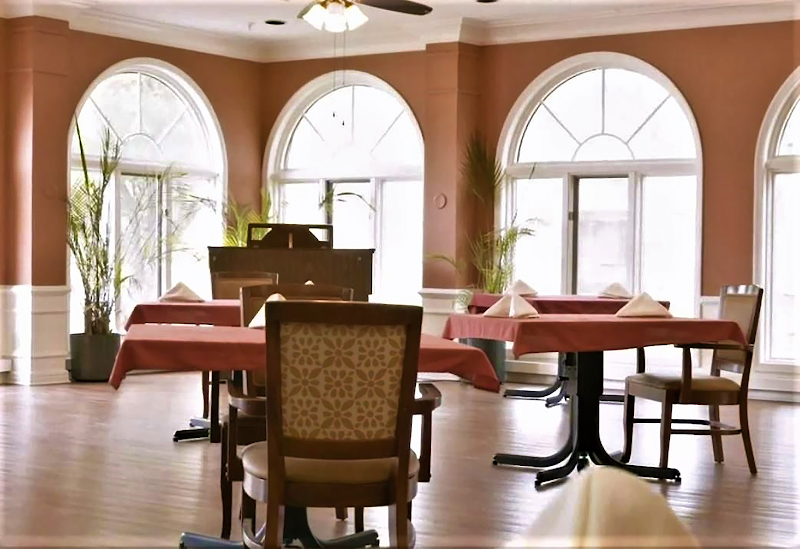
How is Majestic Care Of Lafayette Staffed?

CMS rates MAJESTIC CARE OF LAFAYETTE's staffing level at 1 out of 5 stars, which is much below average compared to other nursing homes. Staff turnover is 61%, which is 15 percentage points above the Indiana average of 46%. High turnover can affect care consistency as new staff learn residents' individual needs.

What Have Inspectors Found at Majestic Care Of Lafayette?

State health inspectors documented 42 deficiencies at MAJESTIC CARE OF LAFAYETTE during 2022 to 2025. These included: 41 with potential for harm and 1 minor or isolated issues.
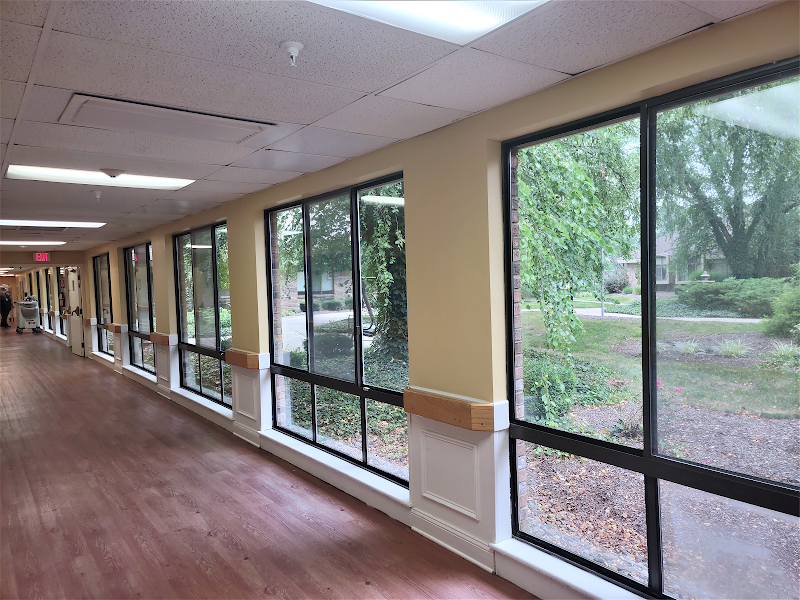
Who Owns and Operates Majestic Care Of Lafayette?

MAJESTIC CARE OF LAFAYETTE is owned by a for-profit company. For-profit facilities operate as businesses with obligations to shareholders or private owners. The facility is operated by MAJESTIC CARE, a chain that manages multiple nursing homes. With 122 certified beds and approximately 85 residents (about 70% occupancy), it is a mid-sized facility located in LAFAYETTE, Indiana.

How Does Majestic Care Of Lafayette Compare to Other Indiana Nursing Homes?

Compared to the 100 nursing homes in Indiana, MAJESTIC CARE OF LAFAYETTE's overall rating (2 stars) is below the state average of 3.1, staff turnover (61%) is significantly higher than the state average of 46%, and health inspection rating (2 stars) is below the national benchmark.

What Should Families Ask When Visiting Majestic Care Of Lafayette?

Based on this facility's data, families visiting should ask: "How do you ensure continuity of care given staff turnover, and what is your staff retention strategy?" "Can you walk me through typical staffing levels on day, evening, and night shifts?" "Can I visit during a mealtime to observe dining assistance and food quality?" "How do you handle medical emergencies, and what is your hospital transfer rate?" These questions are particularly relevant given the facility's high staff turnover rate and the below-average staffing rating.

Is Majestic Care Of Lafayette Safe?

Based on CMS inspection data, MAJESTIC CARE OF LAFAYETTE has a clean safety record: no substantiated abuse findings (meaning no confirmed cases of resident harm), no Immediate Jeopardy citations (the most serious violation level indicating risk of serious injury or death), and is not on the Special Focus Facility watch list (a federal program monitoring the lowest-performing 1% of nursing homes). The facility has a 2-star overall rating and ranks #100 of 100 nursing homes in Indiana. While no facility is perfect, families should still ask about staff-to-resident ratios and recent inspection results during their visit.

Do Nurses at Majestic Care Of Lafayette Stick Around?

Staff turnover at MAJESTIC CARE OF LAFAYETTE is high. At 61%, the facility is 15 percentage points above the Indiana average of 46%. High turnover means new staff may not know residents' individual needs, medications, or preferences. It can also be disorienting for residents, especially those with dementia who rely on familiar faces. Families should ask: What is causing the turnover? What retention programs are in place? How do you ensure care continuity during staff transitions?

Was Majestic Care Of Lafayette Ever Fined?

MAJESTIC CARE OF LAFAYETTE has no federal fines on record. CMS issues fines when nursing homes fail to meet care standards or don't correct problems found during inspections. The absence of fines suggests the facility has either maintained compliance or corrected any issues before penalties were assessed. This is a positive indicator, though families should still review recent inspection reports for the full picture.

Is Majestic Care Of Lafayette on Any Federal Watch List?

MAJESTIC CARE OF LAFAYETTE is not on any federal watch list. The most significant is the Special Focus Facility (SFF) program, which identifies the bottom 1% of nursing homes nationally based on persistent, serious quality problems. Not being on this list means the facility has avoided the pattern of deficiencies that triggers enhanced federal oversight. This is a positive indicator, though families should still review the facility's inspection history directly.