ROSEWALK VILLAGE AT LAFAYETTE
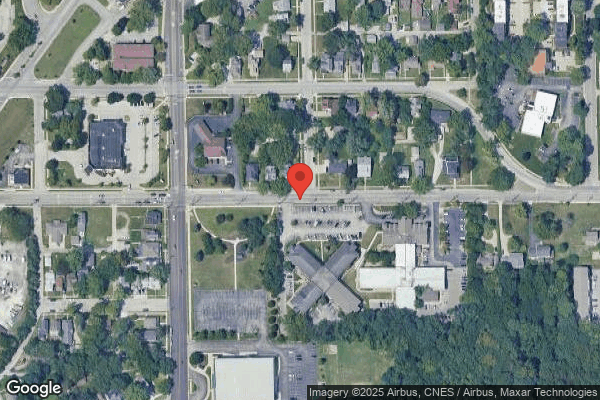

1903 UNION ST, LAFAYETTE, IN 47904 (765) 447-9431
Government - County 141 Beds AMERICAN SENIOR COMMUNITIES Data: November 2025
Trust Grade
75/100
#183 of 505 in IN
Last Inspection: April 2025

Within standard 12-15 month inspection cycle. Federal law requires annual inspections.

Overview

Rosewalk Village at Lafayette has a Trust Grade of B, indicating it is a good facility and a solid choice for families. The nursing home ranks #183 out of 505 facilities in Indiana, placing it in the top half of state options, and #3 out of 11 in Tippecanoe County, suggesting only two local facilities are better. However, it is worth noting that the facility's trend is worsening, with issues increasing from 3 in 2024 to 5 in 2025. Staffing is a concern here with a rating of 2 out of 5 stars and a turnover rate of 47%, which matches the state average, indicating that staff stability may not be a strong point. On the positive side, the facility has no fines on record, which is a good sign, and it offers more RN coverage than 75% of Indiana facilities, helping to ensure better oversight of resident care. Specific incidents noted by inspectors include the failure to properly store food and drinks, exposing residents to potential health risks, and not ensuring that pureed foods were served at the correct temperatures, which could affect residents on specialized diets. Additionally, there was a lapse in holding required care plan meetings for a resident, which is crucial for ongoing care management. Overall, families should consider both the strengths and weaknesses when assessing this facility for their loved ones.

Trust Score
B
75/100
In Indiana
#183/505
Top 36%
Safety Record
Low Risk
No red flags
Inspections
Getting Worse
3 → 5 violations
Staff Stability
⚠ Watch
47% turnover. Above average. Higher turnover means staff may not know residents' routines.
Penalties
✓ Good
No fines on record. Clean compliance history, better than most Indiana facilities.
Skilled Nurses
✓ Good
Each resident gets 43 minutes of Registered Nurse (RN) attention daily — more than average for Indiana. RNs are trained to catch health problems early.
Violations
⚠ Watch
14 deficiencies on record. Higher than average. Multiple issues found across inspections.
★★★★☆
4.0
Overall Rating
★★☆☆☆
2.0
Staff Levels
★★★★★
5.0
Care Quality
★★★☆☆
3.0
Inspection Score
Stable
2024: 3 issues
2025: 5 issues

The Good

  • 5-Star Quality Measures · Strong clinical quality outcomes
  • Full Sprinkler Coverage · Fire safety systems throughout facility
  • No fines on record

Facility shows strength in quality measures, fire safety.

The Bad

Staff Turnover: 47%

Near Indiana avg (46%)

Higher turnover may affect care consistency

Chain: AMERICAN SENIOR COMMUNITIES

Part of a multi-facility chain

Ask about local staffing decisions and management

The Ugly 14 deficiencies on record

Apr 2025 5 deficiencies
CONCERN (D)

Potential for Harm - no one hurt, but risky conditions existed

PASARR Coordination (Tag F0644)

Could have caused harm · This affected 1 resident

Based on interview and record review, the facility failed to ensure a preadmission screening and resident review (PASARR) was completed when an antipsychotic medication and mental health diagnosis was...

Read full inspector narrative →
Based on interview and record review, the facility failed to ensure a preadmission screening and resident review (PASARR) was completed when an antipsychotic medication and mental health diagnosis was added for 1 of 1 resident reviewed for PASARR. (Resident 97) Findings include: The clinical record for Resident 97 was reviewed on 3/31/25 at 11:48 a.m. The diagnoses included, but were not limited to, anxiety disorder and depressive disorder. A PASARR, dated 11/20/24, indicated Resident 97 did not have any mental health diagnoses or mental health medications. A physician's order, dated 12/17/24, indicated to administer sertraline (an antidepressant medication) 50 milligram (mg) once a day. A physician's order, dated 2/17/25, indicated to administer clonazepam (an antianxiety medication) 0.25 mg at bedtime. During an interview, on 4/3/25 at 3:34 p.m., the Executive Director (ED) indicated Resident 97 did not have a new PASARR level I completed when the new medications or diagnoses were added. During an interview, on 4/4/25 at 12:26 p.m., the Social Service Director indicated the resident did not have a new PASARR level I completed when the psychotropic medications and mental health diagnoses were added. A new PASARR should have been completed. A current facility policy, titled PASARR Policy, dated 11/17 and received from the Executive Director on 4/3/25 at 3:36 p.m., indicated .It is the policy of this facility to ensure that .PASARR assessments are updated with significant changes in mental or physical status A current facility policy, titled Psychotropic Management, dated 9/24 and received from the Executive Director on 4/4/25 at 11:12 a.m., indicated .It is the policy of this facility to ensure that a resident's psychotropic medication regimen helps promote the resident's highest practicable mental, physical and psychosocial well-being with person centered intervention and assessment .These drugs included, but are not limited to .Anti-psychotic; Anti-depressant; Anti-anxiety 3.1-16(d)(1)(A) 3.1-16(d)(1)(B)
CONCERN (D)

Potential for Harm - no one hurt, but risky conditions existed

ADL Care (Tag F0677)

Could have caused harm · This affected 1 resident

Based on observation, interview and record review, the facility failed to ensure a dependent resident was provided incontinence care in a timely manner for 1 of 1 dependent resident reviewed for activ...

Read full inspector narrative →
Based on observation, interview and record review, the facility failed to ensure a dependent resident was provided incontinence care in a timely manner for 1 of 1 dependent resident reviewed for activities of daily living (ADL) care. (Resident 39) Findings include: During an observation, on 3/30/25 at 1:03 p.m., Resident 39 was in the dining room sitting in a wheelchair. The resident was leaning to his left side and was sliding down in his seat. A strong bowel movement and urine odor came from the resident. The resident's sweatpants on the right side were pulled down and the resident had his hand in his pants. There was bowel movement all over his right hand. Certified Nursing Assistant (CNA) 2 entered the dining room, unlocked the wheelchair brakes, and took the resident to his room. During an interview, on 3/30/25 at 1:05 p.m., CNA 2 indicated Resident 39 was last checked/changed at 10:00 a.m. and residents were to be checked and changed every 2 hours. The clinical record for Resident 39 was reviewed on 4/2/25 at 10:48 a.m. The diagnoses included, but were not limited to, vascular dementia with behavioral disturbance, bipolar disorder, anxiety disorder, schizophrenia, psychotic disorder with delusions, conduct disorder, and cognitive communication deficit. A care plan, dated 2/21/23, indicated the resident required assistance with morning and evening care, nutrition, hydration, and elimination. A care plan, dated 2/22/23, indicated the resident required assistance with toileting due to incontinence. Interventions included, but were not limited to, assist with incontinence care as needed, check every 2 hours for incontinence, and document any abnormal findings and notify the physician. A care plan, dated 2/22/23, indicated the resident required assistance with activities of daily living which included bed mobility, transfers, eating, and toileting. Interventions included, but were not limited to, assistance with one staff for toileting and incontinent care. An annual Minimum Data Set (MDS) assessment, dated 12/12/24, indicated the resident was severely cognitively impaired. A quarterly MDS assessment, dated 4/8/24, indicated Resident 39 was dependent on staff for toileting hygiene, showers and baths, and personal hygiene. During an interview, on 3/30/25 at 1:13 p.m., CNA 3 indicated residents should be checked every 2 hours and changed if needed. Resident 39's brief had a very strong odor of urine and bowel movement. During an interview, on 4/3/25 at 4:03 p.m., Resident 39's family member indicated when he would visit the resident at mealtimes, the resident would have dried bowel movement on his hands. The staff did not wipe off the resident's hands before meals and he would eat with the dried bowel movement on them. The resident had been observed multiple times with dried bowel movement on his hands during meals. During an interview, on 4/4/25 at 10:41 a.m., CNA 4 indicated when residents were in the dining room, she would check and change the residents every hour. If a resident could not communicate, CNA 4 would take the resident to their room to check and change them every 2 hours. A Certified Nursing Assistant job description, dated 10/2014, indicated the CNA should maintain a homelike environment for the residents, protect and promote resident rights, and assist the person to maintain independence and control to the greatest extent possible. Promptly assist residents to the bathroom according to their toileting schedule or promptly bring a clean bedpan or urinal. Open, remove clothing in preparation, clean the resident if the resident was unable to clean self, adjust clothing, clean resident's and own hands. Change position of bedfast residents at least every two hours. A current facility policy, titled Bowel and Bladder Program, dated 5/2019 and received by the Executive Director on 3/31/25 at 3:31 p.m., indicated .If a resident is totally incontinent and unable to be placed on a toilet or bedpan, resident should be checked and changed every two hours 3.1-38(a)(2)(c) 3.1-38(a)(3)
CONCERN (D)

Potential for Harm - no one hurt, but risky conditions existed

Quality of Care (Tag F0684)

Could have caused harm · This affected 1 resident

Based on interview and record review, the facility failed to ensure insulin doses were not administered when the blood sugar readings were below the physician's ordered hold parameter for 1 of 2 resid...

Read full inspector narrative →
Based on interview and record review, the facility failed to ensure insulin doses were not administered when the blood sugar readings were below the physician's ordered hold parameter for 1 of 2 residents reviewed for quality of care. (Resident 12) The deficient practice was corrected on 3/28/25, prior to the start of the survey, and therefore was past noncompliance. Findings include: The clinical record for Resident 12 was reviewed on 4/1/25 at 11:50 a.m. The diagnoses included, but were not limited to, type 2 diabetes mellitus with hyperglycemia, diabetic nephropathy, and chronic kidney disease. A physician's order, dated 11/21/24, indicated to give 35 units of Fiasp FlexTouch U-100 Insulin (a fast-acting insulin) three times a day with special instructions to hold for a blood sugar below 130. The Medication Administration Record (MAR), dated 12/1/24 through 12/31/24, indicated 35 units of Fiasp FlexTouch U-100 Insulin were administered on the following dates with a blood sugar below 130: On 12/1/24, with a blood sugar of 97. On 12/2/24, with a blood sugar of 112, 112, and 109. On 12/3/24, with a blood sugar of 116. On 12/4/24, with a blood sugar of 111. On 12/8/24, with a blood sugar of 121. On 12/9/24, with a blood sugar of 87. On 12/14/24, with a blood sugar of 91. On 12/17/24, with a blood sugar of 111. On 12/20/24, with a blood sugar of 117. On 12/21/24, with a blood sugar of 126. On 12/27/24, with a blood sugar of 126. On 12/28/24, with a blood sugar of 83. On 12/29/24, with a blood sugar of 96. On 12/30/24, with a blood sugar of 107 and 116. The MAR, dated 1/1/25 through 1/31/25, indicated 35 units of Fiasp FlexTouch U-100 Insulin were administered on the following dates with a blood sugar below 130: On 1/6/25, with a blood sugar of 98. On 1/10/25, with a blood sugar of 124. On 1/12/25, with a blood sugar of 120. On 1/14/25, with a blood sugar of 116. On 1/15/25, with a blood sugar of 126. On 1/17/25, with a blood sugar of 110. On 1/19/25, with a blood sugar of 129. On 1/26/25, with a blood sugar of 122. The MAR, dated 2/1/25 through 2/28/25, indicated 35 units of Fiasp FlexTouch U-100 Insulin were administered on the following dates with a blood sugar below 130: On 2/5/25, with a blood sugar of 128. On 2/11/25, with a blood sugar of 126. On 2/12/25, with a blood sugar of 129. On 2/19/25, with a blood sugar of 124. On 2/21/25, with a blood sugar of 115. On 2/23/25, with a blood sugar of 128. During an interview, on 4/3/25 at 11:17 a.m., LPN 6 indicated when an insulin dose was held based on the physician's hold parameter, the nurse's initials on the MAR were in parenthesis or it would have been marked as zero (0) units given. During an interview, on 4/3/25 at 11:20 a.m., RN 7 indicated a residents' insulin dose should be held if the blood sugar was below the ordered hold parameter. During an interview, on 4/4/25 at 11:45 a.m., the Director of Nursing (DON) indicated the facility had noticed medications were administered against the ordered hold parameters. Staff education was completed, a quality improvement plan was formed, and monitored throughout March. Their quality improvement plan was completed 3/28/25. During an interview, on 4/3/25 at 2:15 p.m., the DON indicated the facility did not have a specific insulin administration policy or a policy related to following a physician's ordered hold parameter. A current facility policy, titled Medication Administration (Medication Pass Procedure), dated 7/2023 and received from the DON on 4/3/25 at 2:15 p.m., indicated .Vital signs were obtained, if necessary .Perform the 5 rights of medication .Right Dose The deficient practice was corrected by 3/28/25, after the facility implemented a systemic plan which included audits and conducting staff education on following the physician's ordered hold parameters with all nursing staff. 3.1-37(a)
CONCERN (E)

Potential for Harm - no one hurt, but risky conditions existed

Deficiency F0657 (Tag F0657)

Could have caused harm · This affected multiple residents

3. The clinical record for Resident 3 was reviewed on 4/2/25 at 11:00 a.m. The diagnoses included, but were not limited to, Alzheimer's disease, dementia with psychotic disturbance, psychotic disorder...

Read full inspector narrative →
3. The clinical record for Resident 3 was reviewed on 4/2/25 at 11:00 a.m. The diagnoses included, but were not limited to, Alzheimer's disease, dementia with psychotic disturbance, psychotic disorder with delusions, moderate intellectual disabilities, asthma, major depressive disorder, anxiety disorder, and psychotic disorder with hallucinations. The clinical record indicated care plan meetings for Resident 3 were held on 3/22/24, 9/23/24, 12/3/24, and 2/17/25. The facility conducted a Minimum Data Set (MDS) assessment on 6/18/24. The record did not indicate a care plan meeting for the second quarter of 2024 during the months of April, May, or June was held. During an interview, on 4/3/25 at 11:04 a.m., the Social Services Director (SSD) indicated care plan meetings and reviews should occur on admission and quarterly with the long-term care Minimum Data Set (MDS) assessments. All meeting summaries were recorded in the electronic medical record in the observations section labeled Care Plan Summary. During an interview, on 4/3/25 at 3:32 p.m., the Director of Nursing (DON) indicated the family had been invited to a care plan meeting in May, but the family did not come. The facility did not conduct a care planning meeting for that quarter. 4. The clinical record for Resident 16 was reviewed on 4/1/25 at 2:39 p.m. The diagnoses included, but were not limited to, respiratory failure with hypoxia, chronic obstructive pulmonary disease, dementia with behavioral disturbance, type 2 diabetes, chronic kidney disease, congestive heart failure, post-traumatic stress disorder, major depressive disorder with psychotic symptoms, psychosis, and anxiety disorder. The clinical record indicated care plan meetings for Resident 16 were held on 2/15/24, 5/3/24, 10/17/24, and 3/11/25. The facility conducted a Minimum Data Set (MDS) assessment on 7/29/24. The record did not indicate a care plan meeting for the third quarter during the months of July through September was held. During an interview, on 4/3/25 at 3:34 p.m., the DON indicated the facility did not conduct a care plan review meeting for Resident 16 during the July, August, and September quarter. A current facility policy, titled IDT Comprehensive Care Plan Policy, dated 8/2023 and received from the DON on 4/3/25 at 2:15 p.m., indicated .Care plan problems, goals, and interventions must be reviewed and revised by the interdisciplinary team periodically and following completion of each MDS assessment The deficient practice was corrected by 3/21/25, after the facility implemented a systemic plan which included audits and conducting or scheduling care plan meetings for all residents who were missing care plan meetings for over 90 days. 3.1-35(d)(2)(B) Based on interview and record review, the facility failed to ensure care plan meetings were held with the resident and the resident's representative in a timely manner for 4 of 4 residents reviewed for care plan meetings. (Resident 9, 2, 3 and 16). This deficient practice was corrected on 3/21/25, prior to the start of the survey, and therefore was past noncompliance. Findings include: 1. The clinical record for Resident 9 was reviewed on 4/1/25 at 1:23 p.m. The diagnoses included, but were not limited to, Parkinson's disease, chronic obstructive pulmonary disease, dementia, diabetes mellitus, depressive disorder, muscle weakness, difficulty in walking, vitamin deficiency, and esophageal obstruction. The clinical record indicated care plan meetings for Resident 9 were held on 2/15/24, 3/19/24, 9/10/24, 11/14/24 and 2/13/25. The record did not indicate a care plan meeting for the second quarter between the dates of 3/19/24 and 9/10/24 was held. During an interview, on 4/4/25 at 12:26 p.m., the Executive Director (ED) indicated no care plan meeting was conducted during the period of 3/19/24 through 9/10/24. It had been identified, and a plan of correction was in place. During an interview, on 4/4/25 at 12:28 p.m., the Social Worker indicated a care plan meeting should have been completed during the second quarter for the period of 3/19/24 through 9/10/24. 2. The clinical record for Resident 2 was reviewed on 4/2/25 at 9:23 a.m. The diagnoses included, but were not limited to, chronic obstructive pulmonary disease, diabetes, end stage renal disease, hypertension, depression, anxiety, bipolar, schizoaffective disorder, psychotic disorder with delusions, epilepsy, cerebrovascular accident, and pain. The clinical record indicated care plan meetings for Resident 2 were held on 3/1/24, 5/14/24, 9/18/24, and 3/14/25. The record did not indicate a care plan meeting for the fourth quarter between the dates of 9/18/24 and 3/14/25 was held. During an interview, on 4/4/25 at 12:09 p.m., the Executive Director (ED) indicated the care plan for the last quarter of 2024 was not completed.
CONCERN (F)

Potential for Harm - no one hurt, but risky conditions existed

Food Safety (Tag F0812)

Could have caused harm · This affected most or all residents

Based on observation, interview and record review, the facility failed to ensure employee food and drinks were not stored in the kitchen, cardboard boxes were off the floor, and expired food was disca...

Read full inspector narrative →
Based on observation, interview and record review, the facility failed to ensure employee food and drinks were not stored in the kitchen, cardboard boxes were off the floor, and expired food was discarded. This deficient practice had the potential to affect 110 of 110 residents who received food from the kitchen. Findings include: During the kitchen observation, on 3/30/25 at 10:20 a.m., with the Executive Director (ED), the following were observed: a. The reach-in refrigerator contained two brown plastic grocery sacks containing employee lunches. b. The walk-in freezer had one large cardboard box containing a bag of frozen blueberries and one large cardboard box with two boxes stacked on top. The cardboard boxes were stored on the floor. c. The food preparation station had two half empty clear plastic waters bottles stored on the shelf in the food area. d. The food preparation refrigerator had a large clear container of diced ham with a use-by date of 3/27/25. e. The food preparation station had four empty cardboard boxes on the floor under the food preparation sink. During an interview, on 3/30/25 at 10:28 a.m., the ED indicated the employees were not supposed to store their lunches in the refrigerator. During an interview, on 3/30/25 at 10:48 a.m., the ED indicated food, or cardboard boxes should not have been stored on the floor. During an interview, on 3/30/25 at 11:15 p.m., [NAME] 7 indicated staff should not have had their drinks or food in the kitchen. During an interview, on 3/30/25 at 12:19 p.m., the Dietary Manager (DM) indicated the cardboard boxes should not have been on the floor and nothing should have been stored on the floor. A current facility policy, titled Food Storage, dated as revised 5/23 and received from the ED on 3/31/25 at 3:31 p.m., indicated .Sufficient storage facilities are provided to keep food safe, wholesome, and appetizing. Food is stored at an appropriate temperature and by methods designed to prevent contamination .Food is stored a minimum of 6 above the floor and 18 below the sprinkler heads on clean racks or other clean surfaces and protected from contamination .Leftover prepared foods and processed meats such as lunchmeat, are to be stored in covered containers or wrapped securely. The food must clearly be labeled with the name of the product, the date it was prepared, and marked to indicate the date by which the food shall be consumed or discarded 3.1-21(i)(3)
May 2024 3 deficiencies
CONCERN (D)

Potential for Harm - no one hurt, but risky conditions existed

Quality of Care (Tag F0684)

Could have caused harm · This affected 1 resident

Based on interview and record review, the facility failed to ensure insulin doses were held per physician's order, to notify the physician in a timely manner, and to follow the ordered hypoglycemic pr...

Read full inspector narrative →
Based on interview and record review, the facility failed to ensure insulin doses were held per physician's order, to notify the physician in a timely manner, and to follow the ordered hypoglycemic protocol for 1 of 2 residents reviewed for insulin. (Resident 5) Finding includes: The clinical record for Resident 5 was reviewed on 5/23/24 at 3:11 p.m. The diagnoses included, but were not limited to, type 2 diabetes mellitus with hyperglycemia (high blood sugar), hypoglycemia (low blood sugar), diabetic neuropathy, diabetic retinopathy without ocular edema (eye disease), hypotension, Alzheimer's disease, and syncope and collapse. 1. A physician's order, dated 4/3/24 and discontinued 5/16/24, indicated to give 10 units of lispro insulin with meals with special instructions to hold the dose if the blood sugar was less than 110. A vital signs record indicated the following: a. On 5/11/24 at 8:59 a.m., the blood sugar was 109 mg/dL. b. On 5/14/24 at 7:24 a.m., the blood sugar was 83 mg/dL. c. On 5/14/24 at 11:55 a.m., the blood sugar was 95 mg/dL. A diabetic medication administration record (MAR) indicated the following: a. On 5/11/24 at 7:00 a.m., 10 units of lispro insulin were given in the right arm with a recorded blood sugar of 109 by RN 2. b. On 5/14/24 at 9:50 a.m., 10 units of lispro insulin were given in the abdomen with a recorded blood sugar of 83 mg/dL by RN 3. c. On 5/14/24 at 1:46 p.m., 10 units of lispro insulin were given in the left arm with a recorded blood sugar of 95 mg/dL by RN 3. During an interview, on 5/28/24 at 2:41 p.m., the Assistant Director of Nursing (ADON) indicated the nurses would know when to hold a medication by looking at the hold order on the Medication Administration Record (MAR). 2. A physician's order, dated 4/3/24, indicated to check the blood sugar four times per day and to notify the physician if the blood sugar was below 60. A physician's order, dated 4/8/24, indicated a hypoglycemic protocol: if the blood glucose was 60 or below and the resident was able to consume intake then administer 4 ounces of juice and recheck the blood glucose in 15 minutes. A vital signs record indicated the following: a. On 5/15/24 at 7:41 p.m., the blood sugar was 56 mg/dL. b. On 5/17/24 at 10:00 p.m., the blood sugar was 58 mg/dL. The electronic medical record did not include a rechecked blood sugar for 5/17/24 at 10:00 p.m. A nursing progress note, dated 5/15/24 at 9:00 p.m., indicated the resident's bedtime blood sugar was 56. A message was left in the binder for the provider to review later. A nursing progress note, dated 5/19/24 at 11:06 p.m., indicated the previous shift nurse left another message in the binder due to hypoglycemia episodes over the weekend. During an interview, on 5/28/24 at 2:41 p.m., the ADON indicated the nurse should call the doctor for blood sugar readings below or above the parameters given in the orders, which were typically below 60 and above 450. The hypoglycemic protocol for low blood sugars under 60 was to give 4 ounces of juice if the resident was able to safely drink and then recheck the blood sugar in 15 minutes. During an interview, on 5/28/24 at 3:49 p.m., the Director of Nursing (DON) indicated the nurse should notify the Nurse Practitioner (NP) by writing the blood sugar on the non-urgent log for the provider to see the information while she rounded that day or on the next day. If the abnormal blood sugar happened on a weekend when the NP would not be coming in, then the nurse should call the on-call provider. The hypoglycemic protocol was to give 4 ounces of juice and to recheck the blood sugar in 15 minutes. Waiting over an hour for a recheck of the blood sugar was not following the protocol. A current policy, titled Resident Change of Condition Policy, dated as revised on 11/2018 and received from the DON on 5/29/24 at 10:00 a.m., indicated .All symptoms and unusual signs will be documented in the medical record and communicated to the attending physician promptly A current policy, titled Blood Glucose Monitoring, dated as revised on 2/2015 and received from the DON on 5/29/24 at 10:15 a.m., indicated .The physician will be notified when the resident's blood glucose is outside the physician stated parameters .Immediate treatment of hypoglycemia will be completed as follows .(resident) will receive 4 ounces of juice. Recheck blood glucose in 15 minutes and document .Blood glucose results will be documented on the Capillary Blood Glucose Monitoring Tool or on the medication administration record. 3.1-37(a)
CONCERN (D)

Potential for Harm - no one hurt, but risky conditions existed

Deficiency F0692 (Tag F0692)

Could have caused harm · This affected 1 resident

Based on interview and record review, the facility failed to notify the physician about a significant weight loss in a timely manner for 1 of 5 residents reviewed for nutrition. (Resident 67) Finding ...

Read full inspector narrative →
Based on interview and record review, the facility failed to notify the physician about a significant weight loss in a timely manner for 1 of 5 residents reviewed for nutrition. (Resident 67) Finding includes: The clinical record for Resident 67 was reviewed on 5/23/24 at 11:53 a.m. The diagnoses included, but were not limited to, end stage renal disease, chronic diastolic (congestive) heart failure, acquired absence of left leg below the knee, hypertensive heart, chronic kidney disease with heart failure, and stage 5 chronic kidney disease. A current care plan, with a start date of 5/19/21, indicated to notify the medical doctor (MD)/family of significant weight changes. The weight log indicated the following weights: 7/5/23: 216 pounds 8/10/23: 197 pounds 8/16/23: 198 pounds 9/12/23: Not Taken (refused) 10/06/23: Not Taken (refused) 10/11/23: INVALID 10/13/23: 171 pounds 10/25/23: INVALID 10/27/23: 172 pounds An interdisciplinary team (IDT) progress note, dated 8/10/23, indicated the resident's weight was 197 lbs. The resident had a significant weight loss of 9% in 36 days. The root cause for the weight loss was because the resident had a left below the knee amputation (BKA). The physician was notified of the weight change. An IDT progress note, dated 10/23/23, indicated the resident's current weight was 171 lbs. The resident had a weight loss of 14% in 158 days. The resident had a 13% weight loss from 8/16/23 to 10/13/23. The provider was not notified of the significant weight loss until 10 days later. During an interview, on 5/29/24 at 3:48 p.m., the Director of Nursing (DON) indicated they did not see notification to the physician until 10/23/24. A current policy, titled Resident Weight Monitoring, dated as last reviewed on 7/2023 and received from the DON on 5/29/24 at 3:50 p.m., indicated .The physician/health care provider will be notified of unplanned significant weight loss/gains 3.1-46(a)(1)
CONCERN (D)

Potential for Harm - no one hurt, but risky conditions existed

Deficiency F0761 (Tag F0761)

Could have caused harm · This affected 1 resident

Based on observation, interview and record review, the facility failed to ensure over the counter (OTC) medications were labeled with the directions for use and the physician's name for 1 of 3 medicat...

Read full inspector narrative →
Based on observation, interview and record review, the facility failed to ensure over the counter (OTC) medications were labeled with the directions for use and the physician's name for 1 of 3 medications carts reviewed for medication storage. (Cart 100) Finding includes: During an observation of medication storage, on 5/21/24 at 12:22 p.m., with LPN 2 the medication cart 100 on the dementia unit had the following: a. One bottle of OTC aspirin 81 milligram (mg) with the name of Resident 104 handwritten in black. There was no label, no instructions for use of the medication, and no physician's name on the bottle. The bottle was not opened. b. One opened bottle of OTC aspirin 81 mg with 365 tables with the name of Resident 104 handwritten in black. There was no label, no instructions for use of the medication, and no physician's name on the bottle. c. One bottle of OTC turmeric 500 mg capsules for Resident 104. There was no label, no instructions for use of the medication, and no physician's name on the bottle. d. One bottle of OTC chewable aspirin tablets 81 mg with the name of Resident 87 handwritten in black. There was no label, no instructions for use, and no physician's name on the bottle. e. One bottle of OTC allergy relief cetirizine 10 mg with the name of Resident 87 handwritten in black. There was no label, no instructions for use, and no physician's name on the bottle. The clinical record for Resident 104 was reviewed on 5/21/24 at 3:05 p.m. The diagnoses included, but were not limited to, dementia and insomnia. A physician's order for Resident 104, dated 3/26/24 and open ended, indicated to give aspirin 81 mg once a day. A physician's order for Resident 104, dated 4/27/24 and open ended, indicated to give turmeric root extract 500 mg capsule once a day. The clinical record for Resident 87 was reviewed on 5/21/24 at 3:20 p.m. The diagnoses included, but were not limited to, dementia, low back pain, and heart disease. A physician's order for Resident 87, dated 2/26/24, indicated to give a chewable aspirin 81 mg once a day. A physician's order for Resident 87, dated 5/10/24, indicated to give cetirizine 10 mg at bedtime. During an interview, on 5/21/24 at 3:00 p.m., the Director of Nursing (DON) indicated the policy for medication labeling indicated according to regulations. The DON was not able to say what the regulations were for labeling OTC medications. During an interview, on 5/22/24 at 3:55 p.m., the facility pharmacist indicated she would need to look up the professional standards for labeling OTC medications in a long-term care facility. An email dated 5/22/24 at 4:16 p.m., from the facility pharmacist indicated the OTC medications would need to be identified with the resident's name, the physician's name, the expiration date, the name of the drug and the strength. A current policy, titled Storage and Expiration of Medications, Biologicals, Syringes and Needles, dated as revised on 1/13/23 and received from the DON on 5/21/24 at 3:01 p.m., indicated .Facility should ensure that medications and biologicals .Have an Expiration Date on the label .Facility should request that Pharmacy perform a routine nursing unit inspection for each nursing station in Facility to assist Facility in complying with its obligations pursuant to Applicable Law relating to the proper storage, labeling, security and accountability of medications and biologicals 3.1-25(j) 3.1-25(k)(1) 3.1-25(k)(2) 3.1-25(k)(5)
Mar 2023 6 deficiencies
CONCERN (D)

Potential for Harm - no one hurt, but risky conditions existed

Incontinence Care (Tag F0690)

Could have caused harm · This affected 1 resident

**NOTE- TERMS IN BRACKETS HAVE BEEN EDITED TO PROTECT CONFIDENTIALITY** Based on observation, interview, and record review, the facility failed to ensure a resident was provided thorough washing of al...

Read full inspector narrative →
**NOTE- TERMS IN BRACKETS HAVE BEEN EDITED TO PROTECT CONFIDENTIALITY** Based on observation, interview, and record review, the facility failed to ensure a resident was provided thorough washing of all areas for 1 of 1 residents being observed for catheter care (Resident 2). Findings include: During an observation, on 3/27/23 at 11:21 a.m., LPN 3 and the Assistance Director of Nursing(ADON) were providing catheter care for Resident 2. LPN 3 gathered water from the bathroom and had wash cloths on the bedside table. LPN 3 started cleaning the resident's tubing attached to the catheter bag. LPN 3 did not wash the resident's peri area or clean the catheter in a circular motion for about 4 inches and did not start cleansing where the catheter entered the meatus and down the drainage tub. Resident 2's peri area appeared very red. Resident 2's record was reviewed on 3/24/23 at 4:23 p.m. Diagnoses included, but where not limited to, pressure ulcer of left buttock, epilepsy, hypertension, depressive episode and traumatic brain injury and artificial knee joints. A facility form, titled, Procedure Steps for Catheter Care (urinary), dated 2/2023, indicated to use the non-dominant hand and grasp the catheter tubing where it entered the meatus; use the dominant hand to retrieve a wet soaped washcloth, cleanse catheter in a circular motion for about 4 inches; and start cleanse where the catheter entered the meatus and down the draining tube. A Care Plan, dated 8/12/22, indicated Resident 2 required an indwelling urinary catheter due to a wound to the buttock. Approaches included, but were not limited to, provide assistance for catheter care per shift, report signs of urinary tract infection, and keep catheter system closed as much as possible. A Physician's order, dated 11/10/22, indicated Resident 2's urinary catheter was to have catheter care every shift and to record the output every shift. A quarterly Minimal Data Set (MDS), dated [DATE], indicated Resident 2 had a catheter and was a two person extensive assist with toileting. It also indicated the resident's Brief Interview for Mental Status (BIMS) score was 15 which indicated the resident was cognitively intact. During an interview, on 3/27/23 at 11:04 a.m., the Assistant Director of Nursing (ADON) indicated the procedure steps should be followed during catheter care. During an interview, on 3/27/23 at 2:14 p.m., the Executive Director indicated they did not have a Catheter Care policy. The facility form titled, Procedure Steps for Catheter Care (urinary), dated 2/2023, was the policy catheter care. The facility did not have a Catheter Care policy. 3.1-41(a)(1)
CONCERN (D)

Potential for Harm - no one hurt, but risky conditions existed

Pharmacy Services (Tag F0755)

Could have caused harm · This affected 1 resident

**NOTE- TERMS IN BRACKETS HAVE BEEN EDITED TO PROTECT CONFIDENTIALITY** Based on observation, interview, and record review, the facility failed to ensure lorazepam (an anti-anxiety medication) was not...

Read full inspector narrative →
**NOTE- TERMS IN BRACKETS HAVE BEEN EDITED TO PROTECT CONFIDENTIALITY** Based on observation, interview, and record review, the facility failed to ensure lorazepam (an anti-anxiety medication) was not administered after the expiration date and to reconcile the controlled substance record for 1 out of 3 medication carts observed for medication storage (Resident 24). Findings include: 1. During a medication storage observation on [DATE] at 11:30 a.m., a bottle of lorazepam for Resident 24 was dated as opened on [DATE]. The lorazepam should have been discarded on [DATE]. The record for Resident 24 was reviewed on [DATE] at 11:30 a.m. Diagnoses included, but were limited to, unspecified dementia, unspecified severity, with other behavioral disturbance. A physician's order, dated [DATE], indicated lorazepam intensol 2 milligrams/milliliters give 0.5 milliliters every 4 hours as needed. A medication administration record, dated [DATE] to [DATE], lorazepam intensol 2 milligrams/milliliter give 0.5 milliliters was administered on [DATE] at 10:53 a.m. for a behavior issue. 2. During a medication storage observation on [DATE] at 11:30 a.m., a bottle of lorazepam intensol contained 14 milliliters of the medication. A controlled substance record indicated 7.5 milliliters of the medication remained in the bottle. A controlled substance record for lorazepam 2 milligrams/milliliter indicated 27 doses were administered from [DATE] to [DATE] resulting in 7.5 milliliters being left in the bottle. A medication administration record, dated [DATE] to [DATE], indicated one dose of lorazepam was administered. A medication administration record, dated [DATE] to [DATE], indicated 2 doses of lorazepam was administered. A medication administration record, dated [DATE] to [DATE], indicated 14 doses of lorazepam were administrated. This was a total of 17 doses of lorazepam doses administered. The dates of administration on the medication administration record did not coincide with the dates of administration on the controlled substance record. The shift change records for the memory care unit were reviewed on [DATE] at 12:30 p.m., the records indicated the medication amount was checked and verified by staff every shift. During an interview on [DATE] at 12:35 p.m., Nurse 4 indicated she was not aware of an expiration date for the lorazepam, and she did not notice when she verified narcotic medications in cart and refrigerator. There was an error in the amount listed on the controlled substance record and in the actual medication bottle. A current manufacturer's insert, Pharmaceutical Associates Inc., indicated to discard opened bottles of lorazepam after 90 days. A current policy, titled, Storage and Expiration of Medications, Biologicals, Syringes and Needles, indicated, dated [DATE], received from the executive director on [DATE] facility should ensure that medications and biologicals that .have an expired date on the label . have been retained longer than recommended by manufacturer or supplier guidelines A current policy, titled, Inventory Control of Controlled Substances, dated [DATE], received from the executive director, on [DATE] at 3:46 p.m., indicated .facility should maintain a separate individual controlled substance records .facility should ensure that facility staff count all schedule III and IV controlled substances in accordance with facility policy and applicable law . a facility representative should regularly check the inventory records to reconcile inventory 3.1-25(e)(2) 3.1-25(o)
CONCERN (D)

Potential for Harm - no one hurt, but risky conditions existed

Drug Regimen Review (Tag F0756)

Could have caused harm · This affected 1 resident

Based on interview and record review, the facility failed to ensure a pharmacy recommendation was addressed by the prescriber within 30 days for 1 of 5 residents reviewed for unnecessary medications (...

Read full inspector narrative →
Based on interview and record review, the facility failed to ensure a pharmacy recommendation was addressed by the prescriber within 30 days for 1 of 5 residents reviewed for unnecessary medications (Resident 85). Finding includes: The record for Resident 85 was reviewed on 3/24/23 at 3:49 p.m. Diagnoses included, but were not limited to, dementia with behavioral disturbance, anxiety disorder, major depressive disorder and a sleep disorder. A pharmacy consultation, dated 6/8/22, indicated the resident received an antidepressant, sertraline 100 milligrams (mg), at bedtime which may interfere with sleep. The resident was receiving melatonin (a hormone which affects sleep) 3 mg once a day at bedtime as a sleep aid. Recommended to change the administration time of the sertraline to the morning and reassess the continued need for the melatonin. The Nurse Practitioner (NP) responded to the recommendation on 7/25/22 and indicated to adjust the sertraline dosing to every morning. The NP response was 47 days after the pharmacy recommendation. During an interview, on 3/28/23 at 11:44 a.m., the Executive Director (ED) indicated there was no answer why the NP had the delayed response to the pharmacy recommendation on 6/8/22. A current Nursing Drug book, indicated the adverse reactions of sertraline included, but were not limited to, insomnia. A current policy, titled, Medication Regimen Reviews and Pharmacy Recommendation, revised on 10/2018 and received from the executive director on 3/28/23 at 12;27 p.m., indicated, .It is the policy of ASC that the facility maintains the resident's highest practicable level of physical, mental and psychosocial well-being and prevents or minimized adverse consequences related to medication therapy to the extent possible by providing oversight by a licensed pharmacist, Attending Physician, Medical Director, and Director of Nursing .The drug regimen of each resident must be reviewed at least once a month by a licensed pharmacist. The drug regimen review must include a review of the resident's medical chart .The Consultant Pharmacist recommendations will be reviewed by the Director of Nursing and the Attending Physician will be notified promptly of any recommendation needing immediate attention .Pharmacy recommendations should be reviewed with follow up by the physician within 30 days of the facility receiving 3.1-25(i)
CONCERN (D)

Potential for Harm - no one hurt, but risky conditions existed

Medication Errors (Tag F0758)

Could have caused harm · This affected 1 resident

2. The record for Resident 48 was reviewed on 03/23/23 at 09:29 a.m. Diagnoses included, but were not limited to, major depressive disorder, delusional disorders, generalized anxiety disorder, and psy...

Read full inspector narrative →
2. The record for Resident 48 was reviewed on 03/23/23 at 09:29 a.m. Diagnoses included, but were not limited to, major depressive disorder, delusional disorders, generalized anxiety disorder, and psychotic disorder with delusions due to known physiological condition. A physician's order, dated 1/23/23, indicated Lexapro (an antidepressant) 10 mg daily. A pharmacy recommendation, dated 9/19/22, indicated the resident had received an antidepressant, lexapro 5 milligrams once daily for the management of major depressive disorder since 3/2022. The recommendation was to consider documenting that a gradual dose reduction was clinically contraindicated. A patient-specific rationale describing why a gradual dose reduction attempt is likely to impair function or cause psychiatric instability in the individual. The physicians response, dated 9/19/12, indicated the escitalopram was an ongoing need and the GDR was declined. The physician response did not include the clinical rationale for declining the gradual dose reduction. A current policy, titled, Psychotropic Management, last revised on 7/22 and received from the Executive Director on 3/28/23 at 12:14 p.m., indicated, .It is the policy of American Senior Communities to ensure that a resident's psychotropic medication regimen helps promote the resident's highest practicable mental, physical and psychosocial well-being with person centered intervention and assessment. These medications are managed in collaboration with professional services and facility staff to include no pharmacological interventions, assessment and reduction as applicable .A psychotropic drug is any drug that affects brain activities associated with mental processes and behavior. These drugs include, but are not limited to, drugs in the following categories .Anti-psychotic .Anti-depressant .Anti-anxiety .Residents are not given psychotropic drugs unless the medication is necessary to treat a specific condition as diagnoses, and this is documented in the medical record. Each resident receiving psychotropic medication will have an adequate indication for use and supporting diagnosis for use which is documented in the clinical record .Gradual dose reductions [GDR] and use of no pharmacological intervention will occur for residents receiving psychotropic medication unless contraindicated by the prescriber with specific rationale why reduction is not indicated .Periodic re-evaluation of the medication regimen is necessary to determine whether continued use of a mediation is indicated .Prescribers will evaluate the efficacy and risks for psychotropic medications and document their assessment in the medical record . The prescriber may reduce the medication or clinically contradict the GDR based on relevant clinical standards of practice. All rationale must be documented in the medical record 3.1-48(a)(3) 3.1-48(a)(4) Based on interview and record review, the facility failed to ensure the prescribed antianxiety medication had documentation to show the clinical rationale for being prescribed and to ensure the continued need for the use of the medication was assessed for 1 of 5 residents reviewed for unnecessary medications (Resident 4), and to provide a clinical rationale for not accepting a gradual dose reduction (GDR) recommendation for 1 of 5 residents reviewed for unnecessary medications (Resident 48). Findings include: 1. The Record for Resident 4 was reviewed on 3/23/23 at 12:25 p.m. Diagnoses included, but were not limited to, Alzheimer's disease with late onset, unspecified dementia with psychotic disturbance, psychotic disorder with hallucinations due to a known physiological condition, moderate intellectual disabilities, recurrent major depression and a lack of coordination. The diagnoses did not include anxiety. A physician's order, dated 9/6/23, indicated to give buspirone (an anxiolytic to treat anxiety) 7.5 milligrams (mg) twice a day for depression. A care plan, dated 9/7/22, indicated the resident was at a risk for signs/symptoms of depression. The resident had a diagnosis of major depressive disorder and utilized an antianxiety medication. The interventions included, but were not limited to, allow the resident to express feelings and frustration, encourage activities of interest and medications as ordered. A care plan, dated 9/7/22, indicated the resident was at a risk for adverse side effects related to the use of psychotropic medication, an antidepressant and antianxiety medication. The resident had a diagnosis of major depression, dementia with behavioral disturbance and a psychotic disorder with hallucinations due to a known physiological condition. The care plans did not include the resident was at a risk for anxiety. A psychiatric progress note, dated 2/6/23, indicated the diagnoses and plan included: a. Alzheimer's disease with late onset to continue the Aricept and Namenda (memory medications). b. Major depressive disorder to continue the sertraline (an antidepressant). c. Other sleep disorder to continue the melatonin (a hormone which helps with sleep). d. Psychotic disorder with hallucinations due to a known physiological condition to continue the olanzapine (an antipsychotic medication) e. Other sexual dysfunction not due to a substance of known physiological condition to continue the sertraline. The diagnoses and plan did not include anxiety or the medication buspirone. A psychiatric progress note, dated 2/22/23, indicated the diagnoses and plan included: a. Alzheimer's disease with late onset to continue the Aricept and Namenda. b. Major depressive disorder to continue the sertraline. c. Other sleep disorder to continue the melatonin. d. Psychotic disorder with hallucinations due to a know physiological condition to continue the olanzapine. e. Sexual dysfunction not due to a substance or known physiological condition to continue the sertraline. The diagnoses and plan did not include anxiety or the medication buspirone. A psychiatric progress note, dated 3/6/23, indicated the diagnoses and plan included: a. Dementia which was moderately stable. b. Major depressive disorder to continue the antidepressant sertraline 150 mg. c. Other sleep disorder to continue melatonin 5 mg each evening. d. Sexual dysfunction not due to a substance or known physiological condition to continue the sertraline. e. Psychotic disorder with delusions due to a known physiological condition to continue olanzapine. The diagnoses and plan did not include anxiety or the buspirone. An Pharmacy consultation report, dated 3/14/23, indicated the resident had received buspirone 7.5 mg twice daily for major depressive disorder since 9/2022. For the initial attempt at a GDR, please reduce the buspirone to 5 mg twice daily. Please provide patient specific rationale desscribing why a GDR attempt was likely to impair function or cuase psychiatric instability. The NP response included the GDR was declined due to being clinically contraindicated. The NP signed the form on 3/20/23 and did not provide a clinical rationale for declining the GDR as requested on the form. During an interview, on 3/27/23 at 12:34 p.m., The DON indicated the NP was prescribing the buspirone even though he did not document the medication in any of the psychiatric progress notes. The NP was changing the diagnosis to anxiety for the use of the buspirone. During an interview, on 3/28/23 at 12:26 p.m., the Executive Director (ED) indicated the NP changed the diagnosis for the use of the buspirone to generalized anxiety disorder. The medication was documented as being given for depression prior to 3/28/23. The ED indicated once the diagnosis was changed to generalized anxiety disorder then the depression diagnosis would not show in the history on the electronic health record in the physician's orders. The copy of the physician's order provided by the facility would not show the original order had the diagnosis of depression.
CONCERN (D)

Potential for Harm - no one hurt, but risky conditions existed

Deficiency F0761 (Tag F0761)

Could have caused harm · This affected 1 resident

Based on observation, interview, and record review, the facility failed to ensure insulin pens were dated when opened and unopened insulin was in the refrigerator for 1 out of 3 medication carts obser...

Read full inspector narrative →
Based on observation, interview, and record review, the facility failed to ensure insulin pens were dated when opened and unopened insulin was in the refrigerator for 1 out of 3 medication carts observed for medication storage (Residents 52 and 156). Findings include: During an observation, on 03/24/23 at 10:07 a.m., insulin lispro (a short acting insulin) 100 units/milliliter pens were in the medication cart without open dates. Another insulin pen was not open and was stored in the medication cart. The insulin pens belonged to Residents 52 and 156. The record for Resident 52 was reviewed on 3/24/23 at 11:00 a.m. Diagnoses included but were not limited to type 2 diabetes mellitus. The record for Resident 156 was reviewed on 3/24/23 at 11:00 a.m. Diagnoses included but were not limited to type 2 diabetes mellitus. During an interview on 3/23/23 at 4:15 p.m. LPN 3 indicated the insulin pens should have been dated when they were opened, and the unopened insulin should have been stored in the refrigerator. A current policy, titled, Storage and Expiration of Medication, Biologicals, Syringes and Needles, indicated .once a medication or biological package is opened, the facility should follow manufacturer/supplier guidelines with respect to expiration dates, for opened medications .facility staff should record the date opened on the medication container when the medication container when the medication has a shortened expiration date .the facility should ensure the medications and biologicals are stored at their appropriate temperatures according to the United States Pharmacopeia guidelines for temperature ranges 3.1-25(m)
CONCERN (E)

Potential for Harm - no one hurt, but risky conditions existed

Deficiency F0804 (Tag F0804)

Could have caused harm · This affected multiple residents

Based on observation, interview, and record review, the facility failed to ensure pureed foods were at the regulated temperature for hot and cold foods and to ensure the food was at a pudding thick co...

Read full inspector narrative →
Based on observation, interview, and record review, the facility failed to ensure pureed foods were at the regulated temperature for hot and cold foods and to ensure the food was at a pudding thick consistency which had the potential to affect 18 of 18 residents who were on a pureed diet. Findings include: 1. During an observation, on 3/23/23 at 1:17 p.m., the Executive Director(ED) and Registered Dietitian (RD) were asked to take temperatures of the puree food served on the dementia unit. The RD took the 12th tray and removed the plate cover. The plate contained two white scoops and a large orangish/yellow liquid item covering half the plate and touching the two white scoops. The RD indicated the plate contained cauliflower, bread, and chicken pot pie. The cauliflower had an area of about 1/2 inch of clear liquid surrounding the scoop and the chicken pot pie had a liquid consistency. The RD placed the thermometer into the cauliflower and the temperature was 126.1 Fahrenheit (F). The temperature of the bread was 111.3 F. The RD took the thermometer and put the tip into the liquid chicken pot pie. The RD stated the chicken pot pie was normally served in a bowl. The chicken pot pie had a temperature of 110.2 F degrees. The RD temped the bowl of pureed pears and the temperature was 68.6 F. During an interview, on 3/22/23 at 12:18 p.m., the RD indicated every food item served hot needs to be 135 F or above and cold foods need to be 41 F or below. During an interview, on 3/23/23 at 3:02 p.m., the Executive Director(ED) indicated the chicken pot pie was covering half the plate and was normally served in a bowl. The [name of company] recipe for pureed chicken pot pie for a serving size of 25 indicated add twenty-five 8 oz ladles of chicken pot pie, 1 tablespoon and 3/4 teaspoon of low-sodium chicken broth, 1 1/4 quart of hot water. Prepare the chicken pot pie as directed and add to the food processor. Process until fine in consistency. Gradually add hot broth to mixture while processing. All liquid may not be required. Hot food held for later service must maintain a minimum internal temperature of 140 F. Place cooked green beans in food processor, add melted margarine and a food thickener. Process briefly until mixed. 2. During a kitchen test tray observation on 3/22/23 at 12:38 p.m., the pureed bun tasted gooey and had no flavor of bread, the pureed hamburger still had little chunks of meat and was not a smooth texture and was not the flavor of a typical hamburger. During an interview, on 3/22/23 at 12:43 p.m., the kitchen staff indicated the test tray did not include the bun only the pureed French fries and they would bring a test tray with the pureed bun and pureed French fries. During a kitchen test tray observation on 3/22/23 at 12:44 p.m., the new test tray with the pureed hamburger and the pureed bun mixed together, the pureed hamburger still had a bitter taste. The pureed French fries had a gooey texture and tasted like starch and water. The flavor was not the taste of French fries. 3. During an interview, on 3/23/23 at 11:21 a.m., Resident 82's family indicated the pureed food had to be stiffened up because it was too runny. He showed a picture of two different colored pureed foods which were runny and had spread across the plate blending the two foods. The foods were not in a scoop form and were very flat on the plate. The pureed food was also cold, and the family warmed the food in the microwave before serving it to the resident. The record for Resident 82 was reviewed on 3/28/23 at 4:00 p.m. Diagnoses included, but were not limited to, Alzheimer's disease and dysphagia (difficulty swallowing). A physician's order, dated 1/23/23, indicated pureed diet with nectar thick/mildly thick liquids. 4. During an interview, on 3/23/23 at 11:28 a.m. Resident 22's family member indicated the pureed foods should be the correct consistency for residents who have swallowing problems. The family brought in their own thickener because the pureed foods had water all over the plate and were not thick. The record for Resident 22 was reviewed on 3/23/23 at 4:12 p.m. Diagnoses included, but were not limited to, unspecified dementia, dysphagia and adult failure to thrive. A physician's order, dated 2/25/23, indicated pureed diet with nectar thick/mildly thick liquids and 2 times the dessert at dinner. During an interview on 3/23/23 at 11:46 a.m., the Social Services Director (SSD) indicated he had observed the pureed foods to be runny on the plate and he would file a grievance when the pureed food was runny. He did turn in a grievance on 3/22/23 for the pureed foods being a runny consistency. During an interview, on 3/23/23 at 3:02 p.m., the Executive Director indicated the pureed chicken pot pie should have been served in a bowl since it had expanded onto the other food on the plate. It was hard to puree chicken pot pie and he was not sure if the kitchen staff had added thickener to the pot pie. A current policy titled, Food Temperatures, revised 10/2022, received by the Executive Director on 3/23/23 at 3:46 p.m., indicated, .The facility proper temperature control to prevent food borne illness. 1. Hot foods that are potentially hazardous will be held for a serve at or above 135 F(Fahrenheit), and cold foods at or below 41 F. 2. All hot and cold food items will be served to the resident at a temperature that is considered palatable at the time the resident receives the food. 5. Temperatures should be taken with a sanitized and calibrated thermometer. Should this thermometer have a tube or sheath type cover, it must also be sanitized. 6. To take hot food temperatures, insert the thermometer into the thickest portion of the food item while avoiding bones, if present. 9. Hot food will be held at or above 135 F. If minimum temperature requirements are not maintained, food will need to be reheated to a minimum of 165 F for 15 seconds before serving. 10. Cold food will be held at or below 41 F. If cold food temperature is not maintained, food item will need to be chilled at < F before serving A current policy titled, Protocol for Altered Diet Consistency/Thickened Liquids, undated, received by the Executive Director on 3/23/23 at 4:29 p.m., indicated, .Speech Therapist determines an altered diet consistency and/or thickened liquids are necessary. Reasons for the altered diet consistency and/or thickened liquids order i.e. chewing/swallowing difficulties, risk for aspiration .An altered consistency diet is any diet consistency that is not a regular consistency. Mech Soft, Ground or Chopped Meat, Puree, etc 3.1-21(a)(1) 3.1-21(a)(2)
Understanding Severity Codes (click to expand)
Life-Threatening (Immediate Jeopardy)
J - Isolated K - Pattern L - Widespread
Actual Harm
G - Isolated H - Pattern I - Widespread
Potential for Harm
D - Isolated E - Pattern F - Widespread
No Harm (Minor)
A - Isolated B - Pattern C - Widespread

Questions to Ask on Your Visit

  • "Can I speak with families of current residents?"
  • "What's your RN coverage like on weekends and overnight?"

Our Honest Assessment

Strengths
  • • No major safety red flags. No abuse findings, life-threatening violations, or SFF status.
  • • No fines on record. Clean compliance history, better than most Indiana facilities.
Concerns
  • • 14 deficiencies on record. Higher than average. Multiple issues found across inspections.
Bottom line: Generally positive indicators. Standard due diligence and a personal visit recommended.

About This Facility

What is Rosewalk Village At Lafayette's CMS Rating?

CMS assigns ROSEWALK VILLAGE AT LAFAYETTE an overall rating of 4 out of 5 stars, which is considered above average nationally. Within Indiana, this rating places the facility higher than 99% of the state's 100 nursing homes. This rating reflects solid performance across the metrics CMS uses to evaluate nursing home quality.

How is Rosewalk Village At Lafayette Staffed?

CMS rates ROSEWALK VILLAGE AT LAFAYETTE's staffing level at 2 out of 5 stars, which is below average compared to other nursing homes. Staff turnover is 47%, compared to the Indiana average of 46%.

What Have Inspectors Found at Rosewalk Village At Lafayette?

State health inspectors documented 14 deficiencies at ROSEWALK VILLAGE AT LAFAYETTE during 2023 to 2025. These included: 14 with potential for harm.

Who Owns and Operates Rosewalk Village At Lafayette?

ROSEWALK VILLAGE AT LAFAYETTE is owned by a government entity. Government-operated facilities are typically run by state, county, or municipal agencies. The facility is operated by AMERICAN SENIOR COMMUNITIES, a chain that manages multiple nursing homes. With 141 certified beds and approximately 107 residents (about 76% occupancy), it is a mid-sized facility located in LAFAYETTE, Indiana.
How Does Rosewalk Village At Lafayette Compare to Other Indiana Nursing Homes?

Compared to the 100 nursing homes in Indiana, ROSEWALK VILLAGE AT LAFAYETTE's overall rating (4 stars) is above the state average of 3.1, staff turnover (47%) is near the state average of 46%, and health inspection rating (3 stars) is at the national benchmark.

What Should Families Ask When Visiting Rosewalk Village At Lafayette?

Based on this facility's data, families visiting should ask: "Can you walk me through typical staffing levels on day, evening, and night shifts?" "Can I visit during a mealtime to observe dining assistance and food quality?" "How do you handle medical emergencies, and what is your hospital transfer rate?" "Can I speak with family members of current residents about their experience?" These questions are particularly relevant given the below-average staffing rating.

Is Rosewalk Village At Lafayette Safe?

Based on CMS inspection data, ROSEWALK VILLAGE AT LAFAYETTE has a clean safety record: no substantiated abuse findings (meaning no confirmed cases of resident harm), no Immediate Jeopardy citations (the most serious violation level indicating risk of serious injury or death), and is not on the Special Focus Facility watch list (a federal program monitoring the lowest-performing 1% of nursing homes). The facility has a 4-star overall rating and ranks #1 of 100 nursing homes in Indiana. While no facility is perfect, families should still ask about staff-to-resident ratios and recent inspection results during their visit.

Do Nurses at Rosewalk Village At Lafayette Stick Around?

ROSEWALK VILLAGE AT LAFAYETTE has a staff turnover rate of 47%, which is about average for Indiana nursing homes (state average: 46%). Moderate turnover is common in nursing homes, but families should still ask about staff tenure and how the facility maintains care continuity when employees leave.

Was Rosewalk Village At Lafayette Ever Fined?

ROSEWALK VILLAGE AT LAFAYETTE has no federal fines on record. CMS issues fines when nursing homes fail to meet care standards or don't correct problems found during inspections. The absence of fines suggests the facility has either maintained compliance or corrected any issues before penalties were assessed. This is a positive indicator, though families should still review recent inspection reports for the full picture.

Is Rosewalk Village At Lafayette on Any Federal Watch List?

ROSEWALK VILLAGE AT LAFAYETTE is not on any federal watch list. The most significant is the Special Focus Facility (SFF) program, which identifies the bottom 1% of nursing homes nationally based on persistent, serious quality problems. Not being on this list means the facility has avoided the pattern of deficiencies that triggers enhanced federal oversight. This is a positive indicator, though families should still review the facility's inspection history directly.