SPRINGS AT LAFAYETTE, THE
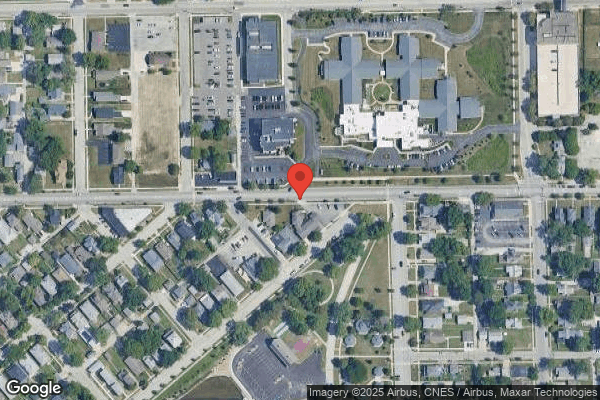

2402 SOUTH STREET, LAFAYETTE, IN 47904 (765) 446-9229
For profit - Corporation 70 Beds TRILOGY HEALTH SERVICES Data: November 2025
Trust Grade
75/100
#92 of 505 in IN
Last Inspection: September 2024

Within standard 12-15 month inspection cycle. Federal law requires annual inspections.

Overview

The Springs at Lafayette has earned a Trust Grade of B, indicating it is a solid choice for families considering care options. It ranks #92 out of 505 nursing homes in Indiana, placing it in the top half, and is the highest-ranked facility in Tippecanoe County. The facility is improving, with reported issues decreasing from 6 in 2023 to 4 in 2024. Staffing is rated 4 out of 5 stars, with turnover at 47%, which is average for the state, but the facility has good RN coverage, exceeding 88% of Indiana facilities. However, there are some concerning incidents, including one case where a resident experienced verbal abuse from staff, resulting in emotional distress, and issues regarding residents' privacy and personal space. Despite these weaknesses, the absence of fines and high overall star ratings for quality and health inspections suggest that the facility is making efforts to provide good care.

Trust Score
B
75/100
In Indiana
#92/505
Top 18%
Safety Record
Moderate
Needs review
Inspections
Getting Better
6 → 4 violations
Staff Stability
⚠ Watch
47% turnover. Above average. Higher turnover means staff may not know residents' routines.
Penalties
✓ Good
No fines on record. Clean compliance history, better than most Indiana facilities.
Skilled Nurses
✓ Good
Each resident gets 74 minutes of Registered Nurse (RN) attention daily — more than 97% of Indiana nursing homes. RNs are the most trained staff who catch health problems before they become serious.
Violations
⚠ Watch
24 deficiencies on record. Higher than average. Multiple issues found across inspections.
★★★★★
5.0
Overall Rating
★★★★☆
4.0
Staff Levels
★★★★★
5.0
Care Quality
★★★★☆
4.0
Inspection Score
Stable
2023: 6 issues
2024: 4 issues

The Good

  • 4-Star Staffing Rating · Above-average nurse staffing levels
  • 5-Star Quality Measures · Strong clinical quality outcomes
  • Full Sprinkler Coverage · Fire safety systems throughout facility
  • No fines on record

Facility shows strength in staffing levels, quality measures, fire safety.

The Bad

Staff Turnover: 47%

Near Indiana avg (46%)

Higher turnover may affect care consistency

Chain: TRILOGY HEALTH SERVICES

Part of a multi-facility chain

Ask about local staffing decisions and management

The Ugly 24 deficiencies on record

1 actual harm
Sept 2024 3 deficiencies
CONCERN (D)

Potential for Harm - no one hurt, but risky conditions existed

Notification of Changes (Tag F0580)

Could have caused harm · This affected 1 resident

Based on interview and record review, the facility failed to contact the resident's representative regarding a fall for 1 of 1 resident reviewed for notification. (Resident 25) The deficient practice ...

Read full inspector narrative →
Based on interview and record review, the facility failed to contact the resident's representative regarding a fall for 1 of 1 resident reviewed for notification. (Resident 25) The deficient practice was corrected on 2/21/24, prior to the start of the survey, and therefore was past noncompliance. Finding includes: During an interview, on 9/4/24 at 12:24 p.m., Resident 25's representative indicated she was not aware of a fall on 2/1/24. The clinical record for Resident 25 was reviewed on 9/6/24 at 2:58 p.m. The diagnoses included, but were not limited to, Parkinson's disease, Alzheimer's disease, dementia, and cognitive communications. A nursing progress note, dated 2/1/24 at 8:55 p.m., indicated the resident had a fall during a transfer to bed and hit her head on the dresser. A fall event, dated 2/1/24 at 8:42 p.m., indicated the resident had a fall on 2/1/24. The resident's representative was notified on 2/6/24. An IDT (interdisciplinary team) fall note, dated 2/2/24 at 4:36 p.m., indicated the resident's responsible party was not notified at the time of the fall. The progress notes did not include any notification to the resident representative to indicate the resident had a fall. During an interview, on 9/10/24 at 11:41 a.m., the Clinical Support Nurse indicated nurses should notify the family and physician of incidents the day of the event. A current policy, titled Notification of Change in Condition, dated 12/31/23 and received from the Clinical Support nurse on 9/10/24 at 3:00 p.m., indicated .To ensure appropriate individuals are notified of change of condition. The facility must inform the resident, consult with the resident's physician and if known notify the resident's legal representative when: An accident involving the resident which results in an injury and has the potential for requiring physician interventions .The resident representative/provider should be notified of change in condition or diagnostic testing results in a timely manner The deficient practice was corrected by 2/21/24, after the facility implemented a systemic plan which included audits, education, ensuring fall events were completed at the time of event, and proper documentation of physician and family notifications were completed. 3.1-5(a)(1)
CONCERN (D)

Potential for Harm - no one hurt, but risky conditions existed

Accident Prevention (Tag F0689)

Could have caused harm · This affected 1 resident

Based on interview and record review, the facility failed to ensure a cognitively impaired resident was safe from elopement for 1 of 3 residents reviewed for wandering. (Resident 27) The deficient pra...

Read full inspector narrative →
Based on interview and record review, the facility failed to ensure a cognitively impaired resident was safe from elopement for 1 of 3 residents reviewed for wandering. (Resident 27) The deficient practice was corrected on 8/24/24, prior to the start of the survey, and therefore was past noncompliance. Finding includes: The clinical record for Resident 27 was reviewed on 9/5/24 at 11:22 a.m. The diagnoses included, but were not limited to, dementia, schizoaffective disorder, bipolar disorder, major depressive disorder, and anxiety disorder. A care plan, dated 3/25/24, indicated the resident demonstrated exit seeking behaviors. The interventions included, but were not limited to, assess the need for a roam alert band and apply as appropriate and to re-direct the resident away from doors and exits as needed. An incident report, dated 8/4/24 at 7:33 p.m., indicated the resident was found outside the building unattended. The resident was wearing a roam alert band. The alarm did not sound when the resident exited the building. A checklist for suspected elopement and missing resident document indicated the resident was found by the dumpster approximately 200 feet from the main entrance of the facility. A statement of witness form, dated 8/4/24, indicated QMA 2 was leaving the facility and witnessed Resident 27 sitting in front of a white fence located by the trash dumpster. The resident was barefoot and wearing pajamas. QMA 2 told the resident she was not safe to be outside. A statement of witness form, dated 8/4/24, indicated RN 3 was flagged down by QMA 2 when she brought Resident 27 back to the 300-hallway. QMA 2 reported she was driving in the front parking lot when she noticed the resident in her wheelchair on the sidewalk by the loading dock. A physician's order, dated 8/19/24, indicated to check the function of the roam alert band daily. A physician's order, dated 8/19/24, indicated to check the placement of the roam alert band on every shift. During an interview, on 9/9/24 at 2:48 p.m., the Clinical Support Nurse indicated a resident noticed Resident 27 outside in her wheelchair sitting on the sidewalk. The roam alert alarm did not go off when the resident exited the building. A staff member was going out to her car and noticed the resident. During an interview, on 9/9/24 at 4:21 p.m., QMA 2 indicated she was leaving for the evening and witnessed the resident sitting in front of a white fence located by the trash dumpster. The resident was barefoot and wearing pajamas. During an interview, on 9/10/24 at 9:38 a.m., the Clinical Support Nurse indicated the code to the roam alert alarm was posted by the keypad. A current policy, titled Guideline for Elopement/Missing Resident, dated as revised 12/31/23 and received from the Clinical Support nurse on 9/10/24, indicated .Disoriented Resident (already deemed an elopement risk) observed exiting the campus door: Attempt to prevent the departure and re-direct. Obtain assistance from other staff members in the immediate vicinity .Instruct another staff member to inform the charge nurse or Director of Health Services that a resident has left/is leaving the campus .Notify the provider and responsible party for the resident. Complete an exit seeking event form. Attach progress note to an open exit seeking event .Upon return of the Resident to the facility (unwitnessed exit events) Examine resident for injuries. Contact the attending physician, report the findings and condition of the resident. Notify the responsible party for the resident The deficient practice was corrected by 8/24/24, after the facility implemented a systemic plan which included audits, staff education, elopement drills were conducted, the elopement binder was audited to ensure accuracy, daily audits on wander guard system was completed, a tech from wander guard system was scheduled to inspect the system, and the wander guard alarm system code was changed. 3.1-45(a)(1)
CONCERN (D)

Potential for Harm - no one hurt, but risky conditions existed

Deficiency F0761 (Tag F0761)

Could have caused harm · This affected 1 resident

Based on observation, interview and record review, the facility failed to ensure medications were secured for residents who self-administer medications for 2 of 2 residents reviewed for self-medicatio...

Read full inspector narrative →
Based on observation, interview and record review, the facility failed to ensure medications were secured for residents who self-administer medications for 2 of 2 residents reviewed for self-medication administration. (Resident 23 and 6) Finding includes: 1. During a medication administration observation, on 9/6/24 at 9:35 a.m., Resident 23 had Flonase nasal spray (an allergy nasal spray) sitting on her over the bed table. The resident was asleep upon entry to the room. A physician's order, dated 6/1/24, indicated Flonase Allergy Relief spray suspension 2 puffs in each nostril. Special Instructions: May keep at bedside (MKAB) once daily. 2. During an interview, on 9/6/24 at 11:30 a.m., Resident 6 indicated she had her eye drops stored in the basket of her walker. They were not secured in a locked container. During a medication administration observation, on 9/6/24 at 9:51 a.m., Resident 6 had an order for eye drops to be kept at bedside. A physician's order, dated 1/24/24, indicated Brimonidine 0.2% ophthalmic (eye) 1 drop in both eyes three times (TID) daily MKAB. A physician's order, dated 1/24/24, indicated Dorzolamide drops 2% 1 drop in both eyes twice daily (BID) MKAB. A physician's order, dated 1/24/24, indicated Restasis 0.05% 1 drop in both eyes BID MAB. A physician's order, dated 1/24/24, Timolol Maleate gel forming solution 0.05% 1 drop in both eyes MKAB. During an interview, on 9/6/24 at 11:15 a.m., the Clinical Support nurse indicated the medications for self-administration should be secured. A current policy, titled Medication Storage in the Facility-Bedside Medication Storage, dated as revised November 2018 and received from the Clinical Support nurse on 9/10/24 at 3:00 p.m., indicated .bedside storage of medication is indicated on the resident administration record (MAR) and in the care plan for the appropriate medication .for residents who self-administer medications .the following conditions are met for bedside storage to occur .the manner of storage prevents access by other residents .lockable drawers or cabinets are required only if unlocked storage is deemed inappropriate .bedside medication storage is routinely monitored by facility designee A current policy, titled Guidelines for Self-Administration of Medications, dated as reviewed on 12/31/23 and received from the Clinical Support nurse on 9/6/24 at 11:30 a.m., indicated .the medication will be kept in a locked drawer in the residents' room .the resident will maintain a key, as well as a key will be maintained by the licensed nurse or QMA 3.1-25(m)
Jun 2024 1 deficiency 1 Harm
SERIOUS (G) 📢 Someone Reported This

A family member, employee, or ombudsman was alarmed enough to file a formal complaint

Actual Harm - a resident was hurt due to facility failures

Free from Abuse/Neglect (Tag F0600)

A resident was harmed · This affected 1 resident

**NOTE- TERMS IN BRACKETS HAVE BEEN EDITED TO PROTECT CONFIDENTIALITY** Based on interview and record review, the facility failed to ensure a cognitively impaired resident with a diagnosis of post-tra...

Read full inspector narrative →
**NOTE- TERMS IN BRACKETS HAVE BEEN EDITED TO PROTECT CONFIDENTIALITY** Based on interview and record review, the facility failed to ensure a cognitively impaired resident with a diagnosis of post-traumatic stress disorder was free from verbal and mental abuse for 1 of 2 residents reviewed for abuse. (Resident C) This deficient practice resulted in Resident C experiencing emotional distress. The deficient practice was corrected on [DATE], prior to the start of the survey, and was therefore past noncompliance. Findings includes: An Indiana Department of Health report indicated, on [DATE] at 11:00 p.m., Resident C was verbally assaulted by two staff members during resident care. Staff Member 2 and 3 were overheard by staff to verbally insult Resident C. Resident C indicated she had been verbally assaulted by the staff. The clinical record for Resident C was reviewed on [DATE] at 12:50 p.m. The diagnoses included, but were not limited to type 2 diabetes mellitus, heart failure, dementia, and post-traumatic stress disorder. Her Brief Interview for Mental Status (BIMS) score was a 7 which indicated a severe cognitive impairment. A facility investigation note, dated [DATE] at 9:52 a.m., indicated during an interview with Resident C, she indicated she was upset with the way the staff talked to her last evening. They were yelling with raised voices. A facility investigation note, dated [DATE], was written by Staff Member 5. She witnessed Staff Member 3 when giving a report, on [DATE], referring to Resident C as the b****. The resident was within hearing distance when the comment was made by the staff member. A facility investigation note, dated [DATE], was written by Staff Member 6. She overheard Staff Member 3 while pushing Resident C down the hallway to her room, on [DATE] at 11:00 p.m., say I am f****** tired of taking care of her. When Resident C was in her room, Staff Member 2 was heard to tell the resident, she was tired of cleaning s*** out from under her nails and she was f****** nasty. Staff Member 6 stayed with Resident C, gave her care, and put her to bed after sending the other staff members out of the room. Staff Member 6 then reported the incident to the supervisor. A facility investigation note, dated [DATE], was written by Staff Member 2. She indicated she did not raise her voice to the resident and did not speak inappropriately to her. Staff Member 3 during report referred to Resident C as This b****. A facility investigation note, dated [DATE], was written by Staff Member 3. She indicated she did not speak inappropriately to Resident C. She may have raised her voice to speak over other noises. She may have referred to the resident as This B**** during the report and was not aware the resident overheard her comment. A facility investigation note, dated [DATE], was written by Staff Member 7. She indicated she heard Resident C yelling with Staff Member 2 and 3. She overheard Staff Member 2 indicate to the resident she and Staff Member 3 were tired of taking care of her. She separated the resident from Staff Member 2 and 3. She overheard Staff Member 3 say she was tired of taking care of the resident. The resident was able to hear the staff member. The facility personnel records were reviewed, on [DATE] at 3:15 p.m., and indicated Staff Member 2 and 3 were terminated for substantiated resident abuse. During an interview, on [DATE] at 12:51 p.m., Resident C indicated two (2) staff members were mean to her the other day. They said bad things about her. When she was asked to describe what things were said to her the resident started to cry, was very tearful, and could not continue. When the resident was asked if she was afraid to be in the facility, she said not now, the two (2) staff members were gone, and no longer working. She indicated she had good support with the Assistant Director of Nursing (ADON), the Director of Nursing (DON) and other staff members who were nice to her and listened to her. She indicated she had a rough life and all her family, and friends have died. During an interview, on [DATE] at 4:55 p.m., Staff Member 8 indicated Staff Member 2 and 3 were suspended during the investigation and terminated for verbally abusing the resident. She indicated all staff members were re-educated on abuse and reporting abuse. A current facility policy, titled Abuse and Neglect Procedural Guidelines, dated [DATE] and received from Staff Member 8 on [DATE] at 2:10 p.m., indicated .ABUSE .It includes verbal abuse, sexual abuse, physical abuse and mental abuse .Willful, is used in this definition of abuse, means the individual must have acted deliberately, not that the individual must have intended to inflict injury or harm The deficient practice was corrected by [DATE], after the facility implemented a systemic plan which included a house wide physical assessment of each resident, house wide interviews with all capable residents on abuse allegations, reporting, and knowledge of abuse, and in servicing of all staff regarding abuse and reporting. Staff Member 2 and 3 were terminated for abuse. This citation relates to Complaints IN00435669 and IN00436493. 3.1-27(a) 3.1-27(b)
Jul 2023 6 deficiencies
CONCERN (D)

Potential for Harm - no one hurt, but risky conditions existed

Investigate Abuse (Tag F0610)

Could have caused harm · This affected 1 resident

Based on interview and record review, the facility failed to thoroughly investigate an incident involving a CRCA (Certified Resident Care Assistant) and a resident for 1 of 1 resident reviewed for abu...

Read full inspector narrative →
Based on interview and record review, the facility failed to thoroughly investigate an incident involving a CRCA (Certified Resident Care Assistant) and a resident for 1 of 1 resident reviewed for abuse. (Resident 27) Finding includes: During an interview, on 07/14/23 at 10:10 a.m., Resident 27 indicated shortly after her admission, a CRCA was verbally abusive to her. She indicated the CRCA used foul language, was written up, and fired. The record for Resident 27 was reviewed on 07/17/23 at 2:55 p.m. Diagnoses included, but were not limited to, malignant neoplasm of the brain, sequalae of cerebral infarct, depression, anxiety, and epilepsy. An admission MDS (Minimum Data Set) indicated the resident's BIM's (brief interview for mental status) score was 15 (cognitively intact). A typed document, dated 3/20/23, received from the Director of Health Services indicated the Assistant Director of Health Services spoke with the resident about the incident. The resident was upset over the treatment she had received by the CRCA. She stated the CRCA had not changed her all night and she was left to sit in her urine. She was concerned about other residents who were unable to speak for themselves. The resident became tearful and indicated the CRCA used the word f*** when she couldn't get the residents blankets in order. The incident made the resident hesitant to use the call light the rest of the night. A resident concern form, dated 3/20/23 at 11:00 a.m., indicated the CRCA had not changed her brief all night. The resident woke up soaked and had to sit in her own urine. The CRCA used foul language which was against policy. The Assistant Director of Health Services indicated she would investigate the allegation and take appropriate action with the CRCA. The resolution on the form was to terminate the CRCA. A personnel action form, dated 3/6/23, indicated the CRCA was suspended due to allegations of poor care and possible neglect. After the investigation, it was determined it was not neglect, but below facility standards. As of 3/6/23, the facility decided to separate employment. There were no resident or staff interviews included in the investigation to indicate residents or staff had been interviewed. During an interview, on 07/17/23 at 3:40 p.m., the resident indicated shortly after her admission to the facility, a CRCA was pulling sheets around on her bed and wasn't getting it quite right. The CRCA said f*** and the resident found the word offensive. The Executive Director, Director of Health Services and Assistant Director of Health Services investigated the incident. She had not seen the CRCA since the incident. During an interview, on 07/17/23 at 3:54 p.m., the Director of Health Services indicated she believed the CRCA involved was terminated for customer service issues. The resident did not feel intimidated or complain of abuse. The resident was upset about the language. During an interview, on 07/18/23 at 2:15 p.m., the Clinical Support Nurse indicated the 3 forms submitted (typed document with interview of the resident, resident concern form and personnel action form) were the complete investigation. No resident or staff interviews were documented. A current policy, titled Abuse and Neglect Procedural Guidelines, dated June 2023 and received from the Director of Health Services on 7/20/23 at 3:39 p.m., indicated .upon identification of suspected abuse or neglect immediately provide for the safety of the resident .suspend suspected employee(s) pending outcome of the investigation .identifying and interviewing all involved persons, including the alleged victim, alleged perpetrator, witnesses, and others who might have knowledge of the allegations .providing complete and thorough documentation of the investigation 3.1-28(d)
CONCERN (D)

Potential for Harm - no one hurt, but risky conditions existed

Deficiency F0676 (Tag F0676)

Could have caused harm · This affected 1 resident

Based on observation, interview and record review, the facility failed to ensure a resident received bathing as scheduled in the months of May and June 2023 for 1 of 1 resident reviewed for ADL (activ...

Read full inspector narrative →
Based on observation, interview and record review, the facility failed to ensure a resident received bathing as scheduled in the months of May and June 2023 for 1 of 1 resident reviewed for ADL (activities of daily living) care. (Resident 27) Findings include: During an observation, on 07/14/23 at 10:13 a.m., the resident was in her bed with the head of the bed elevated and her hair had a greasy appearance. The record for Resident 27 was reviewed on 07/17/23 at 2:55 p.m. Diagnoses included, but were not limited to, malignant neoplasm of the brain, acute respiratory failure with hypoxia, type 2 diabetes, acute kidney failure, morbid obesity, sequalae of cerebral infarct, depression, anxiety, and epilepsy. A review of the point of care documentation, dated May 2023, indicated a bath did not occur on 5/11, 5/13, 5/14, 5/29, and 5/30/23. There was no documentation regarding the reason the bath did not occur. The documentation indicated the resident required extensive assistance with shower and partial assistance with a shower. A review of the point of care documentation, date June 2023, indicated a bath did not occur on 6/24, 6/25, 6/26 and 6/27. There was no documentation regarding the reason the bath did not occur. The documentation indicated the resident required extensive assistance with shower and partial assistance with a shower. There was no documentation in the progress notes for the dates the baths did not occur to indicate the reason for the baths not occurring. During an interview, on 7/14/23 at 10:15 a.m., Resident 27 indicated she had not had a bath in a week. She pulled at her hair and stated look at my greasy hair. A staff member came in and ask if she wanted a shower, the resident agreed, and the staff member never returned. A current policy, titled Caregiver New Hire Checklist, dated 3/20/23 and received from the Director of Health Services on 7/19/23 at 4:13 p.m., indicated .back care, partial, shower, bed bath .documentation of refusals There was no policy for ADL care. 3.1-38(a)(2)(A)
CONCERN (D)

Potential for Harm - no one hurt, but risky conditions existed

Pressure Ulcer Prevention (Tag F0686)

Could have caused harm · This affected 1 resident

Based on observation, interview and record review, the facility failed to ensure physician's orders and care plan interventions were followed for 1 of 2 residents reviewed for pressure ulcers. (Reside...

Read full inspector narrative →
Based on observation, interview and record review, the facility failed to ensure physician's orders and care plan interventions were followed for 1 of 2 residents reviewed for pressure ulcers. (Resident 10) Finding includes: During an observation, on 7/17/23 at 11:53 a.m., Resident 10 did not have a Prevalon boot (pressure relieving device) on his right foot while his left foot was covered up with a blanket. The record for Resident 10 was reviewed on 7/17/23 at 11:26 a.m. Diagnoses included, but were not limited to, pressure ulcer of left heel, hemiplegia (paralysis) and hemiparesis (weakness) on left side, and muscle weakness. A current care plan, dated 3/3/22, indicated the resident was to have Prevalon boots on his bilateral (both) feet at all times. A physician's order, dated 4/28/23, indicated Prevalon boots were to be on at all times. The MAR (Medication Administration Record) on 7/17/23 indicated the resident had Prevalon boots on although no boots were observed. During an interview, on 07/18/23 at 11:03 a.m., LPN 4 indicated she was unsure if the resident' Prevalon boots were on and if they were not on then they should be put on right away. A current policy, titled GUIDELINES FOR MEDICAL RECORDS CLIINICAL DOCUMENTATION, received from the Director of Health Services on 7/19/23 at 1:47 p.m., indicated .Entries in a residents record need complete and are authenticated and dated by the person responsible for ordering, providing, or evaluating the service in a prompt manner. Any corrections to the resident record are made by authorized persons in accordance with acceptable standards of practice 3.1-40(a)(2)
CONCERN (D)

Potential for Harm - no one hurt, but risky conditions existed

Accident Prevention (Tag F0689)

Could have caused harm · This affected 1 resident

Based on observation, interview and record review, the facility failed to obtain a physician's order and to ensure care plan interventions were in place for the use of a wanderguard monitoring bracele...

Read full inspector narrative →
Based on observation, interview and record review, the facility failed to obtain a physician's order and to ensure care plan interventions were in place for the use of a wanderguard monitoring bracelet for 1 of 2 residents reviewed for accidents. (Resident 1) Finding include: During an observation, on 07/17/23 at 10:44 a.m., Resident 1 was sitting in a recliner, in the lounge area, with her feet elevated and her eyes closed. The resident had a monitoring bracelet (used for residents who wander) on her right ankle. During an observation, on 07/18/23 at 10:17 a.m., the resident was sitting in a recliner with her feet elevated and her eyes closed. The resident had a monitoring bracelet intact to her right ankle. The record for Resident 1 was reviewed on 07/14/23 at 3:07 p.m. Diagnoses included, but were not limited to, fracture of unspecified part of neck of left femur, subsequent encounter for closed fracture with routine healing, and dementia. There was no order in the record for the monitoring bracelet. There was no care plan to indicate the resident had a monitoring device. During an interview, on 07/18/23 at 2:31 p.m., the Director of Health Services indicated there was no order for wanderguard (monitoring bracelet) placement or for checking the function of the bracelet. There was no consent for the device and the facility had no policy for the use of a wanderguard. A current policy, titled Elopement Risk Assessment and Prevention, dated 5/1/2017 and received from the Director of Health Services on 7/19/23 at 1:17 p.m., indicated .each resident will be assessed for elopement risk upon admission, quarterly and with change in condition .a plan of care will be developed and implemented for each resident identified .facilities with wander alert detection systems should place a wander alert bracelet on the resident .a check will be completed of alarmed doors and individual resident alarms to ensure proper functioning 3.1-45(a)(1)
CONCERN (D)

Potential for Harm - no one hurt, but risky conditions existed

Medication Errors (Tag F0758)

Could have caused harm · This affected 1 resident

Based on interview and record review, the facility failed to educate the resident and/or the resident's representative about the potential risks of antipsychotic medications for 1 of 5 residents revie...

Read full inspector narrative →
Based on interview and record review, the facility failed to educate the resident and/or the resident's representative about the potential risks of antipsychotic medications for 1 of 5 residents reviewed for unnecessary medications. (Resident 28) Finding includes: The record for Resident 28 was reviewed on 7/17/23 at 10:09 a.m. Diagnoses included, but were not limited to, dementia with behavioral disturbances, delusional disorder, muscle weakness, psychotic disorder with hallucinations, anxiety disorder, adult failure to thrive, and depression. A physician's order, dated 11/5/22, indicated the resident was taking Risperdal (an antipsychotic) 0.5 milligrams once per day. During a resident first meeting, dated 6/28/23 at 2:10 p.m., the facility indicated a review of medications were conducted with the resident's daughter. The resident first meeting did not include the names of the medications reviewed and did not include if the potential side effects were reviewed. During a family interview, on 7/19/23 at 1:45 p.m., the resident's daughter indicated the facility did not educate her on the current medications and their potential side effects. During an interview, on 7/19/23 at 2:35 p.m., the DHS (Director of Health Services) indicated the facility did not have an informed consent policy. The current Nursing Drug Handbook indicated Risperdal had a black box warning. Older adults with dementia related psychosis treated with antipsychotics were at an increased risk for death. The drug was not appropriate to treat older adults with dementia related psychosis. A current policy, titled Resident Rights Guidelines, received from the Clinical Support on 7/19/23 indicated .Be given the information necessary to participate in decisions which affect them individually and corporately 3.1-48(a) 3.1-48(a)(6) 3.1-4(c)
CONCERN (E)

Potential for Harm - no one hurt, but risky conditions existed

Deficiency F0558 (Tag F0558)

Could have caused harm · This affected multiple residents

**NOTE- TERMS IN BRACKETS HAVE BEEN EDITED TO PROTECT CONFIDENTIALITY** Based on observation, interview and record review, the facility failed to ensure a resident was able to have a personal recliner...

Read full inspector narrative →
**NOTE- TERMS IN BRACKETS HAVE BEEN EDITED TO PROTECT CONFIDENTIALITY** Based on observation, interview and record review, the facility failed to ensure a resident was able to have a personal recliner in her room, a resident was allowed to have undisturbed privacy, and a resident was provided adequate access and space for personal clothing for 3 of 3 residents reviewed for room space. (Resident 21, 26 and 3) Findings include: 1. The record for Resident 21 was reviewed on 07/19/23 at 10:24 a.m. Diagnoses included, but were not limited to, dementia with psychotic disturbance, delusional disorders, anxiety disorder, history of falling, presence of a right artificial hip joint, unsteadiness on feet, other lack of coordination, and repeated falls. During an interview, on 07/17/23 at 10:32 a.m., Resident 21 indicated she was admitted to the facility 06/23/2023. The room was small. She was not offered the choice of another room. Her roommate's television set was on the wall of her side of the room. The dresser was at the end of her bed, and she was only able to open drawers halfway. She did not have a closet to hang her clothes, since her roommate used the whole closet. There were no visitor chairs in her room. During an observation of room [ROOM NUMBER], on 07/17/23 at 10:32 a.m., the following were observed in room [ROOM NUMBER]: a. There were 2 residents in the room (Resident 21 and 26). The room had 2 beds, 2 dressers, 2 nightstands, 2 televisions on the wall, 1 double closet, and no visitor chairs. Both residents had wheelchairs. b. The distance of the dresser drawer to the foot of the bed measured 11 inches. c. Resident 21 was not able to access her clothing from the dresser drawers due to the limited space between the foot board of bed and the dresser. d. The resident was not able to have a chair in her room. 2. The record for Resident 26 was reviewed on 07/17/23 at 10:22 a.m. Diagnoses included, but were not limited to, major depressive disorder, expressive language disorder, difficulty in walking, cognitive communication deficit, muscle weakness, history of falling, and dependence on a wheelchair. A notice of room transfer, dated 05/30/23 at 9:54 a.m., indicated the resident and resident representative were informed of the room change which would occur on 06/01/23. The reason for the room change was for a facility renovation. The resident was previously in a private room. A progress note, dated 06/02/23 at 4:00 p.m., indicated Resident 26 became tearful when asked how she was liking her room. She expressed dissatisfaction with the room change. During a phone interview, on 07/14/23 at 11:10 a.m., Resident 26's daughter indicated she had concerns over the size of the room. She indicated the resident was not given a choice of another room. Her mother's nightstand and head of the bed were in front of the heating and cooling unit. The dresser was halfway in front of the closet. Her mom's roommate complained about the room size. Before her mom was moved to the new room she had a recliner, which the family brought from home. The recliner was not currently in her mother's room. She asked where the recliner was and had not received an answer from facility. During an interview, on 07/17/23 at 2:25 p.m., the Executive Director indicated rooms [ROOM NUMBERS] were the same set up. One resident in room [ROOM NUMBER] slept in a recliner per preference. They did find Resident 26's recliner. It was placed in storage, and he would notify the daughter. The Executive Director submitted a generic diagram of room [ROOM NUMBER]. The diagram indicated room [ROOM NUMBER] was 194 square feet. The diagram submitted showed 2 beds, 2 dressers, 2 chairs, 2 nightstands, a single closet and 1 wardrobe in the room. Resident 26 was not able to have a recliner in her room even though the diagram showed space for chairs. With the resident's bed, nightstand and dresser in the room, there was not enough space for a personal recliner or a chair. During observations of the rooms on the 300 hall, all rooms had 2 chairs except rooms [ROOM NUMBERS]. Both had 1 chair. The only room on the 300 hall without chairs was room [ROOM NUMBER]. A standard chair measured 3-foot-tall by 2 foot 4 inches wide by 1 foot 8 inches depth from front to back. 3. During a resident council meeting, on 7/17/23 at 2:31 p.m., Resident 3 indicated a lot of the residents did not like being in a two-person room. She had nothing against her roommate (Resident 19) although the roommate made a lot of noise, had to have the light on quite a bit and Resident 3 needed total darkness to sleep. She had to move her wheelchair every time the roommate would come in the room because there was not enough room for both wheelchairs. The record for Resident 3 was reviewed on 7/18/23 at 2:44 p.m. Diagnoses included, but were not limited to, chronic obstructive pulmonary disease, heart failure, macular degeneration, presence of a cardiac pacemaker and anxiety disorder. A notice of room transfer, dated 5/30/23 at 12:59 p.m., indicated the resident and resident representative were informed of the room change which would occur on 6/1/23. The reason for the room change was for a facility renovation. The resident was previously in a private room. During an interview, on 7/18/23 at 10:49 a.m., Resident 3's daughter indicated there was issues with two people being in the room. Her mom slept in a recliner and when the staff would assist the roommate in or out of her bed the staff had to move her mom's recliner. There was no other place to put the recliner since the television was mounted on the left side of the room and this was where the resident could see it. The resident was not given a choice of rooms. She had asked for the resident not to be in a room at the end of the hallway and the Executive Director indicated he would take this into consideration. The resident was still moved to a room at the end of the hallway. She had to put masking tape on the floor to show where the recliner would go since the staff kept moving the recliner when they assisted Resident 19 and didn't put it back where the resident could see the television. During an interview, on 7/18/23 at 11:16 a.m., LPN 3 indicated Resident 3, and her roommate could not have both of their wheelchairs in the room at the same time as there was not enough space. The staff would have to move Resident 3's chair to be able to get the roommate in the room or out of the room and the staff would not always put the wheelchair back where Resident 3 could access the chair. Resident 3 was able to transfer herself from the recliner to the wheelchair. The staff could leave the recliner in place they just had to move the wheelchair out of the room to get the Resident 19 in the room. It was rough due to the space in the room. The residents did not get much notice before the room changes and the room changes were due to the facility renovation for a dementia unit. Resident 3 was not able to have undisturbed privacy in her room if the staff were assisting Resident 19. During an observation, on 7/18/23 at 4:00 p.m., the distance from Resident 3's recliner to the roommate's bed was 3 feet and 10 inches. There was a space of 2 feet and 1 inch from the front of the recliner to the right side of the dresser to allow the resident to recline to sleep. A standard wheelchair measures 36 inches tall, 25 inches wide, and 32 inches long. The space of 3 feet and 10 inches between Resident 3's recliner/wheelchair would have to accommodate Resident 19's wheelchair and the two staff who were needed to assist Resident 19 in and out of bed. 4. The record for Resident 19 was reviewed on 7/19/23 at 3:40 p.m. Diagnoses included, but were not limited to, hemiplegia and hemiparesis following cerebral infarction affecting the right dominant side, orthopedic aftercare following surgical amputation, aphasia (loss of ability to speak), and cellulitis of the left lower leg. A care plan, dated 2/1/2019, indicated the resident was at a risk for falls related to weakness, and right sided hemiplegia. The interventions included, but were not limited to, two staff to assist with transfers and a bariatric bed (a heavy-duty bed designed to comfortably and safely accommodate large individuals) to have more room for the resident to turn. A current policy, titled Resident Rights Guidelines, dated as revised on 5/11/17 and received from the Clinical Support on 7/19/23 at 1:47 p.m., indicated .To ensure resident rights are respected and protected and provide an environment in which they can be exercised .Resident shall not leave their individual personalities or basic human rights behind when they move to a health campus .Our residents have a right to .Be treated with dignity and respect .Privacy .Be treated fairly, courteously and with respect by staff .Personalize their apartment . 3.1-3(v)(1) 3.1-19(f)(5) 3.1-19(k) 3.1-19(m)(4)
Aug 2022 14 deficiencies
CONCERN (D)

Potential for Harm - no one hurt, but risky conditions existed

Resident Rights (Tag F0550)

Could have caused harm · This affected 1 resident

Based on interview and record review, the facility failed to ensure a resident was free of staff using their cellular phone on face time while in the resident's room for 1 of 3 residents reviewed for ...

Read full inspector narrative →
Based on interview and record review, the facility failed to ensure a resident was free of staff using their cellular phone on face time while in the resident's room for 1 of 3 residents reviewed for respect and dignity. (Resident C) Finding includes: During an interview, on 8/2/22 at 11:13 a.m., Resident C indicated about a year ago a female staff who was no longer employed at the facility, was on face time while she was helping her go to the bathroom. She told the staff nurse on duty what happened and the nurse talked to the administrator. The staff who used her phone in the room came back and told Resident C she was on the phone with her husband and he was not able to see the resident on the toilet. Resident C did not give the name of the staff and indicated she did not want to complain about the staff. The record for Resident C was reviewed on 8/4/22 at 12:07 p.m. Diagnoses included, but were not limited to, dysphagia (difficulty swallowing), fatigue, hypothyroidism, fibromyalgia, autoimmune thyroiditis, chondromalacia patellae (damage to the knee cap), abdominal pain and osteoarthritis. A BIMS (brief interview for mental status) completed on 7/6/22 was 15 which indicated intact cognition. A care plan, dated 8/7/19, indicated the resident had impairment in functional status in regards to bed mobility, transfers and toileting related to her weakness. The interventions included, but were not limited to, the resident required extensive assist with toileting. During an interview, on 8/4/22 at 11:52 a.m., CRMA (certified resident medication aide) 10 indicated, GCRCA (graduate certified resident care assistant) 11, had been fired for using her cellular phone. She was face timing while she was in the residents' rooms. During an interview, on 8/4/22 at 11:59 a.m., LPN 2 indicated GCRCA 11 was very loud and made everyone uncomfortable and was reported to the administration several times for using her phone and being on face time. LPN 2 also requested her to stop using her phone. GCRCA 11 had used her phone while in Resident C's room while she was assisting her to the toilet. This was reported to the scheduler who was now the payroll staff. During an interview, on 8/4/22 at 12:19 p.m., the payroll staff indicated GCRCA 11 was reported to have been on her phone and did a video call when she was on duty. She did not handle the situation and did not know where GCRCA 11 was located when she made the video call. During an interview, on 8/4/22 at 3:47 p.m., with the Administrator and the DHS (Director of Health Services), the Administrator indicated GCRCA 11 was terminated due to leaving the facility in the middle of the shift to go on break and did not come back. During March 2022, there were a lot of complaints about GCRCA 11 using her cellular phone on the floor. There were no complaints from residents about the use of cellular phones by staff. The Administrator did not interview residents about the staff use of cellular phones. The DHS indicated when she first was employed, she had issues with staff carrying cellular phones and GCRCA 11 indicated she had used her cellular phone while working due to an upcoming court case. GCRCA 11 always took her break at 4:00 p.m., and did not come back one evening after her break. There were no reports of GCRCA 11 being in residents' rooms using her cellular phone. A Personnel Action Form, dated 5/16/22, indicated GCRCA 11 was terminated effective 5/14/22 for job abandonment due to walking out in the middle of her shift and not returning. The termination was approved by the Administrator on 5/16/22. A current policy, titled Resident Rights Guidelines, dated as revised 5/11/17 and received at entrance from the Administrator, indicated .To ensure resident rights are respected and protected and provide an environment in which they can be exercised .Residents shall not leave their individual personalities or basic human rights behind when they move to a health campus. The following is a list of rights recognized by staff at Trilogy Health Services .Be treated with dignity and respect .Privacy .Be treated fairly, courteously and with respect by staff .Be free of physical, verbal, fiduciary or psychological abuse from staff, family and other residents .Including all other state specific resident rights according to their public health code This Federal Tag relates to Complaint IN00372237. 3.1-3(p)(4)
CONCERN (D)

Potential for Harm - no one hurt, but risky conditions existed

Deficiency F0578 (Tag F0578)

Could have caused harm · This affected 1 resident

Based on record review and interview, the facility failed to ensure a resident's code status had been updated for 1 of 4 residents reviewed for advanced directives (Resident 47). Finding includes: The...

Read full inspector narrative →
Based on record review and interview, the facility failed to ensure a resident's code status had been updated for 1 of 4 residents reviewed for advanced directives (Resident 47). Finding includes: The record for Resident 47 was reviewed on 08/05/22 at 9:38 a.m. Diagnoses included, but were not limited to, hypertensive chronic kidney disease stage 3, unspecified protein malnutrition, COPD (chronic obstructive pulmonary disease), athrosclerosis, abdominal aortic aneurysm and peripheral vascular disease. The resident's face sheet on the electronic health record indicated full code status. A physician's order, dated 07/02/22, indicated the code status was full code. A care plan, dated 07/02/22, indicated the resident/resident representative had chosen a full code. Approaches included, but were not limited to, review the advanced directives quarterly and as needed. An advance directive form, dated 7/26/22 and signed by the resident's representative indicated DNR (do not resuscitate). The form was signed by the physician on 8/2/22. On 8/3/22 at 9:30 a.m., the SSD indicated a new post form and a physician's order was obtained for the DNR status. The face sheet was updated to included the new post form and physician's order. A current policy, titled, Guidelines for Advanced Directive, dated 1/7/19 and received from the social services director on 8/9/22 at 11:00 a.m., indicated, ' .To ensure facility staff obtains and follows resident's advanced directives regarding end-of-life care .Advanced Directives will be reviewed with resident and/or resident representative by the Customer Service representative or designee at time of admission, with the quarterly comprehensive assessment and PRN [as needed] .The resident or representative will advise the CSR [customer service representative]/designee regarding wishes for end of life directives and code status. The 'DNR' form will be completed documenting these desires and scanned into the medical record .The nursing staff will obtain an order from the attending physician for the desired code status .Designation of code status and obtainment of physician order will be part of the medical record . 3.1-4(f)(4)(ii)
CONCERN (D)

Potential for Harm - no one hurt, but risky conditions existed

PASARR Coordination (Tag F0644)

Could have caused harm · This affected 1 resident

Based on record review and interview, the facility failed to ensure a PASARR (Preadmission Screening and Resident Review) was completed when the resident was prescribed an antipsychotic medication and...

Read full inspector narrative →
Based on record review and interview, the facility failed to ensure a PASARR (Preadmission Screening and Resident Review) was completed when the resident was prescribed an antipsychotic medication and given a mental health diagnoses of hallucinations for 1 of 1 residents reviewed for PASARR (Resident E). Finding includes: The record for Resident E was reviewed on 8/3/22 at 12:06 p.m. Diagnoses included, but were not limited, positive Covid-19, encephalopathy (a brain disease altering function or structure), dementia without behavioral disturbance, cerebral infarction and anxiety disorder. A PASARR level I, dated 4/26/22, indicated the resident was not on any antipsychotic medication. A physician's order, dated 6/30/22, indicated olanzapine (an antipsychotic medication) 5 mg (milligram) at bedtime related to encephalopathy. During an interview, on 8/9/22 at 10:06 p.m., the Social Service Director (SSD) indicated a PASARR Level I was not completed. The resident was on olanzapine 5 mg and she should have done a PASARR Level I. A current policy, titled Indiana PASRR Standard Operating Procedure Revenue [NAME] & Collections, not dated and received on 8/9/22 at 5:06 p.m., from the Director Nursing Services (DNS) indicated . Preadmission Screening and Resident Review (PASRR) is a federal requirement to help ensure that individuals are appropriately placed in nursing facilities for long-term care. PASRR requires that 1) all applicants to a Medicaid-certified nursing facility be evaluated for serious mental illness (SMI) and/or intellectual disability; 2) be offered the most appropriate setting for their needs (in the community, a nursing facility, or acute care settings); and 3) receive the services they need in those settings .Change in status and Level II follow up .Social Services ensures paperwork is submitted. They will print out the outcome letter and upload to Matrix file . 3.1-16(d)(1)(A)
CONCERN (D)

Potential for Harm - no one hurt, but risky conditions existed

Deficiency F0676 (Tag F0676)

Could have caused harm · This affected 1 resident

**NOTE- TERMS IN BRACKETS HAVE BEEN EDITED TO PROTECT CONFIDENTIALITY** 2. During an observation, on 8/8/22 at 3:50 p.m., Resident E was sitting at the nurses station. The resident's hair was dirty an...

Read full inspector narrative →
**NOTE- TERMS IN BRACKETS HAVE BEEN EDITED TO PROTECT CONFIDENTIALITY** 2. During an observation, on 8/8/22 at 3:50 p.m., Resident E was sitting at the nurses station. The resident's hair was dirty and not brushed. The record for Resident E was reviewed on 8/3/22 at 12:06 p.m. Diagnoses included, but were not limited, positive Covid-19, encephalopathy (a brain disease altering function or structure), dementia without behavioral disturbance, cerebral infarction and anxiety disorder. A Point of Care (POC) ADL report, dated 6/30/22 through 8/8/22, indicated the resident did not have a bath or shower on 7/4/22, 7/11/22, 7/28/22 and 8/8/22. A physician's order, dated 6/30/22, indicated admit to the facility for skilled level of care and services. A care plan, dated 7/22/22, indicated the resident's profile care guide had showers scheduled for Tuesday and Friday on evening shift. During an interview, on 8/8/22 at 4:00 p.m., CNA 9 indicated the resident's shower days were Monday and Thursday. The hospice aide gave her showers to her. She could only find record of 3 showers given to the resident. 3. The record for Resident D was reviewed on 8/5/22 at 12:08 p.m. Diagnoses included, but were not limited to, pneumonia, hypertension, depression and anxiety disorder. A Point of Care (POC) ADL report, dated 7/20/22 through 8/8/22, indicated Resident D had 1 bed bath and 1 shower from 7/20/22 through 8/8/22. A physician's order, dated 7/20/22, indicated to admit for skilled level of care and services. A care plan, dated 8/3/22, indicated the residents profile care guide had showers scheduled for Monday and Thursday on nightshift. During an interview, on 8/9/22 at 2:20 p.m., CNA 4 indicated if a resident was in isolation she would gather up all her supplies and go into the room. The showers were charted in the computer. During an interview, on 8/9/22 at 2:56 p.m., the DHS indicated the residents with Covid-19 have their own room with a shower. The residents normally have showers twice a week. Once a shower was completed the CNAs were supposed to document the showers in point of care or on a shower sheet. The CNA would give the shower sheet to the nurse for review. The facility document, titled Point of Care ADL Category Report (MDS 3.0), indicated if the form was marked with an 8 the bathing was not done. Resident D was admitted on [DATE]. The only bath she had received was on 7/26/22. A current policy, titled Nursing ADL Documentation Guidelines, revised 5/10/16 and received from the DHS on 08/09/22 at 5:10 p.m., indicated .Completion of ADL services will be validated through the use of the CARE ASSIST ADL reports .ADL services will be conducted and documented by the CNA each shift at the point of care or as reasonably possible after care .The paper format shall be submitted to the MDS Coordinator This Federal Tag relates to Complaint IN00369472. 3.1-38(b)(2) Based on interview and record review, the facility failed to ensure showers were completed and documented for 3 of 3 residents reviewed for bathing (Residents B, D and E). Findings include: 1. During an interview, on 8/4/22 at 3:31 p.m., Resident B indicated when she was being isolated for Covid-19, she was not given assistance to shower for the first 14 days after being admitted to the facility. Different staff had told the resident they would come back to assist her to shower and then did not return. She received a shower on the last day of her isolation for Covid-19. The record for Resident B was reviewed on 8/3/22 at 2:18 p.m. Diagnoses included, but were not limited to, diverticulitis, colostomy status, cerebrovascular disease, depression, osteoarthritis, generalized muscle weakness and unspecified fall. A Point of Care (POC) ADL (activities of daily living) report, dated 11/6/21 through 11/30/21, indicated the resident did not have a bath or shower on 11/6/21,11/7/21, 11/8/21, 11/9/21, 11/10/21, 11/11/21 or 11/12/21. A comprehensive care plan, dated 11/23/21, indicated the resident was at risk for falling related to needing assistance with ADL care and the diagnoses of hypertension and depression. The interventions included, but were not limited to, two assist with transfers for showers during the acute infectious episode. During an interview, on 8/9/22 at 5:05 p.m., the Director of Health Services (DHS) indicated the resident did not have bathing preferences listed on the care plan and there was no documentation in the electronic health record of the resident receiving showers from 11/6/21 through 11/12/21. The resident went 7 days without having any documentation of a shower or bathing being completed.
CONCERN (D)

Potential for Harm - no one hurt, but risky conditions existed

Quality of Care (Tag F0684)

Could have caused harm · This affected 1 resident

2. During an observation, on 08/02/22 at 10:44 a.m., a dime size purple area was observed on the outer left hand and a quarter size bruise was on the left inner hand of Resident 34. The record for Res...

Read full inspector narrative →
2. During an observation, on 08/02/22 at 10:44 a.m., a dime size purple area was observed on the outer left hand and a quarter size bruise was on the left inner hand of Resident 34. The record for Resident 34 was reviewed on 08/03/22 at 11:40 a.m. Diagnoses included, but were not limited to, CHF (congestive heart failure), cardiomyopathy and NSTEMI (non ST elevation myocardial infarction). A care plan, dated 03/30/22, indicated the resident was at risk for bleeding and bruising. The interventions included, but were not limited to, observe for abnormal bleeding and bruising and to notify physician of changes. A physician's order, dated 08/05/21, indicated to monitor for signs and symptoms of bleeding, increased or abnormal bruising three times daily and notify the physician if symptoms occurred. A current physician's order, indicated to give Apixaban (a medication used to prevent blood clots) 5 mg (milligrams) twice daily and aspirin 81 mg daily. During an interview, on 8/03/22 at 3:38 p.m., LPN 2 indicated bruising would be noted in the event area of the chart. There was no event in the electronic record with the bruising noted. A current policy, titled Guidelines for Weekly Skin Observation, dated 01/07/19 and received from Director of Health Services (DHS) on 08/05/22 at 4:18 p.m., indicated .to monitor the effectiveness of intervention for pressure reduction, identify areas of skin impairment in the early development stage and implement other preventative and/or treatment measures as indicated .a full body observation shall be completed weekly by the licensed nurse .upon admission the admitting nurse shall include as part of the admission orders a weekly skin observation .initiate applicable Wound Event if new area of impairment is identified 3.1-37(a) Based on observation, interview and record review, the facility failed to assess and document skin conditions for 2 of 3 residents reviewed for non-pressure skin conditions (Resident 16 and 34). Findings include: 1. During an observation, on 8/1/22 at 3:54 p.m., Resident 16 had a purple colored area on his right hand about the size of a 50 cent piece. The record for Resident 16 was reviewed on 8/4/22 at 2:47 p.m. Diagnoses included, but were not limited to, chronic kidney disease stage 3, hemiplegia and hemiparesis following a cerebral infarction affecting the left non dominant side, altered mental status and contracture of the left hand. A physician's order, dated 6/28/22, indicated to monitor for signs and symptoms of bleeding and an increase or abnormal bruising every shift. A care plan, dated 7/12/19 and last revised on 6/7/22, indicated the resident was at a risk for excessive bleeding and bruising related to medications. The goal indicated the resident was to have no excessive bleeding or bruising. The interventions included, but were not limited to, administer medication as ordered by the physician and to notify the physician of abnormal bleeding or bruising. During an observation, on 8/8/22 at 4:01 p.m., with the clinical support nurse, the resident was noted to have multiple spots on his right hand with 5 reddened spots which were the size of a dime and one spot was the size of a 50 cent piece and appeared like a purplish bruise. There was also a skin tear above the spots on the hand which was covered with tape. During an interview, on 8/8/22 at 4:15 p.m., the clinical support nurse indicated there was no documentation in the electronic health record about the resident's right hand with the spots and skin tear.
CONCERN (D)

Potential for Harm - no one hurt, but risky conditions existed

Deficiency F0688 (Tag F0688)

Could have caused harm · This affected 1 resident

Based on observation, interview and record review, the facility failed to assess and treat a resident for potential left foot drop for 1 of 5 residents reviewed for positioning and limited range of mo...

Read full inspector narrative →
Based on observation, interview and record review, the facility failed to assess and treat a resident for potential left foot drop for 1 of 5 residents reviewed for positioning and limited range of motion (Resident 34). Finding includes: During an observation, on 08/02/22 at 10:45 a.m., the resident was sitting in his wheel chair, no flexion was noted in his left ankle and the left foot dropped forward. The record for Resident 34 was reviewed on 08/03/22 at 11:40 a.m. Diagnoses included, but were not limited to, Parkinson's disease. No physician's orders were present for therapy, range of motion or treatment. A care plan was not located to address range of motion, therapy or treatment. During an interview, on 08/08/22 at 2:15 p.m., LPN 2 indicated the resident had Parkinson's disease and his mobility had declined. The resident had little mobility to the left ankle and foot. No evaluation had been completed by physical therapy for the left foot. During an interview, on 08/09/22 at 2:30 p.m., the Physical Therapist indicated treatment was started 11/16/21, which included bed mobility, supine to sit, sitting balance, transfer to wheelchair and sit to stand. Physical therapy would be notified if a resident needed an evaluation/screen by nursing staff and with a quarterly evaluation. The resident had not had an evaluation or screen in 2022 according to therapy notes. The therapist did not have documentation of the condition of the left foot. A current policy, titled Turning and Positioning, dated as revised on 5/11/16 and received from the Director of Health Services (DHS) on 8/9/22 at 5:07 p.m., indicated .To identify residents who are unable to turn and reposition themselves or those requiring assistance to reposition while in bed and assist with turning and repositioning as needed to maintain skin integrity, decreased pain, and maintain proper body alignment 3.1-42(a)(2)
CONCERN (D)

Potential for Harm - no one hurt, but risky conditions existed

Accident Prevention (Tag F0689)

Could have caused harm · This affected 1 resident

Based on observation, interview and record review, the facility failed to monitor a post-fall injury for a resident who received an anticoagulant for 1 of 3 residents reviewed for accidents. (Resident...

Read full inspector narrative →
Based on observation, interview and record review, the facility failed to monitor a post-fall injury for a resident who received an anticoagulant for 1 of 3 residents reviewed for accidents. (Resident 4). Finding includes: During an observation, on 8/1/22 at 12:32 p.m., Resident 4 was sitting up, at the dining table, next to the nurses station. She had a bump on the right side of her forehead about the size of a 50 cent piece in diameter and raised approximately one inch. The record for Resident 4 was reviewed on 8/3/22 at 10:33 a.m. Diagnosis included, but were not limited to, dementia with behavioral disturbance, pulmonary embolism, major depressive disorder, repeated falls and long term use of anticoagulants. A care plan, dated 1/21/21 and revised on 5/10/22, indicated the resident was at a risk for falling related to weakness, confusion, and diagnosis of Parkinson's disease. The goal was for the resident to remain free of falls with major injury. The interventions included, but were not limited to, keep be in the lowest position, mat beside the bed to help prevent injury, staff to assist the resident with transfers as needed and to keep the call light in reach. A care plan, dated 1/21/21, indicated the resident was on a high risk medication and was at risk for excessive bleeding and bruising related to the medication. The interventions included, but were not limited to, notify the physician of abnormal bruising and or bleeding. A physician's order, dated 6/27/22, indicated to give Eliquis (an anticoagulant) 2.5 mg (milligram) twice day. A Fall Report, dated 7/18/22 at 10:30 p.m., indicated there was a scream from the resident's room. The resident was found laying on the floor face down on her stomach with her right arm under her body. The resident was rolled onto her back and a large hematoma was forming to the right side of her forehead. The resident was transferred to the emergency room by the EMTs. A progress note, dated 7/19/22 at 5:15 a.m., indicated the hematoma continued to the right forehead. The progress note did not include measurements of the hematoma. An Event, dated 7/19/22 at 5:19 a.m., indicated the resident had a hematoma to her right forehead and a bruised right shoulder. The resident was on anticoagulant therapy, The Event did not include measurements of the hematoma. A progress note, dated 7/28/22 at 10:57 a.m., indicated the resident continued to have a hematoma to the right side of the forehead on the temple area. The area was about 4 inches in width. The NP was called and notified the area was not healing from the fall. There was a new order for Bactrim DS (an antibiotic) two times a day for 7 days. The progress note on 7/19/22 did not include measurements of the hematoma so it was not known if the 4 inches in width was an increase, decrease or the same. A progress note, dated 7/29/22 at 3:10 p.m., indicated the family had concerns of the hematoma to the right side of the forehead from the previous fall. The NP indicated the hematoma needed to absorb back into the body. There was a new order to discontinue Eliquis (an anticoagulant). There was no measurements of the hematoma on 7/29/22 to indicate if the area was worse or better. During an interview, on 8/5/22 at 2:19 p.m., the Director of Health Services (DHS) indicated there was only one measurement of the hematoma in the electronic health record. The nurse practitioner (NP) indicated the hematoma would be absorbed. If there was no documentation she could not say if the nursing staff did or did not assess the hematoma to see if it was better or worse and she could not determine if the hematoma was better or worse. The expectation would be for the nurses to follow the policy of documentation. The facility policy did not require the staff to measure bruising or a hematoma. A current policy, titled Fall Management Program Guidelines, dated a revised 5/31/27 and received from the DHS on 8/5/22, indicated .Should the resident experience a fall the attending nurse shall complete the 'Fall Event' .Nursing staff will monitor and document continued resident response and effectiveness of interventions for 72 hours 3.1-45(a)(1)
CONCERN (D)

Potential for Harm - no one hurt, but risky conditions existed

Incontinence Care (Tag F0690)

Could have caused harm · This affected 1 resident

Based on observation, interview and record review, the facility failed to assess and document a strong urine odor for 1 of 5 residents reviewed for urinary catheter (Resident 47). Finding includes: Du...

Read full inspector narrative →
Based on observation, interview and record review, the facility failed to assess and document a strong urine odor for 1 of 5 residents reviewed for urinary catheter (Resident 47). Finding includes: During an observation, on 8/1/22 at 3:32 p.m., a strong smell of urine was noted in the resident's room. The resident had a Foley catheter in place with the drainage bag on the side of her bed and it was covered by a cloth dignity bag. During an observation, 8/2/22 at 11:07 a.m., a strong smell of urine was noted in the resident's room. During an observation, 8/8/22 11:45 a.m., the resident was not in the room and there was no urine odor noted. The record for Resident 47 was reviewed on 8/5/22 at 2:34 p.m. Diagnoses included, but were not limited to, hypertensive chronic kidney disease stage 3 and obstructive and reflux uropathy. A progress note, dated 7/8/22, indicated the indwelling Foley catheter was inserted. A physician's order, dated 7/11/22, indicated to complete catheter care three times a day and to change the catheter as needed based on clinical observation. During an interview, on 8/8/22 3:38 p.m., CRMA (certified resident medication aide) 5 indicated she had noted strong urine smell in the resident's room. The urine was clear and no leaking from the catheter bag was noted. She was unaware what could be done regarding the strong urine odor. During an observation, on 8/9/22 at 11:50 a.m., the resident was not in the room and a urine odor was not noted. At that time, LPN 2 indicated the strong urine odor was from the catheter bag. The resident came from another facility and the odor was present when she arrived. The bag would be purple in color at times. LPN 2 indicated she did not know how to correct the odor, but would talk to the Nurse Practitioner to get an order for a urinalysis or possibly an acidic flush. A current policy, titled Urinary Catheter Care, dated as revised 5/11/2016 and received from the Director of Health Services (DHS) on 8/9/22 at 5:10 p.m., indicated .To prevent infection of the resident's urinary tract .check the urine for unusual appearance .Observe the resident for signs and symptoms of urinary tract infection .Report findings to the charge nurse and/or Director of Health Services .Any changes in character of urine such as color clarity and odor or pain should be reported to the nurse 3.1-41(a)(2)
CONCERN (D)

Potential for Harm - no one hurt, but risky conditions existed

Deficiency F0700 (Tag F0700)

Could have caused harm · This affected 1 resident

Based on observation, interview and record review, the facility failed to have a signed bedrail consent, physician orders and care plan for the side rails for 1 of 1 residents reviewed for accident ha...

Read full inspector narrative →
Based on observation, interview and record review, the facility failed to have a signed bedrail consent, physician orders and care plan for the side rails for 1 of 1 residents reviewed for accident hazards (Resident 16). Finding includes: During an observation, on 8/1/22 at 3:59 p.m., the resident's bed had two upper side rails. The resident had a contracted left hand. The record for Resident 16 was reviewed on 8/4/22 at 2:47 p.m. Diagnoses included, but were not limited to, hemiplegia and hemiparesis following cerebral infarction affecting the left non dominant side, altered mental status, contracture of left hand, contracture of left elbow and history of falling, The physician's orders did not include the use of side rails. A care plan, dated 10/9/19 and last revised on 6/7/22, indicated the resident had limited range of motion to the left wrist and elbow. The interventions did not include the use of side rails. A care plan, dated 7/12/19, indicated the resident had an impairment in functional status in regards to bed mobility, transfers, toileting related to weakness, impaired mobility and cardiovascular accident. The interventions included, but were not limited to, the use of Hoyer lift for set up with eating, total assist with transfers, extensive assist with bed mobility and extensive assist with toileting. The interventions did not include the use of side rails. A care plan, dated 7/9/19, indicated the resident was at risk for falling related to weakness, confusion and left side hemiplegia. The interventions included, but were not limited to, monitor resident for proper positioning when in bed, keep personal items within reach, the staff to assist with bed mobility and to utilize a regular mattress on the bed to provide sliding out. The interventions did not include the use of side rails. A Trilogy Bed Rail Informed Consent, dated 7/23/19, indicated the resident had bilateral mobility bars, had medical symptoms which required the assistance with positioning/mobility, had medical symptoms which required the assistance with transfers between positions and the benefits of the rails were functional ability including strength and balance. The risks for the implementation of the rails were accident hazards including, but were not limited to, climbing over, around or between the rails or getting caught between the rails or the mattress. The rails would be used as an enabler. There was no signature on the consent. During an interview, on 8/5/22, the Director of Health Services (DHS) indicated the only side rail consent was dated 2019, the side rail consent was not signed and there was not a physician's order for the side rails. The resident was not able to use his left side at all. A current policy, titled Guidelines for the Use of Bed Rails, dated 10/9/2017 and received from the DHS on 8/5/22 at 4:05 p.m., indicated .The facility must attempt to use appropriate alternatives prior to installing a bed rail. If a bed rail is used, the facility us ensure correct installation, use, and maintenance of bed rails, including but not limited to the following elements .Bed Rail .full to one-half, one-half, one-quarter, on one-eighth lengths. Examples of bed rail include, but are not limited to .side rails, bed side rails, and safety rails .Grab bars and assist bars .The intent of this requirement is to ensure that prior to the installation of bed rails, the facility has attempted to use alternative .the resident is assessed for bed rails, which includes a review of risks including entrapment; and informed consent is obtained from the resident or if applicable, the resident's representative .The facility should maintain evidence that is has provided sufficient information so that the resident or resident representative could make an informed decision .The use of bed rails as an assistive device should be addressed in the resident's care plan .Informed consent for use of bed rails should be obtained from the resident and/or legal representative 3.1-45(a)(1)
CONCERN (D)

Potential for Harm - no one hurt, but risky conditions existed

Pharmacy Services (Tag F0755)

Could have caused harm · This affected 1 resident

Based on observation, interview and record review, the facility failed to dispose of schedule II medications with compromised packaging for 2 of 3 medication carts reviewed (Resident 10 and 23). Find...

Read full inspector narrative →
Based on observation, interview and record review, the facility failed to dispose of schedule II medications with compromised packaging for 2 of 3 medication carts reviewed (Resident 10 and 23). Finding includes: 1. During the 200 hall medication storage observation for medication cart one with CRMA (certified medication aide) 7, on 8/3/22 at 4:42 p.m., there was one card of oxycodone-acetaminophen (an opioid) 7.5 mg (milligram)/325 mg for Resident 10 with the foil torn on tablet #2 and the tablet exposed. During an interview, on 8/3/22 at 4:46 p.m., CRMA 7 indicated she was not sure what to do with the dose of oxycodone-acetaminophen with the torn foil. The record for Resident 10 was reviewed on 8/9/22 at 4:28 p.m. Diagnoses included, but were not limited to, chronic pain, restless leg syndrome, polyneuropathy, migraine, upper abdominal pain and chronic sinusitis. A physician's order, dated 6/14/22, indicated oxycodone-acetaminophen tablet 7.5-325 mg four times daily. 2. During the 200 hall medication storage observation for cart two with LPN 8, on 8/3/22 at 4:55 p.m., there was one card of tramadol (a narcotic pain medication) 50 mg for Resident 23 with the foil torn on dose #9 and the tablet exposed. During an interview, on 8/3/22 at 4:48 p.m., LPN 8 indicated she had to ask the Staff Development nurse what to do with the tramadol tablet with the torn foil. The Staff Development nurse indicated the dose of medication would need to be destroyed. The record for Resident 23 was reviewed on 8/9/22 at 4:31 p.m. Diagnoses included, but were not limited to, Parkinson's disease, spinal stenosis, pain in the left hip, pain in the right knee and pain in the left foot. A physician's order, dated 6/23/22 and ending 7/23/22, indicated to give tramadol 50 mg six times per day. A current policy, titled Medication Storage In The Facility, revised on 11/18 and received from the DHS on 8/2/22 at 2:30 p.m., indicated .Controlled Substance Storage .Medications included in the Drug Enforcement Administration [DEA] classification as controlled substances are subject to special handling, storage disposal and recordkeeping in the facility in accordance with federal, state and other applicable laws and regulations .The Director of Nursing, in collaboration with the Consultant Pharmacist, maintains the facility's compliance with federal and state laws and regulations in the handling of controlled substances. Only authorized medication administration personnel and pharmacy personnel have access to controlled substances .Medications subject to abuse or diversion are stored per state regulation. Alternatively, in a unit dose system, medications may be kept with other medications in the cart if the supply of medication[s] is minimal and a shortage is readily detectable 3.1-25(o)
CONCERN (D)

Potential for Harm - no one hurt, but risky conditions existed

Deficiency F0761 (Tag F0761)

Could have caused harm · This affected 1 resident

Based on observation, interview and record review, the facility failed to ensure medications brought in from an outside source were labeled for 1 of 3 medication carts reviewed (Resident 7). Finding ...

Read full inspector narrative →
Based on observation, interview and record review, the facility failed to ensure medications brought in from an outside source were labeled for 1 of 3 medication carts reviewed (Resident 7). Finding includes: During an observation, on 8/3/22 at 4:42 p.m., the medication cart one on the 200 hall had one box or omeprazole (a medication to treat heartburn, stomach ulcers and gastroesophageal reflux) 20 mg (milligram) delayed release with 14 tablets. The box did not have label with directions and did not have a resident name on it. During an interview, on 8/3/22 at 4:44 p.m., CRMA (certified resident medication assistant) 7 indicated the omeprazole belonged to Resident 7. The staff had labels from the pharmacy to put on medication which were not labeled. The record for Resident 7 was reviewed on 8/10/22 at 4:30 p.m. Diagnoses included, but were not limited to, gastritis, gastroesophageal reflux disease and diaphragmatic hernia. A physician's order, dated 2/27/22, indicated to give omeprazole 20 mg, two tablets in the g-tube twice daily. A care plan, dated 4/12/22, indicated the resident was at risk for chest and stomach pain and burning related to the diagnoses of gastroesophageal reflux and gastritis. The interventions included, but were not limited to, administer medication as ordered by the physician. A current policy, titled Medication Storage In The Facility, revised 1/17 and received from the Director of Health Services (DHS) on 8/4/22 at 12:20 p.m., indicated .Medications and biologicals are stored safely, securely, and properly, following manufacture's recommendations or those of the supplier .The provider pharmacy dispenses medications in containers that meet regulatory requirements, including standards set forth by the United States Pharmacopoeia[USP] .Medications are kept in those containers .All medications dispensed by the pharmacy are stored in the container with the pharmacy label .Medications labeled for individual residents are stored separately from floor stock medications when not in the medication cart . A current policy, titled Medication Ordering and Receiving From Pharmacy, revised on 1/17 and received from the DHS on 8/4/22 at 12:20 p.m., indicated .Medications brought into the facility by a resident or responsible party are used only upon written order by the resident's attending physician, after the contents are verified, and if the packaging meets the facility's guidelines. Unauthorized medications are not accepted by the facility .Use of medications brought to the facility by a resident or responsible party is allowed only when the following conditions are met .The medication name, dosage form, and strength have been verified by .consulting a tablet identification reference .The medication was ordered by the resident's physician and entered in the resident's medical record .The medication container is clearly labeled in accordance with the facility procedures for medication labeling and packaged in a manner consistent with facility guidelines for medications .Medications not ordered by the resident's physician, or unacceptable for other reasons, are returned to the responsible party or designated agent A current policy, titled Medication Storage In The Facility, revised on 01/17 and received from the DHS on 8/4/22 at 12:20 p.m., indicated .Storage of Medications Medications and biologicals are stored safely, securely, and properly, following manufacture's recommendations or those of the supplier. The medication supply is accessible only to licensed facility personnel, pharmacy personnel, or staff members lawfully authorized to administer medications .Outdated, contaminated, or deteriorated medications and those in containers that are cracked, soiled, or without secure closures are immediately removed from inventory, disposed of according to procedures for medication disposal 3.1-25(j)
CONCERN (D)

Potential for Harm - no one hurt, but risky conditions existed

Safe Environment (Tag F0921)

Could have caused harm · This affected 1 resident

Based on observation, interview and record review, the facility failed to ensure the walls in a resident's room had been painted for 1 of 24 rooms reviewed for environment (Resident 30). Finding inclu...

Read full inspector narrative →
Based on observation, interview and record review, the facility failed to ensure the walls in a resident's room had been painted for 1 of 24 rooms reviewed for environment (Resident 30). Finding includes: During an observation, 8/1/22 at 3:46 p.m., Resident 30's room had a large area of exposed drywall plaster which extended from the middle of the wall to the floor which covered about 50% of the wall. There were also areas of exposed drywall on the wall next to the bathroom and gouges in the door. During an interview, on 8/8/22 at 2:14 p.m., Resident 30 indicated the facility staff had been talking about the patches of drywall in her room for the last 5-6 months. The previous maintenance staff told her they could not repair the walls because she would make new holes in them. The new maintenance staff told her the painting of the walls were on his list of items to do. A Resident Council meeting note, dated 9/17/21, indicated Resident 30's room had still not been painted. During an interview, on 8/8/22 at 2:28 p.m., the Administrator indicated he was aware of Resident 30's room needing painted along with one other room. He indicated the room had been painted before and it gets beat up. The resident in the room utilized an electric wheelchair and the chair was causing the issues with the walls. The facility had a change in maintenance staff and he would talk to the previous staff to find out the status of the paint for the walls. During an interview, on 8/8/22 at 4:57 p.m., the Administrator indicated he had talked with the previous maintenance staff and the staff indicated he did not paint the resident's room since she had knocked out some of the drywall patchwork with her electric chair and he gave up. A current policy, titled Walls, Preventative Maintenance, revised on 2/8/2018 and received from the Director of Health Services (DHS) on 8/9/22 at 5:10 p.m., indicated .It is Trilogy policy to inspect common area and corridor walls monthly. [Resident room walls are inspected during routine semi-annual preventative maintenance] .Inspect walls monthly based on the master preventative Maintenance Schedule .Survey the walls for any paint or wallcovering that needs repairs .Touch up painting requires painting walls from break point to break point. Touching up spots on the walls is not an acceptable practice 3.1-19(f)(5)
CONCERN (E)

Potential for Harm - no one hurt, but risky conditions existed

Respiratory Care (Tag F0695)

Could have caused harm · This affected multiple residents

4. During an observation on 8/1/22, the Resident 22 had oxygen to the trach at two liters. During an observation, on 8/5/22 at 10:53 a.m., the resident was noted to have oxygen at 2 liters per nasal c...

Read full inspector narrative →
4. During an observation on 8/1/22, the Resident 22 had oxygen to the trach at two liters. During an observation, on 8/5/22 at 10:53 a.m., the resident was noted to have oxygen at 2 liters per nasal cannula in place. The record for Resident 22 was reviewed on 8/5/22 at 2:34 p.m. Diagnoses included, but were not limited to, chronic respiratory failure and tracheostomy. A physician's order, dated 5/18/21, indicated trach oxygen at 2 liters. A physician's order did not include nasal cannula administration. A care plan, dated 5/19/21, indicated the resident had the potential for shortness of breath while lying flat related to asthma and chronic respiratory failure. The approaches included, but were not limited to, administer oxygen per MD order and as needed, trach care as ordered, elevate head of bed or place in upright position as needed. During an interview, on 8/8/22 at 10:00 a.m., the DHS indicated the order had been changed to oxygen two liters per nasal cannula dated 8/6/22. A current policy, titled Guidelines for Medication Orders, dated 5/2016 and received from the DHS on 8/9/22 at 5:10 p.m., indicated .To establish the uniform guidelines in the receiving and recording of medication orders .When recording oxygen orders .The rate of flow, route and rationale 3.1-47(a)(6) Based on observation, interview and record review, the facility failed to date oxygen tubing and humidity bottles for (Resident 157 and D), to administer the correct amount of oxygen as ordered by the physician for (Resident 35) and failed to use the correct route as ordered by the physician for (Resident 22) for 4 of 5 residents reviewed for supplemental oxygen. Findings include: 1. During an observation, on 8/1/22 at 1:37 p.m., Resident 157's oxygen tubing and humidity bottle were not dated and the oxygen concentrator was set a 2 L (liters per minute). The record for Resident 157 was reviewed on 8/3/22 at 4:33 p.m. Diagnoses included, but were not limited to, interstitial pulmonary disease (scarring of the lung tissue), cardiomyopathy (a disease of the heart muscle), anxiety disorder and mood disorder. A physician's order, dated 7/22/22, indicated the resident was to receive 2 liters (2 L/min) of oxygen continuously. A care plan, dated 8/4/22, indicated the resident was at risk for shortness of breath. Interventions included, but were not limited to, administer oxygen as ordered. During an interview, on 8/1/22 at 1:40 p.m., RN 3 indicated the oxygen tubing and humidity bottle should be dated. 2. During an observation, on 8/1/22 at 1:31 p.m., Resident D's oxygen tubing was not dated and the oxygen concentrator was set at 2 liters. The record for Resident D was reviewed on 8/5/22 at 12:08 p.m. Diagnoses included, but were not limited to, pneumonia, hypertension, depression and anxiety disorder. A physician's order, dated 7/22/22, indicated the resident was to receive 2 liters of oxygen continuously. A care plan, dated 8/1/22, indicated the resident was at risk for shortness of breath. Interventions included, but were not limited to, administer oxygen as ordered. During an interview, on 8/1/22 at 1:40 p.m., RN 3 did not enter the residents room. She indicated if the tubing or humidity bottle did not have a date I trust you and walked away. The night shift was supposed to change the tubing and bottles. 3. During an observation, on 8/4/22 at 5:06 p.m., Resident 35 was in the dining room with the portable oxygen tank set on 2 liters. During an observation, on 8/9/22 at 1:45 p.m., the resident was in her room and was not wearing any oxygen. The record for Resident 35 was reviewed on 8/5/22 at 9:01 a.m. Diagnoses included, but were not limited to, COPD (chronic obstructive pulmonary disorder), hypertension, chronic kidney disease, congestive heart failure, cardiac pacemaker and anxiety disorder. A physician's order, dated 5/6/22, indicated the resident was to receive 4 liters of oxygen continuously. A care plan, dated 5/9/22, indicated the resident was at risk for respiratory distress. The interventions included, but were not limited to, administer oxygen as ordered. During an interview, on 8/9/22 at 1:47 p.m., LPN 2 indicated the physician gave her a verbal order a week ago to reduce the oxygen liters and to start weaning the oxygen. She did not enter the order into the electronic health record. During an interview, on 8/9/22 at 3:24 p.m., the Director of Health Services (DHS) indicated the nurse did not put the verbal order in the computer for the oxygen reduction.
CONCERN (E)

Potential for Harm - no one hurt, but risky conditions existed

Medication Errors (Tag F0758)

Could have caused harm · This affected multiple residents

4. The record for Resident E was reviewed on 08/03/22 at 12:06 p.m. Diagnoses included, but were not limited to, positive Covid-19, encephalopathy (damage or disease affecting the brain), dementia wit...

Read full inspector narrative →
4. The record for Resident E was reviewed on 08/03/22 at 12:06 p.m. Diagnoses included, but were not limited to, positive Covid-19, encephalopathy (damage or disease affecting the brain), dementia without behavioral disturbance, cerebral infarction and anxiety disorder. A physician's order, dated 06/30/22, indicated to give olanzapine (an antipsychotic medication) 5 mg (milligrams) one tablet at bedtime for a diagnosis of encephalopathy. A care plan, dated 07/12/22, indicated the resident was at risk for adverse consequences related to receiving an antipsychotic medication for a diagnosis of acute encephalopathy. Interventions included, but were not limited to, pharmacy consultant review as needed. An order set for target behaviors, dated 07/30/22, indicated to monitor for hallucinations, delusions, etc. twice a day. The MAR, dated between 07/30/22 and 08/05/22, indicated the only behavior was on 07/30/22. The type of behavior was not indicated on the MAR. A facility form, titled Trilogy - Pharmacy Recommendation, dated 07/27/22, indicated the resident was taking olanzapine with a diagnoses encephalopathy. The resident lacked an allowable diagnoses to support its use. The pharmacist recommended the facility to note the appropriate diagnosis. If an appropriate diagnosis did not exist, the facility should consider a reduction to begin tapering off the medication. During an interview, on 08/05/22 at 2:09 p.m., the DHS indicated she witnessed the resident having hallucinations. Resident E would say her son was walking down the hall. The son was not even there. The DHS also indicated her son would visit often. These issues did not cause the resident any distress. The Nursing Drug Handbook, indicated olanzapine had a black box warning to include the medication may increase the risk of cardiovascular or infection related death in elderly patients and was not appeared to treat patients with dementia related psychosis. A current policy, titled Psychotropic Medication Usage and Gradual Dose Reduction, revised 10/09/17 and received from the DHS on 08/09/22 at 5:08 p.m., indicated .To ensure effort is made for residents receiving psychoactive medications to obtain the maximum benefit with minimal unwanted side effects through appropriate use, evaluation and monitoring by the interdisciplinary team .Residents shall receive psychotropic medications only if designated medically necessary by the prescriber, with appropriate diagnosis or documentation to support its usage. The medical necessity will be documented in the resident's medical record and in the care planning process .Regular monthly review of antipsychotics in CAR for continued need, appropriate dosage, side effects, risks and/or benefits will be conducted, to ensure the use of psychopharmacological medications are therapeutic and remain beneficial to the resident .A gradual dose reduction (GDR) will be attempted for two (2) separate quarters (with at least one month between attempts) .Gradual dose reduction must be attempted annually thereafter, unless medically contraindicated 3.1-48(a)(2) 3.1-48(a)(4) Based on interview and record review, the facility failed to ensure the diagnoses was appropriate for the use of antipsychotic medication, the resident symptoms for the continued use of the antipsychotic medication were documented, gradual dose reductions (GDR) were recommended and addressed timely by the prescriber for 4 of 8 residents reviewed for unnecessary medications (Resident 5, 6, 30 and E). Findings include: 1. The record for Resident 5 was reviewed on 8/5/22 at 11:28 a.m. Diagnoses included, but were not limited to, unspecified dementia with behavioral disturbance, depression and insomnia. A physician's order, dated 9/5/21, indicated Seroquel (an antipsychotic) 12.5 mg (milligram) at bedtime. A physician's order, dated 9/27/21, indicated Seroquel 25 mg twice daily for worsening behavior. A physician's order, dated 1/14/22 through 7/12/22, indicated Seroquel 50 mg twice daily for a diagnosis of dementia with behavioral disturbance. A physician order, dated 7/12/22, indicated Seroquel take 25 mg in the am and 50 mg at bedtime. There was no diagnosis with the physician order dated 7/12/22. An order set for target behaviors, 8/30/21, indicated to monitor for agitation and aggression and at the end of the shift mark frequency of the behavior and how the resident responded to interventions. The Medication Administration Record (MAR), dated 7/1/22 through 8/5/22, indicated the resident had behaviors of agitation and aggression for 9 out of 70 shifts. The MAR did not include notes on the exact behaviors the resident displayed. The progress notes from 7/1/22 through 8/5/22 did not include any resident behaviors. A Initial Behavior Care Solutions report, dated 7/13/22, indicated the resident had a history of yelling out and resisting care. The assessment and plan indicated the resident had unspecified dementia with behavioral disturbance. The resident had traits concerning for EPS (movement disorder caused by the use of antipsychotic medication). The resident had been on the Seroquel for a year and a GDR would be completed to reduce the chance of side effects, motor issues and increased mortality in the elderly. The lorazepam was also available for as needed agitation and distress. The resident had abnormal movements of the tongue, upper extremities and lower extremities. The report did not include a diagnosis of psychosis, delusions or hallucination. A care plan, dated 2/16/22, indicated the resident demonstrated inappropriate behaviors including tapping the tables loudly and being disruptive to the environment and yelling out at times. The resident utilized an antipsychotic medication. The goal indicated the resident's behaviors would not result in disruption of others environment. The interventions included, but were not limited to, assess for unmet needs, assist resident to stay away from other residents as needed, determine cause for inappropriate behaviors, encourage participation in structured activities. A care plan, dated 12/14/21, indicated the resident was receiving an antipsychotic medication for aggressive behaviors. The interventions included, but were not limited to, administer medication per physician orders, attempt a GDR in two separate quarters during the first year, attempt to give the lowest dose possible, observe and report signs of extrapyramidal (inability to sit still, involuntary muscle contractions, tremors, involuntary facial movements)symptoms. During an interview, on 8/5/22 at 2:09 p.m., the Director of Health Services (DHS) indicated the resident had agitation and aggression. She would yell out, tap and clap and repeat specific words. She would hit at staff during care. The DHS did not include the resident having any symptoms of delusions, hallucinations or psychosis. The Nursing Drug Handbook, indicated Seroquel had a black box warning and the risk of death was increased in elderly patients with dementia-related psychosis and the drug was not indicated for use in elderly patients with dementia-related psychosis. The drug can cause extrapyramidal signs and symptoms and needs monitored for tardive dyskinesia (causes stiff, jerky movements of the face and body which can't be controlled). 2. The record for Resident 6 was reviewed on 8/5/22 at 4:23 p.m. Diagnoses included, but were not limited to, encephalopathy, Alzheimer's disease, dementia with behavioral disturbance, anxiety disorder, depression and psychotic disorder with delusions due to known physiological condition. A physician's order, dated 11/1/21, indicated Depakote sprinkles (a mood stabilizer) to give 125 mg once a day. A physician's order, dated 11/1/21, indicated to give Depakote sprinkles 250 mg at bedtime. A physician's order, dated 4/6/22, indicated to give Seroquel 25 mg twice a day. A target behavior set, dated 8/10/21, indicated to monitor each shift for aggression, grabbing, hitting and document frequency and how the resident responded to redirection. A target behavior set, dated 8/10/21, indicated to monitor for anxiety, restlessness and irritability each shift and document frequency and response to redirection. During an interview, on 8/9/22 at 5:06 p.m., the DHS indicated the original order for the Depakote (mood stabilizer) was dated 7/2/21. A care plan, dated 1/21/22 and revised on 5/9/22, indicated the resident at times refused care, yelled out and cried. The interventions included, but were not limited to, observe and document changes in mood, behaviors and pain, offer phone call to family, as needed pain medication as ordered, attempt care at a later time. A care plan, dated 8/10/21 and last revised on 5/9/22, indicated the resident demonstrated physically abusive and resistive behaviors toward staff during hands on care with grabbing and hitting. The interventions included, but were not limited to, approach resident in a calm and unhurried manner to deliver care and provide services, explain process prior to delivery of care, observe for signs of sensory overstimulation and offer choices in hands on care. A care plan, dated 8/6/21 and last revised on 5/9/22, indicated the resident was at risk for adverse consequences related to receiving antipsychotic medication. The interventions, included, but were not limited to, administer medication per physician's orders, attempt GDR in two separate quarters, unless contraindicated, attempt to give the lowest dose possible. During an interview, on 8/9/22 at 3:02 p.m., the DHS indicated the GDR request from the pharmacy for Seroquel, dated 2/9/22, was not addressed by the nurse practitioner (NP) until 3/2/22. The Seroquel was decreased on 3/2/22 and then the resident had behaviors of throwing cookies and threatened to call the police so the Seroquel was a failed GDR and increased again. There was no GDR on the Depakote. She was not sure why it took from 2/9/22 until 3/2/22 for the NP to address the GDR for the Seroquel. The Seroquel and the Depakote were prescribed for the dementia with aggressive behaviors. During an interview, on 8/9/22 at 3:19 p.m., the DHS indicated there was no GDR requested for Depakote and only one request for a GDR for the Seroquel. The Seroquel should have had the diagnosis of psychotic disorder due to known delusions and the Depakote did not have a diagnosis related to it. 3. The record for Resident 30 was reviewed on 8/3/22 at 3:22 p.m. Diagnoses included, but were not limited to, major depressive disorder, anxiety disorder, cerebral infarction, renal dialysis and chronic pain. A physician's order, dated 11/18/21, indicated escitalopram 20 mg once a day for depression. A pharmacy recommendation, dated 2/9/21, indicated the resident had the following medications due for evaluation an order for escitalopram (an antidepressant) 20 mg daily and diazepam 1 mg every morning, 2 mg every evening and 2 mg at bedtime. The recommendation was to decrease the diazepam. The NP addressed the diazepam and did not respond to the recommendation for the escitalopram. During an interview, on 8/9/22 at 4:30 p.m., the DHS indicated the resident did not have a GDR for the escitalopram in the electronic health record.
Understanding Severity Codes (click to expand)
Life-Threatening (Immediate Jeopardy)
J - Isolated K - Pattern L - Widespread
Actual Harm
G - Isolated H - Pattern I - Widespread
Potential for Harm
D - Isolated E - Pattern F - Widespread
No Harm (Minor)
A - Isolated B - Pattern C - Widespread

Questions to Ask on Your Visit

  • "Can I speak with families of current residents?"
  • "What's your RN coverage like on weekends and overnight?"

Our Honest Assessment

Strengths
  • • No fines on record. Clean compliance history, better than most Indiana facilities.
Concerns
  • • 24 deficiencies on record, including 1 serious (caused harm) violation. Ask about corrective actions taken.
Bottom line: Generally positive indicators. Standard due diligence and a personal visit recommended.

About This Facility

What is Springs At Lafayette, The's CMS Rating?

CMS assigns SPRINGS AT LAFAYETTE, THE an overall rating of 5 out of 5 stars, which is considered much above average nationally. Within Indiana, this rating places the facility higher than 99% of the state's 100 nursing homes. This rating reflects solid performance across the metrics CMS uses to evaluate nursing home quality.
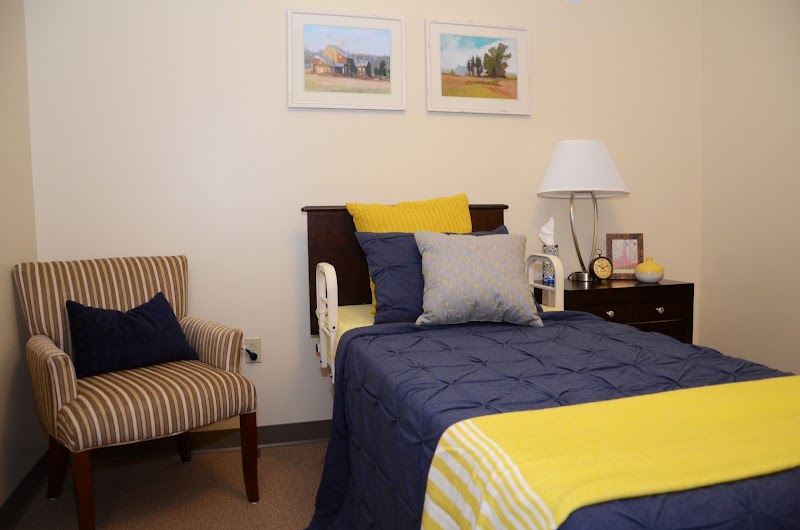
How is Springs At Lafayette, The Staffed?

CMS rates SPRINGS AT LAFAYETTE, THE's staffing level at 4 out of 5 stars, which is above average compared to other nursing homes. Staff turnover is 47%, compared to the Indiana average of 46%.

What Have Inspectors Found at Springs At Lafayette, The?

State health inspectors documented 24 deficiencies at SPRINGS AT LAFAYETTE, THE during 2022 to 2024. These included: 1 that caused actual resident harm and 23 with potential for harm. Deficiencies causing actual harm indicate documented cases where residents experienced negative health consequences.

Who Owns and Operates Springs At Lafayette, The?

SPRINGS AT LAFAYETTE, THE is owned by a for-profit company. For-profit facilities operate as businesses with obligations to shareholders or private owners. The facility is operated by TRILOGY HEALTH SERVICES, a chain that manages multiple nursing homes. With 70 certified beds and approximately 36 residents (about 51% occupancy), it is a smaller facility located in LAFAYETTE, Indiana.
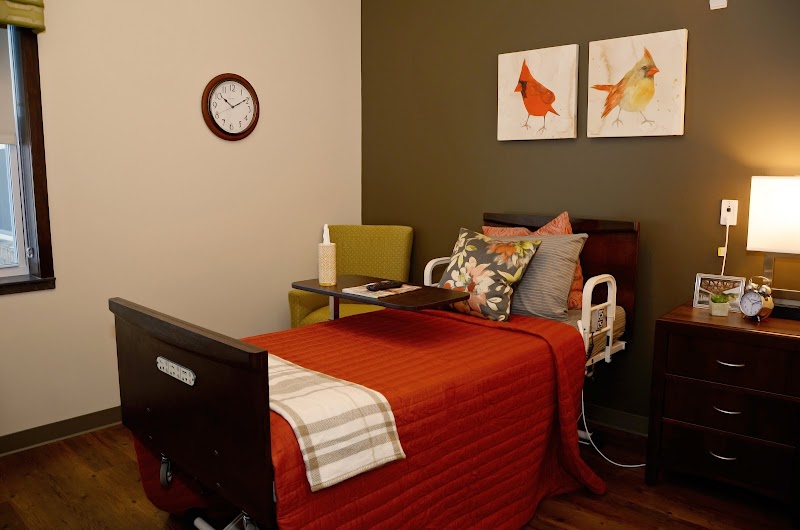
How Does Springs At Lafayette, The Compare to Other Indiana Nursing Homes?

Compared to the 100 nursing homes in Indiana, SPRINGS AT LAFAYETTE, THE's overall rating (5 stars) is above the state average of 3.1, staff turnover (47%) is near the state average of 46%, and health inspection rating (4 stars) is above the national benchmark.

What Should Families Ask When Visiting Springs At Lafayette, The?

Based on this facility's data, families visiting should ask: "Can I visit during a mealtime to observe dining assistance and food quality?" "How do you handle medical emergencies, and what is your hospital transfer rate?" "Can I speak with family members of current residents about their experience?"

Is Springs At Lafayette, The Safe?

Based on CMS inspection data, SPRINGS AT LAFAYETTE, THE has a clean safety record: no substantiated abuse findings (meaning no confirmed cases of resident harm), no Immediate Jeopardy citations (the most serious violation level indicating risk of serious injury or death), and is not on the Special Focus Facility watch list (a federal program monitoring the lowest-performing 1% of nursing homes). The facility has a 5-star overall rating and ranks #1 of 100 nursing homes in Indiana. While no facility is perfect, families should still ask about staff-to-resident ratios and recent inspection results during their visit.

Do Nurses at Springs At Lafayette, The Stick Around?

SPRINGS AT LAFAYETTE, THE has a staff turnover rate of 47%, which is about average for Indiana nursing homes (state average: 46%). Moderate turnover is common in nursing homes, but families should still ask about staff tenure and how the facility maintains care continuity when employees leave.

Was Springs At Lafayette, The Ever Fined?

SPRINGS AT LAFAYETTE, THE has no federal fines on record. CMS issues fines when nursing homes fail to meet care standards or don't correct problems found during inspections. The absence of fines suggests the facility has either maintained compliance or corrected any issues before penalties were assessed. This is a positive indicator, though families should still review recent inspection reports for the full picture.

Is Springs At Lafayette, The on Any Federal Watch List?

SPRINGS AT LAFAYETTE, THE is not on any federal watch list. The most significant is the Special Focus Facility (SFF) program, which identifies the bottom 1% of nursing homes nationally based on persistent, serious quality problems. Not being on this list means the facility has avoided the pattern of deficiencies that triggers enhanced federal oversight. This is a positive indicator, though families should still review the facility's inspection history directly.