ST MARY HEALTHCARE CENTER
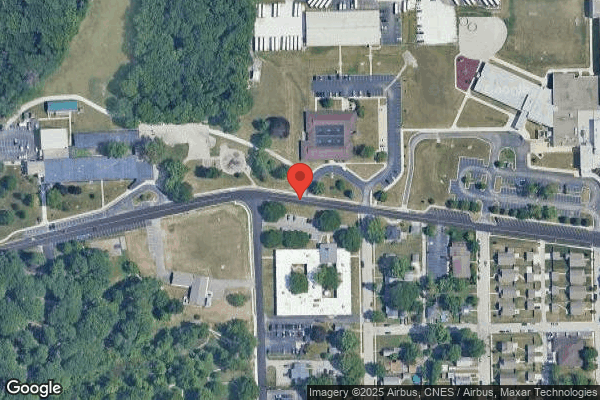
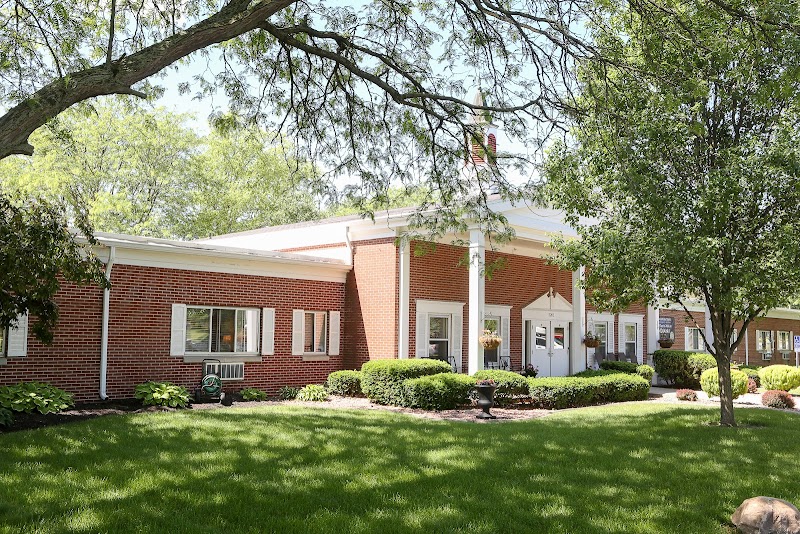
2201 CASON ST, LAFAYETTE, IN 47904 (765) 447-4102
For profit - Corporation 79 Beds TRILOGY HEALTH SERVICES Data: November 2025
Trust Grade
60/100
#294 of 505 in IN
Last Inspection: May 2025

Inspected within the last 6 months. Data reflects current conditions.

Overview

St. Mary Healthcare Center in Lafayette, Indiana, has received a Trust Grade of C+, indicating it is slightly above average but not exceptional in quality. It ranks #294 out of 505 facilities in Indiana, placing it in the bottom half, and #9 out of 11 in Tippecanoe County, suggesting limited better options nearby. The facility is improving, with a decrease in issues from 9 in 2024 to 8 in 2025. Staffing is a positive aspect, with a turnover rate of 35%, lower than the state average, indicating that staff are likely to have strong familiarity with residents. While there have been no fines, some areas of concern include failure to ensure proper meal service and delays in administering medications, which could impact resident care and dignity.

Trust Score
C+
60/100
In Indiana
#294/505
Bottom 42%
Safety Record
Low Risk
No red flags
Inspections
Getting Better
9 → 8 violations
Staff Stability
○ Average
35% turnover. Near Indiana's 48% average. Typical for the industry.
Penalties
✓ Good
No fines on record. Clean compliance history, better than most Indiana facilities.
Skilled Nurses
○ Average
Each resident gets 38 minutes of Registered Nurse (RN) attention daily — about average for Indiana. RNs are the most trained staff who monitor for health changes.
Violations
⚠ Watch
26 deficiencies on record. Higher than average. Multiple issues found across inspections.
★★★☆☆
3.0
Overall Rating
★★★☆☆
3.0
Staff Levels
★★★★☆
4.0
Care Quality
★★★☆☆
3.0
Inspection Score
Stable
2024: 9 issues
2025: 8 issues

The Good

  • 4-Star Quality Measures · Strong clinical quality outcomes
  • Full Sprinkler Coverage · Fire safety systems throughout facility
  • No fines on record
  • Staff turnover below average (35%)

    13 points below Indiana average of 48%

Facility shows strength in quality measures, fire safety.

The Bad

3-Star Overall Rating

Near Indiana average (3.1)

Meets federal standards, typical of most facilities

Staff Turnover: 35%

11pts below Indiana avg (46%)

Typical for the industry

Chain: TRILOGY HEALTH SERVICES

Part of a multi-facility chain

Ask about local staffing decisions and management

The Ugly 26 deficiencies on record

Aug 2025 1 deficiency
CONCERN (D) 📢 Someone Reported This

A family member, employee, or ombudsman was alarmed enough to file a formal complaint

Potential for Harm - no one hurt, but risky conditions existed

Deficiency F0628 (Tag F0628)

Could have caused harm · This affected 1 resident

Based on interview and record review, the facility failed to ensure a resident's discharge paperwork provided to the receiving facility was accurate for 1 of 3 residents reviewed for discharge. (Resid...

Read full inspector narrative →
Based on interview and record review, the facility failed to ensure a resident's discharge paperwork provided to the receiving facility was accurate for 1 of 3 residents reviewed for discharge. (Resident C)Findings include: During an interview, on 8/20/25 at 2:09 p.m., an anonymous interviewee indicated Resident C was transferred, on 7/31/25, to their group home. She indicated Resident C came with discharge paperwork. The discharge assessment indicated Resident C required assistance with eating, hygiene, toileting, showers, lower body dressing, and putting on and taking off footwear. She indicated Resident C was independent and did not need assistance.The clinical record for Resident C was reviewed on 8/20/25 at 3:55 p.m. The diagnoses included, but were not limited to, asthma, tracheostomy status, and congenital malformation of the musculoskeletal system.The clinical record indicated Resident C was cognitively intact and was capable of making her own decisions.A nursing progress note, dated 7/29/25 at 12:23 p.m., indicated the resident's discharge plan was to discharge to a group home. A meeting was held with the family and Resident C.A nursing progress note, dated 7/31/25 at 4:11p.m., indicated Resident C was discharged from the facility. The discharge summery was signed. The resident was discharged with family and was taken by family car to a group home.A discharge narrative sent with Resident C indicated she needed assistance with eating, hygiene, toileting, showers, lower body dressing, and putting on and taking off her footwear.During an interview, on 8/21/25 at 1:04 p.m., the Director of Nursing (DON) indicated the discharge plan was incorrect. She was not aware the incorrect discharge assessment had been sent with Resident C. The resident was independent with care. A current facility policy, titled Guidelines for transfer and discharge (including AMA), dated as revised 12/17/24 and provided by DON on 8/21/25 at 4:30 p.m., indicated .Nursing will complete the Discharge Summary at the time of discharge 3.1-12(a)(3)
May 2025 7 deficiencies
CONCERN (D)

Potential for Harm - no one hurt, but risky conditions existed

Deficiency F0578 (Tag F0578)

Could have caused harm · This affected 1 resident

Based on interview and record review, the facility failed to ensure a do not resuscitate (DNR) order was updated when received for 1 of 1 resident reviewed for advanced directives. (Resident 21) The d...

Read full inspector narrative →
Based on interview and record review, the facility failed to ensure a do not resuscitate (DNR) order was updated when received for 1 of 1 resident reviewed for advanced directives. (Resident 21) The deficient practice was corrected on 4/28/25, prior to the start of the survey, and therefore was past noncompliance. Findings include: The clinical record for Resident 21 was reviewed on 5/16/25 at 11:34 a.m. The diagnoses included, but were not limited to, adult failure to thrive, heart failure, coronary artery disease, hypertension, Parkinson's disease, type 2 diabetes, obesity, schizophrenia, iron deficiency anemia, and hypothyroidism. A physician's order dated 3/25/25 indicated full code status. A State of Indiana Out of Hospital Do Not Resuscitate Declaration and Order form indicated the resident was to be a DNR. The form was signed by the resident representative and witness on 4/1/25. The form was signed by the physician on 4/14/25. A physician's order, dated 4/22/25, indicated DNR code status. During an interview, on 5/19/25 at 10:19 a.m., LPN 10 indicated that when she received a signed DNR order, she entered the order and scanned the form into the resident's electronic chart. During an interview, on 5/19/25 at 12:13 p.m., the DON indicated once the form was completed, it was uploaded into the residents' chart and the orders were updated to match the form. The DON indicated there were times the form was uploaded into the chart and the orders did not get updated. She began an audit with a plan of correction in April. A current facility policy, titled Guidelines for Advanced Directives, dated 9/26/24 and received from the Clinical Support Nurse on 5/16/25 at 2:25 p.m., indicated .Advanced Directives will be reviewed with resident and/or resident representative .The resident or representative will advise .regarding wishes for end of life directives and code status .The nursing staff will confirm the desired code status and obtain an order from the physician The deficient practice was corrected by 4/28/25, after the facility implemented a systemic plan which included audits and conducting staff training on advanced directives. 3.1-4(f)(5)
CONCERN (D)

Potential for Harm - no one hurt, but risky conditions existed

Deficiency F0582 (Tag F0582)

Could have caused harm · This affected 1 resident

Based on record review and interview, the facility failed to ensure the residents were issued SNF ABN's (Skilled Nursing Facility Advance Beneficiary Notice of Non-coverage) for 2 of 3 residents revie...

Read full inspector narrative →
Based on record review and interview, the facility failed to ensure the residents were issued SNF ABN's (Skilled Nursing Facility Advance Beneficiary Notice of Non-coverage) for 2 of 3 residents reviewed for beneficiary notification. (Resident 1 and 20) The deficient practice was corrected on 2/13/25, prior to the start of the survey, and therefore was past noncompliance. Findings include: 1. Resident 1 started on Medicare Part A services on 11/3/24. The facility initiated the discharge from Medicare Part A services when benefit days were not exhausted. The last covered day of Part A Service was 12/13/24. There was no SNF ABN or NOMNC provided to Resident 1. 2. Resident 20 started on Medicare Part A services on 10/22/24. The facility initiated the discharge from Medicare Part A services when benefit days were not exhausted. The last covered day of Part A Service was 12/23/24. There was no SNF ABN or NOMNC provided to Resident 20. During an interview, on 5/15/25 at 11:22 a.m., the DON (Director of Nursing) indicated the beneficiary notices were not being completed prior to February this year and a plan of correction was now in place. A current facility policy, titled NOMNC Completion SOP, reviewed on 10/24/22 and provided by the Clinical Support on 5/19/25 10:00 a.m., indicated .For residents receiving therapy under Medicare Part A, social services will issue NOMNC prior to therapy discharge. If the resident has Medicare days remaining and is staying at the campus after therapy discharge social services will the SNF ABN form in addition to the NOMNC The deficient practice was corrected by 2/13/25, after the facility implemented a systemic plan which included audits and conducting staff training on following the standard operating procedure for completing NOMNCs. 3.1-4(f)(3)
CONCERN (D)

Potential for Harm - no one hurt, but risky conditions existed

Assessment Accuracy (Tag F0641)

Could have caused harm · This affected 1 resident

Based on interview and record review, the facility failed to ensure the Minimum Data Set (MDS) assessment was correctly coded for 1 of 1 resident reviewed for resident assessments. (Resident 49) Find...

Read full inspector narrative →
Based on interview and record review, the facility failed to ensure the Minimum Data Set (MDS) assessment was correctly coded for 1 of 1 resident reviewed for resident assessments. (Resident 49) Findings include: The clinical record for Resident 49 was reviewed on 5/14/25 at 3:56 p.m. The diagnoses included, but were not limited to, schizophrenia, bipolar disorder, and cognitive communication deficit. A Preadmission Screening and Resident Review (PASARR), dated 12/18/24, indicated the resident did not have any known recent or current mental health conditions. An admission minimum data set (MDS) assessment, dated 12/24/24, indicated the resident did not have a diagnosis of schizophrenia. A resident information sheet, last reviewed by the physician on 3/13/25, indicated the resident had a diagnosis of schizophrenia and bipolar disorder. A significant change in status MDS assessment, dated 3/26/25, indicated Resident 49 had a diagnosis of schizophrenia. Resident 49's physician's orders did not include any antipsychotic medications for the treatment of schizophrenia or bipolar disorder. During an interview, on 5/16/25 at 2:00 p.m., the Director of Nursing (DON) indicated Resident 49 did not have a schizophrenia or bipolar diagnosis, but his roommate did. During an interview, on 5/19/25 at 11:09 a.m., the DON indicated the incorrect diagnoses had been removed from Resident 49's chart. During an interview, on 5/19/25 at 11:11 a.m., the MDS Coordinator indicated that the schizophrenia and bipolar disorder diagnoses were inputted incorrectly onto the MDS assessment. They should not have been listed. During an interview, on 5/19/25 at 12:27 p.m., the MDS corporate support indicated the facility did not have an MDS policy. They followed the RAI (resident assessment instrument) guidelines. 3.1-31(c)(1) 3.1-31(i)
CONCERN (D)

Potential for Harm - no one hurt, but risky conditions existed

Quality of Care (Tag F0684)

Could have caused harm · This affected 1 resident

Based on interview and record review, the facility failed to ensure vital signs and neurological assessments were documented for 1 of 1 resident reviewed for assessments. (Resident 70) The deficient p...

Read full inspector narrative →
Based on interview and record review, the facility failed to ensure vital signs and neurological assessments were documented for 1 of 1 resident reviewed for assessments. (Resident 70) The deficient practice was corrected on 5/10/25, prior to the start of the survey, and therefore was past noncompliance. Findings include: The clinical record for Resident 70 was reviewed on 5/15/25 at 1:37 p.m. The diagnoses included, but were not limited to, hypertension, chronic kidney disease, type 2 diabetes mellitus, and retention of urine, A facility event and incident report, dated 12/13/24 at 6:41 p.m., indicated the resident had an unwitnessed fall. The report did not include documentation for the 72-hour follow-up vital signs or neurological assessments. A facility event and incident report, dated 4/1/25 at 10:20 a.m., indicated the resident had an unwitnessed fall. The report did not include documentation for the 72-hour follow-up vital signs or neurological assessments. During an interview, on 5/15/25 at 9:48 a.m., the Director of Nursing (DON) indicated neurological assessments were not initiated on 4/1/25. The nurse took the first set of vital signs and did not initiate the documentation needed to complete the required documentation. During an interview, on 5/19/25 at 11:33 a.m., the DON indicated documentation for the unwitnessed fall on 4/1/25 was not started. The nurse was new and did not initiate the required records. The unwitnessed fall, dated 12/13/24, did not have documentation of the 72-hour vital signs. During an interview, on 5/19/22 at 11:30 a.m., LPN 14 indicated that when a resident had an unwitnessed fall the resident would be assessed for injuries. Vital signs and neurological assessments would be completed every shift for 72 hours. The nurse would chart the information in the residents' Electric Health Records (EHR) During an interview, on 5/19/25 at 3:25 p.m., the DON indicated the facility had no further documentation to provide. A facility falls management program guideline indicated the nursing staff would monitor and document the continued resident response and effectiveness of interventions for 72 hours. The neurological assessments would be completed and documented on the fall event form. A current facility policy, titled Fall Management Program Guideline, dated as reviewed 12/17/24 and received from the DON on 5/19/25 at 11:45 a.m., indicated .The attending physician or medical director in the absence of the attending physician and the responsible party should be notified .Any orders received from the physician should be noted and carried out .Nursing staff will monitor and document continued resident response and effectiveness of interventions for 72 hours .communicate Interventions during shift report A current facility policy, titled Guidelines for Neurological Checks, dated as reviewed 12/17/24 and received from the DON on 5/15/25 at 10:30 a.m., indicated .To evaluate the level of consciousness, evaluate pupil response, motor function, and vital signs that may alert staff for potential for head injury or seizure activity .Neuro-checks for 24 hours should be completed within the Fall Event Form .Obtain vital signs with each assessment A current facility policy, titled Quick Guide to Matrix Documentation Guidelines, dated as revised on 2/20/18 and received from the DON on 5/19/25 at 11:45 a.m., indicated .Post event .progress notes, vital signs q shift for 72 hours The deficient practice was corrected by 5/10/25, after the facility implemented a systemic plan which included audits, conducting staff education for falls and neuro checks. 3.1-37(a)
CONCERN (D)

Potential for Harm - no one hurt, but risky conditions existed

Medical Records (Tag F0842)

Could have caused harm · This affected 1 resident

Based on interview and record review, the facility failed to ensure a resident's diagnoses in the medical record were accurate and correct for 1 of 1 resident reviewed for documentation. (Residents 49...

Read full inspector narrative →
Based on interview and record review, the facility failed to ensure a resident's diagnoses in the medical record were accurate and correct for 1 of 1 resident reviewed for documentation. (Residents 49) Findings include: The clinical record for Resident 49 was reviewed on 5/14/25 at 3:56 p.m. The diagnoses included, but were not limited to, schizophrenia, bipolar disorder, and cognitive communication deficit. A facility resident information sheet, last reviewed by the physician on 3/13/25, indicated the resident had a diagnosis of schizophrenia and bipolar disorder. The physician's orders did not include any antipsychotic medications for the treatment of schizophrenia or bipolar disorder. During an interview, on 5/16/25 at 2:00 p.m., the Director of Nursing (DON) indicated Resident 49 did not have schizophrenia or a bipolar diagnosis. During an interview, on 5/19/25 at 11:09 a.m., the DON indicated the incorrect diagnoses were incorrect and should not have been listed on the diagnoses list. Upon exit, the facility was unable to provide an accurate records policy. 3.1-50(a)(2)
CONCERN (D)

Potential for Harm - no one hurt, but risky conditions existed

Infection Control (Tag F0880)

Could have caused harm · This affected 1 resident

Based on interview and record review, the facility failed to ensure the policy and procedure related to administering two (2) step Mantoux skin tests for tuberculosis were followed for 4 of 5 employee...

Read full inspector narrative →
Based on interview and record review, the facility failed to ensure the policy and procedure related to administering two (2) step Mantoux skin tests for tuberculosis were followed for 4 of 5 employees reviewed for infection control. (QMA 6, QMA 7, CNA 8 and CNA 9) Findings include: 1. A facility tuberculin testing for employees' form, dated 9/25/24, indicated QMA 6 was given the first step tuberculosis (TB) test on 9/25/24 and was read on 9/28/24. The second step was given on 10/10/24 and read on 10/12/24. There was no documentation indicating the time the first and second step tests were read. 2. A facility tuberculin testing for employees' form, dated 8/14/24, indicated QMA 7 was given the first step TB test on 8/14/24 and was read on 8/16/24. The second step was given on 8/30/24 and read on 9/1/24. There was no documentation indicating the time the first and second step test was read. 3. A facility tuberculin testing for employees' form, dated 1/19/25, indicated CNA 8 was given the first step TB test on 1/19/25 and was read on 1/21/25. The second step was given on 2/1/25 and read on 2/3/25. There was no documentation indicating the time the first and second step test was read. 4. A facility tuberculin testing for employees' form, dated 11/8/24, indicated CNA 9 was given the second step TB test on 11/18/24 and was read on 11/20/24. There was no documentation indicating the time the second step test was read. During an interview, on 5/19/25 at 10:28 a.m., LPN 10 indicated when a TB test was administered all the information including the lot number, date, time, and initials should be documented. The test would be read in 48-72 hours. It would be the same process when reading the test. A current facility policy, titled Mantoux Test Procedure, dated as reviewed on 12/16/24 and provided by the DON on 5/19/25 at 9:49 a.m., indicated .Record administration of Mantoux Test (date, time .) .Read the Mantoux Test results in 48-72 hours 3.1-18(e)
CONCERN (E)

Potential for Harm - no one hurt, but risky conditions existed

Resident Rights (Tag F0550)

Could have caused harm · This affected multiple residents

Based on observation, interview and record review, the facility failed to ensure residents were served their meals together, staff were seated while eating with the residents, and a resident was able ...

Read full inspector narrative →
Based on observation, interview and record review, the facility failed to ensure residents were served their meals together, staff were seated while eating with the residents, and a resident was able to complete their meal before being removed from the dining room for 1 of 2 dining rooms reviewed for dignity. (the legacy dining room) Findings include: 1. During an observation, on 5/14/25 at 12:00 p.m., the residents were seated in the legacy dining room. CNA 15 took a resident's meal ticket, gave the ticket to Dining Assistant 12, and he prepared the resident's plate. The CNAs passed out plates to residents seated at different tables randomly until all residents were served. During an interview, on 5/14/25 at 11:54 a.m., CNA 11 indicated Dining Assistant 12 told her to take a resident's meal ticket and pass the food out in the order of the tickets. CNA 11 told Dining Assistant 12 they should serve one table at a time. During an interview, on 5/14/25 at 12:12 p.m., Activity Associate 13 indicated normally the trays were passed out one table at a time until all the residents had received their food. During an interview, on 5/14/25 at 12:26 p.m., Dining Assistant 12 indicated he was told to serve the residents by meal tickets and not one table at a time. 2. During an observation, on 5/14/25 at 12:24 p.m., CNA 11 was standing next to a table in the dining room talking with two residents. CNA 11 had a small bowl in her left hand and a fork in her right hand eating out of the bowl. During an interview, on 5/14/25 at 12:27 p.m., CNA 11 indicated she needed to sit down and not eat standing next to the residents. During an interview, on 5/14/25 at 1:15 p.m., the Director of Nursing (DON) indicated the staff should not stand and eat out of a bowl in the dining room. During an interview, on 5/15/25 at 3:03 p.m., the DON indicated the Legacy dining room was served family style and the staff were encouraged to eat with the residents. CNAs needed to sit down with the residents at the table and not stand. 3. During an observation, on 5/12/25 at 12:06 p.m., Resident 58 was in his wheelchair in the legacy dining room and had just finished a bowl of soup. The hospice CNA entered the dining room and approached the resident. The resident was waiting for the main course when the hospice CNA pulled the resident away from his table. The hospice CNA was observed pushing the resident out of the dining room before he finished his meal and had told the resident she was going to give him a shower. During an observation, on 5/12/25 at 12:21 p.m., the hospice CNA returned the resident to the dining room. The resident was wearing clean clothes, and his hair was wet. The dining staff had served the other residents, and the hospice CNA had to retrieve the resident's food from the kitchen. During an interview, on 5/15/25 at 9:43 a.m., CNA 2 indicated showers were usually given before or after breakfast on the day shift. The showers were not to be given during mealtimes. During an interview, on 5/15/25 at 9:55 a.m., the DON indicated residents would be given showers during mealtime only in an extreme situation. A shower could be given when a resident was incontinent and covered with bowel movement. A hospice visit note, dated 5/12/25, indicated the hospice CNA provided activities of daily living (ADL) for Resident 58 from 12:04 p.m. to 12:38 p.m., and a shower was given. A current facility policy, titled Guidelines for Meal Service, dated as revised 5/22/18 and received from the DON on 5/14/25 at 12:22 p.m., indicated .To provide residents with a choice of food, dining times and fine dining experience .Lunch is generally served around noon .During meal service, staff members will make efforts to serve all the residents seated together at the same time. This is not always possible due to various reasons A current facility policy, titled Resident Rights-Life Enrichment, dated as revised 4/14/25 and received from the Executive Director on 5/12/25 at 10:40 a.m., indicated .The purpose of this policy is to ensure that the rights of each resident are consistently preserved and respected in the provision of Life Enrichment services. Special care must be taken to uphold and safeguard these rights while delivering programs that enhance the quality of life for residents .Residents' dignity and privacy will be respected during individual and group programs A current facility policy, titled Legacy Family Style Dining Standards, dated as revised 11/7/18 and received from the Clinical Support Nurse on 5/15/25 at 3:30 p.m., indicated .Serve residents from the LEFT, following the THS Standards: Each dish or meal item is owned by the team member throughout the meal service to ensure everyone is offered the items, and to ensure the dish/bowl is refilled and served again when requested .Approach each resident and offer the assigned item to each resident, using a verbal prompt .After everyone at the table is served, move to the next table to repeat the process until every resident has been served .Eat with residents and carry on pleasant conversation: Place a small amount of food on a COLORED plate and sit among the residents, at the corner of table 3.1-3(t)
Nov 2024 2 deficiencies
CONCERN (D) 📢 Someone Reported This

A family member, employee, or ombudsman was alarmed enough to file a formal complaint

Potential for Harm - no one hurt, but risky conditions existed

Quality of Care (Tag F0684)

Could have caused harm · This affected 1 resident

Based on interview and record review, the facility failed to ensure a resident received medications per the physician's order for 1 of 1 resident reviewed for quality of care. (Resident H) This defici...

Read full inspector narrative →
Based on interview and record review, the facility failed to ensure a resident received medications per the physician's order for 1 of 1 resident reviewed for quality of care. (Resident H) This deficient practice was corrected on 6/10/24, prior to the start of the survey, and was therefore past noncompliance. Finding includes: The clinical record for Resident H was reviewed on 11/14/24 at 12:30 p.m. The diagnoses included, but were not limited to, Alzheimer's disease, dementia, chronic kidney disease, and anxiety. The resident had a severe cognitive deficit and was receiving hospice care. A review of the Medication Administration Record (MAR) indicated the resident did not receive her ordered dose of Morphine concentrate (a pain medication) every 6 hours on 5/25/24 at 10:00 p.m., 5/26/24 at 4:00 a.m., 10:00 a.m., 4:00 p.m., 10:00 p.m., and on 5/27/24 at 4:00 a.m., 10:00 a.m., 4:00 p.m., 10:00 p.m. The MAR indicated the medication was not available for administration. The nursing notes did not indicate the resident had been assessed for pain on 5/25, 5/26, and 5/27/24. The physician had been notified. Family had not been notified. Hospice had not been notified. The Emergency Drug Kit (EDK) medication box had not been utilized. During an interview, on 11/13/24 at 3:39 p.m., Resident H could not answer questions other than yes or no questions. The resident did indicate she had no pain. During an interview, on 11/13/24 at 2:10 p.m., the Regional Clinical Support nurse indicated the errors were made by the facility staff and two (2) staff members had been terminated for not following the policies and procedures of the facility. During an interview, on 11/13/24 at 4:15 p.m., the Regional Clinical Support nurse indicated there was no pain assessment documented for the resident on 5/25, 5/26 and 5/27/24. The MAR indicated the resident was given routine Tylenol three times daily on 5/25, 5/26 and 5/27/24. A current facility policy, titled Preparation and General Guidelines, revised 11/2018 and provided by the Regional Clinical Support nurse on 11/14/24 at 11:13 a.m., indicated .The individual who administers the medication dose records the administration on the resident's MAR directly after medication is given A current facility policy, titled Guidelines for Narcotic Count, revised 8/2016 and provided by the Regional Clinical Support nurse on 11/14/24 at 11:11 a.m., indicated .Each controlled drug shall have a corresponding count sheet to track distribution. 2. The narcotic book shall contain a sheet providing space for the off going and oncoming nursing staff to record their signatures indicating the narcotics has been reviewed .Both staff members shall sign that the narcotic count is accurately reconciled The deficient practice was corrected by 6/10/24 after the facility implemented a systemic plan which included a thorough investigation, staff education, and audits of the shift-to-shift controlled substance counting, disposal of controlled substances, and controlled substance documentation. This citation relates to Complaint IN00436486. 3.1-37(a)
CONCERN (D) 📢 Someone Reported This

A family member, employee, or ombudsman was alarmed enough to file a formal complaint

Potential for Harm - no one hurt, but risky conditions existed

Pharmacy Services (Tag F0755)

Could have caused harm · This affected 1 resident

Based on observation, interview and record review, the facility failed to ensure medications were documented as given, medications were disposed of properly, narcotic medication logbooks reflected the...

Read full inspector narrative →
Based on observation, interview and record review, the facility failed to ensure medications were documented as given, medications were disposed of properly, narcotic medication logbooks reflected the medication given to residents and medication records were reconciled for 3 of 5 medication carts reviewed. This deficient practice was corrected on 6/10/2024, prior to the start of the survey, and was therefore past noncompliance. Finding includes: 1. The narcotic sign-in and sign-out record book, from 5/1/24 thru 6/9/24 was missing 66 nursing staff signatures. 2. The medication destruction logbook, from 4/14/24 thru 6/15/24, had 24 errors. There were 7 dates missing, 11 resident names missing, 3 quantity amounts missing, 2 nursing signatures missing, and one entry was not log into the book. 3. The narcotic logbook entries did not match the resident Medication Administration Record (MAR) for 14 residents. The number of errors was 61 for the period of 4/4/24 thru 6/6/24. The narcotic book indicated 32 medications were withdrawn. The MAR did not reflect the administration of the medications. The MAR indicated 29 medications were administered. The narcotic record logs did not indicate the medications were withdrawn for the medication administration. During an interview, on 11/13/24 at 2:10 p.m., the Regional Clinical Support nurse indicated the documentation errors were made by the staff. She indicated two (2) staff members had been terminated for not following policies and procedures of the facility. A current facility policy, titled Disposal of Medications and Medication - Related Supplies, revised 11/2018 and provided by Regional Clinical Support nurse on 11/14/24 at 11:11 a.m., indicated .The person witnessing the destruction ensures that the following information is entered on the individual controlled substance accountability record/book: 1) Date of destruction. 2) Resident's name. 3) Name and strength of medication. 4) Prescription number. 5) Amount of medication destroyed. 6) signature of witnesses A current facility policy, titled Preparation and General Guidelines, revised 11/2018 and provided by Regional Clinical Support nurse on 11/14/2024 at 11:13 a.m., indicated .The individual who administers the medication dose records the administration on the resident's MAR directly after medication is given A current policy, titled Guidelines for Narcotic Count, revised 8/2016 and provided by Regional Clinical Support nurse on 11/14/2024 at 11:11 a.m., indicated .Each controlled drug shall have a corresponding count sheet to track distribution. 2. The narcotic book shall contain a sheet providing space for the off going and oncoming nursing staff to record their signatures indicating the narcotics has been reviewed .Both staff members shall sign that the narcotic count is accurately reconciled The deficient practice was corrected by 6/10/2024, after the facility implemented a systemic plan which included a thorough investigation, staff education, and audits of the shift-to-shift controlled substance counting, disposal of controlled substances, and controlled substance documentation. This citation relates to Complaint IN00436486. 3.1-25(b)
Apr 2024 7 deficiencies
CONCERN (D)

Potential for Harm - no one hurt, but risky conditions existed

Deficiency F0657 (Tag F0657)

Could have caused harm · This affected 1 resident

Based on interview and record review, the facility failed to include a seizure disorder diagnosis or monitoring for seizure medication side effects in the care plan for 1 of 1 resident reviewed for co...

Read full inspector narrative →
Based on interview and record review, the facility failed to include a seizure disorder diagnosis or monitoring for seizure medication side effects in the care plan for 1 of 1 resident reviewed for comprehensive care plans. (Resident 29). Finding includes: The clinical record for Resident 29 was reviewed on 4/25/24 at 11:40 a.m. The diagnoses included, but were not limited to, epilepsy without status epilepticus, dementia with other behavioral disturbance, delusions disorder, depression, anxiety disorder, and insomnia. A physician's order, dated 2/20/24, indicated to give lamotrigine (an anticonvulsant) 100 milligrams (mg) twice a day for epilepsy. A care plan, dated 3/15/24, did not include the risk for seizures with an epilepsy diagnosis. There were no approaches for monitoring seizure activity or safety measures for seizures. A care plan, dated 3/15/24, did not include the resident receiving an anticonvulsant medication for epilepsy. There were no approaches for monitoring for seizure medication side effects. During an interview, on 4/26/24 at 2:35 p.m., the Clinical Support Nurse indicated the Nurse Practitioner included a history of seizures for Resident 29. During an interview, on 4/29/24 at 3:09 p.m., the Director of Nursing (DON) indicated the facility had not included monitoring for seizures in the care plan for Resident 29. A current policy, titled Comprehensive Care Plan Guideline, dated as reviewed on 12/31/23 and received from the Clinical Support Nurse on 4/26/24 at 4:30 p.m., indicated .Care plan interventions should be reflective of risk area(s) or disease processes that impact the individual resident .The comprehensive care plan should be .revised to reflect changes in the resident's condition as they occur .Comprehensive care plans need to remain accurate and current 3.1-35(a) 3.1-35(b)(1)
CONCERN (D)

Potential for Harm - no one hurt, but risky conditions existed

Accident Prevention (Tag F0689)

Could have caused harm · This affected 1 resident

Based on interview and record review, the facility failed to ensure post fall interventions were evaluated for effectiveness and a rationale was documented prior to removing the interventions from the...

Read full inspector narrative →
Based on interview and record review, the facility failed to ensure post fall interventions were evaluated for effectiveness and a rationale was documented prior to removing the interventions from the comprehensive care plan for 2 of 3 residents reviewed for accidents. (Resident 23 and 54) Findings include: 1. The clinical record for Resident 23 was reviewed on 4/25/24 at 3:42 p.m. The diagnoses included, but were not limited to, malignant neoplasm of the pancreas, unspecified dementia with other behavioral disturbance, and chronic kidney disease stage 3. A fall event, dated 9/24/23 at 5:53 p.m., indicated the resident was ambulating back from the dining room toward her room using a walker. The resident's legs became weak, and she was lowered to the ground. An interdisciplinary team (IDT) note, dated 9/25/23 at 9:46 a.m., indicated the new intervention was for hospice to re-evaluate the use of ambulatory device and weakness. The intervention for hospice to re-evaluate the use of ambulatory device and weakness was not on the current care plan and the progress notes did not include a resolution of this intervention. A Facility Reported Incident (FRI), dated 12/27/23, indicated Resident 23 was attempting to ambulate and fell. The injury was an acute metatarsal (a bone of the foot). The care plan was reviewed and updated accordingly. The new intervention was for staff to toilet the resident in the morning between 6:00 a.m. and 8:00 a.m. The new intervention for the staff to toilet the resident in the morning between 6:00 a.m. and 8:00 a.m., was not on the current fall care plan. 2. The clinical record for Resident 54 was reviewed on 4/24/24 at 2:59 p.m. The diagnoses included, but were not limited to, unspecified dementia with anxiety, heart failure, type 2 diabetes mellitus, chronic kidney disease stage 3, repeated falls, and difficulty in walking. A Fall Event, dated 2/27/24 at 2:39 p.m., indicated the resident was found on the floor in his room between beds. The IDT indicated the new intervention was to encourage and offer activities after lunch. The fall care plan, dated 6/1/23 and last updated on 4/24/24, did not include the intervention to offer activities after lunch. The electronic record did not include a resolution of this intervention. During an interview, on 4/29/24 at 3:22 p.m., the Director of Nursing (DON) indicated if the root cause of the fall changed then the intervention implemented from the IDT would be removed. The progress notes did not indicate if hospice had evaluated Resident 23 for the use of ambulatory devices. Both interventions were removed from the care plan and there was no documentation to indicate if the intervention was effective or no longer applied to the resident. The documentation for Resident 54 did not include if the intervention for offering activities was effective or no longer applied to the resident. A current policy, titled Fall Management Program Guidelines, dated as reviewed 12/31/23 and received from the Clinical Support Nurse on 4/26/24 at 4:30 p.m., indicated .strives to maintain a hazard free environment, mitigate fall risk factors and implement preventative measures .The fall risk assessment is included as part of the admission and Quarterly Nursing Observation and other Events/Observation in EHR [electronic health record] .Should the resident experience a fall the attending nurse shall complete the 'Fall Event. This includes an investigation of the circumstances surrounding the fall to determine the cause of the episode, a reassessment to identify possible contributing factors, interventions to reduce risk of repeat episode and a review by the IDT to evaluate thoroughness of the investigation and appropriateness of the interventions .The resident care plan should be updated to reflect any new or change in interventions .Discuss risks and interventions with resident and/or responsible party and communicate interventions during shift report 3.1-45(a)(2)
CONCERN (D)

Potential for Harm - no one hurt, but risky conditions existed

Deficiency F0698 (Tag F0698)

Could have caused harm · This affected 1 resident

Based on interview and record review, the facility failed to ensure a resident on a fluid restriction was monitored for 1 of 1 resident reviewed for a fluid restriction related to dialysis. (Resident ...

Read full inspector narrative →
Based on interview and record review, the facility failed to ensure a resident on a fluid restriction was monitored for 1 of 1 resident reviewed for a fluid restriction related to dialysis. (Resident 47) Finding includes: The clinical record for Resident 47 was reviewed on 4/24/24 at 3:54 p.m. The diagnoses included, but were not limited to, dependence on renal dialysis, diabetes mellitus, depression, and end stage renal disease. A care plan, dated 10/27/21, indicated the resident had a potential for weight fluctuations and alterations in labs due to receiving dialysis treatments. The interventions included, but were not limited to, limit fluid intake if a fluid restriction was ordered. A care plan, dated 10/27/21, indicated the resident had a diagnosis of renal failure. The interventions included, but were not limited to, treatment to dialysis site per physician's order, observe catheter site per orders, and fluid restriction per orders. A physician's order, dated 12/28/23, indicated to encourage a 1200 milliliters (ml's) daily fluid restriction. The order indicated to give 240 ml's with meals and nursing was to provide 240 ml's every dayshift, and 120 ml's on the evening and nightshift. A facility vitals report, from 4/1/24 to 4/25/24, indicated 17 out of 25 days the resident went over her daily fluid restriction. During an interview, on 4/29/24 at 10:44 a.m., CNA 4 indicated she was not aware the resident was on a fluid restriction. The information would be on the resident's care plan, and she had not recently looked at the care plan. During an interview, on 4/29/24 at 10:54 a.m., the Director of Nursing (DON) indicated the resident was on a fluid restriction. When the order said to encourage a fluid restriction, the facility would like to see the resident stay around the 1200 ml's a day. During an interview, on 4/29/24 at 10:58 a.m., Resident 47 indicated she was on dialysis and was not supposed to drink a lot. During an interview, on 4/29/24 at 11:17 a.m., the DON indicated the resident did not have a care plan for being noncompliant with fluids. A current policy, titled Guidelines for Fluid Restrictions, dated as revised 12/1/21 and received from the DON on 4/29/24 at 11:55 a.m., indicated .To ensure fluids are provided within the physician order guidelines .Upon receipt of a physician's order for fluid restriction the Director of Health Services and Director of Food Services shall be notified of the order. Intake monitoring shall be initiated up receipt of the order .The Dietary Department shall record established breakdown by meal on tray card. The Nursing Department shall record established breakdown by shift and document in the EHR. Fluid consumption shall be reviewed by shift to determine adjustments necessary in the fluid intake of the resident on the restriction in order to meet their established fluids needs .Should the resident .chose not to comply with the recommended fluid restriction a Self Determination of Care or Informal Refusal and Non-Compliance observation should be completed explaining the risk(s) of noncompliance .The resident should be periodically assessed for appropriateness and continued need for fluid restriction 3.1-37(a)
CONCERN (D)

Potential for Harm - no one hurt, but risky conditions existed

Deficiency F0757 (Tag F0757)

Could have caused harm · This affected 1 resident

Based on interview and record review, the facility failed to include monitoring for seizure medication side effects and seizure activity and to review a resident's history for 1 of 5 residents reviewe...

Read full inspector narrative →
Based on interview and record review, the facility failed to include monitoring for seizure medication side effects and seizure activity and to review a resident's history for 1 of 5 residents reviewed for unnecessary medications. (Resident 29). Finding includes: The clinical record for Resident 29 was reviewed on 4/25/24 at 11:40 a.m. The diagnoses included, but were not limited to, epilepsy without status epilepticus, dementia with other behavioral disturbance, delusions disorder, depression, anxiety disorder, hyperlipidemia, insomnia, and deficiency of other specified B group vitamins. A psychiatric unit after visit care note, dated 12/14/23, indicated lamotrigine was for mood stabilization related to diagnoses of dementia with behavior disturbance, major depressive disorder, and anxiety disorder. A physician's order, dated 2/20/24, indicated to give lamotrigine (an anticonvulsant) 100 milligrams (mg) twice a day for epilepsy. The original physician's order indicated related diagnosis dementia, seizures? A care plan, dated 3/15/24, did not include risk for seizures with an epilepsy diagnosis. There were no approaches for monitoring seizure activity or safety measures for seizures. A care plan, dated 3/15/24, did not include the resident receiving an anticonvulsant medication for epilepsy. There were no approaches for monitoring for seizure medication side effects. The clinical record did not include order sets for seizures, monitoring for seizure activity, or for monitoring for side effects of anticonvulsant medication. During an interview, on 4/26/24 at 2:35 p.m., the Clinical Support Nurse indicated the Nurse Practitioner included a history of seizures for Resident 29. During an interview, on 4/26/24 at 3:35 p.m., the DON (Director of Nursing) indicated the diagnoses are not added by this facility, rather a Louisville home office coder provided this service. She indicated the facility would need to determine which diagnosis the lamotrigine was being given for and if the resident had a seizure disorder diagnosis. During an interview, on 4/29/24 at 3:09 p.m., the DON indicated the facility had not included monitoring for seizures in the care plan for Resident 29. She indicated there was not a clear reason for the lamotrigine prescription according to the facility documentation. She indicated she was trying to call the family to confirm the seizure diagnosis. She indicated a question mark should not be on the physician orders. During an interview, on 4/29/24 at 4:18 p.m., the DON indicated she had concluded the resident did not have a diagnoses of seizure disorder. She indicated she went back through all the records and decided Resident 29 did not have a seizure disorder. The clinical record did not include any gradual dose reduction attempt for the lamotrigine when given for mood disorder rather than seizure disorder. A current policy, titled Psychotropic Medication Usage and Gradual Dose Reductions, dated as reviewed on 12/31/23 and received from the Clinical Support Nurse on 4/29/24 at 4:00 p.m., indicated .To ensure every effort is made for residents receiving psychoactive medications to obtain the maximum benefit with minimal unwanted side effects through appropriate use, evaluation and monitoring by the interdisciplinary team .Regular monthly review of antipsychotics in CAR [clinically at risk] for continued need, appropriate dosage, side effects, risks and/or benefits will be conducted 3.1-48(a)(3) 3.1-48(a)(4)
CONCERN (D)

Potential for Harm - no one hurt, but risky conditions existed

Medication Errors (Tag F0758)

Could have caused harm · This affected 1 resident

Based on interview and record review, the facility failed to ensure the assessments for side effects for antipsychotic medications were completed timely for 1 of 5 residents reviewed for unnecessary m...

Read full inspector narrative →
Based on interview and record review, the facility failed to ensure the assessments for side effects for antipsychotic medications were completed timely for 1 of 5 residents reviewed for unnecessary medications. (Resident 54) Finding includes: The clinical record for Resident 54 was reviewed on 4/24/24 at 2:59 p.m. The diagnoses included, but were not limited to, unspecified dementia with anxiety, major depressive disorder, anxiety disorder, and a cognitive communication deficit. A physician's order, dated 5/25/23 through 10/27/24, indicated to give olanzapine (an antipsychotic) 5 milligram (mg) at bedtime. There was no diagnosis with the order. A physician's order, dated 10/27/23 through 1/13/23, indicated to give olanzapine 2.5 mg at bedtime. There was no diagnosis with the order. An Abnormal Involuntary Movement Scale (AIMS) was completed on 6/21/23. This was 27 days after the medication was ordered. A physician's order, dated 1/25/24 and open ended, indicated to give Risperdal (an antipsychotic) 0.5 mg once a day. An AIMS assessment was completed on 1/25/24. This was 7 months and 4 days after the initial AIMS assessment was completed on 6/21/24. A care plan, dated 1/30/24, indicated the resident was at risk for adverse reactions related to receiving an antipsychotic medication. The approaches included, but were not limited to, AIMS test according to guidelines. During an interview, on 4/29/24 at 2:53 p.m., the Director of Nursing (DON) indicated the AIMS was not completed initially and every 6 months according to the facility policy. A current Nursing Drug Handbook indicated the adverse reactions for olanzapine and Risperdal included, but were not limited to, extrapyramidal events (involuntary movements including tremors, facial movements which are caused by antipsychotic medication) and tardive dyskinesia (a feeling of restlessness and not being able to sit still with the urge to tap fingers, fidget or jiggle the legs). A current policy, titled Guidelines for: Abnormal Involuntary Movement Scale [AIMS], dated as reviewed on 12/31/23 and received from the DON on 4/29/24 at 10:20 a.m., indicated .Guidelines for: Abnormal Involuntary Movement Scale .To assess residents that have prescribed antipsychotic medications to identify symptoms that may indicate the presence of Tardive Dyskinesia; a neurologic disorder characterized by abnormal involuntary movements which may occur as an undesired effect of dopamine blocking medications .A licensed nurse will complete an AIMS scale assessment on all residents on antipsychotic medications and or other medications known to cause Tardive Dyskinesia .The AIMS assessment will be completed if possible, prior to the resident beginning this type of medication, or at the earliest possible time, either after admission; after medications listed above are prescribed; and with dosage changes .The AIMS assessment will be repeated for residents taking antipsychotic medications every six [6] months A current policy, titled Psychotropic Medication Usage and Gradual Dose Reductions, dated as reviewed on 12/31/23 and received from the Clinical Support Nurse on 4/29/24 at 4:00 p.m., indicated .To ensure every effort is made for residents receiving psychoactive medications to obtain the maximum benefit with minimal unwanted side effects through appropriate use, evaluation and monitoring by the interdisciplinary team .Regular monthly review of antipsychotics in CAR [clinically at risk] for continued need, appropriate dosage, side effects, risks and/or benefits will be conducted 3.1-48(a)(3)
CONCERN (D)

Potential for Harm - no one hurt, but risky conditions existed

Safe Environment (Tag F0921)

Could have caused harm · This affected 1 resident

**NOTE- TERMS IN BRACKETS HAVE BEEN EDITED TO PROTECT CONFIDENTIALITY** Based on observation, interview and record review, the facility failed to ensure the facility was free of strong odors, the wall...

Read full inspector narrative →
**NOTE- TERMS IN BRACKETS HAVE BEEN EDITED TO PROTECT CONFIDENTIALITY** Based on observation, interview and record review, the facility failed to ensure the facility was free of strong odors, the walls, doors, and carpet were maintained, and the trash was disposed of in 2 of 3 units observed for environment. (200 hall and 100 hall) Finding includes: During an observation, on 4/23/24 at 11:00 a.m., the back hallway had a strong odor. The odor was stronger near the riser room. During an observation, on 4/23/24 at 12:07p.m., the lower portion of the walls in the dementia unit dining room had brown paint with gouges in the corners and white paint showing through. The lower half of the doors throughout the hallway had black marks. The carpet in the hallways had faded areas and dark stains. During an observation, on 4/23/24 at 2:44 p.m., an odor of urine was noted in the bathroom of room [ROOM NUMBER]. A urine-soaked brief was observed in the trash can. During an observation, on 4/23/24 at 1:27 p.m., the carpet in room [ROOM NUMBER] was very wet and slick. A resident was walking on the wet carpet with nonskid socks and the socks were wet. During an observation, on 4/24/24 at 10:30 a.m., the back hallway had a strong odor. The odor was stronger near the riser room. During an observation, on 4/24/24 at 4:38 p.m., the front hallway had a strong odor noted. During an observation, on 4/25/24 at 2:01 p.m., with the Plant Operations Director, room [ROOM NUMBER] was observed to have black marks on the room entry door. room [ROOM NUMBER] had paint missing around the bathroom sink. The bathroom wall was yellow with white gouging around the wall by the sink. room [ROOM NUMBER] had two gouges on the right side of the bathroom wall the size of baseballs. There were paint chips all over linoleum towards the right side of the bathroom. room [ROOM NUMBER] had paint peeled around the sink. During an observation, on 4/26/24 at 2:29 p.m., a very strong odor was noted in the back hallway towards the chapel, the chapel had a very strong smell. During an observation, on 4/29/24 at 1:54 p.m., the front hallway had a very foul unidentifiable odor. The odor was not urine or bowel movement. During an interview, on 4/29/24 at 2:30 p.m., the Maintenance Director indicated the areas around the sinks were due to someone repairing the counter tops around the sinks and putting painters tape up. When the tape was removed, it peeled the paint. During an interview, on 4/25/24 at 11:20 a.m., the Maintenance Director indicated there have been problems with the sewage system. They had a quote and would have to bust concrete to replace some sewer lines, and quotes to fix the main water lines. There was a pipe rebuilt which was back in the riser room, the drain line had to be rebuilt, they saddled on to a different drain line, it drained from the water heater, water softeners and laundry room, they had to seal it up. The facility had a sewer gas smell usually in the shop or laundry room. There were multiple sewer lines, it was wet but not an active leak. The problem was in the shop, the water was not draining. He worked at the facility 2 and 1/2 years and they have had problems with the sewer line off and on the whole time. They are getting money to get some things updated. During an interview, on 4/26/24 at 10:00 a.m., the Executive Director indicated the wet carpet was extracted again and walk off mats (absorbs water from feet) were placed on the linoleum floors. The smells in the front hall and back hall were probably sewer, the back hall especially. The clean-out drain was located at the back of the building. When it rained, it could smell more. A current policy, titled Walls Preventative Maintenance, dated 2/18/2018 and received from the Executive Director, on 4/29/24 at 3:20 p.m., indicated . it is the policy to inspect common area and corridor walls monthly resident room walls are inspected during routine semi-annual preventative maintenance .survey the wall for any pain or wallcovering that needs repair .protect floor with a drop cloth while painting, touch up painting requires painting walls from break point to break point . Touching up spots on the walls is not an acceptable practice .glue lose vinyl wallcovering seams .inspect handrails for splintering and make sure they are tightly secured 3.1-19(f)(5)
CONCERN (E)

Potential for Harm - no one hurt, but risky conditions existed

Quality of Care (Tag F0684)

Could have caused harm · This affected multiple residents

Based on observation, interview and record review, the facility failed to administer medications within the ordered time frame, assess and accurately document a resident's dental status and communicat...

Read full inspector narrative →
Based on observation, interview and record review, the facility failed to administer medications within the ordered time frame, assess and accurately document a resident's dental status and communicate with hospice and provide a positioning chair to meet the residents care planned needs for 6 of 6 residents reviewed for quality of care. (Residents 40, 47, 1, 20, 46 and 27) Findings include: 1. The clinical record for Resident 40 was reviewed on 4/24/24 at 3:45 p.m. The diagnoses included, but were not limited to, type 2 diabetes mellitus with diabetic neuropathy, heart failure, edema, and chronic kidney disease stage 3. A current physician's order, with a start date of 12/21/23, indicated the resident was to take buspirone (an antianxiety medication) 5 milligrams (mg) 3 times per day. Administer the first dose from 6:00 a.m. to 10:00 a.m., administer the second dose from 11:00 a.m. to 1:30 p.m., and administer the third dose from 6:00 p.m. to 10:00 p.m. A medication administration record (MAR) indicated the following administration times for buspirone: a. On 4/1/24 at 3:07 a.m. b. On 4/6/24 at 3:02 a.m. c. On 4/7/24 at 3:00 a.m. d. On 4/8/24 at 3:01 a.m. e. On 4/13/24 at 3:06 a.m. f. On 4/14/24 at 3:01 a.m. g. On 4/17/24 at 4:36 a.m. h. On 4/20/24 at 3:10 a.m. i. On 4/21/24 at 3:00 a.m. j. On 4/22/24 at 3:20 a.m. There was no documentation to show the physician was notified about administering the medications early. During an interview, on 4/26/24 at 11:57 a.m., the DON (Director of Nursing) indicated she was not sure why the medications were given outside of the ordered times. 2. The clinical record for Resident 47 was reviewed on 4/24/24 at 3:54 p.m. The diagnoses included, but were not limited to, dependence on renal dialysis, diabetes mellitus, depression, and end stage renal disease. A physician's order, dated 1/18/24, indicated to give Eliquis (an anticoagulant) 2.5 mg tablet twice a day. Administer the first dose from 6:00 a.m. to 10:00 a.m., and the second dose from 7:00 p.m. to 10:00 p.m. A MAR indicated the following administration times for Eliquis: a. On 4/1/24 at 3:07 a.m. b. On 4/6/24 at 3:02 a.m. c. On 4/7/24 at 3:00 a.m. e. On 4/8/24 at 3:01 a.m. f. On 4/13/24 at 3:07 a.m. g. On 4/14/24 at 3:02 a.m. h. On 4/17/24 at 4:46 a.m. i. On 4/20/24 at 3:10 a.m. j. On 4/21/24 at 3:01 a.m. k. On 4/22/24 at 3:21 a.m. There was no documentation to show the physician was notified of the early medication administration. During an interview, on 4/24/24 at 11:15 p.m., QMA 6 indicated the time she checked medications off in the computer was the time she gave the medication. 3. The clinical record for Resident 1 was reviewed on 4/24/24 at 3:57 p.m. The diagnoses included, but were not limited to, cerebral palsy, diabetes mellitus, depressive disorder, and anxiety disorder. A physician's order, dated 2/15/24, indicated to give baclofen (a muscle relaxant medication) 10 mg tablet three times a day. Administer the first dose from 6:00 a.m. to 10:00 a.m., the second dose from 11:00 a.m. to 1:30 p.m., and the last dose from 6:00 p.m., to 10:00 p.m. A MAR indicated the following administration times for baclofen: a. On 4/1/24 at 3:08 a.m. b. On 4/6/24 at 3:09 a.m. c. On 4/7/24 at 3:01 a.m. d. On 4/8/24 at 3:02 a.m. e. On 4/14/24 at 3:05 a.m. f. On 4/20/24 at 312 a.m. g. On 4/21/24 at 3:03 a.m. h. On 4/22/24 at 3:23 a.m. There was no documentation to show the physician was notified of the early medication administration. 4. The clinical record for Resident 20 was reviewed on 4/26/24 at 9:44 a.m. The diagnoses included, but were not limited to, dysphagia (difficulty swallowing), chronic kidney disease, anxiety disorder, and major depressive disorder. A physician's order, dated 12/28/23, indicated to give lansoprazole oral suspension liquid (a medication used to treat indigestion, acid reflux, heartburn, and other stomach issues) 3 mg/ml, take 10 ml's by gastric tube twice a day. Administer the first dose from 6:00 a.m. to 12:00 p.m., and the second dose from 6:00 p.m. to 10:00 p.m. The MAR indicated the following administration times for lansoprazole: a. On 4/6/24 at 3:05 a.m. b. On 4/7/24 at 3:02 a.m. c. On 4/8/24 at 3:03 a.m. d. On 4/13/24 at 3:12 a.m. e. On 4/14/24 at 3:07 a.m. f. On 4/20/24 at 3:14 a.m. g. On 4/21/24 at 3:05 a.m. h. On 4/22/24 at 3:25 a.m. There was no documentation to show the physician was notified of the early medication administration. During an interview, on 4/25/24 at 11:18 a.m., the DON indicated the facility had extended medication times. The nurses had one hour before and one hour after the scheduled times to pass the medication. During an interview, on 4/26/24 at 11:57 a.m., the DON indicated the time the medications were charted was most likely the time the nurse gave the medications. She did not know why the nurses gave the medication early.A current hospice contract, received at entrance, indicated .subsequent to the initial assessment, a plan of care is developed together with the primary physician, facility professionals and the patient and family A current policy, titled Medication Administration Times Procedural Guidelines, dated as revised on 12/1/21 and received from the Director of Nursing Services on 4/26/24 at 9:11 a.m., indicated .To ensure medication is administered in resident centered fashion and documented in medical records A current policy, titled admission Policy, dated as revised on 1/19/17 and received from the Clinical Support Nurse on 4/26/24 at 4:30 p.m., indicated .The facility will not request or require residents or potential residents to waive potential facility liability or losses of personal property A current policy, titled Program Guidelines: Restorative Mobility Program, dated as revised on 12/31/22 and received from the Clinical Support Nurse on 4/26/24 at 4:30 p.m., indicated .To encourage increased independence and maintain mobility through services that promotes circulation stimulates and strengthens muscle, reduces the potential of falls and increases self-esteem .Analyze interdisciplinary assessments to determine need for restorative mobility interventions. Assessments may include but are not limited to: MDS .Nursing Assessments .Therapy screens and/or evaluations .Fall Event .Determine resident specific needs to enhance mobility by analyzing the assessments and communication .Determine the type of mobility program required and establish a baseline through the assessment. Mobility interventions include but are not limited to .Wheelchair mobility: using a wheelchair for independent mobility A current policy, titled Dental Services Including Repair, Replacement, dated as revised on 11/8/17 and received from the Clinical Support Nurse on 4/26/24 at 4:30 p.m., indicated .Clinical staff will assess teeth and gums upon admission, with each comprehensive assessment and as needed to identify pain, lost or broken teeth, visible signs of tooth decay and other chewing and swallowing problems .The facility will ensure the delivery of emergency dental services to meet the resident needs .The Admissions team (CSR, CSS or Guest Relations) will be responsible for getting the Dental consent form signed upon admission, if the resident chooses to us the contracted dental service 3.1-37(a) 5. During an observation, on 4/23/24 at 12:46 p.m., Resident 46 was sitting up in a chair in the dining room. The resident did not look like she had any teeth as her mouth and cheeks were sunk in. During an observation, on 4/23/24 at 1:18 p.m., Resident 46 was standing in the dining room, she had no top teeth and had several natural teeth on the bottom which were observed while the resident was talking and smiling. The clinical record for Resident 46 was reviewed on 4/25/24 at 9:51 a.m. The diagnoses included, but were not limited to, unspecified dementia with behavioral disturbance, osteoarthritis, anxiety disorder, and depression. A Minimum Data Set (MDS) assessment, dated 8/23/23, indicated the resident was edentulous (had no teeth). A Personal Inventory Form, dated 8/21/23, was blank. A care plan profile guide, dated 8/22/23, indicated the resident was edentulous. A care plan, dated 8/29/23, indicated the resident was at risk for mouth pain related to the edentulous status. The approaches included, but were not limited to, assessing the condition of the oral cavity as needed and a dental evaluation and interventions as needed. A Nutrition note, dated 2/22/24, indicated the resident had upper and lower dentures. A Dental Note, dated 4/9/24, indicated the resident had a full removable upper appliance. The upper denture was cleaned and inspected and appeared to be okay. The resident had 9 natural teeth on the bottom. During an interview, on 4/25/24 at 11:49 a.m., QMA 2 indicated the resident would not put in her upper dentures. QMA 2 was not sure if the resident had natural bottom teeth. There was a denture cup in the resident's room and no dentures. During an interview, on 4/25/24 at 3:03 p.m., the Unit Director observed a denture cup in the resident's room, and it was empty. The resident had lost her dentures at the previous facility and the Unit Director did not know why the dentures had not been replaced. During an interview, on 4/25/24 at 3:50 p.m., the Clinical Support Nurse did not know if the resident had dentures when she arrived at the facility. During an interview, on 4/26/24 at 11:00 a.m., the Clinical Support Nurse indicated there was conflicting information in the resident's record about her teeth. The Registered Dietitian had reported the resident had upper and lower dentures and the MDS indicated the resident was edentulous. During an interview, on 4/26/24 at 11:56 a.m., the DON indicated there was a note from the previous facility which indicated the resident's upper dentures were missing. The resident's admission inventory list was not in the electronic health record, and she did not know if dentures were checked on the admission inventory. During an interview, on 4/29/24 at 3:19 p.m., the DON indicated the notes from the dentist could have been copied and pasted from dental notes at the previous facility. The resident did have natural lower teeth and no dentures. The resident had been non-compliant with wearing the upper dentures previously although this was not documented. There was conflicting information in the electronic health record about the resident's dental status. 6. During an observation, on 4/23/24 beginning at 12:17 p.m., Resident 27 was sitting up in a short Broda chair (a chair for positioning) with no leg rests or foot supports. Her head was even with the table and not at the normal height for eating. The resident was using her fingers to eat and had to reach up to the table. When she tried to pick up her silverware her hands would shake and then she would put the silverware down and use her fingers again. Her legs were dangling, and her feet were touching the floor. During an observation, on 4/23/24 at 1:01 p.m., Resident 27 was sitting up in a Broda chair in her room. Her legs were dangling, and her feet were touching the floor. During an observation, on 4/25/24 at 2:52 p.m., the resident was sitting up in a Broda chair in the dining area. Her legs were dangling, and her feet were touching the floor. During an observation, on 4/26/24 at 12:30 p.m., the resident was in the dining room in a different Broda chair with her feet on the foot rests of the chair. The chair was at a regular height for sitting at a dining table. The staff were cueing the resident, and she was eating the French fries and chicken with her fingers. The clinical record for Resident 27 was reviewed on 4/24/24 at 4:40 p.m. The diagnoses included, but were not limited to, Alzheimer's disease with late onset, adult failure to thrive, generalized anxiety disorder, and low back pain. A physician's order, dated 11/25/23, indicated to admit to hospice with a diagnosis of chronic kidney disease stage 3, dementia, failure to thrive, and hypertension. A hospice progress note, dated 4/10/24 at 9:28 p.m., indicated the resident was seated in a wheelchair. The hospice staff talked to the facility about this and even among the staff, they did not know why the resident was in a wheelchair. The resident could still walk although had been voluntarily sitting in the wheelchair more often. A hospice progress note, dated 4/17/24 at 11:44 a.m., indicated the resident was seen sitting in a Broda chair in the common area. The resident was no longer able to ambulate independently. The facility was using the resident's wheelchair for another resident, so they had the resident in a broken Broda chair. The hospice staff placed an order for a Broda chair. A care plan profile guide indicated to encourage the resident to elevate her legs when sitting up. There was no care plan for a Broda chair and no physician's order for the Broda chair. During an interview, on 4/25/24 at 3:06 p.m., Qualified Medication Aide (QMA) 2 indicated the Broda chair was ordered for the resident by hospice. During an interview, on 4/26/24, the Clinical Support Nurse indicated a Broda chair was ordered by hospice. The short Broda chair was from the facility since the Broda chair from hospice had not arrived yet. The care planned profile guide which indicated the resident was to be encouraged to keep her legs elevated when up was old and not a current concern for the resident. The Profile Guide has not been updated. During an interview, on 4/29/24 at 3:01 p.m., the Director of Nursing (DON) indicated the facility tried to get hospice to order a Broda chair and the chairs were on back order. The facility had plenty of wheelchairs. During an interview, on 4/30/24 at 10:18 a.m., the hospice Registered Nurse (RN) 3 indicated the facility had not communicated with the hospice the resident was no longer ambulatory. The resident was sitting in a Broda chair with the armrest on the left side broken. The staff told RN 3 the resident's wheelchair was needed for another resident, so they put the resident in the Broda chair. The resident was comfortable in the Broda chair, so the hospice staff ordered one for the resident on 4/17/24 and it was on back order until 4/26/24. The resident was still able to stand and transfer and physically had the ability to walk although with her dementia her mind was not letting her walk. The Broda chair ordered by hospice had leg and footrests for positioning.
Oct 2023 1 deficiency
CONCERN (D) 📢 Someone Reported This

A family member, employee, or ombudsman was alarmed enough to file a formal complaint

Potential for Harm - no one hurt, but risky conditions existed

Deficiency F0602 (Tag F0602)

Could have caused harm · This affected 1 resident

Based on interview and record review, the facility failed to protect a resident from misappropriation of medication when a medication card for narcotics (30 tablets) was discovered to be missing from ...

Read full inspector narrative →
Based on interview and record review, the facility failed to protect a resident from misappropriation of medication when a medication card for narcotics (30 tablets) was discovered to be missing from the facility's double locked medication cart for 1 of 1 resident reviewed for misappropriation of property. (Resident G) The deficient practice was corrected on 9/21/23, prior to the start of the survey, and was therefore past noncompliance. Finding includes: The record for Resident G was reviewed on 10/5/2023 at 1:10 p.m. Diagnoses included, but were not limited to, dementia, chronic kidney disease, anxiety, chronic pain, and anemia. An incident report to the Indiana Department of Health, on 8/30/2023, indicated it was reported Resident G's narcotic medication card was missing from the narcotic locked box. A search and investigation did not find the narcotic card with 30 hydroco/APAP 5-325 tablets. The physician and police were notified. A packing slip, dated 8/24/2023, from the pharmacy indicated the medication hydroco/APAP tab 5-325 mg 30 tablets for Resident G was delivered to the facility on 8/25/2023 at 1:23 a.m. The medication was signed as received by RN 3. A scheduled record for narcotic reconciliation indicated the medication was entered in to the 200-memory car front cart on 8/25/2023. A nursing schedule for the memory care unit 200 front cart, on 8/28/2023 through 8/30/2023, indicated staff member 4 was on duty from 8/28/2023 at 2:00 p.m., until 8/29/2023 at 2:00 a.m. LPN 6 was on duty from 8/29/2023 at 2:00 a.m., until 8/29/2023 at 2:00 p.m. QMA 5 was on duty from 8/29/2023 at 2:00 p.m., until 8/29/2023 at 10:00 p.m. RN 3 was on duty from 8/29/2023 at 10:00 p.m., until 8/30/2023 at 6:00 a.m. QMA 2 came on duty on 8/30/2023 at 6:00 a.m. The facility investigation indicated during reconciliation of the narcotics on the day shift, on 8/30/2023, by staff members QMA 2 and RN 3, it was observed Resident G had a narcotic medication card missing. The facility Executive Director (ED) was notified, and all medication carts were checked for the missing card and corresponding documentation sheet. No card and sheet were found in any cart. The police were notified, and the investigation continued. All staff were interviewed. The staff sign on and off narcotic reconciliation records indicated no missing medications. The missing medications were replaced by the facility with no cost to the resident. The resident received the medication when she needed it. There was no break in care. The resident did not have any harm associated with the missing mediations. The staff were in serviced on narcotic reconciliation. The narcotic records have an ongoing audit system in place. During an interview, on 10/5/2023 at 1:19 p.m., the Executive Director (ED) indicated QMA 2 notified her of a medication issue. QMA 2 indicated the narcotic card and documentation sheet were noted to be missing on 8/30/2023 during the 6:00 a.m., narcotic reconciliation. QMA 2 indicated she saw the missing narcotic card and sheet, on 8/27/2023, in the narcotic box. An audit of all carts was initiate. The missing card and sheet were not found. The documentation for the pharmacy receipt of the medication was found signed by RN 3, on 8/25/2023 at 1:23 a.m. The medication card was added to the locked narcotic box in the front memory care medication cart. QMA 2 indicated she had seen the medication card in the locked narcotic box, on 8/27/2023. QMA 4 saw the narcotic card, on 8/29/2023 at 2:00 a.m. The narcotic card and documentation sheet were both discovered missing. The ED interviewed QMA 4 who indicated the card was in the locked box and counted with LPN 5, on 8/29/2023 at 2:00 a.m. The ED indicated staff could not remember whether the medication and sign out sheet was available for reconciliation from 2:00 a.m., on 8/29/2023 until 8/30/2023 at 6:00 a.m. During an interview, on 10/5/2023 at 2:47 p.m., LPN 6 indicated when she counted the narcotics at 2:00 a.m., on 8/29/2023 with QMA 4, who was the outgoing staff member, she did not remember seeing or counting the medication card or sheet for Resident G. She completed a narcotic reconciliation with QMA 5 at 2:00 p.m., on 8/29/2023, and did not remember seeing or counting the medication for Resident G. During an interview, on 10/5/2023 at 2:39 p.m., QMA 4 indicated when she counted the narcotics at 2:00 a.m., on 8/29/2023 with LPN 6, she did remember seeing and counting the medication card for Resident G. The card was the first card in the rack, and it was full. She did not see the documentation sheet; LPN 6 was doing that part of the narcotic reconciliation. She was not aware the card and sheet had gone missing until she was interviewed by the ED regarding the missing mediations on 8/30/2023. During an interview, on 10/5/2023 at 3:04 p.m., with QMA 2, via a phone conversation, she indicated when she counted the narcotics at 6:00 a.m., on 8/30/2023 with RN 3, who was the outgoing staff member, she did not see the medication card for Resident G. She remembered the card to be in the narcotic box a few days earlier. The documentation sheet was also noted to be missing. She notified the ED and a search for the medications and documentation sheet was started. During an interview, on 10/5/2023 at 3:11 p.m., QMA 5 indicated when she counted the narcotics at 2:00 p.m., on 8/29/2023 with LPN 6, who was the outgoing staff member, she did not remember seeing or counting the medication card or sheet for Resident G. The card was the first card in the rack, and it had been full, she saw the card when she worked on Sunday, 8/27/2023. She did not see it on 8/29/2023. She thought the medication had been discontinued. She did not think it was missing or stolen. During an interview, on 10/5/2023 at 4:55 p.m., the Clinical Support Staff indicated the staff had all been in serviced on narcotic reconciliation. The last date was 9/21/2023. She indicated an audit of staff narcotic reconciliation was on going. A current policy, titled Guidelines for Narcotic Count, dated as last reviewed on 12/31/2022 and received from the Regional Support Staff on 10/5/2023 at 1:52 p.m., indicated .1. Each controlled drug shall have a corresponding count sheet to track distribution .At the time one nurse or other staff qualified to pass medications relinquishes the keys to the medication cart to another staff member the narcotics shall be reconciled by comparing the medications in the cart to the count sheets. 5. Both staff members shall sign that the narcotic count is accurately reconciled The deficient practice was corrected by 9/21/23 after the facility implemented a systemic plan which included the following actions: The facility investigated the incident involving Resident G missing medications, educated the staff on narcotic reconciliation, reimbursed the resident, and began audits on narcotic reconciliation documentation. 3.1-28(a)
Feb 2023 8 deficiencies
CONCERN (D)

Potential for Harm - no one hurt, but risky conditions existed

Pressure Ulcer Prevention (Tag F0686)

Could have caused harm · This affected 1 resident

Based on observation, interview and record review, the facility failed to provide a clean technique while performing a dressing change for 1 of 1 resident reviewed for pressure ulcers. (Resident 20) F...

Read full inspector narrative →
Based on observation, interview and record review, the facility failed to provide a clean technique while performing a dressing change for 1 of 1 resident reviewed for pressure ulcers. (Resident 20) Finding includes: The record for Resident 20 was reviewed on 02/08/23 at 3:30 p.m. Diagnoses included, but were not limited to, acute embolism and thrombosis of the popliteal vein, atherosclerotic heart disease, atrioventricular block, and a pressure ulcer of the left heel. During an observation, on 2/8/23 at 2:55 p.m., the resident was sitting in his wheelchair with his legs in a dependent position and wearing socks and shoes. During an observation, on 2/9/23 at 10:43 p.m., the resident was sitting in his wheelchair with his feet elevated on a turned over trash can, and he indicated he was waiting on the nurse to change his dressing. He had protective sleeves on his legs and feet with socks over the top of the protective sleeves. He had 2 to 3 plus edema (swelling) in his lower legs and feet. During an observation, on 02/09/23 at 10:49 a.m., RN 3 sat on the floor in front of the trash can which the resident had turned over to prop his foot on. The nurse placed a disposable incontinent pad over the trash can. She placed the clean supplies on the bare floor. During the dressing change, the nurse picked up the clean supplies from the floor to use on the wound dressing change. She removed her gloves and picked up the trash bag then washed her hands at the nurse's station. RN 3 did not wash her hands after removing the dirty gloves. She waited until she left the room and carried the trash out of the room. During an interview, on 2/9/23 at 12:38 p.m., the Clinical Support Nurse indicated the staff should not be sitting on the floor while performing a dressing change. They should not be using the trash can to elevate the resident's left foot for the dressing change. She indicated it was not the policy to place the clean dressing supplies on the floor. A current policy, titled Guidelines for General Wound and Skin Care, dated 12/31/20 and received from the Director of Health Services on 2/9/23 at 12:52 p.m., indicated .dress chronic wounds using clean technique 3.1-40(a)(2)
CONCERN (D)

Potential for Harm - no one hurt, but risky conditions existed

Accident Prevention (Tag F0689)

Could have caused harm · This affected 1 resident

Based on interview and record review, the facility failed to identify appropriate post fall interventions for a resident with dementia for 1 of 5 residents reviewed for falls. (Resident 59) Finding i...

Read full inspector narrative →
Based on interview and record review, the facility failed to identify appropriate post fall interventions for a resident with dementia for 1 of 5 residents reviewed for falls. (Resident 59) Finding includes: The record for Resident 59 was reviewed on 2/10/23 at 3:05 p.m. Diagnoses included, but were not limited to, neurocognitive disorder with Lewy bodies, lack of coordination, difficulty in walking, and Parkinson's disease. A profile guide, dated 9/11/22, indicated the resident needed transfer assistance x 1. The profile guide did not include the type of assistance the resident needed for ambulation. A care plan, dated 9/11/22, indicated the resident was at a risk for falling related to weakness. The interventions included, but were not limited to, refer to physical therapy for balance issues dated 9/26/22, and to encourage and assist the resident to assume a standing position slowly dated 9/11/22. A care plan, dated 9//11/22, indicated the resident had a diagnosis of Parkinson's disease and required assistance with activities of daily living (ADL) care. The interventions included, but were not limited to, provide assistance during ADL care to include, but not limited to, wheelchair mobility. The care plan did not include the use of a walker. A care plan, dated 9/11/22, indicated the resident had impaired cognition with associated short term memory impairment and a risk for confusion, disorientation, altered mood and impaired or reduced safety awareness related to dementia with Lewy bodies. The goal was for the resident to remain safe and not injure himself secondary to impaired decision making. The interventions included, but were not limited to, assess impulsive behavior, determine if decisions made by the resident would endanger the resident or others and intervene, if necessary, observe for entering other resident's rooms un-invited and redirect when the potential for injury was evident. A progress note, dated 2/2/23 at 7:24 a.m., indicated the resident was ambulating with a peer's walker around the unit and tripped on the wheel of the walker and fell to the ground. The resident did appear to be tired, and it was reported the resident did not sleep well the night before. An IDT (interdisciplinary team) progress note, dated 2/2/23 at 10:30 a.m., indicated the resident was ambulating in the unit and tripped on a walker wheel and fell. The resident was noted to be tired at the time. The new intervention was to monitor the resident's sleep for 72 hours. The interventions did not include monitoring for the use of another resident's walker. A progress note, dated 2/7/23 at 8:15 a.m., indicated the resident was ambulating with the legacy lane coordinator and became increasingly shaky and grabbed onto the railing on the wall, then fell to the ground onto his knees. The resident's vital signs were taken, and his blood pressure was low. The resident was assisted to a wheelchair since his gait was overall unsteady. A progress note, dated 2/7/23 at 4:10 p.m., indicated the wife stated the resident would fall on days he had increased amount of jerking. His blood pressure would also drop. The wife was worried since the resident's overall strength had decreased recently. An IDT progress note, dated 2/8/23 at 9:25 a.m., indicated the resident had a witnessed fall in the hallway after he started shaking and became weak. The resident's blood pressure was low. The intervention included orthostatic (change in position) blood pressures had been ordered. The interventions did not include a new physical therapy evaluation or address the wife's concern about the resident's increased weakness. During an interview, on 2/10/23 at 5:09 p.m., the Clinical Support Nurse indicated the storage in the building was limited for the storage of walkers and other equipment and the resident would walk in and out of other residents' rooms. She did not know how the resident got the other resident's walker. During an interview, on 2/13/23 at 3:22 p.m., the Director of Therapy Services indicated the resident had been seen in physical therapy for balance, transfers, and bed mobility previously. The PT (physical therapy) staff did a trial with a two-wheel walker. The resident's ability to learn to use the walker was limited and a walker was not recommended. It was typical for the nursing staff to refer a resident for another therapy evaluation after a fall. The resident was not referred to therapy after the falls on 2/2/23 and 2/7/23. During an interview, on 2/13/23 at 4:08 p.m., the Minimum Data Set (MDS) Coordinator indicated the resident had not been referred to therapy after the falls on 2/2/23 and 2/7/23. A current policy, titled Fall Management Program Guidelines, dated as last reviewed on 3/16/22 and received from the Clinical Support Nurse on 2/23/23 at 3:00 p.m., indicated .strives to maintain a hazard free environment, mitigate fall risk factors and implement preventative measures .A fall is considered to be .'an unintentionally coming to rest on the ground, floor, or other lower level, but not as a result of an overwhelming external force .An episode where a resident lost his/her balance and would have fallen, if not for staff intervention, is considered a fall .Should the resident experience a fall the attending nurse shall complete the 'Fall Event' This includes an investigation of the circumstances surrounding the fall to determine the cause of the episode, a reassessment to identify possible contributing factors, interventions to reduce risk of repeated episode and a review by the IDT to evaluate thoroughness of the investigation and appropriateness of the interventions .Discuss risks and interventions with resident and/or responsible party and communicate interventions during shift report . 3.1-45(a)(1) 3.2-45(a)(2)
CONCERN (D)

Potential for Harm - no one hurt, but risky conditions existed

Respiratory Care (Tag F0695)

Could have caused harm · This affected 1 resident

Based on observation, interview and record review, the facility failed to date the oxygen tubing for 2 of 2 residents reviewed for respiratory care. (Residents 5 and 10) Findings include: 1. The recor...

Read full inspector narrative →
Based on observation, interview and record review, the facility failed to date the oxygen tubing for 2 of 2 residents reviewed for respiratory care. (Residents 5 and 10) Findings include: 1. The record for Resident 5 was reviewed on 02/08/23 at 10:58 a.m. Diagnoses included, but were not limited to, obstructive sleep apnea. A physician's order, dated 1/25/23, indicated to apply the CPAP (continuous positive airway pressure) machine (used to improve air flow during sleep) at 12 cm (centimeter) H2O (water) pressure with oxygen at 2 liters at night, as needed during the day, and at bedtime. During an observation, on 02/08/23 at 2:56 p.m., the resident was sitting, in his wheelchair, in his room. The resident's CPAP mask was hanging in a bag, dated 2/1/23, from an IV pole next to the bed. The oxygen concentrator was sitting next to the nightstand with the oxygen tubing attached from the concentrator to the CPAP. No date was found on the oxygen tubing. During an observation, on 02/09/23 at 10:30 a.m., the resident was sitting, in his wheelchair, watching TV. No date was found on the oxygen tubing connecting the concentrator and the CPAP. The electronic health record (EHR) did not include a physician's order to change the oxygen tubing. During an interview, on 2/10/23 at 11:50 a.m., Nurse 3 indicated the oxygen tubing should be dated once a month. She indicated the night shift changed it and usually added the date with a piece of tape. 2. The record for Resident 10 was reviewed on 02/10/23 at 9:52 a.m. Diagnoses included, but were not limited to, 2019-nCoV acute respiratory disease, pneumonia due to SARS associated corona virus, and chronic obstructive pulmonary disease. A physician's order, dated 1/15/23, indicated oxygen at 3 liters per nasal cannula continuous. A physician's order, dated 1/15/23, indicated to change oxygen tubing monthly. During an observation, on 2/8/23 at 1:30 p.m., the resident was sitting, in the wheelchair, in her room. Oxygen at 3 liters per nasal cannula was in place via a portable oxygen tank. There was no date on the oxygen tubing. During an observation, on 2/9/23 at 11:00 a.m., the resident was sitting, in her wheelchair, in the room with oxygen on at 3 liters per nasal cannula. She had a harsh non-productive cough. There was no date on the oxygen tubing. During an observation, on 02/10/23 at 10:45 a.m., the resident was sitting, in her room, in the recliner with her feet elevated. She had oxygen in place at 3 liters per nasal cannula. There was no date on the oxygen tubing. During an interview, on 2/10/23 at 11:50 a.m., Nurse 3 indicated oxygen tubing should be dated once a month. She indicated the night shift changed it and usually added the date with a piece of tape. A facility policy, titled Administration of Oxygen, dated 12/31/22 and received from the Director of Health Services on 2/10/23 at 2:45 p.m., indicated .date the tubing for the date it was initiated .tubing should be changed monthly and prn 3.1-47(a)(6)
CONCERN (D)

Potential for Harm - no one hurt, but risky conditions existed

Deficiency F0697 (Tag F0697)

Could have caused harm · This affected 1 resident

2. During an observation, on 2/6/23 at 4:24 p.m., Resident 6 indicated he was in a lot of pain and had a wound on his left foot. The dressing had not been changed in a long time and he wanted somethin...

Read full inspector narrative →
2. During an observation, on 2/6/23 at 4:24 p.m., Resident 6 indicated he was in a lot of pain and had a wound on his left foot. The dressing had not been changed in a long time and he wanted something other than acetaminophen for his pain. The record for Resident 6 was reviewed on 2/6/23 at 4:07 p.m. Diagnoses included, but were not limited to, phantom limb syndrome with pain, above the knee amputee on the right, anxiety disorder, and type 2 diabetes mellitus. A care plan, dated 9/22/21, indicated the resident was at risk for pain due to morbidities and venous stasis ulcer to left posterior calf. The interventions included, but were not limited to, notify physician of increased pain, observe for and record verbal and non-verbal signs of pain. A physician's order, dated 9/22/21, indicated give acetaminophen 1000 mg (milligrams) every 6 hours when needed. A physician's order, dated 2/10/23, indicated to monitor for pain in the left lower extremity (LLE) three times a day until 2/13/23. A progress note, dated 1/24/23 at 7:58 p.m., indicated the resident was noted to have multiple open ulcers to his LLE. The resident complained of pain and nursing reported the resident having difficulty sleeping due to the pain. The Medication Administration Record (MAR), dated 1/1/23 to 1/31/23, indicated the resident received acetaminophen 1000 mg (milligrams) on 1/19, 1/20 and 1/23/23 for pain in his left lower extremity. The Medication Administration Record (MAR) dated 2/1/23 to 2/13/23, indicated the resident received acetaminophen 1000 mg on 2/4, 2/6, 2/9 and 2/10/23 for pain in his left lower extremity. On 2/12/23, the resident rated his pain a 5 out of 10 on the pain scale and did not receive pain medication. During an interview, on 2/8/23 at 4:34 p.m., the resident was complaining of pain. During an interview, on 2/9/23 at 12:00 p.m., the resident indicated he was still in a lot of left leg pain and wanted something for it. During an interview, on 2/9/23 at 12:30 p.m., LPN 2 indicated she had not given the resident any acetaminophen. During an interview, on 2/10/23 at 12:10 p.m., the resident was sitting, in his wheelchair, beside his bed. He indicated he had his usual pain and wanted something else for the pain. During an interview, on 2/10/23 at 12:16 p.m., LPN 2 indicated the resident did have pain and received acetaminophen 1000 mg, on 2/9/23 at 2:46 p.m. LPN 2 informed the resident if the acetaminophen did not work, she could call the nurse practitioner to get something stronger. During an interview, on 2/13/23 at 11:50 a.m., Resident 6 indicated his left lower leg was hurting a lot. He rated his pain an 8 out of 10. They found three new areas on his left leg. The nurse had not asked about his pain, and he was waiting for something stronger. He did not receive any pain medication over the weekend and was not asked if he wanted anything. During an interview, on 2/13/23 at 11:58 a.m., LPN 2 indicated she faxed the physician on 2/10/23. She was asking for stronger pain medication and the physician did not respond. The staff did not follow up on faxes to the physician over the weekend and the resident did not receive anything stronger for pain. A current policy, titled Guidelines for Pain Observation and Management, dated 5/23/17 and received from the Clinical Support Nurse on 2/9/23 at 3:11 p.m., indicated, .To ensure each resident's pain including its origin, location, severity, alleviating and exacerbating factors, current treatment and response to treatment will be observed and documented according to the needs of each individual .Observation of resident pain will be completed as part of the admission Observation and Data Collection form. a. Review other system observations for pain indicators. The pain indicators may include, but is not limited to an increase in behaviors, change in mood, withdrawal, or a decrease in functional ability. b. Review History and Physical for possible factors, associated with pain in the elderly. c. The observation should include self-report of pain or for those cognitively impaired and unable to self-report level of pain the observer shall observe the resident for pathologic conditions that may cause pain and behaviors (facial expressions, body movement, crying). 2. Ongoing observation and data collection will be documented on the Quarterly Observation and Data Collection form or Skilled Nursing Observation form if applicable .5. Educate the resident/family/care givers on the pain management interventions and importance of notifying staff of changes in pain status .7. Evaluate the effectiveness of pain management interventions and modify as indicated 3.1-37(a) Based on observation, record review and interview, the facility failed to ensure a resident's pain was thoroughly evaluated, to administer pain medication for complaints of pain, and to ensure a resident had pain relief with current interventions for 2 of 2 residents reviewed for pain. (Resident 35 and 6) Findings include: 1. During an observation, on 2/6/23 at 3:25 p.m., Resident 35 had a splint on his left lower leg. He indicated his leg was not healing right and he was not able to walk. The resident was sitting up, in a wheelchair, in his room. The record for Resident 35 was reviewed on 2/8/23 at 4:00 p.m. Diagnoses included, but were not limited to, vascular dementia, depression, repeated falls, and atherosclerotic heart disease. A physician's order, dated 11/25/22 and open ended, indicated to give acetaminophen 325 mg (milligram), two tablets every 6 hours as needed. A progress note, dated 12/27/22 at 7:12 a.m., indicated the resident was in the shower with a CRCA (Certified Resident Care Assistant) and when the shower was done the resident was assisted to a standing position. The resident stated his legs gave out and he fell to the ground. The resident hit his left second toe on the wall and the skin was ripped away with profuse bleeding noted. The nurse noted the resident's muscle could be seen and the laceration was approximately 2.1 centimeters (cm) length by 0.4 cm width. An Emergency Department note, dated 12/27/22 at 11:12 p.m., indicated the resident had a laceration to the second left toe which was fairly deep and complex, and likely involved the flexor tendon. A progress note, dated 12/27/22 at 12:02 p.m., indicated the resident returned from the emergency department with 4 loosely placed stitches to his second toe. A progress note, dated 12/28/22 at 8:38 a.m., indicated the resident had several areas of new bruising from the fall yesterday. The swelling and bruising to the left second toe continued. The dressing from the emergency room was removed and the resident expressed pain and discomfort during the cleaning of the wound. The progress note did not include the severity of the pain, or the interventions used for the pain. The Medication Administration Record (MAR), dated 12/19/22 through 1/18/23, indicated no acetaminophen was administered on 12/28/22 until 10:30 p.m., which was almost 10 hours after the complaint of pain. A progress note, dated 12/29/22 at 9:52 a.m., indicated the resident expressed pain when standing on his left foot. The resident was given as needed acetaminophen. The progress note did not include if the entire left foot had pain or just a specific part of the foot. The pain intensity was not evaluated. The MAR, dated 12/19/22 through 1/18/23, indicated acetaminophen was not administered on 12/29/22 until 1:02 p.m., which was more than 3 hours after the complaint of pain. The pain medication was somewhat effective. The MAR and progress notes did not include if any other interventions were attempted since the pain medication was only somewhat effective or if the physician was notified. A progress note, dated 12/30/22 at 3:20 p.m., indicated the resident returned from the podiatry appointment to assess the stitches in his 2nd great toe from the fall. An IDT (interdisciplinary team) note, dated 1/2/23 at 12:44 p.m., indicated the resident sustained a fall and developed dark bruising and swelling to the left hip/back/ankle. The resident was noted to have increased pain from the fall. The resident would be given as needed acetaminophen. The note did not include the location of the pain or the severity of the pain. A progress note, dated 1/4/23 at 8:05 a.m., indicated the resident had bruising remaining on his left hip, buttock, and back area. The resident verbalized pain/discomfort in the area. The progress note did not include the severity of the pain or if the pain was relieved by current interventions. The MAR, dated 12/19/22 through 1/18/23, indicated acetaminophen was not administered until 5:19 p.m., on 1/4/23. A progress note, dated 1/6/23 at 5:16 p.m., indicated the stitches were removed from the toe. The resident did at times express pain and discomfort during removal of the stitches. The MAR, dated 12/19/22 through 1/18/23, did not indicate acetaminophen was administered on 1/6/23. A progress note, dated 1/7/23 at 6:56 a.m., indicated the resident yelled out in his sleep for most of the morning and it was reported the resident yelled out in his sleep last night. A progress note, dated 1/7/23 at 10:56 a.m., indicated the resident stated he had increased pain to his feet today and had pain in his right hip from the fall. The as needed acetaminophen was given. The progress note did not include if the pain was the entire foot or a specific part of the foot or the severity of the pain. The MAR, dated 12/19/22 through 1/18/23, indicated no acetaminophen was administered on 1/7/23. A progress note, dated 1/13/23 at 7:56 a.m., indicated the resident continued to yell out in his sleep. The bruising remained to the resident's hip, back and leg. The resident asked for acetaminophen to aid with the discomfort. The progress note did not include the exact location or severity of the discomfort. The MAR, dated 12/19/22 through 1/18/23, indicated no acetaminophen was administered on 1/13/23. During an interview, on 2/10/23 at 11:33 a.m., the Clinical Support Nurse indicated the nursing staff should include prior interventions for pain, the pain location, and the pain scale. The physician was not notified of the resident's pain since the pain was somewhat alleviated.
CONCERN (D)

Potential for Harm - no one hurt, but risky conditions existed

Deficiency F0744 (Tag F0744)

Could have caused harm · This affected 1 resident

Based on observation, interview and record review, the facility failed to ensure a resident with dementia had cognitively stimulating activities while in transmission-based precautions for 1 of 4 resi...

Read full inspector narrative →
Based on observation, interview and record review, the facility failed to ensure a resident with dementia had cognitively stimulating activities while in transmission-based precautions for 1 of 4 residents reviewed for dementia care. (Resident 218) Finding includes: During an observation, on 2/7/23 at 12:19 p.m., Resident 218 was observed walking out of her room into the hallway, she was not wearing a mask. The resident started ambulating in the hall next to the dining room. The staff were trying to get the resident to put a mask on and she declined. There were three staff trying to get the resident to comply with going back in her room and finally she agreed to go back to her room with CRMA (Certified Resident Medication Assistant) 5. During an interview, on 2/8/23 at 11:50 a.m., an anonymous complainant indicated the resident was positive for Covid and would wander out of her room. The resident would sit with other residents in the dining room, and this was upsetting to other family members who thought this was endangering their loved ones. The Executive Director (ED) told the staff, the resident could not be forced back in her room and the staff should let the resident do what she wanted. During an interview, on 2/8/23 at 2:02 p.m., Life Enrichment Staff 4 indicated Resident 218 had been trying to get out of her room all day. During an interview, on 2/9/23 at 12:20 p.m., CRMA 5 indicated it was difficult to keep the resident in TBP (transmission-based precautions). The resident did not understand why she needed to stay in her room or why she needed to keep a mask on. The staff tried to encourage her to stay in her room. Sometimes the resident was just lonely, she was fairly new to the facility and her significant other was here daily until he got Covid. If the resident refused to go back to her room, the staff would try to encourage the other residents to wear masks. She was not sure how the activities worked since the resident was in TBP. Before the resident was on the dementia unit, she had a sitter who was an aide or family with her all the time. There was no individual sitter while the resident had been on TBP. The record for Resident 218 was reviewed on 2/13/23 at 12:20 p.m. Diagnoses included, but were not limited to, Covid 19 acute respiratory disease, unspecified dementia with other behavioral disturbance, and delirium due to a known physiological condition. A care plan, dated 1/23/23, indicated the resident demonstrated significant severe cognitive deficits with further deterioration anticipated due to the nature of the disease process. The goal included the resident would not have unmet psychosocial needs. The interventions included, but were not limited to, encourage reminiscing activities, and encourage the resident to make simple decisions with limited choices daily. A care plan, dated 1/31/23, indicated the resident was at a risk for exposure to Covid 19. The goal was to minimize the risk for exposure to the Covid virus. The interventions included, but were not limited to, encourage, and provide access to safe and socially distanced life enrichment activities, ensure the resident had access to a surgical loop mask or other acceptable form of a face mask, and to place on droplet precautions when required. A care plan, dated 1/31/23, indicated the resident had impaired cognition with associated short term memory impairment and was at a risk for confusion, disorientation, altered mood, and impaired or reduced safety awareness related to dementia. The goal was to keep the resident safe secondary to the impaired decision making. The approaches included, but were not limited to, assess impulsive behavior, calm if signs of distress develop during the decision-making process, determine if decisions made by the resident endanger the resident or others and intervene, if necessary, encourage participation in activities of enjoyment per preference, provide cues and supervision for decision making and in new situations provide support and reassure. A progress note, dated 2/2/23 at 1:33 p.m., indicated the facility was notified by the resident's significant other he had tested positive for Covid. The resident had been sleeping more and was tested. The test came back positive for Covid. A progress note, dated 2/4/23 at 12:49 p.m., indicated right before lunch the resident continued to attempt to leave her room without a mask on. The staff had been getting hit, kicked and the resident had blown spit into the staff members faces. The resident refused to wear a mask and continued to hit staff, argue with staff, and refused to go back into her room. The resident had another Covid test, and it was positive. The ED was notified and came to the unit. The resident was sitting at the nurses' station with the ED and was eating an orange. The resident would not wear a mask or go into her room. A progress note, dated 2/4/23 at 4:30 p.m., indicated the resident walked out of her room, redirection was not successful, and the resident was sitting in the hallway with peers. A progress note, dated 2/6/23 at 10:27 a.m., indicated the resident was positive for Covid. The resident would not stay quarantined in her room. The activity history report, dated 1/14/23 through 2/13/23, indicated the resident had not participated in activities from 2/2/23 through 2/8/23 while she was in isolation due to Covid. During an interview, on 2/13/23 at 2:48 p.m., the Dementia Unit Manager indicated the resident would get frustrated and try to leave her room while she was in isolation for Covid. She was unable to be redirected and would have physical and verbal aggression towards the staff. They were unable to isolate the resident in her room. During an interview, on 2/13/23 at 2:58 p.m., Life Enrichment Staff 4 indicated one-to-one activities would be documented in the same place as the scheduled activities. If nothing was documented, then no one-to-one activities were completed. During an interview, on 2/13/23 at 3:01 p.m., the ED indicated she was the manager on duty when the resident was not cooperative with staying in her room while Covid positive. She had brought the resident her lunch in the sitting room next to the dining area. The other residents were eating lunch in the dining area. The staff did not do one-to-one activities while the resident was in isolation because the facility did not let unnecessary staff in the room during the isolation time. It was not appropriate for the resident to have one-to-one activities. The resident did not need a sitter on the dementia unit since she was not at a risk of leaving the building. She had a sitter before she came to the locked dementia unit, and it was to prevent her from leaving the building. The resident had word puzzles, picture activities, and other things in her room. A current policy, titled Independent Program Planning, dated 6/3/16 and received from the Clinical Support Nurse on 2/13/23 at 5:23 p.m., indicated .Opportunities will be provided for residents/patients to pursue an independent leisure lifestyle .Independent programming ensures that all residents/patients have the opportunity to pursue leisure interests of their choice regardless of whether group participation is desired .Residents/Patients who are unwilling to participate in group programs and lack leisure skills or interest will be provided with opportunities for leisure education through regularly scheduled contacts based on need . A current policy, titled Clinically at Risk [CAR] Program Guidelines for Behavior Discussion and Interventions, dated as last reviewed on 12/31/22 and received from the Clinical Support Nurse on 2/13/23 at 5:23 p.m., indicated .To properly assist those with behavior issues and discuss in the CAR program until behavior is manageable .The CAR team will meet weekly to discuss those residents that meet the behavior criteria of the Clinically at Risk program .Discussion should include .Review of potential etiology [factors contributing to behaviors] .pain, nutrition, environment, sensory, infection, drug side effects, ability to accurately perceive and understand another person's point of view, communication, ability to understand another's emotional stats .Review of recent life events or adjustment difficulties .For those interventions that do not require a physician's order .the responsible discipline will take the appropriate action for implementation .Individual care plans will be updated with the new interventions .All interventions and recommendations will be communicated to the family, responsible party and physician by the Social Services Director 3.1-37(a)
CONCERN (D)

Potential for Harm - no one hurt, but risky conditions existed

Deficiency F0804 (Tag F0804)

Could have caused harm · This affected 1 resident

Based on observation, interview and record review, the facility failed to prepare pureed foods according to the recipes in the kitchen for 2 of 2 residents who were ordered a pureed diet. (Resident 16...

Read full inspector narrative →
Based on observation, interview and record review, the facility failed to prepare pureed foods according to the recipes in the kitchen for 2 of 2 residents who were ordered a pureed diet. (Resident 16 and 25) Finding includes: During the observation of pureed foods, on 2/6/23 at 4:40 p.m., the Dining Services Manager (DM) was observed to do the following: a. The DM put two servings of pork loin into the Robo coupe (a machine to puree foods) and ham broth was poured into the Robo coupe and not measured. Then, the DM picked up the canister of thickener and poured it into the Robo coupe without measuring the thickener. The recipe was for 25, 50, 75 or 100 servings. The DM then put the pureed pork into two separate dishes and put gravy on the top. b. The DM put two scoops of wild rice into the clean Robo coupe, added one cup of vegetable broth and picked up the canister of thickener and poured it into the Robo coupe without measuring. The rice recipe was for 25, 50, 75 or 100 servings. c. The DM added two scoops of butternut squash to the clean Robo coupe, added chicken broth without measuring and did not add any thickener. During an interview, on 2/6/23 at 4:45 p.m., the DM indicated she just made sure the pureed foods did not run off the side of the plate and did not measure the broth or the thickener. During an interview, on 2/8/23 at 12:10 p.m., the Clinical Support Nurse indicated she had talked to the Registered Dietician (RD) and the RD indicated the kitchen staff were supposed to take the recipe for 25 servings and multiply it by 0.8 to come up with the correct recipe for the 2 servings of pureed foods. The recipes came from the [name of company] food supplier for the facility. The recipes did not include this system to multiply by 0.8 on the recipe card. The DM did not have a calculator when she prepared the pureed recipes. During an interview, on 2/9/23 at 2:32 p.m., the Clinical Support Dining Services indicated the staff were taught how to calculate pureed recipes and could use the calculators on their phones. The [name of company] recipe for pureed pork indicated for 25 servings of pork to use 5 pounds and 12 ounces of pork, 1 and 1/4 quart of water, 1 and 2/3 tablespoons of ham base concentrate, and 1/2 cup and 2 tablespoons of thickener. Place the prepared pork in the food processor, add prepared broth [water and base] and process until smooth in texture. Add thickener and process briefly until mixed. The [name of company] recipe for wild rice indicated for 25 servings of rice to use #8 scoop of rice, 3 and 1/4 cups of water and 1 tablespoon, and 1/4 teaspoon of vegetable base, 2 and 2/3 tablespoon of margarine, and 1/3 cup and 1/3 tablespoon of thickener. Place cooked rice in food processor, add butter or margarine and broth [water and base] and process until smooth in texture. Add food thickener and process briefly until mixed. The [name of company] recipe for butternut squash indicated for 25 serving of butternut squash 25# scoops of squash, 1 and 5/8 teaspoon of low-sodium chicken base, 1 1/2 cup and one tablespoon of hot water, and 3 tablespoons and 1/2 teaspoon of thickener. Prepare butternut squash recipe as directed, add to the food processor and process until fine in consistency. Combine the base and water and gradually add the mixture while processing to a smooth consistency. Add food thickener and process briefly until mixed. The DM did not add thickener to the butternut squash. During an interview, on 2/13/23 at 5:15 p.m., the Clinical Support Nurse indicated the facility did not have a policy on pureed or prepared foods. They would use the recipes as provided by the [name of company] which provided the facility foods. 3.1-20(i)(1)
CONCERN (D)

Potential for Harm - no one hurt, but risky conditions existed

Safe Environment (Tag F0921)

Could have caused harm · This affected 1 resident

**NOTE- TERMS IN BRACKETS HAVE BEEN EDITED TO PROTECT CONFIDENTIALITY** Based on observation, record review and interview, the facility failed to ensure the bathrooms on the 200 and 300 halls were fre...

Read full inspector narrative →
**NOTE- TERMS IN BRACKETS HAVE BEEN EDITED TO PROTECT CONFIDENTIALITY** Based on observation, record review and interview, the facility failed to ensure the bathrooms on the 200 and 300 halls were free of hazards, to ensure painted walls were free from chipping, the walls and furniture were free from gouges, the carpet was free from stains, and the door frames were free from black scuff marks for 2 of 3 units observed for environment. (300 and 200 unit) Findings include: During a tour, beginning at 3:49 p.m., on 2/6/23, with the Director of Plant Operations the following was observed: 1. room [ROOM NUMBER] had two exposed bolts sticking up from the base of the toilet approximately 1/2 inch in height. 2. room [ROOM NUMBER] had one exposed bolt sticking up from the base of the toilet on the right side approximately 1 inch in height, and a gouge mark approximately 2 feet by 1 foot behind the bed by the door. The Director of Plant Operations indicated the marks were made from the resident's bed. 3. room [ROOM NUMBER] had two exposed bolts sticking up from the base of the toilet approximately 1 inch in height. 4. room [ROOM NUMBER] had two exposed bolts sticking up from the base of the toilet approximately 1/2 inch in height. There were black scratches on the bathroom door frame. The Director of Plant Operations indicated the scratches were from the resident's wheelchairs. 5. room [ROOM NUMBER] had two exposed bolts sticking up from the base of the toilet approximately 1/2 inch in height. 6. room [ROOM NUMBER] had one exposed bolt sticking up from the base of the toilet on the left side approximately 1/2 inch in height. 7. In the hallway, between rooms [ROOM NUMBERS], there was a 6 inch (in) by 3.5 in black scratch on the hallway at the bottom by the trim, and a 2 in by 3 in black scratch close to room [ROOM NUMBER]. 8. room [ROOM NUMBER]'s bathroom door had black scuff marks and gouges with missing paint, the wall in the bathroom next to the sink had black marks, the room door had black marks on the trim and the lower half of the door. 9. room [ROOM NUMBER] had exposed bolts sticking up from the base of the toilet on the left side approximately 1 inch in height, the closet had gouges with missing paint/varnish, the bathroom door had black scuff marks and gouges with missing paint, the wall in the bathroom next to the sink had black marks close to the floor and midway up the wall, the room door had black marks on the trim and the lower half of the door. 10. room [ROOM NUMBER] had two exposed bolts sticking up from the base of the toilet, the walls to the bathroom had gouges, the rubber between the bathroom door and the room was split, the sink was missing laminate on the front edge about the size of a 50-cent piece, the TV stand and closets were gouged and had missing paint/varnish, and the nightstand had gouges. 11. room [ROOM NUMBER] had an exposed bolt sticking up from the base of the toilet about 1 inch on the right side, the television stand and the freestanding closet had gouges and was missing paint/varnish, the walls in the bathroom were gouged with white spots showing through the yellow paint, the sink had three missing pieces of laminate about the size of a 50-cent piece. 12. The hallway carpet throughout the legacy unit had large spots of faded color and looked like it was bleach spots. During an interview, on 2/6/23 at 3:49 p.m., the Director of Plant Operations indicated he knew the bolts should be covered around the toilet. He was planning on covering all of them. The scuff marks on the walls were from wheelchairs. A current policy, titled Resident Rights Guidelines, dated 5/11/17 and received from the Clinical Support Nurse on 2/13/23 at 3:00 p.m., indicated .To ensure resident rights are respected and protected and provide an environment in which they can be exercised 3.1-19(f)(5)
CONCERN (E)

Potential for Harm - no one hurt, but risky conditions existed

Medication Errors (Tag F0758)

Could have caused harm · This affected multiple residents

4. The record for Resident 38 was reviewed on 02/13/23 at 12:58 p.m. Diagnoses included, but were not limited to, depression, dementia with behavioral disturbance, and anxiety disorder. During an obse...

Read full inspector narrative →
4. The record for Resident 38 was reviewed on 02/13/23 at 12:58 p.m. Diagnoses included, but were not limited to, depression, dementia with behavioral disturbance, and anxiety disorder. During an observation, on 02/08/23 at 11:14 a.m., the resident was lying in bed with clothing and shoes on. The resident declined to talk. During an observation, on 2/9/23 at 11:30 a.m., the resident was lying in bed with her eyes closed. A physician's order, dated 8/17/22, indicated alprazolam (an antianxiety) 0.25 mg every 4 hours PRN (as needed). The stop date was 8/17/23. During an interview, on 2/13/23 at 4:05 p.m., the MDS Coordinator indicated the facility policy was to only use PRN psychotropics for 14 days and then to re-evaluate the need for the continued use of the medication. A recent publication of PDR.net indicated .olanzapine (Zyprexa) was used for the treatment of schizophrenia and for manic or mixed episodes of bipolar 1 disorder .antipsychotics were not approved for the treatment of dementia-related psychosis in geriatric patients and the use of olanzapine in this population should be avoided if possible due to an increase in morbidity and mortality in geriatric patients with dementia receiving atypical antipsychotics A current policy, titled Psychotropic Usage and Gradual Dose Reduction, dated 11/7/22 and received from the Assistant Director of Health Services on 2/13/23 at 3:55 p.m., indicated .residents shall receive psychotropic medications only if designated medically necessary by the prescriber, with appropriate diagnosis or documentation to support its usage .PRN (as needed) orders for psychotropic drugs are limited to 14 days 3.1-48(a)(2) 3.1-48(a)(4) Based on observation, interview and record review, the facility failed to ensure residents' delusions were documented to support the use of an antipsychotic medication and to ensure PRN (as needed) anxiety medications were prescribed only for 14 days and reviewed for the need to continue the use for 4 of 7 residents reviewed for unnecessary medications. (Resident 40, 43, 218 and 38) Findings include: 1. The record for Resident 40 was reviewed on 2/9/23 at 4:14 p.m. Diagnoses included, but were not limited to, unspecified dementia without behavioral disturbance, altered mental status, anxiety disorder, depression, psychotic disorder due to a known physiological condition, violent behavior, and major depressive disorder. A physician's order, dated 7/26/22, indicated to monitor each shift for delusional thoughts. A physician's order, dated 9/27/22, indicated to give olanzapine (an antipsychotic) 15 mg (milligram) at bedtime for a psychotic disorder with delusions due to a known physiological condition. A care plan, dated 10/23/2020, indicated the resident demonstrated altered behaviors including delusions. The interventions included, but were not limited to, medications per orders, monitor for the resident's behaviors with all hands-on care, and observe for behavioral triggers. The care plan did not include the resident specific delusions. A care plan, dated 3/26/21, indicated the resident presented with a diagnosis of psychotic disorder which was treated with antipsychotic medication. The interventions included, but were not limited to, medications per orders. The care plan did not include the symptoms of the psychotic disorder. A psychiatric progress note, dated 8/26/22, indicated the resident had dementia with behaviors. The note indicated the resident was positive for delusions related to other residents. The progress note did not indicate an explanation of the resident specific delusions. A psychiatric progress note, dated 9/13/22, indicated no delusions were noted. A progress note, dated 10/26/21 at 9:19 a.m., indicated the resident was in her room and visiting with her daughter. The staff were bringing in the belongings of a new roommate. The resident yelled she did not want someone in the room with her. The progress notes did not indicate any delusions. 2. The record for Resident 43 was reviewed on 2/8/23 at 3:32 p.m. Diagnoses included, but were not limited to, dementia without behavioral disturbance, psychotic disturbance, mood disturbance, dementia with behavioral disturbance, psychotic disorder with delusions due to a known physiological condition, major depressive disorder, and anxiety disorder. A physician's order, dated 6/24/21, indicated to monitor each shift for the target behavior of delusions which was believing people were upset with her. A physician's order, dated 9/29/21, indicated olanzapine 5 mg once a day for psychotic disorder with delusions due to a known physiological condition. A psychiatric progress note, dated 1/10/23, indicated the resident had dementia with delusions. The progress notes did not include an explanation of the resident's delusions. The MAR, dated 12/01/22 through 12/31/22, indicated the resident only had one targeted behavior of delusions. The MAR and progress notes did not include an explanation of the delusions or if the delusions were distressing to the resident. The MAR, dated 1/02/23 through 1/31/23, indicated the resident only had one day of targeted behaviors for delusions. The MAR and progress notes did not include an explanation of the delusions or if the delusions were distressing to the resident. During an interview, on 2/9/23 at 2:27 p.m., the DHS (Director of Health Services) indicated the facility did not know what Resident 40 or Resident 43's delusions were. 3. The record for Resident 218 was reviewed on 2/13/23 at 12:20 p.m. Diagnoses included, but were not limited to, Covid 19 acute respiratory disease, unspecified dementia with other behavioral disturbance, and delirium due to a known physiological condition. A hospital discharge record, dated 1/19/23, indicated the resident was prescribed lorazepam (an antianxiety) on admission for agitation and had not needed any for the last 24 hours. The long-term use of the lorazepam should be avoided. A physician's order, dated 1/19/23 and open ended, indicated to give lorazepam 0.5 mg every 8 hours as needed. A care plan, dated 1/23/23, indicated the resident had an active diagnosis of anxiety including restlessness and agitation. The interventions included, but were not limited to, refer to psychiatric services as needed. The resident did not have a referral and had not been seen by psychiatric services. During an interview, on 2/13/23 at 4:05 p.m., the MDS (Minimum Data Set) Coordinator indicated the facility policy was to only use PRN psychotropics for 14 days and then to re-evaluate the need for the continued use of the medication.
Understanding Severity Codes (click to expand)
Life-Threatening (Immediate Jeopardy)
J - Isolated K - Pattern L - Widespread
Actual Harm
G - Isolated H - Pattern I - Widespread
Potential for Harm
D - Isolated E - Pattern F - Widespread
No Harm (Minor)
A - Isolated B - Pattern C - Widespread

Questions to Ask on Your Visit

  • "Can I speak with families of current residents?"
  • "What's your RN coverage like on weekends and overnight?"

Our Honest Assessment

Strengths
  • • No major safety red flags. No abuse findings, life-threatening violations, or SFF status.
  • • No fines on record. Clean compliance history, better than most Indiana facilities.
  • • 35% turnover. Below Indiana's 48% average. Good staff retention means consistent care.
Concerns
  • • 26 deficiencies on record. Higher than average. Multiple issues found across inspections.
Bottom line: Mixed indicators with Trust Score of 60/100. Visit in person and ask pointed questions.

About This Facility

What is St Mary Healthcare Center's CMS Rating?

CMS assigns ST MARY HEALTHCARE CENTER an overall rating of 3 out of 5 stars, which is considered average nationally. Within Indiana, this rating places the facility higher than 0% of the state's 100 nursing homes. This mid-range rating indicates the facility meets federal standards but may have areas for improvement.
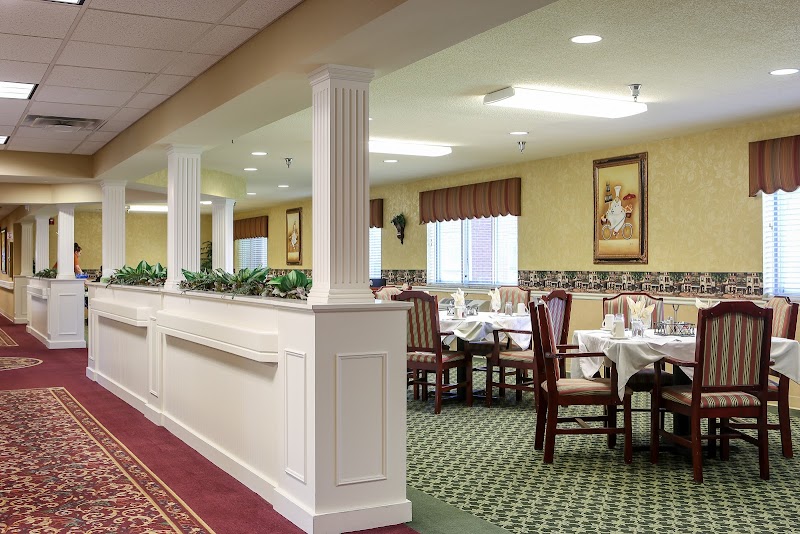
How is St Mary Healthcare Center Staffed?

CMS rates ST MARY HEALTHCARE CENTER's staffing level at 3 out of 5 stars, which is average compared to other nursing homes. Staff turnover is 35%, compared to the Indiana average of 46%. This relatively stable workforce can support continuity of care.

What Have Inspectors Found at St Mary Healthcare Center?

State health inspectors documented 26 deficiencies at ST MARY HEALTHCARE CENTER during 2023 to 2025. These included: 26 with potential for harm.
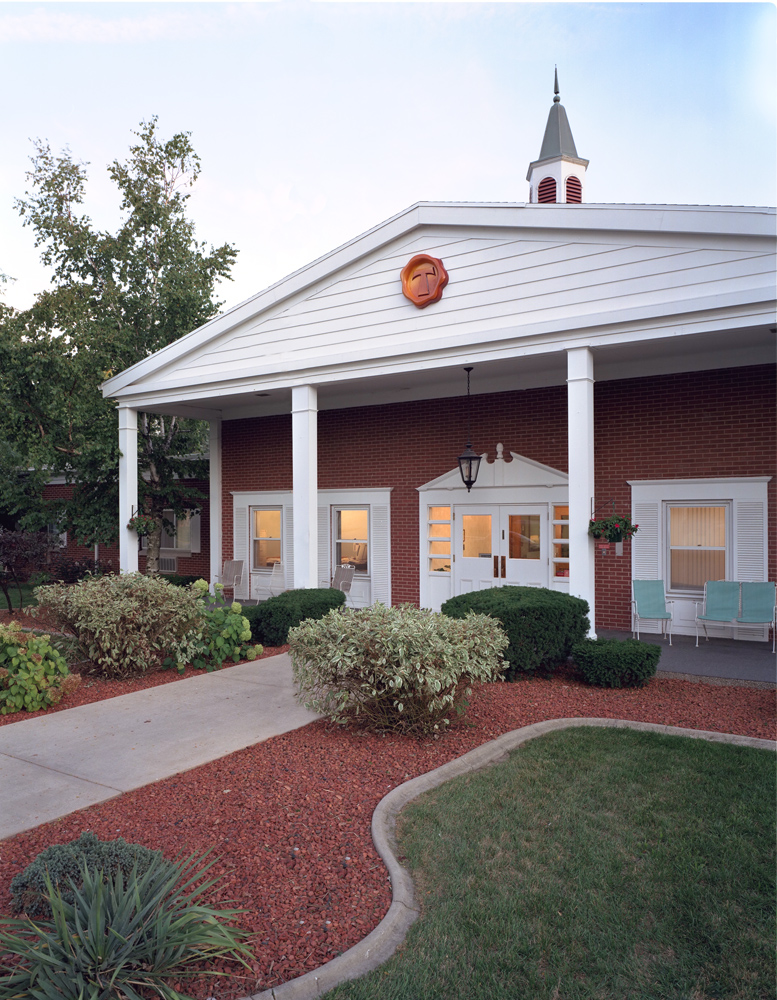
Who Owns and Operates St Mary Healthcare Center?

ST MARY HEALTHCARE CENTER is owned by a for-profit company. For-profit facilities operate as businesses with obligations to shareholders or private owners. The facility is operated by TRILOGY HEALTH SERVICES, a chain that manages multiple nursing homes. With 79 certified beds and approximately 62 residents (about 78% occupancy), it is a smaller facility located in LAFAYETTE, Indiana.
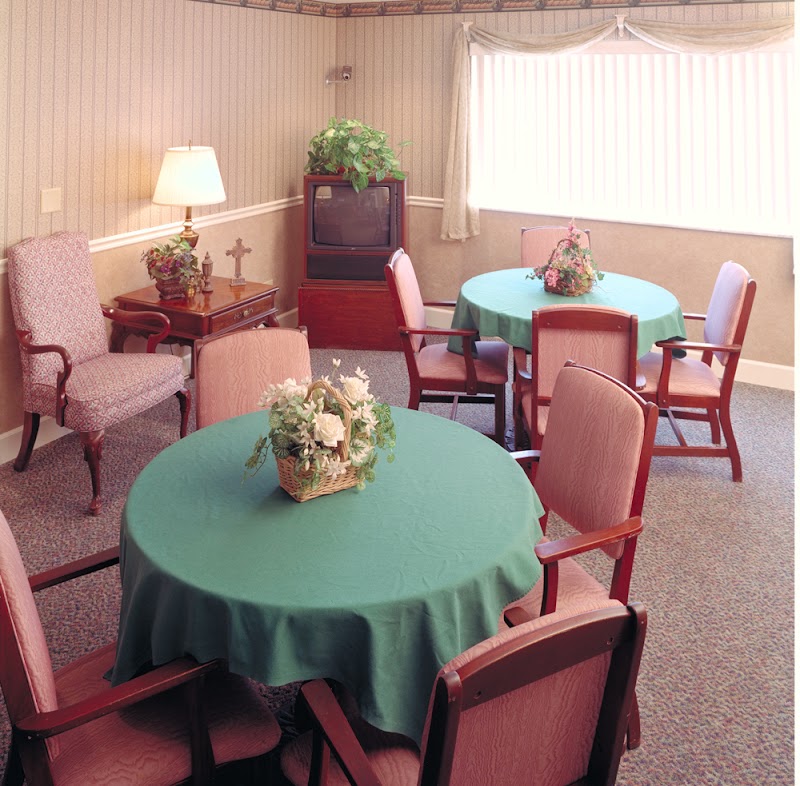
How Does St Mary Healthcare Center Compare to Other Indiana Nursing Homes?

Compared to the 100 nursing homes in Indiana, ST MARY HEALTHCARE CENTER's overall rating (3 stars) is below the state average of 3.1, staff turnover (35%) is significantly lower than the state average of 46%, and health inspection rating (3 stars) is at the national benchmark.

What Should Families Ask When Visiting St Mary Healthcare Center?

Based on this facility's data, families visiting should ask: "Can I visit during a mealtime to observe dining assistance and food quality?" "How do you handle medical emergencies, and what is your hospital transfer rate?" "Can I speak with family members of current residents about their experience?"

Is St Mary Healthcare Center Safe?

Based on CMS inspection data, ST MARY HEALTHCARE CENTER has a clean safety record: no substantiated abuse findings (meaning no confirmed cases of resident harm), no Immediate Jeopardy citations (the most serious violation level indicating risk of serious injury or death), and is not on the Special Focus Facility watch list (a federal program monitoring the lowest-performing 1% of nursing homes). The facility has a 3-star overall rating and ranks #100 of 100 nursing homes in Indiana. While no facility is perfect, families should still ask about staff-to-resident ratios and recent inspection results during their visit.

Do Nurses at St Mary Healthcare Center Stick Around?

ST MARY HEALTHCARE CENTER has a staff turnover rate of 35%, which is about average for Indiana nursing homes (state average: 46%). Moderate turnover is common in nursing homes, but families should still ask about staff tenure and how the facility maintains care continuity when employees leave.

Was St Mary Healthcare Center Ever Fined?

ST MARY HEALTHCARE CENTER has no federal fines on record. CMS issues fines when nursing homes fail to meet care standards or don't correct problems found during inspections. The absence of fines suggests the facility has either maintained compliance or corrected any issues before penalties were assessed. This is a positive indicator, though families should still review recent inspection reports for the full picture.

Is St Mary Healthcare Center on Any Federal Watch List?

ST MARY HEALTHCARE CENTER is not on any federal watch list. The most significant is the Special Focus Facility (SFF) program, which identifies the bottom 1% of nursing homes nationally based on persistent, serious quality problems. Not being on this list means the facility has avoided the pattern of deficiencies that triggers enhanced federal oversight. This is a positive indicator, though families should still review the facility's inspection history directly.