LIFE CARE CENTER OF LAGRANGE
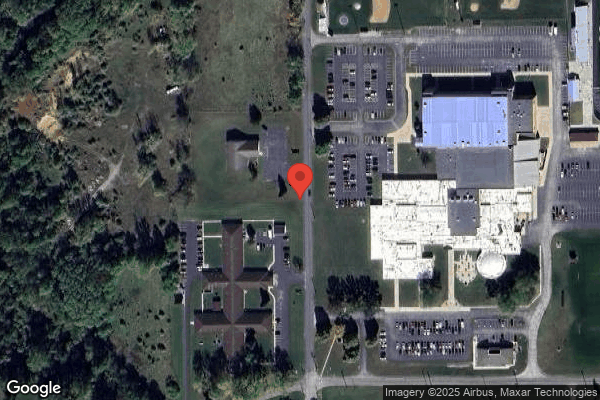
0770 NORTH 075 EAST, LAGRANGE, IN 46761 (260) 463-7445
Government - County 87 Beds LIFE CARE CENTERS OF AMERICA Data: November 2025
Trust Grade
75/100
#156 of 505 in IN
Last Inspection: March 2025

Within standard 12-15 month inspection cycle. Federal law requires annual inspections.

Overview

Life Care Center of LaGrange has a Trust Grade of B, indicating it is a good choice for families seeking care, though there is room for improvement. Ranking #156 out of 505 facilities in Indiana places it in the top half, with the highest ranking in LaGrange County. The facility's performance is stable, with a consistent number of issues over the past two years, but it has faced 16 concerns related to maintaining a sanitary environment and ensuring safety in resident rooms. Staffing is rated 4 out of 5 stars, which is a strength, but with a turnover rate of 49%, it is average compared to the state average. Fortunately, the facility has not incurred any fines, suggesting compliance with regulations, although there were incidents where handrails and walls were in disrepair, potentially impacting resident safety.

Trust Score
B
75/100
In Indiana
#156/505
Top 30%
Safety Record
Low Risk
No red flags
Inspections
Holding Steady
3 → 3 violations
Staff Stability
⚠ Watch
49% turnover. Above average. Higher turnover means staff may not know residents' routines.
Penalties
✓ Good
No fines on record. Clean compliance history, better than most Indiana facilities.
Skilled Nurses
✓ Good
Each resident gets 47 minutes of Registered Nurse (RN) attention daily — more than average for Indiana. RNs are trained to catch health problems early.
Violations
⚠ Watch
16 deficiencies on record. Higher than average. Multiple issues found across inspections.
★★★★☆
4.0
Overall Rating
★★★★☆
4.0
Staff Levels
★★★★☆
4.0
Care Quality
★★★★☆
4.0
Inspection Score
Stable
2024: 3 issues
2025: 3 issues

The Good

  • 4-Star Staffing Rating · Above-average nurse staffing levels
  • 4-Star Quality Measures · Strong clinical quality outcomes
  • Full Sprinkler Coverage · Fire safety systems throughout facility
  • No fines on record

Facility shows strength in staffing levels, quality measures, fire safety.

The Bad

Staff Turnover: 49%

Near Indiana avg (46%)

Higher turnover may affect care consistency

Chain: LIFE CARE CENTERS OF AMERICA

Part of a multi-facility chain

Ask about local staffing decisions and management

The Ugly 16 deficiencies on record

Mar 2025 3 deficiencies
CONCERN (D)

Potential for Harm - no one hurt, but risky conditions existed

ADL Care (Tag F0677)

Could have caused harm · This affected 1 resident

**NOTE- TERMS IN BRACKETS HAVE BEEN EDITED TO PROTECT CONFIDENTIALITY** Based on observation, interview and record review, the facility failed to ensure a resident received oral hygiene for 1 of 5 res...

Read full inspector narrative →
**NOTE- TERMS IN BRACKETS HAVE BEEN EDITED TO PROTECT CONFIDENTIALITY** Based on observation, interview and record review, the facility failed to ensure a resident received oral hygiene for 1 of 5 residents reviewed (Resident 10). Findings include: On 3/5/25 at 10:30 AM, Resident 10 was observed from the hallway lying in bed. Resident 10 was lying on their right side facing the open door. Resident 10's mouth was open with their tongue protruding. Resident 10's record was reviewed on 3/7/25 at 9:08 AM. Diagnoses included cerebral palsy, curvature of the spine and curvature of the neck. Resident 10's Quarterly Minimum Data Set (MDS) dated [DATE],Brief Interview for Mental Status (BIMS) assessment indicated Resident 10's cognition was severely impaired. The MDS indicated Resident 10 was entirely dependent on the staff for all aspects of care. Resident 10's Care Plan, dated 12/14/23, indicated the resident was totally dependent on staff for oral care. On 3/6/25 at 10:04 AM, Resident 10 was observed lying in bed. The resident's mouth was open, their tongue was protruded. On 3/7/25 at 1:33 PM. Resident 10 was observed lying in bed. The resident's mouth was open, their tongue was protruded. The resident's lips were dry with white caking. Resident 10's tongue was protruding and covered with a dry, white colored coating. In an interview, on 3/7/25 at 1:51 PM, Registered Nurse (RN) 25 indicated Resident 10's lips and tongue were extremely dry. RN 25 indicated Resident 10 should receive oral care every 2 hours. A current facility policy, titled Oral Care provided by the Administrator on 3/11/25 at 9:30 AM, indicated dependent residents should be provided with oral care every 2 to 4 hours. 3.1-38(a)(3)
CONCERN (D)

Potential for Harm - no one hurt, but risky conditions existed

Tube Feeding (Tag F0693)

Could have caused harm · This affected 1 resident

**NOTE- TERMS IN BRACKETS HAVE BEEN EDITED TO PROTECT CONFIDENTIALITY** Based on observation, interview and record review, the facility failed to ensure maintenance of a tube feeding for 1 of 1 reside...

Read full inspector narrative →
**NOTE- TERMS IN BRACKETS HAVE BEEN EDITED TO PROTECT CONFIDENTIALITY** Based on observation, interview and record review, the facility failed to ensure maintenance of a tube feeding for 1 of 1 resident reviewed (Resident 10). Findings include: On 3/5/25 at 10:30 AM, Resident 10 was observed lying in bed. A tube feeding pump was observed in Resident 10's room. Resident 10's record was reviewed on 3/7/25 at 9:08 AM. Diagnoses included cerebral palsy, curvature of the spine and curvature of the neck. Resident 10's Quarterly Minimum Data Set (MDS), dated [DATE], indicated Resident 10's Brief Interview for Mental Status (BIMS) assessment indicated the resident was severely impaired. The MDS indicated Resident 10 was entirely dependent on the staff for all aspects of care. Resident 10's Care Plan, dated 1/3/24, indicated the resident required tube feeding and was to have nothing by mouth. On 3/7/25 at 1:33 PM, Resident 10 was observed lying in bed. Resident 10's tube feeding pump was running. The tube feeding formula container was dated 3/5/25 at 9:00 PM. The tube feeding water container was dated 3/5/25 at 9:00 PM. In an interview, on 3/7/25 at 1:51 PM, Registered Nurse (RN) 25 indicated Resident 10's tube feeding bags were dated 3/5/25 at 9:00 PM. RN 25 indicated tube feeding supplies were supposed to be changed daily and labeled with the date and time. A current facility policy, titled Enteral Nutrition Therapy, dated 9/20/24, provided by the Administrator on 3/10/25 at 9:00 AM, indicated the tube feeding sets should be replaced every 24 hours. 3.1-44(a)(1) 3.1-44(a)(2)
CONCERN (D)

Potential for Harm - no one hurt, but risky conditions existed

Deficiency F0757 (Tag F0757)

Could have caused harm · This affected 1 resident

**NOTE- TERMS IN BRACKETS HAVE BEEN EDITED TO PROTECT CONFIDENTIALITY** Based on interview and record review, the facility failed to ensure freedom from unnecessary medications for 1 of 3 residents re...

Read full inspector narrative →
**NOTE- TERMS IN BRACKETS HAVE BEEN EDITED TO PROTECT CONFIDENTIALITY** Based on interview and record review, the facility failed to ensure freedom from unnecessary medications for 1 of 3 residents reviewed (Resident 17). Findings include: Resident 17's record was reviewed on 3/7/25 at 10:16 AM. Diagnoses included diabetes, chronic kidney disease, Parkinson's and coronary artery disease. Resident 17's Quarterly Minimum Data Set, (MDS) dated [DATE], indicated the resident's Brief Interview for Mental Status (BIMS) was 14 (no cognitive loss). The MDS indicated Resident 17 required an indwelling urinary drainage catheter. A physician order, dated 6/12/24, indicated resident 17 was to be administered an antibiotic injection every day for 3 days for a UTI. A progress note, dated 6/20/24 at 11:36, indicated Resident 17 had completed antibiotics for an unknown infection. The note indicated a medication error had been made by the prescriber. The note indicated the resident did not have a urinalysis to support the diagnosis of a urinary tract infection (UTI). Resident 17's Medication Administration Record, (MAR) dated June 2024, indicated the resident had been administered an antibiotic injection for UTI on 6/11/24, 6/12/24 and 6/13/24. In an interview, on 3/11/25 at 9:20 AM, the Administrator indicated they had not been aware of Resident 17 receiving an antibiotic without infection. A current facility policy, titled Medication Related Errors, dated 5/1/10, provided by the Administrator on 3/11/25 at 9:45 AM, indicated in the event of a medication prescribing error, the facility staff should follow incident policy, associated forms and performance improvement processes. 3.1-48(a)(1)-(6)
Mar 2024 3 deficiencies
CONCERN (D)

Potential for Harm - no one hurt, but risky conditions existed

Staffing Information (Tag F0732)

Could have caused harm · This affected 1 resident

Based on observation, interview and record review the facility failed to ensure nurse staffing hours were posted for 3 of 4 days reviewed. Findings include: On 3/24/24 at 9:35 AM the facility nurse st...

Read full inspector narrative →
Based on observation, interview and record review the facility failed to ensure nurse staffing hours were posted for 3 of 4 days reviewed. Findings include: On 3/24/24 at 9:35 AM the facility nurse staffing hours were observed posted near the facility entrance. The nurse staffing hours form was a single sheet of paper dated 3/21/24. On 3/24/24 at 11:45 AM the posted facility nurse staffing hours were observed to be dated 3/21/24. On 3/24/24 at 1:10 PM the posted facility nurse staffing hours were observed to be dated 3/21/24. In an interview on 3/26/24 at 2:20 PM the Director of Nursing (DON) indicated they had been unaware of the nurse staffing hours posted on 3/24/24 was dated 3/21/24. The DON indicated nurse staffing hours should be posted daily. In an interview on 3/28/24 at 10:14 AM the Administrator indicated they were unaware nurse staffing hours had not been posted for 3 days on 3/24/24. The Administrator indicated nurse staffing hours should be posted daily. A current facility policy dated 4/24/19 provided by the Administrator on 3/27/24 at 9:15 AM indicated the facility must post the nurse staffing data every day at the beginning of each shift. No State Rule.
CONCERN (F)

Potential for Harm - no one hurt, but risky conditions existed

QAPI Program (Tag F0867)

Could have caused harm · This affected most or all residents

Based on interview and record review the facility failed to ensure quality improvement plans were developed for identified recurrent environmental concerns. 41 residents resided in the facility. Findi...

Read full inspector narrative →
Based on interview and record review the facility failed to ensure quality improvement plans were developed for identified recurrent environmental concerns. 41 residents resided in the facility. Findings include: The facility annual survey completed on 6/7/23 identified concern regarding repair and maintenance of facility floors, walls, and handrails. The facility indicated the noncompliance would be corrected by 6/30/23. The repair and maintenance of facility floors, walls, and handrails was also found to be a concern on the annual survey completed 3/28/24. See F921 for additional information about current environmental findings. A QAPI (Quality Assurance Performance Improvement) committee list was provided by the ED on 3/25/24 at 12:39 PM. The member list included the Executive Director, Director of Nursing Services, Assistant Director of Nursing/Infection Preventionist, Rehab Director, Social Services, Business Office Manager, Admissions/Marketing, Dietary Manager, Activity Director, Medical Records, Maintenance Director, and Compliance Coordinator. In an interview on 3/28/24 at 10:25 AM, the Executive Director (ED) indicated segments of care including clinical services, dietary, maintenance, housekeeping and administration were reviewed in each monthly QAPI meeting. He indicated the meeting reviewed topics identified by staff observations discussed in daily morning meetings, resident and family reports of concerns, survey results, electronic medical record software generated reports and corporate quality measure reports. The environment was an ongoing topic in QAPI meetings. He indicated there was not a current performance improvement plan pertaining to the environment in place. A current policy dated 2024 provided by the ED on 3/25/24 at 12:39 PM indicated Maintenance should provide comprehensive building safety and repairs to ensure all aspects of safety and well-being for each resident, visitor, and associates. The policy indicated the QAPI committee was ultimately responsible for assuring compliance with federal and state regulations. 3.1-52
CONCERN (F)

Potential for Harm - no one hurt, but risky conditions existed

Safe Environment (Tag F0921)

Could have caused harm · This affected most or all residents

**NOTE- TERMS IN BRACKETS HAVE BEEN EDITED TO PROTECT CONFIDENTIALITY** Based on observation, interview, and record review the facility failed to ensure a sanitary environment free of hazards on 4 of ...

Read full inspector narrative →
**NOTE- TERMS IN BRACKETS HAVE BEEN EDITED TO PROTECT CONFIDENTIALITY** Based on observation, interview, and record review the facility failed to ensure a sanitary environment free of hazards on 4 of 4 halls where residents resided or received services. Findings include: During an observation on 3/24/24 at 10:15 AM. handrails on the 200, 300, 400, and 500 halls were observed to have bare portions missing finish. Baseboards were missing throughout the 100, 200, 300, 400, and 500 halls. Drywall on portions of the walls on each hall below the handrails had grey linear marks scattered throughout in too many locations to count. The bottom of the drywall had chipped, jagged edges observed on all halls. In an observation and interview on 3/27/24 at 9:45 AM the Maintenance Director indicated repairs had been delayed due to problems with the company contracted to install flooring throughout the building. A raised buckle in the vinyl plank flooring was observed on the 100 hall near the door to the maintenance office. The Maintenance Director indicated the flooring installers did not install the flooring correctly resulting in the raised area in the floor. He indicated he had contacted the flooring company requesting repair of this area and others throughout the building. He indicated he was not aware of any current plans for contractors to fix the flooring problems. He indicated the lower portions of the walls were to be painted, then baseboards applied, and handrails refinished after the flooring was laid. He indicated the flooring was completed about three months ago. During an observation and interview on 3/27/24 at 10:35 AM, a buckle in the flooring was observed in front of the door to room [ROOM NUMBER]. Buckled areas were also identified outside rooms 210, 308, 310, 311, 312, 314, 401, and 410. Qualified Medicine Aide (QMA) 2 indicated he noticed raised areas in the flooring throughout the halls and the flooring had not been installed properly. During an interview on 3/27/24 at 10:58 AM, the Executive Director (ED) indicated he began work for the facility in December 2023 and the flooring was complete at that time. He indicated he was not aware of any plans for repairs of the floor. He indicated the painting was in progress and he had not been aware of handrail concerns. A current policy titled Plant Operations last reviewed 7/12/23 provided by the ED on 3/27/24 at 11:12 AM indicated the facility should maintain a safe, clean, and structurally sound environment. 3.1-19(4)(f)
Jun 2023 9 deficiencies
CONCERN (D)

Potential for Harm - no one hurt, but risky conditions existed

Deficiency F0558 (Tag F0558)

Could have caused harm · This affected 1 resident

**NOTE- TERMS IN BRACKETS HAVE BEEN EDITED TO PROTECT CONFIDENTIALITY** Based on observation, interview and record review, the facility failed to ensure wheelchair mobility was provided for 1 of 4 res...

Read full inspector narrative →
**NOTE- TERMS IN BRACKETS HAVE BEEN EDITED TO PROTECT CONFIDENTIALITY** Based on observation, interview and record review, the facility failed to ensure wheelchair mobility was provided for 1 of 4 residents reviewed (Resident 3). Findings include: During an interview on 6/1/23 at 10:16 AM, Resident 3 indicated she stays in her bed most times because she has difficulty mobilizing her wheelchair. She indicated staff had not assisted her with her wheelchair concerns. During an observation on 6/2/23 at 11:43 AM Resident 3 was lying in bed. During an observation on 6/2/23 at 2:40 PM Resident 3 was lying in bed. During an observation and interview on 6/6/23 11:47 AM Resident 3 was lying in bed. Licensed Practical Nurse (LPN) 6 indicated Resident 3 was almost always in bed, and she did not know why. Certified Nurse Aide (CNA) 7 indicated Resident 3 only got up for showers and returned to bed. She did not know why Resident 3 did not get up in her wheelchair and move about the facility. LPN 6 and CNA 7 indicated they were assigned to care for Resident 3 on a frequent basis. During an interview on 6/6/23 at 11:53 AM the Minimum Data Set (MDS) Coordinator indicated any care refusals should be documented in the medical record. She also indicated frequent refusal of any specific area of care should be addressed in the care plan. Resident 3's record was reviewed on 6/5/23 at 2:56 PM. Diagnoses included diabetes mellitus without complications, essential hypertension, and polyneuropathy. A review of Resident 3's current MDS dated [DATE] included a Basic Interview for Mental Status (BIMS) score of 15 (cognitively intact). There was no indication of refusal behavior noted on the MDS. A review of Resident 3's current Care plan titled ADL (activities of daily living) indicated the resident had a problem with self-care deficit, with a goal date of 7/23/23. Interventions included using a high-back wheelchair for mobility and a hoyer lift for transfers. Refusal of care or preference to remain in bed was not addressed on the care plan. A review of progress notes between January 2023 and May 2023 did not indicate the staff had offered to get the resident up nor the resident refused to get up. A current policy titled Activities of Daily Living last reviewed 8/22/22 provided by the Administrator did not address assistance with wheelchair mobility. She indicated there were no other policies pertaining to wheelchair mobility. 3.1-3(v)(1)
CONCERN (D)

Potential for Harm - no one hurt, but risky conditions existed

Deficiency F0561 (Tag F0561)

Could have caused harm · This affected 1 resident

Based on interview and record review the facility failed to ensure resident request for a shower schedule was honored for 1 of 4 residents reviewed. (Resident 24) Findings include: In an interview on ...

Read full inspector narrative →
Based on interview and record review the facility failed to ensure resident request for a shower schedule was honored for 1 of 4 residents reviewed. (Resident 24) Findings include: In an interview on 6/1/23 at 10:09 AM, Resident 24 indicated she was waiting to receive a shower. The resident indicated she had to miss an activity at 10:00 AM due to waiting on a shower. The resident indicated numerous requests had been made to receive showers early in the morning prior to activities being scheduled. The resident indicated the staff had promised to accommodate the request of 5:00 AM showers but showers continued to be offered during activities. Resident 24's record was reviewed on 6/5/23 at 9:45 AM. Diagnoses included seizure disorder, history of falling, lack of coordination, and muscle weakness. A review of Resident 24's current quarterly Minimum Data Set (MDS) assessment indicated their Basic Interview for Mental Status (BIMS) score was 14 (cognitively intact). The MDS indicated the resident required moderate staff assistance for bathing. A review of Resident 24's current Care Plan titled Activities of Daily Living (ADLs) indicated the resident was an early riser and preferred early morning showers. A review of Resident 24's quarterly preference questionnaire dated 5/18/23 indicated the resident preferred to wake at 5:00 AM and to receive early morning showers. The resident's shower documentation indicated the resident had received a shower on 5/15/23 at 1:59 PM, on 5/18/23 at 1:59 PM, on 5/22/23 at 11:25 AM A review of Resident 24's Activity Log dated May 2023 indicated the resident had declined an activity scheduled for 5/15/23 at 2:00 PM, on 5/18/23 at 2:00 PM, on 5/22/23 at 11:00 AM. A review of Resident 24's Activity Log dated June 2023 indicated the resident declined an activity scheduled for 6/1/23 at 10:00 AM. In an interview on 6/1/23 at 10:09 AM the resident indicated they were upset due having to miss an activity while waiting to have a shower. In an interview on 6/6/23 at 11:55 AM the Administrator indicated they were not aware of Resident 24 missing activities on scheduled shower days. The Administrator voiced understanding Resident 24's Activity Log contradicted the resident's interview and shower documentation. A current policy dated 10/2/22 provided by the Administrator on 6/7/23 at 11:28 AM indicated planned programming of activities would be coordinated with and communicated to all departments. The policy indicated the facility would support residents in their choice of activities. 3.1-3(u) (u)(1) (u)(2)
CONCERN (D)

Potential for Harm - no one hurt, but risky conditions existed

Deficiency F0578 (Tag F0578)

Could have caused harm · This affected 1 resident

Based on record review and interview the facility failed to ensure code status was clearly indicated for 1 of 16 residents reviewed. (Resident 149). Findings include: Resident 149's record was reviewe...

Read full inspector narrative →
Based on record review and interview the facility failed to ensure code status was clearly indicated for 1 of 16 residents reviewed. (Resident 149). Findings include: Resident 149's record was reviewed on 6/1/23 at 3:49 PM. Diagnoses included lumbar vertebra osteomyelitis, infection of lumbar intervertebral disc (pyogenic), repeated falls, metabolic encephalopathy, altered mental status, unspecified severe protein-calorie malnutrition, and alcohol abuse. A review of Resident 149's current baseline care plan titled Advanced Directives indicated the resident was a Full Code (all resuscitation procedures including chest compressions, intubation, and defibrillation). A review of a physician order dated 5/22/23 indicated Resident 149 was a Full Code. A review of the Resident 149's current medical record indicated the resident was a Full Code. A form regarding code status was reviewed on 6/1/23 at 4:02 PM. the form included code status had been discussed with facility representative, family and the resident. Everyone was in agreement on the wishes indicated on the form. The form indicated Resident 149 was a Full Code with no intubation. The form was dated 5/22/23 by Resident 149's wife on his behalf. A current Indiana Default Surrogates hierarchy, undated, provided by the Regional Director of Clinical Operation, indicated who can make decisions for incapacitated individuals if there is no legally appointed representative. The hierarchy indicated the resident's spouse was able to sign the form. In an interview on 6/06/23 at 9:47 AM, the Assistant Director of Nursing indicated the code status discussed, signed by Resident 149's wife, the physician orders should be the same and they are not. In an interview on 6/07/23 at 9:48 AM, the Administrator indicated the code status discussed, signed by Resident 149's wife, the physician orders should be the same and they are not. A current policy titled Advance Directives and Advance Care Planning, dated 9/30/22, provided by the Administrator, indicated a health care surrogate is any competent adult who carries out the resident's medical decisions if he/she is not able to give informed consent .if not named .order of consideration .a) resident's spouse. The policy indicated documentation in the MDS should reflect the correct advance directives. No additional policies regarding advance directives were provided by time of the survey exit. 3.1-4(l)(5)
CONCERN (D)

Potential for Harm - no one hurt, but risky conditions existed

Deficiency F0637 (Tag F0637)

Could have caused harm · This affected 1 resident

**NOTE- TERMS IN BRACKETS HAVE BEEN EDITED TO PROTECT CONFIDENTIALITY** Based on interview and record review the facility failed to ensure a comprehensive assessment was completed upon a significant c...

Read full inspector narrative →
**NOTE- TERMS IN BRACKETS HAVE BEEN EDITED TO PROTECT CONFIDENTIALITY** Based on interview and record review the facility failed to ensure a comprehensive assessment was completed upon a significant change in condition for 1 of 4 residents reviewed (Resident 28). Findings include: Resident 28's record was reviewed on 6/6/23 at 10:28 AM. Diagnoses included hemiplegia and hemiparesis following cerebral infarction right dominant side, unspecified dementia, and muscle weakness. A review of Resident 28's current quarterly Minimum Data Set (MDS) indicated her BIMS (Basic Interview for Mental Status) score was not obtained due to inability to complete the interview. An MDS dated [DATE] indicated Resident 28 required supervision and set-up help only for transfers, toileting, and personal hygiene. The MDS indicated Resident 28 needed supervision and one-person physical assistance with bed mobility. An MDS dated [DATE] indicated Resident 28 required extensive assistance and two-person physical assistance with bed mobility, transfers, toileting, and personal hygiene. A document titled Rehabilitation Services Multidisciplinary Screening Tool dated 1/2/23 received from the Administrator on 6/6/23 at 3:34 PM indicated Resident 28 declined in activities of daily living, transfers, and mobility. In an interview on 6/6/23 at 11:57 AM the MDS Coordinator indicated a significant change assessment should be completed when a resident has a decline in two or more areas. The MDS Coordinator indicated she was not sure why a significant change assessment was not completed. During an interview on 6/6/23 at 4:15 PM, the Regional Director of Clinical Services indicated there was no specific facility policy for completing a comprehensive assessment upon a significant change in condition. She indicated the facility should follow the RAI guidelines. The Resident Assessment Instrument (RAI) Manual dated 10/1/19 indicated a significant change MDS should be completed when a resident has a major decline in more than one care area. RAI guidelines indicate if a significant change is determined during the process of completing a quarterly assessment, a significant change comprehensive assessment should be performed instead. 3.1-31(d)(1)
CONCERN (D)

Potential for Harm - no one hurt, but risky conditions existed

Deficiency F0676 (Tag F0676)

Could have caused harm · This affected 1 resident

**NOTE- TERMS IN BRACKETS HAVE BEEN EDITED TO PROTECT CONFIDENTIALITY** Based on observation, interview and record review, the facility failed to ensure culturally appropriate communication interventi...

Read full inspector narrative →
**NOTE- TERMS IN BRACKETS HAVE BEEN EDITED TO PROTECT CONFIDENTIALITY** Based on observation, interview and record review, the facility failed to ensure culturally appropriate communication interventions were attempted in a non-English speaking resident in 1 of 2 residents reviewed (Resident 28). FIndings include: During an observation on 6/5/23 at 9:32 AM Resident 28 was observed receiving medication from Registered Nurse (RN) 4. During the interaction, Resident 28's daughter indicated to RN 4, Resident 28 spoke Polish and was unable to speak or understand English. During an interview on 6/6/23 at 2:12 PM, Certified Nurse Aide (CNA) 5 indicated Resident 28 only spoke Polish and was not able to understand English. CNA 5 indicated new, or agency staff would normally look at the [NAME] to learn the care needs of the residents. CNA 5 reviewed the [NAME] screen for Resident 28 and indicated it did not contain any information about Resident 28 speaking Polish. Resident 28's record was reviewed on 6/6/23 at 11:21 AM. Diagnoses included hemiplegia and hemiparesis following cerebral infarction following right dominant side, unspecified dementia, and muscle weakness. A review of Resident 28's current quarterly Minimum Data Set (MDS) indicated her BIMS (Basic Interview for Mental Status) score was not available due to the interview not being completed. The MDS indicated Resident 28 was sometimes able to make herself understood and usually understands others. A review of progress notes dated 12/16/22 at 12:13 AM indicated Resident 28 had fallen and was not able to communicate with the staff due to only speaking Polish. A review of Resident 28's current Care plan titled Communication indicated the resident had a problem communicating, with a goal date of 8/7/23. Interventions included anticipating and meeting needs, observe for effectiveness of communication, and refer to speech therapy for evaluation and treatment as ordered. There were no interventions regarding communication helps addressed in the care plan. No care plan pertaining to the use of the Polish language was available for review at the time of exit. No speech therapy notes pertaining to communication in the last 12 months were available for review at the time of exit. No progress notes pertaining to offering an interpreter were available for review at the time of exit. A current policy titled Meaningful Communication with Persons with Limited English Proficiency last reviewed 10/7/22 provided by the Administrator on 6/7/23 at 11:27 AM indicated interpreter services should be offered to the resident or representative. 3.1-38(a)(2)(E)
CONCERN (D)

Potential for Harm - no one hurt, but risky conditions existed

Deficiency F0692 (Tag F0692)

Could have caused harm · This affected 1 resident

2) In an interview on 6/1/23 at 10:15 AM, Resident 41 indicated she had not unintentionally lost weight. Resident 41's record was reviewed on 6/5/23 at 10:41 AM. Diagnoses included high blood pressure...

Read full inspector narrative →
2) In an interview on 6/1/23 at 10:15 AM, Resident 41 indicated she had not unintentionally lost weight. Resident 41's record was reviewed on 6/5/23 at 10:41 AM. Diagnoses included high blood pressure, heart disease and a pressure wound. Resident 41's current quarterly Minimum Data Set assessment (MDS) indicated the residenet's Basic Interview for Mental Status (BIMS) score was 13 (cognitively intact). The MDS indicated the resident had a 5 % weight loss in the last month. Resident 41' s current Care plan titled Alteration in Nutrition indicated the resident had a problem of weight loss with a goal date of 8/23/23. Interventions included assistance with meals as needed, diet supplement as ordered for increased protein to promote wound healing, offer substitutes as needed, and obtain weights as ordered and observe for changes. Resident 41's weight summary indicated the resident weighed 106.4 pounds on 4/19/23. The resident weighed 103.6 pounds on 5/5/23. The resident weighed 97.5 pounds on 5/15/23. There were no reweights available for review. Weekly weights were not documented as completed as recommended by the Registered Dietician on 5/5/23. Resident 41's weight on 6/6/23 was 103.1. Current physician orders dated 4/21/23 indicated Resident 41 was to have Prosource Plus 30 milliliters by mouth once daily for wound healing. Progress notes dated 5/3/23 indicated the Registered Dietician (RD) recommended an increase of protein supplements from once to twice daily and weekly weights until the wound healed. An MAR dated May, 2023 indicated Resident 41's Prosource plus was not increased to twice daily. Progress notes dated 5/17/23 the RD indicated the resident had an 8.7% weight loss in 30 days. The RD recommended an increase of protein supplements from twice to three times daily, fortified pudding twice daily and to continue weekly weights until the wound heals. An MAR dated May, 2023 indicated Resident 41's Prosource plus was not increased to three times daily. Resident 41's current tray card did not include fortified pudding. In an interview on 6/5/23 at 3:28 PM Registered Nurse 3 indicated the nursing staff should have notified the physician of RD recommendations A current policy dated 4/25/23 provided by the Administrator on 6/5/23 at 3:05 PM indicated a nursing staff designee was to ensure the physician, resident and family representative were to be notified of a significant change in weight. 3.1-46 Based on interview and record review the facility failed to ensure interventions were implemented to correct significant weight loss for 2 of 8 residents reviewed. (Resident 41 and Resident 23) Findings include: 1. Resident 23's record was reviewed on 6/1/23 at 2:47 PM. Diagnoses included Alzheimer's disease, dementia without behavior, psychotic, and mood disturbance, psychosis not due to a substance or known physiological condition, generalized anxiety disorder, major depressive disorder, cognitive impairment, lymphedema, diaphragmatic hernia without obstruction or gangrene, chronic obstructive pulmonary disease (COPD), diabetes mellitus (DM) type 2, heart failure, stage 4 chronic kidney disease (severe) and adult body mass index [BMI] 36.0-36.9. Resident 23's current comprehensive Minimum Data Set (MDS) assessment, dated 2/22/23, indicated her Basic Interview for Mental Status (BIMS) score was 99 (unable to complete the interview). The MDS indicated the resident was sometimes understood and she usually understood others. The MDS indicated she received diuretics 7 days a week. The MDS did not indicate the resident was at risk for losing weight. Resident 23's current care plan titled Nutrition indicated the resident had a problem of weight fluctuation related to severe cognitive impairment, heart disease, pain, COPD, DM type 2, and use of high-risk medications with a goal to maintain current weight. Interventions included a mechanically altered diet with no salt packets and thin liquid, to obtain and observe weight as scheduled, and refer to the Registered Dietitian for screen as needed. Physician orders dated 3/5/21 at 6:00 AM indicated Resident 23 received 20 mg of Furosemide (a medication to treat fluid retention and swelling) by mouth once a day related to heart failure. Resident 23's weights indicated a 5.70% (severe) weight loss in 1 month and 10.66% (severe) weight loss in 6 months as follows: Date Weight Calculation* Percentage Loss 5/31/2023 183.5 lbs. 4/10/2023 194.6 lbs. 194.6-183.5/194.6 x100 5.70% 11/7/2022 205.4 lbs. 205.4-183.5/205.4x100 10.66% *(Starting weight minus current weight) / (starting weight) x 100 = % of body weight loss In an interview on 6/7/23 at 10:06 AM, the Administrator indicated Resident 23's nurse should have identified the weight loss, had the resident's weight rechecked, and if the weight loss exceeded 5% in 1 month or 10% in 6 months notified the physician of Resident 23's weight loss. The Administrator indicated the resident's nurse did not recheck the resident's May weight. The Administrator indicated Resident 23's record had shown a greater than 5% weight loss in 1 month and 10% weight loss in 6 months. The Administrator indicated the resident's physician should have been notified of Resident 23's weight loss.
CONCERN (D)

Potential for Harm - no one hurt, but risky conditions existed

Respiratory Care (Tag F0695)

Could have caused harm · This affected 1 resident

Based on observation, record review and interview, the facility failed to ensure oxygen tubing was properly stored and labeled when not in use for 1 of 3 resident reviewed for respiratory care. (Resid...

Read full inspector narrative →
Based on observation, record review and interview, the facility failed to ensure oxygen tubing was properly stored and labeled when not in use for 1 of 3 resident reviewed for respiratory care. (Resident 8). Findings include: During an observation on 6/1/23 at 10:17 AM, Resident 8 was in her chair sleeping wearing her nasal cannula (NC) oxygen tubing (a lightweight tube split into two prongs on one end and placed in the nostrils used to deliver supplemental oxygen) attached to her oxygen condenser (a medical device that gives you extra oxygen). Her portable oxygen condenser (a lightweight transportable oxygen condenser), not in use at that time, was attached to the back of her wheelchair with NC oxygen tubing attached. The NC oxygen tubing extended from the portable oxygen unit and laid on the floor. The NC oxygen tubing was not in a bag labeled with the resident's name. During an observation on 6/1/23 at 11:40 AM, Resident 8 portable oxygen condenser was attached to the back of her wheelchair with NC oxygen tubing attached. The NC oxygen tubing was not being used and wound around the oxygen tank handle. The NC oxygen tubing was not in a bag labeled with the resident's name. During an observation on 6/2/23 at 1:02 PM, Resident 8's portable oxygen condenser (a lightweight transportable oxygen condenser) was attached to the back of her wheelchair with NC oxygen tubing attached. The NC oxygen tubing was not being used and wound around the oxygen tank handle. The NC oxygen tubing was not in a bag labeled with the resident's name. Resident 8's record was reviewed on 06/02/23 at 1:28 PM. Diagnoses included heart failure, and dyspnea. A review of Resident 8's current quarterly Minimum Data Set (MDS) assessment, dated 4/24/23, indicated her Basic Interview of Mental Status (BIMS) score was 15 (cognitively intact). The MDS indicated she wore oxygen after arriving at the facility. A review of Resident 8's current care plan titled Cardiac indicated the resident was at risk for altered cardiovascular status related to hypertension and a history of heart failure with a goal to be free from cardiac complications. Interventions included the staff may titrate oxygen from 1-5 liters up or down for comfort or complaints of shortness. A review of physician orders dated 1/12/21 at 9:00 AM indicated Resident 8's oxygen could be titrated between 1-5 liters up or down for comfort or complaints of shortness of breath. In an interview on 6/06/23 at 02:15 PM, the Assistant Director of Nursing (ADON) indicated, per facility policy, the NC oxygen tubing should have been in a bag and labeled with Resident 8's name when not in use. A current policy titled Oxygen Administration/Safety/Storage/Maintenance, reviewed 10/7/22, provided by the Administrator indicated respiratory supplies should be stored in a bag labeled with the resident's name when not in use. 3.1-47(a)(4)(5)(6)
CONCERN (D)

Potential for Harm - no one hurt, but risky conditions existed

Deficiency F0699 (Tag F0699)

Could have caused harm · This affected 1 resident

**NOTE- TERMS IN BRACKETS HAVE BEEN EDITED TO PROTECT CONFIDENTIALITY** Based on interview and record review the facility failed to ensure a personalized plan of care was initiated related to post-tra...

Read full inspector narrative →
**NOTE- TERMS IN BRACKETS HAVE BEEN EDITED TO PROTECT CONFIDENTIALITY** Based on interview and record review the facility failed to ensure a personalized plan of care was initiated related to post-traumatic stress disorder for 1 of 1 resident reviewed. (Resident 24) Findings include: In an interview on 6/2/23 at 11:42 AM, Resident 24 indicated she suffered from anxiety, panic attacks, and post-traumatic stress disorder. The resident indicated she had problems sleeping and at times was reluctant to voice her needs to the staff due to the fear of being a bother. Resident 24's record was reviewed on 6/5/23 at 9:45 AM. Diagnoses included major depressive disorder, post-traumatic stress disorder (PTSD) and night terrors. A review of Resident 24's current quarterly Minimum Data Set (MDS) assessment indicated their Basic Interview for Mental Status (BIMS) score was 14 (cognitively intact). The MDS indicated the resident had sleeping difficulties. A review of Resident 24's current Care Plan titled Behavior indicated the resident had a problem of feeling burdensome to the facility staff with a goal date of 7/7/23. Interventions included administer medications as ordered, verbal assurance, distraction, attempt to determine underlying cause, and positive praise. A review of Resident 24's current Care Plan titled Mood indicated the resident had a problem with depression and night terrors with a goal date of 7/7/23. Interventions included a psychiatric consult, gradual reduction of medications, verbal assurance, positive redirection, and encouragement of expression. A review of Resident 24's Trauma Informed Care (TIC) assessment dated [DATE] indicated the resident had personally experienced and witnessed multiple traumatic events. The TIC assessment indicated the resident had frequent, strong physical reactions to unwanted memories of the events. The TIC assessment indicated the resident had strong negative feelings of guilt and self-blame, and frequently had problems falling asleep or staying asleep. In an interview on 6/6/23 at 11:50 AM, the Administrator indicated Resident 24 had been speaking with a counselor related to PTSD. The Administrator indicated the Social Service Director (SSD) was responsible for mental health condition care, but there was currently no SSD for the facility. The Administrator indicated the facility was responsible to identify stressors related to the resident's night terrors and negative self-viewas well as symptoms of PTSD. The Administrator indicated the facility did not have a policy related to TIC or PTSD care. The American Psychiatric Association (APA, 2022) indicated patients diagnosed with PTSD may experience frequent intrusive thoughts, nightmares, sleep disturbances, and strong feelings of guilt, shame and unworthiness. Reference American Psychiatric Association. (2022). Trauma and Stressor Related disorders. In Diagnostic and Statistical Manual of Mental Disorders (5th ed., text rev.). https://www.psychiatry.org/patients-families/ptsd/what-is-ptsd
CONCERN (E)

Potential for Harm - no one hurt, but risky conditions existed

Safe Environment (Tag F0921)

Could have caused harm · This affected multiple residents

**NOTE- TERMS IN BRACKETS HAVE BEEN EDITED TO PROTECT CONFIDENTIALITY** Based on observation, interview and record review, the facility failed to ensure the environment was maintined in 5 of 5 rooms r...

Read full inspector narrative →
**NOTE- TERMS IN BRACKETS HAVE BEEN EDITED TO PROTECT CONFIDENTIALITY** Based on observation, interview and record review, the facility failed to ensure the environment was maintined in 5 of 5 rooms reviewed. 5 residents resided in the 5 rooms affected (Resident 9, Resident 10, Resident 12, Resident 26 and Resident 38). Findings include: During an observation on 6/1/23 at 9:23 AM all handrails on the 300, 400, and 500 halls were observed to have bare portions missing finish. Carpeted walls on each of these halls had stains in one-to-six-inch strips. Floor carpeting was observed to have round brown, red and yellowish stains form quarter to dinner plate sized throughout all halls too many to count. A document titled Resident Room Check dated 5/31/23 received from the Administrator on 6/1/23 at 2:10 PM was reviewed. The document indicated rooms should be checked for wall and trim paint damage and floor tile damage. The document indicated rooms 305, 306, 308, 309 and 310 were checked and marked completed on time by the Maintenance Man on 5/31/23. room [ROOM NUMBER] was observed on 6/5/23 at 9:38 AM. A 2-inch section and a 3.5-inch section of chipped paint was observed on the corner of the wall adjacent to the bathroom. Floor tiles in the main walkway of the room contained a large crack across 3.5 tiles. Two residents reside in room [ROOM NUMBER]. In room [ROOM NUMBER], a 12-inch scratch was observed on the back side of the door. 6 floor tiles had large cracks across the entire length of each tile. No residents resided in room [ROOM NUMBER]. In room [ROOM NUMBER], 6-inch by 1-inch black marks were observed near the bottom of the inside of the bathroom door. 6-inch by 2-inch black marks were observed near the bottom of the closet door. No residents resided in room [ROOM NUMBER]. In room [ROOM NUMBER], a 6-foot section of the wall had grey markings, linear in all directions, too many to count. 6 inch by 0.25-inch black marks were present on the bottom door panels. Rust colored discolorations the size of a pencil lead were present, too many to count throughout the molding on the closet doors. A 12-inch by 1-inch area of chipped paint was observed on the back of the entry door. 1 to 2-inch segments of chipped paint, too numerous to count, were observed on the lower third of the inside of the bathroom door. One resident resided in room [ROOM NUMBER]. In room [ROOM NUMBER], 6-inch linear markings were observed on the bottom of the closet door. Rust colored spots the size of a pencil lead were observed on the closet doors, too numerous to count. In an interview and observation conducted on 6/5/23 at 10:09 AM, the Administrator indicated the observations in rooms 305, 306, 308, 309, and 310 did not meet the facility's environmental standards. In an interview on 6/5/23 at 11:09 AM, the Maintenance Man indicated he was unable to get to everything on the room check list and prioritized the greatest needs. An invoice dated 11/9/22 from [NAME] Steemer for carpet cleaning services was received on 6/1/23 at 2:10 PM from the Administrator. No other invoices or carpet cleaning records were available for review at the time of exit. A current policy titled Plant Operations last reviewed 7/28/22 provided by the Administrator on 6/7/23 at 11:30 AM indicated the facility should maintain a safe, clean, and structurally sound environment. A current policy titled Carpet Shampooing last reviewed 7/28/22 provided by Administrator on 6/7/23 at 11:27 indicated all carpeted floors should be cleaned in a manner to ensure that carpets were free of obvious carpet spots and stains. 3.1-19(4)(f)
Mar 2023 1 deficiency
CONCERN (D) 📢 Someone Reported This

A family member, employee, or ombudsman was alarmed enough to file a formal complaint

Potential for Harm - no one hurt, but risky conditions existed

Deficiency F0725 (Tag F0725)

Could have caused harm · This affected 1 resident

Based on interview and record review, the facility failed to maintain adequate staffing levels to implement fall prevention interventions and meet personal needs for 2 of 6 residents reviewed (Residen...

Read full inspector narrative →
Based on interview and record review, the facility failed to maintain adequate staffing levels to implement fall prevention interventions and meet personal needs for 2 of 6 residents reviewed (Resident R and Resident V ). Findings include: An anonymous complaint to the Indiana Department of Health, indicated there was a concern regarding not enough staff available to care for residents, especially on weekends. 1. On 3/30/23 at 10:17 A.M., Resident R was observed lying in a low bed, snoring loudly. A family member, who was sitting in the room, indicated the resident had just returned from the hospital the day before following a fall and fractured hip. The resident had several falls recently with the last one occurring on 3/26/23 which resulted in the fracture and need for surgery. The family member indicated they believed the resident wouldn't have fallen so often had there been adequate staffing to monitor her. On 3/30/23 at 3:10 P.M., Staff 3 was interviewed. They indicated on Sunday, 3/26/23, Resident R had been restless all day long. She wandered up and down the hallways in her wheelchair and when she stopped, would get up from the chair and attempt to walk. Staff tried to keep her at the nurses station for closer monitoring but were unable to provide 1:1 supervision. On 3/26/23 at 3:00 p.m., A visitor reported they heard a fall. Resident R was found on the floor in the hallway by the nurses station. 2. On 3/30/23 at 11:00 A.M., Resident V, identified as interviewable by the facility, indicated they were not assisted to bed at their preferred time late in the evening after their last medication was given. The resident indicated they hadn't known why the staff couldn't do it consistently and believed staffing was the reason. On 3/30/23 at 10:14 A.M. and 4:04 P.M., the Director of Nursing was interviewed. She indicated she tried to schedule 2 nurses for the 6 a.m. to 6 p.m. shift and 2 nurses from 6 p.m. to 6 a.m. but wasn't able to always have a nurse. She indicated at times, there would be only 1 nurse scheduled with a QMA (Qualified Medication Aide) to cover a 12 hour shift. There were to be 4 CNA's (Certified Nurse Aide) scheduled for the day shift (6 a.m. to 2 p.m.); 4 CNA's for evening shift (2 p.m. to 10 p.m.); and 2 CNA's for night shift (10 p.m. to 6 a.m.). She indicated weekends were very difficult to staff, especially since the facility no longer used agency staff. She indicated currently, of the 44 residents in the facility, 17 residents required assistance of 2 staff members for completing activities of daily living. On 3/30/23 at 12:30 P.M., the Interim Administrator provided a copy of the Facility Assessment (used to determine what resources, including nursing staff, are necessary to care for residents), dated 10/21/22. The facility's calculated per patient day (PPD-hours worked by nursing staff in a 24 hour day divided by number of residents) staffing for nurses was to be 1.08. For CNA's the PPD was to be 2.25 based on care needs of residents who were independent, needed assistance from 1 or 2, or were totally dependent on staff. Residents requiring assistance from 2 staff members were assessed at 7. However, the CNA's were currently providing care for 17 residents who required assistance of 2 staff for ADL's. Review of average daily census, licensed nurse, and CNA time cards, in March 2023, indicated the following days PPD's were not met according to the facility assessment: -3/4/23: CNA PPD = 1.77 -3/5/23: CNA PPD = 1.95 -3/11/23: Nurse PPD = .56 and CNA PPD = 2.19 -3/12/23: Nurse PPD = .56 and CNA PPD = 1.63 -3/18/23: Nurse PPD = .84 and CNA PPD = 1.63 -3/19/23: CNA PPD = 1.5 -3/25/23: Nurse PPD = .53 and CNA PPD = 2.25 -3/26/23: Nurse PPD = .55 and CNA PPD = 2.0 This Federal tag relates to Complaint IN00404252. 3.1-17(b)
Understanding Severity Codes (click to expand)
Life-Threatening (Immediate Jeopardy)
J - Isolated K - Pattern L - Widespread
Actual Harm
G - Isolated H - Pattern I - Widespread
Potential for Harm
D - Isolated E - Pattern F - Widespread
No Harm (Minor)
A - Isolated B - Pattern C - Widespread

Questions to Ask on Your Visit

  • "Can I speak with families of current residents?"
  • "What's your RN coverage like on weekends and overnight?"

Our Honest Assessment

Strengths
  • • No major safety red flags. No abuse findings, life-threatening violations, or SFF status.
  • • No fines on record. Clean compliance history, better than most Indiana facilities.
Concerns
  • • 16 deficiencies on record. Higher than average. Multiple issues found across inspections.
Bottom line: Generally positive indicators. Standard due diligence and a personal visit recommended.

About This Facility

What is Life Of Lagrange's CMS Rating?

CMS assigns LIFE CARE CENTER OF LAGRANGE an overall rating of 4 out of 5 stars, which is considered above average nationally. Within Indiana, this rating places the facility higher than 99% of the state's 100 nursing homes. This rating reflects solid performance across the metrics CMS uses to evaluate nursing home quality.

How is Life Of Lagrange Staffed?

CMS rates LIFE CARE CENTER OF LAGRANGE's staffing level at 4 out of 5 stars, which is above average compared to other nursing homes. Staff turnover is 49%, compared to the Indiana average of 46%. RN turnover specifically is 56%, which is notably high. RNs provide skilled clinical oversight, so turnover in this role can affect medical care quality.

What Have Inspectors Found at Life Of Lagrange?

State health inspectors documented 16 deficiencies at LIFE CARE CENTER OF LAGRANGE during 2023 to 2025. These included: 16 with potential for harm.

Who Owns and Operates Life Of Lagrange?

LIFE CARE CENTER OF LAGRANGE is owned by a government entity. Government-operated facilities are typically run by state, county, or municipal agencies. The facility is operated by LIFE CARE CENTERS OF AMERICA, a chain that manages multiple nursing homes. With 87 certified beds and approximately 44 residents (about 51% occupancy), it is a smaller facility located in LAGRANGE, Indiana.

How Does Life Of Lagrange Compare to Other Indiana Nursing Homes?

Compared to the 100 nursing homes in Indiana, LIFE CARE CENTER OF LAGRANGE's overall rating (4 stars) is above the state average of 3.1, staff turnover (49%) is near the state average of 46%, and health inspection rating (4 stars) is above the national benchmark.

What Should Families Ask When Visiting Life Of Lagrange?

Based on this facility's data, families visiting should ask: "Can I visit during a mealtime to observe dining assistance and food quality?" "How do you handle medical emergencies, and what is your hospital transfer rate?" "Can I speak with family members of current residents about their experience?"

Is Life Of Lagrange Safe?

Based on CMS inspection data, LIFE CARE CENTER OF LAGRANGE has a clean safety record: no substantiated abuse findings (meaning no confirmed cases of resident harm), no Immediate Jeopardy citations (the most serious violation level indicating risk of serious injury or death), and is not on the Special Focus Facility watch list (a federal program monitoring the lowest-performing 1% of nursing homes). The facility has a 4-star overall rating and ranks #1 of 100 nursing homes in Indiana. While no facility is perfect, families should still ask about staff-to-resident ratios and recent inspection results during their visit.

Do Nurses at Life Of Lagrange Stick Around?

LIFE CARE CENTER OF LAGRANGE has a staff turnover rate of 49%, which is about average for Indiana nursing homes (state average: 46%). Moderate turnover is common in nursing homes, but families should still ask about staff tenure and how the facility maintains care continuity when employees leave.

Was Life Of Lagrange Ever Fined?

LIFE CARE CENTER OF LAGRANGE has no federal fines on record. CMS issues fines when nursing homes fail to meet care standards or don't correct problems found during inspections. The absence of fines suggests the facility has either maintained compliance or corrected any issues before penalties were assessed. This is a positive indicator, though families should still review recent inspection reports for the full picture.

Is Life Of Lagrange on Any Federal Watch List?

LIFE CARE CENTER OF LAGRANGE is not on any federal watch list. The most significant is the Special Focus Facility (SFF) program, which identifies the bottom 1% of nursing homes nationally based on persistent, serious quality problems. Not being on this list means the facility has avoided the pattern of deficiencies that triggers enhanced federal oversight. This is a positive indicator, though families should still review the facility's inspection history directly.