RIDGEWOOD HEALTH CAMPUS

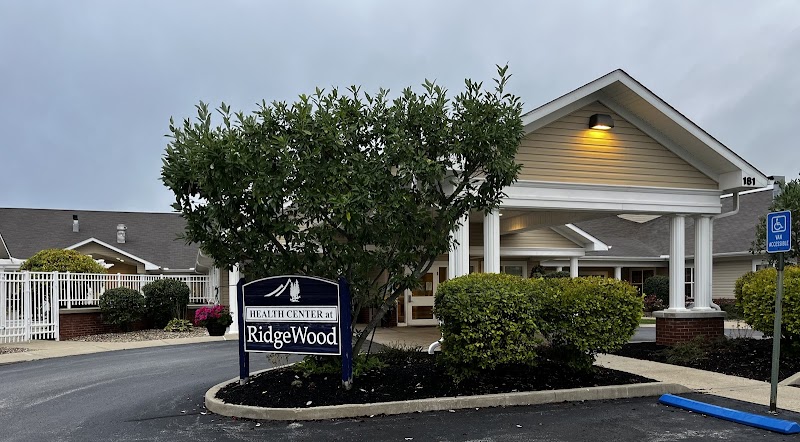
181 CAMPUS DR, LAWRENCEBURG, IN 47025 (812) 537-5700
For profit - Corporation 71 Beds TRILOGY HEALTH SERVICES Data: November 2025
Trust Grade
73/100
#179 of 505 in IN
Last Inspection: July 2024

Within standard 12-15 month inspection cycle. Federal law requires annual inspections.

Overview

Ridgewood Health Campus in Lawrenceburg, Indiana, has earned a Trust Grade of B, indicating it is a good choice among nursing homes, though there may be some areas for improvement. It ranks #179 out of 505 facilities statewide, placing it in the top half, and is the top-rated facility in Dearborn County. The facility is currently improving, with reported issues decreasing from 7 in 2023 to just 2 in 2024. Staffing is a strong point, with a rating of 4 out of 5 stars and a turnover rate of only 28%, which is significantly lower than the state average. On the downside, there have been some concerning incidents, including a resident developing a serious pressure ulcer due to a lack of appropriate care and another resident reporting infrequent bathing assistance, which could affect their hygiene and comfort. Overall, while Ridgewood has strengths in staffing and quality ratings, families should be aware of the noted care deficiencies.

Trust Score
B
73/100
In Indiana
#179/505
Top 35%
Safety Record
Moderate
Needs review
Inspections
Getting Better
7 → 2 violations
Staff Stability
✓ Good
28% annual turnover. Excellent stability, 20 points below Indiana's 48% average. Staff who stay learn residents' needs.
Penalties
✓ Good
No fines on record. Clean compliance history, better than most Indiana facilities.
Skilled Nurses
✓ Good
Each resident gets 55 minutes of Registered Nurse (RN) attention daily — more than average for Indiana. RNs are trained to catch health problems early.
Violations
⚠ Watch
15 deficiencies on record. Higher than average. Multiple issues found across inspections.
★★★★☆
4.0
Overall Rating
★★★★☆
4.0
Staff Levels
★★★★☆
4.0
Care Quality
★★★★☆
4.0
Inspection Score
Stable
2023: 7 issues
2024: 2 issues

The Good

  • 4-Star Staffing Rating · Above-average nurse staffing levels
  • 4-Star Quality Measures · Strong clinical quality outcomes
  • Low Staff Turnover (28%) · Staff stability means consistent care
  • Full Sprinkler Coverage · Fire safety systems throughout facility
  • No fines on record
  • Staff turnover is low (28%)

    20 points below Indiana average of 48%

Facility shows strength in staffing levels, quality measures, staff retention, fire safety.

The Bad

Chain: TRILOGY HEALTH SERVICES

Part of a multi-facility chain

Ask about local staffing decisions and management

The Ugly 15 deficiencies on record

1 actual harm
Jul 2024 2 deficiencies
CONCERN (D)

Potential for Harm - no one hurt, but risky conditions existed

ADL Care (Tag F0677)

Could have caused harm · This affected 1 resident

Based on interview and record review, the facility failed to provide the scheduled Activities of Daily Living care related to bathing for 1 of 3 residents reviewed. (Resident 64) Findings include: Dur...

Read full inspector narrative →
Based on interview and record review, the facility failed to provide the scheduled Activities of Daily Living care related to bathing for 1 of 3 residents reviewed. (Resident 64) Findings include: During an interview on 07/22/24 at 2:13 P.M., Resident 64 indicated she was lucky to get a shower once a week. At home she showered every other day. The resident's clinical record was reviewed on 07/24/24 at 10:02 A.M. An admission MDS (Minimum Data Set) assessment, dated 06/29/24, indicated the resident was moderately cognitively impaired. The resident's diagnoses included, but were not limited to, a right hip fracture, Clostridioides difficile (C-diff, a bacteria that causes watery Diarrhea), and urinary tract infection. The resident tested positive for C-diff Toxins on 07/03/24. The Electronic Health Record History and the Shower Sheets indicated the resident had the following showers or complete bed baths from admission to the facility from 06/26/24 to 07/26/24: - On 07/04/24 the resident refused a shower. - On 07/08/24 the resident received a complete bed bath. - On 07/15/24 the resident received a shower. - On 07/18/24 the resident refused a shower. - On 07/22/24 the resident received a complete bed bath. The resident had only five documented showers, complete bed baths, or refusals since admission. The resident should have had 11 documented showers in the time frame reviewed. During an interview on 07/25/24 at 1:34 P.M., QMA (Qualified Medication Aide) 4 indicated residents were to be offered showers at least twice a week but could be more if requested. Bathing was to be documented in the electronic record and on a shower sheet. If there was a refusal, they would need to fill out a refusal form with the nurse. During an interview on 07/26/24 at 10:01 A.M., RN (Registered Nurse) 6 indicated the resident's scheduled shower days were Monday and Thursday evenings. If a resident refused to take a shower two different CNA's (Certified Nurse Aide) would attempt to offer the resident a shower and then the nurse would try. If they continued to refuse, then family was notified, and a refusal form was filled out and signed. The current facility policy, titled Guidelines for Bathing Preference with a review date of 12/31/22, was provided by the DON on 07/26/24 at 2:28 P.M. The policy indicated, .Bathing shall occur at least twice a week unless resident preference states otherwise . 3.1-38(a)(2)(A)
CONCERN (D)

Potential for Harm - no one hurt, but risky conditions existed

Incontinence Care (Tag F0690)

Could have caused harm · This affected 1 resident

**NOTE- TERMS IN BRACKETS HAVE BEEN EDITED TO PROTECT CONFIDENTIALITY** 2. On 07/25/24 at 3:17 P.M., CNA 3 was observed as she provided suprapubic urinary catheter (an indwelling catheter placed throu...

Read full inspector narrative →
**NOTE- TERMS IN BRACKETS HAVE BEEN EDITED TO PROTECT CONFIDENTIALITY** 2. On 07/25/24 at 3:17 P.M., CNA 3 was observed as she provided suprapubic urinary catheter (an indwelling catheter placed through the skin, just above the pubic bone and into the bladder) care for Resident 26. CNA 3 washed her hands and donned gloves. With her gloved hands she moved papers and a remote control from the resident's overbed table. Supplies were placed on the overbed table and at the foot of the bed. She turned on the light, adjusted the window blinds, and repositioned the overbed table. She grabbed the bed controller and adjusted the position of the bed. She pulled the resident's blankets down. She took the basin with water over to the resident and let her feel the water to check the water temperature. She placed the basin back on the table, placed a washcloth in the basin, grabbed the roll of trash bags, opened a bag, and placed it at the foot of the bed. She exposed the resident's skin and the catheter insertion site, took the washcloth from the basin, applied a cleanser to it, and began cleaning the resident's urinary catheter. During an interview on 07/25/24 at 3:33 P.M., CNA 3 indicated after she adjusted the blinds and moved the resident's items around, she normally would have washed her hands and put on new gloves before performing the actual catheter care. The resident's clinical record was reviewed on 07/26/24 at 10:04 A.M. A Quarterly MDS assessment, dated 05/20/24, indicated the resident was severely cognitively impaired. The resident's diagnoses included, but were not limited to, multiple sclerosis, cancer, stroke, neurogenic bladder, chronic myeloid leukemia, dementia, and depression. An Infection Tracking Surveillance Log was provided by the Corporate Clinical Support on 07/29/24 at 10:45 A.M. The record indicated the resident was treated for a UTI from 06/15/24 to 06/24/24 with the antibiotic Bactrim. The current facility policy, titled Urinary Catheter Care, reviewed on 12/31/23, was provided by the DON (Director of Nursing) on 07/29/24 at 11:30 A.M. The policy indicated, .Prior to the beginning of the procedure .close drapes/lower shades/close blinds .place the clean equipment on the bedside stand or overbed table .Arrange supplies .Wash and dry hands thoroughly .put on gloves .wash the resident's genitalia and perineum thoroughly .remove gloves .wash and dry your hands .put on clean gloves .cleanse and rinse the catheter from insertion site .Remove gloves .Wash and dry hands thoroughly .Reposition the bed covers .Make the resident comfortable .Wash and dry hands thoroughly . 3.1-41(a)(2) Basedonobservation recordreview andinterview thefacilityfailedtofollowappropriateinfectioncontrolguidelineswhileprovidingindwellingurinarycathetercareforresidentswithahistoryofUTIs (UrinaryTractInfections for2 of3 residentsreviewedforUTIs (Residents62 and26) Findingsinclude 1. IndwellingurinarycathetercarewasobservedforResident62 on07/25/24 at2:15 PM, with CNA (Certified Nurse Aide) 2 and CNA3. ThestaffdonnedgownsfromthecartthatwasjustinsidetheresidentsroomdoorduetotheresidentbeinginEnhancedBarrierPrecautionsandplacedaplasticbagcontaining cleanlinensonthefootoftheresidentsbed Thestaffdonnedgloves CNA2 preparedwaterinabasininthebathroomfortheprocedure CNA3, wearinghergloves proceededtoshutthewindowblind turnedonthelight over the bed andadjustedtheresidentsbed using the bed controls. CNA2 broughtthepanofwateroutandplaceditontheoverthebedtable Thetwostaffmemberspulledtheresidentspantsdownandrolledtheresidentsidetoside placingatowelundertheirbuttocks CNA3 putacleantowelinthetubofwaterthencleanedaroundtheentrypointofthecathetertubingattheheadofthepenis turningthetowel pullingawayfromthebodywitheachwipe anddetachedandreattachedthetubingfromtheanchorontheresidentsleftupperthigh Shecleanedtheskinfoldsandlegcreasesturningthetowel TheCNAstooktheresidentsbootsoff satthemonthebed tookofftheresidentspants putonanewbrief puttheresidentspantsandshoesbackon andremovedthetowelfromunderneaththeresidentwearingthesameglovestheentiretime TheCNAsbaggedthedirtylinens removedgownsandgloves andwashedtheirhandswithsoapandwater TheclinicalrecordforResident62 wasreviewedon07/24/24 at 10:10 A.M AScheduled5-dayMDS (Minimum Data Set) assessment dated [DATE], indicatedtheresidentwas cognitively intact. Theresident's diagnosesincluded butwerenotlimitedto UTI sepsis stroke dementia diverticulosis partialintestinalobstruction hemiplegia andcirrhosisoftheliver Theresident hadanindwellingurinarycatheterandwasfrequentlyincontinentofbowel An InfectionTrackingSurveillanceLogwasprovidedbytheCorporateClinicalSupporton07/29/24 at10:45 AM TherecordindicatedtheresidentwastreatedforaUTIfrom07/12/24 to07/18/24 withtheantibioticMacrobid
Jun 2023 7 deficiencies
CONCERN (D)

Potential for Harm - no one hurt, but risky conditions existed

Assessment Accuracy (Tag F0641)

Could have caused harm · This affected 1 resident

3. During an interview on 06/15/23 at 12:58 P.M., Resident 31 indicated he had pain in both of his arms all the time. The clinical record for Resident 31 was reviewed on 06/21/23 at 11:12 A.M. An adm...

Read full inspector narrative →
3. During an interview on 06/15/23 at 12:58 P.M., Resident 31 indicated he had pain in both of his arms all the time. The clinical record for Resident 31 was reviewed on 06/21/23 at 11:12 A.M. An admission MDS assessment, dated 04/28/23, indicated the resident was cognitively intact. The diagnoses included, but were not limited to, anemia and hypertension. Section N lacked documentation that opioids were administered in the seven day look back period. The April 2023 EMAR indicated the resident had received hydrocodone-acetaminophen 5-325 mg from 04/24/23 through 04/28/23. During an interview on 06/21/23 at 11:41 A.M., the MDS Coordinator indicated she would obtain resident information for medications usage from the EMAR. The medication usage was a seven day look back and the resident had received the opioid and the MDS should have reflected it. 3.1-31(c)(13) 3.1-31(d) Based on interview and record review, the facility failed to accurately complete comprehensive MDS (Minimum Data Set) assessments for 3 of 18 resident records reviewed for accuracy of assessments. (Residents 70, 37, and 31) Findings include: 1. The clinical record for Resident 70 was reviewed on 06/16/23 at 1:43 P.M. An admission MDS assessment, dated 03/21/23, indicated the resident was admitted to the facility from an acute hospital. The diagnoses included, but were not limited to, stroke, coronary artery disease, and diabetes. A Discharge MDS assessment, dated 05/03/23, indicated the resident discharged from the facility and returned to an acute hospital. A Progress Note, dated 05/03/2023 at 10:09 A.M., indicated the resident discharged from the facility and was moving to the Assisted Living facility. The family helped move the resident's belongings, and the facility nurse gave report and resident paperwork to the Assisted Living nurse. During an interview on 06/21/23 at 11:21 A.M., the MDS Coordinator indicated the resident did not discharge to a hospital from the facility on 05/03/23. The resident discharged from the facility and went to the Assisted Living facility. The MDS assessment was incorrect. 2. During an interview on 06/21/23 at 9:37 A.M., while reviewing the psychotropic medications for Resident 37 with the SSD (Social Services Director), it was discovered that the resident was not receiving an antianxiety medication. The clinical record was reviewed on 06/21/23 at 9:20 A.M. A 5-day scheduled MDS assessment, dated 05/30/23, indicated the resident was cognitively intact. The diagnoses included, but were not limited to, stroke, anxiety, and depression. Section N, medications, indicated the resident had received an antianxiety medication for five of the five days of the review period. During an interview on 06/21/23 at 9:55 A.M., the SSD indicated the resident had not received an antianxiety medication during the review period. The 5-day scheduled MDS assessment, dated 05/30/23, was incorrect. The EMAR (Electronic Medication Administration Record) for May 2023, was provided by the Corporate MDS Support on 06/21/23 at 10:13 A.M. The record lacked a physician's order for an antianxiety medication. During an interview on 06/21/23 at 9:59 A.M., the MDS Coordinator indicated they did not have a policy for completing the MDS assessments, they followed the RAI (Resident Assessment Instrument) manual.
CONCERN (D)

Potential for Harm - no one hurt, but risky conditions existed

Pressure Ulcer Prevention (Tag F0686)

Could have caused harm · This affected 1 resident

2. During an observation on 06/15/23 at 1:01 P.M., Resident 2 was lying in bed. Her eyes were closed. A pressure relieving boot was lying in the wheelchair and another one was lying in the recliner. T...

Read full inspector narrative →
2. During an observation on 06/15/23 at 1:01 P.M., Resident 2 was lying in bed. Her eyes were closed. A pressure relieving boot was lying in the wheelchair and another one was lying in the recliner. The resident's enteral nutrition supplment (a form of nutrition delivered into the digestive system) was connected to a pump and running through tubing connected to their g-tube (gastrostomy tube) site. During an observation on 06/16/23 at 11:29 A.M., Resident 2 was lying in bed. Her heels were resting on the bed with a pillow under her calves. The pillow appeared flat. A pressure relieving boot was lying in the wheelchair and another one was lying in the recliner. The resident's supplemental nutrition was connected and running. The clinical record for Resident 2 was reviewed on 06/19/23 at 10:50 A.M. A Quarterly MDS assessment, dated 05/09/23, indicated the resident was moderately cognitively impaired. The diagnoses included, but were not limited to, anemia, heart failure, hypertension, seizure disorder, anxiety, depression, and bipolar disorder. The resident was at risk for pressure ulcers. The Complete Care Plan was provided by the Cooperate Nurse on 06/20/23 at 3:47 P.M. A Care Plan titled, Skin Integrity was developed on 06/01/21, included an intervention to wear offloading boots to the bilateral feet at all times with a start date of 06/01/23. An open-ended physician's order, with a start date of 05/30/23, the staff were to apply offloading boots to the resident's bilateral feet at all times. The staff were to check the placement every shift. During an interview on 06/20/23 at 12:59 P.M., CNA 15 indicated the resident required total assistance of two staff with care. She was comatose and started on hospice the past weekend. She had been sent out to the hospital when she was unresponsive in the facility. During an interview on 06/20/23 at 1:12 P.M., LPN 12 indicated the resident was to wear offloading boots at all times, but she would kick them off. The staff would have to go back in and reapply them. During an interview on 06/20/23 at 3:01 P.M., the ADON indicated the resident was to have the boots on at all times but she would kick them off. If the resident wasn't wearing the boots it should be documented. 3.1-40(a)(1) 3.1-40(a)(2) Based on interview, observation, and record review, the facility failed to prevent the development of an unstageable (obscured full-thickness skin and tissue loss, full-thickness skin and tissue loss in which the extent of tissue damage within the ulcer cannot be confirmed because the wound bed is obscured by slough, moist dead tissue, or eschar, dry dead tissue) pressure ulcer (Resident 57), and failed to implement Care Plan interventions to prevent the development of pressure ulcers (Resident 2) for 2 of 3 residents reviewed for pressure ulcers. Findings include: 1. During an interview on 06/15/23 at 1:09 P.M., Resident 57 indicated she had skin conditions the facility was treating. They put ointment on her bottom. There was just one tiny place on her bottom now. They put a little patch on it just as a precaution. The resident's sacral/coccyx area was observed with RN 14 on 06/20/23 at 1:57 P.M. There was a pencil eraser sized, light cream-colored scab at the top of the gluteal cleft, and a dime-sized red area on the right buttock. The clinical record was reviewed on 06/21/23 02:13 PM. A Scheduled 5-day MDS (Minimum Data Set) assessment, dated 05/29/23, indicated the resident was cognitively intact. The diagnoses included, but were not limited to, Enterocolitis due to Clostridium difficile (C-diff, a bacterium that causes an infection of the large intestine, colon), heart failure, and malnutrition. The resident was at risk for pressure ulcers and had three stage three pressure ulcers (full-thickness skin loss in which subcutaneous fat may be visible in the ulcer and granulation tissue and epibole [rolled wound edges] are often present. Slough and/or eschar, may be visible but does not obscure the depth of tissue loss), that were present on admission, and three unstageable pressure ulcers that were present on admission. A Discharge MDS assessment, dated 04/18/23, indicated the resident had no unhealed pressure ulcers. The resident returned on 04/20/23 from an acute hospital stay. A Discharge MDS assessment, dated 5/20/23, indicated the resident had one stage 3 pressure ulcer that was present on readmission/reentry, and two unstageable pressure ulcers, one of which was present on admission/reentry. A Wound Event Report, dated 05/06/23, was provided by the ADON (Assistant Director of Nursing)/Wound Nurse on 06/20/23 at 4:01 P.M. The report indicated the resident had acquired an open area on her coccyx that measured 0.75 cm (centimeters) x (by) 0.75 cm, that was not present on admission. The treatment was to apply wound gel to the open area and cover with a foam wound dressing, daily, until healed. The Wound Management Detail Report record was provided by the ADON/Wound Nurse on 06/20/23 at 4:01 P.M., and contained the following observations: - 05/09/23, the wound measured 1 cm x 0.5 cm x 0.1 cm deep, had a light amount of serous (clear, amber, thin and watery) drainage, was unstageable, and the wound bed was 25% covered with granulation (new) tissue, and 75% covered in slough. The record indicated the wound healed on 05/22/23. The Treatments Administration History record was provided by the ADON/Wound Nurse on 06/20/23 at 4:01 P.M. Prior to the development of the pressure ulcer on the resident's coccyx, the following treatment order, with a start date of 04/27/23 and a discontinued date of 05/07/23, was in place for a wound on the resident's sacrum that had been present on readmission: - Sacrum: cleanse wound with wound cleanser or normal saline, apply skin prep (a toughening agent) to peri-wound intact skin, apply Adaptic (a non-adherent dressing) to wound bed and cover with foam dressing, change once a day every five days. - Sacrum: cleanse wound with wound cleanser or normal saline, apply skin prep to peri-wound intact skin, apply Adaptic to wound bed and cover with foam dressing, change once a day every five days PRN (as needed). The record indicated the resident's dressing was applied on 05/02/23, and was discontinued on 05/07/23, after the development of the unstageable pressure ulcer to the resident's coccyx. No treatments were documented from 05/02/23 to 05/06/23, the day the wound was first observed. The Vitals Report record was provided by Corporate MDS Support on 06/21/23 at 11:40 A.M. The record indicated the resident had been incontinent of bowel with a large loose stool on 05/03/23 at 5:53 A.M., had a large liquid bowel movement with a foul odor on 05/04/23 at 10:21 A.M., and had been incontinent of bowel with a large loose stool on 05/06/23 at 2:08 P.M. During an interview on 06/20/23 at 2:38 P.M., the ADON/Wound Nurse indicated the coccyx wound was at the top of the gluteal cleft and that was the new wound identified on 05/06/23. The sacral wound was identified on 04/20/23. The sacral wound was above the coccyx wound. The coccyx wound was closed at this time. Prior to having the unstageable wound on her coccyx, the resident was getting skin prep applied to the area, along with a sacral dressing treatment order that was changed, starting on 04/27/23. She had a dressing on her sacrum. The sacral dressing covered the sacrum and the coccyx. She had a foam dressing in place as a preventative on 04/07/23. Preventative dressings were usually changed every five days but could stay on for seven days. On 04/27/23, the treatment was changed to adding Adaptic to add moisture to the area and to prevent the other dressing from sticking. The foam dressing was continued as well. The current Guidelines for Weekly Measurements policy, with a reviewed date of 12/31/22, was provided by Corporate Clinical Support on 06/21/23 at 2:24 P.M. The policy indicated, .PURPOSE .To monitor the effectiveness of interventions for pressure reduction, identify areas of skin impairment in the early development stage and implement other preventative and/or treatment measures .
CONCERN (D)

Potential for Harm - no one hurt, but risky conditions existed

Accident Prevention (Tag F0689)

Could have caused harm · This affected 1 resident

Based on observation, interview, and record review, the facility failed to ensure care planned interventions were in place for 1 of 3 residents reviewed for accident hazards. (Resident 3) Findings inc...

Read full inspector narrative →
Based on observation, interview, and record review, the facility failed to ensure care planned interventions were in place for 1 of 3 residents reviewed for accident hazards. (Resident 3) Findings include: Resident 3's bathroom was observed on 06/16/23 at 11:23 A.M. The resident's call light had several pieces of bright pink colored tap on the pull string. Toilet safety rails were observed in place on each side of the toilet. The rails were gray in color. The resident's clinical record was reviewed on 06/20/23 at 1:55 P.M., A Quarterly MDS (Minimum Data Set) assessment, dated 02/24/23, indicated the resident was severely cognitively impaired. The resident required the extensive assistance of two staff members for transferring, toileting, and personal hygiene. The diagnoses included, but were not limited to, stroke, hemiplegia and hemiparesis, and diabetes. The resident's vision was severely impaired. The resident's upper and lower extremities were impaired on one side. The resident experienced two or more falls without injury since the last assessment. A progress note, dated 04/10/2023 at 9:39 P.M., indicated the resident was found on the floor in her bathroom. The resident stated she was attempting to transfer herself onto the toilet and missed, landing on her buttock. The resident complained of low back pain but was assessed and found to be without injury. A progress note, dated 04/11/2023 at 9:28 A.M., indicated an interdisciplinary team review determined the root cause of the fall was that the resident missed the toilet when she sat down, likely due to her visual impairment. An intervention to place handles on the toilet and mark them with bright colored tape to improve visibility was implemented. The resident's Category: Falls care plan was provided by Corporate Clinical Support on 06/20/23 at 1:48 P.M. Interventions included, but were not limited to, a current intervention, with a start date of 04/11/23, for handles on the toilet marked with bright colored tape to improve visibility. The resident's bathroom was observed with RN 13 on 06/20/23 at 11:33 A.M. There was no brightly colored tape on the safety rails on either side of the resident's toilet. RN 13 indicated she reviewed the resident's care plan, and it did indicate that there should be bright colored tape on the safety rails. The resident's vision was significantly impaired, and she liked the bright pink tape they used. The current facility policy, titled Falls Management Program Guidelines, with a review date of 03/16/22, was provided by the Corporate MDS Coordinator on 06/20/23 at 2:43 P.M. The policy indicated, .strives to maintain a hazard free environment, mitigate fall risk factors and implement preventative measures . 3.1-45(a)(2)
CONCERN (D)

Potential for Harm - no one hurt, but risky conditions existed

Staffing Information (Tag F0732)

Could have caused harm · This affected 1 resident

Based on observation and interview, the facility failed to post nurse staffing daily for 2 of 7 days during the survey period. Findings include: During an observation on 06/15/23 at 10:10 A.M., the nu...

Read full inspector narrative →
Based on observation and interview, the facility failed to post nurse staffing daily for 2 of 7 days during the survey period. Findings include: During an observation on 06/15/23 at 10:10 A.M., the nurse staffing was posted by the main entrance and dated for 06/09/23. During an observation on 06/15/23 at 2:48 P.M., the nurse staffing was posted by the main entrance and dated for 06/09/23. During an observation on 06/16/23 at 8:55 A.M., the nurse staffing was posted by the main entrance and dated for 06/09/23. During an interview on 06/21/23 at 1:15 P.M., the Scheduling Coordinator indicated she was responsible for ensuring staffing information was posted each day. She had been on vacation since 06/12/23 and today was her first day back at the facility. Staffing should be posted everyday. During an interview on 06/21/23 at 1:22 P.M., the Administrator indicated the Scheduling Coordinator handled staff posting. When she was on vacation, several staff members stepped in to update staff posting. The current facility policy, titled Guidelines for Staff Posting, with a review date on 12/31/22, was provided by Corporate Clinical Support on 06/21/23 at 2:05 P.M. The policy indicated, .At the beginning of each day the number and amount of hours of licensed nurses .and the number and hours of unlicensed nursing personnel, per shift, who provide direct care to residents will be posted .
CONCERN (D)

Potential for Harm - no one hurt, but risky conditions existed

Pharmacy Services (Tag F0755)

Could have caused harm · This affected 1 resident

Based on record review and interview, that facility failed to provide medications for 1 of 18 residents reviewed for pharmacy services. (Resident 46) Findings include: 1a. The clinical record for Resi...

Read full inspector narrative →
Based on record review and interview, that facility failed to provide medications for 1 of 18 residents reviewed for pharmacy services. (Resident 46) Findings include: 1a. The clinical record for Resident 46 was reviewed on 06/16/23 at 2:21 P.M. Am admission MDS (Minimum Data Set) assessment, dated 05/05/23, indicated the resident was cognitively intact. The diagnoses included, but were not limited to, hypertension, malnutrition, and depression. A Progress Note, dated 06/08/23 at 4:24 P.M., indicated the resident's doxepin (an antidepressant medication) was reduced to 5 mg (milligrams) daily for seven days and then discontinue. A Progress Note, dated 06/13/23 at 1:40 P.M., indicated the pharmacy called and they were unable to split the doxepin capsule. The medication only came in 3 mg and 6 mg forms. The NP (Nurse Practitioner) was notified and a new order was obtained to start doxepin 3 mg everyday and continue with the original discontinue date. A physician's order, dated 05/02/23 through 06/08/23, indicated the resident was to receive doxepin 10 mg, once a day. A physician's order, dated 06/08/23 through 06/13/23, indicated the resident was to receive doxepin 5 mg, once a day. A physician's order, dated 06/13/23 through 06/14/23, indicated the resident was to receive doxepin 3 mg, once a day. The June 2023 EMAR/ETAR (Electronic Medication Administration Record/Electronic Treatment Administration Record) indicated the resident received the following doxepin medications: - On 06/08/23, 06/11/23, 06/12/23, the resident was administered 5 mg, and - On 06/14/23, the resident was administered 3 mg. The resident was not administered medications on 06/09/23, 06/10/23, and 06/13/23 due to the medication being unavailable. A New Prescription Summary, indicated the medication was a capsule and couldn't be split. The medication was only available in 6 mg and 3 mg. The facility was notified the following dates and times: - On 06/09/23 at 9:15 A.M., a staff member indicated she would clarify the medication with the NP next week, - On 06/10/23 at 3:03 P.M., the facility was faxed, - On 06/12/23 at 5:07 P.M., a staff member indicated she would clarify with the MD, and - On 06/13/23 at 12:55 P.M., a staff member indicated they were still working on clarification. During an interview on 06/21/23 at 10:28 A.M., the pharmacist indicated the doxepin medication was only available in 3 mg and 6 mg. The 10 mg medication was a capsule so the facility would not have been able to cut the previous medication in half. The pharmacy would have alerted the facility the same day the order was inputted that the medication was unavailable in the 5 mg form. The facility had been contacted on the 06/08/23 and 06/09/23. The medication was filled on 06/13/23 as a 3 mg tab. During an interview on 06/21/23 at 1:28 P.M., the Infection Preventionist indicated when a resident had a new medication order it would be transcribed into the computer and the pharmacy would get the medication order. The facility staff would call to make sure they got the order. The resident medications would be delivered the same day or the next day. If the medication was not available from the pharmacy the staff should call the physician and document in the progress note. The NP should have been notified sooner that the doxepin medication was unavailable in the 5 mg form. 1b. An open-ended physician's order with a start date of 05/01/23, indicated the resident was to be administered alendronate 70 mg, once a day on Monday, for bone health. The June 2023 EMAR/ETAR indicated the resident had not received the medication on 06/05/23 and 06/19/23 due to the medication being unavailable. During an interview on 06/20/23 at 1:07 P.M., LPN 15 indicated when a resident had a new medication order she would see if it was available in their medication bank and if not the she would call the pharmacy to see if she could get it from a back-up pharmacy (local pharmacy). If it came from the back-up it would get to the facility within one hour and a half and two hours. If the medication came from their pharmacy it would take them about four hours. The pharmacy delivered medications every night. The cutoff time to order medications and get them the same night was 12:00 P.M. If the medication was not available the pharmacy would notify the nurse with recommendations and she would call the NP. The NP should be notified the same day or within 24 hours of a medication not being available. During an interview on 06/21/23 at 10:28 A.M., the pharmacist indicated the alendronate was ordered from the pharmacy on 05/01/23 and 06/05/23. The medication was sent as a monthly supply with four tablets. During an interview on 06/21/23 at 1:28 P.M., the Infection Preventionist indicated the alendronate medication should have been reordered when the lat dose was given in May. The current facility policy titled, Unavailable Medications with a revised date of 11/2018, was provided by the Infection Preventionist on 06/21/23 at 2:38 P.M. The policy indicated, ' .The facility must make every effort to ensure that medications are available to meet the needs of each resident . 3.1-25(a)
CONCERN (D)

Potential for Harm - no one hurt, but risky conditions existed

Deficiency F0757 (Tag F0757)

Could have caused harm · This affected 1 resident

2. The clinical record for Resident 49 was reviewed on 06/19/23 at 10:30 A.M. A Quarterly MDS assessment, dated 05/30/23, indicated the resident was severely cognitively impaired. The diagnoses includ...

Read full inspector narrative →
2. The clinical record for Resident 49 was reviewed on 06/19/23 at 10:30 A.M. A Quarterly MDS assessment, dated 05/30/23, indicated the resident was severely cognitively impaired. The diagnoses included, but were not limited to, dementia, anemia, hypertension, and renal insufficiency. An open-ended physician's order, with a start date of 05/10/23, indicated the staff were to administer metoprolol succinate, 25 mg once a day. The staff were to hold the medication if the resident's systolic blood pressure was less than 120 or the heart rate was less than 60. The May 2023 EMAR indicated the resident had received the medication when the systolic blood pressure was less than 120 on the following date and times: - On 05/10/23, the blood pressure was 106/68, - On 05/12/23, the blood pressure was 112/71, - On 05/19/23, the blood pressure was 111/76, - On 05/20/23, the blood pressure was 114/68, and - On 05/29/23, the blood pressure was 94/61. During an interview on 06/20/23 at 1:07 P.M., LPN 12 indicated if a resident's blood pressure medication had hold parameters, she would check the blood pressure and heart rate prior to giving the medication. She would not administer the medication if it was outside the parameters. The current ADMINISTRATION PROCEDURES FOR ALL MEDICATIONS policy, with a revised date of 11/18, was provided by Corporate Clinical Support on 06/21/23 at 9:05 A.M. The policy indicated, .To administer medications in a safe and effective manner .Check for vital signs, other tests to be done during/prior to medication administration . 3.1-48(a)(3) Based on record review and interview, the facility failed to follow the physician's orders related to hold parameters for hypertension medications for 2 of 7 residents reviewed for unnecessary medications. (Residents 36 and 49) Findings include: 1. The clinical record for Resident 36 was reviewed on 06/20/23 at 3:27 P.M. A Quarterly MDS (Minimum Data Set) assessment, dated 04/12/23, indicated the resident was cognitively intact. The diagnoses included, but were not limited to, hypertension, chronic obstructive pulmonary disease, and stroke. The current Care Plan for Cardiovascular distress related to the diagnoses of hypertension and hyperlipidemia, with a reviewed date of 04/26/23, was provided by Corporate MDS Support on 06/20/23 at 4:08 P.M. Interventions included, but were not limited to, Medications as ordered, and obtain vital signs as ordered and needed. The EMAR/ETAR (Electronic Medication Administration Record/Electronic Treatment Administration Record) for February 2023 was provided by Corporate MDS Support on 06/20/23 at 4:08 P.M. The record included, but was not limited to, the following physician's order: - An open-ended order for metoprolol succinate tablet extended release (a blood pressure medication), 50 mg, once a day, for hypertension. Special Instructions: Hold for Pulse < (less than) 60 or SBP (Systolic Blood Pressure), the top number, < 110, with a start date of 01/19/23, and a discontinued date of 03/17/23. The record indicated the medication had been administered outside of the ordered parameters, when the resident's pulse was less than 60 beats per minute, on the following dates: - On 02/02/23, the pulse was 52, - On 02/03/23, the pulse was 53, - On 02/09/23, the pulse was 56, - On 02/17/23, the pulse was 56, - On 02/19/23, the pulse was 53, - On 02/21/23, the pulse was 53, and - On 02/24/23, the pulse was 53. During an interview on 06/20/23 at 1:47 P.M., RN 14 indicated when a resident had hold parameters on a medication, for like a blood pressure medication, it was usually in the EMAR/ETAR. Staff could see it in the order. Staff should document the required values and notify the NP (Nurse Practitioner) that they were holding the medications. If there were no hold parameters, she would clarify the order with the NP and add parameters if needed. Staff should follow the physician's orders. She had not been inserviced on hold parameters recently. It was a nursing measure. The current Comprehensive Care Plan Guideline policy, with a revised date of 05/22/18, was provided by Corporate MDS Support on 06/20/23 at 2:43 P.M. The policy indicated, .PURPOSE .To ensure appropriateness of services and communication that will meet the resident's needs, severity/stability of conditions . The current ADMINISTRATION PROCEDURES FOR ALL MEDICATIONS policy, with a revised date of 11/18, was provided by Corporate Clinical Support on 06/21/23 at 9:05 A.M. The policy indicated, .To administer medications in a safe and effective manner .Check for vital signs, other tests to be done during/prior to medication administration .
CONCERN (D)

Potential for Harm - no one hurt, but risky conditions existed

Deficiency F0761 (Tag F0761)

Could have caused harm · This affected 1 resident

Based on observation and interview, the facility failed to store medications appropriately for 2 of 3 medication carts reviewed. (200 Hall front medication cart and 200 Hall back medication cart) Find...

Read full inspector narrative →
Based on observation and interview, the facility failed to store medications appropriately for 2 of 3 medication carts reviewed. (200 Hall front medication cart and 200 Hall back medication cart) Findings include: 1. The 200 Hall front medication cart was observed on 06/15/23 at 10:25 AM., with QMA (Qualified Medication Aide) 2. The top drawer contained two nested pill cups that were not labeled with a resident's name or room number. The bottom cup had a large round flat tablet that the QMA identified as a Tums. The top cup contained eight pills. The QMA indicated there were no narcotics in the cup and the resident was taking a nap. The QMA indicated the pills were for Resident 13. The current physician's orders for Resident 13 were provided by the DON (Director of Nursing) on 06/21/23 at 2:47 P.M. The record indicated the resident was to receive the following medications between 6:00 A.M., and 10:00 A.M.: - Amlodipine, - Tums, - Aspirin, - Vitamin D3, - Colace, - Lasix, - Lexapro (an antidepressant), - Tylenol Arthritis, and - Wellbutrin (an antidepressant). 2. The 200 Hall back medication cart was observed on 06/15/23 at 10:40 A.M., with LPN (Licensed Practical Nurse) 3. The drawers of the cart contained the following loose pills: - 5 1/2 small while oval pills, - 2 small yellow oval pills, - 1 medium red round pill, - 1 medium white round pill, - 1 large white round pill, - 2 small red/orange teardrop shaped pills, - 1 medium green round pill, - 1/2 of a small green oval pill, and - 1 large dark blue capsule. During an observation and interview, on 06/15/23 at 10:40 A.M., after the loose medications were collected from the bottom of the medication cart draws, the LPN indicated the facility had a pill destroyer bottle they used to destroy medications. Medication cart were suppose to be audited regularly. During an interview on 06/21/23 at 2:47 P.M., the DON indicated she did not have a policy related to presetting medications. It was a standard practice to not preset medications. The current MEDICATION STORAGE IN THE FACILITY policy, with a revised date of 11/18, was provided by Corporate Clinical Support on 06/21/23 at 9:05 A.M. The policy indicated, .Medications and biologicals are stored safely, securely, and properly .Medication storage areas are kept clean . 3.1-25(b)(1) 3.1-25(o)
May 2022 6 deficiencies 1 Harm
SERIOUS (G)

Actual Harm - a resident was hurt due to facility failures

Pressure Ulcer Prevention (Tag F0686)

A resident was harmed · This affected 1 resident

Based on observation, interview, and record review, the facility failed to ensure appropriate treatments were in place and implement interventions for a resident identified with an Unstageable (presen...

Read full inspector narrative →
Based on observation, interview, and record review, the facility failed to ensure appropriate treatments were in place and implement interventions for a resident identified with an Unstageable (presents as ulcer in which depth of tissue damage is not able to be determined due to presence of nonviable tissue) pressure ulcer that developed into a Stage IV (Full thickness tissue loss with exposed bone, tendon, or muscle) pressure ulcer for 1 of 4 residents reviewed for pressure ulcers. (Resident 22) Findings include: Resident 22's coccyx wound was observed with the FWN (Facility Wound Nurse) 8 and Clinical Support Nurse 7 on 05/24/22 at 1:26 P.M. The resident was in bed and the wound dressing had already been removed. The resident was assisted as he rolled to one side to expose the wound. The wound measured 4.3 cm (centimeters) x (by) 3 cm, with a measured depth of 2.5 cm. There was 2.1 cm of undermining (erosion underneath the outwardly visible wound margins resulting in more extensive damage beneath the skin surface). The wound bed was red, with a nickel sized area of yellow tissue visible within the wound. The wound was clean and there was no drainage or odor. The skin around the wound was intact, and there were no signs of infection. FWN 8 indicated the resident's wound was a Stage IV pressure ulcer. The resident went to the local wound clinic recently. During an interview on 05/24/22 at 1:56 P.M., FWN 8 indicated the resident had been declining, he was hospitalized in January, had some infections, and wasn't eating well. They started with a foam dressing, but it kept coming off because of the resident sliding down in his chair since he couldn't bend his knee. In March, the tiny areas around the wound became covered in slough (dead skin cells) so they just included the whole area in the wound measurement-that was why the wound measurements got larger. They have tried different treatments, they had increased and decreased the frequency of the treatments. The resident's health was improving, and the wound was improving as well. The resident's clinical record was reviewed on 05/25/22 at 10:46 A.M. The progress notes indicated the resident was hospitalized in January of 2022 and treated for pneumonia and a UTI (urinary tract infection). The resident was diagnosed with septic shock in the hospital. A progress note, dated 01/26/22 at 6:57 P.M., indicated the resident returned to the facility by ambulance. The resident had bruises on both arms from IV insertions. There was a small amount of shearing of the resident's skin on his buttocks. There was shearing of the skin on the resident's left thigh that was healing well. A 5 Day MDS (Minimum Data Set) assessment, dated 01/31/22, indicated the resident was severely cognitively impaired. The diagnoses included, but were not limited to, anemia, Down's syndrome, malnutrition, pneumonia, and UTI in the last 30 days. The resident had an indwelling urinary catheter and was frequently incontinent of bowel. The resident was at risk for pressure ulcers but had no unhealed pressure ulcers during the assessment review period. The resident utilized pressure reducing devices for the bed and chair. A progress note, dated 02/05/22 at 2:09 P.M., indicated the resident had new open areas to the buttocks and coccyx. The area on the right buttock was not open, but shearing was present. A Skin Integrity Event, dated 02/05/22, indicated the resident had an area to the right buttock. The observation indicated the wound was 1 cm x 0.5 cm. The wound was not present on admission. The evaluation note indicated the wound was found to be an abrasion to newly healed skin. A Change in Condition Event, dated 02/05/22, indicated the resident had shearing to the right buttock. The evaluation note indicated the wound was found to be an abrasion and was already healed. A Skin Integrity Event, dated 02/05/22, indicated the resident had an open area to the left buttock. The observation indicated the wound was 1 cm x 0.5 cm. The wound was not present on admission. The evaluation note indicated the wound was found to be an abrasion and was already healed. A Skin Integrity Event, dated 02/05/22, indicated there was an open area to the resident's buttocks and coccyx. The observation indicated the wound located on the coccyx was 2 cm x 1.5 cm. The wound was not present on admission. The evaluation note indicated to see wound review. Wound Management documentation indicated the wound on the resident's coccyx was observed on 02/05/22 at 3:42 P.M. The wound measured 0.9 cm x 0.5 cm. The depth could not be measured. There was a moderate amount of serosanguineous (pale red to pink, thin and watery) drainage. The wound was Unstageable due to the slough present in the wound. During an interview on 05/24/22 at 3:00 P.M., the FWN 8 indicated the coccyx wound was identified by nursing staff on 2/05/22. The only treatment orders that were in place at the time the wound was identified was to cleanse the resident's skin with a personal cleanser and apply protective ointment or cream as needed after each incontinent episode. When she assessed the wound on 02/05/22, she would have given the floor nurse treatment orders. The floor nurse should have entered the orders into the computer. She would have likely told them to put a boarder dressing on the wound and to monitor the wound. There were no treatment orders for the wound on the resident's coccyx in the resident's clinical record until 02/15/22. The EMAR/ETAR (Electronic Medication Administration Record/Electronic Treatment Administration Record) for February 2022 was reviewed and included the following physician's orders: A physician's order, with a start date of 02/15/22 and a discontinued date of 03/29/22, indicated nursing staff were to cleanse the wound on the resident's coccyx with normal saline, pat dry, and apply wound gel to the wound bed only. Apply a basic foam dressing to the wound bed and then a hydrocellular foam dressing. The dressing was to be changed every 3 days and as needed if soiled. An open ended physician's order, with a start date of 02/15/22, to administer an advanced wound healing nutritional supplement, 30 ml (milliliters) twice a day. Wound Management documentation indicated the wound on the resident's coccyx was observed on 02/15/22 at 3:44 P.M. The wound measured 0.9 cm x 0.5 cm. The depth could not be measured. There was a moderate amount of drainage. The wound was Unstageable due to the slough. Wound Management documentation indicated the wound on the resident's coccyx was observed on 03/01/22 at 1:22 P.M. The wound measured 4.3 cm x 3.9 cm. The depth could not be measured. There was a moderate amount of drainage. The wound was Unstageable due to the slough. Comments indicated the reddened area around the wound had small scattered open areas with slough. The resident had decreased mobility related to a wrist fracture and respiratory infection. A progress note, dated 03/10/22 at 3:08 P.M., indicated the resident has had additional areas open to the coccyx in the peri-wound area of original wound, however they were improving. Wound Management documentation indicated the wound on the resident's coccyx was observed on 03/29/22 at 8:38 P.M. The wound measured 4.6 cm x 4.2 cm. The depth could not be measured. There was a moderate amount of drainage. The wound was Unstageable due to the slough. A progress note, dated 04/10/22 at 12:26 A.M., indicated the resident's coccyx wound dressing was changed as ordered. The peri-wound skin was intact with normal color. There was yellow slough in the wound bed. Wound Management documentation indicated the wound on the resident's coccyx was observed on 04/12/22 at 4:54 P.M. The wound measured 4.7 cm x 4.2 cm. The depth could not be measured. There was a heavy amount of drainage. The wound was Unstageable due to the slough. The EMAR/ETAR for March and April 2022 was reviewed and included the following physician's orders: A physician's order, with a start date of 03/29/22 and a discontinued date of 04/21/22, indicated nursing staff were to cleanse the wound with normal saline, pat dry, and apply a debriding ointment to the wound bed only. Follow with a wet to dry dressing and cover with a hydrocellular foam dressing. The dressing was to be changed daily and as needed if soiled. A physician's order, with a start date of 04/22/22 and a discontinued date of 04/27/22, indicated nursing staff were to cleanse the wound with normal saline and pat dry. Apply Dakin's (an antimicrobial cleaner) solution to a gauze pad, ring out the gauze and apply it to the wound bed. Cover with a hydrocellular foam dressing. The dressing was to be changed twice daily and as needed if soiled. A physician's order, with a start date of 04/27/22 and a discontinued date of 05/05/22, indicated nursing staff were to cleanse the wound with normal saline and pat dry. Apply Dakin's solution to a gauze pad, ring out the gauze and apply it to the wound bed. Cover with a hydrocellular foam dressing. The dressing was to be changed twice daily and as needed if soiled. Wound Management documentation indicated the wound on the resident's coccyx was observed on 05/03/22 at 6:45 P.M. The wound measured 3.9 cm x 4.0 cm. There was a moderate amount of clear/amber colored drainage. There was no wound staging documented. Wound Clinic visit documentation indicated the resident's wound was assessed at the clinic on 05/05/22. The wound was a Stage IV pressure ulcer with full thickness exposed support structure. Before debridement, the wound measured 2.5 cm x 4 cm, with depth of 3.5 cm. There was 4.5 cm of undermining. There was a moderate amount of slough. The character of the wound was deteriorated and necrotic with the fat layer exposed. Discharge instructions from the wound clinic indicated the resident was to return to the wound clinic for a follow up appointment on 05/19/22 at 9:15 A.M. During an interview on 05/25/22 at 9:58 A.M., the Wound Clinic Nurse indicated the resident was seen in the clinic on 05/05/22. The resident had a follow up appointment scheduled on 05/19/22, but he was a no show in their system. She was not sure why, no one canceled the appointment. The Wound Clinic Nurse indicated she saw the resident when he was inpatient in the hospital in January 2022. Hospital documentation indicated on 01/19/22 the resident had a Stage III pressure ulcer on his coccyx on admission to the hospital, and a Stage II pressure ulcer on his right buttock. Hospital documentation on 01/26/22 indicated the wound on the right buttock was healed. On 01/26/22 the wound on the coccyx measured 1 cm x 0.8 cm. She reviewed a photograph of the wound and indicated it was pencil eraser sized with healthy red tissue in the wound bed. An open ended physician's order, with a start date of 05/05/22, indicated nursing staff were to cleanse the wound with normal saline and pat dry. Apply Dakin's solution to a gauze pad, ring out the gauze and apply it to the wound bed. Cover with a foam dressing, no hydrocellular foam dressing. The dressing was to be changed twice daily and as needed if soiled. Wound Management documentation indicated the wound on the resident's coccyx was observed on 05/10/22 at 2:58 P.M. The wound measured 4.0 cm x 4.0 cm. There was a moderate amount of drainage. There was granulation tissue present. There was no wound staging documented. Review of the resident's clinical record indicated documentation from the resident's appointment at the wound clinic on 05/05/22 was attached to the clinical record on 05/16/22. The documentation indicated the resident was due for a follow up appointment at the wound clinic on 05/19/22 at 9:15 A.M. During an interview on 05/25/22 at 10:25 A.M., the DON (Director of Nursing) indicated she was not sure why the resident did not make it to the follow up appointment on 05/19/22. The facility did not have any documentation related to scheduling transportation to the appointment on 05/19/22. Normally, when a resident returned from an appointment, and a follow up appointment was indicated, the nurse would schedule transportation for the upcoming appointment. A progress note, dated 05/19/22 at 4:13 P.M., indicated a wound clinic appointment was made for 05/26/22 at 9:30 A.M. A request for transportation was submitted. The current facility policy titled Guidelines for Pressure Prevention, with a revision date of 12/01/21, was provided by the DON on 05/25/22 at 8:48 A.M. the policy indicated, .To maintain good skin integrity and avoid development of pressure ulcers .Care plan interventions shall be implemented . 3.1-40(a)(1) 3.1-40(a)(2)
CONCERN (D)

Potential for Harm - no one hurt, but risky conditions existed

Accident Prevention (Tag F0689)

Could have caused harm · This affected 1 resident

Based on observation, interview, and record review, the facility failed to ensure care planned interventions were in place for a resident that was at risk for falls for 1 of 3 residents reviewed for a...

Read full inspector narrative →
Based on observation, interview, and record review, the facility failed to ensure care planned interventions were in place for a resident that was at risk for falls for 1 of 3 residents reviewed for accidents. (Resident 2) Findings include: On 05/19/22 at 3:01 P.M., Resident 2 was observed in her room in her bed. The bed was in a low position. There was an alarm pad under the resident with a cord hanging down from under the bed. There was no mat on the floor next to the resident. On 05/20/22 at 9:22 A.M., the resident was observed in her room in bed. The bed was in a low position. There was no mat on the floor next to the resident. An alarm pad or cord were not visualized. During an interview on 05/23/22 at 9:35 A.M., CNA (Certified Nurse Aide) 3 indicated she was familiar with the resident. She had fallen a lot. They had an alarm on her when they could. Since the resident broke her hip, she hadn't tried to get up on her own. On 05/23/22 at 9:48 A.M., the resident was observed with LPN (Licensed Practical Nurse) 2. The resident's bed was in a lowered position. LPN 2 indicated the resident had dementia. She couldn't tell them what she wanted, they had to try and anticipate her needs. She would try to stand up constantly, she had a lot of falls. She was supposed to have a bed alarm in place. The alarm was observed laying on top of the nightstand. LPN 2 indicated she would get staff to assist her in repositioning the resident and putting the alarm in place. There was no mention of a floor mat. On 05/24/22 at 9:45 A.M., the resident was observed with LPN 5. The resident was in bed. There was an alarm in place, but there was no mat on the floor. LPN 5 indicated she was familiar with the resident, but she was not sure if the resident was supposed to have a mat on the floor next to her bed. She knew the resident had fallen several times She was going to check with the DON (Director of Nursing). On 05/24/22 at 2:12 P.M., the resident was observed with LPN 5. The resident was in bed and the bed alarm was in place and functioning. There was not a floor mat in place. LPN 5 indicated she was still not sure if the resident was supposed to have a floor mat in place. She was going to check with the Evening Supervisor. The resident's clinical record was reviewed on 05/23/22 at 10:00 A.M. A Quarterly MDS (Minimum Data Set) assessment, dated 01/28/22, indicated the resident was severely cognitively impaired. The diagnoses included, but were not limited to, dementia, malnutrition, and COPD (Chronic Obstructive Pulmonary Disease). The resident required extensive assistance with most ADLs (Activities of Daily Living) and had impairment of both lower extremities. An alarm was used daily. A progress note, dated 02/20/22 at 8:55 A.M., indicated the nurse was administering medications and heard an alarm going off. She found the resident on the floor next to her bed. There were no injuries observed. A progress note, dated 02/20/22 at 1:19 P.M., indicated the resident was found sitting on the floor in her room next to her wheelchair. There were no injuries observed. An IDT (Interdisciplinary Team) note, dated 02/23/22 at 12:16 P.M., indicated a review of falls that occurred when the resident was in her room, found the root cause of the fall was that the resident attempted to self transfer. The resident had a diagnosis of dementia and had decreased safety awareness. The new intervention was to provide a mat to the floor to the resident's left side of the bed to decrease the risk for injuries. The resident's current Fall Care Plan was provided by Corporate Assessment Support Staff on 05/24/22 at 2:08 P.M. Current interventions included, but were not limited to the following: - An intervention, with a start date of 02/17/22, to check the pad alarm every shift for proper function, and, - An intervention, with a start date of 02/20/22, for a floor mat to the resident's left side of the bed to decrease the risk for injury. The May 2022 ETAR (Electronic Treatment Administration Record) indicated the resident had a current physician's order, with a start date of 05/05/22 and a discontinued date of 05/25/22, to check that an alarm pad was on and working properly every shift. During an interview on 05/25/22 at 1:57 P.M., the MDS Coordinator indicated the resident wouldn't necessarily need a physician's order for a floor mat. The interventions would be included in the resident's care plan. The resident recently returned from the hospital, and they were discussing whether the resident needed the floor mat now. The current facility policy, titled Fall Management Program Guidelines, with a reviewed date of 03/16/22, was provided by Clinical Support Nurse 6 on 05/25/22 at 9:50 A.M. The policy indicated, .strives to .mitigate fall risk factors and implement preventative measures .intensive efforts will be directed toward minimizing or preventive injury . 3.1-45(a)(2)
CONCERN (D)

Potential for Harm - no one hurt, but risky conditions existed

Incontinence Care (Tag F0690)

Could have caused harm · This affected 1 resident

2. On 05/19/22 at 9:48 A.M., Resident 69 was observed sitting in a chair in her room. The resident indicated she had an indwelling urinary catheter and used a drainage bag that attached to her leg. Sh...

Read full inspector narrative →
2. On 05/19/22 at 9:48 A.M., Resident 69 was observed sitting in a chair in her room. The resident indicated she had an indwelling urinary catheter and used a drainage bag that attached to her leg. She had a catheter for some time, and was pretty independent, but staff assisted her with catheter care as needed. The clinical record for the resident was reviewed on 05/25/22 at 2:19 P.M. A Quarterly MDS assessment, dated 04/28/22, indicated the resident was moderately cognitively impaired. The diagnoses included, but were not limited to, hypertension, neurogenic bladder, dementia, and renal insufficiency. The resident had an indwelling urinary catheter. Current physician's orders included an open ended order with a start date of 01/07/22 to monitor the resident's urinary output every shift. There were no amounts documented in the resident's record. The resident's current care plan titled Bowel and Bladder was provided by Clinical Support Nurse 6 on 05/25/22 at 2:18 P.M. The intervention, with a start date of 01/18/22, indicated staff were to record the resident's urinary output. During an interview on 05/25/22 at 2:38 P.M., The Clinical Support Nurse 6 indicated the facility could provide no additional documentation related to the resident's urinary catheter output. The aides would empty the drainage bag and tell the nurse the output in milliliters, but numerical value wasn't documented anywhere. They would document it like they documented bowel movements, they would indicated Small, Medium, or Large amounts of urine. The current urinary catheter care policy, with a revised date of 05/11/16, was provided by the Administrator on 05/23/22 at 11:00 A.M. The policy indicated the SOP (Standard Operation Procedure) included, but was not limited to, .Maintain an accurate record of the resident's daily output .To prevent infection of the resident's urinary tract .Be sure the catheter tubing and drainage bag are kept off the floor . 3.1-41(a)(2) 3.1-37(a) Based on observation, record review, and interview, the facility failed to accurately monitor fluid output (Residents 40 and 69)and follow appropriate infection control guidelines to prevent UTSs Urinary Tract Infections (Resident 40) for 2 of 4 residents reviewed for urinary catheters. Findings include: 1. During an observation on 05/20/22 at 9:46 A.M., Resident 40 was lying in bed. Her indwelling urinary catheter bag was hanging on the side of her bed with a half of an inch of the bag touching the floor. During an observation and interview on 05/23/22 at 9:10 A.M., the resident's room smelled strongly of urine. The resident was lying in bed with her urinary catheter bag hanging on the side of the bed. Over two inches of her urinary catheter bag was laying on the floor. The catheter tubing contained yellow urine with white sediment. LPN (Licensed Practical Nurse) 2 came into the resident's room to take her blood pressure and ran the wheel of the blood pressure cart over the catheter bag that was laying on the floor. The nurse indicated the catheter bag should not be touching the floor. The clinical record was reviewed on 05/19/22 at 3:48 P.M. A Quarterly MDS (Minimum Data Set) assessment, dated 04/01/22, indicated the resident was cognitively intact. The diagnoses included, but were not limited to, diabetes, stroke, neurogenic bladder, and Multiple Sclerosis. The resident had an indwelling urinary catheter and was frequently incontinent of bowel. The resident required extensive assistance of two staff members for bed mobility, transfers, dressing, toileting, and personal hygiene. The resident received an antibiotic for five of the seven days during the review period. An infection event record, dated 03/25/22, was provided by the Administrator on 05/23/22 at 10:34 A.M. The record indicated the resident had a UTI and was placed on an antibiotic, Macrobid, from 03/24/22 to 03/30/22. The Physician's orders were provided by the DON (Director of Nursing) on 05/23/22 at 2:42 P.M. An open ended physician's order, with a start date of 03/05/2021, indicated the resident's output should be monitored twice a day. The urinary output record for May 2022, was provided by the DON on 05/23/22 at 2:35 P.M. The record indicated the resident had urine output amounts recorded on the following dates and times: - 05/23/2022 at 10:50 A.M., Urine: Large, - 05/22/2022 at 11:48 P.M., Urine: Medium, - 05/22/2022 at 3:42 P.M., Urine: Medium, - 05/22/2022 at 10:25 A.M., Urine: Large, - 05/21/2022 at 10:40 P.M., Urine: Small, - 05/21/2022 at 10:23 P.M., Urine: 500 mL (milliliters), - 05/21/2022 at 10:23 P.M., Urine: Large, - 05/20/2022 at 11:58 P.M., Urine: Medium, - 05/20/2022 at 12:00 P.M., Urine: 550 mL - 05/19/2022 at 11:26 P.M., Urine: Medium, - 05/19/2022 at 1:01 P.M., Urine: None, - 05/18/2022 at 11:36 P.M., Urine: Medium, - 05/18/2022 at 9:31 P.M., Urine: Large, - 05/18/2022 at 11:54 A.M., Urine: 1600 mL, - 05/18/2022 at 9:21 A.M., Urine: Large, - 05/18/2022 at 5:49 A.M., Urine: 500 mL, - 05/17/2022 at 5:01 P.M., Urine: Medium, - 05/17/2022 at 1:00 P.M., Urine: 500 mL, and - 05/17/2022 at 1:08 A.M., Urine: Medium. The complete care plan was provided by the Regional MDS Support on 05/23/22 at 9:33 A.M. The care plan indicated the resident used a suprapubic catheter and had an Approach to record the resident's urinary output and provide assistance with catheter care. During an interview on 05/23/22 at 1:40 P.M., with CNA (Certified Nurse Aide) 3 indicated when caring for a resident with a urinary catheter she would empty the catheter bag first thing in the morning and before she left in the evening. She emptied it into a graduated cylinder that had the measurements on the cylinder. Then she documented the amount of urine, in milliliters, on the computer record.
CONCERN (D)

Potential for Harm - no one hurt, but risky conditions existed

Deficiency F0698 (Tag F0698)

Could have caused harm · This affected 1 resident

Based on observation, interview, and record review, the facility failed to complete dialysis assessments and follow physician orders for medications and supplements for 1 of 1 resident reviewed for di...

Read full inspector narrative →
Based on observation, interview, and record review, the facility failed to complete dialysis assessments and follow physician orders for medications and supplements for 1 of 1 resident reviewed for dialysis. (Resident 36) Findings include: During an interview on 05/18/22 at lunchtime, Resident 36 indicated she was not allowed to take a snack to dialysis with her, but she always ate breakfast before she left. During an observation on 05/20/22 at 12:57 P.M. Resident 36 was lying in the bed, watching TV. Her call light was in reach, and she had no concerns. During an interview on 05/24/22 at 9:57 A.M., LPN (Licensed Practical Nurse) 5 indicated Resident 36 left the facility three days a week for dialysis. The resident was alert and oriented and was compliant with taking her medications. The resident always took her morning medications before leaving for dialysis, most of her medications that were scheduled from 6:00 A.M. to 10:00 A.M. were just supplements and she didn't believe she took them on those days. The resident would take her pain medication and Renvela (a medication that lowers the amount of phosphorous in the blood of someone receiving kidney dialysis), at lunchtime when returning from dialysis. The resident would be offered breakfast before leaving and would take a snack with her. Before the resident left for dialysis the nurse would print out an observation for dialysis and obtain her weight and vital signs. She would take the form to dialysis; they would fill it out while she was there and send it back. Once she returned the nurse would obtain her vitals and complete the assessment observation. The form should be completed each day she went to dialysis. The clinical record for Resident 36 was reviewed on 05/19/22 at 3:08 P.M. A Quarterly MDS (Minimum Data Set) assessment, dated 03/25/22, indicated the resident was moderately cognitively impaired. The diagnoses included, but were not limited to, hypertensive chronic kidney disease stage 5, hypertension, diabetes, malnutrition, anxiety, and end stage renal disease. The resident received dialysis treatments while a resident. 1A. The Dialysis Observation forms lacked documentation and were incomplete for the following dates: - 04/08/22, - 04/20/22, - 04/22/22, - 04/27/22, and - 05/06/22. 1B. An open ended physician's order, dated 02/18/21, indicated to give the resident gabapentin 100 mg (milligrams), three times a day, for neuropathy pain. The medication administration times were for 6:00 A.M. to 10:00 A.M., 11:00 A.M. to 1:30 P.M., and 6:00 P.M. to 10:00 P.M. The May 2022 EMAR indicated the resident had not received the medication the following dates from 6:00 A.M. to 10:00 A.M.; due to the resident being unavailable/at dialysis: - 05/02/22, - 05/04/22, - 05/06/22, - 05/09/22, - 05/11/22, - 05/13/22, - 05/16/22, - 05/18/22, - 05/20/22, and - 05/23/22. An open ended physician's order, dated 03/17/21, indicated to give the resident Renvela 2400 mg, three times a day. The medication administration times were for 6:00 A.M. to 10:00 A.M., 11:00 A.M. to 1:30 P.M., and 4:00 P.M. to 6:00 P.M. The May 2022 EMAR indicated the resident had not received the medication the following dates from 6:00 A.M. to 10:00 A.M.; due to the resident being unavailable/at dialysis: - 05/02/22, - 05/04/22, - 05/06/22, - 05/09/22, - 05/11/22, - 05/13/22, - 05/16/22, - 05/18/22, - 05/20/22, and - 05/23/22. An open ended physician's order, dated 01/04/21, indicated to send a snack with the resident including her Nepro (shake) to dialysis on Monday, Wednesdays, and Fridays. An open ended physician's order, dated 11/15/21, indicated Nepro Shake, give twice a day from 6:00 A.M. to 10:00 A.M., and 6:00 P.M. to 10:00 P.M. The May 2022 EMAR indicated the resident had not received the shake the following dates from 6:00 A.M. to 10:00 A.M.; due to the resident being unavailable/at dialysis: - 05/02/22, - 05/04/22, - 05/06/22, - 05/09/22, - 05/11/22, - 05/13/22, - 05/16/22, - 05/18/22, - 05/20/22, and - 05/23/22. An open ended physician's order, dated 09/21/20, indicated to monitor the residents AV shunt (left arm) for bruit and thrill, twice a day from 6:00 A.M. to 6:00 P.M., and 6:00 P.M. to 6:00 A.M. The May 2022 EMAR indicated the shunt had not been monitored on the following dates from 6:00 A.M. to 6:00 P.M.; due to the resident being unavailable/at dialysis: - 05/02/22, - 05/06/22, - 05/11/22, - 05/13/22, - 05/18/22, - 05/20/22, and - 05/23/22. The clinical record lacked the physician's notification of the resident not receiving the medications and supplements. During an interview on 05/24/22 at 10:59 A.M., the DON (Director of Nursing) indicated if a resident went to dialysis the staff would complete the dialysis observation upon return from the dialysis appointment. The resident always had a snack sent with her. The resident's medications should be scheduled around her dialysis times. The current facility policy titled, Guidelines for Dialysis with a revision date of 12/01/22, was provided by the Clinical Support Nurse 7 on 05/24/22 at 3:08 P.M. The policy indicated, .To provide communication to Dialysis Providers and monitoring of resident receiving dialysis .Monitor AV shunt daily for bruit and thrill . 3.1-37(a)
CONCERN (D)

Potential for Harm - no one hurt, but risky conditions existed

Drug Regimen Review (Tag F0756)

Could have caused harm · This affected 1 resident

Based on record review and interview, the facility failed to implement pharmacy recommendations in a timely manner related to medication adjustments for 1 of 7 residents reviewed for unnecessary medic...

Read full inspector narrative →
Based on record review and interview, the facility failed to implement pharmacy recommendations in a timely manner related to medication adjustments for 1 of 7 residents reviewed for unnecessary medications. (Residents 26) Findings include: The clinical record for Resident 26 was reviewed on 05/19/22 at 10:32 A.M. An admission MDS (Minimum Data Set) assessment, dated 03/15/22, indicated the resident was cognitively intact. The diagnoses included, but were not limited to, diabetes, malnutrition, and anemia. A Pharmacy Recommendation, dated 04/29/22, indicated Resident 26 was on Amaryl (a diabetic medication). His last A1c (a blood test for diabetes) was 6.4. His FBS (Fasting Blood Sugar) had been 78 to 127 in April. Please review A1c goal for this resident and adjust therapy as appropriate as more strict goals for A1c can lead to hypoglycemia. Please evaluate if Amaryl was needed or if therapy could be reduced or changed to an agent with less risk of hypoglycemia, such as Tradjenta (a diabetic medication). The current physician's order indicated the resident's dose of Amaryl (glimepiride) was 2 mg (milligrams), once daily, had been in place since admission. The April and May 2022 EMAR was provided by the DON (Director of Nursing) on 05/24/22 at 11:48 A.M. and indicated the resident had received Amaryl every day from 04/01/22 through 05/24/22. The clinical record lacked documentation the pharmacy recommendation had been addressed. During an interview on 05/25/22 at 9:27 A.M., the DON indicated pharmacy recommendations should be addressed within 7 days of receiving them from the pharmacist. The current CONSULTANT PHARMACIST REPORTS policy, with a revised date of 01/17, was provided by the DON on 05/25/22 at 11:05 A.M. The policy indicated .The Consultant Pharmacist performs a comprehensive review of each resident's medication regimen routinely as required by state or federal regulations. The medication regimen review (MRR) includes evaluating the resident's response to medication therapy to determine that the resident maintains the highest practicable level of functioning and preventing or minimizing adverse consequences related to medication therapy. Findings and recommendations are reported to the Director of Nursing and prescriber, and if appropriate, the Medical Director and/or the Administrator . 3.1-48(a)(5)
CONCERN (D)

Potential for Harm - no one hurt, but risky conditions existed

Medication Errors (Tag F0758)

Could have caused harm · This affected 1 resident

Based on observation, record review, and interview, the facility failed to follow physician orders for psychotropic medications for 1 of 7 residents reviewed for unnecessary medications. (Resident 24)...

Read full inspector narrative →
Based on observation, record review, and interview, the facility failed to follow physician orders for psychotropic medications for 1 of 7 residents reviewed for unnecessary medications. (Resident 24) Findings include: During an observation on 05/19/22 at 3:20 P.M., Resident 24 was sitting in the dining room conversing with other residents. There were no signs or symptoms of discomfort noted. The clinical record for Resident 24 was reviewed on 05/20/22 at 2:08 P.M. A Quarterly MDS (Minimum Data Set) assessment, dated 03/11/22, indicated the resident was severely cognitively impaired. The diagnoses included, but were not limited to, heart failure, non-Alzheimer's dementia, malnutrition, manic episode, and hypertension. The resident had received an anti-anxiety medication for 7 of 7 days during the assessment period. A physician's order, dated 06/10/21 through 03/24/22, indicated the staff were to administer Ativan (an antianxiety medication), 0.25 mg (milligrams) at bedtime. A Progress Note, dated 03/24/22 at 6:05 P.M., indicated there was a new order to discontinue the current Ativan and start Ativan 0.25 mg, every day, as needed, for 14 days. A Physician Progress Note, dated 04/20/22 at 11:31 A.M., indicated to switch the resident's Ativan to routine at bedtime for a failed GDR (Gradual Dose Reduction). A physician's order, dated 04/20/22 through 05/09/22, indicated the staff were to administer Ativan 0.5 mg at bedtime. The April and May 2022 EMAR (Electronic Medication Administration Record) indicated the resident had received the Ativan medication 0.5 mg daily from 04/21/22 through 05/08/22. A Medication Error Event, dated 05/09/22, indicated the resident's Ativan was transcribed incorrectly. The error started on 04/20/22 and ended on 05/06/22. The correct medication order was for Ativan 0.25 mg at bedtime. A Care Plan, dated 03/18/22, indicated the resident was at risk for adverse consequences related to receiving antianxiety medications. The interventions, included but were not limited to, administer medications per the MD order. During an interview on 05/24/22 at 9:41 A.M., the Social Service Director indicated when the psychology Nurse Practitioner came into the building, she would review the resident and input a progress note into the clinical record and the NP scribe would enter the orders or the nursing staff would enter the new orders. During an interview on 05/24/22 at 1:45 P.M., RN 11 indicated the nurses used to enter any new orders from the physician but recently they had started entering their own orders. During an interview on 05/25/22 at 10:16 A.M., the DON (Director of Nursing) indicated the resident's medication should have been entered for 0.25 mg at bedtime instead of 0.5 mg at bedtime. The resident had not suffered any ill effects from the medication error. The current facility policy titled, Guidelines for Medication Orders, with a review date of 12/01/21, was provided by Clinical Support Nurse 7 on 05/24/22 at 3:08 P.M. The policy indicated, .To establish uniform guidelines in the receiving and recording of medication orders .Medication orders .when recording medication orders specify: 1. The type, route, dosage, frequency, strength, of the medication and reason for order . The current facility policy titled, Psychotropic Medication Usage and Gradual Dose Reductions, with a review date of 11/15/21, was provided by the Clinical Support Nurse 7 on 05/24/22 at 3:08 P.M. The policy indicated, .To ensure every effort is made for residents receiving psychoactive medications to obtain the maximum benefit with minimal unwanted side effects through appropriate use, evaluation, and monitoring by the interdisciplinary team . 3.1-48(a)(1)
Understanding Severity Codes (click to expand)
Life-Threatening (Immediate Jeopardy)
J - Isolated K - Pattern L - Widespread
Actual Harm
G - Isolated H - Pattern I - Widespread
Potential for Harm
D - Isolated E - Pattern F - Widespread
No Harm (Minor)
A - Isolated B - Pattern C - Widespread

Questions to Ask on Your Visit

  • "Can I speak with families of current residents?"
  • "What's your RN coverage like on weekends and overnight?"

Our Honest Assessment

Strengths
  • • No fines on record. Clean compliance history, better than most Indiana facilities.
  • • 28% annual turnover. Excellent stability, 20 points below Indiana's 48% average. Staff who stay learn residents' needs.
Concerns
  • • 15 deficiencies on record, including 1 serious (caused harm) violation. Ask about corrective actions taken.
Bottom line: Mixed indicators with Trust Score of 73/100. Visit in person and ask pointed questions.

About This Facility

What is Ridgewood Health Campus's CMS Rating?

CMS assigns RIDGEWOOD HEALTH CAMPUS an overall rating of 4 out of 5 stars, which is considered above average nationally. Within Indiana, this rating places the facility higher than 99% of the state's 100 nursing homes. This rating reflects solid performance across the metrics CMS uses to evaluate nursing home quality.
How is Ridgewood Health Campus Staffed?

CMS rates RIDGEWOOD HEALTH CAMPUS's staffing level at 4 out of 5 stars, which is above average compared to other nursing homes. Staff turnover is 28%, compared to the Indiana average of 46%. This relatively stable workforce can support continuity of care.

What Have Inspectors Found at Ridgewood Health Campus?

State health inspectors documented 15 deficiencies at RIDGEWOOD HEALTH CAMPUS during 2022 to 2024. These included: 1 that caused actual resident harm and 14 with potential for harm. Deficiencies causing actual harm indicate documented cases where residents experienced negative health consequences.

Who Owns and Operates Ridgewood Health Campus?

RIDGEWOOD HEALTH CAMPUS is owned by a for-profit company. For-profit facilities operate as businesses with obligations to shareholders or private owners. The facility is operated by TRILOGY HEALTH SERVICES, a chain that manages multiple nursing homes. With 71 certified beds and approximately 66 residents (about 93% occupancy), it is a smaller facility located in LAWRENCEBURG, Indiana.
How Does Ridgewood Health Campus Compare to Other Indiana Nursing Homes?

Compared to the 100 nursing homes in Indiana, RIDGEWOOD HEALTH CAMPUS's overall rating (4 stars) is above the state average of 3.1, staff turnover (28%) is significantly lower than the state average of 46%, and health inspection rating (4 stars) is above the national benchmark.

What Should Families Ask When Visiting Ridgewood Health Campus?

Based on this facility's data, families visiting should ask: "Can I visit during a mealtime to observe dining assistance and food quality?" "How do you handle medical emergencies, and what is your hospital transfer rate?" "Can I speak with family members of current residents about their experience?"

Is Ridgewood Health Campus Safe?

Based on CMS inspection data, RIDGEWOOD HEALTH CAMPUS has a clean safety record: no substantiated abuse findings (meaning no confirmed cases of resident harm), no Immediate Jeopardy citations (the most serious violation level indicating risk of serious injury or death), and is not on the Special Focus Facility watch list (a federal program monitoring the lowest-performing 1% of nursing homes). The facility has a 4-star overall rating and ranks #1 of 100 nursing homes in Indiana. While no facility is perfect, families should still ask about staff-to-resident ratios and recent inspection results during their visit.

Do Nurses at Ridgewood Health Campus Stick Around?

Staff at RIDGEWOOD HEALTH CAMPUS tend to stick around. With a turnover rate of 28%, the facility is 18 percentage points below the Indiana average of 46%. Low turnover is a positive sign. It means caregivers have time to learn each resident's needs, medications, and personal preferences. Consistent staff also notice subtle changes in a resident's condition more quickly.

Was Ridgewood Health Campus Ever Fined?

RIDGEWOOD HEALTH CAMPUS has no federal fines on record. CMS issues fines when nursing homes fail to meet care standards or don't correct problems found during inspections. The absence of fines suggests the facility has either maintained compliance or corrected any issues before penalties were assessed. This is a positive indicator, though families should still review recent inspection reports for the full picture.

Is Ridgewood Health Campus on Any Federal Watch List?

RIDGEWOOD HEALTH CAMPUS is not on any federal watch list. The most significant is the Special Focus Facility (SFF) program, which identifies the bottom 1% of nursing homes nationally based on persistent, serious quality problems. Not being on this list means the facility has avoided the pattern of deficiencies that triggers enhanced federal oversight. This is a positive indicator, though families should still review the facility's inspection history directly.