WITHAM EXTENDED CARE
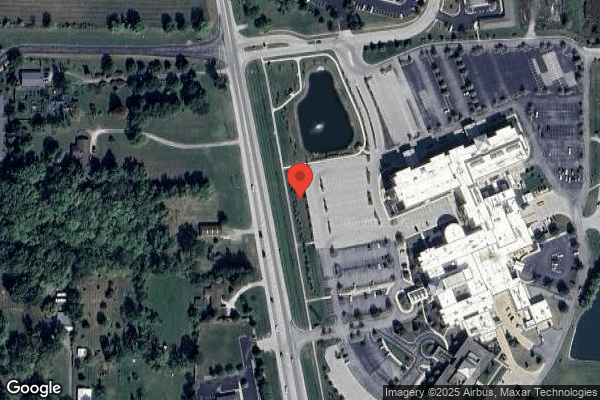
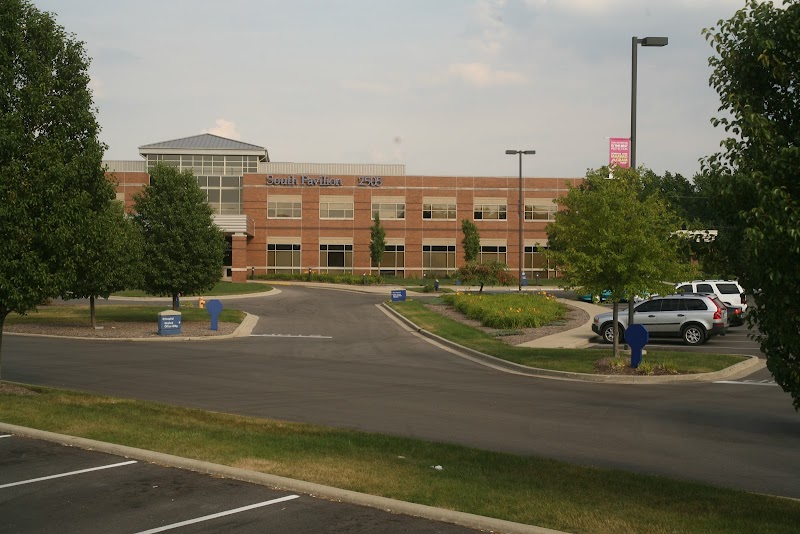
2605 N LEBANON STREET, LEBANON, IN 46052 (765) 485-8300
Government - County 18 Beds Independent Data: November 2025
Trust Grade
90/100
#112 of 505 in IN
Last Inspection: July 2024

Within standard 12-15 month inspection cycle. Federal law requires annual inspections.

Overview

Witham Extended Care in Lebanon, Indiana, has received a Trust Grade of A, indicating it is an excellent facility that is highly recommended. It ranks #112 out of 505 in Indiana, placing it in the top half of all facilities in the state, and #2 out of 6 in Boone County, meaning only one other local option is better. The facility is improving, as it reduced its issues from four in 2023 to zero in 2024. Staffing is a strong point, with a perfect 5/5 rating and a turnover of 38%, which is lower than the state average of 47%, suggesting that staff members are stable and familiar with the residents. There have been no fines recorded, which is a positive sign, and the facility boasts more RN coverage than 99% of Indiana facilities, ensuring that registered nurses are available to catch any problems that might be overlooked by CNAs. However, there are some concerns: the facility failed to properly store food items, which could affect the residents' health, and there were instances of medications being left unattended, which poses a risk for self-administration errors. Additionally, a resident's skin issues related to anticoagulant use were not adequately assessed or documented. Overall, While Witham Extended Care has many strengths, potential areas for improvement remain.

Trust Score
A
90/100
In Indiana
#112/505
Top 22%
Safety Record
Low Risk
No red flags
Inspections
Getting Better
4 → 0 violations
Staff Stability
○ Average
38% turnover. Near Indiana's 48% average. Typical for the industry.
Penalties
✓ Good
No fines on record. Clean compliance history, better than most Indiana facilities.
Skilled Nurses
✓ Good
Each resident gets 195 minutes of Registered Nurse (RN) attention daily — more than 97% of Indiana nursing homes. RNs are the most trained staff who catch health problems before they become serious.
Violations
○ Average
7 deficiencies on record. Average for a facility this size. Mostly minor or procedural issues.
★★★★★
5.0
Overall Rating
★★★★★
5.0
Staff Levels
★★★★☆
4.0
Care Quality
★★★★★
5.0
Inspection Score
Stable
2023: 4 issues
2024: 0 issues

The Good

  • 5-Star Staffing Rating · Excellent nurse staffing levels
  • 4-Star Quality Measures · Strong clinical quality outcomes
  • Full Sprinkler Coverage · Fire safety systems throughout facility
  • No fines on record
  • Staff turnover below average (38%)

    10 points below Indiana average of 48%

Facility shows strength in staffing levels, quality measures, fire safety.

The Bad

Staff Turnover: 38%

Near Indiana avg (46%)

Typical for the industry

The Ugly 7 deficiencies on record

May 2023 4 deficiencies
CONCERN (D)

Potential for Harm - no one hurt, but risky conditions existed

Deficiency F0554 (Tag F0554)

Could have caused harm · This affected 1 resident

Based on observation, interview and record review, the facility failed to ensure a resident had been assessed for self-administration of medications before leaving medications unattended with a reside...

Read full inspector narrative →
Based on observation, interview and record review, the facility failed to ensure a resident had been assessed for self-administration of medications before leaving medications unattended with a resident for 1 of 1 resident randomly reviewed for self-administration of medications. (Resident 66) Finding includes: During a medication administration observation with RN 2, on 05/15/23 at 8:44 a.m., the nurse was observed to prepared nine medications for administration and set the medications on the bedside table in front of Resident 66. The resident's spouse, who was present with the resident, began to sort the pills into small groups. At 8:43 a.m., RN 2 indicated she was going to get more ice water for the resident and left the room leaving all the medications unattended with the resident and his spouse. The nurse returned to the room at 8:44 a.m. The resident had not taken the medications while the nurse was absent from the room. At 8:56 a.m., the medications had not been taken, while the nurse was present. RN 2 then exited the room leaving the medications not administered and unattended on the bedside table with the resident and his spouse. The following medications were observed to be prepared by RN 2 and left, unattended, with the resident and his spouse: 1. Dantrolene (a muscle relaxant) 25 mg (milligrams) 2. Nystatin oral (an antifungal medication) 500,000 units 3. cholecalciferol (vitamin D) 2000 units 4. gabapentin (an anticonvulsant/nerve pain medication) 100 mg 5. amoxicillin/clavulanate potassium (a penicillin antibiotic) 875 mg/125 mg 6. atorvastatin (a cholesterol medication) 40 mg 7. glipizide (anti-diabetic medication) 10 mg 8. aspirin 81 mg 9. ergocalciferol (used to treat hypoparathyroidism) 50,000 units The record for Resident 66 was reviewed on 05/16/23 at 12:15 p.m. Diagnoses included, but were not limited to, stroke, hypertension, and pneumonia. There was no assessment or orders for self-administration of medications in the record at the time of the observation. During an interview, on 05/16/23 at 8:56 a.m., RN 2 indicated Resident 66 did not have an order to self-administer medications. During an interview, on 05/18/23 at 12:11 p.m., the Administrator indicated there had not been an assessment to self-administer medications or an order prior to the nurse leaving the medications at bedside. A current policy, titled Medication Management in the ECU (extended care facility), undated and received from the Administrator on 05/16/23 at 10:36 a.m., indicated .Self-Medication is when the resident has been deemed appropriate to self-administer medications as approved by the physician per physician order 3.1-11(a)
CONCERN (D)

Potential for Harm - no one hurt, but risky conditions existed

Quality of Care (Tag F0684)

Could have caused harm · This affected 1 resident

Based on observation, interview and record review, the facility failed to assess and document skin issues for a resident on an anticoagulant (medication used to keep blood cells from forming clots in ...

Read full inspector narrative →
Based on observation, interview and record review, the facility failed to assess and document skin issues for a resident on an anticoagulant (medication used to keep blood cells from forming clots in the blood stream) for 1 of 1 resident reviewed for non-pressure skin concerns. (Resident 69) Finding includes: During an observation and interview, on 05/15/23 at 11:49 a.m., Resident 69 was observed in her room wearing a short sleeve hospital gown. Her arms were visible and noted to have multiple purple and red bruising on both arms, but more heavily on her left arm. Resident 69 indicated she was taking an anticoagulant and believed it may have occurred from intravenous therapy (IV), but she had not had an IV for a while. During an observation, on 05/16/23 at 8:29 a.m., Resident 69 was observed in her room wearing a short sleeve hospital gown. Multiple red and purple bruising was easily observed on both arms. The record for Resident 69 was reviewed on 05/16/23 at 12:06 p.m. Diagnoses included, but were not limited to, coronary heart disease, pneumonia, and deep vein thrombosis (clotting in the vein). Skin assessments were completed on admission and weekly thereafter. There was no documentation to show the resident had admitted with the bruising or had acquired the bruising during her stay. There was no assessment or monitoring of the bruising. A physician's order, initiated on 05/01/23, indicated to give Apixaban (an anticoagulant) 5 milligrams (mg) twice a day. A physician's order, initiated on 05/02/23, indicated to give aspirin (helps keep platelets from sticking together and causing clots in the blood steam) 81 mg daily. A physician's order, initiated on 05/02/23, indicated to give clopidogrel (a medication used to prevent stroke) 75 mg daily. A care plan, initiated on 05/02/23, indicated the resident had a risk for bleeding related to anticoagulant therapy. The daily goal was no signs or symptoms of bleeding. One intervention was to observe for increased bruising. During an interview, on 05/16/23 at 8:35 a.m., RN 2 indicated the bruising was noted and was being monitored. During an interview, on 05/18/23 at 11:33 a.m., the Administrator indicated the bruising should have been documented to show if the bruising had been present on admission, and it was not documented. The skin issue should have been documented and followed/monitored weekly until it was healed. A current policy, titled ECU Charting Resident Assessment Guidelines, dated as last reviewed 12/2020 and received from the Administrator on 05/18/23 at 12:40 p.m., indicated .shall maintain clinical records on each resident .that are complete, accurately documented .nursing documentation .with ongoing assessment information necessary to .provide appropriate care and services for each resident .Documentation of observations should be specific .Descriptive terms might include .Bruises .Color .Petechiae-ecchymosis (red or purple spots caused by bleeding into the skin) 3.1-37(a)
CONCERN (D)

Potential for Harm - no one hurt, but risky conditions existed

Deficiency F0761 (Tag F0761)

Could have caused harm · This affected 1 resident

Based on observation, interview and record review, the facility failed to ensure drugs and biologicals used in the facility were stored in accordance with professional standards in 1 of 1 medication c...

Read full inspector narrative →
Based on observation, interview and record review, the facility failed to ensure drugs and biologicals used in the facility were stored in accordance with professional standards in 1 of 1 medication cart randomly observed during medication administration. Finding includes: During the medication administration observation with RN 2, on 05/15/23 at 8:44 a.m., the nurse was observed to prepared nine medications for administration and set the medications on the bedside table in front of Resident 66. At 8:43 a.m., RN 2 indicated she was going to get more ice water for the resident and left the room. The medication cart, parked in the room, was noted to have the top right drawer open. The cart was not closed and locked, and it was left unattended while RN 2 was out of the room. The nurse returned to the room at 8:44 a.m. During an interview, on 05/16/23 at 8:56 a.m., RN 2 indicated she should not have left the cart open, unlocked, and unattended. During an interview, on 05/16/23 at 9:06 a.m., the Administrator indicated the medication cart would automatically lock, but not when the drawer was left open. A current policy, titled Medication Security, last revised in 06/2022 and received from the Administrator on 05/16/23 at 10:36 a.m., indicated .Medications .are to be stored in a locked area (a drawer, room or cart) or stored so that unauthorized individuals (such as patients, visitors and staff) do not have access to them .Medications are not to be left in the patient's room unattended 3.1-25(m)
CONCERN (E)

Potential for Harm - no one hurt, but risky conditions existed

Food Safety (Tag F0812)

Could have caused harm · This affected multiple residents

Based on observation, interview and record review, the facility failed to ensure freezer items were not left open to air, had open dates and were labeled, failed to ensure refrigerator items were not ...

Read full inspector narrative →
Based on observation, interview and record review, the facility failed to ensure freezer items were not left open to air, had open dates and were labeled, failed to ensure refrigerator items were not left open to air and were dated when opened, failed to ensure measuring cups or scoops were not left stored in flour, failed to ensure dry goods in the pantry were not left open to air and dated when opened, and failed to put received by dates on bulk can goods to ensure the first in, first out rule was adhered to when using the items. This deficient practice had the potential to affect 8 of 8 residents residing in the ECU (extended care facility). Findings include: During a walk-through of the kitchen, on 05/16/23 beginning at 9:46 a.m., with [NAME] 3 in attendance, the following observations were made: 1. In the freezer, a container of chicken tenders was found opened but not labeled and without an open date. A ten (10) pound box of cod was found open to freezer air and without an open date. An 11.2-pound box of Philly beef was found open to freezer air and without an open date. A box with four (4) frozen eclairs was found open to freezer air and without an open date. During an interview, on 05/16/23 at 10:04 a.m., [NAME] 3 indicated all items needed to be closed and labeled with the date opened in all refrigerators and freezers. 2. A 50-pound box of rice was found open to air in the pantry and missing an open date. In the pantry, on the rack for bulk item canned goods, there were 11 cans of diced tomatoes, six (6) cans of crushed tomatoes, four (4) cans of olives, five (5) cans of apple butter, two (2) cans of diced peaches, two (2) cans of mandarin oranges, three (3) cans of diced pears, three (3) cans of tomato sauce, six (6) cans of tomato paste, two (2) cans of refried beans, one (1) can of pineapple, three (3) cans of chocolate pudding, five (5) cans of tomato puree, 10 cans of kidney beans, one (1) can of sweet potatoes, six (6) cans of black beans, one (1) can of beets, four (4) cans of pumpkin, four (4) cans of green beans, and two (2) cans of sliced peaches. None of the cans had a received by date. During an interview, on 05/16/23 at 10:09 a.m., [NAME] 3 indicated the canned goods are used by the first in-first out rule (FIFO), and there should have been dates on the cans to show when they came into the facility. 3. In the reach-in (cooler) number 4, a 1/2 pint of chocolate milk and a 1/2 pint of white milk were found open without an open date. During an interview, on 05/16/23 at 10:18 a.m., [NAME] 3 indicated there should have been an open date on the containers. 4. In the bulk flour storage bin, two (2) measuring cups were found in the flour. During an interview, on 05/16/23 at 10:19 a.m., [NAME] 3 indicated the measuring cups should not have been left stored in the flour. 5. In the cook reach-in cooler, an open gallon of milk, with the seal broken, was found without an open date. There was also a 5-pound bag of shredded cheese found open to air and without an open date. 6. In the cafe cooler, a 5-pound bag of shredded cheese, with the seal broken, was found without an open date and a small rectangular metal container of yellow cheese slices was found open to air and without an open date. A current policy, titled Sanitation-Standards For Food Storage, dated as last reviewed 08/2022 and received from the Administrator on 05/16/23 at 12:59 p.m., indicated, .Refrigerator Storage .Food is stored to protect it from contamination .all packages, containers are covered .All ready to eat refrigerated foods are labeled with the date or day by which food should be consumed, sold or discarded .All foods taken out of original packaging shall be placed inside a sealed zip-lock bag or container that has a tight fitting lid, and labeled to include the open date and date to discard with employee initials on the label .Freezer Storage .all food is stored to protect if from contamination .all packages, containers are covered and or sealed to prevent foods from becoming freezer burnt .Dry Storage .follows the FIFO principal .all cans & packages of foods taken out the original cases are dated with the month and year they are placed on the shelf .Working containers holding dry food or ingredients that are removed from their original packages are identified with common name of the food & discard dates 3.1-21(i)(3)
Apr 2022 3 deficiencies
CONCERN (D)

Potential for Harm - no one hurt, but risky conditions existed

Quality of Care (Tag F0684)

Could have caused harm · This affected 1 resident

**NOTE- TERMS IN BRACKETS HAVE BEEN EDITED TO PROTECT CONFIDENTIALITY** Based on interview and record review, the facility failed to notify the physician and monitor blood pressure readings timely for...

Read full inspector narrative →
**NOTE- TERMS IN BRACKETS HAVE BEEN EDITED TO PROTECT CONFIDENTIALITY** Based on interview and record review, the facility failed to notify the physician and monitor blood pressure readings timely for a resident with an elevated blood pressure and a history of a cerebral vascular accident for 1 of 1 resident reviewed for a change in condition. (Resident 59) Finding includes: The record for Resident 59 was reviewed on 04/29/22 at 8:56 a.m. Diagnoses included, but were not limited to, cerebral vascular accident (stroke), hypertension and chest pain. An admitting nurses note, dated 04/22/22 at 5:25 p.m., indicated the resident was admitted from the hospital after a left knee replacement. On 04/22/22 at 6:00 p.m., the resident's blood pressure was documented as 192/70. A nurse's note, dated 04/22/22 at 8:15 p.m., indicated the resident had an elevated blood pressure and the attending physician was called. The nurse left a message regarding the elevated blood pressure and requested the MD to return the call. The resident's blood pressure documented at that time was 202/76. On 04/22/22 at 9:00 p.m., the resident's blood pressure was documented as 202/76. It also indicated the resident was given pain medication and the MD was notified. A nurses note, dated 04/22/22 at 11:38 p.m., indicated the resident complained of pain in his chest and left arm. His blood pressure at that time was 146/96 with a heart rate of 156, he stated he was not feeling well. The nurse called the physician at that time and received an order to send the resident to the emergency room for evaluation and treatment. There was not any documentation the resident's blood pressure was reassessed from 6:00 p.m. to 8:15 p.m., or the physician returned the call after the nurse left a message at 8:15 p.m. The physician was not made aware until 9:00 p.m., when another nurse administered pain medication to the resident and she notified him. There was also not any documentation the resident's blood pressure was reassessed, after administrating the pain medication, from 9:00 p.m. to 11:38 p.m. The hospital Discharge summary, dated [DATE], indicated the resident recently had a total knee arthroplasty and was transferred to the care facility where he developed chest pain. His heart rate was noted to be in the 160s and he was sent to the ER. There he was found to have an elevated troponin level (a blood level used to indicated damage to the heart muscle, the greater the level of troponin in the blood the greater the damage to the heart muscle) and tachycardia (elevated heart rate). During an interview, on 4/22/22 at 3:20 p.m., the Director of Nursing (DON) indicated she could not provide documentation the physician was made aware of the resident's elevated blood pressure at 6:00 p.m., or returned the phone call from the message the nurse left at 8:15 p.m. She also indicated the nurse should have made the physician aware of the elevated blood pressure at 6:00 p.m., and reassessed the resident's blood pressure after he was given pain medication. A current facility policy, titled Notification of changes in resident condition in ECU [Extended Care Unit], dated 11/2021 and provided by the Director of Nursing on 04/29/22 at 2:30 p.m., indicated .Residents must be assessed accurately for changes in condition .The Extended Care Personnel must immediately notify .the resident's physician .when there is a change in condition. 3.1-37(a)
CONCERN (D)

Potential for Harm - no one hurt, but risky conditions existed

Medical Records (Tag F0842)

Could have caused harm · This affected 1 resident

Based on interview and record review, the facility failed to maintain medical records which were complete and accurate as indicated by missing documentation of a physician's order to release a body to...

Read full inspector narrative →
Based on interview and record review, the facility failed to maintain medical records which were complete and accurate as indicated by missing documentation of a physician's order to release a body to the funeral home of choice for 1 of 1 resident reviewed for death. (Resident 9) Finding includes: The record for Resident 9 was reviewed on 04/29/22 at 2:23 p.m. Diagnoses included, but were not limited to, acute cerebrovascular accident (stroke) and aspiration pneumonia (food or liquids are breathed into the lungs). A nurses note, dated 03/01/22 at 5:32 a.m., indicated Resident 9 had passed away. There was not a physician's order to release the body to the funeral home found in the resident's medical record. During an interview, on 04/29/22 at 3:11 p.m., the Director of Nursing indicated she could not provide a physician's order to release the body from the facility to a funeral home and there should have been one. During an interview, on 04/29/2022 at 3:37 p.m., the Director of Nursing indicated there was not a policy and procedure in place to guide staff regarding the release of an expired resident's body. 3.1-50(a)(1) 3.1-50(a)(2)
MINOR (B)

Minor Issue - procedural, no safety impact

Deficiency F0888 (Tag F0888)

Minor procedural issue · This affected multiple residents

Based on record review and interview, the facility failed to have a policy and procedure in place to ensure unvaccinated staff followed the additional CDC recommended precautions to mitigate the trans...

Read full inspector narrative →
Based on record review and interview, the facility failed to have a policy and procedure in place to ensure unvaccinated staff followed the additional CDC recommended precautions to mitigate the transmission of COVID-19 for 9 of 9 unvaccinated staff with exemptions. (CNA 1, LPN 2, RN 3, LPN 4, LPN 5, RN 6, CNA 7, RN 8 and the Medical Director) Finding includes: The COVID-19 Staff Vaccination Matrix was reviewed, on 4/27/22 at 11:55 a.m., and indicated CNA 1, LPN 2, RN 3, LPN 4, LPN 5, RN 6, CNA 7, RN 8 and the Medical Director were unvaccinated and had exemptions in place. During an interview, on 04/28/22 at 12:13 p.m., CNA 1 indicated she was only required to wear a surgical mask unless she went into an isolation room then she would wear an N-95 and No Covid testing was required right now because there were not any cases of COVID-19 in the facility. During an interview, on 04/28/22 at 12:29 p.m., RN 8 indicated she wore a surgical mask and used standard precautions the same as staff who were fully vaccinated. She also indicated the use of an N-95 mask was not required at this time unless going into an isolation room and no COVID-19 testing was currently required. During an interview, on 04/29/22 at 9:20 a.m., the Infection Preventionist, with the Director of Nursing (DON) present, indicated there was not any extra precautions put in place for non-vaccinated staff above and beyond the precautions already in place for vaccinated staff. Unvaccinated staff with an exemption as well as fully vaccinated staff wore a surgical mask, were screened for signs, symptoms and exposure prior to working shifts, and testing was implemented according to the county positivity rate, if the facility had a positive case of COVID-19 or randomly. Both the Infection Preventionist and Director of Nursing indicated they were not aware unvaccinated staff were supposed to use additional precautions for source control. A current facility policy, titled Employee Vaccinations, dated as revised 04/22 and provided by the Infection Preventionist on 4/28/22 at 12:35 p.m., indicated .A process for ensuring the implementation of additional precautions, intended to mitigate the transmission and the spread of COVID-19, for all staff who are not fully vaccinated for COVID-19. This will include but not limited to: Complete symptom screening prior to the start of the worked shift. May be subjected to random Covid-19 testing upon request 3.1-18(b)
Understanding Severity Codes (click to expand)
Life-Threatening (Immediate Jeopardy)
J - Isolated K - Pattern L - Widespread
Actual Harm
G - Isolated H - Pattern I - Widespread
Potential for Harm
D - Isolated E - Pattern F - Widespread
No Harm (Minor)
A - Isolated B - Pattern C - Widespread

Questions to Ask on Your Visit

  • "Can I speak with families of current residents?"
  • "What's your RN coverage like on weekends and overnight?"

Our Honest Assessment

Strengths
  • • Grade A (90/100). Above average facility, better than most options in Indiana.
  • • No major safety red flags. No abuse findings, life-threatening violations, or SFF status.
  • • No fines on record. Clean compliance history, better than most Indiana facilities.
  • • 38% turnover. Below Indiana's 48% average. Good staff retention means consistent care.
Concerns
  • • No significant concerns identified. This facility shows no red flags across CMS ratings, staff turnover, or federal penalties.
Bottom line: Generally positive indicators. Standard due diligence and a personal visit recommended.

About This Facility

What is Witham Extended Care's CMS Rating?

CMS assigns WITHAM EXTENDED CARE an overall rating of 5 out of 5 stars, which is considered much above average nationally. Within Indiana, this rating places the facility higher than 99% of the state's 100 nursing homes. This rating reflects solid performance across the metrics CMS uses to evaluate nursing home quality.
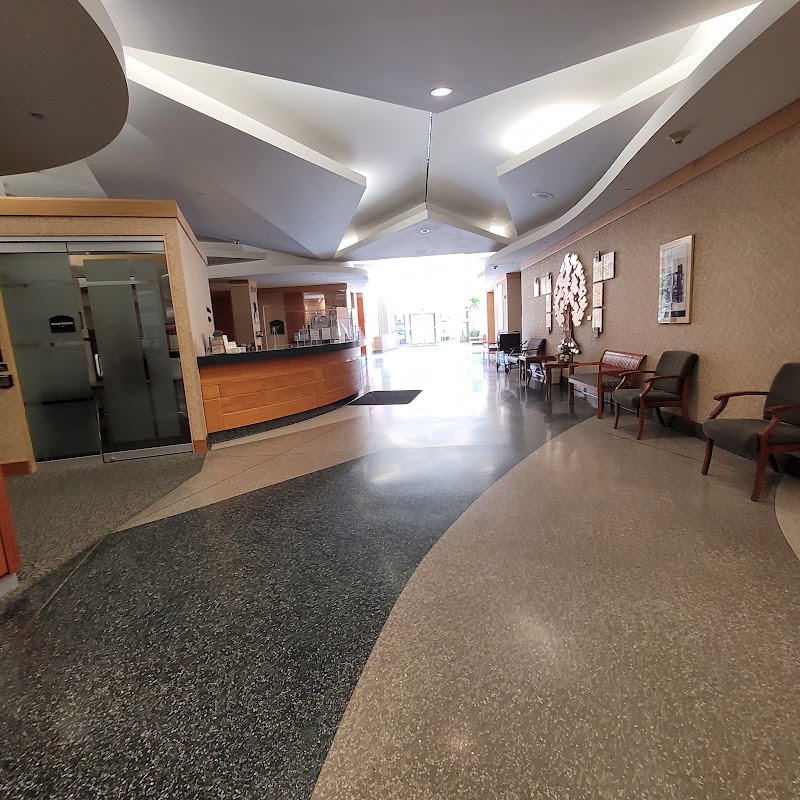
How is Witham Extended Care Staffed?

CMS rates WITHAM EXTENDED CARE's staffing level at 5 out of 5 stars, which is much above average compared to other nursing homes. Staff turnover is 38%, compared to the Indiana average of 46%. This relatively stable workforce can support continuity of care.

What Have Inspectors Found at Witham Extended Care?

State health inspectors documented 7 deficiencies at WITHAM EXTENDED CARE during 2022 to 2023. These included: 6 with potential for harm and 1 minor or isolated issues.
Who Owns and Operates Witham Extended Care?

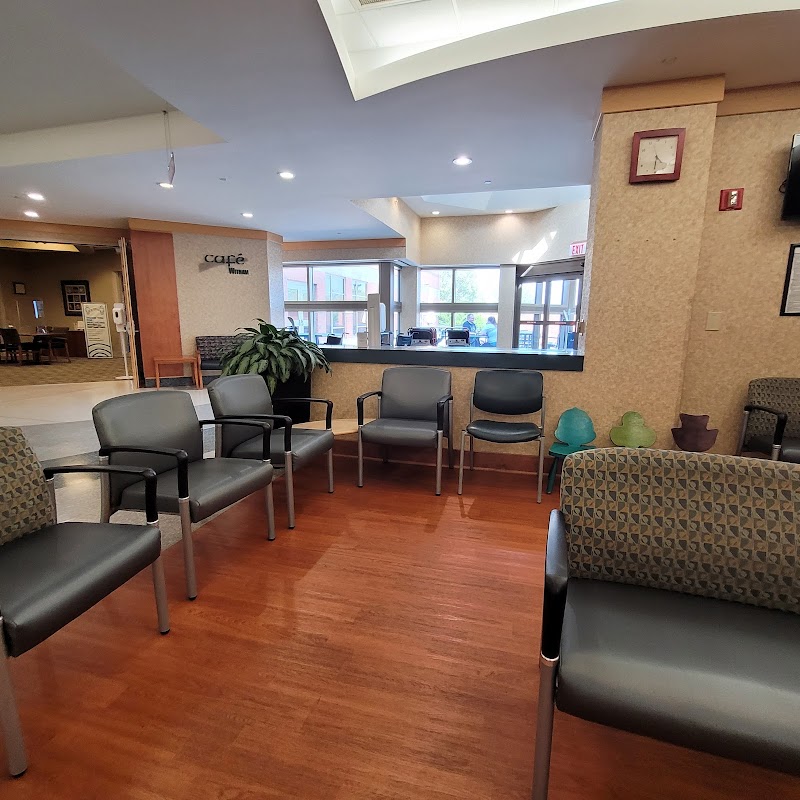
WITHAM EXTENDED CARE is owned by a government entity. Government-operated facilities are typically run by state, county, or municipal agencies. The facility operates independently rather than as part of a larger chain. With 18 certified beds and approximately 10 residents (about 56% occupancy), it is a smaller facility located in LEBANON, Indiana.
How Does Witham Extended Care Compare to Other Indiana Nursing Homes?

Compared to the 100 nursing homes in Indiana, WITHAM EXTENDED CARE's overall rating (5 stars) is above the state average of 3.1, staff turnover (38%) is near the state average of 46%, and health inspection rating (5 stars) is much above the national benchmark.

What Should Families Ask When Visiting Witham Extended Care?

Based on this facility's data, families visiting should ask: "Can I visit during a mealtime to observe dining assistance and food quality?" "How do you handle medical emergencies, and what is your hospital transfer rate?" "Can I speak with family members of current residents about their experience?"

Is Witham Extended Care Safe?

Based on CMS inspection data, WITHAM EXTENDED CARE has a clean safety record: no substantiated abuse findings (meaning no confirmed cases of resident harm), no Immediate Jeopardy citations (the most serious violation level indicating risk of serious injury or death), and is not on the Special Focus Facility watch list (a federal program monitoring the lowest-performing 1% of nursing homes). The facility has a 5-star overall rating and ranks #1 of 100 nursing homes in Indiana. While no facility is perfect, families should still ask about staff-to-resident ratios and recent inspection results during their visit.

Do Nurses at Witham Extended Care Stick Around?

WITHAM EXTENDED CARE has a staff turnover rate of 38%, which is about average for Indiana nursing homes (state average: 46%). Moderate turnover is common in nursing homes, but families should still ask about staff tenure and how the facility maintains care continuity when employees leave.

Was Witham Extended Care Ever Fined?

WITHAM EXTENDED CARE has no federal fines on record. CMS issues fines when nursing homes fail to meet care standards or don't correct problems found during inspections. The absence of fines suggests the facility has either maintained compliance or corrected any issues before penalties were assessed. This is a positive indicator, though families should still review recent inspection reports for the full picture.

Is Witham Extended Care on Any Federal Watch List?

WITHAM EXTENDED CARE is not on any federal watch list. The most significant is the Special Focus Facility (SFF) program, which identifies the bottom 1% of nursing homes nationally based on persistent, serious quality problems. Not being on this list means the facility has avoided the pattern of deficiencies that triggers enhanced federal oversight. This is a positive indicator, though families should still review the facility's inspection history directly.