WOODBRIDGE HEALTH CAMPUS

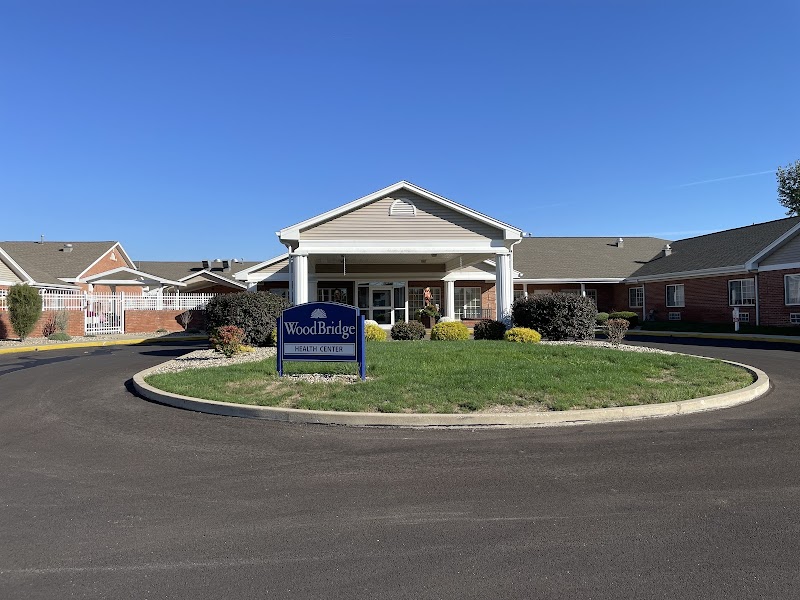
602 WOODBRIDGE AVE, LOGANSPORT, IN 46947 (574) 753-3223
Government - County 69 Beds TRILOGY HEALTH SERVICES Data: November 2025
Trust Grade
85/100
#113 of 505 in IN
Last Inspection: June 2025

Inspected within the last 6 months. Data reflects current conditions.

Overview

Woodbridge Health Campus in Logansport, Indiana, has a Trust Grade of B+, which means it is recommended and performs above average compared to other facilities. It ranks #113 out of 505 nursing homes in Indiana, placing it in the top half, but is #3 out of 4 in Cass County, indicating limited local competition. The facility is facing a worsening trend, as the number of issues identified increased from 2 in 2024 to 4 in 2025. Staffing is a strength, with a rating of 4 out of 5 stars and a turnover rate of 37%, which is significantly lower than the state average. There have been no fines, and RN coverage is better than 87% of Indiana facilities, providing more oversight for residents. However, recent inspections revealed serious concerns, including a resident suffering a tibial plateau fracture due to improper transfer procedures and another resident sustaining injuries from falls without adequate post-fall interventions. Additionally, there were issues with food safety practices in the kitchen and inadequate updates to advance directives for a resident, highlighting areas needing improvement despite the facility's overall strengths.

Trust Score
B+
85/100
In Indiana
#113/505
Top 22%
Safety Record
Moderate
Needs review
Inspections
Getting Worse
2 → 4 violations
Staff Stability
○ Average
37% turnover. Near Indiana's 48% average. Typical for the industry.
Penalties
✓ Good
No fines on record. Clean compliance history, better than most Indiana facilities.
Skilled Nurses
✓ Good
Each resident gets 56 minutes of Registered Nurse (RN) attention daily — more than average for Indiana. RNs are trained to catch health problems early.
Violations
⚠ Watch
12 deficiencies on record. Higher than average. Multiple issues found across inspections.
★★★★★
5.0
Overall Rating
★★★★☆
4.0
Staff Levels
★★★★★
5.0
Care Quality
★★★★☆
4.0
Inspection Score
Stable
2024: 2 issues
2025: 4 issues

The Good

  • 4-Star Staffing Rating · Above-average nurse staffing levels
  • 5-Star Quality Measures · Strong clinical quality outcomes
  • Full Sprinkler Coverage · Fire safety systems throughout facility
  • No fines on record
  • Staff turnover below average (37%)

    11 points below Indiana average of 48%

Facility shows strength in staffing levels, quality measures, fire safety.

The Bad

Staff Turnover: 37%

Near Indiana avg (46%)

Typical for the industry

Chain: TRILOGY HEALTH SERVICES

Part of a multi-facility chain

Ask about local staffing decisions and management

The Ugly 12 deficiencies on record

1 actual harm
Jun 2025 4 deficiencies
CONCERN (D)

Potential for Harm - no one hurt, but risky conditions existed

Deficiency F0578 (Tag F0578)

Could have caused harm · This affected 1 resident

**NOTE- TERMS IN BRACKETS HAVE BEEN EDITED TO PROTECT CONFIDENTIALITY** Based on interview and record review, the facility failed to ensure a resident's advanced directives were updated for 1 of 1 res...

Read full inspector narrative →
**NOTE- TERMS IN BRACKETS HAVE BEEN EDITED TO PROTECT CONFIDENTIALITY** Based on interview and record review, the facility failed to ensure a resident's advanced directives were updated for 1 of 1 resident reviewed for advanced directives. (Resident 19) Finding Includes: The clinical record for Resident 19 was reviewed on [DATE] at 2:04 p.m. The diagnoses included, but were not limited to, right hip fracture, cognitive communication deficit, metabolic encephalopathy, chronic kidney disease, chronic obstructive pulmonary disease, congestive heart failure, and atrial fibrillation. A current care plan, dated [DATE], indicated Resident 19 had advanced directives. The care plan was not specific on what his advanced directives included. Interventions included, but were not limited to, advanced directives reviewed quarterly and as needed, code status as ordered, and honor durable POA's (Power of Attorney) decision. A current physician's order in Resident 19's electronic medical record, dated [DATE], indicated the resident was to be a full code. An out of hospital DNR form, dated [DATE] and signed by the resident's POA on [DATE], indicated the resident did not want to receive Cardiopulmonary Resuscitation (CPR) and wished to have a code status of DNR. The form was signed by the physician on [DATE]. During an interview, on [DATE] at 10:10 a.m., Registered Nurse (RN) 3 indicated once they had a signed DNR form, they should have changed the code order in the electronic record. During an interview, on [DATE] at 11:29 a.m., the Assistant Director on Nursing (ADON) indicated the nurses should have updated the code status order when they received the DNR form signed by the resident or resident representative, a witness, and the physician. A current facility policy, titled Guidelines for Advanced Directives, dated [DATE] and received from the Interim Executive Director on [DATE] at 10:42 a.m., indicated .Advanced Directives will be reviewed with resident and/or resident representative by the Admissions Representative or designee at time of admission .The nursing staff will confirm the desired code status and obtain an order from the physician .Designation of code status and obtainment of physician order will be part of the medical record . 3.1-4(f)(5)
CONCERN (D)

Potential for Harm - no one hurt, but risky conditions existed

PASARR Coordination (Tag F0644)

Could have caused harm · This affected 1 resident

Based on interview and record review, the facility failed to ensure a PASARR (Preadmission Screening and Resident Review) was completed when a resident received a new mental health diagnosis and was p...

Read full inspector narrative →
Based on interview and record review, the facility failed to ensure a PASARR (Preadmission Screening and Resident Review) was completed when a resident received a new mental health diagnosis and was prescribed an antipsychotic medication for 1 of 1 resident reviewed for PASARR. (Resident 46) Findings include: The clinical record for Resident 46 was reviewed on 6/2/25 at 11:30 a.m. The diagnoses included, but were not limited to, dementia without behavioral disturbance, psychotic disturbance, mood disturbance, anxiety, dementia with psychotic disturbance, psychotic disorder with delusions due to a known physiological condition, and depression. A PASARR level I, dated 9/11/24, indicated the resident had a diagnosis of anxiety disorder and depression and no level II was required. A physician's order, dated 9/14/24, indicated quetiapine (an antipsychotic medication) 25 mg (milligram) twice a day related to a psychotic disorder with delusions due to a known physiological condition. The diagnosis of psychotic disorder with delusions due to a known physiological condition was added on 10/4/24. During an interview, on 6/2/25 at 2:11 p.m., the Social Service Director (SSD) indicated Resident 46 did have a PASARR completed without the antipsychotic medication listed and another screen should have been implemented. A current facility policy, titled Indiana PASARR, undated and received from the Executive Director (ED) on 6/2/25 at 3:10 p.m., indicated .Preadmission screening and resident review (PASARR) is a federal requirement to help ensure that individuals are appropriately placed in nursing facilities for long term care .A change in status and Level II follow up, SSD to ensure paperwork is submitted, print outcome letter and upload to Matrix file .Applicable supportive documentation is in place, SSD for Level II 3.1-16(d)(1)(A) 3.1-16(d)(1)(B)
CONCERN (D)

Potential for Harm - no one hurt, but risky conditions existed

Quality of Care (Tag F0684)

Could have caused harm · This affected 1 resident

Based on observation, interview and record review, the facility failed to ensure daily weights were obtained as ordered and to ensure the physician was notified of weight changes as ordered for 2 of 2...

Read full inspector narrative →
Based on observation, interview and record review, the facility failed to ensure daily weights were obtained as ordered and to ensure the physician was notified of weight changes as ordered for 2 of 2 residents reviewed for quality of care. (Resident 9 and 10) Findings include: 1. During an observation, on 5/28/25 at 11:04 a.m., Resident 9 was lying in bed and had audible wheezes. The clinical record for Resident 9 was reviewed on 5/28/25 at 1:30 p.m. The diagnoses included, but were not limited to, congestive heart failure, chronic obstructive pulmonary disorder, shortness of breath, acute kidney failure, hypertensive, and type 2 diabetes mellitus. A care plan, dated 3/26/25, indicated the resident had congestive heart failure and had the potential for complications. The interventions included, but were not limited to, obtain weights as ordered. A physician's order, dated 5/29/25, indicated to weigh the resident daily and notify the physician of a weight gain of 2 pounds or greater in one day, or for a plus or minus of 5 pounds in one week. A progress note, dated 5/30/25 at 6:56 p.m., indicated Resident 9 was concerned with the increased swelling to her bilateral lower extremities (BLE) and recent weight gain. A progress note, dated 5/31/25 at 12:24 a.m., indicated Resident 9's daughter was concerned about the resident's swelling in her legs. The nurse assessed Resident 9, and the resident had non-pitting edema (swelling) to her BLE. The electronic health record did not have any documentation the resident was weighed on 5/29/25 and 5/31/25. The physician was not notified of the missing weights. During an interview, on 6/3/25 at 11:10 a.m., the Executive Director (ED) indicated the resident had a new daily weight order added on 5/29/25. The weight for 5/29/25 was missed. The nurse inputted the order and did not hit the save button. It was unknown why the resident missed the daily weight on 5/31/25. The resident should have been weighed daily, and the weight should have been documented. During an interview, on 6/3/25 at 11:55 a.m., RN 7 indicated the daily weights with call parameters would be charted in the Medication Administration Record (MAR). A certified nursing assistant (CNA), qualified medical assistant (QMA), or a nurse could obtain a daily weight. 2. During an observation, on 5/29/25 at 12:10 p.m., Resident 10 had both legs elevated on her wheelchair foot pedals. The resident's legs were swollen and purple. The clinical record for Resident 10 was reviewed on 5/28/25 at 1:37 p.m. The diagnoses included, but were not limited to, congestive heart failure, right femur fracture, hypertension, chronic kidney disease, Parkinson's disease, psychotic disorder with hallucinations, depressive disorder, and anxiety disorder. A care plan, dated 11/22/19, indicated the resident had congestive heart failure and had potential for complications. The interventions included, but were not limited to, obtain weights as ordered. A physician's order, dated 4/16/21, indicated daily weights before breakfast and to notify the physician of a weight gain of 2 pounds or greater in one day, or for a plus or minus of 5 pounds in one week. The resident's weight on 3/12/25 was 116.9 pounds and on 3/13/25 the weight was 119.4 pounds. This was an increase of 2.5 pounds. The resident's weight on 3/18/25 was 107.5 pounds and on 3/19/25 the weight was 110.1 pounds. This was an increase of 2.6 pounds. The resident's weight on 4/12/25 was 108.9 pounds and on 4/13/25 the weight was 111.8 pounds. This was an increase of 2.9 pounds. During an interview, on 6/3/25 at 12:05 p.m., Licensed Practical Nurse (LPN) 6 indicated daily weights were obtained in the morning between 6:00 a.m., and 10:00 a.m. The staff were responsible for making sure the weights were completed, added to the MAR, and recorded in the residents' progress notes. The clinical record did not have any documentation the physician was notified of the weight gains. A current facility policy, titled Clinical Services-Weight Monitoring, dated 12/20/24 and received from the Executive Director on 6/2/25 at 3:33 p.m., indicated .Weight monitoring is essential to the well-being of the residents we serve and requires a multidisciplinary approach .Daily weights as ordered .May be delegated to clinical leaders .Re-weigh as needed .Correct weights as needed 3.1-37(a)
CONCERN (D)

Potential for Harm - no one hurt, but risky conditions existed

Deficiency F0760 (Tag F0760)

Could have caused harm · This affected 1 resident

**NOTE- TERMS IN BRACKETS HAVE BEEN EDITED TO PROTECT CONFIDENTIALITY** Based on interview and record review, the facility failed to ensure medications were prescribed as ordered to prevent significan...

Read full inspector narrative →
**NOTE- TERMS IN BRACKETS HAVE BEEN EDITED TO PROTECT CONFIDENTIALITY** Based on interview and record review, the facility failed to ensure medications were prescribed as ordered to prevent significant medication errors for 1 of 1 resident reviewed for medication errors. (Resident 202) Findings include: The clinical record for Resident 202 was reviewed on 5/28/25 at 2:40 p.m. The diagnoses included, but were not limited to, a history of a deep vein thrombosis (a blood clot in a deep vein), peripheral vascular disease, hyperlipidemia, anemia, hypertension. Resident 202 was admitted to the facility from the hospital on 5/23/25. An admission observation and data collection form, dated 5/23/25, indicated that the resident would be free from complications and adverse side effects from any medications and administer anticoagulant medications as ordered. A hospital discharge note, dated 5/23/25, indicated Resident 202 was to continue taking the medication Eliquis (an anticoagulant or a blood thinner used to prevent and treat blood clots in various cardiovascular conditions) twice a day for blood clots. A physician's order, dated 5/28/25, indicated to give Eliquis (apixaban) 5 mg tablet twice a day. The MAR (Medication Administration Record) indicated the first dose of Eliquis was administered on 5/28/25 at 10:18 a.m. This was 5 days after the resident was admitted to the facility. A nursing progress note, dated 5/28/25 at 11:10 a.m., indicated a medication error had occurred. The resident was admitted on [DATE] and the hospital discharge orders indicated the resident was to receive Eliquis 5 mg twice a day. The order was not transcribed into the MAR. The nurse practitioner completed a chart review and indicated the Eliquis was needed due to the resident's medical history. An admission checklist, dated 5/23/24, had the admitting nurse's signature, however the second nurse signature on the form was missing. During an interview, on 6/2/25 at 3:55 p.m., the Executive Director (ED) indicated the order for the medication was not found in Resident 202's medical record. The mistake was discovered on 5/27/25 and the medication order was entered on 5/28/25. During an interview, on 6/2/25 at 3:18 p.m., RN 2 indicated the hospital discharge medication orders should be entered into the computer. During an interview, on 6/3/25 at 11:30 a.m., the Assistant Director of Nursing (ADON) indicated when a nurse entered the physician's orders a second nurse was required to review and sign off on the orders within 24 hours. A current Registered Nurse (RN) job description, received by the interim ED on 6/3/25 at 11:49 a.m., indicated .role and responsibilities .lead a team of direct care providers to ensure appropriate execution of medications and treatments, documentation .in compliance with the Health Campus Policies and Procedures A current RN new hire checklist, dated effective 2/21/18 and received by the interim ED on 6/3/25 at 11:49 a.m., indicated .admissions .admission verification of orders and order entry A current facility policy, titled Guidelines for Medication Orders, dated 12/17/24 and received by the Interim ED on 6/3/25 at 11:49 a.m., indicated .the admitting nurse shall review the standing order list with the physician when verifying admission orders .standing orders shall be in the medical record with the other physician orders 3.1-48(c)(2)
Apr 2024 1 deficiency
CONCERN (E)

Potential for Harm - no one hurt, but risky conditions existed

Food Safety (Tag F0812)

Could have caused harm · This affected multiple residents

Based on observation and interview, the facility failed to ensurefood was handled to maintain food safety related to discarding and thawing. 52 of 52 residents residing in the facility ate food prepar...

Read full inspector narrative →
Based on observation and interview, the facility failed to ensurefood was handled to maintain food safety related to discarding and thawing. 52 of 52 residents residing in the facility ate food prepared in the kitchen. Findings include: During an Observation of the kitchen on 4/22/24 at 9:10 AM with Dietary Staff 3, on the bottom of the large rack located in the walk in cooler, there was two containers with of poultry stacked on top of each other. The top one was a mid-size container with a label: prep on 4/19/24 at 12:54 PM and use by 4/21/24 end of day. The bottom one was a large size container with a label: prep pan 4/19/24 at 12:54 PM and use by 4/21/24 end of day. At 9:12 AM right above the two large containers of poultry in a large silver sheet pan, was a package turkey. underneath the package turkey there was a reddish, brown liquid. The turkey nor the pan was dated to indicate when the thurkey had been thawed At 9:15 AM, on the shelf there was a large clear bag with 2 pizza doughs inside. The prepared date indicated 4/12/24 and use by 4/19/24. At 9:17 AM, on the shelf there was a small jar of base-ham with a prepared date of 3/18/24 and use by date of 4/17/24. An observation of the walk-in freezer at 9:19 AM there was a bag of french fries with a prepared date 3/17/24 and use by 4/16/24. In an interview at 9:30 AM Dietary Staff 3 and Dietary Staff 4 indicated they were going to use the chicken in the two containers with a use by date of 4/21/24. They were aware the current date was 4/22/24 but were prepared to use the chicken. Dietary Staff 3 indicated the kitchen served both the Health Care and Residential from the kitchen. In an interview at 11:17 AM, the Dietary Manager indicated the labels were misprinted. The manager indicated staff were a bunch of young kids and they put the wrong label on the chicken. The other items, the staff should have discarded. The staff should have not thawed the turkey that way. A current facility policy, Food labeling and dating policy,dated 4/26/22, was provided by the Director of Nursing and Executive Director on, 4/25/24 at 11:00 AM. The policy indicated . to provide knowledge and direction on how to properly label and date all food items and food products 3.1-21(i)(1) and (3)
Jan 2024 1 deficiency
CONCERN (D) 📢 Someone Reported This

A family member, employee, or ombudsman was alarmed enough to file a formal complaint

Potential for Harm - no one hurt, but risky conditions existed

Deficiency F0757 (Tag F0757)

Could have caused harm · This affected 1 resident

Based on interview and record review, the facility failed to ensure nonpharmacological interventions were implemented prior to administering a duplicate antianxiety medication, to document potential m...

Read full inspector narrative →
Based on interview and record review, the facility failed to ensure nonpharmacological interventions were implemented prior to administering a duplicate antianxiety medication, to document potential medication side effects and to ensure a duplicate antianxiety medication had a clinical rationale for the continued use of the medication for 1 of 3 residents reviewed for unnecessary medication. (Resident C) Finding includes: During an interview, on 1/18/24 at 12:22 p.m., an anonymous family member indicated, on 1/7/24 after 12:00 p.m., Resident C was scared, acting differently, and was not able to form words. The resident was able to talk just fine a day later and could not remember the previous day. The staff were aware of the resident not being able to form words and acting differently than usual when the family talked to the staff on 1/7/24 and on 1/8/24. The record for Resident C was reviewed on 1/18/24 at 11:35 a.m. Diagnoses included, but were not limited to, malignant neoplasm of unspecified bronchus or lung, chronic obstructive pulmonary disease, anxiety disorder, and rheumatoid arthritis. A care plan, dated 12/31/22, indicated the resident was at risk for adverse consequences related to receiving antianxiety medication. The goal was the resident would not exhibit signs of drug related side effects or adverse drug reactions. The approaches included, but were not limited to, attempt non-pharmacological interventions prior to administering as needed antianxiety medication, monitor for drug effectiveness and adverse consequences, and to provide the lowest effective dose possible. A physician's order, dated 10/19/23 and open ended, indicated to give diazepam (an antianxiety medication) 5 milligram (mg) three times a day routinely for anxiety. A physician's order, dated 11/22/23 through 1/1/24, indicated to give hydroxyzine hydrochloride (HCL) (an antihistamine given for anxiety) 25 mg twice daily as needed for increased anxiety. A pharmacy recommendation, dated 12/29/23 at 11:52 a.m., indicated the pharmacy recommended assessing the psychotropic as needed (prn) medication hydroxyzine HCL 25 mg which had been active since 11/22/23. The Federal regulations required all prn psychoactive initially be limited to 14 days of therapy. The order may be extended, by a prescriber, if the following two conditions were met and documented in the chart: 1. The rationale for extending the order beyond 14 days. 2. How long the order was to remain an active order by providing a stop date. The response indicated the physician agreed with the recommendations. The physician's response did not include a clinical rationale for continuing the hydroxyzine HCL 25 mg. A physician's order, dated 1/1/24 through 1/15/24, indicated to give hydroxyzine HCL 25 mg twice daily as needed for anxiety. A Medication Administration Record (MAR), dated January 2024, indicated the resident received the as needed dose of hydroxyzine HCL on 1/7/24 at 12:10 p.m., and on 1/8/24 at 12:43 a.m. The comment section of the MAR included the resident had anxiety on 1/7/24 and on 1/8/24. The Electronic Health Record (EHR) did not include the non-pharmacological interventions attempted prior to the administration of the as needed hydroxyzine. A social services progress note, dated 1/9/24 at 9:41 a.m., indicated the Social Services Designee (SSD) had talked with the resident the prior day about her concerns with the medications. The resident felt like she was not able to talk or form words and was concerned. The resident had the potential to be sleepy or over sedated with her routine medications and her prn medications. The resident's medications would be reviewed with the hospice nurse and the physician. The progress notes did not include documentation from nursing staff on 1/7/24 or 1/8/24 about the resident not being able to talk or to form words. During an interview, on 1/18/24 at 2:24 p.m., the Executive Director (ED) indicated there was no clinical rationale for the continued use of the prn hydroxyzine HCL from the physician. During an interview, on 1/18/24 at 3:05 p.m., the Clinical Support Nurse indicated there was no documentation in the EHR to show non-pharmacological interventions had been attempted prior to the administration of the prn hydroxyzine. A current Nursing Drug Handbook indicated hydroxyzine HCL use was indicated for anxiety and in older adults to observe closely. The nursing considerations included to watch for oversedation and to monitor older adults for dizziness, excessive sedation, and confusion. A current policy, titled Specific Medication Administration Procedures, dated as revised on 11/18 and received from the ED on 1/18/24 at 3:05 p.m., indicated To administer medications in a safe and effective manner .Monitor for side effects or adverse drug reactions immediately after administration and throughout each shift .When administering an 'as needed' [PRN] medication, document reason for giving, observe for actions/reactions and record efficacy A current policy, titled Psychotropic Medication Usage and Gradual Dose Reductions, dated as revised on 10/09/17 and received from the ED on 1/18/24 at 3:05 p.m., indicated .orders for PRN medications will have designated purpose for use .Administration of PRN medications will be documented in the e[electronic]MAR and indicate prior interventions to include nonpharmacological interventions .PRN orders for psychotropic drugs are limited to 14 days. Except as provided if the attending physician or prescriber believes that it is appropriate for the PRN order to be extended beyond 14 days, he or she should document their rationale in the resident's medical record and indicate the duration for the PRN order This Federal Tag relates to Complaint IN00425685. 3.1-48(a)(1) 3.1-48(a)(2) 3.1-48(a)(3) 3.1-48(a)(4)
May 2023 1 deficiency 1 Harm
SERIOUS (G) 📢 Someone Reported This

A family member, employee, or ombudsman was alarmed enough to file a formal complaint

Actual Harm - a resident was hurt due to facility failures

Accident Prevention (Tag F0689)

A resident was harmed · This affected 1 resident

**NOTE- TERMS IN BRACKETS HAVE BEEN EDITED TO PROTECT CONFIDENTIALITY** Based on observation, interview and record review, the facility failed to ensure staff members followed a resident's plan of car...

Read full inspector narrative →
**NOTE- TERMS IN BRACKETS HAVE BEEN EDITED TO PROTECT CONFIDENTIALITY** Based on observation, interview and record review, the facility failed to ensure staff members followed a resident's plan of care for transfers which resulted in an injury during a transfer with a two-person manual assist and failed to follow post-fall interventions after one resident fell twice sustaining an injury for 2 of 3 residents reviewed for accidents. (Residents B and G) Resident B suffered a left tibial plateau fracture during an incorrect transfer. Resident G suffered a head laceration and two skin tears to her left upper extremity prior to the fall interventions being put into place. Findings include: 1. A document, titled Indiana State Department of Health Survey Report System, dated 5/15/23 at 11:15 a.m., indicated the incident occurred on 5/7/23 at 4:25 p.m. On 5/7/23, Resident B complained of pain to her left knee after being transferred by staff. The type of injury she sustained was a nondisplaced medial tibial plateau fracture of the left lower extremity. The resident was evaluated in the ER (Emergency Room) on 5/7/23. The resident had a surgical repair of the left lower extremity tibial plateau fracture. An Investigation Summary undated, indicated Resident B while being transferred by staff members on 5/7/23, complained of left knee pain. At 10:45 a.m., on 5/7/23, the resident complained of pain to her left knee with swelling. She was sent to the ER and was returned to the facility at 4:25 p.m. The summary of the investigation indicated the resident sustained a fracture during a transfer. A document, titled Musculoskeletal Events-Trilogy Musculoskeletal Event, dated 5/8/23 at 7:07 a.m., indicated Resident B sustained a nondisplaced medial tibial fracture to her left lower extremity (LLE). Type of injury was a suspected fracture. There was no description of how the injury occurred. The resident had verbal complaints of pain rated as a sharp pain. She had non-pitting edema to the area of injury with pain upon bearing weight. The examiner was unable to do range of motion to the area. The resident was sent to the ER for further evaluation. The record for Resident B was reviewed on 5/15/23 at 2:00 p.m. Diagnoses included, but were not limited to, unspecified fracture of right patella, subsequent encounter for closed fracture with routine healing, displaced fracture of fourth metatarsal bone, right foot, subsequent encounter for fracture with routine healing, unspecified fracture of second metacarpal bone, right hand, subsequent encounter for fracture with routine healing, displaced fracture of proximal phalanx of right lesser toe(s), subsequent encounter for fracture with routine healing, age-related osteoporosis without current pathological fracture, protein-calorie malnutrition, unsteadiness on her feet, and adult failure to thrive. Physician's orders, dated 4/8/23 to 5/8/23, included, but were not limited to the following orders: a. 3/18/23, the resident was to be a stand assist lift for transfers three times a day from 6:00 a.m.-2:00 p.m., 2:00 p.m.-10:00 p.m., and 10:00 p.m.-6:00 a.m. b. 5/7/23, send to the ER for left knee pain and swelling STAT (immediately). c. 5/7/23, NWB (non-weight bearing) to the left leg three times a day from 6:00 a.m.-2:00 p.m., 2:00 p.m.-10:00 p.m., and 10:00 p.m.-6:00 a.m. d. 5/7/23, Keep the knee immobilizer in place three times a day from 6:00 a.m.-2:00 p.m., 2:00 p.m.-10:00 p.m. and 10:00 p.m.-6:00 a.m. The progress notes included, but were not limited to, the following notes: On 05/07/2023 at 11:16 a.m., the resident complained of pain and swelling in her left knee. She was sent to the ER for evaluation. On 05/08/2023 at 12:42 p.m., a follow up appointment was made with the orthopedic surgeon for 5/9/23 at 10:45 a.m., by ambulance. On 05/09/2023 at 2:50 a.m., the resident had a non-displaced fracture to medial tibial plateau on LLE and continued to use the knee immobilizer to LLE and remained NWB. On 05/09/2023 at 1:56 p.m., (Recorded as Late Entry on 05/10/2023 at 1:56 p.m.) Rounding Providers Progress Note: Reason for visit: psychotropic medication review and management, continued evaluation of moods and behaviors. Met with patient today and she was sitting in her recliner. She had fallen since the last time the provider saw her. She currently had a non-displaced fracture to the medial tibial plateau on the LLE. She was supposed to have surgery in the next few days, and she had a little anxiety about the surgery. She indicated her leg did not hurt too bad if she did not move it. On 05/09/2023 at 5:21 p.m., the resident returned from her orthopedic consult appointment for a left tibial plateau fracture. Surgery was scheduled for Thursday (5/11/23). The resident was to remain NWB to her LLE. On 05/11/2023 at 10:55 a.m., the resident was scheduled for surgery for a nondisplaced medial tibial plateau fracture of the LLE at 1:30 p.m. On 05/12/2023 at 5:13 p.m., the resident returned from the hospital after her surgery, via ambulance on a stretcher at approximately 1:00 p.m. The resident's surgery included a metal plate and 5 screws to her LLE. Her incision was covered with an ace bandage and placed in a passive motion device and not to go past 60 degrees. On 05/15/2023 at 12:20 p.m., the resident was NWB to the LLE with a passive immobilizer in place. Lift evaluation was completed, and it was determined the resident was to be a Hoyer lift for transfers. Resident B's care plans were reviewed and included, but were not limited to, the following care plans dated prior to 5/15/23 (survey entrance date): The resident had a care plan with the problem she had an impairment in functional status related to bed mobility, transfers, toileting and eating related to falls, history of fractures and chronic obstructive pulmonary disease. The start date was 4/27/22, with a revised date of 2/17/23. Approaches included, but were not limited to, the following approaches: start date 3/20/23, stand assist lift for transfers, and start date 2/6/23, Broda chair, she required extensive assist (two-person physical assist) with transfers, bed mobility and toileting. MDS (Minimum Data Set) Annual assessment, dated 2/14/23, indicated the resident had a BIMS (Brief Interview of Mental Status) of 10 (indicated she was moderately cognitively impaired), she required physical two person assists for toileting and transfers. The resident had a care plan with a problem she had a diagnosis of osteoporosis and was at risk for fractures and increased weakness. The start date was 4/27/22, with a revised date of 2/17/23. The approaches included, but were not limited to, the following approaches: start date 4/27/22, assist as needed with mobility. The resident had a care plan with a problem she was at risk for falling related to, she required assistance with her ADL's (Activities of Daily Living), she had a history of falls with fractures, she had cognitive losses and a diagnosis osteoporosis (bones are brittle and fracture easily). The emergency room documentation, dated 5/7/23 at 11:30 a.m., indicated the resident complained of pain to her left knee at a level 8 on a pain scale of 0 to 10 with 0 being no pain and 10 being the worst pain. X-ray results of her left knee, dated 5/7/23 at 12:36 p.m., indicated she had a nondisplaced (a fracture in which the bone cracks or breaks, but maintains the proper alignment of the bone) left medial tibial plateau fracture. Her CT (Computerized Tomography) results, dated 5/7/23 at 1:55 p.m., indicated there was subcutaneous (fatty layer of tissue) edema particularly involving the upper calf. The impression indicated there was a medial tibial plateau fracture. Hospital discharge instructions, dated [DATE] at 3:16 p.m., indicated the resident had a visit at the ER (Emergency Room) on 5/7/23 at 11:30 p.m., and was being discharged with a diagnosis of a left medial tibial plateau (a bony surface on the top of the lower shin bone which connects with the thigh bone. It was the surface on the side corresponding to the big toe) fracture (Knee fracture). She was to keep a knee immobilizer (used to support and protect an injured and painful knee) in place until seen by the Orthopedic surgeon the following day. During an interview, on 5/15/23 at 2:02 p.m., CNA 1 indicated when she came in the morning of 5/6/23, the night shift CNA told her Resident B had been complaining of leg pain throughout the night. When she went to greet the resident that morning, she requested to go to the bathroom. She and CNA 2 transferred Resident B from the bed to her Broda chair and from her Broda chair to the toilet by a two-person physical assist manual lift transfer without a gait belt. While transferring the resident, she indicated the word Ouch while being transferred from the bed to the Broda chair and the Broda chair to the toilet. She notified the nurse the resident complained of knee pain while being transferred. When she came in the next day on 5/7/23, Resident B's left knee was swollen. She notified the nurse caring for the resident, her left knee was swollen, and she was sent out to the hospital. During an interview, on 5/15/23 at 2:10 p.m., Resident B was observed lying in bed. She indicated she fractured her lower leg when she was taken to the bathroom by two staff members. They were attempting to lift her onto the toilet from her Broda chair when her top half of her body turned, but the bottom half didn't turn, and she got a sharp pain in her lower left leg. A review of a typed statement, dated 5/7/23, indicated CNA 6 indicated Resident B complained of knee pain while transferring her from the bed to the Broda chair with another staff member. The nurse caring for the resident was notified. During an interview, on 5/15/23 at 2:45 p.m., the DON indicated when Resident B's LLE was fractured the staff was doing a two-person physical assist transfer without a gait belt, instead of using the stand-up lift as ordered by the physician and per her care plan. During an interview, on 5/15/23 at 3:15 p.m., PTA (Physician Therapy Assistant) 7 indicated the resident was a stand up lift instead of a two person physical manual lift because she was twisted at the top of her body from scoliosis, which made it difficult for her to turn her lower body at the same time as her upper body, she was not able to initiate movement to pivot and her body strength was poor. He had to position her so her pelvis was in position where he could ambulate her because her upper body was twisted, and it was pushing one side of her pelvis to the other side making it difficult for her to move. 2. The record for Resident G was reviewed on 5/15/23 at 10:30 a.m. Diagnoses included, but were not limited to, Parkinson's disease, peripheral vascular disease, muscle weakness (generalized), age-related osteoporosis without current pathological fracture, unsteadiness on feet, difficulty in walking, lack of coordination, and protein-calorie malnutrition. The progress notes included, but were not limited to, the following notes: a. On 2/9/23 at 8:10 p.m., the resident was found on the floor after yelling for help. She indicated she was pushing her wheelchair out of the bathroom, and she fell. No injuries. Her brief was very wet, so she was assisted to the toilet. Discussed with the resident about toileting every 2 hours while awake and the resident agreed it would be helpful. On 2/10/23 at 10:17 a.m., the Interdisciplinary Team (IDT) identified the root cause of the resident's fall while in the bathroom was her brief was soiled. The intervention for the fall was staff were to offer assistance with PM care. b. On 2/28/23 at 8:50 a.m., LPN 8 was called to Resident G's room by a QMA (Qualified Medication Aide). The resident was observed sitting on the floor in front of her recliner. The resident indicated she did not remember what she was doing prior to her fall, but she remembered falling and hitting her head. She had a large skin tear to the left forearm, left elbow, and a hematoma with a laceration to the back of her head. 911 was called immediately. On 2/28/23 at 3:56 p.m., Resident G was returned to the facility from the hospital with four staples placed to the back of her scalp due to the head laceration and she sustained a skin tear to the left forearm times two wounds. X-rays at the ER showed a possible fractured left radius (wrist). (Recorded as a late entry on 3/2/23 at 1:43 p.m.) On 3/1/23 at 9:41 p.m., IDT reviewed the resident's fall for 5/7/23, indicating the root cause of the fall was the resident was self-transferring in her room. The new intervention put into place indicated there would be a soft touch call light exchanged for the push button call light. On 3/6/23 at 1:57 a.m., indicated a splint remained to the left upper extremity. The skin tears to the left upper extremity were not able to be visualized due to the splint being in place. The resident continued to have staples intact to the laceration to the back of her head. On 3/7/23 at 1:06 p.m., IDT note indicated the resident was on an antibiotic for left forearm cellulitis with signs and symptoms of redness, swelling, tenderness, drainage, and acute functional decline. On 3/7/23 at 10:01 p.m., the resident continued the antibiotic prescribed by the orthopedic doctor. On 3/8/23 at 12:34 p.m., four staples were removed from the laceration on the back of the resident's head. c. On 3/29/23 at 1:47 p.m., resident was found sitting on her floor on her buttocks. Her bilateral lower extremities were straight out and even. She indicated she was reaching for an object on the floor and slid off the edge of the recliner. The immediate temporary intervention was to place a cushion to her recliner with Dycem on it. On 3/30/23 at 9:38 p.m., the IDT reviewed the resident's fall from 3/29/23. The root cause was she was reaching for an object. The intervention was to supply her with a Reacher. Resident G's care plans were reviewed, which included, but were not limited to, the following: The resident had a care plan which indicated she was at risk for falling related to she required assistance with transfers, she had diagnoses of hypertension, depression and osteoporosis and she received anxiety medications. Approaches included, but were not limited to, start date was 3/29/23-supplied with a Reacher, start date was 2/28/23-supplied with a soft touch call light, and start date 11/22/19-the staff was to assist the resident with transfers as needed. On 5/15/23 at 1:50 p.m., the Director of Plant Operations and the Housekeeping Supervisor were in attendance when Resident G's room was observed to be missing a soft touch call light and a Reacher. A regular call light was observed attached to the resident's recliner. The Director of Plant Operations indicated he was not told Resident G required a soft touch call light however, he was going to get her one at that time. During an interview, on 5/15/23 at 1:57 p.m., the Housekeeping Supervisor was in attendance during the interview. Resident G indicated she was never given a soft touch call light or a Reacher. She indicated her roommate was given the soft touch call light and the Reacher. During an interview, on 5/15/23 at 2:10 p.m., the DON was in attendance during the interview. When the DON asked Resident G about her Reacher and call light, she indicated to the DON she was never given a soft touch call light or Reacher. She indicated a different call light and Reacher was given to her roommate, but not to her. A current policy, titled Fall Management Program Guidelines, dated with a revised date of 3/16/22 and provided by the DON on 5/15/23 at 1:00 p.m., indicated .Definition: A fall is considered to be: 'an unintentionally coming to rest on the ground, floor, or other lower level, but not as a result of an overwhelming external force (e.g., resident pushes another resident). An episode where a resident lost his/her balance and would have fallen, if not for staff intervention, is considered a fall. A fall without injury is still a fall. Unless there is evidence suggesting otherwise, when a resident is found on the floor a fall is considered to have occurred .Should the resident experience a fall the attending nurse shall complete the 'Fall Event.' This includes an investigation of the circumstances surrounding the fall to determine the cause of the episode, a reassessment to identify possible contributing factors, interventions to reduce risk of repeat episode and a review by the IDT to evaluate thoroughness of the investigation and appropriateness of the interventions .Any orders received from the physician should be noted and carried out. 5. The resident care plan should be updated to reflect any new or change in interventions .7 .communicate interventions during shift report. A current policy, titled Resident Transfers, with a revised date of 3/21/22 and provided by the DON on 5/15/23 at 3:45 p.m., indicated OVERVIEW: To ensure the safety of residents and staff when performing mobility/transfer tasks. SOP DETAILS: 1. Upon admission the admitting nurse and/or therapy department shall determine the type of transfer device, amount of assistance required to assist with safe mobility based on assessments in the area of: a. Cognition-ability to follow simple instructions b. Weight bearing status- full, partial, toe touch, non-weight c. Resident's weight d. Upper and lower body strength. e. Trunk stability f. Skin condition g. Mobility status-supervision, limited, extensive, dependent. 2. Nurse may use Lift Evaluation to assist with determining type of lift needed. 3. Campuses determine the amount of assistance required for transfers and record this on the admission Observation, the Care Assist profile, and the Resident Care Plan to provide communication to all staff regarding safe transfers. 4. Transfer status will be reviewed at least quarterly with Quarterly Observation and as needed. A current policy, titled Comprehensive Care Plan Guideline, dated with a revised date of 12/31/22 and provided by the DON on 5/15/23 at 3:45 p.m., indicated .To ensure appropriateness of services and communication that will meet the resident's needs, severity/satiability of conditions, impairment, disability, or disease in accordance with state and federal guidelines .Care plan interventions should be reflective of risk area(s) or disease processes that impact the individual resident. c. Should new identified areas of concern arise during the resident's stay, they should be addressed on the care plan .Address problems that become ongoing or chronic with a new comprehensive care plan .Pertinent care plan approaches are communicated to the nursing staff per the Care Assist profile dependent on campus preference. 5. If the resident is readmitted to the campus, the previous care plan will be reviewed and updated to meet the resident's current needs .6. Comprehensive care plans need to remain accurate and current. a. New interventions will be added and updated during or directly following CCM meeting. b. Newly recognized problems will have a care plan developed and added after CCM meeting. This Federal tag relates to Complaints IN00401863 and IN00402369. 3.1-45(a)(2)
Jan 2023 5 deficiencies
CONCERN (D)

Potential for Harm - no one hurt, but risky conditions existed

PASARR Coordination (Tag F0644)

Could have caused harm · This affected 1 resident

Based on record review and interview, the facility failed to complete a new Preadmission Screening and Resident Review (PASARR) for a resident who was prescribed an antipsychotic medication for 1 of 1...

Read full inspector narrative →
Based on record review and interview, the facility failed to complete a new Preadmission Screening and Resident Review (PASARR) for a resident who was prescribed an antipsychotic medication for 1 of 1 resident reviewed for PASARR. (Resident 42) Finding includes: The record for Resident 42 was reviewed on 1/23/23 at 3:52 p.m. Diagnoses included, but were not limited to, unspecified dementia with behavioral disturbances, Alzheimer's disease with late onset and major depressive disorder. A PASARR Level I screen, dated 5/9/22, indicated the resident's mental health condition was anxiety. The resident had a diagnosis of dementia and had not received any mental health services in the past. The medication used for the anxiety was Ativan (a benzodiazepine used to treat anxiety). The Level I screen indicated there was no evidence of a serious behavioral health condition and if changes occurred or new information refuted the findings, a new screen must be submitted. A physician's order, dated 11/7/22, indicated to give Zyprexa Zydis (an antipsychotic in orally disintegrating tablets) 7.5 mg (milligram) twice a day for unspecified dementia with behavioral disturbance. A physician's order, dated 11/8/22, indicated to give Zyprexa (an antipsychotic not orally disintegrating) 7.5 mg twice a day. During an interview, on 1/24/23 at 2:34 p.m., the SSD (Social Services Director) indicated the resident only had one PASARR completed and should have had another one completed when the Zyprexa was added. A current policy, titled Indiana PASRR, not dated and received from the Clinical Support Nurse on 1/24/23 at 4:20 p.m., indicated .Preadmission Screening and Resident Review [PASRR] is a federal requirement to help ensure that individuals are appropriately placed in nursing facilities for long-term care. PASRR requires .all applicants to a Medicaid-certified nursing facility be evaluated for serious mental illness .and/or intellectual disability .be offered the most appropriate setting for their needs .and the services they need in those settings .PASRR Level I complete for change in status 3.1-16(d)(1)(B)
CONCERN (D)

Potential for Harm - no one hurt, but risky conditions existed

Quality of Care (Tag F0684)

Could have caused harm · This affected 1 resident

Based on observation, interview and record review, the facility failed to assess for edema and notify the physician of a significant weight gain for 1 of 6 residents reviewed for quality of care. (Res...

Read full inspector narrative →
Based on observation, interview and record review, the facility failed to assess for edema and notify the physician of a significant weight gain for 1 of 6 residents reviewed for quality of care. (Resident 155) Finding includes: During a wound care observation, with RN 3 on 1/24/23 at 3:11 p.m., Resident 155's legs were elevated on a pillow and appeared swollen. RN 3 indicated the resident had edema off and on in the past. The record for Resident 155 was reviewed on 1/20/23 at 3:16 p.m. Diagnoses included, but were not limited to, dementia unspecified severity, depressive disorder, and hypertension. A physician's order, dated 1/4/23, indicated the resident was to be weighed every Monday between 6:00 a.m., and 10:00 a.m. A care plan, dated 1/11/23, indicated the resident was at risk for malnutrition due to inadequate nutrients. The interventions included, but were not limited to, assist with meals, and obtain weights as ordered. The resident had the following weights: a. On 1/4/23, the weight was 163.8 pounds. b. On 1/9/23, the weight was 168.0 pounds. c. On 1/16/23, the weight was 175.8 pounds which was a significant weight gain of 6.84% from 1/4/23 in 12 days. d. On 1/23/23, the weight was 180.2 pounds which was a significant weight gain of 10.1% from 1/4/23 in 19 days. e. On 1/24/23, the weight was 187 pounds which was a significant weight gain of 14.16% from 1/4/23 in 20 days. The physician was not notified of the resident's edema or the significant weight gain. During an interview, on 1/20/23 at 3:06 p.m., RN 4 indicated the resident had edema and was elevating her legs. During an interview, on 1/24/23 at 4:54 p.m., the Director of Nursing indicated the management team discussed Resident 155's weight on 1/16/23. The physician was not notified, and no new interventions were started for the resident's weight gain. The physician should have been notified of the edema and weight gain. A current policy, titled Guidelines for Weight Tracking, dated as revised on 1/16/21 and received from the Clinical Support Nurse on 1/23/23 at 2:30 p.m., indicated .To ensure resident weight is monitored for weight gain and/or loss to prevent complications arising from compromised nutrition/hydration .Resident will have their weight taken and recorded upon admission to establish a baseline .The facility dietitian or representative will review the resident's nutritional status, usual body weight and current weight to implement a nutritional program when warranted .Residents who have a weight that seem out of normal range shall be re-weighed to determine the accuracy of the original weight .The physician, resident representative and dietitian shall be notified of a weight variance of 5% in 30 days, 7.5% in 90 days, and 10% in 180 days (unless on a planned weight loss or gain program) .Residents with a significant weight change can be added to Clinically At Risk A current policy, titled Physician-Provider Notification Guidelines, dated as revised on 9/12/17 and received from the Clinical Support Nurse on 1/23/23 at 2:13 p.m., indicated .To ensure the resident's physician or practitioner (may include NP, PA, or clinical nurse specialist) is aware of all diagnostic testing results or change in condition in a timely manner to evaluate condition for need of provision of appropriate interventions for care .Resident assessments for change in condition, suspected injury, event of unknown or ordered lab and/or other diagnostic tests should be completed in a timely manner .Attempts to notify the physician/provider and their response should be documented in the resident electronic health record .The 24 Hour report shall be utilized for nurse to nurse communication regarding the status of notification and response back 3.1-37(a)
CONCERN (D)

Potential for Harm - no one hurt, but risky conditions existed

Drug Regimen Review (Tag F0756)

Could have caused harm · This affected 1 resident

Based on interview and record review, the facility failed to ensure the consultant pharmacist made recommendations for irregularities in diagnoses and medications prescribed for 1 of 2 residents revie...

Read full inspector narrative →
Based on interview and record review, the facility failed to ensure the consultant pharmacist made recommendations for irregularities in diagnoses and medications prescribed for 1 of 2 residents reviewed for unnecessary psychotropic medications. (Resident 42) Finding includes: The record for Resident 42 was reviewed on 1/23/22 at 3:52 p.m. Diagnoses included, but were not limited to, unspecified dementia with behavioral disturbance, Alzheimer's disease with late onset, restlessness and agitation, major depressive disorder, chronic kidney disease stage 3, and anxiety disorder. A physician's order, dated 11/7/22 through 11/29/22, indicated to give lithium carbonate (used to treat bipolar disorder) 300 mg (milligram) once a day for unspecified dementia with behavioral disturbance. A physician's order, dated 11/29/22 through 12/2/22, indicated to give lithium carbonate 300 mg once a day on Sundays, Tuesdays, Wednesdays, Fridays, and Saturdays for unspecified dementia with behavioral disturbance. A physician's order, dated 11/8/22, indicated to give Zyprexa (an antipsychotic not orally disintegrating) 7.5 mg twice a day. A pharmacy review, dated 11/11/22, indicated the medication review was completed. There were no recommendations with the pharmacy review. During an interview, on 1/26/23 at 11:42 a.m., the Consultant Pharmacist indicated the Zyprexa was ordered for dementia with behaviors. The diagnosis was not appropriate although it was ordered at the psychiatric hospital. The indication for the use of lithium was depression although the medication was ordered for dementia with behaviors. The pharmacist did not make recommendations to the facility for the inappropriate diagnoses for the medications. A Nursing Drug Handbook 2023 indicated lithium was used to treat bipolar disorder. The contraindications for the use of the medication included severe renal disease and the elderly. A Nursing Drug Handbook 2023 indicated Zyprexa was indicated for the treatment of schizophrenia, short term treatment of manic episodes with bipolar disorder and treatment resistant depression. The black box warning included the drug may increase the risk of death in elderly patients with dementia. The drug was not approved to treat patients with dementia-related psychosis. A Consultant Services Provider Requirements, dated as revised 11/18 and received from the Clinical Support Nurse on 1/24/23 at 4:59 p.m., indicated .The Consultant Pharmacist and/or pharmacy representative provide consultation of all aspects of the provision of pharmacy services in the facility. In collaboration with facility personnel, the Consultant Pharmacist helps to identify, communicate, address, and resolve concerns and issues related to provision of pharmaceutical services. This may include, but is not limited to .Identifying one or more current medication references to facilitate the identification of medications and information on contraindications, side effects and/or adverse effects, dosage levels and other pertinent information .Reviewing the medication regimen [medication regimen review] of each resident at least monthly or more frequently under certain conditions .incorporating federally mandated standards of care in addition to other applicable professional standards .and documenting the review and findings in the resident's medical record or in a readily retrievable format .Communicating to the responsible prescriber and the facility leadership potential or actual problems detected and other findings relating to medication therapy orders including recommendations for changes in medication therapy and monitoring of medication therapy as well as regulatory compliance issues A current policy, titled Psychotropic medication Usage and Gradual Dose Reduction, dated as revised on 11/7/22 and received from the Clinical Support Nurse on 1/24/23, indicated .To ensure every effort is made for residents receiving psychoactive medications to obtain the maximum benefit with minimal unwanted side effects through appropriate use, evaluation and monitoring by the interdisciplinary team .Resident shall receive psychotropic medications only if designated medically necessary by the prescriber, with appropriate diagnosis or documentation to support its usage. The medical necessity will be documented in the resident's medical record and in the care planning process .Regular monthly review of antipsychotics in CAR [clinically at risk] for continued need, appropriate dosage, side effects, risks and/or benefits will be conducted, to ensure the use of psychopharmacologic medications are therapeutic and remain beneficial to the resident .Reviews of medication use will be conducted by the consultant pharmacist monthly and will 3.1-25(i)
CONCERN (D)

Potential for Harm - no one hurt, but risky conditions existed

Deficiency F0757 (Tag F0757)

Could have caused harm · This affected 1 resident

Based on interview and record review, the facility failed to ensure a physician's order for antibiotics was followed for 1 of 5 residents reviewed for unnecessary medications. (Resident 19) Finding i...

Read full inspector narrative →
Based on interview and record review, the facility failed to ensure a physician's order for antibiotics was followed for 1 of 5 residents reviewed for unnecessary medications. (Resident 19) Finding includes: The record for Resident 19 was reviewed on 1/23/23 at 10:37 a.m. Diagnoses included, but were not limited to, Alzheimer's disease, type 2 diabetes mellitus, and Parkinson's disease. An emergency department note, dated 10/26/22, indicated the resident had redness and swelling to the right lower leg. The assessment/plan indicated cephalexin (an antibiotic) 500 mg (milligram) every 12 hours for 20 doses and doxycycline (an antibiotic) 100 mg twice daily for 20 doses. A physician's order, dated 10/27/22 through 11/5/22, indicated to give cephalexin 500 mg every 12 hours for cellulitis. A physician's order, dated 10/27/22 through 11/5/22, indicated to give doxycycline 100 mg twice daily for cellulitis. A physician's clinic note, dated 10/27/22, indicated the resident was seen in the nursing home by the physician. The resident was seen in the emergency room for cellulitis. The resident was on cephalexin. The assessment/plan indicated to complete outpatient antibiotic therapy with cephalexin. The physician's clinic note did not include the continuing use of the doxycycline. A progress note, dated 10/27/22, indicated the interdisciplinary team (IDT) reviewed the associated infection event. The resident had returned to the facility from the emergency department with a diagnosis of lower extremity cellulitis and new order for antibiotics for 10 days. A progress note, dated 10/29/22 at 12:49 p.m., indicated the resident continued doxycycline and cephalexin as ordered. During an interview, on 1/24/23 at 4:20 p.m., the Clinical Support Nurse indicated the resident's physician only included to continue the cephalexin. The facility continued to administer the doxycycline along with the cephalexin and did not clarify this order. A current policy, titled Antibiotic Stewardship Guidelines, dated as last reviewed on 12/01/2021 and received from the Clinical Support Nurse on 1/24/23 at 4:20 p.m., indicated .Optimize the treatment of infections by ensuring that residents who require an antibiotic, are prescribed the appropriate antibiotic. Reduce the risk of adverse events, including the development of antibiotic-resistant organisms, from unnecessary or inappropriate antibiotic use. Encompass a facility-wide system to monitor the use of antibiotics .New orders for antibiotic usage will be reviewed during the campus Clinical Care Meeting on regular business days .Pharmacy provider will assist in review of all antibiotic usage for appropriateness 3.1-48(a)(1)
CONCERN (D)

Potential for Harm - no one hurt, but risky conditions existed

Medication Errors (Tag F0758)

Could have caused harm · This affected 1 resident

Based on interview and record review, the facility failed to ensure a resident with dementia had an appropriate diagnosis for the use of an antipsychotic medication and a mood stabilizing medication a...

Read full inspector narrative →
Based on interview and record review, the facility failed to ensure a resident with dementia had an appropriate diagnosis for the use of an antipsychotic medication and a mood stabilizing medication and to ensure recommendations for parameters of laboratory levels were followed for 1 of 2 residents reviewed for unnecessary psychotropic medications. (Resident 42) Finding includes: The record for Resident 42 was reviewed on 1/23/22 at 3:52 p.m. Diagnoses included, but were not limited to, unspecified dementia with behavioral disturbance, Alzheimer's disease with late onset, restlessness and agitation, major depressive disorder, chronic kidney disease stage 3, and anxiety disorder. A discharge summary from the inpatient psychiatric facility, dated 11/7/22, indicated the resident was admitted to the psychiatric facility, on 10/23/22, due to increased behaviors of physical aggression over a 72-hour time period. The resident was prescribed Zyprexa for dementia with behaviors and lithium for dementia with behaviors. The goal was to keep the lithium level less than 0.6 due to the resident's advanced age and debility. A physician's order, dated 11/7/22 through 11/29/22, indicated to give lithium carbonate (used to treat bipolar disorder) 300 mg (milligrams) once a day for unspecified dementia with behavioral disturbance. A physician's order, dated 11/8/22, indicated to give Zyprexa (an antipsychotic) 7.5 mg twice a day. A pharmacy review, dated 11/11/22, indicated the medication review was completed. There were no recommendations regarding the inappropriate diagnoses for the use of Zyprexa and lithium with the pharmacy review. A physician's order, dated 11/16/22 through 11/18/22, indicated a CMP (comprehensive metabolic panel) and lithium level weekly on Thursday due to the lithium use. The physician's order did not include the parameters of a lithium level of less than 0.6 as indicated by the inpatient psychiatric discharge notes. A lab report, dated as received on 11/17/22 and reported on 11/18/22, indicated the resident had a lithium level of 1.2 with a reference range of 0.5-1.2. This was out of the range of less than 0.6 as recommended by the inpatient psychiatric facility. The lithium dosage was not changed. A physician's order, dated 11/18/22 through 12/13/22, indicated a CMP and lithium level weekly on Tuesday due to lithium use. A lab report, dated as received on 11/22/22 and reported on 11/23/22, indicated the lithium level was 1.0. This was out of the range of less than 0.6 as recommended by the inpatient psychiatric facility. A physician's order, dated 11/29/22 through 12/2/22, indicated to give lithium carbonate 300 mg once a day on Sundays, Tuesdays, Wednesdays, Fridays, and Saturdays for unspecified dementia with behavioral disturbance. A NP (Nurse Practitioner) progress note, dated 12/1/22 at 10:17 a.m., indicated the resident was currently on lithium and olanzapine (Zyprexa) after an inpatient psychiatric stay. The resident seemed to have a general decline after starting those medications. The resident was drooling, her gait was not steady, and she was not sleeping well at night. The available labs were reviewed and some of the labs were still pending. The assessment/plan included an altered mental status, unsteady gait, general decline, and drooling. The drooling was likely related to the antipsychotics and the Zyprexa was decreased to 5 mg daily. The labs were pending. The dose of Zyprexa was not decreased until after the resident had a decline of condition. A progress note, dated 12/2/22 at 10:39 a.m., indicated the CMP results were sent to the NP and the lithium level was not available. A progress note, dated 12/2/22 at 2:25 p.m., indicated the lab called with a critical lithium level of 1.5 and the NP was notified. A new order to discontinue the lithium was received. A facility psychiatry progress note, dated 12/13/22, indicated the resident's lithium had been discontinued since the last visit. The lithium level had gone up to 1.8 which was considered a toxic level. The family disclosed the resident only had one kidney and had renal impairment. The primary care physician also decreased the Zyprexa to 5 mg daily. The resident had remained stable without any mood or behavioral issues reported. The plan included to continue the Zyprexa with a diagnosis of psychotic disorder with delusions due to a known physiological cause. There were no reported distressing delusions. The facility did not change the diagnosis for the use of the Zyprexa to a psychotic disorder with delusions due to a known physiological cause as indicated in the facility psychiatry progress note. During an interview, on 1/26/23 at 11:42 a.m., the Consultant Pharmacist indicated the lithium and Zyprexa were ordered for dementia with behaviors. The diagnosis was not appropriate although it was ordered at the psychiatric hospital. The lithium could be used for depression and the resident had a diagnosis for depression, so she did not recommend the facility look at the diagnosis for the medication since the diagnosis was listed somewhere. If a resident with chronic kidney disease was prescribed lithium, usually a lower dose would be ordered, and the kidney function and lithium levels would be monitored weekly for a few months. She did not have a chance to make the recommendation for the weekly labs since they were already ordered. The resident returned to the facility, on 11/7/22, and she did the pharmacy review on 11/11/22 with no recommendations. She did not include recommendations about lithium use with decreased kidney function. The facility had already completed one lithium level. The lithium was discontinued on 12/2/22 due to a high lithium level. A Nursing Drug Handbook 2023 indicated lithium was used to treat bipolar disorder. The contraindications for the use of the medication included severe renal disease and elderly. The adverse reactions were drowsiness, confusion, incoordination (lack of coordination) and hand tremor. A black box warning indicated lithium toxicity could occur at doses close to therapeutic levels. Provisions for prompt and accurate determination of serum lithium levels should be available before the start of therapy. Monitor and discontinue drug for signs and symptoms of lithium toxicity which include ataxia (impaired balance or coordination), drowsiness, weakness, tremor, and vomiting. The overdosage signs and symptoms included drowsiness, muscular weakness, lack of coordination, ataxia, slurred speech, myoclonic (involuntary twitching or jerking) limb movements. A Nursing Drug Handbook 2023 indicated Zyprexa was indicated for the treatment of schizophrenia, short term treatment of manic episodes with bipolar disorder and treatment resistant depression. The black box warning included the drug may increase the risk of death in elderly patients with dementia. The drug was not approved to treat patients with dementia-related psychosis. A current policy, titled Psychotropic medication Usage and Gradual Dose Reduction, dated as revised on 11/7/22 and received from the Clinical Support Nurse on 1/24/23, indicated .To ensure every effort is made for residents receiving psychoactive medications to obtain the maximum benefit with minimal unwanted side effects through appropriate use, evaluation and monitoring by the interdisciplinary team .Resident shall receive psychotropic medications only if designated medically necessary by the prescriber, with appropriate diagnosis or documentation to support its usage. The medical necessity will be documented in the resident's medical record and in the care planning process .Regular monthly review of antipsychotics in CAR [clinically at risk] for continued need, appropriate dosage, side effects, risks and/or benefits will be conducted, to ensure the use of psychopharmacologic medications are therapeutic and remain beneficial to the resident .Efforts to reduce dosage or discontinue psychotropic medications will be ongoing .Reviews of medication use will be conducted by the consultant pharmacist monthly and will .Monitor psychotropic drug use in the campus to ensure that medications are not used in excessive doses or for excessive duration 3.1-48(a)(3) 3.1-48(a)(4) 3.1-48(a)(5)
Understanding Severity Codes (click to expand)
Life-Threatening (Immediate Jeopardy)
J - Isolated K - Pattern L - Widespread
Actual Harm
G - Isolated H - Pattern I - Widespread
Potential for Harm
D - Isolated E - Pattern F - Widespread
No Harm (Minor)
A - Isolated B - Pattern C - Widespread

Questions to Ask on Your Visit

  • "Can I speak with families of current residents?"
  • "What's your RN coverage like on weekends and overnight?"

Our Honest Assessment

Strengths
  • • Grade B+ (85/100). Above average facility, better than most options in Indiana.
  • • No fines on record. Clean compliance history, better than most Indiana facilities.
  • • 37% turnover. Below Indiana's 48% average. Good staff retention means consistent care.
Concerns
  • • 12 deficiencies on record, including 1 serious (caused harm) violation. Ask about corrective actions taken.
Bottom line: Generally positive indicators. Standard due diligence and a personal visit recommended.

About This Facility

What is Woodbridge Health Campus's CMS Rating?

CMS assigns WOODBRIDGE HEALTH CAMPUS an overall rating of 5 out of 5 stars, which is considered much above average nationally. Within Indiana, this rating places the facility higher than 99% of the state's 100 nursing homes. This rating reflects solid performance across the metrics CMS uses to evaluate nursing home quality.
How is Woodbridge Health Campus Staffed?

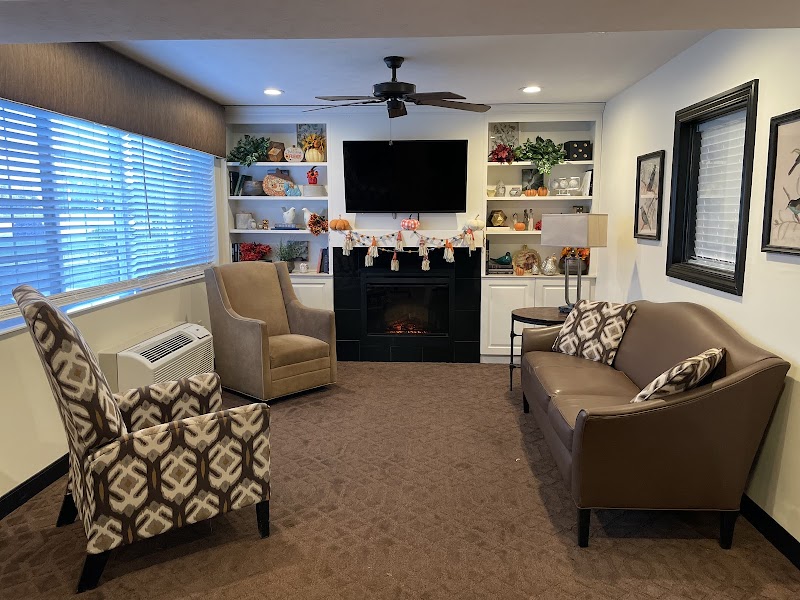
CMS rates WOODBRIDGE HEALTH CAMPUS's staffing level at 4 out of 5 stars, which is above average compared to other nursing homes. Staff turnover is 37%, compared to the Indiana average of 46%. This relatively stable workforce can support continuity of care.

What Have Inspectors Found at Woodbridge Health Campus?

State health inspectors documented 12 deficiencies at WOODBRIDGE HEALTH CAMPUS during 2023 to 2025. These included: 1 that caused actual resident harm and 11 with potential for harm. Deficiencies causing actual harm indicate documented cases where residents experienced negative health consequences.

Who Owns and Operates Woodbridge Health Campus?

WOODBRIDGE HEALTH CAMPUS is owned by a government entity. Government-operated facilities are typically run by state, county, or municipal agencies. The facility is operated by TRILOGY HEALTH SERVICES, a chain that manages multiple nursing homes. With 69 certified beds and approximately 58 residents (about 84% occupancy), it is a smaller facility located in LOGANSPORT, Indiana.
How Does Woodbridge Health Campus Compare to Other Indiana Nursing Homes?

Compared to the 100 nursing homes in Indiana, WOODBRIDGE HEALTH CAMPUS's overall rating (5 stars) is above the state average of 3.1, staff turnover (37%) is near the state average of 46%, and health inspection rating (4 stars) is above the national benchmark.

What Should Families Ask When Visiting Woodbridge Health Campus?

Based on this facility's data, families visiting should ask: "Can I visit during a mealtime to observe dining assistance and food quality?" "How do you handle medical emergencies, and what is your hospital transfer rate?" "Can I speak with family members of current residents about their experience?"

Is Woodbridge Health Campus Safe?

Based on CMS inspection data, WOODBRIDGE HEALTH CAMPUS has a clean safety record: no substantiated abuse findings (meaning no confirmed cases of resident harm), no Immediate Jeopardy citations (the most serious violation level indicating risk of serious injury or death), and is not on the Special Focus Facility watch list (a federal program monitoring the lowest-performing 1% of nursing homes). The facility has a 5-star overall rating and ranks #1 of 100 nursing homes in Indiana. While no facility is perfect, families should still ask about staff-to-resident ratios and recent inspection results during their visit.

Do Nurses at Woodbridge Health Campus Stick Around?

WOODBRIDGE HEALTH CAMPUS has a staff turnover rate of 37%, which is about average for Indiana nursing homes (state average: 46%). Moderate turnover is common in nursing homes, but families should still ask about staff tenure and how the facility maintains care continuity when employees leave.

Was Woodbridge Health Campus Ever Fined?

WOODBRIDGE HEALTH CAMPUS has no federal fines on record. CMS issues fines when nursing homes fail to meet care standards or don't correct problems found during inspections. The absence of fines suggests the facility has either maintained compliance or corrected any issues before penalties were assessed. This is a positive indicator, though families should still review recent inspection reports for the full picture.

Is Woodbridge Health Campus on Any Federal Watch List?

WOODBRIDGE HEALTH CAMPUS is not on any federal watch list. The most significant is the Special Focus Facility (SFF) program, which identifies the bottom 1% of nursing homes nationally based on persistent, serious quality problems. Not being on this list means the facility has avoided the pattern of deficiencies that triggers enhanced federal oversight. This is a positive indicator, though families should still review the facility's inspection history directly.