POPLAR CARE STRATEGIES
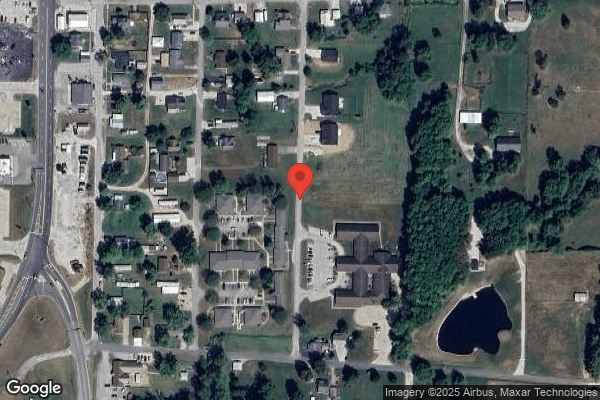
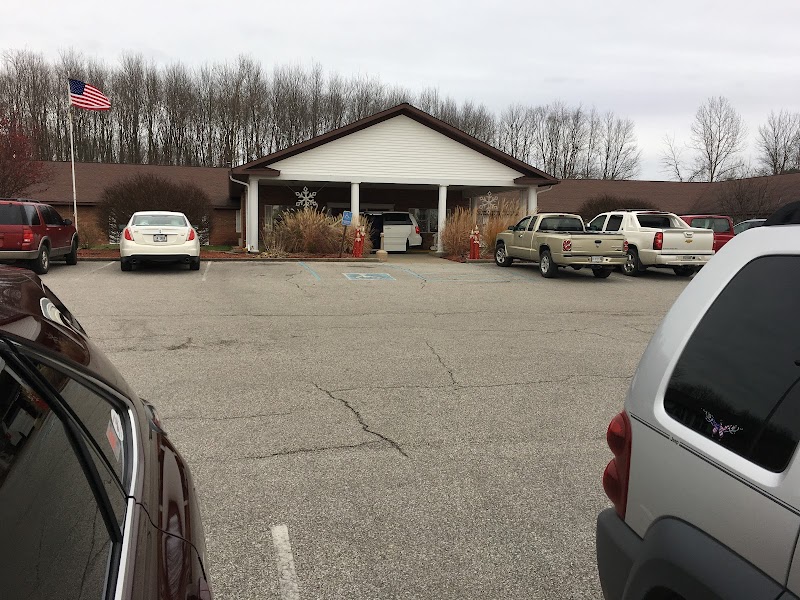
313 POPLAR ST, LOOGOOTEE, IN 47553 (812) 295-4433
For profit - Limited Liability company 62 Beds Independent Data: November 2025 1 Immediate Jeopardy citation
Trust Grade
29/100
#473 of 505 in IN
Last Inspection: November 2024

Within standard 12-15 month inspection cycle. Federal law requires annual inspections.

Overview

Poplar Care Strategies has received a Trust Grade of F, indicating significant concerns regarding the care provided at this facility. With a state ranking of #473 out of 505, they are in the bottom half of Indiana nursing homes, although they rank #1 of 2 in Martin County, meaning they have only one direct competitor. The facility's trend is improving, with issues decreasing from 20 in 2024 to just 2 in 2025, which is a positive sign. Staffing is a relative strength with a 3/5 star rating and a turnover rate of 27%, which is well below the state average of 47%. However, the facility has concerning fines of $8,021, higher than 85% of Indiana facilities, and there have been serious incidents, including a critical failure to prevent a resident with dementia from exiting the property unsupervised, highlighting ongoing safety risks. Additionally, the facility lacked consistent RN coverage on several days, which could impact the quality of care provided.

Trust Score
F
29/100
In Indiana
#473/505
Bottom 7%
Safety Record
High Risk
Review needed
Inspections
Getting Better
20 → 2 violations
Staff Stability
✓ Good
27% annual turnover. Excellent stability, 21 points below Indiana's 48% average. Staff who stay learn residents' needs.
Penalties
✓ Good
$8,021 in fines. Lower than most Indiana facilities. Relatively clean record.
Skilled Nurses
✓ Good
Each resident gets 43 minutes of Registered Nurse (RN) attention daily — more than average for Indiana. RNs are trained to catch health problems early.
Violations
⚠ Watch
27 deficiencies on record. Higher than average. Multiple issues found across inspections.
★☆☆☆☆
1.0
Overall Rating
★★★☆☆
3.0
Staff Levels
★★☆☆☆
2.0
Care Quality
★☆☆☆☆
1.0
Inspection Score
Stable
2024: 20 issues
2025: 2 issues

The Good

  • Low Staff Turnover (27%) · Staff stability means consistent care
  • Full Sprinkler Coverage · Fire safety systems throughout facility
  • No fines on record
  • Staff turnover is low (27%)

    21 points below Indiana average of 48%

Facility shows strength in staff retention, fire safety.

The Bad

1-Star Overall Rating

Below Indiana average (3.1)

Significant quality concerns identified by CMS

Federal Fines: $8,021

Below median ($33,413)

Minor penalties assessed

The Ugly 27 deficiencies on record

1 life-threatening
Aug 2025 1 deficiency
CONCERN (D) 📢 Someone Reported This

A family member, employee, or ombudsman was alarmed enough to file a formal complaint

Potential for Harm - no one hurt, but risky conditions existed

Infection Control (Tag F0880)

Could have caused harm · This affected 1 resident

Based on observation, interview, and record review, the facility failed to ensure infection control practices were maintained during 1 of 2 observations of care. Staff failed to complete hand hygiene ...

Read full inspector narrative →
Based on observation, interview, and record review, the facility failed to ensure infection control practices were maintained during 1 of 2 observations of care. Staff failed to complete hand hygiene after removal (doffing) of used gloves and prior to putting on (donning) new gloves and staff failed to complete hand hygiene immediately after doffing used gloves and prior to opening a resident's desk drawer and handing the resident a hair comb. (Resident B)Findings include:During an observation on 8/28/25 at 10:40 A.M., CNA 4 and CNA 5 were assisting Resident B to use the commode in the resident's bedroom bathroom. Resident B was assisted from a wheelchair to stand in front of the commode. CNA 4 and CNA 5 lowered resident's pants and brief and assisted Resident B to sit on the commode. CNA 4 and CNA 5 then assisted Resident B to stand, and CNA 5 provided perineal care. CNA 5 then encouraged Resident B to keep standing while CNA 5 doffed the gloves used prior and donned new gloves. No hand hygiene was completed between glove changes. CNA 5 then and CNA 4 then assisted Resident B by pulling the resident's pants up and lowering her into a wheelchair. Resident B was assisted to her bedroom. CNA 5 doffed the gloves, opened the resident's bedside table drawer, pulled a hair comb from the drawer and handed it to Resident B. CNA 5 indicated the resident that she needed to wash her hands. During an interview on 8/28/25 at 11:05 A.M., the Infection Preventionist (IP) indicated staff should change gloves when going from a dirty to clean task, perform hand hygiene between glove uses, should perform hand hygiene immediately after doffing gloves.On 8/28/25 at 12:10 P.M., the Facility Administrator supplied a facility policy titled, Handwashing/ Hand Hygiene, dated 2001. The policy included, This facility considers hand hygiene the primary means to prevent the spread of infections . 7. Use an alcohol-based hand rub containing at least 62% alcohol: or soap . and water for the following situations: .f. Before donning sterile gloves . m. After removing gloves . 8. Hand hygiene is the final step after removing and disposing of personal protective equipment .This citation relates to intake 2596781. 3.1-18(b)3.1-18(l)
Feb 2025 1 deficiency
CONCERN (D) 📢 Someone Reported This

A family member, employee, or ombudsman was alarmed enough to file a formal complaint

Potential for Harm - no one hurt, but risky conditions existed

Pressure Ulcer Prevention (Tag F0686)

Could have caused harm · This affected 1 resident

Based on observation, interview, and record review, the facility failed to ensure adequate care was provided to prevent and treat new pressure wounds for 2 of 3 residents reviewed for pressure wounds....

Read full inspector narrative →
Based on observation, interview, and record review, the facility failed to ensure adequate care was provided to prevent and treat new pressure wounds for 2 of 3 residents reviewed for pressure wounds. Initial observations of deteriorating skin areas were not documented or communicated, initial wound care was not documented following the development of pressure wounds, and ordered treatments were not completed for pressure wounds. (Resident D, Resident F) Findings include: 1. During an interview on 2/18/25 at 10:30 A.M., QMA 4 indicated that Resident D had multiple wounds. During an observation and interview on 2/18/25 at 3:30 P.M., Resident D was lying in bed with heel protector boots on each foot. Resident D indicated there were wounds on her feet and coccyx. Resident D's record review indicated the resident's diagnoses included, but were not limited to, hemiplegia and hemiparesis, type II diabetes, need for assistance with personal care, obesity, and neurofunctional disorder of bladder. Resident D's most recent admission Minimum Data Set (MDS) assessment, dated 12/20/24, indicated the resident was cognitively intact, no functional abilities were assessed, had no unhealed pressure wounds, was at risk for pressure wounds, had an indwelling catheter, and was frequently incontinent of bowel. Resident D's initial Braden Scale assessment, dated 12/13/24, indicated the resident was at risk for developing pressure injuries. Resident D's nurse's progress notes included, but were not limited to: 1/5/25 at 2:39 P.M. - Resident had 1 cm (centimeter) (length) x 1 cm (width) round open area on left gluteal fold of buttocks. A new treatment order was received. 1/12/25 at 12:30 P.M. - During resident's shower, some dry dressings on resident's left foot were observed and removed. A 3 cm x 2 cm deep tissue area on left heel. A left lateral foot deep tissue area that measured 1 cm x 1 cm and a left ankle deep tissue injury that measured 1 cm by 1 cm was observed. The Director of Nursing (DON) was notified. (A deep tissue injury is a purple or maroon localized area of discolored intact skin or blood-filled blister due to damage of underlying soft tissue from pressure and/or shear) 2/9/25 at 12:07 P.M. - Open area noted to resident's coccyx area that measured 1 cm x 0.5 cm. The DON was notified. Resident D's care plan included, but was not limited to; resident has deep tissue area to left heel, left lateral foot, and left ankle due to immobility and diabetes (initiated 1/12/25), resident has actual impairment to skin integrity caused by friction to left gluteal fold (initiated 1/15/25), and resident has an activity of daily living (ADL) self-care performance deficit due to activity intolerance, hemiplegia and limited mobility (initiated 1/15/25). An intervention included, administer treatments as ordered (initiated 1/15/25). No care plan to prevent the development of pressure wounds following the Braden Scale assessment on 12/13/24 was in place. No care plan for the treatment of the wound first observed on 1/5/25 to the gluteal fold was initiated prior to 1/15/25. Resident D's physician orders included, but were not limited to; peri-care twice daily and as needed during day and night shift (started 12/22/24), cleanse open area to left distal buttock with normal saline, apply MediHoney and cover with protective foam dressing every night and as needed (started 1/5/25), Betadine applied to deep tissue areas on left heel, left lateral foot and left ankle twice a day (started 1/12/25), and apply MediHoney to wound on left outer ankle twice a day and cover with non-adherent pad and secure with Kerlix (gauze bandage roll) (initiated 1/17/25). Resident D's Treatment Administration record during January 2025 indicated that treatment orders; cleanse open area to left distal buttock with normal saline, apply MediHoney and cover with protective foam dressing every night and as needed (started 1/5/25). The treatment was not completed on 1/18/25 and 1/23/25 due to the resident was asleep. The treatment order Betadine applied to deep tissue areas on left heel, left lateral foot and left ankle twice a day (started 1/12/25) was not completed 1/19/25, 1/23/25, and 1/24/25 due to the resident was asleep. The treatment order apply MediHoney to wound on left outer ankle twice a day and cover with non-adherent pad and secure with Kerlix (initiated 1/17/25). The treatment was not completed 1/18/25 and 1/23/25 due to the resident was asleep. Resident D's documented weekly wound assessments included: 1/5/25 - in house acquired, open lesion to left distal gluteal fold measured 1 cm x 1 cm 1/12/25 - in house acquired, open lesion to left distal gluteal fold measured 1 cm x 1 cm, in house acquired, left heel unstageable pressure ulcer measured 3 cm x 2 cm, in house acquired, left lateral foot unstageable pressure ulcer measured 1 cm x 1 cm, and in house acquired, left ankle unstageable pressure ulcer measured 1 cm x 11 cm. (Unstageable Pressure wound is a full thickness tissue loss in which the base of the ulcer is covered by slough and/or eschar in the wound bed. Until enough slough and/or eschar is removed to expose the base of the wound, the true depth and therefore stage, cannot be determined.) 1/17/25 - in house acquired, open lesion to left distal gluteal fold measured 1 cm x 1 cm, in house acquired, left heel unstageable pressure ulcer measured 3 cm x 2 cm, in house acquired, left lateral foot unstageable pressure ulcer measured 1 cm x 1 cm, and in house acquired, left ankle unstageable pressure ulcer measured 3 cm x 3 cm. 1/24/25 - in house acquired, open lesion to left distal gluteal fold measured 1 cm x 1 cm, in house acquired, left heel unstageable pressure ulcer measured 3 cm x 2 cm, in house acquired, left lateral foot unstageable pressure ulcer measured 1 cm x 1 cm, and in house acquired, left ankle unstageable pressure ulcer measured 3 cm x 3 cm. 1/31/25 - in house acquired, open lesion to left distal gluteal fold measured 0.5 cm x 0.5 cm, in house acquired, left heel unstageable pressure ulcer measured 2 cm x 2 cm, in house acquired, left lateral foot unstageable pressure ulcer measured 1 cm x 1 cm, and in house acquired, left ankle unstageable pressure ulcer measured 2 cm x 2 cm. 2/6/25 - in house acquired, open lesion to left distal gluteal fold measured 0.5 cm x 0.5 cm, in house acquired, left heel unstageable pressure ulcer measured 2 cm x 2 cm, in house acquired, left lateral foot unstageable pressure ulcer measured 1 cm x 1 cm, and in house acquired, left ankle unstageable pressure ulcer measured 2 cm x 2 cm. 2/13/25 - in house acquired, open lesion to left distal gluteal fold measured 4.5 cm x 3 cm x 0.1 cm, in house acquired, left heel unstageable pressure ulcer measured 2 cm x 2 cm, in house acquired, left lateral foot unstageable pressure ulcer measured 1.5 cm x 1.5 cm, in house acquired, left ankle unstageable pressure ulcer measured 1 cm x 1.1 cm x 0.1 (depth), and in house acquired shearing injury to the right gluteus measured 4 cm x 3.5 cm x 0.1 cm. During an interview on 2/19/25 at 10:30 A.M., LPN 4 indicated on 1/12/25, a skin check was being completed on Resident D when border foam dressings were observed on the resident's left ankle. LPN 4 indicated that a CNA was instructed to remove the dressings as Resident D did not have wound orders for the left ankle. Three wounds were then observed by LPN 4. LPN 4 indicated being unaware of the wounds prior to observing them on 1/12/24. LPN 4 then completed a wound assessment and notified the DON. During an interview on 2/19/25 at 12:50 P.M., LPN 4 indicated a resident being asleep would not be an appropriate reason to not complete a routine ordered wound treatment and further indicated that staff should complete routine checks and incontinent care at night which would be a good time to complete a wound treatment. During an interview on 2/19/25 at 1:15 P.M., the DON indicated routine wound treatments should be completed as ordered and charting that a resident was asleep during the shift is not an appropriate reason for not completing wound care treatments. 2. Resident F's record review indicated the resident's diagnoses included, but were not limited to, neurocognative disorder, protein-calorie malnutrition, and anemia. Resident F's most recent admission Minimum Data Set (MDS) assessment, dated 12/18/24, indicated the resident was cognitively intact, was frequently incontinent of urine and occasionally incontinent of bowel. The resident required substantial assistance/maximal assistance (helper does more than half the effort. Helper lifts or holds trunk or limbs and provides more than half the effort) for rolling right to left while lying in bed and for lying to sitting on the side of the bed. Resident did not have a pressure ulcer/injury, had no unhealed pressure wounds, and was at risk for pressure wounds. Resident F's initial Braden Scale assessment, dated 12/11/24, indicated the resident was at risk for developing pressure injuries. A skin check, dated 12/11/24, indicated Resident F had a slightly pink area the coccyx that was present on admission. Resident F's care plan included, but was not limited to; at risk for impairment to skin integrity due to fracture of right femur/hip/sacrum/vertebra, Parkinson's disease, Lewy body dementia, hypothyroid, pulmonary embolism, protein malnutrition, anemia, depression, bilateral hearing loss, and history of cerebral infarction (initiated 12/13/24). Interventions included, follow facility protocols for treatment of injury and monitor/document location, size and treatment of skin injury. Report abnormalities, failure to heal, signs and symptoms of infection, maceration etc. to the physician. Resident F's nurse's progress notes included, but were not limited to, a note by LPN 4 on 12/26/24 at 1:27 P.M., that indicated a border foam dressing was noticed on the coccyx area and removed. A 4 cm x 2 cm open area was observed. The area was cleansed with normal saline, protective dressing applied, and the DON was notified. Resident F's physician orders included, but were not limited to; cleanse wound on coccyx with normal saline, skin prep peri-wound, apply ColActive (collagen-based wound dressing that helps heal wounds) to wound, cover with border foam for protection daily (started 12/31/24). Resident F's Treatment Administration record during December 20424 contained no documentation that a wound treatment was ordered or administered to the resident's coccyx prior to 12/31/24. Resident F's documented weekly wound assessments included: 12/27/24 - Coccyx wound present on admission at a Stage I pressure wound. Area worsened to a Stage II pressure wound with the wound bed covered by 50 percent (%) granulation tissue and 50 % slough tissue with a moderate amount of serosanguinous drainage present and measured 4 cm x 2 cm x 1 cm. (A Stage I pressure wound is intact skin with non-blanchable redness of a localized area usually over a bony prominence. A Stage II pressure wound is partial thickness loss of dermis presenting as a shallow open ulcer with a red pink wound bed, without slough. A Stage III pressure wound is full thickness tissue loss. Subcutaneous fat may be visible but bone, tendon, or muscle are not exposed. Slough may be present but does not obscure the depth of tissue loss.) 1/4/25 - Coccyx stage II pressure wound worsening with the wound bed covered by 25% granulation tissue and 75% slough tissue with serosanguinous drainage present and measured 3 cm x 3 cm x 1 cm. Peri-wound skin appeared more red and irritated. During an interview on 2/19/25 at 10:25 A.M., LPN 4 indicated completing Resident F's initial admission skin assessment and noted that a pink area to the resident's coccyx was blanchable and for that reason was not a staged wound and the area was not initially measured. On 12/26/24, LPN 4 was notified by CNA 8 that Resident F had a border foam dressing the coccyx. LPN 4 was not aware that the resident had a treatment order to the coccyx and removed the bordered dressing to observe an open area to the coccyx. LPN 4 indicated after asking about the wound, it was said that a CNA had observed Resident F's coccyx to have had a reddened area and was told to put a dressing on it. LPN 4 indicated no communication had been made to alert nursing or CNA 8 that Resident F had a reddened area and there had been no documentation in the resident's record of a worsening area to the coccyx. LPN 4 indicated nursing staff should document any changes in skin condition and notify the DON. On 2/19/25 at 1:30 P.M., the DON supplied two facility policies titled, Prevention of Pressure Injuries dated 4/2020, and Wound Care dated, 10/2010. The Prevention of Pressure Injuries policy indicated, .Monitoring 1. Evaluate, report and document potential changes in the skin. The Wound Care policy indicated, Documentation . The following information should be documented in the resident's medical record: 1. The type of wound care given 2. The date and time of the wound care was given . This citation relates to complaint IN00453477. 3.1-40(a)(1) 3.1-40(a)(2)
Nov 2024 8 deficiencies
CONCERN (D)

Potential for Harm - no one hurt, but risky conditions existed

Deficiency F0657 (Tag F0657)

Could have caused harm · This affected 1 resident

**NOTE- TERMS IN BRACKETS HAVE BEEN EDITED TO PROTECT CONFIDENTIALITY** 2. On 10/28/24 at 10:35 A.M., Resident 1 was observed laying in bed asleep with a bed alarm under her and a chair alarm on the b...

Read full inspector narrative →
**NOTE- TERMS IN BRACKETS HAVE BEEN EDITED TO PROTECT CONFIDENTIALITY** 2. On 10/28/24 at 10:35 A.M., Resident 1 was observed laying in bed asleep with a bed alarm under her and a chair alarm on the back of her wheelchair next to her bed. On 10/28/24 at 11:56 A.M., Resident 1 was observed in the dining room sitting in her wheelchair with an alarm hanging on the back . On 10/30/24 at 9:52 A.M., Resident 1 was observed laying in bed asleep with bed alarm on. On 10/29/24 at 10:25 A.M., Resident 1's clinical record was reviewed. Diagnoses included, but were not limited to wedge compression fracture and muscle weakness. The most recent admission MDS (Minimum Data Set) Assessment, dated 8/9/24 indicated Resident 1's cognition was cognitively impaired, partial to moderate assist for bed mobility, transfers, toileting, and no alarms were used for resident. Resident 1's clinical record lacked an order for a bed and chair alarm. A current Falls Care Plan, dated 8/13/24, lacked use of a bed and chair alarm for interventions. During an interview on 10/30/24 at 1:08 P.M., Licensed Practical Nurse (LPN) 21 indicated residents should have an order for alarm and oxygen use. The Director of Nursing (DON) or MDS Coordinator should update care plans as needed. Night shift nurses should change batteries and check functioning of the alarms and it should be documented on Treatment Administration Record (TAR). 3. On 10/29/24 at 10:55 A.M., Resident 2's clinical record was reviewed. Diagnoses included, but were not limited to, diabetes mellitus, hyperlipidemia, and thyroid disorder. Resident 2 lacked a current UTI (Urinary Tract Infection) diagnoses. The most recent Annual MDS (Minimum Data Set) Assessment, dated 7/15/24 indicated Resident 2 was cognitively intact, and indicated she received an antibiotic. The MDS lacked documentation of a diuretic. Resident 2's Physician's Orders lacked a current order for a diuretic and antibiotic related to an UTI. Current care plans included, but was not limited to, an at risk for side effects related to diuretic therapy, revised 9/26/23, and an at risk for side effects related to antibiotic therapy for UTI, revised 9/16/24. During an interview on 10/31/24 at 9:57 A.M., the MDS Coordinator indicated she is responsible for care plan updates and revisions and she would revise the care plans when the order is discontinued. At that time, she indicated the diuretic and antibiotic related to UTI care plan should have been revised for Resident 2. On 10/31/24 at 1:00 P.M., the Administrator provided a current Goals and Objectives, Care Plans policy, revised April 2009 that indicated, .Goals and objectives are reviewed and/or revised: a. When there has been a significant change in the resident's condition; b. When the desired outcome has not been achieved; c. When the resident has been readmitted to the facility from a hospital/ rehabilitation stay; and d. At least quarterly . On 10/31/24 at 1:00 P.M., the Administrator provided a current Alarms policy, dated 7/18/13 that indicated, .All alarms will be used per physician's order although may be placed immediately in an emergency situation with the physician's order to be obtained in a timely manner .Alarm placement and function will be checked at change of shift using the alarm monitoring tool . 3.1-35(b) 3.1-35(b)(1) 3.1-35(d)(2)(B) Based on observation, interview, and record review, the facility failed to revise resident's plan of care for 3 of 17 resident care plans reviewed. Care plans were not revised to reflect discontinued medications, and alarms were in use without an order or care plan. (Resident 29, Resident 1, Resident 2) Findings include: 1. On 10/28/24 at 11:40 A.M., Resident 29's clinical record was reviewed. admission date was 8/22/24 after a fall from home that resulted in a fracture. Diagnosis included, but were not limited to, dementia, depression, and history of falling. The most recent admission MDS (Minimum Data Set) Assessment, dated 9/11/24, indicated a moderate cognitive impairment and a fall prior to admission. Resident 29 required substantial to maximum assistance with bathing, bed mobility, transferring, and toileting. Discontinued orders included, but were not limited to: Bed/Chair Alarms, two times a day for fall risk, dated 8/23/24 through 9/4/24. A current risk for falls care plan, dated 8/26/24, lacked an intervention for alarms. Resident 29 was in the hospital from [DATE] through 9/4/24. A nurse's note, dated 8/23/24 at 3:14 A.M., indicated resident was very forgetful, so a bed alarm was placed under her and bed lowered. Resident 29's clinical record lacked a current physician's order for alarms. On 10/29/24 at 2:07 P.M., Certified Nurse Aide (CNA) 25 indicated Resident 29 currently used both bed and chair alarms, with a pull tab alarm on the wheelchair. On 10/29/24 at 2:15 P.M., Resident 29 was observed sitting in a recliner in her room on an alarm pad. At that time, the resident's family member indicated she could not remember how long an alarm had been in place. On 10/30/24 at 1:05 P.M., Registered Nurse (RN) 27 indicated alarms could be initiated by nursing staff, but an order should be placed shortly after. She indicated Resident 29 had an order for alarms prior to her hospitalization on 8/31/24, but since all orders were discontinued and re-entered upon admission on [DATE], the alarms had not been included on the admission orders in error.
CONCERN (D)

Potential for Harm - no one hurt, but risky conditions existed

Respiratory Care (Tag F0695)

Could have caused harm · This affected 1 resident

**NOTE- TERMS IN BRACKETS HAVE BEEN EDITED TO PROTECT CONFIDENTIALITY** 3. On 10/28/24 at 10:46 A.M., Resident 28 was observed sitting up on the side of the bed wearing oxygen (O2) at 2 lpm (liters pe...

Read full inspector narrative →
**NOTE- TERMS IN BRACKETS HAVE BEEN EDITED TO PROTECT CONFIDENTIALITY** 3. On 10/28/24 at 10:46 A.M., Resident 28 was observed sitting up on the side of the bed wearing oxygen (O2) at 2 lpm (liters per minute) per nasal cannula. Oxygen tubing and water bottle were dated 10/27/24. Resident indicated she wore the oxygen at all times. On 10/30/24 at 10:46 A.M., Resident 28 was observed sitting up in a wheelchair in her room wearing O2 at 2 lpm per nasal cannula. On 10/31/24 at 9:32 A.M., Resident 28 was observed lying in bed on her side playing games on phone wearing O2 at 2 lpm per nasal cannula. On 10/29/24 at 1:36 P.M., Resident 28's clinical records were reviewed. Diagnosis included, but was not limited to chronic obstructive pulmonary disease with acute exacerbation (COPD). The most recent Quarterly MDS (Minimum Data Set) assessment, dated 9/6/24, indicated Resident 28 was cognitively intact, was independent with bed mobility, needed supervision with transfers and partial to moderate assistance with toilet use. She used oxygen. Physician orders included, but was not limited to the following: Oxygen supplies and tubing to be changed weekly on Sunday night shift, related to chronic obstructive pulmonary disease with acute exacerbation, dated 6/2/2024. HOB (head of bed) to be elevated greater than 30 degrees to prevent hypoxia r/t (related to) COPD every day and night shift for COPD, dated 10/12/2024. Bipap at HS (bedtime) and PRN (as needed) every day and night shift related to Chronic Obstructive Pulmonary Disease with (Acute) Exacerbation, dated 6/1/24 Physician orders lacked an order for oxygen. Care plans included, but were not limited to the following: Resident 28 has oxygen therapy (BiPap, O 2 via nasal cannula) and at risk for complications, initiated 9/17/2024. Resident 28 has a diagnosis of COPD and at risk for complications, initiated 5/31/2024. Intervention included oxygen/BiPap per physician orders. During an interview on 10/31/24 at 9:32 A.M., LPN (Licensed Practical Nurse) 9 indicated Resident 28 was supposed to wear her oxygen at all times and there should be an order. After looking at the chart, LPN 9 indicated she saw an order to change the tubing weekly and to check the skin under the tubing, but did not see an order for the oxygen. On 10/31/24 at 1:00 P.M., the Administrator provided an Oxygen Administration policy, dated October 2010, which indicated 1. Verify that there is a physician's order for this procedure .10. Adjust the oxygen delivery device so that it is comfortable for the resident and the proper flow of oxygen is being administered . On 10/31/24 at 1:00 P.M., the Administrator provided a Respiratory Therapy-Prevention of Infection policy, dated November 2011, which indicated . Infection Control Consideration Related to Oxygen Administration: .8. Keep the oxygen cannula and tubing used PRN (as needed) in a plastic bag when not in use .Infection Control Considerations Related to Medication Nebulizer/Continuous Aerosol: .7. Store the circuit in plastic bag, marked with date and resident's name between uses . 3.1-47(a)(6) 2. On 10/28/24 at 10:35 A.M., Resident 6 was observed sitting in her room in a wheelchair wearing portable oxygen at 2 LPM via nasal cannula. The nasal cannula tubing attached to the concentrator machine in her room was laying uncovered on the floor. A nebulizer machine was observed on the nightstand with the nebulizer mouthpiece uncovered and touching the nightstand. On 10/30/24 at 9:55 A.M., Resident 6's nebulizer mouthpiece was observed uncovered and touching the nightstand. On 10/30/24 at 10:50 A.M., a random wheelchair placed in the hallway was observed with oxygen nasal cannula tubing from portable oxygen stuffed in the pocket on the back of the wheelchair. On 10/30/24 at 1:14 P.M., Resident 6 was observed sitting in her room in her wheelchair wearing the nasal cannula tubing from the concentration machine in her room and the portable oxygen tubing on the back of her wheelchair was wrapped around the wheelchair handles and the nebulizer mouthpiece was uncovered and touching the nightstand. On 10/29/24 at 12:10 P.M., Resident 6's clinical record was reviewed. Diagnoses included, but were not limited to, dementia with behavioral disturbance and chronic obstructive pulmonary disease (COPD). The most recent Quarterly MDS Assessment, dated 10/11/24, indicated Resident 6 was cognitively intact, substantial to maximum assist of staff for bed mobility, toileting, transfers, and on continuous oxygen. Current Physician's Orders included, but were not limited to, the following: May have oxygen therapy via nasal cannula to keep oxygen saturation above 90% every day and night shift for COPD, ordered 10/26/2024 A current Respiratory Care Plan, revised 8/17/23, included, but was not limited to, the following intervention: Oxygen as ordered, initiated 12/21/22 During an interview on 10/30/24 at 1:08 P.M., Licensed Practical Nurse (LPN) 21 indicated oxygen tubing and nebulizer supplies that were not in use by the resident, should be placed in the bag that was provided for it for infection control purposes. Based on observation, interview, and record review, the facility failed to ensure residents received necessary respiratory care and services in accordance with professional standards of practicefor 3 of 3 residents reviewed for Respiratory Care. The facility failed to obtain a Physician's Order for oxygen, failed to follow Physician Orders for oxygenation, and failed to properly store a nebulizer mouthpiece and oxygen tubing while not in use. (Resident 6, Resident 28, Resident 133) Findings include: 1. During an observation on 10/28/24 at 2:08 P.M., Resident 133 was observed in bed with oxygen on via nasal cannula at 2 LPM (Liters per minute). During an observation on 10/29/24 at 11:58 A.M., Resident 133 was observed in the dining room with oxygen on via nasal cannula at 1.5 LPM. At that time, QMA (Qualified Medication Aide) 3 indicated she needed to verify the Physician's Order, but she thought Resident 133's oxygen should be set at 2 LPM. During an interview on 10/29/24 at 12:01 P.M., QMA 3 verified the Physician's Order and indicated Resident 133's oxygen order was for 1 LPM, and she had to go change the setting on Resident 133's oxygen. On 10/29/24 at 10:14 A.M., Resident 133's clinical record was reviewed. Diagnosis included, but were not limited to, COPD (Chronic Obstructive Pulmonary Disorder) and hypertension. Resident 133 was admitted to the facility on [DATE] and a MDS (Minimum Data Set) Assessment had not been completed as of the review date. During an interview on 10/31/24 at 10:46 A.M., LPN (Licensed Practical Nurse) 9 indicated Resident 133 was cognitively intact. During an interview on 10/31/24 at 11:38 A.M., CNA (Certified Nurse Aide) 5 indicated Resident 133 was an extensive assist of 2 persons for bed mobility, transfers, and toileting. Current Physician's Orders included, but were not limited to, oxygen via nasal cannula at 1 LPM at all times, dated 10/17/24. A current care plan intervention for COPD included, but was not limited to, administer oxygen per Physician's Orders, dated 10/24/24. During an interview on 10/29/24 at 12:02 P.M., QMA 3 indicated Resident 133 would not adjust the oxygen level and staff should set the oxygen according to the Physicians Order. During an interview on 10/31/24 at 10:48 A.M., Resident 133 indicated she had been on oxygen prior to being admitted to the facility, but she was unsure what the oxygen was setting should have been.
CONCERN (D)

Potential for Harm - no one hurt, but risky conditions existed

Pharmacy Services (Tag F0755)

Could have caused harm · This affected 1 resident

Based on observation, interview, and record review, the facility failed to ensure pharmaceutical services met the needs of each resident for 2 of 4 residents observed for medication administration and...

Read full inspector narrative →
Based on observation, interview, and record review, the facility failed to ensure pharmaceutical services met the needs of each resident for 2 of 4 residents observed for medication administration and 2 of 2 residents who had medication supplies disrupted without permission. Staff obtained medications for residents from other residents supplies. (Resident 22, Resident 233, Resident 27, Resident 24) Findings include: On 10/30/24 at 8:09 A.M., Registered Nurse (RN) 27 was observed to administer medications. While obtaining medications for Resident 22, RN 27 indicated the resident's Miralax could not be located. RN 27 then obtained the Miralax dose from another resident's bottle (Resident 24) to administer to Resident 22. At that time, RN 27 indicated Resident 22's Miralax was on an auto refill and should have been at the facility, but would contact the pharmacy for the medication. On 10/30/24 at 8:22 A.M., RN 27 was observed to obtain medications for Resident 233 and indicated the resident's Colace could not be located. RN 27 then obtained the dose of Colace from another resident's card (Resident 12) and administered to Resident 233. At that time, RN 27 indicated she had personally ordered Resident 233's Colace from the pharmacy the previous morning, and the medication should have been brought to the facility by the previous afternoon. On 10/30/24 at 10:54 A.M., the Director of Nursing (DON) indicated they have had issues with the current pharmacy such as them sending an abundance of medications when not needed, and not sending medications on time, such as with auto refill, or before the resident's medication runs out. She indicated there was no pharmacist available after 5 P.M., and if any questions were voiced after that time, they would have to leave a message and wait 1-2 hours for a call back. She indicated the pharmacy did not deliver medications on Sundays. The pharmacy was supposed to send medications to the facility within 4 hours of a request, but that did not happen. At that time, she indicated while nursing staff was not supposed to borrow medications from other residents, the nurses are stuck with either not administering the medications, or having to take from other residents. On 10/30/24 at 10:27 A.M., a current non-dated Medication Administration policy was provided and indicated Medications supplied for one resident are never administered to another resident 3.1-25(a)
CONCERN (E)

Potential for Harm - no one hurt, but risky conditions existed

Medication Errors (Tag F0758)

Could have caused harm · This affected multiple residents

Based on interview and record review, the facility failed to ensure residents who did not have a gradual dose reduction for psychotropic medications had a clinical contraindication documented for 1 of...

Read full inspector narrative →
Based on interview and record review, the facility failed to ensure residents who did not have a gradual dose reduction for psychotropic medications had a clinical contraindication documented for 1 of 5 residents reviewed for unnecessary medications. (Resident 12) Finding includes: On 10/29/24 at 10:38 A.M., Resident 12's clinical record was reviewed. Diagnosis included, but were not limited to, anxiety and depression. The most recent Quarterly MDS (Minimum Data Set) Assessment, dated 9/5/24, indicated no cognitive impairment, and use of an antianxiety medication. No gradual dose reduction (GDR) information was listed. Current physician orders included, but were not limited to: Alprazolam 0.5mg (milligram) twice a day, dated 4/8/23. A nurse's note, dated 1/29/24, indicated a GDR recommendation was received to decrease alprazolam 0.5mg to 0.25mg. The GDR request was denied due to attempting this would not be in the best interest for this resident. On 10/30/24 at 1:17 P.M., the Director of Nursing (DON) indicated no other contraindication for GDR was located in Resident 12's clinical record. On 10/31/24 at 1:00 P.M., a current non-dated Medication Monitoring policy was provided and indicated In skilled nursing facilities, within 1st year after admission or after initiation, a gradual dose reduction (GDR) is attempted in 2 separate quarters, with at least one month between attempts. After 1st year, a GDR is attempted annually . GDR is clinically contraindicated if . MD has documented clinical rationale 3.1-48(b)(2)
CONCERN (E)

Potential for Harm - no one hurt, but risky conditions existed

Food Safety (Tag F0812)

Could have caused harm · This affected multiple residents

Based on observation, interview, and record review, the facility failed to store, prepare, distribute and serve food in accordance with professional standards for 1 of 1 kitchens observed. Hairnets di...

Read full inspector narrative →
Based on observation, interview, and record review, the facility failed to store, prepare, distribute and serve food in accordance with professional standards for 1 of 1 kitchens observed. Hairnets did not cover hair, food temperature log was not completed for all meals, measuring devices/scoops were stored inside containers of ice, oats, sugar, thickener, and bread was touched with bare hands. (Kitchen) Findings include: 1. During an observation of the kitchen on 10/28/24 at 9:43 A.M., two dietary staff members had hair outside of their hairnets at their temples and nape of the neck. During an observation of the kitchen on 10/31/24 at 11:05 A.M., two dietary staff members had hair outside of their hairnets at their temples and nape of the neck. 2. On 10/28/24 at 9:53 A.M., the food temperature log was reviewed from October 1 through October 27, 2024 and lacked food temperatures for the following meals: 10/21/24 lunch 10/22/24 dinner 10/23/24 breakfast and lunch 10/24/24 breakfast and dinner 10/25/24 breakfast, lunch, and dinner 10/26/24 breakfast, lunch, and dinner 10/27/24 breakfast, lunch, and dinner 3. During an observation of the kitchen on 10/28/24 at 10:00 A.M., the following was observed: large container of oats had a cup placed inside large container of sugar had a cup placed inside ice cooler in dry storage had the ice scoop placed inside During an observation on 10/31/24 at 10:59 A.M., cups were still in the oats and sugar containers. 4. On 10/31/24 at 11:02 A.M., during an observation of staff preparing pureed broccoli, staff used the measuring spoon that was stored in the thickener container to measure thickener. It was touched with bare hands and then put back into the thickener container and placed back on the shelf. 5. On 10/31/24 at 11:42 A.M., kitchen staff grabbed 4 slices of bread from the bread bag with bare hands to make peanut butter and jelly and grilled cheese sandwiches. The staff member held the bread with her bare hands to prepare them. During an interview on 10/28/24 at 9:54 A.M., the Dietary Manager indicated temperatures of food should be taken before serving each meal and written on this page of the log. If the temperatures were not documented, then it was understood that they were not taken. During an interview on 11/1/24 at 10:07 A.M., the Infection Preventionist indicated kitchen staff should not touch food with their bare hands, gloves should be worn. All hair should be contained in hairnets. Scoops and measuring devices should not be stored inside the container. They should be stored in a plastic bag and cleaned every night. 6. On 10/28/24 at 11:55 A.M., Certified Nurse Aide (CNA) 51 was observed to obtain a resident's lunch tray from the hall cart parked on the E Hall. A cup of orange juice was observed on the tray not covered. CNA 51 walked the tray 33 steps to Room A2, passing the front offices, conference room, and restrooms. On 10/28/24 at 11:57 A.M., CNA 51 was observed to obtain a resident's lunch tray from the hall cart parked on the E Hall. A drink and a bowl with a piece of cake was observed on the tray not covered. CNA 51 walked the same distance to Room A1. On 10/28/24 at 11:58 A.M., CNA 5 was observed to obtain a resident's lunch tray from the hall cart parked by Room A8. A drink and a bowl with a piece of cake was observed on the tray not covered. CNA 5 walked the tray to the B Hall, past the nurses station and common area, to Room B1. On 10/29/24 at 11:46 A.M., Dietary Aide 47 was observed to obtain a resident's lunch tray from the hall cart on E Hall. A bowl of pudding was observed uncovered on the tray. Dietary Aide 47 walked the tray 83 steps to Room B1. On 10/31/24 at 11:27 A.M., the Dietary Manager indicated all cups and desserts should be covered when administering hall trays to residents. On 11/1/24 at 10:16 A.M., the Administrator indicated while there was no written policy, it was the policy of the facility to cover food in the halls, not to have scoops in food items, hair should be be completely covered with a hairnet, and gloves should be used when touching food. On 11/1/24 at 11:30 A.M., the Administrator provided a current Food Preparation and Service Policy, revised April 2019, which indicated . Food preparation staff adhere to proper hygiene and sanitary practices to prevent the spread of foodborne illness . The temperatures of foods held in steam tables are monitored . bare hand contact with food is prohibited . food and nutrition services staff wear hair restraints [hair net, hat, beard restraint, etc.] so that hair does not contact food . 3.1-21(i)(2) 3.1-21(i)(3)
CONCERN (E)

Potential for Harm - no one hurt, but risky conditions existed

Infection Control (Tag F0880)

Could have caused harm · This affected multiple residents

Based on observation and interview, the facility failed to provide a safe and sanitary environment to help prevent the development and transmission of communicable diseases and infections for 3 of 3 r...

Read full inspector narrative →
Based on observation and interview, the facility failed to provide a safe and sanitary environment to help prevent the development and transmission of communicable diseases and infections for 3 of 3 residents observed for incontinence care. Staff did not use hand hygiene between glove changes during care and did not change gloves after touching multiple items before starting incontinence care. (Resident 13, Resident 27, Resident 15). Findings include: 1. On 10/30/24 at 9:20 A.M., CNA (Certified Nurse Aide) 5 and CNA 7 were observed doing incontinence care for Resident 13. Both CNAs cleaned their hands with sanitizer as they entered Resident 13's room. Both CNAs put on gloves. CNA 7 pulled the curtain around the resident, pushed the bed away from the wall, went behind the bed and pulled the covers down. CNA 5 used the remote to put the head of the bed down and raise the bed. They did not change gloves before starting care. CNA 7 unfastened the brief, pushed it down between her legs and assisted Resident 13 to turn to the right side. CNA 5 removed the brief, took a wipe and cleaned the resident from front to back, removed gloves, threw them in the trash can and put clean gloves on. CNA 5 did not sanitize her hands before putting the clean gloves on. CNA 5 placed a clean brief under the resident, assisted the resident to turn to the left side. CNA 7 pulled the brief through, assisted the resident to turn to her back, and fastened the brief. Both CNAs used the lift pad to pull the resident up in bed. CNA 5 removed her gloves, put them in the trash bag, removed the trash bag from the trash can and tied it shut, put a clean trash bag in the trash can, went to the bathroom and washed her hands. CNA 7 pulled the covers up on the resident, put the call light within reach, pushed the bed against the wall, removed gloves, went to the bathroom and washed her hands. 3. On 10/30/24 at 10:44 A.M., Certified Nurse Aides (CNA) 5 and CNA 7 were observed while toileting Resident 15. Both CNAs failed to perform hand hygiene prior to putting on gloves. CNA 5 wiped the resident after a bowel movement. CNA 5 removed gloves and put on new gloves without hand hygiene between. CNA 5 and CNA 7 put a new incontinence pad and shorts on Resident 15, pulled them up, assisted the resident to stand and transfer to wheelchair, and pulled down his shirt. During an interview on 11/1/24 at 10:07 A.M., the Infection Preventionist indicated she would expect staff to sanitize hands before putting on gloves to do resident toileting and in between dirty and clean tasks. She would expect hand sanitizer to be used between dirty and clean tasks unless gloves were soiled, then she would expect staff to wash (lather) hands for 15 seconds or say the ABCs twice. Residents should be given the opportunity to wash their hands. On 10/31/24 at 1:00 P.M., a current Handwashing/Hand Hygiene Policy, revised August 2019, was provided by the Administrator and indicated . This facility considers hand hygiene the primary means to prevent the spread of infections . all personnel shall follow the handwashing/hand hygiene procedures to help prevent the spread of infections to other personnel, residents, and visitors . Wash hands with soap [antimicrobial or non-antimicrobial] and water for the following situations: when hands are visibly soiled . use an alcohol-based hand rub . before and after direct contact with residents . before moving from a contaminated body site to a clean body site during resident care . after removing gloves . the use of gloves does not replace hand washing/hand hygiene . 3.1-18(l) 2. On 10/30/24 at 9:56 A.M., CNA 5 and CNA 7 assisted Resident 27 to the bathroom. A brown substance was observed in the toilet before Resident 27 sat down. CNA 7 used toilet paper to wipe Resident 27's buttocks, changed gloves, and failed to perform hand hygiene between glove changes. After Resident 27 was finished using the bathroom, CNA 5 and CNA 7 failed to offer Resident 27 to wash her hands.
CONCERN (E)

Potential for Harm - no one hurt, but risky conditions existed

Safe Environment (Tag F0921)

Could have caused harm · This affected multiple residents

15. On 10/28/24 at 11:02 A.M., in the shared bathroom between rooms A6 and A8 a toothbrush, small tube of toothpaste, tube of denture cream, a bottle of perineal cleanser, a bottle of shampoo/body was...

Read full inspector narrative →
15. On 10/28/24 at 11:02 A.M., in the shared bathroom between rooms A6 and A8 a toothbrush, small tube of toothpaste, tube of denture cream, a bottle of perineal cleanser, a bottle of shampoo/body wash, and a comb were observed lying on the back of the sink unlabeled. The bathroom was used by three residents. On 10/31/24 at 2:12 P.M., a toothbrush, small tube of toothpaste, a tube of denture cream and a comb were observed lying on the back of the sink in the bathroom between rooms A6 and A8. During an interview on 10/31/24 at 2:12 P.M., CNA 5 indicated Resident 7 in room A6 goes into the bathroom and brushes her own teeth and combs her hair, but forgets to take her items out of the bathroom and put them in her bag. She indicated the toothbrush, toothpaste and comb belong to Resident 7. The denture cream belongs to Resident 14, her roommate. She indicated the items should all be labeled. On 10/31/24 at 10:22 A.M., the Housekeeping Supervisor indicated there was not a policy for cleaning the rooms but the staff was expected to follow the checklist for cleaning resident rooms which included, but was not limited, to the following: . take out trash, dust mop every day, mop floors every day . clean top to bottom and cleanest to dirtiest . prioritize high-touch surface areas . clean bathroom . clean the floor . On 10/31/24 at 11:20 A.M., the Administrator provided a Quality of Life-Homelike Environment policy, revised May 2017, which indicated .2. The facility staff and management shall maximize, to the extent possible, the characteristics of the facility that reflect a personalized, homelike setting. These characteristics include: a. Clean, sanitary and orderly environment . On 10/31/24 at 2:33 P.M., the Administrator provided an undated Inventory of Resident's Personal Property policy which indicated .3. Label resident's name legibly on all clothing and personal items . 3.1-19(e) 3.1-19(f)(5) Based on observation and interview, the facility failed to ensure a sanitary and home-like environment for 5 of 5 halls and 1 of 1 Dining Rooms reviewed for environment. Personal items were not labeled in shared bathrooms, vent fans were caked with dust, toilets were soiled, non-skid strips were peeling up and/or worn, paint was missing, and incontinence pads were stored uncovered in the shower rooms. (A Hall, B Hall, C Hall, E Hall, F Hall, Dining Room) Findings include: 1. On 10/28/24 at 10:35 A.M., the following was observed in Room B6 and shared bathroom (3 residents) with Room B4: the second non-skid strip by bed closest to the window was peeling up and covered in debris, non-skid strip in bathroom in front of toilet was worn, paint around door frame was peeling and missing in spots, caulk around toilet was brown and soiled and peeling, black and brown stains on the inside of the toilet bowl, a brown substance was smeared on the back of the seat, black scuff marks were along the bottom of the wall and paint was scratched off the same wall across from the toilet, vent fan was dusty, an unlabeled black comb and blue denture cup were laying on the sink, and a bedside table next to the sink was dusty. On 10/30/24 at 9:55 A.M., the same was observed except for the brown smear on the back of the toilet seat. 2. On 10/28/24 at 11:00 A.M., the following was observed in Room B3 and shared bathroom (4 residents) with Room B5: wall needs painted on side of bed closest to the door, wall needs painted behind head of bed and nightstand of bed closest to the window, caulk around the toilet was brown and soiled, paint was peeling off and black scuff marks were below on wall across from toilet, vent fan was dusty, unlabeled black comb and white brush laying on the sink, mirror had splash marks throughout and worst in right top corner, trash can was overflowing with paper debris falling out. On 10/30/24 at 10:01 A.M., the same was observed except the trash can was not full. 3. On 10/28/24 at 11:10 A.M., the paint and/or wallpaper was observed torn around the hand sanitizer canister in the hall by Room B1 and Room B3. On 10/30/24 at 10:02 A.M., the same was observed. 4. On 10/28/24 at 12:10 P.M., the dining room floor was uneven and cracked and peeling up below the beam and near the fire place, the flooring was bubbled up and discolored. On 10/30/24 at 10:55 A.M., the same was observed. 5. On 10/28/24 at 10:38 A.M., the following was observed in the shared bathroom of Room C1 and C3 (3 residents): a brown stain on the toilet seat and inside toilet bowl, sink had brown streaks down the inside, two unlabeled denture cups were on the sink. On 10/31/24 at 1:50 P.M., the same was observed. 6. On 10/28/24 at 10:42 A.M., Room C4 was observed and had a strong smell of urine. The shared bathroom of Room C2 and Room C4 (1 resident) had a brown substance on the toilet seat. On 10/30/24 at 10:44 A.M., Room C4 still had a strong smell of urine. 7. On 10/30/24 at 10:51 A.M., the vent above the nurse's station on B Hall was observed to be caked with dust. On 10/31/24 at 10:35 A.M., the same was observed. 8. On 10/30/24 at 10:02 A.M., the following was observed in the Shower Room on the C Hall: the grout was soiled in the shower area, paint peeled off the floor by the toilet, toilet seat had brown substance on it, brown substance in the toilet bowl, caulking around the toilet was peeled off, brown, and soiled, vent fan above toilet caked with dust, vent fan in the middle of the room dusty with dust surrounding it on the ceiling, non-skid strips by shower were worn, door to bathroom was chipped, uncovered incontinence pads were laying on the table, and several random hygiene supplies including sprays, deodorants, and toothpastes, some without caps on them, were unlabeled. On 10/31/24 at 10:24 A.M., the same was observed except there was not a brown substance in the toilet bowl or on the toilet seat. 9. On 10/30/24 at 10:13 A.M., a ceiling tile above the soiled utility room of F Hall was observed to be cracked and had had brown stained on it. On 10/31/24 at 10:32 A.M., the same was observed. 10. On 10/30/24 at 10:13 A.M., sand-like debris was observed on the floor at the end of the F Hallway by the exit door. On 10/31/24 at 10:34 A.M., the same was observed. 11. On 10/30/24 at 10:14 A.M., the following was observed in the shower room on the F Hall: a package of wipes open to air laying on shower chair, blue coban gauze open to air laying on bedside commode lid, yellow spots on seat of large shower chair, non-skid strips worn, brown substance on front of toilet, a broken tile on the wall by the shower, wash rag laying on the back of toilet, soiled grout in shower, vent fan above toilet was caked with dust, uncovered incontinence pads scattered on the counter, and a stack of wash rags and towels were sitting on the table uncovered. On 10/31/24 at 10:31 A.M., the following was still observed: non-skid strips worn, brown substance on front of toilet, a broken tile on the wall by the shower, wash rag laying on the back of toilet, soiled grout in shower, vent fan above toilet was caked with dust, and uncovered incontinence pads were still scattered on the counter. 12. On 10/30/24 at 10:22 A.M., between Room E4 and Room E3 the light casing was cracked. On 10/31/24 at 10:35 A.M., the same was observed. 13. On 10/30/24 at 10:23 A.M., the vent in the hall by the Conference Room was caked with dust. On 10/31/24 at 10:35 A.M., the same was observed. 14. On 10/31/24 at 11:22 A.M., outside of the Activities Room, the light casing was cracked. On 11/1/24 at 9:44 A.M., the same was observed. During an interview on 10/30/24 at 1:14 P.M., Licensed Practical Nurse (LPN) 21 indicated personal items should be labeled especially in a shared bathroom otherwise staff would not know who it belongs to. During an interview on 10/31/24 at 10:11 A.M., the Housekeeping Supervisor indicated staff should clean the resident rooms everyday according to a checklist that included the bathrooms, stools, sides of stools, sinks, mirrors, sweeping, moping, and cleaning the bedside tables. The shower rooms were cleaned every day by spraying and wiping things down, cleaning the toilet, sweeping the floors, and then moping, grout was cleaned with bleach water and scrubber brush once a week, and staff should clean all vent fans with a Swiffer . If they notice a maintenance issue, staff are to write it down on a piece of paper and put it on maintenance's door. During an interview on 11/1/24 at 10:07 A.M., the Infection Preventionist indicated incontinence pads were kept in the supply room. If the incontinence pads were stored in the shower rooms, she would expect them to be stored covered and on the table. They provide shampoo in bulk container that was used for residents, but if a resident required a special shampoo, powder, cream, or lotion, those would be labeled for specific resident use.
CONCERN (F)

Potential for Harm - no one hurt, but risky conditions existed

Deficiency F0882 (Tag F0882)

Could have caused harm · This affected most or all residents

Based on interview and record review, the facility failed to ensure a qualified Infection Preventionist working at least part-time at that facility. Finding includes: On 10/28/24 9:45 A.M., the Direc...

Read full inspector narrative →
Based on interview and record review, the facility failed to ensure a qualified Infection Preventionist working at least part-time at that facility. Finding includes: On 10/28/24 9:45 A.M., the Director of Nursing (DON) indicated she was the facility's appointed Infection Preventionist (IP) and full time DON. On 4/5/24 at 10:08 A.M., the DON indicated she it varied from week to week on how many hours were spent for IP duties, but she does not spend as much time on IP duties as she would like to. At that time, she indicated she did not have any documentation of hours worked as an IP. On 11/1/24 at 10:23 A.M., the DON provided a current, undated Infection Preventionist job description that indicated, An Infection Preventionist is an individual responsible for the Infection Prevention and Control Program, developed to control the spread of infections and/or outbreaks .
Sept 2024 1 deficiency 1 IJ
CRITICAL (J) 📢 Someone Reported This

A family member, employee, or ombudsman was alarmed enough to file a formal complaint

Immediate Jeopardy (IJ) - the most serious Medicare violation

Accident Prevention (Tag F0689)

Someone could have died · This affected 1 resident

**NOTE- TERMS IN BRACKETS HAVE BEEN EDITED TO PROTECT CONFIDENTIALITY** Based on observation, interview, and record review, the facility failed to ensure adequate supervision and a secured environment...

Read full inspector narrative →
**NOTE- TERMS IN BRACKETS HAVE BEEN EDITED TO PROTECT CONFIDENTIALITY** Based on observation, interview, and record review, the facility failed to ensure adequate supervision and a secured environment was in place to prevent a resident with dementia from exiting the facility and leaving the property. On 9/3/24, after being last seen by facility staff around 2:20 P.M., a resident exited the facility and was not realized to be missing until 3:15 P.M. when a search for the resident began. The resident was located by the Activity Director approximately 200 yards off facility property along a gravel road. (Resident C) This Immediate Jeopardy began on 9/3/24 when the facility failed to ensure Resident C did not exit the facility through an unsecured door toward the back of the building, located near the facility kitchen, and either walked behind or wheeled herself off the property and approximately 200 yards along a gravel road. The Activity Director located Resident C in a wheelchair alongside the gravel road while searching in a vehicle. Resident C was returned to the facility without incident or injury. The facility Administrator was notified of the Immediate Jeopardy on 9/10/24 at 4:45 P.M. The Immediate Jeopardy was removed on 9/11/24, but noncompliance remained at the lower scope and severity of no actual harm with potential for more than minimal harm that is not Immediate Jeopardy. Finding includes: A review of facility reported incidents on 9/10/24 at 11:15 A.M., included an IDOH (Indiana Department of Health) Reportable Incident form completed by the Facility Administrator, with an incident date of 9/3/24 at 3:15 P.M., indicated that staff noticed Resident C was not in the facility and initiated missing person procedure. The resident was located and returned to the facility without injury. A follow up to the reported incident, added 9/5/24, indicated Resident C had exited through a back door of the facility and the door alarm did not sound. On 9/10/24 at 11:20 A.M., the Facility Administrator indicated that Resident C had been outside in a courtyard with other residents and Activities staff on 9/3/24 and had been assisted back into the facility and left in a common area with other residents around 2:20 P.M. At approximately 3:15 P.M., RN 6 began a search for Resident C after she realized the resident had not been seen for a while. The Activity Director took a van to search off the facility property and found Resident C along a gravel road that passed along the facility property. It was believed the resident had exited out a back door near the facility kitchen. After the resident returned to facility, it was found that the back door near the kitchen was not alarming when opened. An observation of the back door and facility property on 9/10/24 at 11:25 A.M. included that the back door was not locked, but had a key pad that required a code to disable the alarm system. After exiting the door onto a concrete pad and parking area, the facility property ended along Elm Street, which turned from pavement to gravel just passed the facility's property. A horse pasture and barn were observed approximately 200 yards from the end of the facility property. The Facility Administrator indicated Resident C was found in a wheelchair along the facility side of the gravel road across from the barn and was returned to the facility at approximately 3:25 P.M. on 9/3/24. An observation of an electronic security control panel behind the nurse's station on Hall 2 on 9/10/24 at 11:30 A.M., included a light and a push button for each facility door. The Facility Administrator indicated staff were able to see when a door had been opened and if the key code had not been used prior to opening the door, an alarm would sound and affiliated light would flash. Staff then would be able to see which door was alarming and could silence the alarm by pushing the affiliated button. After silencing the alarm, staff would have to push a reset button that would then secure the door alarm. It was found on 9/3/24 that the back door Resident C was able to exit from had been silenced for an unknown reason, and had not been reset. A record review on 9/10/24 at 11:45 A.M., indicated Resident C's diagnoses included, but were not limited to, Alzheimer's disease, vascular dementia, type II diabetes, and chronic obstructive pulmonary disease. Resident C's most recent Quarterly Minimum Data Set (MDS) assessment, dated 6/19/24, indicated the resident had severe cognitive impairment, had no functional impairments to extremities, used a walker and/or wheelchair for ambulation, could walk 10 feet with supervision of one staff and could ambulate 50 feet in a wheelchair with partial to moderate assistance of one staff. Resident C's comprehensive care plan included, but was not limited to: A focus of resident had impaired cognitive function/dementia or impaired thought process due to Alzheimer's disease (initiated 6/18/24) with interventions that included, but were not limited to, cue, reorient and supervise resident as needed (initiated 6/18/24). A focus of resident had a successful elopement attempt from the facility (initiated 7/1/24) with interventions that included, but were not limited to, redirect resident from doors if exit seeking (initiated 7/3/24). A focus of resident is at risk for elopement (initiated 8/15/24) with interventions that included, but were not limited to, allow resident to roam through out facility freely (initiated 8/15/24) and check function of WanderGaurd every shift (initiated 8/15/24). Resident C's elopement risk evaluation, dated 6/22/24, indicated Resident C had a history of elopement or an attempted elopement while at home, had a history of elopement or attempted leaving the facility without informing staff, had verbally expressed the desire to go home, packed belongings to go home or stayed near an exit door, wandered, and that the resident was at risk for elopement. Resident C's physician orders included, but were not limited to, WanderGaurd bracelet (a device that triggers door alarms and locks monitored doors to prevent the resident from leaving unattended) with an order date of 6/24/24. Resident C's nurse's progress notes included, but were not limited to the following: On 6/26/24 at 3:25 P.M. - Resident confused to where she is. Has been wandering throughout facility. Has WanderGaurd in place. Was looking out window on South Hall and pushed the door open. The alarm sounded and resident did not get out of the doorway. On 6/28/24 at 8:30 A.M. - Resident wandering the halls. Resident pushed on door at the end of the hall, setting off door alarm. Staff redirected resident and reset the alarm. On 6/29/24 at 11:20 A.M. - The door alarm was sounding and staff immediately went to door to find resident sitting in her wheelchair in the back parking lot. Resident had been in the parking lot for approximately 30 seconds before staff assisted resident back into facility. Resident wearing WanderGaurd bracelet and bracelet was functioning, however there is not a Wandergaurd security system set up at the back door. On 7/2/24 at 2:11 P.M. (Social Service Care Conference Note) - Spoke to residents family about the resident's future in the facility. If resident's condition improved and elopement was possible, would her needs be safely met in a facility that was designed more for wandering. Recommended another facility and family in agreement with recommendation. A transfer notice was presented at that time. On 7/8/24 at 6:27 P.M. - Resident pushed door open on rehab hall and set off the alarm. On 8/3/24 at 6:45 P.M. - Resident had been exhibiting exit seeking behaviors. Resident attempted to exit therapy door by shower room which was not an outside exit. Resident stated she wanted to go home. On 8/19/24 at 11:25 P.M. - Resident became agitated, confused, and combative with staff. Resident was exit-seeking and placed on one-to-one supervision. On 9/3/24 at 1:15 P.M. (back dated to incorrect time) - Resident exited back door of facility and was found sitting in her wheelchair. Staff brought resident back to facility. Resident voiced needing to check on her lawn [NAME]. Resident has severe cognitive deficits related to dementia. WanderGaurd in place to left ankle and functioning properly. However, the back door that resident exited through was not equipped with the WanderGaurd system. During an interview on 9/10/24 at 2:30 P.M., the Facility Administrator indicated that Resident C was not discharged following the elopement on 6/29/24 and after the notice of transfer was given and agreed to on 7/2/24 due to the resident being hospitalized and had a decline shortly thereafter. Resident C knew other residents at the facility and it was decided to let her stay at the facility. During an interview on 9/10/24 at 3:35 P.M., the Director of Nursing (DON) indicated that the back door alarm system should not have been silenced at the time Resident C was able to exit the facility on 9/3/24. During an interview on 9/12/24 at 10:15 A.M., the MDS nurse indicated that a plan of care should have been created as soon as possible following the elopement risk assessment completed on 6/22/24 that indicated the resident was at risk for elopement. On 9/10/24 at 4:00 P.M., the Facility Administrator supplied a facility policy titled, Elopement Risk/Unsafe Wandering, dated 10/5/11. The policy indicated, .Residents Identified At Risk For Elopement . Residents whose assessment identified unsafe wandering behavior shall also be considered at risk for elopement. If a resident is identified at risk for elopement the following steps may be taken: An alarm bracelet may be placed on the resident to audibly alert staff of attempts by the resident to exit. The care plan shall address behavior using resident specific goals and approaches as assessed by the Interdisciplinary Team . Facility staff will ensure that all exit alarms are responded to immediately . Resident with an elopement incident from the facility either on or off the grounds shall be considered at higher risk for further attempts at elopement. These residents will have the following precautionary measures implemented to prevent repeat incidents of elopement. Resident will wear an alarm bracelet to alert staff if he or she is trying to leave facility . When a door alarm sounds, the facility will: Check alarm panel to determine which door has been opened . Reset the door alarm after it is determined by visual check that no residents have exited the building inappropriately, or is returned to the facility . Any employee deactivating an alarm may face disciplinary action . The Immediate Jeopardy, that began on 9/3/24, was removed on 9/11/24 when the facility in-serviced staff on elopement prevention and ensured the exit doors were secured with alarms that remained on, but the noncompliance remained at the lower scope and severity of no actual harm with potential for more than minimal harm that is not Immediate Jeopardy due to the systemic plan of correction that had been developed and implemented to prevent recurrence. This citation relates to Complaint IN00442476. 3.1-45(a)(2)
Aug 2024 1 deficiency
CONCERN (D) 📢 Someone Reported This

A family member, employee, or ombudsman was alarmed enough to file a formal complaint

Potential for Harm - no one hurt, but risky conditions existed

Deficiency F0583 (Tag F0583)

Could have caused harm · This affected 1 resident

Based on interview and record review, the facility failed to provide privacy and dignity for 1 of 3 residents reviewed for resident abuse. Staff members recorded video footage in resident's restroom w...

Read full inspector narrative →
Based on interview and record review, the facility failed to provide privacy and dignity for 1 of 3 residents reviewed for resident abuse. Staff members recorded video footage in resident's restroom while the resident can be identified in the background on the commode. (Resident B) Finding includes: On 8/9/24 at 10:05 A.M., during a review of facility grievances, a grievance dated 8/1/24, concerning Resident B indicated that an anonymous community member brought a recording of a video that was seen on a social media site to the Business Office Manager (BOM). During record review on 8/9/24 at 10:15 A.M., Resident B's diagnoses included, but were not limited to, dementia, overactive bladder, and anxiety. Resident B's most recent Quarterly Minimum Data Set (MDS) assessment, dated 6/14/24, indicated the resident had moderate cognitive impairment. Resident B's nurse's progress notes included a note, dated 8/1/24 at 5:30 P.M., included that a staff member had notified the Power of Attorney (POA), physician, law enforcement, and state agency about an allegation. During an interview on 8/9/24 at 10:30 A.M., the Facility Administrator indicated that the BOM was shown a picture of Resident B from a video seen on a social media platform by someone in the local community. The picture included CNA 4 in a restroom and Resident B could be seen sitting on the commode in the background with her stomach exposed. The image contained the name of the user that posted the video, Unlicensed Staff (US) 3. The Facility Administrator indicated the two staff members were initially suspended and then terminated from employment. CNA 4 indicated being unaware that a video or photograph was being taken of her, but could be seen posing and showing a peace sign in the video. During a review of the facility's investigation into the allegation on 8/9/24 at 11:20 A.M., a typed statement dated 8/1/24 at 8:09 P.M., by CNA 4, indicated that the staff member thought the incident had taken place a few months ago while CNA 4 and US 3 were assisting Resident B to the restroom. CNA 4 indicated that they were goofing off with Resident B and that they did not remember a picture being taken and being unaware that one was posted to a social media platform. During an interview on 8/9/24 at 11:30 A.M., CNA 7 indicated that it is never appropriate for staff to take photographs or videos of the residents. CNA 7 indicated that if residents and/or their families consent to photographs being taken, specific staff are allowed to take pictures during activities or events, but never during care or in the resident's private spaces. On 8/9/24 at 11:10 A.M., the Facility Administrator supplied a facility policy, titled Cell phone/Social Media Use Policy, dated 7/9/24. The policy included, .The use of camera or other video or audio recording-capable devices on company premises is prohibited to adhere to HIPPA [Health Insurance Portability and Accountability Act] regulations as needed to secure patient/client privacy. [Company Name] employees are strictly prohibited from video recording or photographing residents . On 8/9/24 at 11:55 A.M., the Facility Administrator supplied an undated facility policy titled, Indiana Resident's Rights and Responsibilities. The policy included, .(o) The resident has the right to personal privacy . (p) Personal Privacy includes . (4) Personal care. This tag relates to Complaint IN00440122. 3.1-3(p)(4)
Jan 2024 10 deficiencies
CONCERN (D)

Potential for Harm - no one hurt, but risky conditions existed

Notification of Changes (Tag F0580)

Could have caused harm · This affected 1 resident

**NOTE- TERMS IN BRACKETS HAVE BEEN EDITED TO PROTECT CONFIDENTIALITY** 2. On 1/5/24 at 11:03 A.M., Resident 37's clinical record was reviewed. Diagnoses included, but were not limited to, dementia wi...

Read full inspector narrative →
**NOTE- TERMS IN BRACKETS HAVE BEEN EDITED TO PROTECT CONFIDENTIALITY** 2. On 1/5/24 at 11:03 A.M., Resident 37's clinical record was reviewed. Diagnoses included, but were not limited to, dementia with behavior. The most recent Admission/State Optional MDS (minimum data set) Assessment, dated 12/7/23, indicated Resident 37's cognition was moderately impaired and she needed limited assistance of 1 staff for bed mobility, transfers, and toileting. December 2023 Physician's Orders included, but were not limited to, the following: olanzapine (antipyschotic) 10 mg (milligrams) by mouth at bedtime, ordered 12/3/23 Rexulti (antipyschotic) 1 mg by mouth one time a day for agitation related to dementia. DC (discontinue) olanzapine when Rexulti is started, ordered 12/23/23 and discontinued 1/2/24 The December 2023 MAR (Medication Administration Record) was reviewed and indicated Resident 37 was not given Rexulti on the following dates: 12/25/23 12/28/23 12/29/23 12/30/23 12/31/23 The January 2024 MAR was reviewed and indicated Resident 37 was not given Rexulti on the following dates: 1/1/24 1/2/24 Progress notes from admission on [DATE] through 1/4/24 were reviewed and lacked documentation of staff notifying the provider and resident's representative. During an interview on 1/8/24 at 2:52 P.M., the DON (Director of Nursing) indicated the documentation was not correct in the MAR because the Rexulti medication was never sent from the pharmacy and the EDK (emergency drug kit) did not have it available; Therefore, the resident did not receive any doses from 12/23/23 through 1/2/24. At that time, she indicated there was no documentation that the provider and the resident's representative had not been notified of the missed doses of Rexulti to Resident 37 and they should have been notified. Facility policy was requested but was not provided. 3.1-5(a)(2) 3.1-5(a)(3) Based on interview and record review, the facility failed to ensure timely notification to the provider and family representative following a change in condition for 1 of 2 residents reviewed for nutrition, and 1 of 5 residents reviewed for unnecessary medications. The Registered Dietician and provider were not notified following a significant change in weight, and a physician was not notified after an ordered medication was not given. (Resident 22, Resident 37) Findings include: 1. On 1/4/24 at 10:15 A.M., Resident 22's clinical record was reviewed. Diagnosis included, but were not limited to, aortic valve stenosis, chronic venous insufficiency, edema, hypertension, anemia, and chronic heart failure. The most recent quarterly/state optional MDS Assessment, dated 12/20/23, indicated no cognitive impairment, no weight loss or swallowing concerns, a requirement of supervision with setup with transfers, and limited assistance of one with eating. Current physician orders included, but were not limited to, the following: Daily weight: notify provider if weight gain of 3 pounds or more over a 2 day period or 5 pounds or more in 1 week, dated 1/11/23. A current risk for altered cardiovascular status care plan, revised 5/4/23, included, but was not limited to, an intervention to notify provider of significant changes as needed. A current risk for dehydration or alteration in fluid management care plan, revised 5/2/23, included, but was not limited to, an intervention to monitor weights as directed. Weights from 9/2023 through 12/31/23 included, but were not limited to, the following weights with significant weight loss: 12/31/23 246.5 pounds 11/30/23 262.5 pounds (6.10% loss in one month) 9/30/23 266.5 pounds (7.5% loss in three months) Daily weights from 11/2023 through 1/2024 included, but were not limited to, the following: 11/13/23 255.5 pounds 11/14/23 256.5 pounds 11/20/23 261.5 pounds (6 pound gain in 7 days) 11/21/23 263 pounds (6.5 pound gain in 7 days) The clinical record lacked notification to the Registered Dietician (RD), physician, or nurse practitioner related to any significant weight loss or weight gain per order from 9/2023 through 1/2024. On 1/4/24 at 11:00 A.M., the Director of Nursing (DON) indicated the RD came to the facility at least every two weeks, and was there last on 12/21/23. She indicated a list would be sent via email to the RD prior to the visit including new weight loss, pressure ulcers, etc. for her to review at the visit. On 1/4/24 at 2:18 P.M., a copy of the current email to the RD was provided with a list of residents to review. Resident 22 was not on the list. On 1/8/24 at 10:00 A.M., two handwritten weight change notification forms were provided for Resident 22 with the following information: 11/23/23 nurse practitioner notified of 5 pound weight gain in one week. The form did not indicate who notified the provider, or the current weight. The form was not part of the clinical record. 1/2/24 nurse practitioner notified of 15 pound/5.7% weight loss in one month. The form did not indicate who notified the provider, or the current weight. The form was not part of the clinical record. On 1/8/24 at 11:16 A.M., Licensed Practical Nurse (LPN) 7 indicated the aides obtained resident weights every morning before 8:00 A.M. Those weights were then given to the nurse working that hall for review. If a weight loss or gain worth a notification is observed, that nurse would notify the provider and dietician as needed. LPN 7 indicated typically, they would message the nurse practitioner the information, and she would respond quickly. She indicated the nurse working the hall would be responsible for notifying and would not pass that information along to the DON to make that notification for them. She indicated the notification to the provider as well as their response would then be documented in the resident's clinical record as a progress note.
CONCERN (D)

Potential for Harm - no one hurt, but risky conditions existed

Deficiency F0692 (Tag F0692)

Could have caused harm · This affected 1 resident

Based on observation, interview, and record review, the facility failed to ensure an ordered therapeutic diet was provided for 1 of 2 residents reviewed for nutrition. (Resident 33) Finding includes: ...

Read full inspector narrative →
Based on observation, interview, and record review, the facility failed to ensure an ordered therapeutic diet was provided for 1 of 2 residents reviewed for nutrition. (Resident 33) Finding includes: On 1/2/24 at 12:15 P.M., Resident 33 was observed in the dining room where he was served a lunch tray of ground meat, brussel sprouts, mashed potatoes, peach cobbler, and a biscuit. The lunch tray lacked a bowl of gravy. On 1/5/24 at 12:01 P.M., Resident 33 was observed in the dining room where he was served a lunch tray of a fish patty, cole slaw, creamed corn, a slice of bread, and ice cream. The lunch tray lacked a bowl of gravy. On 1/4/24 at 10:09 A.M., Resident 33's clinical record was reviewed. Diagnosis included, but was not limited to, dysphagia. The most recent quarterly/state optional MDS (minimum data set) Assessment, dated 10/13/23, indicated no swallowing or dental concerns, limited assistance of one staff for eating, and cognition status was unable to be assessed. Current physician orders included, but were not limited to, the following: Regular diet, mechanical soft texture, thin consistency, ground meats, no toast, may have biscuits, cornbread, cakes, serve condiments such as jelly, butter, etc, to be served a bowl of gravy with each meal, dated 9/4/23. A nurse's note, dated 12/27/23 at 12:37 P.M., indicated ST evaluation completed . bowl of gravy to be given with each meal . new recommendations reported to kitchen staff. A current diet care plan, dated 3/30/23, included, but was not limited to an intervention to provide and serve diet as ordered. On 1/8/24 at 11:20 A.M., the Dietary Manager indicated Resident 33 should have had gravy served with all meals. On 1/5/24 at 3:10 P.M., the Director of Nursing (DON) provided a current non-dated Therapeutic Diets policy that indicated Therapeutic diets are prescribed by the Attending Physician to support the resident's treatment and plan of care and in accordance with his or her goals and preferences 3.1-46(a)(2)
CONCERN (D)

Potential for Harm - no one hurt, but risky conditions existed

Respiratory Care (Tag F0695)

Could have caused harm · This affected 1 resident

Based on observation, interview, and record review the facility failed to ensure a resident requiring respiratory care was provided such care, consistent with professional standards of practice for 1 ...

Read full inspector narrative →
Based on observation, interview, and record review the facility failed to ensure a resident requiring respiratory care was provided such care, consistent with professional standards of practice for 1 of 2 residents reviewed for oxygen use. A resident did not receive oxygen as ordered. (Resident 20) Finding includes: On 1/2/24 at 11:13 A.M., Resident 20 was observed laying in bed with oxygen per nasal cannula set at 3 LPM (liters per minute). On 1/5/24 at 10:56 A.M., Resident 20 was observed laying in bed with oxygen per nasal cannula set at 3 LPM. On 1/5/24 at 3:00 P.M., Resident 20 was observed laying in bed with oxygen per nasal cannula set at 3 LPM. On 1/5/24 at 2:02 P.M., Resident 20's clinical record was reviewed. Diagnoses included, but were not limited to, congestive heart failure and shortness of breath. The most recent Quarterly MDS (minimum data set) Assessment, dated 12/9/23, indicated Resident 20 was cognitively intact and totally dependent on staff for transfers. Current Physician's Orders included, but not limited to, the following: Monitor oxygen saturation BID Oxygen at 2 liters via NC at all times every day and night shift related to shortness of breath, ordered 11/6/23 A current Cardiovascular Care Plan, revised 1/4/24, included, but was not limited to, the following intervention: oxygen as ordered, revised 1/4/24 During an interview on 1/5/24 3:04 P.M., LPN (Licensed Practical Nurse) 5 indicated that Resident 20's order was for 2 LPM and she checks the LPM every 4 hours when she does a feeding for Resident 20. At that time, LPN 5 observed the oxygen set at 3 LPM and adjusted it to 2 LPM. On 1/8/24 at 3:10 P.M., a current Oxygen Administration Policy, revised October 2010, was provided by the DON (Director of Nursing) and indicated . 1. Verify that there is a physician's order for this procedure. Review the physician's orders . 3.1-47(a)(6)
CONCERN (D)

Potential for Harm - no one hurt, but risky conditions existed

Medical Records (Tag F0842)

Could have caused harm · This affected 1 resident

Based on interview and record review, the facility failed to ensure a resident's clinical record was maintained with accurate documentation for 1 of 5 records reviewed for unnecessary medications. (Re...

Read full inspector narrative →
Based on interview and record review, the facility failed to ensure a resident's clinical record was maintained with accurate documentation for 1 of 5 records reviewed for unnecessary medications. (Resident 37) Finding includes: On 1/5/24 at 11:03 A.M., Resident 37's clinical record was reviewed. Diagnoses included, but were not limited to, dementia with mod behavior. The most recent Admission/State Optional MDS (minimum data set) Assessment, dated 12/7/23, indicated Resident 37's cognition was moderately impaired and she needed limited assistance of 1 staff for bed mobility, transfers, and toileting. December 2023 Physician's Orders included, but were not limited to, the following: olanzapine (antipyschotic) 10 mg (milligrams) by mouth at bedtime, ordered 12/3/23 Rexulti (antipyschotic) 1 mg by mouth one time a day for agitation related to dementia. DC (discontinue) olanzapine when Rexulti is started, ordered 12/23/23 The December 2023 MAR (Medication Administration Record) was reviewed and indicated Resident 37 was given both olanzapine and Rexulti by 3 different licensed staff on the following dates: 12/23/23 12/24/23 12/26/23 12/27/23 During an interview on 1/8/24 at 2:52 P.M., the DON (Director of Nursing) indicated the documentation was not correct in the MAR because the Rexulti medication was never sent from the pharmacy and the EDK (emergency drug kit) did not have it available. At that time, she indicated (pharmacy name) was contacted at (pharmacy phone number) and (name of pharmacist) confirmed the medication was not sent to the facility because of the cost. The DON indicated the resident's clinical record should be accurate and she was not sure why the licensed staff marked the medication administered if they didn't give it. A current Documentation Policy, revised July 2017, was provided by the Administrator and indicated . Documentation in the medical record will be objective (not opinionated or speculative), complete, and accurate . 3.1-50(1)(2)
CONCERN (D)

Potential for Harm - no one hurt, but risky conditions existed

Deficiency F0849 (Tag F0849)

Could have caused harm · This affected 1 resident

Based on observation, interview, and record review the facility failed to follow the written contract with the Hospice provider, failed to ensure a communication process, including how the communicati...

Read full inspector narrative →
Based on observation, interview, and record review the facility failed to follow the written contract with the Hospice provider, failed to ensure a communication process, including how the communication will be documented between the LTC facility and the hospice provider, to ensure that the needs of the resident were addressed and met 24 hours per day for 1 of 1 residents reviewed for hospice care. The clinical record lacked documentation of ongoing communication between facility staff and hospice staff. (Resident 14) Finding includes: On 1/3/24 at 11:03 A.M., Resident 14 was observed sitting in her recliner wearing oxygen per nasal cannula at 3 LPM (liters per minute). On 1/5/24 at 10:04 A.M., Resident 14's clinical record was reviewed. Diagnoses included, but were not limited to, congestive heart failure and chronic obstructive pulmonary disease. The most current Quarterly/State Optional MDS (Minimum Data Set) Assessment, dated 12/11/23, indicated Resident 14 was cognitively intact, on hospice, and required supervision with set up for bed mobility, transfers, and toileting. Current Physician's Orders included, but were not limited to, the following: (hospice company) Hospice due to life expectancy of 6 months or less, ordered 11/16/2023 During an interview on 1/5/23 at 10:10 A.M., the Hospice RN indicated she documented her notes in the hospice electronic record. When she arrived at the facility, she will verbally speak to the nurse caring for Resident 14, assess the resident, call the medical director, and verbally give any new orders back to the nurse before leaving. Then both nurses should document the visit in their separate electronic record systems. If the facility needs something, they will call the hospice company. During an interview on 1/5/24 at 10:30 A.M., LPN (Licensed Practical Nurse) 5 indicated she would document any new orders or changes with care in progress notes of Resident 14's electronic record. She would call (hospice company) for communication, but there was no binder with a hard copy and no access to the hospice nurse's notes which would be helpful to make sure the resident's plan of care was consistent. During an interview on 1/5/24 at 11:40 A.M., the DON (Director of Nursing) indicated the facility does not have binders anymore. The hospice company has a portal with their visit information in it, but they don't utilize that. The nurses don't have access to the portal and we don't put hard copies into the resident's chart. If staff need something, they talk face to face with the hospice nurse when they are here or would call hospice. If needed, facility staff would document notes in the progress notes of the resident's electronic record. On 1/2/24 at 2:00 P.M., a current Hospice Contract between (hospice company) and (facility name) was provided by the Administrator and indicated . information/documentation provided to Facility on admission of Hospice Patient for non Inpatient Hospice Services and on-going: a. Most recent Hospice Plan of Care . f. Copies of clinical notes after each visit . Maintain an accurate medical record that includes all services and events provided . Required documentation provided by Hospice will be included in a designated area/section. Facility will ensure that these forms are not removed. Facility will provide a copy of Hospice Patient's medical record to Hospice, if requested, after discharge . On 1/8/24 at 3:10 P.M., a current Hospice Policy, revised July 2017, was provided by the DON and indicated . 10. In general, it is the responsibility of the facility to meet the resident's personal care and nursing needs in coordination with the hospice representative, and ensure that the level of care provided is appropriately based on the individual resident's needs. These include: . d. communicating with the hospice provider (and documenting such communication) to ensure that the needs of the resident are addressed and met 24 hours per day .
CONCERN (E)

Potential for Harm - no one hurt, but risky conditions existed

Assessment Accuracy (Tag F0641)

Could have caused harm · This affected multiple residents

3. On 1/4/24 at 10:05 A.M., Resident 4's clinical record was reviewed. Diagnoses included, but were not limited to, psychotic disorder with hallucinations, epilepsy, and COPD (chronic obstructive pulm...

Read full inspector narrative →
3. On 1/4/24 at 10:05 A.M., Resident 4's clinical record was reviewed. Diagnoses included, but were not limited to, psychotic disorder with hallucinations, epilepsy, and COPD (chronic obstructive pulmonary disease). The most recent Quarterly MDS Assessment, dated 11/4/23, indicated Resident 4's cognition was moderately impaired and he took an antipyschotic, hypnotic, opiod, and antiplatelet medication. November 2023 Physician's Orders lacked an order for a hypnotic medication. The December 2023 MAR (Medication Administration Record) was reviewed and lacked administration of a hypnotic medication. Information provided by the DON from the MDS Coordinator on 1/8/24 at 12:23 P.M., indicated Resident 4 was not on a hypnotic medication during the MDS look back period and it was a data entry error. 4. On 1/4/24 at 2:11 P.M., Resident 25's clinical record was reviewed. Diagnoses included, but were not limited to, dementia without behaviors, osteoarthritis, and diabetes mellitus type II. The most recent Quarterly/State Optional MDS Assessment, dated 12/26/23, indicated Resident 25's cognition was moderately impaired and he took an antidepressant, insulin, diuretic, and antiplatelet medication. December 2023 Physician's Orders included, but were not limited to, the following: Aspirin 81 milligrams by mouth one time a day for COVID-19 for 10 days, start date 12/27/23 at 8:00 A.M. The December 2023 MAR was reviewed and indicated Resident 25 had been administered Aspirin beginning on 12/27/23. Information provided by the DON from the MDS Coordinator on 1/8/24 at 12:23 P.M., indicated that Resident 25 was not on an antiplatelet medication during the MDS look back period and it was a data entry error. 5. On 1/5/24 at 9:26 A.M., Resident 10's clinical record was reviewed. Diagnoses included, but were not limited to, COPD and schizoaffective disorder, bipolar type. The most recent Admission/State Optional MDS Assessment, dated 12/21/23, indicated Resident 10's cognition was moderately impaired, he had adequate vision, no corrective lenses, and needed limited assistance of 1 staff for transfers and toileting. Current Physician's Orders included, but were not limited to, May be up with 1-assist, gait belt every day and night shift for assist level, dated 12/15/23 An Impaired Vision Care Plan, dated 12/19/23, included, but was not limited to, the following intervention: Remind resident to wear glasses when up. Ensure resident is wearing glasses which are clean free from scratches and in good repair. Report any damage to nurse/family, initiated 12/19/23 During an interview on 1/5/24 at 10:40 A.M., CNA (Certified Nurse Aide) 16 indicated Resident 10 usually did transfers and toileting on his own. He did not need assistance to walk. During an interview on 1/5/23 at 10:45 A.M., LPN (Licensed Practical Nurse) 5 indicated Resident 10 dressed himself, used the bathroom, and walked without assistance. During an interview on 1/8/24 at 10:36 A.M., the Activities Assistant indicated Resident 10 was able to be up on his own and did not need assistance for transfers. During an interview on 1/8/24 at 10:40 A.M., LPN 7 indicated Resident 10 was up ad lib (move about freely) without problems and would get mad if they tried to help him. During an interview on 1/8/24 at 2:00 P.M., the Administrator indicated Resident 10's admission Assessment indicated that the resident did have glasses and visual impairment. At that time, the Administrator indicated the mobility and vision sections of the MDS Assessment were incorrect and needed to be corrected. On 1/8/24 at 1:36 P.M., the MDS Coordinator indicated she was new to the position, and there was some confusion in the beginning where to find information. She indicated the PASRR information was not where she thought it was and the information was missed. She indicated the pressure ulcer information for Resident 2 had come from an old MDS Assessment. She further indicated in order to obtain mobility information for residents, an Interdisciplinary Team meeting was held to discuss the resident, as well as speaking with the aides and nurses who were working with the resident, and that vision and hearing information was entered by Social Services. She also indicated there was no policy for entering the MDS information, as the RAI (Resident Assessment Indicator) Manual was used in place of a policy for entering the information into the MDS. Based on observation, interview, and record review, the facility failed to ensure MDS (minimum data set) Assessments accurately reflected resident's status for 5 of 13 resident assessments reviewed. (Resident 1, Resident 2, Resident 4, Resident 25, Resident 10) Findings include: 1. On 1/8/24 at 10:00 A.M., Resident 1's clinical record was reviewed. admission date was 11/28/23. Diagnosis included, but were not limited to, bipolar and schizophrenia. The most recent admission MDS Assessment indicated no PASRR (preadmission screening and resident review) Level 2 had been completed. A PASRR Level 2, completed 11/29/23, was observed in Resident 1's clinical record. 2. On 1/4/24 at 11:19 A.M., Resident 2's clinical record was reviewed. The most recent quarterly/state optional MDS Assessment, dated 12/5/23, indicated a current stage 3 pressure ulcer. On 1/5/24 at 11:52 A.M., Resident 2's most recent four weeks of wound assessments for a left heel pressure ulcer were reviewed. All assessments indicated the pressure ulcer was a stage 2. On 1/5/24 at 2:13 P.M., the Director of Nursing (DON) indicated Resident 2 had one pressure ulcer (the left heel), and it had been considered a stage 2 since admission. She indicated Resident 2 had not had a stage 3 pressure ulcer.
CONCERN (E)

Potential for Harm - no one hurt, but risky conditions existed

Deficiency F0761 (Tag F0761)

Could have caused harm · This affected multiple residents

**NOTE- TERMS IN BRACKETS HAVE BEEN EDITED TO PROTECT CONFIDENTIALITY** Based on observation, interview and record review, the facility failed to maintain safe and secure storage of medications for 2 ...

Read full inspector narrative →
**NOTE- TERMS IN BRACKETS HAVE BEEN EDITED TO PROTECT CONFIDENTIALITY** Based on observation, interview and record review, the facility failed to maintain safe and secure storage of medications for 2 of 2 medication carts observed and 2 of 2 medication storage rooms observed. Loose pills were observed in the medication carts, refrigerator temperature logs were not filled out completely in the medication room, and supplies were expired in the medication rooms. Findings include: On [DATE] at 11:15 A.M., the following was observed on the East/West Hall: The medication cart was observed with the following loose pills in the drawers: 1 oblong white pill with marking E on one side and 01 on the other 1 round peach pill with marking 10 2 white rectangular pills marking of CTN on one side and 5 on the other 1 off white capsule no letters or numbers 1 1/2 oblong white pill with marking ZE/ 37 1 round yellow pill with marking L 1 round white white pill with marking EP 116 1 oblong green pill with marking A 16 1 round dark red pill with marking G 2 1 round white pill with marking 128 C 1 white round pill with marking EP 117 1 oblong blue with marking A 1/7 1 round peach with marking LUPIN 10 2 big oblong white pills with marking G 7 At that time LPN (Licensed Practical Nurse) 5 indicated pharmacy comes once a month to go through the medication cart, but someone should go through it weekly to make sure there are no loose pills. We have two medication carts on order because our census has grown and the pill packages are so tight in the drawers it would be easy for the pills to come out. On [DATE] at 1:45 P.M., the medication room on the East/West Hall was observed to have the following expired supplies on the shelves: 1 box PolyMem dressing expired 10/23 1 container of purple topped tubes for blood draw expired [DATE] 1 container of BD vacutainers expired [DATE] At that time LPN 5 indicated we need to assign someone to check the shelves routinely and get rid of supplies that have expired. On [DATE] at 2:55 P.M., the following was observed on the Center Hall: The medication cart was observed with the following loose pills in the drawers: 1 round white pill with no identifier 1 oblong white pill with + on one side and other side R 180 2 halves white round pill unable to read identifier, pill crumbles easily At that time LPN 7 indicated pharmacy comes routinely to check the medication carts. On [DATE] at 3:04 P.M., the medication room on the Center Hall was observed to have the following expired items on the shelves: SaniCLoth 7 expired 11/23 The two refrigerator temperature logs from January were observed with the following dates not filled out: [DATE] x 2 [DATE] x 2 [DATE] x 2 At that time LPN 7 indicated she put the logs up today and recorded the temperatures because there were none present when she started work this morning. During an interview on [DATE] at 11:30 A.M., the DON (Director of Nursing) indicated it was their policy to record temperatures for refrigerators two times a day in the medication storage rooms. During an interview on [DATE] at 2:19 P.M., the Administrator indicated there was not a specific policy for expired items in the medication storage rooms but should go by expiration dates on item and if expired they should be disposed of. On [DATE] at 2:09 P.M. a current Storage of Medications policy, revised [DATE], was provided by the Administrator that indicated Drugs and biologicals are stored in the packaging, containers or other dispensing systems in which they are received .The nursing staff is responsible for maintaining medication storage and preparation areas in a clean, safe and sanitary manner. 3.1-25(m)
CONCERN (E)

Potential for Harm - no one hurt, but risky conditions existed

Food Safety (Tag F0812)

Could have caused harm · This affected multiple residents

Based on observation, interview, and record review, the facility failed to ensure food was stored in accordance with professional standards for food service safety for 2 of 2 observations of the kitch...

Read full inspector narrative →
Based on observation, interview, and record review, the facility failed to ensure food was stored in accordance with professional standards for food service safety for 2 of 2 observations of the kitchen. Food containers were not labeled, food was open to air in the refrigerator, and a food item was observed on the freezer floor. (Kitchen) Findings include: On 1/2/24 at 9:20 A.M., the following was observed in the kitchen: Cereal on a shelf in two unlabeled containers A plastic bag of sliced cheese was observed open to air in the refrigerator A brick of margarine was observed open to air in the refrigerator A wrapped beef pot roast was observed sitting on the freezer floor An unlabeled plastic bag with six rolls was sitting on the counter The ceiling above the dishwasher was observed flaking with areas falling of The top of the dishwasher was observed with a lot of debris and dust On 1/8/24 at 9:29 A.M., the following was observed in the kitchen: Cereal on a shelf in two unlabeled containers The ceiling above the dishwasher was observed flaking with areas falling of The top of the dishwasher was observed with a lot of debris and dust On 1/8/24 at 11:20 A.M., the Kitchen Manager indicated any food container that had been opened should have had a label put on it with the name of the item and the date opened. She indicated any member of kitchen staff had the ability of labeling food. On 1/8/24 at 3:10 P.M., the Director of Nursing (DON) provided a current non-dated Food Receiving and Storage policy that indicated Food shall be received and stored in a manner that complied with safe food handling practices . Other opened containers must be dated and sealed or covered during storage 3.1-21(i)(2) 3.1-21(i)(3)
CONCERN (F)

Potential for Harm - no one hurt, but risky conditions existed

Deficiency F0727 (Tag F0727)

Could have caused harm · This affected most or all residents

Based on interview and record review, the facility failed to ensure services of an RN (Registered Nurse) were available at least 8 consecutive hours a day, 7 days a week for 5 of the days reviewed fro...

Read full inspector narrative →
Based on interview and record review, the facility failed to ensure services of an RN (Registered Nurse) were available at least 8 consecutive hours a day, 7 days a week for 5 of the days reviewed from the PBJ (Payroll Based Journal) Staffing Data Report during Quarter 4 of 2023 (July 1, 2023 through September 30, 2023). Finding includes: On 1/4/24 at 4:45 P.M., the [NAME] report was reviewed and indicated there was not an RN for 8 consecutive hours on the following dates: 7/3/23 8/5/23 8/6/23 8/18/23 8/27/23 9/10/23 9/16/23 9/17/23 9/21/23 9/23/23 9/24/23 9/30/23 On 1/3/24 at 9:15 A.M., the Time Card Report from 7/1/23 through 9/30/23 was provided by the Administrator. Review of the Time Card Report indicated there was no RN coverage for 7/3/23, 8/27/23, 9/10/23, 9/23/23 and 9/24/23. During an interview on 1/8/24 at 2:00 P.M., the Administrator indicated there should be an RN scheduled 8 consecutive hours a day, 7 days a week. On 1/8/24 at 3:48 P.M., a policy for RN Coverage was requested and not received. The Administrator indicated they follow state regulations. 3.1-17(b)(3)
CONCERN (F)

Potential for Harm - no one hurt, but risky conditions existed

Staffing Data (Tag F0851)

Could have caused harm · This affected most or all residents

Based on interview and record review, the facility failed to ensure accurate submission of all direct care staffing data into the Payroll Based Journal (PBJ) system for the reported 4th Quarter period...

Read full inspector narrative →
Based on interview and record review, the facility failed to ensure accurate submission of all direct care staffing data into the Payroll Based Journal (PBJ) system for the reported 4th Quarter period of July 1, 2023 through September 30, 2023. Every day from July 1, 2023 through September 30, 2023 was triggered in error for licensed nursing coverage 24 hours per day due to a reporting error. Finding includes: On 1/3/24 at 8:15 A.M., review of the facility's PBJ information indicated licensed nursing coverage for 24 hours per day was triggered daily in the 4th reporting quarter of July 1, 2023 through September 30, 2023. During an interview on 1/3/24 at 8:40 A.M., the Administrator indicated they had licensed staff in the facility every day, and she had reported to their corporate office that there was an issue with reporting staff, but nothing was done to correct the issue. On 1/4/24 at 4:45 P.M., the Time Card Report for July 1, 2023 through September 30, 2023 was reviewed and indicated there was licensed staffing in the facility daily during that period. On 1/8/24 at 3:52 P.M., a current Reporting Direct-Care Staffing Information policy, revised October 2017, was provided by the Administrator and indicated . 9. Staffing information is collected daily and reported for each fiscal quarter no later than 45 days after the end of the reporting quarter. 10. Staffing data includes the number of hours worked each day by each staff member. 3.1-17(b)(1)
Jul 2021 5 deficiencies
CONCERN (D)

Potential for Harm - no one hurt, but risky conditions existed

Deficiency F0602 (Tag F0602)

Could have caused harm · This affected 1 resident

Based on interview and record review, the facility failed to implement policies to prevent the misappropriation of resident property for 1 of 1 misappropriation of resident property reviewed. Narcotic...

Read full inspector narrative →
Based on interview and record review, the facility failed to implement policies to prevent the misappropriation of resident property for 1 of 1 misappropriation of resident property reviewed. Narcotic medications were missing. (Resident 9, LPN 11) Finding includes: On 7/8/21 at 2:23 P.M., the Reportable Incidents were reviewed. An incident dated 3/29/21 included, but was not limited to: On 3/29/21 at 10:45 A.M., nursing staff notified administration that 15 Hydrocodone/Acetaminophen (opioid analgesic) 5-325 mg (milligrams) were missing for Resident 9. The facility's investigation into the missing medication was as follows: 3/25/21 Thursday evening around 6pm [6:00 P.M.] day shift nurse [Name of RN 10] asked if I knew what happened to Resident [Name of Resident 9] order for Norco [Hydrocodone/Acetaminophen] 5/325mg [sic] because her [RN 10] and another nurse noticed on March 20 that the pill bottle and corresponding count sheet was no longer present in the medication lock box. [Name of RN 10] was inquiring because the last day she worked on March 17, 2021 the order was still active and the resident still had a pill bottle containing #15 [15 pills] Norco 5mg/325 and the corresponding count sheet. [Name of RN 10] was not given anything in shift change report pertaining to this when she returned to work on Saturday March 20, 2021. At this time it is unknown if the medication was discontinued, returned or destroyed or why it was unaccounted for at that time. DON initiated at that time, retrieving information pertaining to the question regarding what had happened to the medication/order since this nurse had worked last, since she did not receive a [sic] update pertaining to that during her shift report. [Name of RN 10] had last worked Wednesday March 17 2021[sic] and her next scheduled shift was Saturday March 20. [Name of RN 10] did not inquire about this to me until March 25, 2021, at which time I immediately started gathering information to see what had occurred leading to the medication being removed/discontinued or destroyed . Policy is for all narcotics to be destroyed by the DON and another nurse. Policy also states that any narcotic count sheets and narcotic cards must be pulled out of cart by the DON and verified that the cards and sheets being pulled out are correct and that they match. Several items had been pulled out of narcotic box, as well as several sheets pertaining to the empty narcotic cards without the oversite of the DON. The narcotic sheets and cards were found in the medication room on Friday 3/26/21, bundled together by a rubber band DON reviewed those items bundled together and was unable to locate the sheet for [Name of Resident 9] Norco 5/325mg or the empty pill bottle was not found in the medication room or in the narcotic lock box. No order was found from MD [Medical Doctor] stating that this medication had been discontinued. DON immediately started reaching out to all nurses involved and gathering information for locate [sic] pills/sheet or further explanation as to what might have taken place. The preventative measures were reviewed on 7/8/21 at 2:23 P.M. and indicated that three nurses were suspending pending the outcome. Two nurses had returned to work due to LPN 11 admitting that she had destroyed the medications by putting them in the drug buster without another nurse and stated there was not a witness to account for her destroying the medications. LPN 11 also stated that she was unable to give the exact date that she destroyed the medication. LPN 11 did not follow the policy and since LPN 11 was the last nurse to have the medications in her possession assumed responsibility for the incident. The investigation report continued that on 3/29/21 at 5:28 P.M., LPN 11 returned the DON's phone call and stated the following: .on Thursday March 18, 2021 she had pulled all the empty cards and sheets from the narcotic box to place in the medication room. [Name of LPN 11] stated that she had everything ready and had already deducted the cards and sheets prior to shift change and that the DON did not make it down to the medication cart to sign off with her so instead of adding them back to the count and placing them back in the medication cart, she just wrapped a rubber band around them and placed them in the medication review [sic] room. [Name of LPN 11] also stated that she had pulled the bottle of #15 Norco for [Name of Resident 9] out of the cart as well and had intended on destroying them with the DON, but since the DON wasn't able to destroy them on that day on Thursday March 17, [Name of LPN 11] then stated she informed the night shift nurse taking over [Name of LPN 12] that she had placed the empty cards/sheets and the bottle of #15 Norco for [Name of Resident 9] because they needed to be destroyed with another nurse and DON and that DON wasn't able to assist her with that while she was there that day. [Name of LPN 11] then stated that a few days later she noticed that the pill bottle that contained those 15 Norco were still present in the medication room, she decided to put them in the drug buster and destroy them herself without another nurse or DON present. DON stated to [Name of LPN 11] that our policy has always been for 2 nurses to destroy all medications an that our facility requires all narcotic medications to be destroyed with DON and a nurse. Regardless of the situation she should have never done that. [Name of LPN 11] continued to state that she was sorry and asked repeatedly if she was in trouble. DON asked for her statement regarding what she stated had occurred and asked [Name of LPN 11] to bring statement to facility on March 20 for further discussion into this matter. On 3/30/221 at 3:45 P.M., the investigation report contained the following statement from LPN 11: On March 18, 2021, I [Name of LPN 11], LPN had asked [Name of DON] to remove empty cards and sheets per policy from the locked narcotic box. [Name of DON] did not make it to remove the cards and sheets with me on Thursday March 18, 2021 but since I had already removed the sheets and empty cards and had them bundled together and I had already deducted them from the count on the sheet as well and had the oncoming nurse [Name of LPN 12] sign with me that the count was correct. I then placed the empty cards and sheets in the remediation room so that the DON could get them. During that time, I also removed [Name of Resident 9] pill bottle of approximately #15 Norco 5/325 with corresponding sheet and placed them in the medication room so that they could be destroyed by the DON and another nurse. I relayed that information to the oncoming nurse [Name of LPN 12] and let her know that I put the empty cards and the sheets, as well as [Name of Resident 9] pill bottle in the medication room to be destroyed. I received a [sic] order to discontinue the medication from the MD but forgot to write the order. When I left that day, the medication belonging to [Name of Resident 9] was still in the medication room. The net day on March 19 2021 [sic] [Name of DON] didn't come in until later in the day and as she was arriving I was leaving for the day and didn't mention to her that the empty cards, sheets, or the medications belonging to [Name of Resident 9] was in the medication room and needed to be destroyed. On Monday, March 22 I returned to work after being off the weekend and noticed the pill bottle belonging to [Name of Resident 9] was still present in the medication room and the #15 Norco 5/325mg were still present in the bottle. I then poured the remaining Norco 5/325mg pills belonging to [Name of Resident 9] into the drug buster to destroy them. I know that is not what our policy is and that I should have followed that, I just was not thinking and was in the mindset of getting the medication room cleaned, that I poured the pills in the drug buster without thinking. I threw the pill bottle in the trash once the medications were destroyed but I believe I left the corresponding sheet for the Norco 5/325mg in the medication room by the other cards and sheets that I had pulled out of the cart on March 18, 2021. On Monday when I destroyed the medications belonging to [Name of Resident 9], I did not pass that I had destroyed them with the oncoming nurse. I have no idea what happened to the shift-to-shift nurse signature count sheet for the days of March 12, 2021 to March 22, 2021. On 7/8/21 at 2:56 P.M., the DON and Administrator were interviewed. The DON and Administrator indicated that LPN 11 was reported to the licensing agency because they believe she took the resident's medications. The DON indicated that the Hydrocodone-Acetaminophen was ordered for Resident 9 following a dental procedure. The DON further indicated that the medication had been discontinued. On 7/6/21 at 12:00 P.M., the current Abuse Prevention Program policy was provided. The policy included, but was not limited to: Our residents have the right to be free from abuse, neglect, misappropriation of resident property and exploitation. On 7/8/21 at 2:42 P.M., the MDS Coordinator provided the current Medication Destruction policy, undated. The policy included, but was not limited to: .Medication destruction occurs only in the presence of two licensed nurses or one licensed nurse and a pharmacist . 3.1-28(a)
CONCERN (D)

Potential for Harm - no one hurt, but risky conditions existed

Incontinence Care (Tag F0690)

Could have caused harm · This affected 1 resident

Based on observation, record review, and interview, the facility failed to ensure care and treatment for a resident with a UTI (Urinary Tract Infection) was provided in a timely manner for 1 of 4 resi...

Read full inspector narrative →
Based on observation, record review, and interview, the facility failed to ensure care and treatment for a resident with a UTI (Urinary Tract Infection) was provided in a timely manner for 1 of 4 residents reviewed for UTI. (Resident 7) Finding includes: On 7/7/21 at 9:26 A.M., Resident 7's clinical record was reviewed. The most recent (quarterly) MDS (Minimal Data Set) Assessment, dated 5/4/21, indicated Resident 7 had a moderate cognitive impairment, was frequently incontinent of urine, and required extensive assistance of 2 for transfers and toileting. Diagnosis included, but were not limited to, dementia, and overactive bladder. Nurses notes included, but were not limited to, the following: 4/26/21 (Doctor) faxed related to no urine output overnight until 10:10a . light brounish stained brief, foul smelling urine . 4/26/21 New order for U/A (urinalysis) with C/S (culture and sensitivity) if indicated. Monitor fluid intake for one week. May in/out cath for urine. 4/28/21 . Urine sent to lab . 4/29/21 Paged (Doctor) to notify of U/A results 4/29/21 Faxed U/A results to (Doctor) and will attempt to notify in AM 4/30/21 New order to in and out cath U/A with C/S if indicated 4/30/21 Urine specimen collected via cath method, cloudy yellow urine noted 4/30/21 Urine specimen sent to lab 4/30/21 U/A results received on specimen collected today. C/S indicated. [Doctor] paged 4/30/21 New order Keflex (an antibiotic) 500 mg by mouth every 8 hours for 7 days for UTI 5/28/21 Resident's urine with foul smell and urine dark amber color, cloudy with sediment noted. [doctor] notified and new order for U/A with C/S. Urine specimen obtained via clean catch method 5/30/21 Called (lab) for U/A results and was told that specimen is being sent up today and results should be available tomorrow 6/1/21 U/A and C/S results received and faxed to (Doctor) 6/1/21 (Doctor) called facility and new orders received 6/9/21 Lab here to pick up cath U/A (per order to follow up after antibiotic completed) 6/11/21 Called (lab])for U/A results and was told that there is no record of a U/A done on 6/9/21 6/15/21 Urine specimen taken to (lab) 6/16/21 Phoned [lab] related to U/A results. Results received by fax 6/18/21 (lab) phoned about U/A C/S results. Results faxed to us. (Doctor) sent fax with results 6/19/21 (Doctor)aware of lab results. New order for Omnicef (an antibiotic) 300mg by mouth every 12 hours for 10 days (10 days after original specimen collection) Lab results included, but were not limited to, the following: 4/28/21 U/A collected with hand written note MD [medical doctor] aware. New order to do cath ua with c/s if indicated 4/28/21 C/S collected and released 4/30/21 with hand written note This is from first specimen waiting for results on st [straight] cath urine 4/30/21 U/A collected and released same day with hand written note 4/30/21 new order Keflex 500mg q [every] 8 [hours] x7 days 4/30/21 C/S collected and released 5/2/21 with hand written note currently taking Keflex 500mg tid [three times a day] x7 days and is on day #7 now 5/6/21 U/A collected and released same day 5/28/21 U/A collected 5/28/21 C/S collected and released 6/1/21 6/2/21 U/A collected and released same day 6/15/21 U/A collected and released same day 6/15/21 C/S collected and released 6/17/21 Orders included, but were not limited to: May do IN/OUT cath urine for U/A with C/S, ordered 4/26/21 Keflex 500mg Capsule 1 po (by mouth) every 8 hours x7 days for UTI, ordered 4/30/21 U/A with C/S due to foul smelling urine and dark colored, cloudy urine with sediment, ordered 5/28/21 Keflex 500mg po tid x7 days and follow up with straight cath U/A with C/S if indicated after antibiotic completed, ordered 6/1/21 Omnicef 300mg po q12 hours x10 days, ordered 6/19/21 Resident 7's MAR (medication administration record) from April through June, 2021 indicated the following medications were received: Keflex 500mg from 4/30/21 through 5/7/21 Keflex 500mg from 6/1/21 through 6/7/21, and 1 dose the morning of 6/8/21 Omnicef 300mg from 6/19/21 through 6/28/21 On 7/8/21 at 9:49 A.M., CNA 1 and CNA 2 were observed provided incontinence care for Resident 7. Both CNAs assisted Resident 7 from her wheelchair to the toilet, and at that time, Resident 7's pant were observed to be wet, and CNA 1 indicated her brief was saturated with urine. After assisting Resident 7 to change her brief and pants, CNA 1 indicated Resident 7 was mostly incontinent, and required incontinent checks every 2 hours. During an interview on 7/8/21 at 3:02 P.M., the DON (Director of Nursing) indicated the facility had a major problem with the lab they used, as the lab did not have enough people to properly staff on the weekends. She indicated the lab did not come to the facility from Friday afternoon until Monday morning, and if any labs were ordered during that time, the facility had no way to get the specimens to the lab. However, she indicated that was not the case with Resident 7, as her labs were ordered during the week. She indicated something must have been the cause of the delay from the time they got the order for the U/A and C/S and when they were sent to the lab, but the documentation for that reason could not be found. At that time, the DON indicated she was unsure why there was a delay. She also indicated with the U/A in April, the doctor wanted a cath, but the nurse had done a clean catch, so it had to be repeated. She further indicated on 6/9/21, the lab came to get the urine for Resident 7, placed it in the lab room at the facility, and left it there. She indicated at that time the specimen should have been obtained right away. On 7/8/21 at 2:42 P.M., a Urinary Tract Infections/Bacteriuria Policy was provided, but did not indicate how long staff should wait to obtain a specimen after receiving an order. 3.1-41(a)(2)
CONCERN (D)

Potential for Harm - no one hurt, but risky conditions existed

Medication Errors (Tag F0758)

Could have caused harm · This affected 1 resident

Based on observation, interview, and record review, the facility failed to ensure residents were free from unnecessary medications for 1 of 1 residents reviewed for pain. Resident 14 had duplicate opi...

Read full inspector narrative →
Based on observation, interview, and record review, the facility failed to ensure residents were free from unnecessary medications for 1 of 1 residents reviewed for pain. Resident 14 had duplicate opioid analgesic therapies and an as needed anti-anxiety medication was ordered for greater than 14 days. (Resident 14) Finding includes: On 7/6/21 at 1:05 P.M., Resident 14 was observed sitting in a recliner. Resident 14 was observed to be crying out in pain and indicated her pain was a 7 after pain medication. Resident 14 indicated that she was thirsty. Her drink cup was observed to be sitting on the bedside table directly beside her. Resident 14 was told her drink cup was on the bedside table. At that time, Resident 14 picked up a teddy bear and examined it. Resident 14 asked how she was supposed to drink from it. Resident 14 was instructed that was a teddy bear and her drink cup was on the bedside table. On 7/7/21 at 11:04 A.M., Resident 14's clinical record was reviewed. Resident 14's diagnoses included, but were not limited to: Fibromyalgia, anxiety disorder, chronic pain syndrome, and major depressive disorder. The admission MDS (Minimum Data Set) assessment, dated 6/10/21, indicated Resident 14 had mild cognitive impairment, had no scheduled pain medications, received no as needed pain medication, and had no pain. The MDS further indicated Resident 14 received an anti-anxiety medication four out of seven days during the assessment period and an opioid medication six out of seven days during the assessment period. The Care Plans included, but were not limited to: The resident is at risk for adverse reaction related to polypharmacy, revised 6/8/21. The interventions included, but were not limited to: Monitor for possible signs and symptoms of adverse drug reactions: falls, weight loss, fatigue, incontinence, agitation, lethargy, confusion, depression, poor appetite, constipation, and gastric upset, initiated 6/3/21. Request physician to review and evaluate medications, initiated 6/3/21. Review pharmacy consult recommendations and follow up as indicated, initiated 6/3/21. The resident uses anti-anxiety medications related to anxiety, revised 6/8/21. The interventions included, but were not limited to: Monitor/document/report as needed any adverse reactions to anti-anxiety therapy: drowsiness, lack of energy, clumsiness, slow reflexes, slurred speech, confusion, disorientation, depression, dizziness, lightheadedness, impaired thinking and judgment, memory loss, forgetfulness, nausea, stomach upset, blurred or double vision, unexpected side effects: mania, hostility, rage, aggressive or impulsive behavior, hallucinations, initiated 6/3/21. The resident is at risk for pain related to fibromyalgia, chronic pain, history of right knee replacement, history of femur rodding, urinary tract infections, and osteoporosis, revised 6/8/21. The interventions included, but were not limited to: Evaluate the effectiveness of pain interventions, revised 6/8/21. An Interdisciplinary Team Pain Interview, dated 6/7/21, indicated the resident had not had pain in the last 5 days and the pain was controlled with prescriptions. The admission Physician's Orders, unsigned for 6/3/21-6/30/21, included, but were not limited to: Amitriptyline (anti-depressant medication) 75 mg (milligrams), 1 tablet, by mouth at bedtime for pain. Hydrocodone-Acetaminophen (opioid analgesic) 10-325 mg, 1 tablet, by mouth, twice a day, as needed for pain. Lorazapam (anti-anxiety) 0.5 mg, 1 tablet, by mouth, twice a day, as needed for anxiety. The telephone orders included, but were not limited to: 6/17/21: Discontinue Hydrocodone-Acetaminophen 10-325 mg, 1 tablet, by mouth, twice a day, as needed for pain. New Order: Start Hydrocodone-Acetaminophen 10-325 mg, 1 tablet, by mouth, three times a day at 8:00 A.M., 12:00 P.M., and 8:00 P.M. Start Hydrocodone-Acetaminophen 10-325 mg, 1 tablet, by mouth, every 4 hours, as needed for increased pain. Update physician on 6/22/21 on effectiveness of medication. 6/28/21: Duragesic Fentanyl (opioid analgesic) pain patch 25 mcg (micrograms), topically, change every 72 hours, for pain. 7/6/21: Transfer to emergency room for evaluation for possible mental status change. The Progress Notes included, but were not limited to: 6/4/21 at 5:30 P.M., Frequently yells out due to chronic back pain or bladder spasms or burning with incontinence, as needed pain medications. 6/4/21 at 10:00 P.M., As needed Norco (hydrocodone-acetaminophen) utilized for pain control per resident request. 6/6/21 at 3:20 P.M., Resident in bed at this time and noted to be shaking all over. As needed Ativan (lorazepam) 0.5 mg, by mouth administered at this time. Attempted to call husband, but he did not answer the phone. 6/7/21 at 9:00 A.M., Resident very anxious, shallow, rapid breathing, shaking all over. As needed Ativan given by mouth. Husband at bedside. Asked about emergency room, resident denied need. Physician notified. 6/7/21 at 9:15 A.M., Resident remains anxious, but decreased anxiety. 6/7/21 at 9:30 A.M., Resident is now calm. 6/7/21 at 4:00 P.M., new order to transfer resident to emergency room for evaluation. 6/7/21 at 8:30 P.M., received call from emergency room nurse stating resident will be coming back. 6/9/21 at 10:00 P.M., In bed resting quietly. Alert and oriented times three, makes needs known. As needed Norco utilized for pain per resident request. 6/14/21 at 10:00 P.M., As needed Norco utilized for pain control per resident request. 6/17/21 at 6:00 P.M., Resident crying out in pain frequently, very anxious and shaking making the back pain worse. Ice, Norco, Ativan, Tylenol given with some help at times. Resident has a history of back injury and falls at home. Message sent to physician about possible x-ray and resident requesting Fentanyl patch again, since she has used Fentanyl in the past with success. 6/17/21 at 8:25 P.M., New order received to discontinue current Hydrocodone-Acetaminophen 10-325 mg order. Start Hydrocodone-Acetaminophen 10-325 mg, 1 tablet, by mouth, three times a day at 8:00 A.M., 12:00 P.M., and 8:00 P.M. and Hydrocodone-Acetaminophen 10-325 mg, 1 tablet, by mouth, every 4 hours, as needed for increased pain. Update physician on 6/22/21 on effectiveness of medication. 6/18/21 at 10:00 P.M., As needed Norco utilized for pain management. Alert and oriented, confused at times. 6/19/21 at 8:30 P.M., Norco three times a day for pain management. As needed Ativan for anxiety. 6/20/21 at 11:00 P.M., Resident has frequent pain that is controlled with Norco routinely and as needed. 6/21/21 at 12:15 A.M., Resident requested as needed Norco for back pain at this time. Resident assisted with repositioning in recliner per her preference. 6/21/21 at 12:30 A.M., Resident pulled call light and alerted this nurse that she needed an as needed Ativan for increased anxiety. Resident was shaking and heavily breathing. Breathing techniques, toileting, food/drink, reassurance all attempted and not effective. As needed Ativan administered for orders. This nurse sat with resident for approximately 45 minutes until resident fell asleep and was resting comfortably. 6/22/21 at 11:00 A.M., Results of back and pelvic x-rays received and faxed to physician along with update on routine Norco order. Medication has been effective in relieving resident's pain. As needed Norco is usually used once during a 24 hours period. An Interdisciplinary Team Note, dated 6/22/21 at 1:00 P.M., included, but was not limited to: Resident was participating in therapy this day in therapy gym when she voiced to her therapist that a little boy had visited her and gave her a glass tube and she couldn't remember what she had done with it. Therapist proceeded to ask her when this visit took place with the little boy and resident stated that he had just been there in the therapy gym right before the therapist had walked across the gym back to resident. During that time period, the resident and 2 therapists were the only people in the therapy gym and both therapist state that there was not a little boy present. Therapist continued to work with resident for approximately 20 more minutes and resident did not mention this little boy again. Therapist assisted resident back to her room and alerted DON et [and] Social Services of residents statements. Residents pain medication had recently been changed from just PRN [as needed] to routine [symbol for with] a PRN order for breakthrough pain. DON notified MD [Medical Doctor] of residents statements and MD states that resident has taken the same pain medication for several years and he doesn't think this would be the contributing factor. MD wants resident to be monitored and notify him if she has another episode like this . 6/23/21 at 9:30 P.M., Receives routine pain medication which is effective. Receives as needed Ativan for anxiety. 6/25/21 at 12:30 P.M., Resident complaints of shaking and request fingerstick blood sugar which was 171. Requested as needed lorazepam for nerves. 6/25/21 at 10:00 P.M., Routine pain medications continue as ordered which is effective. 6/27/21 at 6:45 P.M., Physician called due to resident and husband complaints that pain not being controlled by scheduled and as needed Norco 10. Left message, awaiting reply. Husband has been out to ask again for residents as needed pain pill. Reminded that it is too early for another as needed or scheduled pain pill at this time. Says residents says it is not ethical for someone to be in pain like this. 6/27/21 at 10:00 P.M., As needed Norco utilized for pain control approximately every 4 hours. 6/28/21 at 2:00 P.M., Physician called facility, new order received. 6/29/21 at 6:00 A.M., Resident did require two as needed doses of Norco and ice pack for low back pain. Resident to begin duragesic patch on this date. 6/29/21 at 9:00 P.M., Resident receives routine pain medication which is effective. 6/30/21 at 8:30 P.M., Alert with some confusion. Receives routine and as needed pain medication. Receives Ativan for increased anxiety. 7/6/21 at 1:30 A.M., Resident turned on call light requesting to use bedside commode. Incontinent bed stripped. Resident anxious and difficult to get resident to comply with care and safety. RN assisted CNA for safety purposes. Resident assisted to recliner per her request. Resident then crying out in pain requested RN give me everything you can ice pack placed on back, as needed Norco and Ativan given. Resident settled for short period of time. 7/6/21 at 4:00 A.M., Resident continues intermittent periods of crying out when RN goes to resident room. She immediately settles down and can hold a coherent conversation. Requests as needed Tylenol which RN gave. 7/6/21 at 9:05 A.M., Entered resident room to give medications. Resident asks what time does that clock on the door say? This nurse replied 9:05. Resident asks How long have you been here? Have I talked to you today? This nurse replied since 7:00 A.M. and yes I've talked to you today. Resident states I'm so confused. Husband at bedside and states When I came in the room she had wheel in her hand, she is so confused today. 7/6/21 at 12:45 P.M., Resident yelling out in pain. Has had as needed pain medication and scheduled pain medication as ordered. As needed Ativan given at 11:15 A.M., per request. Unable to identify cause of anxiety. Resident refuses to let staff reposition her and place pillows for comfort. Asked resident if she would like to go to the emergency room and she refused. 7/6/21 at 1:15 P.M., Physician informed of change in mental status. New order to transfer to emergency room for evaluation. 7/6/21 at 1:20 P.M., Visitor came out of resident room and stated that resident brief needed changed. CNA went to change brief and resident refused. The July 2021 MAR (Medication Administration Record) included, but was not limited to: Hydrocodone/Acetaminophen 10-325 mg, give 1 tablet by mouth, three times a day, at 8:00 A.M., 12:00 P.M., and 8:00 P.M., was administered 7/1/21-7/5/21. The 8:00 A.M. and 12:00 P.M. doses were administered on 7/6/21. Lorazepam 0.5 mg, give 1 tablet, by mouth, two times a day, as needed was administered on 7/3/21 at 21:00, 7/4/21 at 2:00 P.M., and 7/6/21 at 1:00 A.M. and 11:15 A.M. Hydrocodone/Acetaminophen 10-325 mg, give 1 tablet, by mouth, every 4 hours as needed, was administered on 7/1/21 at 3:00 A.M., 7/2/21 at 12:30 A.M. and 4:30 A.M., 7/4/21 at 12:00 A.M., 4:00 A.M., and 5:00 P.M., 7/5/21 at 1:00 A.M. and 5:00 A.M., and 7/6/21 at 1:00 A.M. and 6:30 A.M. Fentanyl Duragesic 25 mcg patch, apply topically to a dry, flat skin area on upper arm, chest or back. Change patch and rotate site every 72 hours, was administered on 7/2/21 and 7/5/21. On 7/8/21 at 1:35 P.M., the DON indicated she had sent a recommendation about making Resident 14's Ativan scheduled. A copy of the recommendations was requested but not provided. A copy of the facility policy related to as needed use of an anti-anxiety and concurrent use of narcotics was requested, but not provided. On 7/8/21 at 2:21 P.M., the DON indicated the facility had completed a urinalysis for Resident 14 prior to her transfer to the hospital. The DON indicated the urinalysis did not indicate a culture. The DON indicated that the hospital was looking into whether Resident 14 had any psychiatric conditions and were going to attempt to wean Resident 14 off of the narcotics and benzodiazepines. 3.1-48(a)(1) 3.1-48(a)(2)
CONCERN (E)

Potential for Harm - no one hurt, but risky conditions existed

Deficiency F0761 (Tag F0761)

Could have caused harm · This affected multiple residents

**NOTE- TERMS IN BRACKETS HAVE BEEN EDITED TO PROTECT CONFIDENTIALITY** Based on observation, interview, and record review, the facility failed to ensure that medications were stored properly. Expired...

Read full inspector narrative →
**NOTE- TERMS IN BRACKETS HAVE BEEN EDITED TO PROTECT CONFIDENTIALITY** Based on observation, interview, and record review, the facility failed to ensure that medications were stored properly. Expired medications were not properly disposed and were stored in the medication cart, the medication refrigerator contained a scheduled medication and was left unlocked for 1 medication room observed and 1 of 1 medication cart observed. (Resident 1, Resident 15, Resident 3, Resident 17, Resident 7, Resident 14, Resident 5, Medication Cart, Medication Storage Room) Findings include: During an observation of the medication cart on 7/8/21 at 1:15 P.M., the following was observed: The medications listed below each of the following residents were brought into the facility by family members and not returned to family members or disposed properly. 1. The medical record for Resident 1 was reviewed on 7/8/21 at 2:42 P.M. and indicated Resident 1, who was admitted to the facility on [DATE], currently resided in the facility. One box of over-the-counter fiber therapy 500 mg. One box of over-the-counter Imodium. One bottle of over-the-counter eye lubricant 10.5 fluid ounces. Two bottles of over-the-counter eye relief for dry eyes. One pharmacy medication bottle of dicyclomine 20 mg tablets. One pharmacy medication bottle of carbamazepine 200 mg. One pharmacy medication bottle of Lasix 20 mg. One pharmacy medication bottle of loperamide 2 mg. 2. The medical record for Resident 15 was reviewed on 7/8/21 at 2:46 P.M. and indicated Resident 15, who was admitted to the facility on [DATE], currently resided in the facility. One pharmacy medication bottle of atorvastatin 20 mg. Two pharmacy medication bottles of memantine 5 mg. One pharmacy medication bottle of carvebilol 6.2 mg . Two pharmacy medication bottles of bupropion XL 300 mg. One pharmacy medication bottle of tamsulosin 0.4 mg cap. 3. The medical record for Resident 3 was reviewed on 7/8/21 at 2:40 P.M. and indicated Resident 3, who was admitted to the facility on [DATE], currently resided in the facility. One pharmacy medication bottle of Robitussin, which expired 12/20. 4. The medical record for Resident 17 was reviewed on 7/8/21 at 2:39 P.M. and indicated Resident 17, who was admitted to the facility on [DATE], currently resided in the facility. 5. The medical record for Resident 7 was reviewed on 7/8/21 at 2:43 P.M. and indicated Resident 7, who was admitted to the facility on [DATE], currently resided in the facility. One box of over-the-counter acid reducer tablets. 6. The medical record for Resident 14 was reviewed on 7/8/21 at 2:45 P.M. and indicated Resident 14, who was admitted to the facility on [DATE], currently resided in the facility. One pharmacy medication bottle of Lithium 300 mg. One pharmacy medication bottle of Aripiprazole 20 mg. One pharmacy medication bottle of Eliquis 5 mg. One pharmacy medication bottle of Baclofen 10 mg. 7. The medical record for Resident 5 was reviewed on 7/8/21 at 2:47 P.M. and indicated Resident 5, who was admitted to the facility on [DATE], currently resided in the facility. Twelve vials of Albuterol Sulfate 2.5 mg/3 ml, which expired 5/21. The following medications were located in the bottom drawer of the medication cart. The medication bottles lacked documentation of the owner's names. One tube of systain ointment. One over-the-counter bottle of Centrum Silver. One over-the-counter bottle of Advil gel caps. Located in an unlocked refrigerator, which was located inside the medication storage room, were the following: One processed packaged cheese stick. One emergency kit vial of Lorazepam 2 mg/ml. During an interview on 7/9/21 at 1:15 P.M., RN 4 indicated the medications located in the bottom drawer were residents' medications that had been brought into the facility by the resident's families and that these medications should have been returned to the family or destroyed. RN 4 indicated the medication refrigerator should have been locked and the cheese stick located in the medication refrigerator did not belong to a resident. During an interview on 7/8/21 at 2:10 P.M., the Administrator indicated the medication refrigerator should be locked. A policy dated 4/2007and titled,Medications Brought to the Facility by the Resident/Family, was provided by the Administrator, reviewed on 7/8/21 at 2:42 P.M., and read as follows: .The facility shall ordinarily not permit residents and families to bring medications into the facility .2. The facility discourages the use of medications brought in from outside, and will inform residents and families of that policy .5. Medications brought into the facility that are not approved for the resident's use shall be returned to the family .If the family does not pick up the medications within 30 days the facility may destroy them in accordance with established policies . 3.1-25(o) 3.1-25(r)
MINOR (C)

Minor Issue - procedural, no safety impact

Staffing Information (Tag F0732)

Minor procedural issue · This affected most or all residents

Based on observation, interview, and record review, the facility failed to ensure the daily staffing was posted correctly for 2 of 3 days during the survey. Finding includes: During random observation...

Read full inspector narrative →
Based on observation, interview, and record review, the facility failed to ensure the daily staffing was posted correctly for 2 of 3 days during the survey. Finding includes: During random observations throughout the survey from 7/6/21 through 7/9/21, daily staffing sheets on 7/7/21 and 7/8/21 did not indicate actual CNA hours worked during 12 hour day and night shifts. During an interview on 7/8/21 at 2:12 P.M., the facility Administrator indicated that the daily staffing sheets were supposed to reflect actual hours worked by nursing staff. On 7/8/21 at 2:00 P.M., the facility Administrator indicated she was unaware if the facility had a policy regarding daily posted staffing. No policy was provided.
Understanding Severity Codes (click to expand)
Life-Threatening (Immediate Jeopardy)
J - Isolated K - Pattern L - Widespread
Actual Harm
G - Isolated H - Pattern I - Widespread
Potential for Harm
D - Isolated E - Pattern F - Widespread
No Harm (Minor)
A - Isolated B - Pattern C - Widespread

Questions to Ask on Your Visit

  • "What changes have you made since the serious inspection findings?"
  • "Can I speak with families of current residents?"
  • "What's your RN coverage like on weekends and overnight?"

Our Honest Assessment

Strengths
  • • 27% annual turnover. Excellent stability, 21 points below Indiana's 48% average. Staff who stay learn residents' needs.
Concerns
  • • Multiple safety concerns identified: 1 life-threatening violation(s). Review inspection reports carefully.
  • • 27 deficiencies on record, including 1 critical (life-threatening) violation. These warrant careful review before choosing this facility.
  • • Grade F (29/100). Below average facility with significant concerns.
Bottom line: Trust Score of 29/100 indicates significant concerns. Thoroughly evaluate alternatives.

About This Facility

What is Poplar Care Strategies's CMS Rating?

CMS assigns POPLAR CARE STRATEGIES an overall rating of 1 out of 5 stars, which is considered much below average nationally. Within Indiana, this rating places the facility higher than 0% of the state's 100 nursing homes. A rating at this level reflects concerns identified through health inspections, staffing assessments, or quality measures that families should carefully consider.

How is Poplar Care Strategies Staffed?

CMS rates POPLAR CARE STRATEGIES's staffing level at 3 out of 5 stars, which is average compared to other nursing homes. Staff turnover is 27%, compared to the Indiana average of 46%. This relatively stable workforce can support continuity of care.

What Have Inspectors Found at Poplar Care Strategies?

State health inspectors documented 27 deficiencies at POPLAR CARE STRATEGIES during 2021 to 2025. These included: 1 Immediate Jeopardy (the most serious level, indicating potential for serious harm or death), 25 with potential for harm, and 1 minor or isolated issues. Immediate Jeopardy findings are rare and represent the most serious regulatory concerns. They require immediate corrective action.

Who Owns and Operates Poplar Care Strategies?

POPLAR CARE STRATEGIES is owned by a for-profit company. For-profit facilities operate as businesses with obligations to shareholders or private owners. The facility operates independently rather than as part of a larger chain. With 62 certified beds and approximately 38 residents (about 61% occupancy), it is a smaller facility located in LOOGOOTEE, Indiana.

How Does Poplar Care Strategies Compare to Other Indiana Nursing Homes?

Compared to the 100 nursing homes in Indiana, POPLAR CARE STRATEGIES's overall rating (1 stars) is below the state average of 3.1, staff turnover (27%) is significantly lower than the state average of 46%, and health inspection rating (1 stars) is much below the national benchmark.

What Should Families Ask When Visiting Poplar Care Strategies?

Based on this facility's data, families visiting should ask: "What changes have been made since the serious inspection findings, and how are you preventing similar issues?" "Can I visit during a mealtime to observe dining assistance and food quality?" "How do you handle medical emergencies, and what is your hospital transfer rate?" "Can I speak with family members of current residents about their experience?" These questions are particularly relevant given the facility's Immediate Jeopardy citations.

Is Poplar Care Strategies Safe?

Based on CMS inspection data, POPLAR CARE STRATEGIES has documented safety concerns. Inspectors have issued 1 Immediate Jeopardy citation (the most serious violation level indicating risk of serious injury or death). The facility has a 1-star overall rating and ranks #100 of 100 nursing homes in Indiana. Families considering this facility should ask detailed questions about what corrective actions have been taken since these incidents.

Do Nurses at Poplar Care Strategies Stick Around?

Staff at POPLAR CARE STRATEGIES tend to stick around. With a turnover rate of 27%, the facility is 19 percentage points below the Indiana average of 46%. Low turnover is a positive sign. It means caregivers have time to learn each resident's needs, medications, and personal preferences. Consistent staff also notice subtle changes in a resident's condition more quickly. Registered Nurse turnover is also low at 20%, meaning experienced RNs are available to handle complex medical needs.

Was Poplar Care Strategies Ever Fined?

POPLAR CARE STRATEGIES has been fined $8,021 across 1 penalty action. This is below the Indiana average of $33,159. While any fine indicates a compliance issue, fines under $50,000 are relatively common and typically reflect isolated problems that were subsequently corrected. Families should ask what specific issues led to these fines and confirm they've been resolved.

Is Poplar Care Strategies on Any Federal Watch List?

POPLAR CARE STRATEGIES is not on any federal watch list. The most significant is the Special Focus Facility (SFF) program, which identifies the bottom 1% of nursing homes nationally based on persistent, serious quality problems. Not being on this list means the facility has avoided the pattern of deficiencies that triggers enhanced federal oversight. This is a positive indicator, though families should still review the facility's inspection history directly.