SYCAMORE CARE STRATEGIES
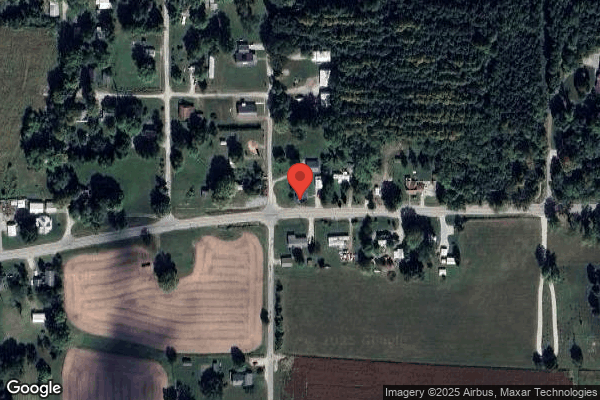
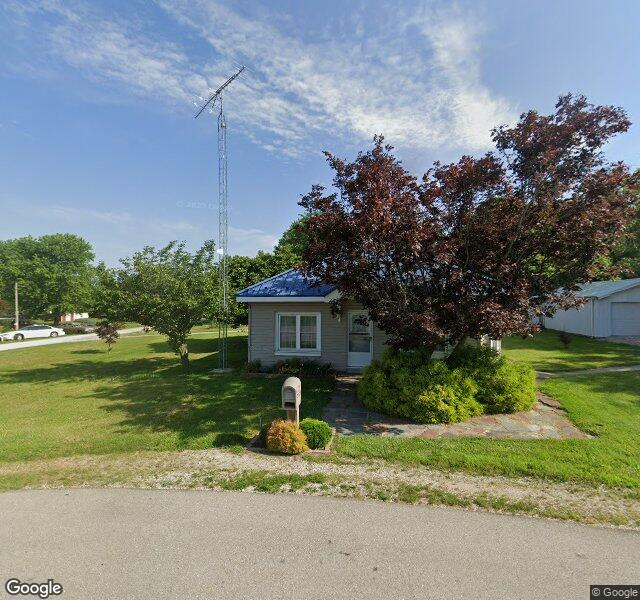
12802 EAST US HWY 50, LOOGOOTEE, IN 47553 (812) 295-2101
For profit - Limited Liability company 56 Beds Independent Data: November 2025 1 Immediate Jeopardy citation
Trust Grade
23/100
#483 of 505 in IN
Last Inspection: March 2025

Within standard 12-15 month inspection cycle. Federal law requires annual inspections.

Overview

Sycamore Care Strategies has received a Trust Grade of F, indicating significant concerns about the facility's quality of care. It ranks #483 out of 505 nursing homes in Indiana, placing it in the bottom half of all facilities in the state and second out of only two options in Martin County, meaning there is only one better choice locally. The facility's situation appears to be worsening, with the number of issues increasing from 6 in 2024 to 8 in 2025. Staffing is rated at 2 out of 5 stars, with a turnover rate of 53%, which is about average for Indiana, suggesting some staff stability but still notable turnover. The facility has faced $80,666 in fines, which is concerning and indicates ongoing compliance issues, along with less RN coverage than 85% of Indiana facilities, potentially impacting the quality of care. Specific incidents of concern include a resident with dementia who exited the facility unnoticed and was found 2.4 miles away, raising serious safety issues. Additionally, during meal times, staff failed to engage with residents and did not promptly address requests for water, which undermines the dignity of care. There were also issues with inaccurate assessments regarding residents' needs for physical restraints and unnecessary medications, highlighting potential gaps in care practices. Overall, while there are some strengths, such as average staffing turnover, the significant issues and low trust grade raise serious red flags for families considering this facility.

Trust Score
F
23/100
In Indiana
#483/505
Bottom 5%
Safety Record
High Risk
Review needed
Inspections
Getting Worse
6 → 8 violations
Staff Stability
⚠ Watch
53% turnover. Above average. Higher turnover means staff may not know residents' routines.
Penalties
✓ Good
$80,666 in fines. Lower than most Indiana facilities. Relatively clean record.
Skilled Nurses
⚠ Watch
Each resident gets only 22 minutes of Registered Nurse (RN) attention daily — below average for Indiana. Fewer RN minutes means fewer trained eyes watching for problems.
Violations
⚠ Watch
19 deficiencies on record. Higher than average. Multiple issues found across inspections.
★☆☆☆☆
1.0
Overall Rating
★★☆☆☆
2.0
Staff Levels
★☆☆☆☆
1.0
Care Quality
★★☆☆☆
2.0
Inspection Score
Stable
2024: 6 issues
2025: 8 issues

The Good

  • Full Sprinkler Coverage · Fire safety systems throughout facility
  • No fines on record

Facility shows strength in fire safety.

The Bad

1-Star Overall Rating

Below Indiana average (3.1)

Significant quality concerns identified by CMS

Staff Turnover: 53%

Near Indiana avg (46%)

Higher turnover may affect care consistency

Federal Fines: $80,666

Well above median ($33,413)

Moderate penalties - review what triggered them

The Ugly 19 deficiencies on record

1 life-threatening
Mar 2025 8 deficiencies
CONCERN (D)

Potential for Harm - no one hurt, but risky conditions existed

Deficiency F0578 (Tag F0578)

Could have caused harm · This affected 1 resident

**NOTE- TERMS IN BRACKETS HAVE BEEN EDITED TO PROTECT CONFIDENTIALITY** Based on interview and record review, the facility failed to clarify a code status for 1 of 1 residents reviewed for advance dir...

Read full inspector narrative →
**NOTE- TERMS IN BRACKETS HAVE BEEN EDITED TO PROTECT CONFIDENTIALITY** Based on interview and record review, the facility failed to clarify a code status for 1 of 1 residents reviewed for advance directives. A resident's current physician's order did not match the signed Indiana Physician Orders for Scope of Treatment form. (Resident 29) Finding includes: On [DATE] at 2:13 P.M., Resident 29's clinical record was reviewed. Diagnoses included, but were not limited to, dementia with behaviors and was admitted to the facility on [DATE]. The most recent Significant Change Minimum Data Set (MDS) assessment, dated [DATE], indicated Resident 29's cognition was severely impaired. Current Physician's Orders included, but were not limited to, the following: cardiopulmonary resuscitation (CPR or full code indicated a patient's consent to receive all possible life-saving measures in the event of a cardiac or respiratory arrest), ordered [DATE] A current Code Status Care Plan, created and last reviewed on [DATE], indicated Resident 29 had a code status of Do Not Attempt Resuscitation (DNR) with an intervention including, but not limited to, the following: Review DNR quarterly and/or at Resident 29 or family's request, initiated [DATE] The signed Indiana Physician Orders for Scope of Treatment (POST) form for Resident 29, dated [DATE], indicated DNR as the resident code status. A care plan meeting note, dated [DATE], indicated Resident 29's advance directive was reviewed at the care conference and was current. The most recent care plan meeting note, dated [DATE], indicated Resident 29's son attended via telephone call and did not indicate the advance directive was reviewed at the care conference. During an interview on [DATE] at 3:00 P.M., Registered Nurse (RN) 43 indicated to find a code status, she would look in the Electronic Health Record (EHR) at the top of the page. At that time, the EHR indicated Resident 29 was a full code. RN 43 indicated the current physician's order for code status of CPR was the information at the top of the resident's chart. So it did not get changed when the POST form was completed because the POST, code status care plan, and physician's order should match. During an interview on [DATE] at 10:56 A.M., the Social Services Director (SSD) indicated when she had care plan conferences, she would discuss the resident's advance directive. She indicated she checked that the code status care plan and the POST matched. On [DATE] at 4:00 P.M., a current Advance Directives Policy, revised [DATE]) was provided by the Director of Nursing (DON) and indicated, Information about whether or not the resident has executed an advance directive shall be displayed prominently in the medical record . the plan of care for each resident will be consistent with his or her documented treatment preferences and/or advance directive . 3.1-4(l)(5)
CONCERN (D)

Potential for Harm - no one hurt, but risky conditions existed

Deficiency F0582 (Tag F0582)

Could have caused harm · This affected 1 resident

Based on interview and record review, the facility failed to provide appropriate notice of charges for services covered and services not covered under Medicare for 2 of 2 residents reviewed for benefi...

Read full inspector narrative →
Based on interview and record review, the facility failed to provide appropriate notice of charges for services covered and services not covered under Medicare for 2 of 2 residents reviewed for beneficiary notices. Resident's and/or their representative did not receive an Advanced Beneficiary Notice (ABN) when their Medicare Part A services terminated and they remained in the facility. (Resident 5, Resident 14) Findings include: 1. On 3/14/25 at 3:30 P.M., the Administrator provided a list of residents who were discharged from a Medicare covered Part A stay with benefit days remaining in the past 6 months. On 3/17/25 at 6:52 A.M., beneficiary notices given to Resident 5 were reviewed. Resident 5's discharge date from Medicare Part A benefits was 1/17/25. The resident remained in the facility. An ABN notice for future services was not provided. 2. On 3/14/25 at 3:30 P.M., the Administrator provided a list of residents who were discharged from a Medicare covered Part A stay with benefit days remaining in the past 6 months. On 3/17/25 at 6:52 A.M., beneficiary notices given to Resident 14 were reviewed. Resident 14's discharge date from Medicare Part A benefits was 1/31/25. The resident remained in the facility. An ABN notice for future services was not provided. During an interview on 3/17/25 at 1:47 P.M., the Social Services Director (SSD) indicated the therapy department completed the ABN notices. During an interview on 3/18/35 at 11:20 A.M., the BOM indicated Resident 5 did not receive an ABN notice because she went to hospice services on 2/11/25. Resident 14 did not receive an ABN notice because she ended therapy services when her Medicare Part A services terminated. During an interview on 03/19/25 at 9:32 A.M., Occupational Therapy (OT) 2 and the Senior Administrator were unaware an ABN notice should have been issued for Resident 5 and Resident 14. During an interview on 3/19/25 at 10:22 AM, the Senior Administrator indicated there was no policy, but it would be their policy to follow the regulation for beneficiary notices. 3.1-4(f)(3)
CONCERN (D)

Potential for Harm - no one hurt, but risky conditions existed

Deficiency F0744 (Tag F0744)

Could have caused harm · This affected 1 resident

Based on observation, interview, and record review, the facility failed to ensure a resident who was diagnosed with dementia, received the appropriate treatment and services to attain or maintain her ...

Read full inspector narrative →
Based on observation, interview, and record review, the facility failed to ensure a resident who was diagnosed with dementia, received the appropriate treatment and services to attain or maintain her highest practicable physical, mental, and psychosocial well-being for 1 of 5 residents reviewed for dementia care. A high risk to fall resident repeatedly trying to get out of her chair was not offered an activity or change in environment. (Resident 1) Finding includes: On 3/13/25 at 2:52 P.M., Resident 1 was observed in a recliner next to the wall by the nurse's station, trying to get out of the recliner and the chair alarm going off. Licensed Practical Nurse (LPN) 32 told Resident 1 not to get up. On 3/13/25 at 2:58 P.M., Resident 1's chair alarm was going off. LPN 32 told Resident 1 to sit back down. Resident 1 was getting agitated and starting to raise her voice. On 3/13/25 at 3:01 P.M., Resident 1's chair alarm was going off. LPN 32 told Resident 1 to sit back in her chair and asked Resident 1 where she was going. Resident 1 was getting upset. LPN 32 asked Resident 1 if she wanted to get back in the wheelchair or sit still in the recliner. Resident 1 indicated she would sit still. On 3/13/25 at 3:09 P.M., Resident 1 asked for a drink of water for second time. LPN 32 told her just a minute. On 3/13/25 at 3:10 P.M., Resident 1's chair alarm was going off, and she was trying to get up. LPN 32 told Resident 1 You have to sit down in the chair. Resident 1 indicated I have to pee. LPN 32 told her to wait a minute, and she would get someone to take her to the bathroom. On 3/17/25 at 12:54 P.M., Resident 1's chair alarm was going off as she tried to get out of the recliner. LPN 4 called her name. On 3/17/25 at 12:56 P.M., Resident 1's chair alarm was going off. LPN 4 called her name. On 3/17/25 at 12:57 P.M., Resident 1's chair alarm was going off as she tried to get out of the recliner. LPN 4 told her to sit down. At that time, staff did not ask what she needed, offer her anything to distract her, or change her surroundings. On 3/13/25 at 2:22 P.M., Resident 1's clinical records were reviewed. Diagnoses included, but were not limited to, dementia with other behavioral disturbance, hallucinations, depression, fracture of right pubis (bones in front of pelvis), and presence of right artificial hip joint. The most current Annual Minimum Data Set (MDS) assessment, dated 12/5/24, indicated Resident 1 had severe cognitive impairment, needed partial to moderate assistance (helper performed less than half the effort) for eating and was dependent on staff for toilet use and transfers. A current Dementia Care Plan, initiated 1/9/24 and last reviewed 3/13/24, included, but were not limited to, the following interventions: Cue, reorient and supervise as needed, initiated 1/9/24 The Dementia Care Plan did not include Resident 1's like and dislikes. During an interview on 3/17/25 at 12:43 P.M., LPN 4 indicated Resident 1 had a diagnosis of dementia. She indicated Resident 1 could only do activities for a short period of time, liked mint ice cream sandwiches, and would be given coloring pages but her attention only lasted about 15-20 minutes. LPN 4 indicated Resident 1's husband and her granddaughter come to visit, and they would do things with her. LPN 4 indicated the Activity Director would probably know what kind of activities Resident 1 liked. During an interview on 3/18/25 at 9:16 A.M., the Activity Director indicated she did one on one activities with Resident 1. She liked to look at a family book, snacks, and coffee. Resident 1 liked music, but she was not able to do a lot of activities they did with their hands. On 3/18/25 at 4:00 P.M., the Director of Nursing (DON) provided a Quality of Life-Dignity policy, revised August, 2009, which indicated .12. Staff shall treat cognitively impaired residents with dignity and sensitivity; for example: a. Addressing the underlying motives or root causes for behavior . On 3/19/25 at 10:20 A.M., the Senior Administrator provided a Dementia-Clinical Protocol policy, revised November, 2018, that indicated .Treatment/Management .4. Direct care staff will support the resident in initiating and completing activities and tasks of daily living. a. Bathing, dressing, mealtimes, and therapeutic and recreational activities will be supervised and supported throughout the day as needed . 3.1-37(a)
CONCERN (E)

Potential for Harm - no one hurt, but risky conditions existed

Resident Rights (Tag F0550)

Could have caused harm · This affected multiple residents

Based on observation, interview, and record review, the facility failed to treat each resident with respect and dignity for 1 of 2 days during dining observations. Staff was feeding a resident but not...

Read full inspector narrative →
Based on observation, interview, and record review, the facility failed to treat each resident with respect and dignity for 1 of 2 days during dining observations. Staff was feeding a resident but not engaged with the resident, a resident asked for water and staff did not get it for her, a resident was told she would get coffee and did not receive it, and food was not served in a timely manner. (Main dining room, East Hall tray pass, [NAME] Hall tray pass) Findings include: 1. During a random continuous observation on 3/12/25 at 12:34 P.M., a resident seated in the main dining room asked a staff member for water to drink and indicated they had been there for a long time waiting for their trays. The staff member indicated she would get the resident water, used hand sanitizer, and then left the dining room. The resident did not get water until she was given her tray at 12:46 P.M. 2. During a continuous observation of Resident 29 in the Main dining room on 3/12/25 the following was observed: At 12:46 P.M., Resident 29 was served her meal. At 12:54 P.M., Certified Nurse Aide (CNA) 26 sat by Resident 29 to feed her. The resident next to Resident 29 at the table dropped her roll. The CNA picked up the roll for the resident off the table, gave it to her, and then grabbed a spoon to feed Resident 29 again. At 12:56 P.M., CNA 26 cued another resident at the table to eat. At 12:57 P.M., CNA 26 used a knife to cut the resident's roll and then picked up spoon and gave Resident 29 a bite of food. At 12:59 P.M., a resident hollered that she dropped ice cream on her leg. CNA 26 left Resident 29, went to the kitchen window, and asked for a towel for the resident. The resident then asked CNA 26 to take her back to her room and the CNA indicated I can't right now. I'm the only one in here and I'm trying to feed another resident. At 1:00 P.M., CNA 26 sat back down to feed Resident 29. Immediately, another resident was trying to stand up, CNA 26 went over to that resident and got her to sit back down, and then sat down to feed Resident 29. At 1:02 P.M., a resident requested ice cream so CNA 26 got up to ask the kitchen staff for ice cream and then gave it to that resident before she sat down to feed Resident 29 again. At 1:04 P.M., CNA 26 cued another resident at the table to eat. At 1:07 P.M., CNA 26 cut up food for the resident next to Resident 29 at the table. During the entire observation, the CNA did not converse with Resident 29. 3. During a continuous observation on 3/12/25, the following was observed while the hall trays were passed: At 12:04 P.M., CNA 15 started passing trays on the [NAME] Hall. At 12:06 P.M., the East Hall food cart was pushed into the hallway by the kitchen staff. At 12:52 P.M., CNA 15 was observed passing the last tray on the East Hall. CNA 15 was the only staff member passing hall trays to both halls. There was a nurse sitting at the nurse's station. 4. During a continuous observation of the main dining room on 3/12/25, the following was observed: At 12:22 P.M., the first resident in the dining room was served by Licensed Practical Nurse (LPN) 7. At 12:25 P.M., the Dietary Manager was observed going into the Administrator's office. LPN 7 left the dining room to wash her hands. At that time, there were no staff members in the dining room passing trays. At 12:26 P.M., the Administrator was observed standing in the dining room but did not pass any trays. At 12:27 P.M., LPN 7 returned to the dining room. At that time, the Business Office Manager (BOM) came to help pass trays. At 12:34 P.M., Registered Nurse (RN) 28 was observed bringing a resident to the dining room but did not help pass trays. At 12:37 P.M., LPN 32 was observed coming into the dining room and passed one tray. LPN 4 came into the dining room and asked LPN 32 to go to lunch. LPN 32 left the dining room. LPN 4 left the dining room and did not help pass trays. At 12:42 P.M., CNA 26 brought a resident to the dining room and helped pass trays. At 12:47 P.M., two residents were observed leaving the dining room after they finished eating. At 12:49 P.M., the last tray was served in the main dining room. 5. During a continuous observation of Resident 1 in the main dining room on 3/12/25, the following was observed: At 12:32 P.M., Resident 1 was observed trying to stand from her wheelchair. Another resident told her to sit down. LPN 7 told Resident 1 they'd bring her some coffee. At 12:36 P.M., Resident 1 was observed trying to stand again from her wheelchair. No one had brought her coffee. At 12:40 P.M., Resident 1 was served her tray, but it did not have coffee on it. 6. During a continuous observation of Resident 8 in the main dining room on 3/12/25, the following was observed: At 12:22 P.M., Resident 8 was seated in a Broda chair with a bedside table in the dining room. At 12:48 P.M., LPN 7 set his food tray on a nearby dining room table and gave him one bowl of pureed food with a spoon. At 12:53 P.M., Resident 8 had finished what was in bowl. At that time, LPN 7 gave him another bowl. At 12:56 P.M., LPN 7 took bowl from Resident 8 and placed a napkin on his chest instead of a clothing protector. At 1:00 P.M., Resident 8 finished the bowl. At 1:05 P.M., LPN 7 gave Resident 8 his last bowl to eat. During an interview on 3/18/25 at 1:50 P.M., the Director of Nursing (DON) indicated there should always be at least two staff in the dining room while residents were eating. It should not have taken that long for the resident's meals to be served, for a resident to be fed after the meal was served, or for a resident to get a drink. When staff assisted a resident to eat, they should have been focused on that resident. On 3/18/25 at 4:00 P.M., a current Dignity Policy, revised August 2009, was provided by the DON and indicated, Each resident shall be cared for in a manner that promotes and enhances quality of life, dignity, respect . 'Treated with dignity' means the resident will be assisted in maintaining and enhancing his or her self-esteem and self-worth . On 3/19/25 at 8:35 A.M., a current Assistance with Meals Policy, revised July 2017, was provided by the DON and indicated, . Residents who cannot feed themselves will be fed with attention to safety, comfort and dignity . On 3/19/25 at 8:35 A.M., the DON provided a Food and Nutrition Services policy, revised in October, 2017, which indicated .5. The food and nutrition staff will be available and adequately staffed to assist residents with eating as needed. Nurse aides and feeding assistants will provide support to enhance the resident experience . 3.1-3(a)(1) 3.1-3(t)
CONCERN (E)

Potential for Harm - no one hurt, but risky conditions existed

Assessment Accuracy (Tag F0641)

Could have caused harm · This affected multiple residents

Based on observation, interview, and record review, the facility failed to ensure assessments accurately reflected the resident's status for 3 of 3 residents reviewed for physical restraints and 2 of ...

Read full inspector narrative →
Based on observation, interview, and record review, the facility failed to ensure assessments accurately reflected the resident's status for 3 of 3 residents reviewed for physical restraints and 2 of 5 residents reviewed for unnecessary medications. Side (bed) rails used for mobility were marked as physical restraints, residents were marked as taking a hypnotic and an opioid but one was not administered. (Resident 7, Resident 23, Resident 25, Resident 28, Resident 30) Findings include: 1. During an observation on 3/12/25 at 10:26 A.M., Resident 7's bed was observed with half size side rails. On 3/13/25 at 2:10 P.M., Resident 7's clinical record was reviewed. Diagnoses included, but was not limited to, dementia without behaviors. The most recent MDS assessment, dated 12/6/24, indicated Resident 7's cognition was severely impaired, she was independent for bed mobility, supervision for transfers, and used side rails daily as a physical restraint. Current Physician's Orders included, but were not limited to, the following: Half size side rails, ordered 9/4/24 The most recent Side Rail Assessment, dated 12/12/24, indicated side rails were indicated to enhance mobility, positioning, or promote independence. 2. During an observation on 3/12/25 at 10:28 A.M., Resident 23's bed was observed with half size side rails. On 3/14/25 at 1:10 P.M., Resident 23's clinical record was reviewed. Diagnoses included, but was not limited to, dementia with behaviors. The most recent Quarterly MDS assessment, dated 12/19/24, indicated Resident 23's cognition was severely impaired, independent for bed mobility and transfers, took a hypnotic, and used side rails daily as a physical restraint. Current Physician's Orders included, but were not limited to, the following: Half size side rails, ordered 12/2/24 The most recent Side Rail Assessment, dated 12/19/24, indicated side rails were indicated to enhance mobility, positioning, or promote independence. The December 2024 Medication Administration Record (MAR) from 12/1/24 through 12/31/24 was reviewed and lacked administration of a hypnotic to Resident 23. 3. During an observation on 03/12/25 10:53 A.M., Resident 25's bed was observed with half size side rails. On 3/17/25 at 1:22 P.M., Resident 25's clinical record was reviewed. Diagnoses included, but was not limited to, dementia with behaviors. The most recent Annual MDS assessment, dated 12/19/24, indicated Resident 25's cognition was moderately impaired, she was independent for bed mobility, supervision for transfers, and used side rails daily as a physical restraint. Current Physician's Orders included, but were not limited to, the following: half size side rails, ordered 12/22/22 The most recent Side Rail Assessment, dated 12/19/24, indicated side rails were indicated to enhance mobility, positioning, or promote independence. 4. During an observation on 03/13/25 10:43 A.M., Resident 28's bed was observed with half size side rails. On 3/14/25 at 11:05 A.M., Resident 28's clinical records were reviewed. Diagnoses included, but were not limited to, non-ST elevation myocardial infarction, diabetes mellitus type II, and dementia. The most recent recent Quarterly MDS assessment, dated 12/10/24, indicated Resident 28 was unable to complete the Brief Interview for Mental Status (BIMS), and used side rails daily as a physical restraint. Current Physician's Orders included, but were not limited to, the following: half size side rails, dated 10/25/23 A current Fall Risk Care Plan, last revised on 4/17/24, included, but was not limited to, an intervention to provide the resident with a safe environment: (floors free from spills and/or clutter; adequate, glare-free light; a working and reachable call light, the bed in low position at night; Side rails as ordered, handrails on walls, personal items within reach), initiated 11/01/2023 The most recent Quarterly Side Rail assessment, dated 12/10/24, indicated the side rails were to enhance mobility, positioning, and promote independence. 5. On 3/14/25 at 9:05 A.M., Resident 30's clinical records were reviewed. The diagnoses included, but were not limited to, diabetes mellitus type II, hypertension, dementia, moderate with other behavioral disturbance, anxiety, and depression. The most recent Quarterly MDS assessment, dated 1/28/25, indicated Resident 30 had moderate cognitive impairment and took an opioid. Physician's Orders included, but were not limited to the following: Norco (pain medication) 5-325 MG (Milligram) tablet, Give one tablet by mouth two times a day for pain, ordered 10/1/24 and discontinued on 1/14/25 Morphine Sulfate (pain medication) 20 MG/5 ML (Milliliter) solution, Give one ml by mouth every 15 minutes as needed for pain, severe chronic pain, or SOB (shortness of breath), ordered 2/18/25 The January 2025 MAR was reviewed from 1/22/25 through 1/28/25 and indicated Resident 30 did not receive any opioid medication. During an interview on 3/18/25 at 1:50 P.M., the Director of Nursing (DON) indicated they have no physical restraints used on residents in the facility. They are only used for mobility and were marked in error on the MDS assessment. At that time, he indicated Resident 23 was not on a hypnotic in December 2024. She was taking Remeron (antidepressant) for insomnia and it was marked as a hypnotic and if a medication had been discontinued before the MDS assessment 7 day look back period, it should not be marked on the MDS assessment. These were marked in error. At that time, the DON indicated there was not a policy for completing MDS assessments but they would use the Resident Assessment Instrument (RAI) manual as their policy.
CONCERN (E)

Potential for Harm - no one hurt, but risky conditions existed

Comprehensive Care Plan (Tag F0656)

Could have caused harm · This affected multiple residents

Based on observation, interview, and record review, the facility failed to develop and implement a resident specific comprehensive care plan for 1 of 3 residents reviewed for falls, 1 of 5 residents r...

Read full inspector narrative →
Based on observation, interview, and record review, the facility failed to develop and implement a resident specific comprehensive care plan for 1 of 3 residents reviewed for falls, 1 of 5 residents reviewed for unnecessary medications, and 1 of 2 residents reviewed for nutrition. Resident's call light and reaching device were not within the resident's reach, a resident taking an antipyschotic did not have a care plan, and a resident that was an assist to feed was not assisted by staff. (Resident 9, Resident 30, Resident 1) Findings include: 1. On 3/12/25 at 10:34 A.M., Resident 9 was sitting in his wheelchair in his room. His reaching device and call light were on the bed behind him out of the resident's reach. On 3/13/25 at 10:01 A.M., staff left the resident's room. The reaching device was on the bed closest to the window and the call light was on the bed behind him out of the resident's reach. On 3/17/25 at 12:50 P.M., Resident 9's clinical record was reviewed. Diagnoses included, but were not limited to, chronic obstructive pulmonary disease, impaired mobility, weakness, balance deficit, and diabetes mellitus type II. The most recent Quarterly Minimum Data Set (MDS) assessment, dated 12/18/24, indicated Resident 9's cognition was intact and he was dependent on staff for transfers, showers, and toileting. Current Physician's Orders included, but were not limited to, the following: Reaching device to be within reach while in resident room every day and night shift, ordered 5/25/2024 A current Fall Risk Care Plan, created on 12/24/19 and last reviewed on 2/8/24, included, but was not limited to, an intervention to have a call light in reach. 2. On 3/13/25 at 12:04 P.M., Resident 1 was observed sitting in the Main dining room at a table in a wheelchair. Her chin was down to her chest, eyes closed, and a chair alarm was on back of the wheelchair. On 3/13/25 at 12:05 P.M., staff was observed bringing her meal tray to the table, set it up in front of Resident 1, tried to wake her up, and told her lunch was there. Resident 1 opened her eyes and went back to sleep. On 3/13/25 at 12:22 P.M., Resident 1 was observed sitting in the wheelchair at the dining room table, her meal tray untouched in front of her, and her eyes closed. Staff did not assist her to eat. On 3/17/25 at 8:01 A.M., Resident 1 was observed sitting up in wheelchair at dining room table, chair alarm in place on back of wheelchair, head bent down to chest, holding a small bowl in her hand down at her side, feeding herself very slowly. Staff was not assisting her. On 3/13/25 at 2:22 P.M., Resident 1's clinical record was reviewed. Diagnoses included, but were not limited to, dementia with behavioral disturbance, hallucinations, and depression. The most recent Annual MDS assessment, dated 12/5/24, indicated Resident 1 had severe cognitive impairment and needed partial to moderate assistance (staff performs less than half the effort) for eating. A current Nutrition Care Plan, last reviewed 4/26/24, indicated Resident 1 was at risk for potential problems with nutrition and needed assistance with eating d/t (due to) impaired mobility. Interventions included, but were not limited to, the following: Requires assistance with feeding, initiated 3/6/24 3. On 3/14/25 at 9:05 A.M., Resident 30's clinical records were reviewed. The diagnoses included, but were not limited to diabetes mellitus, hypertension, dementia, moderate with other behavioral disturbance, anxiety, and depression. The most recent Quarterly Minimum Data Set (MDS) assessment, dated 1/28/25, indicated Resident 30 had moderate cognitive impairment and took an antipsychotic. Current Physician Orders included, but were not limited to, the following: Risperdal 0.25 mg (milligrams), give one by mouth two times a day related to dementia, moderate, with behavioral disturbance, ordered 1/14/25 The clinical record lacked a care plan for Resident 30 receiving an antipsychotic. During an interview on 3/13/25 at 10:01 A.M., Resident 9 indicated he would use the call light and reaching device but they were not always within his reach and he has trouble finding them. During an interview on 3/18/25 at 4:10 P.M., the Director of Nursing (DON) indicated if a person was on antipsychotic they should have a care plan for that medication. At that time, he indicated the staff knew what diet the residents were on but not if they needed assistance. He indicated all residents get assistance with setting up their food. He was unaware that Resident 1 had a care plan that indicated she needed assistance with eating and staff should follow the plan of care. On 3/19/25 at 8:35 A.M., the DON provided a Food and Nutrition Services policy, revised October, 2017, which indicated .5. the food and nutrition staff will be available and adequately staffed to assist residents with eating as needed. Nurse aides and feeding assistants will provide support to enhance the resident experience . On 3/19/25 at 10:22 A.M., the Senior Administrator indicated there was no policy, but it would be their policy to follow resident's plan of care and physician orders. 3.1-35(b)(1)
CONCERN (E)

Potential for Harm - no one hurt, but risky conditions existed

Infection Control (Tag F0880)

Could have caused harm · This affected multiple residents

Based on observation, interview, and record review, the facility failed to provide a safe and sanitary environment to help prevent the development and transmission of communicable diseases and infecti...

Read full inspector narrative →
Based on observation, interview, and record review, the facility failed to provide a safe and sanitary environment to help prevent the development and transmission of communicable diseases and infections for 2 of 2 residents observed for incontinence care, 1 of 1 reviewed for wound care, 2 of 2 residents getting vital signs during medication administration, and 1 random observation of 2 residents. Staff did not change gloves or sanitize her hands between soiled to clean tasks. Staff performed handwashing for less then 20 seconds before and after wound care. A blood pressure cuff and pulse oximeter were not disinfected between residents. Proper Personal Protective Equipment (PPE) was not worn when transferring a resident on Enhanced Barrier Precautions (EBP). (Resident 2, Resident 22, Resident 26, Resident 29, Resident 1, Resident 25, Resident 30) Findings include: 1. On 3/14/25 at 8:17 A.M., Licensed Practical Nurse (LPN) 4 was observed getting vital signs on Resident 2 with the [NAME] Hall wrist blood pressure cuff and pulse oximeter during the medication pass. LPN 4 indicated Resident 2 was the last resident she was giving medications to. On 3/14/25 at 8:58 A.M., Registered Nurse (RN) 16 was observed grabbing the [NAME] Hall wrist blood pressure cuff and pulse oximeter from LPN 4 because she was unable to find one in the East Hall Medication Cart. It was not disinfected by LPN 4 or RN 16 before it was used on Resident 22 to check his vitals during the medication pass. 2. During a random observation on 3/17/25 at 6:29 A.M., LPN 4 used a wrist blood pressure cuff and pulse oximeter to check vital signs on Resident 29 in the common area by the nurse's station. Without disinfecting the equipment, she then used the same equipment to check Resident 26's vital signs. 3. On 3/17/25 at 8:24 A.M., incontinence care on Resident 1 was observed in the [NAME] Hall shower room. After sanitizing their hands, Certified Nurse Aide (CNA) 26 and CNA 18 put on gloves and assisted the resident to the toilet. CNA 26 took off Resident 1's soiled incontinence pad. She then put on a clean incontinence pad. CNA 18 grabbed wipes while CNA 26 grabbed uncovered toilet paper sitting on the back of the toilet to have the resident wipe her nose. After the resident urinated into the toilet, CNA 26 assisted the resident to stand while CNA 18 wiped the resident's perineal area from front to back, pulled up the resident's clean incontinence pad, pulled up her pants, and assisted her into the wheelchair using the same gloves. CNA 18 did not change gloves or sanitize her hands between dirty to clean tasks. 4. On 3/14/25 at 9:43 A.M., incontinence care on Resident 25 was observed in the shower room. CNA washed her hands, put on gloves, assisted the resident to stand from the wheelchair, pulled Resident 25's pants down and assisted her to sit on the toilet. CNA 26 removed the soiled incontinence pad and fastened one side of a clean incontinence pad on the resident. Resident 25 held on to the grab bar while CNA 26 assisted her to stand, wiped her perineal area from front to back three times, and discarded the wipes in the trash can. She pulled the clean incontinence pad up and fastened it, pulled the resident's pants up, assisted Resident 25 to turn and sit in the wheelchair, removed the gait belt, and then removed her gloves. CNA 26 did not change gloves or sanitize hands between dirty and clean tasks. 5. On 3/14/25 at 12:52 P.M., Resident 30 was in his wheelchair sitting in his room with the call light on and CNA 26 went into room without PPE on and closed the door. An EBP sign was observed on the wall next to the room. The PPE cart was outside the door. CNA 26 came out of Resident 30's room. Resident 30 was observed lying in bed on his left side and covered up. On 3/17/25 at 10:49 A.M., Resident 30 was laying in his bed and the call light was on. CNA 26 knocked on the door, entered the resident's room without putting on PPE, asked if he for sure wanted to sit up in the wheelchair since lunch wasn't for another hour, and closed the door. CNA 26 left the room. Resident 30 was observed sitting in his wheelchair. On 3/14/25 at 9:05 A.M., Resident 30's clinical records were reviewed. The diagnoses included, but were not limited to, a wound on his buttock and dementia, moderate with behavioral disturbance. The most recent Quarterly MDS assessment, dated 1/28/25, indicated Resident 30 had moderate cognitive impairment, needed supervision for toilet use and transfers, and no skin issues at that time. Physician Orders included, but were not limited to, the following: Cleanse wound on buttock with normal saline, pat dry, apply Calcium Alginate, cover with border gauze and as needed if becomes soiled or dislodged, every day shift, ordered 2/28/25 EBP in place: See sign outside of resident room, every day and night shift, ordered 2/19/25 On 3/14/25 at 2:52 P.M., Registered Nurse (RN) 28 and RN 16 performed wound care on the coccyx for Resident 30. After putting on proper PPE, RN 16 cleaned bedside table with wipe, cleaned scissors with wipe, removed gloves, and washed hands at sink with 5 second lather, dried hands, and put on gloves. RN 28 washed hands and put on gloves. RN 16 uncovered resident, moved pillow from behind resident, turned resident to right side, unfastened brief, put disposable chucks pad under the resident, removed dressing, area was length (cm) (centimeters): 0.8, width (cm): 0.4, depth (cm): 0.1 in size, slightly red with very small opening in center. RN 16 removed gloves, put clean gloves on, without sanitizing hands, cleaned area with normal saline, dried area with gauze, removed gloves, washed hands with a 5 second lather, put on clean gloves, applied calcium alginate over wound, cut dressing, put small amount of normal saline on dressing and put it in open area, border gauze placed over dressing, put date and initials on dressing, reapplied brief, rolled to left side, placed pillow behind back, and covered resident. RN 16 cleaned up supplies and discarded them in trash, cleaned marker with wipes, removed trash bag, tied shut, and put a clean trash bag in trash can. RN 28 took trash bag, and removed PPE. RN 16 removed PPE and both cleaned hands with sanitizer in hall. During an interview on 3/18/25 at 10:36 A.M., the Director of Nursing (DON) indicated he would expect staff to sanitize the blood pressure cuff, pulse oximeter, and other equipment between residents and he would expect staff to change gloves and sanitize hands between dirty and clean tasks while doing incontinence care. At that time, he indicated if a resident was on EBP and staff were touching the resident for an extended period of time, they should be putting on proper PPE, including gown and gloves, and handwashing should last from 40-60 seconds. On 3/19/25 at 8:35 A.M., a current Cleaning and Disinfection of Equipment Policy, revised October 2018, was provided by the DON and indicated, Resident-care equipment . will be cleaned and disinfected according to current Centers for Disease Control (CDC) recommendations for disinfection . On 3/19/25 at 8:35 A.M., the DON provided a Hand Hygiene Policy, dated 12/1/21, indicated .7. Use an alcohol-basedhand rub containing at least 62% alcohol; or, alternatively, soap (antimicrobial or non-antimicrobial) and water for the following situations: .h. Before moving from a contaminated body site to a clean body site during resident care; .j. After contact with blood or bodily fluids; .Washing Hands 1. Vigorously lather hands with soap and rub them together, creating friction to all surfaces, for a minimum of 20 seconds (or longer) .Applying and Removing Gloves 1. Perform hand hygiene before applying non-sterile gloves .4. Hold the removed glove in the gloved hand and remove the other glove by rolling it down the hand and folding it into the first glove. 5. Perform hand hygiene. 3.1-18(b)(2) 3.1-18(l)
CONCERN (E)

Potential for Harm - no one hurt, but risky conditions existed

Safe Environment (Tag F0921)

Could have caused harm · This affected multiple residents

**NOTE- TERMS IN BRACKETS HAVE BEEN EDITED TO PROTECT CONFIDENTIALITY** Based on observation, interview, and record review, the facility failed to provide a safe, sanitary, and homelike environment fo...

Read full inspector narrative →
**NOTE- TERMS IN BRACKETS HAVE BEEN EDITED TO PROTECT CONFIDENTIALITY** Based on observation, interview, and record review, the facility failed to provide a safe, sanitary, and homelike environment for residents for 1 of 1 shower rooms, 3 of 16 resident rooms/bathrooms observed for environment, and 3 random observations. The shower room grout was soiled and water was leaking from the hand held shower head, resident wheelchairs and a Broda chair had leather flaking off the arm rests, an entrance door to room had cracked, sharp plastic on the bottom, carpeting was loose causing an uneven floor surface, and a resident's recliner had a strong odor of urine. (Shower Room, room [ROOM NUMBER]A, Resident 29, room [ROOM NUMBER], room [ROOM NUMBER], Resident 7, Resident 8) Findings include: 1. On 3/14/25 at 9:17 A.M., the following was observed in the Shower Room: a missing tile at the entrance of the shower, grout was soiled on the floor and wall of shower, white build up on the floor and the hand rails in the shower, water dripping from the hand held shower head, the toilet paper holder was missing and the uncovered toilet paper was setting on back of the toilet, and the grout was soiled around the toilet. On 3/17/25 at 8:24 A.M., the same was observed. 2. On 3/13/25 at 9:29 A.M., the following was observed in Resident 29's room [ROOM NUMBER]A: the foot board had duct tape along the top edge and the door to enter the room had a cracked, sharp, plastic cover along the bottom. On 3/17/25 at 11:24 A.M., the same was observed. On 3/12/25 at 11:07 A.M., Resident 29 was sitting in her wheelchair in the living room of the facility and the left arm of her wheelchair was missing leather covering and the yellow foam pad was showing. On 3/13/25 at 10:13 A.M., the Resident was sitting in front of the nurse's station and the same was observed. 3. On 3/12/25 at 10:34 A.M., in room [ROOM NUMBER], Resident 9 was sitting in his wheelchair in his room. The resident's recliner had a strong urine odor and stains on the cushion. On 3/17/25 at 11:20 A.M., the same was observed. 4. On 3/12/25 at 10:35 A.M., the following was observed in room [ROOM NUMBER]: the carpet on the floor was pulling away from under the door threshold and it made the carpeting have bumps causing an uneven floor throughout the room. On 3/18/25 at 12:01 P.M., the same was observed. 5. On 3/12/25 at 11:00 A.M., Resident 7 was sitting in her wheelchair in the living room of the facility and the right side arm rest leather was flaking off. On 3/17/25 at 11:39 A.M., the same was observed. 6. On 3/12/25 at 12:22 P.M., Resident 8 was observed in the dining room seated in his Broda chair. The left arm rest had the leather missing and the yellow foam pad was showing. On 3/13/25 at 12:36 P.M., the same was observed. During an interview on 3/18/25 at 1:50 P.M., the Director of Nursing (DON) indicated maintenance and/or housekeeping should be cleaning the shower room daily and as needed. It should be deep cleaned monthly. room [ROOM NUMBER]A should get a new foot board and replacing the plastic on the door. Maintenance would need to make rounds to look at all resident wheelchairs and equipment to replace the arm rests if needed because they should not have peeling leather. The recliner was owned by Resident 9 and housekeeping would be responsible for cleaning the recliner but they may end up having to replace it. room [ROOM NUMBER] needed the carpeting removed and different flooring put in but it just hadn't been done. On 3/19/25 at 8:35 A.M., a current Homelike Environment Policy, revised May 2017, was provided by the DON and indicated, Residents are provided with a safe, clean, comfortable, and homelike environment . The facility staff and management shall maximize, to the extent possible, the characteristics of the facility that reflect a personalized, homelike setting. These characteristics include: a. Clean, sanitary, and orderly environment . 3.1-19(f)(5) 3.1-19(z)(bb)
May 2024 1 deficiency 1 IJ
CRITICAL (J) 📢 Someone Reported This

A family member, employee, or ombudsman was alarmed enough to file a formal complaint

Immediate Jeopardy (IJ) - the most serious Medicare violation

Accident Prevention (Tag F0689)

Someone could have died · This affected 1 resident

Based on observation, interview, and record review, the facility failed to ensure adequate supervision and a secured environment was in place to prevent a resident with dementia from exiting the facil...

Read full inspector narrative →
Based on observation, interview, and record review, the facility failed to ensure adequate supervision and a secured environment was in place to prevent a resident with dementia from exiting the facility and leaving the property. On 4/10/24, after being last seen by facility staff around 8:00 P.M., a resident exited the facility and was not realized to be missing until 8:45 P.M. when the resident was noticed to not be in her room. The resident was located by local law enforcement at 9:11 P.M. approximately 2.4 miles away at a residential residence along US Highway 50. (Resident C) This Immediate Jeopardy began on 4/10/24 when the facility failed to ensure Resident C did not exit the facility through a window in the front of the building, located in the dining room, and walked approximately 2.4 miles to a residential residence. Local law enforcement located the resident. The resident was treated at a local hospital for a facial laceration and minor head injury from multiple falls in a ditch before returning to the facility. The facility administrator was notified of the Immediate Jeopardy on 5/1/24 at 11:30 A.M. The immediate Jeopardy was removed on 5/2/24 at 3:50 P.M., but noncompliance remained at the lower scope and severity of no actual harm with potential for more than minimal harm that is not Immediate Jeopardy. Finding includes: Interview on 4/30/24 at 11:20 A.M., LPN 4 indicated that Resident C was at risk for elopement, wears a WanderGaurd bracelet (a device that triggers door alarms and locks monitored doors to prevent the resident from leaving unattended) and had eloped from the facility on the night of 4/10/24 by climbing through a window. LPN 4 indicated that Resident C had previously attempted to exit the facility through the front doors while a delivery was being made. Observation on 4/30/24 at 11:25 A.M., Resident C was near the nurse's station walking without assistance. Review of facility reported incidents on 4/30/24 at 11:30 A.M., an IDOH (Indiana Department of Health) Reportable Incident form completed by the facility administrator, with an incident dated of 4/10/24 at 9:03 P.M., indicated that the DON (Director of Nursing) was notified at approximately 9:00 P.M., that staff could not locate Resident C. The reported incident included Type of injury added . Bruising of face and arms. The DON immediately notified administrator that facility had called and could not find Resident C in the facility. Administrator immediately called building to see when the last time they had seen Resident C. Staff stated they had last seen the resident around 8:00 P.M. Administrator called local police department at 9:11 P.M. and while on the phone with the county sheriff department, the police department received a call regarding the resident's location at a house near the facility. A follow up, added 4/15/24, included that Resident C was transported to a local hospital around 9:31 P.M. after exiting the facility on 4/10/24. A sheriff deputy called the administrator and said that a 911 call had been received at 8:49 P.M. regarding a woman walking on US Highway 50. The local police came to the facility around 10:15 P.M. to follow up with the incident and discovered that a dining room window was open enough for an adult to climb out of. Record review on 4/30/24 at 12:00 P.M., Resident C's diagnoses included, but were not limited to, Alzheimer's Disease, altered mental status, anorexia, insomnia, and dementia. A risk for elopement assessment completed on 3/6/24 indicated the resident was at risk for elopement. Resident C's most recent Quarterly MDS (Minimal Data Set) dated 3/8/24, indicated that the resident's cognition was severely impaired, that the resident wandered daily, required supervision for completing activities of daily living (ADL's), and was independent with mobility without the use of an assistive device. Resident C's physician orders included, but were not limited to, check placement and functioning of WanderGaurd to right ankle (started 10/19/22). A care plan for elopement risk, dated 3/11/24, included, but was not limited to, interventions to allow resident to roam safely throughout the facility and approach resident in a friendly manner. The plan of care did not include documentation to indicate interventions to provide adequate supervision to prevent elopements were implemented. A care plan for intrusive wandering throughout the building, dated 3/21/24 included, but was not limited to, interventions to redirect resident away from doors. A care plan for impaired cognitive function/dementia or impaired thought process due to Alzheimer's, dementia, dated 2/6/24, included, but was not limited to, interventions to cue, orient, and supervise as needed. Resident C's nurse's notes included, but were not limited to, the following: 3/15/24 at 4:16 P.M. - After family left, resident is extra exit seeking and adamant about leaving and notably frustrated with her situation. Order received to increased Zoloft to 200 mg (milligrams) and monitor changes. 3/22/24 at 10:30 P.M. - Resident to start Xanax in the morning. Resident just going to her room. Resident becomes angry and argumentative with staff and has been hiding in the dark dining room. 3/3/1/24 at 1:09 A.M. - Resident has shown agitation and increased desire to leave facility this evening. Resident noted to be observing the front door and visitors leaving the facility. Staff redirected resident away from the front door and into the nursing station area. 4/1/24 at 1:14 P.M. - Resident continues to be agitated with increased desire to leave facility. Resident standing at the doors on [NAME] unit hall pushing on them with some belongings in her hand. Resident unreasonably anxious and suspicious. 4/6/24 at 8:15 P.M. - Resident pacing the lobby and stated that she needs to get out to give her granddad his medications. Attempted to redirect without success. Keeping close eye on resident due to her wanting to leave. 4/10/24 at 9:00 P.M. - The resident was observed in the front lobby at 8:00 P.M., staff went to the resident's room to administer medications at 8:45 P.M., the resident was not in the room, and staff could not locate the resident in the facility. 4/10/24 at 9:15 P.M. - Resident found off site by police officers. Resident found with possible head injury and lacerations on arms and face. Resident C's hospital ER (Emergency Room) MD (Medical Doctor) Exam Note, dated 4/10/24 at 10:07 P.M., included, .[Resident C] brought in by ambulance with unspecified facial trauma. Patient apparently eloped from nursing home . and was later found 2 to 3 miles away from facility. She had dried blood on her face with lacerations over the nose. She had multiple skin tears on the left upper extremity and one on the right upper extremity. Patient has baseline dementia and at baseline is only typically oriented to person . She does not recall exactly what happened but states that she fell in a ditch multiple times . Diagnosis included, minor head injury, facial laceration, and skin tears. During a review on 4/30/24 at 12:30 P.M., the facility's investigation of Resident C's elopement on 4/10/24 included the following: A timeline of events dated 4/11/24 and signed by the Facility Administrator included: 9:03 P.M. - DON called Administrator to notify that Resident C was missing from the facility. 9:07 P.M. - Administrator called facility to see when staff had last seen resident. 9:11 P.M. - Administrator called local police department to notify them of missing person. While on phone, a dispatch from local sheriff department just located an elderly woman approximately 2.4 miles from the facility. 9:31 P.M. - Administrator received a call from deputy sheriff department, and they indicated they had received multiple 911 calls regarding a woman appearing injured walking on highway 50. The police first call had come in at 8:49 P.M. A handwritten note by LPN 7, dated 4/10/24, included that at 8:45 P.M., staff went to Resident C's room to administer medications and resident was not in the room. Staff checked area by bird cage in front lobby where they last saw the resident around 8:00 P.M. After staff searched the building, the DON was contacted at 9:00 P.M. At 10:15 P.M., the police came to follow up on the incident and when looking around, an officer shined flashlight around dining room and one window was noted to be open enough for an adult to climb out of. Windows are only inches away from the ground. Interview on 4/30/24 at 1:50 P.M., the Facility Administrator indicated that Resident C was able to unlock the front dining room window and raise the window high enough to climb through. The front windows of the facility were old windows that had been painted, they often stuck when trying to open or would not stay open if able to lift them, and they were heavy. The windows locked and the window latches were at about eye level. Since Resident C's elopement on 4/10/24, window stops were installed by maintenance staff so that the windows only open enough to let air in, but not enough for someone to climb through. The other windows in resident areas had been replaced prior to Resident B's elopement and had factory window stops on them. Interview on 5/2/24 at 11:40 A.M., LPN 4 indicated that Resident C's dementia had recently seemed to worsen causing an increase in behaviors including packing her belongings more often, attempting to use the keypads to exterior doors, and refusing medications. LPN 4 indicated that medications such as Zoloft had been adjusted in March due to the change; however, no non-pharmaceutical interventions or additional staff/supervision had been added to help prevent the increased exit-seeking behaviors or prevent the elopement. Observation on 5/1/24 at 10:30 A.M., two large windows located in the activity room of the facility did not have window stops installed. The windows were able to be unlocked and opened fully allowing enough space for an adult to exit through the window. The windows were similar to the windows in front of the building that Resident C was able to open and exit through. On 4/30/24 at 2:15 P.M., the Facility Administrator supplied a facility policy titled, Wandering and Elopements, dated 3/2019. The policy included, The facility will identify residents who are at risk of unsafe wandering and strive to prevent harm while maintaining the least restrictive environment for residents . If identified as at risk for wandering, elopement, or other safety issues, the resident's care plan will include strategies and interventions to maintain the resident's safety . On 5/1/24 at 11:30 A.M., the DON supplied a facility policy, titled Dementia - Clinical Protocol, dated 11/2018. The policy included, .Treatment/Management . 4. Direct care staff will support the resident in initiating and completing activities and tasks of daily living. a. Bathing, dressing, mealtimes, and therapeutic and recreational activities will be supervised and supported throughout the day as needed . On 5/1/24 at 2:45 P.M., the DON supplied a copy of a staff educational in-service titled, Safe Supports for Someone at Risk for Elopement, dated 2022. The in-service included, .An elopement occurs when a person leaves the premises of a safe environment, such as the home, without the necessary supervision to do so . Environmental Interventions . Do frequent location checks . Regularly check that doors and gates are securely locked . Lock windows . Place locks either high or low on exit doors . The Immediate Jeopardy, that began on 4/10/24, was removed on 5/2/24 when the facility in-serviced the staff on elopement prevention and ensured the unsecured windows were secured with window stops but the noncompliance remained at the lower scope and severity of no actual harm with potential for more than minimal harm that is not Immediate Jeopardy, the facility continues to monitor residents at risk for elopement, continued staff education and elopement drills. This citation relates to complaints IN00429296 and IN00432317. 3.1-45(a)(2)
Feb 2024 4 deficiencies
CONCERN (D)

Potential for Harm - no one hurt, but risky conditions existed

Assessment Accuracy (Tag F0641)

Could have caused harm · This affected 1 resident

**NOTE- TERMS IN BRACKETS HAVE BEEN EDITED TO PROTECT CONFIDENTIALITY** Based on interview and record review, the facility failed to ensure an accurate Minimum Data Set (MDS) Assessment was completed ...

Read full inspector narrative →
**NOTE- TERMS IN BRACKETS HAVE BEEN EDITED TO PROTECT CONFIDENTIALITY** Based on interview and record review, the facility failed to ensure an accurate Minimum Data Set (MDS) Assessment was completed for 3 of 5 residents reviewed for unnecessary medications. The MDS Assessment indicated one resident received a diuretic and one resident received an opioid during the lookback period when they didn't. The MDS Assessment indicated one resident was not on an antibiotic but they were. (Resident 15, Resident 27, Resident 4) Findings include: 1. On 2/21/24 at 2:24 P.M., Resident 15's clinical records were reviewed. Resident 15 was admitted on [DATE]. Diagnosis included, but were not limited to, polyneuropathy, diabetes mellitus, major depressive disorder, generalized anxiety disorder, chronic pain syndrome, and pulmonary hypertension. The most current quarterly MDS Assessment, dated 12/26/23, indicated Resident 15 was cognitively intact, needed extensive assistance of two for bed mobility, and transfers and total dependence of two for toilet use. The medications listed were insulin 7 days, antipsychotic, antianxiety, opioid, antiplatelet, and hypoglycemic. Current Physician Orders included but were not limited to the following: risperidone Oral Tablet Give 0.25 mg by mouth two times a day related to altered mental status, delusional disorders dated 12/12/2023 Humalog Injection Solution 100 UNIT/ML (Milliliters) (Insulin Lispro) Inject 10 units subcutaneously with meals for diabetes dated 12/12/2023 Humalog Injection Solution 100 UNIT/ML (Milliliters) (Insulin Lispro) Inject 20 units subcutaneously one time related to type II diabetes mellitus. Start date 12/22/23 Furosemide Oral Tablet 20 MG (milligrams) Give 20 mg by mouth one time a day related to pulmonary hypertension, essential hypertension dated 10/20/2023 Aspirin EC (Enteric Coated) Low Dose Oral Tablet Delayed Release 81 MG Give 81 mg by mouth one time a day related to peripheral vascular disease dated 10/20/2023 Lantus Solostar Subcutaneous Solution Pen Injector 100 mg/ml Inject 40 units subcutaneously one time a day related to type II diabetes mellitus. Start date 12/13/23 D/C (discontinue) date 12/22/23 Lantus Solostar Subcutaneous Solution Pen Injector 100 mg/ml Inject 25 units subcutaneously two times a day related to type II diabetes mellitus Start date 12/22/23 D/C date 12/28/23 Valium Oral Tablet 5 mg Give 5 mg by mouth one time only for pre-MRI (Magnetic Resonance Imaging) anxiety for one day Give 30-45 minutes before MRI Start date 12/20/23 Tramadol HCL (Hydrochloride) Oral Tablet 50 mg Give 1 tablet by mouth every 6 hours as needed for pain related to chronic pain syndrome for 30 days Start date 12/26/23 On 2/22/24 at 10:58 A.M., review of the MAR (Medication Administration Record) indicated Resident 15 did not receive an opioid during the lookback period of 12/19/23 through 12/26/23. 2. On 2/21/24 at 10:28 A.M., Resident 27's clinical records were reviewed. She was admitted on [DATE]. Diagnosis included, but were not limited to, Alzheimer's disease, coronary artery disease (CAD), hypertension, renal insufficiency, renal failure, anxiety disorder, depression (other than bipolar), and schizoaffective disorder. The most current Quarterly MDS Assessment, dated 12/27/23, indicated Resident 27 was unable to be assessed for cognitive status, needed limited assistance of one for bed mobility, transfers and toilet use. The medications listed were antipsychotic, antianxiety and diuretic. Current Physician Orders included but were not limited to the following: Lasix Oral Tablet 20 MG (Furosemide) Give 1 tablet by mouth every 24 hours as needed for swelling related to edema Dated 10/11/2023 Paliperidone ER Oral Tablet Extended Release 24 Hour 6 MG Give 6 mg by mouth one time a day related to schizoaffective disorder Dated 12/5/2023 Xanax Oral Tablet 0.25 MG (Alprazolam) Give 0.25 mg by mouth three times a day related to anxiety disorder 9 A.M.,1 P.M.,7 P.M. Dated 9/20/2023 Resident 27's MAR (Medication Administration Record) was reviewed from 12/20/23 through 12/27/23. The MAR did not indicate Lasix was given-ordered Lasix 20 mg 1 every 24 hours as needed. During an interview on 2/23/24 at 11:38 A.M., the MDS Coordinator indicated she had been marking the medications in the MDS Assessment if a medication had been ordered but not necessarily given. 3. On 2/22/24 at 6:26 A.M., Resident 4's clinical record was reviewed. Diagnoses included, but were not limited to, moderate dementia with behavioral disturbances and pneumonia. The most recent Quarterly MDS Assessment, dated 2/8/24, indicated Resident 4 was cognitively intact, needed supervision of staff for bed mobility, transfers, and toileting, and the resident had not been on an antibiotic during the 7 day look back period. The February 2024 MAR was reviewed and indicated Resident 4 was administered Cefdinir 300 mg (milligrams) twice daily for 7 days and Clindamycin 300 mg three times a day for 7 days beginning on 2/1/24. During an interview on 2/23/24 at 11:45 A.M., the MDS Coordinator indicated he should have had antibiotics marked on the recent MDS because he took the two antibiotics during the look back period and it was not marked in error. During an interview on 2/23/24 at 11:38 A.M., the MDS Coordinator indicated there was not a policy, but they use the RAI (Resident Assessment Instrument) Manual.
CONCERN (D)

Potential for Harm - no one hurt, but risky conditions existed

Deficiency F0657 (Tag F0657)

Could have caused harm · This affected 1 resident

**NOTE- TERMS IN BRACKETS HAVE BEEN EDITED TO PROTECT CONFIDENTIALITY** Based on observation, interview and record review, the facility failed to revise the care plans for 3 of 7 residents reviewed fo...

Read full inspector narrative →
**NOTE- TERMS IN BRACKETS HAVE BEEN EDITED TO PROTECT CONFIDENTIALITY** Based on observation, interview and record review, the facility failed to revise the care plans for 3 of 7 residents reviewed for pressure ulcers and accidents. One resident had a change in condition, two residents had a change in mobility, and their care plans were not revised. (Resident 29, Resident 12, Resident 24) Findings include: 1. On 2/21/24 at 9:22 A.M., Resident 29 was observed sitting in a wheelchair in the common area at activities. On 2/21/24 at 2:09 P.M., Resident 29 was observed sitting in a wheelchair in the common area with a boot on his right foot and an alarm on the back of the wheelchair. On 2/22/24 at 1:19 P.M., Resident 29 was observed sitting up in a wheelchair with a wanderguard on his right wrist at an activity. On 2/23/24 at 9:26 A.M., Resident 29 was observed sitting up in a wheelchair at a table close to the nurse's desk one on one with an activity staff. He was wearing a boot on his right foot, a wanderguard on his right wrist and a chair alarm on the back of the wheelchair. On 2/22/24 at 11:39 A.M., Resident 29's clinical record was reviewed. He was admitted on [DATE]. Diagnosis included but were not limited to, non-ST elevation (NSTEMI) myocardial infarction, diabetes mellitus with polyneuropathy, attention-deficit hyperactivity disorder, predominantly inattentive type, unspecified dementia, muscle weakness, unsteadiness on feet, and need for assistance with personal care. The most current Quarterly MDS Assessment and State Optional MDS (Minimum Data Set) Assessment, dated 12/8/23, indicated Resident 29 had severe cognitive impairment, needed limited assistance of one for bed mobility and toilet use, and supervision with transfers. Behaviors indicated Resident 29 had physical behavioral symptoms directed towards others (e.g., hitting, kicking, pushing, scratching, grabbing, abusing others sexually) for 1-3 days. Verbal behavioral symptoms directed towards others (e.g., threatening others, screaming at others, cursing at others) for 1-3 days. Other behavioral symptoms not directed towards others (e.g., physical symptoms such as hitting or scratching self, pacing, rummaging, public sexual acts, disrobing in public, throwing or smearing food or bodily wastes, or verbal/vocal symptoms like screaming, disruptive sounds) for 1-3 days. Resident wandered daily and had no alarms or restraints Current Physician Orders included but were not limited to the following: bed and chair alarms, check placement and function each shift, every day and night shift for decreased safety awareness Dated 2/17/2024 Offloading boot to R foot when out of bed r/t (related to) wound, every day and night shift for wound 2/9/2024 Place wanderguard and add to elopement record, check placement and function every shift, every day and night shift for wandering Dated 1/13/24 A care plan for Current Functional Performance, dated 10/26/2023 indicated the following: Bed mobility - Independent / No set-up or physical help Eating - Independent / set-up help only Toilet use - Independent / set-up help only Transfer - Independent / no set-up or physical help During an interview on 2/23/24 at 10:00 A.M., the DON (Director of Nursing) indicated Resident 29 was declining and had been for the last month. He was no longer wandering, but he still had a wanderguard on. He needed assistance with care and transfers now and stayed in the wheelchair so he had a bed and chair alarm. During an interview on 2/23/24 at 11:23 A.M., the DON indicated if there was a change in a resident's condition, the care plan should be updated. 2. On 2/19/24 at 11:31 A.M., Resident 12 was observed in his room asleep in the recliner and there were non skid strips in front of his recliner. On 2/22/24 at 9:23 A.M., Resident 12's clinical record was reviewed. Diagnoses included, but were not limited to, COPD, generalized (muscle) weakness, unsteadiness on feet, and abnormalities of gait and mobility. The most recent Quarterly MDS Assessment, dated 2/19/24, indicated Resident 12 was cognitively intact, and an extensive assist of 2 staff for bed mobility, transfers, and toileting. Current Physician's Orders included, but were not limited to, the following: Up with assist of 1, dated 4/6/2022 up with assist of 2, dated 2/22/24 A current Functional Performance Care Plan, dated 12/8/23, included, but was not limited to, the following interventions: Bed mobility- Independent/no set-up or physical help, initiated 12/8/23 Toilet use- Total assist/two person physical assist, initiated 12/8/23 Transfer- Total assist/two-person physical assist, initiated 12/8/23 A current Falls Care Plan, revised 2/8/24, included, but was not limited to, the following intervention: Assist of 2 staff with transfers, revised 2/22/24 A current Activities of Daily Living (ADL) Care Plan, revised 5/5/22, included, but was not limited to, the following intervention: Bed mobility: The resident requires extensive assist by two staff to turn and reposition in bed, revised 5/5/22 Toilet use: The resident requires extensive assist by two staff for toileting, revised 5/5/22 Transfer: The resident requires extensive assist by one staff to move between surfaces, revised 5/5/22 During an interview on 2/23/24 at 11:07 A.M., the DON indicated the order for assist of 1 was wrong because he was definitely an assist of two staff. The order, MDS Assessment, and care plan should all reflect that. At that time, he indicated nursing staff were educated on entering the mobility information into the electronic health record (EHR) so the MDS Assessment was accurate. If the resident's mobility changed, that was verbally reported between nursing staff during shift change and should be brought to the DON's attention. 3. On 2/19/24 at 9:45 A.M., Resident 24 was observed sweeping the facility floor outside of the activity room without staff's assistance. On 2/19/24 at 12:09 P.M., Resident 24 was observed walking in the [NAME] hall of the facility without staff's assistance. On 2/20/24 at 2:04 P.M., Resident 24 was observed in the front lobby walking around without staff's assistance. On 2/20/24 at 2:24 P.M., Resident 24's clinical record was reviewed. Diagnoses included, but were not limited to, dementia with behavioral disturbance and anxiety. The most recent Quarterly MDS Assessment, dated 12/7/23, indicated Resident 24's cognition was severely impaired and she was a limited assist of 1 staff for bed mobility, transfers, and toileting. Current Physician's Orders included, but were not limited to the following: up at lib (on own), dated 6/28/23 A current ADL Performance Care Plan, revised 1/21/24, included, but was not limited to, the following interventions: Transfers: The resident requires extensive assist by one staff to move between surfaces, dated 8/1/22 During an interview on 2/21/24 at 8:45 A.M., the DON indicated the resident's orders, MDS mobility, and care plans should match and ad lib means go without the staff's assistance which Resident 24 was capable of. He indicated the order was correct but the care plan was not. The MDS Coordinator, newly hired, was in charge of revising nursing care plans and because of turn over, the care plans have been missed and not been kept up to date. During an interview on 2/23/24 at 11:45 A.M., the MDS Coordinator indicated she was newly hired, and she has been trying to catch them up. At that time, she indicated new orders and changes to the care plans should be updated every day after the morning meeting and as needed. She just hasn't had the time to make sure all care plans for all residents were up to date. On 2/26/24 at 10:58 A.M., a current Care Planning Policy, revised September 2013, was provided by the DON and indicated . Our facility's Care Planning/Interdisciplinary Team is responsible for the development of an individualized comprehensive care plan for each resident . Assessments of residents are ongoing and care plans are revised as information about the residents and the residents' conditions change . 3.1-35(d)(2)(B)
CONCERN (D)

Potential for Harm - no one hurt, but risky conditions existed

Deficiency F0659 (Tag F0659)

Could have caused harm · This affected 1 resident

Based on observation, interview, and record review, the facility failed to ensure a resident was transferred by qualified personal. An unlicensed staff member transferred a resident that resulted in a...

Read full inspector narrative →
Based on observation, interview, and record review, the facility failed to ensure a resident was transferred by qualified personal. An unlicensed staff member transferred a resident that resulted in a fall for 1 of 4 residents reviewed for falls. (Resident 12) Finding includes: On 2/19/24 at 11:31 A.M., Resident 12 was observed in his room asleep in the recliner and there were non skid strips in front of his recliner. On 2/22/24 at 9:23 A.M., Resident 12's clinical record was reviewed. Diagnoses included, but were not limited to, chronic obstructive pulmonary disease (COPD), generalized (muscle) weakness, unsteadiness on feet, and abnormalities of gait and mobility. The most recent Quarterly MDS (Minimum Data Set) Assessment, dated 2/19/24, indicated Resident 12 was cognitively intact, and an extensive assist of 2 staff for bed mobility, transfers, and toileting. Current Physician's Orders included, but were not limited to, the following: Up with assist of 1, dated 4/6/2022 up with assist of 2, dated 2/22/24 A current Functional Performance Care Plan, dated 12/8/23, included, but was not limited to, the following intervention: Bed mobility- Independent/no set-up or physical help, initiated 12/8/23 Toilet use- Total assist/two person physical assist, initiated 12/8/23 Transfer- Total assist/two-person physical assist, initiated 12/8/23 A current Falls Care Plan, revised 2/8/24, included, but was not limited to, the following intervention: Assist of 2 staff with transfers, revised 2/22/24 A current Activities of Daily Living (ADL) Care Plan, revised 5/5/22, included, but was not limited to, the following intervention: Bed mobility: The resident requires extensive assist by two staff to turn and reposition in bed, revised 5/5/22 Toilet use: The resident requires extensive assist by two staff for toileting, revised 5/5/22 Transfer: The resident requires extensive assist by one staff to move between surfaces, revised 5/5/22 Progress Notes included, but were not limited to, the following: On 2/19/24 at 2:16 P.M., Nurse's Note: Called to resident room by staff resident was being transferred to his recliner and was sat on the floor without hitting his head or sustaining injury. Assessed resident no visible s/s [signs/symptoms] of injury or pain. Assisted resident to recliner. Notified MD [Medical Doctor] and POA [Power of Attorney] of incident. On 2/19/24 at 2:18 P.M., IDT [interdisciplinary team] note: Resident fell during transfer staff was attempting transfer from w/c [wheelchair] to recliner staff could not comp-lete [sic] the transfer and sat resident on the floor without injury. Immediate intervention was to educate staff on proper transfer procedure and scope of practice. Resident is a two assist but transfer was attempted by single staff. Education immediately completed. Cont [continue] all prev [previous] interventions as ordered. MD and POA notified of incident. Care plans reviewed and updated as needed. During an interview on 2/23/24 at 11:07 A.M., the DON (Director of Nursing) indicated on 2/19/24 Activities Assistant 5 attempted to transfer Resident 12 from his wheelchair to recliner in his room by himself. At that time, the DON indicated the resident was definitely an assist of 2 staff for transfers. He indicated the job description for activity staff was reviewed with Activities Assistant 5 and they were educated on practicing outside their scope of practice. During an interview on 2/26/24 at 10:25 A.M., Activities Assistant 5 indicated he did not know at the time that he was not supposed to transfer residents without being licensed or certified staff member and he indicated he did not know the resident needed assist of 2 staff. On 2/23/24 at 12:00 P.M., a current non dated Activities Assistant Job Description, signed by the Activity Director on 11/11/23 that it was reviewed with the employee, was provided by the DON and indicated . Essential duties of our Activities Assistant include but are not limited to: . keep abreast of current federal and state regulations, as well as professional standards . Assure that established safety regulations are always followed . On 2/26/24 at 10:58 A.M., a current Job Description Policy, Revised August 2010, was provided by the DON and indicated . Department Directors are responsible for reviewing the job description with the employee during the employee's orientation process, when changes are made in the job description, and during annual performance and competency evaluations. Each employee is required to read and sign a copy of his/her respective job description prior to performing assigned tasks . 3.1-35(g)(2)
CONCERN (E)

Potential for Harm - no one hurt, but risky conditions existed

Comprehensive Care Plan (Tag F0656)

Could have caused harm · This affected multiple residents

**NOTE- TERMS IN BRACKETS HAVE BEEN EDITED TO PROTECT CONFIDENTIALITY** Based on observation, interview, and record review, the facility failed to develop and implement a comprehensive person-centered...

Read full inspector narrative →
**NOTE- TERMS IN BRACKETS HAVE BEEN EDITED TO PROTECT CONFIDENTIALITY** Based on observation, interview, and record review, the facility failed to develop and implement a comprehensive person-centered care plan for 4 of 12 residents reviewed in the sample. Care plans were not developed for a resident doing household chores and residents with weight loss/nutrition, dementia, and behaviors. (Resident 24, Resident 1, Resident 4, Resident 26) Findings include: 1. On 2/19/24 at 9:45 A.M., Resident 24 was observed sweeping the facility floor outside of the activity room. On 2/20/24 at 2:24 P.M., Resident 24's clinical record was reviewed. Diagnoses included, but were not limited to, dementia with behavioral disturbance and anxiety. The most recent Quarterly MDS (Minimum Data Set) Assessment, dated 12/7/23, indicated Resident 24's cognition was severely impaired and she was a limited assist of 1 staff for bed mobility, transfers, and toileting. Resident 24's clinical record lacked an order to do household chores. Resident 24's clinical record lacked assessments to do household chores. Resident 24's clinical record lacked a care plan to do household chores. During an interview on 2/23/24 at 10:17 A.M., the DON (Director of Nursing) indicated Resident 24 asked to help staff with cleaning. It was her choice and she was up ad lib (on her own) so he was not aware there needed to be an order, assessment, and care plan for the resident to do household chores in the facility. During an interview on 2/26/24 at 11:40 A.M., the DON indicated the facility bought her a broom to use and it was kept in the soiled utility room with the staff's cleaning supplies. Housekeeping/staff gave her the broom when she asked for it. At that time, he indicated there may not be a policy on having an order, assessment, and care plan to do household chores. 2. On 2/21/24 at 12:25 P.M., Resident 1 was observed in the dining room with CNA (Certified Nurse Aide) 4 assisting her to eat. On 2/21/24 at 10:58 A.M., Resident 1's clinical record was reviewed. Resident 1 was admitted on [DATE]. Diagnoses included, but were not limited to, dementia with behavioral disturbance and weight loss. The most recent admission MDS Assessment, dated 1/16/24, indicated Resident 1's cognition was severely impaired, she was an extensive assist of 2 staff for bed mobility, transfers, toileting, limited assist of 1 staff for eating, and her height was 58 inches. Current Physician's Orders included, but were not limited to, the following: Weekly weight every day shift every Friday for 4 weeks, ordered 2/16/2024 House shake BID (twice daily) with lunch and supper, ordered 2/15/2024 Regular diet, mechanical soft texture, thin consistency and ground meats/assist with feeding, ordered 1/10/2024 Patient to be placed on a mechanical soft diet with thin liquids. Staff should remind the patient to use swallowing compensatory strategies (small bites/sips, thorough mastication [chewing] of the [food]bolus, reduced rate of intake, alternate between eating and drinking) while participating in P.O. (by mouth) intake to promote safety, ordered 1/10/2024 The clinical record lacked a care plan for nutrition. Resident 1's weights (in wheelchair) since admission included: On 1/9/24 at 1: 41 P.M., 99.4 lbs (pounds) On 1/16/24 at 10:58 A.M., 97.6 lbs (weight loss of 1.8 lbs in 7 days) On 1/23/24 at 9:36 A.M., 96.4 lbs (weight loss of 3 lbs in 14 days) On 1/30/24 at 10:58 A.M., 90.6 lbs (weight loss of 8.8 lbs in 21 days) On 2/1/24 at 12:59 P.M., 91.4 lbs (weight loss of 8.0 lbs in 23 days) On 2/6/24 at 11:41 A.M., 93.4 lbs (weight loss of 6.0 lbs in 28 days) On 2/16/24 at 12:52 P.M., 90.4 lbs (weight loss of 9 lbs in 38 days) Progress notes included, but were not limited to, the following: On 2/15/2024 at 12:58 P.M., Nutrition/Dietary Note: Reviewed chart. CBW [calculated body weight]: (2/6/24) 93.4# [pounds], BMI [body mass index] 19.5 (WNL) [within normal limits], wt [weight] loss of 6# x [for]1 month (6%). Resident receives a regular, mechanical soft with ground meat diet with thin liquids. Resident consumes average 49% at meals. No difficulty chewing or swallowing reported. Resident receives diuretic daily; wt fluctuation expected. Recommend: 1. weekly wts x 4 weeks to ensure wt stabilizes, 2. house shake bid [twice daily]. RD [Registered Dietician] available prn [as needed]. During an interview on 2/23/24 at 10:38 A.M., the DON indicated Resident 1 did have weight loss since she admitted to the facility. At that time, he indicated he kept a handwritten at risk book in his office to keep track of residents that need to be monitored, monthly weights, the notifications made, and dietician consulted. After the dietician saw Resident 1 about a week ago, she ordered protein supplements and weights. The staff assisted her to eat and cued her to eat. Food preferences were discussed at admission with the dietary manager. He was not aware that Resident 1 did not have a care plan for nutrition and indicated the MDS Coordinator, who was newly hired, was expected to do the nursing care plans. 3. On 2/22/24 at 6:26 A.M., Resident 4's clinical record was reviewed. Diagnoses included, but were not limited to, moderate dementia with behavioral disturbances and Alzheimer's. The most recent Quarterly MDS (Minimum Data Set) Assessment, dated 2/8/24, indicated Resident 4 was cognitively intact, had dementia, and needed supervision of staff for bed mobility, transfers, and toileting. The clinical record lacked a specific care plan for dementia and related behaviors. During an interview on 2/23/24 at 10:58 A.M., the Director of Nursing (DON) indicated Resident 4 had a diagnosis of dementia and related behaviors. At that time, he indicated the MDS Coordinator, who was newly hired, was expected to do the nursing care plans and the Social Services Director (SSD) was expected to do care plans related to behaviors. He was not aware that there was not a dementia care plan for Resident 4. During an interview on 2/23/24 at 12:01 P.M., the SSD indicated since the MDS Coordinator position was not filled by someone long term, they have not been able to keep up with the care plans and she could see that a specific care plan for dementia and related behaviors for Resident 4 would be helpful. 4. On 2/19/24 at 10:52 A.M., Resident 26 was observed in the front lobby playing an activity with other residents and activity staff. On 2/21/24 at 12:29 P.M., Resident 26's clinical record was reviewed. Diagnoses included, but were not limited to, diabetes mellitus type II and low back pain. The most recent Quarterly MDS Assessment, dated 2/7/24, indicated Resident 26 was cognitively intact, a limited assist of 1 staff for bed mobility, transfer, and toileting, and physical behavioral symptoms directed towards others (e.g., hitting, kicking, pushing, scratching, grabbing, abusing others sexually) occurred 1-3 times in the 7 day look back period. The clinical record lacked current physician's orders to monitor for behaviors. The clinical record lacked a care plan for behaviors. Progress notes included, but were not limited to, the following: On 12/29/2023 at 2:40 P.M., Nurse's Note: resident made a inappropriate comment of a sexual nature toward another female resident in the facility. that res [resident] was not offended or upset by the comment. I discussed the comment with the resident both residents stated that the comment was in jest. I asked not to make such comments as it was inappropriate in the facility and people may not take that type of comment as a joke. [name of resident] voiced understanding and agreed not to repeat this type of joking with his peers. On 1/26/2024 at 12:52 P.M., Nurse Practitioner Note: . Long term resident of Sycamore seen for psychiatric assessment of restlessness and agitation, continued assessment of moods, changes in behaviors, efficacy of psychotropic medications, monitoring of possible side effects and review of labs related to psychotropic medications. Patient transferred from a previous facility per patient's request to Sycamore in October 2023. Psychiatric evaluation requested due to staff reports of patient behaviors of making inappropriate comments to staff and other residents. Staff also reported that patient's previous roommate stated patient was on pornography on his phone and talking to the phone at night. Roommate had gotten up and moved to a different room in the middle of the night because this behavior disturbed him. Patient states that he doesn't know why his roommate changed rooms in the middle of the night. Patient stated the only way his roommate would have known patient was on inappropriate sites on his phone was because his roommate had looked at patient's cell phone. Patient denies ever having said anything inappropriate to staff or other residents. Patient states that he is looking to get into an assisted living apartment currently as he is ready to be on his own. Discussed with patient that discretion with his personal choices of what he does on his phone is to be limited to his room only and not to be discussed with other. Also addressed that it is inappropriate to make sexual comments toward staff or other residents . Plan 1. agitation. staff to provide support, call for any psych related question changes or concerns . On 2/3/24 4:35 P.M., Nurse's Note: Resident told a CNA after another resident reported resident that yes something occurred. Resident was sitting in recliner in room this nurse entered room to interview resident on incident with another resident. Resident stated that something yes something had occurred. This nurse interviewed resident privately in room r/t incident. Resident told this nurse that about 1 week to 2 weeks ago resident walked other involved resident down to room to assist in finding room, while holding hands and resident followed other resident into room when a mutual kiss occurred when resident was exiting room. Resident was unable to notify this nurse of who initiated the kiss and resident expressed understanding of other resident having dementia. Resident stated that today's incident happened in this residents room not in hallway that other resident had entered private room where they talked, held hands, and yet again shared a mutual kiss which resident again would not say who may have initiated kiss but again expressed understanding of resident dementia he then stated following the kiss today he touched resident breast with his hand then he asked other resident to leave room so nothing further would occur even though he had no further plans. This nurse explained that the behavior/incident was not appropriate and requested this resident avoid other resident if possible. Resident had no further questions/concerns when this nurse was exiting room. Resident did request dinner be brought to his room that he was not coming out for the time being. All proper authority, MD [Medical Doctor], DON, admin [administrator], and other resident family member were notified. This resident was placed on 15min [minute] checks x [for]72hrs [hours]. Will continue to monitor resident r/t [related to]incident. On 2/13/24 at 6:03 P.M., Nurse's Note: Reported to writer that resident was making inappropriate comments towards a staff member that works in the kitchen. Writer reported to DON about the situation. During an interview on 2/21/24 at 8:45 A.M., the DON indicated Resident 26 had known sexual behaviors. During an interview on 2/23/24 at 11:30 A.M., LPN (Licensed Practical Nurse) 3 indicated Resident 26 would make inappropriate comments sometimes and female nurses tried to be proactive. If we aren't comfortable doing something (ie resident asked her to put lotion on his belly which he was capable of doing) we go to [name of DON] and he will do it. At that time, she indicated staff tried to keep their ears and eyes open at all times on Resident 26. During an interview on 2/23/24 at 10:40 A.M., the DON indicated Resident 26 came from sister facility and had behavior of complaining and burning bridges but he didn't know how bad it was. At that time, he indicated he had no idea about sexually inappropriate behaviors. The facility would keep him in a private room even though he wasn't care planned for it. Staff knew to watch Resident 26 and were told to let DON know if there was any care they were uncomfortable giving on day shift and when he was not available, the staff should do care in pairs although the resident was not care planned for that. He indicated the best thing was to give him his space and he wasn't sure if he would need to be care planned for the behaviors. The SSD (Social Services Director) would develop the care plans for behaviors. During an interview on 2/23/24 at 11:45 A.M., the MDS Coordinator indicated she was newly hired, and she has been trying to catch them up. At that time, she indicated new orders and changes to the care plans should be updated every day after the morning meeting and as needed. She just hasn't had the time to make sure all care plans for all residents were up to date. She indicated there was not a template for dementia to use, so they usually used the cognitively impaired template and the SSD would add behaviors to it and each dementia resident should have a care plan specific to their needs. A resident with weight loss should have a nutrition care plan and a resident with known behaviors should also have a specific care plan for those she would think but that would fall under the SSD responsibility. During an interview on 2/23/24 at 12:06 P.M., the SSD indicated Resident 26 knew the difference between right and wrong. At that time, she indicated she was on the fence about writing a care plan for his behaviors. On 2/26/24 at 10:58 A.M., a current Care Planning Policy, revised September 2013, was provided by the DON and indicated . Our facility's Care Planning/Interdisciplinary Team is responsible for the development of an individualized comprehensive care plan for each resident . 3.1-35(a)
Jan 2024 1 deficiency
CONCERN (E) 📢 Someone Reported This

A family member, employee, or ombudsman was alarmed enough to file a formal complaint

Potential for Harm - no one hurt, but risky conditions existed

Deficiency F0727 (Tag F0727)

Could have caused harm · This affected multiple residents

Based on interview and record review, the facility failed to provide Registered Nurse (RN) coverage of at least 8 hours daily. No RN coverage was available on 3 of 12 days (nine shifts) during the rev...

Read full inspector narrative →
Based on interview and record review, the facility failed to provide Registered Nurse (RN) coverage of at least 8 hours daily. No RN coverage was available on 3 of 12 days (nine shifts) during the review period. Finding includes: On 1/4/24 at 2:00 P.M., during a review of the facility's nursing schedule from 12/24/23 through 1/4/24, no RN's were scheduled on the dates of 12/24/23, 12/25/23, and 12/26/23. During a review of daily posted staffing sheets for 12/24/23, 12/25/23, and 12/26/23, the staffing sheets indicated there were zero hours of RN coverage for each date. During an interview on 1/4/24 on 3:25 P.M., the DON (Director of Nursing) indicated that he was not working at the facility on 12/24/23, 12/25/23, or 12/26/23. LPN 4 confirmed that no RNs were scheduled on those dates. On 1/4/24 at 4:45 P.M., the DON provided an undated facility policy titled, Nursing Services. The policy included, .Nursing service is provided twenty-four (24) hours per day, seven days per week. The requirements for long term care facilities require that a skilled nursing facility provide 24-hour licensed nursing services, an RN for 8 consecutive hours per day, 7 days a week . This citation relates to complaints IN00421182 and IN00415545. 3.1-17(b)(3)
Dec 2022 2 deficiencies
CONCERN (D) 📢 Someone Reported This

A family member, employee, or ombudsman was alarmed enough to file a formal complaint

Potential for Harm - no one hurt, but risky conditions existed

Free from Abuse/Neglect (Tag F0600)

Could have caused harm · This affected 1 resident

**NOTE- TERMS IN BRACKETS HAVE BEEN EDITED TO PROTECT CONFIDENTIALITY** Based on interview and record review, the facility failed to ensure residents were free from abuse for 1 of 2 abuse allegations....

Read full inspector narrative →
**NOTE- TERMS IN BRACKETS HAVE BEEN EDITED TO PROTECT CONFIDENTIALITY** Based on interview and record review, the facility failed to ensure residents were free from abuse for 1 of 2 abuse allegations. A facility staff member sent provocative messages, a photo of their breasts, and performed sexual acts to a resident. (Resident C) Finding includes: During record review on 12/7/22 at 11:45 A.M. Resident C's diagnoses included, but was not limited to, cognitive communication deficit, major depressive disorder with psychotic symptoms, and anxiety. Resident C's most recent quarterly MDS (Minimal Data Set), dated 11/4/22, indicated Resident C's cognition was intact. Resident C required limited assistance with transfer, supervision with ADL's (activities of daily living) and assistance in part of bathing. During an interview on 12/7/22 at 10:30 A.M., Resident C indicated having experienced inappropriate behavior from a staff member and that the staff member's employment had been terminated. Resident C did not wish to share details of the inappropriate behavior at that time. During an interview on 12/7/22 at 11:30 A.M., LPN 2 and LPN 4 indicated they both worked on Saturday 11/26/22. When they came on to receive report, the night shift nurse mentioned that CNA 3 had been in the facility in their pajamas visiting Resident C either the previous night or the night before that. LPN 2 and LPN 4 indicated that when CNA 3 arrived for their shift on 11/26/22, they questioned her as to why she had been spending time in the facility while not scheduled to work, especially late at night, due to CNA 3 having a physician's order to be off the clock by 9:00 P.M. CNA 3 then confided to them that she had developed a relationship with Resident C and had sent a photo of her breasts to Resident C. LPN 2 and LPN 4 indicated they were not comfortable with CNA 3 being around the residents at that point. LPN 2 and LPN 4 contacted the DON (Director of Nursing) and sent CNA 3 home on [DATE]. During an interview on 11:00 A.M., the Facility Administer indicated the DON found a note on his desk on 11/28/22 from CNA 3 that she (CNA 3) had sent Resident C a photograph of her breasts on [social media]. The DON and the Facility Administrator immediately conducted an investigation into the matter. They called CNA 3 and she admitted to sending naughty comments and texts through [social media] to Resident C. Resident C indicated to them that he and CNA 3 had developed a relationship and that CNA 3 had performed oral sex on him during 2 separate occasions. CNA 3 also admitted to performing oral sex on Resident C at the facility. CNA 3's employment was terminated on 11/28/22. CNA 3 could not be contacted for an interview. On 11/28/22 at 7:55 A.M., the Facility Administrator supplied an undated facility policy, titled, Care Strategies Abuse and Prevention Policy. The policy included, Each resident has the right to be free from abuse . 'Sexual Abuse' includes, but is not limited to sexual harassment, sexual coercion, or sexual assault or rape . Examples of Abuse: .Sexual exploitation, inappropriate touch . This Federal tag relates to complaint allegation IN00395771. 3.1-27(b)
CONCERN (D) 📢 Someone Reported This

A family member, employee, or ombudsman was alarmed enough to file a formal complaint

Potential for Harm - no one hurt, but risky conditions existed

Report Alleged Abuse (Tag F0609)

Could have caused harm · This affected 1 resident

Based on interview and record review, the facility failed to immediately report an allegation of abuse to the Facility Administrator or designee for 1 of 2 allegations of abuse reviewed. An allegation...

Read full inspector narrative →
Based on interview and record review, the facility failed to immediately report an allegation of abuse to the Facility Administrator or designee for 1 of 2 allegations of abuse reviewed. An allegation of sexual abuse was not reported to the Facility Administrator or designee immediately or within 24 hours. (Resident C) Finding includes: During an interview on 12/8/22 at 7:03 A.M., Licensed Practical Nurse (LPN) 2 indicated they notified the Director of Nursing (DON) on 11/26/22 due to Certified Nurse Aide (CNA) 3 confiding to LPN 2 that they had sent Resident C a photo of CNA 3's breasts. During an interview on 12/8/22 at 7:10 A.M., the DON indicated they were notified by staff on 11/26/22 that CNA 3 had been in the facility during night shift visiting a resident while not being scheduled to work. The DON indicated CNA 3 was sent home from work on 11/26/22 due to previous issues with CNA 3's scheduled work times and that CNA had a physician's order to not be working past 9:00 P.M. The DON indicated not being aware that CNA 3 had sent Resident C a photo of their breasts until he found a hand-written note from CNA 3 on his desk on 11/28/22 regarding the photo. On 12/8/22 at 7:55 A.M., the Facility Administrator supplied an undated facility policy, titled, Care Strategies Abuse and Prevention. The policy included, .The facility will ensure that alleged violations involving mistreatment, neglect, or abuse . are reported immediately to the Administrator of the facility or his/her designee . This Federal Tag relates to Complaint IN00395771. 3.1-28(c)
Jun 2022 3 deficiencies
CONCERN (D)

Potential for Harm - no one hurt, but risky conditions existed

Deficiency F0685 (Tag F0685)

Could have caused harm · This affected 1 resident

Based on observation, interview, and record review the facility failed to ensure residents were assisted in gaining access to vision services by making appointments. A resident with complaints of a re...

Read full inspector narrative →
Based on observation, interview, and record review the facility failed to ensure residents were assisted in gaining access to vision services by making appointments. A resident with complaints of a recent change in vision was not assisted in making an appointment with an eye doctor for 1 of 2 residents reviewed for ancillary services. (Resident 16) Finding includes: During an interview on 6/13/22 at 1:23 P.M., Resident 16 indicated an increase in blurry vision that had gotten worse in the last couple of months. Resident 16 indicated she had told everyone that she needed stronger glasses, but staff had not followed up with her. On 6/14/22 at 3:30 P.M., Resident 16's clinical record was reviewed. Diagnosis included, but were not limited to, macular degeneration. The most recent MDS (Minimum Data Set) Assessment (annual), dated 6/2/22, indicated Resident 16 was cognitively intact, had a moderate vision impairment, and used corrective lenses. Current physician orders included, but were not limited to, the following: May be seen by Optometrist dated 3/31/22 A current care plan related to impaired visual function related to macular degeneration included, but was not limited to, an intervention to Arrange consultation with eye care practitioner as required revised 3/28/22, and to observe and report changes of vision including blurry vision, revised 3/18/22. Resident 16's clinical record lacked progress notes or assessments related to the recent change in vision or attempts to obtain an eye appointment. On 6/15/22 at 10:19 A.M., an Resident 16's admission agreement was provided. A consent for ancillary services was signed by the resident on 12/15/20. During an interview on 6/15/22 at 8:44 A.M., LPN (Licensed Practical Nurse) 5 indicated she was unaware of a change of vision for Resident 16. During an interview on 6/15/22 at 1:59 P.M., CNA (Certified Nurse Aide) 9 indicated Resident 16 had complained of her vision getting worse sometime in the last couple of months. CNA 9 indicated that information had been passed on to the nurse on duty at that time. During an interview on 6/15/22 at 9:30 A.M., the DON (Director of Nursing) indicated Resident 16's eye doctor had contacted the facility a few years ago that the resident's eyes would not improve. The DON indicated the facility had not had optometry services in the facility for a couple of years due to COVID-19 and were just now getting those ancillary services back into the building. The DON indicated an eye appointment had not been made for Resident 16 due to a note from the eye doctor from a visit on 9/27/19 that indicated End Stage Macular Degeneration accounts for decreased vision; No treatment available at this time. Implants are clear and stable in both eyes During an interview on 6/15/22 at 2:23 P.M., the SSD (Social Services Director) indicated Resident 16 was recently interviewed and indicated her vision was blurry. The SSD indicated there was nothing the facility could have done. On 6/16/22 at 12:45 P.M., a current policy titled Change in a Resident's Condition or Status, revised May 2017, was provided, and indicated a nurse should notify the resident's physician with a significant change in the resident's condition after conducting a detailed assessment of the resident. A policy related to ancillary services was requested and not provided. 3.1-39(a)
CONCERN (D)

Potential for Harm - no one hurt, but risky conditions existed

Medication Errors (Tag F0758)

Could have caused harm · This affected 1 resident

Based on interview and record review, the facility failed to ensure residents were free from unnecessary medications for 1 of 5 residents reviewed for unnecessary medications. A resident's as needed a...

Read full inspector narrative →
Based on interview and record review, the facility failed to ensure residents were free from unnecessary medications for 1 of 5 residents reviewed for unnecessary medications. A resident's as needed anti-anxiety medication was ordered for greater than 14 days. (Resident 17) Finding includes: On 6/15/22 at 7:43 A.M., Resident 17's clinical record was reviewed. Diagnosis included, but were not limited to, dementia, anxiety and depression. The current MDS (Minimum Data Set) Assessment (quarterly), dated 6/6/22 indicated Resident 17's cognition was unable to be assessed, was currently on hospice, and received an anti-anxiety medication 7 of 7 days of the assessment look back period. Current physician orders included, but were not limited to, LORazepam Concentrate 2 MG (milligram)/ML (milliliter) Give 0.5 ml by mouth every 4 hours as needed for Anxiety/Agitation related to ANXIETY DISORDER dated 4/6/22. Resident 17's clinical record lacked any physician assessments for lorazepam after the initial 14 days after it was ordered. During an interview on 6/15/22 at 9:35 A.M., the DON (Director of Nursing) indicated Resident 17 was on hospice, and the PRN (as needed) order for lorazepam was ordered originally for 14 days, at which time the physician wished to continue it with no stop date. The DON further indicated hospice residents would often have similar PRN orders due to being on hospice. On 6/16/22 at 12:00 P.M., a current non-dated Psychoactive Medication Monitoring policy was provided and indicated Initiation and dosing of the psychoactive medication follows recommendations from the medical literature, clinical practice guidelines, regulations, and standards . For deviation from the recommended dosage and dosage reduction criteria, the clinical record contains evidence to support justification for use of a medication not meeting the dosage criteria but considered clinically appropriate 3.1-48(a)(6)
CONCERN (D)

Potential for Harm - no one hurt, but risky conditions existed

Infection Control (Tag F0880)

Could have caused harm · This affected 1 resident

Based on observation, interview, and record review the facility failed to ensure infection control practices were followed. A glucometer (blood glucose machine) was not cleaned with an appropriate cle...

Read full inspector narrative →
Based on observation, interview, and record review the facility failed to ensure infection control practices were followed. A glucometer (blood glucose machine) was not cleaned with an appropriate cleaning agent for 1 of 4 residents reviewed for medication administration. (Resident 11) Finding includes: On 6/14/22 at 11:23 A.M., LPN (Licensed Practical Nurse) 6 was observed taking Resident 11's blood sugar. LPN 6 wiped the glucometer with a Microdot wipe prior to obtaining Resident 11's blood sugar. After testing was complete, LPN 6 was observed to wipe the glucometer with another Microdot wipe. During an interview on 6/15/22 at 9:10 A.M., LPN 6 indicated all residents shared the same glucometer. LPN 6 also indicated that Microdot cleaning wipes were used to clean the glucometer. On 6/15/22 at 10:36 A.M., the DON provided the package insert for the current glucometer used for residents that indicated the following disinfectants were the only cleaning agents to be used with the glucometer: 1. Clorox Germicidal Wipes 2. Dispatch Hospital Cleaner Disinfectant Towels with Bleach 3. Super Sani-Cloth Germicidal Disposable Wipe 4. CaviWipes The package insert further indicated any disinfectant not listed above should not have been used to clean the glucometer. On 6/15/22 at 10:15 A.M., a current nondated Sanitizing and Disinfecting Glucometers policy was provided, and indicated After completing the accucheck, down [sic] gloves and obtain a Sani-Cloth disinfecting wipe . Remove the Sani-Cloth from packaging and thoroughly wipe the glucometer on all surface areas 3.1-18(b)(1)
Understanding Severity Codes (click to expand)
Life-Threatening (Immediate Jeopardy)
J - Isolated K - Pattern L - Widespread
Actual Harm
G - Isolated H - Pattern I - Widespread
Potential for Harm
D - Isolated E - Pattern F - Widespread
No Harm (Minor)
A - Isolated B - Pattern C - Widespread

Questions to Ask on Your Visit

  • "What changes have you made since the serious inspection findings?"
  • "Can I speak with families of current residents?"
  • "What's your RN coverage like on weekends and overnight?"

Our Honest Assessment

Strengths
  • • Licensed and certified facility. Meets minimum state requirements.
Concerns
  • • Multiple safety concerns identified: 1 life-threatening violation(s), $80,666 in fines. Review inspection reports carefully.
  • • 19 deficiencies on record, including 1 critical (life-threatening) violation. These warrant careful review before choosing this facility.
  • • $80,666 in fines. Extremely high, among the most fined facilities in Indiana. Major compliance failures.
  • • Grade F (23/100). Below average facility with significant concerns.
Bottom line: Trust Score of 23/100 indicates significant concerns. Thoroughly evaluate alternatives.

About This Facility

What is Sycamore Care Strategies's CMS Rating?

CMS assigns SYCAMORE CARE STRATEGIES an overall rating of 1 out of 5 stars, which is considered much below average nationally. Within Indiana, this rating places the facility higher than 0% of the state's 100 nursing homes. A rating at this level reflects concerns identified through health inspections, staffing assessments, or quality measures that families should carefully consider.

How is Sycamore Care Strategies Staffed?

CMS rates SYCAMORE CARE STRATEGIES's staffing level at 2 out of 5 stars, which is below average compared to other nursing homes. Staff turnover is 53%, compared to the Indiana average of 46%.

What Have Inspectors Found at Sycamore Care Strategies?

State health inspectors documented 19 deficiencies at SYCAMORE CARE STRATEGIES during 2022 to 2025. These included: 1 Immediate Jeopardy (the most serious level, indicating potential for serious harm or death) and 18 with potential for harm. Immediate Jeopardy findings are rare and represent the most serious regulatory concerns. They require immediate corrective action.

Who Owns and Operates Sycamore Care Strategies?

SYCAMORE CARE STRATEGIES is owned by a for-profit company. For-profit facilities operate as businesses with obligations to shareholders or private owners. The facility operates independently rather than as part of a larger chain. With 56 certified beds and approximately 33 residents (about 59% occupancy), it is a smaller facility located in LOOGOOTEE, Indiana.

How Does Sycamore Care Strategies Compare to Other Indiana Nursing Homes?

Compared to the 100 nursing homes in Indiana, SYCAMORE CARE STRATEGIES's overall rating (1 stars) is below the state average of 3.1, staff turnover (53%) is near the state average of 46%, and health inspection rating (2 stars) is below the national benchmark.

What Should Families Ask When Visiting Sycamore Care Strategies?

Based on this facility's data, families visiting should ask: "What changes have been made since the serious inspection findings, and how are you preventing similar issues?" "Can you walk me through typical staffing levels on day, evening, and night shifts?" "Can I visit during a mealtime to observe dining assistance and food quality?" "How do you handle medical emergencies, and what is your hospital transfer rate?" These questions are particularly relevant given the facility's Immediate Jeopardy citations and the below-average staffing rating.

Is Sycamore Care Strategies Safe?

Based on CMS inspection data, SYCAMORE CARE STRATEGIES has documented safety concerns. Inspectors have issued 1 Immediate Jeopardy citation (the most serious violation level indicating risk of serious injury or death). The facility has a 1-star overall rating and ranks #100 of 100 nursing homes in Indiana. Families considering this facility should ask detailed questions about what corrective actions have been taken since these incidents.

Do Nurses at Sycamore Care Strategies Stick Around?

SYCAMORE CARE STRATEGIES has a staff turnover rate of 53%, which is 7 percentage points above the Indiana average of 46%. Moderate turnover is common in nursing homes, but families should still ask about staff tenure and how the facility maintains care continuity when employees leave.

Was Sycamore Care Strategies Ever Fined?

SYCAMORE CARE STRATEGIES has been fined $80,666 across 15 penalty actions. This is above the Indiana average of $33,886. Fines in this range indicate compliance issues significant enough for CMS to impose meaningful financial consequences. Common causes include delayed correction of deficiencies, repeat violations, or care failures affecting resident safety. Families should ask facility leadership what changes have been made since these penalties.

Is Sycamore Care Strategies on Any Federal Watch List?

SYCAMORE CARE STRATEGIES is not on any federal watch list. The most significant is the Special Focus Facility (SFF) program, which identifies the bottom 1% of nursing homes nationally based on persistent, serious quality problems. Not being on this list means the facility has avoided the pattern of deficiencies that triggers enhanced federal oversight. This is a positive indicator, though families should still review the facility's inspection history directly.