CEDAR CREEK HEALTH CAMPUS
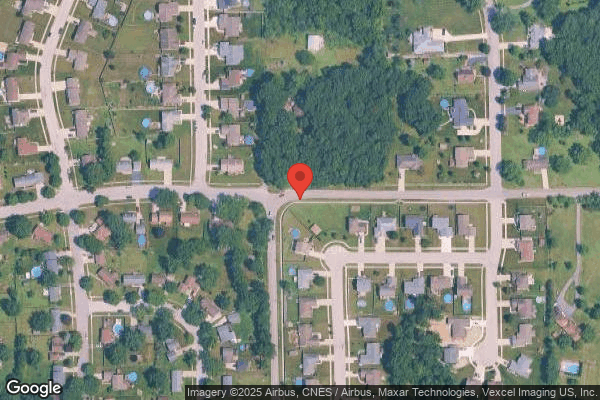
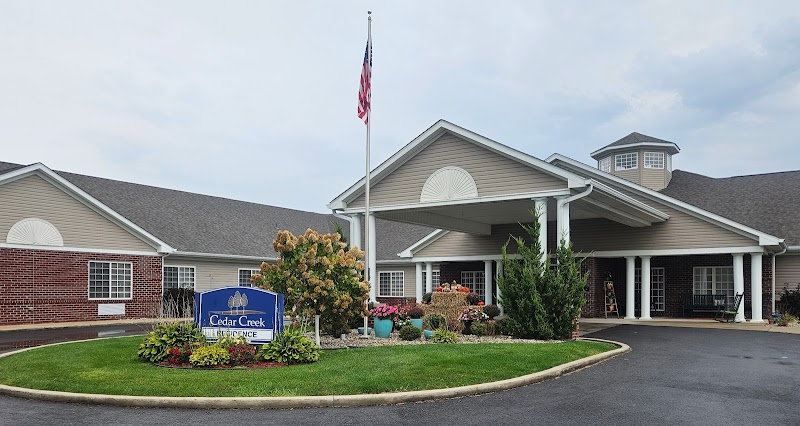
18275 BURR STREET, LOWELL, IN 46356 (219) 696-6750
For profit - Corporation 58 Beds TRILOGY HEALTH SERVICES Data: November 2025 1 Immediate Jeopardy citation
Trust Grade
46/100
#224 of 505 in IN
Last Inspection: March 2025

Within standard 12-15 month inspection cycle. Federal law requires annual inspections.

Overview

Cedar Creek Health Campus has a Trust Grade of D, which indicates below-average performance with some notable concerns. It ranks #224 out of 505 facilities in Indiana, placing it in the top half, and #2 out of 20 in Lake County, meaning only one local option is better. Unfortunately, the facility's trend is worsening, with issues increasing from 9 in 2024 to 10 in 2025. Staffing is a relative strength with a 3-star rating and a turnover rate of 42%, which is below the state average, suggesting that staff members tend to stay longer. However, there are some worrying findings, including a critical incident where a cognitively impaired resident managed to exit the facility unnoticed, and concerns about inadequate food storage hygiene, such as uncovered ice in the dining area. While there are positive aspects, families should weigh these serious weaknesses when considering Cedar Creek Health Campus for their loved ones.

Trust Score
D
46/100
In Indiana
#224/505
Top 44%
Safety Record
High Risk
Review needed
Inspections
Getting Worse
9 → 10 violations
Staff Stability
○ Average
42% turnover. Near Indiana's 48% average. Typical for the industry.
Penalties
⚠ Watch
$8,021 in fines. Higher than 93% of Indiana facilities. Major compliance failures.
Skilled Nurses
✓ Good
Each resident gets 52 minutes of Registered Nurse (RN) attention daily — more than average for Indiana. RNs are trained to catch health problems early.
Violations
⚠ Watch
26 deficiencies on record. Higher than average. Multiple issues found across inspections.
★★★☆☆
3.0
Overall Rating
★★★☆☆
3.0
Staff Levels
★★★★★
5.0
Care Quality
★★☆☆☆
2.0
Inspection Score
Stable
2024: 9 issues
2025: 10 issues

The Good

  • 5-Star Quality Measures · Strong clinical quality outcomes
  • Full Sprinkler Coverage · Fire safety systems throughout facility
  • No fines on record
  • Staff turnover below average (42%)

    6 points below Indiana average of 48%

Facility shows strength in quality measures, fire safety.

The Bad

3-Star Overall Rating

Near Indiana average (3.1)

Meets federal standards, typical of most facilities

Staff Turnover: 42%

Near Indiana avg (46%)

Typical for the industry

Federal Fines: $8,021

Below median ($33,413)

Minor penalties assessed

Chain: TRILOGY HEALTH SERVICES

Part of a multi-facility chain

Ask about local staffing decisions and management

The Ugly 26 deficiencies on record

1 life-threatening
Jun 2025 1 deficiency
CONCERN (D) 📢 Someone Reported This

A family member, employee, or ombudsman was alarmed enough to file a formal complaint

Potential for Harm - no one hurt, but risky conditions existed

Deficiency F0808 (Tag F0808)

Could have caused harm · This affected 1 resident

**NOTE- TERMS IN BRACKETS HAVE BEEN EDITED TO PROTECT CONFIDENTIALITY** Based on observation, record review, and interview, the facility failed to ensure residents were served a therapeutic diet as or...

Read full inspector narrative →
**NOTE- TERMS IN BRACKETS HAVE BEEN EDITED TO PROTECT CONFIDENTIALITY** Based on observation, record review, and interview, the facility failed to ensure residents were served a therapeutic diet as ordered the physician for 2 of 3 residents reviewed for therapeutic diets. (Residents D and E) Findings include: 1. During an observation on 6/11/25 at 9:12 a.m., Resident D's breakfast meal consisted of two fried eggs, bacon, apple juice, [NAME] toast and fruit. The meal card indicated a regular diet with fortified foods was to be served. During an observation on 6/11/25 at 11:49 a.m., Resident D's lunch meal consisted of a slice of cheese pizza and a drink. At 12:17 p.m., she received a desert of cherry crisp. Resident D's record was reviewed on 6/11/25 at 4:29 p.m. The diagnoses included, but were not limited to, vascular dementia. A Quarterly Minimum Data Set (MDS) assessment, dated 3/20/25, indicated a severely impaired cognitive status, required supervision while eating, and received a therapeutic diet. A Care Plan, revised on 6/3/25, indicated the resident was at risk for malnutrition. The interventions included, the diet would be served as ordered by the physician. A Physician's Order, dated 6/9/25, indicated a diet order of a regular diet with fortified foods. 2. During an observation on 6/11/25 at 9:15 a.m., Resident E received a breakfast meal that consisted of two fried eggs, bacon, toast, water, coffee, and tangerines. The dietary card indicated a mechanical soft diet with fortified food was to be served. During an observation on 6/11/25 at 11:55 a.m., the resident received his lunch meal in his room. The lunch meal consisted of ground smoked sausage and mashed potatoes. The dietary card indicated he should have also received peas with onions, and fortified food. Resident E's record was reviewed on 6/12/25 at 9:13 a.m. The diagnoses included, but were not limited to, dementia and stroke. A Care Plan, revised on 4/14/25, indicated a risk for malnutrition. The interventions included, the diet would be served as ordered by the physician. A Significant Change MDS assessment, dated 4/21/25, indicated an intact cognitive status, required supervision with meals, and received a mechanically altered and therapeutic diet. A Physician's Order, dated 6/9/25, indicated a no added salt, mechanical soft with fortified foods diet was to be served. During an interview on 6/12/25 at 9:18 a.m., the Dietary Manager indicated at breakfast, the residents who were on a fortified foods diet were to receive either yogurt or oatmeal. On 6/11/25 at the lunch meal, the fortified food was either yogurt or the yogurt parfait. This citation relates to Complaint IN00459044. 3.1-21(b)
Mar 2025 8 deficiencies
CONCERN (D)

Potential for Harm - no one hurt, but risky conditions existed

Grievances (Tag F0585)

Could have caused harm · This affected 1 resident

Based on record review and interview, the facility failed to ensure a concern related to missing clothing was documented and investigated for 1 of 1 residents reviewed for grievances. (Resident 6) Fin...

Read full inspector narrative →
Based on record review and interview, the facility failed to ensure a concern related to missing clothing was documented and investigated for 1 of 1 residents reviewed for grievances. (Resident 6) Finding includes: During an interview on 3/17/25 at 1:28 p.m., Resident 6 indicated she had been missing a baseball sweatshirt for a couple of months and it had never been replaced. She also indicated she had been missing a blue and white nightgown, for approximately the past two weeks, that had not been found or replaced. The resident's record was reviewed on 3/19/25 at 1:20 p.m. Diagnoses included, but were not limited to, chronic obstructive pulmonary disease, hypotension and muscle weakness. The Quarterly Minimum Data Set assessment for Resident 6, dated 3/14/25, indicated the resident was cognitively intact and needed substantial assistance for bed mobility and transfers. Resident grievances for the past six months were reviewed. There were no grievances from Resident 6 related to missing clothing. During an interview on 3/19/25 at 11:23 a.m., the Director of Nursing indicated she was aware of the missing items and the sweatshirt had been ordered and they were still looking for the nightgown. She indicated she did not know when the sweatshirt had been ordered or if a grievance had been completed regarding Resident 6's missing clothing. During an interview on 3/19/25 at 11:57 a.m., the Executive Director (ED) indicated the Business Office Manager had found out about the missing sweatshirt on Sunday (date not provided) and would be bringing one (a grievance form) to the resident. The ED indicated she had spoken with the resident who indicated she had reported the items as being missing, but no grievance had been completed. The policy, Resident Concern Process, indicated the following: .1. The facility will provide an open and customer friendly atmosphere for the residents and their families and representatives to voice concerns and problems with the assurance that their concerns will be heard and acted upon and, .7. Follow up from the department leader will occur within 24-48 hours with resolution entered into KeyStats (electronic charting system) 3.1-7(a)(2)
CONCERN (D)

Potential for Harm - no one hurt, but risky conditions existed

Quality of Care (Tag F0684)

Could have caused harm · This affected 1 resident

Based on record review and interview, the facility failed to ensure medications were administered and/or held per blood pressure parameters for 1 of 5 residents reviewed for unnecessary medications. (...

Read full inspector narrative →
Based on record review and interview, the facility failed to ensure medications were administered and/or held per blood pressure parameters for 1 of 5 residents reviewed for unnecessary medications. (Resident 31) Finding includes: Resident 31's record was reviewed on 3/18/25 at 1:52 p.m. Diagnoses included, but were not limited to, Parkinson's disease, chronic kidney disease, and congestive heart failure. The Significant Change in Status Minimum Data Set (MDS) assessment, dated 1/20/25, indicated the resident was moderately cognitively impaired for daily decision making. The current March 2025 Physician Order Summary (POS) indicated the resident was to receive propranolol (high blood pressure treatment) 40 milligrams 1 tablet, hold if heart rate was less than 60 beats per minute and/or systolic blood pressure (top number of blood pressure reading) was less than 120 and hydrochlorothiazide (a diuretic medication) 25 milligrams 1 tablet, hold if systolic blood pressure is less than 120. The February and March 2025 Medication Administration Record (MAR) indicated the propranolol was administered outside of the set parameters on the following dates and times: - 2/5/25 6:00 p.m. to 10:00 p.m. dose: BP (blood pressure) 110/74, HR (heart rate) 60 - 2/14/25 6:00 p.m. to 10:00 p.m. dose: BP 101/46, HR 83 - 2/20/25 6:00 p.m. to 10:00 p.m. dose: BP 104/62, HR 72 - 2/24/25 6:00 p.m. to 10:00 p.m. dose: BP 112/71, HR 54 - 2/27/25 6:00 p.m. to 10:00 p.m. dose: BP 110/64, HR 67 - 3/1/25 6:00 a.m. to 10:00 a.m. dose: BP 105/58, HR 73 The February 2025 MAR indicated the hydrochlorothiazide medication was administered outside of the set parameters on 2/7/25 from 6:00 a.m. to 10:00 a.m. with a BP of 119/68. During an interview on 3/19/25 at 1:23 p.m., the Director of Nursing indicated the medications should have been held per the physician's orders. 3.1-37(a)
CONCERN (D)

Potential for Harm - no one hurt, but risky conditions existed

Accident Prevention (Tag F0689)

Could have caused harm · This affected 1 resident

Based on observation, record review and interview, the facility failed to ensure safety measures were implemented related to a broken wheelchair brake and fall interventions were put into place as ord...

Read full inspector narrative →
Based on observation, record review and interview, the facility failed to ensure safety measures were implemented related to a broken wheelchair brake and fall interventions were put into place as ordered for 2 of 4 residents reviewed for falls. (Residents 48 and 55) Findings include: 1. On 3/17/25 at 11:28 a.m., Resident 48 was observed in her room. She indicated she had fallen in the bathroom because her wheelchair was unstable and one of the locks did not work. She indicated she had reported the issue to several people. The wheelchair was present and the right brake was noted to be broken and did not work. Resident 48's record was reviewed on 3/18/25 at 11:10 a.m. Diagnoses included, but were not limited to, chronic bronchitis, heart failure, anemia and atrial fibrillation. The admission Minimum Data Set assessment, dated 2/20/25, indicated the resident was cognitively intact and required substantial assistance for bed mobility and transfers. A Nursing Progress Note, dated 3/13/25, indicated the resident was being transferred from the toilet to the locked wheelchair when she slid from the seat onto the floor. During an interview on 3/18/25 at 11:33 a.m., CNA 1 indicated the right brake on the resident's wheelchair did not work properly and she thought a work order had been placed to have it repaired. During an interview on 3/18/25 at 11:45 a.m., the Executive Director indicated a work order had been placed that morning (3/18/25) to have the wheelchair brake repaired. He indicated the facility had been unaware the wheelchair brake was not working prior to then. 2. During observations on 3/17/25 at 10:42 a.m. and 3/20/25 at 3:08 p.m. there was no sign in Resident 55's bathroom to remind the resident to call for assistance. Resident 55's record was reviewed on 3/20/25 at 3:20 p.m. The diagnoses included, but were not limited to, fracture of first lumbar vertebra, one rib on the right side, and left pubis, and Parkinson's disease. An admission Minimum Data Set assessment, dated 3/5/25, indicated she was cognitively intact for daily decision making, required maximum assistance with transfers, was dependent for toileting, and had a fall with a fracture prior to admission into the facility and had had a fall with major injury since her admission to the facility. A Care Plan, dated 2/26/25, indicated the resident was at risk for falls related to a history of falls with lumbar and rib fractures and a recent left pubis fracture. The interventions included, but were not limited to the following: a sign in the bathroom to remind the resident to call for assistance, therapy to evaluate and treat, staff to assist the resident with transfers as needed and to keep the call light within the resident's reach. During an interview on 3/20/25 at 3:56 p.m., the Director of Nursing indicated the resident frequently removed signs placed in her room because she did not believe she needed help from the staff. A policy titled, Fall Management Program Guidelines, indicated .2. Should the resident experience a fall the attending nurse shall complete the 'Fall Event.' This includes an investigation of the circumstances surround the fall to determine the cause of the episode .interventions to reduce risk of repeat episode and a review by the IDT to evaluate thoroughness . 3.1-45(a)(2)
CONCERN (D)

Potential for Harm - no one hurt, but risky conditions existed

Incontinence Care (Tag F0690)

Could have caused harm · This affected 1 resident

Based on observation, interview, and record review, the facility failed to ensure an indwelling Foley (urinary) catheter collection bag was kept off of the floor and documentation of urinary output wa...

Read full inspector narrative →
Based on observation, interview, and record review, the facility failed to ensure an indwelling Foley (urinary) catheter collection bag was kept off of the floor and documentation of urinary output was completed for 1 of 1 resident reviewed for urinary catheters. (Resident 3) Finding includes: On 3/20/25 at 10:42 a.m. and 12:00 p.m. Resident 3 was observed in her wheelchair. The catheter collection bag was noted to be on the floor under the chair. Record review for Resident 3 was completed on 2/21/25 at 9:46 a.m. Diagnoses included, but were not limited to, neuromuscular dysfunction of bladder, urinary retention, and personal history of urinary tract infections. The Quarterly Minimum Data Set (MDS) assessment, dated 1/29/25, indicated the resident was severely cognitively impaired and had an indwelling urinary catheter. The March 2025 Physician's Order Summary, indicated an order for the resident to have an indwelling urinary catheter and to perform catheter care every shift. The current care plans, indicated the resident used a Foley (urinary) catheter for diagnosis of neurogenic bladder. Interventions included, but were not limited to, record resident urinary output, keep leg strap in place, maintain a closed system with urinary bag below the bladder and cover. The urinary output vitals documentation reviewed from 1/20/25-3/20/25 indicated on the following dates, output was noted as small, medium, or large instead of an accurate amount of milliliters of urine: - Small: 2/19 at 10:42 a.m., 2/22 at 12:56 p.m., 2/23 at 1:52 p.m., 2/27 at 10:50 a.m., 2/27 at 1:07 p.m., 2/28 at 8:45 a.m., 2/28 at 1:07 p.m., 3/4 at 10:44 a.m., 3/6 at 1:16 p.m., 3/8 at 10:26 a.m., 3/13 at 10:32 a.m., 03/13 at 11:25 a.m., 03/14 at 11:41 a.m., and 3/18/25 at 11:13 a.m. - Medium: 1/20 at 2:53 p.m., 1/22 at 5:37 a.m., 1/22 at 1:57 p.m.,1/25 at 1:54 p.m., 1/27 at 10:23 p.m., 2/4 at 10:58 a.m., 2/4 at 1:55 p.m., 2/5 at 1:42 p.m., 2/6 at 10:51 a.m., 2/7 at 11:35 p.m., 2/8 at 11:07 a.m., and 2/11/25 at 11:24 a.m. - Large: 1/22 at 10:49 a.m., 1/23 at 10:39 a.m., 1/23 at 11:10 a.m., 1/23 at 1:44 p.m., 1/25 at 12:10 p.m., 1/26 at 11:35 a.m., 1/26 at 2:25 p.m., 1/28 at 11:33 a.m., 1/28 at 2:14 p.m., 1/30 at 11:17 a.m., 1/31 at 10:29 a.m., 2/5 at 8:13 a.m., 2/6 at 1:21 p.m., 2/8 at 1:24 p.m., 2/9 at 10:13 a.m., and 2/9/25 at 1:06 p.m. During an interview on 3/20/25 at 2:22 p.m., the Director Of Nursing (DON) indicated the facility did not have a specific policy related to documentation of urinary output for residents that have catheters and she indicated there was no further information to provide. 3.1-41(a)(2)
CONCERN (D)

Potential for Harm - no one hurt, but risky conditions existed

Respiratory Care (Tag F0695)

Could have caused harm · This affected 1 resident

Based on observation, record review and interview, the facility failed to ensure a resident received the necessary care and treatment related to oxygen flow rate for 1 of 1 residents reviewed for resp...

Read full inspector narrative →
Based on observation, record review and interview, the facility failed to ensure a resident received the necessary care and treatment related to oxygen flow rate for 1 of 1 residents reviewed for respiratory care. (Resident 16) Finding includes: On 3/18/25 at 9:37 a.m., Resident 16 was observed seated in her room. Her portable oxygen was in use and the flow meter was set on 2 liters per minute (LPM). The resident's record was reviewed on 3/18/25 at 2:10 p.m. Diagnoses included, but were not limited to, acute respiratory failure with hypoxia and metabolic encephalopathy. The Quarterly Minimum Data Set assessment, dated 1/14/25, indicated the resident was moderately cognitively impaired, used oxygen and was dependent on staff for toileting and transfer needs. A Physician's Order, dated 9/17/24 indicated the resident was to have oxygen administered at 4 lpm by nasal cannula continuously. On 3/18/25 at 11:43 a.m., the resident was observed again in her room with the oxygen flowing at 2 lpm. LPN 1 was present and indicated it should have been set on 4 lpm. She adjusted it to the correct flow rate at that time. 3.1-47(a)(6)
CONCERN (D)

Potential for Harm - no one hurt, but risky conditions existed

Deficiency F0757 (Tag F0757)

Could have caused harm · This affected 1 resident

Based on record review and interview, the facility failed to ensure a pain medication was not administered prior to non-pharmacological interventions and pain monitoring completed for 1 of 5 residents...

Read full inspector narrative →
Based on record review and interview, the facility failed to ensure a pain medication was not administered prior to non-pharmacological interventions and pain monitoring completed for 1 of 5 residents reviewed for unnecessary medications. (Resident 48) Finding includes: Resident 48's record was reviewed on 3/18/25 at 11:10 a.m. Diagnoses included, but were not limited to, chronic bronchitis, heart failure, anemia and atrial fibrillation. The admission Minimum Data Set assessment, dated 2/20/25, indicated the resident was cognitively intac and required substantial assistance for bed mobility and transfers. A Physician's Order, dated 2/13/25, indicated to give acetaminophen 650 milligrams every six hours as needed for pain. The March 2025 Medication Administration Record indicated the resident received acetaminophen 15 times between 3/1-3/18/25. There was no documentation to indicate where the pain was located, what the severity of the pain was or any non-pharmacological interventions that had been attempted prior to administering the medication. A current Pain Care Plan, dated 2/14/25, indicated the resident was at risk for pain. Interventions included, but were not limited to, attempt non-pharmacological interventions and observe for and record verbal and non-verbal signs of pain. During an interview on 3/19/25 at 10:22 a.m., the Director of Nursing indicated there should have been a pain level documented, site description of pain documented and prior interventions documented prior to administering the pain medication. 3.1-48(a)(4)
CONCERN (D)

Potential for Harm - no one hurt, but risky conditions existed

Medication Errors (Tag F0758)

Could have caused harm · This affected 1 resident

Based on record review and interview, the facility failed to ensure a prn (as needed) antianxiety medication was evaluated for continued use every 14 days for 1 of 5 residents reviewed for unnecessary...

Read full inspector narrative →
Based on record review and interview, the facility failed to ensure a prn (as needed) antianxiety medication was evaluated for continued use every 14 days for 1 of 5 residents reviewed for unnecessary medications. (Resident 48) Finding includes: Resident 48's record was reviewed on 3/18/25 at 11:10 a.m. Diagnoses included, but were not limited to, chronic bronchitis, heart failure, anemia and atrial fibrillation. The admission Minimum Data Set assessment, dated 2/20/25, indicated the resident was cognitively intact, required substantial assistance for bed mobility and transfers and took antianxiety medication. A Physician's Order, dated 2/13/25, indicated to give alprazolam (an antianxiety medication) 0.5 milligrams nightly prn. There was no stop date on the order. There was another Physician's Order, dated 3/17/25, to give alprazolam 0.5 milligrams nightly prn. During an interview on 3/19/25 at 11:23 a.m., the Director of Nursing indicated there had not been a 14-day stop date on the original order. 3.1-48(a)(2)
CONCERN (D)

Potential for Harm - no one hurt, but risky conditions existed

Infection Control (Tag F0880)

Could have caused harm · This affected 1 resident

Based on observation, record review and interview, the facility failed to ensure infection control guidelines were in place and implemented related to Enhanced Barrier Precautions for 1 of 1 residents...

Read full inspector narrative →
Based on observation, record review and interview, the facility failed to ensure infection control guidelines were in place and implemented related to Enhanced Barrier Precautions for 1 of 1 residents reviewed for isolation. (Resident 56) Finding includes: On 3/17/25 at 11:42 a.m. and 3/21/25 at 11:07 a.m., Resident 56's room was observed. There were no signs on the door or nearby indicating the resident was in Enhanced Barrier Precautions. There were no personal protective equipment (PPE) bins near the room door or inside the room. Resident 56's record was reviewed on 3/21/25 at 2:03 p.m. Diagnoses included, but were not limited to, dysphagia (difficulty swallowing) and dementia. The admission Minimum Data Set (MDS) assessment, dated 1/22/25, indicated the resident was severely cognitively impaired and required a feeding tube. A Physician's Order, dated 1/17/25, indicated the resident was on Enhanced Barrier Precautions and the staff were to wear a gown and gloves at minimum during high-contact care activities. During an interview on 3/24/25 at 1:21 p.m., the Director of Nursing indicated the sign had just fallen down and she planned on finding another way to adhere it near the doorway. 3.1-18(b)
Jan 2025 1 deficiency
CONCERN (E) 📢 Someone Reported This

A family member, employee, or ombudsman was alarmed enough to file a formal complaint

Potential for Harm - no one hurt, but risky conditions existed

Deficiency F0809 (Tag F0809)

Could have caused harm · This affected multiple residents

Based on observation, record review, and interview, the facility failed to ensure meals were served with no more than 14 hours between an evening meal and breakfast the following day for 1 of 2 meals ...

Read full inspector narrative →
Based on observation, record review, and interview, the facility failed to ensure meals were served with no more than 14 hours between an evening meal and breakfast the following day for 1 of 2 meals observed. This had the potential to affect all 11 residents that ate in the VIP Dining Room. Finding includes: During a tour of the kitchen on 1/21/25 at 8:21 a.m., the Director of Food Services (DFS) indicated breakfast was served from 7:00 a.m. to 9:00 a.m. and was open dining. There were breakfast trays being served to the Main Dining Room at the time. During an observation of the breakfast meal service on 1/21/25 at 9:27 a.m., Assistant Director of Food Services (ADFS) delivered meal trays to resident's rooms. On 1/21/25 at 10:06 a.m., 11 residents were observed seated in the VIP Dining Room and were each served breakfast meals. There were three staff members observed providing assistance to residents. During an interview on 1/21/25 at 10:58 a.m., CNA 1 indicated the residents who required assistance in the VIP Dining Room were supposed to receive their breakfast meal trays around 8:30 a.m. to 9:00 a.m. The CNAs were unable to get all of the residents to the dining room, causing a delay for breakfast meal trays to be delivered. During an interview on 1/21/25 at 11:35 a.m., the DFS indicated the residents were brought down to the VIP Dining Room late and that was why breakfast was served so late. The residents were usually up and ready to eat by 9:00 a.m. The dietary staff did not take the meals to the dining room until the majority of the residents who required assistance in the VIP Dining Room were seated so they could keep the food as warm as possible. During an interview on 1/21/25 at 1:12 p.m., Dietary Aid 1 indicated he had worked the evening shift on 1/20/25. Dinner was served at 4:30 p.m. in the main dining room. The VIP Dining Room was served from 4:45 p.m. to 5:15 p.m., depending on when the kitchen staff received a call from the CNAs indicating the residents were seated and ready to eat in the VIP Dining Room. During an interview on 1/21/25 at 12:58 p.m., the Director of Nursing indicated she was unsure why the meal was served so late. When she left around 6:30 a.m. in the morning, the CNAs were already getting residents up and showered for the day. A facility policy titled, Guidelines for Meal Service, indicated . 4. Open Breakfast will be served from around 7:00 a.m. to 10:00 a.m. daily. 5. Lunch is generally served around noon. 6. Dinner is generally served around 5:00 p.m. This citation related to Complaint IN00447712 and IN00450767. 3.1-21(c)
Sept 2024 1 deficiency
CONCERN (D) 📢 Someone Reported This

A family member, employee, or ombudsman was alarmed enough to file a formal complaint

Potential for Harm - no one hurt, but risky conditions existed

Deficiency F0744 (Tag F0744)

Could have caused harm · This affected 1 resident

Based on record review and interview, the facility failed to ensure a resident with a diagnosis of dementia and refusals to be bathed, received bathing at least twice a week and failed to ensure the r...

Read full inspector narrative →
Based on record review and interview, the facility failed to ensure a resident with a diagnosis of dementia and refusals to be bathed, received bathing at least twice a week and failed to ensure the resident's plan of care and interventions reflected the behavior of bathing refusals, for 1 of 3 residents with cognitive impairment reviewed for activities of daily living (ADL) status and behaviors. (Resident E) Finding includes: During an interview on 9/3/24 at 4:35 p.m., Resident E indicated she had not had a shower/bath since admission into the facility and was unable to remember if bathing had been offered to her. Resident E's record was reviewed on 9/4/24 at 10:54 a.m. The diagnoses included, but were not limited to, dementia. A Life Enrichment Assessment, dated 7/29/24 at 11:31 a.m., indicated it was very important for her to choose the type of bathing received and showers were preferred. A Care Plan, dated 7/29/24, indicated assistance was required for ADL's. The interventions were all dated 7/29/24 and indicated the resident was not to be rushed, encouragement was to be given to do as much as possible for herself, facial shaving was to be offered on shower days and the nurse was to be notified if refused, rest periods would be provided, nail care was to be provided on shower days, and therapy would evaluate and treat as needed. A Social Service Comprehensive Note, dated 7/31/24 at 12:00 p.m., indicated there were no behaviors, no care rejection behaviors, and no mood concerns. An admission Minimum Data Set assessment, dated 7/31/24, indicated a moderately impaired cognitive status, no behaviors, and required moderate assistance with showers/bathing. The computer point of care (POC) documentation, indicated a shower was received on 8/13/24, 8/16/24, and 9/3/24. The shower/bathing was refused on 7/30/24, 8/2/24, 8/6/24, 8/9/24, 8/20/24, 8/23/24, 8/27/24, and 8/30/24. There was no documentation in the Progress Notes, dated 7/27/24 through 9/4/24, that indicated the shower/bathing was refused. The behavior POC, dated 7/27/24 through 9/4/24, indicated there were no behaviors, including refusal of care. A Care Plan, dated 9/4/24, indicated the resident was non-compliant with physician's orders and the plan of care related to shower refusals and refusals of hands on care. The interventions, all dated 9/4/24, indicated the physician's orders with risks and benefits of compliance would be discussed with the resident and encouraged to participate in care plan and decision making. The resident would be encouraged to participate in decision making by offering choices and discussion of advance directives. She would be monitored for the ability to give informed consent and assessed for the need for a guardian or other legal oversight as needed. During an interview on 9/4/24 at 11:20 a.m., the Director of Nursing (DON) indicated the resident refused the showers due to weakness. The refusals were a behavior associated with the dementia. There was no documentation the Social Service Director was notified of the behaviors. The refusals of showers had not been found when audited. During an interview on 9/4/24 at 11:29 a.m., the Social Service Director indicated she had not been contacted about the refusals. Behaviors were usually documented in the record and then a care plan would be initiated with interventions. She was unaware the showers were refused. During an interview on 9/4/24 at 12:05 p.m., the DON indicated she picked five residents at random each week for bathing audits. When she looked at the resident's bathing, a shower had been given on 8/13/24 and continued monitoring was not triggered. The showers were scheduled on Tuesdays and Fridays on the day shift. The DON provided documentation from the audit sheets that indicated on 7/30/24, the resident refused the shower three times, on 8/2/24 and 8/27/24 the shower was refused due to weakness, 8/20/24 the shower was refused due to awakened too early, and 8/30/24 the shower was refused with no reason documented. The DON indicated there were no behaviors documented on the POC documentation or the Progress Notes in the record. A facility policy, titled, Guideline for Mental Health Wellness Program, dated 12/31/23 and received as current from the DON, indicated behaviors were to be assessed and evaluated as part of the admission process. An attempt to determine the root cause would be assessed. Behavior interventions would be communicated to the interdisciplinary team for implementation. New behaviors were to be brought to the daily stand up meeting. The Social Service Director would review the documentation to determine if the behavior was isolated and causative factors. The Mental Health Wellness/Behavior Management Program would consist of a care plan with realistic and effective interventions. This citation relates to Complaints IN00438053 and IN00441626. 3.1-37
Jun 2024 1 deficiency 1 IJ
CRITICAL (J) 📢 Someone Reported This

A family member, employee, or ombudsman was alarmed enough to file a formal complaint

Immediate Jeopardy (IJ) - the most serious Medicare violation

Accident Prevention (Tag F0689)

Someone could have died · This affected 1 resident

**NOTE- TERMS IN BRACKETS HAVE BEEN EDITED TO PROTECT CONFIDENTIALITY** Based on record review and interview, the facility failed to ensure adequate supervision was provided to a cognitively impaired ...

Read full inspector narrative →
**NOTE- TERMS IN BRACKETS HAVE BEEN EDITED TO PROTECT CONFIDENTIALITY** Based on record review and interview, the facility failed to ensure adequate supervision was provided to a cognitively impaired resident with a history of exit seeking and failed to ensure an alarmed door was effectively secured to prevent elopement for 1 of 6 residents reviewed for elopement risk. (Resident M) This deficient practice resulted in Resident M exiting the facility and being picked up by a stranger who activated 911. The immediate jeopardy began on 5/25/24 when a cognitively impaired male resident, with a history of exit seeking and a Wanderguard (door alarm bracelet used to monitor residents who wander) in place, exited the facility without staff knowledge and ambulated 0.3 miles away from the facility. The resident was absent from the facility for approximately 35 minutes, had just been medicated with an as needed anti-anxiety medication (Xanax), and was also at risk for falls. The Administrator, Assistant Director of Nursing (ADON), RN Clinical Support Nurse, and the Area Executive Director were notified of the immediate jeopardy at 3:47 p.m. on 6/3/24. The immediate jeopardy was removed, and the deficient practice corrected, on 5/26/24, prior to the start of the survey and was therefore Past Noncompliance. Finding includes: An Indiana Department of Health (IDOH) Incident Report, dated 5/26/24 at 6:29 p.m., indicated Resident M exited the facility and was returned to the facility without injury on 5/25/24 at 7:30 p.m. The five day follow-up report indicated an investigation had been completed and the root cause of the elopement was the exit door becoming lodged by a rug in the entryway. The door remained in the opened position and the resident exited through the opened door. The facility nurse had not seen the resident on the unit and had begun searching for him. Upon arrival to the front exit door, the nurse found a local police officer who had been talking to a staff member about the resident. The police officer had indicated a Good Samaritan had seen the resident and called 911, who had responded and assisted with the return of the resident. Resident M was assessed, and no injury was found. The Wanderguard bracelet was in place and functioning. The EMS (Emergency Medical Services) Run Record, dated 5/25/24, indicated the EMS Unit was notified on 5/25/24 at 7:01 p.m. and arrived on the scene at 7:07 p.m. on 5/25/24. The narrative indicated upon arrival, they found an [AGE] year-old male who was only oriented to self, sitting in the passenger seat of an SUV (sport utility vehicle). The driver of the SUV stated she noticed the male walking down the sidewalk and leaning against the fence. The resident was confused and not making sense to her. She assisted the resident into her vehicle and called 911. The resident was unable to voice where he lived or date of birth . He indicated at one time he lived at [Facility Name]. The local police department went to the facility and confirmed he currently resided at the facility. The Good Samaritan drove the resident back to the facility and the EMS Unit followed behind to ensure the facility did not want any further services from them. The resident entered the facility at 7:27 p.m. The facility Investigation Summary, dated 5/29/24, indicated Resident M exited the facility at 6:47 p.m. unattended and was found approximately 0.3 miles from the property by a Good Samaritan, who had stopped and notified 911. They stayed with the resident until the police and EMS arrived. The resident returned to the facility without injury. The timeline per the facility's camera indicated on 5/25/24 at 6:47 p.m., Resident M exited the facility through an open door. At 6:48 p.m., Environmental Services #2 arrived at the door, adjusted the rug and closed the door. She then appeared to touch the keypad. The local police officer arrived at 7:14 p.m. and left the building at 7:17 p.m. At 7:23 p.m., EMS entered the facility with Resident M. The investigation, dated and signed by the Administrator on 5/29/24, included the following staff members' statements: A typed statement, signed and dated on 5/29/24 by LPN 2 (day shift nurse on 5/25/24), indicated on 5/25/24, the resident was wanting to go outside. LPN 2 had asked CNA 3 to walk with the resident around the building and courtyard. CNA 3 walked with the resident. CNA 3's shift ended at 4 p.m. and the resident was sitting at the Nurses' Station. Resident M became restless again and LPN 2 walked him to his room and they reminisced about his past. LPN 2 finished his shift at 6:11 p.m. and the resident was sitting in his recliner in his room with his feet elevated. A typed statement, signed and dated on 5/26/24 by CNA 3, indicated at 2:00 p.m. on 5/25/24 Resident M had requested to go outside. CNA 3 escorted him to the Healthcare Courtyard and they sat in the Courtyard for 30 to 40 minutes. Resident M asked to go back to his room and then began to exhibit exit seeking behaviors and started heading near the front entrance. The door alarm sounded when Resident M approached the entrance, and CNA 3 successfully redirected him back to his room. CNA 3 provided supervision to the resident until her shift ended at 4 p.m., and reported to LPN 2 she was leaving. A typed statement, signed and dated on 5/26/24 by CNA 11, indicated on 5/25/24, she had seen the resident after dinner walking around the Healthcare Dining room about 6 p.m. CNA 11 didn't hear any alarm go off and was unaware of the resident leaving the facility. A typed statement, signed and dated on 5/26/24 by LPN 1, indicated on 5/25/24 at 6:15 p.m., Resident M was exit seeking and wandering. LPN 1 administered an as needed Xanax 0.25 mg (milligrams). Resident M was wearing a hat, red shirt, black sweatpants, and shoes. LPN 1 was then notified by a CNA and Dietary Aide the resident was outside of the building with EMS. The resident was assisted back into the facility and an assessment was completed and he was found to have no injuries or psychosocial distress. One-on-one care (one staff specifically assigned to the resident) was initiated. After the resident fell asleep, 15-minute checks were initiated. A second typed statement, signed and dated on 5/29/24 by LPN 1, indicated a follow-up interview was completed with LPN 1. LPN 1 indicated on 5/25/24 at 6:40 p.m., Resident M was sitting at the [NAME] Nurses' Station. LPN 1 had left the nursing station area to administer medications to other residents and when she returned, Resident M was no longer sitting on the couch by the Nurses' Station. LPN 1 went to the dining room to see if he was there, as he often sat there, and he was not. LPN 1 stopped and the Eagle Nurses' Station and asked RN 1 if she had seen the resident and RN 1 indicated she had not seen him. LPN 1 then went to the front door and saw two employees talking to a police officer. LPN 1 indicated this was a little bit after 7 p.m. The police officer indicated Resident M was in an ambulance and was being assessed by EMS. LPN 1 indicated she had not heard the door alarm when the resident left the building. The alarm was sounding when the resident returned to the facility. A typed statement, signed and dated on 5/26/24 by Dietary Aide (DA) 10, indicated the resident was seen at 6:15 p.m. when he was collecting room supper trays. The resident was ambulating down the [NAME] Hall. DA 10 indicated he had not heard any alarms sounding. A typed statement, signed and dated on 5/29/24 by Environmental Services (ES) 2, indicated on 5/25/24 at approximately 6 p.m., she had exited the Assisted Living Memory Care Unit after delivering clothes and observed the front door, stuck open. ES 2 moved the rug the door was stuck on and shut the door. She was unable to recall if the alarm was sounding. ES 2 looked around and had not seen a resident, so she continued with her work. A typed statement, signed and dated on 5/26/24 by DA 9, indicated on 5/25/24, she had been setting the table in the Assisted Living Dining Room when a police officer entered the front door. The police officer asked if the resident resided at the facility, and DA 9 confirmed that he did. DA 9 alerted the nurse. A wheelchair was brought to the door and the officer assisted the resident to sit in the wheelchair. A typed statement, signed and dated on 5/30/24 by CNA 8, indicated on 5/25/24 he was assigned to the Eagle Unit. CNA 8 was leaving the facility on break through the front entrance at 7 p.m. when a police officer asked if he knew Resident M. CNA 8 informed the officer he would get the nurse. LPN 1 then spoke to the officer. The facility Investigation, dated 5/29/24, indicated the timeline for the event on 5/25/24, as viewed on the facility camera, was as follows: At 6:39 p.m., a visitor was leaving the campus. The inside door was stuck wide open on the rug in the vestibule. At 6:47 p.m., Resident M exited through the open doors. At 6:48 p.m., Environmental Services 2 arrived at the door, adjusted the rug, and closed the door. She then appeared to touch the keypad. At 7:07 p.m., there were visitors who entered the door and the door closed behind them. At 7:10 p.m., there were visitors who entered the door and the door again was stuck open. At 7:17 p.m., the police officer entered through the open door. At 7:18 p.m., an Assisted Living resident fixed the rug the door was stuck on and the door closed. At 7:19 p.m., EMS entered the door and the door closed. At 7:20 p.m., employees exited the building and the door closed. At 7:22 p.m., EMS and a staff member exited with the wheelchair and the door closed. At 7:23 p.m., EMS entered the door with the resident and the door closed. Resident M's record was reviewed on 6/3/24 at 9:50 a.m. The diagnoses included, but were not limited to, dementia. An admission Fall Risk assessment, dated 12/22/23, indicated a moderate risk for falls. An Elopement Risk assessment, dated 3/1/24, indicated a history of exit seeking, voiced statements of leaving, exit seeking alarm bracelet/device was used, monitored for placement and functioning, and the resident was an elopement risk. A Quarterly Minimum Data Set assessment, dated 3/6/24, indicated a severely impaired cognitive status, had wandering behaviors one to three days during the assessment period, no upper or lower extremity impairments, and required supervision for all activities of daily living which included ambulation. No assistive devices were required, and the resident had no falls since the past review. A Care Plan, dated 7/18/23, indicated the resident was at risk of falling. The interventions, dated 7/18/23, included therapy as needed, assist with transfers as needed, and the call light was to be kept within reach. A Care Plan, dated 7/19/23 and revised 4/30/24, indicated exit-seeking and wandering behaviors were present. The interventions included, a Wanderguard bracelet would be placed and checked for placement and functioning, encourage contact with family, diversion activities were to be offered, and he was to be directed away for the doors/exits as needed. Added on 4/4/24: the staff were to offer to take a walk with the resident throughout the facility, they were to reminisce about memorabilia and photos in his room. Added on 4/30/24: snacks of choice were to be offered. Added on 5/26/24: 15-minute checks were initiated and added on 5/30/24: the resident had pet cats in the past and enjoys talking about them. Provide distracting conversation. The current 5/2024 Physician's Order Summary included, but was not limited to: - 7/17/23: a Wanderguard bracelet was to be used and changed every month. - 5/23/24: Xanax 0.25 mg was to be given PRN (as needed) twice a day for anxiety attacks. The Medication Administration Record (MAR), dated 5/2024, indicated the exit-seeking behaviors were monitored every shift. He had exit-seeking behaviors on the evening and night shift on 5/2/24, day shift on 5/10/24, and evening shift on 5/5/24. The MAR, dated 5/2024, indicated the Wanderguard bracelet was checked for functioning every day shift and was checked for positioning every shift. A Nurse's Progress Note, dated 5/25/24 at 6:15 p.m. and signed by LPN 1, indicated the resident had been wandering and agitated. The as needed Xanax was administered. He sat at the [NAME] Unit Nurses' Station for 15 minutes and began wandering again. There was no documentation in the record to indicate the interventions of staff walking around the facility with the resident or offering a snack was implemented to assist with the exit-seeking behavior or adequate supervision was provided by staff on 5/25/24 between 6:15 p.m. and 6:47 p.m. A Nurse's Progress Note, dated 5/25/24 at 7:05 p.m. and signed by LPN 1, indicated the resident was no longer sitting at the [NAME] Unit Nurses' Station and she began searching for him. When she entered the other side of the building (Assisted Living) a police officer was talking to a CNA and Dietary Aide. The police officer informed the nurse the resident was found stumbling a few blocks from the facility and was being assessed in the ambulance and then would be brought back to the facility. A Nurse's Progress Note by LPN 1, dated 5/25/24 at 7:30 p.m., indicated the resident returned to the facility with EMS and was sitting in a wheelchair and sleeping. A full assessment was completed, and no injuries were found. There was no distress and the resident requested to go to bed. He was assisted to bed and 15-minute checks were initiated. During an interview on 6/3/24 at 9:38 a.m., the ADON indicated up until 8 p.m., the front door (Assisted Living) would only alarm if a Wanderguard went through the door. The resident had his Wanderguard bracelet on. The door was stuck on the rug, and it held the door open. Even with the door being open, the Wanderguard would have set the alarm off. The staff were all interviewed, and no one heard the alarm. The administration looked at the video and Environmental Service 2 was seen adjusting the rug and her hand did something to the keypad about a minute after the resident exited the building. When she was interviewed, she indicated there had been no alarm activated and she touched the keypad out of habit. During an interview on 6/3/24 at 10:21 a.m., the Maintenance Director indicated the Wanderguard alarm systems were checked with a bracelet every Monday, Wednesday, and Friday. The alarms were functioning on 5/24/24. During an investigation after the incident, they had found the annunciator (panel with warning lights/alarms) in the Assisted Living Nurses' Station (Nurses' Station closest to the front door) had not been wired to the front the door. The door alarm itself still worked, and could be heard in the healthcare area. He was unsure how long the annunciator piece had not been working, as the door alarm had not been wired to it. The Maintenance Director then activated the door alarm with a Wanderguard bracelet, and the alarm could be heard in the Healthcare area. LPN 4, LPN 5, and RN 6 were at the Eagle Nurses' Station, and all indicated they were able to hear the front door alarm when it was activated. During an interview on 6/3/24 at 11:23 a.m., Environmental Services 2 indicated she could not remember if the front door alarm was activated or if she just responded because the door was left open. She indicated the door had been caught on the rug. She had not gone outside to look around, though she did look out the door and had not seen anyone. She moved the rug and shut the door. She indicated if the alarm had been sounding, she would have reset the alarm on the keypad and did not remember doing that. She indicated she only remembered the door being wide open because it was caught on the rug. She indicated the alarm was activated often with residents going on the bus or out with family, and no one had educated her on what she was supposed to do if the alarm was activated. During an interview on 6/3/24 at 12:35 p.m., LPN 1 indicated she had started work at 6:00 p.m. and received in report Resident M had been wandering, agitated, and exit-seeking. He was sitting on the couch near the [NAME] Nurses' Station, which is by the back (skilled unit) entry door. LPN 1 heard the Wanderguard beeping then, because he was sitting close to the door. The PRN Xanax was administered due to his anxiety, then LPN 1 left the nursing station area to administer medications to a few other residents. When she returned, the resident was no longer sitting at the Nurses' Station. LPN 1 went to the Dining Room because Resident M did like to sit at his table there, and he was not there. LPN 1 asked RN 7 if she had seen him, and RN 7 had not seen him. When LPN 1 arrived at the front door area, she saw a police officer talking to CNA 8. The police officer informed her a citizen saw the resident stumble while he was walking and called 911. The ambulance responded and would be bringing the resident back to the facility. LPN 1 indicated she had not heard the alarm ring. During an interview on 6/3/24 at 12:52 p.m., RN 7 indicated she worked 2 p.m. to 10 p.m. on 5/25/24 on the Eagle and [NAME] Units. She last saw the resident around 4 p.m. She had not heard the Wanderguard alarm ringing. The Wanderguard was in place and was functional when he was brought back to the facility. During an interview on 6/3/24 at 12:57 p.m., CNA 8 indicated 5/25/24 was his first day of orientation and he was assigned to the Eagle Unit. He was exiting the front door to go on break when the police officer came in and asked him if the resident resided at the facility. CNA 8 indicated he was just learning the residents and was unsure, then LPN 1 arrived and spoke with the officer. During an interview on 6/4/24 at 8:57 a.m., the Administrator indicated the observation of the video from the facility camera indicated the alarm had been sounding. They were able to see Environmental Services 2 putting the code in on the keyboard. She had thought the alarm was activated by the door being held open by the rug. The employee was observed looking out the door, but not going outside to look around. A facility policy for elopement/missing resident, dated 12/31/23 and identified as current by the ADON, indicated when a door alarm was sounding, the staff were to respond promptly to the sounding door alarm. The charge nurse, facility supervisor or Executive Director should call staff to a central area and designate staff to perform a head count, have two staff exit the alarming door and go in opposite directions around the building perimeter, one staff was to review the sign out log and 24 hours nurse report, one or more staff were to search the facility, and if necessary, one or more staff were to expand the search to the facility premises. If the resident was not found on the property, the local police department, physician and responsible party was to be notified. A facility policy titled, Alarm Checks, dated 12/31/23 and received from the Area Executive Director as current, indicated the door alarms were to be checked by the Director of Plan Operations or designee daily during the typical business days. The Administrator was to be notified immediately if the alarms were non-functioning. The individual alarms were to be checked daily for functioning and every shift for placement. The past noncompliance immediate jeopardy began on 5/25/24. The immediate jeopardy was removed, and the deficient practice corrected by 5/26/24 after the facility implemented a systemic plan that included the following actions: - The rug in the vestibule was removed. - All residents in the facility were reviewed for elopement risk. - The residents who were assessed as an elopement risk have Wanderguard bracelets initiated. - All Physician's Orders for the bracelets and checking for functioning and placement were reviewed and were up to date. - All exit doors have been evaluated to ensure the Wanderguard is functioning. - Elopement binders have been updated - As of 5/26/24, 93 of 122 employees have been educated on the elopement/missing resident policy and all remaining staff will be educated upon their return to work. - An elopement drill was completed without concerns. This citation relates to Complaint IN00435373. 3.1-45(a)(2)
May 2024 5 deficiencies
CONCERN (D)

Potential for Harm - no one hurt, but risky conditions existed

ADL Care (Tag F0677)

Could have caused harm · This affected 1 resident

2. On 4/29/24 at 10:00 a.m., Resident 26 was noted in bed. He had grown out facial hair and his hair was disheveled. On 4/30/24 at 2:43 p.m., Resident 26 was noted in his room in bed. He had facial h...

Read full inspector narrative →
2. On 4/29/24 at 10:00 a.m., Resident 26 was noted in bed. He had grown out facial hair and his hair was disheveled. On 4/30/24 at 2:43 p.m., Resident 26 was noted in his room in bed. He had facial hair and his hair was disheveled. Resident 26's record was reviewed on 4/30/24 at 2:58 p.m. Diagnoses included, but were not limited to, dementia without behavioral disturbance, cognitive communication deficit, and Parkinson's disease. A Care Plan, dated 4/5/23, indicated the resident required staff assistance to complete ADL tasks completely and safely. Interventions included, but were not limited to, offer facial shaving on shower days, as needed, or as requested. Notify nursing of refusals. There was no documentation available in the record related to the resident receiving assistance with shaving. During an interview on 5/1/24 at 10:55 a.m., the DON indicated the resident had an electric razor that had broken. They were trying to get it replaced, but the staff were unable to get in touch with the resident's son. The DON was unable to provide any further documentation. During a follow-up interview on 5/1/24 at 1:45 p.m., the DON indicated shaving was considered basic care and they do not have to document it in the record. 3.1-38(a)(3)(D) 3.1-38(a)(3)(E) Based on observation, record review, and interview, the facility failed to ensure residents received the necessary care for activities of daily living care (ADL) related to long unkempt fingernails and the lack of offering residents shaving per the plan of care for 2 of 3 residents reviewed for ADL care. (Residents 21 and 26) Findings include: 1. On 4/29/24 at 11:19 a.m., Resident 21 was observed lying in bed in her room. Her fingernails were long, thickened and discolored. The resident indicated she would like them trimmed and no one had offered to trim them. On 5/1/24 at 11:07 a.m., and again on 5/2/24 at 9:07 a.m., Resident 21 was observed in her room. Her fingernails were still long, thickened and discolored. Record review for Resident 21 was completed on 5/1/24 at 2:33 p.m. Diagnoses included, but were not limited to diabetes mellitus, dementia, stroke, and Parkinson's disease. The Quarterly Minimum Data Set (MDS) assessment, dated 2/21/24, indicated the resident was moderately cognitively impaired. The resident had an impairment on one side of the upper and lower extremities for a functional limitation in range of motion. The resident required a substantial assistance with personal hygiene. A Care Plan, dated 1/5/21 and revised 2/22/24, indicated the resident had a diagnosis of cerebrovascular accident (stroke) with right hemiparesis/hemiplegia (weakness, paralysis) requiring assistance with ADL care. During an interview on 5/2/24 at 9:42 a.m., CNA 1 indicated residents' nails were offered to be cut when they receive bathing. This was her first shift back from being off for 5 days and she had noticed Resident 21's fingernails needed to be cut. During an interview on 5/2/24 at 11:45 a.m., the Director of Nursing (DON) indicated the nurse was able to soak the resident's fingernails, cut them a little and then clean underneath of them. The resident had a fungus on her nails and had an antifungal ointment applied to them daily. She acknowledged the staff should have attempted to soak and cut her fingernails before today.
CONCERN (D)

Potential for Harm - no one hurt, but risky conditions existed

Quality of Care (Tag F0684)

Could have caused harm · This affected 1 resident

3. On 4/29/24 at 10:00 a.m., Resident 26 was observed in his room. He had discolorations to his left forearm with a small abrasion. On 4/30/24 at 2:42 p.m., Resident 26 was observed in his room. He ha...

Read full inspector narrative →
3. On 4/29/24 at 10:00 a.m., Resident 26 was observed in his room. He had discolorations to his left forearm with a small abrasion. On 4/30/24 at 2:42 p.m., Resident 26 was observed in his room. He had discolorations to his left forearm with a small abrasion. Resident 26's record was reviewed on 4/30/24 at 2:58 p.m. Diagnoses included, but were not limited to, dementia without behavioral disturbance and Parkinson's disease. The Annual Minimum Data Set (MDS) assessment, dated 3/5/24, indicated the resident was severely cognitively impaired for daily decision making. He required assistance from staff for activities of daily living (ADLs) including bathing and personal hygiene. A Care Plan, dated 5/17/23, indicated the resident had a potential for alterations in skin integrity. Interventions included, but were not limited to, complete a weekly skin assessment via a licensed nurse and observe the skin during routine caregiving for acute changes. There was no documentation available in the resident's record related to the abrasion and discoloration on the left forearm. During an interview on 5/1/24 10:55 a.m., the Director of Nursing indicated Resident 26 had self-propelled throughout the facility a lot. The staff had assessed the area and said it was an old abrasion from self-propelling. She was unable to provide any additional information. 3.1-37(a) Based on observation, record review, and interview, the facility failed to ensure residents received the necessary treatment and services related to the monitoring and assessment of skin discolorations for 3 of 3 residents reviewed for non-pressure related skin conditions. (Residents 38, 4, and 26) Findings include: 1. On 4/29/24 at 2:12 p.m., Resident 38 was observed sitting in her wheelchair in her room. Dark purple discolorations were noted to the tops of both hands and she had a bandaid on her right wrist. On 4/30/24 at 2:29 p.m., Resident 38 was observed sitting in her wheelchair in her room. The dark purple discolorations remained to the tops of both hands. She had bandaids on her left hand and right wrist. On 5/1/24 at 8:52 a.m., Resident 38 was observed sitting in her wheelchair in her room. The dark purple discolorations remained to the tops of both hands, and she had a bandaid on her right hand. Record review for Resident 38 was completed on 4/30/24 at 2:14 p.m. Diagnoses included, but were not limited to, atrial fibrillation, hypertension, congestive heart failure. The admission Minimum Data Set (MDS) assessment, dated 3/29/24, indicated the resident was cognitively impaired. She required substantial assistance with lower body dressing and partial assistance with upper body dressing. She had received antiplatelet medications. A current care plan, updated 4/29/24, indicated the resident was at risk for excessive bleeding and bruising due to her medications. The Medication Administration Record (MAR), dated 4/2024, indicated the resident was receiving clopidogrel (an antiplatelet medication) 75 mg (milligrams) daily. An Event, dated 3/22/24, indicated the resident was admitted with skin discolorations to the left elbow, left forearm, right elbow, right and left arms and hands. The event was closed on 3/27/24 and the evaluation note indicated the discolorations were in various stages of healing. There was a lack of any further follow up with the skin discolorations. A Progress Note, dated 4/30/24, indicated the resident had a blood draw to the right hand and a bandage was applied. A Progress Note, dated 4/28/24, indicated the resident had a blood draw to the right hand and a bandage was applied. A Progress Note, dated 4/24/24, indicated the resident had a blood draw to the left hand and a bandage was applied. The Weekly Skin Assessments, dated 4/12/24, 4/19/24, and 4/26/24, indicated there were old skin impairments but no new skin issues. During an interview with the Director of Nursing (DON) on 5/1/24 at 10:54 a.m., she indicated the resident had recent blood draws and was a hard stick, which is probably what caused the skin discolorations and was why she had the bandaids on. She would start a skin event. 2. On 4/29/24 at 2:05 p.m., Resident 4 was observed sitting in his wheelchair in his room. He had his right pant leg pulled up and was pointing at his right knee. The was a large scabbed area to his right knee. On 4/30/24 at 2:31 p.m., Resident 4 was observed sitting in his wheelchair in his room. He had both pant legs pulled up and the large scabbed area remained to his right knee. Record review for Resident 4 was completed on 4/30/24 at 11:37 a.m. Diagnoses included, but were not limited to, dementia, pulmonary fibrosis, and hyperlipidemia. The admission Minimum Data Set (MDS) assessment, dated 3/16/24, indicated the resident was cognitively impaired. He was dependent on staff for lower body dressing and substantial assist with upper body dressing. A current care plan, updated 3/14/24, indicated the resident was at risk for alterations in skin integrity. The interventions included, .observe my skin during routine caregiving for acute changes A Progress Note late entry, dated 4/18/24 at 12:43 a.m., indicated the resident had a fall on 4/17/24 and was observed sitting at the foot of his bed. The note indicated, . Resident skin has no injuries. Right knee was red from kneeling on the floor. Is blanchable There was lack of any further documentation to indicate the resident had a scabbed area to the right knee. The Weekly Skin Assessments, dated 4/15/24, 4/22/24, and 4/29/24, indicated there were old skin impairments but no new skin issues. During an interview with the Director of Nursing (DON) on 5/1/24 at 10:54 a.m., she indicated the resident had a fall on 4/17/24 and the nurse had documented the right knee was red. The area had probably scabbed over after that. There was no further monitoring of the right knee and the weekly skin assessments had not indicated any new areas of skin impairment.
CONCERN (D)

Potential for Harm - no one hurt, but risky conditions existed

Deficiency F0688 (Tag F0688)

Could have caused harm · This affected 1 resident

Based on observation, record review, and interview, the facility failed to ensure a resident received the necessary treatment to prevent a decrease in range of motion related to leg rests and a foot b...

Read full inspector narrative →
Based on observation, record review, and interview, the facility failed to ensure a resident received the necessary treatment to prevent a decrease in range of motion related to leg rests and a foot board improperly positioned on a wheelchair for 1 of 1 residents reviewed for positioning and mobility. (Resident 154) Finding includes: On 4/30/24 at 2:41 p.m., Resident 154 was sitting in a wheelchair in the dining area of the memory care unit on the Assisted Living side of the facility. The resident was sitting with other residents who were participating in an activity. The resident was observed to have leg rests and a foot board attached to the end of her wheelchair. The leg rests and footboard were extended horizontally out aligned with the wheelchair. Underneath the resident's legs and feet was a pillow on top of the leg rests. When the resident extended her feet they would extend over the foot board so she would then pull her legs back into a bent position. The resident had attempted multiple times to move her feet off of the leg rests and place them onto the floor. An Activity Aide was sitting next to the resident, and each time the resident attempted to put her feet onto the floor, the Activity Aide would place her feet back onto the leg rests and ask the resident to keep her feet in the wheelchair. During an interview at the time of this observation, Activity Aide 1 indicated the resident's feet were always up on the leg rests because she would try and stand and then would fall down. Record review for Resident 154 was completed on 4/30/24 at 11:55 a.m. Diagnoses included, but were not limited to, dementia, anxiety, right radius (forearm bone) fracture, and repeated falls. The admission Minimum Data Set (MDS) assessment, dated 4/11/24, indicated the resident was severely cognitively impaired. The resident was dependent with transfers and used a wheelchair. A Care Plan, dated 4/4/24 and revised 4/29/24, indicated the resident was at risk for falling related to a history of falls, impulsiveness, and unsteady gait. Interventions included, fix left wheelchair brake, apply a wedge cushion to wheelchair seat, and staff to assist resident with transfers as needed. A Care Plan, dated 4/4/24, indicated the resident had a potential for decline in functional status related to dementia with a history of falls due to unsteady gait, being impulsive, arthritis and scoliosis. Interventions included for adaptive equipment as ordered, and to encourage the resident to do as much for self as safely possible. A Progress Note, dated 4/6/24 at 11:14 a.m., indicated the resident was on the floor on her knees in the activity room. An IDT Progress Note, dated 4/6/24 at 1:43 p.m., indicated the resident a fall without injury on 4/6/24. The cause of the fall was moving her legs to the side of her chair, then attempting to stand. An intervention included to apply a wedge cushion to the wheelchair seat. Therapy services were aware. A Progress Note, dated 4/22/24 at 6:39 p.m., indicated staff were observed lowering the resident from her wheelchair foot pedals/board to the floor alongside dining table. The resident had exhibited baseline restlessness and mental status while shimmying from the seat of the wheelchair quickly to the foot pedals. The staff observed the wheelchair take a teeter-totteraction when the resident's weight rested on the foot pedals. Three staff members intervened to lower the resident to the dining area floor. A Progress Note, dated 4/27/24 at 6:31 p.m., indicated the resident was in the dining room. The resident was placed at the table and the brakes were locked on the wheelchair. The resident was then observed pushing her chair back with her legs and feet over the side of the foot rest. The resident turned her wheelchair on its side. The resident's leg was still on the footrest. Staff assisted the resident up and back into her wheelchair. No injuries were noted at the time. The resident's daughter was informed of the incident and indicated that her mother was attempting to get up and putting her feet and legs over the foot rest earlier when she had visited. An Occupational Therapy Evaluation and Plan of Treatment with Certification Period: 4/4/24-5/3/24, indicated the resident's current seating was a standard wheelchair with adaptive equipment/devices including leg rests. The Occupational Therapy Evaluation did not include how high the leg rests should be attached to the wheelchair. During an interview on 4/30/24 at 2:57 p.m., the Director of Nursing (DON) indicated the resident had her feet and legs up on legs rests at all times and was unaware why. She would look into it. During an interview on 5/1/24 at 8:28 a.m., the DON indicated she had removed the resident's leg rests yesterday evening and observed the resident for a little while. The resident did try to move her feet around and use her hands to turn the wheelchair wheels. She also tried to stand so they had to assist her so she would not fall. She indicated the leg rests should not have been up that high since the resident was able to propel herself. She would speak to therapy to see if they recommended the leg rests and foot board. During a follow up interview on 5/1/24 at 8:48 a.m., the DON indicated therapy had recommended the leg rests and foot board for positioning. During an interview on 5/1/24 at 9:38 a.m., the Therapy Director (TD) indicated they did recommend the leg rests and foot board for positioning and for safety when staff propelled the resident in the wheelchair. The leg rests and foot board were intended for the resident to sit up straight. The positioning of the leg rests and footboard should be just off of the ground and not straight out horizontally from the wheelchair. The TD was unaware of the recent incidents in which the resident was involved with her almost tipping her chair when she sat on her leg rests, and then when she turned her wheelchair over in the dining room. She would in-service her staff to do better documentation on the assistive devices they recommend. The documentation should have included how high the resident's feet and legs should have been lifted off of the ground so the nursing staff would know. 3.1-42(a)(2)
CONCERN (D)

Potential for Harm - no one hurt, but risky conditions existed

Tube Feeding (Tag F0693)

Could have caused harm · This affected 1 resident

Based on observation, record review, and interview, the facility failed to ensure a gastrostomy tube (g-tube) was properly checked for placement prior to medication administration for 1 of 16 resident...

Read full inspector narrative →
Based on observation, record review, and interview, the facility failed to ensure a gastrostomy tube (g-tube) was properly checked for placement prior to medication administration for 1 of 16 residents observed during medication pass. (Resident 21) Finding includes: During a medication pass observation on 5/2/24 at 12:03 p.m., LPN 1 was observed preparing medications for Resident 21. She performed hand hygiene, popped two carbidopa 25 milligram (mg) tablets into a medication cup, poured the tablets into a crush bag, crushed the medication, and then put them back into the medication cup. She prepared two carbidopa-levodopa 25-100 mg tablets into a separate cup, crushed them in a bag, and then placed them back into the medication cup. She then mixed 15 milliliters (ml) of water with each medication and prepared two 30 ml and one 15 ml cup of water for flushes. Upon entrance to the resident's room, LPN 1 performed hand hygiene and donned a gown and gloves. She paused the g-tube feeding and then proceeded to check the resident's g-tube for placement with an air bolus by plunging air with a syringe into the tube. She poured a 30 ml flush into the tube, then the carbidopa medication, the 15 ml water flush, carbidopa-levodopa medication, then the 30 ml water flush. She reattached and resumed the g-tube feeding. During an interview on 5/2/24 at 12:21 p.m., LPN 1 indicated she was supposed to check for placement by removing residual from the g-tube per the facility policy, not with an air bolus. During an interview on 5/2/24 at 3:48 p.m., the Director of Nursing indicated she had no further information to provide. A Policy titled, Specific Medication Administration Procedures, indicated .L. With gloves on, check for proper tube placement using air and auscultation only. Never check placement with water. M. Check gastric content for residual feeding. Return residual volumes to the stomach. Report any residual about 100 ml. 3.1-44(a)(2)
CONCERN (D)

Potential for Harm - no one hurt, but risky conditions existed

Deficiency F0761 (Tag F0761)

Could have caused harm · This affected 1 resident

Based on observation and interview, the facility failed to ensure medications were stored appropriately related to unidentified and crushed pills found in medication cart drawers for 2 of 2 medication...

Read full inspector narrative →
Based on observation and interview, the facility failed to ensure medications were stored appropriately related to unidentified and crushed pills found in medication cart drawers for 2 of 2 medication carts reviewed. (100 and 300 Hall carts) Findings include: 1. The 100 Hall Medication Cart was observed on 5/2/24 at 9:06 a.m. with RN 1. Upon review, there were multiple unidentified whole pills on the bottom of the drawer. The corner of the third drawer was covered with crushed up medications. During an interview at the time, RN 1 indicated the night shift staff was supposed to clean out the medication carts during their shift. During an interview on 5/2/24 at 8:58 a.m., the Director of Nursing was notified of the medications found in the medication cart and she had no further information to provide. 2. The 300 Hall Medication Cart was observed on 5/2/24 at 1:51 p.m. with RN 2. Upon review, there were two unknown whole pills on the bottom of the drawer. During an interview at the time, RN 2 indicated the night shift staff was supposed to clean out the medication carts during their shift. During an interview on 5/2/24 at 8:58 a.m., the Director of Nursing was notified of the medications found in the medication cart and she had no further information to provide. A Policy titled, Medication Storage in the Facility, indicated, .C. All medications dispensed by the pharmacy are stored in the container with the pharmacy label . H. Outdated, contaminated, or deteriorated medications and those in containers that are cracked, soiled, or without secure closures are immediately removed from inventory, disposed of according to procedures for medication disposal . 3.1-25(o)
Jan 2024 2 deficiencies
CONCERN (D) 📢 Someone Reported This

A family member, employee, or ombudsman was alarmed enough to file a formal complaint

Potential for Harm - no one hurt, but risky conditions existed

ADL Care (Tag F0677)

Could have caused harm · This affected 1 resident

Based on record review and interview, the facility failed to ensure residents who required extensive and dependent care for activities of daily living (ADL's) received showers/bathing at least twice w...

Read full inspector narrative →
Based on record review and interview, the facility failed to ensure residents who required extensive and dependent care for activities of daily living (ADL's) received showers/bathing at least twice weekly for 3 of 3 residents reviewed for ADL's. (Residents B, C, and D) Findings include: 1. During an interview on 1/2/24 at 6:58 p.m., Resident B indicated she usually received showers, though sometimes did not get a shower and sometimes received a bed bath instead of a shower. Resident B's record was reviewed on 1/3/24 at 12:52 p.m. The diagnoses included, but were not limited to, Parkinson's disease and dementia. A Quarterly Minimum Data Set (MDS) assessment, dated 12/13/23, indicated a moderately impaired cognitive status, no behaviors, and was dependent for showers/bathing. An ADL Care Plan, dated 10/19/21, indicated assistance would be given by staff for all ADL's. The resident's shower schedule indicated showers were to be received on Wednesday and Saturday evenings. The Plan of Care for Bathing indicated in October of 2023, showers had not been completed on October 11, 14, and 21, 2023. Showers had not not been completed on November 4 and 11, 2023 and a bed bath was given on November 29, 2023. Showers had not been completed on December 2, 6, 9, 16, 27, 30, 2023 and a bed bath had been given on December 19, 2023. During an interview on 1/3/24 at 10:16 a.m., the Director of Nursing indicated she had just received a concern from the resident that she had received a bed bath instead of a shower and was informed the CNA had told her she could not have a shower. 2. Resident C's closed record was reviewed on 1/2/23 at 6:05 p.m. The diagnoses included, but were not limited to, stroke. An admission MDS assessment, dated 6/1/23, indicated an intact cognitive status, no behaviors, and required extensive assistance with bathing. An ADL Care Plan, dated 6/26/23, indicated assistance was required for all ADL's. The resident census indicated an admission date of 5/26/23 and a discharge to an acute care hospital on 6/6/23. The resident received two showers from Friday 5/26/23 to Tuesday 6/6/23, on Sunday 5/28/23 and Friday 6/2/23. During an interview on 1/3/24 at 12 p.m., the Director of Nursing indicated the staff needed to work on ensuring showers were completed. 3. Resident D was interviewed on 1/2/24 at 5:13 p.m. and indicated she currently usually received baths as scheduled. Resident D's record was reviewed on 1/3/24 at 2:33 p.m. The diagnoses included, but were not limited to, stroke. A Quarterly MDS assessment, dated 12/27/23, indicated an intact cognitive status, no behaviors, and was dependent for bathing/showers. An ADL Care Plan, dated 8/29/22, indicated assistance was needed for all ADL's. The resident was scheduled for showers on Tuesday and Friday evenings. The Plan of Care for bathing indicated bathing/shower had not been completed on October 3, 6, 17, 20, and 27, 2023, November 10, 14, and 21, 2023, and December 8, 2023. This citation relates to Complaints IN00417117, IN00420281, and IN00424116. 3.1-38(a)(2)(A)
CONCERN (D) 📢 Someone Reported This

A family member, employee, or ombudsman was alarmed enough to file a formal complaint

Potential for Harm - no one hurt, but risky conditions existed

Deficiency F0694 (Tag F0694)

Could have caused harm · This affected 1 resident

Based on observation, record review, and interview, the facility failed to care for and obtain Physician's Orders to care for a PICC (peripherally inserted central catheter) line and an implanted veno...

Read full inspector narrative →
Based on observation, record review, and interview, the facility failed to care for and obtain Physician's Orders to care for a PICC (peripherally inserted central catheter) line and an implanted venous port (intravenous line (IV) that is inside the body with a tube attached to the port)(PAC) in accordance with professional standards of practice, related to dressing changes for 1 of 2 residents reviewed for PICC line/port care. (Residents C and F) Findings include: 1. Resident C's closed record was reviewed on 1/2/23 at 6:05 p.m. The diagnoses included, but were not limited to, stroke. A re-admission Minimum Data Set (MDS) assessment, dated 6/29/23, indicated a moderately impaired cognitive status and no IV medications ordered at the facility. A Care Plan, dated 6/26/23, indicated a PAC was present. The site care was to be completed as ordered. A Nurse's admission Progress Note, dated 6/26/23 at 2:33 p.m., indicated a PAC was present on in the right chest area and was flushed without difficulties. The dressing on the PAC was 6/22/23. There were no Physician's Orders obtained for flushing and dressing coverage for the PAC. The Medication and Treatment Administration Records (MAR and TARs) and the Nurses' Progress Notes had not indicated the POC had any further flushes completed or that a dressing change had been completed. During an interview on 1/3/24 at 2:53 p.m., the Director of Nursing (DON), indicated there had been no Physician's Orders obtained for the care of the PAC and no dressing changes had been completed. 2. Resident F was observed on 1/2/24 at 6:17 p.m. There was a PICC line with a dressing, dated 12/29/23, located on the right upper extremity. Resident F's record was reviewed on 1/3/24 at 3:46 p.m. The diagnoses included, but were not limited to, colon cancer. An admission MDS assessment, dated 12/15/23, indicated an intact cognitive status, received IV medications with an IV access. A Physician's Order, dated 12/14/23, indicated the dressing which covered the PICC line insertion was to be changed every five days. The admission Nurse's Progress Note, dated 12/9/23 at 4:32 p.m., indicated a PICC line was present on the right upper extremity and the dressing over the PICC was clean, dry and intact. There was no documentation that indicated the dressing had been changed on 12/9/23. The MAR/TARs, dated 12/2023, indicated the dressing change had not been completed on 12/14/23. The documentation indicated they were waiting on Physician's Orders to discontinue the PICC line since the IV antibiotic had been completed. The first dressing change to the PICC line was completed on 12/19/23. An Infusion Maintenance Table, dated 5/2016 and received from the DON as current for care procedures for IV lines, indicated the dressings for the PAC and the PICC were to be completed on admission, every 5-7 days, and as needed. The gauze dressing was to be changed every 48 hours. Gauze dressings were only used if there was an allergy or problem with the transparent dressing. This citation relates to Complaint IN00424116. 3.1-47(a)(2)
May 2023 7 deficiencies
CONCERN (D)

Potential for Harm - no one hurt, but risky conditions existed

ADL Care (Tag F0677)

Could have caused harm · This affected 1 resident

**NOTE- TERMS IN BRACKETS HAVE BEEN EDITED TO PROTECT CONFIDENTIALITY** 1. On 5/15/23 at 1:38 p.m., Resident 160 was sitting in a wheelchair in her room. The resident indicated she had been at the fac...

Read full inspector narrative →
**NOTE- TERMS IN BRACKETS HAVE BEEN EDITED TO PROTECT CONFIDENTIALITY** 1. On 5/15/23 at 1:38 p.m., Resident 160 was sitting in a wheelchair in her room. The resident indicated she had been at the facility for a week and just finally received a shower that morning. Record review for Resident 160 was completed on 5/17/23 at 12:57 p.m. Diagnoses included, but were not limited to, right humerus fracture, anxiety, and depression. The resident was admitted to the facility on [DATE]. A Life Enrichment Assessment, dated 5/10/23, indicated it was very important to the resident for bathing and preferred showers. The Bathing Task record indicated the resident had received one shower since admission date of 5/8/23. The resident received a shower on 5/15/23 Interview with the Director of Health Services (DHS) on 5/17/23 at 1:23 p.m., indicated the resident should have received a shower prior to 5/15/23. If the resident had refused any showers before then, the staff should have documented the refusal and reapproached her. 2. On 5/22/23 at 9:33, the 100 hallway was observed. There were 2 call lights activated on arrival, Resident 259's bathroom call light was on. The Director of Therapy entered the hall and left. Activity Aide 1 (AA 1) entered the hall and left. Both call lights were still activated. There was no additional staff observed in the hallway. At 9:42 a.m., Resident 259 was heard yelling for help. The resident was in the bathroom on the toilet. There were signs on the wall indicating to call for assistance when transferring. The resident continued to yell out for help. At 9:49 a.m., the Nurse Consultant was notified the resident needed assistance. The resident's record was reviewed on 5/17/23 at 8:50 a.m. The resident was admitted on [DATE]. Diagnoses included, but were not limited to, L3 and L5 compression fractures, cardiomyopathy and chronic obstructive pulmonary disease with dependence on oxygen. The Brief Interview for Mental Status 5 day assessment, dated 5/16/23, indicated the resident had significant cognitive deficits. A Geriatric Medicine Progress Noted, dated 5/16/23, indicated the resident was alert and oriented to person, place and time, and able to make her needs known. The current Falls Care Plan indicated the resident was at risk for falls related to a history of falls. Interventions included for staff to assist the resident with transfers as needed. The resident was interviewed on 5/22/23 at 2:00 p.m. She was alert and oriented and answered all screening questions appropriately. She indicated this morning was the longest she had waited for assistance in the bathroom, and was feeling desperate so she began to yell for help. She indicated it had been 45 minutes. She also indicated she had fractures in her back, and it was painful to sit up. Interview with the Director of Nursing, on 5/19/23 at 2:03 p.m., indicated the resident was having hallucinations on admission. She indicated the hallucinations were now gone. Interview with AA 1 on 5/22/23 at 2:24 p.m., indicated activity aides were supposed to answer call lights. He did not recall being on the 100 hallway that morning or seeing the call lights activated. Interview with the Nurse Consultant on 5/22/23, indicated she had assisted the resident that morning after being notified she needed assistance. There were four call lights activated on the hall at that time. She was unable to access call light logs to see how long the call light had been activated. 3.1-38(a)(2)(A) Based on observation, record review and interview, the facility failed to ensure dependent residents received the necessary care for activities of daily living care (ADL) related to not receiving showers as scheduled and not receiving timely assistance to a call light for 2 of 4 residents reviewed for ADL care. (Residents 160 and 259) Findings include:
CONCERN (D)

Potential for Harm - no one hurt, but risky conditions existed

Quality of Care (Tag F0684)

Could have caused harm · This affected 1 resident

Based on observation, record review, and interview, the facility failed to ensure residents received the necessary treatment and services related to the monitoring and assessment of skin discoloration...

Read full inspector narrative →
Based on observation, record review, and interview, the facility failed to ensure residents received the necessary treatment and services related to the monitoring and assessment of skin discolorations for 1 of 3 residents reviewed for non-pressure related skin conditions. (Resident 19) Finding includes: On 5/15/23 at 10:32 a.m., Resident 19 was observed sitting in a wheelchair in her room. The resident had dark purple discolorations observed to the top of her right wrist and the top of her left hand. The resident indicated her hands get rubbed on the inside of her shirts when the staff assisted her in changing her clothes. On 5/17/23 at 1:36 p.m., Resident 19 was observed sitting in a wheelchair in her room. The same discolorations were still observed. Record review for Resident 18 was completed on 5/17/23 at 11:11 a.m. Diagnoses included, but were not limited to, heart failure, and hypertension. The Annual Minimum Data Set (MDS) assessment, dated 2/20/23, indicated the resident was cognitively intact. The resident required an extensive 2+ person assist with bed mobility and toilet use. A total 2+ assist with transfers, and a total 1 person assist with dressing and personal hygiene. The resident had received an anticoagulant (blood thinning) medication. A Care Plan, dated 3/7/22 and revised 5/14/23, indicated the resident was at risk for excessive bleeding and bruising related to medications. An intervention included to monitor for excessive bleeding and or bruising. The May 2023 Physician's Order Summary (POS), indicated an order for warfarin (anticoagulant) 2 mg (milligrams) every day. The last Weekly Skin Assessment, dated 5/11/23, indicated old impairment. There was no documentation as to what the old impairment was. There was no documentation to indicate the resident's discolorations had been assessed or were being monitored. Interview with the Director of Health Services (DHS) on 5/19/23 at 1:44 p.m., indicated she was unsure what old impairment the nurse had assessed on the last skin assessment. She could not find any documentation the discolorations had been assessed or were being monitored. 3.1-37(a)
CONCERN (D)

Potential for Harm - no one hurt, but risky conditions existed

Accident Prevention (Tag F0689)

Could have caused harm · This affected 1 resident

Based on observation, interview, and record review, the facility failed to ensure safe water temperatures were maintained for 1 of the 24 rooms observed. This had the potential to affect 1 residents w...

Read full inspector narrative →
Based on observation, interview, and record review, the facility failed to ensure safe water temperatures were maintained for 1 of the 24 rooms observed. This had the potential to affect 1 residents who resided in the room. (Resident 19) Finding includes: During the initial pool process on 5/15/23 at 10:35 a.m., the hot water temperature in Resident 19's felt excessively hot. There was one resident who resided in the room. During an observation with the Director of Plant Operations (DPO) on 5/15/23 at 10:38 a.m., he completed a temperature reading on the hot water in Resident 19's room. The thermometer read 121 degrees Fahrenheit. During an interview at that time, the DPO indicated the hot water temperatures were checked in random rooms daily. The water temperatures should have been 120 degrees Fahrenheit or less. He would turn the water heater down immediately and check other rooms. There had not been any injuries or complaints related to the hot water temperature. A Facility policy titled, Water Temperature Testing Life Safety, and received as current from the Administrator on 5/17/23, indicated, Required Water Temperatures: .Patient room temperatures are specified by state requirements.Indiana 100 -120 degrees Fahrenheit . 3.1-45(a)(1)
CONCERN (D)

Potential for Harm - no one hurt, but risky conditions existed

Respiratory Care (Tag F0695)

Could have caused harm · This affected 1 resident

Based on observation, record review, and interview, the facility failed to ensure a resident received proper care and treatment related to oxygen administration flow rate for 1 of 1 residents reviewed...

Read full inspector narrative →
Based on observation, record review, and interview, the facility failed to ensure a resident received proper care and treatment related to oxygen administration flow rate for 1 of 1 residents reviewed for oxygen. (Resident 161) Finding includes: On 5/15/23 at 2:57 p.m., Resident 161 was observed lying in bed. The resident was wearing oxygen via a nasal cannula with a flow rate set at 5 liters. On 5/16/23 at 10:04 a.m., Resident 161 was observed lying in bed. The resident was wearing oxygen via a nasal cannula with a flow rate set at 5 liters. Record review for Resident 161 was completed on 5/16/23 at 1:29 p.m. Diagnoses included, but were not limited to, Guillain-Barre syndrome, quadriplegia, and chronic obstructive pulmonary disease (COPD). A Care Plan, dated 5/12/23, indicated the resident had a potential for shortness of breath while lying flat related to: COPD, and quadriplegia. An intervention included to administer oxygen per the physician's order and as needed. The May 2023 Physician's Order Summary (POS) indicated an order for oxygen at 2 liters per nasal cannula continuous. Interview with the Director of Health Services (DHS) on 5/17/23 at 11:53 a.m., indicated the resident's oxygen should have been set at 2 liters and not 5 liters. 3.1-47(a)(6)
CONCERN (D)

Potential for Harm - no one hurt, but risky conditions existed

Unnecessary Medications (Tag F0759)

Could have caused harm · This affected 1 resident

Based on observation, record review, and interview the facility failed to ensure a medication error rate of less than 5% for 2 of 5 residents observed during 5 medication pass observations. 2 errors i...

Read full inspector narrative →
Based on observation, record review, and interview the facility failed to ensure a medication error rate of less than 5% for 2 of 5 residents observed during 5 medication pass observations. 2 errors in medications were observed during 29 opportunities for errors in medication administration. This resulted in a medication error rate of 6.9%. (Residents 42 & 161) Findings include: 1. On 5/17/23 at 4:03 p.m., RN 1 was observed administering Resident 42's medication of ferrous sulfate (iron) 300 mg (milligrams)/ ml (milliliter) via peg tube (a tube inserted into the stomach for feeding & medications). He flushed with 5 ml of water and then proceeded to administer the medication. Record review for Resident 42 was completed on 5/17/23 at 3:59 p.m. The May 2023 Physician's Order Summary (POS) indicated to flush the peg tube with 30 ml of water before and after medication pass. Interview with RN 1 on 5/17/23 at 4:07 p.m., indicated he was unaware of the administration order to flush the peg tube with 30 ml before and after a medication pass and he should he have read the administration order. An Enteral Tube Medication policy, dated 11/2018 received from the Nurse Consultant as current, indicated to, .place 15 ml or prescribed amount of warm or sterile water in syringe and flush tubing using gravity . 2. On 5/19/23 at 9:40 a.m., RN 1 was observed preparing to administer Resident 161's medication of cefazolin (antibiotic) 2 g (grams)/100 ml (milliliters) via PICC (peripherally inserted central catheter) line. RN 1 flushed the IV line with 10 ml of normal saline and then proceeded to administer the medication. Record review for Resident 161 was completed on 5/19/23 at 10:40 a.m. The May 2023 Physician Order Summary (POS) indicated to flush the PICC line with 5 ml of normal saline before and after medication. Interview with RN 1 on 5/19/23 at 10:41 a.m., indicated he incorrectly flushed the PICC line before the medication with 10 ml of saline instead of the 5 ml that was ordered. 3.1-48(c)(1)
CONCERN (D)

Potential for Harm - no one hurt, but risky conditions existed

Deficiency F0761 (Tag F0761)

Could have caused harm · This affected 1 resident

Based on observation, interview, and record review, the facility failed to ensure medications were labeled correctly related to a bag of individual liquid medications for a resident observed during me...

Read full inspector narrative →
Based on observation, interview, and record review, the facility failed to ensure medications were labeled correctly related to a bag of individual liquid medications for a resident observed during medication administration. (Resident 42) Finding includes: On 5/17/23 at 4:00 p.m., RN 1 was preparing medication for Resident 42. He pulled out a bag with multiple containers of liquid ferrous sulfate (iron) medication. The bag was a clear bag with no label. The individual medication containers only had the name and strength of the medication. Neither the medication containers nor the bag had the resident's name or administration orders. Interview with RN 1 on 5/17/23 at 4:02 p.m., indicated there was no label on the bag with the resident's information and there should have been. A facility policy titled, Medication Labels and received as current indicated, .labels are permanently affixed to the outside container. No medication is accepted with the label inserted into a vial. If a label does not fit directly onto the product, e.g., eye drops, the label may be affixed to an outside container or carton, but the resident's name, at least, must be maintained directly on the actual product container 3.1-25(j)(1)
CONCERN (F)

Potential for Harm - no one hurt, but risky conditions existed

Food Safety (Tag F0812)

Could have caused harm · This affected most or all residents

Based on observation and interview, the facility failed to ensure food was stored and distributed in a sanitary manner related to an uncovered ice bowl in the main dining room. This had the potential ...

Read full inspector narrative →
Based on observation and interview, the facility failed to ensure food was stored and distributed in a sanitary manner related to an uncovered ice bowl in the main dining room. This had the potential to affect all 52 residents in the facility who received beverages with ice from the main dining room. Finding includes: On 5/16/23 at 3:05 p.m., the ice machine in the main dining room was observed. There was a note taped to the ice dispenser that indicated to use the ice in the bowl on the counter. Observed on the counter was an uncovered stainless steel bowl of ice with the ice scoop laying directly on top of the ice. Staff and residents were scooping ice into glasses. The ice bowl was also accessible to any visitors. Interview with the Executive Director on 5/16/23 at 3:13 p.m., indicated the ice machine had been broken for a month and the part was on backorder. She understood the concern with the communal uncovered ice with the scoop in it. 3.1-21(i)(3)
Understanding Severity Codes (click to expand)
Life-Threatening (Immediate Jeopardy)
J - Isolated K - Pattern L - Widespread
Actual Harm
G - Isolated H - Pattern I - Widespread
Potential for Harm
D - Isolated E - Pattern F - Widespread
No Harm (Minor)
A - Isolated B - Pattern C - Widespread

Questions to Ask on Your Visit

  • "What changes have you made since the serious inspection findings?"
  • "Can I speak with families of current residents?"
  • "What's your RN coverage like on weekends and overnight?"

Our Honest Assessment

Strengths
  • • 42% turnover. Below Indiana's 48% average. Good staff retention means consistent care.
Concerns
  • • Multiple safety concerns identified: 1 life-threatening violation(s). Review inspection reports carefully.
  • • 26 deficiencies on record, including 1 critical (life-threatening) violation. These warrant careful review before choosing this facility.
  • • Grade D (46/100). Below average facility with significant concerns.
Bottom line: Trust Score of 46/100 indicates significant concerns. Thoroughly evaluate alternatives.

About This Facility

What is Cedar Creek Health Campus's CMS Rating?

CMS assigns CEDAR CREEK HEALTH CAMPUS an overall rating of 3 out of 5 stars, which is considered average nationally. Within Indiana, this rating places the facility higher than 0% of the state's 100 nursing homes. This mid-range rating indicates the facility meets federal standards but may have areas for improvement.
How is Cedar Creek Health Campus Staffed?

CMS rates CEDAR CREEK HEALTH CAMPUS's staffing level at 3 out of 5 stars, which is average compared to other nursing homes. Staff turnover is 42%, compared to the Indiana average of 46%. This relatively stable workforce can support continuity of care.

What Have Inspectors Found at Cedar Creek Health Campus?

State health inspectors documented 26 deficiencies at CEDAR CREEK HEALTH CAMPUS during 2023 to 2025. These included: 1 Immediate Jeopardy (the most serious level, indicating potential for serious harm or death) and 25 with potential for harm. Immediate Jeopardy findings are rare and represent the most serious regulatory concerns. They require immediate corrective action.
Who Owns and Operates Cedar Creek Health Campus?

CEDAR CREEK HEALTH CAMPUS is owned by a for-profit company. For-profit facilities operate as businesses with obligations to shareholders or private owners. The facility is operated by TRILOGY HEALTH SERVICES, a chain that manages multiple nursing homes. With 58 certified beds and approximately 53 residents (about 91% occupancy), it is a smaller facility located in LOWELL, Indiana.

How Does Cedar Creek Health Campus Compare to Other Indiana Nursing Homes?

Compared to the 100 nursing homes in Indiana, CEDAR CREEK HEALTH CAMPUS's overall rating (3 stars) is below the state average of 3.1, staff turnover (42%) is near the state average of 46%, and health inspection rating (2 stars) is below the national benchmark.

What Should Families Ask When Visiting Cedar Creek Health Campus?

Based on this facility's data, families visiting should ask: "What changes have been made since the serious inspection findings, and how are you preventing similar issues?" "Can I visit during a mealtime to observe dining assistance and food quality?" "How do you handle medical emergencies, and what is your hospital transfer rate?" "Can I speak with family members of current residents about their experience?" These questions are particularly relevant given the facility's Immediate Jeopardy citations.

Is Cedar Creek Health Campus Safe?

Based on CMS inspection data, CEDAR CREEK HEALTH CAMPUS has documented safety concerns. Inspectors have issued 1 Immediate Jeopardy citation (the most serious violation level indicating risk of serious injury or death). The facility has a 3-star overall rating and ranks #100 of 100 nursing homes in Indiana. Families considering this facility should ask detailed questions about what corrective actions have been taken since these incidents.

Do Nurses at Cedar Creek Health Campus Stick Around?

CEDAR CREEK HEALTH CAMPUS has a staff turnover rate of 42%, which is about average for Indiana nursing homes (state average: 46%). Moderate turnover is common in nursing homes, but families should still ask about staff tenure and how the facility maintains care continuity when employees leave.

Was Cedar Creek Health Campus Ever Fined?

CEDAR CREEK HEALTH CAMPUS has been fined $8,021 across 1 penalty action. This is below the Indiana average of $33,159. While any fine indicates a compliance issue, fines under $50,000 are relatively common and typically reflect isolated problems that were subsequently corrected. Families should ask what specific issues led to these fines and confirm they've been resolved.

Is Cedar Creek Health Campus on Any Federal Watch List?

CEDAR CREEK HEALTH CAMPUS is not on any federal watch list. The most significant is the Special Focus Facility (SFF) program, which identifies the bottom 1% of nursing homes nationally based on persistent, serious quality problems. Not being on this list means the facility has avoided the pattern of deficiencies that triggers enhanced federal oversight. This is a positive indicator, though families should still review the facility's inspection history directly.