WATERS OF CLIFTY FALLS, THE
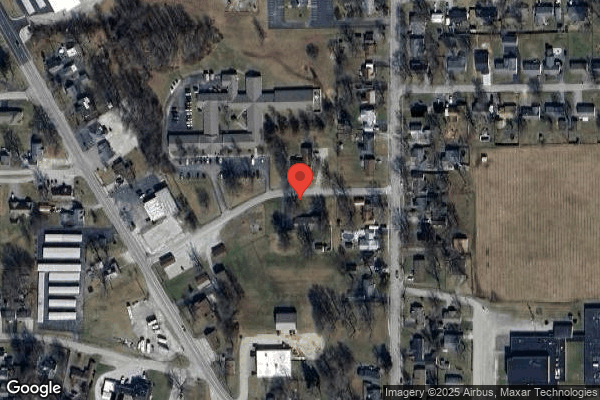
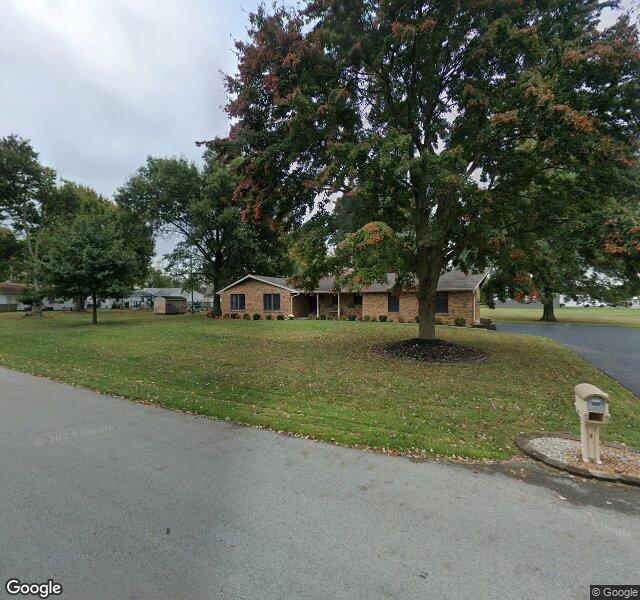
950 CROSS AVE, MADISON, IN 47250 (812) 273-4640
For profit - Limited Liability company 138 Beds INFINITY HEALTHCARE CONSULTING Data: November 2025
Trust Grade
40/100
#490 of 505 in IN
Last Inspection: June 2025

Inspected within the last 6 months. Data reflects current conditions.

Overview

Waters of Clifty Falls has a Trust Grade of D, indicating below-average performance and some concerns about care quality. It ranks #490 out of 505 nursing homes in Indiana, placing it in the bottom half of facilities in the state, and #5 out of 5 in Jefferson County, meaning there are no better local options. The facility is worsening, with issues increasing from 15 in 2024 to 19 in 2025. Staffing is a strength, with a 38% turnover rate that is below the state average of 47%, but RN coverage is concerning, falling below that of 77% of Indiana facilities. Specific incidents included lapses in medication management and improper food storage, which raise significant care and safety concerns. Overall, while staffing appears stable, the facility's overall quality and health inspection ratings are poor, highlighting the need for careful consideration.

Trust Score
D
40/100
In Indiana
#490/505
Bottom 3%
Safety Record
Low Risk
No red flags
Inspections
Getting Worse
15 → 19 violations
Staff Stability
○ Average
38% turnover. Near Indiana's 48% average. Typical for the industry.
Penalties
✓ Good
No fines on record. Clean compliance history, better than most Indiana facilities.
Skilled Nurses
⚠ Watch
Each resident gets only 21 minutes of Registered Nurse (RN) attention daily — below average for Indiana. Fewer RN minutes means fewer trained eyes watching for problems.
Violations
⚠ Watch
48 deficiencies on record. Higher than average. Multiple issues found across inspections.
★☆☆☆☆
1.0
Overall Rating
★☆☆☆☆
1.0
Staff Levels
★★★☆☆
3.0
Care Quality
★☆☆☆☆
1.0
Inspection Score
Stable
2024: 15 issues
2025: 19 issues

The Good

  • Full Sprinkler Coverage · Fire safety systems throughout facility
  • No fines on record
  • Staff turnover below average (38%)

    10 points below Indiana average of 48%

Facility shows strength in fire safety.

The Bad

1-Star Overall Rating

Below Indiana average (3.1)

Significant quality concerns identified by CMS

Staff Turnover: 38%

Near Indiana avg (46%)

Typical for the industry

Chain: INFINITY HEALTHCARE CONSULTING

Part of a multi-facility chain

Ask about local staffing decisions and management

The Ugly 48 deficiencies on record

Jul 2025 2 deficiencies
CONCERN (D) 📢 Someone Reported This

A family member, employee, or ombudsman was alarmed enough to file a formal complaint

Potential for Harm - no one hurt, but risky conditions existed

Deficiency F0740 (Tag F0740)

Could have caused harm · This affected 1 resident

Based on interview and record review, the facility failed to ensure an anti-anxiety medication was administered to a resident within the appropriate time frame and failed to ensure behaviors were docu...

Read full inspector narrative →
Based on interview and record review, the facility failed to ensure an anti-anxiety medication was administered to a resident within the appropriate time frame and failed to ensure behaviors were documented prior to the administration of an anti-anxiety medication for 1 of 3 residents reviewed for significant medication errors.Findings Include:The clinical record for Resident B was reviewed on 7/10/25 at 10:04 a.m. The resident's diagnosis included, but was not limited to, restlessness and agitation.The progress note, dated 6/17/25 at 8:00 p.m., indicated the resident was in the dining room and stated, I want to leave. The resident was observed to be physically aggressive with staff. At approximately 7:30 p.m., the resident kicked the side window in the dining room. He then picked up a chair and attempted to throw it at the window. The staff grabbed the chair, and the resident put it down. He then flipped tables in the dining room in anger. He went to his room and attempted to open his window. After that, he picked up another chair and attempted to swing it at the exit doors. The resident then walked to the courtyard door and went outside, accompanied by two staff members. The resident then walked back to the dining room. The nurse practitioner was notified with a new order for Lorazepam (narcotic anti-anxiety medication), 0.5 mg (milligrams) intramuscularly (IM) every 8 hours as needed for anxiety.The June 2025 medication administration record indicated the resident received the IM Lorazepam at 8:15 p.m. The next dose, if needed, could be administered at 3:15 a.m. on 6/18/25.The progress note dated 6/17/25 at 10:51 p.m., indicated the staff were 1:1 supervision with the resident until he calmed down. He had been asleep since approximately 9:30 p.m. He aroused easily to verbal stimuli, and his speech was clear. He remained very confused and disoriented to place and time. He had no further aggression observed. The resident's insulin was not administered at bedtime.The June 2025 medication administration record indicated the resident received the Lorazepam on 6/18/25 at 2:30 a.m.The clinical record lacked documentation of the resident's behaviors to account for the second dose of Lorazepam administered on 6/16/25 at 2:30 a.m. During a telephone interview, on 7/14/25 at 10:02 a.m., Registered Nurse (RN) 5 indicated resident behaviors should be documented in the nurses' notes and medications can be administered an hour before or an hour after the time they are due.On 7/14/25 at 9:29 p.m., the Clinical Support provided a current, undated copy of the document titled Psychotropic Medication. It included, but was not limited to, Psychoactive medications include anti-anxiety.Nursing.Monitors for presence of target behaviors.and documents the same.On 7/10/25 at 3:16 p.m., the Clinical Support provided a current copy of the document titled Medication Administration dated 1/25/19. It included, but was not limited to, Procedure.Medications are administered in accordance with written orders of the physician.Medications are administered within 60 minutes of scheduled time.This Citation relates to Complaint IN004630313.1-37
CONCERN (D) 📢 Someone Reported This

A family member, employee, or ombudsman was alarmed enough to file a formal complaint

Potential for Harm - no one hurt, but risky conditions existed

Deficiency F0760 (Tag F0760)

Could have caused harm · This affected 1 resident

Based on interview and record review, the facility failed to ensure a long-acting insulin order was accurately transcribed for 1 of 3 residents reviewed for significant medication errors.Findings Incl...

Read full inspector narrative →
Based on interview and record review, the facility failed to ensure a long-acting insulin order was accurately transcribed for 1 of 3 residents reviewed for significant medication errors.Findings Include:The clinical record for Resident B was reviewed on 7/10/25 at 10:04 a.m. The resident's diagnosis included, but was not limited to, type 2 diabetes. The hospital discharge order, dated 6/17/25, indicated the resident was to receive insulin glargine (long-acting insulin) 100 unit/ml (milliliters), 5 units at bedtime. The insulin was not to be mixed with other insulins. If the resident's blood glucose was less than 70, the staff were to follow the hypoglycemia protocol for glycemic control.The facility admission order, dated 6/17/25, indicated the resident was to receive insulin glargine, 70 units subcutaneously at bedtime. If the resident's blood glucose was less than 70, the facility protocol was to be implemented. The order was transcribed by Licensed Practical Nurse (LPN) 3.On 6/18/25 at 10:23 p.m., the order for the insulin glargine, 70 units at bedtime, was discontinued and not administered by RN (Registered Nurse) 5. A new order was implemented for the medication by RN 5 to be administered in the morning at 9:00 a.m.On 6/19/25 at 9:00 a.m., review of the June 2025 medication administration record indicated the resident received insulin glargine, 70 units subcutaneously to the right upper quadrant of the abdomen for diabetes. The resident's blood glucose was 164 at this time. The medication was administered by LPN 4.The progress note, dated 6/19/25 at 3:16 p.m., indicated the resident was alert to his surroundings and cooperative with care. The resident was assessed with no pain, agitation or diabetic distress observed.The progress note, dated 6/19/25 at 5:42 p.m., indicated the resident was found unresponsive in his bed and snoring. He was unable to be aroused. His blood pressure was 80/48, respirations 18, pulse 58 and oxygen saturation was 80% on room air. The family was notified and wanted the resident sent to the emergency department. The resident's granddaughter was at his bedside. The progress note, dated 6:10 p.m., indicated emergency medical services (EMS) were at the facility. The resident's blood glucose was 58 at this time and the resident was transferred to the hospital.The progress note, dated 6/19/25 at 11:44 p.m., indicated the family called the facility and reported the resident would be transferred to a different hospital. The resident had been intubated (mechanical ventilation used to assist with breathing) due to non-responsiveness.During a telephone interview, on 7/10/25 at 1:41 p.m., LPN 3 indicated he had been working a lot of night shifts at the facility. The only rationale thing he could think of was that he saw the 70 and put the order in wrong. He did not know why it was not caught in the chart check during the morning meeting the next day. During an interview, on 7/10/25 at 1:45 p.m., LPN 4 indicated she did administer the 70 units of insulin to Resident B on the morning of 6/19/25. LPN 4 did question the amount of insulin in her head, however, that was what the order was written for.During an interview, on 7/10/25 at 3:10 p.m., the Director of Nursing indicated that due to working night shifts, the chart review had been missed prior to the resident's hospitalization.On 7/14/25 at 9:42 a.m., a current copy of the document titled Guidelines for Physician Orders (Following Physician Orders) dated August 2017. It included, but was not limited to, Policy.It is the policy of the facility to follow the orders of the physician.Two nurses will review admission.order to serve as a double check for the accuracy of the orders.This Citation relates to Complaint IN004630313.1-48(a)(1)
Jun 2025 15 deficiencies
CONCERN (D)

Potential for Harm - no one hurt, but risky conditions existed

Deficiency F0554 (Tag F0554)

Could have caused harm · This affected 1 resident

Based on observation, record review, and interview, the facility failed to store medications appropriately for 1 of 1 resident reviewed for self-administering medications. (Resident 7) Findings includ...

Read full inspector narrative →
Based on observation, record review, and interview, the facility failed to store medications appropriately for 1 of 1 resident reviewed for self-administering medications. (Resident 7) Findings include: During an observation and interview, on 05/29/25 at 12:04 P.M., Resident 7 was lying in his bed. His over the bed table was sitting beside the bed and contained two medicine cups. One cup had one pill in it and the other had seven pills in it. The resident indicated the medications had been there for some time. He believed the medication was his gabapentin, muscle relaxer, and his cholesterol medications. He was unsure what the others were. There were no nursing staff in the room. The clinical record for Resident 7 was reviewed on 06/02/25 at 9:57 A.M. A Quarterly Minimum Data Set (MDS) assessment, dated 04/17/25, indicated the resident was cognitively intact. The resident's diagnoses included, but were not limited to, hypertension, diabetes, hyponatremia, and depression. The clinical record lacked an assessment for the resident to self-administer his medications or a physician order to self-administer medications. During an interview, on 06/03/25 at 2:02 P.M., Licensed Practical Nurse (LPN) 2 indicated if a resident self-administered medications, then they would have a physician's order to do so and have an assessment completed. During an interview, on 06/04/25 at 10:09 A.M., the Assistant Director of Nursing (ADON) indicated the resident did not have an order to self-administer medications and should not have had the medications sitting at his bedside unattended. The current facility policy titled, Self-Administration of Medications by Residents, dated March 2023, was provided by the Director of Nursing on 06/03/25 at 3:18 P.M. The policy indicated, .Self-administration medications will be encouraged if it is desired by the resident, safe for the resident, and other residents of the facility, ordered by the attending physician, and approved by the Interdisplinary Team .If the resident demonstrates the ability to safely self-administer medications, a further assessment of the safety of bedside medication storage is conducted .A physician order is obtained to self-administer medications if the above storage and skill assessment has been approved for the resident by the interdisplinary team. The order is recorded on the MAR [Medication Administration Record] . 3.1-11(a)
CONCERN (D)

Potential for Harm - no one hurt, but risky conditions existed

MDS Data Transmission (Tag F0640)

Could have caused harm · This affected 1 resident

**NOTE- TERMS IN BRACKETS HAVE BEEN EDITED TO PROTECT CONFIDENTIALITY** Based on record review and interview, the facility failed to ensure a Minimum Data Set (MDS) assessment was transmitted to the C...

Read full inspector narrative →
**NOTE- TERMS IN BRACKETS HAVE BEEN EDITED TO PROTECT CONFIDENTIALITY** Based on record review and interview, the facility failed to ensure a Minimum Data Set (MDS) assessment was transmitted to the Centers for Medicare and Medicaid Services (CMS) in a timely manner for 1 of 20 resident assessments reviewed. (Resident 85) Findings include: The clinical record for Resident 85 was reviewed on 06/03/25 at 12:11 P.M. A Discharge assessment, dated 12/28/24, indicated the resident admitted to the facility from the hospital on [DATE]. The resident discharged from the facility on 12/28/24. The discharge was unplanned, and the resident went home. The assessment history indicated the assessment was never added to a batch to be transmitted to CMS. During an interview on 06/04/25 at 2:36 P.M., the Regional MDS Coordinator indicated it didn't look like the discharge assessment was transmitted. It should have been sent out sooner. The facility did not have a policy related to transmitting MDS assessments. They followed the RAI (Resident Assessment Instrument) manual. 3.1-31(a)
CONCERN (D)

Potential for Harm - no one hurt, but risky conditions existed

Deficiency F0657 (Tag F0657)

Could have caused harm · This affected 1 resident

**NOTE- TERMS IN BRACKETS HAVE BEEN EDITED TO PROTECT CONFIDENTIALITY** Based on observation, record review, and interview, the facility failed to revise a resident's care plan related to the resident...

Read full inspector narrative →
**NOTE- TERMS IN BRACKETS HAVE BEEN EDITED TO PROTECT CONFIDENTIALITY** Based on observation, record review, and interview, the facility failed to revise a resident's care plan related to the resident's leg prosthesis for 1 of 20 residents reviewed for care plans. (Resident 75) Findings include: Resident 75 was observed in his room on 05/29/25 at 11:30 A.M. The resident was sitting in his wheelchair. The resident had a below the knee amputation of his left leg and was wearing a prosthetic leg. On 06/02/25 at 10:57 A.M., the resident was observed in his room with a family member. The resident was wearing his prosthetic leg. On 06/03/25 at 12:02 P.M., the resident was in his room with a family member. The resident was wearing his prosthetic leg. The resident indicated he had the prosthetic for 3 or 4 years. He had no problems with it. Nursing staff assisted him with putting it on every day. He did not put it on himself. The clinical record for Resident 75 was reviewed on 06/04/25 at 1:25 P.M. A Quarterly Minimum Data Set (MDS) assessment, dated 05/16/25, indicated the resident was severely cognitively impaired. The diagnoses included, but were not limited to, heart failure, diabetes, non-Alzheimer's dementia, and acquired absence of the left leg. The resident had an impairment on one side of their lower extremity. There was no indication the resident had a limb prosthesis. The resident admitted to the facility on [DATE]. During an interview on 06/04/25 at 2:30 P.M., the MDS Coordinator indicated the MDS assessment did not indicate the resident wore a prosthetic leg. He didn't wear a prosthesis when he admitted to the facility. The resident did have a care plan for assistance with activities of daily living (ADLs) related to the below the knee amputation. During an interview, on 06/04/25 at 2:38 P.M., Licensed Practical Nurse 5 indicated the resident had worn the prosthetic leg since she had taken care of him. During an interview, on 06/04/25 at 2:40 P.M., Certified Nurse Aide (CNA) 6 indicated she was familiar with the resident. Every time she assisted the resident with care, she would help him get cleaned up and get dressed and put his prosthetic on. The resident's Care Plans were reviewed on 06/03/25 at 3:00 P.M. The resident's Care Plan for assistance with ADLs related to the below the knee amputation lacked any indication the resident had a prosthetic leg. During an interview on 06/04/25 at 3:21 P.M., the Assistant Director of Nursing indicated he was aware that the resident had a prosthetic leg. The resident's Care Plan should reflect the use of the prosthetic; there should be some direction for the CNAs. The current facility policy, titled Baseline Care Plan Assessment/Comprehensive Care Plans, with a revision date of 03/23/21, was provided by the Regional Director of Operations on 06/04/25 at 3:40 P.M. The policy indicated, .The Comprehensive Care Plans will be reviewed and updated every quarter at a minimum. The facility may need to review the care plans more often based on changes in the resident's condition 3.1-35(b)(1)
CONCERN (D)

Potential for Harm - no one hurt, but risky conditions existed

Pressure Ulcer Prevention (Tag F0686)

Could have caused harm · This affected 1 resident

Based on observation, interview, and record review, the facility failed to follow physician's orders related to wound treatments for pressure ulcers for 1 of 4 residents reviewed for pressure ulcers. ...

Read full inspector narrative →
Based on observation, interview, and record review, the facility failed to follow physician's orders related to wound treatments for pressure ulcers for 1 of 4 residents reviewed for pressure ulcers. (Resident 78) Findings include: Resident 78 was observed on 06/03/25 at 1:52 P.M., with the Wound Nurse Practitioner (NP) and the Assistant Director of Nursing (ADON). The resident had a wound to the left ischium (lower hip bone area) that had no signs of infection and measured 0.5 centimeters (cm) by (X) 0.3 cm X 0.2 cm, and the resident had a wound to the sacrum (bottom of the spine) that measured 0.8 cm X 0.8 cm X 0.4 cm. The clinical record for Resident 78 was reviewed on 06/03/25 at 10:03 A.M. A Quarterly Minimum Data Set (MDS) assessment, dated 03/12/25, indicated the resident was severely cognitively impaired. The resident's diagnoses included, but were not limited to, cerebral palsy, orthostatic hypotension, depression, pressure ulcer to the left buttock, and adult failure to thrive. A Wound NP Assessment Report, dated 10/28/24, indicated the resident had a Stage 4 (full-thickness tissue loss with exposed muscle, tendon, or bone) pressure ulcer to the left ischium. The wound measured 1 cm X 0.6 cm X 0.3 cm. The treatment order was to be changed to cleanse the wound with Dakins solution, apply collagen to the wound bed, and cover with border gauze, daily. The physician's order, dated 10/28/24, was not initiated untill 11/08/24. A Wound NP Assessment Report, dated 12/16/24, indicated the resident had a Stage 4 pressure ulcer to the left ischium. The wound measured 0.6 cm X 0.5 cm X 0.2 cm. The treatment order was to be changed to cleanse the wound with Dakins solution, apply collagen with silver, and cover with border gauze, daily. The physician's order, dated 12/16/24, was not initiated untill 12/20/24. A Wound NP Assessment Report, dated 01/08/25, indicated the resident had a Stage 4 pressure ulcer to the left ischium. The wound measured 1.4 cm X 1 cm X 0.5 cm. The treatment order was to be changed to cleanse the wound with Dakins solution, apply Dakins moistened fluffed gauze to the wound, and cover with border gauze, twice a day. The physician's , dated 01/08/25, was not initiated untill 01/12/25. A Wound NP Assessment Report, dated 01/20/25, indicated the resident had a Stage 4 pressure ulcer to the left ischium. The wound measured 1.4 cm X 1 cm X 0.8 cm. The treatment order was to be changed to cleanse the wound with Dakins solution, apply collagen particles, and cover with border gauze, daily. The physician's order, dated 01/20/25, was transcribed for a twice a day treatment instead of daily. A Wound NP assessment Report, dated 02/26/25, indicated the resident had a Stage 4 pressure ulcer to the left ischium. The wound measured 1.8 cm X 1 cm X 0.8 cm. The treatment order was to be changed to cleanse with Dakins solution, apply collagen particles, and apply negative pressure wound therapy, three times a week. The order was transcribed to cleanse the wound with wound cleanser, apply collagen particles, and cover with border gauze every 12 hours from 02/27/25 through 03/14/25. A Wound NP assessment Report, dated 03/05/2025, indicated the resident had a Stage 4 pressure ulcer to the left ischium. The wound measured 1.8 cm X 1 cm X 0.8 cm. The treatment order was to be changed to cleanse with Dakins solution, apply collagen particles, and apply negative pressure wound therapy, on Wednesday and Saturdays. The order for the wound was not changed until 03/15/25. The December 2024 through May 2025 Electronic Treatment Administration Record (ETAR) lacked documentation for Resident 78's left ischium being completed on the following dates: - 12/07/24, - 12/12/24, - 12/19/24, - 01/03/25, - 01/20/25 at evening, - 01/30/25 at evening, - 02/09/25, - 05/08/25, - 05/16/25, - 05/19/25, and - 05/23/25. During an interview, on 06/04/25 at 10:04 A.M., the ADON indicated they would follow the orders of the Wound NP. The Wound NP came to the building weekly. Within 24 hours of her visit, she would send him (the ADON) new orders or recommendations. He would transcribe and implement the new orders within 24 hours of receiving them. During an interview, on 06/04/25 at 2:57 P.M., the ADON indicated the resident's treatments should have been followed per the Wound NP's orders. They were either transcribed wrong or not implemented timely. If there was a blank in the ETAR it meant the treatment was not completed. The current facility policy titled PHYSICIAN ORDERS/FOLLOWING PHYSICIAN ORDERS GUIDELINE, with a review date of 02/12/24, was provided by the Administrator on 06/04/25 at 10:50 A.M. The policy indicated, .It is the policy of the facility to follow the orders of the physician . 3.1-40 (a)(2)
CONCERN (D)

Potential for Harm - no one hurt, but risky conditions existed

Deficiency F0688 (Tag F0688)

Could have caused harm · This affected 1 resident

Based on observation, interview, and record review, the facility failed to ensure splint devices were in applied as ordered for 1 of 1 resident reviewed for range of motion. (Resident 84) Findings inc...

Read full inspector narrative →
Based on observation, interview, and record review, the facility failed to ensure splint devices were in applied as ordered for 1 of 1 resident reviewed for range of motion. (Resident 84) Findings include: Resident 84 was observed in his room on 05/29/25 at 11:00 A.M. The resident was in bed and the head of his bed was elevated. The resident was not wearing hand or elbow splints. During an interview, on 05/30/25 at 10:51 A.M., the resident's family member indicated the resident never wore his hand or elbow splints. The splints were up in the closet, and they were supposed to be on his arms. The resident was observed in his room on 06/02/25 at 9:16 A.M. The resident was in bed. There were no hand or elbow splints in place. The resident was observed in his room on 06/02/25 at 10:48 A.M. The resident's arms were folded over his chest. There were no splint devices in place. The resident was observed in his room on 06/03/25 at 9:14 A.M. The resident was in bed. There were no splint devices in place. The resident was observed in his room on 06/03/25 at 2:00 P.M. The resident was in bed. There were no splint devices in place. The resident was observed in his room on 06/04/25 at 9:30 A.M. The resident was in bed. There were no splint devices in place. The resident's clinical record was reviewed on 06/02/25 at 2:44 P.M. A Quarterly Minimum Data Set assessment, dated 02/27/25, indicated the resident was moderately cognitively impaired. The resident's diagnoses included, but were not limited to, traumatic brain injury, quadriplegia, and respiratory failure. Mobility in the resident's upper and lower extremities was impaired on both sides, and the resident was dependent on staff for all activities of daily living. The resident's current physician's orders included, but were not limited to the following: - An open-ended order, with a start date of 02/25/25, for the resident to wear bilateral hand splints. The splints were to be applied in the morning for 3 hours and then removed, and - An open-ended order, with a start date of 02/25/25, for the resident to wear bilateral elbow splints. The elbow splints were to be applied after the hand splints were removed and were to be worn for 3 hours. Nursing staff documented in the resident's Electronic Treatment Administration Record (ETAR) for May and June 2025 that the resident's hand splints and elbow splints had been applied every day. During an interview, on 06/04/25 at 10:58 A.M., Licensed Practical Nurse 4 indicated the CNAs were the ones that applied the splints, but the nurses signed the ETAR indicating the arm and elbow splints were applied. She signed off that the splints were applied that morning. It had been a long time since she had observed the resident wearing hand or elbow splints. During an interview, on 06/04/25 at 9:35 A.M., Certified Nurse Aide (CNA) 3 indicated she was familiar with the resident. He did not wear splints or braces on his arms or elbows. He wore them when he first came to the facility. It had been a few months since he worn them. The splints were observed on a table in the resident's room. The CNA Task Charting for May and June 2025 was reviewed and included, but was not limited to, the following tasks: - NURSING REHAB: Assistance with Splint. The resident was participating in a splint program to prevent further contracture to bilateral hands and elbows. The splint should be applied after Passive Range of Motion (PROM). Bilateral hand splints were to be applied for 3 hours daily and after they were removed, bilateral elbow splints were to be applied for 3 hours. If the resident had a Peripherally Inserted Central Catheter in one arm, the elbow splint was not to be applied to that extremity. The Task record for May and June 2025 documentation indicated the CNAs applied the hand and elbow splints daily. CNA 3 documented that she had applied the splints that morning. During a follow-up interview, on 06/04/25 at 9:51 A.M., CNA 3 reviewed her charting and indicated when she entered a time and initialed the section about splint usage earlier that morning, she was referring to the PROM exercises she performed with the resident. She did not apply a brace or splint device. She did document PROM in a different section that was designated for that specific task as well. The resident hasn't used the splints in a long time. There were times before that he was resistant to wearing the brace. If a resident resisted or refused care, it should be documented as such. If they continued to refuse, they would let the nurse know. The current facility policy titled PHYSICIAN ORDERS/FOLLOWING PHYSICIAN ORDERS GUIDELINE, with a review date of 02/12/24, was provided by the Administrator on 06/04/25 at 10:50 A.M. The policy indicated, .It is the policy of the facility to follow the orders of the physician . 3.1-42(a)(2)
CONCERN (D)

Potential for Harm - no one hurt, but risky conditions existed

Drug Regimen Review (Tag F0756)

Could have caused harm · This affected 1 resident

Based on record review and interview, the facility failed to ensure pharmacy recommendations were addressed timely for 1 of 5 residents reviewed for drug regimen review. (Resident 75) Findings include...

Read full inspector narrative →
Based on record review and interview, the facility failed to ensure pharmacy recommendations were addressed timely for 1 of 5 residents reviewed for drug regimen review. (Resident 75) Findings include: The clinical record for Resident 75 was reviewed on 06/04/25 at 1:25 P.M. A Quarterly Minimum Data Set assessment, dated 05/16/25, indicated the resident was severely cognitively impaired. The resident's diagnoses included, but were not limited to, heart failure, diabetes, non-Alzheimer's dementia, anxiety, and depression. A pharmacy recommendation, dated 02/15/25, indicated the resident was currently receiving citalopram (an antidepressant) 40 milligrams (mg) twice a day. The dose exceeded the maximum recommended dose of 40 mg per day. The resident was receiving double the recommended dose and the pharmacist recommended reducing the order to 40 mg per day. The Nurse Practitioner agreed with the recommendation on 02/26/25. The resident's Electronic Medication Administration Record (EMAR) for February and March 2025 indicated the resident continued to receive 40 mg of citalopram twice a day from 02/15/25 through 03/11/25. On 03/12/25 the pharmacy recommendation from 02/15/25 for the order to change the resident's citalopram from twice a day to daily was changed. During an interview on 06/04/25 at 11:50 A.M., the Clinical Corporate Support Nurse indicated pharmacy recommendations should be addressed timely. The medication order should have been changed sooner than it was. The current, undated facility policy, titled Policy and Procedure--Pharmacy Recommendation was provided by the Administrator on 06/04/25 at 10:50 A.M. The policy indicated, .A response as to the action to be taken regarding the Pharmacy Consultant's recommendation will be documented within 7 days of the receipt of the recommendation . 3.1-25(3)(i)
CONCERN (D)

Potential for Harm - no one hurt, but risky conditions existed

Deficiency F0761 (Tag F0761)

Could have caused harm · This affected 1 resident

Based on observation and interview, the facility failed to store medications appropriately for 2 of 3 medication carts (Split Cart and Living Well Cart) reviewed and 1 of 2 medication rooms (Dementia ...

Read full inspector narrative →
Based on observation and interview, the facility failed to store medications appropriately for 2 of 3 medication carts (Split Cart and Living Well Cart) reviewed and 1 of 2 medication rooms (Dementia Unit) reviewed. Findings include: 1. The Split Medication Cart was observed on 06/04/25 at 10:26 A.M., with Licensed Practical Nurse (LPN) 12. The medication cart contained an unopened and undated Fiasp insulin pen that belonged to Resident 22. The LPN indicated she was unsure when the insulin pen was removed from the refrigerator as she had not been the one to remove it, and it should have stayed in the refrigerator untill it was needed. 2. The Living Well Medication Cart was observed on 06/04/25 at 10:46 A.M., with LPN 4. The cart contained the following: - An opened Combivent inhaler that belonged to Resident 12 with no open date, and - An opened Ellipta inhaler that belonged to Resident 301 with no open date. The current Fiasp insulin pen package insert was provided by the Regional Clinical Consultant on 06/04/25 at 11:38 A.M. The insert indicated, .Not-in-use (unopened) .single-patient-use Fiasp FlexTouch pen .Room temperature .28 days . The current Combivent package insert was provided by the Assistant Director of Nursing (ADON) on 06/04/25 at 3:59 P.M. The insert indicated, .should be discarded at the latest 3 months after first use . The current Ellipta package insert was provided by the ADON on 06/04/25 at 3:59 P.M. The insert indicated, .Discard .6 weeks after opening the foil tray . 3. The Dementia Unit's medication room was observed on 06/04/25 at 10:37 A.M., with Qualified Medication Aide (QMA) 14. The following items were in the medication room refrigerator: - A bottle of tuberculin serum that was half full and had an open date of 04/18/25, and - Six acetaminophen suppositories, 650 milligrams. The suppositories were not in any bag or labeled with a resident's name. At the time of the observation QMA 14 indicated the suppositories should have had a resident's name on them. During an interview on 06/04/25 at 10:46 A.M., LPN 4 indicated inhalers should be dated when they were opened and the tuberculin serum was only good for 30 days after it was opened. The Tuberculin Serum package insert was provided by the Regional Clinical Consultant on 06/04/25 at 11:38 A.M. The directions for storage indicated, .vials in use more than 30 days should be discarded . The current facility policy titled, Medication Storge in the Facility dated, February 2017, was provided by the Clinical Support Consultant on 06/04/25 at 11:38 A.M. The policy indicated, .Medications and biologicals are stored safely, securely, and properly . 3.1-25(o)
CONCERN (D)

Potential for Harm - no one hurt, but risky conditions existed

Laboratory Services (Tag F0770)

Could have caused harm · This affected 1 resident

Based on interview and record review, the facility failed to ensure that critical laboratory (lab) test results were received and reported to the physician in a timely manner; and a lab test was compl...

Read full inspector narrative →
Based on interview and record review, the facility failed to ensure that critical laboratory (lab) test results were received and reported to the physician in a timely manner; and a lab test was completed after a fall related to seizure medication for 2 of 6 residents reviewed for lab services. (Residents 11 and 20) Findings include: 1. Resident 11's clinical record was reviewed on 06/02/25 at 1:02 P.M. A Quarterly Minimum Data Set (MDS) assessment, dated 04/05/25, indicated the resident was moderately cognitively impaired. The resident's diagnoses included, but were not limited to, heart failure, hypertension, renal insufficiency, and diabetes. A Progress Note, dated 05/28/25 at 6:29 P.M., indicated the Nurse Practitioner (NP) reviewed the resident's recent Basic Metabolic Panel (BMP) lab results. The resident's potassium level was critical at 2.4 (the normal range for potassium was 3.5 to 5.3). The resident was to receive oral potassium tablets, and a BMP was to be re-drawn on 05/30/25. A Progress Note, dated 05/30/25 at 5:42 P.M., indicated the BMP was obtained on 05/30/25, and the resident's potassium was still critically low at 2.7. The NP ordered additional oral potassium tablets, decreased the resident's diuretic medication, and ordered a repeat BMP on 05/31/25. The resident's record was reviewed on 06/03/25 at 9:30 A.M. and lacked the results of the BMP lab that was to be drawn on 05/31/25. During an interview, on 06/03/25 at 9:55 A.M., the Assistant Director of Nursing (ADON) indicated when labs were obtained the results were automatically available to be reviewed in the resident's record. Sometimes STAT (immediate) lab results didn't always show up, and nursing staff had to follow up with the lab directly. At the time of the interview (06/03/25), the ADON manually accessed the results from the lab drawn on 05/31/25 and the resident's potassium was still low at 3.1. The ADON indicated nursing staff should have followed up on the lab. There should have been a Progress Note put in the resident's record and the NP should have been notified. During an interview on 06/03/25 at 11:08 A.M., the ADON indicated he called and notified the NP of the results of the STAT BMP from 5/31/25. There had been no follow up prior to 06/03/25. The NP ordered another STAT BMP. A Progress Note, dated 06/03/25 at 7:52 P.M., indicated the resident's potassium level was 2.6. The resident was to receive additional oral potassium tablets and the resident's diuretic was discontinued. The resident was to continue to be weighed daily. The current facility policy, titled GUIDELINES FOR LAB SCHEDULING/TRACKING, dated 09/01/23, was provided by the Administrator on 06/04/25 at 11:10 A.M. The policy indicated, .The Charge Nurse will monitor the scheduled labs daily to ensure that any collected lab results are received timely as well as to confirm that received results are reported to the physician .and that any orders received related to the lab results are carried out .Any omitted labs will be researched and the lab will be contacted for an explanation as to the delay . 2. The clinical record for Resident 20 was reviewed on 06/03/25 at 2:53 P.M. A Quarterly Minimum Data Set assessment, dated 04/15/25, indicated the resident was cognitively intact. The resident's diagnoses included, but were not limited to, anemia, seizure disorder, malnutrition, anxiety, depression, and bipolar. A Progress Note, dated 05/02/25 at 5:30 P.M., indicated the resident had an unwitnessed fall in her room. The resident had no injuries and indicated she had a seizure. The resident's neurological assessments were initiated, and all appropriate persons were notified. An Interdisciplinary Team Note, dated 05/05/25 at 9:23 A.M., indicated the resident had a fall on 05/02/25 with no injuries. The fall was related to seizure activity. A new intervention was implemented to obtain a Vimpat (a seizure medication) level to check for a therapeutic range. The clinical record lacked any indication a Vimpat level had been obtained. During an interview on 06/04/25 at 3:09 P.M., the ADON indicated the resident did not have a Vimpat level obtained after the fall and they should have. 3.1-49(a) 3.1-45(a)(2)
CONCERN (D)

Potential for Harm - no one hurt, but risky conditions existed

Medical Records (Tag F0842)

Could have caused harm · This affected 1 resident

Based on record review, interview, and observation, the facility failed to document colostomy care for 1 of 25 residents' records reviewed. (Resident 26) Findings include: The clinical record for Resi...

Read full inspector narrative →
Based on record review, interview, and observation, the facility failed to document colostomy care for 1 of 25 residents' records reviewed. (Resident 26) Findings include: The clinical record for Resident 26 was reviewed on 06/02/25 at 11:08 A.M. A Significant Change Minimum Data Set assessment, dated 04/07/25, indicated the resident was severely cognitively impaired. The resident's diagnoses included, but were not limited to, degenerative disease of basal ganglia, non-Alzheimer's dementia, Parkinson's disease, anxiety, depression, bipolar, psychotic disorder, schizophrenia, oppositional defiant disorder, mild intellectual disabilities, and colostomy status. The resident had an ostomy. An open-ended physician's order, with a start date of 09/15/21, indicated the staff were to change the resident's colostomy appliance as needed. The clinical record lacked documentation that the resident's colostomy appliance had been changed in the months of March, April, May, or as of June 3, 2025. During an interview, on 06/03/25 at 1:45 P.M., Licensed Practical Nurse 9 indicated the resident had a colostomy and the appliance would get changed a lot. They should have documented that it had been changed. During an interview, on 06/03/25 at 1:50 P.M., Certified Nurse Aide 11 indicated the resident had a colostomy. The aides would change the appliance when it needed to be done. They documented each shift indicating the resident had a colostomy and the amount of stool in it. The resident's colostomy appliance was observed on 06/04/25 at 2:25 P.M., with Qualified Medication Aide 14. The colostomy was clean and appeared free of infection. During an interview, on 06/04/25 at 10:06 A.M., the Assistant Director of Nursing indicated colostomy care was completed daily, and the appliance should be changed every three days. All residents' with a colostomy should have had an order to change the colostomy appliance. The clinical record should have had documentation related to the resident's colostomy care staff provided. The current facility policy titled, Colostomy and Ileostomy Care, was provided by the Director of Nursing on 06/03/25 at 3:18 P.M. The policy indicated, .The pouch should be changed every 3 to 7 days .) 3.1-50(a)(2)
CONCERN (D)

Potential for Harm - no one hurt, but risky conditions existed

Safe Environment (Tag F0921)

Could have caused harm · This affected 1 resident

Based on observation and interview, the facility failed to provide a sanitary homelike environment for 1 of 20 residents reviewed. (Resident 53) During an observation and interview, on 06/02/25 at 10:...

Read full inspector narrative →
Based on observation and interview, the facility failed to provide a sanitary homelike environment for 1 of 20 residents reviewed. (Resident 53) During an observation and interview, on 06/02/25 at 10:26 A.M., Resident 53 was lying in bed and her eyes were closed. She opened her eyes and denied any concerns. On the floor approximately ten inches from the foot of her bed were a stack of linens that included, but were not limited to, a sheet and a pair of disposable underwear that smelled strongly of urine. The resident was lying on clean sheets. During an observation, of Resident 53's room, on 06/02/25 at 10:47 A.M., on the floor approximately ten inches from the foot of bed remained a stack of linens that included, but were not limited to, a sheet and a pair of disposable underwear that smelled strongly of urine. During an interview, on 06/02/25 at 10:51 A.M., Licensed Practical Nurse (LPN) 8, indicated the Certified Nurse Aide (CNA) had been around to check on the resident recently. The dirty linens should not have been placed directly on the floor or left on the floor after the staff left the room. The clinical record for Resident 53 was reviewed on 06/02/25 at 11:06 A.M. A Quarterly Minimum Data Set (MDS) assessment, dated 05/17/25, indicated the resident was moderately cognitively impaired. The resident's diagnoses included, but were not limited to, stroke, renal insufficiency, obstructive uropathy, dementia, anxiety, and depression. The resident requires substantial assistance for Activities of Daily Living (ADL) including personal hygiene. The resident used a wheelchair. During an interview, on 06/04/25 at 9:50 A.M., Qualified Medication Aide (QMA) 15 indicated the resident would not be able to take dirty linens off her bed by herself. The current facility policy titled, GUIDELINES FOR HOMELIKE ENVIRONMENT, dated 06/20/23, was provided by the Regional Director of Operations on 06/04/25 at 4:07 P.M. The policy indicated, .It is the policy of the facility to ensure that the environment provided by the facility is safe, sanitary, functional and comfortable .
CONCERN (E)

Potential for Harm - no one hurt, but risky conditions existed

Deficiency F0583 (Tag F0583)

Could have caused harm · This affected multiple residents

**NOTE- TERMS IN BRACKETS HAVE BEEN EDITED TO PROTECT CONFIDENTIALITY** 3. During a continuous observation, on 05/29/25 from 1:38 P.M. through 1:44 P.M. the following was observed: - At 1:38 P.M., a c...

Read full inspector narrative →
**NOTE- TERMS IN BRACKETS HAVE BEEN EDITED TO PROTECT CONFIDENTIALITY** 3. During a continuous observation, on 05/29/25 from 1:38 P.M. through 1:44 P.M. the following was observed: - At 1:38 P.M., a computer screen was opened on Medication Cart 1 on the 100 Hallway that was sitting between resident rooms [ROOM NUMBERS]. The screen had Resident 66's name and medication list visible. - At 1:39 P.M., a resident in a wheelchair propelled by the cart and looked towards the computer and kept going, - At 1:40 P.M., LPN 8 who had been standing at Medication Cart 2 outside of room [ROOM NUMBER], approximently ten feet from Medication Cart 1, walked into room [ROOM NUMBER] next to Medication Cart 1 out of visible sight of both Medication Carts 1 and 2. The LPN did not close the open computer screen on Medication Cart 1. - At 1:41 P.M., a resident in a wheelchair propelled by the cart, - At 1:42 P.M., a staff member walked past the cart, and LPN 8 walked out of room [ROOM NUMBER] and returned to the second medication cart, - At 1:43 P.M., a resident in a wheelchair propelled by cart, spoke to LPN 8, turned around and went by the open computer screen again, - At 1:44 P.M., Qualified Medication Aide 11 went to the Medication Cart 1 and closed the computer screen. During an interview, on 06/04/25 at 9:41 A.M., LPN 5 indicated the computer screens should always be minimized or hidden from public view when the nursing staff were not at the computers. The current facility policy titled, MEDICAL RECORDS GUIDELINES, dated 01/09/23, was provided by the Administrator on 06/04/25 at 10:50 A.M. The policy indicated, .The clinical records of residents are the property of the facility. Residents Rights related to health information are recognized in accordance with the Privacy Rules of Health Insurance Portability and Accountability Act (HIPAA). Clinical records are used by authorized individuals, and stored in an easily accessible area that is protected .and should be locked . 3.1-3(o) Based on observation and interview, the facility failed to keep resident information private related to resident meal tickets and computer screens for 3 of 6 resident confidence of records information observations. (Residents 26, 73, 23, 36, 77, 42, 45, 57, 91, 34, 66 and Split Hall and 100 Hall) Findings include: 1. During an observation, on 05/29/25 at 12:11 P.M., the staff in the dementia unit were serving lunch. The staff members Activity Aide 7, Certified Nurse Aide 10, and Licensed Practical Nurse (LPN) 9, were serving the resident's their meals and then placing the resident meal cards with their names on them in the trash can. During an interview and observation, on 05/29/25 at 12:12 P.M., Activity Aide 7 indicated they had placed the resident's meal tickets in the regular trash can that would have been taken to the dumpster and they should have been placed in the shred container. She removed the following resident meal tickets from the trash can: Residents 26, 73, 23, 36, 77, 42, 45, 57, 91, and 34. During an interview, on 05/29/25 at 12:14 P.M., LPN 9 indicated the resident meal tickets should have been placed in the shred box. 2. During a continuous observation, on 05/29/25 from 2:19 P.M. through 2:23 P.M. the following was observed: - At 2:19 P.M., a computer screen opened on a medication cart in the Split hallway was sitting outside the nurse's station unattended. The computer screen had multiple resident names, pictures and room numbers visible on the screen, - At 2:21 P.M., a resident in a wheelchair propelled by the cart and looked towards the computer and kept going, - At 2:23 P.M., two staff members walked by the cart, and - At 2:24 P.M., a nurse went to the medication cart and closed the computer screen.
CONCERN (E)

Potential for Harm - no one hurt, but risky conditions existed

Quality of Care (Tag F0684)

Could have caused harm · This affected multiple residents

Based on record review, interview, and observation, the facility failed to follow physician's orders related to cardiac medication hold parameters and follow manufacturer's guidelines related to insul...

Read full inspector narrative →
Based on record review, interview, and observation, the facility failed to follow physician's orders related to cardiac medication hold parameters and follow manufacturer's guidelines related to insulin pen usage for 5 of 20 residents reviewed for Quality of Care. (Residents 2, 93, 7, 78, and 29) Findings include: 1. Resident 2's clinical record was reviewed on 06/04/25 at 10:17 A.M. A Quarterly Minimum Data Set (MDS) assessment, dated 04/20/25, indicated the resident was cognitively intact. The resident's diagnoses included, but were not limited to, anemia, hypertension, and chronic kidney disease. An open-ended physician's order, with a start date of 01/31/25, indicated the nursing staff were to administer the resident's Metoprolol 12.5 milligrams (mg) daily at 9:00 A.M. and 9:00 P.M. for hypertension. The medication was to be held if the resident's systolic blood pressure (top number/heart at work) was less than 110, the diastolic blood pressure (bottom number/heart at rest) was less than 60, or the resident's heart rate was less than 60. The May 1 through June 3, 2025 Electronic Medication Administration Record (EMAR) indicated the resident had received the medication twice a day. The record lacked documentation of any assessment of the resident's blood pressure and heart rate for the 9:00 P.M. dose of the medication. The current facility policy titled PHYSICIAN ORDERS/FOLLOWING PHYSICIAN ORDERS GUIDELINE, with a review date of 02/12/24, was provided by the Administrator on 06/04/25 at 10:50 A.M. The policy indicated, .It is the policy of the facility to follow the orders of the physician . 2. The clinical record for Resident 93 was reviewed on 06/02/25 at 10:47 A.M. An admission MDS assessment, dated 05/01/25, indicated the resident was severely cognitively impaired. The resident's diagnoses included, but were not limited to, hypertension and orthostatic hypotension. An open-ended physician's order, with a start date of 04/25/25, indicated the staff were to administer the resident's Midodrine 5 mg, twice a day for hypotension. The staff were to hold the medication if the resident's systolic blood pressure was greater than 120 or the diastolic was greater than 80. The May and June 2025 EMAR and Vitals Report lacked that the resident had the blood pressure monitored before administration of the medication from 05/07/25 at 9:00 P.M. through 06/03/25 at 9:00 A.M. 3a. The clinical record for Resident 7 was reviewed on 06/02/25 at 9:57 A.M. A Quarterly MDS assessment, dated 04/17/25, indicated the resident was cognitively intact. The resident's diagnoses included, but were not limited to, hypertension, diabetes, hyponatremia, and depression. An open-ended physician's order, with a start date of 12/30/24, indicated the staff were to administer the resident's Coreg 25 mg, twice a day for hypertension. The staff were to hold the medication if the resident's systolic blood pressure was less than 110 or the diastolic blood pressure was less than 60. The April and May 2025 EMAR indicated the resident had received the medication when their diastolic blood pressure was less than 60 on the following dates and times: - On 04/24/25 at 9:00 A.M., the resident's blood pressure was 200/51. - On 05/07/25 at 5:00 P.M., the resident's blood pressure was 111/58. - On 05/11/25 at 9:00 A.M., the resident's blood pressure was 159/58. - On 05/24/25 at 9:00 A.M., the resident's blood pressure was 113/59. 3b. An open-ended physician's order, with a start date of 05/20/25, indicated the staff were to administer the resident's Lisinopril 10 mg, once a day for hypertension. The staff were to hold the medication if the resident's systolic blood pressure was less than 110 or the resident's heart rate was less than 60. The May 2025 EMAR indicated the resident had received the medication when their heart rate was less than 60 on the following dates: - On 05/24/25 the resident's heart rate was 58. - On 05/25/25 the resident's heart rate was 58. - On 05/31/25 the resident's heart rate was 59. 4. The clinical record for Resident 78 was reviewed on 06/03/25 at 10:03 A.M. A Quarterly MDS assessment, dated 03/12/25, indicated the resident was severely cognitively impaired. The resident's diagnoses included, but were not limited to, cerebral palsy, orthostatic hypotension, depression, pressure ulcer to the left buttock, and adult failure to thrive. A current physician's order, with a start date of 08/21/24, indicated the staff were to administer the resident's Midodrine 10 mg, every 8 hours for hypotension. The staff were to hold the medication when the resident's systolic blood pressure was greater than 100. The April, May, and June EMAR, indicated the resident had received the medication when their systolic blood pressure was greater than 100 on the following dates and times: - On 04/02/25 at 10:00 P.M., the resident's blood pressure was 109/60, - On 04/03/25 at 2:00 P.M., the resident's blood pressure was 101/65 and at 10:00 P.M., when the blood pressure was 112/67, - On 04/04/25 at 2:00 P.M., the resident's blood pressure was 116/79. - On 04/05/25 at 2:00 P.M., the resident's blood pressure was 111/69. - On 04/06/25 at 10:00 P.M., the resident's blood pressure was 116/71. - On 04/10/25 at 2:00 P.M., the resident's blood pressure was 113/72. - On 04/11/25 at 6:00 A.M., the resident's blood pressure was 110/58. - On 04/12/25 at 2:00 P.M., the resident's blood pressure was 110/64. - On 04/13/25 at 10:00 P.M., the resident's blood pressure was 106/68. - On 04/14/25 at 6:00 A.M., the resident's blood pressure was 102/58 and 2:00 P.M., when the resident's blood pressure was 109/66. - On 04/15/25 at 2:00 P.M., the resident's blood pressure was 110/54 and 10:00 P.M., the resident's blood pressure was 109/55. - On 04/16/25 at 10:00 P.M., the resident's blood pressure was 102/66. - On 04/18/25 at 2:00 P.M., the resident's blood pressure was 114/70. - On 04/19/25 at 10:00 P.M., the resident's blood pressure was 108/72. - On 04/22/25 at 2:00 P.M., the resident's blood pressure was 102/56. - On 04/24/25 at 6:00 A.M., the resident's blood pressure was 116/64. - On 04/25/25 at 6:00 A.M., the resident's blood pressure was 114/62. - On 04/27/25 at 2:00 P.M., the resident's blood pressure was 106/58. - On 05/06/25 at 2:00 P.M., the resident's blood pressure was 102/62. - On 05/08/25 at 6:00 A.M., the resident's blood pressure was 114/62 and 2:00 P.M., the resident's blood pressure was 104/62. - On 05/09/25 at 10:00 P.M., the resident's blood pressure was 102/58. - On 05/12/25 at 2:00 P.M., the resident's blood pressure was 107/64. - On 05/13/25 at 6:00 A.M., the resident's blood pressure was 108/63 and 10:00 P.M., the resident's blood pressure was 108/56. - On 05/15/25 at 2:00 P.M., the resident's blood pressure was 102/55. - On 05/18/25 at 2:00 P.M., the resident's blood pressure was 107/63 and 10:00 P.M., the resident's blood pressure was 103/59. - On 05/22/25 at 6:00 A.M., the resident's blood pressure was 103/53. - On 05/23/25 at 2:00 P.M., the resident's blood pressure was 102/60 and 10:00 P.M., the resident's blood pressure was 102/60. - On 05/25/25 at 2:00 P.M., the resident's blood pressure was 106/60. - On 05/26/25 at 2:00 P.M., the resident's blood pressure was 118/62. - On 05/31/25 at 10:00 P.M., the resident's blood pressure was 112/66. - On 06/01/25 at 6:00 A.M., the resident's blood pressure was 106/64. During an interview, on 06/03/25 at 2:02 P.M., Licensed Practical Nurse (LPN) 2 indicated when a resident's medication had hold parameters, she would obtain the vital sign before giving the medication. If the vital was outside the parameters, then she would not administer the medication. She would document in the EMAR that the medication was not administered. 5. During an observation and record review, on 06/02/25 at 9:03 A.M., LPN 2 gathered Resident 29's Lantus pen from the medication cart. The resident was to receive 34 units of Lantus. The LPN removed the cap, cleansed the top with an alcohol pad, placed the needle on the pen, and turned the pen to 34 units. She went into the resident's room and administered the insulin. The LPN did not prime the insulin pen prior to dialing up the required units or administering the Lantus. During an interview, on 06/04/25 at 11:53 A.M., LPN 5 indicated before administering insulin in a pen she would prime the pen with two units of insulin. The current Lantus insert, was provided by the Regional Director of Operations on 06/04/25 at 3:46 P.M. The insert indicated, .Do a safety test .Always do a safety test before each injection to: Check your pen and the needle to make sure they are working properly .Make sure that you can get the correct LANTUS dose .Select 2 units by turning the dose selector until the dose pointer is at the 2 mark. Press the injection button all the way in. When insulin comes out of the needle tip, your pen is working correctly . 3.1-37(a)
CONCERN (E)

Potential for Harm - no one hurt, but risky conditions existed

Food Safety (Tag F0812)

Could have caused harm · This affected multiple residents

Based on observation and interview, the facility failed to store foods appropriately to prevent contamination for 1 of 2 kitchen observations. Findings included: 1. The initial kitchen tour was conduc...

Read full inspector narrative →
Based on observation and interview, the facility failed to store foods appropriately to prevent contamination for 1 of 2 kitchen observations. Findings included: 1. The initial kitchen tour was conducted on 05/29/25 at 10:48 A.M., and the following was observed: - A large clear plastic container sitting on a metal shelf contained flour. The lid was ill-fitting and not designed for the container, - A large clear plastic container sitting on a metal shelf contained sugar with a plastic scoop sitting inside. During an interview on 05/29/25 at 10:50 A.M., Dietary Aide 13 indicated the scoop should not have been left in the sugar and the lids were not the right ones for the containers. During the initial kitchen tour, the noon time meal was completely prepared and no staff were actively using the flour or sugar. An exterior door was within ten feet of the inappropriately sealed flour and sugar bins. The current facility policy titled, Food Storage (Dry, Refrigerated and Frozen), dated 08/12/23, was provided by the Administrator on 06/04/25 at 10:50 A.M. The policy indicated, .5. All open products (as able) will be sealed (rolled closed, wrapped closed, with lids closed, etc.) to ensure quality and prevent contamination against pest or rodents .Scoops stored outside of bin in clean, designated space . 3.1-21(i)(3)
CONCERN (E)

Potential for Harm - no one hurt, but risky conditions existed

Infection Control (Tag F0880)

Could have caused harm · This affected multiple residents

3. The clinical record for Resident 52 was reviewed on 06/03/25 at 2:08 P.M. A Quarterly MDS assessment, dated 02/24/25, indicated the resident was cognitively intact. The resident's diagnoses include...

Read full inspector narrative →
3. The clinical record for Resident 52 was reviewed on 06/03/25 at 2:08 P.M. A Quarterly MDS assessment, dated 02/24/25, indicated the resident was cognitively intact. The resident's diagnoses included, but were not limited to, a stroke, depression, obesity, and weakness. An open-ended physician's order, with a start date of 06/02/25 at 2:31 P.M., indicated the resident was in enhanced barrier precautions for a pressure wound. During an observation, on 06/03/25 at 2:09 P.M., the resident's door had a sign on it that indicated staff were to STOP and that the resident was in ENHANCED BARRIER PRECAUTIONS. Staff must wear a gown and gloves for high contact resident care activities, including but not limited to, Wound Care: any skin opening requiring a dressing. Supplies, including gowns and gloves were in a plastic container with drawers outside the resident's room. LPN 17 and NP 16 entered the resident's room and provided wound care to the resident's pressure ulcer without donning gowns. Based on observation, interview, and record review, the facility failed to follow infection control guidelines related to the placement of urinary catheter tubing and drainage bag and Enhanced Barrier Precautions (EBP) for 4 of 20 residents reviewed for infection control. (Residents 31, 84, 52, and 78) Findings include: 1. On 05/29/25 at 1:59 P.M., Resident 31 was observed propelling herself in her wheelchair. The resident's urinary catheter bag was hanging under her wheelchair, and the bag and tubing were dragging on the floor under the chair. Cloudy yellow urine was observed in the bag and tubing. During an interview, on 05/29/25 at 2:05 P.M., the resident indicated staff always assisted her into her wheelchair and placed her catheter bag under the wheelchair. The catheter bag was always dragging. The resident propelled herself around in her room and the drainage bag was hanging close to the wheel of the wheelchair, dragging on the floor. She wanted a leg bag, and they tried it once, but they taped it to her leg and that didn't work out. They've never used a dignity pouch; they did put the drainage bag inside a plastic bag once. She had a urinary tract infection last month. The resident's clinical record was reviewed on 06/04/25 at 2:14 P.M. A Quarterly Minimum Data Set (MDS) assessment, dated 03/06/25, indicated the resident was cognitively intact. The resident's diagnoses included, but were not limited to, stroke, hypertension, and diabetes. On 06/02/25 at 10:27 A.M., the resident was observed in her room sitting in her wheelchair. The resident's catheter bag was hanging under the wheelchair. The bag was folded over, with several inches of it resting on the floor. On 06/02/25 at 1:55 P.M., the resident was observed propelling herself in her wheelchair in the main dining room. The resident's catheter bag and tubing were dragging on the floor under the wheelchair as she went by. On 06/04/25 at 2:10 P.M., the resident was observed with the Assistant Director of Nursing (ADON). The resident was in her wheelchair in the hallway near her room. The resident's drainage bag was hanging under the wheelchair. The catheter tubing was resting on the floor. The resident's urine was yellow and cloudy with sediment in the tubing. The ADON walked by the resident and indicated the resident's catheter tubing and drainage bag should not touch the floor. The ADON instructed the CNA on the resident's hallway to reposition the resident's drainage bag and tubing off of the floor. The current facility policy, titled :GUIDELINES FOR INDWELLING FOLEY CATHETER CARE, dated 10/16/24, was provided by The Regional Director of Operations on 06/04/25 at 2:56 P.M. The policy indicated, The main purpose of proper indwelling foley catheter care is to prevent catheter associated urinary tract infections . 2. Resident 84's clinical record was reviewed on 06/02/25 at 2:44 P.M. A Quarterly MDS assessment, dated 02/27/25, indicated the resident was moderately cognitively impaired. The resident's diagnoses included, but were not limited to, traumatic brain injury, quadriplegia, and respiratory failure. The resident had an indwelling urinary catheter, a gastrostomy tube (G-tube), a tracheostomy, a peripherally inserted central catheter (PICC line), and pressure ulcers. The resident's current physician's orders included, but were not limited to, an open-ended order, with a start date of 04/14/25 for Enhanced Barrier Precautions every shift. During an observation on 06/03/25 at 1:49 P.M., the resident's door had a sign on it that indicated staff were to STOP and that the resident was in ENHANCED BARRIER PRECAUTIONS. Staff must wear a gown and gloves for high contact resident care activities, including but not limited to, Wound Care: any skin opening requiring a dressing. Supplies, including gowns and gloves were in a plastic container with drawers outside the resident's room. Nurse Practitioner (NP) 16 and Licensed Practical Nurse (LPN) 17 entered the resident's room and provided wound care to the resident's pressure ulcer without donning gowns. 4. The clinical record for Resident 78 was reviewed on 06/03/25 at 10:03 A.M. A Quarterly MDS assessment, dated 03/12/25, indicated the resident was severely cognitively impaired. The resident's diagnoses included, but were not limited to, cerebral palsy, orthostatic hypotension, depression, pressure ulcer to the left buttock, and adult failure to thrive. An open-ended physician's order, with a start date of 03/10/24, indicated the resident was in enhanced barrier precautions for a pressure wound. During an observation, on 06/03/25 at 1:52 P.M., the resident's door had a sign on it that indicated staff were to STOP and that the resident was in ENHANCED BARRIER PRECAUTIONS. Staff must wear a gown and gloves for high contact resident care activities, including but not limited to, Wound Care: any skin opening requiring a dressing. Supplies, including gowns and gloves were in a plastic container with drawers outside the resident's room. NP 16 and LPN 17 entered the resident's room and provided wound care to the resident's pressure ulcer without donning gowns. During an interview, on 06/03/25 at 2:38 P.M., the ADON indicated that Residents 84, 52, and 78 were on EBP. The staff, providing wound care, should have worn gowns and gloves while in the room providing direct care. The current facility policy titled, Guidelines for Enhance Barrier Precautions, was provided by the Director of Nursing on 06/03/25 at 3:18 P.M. The policy indicated, .It is the policy of the facility to ensure that additional and appropriate PPE [Personal Protective Equipment] is utilized, when indicated, to prevent the spread of Multidrug-resistant Organisms .Enhanced Barrier Precautions are defined as the use of PPE [gowns and gloves] during high-contact resident care activities . 3.1-18(b)
MINOR (C)

Minor Issue - procedural, no safety impact

Staffing Information (Tag F0732)

Minor procedural issue · This affected most or all residents

Based on observation and interview, the facility failed to post nurse staffing accurately for 2 of 6 staff posting observations. Findings include: During an observation, on 05/29/25 at 10:44 A.M., th...

Read full inspector narrative →
Based on observation and interview, the facility failed to post nurse staffing accurately for 2 of 6 staff posting observations. Findings include: During an observation, on 05/29/25 at 10:44 A.M., the nurse staff posting was sitting on the desk at the nurse's station by the front door visible for visitors to see. The staff posting was dated 04/22/25. During an observation, on 05/29/25 at 3:00 P.M., the nurse staff posting was sitting on the desk at the nurse's station by the front door visible for visitors to see. The staff posting was dated 04/22/25. During an interview, on 06/04/25 at 10:16 A.M., the Assistant Director of Nursing indicated the nurse staff posting should be changed daily. No facility policy was provided for nurse staff posting.
Feb 2025 2 deficiencies
CONCERN (D) 📢 Someone Reported This

A family member, employee, or ombudsman was alarmed enough to file a formal complaint

Potential for Harm - no one hurt, but risky conditions existed

Resident Rights (Tag F0550)

Could have caused harm · This affected 1 resident

Based on interview, and record review, the facility failed to ensure a resident was treated with respect and dignity for 1 of 3 residents reviewed. (Resident B) Finding included: A progress note, date...

Read full inspector narrative →
Based on interview, and record review, the facility failed to ensure a resident was treated with respect and dignity for 1 of 3 residents reviewed. (Resident B) Finding included: A progress note, dated 01/22/25 at 3:30 P.M., indicated a Qualified Medical Assistant (QMA) reported that she witnessed another staff member tell Resident B, you are a fat a** and referred to the resident by calling her [the name of a weight loss spokesperson]. An Annual Minimum Data Set (MDS) assessment, dated 12/10/24, indicated Resident B was severely cognitively impaired. The resident's diagnoses included, but were not limited to, cerebral palsy, contracture, and adult failure to thrive. During an interview, on 02/24/2025 at 10:24 AM, QMA 3 indicated Certified Nurse Aide (CNA) 4 called Resident B a Fat a** while they assisted her pulling up her pants. Then the CNA referred to the resident as [the name of a weight loss spokesperson] before laying her back down. The resident didn't really react due to her level of cognition. After care was provided, QMA 3 immediately notified management and CNA 4 was sent home and the CNA no longer worked at the facility. The current facility policy titled Dignity, was provided by the Administrator on 02/24/25 at 1:12 P.M., dated 08/09/23. The policy indicated, .1. Staff will be polite and respectful at all times- and will be positive in their approach to residents .3. Staff will not use any profanity or vulgar words in the presence of the resident and under no circumstances directed at the resident . This deficient practice was corrected, on 01/23/25, prior to the start of the survey and was therefore Past Noncompliance. The facility implemented a systemic plan of all residents assessed, re-educated staff on dignity and respect, and implemented a monitory system. This citation relates to Complaint IN00451819. 3.1-3(t)
CONCERN (E) 📢 Someone Reported This

A family member, employee, or ombudsman was alarmed enough to file a formal complaint

Potential for Harm - no one hurt, but risky conditions existed

Deficiency F0919 (Tag F0919)

Could have caused harm · This affected multiple residents

**NOTE- TERMS IN BRACKETS HAVE BEEN EDITED TO PROTECT CONFIDENTIALITY** Based on observation, interview, and record review, the facility failed to provide functioning bathroom call lights for 4 of 6 r...

Read full inspector narrative →
**NOTE- TERMS IN BRACKETS HAVE BEEN EDITED TO PROTECT CONFIDENTIALITY** Based on observation, interview, and record review, the facility failed to provide functioning bathroom call lights for 4 of 6 residents reviewed for resident call system. (Residents D, E, F, and G) Findings include: 1.a.During an observation and interview, on 02/24/25 at 2:57 P.M., Resident D indicated her bathroom call light had been broken for two weeks. Earlier that morning she had to hit the call light by her bedside for her roommate who was in the bathroom and needed help getting off the toilet. An observation of the bathroom indicated there was an open electrical box with five wires hanging out loosely situated left of the residents' toilet. The wires had blue caps on the ends of each wire. There was no bell or alternative alert system in sight or within reach when the resident was in the bathroom. An Annual Minimum Data Set (MDS) assessment, dated 12/12/24, indicated Resident D was cognitively alert and oriented. The resident's diagnoses included, but were not limited to, anemia, arthritis, and heart failure. The resident required partial/moderate staff assistance with toileting; adjusting clothing before and after toilet use; and lower body dressing. The resident used a wheelchair for mobility. b. During an interview, on 02/24/25 at 3:00 P.M., Resident E indicated she had to wait in the bathroom for twenty minutes for help to get off the toilet, and back into her wheelchair. She was in luck that her roommate could hear her and hit the light in their room for her to get staff to come help. The bathroom was a shared bathroom with the room next door. Four residents used the shared bathroom. A Quarterly MDS assessment, dated 11/22/24, indicated Resident E was cognitively alert and oriented. The resident's diagnoses included, but were not limited to, orthostatic hypotension, End Stage Renal Disease, and diabetes. The resident required partial/moderate staff assistance with toileting; and adjusting clothing before and after toilet use. The resident required substantial/maximal staff assistance for lower body dressing. The resident used a wheelchair for mobility. c. During an interview, on 02/24/25 at 3:52 P.M., Resident F indicated the call light in their room and bathroom was broken and had been broken for about two weeks. The facility gave us one little bell to ring, and I tried to use it, but nobody could hear us all the way down the hall. Usually, she had to go find someone to help her and her roommate. Her roommate needed help getting on and off the toilet, but her roommate had been getting herself on and she would go find a staff member down the hallway to come help her get off. Resident F had previously used her call light for help when she felt wobbly or needed help changing, but now she had to go find help. A Quarterly MDS assessment, dated 11/21/24, indicated Resident F was cognitively alert and oriented. The resident's diagnoses included, but were not limited to, stroke, hypertension, and diabetes mellitus. The resident required substantial/maximal staff assistance with toileting; and adjusting clothing before and after toilet use. The resident required total staff assistance for lower body dressing. The resident used a wheelchair for mobility. During an interview, on 02/24/25 at 3:15 P.M., Certified Nurse Aide (CNA) 2 indicated maintenance was working on the call lights on the one hundred hallway. They would light up but didn't ring to the nurse's station. It had been going on for a few days. The bathroom light in Resident D's room was what started all the problems. Originally it was only an issue in just that bathroom, but when maintenance tried to fix it, the repair caused all the other rooms to stop sounding. d. A Quarterly MDS assessment, dated 1/18/25, indicated Resident G was cognitively alert and oriented. The resident's diagnoses included, but were not limited to, hypertension, anemia, renal insufficiency, anxiety, and depression. The resident required total staff assistance with toileting; adjusting clothing before and after toilet use; and lower body dressing. The resident used a wheelchair for mobility. During an interview, on 02/24/25 at 3:20 P.M., the Maintenance Director indicated the bathroom call light went out in Resident D's bathroom four days ago. He attempted to fix the light with supplies available, but he was unable to. A custom part was ordered for the bathroom. Resident D and Resident E's room call light was working, but the bathroom call light was not. The adjacent room with the shared bathroom had Resident F and Resident G. Resident F and Resident G's call light in their room was not working. They have a bell in that room. All other call lights were working. During an observation, on 02/24/25 at 3:59 P.M., a resident in room [ROOM NUMBER] triggered her bedside call light. The light turned on above her room door in the hallway, but no tone was heard. During an observation and interview, on 02/24/25 at 4:22 P.M., the Maintenance Director pressed the call light button in room [ROOM NUMBER]. He verified there was no sound from the call light being pressed and he was unaware of the problem. The current, undated, facility policy titled, Loss of Call Light System was provided by the Assistant Director of Nursing (ADON) on 02/25/25 at 1:33 P.M. The policy indicated, .In the event of the failure of the overall facility call light system, an alternative resident monitoring system will be implemented .1. All residents will be monitored by nursing staff at least every hour unless it has been determined that more frequent monitoring is necessary. If so 15-minute spot checks will be conducted. 2. Nursing staff is responsible for documenting hour or 15-minute spot checks . 3.1-19(u)
Aug 2024 2 deficiencies
CONCERN (D) 📢 Someone Reported This

A family member, employee, or ombudsman was alarmed enough to file a formal complaint

Potential for Harm - no one hurt, but risky conditions existed

Deficiency F0602 (Tag F0602)

Could have caused harm · This affected 1 resident

Based on record review and interview, the facility failed to ensure misappropriation of a resident medication did not occur for 1 of 3 residents reviewed for misappropriation. (Resident D) Findings i...

Read full inspector narrative →
Based on record review and interview, the facility failed to ensure misappropriation of a resident medication did not occur for 1 of 3 residents reviewed for misappropriation. (Resident D) Findings include: The clinical record for Resident D was reviewed on 08/30/24 at 4:35 P.M. An Annual MDS (Minimum Data Set) assessment, dated 06/14/24, indicated the resident was cognitively intact. The diagnosis included, but were not limited to, diabetes mellitus, manic depression, psychotic disorder, and schizophrenia. A facility incident report, dated 08/29/24 at 7:01 A.M., indicated upon shift change, a narcotic medication card and narcotic count sheet were unable to be located. A current physician's order, with a start date of 10/10/23, indicated the staff were to administer Percocet (a pain medication), 7.5-325 mg (milligrams), 1 tablet by mouth every six hours as needed for pain. A current physician's order, with a start date of 09/28/23, indicated the staff were to administer morphine sulfate (a pain medication) oral tablet, 30 mg by mouth, three times a day for chronic pain. During an interview on 08/30/24 at 2:00 P.M., the DON (Director of Nursing) indicated the pharmacy had delivered three cards that contained a total of 84 morphine tablets for Resident D. The medication was incorrect due to an order being put in wrong by the facility staff, so the medication was never used. All three cards were placed in the back of the narcotic box with the resident's other narcotic medications. An additional medication card of Percocet was delivered from the pharmacy. LPN (Licensed Practical Nurse) 4 went to put the Percocet in the medication cart, but she never added the Percocet card into the medication card count. During shift change the next morning LPN 5 realized the card count was the exact same as the day before, but she knew there was a new card of Percocet added the day before. Upon further investigation it was discovered there was a card of morphine missing and the paper documenting it was missing as well. LPN 4 never signed in or out that she had received another narcotic medication card. A Pharmacy Record, dated 08/02/24 at 5:37 A.M., indicated three cards of morphine sulfate 30 mg ER were delivered with the identification numbers 8673***/001, 8673***/002, and 8673***/003 for Resident D. A pharmacy record, dated 08/28/24 at 5:32 P.M., indicated one card of Percocet tablet 7.5-325 were delivered with the identification number 86761***/001 for Resident D. During an interview on 08/30/24 at 3:59 p.m., with the DON and ADON (Assistant Director of Nursing) they indicated that when pharmacy comes in the front door, they would locate a nurse and then both verify medications received and sign off on pharmacy's tablet. Narcotics were in plastic bags that were sealed. Two nurses would verify and sign off that the medications were correct then go to the cart and add them in. On 08/02/24 those three cards of morphine should have been added. It should be on the sheet, but they didn't have the sheet. They could not locate the sheet or the second card of morphine (card 8673***/002). The current facility policy titled, Controlled substances, dated May 2019, was provided by the Administrator on 08/30/24 at 4:45 P.M. The policy indicated, .While a controlled substance is in use the nursing staff with maintain the following medication records: .Controlled Substance Count Sheet . The current facility policy titled, Delivery Manifest, dated May 2019, was provided by the Administrator on 08/30/24 at 4:45 P.M. The policy indicated, .The contents of the facility's delivery will be reviewed by facility staff. This review will be documented on a delivery manifest form .The contents will be taken to their intended storage area . This Citation relates to Complaint IN00439099. 3.1-28(a)
CONCERN (D) 📢 Someone Reported This

A family member, employee, or ombudsman was alarmed enough to file a formal complaint

Potential for Harm - no one hurt, but risky conditions existed

Deficiency F0761 (Tag F0761)

Could have caused harm · This affected 1 resident

Based on record review and interview, the facility failed to store medications in a secure manner related to medications left on top of the medication cart unattended for 1 of 3 medication carts revie...

Read full inspector narrative →
Based on record review and interview, the facility failed to store medications in a secure manner related to medications left on top of the medication cart unattended for 1 of 3 medication carts reviewed. (Living Well Long Hall Cart) Findings include: The clinical record for Resident D was reviewed on 08/30/24 at 10:15 A.M. A Quarterly MDS (Minimum Data Set) assessment, dated 06/14/24, indicated the resident was cognitively intact. The resident's diagnoses included, but were not limited to, osteomyelitis, bipolar disorder, psychotic disorder, psychoactive substance abuse, and schizophrenia. The Progress Notes for Resident D were provided by the Administrator on 08/30/24 at 3:28 P.M., and included, but not limited to, the following: - A Nursing Progress Note, dated 08/21/24 at 12:02 A.M., indicated Resident D was following a QMA (Qualified Medication Aide) during medication pass, even after being asked multiple times to keep going down the hallway. The QMA turned to take a resident's blood pressure when Resident D took a cup of pills off of the medication cart. A CNA (Certified Nurse Aide) saw the resident in front of the cart, reaching up for medication cup. When asked, the resident denied taking the medications. Resident D was searched, and nothing was found on his person. After returning to the medication cart, a medication cup with 2 pills (Metformin and Lamictal) was found on the cart. The only pills that were missing were a Clonazepam (an antianxiety medication) 0.5 mg (milligrams) and a Tamsulosin (Flomax). The resident was put on checks every four hours for vital signs and observation. - A Nursing Progress Note, dated 8/20/24 at 9:24 P.M., indicated the MD was notified of the resident grabbing medications that were not his and taking only the Clonazepam and the Terazosin (an antihypertensive) from the cup per the nursing staff. New orders were received to monitor the resident for any adverse side effects for 24 hours, and to obtain vital signs every four hours. The resident and family were updated. During an interview on 08/30/24 at 1:56 P.M., the DON (Director of Nursing) indicated Resident J's medications were left in a cup on top of the medication cart. A QMA was on the cart administering residents' medications. The QMA turned around, and Resident D took the cup of medications. It happened on 08/20/24 at around 9:00 P.M. Resident D apparently took two medications out of the cup because they found the others in his room. The Clonazepam and Tamsulosin were missing. The MD was notified. Resident D was monitored. The same incident was documented by LPN (Licensed Practical Nurse) 2. The facility completed a risk management assessment, watched the resident, called the doctor, and called their Corporate Associate. The Corporate Associate indicated the facility did not need to report the incident to the Indiana Department of Health because Resident D had no adverse reactions from taking Resident J's medications. Staff educated Resident D and monitored him for adverse side effects. No other interventions were put into place for Resident D. During an interview on 08/30/24 at 3:17 P.M., QMA 3 indicated she had set up Resident J's pills in a cup on top of the medication cart in the hallway. She turned around and went into Resident J's room to take his vital signs. She knew she should have not left the medication unsecured on top of the medication cart. While she was turned around, Resident D took the cup of pills off the cart and headed towards his room. One of the CNAs went down and asked Resident D if he had taken the medications. Then, later two of the pills magically appeared on top the medication cart lying loosely. She did not see Resident D bring the medications back. Resident D asked, about an hour later, if she was mad at him. She reported the incident to her nurse, LPN 2. The current undated Medication Storage in the Facility policy was provided by the Administrator on 08/30/24 at 3:26 P.M. The policy indicated, .The medication supply is accessible only to licensed nursing personnel, pharmacy personnel, or staff members lawfully authorized to administer medications . The current Drug Administration - General Guidelines policy, dated May 2019, was provided by the Administrator on 08/30/24 at 3:28 P.M. The policy indicated, .Medications are administered as prescribed, in accordance with good nursing principles and practices .No medications are kept on the top of the cart. The cart must be clearly visible to the personnel administering medications, and all outward sides must be inaccessible to residents or others passing by .When medication administration is dependent upon vital sign measures, this monitoring should be performed before the administration of the prescribed medication . This citation relates to Complaint IN00442221. 3.1-25(m)
Jul 2024 2 deficiencies
CONCERN (D) 📢 Someone Reported This

A family member, employee, or ombudsman was alarmed enough to file a formal complaint

Potential for Harm - no one hurt, but risky conditions existed

Report Alleged Abuse (Tag F0609)

Could have caused harm · This affected 1 resident

Based on interview and record review, the facility failed to ensure an alleged violation was reported to the Indiana Department of Health in a timely manner related to an allegation of misappropriatio...

Read full inspector narrative →
Based on interview and record review, the facility failed to ensure an alleged violation was reported to the Indiana Department of Health in a timely manner related to an allegation of misappropriation of residents' medications for 1 of 1 allegations of misappropriation of residents' property. (QMA 2) Findings included: During an interview on 07/17/24 at 11:24 A.M., a Complainant indicated someone she associated with told her they were getting residents' medications from a QMA (Qualified Medication Aide) that worked in the facility. It was easy for the QMA to take the medications. The Complainant notified the Facility Administrator of her concerns related to QMA 2. The Administrator told her she would look into the matter. During an interview on 07/17/24 at 2:10 P.M., the Administrator indicated there were no allegations of misappropriation of medications during the few months she had been working in the facility. Someone did call the facility and indicated a QMA 2 was stealing medications from residents and giving them to someone she knew. The facility conducted an investigation. They looked through the narcotic sheets and didn't find any discrepancies. The QMA rarely worked the medication cart. She did not report the allegation of misappropriation to the Indiana Department of Health and she should have reported it. They did not suspend the staff member; she was not working in the facility the day the allegation was made. On 07/17/24 at 4:09 P.M., the Administrator provided the facility's investigation of the abuse allegation of misappropriation of residents' medication. All of the documents provided were a list of the days QMA 2 worked passing medications to residents, the halls the QMA worked passing medications (Split Hall, Front Hall, and Memory Springs Dementia Care Unit), and a drug screen completed for QMA 2 (the QMA tested negative of all substances on 06/24/24). The QMA passed medication to residents on the Split Hall Medication Cart on 04/20/24, 04/21/24, 05/05/24, 05/18/24, 06/10/24, and 06/11/24; on the Front Hall Medication Cart on 05/28/24 and 06/02/24; and on the Memory Springs Dementia Care Medication Cart on 06/24/24. The current ABUSE PREVENTION PROGRAM policy, dated 10/22/22, was provided by the Administrator on 07/17/24 at 3:21 P.M. The policy indicated, .The following procedures shall be implemented when an employee or agent becomes aware of abuse or neglect of a resident, or of an allegation of suspected abuse or neglect of a resident by a 3rd party .IF YOU SUSPECT ABUSE .The Administrator or designee utilizing the ISDH Incident Report form will immediately notify the ISDH by email or fax. The Administrator or designee is then responsible for forwarding a final written report of the results of the investigation and any corrective action taken to the Department of Public Health within five working days of the reported incident .Misappropriation of resident property .is the deliberate misplacement, exploitation, or wrongful, temporary, or permanent use of a resident's belongings .without the cognitively intact resident's consent .When an alleged or suspected case of abuse or neglect is reported to the Administrator, the Administrator, or person in charge of the facility, will notify the following persons or agencies of such incident immediately .State Licensing and Certification Agency (i.e. ISDH) .Law Enforcement Officials as per the Policy on Reporting Reasonable Suspicions of a crime . This citation relates to Complaint IN00437798. 3.1-28(c)
CONCERN (D) 📢 Someone Reported This

A family member, employee, or ombudsman was alarmed enough to file a formal complaint

Potential for Harm - no one hurt, but risky conditions existed

Investigate Abuse (Tag F0610)

Could have caused harm · This affected 1 resident

Based on interview and record review, the facility failed to thoroughly investigate an allegation of abuse related to a staff member and misappropriation of medications for 1 of 4 staff reviewed. (QMA...

Read full inspector narrative →
Based on interview and record review, the facility failed to thoroughly investigate an allegation of abuse related to a staff member and misappropriation of medications for 1 of 4 staff reviewed. (QMA 2) Findings include: During an interview on 07/17/24 at 2:10 P.M., the Administrator indicated there were no allegations of misappropriation of medication since she had been working in the facility. Someone did call the facility and indicated a QMA (Qualified Medication Aide) was stealing medications from residents and giving them to someone she knew. The facility conducted an investigation. They reviewed residents' narcotic sheets and didn't see any discrepancies. They checked with the pharmacy and there were no irregularities with medication orders. They interviewed the staff member in question and performed a drug screen on her. The drug screen was negative. They interviewed some staff members that reported no suspicious activity with any other staff members. They did not formally suspend the staff member pending the results of the investigation. During an interview on 07/17/24 at 11:24 A.M., the Complainant indicated someone she associated with told her they were getting residents' medications from a QMA that worked in the facility. It was easy for the QMA to take the medications. The Complainant notified the Facility Administrator of her concerns related to QMA 2. The Administrator told her she would look into the matter. On 07/17/24 at 4:09 P.M., the Administrator provided the facility's investigation of the abuse allegation of misappropriation of residents' medication. All documentation provided consisted of the following items: - A list of the days QMA 2 worked passing medications to residents. The QMA worked on three different medication carts in the last few months: - Split Hall Medication Cart on 04/20/24, 04/21/24, 05/05/24, 05/18/24, 06/10/24, and 06/11/24, - Front Hall Medication Cart on 05/28/24 and 06/02/24, and - Memory Springs Dementia Care Medication Cart on 06/24/24. - The current Controlled Drug Receipt Record/Disposition Forms in use for all residents at the time of the abuse allegation. - Facility documentation of drug screening for QMA 2. The document indicated the QMA tested negative for all substances on 06/28/24. - A handwritten document signed by the Administrator that indicated residents' narcotic sheets and pharmacy orders were reviewed with no concerns. The QMA in question was interviewed and a drug screen was performed that was negative. - A document signed by the DON (Director of Nursing) that indicated residents' narcotic sheets were reviewed with no suspicious activity noted and staff interviews were conducted with LPN (Licensed Practical Nurse) 3, RN 4, and QMA 5. The staff reported no suspicious activity. - A handwritten document signed by the DON that indicated she interviewed QMA 2 regarding the allegation. The investigation lacked documentation that cognitively intact residents were interviewed related to medication administration or pain management. Cognitively impaired residents were not assessed for signs or symptoms of pain. Staff interviews were not documented in the investigation. There was no indication law enforcement was notified of the suspicion of a crime. The current ABUSE PREVENTION PROGRAM policy, dated 10/22/22, was provided by the Administrator on 07/17/24 at 3:21 P.M. The policy indicated, .The following procedures shall be implemented when an employee or agent becomes aware of abuse or neglect of a resident, or of an allegation of suspected abuse or neglect of a resident by a 3rd party .Staff members who are suspected of abuse or misconduct shall immediately (regardless of time left on shift) be barred from any further contact with residents of the facility and be suspended from duty, pending the outcome of the investigation, prosecution, or disciplinary action against the employee .When an alleged or suspected case of abuse or neglect is reported to the Administrator, the Administrator, or person in charge of the facility, will notify the following persons or agencies of such incident immediately .Law Enforcement Officials as per the Policy on Reporting Reasonable Suspicions of a crime .Administrator or Director of Nursing will request that a representative of the Social Services department monitor resident's feelings concerning the incident . This citation relates to Complaint IN00437798. 3.1-28(d)
Jun 2024 7 deficiencies
CONCERN (D)

Potential for Harm - no one hurt, but risky conditions existed

Pressure Ulcer Prevention (Tag F0686)

Could have caused harm · This affected 1 resident

3. During an observation on 06/19/24 at 9:59 A.M., Resident 38 was in his room in bed with no pressure reducing boots on his feet and no pressure reducing boots in view. During an observation on 06/21...

Read full inspector narrative →
3. During an observation on 06/19/24 at 9:59 A.M., Resident 38 was in his room in bed with no pressure reducing boots on his feet and no pressure reducing boots in view. During an observation on 06/21/24 at 9:22 A.M., Resident 38 was in his room in bed with no pressure reducing boots on his feet. During a wound dressing change observation in the resident's room on 06/21/24 at 10:33 A.M., RN 7 stated, Where are your boots at? Your feet should be in boots. Resident 38 replied, I don't know they disappeared. During an observation and interview on 06/21/24 at 2:01 P.M., Resident 38 was in bed with no pressure reducing boots on his feet. The resident indicated his boots had been gone for three weeks. Resident 38's family member indicated the boots were removed from the room when they became soiled with fecal matter, and she had not seen them since. During an observation on 06/24/24 at 9:14 A.M., Resident 38 was asleep in bed with no heel protection on. Their feet were laying directly against the foot of the bed with socks on. During an interview on 06/24/24 at 10:36 A.M., LPN 3 indicated Resident 38 had a wound on his right heel, and there was an order for bilateral heel boots as the resident would allow. LPN 3 requested CNA 4 to verify if the resident had his heel boots on currently. CNA 4 reported back to the nurse saying he did not have any on. LPN 3 proceeded to the storage room to retrieve new boots for the resident. The clinical record was reviewed on 06/20/24 at 10:51 A.M. An admission MDS assessment, dated 06/04/24, indicated the resident was moderately cognitively impaired. The resident's diagnoses included, but were not limited to, hypertension, muscle wasting, and muscle weakness. The resident had the following physician orders: An open-ended physician's order, with a start date of 06/01/24 at 6:00 A.M., indicated the staff were to maintain bilateral heel boots as the resident would allow due to a wound on the right heel, completed every shift. A Skin and Wound Note, dated 06/17/24 at 10:07 P.M., indicated Resident 38 had an unstageable pressure ulcer to the right heel that was present on admission the wound measured 1.2 cm x 1.2 cm x 0.2 cm. Preventative measures recommended for ongoing pressure reduction and turning/repositioning precautions per protocol, including pressure reduction to the heels and all bony prominences. All prevention measures were discussed with the staff at the time of the visit. The staff were to float heels while in bed with the use of heel boots. A current, undated, facility policy titled Guidelines for Skin Observation/Assessment, was provided by the Regional Nurse Consultant on 06/24/24 at 2:54 P.M. The policy indicated, .During the shower/bath, the care giver will observe the resident's skin. Conditions that will be observed .include but are not limited to what appear to the care giver to be bruises, red areas, open areas, scratches, abrasions, blisters, discoloration, dry flaky skin, pressure ulcers, scars as well as any other conditions of the skin .Only licensed nurses can assess the skin. If the care giver is not a nurse and they observe a change in the resident's skin, the care giver will notify the physician/family as appropriate and also obtain any needed orders for treatment . A current, undated, facility policy titled Guidelines for Preventive Skin Care, was provided by the Regional Nurse Consultant on 06/24/24 at 2:54 P.M. The policy indicated, .It is the intent of the facility to provide residents with preventative skin care .Should a caregiver notice any alteration in a resident's skin to include a scratch, skin tear, bruise or discoloration, redness, rash any broken skin or any other unusual observation ---this will be reported immediately to the charge nurse for assessment and appropriate follow up to include physician and/or resident /POA notification as indicated . A current, undated, facility policy titled Physician Orders, was provided by the Regional Nurse Consultant on 06/24/24 at 2:54 P.M. The policy indicated, .It is the policy of the facility to follow the orders of the physician . 3.1-40 (a)(2) Based on observation, interview, and record review, the facility failed to identify and follow physician's orders for 3 of 4 residents reviewed for pressure ulcers. (Residents 15, 37, and 38) Findings include: 1. During an observation of Resident 15's pressure wound on 06/21/24 at 12:02 P.M., LPN (Licensed Practical Nurse) 3 obtained the necessary supplies, donned a gown, washed her hands, and donned gloves. The resident was notified of providing treatment to the wound. The old dressing was removed with no odor observed. The wound to the left iliac crest was observed to be a half dollar size. There was no drainage, and the wound bed was pink. The treatment was completed without any concerns. The clinical record for Resident 15 was reviewed on 06/21/24 at 1:35 P.M. An admission MDS (Minimum Data Set) assessment, dated 09/05/23, indicated the resident was severely cognitively impaired. The resident's diagnoses included, but were not limited to, hypertension and heart failure. The resident was at risk for pressure ulcers and admitted with a Stage 3 (Full-thickness skin loss in which subcutaneous fat may be visible in the ulcer and granulation tissue and epibole [rolled wound edges] are often present. Slough and/or eschar may be visible but does not obscure the depth of tissue loss) pressure ulcer to the right hip. She required substantial to maximum staff assistance with rolling from left to the right side and transfers. She required total staff assistance with bathing. A Skin and Wound Noted, dated 10/16/23, indicated the resident had a pressure wound to the right hip. No other skin concerns were documented. The Wound NP (Nurse Practitioner) recommended ongoing reduction and turning/repositioning precautions per protocol, including pressure reduction to the heels and all bony prominences. All prevention measures were discussed with the staff at the time of the visit. The resident was at risk for skin breakdown related to decreased mobility, decreased cognitive function, multiple comorbidities. The staff were to continue to monitor prominent areas and report any non-blanchable redness or open areas. A Weekly Skin Check, dated 10/17/23, indicated the resident had existing wounds with no new loss of skin integrity. A Shower Sheet, dated 10/19/23, indicated the resident had no new skin conditions, there were no other skin conditions listed on the sheet. A Nursing Progress Note, dated 10/20/23 at 10:37 P.M., indicated upon providing wound care that evening to the right hip wound, it was noted that the resident had yellow drainage and foul odor from her right hip wound and wounds on her buttocks. New orders were received for a wound culture of the wounds to the right hip and buttocks. A SBAR (Situation, Background, Appearance, and Review) Progress Note, dated 10/21/23 at 9:53 A.M., indicated the resident had a new skin wound or ulcer noted. The resident had a pressure ulcer to the left heel that was dark purple in color and soft. The wound measured 1.5 cm (centimeters) X (by) 3 cm with a recommendation for skin prep (a skin protective wipe). A Nursing Progress Note, dated 10/21/23 at 9:53 A.M., indicated the resident was noted to have a dark purple area to the left heel. The area measured 1.5 cm X 3 cm. The area was measured, and skin prep was applied. A new intervention was implemented to float the resident's heels. The physician and DON (Director of Nursing) was notified. A new order was obtained to apply skin prep twice a day. A Nursing Progress Note, dated 10/22/23 at 2:19 A.M., indicated the resident was found to have significant wounds above both her buttocks. The resident was very angry with the nurse and refused to be turned. A Nursing Progress Note, dated 10/22/23 at 2:39 A.M., indicated the resident was found to have two open areas. One above each buttock. The area above the left buttock measured 9 cm X 5.6 cm, and the area above the right buttock measured 5 cm X 4 cm. The wounds were cleansed with normal saline and covered with an island dressing. The physician was notified. A Nursing Progress Note, dated 10/23/23 at 1:43 A.M., indicated wound cultures were obtained to the right hip and sacral wounds. A Skin and Wound Note by the Wound NP, dated 10/23/23 at 5:15 A.M., indicated the resident had new skin issues. The resident was non-complaint with repositioning. The new wounds were as followed: - a deep tissue (Persistent non-blanchable deep red, maroon, or purple discoloration Intact skin with localized area of persistent non-blanchable deep red, maroon, purple discoloration due to damage of underlying soft tissue) injury to the left heel that measured 3.2 cm X 1.2 cm, - an unstageable (Obscured full-thickness skin and tissue loss Full-thickness skin and tissue loss in which the extent of tissue damage within the ulcer cannot be confirmed because the wound bed is obscured by slough or eschar) pressure ulcer to the left iliac crest that measured 8.7 cm X 7.5 cm X 0.3 cm. There was a moderate amount of serosanguineous (pale red to pink, thin and watery) drainage, the wound was covered in 75-99% slough (non-viable yellow, tan, gray, green or brown tissue; usually moist, can be soft, stringy, and mucinous in texture. Slough may be adherent to the base of the wound or present in clumps throughout the wound bed), and - an unstageable pressure ulcer to the sacrum that measured 5.5 cm X 4.5 cm X 0.3 cm. There was a moderate amount serosanguineous drainage, the wound was covered in 75-99% slough. The resident's sacrum wound was healed on 11/27/23. The resident's left heel wound was healed on 01/29/24. A Wound Assessment Report, dated 06/17/24, indicated the resident's left iliac crest wound was a Stage 3 pressure ulcer that measured 1.5 cm X 1.5 cm X 0.3 cm. There was a scant amount of serosanguineous drainage with 100% granulation tissue. The clinical record lacked documentation the resident had interventions in place to float heels or a low air loss mattress prior to the new wounds that were identified on 10/23/23 and lacked indication the wounds were identified prior to being unstageable or deep tissue injuries. A Care Plan, titled risk for skin impairment to skin integrity related to history of pressure ulcers and disease process with a start date of 09/08/23. The interventions included, but were not limited to, low air loss mattress with a start date of 12/18/23. A Care Plan, titled an alteration in skin integrity and is at risk for additional and/or worsening of skin integrity issues with a start date of 10/23/23. The interventions included, but were not limited to the following: -float the resident's bilateral heels as they will allow, with a start date of 10/23/23, -low air loss mattress, with a start date of 12/18/23, -skin will be checked during routine care on a daily basis and during the weekly/Bi-weekly bath or shower schedule with a start date of 10/23/23, -any skin integrity issues/concerns will be conveyed to the Charge Nurse for further evaluation and/or treatment changes/new interventions and the physician will be call as needed, with a start date of 10/23/23, -precautions for prevention of pressure ulcers will be completed. Good pericare and drying of the skin, apply protective barrier cream, reposition resident frequently when in bed/chair/gerichair and or wheelchair, off load heels as needed, CAN shower/skin observations to be reported to the nurse for any unusual findings or changes in the resident's skin integrity, with a start date of 10/23/23, and -pressure reducing/relieving mattress and wheelchair cushion as needed, with a start date of 10/23/23. During an interview on 06/24/24 at 11:00 A.M., LPN 3 indicated the resident came to the facility with a wound. The resident refused to turn and reposition since she admitted to the facility. The resident's skin was checked weekly by the nurse and documented in a weekly skin assessment. If the resident had a new skin concern an SBAR would be filled out and the physician and DON would be notified. There would also be a progress note to document the new skin condition. The nursing staff should be assessing the skin daily and alerting the nurse of any new redness to implement new interventions. Any wounds should be identified before they were open wounds. During an interview on 06/24/24 at 2:41 P.M., the ADON indicated the resident had a pressure area to her hip on admission and was non-compliant with turning and repositioning. She only had the one pressure wound at this time. She did have an accumulation of wounds at one time. The wounds should have been identified before they had drainage. During an interview on 06/24/24 at 3:11 P.M., QMA (Qualified Medication Aide) 8 indicated she would complete skin checks when providing incontinence care, assisting with changing clothes, and giving showers. She would alert the nurse if she noted anything such as bruising, wounds, scratches, redness, or anything that was abnormal. If she found something during a shower she would document, it on a shower sheet. They didn't document skin concerns anywhere else, they usually just let the nurse know. 2. During an observation and interview on 06/18/24 at 12:40 P.M., Resident 37 was sitting in their room in a chair. The resident had a Band-Aid on the front of their left ankle. They said the Band-Aid was there because of their shoes rubbing on their foot. During an observation on 06/21/24 at 1:55 P.M., the DON pulled the Band-Aid away from the resident's left anterior ankle, there was a 1 mm (millimeter) x 2-3 mm dark scab under the Band-Aid. The surrounding tissue was dry and flaky. The clinical record was reviewed on 06/24/24 at 11:07 A.M. A Quarterly MDS assessment, dated 04/29/24, indicated the resident was cognitively intact. The resident's diagnoses included, but were not limited to, paranoid schizophrenia, anxiety, and malnutrition. The resident was at risk for pressure ulcers and had one unhealed stage 3 pressure ulcer that was not present on admission or re-entry into the facility. The Weekly Skin Check records for April and May 2024, were provided by the ADON on 06/24/24 at 11:10 A.M., and included, but were not limited to, the following: - A record, dated 04/27/24, indicated the resident had no existing loss of skin integrity and no new loss of skin integrity, and - A record, dated 04/28/24, indicated the resident had no existing loss of skin integrity, had a new loss of skin integrity, and Weekly Wound Evaluations were required. The Weekly Wound Evaluation records for April and May 2024, were provided by the ADON on 06/24/24 at 1:03 P.M., and included, but were not limited to, the following: - A record, dated 04/28/24, indicated the resident had a wound on the top of their left foot, identified on 04/28/24, measuring 1.5 cm x 0.5 cm x 0.5 cm. There was no drainage, and the area was warm to touch. The wound was not staged, - A record, dated 04/29/24, indicated the wound on the top of their left foot measured 1.0 cm x 2.6 cm x 0.3 cm. The wound was not debrided. The area was warm to touch, and the wound was a Stage 3 pressure ulcer, and - A record, dated 05/20/24, indicated the wound was healed. The EMAR/ETAR (Electronic Medication Administration Record/Electronic Treatment Administration Record) for April and May 2024 were provided by the ADON on 06/24/24 at 1:03 P.M., and included, but were not limited to, the following physician's orders: - Cleanse top of left foot with wound cleanser, pat dry, apply comfort foam border gauze every three days and as needed for skin integrity, with a start date of 04/28/24, and a discontinued date of 04/29/24, - Cleanse area on the top left foot with wound cleanser, pat dry, apply Medihoney (medical grade honey) and cover with a border gauze dressing daily and as needed for pressure, with a start date of 04/30/24, and a discontinued date of 05/14/24, and - Cleanse left anterior ankle with wound cleanser, pat dry, apply skin prep, and cover with a border gauze dressing everyday shift for pressure, with a start date of 05/15/24, and a discontinued date of 05/21/24. The clinical record lacked indication the wound was identified prior to being a Stage 3 pressure ulcer. During an interview on 06/24/24 at 10:54 A.M., the ADON indicated he made rounds with the wound nurse. The nurses on the floor performed the weekly skin assessments. If they saw something new, they completed a pain assessment, and they should complete the first weekly wound assessment to identify that there was an area. At that point, they would notify the Wound NP and that resident would be added to the weekly rounds. The nurse on the floor also completed an E-Interact assessment at that time as well. Resident 37 had a place on the top of their left foot. It came about from their shoes rubbing on the area. They treated it for a couple of weeks. The last week that they looked at her the Wound NP indicated it was resolved, so they resolved it. The resident liked to keep bandages on the area now. He was unaware there was a scab under the bandage. The Wound NP staged the wounds. The wound had a yellow tint to it at the time the Wound NP assessed it.
CONCERN (D)

Potential for Harm - no one hurt, but risky conditions existed

Incontinence Care (Tag F0690)

Could have caused harm · This affected 1 resident

Based on observation, record review, and interview, the facility failed to provide appropriate urinary catheter care for a resident with recent history of UTIs (Urinary Tract Infections) for 1 of 2 re...

Read full inspector narrative →
Based on observation, record review, and interview, the facility failed to provide appropriate urinary catheter care for a resident with recent history of UTIs (Urinary Tract Infections) for 1 of 2 residents reviewed for UTIs. (Resident 88) Findings include: During an observation on 06/21/24 at 02:17 P.M., CNA (Certified Nurse Aide) 4 donned gloves and began providing peri-care for Resident 88. CNA 4 assisted the resident onto her right side and began removing her brief. A brown granular substance was observed behind the resident's tailbone. The substance was also visible on the portion of the urinary catheter tubing closest to the resident's body. CNA 4 began wiping away the brown substance behind the resident's tailbone. The CNA did not cleanse the substance off the catheter tubing. CNA 4 then removed the soiled brief and placed a new brief underneath the resident. CNA 4 reached into her own shirt pockets with her gloved hands and removed two black trash bags. CNA 4 put the soiled linens and brief into separate bags and tied them up at the bedside. Then covered the resident with personal blankets. Never cleaning the brown substance from the catheter. The clinical record for the resident was reviewed on 06/21/24 at 11:55 A.M. A Quarterly MDS (Minimum Date Set) assessment, dated 05/10/24, indicated the resident was severely cognitively impaired. The resident's diagnoses included, but were not limited to, cerebral palsy, pressure ulcer of the sacral region, and urinary tract infections. The resident had the following physician orders: - A physician's order, dated 04/19/24 through 04/22/24, indicated the resident was to take Clindamycin HCl (an antibiotic medication), 300 MG (milligrams), 1 capsule via G-Tube three times a day, for a UTI for three days. - A physician's order, dated 05/10/24 through 05/16/24, indicated the resident was to take Bactrim DS (an antibiotic medication) 800-160 MG, 1 tablet by mouth two times a day, for a UTI for 12 administrations. - A physician's order, dated 05/30/24 through 06/06/24, indicated the resident was to take Macrobid (an antibiotic medication) 100 MG, 1 capsule by mouth two times a day, for a UTI, for 7 days. - An open-ended physician's order with a start date of 03/11/24, indicated the resident required urinary catheter care every shift. During an interview on 06/24/24 at 09:19 A.M., CNA 5 indicated while providing perineal care for a resident with a catheter she would clean from the front to the back starting with the catheter, cleaning from the top (closest to the resident) and moving away down the catheter tubing. If there was a bowel movement, she would provide care from the front to the back starting with the catheter. The current, undated, facility policy titled, Indwelling Urinary Catheter care, was provided by the Administrator on 06/24/24 at 1:00 P.M The policy indicated, .To cleanse and maintain hygiene to perineal area and indwelling catheter. To remove mucous from around indwelling catheter to prevent excoriation, inflammation, and discomfort .Cleanse catheter area by washing urethral area first followed by cleansing proximal 1/3 of catheter. Change cloth as necessary . 3.1-41(a)(2)
CONCERN (D)

Potential for Harm - no one hurt, but risky conditions existed

Tube Feeding (Tag F0693)

Could have caused harm · This affected 1 resident

Based on observation, interview, and record review, the facility failed to follow the physician's order in regard to the amount of water prescribed for flushing the feeding tube and failed to gently/s...

Read full inspector narrative →
Based on observation, interview, and record review, the facility failed to follow the physician's order in regard to the amount of water prescribed for flushing the feeding tube and failed to gently/slowly administer the liquid nourishment without a rapid force for 1 of 2 residents reviewed for feeding tubes. (Resident 33) Findings include: During an observation on Resident 33 was observed on 06/20/24 at 1:16 P.M., while they were receiving their bolus liquid nourishment via their feeding tube administered by RN 2. The resident was sitting up in their wheelchair. The RN washed her hands, donned gloves, and placed a towel under the resident's tube on their stomach. The nurse checked for placement of the tube, checked the residual, then drew up 30 cc (cubic centimeters) of water and flushed the tube by pushing the water in using the plunger on the syringe. The RN poured the carton of liquid nourishment into an open dry container. She then drew up three syringes of the liquid nutritional formula and pushed the formula rapitly with force (over a few seconds, less than one minute), using the plunger and the piston syringe three times, in the feeding tube. The RN flushed the feeding tube using another 30 cc of water, pushing the flush in with the piston syringe. During an interview on 06/20/24 at 3:11 P.M., LPN (Licensed Practical Nurse) 6 indicated for a bolus feed, if there was an order for flushing with an extra amount of water every four hours, she would flush with half of the flush amount before, and half after the administration of the liquid meal. If the physician's order said to flush every four hours, staff were to flush it with the tube feed bolus meals. She always used the gravity method. She held the open syringe without the plunger in it and allowed the flushes and the bolus feedings to go in gradually using the gravity method. During an interview on 06/21/24 at 2:23 P.M., the Nurse Consultant, indicated nurses were trained and observed on performing basic nursing skills upon hire. During an interview on 06/21/24 at 2:28 P.M., the DON (Director of Nursing) indicated when a resident received a bolus feed, the staff checked for placement of the feeding tube, flushed with 30 cc of water or as the order indicated. If a resident was to receive extra water, it would be done with the bolus feeding. She would administer a bolus feed by gravity, pouring the liquid nourishment into the open syringe and allowing it to go in via gravity. Only if there was a problem, would they ever push it through. The clinical record was reviewed on 06/19/24 at 3:00 P.M. A Quarterly MDS (Minimum Data Set) assessment, dated 04/14/24, indicated the resident was moderately cognitively impaired. The resident's diagnoses included, but were not limited to, emphysema, hypertension, and dementia. The resident had a swallowing disorder and had a feeding tube while a resident. The EMAR/ETAR (Electronic Medication Administration Record/Electronic Treatment Administration Record) for June 2024, was provided by the ADON (Assistant Director of Nursing) on 06/21/24 at 2:53 P.M., and included, but was not limited to, the following physician's orders: - An open-ended order, with a start date of 06/17/24, for Enteral Feed four times a day of Osmolite, 250 ml (milliliters) per G-tube (gastric tube), - An open-ended order, with a start date of 06/17/24, to flush the G-tube with 160 cc of water every 4 hours for hydration, and - An order, with a start date of 04/24/24, and a discontinued date of 06/17/24, to flush the G-tube with 140 cc of water every 4 hours for hydration. During the observation of the feeding tube process, the nurse failed to follow the physician's order in regard to the amount of water prescribed to flush the feeding tube. The Progress Notes for May and June 2024, were provided by the ADON on 06/21/24 at 2:53 P.M., and included, but were not limited to, the following: - A Nursing Progress Note, dated 05/11/24, indicated the nurse was called to the resident's room. The resident was in bed and had audible (able to hear) crackles (lung sounds). The bolus Osmolite feed had been given per gravity and resident started to cough immediately after administration. The head of the bed was elevated, and it had helped facilitate deep breathing, - A Dietary Progress Note, dated 06/14/24, indicated weight gain was desired and the enteral feed was increased to 250 cc every four hours and the flushes had been increased to 160 cc every four hours, and - A Nursing Progress Note, dated 06/17/24, indicated the resident had new orders to increase the enteral feed to 250 cc every four hours, and increase the flushes to 160 cc every four hours. The current undated PHYSICIAN ORDERS - (FOLLOWING PHYSICIAN ORDERS) policy was provided by the Regional Nurse Consultant on 06/24/24 02:54 P.M. The policy indicated, .It is the policy of the facility to follow the orders of the physician . The current GUIDELINES FOR ENTERAL FEEDING: ADULT, dated 07/03/23, was provided by the Administrator on 06/20/24 at 1:54 P.M. The policy indicated, .Purpose: To provide guidance to qualified licensed clinical staff in hanging and maintaining and managing and administering Tube/Feedings and Enteral Nutrition .OPEN-ENTERAL FEEDING SYSTEM-or use of formula from cans or bottles which is poured into a feeding tube bag or piston syringe . If feeding tube is clogged, gently flush with 30 ml of warm .water . The NIH (National Institute of Health) website Nursing Skills publication, dated 2021, indicated, .Tube feeding can be administered using gravity to provide a bolus feeding or via a pump to provide continuous or intermittent feeding . A HOW TO BOLUS FEED procedure provided by the Regional Nurse Consultant on 06/24/24 at 4:14 P.M., indicated, .Fill the syringe with water as advised by your healthcare professional and flush the water through your feeding tube .Unclamp your feeding tube and gently syringe the feed into your feeding tube by slowly pushing the plunger .This should take at least 15 minutes .) 3.1-47(a)(2)
CONCERN (D)

Potential for Harm - no one hurt, but risky conditions existed

Deficiency F0698 (Tag F0698)

Could have caused harm · This affected 1 resident

Based on observation, interview, and record review, the facility failed to adequately monitor a dialysis access site for 1 of 2 residents that received dialysis treatments. (Resident 20) Findings incl...

Read full inspector narrative →
Based on observation, interview, and record review, the facility failed to adequately monitor a dialysis access site for 1 of 2 residents that received dialysis treatments. (Resident 20) Findings include: Resident 20 was observed in his room on 06/20/24 at 2:20 P.M. A clean dressing was in place on the resident's right forearm. The resident indicated he had an AV (arteriovenous) graft in his right arm for dialysis. They started using it less than a month ago, before that he had an access site in his chest. The nursing home facility staff didn't assess his graft site. The resident's clinical record was reviewed on 06/20/24 at 1:17 P.M. A Quarterly MDS (Minimum Data Set) assessment, dated 05/03/24, indicated the resident was cognitively intact. The resident's diagnoses included, but were not limited to, heart failure, renal insufficiency, anxiety, and depression. The resident received dialysis treatment. The resident's current physician's orders were reviewed and lacked an order to monitor the AV graft site. During an interview on 06/20/24 at 3:05 P.M., RN 2 indicated the resident did have an AV graft. She would assess the resident's arm for redness or signs of infection and would change the dressing if it was soiled. She had not ever assessed the AV graft for bruit and thrill, nor did she document any assessment of the AV graft in the resident's record. During an interview on 06/24/24 at 3:01 P.M., the ADON (Assistant Director of Nursing) indicated if a resident had an AV graft that was being used for dialysis, they should have a physician's order for nursing staff to assess it. Nursing should check for bruit and thrill. The resident's AV graft site had been used for dialysis treatment every Monday, Wednesday, and Friday since 06/04/24. The resident's Dialysis Care Plan, with a start date of 05/23/34, included but was not limited to the following interventions: - Monitor shunt for bruit and thrill, and - Observe shunt site after return from dialysis. The current, undated facility policy, titled ASSESSMENT OF ARTERIO VENOUS SHUNTS, FISTULAS, & GRAFTS, was provided by the Administrator on 06/21/24 at 9:20 A.M. The policy indicated, ' .It is the policy of this facility to evaluate arterio venous shunts, fistulas, and grafts by a licensed nurse to facilitate early detection of potential complications .Palpate-place hand over the site for presence of thrill .Auscultate-using the stethoscope, listen for the presence of bruit over the site (swishing sound) . 3.1-37(a)
CONCERN (D)

Potential for Harm - no one hurt, but risky conditions existed

Medication Errors (Tag F0758)

Could have caused harm · This affected 1 resident

Based on record review and interview, the facility failed to ensure PRN as needed orders for psychotropic medications were limited to 14 days for 1 of 5 residents reviewed for unnecessary medications....

Read full inspector narrative →
Based on record review and interview, the facility failed to ensure PRN as needed orders for psychotropic medications were limited to 14 days for 1 of 5 residents reviewed for unnecessary medications. (Resident 20) Findings include: Resident 20's clinical record was reviewed on 06/20/24 at 1:17 P.M. A Quarterly MDS (Minimum Data Set) assessment, dated 05/03/24, indicated the resident was cognitively intact. The resident's diagnoses included, but were not limited to, heart failure, renal insufficiency, anxiety, and depression. The resident's physician's orders included an open-ended order, with a start date of 02/22/24, for Alprazolam (an anti-anxiety medication), 0.5 mg (milligrams) every 8 hours as needed for anxiety. A Note to Attending Physician/Prescriber, dated 03/15/24, indicated the resident was currently receiving Alprazolam 0.5 mg every 8 hours as needed for anxiety from 02/22/24. Per regulatory guidelines, the duration of treatment with such medications on a PRN basis should be limited to 14 days, however, a new order may be written to extend the duration beyond 14 days if the prescriber believed it was appropriate. Please evaluate the continued need for the medication. If it was to be extended, please document the rationale for the extended time period and indicate a specific duration. There was no indication of the physician's response to the pharmacy recommendation. A Note to Attending Physician/Prescriber, dated 04/24/24, indicated the resident was currently receiving Alprazolam 0.5 mg every 8 hours as needed for anxiety from 02/22/24. Per regulatory guidelines, the duration of treatment with such medications on a PRN basis should be limited to 14 days, however, a new order may be written to extend the duration beyond 14 days if the prescriber believed it was appropriate. Please evaluate the continued need for the medication. If it was to be extended, please document the rationale for the extended time period and indicate a specific duration. There was no indication of the physician's response to the pharmacy recommendation. The resident's EMAR (Electronic Medication Administration Record) indicated the resident received the PRN Alprazolam medication in March, April, May, and June. During an interview on 06/24/24 at 10:50 A.M., the ADON (Assistant Director of Nursing) indicated the resident's physician wanted the Psych NP (Psychiatric Nurse Practitioner) to address the pharmacy recommendation. The Psych NP would not address the recommendation because the resident refused to sign the consent to be seen by the Psych NP. The recommendation fell back on the resident's physician to address, and it just didn't get addressed. It should have been addressed. The current, undated facility policy, titled Policy and Procedure--Pharmacy Recommendations, was provided by the Administrator on 06/24/24 at 11:23 A.M. The policy indicated, .ensure residents are receiving medications that are effective and safe .A response as to the action to be taken regarding the .recommendation will be documented within 7 days of the receipt of the recommendation . 3.1-48(a)(2)
CONCERN (E)

Potential for Harm - no one hurt, but risky conditions existed

Deficiency F0761 (Tag F0761)

Could have caused harm · This affected multiple residents

**NOTE- TERMS IN BRACKETS HAVE BEEN EDITED TO PROTECT CONFIDENTIALITY** Based on observation and interview, the facility failed to store medications appropriately for 4 of 4 medication carts observed....

Read full inspector narrative →
**NOTE- TERMS IN BRACKETS HAVE BEEN EDITED TO PROTECT CONFIDENTIALITY** Based on observation and interview, the facility failed to store medications appropriately for 4 of 4 medication carts observed. (1 cart on the In Motion Hallway and 3 carts on the Living Well Hallways) Findings include: 1. During an observation of an In Motion Medication Cart on 06/24/24 at 11:14 A.M., with LPN (Licensed Practical Nurse) 3 the following was observed: - a vial of Humalog insulin for Resident 82 with an open date of 05/15/24, the vial was 3/4 full and - a Humalog insulin pen for Resident 82 with and open date of 05/02/24, that was 3/4 full. LPN 3 indicated the insulin was good for 30 days after it was opened. 2. During an observation of a Living Well Short Medication Cart on 06/24/24 at 11:22 A.M., with LPN 9, the following was observed: - a Fiasp insulin pen for Resident 45 with an open date of 05/22/24 and 50 units left in the pen. The nurse indicated the insulin pen was good for 28 days after it was opened and should have been discarded on 06/20/24. 3. During an observation of a Living Well Short Medication Cart on 06/24/24 at 11:27 A.M., with LPN 9, the following was observed: - a Fiasp insulin pen for Resident 46 with an open date of 05/22/24 that appeared to have not been used. The nurse indicated the pen should have been discarded on 06/20/24, and - a NovoLog insulin pen for Resident 46 with an open date of 05/15/24 and use by date of 06/15/24. The pen contained a little less than 200 units. 4. During an observation of a Living Well Long Medication Cart on 06/24/24 at 3:08 P.M., with QMA (Qualified Medication Aide) 8, the following was observed: - a bottle of lorazepam intensol (liquid antianxiety medication) for Resident 22 with 14 ml (milliliters) in the bottle. The bottle was undated and indicated to keep refrigerated. The current facility policy titled Medication Administration dated [DATE], was provided by the Administrator on 06/24/24 at 1:00 P.M. The policy indicated, .If the medication is discontinued or outdated, remove medication from proper disposal [sic] . The current Humalog Storage policy was provided by the Administrator on 06/24/24 at 1:00 P.M. the policy indicated, .Prior to first use, HUMALOG preparations must be stored in a refrigerator .Cartridges, vials, and prefilled pens that are in current use, should be stored at room temperature .and discarded after 28 days . The current Humulin Storage was provided by the Administrator on 06/24/24 at 1:00 P.M. The policy indicated, .Not In-Use (Unopened) .refrigerated . The current Novolog Storage was provided by the Administrator on 06/24/24 at 1:00 P.M. The policy indicated, .Once a cartridge .is punctured, it should be kept .for up to 28 days . The current Fiasp Storage was provided by the Administrator on 06/24/24 at 1:00 P.M. The policy indicated, .Stored for 28 days . The current Lorazepam Oral Concentrate Label was provided by the ADON (Assistant Director of Nursing) on 06/24/24 at 3:52 P.M. The policy indicated, .Discard open bottle after 90 days . 3.1-25(o)
CONCERN (E)

Potential for Harm - no one hurt, but risky conditions existed

Food Safety (Tag F0812)

Could have caused harm · This affected multiple residents

Based on observation, interview, and record review, the facility failed to follow infection control guidelines during meal preparation related to the use of hair nets and failed to provide a clean and...

Read full inspector narrative →
Based on observation, interview, and record review, the facility failed to follow infection control guidelines during meal preparation related to the use of hair nets and failed to provide a clean and sanitary kitchen for 93 of 95 residents who received food from the kitchen. Findings include: 1. During the initial kitchen tour with the DM (Dietary Manager) on 06/18/24 at 11:07 A.M., the following was observed in the open kitchen / food prep areas: - The back door to the outside was cracked open about 1/2 inch, - A trash can, near the back door, had a swarm of gnats, greater than 10, flying around it. The DM indicated the trash can was for dirty rags, - A metal rack, that was stationed near the trash can and gnats, contained trays of individual desserts. The top tray was covered, only on the top, with a piece of paper that hung over the edge of the tray and covered 1/2 of the top of second tray on the next lower level. Two and half trays were left uncovered, - The bottom shelves of three food prep tables, one with plastic ware, tubs of cereal, and plate warmers, one with syrups and boxes of thickened liquids, and one with bottles of cooking oil and spices, were littered with crumbs and splattered liquid stains, - Two 3-shelf wheeled carts were littered with crumbs and splatter marks. One cart contained plastic cups and individually wrapped snacks. One cart contained loaves of bread and a large open cup of an iced drink, - A silver wire shelf unit with cardboard boxes that had plastic tubes coming out of them, was caked with gray dust. The dry storage room contained the following: - Two boxes of Spanish rice and a bottle of caramel syrup were lying flat on the floor of the dry storage room, - A 50-pound bag of brown sugar, in a brown paper bag, had the top was rolled down. The bag was 1/4 full and was not sealed or in a tub, - a 25-pound bag of breadcrumbs, in white and red paper bag, had the top rolled down. The bag was 1/3 full and was not sealed or in a tub. The DM had a shock of hair, 1 to 1.5 inches wide x (by) 3 inches long hanging out of her hair net on the left side of her head as she worked on reheating the pureed food items on the grill standing over the food. 2. During a second kitchen observation on 06/24/24 at 9:56 A.M., the following was observed: - The DM was wearing a hair net with a one-inch shock of hair hanging down the side of her face as she worked in the food prep areas, - The shelves below the food prep tables were littered with crumbs and food splatters, - A rack, holding trays of clean dishes, was grimy with crumbs and dust clinging to the rack, - Three 3-shelf wheeled carts were littered with crumbs and food splatters. The wheels were caked with black and gray chunks of debris and dust, - A wire metal rack the juice machine sat on was caked with gray dust, - clean baking sheets were caked with black debris around the rims and edges, - [NAME] stains were running down the can opener attachment on the food prep table, and - several gnats were flying about the food prep areas. The DM indicated the cleaning schedules were usually in a binder. They took them out at the end of each month and put a new one in the binder. The binder was observed, and the latest cleaning schedule was from February. The DM indicated there should have been a cleaning schedule in the binder for June. The DM sorted through a pile of papers in the DM office but all she could find was old temperature logs for the refrigerators and freezers. She was unable to locate any cleaning logs for April, May, or June, of 2024. A blank cleaning Schedule for the kitchen was provided by the DM on 06/24/24 at 10:15 A.M. The schedule indicated the can opener, countertops, storage room, and shelves were to be cleaned every morning and every evening. The Cleaning Rotation policy and procedure, dated 2017, was provided by the ADON (Assistant Director of Nursing) on 06/24/24 at 10:38 A.M. The policy indicated, .Items cleaned after each use: . Can opener .Items cleaned daily: .Food carts . The current FOOD SAFETY & SANITATION policy related to Employee Health and Personal Hygiene, with a developed date of 04/2017, was provided by the Regional Nurse Consultant on 06/24/24 at 2:48 P.M. The policy indicated, .Food service employees shall maintain good personal hygiene .Hair restraints will be worn at all times . 3.1-21(i)(3)
Apr 2024 2 deficiencies
CONCERN (D) 📢 Someone Reported This

A family member, employee, or ombudsman was alarmed enough to file a formal complaint

Potential for Harm - no one hurt, but risky conditions existed

Pharmacy Services (Tag F0755)

Could have caused harm · This affected 1 resident

Based on interview and record review, the facility failed to ensure medication errors did not occur for 1 of 4 residents reviewed for medication administration. Findings include: The clinical record f...

Read full inspector narrative →
Based on interview and record review, the facility failed to ensure medication errors did not occur for 1 of 4 residents reviewed for medication administration. Findings include: The clinical record for Resident E was reviewed on 4/3/24 at 12:30 p.m. The diagnosis included, but was not limited to, anxiety. The physicians order, dated 6/9/23, indicated the resident was to receive Clonazepam (narcotic anti-anxiety medication), 0.5 mg (milligrams) three times a day. The January 2024 medication administration record(MAR) indicated the Clonazepam was to be administered at 6:00 a.m., 2:00 p.m. and 10:00 p.m. Review of the January 2024 controlled drug record indicated on 1/5/24, the resident received an additional dose at 9:00 a.m. The clinical record lacked documentation of a physicians' order for the additional dose administered on 1/5/24. The January 2024 MAR indicated on 1/26/24 at 10:00 p.m., the resident received the scheduled dose of Clonazepam. The January 2024 controlled drug record lacked documentation of the administration of the Clonazepam. On 4/4/24 at 1:13 p.m., the Assistant Director of Nursing indicated the additional Clonazepam administered on 1/5/24 appeared to be a medication error as he could not find any orders or documentation for the additional dose administered. During an interview on 4/4/24 at 2:26 p.m., the Director of Nursing indicated if a medication was signed off on the MAR as administered but not on the controlled drug record, it would be a medication error. On 4/4/24 at 1:32 p.m., the Assistant Director of Nursing provided a current, undated copy of the document titled Medication Administration Errors. It included, but was not limited to, Procedure .A medication error is any preventable event that may cause or lead to inappropriate medication use .Administration-based errors .Medication administered without an order .Missed medication This Citation relates to Complaint IN00429501 3.1-48(c)(1)
CONCERN (E) 📢 Someone Reported This

A family member, employee, or ombudsman was alarmed enough to file a formal complaint

Potential for Harm - no one hurt, but risky conditions existed

Medical Records (Tag F0842)

Could have caused harm · This affected multiple residents

Based on interview and record review, the facility failed to ensure residents' medication administration records accurately reflected the administration of narcotic pain medication for 4 of 4 resident...

Read full inspector narrative →
Based on interview and record review, the facility failed to ensure residents' medication administration records accurately reflected the administration of narcotic pain medication for 4 of 4 residents; and failed to account for controlled drug record forms for 3 of 4 residents reviewed for medical records. (Residents C, D, E and F) Findings include: 1. The clinical record for Resident C was reviewed on 4/3/24 at 12:01 p.m. The resident's diagnoses included, but were not limited to, neuropathy and chronic pain. The January 2024 and February 2024 medication administration records (MAR) indicated the resident was to receive Hydrocodone-Acetaminophen (narcotic pain medication) 5-325 mg (milligrams) 4 times a day for pain at 9:00 a.m., 1:00 p.m., 5:00 p.m. and 9:00 p.m. The January MAR lacked documentation of the administration of the medication on 1/8/24 at 5:00 p.m. and the February 2024 MAR lacked documentation of the administration on 2/20/24 at 5:00 p.m. The clinical record lacked documentation of the resident's administered narcotic count sheets (controlled drug reports) for the following dates: -1/1/24 at 9:00 a.m. through 1/15/24 at 5:00 p.m. -1/23/24 at 1:00 p.m. through 1/31/24 at 1:00 p.m. -2/8/24 at 9:00 a.m. through 2/24/24 at 9:00 p.m. -3/3/24 at 5:00 p.m. through 3/9/24 at 1:00 p.m. -3/16/24 at 5:00 p.m. through 3/24/24 at 1:00 p.m. During an interview on 4/4/24 at 11:24 a.m., the ADON (Assistant Director of Nursing) indicated he had searched for the requested controlled drug reports and could not find them anywhere. During an interview on 4/4/24 at 1:00 p.m., LPN (Licensed Practical Nurse) 5 indicated when a medication/narcotic was administered, it was to be signed out on the narcotic count sheet and then signed off on the MAR to show the medication had been administered. 2. The clinical record for Resident D was reviewed on 4/3/24 at 12:15 p.m. The resident's diagnoses included, but were not limited to, low back pain, osteopenia and peripheral autonomic neuropathy. Review of the January 2024 MAR indicated the resident was to receive Tramadol (pain medication) 50 mg every 6 hours as needed for pain. The January 2024 controlled drug report indicated the medication was signed out as given on the following dates and times: -1/27/24 at 5:30 p.m. -1/28/24 at 1:00 a.m. -1/28/24 at 9:00 p.m. -1/30/24 at 10:00 a.m. -1/31/23 at 10:50 a.m. -1/31/24 at 4:50 p.m. The January 2024 MAR lacked documentation of the medication administered on the above dates and times. Review of the February 2024 MAR indicated the resident was to receive Tramadol 50 mg every 6 hours as needed for pain. The order for every 6 hours as needed was discontinued on 2/8/24 and a new order for the Tramadol 50 mg every 4 hours was obtained. The February 2024 controlled drug report indicated the medication was signed out as given on the following dates and times: -2/01/24 at 10:00 a.m. -2/02/24 at 9:00 a.m. and 4:00 p.m. -2/03/24 at 2:00 a.m. -2/04/24 at 8:10 p.m. -2/05/24 at 10:00 a.m., 4:00 p.m. and 10:00 p.m. -2/06/24 at 7:00 a.m. and 9:00 p.m. -2/08/24 at 8:00 p.m. -2/09/24 at 10:00 a.m. and 4:00 p.m. -2/10/24 at 9:00 a.m. and 8:00 p.m. -2/11/24 at 9:00 a.m. and 9:00 p.m. -2/12/24 at 10:00 a.m. and 8:00 p.m. -2/13/24 at 9:00 a.m. -2/14/24 at 9:00 a.m. and 9:00 p.m. -2/15/24 at 9:00 a.m. and 7:30 p.m. -2/16/24 at 11:00 a.m. -2/17/24 at 8:00 p.m. -2/18/24 at 8:00 p.m. -2/19/24 at 9:00 a.m. and 9:30 p.m. -2/20/24 at 9:00 a.m. and 9:00 p.m. -2/21/24 at 8:20 p.m. -2/22/24 at 9:00 p.m. -2/23/24 at 6:30 a.m., 2:15 p.m. and 7:15 p.m. -2/24/24 at 9:00 a.m. -2/25/24 at 9:00 a.m. and 9:00 p.m. -2/26/24 at 8:00 p.m. -2/27/24 at 9:00 a.m. and 3:30 p.m. -2/28/24 at 9:00 a.m. and 9:00 p.m. -2/29/24 at 9:00 a.m. and 9:00 p.m. The February 2024 MAR lacked documentation of the medication administered on the above dates and times. The March 2024 MAR indicated the resident was to receive Tramadol 50 mg every 4 hours as needed for pain. The March 2024 controlled drug record indicated the resident received the medication on the following dates and times: -3/01/24 at 9:00 p.m. -3/03/24 at 8:30 p.m. -3/04/24 at 4:00 a.m., 9:00 a.m. and 8:30 p.m. -3/05/24 at 9:00 a.m., 3:00 p.m. and 8:00 p.m. -3/06/24 at 7:00 p.m. -3/08/24 at 9:00 a.m. and 7:30 p.m. -3/09/24 at 6:25 p.m. -3/10/24 at 10:00 a.m. -3/11/24 at 8:00 a.m. and 8:30 p.m. -3/12/24 at 7:20 a.m. -3/13/24 at 7:00 a.m., 1:00 p.m. and 8:00 p.m. -3/14/24 at 9:00 a.m -3/15/24 at 8:00 a.m. and 2:00 p.m. -3/16/24 at 8:00 p.m. -3/17/24 at 6:30 p.m. -3/18/24 at 4:00 a.m., 10:00 a.m. and 4:00 p.m. -3/19/24 at 12:20 a.m., 8:00 a.m. and 8:00 p.m. -3/23/24 at 4:00 a.m. and 6:00 p.m. -3/24/24 at 4:00 a.m. and 7:00 p.m. -3/25/24 at 5:00 a.m. and 4:00 p.m. -3/26/24 at 9:00 a.m. -3/27/24 at 8:00 a.m. and 9:15 p.m. -3/29/24 at 10:00 p.m. -3/30/24 at 8:00 p.m. -3/31/24 at 5:00 a.m. and 7:45 p.m. The March 2024 MAR lacked documentation of the medication administered on the above dates and times. 3. The clinical record for Resident E was reviewed on 4/3/24 at 12:30 p.m. The resident's diagnoses included, but were not limited to, chronic pain syndrome and anxiety. The January 2024 MAR indicated the resident was to receive Percocet (narcotic pain medication) 10-325 mg every 6 hours as needed for pain. The January 2024 controlled drug record indicated the resident received the medication on the following dates and times: -1/01/24 at 1:00 p.m. and 9:00 p.m. -1/02/24 at 12:30 p.m. and 9:30 p.m. -1/03/24 at 6:00 a.m., 2:30 p.m. and 9:00 p.m. -1/04/24 at 11:00 p.m. -1/05/24 at 9:00 a.m., 3:00 p.m. and 11:55 p.m. -1/06/24 at 9:00 p.m. -1/07/24 at 11:00 p.m. -1/09/24 at 11:40 a.m. and 11:15 p.m. -1/10/24 at 7:00 p.m. -1/11/24 at 2:40 p.m. and 9:00 p.m. -1/13/24 at 5:30 a.m. and 1:45 p.m. -1/15/24 at 1:00 a.m., 7:00 a.m. and 1:00 p.m. -1/16/24 at 5:00 a.m. -1/17/24 at 7:00 p.m. -1/18/24 at 2:00 a.m., 8:00 a.m., 2:00 p.m. and 9:00 p.m. -1/19/24 at 12:50 p.m. -1/20/24 at 2:10 p.m. and 9:00 p.m. -1/21/24 at 1:00 p.m. and 9:00 p.m. -1/22/24 at 12:30 p.m. -1/23/24 at 12:00 a.m., 12:00 p.m. and 11:00 p.m. -1/24/24 at 5:00 a.m., 11:00 a.m. and 6:00 p.m. -1/26/24 at 5:00 a.m., 11:00 a.m., 4:00 p.m. and 10:00 p.m. -1/27/24 at 2:00 p.m. -1/28/24 at 4:00 a.m., 9:00 a.m. and 2:00 p.m. -1/29/24 at 1:00 p.m. and 11:00 p.m. -1/30/24 at 8:00 a.m., 2:00 p.m. and 10:00 p.m. -1/31/24 at 12:00 p.m. The January 2024 MAR lacked documentation of the medication administered on the above dates and times. The clinical record lacked documentation of the resident's administered narcotic count sheets (controlled drug reports) from 2/3/24 through 3/31/24. 4. The clinical record for Resident F was reviewed on 4/3/24 at 12:43 p.m. The resident's diagnoses included, but were not limited to, Parkinson's disease and arthritis. The January 2024 MAR indicated the resident was to receive Hydrocodone-Acetaminophen (narcotic pain medication) 5-325 mg every 6 hours as needed for pain. The January 2024 controlled drug record indicated the medication was administer to the resident on the following dates and times: -1/01/24 at 9:00 p.m. -1/03/24 at 9:00 p.m. -1/04/24 at 9:00 p.m. -1/07/24 at 9:00 p.m. -1/09/24 at 9:05 a.m. -1/11/24 at 10:00 a.m. and 9:00 p.m. -1/14/24 at 10:00 p.m. -1/15/24 at 9:00 a.m. and 9:00 p.m. -1/16/24 at 9:00 p.m. -1/17/24 at 9:00 p.m. -1/18/24 at 7:00 a.m. and 9:00 p.m. -1/20/24 at 9:00 p.m. -1/21/24 at 9:00 p.m. -1/23/24 at 9:00 a.m. -1/24/24 at 9:00 a.m. -1/25/24 at 3:00 a.m. -1/26/24 at 9:00 a.m. and 9:00 p.m. -1/28/24 at 9:00 a.m. -1/30/24 at 9:00 a.m. -1/31/24 at 9:00 a.m. The January 2024 MAR lacked documentation of the medication administered on the above dates and times. -2/01/24 at 9:00 a.m. -2/04/24 at 10:00 p.m. -2/05/24 at 10:00 p.m. -2/06/24 at 10:00 p.m. The February 2024 MAR lacked documentation of the medication administered on the above dates and times. -3/23/24 at 2:00 p.m. -3/24/24 at 8:00 a.m. -3/25/24 at 8:00 a.m. -3/26/24 at 8:00 p.m. -3/27/24 at 8:00 p.m. -3/29/24 at 8:00 a.m. and 2:00 p.m. The March 2024 MAR lacked documentation of the medication administered on the above dates and times. The clinical record lacked documentation of the resident's administered controlled drug records between 2/8/24 through 3/22/24. On 4/4/24 at 10:43 a.m., the ADON provided a current, undated copy of the document titled Medication Administration. It included, but was not limited to, Purpose .To ensure that medications are administered .and documentation is completed to substantiate administration .Policy .Medication Administration Record will be signed after for each medication administered to the resident On 4/4/24 at 1:45 p.m., the ADON provided a current, undated copy of the document titled Confidentiality of Medical Records. It included, but was not limited to, Purpose .To adhere to the requirements of the Health Insurance Portability Accountability Act .Policy .It is the facilities responsibility for safeguarding both the resident's medical record and its information against loss This Citation relates to Complaint IN00429501 3.1-50(a)(1) 3.1-50(a)(2)
Feb 2024 2 deficiencies
CONCERN (D) 📢 Someone Reported This

A family member, employee, or ombudsman was alarmed enough to file a formal complaint

Potential for Harm - no one hurt, but risky conditions existed

Notification of Changes (Tag F0580)

Could have caused harm · This affected 1 resident

Based on record review and interview, the facility failed to notify an emergency contact of a resident's falls for 1 of 3 residents reviewed for falls. (Resident B) Findings include: The clinical reco...

Read full inspector narrative →
Based on record review and interview, the facility failed to notify an emergency contact of a resident's falls for 1 of 3 residents reviewed for falls. (Resident B) Findings include: The clinical record for Resident B was reviewed on 02/27/24 at 9:32 A.M. A Quarterly MDS (Minimum Data Set) assessment, dated 09/08/23, indicated the resident was severely cognitively impaired. The diagnoses included, but were not limited to, anemia, hypertension, diabetes, and Parkinson's disease. The following SBAR (Situation Background Appearance Review and Notify) forms for falls indicated the resident was the person notified of the each fall: - 10/13/23 at 10:45 A.M., - 10/18/23 at 10:30 A.M., - 12/03/23 at 7:00 P.M., - 12/19/23 at 5:50 P.M., and - 12/25/23 at 2:30 P.M. During an interview on 02/27/24 at 10:53 A.M., LPN (Licensed Practical Nurse) 2 indicated when a resident had a fall it would be documented in a Progress Note, SBAR, and a Risk Management Assessment. The family would be notified. During an interview on 02/27/24 at 11:01 A.M., LPN 3 indicated when a resident had a fall, she would notify the resident's family. During an interview on 02/27/24 at 2:10 P.M., LPN 4 indicated if a resident was not cognitively intact and was listed as their own emergency contact, she would see if there was a second contact listed and notify them of the fall. During an interview on 02/27/24 at 2:54 P.M., the ADON (Assistant Director of Nursing) indicated if a resident was severely cognitively impaired and listed as their own emergency contact it wound be common courtesy to contact their second emergency contact/family if they had a fall. During an interview on 02/27/24 at 3:31 P.M., LPN 4 indicated Resident B was alert to herself and sometimes her surroundings. She was non-verbal. She would be compliant with taking here medications but had some confusion. If the resident had a fall, she would have called her second emergency contact listed. She would not consider the resident to be her own contact. The current, undated, facility policy titled Change in Resident's Condition or Status was provided by the Administrator on 02/27/24 at 2:00 P.M. The policy indicated, .It is the policy of the facility to ensure that the resident's attending physician and Representative are notified of changes in the resident's condition or status .Unless otherwise instructed by the resident (if the resident is alert and oriented and their own representative) the nurse will notify the resident's representative when: The resident is involved in any accident or incident that results in an injury including injuries of unknown origin . This citation relates to Complaint IN00429368. 3.1-5(a)(1)
CONCERN (D) 📢 Someone Reported This

A family member, employee, or ombudsman was alarmed enough to file a formal complaint

Potential for Harm - no one hurt, but risky conditions existed

Accident Prevention (Tag F0689)

Could have caused harm · This affected 1 resident

**NOTE- TERMS IN BRACKETS HAVE BEEN EDITED TO PROTECT CONFIDENTIALITY** Based on record review and interview, the facility failed to follow care planned interventions and implement an appropriate inte...

Read full inspector narrative →
**NOTE- TERMS IN BRACKETS HAVE BEEN EDITED TO PROTECT CONFIDENTIALITY** Based on record review and interview, the facility failed to follow care planned interventions and implement an appropriate intervention after a fall for 1 of 3 residents reviewed for accidents. (Resident B) Findings include: 1a. The clinical record for Resident B was reviewed on 02/27/24 at 9:32 A.M. A Quarterly MDS (Minimum Data Set) assessment, dated 09/08/23, indicated the resident was severely cognitively impaired. The diagnoses included, but were not limited to, anemia, hypertension, diabetes, and Parkinson's disease. A Progress Note, dated 12/03/23 at 7:00 P.M., indicated the resident was found on the floor at the side of her bed, closest to the window. There were no injuries noted. The resident continued with generalized weakness and was incontinent at the time. A neurological assessment was initiated. A new intervention was initiated to offer toileting approximately 30 minutes before bed and after meals. An IDT (Interdisciplinary Team) Note, dated 12/04/23 at 5:46 P.M., indicated the note was related to a fall that occurred on 12/03/23. The resident was found sitting on the floor at the side of her bed, closest to the window. The resident was noted to be incontinent and was assisted to bed with incontinence care provided. The resident had no injuries related to the fall. A new intervention was for her to be toileted upon rising, before meals, at bedtime, and as needed. During an interview on 02/27/24 at 11:47 A.M., QMA (Qualified Medication Aide) 5 indicated residents were toileted every 2 hours, unless they were on a toileting schedule. She was made aware of new interventions from the nurses or the [NAME] (an aide reference for interventions). If a resident had an intervention for a toileting schedule it would be added to the CNA documentation, where they had to check it off each day. It would be a task in the computer system. Resident B was able to walk but not without assistance. They had to redirect her back to her chair frequently. She had frequent falls. The CNA Documentation Survey Report for December 2023 and January 2024 indicated the resident was toileted every shift. The report lacked documentation of increased toileting upon rising, before meals, and at bedtime. A Progress Note, dated 12/19/23 at 5:50 P.M., indicated the resident was found lying on the floor in the fetal position with her back to the bathroom door. The resident was in her wheelchair and attempted to self-transfer to her bed. There were no injuries noted. Neurological assessments were initiated. A new intervention was initiated to assist the resident to bed after meals. An IDT Note, dated 12/20/23 at 9:35 A.M., indicated the note was related to a fall that occurred on 12/19/23. The resident was found in the fetal position with her back against the bathroom door. The resident stated that she was attempting to ambulate from the wheelchair to the bed. The NP (Nurse Practitioner) was made aware of the fall and a new order was received to obtain the resident's orthostatic blood pressure and pulse related to dizziness upon rising. During an interview on 02/27/24 at 12:05 P.M., RN 6 indicated orthostatic blood pressures were completed in a set of three that consisted of readings when the resident was lying, sitting, and standing. She would wait five minutes between obtaining each blood pressure and document them in the progress notes or in the EMAR/ETAR (Electronic Medication Administration Record/Electronic Treatment Administration Record). A physician's order, dated 12/20/23 through 12/23/23, indicated the resident was to have orthostatic blood pressures and pulses obtained every shift, for three days. The clinical record including the December EMAR/ETAR lacked indication the orthostatic blood pressures or pulses were obtained from 12/20/23 through 12/23/23. 1b. A Progress Note, dated 01/10/24 at 3:30 P.M., indicated the resident was found lying on the floor in the hallway on her right side. She was awake and alert to her name. The resident had an injury to her right eyebrow area. A neurological assessment was initiated. The resident was educated to allow staff to assist with all transfers. An IDT note, dated 01/10/24 at 4:56 P.M., indicated the note was related to a fall that occurred on 01/10/24 at 3:30 P.M. The resident was found lying on the floor in the hallway on her right side, awake and alert to her name. The resident stated she was looking for the bathroom. The nurse assessment was completed, and all previous fall care plan interventions were in place. The root cause of the fall was the resident was ambulating without assistance. A new intervention was the resident will not have any major injuries related to not complying with fall interventions through the next review. The resident was non-educatable. She was encouraged to ask for assistance with ambulation and non-compliant. The resident continues to self-ambulate. During an interview on 02/27/24 at 2:54 P.M., the ADON (Assistant Director of Nursing) indicated when a resident had a fall the nurses would complete their assessments, documentation, and notifications. The nurse on the floor would initiate an immediate intervention and then the IDT would review the fall and determine if a new intervention was needed. If a new intervention was needed it should be added to the care plan and [NAME]. The resident's toileting schedule should have been added to the CNA documentation and the orthostatic blood pressures should have been documented in the EMAR/ETAR. The intervention for the fall on 01/10/24, was not appropriate since the resident was non-educatable and there should have been a different intervention implemented. During an interview on 02/27/24 at 4:00 P.M., the Administrator indicated the facility did not have a policy for orthostatic blood pressure or following care planned interventions. The staff should complete orthostatic blood pressures per the physician's order and follow all interventions. The current facility policy titled, GUIDELINES FOR INCIDENTS/ACCIDENTS/FALLS dated, 06/30/23, was provided by the Administrator on 02/27/24 at 4:00 P.M. The policy indicated, .Each fall needs a new care plan intervention rolled out .Based on the results of the incident/accident/fall, the resident's care plan will be addressed to ensure that any needed points of focus have measurable goals with appropriate interventions in place .The CNA information sheet will be updated as indicated to reflect the plan of care . The current facility policy titled, Baseline Care Plan Assessment/Comprehensive Care Plans updated 09/18/18, was provided by the Administrator of 02/27/24 at 4:00 P.M. The policy indicated, .The Comprehensive Care Plan will further expand on the resident's risks, goals and interventions using the [Person Centered] Plan of Care approach for each resident that includes measurable objectives and timetables to meet the resident's medical, nursing, physical functioning, mental and psychosocial needs .The facility Interdisciplinary team in conjunction with the resident, resident's family, surrogate or representative as appropriate along with a [hands on] caregiver, such as a Certified Nursing Assistant will discuss and develop quantifiable objectives along with appropriate interventions in an effort to achieve the highest level of functioning and the greatest degree of comfort/safety and over all well-being attainable for the resident . This citation relates to Complaint IN00429368. 3.1-45(a)(2)
Sept 2023 4 deficiencies
CONCERN (D) 📢 Someone Reported This

A family member, employee, or ombudsman was alarmed enough to file a formal complaint

Potential for Harm - no one hurt, but risky conditions existed

Quality of Care (Tag F0684)

Could have caused harm · This affected 1 resident

Based on observation, interview, and record review, the facility failed to identify wound development, complete neurological assessments after a fall, and follow physician orders for wound care for 3 ...

Read full inspector narrative →
Based on observation, interview, and record review, the facility failed to identify wound development, complete neurological assessments after a fall, and follow physician orders for wound care for 3 of 12 residents reviewed for Quality of Care. (Residents D, L, and G) Findings included: 1. During an observation and interview on 09/28/23 at 8:40 A.M., LPN (Licensed Practical Nurse) 9 indicated to Resident D that they were going to administer a wound treatment. The resident's left sock and shoe were removed. The resident had a dressing to the left lateral heel. The wound was pink in color and about the size of a pencil eraser. The LPN indicated the resident's dressing was changed every other day. The clinical record for the resident was reviewed on 09/27/23 at 11:52 A.M. A Quarterly MDS (Minimum Data Set) assessment, dated 06/15/23, indicated the resident was cognitively intact. The diagnoses included but were not limited to, stroke, hypertension, diabetes, and anxiety. A Podiatry Note, dated 03/23/23, indicated the resident pedal pulses were nonpalpable to the bilateral feet. A Progress Note, dated 06/04/23 at 2:27 P.M., indicated the resident had a Stage 2 pressure area noted to the left lateral heel. The wound measured 3 cm (centimeters) x 3 cm x 0.1 cm. A new order was obtained for bordered gauze. A physician's order, dated 06/05/23 through 07/05/23, indicated the staff were cleanse the wound with normal saline, cover with bordered gauze and change every day. The July 2023 EMAR/ETAR (Electronic Medication Administration Record/Electronic Treatment Administration Record) indicated the treatment was completed daily. The Nurse Practitioner (NP) Wound Assessment Report, dated 07/03/23, the resident had a Stage 3 (Full-thickness skin loss in which subcutaneous fat may be visible in the ulcer and granulation tissue and epibole [rolled wound edges] are often present. Slough and/or eschar may be visible but does not obscure the depth of tissue loss) pressure ulcer to the left lateral heel. The wound measured 1.4 cm x 1.0 cm x 0.2 cm. The treatment was to cleanse the wound with normal saline, apply medical grade honey, cover with bordered gauze, daily and as needed, The NP Wound Assessment Report, dated 07/10/23, indicated the resident had a Stage 3 pressure ulcer to the left lateral heel. The wound measured 1.2 cm x 1.0 cm x 0.2 cm. The treatment was to cleanse the wound with normal saline, apply medical grade honey, cover with bordered gauze, daily and as needed. The NP Wound Assessment Report, dated 07/17/23, indicated the resident had a Stage 3 pressure ulcer to the left lateral heel. The wound measured 1.0 cm x 1.0 cm x 0.1 cm. The treatment was to cleanse the wound with normal saline, apply collagen to the wound, and cover with a bordered gauze, every other day and as needed. The NP Wound Assessment Report, Dated 08/14/23, indicated the resident had a Stage 3 pressure ulcer to the left lateral heel. The wound measured 0.6 cm x 0.8 cm x 0.1 cm. The treatment was to cleanse the wound with normal saline, apply calcium alginate to the wound, and cover with a bordered gauze, every other day and as needed. The NP Wound Assessment Report, dated 09/04/23, indicated the resident had a Stage 3 pressure ulcer to the left lateral heel. The wound measured 0.4 cm x 0.4 cm x 0.1 cm. The treatment was to cleanse the wound with normal saline, apply calcium alginate to the wound, and cover with a bordered gauze, daily and as needed. The NP Wound Assessment Report, dated 09/25/23, indicated the resident had a Stage 3 pressure ulcer to the left lateral heel. The wound measured 0.4 cm x 0.4 cm x 0.1 cm. The treatment was to cleanse the wound with normal saline, apply calcium alginate to the wound, and cover with a bordered gauze, daily and as needed. The July, August, and September EMAR/ETAR's indicated the following physician orders: - A physician's order, dated 07/06/23 through 08/15/23, indicated the staff were to cleanse the wound to the left heel with normal saline, pat dry, apply Medi honey, and cover with a foam dressing, daily and as needed, - An open-ended physician's order, with a start date of 08/15/23, indicated the staff were to cleanse the area to the left heel with normal saline, pat dry, apply calcium alginate, cover with a foam dressing, and change every other day. The wound treatment orders were not followed. The clinical record lacked documentation as to why the treatment orders didn't change on 07/17/23 to 8/14/23. During an interview on 09/27/23 at 3:05 P.M., the ADON (Assistant Director of Nursing) indicated he would cover for calls in (when staff did not come in to work a scheduled shift) and there were call ins all the time. The Wound NP (Nurse Practitioner) came to the facility weekly and had a list of residents to be seen, the list of residents was generated from reports from the computer system. If a resident was not on the list to be seen that should have been, then the staff member who rounded with the Wound NP would alert them that those residents needed to be on the list. The report for the resident to be added to the list was generated from the resident wound assessments. After the Wound NP visited, he (ADON) would get a log of the wounds and the assessments. He would usually input the wound orders unless he had not been the one to round with the NP. The nurse that rounded with the Wound NP should have input the orders. If the orders didn't get put in the computer, then he would enter them as soon as possible. The nursing staff were to follow the orders of the Wound NP. If the nursing staff noticed a new wound, they were to open a weekly wound evaluation and input the appropriate data and notify a member of management to ensure the wound would get monitored. If there wasn't a wound assessment, then the management team wouldn't know to assess the wound. The management team reviewed orders and Progress Notes to ensure there weren't any new wounds. Resident D had a Stage 3 pressure ulcer to the left lateral heel. The wound was healing and very small currently. The resident was alert and oriented and liked to wear his shoes all time time while awake. He wasn't sure what caused the wound but someone should have alerted the management team when it was noted to be a Stage 2. The current undated facility policy, titled SKIN OBSERVATION/ASSESSMENT, was provided by the Regional Nurse Consultant, on 05/16/22 at 3:33 P.M. The policy indicated, . Only licensed nurses can assess the skin. If the care giver is not a nurse and they observe a change in the resident's skin, the care giver will notify the nurse immediately so that the nurse can perform a skin assessment and notify the physician/family as appropriate and obtain any needed orders for treatment. Appropriate documentation and care planning will be completed as per policy. 2. The clinical record for Resident L was reviewed on 09/28/23 at 2:31 P.M. A Quarterly MDS assessment, dated 08/29/23, indicated the resident was cognitively impaired. The diagnoses included, but were not limited to, hypertension, diabetes, seizure disorder, and history of stroke. A Care Plan with a start date of 09/06/23, indicated the resident was at risk for falls due to dementia and poor safety awareness. A Progress Note, dated 09/25/23 at 3:43 A.M., indicated the resident's roommate yelled out that the resident had fallen on the floor. The resident was found lying in front of the dresser in his room on his roommate's side of the bed. The resident was lying on his right side. The resident complained of his head hurting. There were no visible injuries on the resident's head or face. The resident was able to walk with assistance. Hospice was notified and a new order was obtained for the resident's right hip to be x-rayed. The resident's Neurological Record for 09/25/23 was provided by the ADON on 09/28/23 at 3:44 P.M. The record indicated the resident was to be assessed every 15 minutes times 9, every 30 minutes times 4, every 60 minutes times 4, and every 8 hours times 8. The record lacked neurological assessments for the following times: - On 09/25/23, the resident's clinical record lacked all 9 of the required every 15-minutes neurological assessments that should have been conducted from 3:45 A.M. through 5:45 A.M. During an interview on 09/28/23 at 2:48 P.M., RN 10 indicated if a resident had an unwitnessed fall the nurse would assess the resident. If there were no injuries the resident would be assist up and the nurse would start neurological assessments. The assessments were to be completed per the form. During an interview on 09/28/23 at 3:44 P.M., the ADON indicated the resident's neurological assessments should have been initiated and completed. The current facility policy titled, Guidelines for Incidents/Accident/Falls was provided by the DON (Director of Nursing) on 09/28/23 at 2:37 P.M. The policy indicated, .In the case of a fall, the resident will have a head to toe assessment to include pain assessment and assessment as to any change in the ROM [Range of Motion] ability/function. Further, residents who have an unwitnessed fall must have neuro [neurological] checks started and continued per policy. Neuro checks will be initiated even if the resident states they did not hit their head in an unwitnessed [by staff], fall . 3. The clinical record for Resident G was reviewed on 09/28/23 at 1:25 P.M. The diagnoses included, but were not limited to, pressure ulcer of unspecified buttock and pressure ulcer of sacral region. An NP Wound Assessment Report record, dated 09/25/23, indicated the resident had MASD (Moisture Associated Skin Damage) to the sacral area that was acquired in the facility. No measurements were listed. The treatment ordered on 09/25/23, was for staff to cleanse the resident's wound with wound cleanser and apply a hydrocolloid dressing. The treatment was to be administered three times per week. The EMAR/ETAR for September 2023 was provided by the Administrator on 09/28/23 at 2:06 P.M. The record included, but was not limited to, the following current physician's orders: The physician's order, with a start date of 09/14/23, indicated the resident's dressing change to sacral area was as followed: Cleanse with normal saline, pat dry, apply Santyl (a topical medication used to remove damaged skin) to necrotic (dead) tissues, cover with Mepilex to sacral decubitus ulcer every dayshift. The physician's order, with a start date of 09/21/23, indicated the staff were to cleanse the resident's wound to left hip with normal saline, pat dry, apply calcium alginate to wound bed and cover with border dressing every dayshift. The record lacked documentation the wound dressings had been changed on the following dates: 09/22/23, 09/23/23, 09/26/23, and 09/27/23. The record lacked documentation of the change in treatment order, on 09/25/23, per the NP Wound Assessment Report for the sacral wound, or any refusals of treatments. The Progress Notes for September 2023 were provided by the Administrator on 09/28/23 at 2:06 P.M. The record lacked documentation the resident had refused any treatments. During an interview on 09/28/23 at 10:56 A.M., the Administrator indicated the resident was often non-compliant with care. The staff documented in the Progress Notes when the resident refused medications, assessments, treatments, and any interventions from falls. During an interview on 09/28/23 at 1:43 P.M., RN 2 indicated if a resident refused a medication or treatment the staff documented it on the EMAR/ETAR as refused. There should not be any blanks on the EMAR/ETAR, it should be documented as given or refused. During an interview on 09/28/23 at 1:53 P.M., Resident G indicated they did not feel like the dressing on their back was getting changed frequently enough. The current undated PHYSICIAN ORDERS-(FOLLOWING PHYSICIAN ORDERS) policy was provided by the Regional Clinical Nurse on 09/28/23 at 10:22 A.M. The policy indicated, .It is the policy of the facility to follow the orders of the physician . This Federal tag relates to Complaint IN00415805. 3.1-37(a)
CONCERN (D) 📢 Someone Reported This

A family member, employee, or ombudsman was alarmed enough to file a formal complaint

Potential for Harm - no one hurt, but risky conditions existed

Pressure Ulcer Prevention (Tag F0686)

Could have caused harm · This affected 1 resident

**NOTE- TERMS IN BRACKETS HAVE BEEN EDITED TO PROTECT CONFIDENTIALITY** Based on observation, interview, and record review the facility failed to prevent and identify pressure ulcers that resulted in ...

Read full inspector narrative →
**NOTE- TERMS IN BRACKETS HAVE BEEN EDITED TO PROTECT CONFIDENTIALITY** Based on observation, interview, and record review the facility failed to prevent and identify pressure ulcers that resulted in a resident developing a Stage 3 and an Unstageable pressure ulcer for 3 of 4 residents reviewed for pressure ulcers. (Residents B, C, and G) Findings include: 1. During an observation and interview on 09/27/23 at 3:48 P.M., LPN (Licensed Practical Nurse) 8 had the supplies gathered and entered Resident B's Room. She closed the door with her bare hands, donned gloves, and assisted the resident with removing a pillow from her right side. The pillow was flat and had not been keeping the resident off her bottom. The resident was assisted with turning to her right side. The LPN removed two bordered gauze bandages from her buttocks that were dated 09/27/23. The right buttock wound was covered in eschar and measured 9.25 cm (centimeters) x 5.5 cm. The wound had a slight odor. The LPN cleansed the wound with normal saline, cleansed with Dakins solution, and covered the wound with a hydrocolloid dressing. The left buttock wound was about the size of a silver dollar, with a pink wound bed. The wound was cleansed with normal saline, cleansed with Dakins soaked gauze, and covered with a bordered gauze dressing. The LPN indicated the resident didn't have a hydrocolloid dressing in place prior because they didn't have any in stock and had just received them that day. The clinical record for Resident B was reviewed on 09/27/23 at 11:20 A.M. The resident's diagnoses included, but were not limited to, heart failure, hypertension, chronic venous hypertension with ulcer of bilateral lower extremity, lymphedema, and aphasia. The resident's admission assessment, dated 09/08/23, indicated the resident had venous ulcers to the bilateral lower extremities. There were no wounds documented to the resident's buttocks. A Braden Scale for Prediction of Pressure Sore Risk, dated 09/10/23, indicated the resident was a moderate risk. The clinical record lacked a weekly skin assessment from admission [DATE]) until 09/19/23. The weekly skin assessment, dated 09/19/23, indicated the resident had existing wounds with no new wounds. A Shower Sheet, dated 09/11/23 indicated the resident's buttocks had started to become red. A Shower Sheet, dated 09/21/23, indicated the resident's buttocks had a pressure wound and were red. A Nurse Practitioner Wound Assessment Report, dated 09/25/23, indicated the resident had developed the following wounds in the facility: - A Stage 3 (Full-thickness skin loss in which subcutaneous fat may be visible in the ulcer and granulation tissue and epibole [rolled wound edges]are often present. Slough and/or eschar may be visible but does not obscure the depth of tissue loss) pressure ulcer to the right buttocks. The wound measured 4 cm x 1.5 cm x 0.1 cm. The wound had a scant amount of serosanguineous (pale red to pink, thin and watery) exudate (any fluid that has been forced out of the tissues or its capillaries because of inflammation or injury. It may contain serum, cellular debris, bacteria, and leukocytes.) The treatment ordered was to cleanse the wound with wound cleanser, and apply a hydrocolloid dressing, three times a week. - An Unstageable (Obscured full-thickness skin and tissue loss Full-thickness skin and tissue loss in which the extent of tissue damage within the ulcer cannot be confirmed because the wound bed is obscured by slough or eschar) pressure ulcer on the left buttock. The wound measured 11 cm x 7.5 cm x 0.1 cm. The wound was malodorous and was covered in 75%-99% slough (non-viable yellow, tan, gray, green or brown tissue; usually moist, can be soft, stringy, and mucinous in texture. Slough may be adherent to the base of the wound or present in clumps throughout the wound bed). There was a scant amount of serosanguineous exudate. The treatment ordered was to cleanse the wound with wound cleanser, apply Dakins moistened fluffed gauze, and cover with a bordered foam dressing, twice a day. The September EMAR/ETAR (Electronic Medication Administration Record/ Electronic Treatment Administration Record) indicated the resident's treatment to the left buttock was initiated on the evening shift of 09/26/23. The clinical record lacked indication that the wounds were addressed prior to the Nurse Practitioners visit on 09/25/23. During an anonymous interview on 09/27/23, a staff member indicated the resident's wounds to her buttocks had been there before they were documented on 09/25/23. 2.a. The clinical record for Resident C was reviewed on 09/27/23 at 11:28 A.M. A Quarterly MDS assessment, dated 07/14/23, indicated the resident was severely cognitively impaired. The diagnoses included, but were not limited to, cerebral palsy, anemia, and seizure disorder. The resident required total dependence of 2 or more staff members for bed mobility, transfers, dressing, toilet use, personal hygiene, and bathing. The resident required hospice services. A Care Plan, with a start date of 10/07/15, indicated the resident had the potential for skin breakdown related to impaired mobility, incontinence, and shearing. The resident's interventions were as followed: - Dated 10/7/15, staff were to administer medications as ordered. Monitor/document for side effects and effectiveness. Staff were to administer treatments as ordered and monitor for effectiveness. Staff were to inform the resident/family/caregivers of any new area of skin breakdown. - Dated 09/08/17, the resident was to have a pressure reducing mattress to the bed. Staff were to perform weekly skin assessments by the nurse. A Facility Wound Evaluation, dated 07/30/23, indicated the resident had a new Unstageable wound to the left hip that measured 1 cm x 1 cm. The Nurse Practitioner Wound Assessment Records indicated the following: - Dated 07/31/23, the resident had an abrasion to the left hip that measured 0.4 cm x 0.6 cm x 0.1 cm. The treatment was to cleanse the wound with normal saline, apply collagen, and cover with a bordered gauze dressing, daily and as needed, - Dated 08/07/23, the resident had an abrasion to the left hip that measured 0.4 cm x 1.0 cm x 0.1 cm. The wound was worsening. The treatment was to cleanse the wound with normal saline, apply medical grade honey, cover with a bordered gauze dressing, daily and as needed, - Dated 08/14/23, the resident had an abrasion to the left hip that measured 0.8 cm x 1.0 cm x 0.1 cm. The wound was worsening. The treatment was to cleanse the wound with normal saline, apply Dakins moistened fluffed gauze, apply a bordered gauze dressing, twice a day and as needed, - Dated 08/21/23, the resident had an Unstageable pressure ulcer to the left hip that measured 1.8 cm x 2.2 cm x 0.1 cm. The wound was worsening. The treatment was to cleanse with normal saline, apply Dakins moistened fluffed gauze, apply a bordered gauze dressing, twice a day and as needed, - Dated 09/04/23, the resident had an Unstageable pressure ulcer to the left hip that measured 1.4 cm x 2.0 cm x 0.3 cm. The wound was improving. The treatment was to cleanse with normal saline, apply Dakins moistened fluffed gauze, apply a bordered gauze dressing, twice a day and as needed, - Dated 09/11/23, the resident had an Unstageable pressure ulcer to the left hip that measured 1.4 cm x 2.0 cm x 0.3 cm. The treatment was to cleanse with normal saline, apply Dakins moistened fluffed gauze, apply a bordered gauze dressing, twice a day and as needed, - Dated 09/18/23, the resident had an Unstageable pressure ulcer to the left hip that measured 1.4 cm x 1.8 cm x 0.5 cm. The treatment was to cleanse with normal saline, apply Dakins moistened fluffed gauze, apply a bordered gauze dressing, twice a day and as needed, and - Dated 09/25/23, the resident had an Unstageable pressure ulcer to the left hip that measured 1.2 cm x 1.4 cm x 0.5 cm. The treatment was to cleanse with normal saline, apply Dakins moistened fluffed gauze, apply a bordered gauze dressing, twice a day and as needed. The July and August EMAR/ETAR, contained a physician's order, dated 07/31/23 through 08/14/23. The order indicated the staff were to cleanse the resident's wound area to the left hip with normal saline, pat dry, apply skin prep, and cover with a bordered foam dressing every dayshift for skin integrity. The August and September EMAR/ETAR contained an open-ended physician's order, with a start date of 08/15/23. The order indicated the staff were to cleanse the resident's wound area to the left hip with normal saline, pat dry, apply Dakin's moistened gauze, and cover with a bordered gauze dressing every dayshift. The EMAR/ETAR and clinical record lacked documentation that the resident had collagen or medical grade honey applied to the wound. The wound treatments were never changed to twice a day on 08/14/23. 2b. A Nurse Practitioner Wound Assessment Report, dated 09/25/23, indicated the resident had a Stage 4 (Full-thickness skin and tissue loss with exposed or directly palpable fascia, muscle, tendon, ligament, cartilage, or bone in the ulcer. Slough and/or eschar may be visible on some parts of the wound bed) to the right ear that measured 1.5 cm x 1.0 cm x 0.3 cm. The treatment was to cleanse the wound with wound cleanser, apply medical grade honey, and cover with a bordered foam dressing, daily and as needed. The September 2023 EMAR/ETAR was reviewed and contained an opened ended physician's order, with a start date of 09/27/23. The order indicated the staff were to cleanse to wound with normal saline, pat dry, apply Medi honey to the area, and cover with a bordered foam dressing daily. During an anonymous interview on 09/27/23, a staff member indicated the resident was very delicate. The wound to her right ear was noted on 09/25/23. The resident was nonverbal. They had been struggling with the resident's nutrition. She had a wound on her left hip. The staff were putting a horseshoe shaped pillow to her right side that had a hole in it to keep pressure off the ear. The resident required hospice services. The resident's left hip wound was found when it was a black Unstageable wound and they believed it developed from the resident not being turned and repositioned. During an interview on 09/27/23 at 3:05 P.M., the ADON (Assistant Director of Nursing) indicated he would cover for calls in (when staff did not come in to work a scheduled shift) and there were call ins all the time. The Wound NP (Nurse Practitioner) came to the facility weekly and had a list of residents to be seen, the list of residents was generated from reports from the computer system. If a resident was not on the list to be seen that should have been, then the staff member who rounded with the Wound NP would alert them that those residents needed to be on the list. The report for the resident to be added to the list was generated from the resident wound assessments. After the Wound NP visited, he (ADON) would get a log of the wounds and the assessments. He would usually input the wound orders unless he had not been the one to round with the NP. The nurse that rounded with the Wound NP should have input the orders. If the orders didn't get put in the computer, then he would enter them as soon as possible. The nursing staff were to follow the orders of the Wound NP. If the nursing staff noticed a new wound, they were to open a weekly wound evaluation and input the appropriate data and notify a member of management to ensure the wound would get monitored. If there wasn't a wound assessment, then the management team wouldn't know to assess the wound. The management team reviewed orders and Progress Notes to ensure there weren't any new wounds. Resident B had been admitted recently. The Wound NP came to the facility to assess the resident as she had vascular wounds to her legs and noted the new wounds to her buttocks. He wasn't sure how she developed them. He had not gotten any report that she had any wounds to the buttocks prior to 9/25/23. The nursing staff should have noticed the wounds before they were a Stage 3 and an Unstageable wound. Resident C started out with a small abrasion and after it became open it was a pressure wound. She developed the Stage 4 to her ear, and he believed it was from the staff keeping her on her right side to stay off the left side and it created more pressure to that area. The resident weighed around 70 pounds, required increased feedings, and the resident was turned and repositioned. He believed the resident's pressure was unavoidable. He would think that staff would document that the resident had an impairment to the right ear before it was a Stage 4. During an anonymous interview on 09/27/23, a staff member indicated resident care was being neglected. Residents' showers were not being completed like they should have been. The current undated facility policy, titled SKIN OBSERVATION/ASSESSMENT, was provided by the Regional Nurse Consultant, on 05/16/22 at 3:33 P.M. The policy indicated, . Only licensed nurses can assess the skin. If the care giver is not a nurse and they observe a change in the resident's skin, the care giver will notify the nurse immediately so that the nurse can perform a skin assessment and notify the physician/family as appropriate and also obtain any needed orders for treatment. Appropriate documentation and care planning will be completed as per policy . 3. The clinical record for Resident G was reviewed on 09/28/23 at 1:25 P.M. The resident's diagnoses included, but were not limited to, pressure ulcer of an unspecified buttock and pressure ulcer of sacral region. An NP Wound Assessment Report record, dated 09/25/23, was provided by the Administrator on 09/28/23 at 2:06 P.M. The record indicated the resident had Stage 2 Pressure Ulcers (Partial-thickness skin loss with exposed dermis, presenting as a shallow open ulcer.) to the following areas: - Left buttock, 0.5 cm x 0.5 cm x 0.1 cm, that was present on admission, and - Right buttock, 1.0 cm x 1.0 cm x 0.1 cm, that was present on admission. The treatment ordered, on 09/25/23, for both of the resident's pressure ulcers was to cleanse with wound cleanser, apply medical grade honey, and cover with border gauze daily. The physician's order, dated 09/21/23, indicated for staff to cleanse the resident's wound to the left buttocks with normal saline, pat dry, apply calcium alginate to wound bed and cover with border dressing every dayshift. The physician's order, dated 09/21/23, indicated for staff to cleanse the resident's wound to the right buttocks with normal saline, pat dry, apply calcium alginate to wound bed and cover with border dressing every dayshift. The record lacked documentation the wound dressings had been changed on the following dates: 09/22/23, 09/23/23, 09/26/23, and 09/27/23. The record lacked documentation of the change in the resident's treatment order on 09/25/23 per the NP Wound Assessment Report, or any refusals of treatments. The Progress Notes for September 2023 were provided by the Administrator on 09/28/23 at 2:06 P.M. The record lacked documentation that the resident had refused any treatments. During an interview on 09/28/23 at 10:56 A.M., the Administrator indicated the resident was often non-compliant with care. The staff documented in the Progress Notes when the resident refused medications, assessments, treatments, and any interventions from falls. During an interview on 09/28/23 at 1:43 P.M., RN 2 indicated if a resident refused a medication or treatment the staff documented it on the EMAR/ETAR as refused. There should not be any blanks on the EMAR/ETAR, it should be documented as given or refused. During an interview on 09/28/23 at 1:53 P.M., Resident G indicated they did not feel like the dressing on their back was getting changed frequently enough. The current undated PHYSICIAN ORDERS-(FOLLOWING PHYSICIAN ORDERS) policy was provided by the Regional Clinical Nurse on 09/28/23 at 10:22 A.M. The policy indicated, .It is the policy of the facility to follow the orders of the physician . This Federal tag relates to Complaint IN00415805. 3.1-40(a)(1) 3.1-40(a)(2)
CONCERN (D) 📢 Someone Reported This

A family member, employee, or ombudsman was alarmed enough to file a formal complaint

Potential for Harm - no one hurt, but risky conditions existed

Deficiency F0744 (Tag F0744)

Could have caused harm · This affected 1 resident

Based on interview and record review, the facility failed to prevent a female resident with a diagnosis of dementia and a history of wandering from being inappropriately touched by a male resident whe...

Read full inspector narrative →
Based on interview and record review, the facility failed to prevent a female resident with a diagnosis of dementia and a history of wandering from being inappropriately touched by a male resident when she wandered into his room unsupervised for 2 of 4 residents reviewed for dementia care. (Residents E and F) Findings include: 1. The clinical record for Resident F was reviewed on 09/27/23 at 9:32 A.M. An admission MDS assessment, dated 06/11/23, indicated the resident was severely cognitively impaired. The diagnoses included, but were not limited to, anemia, non-Alzheimer dementia, malnutrition, and psychotic disorder. The resident had a limb prosthesis and didn't use a walker or wheelchair. The resident required the assistance of one staff member for ADLs. A Progress Note, dated 07/27/23 at 9:30 P.M., indicated Resident F was found lying down in a male resident's bed, with the male resident's hand was down her pants. The residents were separated immediately, and the female resident was assisted back to her room. She was assessed from head to toe with no skin impairment or trauma noted. The MD, Administrator, DON (Director of Nursing), and resident's representative were notified of the incident. A Written Statement from CNA 11 indicated Resident F was laying at the head of (Resident E's) bed with her legs spread. (Resident E) was sitting at the bottom of her feet with his right hand in her pants. Her pants were fully up on her waist Resident F was removed from the room, the nurse was informed of the situation, and Resident E was placed on one-on-one observation. During an interview on 07/28/23 at 1:16 P.M., LPN (Licensed Practical Nurse) 3 indicated Resident F was very confused and wandered in and out of other rooms. The resident's clinical record lacked a care plan for wandering. 2. The clinical record for Resident E was reviewed on 09/27/23 at 9:25 A.M. An Annual MDS (Minimum Data Set) assessment, dated 06/11/23, indicated the resident was moderately cognitively impaired. The diagnoses included, but were not limited to, unspecified dementia, hypertension, aphasia, non-Alzheimer's dementia, and anxiety. The resident required supervision for his ADLs (Activities of Daily Living). A Progress Note, dated 07/28/23 at 12:18 A.M., indicated a CNA (Certified Nurse Aide) had found a female resident in Resident E's bed. Resident E was standing over the female resident with his hand in her pants. The CNA immediately separated the residents. Resident E followed the CNA to the nurse's station and began yelling and cursing at both the CNA and nurse. The nurse attempted to calm him down and ask him questions. He became combative toward the nurse. He was placed on one-on-one observation. The nurse notified the physician and obtained an order for an anti-anxiety medication. During an interview on 09/28/23 at 1:16 P.M., LPN 3 indicated she tried to keep her eyes on the residents. One staff member was in the common area or hall most of the time. During an interview on 09/28/23 at 2:34 P.M., CNA 4 indicated there were no staff available to monitor the residents when assisting other residents that required two staff assistance with their ADLS. The current facility policy titled Standard Supervision and Monitoring was provided by the Administrator on 09/28/23 at 2:25 P.M. The policy indicated, .This guideline emphasizes a proactive intervention promoting enhanced physical and psychosocial well-being. The facility recognizes supervision and guidance to the resident is an essential part of nursing care in which standard approaches are successful in meeting the resident's physical and psychosocial needs . 3.1-37(a)
CONCERN (E) 📢 Someone Reported This

A family member, employee, or ombudsman was alarmed enough to file a formal complaint

Potential for Harm - no one hurt, but risky conditions existed

ADL Care (Tag F0677)

Could have caused harm · This affected multiple residents

**NOTE- TERMS IN BRACKETS HAVE BEEN EDITED TO PROTECT CONFIDENTIALITY** Based on observation, interview, and record review, the facility failed to have adequate staff available to provide Activities o...

Read full inspector narrative →
**NOTE- TERMS IN BRACKETS HAVE BEEN EDITED TO PROTECT CONFIDENTIALITY** Based on observation, interview, and record review, the facility failed to have adequate staff available to provide Activities of Daily Living related to showers for 4 of 5 residents reviewed for ADL's. (Residents B, D, N, and G) Findings include: 1. The clinical record for Resident B was reviewed on 9/27/23 at 11:20 A.M. The resident's diagnoses included, but were not limited to, heart failure, hypertension, chronic venous hypertension with ulcer of bilateral lower extremity, lymphedema, and aphasia. The resident's Shower/Bath report for September 2023 was provided by the Administrator on 09/27/23 at 5:01 P.M., and indicated the resident had received the following: - A PBB (Partial Bed Bath) on 09/09/23, - A PBB on 09/10/23, - A Complete Bed Bath on 09/11/23, - A PBB x2 on 09/14/23, - A PBB x2 on 09/16/23, - A PBB on 09/18/23, - A PBB on 09/20/23, - A Complete Bed Bath x2 09/21/23, - A PBB on 09/23/23, - A Complete Bed Bath on 09/25/23, and - A PBB on 09/26/23. The Shower Sheets for September 2023 were provided by the Administrator of 09/27/23 at 5:01 P.M. and indicated the resident had received the following: - On 09/11/23 the resident had received a Complete Bed Bath, - On 09/21/23 the resident had received a Complete Bed Bath, and - On 09/24/23 the resident was offered a Complete Bed Bath and refused. The resident had received 2 out of 6 showers or complete bed baths since admission on [DATE]. 2. The clinical record for Resident D was reviewed on 09/27/23 at 11:52 A.M. A Quarterly MDS (Minimum Data Set) assessment, dated 06/15/23, indicated the resident was cognitively intact. The diagnoses included but were not limited to, stroke, hypertension, diabetes, and anxiety. The current Care Plan for ADL's (activities of daily living) indicated the resident required assistance with ADL's related to hemiparesis and hemiplegia to the right side. An intervention included, but was not limited to, bathe per resident preference two times a week and as needed. The resident's July through September 2023 Shower/Bath Record and Shower Sheets were provided by the Regional Nurse Consultant on 09/27/23 at 4:43 P.M. The Record indicated the following: - A PBB on 07/03/23 - 07/04/23, - A Shower on 07/05/23, - A Shower on 07/06/23, - A Shower on 07/07/23, - A PBB on 07/08/23 - 07/09/23, - A PBB on 07/11/23, resident refused a shower because he was told he would have to wait for his shower, - A PBB on 07/13/23, - A Shower on 07/15/23 - A PBB on 07/16/23, - A Shower on 07/18/23, - A Shower on 07/19/23, - A PBB on 07/20/23, - A Shower on 07/21/23, and - A PBB on 07/23/23 - 07/31/23. - A Shower on 08/01/23, - A PBB on 08/02/23 - 08/05/23, - A Shower on 08/06/23, - A PBB on 08/07/23 - 08/11/23, - A Shower on 08/12/23, - A PBB on 08/13/23 - 08/17/23, - A Shower on 08/18/23, - A PBB on 08/19/23 - 08/21/23, - A Shower on 08/22/23, - A PBB on 08/24/23, - A Shower on 08/25/23, - A PBB on 08/26/23 - 08/28/23 - A Shower on 08/29/23, - A PBB 08/30/23 - 08/31/23, - A Shower on 09/01/23, - A PBB on 09/02/23 - 09/07/23, - A Shower on 09/08/23, - A PBB on 09/09/23 - 09/11/23, - A Shower on 09/12/23, - A PBB on 09/13/23 - 09/19/23, - A Shower on 09/20/23, - A PBB on 09/21/23, - A Shower on 09/22/23, - A PBB on 09/24/23 - 09/26/23, and - A Shower on 09/27/23. The resident received 20 showers when they should have received 26 showers at two showers per week. 3. The clinical record for Resident N was reviewed on 09/28/23 at 2:30 P.M. An admission MDS assessment, dated 09/04/23, indicated the resident was cognitively impaired. The diagnoses included, but were not limited to, hypertension, malnutrition, seizure disorder, and anxiety. The August and September Shower/Bath Records and Shower Sheets were provided by the Regional Nurse Consultant on 09/28/23 at 2:49 P.M. The forms indicated the following: - A PBB on 09/02/23, - A PBB on 09/04/23, - A PBB on 09/05/23, - A PBB on 09/08/23, - A PBB on 09/09/23, - A PBB on 09/10/23, - A PBB on 09/11/23, - A PBB on 09/12/23, - A PBB on 09/13/23, the resident refused a shower and indicated she likes to take showers in the mornings, - A PBB on 09/16/23, - A PBB on 09/17/23, - A PBB on 09/18/23, - A PBB on 09/19/23, - A PBB on 09/20/23, the resident refused and indicated she wanted a shower in the mornings, - A PBB on 09/21/23, - A PBB on 09/24/23, and - A PBB on 09/27/23. The resident had not received a shower since admission to the facility on [DATE], and they should have received 8 showers at two showers per week. During an interview on 09/28/23 at 1:46 P.M., Resident N indicated she did not get offered or given 2 showers a week. She never gets her hair washed and they never offer to wash her in bed. They didn't have enough staff to ensure those things were getting done. During an anonymous interview on 09/27/23, a staff member indicated resident care was being neglected. Residents' showers were not being completed like they should have been. The resident shower schedule was listed at the nurse's station. The shower sheets were supposed to be filled out and given to the nurse from the CNA (Certified Nurse Aide). Once the nurse signed them, they were to go to the DON, ADON, or Medical Records. The CNA should chart in the computer system the type of bathing the resident had completed or if they refused. During an anonymous interview on 09/27/23, a staff member indicated showers did not get completed like they should. The residents might get one shower a week or none. During an interview on 09/27/23 at 12:25 P.M., CNA 5 indicated resident showers were documented on the computer and on paper. They documented the type of bathing the resident received. A partial bed bath included cleansing the residents arm pits, under their breasts, private areas, and their bottom. A complete bed bath was like a shower but only in bed. Residents should be offered bathing twice a week. If a resident refused, then it would be document in the computer system and on the shower sheet. During an anonymous interview on 09/27/23, a staff member indicated there wasn't enough time or help to get showers completed. On the back hall there were typically 9 to 13 showers per shift. 4. The clinical record for Resident G was reviewed on 09/28/23 at 1:25 P.M. The resident's diagnoses included, but were not limited to, pressure ulcer of unspecified buttock and pressure ulcer of the sacral region. The resident's Shower/Bath report for September 2023 was provided by the Administrator on 09/28/23 at 11:47 A.M. and indicated the resident had received the following: - A PBB on 09/14/23, - A PBB x2, and a complete Bed Bath on 09/16/23, - A PBB on 09/17/23, - A PBB on 09/18/23, - A PBB x2 on 09/20/23, - A PBB on 09/21/23, - A shower on 09/23/23, and - A PBB on 09/26/23. The Shower Sheets for September 2023 were provided by the Regional Clinical Nurse on 09/28/23 at 2:49 P.M., and indicated the resident had received the following: - On 09/17/23 the resident had received a Partial Bed Bath, and - On 09/20/23 the resident was bathed but the form failed to identify how and to what extent. The form was not signed by the nurse, only by the CNA. The resident had received 2 out of 4 showers or complete bed baths since admission. During an anonymous interview on 09/28/23, a staff member indicated they did not always have time to get showers completed. The residents were supposed to get showered twice a week. During an anonymous interview on 09/28/23, a staff member indicated it was hard to get the showers done when there was only one CNA on the hallway. The current GUIDELINES FOR SKIN OBSERVATION/ASSESSMENT (Shower/Baths) policy, dated 05/28/23, was provided by the Regional Clinical Nurse on 09/28/23 at 10:22 A.M. The policy indicated, .Showers/baths will be offered to resident at a minimum of 2x weekly and as needed to promote good general hygiene .Resident preference will be honored as much as possible to include the day and the time of day . This Federal tag relates to Complaint IN00415805. 3.1-38(a)(2)(A)
Jul 2023 2 deficiencies
CONCERN (D) 📢 Someone Reported This

A family member, employee, or ombudsman was alarmed enough to file a formal complaint

Potential for Harm - no one hurt, but risky conditions existed

ADL Care (Tag F0677)

Could have caused harm · This affected 1 resident

Based on observation, interview, and record review, the facility failed to provide timely incontinence care and oral care for a dependent resident for 2 of 4 residents reviewed for activities of daily...

Read full inspector narrative →
Based on observation, interview, and record review, the facility failed to provide timely incontinence care and oral care for a dependent resident for 2 of 4 residents reviewed for activities of daily living. (Residents C and B) Findings include: 1. The record for Resident C was reviewed on 7/25/23 at 10:40 a.m. A Quarterly MDS (Minimum Data Set) assessment, dated 7/15/23, indicated the resident was moderately cognitively impaired. The resident required extensive of assistance of two or staff for mobility and transfers. The resident was always incontinent of bladder and bowel. He had one Stage 2 (Partial-thickness skin loss with exposed dermis, presenting as a shallow open ulcer. The wound bed was viable, pink or red, moist, and may also present as an intact or open/ruptured blister. Adipose (fat) was not visible and deeper tissues are not visible. Granulation tissue, slough and eschar are not present) pressure ulcer on admission. The diagnoses included, but was not limited to, metabolic encephalopathy, developmental disorder of scholastic skills, and signs and symptoms involving cognitive functions and awareness. The resident had a tube feed. During an observation and interview on 7/26/23 at 9:45 a.m., Resident C was lying on his back. He indicated he needed cleaned up due to an accident and did not know where his call light was. There was an odor of stool and the call light was in the floor on the left side of the bed. His lips were dry with skin peeling, and he constantly licked his lips and used his teeth to try and remove the dried skin. During an interview on 7/26/23 at 9:46 a.m., the Assistant Director of Nursing (ADON) indicated he would get help for Resident C. The Certified Nursing Aides (CNAs) had someone in the shower and would get him cleaned up as soon as possible. During an observation on 7/26/23 at 9:59 a.m., CNAs 2 and 3 entered Resident C's room. There was a large amount of loose stool on the residents skin from his waist down his legs. There was dried stool on the fitted sheet and on the resident's legs, waist, and buttocks. When the fitted sheet was removed there was a dinner plate sized amount of loose stool on the mattress. CNA 3 used a wet wash cloth to clean the mattress. Resident C had a dark substance under his fingernails on both hands. The ADON indicated it could be dried stool under the resident's finger nails, and asked CNA 3 to clean the resident's fingernails. During an observation and interview on 7/26/23 at 11:34 a.m., Resident C was lying on his back, there was a dark substance under his finger nails on both hands. He indicated he lays on his back most of the time. The resident's lips were observed to be dry and had dried skin peeling. During an observation and interview on 7/26/23 at 11:54 a.m., the ADON was preparing do a dressing change for Resident C. The ADON had CNA 2 assist him to change the resident since he was wet. Resident C indicated his mouth was dry. The ADON instructed CNA 2 to use a swab to provide oral care. CNA 2 indicated there was only lemon flavored swabs and the resident did not like those. A Care Plan, dated 6/2/21, indicated Resident C required staff assist with activities of daily living (ADLs) due to debility. The interventions included, but were not limited to, staff assist with toileting as needed, and set up and assist with oral care as needed. A Care Plan, dated 3/21/23, indicated Resident C was at risk for oral/dental health problems related to requires assistance with personal hygiene/oral care. The interventions included, but were not limited to, monitor/document/report to MD as needed signs and symptoms of oral dental problems needing attention: including lips cracked or bleeding; and to provide mouth care in the A.M./P.M. and as needed. A review of the resident's record, from 7/9/23 through 7/25/23, lacked documentation of the resident's oral care being provided. During an observation and interview on 7/26/23 at 2:11 p.m., Resident C indicated he was thirsty. He was observed to have no oral care provided, and there was a dark substance under his finger nails on both hands. His call light was lying on the tray table to the left of the resident. During an observation on 7/26/23 at 2:40 p.m., the ADON provided oral care for Resident C. During an interview on 7/26/23 at 2:46 a.m., the Regional Administrator indicated all residents should receive as needed and routine oral care. 2. The record for Resident B was reviewed on 7/25/23 at 10:36 a.m. An admission MDS assessment, dated 6/15/23, indicated the resident was cognitively intact. The resident required two or more staff assistance with mobility, transfers, dressing, toileting, and personal hygiene. The resident was occasionally incontinent of bladder. He had two unstageable (Obscured full-thickness skin and tissue loss Full-thickness skin and tissue loss in which the extent of tissue damage within the ulcer cannot be confirmed. The wound bed was obscured by slough or eschar) pressure ulcers on admission. The resident's diagnoses included, but were not limited to, hemiplegia following cerebral infarction affecting left nondominant side, a complete traumatic amputation at elbow level left arm, difficulty waling, and an unstageable pressure ulcer of left hip and right buttocks. During an observation and interview on 7/26/23 at 12:07 p.m., Resident B was observed lying on his back and indicated he had asked staff to get him up earlier that morning and he was still waiting. During an observation and interview on 7/26/23 at 12:11 p.m., the surveyor observed staff at the nurses station and notified CNAs 2 and 3 that Resident B wanted to get up. The two CNAs indicated they were wailing for food trays and would get him up after the lunch meal trays were all served. During an anonymous interview, from 7/25/23 to 7/26/23, Staff 10 indicated there was not enough staff to provide proper care for the residents. Staff struggled to meet residents basic needs without call ins. When there were call ins, they really struggled and those days they were not able to do two-hour check and change for the dependent residents. During an anonymous interview, from 7/25/23 to 7/26/23, Staff 11 indicated staffing was a struggle due to the number of call ins. On the weekends with good weather the call ins were frequent and it was really hard. The residents' care was affected. During an anonymous interview, from 7/25/23 to 7/26/23, Staff 12 indicated there was not enough staff to provide quality care on a good day and when there were call ins, they could just barely meet the resident's basic needs. The current facility policy, titled Perineal Care, and not dated, was provided by the Administrator on 7/26/23 at 1:30 p.m. The policy indicated, .Purpose: to ensure that resident receive personal hygiene after periods of incontinence to prevent infection, odors, and promote comfort . The current facility policy, titled Preventive Skin Care , and not dated, was provided by the Administrator on 7/26/23 at 1:30 p.m. The policy indicated, .provide skin care through careful washing, rinsing, and drying to keep residents clean, comfortable, well-groomed .Procedure: 1) Good skin care is provided by staff .as necessary .4) Residents identified as being at high risk for potential breakdown shall be turned and repositioned frequently .13) Maintain wrinkle-free, clean, dry bed linen . This Federal tag relates to Complaint IN00413207. 3.1-38(a)(3)
CONCERN (E) 📢 Someone Reported This

A family member, employee, or ombudsman was alarmed enough to file a formal complaint

Potential for Harm - no one hurt, but risky conditions existed

Deficiency F0725 (Tag F0725)

Could have caused harm · This affected multiple residents

Based on observation, interview, and record review, the facility failed to ensure there was sufficient nursing staff to provide necessary care and services related to activities of daily living for 8 ...

Read full inspector narrative →
Based on observation, interview, and record review, the facility failed to ensure there was sufficient nursing staff to provide necessary care and services related to activities of daily living for 8 of 27 days of as worked schedule and 2 of 5 residents reviewed for staffing. (Residents C and B) Findings include: 1.a. On 7/26/23 at 11:12 a.m., the Facility Assessment Tool, with a revised date of 3/1/23, was provided by the Administrator. The Facility Assessment Tool indicated the number of residents requiring the assistance of one to two staff for transfer was 82, the number of totally dependent residents was 7, and the number of residents requiring assistance for toileting was 87. The Staffing Plan indicated sufficient staff to meet the needs of the residents were 7.5 Nurses and 11 CNAs. During an interview on 7/26/23 at 11:10 a.m., the Administrator indicated there was one nurse, one Qualified Medication Aide (QMA), and two CNAs on the three Living Well Hallways. There was a total of 45 residents on the three hallways. The Daily As Worked Nursing Schedules were provided by the Administrator on 7/26/23 at 11:12 a.m., and indicated the following nursing staff worked the following dates: - 7/26/23, Wednesday, 4 nurses, 1 QMA, and 9.5 CNAs, - 7/22/23, Saturday, 6 nurses, 1 QMA, and 6.5 CNAs, - 7/13/23 Thursday, 7 nurses, and 9 CNAs, - 7/7/23, Friday, 7 nurses, and 10 CNAs, - 7/6/23, Thursday, 7 nurses, and 10 CNAs, - 7/4/23, Tuesday, 7 nurses, 1 QMA, and 9.5 CNAs, - 7/1/23, Saturday, 7 nurses, and 9 CNAs, and - 6/30/23, Friday, 6 nurses, 1 QMA, and 9 CNAs. During an interview on 7/26/23 at 11:15 a.m., the Administrator indicated when the facility assessment tool was updated on 3/1/23 the average number of residents was 87 and the current number of residents in the building was 91. During an observation and interview on 7/26/23 at 9:45 a.m., Resident C was lying on his back. He indicated he needed cleaned up due to an accident and did not know where his call light was. There was an odor of stool and the call light was in the floor on the left side of the bed. His lips were dry with skin peeling, and he constantly licked his lips and used his teeth to try and remove the dried skin. During an interview on 7/26/23 at 9:46 a.m., the Assistant Director of Nursing (ADON) indicated he would get help for Resident C. The Certified Nursing Aides (CNAs) had someone in the shower and would get him cleaned up as soon as possible. 1.b. During an observation on 7/26/23 at 9:59 a.m., CNAs 2 and 3 entered Resident C's room. There was a large amount of loose stool on the residents skin from his waist down his legs. There was dried stool on the fitted sheet and on the resident's legs, waist, and buttocks. When the fitted sheet was removed there was a dinner plate sized amount of loose stool on the mattress. CNA 3 used a wet wash cloth to clean the mattress. Resident C had a dark substance under his fingernails on both hands. The ADON indicated it could be dried stool under the resident's finger nails, and asked CNA 3 to clean the resident's fingernails. During an observation and interview on 7/26/23 at 11:34 a.m., Resident C was lying on his back, there was a dark substance under his finger nails on both hands. He indicated he lays on his back most of the time. The resident's lips were observed to be dry and had dried skin peeling. During an observation and interview on 7/26/23 at 11:54 a.m., the ADON was preparing do a dressing change for Resident C. The ADON had CNA 2 assist him to change the resident since he was wet. Resident C indicated his mouth was dry. The ADON instructed CNA 2 to use a swab to provide oral care. CNA 2 indicated there was only lemon flavored swabs and the resident did not like those. A review of the resident's record, from 7/9/23 through 7/25/23, lacked documentation of the resident's oral care being provided. During an observation and interview on 7/26/23 at 2:11 p.m., Resident C indicated he was thirsty. He was observed to have no oral care provided, and there was a dark substance under his finger nails on both hands. His call light was lying on the tray table to the left of the resident. During an observation on 7/26/23 at 2:40 p.m., the ADON provided oral care for Resident C. 1.c. During an observation and interview on 7/26/23 at 12:07 p.m., Resident B was observed lying on his back and indicated he had asked staff to get him up earlier that morning and he was still waiting. During an observation and interview on 7/26/23 at 12:11 p.m., the surveyor observed staff at the nurses station and notified CNAs 2 and 3 that Resident B wanted to get up. The two CNAs indicated they were wailing for food trays and would get him up after the lunch meal trays were all served. During an anonymous interview from 7/25/23 to 7/26/23, Staff 10 indicated there was not enough staff to provide proper care for the residents. Staff struggled to meet residents basic needs without call ins. When there were call ins, they really struggled and those days they were not able to do two-hour check and change for the dependent residents. During an anonymous interview from 7/25/23 to 7/26/23, Staff 11 indicated staffing was a struggle due to the number of call ins. On the weekends with good weather the call ins were frequent and it was really hard. The residents' care was affected. During an anonymous interview from 7/25/23 to 7/26/23, Staff 12 indicated there was not enough staff to provide quality care on a good day and when there were call ins, they could just barely meet the resident's basic needs. The current, undated, facility policy, titled Perineal Care, was provided by the Administrator on 7/26/23 at 1:30 p.m. The policy indicated, .Purpose: to ensure that resident receive personal hygiene after periods of incontinence to prevent infection, odors, and promote comfort . The current facility policy, titled Standard Supervision and Monitoring, and dated 11/25/11, was provided by the Administrator on 7/26/23 at 2:58 p.m. The policy indicated, .guideline emphasizes a proactive intervention promoting enhanced physical and psychosocial well-being .Procedure: 6. Staff assignments are based on the resident needs as far as their acuity .meeting those needs to include physical, emotional, psychosocial, social, and spiritual, will be accomplished by provision of as much hands on care as necessary . This Federal tag relates to Complaint IN00413207. 3.1-17(a)
Apr 2023 8 deficiencies
CONCERN (D)

Potential for Harm - no one hurt, but risky conditions existed

Deficiency F0558 (Tag F0558)

Could have caused harm · This affected 1 resident

**NOTE- TERMS IN BRACKETS HAVE BEEN EDITED TO PROTECT CONFIDENTIALITY** Based on observation, interview, and record review, the facility failed to provide reasonable accommodations to meet the needs a...

Read full inspector narrative →
**NOTE- TERMS IN BRACKETS HAVE BEEN EDITED TO PROTECT CONFIDENTIALITY** Based on observation, interview, and record review, the facility failed to provide reasonable accommodations to meet the needs and preferences of a resident related to placement in the locked Dementia Unit for 1 of 24 residents reviewed for Residents' Rights. (Resident 50) Findings include: During an observation and interview on 03/29/23 at 2:14 P.M., Resident 50 was sitting in a wheelchair in her room on the locked Dementia Unit, Unit 3. She indicated she had talked to the nurse on the unit and told her that she did not like living on Unit 3. She liked it on Unit 2. She went over on Unit 2 the other day for therapy and residents were out by the nurse's station talking and they greeted her. She used to live over there. They didn't do many activities on the Dementia Unit. She used to participate in all kinds of activities on Unit 2. She felt sorry for the people on Unit 3 because most of them had mental problems. She told staff several weeks ago that she wanted to go back to Unit 2. If you go out in the hall here, on Unit 3, none of the residents can talk right. Residents gathered at the Nurses' Station on Unit 2 and just talked. During an observation on 03/31/23 at 11:31 A.M., the resident's room door was closed. Her niece was in the room with the resident and indicated the resident did not go to activities on the locked unit like she did on Unit 2 and the resident would like to move back to Unit 2. The resident was sitting in her wheelchair and verbalized agreement that she would like to move back to Unit 2. During an observation and interview on 04/03/23 at 9:58 A.M., the resident was alone in her room with the door closed lying in bed. She indicated the (name of baseball team) had won two out of three games this weekend. She would like to move back to Unit 2 where her friends were. She had been over on Unit 2 today on her way to therapy and it had been so nice to see everyone for a minute. During an anonymous interview, Staff 50 indicated the resident used to live on Unit 2 and liked living on Unit 2. Upper management decided to move her to the Dementia Unit and the resident had not been happy since. She stayed in her room, she ate in her room, and seldom came out. When she lived on Unit 2, she was out in the hallway visiting with people and she enjoyed being on Unit 2. During an anonymous interview, Staff 51 indicated the resident did not like it on the Dementia Unit. The resident said the residents were mentally challenged and could not talk. She missed her friends on the other unit. The resident's clinical record was reviewed on 03/31/23 at 10:01 A.M. A Quarterly MDS (Minimum Data Set) assessment, dated 02/15/23, indicated the resident was moderately cognitively impaired. The diagnoses included, but were not limited to, right shoulder fracture, dementia, lack of coordination, and difficulty walking. The complete Care Plan was provided by the DON (Director of Nursing) on 04/04/23 at 2:55 P.M. The record indicated the resident had a diagnosis of unspecified dementia without behavioral disturbance with short- and long-term memory problems. The date initiated was 02/08/22. The Care Plan had not been reviewed or updated since the initiation date. No intervention to move the resident to the locked Dementia Unit was documented. Wandering Risk assessments, dated 03/02/23 and 04/01/23, were provided by the ADON (Assistant Director of Nursing) on 04/04/23 at 3:33 P.M. The assessments indicated the resident was able to follow instructions, move without assistance while in a wheelchair, communicate, had no history of wandering, and had a score indicating she was at a low risk for wandering. Social Service Evaluations, dated 11/28/22 and 03/22/23, were provided by the ADON on 04/04/23 at 3:33 P.M. The evaluations indicated the resident had moderate cognitive impairment, her mood was stable, and she had no noted behaviors. The Progress Notes were provided by the ADON on 04/04/23 at 3:33 P.M. A note, dated 03/08/23 at 12:00 P.M., indicated the resident was transferred to room [ROOM NUMBER] (located on the locked Dementia Unit). The Progress Notes lacked documentation indicating the resident had any behaviors, cognitive decline, or was at risk for wandering prior to the room change from Unit 2 to the locked Dementia Unit (Unit 3). The record lacked documentation of monitoring for psychosocial adjustment following the room move. During an interview on 04/04/23 at 1:27 P.M., the SSD (Social Services Director) indicated the facility had 90 residents and only one SSD. The resident had been in the facility twice. Recently she had more of a decline. She wandered in her wheelchair, just kind of roamed, but was not exit seeking. They moved her to the Dementia Unit because she had a cognitive decline. In addition, it was a smaller unit of people. She had several falls in the last couple of months. The most recent fall was in her room prior to the move to the Dementia Unit. The move was discussed at length with the POA (Power of Attorney). The resident was really excited about moving back to the Dementia Unit. When she initially moved back there she was in a room with a resident who was at a lower cognitive level. They moved the resident into a new room with a more cognitively intact roommate. The current undated Resident Rights policy was provided by the Regional Director of Operations on 04/04/23 at 2:55 P.M. The policy indicated, .The preferences and goals of the resident should be honored as much as possible and the resident's comfort, safety and overall welfare must be promoted, protected and enhanced at all times . 3.1-4(a)
CONCERN (D)

Potential for Harm - no one hurt, but risky conditions existed

Assessment Accuracy (Tag F0641)

Could have caused harm · This affected 1 resident

2. The clinical record for Resident 50 was reviewed on 03/31/23 at 10:01 A.M. A Quarterly MDS assessment, dated 02/15/23, indicated the resident was moderately cognitively impaired. The diagnoses incl...

Read full inspector narrative →
2. The clinical record for Resident 50 was reviewed on 03/31/23 at 10:01 A.M. A Quarterly MDS assessment, dated 02/15/23, indicated the resident was moderately cognitively impaired. The diagnoses included, but were not limited to, right shoulder fracture, dementia, lack of coordination and difficulty walking. The resident had received an antianxiety and an antidepressant medication on 7 of the 7 days of the assessment review period. MDS assessment, dated 01/10/23, indicated the resident had received an antianxiety and an antidepressant medication on 7 of the 7 days of the assessment review period. Section I, Active Diagnoses, for each of the above assessments was provided by the MDS Coordinator on 04/04/23 at 1:27 P.M. The record lacked documentation the resident had diagnoses of anxiety or depression. The EMAR/ETAR (Electronic Medication Administration Record/Electronic Treatment Administration Record) for January, February, and March 2023, were provided by the DON (Director of Nursing) on 04/04/23 at 12:58 P.M. The records indicated the resident received the following medications: - Escitalopram 10 mg (milligrams) once a day for depression, with a start date of 11/15/22, and - Buspirone 5 mg three times a day for anxiety and skin picking, with a start date of 11/15/22. During an interview on 04/04/23 at 3:45 P.M., the Regional Director of Operations indicated they did not have a policy for completing the MDS assessments. They followed the RAI (Resident Assessment Instrument) manual. 3.1-31(c)(13) Based on interview and record review, the facility failed to accurately complete MDS (Minimum Data Set) assessments related to anticoagulant medication and diagnoses for 2 of 18 residents reviewed for accuracy of assessments. (Residents 60 and 50) Findings include: 1. The clinical record for Resident 60 was reviewed on 03/31/23 at 11:20 A.M. A Significant Change MDS assessment, dated 02/27/23, indicated the resident was severely cognitively impaired. The diagnoses included, but were not limited to, stroke, Chronic Obstructive Pulmonary Disease, dementia, anxiety, and depression. The resident had received an anticoagulant for seven of seven days during the review period. The physician's order for February 2023, indicated the resident was prescribed Clopidogrel (an antiplatelet) 75 mg (milligrams) once a day. The February 2023 EMAR (Electronic Medication Administration Record) lacked documentation that the resident had received an anticoagulant during the review period. During an interview on 04/04/23 at 11:04 A.M., the MDS Coordinator indicated Plavix (Clopidogrel) was coded in error and should have not been coded as an anticoagulant on the MDS assessments.
CONCERN (D)

Potential for Harm - no one hurt, but risky conditions existed

Pressure Ulcer Prevention (Tag F0686)

Could have caused harm · This affected 1 resident

Based on observation, interview, and record review, the facility failed to administer physician ordered wound treatments and identify pressure ulcers in a timely manner for 2 of 5 residents reviewed f...

Read full inspector narrative →
Based on observation, interview, and record review, the facility failed to administer physician ordered wound treatments and identify pressure ulcers in a timely manner for 2 of 5 residents reviewed for pressure ulcers. (Residents 57 and 36) Findings include: 1a. Resident 57 was observed in her room on 03/30/23 at 2:59 P.M. The resident was laying on her right side in bed. The resident indicated she was admitted to the facility last year with a pressure ulcer on her backside; and surgical wounds and pressure ulcers on her feet. The resident saw the Wound NP (Nurse Practitioner) in the facility and went to a local wound clinic. The resident's clinical record was reviewed on 03/31/23 at 11:25 A.M. An admission MDS (Minimum Data Set) assessment, dated 09/07/22, indicated the resident was cognitively intact. The diagnoses included, but were not limited to, sub-acute osteomyelitis of the left ankle and foot, anemia, cirrhosis with ascites, diabetes, and acquired absence of left toes. The resident required extensive assistance from two staff members for toileting, had an indwelling urinary catheter, and was occasionally incontinent of bowel. The resident was at risk for pressure ulcers and was admitted with an Unstageable (presents as an ulcer in which depth of tissue damage is not able to be determined due to the presence of nonviable tissue) pressure ulcer and a surgical wound. A Wound NP assessment, dated 09/08/22, indicated the resident was admitted with a Stage IV (Full thickness tissue loss with exposed bone, tendon, or muscle) pressure ulcer on her sacrum. The wound measured 8.9 cm (centimeters) x (by) 8.83 cm, with a depth of 6.50 cm. The wound was malodorous, with heavy serosanguinous (pale red to pink, thin and watery) drainage. The wound tissue was 50% granulation (new connective tissue, usually red and moist), 40% slough (wet, dead tissue)/eschar (dried out dead tissue) and 10% epithelialization (pink tissue with a shiny, pearl appearance). A physician's order, with a start date of 09/01/22 and a discontinued date of 09/18/22, indicated the wound was to be cleansed with normal saline, apply a wet to dry dressing, apply an antimicrobial dressing to the excoriated area, and cover with a bordered gauze dressing daily and as needed. The September 2022 ETAR (Electronic Treatment Administration Record) lacked documentation the treatment was administered on the following days: - 09/01/22, - 09/02/22, - 09/05/22, - 09/09/22, - 09/10/22, - 09/12/22, - 09/14/22, and - 09/18/22. A physician's order, with a start date of 09/18/22 and a discontinued date of 09/29/22, indicated the wound was to be cleansed with a wound cleanser, packed with Dakin's (a hypochlorite solution that contained diluted bleach) moistened gauze, covered with an absorbent pad every 12 hours as needed. The ETAR lacked a routine, daily order for the dressing change. The ETAR lacked documentation the treatment was administered on the following days: - 09/19/22, - 09/22/22, - 09/23/22, - 09/24/22, - 09/25/22, - 09/26/22, - 09/27/22, and - 09/28/22. A physician's order, with a start date of 09/29/22 and a discontinued date of 12/22/22, indicated the wound was to be cleansed with a wound cleanser, packed with Dakin's moistened gauze, apply an antimicrobial wound dressing to the right lateral tissue, and covered with an absorbent pad every day. The October 2022 lacked documentation the treatment was administered on the following days: - 10/07/22, - 10/08/22, - 10/15/22, - 10/19/22, - 10/21/22, - 10/22/22, - 10/24/22, and - 10/30/22. A Wound Clinic visit document, dated 10/26/22, indicated the resident's sacral wound measured 8 cm x 6 cm, with a depth of 5 cm. There was some slough and drainage. A culture of the wound bed was obtained, and the resident began an antibiotic for a wound infection. During an interview on 04/03/23 at 3:40 P.M., the FWN (Facility Wound Nurse) indicated wound treatments should be checked off on the ETAR. If a resident refused a treatment, there was a code to enter on the ETAR, and place to make a note to indicate why the treatment wasn't administered. There shouldn't be blank spaces on the ETAR. The treatment orders changed a lot in September, she was not sure why there wasn't a daily order for the treatment from 09/18/22 through 09/29/22 in addition to the as needed order, there should have been. The resident's sacral wound was observed with LPN (Licensed Practical Nurse) 6 on 04/04/23 at 2:11 P.M. The wound measured approximately 3 cm x 2 cm, with a depth of 1 cm. The wound bed was clean, with pink/red tissue. There was a moderate amount of serosanguinous drainage. There was no odor or signs of infection. The current, undated, facility policy titled, Physician Order-(Following Physician Orders) was provided by the Administrator on 04/04/23 at 9:45 A.M. The policy indicated, .It is the policy of the facility to follow the orders of the physician . 1b. A Wound NP assessment, dated 02/09/23, indicated the resident acquired an Unstageable pressure ulcer to her left hip on 02/09/23. The wound measured 1.51 cm x 1.44 cm, with a depth of 0.10 cm. The wound was without odor and had a moderate amount of serosanguinous drainage. The wound tissue was 10% granulation, 80% slough/eschar, and 10% epithelialization. During an interview on 04/03/23 at 3:40 P.M., the FWN indicated the wound on the resident's left hip was identified as an unstageable wound when it was first identified on 02/09/23. The resident's wound had worsened. The resident was extremely non-compliant with turning and repositioning, and at times would spend several hours sitting up in her wheelchair outside. The resident refused a low air loss mattress. The resident had been continually educated on interventions in place to prevent skin impairments and to prevent the worsening of skin impairments but remained non-compliant. The resident had recently been hospitalized for a urinary tract infection and the wound had gotten worse while she was out of the facility as well. The resident's left hip wound was observed with LPN 6 on 04/04/23 at 2:22 P.M. The wound was about the size of a half-dollar coin, with a depth of about 1.5 cm. LPN 6 indicated the wound had been debrided when the resident was in the hospital less than two weeks ago. The tissue in the wound bed was mostly pink/red. Approximately 20% of the wound was covered in yellow slough. There was no odor or signs of infection. During an interview on 04/04/23 at 3:01 P.M., LPN 6 indicated if she identified a skin impairment on a resident she would document the impairment in the computer, notify the MD of the finding, and request a treatment. She would tell the FWN. There was an opportunity to visualize the resident's skin by aides or nursing staff every day when they were providing peri-care or administering skin treatments. During an interview on 04/04/23 at 3:35 P.M., the FWN indicated the wound on the resident's hip should have been identified before it became unstageable. 2. Resident 36 was observed in his room on 03/30/23 at 10:33 A.M. He was sitting in his wheelchair listening to music. He indicated he had an opened area on his buttock. The clinical record for Resident 36 was reviewed on 04/04/23 at 9:52 A.M. An Annual MDS assessment, dated 01/20/23, indicated the resident was cognitively intact. The diagnoses included, but were not limited to, Cerebral Palsy, hypertension, diabetes, a seizure disorder, and arthritis. The resident was at risk for pressure ulcers but, had no pressure ulcers during the assessment period. He required the extensive assistance of two staff members for ADLs (Activities of Daily Living) and was frequently incontinent of bowel and bladder. During an interview on 04/04/23 at 1:22 P.M., CNA (Certified Nurse Aide) 2 indicated when she provided personal care to a resident and discovered a skin issue, she would call the nurse to come observe the skin and document the skin concern on the shower sheet. The shower sheet was signed and would be given to the nurse who also signed it. The nurse would give the shower sheet to the ADON (Assistant Director of Nursing). The Shower sheet, dated 03/22/23, indicated the resident had no open areas on his skin. The shower sheet, dated 03/24/23, indicated the resident had an area on his coccyx labeled as old and still opened. The Weekly Skin Assessment completed on 03/22/23 indicated the resident had no skin integrity loss nor new skin integrity loss. The Wound NP assessment, dated 03/24/23, indicated the resident had an Unstageable pressure ulcer on his left buttock. The wound measured 2.83 cm x 1.83 cm x 0.2 cm and was covered with yellow slough. The Wound NP assessment, dated 03/27/23, indicated the resident had an Unstageable pressure ulcer on his left buttock. The wound measured 2.71 cm x 1.27 cm x 0.2 cm and was covered with yellow slough. A physician's order, with a start date of 03/27/23 and a discontinued date of 04/01/23, indicated the wound on the left buttock was to be cleansed with normal saline, pat dry, apply Medihoney to the wound bed, and cover with a border foam dressing daily and as needed. The Wound NP assessment, dated 03/27/23, indicated the resident had a Stage III (Full thickness loss of skin, in which subcutaneous fat may be visible in the ulcer and granulation tissue was often present) pressure ulcer on the right upper buttock. The wound measured 0.7 cm x 0.7 cm with no measurable depth. A physician's order, with a start date of 03/27/23, indicated the wound on the right upper buttock was to be cleansed with normal saline, pat dry, apply Medihoney, and cover with a border foam dressing daily for Stage III wound care. The Wound NP assessment, dated 04/04/23, indicated the Stage III pressure ulcer on the resident's right buttock was healed. During an interview on 04/04/23 at 11:52 A.M., the FWN indicated the resident had a pressure relieving cushion in his wheelchair. The resident would spend as much as 12 hours per day in his wheelchair. The wounds on the resident's buttocks should have been identified before they became Stage III and Unstageable wounds. The current undated Preventive Skin Care policy was provided by the RDO (Regional Director of Operations) on 04/04/23 at 1:51 P.M. The policy indicated, .It is the intent of the facility that the facility provide preventive skin care .to keep residents .free from pressure sores . The current undated SKIN OBSERVATION/ASSESSMENT policy was provided by the RDO on 04/04/23 at 1:34 P.M. The policy indicated .Only a licensed nurse can assess the skin .Nurses will do skin assessments at least weekly (or as indicated) . 3.1-40(a)(1) 3.1-40(a)(2)
CONCERN (D)

Potential for Harm - no one hurt, but risky conditions existed

Accident Prevention (Tag F0689)

Could have caused harm · This affected 1 resident

Based on observation, interview, and record review, the facility failed to follow Fall Care Plan interventions related to identified falls for 1 of 5 residents reviewed for accidents. (Resident 43) Fi...

Read full inspector narrative →
Based on observation, interview, and record review, the facility failed to follow Fall Care Plan interventions related to identified falls for 1 of 5 residents reviewed for accidents. (Resident 43) Findings include: During an observation and interview on 03/30/23 at 10:09 A.M., Resident 43 was sitting in her room in a wheelchair. She indicated she had recently fallen a few times and was supposed to call for help to get up. She had felt faint and lightheaded at times. The clinical record was reviewed on 04/03/23 at 1:12 P.M. A Significant Change MDS (Minimum Data Set) assessment, dated 03/06/23, indicated the resident was cognitively intact. The diagnoses included, but were not limited to, diabetes, hypertension, dementia, anxiety, depression, and muscle weakness. The resident required supervision and one staff member's physical assistance with transfers, toilet use, and personal hygiene. The resident had two or more falls since the last assessment. The Progress Notes for February 2023, were provided by the Administrator on 04/04/23 at 9:45 A.M. An IDT (Interdisciplinary Team) Note, dated 02/13/23 at 9:34 A.M., related to the resident's fall on 02/13/23, indicated the resident was found in a sitting position between the toilet and sink. The resident stated that she became dizzy upon standing up from the toilet. The interventions were to obtain labs, a CBC (Complete Blood Count) and a CMP (Comprehensive Metabolic Panel); and obtain orthostatic blood pressures and pulse rates. During an interview on 04/03/23 at 11:18 A.M., the ADON (Assistant Director of Nursing) indicated lab orders would go into the EMAR/ETAR (Electronic Medication Administration Record/Treatment Administration Record). Orders for Orthostatic blood pressures would be documented on the EMAR/ETAR as well. During an interview on 04/03/23 a 11:51 A.M., the ADON indicated he could not find the labs, the orthostatic blood pressures, or pulse records and they should have been completed. The clinical record was reviewed and the February EMAR/ETAR lacked orders for the labs or the orthostatic blood pressures and pulse values. The Progress Notes and Vitals Records for February 2023, were provided by the Administrator on 04/04/23 at 9:45 A.M. The records lacked documentation the orthostatic blood pressures and pulse values had been obtained. The Care Plans related to falls were provided by the Administrator on 04/04/23 at 9:45 A.M. An intervention indicated staff were to perform orthostatic blood pressures lying, sitting, and standing for 72 hours related to dizziness. The current undated INCIDENTS/ACCIDENTS/FALLS policy was provided by the Administrator on 04/04/23 at 9:45 A.M. The policy indicated, .Orders for treatment and any interventions will be obtained .Any actions/communications will be documented in the medical record . 3.1-35(a) 3.1-49(a)
CONCERN (D)

Potential for Harm - no one hurt, but risky conditions existed

Medication Errors (Tag F0758)

Could have caused harm · This affected 1 resident

Based on record review and interview, the facility failed to monitor residents while taking psychotropic medications for adverse side effects for 2 of 5 residents reviewed for unnecessary medications....

Read full inspector narrative →
Based on record review and interview, the facility failed to monitor residents while taking psychotropic medications for adverse side effects for 2 of 5 residents reviewed for unnecessary medications. (Residents 44 and 50) Findings include: 1. The clinical record for Resident 44 was reviewed on 04/03/23 at 10:00 A.M. A Quarterly MDS (Minimum Data Set) assessment, dated 12/01/22, indicated the resident was cognitively intact. The diagnoses included, but were not limited to, anemia, hypertension, diabetes, anxiety, depression, and schizophrenia. The August, September, and October 2022 EMAR/ETAR (Electronic Medication Administration Record/Electronic Treatment Administration Record) indicated the resident was administered the following medications: - Aripiprazole (an antipsychotic medication) 15 mg (milligrams) once a day for paranoid schizophrenia, with a start date of 08/29/22, - Trazodone (an antidepressant medication) 50 mg, at bedtime for insomnia, from 08/26/22 through 09/23/22, - Trazodone 100 mg, at bedtime for insomnia, from 09/23/22 through 10/21/22, and - Eszopiclone (a sedative medication) 2 mg, at bedtime for insomnia, from 10/21/22 through 11/18/22. The records lacked documentation the resident was being monitored for possible ASE (Adverse Side Effects). 2. The clinical record for Resident 50 was reviewed on 03/31/23 at 10:01 A.M. A Quarterly MDS assessment, dated 02/15/23, indicated the resident was moderately cognitively impaired. The diagnoses included, but were not limited to, right shoulder fracture, dementia, lack of coordination, and difficulty walking. The resident had received an antianxiety and an antidepressant medication on 7 of the 7 days of the assessment review period. The EMAR/ETAR for January, February, and March 2023 were provided by the DON (Director of Nursing) on 04/04/23 at 12:58 P.M. The records indicated the resident received the following medications: - Escitalopram 10 mg once a day for depression, with a start date of 11/15/22, and - Buspirone 5 mg three times a day for anxiety and skin picking, with a start date of 11/15/22. The records lacked documentation the resident was being monitored for possible ASE. During an interview on 04/04/23 at 11:40 A.M., LPN 5 indicated for residents on psychotropic medications staff monitored for Adverse Side Effects on the EMAR/ETAR, and the possible side effects to watch for would be listed on the order. It was documented every shift. All residents on antidepressants, antianxiety, and antipsychotic medications should have an order for monitoring for ASE. The current undated Psychotropic Drugs Usage policy was provided by the DON on 04/04/23 at 2:30 P.M. The policy indicated, .The assessment of side effects for resident receiving antipsychotic therapy includes the following adverse effects: tardive dyskinesia, postural or orthostatic hypotension, cognitive and/or behavior impairment, akathisia, and Parkinsonism . 3.1-48(a)(3)
CONCERN (D)

Potential for Harm - no one hurt, but risky conditions existed

Deficiency F0760 (Tag F0760)

Could have caused harm · This affected 1 resident

Based on record review and interview, the facility failed to prevent significant medication errors and monitor side effects related to Coumadin (a blood thinner medication) for 1 of 5 residents review...

Read full inspector narrative →
Based on record review and interview, the facility failed to prevent significant medication errors and monitor side effects related to Coumadin (a blood thinner medication) for 1 of 5 residents reviewed for unnecessary medications. (Resident 44) Findings include: 1a. During an observation on 04/03/23 at 4:08 P.M., Resident 44 was outside with staff and other residents. The clinical record for Resident 44 was reviewed on 04/03/23 at 10:00 A.M. A Quarterly MDS (Minimum Data Set) assessment, dated 12/01/22, indicated the resident was cognitively intact. The diagnoses included, but were not limited to, anemia, hypertension, diabetes, anxiety, depression, and schizophrenia. A Physician's Note, dated 09/02/22, indicated the facility was to discontinue the residents Aspirin and Clopidogrel (an aniplatelet), and start Warfarin 5 mg once a day for prosthetic heart valve. A physician's order, dated 09/03/22 through 09/11/22, indicated the staff were to administer Warfarin (Coumadin), 5 mg (milligrams), once a day. A physician's order, dated 09/09/22 through 09/11/22, indicated the staff were to administer Warfarin, 6 mg, once a day. A physician's order, dated 09/12/22 through 09/22/22, indicated the staff were to administer Coumadin, 7.5 mg, once a day. A physician's order, dated 09/23/22 through 10/17/22, indicated the staff were to administer Warfarin, 6 mg, once a day; and hold the medication on 09/30/22. An open-ended physician's order, with a start date of 10/13/22 indicated the staff were to administer Coumadin, 7 mg, once a day. The September and October 2022 EMAR/ETAR (Electronic Medication Administration Record/Electronic Treatment Administration Record) lacked documentation the resident had received the medication on the following dates: - 09/05/22, - 09/07/22, - 09/09/22, - 09/10/22, - 09/13/22, - 09/14/22, - 09/16/22, - 09/17/22, - 09/21/22, - 09/26/22, - 09/27/22, - 09/28/22, - 10/01/22, and - 10/02/22. The medication was marked as administered on 09/30/22 (when it should have been held). The October 2022 EMAR indicated the following doses were administered: - On 10/13/22 the resident received 4 mg (the physician's order was for 7 mg), - On 10/14/22 the resident received 4 mg (the physician's order was for 7 mg), - On 10/15/22 the resident received 13 mg (the physician's order was for 7 mg), and - On 10/16/22 the resident received 13 mg (the physician's order was for 7 mg.) During an interview on 04/04/23 at 9:39 A.M., RN 3 indicated when she administered a resident's medication, she signed them off on the electronic EMAR. If there was a blank in the EMAR, it could mean that the medication was discontinued. The resident's medications should have been administered per the physician's order. If the physician or Nurse Practitioner changed an order the nurse was alerted of the new order, and they would transcribe it into the record. If a resident had received Coumadin a laboratory (lab) would need to be obtained. Once the lab was obtained per the order it would be faxed to the physician and they would reply with any changes. The medication shouldn't be administered until the lab was reviewed by the physician. During an interview on 04/04/23 at 1:03 P.M., LPN (Licensed Practical Nurse) 5 indicated the lab would come in and obtain routine lab blood draws on Mondays, Wednesdays, and Fridays. If a resident had a lab to be drawn for Coumadin, the lab service would come and draw the lab and the facility would get the results the same day. They would be faxed to the physician and a response back would happen the next day. During an interview on 04/04/23 at 2:44 P.M., the ADON (Assistant Director of Nursing) indicated back in October one of their physicians had quit. The resident had a lab drawn on 10/07/22 that was not addressed until 10/13/22. When the physician addressed the lab on 10/13/22 the order was changed from 6 mg daily to 7 mg daily. The resident should have have received both doses, 6 mg and 7 mg on 10/14/22 and 10/15/22. If there was a blank in the EMAR it probably meant the medication wasn't signed out. There shouldn't have been blanks in the EMAR. The resident's lab from 10/07/22 should have been addressed sooner than 10/13/22. The current, undated, facility policy titled, Medication Administration Errors, was provided by the ADON on 04/04/23 at 3:00 P.M. The policy indicated, .A medication error is any preventable event that may cause or lead to inappropriate medication use. Such events may be related to professional practice, healthcare products, or procedures and systems, including prescribing, order communication, product labeling, packaging, compound dispensing, delivery, administration, monitoring, and use .3. Administration-based medication errors .Missed medication .Administration of medication which is greater/lesser than what is ordered . The current, undated, facility policy titled, Physician Order-(Following Physician Orders) was provided by the Administrator on 04/04/23 at 9:45 A.M. The policy indicated, .It is the policy of the facility to follow the orders of the physician . The current, undated, facility policy titled, Medication Administration was provided by the ADON on 04/04/23 at 3:00 P.M. The policy indicated, .To ensure that resident medications are administered in a timely manner and documentation is completed to substantiate administration .Medication Administration Record will be signed out after each medication administered to the resident . 1b. The clinical record including the September and October 2022 EMAR/ETAR lacked indication Resident 44 was monitored with any frequency for the use of the anticoagulant usage. During an interview on 04/04/23 at 1:02 P.M., LPN 5 indicated a resident was to be monitored every shift for signs and symptoms of bleeding and bruising while taking Coumadin. The current, undated, facility policy titled, Coumadin Guidelines was provided by the ADON on 04/04/23 at 3:00 P.M. The policy indicated, It is the intent of the facility to monitor the effects of the use of Warfarin or Coumadin, and anticoagulant medication that is used to prevent blood clotting . 3.1-48(c)(2) 3.1-48(a)(3)
CONCERN (D)

Potential for Harm - no one hurt, but risky conditions existed

Deficiency F0761 (Tag F0761)

Could have caused harm · This affected 1 resident

Based on observation, interview, and record review, the facility failed to store medications appropriately for 2 of 3 medication carts reviewed. (100 Hall and 200 Hall medication carts) Findings incl...

Read full inspector narrative →
Based on observation, interview, and record review, the facility failed to store medications appropriately for 2 of 3 medication carts reviewed. (100 Hall and 200 Hall medication carts) Findings include: 1. During a random observation on 03/29/23 at 9:56 A.M., the 100 Hall medication cart was left unattended. On top of the medication cart were approximately eight medication cards filled with medications. The medication cards were labeled with the resident's name, the name of the medication, the dosage, and how often the resident was to take the medication. The nurse was standing approximately 12 feet away from the medication cart. She was talking with a visitor. The nurse left the area, walked down the hall away from the medication cart. A few minutes later the Administrator walked to the medication cart, gathered the medication cards, placed them in a secure office. During an interview on 03/29/23 at 10:00 A.M., the Administrator indicated the medications should not have been left unattended on top of the medication cart. 2. During a medication administration observation on 04/03/23 at 11:00 A.M., RN 3 prepared the medications for Resident 80. RN 3 turned away from the 200 Hall medication cart and entered Resident 80's room. The medication cart was left unlocked. When RN 3 returned to the medication cart the ADON (Assistant Director of Nursing) was standing beside the medication cart and locked the cart. During an interview on 04/03/23 at 11:03 A.M., the ADON indicated the medication cart should have been locked when unattended. The current undated MEDICATION STORAGE IN THE FACILITY policy was provided by the ADON on 04/03/23 at 11:18 A.M. The policy indicated, .Medication rooms, carts, and medication supplies are locked or attended by persons with authorized access . 3.1-25(m)
CONCERN (E)

Potential for Harm - no one hurt, but risky conditions existed

Food Safety (Tag F0812)

Could have caused harm · This affected multiple residents

3. During an observation and interview on 04/04/23 at 3:10 P.M., the Living Well Unit's resident snack refrigerator contained the following: - four hard sandwiches that were undated, - a Styrofoam to...

Read full inspector narrative →
3. During an observation and interview on 04/04/23 at 3:10 P.M., the Living Well Unit's resident snack refrigerator contained the following: - four hard sandwiches that were undated, - a Styrofoam to-go container with a salad inside with no name or date, - a fast food bag and box with a piece of chicken inside with no name or date, - a Styrofoam to-go container with rice and a burrito with no name or date, - a Styrofoam to-go container with partially eaten rice and burrito with no name or date, - two yogurt cups with a use by date of 03/13/23, and - two yogurt cups with a use by date of 03/21/23. LPN (Licensed Practical Nurse) 5 indicated she believed housekeeping or dietary were supposed to clean out the resident snack refrigerators. 4. During an observation and interview on 04/04/23 at 3:17 P.M., the Moving Forward Unit's resident snack refrigerator contained the following: - an uncovered, Styrofoam plate with a piece of lasagna and garlic bread, the ADON (Assistant Director of Nursing) was unable to stick his finger in the lasagna because it was hard, - an ¾ full unnamed, illegible date, container of chicken salad, - a bowl of liquid substance with no name or date, the ADON indicated he thought it was oatmeal, - a 1/2 full container of chicken chowder with a use by date of 03/13/23, with no name, - a 1/2 full container of chicken salad with no name or date, - a 1/2 full container of cottage cheese with a use by date of 02/24/23, with no name, - a fast food to-go bag with a container inside with no name or date?, and - two fast food drink cups with no names or dates? The ADON indicated he was unsure if the drinks belonged to staff or residents. All items in the refrigerator should be labeled with a name and date. Only items for residents were allowed in the refrigerator. The refrigerator should be cleaned out by the dietary department. The current, undated, facility policy titled, Food Brought into the Facility by Friends/Family/Others (Outside Sources) for Residents was provided by the DON (Director of Nursing) on 04/04/23 at 4:05 P.M. The policy indicated, .2. Foods or beverages brought in from the outside will be labeled and dated with the resident's name, room number and the date the item was brought into the facility for consumption/storage .Foods/beverages that are in the original manufacturer's container when brought in will be labeled appropriately but will be discarded after the expiration date. Cooked or prepared foods brought in for a resident will be stored in the resident's personal refrigerator or in the facility's appropriate pantry or refrigerator. They will be appropriately labeled and dated when accepted for storage and discarded after 48 hours .Nursing staff will monitor resident rooms, resident personal refrigerators, unit pantries as well as facility refrigerators and freezers for food and beverage disposal needs for safety . 3.1-21(i)(3) Based on observation and interview, the facility failed to store and prepare foods in a safe and sanitary manner related to open trash containers, hair net usage, and labeling foods for 4 of 5 kitchen and snack refrigerators observations. Findings include: 1. The initial kitchen tour was conducted on 03/29/23 at 10:10 A.M., and the following was observed: - A large silver stock pot, approximately two gallon size, was inverted on a low shelf of a silver food prep table next to the hand washing sink. The half of the pot nearest the sink was splatter with white dry drops and had a layer of dust on the bottom. - A medium size open box that sat on the floor next to the trash can by the hand washing sink was full of trash and contained wadded up gloves and paper products. - The DM (Dietary Manager) had a one inch by three inch shock of hair next to her right ear protruding from her hair net as she walked around the kitchen in the food prep areas. The walk-in refrigerator contained the following: - A clear plastic gallon bag of diced chicken, as identified by the DM, that was not labeled. The bag was tied shut in a knot. - Two trays of cups of fruit cocktail stacked on top of each other. The bottom tray had 16 cups. The top tray had 14 cups. The cups on the top tray were open to air and not covered. The bottom tray was covered with the bottom of the top tray. The trays were not labeled or dated. The DM indicated the facility had a Marketing Day the other day, and the fruit cocktail cups may have been for that occasion. They had lids that fit the cups and she had just recently ordered some. They could wrap the cups with plastic wrap. The cups should have been covered and dated. 2. The steam table temperatures were checked on 03/29/23 at 11:22 A.M. A medium size open box that sat on the floor next to the trash can by the hand washing sink was full of trash and contained wadded up gloves and paper products. The DM was working in the food preparation area with her hair net setting back on her head exposing approximately a two inch band of hair around her face and a shock of hair hanging out from under her hair net down to her shoulder. During an interview on 04/04/23 at 3:20 P.M., the Night [NAME] indicated hair nets were used to keep hair and dander out of food and they should cover all of your hair. The current FOOD SAFETY & SANITATION policy related to Employee Health and Personal Hygiene, with a developed date of 04/2017, was provided by the RDO (Regional Director of Operations) on 04/04/23 at 3:26 P.M. The policy indicated, .Food service employees shall maintain good personal hygiene .Hair restraints will be worn at all times .
Understanding Severity Codes (click to expand)
Life-Threatening (Immediate Jeopardy)
J - Isolated K - Pattern L - Widespread
Actual Harm
G - Isolated H - Pattern I - Widespread
Potential for Harm
D - Isolated E - Pattern F - Widespread
No Harm (Minor)
A - Isolated B - Pattern C - Widespread

Questions to Ask on Your Visit

  • "Can I speak with families of current residents?"
  • "What's your RN coverage like on weekends and overnight?"

Our Honest Assessment

Strengths
  • • No major safety red flags. No abuse findings, life-threatening violations, or SFF status.
  • • No fines on record. Clean compliance history, better than most Indiana facilities.
  • • 38% turnover. Below Indiana's 48% average. Good staff retention means consistent care.
Concerns
  • • 48 deficiencies on record. Higher than average. Multiple issues found across inspections.
  • • Grade D (40/100). Below average facility with significant concerns.
Bottom line: Trust Score of 40/100 indicates significant concerns. Thoroughly evaluate alternatives.

About This Facility

What is Waters Of Clifty Falls, The's CMS Rating?

CMS assigns WATERS OF CLIFTY FALLS, THE an overall rating of 1 out of 5 stars, which is considered much below average nationally. Within Indiana, this rating places the facility higher than 0% of the state's 100 nursing homes. A rating at this level reflects concerns identified through health inspections, staffing assessments, or quality measures that families should carefully consider.

How is Waters Of Clifty Falls, The Staffed?

CMS rates WATERS OF CLIFTY FALLS, THE's staffing level at 1 out of 5 stars, which is much below average compared to other nursing homes. Staff turnover is 38%, compared to the Indiana average of 46%. This relatively stable workforce can support continuity of care.

What Have Inspectors Found at Waters Of Clifty Falls, The?

State health inspectors documented 48 deficiencies at WATERS OF CLIFTY FALLS, THE during 2023 to 2025. These included: 47 with potential for harm and 1 minor or isolated issues.

Who Owns and Operates Waters Of Clifty Falls, The?

WATERS OF CLIFTY FALLS, THE is owned by a for-profit company. For-profit facilities operate as businesses with obligations to shareholders or private owners. The facility is operated by INFINITY HEALTHCARE CONSULTING, a chain that manages multiple nursing homes. With 138 certified beds and approximately 97 residents (about 70% occupancy), it is a mid-sized facility located in MADISON, Indiana.

How Does Waters Of Clifty Falls, The Compare to Other Indiana Nursing Homes?

Compared to the 100 nursing homes in Indiana, WATERS OF CLIFTY FALLS, THE's overall rating (1 stars) is below the state average of 3.1, staff turnover (38%) is near the state average of 46%, and health inspection rating (1 stars) is much below the national benchmark.

What Should Families Ask When Visiting Waters Of Clifty Falls, The?

Based on this facility's data, families visiting should ask: "Can you walk me through typical staffing levels on day, evening, and night shifts?" "Can I visit during a mealtime to observe dining assistance and food quality?" "How do you handle medical emergencies, and what is your hospital transfer rate?" "Can I speak with family members of current residents about their experience?" These questions are particularly relevant given the below-average staffing rating.

Is Waters Of Clifty Falls, The Safe?

Based on CMS inspection data, WATERS OF CLIFTY FALLS, THE has a clean safety record: no substantiated abuse findings (meaning no confirmed cases of resident harm), no Immediate Jeopardy citations (the most serious violation level indicating risk of serious injury or death), and is not on the Special Focus Facility watch list (a federal program monitoring the lowest-performing 1% of nursing homes). The facility has a 1-star overall rating and ranks #100 of 100 nursing homes in Indiana. While no facility is perfect, families should still ask about staff-to-resident ratios and recent inspection results during their visit.

Do Nurses at Waters Of Clifty Falls, The Stick Around?

WATERS OF CLIFTY FALLS, THE has a staff turnover rate of 38%, which is about average for Indiana nursing homes (state average: 46%). Moderate turnover is common in nursing homes, but families should still ask about staff tenure and how the facility maintains care continuity when employees leave.

Was Waters Of Clifty Falls, The Ever Fined?

WATERS OF CLIFTY FALLS, THE has no federal fines on record. CMS issues fines when nursing homes fail to meet care standards or don't correct problems found during inspections. The absence of fines suggests the facility has either maintained compliance or corrected any issues before penalties were assessed. This is a positive indicator, though families should still review recent inspection reports for the full picture.

Is Waters Of Clifty Falls, The on Any Federal Watch List?

WATERS OF CLIFTY FALLS, THE is not on any federal watch list. The most significant is the Special Focus Facility (SFF) program, which identifies the bottom 1% of nursing homes nationally based on persistent, serious quality problems. Not being on this list means the facility has avoided the pattern of deficiencies that triggers enhanced federal oversight. This is a positive indicator, though families should still review the facility's inspection history directly.