APERION CARE ARBORS MICHIGAN CITY
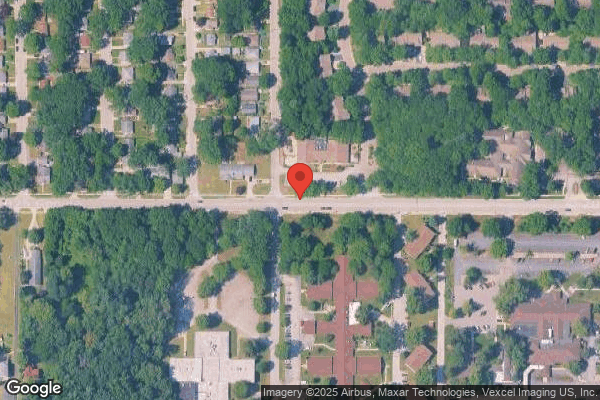

1101 E COOLSPRING AVE, MICHIGAN CITY, IN 46360 (219) 874-5211
For profit - Corporation 180 Beds APERION CARE Data: November 2025 1 Immediate Jeopardy citation
Trust Grade
0/100
Last Inspection: June 2025

Inspected within the last 6 months. Data reflects current conditions.

Overview

Aperion Care Arbors in Michigan City, Indiana, has received a Trust Grade of F, indicating significant concerns regarding the care provided. It ranks at the bottom in Indiana and La Porte County, meaning there are no other facilities in the state or county that are rated lower. The facility is reportedly improving, as the number of issues has decreased from 33 in 2024 to 14 in 2025. Staffing is a major concern, with a turnover rate of 65%, significantly higher than the state average of 47%, indicating instability among caregivers. While the facility does provide average RN coverage, which is important for catching potential issues, it has faced serious incidents including a resident sustaining a fractured skull due to physical abuse by a staff member, and a failure to promptly notify a physician about abnormal lab results that contributed to a resident's death. Overall, while there are some signs of improvement, the facility has numerous weaknesses that families should carefully consider.

Trust Score
F
0/100
In Indiana
#112/223
Top 50%
Safety Record
High Risk
Review needed
Inspections
Getting Better
33 → 14 violations
Staff Stability
⚠ Watch
65% turnover. Above average. Higher turnover means staff may not know residents' routines.
Penalties
✓ Good
$22,329 in fines. Lower than most Indiana facilities. Relatively clean record.
Skilled Nurses
⚠ Watch
Each resident gets only 29 minutes of Registered Nurse (RN) attention daily — below average for Indiana. Fewer RN minutes means fewer trained eyes watching for problems.
Violations
⚠ Watch
87 deficiencies on record. Higher than average. Multiple issues found across inspections.
☆☆☆☆☆
0.0
Overall Rating
☆☆☆☆☆
0.0
Staff Levels
☆☆☆☆☆
0.0
Care Quality
☆☆☆☆☆
0.0
Inspection Score
Stable
2024: 33 issues
2025: 14 issues

The Good

  • Full Sprinkler Coverage · Fire safety systems throughout facility
  • No fines on record

Facility shows strength in fire safety.

The Bad

Staff Turnover: 65%

18pts above Indiana avg (46%)

Frequent staff changes - ask about care continuity

Federal Fines: $22,329

Below median ($33,413)

Minor penalties assessed

Chain: APERION CARE

Part of a multi-facility chain

Ask about local staffing decisions and management

Staff turnover is elevated (65%)

17 points above Indiana average of 48%

The Ugly 87 deficiencies on record

1 life-threatening 4 actual harm
Jul 2025 2 deficiencies
CONCERN (D) 📢 Someone Reported This

A family member, employee, or ombudsman was alarmed enough to file a formal complaint

Potential for Harm - no one hurt, but risky conditions existed

ADL Care (Tag F0677)

Could have caused harm · This affected 1 resident

Based on record review and interview, the facility failed to ensure activities of daily living (ADLs) were completed for a dependent resident related to lack of showers provided twice a week for 1 of ...

Read full inspector narrative →
Based on record review and interview, the facility failed to ensure activities of daily living (ADLs) were completed for a dependent resident related to lack of showers provided twice a week for 1 of 3 residents reviewed for ADLs. (Resident B)Finding includes:The record for resident B was reviewed on 7/29/25 at 2:04 p.m. Diagnoses included, but were not limited to, diabetes, adult failure to thrive, and chronic non-pressure ulcer of skin. The 5/20/25 Quarterly Minimum Data Set (MDS) assessment indicated the resident was cognitively intact for daily decision making and required maximal assistance with ADLs and transfers.The Care Plan, revised on 4/11/25, indicated the resident had an ADL self-care performance deficit and required the assistance of 1-2 staff members to shower. The Tasks section of the resident's record indicated the resident was to receive a bath or shower on Tuesday and Friday evenings. The record lacked documentation of the resident being bathed from 7/1/2025 to 7/29/25. There was no bathing documented or refused for 7/4/25, 7/22/25, and 7/25/25. There were no documented attempts to re-schedule bathing refused by the resident on 7/1/25, 7/8/25, and 7/11/25, or when the resident was not available on 7/15/25. During an interview on 7/29/25 at 3:55 p.m., when informed of the findings, the Director of Nursing indicated staff needed to be educated about documentation and offered no additional information.This citation relates to Complaint 2566923.3.1-38(a)(3)
CONCERN (D) 📢 Someone Reported This

A family member, employee, or ombudsman was alarmed enough to file a formal complaint

Potential for Harm - no one hurt, but risky conditions existed

Quality of Care (Tag F0684)

Could have caused harm · This affected 1 resident

Based on observation, record review, and interview, the facility failed to ensure a treatment was completed as ordered for 1 of 3 residents reviewed for non-pressure related skin conditions. (Resident...

Read full inspector narrative →
Based on observation, record review, and interview, the facility failed to ensure a treatment was completed as ordered for 1 of 3 residents reviewed for non-pressure related skin conditions. (Resident D) Finding includes:On 7/30/25 at 9:08 a.m., LPN 2 was observed changing Resident D's non-pressure skin area on the right shin. She cleansed her hands, donned a gown and gloves, and removed the old dressing. She removed her gloves, cleansed her hands, donned new gloves, and then cleansed the wound with gauze and wound cleanser. She removed her gloves, performed hand hygiene, applied new gloves, and then applied xeroform to the wound and covered the area with a dry dressing. Resident 91's record was reviewed on 7/29/25 at 1:48 p.m. Diagnoses included, but were not limited to, dementia and cerebral infarction (stroke). The Quarterly Minimum Data Set (MDS) assessment, dated 5/6/25, indicated the resident was severely cognitively impaired for daily decision making. She had an unstageable pressure ulcer and was on hospice care. The Physician's Order, dated 7/17/25, indicated right shin skin tear, cleanse with normal saline or wound wash, pat dry, apply skin prep, apply xeroform, and dry dressing every Monday, Wednesday, and Friday and as needed. During an interview on 7/30/25 at 9:40 a.m., LPN 2 indicated she did not apply the skin prep during the wound care treatment. During an interview on 7/30/25 at 9:43 a.m., the Nurse Consultant indicated she had no further information to provide. This citation relates to Complaints 1610797 and 2566923. 3.1-37(a)
Jun 2025 12 deficiencies
CONCERN (D)

Potential for Harm - no one hurt, but risky conditions existed

Deficiency F0605 (Tag F0605)

Could have caused harm · This affected 1 resident

Based on record review and interview, the facility failed to ensure non-pharmacological interventions were documented and attempted prior to administering a PRN (as needed) anti-anxiety medication for...

Read full inspector narrative →
Based on record review and interview, the facility failed to ensure non-pharmacological interventions were documented and attempted prior to administering a PRN (as needed) anti-anxiety medication for 2 of 5 residents reviewed for unnecessary medications. (Residents 89 and 91) Findings include: 1. The record for Resident 89 was reviewed on 6/2/25 at 11:05 a.m. Diagnoses included, but were not limited to, major depressive disorder, anxiety, psychotic disorder, dementia, and Parkinson's disease. The 4/23/25 Quarterly Minimum Data Set (MDS) assessment indicated the resident was not cognitively intact for daily decision making and received an antipsychotic and antidepressant medications. A Physician's Order, dated 5/29/25, indicated Ativan (an anti-anxiety medication) 0.5 milligrams (mg), give 0.5 mg by mouth every 6 hours as needed for anxiety or agitation. A Care Plan, revised on 5/30/25, indicated the resident used an anti-anxiety medication as needed for his anxiety disorder. The May 2025 Medication Administration Record (MAR) indicated the Ativan was administered on 5/29/25 at 3:50 p.m. and 5/30/25 at 10:00 a.m. There was no documentation of non-pharmacological interventions attempted prior to the administration of the prn Ativan. During an interview on 6/2/25 at 2:00 p.m., the Director of Nursing indicated documentation of non- pharmacological interventions should be done and attempted prior to administering the prn medication. 2. The record for Resident 91 was reviewed on 5/30/25 at 9:20 a.m. Diagnoses included, but were not limited to, stroke, dementia, protein malnutrition, psychotic disorder, osteoporosis, and high blood pressure. The 5/6/2025 Quarterly Minimum Data Set (MDS) assessment indicated the resident was not cognitively intact for daily decision making and had no behaviors. The resident received antipsychotic and an antidepressant medication. A Physician's Order, dated 5/8/25, indicated Lorazepam 2 milligrams/milliliter (mg) (ml), give 0.25 ml by mouth every two hours as needed for anxiety, restless, and agitation. The Medication Administration Record (MAR) for 5/2025 indicated the Lorazepam was administered on the following dates and times: - 5/9/25 at 8:22 a.m. - 5/10/25 at 4:00 p.m. - 5/11/25 at 1:38 a.m. - 5/12/25 at 7:19 p.m. - 5/13/25 at 1:22 a.m. and 4:05 a.m. - 5/18/25 at 8:01 a.m. On the above mentioned dates, the prn medication was administered for behaviors of yelling out loud, rambling and being disruptive with increased anxiety. There was no documentation of any non-pharmacological interventions attempted prior to administering the prn medication. During an interview on 6/2/25 at 11:10 a.m., CNA 3 indicated the resident used to yell out loud non stop for hours, but did not or rarely did that any more. During an interview on 6/2/25 at 11:25 a.m., LPN 1 indicated before giving a prn psychotropic medication, they were supposed to document interventions attempted prior. Before administering the medication, she would try giving the resident food, change their position, or check for incontinence. During an interview on 6/2/25 at 2:00 p.m. the Director of Nursing (DON) indicated documentation of non-pharmacological interventions should be done and attempted prior to administering the prn medication. The current and revised Psychotropic Medication policy, provided by the Nurse Consultant, indicated the plan for alternatives to psychotropic medication and the use of the medication shall be incorporated into the care plan. 3.1-48(b)(2)
CONCERN (D)

Potential for Harm - no one hurt, but risky conditions existed

Deficiency F0679 (Tag F0679)

Could have caused harm · This affected 1 resident

Based on observation, record review, and interview, the facility failed to ensure an ongoing activity program was implemented for cognitively impaired and dependent residents for 1 of 1 resident revie...

Read full inspector narrative →
Based on observation, record review, and interview, the facility failed to ensure an ongoing activity program was implemented for cognitively impaired and dependent residents for 1 of 1 resident reviewed for activities. (Resident 44) Finding includes: During a random observation on 5/27/25 at 10:31 a.m., Resident 44 was observed in her room in bed. The resident was positioned on her left side, her eyes were open and she was facing the wall. The resident's television was turned off and no music was playing. On 5/28/25 at 10:00 a.m., the resident was again observed in her room in bed. She opened her eyes when her name was called. The resident's television was not turned on and there was no music playing. On 5/29/25 at 9:32 a.m., the resident was in her room in bed. The television was not turned on nor was there music playing. At 11:10 a.m., the resident was seated in a broda chair (a positioning wheel chair) across from the 200 unit nurses's station. At 1:47 p.m., the resident was in bed. Her eyes were open and the television was turned off and there was no music playing. The record for Resident 44 was reviewed on 5/28/25 at 4:47 p.m. Diagnoses included, but were not limited to, Parkinson's disease and vascular dementia with behavior disturbance. The Quarterly Minimum Data Set (MDS) assessment, dated 3/18/25, indicated the resident was cognitively impaired for daily decision making. A Care Plan, reviewed on 3/18/25, indicated the resident relied on staff for socialization, physical, mental, and sensory stimulation. She would receive one-to-one visits three times weekly and she enjoyed watching birds, snacking, coloring, and sensory programming. Interventions included, but were not limited to, staff will encourage her to participate in group activities and one-to-one visits would be completed three times weekly. The Activities Quarterly Assessment, dated 5/22/25, indicated the resident's one-to-one activity participation had been stable in the past 90 days. The resident enjoyed getting her nails done, watching the birds, listening to music, one-on-one conversations, and snacks. The goal was for the resident to continue to participate in one-to-one visits three times weekly for stimulation and socialization. She would also participate in group activities of her choosing. The Task section located in the electronic medical record indicated the resident participated in music on 5/28/25 at 11:57 a.m. The resident was a passive participant. There was no documentation of the resident participating in television during the last 14 days. The May 2025 Activity Participation Sheet located in the one-to-one binder, indicated there was no activity participation documentation on 5/28/25, 5/29/25, 5/30/25, and 5/31/25. The May 2025 Activity Calendar indicated the following scheduled activities: 5/27/25 - 9:30 a.m. Sittercise, 1:30 p.m. Cooking Corner, 3:00 p.m. Craft, and 6:00 p.m. Movie night 5/28/25 - 9:30 a.m. Morning Stretch, 10:00 a.m. Bible Study, 1:30 p.m. Movie and popcorn, 3:00 p.m. Trivia, and 4:00 p.m. Jeopardy 5/29/25 - 9:30 a.m. Trivia, 10:15 a.m. Glamour nails, 2:00 p.m. Bingo, 3:00 p.m. Courtyard visit, 3:30 p.m. Craft, and 6:00 p.m. Dice games On 5/29/25 at 10:15 a.m., the resident was not observed in the glamour nail activity. During an interview on 6/3/25 at 11:55 a.m., the Activity Director indicated she had recently taken over the position and she would make sure the resident's television or radio was turned on when she was in her room. 3.1-33(a)
CONCERN (D)

Potential for Harm - no one hurt, but risky conditions existed

Quality of Care (Tag F0684)

Could have caused harm · This affected 1 resident

Based on observation, record review, and interview, the facility failed to ensure a treatment was completed as ordered for 1 of 2 residents reviewed for non-pressure related skin conditions. (Resident...

Read full inspector narrative →
Based on observation, record review, and interview, the facility failed to ensure a treatment was completed as ordered for 1 of 2 residents reviewed for non-pressure related skin conditions. (Resident 48) Finding includes: On 5/30/25 at 10:22 a.m., Wound Nurse 1 was observed changing the bandage to Resident 48's trauma wound on the right anterior heel. The dirty dressing was removed and a dry dressing was then placed on the wound and was wrapped in dry gauze. The wound was not cleaned with Normal Saline Solution (NSS) before applying the dry dressing. During an interview at the time, Wound Nurse 1 indicted she thought she did everything right. The record for Resident 48 was reviewed on 5/30/24 at 10:01 a.m. Diagnoses included, but were not limited to, after care following a joint replacement, COPD, seizures, and obstructive sleep apnea. The 5/20/25 Quarterly Minimum Data Set (MDS) assessment indicated the resident was moderately intact for daily decision making and had two unstageable pressure ulcers on admission. A Physician's Order, dated 4/27/25, indicated to clean the right anterior foot with normal saline solution (NSS), pat dry, apply a non-adherent pad, and wrap with kerlix dressing every Monday, Wednesday, and Friday and as needed. A Care Plan, dated 5/12/25, indicated the resident had a trauma related wound to the right anterior foot. Interventions included, but were not limited to, administer treatments as ordered and monitor for effectiveness and to follow facility policies/protocols for the prevention/treatment of skin breakdown. During an interview on 5/30/25 at 11:14 a.m., the Nurse Consultant indicated she understood the concern and would re-educate Wound Nurse 1. 3.1-37(a)
CONCERN (D)

Potential for Harm - no one hurt, but risky conditions existed

Pressure Ulcer Prevention (Tag F0686)

Could have caused harm · This affected 1 resident

Based on observation, record review, and interview, the facility failed to ensure the appropriate treatment was completed for a resident with an existing pressure ulcer for 1 of 6 residents reviewed f...

Read full inspector narrative →
Based on observation, record review, and interview, the facility failed to ensure the appropriate treatment was completed for a resident with an existing pressure ulcer for 1 of 6 residents reviewed for pressure ulcers. (Resident 91) Finding includes: During a pressure ulcer treatment observation on 5/30/25 at 11:07 a.m., Wound Nurse 1 was observed preparing to complete the treatment for Resident 91. The resident was observed lying in bed, and CNA 3 assisted with positioning the resident onto her left side. Wound Nurse 1 removed the bandage from the right hip. The bandage had a quarter-size of dried bloody drainage noted and pressure ulcer was red and open. The Wound Nurse indicated at that time, to her knowledge this was the first time the wound was opened. She cleaned the wound with normal saline and patted it dry. She opened a package of skin prep (a protective interface to prepare intact skin for attachment sites, tapes, films, and adhesive dressings and should not be applied to open wounds). Wound Nurse 1 wiped the open area with the skin prep pad and then covered it with a dry foam bandage. The record for the resident was reviewed on 5/30/25 at 9:20 a.m. Diagnoses included, but were not limited to, stroke, dementia, protein malnutrition, psychotic disorder, osteoporosis, and high blood pressure. A Care Plan, last revised on 1/17/25, indicated the resident had a pressure ulcer to the left and right trochanter areas. The nursing approaches were to administer the treatment as ordered. The 5/6/25 Quarterly Minimum Data Set (MDS) assessment indicated the resident was not cognitively intact for daily decision making and had one unhealed unstageable pressure ulcer. A Physician's Order, dated 5/28/25, indicated to clean the left hip with normal saline, pat dry and apply skin prep and cover with foam bandage. Clean the right hip with normal saline, pat dry, apply barrier film, and cover with a foam bandage one time a day. The Wound Physician Notes, dated 5/28/25, indicated the left lateral hip deep tissue injury had 90% intact skin and 10% deep maroon skin. The area measured 1 centimeter (cm) in length by 1.5 cm in width. The Wound Assessment Details Report, dated 5/28/25, indicated the right trochanter hip area had 100% blanchable erythema skin and measured 6 cm in length by 3 cm in width by unknown. The area was intact with no drainage. During an interview on 5/30/25 at 1:30 p.m., Wound Nurse 2 indicated she had changed the resident's bandages on 5/29/25 and both wounds were closed with no drainage. During an interview on 5/30/25 at 2:35 p.m., the [NAME] President of Clinical Operations indicated she had just assessed the wound and it was now a Stage 2 pressure ulcer as it was open. The wound nurse should not have applied skin prep to an open area. 3.1-40(a)(2)
CONCERN (D)

Potential for Harm - no one hurt, but risky conditions existed

Deficiency F0688 (Tag F0688)

Could have caused harm · This affected 1 resident

**NOTE- TERMS IN BRACKETS HAVE BEEN EDITED TO PROTECT CONFIDENTIALITY** Based on observation, record review, and interview, the facility failed to ensure a resident with a limited range of motion had ...

Read full inspector narrative →
**NOTE- TERMS IN BRACKETS HAVE BEEN EDITED TO PROTECT CONFIDENTIALITY** Based on observation, record review, and interview, the facility failed to ensure a resident with a limited range of motion had a physician-ordered splint in place for 2 of 2 residents reviewed for range of motion. (Residents 21 and 5) Findings include: 1. During random observations on 5/28/25 at 10:33 a.m. and 11:35 a.m., Resident 21 was observed with his left hand closed in a fist. There was no palm protector (an anti-contracture device) and/or rolled wash cloth in use to the left hand. On 5/29/25 at 3:30 p.m., the resident was observed in his room in bed. The resident was awake and his left hand remained closed in a fist. There was no palm protector and/or rolled wash cloth in use. The record for Resident 21 was reviewed on 5/28/25 at 4:02 p.m. Diagnoses included, but were not limited to, contracture (a structural change in the body's soft tissues that cause them to stiffen and shorten) of the left hand and wrist, hemiplegia/hemiparesis (muscle weakness/paralysis) following a stroke, and vascular dementia with behavior disturbance. A Care Plan, reviewed on 5/1/25, indicated the resident had a contracture to the left wrist and hand related to left hemiplegia. The resident would refuse the splint at times but would accept a rolled wash cloth. Interventions included, but were not limited to, if splint was not available, use a rolled wash cloth in the hand to prevent skin impairment and palm protector to the left hand. The Quarterly Minimum Data Set (MDS) assessment, dated 5/7/25, indicated the resident had moderate cognitive impairment for daily decision making and he had no impairment in range of motion (ROM) to his upper and lower extremities. The resident was not receiving physical, occupational, or restorative services. A Physician's Order, dated 6/18/24 and listed as current on the May 2025 Physician's Order Summary (POS), indicated the resident was to wear a palm protector to the left hand as tolerated. Inspect the skin when donning and doffing every shift. The May 2025 Treatment Administration Record (TAR), indicated the palm protector was signed out as being applied all three shifts on 5/28/25 and the day and evening shift on 5/29/25. During an interview on 6/3/25 at 12:09 p.m., the Director of Nursing indicated if the resident could not tolerate the hand splint, he was to have a rolled wash cloth in place. She also indicated if the resident could not tolerate the splint, staff should not have signed it out as being applied. 2. During random observations on 5/27/25 at 10:01 a.m. and 11:17 a.m., on 5/28/25 at 10:48 a.m., on 5/29/25 at 9:30 a.m. and 1:52 p.m., and on 5/30/25 at 9:48 a.m. and 11:15 a.m., Resident 5 was observed sitting up in a wheelchair. At those times, her left hand was tightly closed in the shape of a fist. There was no anti-contracture device in her left hand. On 6/2/25 at 11:08 a.m., the resident's left hand was again closed in the shape of a fist with no anti-contracture device. CNA 3 was in the resident's room and a black [NAME] guard was observed on the nightstand. The CNA indicated the resident would refuse to wear the device and they were to tell the nurse when she did. She tried placing the [NAME] guard in the resident's hand, however, the resident began to grimace so she stopped. The record for Resident 5 was reviewed on 5/29/25 at 9:30 a.m. Diagnoses included, but were not limited to, dementia, osteoarthritis, high blood pressure, and stroke. The 3/19/25 Minimum Data Set (MDS) assessment indicated the resident was not cognitively intact for daily decision making and had resident had no impairment to the upper extremities. There was no care plan for the contracted left hand. A Physician's Order, dated 6/17/24, indicated to don the [NAME] guard to the left upper extremity as tolerated throughout the day/night with nursing to monitor for signs of redness/skin break down to the left palm. There was no documentation on the Medication or Treatment Administration Records for the months of 3/2025, 4/2025 and 5/2025 of the [NAME] guard being donned or doffed. There was no documentation of any refusals in nursing notes for the above dates. During an interview on 6/2/25 at 11:25 a.m., LPN 2 indicated they were made aware the resident refused to wear the [NAME] guard, however, there was no place to document the information. During an interview on 6/2/25 2:00 p.m., the Director of Nursing indicated they had tried using a carrot in her hand in the past, but there was no documentation of it being donned or doffed. 3.1-42(a)(2)
CONCERN (D) 📢 Someone Reported This

A family member, employee, or ombudsman was alarmed enough to file a formal complaint

Potential for Harm - no one hurt, but risky conditions existed

Accident Prevention (Tag F0689)

Could have caused harm · This affected 1 resident

**NOTE- TERMS IN BRACKETS HAVE BEEN EDITED TO PROTECT CONFIDENTIALITY** Based on observation and interview, the facility failed to ensure residents in the memory care unit were supervised during meals...

Read full inspector narrative →
**NOTE- TERMS IN BRACKETS HAVE BEEN EDITED TO PROTECT CONFIDENTIALITY** Based on observation and interview, the facility failed to ensure residents in the memory care unit were supervised during meals for 1 of 1 resident reviewed for supervision. (Resident B) Finding includes: During the lunch meal observation on the memory care unit on 5/27/25 at 11:54 a.m., there were eight residents, including Resident B in dining room [ROOM NUMBER]. CNA 3 plated the food for the residents and CNA 2 and CNA 4 served them. At 11:59 a.m., they were finished serving dining room [ROOM NUMBER], and they all left, leaving the residents with no supervision while eating. At 12:01 p.m., LPN 1 entered the room and left at 12:02 p.m., leaving all the resident unsupervised while eating. At 12:03 p.m., QMA 2 entered the dining room and left at 12:05 p.m. During the lunch meal observation on the memory care unit on 5/28/25 at 11:49 a.m., dietary staff brought the food into dining room [ROOM NUMBER]. At 11:51 a.m., there were 9 residents observed in dining room [ROOM NUMBER]. There were seated at tables with beverages in front of them. There was no staff observed with those residents as they drank their beverages. At 11:58 a.m., the CNAs were finished serving the food in dining room [ROOM NUMBER] and pushed the cart of food into the hallway and served the residents who were seated at the tables in front of the nursing station. There were 10 residents including Resident B eating their food in dining room [ROOM NUMBER] without any staff supervision. QMA 2 was observed pushing a resident to her room for the Agency Nurse to administer insulin. While she waited for the nurse, she stood outside of dining room [ROOM NUMBER], however, she did not enter the room to supervise the residents while they were eating. At 12:06 p.m., QMA 2 continued to stand outside of the dining room and was not supervising the residents while they were eating. During a confidential interview on 5/28/25 at 10:00 a.m., a family member of a loved one on the memory care unit indicated after the staff served the food to the residents they would leave and there was no one to supervise the residents. She was afraid someone would choke during the meals. The record for Resident B was reviewed on 5/29/25 at 2:10 p.m. Diagnoses included, but were not limited to, dysphagia (difficulty swallowing) and dementia. The 5/23/25 admission Minimum Data Set (MDS) assessment indicated the resident was not cognitively intact for daily decision making. The resident needed supervision or touching assistance with eating. During an interview on 6/2/25 at 11:15 a.m., CNA 3 indicated last week on 5/27/25 and 5/28/25, QMA 2 was instructed to stay in the dining areas where the residents were eating after they had finished serving the food. During an interview on 6/2/25 at 2:00 p.m., the Director of Nursing indicated a staff member should have been in the dining rooms while the residents were eating. During an interview on 6/2/25 at 2:05 p.m. the Administrator indicated nursing staff needed to be present while the residents were eating. This citation relates to Complaint IN00460204. 3.1-45(a)(2)
CONCERN (D)

Potential for Harm - no one hurt, but risky conditions existed

Respiratory Care (Tag F0695)

Could have caused harm · This affected 1 resident

Based on observation, record review, and interview, the facility failed to ensure oxygen and flow rate was documented per titration and oxygen was on at the correct flow rate for 2 of 2 residents revi...

Read full inspector narrative →
Based on observation, record review, and interview, the facility failed to ensure oxygen and flow rate was documented per titration and oxygen was on at the correct flow rate for 2 of 2 residents reviewed for oxygen. (Residents 23 and 322) Findings include: 1. On 5/27/25 at 10:28 a.m., Resident 23 was observed walking from the bathroom, she was wearing oxygen via nasal cannula at four liters. On 5/28/25 at 9:44 a.m., the resident was observed sitting on the side of her bed, she was having difficulty breathing. Her oxygen flow rate was set at just below the four liter line. The record for Resident 23 was reviewed on 5/28/25 at 9:44 a.m. Diagnoses included, but were not limited to, psychotic disorder with delusions, dementia, COPD, depression, and hypertension (high blood pressure). The 4/16/25 Quarterly Minimum Data Set (MDS) assessment indicated the resident was cognitively intact for daily decision making. The resident required oxygen therapy. A Physician's Order, dated 3/6/25, indicated to administer oxygen at three liters continuously every shift. A Care Plan, revised on 4/15/25, indicated the resident required oxygen therapy. Interventions were to monitor signs and symptoms of respiratory distress, and to use oxygen as ordered. A Care Plan, revised on 4/15/25, indicated the resident had Emphysema/COPD and acute chronic respiratory failure. Interventions were to administer oxygen as ordered and monitor for difficulty breathing on exertion. The Medication Administration Records (MAR), from January 2025 through May 2025, indicated oxygen was not signed out on the MAR. During an interview on 5/28/25 at 10:09 a.m., the Director of Nursing (DON) indicated she turned down Resident 23's oxygen to three liters per minute. The unit manager would put in a care plan because the resident changed her own oxygen levels and that was not documented. 2. On 5/27/25 at 4:04 p.m., Resident 322 was observed lying in bed, she was extremely short of breath and requested the nurse. The resident was wearing oxygen via nasal cannula at three liters. On 5/28/25 at 9:33 a.m., the resident was observed lying in bed asleep. She was wearing oxygen at three liters via nasal cannula. On 5/29/25 at 8:07 a.m., the resident was observed lying in bed asleep. She was wearing oxygen at three liters via nasal cannula. The record for Resident 322 was reviewed on 5/29/25 at 10:59 a.m. Diagnoses included, but were not limited to, diabetes, asthma, dementia, dysphagia (difficulty swallowing), depression, and bipolar disorder. The 5/21/25 Significant Change Minimum Data Set (MDS) assessment indicated the resident was severely impaired for daily decision making and required oxygen therapy. A Physician's Order, dated 5/10/25, indicated to administer oxygen at three liters per nasal cannula as needed (PRN). Titrate oxygen to four liters to maintain oxygen saturation above 90%. A Care Plan, revised on 5/21/25, indicated the resident required oxygen therapy. Interventions were to monitor signs and symptoms of respiratory distress, and to use oxygen as ordered. The Medication Administration Record (MAR) indicated the PRN oxygen was signed out for May 27, 28 & 29, 2025. There was no flow rate documented in the oxygen titrate order. During an interview on 5/29/25 at 1:30 p.m., the Nurse Consultant indicated the oxygen order on the MAR was changed and now included a place to document the oxygen flow rate. 3.1-47(a)(6)
CONCERN (D)

Potential for Harm - no one hurt, but risky conditions existed

Deficiency F0761 (Tag F0761)

Could have caused harm · This affected 1 resident

**NOTE- TERMS IN BRACKETS HAVE BEEN EDITED TO PROTECT CONFIDENTIALITY** Based on observation and interview, the facility failed to ensure medications were stored properly and not expired for 2 of 5 me...

Read full inspector narrative →
**NOTE- TERMS IN BRACKETS HAVE BEEN EDITED TO PROTECT CONFIDENTIALITY** Based on observation and interview, the facility failed to ensure medications were stored properly and not expired for 2 of 5 medication carts observed. (100 Unit Cart 1 and 400 Unit Odd Cart) Findings include: 1. On [DATE] at 2:51 p.m., the following was observed on the 100 Unit Cart 1 with LPN 1: - An Admelog SoloStar Pen (insulin) with an open date on [DATE]. The expiration date was written for [DATE]. - An Admelog SoloStar Pen with an open date on [DATE]. The expiration date was written for [DATE]. During an interview at the time of the observation, LPN 1 indicated the insulins were only supposed to be kept for 28 days and both were expired and should have been discarded. 2. On [DATE] at 3:35 p.m., the following was observed on the 400 Unit Odd Cart with RN 1. - A Lantus SoloStar Pen (insulin) with an open date on [DATE]. The expiration date was written for [DATE]. During an interview at the time of the observation, RN 1 indicated the insulin was expired and should have been discarded. No policy related to the storage of insulins was provided by the facility. 3.1-25(o)
CONCERN (D)

Potential for Harm - no one hurt, but risky conditions existed

Infection Control (Tag F0880)

Could have caused harm · This affected 1 resident

Based on observation, interview, and record review, the facility failed to ensure infection control practices were in place and implemented related to the disposal of used lancets into the garbage can...

Read full inspector narrative →
Based on observation, interview, and record review, the facility failed to ensure infection control practices were in place and implemented related to the disposal of used lancets into the garbage can for 1 of 1 glucometer (machine used to test blood sugar levels) testing observed and the placement of clean treatment materials on dirty tables for 2 of 5 treatments observed. (Residents 18, 48 and 317) Findings include: 1. On 5/27/25 at 3:43 p.m., LPN 2 indicated he was going to check Resident 18's blood sugar. The nurse washed his hands, applied gloves, and wiped the resident's fourth right finger with an alcohol wipe. He then poked the resident's finger with the lancet. Blood was observed on the resident's finger. The nurse then proceeded to check the blood sugar with the glucometer. He discarded the lancet into the garbage can next to the resident's bed. He was unable to get a reading on the glucometer and indicated he would have to poke the resident's finger again to check the blood sugar. He proceeded to wipe the resident's third right finger with an alcohol wipe. He then poked the resident's finger with the lancet. Blood was observed on the resident's finger. He checked the blood sugar again with the glucometer. Again, he discarded the lancet into the garbage can next to the resident's bed. The blood sugar reading was complete on the glucometer. The nurse discarded his gloves into the garbage can, used hand sanitizer, and then left the resident's room. During an interview after the observation, LPN 2 indicated he should not have discarded the lancets into the garbage can. He should have discarded them into the sharps container. A facility policy titled, Medical Waste Disposal and received as current from the facility, indicated, .Standards: .3. Type I waste, SHARPS ONLY, shall be placed in a non-porous hazardous waste container marked with the universal biohazard symbol . 2. On 5/30/25 at 10:22 a.m., Wound Nurse 1 was observed during a dressing change for Resident 48. The wound nurse was prepping supplies from the wound treatment cart when she had run out of Normal Saline Solution (NSS). She excused herself to search for more solution. When she returned she did not perform hand hygiene or put on gloves. She then retrieved a handful of 4 x 4 gauze out of the treatment cart and placed it into a plastic cup with her bare hands. The 4 x 4 gauze was then sprayed with NSS. Once that was completed, the wound nurse brought her supplies, which consisted of 3 cups that contained saturated 4 x 4 gauze, a clean drape unopened, and 3 opened gauze rolls, into the resident's room. The betadine solution was left on the treatment cart and was later obtained by CNA 7. The supplies were placed on the resident's bedside table which was littered with crumbs and the resident's belongings. The clean drape was opened and placed on the resident's dining table and the other supplies were then moved to the clean drape. Both heels were cleaned with the saturated 4 x 4 gauze and wrapped with the gauze rolls. The record for Resident 48 was reviewed on 5/30/24 at 10:01 a.m. Diagnoses included, but were not limited to, after care following a joint replacement, COPD, seizures, and obstructive sleep apnea. The 5/20/25 Quarterly Minimum Data Set (MDS) assessment indicated the resident was moderately intact for daily decision making and needed substantial to maximum assistance for bed mobility and transfers. The resident had two unstageable pressure ulcers on admission. A Physician's Order, dated 5/9/25, indicated to clean the right heel with NSS, pat dry, paint the area with Betadine and wrap with kerlix dressing daily and as needed. A Physician's Order, dated 5/9/25, indicated to clean the left heel with NSS, pat dry, paint the area with Betadine and wrap with kerlix dressing daily and as needed. During an interview on 5/30/25 at 11:14 a.m., the Nurse Consultant indicated she understood the concern and had no additional information to provide. 3. On 5/30/25 at 10:49 a.m., Wound Nurse 1 was observed during a wound treatment. The wound nurse set down her supplies, which included two open foam dressings, and 1 unopened clean drape. The supplies were set down on top of Resident 317's table which had crumbs and her belongings on it. The clean drape was opened and then the two open dressings were placed on top. The record for Resident 317 was reviewed on 5/30/25 at 10:05 a.m. Diagnoses included, but were not limited to, Alzheimer's, anxiety, chronic kidney disease, and hypertension (high blood pressure). The 5/22/25 admission Minimum Data Set (MDS) assessment indicated the resident was moderately intact for daily decision making. She had no pressure ulcers. A Physician's Order, dated 4/27/25, indicated to cleanse bilateral heels with NSS, pat dry and apply a foam dressing to each heel one time a day every Monday, Wednesday, Friday, and as needed. During an interview on 5/30/25 at 11:14 a.m., the Nurse Consultant indicated she understood the concern and had no additional information to provide. 3.1-18(b)
CONCERN (E) 📢 Someone Reported This

A family member, employee, or ombudsman was alarmed enough to file a formal complaint

Potential for Harm - no one hurt, but risky conditions existed

Safe Environment (Tag F0584)

Could have caused harm · This affected multiple residents

**NOTE- TERMS IN BRACKETS HAVE BEEN EDITED TO PROTECT CONFIDENTIALITY** Based on observation and interview, the facility failed to maintain comfortable and safe temperature levels for 27 of 27 residen...

Read full inspector narrative →
**NOTE- TERMS IN BRACKETS HAVE BEEN EDITED TO PROTECT CONFIDENTIALITY** Based on observation and interview, the facility failed to maintain comfortable and safe temperature levels for 27 of 27 residents who resided on the memory care unit. Finding includes: During a confidential resident interview on 5/27/25 at 10:38 a.m., they indicated the unit had been very cold lately and they were informed by staff the heat was turned off earlier in May 2025. During a random observation on 5/29/25 at 9:30 a.m. in the memory care unit, many residents were observed sitting in both dining rooms and in the lounge area. At that time, the ambient air temperature was cold. The residents were dressed in long sleeves, were wearing sweaters and had blankets over them. At 10:50 a.m., the Administrator was asked to have the Maintenance Director check the temperature on the memory care unit. The Maintenance Director and the Administrator entered the memory care unit and the air temperature was 71 degrees right by the entrance to the unit. Walking down the hallway, the temperature was 70 degrees. There were seven residents observed in the dining room with all the blinds closed and the lights off. The ambient air temperature in the dining room was 70 degrees. The following rooms were also checked and there was at least one resident in each of the rooms lying in their bed: room [ROOM NUMBER] was 68 degrees. room [ROOM NUMBER] was 69 degrees. room [ROOM NUMBER] was 69 degrees. During an interview at that time, the Maintenance Director indicated the facility turned the heat off on May 1, 2025 and it was a boiler heating and cooling system. Warming blankets were ordered for the residents due to the cold weather, however, they had not yet arrived to the facility. During an interview at that time, the Administrator indicated the facility had a boiler heating and cooling system. The heat gets shut off in May and the air gets turned off in October. They do usually struggle with those months as the weather can still be cold in May and hot in October. On 5/29/25 at 1:22 p.m., the Maintenance Director indicated he just checked the temperatures after opening the curtains and blinds and the temperature for the above three rooms, the hallway and dining room was just at 71 degrees. He was then questioned about what would happen when the temperature outside would be a low of 52 degrees over night. The decision was made to turn the boiler heating system back on until the outside air temperature was warm enough. During an interview on 5/29/25 at 1:55 p.m., CNA 1 and QMA 1 indicated it had been cold on the unit the last couple of weeks. During an observation at that time, there was a large black cooling and heating element behind the nursing station. CNA 1 indicated it had been turned on for heat because some of the staff were cold. This citation relates to Complaint IN00460204. 3.1-19(h)
CONCERN (E)

Potential for Harm - no one hurt, but risky conditions existed

Deficiency F0659 (Tag F0659)

Could have caused harm · This affected multiple residents

Based on record review and interview, the facility failed ensure only licensed qualified persons poured, prepared, and passed medications for 5 memory care residents on the midnight shift. (Residents ...

Read full inspector narrative →
Based on record review and interview, the facility failed ensure only licensed qualified persons poured, prepared, and passed medications for 5 memory care residents on the midnight shift. (Residents 14, 60, 86, 87, and 90) Findings include: 1. The record for Resident 14 was reviewed on 6/3/25 at 12:00 p.m. Diagnoses included, but were not limited to, vascular dementia, psychotic disorder and hypothyroidism. The 12/3/24 Annual Minimum Data Set (MDS) assessment indicated the resident was not cognitively intact for daily decision making. A Physician's Order, dated 3/17/24, indicated Levothyroxine 150 micrograms daily at 6:00 a.m. The 2/2025 Medication Administration Record (MAR) indicated the medication was signed out on 2/2/25 at 5:45 a.m. by LPN 3. 2. The record for Resident 60 was reviewed on 6/3/25 at 11:51 a.m. Diagnoses included, but were not limited to, dementia and hypothyroidism. The 1/7/25 Quarterly Minimum Data Set (MDS) assessment indicated the resident was not cognitively intact for daily decision making. A Physician's Order, dated 3/8/24, indicated Levothyroxine 25 micrograms daily at 6:00 a.m. The 2/2025 Medication Administration Record (MAR), indicated the medication was signed out on 2/2/25 at 5:46 a.m. by LPN 3. 3. The record for Resident 86 was reviewed on 6/3/25 at 10:51 a.m. Diagnoses included, but were not limited to, dementia and hypothyroidism. The 2/3/25 Annual Minimum Data Set (MDS) assessment indicated the resident was not cognitively intact for daily decision making. A Physician's Order, dated 1/18/25, indicated Levothyroxine 75 micrograms by mouth daily in the morning. The medication was scheduled for 6:00 a.m. The 2/2025 Medication Administration Record (MAR), indicated the medication was signed out on 2/2/25 at 5:45 a.m. by LPN 3. 4. The record for Resident 87 was reviewed on 6/3/25 at 11:47 a.m. Diagnoses included, but were not limited to, dementia and hypothyroidism and she resided on the memory care unit. The 1/21/25 Minimum Data Set (MDS) assessment indicated the resident was cognitively intact for daily decision making. A Physician's Order, dated 3/16/24, indicated Levothyroxine 75 micrograms daily at 6:00 a.m. The Medication Administration Record (MAR) for 2/2025 indicated the medication was signed out as being administered on 2/2/25 at 5:46 a.m. by LPN 3. 5. The record for Resident 90 was reviewed on 06/03/25 11:30 a.m. Diagnoses included but were not limited to, severe intellectual disabilities, hypothyroidism, and tremors. The 1/24/25 Annual Minimum Data Set (MDS) assessment indicated the resident was not cognitively intact for daily decision making. A Physician's Order, dated 3/20/24, indicated Levothyroxine 50 micrograms daily at 6:00 a.m. A Physician's Order, dated 3/21/24, indicated Omeprazole 20 milligrams (mg) daily at 6:00 a.m. A Physician's Order, dated 7/9/24, indicated Carbidopa-Levodopa 25-100 mg, 1 tablet three times daily, scheduled to be administered days, evenings, and night shift The 2/2025 Medication Administration Record (MAR) indicated all of the above medications were signed out on 2/2/25 at 5:45 a.m. by LPN 3. An Indiana Department of Health (IDOH) facility reported incident, dated 2/12/25, indicated it was reported on 2/2/25 that LPN 4, who worked on the midnight shift, had a medical emergency and had to leave the facility. She left her medication cart keys for the 100 unit and they were in the possession of CNA 6. It was also reported that LPN 3, who was working on the 300 unit, gave her login information to CNA 6, who then poured, prepared and administered medication to 5 residents and documented such action under LPN 3's name. A hand written statement by LPN 4, dated 2/5/25, indicated The last night I worked, I was on the 100 unit and had to go to the 200 unit to give insulins to numerous residents because a QMA was on the 200 unit and I got sick and threw up and went to the 200 unit and got light headed and was getting worse and my CNA stated that I should go to the ER and I was getting worse. I realized I needed to go. The CNA said I will hold on to them [the med cart keys] and I won't take any meds or narcs and she said I will call the scheduler and I went straight to the ER and was admitted . (sic) A hand written statement by CNA 6, dated 2/6/25, indicated On 2/1/25, at about 10:00 p.m., LPN 4, the 100 unit nurse left the facility to go the hospital. I called the on call scheduler to let her know that we did not have a nurse. She said she would call me back to figure things out. Some time later she called me back to tell me that LPN 3 the nurse on 300 would be overseeing the 100 unit. I did ask LPN 3 if I could have her credentials to pass the medication on the unit so I could be of some help. She did give those credentials to me.Later I did proceed to pass the medications after verifying them with the other CNA. LPN 3 was aware of her being responsible for the 100 unit which is why she gave me the credentials to chart the medication. (sic) A hand written statement by LPN 3, dated 2/6/25, indicated I did not give or allow anyone to use my login information for anything in Point Click Care (PCC). I did not have the keys to any cart on the 100 unit on 2/1/25 or any day. I never had the keys to pass on to anybody on the 100 unit. (sic) During an interview on 6/3/25 at 9:00 a.m., the Director of Nursing (DON) indicated LPN 4 got sick during her shift, which she worked from 6:00 p.m. to 6:00 a.m., and before leaving, she gave her medication cart keys to CNA 6. LPN 3 was working on the 300 unit and was supposed to take over and pass medications on the 100 unit for LPN 4. CNA 6 told her that LPN 3 gave CNA 6 her credentials to pass the morning medication to the residents, even though LPN 3 denied that allegation and told the DON she must have looked over her shoulder one other time to get her credentials. The CNA was caught on the camera footage preparing and pouring the medications and then administering them to the residents and then she documented the medication pass under LPN 3's name. No staff, including the scheduler, had called to notify her of the situation, as she could have come in to work. All three staff members were terminated. During an interview on 6/3/25 at 11:40 a.m., the DON indicated the night shift medication administration was from 10:00 p.m., to 6:00 a.m. The current and undated Medication Administration General Guidelines policy, provided by the DON on 6/3/25 at 1:41 p.m., indicated medications were administered by persons legally authorized to do so. 3.1-35(g)(2)
CONCERN (E)

Potential for Harm - no one hurt, but risky conditions existed

Food Safety (Tag F0812)

Could have caused harm · This affected multiple residents

**NOTE- TERMS IN BRACKETS HAVE BEEN EDITED TO PROTECT CONFIDENTIALITY** Based on observation, record review, and interview, the facility failed to serve food under sanitary conditions related to touch...

Read full inspector narrative →
**NOTE- TERMS IN BRACKETS HAVE BEEN EDITED TO PROTECT CONFIDENTIALITY** Based on observation, record review, and interview, the facility failed to serve food under sanitary conditions related to touching toast with bare hands and transporting uncovered food down the hallway for 1 of 4 units. (The Memory Care Unit). This had the potential to affect 27 of 27 residents residing on the unit. Findings include: 1. During the lunch meal observation on 5/27/25 at 11:54 a.m. on the memory care unit, residents were observed in both dining rooms as well at the tables in front of the nursing station. CNA 3 was observed plating the food for the residents in Dining room [ROOM NUMBER] and CNAs 3 and 4 were observed passing the food to them. After they were finished in Dining room [ROOM NUMBER], CNA 1 pushed the cart with uncovered food out into the hallway and plated for 3 more residents. She then pushed the cart with uncovered food to Dining room [ROOM NUMBER] and plated and served the food to those residents. 2. During a lunch meal observation on 5/28/25 at 11:49 a.m. on the memory care unit, the residents were seated in both dining rooms as well as the tables in front of the nursing station. CNA 1 was observed plating the food for the residents and CNA 4 was observed passing the plates to them. After they finished in Dining room [ROOM NUMBER], CNA 1 pushed the uncovered food out into the hallway and plated food for the residents sitting at the tables by the nursing station. She then pushed the uncovered food to Dining room [ROOM NUMBER] and finished plating and serving the food to the rest of the residents. 3. During a breakfast meal observation on 5/29/25 at 7:34 a.m., the food arrived to the Memory Care Dining room [ROOM NUMBER] from the kitchen. At 7:43 a.m., QMA 1 entered the room and washed her hands with soap and water. Using her bare hands, the QMA proceeded to open jelly packets, picked up the toast and put jelly on them using a spoon. She jellied four pieces of toast and then it was time to plate and serve those residents who were seated in Dining room [ROOM NUMBER]. The QMA started to plate the food and instead of using tongs to pick the jellied toast, she used her bare hands and placed the toast on the residents plates. She proceeded to this with all four pieces of toast. At 8:03 a.m., the QMA pushed the uncovered food out of the dining room and out into the hallway, where she served a few residents who were seated at the tables in front of nursing station. She then pushed the uncovered food to Dining room [ROOM NUMBER], plated and served the food to those residents. During an interview on 5/29/25 at 9:18 a.m., the Dietary Food Manager (DFM) indicated the memory care was the only unit where the staff plated and served the food on the unit. Staff were instructed not to touch food with their bare hands and the food should have been covered while transporting it from one dining room to the next. The current and undated Handling, Serving, and Transporting Foods policy, provided by the DFM on 5/29/25 at 9:24 a.m., indicated if food was transported from the main kitchen to another kitchenette, all food must be covered during transport. When serving room trays, every item must be covered until it reached the resident. 3.1-21(i)(3)
Dec 2024 16 deficiencies 1 Harm
SERIOUS (G) 📢 Someone Reported This

A family member, employee, or ombudsman was alarmed enough to file a formal complaint

Actual Harm - a resident was hurt due to facility failures

Pressure Ulcer Prevention (Tag F0686)

A resident was harmed · This affected 1 resident

**NOTE- TERMS IN BRACKETS HAVE BEEN EDITED TO PROTECT CONFIDENTIALITY** 5. During observations at the following times, Resident H was observed lying flat on his back in bed: [DATE] at 11:22 a.m., 2:16...

Read full inspector narrative →
**NOTE- TERMS IN BRACKETS HAVE BEEN EDITED TO PROTECT CONFIDENTIALITY** 5. During observations at the following times, Resident H was observed lying flat on his back in bed: [DATE] at 11:22 a.m., 2:16 p.m., 2:35 p.m. and 3:30 p.m.; [DATE] at 2:16 p.m. and 3:30 p.m.; [DATE] at 8:34 a.m., 11:00 a.m., 2:03 p.m. and 2:57 p.m.; and [DATE] at 10:48 a.m. The record for Resident H was reviewed on [DATE] at 3:27 p.m. Diagnoses included, but were not limited to, quadriplegia, urinary tract infection, pressure ulcer of sacrum stage 4, gastrostomy status (a feeding tube inserted through the abdomen into the stomach), dysphagia (difficulty swallowing), and neuromuscular dysfunction of bladder. The [DATE] Annual Minimum Data Set (MDS) assessment indicated the resident was cognitively intact and dependent in activities of daily living. A Care Plan, revised on [DATE], indicated the resident had a pressure ulcer on his coccyx due to immobility, and the CNAs were to turn and reposition the resident at regular intervals as he allowed/ tolerated. During an interview on [DATE] at 2:16 p.m., the resident indicated the staff only turned him when cleaning him up or performing wound care. During an interview on [DATE] at 10:48 a.m., the resident indicated the staff used to turn him regularly and had used wedges to keep him on his side. He did not know why they stopped repositioning him, but he was agreeable to resuming it. During an interview on [DATE] at 3:30 p.m., the Director of Nursing (DON) was informed of the findings and offered no further information. This citation relates to Complaints IN00446198 and IN00447156. 3.1-40(a)(2) 4. On [DATE] at 11:05 a.m., Resident O was observed sitting in her room. During an interview at that time, the resident indicated she was admitted with a pressure ulcer wound to her coccyx. She had problems with the bandage always falling off and the nursing staff did not do her treatments when they were supposed to. Record review for Resident O was completed on [DATE] 3:33 p.m. Diagnoses included, but were not limited to, heart failure, hypertension, and arthritis. The admission MDS assessment, dated [DATE], indicated the resident was cognitively intact. The resident was independent for bed mobility. The resident had an unstageable pressure ulcer on admission to the facility. A Care Plan, dated [DATE] and revised [DATE], indicated the resident had a pressure ulcer to the coccyx. Interventions included to assess/record and monitor for wound healing and report improvements and declines to the physician. If the resident refused treatment, confer with the resident, IDT (interdisciplinary team) and family to determine why and try alternative methods to gain compliance. The [DATE] Physician's Order Summary (POS) indicated an order to cleanse the open area to the coccyx with normal saline, pat dry, and apply a foam dressing one time a day on Mondays, Wednesdays, and Fridays and every 24 hrs as needed for soilage or dislodgement. A Wound Rounds Assessment, dated [DATE], indicated the resident had an unstageable pressure ulcer to the coccyx. The wound measured 3.5 cm (centimeters) x 1.5 cm. The wound was covered in 100% slough (dead tissue). The wound was present on the resident's admission. Wound Rounds Assessments, dated [DATE] and [DATE], indicated the resident had refused treatment and picture of the wound. The resident indicated the dressing came off frequently and there was no need for it. The [DATE] Treatment Administration Record (TAR) indicated the resident refused treatment for the coccyx on 11/27 and [DATE]. The [DATE] TAR treatment for the pressure ulcer indicated, on [DATE], the resident left the facility for an appointment and the treatment was not completed. The TAR was blank on [DATE], and on [DATE], the TAR indicated the resident did not receive treatment and had refused. There was a lack of documentation to indicate the Physician had been notified of the resident's refusal of wound treatments or that education about the importance of the treatments was provided to the resident. During an interview on [DATE] at 9:11 a.m., the 200 Unit Assistant Director of Nursing (ADON) indicated the Wound Nurse had told her the resident had refused her wound treatment that day. During an interview on [DATE] at 10:28 a.m., the Director of Nursing indicated she was unaware the resident had been refusing her pressure ulcer treatments. She would expect the staff to provide education to the resident about the importance of the treatments and to notify the Physician about the refusals. During an interview on [DATE] at 11:30 a.m., the Social Services Director indicated she had a Care Plan Conference with the resident on [DATE]. The resident did not express to her anything related to her pressure ulcer treatments. Nursing did not inform her the resident had been refusing her wound treatments. During an interview on [DATE] at 1:09 p.m., the Wound Nurse indicated she had not documented the resident had been refusing her wound treatments or that education was provided. She had not measured the resident's wound since the first Wound Round Assessment, dated [DATE]. Based on observation, record review, and interview, the facility failed to ensure interventions to provide effective pressure relief to the coccyx were implemented for a resident re-admitted with a stage two (a partial thickness loss of skin) pressure injury on the coccyx and failed to ensure the physician was notified when the wound deteriorated. (Resident F) This deficient practice resulted in the wound deteriorating to a stage four pressure injury (Full-thickness skin and tissue loss with exposed or directly palpable fascia, muscle, tendon, ligament, cartilage or bone in the ulcer) that required two surgical debridements. The facility also failed to ensure treatments were signed out as being completed, antibiotics for a wound infection were started promptly, the physician was notified of treatment refusals, and turning and repositioning a resident with a pressure ulcer was completed for 5 of 10 residents reviewed for pressure ulcers. (Residents F, E, T, O, and H) Findings include: 1. On [DATE] at 9:30 a.m., the Wound Nurse was observed changing the bandage to Resident F's pressure ulcer. The bandage was removed from the resident's coccyx area and the wound was foul smelling with a large amount of bloody drainage. There was slough (necrotic tissue) observed inside and around the wound, which was red and pink in color. The record for Resident F was reviewed on [DATE] at 11:55 a.m. Diagnoses included, but were not limited to, acute kidney failure, type 2 diabetes, major depressive disorder, atrial fibrillation, cardiac pacemaker, heart disease, anemia, depression, high blood pressure, and dementia without behaviors. The [DATE] Quarterly Minimum Data Set (MDS) assessment, indicated the resident was cognitively intact for daily decision making and needed substantial to maximum assistance for bed mobility and transfers. The resident had no pressure ulcers. The resident returned to the facility on [DATE] after being hospitalized . A Stage 2 (a partial thickness loss of skin) pressure ulcer was present to the coccyx that measured 1.30 centimeters (cm) in length by 1 cm in width and had 100% pale pink non-granulating tissue (a smooth, moist, red or pink tissue that appeared in wounds that were not healing). While in the hospital, the resident tested positive for Clostridioides difficile (C-diff) and was readmitted on transmission-based precautions (contact isolation). She was being treated for the C-diff with the antibiotic of Vancomycin 125 milligrams (mg) four times a day for six days. Physician's Orders, dated [DATE], indicated Stage 2 Wound Site: cleanse coccyx with normal saline, apply skin prep barrier and wipe around periwound. Apply Hydrocolloid (used to treat wounds by creating a moist environment that promotes healing and protects new tissue) dressing every Monday, Wednesday and Friday one time a day. A Care Plan, initiated upon readmission to the facility, indicated the resident was at risk for pressure ulcers and had a stage 2 pressure ulcer. Interventions included turning and repositioning, good nutrition, and treatments as ordered. A coccyx wound measurement, dated [DATE], indicated the wound measured 1.5 cm in length by 1 cm in width and had 100% pink or red non-granulating tissue. The presence of odor or drainage was not addressed. A coccyx wound measurement, dated [DATE], indicated the wound now deteriorated and measured 2 cm in length by 3 cm in width and was classified as an unstageable (full thickness tissue loss that was covered by necrotic tissue) pressure ulcer with 100% loosely adhered slough. The presence of odor or drainage was not addressed. There was no documentation that the physician was notified of the wound deterioration and the increase in size. There was no documentation that a physician had assessed the wound when the deterioration was identified. The Treatment Administration Record (TAR) for 11/2024 and 12/2024 indicated the Hydrocolloid dressing was signed out as being completed as ordered from 11/11-[DATE] and on [DATE]. The TARs indicated a hydrocolloid dressing was applied to the unstageable wound three times a week on 4 of 4 days between [DATE] and [DATE]. A Wound Physician initial note, dated [DATE], indicated the resident had an unstageable wound on the coccyx that measured 2.8 cm in length by 3.8 cm in width with 80% thick adherent necrotic tissue. There was a moderate amount of serous drainage observed to the wound. Post-debridement assessment of this previously unstageable necrotic wound has revealed the underlying deep tissue at the muscle/fascia level, which had been obscured by necrosis prior to this point. This wound has now revealed itself to be a Stage 4 (damage through all layers of the skin) pressure injury. The etiology (cause) was identified as pressure. A Wound/Skin Note, dated [DATE] at 1:02 p.m., indicated the resident was seen by the Wound Physician for the coccyx wound. Surgical debridement was done, which the resident tolerated well, and a new order was obtained for the treatment to be changed. A Physician's Order, dated [DATE], indicated cleanse the coccyx wound with normal saline, apply calcium alginate (a wound dressing material that absorbs excess moisture and promotes healing) and cover with dry dressing twice a week every Monday and Friday. A Physician's Order, dated [DATE], indicated a low air loss mattress (an air mattress covered with tiny holes designed to let out air very slowly, which helps keep the skin dry and [NAME] away any moisture) The 12/2024 TAR indicated the treatment of the calcium alginate was not signed out as being done on [DATE], which was 1 of 4 treatments from 12/6-[DATE] A Wound Nurse Note, dated [DATE] at 10:15 p.m., indicated the resident was seen by the Wound Physician on [DATE]. The pressure ulcer had increased in size, so a new treatment was obtained as well as a low air loss mattress was now in place. The RD (Registered Dietitian) was notified as the resident had lost 11.6% weight in the last 6 months, and new labs were ordered. A [DATE] RD note indicated the resident was seen due to a decline in a pressure ulcer and an unplanned weight loss of 11.9% in 6 months. Megace was in place to enhance appetite, and the RD reviewed the plan of care with the treatment nurse. Protein modular may not be indicated at this time secondary to fragile kidney function. The plan of care was appropriate; however, disease progression may make the wound decline and weight loss unavoidable. Please add a house nutritional supplement three times a day. A Care Plan, revised on [DATE], indicated the resident had a pressure ulcer to the coccyx area related to immobility. The approaches were to follow facility policies/protocols for the prevention/treatment of skin breakdown and to monitor/document/report as needed any changes in skin status such as appearance, color, wound healing, infection, wound size stage and report results to the physician and follow up as indicated. A Physician's Order, dated [DATE], indicated Complete Blood Count, Chemical Metabolic Panel, a pre-albumin and a glycosylated hemoglobin was to be obtained from lab services. The Progress Notes and Care Plan [DATE]-[DATE] did not include interventions for pressure relief to the coccyx. A Wound Physician Note, dated [DATE], indicated the wound measured 4.8 cm by 3.2 cm by not measurable. There was 30% thick necrotic tissue, 20% slough, and 20% granulation tissue. The wound was cleansed with normal saline and anesthesia was achieved using topical benzocaine. Then with clean surgical technique, curette was used to surgically excise 7.68cm² of devitalized tissue and necrotic subcutaneous level tissues along with slough and biofilm were removed at a depth of 0.4 cm and healthy bleeding tissue was observed. As a result of this procedure, the nonviable tissue in the wound bed decreased from 50 percent to 0 percent. Hemostasis was achieved and a clean dressing was applied. The etiology (cause) was identified as pressure. A Wound/Skin Note, dated [DATE] at 11:11 a.m., indicated the resident was seen by the Wound Physician and another surgical debridement was completed. During an interview on [DATE] at 11:55 a.m., the Wound Nurse indicated the regular Wound Physician was on vacation for two weeks so there was a sub who performed telehealth medicine on [DATE], however, the physician did not see Resident F's wound that day. The Wound Nurse measured and assessed the wound herself and placed the Hydrocolloid bandage on the wound as ordered. She did not notify the resident's doctor for a treatment change or the decline in wound status after the wound had deteriorated. The first time a physician saw the wound was on [DATE] and the treatment was changed at that time. Laboratory tests, implementation of the low air loss mattress, and the RD notification were all done after [DATE]. Nothing had been completed on [DATE] when the wound initially deteriorated. During an interview on [DATE] at 3:00 p.m., the Director of Nursing indicated the resident's physician and family were notified today of the worsening pressure ulcer. The resident had a bacterium Clostridioides difficile (C-diff) infection when she returned from the hospital and the pressure ulcer was only a Stage 2 at that time. The treatment should have been changed when it had become an unstageable ulcer. The change in treatment, mattress, laboratory tests and RD consultation were all ordered after the wound physician had seen the resident on [DATE]. The current and revised Pressure Injury and Skin Condition Assessment policy, provided by the Director of Nursing as current on [DATE] at 8:40 a.m., indicated care givers were responsible for promptly notifying the charge nurse of skin breakdown. When there were weekly changes which required physician and responsible party notification, documentation of findings will be made in the clinical record. Physician and responsible party will be documented in the clinical record. These changes include, but were not limited to, new onset of purulent drainage, new onset of odor, significant increase in wound measurements and onset of new ulcers. The attending physician shall be notified within seven to 14 days of the resident's lack of response to treatment. 2. The closed record for Resident E was reviewed on [DATE] at 9:33 a.m. Diagnoses included, but were not limited to, stroke, peg tube (a tube inserted directly into the stomach for nutrition), vascular dementia, dysphasia (difficulty swallowing), major depressive disorder, anxiety, pain, and bilateral amputee. The resident expired in the facility on [DATE]. The [DATE] Significant Change Minimum Data Set (MDS) assessment indicated the resident was not cognitively intact for daily decision making and had one unstageable pressure ulcer. The Care Plan, revised on [DATE], indicated the resident had an impairment of skin integrity related to a pressure ulcer to the sacrum. A Physician's Order, dated [DATE], indicated to cleanse the sacrum pressure ulcer with normal saline, gently pat periwound dry, apply calcium alginate to wound bed and cover with Island dressing every day shift. The Wound Physician Note, dated [DATE], indicated a Stage 4 Pressure Ulcer to the coccyx that measured 9 centimeters (cm) by 15 cm by 0.5 cm with undermining of 1.0 cm at 9 o'clock. There was heavy drainage noted and 30% thick adherent devitalized necrotic tissue, 20% slough, and 10%granulation tissue. The wound progress has exacerbated and worsened. The plan and new treatment was to add Metronidazole (an antibiotic) sprinkled on top of the wound once daily for 30 days with the Calcium Alginate. A Nurse's Note, dated [DATE] at 6:53 p.m., indicated the resident was seen by the Wound Physician and a new order was obtained for Metronidazole to be sprinkled on wound daily and calcium alginate with island dressing daily. A Physician Order, dated [DATE], indicated Metronidazole powder apply to coccyx one time a day. A Nurse's Note, dated [DATE] at 10:59 a.m., indicated medication was not available. A Nurse's Note, dated [DATE] at 12:41 p.m., indicated the order was clarified per pharmacy recommendations. A Physician Order, dated [DATE], indicated Metronidazole 500 milligrams (mg), apply to coccyx wound topically one time a day. The Treatment Administration Record (TAR) for 11/2024 indicated the antibiotic had not been initiated until [DATE] (three days after it was ordered). During an interview on [DATE] at 2:33 p.m., the Wound Nurse indicated the pharmacy told them they did not have the powder form of the antibiotic, so they had to wait for the pill form to be delivered. During an interview on [DATE] at 11:28 a.m., the Director of Nursing indicated the pharmacy did not have the powder and they recommended the sprinkles, however, that alternative was not sent until later. There was no documentation from nursing regarding the conversations with pharmacy and the change from powder to sprinkles. The medication was not initiated timely. 3. The record for Resident T was reviewed on [DATE] at 2:11 p.m. Diagnoses included, but were not limited to, dementia without behavioral disturbance, Alzheimer's disease, major depressive disorder, and stress incontinence. The Quarterly Minimum Data Set (MDS) assessment, dated [DATE], indicated the resident was cognitively impaired for daily decision making. She required partial to moderate assistance with rolling left and right in bed and had one Stage 2 (a partial thickness loss of skin) pressure ulcer, one Stage 4 (damage through all layers of the skin) pressure area, and one Unstageable (full thickness tissue loss that is covered by necrotic tissue) pressure ulcer. A Care Plan, dated [DATE], indicated the resident had a pressure ulcer to her right and left hip and right knee related to history of ulcers, immobility, and progression of disease process. Interventions included, but were not limited to, administer treatments as ordered and monitor for effectiveness. The [DATE] Physician's Order Summary (POS) indicated the pressure ulcers to the resident's right and left hips were to be cleansed with normal saline, packed with Iodoform (a wound packing) packing strips, and cover with a dry dressing daily and as needed (PRN) for dislodgement or soiling. The [DATE] Treatment Administration Record (TAR) indicated the treatment to the right and left hips were not signed out as being completed on [DATE], [DATE], and [DATE]. The [DATE] TAR indicated the treatment to the right and left hips were not signed out as being completed on [DATE]. During an interview on [DATE] at 3:15 p.m., the Director of Nursing indicated the treatments should have been signed out as being completed.
CONCERN (D)

Potential for Harm - no one hurt, but risky conditions existed

Resident Rights (Tag F0550)

Could have caused harm · This affected 1 resident

2. During random observations on 12/9/24 at 10:00 a.m. and 1:56 p.m., on 12/10 at 9:05 a.m., and on 12/11 at 9:00 a.m., 11:30 a.m., 1:05 p.m. and 2:50 p.m., Resident F was observed in bed wearing a ho...

Read full inspector narrative →
2. During random observations on 12/9/24 at 10:00 a.m. and 1:56 p.m., on 12/10 at 9:05 a.m., and on 12/11 at 9:00 a.m., 11:30 a.m., 1:05 p.m. and 2:50 p.m., Resident F was observed in bed wearing a hospital gown. The record for Resident F was reviewed on 12/11/24 at 11:55 a.m. Diagnoses included, but were not limited to, acute kidney failure, type 2 diabetes, major depressive disorder, atrial fibrillation, cardiac pacemaker, heart disease, anemia, depression, high blood pressure, and dementia without behaviors. The 9/17/24 Quarterly Minimum Data Set (MDS) assessment, indicated the resident was cognitively intact for daily decision making, needed substantial to max assist for personal hygiene and partial assistance for upper body dressing. There was no care plan indicating the resident preferred to wear a hospital gown during the day time. During an interview on 12/11/24 at 1:05 p.m., CNA 5 indicated the resident had very limited clothing, which were obtained from the social service department. The CNA opened the resident's closet and there were four shirts inside. During an interview on 12/11/24 at 2:30 p.m., the Director of Nursing indicated she was unaware the resident was not dressed in regular clothing every day. She did not have a care plan for preferences on how she wanted to be dressed during the day. 3.1-3(t) Based on observation, record review, and interview, the facility failed to ensure each resident's dignity was maintained related to wearing a hospital gown while in bed during the day and a personal care sign posted above the bed for 2 of 4 residents reviewed for dignity. (Residents P and F) Findings include: 1. On 12/9/24 at 10:07 a.m. and 2:00 p.m., Resident P was observed in her room in bed. The resident was wearing a hospital gown at the time. On 12/10/24 at 9:23 a.m., 2:15 p.m. and 3:20 p.m., Resident P was in bed wearing a hospital gown. There was also a sign posted above the head of the resident's bed which indicated the pads were to be removed from the resident's hipsters (hip protectors) prior to them being sent down to laundry and the pads were to be put in the resident's drawer. On 12/11/24 at 9:43 a.m., 10:25 a.m., 1:35 p.m. and 3:15 p.m., the sign remained above the resident's bed. On 12/12/24 at 8:58 a.m., 11:55 a.m. and 2:00 p.m., the sign remained above the resident's bed. The record for Resident P was reviewed on 12/12/24 at 2:11 p.m. Diagnoses included, but were not limited to, pressure ulcer of the sacral region, major depressive disorder, and dementia without behavior disturbance. The Significant Change Minimum Data Set (MDS) assessment, dated 11/1/24, indicated the resident was cognitively impaired for daily decision making. She required substantial/maximum assistance for upper body dressing and she was dependent on staff for lower body dressing. A Care Plan, dated 8/6/24 and reviewed on 11/1/24, indicated the resident had an ADL (activities of daily living) self-care performance deficit related to impaired balance, limited mobility, chronic obstructive pulmonary disease (COPD), and confusion. Interventions included, but were not limited to, the resident required 1-2 staff assistance as needed for dressing. There was no care plan related to wearing a hospital gown during the day while in bed and there was no care plan related to signs being posted above the resident's bed. During an interview on 12/12/24 at 3:15 p.m., the Director of Nursing indicated the resident should have been dressed and her care plan updated. The sign above the bed should have been removed.
CONCERN (D) 📢 Someone Reported This

A family member, employee, or ombudsman was alarmed enough to file a formal complaint

Potential for Harm - no one hurt, but risky conditions existed

Deficiency F0552 (Tag F0552)

Could have caused harm · This affected 1 resident

Based on observation, record review and interview, the facility failed to ensure a resident's right to participate in his care related to not being able to receive medications during their scheduled t...

Read full inspector narrative →
Based on observation, record review and interview, the facility failed to ensure a resident's right to participate in his care related to not being able to receive medications during their scheduled time window for 1 of 8 residents observed for medication administration. (Resident L) Finding includes: During medication administration on 12/11/24 at 8:57 a.m., LPN 3 prepared the following medications for Resident L after a staff member indicated the resident was outside smoking: Amlodipine Besylate 10 milligrams (mg) (a blood pressure pill), Furosemide 40 mg (a water pill), Losartan Potassium-HCTZ 100-25 mg (a blood pressure pill), Aspirin 81 mg, Flomax 0.4 mg (a prostate medication), Metformin 500 mg (a blood sugar pill), Sertraline HCl 100 mg (an anti-depressant), Trelegy Ellipta (an inhaler), Metoprolol Tartrate 50 mg (a blood pressure pill), and Potassium Chloride 10 milliequivalents (meq). The LPN took the medication to the door to the outside smoking area and called out to the resident that she had his pills for him. The resident indicated he had just started smoking. The LPN disposed of the cup of pills and reported to the Nurse Practitioner the resident had refused his morning medications. During an interview on 12/11/24 at 8:59 a.m., LPN 3 indicated she would normally ask the resident if he wanted his medications after smoking. Resident L's record was reviewed on 12/11/24 at 1:47 p.m. Diagnoses included, but were not limited to, high blood pressure, alcohol use, heart failure, COPD (Chronic Obstructive Pulmonary Disease) and tobacco use. The 12/2024 Medication Administration Record (MAR) indicated the resident refused his morning medications on 12/11/24, and lacked evidence the nurse attempted to administer medications after the smoking time. During an interview on 12/12/24 at 10:58 a.m., the resident indicated the nurse would normally bring his morning medications before or after smoking time, which was his preference. During an interview on 12/11/24 at 11:05 a.m., the Director of Nursing (DON) indicated the residents received minimal time to smoke, it was important to them, and the nurse should have offered the medications before or after the designated smoking time. This citation relates to Complaint IN00442238. 3.1-3(n)(2)(3)
CONCERN (D)

Potential for Harm - no one hurt, but risky conditions existed

Deficiency F0554 (Tag F0554)

Could have caused harm · This affected 1 resident

Based on observation, record review, and interview, the facility failed to ensure a resident was assessed to self-administer medications and had Physician's Orders for the medications for 1 of 1 resid...

Read full inspector narrative →
Based on observation, record review, and interview, the facility failed to ensure a resident was assessed to self-administer medications and had Physician's Orders for the medications for 1 of 1 resident reviewed for self-administration of medication. (Resident 60) Finding includes: On 12/9/24 at 10:18 a.m. and 1:45 p.m., Resident 60 was observed in her room. There was a package of Gas-X (medication to relieve symptoms of extra gas), Systane eye drops (lubricating eye drops), and a bottle of Jet-Alert pills (caffeine pills) on a shelving unit across from the resident's bed. The resident indicated she used the Systane eye drops and would only use the Gas-X as needed. On 12/10/24 at 9:03 a.m., and again at 2:01 p.m., the medications were still observed on the resident's shelving unit across from her bed. Record review for Resident 60 was completed on 12/10/24 at 2:16 p.m. Diagnoses included, but were not limited to, diabetes mellitus, depression, and end stage renal disease. The Quarterly Minimum Data Set (MDS) assessment, dated 12/2/24, indicated the resident was cognitively intact. A Medications Self-Administration Assessment, dated 6/20/23, indicated the resident was unable to safely self-administer her medications. The record lacked any indication there were Physician's Orders for the above medications or a recent medication self-administration assessment completed for the resident to self administer her medications without supervision. During an interview on 12/10/24 at 2:30 p.m., the 200 Unit Assistant Director of Nursing (ADON) was made aware of the resident's medications in her room. She indicated she was unaware of the medications and would have to look into it. On 12/10/24 at 3:00 p.m., the 200 Unit ADON indicated the resident had gone to see an eye doctor two weeks ago and was given the eye drops. There were no Physician's Orders for the medications observed or a self-administration assessment completed. A policy titled, Self-Administration Of Medication, and received as current from Nurse Consultant 1 on 12/13/24, indicated, .1. A resident may not be permitted to administer or retain any medications in his/her room unless so ordered, in writing, by the attending physician .2 c. A self-administration of medications assessment will be completed that includes that the resident is capable of self-administering drugs . 3.1-11(a)
CONCERN (D)

Potential for Harm - no one hurt, but risky conditions existed

Grievances (Tag F0585)

Could have caused harm · This affected 1 resident

Based on record review and interview, the facility failed to file a grievance form, thoroughly investigate, and resolve grievances for missing personal items that were reported to staff for 1 of 1 res...

Read full inspector narrative →
Based on record review and interview, the facility failed to file a grievance form, thoroughly investigate, and resolve grievances for missing personal items that were reported to staff for 1 of 1 resident reviewed for grievances. (Resident S) Finding includes: During an interview on 12/9/24 at 11:46 a.m., Resident S indicated she had lost two cell phones and the first missing phone was reported to staff at the nurses' station. The second phone was not yet reported. The record for Resident S was reviewed on 12/12/24 at 11:55 a.m. Diagnoses included but were not limited to, anxiety, respiratory failure, kidney disease and depression. The Quarterly Minimum Data Set (MDS) assessment, dated 12/12/24, indicated the resident was cognitively intact for daily decision making. There was no grievance/concern form filed for the resident's first missing cell phone. A Grievance/Concern form, dated 12/10/24 was filed for the resident's second missing cell phone. During an interview on 12/10/24 at 9:33 a.m., the 300 Unit Assistant Director of Nursing (ADON) indicated she was aware the resident was missing the first phone, but was not aware the second phone was missing. She was unsure if a grievance was filed for the first missing phone. During an interview on 12/10/24 at 2:21 p.m., the 300 Unit ADON indicated she followed up with the resident and she now had a second missing phone. A grievance/concern form was filed with social services. During an interview on 12/10/24 at 2:38 p.m., the Director of Social Services (DSS) indicated she had just received a grievance/concern form for a missing phone today. This was the first grievance/concern form she had received for the resident's missing phones. During an interview on 12/12/24 at 2:48 p.m., Nurse Consultant 1 indicated a grievance/concern form should have been filed for the resident's first missing phone. 3.1-7(a)(2)
CONCERN (D)

Potential for Harm - no one hurt, but risky conditions existed

Deficiency F0657 (Tag F0657)

Could have caused harm · This affected 1 resident

Based on record review and interview, the facility failed to ensure a resident was invited to attend and participate in care planning conferences for 1 of 4 residents reviewed for participation in car...

Read full inspector narrative →
Based on record review and interview, the facility failed to ensure a resident was invited to attend and participate in care planning conferences for 1 of 4 residents reviewed for participation in care planning. (Resident U) Finding includes: During an interview on 12/9/24 at 2:57 p.m., Resident U indicated they had not attended a care plan meeting. The record for Resident U was reviewed on 12/12/24 at 8:52 p.m. Diagnoses included, but were not limited to, kidney disease, asthma, respiratory failure, depression, and dementia. The Quarterly Minimum Data Set (MDS) assessment, dated 10/18/24, indicated the resident was cognitively intact for daily decision making. A Care Plan Progress Note, dated 10/28/24 at 4:08 p.m., indicated the Director of Social Services met with the resident's son to discuss the resident's quarterly assessment. There was no documentation the resident attended the care conference. There was no documentation the resident was invited to attend a care conference. During an interview on 12/12/24 at 11:25 a.m., the Director of Social Services indicated the resident was not invited to the 10/28/24 care plan conference. During an interview on 12/12/24 at 2:33 p.m., the Director of Nursing (DON) indicated the resident should have been invited to attend their care plan meeting. 3.1-35(d)(2)(B)
CONCERN (D) 📢 Someone Reported This

A family member, employee, or ombudsman was alarmed enough to file a formal complaint

Potential for Harm - no one hurt, but risky conditions existed

Accident Prevention (Tag F0689)

Could have caused harm · This affected 1 resident

Based on observation, record review, and interview, the facility failed to ensure fall precautions were in place to prevent injury from a fall for 1 of 2 residents reviewed for accidents. (Resident J)...

Read full inspector narrative →
Based on observation, record review, and interview, the facility failed to ensure fall precautions were in place to prevent injury from a fall for 1 of 2 residents reviewed for accidents. (Resident J) Finding includes: On 12/10/24 at 8:53 a.m., Resident J was observed lying in bed with her eyes closed. The resident's wheelchair was observed at the end of the bed. The resident had a cushion to the wheelchair with no Dycem (non-slip gripper pad) observed in the wheelchair. On 12/10/24 at 2:49 p.m., the resident was observed propelling herself down the hallway in her wheelchair. During this time, CNA 1 was interviewed regarding whether the resident had a Dycem in her wheelchair. CNA 1 indicated she was unsure. She asked CNA 2 to help her lift up the resident to see if there was a Dycem on the cushion. The CNAs assisted the resident to a standing position and both indicated there was not a Dycem on top of the cushion. They then lifted the cushion and there was a Dycem pad underneath the cushion. Both CNAs indicated they were unsure if the Dycem should be above or below the cushion. Record review for Resident J was completed on 12/10/24 at 2:42 p.m. Diagnoses included, but were not limited to, hypertension, dementia, and depression. The Quarterly Minimum Data Set (MDS) assessment, dated 10/3/24, indicated the resident was cognitively impaired. The resident required a substantial maximal assistance with transfers and the resident could propel themselves in a wheelchair. The resident had 1 fall with no injury and 1 fall with major injury since the last assessment. A Care Plan, dated 4/25/23 and revised 5/4/23, indicated the resident had a potential for falls related to confusion, incontinence, unfamiliar environment, and dementia. An intervention, dated 2/6/24, indicated to provide staff education for proper use of Dycem to prevent falls. An intervention, dated 6/25/24, indicated Dycem to wheelchair. A Physician's Order, dated 7/15/24, indicated to keep Dycem in the wheelchair every shift for fall intervention. A Fall-Initial Occurrence Note, dated 2/5/24 at 7:01 p.m., indicated the resident had a witnessed fall. The resident was sitting on the edge of her chair as the nurse was walking out of another resident's room. The resident said help-me! The nurse ran to assist the resident, but before she could reach her, the resident had slipped from the edge of her wheelchair to the floor. She was holding the left arm of the wheelchair as she fell which caused a skin tear to the left forearm. A Fall IDT (Interdisciplinary Team) Committee Meeting note, dated 2/6/24, indicated the resident was wheeling herself down the hall in a wheelchair and had a witnessed fall. The Root Cause of the fall was determined the resident did not have a Dycem in her wheelchair. The new interventions and changes suggested by the IDT were staff education to ensure the Dycem was in the wheelchair, and place a larger piece of Dycem into the wheelchair. A Fall-Initial Occurrence Note, dated 9/22/24 at 5:50 p.m., indicated the resident had an un-witnessed fall. The CNA alerted the nurse the resident was on the floor. Upon assessment, the resident was observed sitting on her buttocks with her legs straight out. A purple, round, slightly raised area to the left side of her head between the eyebrow and temple area was observed. The resident complained of discomfort to the left hand. The resident was able to move her fingers but unable to make a fist. The physician was notified, ice was applied to the hematoma, Tylenol was given, neurological checks were initiated and x-rays of the left wrist and hand were ordered. Radiology results were completed on 9/23/24. The resident had received x-rays on the left hand and the report indicated there was a nondisplaced oblique fracture lucency along the articular base of the left 4th and 5th metacarpals. The Fall IDT Note Summary of Incident, dated 9/24/24, indicated a CNA had alerted the nurse the resident was on the floor. The Root Cause of the fall was determined by the IDT to be the resident did not have a Dycem in her wheelchair. A new intervention suggested by the IDT was to re-educate staff on fall interventions. During an interview on 12/10/24 at 2:52 p.m., LPN 2 indicated she was unsure if the Dycem was ordered to be put above or below the cushion. The Dycem should have at least been put on top of the cushion to prevent the resident from potentially sliding off her cushion. During an interview on 12/11/24 at 10:00 a.m., the Director of Nursing (DON) indicated she had talked with staff and the resident moved a lot and they thought she was removing her Dycem out of the wheelchair. The staff did not periodically check to see if the Dycem was in her wheelchair. Staff should have placed the Dycem above the resident's cushion in the wheelchair. The resident had 2 falls from her wheelchair previously and both times the root cause of the falls was determined to be that the resident's Dycem was not in her wheelchair and she slipped off her cushion to the floor. A policy, titled, Fall Prevention Program and received as current from the DON on 12/11/24, indicated, .Safety interventions will be implemented for each resident identified at risk .All assigned nursing personnel are responsible for ensuring ongoing precautions are put in place and consistently maintained . This citation relates to Complaints IN00444644 and IN00444695 3.1-45(a)(2)
CONCERN (D)

Potential for Harm - no one hurt, but risky conditions existed

Deficiency F0692 (Tag F0692)

Could have caused harm · This affected 1 resident

Based on record review and interview, the facility failed to ensure food consumption logs were completed for a resident with a history of weight loss for 1 of 1 residents reviewed for nutrition. (Resi...

Read full inspector narrative →
Based on record review and interview, the facility failed to ensure food consumption logs were completed for a resident with a history of weight loss for 1 of 1 residents reviewed for nutrition. (Resident 3) Finding includes: Record review for Resident 3 was completed on 12/12/24 at 11:53 a.m. Diagnoses included, but were not limited to, dementia, hypertension, anxiety, bipolar, and schizophrenia. The Quarterly Minimum Data Set (MDS) assessment, dated 11/1/24, indicated the resident was cognitively impaired. The resident required a partial to moderate assistance for eating and was on a mechanically altered therapeutic diet. A Care Plan, dated 6/28/21 and revised 12/22/21, indicated the resident had a nutritional problem or potential problem related to the need for mechanically altered diet and thickened liquids. Interventions included to monitor/record and report to the physician any signs or symptoms of malnutrition, significant weight loss of 3 lbs (pounds) in 1 week, or greater than 7.5% loss in 3 months. An intervention also included to monitor intake and record every meal. The resident's weight on 9/4/24 was 191.6 lbs. On 12/4/24, the resident weighed 174.6 lbs. This was a weight loss of 8.87% in 3 months. The Task Nutrition-Amount Eaten Logs were documented with percentage of meals eaten. The last 30 days lacked documentation for the following meals: - Breakfast: 12/3/24. - Lunch: 12/3/24. - Dinner: 11/17, 11/18, 11/22, 11/23, 11/30, and 12/4/24. During an interview on 12/13/24 at 11:28 a.m., the Director of Nursing indicated the staff should be documenting the amount eaten for every meal. She had no additional information to provide. No facility policy was provided for meal consumption logs. 3.1-46(a)(1) 3.1-46(a)(2)
CONCERN (D) 📢 Someone Reported This

A family member, employee, or ombudsman was alarmed enough to file a formal complaint

Potential for Harm - no one hurt, but risky conditions existed

Tube Feeding (Tag F0693)

Could have caused harm · This affected 1 resident

2. CNA 3 was observed completing a bed bath for Resident H on 12/11/23 at 2:03 p.m. The skin around the insertion site of the resident's gastrostomy tube was reddened. During an interview at that tim...

Read full inspector narrative →
2. CNA 3 was observed completing a bed bath for Resident H on 12/11/23 at 2:03 p.m. The skin around the insertion site of the resident's gastrostomy tube was reddened. During an interview at that time, CNA 3 indicated the area looked newly irritated and swollen, and that she would inform LPN 3. On 12/11/24 at 3:00 p.m., CNA 3 was observed putting on her coat and walking off the unit. During an interview on 12/11/24 at 3:12 p.m., LPN 3 indicated CNA 3 had left the building and did not inform her of the redness/irritation around the gastrostomy tube site, but she would go assess the resident. The record for Resident H was reviewed on 12/11/24 at 3:27 p.m. Diagnoses included, but were not limited to, quadriplegia, urinary tract infection, pressure ulcer of sacrum stage 4, gastrostomy status (a feeding tube inserted through the abdomen into the stomach), dysphagia (difficulty swallowing), and neuromuscular dysfunction of bladder. The 11/6/24 Annual Minimum Data Set (MDS) assessment indicated the resident was cognitively intact and dependent in activities of daily living. A Care Plan, dated 1/12/24, indicated the CNA should report any changes in skin status. During an interview on 12/11/24 at 3:38 p.m., the Director of Nursing (DON) was informed of the findings and offered no further information. The Bed Bath policy, received as current from Nurse Consultant 1 on 12/13/24 at 2:45 p.m. indicated, . Call for nurse to report any reddened areas, skin discoloration, or breakdown . This citation relates to Complaints IN00444644 and IN00446198 3.1-44 Based on observation, record review, and interview, the facility failed to ensure a resident's peg tube (a tube inserted directly into the stomach for nutrition) was monitored, assessed and being cleaned as ordered for 2 of 4 residents reviewed for tube feeding. (Residents C and H) Findings include: 1. During an observation on 12/10/24 at 3:00 p.m., LPN 6 was asked to perform an assessment to the peg tube stoma site for Resident C. At that time, the resident was observed in bed and the tube feeding was turned off. The LPN lifted the resident's gown and there was a white split gauze bandage with a date of 12/10/24 to the stoma site. The LPN attempted to remove the bandage, however, it was sticking to her skin, so she poured normal saline on the bandage and it was removed. The stoma site was clean with a moderate amount of drainage noted. The record for Resident C was reviewed on 12/10/24 at 2:05 p.m. Diagnoses included, but were not limited to, hemiplegia (paralysis or weakness) right side, stroke, high blood pressure, anemia, and peg tube (a tube inserted directly into the stomach for nutrition). The 11/1/24 Annual Minimum Data Set (MDS) assessment, indicated the resident was not cognitively intact for daily decision making. The resident had no oral problems, received a mechanically altered diet and had a feeding tube in which she received 51% or more nutrition. Care Plan, revised on 11/12/24, indicated the resident had required a feeding tube related to a stroke. The approaches were to monitor and document infection at the tube site. Physician's Orders, dated 5/1/24, indicated cleanse around the peg tube site with soap and water, pat dry and apply a peg tube dry dressing every day shift or prn. A Nurse's Note, dated 10/10/24 at 9:13 a.m., indicated three calls were placed to the gastrointestinal health group for an appointment for a gastric tube evaluation. A return call was requested each time. A Nurse's Note, dated 10/12/24 at 3:44 p.m., indicated there had been no return calls from the digestive health physician group regarding the peg tube site. A Weekly Skin Observation, dated 10/14/24 and 10/21/24, indicated there were no skin concerns. The Gastrointestinal Visit Summary, dated 10/23/24, indicated the resident was there for a possible peg tube infection. The physical exam indicated the peg tube site presented with erythema (skin or mucous membrane redness caused by increased blood flow to the area) and induration (the thickening and hardening of soft tissue, especially the skin) around it. There was no pus, purulent discharge, or leakage. The visit diagnosis was cellulitis (a bacterial skin infection that can occur around a stoma, or surgically created opening in the abdomen) at the gastrostomy tube site. A Nurse's Note, dated 10/23/24 at 1:44 p.m., indicated the resident had returned to the facility via stretcher from the digestive health group. New orders were obtained for Amoxicillin-Pot Clavulanate (an antibiotic) 875-125 milligrams (mg) and Doxycycline Hyclate (an antibiotic) capsule 100 mg twice a day times 10 days for peristomal cellulitis. Physician's Orders, dated 10/23/24, indicated the following: - Amoxicillin-Pot Clavulanate 875-125 mg, give one tablet via peg tube every 12 hours for peristomal cellulitis for 10 days. - Doxycycline Hyclate capsule 100 mg, give one capsule via peg tube two times a day for peristomal cellulitis for 10 days. There was no documented assessment of the peg tube stoma site before the resident went out to the doctor's office or after she had returned. During an interview on 12/12/24 at 8:40 a.m., the Director of Nursing had no additional information to provide. The facility had no policy regarding assessing the peg tube site.
CONCERN (D)

Potential for Harm - no one hurt, but risky conditions existed

Deficiency F0697 (Tag F0697)

Could have caused harm · This affected 1 resident

2. During an interview on 12/09/24 at 10:39 a.m., Resident 101 indicated she was out of pain medication and she was in pain. She had no pain medication available over the weekend. On 12/09/24 at 1:50...

Read full inspector narrative →
2. During an interview on 12/09/24 at 10:39 a.m., Resident 101 indicated she was out of pain medication and she was in pain. She had no pain medication available over the weekend. On 12/09/24 at 1:50 p.m., the resident was observed in the hallway in her wheelchair. She indicated she was in pain and the nurse said it would be delivered by midnight. The record for Resident 101 was reviewed on 12/10/24 at 1:53 p.m. The diagnoses included, but were not limited to, depression, anxiety, hypertension (high blood pressure), and anemia (low iron). The admission Minimum Data Set (MDS) assessment, dated 10/4/24, indicated the resident was cognitively intact. A Care Plan, dated 10/4/24, indicated the resident had a potential for pain related to a history of a duodenum ulcer and anemia. Interventions were to administer medications as ordered and to encourage the resident to ask for pain medication. A Physician's Order, dated 9/28/24, indicated to complete a pain assessment every shift. A Physician's Order, dated 10/24/24, indicated to administer Tramadol (pain medication) 25 milligrams by mouth every four hours as needed for moderate to severe pain. The 12/2024 Medication Administration Record (MAR) indicated the resident's Tramadol was not given on 12/8/24 and 12/9/24. During an interview on 12/9/24 at 2:52 p.m., QMA 1 indicated the resident was out of her medication but it had been ordered. During an interview on 12/12/24 at 12:19 p.m., RN 2 indicated the medication could be filled by the nurse or the qualified medication aide (QMA), and if they put in an order before 2:00 p.m., they would get a medication drop off that evening. During an interview on 12/12/24 at 12:26 p.m., the 300 Assistant Director of Nursing indicated the resident did not have a Tramadol script on file and the physician had to call one in before the medication was refilled. During an interview on 12/12/24 at 3:50 p.m., the Director of Nursing (DON) indicated she understood the concern and had no further information to provide. 3.1-37(a) Based on record review and interview, the facility failed to ensure residents' pain medications were available for administration for 2 of 3 residents reviewed for pain. (Residents K and 101) Findings include: 1. During an interview on 12/10/24 9:42 a.m., Resident K indicated the facility had issues with running out of her scheduled pain medications. The record for Resident K was reviewed on 12/12/24 at 2:06 p.m. Diagnoses included, but were not limited to, morbid obesity, type 2 diabetes, respiratory failure, cellulitis of the left lower limb, non pressure chronic ulcers, pain disorder, adult failure to thrive, pressure ulcers, anxiety disorder, major depressive disorder, and fibromyalgia (chronic condition that caused widespread pain and tenderness in the muscles and soft tissues of the body). The 11/7/24 Quarterly Minimum Data Set (MDS) assessment indicted the resident was cognitively intact for daily decision making and received scheduled pain medication. The resident had pain occasionally and rated the pain a 4 out of 10. A Care Plan, dated 2/5/24, indicated the resident received pain medication. The approaches were to administer pain medications as ordered by the physician. A pain assessment, dated 11/6/24, indicated the resident had no current pain. Physician's Orders, on the current 12/2024 Physician Order Summary, indicated the following: - MS Contin Extended Release 30 milligrams (mg), give 1 tablet by mouth every 12 hours. - Oxycodone-Acetaminophen 10-325 mg, give one tablet by mouth every six hours as needed for pain. The 10/2024 Medication Administration Record (MAR), indicated the MS Contin was coded with a 9 (see progress notes) on 10/3 at 6:00 a.m., and 2:00 p.m., on 10/13 at 6:00 a.m., and on 10/20 at 2:00 p.m. The 10/2024 MAR indicated the Oxycodone was blank and not signed out as being administered on 10/8/24 at 10:00 a.m., on 10/24 and 10/30/24 at 6:00 p.m. On 10/24 a 9 was coded at 10:00 a.m. The 11/2024 MAR indicated the MS Contin was coded with a 14 (sleeping) on 11/6/24 at 6:00 a.m., and was blank on 11/21/24 at 6:00 a.m. During an interview on 12/12/24 at 3:00 p.m., the Director of Nursing indicated there were some times when the pain medication was not available from pharmacy.
CONCERN (D) 📢 Someone Reported This

A family member, employee, or ombudsman was alarmed enough to file a formal complaint

Potential for Harm - no one hurt, but risky conditions existed

Deficiency F0760 (Tag F0760)

Could have caused harm · This affected 1 resident

Based on observation, record review and interview, the facility failed to ensure medications were given as ordered to prevent significant medication errors for 1 of 8 residents observed for medication...

Read full inspector narrative →
Based on observation, record review and interview, the facility failed to ensure medications were given as ordered to prevent significant medication errors for 1 of 8 residents observed for medication administration. (Resident L) Finding includes: During a medication administration observation on 12/11/24 at 8:37 a.m., LPN 3 indicated she was preparing a dose of Furosemide 40 mg (a diuretic) for Resident L. LPN 3 was observed dispensing four tablets of Amlodipine 10 mg (a blood pressure pill) into a medicine cup. The LPN then indicated she did not see the resident's Amlodipine in the cart, so she went to the med storage room, got another card of Amlodipine, and dispensed one tablet into the medication cup. The LPN took the cup of pills to the resident's room, knocked and called out that she was bringing the resident his pills. She was stopped at that point. After returning to the cart and reviewing the medications she had prepared, LPN 3 indicated she accidentally put 40 mg (four tabs) of Amlodipine instead of Furosemide into the medicine cup, and if given as prepared, she would have administered five times the resident's ordered dose of Amlodipine. LPN 3 then disposed of the entire cup of pills. Resident L's record was reviewed on 12/11/24 at 1:47 p.m. Diagnoses included, but were not limited to, high blood pressure, alcohol use, heart failure, COPD (Chronic Obstructive Pulmonary Disease) and tobacco use. A Physician's Order, dated 3/15/24, indicated Furosemide 40 mg, 1 tab daily. A Physician's Order, dated 6/7/24, indicated Amlodipine Besylate 10 mg, one tab daily. During an interview on 12/11/24 at 11:05 a.m., the Director of Nursing (DON) indicated she was aware of the medication error and was following up with LPN 3. An agency Medication Administration policy, received as current on 12/11/24 at 11:41 a.m. from the DON indicated, . Five Rights--Right resident, right drug, right dose, right route and right time, are applied for each medication being administered. A triple check of these 5 rights is recommended at 3 steps in the process of preparation of a medication for administration: (1) when the medication is selected, (2) when the dose is removed from the container, and finally (3) just after the dose is prepared and the medication put away . This citation relates to Complaint IN00442238. 3.1-48(c)(2)
CONCERN (E) 📢 Someone Reported This

A family member, employee, or ombudsman was alarmed enough to file a formal complaint

Potential for Harm - no one hurt, but risky conditions existed

ADL Care (Tag F0677)

Could have caused harm · This affected multiple residents

7. On 12/10/24 at 2:16 p.m. and 3:11 p.m., Resident R was observed wearing a dirty shirt with food stains and debris on it and there was dried blood underneath the nail beds. On 12/11/24 at 9:22 a.m....

Read full inspector narrative →
7. On 12/10/24 at 2:16 p.m. and 3:11 p.m., Resident R was observed wearing a dirty shirt with food stains and debris on it and there was dried blood underneath the nail beds. On 12/11/24 at 9:22 a.m., 10:09 a.m. and 1:14 p.m., the resident was observed wearing the same dirty and stained shirt as the day before and had dried food on their face. On 12/12/24 at 1:28 p.m., the resident was observed wearing the same stained and dirty shirt that they had been wearing since 12/10/24. The resident's hair was greasy and matted to her head. On 12/13/24 at 9:59 a.m., the resident was observed sitting on the side of the bed. Their hair was dirty and greasy in appearance and they wore the same stained dirty shirt that they had on since 12/10/24. The resident indicated she requested a shower that morning and had not had one yet. Resident R's record was reviewed on 12/10/24 at 3:14 p.m. The diagnoses included, but were not limited to, dementia, chronic pain, and anxiety. The admission Minimum Data Set (MDS) assessment, dated 10/24/24, indicated the resident was cognitively intact for daily decision making. The resident required one person assistance with dressing and 1-2 person assistance with showers and bathing. A Care Plan, dated 10/23/24, indicated the resident had an activities of daily living (ADL) self care performance deficit related to impaired mobility. Interventions were to assist with shower/bathing, dressing, bed mobility, transfer and toilet use. There were no care plans or documentation the resident refused care. During an interview on 12/12/24 at 3:39 p.m., the Director of Nursing (DON) indicated she understood the concern and indicated the resident would be changed and showered immediately. During an interview on 12/13/24 at 9:57 a.m., CNA 4 indicated she did not document the change of the resident's pants on Wednesday and the resident's refusal to change their shirt. During an interview on 12/13/24 at 11:00 a.m., Nurse Consultant 1 indicated the resident refused a shower and refused to change her clothes on 12/12/24. The refusals were not documented. This citation relates to Complaint IN00446198. 3.1-38(a)(2)(A) 3.1-38(a)(3)(B) 3.1-38(a)(3)(D) 3.1-38(a)(3)(E) 6. On 12/11/23 at 2:03 p.m., CNA 3 was observed giving Resident H a bed bath without assistance. The resident was unable to move his arms or legs to assist with turning. When CNA 3 turned the resident to his side, the resident's face hit the arm of his air puff call light (a call system triggered by the user blowing on or into the device). The record for Resident H was reviewed on 12/11/24 at 3:27 p.m. Diagnoses included, but were not limited to, quadriplegia, urinary tract infection, pressure ulcer of sacrum stage 4, gastrostomy status (a feeding tube inserted through the abdomen into the stomach), dysphagia (difficulty swallowing), and neuromuscular dysfunction of bladder. The 11/6/24 Annual Minimum Data Set (MDS) assessment indicated the resident was cognitively intact and totally dependent in activities of daily living. A Care Plan, revised on 9/26/24, indicated the resident had an ADL self-care performance deficit related to impaired balance, limited mobility, weakness, and quadriplegia. A Care Plan, dated 4/10/24, indicated staff was to use caution during transfers and bed mobility to prevent striking arms, legs, and hands against any sharp or hard surface. During an interview on 12/11/24 at 2:30 p.m., CNA 3 indicated she normally had someone assist her with the resident's bath. During an interview on 12/11/24 at 3:38 p.m., the Director of Nursing was informed of the findings and offered no further information. 3. During random observations on 12/09/24 at 10:31 a.m. and 2:09 p.m., on 12/10/24 at 8:58 a.m. and 2:03 p.m., and on 12/11/24 at 9:03 a.m. and 11:35 a.m., Resident G was observed with dirty fingernails to both hands. On 12/11/24 at 1:00 p.m., the resident was observed in bed with a dried orange substance on her face as well as the dirty fingernails. CNA 9 was observed in the resident's room and was shown the fingernails and the dried substance on her face. During an interview at that time, CNA 9 indicated she was not taking care of the resident that day, nor did she lay the resident down after lunch. The resident had orange sherbet for lunch. The record for Resident G was reviewed on 12/10/24 at 3:30 p.m. Diagnoses included, but were not limited to, Parkinson's disease, type 2 diabetes, anxiety, stroke, vascular dementia, high blood pressure, rheumatoid arthritis, major depressive disorder, and osteoarthritis. The 9/18/24 Minimum Data Set (MDS) assessment indicated the resident was not cognitively intact for daily decision making. The resident had an impairment to one side of her upper and lower extremities for functional limitation of range of motion and was dependent on staff for personal hygiene. A Care Plan, revised on 9/20/24, indicated the resident had and ADL self care deficit related a stroke. The approaches were to provide assistance as needed for personal hygiene. There was no care plan the resident refused care. The resident had no documented behaviors of refusal or resisting care. The resident had a shower on 11/29, 12/3, 12/6 and 12/10/24. During an interview on 12/11/24 at 1:00 p.m., CNA 9 indicated the resident's nails and face were dirty and in need of cleaning. During an interview on 12/12/24 at 8:40 a.m., the Director of Nursing indicated the resident's nails should have been trimmed as needed. There was no care plan the resident refused care. 4. During random observations on 12/09/24 at 10:41 a.m. and 2:40 p.m., and on 12/10/24 at 9:20 a.m. and 2:02 p.m., Resident C was observed in bed. At those times, the resident's right hand was closed in the shape of a fist. The resident's fingernails on her right hand were long and digging into the palm of the hand. On 12/10/24 at 3:00 p.m., LPN 6 was in the resident's room and had observed the long fingernails digging into the palm of the right hand. During an interview at that time, LPN 6 indicated the resident's nails were in need of being trimmed. The record for Resident C was reviewed on 12/10/24 at 2:05 p.m. Diagnoses included, but were not limited to, hemiplegia (paralysis or weakness) right side, stroke, high blood pressure, anemia, and peg tube (a tube inserted directly into the stomach for nutrition). The 11/1/24 Annual Minimum Data Set (MDS) assessment indicated the resident was not cognitively intact for daily decision making. The resident had a range of motion impairment to one side, and was dependent on staff for personal hygiene. A Care Plan, revised on 11/12/24, indicated the resident had an ADL self care deficit related to a stroke. There was no care plan indicating the resident refused care having her nails trimmed or filed. During an interview on 12/11/24 at 1:19 p.m., the Director of Nursing indicated she had told the nursing staff to put a note in the chart if the resident refused to have her nails filed or trimmed. The resident's fingernails were to be trimmed or filed as needed. 5. During random observations on 12/9/24 at 10:00 a.m., 12/9/24 at 1:56 p.m., 12/10 at 9:05 a.m., and 12/11 at 9:00 a.m., 11:30 a.m. and 1:05 p.m., Resident F was observed in bed wearing a hospital gown. At those times, she had a large amount of long facial hair under her chin. The record for Resident F was reviewed on 12/11/24 at 11:55 a.m. Diagnoses included, but were not limited to, acute kidney failure, type 2 diabetes, major depressive disorder, atrial fibrillation, cardiac pacemaker, heart disease, anemia, depression, high blood pressure, and dementia without behaviors. The 9/17/24 Quarterly Minimum Data Set (MDS) assessment indicated the resident was cognitively intact for daily decision making and needed substantial to max assist for personal hygiene and partial assistance for upper body dressing. A Care Plan, revised on 3/18/24, indicated the resident had an ADL self care deficit. There was no care plan the resident preferred to have facial hair or refused to be shaved. During an interview on 12/11/24 at 1:05 p.m., CNA 9 indicated they have asked the resident if they could shave her and she had told them no in the past because it will grow back thicker. During an interview on 12/11/24 at 2:30 p.m., the Director of Nursing indicated she was unaware the resident did not have a care plan for refusing to be shaved or a preference of long facial hair. Based on observation, record review, and interview, the facility failed to ensure activities of daily living (ADLs) were completed for dependent residents related to greasy hair, incontinence care, providing assistance in getting out of bed, facial hair, dirty fingernails, assistance with turning and repositioning, and assistance with dressing for 7 of 9 residents reviewed for ADLs. (Residents Q, P, G, C, F, H, and R) Findings include: 1. On 12/9/24 at 10:07 a.m. and 1:51 p.m., Resident Q was observed ambulating in the hallway. His hair was in need of brushing and was greasy in appearance. At 3:11 p.m., the resident continued to ambulate up and down the hallway. His hair remained disheveled and greasy. The resident was also noted to have a strong urine odor. At 3:20 p.m., LPN 2 and CNA 2 took the resident to his room for incontinence care. The resident's incontinence brief was saturated with urine and had already started to fall down his legs. On 12/10/24 at 9:02 a.m., 2:03 p.m. and 3:15 p.m., the resident's hair remained in need of brushing and was greasy in appearance. On 12/11/24 at 11:16 a.m., the resident's hair was in need of brushing but it was clean in appearance. The record for Resident Q was reviewed on 12/10/24 at 2:17 p.m. Diagnoses included, but were not limited to, dementia with behavior disturbance, Parkinson's disease, anxiety disorder, psychotic disorder with hallucinations, and history of falling. The Quarterly Minimum Data Set (MDS) assessment, dated 10/31/24, indicated the resident was cognitively impaired for daily decision making. He required substantial/maximum assistance with bathing, personal hygiene, and toileting hygiene. A Care Plan, dated 5/17/23 and reviewed on 10/31/24, indicated the resident had an ADL (activities of daily living) self-care performance deficit related to confusion, impaired balance, limited mobility, and dementia. Interventions included, but were not limited to, one staff assistance for bathing and showering and one to two staff assistance with toilet use. The Shower Sheets for December 2024 indicated the resident refused his shower on 12/4/24 and 12/11/24. The resident received a shower and shampoo on 12/7/24. During an interview on 12/12/24 at 12:13 p.m., the resident's sister indicated she thought he could be cleaner. During an interview on 12/12/24 at 3:15 p.m., the Director of Nursing indicated the resident should have been assisted with incontinence care in a more timely manner and his hair shouldn't have looked greasy if it was washed on 12/7/24. 2. On 12/9/24 at 10:07 a.m. and 2:00 p.m., Resident P was observed in her room in bed. The resident's wheelchair was next to the bed. On 12/10/24 at 9:23 a.m., 2:15 p.m. and 3:20 p.m., Resident P was again observed in bed. The resident's wheelchair was next to the bed. On 12/11/24 at 9:43 a.m., 10:25 a.m., 1:35 p.m. and 3:15 p.m., the resident remained in bed and the wheelchair was present in the room. On 12/12/24 at 8:58 a.m., 11:55 a.m. and 2:00 p.m., the resident remained in bed and the wheelchair remained in the room. The record for Resident P was reviewed on 12/12/24 at 2:11 p.m. Diagnoses included, but were not limited to, pressure ulcer of the sacral region, major depressive disorder, and dementia without behavior disturbance. The Significant Change Minimum Data Set (MDS) assessment, dated 11/1/24, indicated the resident was cognitively impaired for daily decision making. She required substantial to maximum assistance with bed to chair transfers. A Care Plan, dated 8/6/24 and reviewed on 11/1/24, indicated the resident had an ADL (activities of daily living) self-care performance deficit related to impaired balance, limited mobility, chronic obstructive pulmonary disease (COPD), and confusion. Interventions included, but were not limited to, the resident required one to two staff assistance as needed for transfers. During an interview on 12/12/24 at 3:15 p.m., the Director of Nursing indicated the resident had not been assisted out of bed all week and an attempt should have been made to get her out of bed.
CONCERN (E) 📢 Someone Reported This

A family member, employee, or ombudsman was alarmed enough to file a formal complaint

Potential for Harm - no one hurt, but risky conditions existed

Quality of Care (Tag F0684)

Could have caused harm · This affected multiple residents

**NOTE- TERMS IN BRACKETS HAVE BEEN EDITED TO PROTECT CONFIDENTIALITY** 8. On 12/9/24 at 11:03 a.m., Resident R was observed with a small amount of bleeding to the right forearm due to scratching. On ...

Read full inspector narrative →
**NOTE- TERMS IN BRACKETS HAVE BEEN EDITED TO PROTECT CONFIDENTIALITY** 8. On 12/9/24 at 11:03 a.m., Resident R was observed with a small amount of bleeding to the right forearm due to scratching. On 12/10/24 at 3:11 p.m., the resident had small amount of bleeding coming from a few scabs on her right forearm. On 12/11/24 at 1:14 p.m., the resident was observed picking at her scabs on the right forearm. Resident record was reviewed on 12/10/24 at 3:14 p.m. The diagnoses included, but were not limited to, dementia, chronic pain, and anxiety. The admission Minimum Data Set (MDS) assessment dated [DATE], indicated the resident was cognitively intact for daily decision making. There was no monitoring in place for the right forearm open scabs. During an interview on 12/12/24 at 3:39 p.m., the Director of Nursing (DON) indicated she understood the concern and had no additional information to provide. The current and revised Pressure Injury and Skin Condition Assessment policy, provided by the Director of Nursing on 12/13/24 at 8:40 a.m., indicated care givers were responsible for promptly notifying the charge nurse of skin breakdown. This citation relates to Complaint IN00446198 and IN00447078. 3.1-37(a) 6. Record review for Resident M was completed on 12/11/24 at 1:16 p.m. Diagnoses included, but were not limited to, cancer, Alzheimer's, dementia, anxiety, depression, and psychotic disorder. The Quarterly MDS assessment, dated 9/18/24, indicated the resident was cognitively impaired. The resident required maximal assistance for toileting and was frequently incontinent of bowel. The resident had scheduled and prn (when necessary) pain medications. A Care Plan, dated 5/3/21 and revised 3/24/22, indicated the resident was at risk for impaired fluid balance. An intervention included to monitor bowel movements, check for abnormalities such as diarrhea or indications of impaction. A Care Plan, dated 5/13/21 and revised 12/29/21, indicated the resident was at risk for constipation related to decreased mobility and medication use. An intervention included to administer medications and bowel protocol as ordered, and to observe bowel movement for amount and consistency. The December 2024 Physician's Order Summary indicated the resident had the following orders: - Norco (opioid pain medication) 7.5-325 mg (milligrams) every 6 hours - Monitor side effects of opioids. Monitor for sedation, dizziness, nausea, vomiting, constipation, physical dependence, tolerance, and respiratory depression every shift. - stimulant laxative 8.6-50 mg twice a day and 1 tablet every 24 hours as needed for laxative - MiraLax Oral Powder (can treat constipation); give 1 scoop by mouth every 24 hours as needed for constipation - Fleet Oil Rectal Enema; every 24 hours as needed for laxative The Bowel and Bladder Elimination Task for the past 30 days indicated the resident did not have a bowel movement (BM) from 11/20/24 thru 11/23/24. The November 2024 Medication Administration Record lacked any documentation the resident had received any as needed laxatives from 11/20-11/23/24. During an interview on 12/13/24 at 11:28 a.m., the Director of Nursing indicated staff should have been running the bowel and bladder reports and catching any residents who had not had a bowel movement for multiple days. A policy, titled, Bowel Elimination Protocol and received as current from Corporate Nurse 1 on 12/13/24, indicated, .Residents who have had no documented BM for 48 hours will be observed for signs and symptoms of constipation which may include but is not limited to bowel sounds, abdominal distention, watery stool, nausea/vomiting, etc. and review of record. If signs and symptoms of constipation are present, may offer non-pharmacological interventions such as prune juice, natural laxative or encourage increased fluids. Residents who have had no BM for 72 hours will be considered for pharmacological intervention or increased non-pharmacological intervention. If resident continues to have no BM after additional intervention, notify MD for further instructions . 7. On 12/9/24 at 3:09 p.m., Resident N was observed lying in bed. The resident had a large dark discoloration observed to her outer left forearm/wrist area. The resident indicated she thought she had bumped her arm on something. On 12/10/24 at 2:05 p.m. and on 12/13/24 at 9:27 a.m., Resident N was observed lying in bed. The dark discoloration was still observed. Record review for Resident N was completed on 12/13/24 at 9:33 a.m. Diagnoses included, but were not limited to, anemia, hypertension, stroke, dementia, and anxiety. The Quarterly MDS assessment, dated 9/9/24, indicated the resident was cognitively moderately impaired. The resident required a substantial maximal assist for bathing and personal hygiene. The resident had received an antiplatelet. A Care Plan, undated, indicated the resident was at risk for bleeding and bruising related to aspirin use. An intervention included to observe skin and report any skin issues and changes to the nurse and physician. The Weekly Skin Assessment, dated 12/12/24, indicated no new skin issues. The record lacked any indication the discoloration had been assessed or was being monitored. During an interview on 12/13/24 at 11:45 a.m., LPN 1 indicated the resident's discoloration had not been assessed or monitored and she would complete that assessment. 2. The record for Resident G was reviewed on 12/10/24 at 3:30 p.m. Diagnoses included, but were not limited to, Parkinson's disease, type 2 diabetes, anxiety, stroke, vascular dementia, high blood pressure, rheumatoid arthritis, major depressive disorder, and osteoarthritis. The 9/18/24 Minimum Data Set (MDS) assessment indicated the resident was not cognitively intact for daily decision making. The resident had no constipation, was always incontinent of bowel, and was not on a bowel program. A Care Plan, revised on 9/20/24, indicated the resident was at risk for pain related to the diagnoses of rheumatoid arthritis and osteoarthritis. The approaches were monitor for side effects such as constipation. A Care Plan, revised on 9/20/24, indicated the resident had the potential for constipation related to decreased safety awareness and vascular dementia. The approaches were to administer the as needed (prn) laxative as ordered, assess for signs and symptoms of constipation, and initiate the facility's bowel protocol after two days without a bowel movement. A Physician's Order, dated 3/13/23 and on the current 12/2024 Physician Order Summary, indicated DOK (Docusate Sodium) (a stool softener) tablet 100 milligrams (mg), give 1 tablet by mouth two times a day for constipation. A Physician's Order, dated 5/4/23 and on the current 12/2024 Physician Order Summary, indicated Hydromorphone HCl (an opioid medication) oral liquid 1 mg/ml (milliliters), give 0.5 ml by mouth every two hours as needed for pain. A Physician's Order, dated 3/14/24 and on the current 12/2024 Physician Order Summary, indicated Ferrous Sulfate (iron medication) Elixir 220, give 7.5 ml by mouth one time a day for supplementation. There were no prn medications ordered for constipation. The 11/2024 Medication Administration Record (MAR) indicated the resident received the Hydromorphone on 11/6, 11/10, 11/12, 11/16 and 11/27/24. The 12/2024 MAR indicated the resident received the Hydromorphone on 12/1 and 12/7/24. The bowel movement (bm) record indicated no bm was recorded on the following days: -10/28-10/31, 11/9-11/13, 11/20-11/22, and 11/25-11/28/24. During an interview on 12/12/24 at 3:00 p.m., the Director of Nursing indicated the resident had gone longer than three days without a bowel movement. It was the facility's policy to check or initiate the bowel protocol after two days without a bm. 3. During random observations on 12/9/24 at 10:00 a.m., 12/9/24 at 1:56 p.m., 12/10 at 9:05 a.m., and on 12/11 at 9:00 a.m., 11:30 a.m. and 1:05 p.m., Resident F was observed in bed wearing a hospital gown. At those times, there were red and purple bruises observed to her left forearm and the back of her left hand. On 12/11/24 at 2:50 p.m., RN 3 was observed in the resident's room. At that time, the multiple bruised areas were observed. During an interview at that time, RN 3 indicated she was not made aware of any bruised areas during shift report. She had worked with the resident last week and was aware she had a bruise to her right arm, but none to the left arm. She indicated the protocol was to assess the bruises, measure them, notify the wound nurse, the NP (Nurse Practitioner), and to get orders to monitor them. The record for Resident F was reviewed on 12/11/24 at 11:55 a.m. Diagnoses included, but were not limited to, acute kidney failure, type 2 diabetes, major depressive disorder, atrial fibrillation, cardiac pacemaker, heart disease, anemia, depression, high blood pressure, and dementia without behaviors. The 9/17/24 Quarterly Minimum Data Set (MDS) assessment indicated the resident was cognitively intact for daily decision making. The resident had no skin issues. A Care Plan, revised on 3/18/24, indicated the resident received an anticoagulant medication related to atrial fibrillation. The approaches were to monitor for adverse reactions such as bruising. A Physician's Order, dated 11/10/24, indicated Eliquis (an anticoagulant medication) tablet 2.5 milligrams (mg), give one tablet by mouth every 12 hours. The Weekly Skin Observation Assessments, dated 11/26 and 12/5/24, indicated the resident had no skin issues. There was no documentation in nursing notes from 12/1-12/11/24/24 regarding any bruised areas to the left arm or hand. During an interview on 12/11/24 at 2:55 p.m., the 200 Unit Assistant Director of Nursing was unaware the resident had any bruising to the left arm and the back of the left hand. During an interview on 12/11/24 at 3:09 p.m., the Director of Nursing (DON) indicated the bruise was probably from a lab draw, but they did not specify where they drew the blood. During an interview on 12/12/24 at 8:40 a.m., the DON indicated the resident had two blood draws in the last week on 12/5 and 12/9/24, and that was the cause of the bruises. 4. The closed record for Resident D was reviewed on 12/11/24 at 10:44 a.m. The resident was admitted on [DATE] and discharged to the hospital on 8/11/24. The resident returned on 9/24/24 and was discharged to the hospital on [DATE]. The resident returned on 10/7/24 and was discharged to the hospital on [DATE]. The resident returned on 11/9/24 and then was discharged again on 12/5/24. Diagnoses included, but were not limited to, epilepsy, high blood pressure, dysphagia (difficulty swallowing), gastritis, peg tube (a tube inserted directly into the stomach for nutrition), and stroke. The 11/15/24 Quarterly MDS assessment indicated the resident was not cognitively intact for daily decision making and had a peg tube for nutrition. A 12/5/24 census review indicated the resident was currently admitted to the hospital. There was no documentation in the nursing progress notes of an assessment, the condition of the resident, why the resident was sent out to the hospital, and the time the resident left the faciity on [DATE]. An emergency room note, dated 12/5/24, indicated the patient arrived to the ER at 11:29 p.m. via ambulance. EMS indicated there were clots of blood coming out of the patient's mouth when he was coughing. They were unsure if the patient was on blood thinners. The patient presented to the ER with complaints of a fever, hemoptysis (coughing up blood or bloody mucus from the lungs or throat), tachycardia (high heart rate), and tachypnea (rapid or shallow breathing). He appeared ill and was nonverbal, with dried blood around the right side his mouth and on his gown. The resident's ER diagnoses included upper gastrointestinal bleed, gastritis and blood loss. The resident was admitted to the hospital on [DATE]. During an interview on 12/11/24 at 1:20 p.m., the Director of Nursing (DON) indicated there was no documentation in the resident's record regarding the most recent hospitalization. During an interview on 12/12/24 at 8:40 a.m., the DON indicated she could find no documentation of what happened to the resident and why he was sent out on 12/5/24 except from the ER notes. There was no documentation of any family or physician notification. The revised and current 5/8/23 Notice of Transfer and Discharge policy, provided by the DON on 12/13/24 at 8:40 a.m., indicated, when the facility transferred or discharged a resident under any circumstances, the facility must ensure the transfer or discharge was documented in the resident's medical record. Documentation in the resident's medical record must include the reason for transfer. 5. The closed record for Resident B was reviewed on 12/11/24 4:13 p.m. The resident was admitted to the facility on [DATE] and discharged home on [DATE]. Diagnoses included, but were not limited to, hyperactivity disorder, seizures, nicotine dependence, bipolar disorder, and chronic pain. The admission Minimum Data Set (MDS) assessment, dated 9/30/24, indicated the resident was cognitively intact for daily decision making and received an opioid medication in the last seven days. Physician's Orders indicated the following medication orders: - 9/25/24 Metoclopramide (a medication used to treat slow stomach emptying) HCl tablet 5 milligrams (mg), give one tablet by mouth two times a day. The 10/2024 Medication Administration Record (MAR) indicated the Metoclopramide was not signed out as being administered on 10/3, 10/20, 10/28, 10/30 and 10/31/24 at 5:45 a.m. - 9/25/24 Adderall (a medication used to treat attention deficit disorder) tablet 30 mg, give one tablet by mouth two times a day. The 10/2024 and 11/2024 MAR indicated the Adderall was not signed out as being administered on 10/7 at 8:00 a.m., and 10/29/24 at 4:00 p.m. A 9 (other see progress notes) was coded for the 4:00 p.m., dose on 11/5, 11/9, 11/24 and 11/25/24. A 9 was coded for the 8:00 a.m. dose on 11/24 and 11/25/24. The controlled drug administration record indicated the Adderall was not signed out on 10/7/24. A total of 14 tablets arrived on 11/11/24 and the last documented sign out on the sheet was on 11/24/24 at 7:15 a.m. - 9/25/24 Gabapentin (a medication used to treat nerve pain) Capsule 300 mg, give three capsules by mouth three times a day. The 10/2024 MAR indicated the Gabapentin was not signed as being administered on 10/7/24 at 9:00 a.m., and 10/29/24 at 9:00 p.m. - 9/25/24 Famotidine (a medication used to treat stomach ulcers) 20 mg, give one tablet by mouth two times a day. The 10/2024 and 11/2024 MAR indicated the Famotidine was not signed out as being administered on 10/3, 10/20, 10/28, 10/30, 10/31/24 at 5:45 a.m. and on 11/5/24 at 5:45 a.m. A 9 was coded on 11/5 and 11/9/24 at 4:30 p.m. -10/10/24 Cyclobenzaprine (a medication used to relax muscles) HCl tablet 5 mg at bed time. The 11/2024 MAR indicated a 9 was coded on 11/9 at 9:00 p.m. and on 11/10/24 at 9:00 p.m. for the Cyclobenzaprine. -11/6/24 Pregabalin (a medication used to treat nerve pain) Capsule 150 mg, give one capsule by mouth three times a day. The 11/2024 MAR indicated a 9 was coded on 11/9 at 3:00 p.m. and on 11/10/24 at 7:00 p.m. for the Pregabalin. During an interview on 12/13/24 at 3:00 p.m., the Director of Nursing indicated the resident's Adderall was not ordered because the Nurse Practitioner (NP) did not feel comfortable ordering the medication as she was also asking her own physician for the medication to be ordered. They did speak with the pharmacy and have added more medications to their Pyxis machine. The resident did not receive the medications timely as ordered by the physician. Based on observation, record review, and interview, the facility failed to ensure treatments were completed as ordered and bruises were assessed and monitored for 4 of 4 residents reviewed for non-pressure related skin conditions, medications were signed out as ordered for 2 of 5 residents reviewed for unnecessary medications, signs and symptoms of constipation were addressed for 2 of 2 residents reviewed for constipation, and assessments were documented prior to being discharged to the hospital for 1 of 1 resident reviewed for hospitalization. (Residents Q, G, F, D, B, M, N, and R) Findings include: 1. On 12/9/24 at 3:11 p.m., Resident Q was observed ambulating up and down the hall. At 3:20 p.m., LPN 2 and CNA 2 took the resident to his room for incontinence care. As the resident's pants were pulled down, a scabbed area was observed below the right knee and a reddish/purple area of discoloration was observed to the right lower shin. On 12/10/24 at 3:15 p.m., the resident was ambulating on the unit. He had no sock on his right foot and his right pant leg was raised. The discoloration remained to the right lower shin area and there was no dressing to the scratch below the right knee. On 12/12/24 at 10:45 a.m., LPN 4 entered the resident's room. She was trying to get the resident to put his pants on. The LPN was shown the area below the right knee and was told there was no dressing in place. The LPN was also shown the area of discoloration to the right lower shin area. During an interview at that time, the LPN indicated the area below the knee looked scabbed over and maybe the treatment was discontinued. She also indicated the area of discoloration to the lower right shin could have been from a previous fall. The record for Resident Q was reviewed on 12/10/24 at 2:17 p.m. Diagnoses included, but were not limited to, dementia with behavior disturbance, Parkinson's disease, anxiety disorder, psychotic disorder with hallucinations, and history of falling. The Quarterly Minimum Data Set (MDS) assessment, dated 10/31/24, indicated the resident was cognitively impaired for daily decision making. The resident had one fall with no injury since the last assessment and no skin issues. A Care Plan, dated 5/9/24 and reviewed on 10/31/24, indicated the resident had a potential for impairment to his skin integrity related to aging, the disease process, fragile skin, impaired mobility, and incontinence. Interventions included, but were not limited to, assess and record changes in skin status and report pertinent changes in skin status to the physician. A Physician's Order, dated 12/1/24, indicated to cleanse the skin tear to the right anterior lower leg below the knee with normal saline, pat dry, and apply Xerofoam (a type of dressing) gauze, and then a dry dressing in the evening every Monday, Wednesday, and Friday for a skin tear and change when compromised as needed (PRN). The 12/2024 Treatment Administration Record (TAR) indicated the treatment was signed out as being completed on 12/9/24 and 12/11/24. There was no assessment of the discoloration to the right lower shin and no orders to monitor the area. The 12/2024 Medication Administration Record (MAR), indicated the resident was to receive Trazodone (an antidepressant) 75 milligrams (mg) at bedtime, Zyprexa (an antipsychotic) 10 mg at bedtime, Namenda (a dementia medication) 10 mg at 7:00 p.m., Rifaximin (a medication to treat irritable bowel syndrome) 550 mg at 4:00 p.m., and Lactulose (a laxative) 1 gram at 4:00 p.m. and 8:00 p.m. The following medications were not signed out as being administered: -12/5/24 Trazodone at 8:00 p.m. -12/5/24 Zyprexa at 7:00 p.m. -12/5/24 Namenda at 7:00 p.m. -12/5/24 Rifaximin at 4:00 p.m. -12/5/24 Lactulose at 8:00 p.m. - 12/10/24 Lactulose at 4:00 p.m. and 8:00 p.m. During an interview on 12/12/24 at 3:15 p.m., the Director of Nursing indicated the treatment below the right knee should have been in place since the treatment was signed out, and she would clarify the order. She indicated she would observe the area to the resident's right lower shin and the medications should have been given as ordered.
CONCERN (E)

Potential for Harm - no one hurt, but risky conditions existed

Deficiency F0761 (Tag F0761)

Could have caused harm · This affected multiple residents

Based on observation and interview, the facility failed to ensure medications were properly stored in clean, sanitary conditions for 4 of 4 medication carts observed (Even Cart for 400 hall, Cart 1 fo...

Read full inspector narrative →
Based on observation and interview, the facility failed to ensure medications were properly stored in clean, sanitary conditions for 4 of 4 medication carts observed (Even Cart for 400 hall, Cart 1 for 200 hall, Odd Cart for 400 hall, and Cart 1 for 300 hall) and 1 of 2 medication storage rooms observed (200 hall). Findings include: 1. On 12/12/24 at 1:53 p.m., the Even Medication Cart for the 400 hall was observed with LPN 1. There were 2.5 pills of different sizes and colors that were loose and out of the packages in the bottoms of the drawers in the cart. 2. On 12/12/24 at 2:27 p.m., Medication Cart 1 for the 200 hall was observed with QMA 1. There were multiple pills of different sizes and colors that were loose and out of the packages throughout the bottoms of the drawers in the cart. The QMA indicated she wasn't sure who was responsible for cleaning the carts. 3. On 12/12/24 at 2:40 p.m., the 200 hall Medication Storage Room was observed with QMA 1. The floor was visibly dirty with tiles missing and old adhesive exposed. There was trash on the floor and the bottoms of the doors of a tall cabinet were covered in dark colored spillage. The QMA indicated she did not know what was on the cabinet, and she did not think anyone cleaned the room because housekeeping did not have a key for it. 4. On 12/12/24 at 2:55 p.m., the Odd Medication Cart for the 400 hall was observed with RN 1. There were multiple pills of different sizes and colors that were loose and out of the packages in the bottoms of the drawers in the cart. RN 1 indicated she thought nursing was responsible for cleaning the carts. 5. On 12/12/24 at 3:13 p.m., Medication Cart 1 for the 300 hall was observed with RN 2. There were multiple pills of different sizes and colors that were loose and out of the packages in the bottoms of the drawers in the cart. The RN indicated she did not see the bottoms of the drawers because they were so full. During an interview on 12/12/24 at 3:35 p.m., the Director of Nursing (DON) and Nurse Consultant 1 were informed of the findings. The DON indicated she had just cleaned the medication carts, and was not sure who was responsible for cleaning the medication storage rooms. 3.1-25(j) 3.1-25(o)
CONCERN (E)

Potential for Harm - no one hurt, but risky conditions existed

Deficiency F0809 (Tag F0809)

Could have caused harm · This affected multiple residents

Based on observation, record review and interview, the facility failed to ensure residents had snacks available for 8 of 8 residents who attended the Resident Council meeting. (Residents 8, 13, 29, 39...

Read full inspector narrative →
Based on observation, record review and interview, the facility failed to ensure residents had snacks available for 8 of 8 residents who attended the Resident Council meeting. (Residents 8, 13, 29, 39, 52, 63, 109 and 110) This had the potential to affect all residents who were able to request and receive oral snacks. Finding includes: During the Resident Council meeting on 12/12/24 at 1:35 p.m., the Activities Director indicated all eight residents in attendance (Residents 8, 13, 29, 39, 52, 63, 109 and 110) were cognitively intact for daily decision making. When the group was asked if snacks were offered to residents who asked for them, all eight residents responded that they do not ever get snacks. During an interview on 12/12/24 at 1:59 p.m., the Dietary Manager indicated snacks were prepared daily and delivered by 7:30 p.m. every night since the kitchen closed at 8:00 p.m. She indicated there was enough snacks on the trays delivered for every resident to get a snack if they wanted one. During an interview on 12/12/24 at 2:07 p.m., CNA 7 indicated she worked the second shift and there was rarely snacks available to give the residents. She indicated the kitchen would deliver snacks occasionally, but generally there was none available. During an interview on 12/12/24 at 2:27 p.m., CNA 6 indicated she worked second shift and snacks were generally not available during the week and there were no snacks ever on the weekends. During an interview on 12/12/24 at 3:32 p.m., the Director of Nursing (DON) indicated snacks should be available every day for all residents who requested them. 3.1-21(a)
CONCERN (E) 📢 Someone Reported This

A family member, employee, or ombudsman was alarmed enough to file a formal complaint

Potential for Harm - no one hurt, but risky conditions existed

Infection Control (Tag F0880)

Could have caused harm · This affected multiple residents

**NOTE- TERMS IN BRACKETS HAVE BEEN EDITED TO PROTECT CONFIDENTIALITY** 4. On 12/12/24 at 9:59 a.m., Resident U was observed lying in bed waiting for a wound treatment to be completed. The Wound Nurse...

Read full inspector narrative →
**NOTE- TERMS IN BRACKETS HAVE BEEN EDITED TO PROTECT CONFIDENTIALITY** 4. On 12/12/24 at 9:59 a.m., Resident U was observed lying in bed waiting for a wound treatment to be completed. The Wound Nurse and CNA 10 were preparing to start the treatment. When they removed the resident's brief, a large amount of liquid stool poured out toward the wound nurse. The residents brief, gown, and bedding was soiled with stool. The wound nurse began to clean up the stool with warm wash cloths while CNA 10 went to get more supplies. Once the CNA returned and donned new personal protective equipment (PPE), the wound nurse began to wash the resident with soapy wash cloths. The CNA was holding the resident while the wound nurse finished cleaning up the resident. After a full bed change was completed, the wound nurse removed her soiled gloves and completed hand hygiene. At 10:27 a.m., new gloves were donned and the resident's treatment began. The left ischial tuberosity wound and coccyx wound treatments were completed. The wound nurse did not change her soiled gown prior to starting the wound treatment. The record for Resident U was reviewed on 12/12/24 at 8:52 p.m. The diagnoses included, but were not limited to, kidney disease, asthma, respiratory failure, depression, and dementia. The Quarterly Minimum Data Set (MDS) assessment, dated 10/18/24, indicated the resident was cognitively intact for daily decision making and had a Stage 3 pressure ulcer. A Physician's Order, dated 12/4/24, indicated to cleanse the left ischial tuberosity with normal saline and to apply a foam dressing daily. A Physician's Order, dated 12/12/24, indicated to cleanse the coccyx with normal saline, soak gauze with Dakins solution and cover with sacral foam daily. During an interview on 12/12/24 at 10:58 a.m., Nurse Consultant 2 indicated she would expect a gown change prior to a wound treatment after incontinence care for diarrhea was provided to the resident. During an interview on 12/12/24 at 4:10 p.m., the Wound Nurse indicated she was unaware her gown was soiled or she would have changed it. This citation relates to Complaint IN00446198. 3.1-18(b) 3. On 12/11/23 at 2:03 p.m., CNA 3 was observed giving Resident H a bed bath. After washing the rest of the resident's body while he was on his back, the CNA used the soiled washcloth to wash around the gastrostomy tube site. The CNA then rinsed the washcloth in the same water that had been used for the rest of the body, washed the resident's genitals and then wiped up and down the urinary catheter. The CNA used only two towels, one unchanged basin of water, and one unchanged pair of gloves throughout the bath. When finished with the bath, the CNA removed her gloves, put on clean gloves without performing hand hygiene, and put a clean gown on the resident. The CNA indicated she normally would use more towels and washcloths, but the two towels were all that was available. The record for Resident H was reviewed on 12/11/24 at 3:27 p.m. Diagnoses included, but were not limited to, quadriplegia, urinary tract infection, pressure ulcer of sacrum stage 4, gastrostomy status (a feeding tube inserted through the abdomen into the stomach), dysphagia (difficulty swallowing), and neuromuscular dysfunction of bladder. The 11/6/24 Annual Minimum Data Set (MDS) assessment indicated the resident was cognitively intact and dependent in activities of daily living. During an interview on 12/11/24 at 2:30 p.m., CNA 3 indicated she should not have re-used the washcloth to clean around the urinary catheter, but that was all she had. During an interview on 12/11/24 at 3:38 p.m., the Director of Nursing (DON) was informed of the findings, indicated there was no shortage of linen, and offered no other information. An agency Bed Bath Policy, received as current from Nurse Consultant 1 on 12/13/24 at 2:45 p.m. indicated the following instructions for perineal care, . Change water in basin . If resident has catheter, check for leakage, secretions or irritations. Gently wipe four inches of catheter from meatus (opening) out. Wipe from front to back and from center of perineum to thighs. Change washcloth as necessary . With a clean washcloth, rinse area thoroughly in the same direction as when washing Based on observation, record review and interview, the facility failed to ensure infection control practices were in place and implemented related to having no personal protective equipment (PPE) in enhanced barrier precaution rooms, staff failing to perform hand hygiene after glove removal, using gloved hands to apply ointment for 1 of 10 pressure ulcer treatments observed, not cleaning multi-use equipment, soiled washcloth used during bathing to clean urinary catheter tubing and a gastrostomy tube site, and staff failing to remove soiled PPE during a treatment during random infection control observations. (Residents K, C, H, and U) Findings include: 1. During a random observation on 12/11/24 at 2:17 p.m., Resident K had her call light activated and asked to be laid down in the bed. At that time, CNA 5 and CNA 6 entered the room with the Hoyer (mechanical lift) lift to put the resident back in her bed. CNA 5 hooked the resident's lift pad to the machine and lifted her up in the air and placed her in the bed. After finishing with the resident, CNA 5 pushed the Hoyer lift out of the room and parked it in the hallway by the lounge area and walked away. The Hoyer lift was not wiped down after being used for the resident. On 12/12/24 at 6:45 a.m., Resident K was observed in bed and the Wound Nurse was preparing to perform a bandage change on her pressure ulcers. The Wound Nurse performed hand hygiene and donned clean gloves to both hands. She removed the bandages on the back of the resident's thighs and coccyx areas, removed her gloves and performed hand hygiene. She donned a clean pair of gloves and cleaned the wounds. She removed her gloves and performed hand hygiene and donned another pair of clean gloves to both hands. With her gloved hand she removed an ointment that was in plastic cup on the over bed table and spread it on the pressure ulcers. She did not use a tongue blade or a Q-tip to spread the ointment over the ulcers. The record for Resident K was reviewed on 12/12/24 at 2:06 p.m. Diagnoses included, but were not limited to, morbid obesity, type 2 diabetes, respiratory failure, cellulitis of the left lower limb, non pressure chronic ulcers, pain disorder, adult failure to thrive, pressure ulcers, anxiety disorder, major depressive disorder, and fibromyalgia (a chronic condition that caused widespread pain and tenderness in the muscles and soft tissues of the body). The 11/7/24 Quarterly Minimum Data Set (MDS) assessment indicted the resident was cognitively intact for daily decision making and had four Stage 3 pressure ulcers, and two unstageable deep tissue injury ulcers. Physician's Orders, dated 11/12/24, indicated apply Balsum [NAME]-Castor oil ointment to the right and left posterior thighs, both buttocks and coccyx area daily and cover with a foam dressing. During an interview on 12/12/24 at 12:22 p.m., Nurse Consultant 2 indicated the wound nurse should have used something else rather than her gloved hand to apply the cream on the pressure ulcers. 2. During an observation on 12/10/24 at 3:00 p.m., LPN 6 was asked to perform an assessment to the peg tube stoma site for Resident C. At that time, the resident was observed in bed and the tube feeding was turned off. The LPN donned a clean pair of gloves to both hands and did not perform hand hygiene. She did not don an isolation gown prior to observing the stoma site. The LPN attempted to remove the bandage, however, it was sticking to her skin, so removed her gloves, threw them away and walked out of the resident's room without performing hand hygiene. She returned with normal saline and donned a clean pair of gloves to both hands and poured a small amount of the normal saline on the bandage and it was removed. She removed her gloves and donned a clean pair of gloves without performing hand hygiene, then placed a clean sponge to the site. During an interview on 12/10/24 at 3:09 p.m., LPN 6 indicated she was aware she was supposed to wear a gown while providing care to the peg tube. She was also aware she was to perform hand hygiene before and after glove removal. The record for Resident C was reviewed on 12/10/24 at 2:05 p.m. Diagnoses included, but were not limited to, hemiplegia (paralysis or weakness) right side, stroke, high blood pressure, anemia, and peg tube (a tube inserted directly into the stomach for nutrition). The 11/1/24 Annual Minimum Data Set (MDS) assessment indicated the resident was not cognitively intact for daily decision making. The resident had no oral problems, received a mechanically altered diet and had a feeding tube in which she received 51% or more nutrition. A Physician's Order, dated 5/1/24, indicated cleanse around the peg tube site with soap and water, pat dry and apply a peg tube dry dressing every day shift or prn. A Physician's Order, on the current 12/2024 Physician Order Summary, indicated Enhanced Barrier Precautions (EBP). During an interview on 12/12/24 at 8:40 a.m., the Director of Nursing had no additional information to provide. The current and revised 5/1/23 Infection Control policy, provided by the Director of Nursing on 12/9/24 at 9:15 a.m., indicated healthcare personal should perform hand hygiene before putting on personal protective equipment (PPE) and after removing PPE. The current and revised 5/7/24 Enhanced Barrier Precautions policy, provided by Nurse Consultant 1 on 12/13/24 at 3:03 p.m., indicated EBP should be used for any resident with feeding tubes
Jun 2024 11 deficiencies
CONCERN (D)

Potential for Harm - no one hurt, but risky conditions existed

Deficiency F0554 (Tag F0554)

Could have caused harm · This affected 1 resident

Based on observation, record review, and interview, the facility failed to ensure residents had Physician's Orders for medications and an assessment to self-administer their own medications for 1 of 1...

Read full inspector narrative →
Based on observation, record review, and interview, the facility failed to ensure residents had Physician's Orders for medications and an assessment to self-administer their own medications for 1 of 1 residents reviewed for self-administration of medication. (Resident 86) Finding includes: During random observations on 6/24/24 at 9:50 a.m., and 1:45 p.m., on 6/25/24 at 9:00 a.m., 12:26 p.m., and on 6/26/24 at 11:10 a.m., Resident 86 had a bottle of Tums on his nightstand, 1 package of Tagamet (an antacid), and 1 tube of Bacitracin (an antibiotic ointment) on his dresser. During an interview on 6/24/24 at 1:45 p.m., the resident indicated he used the Tums when he had heartburn. The record for Resident 86 was reviewed on 6/25/24 at 12:35 p.m. Diagnoses included, but were not limited to, seizures, cirrhosis of the liver, paranoid schizophrenia, anxiety, psychosis, major depressive disorder, high blood pressure, Parkinson's disease, and substance abuse. The 5/1/24 Quarterly Minimum Data Set (MDS) assessment, indicated the resident was cognitively intact. There was no Care Plan indicating the resident could self-administer his own medications. There was no self-administration of medication assessment completed for the resident. There were no Physician's Orders for the medications Tums, Tagamet, or Bacitracin. During an interview on 6/26/24 at 3:15 p.m., the Nurse Consultant indicated the resident was not allowed to self-administer his own medications. There were no orders for the medications as well. The current 4/2024, Self-Administration of Medication policy, provided by the Director of Nursing on 6/25/24 at 3:50 p.m., indicated a resident may not be permitted to administer or retain any medication in his or her room unless ordered, in writing, by the attending physician. 3.1-11(a)
CONCERN (D)

Potential for Harm - no one hurt, but risky conditions existed

Pressure Ulcer Prevention (Tag F0686)

Could have caused harm · This affected 1 resident

Based on observation, record review, and interview, the facility failed to ensure wound care treatments were completed as ordered and treatments were initiated in a timely manner for 2 of 5 residents ...

Read full inspector narrative →
Based on observation, record review, and interview, the facility failed to ensure wound care treatments were completed as ordered and treatments were initiated in a timely manner for 2 of 5 residents reviewed for pressure ulcers. (Residents 123 and 45) Findings include: 1. On 6/27/24 at 4:35 a.m., LPN 1 was observed completing a wound care treatment for Resident 123. The LPN cleansed the wound to the sacrum with normal saline and then applied a dry dressing. The record for Resident 123 was reviewed on 6/25/24 at 2:40 p.m. The resident's diagnoses included, but were not limited to, history of stroke, acute kidney failure, and alcohol use with withdrawal delirium. The admission Minimum Data Set (MDS) assessment, dated 5/2/24, indicated the resident was moderately impaired for daily decision making, dependent for bed mobility, and he was admitted with a Stage 2 (an open wound that occurs when the outer layer of skin or the deeper layer of skin is damaged, causing partial skin loss) pressure ulcer. A Care Plan, dated 5/24/24, indicated the resident had a potential for impaired skin integrity related to, decreased mobility, impaired mobility, incontinence, and nutritional status. The resident had a pressure injury to the sacrum and left outer ankle. Interventions included, but were not limited to, treatment as ordered. The Wound Physician Note, dated 6/25/24, indicated the wound to the sacrum was a Stage 4 (full thickness tissue loss that extends into deep tissues such as muscle, tendon, ligaments, cartilage, or bone) and measured 6 centimeters (cm) x 4.3 cm x 1 cm. A Physician's Order, dated 6/24/24, indicated the sacrum was to be cleansed with normal saline or wound cleanser, gently pat the periwound dry, apply Calcium Alginate (a wound treatment) to the wound bed and cover with a dry dressing daily and as needed (PRN) for soiling, saturation, or accidental displacement of the dressing. During an interview on 6/27/24 at 7:30 a.m., the Regional Nurse Consultant, indicated the LPN should have completed the resident's treatment as ordered. 2. During an observation on 6/28/24 at 10:35 a.m., the Corporate Wound Nurse was changing Resident 45's dressing to the coccyx area. The pressure ulcer was red and was noted to have yellow slough and black necrotic tissue. The record for Resident 45 was reviewed on 6/26/24 at 9:13 a.m. Diagnoses included but were not limited to, vascular dementia, anxiety, anemia, high blood pressure, abnormal weight loss, major depressive disorder, and dysphagia (difficulty swallowing). The Quarterly Minimum Data Set (MDS) assessment, dated 3/27/24, indicated the resident was not cognitively intact for daily decision making. The resident received at least 50% of her nutrition through a peg tube and had no pressure ulcers. A Care Plan, revised on 6/24/24, indicated the resident had a pressure ulcer to the sacrum. The approaches were to complete the treatment as ordered. A Wound Physician Note, dated 5/14/24, indicated the resident had a unstageable deep tissue injury (non-blanchable deep red, purple, or maroon areas of intact skin) that measured 1.5 centimeters (cm) by 2 cm. The skin was intact and the color was purple/maroon. The new treatment ordered was to apply Calcium Alginate over the wound, cover with a gauze island dressing three times a week. The Hydrocolloid was to be discontinued. Physician's Orders, dated 5/10/24, indicated cleanse the coccyx with normal saline, pat dry, and apply hydrocolloid dressing every Tuesday and Friday. The treatment was discontinued on 5/14/24. Physician's Orders, dated 5/14/24, indicated cleanse the coccyx with normal saline, pat dry, and cover with a foam dressing every Tuesday and Friday. The treatment was not discontinued until 5/24/24. Physician's Orders, dated 5/24/24, indicated cleanse the coccyx with normal saline, gently pat periwound dry, apply Calcium Alginate to wound bed and cover with bordered foam dressing three times a week on Monday, Wednesday, and Saturday. Wound Physician Notes, dated 5/28/24, indicated the pressure sore measured 2.5 cm by 1.7 cm and was now open with 30% slough and 70% skin. During an interview on 6/27/24 at 10:30 a.m., the Corporate Wound Nurse indicated the Calcium Alginate treatment was not initiated at the time of the Wound Physician recommendation on 5/14/24. 3.1-40(a)(2)
CONCERN (D)

Potential for Harm - no one hurt, but risky conditions existed

Deficiency F0692 (Tag F0692)

Could have caused harm · This affected 1 resident

Based on observation, record review, and interview, the facility failed to ensure meal consumption logs were completed for a resident with a history of significant weight loss for 1 of 4 residents rev...

Read full inspector narrative →
Based on observation, record review, and interview, the facility failed to ensure meal consumption logs were completed for a resident with a history of significant weight loss for 1 of 4 residents reviewed for nutrition. (Resident 83) Finding includes: During a random observation on 6/27/24 at 7:30 a.m., Resident 83 was observed eating breakfast in the dining room. The resident was served coffee, juice, milk, hot cereal, sausage links and french toast casserole. The record for Resident 83 was reviewed on 6/25/24 at 12:50 p.m. Diagnoses included, but were not limited to, dementia, stroke, anemia, and major depressive disorder. The 5/8/24 Quarterly Minimum Data Set (MDS) assessment, indicated the resident was moderately impaired for daily decision making. The resident needed set up assistance with eating and had no oral problems with swallowing. The resident weighed 143 pounds, had a significant weight loss, and received a therapeutic diet. A Care Plan, revised on 5/9/24, indicated the resident had a nutritional problem related to dementia. The resident weighed 152 pounds on 4/8/24 and 143 pounds on 5/7/24 which was a 5.92% weight loss in 1 month. Physician's Orders dated 9/20/23, listed as current on the June 2024 Physician's Order Summary, indicated the resident was to receive a no added salt regular diet. The meal consumption logs in the task section indicated there was no documentation of the breakfast meal on 6/18, 6/20, 6/21, 6/22, and 6/23/24. There was no documentation of the lunch meal on 5/29, 6/12, 6/18, 6/20, 6/21, 6/22, 6/23 and no documentation of the dinner meal on 5/28, 5/31, 6/5, 6/8,6/9, 6/10, 6/11, 6/12, 6/13, 6/14, 6/16, 6/17, 6/18, 6/20, 6/21, and 6/22/24. During an interview on 6/27/24 at 10:00 a.m., the Director of Nursing indicated food consumption was to be completed after every meal. 3.1-46(a)(1)
CONCERN (D)

Potential for Harm - no one hurt, but risky conditions existed

Tube Feeding (Tag F0693)

Could have caused harm · This affected 1 resident

Based on observation, record review, and interview, the facility failed to ensure a resident was positioned upright at least 45 degrees while an enteral feeding was infusing into a peg tube (a tube in...

Read full inspector narrative →
Based on observation, record review, and interview, the facility failed to ensure a resident was positioned upright at least 45 degrees while an enteral feeding was infusing into a peg tube (a tube inserted directly into the stomach to provide nutrition) for 1 of 1 residents reviewed for tube feeding. (Resident 45) Finding includes: During a random observation on 6/26/24 at 10:51 a.m., Resident 45 was observed lying in bed with the head of the bed elevated. At that time, the enteral tube feeding was infusing at 52 milliliters (ml) per hour. CNA 1 was observed leaving the bathroom with a wash cloth in her hand. The CNA indicated she was going to change the resident's incontinent brief. The CNA raised the entire bed and then lowered the head of the bed all the way down until it was flat while the enteral feeding was still infusing. The CNA was asked to raise the head of the bed up immediately. During an interview at that time, CNA 1 indicated she would go and get the nurse to place the tube feeding on hold. She was aware the resident's head of the bed was not to be flat while the enteral feeding was infusing. The record for Resident 45 was reviewed on 6/26/24 at 9:13 a.m. Diagnoses included but were not limited to, vascular dementia, peg tube, anxiety, anemia, abnormal weight loss, major depressive disorder, and dysphagia (difficulty swallowing). The Quarterly Minimum Data Set (MDS) assessment, dated 3/27/24, indicated the resident was not cognitively intact for daily decision making. The resident received at least 50% of her nutrition through a peg tube. A Care Plan, revised on 3/28/24, indicated the resident needed a tube feeding related to dysphagia. The approaches were to elevate the head of the bed at least 30 degrees during feeding and the administration of any medication. Physician's Orders, dated 1/21/24, indicated the resident was to receive an enteral feed every 16 hours of Jevity 1.2 at 52 ml times 16 hours on at 10:00 p.m. and off at 2:00 p.m. During an interview on 6/26/24 at 11:00 a.m., the Director of Nursing indicated the resident's head of the bed should not have been lowered while the enteral tube feeding was infusing. The current and revised 8/3/20 Gastrostomy Tube-Feeding and Care policy, provided by the Nurse Consultant on 6/26/24 at 11:22 a.m., indicated position the resident with the head of the bed elevated at least 30 degrees. 3.1-44(a)(2)
CONCERN (D)

Potential for Harm - no one hurt, but risky conditions existed

Deficiency F0698 (Tag F0698)

Could have caused harm · This affected 1 resident

Based on record review and interview, the facility failed to monitor a fluid restriction for a resident receiving hemodialysis for 1 of 1 residents reviewed for dialysis. (Resident 230) Finding includ...

Read full inspector narrative →
Based on record review and interview, the facility failed to monitor a fluid restriction for a resident receiving hemodialysis for 1 of 1 residents reviewed for dialysis. (Resident 230) Finding includes: The record for Resident 230 was reviewed on 6/27/24 at 5:14 a.m. Diagnoses included, but were not limited to, renal dialysis, type 2 diabetes, high blood pressure, vascular dementia, anemia, and stroke. The 5/15/24 Quarterly Minimum Data Set (MDS) assessment, indicated the resident was cognitively intact for daily decision making. The resident received dialysis while a resident and was on a therapeutic diet. A Care Plan, revised on 1/18/22, indicated the resident received hemodialysis three times a week. The approaches were to monitor a 1200 cubic centimeters (cc) fluid restriction per nephrology and encourage compliance with her diet. Physician's Orders dated 6/19/23, listed as current on the June 2024 Physician's Order Summary (POS), indicated fluid restriction: 1200 milliliters (ml) total per 24 hours, as follows: dietary, 720 ml on meal trays, Nursing; 480 ml. If resident stayed within the fluid restriction answer Yes If resident did not stay within the allotted fluid restriction answer No and document in progress notes reasons and notifications every shift. The 5/2024 Medication Administration Record (MAR) indicated the following days were checked with a N and there was no documentation in the progress notes regarding reasons why or notifications: day shift: 5/13, 5/18, and 5/27/24 evening shift: 5/2, 5/3, 5/4, 5/6, 5/7, 5/13, 5/17, 5/18, 5/21, 5/27, 5/29 and 5/31/24 night shift: 5/1-5/3, 5/5-5/9, 5/12, 5/17, 5/23, 5/24, 5/26-5/28, 5/30 and 5/31/24 The 6/2024 MAR indicated the following days were checked with a N and there was no documentation in the progress notes regarding reasons why or notifications: day shift: 6/11/24 evening shift: 6/3, 6/4, 6/8, 6/9, 6/14, and 6/25/24 night shift: 6/3, 6/5, 6/8, 6/9, 6/12, and 6/21/24 During an interview on 6/28/24 at 11:15 a.m., the Director of Nursing indicated the physician's orders regarding the fluid restriction were to be followed as ordered. 3.1-37(a)
CONCERN (D)

Potential for Harm - no one hurt, but risky conditions existed

Deficiency F0757 (Tag F0757)

Could have caused harm · This affected 1 resident

Based on record review and interview, the facility failed to ensure sliding scale insulin was administered as ordered and blood sugars were monitored for 1 of 5 residents reviewed for unnecessary medi...

Read full inspector narrative →
Based on record review and interview, the facility failed to ensure sliding scale insulin was administered as ordered and blood sugars were monitored for 1 of 5 residents reviewed for unnecessary medications. (Resident 94) Finding includes: The record for Resident 94 was reviewed on 6/25/24 at 12:30 p.m. Diagnoses included, but were not limited to, type 2 diabetes. The Quarterly Minimum Data Set (MDS) assessment, dated 5/8/24, indicated the resident was cognitively intact and he had received insulin injections. A Care Plan, dated 5/20/23 and reviewed in 5/2024, indicated the resident had diabetes mellitus and was insulin dependent. Interventions included, but were not limited to, administer diabetes medication as ordered and monitor for side effects. A Physician's Order, dated 4/2/24, indicated the resident had the following sliding scale insulin orders: Humalog KwikPen 100 unit/milliliter (ml) Solution pen-injector inject as per sliding scale: If 70 - 149 = 0 units, call Physician if blood sugar was below 60. 150 - 200 = 1 unit, 201 - 250 = 2 units, 251 - 300 = 3 units, 301 - 350 = 4 units, 351 - 400 = 5 units. Call Physician if blood sugar was above 400. Administer before meals and at bedtime related to type 2 diabetes. The April 2024 Medication Administration Record (MAR), indicated the resident's sliding scale insulin administration and his glucometer results were not documented on the following dates and times: -4/3 at 4:00 p.m. and 9:00 p.m. -4/12 at 4:00 p.m. and 9:00 p.m. -4/16 at 7:30 a.m. -4/17 at 7:30 a.m. and 11:00 a.m. -4/18 at 9:00 p.m. -4/22 at 9:00 p.m. -4/24 at 7:30 a.m. and 11:00 a.m During an interview on 6/27/24 at 12:00 p.m., the Director of Nursing indicated the resident's blood sugars and sliding scale insulin administration should have been monitored as ordered. 3.1-48(a)(3)
CONCERN (D)

Potential for Harm - no one hurt, but risky conditions existed

Medical Records (Tag F0842)

Could have caused harm · This affected 1 resident

Based on record review and interview, the facility failed to maintain clinical records that were complete and accurately documented related to monitoring food consumption and conflicting orders relate...

Read full inspector narrative →
Based on record review and interview, the facility failed to maintain clinical records that were complete and accurately documented related to monitoring food consumption and conflicting orders related to advance directives for 1 of 4 residents reviewed for nutrition and for 1 of 1 residents reviewed for death. (Residents 36 and 127) Findings include: 1. The record for Resident 36 was reviewed on 6/25/24 at 1:07 p.m. Diagnoses included, but were not limited to, Parkinson's, anxiety, dementia, depression, and hyperlipidemia (high cholesterol). The Annual Minimum Data Set (MDS) assessment, dated 5/1/24, indicated the resident was severely impaired for daily decision making and required substantial/maximum assistance with eating. A Care Plan, dated 5/1/24, indicated the resident was unable to consume regular consistency foods and required a mechanically altered diet. The resident was expected to have weight loss due to a terminal diagnosis. Interventions included, but were not limited to, monitor and record intake every shift and provide diet as ordered. A Care Plan, dated 5/1/24, indicated the resident had an unplanned/unexpected weight loss related to an acute illness. Interventions included, alert the dietician if consumption was poor for more than 48 hours and alert the nurse/dietician if the resident was not consuming supplements on a regular basis. The meal consumption intake logs for May and June 2024, indicated the following: -the breakfast meal was not documented on 6/3, 6/7, and 6/11/24 -the dinner meal was not documented on 5/28, 5/31, 6/3, 6/5, 6/11, 6/12, 6/14, 6/18, 6/22, 6/24, and 6/26/24. During an interview on 6/26/24 at 2:29 p.m., the Director of Nursing (DON) indicated she understood the concern with incomplete meal consumption logs for Resident 36. No additional information was provided. 2. The closed record for Resident 127 was reviewed on 6/27/24 at 6:52 a.m. Diagnoses included, but were not limited to, pneumonia, diabetes, respiratory failure, heart failure, sepsis, kidney disease, anemia, and hypertension (high blood pressure). The admission Minimum Data Set (MDS) assessment, dated 3/14/24, indicated the resident was cognitively intact for daily decision making. The resident expired at the facility on 4/5/24. A Physician Order's, dated 4/4/24 at 12:32 a.m., indicated the resident was a full code. A Physician Order's, dated 4/4/24 at 11:38 p.m., indicated the resident was a Do Not Attempt Resuscitation (DNR). The Indiana Physician's Order for Scope of Treatment (POST) form, dated 4/4/24, was signed by Resident 127 and indicated the resident's code status was a Do Not Attempt Resuscitation/DNR. During an interview on 6/27/24 at 6:45 a.m., Assistant Director of Nursing 2 indicated the resident returned from the hospital on 4/3/24 and a new Physician's Order for Scope of Treatment (POST) form was filled out by the resident on 4/4/24 indicating his preference for a Do Not Attempt Resuscitation (DNR) status. The full code order was accidentally ordered. During an interview on 6/27/24 at 9:48 a.m., the Director of Nursing indicated that Resident 127's advance directive order should have been more clear. 3.1-50(a)(1) 3.1-50(a)(2)
CONCERN (D)

Potential for Harm - no one hurt, but risky conditions existed

Infection Control (Tag F0880)

Could have caused harm · This affected 1 resident

Based on observation, record review, and interview, the facility failed to ensure infection control practices were in place related to staff failing to remove personal protective equipment (PPE) prior...

Read full inspector narrative →
Based on observation, record review, and interview, the facility failed to ensure infection control practices were in place related to staff failing to remove personal protective equipment (PPE) prior to leaving a resident's room for a resident who was in enhanced barrier precautions during a random infection control observation. (Resident 123) Finding includes: During a random observation on 6/27/24 at 4:21 a.m., CNA 3 was observed performing incontinence care for Resident 123. The CNA donned a gown and gloves (PPE) when she entered the room due to the resident requiring enhanced barrier precautions (an infection control strategy that uses PPE to reduce the spread of multi-drug resistant organisms). LPN 1 entered the room at 4:22 a.m., she donned a gown and a pair of gloves. She proceeded to place the resident's tube feeding pump on hold. During incontinence care, the dressing to the resident's sacrum was observed to be soiled. At 4:31 a.m., the LPN left the resident's room to get wound care supplies. The LPN did not remove her gown or gloves. The LPN was observed at the treatment cart located next to the nurses' station. She was still wearing the same gown and gloves she had on while in the resident's room. The LPN proceeded back to the resident's room to complete the treatment to the resident's sacrum. After removing the resident's dressing, she removed her gloves and donned a new pair. She did not change gowns when she returned to the resident's room. During an interview on 6/27/24 at 7:30 a.m., the Regional Nurse Consultant indicated the LPN should have removed her gown and gloves prior to leaving the resident's room and PPE was not to be worn in the hallway. 3.1-18(b)
CONCERN (E) 📢 Someone Reported This

A family member, employee, or ombudsman was alarmed enough to file a formal complaint

Potential for Harm - no one hurt, but risky conditions existed

ADL Care (Tag F0677)

Could have caused harm · This affected multiple residents

5. On 6/24/24 at 10:13 a.m., Resident F was observed asleep in bed wearing a hospital gown. The resident's nails were dirty and debris was present underneath the fingernails. On 6/24/24 at 1:38 p.m.,...

Read full inspector narrative →
5. On 6/24/24 at 10:13 a.m., Resident F was observed asleep in bed wearing a hospital gown. The resident's nails were dirty and debris was present underneath the fingernails. On 6/24/24 at 1:38 p.m., the resident was observed sitting up in bed and wearing a hospital gown. The resident's fingernails had debris underneath. On 6/25/24 at 8:54 a.m., the resident was observed in bed watching television. A hospital gown was worn and the resident's fingernails were still dirty. At 12:17 p.m., the resident was sitting up in bed eating lunch. The resident was wearing a hospital gown and debris was observed underneath the resident's fingernails. The resident had dropped food onto the front of the hospital gown. At 1:16 p.m., the resident was in bed watching television, there was a moderate amount of food smeared over the top of the hospital gown. At 2:05 p.m., the resident was observed in bed asleep. The hospital gown had not been changed and there was a moderate amount of dried smeared food on the front. At 2:23 p.m., the resident was observed asleep. Resident F's hospital gown was changed and was clean. The record for Resident F was reviewed on 6/25/24 at 2:08 p.m. The diagnoses included, but were not limited to, stroke, dysphagia (difficulty swallowing), depression, abnormal posture, dementia, and a communication deficit. The Annual Minimum Data Set (MDS) assessment, dated 12/19/23, indicated it was very important to choose what clothes to wear. The Quarterly MDS assessment, dated 6/12/24, indicated the resident was moderately impaired for daily decision making. The resident had no impairment of the upper and lower extremities and used a wheelchair. The resident required supervision and touching assistance with eating. The resident required substantial/maximum assistance with upper body dressing, lower body dressing, and personal hygiene. A Care Plan, dated 6/12/24, indicated Resident F had daily preferences which included choosing their own clothing, caring for personal belongings, and showering twice a week. The intervention was for staff to assist resident with daily preferences. During an interview on 6/27/24 at 10:45 a.m., the Director of Nursing (DON) indicated Resident F had a care plan for dressing preferences and should not have been wearing a hospital gown and the resident's nails should have been cleaned. This citation relates to Complaint IN00433276. 3.1-38(a)(3)(A) 3.1-38(a)(3)(C) 3.1-38(a)(3)(E) 3.1-38(b)(2) 3.1-38(b)(4) 2. During an interview on 6/24/24 at 11:30 a.m., Resident E indicated he did not get changed after incontinence like he should. During a random observation on 6/25/24 at 12:27 p.m., the resident was observed eating lunch in the main dining room. At 12:32 p.m., he wheeled himself to the activity room. At 2:00 p.m., he was still observed in the activity room. At 4:55 p.m., he was observed coming in from being outside with his wife. At that time, the front of his pants were wet. During an interview on 6/26/24 at 11:10 a.m. the resident indicated he was not changed on 6/25/24 after lunch. His wife came in and they went outside for awhile. He was changed after he came in and before dinner. During random observations on 6/26/24 from 1:30 to 2:34 p.m., the resident was in the activity room for the resident council meeting. At 2:35 p.m., the resident was observed in his wheelchair going back to his room with his wife. At 2:42 p.m., he was taken to the shower room for an incontinence change. The CNA was observed with a clean shirt and pants for the resident. During an interview on 6/26/24 at 2:45 p.m., the resident's spouse indicated the resident was getting changed in the shower room and they had to take a whole new set of clothes for him because he was wet all the way up the front of pants and shirt. She indicated he told her all of the time, he did not get changed like he should especially on midnights. During random observations on 6/27/24 at 4:37 a.m., 2 CNA's went into the resident's room to provide incontinence care and get him up as he was an early morning get up. The resident was wet with urine in his incontinent brief. At 7:30 a.m. the resident was observed in his wheelchair waiting for breakfast to be served. He indicated he had not been checked or changed since he was gotten up. The record for Resident E was reviewed on 6/25/24 at 1:15 p.m. Diagnoses included, but were not limited to, stroke, hemiplegia (muscle weakness), morbid obesity, diabetes, high blood pressure, and major depressive disorder. The 5/6/24 Quarterly Minimum Data Set (MDS) assessment, indicated the resident was cognitively intact. The resident had a range of motion impairment to one side for both lower and upper extremities and needed substantial to max assist for toilet hygiene and toilet transfer. The resident was always incontinent of bladder and frequently incontinent of bowel. A Care Plan, revised on 5/7/24, indicated the resident was incontinent of bowel and bladder related to a stroke. The bladder elimination task, completed by facility staff, had only 2 documented entries the resident was incontinent on 5/27, 5/28, 6/1, 6/4, 6/5, 6/6, 6/8, 6/10, 6/11, 6/12, 6/14, 6/15, 6/16, 6/17, 6/21, 6/22, and 6/23/24. There was only 1 documented entry the resident was incontinent on 5/31, 6/7, 6/13, 6/19, and 6/24/24. There was no documentation the resident was incontinent on 6/9/24. Toilet Use in the task section indicated as above with the amount of times the resident was changed or taken to the toilet. There was no documentation in the last 30 days the resident refused to be checked or changed for incontinence. During an interview on 6/27/24 at 4:37 a.m., CNA 2 indicated the resident did not like to be touched during the midnight shift. The CNA indicated she normally worked 2 to 10 shift, but was working a double that day. She indicated the resident did not get changed like he should during the day shift. When she came in at 2:00 p.m., the resident usually needed a complete clothing change because he had not been changed all day. During an interview on 6/27/24 at 10:00 a.m., the Director of Nursing indicated the resident should have been checked or changed at least every 2 hours. The task section for urinary incontinence was not completed by the facility staff. 3. During a random observation on 6/24/24 at 9:41 a.m., Resident C was observed with long dirty fingernails on both hands. During an interview at that time, the resident indicated he would scratch himself and his nails would get dirty. He indicated his nails were in need of trimming. During random observations on 6/25/24 at 12:25 p.m., and 2:00 p.m., and on 6/26/24 at 11:00 a.m., the resident's nails were long and dirty. The record for Resident C was reviewed on 6/25/24 at 3:51 p.m. Diagnoses included, but were not limited to, stroke, hemiplegia (muscle weakness), and major depressive disorder. The 4/24/24 Annual Minimum Data Set (MDS) assessment, indicated the resident was cognitively intact for daily decision making. The resident had a limitation in range of motion to one side for both upper and lower extremities and needed substantial to max assist for personal hygiene. The task section under the manicure activity, indicated the resident was an active participant on 5/30, 6/8, 6/10, 6/12, and 6/17/24. During an interview on 6/27/24 at 10:00 a.m., the Director of Nursing indicated the resident's nails should have been cleaned and trimmed as needed. 4. During an interview on 6/24/24 at 11:00 a.m., Resident D indicated he only got his teeth brushed when a certain nurse worked or when his sister visited. During interviews on 6/25/24 at 9:16 a.m., and 2:00 p.m., on 6/26/24 at 2:00 p.m., and 6/27/24 at 7:15 a.m., the resident indicated he had not received oral care at least two times a day. The record for Resident D was reviewed on 6/26/24 at 2:35 p.m. Diagnoses included, but were not limited to, peg tube (a tube inserted directly into the stomach to provide nutrition), quadriplegia (paralysis), and dysphagia (difficulty swallowing). The Quarterly Minimum Data Set (MDS) assessment, dated 6/12/24, indicated the resident was cognitively intact for daily decision making and was totally dependent on staff for personal hygiene. Physician's Orders on the current 6/2024 Physician Order Summary, indicated the resident was NPO (Nothing by Mouth). The oral care task, completed by facility staff, had only 1 entry completed on 6/16, 6/23, and 6/26/24. There were only 2 documented entries on 5/30, 6/4, 6/7, 6/10, 6/11, 6/12, 6/13, 6/14, 6/17, 6/18, and 6/25 and oral care was not documented on 6/6, 6/8, 6/9, 6/20, 6/21, and 6/22/24. During an interview on 6/27/24 at 10:00 a.m., the Director of Nursing indicated oral care was to be done every shift for the resident. The current Oral Hygiene policy, provided by the Nurse Consultant on 6/27/24 at 12:30 p.m., indicated oral care was an essential part of morning and evening care and note that some residents may need oral hygiene after every meal. Based on observation, record review, and interview, the facility failed to provide ADL (activities of daily living) assistance to dependant residents related to bathing, incontinence care, nail care, oral care, and dressing for 5 of 7 residents reviewed for ADL care. (Residents B, E, C, D, and F) Findings include: 1. During an interview on 6/24/24 at 10:06 a.m., Resident B indicated she didn't always get two bed baths and/or showers a week. The record for Resident B was reviewed on 6/26/24 at 1:53 p.m. Diagnoses included, but were not limited to, chronic obstructive pulmonary disease (COPD), right above the knee amputation, and anxiety disorder. The Quarterly Minimum Data Set (MDS) assessment, dated 5/9/24, indicated the resident was cognitively intact and required maximum assist for bathing. A Care Plan, dated 2/5/24, indicated the resident had an ADL self-care/mobility performance (functional abilities) deficit that could fluctuate with activity throughout the day related to impaired balance, limited ability, shortness of breath (SOB), COPD, weakness, and sleep disorder. The resident's bathing preference was a bed bath every Tuesday and Friday evenings. The bath sheets dated June 2024, indicated the resident received a bath on 6/8, 6/18, and 6/28/24. During an interview on 6/28/24 at 11:20 a.m., the Director of Nursing indicated the resident was to receive a bed bath twice a week and the shower sheets were to be completed.
CONCERN (E)

Potential for Harm - no one hurt, but risky conditions existed

Quality of Care (Tag F0684)

Could have caused harm · This affected multiple residents

4. On 6/24/24 at 11:33 a.m., Resident 329 indicated the staff changed her dressing on the first day back from the hospital and it had not been changed since. The resident did not have a dressing to th...

Read full inspector narrative →
4. On 6/24/24 at 11:33 a.m., Resident 329 indicated the staff changed her dressing on the first day back from the hospital and it had not been changed since. The resident did not have a dressing to the surgical wound on the left side of her head. On 6/25/24 at 9:31 a.m., 12:34 p.m., and 2:26 p.m., the resident was observed in her room. There was no dressing to the surgical wound on the left side of the resident's head. On 6/26/24 at 9:11 a.m., the resident was observed asleep in bed. There was no dressing to the surgical wound on the left side of the resident's head. On 6/26/24 at 11:00 a.m., the resident was observed sitting up in bed and watching television. There was no dressing to the surgical wound on the left side of her head. During an interview at the time, the resident indicated that she did not have a dressing to the surgical wound on her head and they had not offered to put one on after her first day back from the hospital. The record for Resident 329 was reviewed on 6/25/24 at 2:32 p.m. The diagnoses included, but were not limited to, diabetes, depression, insomnia (difficulty sleeping), anemia, and colon cancer. The Quarterly Minimum Data Set (MDS) assessment, dated 5/29/24, indicated the resident was cognitively intact for daily decision making. A Physician's Order, dated 6/20/24, indicated to change the dry dressing to the surgical wound on the left side of the head daily and as needed for soiling. A Nurses' Note, dated 6/21/24, indicated the resident was receiving antibiotics for a head abscess. A Nurses' Note, dated 6/19/24, indicated weekly skin observations had been completed for the resident. A skin concern observed was a left side head abscess which was currently being treated. The June 2024 Treatment Administration Record (TAR), indicated the dressing to the surgical wound on the left side of the head was signed out daily on 6/21, 6/22, 6/23, 6/24, and 6/25/24. During an interview on 6/26/24 at 11:07 a.m., Assistant Director of Nursing 1 indicated the wound had been closed and the order should have been reconciled. During an interview on 6/26/24 at 11:11 a.m., the Director of Nursing indicated she understood the concern with the resident's wound treatment being signed out and not being completed. 3.1-37(a) Based on observation, record review, and interview, the facility failed to ensure residents were treated for constipation for 4 of41 residents reviewed for quality of care concerns related to constipation and skin care concerns. (Residents 20, C, 45, and 329) Findings include: 1. The record for Resident 20 was reviewed on 6/25/24 at 2:25 p.m. Diagnoses included, but were not limited to, dementia, major depressive disorder, anxiety, high blood pressure, chronic pain, stroke, and hemiplegia (muscle weakness). The 5/8/24 Minimum Data Set (MDS) assessment, indicated the resident was not cognitively intact, was always incontinent of bowel and was not on bowel toileting program. A Care Plan, revised on 5/9/24, indicated the resident was at risk for constipation related to decreased mobility and opioid use. The approaches were to administer meds and bowel protocol as ordered, observe bowel movement for amount and consistency, and observe for medications that may cause constipation. The bowel elimination task, dated 6/2024, indicated the resident had no bowel movement on 6/17, 6/18, 6/19, 6/20, and 6/21/24. A small bowel movement was recorded on 6/22/24. Physician's Orders dated 3/25/22, listed as current on the June 2024 Physician's Order Summary (POS), indicated Milk of Magnesia (MOM) (a medication used for constipation) suspension 400 milligrams (mg)/5 milliliters (ml), give 30 ml by mouth every 24 hours as needed for constipation. Physician's Orders dated 11/21/23, listed as current on the June 2024 POS, indicated Docusate Sodium (a stool softener) capsule 100 mg, give 1 capsule by mouth two times a day for constipation. Physician's Orders, dated 4/9/24, indicated Hydrocodone Acetaminophen (an opioid) tablet 5-325 mg, give 1 tablet by mouth in the morning for arthritis. The 6/2024 Medication Administration Record (MAR), indicated the MOM was not signed out as being administered on 6/17 - 6/22/24. During an interview on 6/27/24 at 10:00 a.m., the Director of Nursing was informed and had no additional information to provide. 2. The record for Resident C was reviewed on 6/25/24 at 3:51 p.m. Diagnoses included, but were not limited to, atrial fibrillation (irregular heart beat), heart failure, stroke, hemiplegia (muscle weakness), major depressive disorder, and high blood pressure. The 4/24/24 Annual Minimum Data Set (MDS) assessment, indicated the resident was cognitively intact for daily decision making. The resident had a limitation in range of motion to one side for both upper and lower extremities. He had no unhealed pressure ulcers. There was no Care Plan for the resident's arterial ulcer on his toe. Nurses' Notes, dated 6/18/24 at 10:32 a.m., indicated the resident had a new wound on the left great toe that measured 1.5 centimeters (cm) by 1 cm. A new treatment order was obtained. Physician's Orders, dated 6/18/24, indicated Bacitracin (an antibiotic ointment) 500 grams. Apply to the left great toe topically one time a day for wound care. The treatment was discontinued on 6/19/24 at 9:38 a.m. A Physician's Order, dated 6/19/24, indicated to apply Skin Prep to the left foot toe two times a day and leave open to air. The Treatment Administration Record for the month of 6/2024, indicated the Skin Prep was first signed out on the evening shift on 6/19/24. The treatment was left blank and not done for the day shift on 6/20 and 6/21/24 and on 6/23/24 for the evening shift. There was no treatment signed out as being completed on 6/18/24. During an interview on 6/27/24 at 10:00 a.m., the Director of Nursing indicated treatments were to completed as ordered. 3. During random observations on 6/24/24 at 10:36 a.m., 11:10 a.m., and 3:36 p.m., on 6/25/24 at 9:07 a.m., on 6/26/24 at 10:51 a.m., and on 6/27/24 at 4:40 a.m. and 6:34 a.m., Resident 45 was observed in bed. At those times, the resident was wearing geri sleeves to both arms, however, they were positioned down by her wrists and not completely covering her arms. The resident was wearing a short sleeved hospital gown during those times. On 6/28/24 at 10:35 a.m., the resident was observed with no geri sleeves on either hand or arm. The record for Resident 45 was reviewed on 6/26/24 at 9:13 a.m. Diagnoses included but were not limited to, vascular dementia, anxiety, anemia, and major depressive disorder. The Quarterly Minimum Data Set (MDS) assessment, dated 3/27/24, indicated the resident was not cognitively intact for daily decision making. A Care Plan, revised on 6/25/24, indicated the resident was at risk for skin tears and bruising related to fragile skin. The approaches were to provide geri sleeves to bilateral arms as tolerated. The Medication and/or the Treatment Administration Record for 6/2024 indicated the geri sleeves were not monitored on either record. The CNA task section for geri sleeves to be worn at all times, indicated the sleeves were documented only 2 times a day on 5/28, 5/29, 5/30, 6/2, 6/3, 6/6, 6/8, 6/10, 6/16, 6/18, and 6/24/24. The geri sleeves were documented only 1 time a day on 6/14, 6/20, 6/21, and 6/23/24. During an interview on 6/27/24 at 10:00 a.m., the Director of Nursing indicated the sleeves may be too loose for her small arms and they would try something else to protect her.
CONCERN (E)

Potential for Harm - no one hurt, but risky conditions existed

Safe Environment (Tag F0921)

Could have caused harm · This affected multiple residents

Based on observation and interview, the facility failed to maintain comfortable and safe temperature levels for 7 of 14 residents who dined in the main dining room during a random observation. Finding...

Read full inspector narrative →
Based on observation and interview, the facility failed to maintain comfortable and safe temperature levels for 7 of 14 residents who dined in the main dining room during a random observation. Finding includes: On 6/26/24 at 11:53 a.m., food temperatures from the steam table in the main dining room were being checked with the Assistant Dietary Food Manager. The ambient air temperature was cool and several residents were observed wrapped up in blankets and/or wearing coats while they were waiting for their meal. The thermostat on the wall registered 68 degrees Fahrenheit. The Director of Maintenance was asked to check the temperature in the main dining room. The temperature registered 70 degrees Fahrenheit at the entrance to the dining room. Approximately 5 feet into the dining room, where the residents were seated, the Maintenance Director's thermometer registered 68 degrees Fahrenheit. After proceeding an additional 5 feet into the dining room, the thermometer registered 65 degrees Fahrenheit. At the back of the dining room, the thermometer registered 63 degrees Fahrenheit. During an interview on 6/26/24 at 11:55 a.m., seven of the residents in the dining room indicated they were cold. During an interview on 6/26/24 at 11:59 a.m., the Director of Maintenance indicated he would adjust the temperature in the dining room. He further indicated the temperature should be around 70-71 degrees and he would check the temperature in the dining room at least every 2 hours. 3.1-19(h)
Mar 2024 3 deficiencies
CONCERN (D) 📢 Someone Reported This

A family member, employee, or ombudsman was alarmed enough to file a formal complaint

Potential for Harm - no one hurt, but risky conditions existed

Deficiency F0697 (Tag F0697)

Could have caused harm · This affected 1 resident

2. Record review for Resident E was completed on 3/25/24 at 11:25 a.m. Diagnoses included, but were not limited to, heart failure, hypertension, diabetes mellitus, end stage renal disease and anxiety....

Read full inspector narrative →
2. Record review for Resident E was completed on 3/25/24 at 11:25 a.m. Diagnoses included, but were not limited to, heart failure, hypertension, diabetes mellitus, end stage renal disease and anxiety. An MDS (Minimum Data Set) assessment, dated 3/9/24, was completed for death in facility. A Nurses' Note, dated 3/8/24 at 6:30 p.m., indicated the nurse was called into the resident's room. The resident was unresponsive. The nurse attempted to wake the resident without success. The resident's blood pressure was unable to be obtained, pulse was 36 and oxygen saturation was 74% (percent). The nurse increased the resident's oxygen to 5 L (liters) and oxygen saturation raised to 86%. The nurse alerted hospice care and the family of resident's status. Hospice gave a verbal order to discontinue all medications except hospice comfort medications. The March 2024 Physician's Order Summary indicated orders for the following medications: - morphine sulfate (narcotic pain medication) solution 20 mg/ml, give 0.25 ml (5 mg) every 1 hour as needed for pain, ordered 3/6/24 and discontinued 3/7/24; and then every 6 hours for pain, ordered 3/7/24 and discontinued 3/7/24 - morphine sulfate solution 20 mg (milligrams)/ml (milliliter), give 0.5 ml (10 mg) every 4 hours for pain, and every 1 hour as needed for pain, ordered 3/7/24 and discontinued 3/12/24 The March 2024 Medication Administration Record (MAR) indicated the following medications were administered on the following dates and times: - morphine sulfate solution 20 mg/ml, give 0.25 ml (5 mg) every 1 hour as needed for pain: 3/7/24 at 6:25 a.m. - morphine sulfate solution 20 mg/ml, give 0.25 ml (5 mg) every 6 hours for pain: 3/7/24 at 12:00 a.m. - morphine solution 20 mg/ml, give 0.5 ml (10 mg) every 4 hours for pain: 3/7/24 at 4:00 p.m. and 8:00 p.m., 3/8/24 at 12:00 a.m., 4:00 a.m., 8:00 a.m., 12:00 p.m., 4:00 p.m., and 8:00 p.m., 3/9/24 at 12:00 a.m., 4:00 a.m., and 8:00 a.m. - morphine solution 20 mg/ml, give 0.5 ml (10 mg) every 1 hour as needed for pain: 3/8/24 at 10:42 a.m. The narcotic count accountability sheet disposition record for morphine sulfate (narcotic pain medication) solution 20 mg/ml, give 0.5 ml (10 mg) every 4 hours for pain, and every 1 hour as needed for pain, was blank with no dates, times, amount, or signatures indicating the medication was given. The narcotic count accountability sheet disposition record for morphine sulfate solution 20 mg/ml, give 0.25 ml (5 mg) every 1 hour as needed for pain and every 6 hours scheduled for pain, indicated the medication was administered on the following dates and times: - 3/8/24 at 1:00 a.m., administered 1 dose, amount of medication remaining was 28.5 ml - 3/8/24 at 2:00 a.m., administered 1 dose, amount of medication remaining was 28.25 ml - 3/8/24 at 4:00 a.m., administered 1 dose, amount of medication remaining was 28 ml - 3/8/24 at 9:00 a.m., administered 1 dose, amount of medication remaining was 27.75 ml - 3/8/24 at 10:45 a.m., administered 1 dose, amount of medication remaining was 27.5 ml - 3/8/24 at 1:00 p.m., administered 1 dose, amount of medication remaining was 27.25 ml - 3/8/24 at 4:00 p.m., administered 1 dose, amount of medication remaining was 27 ml - 3/8/24 at 6:00 p.m., administered 1 dose, amount of medication remaining was 26.75 ml - 3/8/24 at 9:00 p.m., administered 1 dose, amount of medication remaining was 26.5 ml - 3/8/24 at 11:00 p.m., administered 1 dose, amount of medication remaining was 26 ml= correct amount was administered - 3/9/24 at 1:00 a.m., administered 1 dose, amount of medication remaining was 25.75 - 3/9/24 at 2:00 a.m., administered 1 dose, amount of medication remaining was 25.5 ml - 3/9/24 at 4:00 a.m., administered 1 dose, amount of medication remaining was 25 ml= correct amount was administered - 3/9/24 at 5:00 a.m., administered 1 dose, amount of medication remaining was 24.75 ml - 3/9/24 at 7:00 a.m., administered 1 dose, amount of medication remaining was was 24.5 ml The Physician's Orders indicated the resident was supposed to receive 0.5 ml (10 mg) of morphine and not the 0.25 ml (5 mg) that was administered on the above dates and times. During an interview, on 3/25/24 at 2:35 p.m., the Regional Nurse Consultant indicated the staff should have documented the correct amount of the medications that were administered on both the MAR and the narcotic count accountability sheet disposition records. This citation relates to Complaint IN00430284. 3.1-37(a) Based on record review and interview, the facility failed to ensure pain medication was administered as ordered by the Physician, for 2 of 3 residents reviewed for hospice. (Residents D and E) Findings include: 1. The record for Resident D was reviewed on 3/25/24 at 1:10 p.m. Diagnoses included, but were not limited to, breast cancer, vascular dementia, Alzheimer's dementia, major depressive disorder, cerebral ischemia, osteoarthritis, delusional disorder, blood pressure, and anxiety. The 12/20/23 Quarterly Minimum Data Set (MDS) assessment, indicated the resident was moderately impaired for daily decision making. The resident received scheduled pain medication, and she currently had no pain during the assessment period. The resident received hospice services as a resident. The Care Plan, revised on 3/22/24, indicated the resident had the potential for pain related to breast cancer and arthritis. The approaches were to administer pain medications as ordered. The Care Plan, revised on 3/12/24, indicated the resident received hospice services. The approaches were to medicate for pain within Physician's Orders. Physician's Orders, dated 11/17/22 and discontinued on 2/29/24, indicated Tramadol (a pain medication) 50 milligrams (mg), give 1 tablet by mouth every 6 hours. The scheduled times were 12:00 a.m., 6:00 a.m., 12:00 p.m., and 6:00 p.m. Physician's Orders, dated 2/29/24, indicated Norco tablet 5-325 mg (a pain medication), give 1 tablet by mouth every 6 hours for pain. The scheduled times were 12:00 a.m., 6:00 a.m., 12:00 p.m., and 6:00 p.m. The Medication Administration Record (MAR), dated 2/2024, indicated the Tramadol was not administered as ordered and was coded with a 5 (meaning hold see Nurses' Notes) for the 12:00 a.m. dose on 2/2, 2/4-2/7, 2/13, 2/14, 2/16, 2/18, 2/19, 2/21, 2/23 and 2/27/24. The 6:00 a.m. dose was not administered as ordered and was coded with a 5 on 2/2, 2/5-2/7, 2/13, 2/14, 2/19, 2/21 and 2/27/24. All of the Nurses' Notes for the above dates indicated asleep. The MAR, dated 3/2024, indicated the Norco was not administered and a coded with a 5 for the 12:00 a.m. dose on 3/1, 3/4-3/8, 3/14, 3/15, and 3/17-3/21/24. The medication was not signed out for the 12:00 a.m. and left blank on 3/26/24. The Norco was not administered as ordered and coded with a 5 for the 6:00 a.m., dose on 3/1, 3/4-3/8, 3/12, 3/15 and 3/18/24. All of the Nurses' Notes for the above dates indicated asleep. A Physician's Order, dated 9/28/23, indicated Lorazepam (an anti-anxiety medication) give 0.25 milliliters (ml) by mouth every 2 hours as needed for anxiety/dyspnea. The MAR, dated 2/2024, indicated the Lorazepam was administered on 2/13/24 at 7:15 a.m. and on 2/16/24 at 2:46 a.m. Both of the above times, the Tramadol was documented as held and not administered due to the resident being asleep. The MAR, dated 3/2024, indicated the Lorazepam was administered on 3/1 at 2:29 a.m., 3/12 at 12:18 a.m., 3/14 at 5:09 a.m., and on 3/20/24 at 1:25 a.m. All of the above times the Lorazepam was administered, the resident's Norco was documented as held and not given due to the resident being asleep. During an interview on 3/25/24 at 3:00 p.m., the Nurse Consultant indicated the nurses were told they could not hold the resident's pain medication when they were sleeping.
CONCERN (D) 📢 Someone Reported This

A family member, employee, or ombudsman was alarmed enough to file a formal complaint

Potential for Harm - no one hurt, but risky conditions existed

Pharmacy Services (Tag F0755)

Could have caused harm · This affected 1 resident

Based on record review and interview, the facility failed to establish and/or maintain a system that accounted for, periodically reconciled, and ensured the disposition of all controlled drugs, relate...

Read full inspector narrative →
Based on record review and interview, the facility failed to establish and/or maintain a system that accounted for, periodically reconciled, and ensured the disposition of all controlled drugs, related to incomplete and inaccurate documentation of narcotic medications, for 1 of 3 residents reviewed for hospice. (Resident E) Finding includes: Record review for Resident E was completed on 3/25/24 at 11:25 a.m. Diagnoses included, but were not limited to, heart failure, hypertension, diabetes mellitus, end stage renal disease and anxiety. An MDS (Minimum Data Set) assessment, dated 3/9/24, was completed for death in facility. A Nurses Note, dated 3/8/24 at 6:30 p.m., indicated the nurse was called into the resident's room. The resident was unresponsive. The nurse attempted to wake the resident without success. The resident's blood pressure was unable to be obtained, pulse was 36 and oxygen saturation was 74% (percent). The nurse increased the resident's oxygen to 5 L (liters) and oxygen saturation raised to 86%. The nurse alerted hospice care and the family of resident's status. Hospice gave verbal order to discontinue all medications except hospice comfort medications. The March 2024 Physician's Order Summary indicated orders for the following medications: - morphine sulfate (narcotic pain medication) solution 20 mg (milligrams)/ml (milliliter), give 0.25 ml (5 mg) every 1 hour as needed for pain, ordered 3/6/24 and discontinued 3/7/24; then every 6 hours for pain, ordered 3/7/24 and discontinued 3/7/24 - morphine sulfate solution 20 mg/ml give 0.5 ml (10 mg) every 4 hours for pain, and every 1 hour as needed for pain, ordered 3/7/24 and discontinued 3/12/24 The March 2024 Medication Administration Record (MAR) indicated the following medications were administered on the following dates and times: - morphine sulfate solution 20 mg/ml, give 0.25 ml (5 mg) every 1 hour as needed for pain: 3/7/24 at 6:25 a.m. - morphine sulfate solution 20 mg/ml, give 0.25 ml (5 mg) every 6 hours for pain: 3/7/24 at 12:00 a.m. - morphine solution 20 mg/ml, give 0.5 ml (10 mg) every 4 hours for pain: 3/7/24 at 4:00 p.m. and 8:00 p.m., 3/8/24 at 12:00 a.m., 4:00 a.m., 8:00 a.m., 12:00 p.m., 4:00 p.m., and 8:00 p.m., 3/9/24 at 12:00 a.m., 4:00 a.m., and 8:00 a.m. - morphine solution 20 mg/ml, give 0.5 ml (10 mg) every 1 hour as needed for pain: 3/8/24 at 10:42 a.m. The morphine sulfate (narcotic pain medication) solution 20 mg/ml give 0.5 ml (10 mg) every 4 hours for pain, and every 1 hour as needed for pain, narcotic count accountability sheet disposition record was blank with no dates, times, amount, or signatures the medication was given. The morphine sulfate solution 20 mg/ml, give 0.25 ml (5 mg) every 1 hour as needed for pain and every 6 hours scheduled for pain narcotic count accountability sheet disposition record indicated the medication was administered on the following dates and times: - 3/7/24 at 9:30 a.m., 1:00 p.m., 8:00 p.m., ; 3/8/24 at 1:00 a.m., 2:00 a.m., 4:00 a.m., 9:00 a.m., 10:45 a.m., 1:00 p.m., 4:00 p.m., 6:00 p.m., 9:00 p.m., 11:00 p.m., and 3/9/24 at 1:00 a.m., 2:00 a.m., 4:00 a.m., 5:00 a.m., and 7:00 a.m. During an interview, on 3/25/24 at 2:35 p.m., the Regional Nurse Consultant indicated the staff should have documented the correct amount and times of medications that were administered on both the MAR and the narcotic count accountability sheet disposition records. A facility policy titled, Controlled Substances and received as current from the Regional Nurse Consultant on 3/25/24, indicated, .4. Accurate accountability of the inventory of all controlled drugs is maintained at all times. When a controlled substance is administered, the licensed nursing personnel administering the medication immediately enters the following information on the accountability record and the medication administration record (MAR): a) Date and time of administration (MAR, Accountability Record). b) Amount administered (MAR, Accountability Record). c) Remaining quantity (Accountability Record). d) Signature of the nursing personnel administering the dose (Accountability Record) e) Initials of the nurse administering the dose, completed after the medication is actually administered (MAR) . This citation relates to Complaint IN00430284. 3.1-25(e)(2) 3.1-25(e)(3)
CONCERN (D) 📢 Someone Reported This

A family member, employee, or ombudsman was alarmed enough to file a formal complaint

Potential for Harm - no one hurt, but risky conditions existed

Medical Records (Tag F0842)

Could have caused harm · This affected 1 resident

Based on record review and interview, the facility failed to ensure a medical record was complete and accurately documented, related to a resident death, for 1 of 3 residents reviewed for hospice. (Re...

Read full inspector narrative →
Based on record review and interview, the facility failed to ensure a medical record was complete and accurately documented, related to a resident death, for 1 of 3 residents reviewed for hospice. (Resident E) Finding includes: Record review for Resident E was completed on 3/25/24 at 11:25 a.m. Diagnoses included, but were not limited to, heart failure, hypertension, diabetes mellitus, end stage renal disease and anxiety. An MDS (Minimum Data Set) assessment, dated 3/9/24, was completed for death in facility. A Nurse's Note, dated 3/8/24 at 6:30 p.m., indicated the nurse was called into the resident's room. The resident was unresponsive. The nurse attempted to wake the resident without success. The resident's blood pressure was unable to be obtained, pulse was 36 and oxygen saturation was 74% (percent). The nurse increased the resident's oxygen to 5 L (liters) and oxygen saturation level raised to 86%. The nurse alerted hospice care and the family of the resident's status. Hospice gave a verbal order to discontinue all medications except hospice comfort medications. There was a lack of any further documentation in the resident's record regarding the resident's status or the resident's death. The Administrator provided hospice documentation related to the resident's death that the facility had received from the hospice company on 3/25/24. The Hospice Death Visit, dated 3/9/24, indicated the resident had a terminal diagnosis of hypertensive heart and chronic kidney disease with heart failure. The patient had passed away at 8:33 a.m., on 3/9/24, attended by facility LPN 1. The hospice nurse was on the way to the facility when triage called to inform the hospice nurse of the resident's passing. During an interview, on 3/25/24 at 1:27 p.m., the Regional Nurse Consultant indicated the facility nurse should have completed documentation related to the resident's death in the facility and any pertinent notifications. During an interview, on 3/25/24 at 1:30 p.m., the Administrator indicated the Hospice Notes should have been uploaded into the resident's record related to the resident's death and was aware the facility staff should have completed documentation related to the resident's death in the facility and any pertinent notifications that were completed by facility staff. This citation relates to Complaint IN00430284. 3.1-50(a)(1)
Jan 2024 3 deficiencies
CONCERN (D) 📢 Someone Reported This

A family member, employee, or ombudsman was alarmed enough to file a formal complaint

Potential for Harm - no one hurt, but risky conditions existed

Free from Abuse/Neglect (Tag F0600)

Could have caused harm · This affected 1 resident

Based on observation, record review, and interview, the facility failed to ensure residents were free from physical abuse, related to a physical altercation by a resident with a history of aggression ...

Read full inspector narrative →
Based on observation, record review, and interview, the facility failed to ensure residents were free from physical abuse, related to a physical altercation by a resident with a history of aggression towards others, which resulted in physical contact with two residents, and was witnessed by another resident. (Residents D, E, and S) Findings include: Resident C was observed on 1/22/24 at 9:30 a.m., walking independently in the hallway to the front lobby area. At 10:02 a.m., he was in his room and was sitting on the bed. He was unable to verbalize the situation that had occurred with other residents in the facility, and indicated everything was okay now. He indicated he now went out the front door to smoke his cigarettes. Resident D was observed on 1/22/24 at 10:42 a.m. in his room, and independently transferred himself from the bed to the wheelchair. He indicated he was, viciously attacked by Resident C. He did not feel real safe, though the facility was doing everything possible to keep them safe. He indicated Resident C no longer smoked in the Courtyard with him. The day of the incident, he went out to the Courtyard, and saw Resident E in the grass. Resident E had informed him that Resident C had just, beat the s*** out of him. Resident D had informed Resident E that he needed to call the Police, and at that time, Resident C came up behind him and, sucker punched him in the face. The staff came running out to the Courtyard and they called the Police. Resident E was observed on 1/23/24 at 8:45 a.m., sitting in a wheelchair in the Dining Room. He stated he was hit by Resident C. He felt safe at the facility. The staff responded well and have kept Resident C away from him. He was able to propel himself from the Dining Room. An undated facility reported incident to IDOH, indicated Residents C, D, and E were in the designated smoking area on 1/5/24 at 9:01 a.m. Resident C made contact with Resident E's and D's faces. The residents were separated. Residents E and D had first aid administered and denied request for x-rays and emergency room evaluations. Resident C was placed on one-on-one with a staff member until Law Enforcement arrived at 9:15 a.m., and he was then transferred to the Hospital. 1. Resident C's record was reviewed on 1/23/24 at 8:49 a.m. The diagnoses included, but were not limited to, Parkinson's disease and psychosis. A Quarterly Minimum Data Set (MDS) assessment, dated 11/1/23, indicated an intact cognitive status, no behaviors, no physical impairments of the extremities, and supervision was required for bed mobility and transfers. A Care Plan, dated 11/16/22, and revised on 1/16/24, indicated a history of being physically abusive. On 9/10/23 and 1/5/24 he had made physical contact with other residents. The interventions included, medications would be administered as ordered, redirection was to be attempted, he would be removed from the agitation, one-on-one care would be provided as needed, behavior would be discussed with the resident and informed that it was inappropriate, staff would intervene as needed and the rights and safety of others would be protected, activity programs were to be encouraged, behavioral episodes were to be observed, documented, and underlying causes would be attempted to be determined, a non-confrontational environment would be provided, and psychological care as ordered. A Physician's Order, dated 9/11/23, indicated Zyprexa (anti-psychotic) 20 milligrams (mg) was to be given at bedtime and 10 mg was to given one time during the day. The Nurses' Progress Notes indicated the following: - On 9/10/23 at 6:14 a.m., the resident exited his room and slapped the resident in the room across the hall, for no apparent reason. He then went back to his room, and closed the door. He was educated on his unacceptable behavior. The Director of Nursing (DON), Power of Attorney (POA), and Physician were notified. - On 9/10/23 at 7:45 a.m., Resident C remained on 15-minute monitoring. He was agitated, not easily redirected, and had a change in his mental status. - On 9/10/23 at 9:40 a.m., an order was received to transfer the resident to the emergency room for an evaluation and treatment. - The resident returned to the facility on 9/10/23 at 8:03 p.m. and was transferred to another room at 8:40 p.m. A Psychiatric Progress Note, dated 9/11/23, indicated the resident had struck another resident in the face. The Social Service Director indicated the staff had observed Resident C going to the other doorway, and would look into the other resident's room. The altercation was unprovoked and unexpected. He had been pacing about the facility with very little social or verbal interaction prior to the incident. He denied hearing voices or having hallucinations. An order was placed to increase the Zyprexa to 10 mg every morning and 20 mg at bedtime, and to start Klonopin (anti-anxiety) 0.5 mg daily. He displayed increased restlessness, pacing, anxiety, and irritable moods. No physical aggression. A Psychiatric Progress Note, dated 9/12/23, indicated Resident C did not remember hitting the other resident. He continued to display increased restlessness, pacing, anxiety, irritable moods. No physical aggression. A Nurse's Progress Note, dated 1/5/24 at 10:04 a.m., indicated the nurse was notified by a CNA that the resident had a physical altercation with two other residents in the smoking area. Resident C was sent to the Emergency Room. A Nurse's Progress Note, dated 1/15/24 at 1:39 p.m., indicated the resident returned from the hospital. He was oriented to person, place, time, and events. A Communication Progress Note, dated 1/15/24 at 2:01 p.m., indicated the Administrator and Social Service Director spoke with him about the incident and facility expectations of his behaviors. He was informed he was not to touch anyone else, regardless of what had been said to him. He stated he understood. One-on-one care was started for 72 hours and would be followed by 15-minute checks afterward, until reviewed again by the team. 2. Resident D's record was reviewed on 1/23/24 at 10:10 a.m. The diagnoses included, but were not limited to, diabetes mellitus. A Quarterly MDS assessment, dated 11/15/23, indicated an intact cognitive status, no behaviors, no physical impairments of the extremities, required moderate assistance with transfers, and supervised with wheelchair mobility. A Nurse's Progress Note, dated 1/5/24 at 12 p.m., entered late on 1/9/24 at 1:36 p.m., indicated the resident was observed coming into the facility with a bloody nose, and indicated he had been hit by Resident C. First aid was rendered. He refused further treatment and x-rays. The abuse investigation interview on 1/5/24, indicated Resident D stated Resident E had just been hit by Resident C, and he was talking to Resident E and told him to call the cops. Resident C then hauled off and hit me in the face, twice with his fist. Resident C also attempted to kick him in the face. Resident D had his hands over his face to protect himself. Resident C then entered back into the building. Another resident went inside to inform the staff. The incident occurred after breakfast in the smoking area. The nurse came out and intervened. Resident D indicated he did not feel safe with Resident C in the facility. He had not had any past encounters with Resident C, though he feels Resident C is very angry and easily triggered. 3. Resident E's record was reviewed on 1/23/24 at 10:36 a.m. The diagnoses included, but were not limited to, hypertension. A Quarterly MDS assessment, dated 11/14/23, indicated an intact cognitive status, no behaviors, required supervision with transfers, and was independent with wheelchair mobility. A Nurse's Progress Note, dated 1/5/24 at 12:30 p.m., indicated Resident E was observed coming into the facility, and was bleeding from a scrape under the left eye. Resident E indicated another resident had made contact with his face. First aid was rendered and he refused further treatment. The investigation of the incident, dated 1/5/24, indicated a Law Enforcement officer came to the facility and a Police Report was completed. Resident S was interviewed and indicated he was not harmed. He entered the smoking area and Resident E was sitting by the wall. They were talking, when Resident C, who was walking past them, turned and hit Resident E with his fist. The first hit was to the back of the head and then he kicked Resident E in the face/mouth area. He indicated Resident C said they could call the cops on him. At that time, Resident S left the area to get towel for Resident E due to the bleeding, and to inform the staff. Resident C admitted he smacked the other residents because of the thing they had said to him. He remained calm and cooperative during the interview and complied with placing himself on the gurney. Employee 1 indicated she had looked outside, and observed Resident D's nose bleeding. Resident D informed her Resident C had attacked him, and requested the Police be notified. Resident D was assessed and first aid rendered. He refused further treatment. Employee 2 indicated she had heard residents discussing the physical altercation outside in the Courtyard, and observed Resident D with blood coming from his nose, and Resident E with an abrasion under his left eye that was bleeding. Both residents came back inside the facility and first aid was rendered. They both refused further treatment. During an interview on 1/23/24 at 9:24 a.m., the Administrator indicated Resident C was only allowed to smoke in the front of the building now, and he agreed to this. He was admitted into a Behavioral Hospital, and when he returned to the facility, he was placed on-one-on one care for 72 hours, then on every 15-minute checks. He has had no further behaviors, and now the staff were to monitor him when he was out of his room. There had been no further incidents. All information regarding the altercations was now at the Prosecutor's office. The facility abuse policy, dated 10/28/22, and received from the Social Service Director as current, indicated the residents had a right to be free from abuse and the facility has attempted to establish a secure environment. Physical Abuse was the infliction of injury on a resident that occurred other than by accidental means. Resident to resident altercations that include any willful action that results in physical injury, mental anguish, or pain was to be reported in accordance with the regulations. This citation relates to Complaint IN 00425514. 3.1-27(a)(1)
CONCERN (D) 📢 Someone Reported This

A family member, employee, or ombudsman was alarmed enough to file a formal complaint

Potential for Harm - no one hurt, but risky conditions existed

Accident Prevention (Tag F0689)

Could have caused harm · This affected 1 resident

Based on record review and interview, the facility failed to ensure adequate supervision was provided to residents in the designated smoking area, which resulted in resident to resident physical alter...

Read full inspector narrative →
Based on record review and interview, the facility failed to ensure adequate supervision was provided to residents in the designated smoking area, which resulted in resident to resident physical altercations involving 3 residents. (Residents C, D, and E) Finding includes: An undated facility reported incident to IDOH, indicated Residents C, D, and E were in the designated smoking area on 1/5/24 at 9:01 a.m. Resident C made contact with Resident E's and D's faces. The residents were separated. Residents E and D had first aid administered and denied request for x-rays and emergency room evaluations. Resident C was placed on one-on-one observation with a staff member until Law Enforcement arrived at 9:15 a.m., and he was then transferred to the hospital. Cross reference F600. 1. Resident C's record was reviewed on 1/23/24 at 8:49 a.m. The diagnoses included, but were not limited to, Parkinson's disease and psychosis. A Quarterly Minimum Data Set (MDS) assessment, dated 11/1/23, indicated an intact cognitive status, no behaviors, no physical impairments of the extremities, and supervision was required for bed mobility and transfers. A Smoking Safety Risk assessment, dated 10/30/23, indicated supervision was required while smoking. A Care Plan, dated 6/8/23, indicated supervision while smoking was required. The goal indicated he would smoke safely in the designated area at scheduled times. The interventions included the resident would be supervised while smoking. 2. Resident D's record was reviewed on 1/23/24 at 10:10 a.m. The diagnoses included, but were not limited to, diabetes mellitus. A Quarterly MDS assessment, dated 11/15/23, indicated an intact cognitive status, no behaviors, no physical impairments of the extremities, required moderate assistance with transfers, and supervised with wheelchair mobility. A Smoking Safety Risk assessment, dated 11/15/23, indicated supervision was required while smoking. A Care Plan, dated 11/1/23, indicated supervision while smoking was required. The interventions included supervision would be provided when smoking. 3. Resident E's record was reviewed on 1/23/24 at 10:36 a.m. The diagnoses included, but were not limited to, hypertension. A Quarterly MDS assessment, dated 11/14/23, indicated an intact cognitive status, no behaviors, required supervision with transfers, and was independent with wheelchair mobility. A Care Plan, dated 6/8/23, indicated supervision while smoking was required. The interventions included supervision would be provided when smoking. During an interview on 1/23/24 at 9:24 a.m., the Administrator indicated some of the residents were non-complaint with the smoking policy. Family and friends would bring them smoking material and not report it to the facility. During an interview on 1/23/24 at 10:25 a.m., Employee 1 indicated she had worked the morning of the incident. She was unsure if any staff member had been supervising the smoking area when the incident occurred. During an interview on 1/23/24 at 10:26 a.m., Employee 2 indicated she had worked the morning of the incident and the residents were outside in the the smoking area unsupervised. The incident occurred prior to the first scheduled smoking break time, and Activities staff usually supervised the residents during scheduled smoking times. During an interview on 1/23/24 at 10:33 a.m., the Activity Director indicated the residents were unsupervised in the smoking area. The incident occurred prior to the scheduled smoking break. The residents involved were non-compliant with the smoking policy. The facility's Safe Smoking Policy, dated 10/24/22 and provided as current, indicated the designated smoking area was the back Courtyard area. The level of assistance would be determined, and if supervision was required while residents were smoking. The Care Plan would reflect the results of the assessment. This citation relates to Complaint IN00425514. 3.1-45(a)(2)
CONCERN (D) 📢 Someone Reported This

A family member, employee, or ombudsman was alarmed enough to file a formal complaint

Potential for Harm - no one hurt, but risky conditions existed

Tube Feeding (Tag F0693)

Could have caused harm · This affected 1 resident

Based on observation, record review, and interview, the facility failed to ensure gastrostomy tubes (g-tubes/ feeding tubes) were cleaned at the insertion site as ordered by the Physician, for 2 of 3 ...

Read full inspector narrative →
Based on observation, record review, and interview, the facility failed to ensure gastrostomy tubes (g-tubes/ feeding tubes) were cleaned at the insertion site as ordered by the Physician, for 2 of 3 residents reviewed for g-tubes. (Residents B and M) Findings include: 1. During an observation on 1/22/24 at 10:58 a.m. with Employee 1 and Employee 3, Resident B was lying in bed. The g-tube insertion site had no dressing, had a light drainage and dark crusting was observed around the insertion area. Employee 1 indicated there was drainage, and the area was to be cleansed every shift. She indicated there was no order for a dressing, and the g-tube was not used except for flushes. G-tube insertion site care was completed by Employee 1 after other care was rendered. Resident B's record was reviewed on 1/22/24 at 2:17 p.m. The diagnoses included, but were not limited to, stroke. A Quarterly Minimum Data Set (MDS) assessment, dated 12/3/23, indicated an intact cognitive status, required set up for meals, received a mechanically altered diet, and there was no feeding or fluid intake by way of the g-tube. A Care Plan, dated 12/15/22, indicated a g-tube was present and received water flushes. The interventions include, local care would be provided to the g-tube site as ordered, and the site would be monitored for signs and symptoms of infection. A Physician's Order, dated 10/18/23 and discontinued on 12/18/23, indicated the g-tube insertion site was to cleansed daily with soap and water and then covered with a split gauze dressing every night. The Treatment Administration Records (TAR) for November and December 2023, indicated the g-tube care had not been completed on November 3, 4, 10, and 26, 2023 and December 2, 8, and 15, 2023. A Physician's Order, dated 12/19/23, indicated the g-tube insertion site was to be cleansed daily with soap and water on night shift. The TARs, dated December 2023 and January 2024, indicated the care had not been completed on December 19 and 22, 2023 and January 1, 7, and 19, 2024. 2. During an observation on 1/23/24 at 3:05 p.m. with the Corporate Nurse Consultant and Employee 4, Resident M was lying in bed. Employee 4 was removing the dressing around the g-tube insertion site. The dressing removed from the site had a scant amount of brownish/red drainage. Employee 4 indicated the site did drain a little. There was crusting around the insertion site. Resident M's record was reviewed on 1/23/24 at 1:16 p.m. The diagnoses included, but were not limited to, stroke. An Annual MDS assessment, dated 12/28/23, indicated a severely impaired cognitive status, was dependent for nutrition, and had a feeding tube for all nutrition and fluids. A Care Plan, dated 1/7/22, indicated a feeding tube was present. The goal indicated the insertion site would be free of infection. A Physician's Order, dated 12/12/23, indicated the g-tube insertion site was to be cleansed with soap and water every day with care. The TARs, dated December 2023 and January 2024, indicated the insertion site was not cleansed on December 12 and 25, 2023 and January 9, 2024. This citation related to Complaint IN00421652. 3.1-44(a)(2)
Nov 2023 11 deficiencies
CONCERN (D) 📢 Someone Reported This

A family member, employee, or ombudsman was alarmed enough to file a formal complaint

Potential for Harm - no one hurt, but risky conditions existed

Deficiency F0554 (Tag F0554)

Could have caused harm · This affected 1 resident

Based on record review and interview, the facility failed to ensure a resident was thoroughly assessed for self-administration of insulin and received a Physician's Order that the resident was appropr...

Read full inspector narrative →
Based on record review and interview, the facility failed to ensure a resident was thoroughly assessed for self-administration of insulin and received a Physician's Order that the resident was appropriate for self-administration for 1 of 1 resident reviewed for self-administration of medications. (Resident S) Finding includes: Resident S's record was reviewed on 11/2/23 at 1:11 p.m. The diagnoses included, but were not limited to, diabetes mellitus and congestive heart failure. An admission Minimum Data Set assessment, dated 8/7/23, indicated an intact cognitive status an had no behaviors. The Physician's Orders, dated 8/1/23, indicated orders to monitor the blood sugar and Humulog insulin was to be administered with a dosage amount in relationship to his blood sugar result (sliding scale) before meals and an order on 8/7/23 for a routine dose of Lantus insulin, 15 units was to be administered nightly at bedtime. There was no Physician's Order for the resident to self-administer the insulin dosages. A Self-Administration Assessment, dated 9/12/23, indicated the resident was appropriate to self-administer medications. Insulin injections were not included in the Self-Administration Assessment. During an interview on 11/2/23 at 1:48 p.m., Employee 7 indicated the resident had always done his own insulin. It was stored in the refrigerator and the nurses took the insulin to his room. The resident would then draw up his own insulin. She indicated there was not a Physician's Order for the self-administration of the insulin, no care plan for the self-administration, and there was no self-administration assessment for the insulin injections. She indicated there had been no teaching or return demonstration to ensure the resident was able to draw the insulin up and given to himself. The nurses completed the blood sugar monitoring, they handed the insulin to him and he drew the insulin up and administered it while the nurse remained in the room. An undated Self-Administration of Medication Procedure, received from the Director of Nursing on 11/3/23 at 10:26 a.m., indicated a resident would be assessed to determine if they were safe and the results would be discussed with the attending Physician and an order was to be obtained. The Assessor was to document the resident's understanding of the use of the medication, signs, symptoms, and response to the use. They were to document the observation of the self-administration. 3.1-11(a)
CONCERN (D) 📢 Someone Reported This

A family member, employee, or ombudsman was alarmed enough to file a formal complaint

Potential for Harm - no one hurt, but risky conditions existed

Notification of Changes (Tag F0580)

Could have caused harm · This affected 1 resident

Based on record review and interview, the facility failed to notify a Physician for a follow up consult/appointment as ordered and failed to notify a resident's responsible party in a timely manner ab...

Read full inspector narrative →
Based on record review and interview, the facility failed to notify a Physician for a follow up consult/appointment as ordered and failed to notify a resident's responsible party in a timely manner about skin tear injuries for 2 of 13 residents reviewed for Physician notification. (Residents B and M) Findings include: 1) Resident B's record was reviewed on 10/31/23 at 11:55 a.m. The diagnoses included, but were not limited to, dementia and anxiety. A CT of the pelvis result, dated 9/15/23, indicated a chronic un-united fracture of the left hemipelvic and multiple compression fractures of the lumbar spine with severe spinal canal stenosis. A Nurse's Progress Note, dated 9/22/23 at 12:44 p.m., indicated Physician Orders were received for an Orthopedic Consult. An attempt was made to schedule an appointment and a voicemail with a detailed message was left for the Orthopedic Physician. A return call was requested. There was no further documentation the Orthopedic Consult had been completed or scheduled. During an interview on 10/31/23 at 4:13 p.m., the Director of Nursing (DON), indicated there was no follow up for the Orthopedic Consult . An appointment had not been made and the resident had not been seen for the consult. She indicated she notified the Primary Care Physician on 10/31/23 and was told the fractures were from 2018 and the Orthopedic Consult was not needed. She was unaware the resident was to be seen by the consult until 10/31/23. 2) Resident M's record was reviewed on 11/2/23 at 6:20 a.m. The diagnoses included, but were not limited to, dementia. An admission Minimum Data Set assessment, dated 10/17/23, indicated a severely impaired cognitive status. A Nurse's Progress Note, dated 10/24/23 at 5:09 a.m., indicated three skin tears to the right forearm had been found after care was completed and the resident had been combative during care. The Physician had been notified and the Power of Attorney would be notified later in the morning. There was no documentation the Power of Attorney/Responsible Party had been notified of the skin tears the morning of 10/24/23. The Skin Condition Report, dated 10/24/23, indicated three skin tears to the right forearm, which measured 2.5 by 1 centimeters, 3 by 1.5 centimeters, and 3 by 2 centimeters. The family had not been notified. An investigation for the cause of the skin tears, received from the DON on 11/2/23, indicated the family was notified on 10/25/23 at 12:17 p.m. A request for a Physician and Family Notification policy was made on 11/2/23 at 3 p.m. and 11/3/23 at 8:45 a.m., no policy was received as of exit on 11/3/23 at 10:35 a.m. This citation relates to Complaints IN00419565 and IN00419701. 3.1-5(a)(1) 3.1-5(a)(3)
CONCERN (D) 📢 Someone Reported This

A family member, employee, or ombudsman was alarmed enough to file a formal complaint

Potential for Harm - no one hurt, but risky conditions existed

Investigate Abuse (Tag F0610)

Could have caused harm · This affected 1 resident

Based on observation, record review, and interview, the facility failed to ensure injuries to residents were thoroughly investigated for the cause of the injury to rule out potential abuse for 2 of 4 ...

Read full inspector narrative →
Based on observation, record review, and interview, the facility failed to ensure injuries to residents were thoroughly investigated for the cause of the injury to rule out potential abuse for 2 of 4 residents reviewed for injuries and abuse. (Residents M and L) Findings include: 1) During an observation on 10/31/23 at 10:51 a.m., Resident M was lying in bed, the Wound Nurse and the Director of Nursing (DON) were in the room and the Wound Nurse had just completed the dressing change to the left arm skin tears. Resident M was unable to explain how he received the skin tears. The DON indicated an investigation for the cause of the skin tears was not completed. The nurse who had provided the care and found the skin tears had written a statement in the record and on the investigation on how the skin tears occurred. Resident M's record was reviewed on 11/2/23 at 6:20 a.m. The diagnoses included, but were not limited to, dementia. An admission Minimum Data Set assessment, dated 10/17/23, indicated a severely impaired cognitive status and required maximum to dependent assistance with all activities of daily living. A Nurse's Progress Note, dated 10/24/23 at 5:09 a.m., indicated three skin tears to the right forearm had been found after care was completed and the resident had been combative during care. The Skin Condition Report, dated 10/24/23, indicated three skin tears to the right forearm, which measured 2.5 by 1 centimeters, 3 by 1.5 centimeters, and 3 by 2 centimeters. An investigation for the cause of the skin tears, completed by Employee 5 on 10/24/23 at 5:03 a.m. and received from the DON on 11/2/23, indicated the resident had been combative with care and received three skin tears. He was unable to give a description of the occurrence and was confused, on an anticoagulant, and had fragile skin. The predisposing situation factors indicated he had increased agitation, was resistive to care, combative, and had previous skin tears or bruises and no injuries were observed post incident. A typed notez, completed by the DON on 10/31/23, indicated the resident received multiple skin tears to the forearms while being resistant during care as documented by the Employee who had provided the care. There had been no witnesses to the occurrence and no further investigation was needed. During an interview on 11/2/23 at 10:07 a.m., the DON indicated Employee 5 was the only employee in the room. If the resident was agitated, combative, and/or resistant, the staff member should have stopped the care and re-approached. She indicated there was no description of the type of care the resident was receiving and what interventions the Employee completed when he became combative. She indicated Employee 5 had informed her when the resident was approached, he would become combative and he would try to fight the care. The Unit Manager indicated the resident understood very little English and staff were to move slowly with care due to his dementia and the language barrier. 2) During an observation on 11/1/23 at 4 p.m., Resident L's shower had just been completed. Employee 6 indicated there were skin tears on the right upper arm and the dressing would need to be changed due to the wetness from the shower. There was a dressing on the right upper arm with a date of 10/31/23. The skin tear on the right upper arm was clean and freshly attached. Employee 6 indicated she was unaware how the skin tear had occurred and the resident had fragile skin. Resident L's record was reviewed on 11/1/23 at 4:05 p.m. The diagnoses included, but were not limited to, dementia and fractured hip. A Quarterly Minimum Data Set assessment, dated 10/5/23, indicated a severely impaired cognitive status, maximum assistance with toileting, hygiene, bathing, lower body dressing, transfers, and has had no falls. A Nurse's Progress Note, dated 10/16/23 at 6 a.m., indicated around 5:50 a.m., there were two skin tears on the right posterior upper arm found. They were measured at 3 x 3.4 centimeters and 3 by 3 centimeters. During an interview on 11/2/23 at 10:21 a.m., the DON indicated there had been no investigation completed for the cause of the skin tears. A facility abuse prevention and reporting policy, dated 10/28/22 and received from Social Service as current, indicated for injuries not directly involving an allegation of abuse or neglect, the Administrator would appoint a person to gather further facts to make determination as to whether the injury should be classified as an injury of unknown source. This citation relates to Complaints IN00419565 and IN00420080. 3.1-28(d)
CONCERN (D) 📢 Someone Reported This

A family member, employee, or ombudsman was alarmed enough to file a formal complaint

Potential for Harm - no one hurt, but risky conditions existed

Comprehensive Care Plan (Tag F0656)

Could have caused harm · This affected 1 resident

Based on observation, record review, and interview, the facility failed to ensure individualized Care Plans were developed and implemented related to behaviors and self-administration of medications, ...

Read full inspector narrative →
Based on observation, record review, and interview, the facility failed to ensure individualized Care Plans were developed and implemented related to behaviors and self-administration of medications, for 3 of 13 residents reviewed for care plan development and implementation. (Residents M, Q, and S) Findings include: 1) Resident M's record was reviewed on 11/2/23 at 6:20 a.m. The diagnoses included, but were not limited to, dementia. A Nurse's Progress Note, dated 10/24/23 at 5:09 a.m., indicated three skin tears to the right forearm had been found after care was completed and the resident had been combative during care. Cross Reference F610. There was no Care Plan developed and implemented for the resident's reported ongoing behaviors of agitation/ resistance/ combativeness when care was attempted. 2) Cross Reference F676. During an observation of the lunch meal on 11/1/23 at 12:08 p.m. Resident Q was served a soft taco, refried beans, green beans, lettuce, tomato, shredded cheese, and cake. He placed an unfolded napkin on the table, and placed the refried beans, the green beans, the lettuce, tomatoes, and shredded cheese on the napkin and twisted the napkin shut. Employee 7 asked the resident if he would like his taco cut into pieces and he stated he did. She cut up the taco. The resident then pushed the plate away and handed Employee 7 the napkin filled with the other food served. Employee 7 then offered a grilled cheese sandwich and he consumed 100% of the sandwich. Resident Q's record was reviewed on 11/2/23 at 11:35 a.m. The diagnoses included, but were not limited to, dementia and mild intellectual disabilities. An Annual Minimum Data Set assessment, dated 10/11/23, indicated a severely impaired cognitive status, no behaviors, required set up or clean up with eating, and had no significant weight gain or loss. There was no individualized Care Plan developed and implemented for the resident's behavior of placing his food in his napkin and not eating his meals. 3) Resident S's record was reviewed on 11/2/23 at 1:11 p.m. The diagnoses included, but were not limited to, diabetes mellitus. An admission Minimum Data Set assessment, dated 8/7/23, indicated an intact cognitive status, no behaviors, and received insulin daily for seven days. A Care Plan, dated 8/1/23, indicated diabetes mellitus was diet and insulin managed. The interventions included medication would be administered as ordered by the Physician. The Physician's Orders, dated 8/1/23, indicated he received a Humulog insulin dosage in relationship to his blood sugar result (sliding scale) before meals and on 8/7/23 a routine dose of Lantus insulin of 15 units was to be administered nightly at bedtime. During an interview on 11/2/23 at 1:48 p.m., Employee 7 indicated the resident had always administered his own insulin. He drew the insulin up in the syringe and administered it himself. She indicated there was no Care Plan for the self-administration of his insulin. 3.1-35(a)
CONCERN (D) 📢 Someone Reported This

A family member, employee, or ombudsman was alarmed enough to file a formal complaint

Potential for Harm - no one hurt, but risky conditions existed

Deficiency F0676 (Tag F0676)

Could have caused harm · This affected 1 resident

Based on observation, record review, and interview, the facility failed to ensure a resident who required set up assistance with eating was assisted with his supper meal for 1 of 6 residents reviewed ...

Read full inspector narrative →
Based on observation, record review, and interview, the facility failed to ensure a resident who required set up assistance with eating was assisted with his supper meal for 1 of 6 residents reviewed for meal assistance. (Resident Q) Finding includes: During an observation on 10/31/23 at 5:40 p.m., Resident Q received his evening meal, which consisted of breaded fish, spinach, rice, a dinner roll and a health shake in a milk carton container. He received butter and tarter sauce on the side of his plate. His plate was removed from the tray and placed in front of him. The staff had not offered to place tartar sauce on the fish nor butter on the roll. The health shake was opened, the shake had not been poured into a glass, nor was a straw provided. The resident opened his napkin up on the table and he used his spoon to scoop the spinach onto the napkin. He took two bites of rice and spit the bites out. He then scooped the rice on top of the spinach in the napkin and half of the dinner roll. Staff were walking by the table and no one stopped to assist him, cue him, or to offer him an alternate meal. He then took his knife and cut a piece of fish, took one bite then spit the bite out and placed the rest of the fish into the napkin. He placed the napkin onto his empty plate. He attempted to drink the health shake from the opened carton and was unable to the fluid out of the carton. He used his knife to open the carton opening further and was still unable to get a drink. Employee 1 picked up the carton of health shake, then placed it back on the table and indicated the health shake was frozen. The Dietary Manager indicated the shake was a milk shake thickness and then indicated she could warm a new carton up in the microwave and place another carton in the microwave then handed the carton to Employee 1. Employee 1 then opened the carton and placed it in front of the resident on the table and the resident consumed the shake. On 10/31/23 at 5:55 p.m. Resident Q then propelled himself in the wheelchair from the Dining Room without consuming any of his evening meal. When Employee 2 was informed the resident had not eaten any of his meal, nothing further was done. Resident Q's record was reviewed on 11/2/23 at 11:35 a.m. The diagnoses included, but were not limited to, dementia and mild intellectual disabilities. An Annual Minimum Data Set assessment, dated 10/11/23, indicated a severely impaired cognitive status, no behaviors, required set up or clean up with eating, and had no significant weight gain or loss. A Care Plan, revision date of 10/31/23, indicated a potential for a nutritional problem and was at risk for fluctuations in his weight. The interventions included the diet as ordered would be provided. A Care Plan, revision date of 7/19/23, indicated assistance was required for activities of daily living. The interventions included set up assistance with meals would be completed. This citation relates to Complaints IN00415818, IN00420080, and IN00420942. 3.1-38(a)(2)(D)
CONCERN (D) 📢 Someone Reported This

A family member, employee, or ombudsman was alarmed enough to file a formal complaint

Potential for Harm - no one hurt, but risky conditions existed

ADL Care (Tag F0677)

Could have caused harm · This affected 1 resident

**NOTE- TERMS IN BRACKETS HAVE BEEN EDITED TO PROTECT CONFIDENTIALITY** Based on observation, record review, and interview, the facility failed to ensure a resident who was dependent for dietary and f...

Read full inspector narrative →
**NOTE- TERMS IN BRACKETS HAVE BEEN EDITED TO PROTECT CONFIDENTIALITY** Based on observation, record review, and interview, the facility failed to ensure a resident who was dependent for dietary and fluid intake was assisted with the evening meal and was fed slowly and in an enjoyable manner, for 1 of 2 dependent residents observed during meal times. (Resident H) Finding includes: During an observation on 10/30/23 at 6:16 p.m., Employee 3 entered Resident H's room to assist her with her supper meal. The resident was in bed with the head of the bed elevated. She began to feed the resident the puree meal of macaroni and beef, peas, and mandarin oranges. There was also thickened punch drink. Employee 3 fed the resident quickly with one bite after another until the meal was 100% consumed at 6:19 p.m. She then gave the resident a drink of her fluid on the tray. During an interview on 10/30/23 at 6:21 p.m., Resident H indicated she had been fed too quickly. Resident H's record was reviewed on 10/1/23 at 2:18 p.m. The diagnoses included, but were not limited to, dementia and severe intellectual disabilities. A Quarterly Minimum Data Set assessment, dated 8/1/23, indicated a severely impaired cognitive status and required extensive assistance of one for eating. A Care Plan, dated 6/28/21, indicated a nutritional risk related to a mechanically altered diet with thickened liquids due to dysphagia. The interventions included the diet would be provided as ordered. A Care Plan dated 1/5/22, indicated assistance was required for activities of daily living. The interventions included, the staff would assist the resident with eating. A Physician's Order, dated 4/18/22, indicated a regular pureed diet with nectar consistency fluids. A Speech Therapy Discharge summary, dated [DATE], indicated eating strategies of sitting in an upright position, small bolus presentations, fluids and food were to be alternated and consumption time was to be increased. This citation relates to Complaints IN00415818, IN00420080, and IN00420942. 3.1(a)(3)
CONCERN (D) 📢 Someone Reported This

A family member, employee, or ombudsman was alarmed enough to file a formal complaint

Potential for Harm - no one hurt, but risky conditions existed

Accident Prevention (Tag F0689)

Could have caused harm · This affected 1 resident

Based on observation, record review, and interview, the facility failed to ensure adequate supervision was provided to a resident during a transfer related to a mechanical lift transfer (Resident H). ...

Read full inspector narrative →
Based on observation, record review, and interview, the facility failed to ensure adequate supervision was provided to a resident during a transfer related to a mechanical lift transfer (Resident H). The facility also failed to ensure a Care Planned intervention was in place to prevent injury to the skin related to geri-sleeves (skin protector) for 2 of 4 residents reviewed for injuries and assistive devices. (Resident L) Findings include: 1) During an observation on 10/31/23 at 1:45 p.m., Employee 4 was in Resident H's room. Resident H had been lifted up with the assistance of a mechanical lift and was positioned in the sling on the lift and was above the reclining chair where she had been sitting. Employee 4 then transferred the resident into her bed with the mechanical lift. She indicated she should have had another staff member assist her with the transfer. The nurse had asked her to transfer the resident to bed before her shift ended. She indicated there were three other staff members assigned to the unit and they must had been with other residents when she looked for someone to assist her with the transfer. During an interview on 10/31/23 at 2:30 p.m., the Director of Nursing (DON), indicated two staff were to assist with transfers using the mechanical lifts. Resident H's record was reviewed on 10/31/23 at 2:18 p.m. The diagnoses included, but were not limited to, dementia and severe intellectual disabilities. A Quarterly Minimum Data Set assessment, dated 8/1/23, indicated a severely impaired cognitive status and required extensive assistance of two for bed mobility and transfers. A Care Plan, last revised on 10/23/23, indicated a risk for falls. The interventions included the staff were re-educated on the use of the mechanical lift on 1/5/23. A Care Plan, last revised on 10/23/23, indicated assistance was needed for activities of daily living. The interventions included two staff members were to used for transfers with a mechanical lift. A mechanical lift policy, dated 1/19/18 and received from the DON as current, indicated two caregivers were to be used with the mechanical lift. 2) Resident L's record was reviewed on 11/1/23 at 4:05 p.m. The diagnoses included, but were not limited to, dementia and fractured hip. A Quarterly Minimum Data Set assessment, dated 10/5/23, indicated a severely impaired cognitive status, maximum assistance with toileting, hygiene, bathing, lower body dressing, transfers, and has had no falls. A Physician's Order, dated 7/24/23, indicated geri-sleeves were to be worn on both arms. A Fall Occurrence Assessment, dated 10/8/23 at 4 p.m., indicated an unwitnessed fall occurred and she received a skin tear on the the right posterior forearm which measured 3 by 2.4 centimeters. The assessment had not indicated the geri-sleeves were worn at the time of the fall. The Medication Administration Record (MAR), dated 10/2023, indicated the geri-sleeves had not been placed on the resident's bilateral arms during the evening shift on 10/8/23. The MAR, dated 10/2023, indicated the geri-sleeves were not applied to both arms on the evening shift on October 12, 14, 18, and 26, 2023 and the night shift on October 5, 10, and 27, 2023. During an interview on 11/2/23 at 10:21 a.m., the DON indicated the geri-sleeves were not on at the time of the fall. This citation relates to Complaint IN00419565. 3.1-45(a)(2)
CONCERN (D) 📢 Someone Reported This

A family member, employee, or ombudsman was alarmed enough to file a formal complaint

Potential for Harm - no one hurt, but risky conditions existed

Deficiency F0692 (Tag F0692)

Could have caused harm · This affected 1 resident

Based on observation, record review, and interview, the facility failed to ensure a resident who had a Physician's Order for a dietary supplement to assist with caloric and protein needs, received the...

Read full inspector narrative →
Based on observation, record review, and interview, the facility failed to ensure a resident who had a Physician's Order for a dietary supplement to assist with caloric and protein needs, received the supplement as ordered for 1 of 4 residents reviewed for nutritional status. (Resident Q) Finding includes: During an observation of the lunch meal on 11/1/23 at 12:08 p.m., Resident Q was served a soft taco, refried beans, green beans, lettuce, tomato, shredded cheese, and cake. A nutritional health shake supplement was not served. He received an alternate meal of grilled cheese sandwich due to not eating the taco. He consumed 100% of the grilled cheese sandwich and cake then left the Dining Room at 12:30 p.m. Resident Q's record was reviewed on 11/2/23 at 11:35 a.m. The diagnoses included, but were not limited to, dementia and mild intellectual disabilities. An Annual Minimum Data Set assessment, dated 10/11/23, indicated a severely impaired cognitive status, no behaviors, required set up or clean up with eating, and had no significant weight gain or loss. A Care Plan, dated 12/12/22, indicated a potential for a nutritional problem. The interventions included supplements would be provided and served as ordered by the Physician. A Physician's Order, dated 10/7/23, indicated a house nutrition supplement was to be given four times a day. A Nutritional Assessment, dated 10/6/23, indicated a history of weight loss. Intakes had slightly decreased in the previous month and received a house supplement three times a day that helped increase the calories and protein. The recommendation was to increase the house supplement to four times a day. His weight on 4/3/23 was 97.2 pounds, 9/29/23 was 105 pounds, and 10/23/23 was 100.5 pounds. During an interview on 11/2/23 at 12:53 p.m., the Dietary Manager indicated the nutritional supplement was on his dietary card and he should have received the supplement with his meal. 3.1-46
CONCERN (D) 📢 Someone Reported This

A family member, employee, or ombudsman was alarmed enough to file a formal complaint

Potential for Harm - no one hurt, but risky conditions existed

Deficiency F0757 (Tag F0757)

Could have caused harm · This affected 1 resident

Based on record review and interview, the facility failed to manage medications appropriately, related to missing medication doses, not administering or ensuring insulin was administered, and blood su...

Read full inspector narrative →
Based on record review and interview, the facility failed to manage medications appropriately, related to missing medication doses, not administering or ensuring insulin was administered, and blood sugar monitoring not completed as ordered for 1 of 4 residents reviewed for unnecessary medications. (Resident S) Finding includes: During an interview on 10/31/23 at 5:30 p.m., Resident S indicated he was not receiving his medications as ordered by the Physician. Resident S's record was reviewed on 11/2/23 at 1:11 p.m. The diagnoses included, but were not limited to, diabetes mellitus and congestive heart failure. An admission Minimum Data Set assessment, dated 8/7/23, indicated an intact cognitive status an had no behaviors. A Physician's Order, dated 9/30/23, indicated furosemide (diuretic) 20 milligrams was to be given once a day for congestive heart failure. The Medication Administration Record (MAR), dated 10/2023, indicated the furosemide had not been administered on October 1 and 2 at 9 a.m. as ordered by the Physician. Physicians Orders, dated 8/1/23, indicated orders to monitor the blood sugar and Humulog insulin was to be administered with a dosage amount in relationship to his blood sugar result (sliding scale) before meals and an order on 8/7/23 for a routine dose of Lantus insulin, 15 units was to be administered nightly at bedtime. There was no Physician's Order for the resident to self-administer the insulin dosages. The October 2023 MAR indicated the blood sugars were not completed and the Humulog insulin had not been administered on October 13 at 7:30 a.m., October 4 and 21 at 11 a.m., and October 16 and 26 at 4 p.m. The October 2023 MAR indicated the Lantus insulin had not been given on October 16, 2023 at 9 p.m. During an interview on 11/2/23 at 1:48 p.m., Employee 7 indicated the resident had always administered his own insulin. The nurses would hand the insulin to him and he would draw the insulin up and administer it. There was no Physician's Order for self-administration of his own insulin. The nurses were to complete the blood sugar checks. This citation relates to Complaint IN00420080. 3.1-48(a)(6)
CONCERN (D) 📢 Someone Reported This

A family member, employee, or ombudsman was alarmed enough to file a formal complaint

Potential for Harm - no one hurt, but risky conditions existed

Medication Errors (Tag F0758)

Could have caused harm · This affected 1 resident

Based on record review and interview, the facility failed to ensure residents were free from unnecessary psychotropic medications related to a lack of a GDR (Gradual Dose Reduction) for anti-anxiety a...

Read full inspector narrative →
Based on record review and interview, the facility failed to ensure residents were free from unnecessary psychotropic medications related to a lack of a GDR (Gradual Dose Reduction) for anti-anxiety and antidepressant medications completed for 2 of 4 residents reviewed for unnecessary medications. (Residents B and H) Findings include: 1. Resident B's record was reviewed on 10/31/23 at 11:55 a.m. The diagnoses included, but were not limited to, dementia, anxiety, and depression. A Quarterly Minimum Data Set (MDS) assessment, dated 10/4/23, indicated an intact cognitive status, no behaviors, and received anti-anxiety medication and antidepressant medications. The Physician's Orders, indicated the following: - 1/5/22 Ativan (anti-anxiety) 0.5 mg (milligrams) twice a day for anxiety - 10/19/22 sertraline HCL (Zoloft) (antidepressant) 150 mg daily for depression. An Encounter Progress Note (Psychiatry Progress Note), dated 7/12/22, indicated A GDR of the .Ativan was contraindicated at this time There was no further documentation another GDR of the Ativan had been attempted or a rationale for why it was contraindicated. There was no documentation a GDR of the sertraline HCL had been attempted. During an interview on 10/31/23 at 3:10 p.m., the Social Service Director indicated there had not been another GDR attempted nor a contraindication indicated for the GDR of the Ativan. During an interview with the Social Service Director, on 11/3/23 at 8:50 a.m. she indicated there had not been a GDR attempt nor documentation of a contraindication for the GDR on the sertraline HCL. 2. Resident H's record was reviewed on 10/1/23 at 2:18 p.m. The diagnoses included, but were not limited to, bipolar, anxiety dementia, and severe intellectual disabilities. A Quarterly MDS assessment, dated 8/1/23, indicated a severely impaired cognitive status, no behaviors, and received anti-anxiety and antidepressant medications. The Physician's Orders indicated the following: - 4/19/22 Paxil (antidepressant) 20 mg daily for depression - 9/13/22 Ativan 0.5 mg twice a day for anxiety A Psychiatry Progress Note, dated 10/17/23, indicated a GDR had been completed on the Ativan on 9/13/22 and was tolerated well. A GDR had been discussed for the Paxil and was contraindicated on 10/11/22 due to yelling out behaviors and recent death of a roommate. There was no documentation a GDR had been completed or was contraindicated for the Ativan since 9/13/233 or for the Paxil since 10/11/22. During an interview on 11/1/23 at 3:36 p.m., the Social Service Director indicated the GDR's had not been completed. A Psychotropic Medication Gradual Dosage Reduction policy, dated 2/1/18 and received from the Social Service Director as current, indicated a gradual dose reduction and behavior interventions, unless clinically contraindicated, would be completed. A GDR would be encouraged at least twice yearly unless previous attempts were unsuccessful or the reduction was clinically contraindicated. This citation relates to Complaint IN00415818. 3.1-48(a)(6)
CONCERN (E) 📢 Someone Reported This

A family member, employee, or ombudsman was alarmed enough to file a formal complaint

Potential for Harm - no one hurt, but risky conditions existed

Safe Environment (Tag F0921)

Could have caused harm · This affected multiple residents

**NOTE- TERMS IN BRACKETS HAVE BEEN EDITED TO PROTECT CONFIDENTIALITY** Based on observation and interview, the facility failed to ensure the residents' environment was sanitary and comfortable, relat...

Read full inspector narrative →
**NOTE- TERMS IN BRACKETS HAVE BEEN EDITED TO PROTECT CONFIDENTIALITY** Based on observation and interview, the facility failed to ensure the residents' environment was sanitary and comfortable, related to dirty bathrooms, broken and chipped toilets, dirty walls, debris on the floor, unsanitary storing of personal use items, holes in the walls, unmade beds, a dirty fan, over the bed table veneer loose and coming off, flooring coming up in the bathroom, and tears on the wheelchair arms for 11 of 24 rooms observed on 4 of 4 units (100, 200, 300, and 400) Findings include: During an Environmental Tour observation on 10/31/23 from 5 p.m. through 6:13 p.m. the following was observed: a. 300 Hall room [ROOM NUMBER], there was debris under the bed by the window, a dried dark liquid spot on the toilet seat, a black substance on the wall by the toilet, and a hole in the wall behind the bed by the door. room [ROOM NUMBER], the bathroom light was dim, the toilet seat was broken, the floor was sticky, there was dirt in the corners, and the linoleum was coming unglued on the floor in the bathroom. The room walls had scrapes and were dirty with a food like substance. room [ROOM NUMBER] had chair pads with an uncovered, unmarked bath basin and bedpan setting on top of the pads on the floor of the bathroom. The toilet seat was chipped and dirty. room [ROOM NUMBER] had a urinal on the floor in the bathroom and two holes in the wall in the room. room [ROOM NUMBER] had a gash on the closet door. b. 400 Hall room [ROOM NUMBER] had one resident in the room with two beds. The bed by the door had no linens and was unmade room [ROOM NUMBER], there was an uncovered/unlabeled bath basin stored on the back of the toilet. There were two residents who resided in the room. There were spoons and crumbs of food on the floor under the window bed. room [ROOM NUMBER] , there was a soiled brief in the waste basket in the bathroom and bowel movement on the toilet seat. At the time of the observation, Employee 8 indicated the resident required assistance with toileting. There was an unmade bed in the room. The room housed one resident. There was a hole in the wall and chipped plaster on the corner across from the 300 Unit Nurses' Station. c. 200 Hall room [ROOM NUMBER] had wet paper towels spread out on the floor by the toilet. There was a black substance on the wall across from the toilet. room [ROOM NUMBER] had a fan that was dusty and dirty. room [ROOM NUMBER]'s over the bed table had the veneer coming off with roughness underneath it. d. 100 Hall Resident D resided on the 100 Unit. The wheelchair arms were torn and frayed. An Environment Tour was completed with the Director of Maintenance on 11/2/23 from 2 p.m. to 2:40 p.m. with acknowledgement of the above. This citation relates to Complaints IN00415818, IN00420080 and IN00420942. 3.1-19(e)
Jul 2023 4 deficiencies
CONCERN (D) 📢 Someone Reported This

A family member, employee, or ombudsman was alarmed enough to file a formal complaint

Potential for Harm - no one hurt, but risky conditions existed

Notification of Changes (Tag F0580)

Could have caused harm · This affected 1 resident

Based on record review and interview, the facility failed to ensure the Physician was notified of a possible fracture for 1 of 3 residents reviewed for notification of change. (Resident B) Finding inc...

Read full inspector narrative →
Based on record review and interview, the facility failed to ensure the Physician was notified of a possible fracture for 1 of 3 residents reviewed for notification of change. (Resident B) Finding includes: An Incident Report, dated 5/26/23 at 4:01 p.m. and received from the Administrator, indicated Resident B had a follow up to an initial x-ray for complaints of pain to the left foot. The type of injury was a diffuse prominent osteopenia with linear lucencies that suggested subacute healing fractures of the distal fibula and tibial metaphysis. His lower extremity was immobilized immediately and the physician and responsible party were notified. The follow-up on 6/2/23 indicated the resident returned from the hospital from a CT scan and the results were reported on 5/26/23 which indicated there were no negative acute findings. The record for Resident B was reviewed on 7/19/23 at 10:02 a.m. Diagnoses included, but were not limited to, hemiplegia (one sided weakness) following a stroke affecting the left non-dominant side, heart failure, and dementia. The Annual Minimum Data Set (MDS) assessment, dated 6/22/23, indicated the resident was cognitively intact for daily decision making. The resident required extensive assistance with two persons physical assist for bed mobility, transfer, dressing, toilet use, and personal hygiene. He had an impairment for range of motion on one side on both the upper and lower extremities. A Radiology Results Report, dated 5/19/23 at 11:55 a.m., indicated the resident had a possible distal tibial fracture. The results were reported to the Nurse Practitioner on 5/22/23 at 9:48 a.m. New orders were received for the resident to have a consult with an orthopedic surgeon. An appointment was made for 5/25/23. An Incident IDT Note, dated 5/23/23 at 2:46 p.m., indicated the resident had an area noted to his left sub-medial metatarsal. The root cause of the incident was noted to be due to the resident rubbing his foot up against the footboard of the bed. Wound care was initiated and a longer bed was given to the resident. Interview with the Director of Nursing, on 7/20/23 at 4:44 p.m., indicated she was made aware of the resident having pain to his left foot by a QMA. She assessed the resident and he had swelling and pain to the left foot so she made the Nurse Practitioner aware. There were new orders to obtain an x-ray of the foot which was completed on 5/19/23. The Nurse Practitioner should have been made aware of the results immediately when they were available. She placed the resident in a new bed as his foot was pushing against the foot board and they were under the impression that this was causing his foot pain. A formal investigation was never started to determine the root cause of the possible fracture because they were waiting on the results from the x-ray and scans to come back to determine the extent of the injury. A Policy titled, Physician-Family Notification-Change in Condition, noted as current, indicated .Guidelines: The facility will inform the resident; consult with the resident's physician or authorized designee such as Nurse Practitioner; and if known, notify the resident's legal representative or an interested family member when there is: (A) An accident involving the resident which results in injury and has the potential for requiring physician intervention . This Federal tag relates to Complaint IN00409912. 3.1-5(a)(1)
CONCERN (D) 📢 Someone Reported This

A family member, employee, or ombudsman was alarmed enough to file a formal complaint

Potential for Harm - no one hurt, but risky conditions existed

Pressure Ulcer Prevention (Tag F0686)

Could have caused harm · This affected 1 resident

**NOTE- TERMS IN BRACKETS HAVE BEEN EDITED TO PROTECT CONFIDENTIALITY** 2. Resident E's record was reviewed on 7/20/23 at 10:14 a.m. Diagnoses included, but were not limited to dementia, high blood pr...

Read full inspector narrative →
**NOTE- TERMS IN BRACKETS HAVE BEEN EDITED TO PROTECT CONFIDENTIALITY** 2. Resident E's record was reviewed on 7/20/23 at 10:14 a.m. Diagnoses included, but were not limited to dementia, high blood pressure, and Alzheimer's disease. The Significant Change Minimum Data Set (MDS) assessment, dated 6/14/23, indicated the resident was severely cognitively impaired. She required extensive assistance with two persons physical assist for bed mobility, transfer, and toilet use. She was always incontinent of bowel and bladder. A Care Plan, revised on 6/15/23, indicated the resident had a pressure ulcer present on the coccyx due to limited mobility. Interventions included, but were not limited to, administer treatments as ordered and assess for effectiveness. A Wound Care Physician Note, dated 7/18/23, indicated the resident had a stage 4 (full thickness tissue loss with exposed bone, tendon, or muscle) pressure wound to the coccyx measuring 4.5 centimeters (cm) by 4 cm by 0.5 cm. The wound had undermining (tunneling) at 12 o'clock and moderate serous (clear) exudate (drainage). A Physician Order, dated 6/20/23, indicated cleanse coccyx area with normal saline, pat dry, apply calcium alginate to wound bed and cover with dry dressing one time a day for wound care. The July 2023 Treatment Administration Record (TAR) indicated the treatment of calcium alginate was not completed as ordered on 7/2/23, 7/5/23, and 7/10/23. Interview with the Director of Nursing on 7/20/23 at 1:34 p.m., indicated the treatment should have been completed as ordered. This Federal tag relates to Complaint IN00409912 and IN00411376. 3.1-40(a)(2) Based on record review and interview, the facility failed to ensure residents with pressure ulcers received the necessary treatment and services to promote healing, related to turning and repositioning and treatments not completed as ordered for 2 of 3 residents reviewed for pressure ulcers. (Residents C and E) Findings include: 1. The closed record for Resident C was reviewed on 7/19/23 at 2:15 p.m. Diagnoses included, but were not limited to, high blood pressure, multiple myeloma, paraplegia, and acute respiratory failure. The resident was admitted to the facility on [DATE] and discharged to the hospital on 6/9/23. The resident was admitted to the hospital several times over the course of her stay at the facility as follows: - Hospital admission on [DATE] and returned 5/12/23 - Hospital admission on 5/17 and returned on 5/30/23 The Quarterly Minimum Data Set (MDS) assessment, dated 6/6/23, indicated the resident was cognitively intact and was an extensive assist with a 2 person physical assist for toilet use and bed mobility. The resident had a supra pubic foley catheter and was frequently incontinent of bowel. A Care Plan, dated 5/3/23, indicated the resident had a pressure ulcer. The resident was admitted to the facility with 3 pressure ulcers. The measurements and description were as follows: - sacrum: unstageable and measured 8.5 centimeters (cm) by 10.5 cm with 100% of necrotic tissue. - right ischium: unstageable and measured 4.5 cm by 3 cm with 100% of necrotic tissue. - left ischium: unstageable and measured 6.5 cm by 4.5 cm with 100% of necrotic tissue. The wounds were measured after the first hospital return on 5/16/23 as follows: - sacrum: Stage 4 and measured 8 cm by 6 cm by 1.5 cm with 60% granulation tissue, 20% slough (necrotic tissue) and 20% viable tissue. - right ischium: Stage 3 and measured 2 cm 1.0 by 0.3 cm with 100% granulation tissue. - left ischium: Unstageable and measured 4 cm by 7.5 cm with 40% necrotic tissue, 30% granulation tissue and 30% viable tissue. The Bed Mobility (how resident moved to and from a lying position, turned side to side, and positioned the body while in bed or alternate sleep furniture) in the CNA task section indicated the resident was not turned or repositioned at least every 2 hours. The Bed Mobility documentation indicated the resident was turned and repositioned only during following times: 4/29 at 1:17 a.m. and 1:29 p.m. 4/30 at 5:59 a.m. and 10:20 a.m. 5/1 at 4:06 a.m., 10:11 a.m., and 9:43 p.m. 5/2 at 1:02 a.m., 1:58 p.m., and 8:25 p.m. 5/3 at 11:58 a.m. and 9:39 p.m. 5/4 at 3:32 a.m., 9:35 a.m., and 8:54 p.m. 5/5 at 12:51 p.m.and 7:17 p.m. 5/6 at 5:59 a.m., 11:28 a.m., and 9:17 p.m. 5/7 at 12:19 a.m., 1:59 p.m., 7:43 p.m., and 11:06 p.m. Nothing documented 5/8/23 Nothing documented on 5/12/23 5/13 at 3:27 a.m., 1:51 p.m., and 9:59 p.m. 5/14 at 5:59 a.m. and 7:05 a.m. 5/15 at 2:59 a.m., 1:59 p.m., and 9:28 p.m. 5/16 at 2:57 a.m., 10:20 a.m., and 6:44 p.m. 5/17 at 11:38 a.m. and 6:29 p.m. 5/30 at 5:18 p.m. 5/31 at 4:46 a.m., 11:12 a.m., and 9:59 p.m. 6/1 at 9:22 a.m. 6/2 at 3:04 a.m. and 9:47 a.m. 6/3 at 5:59 a.m. and 12:20 p.m. 6/4 at 1:05 a.m., 1:36 p.m., and 9:59 p.m. 6/5 at 3:36 a.m., 1:12 p.m., and 8:10 p.m. 6/6 at 5:59 a.m. and 1:39 p.m. 6/7 at 5:59 a.m., 6:35 a.m., and 7:23 p.m. 6/8 at 2:27 a.m., 1:59 p.m., and 6:50 p.m. 6/9 at 3:08 a.m. and 1:41 p.m. Interview with the Director of Nursing (DON) on 7/20/23 at 4:15 p.m., indicated there was no documentation the resident was turned and repositioned every 2 hours. She indicated staff were to do that, especially for residents with pressure sores. The revised and current 1/15/18 Pressure Ulcer Prevention policy, provided by the DON on 7/20/23 at 4:10 p.m., indicated to prevent and treat pressure sores whenever possible encourage the resident to change positions at regular intervals. Turn dependent residents approximately every 2 hours or as needed and position the resident with pillows or pads protecting bony prominences.
CONCERN (D) 📢 Someone Reported This

A family member, employee, or ombudsman was alarmed enough to file a formal complaint

Potential for Harm - no one hurt, but risky conditions existed

Deficiency F0773 (Tag F0773)

Could have caused harm · This affected 1 resident

Based on record review and interview, the facility failed to ensure specimens for laboratory testing were collected as ordered by the Physician for 1 of 3 residents reviewed for laboratory services. (...

Read full inspector narrative →
Based on record review and interview, the facility failed to ensure specimens for laboratory testing were collected as ordered by the Physician for 1 of 3 residents reviewed for laboratory services. (Resident B) Findings include: The record for Resident B was reviewed on 7/19/23 at 10:02 a.m. Diagnoses included, but were not limited to, hemiplegia (one sided weakness) following a stroke affecting the left non-dominant side, heart failure, and dementia. The Annual Minimum Data Set (MDS) assessment, dated 6/22/23, indicated the resident was cognitively intact for daily decision making. The resident required extensive assistance with two persons physical assist for bed mobility, transfer, dressing, toilet use, and personal hygiene. A Physician Order, dated 7/14/23, indicated culture for wound one time only. A Nurse's Note, dated 7/13/23 at 10:31 p.m., indicated there was a new order for labs. A Nurse's Note, dated 7/14/23 at 2:06 p.m., indicated the Nurse Practitioner and the resident's responsible party were made aware of the resident's refusals for lab draws that morning. A Nurse's Note, dated 7/17/23 at 3:52 p.m., indicated the lab called the facility to inform them the wrong test tube swab color was sent for the wound culture and it would have to be resent. There were no records the wound culture was completed and sent. Interview with the Director of Nursing on 7/20/23 at 1:34 p.m., indicated the correct wound culture was sent out as of today (7/20/23), however it should have been sent out sooner. This Federal tag relates to Complaint IN00409912. 3.1-49(a)
CONCERN (D) 📢 Someone Reported This

A family member, employee, or ombudsman was alarmed enough to file a formal complaint

Potential for Harm - no one hurt, but risky conditions existed

Deficiency F0774 (Tag F0774)

Could have caused harm · This affected 1 resident

**NOTE- TERMS IN BRACKETS HAVE BEEN EDITED TO PROTECT CONFIDENTIALITY** Based on record review and interview, the facility failed to provide transportation to an outpatient oncology center so a reside...

Read full inspector narrative →
**NOTE- TERMS IN BRACKETS HAVE BEEN EDITED TO PROTECT CONFIDENTIALITY** Based on record review and interview, the facility failed to provide transportation to an outpatient oncology center so a resident could receive a chemotherapy infusion for 1 of 3 residents reviewed for transportation. (Resident C) The deficient practice was corrected on 5/20/23, prior to the start of the survey, and was therefore past noncompliance. The Director of Nursing identified this resident, as well as other residents, missing appointments due to transportation issues. A communication board was implemented and all appointments were mapped out daily/weekly and the Director of Transportation was also involved in ensuring residents got to their appointments. Finding includes: The closed record for Resident C was reviewed on 7/19/23 at 2:15 p.m. Diagnoses included, but were not limited to, high blood pressure, multiple myeloma, paraplegia, and acute respiratory failure. The resident was admitted to the facility on [DATE] and discharged to the hospital on 6/9/23. The resident was admitted to the hospital several times over the course of her stay at the facility as follows: - Hospital admission on [DATE] and returned 5/12/23 - Hospital admission on 5/17 and returned on 5/30/23 The Quarterly Minimum Data Set (MDS) assessment, dated 6/6/23, indicated the resident was cognitively intact and was an extensive assist with a 2 person physical assist for toilet use and bed mobility. The resident had a suprapubic (urinary catheter inserted through the abdomen) foley catheter and was frequently incontinent of bowel. Discharge instructions from the hospital, dated 4/28/23, indicated the resident had a scheduled appointment on 5/1/23 at 9:20 a.m. for a chemotherapy infusion. There was no documentation in nursing progress notes the resident attended the oncology appointment. Interview with the Director of Nursing (DON) on 7/20/23 at 1:30 p.m., indicated the resident had an appointment on 5/1/23 and it was missed due to scheduling and transportation. The resident went 2 days later to the oncology center for the infusion. She indicated when she was first hired at the facility, she identified that residents were missing appointments due to scheduling and transportation. She implemented the communication board in her office and every morning they go over all the resident's appointments and make sure transportation was provided. The Director of Transportation was also involved in helping to ensure everyone gets to their appointments. This Federal tag relates to Complaint IN00411376. 3.1-49(e)(3)
May 2023 5 deficiencies
CONCERN (D) 📢 Someone Reported This

A family member, employee, or ombudsman was alarmed enough to file a formal complaint

Potential for Harm - no one hurt, but risky conditions existed

Grievances (Tag F0585)

Could have caused harm · This affected 1 resident

Based on record review, and interview, the facility failed to thoroughly investigate and resolve grievances from a resident's family member that were reported to staff for 1 of 1 residents reviewed fo...

Read full inspector narrative →
Based on record review, and interview, the facility failed to thoroughly investigate and resolve grievances from a resident's family member that were reported to staff for 1 of 1 residents reviewed for grievances. (Resident B) Finding includes: During an interview with Resident B on 5/22/23 at 11:44 a.m., she indicated a couple of months ago, a CNA would make fun of her when she had to use the bathroom all the time. The CNA would say What are we going to do with you [resident's name]? There must be something wrong with you. She told her son and he reported the incident to the Social Service Director (SSD). The record for Resident B was reviewed on 5/24/23 at 11:00 a.m. Diagnoses included but were not limited to, dementia without behaviors, chronic kidney disease, depressive disorders, bipolar disorder, and acute kidney failure. The Quarterly Minimum Data Set (MDS) assessment, dated 4/27/23, indicated the resident was cognitively intact and needed limited assist with 1 person physical assist for bed mobility and transfers. The resident needed extensive assist with 1 person physical assist for toileting, and needed physical help with bathing with 1 person assist. A Concern/ Compliment form, dated 1/7/23 and taken by the previous Administrator, indicated the resident's son was concerned about his mom getting changed and the way his mom indicated the CNA spoke to her. He indicated if the statements were true, it could be verbal abuse and he wanted an investigation into the matter. The Administrator informed the son ISDH was going to be notified and told him he would be made aware of the follow up that would be completed after the investigation. The steps taken to investigate the complaint were staff, resident, and other resident interviews. The summary of the pertinent findings indicated the incident occurred but not as the resident indicated to the son. The resident indicated the CNA's voice was loud and the resident does have a history of auditory hallucinations. A urinalysis was obtained and the behavioral contract company was contacted to review the resident's medication. The son was notified on 1/11/23 with the results of the investigation. There were no staff, resident, or other residents interviews attached to the complaint form, they were unavailable for review. There was no other documentation to support the findings from the investigation. A Concern form, dated 1/16/23, indicated the resident's son again reported another CNA was making comments about his mother going to the bathroom all the time. The complaint was taken by the SSD and then given to the previous Assistant Director of Nursing (ADON) for review and investigation. The previous Administrator was also made aware of the complaint on 1/16/23. The summary of pertinent findings indicated there were no staff members who met the description or name during the report time. A urinalysis was completed and the behavioral health consult would be notified for increased auditory hallucinations reported by the resident. The son was made aware of the results of the complaint on 1/23/23. There were no staff, resident, or other residents interviews attached to the complaint form, they were unavailable for review. There was no other documentation to support the findings from the investigation. Interview with the SSD on 5/25/23 at 11:00 a.m., indicated in March 2023, she was approached by the resident's son in the hallway and he had a concern about a CNA and how she was talking to his mom. The son indicated that he and his wife had brought his mom back to the facility the previous evening and his mom had to use the bathroom. A CNA entered the room and poked fun at his mom and he did not think it was appropriate for the CNA to do that and he wanted the facility to step in and do something about it. The CNA informed the son that it was ok and the resident and herself banter back and forth and she meant no harm. The SSD indicated after the conversation with the resident's son, she immediately went and reported it to the previous Administrator. The next day, during the morning meeting, the concern was brought up and the previous Administrator indicated she had called the resident's son and spoke to him and his wife on speaker phone. The wife indicated that her husband provoked the CNA and then there was an argument between the son and the CNA. The resident's son indicated that he did start the argument with the CNA and apologized for that. The previous Administrator informed the staff she had worked it out between the son and his wife. She also informed the staff she had spoken with the CNA as well regarding customer service. The SSD indicated the son never indicated he thought it was verbal abuse or that his mother was threatened by the CNA. There was no concern form completed for the son's March complaint regarding the CNA and his mom. There were no staff, resident, or other residents interviews available for review to ensure a thorough investigation was completed for the concern. There was no other documentation to support the findings from the investigation. Interview with the resident's son on 5/25/23 at 1:40 p.m., indicated he had dropped his mom off on the night of 3/15/23 and his mom had to use the bathroom. He indicated the CNA was poking fun at his mom but he thought it was harassment and confronted the CNA to stop. He indicated there was an verbal altercation between him and the CNA and he did not want the CNA taking care of his mom anymore. He reported the incident the next morning to the SSD. The son indicated he vaguely remembered having a phone conversation with him, his wife and the previous Administrator following the incident. Interview with the Interim Administrator on 5/25/23 at 1:30 p.m., indicated there was no other investigation regarding the concerns in 1/2023 and 3/2023 that he could find. The revised and current 9/25/17, Grievances policy, provided by the Interim Administrator on 5/25/23 at 12:30 p.m., indicated all written grievances shall include steps taken to investigate the grievance, a summary of pertinent findings or conclusions regarding the concern, and corrective action taken by the facility, including measures taken to prevent further potential violations of any resident. This Federal tag relates to Complaint IN00404726. 3.1-7(a)(2)
CONCERN (E) 📢 Someone Reported This

A family member, employee, or ombudsman was alarmed enough to file a formal complaint

Potential for Harm - no one hurt, but risky conditions existed

ADL Care (Tag F0677)

Could have caused harm · This affected multiple residents

4. Interview with Resident H on 5/23/23 at 11:01 a.m., indicated she was not getting help to get showered or bathed two times weekly. Resident H's record was reviewed on 5/24/23 at 2:17 p.m. Diagnose...

Read full inspector narrative →
4. Interview with Resident H on 5/23/23 at 11:01 a.m., indicated she was not getting help to get showered or bathed two times weekly. Resident H's record was reviewed on 5/24/23 at 2:17 p.m. Diagnoses included, but were not limited to type 2 diabetes mellitus, high blood pressure, and chronic kidney disease. The Quarterly Minimum Data Set (MDS) assessment, dated 4/27/23, indicated the resident was cognitively intact for daily decision making. She required extensive assistance for bed mobility, transfer, dressing, toilet use, and personal hygiene. A Care Plan, revised on 12/2/22, indicated the resident had an ADL self-care deficit. Interventions included, but were not limited to, bathing/showering: the resident required extensive to total assist with 1-2 staff members. The Bathing/Shower sheets provided by the Assistant Director of Nursing (ADON) on 5/30/23 at 9:35 a.m., indicated the resident received a bed bath or shower on the following dates: 3/17, 3/24, 3/28, 4/4, 4/11, 4/14, 4/25, 5/2, 5/5, and 5/6/23. Interview with the ADON on 5/20/23 at 9:37 a.m., indicated she was unable to locate more shower sheets and was aware the resident did not receive twice weekly showers or baths. This Federal tag relates to Complaint IN00405922. 3.1-38(a)(2)(B) 3.1-38(b)(2) 3.1-38(b)(3) 3.1-38(a)(3)(E) 3. During an interview on 5/22/23 at 11:52 a.m., Resident B indicated she did not get a shower at least 2 times a week and has not had her hair washed in a long time. The record for Resident B was reviewed on 5/24/23 at 11:00 a.m. Diagnoses included but were not limited to, dementia without behaviors, chronic kidney disease, depressive disorders, bipolar disorder, and acute kidney failure. The Quarterly Minimum Data Set (MDS) assessment, dated 4/27/23, indicated the resident was cognitively intact and needed limited assist with 1 person physical assist for bed mobility and transfers. The resident needed extensive assist with 1 person physical assist for toileting, and needed physical help with bathing with 1 person assist. A Care Plan, revised on 9/27/22, indicated the resident had an ADL self care performance deficit and required extensive assistance with 1 to 2 staff assist for bathing/showering. The resident was supposed to receive a shower every Monday and Thursday. Shower sheets indicated the resident did not receive a shower on 5/18 and 5/23/23. There was no documentation the resident's hair was washed. Interview with the Director of Nursing on 5/30/23 at 9:15 a.m., indicated showers were to be completed at least 2 times a week. Based on observation, record review, and interview, the facility failed to provide ADL (activities of daily living) assistance to dependant residents related to nail care, getting out of bed, removing facial hair for female residents, completing scheduled showers, and hair care for 4 of 5 residents reviewed for ADL care. (Residents F, G, B, and H) Findings include: 1. On 5/22/23 at 2:10 p.m. and 3:30 p.m., Resident F was observed in her room in bed. The resident's fingernails on both hands were long and in need of trimming. On 5/23/23 at 9:25 a.m., 1:55 p.m., and 3:16 p.m., the resident was again observed in bed and her fingernails remained long. On 5/24/23 at 9:23 a.m., 11:10 a.m., and 2:45 p.m., the resident was observed in bed and her fingernails remained long. Interview with the resident's family member on 5/24/23 at 11:10 a.m., indicated she wished the resident would be assisted out of bed. On 5/25/23 at 9:30 a.m., the resident was observed in her room in bed. Her finger nails remained long and in need of trimming. On 5/26/23 at 9:05 a.m., the resident was observed in her room in bed. Her finger nails remained long and in need of trimming. The record for Resident F was reviewed on 5/23/23 at 2:11 p.m. Diagnoses included, but were not limited to, hemiplegia (paralysis on one side of the body) following a stroke and vascular dementia. The Quarterly Minimum Data Set (MDS) assessment, dated 3/17/23, indicated the resident was cognitively impaired for daily decision making. The resident required extensive assistance with bed mobility, transfers, and personal hygiene. The current Care Plan indicated the resident had an ADL self-care performance deficit and needed assistance with toileting, eating, bed mobility, and transfers. Interventions included, but were not limited to, check nail length and trim and clean on bath day and as necessary. A current Care Plan, indicated the resident had limited physical mobility related to immobility. Interventions included, but were not limited to, resident to be up in broda chair. The resident was to receive a bath on Wednesdays and Saturdays. The resident received a bed bath on 5/3, 5/6, 5/10, 5/13, 5/17, and 5/24/23. The shower sheet, dated 5/24/23, indicated the resident did not need nail care. The task section of the record, indicated the resident was to be up in the broda chair with a roho cushion at least once daily for a maximum of 2-3 hours. Interview with the Director of Nursing on 5/30/23 at 9:36 a.m., indicated the resident's nails should have been trimmed. The Assistant Director of Nursing indicated at that time, there was no reason why the resident should not have been assisted out of bed. 2. On 5/23/23 at 10:19 a.m., 1:59 p.m., and 3:16 p.m., Resident G was observed with facial hair on her chin. Interview with the resident at 10:19 a.m., indicated she did not like having facial hair. The record for Resident G was reviewed on 5/23/23 at 3:04 p.m. Diagnoses included, but were not limited to, Lupus, bipolar disorder, and schizophrenia. The admission Minimum Data Set (MDS) assessment, dated 4/24/23, indicated the resident was cognitively impaired for daily decision making and she required extensive assistance with personal hygiene. A Care Plan, dated 4/25/23, indicated the resident had an ADL self-care performance deficit related to limited mobility, chronic obstructive pulmonary disease (COPD), Lupus, and weakness. Interventions included, but were not limited to, the resident required limited-extensive assistance of 1-2 staff for bathing and she required staff assistance for personal hygiene. The resident's bathing days were Monday and Thursday evenings. The resident had received a shower on 5/4, 5/15, and 5/18/23. The resident had received a bed bath on 5/1 and 5/11/23. Interview with the Director of Nursing on 5/30/23 at 9:36 a.m., indicated the resident's facial hair should have been removed.
CONCERN (E) 📢 Someone Reported This

A family member, employee, or ombudsman was alarmed enough to file a formal complaint

Potential for Harm - no one hurt, but risky conditions existed

Quality of Care (Tag F0684)

Could have caused harm · This affected multiple residents

6. On 5/23/23 at 9:15 a.m., a fading dark black/purple discoloration was observed on Resident K's lower right arm. The record for Resident K was reviewed on 5/23/23 at 2:15 p.m. Diagnoses included, b...

Read full inspector narrative →
6. On 5/23/23 at 9:15 a.m., a fading dark black/purple discoloration was observed on Resident K's lower right arm. The record for Resident K was reviewed on 5/23/23 at 2:15 p.m. Diagnoses included, but were not limited to, type 2 diabetes mellitus without complications, difficulty in walking and lack of coordination. The Quarterly Minimum Data Set (MDS) assessment, dated 5/19/23, indicated the resident had cognitive impairment. The resident needed extensive assistance with 1 person physical assist for bed mobility and transfers. The Weekly Skin Observation sheets, dated 5/10/23, 5/17/23, and 5/24/23, indicated the resident's skin was intact and there was no documentation of bruising. Interview with LPN 3 on 5/23/23 at 3:00 p.m., indicated the resident arrived to the facility from the hospital with the discoloration. The nurse indicated the discoloration was being monitored. Interview with LPN 2 on 5/25/23 at 2:12 p.m., indicated she was not aware of the bruising on the resident's lower right arm and she would chart the bruise. Interview with the Director of Nursing on 5/25/23 at 2:23 p.m., indicated she would print a copy of the company's skin condition and monitoring policy. The current and revised policy, titled, Skin Condition Assessment and Monitoring Pressure and Non-Pressure, dated 1/17/18, was provided by the Director of Nursing on at 5/25/23 at 3:15 p.m. The policy indicated non- pressure skin conditions (bruises/contusions, abrasions, lacerations, rash, etc.) will be assessed for healing progress and signs of complications of infection weekly. Residents identified would have a weekly skin assessment by a licensed nurse. This Federal tag relates to Complaint IN00405200. 3.1-37(a) 5. On 5/23/23 at 11:00 a.m., Resident L was observed in his room with a fading bruise to the right forearm. The record for Resident L was reviewed on 5/24/23 at 11:00 a.m. An admission Minimum Data Set (MDS) assessment, dated 4/14/23, indicated the resident was cognitively intact. A Physician's Order, dated 4/12/23, indicated to monitor bruising to the left antecubital (inner elbow) every shift until resolved. There was no Physician's Order or documentation related to monitoring any bruising on the right arm. A Physician's Order, dated 4/12/23, indicated Brilinta Oral Tablet 90 mg (milligrams), give 1 tablet by mouth every 12 hours for blood thinner. The company's medication website, www.Brilinta.com, indicated the side effects included risk of bleeding/ severe bleeding and shortness of breath. A Weekly skin assessment, dated 5/22/23, indicated no new skin issues. Interview with LPN 1 on 5/25/23 at 12:08 p.m., indicated she could not find any documentation on the right forearm bruise for the resident. She would notify the wound nurse to reassess the resident. Interview on 5/25/23 at 12:19 p.m. with the Director of Nursing (DON), indicated she just performed a skin assessment on the resident yesterday and she didn't see anything on the right forearm. She would take the wound nurse with her to reassess the resident Follow up interview with the DON on 5/25/23, indicated the resident indicated he didn't bump his arm and doesn't know how it got there. 3. On 5/23/23 at 12:04 p.m., Resident H was observed in bed with an immobilizer in place to the left shoulder. The resident indicated she needed assistance to put on the immobilizer and take it off. On 5/24/23 at 3:12 p.m., the resident was observed in her wheelchair. She indicated she had just returned from dialysis and had her immobilizer device in place, but it was causing her a lot of pain. On 5/25/23 2:54 p.m., the resident was observed in bed with the immobilizer in place. The resident was crying out indicating the immobilizer was causing her a lot of pain. Resident H's record was reviewed on 5/24/23 at 2:17 p.m. Diagnoses included, but were not limited to, chronic kidney disease, anxiety disorder, and high blood pressure. The Quarterly Minimum Data Set (MDS) assessment, dated 4/27/23, indicated the resident was cognitively intact for daily decision making. She required extensive assistance for bed mobility, transfer, dressing, toilet use, and personal hygiene. There were no orders for an immobility device. There was no documentation related to monitoring of the immobility device. Interview with the Director of Nursing on 5/30/23 at 9:32 a.m., indicated she had spoken with the therapy department and they had placed the device back on the resident recently, however they were going to re-evaluate and put monitoring in place for the device. 4. Resident J's record was reviewed on 5/26/23 at 10:00 a.m. Diagnoses included, but were not limited to, hemiparesis (weakness) following a stroke affecting the left non-dominant side, chronic kidney disease, and chronic obstructive pulmonary disease. A Quarterly Minimum Data Set (MDS) assessment, dated 5/5/23, indicated the resident was cognitively intact for daily decision making. He required extensive assistance for bed mobility, transfers, dressing, toilet use, and personal hygiene. A Care Plan, revised on 2/18/23, indicated the resident had an ADL self-care performance deficit and required assistance with toileting, eating, transfers, and bed mobility. A Care Plan, revised on 3/20/23, indicated the resident was at risk for fall and/or injury related to stroke with one-sided weakness, high fall risk medications, predisposing diseases, and non-compliance with transfers. A Fall - Initial Occurrence Note, dated 1/25/23 at 3:00 a.m., indicated the resident had an unwitnessed fall after he slid to his knees while attempting to transfer himself to his wheelchair. The corresponding Neuro Checks, dated 1/25/23, were incomplete. A Fall - Initial Occurrence Note, dated 1/27/23 at 5:00 a.m., indicated the resident had an unwitnessed fall. He was observed on his back beside his bed. The corresponding Neuro Checks, dated 1/27/23, were incomplete. A Fall - Initial Occurrence Note, dated 3/19/23 at 6:00 a.m., indicated the resident had an unwitnessed fall while transferring himself to his wheelchair. The corresponding Neuro checks, dated 3/19/23, were still in progress. A Fall - Initial Occurrence Note, dated 5/2/23 at 12:30 a.m., indicated the resident had an unwitnessed fall while transferring himself to his wheelchair. The corresponding Neuro Checks, dated 5/2/23, were still in progress. Interview with the Director of Nursing on 5/30/23 at 9:27 a.m., indicated she was unable to locate complete Neuro Checks for the unwitnessed falls. Based on observation, record review, and interview, the facility failed to ensure abrasions and areas of bruising were assessed and monitored for 4 of 6 residents reviewed for skin conditions non-pressure related. The facility also failed to ensure neurological checks were initiated following a fall for 2 of 6 residents reviewed for falls and immobility devices were monitored for 1 of 3 residents reviewed for positioning. (Residents M, G, H, J, L and K) Findings include: 1. On 5/23/23 at 9:51 a.m., 2:00 p.m., and 3:16 p.m., Resident M was observed with an abrasion to his outer right eye. The abrasion was also observed on 5/24 at 10:34 a.m., 11:38 a.m., and 2:46 p.m., 5/25 at 9:33 a.m. and 2:50 p.m., and 5/26/23 at 9:03 a.m. The record for Resident M was reviewed on 5/24/23 at 10:38 a.m. Diagnoses included, but were not limited to, alcoholic liver disease, malnutrition, and lack of coordination. The Quarterly Minimum Data Set (MDS) assessment, dated 4/25/23, indicated the resident was moderately impaired for daily decision making and required limited assistance with bed mobility and transfers. A Care Plan, dated 2/6/23, indicated the resident had a potential for falls related to narcotic analgesic use, psychotropic medication use, and weakness. Interventions included, but were not limited to, encourage to use call light for assistance as needed. There was no Care Plan related to the abrasion. Nurses' Notes, dated 5/20/23 at 1:30 a.m., indicated the resident was found in the bathroom face down. The resident was assessed and a laceration was noted to the right eyebrow and upper lip. A bruise was noted under the right eye. A scant amount of blood was noted to the right eyebrow and upper lip. The area was cleansed and left open to air. There were no measurements related to the bruising and lacerations and there was no documentation of an ongoing assessment. The Weekly Skin assessment, dated 5/23/23, indicated the resident had no areas of skin impairment. The Neurological Check flowsheet, dated 5/20/23, indicated there was no documentation of neurological checks initially and every 15 minutes times 4 and every 30 minutes times 4. Documentation was started at 4 hours after the fall. Interview with the Director of Nursing on 5/30/23 at 9:36 a.m., indicated follow up documentation related to the resident's facial injuries should have been completed and neuro checks should have been initiated in a more timely manner. 2. On 5/22/23 at 2:41 p.m., Resident G was observed with a fading bruise to her right forearm. On 5/23/23 at 10:20 a.m. and 1:59 p.m., the bruising remained to the right forearm. The record for Resident G was reviewed on 5/23/23 at 3:04 p.m. Diagnoses included, but were not limited to, Lupus, bipolar disorder, and schizophrenia. The admission Minimum Data Set (MDS) assessment, dated 4/24/23, indicated the resident was cognitively impaired for daily decision making and she required extensive assistance with bed mobility and transfers. There was no Care Plan related to bruising. A Physician's Order, dated 4/24/23, indicated the resident was to have a weekly skin assessment on Monday evenings. The Weekly Skin assessment, dated 5/22/23 at 9:22 p.m., indicated the resident had an existing area of skin impairment to her feet. There was no documentation related to the bruise on her right forearm. Interview with the Director of Nursing on 5/30/23 at 9:36 a.m., indicated documentation should have been completed related to the bruising.
CONCERN (E) 📢 Someone Reported This

A family member, employee, or ombudsman was alarmed enough to file a formal complaint

Potential for Harm - no one hurt, but risky conditions existed

Pharmacy Services (Tag F0755)

Could have caused harm · This affected multiple residents

Based on record review and interview, the facility failed to establish and/or maintain a system that accounted for, periodically reconciled, and ensured the disposition of all controlled drugs, relate...

Read full inspector narrative →
Based on record review and interview, the facility failed to establish and/or maintain a system that accounted for, periodically reconciled, and ensured the disposition of all controlled drugs, related to incomplete and inaccurate documentation of narcotic medications for 4 of 4 residents reviewed for narcotics. (Residents N, O, P, and Q) This had the potential to affect all residents who received narcotic medication. Findings include: On 5/30/23 at 9:01 a.m., an investigation of a narcotic diversion regarding the previous Director of Nursing (DON) was reviewed. The file folder was full of old narcotic sheets of residents who were current and discharged . There was no documentation of interviews, inservices, or what was done as part of the investigation. Interview with the Nurse Consultant on 5/30/23 at 10:00 a.m., indicated she had nothing in writing regarding the investigation and had only interviewed the previous Assistant Director of Nursing (ADON) regarding the allegation. The previous ADON took over the investigation and completed inservices and staff interviews, however, none of that information could be located. A signed statement, created on 5/30/23 by the Nurse Consultant (NC), indicated a complaint was received at the corporate office on March 28, 2023 stating the DON was diverting narcotics. The NC and another nurse consultant conducted the investigation into the matter. The employee's (former DON) office was searched and any narcotics found in the employee's desk drawers were removed. All narcotics and narcotic sheets were counted and all medications were accounted for. A whole house count was completed on all medication carts and no discrepancies were noted. Education was provided to all nurses and QMAs regarding proper procedure for narcotic disposal and storage by the ADON. A drug screen was not completed on the former DON due to the employee not showing any signs of impairment, past or present. a. Resident N had a narcotic sheet for Alprazolam 0.25 milligrams (mg) 1 tablet at bed time PRN (as needed) times 14 days, dated 3/2/23. It indicated 34 tablets were received and 27 tablets were left on the punch card and found in the previous DON's drawer. The Medication Administration Record (MAR) indicated the medication was only signed out as being administered on 3/5/23 at 6:43 a.m. and 3/13/23 at 8:39 p.m. The narcotic sheet indicated the medication was signed out on 3/10/23 at 8 p.m., 3/11/23 at 1:30 p.m., 3/16/23 at 8 p.m., and 3/20/23 at 8 p.m. The medication was discontinued on 3/16/23. b. Resident O had a narcotic sheet for Xanax 0.5 mg 1 tablet twice a day for anxiety. On 3/13/23, 10 pills were received. There were 4 tablets left on the punch card that was found in the desk drawer. The medication was discontinued on 3/16/23. The medication was signed out on the narcotic sheet on 3/16/23 at 8:00 p.m., and on the 3/2023 MAR there was an X for the p.m., dose because it had been discontinued. c. Resident P had a narcotic sheet for 7 tablets of Oxycodone IR 5 mg, give 1 tablet by mouth every 8 hours PRN for pain, dated 8/2/22. The hospital had sent an E-Script to the pharmacy for the medication. There were 4 tablets left on the punch card, which were also in the desk drawer. The narcotic sheet indicated 3 tablets had been signed out on 8/25/22 at 5 p.m., 10/18/22 at 12 p.m., and on 11/18/22 (no time). The MARs for 8/2022, 10/2022 and 11/2022, indicated there was no documentation of the medication being administered. The medication had not been transcribed onto the MAR. d. Resident Q had a narcotic sheet, dated 2/7/23, for which 60 tablets of Lorazepam 0.5 mg were received. There were 39 tablets left on the punch card that was found inside the desk drawer. The medication was to be administered two times a day from 2/7/23 to 2/14/23. The narcotic sheet indicated the medication was signed out on 2/15/23 at 9 p.m. A new order was obtained on 2/21/23 for Lorazepam 0.5 mg give 1 tablet by mouth every 12 hours as needed for anxiety. The medication was signed out on the 2/2023 MAR on 2/22/23 at 8:50 a.m. and 2/26/23 at 9:27 a.m. The medication was also signed out on the narcotic sheet but not on the MAR on 2/22 and 2/26/23 at 9 p.m. The 3/2023 MAR indicated the medication was only signed out on 3/1/23 at 6:31 a.m., however the narcotic sheet indicated the medication was signed out on 3/2 and 3/7/23 at 9 p.m. All of the medication found in the previous DON's desk drawer was destroyed on 3/28/23 by 2 witnesses. Interview with the Nurse Consultant on 5/30/23 at 10:25 a.m., indicated she was told not to perform a drug test on the previous DON per the Corporate Human Resource Director. The previous DON was interviewed and indicated the narcotics were in her drawer because she had not found time to destroy them. The Nurse Consultant indicated the narcotics were in an office drawer that was locked and the DON kept her office locked. As far as the investigation, she was only able to find the narcotic sheets in the previous ADON's desk drawer. She could not find any of the investigation the previous ADON had completed as far as staff interviews, inservice regarding promptly destroying the medication. All of the narcotic medications were accounted for when they went through the punch cards and the narcotic sheets. Interview with the Nurse Consultant on 5/30/23 at 3:00 p.m., indicated there were discrepancies of the controlled substance medications being signed out as administered on the MAR and the narcotic count flow sheets for the above mentioned residents. A Drug/Alcohol-Free Workplace policy pulled from the Employee Handbook and provided by the Interim Administrator on 5/30/23 at 10:34 a.m., indicated the facility reserved the right to randomly drug test any employee, at any time, or to test any employee at any time in response to a complaint, allegation or investigation which implicates the employee. This Federal tag relates to Complaint IN00404823. 3.1-48(b)(2)
CONCERN (E) 📢 Someone Reported This

A family member, employee, or ombudsman was alarmed enough to file a formal complaint

Potential for Harm - no one hurt, but risky conditions existed

Deficiency F0804 (Tag F0804)

Could have caused harm · This affected multiple residents

2. During an interview on 5/22/23 at 11:39 a.m., Resident L indicated he bought his own food because the food tasted terrible and was always cold. The resident ate in his room. The admission Minimum ...

Read full inspector narrative →
2. During an interview on 5/22/23 at 11:39 a.m., Resident L indicated he bought his own food because the food tasted terrible and was always cold. The resident ate in his room. The admission Minimum Data Set (MDS) assessment, dated 4/14/23, indicated the resident was cognitively intact and required set up assistance only for eating. A Care Plan, dated 5/22/23, indicated a diagnosis of Diabetes Mellitus insulin dependent with the intervention of a dietary consult for nutritional regimen and ongoing monitoring. 3. On 5/25/23 at 12:25 p.m., the lunch cart was brought to the 400 unit. The lunch cart started in the unit dining area at 12:30 p.m., then moved to the unit hallway for room tray pass. At 12:42 p.m., a test lunch tray was obtained from the serving cart on the 400 unit after all other trays had been passed. The Assistant Dietary Manager (ADM) used a food thermometer to obtain the following food temperatures: country fried steak: 115 degrees mash potatoes: 115 degrees The country fried steak and mashed potatoes were sampled and noted to be luke warm to cold. Interview with the ADM at that time, indicated ideally she would like food to be 135 degrees when served to residents and indicated 115 degrees was too cold. The facility did not have heated serving carts and the serving cart door remained open during the tray pass. A facility policy titled, Monitoring Food Temperatures for Meal Service provided by the Dietary Manager as current, indicated, .Meals that are served on room trays may be periodically checked at the point of service for palatable food temperatures. Food temperatures of hot foods on room trays at the point of service are preferred to be at 120 degrees or greater to promote palatability for the resident . This Federal tag relates to Complaint IN00405707. 3.1-21(a)(2) Based on observation, record review, and interview, the facility failed to ensure it provided food that was palatable and served at an appetizing temperature for 2 of 9 residents reviewed for food and 1 of 4 units. (Residents E, L, and the 400 unit) Findings include: 1. Interview with Resident E on 5/23/23 at 10:47 a.m., indicated the food was terrible. He also indicated the seasoning was off and the food was cold. The resident ate in his room. The record for Resident E was reviewed on 5/25/23 at 9:38 a.m. Diagnoses included, but were not limited to, history of pulmonary embolism, anemia, long term use of anticoagulants, and anxiety. The Quarterly Minimum Data Set (MDS) assessment, dated 4/24/23, indicated the resident was cognitively intact.
Mar 2023 4 deficiencies
CONCERN (D) 📢 Someone Reported This

A family member, employee, or ombudsman was alarmed enough to file a formal complaint

Potential for Harm - no one hurt, but risky conditions existed

ADL Care (Tag F0677)

Could have caused harm · This affected 1 resident

Based on observation, record review, and interview, the facility failed to provide ADL (activities of daily living) care to a dependent resident related to nail care for 1 of 3 residents reviewed for ...

Read full inspector narrative →
Based on observation, record review, and interview, the facility failed to provide ADL (activities of daily living) care to a dependent resident related to nail care for 1 of 3 residents reviewed for ADLs. (Resident G) Finding includes: On 3/15/23 at 1:30 p.m., Resident G was observed in bed with her eyes closed. At that time, her fingernails on the right hand were long and dirty. On 3/15/23 at 3:10 p.m., CNA 1 was asked to remove the bed linens from the resident to look at the peg tube site. At that time, the resident's left hand was observed closed in the shape of a fist. Her fingernails on that hand were extremely long and left indentations in the palm of her hand. On 3/16/23 at 9:30 a.m., the resident was observed in bed with her eyes closed. Her fingernails were very long and dirty. The record for Resident G was reviewed on 3/16/23 at 9:05 a.m. Diagnoses included, but were not limited to, stroke, dementia, peg tube, and hemiplegia. The 2/14/23 Significant Change Minimum Data Set (MDS) assessment, indicated the resident was not cognitively intact and was dependent on staff for ADL care. The resident received bed baths, however, there was no documentation her nails had been trimmed. Interview with the Director of Nursing on 3/16/23 at 1:30 p.m. indicated the resident's nails needed to be soaked because they were too long. This Federal tag relates to Complaint IN00402309. 3.1-38(a)(3)(E)
CONCERN (D) 📢 Someone Reported This

A family member, employee, or ombudsman was alarmed enough to file a formal complaint

Potential for Harm - no one hurt, but risky conditions existed

Tube Feeding (Tag F0693)

Could have caused harm · This affected 1 resident

**NOTE- TERMS IN BRACKETS HAVE BEEN EDITED TO PROTECT CONFIDENTIALITY** 2. On 3/15/23 at 1:30 p.m. and 3:10 p.m., Resident G was observed in bed with her eyes closed. At those times, an enteral feedin...

Read full inspector narrative →
**NOTE- TERMS IN BRACKETS HAVE BEEN EDITED TO PROTECT CONFIDENTIALITY** 2. On 3/15/23 at 1:30 p.m. and 3:10 p.m., Resident G was observed in bed with her eyes closed. At those times, an enteral feeding was infusing at 30 cubic centimeters (cc) per hour into the resident's peg tube (a tube inserted directly into the stomach for nutrition). On 3/16/23 at 9:30 a.m., the resident was observed in bed with her eyes closed. The enteral feeding was infusing at 60 cc per hour. The record for Resident G was reviewed on 3/16/23 at 9:05 a.m. Diagnoses included, but were not limited to, stroke, dementia, peg tube, and hemiplegia. The resident was discharged to the hospital on 3/7/23 and readmitted to the facility on [DATE]. The 2/14/23 Significant Change Minimum Data Set (MDS) assessment, indicated the resident was not cognitively intact and was dependent on staff for ADL care. Physician's Orders, dated 3/11/23, indicated enteral feed of Jevity 1.2 infuse at 30 cc per hour times 24 hours. The order was discontinued on 3/13/23. Physician's Orders, dated 3/13/23, indicated enteral feed of Jevity 1.2 infuse at 45 cc/hour times 24 hours for 1 day and then on 3/15/23 go to goal rate of 60 cc per hour. Interview with the Director of Nursing on 3/16/23 at 1:30 p.m. indicated the resident's enteral feeding was infusing at the wrong rate on 3/15/23. 3. On 3/15/23 at 1:30 p.m. and 3:30 p.m., and on 3/16/23 at 9:30 a.m., Resident F was observed in bed. At those times, the resident's enteral feeding was infusing at 75 cc per hour. The record for Resident F was reviewed on 3/16/23 at 11:46 a.m. Diagnoses included, but were not limited to, Parkinson's disease, dementia, peg tube, and anxiety. The 1/3/23 Quarterly Minimum Data Set (MDS) assessment, indicated the resident was not cognitively intact and was dependent on ADL care. Physician's Orders, dated 3/3/23, indicated enteral feed of 1.5 at 80 cc per hour times 16 hours. Start at 10 p.m. and turn off at 2 p.m. The resident was to be NPO. Interview with the Director of Nursing on 3/16/23 at 2:50 p.m., indicated the resident's enteral feeding was infusing at the wrong rate. This Federal tag relates to Complaint IN00403392. 3.1-44(a)(2) Based on observation, record review, and interview, the facility failed to ensure gastrostomy tube dressings were changed as ordered and the tube feeding was infusing at the correct flow rate for 3 of 4 residents reviewed for tube feeding. (Residents E, G, and F) Findings include: 1. On 3/16/23 at 9:54 a.m., Resident E was in her room resting on top of her bed. The resident was wearing a sweatshirt and sweatpants and holding a stuffed animal. LPN 2 was asked to check the resident's gastrostomy tube site for a dressing. The LPN lifted the resident's shirt and a white gauze dressing was observed to the gastrostomy tube site. There were initials on the dressing but not a date. There was also dried drainage on the dressing. The LPN indicated the dressing was initialed but not dated and she would change it. The record for Resident E was reviewed on 3/15/23 at 1:55 p.m. Diagnoses included, but were not limited to, dysphagia (difficulty swallowing), gastrostomy status, and intellectual disabilities. The Quarterly Minimum Data Set (MDS) assessment, dated 2/23/23, indicated the resident was severely impaired for daily decision making and she required a feeding tube. A Care Plan, dated 2/20/23, indicated the resident required a tube feeding. Interventions included, but were not limited to, provide local care to gastrostomy tube site as ordered and monitor for signs and symptoms of infection. A Physician's Order, dated 2/7/23, indicated to cleanse the g-tube site with normal saline, pat dry, and apply a split gauze dressing every night shift for preventative. The March 2023 Treatment Administration Record (TAR), indicated the treatment had not been signed out as being completed on 3/15/23. A Physician's Order, dated 3/15/23, indicated to cleanse the g-tube site with normal saline, pat dry, and apply a split gauze dressing every 24 hours as needed (prn). The treatment had not been signed out as being completed on 3/15/23 on the March 2023 TAR. Interview with the Director of Nursing on 3/16/23 at 1:40 p.m., indicated the dressing to the g-tube site should have been changed as ordered.
CONCERN (D) 📢 Someone Reported This

A family member, employee, or ombudsman was alarmed enough to file a formal complaint

Potential for Harm - no one hurt, but risky conditions existed

Deficiency F0694 (Tag F0694)

Could have caused harm · This affected 1 resident

**NOTE- TERMS IN BRACKETS HAVE BEEN EDITED TO PROTECT CONFIDENTIALITY** Based on observation, record review, and interview, the facility failed to ensure PICC (peripherally inserted central catheter) ...

Read full inspector narrative →
**NOTE- TERMS IN BRACKETS HAVE BEEN EDITED TO PROTECT CONFIDENTIALITY** Based on observation, record review, and interview, the facility failed to ensure PICC (peripherally inserted central catheter) line bandages were changed weekly while a resident was receiving intravenous (IV) antibiotics for 1 of 1 residents reviewed for PICC lines. (Resident G) Finding includes: On 3/15/23 at 1:30 p.m. and 3:10 p.m., Resident G was observed in bed with her eyes closed. At those times, there was a PICC line observed in the upper right arm with a bandage over the top dated 3/7/23. On 3/16/23 at 9:30 a.m., the resident was observed in bed with her eyes closed. The PICC line bandage was dated 3/7/23. The record for Resident G was reviewed on 3/16/23 at 9:05 a.m. Diagnoses included, but were not limited to, stroke, dementia, peg tube, and hemiplegia. The resident was discharged to the hospital on 3/7/23 and readmitted to the facility on [DATE]. The 2/14/23 Significant Change Minimum Data Set (MDS) assessment, indicated the resident was not cognitively intact and was dependent on staff for ADL care. Physician's Orders, dated 3/11/23, indicated Piperacillin Sod-Tazobactam (antibiotic) Intravenous Solution Reconstituted 3.375 (3-0.375) grams (Piperacillin Sodium-Tazobactam Sodium) every 8 hours for wound infection for 4 Weeks. Change Catheter Site dressing every week and PRN (as needed) with transparent dressing. Interview with the Director of Nursing on 3/16/23 at 1:30 p.m. indicated the PICC line bandage should have been changed every 7 days. 3.1-47(a)(2)
CONCERN (D) 📢 Someone Reported This

A family member, employee, or ombudsman was alarmed enough to file a formal complaint

Potential for Harm - no one hurt, but risky conditions existed

Deficiency F0757 (Tag F0757)

Could have caused harm · This affected 1 resident

Based on record review and interview, the facility failed to ensure medications were administered timely as ordered for 1 of 3 residents reviewed for unnecessary medications. (Resident B) Finding incl...

Read full inspector narrative →
Based on record review and interview, the facility failed to ensure medications were administered timely as ordered for 1 of 3 residents reviewed for unnecessary medications. (Resident B) Finding includes: Interview with Resident B on 3/16/23 at 9:58 a.m., indicated he didn't always get his Parkinson's medication on time. The record for Resident B was reviewed on 3/15/23 at 10:04 a.m. Diagnoses included, but were not limited to, Parkinson's disease, anxiety, and depression. The Quarterly Minimum Data Set (MDS) assessment, dated 1/22/23, indicated the resident was cognitively intact. A Physician's Order, dated 2/22/23, indicated the resident was to receive Carbidopa-Levodopa (a medication to treat Parkinson's disease) 25-250 milligrams (mg), 2 tablets three times a day at 9:00 a.m., 12:00 p.m., and 6:00 p.m. The March 2023 Medication Administration Audit report indicated the resident received his Carbidopa-Levodopa late on the following dates and times: -3/3 the 9:00 a.m. dose was administered at 11:29 a.m. The noon dose was administered at 12:09 p.m., 40 minutes after the 9:00 a.m. dose, and the 6:00 p.m. dose was administered at 10:08 p.m. -3/5 the 9:00 a.m. dose was administered at 10:36 a.m. and the 6:00 p.m. dose was administered at 10:13 p.m. -3/10 the 9:00 a.m. dose and noon dose was administered simultaneously at 11:08 a.m. Interview with the Director of Nursing on 3/16/23 at 2:47 p.m., indicated the medication should have been given timely and she would talk to the resident about changing the medication times. This Federal tag relates to Complaint IN00402309. 3.1-48(a)(3)
Feb 2023 12 deficiencies 3 Harm
SERIOUS (G) 📢 Someone Reported This

A family member, employee, or ombudsman was alarmed enough to file a formal complaint

Actual Harm - a resident was hurt due to facility failures

Notification of Changes (Tag F0580)

A resident was harmed · This affected 1 resident

**NOTE- TERMS IN BRACKETS HAVE BEEN EDITED TO PROTECT CONFIDENTIALITY** Based on record review and interview, the facility failed to promptly notify the Physician of abnormal laboratory findings, resu...

Read full inspector narrative →
**NOTE- TERMS IN BRACKETS HAVE BEEN EDITED TO PROTECT CONFIDENTIALITY** Based on record review and interview, the facility failed to promptly notify the Physician of abnormal laboratory findings, resulting in a delay in treatment for which the resident was hospitalized for septic shock and required intubation and ultimately death for 1 of 4 residents reviewed for a change in condition. (Resident E) Finding includes: The closed record for Resident E was reviewed on [DATE] at 4:35 p.m. Diagnoses included but were not limited to, COPD, respiratory failure, acute kidney failure, peg tube, epilepsy, anxiety, and heart failure. There was Minimum Data Set (MDS) assessment available for review. The admission Nursing Assessment, dated [DATE], indicated the resident was observed with pursed lip breathing and his lung sounds on both sides were clear, diminished with rales. No equipment for respiratory status was checked on the form. A Physician's Order, dated [DATE], indicated to obtain labs: a CBC (Complete Blood Count) with differential and platelets, a CMP (Comprehensive Metabolic Panel), a Glycohemoglobin A1C, a Lipid panel, a renal function panel, a thyroid profile with a T4 and TSH, and a PSA. The lab results were obtained on [DATE] and reported to the facility on [DATE] at 10:24 p.m., however, there was no documentation the Physician was ever notified of the abnormal results. The lab results were as follows: - CBC Hemoglobin was 10.3 grams (gm) (normal 14.0 - 18.0) Hematocrit was 33.7% (normal 42.0 - 52.0) - CMP Blood Urea Nitrogen (BUN) was 132 (normal 7-28) Creatinine was 4.02 (normal 0.44-1.32) Sodium was 164 (normal 138-147) Glucose was 230 (normal 70-110) The lab had suggested the BUN and Sodium be repeated if necessary. The resident's vital signs on [DATE] were documented at 10:37 a.m. The resident's blood pressure was 164/86 and the oxygen saturation was 97% on room air. A Nurses' Note, dated [DATE] at 12:20 p.m., indicated resident is not responding, BP is 95/50,o2 is 80/min, respi is 16/min, blood sugar is 347. writer sent him in ER. notified to DON and family. [sic] A Nurses' Note, dated [DATE] at 1:20 p.m., indicated report was given to the emergency room (ER) at the hospital. A signed document by the Paramedic, dated [DATE], indicated EMS (Emergency Medical Service) was dispatched to the extended care facility for a sick person. The patient had been unconscious for over an hour. The patient was not on any oxygen. The patient's dialysis port was uncovered and not secured to the patient. The patient had multiple sores to his body. A History and Physical by the ER Physician, dated [DATE] at 12:33 p.m., indicated .Patient presents to ED via EMS from (nursing home name) for altered mental status and shortness of breath. Patient was hypoxic down to the 80's per EMS without any oxygen which improved on nonbreather. Patient has a dialysis catheter in his right subclavian that is no longer sutured down. EMS reportedly place a tegaderm over the dialysis catheter to help stabilize it in place. It is unclear how long symptoms have been going on for. A physical exam indicated the patient was ill-appearing and did not respond or follow any commands. The patient had decreased breath sounds bilaterally. At 1:30 p.m., the resident was intubated due to hypoxemia and respiratory failure. Labs were obtained which indicated the resident tested positive for COVID-19. The BUN was 199, Creatinine was 6.2, Sodium was 156, Potassium was 5.8 (normal 3.6-5.0) Glucose was 382, and [NAME] Blood Cells were 15.50 (normal 4.8-10.8). A Lactic Acid lab test was obtained which was 3.4 (normal 0.5-1.0. A high lactic acid meant that body tissues were not getting enough oxygen). The resident was diagnosed with Severe Sepsis/Septic Shock (Severe sepsis develops when the infection caused organ damage. Septic shock was the most severe form in which the infection causes low blood pressure, resulting in damage to multiple organs). The resident expired in the hospital on [DATE]. Interview with the Director of Nursing on [DATE] at 11:30 a.m., indicated the Physician was not notified of the critical lab results drawn and received on [DATE]. This Federal tag relates to Complaint IN00401271. 3.1-5(a)(3)
SERIOUS (G) 📢 Someone Reported This

A family member, employee, or ombudsman was alarmed enough to file a formal complaint

Actual Harm - a resident was hurt due to facility failures

Free from Abuse/Neglect (Tag F0600)

A resident was harmed · This affected 1 resident

**NOTE- TERMS IN BRACKETS HAVE BEEN EDITED TO PROTECT CONFIDENTIALITY** Based on record review and interview the facility failed to protect a resident's right to be free from neglect related to the fa...

Read full inspector narrative →
**NOTE- TERMS IN BRACKETS HAVE BEEN EDITED TO PROTECT CONFIDENTIALITY** Based on record review and interview the facility failed to protect a resident's right to be free from neglect related to the failure of monitoring/assessing a dialysis perma catheter, lack of Physician notification of abnormal lab results and failure to administer oxygen for a resident in respiratory distress which resulted in a hospitalization for septic shock and required intubation and ultimately death for 1 of 3 residents reviewed for neglect (Resident E) Finding includes: The closed record for Resident E was reviewed on [DATE] at 4:35 p.m. Diagnoses included but were not limited to, COPD, respiratory failure, acute kidney failure, peg tube, epilepsy, anxiety, and heart failure. There was Minimum Data Set (MDS) assessment available for review. The resident was admitted directly to the facility on [DATE] from another Long Term Care facility. Ancillary Physician's Orders on the transfer information, dated [DATE], indicated the resident was receiving oxygen continuously at 2 liters via nasal cannula and had a dialysis perma catheter to the right chest that was to be checked/assessed every shift. The resident had discontinued dialysis treatment on [DATE]. A Nurses' Note, dated [DATE] at 2:01 p.m., indicated the resident arrived via ambulance transport accompanied by two ambulance transporters. Nursing tried to acclimate the resident to the room, call light, surrounding areas and the television, however, the resident did not respond. Vital signs were checked and within normal limits. A rapid COVID-19 test was administered with negative results. The remainder of the new admission process was passed to the oncoming shift. A Nurses' Note, dated [DATE] at 7:34 p.m., indicated all medication was verified with the Physician and entered into the electronic Medication Administration Record (MAR). The admission Nursing Assessment, dated [DATE], indicated the resident was observed with pursed lip breathing and his lung sounds on both sides were clear, diminished with rales. No equipment for respiratory status was checked on the form. Under the section of Intravenous (IV) therapy, nothing was checked as well for the dialysis perma catheter. Physician's Orders, dated 2/2-[DATE], indicated there were no orders for oxygen or to check/assess the dialysis perma catheter to the right chest. Physician's Orders, dated [DATE], indicated the resident was NPO and was to receive an enteral tube feeding of Glucerna 1.5 at 65 cubic centimeters (cc) from 10:00 a.m., until 6:00 a.m. The peg tube was to be flushed with 180 milliliters (ml) of water every 4 hours. A Physician's Order, dated [DATE], indicated to obtain labs: a CBC (Complete Blood Count) with differential and platelets, a CMP (Comprehensive Metabolic Panel), a Glycohemoglobin A1C, a Lipid panel, a renal function panel, a thyroid profile with a T4 and TSH, and a PSA. The lab results were obtained on [DATE] and reported to the facility on [DATE] at 10:24 p.m., however, there was no documentation the Physician was ever notified of the abnormal results. The lab results were as follows: - CBC Hemoglobin was 10.3 grams (gm) (normal 14.0 - 18.0) Hematocrit was 33.7% (normal 42.0 - 52.0) - CMP Blood Urea Nitrogen (BUN) was 132 (normal 7-28) Creatinine was 4.02 (normal 0.44-1.32) Sodium was 164 (normal 138-147) Glucose was 230 (normal 70-110) The lab had suggested the BUN and Sodium be repeated if necessary. The resident's vital signs on [DATE] were documented at 10:37 a.m. The resident's blood pressure was 164/86 and the oxygen saturation was 97% on room air. A Nurses' Note, dated [DATE] at 12:20 p.m., indicated resident is not responding, BP is 95/50,o2 is 80/min, respi is 16/min, blood sugar is 347. writer sent him in ER. notified to DON and family. [sic] A Nurses' Note, dated [DATE] at 1:20 p.m., indicated report was given to the emergency room (ER) at the hospital. A signed document by the Paramedic, dated [DATE], indicated EMS (Emergency Medical Service) was dispatched to the extended care facility for a sick person. The patient had been unconscious for over an hour. The patient was not on any oxygen. The patient's dialysis port was uncovered and not secured to the patient. The patient had multiple sores to his body. A History and Physical by the ER Physician, dated [DATE] at 12:33 p.m., indicated .Patient presents to ED via EMS from (nursing home name) for altered mental status and shortness of breath. Patient was hypoxic down to the 80's per EMS without any oxygen which improved on nonbreather. Patient has a dialysis catheter in his right subclavian that is no longer sutured down. EMS reportedly place a tegaderm over the dialysis catheter to help stabilize it in place. It is unclear how long symptoms have been going on for. A physical exam indicated the patient was ill-appearing and did not respond or follow any commands. The patient had decreased breath sounds bilaterally. At 1:30 p.m., the resident was intubated due to hypoxemia and respiratory failure. Labs were obtained which indicated the resident tested positive for COVID-19. The BUN was 199, Creatinine was 6.2, Sodium was 156, Potassium was 5.8 (normal 3.6-5.0) Glucose was 382, and [NAME] Blood Cells were 15.50 (normal 4.8-10.8). A Lactic Acid lab test was obtained which was 3.4 (normal 0.5-1.0. A high lactic acid meant that body tissues were not getting enough oxygen). The resident was diagnosed with Severe Sepsis/Septic Shock (Severe sepsis develops when the infection caused organ damage. Septic shock was the most severe form in which the infection causes low blood pressure, resulting in damage to multiple organs). The resident expired in the hospital on [DATE]. Interview with the Administrator on [DATE] at 3:30 p.m., indicated the LPN who admitted the resident was asked about the dialysis perma catheter at the time of admission. The LPN indicated she had seen the catheter and it was covered. The Administrator indicated the LPN was fired from the facility. Interview with the Director of Nursing on [DATE] at 11:30 a.m., indicated the Physician was not notified of the labs drawn on [DATE]. There was no documentation/assessment of the dialysis perma catheter and there was no documentation of any oxygen administered when the resident started to have a change in condition before he was sent to the hospital. They had no further information for review. This Federal tag relates to Complaints IN00398992 and IN00401271. 3.1-27(a)(3)
SERIOUS (G) 📢 Someone Reported This

A family member, employee, or ombudsman was alarmed enough to file a formal complaint

Actual Harm - a resident was hurt due to facility failures

Quality of Care (Tag F0684)

A resident was harmed · This affected 1 resident

**NOTE- TERMS IN BRACKETS HAVE BEEN EDITED TO PROTECT CONFIDENTIALITY** 4. Resident N's record was reviewed on [DATE] at 2:06 p.m. Diagnoses included, but were not limited to, dementia with behavioral...

Read full inspector narrative →
**NOTE- TERMS IN BRACKETS HAVE BEEN EDITED TO PROTECT CONFIDENTIALITY** 4. Resident N's record was reviewed on [DATE] at 2:06 p.m. Diagnoses included, but were not limited to, dementia with behavioral disturbance, Alzheimer's disease, generalized anxiety disorder, and psychosis. The Annual Minimum Data Set (MDS) assessment, dated [DATE], indicated the resident was severely cognitively impaired. The resident displayed behavioral symptoms not directed towards others such as physical symptoms like hitting or scratching self, pacing, or verbal/vocal symptoms like screaming or disruptive sounds. A Nurses' Note, dated [DATE] at 4:24 p.m., indicated the resident had deep purple and reddish-purple bruising noted to both arms. A Nurses' Note, dated [DATE] at 7:52 p.m., indicated the resident had reddish-purple bruising noted to both arms. A Nurses' Note, dated [DATE] at 10:51 a.m., indicated the resident had deep purple and reddish-purple bruising noted to both arms. A Nurses' Note, dated [DATE] at 4:10 p.m., indicated the resident had deep purple and reddish-purple bruising noted to both arms. A Nurses' Note, dated [DATE] at 1:25 p.m., indicated the resident had deep purple and reddish-purple bruising noted to both arms. A Nurses' Note, dated [DATE] at 12:15 p.m., indicated the resident had reddish-purple, green, and yellow bruising noted to both arms. A Nurses' Note, dated [DATE] at 8:32 p.m., indicated the resident had reddish-purple, green, and yellow bruising noted to both arms. A Nurses' Note, dated [DATE] at 3:46 p.m., indicated the resident had deep purple, and reddish-purple, and green bruising noted to both arms. There were no further notes documented. Interview with the Director of Nursing on [DATE] at 1:55 p.m., indicated the bruising should have been monitored until healed. A Policy titled Skin Condition Assessment & Monitoring - Pressure and Non-Pressure and noted as current indicated .Guidelines . Non-pressure skin conditions (bruises/contusions, abrasions, lacerations, rashes, skin tears, surgical wounds, etc.) will be assessed for healing progress and signs of complications or infection weekly . When bruises are healing without complications as indicated on the above table, the nurse will monitor the site weekly. At the point of signs of healing, approximately 7-14 days, or when the bruise has turned color to green, yellow, brown, the nurse will document a last entry indicating that the normal healing process has taken place without complications, and no further follow-up will be needed. This Federal tag relates to Complaint IN00396040, IN00401271, and IN00401730. 3.1-37(a) 3. Resident J's record was reviewed on [DATE] at 1:45 p.m. Diagnoses included, but were not limited to, dementia, dysphagia and Diabetes Mellitus. The Annual Minimum Data Set (MDS) assessment, dated [DATE], indicated the resident had significant cognitive impairment and required extensive staff assistance for bed mobility and transfers. A Nurses' Note, dated [DATE] at 10:29 p.m., indicated the resident had been found next to his bed on the floor. The resident was assessed and no injury was noted. On [DATE] at 7:58 a.m. and 4:00 p.m., a 72 hour Charting progress note had been completed related to the fall. There were no additional 72 hour assessments related to the fall. Interview with the Nurse Consultant on [DATE] at 3:30 p.m., indicated residents were to be assessed for 72 hours every shift post fall. Based on observation, record review, and interview, the facility failed to ensure a resident received appropriate care and services including new admission follow up nursing assessments and lack of oxygen after a change in condition which resulted in a hospitalization for septic shock and intubation for 1 of 4 residents reviewed for a change in condition (Resident E). The facility also failed to ensure follow up assessments were completed after falls and bruises were monitored until healed for 2 of 3 residents reviewed for falls and 1 of 3 residents reviewed for abuse. (Residents L, J and N) Findings include: 1. The closed record for Resident E was reviewed on [DATE] at 4:35 p.m. Diagnoses included but were not limited to, COPD, respiratory failure, acute kidney failure, peg tube, epilepsy, anxiety, and heart failure. There was no Minimum Data Set (MDS) assessment available for review. The resident was admitted directly to the facility on [DATE] from another Long Term Care facility. Ancillary Physician's Orders on the transfer information, dated [DATE], indicated the resident was receiving oxygen continuously at 2 liters via nasal cannula. A Nurses' Note, dated [DATE] at 2:01 p.m., indicated the resident arrived via ambulance transport accompanied by two ambulance transporters. Nursing tried to acclimate the resident to the room, call light, surrounding areas and the television, however, the resident did not respond. Vital signs were checked and within normal limits. A rapid COVID-19 test was administered with negative results. The remainder of the new admission process was passed to the oncoming shift. A Nurses' Note, dated [DATE] at 7:34 p.m., indicated all medication was verified with the Physician and entered into the electronic Medication Administration Record (MAR). The admission Nursing Assessment, dated [DATE], indicated the resident was observed with pursed lip breathing (helps assist with shortness of breath) and his lung sounds on both sides were clear, diminished with rales (abnormal rattling sound in the lungs). No equipment for respiratory status was checked on the form. There were no further nursing assessments documented either as a new admission or as a follow up to the abnormal admission respiratory assessment. Physician's Orders, dated 2/2-[DATE], indicated there were no orders for oxygen. A Nurses' Note, dated [DATE] at 12:20 p.m., indicated resident is not responding, BP is 95/50,o2 is 80/min, respi is 16/min, blood sugar is 347. writer sent him in ER. notified to DON and family. [sic] A Nurses' Note, dated [DATE] at 1:20 p.m., indicated report was given to the emergency room (ER) at the hospital. A signed document by the Paramedic, dated [DATE], indicated EMS (Emergency Medical Service) was dispatched to the extended care facility for a sick person. The patient had been unconscious for over an hour. The patient was not on any oxygen . A History and Physical by the ER Physician, dated [DATE] at 12:33 p.m., indicated .Patient presents to ED via EMS from (nursing home name) for altered mental status and shortness of breath. Patient was hypoxic down to the 80's per EMS without any oxygen which improved on nonbreather . It is unclear how long symptoms have been going on for. A physical exam indicated the patient was ill-appearing and did not respond or follow any commands. The patient had decreased breath sounds bilaterally. At 1:30 p.m., the resident was intubated due to hypoxemia and respiratory failure. Labs were obtained which indicated the resident tested positive for COVID-19. A Lactic Acid lab test was obtained which was 3.4 (normal 0.5-1.0. A high lactic acid meant that body tissues were not getting enough oxygen). The resident was diagnosed with Severe Sepsis/Septic Shock (Severe sepsis develops when the infection caused organ damage. Septic shock was the most severe form in which the infection causes low blood pressure, resulting in damage to multiple organs). The resident expired in the hospital on [DATE]. Interview with the Director of Nursing on [DATE] at 11:30 a.m., indicated there was no documentation of any follow up assessments or oxygen administered when the resident started to have a change in condition before he was sent to the hospital. They had no further information for review. 2. The record for Resident L was reviewed on [DATE] at 10:00 a.m. Diagnoses included, but were not limited to, COVID-19, heart disease, atrial fibrillation, high blood pressure, and angina. The [DATE] Quarterly Minimum Data Set (MDS) assessment indicated the resident was moderately impaired for decision making. The resident had a history of 2 or more falls since the last assessment and 1 with a minor injury. A Care Plan, revised on [DATE], indicated the resident was at risk for falls. A Fall Initial Occurrence Note, dated [DATE] at 10:43 a.m., indicated the resident had an unwitnessed fall on [DATE] at 9:05 a.m. in her bathroom. The resident was observed on the floor outside of the bathroom. The resident indicated she did not lift her walker up far enough and fell. The resident was assessed for injuries and none were noted at the time. The resident had no pain and was picked up from the floor with 2 staff members. 72 hour Charting following the fall was completed on [DATE] at 4:35 p.m., [DATE] at 7:20 p.m., [DATE] at 5:00 a.m. and 9:51 a.m., and the last documented fall follow up was on [DATE] at 5:02 a.m. The 72 hour Charting on [DATE] at 4:35 p.m., indicated the resident's temperature, pulse, respirations, and blood pressure were all taken from [DATE] at 11:50 a.m. The 72 hour Charting on [DATE] at 7:20 p.m., and [DATE] at 5:00 a.m., indicated the resident's temperature, pulse, respirations, and blood pressure were all taken from [DATE] at 11:50 a.m. Interview with the Nurse Consultant on [DATE] at 3:30 p.m., indicated residents were to be assessed for 72 hours every shift post fall. Interview with the Director of Nursing on [DATE] at 2:00 p.m., indicated staff were to initiate 72 hour charting for every shift after a fall. There was no further information to review.
CONCERN (D) 📢 Someone Reported This

A family member, employee, or ombudsman was alarmed enough to file a formal complaint

Potential for Harm - no one hurt, but risky conditions existed

ADL Care (Tag F0677)

Could have caused harm · This affected 1 resident

**NOTE- TERMS IN BRACKETS HAVE BEEN EDITED TO PROTECT CONFIDENTIALITY** Based on record review and interview, the facility failed to ensure ADL (activities of daily living) care was provided to a depe...

Read full inspector narrative →
**NOTE- TERMS IN BRACKETS HAVE BEEN EDITED TO PROTECT CONFIDENTIALITY** Based on record review and interview, the facility failed to ensure ADL (activities of daily living) care was provided to a dependent resident related to showering as scheduled for 1 of 3 residents reviewed for ADL care. (Resident F) Finding includes: The closed record for Resident F was reviewed on 2/14/23 at 8:48 a.m. She was admitted on [DATE]. Diagnoses included, but were not limited to, orthopedic aftercare, heart failure, and chronic obstructive pulmonary disease. She was discharged to the hospital on 1/12/23. The admission Minimum Data Set assessment, dated 11/28/22, indicated she required extensive staff assistance for bed mobility and toileting, and only transferred once or twice with extensive assistance. The Point of Care tasks indicated she was scheduled to receive a shower or bath on Mondays and Thursdays. Shower sheets were missing for 11/24/22, 11/28/22, 12/5/22, 12/15/22 and 12/26/22. There were no refusals documented on these dates. Interview with the Administrator on 2/15/23 at 11:30 a.m., indicated there was no additional information for this resident. This Federal tag relates to Complaints IN00396689, IN00398992 and IN00400678. 3.1-38(a)(2)(A)
CONCERN (D) 📢 Someone Reported This

A family member, employee, or ombudsman was alarmed enough to file a formal complaint

Potential for Harm - no one hurt, but risky conditions existed

Deficiency F0679 (Tag F0679)

Could have caused harm · This affected 1 resident

2. An interview with Resident B on 2/14/23 at 12:49 p.m., indicated the resident only liked to go to the church services the facility provided on Saturdays. The staff kept telling him that they did no...

Read full inspector narrative →
2. An interview with Resident B on 2/14/23 at 12:49 p.m., indicated the resident only liked to go to the church services the facility provided on Saturdays. The staff kept telling him that they did not have enough people working to get him up and ready to go so that he could attend weekly. He did not enjoy any of the other activities the facility provided. Resident B's record was reviewed on 2/13/23 at 4:26 p.m. Diagnoses included, but were not limited to, hemiplegia (one sided weakness) affecting the left side following a stroke and major depressive disorder. The Quarterly Minimum Data Set (MDS) assessment, dated 12/26/22, indicated the resident was moderately cognitively impaired. He required extensive assistance with two persons physical assist for bed mobility, transfer, dressing, and personal hygiene. He had a functional limitation in range of motion with impairment on one side for both upper and lower extremities. A Care Plan, dated 7/26/21, indicated the resident had an interest in watching TV/movies, listening to music, pet interaction, spending time with family, sports, and current events. Interventions included, but were not limited to, one to one activities provided three times weekly and encourage the resident to participate in activities of his choosing. An interview with the Activity Director on 2/15/23 at 2:32 p.m., indicated the resident had been to one church service since the beginning of the year. It was an ongoing issue with the staff not getting the resident up and ready to go to the services every Saturday morning. 3. On 2/13/23 at 4:12 p.m., Resident K was observed in bed with no television on or other activity occurring at the time. On 2/14/23 at 11:06 a.m., the resident was observed in bed with no television on or other activity occurring at the time. On 2/14/23 at 12:48 p.m., the resident was observed in bed with no television on or other activity occurring at the time. On 2/14/23 at 1:55 p.m., the resident was observed in bed with no television on or other activity occurring at the time. On 2/15/23 at 10:23 a.m., the resident was observed in bed with no television on or other activity occurring at the time. Resident K's record was reviewed on 2/14/23 at 10:16 a.m. Diagnoses included, but were not limited to, Parkinson's disease, dementia, schizophrenia, major depressive disorder, and Asperger's syndrome. The Quarterly Minimum Data Set (MDS) assessment, dated 1/3/23, indicated the resident was severely impaired for daily decision making. She required extensive assistance for all activities of daily living including bed mobility, transfer, eating, dressing, toileting, and personal hygiene. A Care Plan, revised on 11/15/21, indicated the resident had an interest in music, religion, books, and hand massages. Interventions included, but were not limited to, one to one visits three times a week, reading books to the resident, and keep sensory items available to the resident. Interview with the Director of Nursing on 2/15/23 at 1:55 p.m., indicated she would reach out to the Activity Director regarding activities for the resident such as music therapy for during the day. This Federal tag relates to Complaint IN00396040. 3.1-33(a) Based on observation, record review, and interview, the facility failed to ensure cognitively impaired residents in isolation for COVID-19 had ongoing activities in the room and a resident was assisted to a favorite activity of church for 3 of 3 residents reviewed for activities. (Residents D, B, and K) Findings include: 1. On 2/14/23 at 9:00 a.m., Resident D was observed curled up in a ball lying on the bed in the room. At that time, the resident was in isolation for COVID-19. The lights were turned off and there was no television or radio in the room. At 12:57 p.m., the resident was laying in bed, again with the lights turned off. There was no television or radio in the room. On 2/14/23 at 10:15 a.m., the resident was observed curled up lying in the bed, wearing a hospital gown. There were several stuffed toys at the foot of the bed. There was no television or radio in the room. The Record for the resident was reviewed on 2/13/23 at 6:15 p.m. Diagnoses included, but were not limited to, epilepsy, schizophrenia, high blood pressure, intellectual disabilities, speech disturbance, and peg tube status. The admission Minimum Data Set (MDS) assessment, dated 1/28/23, indicated the resident was severely impaired for decision making. The resident was able to answer the questions for the activity section. She indicated it was very important for her to choose what clothes to wear, somewhat important to read books or the newspaper, very important to listen to music, and very important to do her favorite activities. The resident received all of her nutrition by the way of a peg tube. An Activity Assessment, dated 1/27/23, indicated current interests included television and music. There was no Care Plan for activities. Physician's Orders, dated 2/11/23, indicated strict isolation for COVID-19. An Activity Participation Sheet for the month of 2/2023, indicated on 2/12/23, current events, music, and sensory were offered to the resident. On 2/14/23, music, sensory and a stop by visit was offered to the resident. Interview with the Activity Director on 2/15/23 at 11:14 a.m., indicated she was unaware there was no television or radio in the resident's room.
CONCERN (D) 📢 Someone Reported This

A family member, employee, or ombudsman was alarmed enough to file a formal complaint

Potential for Harm - no one hurt, but risky conditions existed

Pressure Ulcer Prevention (Tag F0686)

Could have caused harm · This affected 1 resident

**NOTE- TERMS IN BRACKETS HAVE BEEN EDITED TO PROTECT CONFIDENTIALITY** Based on record review and interview, the facility failed to ensure new pressure ulcers were assessed and monitored for 1 of 3 r...

Read full inspector narrative →
**NOTE- TERMS IN BRACKETS HAVE BEEN EDITED TO PROTECT CONFIDENTIALITY** Based on record review and interview, the facility failed to ensure new pressure ulcers were assessed and monitored for 1 of 3 residents reviewed for pressure ulcers. (Resident F) Finding includes: The closed record for Resident F was reviewed on 2/14/23 at 8:48 a.m. She was admitted on [DATE]. Diagnoses included, but were not limited to, orthopedic aftercare, heart failure, and chronic obstructive pulmonary disease. She was discharged to the hospital on 1/12/23. The admission Minimum Data Set assessment, dated 11/28/22, indicated she required extensive staff assistance for bed mobility and toileting, and only transferred once or twice with extensive assistance. A Nurses' Note, dated 1/8/23, indicated the resident had new open areas on her coccyx and left posterior thigh. Bandages were placed and the Physician was contacted for orders. An IDT (interdisciplinary team) Note, dated 1/11/23, indicated the resident had new wounds to coccyx and posterior thigh and the wound nurse would assess and provide treatment. There were no measurements, staging, or descriptions of the wounds. Interview with the Wound Nurse on 2/15/23 at 1:10 p.m., indicated she had not been aware of the resident's wounds and had not assessed them. This Federal tag is related to Complaint IN00396040. 3.1-40(a)(2)
CONCERN (D) 📢 Someone Reported This

A family member, employee, or ombudsman was alarmed enough to file a formal complaint

Potential for Harm - no one hurt, but risky conditions existed

Incontinence Care (Tag F0690)

Could have caused harm · This affected 1 resident

**NOTE- TERMS IN BRACKETS HAVE BEEN EDITED TO PROTECT CONFIDENTIALITY** Based on record review and interview, the facility failed to ensure vitals signs were monitored every shift for a resident with ...

Read full inspector narrative →
**NOTE- TERMS IN BRACKETS HAVE BEEN EDITED TO PROTECT CONFIDENTIALITY** Based on record review and interview, the facility failed to ensure vitals signs were monitored every shift for a resident with a urinary tract infection (UTI) for 1 of 4 residents reviewed for a change in condition. (Resident F) Finding includes: The closed record for Resident F was reviewed on 2/14/23 at 8:48 a.m. She was admitted on [DATE]. Diagnoses included, but were not limited to, orthopedic aftercare, heart failure, and chronic obstructive pulmonary disease. She was discharged to the hospital on 1/12/23. The admission Minimum Data Set assessment, dated 11/28/22, indicated she required extensive staff assistance for bed mobility and toileting, and only transferred once or twice with extensive assistance. A Nurses' Note, dated 1/7/23, indicated the resident was sent to the ER and was diagnosed with a UTI. A Physician's Order, dated 1/7/23, indicated Macrobid (antibiotic) 100 milligrams, twice daily for 7 days for the UTI. Temperatures were recorded on the following dates and times: 1/7/23 8:19 a.m. 1/8/23 8:23 a.m. 1/9/23 9:46 a.m. Pulse rates were recorded on the following dates and times: 1/10/23 8:33 a.m. 1/11/23 3:33 p.m. Interview with the Director of Nursing, on 2/14/23 at 3:30 p.m., indicated vitals should be taken every shift for 72 hours when started on an antibiotic. This Federal tag relates to Complaint IN00398992. 3.1-41(a)(2)
CONCERN (D) 📢 Someone Reported This

A family member, employee, or ombudsman was alarmed enough to file a formal complaint

Potential for Harm - no one hurt, but risky conditions existed

Deficiency F0692 (Tag F0692)

Could have caused harm · This affected 1 resident

Based on observation, record review, and interview, the facility failed to ensure a resident with weight loss received nutritional supplements as ordered for 1 of 3 residents reviewed for nutrition. (...

Read full inspector narrative →
Based on observation, record review, and interview, the facility failed to ensure a resident with weight loss received nutritional supplements as ordered for 1 of 3 residents reviewed for nutrition. (Resident J) Finding includes: On 2/15/23 at 8:05 a.m., Resident J was observed seated in his room eating breakfast. He had pureed eggs and cereal, and thickened juice and water. There were no supplements on his tray. QMA 1 was passing medications on his hall. There were no supplements observed on her cart. Resident J's record was reviewed on 2/14/23 at 1:45 p.m. Diagnoses included, but were not limited to, dementia, dysphagia and Diabetes Mellitus. The Annual Minimum Data Set (MDS) assessment, dated 11/21/22, indicated the resident had significant cognitive impairment and required extensive staff assistance for bed mobility and transfers. A Nutritional Assessment, dated 2/2/23, indicated the resident had an unplanned weight loss of 8.6% in 1 month. Recommendation was to increase supplementation to prevent further weight loss. Physician's Order, dated 2/2/23, indicated house supplement, 60 milliliters three times a day. Physician's Order, dated 11/9/21, indicated Magic cup 4 ounces once a day. The resident was on a regular diet, pureed texture and honey thickened liquids. The resident's breakfast tray ticket did not indicate the resident received the Magic cup at breakfast. The lunch ticket indicated he received it then. The February 2023 Medication Administration Record (MAR) indicated the Magic cup was to be given at 8:00 a.m., and the house supplement at 9:00 a.m. At 10:55 a.m., neither had been signed out as given yet that day. At 10:55 a.m., QMA 1 completed passing medications and returned the cart to the station. Interview with the QMA at that time, indicated she did not have any house supplements on her cart because nobody needed it. When asked about Resident J, she then indicated she had given him the house supplement. She entered the medication room and came out with a carton of Nepro (a supplement used for renal patients) and indicated this was what she had given him today during medication pass . She had given the drink to him in a cup, however, the supplement was not honey thickened. LPN 2 was standing nearby and indicated Nepro was not the house supplement. The QMA indicated he also had his Magic cup, she then signed both out on her computer. Interview with the Administrator, on 2/15/23 at 11:40 a.m., indicated the resident received his Magic cup with his lunch, the MAR should have been updated, and the QMA wasn't truthful. This Federal tag relates to Complaint IN00398992. 3.1-46(a)(2)
CONCERN (D) 📢 Someone Reported This

A family member, employee, or ombudsman was alarmed enough to file a formal complaint

Potential for Harm - no one hurt, but risky conditions existed

Tube Feeding (Tag F0693)

Could have caused harm · This affected 1 resident

2. Resident B's record was reviewed on 2/13/23 at 4:26 p.m. Diagnoses included, but were not limited to, hemiplegia (one sided weakness) following a stroke, dysphagia (swallowing difficulties), and ga...

Read full inspector narrative →
2. Resident B's record was reviewed on 2/13/23 at 4:26 p.m. Diagnoses included, but were not limited to, hemiplegia (one sided weakness) following a stroke, dysphagia (swallowing difficulties), and gastrostomy (g-tube). The Quarterly Minimum Data Set (MDS) assessment, dated 12/26/22, indicated the resident was moderately cognitively impaired and he had a feeding tube. A Physician's Order, dated 8/3/21, indicated flush enteral tube every shift with 60 milliliters (ml) of water. The December 2022 Medication Administration Record (MAR) indicated the water flush was not administered as ordered on 12/16/22 at 8:00 a.m., 12/24/22 at 4:00 p.m., and 12/27/22 at 12:00 a.m. The January 2023 MAR indicated the water flush was not administered as ordered on 1/13/23 at 4:00 p.m. and 1/19/23 at 4:00 p.m. The February 2023 MAR indicated the water flush was not administered as ordered on 2/7/23 at 4:00 p.m. and 2/12/23 at 8:00 a.m. A Nurses' Note, dated 1/23/23 at 7:10 a.m., indicated the resident's g-tube site was observed during a dressing change with a foul odor and drainage noted. The writer indicated they would inform the oncoming nurse to alert the Nurse Practitioner and the wound care nurse. There was no further documentation regarding the foul odor and drainage noted to the g-tube site. Interview with the Director of Nursing on 2/15/23 at 1:47 p.m., indicated there was no follow-up regarding the foul odor and drainage noted on 1/23/23 and the flushes should have been administered as ordered. This Federal tag relates to Complaint IN00396040. 3.1-44(a)(2) Based on observation, record review, and interview, the facility failed to ensure gastrostomy tube (peg tube) care was completed as ordered related to cleaning, bandage changes, and water flushes, enteral feedings were documented and administered, and treatments were obtained for a possible infection at the site for 2 of 3 residents reviewed for peg tubes. (Residents D and B) Findings include: 1. On 2/14/23 at 9:00 a.m., Resident D was observed curled up in a ball lying on the bed in the room. At that time, there was a piston syringe set and bottle with the date of 2/10/23 on the outside in black marker. At 9:15 a.m., LPN 1 was asked to go into the room to assess the resident's peg tube site. The resident's gown was not tied so it fell off of her shoulders. The peg tube was secured in the abdomen, and there was no bandage covering or around the stoma. The Record for the resident was reviewed on 2/13/23 at 6:15 p.m. Diagnoses included, but were not limited to, epilepsy, schizophrenia, high blood pressure, intellectual disabilities, speech disturbance, and peg tube status. The admission Minimum Data Set (MDS) assessment, dated 1/28/23, indicated the resident was severely impaired for decision making. The resident received all of her nutrition by the way of a peg tube. Physician's Orders, dated 1/25/23, indicated change syringe every 24 hours and prn every night shift. Physician's Orders dated 2/7/23, indicated cleanse the peg tube site with normal saline, pat dry, and apply split gauze dressing every night shift. The resident was NPO. May bolus enteral feedings of Jevity 1.5, 5 cans daily. Physician's Orders, dated 2/9/23, indicated flush peg tube with 50 cubic centimeters of water every 4 hours for hydration. The Medication Administration Record (MAR) for the month of 2/2023, indicated the syringe change was signed out as being completed on 2/10 through 2/13/23. The cleaning of the peg tube site and applying the bandage was not signed out as being completed on 2/12/23. There was no documentation on the MAR or the Treatment Administration Record (TAR) to indicate if the resident was getting her enteral feeding of Jevity 1.5 - 5 cans a day. Interview with the Director of Nursing on 2/15/23 at 11:30 a.m., indicated the peg tube should have had a bandage around the stoma. There was no documentation the enteral feeding bolus was being administered to the resident at least 5 times a day.
CONCERN (D) 📢 Someone Reported This

A family member, employee, or ombudsman was alarmed enough to file a formal complaint

Potential for Harm - no one hurt, but risky conditions existed

Deficiency F0698 (Tag F0698)

Could have caused harm · This affected 1 resident

**NOTE- TERMS IN BRACKETS HAVE BEEN EDITED TO PROTECT CONFIDENTIALITY** 2. Resident H's record was reviewed on [DATE] at 9:20 a.m. The resident was readmitted to the facility after a hospitalization o...

Read full inspector narrative →
**NOTE- TERMS IN BRACKETS HAVE BEEN EDITED TO PROTECT CONFIDENTIALITY** 2. Resident H's record was reviewed on [DATE] at 9:20 a.m. The resident was readmitted to the facility after a hospitalization on [DATE]. Diagnoses included, but were not limited to, end stage renal disease and dependence on dialysis. The admission Minimum Data Set assessment, dated [DATE], indicated he was cognitively intact and required extensive staff assistance for bed mobility and transfers. There were no Physician Orders in place related to dialysis, monitoring of the fistula (access site) or assessing vital signs before and after dialysis. A Physician's Order, dated [DATE], indicated the resident was on a fluid restriction of 1500 milliliters (ml) per 24 hours. Fluid intake logs indicated the following amounts consumed: [DATE] 1,960 mls [DATE] 2,470 mls [DATE] 2,240 mls [DATE] 2,350 mls The Medication Administration Record (MAR) for the month of 2/2023 indicated there was no documentation or monitoring of the fluid restriction or the fistula. Interview with the Director of Nursing, on [DATE], indicated the orders had not been updated when the resident returned from the hospital. This Federal tag relates to Complaint IN00401271. 3.1-37(a) Based on record review and interview, the facility failed to monitor/assess dialysis perma catheter and fistula sites, obtain orders for hemodialysis, and monitor fluid restriction for 2 of 3 residents reviewed for dialysis. (Residents E and H) Findings include: 1. The closed record for Resident E was reviewed on [DATE] at 4:35 p.m. Diagnoses included but were not limited to, COPD, respiratory failure, acute kidney failure, peg tube, epilepsy, anxiety, and heart failure. There was Minimum Data Set (MDS) assessment available for review. The resident was admitted directly to the facility on [DATE] from another Long Term Care facility. Ancillary Physician's Orders on the transfer information, dated [DATE], indicated the resident was receiving oxygen continuously at 2 liters via nasal cannula and had a dialysis perma catheter to the right chest that was to be checked/assessed every shift. The resident had discontinued dialysis treatment on [DATE]. A Nurses' Note, dated [DATE] at 2:01 p.m., indicated the resident arrived via ambulance transport accompanied by two ambulance transporters. Nursing tried to acclimate the resident to the room, call light, surrounding areas and the television, however, the resident did not respond. Vital signs were checked and within normal limits. A rapid COVID-19 test was administered with negative results. The remainder of the new admission process was passed to the oncoming shift. A Nurses' Note, dated [DATE] at 7:34 p.m., indicated all medication was verified with the Physician and entered into the electronic Medication Administration Record (MAR). The admission Nursing Assessment, dated [DATE], indicated under the section of Intravenous (IV) therapy, nothing was checked for the dialysis perma catheter. Physician's Orders, dated 2/2-[DATE], indicated there was no orders check/assess the dialysis perma catheter to the right chest. A Nurses' Note, dated [DATE] at 12:20 p.m., indicated resident is not responding, BP is 95/50,o2 is 80/min, respi is 16/min, blood sugar is 347. writer sent him in ER. notified to DON and family. [sic] A Nurses' Note, dated [DATE] at 1:20 p.m., indicated report was given to the emergency room (ER) at the hospital. A signed document by the Paramedic, dated [DATE], indicated EMS (Emergency Medical Service) was dispatched to the extended care facility for a sick person. The patient had been unconscious for over an hour. The patient was not on any oxygen. The patient's dialysis port was uncovered and not secured to the patient. The patient had multiple sores to his body. A History and Physical by the ER Physician, dated [DATE] at 12:33 p.m., indicated .Patient presents to ED via EMS from (nursing home name) for altered mental status and shortness of breath. Patient was hypoxic down to the 80's per EMS without any oxygen which improved on nonbreather. Patient has a dialysis catheter in his right subclavian that is no longer sutured down. EMS reportedly place a tegaderm over the dialysis catheter to help stabilize it in place. It is unclear how long symptoms have been going on for. The resident was diagnosed with Severe Sepsis/Septic Shock (Severe sepsis develops when the infection caused organ damage. Septic shock was the most severe form in which the infection causes low blood pressure, resulting in damage to multiple organs). The resident expired in the hospital on [DATE]. Interview with the Director of Nursing on [DATE] at 11:30 a.m., indicated the there were no Physician's orders or documentation/assessment of the dialysis perma catheter.
CONCERN (D) 📢 Someone Reported This

A family member, employee, or ombudsman was alarmed enough to file a formal complaint

Potential for Harm - no one hurt, but risky conditions existed

Deficiency F0757 (Tag F0757)

Could have caused harm · This affected 1 resident

Based on observation, interview, and record review, the facility failed to ensure an antibiotic ointment was not used for an excessive duration on a gastrostomy (g-tube) site for 1 of 3 residents revi...

Read full inspector narrative →
Based on observation, interview, and record review, the facility failed to ensure an antibiotic ointment was not used for an excessive duration on a gastrostomy (g-tube) site for 1 of 3 residents reviewed for g-tubes. (Resident B) Finding includes: On 2/13/23 at 4:16 p.m., Resident B's g-tube site was observed to have a split gauze dressing surrounding the site. There was no redness, drainage, or odor noted to the site. Resident B's record was reviewed on 2/13/23 at 4:26 p.m. Diagnoses included, but were not limited to, hemiplegia (one sided weakness) following a stroke, dysphagia (swallowing difficulties), and gastrostomy (g-tube). The Quarterly Minimum Data Set (MDS) assessment, dated 12/26/22, indicated the resident was moderately cognitively impaired and he had a feeding tube. A Physician's Order, dated 9/28/22, indicated cleanse g-tube insertion site with normal saline and pat dry, apply Bacitracin (topical antibiotic ointment) and cover with split gauze and tape. Change daily and as needed for soiled or dislodged dressing. Interview with the Director of Nursing on 2/15/23 at 1:47 p.m., indicated she followed up with the Nurse Practitioner regarding the Bacitracin ointment and it would be discontinued immediately. 3.1-48(a)(2)
CONCERN (E) 📢 Someone Reported This

A family member, employee, or ombudsman was alarmed enough to file a formal complaint

Potential for Harm - no one hurt, but risky conditions existed

Infection Control (Tag F0880)

Could have caused harm · This affected multiple residents

**NOTE- TERMS IN BRACKETS HAVE BEEN EDITED TO PROTECT CONFIDENTIALITY** 3. Resident C's record was reviewed on 2/13/23 at 6:18 p.m. Diagnoses included, but were not limited to, COVID-19, heart disease...

Read full inspector narrative →
**NOTE- TERMS IN BRACKETS HAVE BEEN EDITED TO PROTECT CONFIDENTIALITY** 3. Resident C's record was reviewed on 2/13/23 at 6:18 p.m. Diagnoses included, but were not limited to, COVID-19, heart disease, and chronic obstructive pulmonary disease. The Quarterly Minimum Data Set (MDS) assessment, dated 1/3/23, indicated the resident was cognitively intact for daily decision making. A Physician's Order, dated 2/9/23 at 7:00 a.m., indicated the resident was COVID-19 positive and required strict isolation with droplet and contact precautions. A Physician's Order, dated 2/9/23 at 7:00 a.m., indicated COVID-19 monitoring temperature, oxygen saturation, and symptoms every shift. A Respiratory Infection Screener, dated 2/9/23 at 9:27 p.m., was completed with temperature, pulse, respirations, oxygen saturation, and a full respiratory assessment. A Respiratory Infection Screener, dated 2/10/23 at 10:23 a.m., was completed with temperature, pulse, respirations, oxygen saturation, and a full respiratory assessment. A Respiratory Infection Screener, dated 2/10/23 at 7:53 p.m., was completed with temperature, pulse, respirations, oxygen saturation, and a full respiratory assessment. There was no further documentation related to COVID-19 assessments. Interview with the Director of Nursing on 2/15/23 at 11:30 a.m., indicated the resident should have a full assessment completed at least every shift including a respiratory assessment while COVID-19 positive. 4. Resident K's record was reviewed on 2/14/23 at 10:16 a.m. Diagnoses included, but were not limited to, COVID-19, Parkinson's disease, and dementia. The Quarterly Minimum Data Set (MDS) assessment, dated 1/3/23, indicated the resident was severely impaired for daily decision making. A Physician's Order, dated 2/9/23 at 7:00 a.m., indicated the resident was COVID-19 positive and required strict isolation with droplet and contact precautions. A Physician's Order, dated 2/9/23 at 3:00 p.m., indicated COVID-19 monitoring temperature, oxygen saturation, and symptoms every shift. A Respiratory Infection Screener, dated 2/9/23 at 9:17 p.m., was completed with temperature, pulse, respirations, oxygen saturation, and a full respiratory assessment. A Respiratory Infection Screener, dated 2/10/23 at 12:55 a.m., included vital signs noted from previous assessment at 9:18 p.m. A Respiratory Infection Screener, dated 2/10/23 at 10:26 a.m., included vital signs noted from previous assessment on 2/9/23 at 9:18 p.m. A Respiratory Infection Screener, dated 2/10/23 at 7:56 p.m., was completed with temperature, pulse, respirations, oxygen saturation, and a full respiratory assessment. There was no further documentation related to COVID-19 assessments. Interview with the Director of Nursing on 2/15/23 at 1:55 p.m., indicated the Respiratory Infection Screener assessments were to be completed with updated vital signs every shift while COVID-19 positive. 5. During random observations on 2/13/23 on the 200 Unit the following was observed: a. At 6:05 p.m., CNA 2 was observed delivering meal trays to room [ROOM NUMBER]. The door was marked for transmission based precautions as both residents were positive for COVID-19. CNA 2 entered the room without performing hand hygiene. She was wearing a surgical mask. She did not don an N95 mask, eye protection, a gown, or gloves. She did not perform hand hygiene upon exiting the room. b. At 6:09 p.m., CNA 1 was observed delivering a meal tray to Resident C. The door was marked for transmission based precautions as the resident was COVID-19 positive as well as her roommate Resident K. CNA 1 did not perform hand hygiene prior to entering the room. He was wearing an N95 mask. He did not don eye protection, a gown, or gloves. Upon exiting the room, he did not dispose of his N95 mask and he did not perform hand hygiene. c. At 6:13 p.m., CNA 2 was observed answering a call light for Resident C. The door was marked for transmission based precautions as the resident was COVID-19 positive as well as her roommate Resident K. CNA 2 did not perform hand hygiene prior to entering the room. She was wearing a surgical mask. She did not don an N95 mask, eye protection, a gown, or gloves. Upon exiting the room, she did not perform hand hygiene. d. At 6:17 p.m., CNA 2 was observed entering Resident C and Resident K's room carrying a meal tray. She did not perform hand hygiene prior to entering the room. She was wearing a surgical mask. She did not don an N95 mask, eye protection, a gown, or gloves. She performed hand hygiene upon exiting the room. Interview with CNA 2 on 2/13/23 at 6:40 p.m., indicated she did not don PPE prior to going into any of the COVID-19 positive rooms on the 200 unit. The updated and current 10/31/22 Infection Control interim COVID-19 policy, provided by the Director of Nursing on 2/13/23 at 6:30 p.m., indicated if entering a Red Zone room under COVID-19 transmission based precautions, staff must wear full PPE including N95 respirator, eye protection, gown and gloves. If the resident test positive for COVID-19, frequency of monitoring will be increased to at least every shift, including vital signs (temperature, pulse, respirations, oxygen saturation) This Federal tag relates to Complaint IN00400678. 3.1-18(b) Based on observation, record review, and interview, the facility failed to ensure infection control guidelines were in place and implemented, including those to prevent and/or contain COVID-19, related to personal protective equipment (PPE) not worn before entering COVID-19 positive resident rooms, hand hygiene not completed before donning PPE, and the lack of increased monitoring for residents diagnosed with COVID-19 for random observations for infection control for 4 of 4 residents reviewed for COVID-19 and 1 of 4 units observed. (Residents D, L, C and K and Unit 200) Findings include: 1. During a random observation 2/14/23 at 9:10 a.m., Housekeeper 1 was observed pushing a cleaning cart towards Resident D's room. At that time she was wearing gloves to both hands and asked if there was anyone in the room. There was a sign on the resident's door which indicated Red Zone and proper PPE was to be utilized before entering the room. At the time, the housekeeper was wearing an N95 face mask. She donned a clean isolation gown with the same gloved hands and walked into the room without any protective eyewear. The housekeeper mopped the floor and cleaned the room. The resident was observed in the room lying in the bed. During a random observation on 2/14/23 at 9:15 a.m., LPN 1 was observed preparing to enter the resident's room. The LPN was wearing 2 surgical face masks. She removed an N95 face mask from the drawer and placed it over the surgical masks. She donned a clean isolation gown and donned clean gloves to both hands and entered the resident's room. The LPN did not perform hand hygiene before donning the gloves. She did not wear any protective eye wear. While inside the room, she was asked to lift the resident's gown to observe her peg tube. The record for Resident D was reviewed on 2/13/23 at 6:15 p.m. Diagnoses included, but were not limited to, epilepsy, schizophrenia, high blood pressure, intellectual disabilities, speech disturbance, and peg tube status. The admission Minimum Data Set (MDS) assessment, dated 1/28/23, indicated the resident was severely impaired for decision making. The resident received all of her nutrition by the way of peg tube. Physician's Orders, dated 2/11/23, indicated strict isolation for COVID-19. A Nurses' Note, dated 2/12/23 at 5:57 a.m., indicated the resident changed rooms due to being COVID-19 positive. The Respiratory Infection Screener Assessment indicated the following assessments were completed after the resident had tested positive for COVID-19: - 2/12/23 at 1:58 p.m. and 8:29 p.m. - 2/13/23 at 2:15 a.m. the pulse respirations, and oxygen saturation were from 2/12/23 at 8:29 p.m. - 2/13/23 at 6:47 p.m., the pulse and respirations were from 2/12/23 at 8:29 p.m., and the oxygen saturation was from 2/13 at 9:17 a.m. - 2/14/23 at 4:19 a.m., the pulse and respirations were from 2/12/23 at 8:29 p.m., and the oxygen saturation was from 2/13 at 9:17 a.m. Interview with the Nurse Consultant on 2/14/23 at 3:30 p.m., indicated residents who were positive for COVID-19 were to be assessed every shift. Interview with the Director of Nursing on 2/15/23 at 11:30 a.m., indicated the Respiratory Screening Assessments were not completed every shift as per their policy when a resident had COVID-19. At the time of the respiratory assessment, current vital signs were to be obtained. They had no further information for review. 2. During a random observation on 2/13/23 at 6:30 p.m., CNA 1 was observed passing meal trays to the residents in their rooms. Resident L's room had a sign on the door that indicated Red Zone and proper PPE was to utilized before entering the room. CNA 1 indicated at that time, the resident was positive for COVID-19. The CNA had the resident's meal tray and before entering the room, he donned a clean isolation gown, removed his old N95 face mask and donned a clean N95 face mask, donned clean gloves to both hands and placed a face shield over his eyes. He did not perform hand hygiene before donning any of the PPE. The record for Resident L was reviewed on 2/14/23 at 10:00 a.m. Diagnoses included, but were not limited to, COVID-19, heart disease, atrial fibrillation, high blood pressure, and angina. The 1/24/23 Quarterly Minimum Data Set (MDS) assessment indicated the resident was moderately impaired for decision making. The resident had a history of 2 or more falls since last assessment and 1 with a minor injury. Physician's Orders, dated 2/8/23, indicated droplet and contact isolation for COVID-19 positive. Nurses' Notes, dated 2/8/23 at 4:00 p.m., indicated the resident tested positive for COVID-19. The Respiratory Infection Screener Assessment indicated the following assessments were completed after the resident had tested positive for COVID-19: - 2/9/23 at 9:52 p.m., the temperature was from 2/8/23 - 2/10/23 at 12:57 a.m., the temperature was from 2/8/22 and the oxygen saturation was from 2/9/23 at 9:53 p.m. - 2/10/23 at 11:53 a.m., the temperature was from 2/8/22 and the oxygen saturation was from 2/9/23 at 9:53 p.m. - 2/11/23 at 10:15 a.m. the temperature and oxygen saturation was from 2/11/23 at 12:01 a.m. - 2/11/23 at 9:04 p.m., 2/12/23 at 1:05 a.m., 12:37 p.m., and 8:47 p.m., and 2/13/23 at 1:00 a.m. all vital signs were from 2/11/23 at 12:01 a.m. - 2/14/22 at 1:52 p.m., and 8:42 p.m., all vital signs were from 2/14/23 at 1:52 p.m. - 2/15/23 at 1:17 a.m., all vital signs were from 2/14/23 at 1:52 p.m. Interview with LPN 1 on 2/14/23 at 9:50 a.m., indicated she was unaware if she could wear 2 surgical face masks at time and the N95 face mask needed to be directly against her face and not over the surgical face masks. She indicated she thought her glasses were fine to wear as protective eye wear. Interview with the Nurse Consultant on 2/14/23 at 3:30 p.m., indicated residents who were positive for COVID-19 were to be assessed every shift. Interview with the Director of Nursing on 2/15/23 at 11:30 a.m., the Respiratory Screening Assessments were not completed every shift as per their policy when a resident had COVID-19. At the time of the respiratory assessment, current vital signs were to be obtained. They had no further information for review. The updated and current 10/31/22 Infection Control interim COVID-19 policy, provided by the Director of Nursing on 2/13/23 at 6:30 p.m., indicated the health care professional should perform hand hygiene before and after all resident contact, contact with potentially infectious material and before putting on and after removing PPE.
Dec 2022 4 deficiencies 1 IJ
CRITICAL (J) 📢 Someone Reported This

A family member, employee, or ombudsman was alarmed enough to file a formal complaint

Immediate Jeopardy (IJ) - the most serious Medicare violation

Free from Abuse/Neglect (Tag F0600)

Someone could have died · This affected 1 resident

Based on record review and interview, the facility failed to protect a resident's right to be free from physical abuse by a staff member which resulted in a cognitively impaired resident sustaining a ...

Read full inspector narrative →
Based on record review and interview, the facility failed to protect a resident's right to be free from physical abuse by a staff member which resulted in a cognitively impaired resident sustaining a fractured skull and head laceration requiring staples for 1 of 3 residents reviewed for abuse. (Resident B) The immediate jeopardy began on 9/11/22 when the physical abuse of a QMA punching a resident occurred to Resident B. The Executive Director was notified of the immediate jeopardy at 1:37 p.m., on 11/30/22. The immediate jeopardy was removed and the deficient practice was corrected by 9/13/22, prior to the start of the survey, and was therefore past noncompliance. Finding includes: The record for Resident B was reviewed on 11/29/22 at 1:20 p.m. Diagnoses included, but were not limited to, type 2 Diabetes Mellitus, history of falling, major depressive disorder, adjustment disorder with mixed anxiety and depressed mood, and dementia without behaviors. The Annual Minimum Data Set (MDS) assessment, dated 11/1/22, indicated the resident was not cognitively intact. He was a limited assist with 1 person physical assist with bed mobility, transfers, dressing, toileting, and personal hygiene. The resident had 1 fall with major injury since the last assessment. A Care Plan, dated 9/13/22, indicated the resident had the potential for falls related to confusion, incontinence, diagnosis of dementia, and impaired mobility. A Care Plan, dated 7/13/22, indicated the resident had a close friendship with a co-resident. The resident may be seen walking in the hallways holding hands with co-resident. The resident had the potential to get upset when staff attempted to separate them. The interventions were to approach the resident calmly and speak clearly and slowly using short sentences, avoid reality orientation with the resident, redirect the resident to common areas to spend time with friend and staff should not intervene when residents were holding hands. A Fall Initial Occurrence Note, dated 9/11/22 at 7:15 p.m., indicated the resident had a witnessed fall on 9/11/22 at 7:15 p.m., by the nurse's station. The resident was resisting and fell with QMA 1 to the floor. A Behavior Progress Note, dated 9/11/22 at 7:32 p.m., indicated the resident was attempting to lure a female to his room. The QMA noticed a female resident needed personal attention. The QMA informed the resident he could not take her to the room because she needed personal care. The male resident was holding the female resident's hands tightly and she was yelling You are hurting me. Let me go. The QMA pulled his hands loose from hers and the male resident began pulling the QMA's hair. At that time, the male resident and QMA fell to floor. The resident had a contusion to the back of the head that was bleeding. The Physician was called by the LPN. The POA (Power of Attorney) was notified and requested the resident be sent to the hospital. A Nurses' Note, dated 9/11/22 at 11:38 p.m., indicated at 7:15 p.m., the nurse was requested on 100 unit. Upon entering, the resident was sitting on the floor with blood on his clothing and the floor. The blood was coming from his head. There were 2 nurses at his side rendering first aid. This nurse did begin necessary documentation and assisted nurses with necessary notifications. The QMA stated that resident had female resident by the hands and was directing her toward his room. QMA noticed resident needed incontinent care and informed male resident that he can't take female resident to his room because she needs care. He would not release female residents hands. Female resident called out it hurt was hurting her hands [sic]. QMA stated that she took his hands from resident and at that time he pulled QMA hair and he fell to floor and QMA fell on top of him. The resident was sent out 911. An investigation by the Executive Director on 9/12/22, indicated the staff member to witness the incident was QMA 1. The QMA's statement indicated the resident pulled her hair and she fell on top of him. The Executive Director asked the QMA why did she think the resident would want to pull her hair. The QMA indicated she was trying to take the female resident that was with Resident B to the restroom, but Resident B became combative and pulled her hair. All staff working on the unit were questioned and interviewed and all deny witnessing the incident. The Executive Director reviewed video surveillance cameras for the 100 nurses' station. There was an altercation with QMA 1 and Resident B observed. In the video, QMA 1 gets up and walks over to Resident B and another resident and they quickly grab a hold of one another. Resident B fell backwards and the QMA was observed striking the resident on the right side of the face twice. The video had no sound, and the Executive Director did not hear the conversation. The police were notified and came to the facility to view the video and started a report. The QMA was notified she was under investigation for physical abuse related to the incident with Resident B. A hospital History and Physical, dated 9/11/22 at 9:13 p.m., indicated Resident B was brought in by EMS from the nursing home. The patient lost his balance, fell, and hit his head. The patient did not recall most of the fall and has a history of dementia. Approximately 3 centimeters (cm) to 4 cm laceration to the to the posterior head was noted. A Cat Scan (CT) of the head indicated there was a right posterior scalp hematoma with underlying occipital fracture without evidence of acute intracranial hemorrhage. The laceration was repaired with staples to the back of the head. The resident's discharge diagnoses were scalp laceration, skull fracture, and acute head injury. Interview with the Executive Director on 11/29/22 at 2:00 p.m., indicated after she was notified the resident had fallen and sustained a skull fracture, she wanted to know how that could have possibly happened because he had never had any falls in the past. She interviewed the QMA over the phone and was told the same story regarding her hair being pulled and how the resident fell backwards and hit his head on the floor. She then reviewed the video cameras after the interview with QMA 1 and saw the entire incident of physical abuse with the QMA striking the resident in the face two times. She phoned the QMA again and informed her what she saw the video did not correlate with the story she had told her about her hair being pulled. The QMA never admitted she hit the resident and stuck to her story that her hair was pulled. The police were notified on 9/12/22, came to the facility, reviewed the video, and a police report was initiated. A warrant for QMA 1's arrest was obtained as well. A QAPI meeting was held on 9/12/22 with all department heads to develop an immediate plan of action. Staff inservices began immediately on all types of abuse, staff burn out, and how to approach dementia residents. If staff were not in the facility, they were called. A house wide skin audit was completed and all residents with a Brief Interview of Mental Status greater than 8 were interviewed regarding abuse. The current and updated 10/28/22, Abuse Prevention and Reporting policy, provided by the Nurse Consultant on 12/1/22 at 11:30 a.m., indicated the facility affirms the right of the residents to be free from abuse. The facility therefore, prohibits abuse and mistreatment of residents. In order to do so, the facility has attempted to establish a resident sensitive and resident secure environment. The purpose of the policy was to assure the facility was doing all that was within its control to prevent occurrences of abuse. Physical abuse was the infliction of injury on a resident that occurred other than by accidental means and required medical attention. Physical abuse included, hitting, slapping, pinching, kicking, and controlling behavior through corporal punishment. The past noncompliance immediate jeopardy began on 9/11/22. The immediate jeopardy was removed and the deficient practice corrected by 9/13/22 after the facility implemented a systemic plan that included the following actions: The facility conducted skin assessments on all residents, inserviced all staff on the abuse policy, staff burnout and dementia, interviewed staff and residents regarding abuse, audited resident charts, audited grievance logs and audited employee background checks. This Federal tag relates to Complaints IN00393256 and IN00395083 3.1-27(a)(1)
CONCERN (D) 📢 Someone Reported This

A family member, employee, or ombudsman was alarmed enough to file a formal complaint

Potential for Harm - no one hurt, but risky conditions existed

ADL Care (Tag F0677)

Could have caused harm · This affected 1 resident

Based on observation, record review and interview, the facility failed to provide ADL (activities of daily living) assistance to a dependent resident related to completing scheduled showers for 1 of 3...

Read full inspector narrative →
Based on observation, record review and interview, the facility failed to provide ADL (activities of daily living) assistance to a dependent resident related to completing scheduled showers for 1 of 3 residents reviewed for ADL care. (Resident E) Finding includes: Resident E's record was reviewed on 11/29/22 at 1:37 p.m. Diagnoses included, but were not limited to, peripheral vascular disease, diabetes mellitus, anxiety disorder, psychotic disorder, kidney failure, high blood pressure, chronic obstructive pulmonary disease, and heart disease. The Discharge Minimum Data Set assessment, dated 11/18/22, indicated her cognitive patterns had not been assessed. She required supervision for activities of daily living (ADLs) including bed mobility, transfer, walk in room, locomotion on unit, locomotion off unit, dressing, eating, toilet use, personal hygiene, and bathing. An ADL Care Plan, dated 8/24/22, indicated the resident needed assistance due to impaired mobility related to heart failure. Interventions included, but were not limited to, the resident required limited to total assist with 1-2 staff for bathing/showering. The CNA Task List indicated the resident preferred bathing on Tuesday and Friday during the day. The November 2022 Tasks record and shower sheets indicated the resident did not receive a shower or bed bath on the following dates: 11/8/22, 11/11/22, 11/15/22, and 11/22/22. Interview with the Director of Nursing and Administrator on 12/1/22 at 9:50 a.m., indicated they had no further information to provide. This Federal tag relates to Complaint IN00391437 and IN00393256. 3.1-38(a)(2)(A)
CONCERN (D) 📢 Someone Reported This

A family member, employee, or ombudsman was alarmed enough to file a formal complaint

Potential for Harm - no one hurt, but risky conditions existed

Pressure Ulcer Prevention (Tag F0686)

Could have caused harm · This affected 1 resident

**NOTE- TERMS IN BRACKETS HAVE BEEN EDITED TO PROTECT CONFIDENTIALITY** 2. Resident D's closed record was reviewed on 11/30/22 at 2:05 p.m. Diagnoses included, but were not limited to, cutaneous absce...

Read full inspector narrative →
**NOTE- TERMS IN BRACKETS HAVE BEEN EDITED TO PROTECT CONFIDENTIALITY** 2. Resident D's closed record was reviewed on 11/30/22 at 2:05 p.m. Diagnoses included, but were not limited to, cutaneous abscess of abdominal wall, sepsis, chronic obstructive pulmonary disease, major depressive disorder, anxiety, heart failure, and heart disease. The admission Minimum Data Set (MDS) assessment, dated 10/25/22, indicated the resident was cognitively intact for daily decision making. The resident had 1 stage 2 pressure ulcer that was present upon admission, and 2 stage 3 pressure ulcers that were present upon admission. A Physician's Order, dated 10/24/22 at 8:00 a.m., indicated apply kerlix to right lower leg as preventative one time a day every Monday, Wednesday, and Friday for wound care. The November 2022 Treatment Administration Record (TAR), indicated the kerlix to the right lower leg was not signed out as being completed and was blank on 11/11/22 and 11/16/22. A Physician's Order, dated 11/22/22 at 12:06 p.m., indicated calcium alginate silver pad 4, apply to right lateral lower leg topically one time a day. The November 2022 TAR indicated the calcium alginate treatment to the right lateral lower leg was not signed out as being completed and was blank on 11/9/22, 11/11/22, 11/12/22, 11/14/22, 11/16/22, 11/17/22, and 11/19/22. A Physician's Order, dated 10/22/22 at 8:00 a.m., indicated calcium alginate silver pad 4 apply to sacrum topically one time a day. The November 2022 TAR indicated the calcium alginate treatment to the sacrum was not signed out as being completed and was blank on 11/9/22, 11/11/22, 11/12/22, 11/14/22, 11/16/22, 11/17/22, and 11/19/22. A Physician's Order, dated 10/22/22 at 8:00 a.m., indicated Curity Iodoform Packing Strip miscellaneous (gauze pads and dressings) apply to left ischial topically one time a day for wound care, cleanse with normal saline, pat dry, apply iodoform packing strip to wound bed and cover with dry dressing. The November 2022 TAR indicated the iodoform packing treatment to the left ischial was not signed out as being completed and was blank on 11/9/22, 11/11/22, 11/12/22, 11/14/22, 11/16/22, 11/17/22, and 11/19/22. A Physician's Order, dated 10/22/22 at 8:00 a.m., indicated Curity Iodoform Packing Strip Miscellaneous (gauze pads and dressings), apply to right ischial topically one time a day for wound care Cleanse with normal saline, pat dry, and apply iodoform packing strips to wound bed and cover with dry dressing. The November 2022 TAR indicated the Iodoform packing treatment to the right ischial was not signed out as being completed and was blank was blank on 11/9/22, 11/11/22, 11/12/22, 11/14/22, 11/16/22, 11/17/22, and 11/19/22. A Physician's Order, dated 10/27/22 at 8:00 a.m., indicated Santyl ointment 250 unit/gram apply to right lower posterior leg topically one time a day for wound care, cleanse with normal saline, pat dry, apply Santyl to wound bed and cover with dry dressing. The November 2022 TAR indicated the Santyl ointment to the right lower posterior leg was not signed out as being completed and was blank on 11/9/22, 11/11/22, 11/12/22, 11/14/22, 11/16/22, 11/17/22, and 11/19/22. Interview with the Director of Nursing and Administrator on 12/1/22 at 9:50 a.m., indicated they had no further information to provide. Interview with the Wound Nurse on 12/1/22 at 11:27 a.m., indicated the resident went out to the wound clinic on Tuesday and Friday each week, but it was not noted in the chart. She indicated on 11/9/22, she must have been rushing and did not sign out the treatment on the TAR. This Federal tag relates to Complaint IN00393256. 3.1-40(a)(2) Based on record review and interview, the facility failed to ensure residents with pressure ulcers received the necessary treatment and services to promote healing, related to treatments not completed as ordered for 2 of 3 residents reviewed for pressure ulcers. (Residents L and D) Findings include: 1. During an interview on 11/30/22 at 8:50 a.m., Resident L indicated his pressure ulcer treatments were not always done on the weekends. The record for Resident L was reviewed on 11/30/22 at 9:00 a.m. The resident was admitted on [DATE]. Diagnoses included, but were not limited to, acute kidney failure, morbid obesity, paraplegia, pressure ulcer, right leg amputation, heart failure, major depressive disorder, G- tube, and colostomy. The 10/12/22 Quarterly Minimum Data Set (MDS) assessment, indicated the resident was cognitively intact. The resident had pressure ulcers. A Care Plan, updated 10/12/22, indicated the resident had a pressure ulcer present to the sacrum, left ischium, left lateral foot, and right ischium due to at history of ulcers, immobility, and paraplegic. The approaches were to administer treatments as ordered and assess for effectiveness. Physician's Orders, dated 10/23/22, indicated Calcium Alginate-Silver Pad 4.25, apply to sacrum, right ischial, left posterior leg, left lateral foot, and left ischial topically one time a day for wound care. Cleanse with normal saline, pat dry, apply calcium alginate with silver to wound bed, super absorbent pad and cover with dry dressing. The Treatment Administration Record for 11/2022, indicated the treatments were not signed out as being completed on 11/10, 11/12, 11/13, 11/16, 11/17, 11/18, 11/23 and 11/27/22. Interview with the Wound Nurse on 11/30/22 at 2:30 p.m., indicated she was in the facility on 11/16 and 11/17/22 and completed his treatments. She had forgotten to sign the treatments out as being completed. Interview with the Executive Director on 12/1/22 at 9:52 a.m., indicated she had spoken with the staff who worked on the above days and they told her they had completed the pressure ulcer treatments, but did not document. The ED had staff sign the treatment record on 11/23 and 11/27/22 for all the treatments being completed. Interview with the Director of Nursing on 12/1/22 at 2:00 p.m., indicated the pressure ulcer treatments were to be completed as ordered by the Physician.
CONCERN (E) 📢 Someone Reported This

A family member, employee, or ombudsman was alarmed enough to file a formal complaint

Potential for Harm - no one hurt, but risky conditions existed

Deficiency F0757 (Tag F0757)

Could have caused harm · This affected multiple residents

**NOTE- TERMS IN BRACKETS HAVE BEEN EDITED TO PROTECT CONFIDENTIALITY** 2. Resident E's record was reviewed on 11/29/22 at 1:37 p.m. Diagnoses included, but were not limited to, peripheral vascular di...

Read full inspector narrative →
**NOTE- TERMS IN BRACKETS HAVE BEEN EDITED TO PROTECT CONFIDENTIALITY** 2. Resident E's record was reviewed on 11/29/22 at 1:37 p.m. Diagnoses included, but were not limited to, peripheral vascular disease, diabetes mellitus, anxiety disorder, psychotic disorder, kidney failure, high blood pressure, chronic obstructive pulmonary disease, and heart disease. A Physician's Order, dated 11/21/22 at 10:00 p.m., indicated Amoxicillin (an antibiotic) tablet 500-125 milligram (mg) 1 tablet by mouth three times a day. The November 2022 Medication Administration Record (MAR) indicated the resident did not receive the Amoxicillin on 11/22/22 at 6:00 a.m., 11/25/22 at 8:00 p.m., and 11/29/22 at 6 a.m. A Physician's Order, dated 11/12/22 at 9:00 p.m., indicated Insulin Glargine 300 unit/milliliter 25 units at bedtime. The November 2022 MAR indicated the resident did not receive the Insulin Glargine at 9:00 p.m. on 11/12/22, 11/13/22, 11/14/22, 11/15/22, 11/25/22, 11/26/22, and 11/27/22. The MAR was left blank. Interview with the Administrator on 12/1/22 at 1:58 p.m., indicated she had spoken with the resident today and she indicated the medications were not administered. 3. Resident G's record was reviewed on 11/29/22 at 1:45 p.m. The resident was admitted on [DATE]. Diagnoses included, but were not limited to, chronic obstructive pulmonary disease, diabetes mellitus, and heart failure. A Physician's Order, dated 11/23/22 at 9:00 p.m., indicated Lantus SoloStar (an antidiabetic medication) 40 units at bedtime. The November 2022 Medication Administration Record (MAR) indicated the resident did not receive the Lantus SoloStar medication at 9:00 p.m. on 11/25/22, 11/26/22, 11/27/22, and 11/29/22. A Physician's Order, dated 11/23/22 at 9:00 p.m., indicated Humalog Insulin (an antidiabetic medication) inject per sliding scale before meals and at bedtime as followed: - 0 - 150 = 0 - 151 - 200 = 2 - 201 - 250 = 4 - 251 - 300 = 6 - 301 - 350 = 8 - 351 - 400 = 10 - 401+ = 12 Call Physician The November 2022 MAR indicated the Humalog Insulin was blank and not signed out at all on 11/25/22 at 9:00 p.m., 11/26/22 at 4:00 p.m., 11/26/22 at 9:00 p.m., 11/27/22 at 9:00 p.m., 11/29/22 at 4:00 p.m. and 9:00 p.m. Interview with the Director of Nursing and Administrator on 12/1/22 at 9:50 a.m., indicated they had no further information to provide. 4. The closed record for Resident D was reviewed on 11/30/22 at 2:05 p.m. Diagnoses included, but were not limited to, cutaneous abscess of abdominal wall, sepsis, chronic obstructive pulmonary disease, major depressive disorder, anxiety, heart failure, and heart disease. The admission Minimum Data Set (MDS) assessment, dated 10/25/22, indicated the resident was cognitively intact for daily decision making. A Physician's Order, dated 10/20/22, indicated Midodrine (blood pressure medication) 10 milligram tablet by mouth every 8 hours. The November 2022 Medication Administration Record (MAR) indicated the resident did not receive the Midodrine on the following dates and times: - 11/15/22 5:00 p.m. coded 9 - See Progress Notes - 11/16/22 1:00 a.m. coded 9 - See Progress Notes - 11/17/22 9:00 a.m. coded 2 - Drug Refused - 11/17/22 5:00 p.m. coded 5 - Hold/See Progress Notes - 11/18/22 1:00 a.m. coded 5 - Hold/See Progress Notes - 11/21/22 1:00 a.m. coded 5 - Hold/See Progress Notes - 11/21/22 5:00 p.m. coded 5 - Hold/See Progress Notes There were no corresponding progress notes. Interview with the Director of Nursing and Administrator on 12/1/22 at 9:50 a.m., indicated they had no further information to provide. This Federal tag relates to Complaint IN00391437 and IN00393256. 3.1-48(a)(6) Based on record review and interview, the facility failed to ensure a resident was free from unnecessary medications, related to not administering antibiotics, insulin, and blood pressure medications as ordered for 4 of 4 residents reviewed for unnecessary medications. (Residents L, E, G, and D) Findings include: 1. The record for Resident L was reviewed on 11/30/22 at 9:00 a.m. The resident was admitted on [DATE]. Diagnoses included, but were not limited to, acute kidney failure, morbid obesity, paraplegia, pressure ulcer, right leg amputation, heart failure, major depressive disorder, G- tube, and colostomy. The 10/12/22 Quarterly Minimum Data Set (MDS) assessment indicated the resident was cognitively intact. Physician's Orders, dated 11/16/22, indicated Clindamycin (an antibiotic medication) HCl 300 milligrams (mg), 1 capsule every 8 hours for 7 days for a wound infection. The Medication Administration Record (MAR), dated 11/2022, indicated the medication was first administered on 11/16/22 at 4:00 p.m., and signed out through 11/23/22 at 8:00 a.m. Physician's Orders, dated 11/24/22, indicated Clindamycin HCl 300 mg, 1 capsule two times a day for a wound infection. The 11/2022 MAR indicated the antibiotic was not signed as being administered at 8 a.m. on 11/27/22, and at 4 p.m. on 11/25 and 11/27/22. On 11/30/22 at 9:30 a.m., LPN 1 removed all of the antibiotic punch cards that were in the medication cart for the resident. There was 1 Clindamycin punch card with a pharmacy delivery date of 11/16/22 that had 1 pill remaining in the package. A total of 20 capsules were sent. Another Clindamycin punch card with a pharmacy delivery date of 11/24/22 had 6 pills remaining out of the 10 pills that were sent. Interview with the Director of Nursing on 12/1/22 at 2:00 p.m., indicated the antibiotic was to be administered as ordered by the Physician.
Understanding Severity Codes (click to expand)
Life-Threatening (Immediate Jeopardy)
J - Isolated K - Pattern L - Widespread
Actual Harm
G - Isolated H - Pattern I - Widespread
Potential for Harm
D - Isolated E - Pattern F - Widespread
No Harm (Minor)
A - Isolated B - Pattern C - Widespread

Questions to Ask on Your Visit

  • "What changes have you made since the serious inspection findings?"
  • "Why is there high staff turnover? How do you retain staff?"
  • "Can I speak with families of current residents?"
  • "What's your RN coverage like on weekends and overnight?"

Our Honest Assessment

Strengths
  • • Licensed and certified facility. Meets minimum state requirements.
Concerns
  • • Multiple safety concerns identified: 1 life-threatening violation(s), Special Focus Facility, 4 harm violation(s), Payment denial on record. Review inspection reports carefully.
  • • 87 deficiencies on record, including 1 critical (life-threatening) violation. These warrant careful review before choosing this facility.
  • • $22,329 in fines. Higher than 94% of Indiana facilities, suggesting repeated compliance issues.
  • • Grade F (0/100). Below average facility with significant concerns.
Bottom line: This facility is on CMS's Special Focus list for poor performance. Consider alternatives strongly.

About This Facility

What is Aperion Care Arbors Michigan City's CMS Rating?

APERION CARE ARBORS MICHIGAN CITY does not currently have a CMS star rating on record.
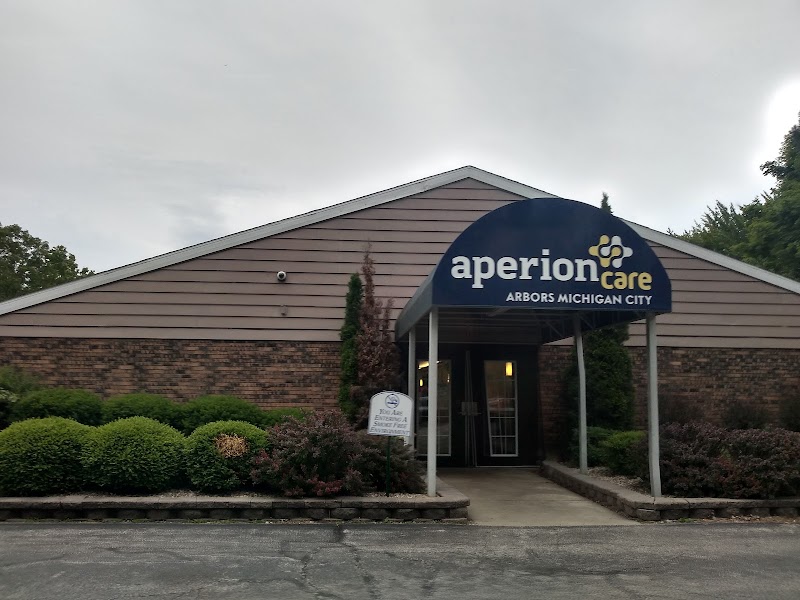
How is Aperion Care Arbors Michigan City Staffed?

Staff turnover is 65%, which is 18 percentage points above the Indiana average of 46%. High turnover can affect care consistency as new staff learn residents' individual needs. RN turnover specifically is 78%, which is notably high. RNs provide skilled clinical oversight, so turnover in this role can affect medical care quality.

What Have Inspectors Found at Aperion Care Arbors Michigan City?

State health inspectors documented 87 deficiencies at APERION CARE ARBORS MICHIGAN CITY during 2022 to 2025. These included: 1 Immediate Jeopardy (the most serious level, indicating potential for serious harm or death), 4 that caused actual resident harm, and 82 with potential for harm. Immediate Jeopardy findings are rare and represent the most serious regulatory concerns. They require immediate corrective action.
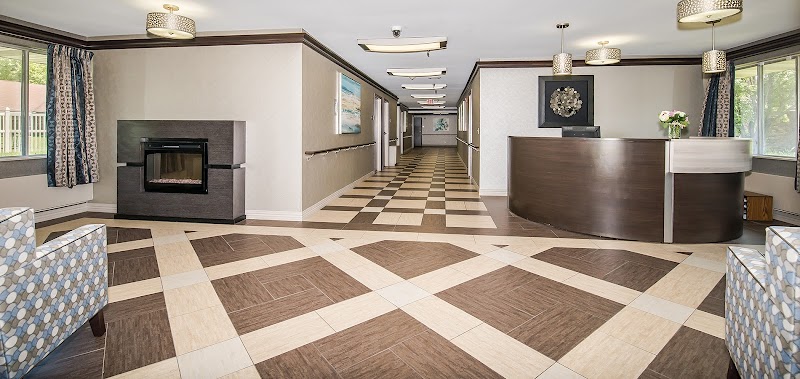
Who Owns and Operates Aperion Care Arbors Michigan City?

APERION CARE ARBORS MICHIGAN CITY is owned by a for-profit company. For-profit facilities operate as businesses with obligations to shareholders or private owners. The facility is operated by APERION CARE, a chain that manages multiple nursing homes. With 180 certified beds and approximately 115 residents (about 64% occupancy), it is a mid-sized facility located in MICHIGAN CITY, Indiana.
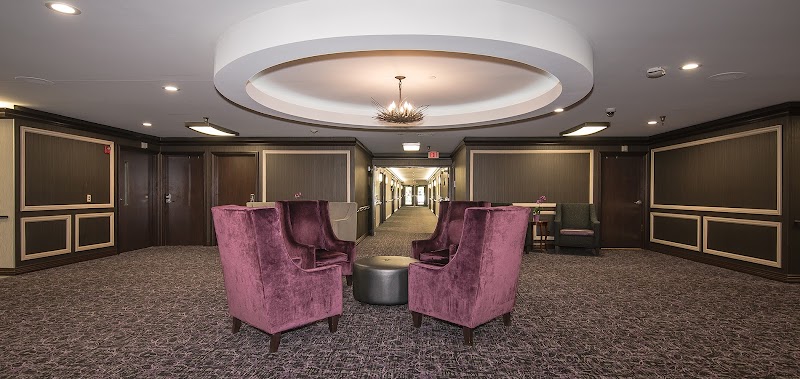
How Does Aperion Care Arbors Michigan City Compare to Other Indiana Nursing Homes?

Compared to the 100 nursing homes in Indiana, APERION CARE ARBORS MICHIGAN CITY's staff turnover (65%) is significantly higher than the state average of 46%.

What Should Families Ask When Visiting Aperion Care Arbors Michigan City?

Based on this facility's data, families visiting should ask: "What changes have been made since the serious inspection findings, and how are you preventing similar issues?" "How do you ensure continuity of care given staff turnover, and what is your staff retention strategy?" "Can I visit during a mealtime to observe dining assistance and food quality?" "How do you handle medical emergencies, and what is your hospital transfer rate?" These questions are particularly relevant given the facility's Immediate Jeopardy citations and the facility's high staff turnover rate.

Is Aperion Care Arbors Michigan City Safe?

Based on CMS inspection data, APERION CARE ARBORS MICHIGAN CITY has documented safety concerns. Inspectors have issued 1 Immediate Jeopardy citation (the most serious violation level indicating risk of serious injury or death). The facility is currently on the Special Focus Facility watch list (a federal program monitoring the lowest-performing 1% of nursing homes nationwide). The facility has a 0-star overall rating and ranks #100 of 100 nursing homes in Indiana. Families considering this facility should ask detailed questions about what corrective actions have been taken since these incidents.

Do Nurses at Aperion Care Arbors Michigan City Stick Around?

Staff turnover at APERION CARE ARBORS MICHIGAN CITY is high. At 65%, the facility is 18 percentage points above the Indiana average of 46%. Registered Nurse turnover is particularly concerning at 78%. RNs handle complex medical decisions and coordinate care — frequent RN changes can directly impact care quality. High turnover means new staff may not know residents' individual needs, medications, or preferences. It can also be disorienting for residents, especially those with dementia who rely on familiar faces. Families should ask: What is causing the turnover? What retention programs are in place? How do you ensure care continuity during staff transitions?

Was Aperion Care Arbors Michigan City Ever Fined?

APERION CARE ARBORS MICHIGAN CITY has been fined $22,329 across 3 penalty actions. This is below the Indiana average of $33,302. While any fine indicates a compliance issue, fines under $50,000 are relatively common and typically reflect isolated problems that were subsequently corrected. Families should ask what specific issues led to these fines and confirm they've been resolved.

Is Aperion Care Arbors Michigan City on Any Federal Watch List?

APERION CARE ARBORS MICHIGAN CITY is currently on the Special Focus Facility (SFF) watch list. This federal program identifies the roughly 1% of nursing homes nationally with the most serious and persistent quality problems. SFF facilities receive inspections roughly twice as often as typical nursing homes. Factors in this facility's record include 1 Immediate Jeopardy finding. Facilities that fail to improve face escalating consequences, potentially including termination from Medicare and Medicaid. Families considering this facility should ask for documentation of recent improvements and what specific changes have been made since the designation.