WATERS OF MIDDLETOWN SKILLED NURSING FACILITY, THE
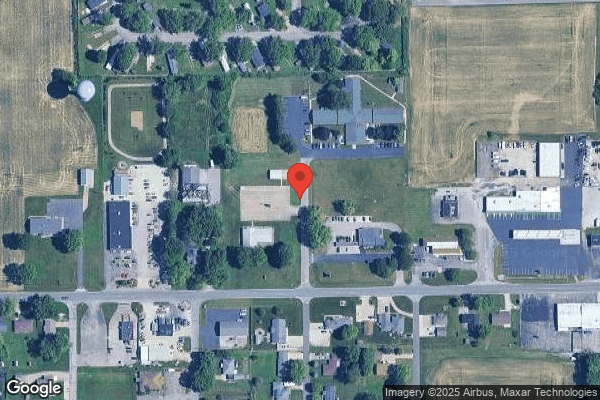

981 BEECHWOOD AVE, MIDDLETOWN, IN 47356 (765) 354-2278
For profit - Limited Liability company 60 Beds INFINITY HEALTHCARE CONSULTING Data: November 2025
Trust Grade
55/100
#308 of 505 in IN
Last Inspection: December 2024

Within standard 12-15 month inspection cycle. Federal law requires annual inspections.

Overview

The Waters of Middletown Skilled Nursing Facility has a Trust Grade of C, which means it is average and sits in the middle of the pack among nursing homes. It ranks #308 out of 505 facilities in Indiana, indicating it is in the bottom half of state options, and #6 out of 7 in Henry County, meaning there is only one local option that is better. Unfortunately, the facility is worsening, with issues increasing from 6 in 2023 to 10 in 2024. Staffing is a significant concern, rated at 1 out of 5 stars with a 60% turnover rate, which is much higher than the state average. Although there were no fines reported, specific incidents such as expired food being present in the kitchen and failure to maintain infection control during medication administration raise serious health concerns for current and potential residents. Additionally, the facility has less RN coverage than 84% of Indiana nursing homes, which limits the quality of care residents may receive.

Trust Score
C
55/100
In Indiana
#308/505
Bottom 40%
Safety Record
Low Risk
No red flags
Inspections
Getting Worse
6 → 10 violations
Staff Stability
⚠ Watch
60% turnover. Above average. Higher turnover means staff may not know residents' routines.
Penalties
✓ Good
No fines on record. Clean compliance history, better than most Indiana facilities.
Skilled Nurses
⚠ Watch
Each resident gets only 26 minutes of Registered Nurse (RN) attention daily — below average for Indiana. Fewer RN minutes means fewer trained eyes watching for problems.
Violations
⚠ Watch
22 deficiencies on record. Higher than average. Multiple issues found across inspections.
★★★☆☆
3.0
Overall Rating
★☆☆☆☆
1.0
Staff Levels
★★★★★
5.0
Care Quality
★★★☆☆
3.0
Inspection Score
Stable
2023: 6 issues
2024: 10 issues

The Good

  • 5-Star Quality Measures · Strong clinical quality outcomes
  • Full Sprinkler Coverage · Fire safety systems throughout facility
  • No fines on record

Facility shows strength in quality measures, fire safety.

The Bad

3-Star Overall Rating

Near Indiana average (3.1)

Meets federal standards, typical of most facilities

Staff Turnover: 60%

14pts above Indiana avg (46%)

Frequent staff changes - ask about care continuity

Chain: INFINITY HEALTHCARE CONSULTING

Part of a multi-facility chain

Ask about local staffing decisions and management

Staff turnover is elevated (60%)

12 points above Indiana average of 48%

The Ugly 22 deficiencies on record

Dec 2024 6 deficiencies
CONCERN (D)

Potential for Harm - no one hurt, but risky conditions existed

Resident Rights (Tag F0550)

Could have caused harm · This affected 1 resident

Based on interview and record review, the facility failed to ensure a resident was treated with dignity and respect for 1 of 1 resident reviewed for dignity. (Resident 11) Findings include: The clinic...

Read full inspector narrative →
Based on interview and record review, the facility failed to ensure a resident was treated with dignity and respect for 1 of 1 resident reviewed for dignity. (Resident 11) Findings include: The clinical record for Resident 11 was reviewed on 12/4/24 at 12:07 p.m. The diagnoses included, but were not limited to, diabetes and depression. A Quarterly Minimum Data Set (MDS) assessment, completed 11/10/24, indicated she was cognitively intact and dependent on staff for toileting. During an interview on 12/4/24 at 12:07 p.m., Resident 11 indicated a staff member had spoken to her disrespectfully while performing incontinent care. Resident 11 had put her call light on, around 10:00 p.m., and the staff member had come into the room to answer the call light. Resident 11 had told the staff member she needed to be cleaned up after having a bowel movement. The staff member asked her if she waited till 10:00 p.m. to (expletive). There was another staff member present when the incident happened. The incident happened the night before and she had informed the management staff that morning. On 12/4/24 at 12:22 p.m., the Executive Director (ED) provided a reportable incident form, dated 12/4/24 at 7:30 a.m., which indicated Resident 11 had notified the ED of a concern related to care involving Qualified Medication Aide (QMA) 6. The immediate action taken was to suspend QMA 6 immediately pending an investigation. The physician and Director of Nursing (DON) were notified. During an interview on 12/9/24 at 12:02 p.m., Certified Nursing Assistant (CNA) 7 indicated she had been present during the incident between Resident 11 and QMA 6. QMA 6 had asked Resident 11 why she always turned the call light on, at 10:00 p.m., to be changed. QMA 6 had begun to provide incontinent care and Resident 11 indicated QMA 6 was being too rough. QMA 6 told Resident 11 she had to get the (expletive) off. Resident 11 had made another comment to QMA 6 and QMA 6 asked CNA 7 to finish the incontinent care for Resident 11 and exited the room. Resident 11 asked if she had done something wrong, and if QMA 6 was having a bad night. QMA 6 was unavailable for interview. On 12/9/24 at 3:39 p.m., the Director of Nursing provided the Guidelines for Observing and Implementing Resident Rights, dated 7/12/24, which read, .Each resident has the right to be treated with dignity and respect. Any interaction between a resident and a staff member .must be conducted in such a way as to enhance the residents' self- esteem and self-worth while meeting the resident's needs. The preferences and goals of the resident should be honored as much as possible and the resident's comfort, safety and overall welfare must be promoted, protected, and enhanced at all times . 3.1-3(t)
CONCERN (D)

Potential for Harm - no one hurt, but risky conditions existed

Quality of Care (Tag F0684)

Could have caused harm · This affected 1 resident

**NOTE- TERMS IN BRACKETS HAVE BEEN EDITED TO PROTECT CONFIDENTIALITY** Based on interview and record review, the facility failed to ensure orthostatic blood pressures were properly obtained and to ob...

Read full inspector narrative →
**NOTE- TERMS IN BRACKETS HAVE BEEN EDITED TO PROTECT CONFIDENTIALITY** Based on interview and record review, the facility failed to ensure orthostatic blood pressures were properly obtained and to obtain blood pressure and pulse, as ordered by the physician, prior to administering medication for 1 of 1 resident reviewed for death and 1 of 1 resident reviewed for behaviors. (Resident 17 and Resident 20) Findings include: 1. The clinical record for Resident 17 was reviewed on [DATE] at 11:19 a.m. The diagnoses included, but were not limited to, atrial fibrillation (abnormal heartbeat), and hypertension. She died at the facility on [DATE]. A care plan, last revised [DATE], indicated Resident 17 was at risk for falls related to dementia, atrial fibrillation, and history of falls. The goal was for her to have no injuries due to falls. The interventions included, but were not limited to, attempt to keep areas free of clutter and to notify and update physician as needed. A Quarterly Minimum Data Set (MDS) assessment, completed [DATE], indicated she was cognitively intact, needed moderate assistance of staff with walking in her room, and had one fall without injury since the prior assessment. An incident note, dated [DATE] at 11:29 a.m., indicated a nursing assistant had called the nurse to the shower room because Resident 17 had fallen. Resident 17 was assessed for injuries. Resident 17 indicated she was fine and not hurt. Resident 17 was assisted up and walked back to her room. Resident 17 was sitting in her recliner relaxing. An Interdisciplinary Team (IDT) Post Fall Review, dated [DATE], indicated that Resident 17 had become dizzy when reaching for her walker, slipped and fell in the shower room. The IDT recommended orthostatic blood pressures should be completed for 72 hours. A physician's order, dated [DATE], indicated to measure orthostatic blood pressure every shift for dizziness for three days. Check blood pressure after laying down for five minutes. A physician's order, dated [DATE], indicated to measure orthostatic blood pressure every shift for dizziness for three days. Check blood pressure after standing up for one minute from a lying position. A physician's order, dated [DATE], indicated to measure orthostatic blood pressure every shift for dizziness for three days. Check blood pressure after standing up for three minutes from a lying position. The [DATE] Medication Administration Record (MAR) indicated the orthostatic blood pressure, obtained on day shift of [DATE] by Registered Nurse (RN) 3, was documented as being 134/78 after lying for five minutes, after standing from a lying position of one minute, and after standing from a lying position for three minutes. The November MAR did not contain orthostatic blood pressure readings, on [DATE], during the day shift. A physician's order, dated [DATE], indicated she was to receive metoprolol tartrate (heart medication) tablet 50 milligram (MG) by mouth twice a day for hypertension. Instructions were to hold if systolic blood pressure (upper reading of blood pressure) (SBP) was less than 100 or if heart rate was less than 60. The [DATE] MAR did not contain documentation of a pulse rate being obtained prior to administering the Metoprolol in the evening, on [DATE], or prior to the morning and/or evening administrations on [DATE]. During an interview on [DATE] at 1:56 p.m., Registered Nurse (RN) 3 indicated she took the orthostatic blood pressure when the resident was standing, sitting, and lying down. 2. The clinical record for Resident 20 was reviewed on [DATE] at 2:15 p.m. The diagnoses included, but were not limited to, hypertension and anemia. A Quarterly MDS assessment, completed [DATE], indicated he was moderately cognitively impaired. A care plan, last revised [DATE], indicated he was at risk for elevated blood pressure related to hypertension. The goal was for his blood pressure to remain within normal limits. The interventions included, but were not limited to, administer medication as ordered by the physician, check for blood pressure parameters, and monitor blood pressure prior to administering, if indicated. A physician's order, dated [DATE], indicated he was to receive metoprolol succinate ER (extended-release heart medication) 25 MG twice daily for hypertension. The instructions were to hold the medication for SBP less than 100 or heart rate less than 60. The November and December MAR did not contain documentation of the blood pressure and/or heart rate readings prior to administering the metoprolol twice daily from [DATE] through [DATE]. During an interview on [DATE] at 2:38 p.m., the Director of Nursing indicated the directions for obtaining the orthostatic blood pressures were specified in the physician's order, and if an order contains parameters, the vitals should be taken and documented prior to administration and held as ordered. 3.1-37(a)
CONCERN (D)

Potential for Harm - no one hurt, but risky conditions existed

Deficiency F0697 (Tag F0697)

Could have caused harm · This affected 1 resident

**NOTE- TERMS IN BRACKETS HAVE BEEN EDITED TO PROTECT CONFIDENTIALITY** Based on observation, interview, and record review, the facility failed to timely inform the physician of changes in a resident'...

Read full inspector narrative →
**NOTE- TERMS IN BRACKETS HAVE BEEN EDITED TO PROTECT CONFIDENTIALITY** Based on observation, interview, and record review, the facility failed to timely inform the physician of changes in a resident's pain for 1 of 2 residents reviewed for pain. (Resident 13) Findings include: The clinical record for Resident 13 was reviewed on 12/4/24 at 2:41 p.m. The diagnoses included, but were not limited to, hypertension and heart failure. A physician's order, dated 6/16/23, indicated he could receive hydrocodone-acetaminophen (narcotic pain medication) 5-325 milligrams (MG); one tablet every six hours as needed for pain. A care plan, last revised on 10/23/24, indicated he was at risk for pain related to weakness and impaired mobility. The goal was for him to be free of pain with interventions as needed. The interventions included, but were not limited to, give medications as ordered, notify physician of uncontrolled pain, observe for effectiveness of interventions, and observe for signs and symptoms of pain. A Quarterly Minimum Data Set (MDS) assessment, completed 11/10/24, indicated he had moderately impaired cognition. He received scheduled and as needed pain medications. He experienced pain occasionally, which did not interfere with sleep or daily activities. His pain was rated as a 5 on a pain scale of 1 to 10 (10 being severe pain). A physician's order, dated 11/12/24, indicated he was to receive acetaminophen extra strength 500 mg: two tablets three times daily for pain. A Nurse Practitioner progress note, dated 11/12/24, indicated Resident 13 had been complaining of quite a bit more pain lately. His Norco (hydrocodone- acetaminophen) was refilled. He reported pain in his knees. A Nurse Practitioner progress note, dated 11/19/24, indicated Resident 13 had osteoarthritis, managed with Tylenol 1000 MG three times daily and had Norco for as needed (PRN) use. A new script had been sent recently. The assessment and plan indicated he had pain and to continue Tylenol 1000 mg three times daily and to continue Norco PRN. The clinical record contained Nurse Practitioner Progress notes, dated 11/21/24 and 11/26/24, which did not contain information about increased pain or discomfort. The November and December Medication Administration Records (MAR) indicated Resident 13 had received hydrocodone- acetaminophen 5-325 mg on the following days: 11/1/24 - once for pain level of 7. 11/2/24 - once for pain level of 7, 11/3/24 - twice for pain level of 5 and for pain level of 6, 11/5/24 - twice for pain level of 5 and pain level of 6, 11/6/24 - once for pain level of 5, 11/9/24 - twice for pain level of 5 and pain level of 5, 11/11/24 - twice for pain level of 5 and pain level of 7, 11/12/24 - once for pain level of 6, 11/16/24 - once for pain level of 6, 11/28/24 - twice for pain level of 5 and pain level of 5, 11/29/24 - twice for pain level of 8 and pain level of 6, 11/30/24 - three times for pain level of 6, pain level of 5, and pain level of 4, 12/1/24 - twice for pain level of 8 and pain level of 7, 12/2/24 - three times for pain level of 7, pain level of 8 and pain level of 8, 12/3/24 - twice for pain level of 6 and pain level of 8, and 12/4/24- twice for pain level of 5 and pain level of 8. On 12/4/24 at 2:41 p.m., Resident 13 was observed lying in bed in his room. He was grimacing and moaning out. Family Member (FM) 1 was at bedside and indicated Resident 13 was in a lot of pain and was being evaluated by hospice so he could receive stronger pain medications. During an interview on 12/5/24 at 2:25 p.m., FM 1, FM 2, and FM 3 indicated Resident 13 had been in a lot of pain off and on for several weeks. They had just enrolled him in hospice so he could have his pain managed better. During an interview on 12/5/24 at 2:40 p.m., Certified Nursing Assistant (CNA) 12 indicated Resident 13 had been experiencing more pain in the last few weeks. She had informed the nurses of his increased pain. During an interview on 12/5/24 at 2:41 p.m., Registered Nurse (RN) 3 indicated the Nurse Practitioner had been informed Resident 13 was having a lot of pain, and the Norco was not effectively treating the pain. He had been out of Norco for a while, but it had been refilled and the nursing staff were trying to administer it every six hours to assist with his pain control. Resident 13 had been experiencing pain in his groin area. During an interview on 12/6/24 at 10:17 a.m., Registered Pharmacist 15 indicated a refill of 24 tablets of hydrocodone- acetaminophen 5-325 mg had been sent to the facility on [DATE]. The next refill of hydrocodone- acetaminophen 5-325 mg had been sent on 11/26/24. A controlled drug form, dated 10/27/24, indicated 24 tablets of hydrocodone- acetaminophen had been delivered to the facility on [DATE]. The last dose had been administered on 11/12/24. A controlled drug form, dated 11/26/24, indicated 30 tablets of hydrocodone- acetaminophen had been delivered to the facility on [DATE]. The clinical record did not contain any other controlled drug forms indicating any hydrocodone- acetaminophen had been delivered to the facility from 11/12/24 through 11/26/24. The clinical record did not contain documentation that the physician and/or nurse practitioner had been informed of Resident 13 not having any hydrocodone in the facility from 11/12/24 through 11/26/24. The clinical record did not contain documentation the physician and/or nurse practitioner had been informed of Resident 13's increased pain. On 12/6/24 at 10:39 a.m., the Director of Nursing provided the Guidelines for Pain Management policy, dated 9/1/23, which read, .It is the intent of the facility to promote resident independency, comfort, and to preserve resident dignity in the ongoing effort to promote the highest level of quality for their lives. One aspect of this commitment is to maintain an effective pain management plan . Physician Communication and Involvement Pain will be assessed and managed in a timely manner, to include pain that is 'new' and of a recent onset. The physician will be notified of a resident's onset of 'new' pain and also of pain not being relieved by the interventions .PRN Pain Medications .If a resident requests prn pain medications 3-4 times a day for 3-4 days in a row- the physician should be notified for directions/ orders to include the possibility of regularly scheduled pain medications or a change in the current order for pain medications 3.1-37(a)
CONCERN (D) 📢 Someone Reported This

A family member, employee, or ombudsman was alarmed enough to file a formal complaint

Potential for Harm - no one hurt, but risky conditions existed

Safe Environment (Tag F0921)

Could have caused harm · This affected 1 resident

Based on observation, interview, and record review, the facility failed to ensure a homelike environment with residents' rooms that were not in good repair for 3 of 20 residents' rooms observed. (Resi...

Read full inspector narrative →
Based on observation, interview, and record review, the facility failed to ensure a homelike environment with residents' rooms that were not in good repair for 3 of 20 residents' rooms observed. (Residents' F, C and B) Findings include: 1. The clinical record for Resident B was reviewed on 12/4/24 at 11:30 a.m. The diagnoses included, but were not limited to, dementia. A Quarterly Minimum Data Set (MDS) assessment, dated 11/10/24, indicated Resident B was cognitively impaired. An observation was made of Resident B's room on 12/5/24 at 12:38 p.m. The windowsill was observed gouged and chipped. An interview was conducted with Resident B's Representative on 12/5/24 at 12:40 p.m. He indicated the room needed repairs. The windowsill had a gouge. 2. The clinical record for Resident F was reviewed on 12/4/24 at 3:19 p.m. The diagnoses included, but were not limited to, dementia. A Quarterly MDS assessment, dated 10/14/24, indicated Resident F was cognitively intact. 3. The clinical record for Resident C was reviewed on 12/4/24 at 3:25 p.m. The diagnoses included, but were not limited to, hypertension. An observation was made of Resident C and Resident F's room on 12/4/24 at 3:19 p.m. Resident C's side of room had scrapes and missing paint on back and side wall by an electrical outlet that was pulling away from the wall. Resident F's side of the room had a missing trim piece and a large yellow in color oblong shaped ring on the white ceiling. An environmental tour was conducted with the Executive Director (ED) on 12/9/24 at 1:53 p.m. Resident B's room was observed with gouged windowsill. Resident F and Resident C's room was observed with scrapes and missing paint on back and side walls by the electrical outlet of Resident C's side of the room. Resident F's side of the room was observed with a large oblong shaped yellow in color ring on the white ceiling and the trim was missing on the chair rail. An interview was conducted with Resident F on 12/9/24 at 1:55 p.m. She indicated the yellow ring on the ceiling had been there ever since she had been in the facility. She had been in the facility for approximately a year. An interview was conducted with the ED on 12/9/24 at 2:00 p.m. The ED indicated the facility was currently going through remodeling of the building. She had spoken with the maintenance director and Residents' F, B and C's rooms were on his list for repairs, but he had not gotten to them yet. A homelike environment policy was provided by the ED on 12/9/24 2:15 p.m. It indicated the following, .Policy: It is the policy of the facility to ensure that the environment provided by the facility is safe, sanitary, functional and comfortable .23) All room contents to include clothes, furniture, devices, linens, bedspreads, privacy curtains, window coverings, wall hangings, wall paper and floors should be clean and in good repair. This citation relates to Complaint IN00440964. 3.1-19(f)(5)
CONCERN (E)

Potential for Harm - no one hurt, but risky conditions existed

Infection Control (Tag F0880)

Could have caused harm · This affected multiple residents

Based on observation, interview, and record review, the facility failed to ensure infection control was maintained during medication administrations by not utilizing hand hygiene, glove usage, and tou...

Read full inspector narrative →
Based on observation, interview, and record review, the facility failed to ensure infection control was maintained during medication administrations by not utilizing hand hygiene, glove usage, and touching pill medication with bare hands for 5 of 5 residents reviewed for medication administrations. (Residents' 8, 11, 12, D, and 19) Findings include: 1. The clinical record for Resident D was reviewed on 12/4/24 at 2:00 p.m. The diagnoses included, but were not limited to, stroke. An observation was made of Resident D's medication administration with Registered Nurse (RN) 3 on 12/5/24 at 9:00 a.m. RN 3 was observed finishing up with administering medications to another resident. After the administration, RN 3 hugged the resident. She then went back to the medication cart and pulled and prepared Resident D's medication. During that time, RN 3 pulled medication packages from the cart. After review, she then removed the pill medications from the packets and dropped them in two mediation cups. One medication cup was for tablets and the other medication cup was for three capsule pill medications. She then crushed the tablet medications. After, RN 3 using her bare hands, removed the three capsule medications in the other medication cup and emptied two of the three capsules into the crushed medications cup. The third capsule was unable to opened. So, RN 3 grabbed a pair of scissors in the medication cart drawer and cut the capsule using the scissors. RN 3 indicated at that time, she always had to cut the third capsule with scissors. There was no observation of disinfecting the scissors prior to cutting the capsule. After preparing the medications, she went into Resident D's room and administered the medications. RN 3 had picked up a straw and removed the paper covering with her bare hands, touching the mouth portion of the straw, and placed in a cup of water for resident to use. There were no observations of hand hygiene prior, during, or after medication administration of Resident D's medications. 2. The clinical record for Resident 11 was reviewed on 12/4/24 at 2:30 p.m. The diagnoses included, but were not limited to, diabetes mellitus. An observation was conducted of medication administration for Resident 11 with RN 3 on 12/5/24 at 9:15 a.m. RN 3 was observed preparing Resident 11's medications. During that time, she pulled pill medications from medication packets and eye drops. She then entered the resident's room and administered the pill medications. After, she administered the resident's eye drops. RN 3 was not observed utilizing hand hygiene prior or after administering the pill mediations and/or the resident's eye drops. 3. The clinical record for Resident 8 was reviewed on 12/4/24 at 2:45 p.m. The diagnoses included, but were not limited to, depression. A medication administration was observed for Resident 8 with RN 3 on 12/5/24 at 9:25 a.m. RN 3 was observed pulling and preparing the resident's medication. During that time, RN 3 had touched her nose and then utilized hand sanitizer on the wall. After, she returned to the medication cart and continued to pull and prepare Resident 8's pill medications. Prior to entering the resident's room, RN 3 had dropped an empty pill medication packet on the floor. She picked up the empty medication package and discarded it in the trash. She then went into the resident's room and administered the pill medication to Resident 8. There was no observation of hand hygiene after picking up the pill package off the floor. 4. The clinical record for Resident 12 was reviewed on 12/4/24 at 2:55 p.m. The diagnoses included, but were not limited to, chronic obstructive pulmonary disease (COPD). An observation was made of medication administration for Resident 12 with RN 3 on 12/5/24 at 9:36 a.m. After administering Resident 8's medications, RN 3 immediately went to Resident 12's bedside. At that time, she obtained Resident 12's vital signs utilizing a Dinamap machine (a mobile monitor to electronically measure blood pressure, pulse, oxygen saturations and temperature). During that time, she removed the protective sleeve on the thermometer that was in the resident's mouth and discarded it on the Dinamap. After, she then went to the medication cart and pulled and prepared Resident 12's medication. RN 3 was observed pulling apart a capsule pill medication with her bare hands and emptying the contents in a medication cup. After, she then returned to Resident 12's room and administered the medications. There was no hand hygiene after the administration of medications to Resident 8 and/or prior to obtaining vitals for Resident 12. 5. The clinical record for Resident 19 was reviewed on 12/4/24 at 3:10 p.m. The diagnoses included, but were not limited to, stroke. An observation was made of an insulin medication administration for Resident 19 with RN 3 on 12/5/24 at 11:33 a.m. RN 3 was observed gathering supplies that included: glucometer, lancet, insulin flexpen medication, alcohol wipes, needle, and gloves for Resident 19 at the medication cart. After, she entered Resident 19's room and donned on gloves. There was no hand hygiene prior to donning on the gloves. She then obtained the resident's blood sugar reading utilizing the glucometer and administered the insulin in the resident's abdomen. After, she left the room and returned to the medication cart with her gloved hands. There was no observation of hand hygiene prior to donning on the gloves or prior to leaving the resident's room. An interview was conducted with RN 3 on 12/5/24 at 11:35 a.m. She indicated she had washed her hands prior to gathering the resident's supplies in the medication cart. An interview was conducted with Nurse Consultant (NC) 8 on 12/5/24 at 3:05 p.m. She indicated hand hygiene should be utilized between residents. RN 3 should have donned on gloves prior to eye drop administration and should not be touching pill medications with her bare hands. A medication administration policy was provided by the Director of Nursing (DON) on 12/6/24 at 9:57 a.m. It indicated the following, .Purpose: To administer all medications safely and appropriately to aid residents to over illness, relieve and prevent symptoms, and help in diagnosis .Procedure . 1. Wash hands before beginning, whenever you contaminate your hands, and if contact is made with the medication An eye drops administration policy was provided by the DON on 12/6/24 at 9:57 a.m. It indicated the following, .Purpose: The appropriate and safe administration of liquid ophthalmic medication (eye drops) as a local anesthesia to facilitate eye examination, for therapeutic treatment, or for help in the production of tears. Procedure: 1. Follow general medication administration policy and procedures. 2. Proper hand washing before and after administration . 3.1-18(b)(1) 3.1-18(l)
CONCERN (F) 📢 Someone Reported This

A family member, employee, or ombudsman was alarmed enough to file a formal complaint

Potential for Harm - no one hurt, but risky conditions existed

Food Safety (Tag F0812)

Could have caused harm · This affected most or all residents

Based on observation, interview, and record review, the facility failed to ensure food items were closed to air and contaminants, expired food was disposed of timely, and label food containers with th...

Read full inspector narrative →
Based on observation, interview, and record review, the facility failed to ensure food items were closed to air and contaminants, expired food was disposed of timely, and label food containers with the date opened and discard dates with the potential to affect 19 of 19 residents residing at the facility. Findings include: The facility kitchen was observed with the Kitchen [NAME] (KC) on 12/4/24 at 10:30 a.m. The dry storage area contained a bag of sugar in a box. The bag of sugar was open to air. There was an undated loaf of cinnamon bread, with mold visible through the packaging, present on the bread rack. The KC indicated the bag of sugar should not have been open to air and cinnamon bread had mold present and had been on the rack for around two weeks. The kitchen refrigerator was observed to have a container of cottage cheese with a use by date of 12/2/24, a large plastic bucket of hard-boiled eggs with no open date present, and three large bags of pre-mixed salad. One of the bags of pre-mixed salad was opened and half gone. The bags were dated as best by 12/1/24. A box of prune juice had a date opened of 10/24/24. A pitcher of unsweet tea had a preparation date of 11/20. A box of pasteurized eggs had a best by date of 11/29/24. A bowel of chopped cucumbers was without a lid and no date and/or label. There were two containers of half and half, one was approximately half full, with a package date of 10/24/24 and there was no open date on the containers. A silver serving container covered in plastic wrap was dated 12/1 and discard by 12/3. During an interview on 12/4/24 at 10:50 a.m., the KC indicated the outdated items in the refrigerator should have been discarded. All items should have an open date when put into the refrigerator. All items put into the refrigerator should have lids and/or be sealed from air and dated. The items found to be outdated or undated should be thrown away. On 12/4/24 at 12:22 p.m., the Executive Director provided the Labeling and Dating policy, dated 8/12/23, which read, .Leftovers and open foods shall be clearly labeled with date food item is to be discarded. Food items to be labeled and dated include items prepared in house and food items that are opened and stored for later use .7-day self-life including date of preparation- label includes: a. Name of food item b. discard date .30-day shelf life, usually applies to items that are shelf stable until opened- label includes: a. name of food item if not clearly identified on container b. Discard date . Discard date cannot exceed use by date stamped on product by manufacturer This citation relates to Complaint IN00441092. 3.1-21(i)(2) 3.1-21(i)(3)
Apr 2024 4 deficiencies
CONCERN (D) 📢 Someone Reported This

A family member, employee, or ombudsman was alarmed enough to file a formal complaint

Potential for Harm - no one hurt, but risky conditions existed

Free from Abuse/Neglect (Tag F0600)

Could have caused harm · This affected 1 resident

Based on interview and record review, the facility failed to protect the resident's right to be free from verbal and physical abuse of a staff member towards a resident for 1 of 3 residents reviewed f...

Read full inspector narrative →
Based on interview and record review, the facility failed to protect the resident's right to be free from verbal and physical abuse of a staff member towards a resident for 1 of 3 residents reviewed for abuse. (Resident D, CNA 6) Findings include: The clinical record of Resident D was reviewed on 4-26-24 at 9:43 a.m. Her diagnoses included, but were not limited to cerebral infarction due to occlusion or stenosis of MCA (middle cerebral artery) affecting the non-dominant left side with hemiplegia and hemiparesis. A review of Resident D's most recent Minimum Data Set assessment, dated 2-6-24, indicated her cognitive status was moderately impaired, she was non-ambulatory, used a wheelchair with assistance of 1 person for wheelchair mobility, required substantial assistance with bed mobility and was dependent for toileting needs and bathing assistance. In an interview with the Executive Director (ED) on 4-24-24 at 10:35 a.m., she indicated the facility recently had a new employee, CNA 6. She further explained the facility had received a report of rough treatment during care of a resident by a staff member, CNA 6. The ED summarized CNA 6 was was terminated due to inappropriate language and intimidation and with her being on orientation, or just off of orientation, she was terminated due to the facility's zero tolerance policy towards abuse. The ED indicated she had submitted a report of the incident to the Indiana Department of Health's Long-Term Care Division on the same date the facility received the allegation of abuse. In an interview on 4-24-24 at 2:20 p.m., with Resident D, she indicated she is generally speaking, treated very well and very professionally, with one exception. She explained, recently, a new aide got upset with me when she was trying to roll me over [for incontinence care] and I told her it was hurting me. Sometimes, my joints just hurt and she just kept going on. She just didn't listen to me. Just kind of hurrying things along. So, I spoke with the administrator about it. I told her that I didn't want the girl punished, just talk to her about not rushing so much and listen to what people tell her. Well, later that day, she came back to me and told me, kind of hateful like, that she thought it awful that I told on her and now she was in trouble. She just stood in the doorway and kind of hollered at me, she definitely raised her voice to me. Later, when I was talking to somebody, I found out they let her go. I hate that, but you can't treat people that way. She added, due to the Administrator taking care of issues so quickly, she has no further concerns related abuse or neglect. By the administrator taking care of things so quick, it shows me they mean business and take care of things like they should. A review of CNA 6's employee file indicated she was hired on 4-10-24. Her employee file indicated she had completed education regarding resident rights, abuse prohibition and six hours of dementia care training on or before her hire date. A Personnel Change Form, dated 4-19-24 and 4-20-24, indicated CNA 6 was terminated, effective 4-19-24, by the facility for Violation of company policy. The investigative file of the allegation of abuse indicated the state reportable was faxed to the, Indiana Department of Health's Long-Term Care Division on 4-19-24, follow-up interviews with other residents regarding abuse were conducted, staff education was conducted with facility staff on 4-22-24, pre-employment screening for certification validity, criminal background check and reference checks, and Resident D was monitored for a minimum of 72 hours for any negative effects after this incident. On 4-25-24 at 1:20 p.m., the ED provided an undated copy of a policy entitled, Abuse Prevention Program. This policy indicated, to prevent resident abuse, neglect .Each resident receives care and services in a person-centered environment in which all individuals are treated as human beings .Staff members who are suspected of abuse or misconduct shall immediately (regardless of time left on shift) be barred from any further contact with residents of the facility and be suspended from duty, pending the outcome of the investigation, prosecution or disciplinary action against the employee. 3.1-27(a) 3.1-27(b)
CONCERN (D) 📢 Someone Reported This

A family member, employee, or ombudsman was alarmed enough to file a formal complaint

Potential for Harm - no one hurt, but risky conditions existed

Abuse Prevention Policies (Tag F0607)

Could have caused harm · This affected 1 resident

Based on interview and record review, the facility failed to implement policies and procedures protecting the resident's right to be free from verbal and physical abuse of a staff member towards a re...

Read full inspector narrative →
Based on interview and record review, the facility failed to implement policies and procedures protecting the resident's right to be free from verbal and physical abuse of a staff member towards a resident for 1 of 3 residents reviewed for abuse. (Resident D, CNA 6) Findings include: The clinical record of Resident D was reviewed on 4-26-24 at 9:43 a.m. Her diagnoses included, but were not limited to cerebral infarction due to occlusion or stenosis of MCA (middle cerebral artery) affecting the non-dominant left side with hemiplegia and hemiparesis. A review of Resident D's most recent Minimum Data Set assessment, dated 2-6-24, indicated her cognitive status was moderately impaired, she was non-ambulatory, used a wheelchair with assistance of 1 person for wheelchair mobility, required substantial assistance with bed mobility and was dependent for toileting needs and bathing assistance. In an interview with the Executive Director (ED) on 4-24-24 at 10:35 a.m., she indicated the facility recently had a new employee, CNA 6. She further explained the facility had received a report of rough treatment during care of a resident by a staff member. The ED summarized CNA 6 was was terminated due to inappropriate language and intimidation and with her being on orientation, or just off of orientation, she was terminated due to the facility's zero tolerance policy towards abuse. The ED indicated she had submitted a report of the incident to the Indiana Department of Health's Long-Term Care Division on the same date as discovery of the allegation of abuse. In an interview on 4-24-24 at 2:20 p.m., with Resident D, she indicated she is generally speaking, treated very well and very professionally, with one exception. She explained, recently, a new aide got upset with me when she was trying to roll me over [for incontinence care] and I told her it was hurting me. Sometimes, my joints just hurt and she just kept going on. She just didn't listen to me. Just kind of hurrying things along. So, I spoke with the administrator about it. I told her that I didn't want the girl punished, just talk to her about not rushing so much and listen to what people tell her. Well, later that day, she came back to me and told me, kind of hateful like, that she thought it awful that I told on her and now she was in trouble. She just stood in the doorway and kind of hollered at me, she definitely raised her voice to me. Later, when I was talking to somebody, I found out they let her go. I hate that, but you can't treat people that way. She added, due to the Administrator taking care of issues so quickly, she has no further concerns related abuse or neglect. By the administrator taking care of things so quick, it shows me they mean business and take care of things like they should. The investigative file of the allegation of abuse indicated the state reportable was faxed to the, Indiana Department of Health's Long-Term Care Division on 4-19-24, follow-up interviews with other residents regarding abuse were conducted, staff education was conducted with facility staff on 4-22-24, pre-employment screening for certification validity, criminal background check and reference checks, and Resident D was monitored for a minimum of 72 hours for any negative effects after this incident. A review of CNA 6's employee file indicated she was hired on 4-10-24. Her employee file indicated she had completed education regarding resident rights, abuse prohibition and six hours of dementia care training on or before her hire date. A Personnel Change Form, dated 4-19-24 and 4-20-24, indicated CNA 6 was terminated, effective 4-19-24, by the facility for Violation of company policy. On 4-25-24 at 1:20 p.m., the ED provided an undated copy of a policy entitled, Abuse Prevention Program. This policy indicated, to prevent resident abuse, neglect .Each resident receives care and services in a person-centered environment in which all individuals are treated as human beings .Staff members who are suspected of abuse or misconduct shall immediately (regardless of time left on shift) be barred from any further contact with residents of the facility and be suspended from duty, pending the outcome of the investigation, prosecution or disciplinary action against the employee. 3.1-27(a)(1) 3.1-27(b)
CONCERN (D) 📢 Someone Reported This

A family member, employee, or ombudsman was alarmed enough to file a formal complaint

Potential for Harm - no one hurt, but risky conditions existed

Deficiency F0741 (Tag F0741)

Could have caused harm · This affected 1 resident

Based on interview and record review, the facility failed to ensure adequate nursing staff coverage for the long-term care portion of the facility, as well as for the secured dementia care unit of the...

Read full inspector narrative →
Based on interview and record review, the facility failed to ensure adequate nursing staff coverage for the long-term care portion of the facility, as well as for the secured dementia care unit of the facility for 1 of 1 night shift and for the 17 residents of the long-term care portion of the building and for 7 residents of the facility's secured dementia care unit of the facility. Findings include: In an interview with the Executive Director (ED) on 4-25-24 at 2:50 p.m., she indicated around the end of March and beginning of April of 2024, only one RN 4 and one CNA 3 were on duty for the night shift. She shared that on that particular night, CNA 3 called her around 11:00 p.m., to discuss some concerns she had regarding the facility. During the conversation, she mentioned that the memory care unit wasn't staffed and there was only a nurse and aide in the building and the door of the memory care unit was open and unlocked. I immediately came into the building. When I got here, I found the memory care unit door open to the long term care unit and obviously unlocked. [Names of RN 4 and CNA 3] were both on the long term care unit at that time. They explained that since they were the only two staff here, that was the best way to handle the situation. I immediately sent the nurse to the memory care unit and the memory care unit door was closed and locked. I had no idea any of this was going on until that moment. I have no idea how long this had been going on. Our census on that date was 22. She indicated she remained in the building for the rest of that shift and she noted none of memory care unit residents were up or wandering about. In a confidential interview, they indicated, It's not happened often, but there have been a few times where the locked unit has not had a staff person for night shift .I couldn't give you a date, but I am aware of a time or two when the locked unit was left unlocked when I have checked it when I come in at 6 am. They indicated they did not report the memory care unit being unlocked to management as they thought management would be aware of this since management puts together the schedules. On 4-26-24 at 10:42 a.m., the ED provided an updated Midnight Census Report, for 3-20-24, indicating the facility's census included 7, memory care unit residents and 17, long-term care unit residents, for a total census of 24 residents. In an interview with the ED on 4-25-24 at 4:30 p.m., she clarified the night shift was the date of 3-20-24 into 3-21-24. The ED indicated shortly thereafter [date unspecified], education with the licensed nurses was conducted regarding notification to management of any changes in the schedule and the memory care unit is to staffed at all times and the door is to be secured/locked at all times. 4-30-24 at 4:30 p.m., the ED indicated, My expectations for the memory care unit is that it be locked/secured at all times and there be a nurse or aide present at all times. On 4-25-24 at 5:06 p.m., the ED provided a copy of a document entitled, Facility Assessment Tool, with a revision date of 10-17-23. This document indicated the facility's staffing plan as, based on your resident population and their needs for care and support, describe your general approach to staffing to ensure that you have sufficient staff to meet the needs of the residents at any given time, includes, but does not limit the nursing staffing to, 1 Nurse Nights .and 1 [nurse aide] nights, with staffing ratios of 1.25 licensed nurse and 1.25 certified nursing assistant for every 25 residents. [Name of the memory care unit] will always have a minimum of: Nurse or QMA on days/evenings [and] Night staff aide on-site related to census. This Federal tag relates to Complaint IN00431980. 3.1-17(b)(1) 3.1-17(c)(2)
CONCERN (E) 📢 Someone Reported This

A family member, employee, or ombudsman was alarmed enough to file a formal complaint

Potential for Harm - no one hurt, but risky conditions existed

Staffing Information (Tag F0732)

Could have caused harm · This affected multiple residents

Based on observation, interview and record review, the facility failed to post the facility's nursing staffing for five (5) consecutive dates. This deficient practice has the potential to adversely af...

Read full inspector narrative →
Based on observation, interview and record review, the facility failed to post the facility's nursing staffing for five (5) consecutive dates. This deficient practice has the potential to adversely affect all residents. Findings include: On 4-24-24 at 9:55 a.m., the facility's posted staffing was observed to be located by the nursing station. The posted staffing dates were for 4-18-24 and 4-19-24. This posting was unchanged at an observation conducted on 4-24-24 at 1:35 p.m. This posting was updated as of an observation on 4-25-24 at 1:56 p.m., to the current date of 4-25-24. In an interview with the Executive Director on 4-25-24 at 4:30 p.m., she indicated she has been conducting the nursing work schedules for some time at the facility. In an interview with the Executive Director on 4-25-24 at 4:45 p.m., she indicated had not noticed the daily posted nursing staffing sheets were not current. This Federal tag relates to Complaints IN00430719 and IN00432008. 3.1-17(a)
Oct 2023 2 deficiencies
CONCERN (D) 📢 Someone Reported This

A family member, employee, or ombudsman was alarmed enough to file a formal complaint

Potential for Harm - no one hurt, but risky conditions existed

Safe Environment (Tag F0584)

Could have caused harm · This affected 1 resident

Based on observation, interview and record review, the facility failed to ensure an odor-free room environment for 1 of 3 residents reviewed for a home-like and clean environment. (Resident B) Finding...

Read full inspector narrative →
Based on observation, interview and record review, the facility failed to ensure an odor-free room environment for 1 of 3 residents reviewed for a home-like and clean environment. (Resident B) Findings include: An observation of Resident B and his room was conducted on 10-10-23 at 12:15 p.m. A strong urine odor was present in his room at that time. A second observation of Resident B and his room was conducted on 10-10-23 at 1:55 p.m. A strong urine odor remained at that time. In an observation of Resident B and his room on 10-11-23 at 3:50 p.m., the room remained with a strong urine odor present. In an interview at this time with the Activity Director, she indicated the facility was aware of the urine odor in the room and questioned if his bed mattress might be causing the odor as Resident B is frequently incontinent of urine. The Activity Director indicated the housekeeping staff mop Resident B's floor at least twice daily to minimize odor. In an interview on 10-11-23 at 4:10 p.m., with the Director of Nursing (DON), she indicated the facility just received a new mattress for Resident B and were waiting for him to wake up, in order to replace the mattress. In an observation on 10-12-23 at 9:15 a.m., Resident B was seated in dining room with the Activity Director present with him. There was no unpleasant odor present at this time. During an observation of Resident B's room on 10-12-23 at 10:08 a.m., a Wet Floor sign was located at the room entrance with the room's floor obviously wet. Resident B was walking in the hallway with a male employee. This employee indicated Resident B's room's floor had been cleaned [mopped] twice that morning. A faint urine odor remained in the room with an obvious cleaning solution odor present. During an observation at 10-12-23 at 11:30 a.m., Resident B was in his room with a male employee present. The Wet Floor sign was no longer present and the floor was dry. A strong urine odor remained. In an interview with the Assistant Director of Nursing (ADON) on 10-12-23 at 10:20 a.m. She indicated Resident B's bed mattress was replaced yesterday afternoon. In an interview on 10-12-23 at 11:10 a.m., with the Administrator and DON, the DON indicated at that time, the facility will more than likely have to take up the current laminate flooring and remove it in order to get rid of the odor. The DON shared the facility recently had a similar situation in another resident room in which a resident urinated on the floor and the urine had seeped under the laminate, requiring the facility to remove the flooring in that room, clean the underlayment and replace the flooring in order to accomplish getting rid of the urine odor. In an interview on 10-12-23 at 11:50 a.m., with the Administrator and DON, the Administrator indicated the facility's expectations are if an odor is noticed, the facility tries to get it addressed. She added the facility has Resident B's room cleaned at least twice a day, usually morning and afternoon. and interventions have included, but not limited to, changing out the mattress, cleaning the PTAC (heating and air conditioning unit), as well as conducting additional cleaning and mopping. The DON shared she keeps a container of a odor remover in her office, located across from Resident B's room, in which she sprays his room several times a day when he is not in the room. I would guess it's been about 2 weeks ago that we began to notice a urine odor in his room and it has progressively gotten worse. She added the facility has identified Resident B has urinated in his bathroom and behind the bathroom door and in the trash can; has even urinated in the business office. The business office manager was present at the time and he did not seem to notice she was present. He had been sitting in her office, then got up and urinated behind her and she happened to look over her shoulder and saw him urinating .He has urinated in the resident common area, has urinated in the East hall down by the doors and in the main copy room .Since he came in, he has urinated in inappropriate places at times. The clinical record of Resident B was reviewed on 10-10-23 at 10:46 a.m. His diagnoses included, but are not limited to, unspecified encephalopathy, nontraumatic subdural hematoma, hydrocephalus, Alzheimer's disease, anoxic brain damage, repeated falls, dementia and incontinence. His most recent Minimum Data Set assessment, dated 8-16-23, indicated he is severely cognitively impaired, he wanders about the facility and is incontinent of bowel and bladder. On 10-12-23 at 11:32 a.m., the Administrator provided a copy of a procedure entitled, General Cleaning Policies and Procedures [for] Resident Room - Clean. This procedure outlined the steps to provide a clean, attractive and safe environment for residents, visitors and staff. The procedure included step-by-step instructions on how to clean a resident's room and bathroom. In an interview on 10-12-23 at 11:50 a.m., with the Administrator and DON, the Administrator indicated the facility's expectations are if odors are noticed, the facility will attempt to address the odors. This Federal tag relates to Complaint IN00417042. 3.1-19(f)(5) 3.1-19(m)2)
CONCERN (D) 📢 Someone Reported This

A family member, employee, or ombudsman was alarmed enough to file a formal complaint

Potential for Harm - no one hurt, but risky conditions existed

Comprehensive Care Plan (Tag F0656)

Could have caused harm · This affected 1 resident

Based on observation, interview and record review, the facility failed to develop a care plan for 1 of 3 residents reviewed for incontinence care related to urinating in inappropriate locations of the...

Read full inspector narrative →
Based on observation, interview and record review, the facility failed to develop a care plan for 1 of 3 residents reviewed for incontinence care related to urinating in inappropriate locations of the facility. (Resident B) Findings include: The clinical record of Resident B was reviewed on 10-10-23 at 10:46 a.m. His diagnoses included, but are not limited to, unspecified encephalopathy, nontraumatic subdural hematoma, hydrocephalus, Alzheimer's disease, anoxic brain damage, repeated falls, dementia and incontinence. His most recent Minimum Data Set assessment, dated 8-16-23, indicated he is severely cognitively impaired, he is ambulatory, he wanders about the facility and is incontinent of bowel and bladder. Observations of Resident B and his room was conducted on 10-10-23 at 12:15 p.m., 10-10-23 at 1:55 p.m., 10-11-23 at 3:50 p.m., 10-12-23 at 9:15 a.m., 10-12-23 at 10:08 a.m., and 10-12-23 at 11:30 a.m., which indicated a urine odor was present. In an interview with the Activity Director on 10-11-23 at 3:50 p.m., she indicated the facility was aware of the urine odor in the room. She added Resident B is frequently incontinent of urine. In an interview on 10-12-23 at 11:50 a.m., with the Administrator and DON, the Administrator indicated the facility's expectations are if an odor is noticed, the facility tries to get it addressed. We have cleaned the room at least twice a day, usually morning and afternoon. We have changed out the mattress, cleaned the PTAC (heating and air conditioning unit), as well as conducting additional cleaning & mopping. The DON shared she keeps a container of a odor remover in her office, located across from Resident B's room in which she sprays his room several times a day when he is not in the room. I would guess it's been about 2 weeks ago that we began to notice a urine odor in his room and it has progressively gotten worse. She added the facility has identified Resident B has urinated in his bathroom and behind the bathroom door and in the trash can; has even urinated in the business office. The business office manager was present at the time and he did not seem to notice she was present. He had been sitting in her office, then got up and urinated behind her and she happened to look over her shoulder and saw him urinating .He has urinated in the resident common area, has urinated in the east hall down by the doors and in the main copy room .Since he came in [admitted to the facility], he has urinated in inappropriate places at times. A review of the clinical record failed to locate a care plan related to Resident B urinating in inappropriate locations. In an interview with the DON on 10-12-23 at 12:12 p.m., she indicated she could not locate a care plan for this issue. On 10-12-23 at 12:58 p.m., the Administrator provided a copy of a policy entitle, Baseline Care Plan Assessment/Comprehensive Care Plans, with a revision date of 11-25-2017. This policy indicated, It is the policy of the facility to ensure that every resident has a Baseline Care Plan completed and implemented within 48 hours of admission .The Baseline Care Plan will continue to be updated with changes in risk factors, goals and interventions until the Comprehensive Care Plan is completed .The Comprehensive Care Plan will further expand on the resident's risks, goals and interventions using the 'Person-Centered' Plan of Care approach for each resident that includes measurable objectives and timetables to meet the resident's medical, nursing, physical functioning, mental and psychosocial needs. These needs will be defined from observation, interviews, clinical medical record review and through assessments and CAA's. The facility interdisciplinary team in conjunction with the resident, resident's family, surrogate or representative as appropriate along with a 'hands on caregiver, such as a Certified Nursing Assistant will discuss and develop quantifiable objectives along with appropriate interventions in an effort to achieve the highest level of functioning and the greatest degree of comfort/safety and overall well-being attainable for the resident. This Federal tag relates to Complaint IN00417042. 3.1-35(a) 3.1-35(b)(1)
Sept 2023 4 deficiencies
CONCERN (D)

Potential for Harm - no one hurt, but risky conditions existed

Deficiency F0557 (Tag F0557)

Could have caused harm · This affected 1 resident

Based on observation, interview, and record review, the facility failed to ensure a foley catheter drainage bag was covered, to provide dignity, for a resident with a foley catheter for 1 of 1 residen...

Read full inspector narrative →
Based on observation, interview, and record review, the facility failed to ensure a foley catheter drainage bag was covered, to provide dignity, for a resident with a foley catheter for 1 of 1 residents reviewed for catheters. (Resident 75) Findings include: Resident 75's record was reviewed on 8/30/23, at 1:23 p.m. The record indicated Resident 75 had diagnoses that included, but were not limited to, bone infection of the lower vertebra, protein-calorie malnutrition, type 2 diabetes mellitus, heart disease, pressure ulcer of the sacral region, chronic kidney disease, heart disease and high blood pressure. A care plan, dated 8/24/23, indicated a focus for at risk for complications related to foley catheter use, and included, but was not limited to interventions of monitor position of drainage bag and keep below waist to ensure proper drainage. Current physician's orders included: Catheter care every shift and ensure catheter drainage bag is below the waist and covered every shift. With a start date of 8/23/2023 On 8/31/23, at 10:08 a.m., the catheter drainage bag was observed uncovered, and hung on the bed frame on the side of the bed that faced the door. On 8/31/23, at 11:46 a.m., the catheter drainage bag was observed uncovered on the side of the bed that faced the door. On 8/31/23, at 11:49 a.m., LPN 1 indicated they usually have a bag covering the catheter bag. LPN 1 checked the resident's catheter drainage bag, removed a dignity cover that was attached to the bed frame on the window side of the bed, and placed the catheter bag in it. A policy for catheter use was provided by the Administrator on 9/1/23 at 1:57 p.m. The policy included, but was not limited to: .4. Insertion, ongoing care and catheter removal protocols that adhere to professional standards of practice and facility policy and procedure with adherence to infection prevention and control techniques 3.1-3(v)(1)
CONCERN (D)

Potential for Harm - no one hurt, but risky conditions existed

Quality of Care (Tag F0684)

Could have caused harm · This affected 1 resident

**NOTE- TERMS IN BRACKETS HAVE BEEN EDITED TO PROTECT CONFIDENTIALITY** Based on interview and record review, the facility failed to assess and document bruising on a cognitively impaired resident for...

Read full inspector narrative →
**NOTE- TERMS IN BRACKETS HAVE BEEN EDITED TO PROTECT CONFIDENTIALITY** Based on interview and record review, the facility failed to assess and document bruising on a cognitively impaired resident for 1 of 2 residents reviewed. (Resident 74) Findings include: During an interview, on 8/29/23, at 1:36 p.m., Resident 74 indicated he had a bruise on his left wrist and doesn't know how he got it. The left wrist was observed to have a purple bruise that was slightly larger than a half dollar. Resident 74's record was reviewed on 8/30/23 at 2:23 p.m. The record indicated Resident 74 had been admitted on [DATE] and had diagnoses that included, but were not limited to, low back pain, permanent atrial fibrillation, heart disease, Alzheimer's disease, high blood pressure and presence of a cardiac pacemaker. Review of Daily Skilled Nursing Notes dated 8/26/23, 8/27/23, 8/28/23, 8/29/23, and 8/30/23, indicated no skin issues were assessed or documented, including bruising. There was no documentation in the progress notes of the bruising. On 9/01/23, at 1:05 p.m., Resident 74's left wrist was observed with the Director of Nurses and the Administrator. Resident 74 had two bruises; the bruise on his wrist and another bruise on the back of his hand/wrist area. The Director of Nurses indicated the newer bruise was from a blood draw and the bruise had a needle puncture wound. The bruise that had been observed earlier had dark purple undertones with reddened areas on top. Resident 74 indicated he didn't know how it happened. A policy for Skin Observation/Assessment, was provided by the Administrator on 9/1/23 at 1:57 p.m. The policy included, but was not limited to: It is the policy of the facility to ensure that each resident is provided with showers and or baths to maintain proper hygiene as well as comfort. During the shower/bath, the care giver will observe the resident's skin. Conditions that will be observed for include but are not limited to what appear to the care giver to be cruises, red areas, open areas, scratches, abrasions, blisters, discoloration, dry flaky skin, pressure ulcers, scars as well as any other conditions of the skin. Note: Only licensed nurses can assess the skin. If the care giver is not a nurse and they observe a change in the resident's skin, the care giver will notify the nurse immediately so that the nurse can perform a skin assessment and notify the physician/family as appropriate and also obtain any needed orders for treatment. Appropriate documentation and care planning will be completed as per policy .4.) Other times that will resident will have a skin assessment will be upon admission, readmission, after a fall or an injury, upon discovery (by a care giver) of a skin change, prior to discharge or as indicated with a condition change 3.1-37(a)
CONCERN (D)

Potential for Harm - no one hurt, but risky conditions existed

Incontinence Care (Tag F0690)

Could have caused harm · This affected 1 resident

Based on observation, interview and record review, the facility failed to ensure a resident had a physician's order for a foley catheter for 1 of 1 residents reviewed for foley catheter use. (Resident...

Read full inspector narrative →
Based on observation, interview and record review, the facility failed to ensure a resident had a physician's order for a foley catheter for 1 of 1 residents reviewed for foley catheter use. (Resident 75) Findings include: During an interview, on 8/30/23, at 10:34 a.m., Resident 75 indicated she has a catheter because she can't go, and will have to have it for the rest of her life. A urinary catheter drainage bag was observed attached to the bed frame. Resident 75's record was reviewed on 8/30/23 at 1:23 p.m. The record indicated Resident 75 had diagnoses that included, but were not limited to, bone infection of the lower vertebra, protein-calorie malnutrition, type 2 diabetes mellitus, heart disease, pressure ulcer of the sacral region, chronic kidney disease, heart disease, and high blood pressure. A Care Plan, dated, 8/24/23, indicated a focus for at risk for complications related to foley catheter use, and included, but were not limited to interventions to Monitor position of drainage bag and keep below waist to ensure proper drainage .Monitor indwelling catheter and change foley bag as needed. Change foley every month as ordered Current physician's orders included: Catheter care every shift and ensure catheter drainage bag is below the waist and covered every shift, with a start date of 8/23/2023. Monitor Foley Catheter output every shift every 8 hours started 8/23/23. Physician's orders failed to include the size of the Foley catheter and how many cubic centimeters of water would be used to inflate the balloon to anchor the catheter in place in the bladder. On 9/01/23, at 1:34 p.m., the Administrator indicated the order for the catheter was not in the record, but they put it in. A policy for catheter use was provided by the Administrator on 9/1/23 at 1:57 p.m. The policy included, but was not limited to: It is the policy of the facility to ensure that a resident who enters the facility without an indwelling catheter is not catheterized unless the resident's clinical condition demonstrates that Catheterization was necessary .4. Insertion, ongoing care and catheter removal protocols that adhere to professional standards of practice and facility policy and procedure with adherence to infection prevention and control techniques 3.1-41(a)
CONCERN (D)

Potential for Harm - no one hurt, but risky conditions existed

Respiratory Care (Tag F0695)

Could have caused harm · This affected 1 resident

Based on interview, observation, and record review, the facility failed to ensure oxygen tubing was dated for 1 of 1 residents reviewed for oxygen therapy. (Resident 7) Findings include: The clinical...

Read full inspector narrative →
Based on interview, observation, and record review, the facility failed to ensure oxygen tubing was dated for 1 of 1 residents reviewed for oxygen therapy. (Resident 7) Findings include: The clinical record for Resident 7 was reviewed on 8/30/2023 at 1:35 p.m. The medical diagnoses included weakness, stroke, and chronic obstructive pulmonary disease. A Quarterly Minimum Data Set Assessment, dated for 8/2/2023, indicated Resident 7 was cognitively intact, utilized oxygen therapy, and needed assistance from staff members for activities of daily living. A physician order, dated 4/25/2023, indicated for Resident 7 to utilize oxygen at 1 liter per minute continuously. During an observation and interview on 8/29/2023 at 11:07 a.m., Resident 7 was laying in bed at this time with her oxygen nasal cannula on the floor. The oxygen tubing and humidification bottle did not have a date of initiation on it. Resident 7 reported she did not know the last time her oxygen tubing was changed, but it was on the floor because it falls off when she sleeps. During an observation on 8/29/2023 at 2:24 p.m., Resident 7 was laying in bed with her oxygen nasal cannula on the floor. The oxygen tubing and humidification bottle did not have a date of initiation on it. Resident 7 reported she put her oxygen back in when she was eating lunch, but it had fallen off again. A policy entitled, Oxygen Administration, was provided by the Administrator on 8/31/2023 at 12:00 p.m. The policy indicated, .Tubing, humidifier bottle and filters will be changed, cleaned and maintained no less than weekly and PRN [as needed]. Each will be labeled with the date, time, and initialed by staff completing this service to equipment . 3.1-47(a)(6)
Jul 2022 6 deficiencies
CONCERN (D)

Potential for Harm - no one hurt, but risky conditions existed

Comprehensive Care Plan (Tag F0656)

Could have caused harm · This affected 1 resident

Based on interview and record review the facility failed to implement an activity program care plan for 1 of 2 residents reviewed for activities (Resident 18). Finding include: Review of the record o...

Read full inspector narrative →
Based on interview and record review the facility failed to implement an activity program care plan for 1 of 2 residents reviewed for activities (Resident 18). Finding include: Review of the record of Resident 18 on 7/14/22 at 1:42 p.m., Alzheimer's disease, dementia with behavioral disturbance, osteoporosis and chronic obstructive pulmonary disease. Interview with the Director Of Nursing (DON) on 7/14/22 at 2:31 p.m., verified Resident 18 did not have a care plan implemented for activities. The DON indicated it was the Social Service Director responsibility to implement the activity care plan for Resident 18. The activity care plan policy provided by the DON on 7/14/22 at 4:46 p.m., indicated life enrichment staff as members of the interdisciplinary care plan team would participate in the development of a comprehensive care plan for each resident. The care plan team is a group of healthcare professionals established to identify the resident's needs and preferences with care, and to evaluate progress towards established goals through routine documentation. Activity care plan goals would be developed to aid the resident in pursuing meaningful leisure activities and enhancing functional, mental and spiritual well-being. 3.1-35(a)
CONCERN (D)

Potential for Harm - no one hurt, but risky conditions existed

ADL Care (Tag F0677)

Could have caused harm · This affected 1 resident

**NOTE- TERMS IN BRACKETS HAVE BEEN EDITED TO PROTECT CONFIDENTIALITY** 2. The clinical record for Resident 14 was reviewed on 7/13/2022 at 11:21 a.m. The medical diagnoses included, but were not limi...

Read full inspector narrative →
**NOTE- TERMS IN BRACKETS HAVE BEEN EDITED TO PROTECT CONFIDENTIALITY** 2. The clinical record for Resident 14 was reviewed on 7/13/2022 at 11:21 a.m. The medical diagnoses included, but were not limited to, Alzheimer's disease, unspecified dementia, and age-related physical debility. A Quarterly Minimum Data Set Assessment, dated 6/9/2022, indicated that Resident 14 needed limited assistance for eating tasks and utilized a mechanically altered diet. The assessment indicated limited assistance as the staff provide guiding maneuvers of limbs. An activities of daily living care plan, dated 3/4/2021, indicated that Resident 14 needed assistance with meal tray set-up and meals/eating as needed. A nutritional risk care plan, dated 3/3/2021, indicated Resident 14 was at nutritional risk with an interventions of finger foods per request. A speech therapy progress and Discharge summary, dated [DATE], indicated for Resident 14 to discharge from speech therapy with staff to assist/supervise during meals to cue for swallowing strategies. An observation on 7/13/2022 indicated Resident 14 was served a sandwich, peaches, broccoli, and ice cream for lunch at 12:09 p.m. by QMA 4. Silverware was set to the right of Resident 14 with two cups of liquid. Resident 14 began to eat her sandwich with her left hand. She would scoop ice cream onto the fingers of her left hand then feed herself, she did not attempt to use her silverware nor was she able to reach her drinks. The dining hall staff did not provide verbal cueing. She utilized her left hand to eat her broccoli and a few peaches. At 12:42 p.m., DON sat down and asked Resident 14 if she would like help. Resident 14 smiled in response to the question. DON then fed Resident 14 a peach then placed a cup within Resident 14's hand which she was then able to take a drink of. At 12:46 p.m. DON got up to get drinks for Resident 12 then returned to Resident 14 at 12:50 p.m. At 12:57 p.m., Resident 14 was finished eating and was assisted to the common area after lunch. An interview with DON on 7/13/2022 at 1:04 p.m., indicated that Resident 14 was eating her sandwich while the staff were assisting other residents. Due to Resident 14 having her diet downgraded to mechanical soft, they attempted to supply her with as many finger foods as possible. She indicated when Resident 14 first admitted to the facility in 2021, she would use her right hand to eat, but recently has been using her left hand. A policy entitled, Activities of Daily Living, was provided by the Administrator on 7/14/2022 at 10:30 a.m. The policy indicated, .Moderate ADL assistance .Assistance with eating utensils; needs prompting at meals .Dependent ADL assistance .Total assistance with eating . 3.1-38(a)(2)(D) Based on observation, interview and record review the facility failed to assist a dependent resident with eating and failed to supervise and cue a resident with eating who required supervision at meals for 2 of 3 residents reviewed for nutrition (Resident 6 and Resident 14). Findings include: 1.) During an observation on 7/11/22 at 2:13 p.m., Resident 6 was laying in bed with her eyes closed. The resident's lunch tray was sitting on the bedside table. The resident had puree meat, green vegetable, mashed potatoes and ice cream. The resident's silverware was wrapped in a napkin clean and there were no indentation in the food indicated there was an attempt to feed the resident. QMA 4 came in the resident's room and took her lunch tray. During an observation on 7/12/22 12:41 p.m., Resident 6 was laying in bed with her eyes closed. The resident's lunch tray was sitting on her bedside table. The resident had puree meat, orange vegetable and mashed potatoes. There were no indentation in her food indicating she had not attempted to eat or was assisted with eating. CNA 3 came in the resident's room and indicated the resident usually only drank her health shake. CNA 3 took the resident's lunch tray. Review of the record of Resident 6 on 7/13/22 at 11:30 a.m., indicated the resident's diagnoses included, but were not limited to, Alzheimer's disease, dementia without behavioral disturbance, anxiety disorder and dysphagia. The Quarterly Minimum Data Set (MDS) assessment, dated 5/5/22, indicated the resident was severely impaired for daily decision making. The resident required extensive assistance of one person for eating. During an observation on 7/13/22 at 12:30 p.m., Resident 6 was laying in bed with her meal tray on her bedside table. The resident is drinking fluid in a cup with a lid and a straw. The resident had puree spaghetti with meat sauce, puree Italian blend vegetable, puree garlic bread and ice cream. The resident took a small bite of her ice cream at 12:45 p.m., and then took the bottom of the cup and put it in each bowl of food she had. The resident did not talk and had confusion. QMA 4 came in the resident's room and took the resident's lunch tray. During an interview with the Director Of Nursing (DON) on 7/13/22 at 3:08 p.m., indicated the CNA's were responsible to assist resident 6 with her meals.
CONCERN (D)

Potential for Harm - no one hurt, but risky conditions existed

Deficiency F0679 (Tag F0679)

Could have caused harm · This affected 1 resident

Based on observation, interview and record review the facility failed to provide an ongoing activity program for 2 of 2 residents reviewed for activities (Resident 7 and Resident 18). Findings includ...

Read full inspector narrative →
Based on observation, interview and record review the facility failed to provide an ongoing activity program for 2 of 2 residents reviewed for activities (Resident 7 and Resident 18). Findings include: 1.) During an observation on 7/11/22 at 1:48 p.m., Resident 7 was laying in bed with her roommate's TV on. The room was dark and she had no activity items easily accessible. During an observation on 7/12/22 at 12:49 p.m., Resident 7 was sitting in the dayroom with two other residents. The TV was on, Resident 7 was not engaged in watching it. During an observation on 7/13/22 at 11:22 a.m., Resident 7 was sitting in the dayroom with three other residents, the TV was on but is not engaged in watching it. During an observation on 7/13/22 at 2:06 p.m., Resident 7 was laying in bed awake staring at the ceiling. The resident did not respond when spoken to. During an observation on 7/14/22 at 11:30 a.m., Resident 7 was sitting in the dayroom with three other residents, the TV was on but is not engaged in watching it. Review of the record of Resident 7 on 7/14/22 at 2:00 p.m., indicated the resident's diagnoses included, but were not limited to, Alzheimer's disease, anxiety disorder and major depressive disorder. The Annual Minimum Data Set (MDS) assessment for Resident 7, dated 5/5/22, indicated the resident was severely impaired for daily decision making. The resident was totally dependent of one person for locomotion on the unit and used a wheelchair as a mobility device. It was very important for the resident to listen to music. It was somewhat important for the resident to be around animals, do things in groups of people, participate in her favorite activity and participate in religious services. 2.) During an observation on 7/11/22 at 2:09 p.m., Resident 18 was laying in bed awake. There was no TV or radio playing. During an observation on 7/12/22 at 12:36 p.m., Resident 18 was Sitting in dayroom with two other residents. The TV was on, Resident 18 was not engaged in watching TV. During an observation on 7/13/22 at 11:20 a.m., Resident 18 was Sitting in dayroom with two other residents. The TV was on, Resident 18 was not engaged in watching TV, the resident was staring at the wall. During an observation on 7/13/22 at 1:50 p.m., Resident 18 was in an activity of live music. During an observation on 7/14/22 at 11:30 a.m., Resident 18 was Sitting in dayroom with two other residents. The TV was on, Resident 18 was not engaged in watching TV. Review of the record of Resident 18 on 7/14/22 at 1:42 p.m., Alzheimer's disease, dementia with behavioral disturbance, osteoporosis and chronic obstructive pulmonary disease. The admission Minimum Data Set (MDS) assessment for Resident 18, dated 6/22/22, indicated the resident was severely impaired for daily decision making. The resident was totally dependent of one person for locomotion on the unit and used a wheelchair as a mobility device. It was very important for the resident to listen to music, be around animals and attend religious activities. It was somewhat important to have books and magazines to read and to participate in her favorite activity. During an interview with the Director Of Nursing (DON) on 7/14/22 at 2:31 p.m., verified Resident 7 had no documented group activities or 1 on 1 activities for the last 30 days. The DON verified Resident 18 had no documented group activities or 1 to 1 activities in the last 30 days except on 7/13/22 when she attended the live music. The DON indicated the staff responsible for providing activities had been working on the floor. The activity policy provided by the DON on 7/14/22 at 4:46 p.m., indicated the life enrichment department will maintain group participation records, will indicate each resident's participation in group programs daily basis. The participation records will identify the resident's level of participation. 3.1-33(a) 3.1-33(c)
CONCERN (D)

Potential for Harm - no one hurt, but risky conditions existed

Quality of Care (Tag F0684)

Could have caused harm · This affected 1 resident

Based on observation, interview and record review the facility failed to provide thickened liquids as ordered by the physician for a resident at high risk for aspiration (Resident 6). Finding include...

Read full inspector narrative →
Based on observation, interview and record review the facility failed to provide thickened liquids as ordered by the physician for a resident at high risk for aspiration (Resident 6). Finding include: Review of the record of Resident 6 on 7/13/22 at 11:30 a.m., indicated the resident's diagnoses included, but were not limited to, Alzheimer's disease, dementia without behavioral disturbance, anxiety disorder and dysphagia. The Quarterly Minimum Data Set (MDS) assessment, dated 5/5/22, indicated the resident was severely impaired for daily decision making. The resident required extensive assistance of one person for eating. The physician orders for Resident 6, dated July 2022, indicated the resident was ordered nectar thick liquids. The Speech Therapy discharge summary for Resident 6, dated 5/26/22, indicated the resident was at high risk for aspiration and required nectar thick liquids. During an observation on 7/13/22 at 12:30 p.m., Resident 6 was laying in bed with her meal tray on her bedside table. The resident is drinking fluid in a cup with a lid and a straw. The resident had a pitcher of water with a straw with about 1/4 gone and a cup with a lid and a straw with chocolate milk that was approximately 75 % gone. Both liquids were not thickened. QMA 4 came in the resident's room and verified the resident's liquids were not thickened and took the drinks out of the resident's room. During an interview with the Director Of Nursing (DON) on 7/13/22 at 3:08 p.m., indicated dietary and nursing staff were responsible to ensure Resident 6 received thickened liquids as ordered by the physician. The DON indicated the facility would complete an lung assessment on Resident 6. The thickened liquid policy provided by the Administrator on 7/14/22 at 10:30 a.m., indicated the purpose was to ensure that all residents with dysphagia and/or inability to tolerate regular fluids receive the appropriate thickness of fluid to reduce aspiration and enhance safety while maintaining the resident's individual hydration needs. 3.1-37(a)
CONCERN (D)

Potential for Harm - no one hurt, but risky conditions existed

Accident Prevention (Tag F0689)

Could have caused harm · This affected 1 resident

Based on interview, observations, and record review, the facility failed to implement fall intervention of foot pedals per care plan (Resident 12) and failed to complete an elopement assessment for a ...

Read full inspector narrative →
Based on interview, observations, and record review, the facility failed to implement fall intervention of foot pedals per care plan (Resident 12) and failed to complete an elopement assessment for a resident that utilized a wander guard (Resident 19) for 2 of 4 residents reviewed for accidents. Findings include: 1. The clinical record for Resident 12 was reviewed on 7/12/2022 at 2:13 p.m. The medical diagnoses included, but were not limited, obsessive-compulsive personality disorders, Alzheimer's disease, and psychotic disorder with delusions. A Significant Change Minimum Data Set Assessment, dated 6/7/2022, indicated that Resident 12 was cognitively impaired, needed assistance of staff for transferring, and had 2 or more falls without injury and one fall with injury during the review period. A fall care plan, dated 9/13/2017, indicated that Resident 12 was at risk for falls with interventions of laying down after meals, added 6/2/2022, and provide foot pedals for wheelchair, added 6/17/2022. An observation on 7/11/2022 at 1:10 p.m., indicated Resident 12 sitting in his wheelchair in the common area after lunch without foot pedals. An observations on 7/11/2022 at 2:07 p.m., indicated Resident 12 was sitting in his wheelchair in the common area without foot pedals. An observations on 7/11/2022 at 2:08 p.m., indicated the foot pedals were on the floor in Resident 12's bedroom. An interview with LPN 2 on 7/12/2022 at 11:28 a.m., indicated that Resident 12 should utilize foot pedals for positioning due to his recent falls. An interview with the DON on 7/14/2022 at 11:05 a.m., indicated it is an expectation that interventions listed on the care plan be in place. 2. The clinical record for Resident 19 was reviewed on 7/13/2022 at 11:02 a.m. The medical diagnoses included, but were not limited to, dementia with Lewy bodies and psychotic disorder with delusions. A quarterly Minimum Data Set Assessment, dated 6/23/2022, indicated that Resident 19 was cognitively impaired and utilized a wander/elopement alarm daily. An elopement care plan, dated 4/3/2018, indicated Resident 19 utilized a wander guard and had the potential for elopement. An observations on 7/12/2022 at 1:43 p.m., indicated Resident 19 was at the front doors pushing the handle then standing back because he was waiting for the race to start. Wander guard system did alarm and resident was about to be redirected. An interview with the DON on 7/13/2022 at 10:45 a.m., indicated that Resident 19 should have a wander/elopement assessment completed with his annual review, but it was missed in March. She completed an elopement assessment on 7/12/2022 and he was still at risk. She identified he is the only resident with a wander guard at this time. A policy entitled, Elopement Prevention Program, was provided by the Administrator on 7/14/2022 at 10:30 a.m. The policy indicated All residents will be assessment for elopement risk .observation of exit seeking . 3.1-459(a)(2)
CONCERN (D)

Potential for Harm - no one hurt, but risky conditions existed

Medical Records (Tag F0842)

Could have caused harm · This affected 1 resident

Based on observation, interview and record review the facility failed to accurately document a resident's meal consumption for 1 of 2 residents reviewed for nutrition (Resident 6). Findings include: ...

Read full inspector narrative →
Based on observation, interview and record review the facility failed to accurately document a resident's meal consumption for 1 of 2 residents reviewed for nutrition (Resident 6). Findings include: During an observation on 7/11/22 at 2:13 p.m., Resident 6 was laying in bed with her eyes closed. The resident's lunch tray was sitting on the bedside table. The resident had puree meat, green vegetable, mashed potatoes and ice cream. The resident's silverware was wrapped in a napkin clean and there were no indentation in the food indicated there was an attempt to feed the resident. QMA 4 came in the resident's room and took her lunch tray. During an observation on 7/12/22 12:41 p.m., Resident 6 was laying in bed with her eyes closed. The resident's lunch tray was sitting on her bedside table. The resident had puree meat, orange vegetable and mashed potatoes. There were no indentation in her food indicating she had not attempted to eat or was assisted with eating. CNA 3 came in the resident's room and indicated the resident usually only drank her health shake. CNA 3 took the resident's lunch tray. Review of the record of Resident 6 on 7/13/22 at 11:30 a.m., indicated the resident's diagnoses included, but were not limited to, Alzheimer's disease, dementia without behavioral disturbance, anxiety disorder and dysphagia. The Quarterly Minimum Data Set (MDS) assessment, dated 5/5/22, indicated the resident was severely impaired for daily decision making. The resident required extensive assistance of one person for eating. The meal consumption record for Resident 6, dated 7/11/22 and 7/12/22, indicated the resident ate more then 50% of her lunch meal. During an interview with the Director Of Nursing (DON) on 7/13/22 at 3:08 p.m., indicated the nurses were responsible to accurately document Resident 6's meal intake. 3.1-50(a)(2)
Understanding Severity Codes (click to expand)
Life-Threatening (Immediate Jeopardy)
J - Isolated K - Pattern L - Widespread
Actual Harm
G - Isolated H - Pattern I - Widespread
Potential for Harm
D - Isolated E - Pattern F - Widespread
No Harm (Minor)
A - Isolated B - Pattern C - Widespread

Questions to Ask on Your Visit

  • "Why is there high staff turnover? How do you retain staff?"
  • "Can I speak with families of current residents?"
  • "What's your RN coverage like on weekends and overnight?"

Our Honest Assessment

Strengths
  • • No major safety red flags. No abuse findings, life-threatening violations, or SFF status.
  • • No fines on record. Clean compliance history, better than most Indiana facilities.
Concerns
  • • 22 deficiencies on record. Higher than average. Multiple issues found across inspections.
  • • Grade C (55/100). Below average facility with significant concerns.
  • • 60% turnover. Above average. Higher turnover means staff may not know residents' routines.
Bottom line: Mixed indicators with Trust Score of 55/100. Visit in person and ask pointed questions.

About This Facility

What is Waters Of Middletown Skilled Nursing Facility, The's CMS Rating?

CMS assigns WATERS OF MIDDLETOWN SKILLED NURSING FACILITY, THE an overall rating of 3 out of 5 stars, which is considered average nationally. Within Indiana, this rating places the facility higher than 0% of the state's 100 nursing homes. This mid-range rating indicates the facility meets federal standards but may have areas for improvement.

How is Waters Of Middletown Skilled Nursing Facility, The Staffed?

CMS rates WATERS OF MIDDLETOWN SKILLED NURSING FACILITY, THE's staffing level at 1 out of 5 stars, which is much below average compared to other nursing homes. Staff turnover is 60%, which is 14 percentage points above the Indiana average of 46%. High turnover can affect care consistency as new staff learn residents' individual needs. RN turnover specifically is 62%, which is notably high. RNs provide skilled clinical oversight, so turnover in this role can affect medical care quality.

What Have Inspectors Found at Waters Of Middletown Skilled Nursing Facility, The?

State health inspectors documented 22 deficiencies at WATERS OF MIDDLETOWN SKILLED NURSING FACILITY, THE during 2022 to 2024. These included: 22 with potential for harm.

Who Owns and Operates Waters Of Middletown Skilled Nursing Facility, The?

WATERS OF MIDDLETOWN SKILLED NURSING FACILITY, THE is owned by a for-profit company. For-profit facilities operate as businesses with obligations to shareholders or private owners. The facility is operated by INFINITY HEALTHCARE CONSULTING, a chain that manages multiple nursing homes. With 60 certified beds and approximately 27 residents (about 45% occupancy), it is a smaller facility located in MIDDLETOWN, Indiana.

How Does Waters Of Middletown Skilled Nursing Facility, The Compare to Other Indiana Nursing Homes?

Compared to the 100 nursing homes in Indiana, WATERS OF MIDDLETOWN SKILLED NURSING FACILITY, THE's overall rating (3 stars) is below the state average of 3.1, staff turnover (60%) is significantly higher than the state average of 46%, and health inspection rating (3 stars) is at the national benchmark.

What Should Families Ask When Visiting Waters Of Middletown Skilled Nursing Facility, The?

Based on this facility's data, families visiting should ask: "How do you ensure continuity of care given staff turnover, and what is your staff retention strategy?" "Can you walk me through typical staffing levels on day, evening, and night shifts?" "Can I visit during a mealtime to observe dining assistance and food quality?" "How do you handle medical emergencies, and what is your hospital transfer rate?" These questions are particularly relevant given the facility's high staff turnover rate and the below-average staffing rating.

Is Waters Of Middletown Skilled Nursing Facility, The Safe?

Based on CMS inspection data, WATERS OF MIDDLETOWN SKILLED NURSING FACILITY, THE has a clean safety record: no substantiated abuse findings (meaning no confirmed cases of resident harm), no Immediate Jeopardy citations (the most serious violation level indicating risk of serious injury or death), and is not on the Special Focus Facility watch list (a federal program monitoring the lowest-performing 1% of nursing homes). The facility has a 3-star overall rating and ranks #100 of 100 nursing homes in Indiana. While no facility is perfect, families should still ask about staff-to-resident ratios and recent inspection results during their visit.

Do Nurses at Waters Of Middletown Skilled Nursing Facility, The Stick Around?

Staff turnover at WATERS OF MIDDLETOWN SKILLED NURSING FACILITY, THE is high. At 60%, the facility is 14 percentage points above the Indiana average of 46%. Registered Nurse turnover is particularly concerning at 62%. RNs handle complex medical decisions and coordinate care — frequent RN changes can directly impact care quality. High turnover means new staff may not know residents' individual needs, medications, or preferences. It can also be disorienting for residents, especially those with dementia who rely on familiar faces. Families should ask: What is causing the turnover? What retention programs are in place? How do you ensure care continuity during staff transitions?

Was Waters Of Middletown Skilled Nursing Facility, The Ever Fined?

WATERS OF MIDDLETOWN SKILLED NURSING FACILITY, THE has no federal fines on record. CMS issues fines when nursing homes fail to meet care standards or don't correct problems found during inspections. The absence of fines suggests the facility has either maintained compliance or corrected any issues before penalties were assessed. This is a positive indicator, though families should still review recent inspection reports for the full picture.

Is Waters Of Middletown Skilled Nursing Facility, The on Any Federal Watch List?

WATERS OF MIDDLETOWN SKILLED NURSING FACILITY, THE is not on any federal watch list. The most significant is the Special Focus Facility (SFF) program, which identifies the bottom 1% of nursing homes nationally based on persistent, serious quality problems. Not being on this list means the facility has avoided the pattern of deficiencies that triggers enhanced federal oversight. This is a positive indicator, though families should still review the facility's inspection history directly.