BRICKYARD HEALTHCARE - FOUNTAINVIEW CARE CENTER
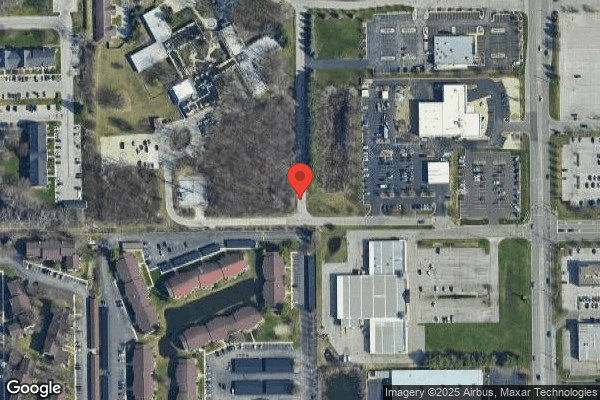
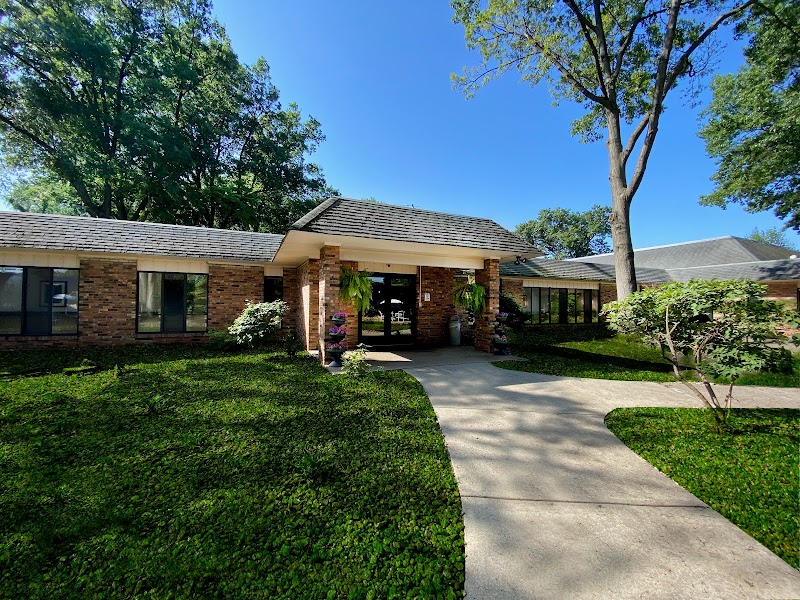
609 W TANGLEWOOD LN, MISHAWAKA, IN 46545 (574) 277-2500
Non profit - Corporation 130 Beds BRICKYARD HEALTHCARE Data: November 2025
Trust Grade
33/100
#330 of 505 in IN
Last Inspection: May 2025

Inspected within the last 6 months. Data reflects current conditions.

Overview

Brickyard Healthcare - Fountainview Care Center has received a Trust Grade of F, indicating poor performance with significant concerns about care quality. They rank #330 out of 505 facilities in Indiana, placing them in the bottom half, and #15 out of 18 in St. Joseph County, meaning there are very few better options nearby. However, the facility's trend is improving, having reduced issues from 16 in 2024 to 9 in 2025. Staffing is a concern, with a 51% turnover rate, which is average for Indiana, and less RN coverage than 77% of state facilities, meaning residents may not receive the attentive care they need. Additionally, the facility has incurred $14,886 in fines, which is higher than 84% of Indiana facilities, pointing to possible ongoing compliance issues. Specific incidents reported include a failure to provide safe transfers for residents, leading to potential injury, and delays in carrying out physician orders, resulting in hospitalization for one resident. Overall, while there are improvements and some average care measures, families should weigh these concerns carefully when considering this facility.

Trust Score
F
33/100
In Indiana
#330/505
Bottom 35%
Safety Record
High Risk
Review needed
Inspections
Getting Better
16 → 9 violations
Staff Stability
⚠ Watch
51% turnover. Above average. Higher turnover means staff may not know residents' routines.
Penalties
✓ Good
$14,886 in fines. Lower than most Indiana facilities. Relatively clean record.
Skilled Nurses
⚠ Watch
Each resident gets only 25 minutes of Registered Nurse (RN) attention daily — below average for Indiana. Fewer RN minutes means fewer trained eyes watching for problems.
Violations
⚠ Watch
45 deficiencies on record. Higher than average. Multiple issues found across inspections.
★★☆☆☆
2.0
Overall Rating
★★☆☆☆
2.0
Staff Levels
★★★☆☆
3.0
Care Quality
★★☆☆☆
2.0
Inspection Score
Stable
2024: 16 issues
2025: 9 issues

The Good

  • Full Sprinkler Coverage · Fire safety systems throughout facility
  • No fines on record

Facility shows strength in fire safety.

The Bad

2-Star Overall Rating

Below Indiana average (3.1)

Below average - review inspection findings carefully

Staff Turnover: 51%

Near Indiana avg (46%)

Higher turnover may affect care consistency

Federal Fines: $14,886

Below median ($33,413)

Minor penalties assessed

Chain: BRICKYARD HEALTHCARE

Part of a multi-facility chain

Ask about local staffing decisions and management

The Ugly 45 deficiencies on record

3 actual harm
May 2025 9 deficiencies
CONCERN (D)

Potential for Harm - no one hurt, but risky conditions existed

Notification of Changes (Tag F0580)

Could have caused harm · This affected 1 resident

Based on interview, observation and record review, the facility failed to notify the Physician of a resident's new pain for 1 of 1 residents reviewed for pain. (Resident 49) Finding includes: During a...

Read full inspector narrative →
Based on interview, observation and record review, the facility failed to notify the Physician of a resident's new pain for 1 of 1 residents reviewed for pain. (Resident 49) Finding includes: During an interview on 5/19/2025 at 9:30 A.M., Resident 49 indicated his Foley catheter (indwelling urinary catheter) was causing him pain and he rated the pain as a 7 out of 10, with 0 being no pain and 10 being the worst pain. He pulled his brief down and exposed his catheter. The leg strap of the catheter was stuck to the tip of Resident 49's penis with a dime size amount of blood noted on the catheter strap. During an observation and interview,on 5/19/2025 at 9:34 A.M., the Unit Manager (UM) put on gloves and assessed Resident 49's Foley catheter. Resident 49 again reported his pain as a 7 out of 10. The UM put the leg strap onto the resident's leg and repositioned the Foley catheter tubing. The UM indicated Resident 49 had scheduled pain medications ordered, but did not have any pain medication ordered for breakthrough pain. The UM indicated she had requested an as needed (PRN) pain medication to be added to Resident 49's orders, but the Hospice provider had not yet ordered a PRN medication. During an interview on 5/19/2025 at 11:05 A.M., Resident 49 indicated his Foley catheter was still hurting and rated his pain as an 8 out 10. Resident 49 indicated he had not received any pain medication since his morning medication pass. Resident 49's record review was completed on 5/21/2025 at 9:26 A.M. Diagnoses included, but were not limited to: neurogenic bladder, schizophrenia, anxiety disorder, dysphagia, and major depressive disorder. A Quarterly Minimum Data Set (MDS) assessment indicated Resident 49 had moderate cognitive impairment and was able to understand others and make himself understood. A current Physician's order indicated Resident 49 received Hospice services. Resident 49's record lacked the documentation that the Physician had been contacted on 5/19/2025 regarding the new pain Resident 49 was having related to his Foley catheter. A review of Resident 49's Hospice binder was completed on 5/21/2025 at 9:40 A.M. Resident 49 had been seen by the Hospice Nurse (HN) on 5/20/2025, but the HN had not addressed the penile pain caused by the indwelling catheter. During an observation of catheter care on 5/21/2025 at 10:00 A.M., Resident 49 indicated his Foley catheter was still causing him pain. CNA 3 indicated the nurse was aware of the resident's pain and continued with the Foley catheter care without asking Resident 49 if she could continue the catheter care. During an interview with the Clinical Educator (CE) on 5/21/2025 at 10:05 A.M., the CE indicated Resident 49's pain had been reported to a nurse, but not the nurse that was taking care of Resident 49. She indicated Resident 49's pain had not been assessed and the Foley catheter care should not have been continued until he had been assessed by his nurse. During an interview with the UM on 5/21/2025 at 11:03 A.M., the UM indicated Resident 49 had not complained of Foley catheter pain in the past and she had called Hospice after Resident 49's catheter care had been completed on, 5/21/2025, to report his pain and requested a nurse visit for that day. The UM indicated Resident 49's pain had not been assessed on 5/21/2025, after the resident had reported his pain to the nursing staff. The UM indicated she had called Hospice on 5/19/2025 but had forgotten to add a note to the record. The UM indicated she had added a late entry note for 5/19/2025 on 5/22/2025. The note indicated Hospice had been notified of the new pain. The UM was unable to provide the name of Hospice employee she had spoken with at the Hospice provider's office on 5/19/2025. The UM indicated the Hospice provider had not given any new orders and had not been to the facility to see Resident 49 since the new pain (pain with the Foley catheter) had started and was reported to them on 5/19/2025. The UM indicated she had had conversations with the Hospice nurses about adding a PRN pain medication in the past, but no PRN pain medication order had been provided by Hospice. During an interview with a Business Office Associate (BOA) of the Hospice company on 5/21/2025 at 12:50 P.M., the BOA indicated she had reviewed the notes and call logs related to Resident 49 and could not find an entry or a call logged from the facility on 5/19/2025. The BOA indicated Resident 49 had been seen by the Hospice Nurse on 5/22/2025 in the facility. During an interview with a Hospice Nurse (HN), on 5/21/2025 at 2:00 P.M., she indicated Resident 49 had been seen by Hospice on 5/20/2024 and the facility had not reported any new or worsening pain related to Resident 49's Foley catheter or requested any PRN pain medication. The HN indicated Resident 49 had not complained of pain with the Foley catheter in the past to her. The HN reported the new pain to the Hospice Physician and obtained an order for a PRN pain medication for Resident 49. During an interview with the Hospice Director of Operations (HDO) on 5/21/2025 at 2:04 P.M., the HDO indicated she had reviewed the call logs to the Hospice office and there was no logged calls from the facility on 5/19/2025 nor did she locate any notes that the facility had called about Resident 49's complaint of penile pain due to his catheter prior to 5/21/2025. A HN had visited Resident 49 on 5/20/2025 and staff had not reported any pain related to the Foley catheter to the HN. The HDO indicated Hospice had not received any requests from staff to include a PRN pain medication. The HDO indicated the facility should have reported the new pain on 5/19/2025 and before they provided catheter care on 5/21/2025 so Resident 49 did not have any unnecessary pain. On 5/21/2025 at 1:03 P.M., the DON provided an undated policy titled, Pain Management, and identified it as the policy currently used by the facility. The policy indicated, .The facility must ensure that pain management is provided to residents who require such services . Recognition: 1. In order to help a resident attain or maintain his/her highest practicable level of physical, mental and psychosocial well-being and to prevent or manage pain, the facility will: . b. Evaluate the resident for pain and the cause upon admission, during ongoing scheduled assessments, and when a significant change in condition or status occurs (e.g. after a fall, change in behavior or mental status, new pain or an exacerbation of pain.) .2 . j. Facility staff will notify the practitioner, if the resident's pain is not controlled by the treatment regimen 3.1-5 (a)(2)
CONCERN (D)

Potential for Harm - no one hurt, but risky conditions existed

Deficiency F0582 (Tag F0582)

Could have caused harm · This affected 1 resident

Based on interview and record review, the facility failed to ensure a Skilled Nursing Facility-Advanced Beneficiary Notice Form (SNF-ABN) was provided timely following the end of Medicare skilled serv...

Read full inspector narrative →
Based on interview and record review, the facility failed to ensure a Skilled Nursing Facility-Advanced Beneficiary Notice Form (SNF-ABN) was provided timely following the end of Medicare skilled services for 2 of 3 residents who were discharged from Medicare services. (Resident 64 & 178) Finding includes: 1. During a review of Resident 64's SNF-ABN form, on 5/22/2025 at 2:05 P.M., the SNF-ABN document indicated Resident 64's Medicare coverage had ended on 4/1/2025. An undated Notice of Medicare Non-Coverage (NOMNC) form had been provided to Resident 64 and she had signed the document, but there was no date indicating when the resident had been informed. During an interview on 5/22/2025 at 1:34 P.M., the Business Office Manager (BOM) indicated she was unaware Resident 64 needed to have been given the SNF-ABN and NOMNC documents to sign and Resident 64 had not been given the SNF-ABN or NOMNC documents 48 hours before her had therapy ended. 2. During a review of SNF-ABN form, on 5/22/2025 at 2:07 P.M., the SNF-ABN document indicated Resident 178's Medicare coverage had ended on 1/28/2025. An undated NOMNC form had been provided to Resident 178 and he had signed the document, but there was not a date to indicate when the resident had been informed. During an interview on 5/22/2025 at 1:35 P.M., the Business Office Manager indicated she was unaware Resident 178 needed to have been given the SNF-ABN and NOMNC documents to sign and Resident 178 had not been given the SNF-ABN or NOMNC document 48 hours before his therapy ended. On 5/22/2025 at 2:54 P.M., the Director of Nursing provided an undated policy title, Advance Beneficiary Notices, and identified it as the policy currently used by the facility. The policy indicated, .7. To ensure that the resident, or representative, has enough time to make a decision whether or not to receive the services in question and assume financial responsibility, the notice shall be provided at least two days before the end of a Medicare covered Part A stay . 3.1-4(f)(2)
CONCERN (D)

Potential for Harm - no one hurt, but risky conditions existed

Comprehensive Care Plan (Tag F0656)

Could have caused harm · This affected 1 resident

Based on record review and interview, the facility failed to ensure an individualized plan of care was created for a resident with an Activity of Daily Living (ADL) self-care performance deficit for 1...

Read full inspector narrative →
Based on record review and interview, the facility failed to ensure an individualized plan of care was created for a resident with an Activity of Daily Living (ADL) self-care performance deficit for 1 of 21 residents reviewed for care plans. (Resident 65) Finding includes: The clinical record of Resident 65 was reviewed on 5/20/2025 at 2:50 P.M. The residents' diagnoses included but were not limited to: local infection of skin and subcutaneous tissue, falls, anxiety, depression, hypertension, bipolar disorder, sepsis and dysphagia. An admission Minimum Data Set (MDS) assessment, dated 4/9/2025, indicated the resident was severely cognitively impaired and required substantial assistance with upper and lower body dressing, putting on footwear, personal hygiene, toileting, showering and bathing. A current Care Plan, initiated 4/23/2025, indicated Resident 65 had an ADL self-care performance deficit and required assistance by one staff but failed to document the type and frequency of bathing preferred by the resident. During an interview, on 5/22/2025 at 2:08 P.M., the Director of Nursing (DON) indicated resident care plans were completed with an interdisciplinary approach. Social Services completed their portion of the care plan and other disciplines completed their care plans. The DON indicated an aide would have known Resident 65 was an assist of one for bathing or showering but the resident preference on the type or frequency of bathing and the care plan should have been included in the care plan. On 5/22/2025 at 2:30 P.M., the DON provided a policy titled, Comprehensive Care Plans, dated 2025 and indicated the policy was the one currently used by the facility. The policy indicated .develop and implement a comprehensive person-centered care plan for each resident .that includes measurable objectives and timeframes to meet a resident's medical, nursing, and .ALL services that are identified in the resident's comprehensive assessment . 3.1-35(a)
CONCERN (D)

Potential for Harm - no one hurt, but risky conditions existed

Deficiency F0657 (Tag F0657)

Could have caused harm · This affected 1 resident

Based on interview, observation and record review, the facility failed to update a care plan with interventions put into place after a fall for 1 of 1 resident reviewed for falls. (Resident 2) Finding...

Read full inspector narrative →
Based on interview, observation and record review, the facility failed to update a care plan with interventions put into place after a fall for 1 of 1 resident reviewed for falls. (Resident 2) Finding includes: A record review was completed on 5/22/2025 at 11:24 A.M. for Resident 2. Diagnoses included, but were not limited to: acute and chronic respiratory failure with hypoxia and depression. A Quarterly Minimum Data Set (MDS) assessment, dated 4/29/2025, indicated Resident 2's cognition was severely impaired, was dependent for toileting, bed mobility and transfer needs and had had no falls since admission. On 5/22/2025 at 1:52 P.M. a current Care Plan, initiated on 1/8/2025, indicated Resident 2 was at risk for falls. Interventions included: call light within reach and anticipate and meet the resident's needs. A Nursing Progress Noted indicated on 4/14/2025 at 8:20 A.M., Resident 2 fell out of bed and sustained an injury to her head. The post-fall evaluation, completed on 4/14/2025, indicated a fall mat was placed by the bed, the resident was placed in a low bed and the interventions would be placed on the Care Plan. However, the Care Plan was not updated to reflect the interventions until 5/20/2025 when the fall mat was added. The low bed was not added to the Care Plan. During an interview on 5/22/2025 at 2:29 P.M., the DON indicated the care plan should have been updated at the time of the fall with the new interventions. On 5/22/2025 at 2:29 P.M. a current policy, dated August 2024 and titled, Care Plan Revisions Upon Status Change was provided by the DON. The policy indicated, .The care plan will be updated with the new or modified intervention 3.1-35(e)
CONCERN (D)

Potential for Harm - no one hurt, but risky conditions existed

Deficiency F0692 (Tag F0692)

Could have caused harm · This affected 1 resident

Based on observation, record review and interview, the facility failed to follow a Physician's order related to providing nutritional supplements for 1 of 1 resident who was reviewed for nutrition. (R...

Read full inspector narrative →
Based on observation, record review and interview, the facility failed to follow a Physician's order related to providing nutritional supplements for 1 of 1 resident who was reviewed for nutrition. (Resident 53) Finding includes: During meal observations, Resident 53 did not have a health shake on his lunch meal tray on the following dates: -5/20/2025 -5/21/2025 -5/22/2025 Resident 53's record review was completed 5/22/2025 at 2:15 P.M. Diagnoses included, but were not limited to: dysphagia, rhabdomyolysis, protein-calorie malnutrition, starvation and sacral pressure ulcer. A current Physician's order, dated, 2/28/2025, indicated Resident 53 was to receive a health shake at lunch and dinner. However, a review of the May 2025 Medication Administration Record (MAR) indicated Resident 53 was documented as having received his lunch health shake on 5/20, 5/21 and 5/22/2025 even though there was no health shake served to Resident 53. During an interview on 5/23/2025 at 1:30 P.M., LPN 4 indicated Resident 53 had drank all of his lunch health shake on 5/23/2025. LPN 4 indicated the kitchen was responsible for providing the health shake and the nurse was responsible for documenting the intake. During an interview on 5/23/2025 at 1:37 P.M., Dietary Aide (DA) 5 indicated Resident 53's meal tickets showed a standing order for him to receive a health shake on his lunch tray. DA 5 indicated it was the kitchen's responsibility to provide the health shake, but if the health shake was missing, the nurse should should have contacted the kitchen. On 4/23/2025 at 2:24 P.M., the Director of Nursing (DON) provided an undated policy titled, Nutritional and Dietary Supplements and identified it as the policy currently used by the facility. The policy indicated, . 2. The facility will provide nutritional and dietary supplements to each resident, consistent with the resident's assessed needs 3.1-46 (a)(2)
CONCERN (D)

Potential for Harm - no one hurt, but risky conditions existed

Deficiency F0697 (Tag F0697)

Could have caused harm · This affected 1 resident

Based on interview, observation and record review, the facility failed to notify the address a resident's pain timely and effectively for 1 of 1 residents reviewed for pain. (Resident 49) Finding incl...

Read full inspector narrative →
Based on interview, observation and record review, the facility failed to notify the address a resident's pain timely and effectively for 1 of 1 residents reviewed for pain. (Resident 49) Finding includes: During an interview on 5/19/2025 at 9:30 A.M., Resident 49 indicated his Foley catheter (indwelling urinary catheter) was causing him pain and he rated the pain as a 7 out of 10, with 0 being no pain and 10 being the worst pain. He pulled his brief down and exposed his catheter. The leg strap of the catheter was stuck to the tip of Resident 49's penis with a dime size amount of blood noted on the catheter strap. During an observation and interview,on 5/19/2025 at 9:34 A.M., the Unit Manager (UM) put on gloves and assessed Resident 49's Foley catheter. Resident 49 again reported his pain as a 7 out of 10. The UM put the leg strap onto the resident's leg and repositioned the Foley catheter tubing. The UM indicated Resident 49 had scheduled pain medications ordered, but did not have any pain medication ordered for breakthrough pain. The UM indicated she had requested an as needed (PRN) pain medication to be added to Resident 49's orders, but the Hospice provider had not yet ordered a PRN medication. During an interview on 5/19/2025 at 11:05 A.M., Resident 49 indicated his Foley catheter was still hurting and rated his pain as an 8 out 10. Resident 49 indicated he had not received any pain medication since his morning medication pass. Resident 49's record review was completed on 5/21/2025 at 9:26 A.M. Diagnoses included, but were not limited to: neurogenic bladder, schizophrenia, anxiety disorder, dysphagia, and major depressive disorder. A Quarterly Minimum Data Set (MDS) assessment indicated Resident 49 had moderate cognitive impairment and was able to understand others and make himself understood. A current Physician's order indicated Resident 49 received Hospice services. Resident 49's record lacked the documentation that the Physician had been contacted on 5/19/2025 regarding the new pain Resident 49 was having related to his Foley catheter. A review of Resident 49's Hospice binder was completed on 5/21/2025 at 9:40 A.M. Resident 49 had been seen by the Hospice Nurse (HN) on 5/20/2025, but the HN had not addressed the penile pain caused by the indwelling catheter. During an observation of catheter care on 5/21/2025 at 10:00 A.M., Resident 49 indicated his Foley catheter was still causing him pain. CNA 3 indicated the nurse was aware of the resident's pain and continued with the Foley catheter care without asking Resident 49 if she could continue the catheter care. During an interview with the Clinical Educator (CE) on 5/21/2025 at 10:05 A.M., the CE indicated Resident 49's pain had been reported to a nurse, but not the nurse that was taking care of Resident 49. She indicated Resident 49's pain had not been assessed and the Foley catheter care should not have been continued until he had been assessed by his nurse. During an interview with the UM on 5/21/2025 at 11:03 A.M., the UM indicated Resident 49 had not complained of Foley catheter pain in the past and she had called Hospice after Resident 49's catheter care had been completed on, 5/21/2025, to report his pain and requested a nurse visit for that day. The UM indicated Resident 49's pain had not been assessed on 5/21/2025, after the resident had reported his pain to the nursing staff. The UM indicated she had called Hospice on 5/19/2025 but had forgotten to add a note to the record. The UM indicated she had added a late entry note for 5/19/2025 on 5/22/2025. The note indicated Hospice had been notified of the new pain. The UM was unable to provide the name of Hospice employee she had spoken with at the Hospice provider's office on 5/19/2025. The UM indicated the Hospice provider had not given any new orders and had not been to the facility to see Resident 49 since the new pain (pain with the Foley catheter) had started and was reported to them on 5/19/2025. The UM indicated she had had conversations with the Hospice nurses about adding a PRN pain medication in the past, but no PRN pain medication order had been provided by Hospice. During an interview with a Business Office Associate (BOA) of the Hospice company on 5/21/2025 at 12:50 P.M., the BOA indicated she had reviewed the notes and call logs related to Resident 49 and could not find an entry or a call logged from the facility on 5/19/2025. The BOA indicated Resident 49 had been seen by the Hospice Nurse on 5/22/2025 in the facility. During an interview with a Hospice Nurse (HN), on 5/21/2025 at 2:00 P.M., she indicated Resident 49 had been seen by Hospice on 5/20/2024 and the facility had not reported any new or worsening pain related to Resident 49's Foley catheter or requested any PRN pain medication. The HN indicated Resident 49 had not complained of pain with the Foley catheter in the past to her. The HN reported the new pain to the Hospice Physician and obtained an order for a PRN pain medication for Resident 49. During an interview with the Hospice Director of Operations (HDO) on 5/21/2025 at 2:04 P.M., the HDO indicated she had reviewed the call logs to the Hospice office and there was no logged calls from the facility on 5/19/2025 nor did she locate any notes that the facility had called about Resident 49's complaint of penile pain due to his catheter prior to 5/21/2025. A HN had visited Resident 49 on 5/20/2025 and staff had not reported any pain related to the Foley catheter to the HN. The HDO indicated Hospice had not received any requests from staff to include a PRN pain medication. The HDO indicated the facility should have reported the new pain on 5/19/2025 and before they provided catheter care on 5/21/2025 so Resident 49 did not have any unnecessary pain. On 5/21/2025 at 1:03 P.M., the DON provided an undated policy titled, Pain Management, and identified it as the policy currently used by the facility. The policy indicated, .The facility must ensure that pain management is provided to residents who require such services . Recognition: 1. In order to help a resident attain or maintain his/her highest practicable level of physical, mental and psychosocial well-being and to prevent or manage pain, the facility will: . b. Evaluate the resident for pain and the cause upon admission, during ongoing scheduled assessments, and when a significant change in condition or status occurs (e.g. after a fall, change in behavior or mental status, new pain or an exacerbation of pain.) .2 . j. Facility staff will notify the practitioner, if the resident's pain is not controlled by the treatment regimen 3.1-37(a)
CONCERN (D)

Potential for Harm - no one hurt, but risky conditions existed

Infection Control (Tag F0880)

Could have caused harm · This affected 1 resident

Based on observation, record review and interview, the facility failed to wear personal protective equipment (PPE) while providing Foley catheter (indwelling urinary catheter) care for 1 of 4 resident...

Read full inspector narrative →
Based on observation, record review and interview, the facility failed to wear personal protective equipment (PPE) while providing Foley catheter (indwelling urinary catheter) care for 1 of 4 residents reviewed for Enhanced Barrier Precautions (EBP). (Resident 49) Finding includes: During an observation on 5/19/2025 at 9:34 A.M., the Unit Manager (UM) put on gloves, but did not put on a gown and assessed Resident 49's urinary catheter. The UM put the leg strap onto the resident's leg and repositioned the catheter. There was an Enhanced Barrier Precaution sign hanging on Resident 49's door and a three drawer cart with PPE supplies noted outside of the resident's room. Resident 49's record review was completed on 5/21/2025 at 9:26 A.M. Diagnoses included, but were not limited to: neurogenic bladder, schizophrenia, anxiety disorder, dysphagia, and major depressive disorder. A current Physician's order, dated, 5/23/2025, indicated Resident 49 was in EBP related to an indwelling catheter and gown and gloves should be worn for high contact resident care. During an interview with the UM on 5/21/2025 at 11:03 A.M., the UM indicated she had only worn gloves while repositioning the resident's Foley catheter and should have worn a gown as well. On 5/27/2025 at 10:30 A.M., the Director of Nursing (DON) provided an undated policy, titled, Enhanced Barrier Precautions and identified it as the policy currently used by the facility. The policy indicated, .b. an order for EBP will be obtained for residents with any of the following: Wounds and/or indwelling medical devices (central lines, urinary catheters, feeding tubes, tracheostomy/ventilator tubes) even if the resident is not known to be infected or colonized with a MDRO . 4. High-contact resident care activities include: . g. Device care or use: central lines, urinary catheters 3.1-18 (a)
CONCERN (E)

Potential for Harm - no one hurt, but risky conditions existed

Deficiency F0628 (Tag F0628)

Could have caused harm · This affected multiple residents

Based on interview and record review, the facility failed to notify the Long Term Care (LTC) Ombudsman in a timely manner of resident discharges for 3 of 5 residents reviewed for discharges. (Resident...

Read full inspector narrative →
Based on interview and record review, the facility failed to notify the Long Term Care (LTC) Ombudsman in a timely manner of resident discharges for 3 of 5 residents reviewed for discharges. (Residents 32, 75 and 76) Findings include: 1. On 4/17/2025 Resident 75 was discharged to home after completing therapy and meeting goals. On 5/23/2025 at 1:42 P.M. a list of LTC Ombudsman discharge notifications for February, March and April 2025 were requested from the ED. During an interview on 5/27/2025 at 9:11 A.M. the ED indicated she received an email from the LTC Ombudsman with the discharges for February and March 2025 but not April. The email indicated the LTC Ombudsman had not received any documentation of discharges for April 2025. The ED indicated April 2025 discharges should have been sent on May 1, 2025 but had not been sent. 2. During an interview on 5/19/2025 at 10:35 A.M., Resident 32 indicated he had been sent to the hospital in March. Resident 32's record review was completed on 5/23/2025 at 1:25 P.M. Diagnoses included, but were not limited to: chronic obstructive pulmonary disease, emphysema, major depressive disorder and generalized anxiety disorder. A Nursing Note dated, 3/8/2025 at 2:32 P.M., indicated Resident 32 had been admitted to the hospital for pneumonia. A review of the March 2025 Ombudsmen notification list was completed on 5/27/2025 at 9:45 A.M. Resident 32's name was not on the list. During an interview with Executive Director (ED) on 5/27/2025 at 8:45 A.M., the ED indicated Resident 32's name was not on the Ombudsmen notification list for March 2025. 3. Resident 76's record review was completed on 5/23/2025 at 12:57 P.M. Diagnoses included, but were not limited to: dementia, dysphagia, fracture of right femur, cellulitius and rhabdomyolysis. A Change in Condition note, dated, 2/21/2025 at 2:41 A.M., indicated Resident 76 had been sent to the hospital. Resident 76 was discharged from the facility on 2/22/2025 and was not readmitted . A review of the February 2025 Ombudsmen notification list was completed on 5/27/2025 at 9:46 A.M. Resident 76's name was not on the list. During an interview with Executive Director (ED) on 5/27/2025 at 8:46 A.M., the ED indicated Resident 76's name was not on the Ombudsmen notification list for February 2025. On 5/27/2025 at 9:00 A.M., the ED provided an undated policy title, Transfer and Discharge and identified it as the policy currently used by the facility. The policy indicated, . 5. The facility will maintain evidence that the notice was sent to the Ombudsman 3.1-12 (a)(6)(iv)
CONCERN (E)

Potential for Harm - no one hurt, but risky conditions existed

Safe Environment (Tag F0921)

Could have caused harm · This affected multiple residents

**NOTE- TERMS IN BRACKETS HAVE BEEN EDITED TO PROTECT CONFIDENTIALITY** Based on observation, record review and interview, the facility failed to provide a safe and sanitary environment for 7 of 19 ro...

Read full inspector narrative →
**NOTE- TERMS IN BRACKETS HAVE BEEN EDITED TO PROTECT CONFIDENTIALITY** Based on observation, record review and interview, the facility failed to provide a safe and sanitary environment for 7 of 19 rooms reviewed for the environment. ( room [ROOM NUMBER], 112, 114, 115, 117, 118 and 119) Findings include: On [DATE], beginning at 10:30 A.M., the following was observed on the 100 Unit: - Room105 had multiple gouges in the wall near the baseboard behind the bed of the resident nearest to the window. - room [ROOM NUMBER] had 4 to 5 gouges on the north wall, basketball sized. The window blinds had 3 horizontal slats that were broken and partially missing. - room [ROOM NUMBER] had a broken closet door. - room [ROOM NUMBER] had a broken closet door. - room [ROOM NUMBER] had a broken closet door and the window blinds were non-functional. - room [ROOM NUMBER] had a broken closet door. - room [ROOM NUMBER] had a broken closet door. During an interview, on [DATE] at 2:28 P.M., the Area Maintenance Director indicated 24 rooms a month were toured to identify problems. The Area Maintenance Director indicated the facility utilized a TELS (technilogial system to streamline building maintence) system to submit work orders and all staff should have been submitting requests (regarding the broken and damaged items above). The Area Maintenance Director indicated the damaged and disrepaired items needed to be repaired and remedied. On [DATE] at 10:08 A.M., the Director of Nursing (DON) provided a policy titled, Facility Maintenance Guidelines and Procedure, undated and indicated the policy was the one currently used by the facility. The policy indicated .provide a clean, comfortable environment .Maintenance will attempt to repair items as soon as possible . 3.1-19 (e)
Jul 2024 14 deficiencies
CONCERN (D)

Potential for Harm - no one hurt, but risky conditions existed

Deficiency F0625 (Tag F0625)

Could have caused harm · This affected 1 resident

Based on interview and record review, the facility failed to ensure residents were made aware of the facility's bed hold policy upon transfer to a hospital for 2 of 2 residents reviewed for hospitaliz...

Read full inspector narrative →
Based on interview and record review, the facility failed to ensure residents were made aware of the facility's bed hold policy upon transfer to a hospital for 2 of 2 residents reviewed for hospitalizations. (Residents 28 and 64) Findings include: 1. A record review for Resident 28 was conducted on 7/9/2024 at 3:04 P.M., Diagnoses included, but were not limited to, type 2 diabetes mellitus and anxiety disorder. An Annual Minimum Data Set (MDS) assessment, dated 5/8/2024, indicated Resident 28 had moderate cognitive impairment. Nursing Progress Notes, dated 4/22/2024, indicated Resident 28 was admitted to the hospital due to a methicillin resistant staph aureus infection. The record indicated her family had been notified but did not indicate the bed hold policy was explained and/or a copy given to the resident. 2. A record review for Resident 64 was conducted on 7/11/2024 at 9:32 A.M. Diagnoses included, but were no limited to, acquired absence or right and left leg below the knee and type 2 diabetes mellitus. An admission Minimum Data Set assessment, dated 5/9/2024, indicated Resident 64's cognition was intact. A Nursing Progress Note, dated 5/16/2024, indicated the resident was transferred to the hospital for congestive heart failure. The family was notified of the resident's transfer but the record did not indicate the resident or the resident's family was made aware of, or given a copy of the facility's bed hold policy. During an interview on 7/10/2024 at 1:42 P.M., LPN 11 indicated copies of the Advance Directive, face sheet, current order summary, bed hold policy, and any pertinent labs or x-rays were given to EMS personnel when residents were transferred to the emergency room. A copy of the bed hold policy given to the resident should have been placed in the medical record. During an interview on 711/2024 at 1:40 P.M., the ED (Executive Director) indicated there was no documentation of bed hold policies being given to Residents 28 and 64 when they were transferred to the hospital. On 7/11/2024 at 1:50 P.M., the Regional Nurse 14 provided a current, undated, policy titled, Transfer and Discharge (including AMA). The policy indicated, .Provide a notice of transfer and the facility's bed hold policy to the resident and representative as indicated 3.1-12(a)(25)(26)
CONCERN (D)

Potential for Harm - no one hurt, but risky conditions existed

ADL Care (Tag F0677)

Could have caused harm · This affected 1 resident

Based on observation, record review and interview, the facility failed to provide nail care for dependent residents for 3 of 5 residents who were reviewed for activities of daily living needs. (Reside...

Read full inspector narrative →
Based on observation, record review and interview, the facility failed to provide nail care for dependent residents for 3 of 5 residents who were reviewed for activities of daily living needs. (Residents 35, 5, & 28) Findings include: 1. During an observation on 7/8/2024 at 10:06 A.M., Resident 35's right hand was contracted and his fingernails were long and curled downward on both hands. During an observation on 7/9/2024 at 11:30 A.M., Resident 35's right hand was contracted and his nails were long and curled downward on both hands. During an observation on 7/11/2024 at 10:04 A.M., Resident 35's right hand was contracted and his nails were long and curled downward on both hands. Resident 35's record review was completed on 7/11/2024 at 10:40 A.M. Diagnoses included, but were not limited to, conversion disorder with seizures and convulsions, diabetes insipidus, bipolar disorder, dysphagia, anxiety, and dementia. A Quarterly Minimum Data Set (MDS) assessment, dated, 5/8/2024, indicated Resident 35 was severely cognitively impaired and was dependent on staff for bathing and personal hygiene needs. A June 2024 TAR (Treatment Administration Record) indicated Resident 35 was given a full bed bath on: 6/13/2024, 6/17/2024, 6/20/2024, 6/21/2024, 6/23/2024, and 6/24/2024. Resident 35 received a shower on 6/27/2024 and 6/29/2024. He refused a shower on 6/12/2024, 6/16/2024, 6/19/224, 6/22/2024, 6/26/2024, and 6/29/2024. A July 2025 TAR indicated Resident 35 received a partial bed bath every day from 7/1/2024 through 7/12/2024 and refused a shower on 7/3/2024 and 7/5/2024. Resident 35's record lacked the documentation to indicate he was offered nail care after refusing baths or showers. Resident 35 did not have a current Care Plan to address the rejection of care. A Care Plan, dated, 2/10/2020, indicated the resident had a physical functioning deficit related to self care impairment. He had a goal of maintaining his current level of physical functioning. Interventions included, but were not limited to, personal hygiene assistance and nail care. During an interview on 7/10/2024 at 1:09 P.M., CNA 2 indicated nail care was included in shower and bath care. If a resident refused care, care was to be attempted at a later time. If the resident still refused care, the nurse was notified and a third attempt was made. Refusals were to be documented in the resident's Electronic Medical Record (EMR). During an interview on 7/11/2024 at 10:42 A.M, the Unit Manager indicated Resident 35's fingernails were too long on both hands but she was not able to provide any documentation indicating why nail care had not been provided during his baths or showers. 2. During an observation on 7/9/2024 at 8:59 A.M., Resident 5's fingernails were long with dark yellowish/brown matter under them and his toenails were very long. During a record review conducted on 7/9/2024 at 1:48 P.M., a Quarterly Minimum Data Set assessment, dated 5/3/2024, indicated Resident 5's cognition was moderately impaired. No behavior issues were noted. He was dependent for bathing, transfers, and toileting. He required supervision or touch assist for personal hygiene. Diagnoses included, but were not limited to, chronic obstructive pulmonary disease and type 2 diabetes mellitus. A record review for Resident 5 was completed on 7/9/2024 at 1:48 P.M. Diagnosis, included but were not limited to, chronic obstructive pulmonary disease and type 2 diabetes mellitus. A Quarterly Minimum data Set (MDS) assessment, completed on 5/3/2024, indicated Resident 5's cognition was moderately impaired, he had not exhibited any behavioral issues, was dependent on staff assistance for bathing, transferring and toileting needs and required supervision and/or touch assistance from staff for personal hygiene needs. The current care plan and facility documentation regarding activities of daily living lacked any reference for nail care. During an observation, on 7/10/2024 at 10:58 A.M., Resident 5's toenails had been trimmed but his fingernails remained long and had dark yellowish/brown matter under them. During an observation and interview, on 7/10/2024 at 2:28 P.M., QMA 10 indicated that Resident 5's fingernails should have been clean and trimmed. 3. During an observation on 7/8/2024 at 11:40 A.M., Resident 28's fingernails were very long and had dark yellow matter under them. The record for Resident 28 was reviewed on 7/9/2024 at 3:04 P.M. Diagnoses, included but were not limited to, generalized osteoarthritis, firbromyalgia and type 2 diabetes mellitus. An Annual Minimum Data Set (MDS) assessment, completed on 5/8/2024, indicated Resident 28 had moderate cognitive impairment, had not exhibited any behavioral issues and required substantial to maximal assistance from staff for toileting, bathing and personal hygiene needs. The current care plan and facility documentation regarding activities of daily living needs lacked any reference for nail care. During an interview, on 7/10/2024 at 1:30 P.M., CNA 16 indicated a shower should include hair washing and nail care. If the resident was diabetic, she would soak their fingernails and clean under them with an orange stick. If their fingernails or toenails need to be trimmed she would notify the nurse. She indicated shaving was done if the resident agreed and/or requested it. If they did not want to be shaved, she would document it as a refusal on the shower sheet and in the chart and report it to the nurse. During an observation and interview, on 7/10/2024 at 2:28 P.M., QMA 10 indicated Resident 28's fingernails should have been cleaned and trimmed. During an interview, on 7/10/2024 at 2:35 P.M., the Unit Manager indicated fingernails should be cleaned and trimmed. Nurses provided nail care for diabetics. On 7/11/2024 at 1:36 P.M. the ED provided a current, undated, policy titled, Activities of Daily Living (ADLs). The policy indicated, .Care and services will be provided for the following activities of daily living: 1. Bathing, dressing, grooming, and oral care 3.1-38(a)(3)
CONCERN (D)

Potential for Harm - no one hurt, but risky conditions existed

Incontinence Care (Tag F0690)

Could have caused harm · This affected 1 resident

Based on observation, interview and record review the facility failed to ensure a catheter was anchored to prevent excessive tension on the catheter for 1 of 1 resident reviewed for urinary catheters....

Read full inspector narrative →
Based on observation, interview and record review the facility failed to ensure a catheter was anchored to prevent excessive tension on the catheter for 1 of 1 resident reviewed for urinary catheters. (Resident 128) Finding includes: During an interview, on 7/9/2024 at 9:58 A.M., Resident 128 indicated he had asked multiple times for several days on all three shifts for a catheter strap. He had an issue with blood in his catheter and was fearful of it getting pulled out. A record review was completed on 7/9/2024 at 3:02 P.M., for Resident 128. Diagnosis included but not limited to: paraplegia, osteomyelitis of vertebra in the sacral and sacrococcygeal region, residual foreign body in soft tissue, pressure ulcer of unspecified site, unspecified stage, and unstageable pressure ulcer of sacral region. An admission Minimum Data Set (MDS) assessment, dated 6/28/2024, indicated the resident had no cognitive impairment. During an observation of Resident 128's urinary catheter, on 7/10/2024 at 10:23 A.M., 7/11/2024 at 1:25 P.M., there was no catheter strap in place. A current Care Plan, dated 7/3/2024, indicated the resident had a foley catheter related to a stage 4 sacral wound. Interventions, included but were not limited to, anchor catheter to avoid excessive tugging on the catheter during transfers and delivery of care. During an interview, on 7/11/2024 at 1:27 P.M., LPN 3 indicated, to avoid excessive tugging on a urinary catheter during care and transfers, staff should make sure the urinary collection bag and tubing was unhooked from the bed and chair and fastened down with a catheter strap. If the tubing was not secured, the catheter could get pulled out and cause trauma to the urethra. LPN 3 indicated the physician's orders batched for the care of urinary catheters did not have a specific order regarding providing catheter straps, but it would help Resident 129 if a catheter strap was provided and applied. On 7/11/2024 at 1:01 P.M., the Regional Nurse Consultant provided a policy titled, Indwelling Catheter Use and Removal, undated, and indicated the policy was the on currently used by the facility. The policy indicated .7. Additional care practices include: d. Keeping the catheter anchored to prevent excessive tension on the catheter, which can lead to urethral tears or dislodgement of the catheter . 3.1-(2)
CONCERN (D)

Potential for Harm - no one hurt, but risky conditions existed

Tube Feeding (Tag F0693)

Could have caused harm · This affected 1 resident

Based on observation, record review and interviews, the facility failed to ensure physician orders regarding tube feeding orders were followed for 1 of 1 residents with tube feeding. (Resident 53) Fin...

Read full inspector narrative →
Based on observation, record review and interviews, the facility failed to ensure physician orders regarding tube feeding orders were followed for 1 of 1 residents with tube feeding. (Resident 53) Finding includes: During an observation, on 7/11/2024 at 10:45 A.M., Resident 35 had a container of Jevity 1.5 (Brand of food used in feeding tubes) with 350 mL of formula remaining in the bag. The bag was still connected to a feeding tube pump that was turned off. Resident 35's record review was completed on 7/11/2024 at 11:40 A.M. Diagnoses included, but were not limited to, conversion disorder with seizures and convulsions, diabetes insipidus, bipolar disorder, dysphagia, anxiety, and dementia. A Quarterly Minimum Data Set (MDS) assessment, dated 5/8/2024, indicated Resident 35 was severely cognitively impaired and had a feeding tube. A current Physicians Order indicated the resident was to receive 1050 mL (milliliters) of Jevity 1.5 daily. A July 2024 Medication Administration Record (MAR) indicated the resident had received the full amount of Jevity 1.5 on 7/11/2024. A current Care Plan, indicated Resident 35 was dependent on tube feeding. The goals of the care plan were to have no undesirable weight changes, be free from discomfort, and be free from dehydration. Interventions included, but were not limited to, enteral formula and feedings as ordered, monitor ins and outs, and water flush. During an interview, on 7/11/2024 at 2:06 P.M., the Unit Manager indicated Resident 35 did not get all of his prescribed tube feed that day. On 7/11/2024 at 1:36 P.M., Regional Nurse 14 provided an undated policy, titled, Care and Treatment of Feeding Tubes, and identified it as the policy currently used by the facility. The policy indicated, . e. Ensuring that the administration of enteral nutrition is consistent with and follows the practitioner's orders 3.1-44(a)(2)
CONCERN (D)

Potential for Harm - no one hurt, but risky conditions existed

Deficiency F0694 (Tag F0694)

Could have caused harm · This affected 1 resident

Based on observation, record review and interviews, the facility failed to ensure physician orders regarding dressing changes were followed for 1 of 1 residents reviewed for intravenous fluids. (Resid...

Read full inspector narrative →
Based on observation, record review and interviews, the facility failed to ensure physician orders regarding dressing changes were followed for 1 of 1 residents reviewed for intravenous fluids. (Resident 128) Finding includes: During an observation and interview on 7/9/2024 at 10:14 A.M., Resident 128 indicated his peripheral inserted central catheter (PICC) line dressing had only been changed once since he was admitted . The date on the dressing was 6/29. The dressing had gauze tape applied around the edges of the dressing. A record review was completed on 7/9/2024 at 3:02 P.M., for Resident 128. Diagnosis included but not limited to, paraplegia, osteomyelitis of vertebra, sacral and sacrococcygeal, region, residual foreign body in soft tissue pressure ulcer of unspecified site, unspecified stage, pressure ulcer of sacral region, unstageable. An admission Minimum Data Set (MDS) assessment, dated 6/28/2024, indicated he had no cognitive impairment. A Physician's Order, dated 6/21/2024, indicated to the PICC line dressing was to be changed upon admission, then weekly and as needed, on the night shift every Sunday. A Medication Administration Record (MAR), dated 6/1/2024-6/30/2024, indicated the dressing was changed on 6/23/2024, and 6/30/2024. A Medication Administration Record, dated 7/1/2024 - 7/31/2024 indicated the dressing was changed on 7/7/2024. A Nursing Progress Note, dated 6/29/204 at 7:28 P.M., indicated the Access RN was in the building and the PICC line dressing changed was completed. A Care Plan, dated 6/21/2024, indicated the resident had a potential risk for infection at the PICC line site with an intervention for dressings to be changed as ordered. During an interview on 7/9/2024 at 3:30 P.M., LPN 15 indicated the date on the PICC line dressing was 6/29. She indicated it looked like someone re-enforced the dressing with tape and it was not ok to leave the dressing on that long. During an interview on 7/12/2024 at 12:47 P.M., the Infection Preventionist (IP) Nurse indicated that the dressing was not changed and the MAR was inaccurately signed on 7/7/2024. During an interview on 7/10/2024 at 10:16 A.M., the IP (Infection Preventionist) Nurse indicated she could not find any documentation the dressing had been changed upon the resident's admission to the facility. She could not find that it was required in the facility policy and did not know why it was ordered to be changed upon admission. On 7/10/2024 at 8:25 A.M., the IP Nurse provided a policy titled, PICC/Midline/CVAD Dressing Change, undated, and indicated the policy was the one currently used by the facility. The policy indicated . Policy: It is the policy of this facility to change peripherally inserted central catheter (PICC), midline or central venous access device (CVAD) dressing weekly or if soiled, in a manner to decrease potential for infection and/or cross-contamination. Physician's orders will specify type and frequency of changes . 3.1-47(a)(2)
CONCERN (D)

Potential for Harm - no one hurt, but risky conditions existed

Pharmacy Services (Tag F0755)

Could have caused harm · This affected 1 resident

Based on observation and interview the facility failed to ensure reconciliation of controlled drugs was completed for 3 of 3 carts reviewed for narcotic counts. (B-Wing Hall 1 medication cart, C-Wing ...

Read full inspector narrative →
Based on observation and interview the facility failed to ensure reconciliation of controlled drugs was completed for 3 of 3 carts reviewed for narcotic counts. (B-Wing Hall 1 medication cart, C-Wing Hall 1 medication cart, and C-Wing Hall 2 medication cart) Findings include: 1. During an observation of the B-Wing Hall 1 medication cart on 7/12/2024 at 9:48 A.M., with LPN 11, the narcotic reconciliation sheets were missing signatures between 6/17/2024 and 7/11/2024. During an interview, on 7/12/2024 at 9:58 A.M., LPN 11 indicated narcotics should be counted by the off going nurse with the oncoming nurse and the reconciliation sheet should be signed by both nurses every shift. 2. During an observation, of the C-Wing Hall 1 medication cart on 7/12/2024 at 10:34 A.M., with QMA 9, the narcotic reconciliation sheets were missing signatures between 6/13/2024 and 7/11/2024. During an interview, on 7/12/2024 at 10:35 A.M., QMA 9 indicated the reconciliation of narcotics should be done every shift and both the off going and oncoming nurses should sign the sheet. 3. During and observation of the C-Wing Hall 2 medication cart on 7/12/2024 at 10:20 A.M., with QMA 9, the narcotic reconciliation sheets were missing signatures between 5/30/2024 and 6/12/2024. During an interview, on 7/12/2024 at 10:21 A.M., the Infection Preventionist (IP) Nurse indicated the narcotic reconciliation sheets should be signed by both the off going and oncoming nurses after counting the narcotics. On 7/12/2024 at 12:42 P.M., the Regional Nurse Consultant provided a current, undated policy, titled, Controlled Substance Administration & Accountability. The policy indicated, .The facility will have safeguards in place in order to prevent loss, diversion or accidental exposure .a. The entire amount of controlled substances obtained or dispensed is accounted for 3.1-25(n)
CONCERN (D)

Potential for Harm - no one hurt, but risky conditions existed

Deficiency F0761 (Tag F0761)

Could have caused harm · This affected 1 resident

Based on interview and observation the facility failed to properly store medications in 1 of 3 carts reviewed for storage. (C-Wing Hall 1 medication cart) Finding includes: 1. During an observation of...

Read full inspector narrative →
Based on interview and observation the facility failed to properly store medications in 1 of 3 carts reviewed for storage. (C-Wing Hall 1 medication cart) Finding includes: 1. During an observation of the C-wing Hall 1 medication cart on 7/12/2024 at 10:34 A.M. the following was noted: A. A bottle of Lantus insulin for Resident 176 was found unopened in the cart. It had a label which indicated t was to be refrigerated until opened. During an interview, on 7/12/2024 at 10:36 A.M., the IP nurse indicated the insulin should have been in the refrigerator until it was opened. B. A bottle of Timolol eye drops and Brimondine eye drops, both for Resident 177, were found opened but undated. During an interview, on 7/12/2024 at 10:34 A.M., QMA 9 indicated the eye drops should have been dated when opened. On 7/12/2024 at 12:42 P.M., the Regional Nurse Consultant provided a current, undated, policy titled, Medication Storage. The policy indicated, .All medications requiring refrigeration are stored in refrigerators located in the pharmacy and at each medication room 3.1-25(j)
CONCERN (D)

Potential for Harm - no one hurt, but risky conditions existed

Food Safety (Tag F0812)

Could have caused harm · This affected 1 resident

Based on observation, record review and interview, the facility failed to dispose of leftovers timely in the walk-in cooler of the kitchen. This had the possibility to affect 2 of 2 resident with alte...

Read full inspector narrative →
Based on observation, record review and interview, the facility failed to dispose of leftovers timely in the walk-in cooler of the kitchen. This had the possibility to affect 2 of 2 resident with altered diets who received their meals from the kitchen. Finding includes: During the initial kitchen tour with the Registered Dietician (RD) on 7/8/2024 at 9:45 A.M., three tray, dated 7/2/2024, were observed in the refrigerator and held 8 glasses of milk, 2 glasses of water, 3 glasses of cranberry juice and 2 glasses of orange juice. The RD indicated the drinks were all thickened for residents who had altered liquid diet orders and the date on the tray was the date the drinks were prepared. During an interview, on 7/8/2024 at 10:15 A.M., the Regional Certified Dietary Manager (RCDM) indicated left overs were good for three days and prepared food should containing a made on date and a discard date. On 7/9/2024 at 1:27 P.M., the RCDM provided an undated policy, titled, Storage of Refrigerated Foods, and identified it as the policy currently used by the facility. The policy indicated, .The dining services department will store refrigerated foods .Foods Storage/Leftovers .All items not stored in original container must be labeled and noted with use by date according to storage chart, used or discarded within allowed days per manufacturer directions. Recipe prepared items should be discarded 3 days from preparation if not used 3.1-21(a)(3)
CONCERN (D)

Potential for Harm - no one hurt, but risky conditions existed

Infection Control (Tag F0880)

Could have caused harm · This affected 1 resident

Based on observation, interview and record review, the facility failed to ensure infection control practice was maintained regarding glove use and hand washing during a sterile procedure for 1 of 1 re...

Read full inspector narrative →
Based on observation, interview and record review, the facility failed to ensure infection control practice was maintained regarding glove use and hand washing during a sterile procedure for 1 of 1 residents observed during a dressing change procedure. (Resident 128) Finding includes: During an observation of a peripheral inserted central catheter (PICC) line dressing change on 7/9/2024 from 4:03 P.M. to 4:10 P.M., LPN 15 placed the dressing kit on the Resident's nightstand without a barrier or disinfecting the surface prior to placing the kit on the nightstand. Then she opened the dressing kit, donned sterile gloves and removed the old dressing. Without changing her gloves, she took the antimicrobial sponge disk and cleaned an area below the insertion site, then did a circular motion to clean around the insertion site. She then applied skin prep on the whole area and then patted it with gauze, applied transparent dressing, removed her gloves and performed hand hygiene. The resident was not offered a mask or asked to turn his head away from the insertion site. His head was not turned away from his chest and he was talking to the nurse while the dressing was changed. During an interview on 7/9/2-24 at 4:12 P.M., LPN 15 indicated nothing had touched the table as everything was inside the packet so she thought she did not need a barrier or needed to clean the surface prior to placing the kit on the nightstand. During the dressing change, her left gloved hand held down the tubing and used her right hand with the sterile glove to remove the dressing. She did not think she needed to remove the gloves and perform hand hygiene and donn sterile gloves to clean the site and apply new dressing. She did not feel the area she touched first with the antimicrobial sponge was contaminated since it was under the old dressing. She did indicate that she should have offered the resident a mask On 7/10/2024 at 8:25 A.M., the Infection Preventionist Nurse provided a policy titled, PICC/Midline/CVAD Dressing Change, undated, and indicated the policy was the one currently used by the facility. The policy indicated .Policy Explanation and Compliance Guidelines: 3. Perform hand hygiene. a. Put on mask. b. Place mask on resident if they cannot keep their head turned away. c. Perform hand hygiene. d. Set up clean field on the overbed table with needed supplies for the dressing change. If the table is soiled, wipe clean before setting up clean field. e. Place a disposable cloth or linen saver on the overbed table. 4. Wash hands and put on clean gloves. 5. Position resident with arm extended away from the body and below the heart level or if a CVAD, have resident turn head away from the insertion site or have them wear a mask. 7. Remove old dressing at the devoice beginning at the device hub and gently pull the dressing perpendicular to the skin toward the insertion site. 8. If the resident has a chlorhexidine -impregnated sponge dressing at the insertion site, remove and discard into the appropriate receptacle. 11. Remove and discard gloves. 14. Clean the insertion site with an antiseptic following manufactures' instructions. a. Apply chlorhexidine (if present in kit) with an applicator using a side-to-side motion for at least 30 seconds. Allow to dry completely . 3.1-18(b)
CONCERN (D)

Potential for Harm - no one hurt, but risky conditions existed

Deficiency F0887 (Tag F0887)

Could have caused harm · This affected 1 resident

Based on record review and interview, the facility failed to document declination forms for COVID immunizations for 3 of 5 residents reviewed for immunizations. (Residents 1, 3, & 24) Finding includes...

Read full inspector narrative →
Based on record review and interview, the facility failed to document declination forms for COVID immunizations for 3 of 5 residents reviewed for immunizations. (Residents 1, 3, & 24) Finding includes: On 7/11/2024 at 1:06 P.M., a record review was completed for Residents 1, 3 & 24. The records lacked documentation of signed declination forms for the covid vaccine. During an interview, on 7/11/2024 at 2:55 P.M., the Infection Prevention Nurse indicated she did not have signed declination forms for residents 1, 3, or 24 and she should have had each resident sign a declination form. On 7/12/2024 at 11:17 A.M., the Regional Nurse provided the policy titled, COVID Vaccination, no date, and indicated it was the policy currently in use by the facility. The policy indicated, .The resident's medical record will include documentation of the following: If the resident did not receive the COVID-19 vaccine due to medical contraindication or refusal
CONCERN (D)

Potential for Harm - no one hurt, but risky conditions existed

Safe Environment (Tag F0921)

Could have caused harm · This affected 1 resident

Based on observation, interview and record review, the facility failed to maintain a temperature log for a resident's personal refrigerator for 1 of 2 residents reviewed for personal refrigerators. (R...

Read full inspector narrative →
Based on observation, interview and record review, the facility failed to maintain a temperature log for a resident's personal refrigerator for 1 of 2 residents reviewed for personal refrigerators. (Resident 9) Finding includes: During an observation, on 7/11/2024 at 12:30 P.M., Resident 9's personal refrigerator did not have a thermometer or a temperature log. During an interview, on 7/11/2024 at 3:05 P.M., the Unit Manager indicated there should have been a thermometer in the fridge and temperature log record sheet for the refrigerator. On 7/11/2024 at 1:25 P.M., the Administrator provided the policy titled, Resident Refrigerators, no date, and indicated it was the policy currently in use by the facility. The policy indicated, . 2. Staff shall record refrigerator temperatures weekly on a temperature log. a. A thermometer shall remain in the refrigerator. It shall be calibrated prior to use and periodically thereafter. 3. Nursing/housekeeping staff shall clean the refrigerator weekly and discard any foods that are out of compliance. 4. Residents and staff shall comply with safe food handling and storage principles: c. Foods with use by dates shall be discarded accordingly 3.1-19(f)
CONCERN (E)

Potential for Harm - no one hurt, but risky conditions existed

Grievances (Tag F0585)

Could have caused harm · This affected multiple residents

Based on record review and interview the facility failed to ensure resident grievances were responded to promptly and acted upon for 4 of 21 residents reviewed for grievances. (Residents 52, 30, 70 & ...

Read full inspector narrative →
Based on record review and interview the facility failed to ensure resident grievances were responded to promptly and acted upon for 4 of 21 residents reviewed for grievances. (Residents 52, 30, 70 & 128) Findings include: Review of 21 resident grievance forms, on 7/12/2024 at 9:38 A.M., indicated there was no documentation of response and outcomes for 4 of the 21 grievances reviewed. 1. During an interview, on 07/12/2024 at 10:49 A.M., Resident 52 indicated he had waited about an hour on every shift to get care and he has had staff come in, turn the call light off and never came back. The grievance discussed his concerns related to having to wait an hour every shift to get the care he needed, staff turning his call light off, without meeting his care needs and never coming back to give him care. Resident 52 indicated he had not received any response, written or verbal regarding his grievances. On 6/7/2024 Resident 52 filed a personal grievance indicating he had asked for help to use the bathroom and had to wait over 40 minutes for help. The grievance was reviewed by the Executive Director and resolved on 6/10/2024. 2. During an interview, on 7/12/2024 at 10:54 A.M., Resident 30 indicated he had waited 2 hours for care, he had pressed his call light and staff would turn it off and not come back to provide care. Resident 30 filed a personal grievance and had never been told the outcome of any of his grievances or received a written copy. On 6/30/2024, Resident 30 filed a personal grievance indicating it took too long for care and was specifically complaining about the care he received on 6/29/2024. The grievance was reviewed by the Executive Director and resolved on 7/13/2024 3. During an interview, on 7/12/2024 at 11:05 A.M., Resident 70 indicated she had waited approximately 20 minutes for her call light to be answered, staff would come in and turn her call light off and then leave. She stated most of the time staff did not come back after turning off the call light. Resident 70 indicated she had filed a grievance and had never received any outcome or response to her grievances or a written copy. On 6/8/2024 Resident 70's significant other filed a grievance indicating the resident was not receiving care as soon as she asked for help. The grievance was reviewed by the Executive Director and resolved on 6/10/2024. During an interview, on 7/12/2024 at 1:10 P.M., the Administrator indicated the facility never provided residents with written responses to their grievances and they should have provided responses. 4. During an interview, on 7/9/2024 at 9:49 A.M., Resident 128 indicated he was missing $20.00 from his wallet. This had occurred sometime between midnight and 4 A.M. on a date near the end of June 2024. A staff member had filled out a grievance form but he had not been informed of the outcome. Review of the grievance log indicated there was an entry, dated 6/27/2024, for Resident 128 regarding missing money. The report indicated he was missing $20.00 out of his wallet. A record review was completed on 7/9/2024 at 3:02 P.M., for Resident 128. An admission Minimum Data Set (MDS) assessment, dated 6/28/2024, indicated he had no cognitive impairment. During an interview, on 7/10/2024 at 10:55 A.M., the Administrator indicated the grievance process included the following: once the facility heard a complaint from a Resident, the concern/grievance was assigned to a department head and they were responsible to interview and resolve the complaint/grievance. She indicated the Admissions Director had been assigned Resident 128's grievance. During an interview, on 7/10/2024 at 11:04 A.M., the Admissions Director indicated she had been assigned to Resident 128's grievance. She had spoken to the resident and asked him if he had possibly spent the money or had given it to his family. She had left a telephone message for his family but had not received a return call. The resident did have some take out food, undated from a local delivery service in the pantry refrigerator at the time of the investigation. The Admissions Director indicated she had not gone back to follow up on the grievance, nor did she inform the resident of any outcome In addition, she had not documented any resolution to the complaint/grievance. She preferred to have the forms completed within 24 hours after she received them. On 7/10/2024 at 11:10 A.M., the Administrator provided a policy titled, Resident and Family Grievances, dated 2/2023, and indicated the policy was the one currently used by the facility. The policy indicated .10. Procedure: c. Forward the grievance form to the Grievance Official as soon as practicable. e. The Grievance Official, or designee, will keep the resident appropriately apprised of progress towards resolution of the grievances. g. In accordance with the resident's right to obtain a written decision regarding his or her grievance, the Grievance Official will issue a written decision on the grievance to the resident or representative at the conclusion of the investigation. The written decision will include at a minimum: i. The date the grievance was received. ii. The steps taken to investigate the grievance. iii. A summary of the pertinent findings or conclusions regarding the resident's concerns(s). iv. A statement as to whether the grievance was confirmed or not confirmed. v. Any corrective action taken or to be taken by the facility as a result of the grievance. vi. The date the written decisions was issued . 3.1-3(2)(l)
CONCERN (E)

Potential for Harm - no one hurt, but risky conditions existed

Quality of Care (Tag F0684)

Could have caused harm · This affected multiple residents

**NOTE- TERMS IN BRACKETS HAVE BEEN EDITED TO PROTECT CONFIDENTIALITY** Based on interview, observation and record review, the facility failed to follow the physician's orders for 1 of 17 residents wh...

Read full inspector narrative →
**NOTE- TERMS IN BRACKETS HAVE BEEN EDITED TO PROTECT CONFIDENTIALITY** Based on interview, observation and record review, the facility failed to follow the physician's orders for 1 of 17 residents whose physician's orders were reviewed (Resident 11), and failed to accurately assess and document a wound for 1 of 7 residents reviewed for non pressure skin conditions. (Resident 5). The facility failed to obtain treatment orders for a new admission (Resident 127) and failed to transcribe and administer prescribed treatment orders from a follow-up post operative appointment. (Resident 63) for 1 of 17 residents reviewed for quality of care. Findings include: 1. During an interview and observation, on 7/8/2024 at 2:18 P.M., Resident 11 indicated he had problems with water retention in both of his lower legs and feet, and was not on a fluid restriction and was given as much to drink as he wanted. He indicated he did not wear any devices to help with the fluid retention. The resident had a full 20 ounce cup of water,dated 7/8/2024 and his lower legs and feet were observed to be swollen. During an observation, on 7/9/2024 at 11:05 A.M., Resident 11 had a 20 ounce cup of water, dated 7/9/2024, on his bedside table and his lower legs and feet remained swollen. During an observation, on 7/10/2024 at 9:55 A.M., Resident 11's lower legs and feet remained swollen. He had a 20 ounce cup of water, dated 7/10/2024, that was half empty and a second 20 ounce cup full of water without a date. A record review was completed on 7/10/2024 at 1:11 P.M. for Resident 11. Diagnoses included, but were not limited to, dementia, stage 3 chronic kidney disease, hypertension, post traumatic stress disorder, anxiety disorder, major depressive disorder, glaucoma and benign prostatic hyperplasia. A current Physician's Order, indicated the resident was on an 1800 mL (milliliter) fluid restriction. Dietary was to offer 1080 mLs a day and nursing staff could offer 240 mL per shift. A Quarterly MDS (Minimum Data Set), dated, 6/26/2024 indicated Resident 11's cognition was intact. A current Care Plan, dated 6/25/2021, indicated Resident 11 had history of significant weight gain and losses throughout his stay and was on daily diuretic medication which could contribute to weight changes. The goal was to have no significant undesirable weight changes. Interventions to the Care Plan included, but were not limited to, provide fluid restriction as ordered and diet as ordered. An interview was completed on 7/11/2024 at 9:43 A.M. CNA 2 indicated she was responsible for taking care of Resident 11. Water should be passed at the beginning of every shift and then refilled as needed. CNA 2 was not aware the resident had a fluid restriction and gave him a full cup of water. Staff typically knows a resident is on a fluid restriction because fluid restrictions were posted on a list in the kitchenette, but Resident 11 was not on the fluid restriction list. The cups that were used to pass water contained 20 ounces or 591 mL. Resident 11 should not have been given a cup of water with 591 mLs. During an interview, on 7/11/2024 at 9:45 A.M., CNA 2 indicated she was assigned to care for Resident 11. Water was to be passed at the beginning of every shift and then refilled as needed. CNA 2 was not aware Resident 11 had a fluid restriction and had given him full cup of water. She indicated staff were notified of any fluid restrictions from a list posted in he kitchenette and Resident 11 was not on he list of residents with fluid restrictions. The water cups used to pass ice water were 591 ml and residents on fluid restrictions were not to have full cups of ice water. On 7/11/2024 at 9:50 A.M., the Regional Nurse Consultant provided an undated policy, titled, Fluid Restriction, and identified it as the policy currently used by the facility. The policy indicated, .It is the policy of this facility to ensure that fluid restrictions will be followed in accordance to physician's orders . 2. The fluid restriction distribution will take into consideration the amount of fluid to be given at mealtimes, snacks, and medication passes . 4. Water will not be provided at the bedside unless calculated into the daily total fluid restriction 2. During an observation of Resident 5, on 7/8/2024 at 10:11 A.M., dark reddish/brown scabs were noted on Resident 5's left foot 2nd and 3rd toes. A record review was completed on 7/9/2024 at 1:48 P.M. for Resident 5. Diagnoses, included but were not limited to, peripheral venous insufficiency and type 2 diabetes mellitus. A Quarterly Minimum Data Set (MDS) assessment, dated 5/3/2024 indicated the resident was moderately cognitively impaired, had not exhibited any behavioral issues, was dependent on staff for bathing, transferring and toielting needs, was frequently incontinent of his bladder and always incontinent of his bowels, was at risk for pressure ulcers but had none, had a pressure reducing mattress and cushion for his wheelchair and had creams and ointments applied to his skin other than his feet. The Physician's Order Summary's included the following orders: elevate legs and float heels while in bed. A current Care Plan problem, initiated on 8/27/2019, indicated the resident was at risk for pressure ulcers. The interventions included, but were not limited to, conduct a weekly skin inspection and check skin during bathing. A Weekly Skin Assessment, dated 7/8/2024, indicated his skin was intact and there were no orders for wound care. During an interview, on 7/11/2024 at 2:58 P.M., the Unit Manager indicated she did not think Resident 5 currently had any wounds. After the Unit Manager was made aware of Resident 5's wounds, she indicated the wounds should have been noted during the weekly assessment. During an interview, on 7/11/2024 at 2:59 P.M., LPN 4 indicated he did not know about any wounds for Resident 5. On 7/1//2024 at 8:30 A.M., the Executive Director provided a current, undated, policy titled, Skin Integrity-Skin Tears. The policy indicated, .a. Licensed nurses will conduct skin assessments in accordance with facility policy 3. During an interview on 7/8/2024 at 2:56 P.M., a family member indicated Resident 63 had back surgery on 6/13/2024. On 6/26/2024 following a post-operative visit, she returned with treatment orders and the orders did not get initiated for a couple days afterwards. A record review was completed on 7/12/2024 at 7:45 A.M. for Resident 63. Diagnoses included, but not limited to, status post lumbar decompression/discectomy tube based right L 2-3, low back pain and type 2 diabetes with chronic kidney disease. A Physician Progress Note, dated 6/26/2024, indicated to see wound care and betadine was tot be applied daily with a light dressing. A Treatment Administration Record (TAR), dated 6/1/2024 - 6/30/2024, indicated an order was initiated on 6/28/2024 on the evening shift to cleanse the surgical wound, pat dry and apply betadine twice a day. During an interview on 7/11/2024 at 2:42 P.M., the Wound Nurse indicated Resident 63 had returned from her post operative appointment on 6/26/2024 with an order for betadine and a dressing. During an interview on 7/12/2024 at 11:00 A.M., the Regional Nurse Consultant indicated she did not know why the order was not written until 6/28/2024. On 7/12/2024 at 1:14 P.M., a policy was requested, the Regional Nurse Consultant indicated the facility did not have one. 4. During an interview and observation on 7/8/2024 at 11:23 A.M., Resident 127 indicated his right hip surgical site dressing had not been changed every day and the staff just peeked under his skin tear dressing to the right wrist and layed the dressing back down. The hip dressing had visible bloody drainage and was undated, and the right wrist dressing was undated. A record review was completed on 7/10/2024 at 9:46 A.M., for Resident 127. Diagnoses included, but were not limited to, fracture of unspecified part of neck of right femur and initial encounter for closed fracture. He was admitted to the facility on [DATE]. During an observation on 7/9/2024 at 1:26 P.M., Resident 127 indicated his dressings had been changed, and he had told them to date the hip dressing, but they did not date the wrist. A Nursing admission General Note, dated 7/3/2024, indicated there was a skin issue to the right anterior wrist and redness and bruising to the right hip. There was no mention of the surgical wound to Resident 127's right hip. The current Physician's Order Summary, for July 2024, indicated there were no treatment orders for the right wrist skin tear nor the right hip surgical site. During an interview on 7/10/2024 at 1:08 P.M., the Wound Nurse indicated the treatment orders for the skin tear and the right hip surgical site should have been obtained upon admission and when a dressing was changed, it should be dated with the nurse's initial. On 7/10/2024 at 1:44 P.M., the Wound Nurse provided a policy titled, Wound Treatment Management, undated, and indicated the policy was the one currently used by the facility. the policy indicated, .Policy: To promote wound healing of various types of wounds, it is the policy of this facility to provide evidence-based treatments in accordance with current standards of practice and physician orders. Policy Explanation and Compliance Guidelines: 2. In the absence of treatment orders, the licensed nurse will notify physician to obtain treatment orders. This may be the treatment nurse, or the assigned licensed nurse in the absence of the treatment nurse . 3.1-37(a)
CONCERN (E)

Potential for Harm - no one hurt, but risky conditions existed

Deficiency F0868 (Tag F0868)

Could have caused harm · This affected multiple residents

Based on interview and record review the facility failed to ensure the Medical Director or his designee attended the quarterly Quality Assurance and Performance Improvement (QAPI) meeting during the p...

Read full inspector narrative →
Based on interview and record review the facility failed to ensure the Medical Director or his designee attended the quarterly Quality Assurance and Performance Improvement (QAPI) meeting during the past year. Finding includes: During an interview on 7/12/2024 at 1:56 P.M., the Administrator indicated the Medical Director had not attended the quarterly meetings, but she reviewed them with him or sent the minutes from the meeting to the Medical Director via an e-mail. The Nurse Practitioner attended some facility meetings, such as the nutrition at risk/wound, behavior, morning meeting or stand down meetings, but the QAPI signature log did not indicate she had attended any QAPI meetings during the past year. On 7/12/2024 at 2:00 P.M., the Administrator provided a policy titled, Quality Assurance and Performance Improvement, undated and indicated the policy was currently the one used by the facility. The policy indicated, .Policy Explanation and Compliance Guidelines: 2. The QAA Committee shall be Interdisciplinary and shall: a. Consist at a minimum of: i. The Director of Nursing Services ii. The Medical Director or his/her designee iii.At least three other members of the facility's staff, at least one of which must be the Administrator, Owner, a Board Member or other Individual in a leadership role; and iv. The Infection Preventionist. b. Meet at least quarterly and as needed to coordinate and evaluate activities under the QAPI program,such as identifying issues with respect to which quality assessment and assurance activities, including performance improvement projects under the QAPI program, are necessary . 3.1-52(a)
Apr 2024 2 deficiencies
CONCERN (D) 📢 Someone Reported This

A family member, employee, or ombudsman was alarmed enough to file a formal complaint

Potential for Harm - no one hurt, but risky conditions existed

Notification of Changes (Tag F0580)

Could have caused harm · This affected 1 resident

**NOTE- TERMS IN BRACKETS HAVE BEEN EDITED TO PROTECT CONFIDENTIALITY** Based on record review and interview, the facility failed to ensure a resident's abnormal vital signs were reported to the physi...

Read full inspector narrative →
**NOTE- TERMS IN BRACKETS HAVE BEEN EDITED TO PROTECT CONFIDENTIALITY** Based on record review and interview, the facility failed to ensure a resident's abnormal vital signs were reported to the physician, for 1 of 3 residents reviewed for nursing services. (Resident B). Finding includes: On 4/1/24 at 1:45 P.M., Resident B's clinical record was reviewed. The resident was admitted to the facility on [DATE]. Diagnoses included, but were not limited to, toxic encephalopathy, anemia, atrial fibrillation , heart failure, hypertension, orthostatic hypotension, and paraplegia. An admission Minimum Data Set (MDS) assessment, dated 2/23/24, indicated the resident was cognitively intact, required extensive assistance with most activities of daily living, utilized an indwelling catheter, and required a wheelchair for locomotion. Current Physician's Orders indicated the following: Midodrine HCL 5 MG, 3 times daily for hypotension Amiodarone HCL 100 MG, 2 times daily for systolic congestive heart failure, dated 3/1/24 Ceftriaxone Sodium 1 gram injection every 24 hour for 7 days for urinary tract infection and leukocytosis (high white blood cell count), dated 3/7/24. Resident B's vital signs record indicated, on 3/7/24 at 12:28 A.M., the blood pressure was 117/48 and the pulse was 82 and regular. At 9:17 A.M., the blood pressure was 76/42 and the pulse was 108 and irregular. On 4/4/24 at 1:10 P.M., during an interview with the Nurse Practitioner, she indicated she was in early morning on 3/7/24 to do rounds. She had ordered routine labs on 3/6/24 and noted Resident B's labs to be abnormal and suggestive of likely urinary tract infection, so she ordered repeat blood testing and also a urine test. The Nurse Practitioner indicated she started the resident on an antibiotic at that time, but was unaware of the abnormal blood pressure and elevated irregular pulse. The Nurse Practitioner indicated the abnormal vital signs should have been reported to her at that time. The resident was known to have low blood pressure and was taking Midodrine for the low blood pressure. Resident B did not normally have an irregular pulse, and the NP was not aware of the irregular pulse rate on 3/7/24. On 4/4/24 at 12:10 P.M., a policy titled, Notification of Change, dated 2023, was provided by the Director of Nursing. The policy indicated, The purpose of this policy is to ensure the facility promptly .consults with the resident's physician .when there is a change requiring notification .The facility must .consult with the resident's physician .when there is a .significant change in the resident's physical .status .Circumstances that require a need to alter treat. This may include: .Exacerbation of a chronic condition . This citation relates to Complaint IN00430498. 3.1-5(a)(2)
CONCERN (D) 📢 Someone Reported This

A family member, employee, or ombudsman was alarmed enough to file a formal complaint

Potential for Harm - no one hurt, but risky conditions existed

Quality of Care (Tag F0684)

Could have caused harm · This affected 1 resident

**NOTE- TERMS IN BRACKETS HAVE BEEN EDITED TO PROTECT CONFIDENTIALITY** Based on record review and interview, the facility failed to reassess a resident after a change in condition, for 1 of 3 residen...

Read full inspector narrative →
**NOTE- TERMS IN BRACKETS HAVE BEEN EDITED TO PROTECT CONFIDENTIALITY** Based on record review and interview, the facility failed to reassess a resident after a change in condition, for 1 of 3 residents who were reviewed for nursing services. (Resident B) Finding includes: On 4/1/24 at 1:45 P.M., Resident B's clinical record was reviewed. The resident was admitted to the facility on [DATE]. Diagnoses included, but were not limited to, toxic encephalopathy, anemia, atrial fibrillation , heart failure, hypertension, orthostatic hypotension, and paraplegia. An admission Minimum Data Set (MDS) assessment, dated 2/23/24, indicated the resident was cognitively intact, required extensive assistance with most activities of daily living, utilized an indwelling catheter, and required a wheelchair for locomotion. Current Physician's Orders indicated the following: Midodrine HCL 5 MG, 3 times daily for hypotension Amiodarone HCL 100 MG, 2 times daily for systolic congestive heart failure Ceftriaxone Sodium 1 gram injection every 24 hour for 7 days for urinary tract infection and leukocytosis (high white blood cell count), dated 3/7/24. Resident B's vital signs record indicated, on 3/7/24 at 12:28 A.M., the blood pressure was 117/48 and the pulse was 82 and regular. At 9:17 A.M., the blood pressure was 76/42 and the pulse was 108 and irregular. There were no further vital sign readings documented. An emergency room (ER) report, dated 3/7/24 at 8:16 P.M., indicated the resident was admitted to the ER for Chief Complaint of confusion and possible infection. On 4/3/24 at 2:00 P.M., during an interview with the Director of Nursing, she indicated she interviewed LPN 3, when she was made aware that LPN 3 did not document any follow up vital signs for Resident B on 3/7/24. LPN 3 said she did repeat the vital signs for the resident, found them to be within normal limits, but failed to complete the documentation. LPN 3 never returned to work after 3/7/24 to complete a late vital signs entry in the resident's electronic medical record. The Director of Nursing indicated Resident B's vital signs should have been monitored through the day. The facility did not have a policy to address when or if abnormal vital signs should be repeated or monitored. On 4/4/24 at 1:10 P.M., during an interview with the Nurse Practitioner (NP), the NP indicated she was in the facility early morning on 3/7/24 to do rounds. She had ordered routine labs on 3/6/24 and noted Resident B's labs to be abnormal and suggestive of likely urinary tract infection, so ordered repeat blood testing and also a urine test. The Nurse Practitioner indicated she started the resident on an antibiotic at that time, but was unaware of the abnormal blood pressure and elevated irregular pulse. The Nurse Practitioner indicated the abnormal vital signs should have been reported to her at that time. The resident was known to have low blood pressure and was taking Midodrine for the low blood pressure. Resident B did not normally have an irregular pulse, and she was not aware of the irregular pulse rate on 3/7/24. The NP indicated she would have expected the nurse to repeat and monitor the abnormal vital signs, though the resident had showed no outward signs of infection or confusion at the time of her assessment. Review of [NAME] Advisor, dated 2023, indicated under, Blood pressure decrease .Nursing Considerations, in regard to geriatric patients, indicated, . hypotension is a reading below 90/60 mm HG or a drop of 30 mm Hg from the patient's baseline .Check vital signs frequently to determine whether low blood pressure is constant or intermittent . Regarding an irregular pulse, .Check vital signs frequently to detect .hypotension . This citation relates to Complaint IN00430498. 3.1-37(a)
Dec 2023 1 deficiency
CONCERN (D) 📢 Someone Reported This

A family member, employee, or ombudsman was alarmed enough to file a formal complaint

Potential for Harm - no one hurt, but risky conditions existed

Accident Prevention (Tag F0689)

Could have caused harm · This affected 1 resident

**NOTE- TERMS IN BRACKETS HAVE BEEN EDITED TO PROTECT CONFIDENTIALITY** Based on interview and record review, the facility failed to ensure a resident was transferred, via a Hoyer lift (a resident lif...

Read full inspector narrative →
**NOTE- TERMS IN BRACKETS HAVE BEEN EDITED TO PROTECT CONFIDENTIALITY** Based on interview and record review, the facility failed to ensure a resident was transferred, via a Hoyer lift (a resident lift/transfer device), with 2 staff persons, as directed by the plan of care. This resulted in a left femur fracture. (Resident G) Finding includes: On [DATE] at 12:00 P.M., a review of the clinical record for Resident G was conducted. The resident's diagnoses included, but were not limited to: cerebrovascular accident effecting left non-dominant side, depression, obesity and anxiety. A Discharge Minimum Data Set Assessment, dated [DATE], indicated the resident was totally dependent of 2 persons to assist him with transfers and was cognitively intact. A Care Plan, dated [DATE], indicated resident had a physical functioning deficit with mobility impairment. One of the interventions indicated the the resident required transfer assistance of 2 persons and the use of a Hoyer lift. A form titled, Resident Shower Sheet, dated [DATE], indicated shower was completed, on the day shift, for Resident G. A Progress Note, dated [DATE] at 10:28 P.M., indicated an x-ray for the left hip and knee had been completed. A Progress Note, dated [DATE] at 11:53 A.M., indicated the x-rays report indicated no fractures or dislocations, with an intact left hip arthroplasty and modest osteoarthritis of the left knee. A Physician Note, dated [DATE] at 7:18 P.M., indicated the Nurse Practitioner (NP) received a call from an LPN, who stated the resident's sister had called and wanted the resident transferred to the Emergency Room, due to complaints of left hip and left knee pain. The Note indicated the NP had addressed the resident's concerns, on [DATE], after a transfer. There was no report of an injury, however during the physical assessment, NP conducted, the resident was found to be tender over his left hip. But there had been no concerns with movement, color, or pulses. X-rays of left hip and knee were ordered and completed. These revealed an intact left hip arthroplasty without evidence of a fracture. Resident had Tramadol (pain medication) in place for pain management. The resident was agreeable, at the time, to rest and use the pain medication as needed. Note indicated NP would follow up with resident in the morning and place a consult to an orthopedic physician if he wished. A Progress Note, dated [DATE] at 7:41 P.M., indicated resident had called his sister stating he was having pain in the left hip from a fall 2 days ago. The sister had called 911 and told nurse an ambulance had been called and would be coming to the facility to take the resident to a local Emergency Room. A facility self-report incident #483, dated [DATE] at 9:53 A.M., indicated Resident G .complained of left hip pain on 8/7 and x-ray revealed no fracture. On [DATE] resident requested sister to call 911, resident sent out. On 8/10 facility received ER summary reporting an oblique fracture to the proximal diaphyseal region of left femur where an intramedullary stem of a left hip prosthesis is noted. Family made allegation of assault and police came to the facility with ambulance Two officers arrived and completed call for service only. Followup indicated-no findings of abuse upon interviews with other residents and staff. Interview with resident finds that alleged employee (QMA 2) did not assault the resident, it was the language used by the resident to express his discomfort during a shower. Therapy to assess resident upon his return and care plan to be updated for additional interventions identified when he returns. A typed statement, dated [DATE], by Resource Nurse regarding a phone interview with QMA 2 indicated she .lifted him from the bed to the shower bed by myself with the Hoyer lift. He had no complaints before, during or after the transfer. He stayed flat on the shower bed during his shower. Pushed him into his room on the shower bed. I approached with the lift from the right side of the shower bed on the residents right side. His right leg is contracted .it sticks out. I had him up in the air with shower bed beneath him. He started yelling and [name of CNA 3] came into the room and assisted with positioning of his leg-she held his leg and moved the shower bed away and we pushed the lift towards and over his bed while [name of CNA 3] supported his leg. The battery died to the lift and I left to get another battery which did not work. We then raised the bed into highest position which was maybe an inch from his bottom .enough space for a flat hand The statement indicated the top parts, of the Hoyer sling, were unhooked and then unhooked the legs next. And the resident was agitated the whole time, but stopped yelling when CNA 3 had came in. He had no pain when he was being rolled. QMA 2 stated she never heard anything pop or the resident say something popped. The statement indicated the resident jokes but occasionally had outbursts but once the task was over, he would be fine. A statement from the NP, dated [DATE], indicated .On [DATE] at approximately 1030, this writer was notified by LPN of pts [patient's] c/o [complaint of] left knee pain post transfer to bed after receiving a shower. No report of acute injury reported at that time An x-ray had been ordered and was waiting for its completion. Later in the day at approximately 2:00 P.M., .this writer arrived at the pts [patient's] bedside to access for reported left knee pain .The X-ray was not yet completed. Pt [patient] was found lying in bed supine .He appeared calm, stating pain was 4/10 located in his left hip. This writer then palpated his LLE [left lower extremity] from hip to foot. Pt [patient] was tender over the left hip. No LLE [left lower extremity] shortening or rotation was apparent at that time. Pt [patient] does have left-sided hemiparesis due to old CVA [cerebral vascular accident], and is immobile for this reason. Pt [patient] reported pain 4/10. Pt [patient] has Tramadol on file for pain to which he was agreeable as plan of care while awaiting x-rays .Left hip and left knee x-ray completed later in day on [DATE]. These were reviewed by this writer and noted to be negative for acute concerns including absence of fracture or dislocation-including the statement via radiology intact left hip arthroplasty A typed statement from QMA 4, dated [DATE], indicated .At 4:30 pm she was passing medications and asked [name of resident] if he had any pain, he responded head to toe. This is not unusual pain for [resident's name] per QMA, gabapentin given. At approximately 7:30 pm QMA heard screaming and went to see QMA 4 gave him a Tramadol, and CNA 5 called the resident's sister.Resident was noted to tell sister that crazy bxxxh on day shift assaulted me while giving shower Monday. I am in a lot of pain, and no one is doing anything about it. Sister on speaker phone states I am calling police and ambulance Emergency Department Note, dated [DATE], at 8:18 PM, indicated .Patient notes that yesterday he was at his extended care facility when they were transferring him from a shower and apparently some mild strained his hip. He now has severe pain to the left hip. He notes he did not fall A CT (computed tomography scan) of the lower extremity, dated [DATE] at 5:05 A.M., indicated .1. Acute displace periprosthetic proximal left femur. 2. Extensive cortical tunneling of the femur suggesting the fracture is likely pathologic . During an interview, on [DATE] at 3:24 P.M., the Regional Nurse indicated at the time of the incident the Hoyer's were able to be used by 1 staff person and she provided the Instruction for Use information for the Hoyer. The instructions indicated the lift device was .designed for safe usage with one caregiver. There are circumstances, such as combativeness, obesity, contracture etc. of the individual that may dictate the need for a two-person transfer. It is the responsibility of each facility or medical professional to determine if a one or two person transfer is more appropriate, basked on the task, resident load environment, capability and skill level During an interview, on [DATE] at 1:53 P.M., the Regional Nurse indicated Resident G should have been transferred with 2 staff persons present and assisting with the transfer, using a Hoyer lift. On [DATE] at 1:53 P.M., the Regional Nurse provided a policy titled, Safe Resident Handling/Transfers, dated February 2006, and indicated the policy was the one currently used by the facility. The policy indicated .It is the policy of this facility to ensure that residents are handled and transferred safely to prevent or minimize risks for injury and provide and promote a safe, secure and comfortable experience for the resident while keeping the employees safe in accordance with current standards and guidelines .14. Resident lifting and transferring will be performed according to the resident's individual plan of care The past noncompliance began on [DATE]. The deficient practice was corrected by [DATE] after the facility implemented a systemic plan that included the following actions: all current residents who required use of a mechanical lift had their transfer needs reviewed with care plan revisions as indicated to reflect transfer needs. Cardex information was reviewed and revised as indicated to reflect resident transfer needs and education was provided to all staff on the Safe Handling/Transfer policy with return demonstration on proper use of each type of mechanical lift to ensure competency. This Federal tag relates to complaint IN00415381. 3.1-45(a)(1) 3.1-45(a)(2)
Jun 2023 16 deficiencies
CONCERN (D)

Potential for Harm - no one hurt, but risky conditions existed

Resident Rights (Tag F0550)

Could have caused harm · This affected 1 resident

Based on interview and record review, the facility failed to provide a dignified environment when conducting an interview for 1 of 3 residents reviewed for dignity. (Resident 176) Finding includes: Du...

Read full inspector narrative →
Based on interview and record review, the facility failed to provide a dignified environment when conducting an interview for 1 of 3 residents reviewed for dignity. (Resident 176) Finding includes: During an interview on 6/26/2023 at 11:20 A.M., Resident 176 indicated she filed a grievance with the Activity Director, during an interview, concerning activities preferences. She indicated she reported a male nurse who insisted on completing code status forms while she was on the bed pan with her gown above her pelvis and bed covers around her private areas. She indicated she informed the male nurse she wanted to be cleaned up prior to completing the code status paperwork. She indicated the male nurse continued to ask questions and wanted her to sign the POST (Physician's Orders for Scope of Treatment) form. She again, informed the nurse she wanted cleaned up prior to completing the paperwork. The male nurse, then left the room, and got a certified nursing assistant (CNA) to complete the care needed. Resident 176 indicated she informed the Director of Nursing (DON) during interview as well. A record review was completed on 6/28/2023 at 11:19 A.M. Diagnoses included, but were not limited to: functional quadriplegia, diabetes mellitus type 2, and pulmonary embolism. Resident 176 was cognitively intact. On 6/28/2023 at 11:33 A.M., a review of the facility's grievance logs was completed. The grievance Resident 176 indicated she reported was not listed on the grievance log. During an interview with the DON, on 6/29/23 at 11:30 A.M., the DON indicated she was not aware of Resident 176's complaint. On 6/29/2023 at 11:40 A.M., during an interview with the Activity Director, she indicated during the activity assessment the resident stated she was upset, and told her a male staff member (the Admission's Nurse) had come in and wanted her to sign Do Not Resuscitate (DNR) paperwork. The Activity Director indicated Resident 176 did not say no, but she needed to use the restroom and be cleaned. The activity director indicated resident 176 was covered below the waist, and the nurse proceeded to ask questions about the DNR paper without regard to her dignity and respect. The Activity Director indicated; Resident 176 indicated she felt she was under pressure to sign the paperwork. The Activity Director asked if Resident 176 would like to write a grievance. A grievance form was completed and placed on the receptionist's desk. The Business Office Manger indicated she would scan the form to the Executive Director. A document, titled, Grievance form, dated 6/23/2023, heard by the Activity Director, indicated, .Lit bit around noon the admission nurse cane in to finish my DNR paperwork to sign during this time. I stated to him that I was waiting to be toileted. Staff continued to proceed in asking questions staying there with my gown pulled up because I was wet. He still made me sign the paperwork with no regards to my dignity and respect. I was very uncomfortable The steps to investigate the concern/grievance including: 1. Spoke with Resident 176, and she has no idea who he was. 2. A nurse on duty completed the med pass, but no paperwork 3. Education provided to the Activity Director During an interview with the Executive Director on 6/29/2023 at 11:56 A.M., she indicated that the grievance reported from Resident 176 was in her hand and was buried on the desk. The Executive Director indicated she spoke with Resident 176, and Resident 176 had no idea who the nurse was, but described him as a big, fat, black male. On 6/29/2023 at 1:09 P.M., Resident 176 indicated the nurse who was in the room was a white male of average size. On 6/29/2023 at 1:17 P.M., the Executive Director, indicated Resident 176 was upset that the nurse didn't provide toileting care, and sent a CNA into the room to complete the care. A current policy was provided on 6/3/2023 at 1:09 P.M., by the [NAME] President of Compliance. The policy, titled, Resident Rights, indicated .9. Grievances. The resident has the right to: a.Voice grievances to the facility or other agency or entity that hears grievances without discrimination or reprisal, such grievances include those with respect to care and treatment which has been furnished as that which has not been furnished; and the behavior of staff and of other residents; and other concerns regarding their LTC [long term care] facility stay. B. The resident has the right to and the facility must make prompt efforts by the facility to resolve grievances they may have 3.1-3(t)
CONCERN (D)

Potential for Harm - no one hurt, but risky conditions existed

Deficiency F0561 (Tag F0561)

Could have caused harm · This affected 1 resident

Based on interview and record review the facility failed to provide choices for care for 1 of 4 residents reviewed for showering. (Resident 176) Finding includes: During an interview on 6/27/2023 at 9...

Read full inspector narrative →
Based on interview and record review the facility failed to provide choices for care for 1 of 4 residents reviewed for showering. (Resident 176) Finding includes: During an interview on 6/27/2023 at 9:23 A.M., Resident 176 indicated that she was not given a choice of when to take a shower. She indicated the CNA's (Certified Nursing Assistant) are coming to her room at night to give her a shower. She indicated that she has never taken a shower at night in her life. A record review was completed on 6/28/2023 at 8:33 A.M. Diagnoses included, but were not limited to: anxiety disorder, osteoarthritis, and congestive heart failure. An admission Minimum Data Set (MDS) Assessment, dated 6/16/2023, indicated Resident 176 was cognitively intact and required extensive assistance with two or more staff members for bathing. A Care Plan, dated 6/13/2023, indicated Resident 176 had a self-care deficit. The interventions did not address bathing. A Resident Preference Evaluation, dated 6/14/2023 at 2:36 P.M., indicated it was very important to choose between a tub bath, shower, bed bath or sponge bath. On 6/29/2023 at 3:24 P.M., Resident 176 indicated she had only had a shower one time the prior week and the current week. She indicated she had never refused a shower. A form, titled, C-Wing Day Shift Showers and Evening Shift Showers, indicated Resident 176 shower was scheduled on Mondays and Fridays. The activities of daily living (ADL) documentation indicated Resident 176 received a shower on 6/19/2023 at 7:01 P.M. and on 6/26/2023 at 6:48 P.M. Resident 176 refused showers on 6/12/2023 at 8:45 P.M., 6/16/2023 at 7:59 P.M., and on 6/23/2023 at 8:12 P.M. During an interview on 6/29/2023 at 3:18 P.M., LPN 13 indicated the showers are scheduled twice a week, and the shower days were scheduled based upon where the load is light when residents admit to the facility. On 6/30/2023 at 1:09 P.M., the [NAME] President of Compliance provided four forms titled, Resident Shower Sheet/Skin Concern Documentation. On 6/12/2023, the form indicated Resident 176 refused to have a shower. On 6/16/2023, the form indicated Resident 176 refused her shower, and stated she would take the shower another day. On 6/19/2023, Resident 176 received a shower. On 6/23/2023, the indicated Resident 176 refused to take a shower in the morning. During an interview on 6/30/2023 at 9:00 A.M., the Director of Nursing indicated that Resident Preference Evaluations were completed, but the evaluation does not address specifically the desire for bathing frequency or the time of day. She indicated the staff would ask the resident their preference. There were no forms utilized to document any further preference questions. A current policy was provided on 6/30/2023 at 1:09 P.M., by the [NAME] President of Compliance. The policy, titled, Promoting/Maintaining resident Self-Determination, indicated, .It is the practice of this facility to protect and promote resident rights by promoting and facilitating resident self-determination through support of resident choice. The facility will ensure that each resident has the opportunity to exercise his/her autonomy regarding those things that are important in his/her life such as interest and preferences .3. Each resident has the right to choose their schedules (including sleeping, eating, bathing, and waking times), consistent with their interests, assessments, and plans of care 3.1-3(u)(1)
CONCERN (D)

Potential for Harm - no one hurt, but risky conditions existed

Deficiency F0570 (Tag F0570)

Could have caused harm · This affected 1 resident

Based on interview and record review, the facility failed to ensure the Surety Bond amount was sufficient to cover the Resident's personal fund account daily. This deficient practice had the potential...

Read full inspector narrative →
Based on interview and record review, the facility failed to ensure the Surety Bond amount was sufficient to cover the Resident's personal fund account daily. This deficient practice had the potential to effect 36 of 70 residents who had personal fund accounts in the facility. Finding includes: During an interview, on 6/30/2023 at 7:50 A.M., the Administrator indicated the Surety Bond amount was $70,000.00. On 6/30/2023 at 8:27 A.M., the Business Office Manager provided the monthly balances for the Resident Funds for March, April and May 2023. The balance for March 2023 was $72,188. 90, for April, the balance was $83,156.27. During an interview, on 6/30/2023 at 8:30 A.M., the Administrator indicated the amount of the bond had not covered the resident funds. On 6/30/2023 at 8:52 A.M., the Administrator provided the policy titled, Surety Bond Requirements, undated, and indicated the policy was the one currently used by the facility The policy indicated, . Any resident funds that are entrusted to the facility for a resident must be covered by the surety bond, including refundable deposit fees. 2. The surety bond, or alternative to a surety bond, must be equal to or greater than the total amount of resident's funds, as of the most recent quarter 3.1-6(i)
CONCERN (D)

Potential for Harm - no one hurt, but risky conditions existed

Notification of Changes (Tag F0580)

Could have caused harm · This affected 1 resident

**NOTE- TERMS IN BRACKETS HAVE BEEN EDITED TO PROTECT CONFIDENTIALITY** Based on record review, observation and interview, the facility failed to inform a physician of a significant weight loss for 2 ...

Read full inspector narrative →
**NOTE- TERMS IN BRACKETS HAVE BEEN EDITED TO PROTECT CONFIDENTIALITY** Based on record review, observation and interview, the facility failed to inform a physician of a significant weight loss for 2 of 3 residents reviewed for nutrition. (Resident 59 & 39) Findings include: 1. During an interview, on 6/26/2023 at 10:40 A.M., Resident 59 indicated they (the staff) say I lost 30 lbs. A record review was completed on 6/28/2023 at 2:41 P.M. Resident 59's diagnoses included, but were not limited to: congestive heart failure, dementia, osteoarthritis, chronic kidney disease, retention of urine, and neurogenic bladder. A Quarterly MDS (Minimum Data Set) Assessment, dated 3/17/2023, indicated Resident 59 required extensive staff assist of 1 staff for bed mobility, transfers, dressing and limited assist of 1 staff for toilet use. Resident 59's weights included the following: On 12/16/2022 weight was 171.0. On 1/16/2023 weight was 172.0 On 2/14/2023 weight was 175.2. On 3/7/2023 weight was 174.2. On 4/14/2023 weight was 173.6. On 5/5/2023 weight was 172.8. On 6/13/2023 weight was 149.0. On 6/14/2023 weight was 148.0 On 6/15/2023 weight was 147.0 Resident 59 had a loss 23.8 Lbs. (13.9%) of her body weight in 1 month from May to June and lost 24 Lbs. (12.87%) of her body weight in 6 months from December 2022 to June 2023. A current care plan, dated 6/16/2023, indicated the resident was at risk for altered nutrition/hydration related to weakness, dementia, osteoarthritis, chronic kidney disease and malignant neoplasm of the uterus. Interventions included, but were not limited to notify Physician and family of significant weight changes. A NP (Nurse Practitioner) Note, dated 5/8/2023, indicated Resident 59's weight was documented as 173.6 with no other documentation of a weight change. A NP Note, dated 6/8/2023, indicated Resident 59's weight was documented as 147 with no other documentation of a significant weight loss from May to June and or from December to June. A Progress Note, dated 6/16/2023 at 10:22 A.M., indicated .RD (Registered Dietician) review: Resident is on a regular diet. Intake varies. No pressure areas per skin assessment dated [DATE]. 6/15 wt=147 lbs; 6/14=148 lbs; 6/13 wt=149 lbs; wt 30 days ago=172.8 lbs; 90 days ago=174.2 lbs; 180 days ago (admit wt)=171. Resident 59 had a 13.9% weight decline from May to June. Weight verified x 3. Resident 59 is also [AGE] year old with dementia diagnosis and weight loss is often unavoidable with dementia. Recommend starting 120 ml (milliliters) med pass (supplement) twice a day to aid in maintaining weight. Nutritional care plan updated. Recommend resident be followed with weekly weights The last weight documented was on June 15, with no weekly weights documented after June 15th, 2023. The clinical record lacked the documentation to show the physician had been notified of the significant weight loss in 1 month and in 6 months. 2. A record review was completed on 6/28/2023 at 1:26 P.M. Resident 39's diagnoses included, but were not limited to: chronic kidney disease, scoliosis, urine retention, dementia, anxiety, and encephalopathy. A Quarterly MDS (Minimum Data Set) Assessment, dated 3/31/2023, indicated Resident 39 required extensive assist of 1 staff for bed mobility and dressing, 2 assist for transfers and limited assist for eating. Had no weight loss. A current care plan, dated 5/2/2023, indicated At risk for inadequate protein/calorie intake and abnormal laboratory values as related to nutritional status: diagnoses of Muscle Wasting & Atrophy, chronic kidney disease, osteoporosis, Pneumonia, and hypomagnesemia. Diet as ordered. Honor resident food preferences as much as is feasible. Monitor lab data as available. Monitor weights as ordered. Notify family/physician of any weight changes. Provide supplements as ordered Resident 39's documented weights: On 12/19/2022 her weight was 118.4 On 1/12/2023 her weight was 118.4 On 2/13/2023 her weight was 115.2 On 3/15/2023 her weight was 115.6 On 4/11/2023 her weight was 114.2 On 5/5/2023 her weight was 115.0 On 6/20/2023 her weight was 102.2. Resident 39 was down 11.13% in 1 month from May to June and down 13.68% in 6 months from December to June. During an interview, on 6/29/2023 at 9:59 A.M., LPN 4 indicated the physician had not been notified of the weight loss per the documentation and should have been. On 6/30/2023 at 10:07 A.M., the Corporate Nurse provided the policy titled, Notification of Changes, dated October 2022, and indicated the policy was the one currently used by the facility. The policy indicated .The facility must inform the resident, consult with the resident's physician and/or notify the resident's family member or legal representative when there is a change requiring such notification . 2. Significant change in the resident's physical, mental or psychosocial condition such as deterioration in health, mental or psychosocial status On 6/30/2023 at 10:07 A.M., the Corporate Nurse provided the policy titled, Weight Monitoring, October 2022, and indicated the policy was the one currently used by the facility. The policy indicated .6. Weight Analysis: The newly recorded resident weight should be compared to the previous recorded weight. A significant change in weight is defined as: a. 5% change in weight in 1 month (30 days). b. 7.5% change in weight in 3 months (90 days). c.10 % change in weight in 6 months (180 days) . 7. Documentation: a. The physician should be informed of a significant change in weight 3.1-5(a)(3)
CONCERN (D)

Potential for Harm - no one hurt, but risky conditions existed

Report Alleged Abuse (Tag F0609)

Could have caused harm · This affected 1 resident

Based on record review and interview, the facility failed to report to state agencies an injury of unknown source for 1 of 1 residents reviewed for injury of unknown source. (Resident 15) Finding incl...

Read full inspector narrative →
Based on record review and interview, the facility failed to report to state agencies an injury of unknown source for 1 of 1 residents reviewed for injury of unknown source. (Resident 15) Finding includes: A record review was completed, on 6/29/2023 at 10:18 A.M. Resident 15's diagnoses included, but were no limited to depression, osteoarthritis, dementia, anxiety, insomnia, and heart failure. A Significant Change MDS (Minimum Data Set) Assessment, dated 4/18/2023, indicated Resident 15 was severely cognitive impaired, required extensive assist of 2 staff for bed mobility, transfers, toilet use and total assist for bathing, and was incontinent of bladder and bowels. A current care plan, dated 9/30/2021, indicated the resident had a physical functioning deficit related to: Self-care impairment due to history of stroke, dementia, arthritis, and chronic pain. Incontinent of bowel and bladder. Personal hygiene: one assistance. Toileting assistance. Offer to toilet after meals as resident tolerates requires one assist. Initiated on 6/27/2023. A Progress Note, dated 5/4/2023 at 5:15 A.M., indicated the Nurse was called to the residents room where a large bruise was noted on the left hip, measuring 40 cm (centimeters =19 inches) in length. The hip area appeared to be swollen. Director of Nursing made aware. A bruise in the middle of her forehead, was also reported to the Director of Nursing. A current care plan, dated 5/4/2023, indicated the resident had bruises to the left hip and mid forehead. Anticoagulant use. Interventions included, but were not limited to: Conduct weekly skin inspection. Measure bruised area upon initial observance and weekly until healed. Notify family and physician of area and any changes. Observe bruised area for signs of enlargement/reabsorbing. Provide treatment to area and observe effectiveness as ordered. During an interview, on 6/30/2023 at 9:55 A.M., the Director of Nursing indicated the bruise was not reported to the state and there was no investigation. She indicated they did an IDT meeting, but no other staff and or residents were interviewed. On 6/29/2023 the Director of Nursing provided a typed paper with the heading (Resident 15's name- room number: date of occurrence 5/4/2023). The paper indicated that the resident's trunk and left hip area were rigid and pronounced off to the left side. The wheel chair was noted to be small and staff reported that when the resident is positioned in the wheelchair, she appears to have minimal clearance between her body and the sides of the wheelchair. Nursing staff also reported that the resident lies in bed favoring her left side even with repositioning. During an interview, on 6/30/2023 at 11:20 A.M., the Administrator indicated she had nothing for reporting to the state, and no other resident and or staff interviews concerning the bruises. Weekly Skin Reviews completed on 5/8, 5/15, 5/22, 6/3 and 6/10 indicated the resident had redness that was preexisting and an open area that was preexisting documented the same on each review. Review of the weekly skin assessments and Nurse's Progress Notes dated 5/4/2023 to 6/28/2023 lacked the documentation to show the bruised areas had been measured weekly. During an interview, on 6/30/2023 at 11:49 A.M., the Director of Nursing indicated the skin assessments should have been completed with measurements of the bruises but were not. On 6/30/2023 at 10:17 A.M., the Corporate Nurse provided the policy titled, Compliance with Reporting Allegations of Abuse/Neglect/Exploitation, undated, and indicated the policy was the one currently used by the facility. The policy indicated .It is the policy of this facility to report all allegations of abuse/neglect/exploitation or mistreatment, including injuries of unknown sources and misappropriation of resident property are reported immediately to the Administrator of the facility and to other appropriate agencies in accordance with current state and federal regulations with prescribed timeframe's . d. Injuries of unknown source: Includes circumstances when both the following conditions are met: i. The source of the injury was not observed by any person or could not be explained by the resident, ii The injury is suspicious because of the extent of the injury, location of the injury, the number of injuries observed at one particular point in time, or the incidence of injuries over time . 6. Investigation: The facility will investigate all allegations and types of incidents as listed above in accordance to facility procedure for reporting/response ass described below . 8. Reporting/Response: The facility will report all alleged violations and all substantiated incidents to the state agency and to all other agencies as required 3.1-28(c)
CONCERN (D)

Potential for Harm - no one hurt, but risky conditions existed

Investigate Abuse (Tag F0610)

Could have caused harm · This affected 1 resident

Based on observation, record review and interview, the facility failed to ensure a thorough investigation was completed for an injury of unknown origin for 1 of 2 residents reviewed for abuse. (Reside...

Read full inspector narrative →
Based on observation, record review and interview, the facility failed to ensure a thorough investigation was completed for an injury of unknown origin for 1 of 2 residents reviewed for abuse. (Resident 15) Finding includes: A record review was completed, on 6/29/2023 at 10:18 A.M. Resident 15's diagnoses included, but were no limited to depression, osteoarthritis, dementia, anxiety, insomnia, and heart failure. A Significant Change MDS (Minimum Data Set) Assessment, dated 4/18/2023, indicated Resident 15 was severely cognitive impaired, required extensive assist of 2 staff for bed mobility, transfers, toilet use and total assist for bathing, and was incontinent of bladder and bowels. A current care plan, dated 9/30/2021, indicated the resident had a physical functioning deficit related to: Self-care impairment due to history of stroke, dementia, arthritis, and chronic pain. Incontinent of bowel and bladder. Personal hygiene: one assistance. Toileting assistance. Offer to toilet after meals as resident tolerates requires one assist. Initiated on 6/27/2023. A Progress Note, dated 5/4/2023 at 5:15 A.M., indicated the Nurse was called to the residents room where a large bruise was noted on the left hip, measuring 40 cm (centimeters =19 inches) in length. The hip area appeared to be swollen. Director of Nursing made aware. A bruise in the middle of her forehead, was also reported to the Director of Nursing. A current care plan, dated 5/4/2023, indicated the resident had bruises to the left hip and mid forehead. Anticoagulant use. Interventions included, but were not limited to: Conduct weekly skin inspection. Measure bruised area upon initial observance and weekly until healed. Notify family and physician of area and any changes. Observe bruised area for signs of enlargement/reabsorbing. Provide treatment to area and observe effectiveness as ordered. During an interview, on 6/30/2023 at 9:55 A.M., the Director of Nursing indicated the bruise was not reported to the state and there was no investigation. She indicated they did an IDT meeting, but no other staff and or residents were interviewed. During an interview, on 6/30/2023 at 11:20 A.M., the Administrator indicated she had nothing for reporting to the state, and no other resident and or staff interviews concerning the bruises. On 6/26/2023 at 11:27 A.M., the Administrator provided the policy titled,Abuse, Neglect and Exploitation, undated, and indicated the policy was the one currently used by the facility. The policy indicated .Alleged Violation is a situation or occurrence that is observed or reported by staff, resident, relative, visitor or others but has not yet been investigated and, if verified, could be indication of noncompliance with Federal requirements related to mistreatment, exploitation, neglect, or abuse, including injuries of unknown source, and misappropriation of resident property . B. Possible indications of abuse include, but are not limited to: .3. Physical injury of a resident, of unknown source . V. Investigation of Alleged Abuse, Neglect and Exploitation. A. An immediate investigation is warranted when suspicious of abuse, neglect, or exploitation, or reports of abuse, neglect or exploitation occur . 4. Identifying and interviewing all involved persons, including the alleged victim, alleged perpetrator, witnesses, and others who might have knowledge of the allegations. 5. Focusing the investigation on determining is abuse, neglect, exploitation, and/or mistreatment has occurred, the extent, the cause: and 6. Providing complete and thorough documentation of the investigation 3.1-28(d)
CONCERN (D)

Potential for Harm - no one hurt, but risky conditions existed

Comprehensive Care Plan (Tag F0656)

Could have caused harm · This affected 1 resident

Based on record review, and interview, the facility failed to develop person-centered care plans related to mood, behaviors, and activities for 3 of 29 residents whose care plans were reviewed. (Resid...

Read full inspector narrative →
Based on record review, and interview, the facility failed to develop person-centered care plans related to mood, behaviors, and activities for 3 of 29 residents whose care plans were reviewed. (Residents 14, 37, and 39) Findings include: 1. On 6/28/2023 at 8:51 A.M., a record review was completed. Resident 14's diagnoses included, but were not limited to: dementia, major depressive disorder, bipolar disorder, and anxiety disorder. A current care plan, dated 5/13/2023, indicated Resident 14 had diagnoses of anxiety, bipolar, and depression, and received antidepressant and antipsychotic medications. The care plan goal was the resident will focus on the future and find one enjoyable thing. Interventions included but were not limited to: offer to help resident keep in touch with family, encourage activities, and give medications that help with depression. A current care plan, dated 2/27/2023, indicated resident 14 had cognitive loss related to dementia. The goal for care plan included, but were not limited to: resident developing skills to cope with cognitive decline. Interventions included but were not limited to: administer medications as ordered, encourage family to visit and bring in photos and mementos, and involve in activities that doesn't require resident's ability to communicate. During an interview, on 6/30/2023 at 1:25 P.M., the Director of Nursing indicated care plans should be created based on each resident's preferences. The DON indicated resident 14's care plans were not person centered and should be updated to include the resident's preferences. 2. A record review was completed on 6/29/23 at 08:39 A.M. Resident 37's diagnoses included, but were not limited to: depression, anxiety disorder, and unspecified psychosis. A current care plan, dated 2/27/2023, indicated Resident 37 had mood indicators of being tired, had little energy, and trouble sleeping. The goal of the care plan was the Resident 37 would focus on the future and find one thing they enjoy. Interventions included but were not limited to: encourage resident to get involved in activities related to my interests, keep in contact with family and friends and introduce me to others with similar interests. A current care plan, dated 2/07/2023, indicated Resident 37 had a diagnosis of anxiety whose symptoms include verbalizing worried feelings, and feeling anxious. The goals of the care plan were to demonstrate two or fewer incidents of anxiety weekly and remain comfortable while talking to someone when feeling anxious. Interventions included assisting resident to call family and offer psychiatric services. A current care plan, dated 2/07/2023, indicated Resident 37 had a diagnosis of depression. The goals were to eat in the dining room three times a week, participating in an activity of choice daily, and will voice feelings of happiness when asked. Interventions included assisting resident in talking about her feelings and offer psychiatric services. During an interview, on 6/30/2023 at 1:30 P.M., the Director of Nursing indicated care plans should be created based on each resident's preferences. The DON indicated Resident 37's care plans were not person centered and should have been updated to include the resident's preferences. 3. During an observation, on 6/27/2023 at 9:45 A.M., Resident 39 was observed in bed. A record review was completed on 6/28/2023 at 1:26 P.M. Resident 39 diagnoses included, but were not limited to chronic kidney disease, scoliosis, urine retention, dementia, anxiety, and encephalopathy. A Quarterly MDS (Minimum Data Set) Assessment, dated 3/31/2023, indicated Resident 39 required extensive assist of 1 staff for bed mobility, dressing, and 2 assist for transfers and toilet use. It was documented in the activity section somewhat important to do things with groups, somewhat important to to her favorite activities. A current care plan, dated 5/2/2023, indicated at times the resident had the following mood indicators: Little interest or pleasure in doing things. Encourage me to get involved in activities related to my interests. Help me to keep in contact with family and friends. Offer me food and beverages I like. Please tell my doctor if my symptoms are not improving to see if I need a change in my medication. Take the time to discuss my feelings when I'm feeling sad. During an interview, on 6/29/2023 at 9:08 A.M., the Activity Director indicated she would sing with the resident at times and the resident would come down every now and then to observe activities. The Activity Director indicated she did not have a participation log of when the resident did attend activities. During an interview on 6/29/2023 at 9:21 A.M., the Activity director indicated the care plan was not person centered with activities that the resident likes to do. On 6/30/2023 at 10:07 A.M. the Corporate Nurse provided the policy titled, Comprehensive Care Plans, undated and indicated the policy was the one currently used by the facility. The policy indicated .It is the policy of this facility yo develop and implement a comprehensive person-centered care plan for each resident, consistent with resident rights that includes measurable objectives and timeframe's to meet a resident's medical, nursing, and mental and psychosocial needs that are identified in the resident's comprehensive assessment . Person-centered care means to focus on the resident as the locus of control and support the resident in making their own choices and having control over their daily lives . 1. The care planing process will include an assessment of the resident's strengths and needs, and will incorporate the resident's personal and cultural preferences in developing goals of care. f. Resident specific interventions that reflect the resident's needs and preferences and align with the resident's cultural identity, as indicated 3.1-35(a)
CONCERN (D)

Potential for Harm - no one hurt, but risky conditions existed

Deficiency F0657 (Tag F0657)

Could have caused harm · This affected 1 resident

Based on observation, record review, and interview, the facility failed to update/revise care plans related to falls, peripherally inserted central catheter (PICC), and significant weight loss for 3 o...

Read full inspector narrative →
Based on observation, record review, and interview, the facility failed to update/revise care plans related to falls, peripherally inserted central catheter (PICC), and significant weight loss for 3 of 29 residents whose care plans were reviewed. (Residents 7, 35, and 39) Findings include: 1. During an observation, on 5/26/2023 at 1:50 P.M., Resident 7 was in bed without a fall mat or non-skid strips next to the bed. A record review, completed on 6/29/2023 at 10:40 A.M., indicated Resident 7's diagnoses included, but were not limited to: benign prostatic hyperplasia, non-pressure chronic ulcer of right lower leg, tremor, personality disorder, and insomnia. A Quarterly MDS (Minimum Data Set) Assessment, dated 3/20/2023, indicated Resident 7 had severely impaired cognition, and required extensive assist with bed mobility, transfers, and toilet use. A current care plan, dated, 3/16/2023, indicated Resident 7 had a risk for falls related to history of falls, sitting self on floor from bed and wheelchair, and refusing to ask for assistance from staff when needed. Interventions included but were not limited to: fall mat next to bed when occupied, and non-skid strips to right side of bed. During an interview, on 6/30/2023 at 1:25 P.M., the Director of Nursing indicated that neither the fall mat nor the non-skid strips were being used for Resident 7, and the care plan was not up to date and should have been.2. A record review was completed on 6/28/2023 at 9:05 A.M. Resident 35's diagnoses included, but were not limited to: seizure disorder, neurogenic bladder, depression, paraplegia and spinabifada. A Significant Change MDS (Minimum Data Set) Assessment, dated 3/16/2023, indicated Resident 35 required extensive assist of 2 staff for bed mobility, dressing and total assist for transfers. A current care plan, dated 3/9/2023, indicated the resident had a PICC line and had the potential risk of infection at the site. During an interview, on 6/29/2023 at 9:49 A.M., LPN 4 indicated the resident did have a PICC line a few months ago, but not now. LPN 4 indicated the care plan should have been updated. 3. A record review was completed on 6/28/2023 at 1:26 P.M. Resident 39's diagnoses included, but were not limited to: chronic kidney disease, scoliosis, urine retention, dementia, anxiety, and encephalopathy. A Quarterly MDS (Minimum Data Set) Assessment, dated 3/31/2023, indicated Resident 39 required extensive assist of 1 staff for bed mobility and dressing, 2 assists for transfers and limited assist for eating. Had no weight loss. A current care plan, dated 5/2/2023, indicated the resident was at risk for inadequate protein/calorie intake and abnormal laboratory values as related to nutritional status: diagnoses of Muscle Wasting & Atrophy, chronic kidney disease, osteoporosis, Pneumonia, and hypomagnesemia. Diet as ordered. Honor resident food preferences as much as is feasible. Monitor lab data as available. Monitor weights as ordered. Notify family/physician of any weight changes. Provide supplements as ordered. Resident 39's documented weights: On 12/19/2022 her weight was 118.4 On 1/12/2023 her weight was 118.4 On 2/13/2023 her weight was 115.2 On 3/15/2023 her weight was 115.6 On 4/11/2023 her weight was 114.2 On 5/5/2023 her weight was 115.0 On 6/20/2023 her weight was 102.2. Resident 39 was down 11.13% in 1 month from May 2023 to June 2023 and down 13.68% in 6 months from December 2022 to June 2023. During an interview, on 6/29/2023 at 9:59 A.M., LPN 4 indicated the care plan had not been updated with the weight loss. On 6/30/2023 at 10:07 A.M., the Corporate Nurse provided the policy titled, Care Plan Revisions Upon Status Change, undated, and indicated the policy was the one currently used by the facility. The policy indicated .1. The comprehensive care plan will be reviewed, and revised as necessary, when a resident experiences a status change . b. The MDS Coordinator and the Interdisciplinary Team will discuss the resident condition and collaborate on intervention options . d. The care plan will be updated with the new or modified interventions . th. The Unit Manager or other designated staff member will conduct an audit on all residents experiencing a change in status, at the time change is status is identified, to ensure care plan have been updated to reflect current resident needs 3.1-35(d)(2)(B)
CONCERN (D)

Potential for Harm - no one hurt, but risky conditions existed

ADL Care (Tag F0677)

Could have caused harm · This affected 1 resident

Based on observation, record review, and interview, the facility failed to provide dressing tasks for 1 of 4 residents reviewed for activity of daily living. (Resident 16) Finding includes: During an ...

Read full inspector narrative →
Based on observation, record review, and interview, the facility failed to provide dressing tasks for 1 of 4 residents reviewed for activity of daily living. (Resident 16) Finding includes: During an interview on 6/27/2023 at 9:00 A.M., Resident 16 indicated he had been in the same clothing for two days, even sleeping in the clothing. He was wearing green Notre Dame pants, a veteran's t-shirt, an a red/black plaid flannel. On 6/27/2023 at 3:47 P.M., Resident 16 was observed sitting outside with blue sweatpants, a pullover shirt with buttoned neck, and a t-shirt. A record review was completed on 6/27/2023 at 3:47 P.M. Diagnoses included, but were not limited to: fatigue, post traumatic stress disorder, and dementia. An Annual Minimum Data Set (MDS) Assessment, dated 5/25/2023, indicated Resident 16 was cognitively intact, and required extensive assistance with the assistance of one staff member for dressing. A Care Plan, dated 6/18/2023, indicated Resident 16 had a physical functioning deficit related to mobility impairment related to increased weakness and fatigue. An intervention included assistance of 1-2 staff members as needed for dressing assistance. A Care Plan dated 1/4/2022, indicated Resident 16 had mood indicators. Refusal of care was not indicated on the care plan. On 6/28/2023 at 8:23 P.M., Resident 16 was observed wearing plaid flannel pants, polo shirt, and a pullover sweatshirt. On 6/29/2023 at 10:20 A.M., Resident 16 was observed wearing the same clothing as on 6/28/2023. During an interview on 6/29/2023 at 11:31 A.M., the Director of Nursing (DON) indicated bedtime routines should include changing the resident into their bedtime clothing. During an interview on 6/29/2023 at 11:49 A.M., Resident 16 indicated he was wearing the same clothing from the previous day, and slept in his clothing. He indicated he did not want to sleep in his clothing. A policy was provided on 6/30/2023 at 1:09 P.M., by the [NAME] President of Compliance. The policy titled, Activities of Daily Living (ADLs), indicated, .Care and services will be provided for the following activities of daily living: 1. Bathing, dressing, grooming, and oral care .3. The resident who is unable to carry out activities of daily living will receive the necessary services to maintain good nutrition, grooming, and personal and oral hygiene 3.1-38(b)(4)
CONCERN (D)

Potential for Harm - no one hurt, but risky conditions existed

Quality of Care (Tag F0684)

Could have caused harm · This affected 1 resident

Based on observation, record review, and interview, the facility failed to ensure that a fractured humerus was mobilized in a sling per the physician order, and notify the physician of the resident's ...

Read full inspector narrative →
Based on observation, record review, and interview, the facility failed to ensure that a fractured humerus was mobilized in a sling per the physician order, and notify the physician of the resident's noncompliance for 1 of 1 residents reviewed for range of motion. (Resident 56). Finding includes: During an observation on 6/26/2023 at 11:08 A.M., Resident 56 was observed sitting in the hallway with a sling to her right arm. The sling did not immobilize the arm, and Resident 56 had her right arm resting on the wheelchair armrest with the right arm improperly positioned in the sling pocket to provide immobilization. A record review was completed on 6/29/2023 at 10:03 A.M. Diagnoses included, but were not limited to: fracture of right humerus, atrial fibrillation, and hypertension. A diagnostic imaging report of the right shoulder on 6/13/2023, indicated Resident 56 had an acute appearing fracture of the surgical neck and greater tuberosity. An AfterVisit Summary from the hospital dated 6/13/2023, indicated Resident 56 was seen for a fall with a humeral head fracture. She was prescribed pain medication, a consultation with orthopedics, and given instruction for the use of a sling. The sling instructions indicated, .A sling supports your forearm. It keeps an injured arm or shoulder from moving A Physician's order dated 6/14/2023, indicated .Sling to be worn to right arm at all times. May remove for bathing, hygiene, dressing A Care Plan dated 6/14/2023, indicated Resident 56 had a fracture of the right shoulder related to a fall. The goal was to have the fracture heal without complications. The interventions included, but were not limited to, assist Resident 56 with repositioning of her sling and observe to assist in preventing unnecessary rubbing or irritation, ensure mobility restrictions were reviewed and adhered to, and sling to be worn to the right upper extremity as ordered. A Significant Change Minimum Data Set (MDS) Assessment, dated 6/16/2023, indicated Resident 56 had moderate cognitive impairment. She required extensive assistance with two or more staff members for bed mobility and extensive assistance with one staff member for transfers. The MDS indicated Resident 56 had a fall with major injury. An Orthopedic Office Visit Note, dated 6/26/2023, indicated, .Patient is here today for evaluation and treatment of the right humerus fracture she suffered on 6/16/2023. Pain is 10/10 Patient states the pain is so bad it makes her sick to her stomach. The Office Note had recommendations given, including no weight bearing on affected side, protected activities, and continued use of the sling. A document titled, Skilled Nursing Facility Orders, dated 6/29/2023, indicated for Resident 56 to wear her sling at all times, be non-weightbearing on the affected upper extremity and to keep the arm protected for activities. During an observation on 6/29/2023 at 10:41 A.M., Resident 56 was observed lying in bed in a facility gown. Her sling was lying on her chest and her right arm was lying beside her in the bed. During an interview on 6/29/2023 at 10:52 A.M., Licensed Practical Nurse 14 (LPN), indicated Resident 56 was last seen around 7:30 A.M., when her breakfast tray was served in her room, and possibly seen by the Qualified Medication Assistant (QMA) for medication administration. LPN 14 indicated Resident 56 was to wear the right arm sling at all times except for bathing, hygiene, and dressing. LPN 14 indicated she was not sure if Resident 56 had issues with keeping the sling in place, and a negative outcome could happen if the sling was not kept in place or worn correctly. LPN 14 indicated she would notify the physician if she noted Resident 56 of wearing the sling improperly or being non-compliant with its use. On 6/29/2023 at 11:00 A.M., LPN 14 observed Resident 56 with the sling off. Resident 56 responded, It hurts so bad it is giving me a headache. 3.1-37
CONCERN (D)

Potential for Harm - no one hurt, but risky conditions existed

Pressure Ulcer Prevention (Tag F0686)

Could have caused harm · This affected 1 resident

Based on interview, record review, and observation, the facility failed to ensure infection control practices were maintained during the care of a pressure ulcer to prevent the spread of infection for...

Read full inspector narrative →
Based on interview, record review, and observation, the facility failed to ensure infection control practices were maintained during the care of a pressure ulcer to prevent the spread of infection for 1 of 1 resident reviewed for pressure ulcers. (Resident 35) Finding includes: During an interview, on 6/27/2023 at 9:13 A.M., Resident 35 indicated she had pressure areas to her buttocks. A record review was completed on 6/29/2023 at 1:57 P.M. Resident 35's diagnoses included, but were not limited to: seizure disorder, anemia, neurogenic bladder, depression, paraplegia and spinabifada. A Significant Change MDS (Minimum Data Set) Assessment, dated 3/16/2023, indicated Resident 35 required extensive staff assist of 2 for bed mobility, dressing, and total assist of 2 staff for transfers. Had an Indwelling Foley catheter and pressure ulcers: 1 stage II, 1 stage III and 1 stage IV. During a pressure ulcer treatment administration, on 6/28/2023 at 9:29 A.M., the following was observed: RN 5 applied gloves, then remove them and left the room to get gauze. She then returned to the room and applied gloves. RN 5 sprayed wound cleanser to a piece of gauze and wiped from top to bottom in the right groin area and with the same gauze, she wiped the left side groin area. She then removed her gloves, threw them on the floor and applied new gloves with no hand washing after removal of the dirty gloves. RN 5 applied Desitin (barrier cream) to both sides of the groin area and to the right posterior thigh, then removed her gloves and threw on the floor. Without washing hands, she applied gloves again and opened a foam dressing package. RN 5 applied the dressing to the right post upper thigh indicating it was an unstageable area on top of the area that had desitin. She removed her gloves, threw on the floor, and applied new gloves and wiped a small amount of bowel movement from the anal area. She removed the gloves and put on the floor, and indicated she had to get a q tip. RN 5 returned and then applied new gloves with no hand washing. She placed a pair of scissors on the bed sheet and then removed a container of a packing strip and with the q-tip, she packed the packing strip into an open area to the coccyx. She cut the strip and placed the scissors back on the bed sheet. She removed her gloves, placed on the floor and with no hand washing, applied gloves and removed a foam dressing from the package and applied it to the area she had just packed. RN 5 applied more desitin to the entire area, and removed her gloves, threw on the floor, and with no hand washing, applied another foam dressing to the top of the first dressing she applied. RN 5 then took all the trash off the floor and placed in a plastic bag. She used a wipe to wipe the floor and then removed her gloves and washed her hands. During an interview, on 6/27/2023 at 10:00 A.M., the RN 5 indicated she should have washed her hands or used hand sanitizer after removing her gloves, should have cleaned the scissors before cutting the packing strip and should not have put the trash on the floor. On 6/30/2023 at 10:07 A.M., the Corporate Nurse provided the policy titled,Hand Hygiene, undated, and indicated the policy was the one currently used by the facility. The policy indicated .All staff will perform proper hand hygiene procedures to prevent the spread of infection to other personnel, residents, and visitors. Hand hygiene is a general term for cleaning your hands by hand-washing with soap and water or the use of an antiseptic hand rub, also known as alcohol-based hand rub (ABHR) .6. Additional considerations: a. The use of gloves does not replace hand hygiene. If your task requires gloves, perform hand hygiene prior to donning gloves, and immediately after removing gloves 3.1-40
CONCERN (D)

Potential for Harm - no one hurt, but risky conditions existed

Incontinence Care (Tag F0690)

Could have caused harm · This affected 1 resident

Based on observation, record review, and interview, the facility failed to provide timely incontinence care and implement infection control practices to prevent the spread of infection for 1 of 2 resi...

Read full inspector narrative →
Based on observation, record review, and interview, the facility failed to provide timely incontinence care and implement infection control practices to prevent the spread of infection for 1 of 2 residents reviewed for urinary incontinence (Resident 15 ) and failed to provide timely physician ordered testing for a resident with hematuria, urine retention, and pain in the abdomen for 1 of 3 residents (Resident 172) reviewed for urinary tract infection. Findings include: 1.During an interview, on 6/27/2023 at 9:57 A.M., the family of Resident 15 indicated the resident is left in the dining room and the staff don't change her. The staff have not changed or checked on her for 2-3 hours. A record review was completed, on 6/29/2023 at 10:18 A.M. Resident 15's diagnoses included, but were no limited to depression, osteoarthritis, dementia, anxiety, insomnia, and heart failure. A Significant Change MDS (Minimum Data Set) Assessment, dated 4/18/2023, indicated Resident 15 was severely cognitive impaired, required extensive assist of 2 staff for bed mobility, transfers, toilet use and total assist for bathing, and was always incontinent of bladder and bowels. A current care plan, dated 9/30/2021, indicated the resident had a physical functioning deficit related to: Self-care impairment due to history of stroke, dementia, arthritis, and chronic pain. Incontinent of bowel and bladder. Personal hygiene: one assistance. Toileting assistance. Offer to toilet after meals as resident tolerates requires one assist. Initiated on 6/27/2023. A current care plan, dated 6/21/2019, indicated the resident had an alteration in elimination of bowel and bladder. History of UTI's, (urinary tract infections). Incontinence of bowel and bladder. Check and change prn (as needed). Use of briefs/pads for incontinence protection. An Incontinent Report, dated 5/31/2023 through 6/30/2023, lacked the documentation to show Resident 15 was being checked and or toileted every 2 hours. On 6/28/2023 at 9:21 A.M., QMA 15 removed the resident from the dining room and took to her room. QMA 15 indicated she was going to change her shirt because she had pudding on it. QMA brought Resident 15 back out of the room without being toileted. On 6/28/2023 at 11:39 A.M., Resident 15 was observed in the dining room. The meal tray was brought in at 12:05 P.M. Resident 15 was not observed to be toileted prior to the lunch meal. On 6/28/2023 at 1:53 P.M., LPN 7 brought the resident to her room and pulled her brief down a little from the front and indicated , she was a little wet. On 6/28/2023 at 1:55 P.M., CNA 17 entered the residents room and applied gloves. She assisted the resident to stand and pivot to the bed and the pulled her pants down. Having the same gloves on she removed the soaked brief along with 2 other peri pads that were soaked. CNA 17 indicated there should have only been 1 pad and not 2 inside the brief. CNA 17 used a wet towel to wipe the groin area on the left side and on the right side. CNA 17 repositioned the resident on her left side and wiped the right buttocks with a wet towel. She moved over to the other side of the bed and repositioned the resident on the right side. CNA 17 used the wet towel to wipe the left buttocks, then repositioned the resident on her back and spread her legs apart to expose the vaginal area. The area was observed with pieces of dried feces. CNA 17 took another towel, wet it in the bathroom and wiped the peri area again. CNA 17 moved the resident in bed, touched the bed control, the linens, and the clean brief. She applied the new brief, and touched the residents' clothes. CNA 17 went to the closet and picked out another pair of pants. CNA 17 applied the pants, fixed the bed linens and touched the bed control to move the bed into a lower position. CNA 17 completed the incontinence care wearing the same gloves from dirty areas to clean areas and performed no hand washing during the procedure. During an interview, on 6/28/2023 at 2:24 P.M., CNA 17 indicated she should have washed her hands, changed gloves and used soap and water to clean the resident. On 6/30/2023 at 10:07 A.M., the Corporate Nurse provided the policy titled, Incontinence, undated, and indicated the policy was the one currently used by the facility. The policy indicated . Based on the resident's comprehensive assessment, all residents that are incontinent will receive appropriate treatment and services . 4. Residents that are incontinent of bladder or bowel will receive appropriate treatment to prevent infections and to restore continence to the extent possible On 6/30/2023 at 10:07 A.M., the Corporate Nurse provided the policy titled,Hand Hygiene, undated, and indicated the policy was the one currently used by the facility. The policy indicated .All staff will perform proper hand hygiene procedures to prevent the spread of infection to other personnel, residents, and visitors. Hand hygiene is a general term for cleaning your hands by hand-washing with soap and water or the use of an antiseptic hand rub, also known as alcohol-based hand rub (ABHR) .6. Additional considerations: a. The use of gloves does not replace hand hygiene. If your task requires gloves, perform hand hygiene prior to donning gloves, and immediately after removing gloves 2. During an interview with Resident 172 on 6/26/2023 at 10:00 A.M., Resident 172 indicated she had been at the facility for a week, and developed a urinary tract infection. She indicated 1000 milliliters of urine was drained from her bladder the previous evening and was experiencing burning. She indicated as soon as her bladder was drained of the urine, she had immediate relief. On 6/26/2023 at 2:04 P.M., Resident 172 indicated she was receiving an antibiotic and waiting for urine culture results. A Care Plan on 6/26/2023 indicated Resident 172 had a urinary tract infection related to hematuria, burning, and incomplete bladder emptying. An intervention included to obtain and monitor lab/diagnostic work as ordered, and report results to physician and follow up as indicated. A clinical record review was completed on 6/28/2023 at 9:30 A.M. Diagnoses included, but were not limited to: acute kidney failure, anxiety disorder, and depressive disorder. An admission Minimum Data Set (MDS) Assessment on 6/19/2023, indicated Resident 172 was cognitively intact. She was frequently incontinent of bladder and bowel. A Nurse's Note on 6/25/2023 at 7:41 P.M., indicated Resident 172 presented with complaints of burning with urination and blood in the urine. Keflex (antibiotic) was ordered. A Nurse's Note on 6/25/2023 at 8:06 P.M., 1000 cc of urine was obtained during a straight catheterization. A Physician's Note on 6/26/2023, indicated Resident 172 was seen for follow up of additional lab results as well as complains of dysuria, hematuria, and lower abdominal/pelvic pain. Physician Orders were obtained on 6/27/2023. The orders included: monitor output every shift, Flomax 0.4 mg (milligrams) once daily, KUB (kidney, ureter, and bladder) x-ray, STAT (immediately, without delay), a urology consult for incidental triple phosphate renal calculi, and lab orders of a complete blood count with differential, comprehensive metabolic panel, magnesium, phosphorus, and uric acid level. On 6/28/2023 at 2:05 P.M., Resident 172 indicated around 11:00 P.M. last night, the facility performed a straight catheterization, and obtained around another 1000 cc (cubic centimeter) of urine due to not urinating all day. She indicated after this happened; LPN 13 informed her of many test that had been ordered. Resident 172 indicated she was having abdominal pressure.The KUB x-ray was signed off on the Treatment Administration Record on 6/28/2023 at 1:45 P.M. The renal ultrasound was not signed off on the administration record. On 6/29/2023 at 11:09 A.M., Resident 172 indicated she was urinating, and she had a blood draw this morning. She indicated the x-ray and renal ultrasound had not been performed. She continued to have red urine. During an interview on 6/30/2023 at 10:28 A.M., the Medical Records Coordinator indicated that the laboratory results had not been received by the facility for review, they were in the nurse practitioner binder for review. On 6/30/2023 at 10:30 A.M., during an interview, Resident 172 indicated she continued to urinate, and the ultrasound and x-ray were completed about ten minutes ago. On 6/30/2023 at 10:36 A.M., LPN 13 indicated she ordered the renal ultrasound as STAT, and the radiology company just came today to complete the ultrasound. A policy for sling use was requested on 6/30/2023 at 11:49 A.M. The Administrator did not provide the requested policy prior to the survey exit. On 6/30/2023 at 10:47 A.M., LPN 13 indicated the order for the renal ultrasound was placed accidently as STAT. During an interview on 6/30/2023 at 10:48 A.M., RN 5 indicated ordered labs for an acute issue should be completed the next morning. She indicated radiology orders should be completed the next day, but an ultrasound could take longer. She indicated she would contact the radiology company to see when the orders would be completed, and then contact the physician to inform if a wait period would occur, so the resident could possibly be sent to the emergency room to complete needed testing. A policy for labs testing, radiology testing, and following physician orders was requested on 6/30/2023 at 11:49 A.M., The Director of Nursing did not provide the policies prior to the survey's exit. 3.1-41(a)(2)
CONCERN (D)

Potential for Harm - no one hurt, but risky conditions existed

Respiratory Care (Tag F0695)

Could have caused harm · This affected 1 resident

Based on observation, interview, and record review, the facility failed to ensure respiratory equipment was stored and maintained per physicians orders and standard of practice for 1 of 1 residents re...

Read full inspector narrative →
Based on observation, interview, and record review, the facility failed to ensure respiratory equipment was stored and maintained per physicians orders and standard of practice for 1 of 1 residents reviewed. (Resident 175) Finding includes: During an observation on 6/26/2023 at 10:19 A.M., the continuous positive airway pressure (C-Pap) mask was located on the bed, the oxygen concentrator tubing was not dated, and the portable oxygen tubing was observed on the seat of the wheelchair. On 6/26/2023 at 2:40 P.M., the oxygen concentrator tubing was observed on the floor, and the portable oxygen tubing was observed in the seat of the wheelchair. The tubing continued to not be dated. During an observation on 6/27/2023 at 3:36 P.M., Resident 175 was observed with the nasal cannula in his nose while wearing his C-Pap machine. The nasal cannula was disconnected from the oxygen concentrator, and the connection of the nasal canula was observed on the floor. A record review was completed on 6/28/2023 at 10:21 A.M. Diagnoses included, but were not limited to: chronic obstructive pulmonary disease (COPD), congestive heart failure, diabetes mellitus type 2, and chronic lymphocytic leukemia of B-call type in remission. Physician's Orders dated 6/23/2023, indicated, change and date all oxygen tubing every night shift on Sunday midnight shift and as needed for soilage, and may use home Bi-Pap/C-Pap (bilevel positive airway pressure/continuous positive airway pressure) device as needed and at bedtime. A Care Plan dated 6/26/2023 indicated Resident 175 had altered respiratory status/difficulty breathing related to congestive heart failure and COPD. Resident 175 had a Care Plan that indicated a -BiPap machine while sleeping related to COPD. During an observation on 6/28/2023 at 1:48 P.M., the portable oxygen nasal cannula was observed on the seat of the wheelchair. On 6/29/2023 at 10:49 A.M., the C-Pap was observed lying on the bedside table. During an interview on 6/29/2023 at 3:29 P.M., LPN 13 indicated that a C-pap mask should be stored in a dated respiratory bag when not in use, and oxygen tubing should be in a dated respiratory bag when not in use, dated, and changed weekly. A policy was provided on 6/30/2023 at 1:09 P.M., by the [NAME] President of Compliance. The policy, titled, Oxygen Concentrator indicated, .The purpose of this policy is to establish responsibilities for the care and use of oxygen concentrators .5.Care of the Concentrator: c. Nurse responsibilities: i. Change oxygen tubing and mask/weekly and as needed if it becomes soiled or contaminated On 6/30/2023 at 1:55 P.M., a policy titled, Noninvasive Ventilation (CPAP, BiPAP< AVAPS, Trilogy) was provided by the Administrator in Training. The policy indicated, .It is the policy of this facility to provide noninvasive ventilation as per physician's orders and current standards of practice 3.1-47(a)
CONCERN (D)

Potential for Harm - no one hurt, but risky conditions existed

Deficiency F0727 (Tag F0727)

Could have caused harm · This affected 1 resident

Based on record review and interview, the facility failed to have 8 consecutive hours of RN coverage in the facility. Finding includes: The PBJ (Payroll Based Journal) staffing data report dated Janu...

Read full inspector narrative →
Based on record review and interview, the facility failed to have 8 consecutive hours of RN coverage in the facility. Finding includes: The PBJ (Payroll Based Journal) staffing data report dated January, February, and March 2023, indicated the facility did not have 8 hours of continuous RN coverage on the following dates: 1/28/2023, and 2/25/2023; 2/11/2023 only 1.7 hours covered, 2/17/2023 only 5.68 hours covered, 3/11/2023 only 1.5 hours covered, 3/25/2023 5.77 hours covered, and 3/19/2023 only 7.87 hours covered. During an interview, on 6/28/2023 at 2:47 P.M., the Director of Nursing (DON) indicated the facility staffs the day shift with 1 Registered Nurse (RN), 2 Licensed Practical Nurses (LPN), and 6 Certified Nurse's Aides (CNA). They staff evening shifts with 2 LPNs, 2 Qualified Medication Aides (QMA) and 6 CNAs, and night shift should be staffed with 1 RN, 1 LPN, and 3 CNAs. The DON indicated if the facility were without RN coverage, the DON would be the one to come in and cover the shift, the facility was without a DON during the time no RN coverage was reported. A policy for RN coverage was requested, and the DON indicated there is no policy for RN coverage. During an interview, on 6/28/2023 at 3:15 P.M., the Administrator indicated the Director of Nursing had not worked the above times for RN coverage, but there should have been 8 consecutive hours of RN coverage on those times. On 6/30/2023 at 1:45 P.M., a copy of the Facility Wide Assessment was provided by the Administrator. In section 3, titled Facility Resources Needed to Provide Competent Support and Care for our Resident Population Every Day and During Emergencies, the staff plan indicated 8 hours of RN coverage should be provided by the facility every day shift, and every night shift. 3.1-17(b)(3)
CONCERN (D)

Potential for Harm - no one hurt, but risky conditions existed

Deficiency F0761 (Tag F0761)

Could have caused harm · This affected 1 resident

Based on observation, interview and record review, the facility failed to ensure a medication room was locked when not in use for 1of 1 medication rooms randomly observed. (Hall 100 medication room) F...

Read full inspector narrative →
Based on observation, interview and record review, the facility failed to ensure a medication room was locked when not in use for 1of 1 medication rooms randomly observed. (Hall 100 medication room) Finding includes: During a random observation, on 6/30/2023 at 4:38 A.M., the medication door was observed propped open with a trash can and not locked. During an interview, on 6/30/2023 at 4:40 A.M., LPN 12 indicated the door should not have been propped open, On 6/30/2023 at 10:07 A.M., the Corporate Nurse provided the policy titled,Medication Storage, undated, and indicated the policy was the one currently used by the facility. The policy indicated .a. All drugs and biological's will be stored in locked compartments (i.e., medication carts, cabinets, drawers, refrigerators, medication rooms) under proper temperature controls 3.1-25(m)
CONCERN (E)

Potential for Harm - no one hurt, but risky conditions existed

Food Safety (Tag F0812)

Could have caused harm · This affected multiple residents

Based on observation, interview and record review, the facility failed to ensure food items in the freezer were dated/labeled and sealed securely after opening and to ensure cooking utensils, skillets...

Read full inspector narrative →
Based on observation, interview and record review, the facility failed to ensure food items in the freezer were dated/labeled and sealed securely after opening and to ensure cooking utensils, skillets, microwave, and refrigerators were clean and in good condition in one kitchen observed. This deficient practice had the potential to affect 68 of 70 residents who received meals out of the kitchen. Finding includes: On 6/27/2023 at 10:49 A. M., during a follow up observation of the kitchen with [NAME] 3, the following were observed: -4 of 12 metal scoops had dried food substances on them. -A skillet had missing areas of black Teflon around the edges and on the skillet base. -The microwave had an area that appeared to be burnt with peeling plastic along the top edge. The refrigerator had a dried substance along the rubber seals. -The steam table had brown stains of grease running down the front of the table and 8 cans of vegetables/fruits that were dented. During an interview, on 6/27/23 at 11:00A.M, [NAME] 3 indicated: the scoops should have been cleaned; the skillet and the the microwave should not have been used, the refrigerator and steam table should have been cleaned, the scoops should have been cleaned, and there should not have dented cans of foods in the pantry. On 6/27/2023 at 3:17 P.M., the Regional Dietician provided the policy tiled, Food Safety Requirements, undated, and indicated the policy was the one currently used by the facility. The policy indicated .Storage of food in a manner that helps prevent deterioration or contamination of the food, including from growth of microorganisms . Equipment used in the handling of food, includes dishes, utensils, mixers, grinders, and other equipment that comes in contact with food . Facility staff shall inspect all food, food products, and beverages for safe transport and quality upon delivery/receipt and ensure timely and proper storage. Follow contract/vendor procedures when food arrives damage or concerns are noted. Remove these foods from use . All equipment used in the handling of foods shall be cleaned and sanitized, and handled in a manner to prevent contamination 3.1-21(3)
Mar 2023 1 deficiency 1 Harm
SERIOUS (G) 📢 Someone Reported This

A family member, employee, or ombudsman was alarmed enough to file a formal complaint

Actual Harm - a resident was hurt due to facility failures

Accident Prevention (Tag F0689)

A resident was harmed · This affected 1 resident

Based on observation, record review, and interview, the facility failed to provide a safe mechanically lifted transfer to prevent a major injury (Resident C), and safe activities of daily living (ADL)...

Read full inspector narrative →
Based on observation, record review, and interview, the facility failed to provide a safe mechanically lifted transfer to prevent a major injury (Resident C), and safe activities of daily living (ADL) during a bed bath requiring bed mobility to prevent injury (Resident B) for 2 of 3 residents reviewed for accidents. Findings include: 1. A clinical record review was completed on 3/13/2023 at 11:18 A.M. Diagnoses included, but were not limited to: necrotizing fasciitis, left lower extremity below the knee amputation, sepsis, anemia, and chronic kidney disease. An admission Minimum Data Set (MDS) Assessment reviewed on 1/16/2023, indicated Resident C had moderate cognitive impairment. She required extensive assistance with two or more staff members for bed mobility, transfers, and toileting. She had range of motion impairment on one side of the lower extremities. Her vision and hearing were adequate, and she was able to be understood and understood others. Resident C was receiving occupational and physical therapies since 1/9/2023, and speech therapy since 1/12/2023. A Care Plan initiated on 1/10/2023, indicated Resident C had a physical functioning deficit. A Physical Therapy Evaluation on 1/9/2023, indicated Resident C was dependent with transferring and required a mechanical lift for the transfers. A Physical Therapy Progress Report for 1/9/2023 through 1/20/2023, indicated Resident C required substantial/maximal assistance for sit to stand, chair/bed-to-chair transfer, and toilet transfer. She continues to have no weight bearing to the left lower extremity. On 1/30/2023, a Physical Therapy Treatment Encounter Note, indicated Resident C had worked on wheelchair to mat table transfers using a sliding board with moderate assistance to complete the task, sit to stand inside the parallel bars with moderate assistance for 20 second standing tolerance. A Change of Condition Nurse's Note on 1/31/2023 at 6:27 A.M., indicated Resident C was complaining of severe pain and the inability to lift her left shoulder. The assessing nurse noted the left shoulder with swelling, deformity, and bruising, and bruising to the left wrist. Resident C was sent to the Emergency Department via EMS (Emergency Medical Services). On 1/31/2023 at 7:02 A.M., a Nurse's Note indicated Resident C stated a (mechanical) lift was being used to complete a transfer, and that's when the injury occurred, around 8:00 P.M. on 1/30/2023. A Hospital Triage Note on 1/31/2023 at 7:18 A.M., indicated, .Patient states she resides at [facility name] and they were using the lift on patient around 2000 [8:00 P.M.], patient states her arm was stuck and they continued to move her, and she heard a pop. EMS placed her in a arm sling, and received 25 mcg [micrograms] of Fentanyl and 4 mg [milligrams] Zofran. Patient rates pain 8/10 A Hospital Emergency Note on 1/31/2023 at 7:48 A.M., indicated, .the left shoulder appears to be internally rotated and adducted with swelling to anterior aspect. Pain with movement of the left shoulder A computer tomography scan (CT scan) was performed in the Emergency Department. The CT scan results indicated, .hematoma and questionable tear of the left pectoralis major muscle and possible tear of the supraspinatus tendon. Resident was admitted to the hospital to the Orthopedic Unit A Hospital Social Worker (SW) Note on 1/31/2023 at 11:42 A.M., indicated, .SW was asked to assist with disposition and follow up. SW notified by forensics that this patient had concerns regarding her care last night at the facility .She was using the stand lift when she experienced pain in her L [left] shoulder and asked the staff to stop. They didn't and she continued to have pain overnight in her L [left] arm. This morning she was sent out for evaluation of the arm .Spoke with nurse at [facility's name] regarding the concerns. Explained that we would be filing a report with the state .The family does not want the patient to return to the facility On 2/1/2023 at 5:49 P.M., an Oncology Consultation Note indicated the CT scan from 1/31/2023 showed, .within the left pectoralis major muscle, there is a heterogeneous mass identified measuring 6.8 cm x 12.2 cm x 8.4 cm. Given the history of recent injury, this most likely represents an intramuscular hematoma possibly from a tear of the pectoralis major muscle A facility-initiated investigation was completed on 1/31/2023. CNA (Certified Nursing Assistant) 8 indicated she assisted CNA 5 with a transfer in Resident C's bathroom. She indicated when she walked into the bathroom CNA 5 and Resident C were in the middle of a transfer over the toilet, and Resident C was slipping down like she couldn't hold her weight. She indicated Resident C was lowered and the stand-up waist belt was resituated, and the transfer was completed. In a separate written statement, CNA 8 indicated she had gotten the call light string caught in the waist belt of the sit-to-stand lift and the call light string made a popping noise when it snapped. She indicated Resident C got anxious during the transfer, and she informed Resident C to calm down and breathe. CNA 5 was also interviewed for the facility-initiated investigation. He indicated he was in the bathroom with Resident C standing up from the lift in front of the toilet and her incontinence brief got stuck between the toilet and Resident C's legs. CNA 5 indicated CNA 8 came to assist when Resident C began yelling, she was going to fall. On 3/14/2023 at 11:57 A.M., a telephone call was placed to Resident C's son. He indicated the facility Administrator informed him an investigation would be completed related to the injury. He indicated his mother was able to describe what happened with the male and female that assisted her with her transfers, and the female employee was suspended. He indicated the staff was using a Hoyer lift (non-weight bearing mechanical lift) and his mom's arm got caught in the transfer. During an interview on 3/14/2023 at 1:23 P.M., the Director of Nursing indicated, a Lift/Transfer Assessment will be completed at admission, and then quarterly. The assessment does not take the place of therapy recommendations. She indicated staff would know a resident's transfer needs by the report provided by the transferring facility, and then therapy would give recommendations after that time. During an interview on 3/15/2023 at 11:28 A.M., PTA (Physical Therapy Assistant) 6 indicated that the therapy department communicated with the nursing department regarding the safest transfer of residents on their services. A Therapy to Nursing Communication Form was used at one time to communicate to the Unit Manager to ensure the care plan was updated, but that eventually went to verbal communication. She indicated the therapy department has been asked to use the communication form again from the facility management. On 3/15/2023 at 11:30 A.M., COTA (Certified Occupational Therapy Assistant) 7 indicated that Resident C was to use a Hoyer mechanical lift. She indicated therapy had tried to use the sit-to-stand lift, and Resident C was not safe using that mechanical life. COTA 7 indicated staff continued to use the sit-to-stand lift, despite the safety issue, and Resident C's injury occurred when using the sit-to-stand lift. On 3/14/2023 at 3:11 P.M., the Director of Nursing provided a policy titled, Safe Resident Handling/Transfer. The policy indicated, .It is the policy if this facility to ensure that residents are handled and transferred safely to prevent or minimize risks for injury and provide and promote a safe, secure and comfortable experience for the resident while keeping the employees safe in accordance with current standards and guidelines .13. Resident lifting and transferring will be performed according to the resident's individual plan of care .14. Staff will perform mechanical lifts/transfers according to the manufacturer's instructions for use of the device 2. A clinical record review was initiated on 3/13/2023 at 1:17 P.M. Diagnoses included, but were not limited to: quadriplegia, contractures, and adult failure to thrive. A Care Plan initiated on 10/17/2022, indicated Resident B had an active diagnosis of complete quadriplegia with a goal of no issues related to hygiene and ADLs (activities of daily living). The Care Plan goals indicated Resident B required total assistance with bed mobility, transfers, and toileting related to spinal injury. A Significant Change Minimum Data Set (MDS) Assessment was completed on 12/27/2022. The assessment indicated Resident B was cognitively intact. She was dependent with two or more staff members assistance for bed mobility, transferring, toileting, and bathing. A Nurse's Note on 3/1/2023 at 10:55 A.M., indicated Resident B rolled out of bed while she received a bed bath. Resident B was found on the floor between the bed and wall on her left side. Resident B sustained a bruise to her left forehead, that measured 4 cm (centimeters) by 3.2 cm. On 3/1/2023 an Education/Inservice Form was completed and signed by 18 staff members. The form indicated, .Resident B - Air mattress setting should be checked for proper weight setting when rolling, to side position patient in the center of the bed, ensure that her bolsters are in place as needed when rolling and repositioning An Interdisciplinary Team (IDT) Note on 3/2/2023 at 9:33 A.M., indicated interventions put in place post-fall included education to staff and bolsters applied to the mattress for tactile boundaries. A Care Plan initiated on 3/2/2023, indicated Resident B was at risk for falls. Interventions for falls initiated on 3/1/2023 included education given to staff. During an observation and interview on 3/13/2023 at 3:22 P.M., QMA (qualified medication assistant) 1 indicated Resident B was not able to move her upper or lower extremities, or reposition herself. Both feet were observed to have foot drop, and the upper extremities had contractures at the elbow and wrist. Resident B had a heel floating device in place to keep her heels off the bed. She was on an air mattress and no bolsters were present. On 3/14/2023 at 9:47 A.M., LPN (licensed practical nurse) 3 indicated Resident B needed total assistance and one staff member could complete the assistance. She indicated Resident B could not move her arms or legs. During an observation and interview on 3/14/2023 at 9:57 A.M., Resident B indicated she was receiving a bed bath by CNA 4, when he stopped holding onto her, and she fell out of bed. She indicated CNA 4 had her too close to the edge of the bed. She indicated sometimes she received assistance of two CNA's and other times one CNA. She was on an air mattress and no bolsters were present. On 3/14/2023 at 1:42 P.M., the Director of Nursing indicated staff would find assistance required on the electronic medical record's Kardex system. She indicated the care plan should follow the MDS Assessment unless the resident has had a change with the MDS Assessment or change to the plan of care. A review of the Kardex report was completed on 3/14/2023 at 1:54 P.M. The Kardex did not have assistance required for bathing and/or bed baths. The Kardex indicated Resident B required complete dependence on staff for bed mobility. During an interview on 3/15/2023 at 10:27 A.M., CNA 4 indicated a resident's assistance level can be found on the Kardex, and if the information was not in that location he would speak with a nurse. He indicated Resident B required a Hoyer lift, and was totally dependent for bed mobility with the assistance of two staff members as Resident B cannot move on her own. CNA 4 indicated he was providing a bed bath on his own when Resident B fell from the bed, and he should have waited for another staff member to complete the bed bath. He indicated he was provided education on air mattresses, proper bed mobility, transfers, and bathing the next day after the incident. On 3/15/2023 at 1:12 P.M., the Director of Nursing provided the policy titled, Activities of Daily Living (ADLs). The policy indicated, .The facility will, based on the resident's comprehensive assessment and consistent with the resident's needs and choices, ensure a resident's abilities in ADLs do not deteriorate unless deterioration is unavoidable .4. The facility will maintain individual objectives of the care plan and periodic review and evaluation This Federal tag relates to Complaint IN00401294. 3.1-45(a)(2)
Feb 2023 2 deficiencies 2 Harm
SERIOUS (G) 📢 Someone Reported This

A family member, employee, or ombudsman was alarmed enough to file a formal complaint

Actual Harm - a resident was hurt due to facility failures

Quality of Care (Tag F0684)

A resident was harmed · This affected 1 resident

**NOTE- TERMS IN BRACKETS HAVE BEEN EDITED TO PROTECT CONFIDENTIALITY** A. Based on interview and record review, the facility failed to ensure physician orders were carried out in a timely manner for ...

Read full inspector narrative →
**NOTE- TERMS IN BRACKETS HAVE BEEN EDITED TO PROTECT CONFIDENTIALITY** A. Based on interview and record review, the facility failed to ensure physician orders were carried out in a timely manner for a resident who was admitted to the facility after ventral hernia repair surgery as a result the resident required hospitalization for debridement and IV therapy for 1 of 3 Residents reviwed (Resident G) B. Based on record review and interview, the facility failed to ensure admission orders for surgical treatment and timely physician follow up appointment for a resident with fracture of neck of left femur, and surgical treatment for a resident with a left below the knee amputation for 3 of 3 charts reviewed for physician orders. (Resident E, F, G) Findings include: 1. The clinical record review for Resident G was conducted on 2/1/2023 at 9:00 A.M. Resident G was admitted to the facility on [DATE] following ventral hernia repair. Diagnosis included, but not limited to: ventral hernia repair, and encounter for surgical aftercare following surgery on the skin an subcutaneous tissue. The Hospital Discharge form titled, After Visit Summary, dated 12/15/2022, indicated the resident had a post operation visit scheduled for 12/22/2022, a list of medications to be administered and instruction to read the attachments on surgical drain care and abdominal hernia repair. The attached form titled, Surgical Drain Care, indicated after surgery, fluid may collect inside your body and could make infection problems more likely. A Jackson Pratt (JP) drain carried the fluid into a collection bulb. The form indicated to empty the JP collection bulb when it appeared to be half full and the measure the amount of fluid removed from the drain. Then squeeze the bulb until it is flat, as this removes air and wound create a suction that pulls fluid into the drain. Another attached form titled, Abdominal Hernia Repair, indicated to .wash area with warm soapy water, and pat dry. Don't use hydrogen peroxide or alcohol, which can slow healing. You may cover the area with gauze bandage if it weeps or rubs against clothing. Change the bandage every day The antibiotics listed for administration included Amoxicillin 875-125 mg two times a day for 7 days (last dose was in A.M.) and Linezolid 600 mg two times a day (last doses was in A.M.) The Medication Administration Record (MAR) order date 12/15/2022, indicated .Linezolid 600 mg (milligrams), give 1 tablet by mouth two times a day for infection, discontinue on 12/30/2022 . On the following dates/times the MAR indicated by a code of 7 referencing see Nurses Notes, the following were missed doses 12/16/2022 at 9 A.M. and 9 P.M. dose, 12/19/2022 at 9 A.M., 12/20/2022 at 9 A.M., 12/21/2022 at 9 A.M. and 9 P.M., 12/26/2022 at 9 P.M. (3-hold/see nurses notes), 12/27/2022 at 9 A.M. and 9 P.M., 12/28/2022 at 9 A.M. and 9 P.M., 12/29/2022 at 9 A.M. She received doses on 12/17/2022 at 9 A.M. and 9 P.M., 12/18/2022 at 9 A.M. and 9 P.M., 12/19/2022 at 9 P.M., 12/20/2022 at 9 P.M., 12/22/2022 at 9 A.M., 12/23/2022 at 9 A.M. and 9 P. M., 12/24/2022 at 9 A.M. and P.M., 12/25/2022 at 9 A. M. and 9 P.M., 12/26/2022 at 9 A.M. The MAR, order date 12/15/2022, indicated .Amoxicillin-Pot Clavulanate tablet 875-125 mg, give 1 tablet by mouth every 12 hours for bacterial infection related to encounter for surgical aftercare following surgery on the skin and subcutaneous tissue for 7 days On 12/15/2022 the 6 P.M. dose and 12/17/2022 - 9 A.M. dose was missed. The Treatment Administration Record (TAR) did not indicate an order was put into place for the abdominal incision site upon admission or JP drains. A Treatment Administration Record (TAR) indicated .Record output from drain-LLQ [left lower quadrant] (1 of 2) every shift ., dated 12/19/2022. The TAR indicated the first time an output was documented was on 12/20/2022, on the evening shift with 10 milliliters of drainage, but did not describe the drainage. There was no documentation indicating the amount of drainage from the LLQ-JP drain on the following dates/shifts: 12/21-evening and night shift, and 12/27-day and-night shift. A TAR indicated .Record output from drain-RLQ [right lower quadrant] (2 of 2) every shift ., dated 12/19/2022. The TAR indicated a nurse had recorded her initials only on the night shift, no indication of the amount fluid, had been documented. The recorded output, for RLQ was, on 12/20/2022, and indicated there was 75 milliliters of drainage. There was no documentation indicating the amount of drainage from the RLQ JP drainage on the following dates/shifts: 12/20-evening and night shift, 2/22-night shift, 12/23-day shift and 12/27-day and night shift. The post-surgery follow up appointment, dated 12/22/2022, contained the following orders, Keflex 500 mg every 8 hours for 14 days at 6:00 A.M., 2:00 P.M., and 10:00 P.M., and Bactrim DS 800/160 mg, twice a day at 6:00 A.M. and 6:00 P.M. Both medications had a start date of 12/22/2022 and stop date of 1/5/2023. And daily dry dressing changes over incision. After the resident seen the surgeon the Medication Administration Record (MAR), for December 2022 indicated the resident was administered the Keflex, on 12/22/2022 at 10:00 P.M., on 12/24/2022 at 2:00 P.M. and 10:00 P.M. The missed doses were on 12/23/2022 at 6:00 A.M., and on 12/24/2022 the MAR indicated the Keflex was discontinued. The Bactrim DS missed doses were on 12/23/2022 at 6:00 A. M., 12/24/2022 at 6:00 A.M. and 6:00 P.M., and 12/25 /2022 at 6:00 A.M. The Bactrim DS was documented as administered as administered on 12/30/2022 when the resident was admitted to the hospital on [DATE]. The Treatment Administration Record indicated the resident received a dressing change on 12/24/2022, 12/25/2022, 12/26/2022, 12/28/2022, 12/29/2022 and 12/30/2022. The missed treatments were on 12/23/2022 and 12/27/2022. A Surgeon's Progress Note, dated 12/29/2022, indicated, . Pt last seen on 12/22/2022 for a PO appointment with Dr. Folstein. Pt resides at a home and it was noted that her bandages were not being changed as a result of moist dressing on her incision and infection. Bactrim and keflex prescribed for 14 days. Our office spoke to the nurse at home for specific instructions regarding incision care-daily dry dressing changes--keeping site clean, dry, and intact. Upon assessment, pt has a very dirty and wet dressing on incision. The result of poor dressing changes, cleanliness, and keeping incision dry led to skin breakdown along surgical incision site and now may result in surgical debridement. Leading to admission to the ER A Care Plan, dated 12/16/2022, indicated the resident had altered skin integrity related to a post-surgical wound with JP drain. The interventions included but were not limited to: JP drain as ordered, monitor for signs/symptoms of infection, treatments as ordered and weekly wound assessments. During a phone interview, on 2/3/2023 at 11:19 A.M., the pharmacy tech from Alixa RX, indicated that the Linezolid came from CVS the backup pharmacy on 12/17/2022 with a 5- day supply/total of 10 pills. On 12/28/2022 the pharmacy sent another 5-day supply/total of 10 pills. During an interview, on 2/3/2022 at 12:11 P.M., the Director of Nursing (DON) indicated the process for obtaining new admission medication is to enter the order in Pointclick care and if med is not in the EDK (Emergency Drug Kit) they receive it from the backup pharmacy CVS. She indicated that Bactrim, Amoxicillin and Keflex are in the EDK box and should have been obtained from there. If the medication is not available, then a call is made to the Physician to clarify the new start date with an entry documented in the progress notes. The Linezolid was delivered on 12/17/2022 at 12:12 P.M. and the documentation in the electronic medical record (EMR) indicated awaiting delivery from pharmacy. On 12/19/2022, the documentation in EMR indicated that it was not given and was in the cart (nurse no longer works here). On 12/20/2022 at 9 A.M. and 12/21/2022 at 9 A.M. and 9 P.M. documenting indicated not given. On 12/26/2022 thru 12/28/2022 documentation indicated pending pharmacy run. She indicate that the doctor should have been notified of all the dates it was missing and documented in the progress notes. And no documentation on why the Keflex was not administered on 12/23/2022 and 12/24/2022 at 6:00 A.M. in the EMR. During a phone interview, on 2/3/2023 at 3:12 P.M., the Nurse Practitioner indicated she did not discontinue the Keflex on 12/24/2022. During a phone interview, on 2/3/2023 at 3:24 P.M., the Registered Nurse indicated she does not know why she discontinued the Keflex order. During an interview, on 2/3/2023 at 12:47 P.M., the DON indicated the abdominal wound was not on the admission assessment with measurements and description of it until 12/19/2022 and should have been completed within 24 hours of admit. And she indicated the treatment for the abdominal hernia repair was for a home patient and did not feel it was an order to clean and change daily. She did indicated she should have a treatment order for the JP sites and the emptying of the drains which began on 12/19/2022. There was no documentation in the EMR on way there was no record of output of the drains on 12/20, 12/21, 12/22, 12/23, and 12/27; and no reason for not doing the treatment to abdominal wound on 12/23/2022 and 12/27/2022. 2. The clinical review for Resident E was reviewed on 1/31/2023 at 11:00 A.M. The diagnoses included, but not limited to, necrotizing fasciitis, orthopedic aftercare following surgical amputation, and acquired absence of left leg below knee(L BKA) Resident was admitted to the facility on [DATE]. A Care Plan, dated 1/12/2023, indicated the resident has altered skin integrity related to BKA surgical wound to left stump. The interventions included but were not limited to: conduct weekly skin inspection, monitor for signs and symptoms of infection, treatments as ordered. Physician Order Sheet - Sanctuary of Holy Cross dated 12/21/2022, indicated wound-incision care left BKA apply betadine and cover with dry gauze or ABD only twice a day. The Treatment Administration Record, dated 1/2023, indicated on 1/13/2023 an order of betadine external solution 10% apply to the left BKA topically every evening shift for surgical site. May cleanse with NS or wound wash , apply betadine cover with ABD and secure with gauze or border dressing. During an interview, on 2/2/2023 at 2:47 P.M., the Director of Nursing indicated that the treatment order for the left below the knee was not transcribed upon admission and should have been. 3. The clinical record for Resident F was reviewed on 1/31/2023 at 2:00 P.M. The diagnoses included, but not limited to, fracture of unspecified part of neck of left femur, muscle weakness and abnormalities of gait and mobility. Resident was admitted to the facility on [DATE]. The Hospital Discharge form titled, After Summary Instructions, dated 1/12/2023, indicated Wound/Incision Care for patient instructions: Daily dressing changes. Cover with ABD and tape. May leave open to air after post op day 7 if healed and no longer draining. And schedule an appointment with J. Yeargler, MD as soon as possible for a visit in 2 weeks, specialty: Orthopaedic. The Hospital Discharge summary, dated [DATE] indicated Resident F underwent hemiarthroplasty on 1/8/2023. A Care Plan, dated 1/13/2023 indicated altered skin integrity related to surgical wound to left hip. The interventions included but were not limited to: treatment as ordered, monitor for signs and symptoms of infection, weekly wound assessment. During an interview, on 1/31/2023 at 3:30 A.M., the Director of Nursing indicated that she was following up on scheduling his follow up appointment with the surgeon yesterday, which should have been made when he admitted . And indicated the treatment depends what day he came out of post op whether he could be open to air or not. On 1/31/2023 at 4:24 P.M., the DON indicated that he did not have an order for dressing change when he admitted and should have because he was 4 day post op. On 2/2/2023 at 11:40 A.M., the Regional Nurse indicated they have no orders no policies or procedures on physician orders or transcribing of, and the admission process. On 2/1/2023 at 11:40 A.M., the Director of Nursing provided a policy titled, Wound Treatment Management, dated 2022, and indicated the policy was the one currently used by the facility. The policy indicated .Policy: To promote wound healing of various types of wounds, it is the policy of this facility to provide evidence-based treatments in accordance with current standards of practice and physician orders. Policy Explanation and Compliance Guidelines: 1. Wound treatments will be provided in accordance with current standard of practice and physician orders, including the cleansing method, type of dressing, and frequency of dressing change. 2. In the absence of treatment orders, the licensed nurse will notify physician to obtain treatment orders .6. Guidelines for dressing selection may be utilized in obtaining physician orders .c. The facility will follow specific physician orders for providing wound care. 7. Treatments will be documented on the Treatment Administration Record or in the electronic health record. 8. The effectiveness of treatment will be monitored through ongoing assessment of the wound. Considerations for needed modification include: a. Lack of progression towards healing. B. Changes in the characteristics of the wound This Federal tag related to compalint IN00400017. 3.1-37(a)(b)
SERIOUS (G) 📢 Someone Reported This

A family member, employee, or ombudsman was alarmed enough to file a formal complaint

Actual Harm - a resident was hurt due to facility failures

Deficiency F0804 (Tag F0804)

A resident was harmed · This affected 1 resident

Based on record review and interview the facility failed to prevent burns from hot liquids by serving it at an inappropriate temperature resulting in a partial thickness to full thickness burn.(Reside...

Read full inspector narrative →
Based on record review and interview the facility failed to prevent burns from hot liquids by serving it at an inappropriate temperature resulting in a partial thickness to full thickness burn.(Resident D). Finding includes: An Incident Report, dated 1/20/23, indicated .Description added: Resident was in room and yelled. Staff responded and noted resident had spilt her hot tea .Action Taken: Resident assessed, NP [Nurse Practitioner] notified with new orders .Type of injury: Belly area has a 48 cm [centimeter] by 22 cm open blister area with redness noted by nurse During an interview, with Resident D, on 2/1/23 at 9:55 A.M., Resident D indicated she was sitting in her wheelchair with the overbed table across her lap, she was served hot tea in a Styrofoam cup that did not have a lid. She indicated she prefers not to have a lid on her cup because she cannot open the lid because she has contracted hands. She indicated that when the tea spilled it landed on her abdomen and she pulled her shirt away and she yelled for help. Staff came right away to assist her. During an interview and observation, on 2/1/23 at 10:00 A.M., with LPN 3 and Resident D, he said the area to Resident D's abdomen was better, it was healing. During the observation of Resident D's abdominal area, the skin to the abdomen had multiple brown scabs on her skin with the surrounding tissue a slightly reddened color. At that time, it appeared to be a healing wound. The multiple scabbed areas presented about the size of a nickel or dime. The clinical record for Resident D, was reviewed on 2/1/23 at 10:40 A.M. Diagnoses included, but not limited to: paraplegia unspecified, muscle weakness generalized and other lack of coordination. A Quarterly MDS (Minimum Data Set) assessment, dated 12/20/22 indicated the resident was cognitively intact and required supervision of 1 with eating. The MDS did not indicate any use of assisted devices for eating. A Nurse Practioner for Wound Care-Progress Notes, dated 1/23/23, indicated the resident was seen for a new abdominal burn .New areas of partial [epidermis& dermis damage] and full thickness [ includes all 3 layers of skin damage] tissue loss across abdomen with multiple fluid-filled blisters. Unable to sense pain; had spilled hot tea across her abdomen and couldn't remove clothing fast enough due to hand contractures. Will manage burn with thin layer Silvadene cream the cover with single layer xeroform; protect with ABD [abdominal type of dressing] and secure with medipore tape outside of wound boarders; change every 48 hrs. [hours] and prn[as needed] saturation. Keep site clean and dry and protect from further tissue damage A Tissue Analytics, dated 1/23/23 , indicated the burn wound measured 9.04cm x 4.05cm x0.20. The wound has scant serious fluid, with no odor with epithelium intact. Wound dressing to be completed 3 x's per week. A Tissue Analysis, dated 1/26/23, indicated the burn wound measured 7.07cm x 3.07 cm x 0.01 cm. Another Tissue Analysis dated 1/30/23 indicated the burn wound measured 7.49 cm x 7.19 cm x.0.10 cm. The Treatment Administration Record (TAR) for January 2023, indicated a treatment for the burn was started on 1/19/23 and included .clean area with normal saline and pat dry, apply medihoney every shift. The TAR indicated the first treatment was first documented on 1/20/23 on night shift. The last date and time the treatment was completed was on 1/24/23, day shift. The TAR indicated there was treatment change, on 1/24/23, to apply Silver Sulfadiazine Cream 1% to the abdominal wound. During an interview, on 2/3/23 at 10:58 A.M., the Unit Manager indicated when hot liquids are served to residents it is supposed to have a lid on it. During an interview, on 2/3/23 at 11:34 A.M., CNA7 indicated she was the one who brought the hot tea to the resident. She indicated hot tea was served to the resident in a Styrofoam cup without a lid, per the resident's request. During an interview, with the Dietary Manager, conducted on 2/1/23 at 11:30 A.M., she indicated they have a commercial coffee urn that they take water from and pour into a carafe for Residents tea and hot chocolate. The water temperature she said, had to be at 164 degrees Fahrenheit in order for the tea and hot chocolate to be palatable. During an inteview, with CNA 6 on 2/1/23 at 2:45 P.M., indicated she would get a cup from the kitchen or Styrofoam cup as most residents like larger cups. She indicated she would get the hot water from the machine in the kitchen and take it to the Resident. Hot water in a Coffee Carafe on the 200 unit on 2/1/23 at 11:30 A.M., was 144 degrees Farenheit. The temperature was retreived by the Dietary Manager 10 minutes after being brought to the unit. Hot water in a Coffee Carafe, dated 1/20/23 through 2/2/23, indicated temperatures of the hot water were 162 degrees Fahrenheit. Hot water from the Coffee/Hot Water Machine, dated 1/20/23 through 2/2/23, indicated the temperatures of the hot water were 162 degrees Fahrenheit to 165 degrees Fahrenheit. A form titled, Hot Beverage Safety, undated, indicated .Guideline Statement: A hot beverage is something many of our residents look forward to. These beverages must be served at a temperature that is both palatable and safe for the resident The form indicated water from commercial coffee urns .will be in the 185 to 200 degree range, which is recommended temperature for brewing tea Serving Resident section indicated .Do not use styroform cups for hot beverage .Residents who travel in a wheelchaie with hot beverages should be provided with a wheelchair cup holder . The form stated .All residents should be evaluated for Hot Beverage Safety on admission, with any change of conditon and annual assessment using the Hot Liquid Safety Evaluation . On 2/3/23 At 3:18 P.M , the Administer indicated the above form and its information was used for education only and is not a policy. Causation of Cutaneous Burns, retrieved from the National Center of Biotechnology Information (NCBI) website on 2/3/23 at https://www.ncbi.nlm.nih.gov/articles/PMC 1934304/?page=16 indicated the time and temperture relationship to serious burns with the following temperatures and the time required for a 3rd degree burn (full thickness burn going through the dermis and affecting deeper tissue) to occur: 155 degrees Fahrenheit (F)-1 second 148degrees F-2 seconds 140 degrees F-5 seconds 133 degrees F-15 seconds On 2/3/23 at 11:08 AM ., The Unit Manager provided a policy titiled, Hot Liquid Safety, dated 2022 and indicated it was the one currently used by the facility. The policy indicated .Policy Explanation and Cimpliace Guidelines: 1. Hot liquids can cause scaling and burns 2. The temperature of hot liquids will be checked in the dietary department prior to distrubution to th nursing units. If the temperature is greater than 140 Fahrenheit, hold the liquid in the dietary department until it reaches an apporiate temperature .4. Staff shall respond to immediately to spills or other accidents with hot liquids to minimize the risk for burns. Follow procedures regarding incidents/accidents should anyone experience exposure to hot liquids . The policy contained additional information regarding the time and tempurture requided for 3rd degree burn to occur. The policy indicated, at 155 degrees, it would take 1 second to recieve a third-degree burn. This Federal tag relates to complaint IN00399787. 1.3-21(a)(1)(2)
Understanding Severity Codes (click to expand)
Life-Threatening (Immediate Jeopardy)
J - Isolated K - Pattern L - Widespread
Actual Harm
G - Isolated H - Pattern I - Widespread
Potential for Harm
D - Isolated E - Pattern F - Widespread
No Harm (Minor)
A - Isolated B - Pattern C - Widespread

Questions to Ask on Your Visit

  • "Can I speak with families of current residents?"
  • "What's your RN coverage like on weekends and overnight?"

Our Honest Assessment

Strengths
  • • Licensed and certified facility. Meets minimum state requirements.
Concerns
  • • Multiple safety concerns identified: 3 harm violation(s), Payment denial on record. Review inspection reports carefully.
  • • 45 deficiencies on record, including 3 serious (caused harm) violations. Ask about corrective actions taken.
  • • $14,886 in fines. Above average for Indiana. Some compliance problems on record.
  • • Grade F (33/100). Below average facility with significant concerns.
Bottom line: Trust Score of 33/100 indicates significant concerns. Thoroughly evaluate alternatives.

About This Facility

What is Brickyard Healthcare - Fountainview's CMS Rating?

CMS assigns BRICKYARD HEALTHCARE - FOUNTAINVIEW CARE CENTER an overall rating of 2 out of 5 stars, which is considered below average nationally. Within Indiana, this rating places the facility higher than 0% of the state's 100 nursing homes. A rating at this level reflects concerns identified through health inspections, staffing assessments, or quality measures that families should carefully consider.

How is Brickyard Healthcare - Fountainview Staffed?

CMS rates BRICKYARD HEALTHCARE - FOUNTAINVIEW CARE CENTER's staffing level at 2 out of 5 stars, which is below average compared to other nursing homes. Staff turnover is 51%, compared to the Indiana average of 46%.

What Have Inspectors Found at Brickyard Healthcare - Fountainview?

State health inspectors documented 45 deficiencies at BRICKYARD HEALTHCARE - FOUNTAINVIEW CARE CENTER during 2023 to 2025. These included: 3 that caused actual resident harm and 42 with potential for harm. Deficiencies causing actual harm indicate documented cases where residents experienced negative health consequences.

Who Owns and Operates Brickyard Healthcare - Fountainview?

BRICKYARD HEALTHCARE - FOUNTAINVIEW CARE CENTER is owned by a non-profit organization. Non-profit facilities reinvest revenue into operations rather than distributing to shareholders. The facility is operated by BRICKYARD HEALTHCARE, a chain that manages multiple nursing homes. With 130 certified beds and approximately 77 residents (about 59% occupancy), it is a mid-sized facility located in MISHAWAKA, Indiana.

How Does Brickyard Healthcare - Fountainview Compare to Other Indiana Nursing Homes?

Compared to the 100 nursing homes in Indiana, BRICKYARD HEALTHCARE - FOUNTAINVIEW CARE CENTER's overall rating (2 stars) is below the state average of 3.1, staff turnover (51%) is near the state average of 46%, and health inspection rating (2 stars) is below the national benchmark.

What Should Families Ask When Visiting Brickyard Healthcare - Fountainview?

Based on this facility's data, families visiting should ask: "Can you walk me through typical staffing levels on day, evening, and night shifts?" "Can I visit during a mealtime to observe dining assistance and food quality?" "How do you handle medical emergencies, and what is your hospital transfer rate?" "Can I speak with family members of current residents about their experience?" These questions are particularly relevant given the below-average staffing rating.

Is Brickyard Healthcare - Fountainview Safe?

Based on CMS inspection data, BRICKYARD HEALTHCARE - FOUNTAINVIEW CARE CENTER has a clean safety record: no substantiated abuse findings (meaning no confirmed cases of resident harm), no Immediate Jeopardy citations (the most serious violation level indicating risk of serious injury or death), and is not on the Special Focus Facility watch list (a federal program monitoring the lowest-performing 1% of nursing homes). The facility has a 2-star overall rating and ranks #100 of 100 nursing homes in Indiana. While no facility is perfect, families should still ask about staff-to-resident ratios and recent inspection results during their visit.

Do Nurses at Brickyard Healthcare - Fountainview Stick Around?

BRICKYARD HEALTHCARE - FOUNTAINVIEW CARE CENTER has a staff turnover rate of 51%, which is about average for Indiana nursing homes (state average: 46%). Moderate turnover is common in nursing homes, but families should still ask about staff tenure and how the facility maintains care continuity when employees leave.

Was Brickyard Healthcare - Fountainview Ever Fined?

BRICKYARD HEALTHCARE - FOUNTAINVIEW CARE CENTER has been fined $14,886 across 2 penalty actions. This is below the Indiana average of $33,228. While any fine indicates a compliance issue, fines under $50,000 are relatively common and typically reflect isolated problems that were subsequently corrected. Families should ask what specific issues led to these fines and confirm they've been resolved.

Is Brickyard Healthcare - Fountainview on Any Federal Watch List?

BRICKYARD HEALTHCARE - FOUNTAINVIEW CARE CENTER is not on any federal watch list. The most significant is the Special Focus Facility (SFF) program, which identifies the bottom 1% of nursing homes nationally based on persistent, serious quality problems. Not being on this list means the facility has avoided the pattern of deficiencies that triggers enhanced federal oversight. This is a positive indicator, though families should still review the facility's inspection history directly.