BRICKYARD HEALTHCARE - TWELFTH STREET CARE CENTER
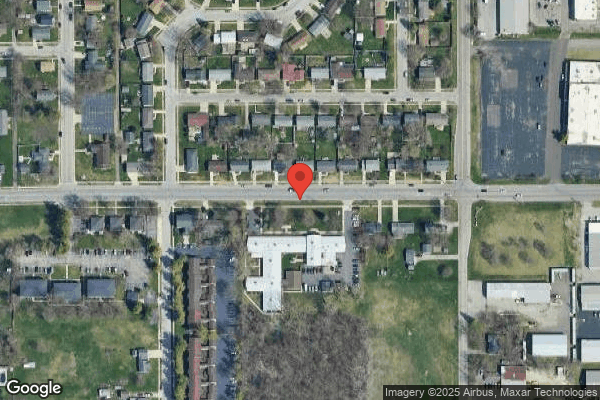
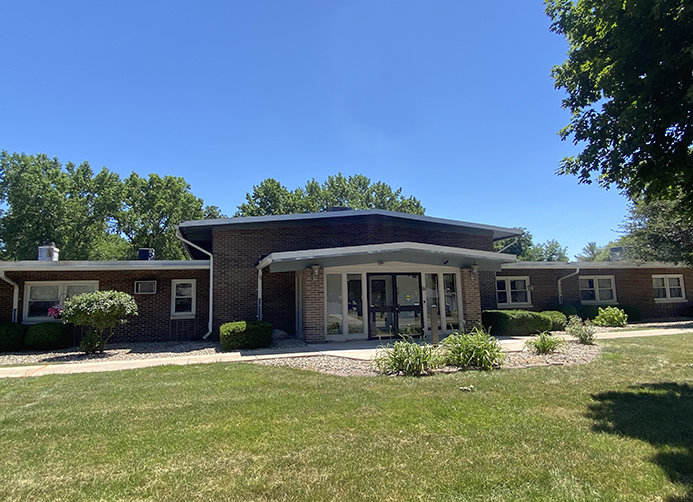
811 E 12TH STREET, MISHAWAKA, IN 46544 (574) 259-1917
Government - County 87 Beds BRICKYARD HEALTHCARE Data: November 2025
Trust Grade
60/100
#127 of 505 in IN
Last Inspection: September 2024

Within standard 12-15 month inspection cycle. Federal law requires annual inspections.

Overview

Brickyard Healthcare - Twelfth Street Care Center has a Trust Grade of C+, indicating it is slightly above average but not exceptional. With a state rank of #127 out of 505 facilities in Indiana, they are in the top half, and rank #4 out of 18 in St. Joseph County, which suggests they are one of the better options locally. The facility is improving, having reduced its issues from 6 in 2024 to 3 in 2025, although it still has a concerning staffing turnover rate of 72%, significantly higher than the state average of 47%. While there have been no fines reported, which is a positive sign, the nursing home has faced issues such as failure to properly clean dryer vents, which poses a fire risk, and inadequate food storage practices that could compromise safety. Overall, while there are strengths in their ranking and lack of fines, families should be aware of the staffing concerns and specific incidents that indicate areas needing improvement.

Trust Score
C+
60/100
In Indiana
#127/505
Top 25%
Safety Record
Low Risk
No red flags
Inspections
Getting Better
6 → 3 violations
Staff Stability
⚠ Watch
72% turnover. Very high, 24 points above average. Constant new faces learning your loved one's needs.
Penalties
✓ Good
No fines on record. Clean compliance history, better than most Indiana facilities.
Skilled Nurses
○ Average
Each resident gets 41 minutes of Registered Nurse (RN) attention daily — about average for Indiana. RNs are the most trained staff who monitor for health changes.
Violations
⚠ Watch
39 deficiencies on record. Higher than average. Multiple issues found across inspections.
★★★★☆
4.0
Overall Rating
★★☆☆☆
2.0
Staff Levels
★★★★★
5.0
Care Quality
★★★☆☆
3.0
Inspection Score
Stable
2024: 6 issues
2025: 3 issues

The Good

  • 5-Star Quality Measures · Strong clinical quality outcomes
  • Full Sprinkler Coverage · Fire safety systems throughout facility
  • No fines on record

Facility shows strength in quality measures, fire safety.

The Bad

Staff Turnover: 72%

26pts above Indiana avg (46%)

Frequent staff changes - ask about care continuity

Chain: BRICKYARD HEALTHCARE

Part of a multi-facility chain

Ask about local staffing decisions and management

Staff turnover is very high (72%)

24 points above Indiana average of 48%

The Ugly 39 deficiencies on record

Mar 2025 3 deficiencies
CONCERN (D) 📢 Someone Reported This

A family member, employee, or ombudsman was alarmed enough to file a formal complaint

Potential for Harm - no one hurt, but risky conditions existed

Notification of Changes (Tag F0580)

Could have caused harm · This affected 1 resident

Based on interview and record review, the facility failed to ensure the physician was notified in a timely manner when a resident was given a medication in the incorrect form, refused all medications ...

Read full inspector narrative →
Based on interview and record review, the facility failed to ensure the physician was notified in a timely manner when a resident was given a medication in the incorrect form, refused all medications for six consecutive medication passes and experienced a decline in level of consciousness, for 1 of 3 residents review for medication administration. (Resident B). Finding includes: On 3/17/25 at 11:28 A.M., Resident B's medical record was reviewed. Diagnoses included, but were not limited to: history of stroke, seizures, heart failure, hypertension, diabetes, hyperlipidemia, dementia, chronic obstructive pulmonary disease, other symptoms involving emotional state. A Quarterly Minimum Data Set (MDS) assessment, dated 2/5/25, indicated Resident B was severely cognitively impaired, was sometimes able to make his his needs and ideas known and had rejected care 1 to 3 days in the 7 day look back period of the assessment. Physician orders for medications and supplements included- Glyburide 5 mg tablet 2 times daily for type 2 diabetes Ploglitazone HCL 15 mg tablet 1 time daily for type 2 diabetes Sitaglipin Phosphate 100 mg tablet every evening for type 2 diabetes Steglatro 15 mg tablet every evening for type 2 diabetes Fluvoxamine Maleate 100 mg tablet at bedtime for Obsessive-compulsive disorder Geodon 40 mg capsule at bedtime for psychiatric condition Seroquel 25 mg tablet at bedtime for vascular dementia Aricept 10 mg tablet 1 time daily for dementia Doxepin HCL 10 mg capsule at bedtime for memory Furosemide 40 mg tablet every 24 hours as needed for extremity swelling Trelegy Ellipta inhalation Aerosol Powder Breath Activated, 1 puff inhale every afternoon for chronic obstructive pulmonary disease Hydralazine HCL 100 mg tablet 2 times daily for hypertension Lorsartan Potassium 100 mg tablet daily for hypertension Metoprolol Tartrate 50 mg tablet 2 times daily for hypertension Nifedipene extended release 90 mg tablet every morning for hypertension Spironolactone 25 mg tablet daily for hypertension Depakote ER (extended release) 500 mg tablet, 2 tablets 2 times daily Aspirin 81 mg tablet every evening for pain related to stroke and hypertension Atorvastatin Calcium 80 mg tablet daily for hyperlipidemia Flonase nasal suspension 1 spray in each nostril daily for allergic rhinitis Gabapentin 300 mg capsule 3 capsules 3 times daily for neuropathy Megestrol Acetate Suspension 20 milliliter in the morning for anorexia 2 cal supplement 60 ml 4 times daily with medications Methotrexate Sodium 6 -2.5 mg tablets every Monday for Rheumatoid Arthritis. A review of Resident B's Medication Administration Record (MAR) from 3/1/25 to 3/3/25, indicated the resident did not receive any of the prescribed medication as follows: On 3/2/25 charted as not given due to nausea and vomiting- 8:00 P.M., Doxepin, Fluvoxamine, Geodon, 9:00 P.M., Seroquel, Depakote ER, Glyburide, Hydralazine, Metoprolol Tartrate, Gabapentin, 2 cal supplement. On 3/3/25 charted as resident refusals- 9:00 A.M., Aricept, Flonase, Depakote ER, 2 cal supplement, 11:00 A.M., Atorvastin, Losartan, Megestrol, Methotrexate, Nifedipine, Pioglitazone, Spironolactone, Glyburide, Hydralazine, Metoprolol Tartrate, 1:00 P.M., Trelegy Ellipta, 2 cal supplement, 2:00 P.M., Gabapentin. Review of the resident's nursing progress notes included no notes of any kind on 3/2/25. There were no progress notes regarding the resident's condition until 3/3/25 at 3:00 P.M. that indicated the Nurse Practitioner was called at the request of the resident's representative and orders given for a STAT (immediate) Valproic acid (Depakote) blood level because the resident was unresponsive and not eating. On 3/3/25 at 3:05 P.M., a nursing progress note indicated the lab company did not have available staff for a STAT blood collection so the resident's representative requested the resident be sent to the hospital and RN 6 notified the Nurse Practitioner and received an order to send the resident to the hospital. A Nursing progress note, on 3/3/25 at 3:52 P.M., indicated Resident B was transported via a local ambulance service to a local hospital for an evaluation and treatment. Review of the Prehospital Care Report Summary from the ambulance service, dated 3/3/25 from 2:47 P.M. to 3:23 P.M., indicated the onset of Resident B's condition began on 3/2/25 at 11:00 P.M. and the resident had been reported as semi-responsive for 3 days. The Narrative History Text indicated, .Nurse relays that the pt [patient, Resident B] started to become less responsive on the 28th and the nurse relays that they were administering his Depakote wrong. Nurse further relays that pt has not been given any of his medications today due to his responsiveness. Nurse relays that she believed that the pts Depakote levels are too high. Review of Resident B's Emergency Department Note dated 3/3/25 at 10:13 P.M., indicated, .apparently on the past Friday he was receiving doses of Depakote and there is a possibility that he was receiving the wrong dose . Physical examination at 4:36 P.M. indicated an elevated blood pressure of 190/82. and his blood glucose level was 18 mg/DL (milligrams/deciliter) which was corrected after treatment. The Valproic acid level (blood test to determine Depakote level) was within normal range. The Clinical Impression from the Emergency Department assessment indicated Resident B was hypoglycemic (low blood sugar), and had unspecified altered mental status. During an interview on 3/18/25 at 11:00 A.M., LPN 4 indicated Resident B was very difficult to arouse on 3/3/24 and did not take his medications that day because he was not alert enough to take them. LPN 4 indicated the resident had been sleeping more and had been declining for the past few days. LPN 4 indicated she did not notify the physician or the Nurse Practitioner of the residents lack of responsiveness or that he had not been taking his medication, but did report the issues to the Unit Manager, RN 6. LPN 4 indicated she had been checking his vital signs and they had remained within normal limits. There was no documentation LPN 4 had assessed Resident B ' s blood sugar level, even though the resident had a diagnosis of diabetes and had not been eating. During an interview on 3/18/25 at 11:03 A.M., RN 6 indicated on 3/3/25, sometime in the afternoon, LPN 4 requested that she see Resident B. RN 6 indicated the resident's responsible party was upset and concerned that the resident was difficult to arouse. RN 6 indicated she had worked the day shift on 3/3/25 and it had been reported to her that Resident B was very sleepy and had not gotten up for breakfast or lunch and had not taken his medications. RN 6 indicated she notified the Nurse Practitioner of the responsible party's concern and had received an order for Depakote levels per the responsible party's request. and the NP had informed her that if the family was adamant about sending him to the ER, they could send him out. During an interview on 3/18/24 at 11:14 A.M., QMA 2 indicated she was Resident B's QMA on 3/3/25 from 7:00 A.M. to 3:00 P.M. QMA 2 indicated the resident refused his meals and medications on 3/3/25 and she had notified LPN 4 of the refusals. During an interview on 3/19/25 at 10:00 A.M., Registered Nurse (RN) 5, indicated Resident B had been having trouble swallowing his medications and so she had crushed his Depakote ER on the evening of 2/28/25. RN 5 indicated she was not aware that Depakote ER was not supposed to be crushed and had reported to RN 6, who was the Unit Manager, that she had crushed the Depakote ER. RN 5 indicated on 3/2/25 she worked 7:00 P.M. to 7:00 A.M. with Qualified Medication Aide (QMA) 1. RN 5 indicated QMA 1 reported to her that Resident B did not receive his night medications because after she gave them to him, he spit them out refusing to take them. She indicated the resident did not have nausea or vomiting and QMA 1 incorrectly charted nausea and vomiting. RN 5 indicated she should have documented the incident in the progress notes but did not. On 3/18/25 at 10:30 A.M., the Director of Nursing provided an undated policy titled, Notification of Changes, and indicated it was the current facility policy. The policy indicated, .The purpose of this policy is to ensure the facility promptly informs .the resident's physician .when there is a change requiring notification .Significant change in the resident's physical, mental or psychosocial condition such as deterioration in health . This citation relates to Complaint IN00455136 3.1-5(a)(2)
CONCERN (D) 📢 Someone Reported This

A family member, employee, or ombudsman was alarmed enough to file a formal complaint

Potential for Harm - no one hurt, but risky conditions existed

Comprehensive Care Plan (Tag F0656)

Could have caused harm · This affected 1 resident

**NOTE- TERMS IN BRACKETS HAVE BEEN EDITED TO PROTECT CONFIDENTIALITY** Based on interview and record review, the facility failed to ensure a comprehensive care plans related to type 2 diabetes, seizu...

Read full inspector narrative →
**NOTE- TERMS IN BRACKETS HAVE BEEN EDITED TO PROTECT CONFIDENTIALITY** Based on interview and record review, the facility failed to ensure a comprehensive care plans related to type 2 diabetes, seizures, bipolar disorder, congestive heart failure and anxiety were in place for 1 of 3 residents reviewed for care plans, (Resident B) Finding includes: On 3/17/25 at 11:28 A.M., Resident B's medical record was reviewed. Upon admission in September 2024, Resident B had diagnoses which included type 2 diabetes, cerebral infarction (stroke) with other symptoms and signs involving emotional state, vascular dementia, congestive heart failure, chronic obstructive pulmonary disease, hypertension, and seizures. A Quarterly Minimum Data Set (MDS) assessment dated [DATE], indicated Resident B had diagnoses that included stroke, heart failure, hypertension, diabetes, hyperlipidemia, dementia, chronic obstructive pulmonary disease, other symptoms involving emotional state. The assessment indicated the resident received the following High risk medications: antipsychotics, antidepressants, and a diuretic. Review of the resident's MDS dated [DATE] for A Discharge MDS assessment dated [DATE], indicated Resident B was also taking hypoglycemic medications. Physician's orders for medications, included the following: -Glyburide 5 mg tablet 2 times daily for type 2 diabetes, with a start date of 9/26/24. -Ploglitazone HCL 15 mg tablet 1 time daily for type 2 diabetes, with a start date of 9/26/24. -Sitaglipin Phosphate 100 mg tablet every evening for type 2 diabetes, with a start date of 9/26/24. -Steglatro 15 mg tablet every evening for type 2 diabetes, with a start date of 9/26/24. -Fluvoxamine Maleate 100 mg tablet at bedtime for Obsessive-compulsive disorder, with astart date of 11/1/24. -Geodon 40 mg capsule at bedtime for psychiatric condition, with a start date of 10/25/24. -Seroquel 25 mg tablet at bedtime for vascular dementia, with a start date of 11/6/24. -Aricept 10 mg tablet 1 time daily for dementia, with a start date of 1/20/25. -Doxepin HCL 10 mg capsule at bedtime for memory, with a start date of 9/30/24. -Furosemide 40 mg tablet every 24 hours as needed for extremity swelling, with a start date of 9/27/24. -Trelegy Ellipta inhalation Aerosol Powder Breath Activated, 1 puff inhale every afternoon for chronic obstructive pulmonary disease, with a start date of 11/29/24. -Ventolin HFA inhalation aerosol solution 2 puffs inhale every 3 hours as needed for shortness of breath related to obstructive pulmonary disease, with a start date of 9/26/24. -Hydralazine HCL 100 mg tablet 2 times daily for hypertension, with a start date of 9/27/24. -Lorsartan Potassium 100 mg tablet daily for hypertension, with a start date of 9/27/24. -Metoprolol Tartrate 50 mg tablet 2 times daily for hypertension, with a start date of 10/3/24. -Nifedipene extended release 90 mg tablet every morning for hypertension, with a start date of 9/26/24. -Spironolactone 25 mg tablet daily for hypertension, with a start date of 9/26/24. -Depakote extended release 500 mg tablet, 2 tablets 2 times daily, with a start date of 12/3/24. Resident B had no care plans in place to address these conditions nor the medications listed above. During an interview on 3/18/24 at 2:10 P.M., the Minimum Data Set (MDS) nurse, indicated Resident B did not have care plans for diagnoses of type 2 diabetes, cerebral infarction with other symptoms and signs involving emotional state, vascular dementia, congestive heart failure, chronic obstructive pulmonary disease, hypertension, and seizures. The MDS nurse indicated the care plans should have been in place for all diagnoses on admission and for the associated medications when the medications were prescribed. On 3/18/25 at 10:30 A.M., the Director of Nursing provided an undated policy titled, Comprehensive Care Plans, and indicated it was the current facility policy. The policy indicated, .It is the policy of this facility to develop and implement a comprehensive person-centered care plan for each resident .that includes measurable objectives and timeframes to meet a resident's medical, nursing, and mental and psychosocial need and ALL services that are identified in the resident's comprehensive assessment .the comprehensive care plan will describe, at a minimum, .The services that are to be furnished to attain or maintain the resident's highest practicable physical, mental, and psychosocial well-being . This citation relates to Complaint IN00455136. 3.1-35(a)
CONCERN (D) 📢 Someone Reported This

A family member, employee, or ombudsman was alarmed enough to file a formal complaint

Potential for Harm - no one hurt, but risky conditions existed

Quality of Care (Tag F0684)

Could have caused harm · This affected 1 resident

**NOTE- TERMS IN BRACKETS HAVE BEEN EDITED TO PROTECT CONFIDENTIALITY** Based on interview and record review the facility failed to ensure Physician Orders were in place for the treatment of low blood...

Read full inspector narrative →
**NOTE- TERMS IN BRACKETS HAVE BEEN EDITED TO PROTECT CONFIDENTIALITY** Based on interview and record review the facility failed to ensure Physician Orders were in place for the treatment of low blood glucose and failed to ensure hypoglycemia was assessed timely for 1 of 3 residents reviewed for diabetic treatment, (Resident B). Finding includes: On 3/17/25 at 11:28 A.M., Resident B's medical record was reviewed. Diagnoses included history of stroke, seizures, heart failure, hypertension, diabetes, hyperlipidemia, dementia, chronic obstructive pulmonary disease, other symptoms involving emotional state. A Quarterly Minimum Data Set (MDS) assessment dated [DATE], indicated Resident B was severely cognitively impaired and was sometimes able to make his his needs and ideas known. Physician's orders included the following medications: -Glyburide 5 mg tablet 2 times daily for type 2 diabetes, ordered 9/26/24. -Ploglitazone HCL 15 mg tablet 1 time daily for type 2 diabetes, ordered 9/26/24. -Sitaglipin Phosphate 100 mg tablet every evening for type 2 diabetes, ordered 9/26/24. -Steglatro 15 mg tablet every evening for type 2 diabetes, ordered 9/26/24. There were no orders for hypoglycemia management and no plan of care to address Resident B 's diabetes diagnosis. Review of the resident's nursing progress notes indicated on 3/3/25 at 3:00 P.M., the Nurse Practitioner was notified by Registered Nurse (RN) 6, that Resident B's family wanted the resident sent to the hospital because he was not very responsive. On 3/3/25 at 3:52 P.M., Resident B was transported via local ambulance service to a local hospital for an evaluation and treatment. Review of Resident B's Emergency Department Note, dated 3/3/25 at 10:13 P.M., indicated the resident had a blood glucose of 18 mm/dl. The Clinical Impression indicated the Resident B was hypoglycemic (had low blood sugar) and had unspecified altered mental status. During an interview on 3/18/25 at 11:00 A.M., LPN 4 indicated Resident B was very difficult to arouse on 3/3/24 and did not take his medications that day because he was not alert enough to take them. LPN 4 indicated the resident had been sleeping more and had been declining for the past few days. LPN 4 indicated she had not notified the physician or the Nurse Practitioner of the resident 's lack of responsiveness or that he had not been taking his medication, but she had reported Resident B 's condition to the Unit Manager, RN 6. LPN 4 indicated she was checking his vital signs routinely and they had remained within normal limits, but she had not checked the resident ' s blood sugar. During an interview on 3/18/25 at 11:03 A.M., RN 6 indicated on 3/3/25, sometime in the afternoon, LPN 4 had requested that she go see Resident B. RN 6 indicated the resident's responsible party was present and they were upset and concerned that the resident was difficult to arouse. RN 6 indicated she had worked the day shift on 3/3/25 and it had been reported to her that Resident B was very sleepy, and had not gotten up for breakfast or lunch and had not taken his medications. RN 6 indicated she notified the Nurse Practitioner of the responsible party's concern, on 3/3/35 at 3:00 P.M. and had received an order to send the resident to the emergency room (ER), per the family's request. During an interview on 3/18/24 at 11:14 A.M., QMA 2 indicated she was Resident B's QMA on 3/3/25 from 7:00 A.M. to 3:00 P.M. QMA 2 indicated the resident had refused his meals and medications on 3/3/25 and she had notified LPN 4 of the refusals. On 3/18/25 at 3:30 P.M., the Director of Nursing provided an undated policy titled, Hypoglycemia Management, and indicated it was the current facility policy. The policy indicated, .The facility will identify residents that are at risk for hypoglycemia and observe them for signs and symptoms of low blood sugar .Residents that have a diagnosis of diabetes or on medications that could lower the blood sugar should have orders for glucose monitoring and treatment of hypoglycemia .a bedside blood glucose test should be administered for any resident reporting or experiencing symptoms of hypoglycemia such as .Confusion .Feeling sleepy, Weakness or having no energy . This citation relates to Complaint IN00455136 3.1-37(a)
Sept 2024 6 deficiencies
CONCERN (D)

Potential for Harm - no one hurt, but risky conditions existed

Notification of Changes (Tag F0580)

Could have caused harm · This affected 1 resident

Based on observation, record review, and interview the facility failed to notify the physician for significantly elevated blood glucose levels for 1 of 1 resident reviewed for blood glucose (Resident ...

Read full inspector narrative →
Based on observation, record review, and interview the facility failed to notify the physician for significantly elevated blood glucose levels for 1 of 1 resident reviewed for blood glucose (Resident 45). Finding includes: On 9/23/2024 at 11:06 A.M., a record review was completed for Resident 45. Diagnosis included, but were not limited to: Type 2 diabetes A Physicians' order, dated 7/30/2024, indicated the provider was to be notified if Resident 45's blood glucose levels were below 60 mg/dl or above 400 mg/dL. A review of Resident 45's blood glucose results indicated the record lacked documentation the physician was notified of elevated blood glucose levels above 400 mg/dl for the following dates and times: - On 9/13/2024 at 12:33 P.M., Resident 45's blood glucose level was 420n mg/dl. - On 9/15/2024 at 1:08 P.M., the residents blood glucose level was 433 mg/dl. - On 9/20/2024 at 11:41 A.M., the residents blood glucose level was 450 mg/dl and at 5:06 P.M., the residents blood glucose level was 416 mg/dl. During an interview, on 9/23/2024 at 1:37 P.M., the Administrator indicated blood glucose levels that were out of parameters should have been charted in a nursing progress note or the triage book located on the unit. During an interview, on 9/23/2024 at 2:15 PM, the Director of Nursing (DON) indicated Resident 45 switched rooms recently and there were triage binders for each hall. The binder on his previous hall may have contained a notification to the Nurse Practitioner (NP). However, a review of the triage binders on both halls with the DON indicated there were no notes to the NP indicating she was contacted regarding the resident's out of range blood glucose levels. During an interview, on 9/24/2024 at 10:21 A.M., RN 5 indicated when a resident's blood glucose was out of range, he notified the doctor and put in a nursing progress note. RN 5 indicated there should have been a note associated with Resident 45's high blood glucose levels above 400 mg/dl, but there was not. A current facility policy, titled Notification of Changes, undated and received from the Administrator on 9/23/2024 at 3:07 P.M., indicated the following: Policy: The purpose of this policy is to ensure the facility promptly informs the resident, consults the residents (sic) physician; and notifies, consistent with his or her authority, the residents representative when there is a change requiring notification. 3.1-5(a)(2)
CONCERN (D)

Potential for Harm - no one hurt, but risky conditions existed

Grievances (Tag F0585)

Could have caused harm · This affected 1 resident

Based on observation, interview and record review, the facility failed to respond to a resident's grievance requesting services in a timely manner for 1 out of 1 residents reviewed for grievances. (Re...

Read full inspector narrative →
Based on observation, interview and record review, the facility failed to respond to a resident's grievance requesting services in a timely manner for 1 out of 1 residents reviewed for grievances. (Resident L) Finding includes: During an interview on 9/19/2024 at 2:23 P.M., Resident L indicated no one had done range of motion exercises with him, nor had he received any therapy. He indicated he came to the facility so he could get therapy, and he did ask the Administrator for therapy. A record review was completed, on 9/23/2024 at 2:13 P.M., for Resident L. Diagnoses included, but were not limited to: hemiplegia and hemiparesis following cerebral infarction affecting left dominant side, spastic hemiplegia affecting left nondominant side, and colostomy status. A Grievance Form, dated 8/5/2024, indicated Resident L was concerned with the wait time in the morning to get his colostomy bag dumped, and wanting further therapy. The form indicated it was resolved on 8/5/2024 with a response of discussed restorative options upcoming and the Medicaid payer. During an interview on 9/25/2024 at 10:14 A.M., the Director of Rehab indicated she could not evaluate a new admission with straight Medicaid funding for a payer source for rehabilitation services without the permission of the Administrator. She believed the money to pay for skilled services came out of the daily rate Medicaid paid for long term services. She indicated she had been approached by Resident L indicating he wanted therapy. She indicated she had informed the Administrator, after his admission, that Resident L would benefit from therapy. During an interview on 9/27/2024 at 8:55 A.M., the Administrator indicated the facility did not offer a restorative program because she did not have anyone in that position. She indicated if someone came in with Medicaid as their payer source, the facility did not get any reimbursement for the therapy services and the facility had to pay out of pocket. She confirmed there was a resident that had approached her to request therapy services and she had completed a grievance form related to the concern. The Administrator indicated the resident requesting therapy services got around in his motorized wheelchair and went outside and smoked cigarettes. A Physician's Order, dated 9/21/2024, indicated physical therapy three times a week for 12 weeks with skilled therapy services including therapeutic exercises, activities, gait training, group therapy, neuromuscular re-education, patient/caregiver education for the treatment diagnosis of muscle weakness and other abnormalities of gait and mobility. During an interview on 9/27/2024 at 9:49 A.M., the Administrator indicated she gave responses back from a grievance within 5 days. The Administrator gave no explanation as to why the grievance, filed by Resident L on 8/5/2024 was not addressed completely until 9/21/2024 when the resident was evaluated by the therapy department and a physician's order for therapy was received. On 9/26/2024 at 10:10 A.M., the Administrator provided a policy titled, Resident and Family Grievances, revised 2/2023, and indicated it was the policy currently used by the facility. The policy indicated .1. The Executive Director has been designated as the Grievance Official. 10. Procedure: d. The Grievance Official will take steps to resolve the grievance, and record information about the grievance, and those actions, on the grievance form. i. Steps to resolve the grievance may involve forwarding the grievance to the appropriate department manager for follow up. ii. All staff involved in the grievance investigation or resolution should make prompt efforts to resolve the grievance and return the grievance form to the Grievance Official. Prompt efforts include acknowledgement of complaint/grievance and actively working toward a resolution of that complaint/grievance. e. The Grievance Official, or designee, will keep the resident appropriately apprised of progress towards resolution of the grievances . 3.1-7(2)
CONCERN (D) 📢 Someone Reported This

A family member, employee, or ombudsman was alarmed enough to file a formal complaint

Potential for Harm - no one hurt, but risky conditions existed

Deficiency F0621 (Tag F0621)

Could have caused harm · This affected 1 resident

Deficiency Text Not Available

Read full inspector narrative →
Deficiency Text Not Available
CONCERN (D)

Potential for Harm - no one hurt, but risky conditions existed

Deficiency F0637 (Tag F0637)

Could have caused harm · This affected 1 resident

**NOTE- TERMS IN BRACKETS HAVE BEEN EDITED TO PROTECT CONFIDENTIALITY** Based on record review and interview, the facility failed to complete a Significant Change Minimum Data Set (MDS) assessment tim...

Read full inspector narrative →
**NOTE- TERMS IN BRACKETS HAVE BEEN EDITED TO PROTECT CONFIDENTIALITY** Based on record review and interview, the facility failed to complete a Significant Change Minimum Data Set (MDS) assessment timely for 2 of 3 residents reviewed for Hospice services. (Residents 16 & 28) Findings include: 1. Resident 16's record review was completed on 9/23/2024 at 3:10 P.M. Diagnoses included, but were not limited to: chronic obstructive pulmonary disease, traumatic brain injury, depression, bipolar disorder and anxiety disorder. Resident 16 had a signed hospice contract, initiated on 3/28/2024. A current Physician's order indicated Resident 16 had been receiving Hospice services since 3/28/2024. A Quarterly MDS assessment, dated 3/19/2024, indicated Resident 16 was not receiving Hospice services. A Significant Change MDS assessment, dated 6/19/2024, indicated the resident was receiving Hospice services. Resident 16's record lacked the documentation a Significant Change MDS had been completed timely after the Physician's order was received on 3/28/2024 for Hospice services. During an interview on 9/24/2024 at 9:50 A.M., the Regional MDS Nurse indicated a Significant Change MDS should be completed within 14 days of the initiation of Hospice services for any resident. She indicated Resident 16 should have had a Significant Change MDS assessment completed 14 days after 3/28/2024. 2. Resident 28's record review was completed on 9/24/24 at 9:30 A.M. Diagnoses included, but were not limited to: epilepsy, type 2 diabetes mellitus, Chrohn's disease, dysphagia, spinal stenosis and benign prostatic hyperplasia. Resident 28 had a signed Hospice agreement for Heart to Heart Hospice dated 8/2/2024. A current Physician's order indicated Resident 28 had been receiving Hospice services since 8/12/2024. A Quarterly MDS assessment, dated 6/14/2024, indicated Resident 28 was not receiving Hospice services. A Quarterly MDS assessment, dated 8/16/2024, indicated Resident 28 was receiving Hospice services. Resident 28's record lacked the documentation a Significant Change MDS assessment had been completed within 14 days from the Hospice order on 8/2/2024. During an interview on 9/24/2024 at 9:50 A.M., the Regional MDS Nurse indicated a Significant Change MDS assessment should be completed within 14 days of any resident starting hospice services. Resident 28 should have had a Significant Change MDS assessment completed 14 days after he was readmitted to the facility on [DATE] with Hospice services. The Regional Nurse indicated the facility does not have a policy for MDS assessments, but they used the RAI (Resident Assessment Instrument) manual. 3.1-31(d)(1)
CONCERN (D)

Potential for Harm - no one hurt, but risky conditions existed

ADL Care (Tag F0677)

Could have caused harm · This affected 1 resident

3. During an observation on 9/20/2024 at 9:44 A.M., Resident 21 was found to have long fingernails with a dark brownish-black substance under them. During an observation on 9/23/2024 at 1:21 P.M., Res...

Read full inspector narrative →
3. During an observation on 9/20/2024 at 9:44 A.M., Resident 21 was found to have long fingernails with a dark brownish-black substance under them. During an observation on 9/23/2024 at 1:21 P.M., Resident 21's fingernails remained long with a dark brownish-black substance under them. A record review for Resident 21 was completed on 9/24/2024 at 2:52 P.M. Diagnoses included, but were not limited to, dementia, chronic obstructive pulmonary disease and mild intellectual disabilities. A Quarterly Minimum Data Set assessment, dated 7/19/2024, indicated Resident 21's cognition was moderately impaired. There were no behavior concerns and he required partial or moderate assist with showers and set up assist for personal hygiene. A current Care Plan problem, initiated on 7/11/2024, indicated Resident 21 needed staff assist for ADLs and grooming. An intervention indicated the resident required assist of 1 staff member for hygiene and grooming. There was no documentation of Resident 21 had refused any hygiene or grooming assistance. During an interview on 9/25/2024 at 1:58 P.M., CNA 12 indicated when she provided personal care, for bathing or showering, she cleaned the resident from head to toe, assisted with oral care and provided nail care. If the resident refused care, she reported it to the nurse. On 9/25/2024 at 1:26 P.M. the ED provided a current policy, dated February 2023 and titled, Activities of Daily Living (ADLs). The policy included, but was not limited to, .Care and services will be provided for the following activities of daily living: 1. Bathing, dressing, grooming and oral care; . 3.1-38(3)(D)(E) Based on observation, record review and interview, the facility failed to complete and maintain grooming for 3 of 4 residents reviewed for activities of daily living (ADLs). (Residents 15, L and 21) Findings include: 1. During an observation and interview on 9/19/2024 at 1:53 P.M., and 9/20/2024 at 1:53 P.M., Resident 15's nails were long with a dark substance under them. He indicated no one had offered to clean or trim his nails. During an observation on 9/23/2024 at 9:14 A.M. and 9/24/2024 at 9:17 A.M., Resident 15's nails were long with a dark substance under them. A record review was completed, on 9/25/2024 at 11:36 A.M., for Resident 15. Diagnoses included, but were not limited to: Parkinson's Disease without dyskinesia, chronic kidney disease stage 3, and chronic embolism and thrombosis of deep veins of right upper extremity. An admission Minimum Data Set (MDS) assessment, dated 8/9/2024, indicated Resident 15 required substantial/maximal assistance for personal hygiene and bathing. A current Care Plan, initiated on 8/1/2024, for activities of daily living indicated Resident 15 had a self- care deficit with shaving, washing his face and hands and combing his hair. A current Care Plan, dated 9/17/2024, indicated Resident 15 often refused to have his nails, beard and hair cut. A Review of the Electronic Medical Record for Resident 15, specifically of the Nursing Progress Notes and the Task section , indicated there was no documentation of any refusals of nail care since his admission. During an interview, on 9/25/2024 at 10:46 A.M., CNA 2 indicated when he provided morning ADL care he assisted with washing of the face, chest, peri care, applied body spray, dressed and brushed their hair. When he provided a shower, he assisted with washing, rinsing, drying, dressing and combing their hair. During an interview on 9/25/2024 at 10:54 A.M., CNA 3 indicated when she completed morning ADL care she assisted with a partial bath unless they wanted a complete bed bath. She then assisted the residents to get dressed and transferred them. If she provided a shower, she started with washing their hair, then worked her way down the body, dried the resident's body, then she applied lotion, deodorant, dressed the resident and dried their hair. During an interview on 9/25/2024 at 11:02 A.M., CNA 4 indicated when she provided morning ADL care she washed their face and under their arms, provided peri care, applied deodorant body spray, dressed and brushed their teeth. If a shower was provided, she washed their body from clean to dirty, dried their body, applied lotion, clothing and if there were any skin issues, she told the nurse. During an interview on 9/25/2024 at 11:51 A.M., LPN 13 indicated any resident refusals of ADL care would be entered in the nursing progress notes by the nurse and CNA's documented refusals under the electronic application. 2. During an observation and interview on 9/19/2024 at 2:15 P.M., Resident L indicated staff had not offered to shave him. He wanted to grow a mustache and a goatee but wanted the sides/cheek/neck area shaved. He indicated the other day his Dad used the electric shaver but he preferred a closer shave with a razor. His left hand fingers were curled under into a fist and he could not open it unless he opened it with his right hand. Resident L's left arm had limited movement. During an observation and interview on 9/23/2024 at 9:16 A.M., Resident L indicated the Administrator had came into his room this morning and asked if he would like to be shaved and have his nails trimmed . During an observation and interview on 9/23/2024 at 1:32 P.M., he indicated no one had assisted him with shaving or nail care. During an observation and interview, on 9/24/2024 at 9:15 A.M. and 2:00 P.M., Resident L indicated he was not offered a shave and his finger nails were not trimmed yesterday. During an observation and interview on 9/24/2024 at 10:40 A.M., Resident L had increased growth of facial hair on his neck, sides/cheek of his face and a brown substance under his long nails. He indicated no one had offered to assist him with shaving or nail care. A record review was completed, on 9/23/2024 at 2:13 P.M., for Resident L. Diagnoses included, but were not limited to: hemiplegia and hemiparesis following cerebral infarction affecting left dominant side, spastic hemiplegia affecting left nondominant side, and colostomy status. An admission MDS assessment, dated 7/1/2024, indicated he needed partial/moderate assistance for personnel hygiene and he required substantial/maximal assistance for showering and bathing needs. A current Care Plan, initiated on 6/27/2024, titled ADL self care deficit, included interventions for personal hygiene assistance with shaving, washing his face and hands and combing his hair. During an interview on 9/25/2024 at 10:46 A.M., CNA 2 indicated when he performed morning ADL care he assisted with washing of the face, chest, peri area, applied body spray, dressed and brushed their hair. When he provided a shower, he assisted with washing, rinsing, drying, dressing and combing their hair. During an interview on 9/25/2024 at 10:54 A.M., CNA 3 indicated when she provided morning ADL care she assisted with a partial bath unless they wanted a complete bed bath, dressed them and transferred them. If she provided a shower, she started with washing their hair then worked her way down the body, dried the body, applied lotion, deodorant and then dressed and dried their hair. During an interview on 9/25/2024 at 11:02 A.M., CNA 4 indicated when she provided morning ADL care she washed their face, under their arms and their peri area, applied deodorant body spray, dressed and brushed their teeth. If a shower was provided, she washed their body from clean to dirty, dried the body, applied lotion, clothing and if any skin issues were noted, she told the nurse. During an interview on 9/25/2024 at 11:51 A.M., LPN 13 indicated any refusals of ADL care would be entered in the nursing progress notes by the nurse and CNA's documented refusals under the electronic application.
CONCERN (D)

Potential for Harm - no one hurt, but risky conditions existed

Pressure Ulcer Prevention (Tag F0686)

Could have caused harm · This affected 1 resident

Based on observation, interview and record review, the facility failed to ensure a resident received adequate treatment and monitoring for a pressure ulcer for 1 out of 3 reviewed for pressure ulcers....

Read full inspector narrative →
Based on observation, interview and record review, the facility failed to ensure a resident received adequate treatment and monitoring for a pressure ulcer for 1 out of 3 reviewed for pressure ulcers. (Resident 37) Finding includes: During an interview and observation on 9/19/2024 at 11:04 A.M., Resident 37 indicated he had a sore on the back of his left upper thigh. He told the nurse about it 3-4 weeks ago. The dressing covering the sore came off and he told the nurse and she was going to replace it. He indicated the sore was caused by his wheelchair cushion and they gave me a new cushion. The residents skin was observed and there was a circular crater the size of a nickel with swollen, raised edges and loose skin around the edges. Resident 37 indicated staff placed a patch on the wound every couple of days when he asked for one. During an observation and interview on 9/20/2024 at 9:31 A.M., Resident 37 indicated the facility placed a patch on his wound yesterday around 1 P.M. There was a white dressing undated, no initials and there was visible drainage coming through the dressing. During an interview on 9/23/2024 at 3:07 P.M. Resident 37 indicated the dressing had been changed this morning and when he went to the wound clinic, they placed a new dressing on it. During an interview and observation on 9/24/2024 at 2:04 P.M., Resident 37 indicated no one had changed the wound dressing for the day. The wound was observed to have a gauze with tape over it, undated. He indicated he had to ask for the dressing to be changed but RN 7 changed it every weekend. A record review was completed on 9/24/2024 at 1:30 P.M., for Resident 37. Diagnosis included, but were not limited to: chronic venous hypertension with ulcer of bilateral lower extremity, and peripheral vascular disease. A Significant Minimum Data Set (MDS) assessment, dated 7/31/2024, indicated the resident had normal cognition. A Nursing Progress Note, dated 9/11/2024 at 10:32 A.M., indicated resident had 2 open areas on his posterior left leg, the first area measured 2 cm by 1 cm and the other area measured 1 cm by 1 cm. There was no odor, drainage or warmth of the wounds noted. The Physician, Unit Manager and Optum staff were made aware of the wounds, and nursing continued to monitor the wounds. A Weekly Skin Review, dated 9/13/2024, indicated Resident 37 skin was intact. A Weekly Skin Review, dated 9/20/2024, for Resident 37 indicated Pre-existing open areas to BLE treated by wound clinic and wrapped. Continue with current wound care treatment to back and legs. No new open areas or skin concerns noted. A Progress Note from the wound care office, dated 9/16/2024, indicated Patient present for care of wound to posterior leg. He notes it is likely from his wheelchair. He reports soreness. The left thigh measurements 1.5 by 1.7 by 0.1 depth, wound depth full, stage 2. The Assessment & Plan-[no debridement due to tenderness. We will dress with medihoney to help with enzymatic debridement. Follow up in 1-2 weeks. Wound Care Orders: Cleanse with mild soap water, Change Frequency: once daily, Cover with: dry gauze secure with tape. A Progress Note from the wound care office, dated 9/23/2024, indicated Patient presents for follow up to posterior left thigh. Measurement Pre Debridement 1.3 cm by 1.5 cm by 0.1 cm. moderate amount of serosanguineous exudate, Wound Depth: full, stage 2. Measurement Post Debridement: 1.4 by 1.6 by 0.1. The Assessment & Plan-was to continue with medihoney dressings. Follow up in 1 week. Wound Care Orders: Cleanse with soap and water, Change Frequency: once daily, Dressing: Medihoney Gel, Cover with: dry gauze secure with tape. Offloading:cushion/Pressure relief. During an interview on 9/24/2024 at 9:21 A.M., RN 6 indicated Resident 37 did not have any wounds the facility monitored or treated. RN 6 indicated the resident received three different creams: one for his knee pain, Clotrimazole to his knee redness and Cetaphil lotion for his back. During an interview on 9/24/2024 at 11:18 A.M., RN 8 indicated if she found a new open area, she would do an assessment, document the location, measurements, note any drainage and stage the area. Under the assessment tab of the electronic medical record, she would document the wound on a skin weekly review form. She would notify the doctor, family and the manager on duty and then she would complete a risk assessment if it was a pressure area. During an interview and observation, on 9/24/2024 at 2:14 P.M., RN 7 indicated after reviewing his orders he did not have any dressing changes ordered, he used to have a wound treatment but now went to the wound clinic for his lower legs. RN 7 was requested and completed a skin assessment and noted the following area to the back of the upper thigh- a 1.5 centimeters (cm) by 2.0 cm, by 0.1 cm in depth circle with moderate amount of green yellow drainage with erythema (redness) around the area, measuring 3 cm by 4 cm. RN 7 indicated if had possibly been a blister that had popped and he was going to have the wound nurse asses the wound and notify the DON. There was an undated dressing on the wound when RN 7 began his assessment. During an interview on 9/26/2024 at 10:01 A.M., the DON indicated a wound was measured once a week during wound rounds by the wound nurse. Staff documented wounds on the UDS's (Electronic Medical Record) under the assessment tab called Skin Only Evaluation. If a nurse found a wound on a weekly skin assessment, the DON expected the nurse to document the new area, notify the nurse practitioner and obtain an order for treatment of the wound. In addition, a care plan would be initiated after the order for treatment was received. On 9/25/2024 at 9:20 A.M., the Regional Nurse provided a policy titled Notification of Changes, dated 2/2023, and indicated the policy was the one currently used by the facility. The policy indicated . Policy: The purpose of this policy is to ensure the facility promptly informs the resident, consults the resident's physician; and notifies, consistent with his or her authority, the resident's representative when there is a change requiring notification. Compliance Guidelines: 3. Circumstances that require a need to alter treatment. This may include: a. New Treatment. On 9/25/2024 at 9:20 A.M., the Regional Nurse provided a policy titled, Skin Assessment, dated 2/2023, and indicated the policy was the one currently used by the facility. The policy indicated . It is our policy to perform a full body skin assessment as part of our systemic approach to pressure injury prevention and management. The policy includes the following procedural guidelines in performing the full body skin assessment. Policy Explanation and Compliance Guidelines: 1. A full body, or head to toe, skin assessment will be conducted by a licensed or registered nurse upon admission/re-admission and weekly thereafter. The assessment may also be performed after a change of condition or after any newly identified pressure injury . On 9/26/2024 at 11:12 A.M., the Administrator provided a policy titled, Clean Dressing Change, dated 2021, and indicated the policy was the one currently used by the facility. The policy indicated . It is the policy of this facility to provide wound care in a manner to decrease potential for infection and/or cross-contamination. Physician's orders will specify type of dressing and frequently of changes . 3.1-40(a)(2)(3)
Sept 2023 9 deficiencies
CONCERN (D)

Potential for Harm - no one hurt, but risky conditions existed

Deficiency F0657 (Tag F0657)

Could have caused harm · This affected 1 resident

Based on observation, interview, and record review, the facility failed to review the care plan, and include a fall intervention to the care plan for 1 of 20 resident reviewed for care plans. (Residen...

Read full inspector narrative →
Based on observation, interview, and record review, the facility failed to review the care plan, and include a fall intervention to the care plan for 1 of 20 resident reviewed for care plans. (Resident 29) Finding includes: A record review was completed for Resident 29 on 9/20/2023 at 1:00 P.M. Diagnoses included, but were not limited to: cerebrovascular disease, anxiety disorder and major depression. A Progress Note, dated 8/15/2023 at 8:01 A.M., indicated that Resident 29 was found lying on her back in front of unlocked wheelchair in her room. Her right shoulder was asymmetrical compare to the left shoulder. An x-ray of right shoulder was completed and an intervention to remove bed chuck from the wheelchair seat. A Post Fall Evaluation, dated 8/24/2023 at 5:37 P.M., indicated unwitnessed fall in the resident's room, she was getting up alone. An Interdisciplinary Team (IDT) Progress Note, dated 8/25/2023 at 1:00 P.M. indicated the intervention was for staff to increase observation and offer assist with mobility as able. A Progress Note, dated 9/8/2023 at 6:46 P.M., indicated an unwitnessed fall near the foot of bed. She received a skin tear to the right outer elbow 6 x 6 centimeters and a bruise to the nose and slit to bottom lip. A Progress Note, dated 9/9/2023 at 10:51 P.M., indicated unwitnessed fall in resident room found on the floor. During an interview, on 9/25/2023 at 2:38 P. M., the Director of Nursing (DON) indicated when a resident falls the nurse does a set of vitals, neuro checks if unwitnessed fall, head to toe assessment, put an immediate intervention in place, and each shift they follow up for 72 hours in the progress notes. A risk assessment and post fall assessment is done and (IDT) meets as a group and updates the plan of care. During an interview, on 9/25/2023 at 3:57 P. M., the DON indicated that the fall care plan was not updated for the fall on 8/15/2023, 8/24/2023, 9/8/2023 and 9/9/2023. The intervention on 8/15/2023 was to remove the chuck from the wheelchair, 8/24/2023 increase visual observation, 9/8/2023 no intervention, 9/9/2023 every hour checks were put into place. A Care Plan, initiated 3/28/2023, indicated .At risk for falls related to: New environment, Use of medication, non ambulatory, hx of fall. Interventions: assist resident to sit near lobby, as she enjoys when observed in w/c attempting to take self to lobby, bed in low position, environmental review, floor mat at bedside, footwear to prevent sliding, keep environment well lit and free of clutter, observe for side effects of Medications A Care Plan, initiated 8/24/2023, indicated . Risk for Falls. Interventions assist Resident with ambulation and transfers, utilizing therapy recommendations, evaluate fall risk on admission and PRN, I fall occurs, alert provider, If Resident is a fall risk, initiate fall risk precautions A current policy provided, on 9/25/2023 at 11:10 A.M., by the [NAME] President of Regulatory Compliance, titled, Care Planning - Resident Participation included, but was not limited to: .The facility will discuss the plan of care with the resident and/or representative at regularly scheduled care plan conferences, and allow them to see the care plan, initially, at routine intervals and after significant changes .The facility will obtain a signature from the resident and/or resident representative after discussion or viewing of the care plan On 9/26/2023 at 8:58 A.M., the Regional Nurse 7, provided a policy titled, Care Plan Revisions Upon Status Change, undated, and indicated the policy was the one currently used by the facility. The policy indicated .1. The comprehensive care plan will be reviewed, and revised as necessary, when a resident experiences a status change 3.1-35(d)(2)(B)
CONCERN (D)

Potential for Harm - no one hurt, but risky conditions existed

ADL Care (Tag F0677)

Could have caused harm · This affected 1 resident

Based on observation, interview and record review, the facility failed to ensure nail care and shaving was provided for 2 of 7 residents reviewed for Activities of Daily Living (ADL) needs. (Resident ...

Read full inspector narrative →
Based on observation, interview and record review, the facility failed to ensure nail care and shaving was provided for 2 of 7 residents reviewed for Activities of Daily Living (ADL) needs. (Resident 3 & 50) Findings include: 1. A record review was completed for Resident 3 on 9/21/2023 at 10:45 A.M. Diagnoses included, but were not limited to: hemiplegia and hemiparesis following cerebral infarction affecting left non-dominant side, and chronic obstructive pulmonary disease. A Quarterly Minimum Data Set (MDS) assessment, dated 7/7/2023, indicated extensive assist of one staff for personnel hygiene and total dependent for bathing. During an observation, on 9/20/2023 at 10:24 A.M., Resident 3 was in bed his right hand fingernails had a brown substance under the nails. During an observation, on 9/21/2023 at 9:47 A.M., Resident 3 was in bed his right hand fingernails had a brown substance under the nails. During an observation, on 9/25/2023 at 1:19 P.M., resident was in bed his right hand fingernails had a brown substance under them. A Care Plan, dated 6/19/2023, indicated .I have an ADL self care deficit related to Dx of Hemiplegia affecting left non dominant side. Hx of CVA. I have at times disassembled my call light and placed it on the floor. Interventions: bathing assistance of extensive to complete dependence. Personal Hygiene: Extensive assist of one 2. A record review was completed for Resident 50 on 9/21/2023 at 1:34 P.M. Diagnoses included, but were not limited to: dementia, unspecified severity, with psychotic disturbance, type 2 diabetes and schizoaffective disorder. A Quarterly Minimum Data Set (MDS) assessment, dated 8/21/2023, indicated personal hygiene extensive assist of one and bathing total dependent of one staff. A Care Plan, dated 2/22/2023 and revised on 8/21/2023, indicated, .I have a physical functioning deficit related to: Mobility impairment, Self care impairment. Interventions: assist with self care, Personal Hygiene assistance of set up to one During an observation and resident interview, on 9/19/2023 at 11:40 A.M., Resident 50 indicated that he preferred to be shaved and would like his fingernails trimmed. He was unshaved and his nails were long with a brown substance under the nails. During an observation, on 9/21/2023 at 9:52 A.M., Resident 50 was unshaved and his fingernails were long with a brown substance under the nails. During an observation and interview, on 9/25/2023 at 9:06 A.M., Resident 50 indicated that he would like to be shaved but no one helps him. He was unshaved and his fingernails were long with brown substance under them. During an interview, on 9/22/2023 at 10:54 A.M., CNA 1 indicated that when she gave a shower she washed the resident's hair, performed peri care, shaved if needed and cleaned fingernails. For A.M. care she assisted with the washing of the face and peri care, and offerred a shave and combed hair. During an interview, on 9/22/2023 at 11:04 A.M., CNA 3 indicated she provided privacy during a shower she performs nail care, trims beard or shaves, oral care, and peri care. For A.M. care she performs a partial bath and assists with dressing. During an interview, on 9/25/2023 at 9:01 A. M., the Director of Nursing indicated during A.M. care she would expect her staff to wash residents up at the sink if that is what they prefer, brush teeth/dentures and get them dressed. For shower she would expect them to get clothing and what they needed for the shower and change the bed linen. On 9/25/2023 at 9:13 A.M., the [NAME] President of Regulatory Compliance provided a policy titled, Activities of Daily Living (ADLs), undated, and indicated the policy was the one currently used by the facility. The policy indicated .Care and services will be provided for the following activities of daily living: The facility will, based on the resident's comprehensive assessment and consistent with the resident's needs and choices, ensure a resident's abilities in ADLs do not deteriorate unless deterioration is unavoidable. 1. Bathing, dressing, grooming and oral care 3.1-38(3)(E)
CONCERN (D)

Potential for Harm - no one hurt, but risky conditions existed

Deficiency F0740 (Tag F0740)

Could have caused harm · This affected 1 resident

**NOTE- TERMS IN BRACKETS HAVE BEEN EDITED TO PROTECT CONFIDENTIALITY** Based on observation, interview and record review, the facility failed to follow a Physician's order to obtain an evaluation and...

Read full inspector narrative →
**NOTE- TERMS IN BRACKETS HAVE BEEN EDITED TO PROTECT CONFIDENTIALITY** Based on observation, interview and record review, the facility failed to follow a Physician's order to obtain an evaluation and treatment for psychiatric [NAME] for 1 of 20 residents reviewed. (Resident 19) Finding includes: 1. A record review was completed on 9/20/2023 at 2:31 P.M. Resident 19's diagnoses included, but were not limited to: toxic encephalopathy, bipolar disorder, opioid abuse, and history of traumatic brain injury. Current Physician Orders, dated 6/23/2023 to 9/20/2023, indicated Resident 19 was to have had an evaluation and treatment provided by psychiatric services. The clinical record lacked any documentation to show that the evaluation/treatment had been completed. A current care plan, dated 6/26/2023, indicated that Resident 19 had mental health needs that would be resident to express mental health needs, articulation of mental health needs and skilled staff members providing opportunities to identify mental health needs. During an interview, on 9/22/2023 at 2:55 P.M., the Area [NAME] President and the Social Services Director both indicated the Resident 19 was not seen by psychiatric services, and that the referral to Psychiatric Services had not been made prior to 9/22/2023. Resident 19 was not included on the list for the behavior meeting that was held on 8/24/2023. On 9/25/2023 at 1:55 P.M., the [NAME] President of Regulatory Compliance provided a policy titled Provision of Physician Services, with no date or revision date found on the policy. She indicated this was the current policy used by the facility. The policy indicated .The purpose of this policy is to provide a reliable process for the proper and consistent provision of physician ordered services according to professional standards of quality .Qualified nursing personnel will submit timely requests for physician ordered services (laboratory, radiology consultations) to the appropriate entity .Documentation of consultations, diagnostic tests, the results, date/time of Physician notification will be maintained in the resident's clinical record 3.1-37 3.1-43
CONCERN (D)

Potential for Harm - no one hurt, but risky conditions existed

Deficiency F0807 (Tag F0807)

Could have caused harm · This affected 1 resident

Based on observation, record review and interview, the facility failed to ensure thickened liquids were at the bedside as ordered for 2 of 2 residents reviewed. (Resident 18 and 29) Findings include: ...

Read full inspector narrative →
Based on observation, record review and interview, the facility failed to ensure thickened liquids were at the bedside as ordered for 2 of 2 residents reviewed. (Resident 18 and 29) Findings include: 1. A record review was completed for Resident 18 on 9/20/2023 at 1:30 P.M. Diagnoses included, but not limited to: hemiplegia and hemiparesis cerebrovascular disease, dementia without behavioral disturbances, major depressive disorder, Parkinson's, and dysphagia. A Physician Order, dated 7/26/2023, indicated regular diet, mechanical soft, thickened liquid nectar, mildly thick consistency. A Care Plan, dated 6/27/2023, indicated, .I have a Diet alteration related to: Dysphagia. I require mechanical soft/easy chew diet nectar thickened liquids During an observation, on 9/20/2023 at 1:34 P.M., resident 18 was in bed and had a styrofoam cup with just a little bit of thin liquids left and an orange print plastic bottle with a clear liquid on the bedside table. The resident indicated she drank the water and the plastic bottle is drinking water. During an interview, on 9/20/2023 at 1:35 P.M., LPN 5 indicated that Resident 18 did not have thickened liquids on the bedside table. She viewed the orders in the electronic medical record which was nectar thickened liquids. CNA's are informed of residents on thicken liquids on their CNA sheet. The paper was reviewed, and nectar thicken liquids was not on the CNA sheet for Resident 18. 2. A record review was completed for Resident 29 on 9/20/2023 at 1:00 P.M. Diagnoses included, but were not limited to: cerebrovascular disease, anxiety disorder and major depression. During a family interview, on 9/20/2023 at 8:57 A.M., the daughter indicated during her visit last night that her mother had thin liquids at her bedside and not nectar and was worried she would aspirate. She did inform the staff. During an observation, on 9/20/2023 at 9:38 A.M., Resident 29 was not in the room but there was a Styrofoam cup on the bedside table with a lid and straw with thin liquids in it. During an interview, on 9/20/2023 at 1:10 P.M., Licensed Practical Nurse indicated that she should have nectar thick liquids at the bedside and not the thin liquids. Certified Nurse Aides (CNA) are informed of residents on thicken liquids on their CNA sheet. The paper was reviewed, and nectar thicken liquids was not on the CNA sheet for Resident 29. On 9/20/2023 at 3:05 P.M., the Director of Nursing provided a policy titled, Thickened Liquids, and indicated the policy was the one currently used by the facility. The policy indicated .The facility provides commercially-prepared thickened liquids, as prescribed, to resident who require them .Thickened liquids are provided only when ordered by a physician/practitioner or when ordered by a dietitian or speech-language pathologist who has been delegated to write diet orders, to the extent allowed by state law
CONCERN (D)

Potential for Harm - no one hurt, but risky conditions existed

Deficiency F0849 (Tag F0849)

Could have caused harm · This affected 1 resident

Based on observation, interview, and record review, the facility failed to review the care plan, and include the resident, or resident representative, after each assessment for 2 out of 20 residents r...

Read full inspector narrative →
Based on observation, interview, and record review, the facility failed to review the care plan, and include the resident, or resident representative, after each assessment for 2 out of 20 residents reviewed. (Residents 32 and 29) Findings include: 1. During an interview, on 9/19/2023 at 2:56 P.M., Resident 32 indicated she had not attended a care conference to discuss her plan of care. A record review, conducted 9/21/2023 at 10:15 A.M., indicated Resident 32's diagnoses included, but were not limited to: COPD, heart failure, migraine, fibromyalgia, and type 2 diabetes mellitus. A Significant Change Minimum Data Set (MDS) assessment, dated 7/23/2023, indicated Resident 32's cognition was intact. Care Plan Meeting minutes, for 5/4/2023 and 5/18/2023, indicated Resident 32 attended the meeting. The record lacked any documentation of meetings before or since those dates. Resident 32 was admitted to Hospice on 7/17/2023, which required a Significant Change MDS (Minimum Data Set) assessment, but the record lacked documentation of a care plan meeting with the resident and hospice to discuss the resident's care. During an interview, on 9/21/2023 at 3:36 P.M., the Director of Nursing (DON) provided copies of the care plan meetings conducted on 5/4/2023 and 5/18/2023 and indicated they were the only care plan meetings that could be found in the record. Care plan meetings should be held after each assessment and were not. During an interview, on 9/22/2023 at 11:55 A.M., RN 4, from hospice, indicated that she has not attended or been invited to a care plan meeting. During an interview, on 9/22/2023 12:05 P.M., the Area [NAME] President indicated care plan meetings were documented as completed in the hospice binder, and that the resident, or representative, facility staff, and hospice staff, were aware of and agree on the plan of care. She did not have any documentation of facility care plan meetings or of inviting the resident to a meeting. A current policy provided by the Regional Nurse, on 9/21/2023 at 3:13 P.M., titled, Comprehensive Care Plan included but was not limited to: .The comprehensive care plan will describe, at a minimum, the following: The services that are to be furnished to attain or maintain the resident's highest practicable physical, mental, and psychosocial well-being .Resident specific interventions that reflect the resident's needs and preferences and align with the resident's cultural identity, as indicated During an interview, on 9/25/2023 at 11:14 A.M., the [NAME] President of Regulatory Compliance indicated that they incorporate the hospice plan of care into their facility care plan meeting. The meeting is documented in an IDT note, a paper note, or a progress note. 2. A record review for Resident 29 was completed on 9/20/2023 at 2:38 P.M. Diagnoses included, but were not limited to: cerebrovascular disease, anxiety disorder and major depression. During a family interview, on 9/20/2023 at 8:48 A.M., the daughter indicated she has never been invited to a care conference with the team nor one coordinated with Hospice present. On 9/21/2023 at 9:30 A.M., the Social Worker indicated that there was a care conference on 3/23/2023 with the resident present and the next care conference should have been in June. On 9/21/2023 at 9:32 A.M., the Area [NAME] President indicated they follow the 90 day plan and there may be a progress note or a paper sign in sheet for the care conferences. During an interview, on 9/21/2023 at 2:21/2023, the Area [NAME] President indicated that in the Hospice binder there is a Hospice IDG Comprehensive Assessment and Plan of Care Update Report on 6/16/2023 electronically signed by the Hospice team indicating that they had collaborated with Hospice and the family. During an interview, on 9/21/2023 at 2:31 P.M., Hospice Social Worker indicated she has not been invited to attend a care conference in the facility. During an interview, on 9/21/2023 at 2:51 P.M., the Hospice primary nurse indicated she has not attended a care conference or been invited to one at the facility. During an interview, on 9/25 2023 at 11:09 A.M., the [NAME] President of Regulatory Compliance indicated that the process for care conferences is to invite family and the resident schedule to accommodate them, if unable to attend a phone conference could be scheduled. Hospice should be invited but if they do not attend, they can call and communicate with them to correlate the care. They have a new process that has not been initiated in this facility yet. So, the current process is document in the progress note about the care plan and/or paper. A current policy provided, on 9/25/2023 at 11:10 A.M., by the [NAME] President of Regulatory Compliance, titled, Care Planning - Resident Participation included, but was not limited to: .The facility will discuss the plan of care with the resident and/or representative at regularly scheduled care plan conferences, and allow them to see the care plan, initially, at routine intervals and after significant changes .The facility will obtain a signature from the resident and/or resident representative after discussion or viewing of the care plan On 9/26/2023 at 8:58 A.M., the Regional Nurse 7, provided a policy titled, Care Plan Revisions Upon Status Change, undated, and indicated the policy was the one currently used by the facility. The policy indicated .1. The comprehensive care plan will be reviewed, and revised as necessary, when a resident experiences a status change
CONCERN (D)

Potential for Harm - no one hurt, but risky conditions existed

Deficiency F0883 (Tag F0883)

Could have caused harm · This affected 1 resident

**NOTE- TERMS IN BRACKETS HAVE BEEN EDITED TO PROTECT CONFIDENTIALITY** Based on interview and record review, the facility failed to ensure that vaccination consent forms were provided to the resident...

Read full inspector narrative →
**NOTE- TERMS IN BRACKETS HAVE BEEN EDITED TO PROTECT CONFIDENTIALITY** Based on interview and record review, the facility failed to ensure that vaccination consent forms were provided to the resident upon admission to the facility for 1 of the 5 reviewed for infection control. (Resident 18) Finding includes: A record review was completed for Resident 18 on 9/20/2023 at 1:30 P.M. Diagnoses included, but not limited to: hemiplegia and hemiparesis cerebrovascular disease, dementia without behavioral disturbances, major depressive disorder, Parkinson's, and dysphagia. Resident 18 was admitted to the facility on [DATE]. A copy of CHIRP-Patient Vaccination was scanned in under miscellaneous, it indicated that she had one COVID vaccine on 11/23/2021, last influenza vaccine on 10/17/2017 and no history of pneumococcal in the community. During an interview, on 9/26/2023 at 11:29 A.M., the Infection Preventionist indicated she did not have any signed vaccination consents in her admission Agreement indicating she would like to have a COVID booster, pneumococcal or influenza vaccine. On 9/19/2023, at 2:00 P.M., the Administrator provided a policy titled, Infection Preventionand Control Program, undated, and indicated the policy was the one currently used by the facility. The policy indicated .7. Influenza and Pneumococcal Immunizations: b. Residents will be offered the pneumococcal vaccines recommended by the CDC upon admission, unless contraindicated or received the vaccines elsewhere. c. Education will be provided to the residents and/or representatives regarding the benefits and potential side effects of the immunization prior to offering the vaccines. d. Residents will have the opportunity to refuse the immunization. e. Documentation will reflect the education provided and details regarding whether or not the resident received immunization. 8. COVID-19 Immunization: c. Education about the vaccine, risks, benefits, and potential side effects will be given to residents or resident representatives and staff prior to offering the vaccine. d. Residents or resident representatives will have the opportunity to accept or refuse a COVID-19 vaccination, and change their decision based on current guidance
CONCERN (E)

Potential for Harm - no one hurt, but risky conditions existed

Food Safety (Tag F0812)

Could have caused harm · This affected multiple residents

Based on observation and interview, the facility failed to store and serve food in accordance with professional standards for food service safety. This deficient practice had the potential to affect 5...

Read full inspector narrative →
Based on observation and interview, the facility failed to store and serve food in accordance with professional standards for food service safety. This deficient practice had the potential to affect 58 of 58 residents who received their meals in the dining room. Findings include: During an observation and tour of the kitchen with the Dietary Manager, on 9/19/2023 at 9:15 A.M., the following was observed: -The freezer contained bags of frozen fish that were open and not resealed or dated and cups of ice cream were not dated. -The walk-in refrigerator contained soup, diced ham, and magic cups that were not dated. It also contained a bag of chicken patties, dinner rolls, and lettuce that were open, not resealed and not dated. -The dry storage area had containers of gravy. Italian dressing, cans of evaporated milk, parsley flakes, and garden seanoning that were not dated, and packages of pasta, dried cranberries, and cereal that were opened and not resealed or dated. -There was visible black grime on the floor and baseboards in various areas. -The vinyl tile floor was chipped where it meets the ceramic tile. - The double overn had brown sticky matter on the doors and the shelf under the prep table was rusty and had dark brown grime on it and clean hotel pans were stored on this shelf. During an interview with the Dietary Manager at the time of the tour, she indicated that she started a month ago and was aware of the issue with dating and sealing food and it was a problem that she and the staff are working on fixing. She indicated that the shelf under the prep table needed to be repainted. During a tour of the 200 Unit nutrition pantry, on 9/25/2023 at 1:36 P.M., the following was observed: - Staff drinks, a can of air freshener, and a bottle of hand lotion were noted on a shelf. -The microwave had a wet paper towel and green particles on the inside. During an interview, on 9/25/2023 at 1:36 P.M., the Director of Nursing indicated that staff drinks, air freshener, and hand lotion should not be in the nutrition pantry. The microwave should be clean and that the dietary department was responsible. A current policy provided, on 9/25/2023 at 11:10 A.M., by the Regional [NAME] President for Regulatory Compliance titled, Food Safety Requirements included, but was not limited to: .Food safety practices shall be followed throughout the facility's entire food handling process. Elements of the process include the following: Storage of food in a manner that helps prevent deterioration or contamination of the food, including from growth of microorganisms. Preparation of food, including thawing, cooking, cooling, holding, and reheating. Equipment used in handling of food, including dishes, utensils, mixers, grinders, and other equipment that comes in contact with food 3.1-21(i)(1)(3)
CONCERN (F)

Potential for Harm - no one hurt, but risky conditions existed

Room Equipment (Tag F0908)

Could have caused harm · This affected most or all residents

Based on observation, interview, and record review, the facility failed to ensure the lint trap of two dryer vents were removed every two hours to prevent a fire. This deficient practice had the poten...

Read full inspector narrative →
Based on observation, interview, and record review, the facility failed to ensure the lint trap of two dryer vents were removed every two hours to prevent a fire. This deficient practice had the potential to affect 58 of 58 residents who reside in the facility. Finding includes: During a tour of the laundry room on 9/26/2023, from 9:06 A.M. to 9:15 A.M. two of the dryers' lint traps were inspected and both had a thick layer of white lint covering the filter and pieces of lint on the floor of the machine. Both dryers were full of a completed load inside. A log titled, Dryer Clean Out Schedule, was taped to the first dryer without an initial from the laundry aide indicating that it was cleaned at 6:00 A.M. and 8:00 A.M. for 9/26/2023. During an interview, on 9/26/2023 at 9:06 A.M., The Maintenance Director indicated that the lint trap is emptied every 2 hours. During an interview, on 9/26/2023 at 9:11 A.M., the Laundry Aide indicated that she did not clean out the lint traps since she has been here this morning and it should have been cleaned out every two hours at 6 and 8 A.M. On 9/26/2023 at 10:55 A.M., the Transitional Executive Director provided a policy from the Environmental Services Operational Manual titled, C. Lint Screens, revised 9/5/2017, and indicated the policy was the one currently used by the facility. The policy indicated .These lint screens must be brushed and cleaned after every two hours. If not, the screen will become packed with lint. When this occurs, the warm air moving through the system is blocked, raising the temperature in the basket and causing a potentially dangerous situation: i.e, where one spark on lint can cause a fire : 3.1-19
MINOR (B)

Minor Issue - procedural, no safety impact

Deficiency F0655 (Tag F0655)

Minor procedural issue · This affected multiple residents

**NOTE- TERMS IN BRACKETS HAVE BEEN EDITED TO PROTECT CONFIDENTIALITY** Based on interview and record review, the facility failed to provide the base line care plan to the resident and resident repres...

Read full inspector narrative →
**NOTE- TERMS IN BRACKETS HAVE BEEN EDITED TO PROTECT CONFIDENTIALITY** Based on interview and record review, the facility failed to provide the base line care plan to the resident and resident representative within 48 hours of admission for 2 out of 2 residents reviewed for base line care plans. (Resident 3 & 35) Findings include: 1. A record review was completed on 9/21/2023 at 10:04 A.M. Diagnoses included, but not limited to: end stage heart failure, type 2 diabetes, and peripheral vascular disease. Resident 35 was admitted on [DATE]. During a resident interview, on 9/19/2023 at 11:01 A.M., Resident 35 indicated he has had no type of meeting about his plan of care with the Social Worker or nursing. During an interview, on 9/21/2023 at 11:55 A.M., the Area [NAME] President indicated that they prefer under the assessment tab to initiate the Baseline Care Plan. Documentation of a baseline care plan could not be located under the assessment tab, or in the progress notes. The MDS Nurse initiated on 7/21/2023 care plans under the care plan tab and she should have reviewed them with the resident and family within 72 hours 2. A record review was completed on 9/21/2023 at 10:45 A.M. Diagnoses are included, but not limited to: hemiplegia and hemiparesis following cerebral infarction affecting left non-dominant side, and chronic obstructive pulmonary disease. Resident 3 admitted on [DATE]. During an interview, on 9/20/2023 at 10:22 A.M., Resident 3 indicated that he did not have a baseline care plan or any care plan conferences since he has been here. During an interview, on 9/21/2023 at 2:38 P.M., the Area [NAME] President indicated that Resident 3's baseline care plan was done on 6/20/2023, 96 hours instead of 72 hours. They do have weekend managers on duty and they can do the baseline care plan on the weekend. On 9/21/2023 at 3:13 P.M., the Regional Nurse 7 provided a policy titled, Baseline Care Plan, undated, and indicated the policy was the one currently used by the facility. The policy indicated .1. The baseline care plan will: a. Be developed within 48 hours of a resident's admission. 3. A supervising nurse shall verify within 48 hours that a baseline care plan has been developed. 4. A written summary of the baseline care plan shall be provided to the resident and representative in a language that the resident/representative can understand. 5. A supervising nurse or MDS nurse/designee is responsible for providing a written summary of the baseline care plan to the resident and representative. 6. The person providing the written summary of the baseline care plan shall: a. Obtain a signature from the resident/representative to verify that the summary was provided. b. Make a copy of the summary for the medical record
May 2022 21 deficiencies
CONCERN (D)

Potential for Harm - no one hurt, but risky conditions existed

Deficiency F0578 (Tag F0578)

Could have caused harm · This affected 1 resident

**NOTE- TERMS IN BRACKETS HAVE BEEN EDITED TO PROTECT CONFIDENTIALITY** Based on record review and interview, the facility failed to obtain physician orders for code status on 2 of 2 residents reviewe...

Read full inspector narrative →
**NOTE- TERMS IN BRACKETS HAVE BEEN EDITED TO PROTECT CONFIDENTIALITY** Based on record review and interview, the facility failed to obtain physician orders for code status on 2 of 2 residents reviewed for advanced directives. (Residents 164 and 44) Findings include: 1. During the initial clinical record review for Resident 164 on 5/5/2022 at 11:39 A.M., the Physician's Orders did not indicate a code status order. A full clinical record review of Resident 164 was completed on 5/6/2022 at 11:00 A.M. Resident 164's diagnoses included, but were not limited to: peripheral vascular disease, delirium, and diabetes mellitus type two. An admission MDS (Minimum Data Set) assessment was not due to be completed until a later date. During an interview on 5/6/2022 at 12:57 P.M., LPN 1 indicated a code status would be on the chart, on the face sheet, and the Nurses' report sheet. He attempted to find a hard chart for Resident 164 and went to the unit manager LPN 2 to locate the chart. On 5/6/2022 at 12:59 P.M., LPN 2 brought a clipped bundle of papers that included a discharge medication list, prescriptions, transfer form and other hospital records. The transfer form provided from the hospital and signed by the hospital physician indicated Resident 164 had a code status of a full code. During an interview on 5/6/2022 at 1:54 P.M., the Director of Nursing (DON) indicated the code status for Resident 164 should be located in the electronic health record and the physical chart. The DON indicated a resident's code status was obtained on admission or within 24-hours of admission. On 5/6/2022 at 01:59 P.M., RN 3 indicated the transfer form from the hospital had a code status of a full code signed by a physician. She indicated the full code status should have been transcribed as a physician order. 2. During the initial Physician's Order review for Resident 44 on 5/5/2022 at 1:30 P.M., a code status order could not be located on the electronic health record. A full clinical record review for Resident 44 was completed on 5/9/2022 at 9:59 A.M. Resident 44 admitted to the facility on [DATE]. Resident 44's diagnoses included, but were not limited to: encephalopathy, chronic kidney disease, and dementia. An admission MDS assessment, dated 3/21/2022, indicated Resident 44 had severe cognitive impairment. A POST (Physician's Order for Scope of Treatment) form was signed by the physician on 3/15/2022. During an interview on 5/11/2022 at 9:28 A.M., the DON indicated Resident 44 should have a documented physician's order for code status. A policy was provided by the DON on 5/7/2022 at 8:46 A.M. The policy was entitled, Communication of Code Status The policy indicated, .It is the policy of this facility to adhere to residents' rights to formulate advance directives. In accordance to these rights, this facility will implement procedures to communicate a resident's code status to those individuals who need to know this information. 4. The designated sections of the medical record are: PCC (facility electronic medical record) dashboard/orders 3.1-4(f)(5)
CONCERN (D)

Potential for Harm - no one hurt, but risky conditions existed

Deficiency F0602 (Tag F0602)

Could have caused harm · This affected 1 resident

Based on record review and interview, the facility failed to prevent misappropriation of resident property for 1 of 4 residents reviewed for abuse. (Resident 10) Finding includes: During an initial in...

Read full inspector narrative →
Based on record review and interview, the facility failed to prevent misappropriation of resident property for 1 of 4 residents reviewed for abuse. (Resident 10) Finding includes: During an initial interview on 5/4/2022 at 10:49 A.M., Resident 10 indicated he had money come up missing from his lock box. He indicated this incident was reported to the facility staff. On 5/10/2022 at 8:53 A.M., a record review was completed. Resident 10's diagnoses included, but were not limited to: epilepsy, depression, and anxiety. A Quarterly MDS (Minimum Data Set) assessment on 2/4/2022 indicated Resident 10 had moderate cognitive impairment. A Nurses' Note on 8/24/2021 at 4:10 P.M., indicated, [Resident 10] stated that he can't find his 37.00 dollars, which he placed in lock box in room dresser drawer, [Resident 10] has key on person, box does not appear to be tampered with. POA (power of attorney), [attending physician name], ISDH notified of missing money. Investigation will continue. On 8/24/2021 on first and second shift a Manager Round Audit Tool was completed by the Social Service Director (SSD). The SSD interviewed eight residents and eight staff members related to verbal and physical abuse, resident care, food and call lights. On 8/24/2021 at 4:01 P.M., the facility reported the allegation of missing money to the IDOH Gateway Reporting System. The report indicated that Resident 10 stated he was missing $37.00 from a lockbox located in his room. There was no injury to report. The immediate action of the facility included notification of the POA, physician, and police to be notified. The preventative measures included investigation initiated. The five day follow up of the investigation indicated that it was determined that $19.00 was given to staff to shop for him. The $26.00 still missing will be returned by the facility. The Mishawaka Police Department was coming to an all staff meeting on 9/2/21 to discuss theft. On 8/26/2021, the Administrator concluded the in-facility investigation. It was determined that Resident 10 had $47.00 in his lock box on 8/16/2021. On 8/17/2021, Resident 10 gave money to the facility Activity Director and a facility transportation driver for purchases of tomato juice, paper towel(s) and socks. On 8/25/2021, Resident 10 gave money to the Activity Director to purchase additional tomato juice. Receipts were available for all the above purchases. The additional $26.00 could not be accounted for during the investigation. During an interview on 5/11/2022 at 10:43 A.M., the Administrator indicated the Manager Round Audit Tool should have included questions about misappropriation of property and money. She indicated the facility investigation was inconclusive. 3.1-28(d)
CONCERN (D)

Potential for Harm - no one hurt, but risky conditions existed

Transfer Notice (Tag F0623)

Could have caused harm · This affected 1 resident

Based on interview and record review, the facility failed to provide written notification for the reason of transfer to the hospital for 1 of 3 residents reviewed for hospitalization. (Resident 40) Fi...

Read full inspector narrative →
Based on interview and record review, the facility failed to provide written notification for the reason of transfer to the hospital for 1 of 3 residents reviewed for hospitalization. (Resident 40) Finding includes: On 5/5/2022 at 1:45 P.M., Resident 40's clinical record was reviewed. Diagnoses included, but were not limited to: dementia, aphasia, and cerebral vascular accident. A Nurse's Note on 3/12/2022 at 5:00 P.M., indicated .Resident presented with lethargy and facial pallor, cyanotic lips and audible raspiness in lungs and upon auscultation bilaterally, oxygen saturation 83% on room air with head of bed elevated, hyperhidrosis noted and cool to touch, complain of stomach pain, no pain upon palpation . able to follow simple commands, sent to emergency room per physician orders for evaluation, called 911 and was transported via stretcher On 3/13/2022 9:05 A.M., a Nurse's Note indicated .resident was admitted .with pneumonia diagnosis On 3/16/2022 at 5:29 P.M., a Nurse's Notes indicated Resident was readmitted to this facility today after an admission to [facility name] on 3/12/2022 for altered mental status and SOB [shortness of breath]. readmission diagnosis is pneumonia. During an interview on 5/11/2022 at 9:31 A.M., the DON indicated the Transfer & Discharge Form for Resident 40 should be on the physical chart and if it was not found on the physical chart, then the Transfer & Discharge Form was not completed. On 5/11/22 at 10:13 A.M. the Administrator indicated the Transfer & Discharge Form was not completed for Resident 40 and this form should be completed when discharged or transferred. A policy was provided by the DON on 5/11/2022 at 1:45 P.M. The policy was entitled, Transfer and Discharge (including AMA). The policy indicated .7. Emergency Transfers/Discharges - initiated by the facility for medical reasons, or for the immediate safety and welfare of a resident (nursing responsibilities unless otherwise specified). d. Complete and send with the resident (or provide as soon as practicable) a transfer Form 3.1-12(6)(A)
CONCERN (D)

Potential for Harm - no one hurt, but risky conditions existed

Deficiency F0657 (Tag F0657)

Could have caused harm · This affected 1 resident

Based on record review and interview, the facility failed to ensure a care plan meeting was conducted timely for 1 of 24 residents whose care plans were reviewed. (Resident 18) Finding includes: Durin...

Read full inspector narrative →
Based on record review and interview, the facility failed to ensure a care plan meeting was conducted timely for 1 of 24 residents whose care plans were reviewed. (Resident 18) Finding includes: During an interview with alert and oriented Resident 18, conducted on 5/5/22 at 1:55 P.M., he indicated he was hoping to reinstate his Social Security benefits so he could be discharged to an assisted living facility. He indicated the Social Service Director and Business Office Manager were supposed to be helping him apply for his benefits and he was not sure on the status of the process. When asked if he had discussed the issue during his last care plan meeting, Resident 18 indicated he was not invited to care plan meetings and had not attended any care plan meetings. During an interview with the Social Service Director on 5/9/22 at 10:24 A.M., she indicated she was responsible for scheduling and inviting residents and/or resident representatives to the care plan meetings. When queried as to when the last meeting had been held for Resident 18, she provided a Care Plan Participation Record for Resident 18, dated 8/21/2021. She indicated this was the last care plan conference conducted and confirmed Resident 18 was overdue for a care plan meeting. There was no explanation given as to why the meetings were not being conducted quarterly as required. 3.1-35(d)(2)(B)
CONCERN (D)

Potential for Harm - no one hurt, but risky conditions existed

ADL Care (Tag F0677)

Could have caused harm · This affected 1 resident

Based on observation, record review, and interview, the facility failed to ensure nail care was provided for a dependent resident for 1 of 6 residents reviewed for ADL's (Activities of Daily Living). ...

Read full inspector narrative →
Based on observation, record review, and interview, the facility failed to ensure nail care was provided for a dependent resident for 1 of 6 residents reviewed for ADL's (Activities of Daily Living). (Resident B) Finding includes: During an observation on 5/5/2022 at 9:55 A.M., Resident B was observed with long fingernails to both hands and a black substance under all fingernails. A clinical record review was completed on 5/6/2022 at 11:09 A.M. Resident B's diagnoses included, but were not limited to, hypertension, stroke, diabetes, aphasia, dementia, and hemiplegia. An Annual MDS (Minimum Data Set) assessment, dated 5/8/2021, indicated Resident B required extensive assist of 2 staff for bed mobility, transfers, dressing and toilet use. Required extensive assist of 1 staff for personal hygiene and had an impairment to her range of motion to both upper and lower extremities on one side. A current Care Plan, dated 5/19/2021, indicated the resident had a physical functioning deficit related to impaired mobility, range of motion limitations, and right side hemiplegia. Interventions included, but were not limited to nail care PRN (as needed). During an observation on 5/9/2021 at 10:29 A.M. with LPN 7, Resident B was observed with long dirty fingernails. During an interview at that time, LPN 21 indicated Resident B's nails should not be like that. During an interview, on 5/11/2022 at 2:15 P.M., CNA 14 indicated the resident was a diabetic and the aides were not allowed to do her nails. On 5/9/2022 at 3:53 P.M., the Director of Nursing provided the policy titled,Activities of Daily Living (ADL's), dated November 2017, and indicated the policy was the one currently used by the facility. The policy indicated .Care and services will be provided for the following activities of daily living: 1. Bathing, dressing, grooming and oral care . 3. A resident who is unable to carry out activities of daily living will receive the necessary services to maintain good nutrition, grooming, and personal and oral hygiene This Federal tag relates to complaint IN00378159. 3.1-38(a)(3)
CONCERN (D)

Potential for Harm - no one hurt, but risky conditions existed

Deficiency F0679 (Tag F0679)

Could have caused harm · This affected 1 resident

3. During an initial interview on 5/4/2022 at 11:05 A.M., Resident 27 indicated she was unable to get out of bed the past couple of months due to a wound vac to her left hip. On 5/6/2022 at 10:41 A.M...

Read full inspector narrative →
3. During an initial interview on 5/4/2022 at 11:05 A.M., Resident 27 indicated she was unable to get out of bed the past couple of months due to a wound vac to her left hip. On 5/6/2022 at 10:41 A.M., Resident 27 was observed lying in bed and watching television. On 5/6/2022 at 2:29 P.M., Resident 27's record was reviewed. Diagnoses included, but were not limited to: atrial fibrillation, stage 4 pressure ulcer left hip, stage 3 pressure ulcer of the sacrum, and congestive heart failure. An admission MDS assessment, dated 3/17/2022, indicated Resident 27 had moderate cognitive impairment. The activity preference assessment was not completed. Resident 27 required extensive assistance for with two or more staff members for transfers. On 3/10/2022, the Activity Participation Review was not completed for Resident 27. No care plan could be located for Resident 27. During an interview on 5/9/2022 at 9:36 A.M., Activity Assistant 8 indicated activity participation logs were kept on all residents. This process just began in May. There was not any documentation for group activities or 1:1 visits documented for Resident 27. On 5/9/22 at 9:42 A.M., the Activity Director indicated Resident 27 should have an activity preference assessment completed and should have a care plan for activity preferences. A policy was provided by the DON on 5/11/2022 at 1:45 P.M. The policy was entitled, Resident Self Determination and Participation (Activities). The policy indicated, .2. The Activity Director shall assist the resident to maintain as normal a lifestyle as possible while in the facility through the provision of activities consistent with the resident's interests. 3. Information about the resident's former lifestyle and activity preferences shall be gathered during the initial activity program assessment, and subsequent assessments. When the resident is unable to communicate preferences, the resident's family members shall be asked for input. 5. Resident preferences and interests shall be accommodated. Strategies to make accommodations shall be documented in the resident's care plan 3.1-33(a) Based on observation , record review and interview, the facility failed to ensure an ongoing program of activities for 3 of 3 residents reviewed for activities. (Residents 26, 46 and 27) Findings include: 1. During the initial tour of the facility, conducted on 5/4/2022 between 10:30 A.M.- 11:45 A.M., , Resident 26 was observed lying in his bed awake, dressed in a hospital gown. His television was on but the sound was not audible. The resident's speech was hard to understand, though he attempted to have conversations. Resident 26's alert and oriented roommate indicated Resident 26 had spent the majority of his time the last few months in his bed. On 5/5/2022 at 10:00 A.M., Resident 26 was observed in bed, in a hospital gown, asleep. On 5/5/2022 at 1:48 P.M., Resident 26 was noted to up in his motorized wheelchair, dressed, in the hallway outside of his room. On 5/6/2022 at 11:00 A.M., Resident 26 was observed in his bed, in a hospital gown, awake watching the muted television. During an interview with his alert and oriented roommate, Resident 18, he indicated he would put Resident 26's television on the programs he preferred for him, but muted the volume so he could also watch a different program on his own television and not have the competing noise of both televisions. On 5/9/2022 at 10:00 A.M., Resident 26 was observed in bed, asleep. At 1:28 P.M., he was observed in his motorized wheelchair by the 200 unit nurse's station. He was noted to be dressed, awake and looking around. Several residents and staff stopped to speak with Resident 26 and he was observed to smile and attempt to engage in conversation. On 5/10/2022 at 9:00 A.M., Resident 26 was observed to be in his bed asleep with his breakfast tray untouched on an overbed table beside his bed. The clinical record for Resident 26 was reviewed on 5/5/2022 at 11:45 A.M. The admission MDS assessment, completed on 9/9/2021, indicated it was very important for Resident 26 to participate in his favorite activities. In addition, he was documented as having the following interests: to be with groups of people, to be outdoors, to have books and watch TV. The current Care Plan related to activities for Resident 26 indicated he required assistance to participate in activities, like to listen to country music, go outside and play Bingo. In addition, he was to be included to sit in on other activities and be a passive participant. Review of the Activity participation logs for April and May 1 - 10, provided by the Administrator on 5/11/2022 indicated the resident was only documented as having TV as a daily activity. Review of a social history assessment, completed on 9/29/2021 , indicated the resident liked to watch TV, look at books and magazines about cars, listen to music and go outdoors. During an interview with the Activity Director, conducted on 5/10/2022 at 11:47 A.M., she indicated she was really new to the facility, was still trying to meet residents and did not know anything specific about Resident 26. 2. Resident 46 was observed on 5/4/2022 at 10:30 A.M., seated in his reclining wheelchair in his room, drinking soda. During an interview with alert and oriented Resident 46, conducted on 5/4/22 at 2:09 P.M., he indicated he only went to Bingo because there really was not any other activity offered right now. He indicated he used to go to all the activities, but the new Activity Director did not yet know what the residents were used to having for activity programs. On 5/6/2022 at 11:00 A.M., Resident 46 was observed in his room in his wheelchair. The resident had his eyes closed but then did awaken when greeted. He indicated he was okay but would be better if his TV remove worked. A TV remote was noted on the bedside table in three different pieces. The remote was put back together by the surveyor, and handed to the resident so he could change the television channel. On 5/6/2022 at 11:04 A.M., three residents were observed at a dining table in the activity room area and one other resident, drinking coffee, was noted seated on a couch at the far end of the large room. There were no organized activity programs noted at the time. On 5/9/2022 at 10:00 A.M., Resident 46 was observed lying in his bed watching television. The clinical record for Resident 46 was reviewed on 5/11/2022 at 9:00 A.M. Diagnoses included, but were not limited to: hemiparesis and hemiplegia following CVA to non dominant side, major depressive disorder, diabetes mellitus, heart failure and pain. Review of the most recent comprehensive MDS assessment, completed on 1/9/2022 due to a significant change in condition, indicated it was somewhat important to the resident to have pet visits, be around groups of people, keep up with the news and go outdoors. The assessment indicated it was very important to participate in his favorite activities, religious activities and listen to music. The current Care Plan related to activities for Resident 46 indicated he preferred independent activity like watching sports and documentaries on television, computer time, playing card games, getting his nails painted, playing Bingo and bowling. Review of the Activity participation logs for April 2022 through May 10, 2022 indicated the resident only had daily participation of watching TV/sports and one visit (type undetermined) on 4/17/2022. Review of the Activity Calendar for May 2022 indicated there were activities scheduled at 10:00 A.M., 11:00 A.M., 1:00 P.M. AND 2:00 P.M. every day of the week. In addition, on some nights there was an evening activity scheduled. During an interview with the Activity Director, conducted on 5/10/22 at 11:53 A.M., she indicated she had only worked at the facility for two weeks and was not very familiar with Resident 46. There was no way to decipher if Resident 26 or 46 had been invited to attend any scheduled activities during all days of the survey.
CONCERN (D)

Potential for Harm - no one hurt, but risky conditions existed

Quality of Care (Tag F0684)

Could have caused harm · This affected 1 resident

**NOTE- TERMS IN BRACKETS HAVE BEEN EDITED TO PROTECT CONFIDENTIALITY** Based on observation, interview, and record review, the facility failed to complete physician notification for an abnormal preop...

Read full inspector narrative →
**NOTE- TERMS IN BRACKETS HAVE BEEN EDITED TO PROTECT CONFIDENTIALITY** Based on observation, interview, and record review, the facility failed to complete physician notification for an abnormal preoperative lab result and failed to provide the ordered treatment of lower extremity edema (swelling) for 1 of 3 residents reviewed for hospitalization and 1 of 6 residents reviewed for general quality of care. (Residents 43 and 18) Findings include: 1. During an initial interview on 5/4/2022 at 10:14 A.M., Resident 43 indicated he had been recently hospitalized for septic shock. A clinical record review was completed for Resident 43 on 5/10/2022 at 9:15 A.M. Diagnoses included, but were not limited to: epilepsy, depression, and anxiety. A Quarterly MDS (Minimum Data Set) assessment, dated 1/9/2022, indicated Resident 43 had moderate cognitive impairment. He required limited assistance with one staff member for toileting. A urinalysis with culture and sensitivity was obtained on 3/2/2022 as a pre-operative lab for a prostate procedure. The urinalysis culture and sensitivity was received on 3/8/2022 and indicated the following: Klebsiella pneumoniae >100,000 CFU/ml (colony-forming unit per milliliter), Proteus mirabilis >100,000 CFU/ml, and Enterococcus faecalis/Group B >100,000 CFU/ml. Resident 43 had received Cipro (antibiotic) for preoperative prophylaxis for three days. Cipro was not susceptible to the Enterococcus faecalis/Group B. During an interview on 5/10/2022 at 2:01 P.M., the DON indicated a surgical preoperative urinalysis was obtained per physician order, the resident received Cipro from 3/8/2022 through 3/10/2022 for prophylaxis for surgery, then had the surgery performed on 3/8/2022. The DON indicated it would have been up to the urologist to provide treatment for the urinary tract infection. The DON could not verify if the abnormal urinalysis results were reported to the urologist. On 5/10/2022 at 3:19 P.M., the nurse for the urologist indicated via phone that they received the initial urinalysis, but not the culture and sensitivity results. She indicated Resident 43 had a surgical procedure performed on 3/8/2022. On 5/11/2022 at 9:24 A.M., the DON indicated the urine culture results should have been reported to the urologist for treatment. 2. During the initial tour of the facility, conducted on 5/4/2022 between 10:30 A.M. - 11:45 A.M., Resident 18 was observed seated in his room in his wheelchair. He was noted to have significant edema to both ankles and was wearing regular white athletic type socks and his slippers. During an interview with Resident 18, conducted on 5/5/2022 at 1:42 P.M., he indicated he was supposed to wear compression socks but they were lost in the laundry. He indicated he just wore regular socks when his compression socks were lost. The resident was again observed with significant edema to both feet and ankles. The resident indicated he took a pill to help with his edema and needed a bit of help to actually get the compression socks on when they were available. Resident 18 was observed on 5/6/2022 at 9:40 A.M., seated in his wheelchair in his room. His left ankle was noted to be significantly edematous and his right ankle and foot, were less edematous. No compression socks were noted in his room or on his feet. Resident 18 was observed, on 5/9/2022 at 10:00 A.M., seated in his room in his wheelchair. The resident was noted to have significant edema to both feet and ankles but his left ankles was noted to have more swollen than his left. When asked if staff offered him compression socks, he shook his head No. He was noted to have regular socks and shoes on his feet. During an interview, on 5/10/2022 at 10:37 A.M., LPN 1, the nurse responsible for providing care to Resident 18 was asked about the use of compression hose/socks for the resident. He indicated the aides were responsible for placing the socks on the resident and then at night they were supposed to wash them out in the sink and hang them in the bathroom to dry. He indicated he thought Resident 18 also sometimes refused to wear the compression socks. During an interview, conducted on 5/10/22 at 10:39 A.M., CNA 16 indicated she did not have a key to the supply room and would have to get compression hose from the laundry or the supply room. When asked if Resident 18 was assisted to put compression hose on this morning, she indicated he was independent for his ADLs (Activities of daily living) and had not asked her for a pair of compression hose. During an interview with Resident 18, conducted on 5/10/2022 at 2:43 P.M., he indicated LPN 1 had brought in a pair of compression hose for him but he had refused to put them on at the time. He indicated he knew he should wear them and he would get assistance putting them on later in the day. The clinical record for Resident 18 was reviewed on 5/6/2022 at 11:00 A.M. Diagnoses included, but were not limited to, chronic obstructive pulmonary disease, history of alcohol abuse, muscle weakness, history of COVID-19 and shortness of breath. The most recent MDS (Minimum Data Set) assessment, completed on 2/27/2022 as a Quarterly review, indicated Resident 18 received a diuretic medication 7 days per week. The current Physician's Orders for Resident 18 included an order TED (thromboembolism deterrent compression hose) hose or ACE wraps to bilateral lower extremities as resident allows during the day and take off at night, apply one time a day for edema to BLE (bilateral lower extremities). Review of the Treatment Record for Resident 18, provided by the Administrator on 5/10/2022 at 2:30 P.M. indicated the resident was documented as having his TED hose on for 5/4/2022, 5/5/2022, 5/6/2022, and 5/9/2022. The only Care Plan which mentioned the resident's edema was one titled, Alteration in skin integrity non pressure related to bilateral lower legs with discoloration, often red with edema. The plan was initiated on 8/4/2021 and the only intervention was to complete skin assessments per facility policy. Review of Skin Assessments from [DATE] through May 2022 indicated there was no place on the form to specifically assess and document edema and no edema was documented on the weekly skin assessments. Review of the Nursing Progress Notes from [DATE] through May 2022 indicated occasionally there was documentation indicating Resident 18 had refused his TED hose, but otherwise there was no documentation noted assessing the resident's edema. There was no documentation provided to indicate the resident had refused to wear the TED hose on 5/5/2022, 5/6/2022 or 5/9/2022. During an interview with the Director of Nursing, conducted on 5/10/22 at 2:00 P.M., she indicated facility assessments of edema would be located in the Skilled Assessments, Skin Assessments or Nursing Progress Notes. Any documentation regarding assessment and/or monitoring of Resident 18's edema was requested from the DON on 5/10/2022 at 2:00 P.M. and again on 5/11/2022 at 9:00 A.M. and no further documentation was provided. In addition, the Director of Nursing was informed of the observations and conflicting documentation. There was no policy and procedure provided regarding the facility's policy for monitoring for edema and documentation of treatments. 3.1-37
CONCERN (D)

Potential for Harm - no one hurt, but risky conditions existed

Pressure Ulcer Prevention (Tag F0686)

Could have caused harm · This affected 1 resident

Based on observation, interview, and record review, the facility failed to obtain orders timely and treat pressure ulcers that were present upon admission for 1 of 4 residents reviewed for pressure ul...

Read full inspector narrative →
Based on observation, interview, and record review, the facility failed to obtain orders timely and treat pressure ulcers that were present upon admission for 1 of 4 residents reviewed for pressure ulcers. (Resident 164) Finding includes: During a record review on 5/5/2022 at 11:31 A.M., the record indicated Resident 164 was admitted to the facility with pressure ulcers to his heel and bilateral buttock. Diagnoses included, but were not limited to: peripheral vascular disease, delirium, and diabetes mellitus type 2. A Skin Only Evaluation, dated 5/3/2022 at 4:17 P.M., indicated skin issue number one as a stage 2 pressure ulcer/injury to the right heel measuring 0.9 cm x 0.9 cm x0.1 cm. Skin issue number 2 was a stage 2 pressure ulcer/injury to bilateral buttocks measuring 1.5 cm x 1.5 cm x 0.1 cm. Skin issue number 3 was an open lesion directly above the navel. A Clinical admission Evaluation, dated 5/3/2022 at 4:18 P.M., indicated, Skin is warm and dry. Pressure areas noted to right heel, both buttocks and above midline. A Care Plan, dated 5/3/2022, indicated, Pressure ulcer actual or at risk due to: Assistance required in bed mobility, Braden Score 18 or <, Diagnosis of diabetes, Diagnosis of PVD. Right heel. Goal was Pressure Ulcer will heal without complication. Interventions included: Conduct weekly skin inspection, Float heels, Treatments as ordered, and Weekly Wound assessment. On 5/4/2022 at 2:24 P.M., Resident 164 was evaluated by the Nurse Practitioner (NP) for a comprehensive skin and wound evaluation for new admission to the facility. Wounds - Scattered bruising and scabbing to extremities. Thickened, brittle toenails. Stage 2 pressure ulcer to right heel. Superficial opening to distal end of mostly healed midline abdominal incision. Trauma wound to right lateral foot. Unable to assess patient patient's buttocks as he was in the wheelchair and no staff available transfer patient back to bed. The Nurse Practitioner's plan of care included Wound plan of care: Place cushioning moon boot to right foot. See Tissue Analytics Documentation for full wound description and recommended nursing plan of care. Plan of Care Assessment & Plan - Patient has a pressure injury; Pressure reduction and turning precautions discussed with staff at time of visit recommended, including heel protection and pressure reduction to bony prominences. Staff educated on all aspects of care. Physician's Orders indicated an order for Weekly skin review on Sunday on the night shift and Pressure redistribution cushion to chair. No orders were written for pressure ulcer care or pressure relieving devices to the bed. A Physician Order, dated 5/6/2022 at 2:22 P.M., indicated Apply pressure relieving boot to right foot as resident allows every shift. A Physician Order, dated 5/6/2022 at 2:22 P.M., indicated Cleanse Right lateral foot with wound cleanser, apply xeroform, cover with kerlix. Monitor for s/s of pain or infection and notify provider if present every other day on day shift. A Progress Note, dated 5/6/2022 at 2:23 P.M., indicated Spoke with [physician's name] in regards to NP recommendations. MD approved all recommendations. New orders also given for open area to right inner buttock. Cleanse with wound cleanser, apply collagen, cover with silicone foam dressing change every other day. Family in room and aware of all orders. A Care Plan, dated 5/6/2022, indicated a problem of pressure ulcer to right inner buttock and right heel. Interventions included, but were not limited to: float heels, heel boots, treatments as ordered A Physician Note, dated 5/9/2022 at 10:24 A.M., indicated Chief Complaint: Comprehensive skin and wound evaluation for new admission to facility. for multiple wounds. The plan of care indicated: continue cushioning moon boot to right foot. The plan of care assessment and plan indicated: Patient has a pressure injury; Pressure reduction and turning precautions discussed with staff at time of visit recommended, including heel protection and pressure reduction to bony prominences. Staff educated on all aspects of care. Diagnosis of sacral ulcer stage two and pressure ulcer of right heel stage two. An observation on 5/6/2022 at 11:40 A.M., indicated Resident 164 has no foot coverings present. He was lying in bed. The left foot was against the footboard and legs were lying against the side rail. On 5/6/20222 at 12:53 P.M., Resident 164 had no foot coverings present. He was lying in bed. Both feet were against the footboard. On 5/6/2022 at 1:09 P.M., CNA 5 assisted with observing the resident's buttocks and heels to identify any skin issues. She identified there was a skin issue above the coccyx, redness to the buttock area, an issue to the left heel pressure ulcer, and an issue to the bottom of the left foot. CNA 5 went to get the wound nurse. Also observed was a soiled incontinence brief with urine and feces. On 5/6/22 at 1:22 P.M., LPN 6 came to look at the resident's skin issues. LPN 6 indicated a pressure ulcer to the left heel, but indicated it was hard to see due to the resident was agitated. LPN 6 indicated she saw a tiny area in the buttock cleft right side, and an area to the side of the left foot, possibly a resolved blister due to dried skin on the sides of the area. On 5/10/2022 at 8:35 A.M., Resident 164 was lying in bed on his left side. There was no heel protection in place. Heels boots were noted on the floor in the corner of the resident's room. On 5/10/20222 at10:28 A.M., Resident 164 was lying on his back with nonskid socks in place on both feet. Feet were observed against the foot board. On 5/11/2022 at 9:11 A.M., Resident 164 was lying in bed on his left side. No heel protection was in place. During an interview on 5/6/2022 at 12:58 P.M., LPN 1 indicated the resident was admitted a few days ago, and the nurse practitioner came in today and should have orders for the pressure ulcers. On 5/6/20222 at 1:37 P.M., Resident 164's sisters indicated they arrived around 11:00 A.M. They indicated they had been in the room the entire time, and no staff members had entered the room to provide any care. On 5/6/2022 at 2:04 P.M., the DON indicated orders should have been entered for the moon boots and Resident 164 should have been wearing the moon boots. She then indicated that Resident 164 did not want to wear the moon boots, but another intervention should have put in place for prevention. On 5/11/2022 at 9:41 A.M., the DON indicated treatment orders should have begun on admission and three days was too long to wait to obtain treatments for pressure ulcers. A policy was provided by the DON on 5/7/2022 at 8:46 A.M. The policy was entitled, Pressure Injury Prevention and Management. The policy indicated This facility is committed to the prevention of avoidable pressure injuries and the promotion of healing of existing pressure injuries. 2. The facility shall establish and utilize a systematic approach for pressure injury prevention and management, including prompt assessment and treatment; intervening to stabilize, reduce or remove underlying risk factors 3.1-40(a)(2)
CONCERN (D)

Potential for Harm - no one hurt, but risky conditions existed

Deficiency F0688 (Tag F0688)

Could have caused harm · This affected 1 resident

Based on observation, record review, and interview, the facility failed to ensure residents with limited mobility received appropriate treatment and services to prevent worsening of a hand contracture...

Read full inspector narrative →
Based on observation, record review, and interview, the facility failed to ensure residents with limited mobility received appropriate treatment and services to prevent worsening of a hand contracture for 1 of 3 residents reviewed for positioning and mobility. (Resident 26) Finding includes: During the initial tour of the facility, conducted on 5/4/2022 between 10:30 A.M. - 11:45 A.M., Resident 26 was observed lying in his bed, awake, dressed in a hospital gown. The resident was noted to have a contracted (rigid with permanent loss of joint mobility) right hand. On 5/5/2022 at 2:15 P.M., Resident 26 was observed in his bed, in a hospital gown. His right hand was again noted to be contracted and there was no splint noted on the hand. On 5/10/22 at 2:37 P.M., Resident 26 was observed lying in his bed, there was a padded bootie on his left foot but no splint noted on his right contracted hand. The clinical record for Resident 26 was reviewed on 5/10/2022 at 1:50 P.M. Resident 26 had diagnoses, including but not limited to: spastic quadriplegic cerebral palsy, diffuse traumatic brain injury with loss of consciousness, anxiety disorder, dysarthria and anarthria, muscle weakness, lack of coordination, other abnormalities of gait and mobility and contracture of the right hand. The admission MDS (Minimum Data Set) assessment for Resident 26, completed on 9/21/2021, indicated the resident had limited range of motion on both upper extremities and both lower extremities. The current care plans for Resident 26 indicated he did not have a care plan in place to address his contracted right hand. On 5/11/2022 at 9:00 A.M., documentation regarding any assessment of the resident's hand contracture and/or any therapy notes regarding treatment of Resident 26's contracture was requested. On 5/11/2022 at 11:00 A.M., the Administrator provided a form, dated 4/28/2022 of a therapy screen by an occupational therapist, which indicated when they attempted to assess the hand contracture for Resident 26, he got agitated and they were unable to address his contracture at that time. The form indicated they would rescreen the resident at a later date. The form also indicated there were previous therapy notes for Resident 26. A Therapy Discharge Plan of Care documentation for Resident 26 addressing his hand contracture, dated 10/18/2021, indicated the resident was to wear a WHO (wrist/hand orthotic) for 4 - 6 hours at a time, to decrease further contracture and tightness in the right hand. Therapy Progress and Discharge Summary Notes, dated 12/07/2021 through 1/28/2022, indicated at the beginning of the therapy sessions, on 12/7/2021, the right splint was missing and caused a decrease in ROM (Range of Motion) and increase in tightness to the right hand contracture. On 1/28/2022, the form indicated on discharge: caregiver requires modified independence to appropriately don, doff R (right) hand orthotic, tolerates up to 2 to 3 hours with no skin issues. During an interview, conducted on 5/11/22 at 2:45 P.M. with the Rehab Director, she indicated the resident had been seen from his initial admission to the facility through October and was discharged with instructions to wear a WHO splint 5 - 6 hours per day. The resident was reevaluated in December 2021 and the splint was missing and the resident then received additional therapy services for the right hand contracture and was discharged in January with a plan to wear a different splint 2-3 hours at a time. The Rehab Director was unsure if the resident was currently being assisted to wear the orthotic splint and indicated he should have been screened. There was no care plan to address the resident's contractures and/or the use of orthotic splints to prevent the resident's contractures from worsening. There was no specific policy provided regarding assessing and/or treating contractures. 3.1-42(a)(2)
CONCERN (D)

Potential for Harm - no one hurt, but risky conditions existed

Incontinence Care (Tag F0690)

Could have caused harm · This affected 1 resident

Based on observation, record review, and interview, the facility failed to ensure bladder continence was thoroughly assessed and appropriate treatment and services implemented to restore continence to...

Read full inspector narrative →
Based on observation, record review, and interview, the facility failed to ensure bladder continence was thoroughly assessed and appropriate treatment and services implemented to restore continence to the extent possible for 1 of 1 residents reviewed for urinary incontinence. (Resident 59) Finding includes: During an interview with alert and oriented Resident 59, conducted on 5/4/2022 at 11:47 A.M., he indicated he was urinating in his brief because he needed help to get up and go to the bathroom and could not manipulate a urinal due to the incontinence brief. There was no urinal noted in reach of the resident, who was lying in his bed. The clinical record for Resident 59 was reviewed on 5/5/2022 at 2:30 P.M. Resident 59 had diagnoses including, but not limited to: chronic systolic congestive heart failure, muscle weakness, diverticulitis, malignant neoplasm of the prostate, diabetes mellitus, atrial fibrillation, neuropathy and chronic pain. The admission MDS (Minimum Data Set) Assessment, completed on 1/7/2022, indicated the resident was frequently incontinent of his bladder and required extensive staff assistance of one for toileting needs. The resident was not identified to be on any toileting program. The most recent MDS assessment, completed on 4/22/2022 due to a significant change in the resident's status, indicated he remained frequently incontinent of his bladder, required extensive staff assistance of one for toileting needs, and was not on any toileting program. The current Care Plan regarding the resident's alteration in elimination of his bowels and bladder, initiated on 1/10/2022, did not address any specific toileting needs and only addressed monitoring the resident for signs and symptoms of a urinary tract infection. A Bladder Incontinence Assessment was requested from the facility on 5/9/2022 and three different Bowel and Bladder Record Tracking Tools for Resident 59 were provided. The tools were dated 3/7/2022, 3/30/2022 and 4/14/2022 and all three indicated the resident was both continent and incontinent of his bladder. The number of times per day the resident was documented as continent averaged 5 - 7 times per day . The tracking tool did not specify if the resident utilized a urinal or the toilet for his elimination during the tracking time frames. There were no comprehensive assessments of the resident's bladder incontinence completed and no individualized interventions attempted to address Resident 59's incontinence. During an interview with CNA 14, on 5/11/2022 at 10:06 A.M., she indicated the resident was aware of his need to urinate and could use the toilet and/or a urinal but currently refused and seemed to enjoy receiving incontinence care. The resident was not on a toileting schedule and required total incontinence assistance per his choice. During an interview with the MDS coordinator, conducted on 5/10/22 at 9:17 A.M., he indicated he only populated the documentation from the Point of Care charting, did not really go into any depth, and did not use any incontinence patterning documentation to assess bladder incontinence. Review of the facility's policy and procedure, titled, Incontinence., provided by the Administrator on 5/11/2022 at 9:00 A.M., included the following: Based on the resident's comprehensive assessment, all residents that are incontinent will receive appropriate treatment and services .4. Residents that are incontinent of bladder or bowel will receive appropriate treatment to prevent infections and to restore continence to the extent possible. 3.1-41(a)(2)
CONCERN (D)

Potential for Harm - no one hurt, but risky conditions existed

Deficiency F0740 (Tag F0740)

Could have caused harm · This affected 1 resident

Based on observation, record review, and interview, the facility failed to ensure an increase in depression indicators was addressed and interventions implemented to prevent further depression for 1 o...

Read full inspector narrative →
Based on observation, record review, and interview, the facility failed to ensure an increase in depression indicators was addressed and interventions implemented to prevent further depression for 1 of 3 residents reviewed for behavioral/ emotional care. (Resident 59) Finding includes: During an interview with alert and oriented Resident 59, conducted on 5/4/2022 at 11:51 A.M., the resident indicated he had been in a rut recently, had several unpaid bills and could not reach his caseworker at the VA, and felt anxious and depressed. The resident also indicated he did not go to the facility activities but chose to stay in bed a majority of the time. The clinical record for Resident 59 was reviewed on 5/5/2022 at 2:30 P.M. Resident 59 had diagnoses, including but not limited to: chronic systolic congestive heart failure, muscle weakness, diverticulitis, malignant neoplasm of the prostate, diabetes mellitus, atrial fibrillation, neuropathy, chronic pain and depression. The resident's current medication regimen included Escithalopram Oxalate 10 mg once a day and Venlafaxine HCL 75 mg once a day, both given for depression. The MDS (Minimum Data Set) assessment, completed on 1/27/2022, indicated the resident was alert and oriented with a BIMS (Brief Interview for Mental Status) score of 13 out of 15 and mild depression was present with a mood score of 3 out of 30. The resident also indicated it was very important to him to have snacks and listen to music and somewhat important to use the phone, have contact with animals, keep up with the news, participate in his favorite activities and go outdoors. A Significant Change MDS assessment was completed on 4/22/2022. The sections of the assessment pertaining to cognition, mood, behavior and preferences were all documented with a - sign and not completed. A Social Services entry in the clinical progress notes, dated 4/7/2022, indicated the resident's mood was assessed and he now scored a 12 (moderate to moderately severe depression) on the mood indicator assessment and his cognition had declined with a BIMS of 10 now indicating moderate cognitive impairment. There were no other social service notes or assessments located in the clinical record to indicate the decline in mood and cognition had been acknowledged and/or addressed. During an interview with the MDS coordinator, conducted on 5/10/2022 at 10:55 A.M., he indicated he did not have the supportive documentation to complete sections, C, E and F for the 4/22/22 MDS, so he dashed them. He indicated this practice was done to avoid any repayment issues with the government should the documentation increase the resident's Rug score and the documentation not support the increased pay category. He indicated he was not sure if anyone assessed the resident's increase in mood and depression indicators. During an interview with the Social Services Director, conducted on 5/9/22 at 10:29 A.M., she indicated the resident previously had a case worker from the VA (Veteran's Affairs) when he lived in the community, but since he had been admitted to the facility he did not receive her services anymore. In addition, the SSD indicated she had assisted the resident to spend down his money so he could qualify for Medicaid, but she was unaware if he saw anyone for his psychiatric and/or emotional needs at the VA. During an interview with the Director of Nursing, conducted on 5/10/2022 at 10:07 A.M., she indicated Resident 59 did not see provider at the facility or at the VA for psychiatric and/or mood issues. A policy and procedure regarding monitoring and addressing mood and behavior issues was requested on 5/9/2022 and again on 5/10/2022 but was not received. 3.1-37(a)
CONCERN (D)

Potential for Harm - no one hurt, but risky conditions existed

Drug Regimen Review (Tag F0756)

Could have caused harm · This affected 1 resident

Based on record review and interview, the facility failed to initiate physician signed pharmacy recommendations to decrease an antidepressant and failed to initiate a decrease of an antipsychotic medi...

Read full inspector narrative →
Based on record review and interview, the facility failed to initiate physician signed pharmacy recommendations to decrease an antidepressant and failed to initiate a decrease of an antipsychotic medication in a timely manner for 2 of 5 residents reviewed for unnecessary medications. (Residents 33 and 26) Findings include: 1. A clinical record review was completed on 5/9/2022 at 10:51 A.M. Resident 33's diagnoses included, but were not limited to, hypertension, dementia, hemiplegia, anxiety, depression, and bipolar. A Pharmacy Recommendation, dated 4/18/2022, indicated Resident 33's current order was Citalopram (Celexa) 10 mg (milligrams) daily since 8/28/2021. The recommendation was to consider a trial dose reduction to: Citalopram 5 mg daily. The Pharmacy recommendation was signed by the physician on 4/19/2022. A MAR (Medication Administration Record), dated April 2022, indicated Resident 33's Citalopram 10 mg order was administered 4/1/2022 through 4/22/2022 and discontinued on 4/22/2022. A MAR, dated April 2022, indicated Resident 33 was started on the medication Escitalopram (Lexapro) 5 mg daily on 4/23/2022. A MAR, dated May 2022, indicated Resident 33 had received the Escitalopram from May 1st through May 10th. During an interview, on 5/10/2022 at 11:38 A.M., the Director of Nursing indicated the Citalopram and Escitalopram are not the same medications. She indicated it would be a medication error and they did not follow the Physicians Orders or Pharmacy Recommendation. On 5/11/2022 at 1:51 P.M., the Director of Nursing provided the policy titled, Consultant Pharmacy Recommendations Communication, undated, and indicated the policy was the one currently used by the facility. The policy indicated .It is the policy of [name of facility] that Pharmacy Recommendations will be acted upon in a timely manner. Pharmacy Consultant recommendations are acted upon and documented by the facility staff and/or the prescriber. If the prescriber does not respond to recommendation directed to him/her within 30 days, the Director of Nursing and/or the consultant pharmacist must contact the Medical Director On 5/10/2022 at 3:53 P.M., the Administrator provided the policy titled, Medication Errors, undated, and indicated the policy was the one currently used by the facility. The policy indicated . Medication error means the observed or identified preparation or administration of medications or biological's which is not in accordance with the prescriber's order.1. The facility shall ensure medications will be administered as follows: a. According to physician's orders. 4. The facility will consider factors indicating errors in medication administration, including, but not limited to, the following: a. Medications administered not in accordance with the prescriber's order. Examples include, but not limited to: iii Incorrect medication 2. The clinical record for Resident 26 was reviewed on 5/10/2022 at 1:50 P.M. Resident 26 had diagnoses including, but not limited to: spastic quadriplegic cerebral palsy, diffuse traumatic brain injury with loss of consciousness, anxiety disorder, dysarthria and anarthria, muscle weakness, lack of coordination, other abnormalities of gait and mobility and contracture of the right hand. The current May 2022 Physician's Orders for Resident 26 included the antipsychotic medication Olanzapine 5 mg at bedtime related to his traumatic brain injury. Review of a Pharmacy Medication Review and Recommendation, undated, included a recommendation to reduce the resident's Olanzapine medication from 7.5 mg to 5 mg at bedtime. The form was signed by the physician with the note OK and the date 3/15/2022, however, review of the Medication Administration Record and Physician's Orders on Resident 26's electronic record indicated the order was not transcribed until 3/29/2022 and not initiated until 3/30/2022. 3.1-25(b)
CONCERN (D)

Potential for Harm - no one hurt, but risky conditions existed

Deficiency F0757 (Tag F0757)

Could have caused harm · This affected 1 resident

**NOTE- TERMS IN BRACKETS HAVE BEEN EDITED TO PROTECT CONFIDENTIALITY** Based on record review and interview, the facility failed to ensure adequate indications for the use of medications for 1 of 5 r...

Read full inspector narrative →
**NOTE- TERMS IN BRACKETS HAVE BEEN EDITED TO PROTECT CONFIDENTIALITY** Based on record review and interview, the facility failed to ensure adequate indications for the use of medications for 1 of 5 residents reviewed for unnecessary medications. (Resident 48) Finding includes: A clinical record review was completed on 5/6/2022 at 11:32 A.M. Resident 48's diagnoses included, but were not limited to anemia, Hepatitis C, aphasia, anxiety and respiratory failure. A Significant Change MDS (Minimum Data Set) assessment, dated 1/9/2022, indicated Resident 48 did not have a MDRO (multi drug resistant organism). A Quarterly MDS, dated [DATE], indicated the resident did not have a MDRO. Resident 48's current medications, dated May 2022, included: Potassium Bicarb-citric acid tablet (an alkaline mineral) for MRSA (Methicillin- Resistant Staphylococcus aureus) a group of bacteria, Thiamin (vitamin B1) for MRSA and Folic Acid (vitamin) for MRSA. Resident 48's active diagnoses did not include the diagnosis of MRSA. During an interview, on 5/10/2022 at 11:25 A.M., the Director of Nursing indicated the MRSA diagnosis was not appropriate for the use of the Potassium, Thiamin and the Folic acid. 3.1-48(a)(4)
CONCERN (E)

Potential for Harm - no one hurt, but risky conditions existed

Deficiency F0565 (Tag F0565)

Could have caused harm · This affected multiple residents

Based on interview and record review, the facility failed to address resident council concerns in a timely manner. This had the potential to affect the 22 residents who regularly attended the resident...

Read full inspector narrative →
Based on interview and record review, the facility failed to address resident council concerns in a timely manner. This had the potential to affect the 22 residents who regularly attended the resident council meetings. Findings include: During the resident council meeting, on 5/6/2022 at 2:00 P.M., the participating residents indicated it was usually a month before a grievance was completed, and they got answers like, we are working on it, the part is ordered. They indicated not all of the residents received fresh water every shift. Resident 6 indicated she had bought a new desk that was put together here and she can't open up the drawers and had informed the staff about it. 1. During an interview, on 5/11/2022 at 9:29 A.M., Resident 6 indicated it had been almost a year since she had got her dresser and could not open up the drawers. She indicate they put it together wrong and she had been telling them almost every week about it and they finally came in yesterday to look at it and said they needed to get bigger screws. 2. During an interview, on 5/11/2022 at 9:37 A.M., Resident 54 indicated he finally just quit putting in a grievance because the staff weren't going to do anything about it. 3. During an interview, on 5/11/2022 at 9:45 A.M., Resident 18 indicated he had new underwear and T-shirts come up missing about 6-7 months ago. Resident 18 indicated they tried to give him unclaimed clothing, and he was not going to accept that. Resident Council Meeting Notes, dated November 2021, indicated, . a review of each issue brought up as New Business at the last meeting if 2 or more residents don't feel the issue was resolved to their satisfaction, resubmit to appropriate department head--ice water 1st and 3rd shifts. New Business at this meeting was documented as laundry looses stuff- 7 residents had this issue Resolved issues were ice water, cell phones and medications too early or too late. Resident Council Meeting notes, dated December 2021, indicated . old business- all issues were resolved on 12/172021. 6. New business: Guardian Angel. No January 2022 meeting notes were provided. Resident Council Meeting notes, dated February 2022, indicated - . old business-- Guardian Angel--who, was this issue resolved? NO. New Business- too much time passes between dinner and breakfast- 10 residents had this concern. Ice water all shifts-6 residents still had this issue. During an interview on 5/11/2022 at 2:58 P.M., the Administrator indicated she would be handling the concerns and or grievances reported by the residents. On 5/10/2022 at 2:05 P.M., the Social Service Director provided the policy titled, Resident and Family Grievances, undated, and indicated the policy was the one currently used by the facility. The policy indicated . Prompt efforts to resolve include facility acknowledgement of a complaint/grievance and actively working toward resolution of that complaint/grievance. A resident or family member may voice grievances with respect to care and treatment which has been furnished as well as that which has not been furnished, the behavior of staff and other residents, and other concerns regarding their LTC facility stay. Grievances may be voiced in the following forums: Verbal complaint during resident or family council meetings.The Grievance Official will take steps to resolve the grievance, and record information about the grievance, and those actions, on the grievance form. The Grievance Official or designee, will keep the resident appropriately apprised of progress towards resolution of the grievances.In Accordance with the resident's right to obtain a written decision regarding his or her grievance, the Grievance Official will issue a written decision on the grievance to the resident or representative at the conclusion of the investigation. The written decision will include at a minimum: the date the grievance was received. The steps taken to investigate the grievance. A summary of the pertinent findings or conclusions regarding the resident's concern(s). A statement as to whether the grievance was confirmed or not confirmed. Any corrective action taken or to be taken by the facility as a result of the grievance. The date the written decision was issued 3.1-7(a)(1) 3.1-7(a)(2)
CONCERN (E)

Potential for Harm - no one hurt, but risky conditions existed

Deficiency F0567 (Tag F0567)

Could have caused harm · This affected multiple residents

Based on record review and interview, the facility failed to ensure 45 of 45 residents with monies in a resident fund account could access their funds in amounts greater than $50.00 on weekdays and $5...

Read full inspector narrative →
Based on record review and interview, the facility failed to ensure 45 of 45 residents with monies in a resident fund account could access their funds in amounts greater than $50.00 on weekdays and $5.00 on weekends. Finding includes: During individual and group interviews with alert and oriented residents in the facility, conducted on 5/4/2022 - 5/6/2022, residents indicated they could only obtain up to $50 per day during the week and only $5 per day from their facility resident trust accounts on the weekends. During an interview with the Business Office Manager, conducted on 5/10/2022 at 1:32 P.M., it was confirmed 42 of 45 residents with resident trust accounts were on Medicaid assistance. In addition, all residents with trust accounts could only access up to $50.00 per day during the weekdays and $5.00 during the weekends from their accounts. She indicated she believed this was set up as their facility policy for the past several years. A facility policy and procedure regarding access and limitations to Resident Trust accounts was requested, on 5/10/2022 but only a copy of a sign with the facility banking hours was provided. No policy directly indicating the limitation to withdrawal amounts was provided. 3.1-6(c)
CONCERN (E)

Potential for Harm - no one hurt, but risky conditions existed

Comprehensive Care Plan (Tag F0656)

Could have caused harm · This affected multiple residents

**NOTE- TERMS IN BRACKETS HAVE BEEN EDITED TO PROTECT CONFIDENTIALITY** 5. During an initial tour on 5/4/2022 at 10:14 A.M., Resident 43 was observed to have multiple bruised areas to bilateral hands,...

Read full inspector narrative →
**NOTE- TERMS IN BRACKETS HAVE BEEN EDITED TO PROTECT CONFIDENTIALITY** 5. During an initial tour on 5/4/2022 at 10:14 A.M., Resident 43 was observed to have multiple bruised areas to bilateral hands, forearms, and elbows. On 5/10/2022 at 8:53 A.M., a record review was completed. Resident 43's diagnoses included, but were not limited to: epilepsy, depression, and anxiety. A Quarterly MDS assessment, dated 2/4/2022, indicated Resident 10 had moderate cognitive impairment. A Physician's Order indicated Resident 43 was prescribed Plavix 75 mg (milligrams) by mouth daily for blood clot prevention. A Physician's Order, dated 11/2/2021, indicated Observe for signs and symptoms of bleeding i.e., tarry stools, blood in urine, bruising, petechiae every shift. A care plan could not be located for bleeding and bruising related to antiplatelet use. On 5/11/2022 at 9:26 A.M., the DON indicated Resident 43 should have a care plan for bleeding and bruising risk. Based on observation, record review and interview, the facility failed to ensure individualized Care Plans were developed and/or implemented to address the following: edema (Residents 18 and 46), contracture care (Resident 26), depression/mood issues and toileting needs (Resident 59) and medication use (Resident 43) for 5 of 24 residents whose care plans were reviewed. Findings include: 1. During the initial tour of the facility, conducted on 5/4/2022 between 10:30 A.M. - 11:45 A.M., Resident 18 was observed seated in his room in his wheelchair. He was noted to have significant edema (swelling) to both ankles and was wearing regular white athletic type socks and his slippers. The clinical record for Resident 18 was reviewed on 5/5/2022 at 11:00 A.M. Resident 18 was admitted to the facility on [DATE] with diagnoses, including but not limited to, chronic obstructive pulmonary disease, history of alcohol abuse, muscle weakness, history of COVID 19 and shortness of breath. The most recent MDS assessment, completed on 2/27/2022 as a Quarterly review, indicated Resident 18 received a diuretic medication 7 days per week. The current physician's orders for Resident 18 included an order TED (thromboembolism deterrent compression hose) hose or ACE wraps to bilateral lower extremities as resident allows during the day and take off at night. Apply one time a day for edema to BLE (bilateral lower extremities). The only care plan which mentioned the resident's edema was a plan titled, Alteration in skin integrity non pressure related to bilateral lower legs with discoloration, often red with edema. The plan was initiated on 8/4/2021 and the only intervention was to complete skin assessments per facility policy. The plan did not specifically address the resident's clinical needs and physician's orders impacting his edema issues. 2. On 5/4/2022 at 10:30 A.M., Resident 46 was observed seated in his reclining wheelchair in his room, drinking soda. The resident was noted to have significant edema to his left foot. There were no compression hose or ace wraps noted on either of his feet/legs. The clinical record for Resident 46 was reviewed on 5/11/2022 at 9:00 A.M. Resident 46 had diagnoses, including but not limited to: hemiparesis and hemiplegia following CVA (Cerebral Vascular Accident) to non dominant side, major depressive disorder, diabetes mellitus, heart failure, edema and pain. The most recent MDS assessment, completed as a Quarterly review on 4/11/2022 indicated the resident was dependent on staff for both bed positioning and transfers and received diuretic medication 7 days per week. There was no specific care plan addressing the resident's edema, however, included in the plan to address his cardiovascular disease was an intervention to: Observe and report signs of chest pain, edema, SOB, abnormal pedal pulse, restlessness, and fatigue. During an interview with the Director of Nursing, conducted on 5/10/22 at 2:00 P.M., she indicated the facility's assessments of edema would be located in the skilled assessments, the weekly skin assessments or nursing progress notes. Review of the nursing progress notes and skin assessments for Resident 46 indicated there was no documentation of the resident's edema. There was no plan to address the resident's significant clinical edema to his left lower leg and foot. 3. Resident 26 was observed on 5/5/2022 at 2:15 P.M., lying in bed. He was noted to have a contracture (permanent loss of joint mobility) to his right hand and no splint or orthotic device in place. The clinical record for Resident 26 was reviewed on 5/10/2022 at 1:50 P.M. Resident 26 was admitted to the facility on [DATE] with diagnoses, including but not limited to: spastic quadriplegic cerebral palsy, diffuse traumatic brain injury with loss of consciousness, anxiety disorder, dysarthria and anarthria, muscle weakness, lack of coordination, other abnormalities of gait and mobility and contracture of the right hand. The admission MDS (Minimum Data Set) assessment for Resident 26, completed on 9/21/2021, indicated the resident had limited range of motion on both upper extremities and both lower extremities. The current care plans for Resident 26 indicated he did not have a care plan in place to address his contracted right hand. 4. During an interview with alert and oriented Resident 59, conducted on 5/4/2022 at 11:51 A.M., the resident indicated he had been in a rut recently, had several unpaid bills and could not reach his caseworker at the VA, and felt anxious and depressed. The resident also indicated he did not go to the facility activities but chose to stay in bed a majority of the time. He also indicated he was urinating in his brief because he needed help to get up and go to the bathroom and could not manipulate a urinal due to the incontinence brief. There was no urinal observed in reach of the resident, who was lying in his bed The clinical record for Resident 59 was reviewed on 5/5/2022 at 2:30 P.M. Resident 59 had diagnoses, including but not limited to: chronic systolic congestive heart failure, muscle weakness, diverticulitis, malignant neoplasm of the prostate, diabetes mellitus, atrial fibrillation, neuropathy, chronic pain and depression. The resident's current medication regimen included Escithalopram Oxalate 10 mg once a day and Venlafaxine HCL 75 mg once a day, both given for depression. The current care plan for Resident 59 included a plan to address the resident's use of antidepressant medications but the only interventions were to monitor for adverse side effects of the medication and no plan to monitor the resident's depression, administer the antidepressant medications, and have the physician assess the risk versus benefits of taking the medications as needed. The admission MDS (Minimum Data Set) assessment, completed on 1/7/2022 indicated the resident was frequently incontinent of his bladder and required extensive staff assistance of one for toileting needs. The resident was not identified to be on any toileting program. The most recent MDS assessment, completed on 4/22/2022 due to a significant change in the resident's status, indicated he remained frequently incontinent of his bladder, required extensive staff assistance of one for toileting needs, and was not on any toileting program. The current care plan regarding the resident's alteration in elimination of his bowels and bladder, initiated on 1/10/2022, did not address any specific toileting needs and only addressed monitoring the resident for signs and symptoms of a urinary tract infection
CONCERN (E)

Potential for Harm - no one hurt, but risky conditions existed

Food Safety (Tag F0812)

Could have caused harm · This affected multiple residents

Based on observation, interview and record review, the facility failed to ensure food items in the freezer were dated/labeled and sealed securely after opening, failed to ensure used by dates on foods...

Read full inspector narrative →
Based on observation, interview and record review, the facility failed to ensure food items in the freezer were dated/labeled and sealed securely after opening, failed to ensure used by dates on foods, failed to have resident identifiers on personal foods, failed to dispose of expired foods and liquids and failed to handle dinner plates without placing thumbs on the plate surfaces, in 1 of 1 kitchens observed and 2 of 2 pantries observed. This deficient practice had the potential to affect 61 of 63 residents who received meals out of the kitchen and pantries. Findings include: 1. During the initial tour of the main kitchen, on 5/4/2022 at 9:32 A.M., with the Dietary Manager the following was observed in the large walk-in cooler: An opened/undated container of thickened liquid. An opened and unsealed plastic bag with 4 sausages. A container of cut up potatoes with no use by date. A container of 1/2 baked potatoes with no use by date. An opened/undated container of hot dogs not sealed securely. An opened bag of shredded cheese not sealed securely. A 3 lb. package of sliced cheese unsealed. During an interview on 5/420/22 at 10:00 A.M., the Dietary Manger (DM) indicated the foods should have dates on them and the opened foods should have been sealed properly. 2. During the meal service, on 5/5/2022 at 11:54 A.M., [NAME] 19 was observed, when reaching for dinner plates from the plate holder, to grab the plates with her thumb extending over the rim of the plate onto the plate surface. During an interview on 5/5/2022 at 11:55 A.M., the Dietary Manager indicated she had informed the staff not to put their thumbs on the plates. 3. On 5/10/2022 at 1:57 P.M., during an observation on the 200 hall pantry with LPN 7, the following was observed: An opened bottle of soda with no name or date when opened. An opened bottle of water with no name or date opened. A liquid milk chocolate delight with an opened date of 5/6/2022 and a use by date of 5/9/2022. The refrigerator had a long black hair on the door shelf with other debris and a sticky substance on the shelve. LPN 7 indicated she would get on that right away and the fridge should be cleaned. 4. On 5/10/2022 at 2:05 P.M., during an observation on the 100 hall pantry with the Social Service staff, the following was observed: An opened bottle of coke with no name or date. A covered dish of an unknown substance with no name or date. An opened bottle of special water with no name or date. A mighty shake with the expiration date of 5/6/2022. An opened bottle of thick-an-easy with an expiration date of 5/10/2022. During an interview, on 5/10/2022 at 2:15 P.M., the Director of Nursing indicated the food and liquids in the fridge should have a name and date when opened on them. On 5/10/2022 at 3:53 P.M., the Administrator provided the policy titled,Date Marking for Food Safety, undated, and indicated the policy was the one currently used by the facility. The policy indicated .2. The food shall be clearly marked to indicate the date by which the food shall be consumed or discarded. 3. The individual opening or preparing a food shall be responsible for date marking the food at the time the food is opened or prepared.8. Note: prepared foods that are delivered to the nursing units shall be discarded within 2 hours, if not consumed. These items shall not be refrigerated as the time/temperature controls cannot be verified On 5/11/2022 at 1:51 P.M., the Director of Nursing provided the policy titled, Food Safety Requirements, undated and indicated the policy was the one currently used by the facility. The policy indicated .iv. Labeling, dating, and monitoring refrigerated food, including, but not limited to leftovers, so it is used by it's use-by date, or frozen ( where applicable)/discarded; and v. Keeping foods covered or in tight containers. c. Staff shall wash hands prior to handling clean dishes, and shall handle them by outside surfaces or touch only the handles of utensils 3.1-21(i)(3)
CONCERN (E)

Potential for Harm - no one hurt, but risky conditions existed

Infection Control (Tag F0880)

Could have caused harm · This affected multiple residents

2. During initial observations on 5/4/2022 at 11:08 A.M., Resident 40's oxygen tubing did not have a date of placement on the tubing. On 5/6/2022 at 9:32 A.M., Resident 40's oxygen tubing continues to...

Read full inspector narrative →
2. During initial observations on 5/4/2022 at 11:08 A.M., Resident 40's oxygen tubing did not have a date of placement on the tubing. On 5/6/2022 at 9:32 A.M., Resident 40's oxygen tubing continues to have no date on tubing. On 5/10/22 at 8:38 A.M., Resident 40's oxygen tubing was observed lying on the floor at the bedside and no date was noted to the oxygen tubing. During an interview on 5/4/20222 at 11:39 A.M., LPN 7 indicated the oxygen tubing should have a date on the tubing. She indicated oxygen tubing should be changed weekly on Tuesday nights. On 5/10/2022 at 8:53 A.M. a clinical record review was completed. Resident 40's diagnoses included, but were not limited to: dementia, aphasia, and cerebral vascular accident. A Physician's Order, dated 3/2/2021, indicated change tubing, humidifier bottle and set up bag weekly. Date new set up bag. A Physician's Order, dated 1/9/2022, indicated oxygen at two liter per nasal cannula as needed for shortness of breath. Call MD (physician) if oxygen saturations are below 93 percent. A Care Plan, dated 2/2/2021, indicated Resident 40 had an alteration in respiratory status due to chronic obstructive pulmonary disease and sleep apnea. The interventions included administering medications as ordered and to encourage Resident 40 to replace oxygen if removed. 3. During initial observations on 5/4/2022 at 10:58 A.M., Resident 10's nasal cannula was on the floor at the end of the bed. The date observed written on paper tape attached to the nasal cannula indicated date of placement of the oxygen tubing was 3/22. During an interview on 5/4/2022 at 11:39 A.M., LPN 7 indicated the oxygen tubing had a date on the tubing of 3/22. She indicated oxygen tubing should be changed weekly on Tuesday nights. The oxygen tubing was changed after this interview. On 5/10/2022 at 8:53 A.M., a clinical record review for Resident 10 was completed. Diagnoses included, but were not limited to: epilepsy, depression, and anxiety. A Physician's Order, dated 3/14/2021, indicated continuous oxygen at three liters per minute via nasal cannula. Call MD if oxygen saturations are blow 90 percent. A Physician Order, dated 4/27/2021, indicated to change oxygen tubing and humidifier bottle and bag weekly on night shift every Tuesday. A Care Plan, dated 4/26/2021, indicated Resident 10 may have an alteration in his respiratory status due to chronic obstructive pulmonary disease, emphysema and required oxygen at two liters via nasal cannula. The interventions included administering oxygen as needed per physician order. Based on observation, record review, and interview, the facility failed to ensure staff practiced proper infection control practices when administering medications through a feeding tube and failed to ensure oxygen tubings were stored properly, dated and changed per physician orders for 1 of 1 residents observed with feeding tube and for 3 of 3 residents reviewed for oxygen use. (Residents 48,10,40 and 18) Findings include: 1. During a medication observation, on 5/9/2022 at 5:18 A.M. with LPN 17, the following was observed: LPN 17 pulled the medications from the cart and used the pill crusher to crush the pills in individual plastic pouches and placed in the medication cart. She then went into Resident 48's room and applied gloves and removed a foam boot and sock from the residents foot, due to the resident was yelling out, then removed the gloves. Without washing her hands, LPN 17 gathered the medications and took them into the room and placed them on the over the bed side table. LPN 17 applied new gloves and poured water into the medication cups with the crushed medications. She then moved the resident up in bed with her gloves on and after repositioning the resident, she removed the gloves. LPN 17 then used the 60 ml syringe to flush the gastrostomy feeding tube and placed the plunger on the over the bedside table. There was no barrier on the table. During an interview, on 5/9/2022 at 5:55 A.M., LPN 17 indicated she did not place a barrier on the table before she started the medication administration and should have and should not have placed the plunger on the table. LPN 17 indicated she also should have washed her hands after removing the gloves the first time. 4. During a tour of the facility, conducted on 5/4/2020 at 10:30 A.M., Resident 18 was observed seated in his wheelchair. The resident was noted to have oxygen therapy through a nasal cannula connected to a portable oxygen tank in his room and respiratory tubing and a CPAP mask were noted draped across his bed. Resident 18 indicated his oxygen tubing was getting stiff and pointed out dated tag' on tubing was 4/19/2022. Resident 18 indicated his tubing was supposed to be changed weekly but often was not changed timely. He also indicated he preferred not to store his CPAP tubing and equipment in a plastic bag, so he draped it over his bed per his choice. During an interview with Resident 18, conducted on 5/5/2022 at 1:44 P.M., he indicated nursing staff had entered his room after the survey team had entered the building and had attempted to change the date on the tag for the tubing, but he had insisted the nursing staff member actually change the tubing for him. Review of the facility policy and procedure, titled, Oxygen Administration, provided on 5/10/2022 at 10:45 A.M., by the Administrator, included the following instructions: .b. Change oxygen tubing and mask/cannula weekly and as needed if it becomes soiled or contaminated. 3.1-18(b)(1)(A)
CONCERN (E)

Potential for Harm - no one hurt, but risky conditions existed

Safe Environment (Tag F0921)

Could have caused harm · This affected multiple residents

**NOTE- TERMS IN BRACKETS HAVE BEEN EDITED TO PROTECT CONFIDENTIALITY** Based on observation, record review, and interview, the facility failed to ensure a clean, sanitary and comfortable environment ...

Read full inspector narrative →
**NOTE- TERMS IN BRACKETS HAVE BEEN EDITED TO PROTECT CONFIDENTIALITY** Based on observation, record review, and interview, the facility failed to ensure a clean, sanitary and comfortable environment was maintained related to: missing wall paint, gouged walls, stained and broken ceiling tiles, broken window blinds, black mold to a shower room, and stained privacy curtains in 2 of 2 units observed for environment. (100 hall and 200 hall). Findings include: 1. During an environmental tour of the 100 hall, on 5/11/2022 at 11:48 A.M., with the Maintenance Director and the Housekeeping supervisor, the following was observed: a. room [ROOM NUMBER]: the window curtains were falling off the rod and part of the window seal was gouged. b. room [ROOM NUMBER]: the wall behind a recliner had a large gouged area and had missing paint. c. room [ROOM NUMBER]: the door to the bathroom and the wall behind bed 1 was gouged and had missing paint. d. room [ROOM NUMBER]: a pipe running along the floor on the main wall had gouged and missing pipe insulation. e. room [ROOM NUMBER]: had a broken electrical outlet behind bed 1 by the window. f. room [ROOM NUMBER]: the call light box on the wall was broken and falling off the wall. g. room [ROOM NUMBER]: the door going into the bath room had gouged areas and needed painted. h. room [ROOM NUMBER]: had a holder for electrical lines pulled off the wall. i. room [ROOM NUMBER]: observed a gouged area behind bed 2 and a holder for electrical lines pulled off the wall lying on the floor. j. The shower room had a black substance (mold) in the corners of the shower stall, a rusted and broken over the toilet seat. Ceiling tiles with water stains and broken edges. 2. During an environment tour of the 200 hall, on 5/11/2022 at 12:18 P.M., with the Maintenance Director and the Housekeeping supervisor, the following was observed: a. A trash room had an opened vent on the back wall with no duct work attaching it to the duct work on the opposite wall above the door. b. room [ROOM NUMBER]: observed dead ants along the window ledge. c. room [ROOM NUMBER]: observed dead ants on the window ledge. d. room [ROOM NUMBER]: the window blinds for both windows were bent upwards. e. room [ROOM NUMBER]: the privacy curtain for bed 2 was dirty. During an interview, on 5/11/2022 at 12:29 P.M., the Maintenance director indicated he had a preventative maintenance program. The Maintenance director indicated the wall gouges should be repaired and painted, the electrical line holders and electrical outlet box should be repaired, the blinds needed replaced and the ceiling tiles needed replaced. He indicated the shower room should be without the black substance, the closet vent should be repaired and the privacy curtain should be cleaned. On 5/11/2022, at 1:51 P.M., the Director of Nursing provided a policy titled, Preventative Maintenance Program, undated, and indicated the policy was the current one used by the facility. The policy indicated.A Preventative Maintenance Program shall be developed and implemented to ensure the provision of a safe, functional, sanitary, and comfortable environment for residents, staff, and the public. 1. The Maintenance Director is responsible for developing and maintaining a schedule of maintenance services to ensure that the buildings, grounds, and equipment are maintained in a safe and operable manner. 2. The Maintenance Director shall assess all aspects of the physical plant to determine if Preventative Maintenance (PM) is required. Required PM may be determined from manufacture's recommendations, maintenance requests, grand rounds, life safety requirements, or experience On 5/11/2022, at 1:51 P.M., the Director of Nursing provided the policy titled, Routine Cleaning and Disinfection, undated, and indicated the policy was the one currently used by the facility. The policy indicated .11. Horizontal surfaces with infrequent hand contact (window sills and hard surface flooring) in routine resident-care areas should be cleaned: a. On a regular basis . 13. Privacy curtains in resident rooms will be changes when visibly dirty by laundering or cleaning with an EP registered disinfectant per manufacture's instructions 3.1-19(f)
MINOR (B)

Minor Issue - procedural, no safety impact

Deficiency F0912 (Tag F0912)

Minor procedural issue · This affected multiple residents

**NOTE- TERMS IN BRACKETS HAVE BEEN EDITED TO PROTECT CONFIDENTIALITY** Based on observation and interview, the facility failed to provide at least 60 square feet per resident in 22 multiple occupancy...

Read full inspector narrative →
**NOTE- TERMS IN BRACKETS HAVE BEEN EDITED TO PROTECT CONFIDENTIALITY** Based on observation and interview, the facility failed to provide at least 60 square feet per resident in 22 multiple occupancy resident rooms for 2 of 2 units (100 and 200). (Rooms 100, 101, 103, 104, 108, 109 110, 111, 112, 114, 116, 118, 204, 205, 206, 207, 211, 213, 215 and 226) In addition , the facility failed to ensure 100 square feet per resident in single resident rooms. (rooms [ROOM NUMBERS]) Findings include: 1. During an environmental tour, conducted on 5/5/2022 between 10:45 A.M. - 11:30 A.M., the following multiple rooms were observed to contain less than 80 square feet per resident. The following rooms were certified SNF/NF (Skilled Nursing Facility/Nursing Facility) for three beds and measured from 70.5 to 72 square feet per resident. room [ROOM NUMBER], 2 beds, 211.5 total square feet, 105.75 square feet per resident. room [ROOM NUMBER], 2 beds, 216 total square feet, 108 square feet per resident. room [ROOM NUMBER], 2 beds, 216 total square feet, 108 square feet per resident. room [ROOM NUMBER], 2 beds, 216 total square feet, 108 square feet per resident. room [ROOM NUMBER], 2 beds, 216 total square feet, 108 square feet per resident. room [ROOM NUMBER], 2 beds, 216 total square feet, 108 square feet per resident. room [ROOM NUMBER], 2 beds, 216 total square feet, 108 square feet per resident. room [ROOM NUMBER], 2 beds, 216 total square feet, 108 square feet per resident. room [ROOM NUMBER], 2 beds, 216 total square feet, 108 square feet per resident. room [ROOM NUMBER], 2 beds, 212.9 total square feet, 108.45 square feet per resident. room [ROOM NUMBER], 2 beds, 2 beds, 215.3 total square feet, 107.55 square feet per resident.' room [ROOM NUMBER], 2 beds, 213.6 total square feet, 108.8 square feet per resident. room [ROOM NUMBER], 2 beds, 213.6 total square feet, 108.8 square feet per resident. room [ROOM NUMBER]. , 2 beds, 213.6 total square feet, 108.8 square feet per resident. room [ROOM NUMBER], 2 beds, 213.6 total square feet, 108.8 square feet per resident. room [ROOM NUMBER], 2 beds, 216 total square feet, 108 square feet per resident. 2. The following resident rooms were certified SNF/NF for 2 beds and measured between 70.5 and 71.5 square feet per resident. room [ROOM NUMBER], 1 bed, 141 total square feet, 141 total square feet per resident. room [ROOM NUMBER], 1 bed, 144 total square feet, 144 total square feet per resident. room [ROOM NUMBER], 1 bed, 143 total square feet, 143 total square feet per resident. room [ROOM NUMBER], 1 bed, 143 total square feet, 143 total square feet per resident. 3. The following resident rooms were certified SNF/NF for one bed and measured less than 100 square feet. room [ROOM NUMBER], 1 bed 91.6 total square feet, 91.6 square feet per resident. room [ROOM NUMBER], 1 bed, 91.6 total square feet, 91.6 square feet per resident. During an interview with the Administrator, conducted on 5/3/2022 at 9:42 A.M., she indicated the facility wished to renew their room size waiver at this time. 3.1-19(l)(2)
MINOR (C)

Minor Issue - procedural, no safety impact

Staffing Information (Tag F0732)

Minor procedural issue · This affected most or all residents

Based on observation and interview, the facility failed to ensure staffing information was posted in a prominent place readily accessible to residents and visitors and maintain the posted daily nurse ...

Read full inspector narrative →
Based on observation and interview, the facility failed to ensure staffing information was posted in a prominent place readily accessible to residents and visitors and maintain the posted daily nurse staffing data for minimum of 18 months, or as required by the State law, whichever is greater. This had the potential to affect all residents residing in the facility. Finding includes: During an observation on 5/9/2022, no daily nurse staffing data posting was found. During an interview on 5/9/2022 at 1:45 P.M., Employee 12 indicated she was not aware of a posting for the daily nurse staffing. During an interview on 5/9/2022 at 1:50 P.M., the Director of Nursing indicated that they must have forgotten to post it and indicated it was usually posted on the receptionist door, but it was not there. During an observation on 5/9/2022 at 2:00 P.M., the Scheduler was posting the daily nurse staffing for the day. During an interview on 5/9/2022 at 2:01 P.M., the Scheduler indicated nobody posted it this past weekend. The last 90 days of daily postings were requested at that time. On 5/9/2022 at 2:43 P.M., the Administrator indicated they do not have 90 days of postings for daily nurse staffing to provide, they have not been keeping track of staffing postings but should have been. On 5/9/2022 at 2:00 P.M., the Director of Nursing provided a policy titled, Nurse Staffing Posting Information, dated 2021, and indicated the policy was the one currently used by the facility. The policy indicated .It is the policy of this facility to make staffing information readily available in a readable format to residents and visitor at any given time. 1. The Daily Staffing Sheet will be posted daily 2. Nursing schedules and posting information will be maintained in the Human Resources Department for review for at least 18 months or according to state law, whichever is greater
Understanding Severity Codes (click to expand)
Life-Threatening (Immediate Jeopardy)
J - Isolated K - Pattern L - Widespread
Actual Harm
G - Isolated H - Pattern I - Widespread
Potential for Harm
D - Isolated E - Pattern F - Widespread
No Harm (Minor)
A - Isolated B - Pattern C - Widespread

Questions to Ask on Your Visit

  • "Why is there high staff turnover? How do you retain staff?"
  • "Can I speak with families of current residents?"
  • "What's your RN coverage like on weekends and overnight?"

Our Honest Assessment

Strengths
  • • No major safety red flags. No abuse findings, life-threatening violations, or SFF status.
  • • No fines on record. Clean compliance history, better than most Indiana facilities.
Concerns
  • • 39 deficiencies on record. Higher than average. Multiple issues found across inspections.
  • • 72% turnover. Very high, 24 points above average. Constant new faces learning your loved one's needs.
Bottom line: Mixed indicators with Trust Score of 60/100. Visit in person and ask pointed questions.

About This Facility

What is Brickyard Healthcare - Twelfth Street's CMS Rating?

CMS assigns BRICKYARD HEALTHCARE - TWELFTH STREET CARE CENTER an overall rating of 4 out of 5 stars, which is considered above average nationally. Within Indiana, this rating places the facility higher than 99% of the state's 100 nursing homes. This rating reflects solid performance across the metrics CMS uses to evaluate nursing home quality.
How is Brickyard Healthcare - Twelfth Street Staffed?

CMS rates BRICKYARD HEALTHCARE - TWELFTH STREET CARE CENTER's staffing level at 2 out of 5 stars, which is below average compared to other nursing homes. Staff turnover is 72%, which is 26 percentage points above the Indiana average of 46%. High turnover can affect care consistency as new staff learn residents' individual needs.

What Have Inspectors Found at Brickyard Healthcare - Twelfth Street?

State health inspectors documented 39 deficiencies at BRICKYARD HEALTHCARE - TWELFTH STREET CARE CENTER during 2022 to 2025. These included: 36 with potential for harm and 3 minor or isolated issues.
Who Owns and Operates Brickyard Healthcare - Twelfth Street?

BRICKYARD HEALTHCARE - TWELFTH STREET CARE CENTER is owned by a government entity. Government-operated facilities are typically run by state, county, or municipal agencies. The facility is operated by BRICKYARD HEALTHCARE, a chain that manages multiple nursing homes. With 87 certified beds and approximately 56 residents (about 64% occupancy), it is a smaller facility located in MISHAWAKA, Indiana.
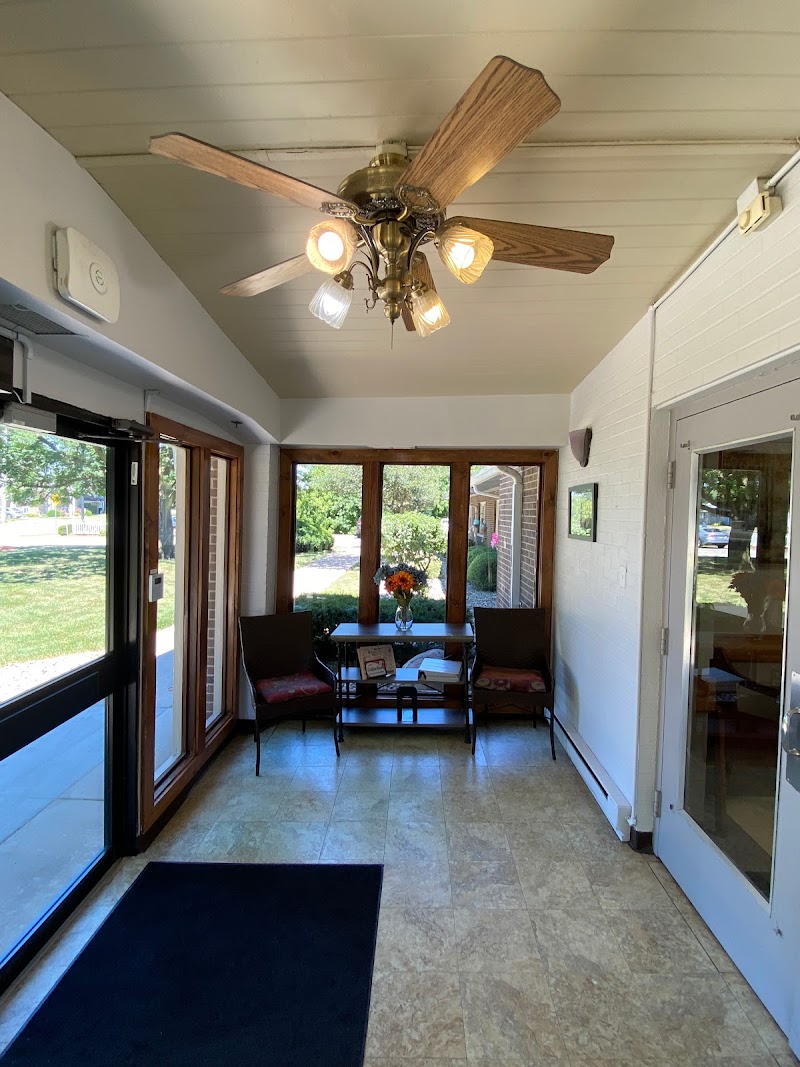
How Does Brickyard Healthcare - Twelfth Street Compare to Other Indiana Nursing Homes?

Compared to the 100 nursing homes in Indiana, BRICKYARD HEALTHCARE - TWELFTH STREET CARE CENTER's overall rating (4 stars) is above the state average of 3.1, staff turnover (72%) is significantly higher than the state average of 46%, and health inspection rating (3 stars) is at the national benchmark.

What Should Families Ask When Visiting Brickyard Healthcare - Twelfth Street?

Based on this facility's data, families visiting should ask: "How do you ensure continuity of care given staff turnover, and what is your staff retention strategy?" "Can you walk me through typical staffing levels on day, evening, and night shifts?" "Can I visit during a mealtime to observe dining assistance and food quality?" "How do you handle medical emergencies, and what is your hospital transfer rate?" These questions are particularly relevant given the facility's high staff turnover rate and the below-average staffing rating.

Is Brickyard Healthcare - Twelfth Street Safe?

Based on CMS inspection data, BRICKYARD HEALTHCARE - TWELFTH STREET CARE CENTER has a clean safety record: no substantiated abuse findings (meaning no confirmed cases of resident harm), no Immediate Jeopardy citations (the most serious violation level indicating risk of serious injury or death), and is not on the Special Focus Facility watch list (a federal program monitoring the lowest-performing 1% of nursing homes). The facility has a 4-star overall rating and ranks #1 of 100 nursing homes in Indiana. While no facility is perfect, families should still ask about staff-to-resident ratios and recent inspection results during their visit.

Do Nurses at Brickyard Healthcare - Twelfth Street Stick Around?

Staff turnover at BRICKYARD HEALTHCARE - TWELFTH STREET CARE CENTER is high. At 72%, the facility is 26 percentage points above the Indiana average of 46%. High turnover means new staff may not know residents' individual needs, medications, or preferences. It can also be disorienting for residents, especially those with dementia who rely on familiar faces. Families should ask: What is causing the turnover? What retention programs are in place? How do you ensure care continuity during staff transitions?

Was Brickyard Healthcare - Twelfth Street Ever Fined?

BRICKYARD HEALTHCARE - TWELFTH STREET CARE CENTER has no federal fines on record. CMS issues fines when nursing homes fail to meet care standards or don't correct problems found during inspections. The absence of fines suggests the facility has either maintained compliance or corrected any issues before penalties were assessed. This is a positive indicator, though families should still review recent inspection reports for the full picture.

Is Brickyard Healthcare - Twelfth Street on Any Federal Watch List?

BRICKYARD HEALTHCARE - TWELFTH STREET CARE CENTER is not on any federal watch list. The most significant is the Special Focus Facility (SFF) program, which identifies the bottom 1% of nursing homes nationally based on persistent, serious quality problems. Not being on this list means the facility has avoided the pattern of deficiencies that triggers enhanced federal oversight. This is a positive indicator, though families should still review the facility's inspection history directly.