
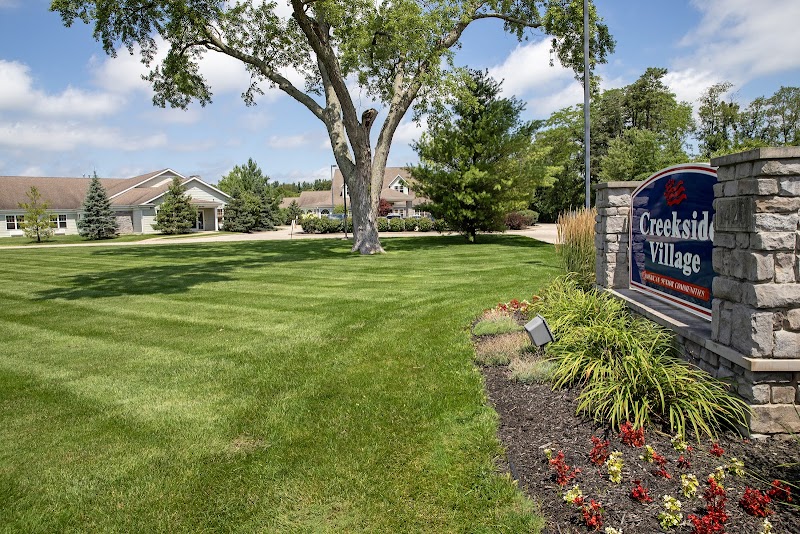


CREEKSIDE VILLAGE

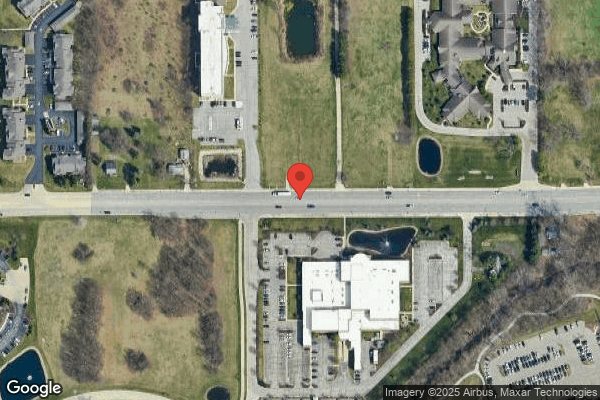
1420 E DOUGLAS RD, MISHAWAKA, IN 46545 (574) 307-7200
For profit - Partnership 100 Beds AMERICAN SENIOR COMMUNITIES Data: November 2025
Trust Grade
55/100
#233 of 505 in IN
Last Inspection: January 2025

Within standard 12-15 month inspection cycle. Federal law requires annual inspections.

Overview

Creekside Village in Mishawaka, Indiana has a Trust Grade of C, which means it is average and sits in the middle of the pack among nursing homes. It ranks #233 out of 505 facilities in the state, placing it in the top half, and #6 out of 18 in St. Joseph County, indicating only five local options are better. The facility's situation is stable, with the same number of issues reported in both 2024 and 2025. Staffing is rated at 2 out of 5 stars, which is below average, but the turnover rate of 36% is good compared to the state average of 47%. While there have been no fines, which is a positive sign, the facility has less RN coverage than 94% of Indiana facilities, which could impact care quality. Several specific incidents were noted during inspections. One resident was admitted with a pressure ulcer that was not identified or treated, leading to potential harm. Additionally, another resident's skin condition worsened without appropriate treatment, and improper documentation for bruises was found after a transfer. Lastly, there were issues with medication labeling, where opened medications did not have proper dates, raising concerns about safety and compliance. Overall, while Creekside Village has strengths such as no fines and a stable trend, there are significant weaknesses in staffing and some care practices that families may want to consider.

Trust Score
C
55/100
In Indiana
#233/505
Top 46%
Safety Record
Moderate
Needs review
Inspections
Holding Steady
7 → 7 violations
Staff Stability
○ Average
36% turnover. Near Indiana's 48% average. Typical for the industry.
Penalties
✓ Good
No fines on record. Clean compliance history, better than most Indiana facilities.
Skilled Nurses
⚠ Watch
Each resident gets only 21 minutes of Registered Nurse (RN) attention daily — below average for Indiana. Fewer RN minutes means fewer trained eyes watching for problems.
Violations
⚠ Watch
27 deficiencies on record. Higher than average. Multiple issues found across inspections.
★★★☆☆
3.0
Overall Rating
★★☆☆☆
2.0
Staff Levels
★★★★☆
4.0
Care Quality
★★★☆☆
3.0
Inspection Score
Stable
2024: 7 issues
2025: 7 issues

The Good

  • 4-Star Quality Measures · Strong clinical quality outcomes
  • Full Sprinkler Coverage · Fire safety systems throughout facility
  • No fines on record
  • Staff turnover below average (36%)

    12 points below Indiana average of 48%

Facility shows strength in quality measures, fire safety.

The Bad

3-Star Overall Rating

Near Indiana average (3.1)

Meets federal standards, typical of most facilities

Staff Turnover: 36%

10pts below Indiana avg (46%)

Typical for the industry

Chain: AMERICAN SENIOR COMMUNITIES

Part of a multi-facility chain

Ask about local staffing decisions and management

The Ugly 27 deficiencies on record

1 actual harm
Mar 2025 1 deficiency
CONCERN (D) 📢 Someone Reported This

A family member, employee, or ombudsman was alarmed enough to file a formal complaint

Potential for Harm - no one hurt, but risky conditions existed

Deficiency F0761 (Tag F0761)

Could have caused harm · This affected 1 resident

Based on observation, interview and record review the facility failed to ensure a controlled narcotic medication was either secured in a locked environment or under direct observation of the staff mem...

Read full inspector narrative →
Based on observation, interview and record review the facility failed to ensure a controlled narcotic medication was either secured in a locked environment or under direct observation of the staff member administering the medication for 1 of 1 residents observed for medication administration and safety. (Resident D) Finding includes: During an observation and interview on 3/21/2025 at 10:11 A.M., Resident D had a breakfast tray and a disposable scouffle cup of medications on his bedside table by the foot of the bed. He indicated they always left his pills on his table and there was a pain pill in the cup for him. During an interview on 3/21/2025 at 10:56 A.M., LPN 2 indicated Resident D had refused his medication and he plamned to go back later to see if Resident D had taken them. He identified the medications in the cup as the following: Eliquis 2.5 mg(milligrams) (blood thinner), tamsulosin 0.4 mg (prostate), lexapro 5 mg and 10 mg (antidepressant), daily-vite (vitamin) hydrocodone-acetaminophen 5-325 mg (narcotic pain medication) and mucinex 600 mg (expectorant). He indicated he should not have left the medications at the bedside. On 3/21/2025 at 11:45 A.M., the DON provided a medication pass procedure titled, Medication Administration, revised 7/2023, and indicated the procedure was the one currently used by the facility. The procedure indicated .11. Observed (sic) taking medications-not left at bedside .
Jan 2025 6 deficiencies
CONCERN (D)

Potential for Harm - no one hurt, but risky conditions existed

Deficiency F0679 (Tag F0679)

Could have caused harm · This affected 1 resident

Based on observation, interview and record review, the facility failed to ensure individual and group activities were provided per individual preferences for 1 of 1 resident reviewed for activities (R...

Read full inspector narrative →
Based on observation, interview and record review, the facility failed to ensure individual and group activities were provided per individual preferences for 1 of 1 resident reviewed for activities (Resident 11). Finding includes: During an observation, on 1/07/2025 at 11:00 A.M. Resident 11 was observed gazing off into the distance while seated in her reclining gerichair. Resident 11's chair had been placed was in the living room area of nursing pod in front of a television. The television was on, but Resident 11 was not watching the television. There was no other activity being provided that included Resident 11. During an observation on 1/08/2025 at 9:34 A.M., Resident 11 was seated in her reclining gerichair in front of the television in the living room area of the nursing pod. Resident 11 was not looking at the television during the observation nor was she involved in any type of activity program. During an observation on 1/09/2025 at 10:20 A.M., Resident 11 was observed seated in her reclining gerichair in the living room area of the nursing pod. She was noted to intermittently talk to no one in particular and was not watching the playing television. During an observation, on 1/10/2025 at 10:01 A.M. Resident 11 was observed lying in bed in her room, looking at the television. During an observation, on 1/10/2025 at 2:01 P.M. Resident 11 was seated in her reclining gerichair in the living room area of the nursing pod, looking out of a window. The record review for Resident 11 was completed on 1/10/2025 at 9:50 A.M. Diagnoses included, but were not limited to: dementia, hypertension, diabetes mellitus, hypothyroidism, depression, anxiety, cognitive communication disorder, brief psychotic disorder and chronic obstructive pulmonary disease. A Quarterly Minimum Data Set (MDS) assessment, dated 11/20/2024, indicated Resident 11 was severely cognitively impaired. An Annual MDS assessment, dated 9/3/2024, indicated Resident 11's activity preferences indicated it was very important for her to listen to music she liked, somewhat important for Resident 11 to read, be around pets, keep up with the news and participate in religious practices. Resident 11 indicated it was not very important to do things with groups, do past favorite activities or go outside. A current Care Plan, revised on 12/3/2024, indicated Resident 11 was identified with a potential for psychosocial well-being issues. Interventions included, but were not limited to: encourage activities of interest such as people-watching, musical activities, watching western movies and TV game shows. A Preferences for Routines and Activities form, dated 9/9/2024, indicated the resident was non-responsive to questions on the form. An Activity Assessment, dated 9/9/2024, indicated the resident was non-responsive to questions on the form. During an interview, on 1/10/2025 at 1:33 P.M., the Activities Director indicated Resident 11 was scheduled for one-to-one activities on Mondays, Wednesdays and Fridays with an activity aide. These activities consisted of playing games on an electronic tablet or touching a sensory blanket. The Activity Director indicated there were no activity participation documented for Resident 11 for the months of November 2024, December 2024, and up to and including January 10th, 2025. The Activities Director indicated the 1:1 activities should have been documented by the activity's aide for Resident 11. On 1/13/2025, at 9:00 A.M., the Administrator indicated the facility did not have an activity program policy. 3.1-33(a)
CONCERN (D)

Potential for Harm - no one hurt, but risky conditions existed

Quality of Care (Tag F0684)

Could have caused harm · This affected 1 resident

Based on observation, interview and record review, the facility failed to assess a resident's skin or notify the Physician of the need for a treatment timely for 1 of 3 residents who were reviewed for...

Read full inspector narrative →
Based on observation, interview and record review, the facility failed to assess a resident's skin or notify the Physician of the need for a treatment timely for 1 of 3 residents who were reviewed for a skin condition (Resident 30). Finding includes: During observations on the following dates, Resident 30 had multiple scratches across the top of his head in various stages of healing. Six of the scratches had thick scabs covering part of the scratches: 1/7/2024 at 11:07 A.M., 1/8/2024 at 2:06 P.M. and 1/9/2024 at 9:35 A.M. During an interview with CNA 7, completed on 1/9/2025 at 9:43 A.M., she indicated Resident 30's scratches on the top of his head were from the resident scratching himself. CNA 7 indicated Resident 30 refused nail care often and it was the family's preference that the family provided Resident 30's nail care. Resident 30's record review was completed on 1/9/2025 at 10:50 A.M. Diagnoses included, but were not limited to: chronic obstructive pulmonary disease, chronic diastolic (congestive) heart failure, cerebral palsy, schizophrenia, dysphagia, oropharyngeal phase and major depressive disorder. Resident 30's record lacked documentation that a weekly skin assessment had been completed by a nurse. A current Physician's order dated, 12/2/2024, indicated the resident received Hospice services. A Visit Note Report from the Hospice nurse, dated 1/7/2024 at 4:16 P.M., indicated the resident had been assessed by the Hospice nurse, but the scratches were not included in the documentation. During an interview on 1/9/2024 at 2:06 P.M., the Assistant Director of Nursing (ADON) indicated Resident 30's scratches had not been reported to her prior to 1/9/2024 and she did not know how long the scratches had been there present. The ADON indicated she was responsible for wounds follow up in the building and she had completed an assessment upon finding out about Resident 30's scratches. The ADON indicated the resident was itchy but could not say if he had an order for anything to relieve the itching or if Hospice had been notified about his excessive scratching. Resident 30's record lacked the documentation to indicate he had a treatment ordered for itching or that Hospice had been notified of the Resident's itching. He also did not have a Care Plan indicating he had a problem with excessive itching or scratching. On 1/10/2025 at 1:53 P.M. the Regional Clinical Nurse (RNC) provided a policy dated, 5/2022, and titled, Skin Management Program. The RNC indicated the policy was the one currently used by the facility. The policy indicated, . Any skin alterations noted by direct care givers during daily care and/or shower days must be reported to the licensed nurse for further assessment, to include but not limited to bruises, open areas, redness, skin tears, blisters and rashes. The licensed nurse is responsible for assessing all skin alterations by the direct caregivers on the shift reported . All newly identified areas after admission will be document on the New Skin Event A plan of care will be initiated to include resident specific risk factors and contributing factors with appropriate interventions implemented 3.1-37(b)
CONCERN (D)

Potential for Harm - no one hurt, but risky conditions existed

Deficiency F0692 (Tag F0692)

Could have caused harm · This affected 1 resident

**NOTE- TERMS IN BRACKETS HAVE BEEN EDITED TO PROTECT CONFIDENTIALITY** Based on interview and record review, the facility failed to obtain an admission weight and weekly weights of a newly admitted r...

Read full inspector narrative →
**NOTE- TERMS IN BRACKETS HAVE BEEN EDITED TO PROTECT CONFIDENTIALITY** Based on interview and record review, the facility failed to obtain an admission weight and weekly weights of a newly admitted resident that resulted in an undetermined weight loss for 1 of 3 residents reviewed for a weight loss (Resident 62). Finding includes: During an interview on 1/8/2025 at 1:15 P.M., the family of Resident 62 indicated they were worried about the resident's weight because it appeared to the family the resident was losing weight. Resident 62's record review was completed on 1/9/2025 at 3:00 P.M. She was admitted on [DATE] and her diagnoses included, but were not limited to: fracture of left femur, Alzheimer's disease, dementia, anxiety, hypertension and abnormal weight loss. An admission Minimum Data Set assessment (MDS) dated , 11/27/2024, indicated Resident 62 did not have a swallowing problem, required supervision for meals and weighed 125 pounds. Resident 62's record lacked documentation that she had been weighed upon admission. A Nutrition Observation form was completed by the Registered Dietician on 11/29/2024. The observation form indicated the resident had not been weighed by the facility and the weight used for recommendations was the weight provided from the hospital on [DATE]. The resident weighed 125.4 pounds on the hospital discharge paperwork and the dietician recommendations were to weigh the resident weekly. Resident 62's weight was not assessed until 12/2/2024 and she weighed 117 pounds. On 12/15/2024 she weighed 116.4 pounds. These weights indicated a 6.7 percent weight loss in less than 30 days (11/21/2024 through 12/2/2024).wq A current Care Plan dated, 11/29/2024, indicated Resident 62 was at risk for weight loss related to behaviors and poor intakes. The goal was for the resident to maintain her weight. Interventions to the Care Plan dated, 11/29/2024, indicated the resident's weight should be monitored and the Physician and family should be notified of significant weight changes. The record lacked documentation the Physician or family had been notified before the resident's weight loss. During an interview on 1/13/2024 at 9:50 A.M., the Director of Nursing (DON) indicated Resident 62 had not been weighed upon admission and the weight recorded in the MDS assessment was from the hospital discharge paperwork the facility received upon the resident's admission. The DON indicated the facility was not able say if the resident had a significant weight loss because the facility was unsure if the weight on the hospital discharge papers was accurate at the time the resident was admitted to the facility. It was the policy of the facility to weigh all new admissions at the time they were admitted and then once a week for four weeks and to follow the Dietician's recommendations. On 1/10/2024 at 1:53 P.M. the Regional Clinical Nurse (RCN) provided a policy dated, 9/2024, and titled, Resident Weight Monitoring. The RCN indicated it was the policy currently used by the facility. The policy indicated, . Procedure 1. Upon admission, the resident's weight and height will be measured and recorded in the clinical record. 2. The interdisciplinary team will place the following residents on weekly weights: New admission or readmission for a minimum of 4 weeks . 6. The physician/health care practitioner and resident representative will be notified of unplanned significant weight loss . 8. Any significant unexplained weight loss is considered a change in condition and must be addressed by the Interdisciplinary Team to determine if a new MDS/Comprehensive Assessment is needed. 3.1-46(1)
CONCERN (D)

Potential for Harm - no one hurt, but risky conditions existed

Tube Feeding (Tag F0693)

Could have caused harm · This affected 1 resident

Based on observation, interview and record review, the facility failed to follow physician's orders related to enternal feedings and water flushes for 1 of 1 resident reviewed for a gastronomy tube (G...

Read full inspector narrative →
Based on observation, interview and record review, the facility failed to follow physician's orders related to enternal feedings and water flushes for 1 of 1 resident reviewed for a gastronomy tube (G-tube) (Resident 27). Finding includes: During an observation on 1/7/2025 at 1:40 P.M., a bottle of Jevity 1.5 (enteral therapy) was disconnected from Resident 27 and hanging on an intravenous line (IV) pole. The bottle of Jevity 1.5 was dated 1/6/2024 and had 200 milliliters (mLs) left in the bottle. During an observation on 1/8/2025 at 10:40 A.M., a bottle of Jevity 1.5 was disconnected from Resident 27 and hanging on an IV pole. The bottle of Jevity 1.5 was dated 1/7/2024 and had 75 mLs remaining in the bottle. During an observation on 1/10/25 at 8:40 A.M., a bottle of Jevity 1.5 was disconnected from Resident 27 and was hanging on an IV pole with 225 mLs still remaining in the bottle. The date on the bottle was 1/9/2024. During an interview on 1/10/2025 at 8:41 A.M., LPN 5 indicated there was 225 mLs remaining in the bottle of Jevity 1.5 and it was normal for Resident 27 to have 200-300 mLs remaining in the bottle in the mornings. The entral feed was shut off at 7 A.M. and the remaining Jevity 1.5 was thrown away. LPN 5 had not charted the amount of Jevity 1.5 given, but instead marked the task complete in the Electronic Medical Record (EMAR). LPN 5 indicated she was not sure if the resident received the correct amount of feeding and calories recommended by the dietician if 200 to 300 mLs of Jevity 1.5 were routinely not administered. In addition, the physician had not been notified when Resident 27 did not receive the full amount of ordered enteral feedings. Resident 27's record review was completed on 1/10/2024 at 9:10 A.M. Diagnoses included, but were not limited to: moderate protein-calorie malnutrition, cerebral infarction, neuroleptic induced parkinsonism, schizoaffective disorder, hemiplegia, epileptic, major depressive disorder, dysphagia, and Parkinson's disease. A Quarterly Minimum Data Set (MDS) assessment dated , 11/27/2024, indicated Resident 27 received 51% or more of calories through tube feedings. A current Physician's order dated, 9/4/2024, indicated Resident 27 was to receive an enteral feeding of Jevity 1.5 daily. The enteral feeding was to run at 85 mLs per hour for 12 hours for a total of 1000 mLs. A current Physician's order dated, 12/11/2024, indicated Resident 27 was to receive 225 mLs of water every six hours. A current Care Plan dated, 1/28/2024, indicated Resident 27 was at risk for complications related to tube feeding. The goal of the Care Plan was to be free from complications related to enteral feeding. Resident 27 had a Care Plan intervention to give tube feedings and water flushes as ordered. Resident 27's Treatment Administration Record (TAR) for December 2024 and January 2025 indicated the resident did not received 225 mLs water flushes on the following dates and times: - December 18, 2024 at 12:00 A.M. - December 19, 2024 at 12:00 A.M. - December 21, 2024 at 12:00 P.M. - December 23, 2024 at 12:00 P.M. - December 27, 2024 at 12:00 A.M., 6:00 A.M., 12:00 P.M. and 6:00 P.M. - December 30, 2024 at 12:00 A.M. - December 31, 2024 at 12:00 A.M. - January 1, 2024 at 12:00 A.M. - January 2, 2024 at 12:00 A.M. and 12:00 P.M. - January 3, 2024 at 12:00 A.M. and 6:00 P.M. - January 5, 2024 at 12:00 A.M. - January 6, 2024 at 12:00 P.M. - January 9, 2024 at 6:00 P.M. Resident 27's record lacked the documentation a Physician had been notified when Resident 27 had not received her full enteral feeding or water flushes. During an interview with the Regional Clinical Nurse (RCN) on 1/13/2024 at 10:00 A.M., the RCN indicated Resident 27 had not received her water flushes as ordered by the Physician. On 1/10/2025 at 1:53 A.M. the Regional Clinical Nurse (RNC) provided a policy dated, 1/2016, and titled, Enteral Therapy. The RNC indicated the policy was the one currently used by the facility. The policy indicated, .It is the policy of this facility that the licensed nurse, in cooperation with other healthcare team members, must carefully monitor the resident's response to the enteral feedings and feeding techniques to ensure the attainment of therapeutic goals .A licensed nurse will take, note, and implement physician orders for enteral therapy 3.1-44 (a)(2)
CONCERN (D)

Potential for Harm - no one hurt, but risky conditions existed

Respiratory Care (Tag F0695)

Could have caused harm · This affected 1 resident

Based on observation, interview, and record review the facility failed to ensure a Continuous Positive Airway Pressure (CPAP) machine and tubing was stored properly, the water provided for the machine...

Read full inspector narrative →
Based on observation, interview, and record review the facility failed to ensure a Continuous Positive Airway Pressure (CPAP) machine and tubing was stored properly, the water provided for the machine was sealed while being stored and there was a completed order regarding settings for the machine for 1 of 2 reviewed for respiratory care. (Resident 140) Finding includes: During an observation and interview on 1/7/2025 at 10:27 A.M., Resident 140's CPAP storage bag was on the floor and the mask for the CPAP was under her bed covers. In addition, the sterile water for the machine was from a concentrator bubbler, dated 1/5/25 ,unsealed with about half the water left in the container. The resident indicated the concentrator bubbler container was what the facility used to fill her CPAP machine at night. During an observation and interview on 1/8/2025 at 9:16 A.M., Resident 140's CPAP face mask was on the bed, not stored in the bag. The sterile water container was on the nightstand empty and the resident indicated the water from the container was used last night to fill her CPAP machine. She indicated at home, she used distilled water. During an observation on 1/9/2025 at 9:04 A.M., Resident 140's CPAP machine and mask was lying on the bed, not stored in a bag. During an observation on 1/10/2025 at 9:05 A.M., Resident 140's CPAP mask was lying on the bed not stored in a bag. A record review was completed on 1/9/2025 at 9:51 A.M. Diagnosis included but not limited to: obstructive sleep apnea, anxiety disorder and major depressive disorder. A Physicians Order, dated 1/5/2025, indicated ____BIPAP_____CPAP/setting, on at bedtime and off upon rising. The portion of the order to note the pressure settings was left blank. During an interview on 1/13/2025 at 10:42 A.M., RN 2 indicated the CPAP tubing and mask should have been stored in a bag when not in use. In addition, she indicated the facility used the sterile water from the concentrator bubbler but were to discard any remaining water after the container had been opened because it could not be sealed. RN 2 indicated the order for the CPAP settings was not complete because the settings should have been documented on the order. On 1/13/2025 at 11:43 A.M., the Regional Director of Clinical Services provided a policy titled, CPAP Therapy, undated, and indicated the policy was the one currently used by the facility. The policy indicated .10) Verify physician orders, 17) Fill humidifier with distilled or sterile water . The policy did not indicate how the equipment was to be stored and/or maintained. 3.1-47(a)(6)
CONCERN (D)

Potential for Harm - no one hurt, but risky conditions existed

Deficiency F0883 (Tag F0883)

Could have caused harm · This affected 1 resident

**NOTE- TERMS IN BRACKETS HAVE BEEN EDITED TO PROTECT CONFIDENTIALITY** Based on observation, interview, and record review the facility failed to ensure a newly admitted resident received the influenz...

Read full inspector narrative →
**NOTE- TERMS IN BRACKETS HAVE BEEN EDITED TO PROTECT CONFIDENTIALITY** Based on observation, interview, and record review the facility failed to ensure a newly admitted resident received the influenza vaccine after signing the consent form for 1 out of 5 records reviewed. (Resident 141) Finding includes: During a record review on 1/10/2025 at 2:00 P.M. for Resident 141, the admission influenza vaccination consent form, dated 1/6/2025, indicated she wished to receive the influenza vaccine. The Medication Administration Record (MAR) indicated the influenza vaccine had not been administered to Resident 141. During an interview on 1/13/2025 at 10:00 A.M., the Admissions Director indicated she completed the admission paperwork, including the consents, then uploaded them into the electronic medical record. She indicated the nursing department then took care of providing the vaccinations. During an interview on 1/13/2025 at 11:19 A.M., the DON indicated the facility's process regarding vaccines was as follows: the Infection Preventionist (IP) would ask the resident if they wanted any vaccines, then she would look on CHIRP (Children & [NAME] Immunization Registry Program) to see what vaccines had previously been documented for the resident. If a new admission declined vaccines when asked verbally then signed a consent for the vaccination upon completing the admission paperwork, the resident should have received the vaccine. There was no documentation or explanation given as to why Resident 141 had not received the Influenza vaccination after she had signed a consent requesting the vaccine on 1/6/2025. On 1/7/2025 at 2:00 P.M., the Administrator provided a policy titled, Influenza (Flu) Vaccination (Resident), revised 8/2021, and indicated the policy was the one currently used by the facility. The policy indicated .Current and newly admitted residents will be offered the influenza vaccine, unless the immunization is contraindicated, or the resident has already been immunized during this time period . 3.1-13(a)
Jul 2024 1 deficiency
CONCERN (D) 📢 Someone Reported This

A family member, employee, or ombudsman was alarmed enough to file a formal complaint

Potential for Harm - no one hurt, but risky conditions existed

Report Alleged Abuse (Tag F0609)

Could have caused harm · This affected 1 resident

Based on record review and interview, the facility failed to complete and submit a timely 5-day follow-up report regarding a fall investigation that had been reported to IDOH (Indiana State Department...

Read full inspector narrative →
Based on record review and interview, the facility failed to complete and submit a timely 5-day follow-up report regarding a fall investigation that had been reported to IDOH (Indiana State Department of Health) for 1 of 3 residents reviewed for falls. (Resident D) Findings include: A record review was completed, on 7/1/2024 at 11:24 A.M. The resident's diagnoses included, but were not limited to: atrial fibrillation, metabolic encephalopathy, dementia, hypertension, weakness and fracture of right pubis. A Significant Change MDS (Minimum Data Set) Assessment, dated 6/13/2024, indicated Resident D was severely cognitive impaired, required the assistance of 1 staff member for transfers and utilized a front wheeled walker for mobility. A current care plan, dated 2/15/2023, indicated the resident was at risk for falls related to: History of recent fall with fracture to right pelvic region, age, medication use, incontinence, impaired mobility. Resident's lack of understanding of her own limitations, abnormalities of gait and mobility, unsteadiness on feet and lack of coordination. A Nursing Progress Note, dated 6/12/2024 at 11:45 P.M., indicated Resident D was found on her bathroom floor, on her right side with her head facing the toilet. The resident had complaints of pain to her right hip, right shoulder, head and neck. She had a 5cm (centimeters) in length laceration to her left lower extremity. The Director of Nursing, Executive Director, Medical Director and resident's family member were notified and 911 was notified. A report was given to the local receiving hospital and Resident D was transferred by paramedics to the hospital. A Progress Note, dated 6/13/2024 at 8:40 A.M., indicated Resident D had returned to facility via the local ambulance transport service. An IDT (Interdisciplinary Team) note regarding Resident D;s fall, dated 6/13/2024 at 3:49 P.M., included a description of the incident indicated Resident D's wheelchair was noted to be backed into the shower stall. The foot pedals of the wheelchair were on with the foot rests in the lowest position. Resident D was dressed in a shirt, pants, shoes and was continent of her bowels and bladder at the time of the fall. The call light was not activated in the room or the bathroom. The resident stated she was taking herself to the bathroom and tripped. Resident D had skin tears noted to both shins and a fracture to her right superior pubic ramus and pubic symphysis bones. The Medical Director and the resident's family member were notified of the change in condition. Review of the Facility Reported Incident revealed Resident D's incident was submitted to the State agency on 6/13/2024 but there with no 5-day follow-up investigation reported. During an interview on 7/2/2024 at 8:55 A.M., the Executive Director indicated she did not complete a 5 day follow up of the incident or report the follow up to ISDH (Indiana State Department of Health). She indicated the follow up was completed on 6/24/2024 and should have been completed within five days of the initial report. She indicated she had been re-educated regarding the facility's policy to investigate and submit any reportable issue timely, within the 5 day time frame to the State agency by the Regional Executive team. In addition, a monitoring system was implemented to ensure the reportable investigations were submitted timely in the future. On 7/2/2024 at 3:19 P.M., the Executive Director provided a policy titled, Long-Term Care Abuse and Incident Reporting Policy dated 4/1/2024, and indicated it was the current facility reporting policy. The policy indicated, .2. Follow-up report should include: a. Results of the investigation. b. Interventions implemented or corrective action taken. c. Method in which facility will continue to monitor efficacy of plan/interventions. d. Other persons or agencies to which the incident was reported This deficient practice began on 6/18/2024 when the facility failed to complete and submit a timely follow up investigation to the fall for Resident D, which occurred on 6/13/2024. The deficiency was corrected on 6/24/2024 when the facility Administator was re-educted, a follow up investigation report was submitted to the Department of Health and an auditing system was implemented to ensure compliance was acheived. Therefore , the deficient practice was deemed Past Noncompliance This citation relates to complaint IN00434201 3.1-28(e)
Feb 2024 6 deficiencies
CONCERN (D)

Potential for Harm - no one hurt, but risky conditions existed

Deficiency F0655 (Tag F0655)

Could have caused harm · This affected 1 resident

**NOTE- TERMS IN BRACKETS HAVE BEEN EDITED TO PROTECT CONFIDENTIALITY** Based on observation, interview, and record review, the facility failed to create a Baseline Care Plan related to a resident who...

Read full inspector narrative →
**NOTE- TERMS IN BRACKETS HAVE BEEN EDITED TO PROTECT CONFIDENTIALITY** Based on observation, interview, and record review, the facility failed to create a Baseline Care Plan related to a resident whose native language was not English, and a resident with methicillin-susceptible staphylococcus aureus (MSSA), for 2 of 19 residents who were reviewed for Baseline Care Plans. (Residents 55 & 244) Findings include: 1. During an observation, on 2/5/2024 at 11:16 A.M., Resident 55 was on a video call speaking Gujarati on a personal cell phone. No picture board or language line was present in his room. During an interview, on 2/5/2024 at 11:16 A.M., Resident 55's daughter indicated her father does not speak English, and did not always understand what staff was saying, unless a family member was present to translate. A record review was completed, on 2/8/2024 at 3:31 P.M. Resident 55's diagnoses included, but were not limited to: hemiplegia and hemiparesis of dominant side, cognitive communication deficit, dysphagia, and aphasia. An admission MDS (Minimum Data Set) assessment, dated 1/15/2024 indicated Resident 55 had severe cognitive impairment. Resident 55's preferred language was Hindi. Resident 55's record lacked any documentation that a Baseline Care Plan for communication was created. During an interview, on 02/09/24 at 9:59 A.M., the Executive Director indicated Resident 55 did not have a Baseline Care Plan for communication, but should have. On 2/9/2024 at 8:25 A.M., the Executive Director provided a policy dated, 5/2019, and titled, Communication Barriers/Interpreter Services Policy. The Executive Director indicated the policy was the one currently used by the facility. The policy indicated, .2. For resident's whose native language is not English, the IDT will determine alternate methods for communication and comprehension. These methods will be added to the plan of care 2. A record review, on 2/07/2024 at 9:23 A.M., indicated Resident 244 was admitted to the facility on [DATE]. The resident's diagnoses included, but were not limited to: MSSA (Methicillin-resistant Staphylococcus Aureus) of the left knee replacement with bacteremia (contagious bacterial infection), COVID, Respiratory failure, Atrial Fibrillation, left big toe and 2nd left toe tip gangrene. A Care Plan, dated 1/31/2024, indicated Resident 244 had impaired skin integrity related to surgical incisions to left medial and lateral knee, and required assistance with mobility, transfers, and toileting, but did not indicate the resident required contact precautions due to MSSA of the left knee. A Physician's Order, dated 2/3/2024, indicated the resident was to be in contact isolation, due to having an active infection with highly transmissible or epidemiologically significant pathogens that have been acquired by physical contact or airborne or droplet transmission, related to MSSA in wound. During an interview, on 2/9/2024 at 1:11 P.M., the Director of Nursing indicated the resident should have had a care plan in place for contact isolation due to MSSA in his wound and did not. A policy provided by the Administrator, on 2/8/2024 at 1:18 P.M., titled IDT Comprehensive Care Plan Policy, dated 8/2023 and indicated this is the current policy used by the facility. The policy indicated, .The care plan must include measurable goals and resident specific interventions based on resident needs and preferences to promote the resident's highest level of functioning including medical, nursing, mental, and psychosocial well-being .Improve relationships between resident, families and/or representative, and facility caregivers through understanding if resident's social history, culture and preferences to enhance the resident's life 3.1-35(a)
CONCERN (D)

Potential for Harm - no one hurt, but risky conditions existed

Deficiency F0657 (Tag F0657)

Could have caused harm · This affected 1 resident

**NOTE- TERMS IN BRACKETS HAVE BEEN EDITED TO PROTECT CONFIDENTIALITY** 2. A record review, on 2/07/2024 at 9:23 A.M., indicated Resident 244 was admitted to the facility on [DATE]. The resident's dia...

Read full inspector narrative →
**NOTE- TERMS IN BRACKETS HAVE BEEN EDITED TO PROTECT CONFIDENTIALITY** 2. A record review, on 2/07/2024 at 9:23 A.M., indicated Resident 244 was admitted to the facility on [DATE]. The resident's diagnoses included, but were not limited to: MSSA (Methicillin-resistant Staphylococcus Aureus) of the left knee replacement with bacteremia (contagious bacterial infection), COVID, Respiratory failure, Atrial Fibrillation, left big toe and 2nd left toe tip gangrene. A Physician's Order, dated 1/31/2024, indicated the resident was to be in droplet/contact isolation due to having an active COVID infection. The order was discontinued on 2/2/2024. A Care Plan, dated 1/31/2024, indicated the resident remained in droplet/contact isolation related to COVID-19. During an interview, on 2/9/2024 at 1:11 P.M., the Director of Nursing indicated that the care plan should have been updated after the resident no longer had COVID and the COVID isolation had been discontinued. 3. A record review for Resident 30 was completed on 2/07/2024 at 9:09 A.M. Diagnoses included, but were not limited to: encephalopathy, neuroleptic induced Parkinsonism, dysphagia, hemiplegia, and hemiparesis following cerebral infarction (stroke). An admission Minimum Data Set (MDS) assessment, dated 12/26/2024, indicated Resident 30 had an intact cognition. The resident had a feeding tube and more than 50% of food intake was via the feeding tube. Physician Orders included the following: on 12/22/2023, Resident 30 was to have nothing by mouth. On 1/3/2023, the resident was to receive Jevity 1.5 at 65 milliliters (ml) per hour continuously via a gastrostomy tube. A Care Plan, dated 1/28/2024, indicated the resident had a risk for skin breakdown. Interventions included, but were not limited to, .encourage resident to eat at least 75% of meals During an interview, on 2/08/2024 at 10:56 A.M., the MDS Coordinator indicated that the intervention for consuming 75% of meals was preloaded on the wound care plan and should have been updated to reflect the resident's current condition and physician orders. A current policy, provided on 2/8/2024 at 1:18 P.M. by the Administrator, titled IDT Comprehensive Policy and dated 8/2023 indicated, .Create an organized, resident-centered review on a routine basis to improve communication with residents, resident families and/or representative regarding the resident goals, total health status, including functional status, nutritional status, rehabilitation and restorative potential, ability to participate in activities, cognitive status, psychosocial status, sensory and physical impairments, as well as care and services provided to maintain or restore health and well-being, improve functional level or relieve symptoms 3.1-35(d)(2)(B) Based on record review and interview, the facility failed to ensure comprehensive care plans were updated related to self administration of eye drops, isolation, and NPO (nothing by mouth) status, for 3 of 22 residents whose care plans were reviewed. (Residents 20, 244, & 30) Findings include: 1. A record review was completed on 2/8/2024 at 11:32 A.M. Resident 20's diagnoses included, but were not limited to dry eye syndrome, diabetes, hypertension, and chronic pain. Resident 20's current Physician Orders included: Refresh plus eye drops 0.5% to both eyes BID (twice per day). A current Care Plan, with a revised date of 1/12/2024, indicated the resident had impaired vision and utilized glasses. An intervention, dated 5/4/2018, indicated the resident self-administered artificial tears for diagnosis of dry eyes, and kept the artificial tears at bedside. During an interview, on 2/9/2024 at 10:40 A.M., the Unit Manager indicated the resident did not self-administer eye drops. During an interview, on 2/9/2024 at 10:41 A.M., QMA 11 indicated the resident did not self-administer her eye drops, the nurse or the QMA administered the eye drops. During an interview, on 2/9/2024 at 10:42 A.M., the MDS Coordinator indicated the care plan should have been updated.
CONCERN (D)

Potential for Harm - no one hurt, but risky conditions existed

Drug Regimen Review (Tag F0756)

Could have caused harm · This affected 1 resident

Based on observation, interview, and record review, the facility failed to follow the Pharmacist's Recommendation related to the use of a diuretic medication, for 1 of 5 residents review for unnecessa...

Read full inspector narrative →
Based on observation, interview, and record review, the facility failed to follow the Pharmacist's Recommendation related to the use of a diuretic medication, for 1 of 5 residents review for unnecessary medications. (Resident 8) Finding includes: A record review for Resident 8 was completed on 2/07/2024 at 10:57 A.M. Diagnoses included, but were not limited to, acute on chronic congestive heart failure. A Quarterly Minimum Data Set (MDS) assessment, dated 11/12/2023, indicated Resident 8 received a diuretic medication daily. A Physician Order, dated 5/30/2023\, indicated furosemide (diuretic) 40 milligrams (mg) orally once a day. A Pharmacy Recommendation, dated 7/27/2023, indicated Resident 8 experienced 2 falls in July 2023 and had received a medication that may cause low blood pressure. The recommendation indicated to monitor orthostatic blood pressures periodically. The Medication Administration Record (MAR) for August, September, October, and November 2023, indicated Resident 8's blood pressure was checked every other day. The MAR did not indicate the blood pressures were orthostatic. The order was discontinued on 11/7/2023. The record lacked documentation of any blood pressures for the remainder of November 2023, December 2023, January 2024, and through February 7, 2024. During an interview, on 2/7/2024 at 2:13 P.M., the Director of Nursing (DON) indicated blood pressures should have been done and documented in the vital sign section of the clinical record, and would check to see if they were documented elsewhere. On 2/7/2023 at 2:20 P.M. the DON indicated she could not find blood pressures documented in the clinical record and that vital signs should be done monthly, but were not. On 2/8/2024 at 12:13 P.M., the Administrator indicated there were no specific policies for following pharmacy recommendations or obtaining routine vital signs. 3.1-25(i)
CONCERN (D)

Potential for Harm - no one hurt, but risky conditions existed

Medication Errors (Tag F0758)

Could have caused harm · This affected 1 resident

Based on record review and interview, the facility failed to ensure a resident's psychotropic medication was not increased and deemed a failed GDR (gradual dose reduction) without adequate indication/...

Read full inspector narrative →
Based on record review and interview, the facility failed to ensure a resident's psychotropic medication was not increased and deemed a failed GDR (gradual dose reduction) without adequate indication/documentation and other non-pharmacological interventions consistently implemented by facility staff, for 1 of 5 residents reviewed for unnecessary medications. (Resident 33) Finding includes: A record review was completed on, 2/7/2024 at 11:45 A.M. Resident 33's diagnoses included, but were not limited to cerebral palsy, Schizophrenia, depression, and anxiety. Resident 33's medication orders included, Seroquel (anti-psychotic) 25 mg (milligrams) every night, ordered 1/13/2023 as a GDR. A current Care Plan, with a revised date of 1/5/2024, indicated Resident 33 displays delusions/hallucinations as evidence by seeing people/things in his room and making up stories about his past. Misperceptions of staff actions or responses. He has a diagnosis of Schizophrenia with an order for anti-psychotic medication. A current Care Plan, with a revised date of 1/5/2024, indicated the resident was at risk for s/s (signs and symptoms) of depression related to feeling bad about his decline in health and inability to perform ADLs (activity of daily living) for himself. He calls for staff if he feels lonely, has a diagnosis of depression, and receives as antidepressant medication. A current Care Plan, with a revised date of 1/5/2024, indicated the resident displays s/s of anxiety related to a diagnosis of anxiety, as evidenced by calling out, heavy breathing, SOB (short of breath), difficulty communicating his thoughts, feeling overwhelmed and crying. He utilizes anxiety medication. A Visit Note Report, dated 1/25/2023 and completed by the Hospice Social Worker (HSW), indicated for the behavioral assessment findings, the documentation was checked as None of the Above Behaviors Demonstrated. What symptoms area causing the most distress- pain and insomnia. A Visit Note Report, dated 1/31/2023 and completed by the HSW, indicated for the behavioral assessment findings, the documentation was checked as None of the Above Behaviors Demonstrated. A Narrative Note, indicated the nurse reported he had ongoing anxiety and yelling out, especially during the night shift. The HSW encouraged staff that the resident would likely benefit from a psychosocial intervention, i.e. spending time with him. A Social Service Note, recorded as a late entry on 2/4/2023 at 9:45 A.M., indicated: Description of behavior: Increase in restlessness and yelling out. Immediate interventions: Provide calm reassurance; offer fluids Assessment of potential correlation to root cause: Psychosocial factors [activity participation, change in visitors, stressors, trauma history], Environment [over/under stimulation, approach, positioning, other resident behavior], Medications [potential adverse side effects, recent changes], Psychiatric conditions [depression, anxiety, psychosis, etc]. Potential correlation(s) to root cause: Possible over stimulated related to visitors in room; recent GDR of Seroquel. Root cause of behavioral expression: Dx. [diagnoses]: Schizophrenia; possible failed GDR. Describe preventative intervention relating to above root cause: Continues to receive hospice care and monitored for behaviors; Seroquel increased due to failed GDR. Care plan updated and current interventions revised as applicable: Yes. A New/Worsening Behavior Communication Event, dated 2/4/202 at 6:00 P.M., indicated at 6:00 P.M., Resident 33, had a behavior of increased in restlessness and yelling out. Under the section of: Describe the specific type of behavior that occurred, the documentation indicated: yelling out increase in anxiety and restlessness. Resident was given candy and pop from sister during visit. Intervention put into place to prevent another behavior was documented as follow up with hospice weekly and PRN (as needed). A Nursing Progress Note, dated 2/4/2023 at 7:01 P.M., indicated the on call Hospice Nurse came out and assessed the resident's condition. Staff received and noted a new order for Seroquel 25 mg BID (twice a day) and at night. Resident 33 was already on Seroquel 25 mg every night. A Visit Note Report, dated 2/4/2024 and completed by the Hospice RN, indicated Resident 33 had no abnormal mood/effect identified. No abnormal psychiatric symptoms identified. No change in the resident's depression, and anxiety did not significantly affect the resident. In the narrative section, the following was documented: Per facility nurse resident had been yelling out all day about back pain, even with increased doses. Especially when family was around. Spoke with [name of doctor], he ordered Seroquel 25 mg BID (twice a day). On 2/5/2023 the Seroquel order was increased to 25 mg BID (twice a day). A Nurses' Progress Note, dated 2/5/2023 at 6:35 P.M., indicated, the resident's yelling out continued for a bit this morning, but shortly after all medications given as ordered resident seemed to be calmer. No family at bedside with any type of sugary snacks and/or drinks. Just an observation made by staff that resident often becomes very antsy and restlessness after either sister or nurse from Hospice visits and always gives some type of sugary snack or drinks. Resident soon becomes very restless and antsy and the yelling out usually begins. During an interview, on 2/9/2024 at 9:21 A.M., CNA 6 indicated the resident usually had a behavior maybe 2 times a month, usually after his sister was here. CNA 6 indicated she would give him pop or talk to him, which would help with those behaviors. During an interview, on 2/9/2024 at 10:46 A.M., the Social Service Director (SSD) indicated the Seroquel was increased due to a failed GDR (gradual dose reduction). The resident had increased agitation and yelling, but it was his normal behaviors. She indicated Pharmacy would send the facility the recommendations and staff review them in the monthly meeting. A Social Service Annual Assessment Note, dated 3/15/2023, indicated. Behavioral Expressions: sometimes yells out at staff in place of using call light. Psychosocial Assessment: diagnoses: Schizophrenia, anxiety, depressive disorder. Behavioral Health Concerns: n/a. A Behavior Health Monthly Review, dated 3/22/2023, indicated New/Worsening Behaviors Exhibited: 2/4/2023 increase in restlessness and yelling out. What is the targeted behavior for each medication: agitation and yelling. On 2/9/2024 at 10:47 A.M., when asked for other monthly Behavior Review Meeting Notes other than 3/2023 and 11/2023, the SSD indicated all she had were in the chart and there was no further information. No other Behavior Health Monthly Review forms were located. There was no behavior monitoring documentation of any ongoing, frequent behaviors by facility staff after the initial GDR on 1/13/24, or any consistent non-pharmacological interventions implemented prior to deeming a failed GDR and increasing the Seroquel on 2/5/24. On 2/9/2024 at 1:15 P.M., the Administrator provided the policy titled,Psychotropic Management, dated 7/2022, and indicated the policy was the one currently used by the facility. The policy indicated . These medications are managed in collaboration with professional services and facility staff to include non pharmacological interventions, assessment, and reeducation as applicable . 1. Residents are not given psychotropic drugs unless the medication is necessary to treat a specific condition as diagnosed . 4. For antipsychotropic medications, diagnoses alone do no necessarily warrant the use these of these medications. Antipsychotic medications may be indicated if: .c Non pharmalogical approaches have been attempted, but did not relieve the symptoms which are presenting a danger or significant distress . 6. Psychotropic medications may be considered regularly for potential GDR including during monthly pharmacy reviews, during behavioral health services visits, and when the IDT is evaluating behavioral expressions On 2/9/2024 at 1:15 P.M., the Administrator provided the policy titled, Behavior Management, dated 8/2022, and indicated the policy was the one currently use by the facility. The policy indicated .3. When a behavioral expression occurs, the staff communicate to the nurse what behavior occurred. The nurse records the behavior in Matrix (charting system). 4. If the behavioral expression is new, worsening, or high risk. the nurse will record the behavior using the New/Worsening Behavior Event. New or worsening behaviors are reviewed by the IDT for assessment an preventative actions. New/Worsening Behaviors include: a. Behaviors that are new for the resident. b. Behaviors that are directed at another resident. c. Behaviors that are increasing in either frequency or severity. d. Behaviors that have potential for risk to others including sexual advances, intrusive wandering, exit seeking and chronic combativeness with care. The IDT review is a discussion with the team as to the behavioral expression, and evaluation of interventions if applicable and an assessment of any underlying causes of the behavior (i.e. pain, environmental stressor, medical illness, etc) 6. Residents with documented behaviors will have a Behavioral Health Monthly Review. This review includes evaluation of behaviors which have occurred that month and that interventions for behavioral expressions are current and effective 3.1-48(b)(2)
CONCERN (D)

Potential for Harm - no one hurt, but risky conditions existed

Deficiency F0761 (Tag F0761)

Could have caused harm · This affected 1 resident

Based on observation, interview, and record review, the facility failed to ensure medication carts were free from loose pills and failed to date opened medications in 2 of 3 medication carts observed....

Read full inspector narrative →
Based on observation, interview, and record review, the facility failed to ensure medication carts were free from loose pills and failed to date opened medications in 2 of 3 medication carts observed. (Halls 100 & 200) Findings include: 1. A medication storage observation was completed, on 2/6/2024 at 10:55 A.M. with LPN 5, on the 100 Hall medication cart. The following was observed: - 10 loose pills in various drawers. - An opened and undated bottled of latanoprost eye drops. - An opened and undated bottle of potassium chloride. - An opened and undated bottle of refresh tears. During an interview, on 2/6/2024 at 11:03 A.M., LPN 5 indicted the loose pills should not be in the cart and the medications should have been dated when opened. 2. A medication storage observation was completed, on 2/6/2024 at 1:52 P.M. with LPN 3, on the 200 Hall medication cart. The following was observed: 2 loose pills in the drawer. During an interview, on 2/6/2024 at 2:00 P.M., LPN 3 indicated the loose pills should not be in the drawers. On 2/9/2024 at 11:17 A.M., the Administrator provided the policy titled,Medication Administration, dated 7/2023, and indicated the policy was the one currently used by the facility. The policy indicated . 7. Medications with shortened expiration dates,(e.g., insulin, eye drops) have date opened on the medication label On 2/9/2024 at 11:17 A.M., the Administrator provided the policy titled, Storage and Expiration Dating of Medications and Biological's, dated 7/21/2022, and indicated the policy was the one currently used by the facility. The policy indicated . 5.Facility staff should record the date opened on the primary medication container (vial, bottle, inhaler) when the medication has a shortened expiration date once opened . 16 Facility should destroy or return all discontinued, outdated/expires or deteriorated medications or biological's in accordance with Pharmacy return/destruction guidelines and other Applicable law . 17. Facility personnel should inspect nursing station storage areas for proper storage compliance on a regularly scheduled basis 3.1-25(j) .
CONCERN (D)

Potential for Harm - no one hurt, but risky conditions existed

Infection Control (Tag F0880)

Could have caused harm · This affected 1 resident

Based on observation, record review, and interview, the facility failed to ensure proper infection control practices were completed during 1 of 1 blood sugar checks observed. (LPN 2) Finding includes:...

Read full inspector narrative →
Based on observation, record review, and interview, the facility failed to ensure proper infection control practices were completed during 1 of 1 blood sugar checks observed. (LPN 2) Finding includes: On 2/7/2024 at 10:58 A.M., LPN 2 completed a blood sugar check of Resident 43. LPN 2 placed the accucheck device on the bedside table. He cleansed his hands with alcohol gel and applied gloves. LPN 2 then cleansed Resident 43's finger with an alcohol pad, and with an opened hand, fanned the area that was just cleansed. During an interview, on 2/7/2024 at 11:07 A.M., LPN 2 indicated he should not have fanned the area. On 2/9/2024 at 11:17 A.M., the Administrator provided the policy titled,Blood Glucose Meter Testing, dated 7/2011 and revised 1/2024, and indicated the policy was the one currently used by the facility. The policy indicated .8. Cleanse resident's fingertip with alcohol wipe and allow to air dry 3.1-18(a)
Oct 2023 2 deficiencies
CONCERN (D) 📢 Someone Reported This

A family member, employee, or ombudsman was alarmed enough to file a formal complaint

Potential for Harm - no one hurt, but risky conditions existed

Deficiency F0602 (Tag F0602)

Could have caused harm · This affected 1 resident

Based on interview and record review, the facility failed to prevent the misappropriation of a resident's narcotic pain medication for 1 of 3 residents reviewed for liquid narcotic medication (Residen...

Read full inspector narrative →
Based on interview and record review, the facility failed to prevent the misappropriation of a resident's narcotic pain medication for 1 of 3 residents reviewed for liquid narcotic medication (Resident B). Findings include: On 10/5/23 at 11:41 A.M., a review of the clinical record for Resident B was conducted. The resident's diagnoses included, but were not limited to: non-traumatic intracerebral hemorrhage affecting the left non-dominant side, heart disease and chronic kidney disease The resident had a Physician Order, dated 9/15/23 through 9/30/23, for liquid hydromorphone 1 mg (milligram)/ml (milliliter). The order indicated the resident was to be administered, 3 mg of the hydromorphone every 4 hours (3 ml). A Controlled Substance Record for Resident B, dated 9/25/23, indicated 90 milliliters (ml) was received by the facility. On 9/30/23 at 2:00 P.M., 4:00 P.M., 6:00 P.M., 8:00 P.M. and 10:00 P.M., 3 milliliters of liquid hydromorphone were signed out, to be administered, by LPN 2, when the order stated every 4 hours. The Medication Administration Record for September indicated LPN 2 had documented the administration of hydromorphone, on 9/30/23 at 4:00 P.M. There were no other documentation of administration of the hydromorphone by LPN 2. A Self-Reported incident #709, dated 10/2/23, indicated Resident B was missing a medication. An investigation was initiated with staff, with LPN 2 being suspended, pending the investigation. A copy of a texted statement from LPN 3, dated 10/2/23, indicated she arrived to work on 9/30/23 and .count was good. Included liquid hydromorphone and 90 tablets plus 30 tablets PRN [as needed] .Later I transferred to another hall. On break 400 hall nurse stated we don't have to worry about the liquid hydromorphone because I split it Sunday October 1st 2023 at 6 am count was correct with only tablet form of hydromorphone. No liquid in count or cart LPN 2's written statement, dated 10/4/23, indicated .While getting liquid hydromorphone out of bottle on 9-30-23 I accidentally tapped bottle causing it to spill onto the cart. I wiped the cart with a tissue where medication was spilled. There was no liquid left. I either put the bottle in either the sharps container or trash can on nurse's cart. I don't recall. The blue sheet was in sharps shred box torn in half by mistake I always tear my report sheets in half before placing in shred box A typed paper, undated, indicated the following: on 9/30/23 from 2:00 - 2:30 P.M., video footage was observed by the Director of Nursing (DON). The footage showed LPN 2 did not spill the entire contents, that was remaining in the bottle of hydromorphone. LPN 2 was observed to wipe up the spill, with a tissue and disposed of the tissue in the medication cart trash. Later, between 4:00 - 5:00 P.M., the footage showed LPN 2 pulled the narcotic-blue form out of the narcotic binder. At that time, she was observed to pour out the remainder of the liquid, from the bottle, into a medication cup and dispose of it, into the medication cart trash. She was observed to pull the trash liner out and tied it up. She took 2-3 med cards into the medication room and blue narcotic count sheet went into the medication room with the cards. The typed paper indicated the Controlled Substance Record form was found in the shred box. A statement, dated 10/5/23, by the DON indicated .On Friday Sept. 29th, hospice nurse was here for [name of Resident B]. She gave nurse new orders for his pain medication. The nurse discontinued the liquid hydromorphone and started pill form. [Name of LPN 2] received the orders to continue liquid medication until pills were delivered. On Monday Oct. 2nd after reading orders, the nurse manager went to 400 hall to destroy the d/c [discontinued] narcotic and discovered that the bottle and count sheet was missing. At this time an internal investigation was started During an interview, on 10/5/23 at 1:26 P.M., the DON was not aware that LPN 2 had signed out the hydromorphone on 9/30/23 every 2 hours instead of every 4 hours, as the physician order directed. On 10/5/23 at 11:20 A.M., the Administrative Coordinator provided a policy titled, Abuse Prohibition, Reporting, and Investigation, dated February 2010 and revised on June 2023, and indicated the policy was the one currently used by the facility. The policy indicated .It is the policy [name of community] to provide each resident with an environment that is free from abuse, neglect, misappropriation of resident property, and exploitation .Misappropriation of Resident Funds or Property - Deliberate misplacement, exploitation, or wrongful, temporary, or permanent use of resident's property or money without the resident's consent On 10/5/23 at 12:34 P.M., the DON provided a policy titled, Controlled Substance, dated October 2002 and revised on April 2023, and indicated the policy was the one currently used by the facility. The policy indicated .Purpose of Policy: To prevent diversion, improper use and accidents related to controlled substances .3. When a controlled substance is administered to a resident, it must be recorded on the resident's Medication Sheet. Documentation on the Controlled Substance/Schedule II Narcotic Sheet that is created for each prescription During an interview, on 10/6/23 at 12:50 P.M., the DON indicated the Medication Sheet is the same as the MAR when described on the Controlled Substance policy. This Federal tag relates to complaint IN00418819. 3.1-28(a)
CONCERN (D) 📢 Someone Reported This

A family member, employee, or ombudsman was alarmed enough to file a formal complaint

Potential for Harm - no one hurt, but risky conditions existed

Pharmacy Services (Tag F0755)

Could have caused harm · This affected 1 resident

Based on interview and record review, the facility failed to prevent the improper disposal of liquid narcotics for 1 of 3 residents reviewed, who were being administered liquid narcotics. (Resident B)...

Read full inspector narrative →
Based on interview and record review, the facility failed to prevent the improper disposal of liquid narcotics for 1 of 3 residents reviewed, who were being administered liquid narcotics. (Resident B) Finding includes: On 10/5/23 at 11:41 A.M., a review of the clinical record for Resident B was conducted. The resident's diagnoses included, but were not limited to: non-traumatic intracerebral hemorrhage affecting the left non-dominant side, heart disease and chronic kidney disease The resident had a Physician Order, dated 9/15/23 through 9/30/23, for liquid hydromorphone 1 mg (milligram)/ml (milliliter). The order indicated the resident was to be administered, 3 mg of the hydromorphone every 4 hours (3 ml). LPN 2's written statement, dated 10/4/23, indicated .While getting liquid hydromorphone out of bottle on 9-30-23 I accidentally tapped bottle causing it to spill onto the cart. I wiped the cart with a tissue where medication was spilled. There was no liquid left. I either put the bottle in either the sharps container or trash can on nurse's cart. I don't recall. The blue sheet was in sharps shred box torn in half by mistake I always tear my report sheets in half before placing in shred box A typed paper, undated, indicated the following: on 9/30/23 from 2:00 - 2:30 P.M., video footage was observed by the Director of Nursing (DON). The footage showed LPN 2 did not spill the entire contents, that was remaining in the bottle of hydromorphone. LPN 2 was observed to wipe up the spill, with a tissue and disposed of the tissue in the medication cart trash. Later, between 4:00 - 5:00 P.M., the footage showed LPN 2 pulled the narcotic-blue form out of the narcotic binder. At that time, she was observed to pour out the remainder of the liquid, from the bottle, into a medication cup and dispose of it, into the medication cart trash. She was observed to pull the trash liner out and tied it up. She took 2-3 med cards into the medication room and blue narcotic count sheet went into the medication room with the cards. The typed paper indicated the Controlled Substance Record form was found in the shred box. An Employee Communication form, dated 10/4/23, indicated LPN 2 had a violated the medication pass and medication disposal policy and procedure. The details indicated .[Name of LPN 2] failed to follow [name of community] preferred method of destruction by disposing a liquid narcotic medication into the trash. [Name of community] policy is to destroy medications with two licensed nurses using the Drug Buster. Proper documentation of medication disposal was not completed per policy During an interview, on 10/5/23 at 1:26 P.M., the DON indicated it was the facility's policy to have a witness when destroying unused narcotic medication. On 10/5/23 at 12:34 P.M., the Director of Nursing (DON) provided a policy titled, Controlled Substance, dated October 2022 and revised on April of 2023, and indicated the policy was the one currently used by the facility. The policy indicated .Policy: It is the policy of this community that all controlled substances will be stored, counted, recorded and destroyed per state regulations .6. When the resident's physician discontinues a controlled substance, all unused medication will be destroyed with two licensed nurses and document on the medication destruction logs. 7. Preferred method of destruction of all medications will be placed in container of Drug Buster solution or like solution purchased via company preferred medical supply vendor This Federal tag relates to complaint IN00418819. 3.1-25(b)(3)
Aug 2023 2 deficiencies
CONCERN (D) 📢 Someone Reported This

A family member, employee, or ombudsman was alarmed enough to file a formal complaint

Potential for Harm - no one hurt, but risky conditions existed

Notification of Changes (Tag F0580)

Could have caused harm · This affected 1 resident

Based on interview, and record review the facility failed to notify a resident's responsible party of a transfer to a local emergency room following an unwitnessed fall for 1 of 3 residents reviewed f...

Read full inspector narrative →
Based on interview, and record review the facility failed to notify a resident's responsible party of a transfer to a local emergency room following an unwitnessed fall for 1 of 3 residents reviewed for accidents. (Resident B). Findings include: On 8/16/23 at 1:14 P.M., Resident B's clinical records were reviewed and indicated the resident was admitted to the facility with diagnoses that included Barrett's esophagus, osteoarthritis, fracture of second lumbar vertebra, encephalopathy, dysphagia, gastrostomy, severe protein-calorie malnutrition, chronic respiratory failure, and weakness. An admission Minimum Data Set (MDS) assessment, dated 7/04/23, and indicated the resident required extensive assistance for activities of daily living including transfers, locomotion, dressing, eating, and toilet use. The resident required a wheelchair for mobility. An Event Report, dated 6/29/23 at 1:20 A.M., indicated Resident B had an unwitnessed fall after sitting in a recliner and first observed sitting on the ground on his bottom. The Event Report indicated the resident was sent to the emergency room (ER) and that the resident's representative was notified. On 8/17/23 at 12:33 P.M. during an interview with Resident B's responsible party, she indicated the facility did not notify her of the resident's fall on 6/29/23 and was also not notified that the resident had been transferred to the hospital. The responsible party indicated she learned of the fall and the emergency room visit when the resident called her and notified her. On 8/17/23 at 4:17 P.M., during and interview with the Director of Nursing, she indicated when Resident B fell and was sent to the emergency room on 6/29/23, Registered Nurse (RN) 2 did not notify the resident's representative and the Event Report may have been reflective of RN 2's attempt to notify the representative. She indicated in a text communication, RN 2 indicated she attempted to call Resident B's representative but they did not answer the phone, and no other attempt was made to notify the representative. The DON indicated the first the representative's family would have known of the fall and ER visit would have been when they received a call from the hospital. The DON indicated the resident's representative should have been notified. On 8/17/23 at 12:00 P.M., a policy titled, Resident Change of Condition Policy, dated 11/2018, indicated, .The nurse in charge is responsible for notification of physician and family/responsible party prior to end of assigned shift when a significant change in the resident's condition is noted .If unable to reach the .responsible party requesting callbacks will be documented in the medical record .Documentation will include time and family .response . This Federal tag relates to complaint IN00413673. 3.1-5(a)(1)
CONCERN (D) 📢 Someone Reported This

A family member, employee, or ombudsman was alarmed enough to file a formal complaint

Potential for Harm - no one hurt, but risky conditions existed

Transfer Requirements (Tag F0622)

Could have caused harm · This affected 1 resident

**NOTE- TERMS IN BRACKETS HAVE BEEN EDITED TO PROTECT CONFIDENTIALITY** Based on interview and record review, the facility failed to ensure a resident received discharge instructions for medication ad...

Read full inspector narrative →
**NOTE- TERMS IN BRACKETS HAVE BEEN EDITED TO PROTECT CONFIDENTIALITY** Based on interview and record review, the facility failed to ensure a resident received discharge instructions for medication administration and gastrostomy feedings for 1 of 3 residents reviewed for discharges, (Resident B). Findings includes: On 8/16/23 at 1:14 P.M., Resident B's clinical records were reviewed and indicated the resident was admitted to the facility with diagnoses that included Barrett's esophagus, osteoarthritis, fracture of second lumbar vertebra, encephalopathy, dysphagia, gastrostomy, severe protein-calorie malnutrition, and chronic respiratory failure. An admission assessment Minimum Data Set (MDS), dated [DATE], and indicated the resident required extensive assistance for activities of daily living including G-tube feeding. Review of the Physician Order Report, dated 6/28/23, indicated the resident had Gastrostomy Tube (G-tube). Orders included; instructions to cleanse G-tube site with soap and water, pat dry and apply gauze every shift; flush the G-tube with 30 mL of water before and after medication administration; flush the G-tube with 60 mL of water every 4 hours; flush the G-tube with at least 15 mL of water between each medication administration; may crush medications and administer through the G-tube and dissolve each crushed medication in at least 10 mL to 30 mL of water; change the feeding bag at bedtime; change the irrigation set at bedtime; check the placement of the G-tube and check for residual and hold the feeding if residual is greater than 100 mL; continuous feeding of Jevity 1.5 at 55 mL per hour. Resident B was discharged to home on hospice services on 8/7/23. On 8/17/23 at 12:33 P.M. during an interview with Resident B's responsible party, she indicated the resident was transported from the facility to home by an ambulance and was under hospice care upon returning home. The responsible party indicated the facility did not send any discharge instructions for the care of the resident's G-tube or medication instructions. The responsible party indicated she did not know how to take care of the resident's G-tube or how to administer the resident's medications. On 8/17/23 at 4:17 P.M., during an interview with the Director of Nursing, she indicated Resident B was discharged home to hospice services and that there was no documentation that the resident or the resident's family received a discharge summary or discharge education. On 8/17/23 at 4:17 P.M., the Administrator indicated the facility did not follow up with resident's family to ensure they received discharge papers and discharge instructions. On 8/17/23 at 1:00 P.M., the policy titled, Discharge Planning, dated 3/23, was provided by the Administrator who indicated it was the current facility policy. The policy indicated, .It is the policy of this community to implement an effective .discharge planning process that focuses on the resident's discharge goals .Education and teaching identified as needed (ie .specialized diets .) will be given to resident/representative or support person and documented in the medical record . This Federal tag relates to complaint IN00413673. 3.1-12(a)(3)
Dec 2022 9 deficiencies 1 Harm
SERIOUS (G)

Actual Harm - a resident was hurt due to facility failures

Pressure Ulcer Prevention (Tag F0686)

A resident was harmed · This affected 1 resident

**NOTE- TERMS IN BRACKETS HAVE BEEN EDITED TO PROTECT CONFIDENTIALITY** Based on record review, observation, and interview, the facility failed to identify a pressure ulcer on admission and provide a ...

Read full inspector narrative →
**NOTE- TERMS IN BRACKETS HAVE BEEN EDITED TO PROTECT CONFIDENTIALITY** Based on record review, observation, and interview, the facility failed to identify a pressure ulcer on admission and provide a treatment for the pressure for 1 of 2 residents reviewed for pressure ulcers. (Resident 224) Finding includes: A clinical record review of Resident 224 was completed on 11/30/2022 at 8:34 A.M. Diagnoses included, but were not limited to: acute cystitis, dementia, diabetes mellitus type 2, and peripheral vascular disease. A Clinical Hospital Rehabilitation Record on 10/27/2022 at 1:44 P.M., indicated, an unstageable pressure ulcer to the sacrum. The measurements were 1.6 centimeters by 0.8 centimeters by 0.1 centimeters. The pressure ulcer was not staged due to necrotic tissue with 100 percent adherent yellow slough. There was a small amount of serosanguineous drainage. The surrounding pressure ulcer tissue had erythema. The Hospital initiated Medi-Honey treatment with surrounding Skin Prep with an Allevyn dressing. Resident 224 was admitted to the facility on [DATE]. A Care Plan on 11/1/2022, indicated, .Resident is at risk for skin breakdown due to: limited sensory perception, skin moisture, impaired mobility, potential friction/shear while in bed, peripheral vascular disease and a goal of resident will be free from skin breakdown An admission MDS (Minimum Data Set) Assessment was completed on 11/7/2022. The assessment indicated Resident 224 was at risk for pressure ulcer development, and had a stage 2 pressure ulcer present on admission. Resident 224 was always incontinent of bladder and bowel. She was severely cognitively impaired. Resident 224 required extensive assistance with two or more staff members for bed mobility, transfers, and toileting. She required extensive assistance with one staff member for eating. A Nurse's Note on 11/01/2022 at 8:09 A.M., recorded as a late entry on 11/17/2022 08:09 A.M., indicated, .admission Skin Assessment: Resident has some redness to buttock and coccyx. Redness remains blanchable. House barrier cream applied . A Braden Scale Evaluation on 11/1/2022, indicated a score of high risk for skin breakdown. On 11/2/2022, a Braden Scale indicated, a score of moderate risk for skin breakdown. A Weekly Skin Assessment on 11/6/2022, indicated . areas of skin integrity alteration: Discoloration/Rashes BUE [bilateral upper extremity]-some redness On 11/12/2022 at 5:29 A.M., a Nurse's Note indicated, .Resident noted with open skin to the coccyx. Perimeter is red and the central area is covered with some creamy slough. Area cleaned and secured with opt-foam On 11/13/2022, a Weekly Skin Assessment indicated, .areas of skin integrity alteration: Open Areas Coccyx A Physician's Order 11/13/2022, indicated, .Cleanse area to the Coccyx with wound cleanser and pat dry. Secure with the Optfoam dressing every day and as needed This order was discontinued on 11/14/2022. A Wound Management Note on 11/14/2022 and documented on 11/17/2022 08:14 A.M., indicated a stage 2 pressure ulcer measuring 3 cm (centimeters) by 5 centimeters with an unmeasurable depth. The pressure ulcer had a light bloody drainage with no odor. There was no undermining or tunneling. The pressure ulcer had 85 percent of granulation tissue, 10 percent slough tissue and 5 percent eschar tissue. The surrounding tissue had blanchable erythema. The wound is indicated as stable with no signs and symptoms of infection and has a history of an open area to the coccyx. N unstageable A Physician's Order on 11/14/2022, indicated, .Cleanse coccyx with wound cleanser and pat dry. Apply collagen and cover with dry dressing daily The order was discontinued on 11/17/2022. A Care Plan on 11/14/2022, indicated, .Problem: Resident has impaired skin integrity: Pressure area noted to the coccyx. Dx: acute cystitis without hematuria, mixed hyperlipidemia, dementia with psychotic disturbance, COPD, chronic diastolic heart failure, insomnia, osteoporosis, peripheral vascular disease, diabetes, depression, repeated falls, encephalopathy, chronic respiratory failure, obstructive sleep apnea, atrial fib [fibrillation], hypokalemia, hypertension, osteoarthritis, CKD 3 [Chronic Kidney Disease Stage 3]. Contributing factors: limited sensory perception, skin moisture, impaired mobility, potential friction/shear while in bed, peripheral vascular disease .Goal: Wound will heal without complications A Nurse's Note on 11/15/2022 5:22 A.M., indicated, Dressing to the coccyx changed, some scant amount of drainage noted from the wound perimeter. The central part noted with some creamy slough. Procedure well tolerated A Wound Management Note on 11/16/2022, and documented on 11/17/2022 at 8:20 A.M., indicated, .an unstageable pressure ulcer due to slough and eschar. The pressure ulcer measured 3.7 centimeters by 7.1 centimeters by 0.1 centimeters. The pressure ulcer had a bloody drainage and no odor. There was no undermining or tunneling. There was no undermining or tunneling. The pressure ulcer had 85 percent granulation tissue, 10 percent slough tissue, and 5 percent eschar tissue. The surrounding tissue had blanchable erythema. The surrounding tissue had blanchable erythema. The wound is indicated as stable with area of new eschar. The treatment was changed, and there was no signs or symptoms of infection A Physician's Order on 11/17/2022, indicated .Cleanse coccyx with wound cleanser and pat dry. Apply Medi-honey to eschar, cover Medi-honey with calcium alginate, apply collagen to right and left buttock and cover with dry dressing daily and as needed. This order was discontinued on 11/30/2022. An order for an air mattress was placed on 11/17/2022, and indicated, .[Mattress brand] settings per resident comfort Every Shift On 11/18/2022 03:06 P.M., A Nurse's Note indicated, .Wound culture obtained at this time. Dressing change completed as ordered and tolerated well. Edges remain intact, no odor, drainage or s/sx [signs/symptoms] of infection observed. Foley cath [catheter] placed using sterile technique. 16fr [French] cath with 15mL [milliliter] balloon intact. Yellow urine draining to gravity at this time. Tolerated procedure well. No c/o [complaints of] pain or discomfort noted during placement or after procedure. Resting comfortably on left side to offload pressure area with call light in reach. POA [Power of Attorney] notified via voicemail On 11/21/2022 at 5:53 A.M., a Nurse's Note indicated, .Changed dressing to the coccyx. Zero bleeding/odor noted. However, the central area is covered with some creamy slough. Treatment administered as ordered On 11/21/2022 at 3:23 P.M., a Nurse's Note indicated, .Lab report for wound culture in and shows MRSA [Methicillin Resistant Staphylococcus Aureus}, NP [Nurse Practitioner] notified. Have a Picc [peripheral inserted central catheter] line placed and start Vancomycin IV [intravenously] with Pharmacy to dose for wound infection, Moxifloxacin 400 mg po daily x [times] 10 days for wound infection. [Company Name] was called for Picc line placement and will call back the facility when in route. Dressing to coccyx intact and no drainage or foul odor noted. Several attempts were made to notify dtr [daughter] [Daughter's name] but could not answer the phone, left message to call facility A Physician's Order on 11/22/2022, indicated, vancomycin 1,000 mg [milligrams] intravenously, infuse 1g [gram] @ 167[milliliter]/hr [hour] once a day On 11/28/2022 at 11:23 P.M., a Nurse's Note indicated, .Post NP [Nurse Practitioner] New orders received and noted: Referral Consultation wound clinic - MD [Medical Doctor]: Dx [Diagnosis]- Wound Coccyx: D/C PRN Norco Start Norco 7.5-325 po q 8 hrs [hours] scheduled A Wound Management Note on 11/30/2022 at 9:37 A.M., indicated, .a stage 4 pressure ulcer. The pressure ulcer measures were 5.1 centimeters by 4 centimeters with a depth of 2.2 centimeters. The pressure ulcer had a moderate amount of seropurulent drainage with no odor present. The pressure ulcer had 50 percent granulation tissue and 50 percent slough tissue. The wound margins were irregular. The surrounding tissue had erythema that was blanchable. New interventions were placed. A Physician's Order on 11/30/2022, indicated, .Cleanse coccyx with wound cleanser and pat dry. Apply Medi-honey to slough, cover Medi-honey with calcium alginate, apply collagen to granulated wound margins and cover with dry dressing daily On 12/2/2022 at 9:56 A.M., an observation of the pressure ulcer was completed with LPN 12. LPN 12 indicated the pressure ulcer was found on admission and was covered with eschar and slough at that time. He indicated the treatment on the pressure ulcer was Medi-honey and calcium alginate. The pressure ulcer was noted to have a foul odor and serosanguinous drainage when the dressing was removed. On 12/2/2022 at 10:18 A.M., CNA 14 indicated Resident 224 received bed baths. She indicated the wound was present upon admission and a dressing was applied to the wound. She indicated that the staff position Resident 224 side-to-side, get her out bed, and keep the resident clean and dry. During an interview on 12/2/2022 at 1:23 P.M., the Director of Nursing (DON) indicated, she could not say exactly when the pressure ulcer occurred. She indicated she was notified on 11/12/2022, and treatments began at that time. The DON indicated when the daughter was updated on the pressure ulcer, the daughter indicated Resident 224 had a pressure ulcer prior to admitting to the facility. The DON indicated, We knew this was going to be an issue. A policy was provided on 12/2/2022 at 12:49 P.M. by the Administrator. The policy titled, Skin Management Program indicated, .Avoidable Pressure Ulcer/injury: means that the resident developed a pressure ulcer/injury abs that the facility did not do one or m ore of the following: evaluate the resident's clinical condition and risk factors; define and implement interventions that are consistent with resident needs, resident goals, and professional standards of practice, monitor and evaluate the impact of the interventions, or revise the interventions as appropriate .Procedure For Wound Prevention 1. All residents will be assessed at admission using a skin risk (Braden) assessment to determine risk for pressure ulcer/injury with initiation of a plan of care. 2. The admission skin assessment will include but not limited to: Interview of resident or family about history of skin alterations, Head-to-toe skin assessment, bed mobility, continence, signs/symptoms of peripheral vascular disease, skin alterations present on admission, skin discoloration and any evidence of scarring on pressure points, recent surgical procedures, complications such as infection and pain, nutritional status 3.1-40(a)(2)
CONCERN (D)

Potential for Harm - no one hurt, but risky conditions existed

Comprehensive Assessments (Tag F0636)

Could have caused harm · This affected 1 resident

Based on observation, record review, and interview, the facility failed to ensure the bowel and bladder incontinence assessment was accurate for 1 of 2 residents reviewed for incontinence.(Resident 23...

Read full inspector narrative →
Based on observation, record review, and interview, the facility failed to ensure the bowel and bladder incontinence assessment was accurate for 1 of 2 residents reviewed for incontinence.(Resident 23) Finding includes: During an interview with alert and oriented Resident 23, conducted on 11/29/2022 at 11:00 A.M., she indicated she sometimes had incontinent bowel episodes in the morning because the nursing staff did not bring the bed pan early enough. The clinical record for Resident 23 was reviewed on 11/29/2022 at 11:00 A.M. Resident 23 was admitted to the facility with diagnoses, including but not limited to: chronic obstructive pulmonary disease, asthma, weakness, essential (primary) hypertension, rheumatoid arthritis, major depressive disorder, diverticulosis of intestine, non-infective gastroenteritis and colitis, age-related osteoporosis, hypothyroidism, iron deficiency anemia, anxiety disorder, and muscle weakness. . The current Minimum Data Set assessment, completed on 9/26/2022 indicated the resident required extensive assistance of one to two staff for transfers and toileting needs. The resident was assessed to be occasionally incontinent of urine and frequently incontinent of her bowels. The current functional assessment for Resident 23, completed on 9/22/2022, indicated the resident was dependent for toileting needs. A bowel and bladder incontinence assessment, completed on 9/10/2022 indicated the resident was continent of her bowel and bladder. The current care plans related to incontinence needs indicated the following: .Problem: Resident has inflammatory bowel disease: HX (history) of diverticulosis, and Problem: Resident has hx of bowel and bladder incontinent episodes and requires assistance with toilet use. At risk for incontinence r/t (related to) impaired mobility, advanced age. She will notify staff when she needs to use the bathroom. The interventions included: Approach: Offer to toilet upon rising, before or after meals, at bedtime, and every 2 hours at night as needed, Care Needs Sign Off, Include on Profile, Chartable Task in POC (Point of Care- electronic charting system), House moisture barrier cream prn (as needed) incontinent episodes, Assist to toilet as needed, Assist with elimination as needed, Assist with incontinent care as needed, Document any abnormal findings and notify MD, Assess and document skin condition weekly and as needed, Observe for signs of urinary tract infection: decreased output, concentrated urine, abdominal/flank pain, difficult/painful urination, frequency, change in mental status, fever, increase in incontinence The current care plan related to providing assistance with daily care needs indicated the resident utilized a sit to stand lift for transfers and was to be provided incontinence and toileting care as needed. The care plan related to the resident's diagnosis of colitis focused on ensuring the resident drank plenty of fluids so she did not develop dehydration and there were no specific intervention related to toileting needs. During an interview with the MDS coordinator, conducted on 12/02/22 at 2:06 P.M., she indicated she was not sure why the bowel and bladder assessment, which indicated the resident was continent of both her bowels and bladder, did not match the MDS assessment, completed on 9/26/2022. She also did not seem aware of the resident's need for a bed pan early in the mornings due to her apparent bowel pattern and colitis issues. There was also no reasoning given as to why the bowel and bladder assessment, completed as a result of the 9/26/2022 MDS assessment was completed on 9/10/2022 prior to the MDS assessment review dates. Review of the facility's police titled Bowel and Bladder Program provided by the Administrator on 12/02/2022 at 2:45 P.M. included the following: .Each resident will be assessed at admission and whenever there is a change in urinary tract function .a new 3 day voiding/elimination pattern will only be completed when there is a change in the level of continence, including when a catheter is removed .each resident will be assessed at admission and with any change in bowel continence .the MDS coordinator/Unit Manager should review the voiding/elimination patterns on a daily basis to determine pattern, compliance and continence status the care plan must reflect the results of the resident's assessment and include resident specific interventions for any potential reversible cause, and if irreversible, appropriate interventions for management of fecal incontinence 3.1-31(a)
CONCERN (D)

Potential for Harm - no one hurt, but risky conditions existed

Comprehensive Care Plan (Tag F0656)

Could have caused harm · This affected 1 resident

3. A clinical record review was completed, on 11/30/2022 at 11:48 A.M., for Resident 28, diagnoses included, but not limited to: atrial fibrillation, post traumatic stress disorder, major depression, ...

Read full inspector narrative →
3. A clinical record review was completed, on 11/30/2022 at 11:48 A.M., for Resident 28, diagnoses included, but not limited to: atrial fibrillation, post traumatic stress disorder, major depression, anxiety disorder, schizoaffective disorder and neuroliptic Parkinson. No care plan was found for PTSD. During an interview, on 12/1/2022 at 3:39 P.M., MDS Nurse indicated she usually defers behavioral care plans to the Social Service Director. A care plan was put in today 12/1/2022. During an interview, on 12/1/2022 at 3:41 P.M., the Regional Social Wellness Enrichment indicated they recently rolled out a new policy on 11/3/22. Social Service is completing audits and she put in the care plan today. Reviewed the plan of care and she agreed the it is not individualized regarding triggers. On 12/1/2022 at 3:54 P.M., the Regional Social Wellness Enrichment provided a policy titled, Trauma Informed Care, revised 10/22, and indicated the policy was the one currently used by the facility. The policy indicated .Policy: It is the policy of this facility to ensure that residents who are trauma survivors receive culturally competent, trauma-informed care in accordance with professional standards of practice and accounting for residents' experiences and preferences to eliminate or mitigate triggers that may cause re-traumatization of the resident. Procedure: 4. The plan of care will routinely be evaluated whether the interventions have been able to mitigate (or reduce) the impact of identified triggers on the resident that may cause re-traumatization. If interventions do not appear effective, behavioral health and the IDT will collaborate on revised approaches 3.1-35(a) Based on observation, record review and interview, the facility failed to ensure a care plan was developed related to the specific use for an antipsychotic medication for 1 of 5 resisdents reviewed for medication use. (Resident 123) In addition, the facility failed to ensure a comprehensive care plan was developed regarding PTSD (post traumatic stress disorder) for 2 of 2 residents reviewed for the diagnosis. (Resident 123, 19 and 28) Findings include: 1. Resident 123 was observed during the initial tour of the facility, conducted on 11/28/2022 between 10:15 A.M. - 11:30 A.M., lying in her bed awake. The resident was noted to have repetative movements of her mouth and lips and her the skin just above her upper lip was noted to be chapped from licking the area repetatively. The cllinical record for Resident 123 was reviewed on 11/30/2022 at 3:01 P.M. Resident 123 was admitted to the facility on with diagnosis including, but not limited to: hydronephrosis with renal and ureteral calculous obstruciton, obstructive and reflux uropathy, metabolic encephalopathy, sepsis, acute kidney failure, UTI with ESBL, protein calorie malnutrition, diabetes, atrial fibrillation, unspecified dementia without behavioral disturbance, psychotic disturbance and mood disturbance and anxiety, COPD, depressive disorders, osteoarthritis, cerebral infarction, GERD, seizures, hyperlipidemia, HTN and hypothyroidism The current physician orders for medications, included an order for the antipsychotic medication, Pimozide 4 mg at bedtime for other depressive disorders. The admission MDS (Minimum Data Set) assessment, which was supposed to have been completed on 11/21/2022 was still listed as In process and was incomplete when the clinical record for Residenet 123 was reviewed again on 12/01/2022. The current care plan for Resident 123 included plans to address the resident's risk for depression, insominia, and risk for adverse side effects related to the use of psychotropic medication (antidepressant, antipsychotic) but there was not care plan regarding the medical symptom requiring the use of the antipsychotic medication for the resident. The Hospice documentation indicated the Prmozide was utilized for Mood. During an interview wth the SSD, employee , conducted on 12/01/2022 at 10:18 A.M., she indicated she had recently returned from a medical leave and was not very familiar with Resident 123. She looked through her medications and was unable to identify the antipsychotic medication. After the specific medication use was brought to her attention, Employee indicated there was no specific diagnosis associated with the medication use and she would have to do some digging to figure out the medication use. A prescription order form, undated and provided by the facility on 12/01/2022 at 11:54 A.M., indicated the resident was receiving the Primozide antipsychotic medication for a diagnoses of Tourette's disorder. A copy of an Acute care center emergency department visit, dated 10/24/2022 did have Tourette's disorder listed under the resident's diagnoses list. During an interview with the MDS Coordinator, conducted on 12/01/2022 at 2:45 P.M., she indicated she deffered any care plan related to mood/behavioral issues to the Social Services department. It was unclear why the resident's facility record did not include the Tourette's disorder diagnosis on the initial diagnosis list and did not identify and care plan the resident's Tourette's disorder. 2. During the initial tour of the facility, conducted on 11/28/2022 between 10:15 A.M. - 11:30 A.M., Resident 19 was observed lying in her bed watching television and looking at an electronic tablet. She was alert and indicated she was doing pretty good. The cinical record for Resident 19 was reviewed on 11/29/2022 at 9:50 A.M. Resident 19 was admitted to the facility with diangoses, including but not limited to: Type 2 diabetes mellitus with diabetic nephropathy, Hemiplegia and hemiparesis following cerebral infarction affecting left non-dominant side, Chronic obstructive pulmonary disease, Morbid (severe) obesity, hypertension, Chronic kidney disease, stage 4 (severe), Heart failure, Sleep apnea, Anoxic brain damage, Neuromuscular dysfunction of bladder, Anxiety disorder, Major depressive disorder, recurrent, unspecified, Post-traumatic stress disorder and left lower quadrant abdominal swelling, mass and lump. The most recent Minimum Data Set assessment for Resident 19, indicated she did not display any mood and/or behavioral issues during the assessment reference time frame. The current care plans for Resident 19, reviewed on 11/29/2022 indicated there was no plan to address the resident's diagnosis of PTSD. (Post Traumatic Stress Disorder). The current plans to address behaviors and/or mood did not provide any specific information regarding the PTSD diagnosis or triggers. The most recent care plan summary, completed by the SSD, Employee, on 9/27/2022, indicated the resident had not exhibited any behavioral issues and had diagnoses of anxiety and depressive disorder. The summary note indicated the resident did express feeling of sadness and feeling down at times. The summary note indicated the resident was seen by the psychiatric services in the facility. There was no specific mention of PTSD in the care plan summary. During an interview with the MDS Nurse, conducted on 12/01/22 at 3:39 P.M., she indicated she usually defers behavioral care plans to the social service designee. When asked if residents should have had a care plan for PTSD. the MDS coordinator indicated a plan had been initiated for Resident 19 on 12/01/2022 by the Social wellness and enrichment consultant, Emplloyee . During an interview with Employee conducted on 12/01/22 at 3:41 P.M., she indicated she had intiated care plans regarding PTSD for Resident 19. When asked why the resident did not have a plan intiiated earlier she indicated the new corportate policy and education had been rolled out 11/03/2022 and the social service staff were directed to conduct an audit to identify residents in the building with a PTSD diagnosis. She indicated the audits were to be completed by the end of the month (November) and so she had indiated the care plans for those resident on 12/01/2022. Review of the PTSD care plan for Resident 19 indicated it did not idenitfy specific triggers and was not individualized. Employee indicated the plan was to speak with the facility psychiatric services provider regarding triggers and then further individualize the care plans.
CONCERN (D)

Potential for Harm - no one hurt, but risky conditions existed

Deficiency F0657 (Tag F0657)

Could have caused harm · This affected 1 resident

Based on interview and record review, the facility failed to invite a resident to the care plan conference for 1 of 25 residents reviewed for care plans. (Resident 51) Finding includes: During an int...

Read full inspector narrative →
Based on interview and record review, the facility failed to invite a resident to the care plan conference for 1 of 25 residents reviewed for care plans. (Resident 51) Finding includes: During an interview with alert and oriented Resident 51, conducted on 11/29/2022 at 9:58 AM., he indicated he did not recall being invited to and/or participating in a care plan meeting. The clinical record for Resident 51 was reviewed on 11/29/2022 at 11:30 A.M. Resident 51 was admitted to the facility with diagnoses, including but not limited to: dementia, osteoarthritis, benign prostatic hyperplasis , chronic atrial fibrillation, hypertension, chronic kidney disease stage 4, atherosclerotic heart disease, type 2 diabetes mellitus, mobid obesity, constipation, urinary tract infections and difficulty walking. The most recent Quarterly MDS assessment for Resident 51, dated 11/23/2022 indicated the resident scored a 15 on the BIMS (Brief Interview for Mental Status) indicated the resident was alert and oriented. During an interview with the Social Service Designee for the unit on which Resident 51 resided, conducted on 11/30/2022 at 1:43 P.M. she indicated the other SSD handled and tracked all of the care plan meeting invitations. During an interview with SSD, conducted on 11/30/2022 at 2:00 P.M., she indicated she kept copies of mailed invitations to family members regarding care plan meetings. She indicated Resident 51's most recent care plan meeting was conducted on 11/16/2022. She indicated she did not document an invitation to the care plan meeting given to the residents themselves, but presented a blank, scripted post card which was given to residents with the date and time of their care plan meetings . She indicated if the resident responded or the family responded to the mailed invitations, then the care plan meeting would be held in the resident room. She indicated the other SSD, employee would have recorded who attended the care plan meetings in the care plan summary note in the clinical record. There was no care plan summary note in the clinical record for Resident 51 regarding the 9/22/2022 care plan meeting. During an interview with SSD, employee on 11/30/2022 at 2:15 P.M. she indicated she had recently returned to work after an extended leave and had not yet put the care plan summary meeting note in the record for Resident 51 regarding the 11/16/2022 care plan meeting. She provided handwritten documentation which indicated the care plan meeting only involved herself, the MDS coordinator, the dietary supervisor and the activity director. The note indicated the resident was not involved in the care plan meeting. Resident 51 was again interviewed on 11/30/2022 at 2:07 P.M. regarding an invitation to the care plan meeting and he indicated he did not recall receiving a post card, nor did he recall anyone personally inviting him to a care plan meeting in the last few weeks. The facility policy and procedure, titled IDT Comprehensive Care Plan Policy, provided by the Administrator on 12/02/2022 at 9:50 A.M. included the following: .Procedure: .Resident, resident's representative, or others as designated by resident will be invited to care plan review .2. During the meeting: all IDT members promptly meet with resident and/or representative at the bedside, or resident's desired location, at the time mutually agreed upon by SS (social services), IDT (inter-departmental team), resident and/or representative Resident's representative reserves the right not to attend, but the IDT should still attempt to meet with the resident and complete the Care Plan Summary as indicated 3.1-35(c)(2)
CONCERN (D)

Potential for Harm - no one hurt, but risky conditions existed

Respiratory Care (Tag F0695)

Could have caused harm · This affected 1 resident

2. During an initial interview on 11/28/2022 at 1:51 P.M., Resident 6 indicated she wears a C-Pap (continuous positive airway pressure) at night. Resident 6 indicated there is problem with sanitation ...

Read full inspector narrative →
2. During an initial interview on 11/28/2022 at 1:51 P.M., Resident 6 indicated she wears a C-Pap (continuous positive airway pressure) at night. Resident 6 indicated there is problem with sanitation and cleaning of the C-Pap system. She indicated the mask, tubing, filtration, and humidification reservoir have not been cleaned in a long time. She indicated it had been some time since the mask, tubing, filtration, and humidification reservoir had been changed. A clinical record review was completed on 11/20/2022 at 3:16 P.M. for Resident 6. Diagnoses included, but were not limited to: Parkinson's disease, bipolar disorder, dementia, and obstructive sleep apnea. A Quarterly MDS (Minimum Data Set) Assessment was completed on 8/25/2022. The assessment indicated Resident 6 was cognitively intact. A Care Plan on 8/18/2015, indicated, .Problem: Resident has potential for impaired gas exchange related to: Chronic obstructive pulmonary disease, Obstructive sleep apnea. Has an order for CPAP at night, which she often refuses to wear or will remove in bed after wearing for a short time. Becomes short of breath when lying flat. Uses supplemental oxygen, refuses to keep it in place at times. PRN [as needed] nebulizer treatment. Hx [History] COVID-19 A Physician's Order on 9/16/2018, indicated, .CPAP Set 4-20 cm H2O Twice A Day The orders indicated a service provider for the C-Pap equipment. During an interview with the Director of Nursing (DON) on 12/02/22 at 1:16 P.M., the DON indicated residents should have orders to wash the mask out with soap and water daily, orders to place at night and take off in the morning when they wake up, and orders to change the mask and tubing every 6-12 months. The DON reviewed Resident 6's orders and could not identify any maintenance or cleaning orders. On 12/2/2022 at 12:49 P.M., a policy titled, CPAP Therapy was provided by the Administrator. The policy indicated, .Cleaning and Maintenance 4) Follow these steps for cleaning your CPAP patient circuit]: i. Remove the headgear from the mask or nasal pillow shell. Disconnect the mask pr shell, swivel, and tubing. j. With a soft cloth, gently wash the mask or pillows with a solution of warm water, and a clear liquid detergent. k. Rinse thoroughly. If the mask still feels oily, repeat step c. l. Allow the mask or pillows to air dry. Do not place any supplies in the dryer. m. Wash tubing as necessary with a solution of warm water, and a mild clear liquid detergent. Rinse thoroughly, and allow to air dry. n. Clean and inspect all components regularly. The mask, tubing, and headgear should last approximately 6-12 months, but the actual life of the equipment can vary greatly .6) Filter maintenance 6. Will depend on the model of the unit you have. 7. There may be two filters on some models. 8. The first filter is usually disposable and the second is reusable. 9. Disposable filters should be replaced per manufacturer's' recommendations. 10. Reusable filters should be rinsed of dust and allowed to air dry. Never put a damp filter in your CPAP unit 3.1-47(a)(6) Based on observation, interview and record review, the facility failed to ensure oxygen was administered by a nurse and continuous positive airway pressure (CPAP) equipment was cleaned/changed for 2 out of 2 residents reviewed for respiratory services. (Resident 173 & 6) Findings include: 1. A clinical review was completed, on 11/30/2022 at 2:14 P.M., for Resident 173, diagnoses included but were not limited to: acute systolic (congestive) heart failure, venous insufficiency (chronic) (peripheral), atrial fibrillation, acute kidney failure, type 2 diabetes mellitus and atherosclerotic heart disease of native coronary artery with unstable angina pectoris. During an interview, on 11/29/2022 at 9:29 A.M., the resident was sitting in his wheelchair without his oxygen. He indicated he was going to a doctor appointment, and they went to get some tubing for the portable. During an observation, on 11/29/2022 at 9:30 A.M., a man in blue scrubs entered the room with long tubing connected it and proceeded to turn on the oxygen. He turned the dial to 2 liters. This surveyor asked if he was the nurse and he indicated he was a bus driver and not a nurse. He indicated he put the oxygen on 2 liters. A Physician Order, dated 11/29/2022, indicated Oxygen at 4 liters per nasal cannula. Every Shift. During an interview, on 11/30/2022 at 11:51 A.M., the bus driver indicated that he has changed the tubing over to the portable and turned on the oxygen for other residents. It is not in his job description or in his scope of practice to administer oxygen and should not have. On 12/1/2022 at 2:15 P.M., the Administrator indicated she could not find a policy but provided a procedure steps, titled Filling Portable Oxygen Canister, revised 12/2012, and indicated the procedure is the one currently used by the facility. The procedure indicated . 3. Ask nurse to disconnect oxygen from resident. 18. Ask the nurse to reconnect the oxygen to the resident On 12/1/2022 at 2:15 P.M., the Administrator provided a job description titled, Bus Driver Position Description, revised 6/2014, and indicated the job description is the one currently used by the facility. The job description indicated .SUMMARY OF POSITION FUNCTIONS: The Bus Driver has a primary responsibility with ensuring the health, safety and welfare of the resident while transporting to and from activities outside the community
CONCERN (D)

Potential for Harm - no one hurt, but risky conditions existed

Deficiency F0698 (Tag F0698)

Could have caused harm · This affected 1 resident

Based on interview and record review, the facility failed to ensure a resident receiving dialysis was assessed before and after dialysis for 1 out of 1 reviewed for dialysis services. (Resident 58) F...

Read full inspector narrative →
Based on interview and record review, the facility failed to ensure a resident receiving dialysis was assessed before and after dialysis for 1 out of 1 reviewed for dialysis services. (Resident 58) Finding includes: A clinical review was completed, on 11/30/2022 at 3:57 P.M., for Resident 58, diagnoses included but not limited to: hypertensive heart and chronic kidney disease with heart failure and stage 1 through stage 4 chronic kidney disease, peripheral vascular disease, atrial fibrillation, and osteoarthritis. A Physician Order, dated 10/29/2022, indicated Dialysis Tuesday, Thursday, Saturday at 12:30 P.M During an interview, on 12/2/2022 at 9:37 A.M., the Unit Manager 2 indicated that Resident 58 goes to dialysis on Tuesday, Thursday and Saturday and when he goes out to dialysis the nurse opens an event and fills out the questions prior to dialysis, when he returns the nurse on duty finishes the event. The unit manager found events dated 11/1/2022, 11/3/2022. 11/5/2022 and 11/8/2022. She indicated there was no event filled out for 11/10/2022 11/12/2022, 11/15/2022, 11/17/2022 11/19/2022, 11/21/2022, 11/23/2022, 11/26/2022, 11/29/2022 and 12/1/2022 and there should have been. The Event is titled, Dialysis/Other Outpatient Event - ASC Dialysis Appointment Assessment. On 12/2/2022 at 10:51 A.M., the Administrator provided a policy titled, Dialysis Care, revised 11/2017, and indicated the policy was the one currently used by the facility. The policy indicated, .POLICY Ongoing assessment of the resident's condition and monitoring for complications before and after dialysis treatments received at a certified dialysis facility. PROCEDURE 3. A dialysis event will be initiated in EMR to include time of transfer and completed on return to the unit 3.1-37(a)
CONCERN (D)

Potential for Harm - no one hurt, but risky conditions existed

Infection Control (Tag F0880)

Could have caused harm · This affected 1 resident

Based on observation, record review and interview, the facility failed to ensure 1 of 5 nursing staff observed administering medications followed infection control policies regarding cleaning of a glu...

Read full inspector narrative →
Based on observation, record review and interview, the facility failed to ensure 1 of 5 nursing staff observed administering medications followed infection control policies regarding cleaning of a glucometer. (LPN 15) Finding includes: During an observation of a medication administration pass, conducted on 12/01/2022 at 10:02 A.M., LPN 15 gathered items to obtain the blood glucose level for Resident 53. She gathered a glucometer, a large packet containing a disinfectant wipe, a few smaller packets containing alcohol wipes, and a cardboard box which contained several unused lancets. After entering Resident 53's room, the LPN placed a paper towel on his over bed table, washed her hands and donned gloves. Next, she opened an individual packet containing a disinfectant wipe and cleaned and disinfected the glucometer. After allowing the glucometer to dry for a few minutes, the nurse then opened an alcohol swab and cleaned Resident 53's finger with alcohol. After placing a new test strip into the glucometer machine, LPN 15 then pricked Resident 53's cleaned finger with a lancet and obtained a drop of blood. She placed the drop of blood onto the test strip and obtained the blood glucose reading. After removing her gloves, LPN then walked back to the medication cart and placed the uncleaned glucometer back on top of the remainder of testing supplies, directly on top of the remaining lancets and alcohol swab packets. Review of the facility policy and procedures, titled: Storage and expiration of Medications, Biological, Syringes and Needles, provided by the Administrator on 12/02/2022 at 9:50 A.M. indicated the following: .Facility should ensure that food is not to be stored in the refrigerator, freezer or general storage areas where mediations and biological's are stored Review of the facility policy and procedures, titled, Blood Glucose Meter Cleaning/Disinfecting and testing policy, provided by the Administrator on 12/02/2022 at 9:50 A.M. included the following instructions after exiting the resident's room with the used, gathered supplies: .Exit room, Dispose of lancet and test strip in sharps container, Dispose of alcohol wipe, test strip, paper towel or clean barrier and gloves in trash if not already done in resident room. Place glucometer on paper towel, plastic cup or other barrier that was left on medication cart. (Note: the paper towel is not a dirty surface) (Note is blood is visibly present on the glucometer, two wipes must be used. One germicidal wipe to clean (i.e. remove visible blood or soiling, it does not need to be done per contact time); The second wipe is to disinfect and must be done with (name of germicidal wipe); wipe for a 3 minute contact time. 3.1-18(a)
CONCERN (E)

Potential for Harm - no one hurt, but risky conditions existed

Quality of Care (Tag F0684)

Could have caused harm · This affected multiple residents

Based on record review, observation and interview, the facility failed to provide treatment for worsening skin integrity, proper physician ordered treatment for skin integrity, and lack of investigati...

Read full inspector narrative →
Based on record review, observation and interview, the facility failed to provide treatment for worsening skin integrity, proper physician ordered treatment for skin integrity, and lack of investigation and documentation for bruises with an improper transfer. (Residents 6, 5 & 28) Findings include: 1. During an initial interview with Resident 6, she indicated she had dry skin and picks at her skin especially when it is dry. She indicated her legs are dry, she had picked at her legs causing scabbing to both legs. Resident 6 indicated she had requested for lotion to be applied. A clinical record review was completed on 11/20/2022 at 3:16 P.M. for Resident 6. Diagnoses included, but were not limited to: Parkinson's disease, bipolar disorder, dementia, and obstructive sleep apnea. A Quarterly MDS (Minimum Data Set) Assessment was completed on 8/25/2022. The assessment indicated Resident 6 had no skin issues. Residen6 6 was cognitively intact and had no documented behaviors. A review of the Physician Order's indicated no lotions or treatments were indicated. A Care Plan revised on 8/18/2022, indicated, .Resident is at risk for skin breakdown r/t limited sensory perception, limited/impaired mobility, skin moisture r/t episodes of bowel and bladder incontinence, impaired/decreased mobility, potential for shearing and friction, Parkinson's disease, dementia, dermatitis, Hx [history of] CVA [cerebral vascular accident] with right hemiparesis, heart disease, hypothyroidism, PVD [peripheral vascular disease]. She has a hx of picking at skin and causing scabbed areas. Has stasis dermatitis to bilateral lower legs with scabbed areas present. Prefers to wear shoes without socks The interventions included, .Assess and document skin condition weekly and as needed. Notify MD [medical doctor] of abnormal, House moisture barrier cream prn incontinent episodes, no towels on lap tray under arm, Pressure reducing/redistribution mattress on bed, and Incontinent care as needed using peri wash and moisture barrier Weekly Skin Assessment on 11/15/2022, indicated, .Redness to buttock-blanchable On 11/22/2022, the Weekly Skin Assessment indicated, .Redness to groin and abdomen During an observation on 12/1/2022 at 11:46 A.M., Resident 6 indicated a treatment has not been ordered this time. She was observed to have more than 20 scabbed areas to the left lower extremity from the ankle to the knee. Resident 6 had more than 12 scabbed area, with one scabbed area actively bleeding to the right lower extremity from the ankle to mid-calf. Erythema is observed around all the scabbed areas. Resident 6 indicated she would appreciate some lotion to combat the dryness on her legs. During an interview on 12/1/2022 at 4:17 P.M., LPN 18 indicated she completed the Weekly Skin Assessment on 11/29/2022 and identified redness on Resident 6's buttocks, under the breast and abdomen. She indicated Resident 6 received house moisture barrier to her buttocks. LPN 18 indicated Resident 6 will tell the staff what treatment she wants with her skin issues. She indicated Resident 6 had not indicated she needed a treatment to her legs. LPN 18 indicated Resident 6 does not receive a treatment to her legs, rubs her legs a lot due to dry skin, received scabbed skin from itching, and should have lotion applied daily to the legs. LPN 18 observed the scabbed areas to Resident 6's legs. She indicated since the areas were scabbed; a treatment was not indicated. LPN 18 indicated these scabbed areas should have been identified on the Weekly Skin Assessment. On 12/2/2022 at 8:58 A.M., an interview with LPN 18 indicated the physician had been notified of the scabbed areas. She indicated when Resident 6's legs get this bad we le the physician know. She indicated communication was completed 12/1/2022 by means of the triage sheet (written communication log). During an interview on 12/2/2022 with Nurse Practitioner 19, she indicated she had never seen Resident 6. She indicated she had not received notification of Resident 6's legs and the issue was identified on the triage sheets. She indicated another Nurse Practitioner had seen Resident 6 on 11/23/2022, and did not make any notation of skin issues to the legs. On 12/2/2022 at 12:59 P.M., Resident 6 indicated no staff members had applied lotion to her legs. She indicated she was seen by the Nurse Practitioner today and Eucerin lotion was ordered. On 12/2/2022 at 1:58 P.M., the Administrator indicated the Nurse Practitioner's Note was not available at this time from the visit today. 2. A clinical review was completed, on 11/30/2022 at 9:37 A.M., for Resident 5, diagnosis included but not limited to: primary osteoarthritis, difficulty in walking, malaise, age related physical debility, and artificial hip joint. During an interview, on 11/28/2022 at 2:49 P.M., the resident indicated she got bruises and a knot on her right knee from being toileted by three staff when she is a hoyer transfer. She told them her legs were not strong enough. The transfer occurred before Thanksgiving. The resident showed the bruise on her right arm, right elbow, top of left and right hand, left hand middle finger and lifted her right pant leg to show the knot. No discoloration noted to the right leg. A Physician Order, dated 4/26/2022, indicated patient to use hoyer lift during transfers. A Care Plan, titled, ADL Functional/Rehabilitation Potential, approach dated 4/26/2022, indicated hoyer lift x 2 assist for transfers. A Care Plan, dated 4/5/2022 indicated Resident requires assistance with toileting due to decreased mobility r/t fx of left great toe, osteoarthritis, weakness, malaise, difficulty in walking, bowel and bladder incontinence. Approach: Check and change every 2 hours while awake and prn. During an interview, on 11/30/2022 at 10:00 A.M., the Certified Nurse Aide (CNA) 5 indicated Resident 5 is a hoyer lift. The transfer information is on our assignment sheets and charting. The resident had stomach cramps, so he offered a bed pan or the toilet. It took three people to do the transfer two to lift and one to manage the clothing. The transfer was extensive, she did not bare much weight when they got her off the toilet and does not recall her hitting anything during the transfer. He indicated they should not have transferred her to the toilet. During an interview, on 11/30/2022 at 10:17 A.M., the Certified Nurse Aide (CNA) 2 indicated she did assist with managing resident 5's clothing during the transfer. The transfer was shaky, and she was scared getting off the toilet. It was difficult because she did not bare any weight. She is a hoyer and probably should have used the sit to stand lift. During an interview, on 11/302022 at 1:32 P.M., the Registered Nurse (RN) 4 indicated that she was aware of the transfer and the staff did not follow the plan of care to transfer by hoyer lift. On 12/1/2022 at 2:15 P.M., the Administrator provided a policy titled, Telephone Orders/Physician Orders, dated 11/15, and indicated the policy was the one currently used by the facility. The policy indicated .Orders from physicians are used to communicate instruction required to supervise and maintain a resident's health. Physician orders may also include, but are not limited to, medication orders, diagnosis, vital signs, precautions, laboratory/diagnostic order, transfer/discharge orders 3. A clinical review was completed, on 11/30/2022 at 9:37 A.M., for Resident 5, diagnosis included but not limited to: primary osteoarthritis, difficulty in walking, malaise, age related physical debility, and artificial hip joint. On 11/26/2022, the weekly skin documentation indicated scattered bruises without indication of where they are located or sizes. No new Event noted under the Event tab in the electronic medical record. During an interview, on 11/28/2022 at 2:49 P.M., the resident indicated she got bruises from being toileted. The resident showed the bruise on her right arm, right elbow, top of left and right hand, left hand middle finger and lifted her pant leg to show the knot. No discoloration noted to the right leg. During an interview, on 11/30/2022 at 1:32 P.M., the Registered Nurse (RN) 4 indicated when a bruise is noted on a resident they do a skin event, measure, and report it to the Director of Nursing or Administrator. She indicated she did not do a skin event, measure, or report Resident 5's bruises on 11/26/2022 and she should have had. During an interview, on 12/1/2022 at 2:15 P.M., the Administrator indicated she does not have an investigation on the bruises because she was not aware of them. On 12/1/2022 at 2:15 P.M., the Administrator provided a policy titled, SKIN MANAGEMENT PROGRAM, revised on 5/22, and indicated the policy was the one currently used by the facility. The policy indicated .PROCEDURE FOR ALTERATIONS IN SKIN INTEGRITY - PRESSURE AND NON-PRESSURE 1. Alterations in skin integrity will be reported to the MD/NP, the resident and/or resident representative as well as to the direct care staff. 4. All newly identified areas after admission will be documented on the New Skin Event 4. A clinical record review was completed, on 11/30/2022 at 11:48 A.M., for Resident 28, diagnoses include but not limited to: atrial fibrillation, post- traumatic stress disorder, major depression, anxiety disorder, schizoaffective disorder and neuroleptic Parkinson. During an observation, on 11/30/2022 at 2:44 P.M., resident was sleeping in bed, both prevalon boots were sitting on the other side of the closet on top of a folded walker, pillows under her heels. During an observation, on 12/1/2022 at 10:15 A.M., resident was sleeping in bed, both prevalon boots were sitting on the other side of the closet on top of a folded walker, pillows under her heels. During an observation, on 12/1/2022 at 4::15 P.M., the resident was in bed and prevalon boots were sitting on the other side of the closet on top of a folded walker, pillow under her heels. During an observation, on 12/2/2022 at 8:45 A.M., the resident was in bed, heels resting on top of the pillows, and prevalon boots on the other side of the closet on top of a folded walker. A Physician Order, dated 7/25/2022, indicated offer to float heels while in bed or recliner Every Shift. A Physician Order, dated 7/25/2022, indicated Prevalon boots to BLE while in bed as preventative Every Shift. A Care Plan, titled Pressure Ulcer, with approaches: Offer to float heel while in bed or recliner, and Prevalon boots to bilateral feet while in bed. During an interview, on 12/2/2022 at 9:02 A.M., the License Practical Nurse (LPN) 15 indicated she does have an order for prevalon boots and they are not on and should be. And she does have her heels on the pillows incorrectly because they are resting on top of the pillows and not floating. On 12/1/2022 at 2:15 P.M., the Administrator provided a policy titled, Telephone Orders/Physician Orders, dated 11/15, and indicated the policy was the one currently used by the facility. The policy indicated .Orders from physicians are used to communicate instruction required to supervise and maintain a resident's health. Physician orders may also include, but are not limited to, medication orders, diagnosis, vital signs, precautions, laboratory/diagnostic order, transfer/discharge orders 3.1-3.7(a)
CONCERN (E)

Potential for Harm - no one hurt, but risky conditions existed

Deficiency F0761 (Tag F0761)

Could have caused harm · This affected multiple residents

**NOTE- TERMS IN BRACKETS HAVE BEEN EDITED TO PROTECT CONFIDENTIALITY** Based on observation, record review and interview, the facility failed to ensure medications were labeled appropriately in 2 of ...

Read full inspector narrative →
**NOTE- TERMS IN BRACKETS HAVE BEEN EDITED TO PROTECT CONFIDENTIALITY** Based on observation, record review and interview, the facility failed to ensure medications were labeled appropriately in 2 of 2 medication carts reviewed and failed to ensure non-pharmalogicals were stored appropriately for 1 of 1 medication carts and refrigerators reviewed. Findings include: 1. During an observation of the medication cart for the 400 unit, conducted on [DATE] at 2:21 P.M., the following was noted: There was an opened bottle of refresh tears eye drops for Resident 31 with an open date of [DATE], there was an opened inhaler for Resident 23 with an open date of [DATE]. During an interview with LPN 15 indicated she thought the eye drops and the inhaler medications expired after 45 days. The following opened insulin pens had no open date on them: Novolog insulin pen for Resident 36, Glargine insulin pen for Resident 58 and Levemir insulin pen for Resident 33. During an interview with LPN 15 she confirmed there was no opened date on the insulin pens. 2. During an observation of the medication cart for the 200 unit, conducted on [DATE] at 2:40 P.M., the following was noted: An opened bottle of Timopol eye drops for Resident 24 had no date to indicate when it was opened and an opened inhaler for Resident 54 had no date to indicate when it had been opened. During an interview with LPN 12 he indicated he was going to fix the issue immediately. 3. During an observation of the medication cart on the 300 unit, conducted on [DATE] at 2:21 P.M., with LPN 15, an opened bottle of soda was noted to be stored inside the medication cart next to the narcotic drawer. The nurse removed the soda and indicated it should not have been in the cart. 4. During an observation of the medication refrigerator on the 300 unit, conducted on [DATE] at 2:25 P.M., an opened, unlabeled bottle of soda was noted to be stored in the refrigerator door of the medication refrigerator. When queried as to why there was a soda in the medication refrigerator, LPN 15 indicated it belonged to Resident 123 and was being stored in the medication refrigerator because sometimes items came up missing when they were stored in the nutrition pantry refrigerator. Review of the facility policy and procedure, titled Storage and Expiration of Medications, Biological's, Syringes and Needles:, provided by the Administrator on [DATE] at 9:50 A.M., indicated the following: .5. Once any medication or biological package is opened, Facility should follow manufacturer/supplier guidelines with respect to expiration dates for opened medications. Facility staff should record the date opened on the medication container when the medication has a shortened expiration date once opened . The policy did not specify specific medication expiration dates once opened According to the Consumer Medication Storage organization, regardless of where it is stored, OPEN insulin will only last 28 days before it must be thrown away. In addition, according to the manufacturer's instructions for Timopol eye drops, once opened the eye drops should not be used longer than 4 weeks. Finally, the manufacturer's instructions for the inhaler for Resident 23 indicated it was only good for 3 months after the foil packaging was opened and the inhaler for Resident 54 was good for 12 months after it had been opened. 3.1-25(o)
Understanding Severity Codes (click to expand)
Life-Threatening (Immediate Jeopardy)
J - Isolated K - Pattern L - Widespread
Actual Harm
G - Isolated H - Pattern I - Widespread
Potential for Harm
D - Isolated E - Pattern F - Widespread
No Harm (Minor)
A - Isolated B - Pattern C - Widespread

Questions to Ask on Your Visit

  • "Can I speak with families of current residents?"
  • "What's your RN coverage like on weekends and overnight?"

Our Honest Assessment

Strengths
  • • No fines on record. Clean compliance history, better than most Indiana facilities.
  • • 36% turnover. Below Indiana's 48% average. Good staff retention means consistent care.
Concerns
  • • 27 deficiencies on record, including 1 serious (caused harm) violation. Ask about corrective actions taken.
  • • Grade C (55/100). Below average facility with significant concerns.
Bottom line: Mixed indicators with Trust Score of 55/100. Visit in person and ask pointed questions.

About This Facility

What is Creekside Village's CMS Rating?

CMS assigns CREEKSIDE VILLAGE an overall rating of 3 out of 5 stars, which is considered average nationally. Within Indiana, this rating places the facility higher than 0% of the state's 100 nursing homes. This mid-range rating indicates the facility meets federal standards but may have areas for improvement.

How is Creekside Village Staffed?

CMS rates CREEKSIDE VILLAGE's staffing level at 2 out of 5 stars, which is below average compared to other nursing homes. Staff turnover is 36%, compared to the Indiana average of 46%. This relatively stable workforce can support continuity of care.

What Have Inspectors Found at Creekside Village?

State health inspectors documented 27 deficiencies at CREEKSIDE VILLAGE during 2022 to 2025. These included: 1 that caused actual resident harm and 26 with potential for harm. Deficiencies causing actual harm indicate documented cases where residents experienced negative health consequences.

Who Owns and Operates Creekside Village?

CREEKSIDE VILLAGE is owned by a for-profit company. For-profit facilities operate as businesses with obligations to shareholders or private owners. The facility is operated by AMERICAN SENIOR COMMUNITIES, a chain that manages multiple nursing homes. With 100 certified beds and approximately 92 residents (about 92% occupancy), it is a mid-sized facility located in MISHAWAKA, Indiana.

How Does Creekside Village Compare to Other Indiana Nursing Homes?

Compared to the 100 nursing homes in Indiana, CREEKSIDE VILLAGE's overall rating (3 stars) is below the state average of 3.1, staff turnover (36%) is significantly lower than the state average of 46%, and health inspection rating (3 stars) is at the national benchmark.

What Should Families Ask When Visiting Creekside Village?

Based on this facility's data, families visiting should ask: "Can you walk me through typical staffing levels on day, evening, and night shifts?" "Can I visit during a mealtime to observe dining assistance and food quality?" "How do you handle medical emergencies, and what is your hospital transfer rate?" "Can I speak with family members of current residents about their experience?" These questions are particularly relevant given the below-average staffing rating.

Is Creekside Village Safe?

Based on CMS inspection data, CREEKSIDE VILLAGE has a clean safety record: no substantiated abuse findings (meaning no confirmed cases of resident harm), no Immediate Jeopardy citations (the most serious violation level indicating risk of serious injury or death), and is not on the Special Focus Facility watch list (a federal program monitoring the lowest-performing 1% of nursing homes). The facility has a 3-star overall rating and ranks #100 of 100 nursing homes in Indiana. While no facility is perfect, families should still ask about staff-to-resident ratios and recent inspection results during their visit.

Do Nurses at Creekside Village Stick Around?

CREEKSIDE VILLAGE has a staff turnover rate of 36%, which is about average for Indiana nursing homes (state average: 46%). Moderate turnover is common in nursing homes, but families should still ask about staff tenure and how the facility maintains care continuity when employees leave.

Was Creekside Village Ever Fined?

CREEKSIDE VILLAGE has no federal fines on record. CMS issues fines when nursing homes fail to meet care standards or don't correct problems found during inspections. The absence of fines suggests the facility has either maintained compliance or corrected any issues before penalties were assessed. This is a positive indicator, though families should still review recent inspection reports for the full picture.

Is Creekside Village on Any Federal Watch List?

CREEKSIDE VILLAGE is not on any federal watch list. The most significant is the Special Focus Facility (SFF) program, which identifies the bottom 1% of nursing homes nationally based on persistent, serious quality problems. Not being on this list means the facility has avoided the pattern of deficiencies that triggers enhanced federal oversight. This is a positive indicator, though families should still review the facility's inspection history directly.