BETHEL POINTE HEALTH AND REHAB


3400 W COMMUNITY DR, MUNCIE, IN 47304 (765) 289-2273
Non profit - Other 114 Beds TLC MANAGEMENT Data: November 2025
Trust Grade
75/100
#123 of 505 in IN
Last Inspection: March 2025

Within standard 12-15 month inspection cycle. Federal law requires annual inspections.

Overview

Bethel Pointe Health and Rehab has a Trust Grade of B, indicating it is a good choice among nursing homes, but there are areas needing improvement. It ranks #123 out of 505 facilities in Indiana, placing it in the top half, and #2 out of 13 in Delaware County, suggesting only one local option is better. The facility is improving, with a decrease in issues from 5 in 2024 to 3 in 2025. Staffing is a weakness, receiving a 2 out of 5 stars, though the turnover rate of 42% is below the state average, which could suggest some stability. There have been no fines issued, indicating a lack of compliance problems, but there are concerns such as a failure to provide necessary care for a resident with a feeding tube and failure to properly manage insulin storage, which could pose health risks. Overall, while Bethel Pointe has strengths in certain areas, families should consider these weaknesses when making a decision.

Trust Score
B
75/100
In Indiana
#123/505
Top 24%
Safety Record
Low Risk
No red flags
Inspections
Getting Better
5 → 3 violations
Staff Stability
○ Average
42% turnover. Near Indiana's 48% average. Typical for the industry.
Penalties
✓ Good
No fines on record. Clean compliance history, better than most Indiana facilities.
Skilled Nurses
○ Average
Each resident gets 39 minutes of Registered Nurse (RN) attention daily — about average for Indiana. RNs are the most trained staff who monitor for health changes.
Violations
⚠ Watch
15 deficiencies on record. Higher than average. Multiple issues found across inspections.
★★★★☆
4.0
Overall Rating
★★☆☆☆
2.0
Staff Levels
★★★★☆
4.0
Care Quality
★★★★☆
4.0
Inspection Score
Stable
2024: 5 issues
2025: 3 issues

The Good

  • 4-Star Quality Measures · Strong clinical quality outcomes
  • Full Sprinkler Coverage · Fire safety systems throughout facility
  • No fines on record
  • Staff turnover below average (42%)

    6 points below Indiana average of 48%

Facility shows strength in quality measures, fire safety.

The Bad

Staff Turnover: 42%

Near Indiana avg (46%)

Typical for the industry

Chain: TLC MANAGEMENT

Part of a multi-facility chain

Ask about local staffing decisions and management

The Ugly 15 deficiencies on record

Mar 2025 3 deficiencies
CONCERN (D)

Potential for Harm - no one hurt, but risky conditions existed

Tube Feeding (Tag F0693)

Could have caused harm · This affected 1 resident

Based on interview and record review, the facility failed to provide services for a resident with a feeding tube to prevent complications for 1 of 1 resident reviewed for tube feeding. (Resident 47) F...

Read full inspector narrative →
Based on interview and record review, the facility failed to provide services for a resident with a feeding tube to prevent complications for 1 of 1 resident reviewed for tube feeding. (Resident 47) Finding includes: During an interview on 3/17/25 at 4:02 p.m., Resident 47 indicated she had a feeding tube as a result of a stroke. She recently began to have a pureed diet with thickened liquids for nutrition. She continued to receive her medications every day through her feeding tube. Resident 47's clinical record was reviewed on 3/18/25 at 2:29 p.m. Diagnoses included cerebral infarction without residual deficits, gastrostomy status, dysphasia, pharyngoesophageal phase, moderate protein-calorie malnutrition, and generalized muscle weakness. A current physician order, dated 2/20/25, indicated to change the enteral tube for splits/cracks in the tube, plugged, and/or dislodgement as needed. The clinical record lacked orders for gastrostomy tube site care. An admission Minimum Data Set (MDS) assessment, dated 2/25/25, indicated the resident was cognitively intact. The resident required substantial assistance from staff for toileting, bathing, and lower body dressing. She required partial assistance from staff for transfers supervision for personal hygiene. Eating assistance from staff was marked not applicable. Nutritional approached included a feeding tube on admission and while a resident. A current care plan, dated 2/20/25, indicated the resident had a gastrostomy tube related to moderate protein calorie malnutrition. Interventions included, the resident will receive her feedings as ordered (2/20/25), observe the resident for any changes in breathing or increased coughing (3/4/25), check for placement of the feeding tube prior to administration of medications or feedings (3/4/25). The care plan lacked interventions for feeding tube site care. During an observation on 3/20/25 from 3:22 p.m. to 3:33 p.m., accompanied by LPN 6 , the resident's feeding tube site had a clean and dry T-drain sponge in place, dated 3/20/25. During an interview at the time of observation on 3/20/25 at 3:34 p.m., LPN 6 indicated the residents' clinical records with feeding tubes typically had an order for feeding tube site care every shift. She was unaware how to determine if site care had been performed every shift because she was unable to find the information in the resident's clinical record. It was the duty of every nurse to identify necessary orders and request orders that were lacking from the provider. During an interview on 3/21/25 at 12:42 p.m., Resident 47 indicated staff had not cleaned her feeding tube site and changed the dressing every shift ,nor every day. It had been cleaned intermittently, but she no longer received feedings through it. During an interview on 3/21/25 at 12:56 p.m., LPN 7 indicated Resident 47 was cooperative with her care. The clinical record for residents with feeding tubes typically included orders on the Treatment Administration Record (TAR) for feeding tube site care and T-drain sponge dressing changes. The orders provided prompts for nursing in the TAR when they were due. In the event a clinical record lacked an order for feeding tube site care, it was necessary to contact the provider for an order. During an interview on 3/21/25 at 1:17 p.m., the Corporate Nurse Consultant indicated a resident's tube site was assessed every day. The site would have been cleaned if it was dirty. The facility lacked information to show the resident's feeding tube site care had been performed. The clinical record lacked an order for feeding tube site care. A current facility policy, dated 11/27/23, titled Care and Treatment of Feeding Tubes, provided by the DON on 3/21/25 at 9:55 a.m., indicated the following: Policy: It is a policy of this facility to utilize feeding tubes in accordance with current clinical standards of practice, with interventions to prevent complications to the extent possible. Policy Explanation and Compliance Guidelines: .3. The resident's plan of care will address the use of feeding tube, including strategies to prevent complications 3.1-44(a)(2)
CONCERN (D)

Potential for Harm - no one hurt, but risky conditions existed

Deficiency F0761 (Tag F0761)

Could have caused harm · This affected 1 resident

**NOTE- TERMS IN BRACKETS HAVE BEEN EDITED TO PROTECT CONFIDENTIALITY** Based on observation and interview, the facility failed to ensure insulin (a medication to treat diabetes mellitus) vials and pe...

Read full inspector narrative →
**NOTE- TERMS IN BRACKETS HAVE BEEN EDITED TO PROTECT CONFIDENTIALITY** Based on observation and interview, the facility failed to ensure insulin (a medication to treat diabetes mellitus) vials and pens were dated when opened and disposed of when expired for 2 of 5 carts reviewed for medication storage. (East and Center hall carts) Finding includes: 1. During a medication storage observation of the East hall cart, accompanied by RN 4 on [DATE] at 10:58 a.m., the following was observed: One open vial of Glargine (long-acting) insulin, undated; the vial contained approximately 90 units, and One open vial of Lispro (short-acting) insulin, dated [DATE], [DATE] and [DATE]; the vial contained approximately 80 units. During an interview at the time of the observation, RN 4 indicated the East hall cart provided medications for eight diabetic residents, and insulin was good for 28 days from opening. During an interview, at the time of the observation, the DON indicated the insulin with three dates was misdated and if the staff were unsure of the open date on insulin, it would need to be disposed of properly. 2. During a medication storage observation of the Center hall cart, accompanied by LPN 5 on [DATE] at 11:16 a.m., the following was observed: One open Lantus (long- acting) Solostar insulin pen, undated; the pen contained approximately 220 units, and One open vial of Lispro insulin, with illegible markings, the vial contained approximately 50 units. During an interview, at the time of the observations, LPN 5 indicated the Center hall cart provided medications to 5 diabetic residents. The insulin was good for 28 days from opening and if it the open date was illegible the insulin would not be appropriate to provide to a resident and would need to be disposed of. During a follow-up interview, on [DATE] at 11:13 a.m., the DON indicated the expectation for staff was insulin was to be dated when opened. This date was to be reviewed with each dose of insulin given to ensure the medication was not given after the 28 day expiration. A current facility policy, revised 12/21 and titled Labeling of Medications and Biological's, provided by the DON on [DATE] at 2:26 p.m., indicated the following: All medications and biological's used in the facility will be labeled in accordance with current state and federal regulations to facilitate consideration of precautions and safe administration of medications .2. Medication labels must be legible at all times .8. Labels for multi-use vials must include: a. The date the vial was initially opened or accessed (needle-punctured); b. All opened or accessed vials should be discarded within 28 days unless the manufacturer specifies a different (shorter or longer) date for that opened vial . A current facility policy, revised 5/23 and titled Product Expiration Dates, provided by the DON on [DATE] at 2:26 p.m., indicated the following: . Insulin vials expire 28 days after opening . Insulin pens expire at manufacturers date unless opened and then 28 days . 3.1-25(j) 3.1-25(k)
MINOR (C)

Minor Issue - procedural, no safety impact

Staffing Information (Tag F0732)

Minor procedural issue · This affected most or all residents

Based on observation, interview, and record review, the facility failed to post complete nurse staffing information daily for residents and visitors. This deficiency had the potential to affect 103 of...

Read full inspector narrative →
Based on observation, interview, and record review, the facility failed to post complete nurse staffing information daily for residents and visitors. This deficiency had the potential to affect 103 of 103 residents in the facility. Finding includes: During an observation on 3/18/25 at 8:57 a.m., the facility nurse staffing for first shift, dated 3/18/25, was posted in a frame beside the restroom in the main hallway. The posting lacked the nurse staffing information for second and third shifts. Nurse staffing, dated 3/18/25, included the following: Census: 103 Shift: 6:00 a.m. to 2:00 p.m. Registered Nurse: five staff at 8 hours = 40 actual hours Licensed Practical Nurse: eight staff at 8 hours = 64 actual hours Certified Nurse Aide: 9.5 staff at 7.5 hours = 71.25 actual hours During an observation on 3/18/25 at 4:28 p.m., the facility nurse staffing for first shift, dated 3/18/25, remained unchanged and posted in the hallway near the restroom. First shift ended at 2:00 p.m. During an observation on 3/19/25 at 1:09 p.m., the facility nurse staffing for first shift, dated 3/19/25, was posted in a frame beside the restroom in the main hallway. The posting lacked the nurse staffing information for second and third shifts. Nurse staffing, dated 3/19/25, included the following: Census: 99 Shift: 6:00 a.m. to 2:00 p.m. Registered Nurse: four staff at 8 hours = 32 actual hours Licensed Practical Nurse: eight staff at 8 hours = 64 actual hours Certified Nurse Aide: ten staff at 7.5 hours = 75 actual hours During an observation on 3/19/25 at 3:11 p.m., the nurse staffing sign remained unchanged. First shift ended at 2:00 p.m. During an observation on 3/20/25 at 9:32 a.m., the facility nurse staffing for first shift, dated 3/20/25, was posted in a frame beside the restroom in the main hallway. The posting lacked the nurse staffing information for second and third shifts. Posted nurse staffing, dated 3/20/25, included the following: Census: 98 Shift: 6:00 a.m. to 2:00 p.m. Registered Nurse: four staff at 8 hours = 32 actual hours Licensed Practical Nurse: eight staff at 8 hours = 64 actual hours Certified Nurse Aide: nine staff at 7.5 hours = 67.5 actual hours During an observation on 3/20/25 at 4:00 p.m., the nurse staffing sign remained unchanged. First shift ended at 2:00 p.m. During an observation along with the DON on 3/21/25 at 9:55 a.m., the facility nurse staffing for first shift, dated 3/21/25, was posted in a frame beside the restroom in the main hallway. The posting lacked the nurse staffing information for second and third shifts. During an interview at the time of observation, the DON indicated the second and third shift postings were in behind the first shift posting and not visible for residents and visitors. The nurse staffing was not posted in any other locations. Typically, they changed the nurse staffing posting at the beginning of each shift. She was unaware it had not been changed each day at the beginning of each shift 3/18/25 through 3/20/25. When nurse staffing posting was not changed at the beginning of each shift, one could not determine how many staff were on duty for the specific shifts. Posted nurse staffing, dated 3/21/25, included the following: Census: 101 Shift: 6:00 a.m. to 2:00 p.m. Registered Nurse: four staff at 8 hours = 32 actual hours Licensed Practical Nurse: eight staff at 8 hours = 64 actual hours Certified Nurse Aide: nine staff at 7.5 hours = 67.5 actual hours A current facility policy, last revised 8/21/2024, titled Nurse Staffing Posting Information, provided by the DON on 3/21/25 at 12:22 p.m., indicated the following: Policy: It is the policy of this facility to make nurse staffing information readily available in a readable format to residents and visitors at any given time. Policy Explanation and Compliance Guidelines: 1. The Nurse Staffing Sheet will be posted on a daily basis and will contain the following information: a. Facility name b. The current date c. Facility's current resident census d. The total number and actual hours worked by the following categories of licensed and unlicensed nursing staff directly responsible for resident care per shift: i. Registered Nurses ii. Licensed Practical Nurses/Licensed Vocational Nurses iii. Certified Nurse Aides 2. The facility will post the Nurse Staffing Sheet at the beginning of each shift. 3. The information posted will be: a. Presented in a clear and readable format. b. In a prominent place readily accessible to residents, and visitors
Sept 2024 1 deficiency
CONCERN (D) 📢 Someone Reported This

A family member, employee, or ombudsman was alarmed enough to file a formal complaint

Potential for Harm - no one hurt, but risky conditions existed

Quality of Care (Tag F0684)

Could have caused harm · This affected 1 resident

Based on record review and interview, the facility failed to complete ordered wound treatments and assessments for 2 of 3 residents reviewed for wound care. (Residents B and C) Findings include: 1. Th...

Read full inspector narrative →
Based on record review and interview, the facility failed to complete ordered wound treatments and assessments for 2 of 3 residents reviewed for wound care. (Residents B and C) Findings include: 1. The clinical record for Resident B was reviewed on 9/4/24 at 10:34 a.m. Diagnoses include multiple sclerosis, dementia, malnutrition, and type II diabetes. A current physician's order, dated 7/2/24, indicated to cleanse the area on the right shin with wound wash and pat dry. Apply wound gel to the wound bed and cover with gauze. Change daily and as needed if soiled or dislodged. A review of the electronic treatment administration record (eTAR) lacked documentation of the treatment being completed on 7/4/24, 7/11/24 to 7/14/24, and on 7/18/24. A current physician's order, dated 6/26/24 and discontinued 7/27/24, indicated to cleanse the right heel with wound wash and pat dry. Apply hydrogel to wound bed and cover with an abdominal pad and secure with gauze wrap. Change daily and as needed. A review of the eTAR lacked documentation of treatment being completed on 7/4/24, 7/11/24, 7/12/24, 7/13/24, and 7/18/24. A current physician's order, dated 6/26/24 and discontinued 8/2/24, indicated to document drainage amount of right heel wound, daily as N=none, S=scant, M=moderate, C=copious, N/A=not applicable. A review of the eTAR lacked documentation of drainage amount for 7/4, 7/11/24, 7/12/24, 7/13/24, and 7/18/24. 2. The clinical record for Resident C was reviewed on 9/4/24 at 12:10 p.m. Diagnoses include Alzheimer's disease, malnutrition, and iron deficient anemia. A current physician's order, dated 8/20/24, indicated to cleanse the area on left ankle with wound wash and pat dry. Apply betadine to area and cover with bordered gauze, daily. A review of the electronic treatment administration records (eTAR) lacked documentation of the treatment being completed on 8/17/24, 8/18/24, and 8/20/24. A current physician's order, dated 8/20/24, indicated to cleanse the area on left ankle with wound wash and pat dry. Apply betadine to area and cover with bordered gauze, at bedtime. A review of the electronic treatment administration records (eTAR) lacked documentation of the treatment being completed on 8/20/24, 8/23/24, 8/26/24, 8/29/24, and 8/30/24. A current physician's order, dated 8/20/24, indicate drainage amount of left ankle wound at bedtime as N=none, S=scant, M=moderate, C=copious, N/A=not applicable. A review of the eTAR lacked documentation of drainage amount for 8/20/24 through 8/31/24. During an interview on 9/6/24 at 12:05 p.m., the DON indicated all treatments should be completed and documented per physician's order. The prompt for the wound description was not documented as indicated and several dressing changes lacked documentation of being completed. A current facility policy, revised 3/2020, titled, Following medication-Physician Orders/Parameters, provided by the DON on 9/6/24 at 12:43 p.m., indicated: Purpose: To administer medications in a safe and effective manner and following physician ordered parameters Procedures: .L. After administration, return to cart, replace medications container (if-multi-dose and doses remain), and document administration in the MAR or TAR, and controlled substance sign out record, if indicated. This citation relates to Complaint IN00441065. 3.1-37(a)
Jul 2024 1 deficiency
CONCERN (D) 📢 Someone Reported This

A family member, employee, or ombudsman was alarmed enough to file a formal complaint

Potential for Harm - no one hurt, but risky conditions existed

Deficiency F0761 (Tag F0761)

Could have caused harm · This affected 1 resident

Based on observation, interview and record review, the facility failed to ensure medications were stored securely and disposed of according to policy and compliance regulations. (Residents E, F, G, H,...

Read full inspector narrative →
Based on observation, interview and record review, the facility failed to ensure medications were stored securely and disposed of according to policy and compliance regulations. (Residents E, F, G, H, J, K, L, M, N, O, P, Q, R, S, T, and U) Findings include: On 7/11/24 at 11:09 a.m., during an observation of the Wound Nurse's office with the Administrator present, a small, unlocked two-drawer file cabinet was located behind the desk and contained the following: Twenty-four tablets of ondansetron (antiemetic) 4 mg for Resident E with an order date 6/19/24. The resident still resided in the facility. Eleven capsule of hydroxyzine pamoate (antihistamine) 25 mg for Resident F, who discharged from the facility on 1/26/24. There were the following medications for Resident G: seven finasteride (prostate medication) 5 mg tablets, six Floranex (supplement) tablets, seven lisinopril (anti-hypertensive) 10 mg tablets, six pioglitazone HCL(diabetic) 15 mg tablet, nine atorvastatin calcium (cholesterol reduction) 20 mg tablets, thirteen methazolamide (anti-glaucoma) 25 mg oral tablets, seven fosinopril sodium (anti-hypertensive) 10 mg tablets, seven glimepiride (diabetic) 1 mg oral tablets, and seven losartan potassium (anti-hypertensive) 50 mg tablets. The resident discharged from the facility on 6/24/24. Resident H's medications included two torsemide (diuretic) 20 mg tablets, two potassium chloride (supplement) 10 milliequivalents (mEq), one metoprolol tartrate (anti- hypertensive) 50 mg tablet, one sertraline (anti depressant) 50 mg tablet, and one warfarin sodium (anticoagulant) 2.5 mg tablet. The resident discharged from the facility on 1/12/24. Resident J's medications included thirty-six acetaminophen (analgesic) 325 mg tablets, two atorvastatin calcium (cholesterol reduction) 40 mg tablets, three clopidogrel bisulfate (antiplatelet) 75 mg tablets, three folic acid (supplement) 1 mg tablets, two meclizine (antihistamine) 25 mg tablets, four magnesium oxide (supplement) 400 mg tablets, one metoprolol tartrate (anti hypertensive) 25 mg tablets, one omeprazole (acid reducer) 40 mg capsule, three potassium chloride (supplement) 20 mEq capsules, and thirty prochlorperazine maleate (antipsychotic/antiemetic) 5 mg tablets. The resident discharged from the facility 5/23/24. Twenty-four hydroxyzine (antihistamine) 25 mg tablets for Resident K. The resident discharged from the facility on 5/24/24. One open bottle of Pancreatin (supplement) 2000, with an open date of 5/28/24. The resident still resided in the facility. Resident M's medications included six Eliquis (anticoagulant) 5 mg tablets, seven pantoprazole (acid reducer) 20 mg tablets, seven potassium chloride 20 mEq capsules, seven propranolol (anti-hypertensive) 10 mg tablets, four quetiapine fumarate (antipsychotic) 400 mg tablets, three colchicine (anti-gout) 0.6 mg tablets, three levothyroxine (hormone supplement) 175 mcg tablets, three Torsemide (diuretic) 10 mg tablets, and one Cefadroxil (antibiotic) 500 mg capsule. The resident discharged from the facility on 6/15/24. One Cefepime (antibiotic) 2 mg IV injection vial, dated 6/5/24. The resident still resided in facility. Resident P's medications included one bottle of nitroglycerin (anti-hypertensive) 0.4 mg tablets and twenty-six acetaminophen (analgesic) 325 mg tablets. The resident discharged from the facility on 11/15/23. Resident Q's medications included one intravenous bag of vancomycin (antibiotic) solution 1.75 mg, dated 6/3/24, and another dated 6/25/24. The resident discharged from the facility on 6/15/24. Resident R's medications included seven atorvastatin 40 mg tablets, seven aspirin 81 mg tablets, fourteen doxycycline (antibiotic) 100 mg tablets, seven donepezil (for dementia) 5 mg tablets, seven escitalopram (antidepressant) 10 mg tablets, seven Floranex tablets, fourteen propranolol (anti-hypertensive) 20 mg tablets, and seven Vitamin B-12 (supplement) 1000 mcg tablets. The resident discharged from the facility on 6/6/24. Resident S's medications included twenty-six acetaminophen 325 mg tablets, seven ferrous sulfate (supplement) 325 mg tablets, seven furosemide (diuretic) 10 mg tablets, twenty-six loperamide (antidiarrheal) 2 mg tablets, three melatonin (sleep supplement) 3 mg tablets, two metoprolol (anti hypertensive) 100 mg tablets, seven pantoprazole 40 mg tablets, one spironolactone (anti hypertensive) 50 mg tablet, and seven Ursodiol (gallstone dissolution agent) 300 mg capsules. The resident discharged from the facility on 6/25/24. One partially used bottle of Novolog (diabetic) insulin for Resident T. The resident discharged from the facility on 7/1/24. Resident U's medications included seven atorvastatin (cholesterol reduction) 20 mg tablets, seven multivitamin tablets, seven clopidogrel 75 mg tablets, seven Floranex tablets, seven levothyroxine 50 mcg tablets, seven lorsartan 50 mg tablets, seven tamsulosin (alpha blocker- diuretic) 0.4 mg capsules, and seven Vitamin B-2 (supplement) 1000 mcg tablets. The resident discharged from the facility on 6/6/24. During an interview on 7/11/24 at 11:09 a.m., the Administrator indicated the medications found in the Wound Nurse's office should not have been there and were not stored properly. During an interview on 7/11/24 at 12:17 p.m., the Wound Nurse indicated medications should not be stored in her office. Then medications should have been destroyed or sent with the resident upon discharge. During an interview on 7/11/24 at 12:38 p.m., RN 1 indicated medications were to be sent with residents upon discharge. If the resident transferred and did not return, the family would be called and asked if they wished to pick up the medications, otherwise, the medications should be destroyed. RN 1 did not know how long the facility would hold medications before they were destroyed. During an interview on 7/11/24 at 12:41 p.m. RN 2 indicated discharged residents were sent home with their medications. If the resident discharged to a hospital and did not return to the facility, the medication would be sent back to the pharmacy if possible and/or destroyed. During an interview on 7/12/24 at 8:28 a.m., the ADON indicated medications were not to be stored in any office. All medications were to be stored in the medication carts or in the medication rooms. If the medications were not sent home with discharged residents, they were kept for 7 days and then destroyed. During an interview on 7/12/24 at 8:40 a.m., the Rehab Unit Manager indicated she shares the office with the Wound Nurse. The Rehab Unit Manager was aware the medication were being stored in the office. She indicated the reason the medications were kept in the office was because they were waiting for families to come get them. She indicated the medications should have been kept in the medication room, not have been stored in the office. If the families did not pick them up, the medications should be sent back to pharmacy or destroyed. A current facility policy, dated 11/1/2023 and provided by the Administrator on 7/12/24 at 10:02 a.m., titled Medication Storage indicated the following: Policy Explanation and Compliance Guidelines a. All drugs and biologicals will be stored in locked compartments (i.e., medication carts, cabinets, drawers, refrigerators, medication rooms) under proper temperature controls. 8. Unused Medications: The pharmacy and all medication rooms are routinely inspected by the consultant pharmacist for discontinued, outdated, defective, or deteriorated medications with worn, illegible, or missing labels. Theses medication are destroyed in accordance with our Destruction of Unused Drugs Policy A current facility policy, dated 10/23 and last revised on 7/24, titled Drug Disposition indicated the following: General Guidelines: 1. Non-unit dose drugs not qualifying for return to the issuing pharmacy and drug left by residents discharged from this facility shall be destroyed. 2. Non-controlled and scheduled V controlled drugs must be destroyed in the presence of two (2) licensed nurses or one (1) licensed nurse and pharmacist. 4. All medications, including narcotics and Duragesic/Fentanyl patches, are to be placed into the designated medication disposal container. 5. Discontinued, outdated, or deteriorated medication shall not be maintained or used in the facility. Medications shall be disposed of in compliance with federal, state, and local laws. 6. All unused portions of nay properly tabled medications, including controlled substances, shall be released to the discharged resident, along with instructions for their use, upon written order of the physician. 7. Unopened or unexposed medication may be returned to the issuing pharmacy for credit to the appropriate party. 8. Unused portions of medications not released with the resident or returned for credit shall be destroyed on the premises within seven (7) days by the consultant pharmacist or licensed nurse with a witness. This citation relates to Complaint IN00437074. 3.1-25 (m) 3.1-25(o) 3.1-25(p) 3.1-25(q) 3.1-25(r)
Jun 2024 3 deficiencies
CONCERN (D) 📢 Someone Reported This

A family member, employee, or ombudsman was alarmed enough to file a formal complaint

Potential for Harm - no one hurt, but risky conditions existed

Deficiency F0658 (Tag F0658)

Could have caused harm · This affected 1 resident

**NOTE- TERMS IN BRACKETS HAVE BEEN EDITED TO PROTECT CONFIDENTIALITY** Based on observation, interview, and record review, the facility failed to ensure an apical pulse was obtained prior to the admi...

Read full inspector narrative →
**NOTE- TERMS IN BRACKETS HAVE BEEN EDITED TO PROTECT CONFIDENTIALITY** Based on observation, interview, and record review, the facility failed to ensure an apical pulse was obtained prior to the administration of digoxin for 1 of 8 residents observed during medication administration (Resident 58). Finding includes: During a medication administration observation, on 6/6/24 at 8:33 a.m., RN 3 checked Resident 58's medications with the medication administration record. She opened plastic packages containing the medications. This included aspirin 81 mg, a multivitamin, cetirizine 5 mg (allergy symptoms), digoxin 125 mcg (micrograms) (heart failure/irregular heart rhythm), Eliquis 2.5 mg (blood thinner), Floranex (probiotic), furosemide 20 mg (diuretic), hydrochlorothiazide (blood pressure/diuretic), losartan 25 mg (blood pressure), metoprolol succinate extended release 100 mg (blood pressure/heart failure), potassium extended release 10 mEq (milliequivalents), and vitamin D3 50 mcg, and placed them in a medication cup. She took the medication cup and a Trelegy Ellipta inhaler into Resident 58's room. She instructed Resident 58 to take a puff from the inhaler, take a sip of water, and swish, then spit the water into a cup. She gave the medication cup containing the pills to the resident, and the resident swallowed the medications. She did not obtain the resident's pulse prior to the medication administration. Resident 58's record was reviewed on 6/6/24 at 2:34 p.m. Diagnoses included atrial fibrillation (irregular heartbeat). Her physician's orders included digoxin 125 mcg daily (3/30/21). The order lacked parameters for when to hold the medication or notify the physician. The Pulse Summary indicated the pulse was 62 on 6/2/24, 85 on 5/17/24, and 70 on 5/2/24. The record lacked additional pulses from 5/2/24 through 6/6/24 . During an interview, on 6/6/24 at 4:39 p.m., RN 3 indicated she had not obtained a pulse on the resident. She had used the pulse obtained by the night shift nurse obtained earlier that day. During an interview, on 6/6/24 at 4:46 p.m., LPN 4 indicated when a resident received digoxin, the pulse and blood pressure were checked. Generally, if the resident's pulse was below 60, the digoxin was held, the physician was notified and would check if the physician wanted to add parameters for the pulse. During an interview, on 6/6/24 at 4:49 p.m., LPN 5 indicated a resident who received digoxin would have digoxin levels checked and should have orders to check pulse and blood pressure routinely with administration. During an interview, on 6/6/24 at 4:57 p.m., RN 3 indicated the resident's pulse had been taken at 5:30 a.m. by the night shift nurse, and she had forgotten to document it in the resident's record. She had the pulse written down on the Report Sheet. During an interview, on 6/7/24 at 1:05 p.m., the DON indicated physician's orders should be followed when giving medications. She would expect a pulse to be obtained prior to the administration of digoxin. [NAME]'s Drug Guide website, https://www.drugguide.com/ddo/view/[NAME]-Drug-Guide/51218/all/digoxin#9, accessed on 6/06/24 at 4:01 p.m., indicated the following: .Monitor apical pulse for 1 full min before administering. Hold dose and notify health care professional if pulse rate is <60 bpm [beats per minute] in an adult, <70 bpm in a child, or <90 bpm in an infant. Notify health care professional promptly of any significant changes in rate, rhythm, or quality of pulse A current facility policy, dated 2/1/18, provided by the Administrator on 6/7/24 at 9:03 a.m., titled Medication Administration, indicated the following: .perform any pre-administration checks/parameters (i.e. pulse, blood pressure) prior to prepping medication(s) for ingestion 3.1-48(a)(3)
CONCERN (D) 📢 Someone Reported This

A family member, employee, or ombudsman was alarmed enough to file a formal complaint

Potential for Harm - no one hurt, but risky conditions existed

Pressure Ulcer Prevention (Tag F0686)

Could have caused harm · This affected 1 resident

Based on observation, interview, and record review, the facility failed to provide monitoring of a pressure injury and to develop and implement interventions to promote the healing of a pressure injur...

Read full inspector narrative →
Based on observation, interview, and record review, the facility failed to provide monitoring of a pressure injury and to develop and implement interventions to promote the healing of a pressure injury for 1 of 3 residents reviewed for pressure injuries (Resident C). Findings include: During an observation, on 6/4/24 at 10:12 a.m., Resident C was lying on her right side on a low air loss mattress at a 30-degree angle. During an observation, on 6/5/24 at 12:29 p.m., the resident was sitting up in bed. During an observation, on 6/6/24 at 3:34 p.m., the resident was lying on her right side on a low air loss mattress. Resident C's clinical record was reviewed on 6/4/24 at 3:57 p.m. Her diagnoses included age-related debility, disorientation, cauda equina syndrome, unspecified dementia unspecified severity with psychotic disturbance, chronic right heart failure, chronic kidney disease, and unspecified severe protein-calorie malnutrition. Current physician's orders included Allevyn adhesive external pad (wound dressing) - apply to left buttock topically every day shift (4/19/24) and Dakins (1/4 strength) external solution - apply to left buttock topically every day shift. Cleanse the wound to the left buttock with Dakin's solution, pack wound with Dakin's soaked kerlix, then cover with Allevyn. Change daily and as needed for soilage or displacement (4/20/24). A quarterly Minimum Data Set (MDS) assessment on 1/18/24 indicated the resident was moderately cognitively impaired. She required substantial/maximal assistance of staff for toileting, lower body dressing, personal hygiene, rolling to right and left, moving from sitting to lying position, moving from sitting to standing position, transfers to and from the toilet, and transfers to and from the tub/shower. The resident was frequently incontinent of bowel and bladder. She was at risk for a pressure injury. A care plan focus, initiated 12/22/23, revised 5/1/24, indicated the resident was at risk for developing more pressure ulcers related to requiring assist with bed mobility and incontinence. Interventions, initiated on 12/22/23, included the following: I will rest on a pressure redistribution surface, I will turn and reposition frequently and ask for assistance as needed, and You will give incontinence care to me and apply barrier cream as needed. The care plan lacked interventions initiated after 12/22/23. A care plan focus, initiated 4/28/24, indicated the resident had an unstageable pressure ulcer related to skin failure. Interventions, initiated 4/28/24, included the following: I will rest on a pressure reducing mattress, I will receive my treatment as ordered, I will report and you will observe for signs/symptoms of infection such as increased redness, warmth, induration at or near wound edges, foul odorous drainage. A Physiatry Progress Note, dated 1/22/24 at 3:04 p.m., indicated the resident was having some sacral discomfort from her pressure sore. The resident's clinical record lacked a wound assessment or a treatment of the resident's pressure injury between 1/22/24 and 1/30/24. The Wound Consultant Note, dated 1/30/24, indicated the resident was being seen for assessment of a pressure injury located on the coccyx. Previous wound treatments included barrier products. The wound was staged as a stage 3 (Full thickness tissue loss, subcutaneous fat may be visible, but bone, tendon, or muscle is not exposed. Slough may be present but does not obscure the depth of tissue loss.) pressure injury to the left gluteal with a length of 0.6 cm by a width of 0.8 cm with less than a 0.1 cm depth. The wound bed was 50% granular (red, bumpy tissue that is healing) and 50 % slough (nonviable tissue). The plan was a return visit in one week. Current treatment included a hydrocolloid dressing. On the same assessment, a stage 1 (Observable, pressure-related alteration of intact skin with non-blanchable redness of a localized area usually over a bony prominence) pressure injury was located on the coccyx with measurements of 0.5 cm long by 0.5 cm wide by less than 0.1 cm deep. The tissue was epithelial (Appears pink or pearly white and wrinkles when touched. Occurs in the final stage of healing when the wound is covered by healthy epithelium.). A Skin & Wound assessment, dated 2/1/24, indicated the resident had a new stage 2 (Partial thickness loss of dermis presenting as a shallow open ulcer with a red or pink wound bed, without slough or bruising.) pressure injury to the sacrum with a length of 1.4 cm, a width of 1.1 cm, and a depth of 0.1 cm. The wound bed was 70% filled with eschar and 30% filled with slough. The wound had a moderate amount of serous (clear to yellow fluid) drainage. The resident had continuous pain to the area. A Nurse Note, dated 2/1/24 at 5:06 p.m., indicated the resident had received a new physician order for Medihoney - apply to the coccyx every day shift for wound healing. A Skin & Wound assessment, dated 2/8/24 at 11:42 a.m., indicated the resident had a stage 2 pressure injury to the sacrum that measured 0.9 cm long by 0.6 cm wide by 0.1 cm deep. The wound bed was 50% filled by granulation and 50% filled by slough. The resident's clinical record lacked a wound assessment between 2/8/24 and 2/16/24. A Skin & Wound assessment, dated 2/16/24 at 11:45 a.m., indicated the resident had a stage 2 pressure injury to the sacrum that measured 2.2 cm long by 1.7 cm wide by 0.1 cm deep. The wound bed was 50% filled by granulation and 50% filled by slough. The resident's clinical record lacked a wound assessment between 2/16/24 and 2/25/24. A Skin & Wound assessment, dated 2/25/24 at 10:06 a.m., indicated the resident had a stage 2 pressure injury to the sacrum that measured 1.4 cm long by 2.0 cm wide by 0.1 cm deep. The wound bed was 10% filled by granulation, 70% filled by slough, and 20% filled by eschar. A Skin & Wound assessment, dated 3/28/24 at 10:01 a.m., indicated the resident had an unstageable (Full thickness tissue loss in which actual depth of the ulcer is completely obscured by slough (yellow, tan, gray, green, or brown) and/or eschar (tan, brown, or black) in the wound bed.) pressure injury to the sacrum that measured 3.9 cm long by 3.9 cm wide and depth not applicable. The wound bed was 10% filled by granulation, 20% filled by slough, and 70 % filled by eschar. A Nurse Note, dated 4/12/24 at 5:11 p.m., indicated the resident returned from the hospital on hospice care and had an unstageable pressure injury to the sacrum. A Skin & Wound assessment, dated 4/25/24 at 11:16 a.m., indicated the resident had an unstageable pressure injury to the sacrum that measured 2.4 cm long by 4.0 cm wide by 1.4 cm deep. The wound bed was 90% filled by granulation and 10% filled by slough. A Skin & Wound assessment, dated 5/30/23 at 11:32 a.m., indicated the resident had a stage 3 pressure injury to the sacrum that measured 2.0 cm long by 1.8 cm wide and depth not applicable. The wound bed was 100% filled by granulation. During a wound treatment observation, on 6/6/24 at 10:53 a.m., the Wound Nurse while wearing gown and gloves removed the wound dressing and packing from the resident's sacral area on the left buttock. The wound was cleansed, packed, and a new dressing was applied. The wound bed was beefy red. The wound length was the diameter of a quarter, the width of the diameter of a nickel, and the depth of the diameter of a dime. During an interview, on 6/6/24 at 3:41 p.m., the Wound Nurse indicated the first assessment she did on the resident's sacral pressure injury was performed on 2/1/24. She was unaware of the Physician Assistant note completed on 1/22/24 indicated the resident had a pressure sore that caused her sacral discomfort. During an interview, on 6/7/24 at 10:57 a.m., CNA 7 indicated anytime she changed someone she looked for pressure areas and reported them to the nurse immediately. She checked the interventions on the computer for the residents. For Resident C she made sure she was turned every two hours. During an interview, on 6/7/24 at 11:11 a.m., the DON indicated she was unable to locate an assessment done on the pressure sore indicated by the Physiatry Physician Assistant (PA) note on 1/22/24. She was unaware the 1/30/24 Wound Consultant Note indicated the resident had a wound on her left gluteal. The CNAs were supposed to mark on the shower sheets when the residents had a new area. The shower sheets for the time period did not show a new area. She deferred to the Wound Nurse about pressure injury staging and characteristics. During an interview, on 6/7/24 at 11:41 a.m., the Wound Nurse indicated the on admission the resident had a previously healed stage 1 pressure injury but was uncertain what the Wound Consultant was referring to in her note. She was uncertain why the facility had not received additional notes from the Wound Consultant. She was going to request to see if there were additional notes the facility had not received. She had left a message with the Wound NP. During an interview, on 6/7/24 at 12:31 p.m., the PA indicated in her documentation when she wrote pressure sore the area would not have been open, or she would have written ulcer. If she wrote sore, then she would have been there during care and saw the resident had a red, tender area. During an interview, on 6/7/24 at 1:16 p.m., the Wound Nurse indicated she had a picture of the wound on 2/1/24. The wound had dark tissue on wound base and a yellow area from 2 to 6 using a clock. She had documented the area was eschar but thought now it was dried blood when she looked at it. If the wound had slough or eschar would be a stage 3 wound. She had mistakenly called the wound bed eschar and slough. The wound picture did not clearly identify the wound bed as dried blood or the yellow area as denuded (loss of epidermis) skin. A current facility policy, dated 11/29/23, provided by the DON on 6/7/24 at 12:38 p.m., titled Pressure Injury Prevention and Management, indicated the following: Policy: This facility is committed to the prevention of avoidable pressure injuries, unless clinically unavoidable, and to provide treatment and services to heal the pressure ulcer/injury, prevent infection, and the development of additional pressure ulcers/injuries .4. Interventions for Prevention and to Promote Healing . d. Evidence based treatment in accordance with current standards of practice will be provided for all residents who have a pressure injury present .ii. Treatment decisions will be based on the characteristics of the wound, including the stage, size, exudate (if present), presence of pain, signs of infection, wound bed, wound edge, and surrounding tissue characteristics . 5. Monitoring a. The Wound Nurse, or designee, will review all relevant documentation regarding skin assessments, pressure injury risks, progression towards healing, and compliance at least weekly, and document a summary of findings in the medical record This citation is related to conplaint IN00433981. 3.1-40(a)(2)
CONCERN (D) 📢 Someone Reported This

A family member, employee, or ombudsman was alarmed enough to file a formal complaint

Potential for Harm - no one hurt, but risky conditions existed

Incontinence Care (Tag F0690)

Could have caused harm · This affected 1 resident

Based on observation, interview, and record review, the facility failed to ensure an indwelling catheter and tubing was positioned properly to avoid contamination for 1 of 1 residents reviewed with ur...

Read full inspector narrative →
Based on observation, interview, and record review, the facility failed to ensure an indwelling catheter and tubing was positioned properly to avoid contamination for 1 of 1 residents reviewed with urinary catheter (Resident C). Finding includes: During an observation, on 6/4/24 at 10:12 a.m., Resident C was lying on her right side. Her catheter drained dark yellow urine with a large amount of sediment in the tubing. During an observation, on 6/5/24 at 10:10 a.m., the resident was lying on her right side in bed, with her covered catheter bag hanging off the bed frame and touching the floor mat along with the catheter tubing towards the door. During an observation, on 6/5/24 at 10:43 a.m., LPN 9 stopped, looked into the resident room then continued to walk to the nurse's station. During an observation, on 6/5/24 at 11:11 a.m., the resident's covered catheter bag and tubing remained laying on the fall mat on the floor towards the door. During an observation, on 6/5/24 at 11:13 a.m., CNA 10 entered the resident's room after applying a gown and gloves. During an observation, on 6/5/23 at 11:17 a.m., CNA 10 exited the resident's room. During an observation, on 6/5/23 at 11:23 a.m., the resident was lying on her left side. The covered catheter bag and catheter tubing laid on the fall mat on the floor towards the door. During an observation, on 6/5/24 at 12:10 p.m., LPN 9 checked on Resident C and asked if she would like something else to eat. The resident indicated she would eat some soup. LPN 9 walked down the hall toward the kitchen. The covered catheter bag and catheter tubing laid on the fall mat on the floor towards the door. During an observation, on 6/5/24 at 12:29 p.m., the resident was sitting up in bed, she had eaten her soup. The covered catheter bag and tubing laid on the fall mat on the floor towards the door. Resident's C clinical record was reviewed on 6/4/24 at 3:57 p.m. Diagnoses included personal history of urinary tract infections, chronic kidney disease, stage 3, age-related debility, and unspecified dementia. Current physician orders included 16 French foley catheter with 10 mL bulb for neurogenic bladder initiated 4/19/24, Catheter care every shift and as needed every shift for preventative and as needed. A significant change Minimum Data Set (MDS) assessment on 4/18/24 indicated the resident was severely cognitively impaired. She was dependent on staff for toileting, showering, lower body dressing, personal hygiene, moving from sitting to lying position, moving from lying to sitting position, and transfers. She required substantial/maximal assistance rolling left and right. A care plan, initiated on 4/28/24, indicated the resident had an indwelling catheter related to the pressure injury on her sacrum and urinary retention. A Nurse Note, dated 5/15/24 at 7:05 p.m., indicated the catheter was flowing with dark yellow urine. During an interview, on 6/7/24 at 10:58 a.m., CNA 7 indicated for catheter care she made sure the catheter bag was in a privacy bag, the tubing was not in a knot, and the catheter bag and tubing were not laying on the floor. During an interview, on 6/7/24 at 11:05 a.m., LPN 5 indicated as she walked by residents' rooms who had catheters, she checked the catheter bags were in privacy bags, the tubing was not kinked and patent. She also checked to make sure the catheter bag and tubing were below the bladder and not on the floor. During an interview, on 6/7/24 at 11:45 a.m., the DON indicated the catheter bags and tubing should not be resting on the floor and expected staff to monitor that. A current facility policy, dated 11/27/23, provided by the DON on 6/7/24 at 12:38 p.m., titled Catheter Care, indicated the following: .It is the policy of this facility to ensure that residents with indwelling catheters receive appropriate catheter care
May 2023 6 deficiencies
CONCERN (D)

Potential for Harm - no one hurt, but risky conditions existed

Deficiency F0558 (Tag F0558)

Could have caused harm · This affected 1 resident

Based on observation, record review, and interview, the facility failed to ensure a call light was placed within reach of a dependent resident for 1 of 3 residents reviewed for activities of daily liv...

Read full inspector narrative →
Based on observation, record review, and interview, the facility failed to ensure a call light was placed within reach of a dependent resident for 1 of 3 residents reviewed for activities of daily living. (Resident 159) Findings include: During a random observation on 5/8/23 at 10:44 a.m., Resident 159 was observed seated in his wheelchair, to the right of the lower end of his bed. His call light button was clipped to his bedsheet, to the left of his wheelchair. He indicated he had urinated on himself and his left arm was sore and in the wrong position, but he had been unable to get the staff's attention. The resident indicated he was unable to reach the call light due to his inability to move his left arm and inability to reach the call light button with his right arm. During an interview on 5/08/23 at 10:48 a.m., CNA 7 indicated the call light button was attached to the resident's bed in a place the resident was unable to reach. The clinical record for Resident 159 was reviewed on 5/5/23 at 9:42 a.m. Diagnoses included stroke, hemiplegia to his left side, and depression. An admission Minimum Data Set (MDS) assessment, dated 4/20/23, indicated the resident was cognitively intact, required extensive assistance for bed mobility, transfer, dressing, toileting, and bathing. During an interview on 5/9/2 at 10:18 a.m., the DON indicated the resident's call light button should be placed so the resident can use it to call staff for assistance. A current facility policy, last revised 10/2022, titled, Resident Call System, provided by the DON on 5/9/23 at 10:41 a.m., indicated the following: .Guidance: .The call light should be within reach of the resident whether in bed, sitting in a chair in their room, in the toilet and bathing areas. The intent of this requirement is that residents, when in their rooms, toilet and bathing areas, have a means of directly contacting caregivers 3.1-3(v)(1)
CONCERN (D)

Potential for Harm - no one hurt, but risky conditions existed

Deficiency F0637 (Tag F0637)

Could have caused harm · This affected 1 resident

Based on record review and interview, the facility failed to complete a significant change assessment after hospice admission for 1 of 1 residents reviewed for hospice. (Resident 44) Findings include:...

Read full inspector narrative →
Based on record review and interview, the facility failed to complete a significant change assessment after hospice admission for 1 of 1 residents reviewed for hospice. (Resident 44) Findings include: The clinical record for Resident 44 was reviewed on 5/5/23 at 11:04 a.m. The resident's diagnosis included senile degeneration of the brain. He had a physician order to admit to hospice on 12/12/22. The resident had a Quarterly Minimum Data Set (MDS) assessment, dated 12/15/22, which lacked indication of hospice services. During an interview on 5/8/23 at 11:29 a.m., the MDS coordinator indicated the assessment done on 12/15/22 should have been a (comprehensive) significant change assessment related to the resident's new hospice admission. During an interview on 5/9/23 at 11:13 a.m., the MDS coordinator indicated she used the RAI (Resident Assessment Instrument) manual as the policy and procedure for completing MDS assessments. She had access to the online manual. Review of the current online RAI manual (April 25, 2023) retrieved from www.cms.gov on 5/9/23, indicated the following: .significant change in status assessment (SCSI) is required to be performed when a terminally ill resident enrolls in a hospice program (Medicare-certified or State-licensed hospice provider) or changes hospice providers and remains a resident at the nursing home 3.1-31(d)(1)
CONCERN (D)

Potential for Harm - no one hurt, but risky conditions existed

Deficiency F0655 (Tag F0655)

Could have caused harm · This affected 1 resident

**NOTE- TERMS IN BRACKETS HAVE BEEN EDITED TO PROTECT CONFIDENTIALITY** Based on record review and interview, the facility failed to include activities of daily living needs in a baseline care plan fo...

Read full inspector narrative →
**NOTE- TERMS IN BRACKETS HAVE BEEN EDITED TO PROTECT CONFIDENTIALITY** Based on record review and interview, the facility failed to include activities of daily living needs in a baseline care plan for 1 of 3 residents reviewed for activities of daily living. (Resident 159) Findings include: The clinical record for Resident 159 was reviewed on 5/5/23 at 9:42 a.m. Diagnoses included stroke, hemiplegia of the left side, and depression. The resident admitted on [DATE] from an acute care hospital following a stroke. An admission Minimum Data Set (MDS) assessment, dated 4/20/23, indicated the resident was cognitively intact and required extensive assistance of two staff for bed mobility, transfer, dressing, toileting, and bathing. The clinical record lacked a baseline health care plan regarding the resident's needs for staff assistance for his activities of daily living (ADLs). The comprehensive care plan for ADLs was developed/revised on 4/26/23, six days after admission. During an interview on 5/9/23 at 10:14 a.m., the DON indicated the resident's baseline care plan had not included his specific needs regarding safe ADL care. This should have been included in the baseline care plan. A current facility policy, revised 10/2022, titled, Care Planning, provided by the DON on 5/9/23 at 10:41 a.m., indicated the following: .Procedure: .Baseline Plan of Care: 4. A Baseline plan of care will include at a minimum and will be completed within 48 hours of admission . 5 .c. Any services and treatments to be administered by the facility and personnel acting on behalf of the facility 3.1-30(a)
CONCERN (D)

Potential for Harm - no one hurt, but risky conditions existed

Quality of Care (Tag F0684)

Could have caused harm · This affected 1 resident

Based on observation, interview, and record review, the facility failed to ensure medications were administered according to physician orders for 1 of 1 resident reviewed for diarrhea/constipation. (R...

Read full inspector narrative →
Based on observation, interview, and record review, the facility failed to ensure medications were administered according to physician orders for 1 of 1 resident reviewed for diarrhea/constipation. (Resident 18) Finding includes: During an interview on 5/3/23 at 10:15 a.m., Resident 18 indicated he was staying in bed in his room because he had a terrible time with diarrhea. Staff were aware because he was unable to get up to the restroom, so they had to clean him up multiple times throughout the day. Due to an intolerance of dairy products, he had an order for Lactaid to be given before each of his meals. Nursing staff had been administering it at various times. Often, it was not administered before his meals and many times as late as two hours after he had eaten. He was getting frustrated because the diarrhea was not controlled. During an interview on 5/4/23 at 11:08 a.m., the resident was in his room in bed when his meal tray was delivered. His meal included chocolate milk. He indicated he had not received his Lactaid yet. He also received prune juice, though his lunch ticket indicated cranberry juice. Resident 18's clinical record was reviewed on 5/4/23 at 4:33 p.m. Diagnoses included atrial fibrillation, chronic combined systolic and diastolic heart failure, unspecified severe protein calorie malnutrition, unspecified hemorrhoids, unspecified constipation, and major depressive disorder. He had a current medication order, dated 4/17/23, for Lactaid (lactose intolerance) 3000 units, one tablet before meals for digestion. A quarterly Minimum Data Set assessment, dated 4/5/23, indicated the resident was cognitively intact. The resident required extensive assistance for toileting. He was always incontinent of bowel. A current malnourishment care plan , revised on 1/8/23, indicated the resident was at risk for malnourishment related to stress. Interventions included, I will receive my medications as ordered. Review of the Medication Administration Audit Report from 4/20/23 to 5/4/23 indicated Lactaid was scheduled to be administered to the resident each day at 7:00 a.m., 11:00 a.m., and 4:00 p.m. The medication was administered after meals on the following dates: a. 4/20/23 - breakfast dose at 8:54 a.m. and lunch dose at 12:59 p.m. b. 4/21/23 - lunch dose at 3:10 p.m. and dinner dose at 5:19 p.m. c. 4/23/23 - dinner dose at 5:10 p.m. d. 4/24/23 - breakfast dose at 9:44 a.m. and lunch dose at 12:24 p.m. e. 4/25/23 - breakfast dose at 7:52 a.m., lunch dose at 12:29 p.m., and dinner dose at 7:29 p.m. f. 4/26/23 - lunch dose at 11:49 a.m. g. 4/27/23 - breakfast dose at 1:18 p.m. and lunch dose at 1:18 p.m. h. 4/28/23 - breakfast dose at 1:28 p.m., lunch dose at 1:28 p.m., and dinner dose at 7:24 p.m. i. 4/29/23 - breakfast dose at 8:24 a.m. and dinner dose at 5:11 p.m. j. 4/30/23 - breakfast dose at 8:36 a.m. k. 5/1/23 - breakfast dose at 8:10 a.m., lunch dose at 2:29 p.m., and dinner dose at 5:19 p.m. l. 5/2/23 - breakfast dose at 3:04 p.m., lunch dose at 3:04 p.m., and dinner dose at 6:56 p.m. m. 5/3/23 - breakfast dose at 8:16 a.m. n. 5/4/23 - breakfast dose at 8:20 a.m., lunch dose at 12:03 p.m., and dinner dose at 5:24 p.m. Review of the resident's bowel documentation, from 4/10/23 to 5/8/23, included 18 episodes of diarrhea/loose stools. During an observation on 5/5/23 at 11:10 a.m., the resident was delivered his meal tray in his room for lunch. During an interview on 5/5/23 at 12:26 p.m., the resident was in his bed in his room. He indicated he did not receive his Lactaid before his meal at lunch on this date. He had sour cream with his taco. During an interview on 5/8/23 at 2:48 p.m., the resident indicated he was aware what the Lactaid pill looked like and provided a description of the pill. He had spoken to nearly every nurse that brought him his medication about the delay in getting his Lactaid before meals, but nothing had changed. Some of the staff told him he was administered his medication as it was ordered. He also spoke with the CNAs about it because he felt bad when they had to clean him up so often. He had never refused to take his Lactaid, even when it was administered at the wrong time. Often, he did not get out of bed to do activities because he was hesitant to get far from his bed with the loose bowel movements. During an interview on 5/8/23 at 4:18 p.m., LPN 5 indicated Resident 18's unit received their meals each day on a regular basis at the following times: breakfast 7:00 a.m., lunch 11:00 a.m., and dinner from 4:00 to 4:30. During an interview on 5/8/23 at 5:17 p.m., CNA 4 indicated she was familiar with the resident. He had problems with frequent bowel incontinence. During an interview on 5/8/23 at 5:27 p.m., LPN 5 indicated the resident had mentioned a delay in receiving his Lactaid before meals on a couple of different occasions. The Lactaid was ordered to be administered before meals and was not effective if it was not administered before meals. The medication should have been administered according to the provider's order. During an interview on 5/9/23 at 10:16 a.m., the DON indicated the resident's Lactaid had not been administered according to the physician order on many different occasions. Medications should have been administered as ordered. A current policy, last revised 3/2020, titled FOLLOWING MEDICATION-PHYSICIAN ORDERS/PARAMETERS, provided by the DON on 5/9/23 at 9:09 a.m., indicated the following: .Purpose: To administer medication in a safe and effective manner and following physician ordered parameters. Procedures: . C. Review 6 Rights (3) times: 1) Right Resident; 2) Right Medication; 3) Right Dose; 4) Right Time; 5) Right Route; 6) Right Documentation 3.1-37(a)
CONCERN (D)

Potential for Harm - no one hurt, but risky conditions existed

Unnecessary Medications (Tag F0759)

Could have caused harm · This affected 1 resident

Based on observation, interview, and record review, the facility failed to administer medications as ordered by the physician. There were 25 opportunities with 3 errors, resulting in a 12% medication ...

Read full inspector narrative →
Based on observation, interview, and record review, the facility failed to administer medications as ordered by the physician. There were 25 opportunities with 3 errors, resulting in a 12% medication administration error rate. These errors involved 1 of 7 residents observed for medication administration. (Resident 211) Findings include: During observation of medication administration for Resident 211, on 5/4/23 at 10:15 a.m., LPN 8 prepared the following medications to administer: a. Potassium chloride extended release (supplement) 10 meq (milliequivalent) b. Senna (stool softener) 8.6 mg (milligram) c. Vitamin D3 (supplement) 125 mcg (microgram) d. Oyster shell 500 mg with vitamin D 200 mg (supplement) e. Anastrozole (breast cancer preventive) 1 mg f. Atorvastatin calcium (to treat high cholesterol) 10 mg g. Citalopram (to treat depression) 40 mg h. DOK (laxative) 100 mg i. Ferrous Sulfate (supplement) 325 mg j. Omeprazole delayed release (to treat acid reflux) 40 mg k. Fluticasone propionate (to treat seasonal allergies) nasal spray 50 mcg l. Aspirin (blood thinner) enteric coated 81 mg m. Metformin (to treat diabetes) 500 mg n. Trelegy Ellipta (to treat COPD) 100/62.5 mcg per inhalation During administration of fluticasone propionate nasal suspension 50 mcg, LPN 8 inserted tip of bottle into the residents left nostril and provided two quick squirts. She repeated this into the resident's right nostril. At no time did the LPN instruct the resident to sniff. She provided the resident with a tissue and the resident wiped liquid away from her nose. A clinical record review for Resident 211 was completed on 5/4/23 at 10:29 a.m. Current, signed, physician's orders for the resident included: a. Fluticasone propionate nasal suspension 50 mcg/action, one spray in each nostril, dated 4/26/23. b. Atorvastatin calcium 10 mg, one tablet at bedtime, dated 4/26/23. c. Vitamin D3 25 mcg, one tablet daily (in addition to 125 mcg), dated 4/29/23. During a reconciliation of the resident medication administration observation, the vitamin D3 25 mg was not listed as administered. During an interview on 5/4/23 at 10:26 a.m., LPN 8 indicated she administered two sprays of the fluticasone propionate nasal suspension because she wanted to be sure the first spray came out. She indicated she should have administered one spray in each nostril and instructed the resident to sniff. During an interview on 5/4/23 at 10:43 a.m., LPN 8 indicated she should not have administered the resident's atorvastatin calcium and that it should be administered at bedtime. She indicated she saw the vitamin D3 25 mcg packet, but felt it may have been an old order since the resident was administered another dosage of vitamin D3. A current facility policy, effective 2/1/18, Medication Administration, provided by the DON on 5/9/23 at 1:28 p.m., indicated the following: .Procedure: 1) Preparation/Administration .d. Follow the six (6) rights of medication administration i. Right medication .v. right time An undated patient information document for Flonase (fluticasone propionate) nasal spray, provided by the DON on 5/9/23 at 1:28 p.m., indicated the following: .Using your FLONASE nasal spray: Step 1. Blow your nose to clear your nostrils. Step 2. Close 1 nostril. Tilt your head forward slightly and , keeping the bottle upright, carefully insert the nasal applicator into the other nostril. Step 3. Start to breathe in through your nose, and while breathing in press firmly and quickly down 1 time on the applicator to release the spray Step 6. Repeat steps .in the other nostril 3.1-48(c)(1)
CONCERN (D)

Potential for Harm - no one hurt, but risky conditions existed

Infection Control (Tag F0880)

Could have caused harm · This affected 1 resident

**NOTE- TERMS IN BRACKETS HAVE BEEN EDITED TO PROTECT CONFIDENTIALITY** Based on observation, interview, and record review, the facility failed to ensure infection prevention and control strategies we...

Read full inspector narrative →
**NOTE- TERMS IN BRACKETS HAVE BEEN EDITED TO PROTECT CONFIDENTIALITY** Based on observation, interview, and record review, the facility failed to ensure infection prevention and control strategies were utilized during wound care for 1 of 3 residents reviewed for pressure ulcers. (Resident 90) Finding includes: Resident 90's clinical record was reviewed on 5/4/23 at 4:30 p.m. Diagnoses included contusion of the lower back and pelvis, unspecified injury to an unspecified level of the lumbar spinal cord, incomplete paraplegia, and acute ischemic heart disease. A current, 3/28/23 physician order indicated the following: every day shift, after cleansing with soap and water, pat dry, apply hydrogel (wound treatment) soaked gauze, and wrap the wound with roll gauze. Change daily and as needed. A current, 3/28/23 physician order indicated the following: every day shift, after cleansing the right heel with normal saline, pat dry, apply Medihoney Gel (wound treatment) to the wound bed, cover with gauze, and wrap the wound with roll gauze. Change daily and as needed. A current, 3/29/23 physician order indicated the following: after cleansing the sacral wound with Dakins wound solution (wound cleanser), pat dry, apply foam to the wound bed, and the wound vacuum at 150 mmHg. Plastic drape (wound vacuum dressing) may be utilized for skin protection. Change every Monday, Wednesday, Friday, and as needed. A quarterly Minimum Data Set, dated [DATE], indicated the resident had severe cognitive impairment. He required extensive to total dependence for bed mobility, transfers, and toileting. The resident was always incontinent of bowel. He had one unhealed Stage 3 pressure ulcer (wound with significant skin damage that may expose muscle, bone, or tendon) and two unstageable (wound with full thickness tissue loss but is covered by dead or blackened tissue) pressure ulcers. A current care plan for risk of pressure ulcers, dated 1/4/23, indicated the resident was at risk related to weakness and immobility. A current care plan for a Stage IV sacrum pressure ulcer, dated 4/12/23, indicated the wound was related to a multiple system failure. A current care plan for bilateral heels unstageable pressure ulcers, dated 4/12/23, indicated the wounds were related to a multiple system failure. A sacral wound culture report, collected on 2/22/23, indicated the resident had a history of a wound infection, with growth of multiple organisms. A skin and wound evaluation, dated 4/28/23, indicated the Stage 3 sacrum pressure ulcer measured 4.5 centimeters (cm) length (L) x 2.6 cm width (W). Depth was not determined. Slough (dead tissue) covered 30 % of the wound bed. A faint odor was present. A skin and wound evaluation, dated 4/28/23, indicated the left heel deep tissue pressure injury (non-blanchable deep red, maroon, or purple tissue) measured 2.7 cm L by 4.1 cm W. Depth was not determined. Eschar (black tissue) filled the wound bed. The resident's skin and wound evaluation, dated 4/28/23, indicated the right heel deep tissue pressure injury measured 1.3 cm L x 1.7 cm W. Depth was not determined. During a wound care observation from 5/5/23 at 2:17 p.m. to 2:49 p.m., upon entry to the resident's room, a foul odor was observed. LPN 3 carried multiple packages of gauze, gauze wrap, wound wash, Medihoney, and Negative Pressure Wound Therapy drape into the resident's room. The wound treatment supplies were in her arms and up against her clothing. She placed the wound supply items directly on the resident's overbed table without a barrier. The resident's personal items were on the overbed table as well. A moderate amount of serous (clear colored) drainage was observed on the resident's bilateral heel dressings, as well as on the draw sheet. After hand hygiene, LPN 3 donned gloves, turned off the wound vacuum canister, and then removed the dressing from the resident's sacrum. LPN 3 doffed her soiled gloves and did not perform hand hygiene. She opened a package of gauze and placed it directly on the overbed table. She cleaned a pair of scissors, and placed them partially on the gauze. The handle and part of the blade hung over each side of the gauze, against the overbed table. She donned gloves and obtained a sacrum wound measurement, then doffed her gloves. She did not complete hand hygiene when donning or doffing. She opened the resident's door with the doorknob and closed it behind her. She returned to the room with a cotton swab. LPN 3 placed her bare right hand on the doorknob and closed the door. She donned clean gloves and opened the cotton swab and measured the depth of the sacrum wound. With the same gloves on, she picked up the wound wash bottle from the overbed table surface, opened a package of gauze, opened the bottle, poured the wound wash on the gauze and cleansed the sacral wound. A dry gauze was used to pat the wound dry. LPN 3 doffed her gloves, and without hand hygiene, donned a new pair of gloves. She applied skin protectant to the surrounding skin. She doffed her gloves and donned a new pair. She did not perform hand hygiene. She opened the drape, and placed it against the same bed pad and draw sheet which had been previously soiled with drainage from the heel wound. She picked up the scissors from against the overbed table and used them to cut the drape into pieces. The drape pieces were then placed around the wound with the same gloves. She doffed her gloves. Hand hygiene was not performed. LPN 3 used the door knob to open the door with her bare hand, left the room, and obtained more supplies. She returned to the room and closed the resident's door with the doorknob. Hand hygiene was not performed. She donned another set of gloves and picked up the scissors from against the overbed table and cut foam to fit the wound bed. The scissors were placed directly on the resident's bed pad. She placed the foam in the wound bed and attached the drape over the wound bed that was against the soiled pull sheet from the heel dressings. She picked the scissors up from the bed, without cleaning them, and cut a hole in the drape directly over the residents wound. A long piece of foam, which was used to form a bridge, was cut with the contaminated scissors. It was secured with the pieces of drape that were against the bed linens. The contaminated scissors were used to cut another hole in the drape. The wound vacuum tube was secured and negative pressure was turned back on. She doffed her gloves. LPN 3 washed her hands with soap and water. She opened the resident's door with the doorknob to go get a device to measure the resident's heel wounds. She re-entered the resident's room and shut the door with her hands. Hand hygiene was not performed. She donned gloves. The same contaminated scissors against the linens on the bed were used to removed the right heel dressing. The dressing had moderate drainage present. The scissors were placed back against the linens. Gloves were doffed and new gloves donned without hand hygiene. LPN 3 cleaned, dried, and measured the right heel wound. She picked up and opened a gauze pad and the Medihoney tube from against the overbed table and squeezed it onto the gauze. The gauze was placed directly on the wound bed of the right heel. Roll gauze was obtained from the overbed table and the right heel was wrapped and taped. Her gloves were doffed and new gloves donned, without hand hygiene. The left heel dressing, with moderate serous drainage, was removed with the contaminated scissors. Her gloves were changed, without hand hygiene. A gauze pad was picked up off of the overbed table and opened with her gloved hands. The hydrogel container was picked up from of the overbed table and opened with her gloved hands. Hydrogel was placed on the gauze pad. The gauze pad was placed on the wound bed. Roll gauze was retrieved from the overbed table, opened, and wrapped around the left heel wound. Her gloves were doffed without hand hygiene. The dressing was secured with tape. The nurse replaced the lid onto the Hydrogel, reapplied the resident's pressure relief boots, and the resident was repositioned in bed. LPN 3 collected and tied shut the trash bag. She did not perform hand hygiene prior to exiting the resident's room, or before touching other surfaces. She walked down the hallway and used her hands to open the soiled utility room. During an interview on 5/5/23 at 3:07 p.m., LPN 3 indicated she should have used a barrier on the overbed table before she set wound supplies down in the resident's room. She should not have placed the wound drape pieces against the bed linens without a barrier in place. Hand hygiene should have been used in addition to changing gloves throughout the wound care observation. These practices placed the resident at risk for infection. The resident was not currently being treated for infection but had been approximately two months ago. During an interview on 5/9/23 at 10:44 a.m., the DON indicated staff were required to use barriers on surfaces prior to the placement of wound supplies and hand hygiene between glove changes during wound care. A current facility policy, revised 6/2021, titled Skin Integrity and Pressure Injury, provided by the DON on 5/5/23 at 4:20 p.m., indicated the following: .Policy: It is the policy of this facility to provide care that is consistent with professional standards of practice to prevent pressure injuries and does not develop pressure injuries unless the individual's condition demonstrates that they were unavoidable; and A resident with pressure injuries and any break in the integrity of the skin receives necessary treatment and services consistent with professional standards of practice to promote healing, prevent infection, and prevent new pressure injury from developing 3.1-18(l)
Dec 2022 1 deficiency
CONCERN (D) 📢 Someone Reported This

A family member, employee, or ombudsman was alarmed enough to file a formal complaint

Potential for Harm - no one hurt, but risky conditions existed

Deficiency F0658 (Tag F0658)

Could have caused harm · This affected 1 resident

Based on observation, interview, and record review, the facility failed to ensure medication was administered under direct observation, for a resident who did not self-administer, during a random obse...

Read full inspector narrative →
Based on observation, interview, and record review, the facility failed to ensure medication was administered under direct observation, for a resident who did not self-administer, during a random observation (Resident K). Findings include: During an interview with Resident K, on 12/19/22 at 9:58 a.m., a medication cup containing pills was observed on her overbed table. She indicated she could not take her medication in bed because of reflux issues. She needed to talk to QMA 5 because she had provided the resident's medicine earlier in the morning and forgot the blue pill she had been taking the last couple of days. During an interview with LPN 7, on 12/19/22 at 10:03 a.m., she indicated QMA 5 had worked in the morning and went to find her. After speaking with QMA 9, she indicated to her QMA 5 had left at 8:00 a.m. LPN 7 looked in the medication cart and found the resident's blue pill, bupropion (antidepressant), had not been administered for the day's dose. The resident's physician orders indicated Resident K's medication was to be administered by the facility. Resident K's clinical record was reviewed on 12/19/22 at 10:30 a.m. Her medication administration record indicated her medications had not been signed off by QMA 5 for the morning of 12/19/22. A quarterly MDS (Minimum Data Set), dated 11/30/22, indicated that she was cognitively intact. A review of Resident K's medication administration record, on 12/20/22 at 9:00 a.m., indicated her medications had been signed off as adminsitrered by QMA 9. During an interview with the ADON, on 12/20/22 at 9:13 a.m., she indicated Resident K's medications for the morning of 12/19/22 were signed off by QMA 9 and it was probably because she was in a panic mode and thought they needed signed off, so she did. A current facility policy, titled Medication Administration, provided by the Administrator on 12/19/22 at 12:03 a.m., indicated the following: .Procedure: 1) Preparation/Administration .x. Licensed nurse/authorized personnel MUST stay with resident to ensure medication (s) are completely ingested. 2) Documentation a. Documentation is completed on the MAR/eMAR immediately after medication(s) ingested by resident and is completed by the licensed nurse/authorized personnel who administered the medication (s) This Federal tag relates to complaint IN00394932. 3.1-35(g)(1)
Understanding Severity Codes (click to expand)
Life-Threatening (Immediate Jeopardy)
J - Isolated K - Pattern L - Widespread
Actual Harm
G - Isolated H - Pattern I - Widespread
Potential for Harm
D - Isolated E - Pattern F - Widespread
No Harm (Minor)
A - Isolated B - Pattern C - Widespread

Questions to Ask on Your Visit

  • "Can I speak with families of current residents?"
  • "What's your RN coverage like on weekends and overnight?"

Our Honest Assessment

Strengths
  • • No major safety red flags. No abuse findings, life-threatening violations, or SFF status.
  • • No fines on record. Clean compliance history, better than most Indiana facilities.
  • • 42% turnover. Below Indiana's 48% average. Good staff retention means consistent care.
Concerns
  • • 15 deficiencies on record. Higher than average. Multiple issues found across inspections.
Bottom line: Generally positive indicators. Standard due diligence and a personal visit recommended.

About This Facility

What is Bethel Pointe Health And Rehab's CMS Rating?

CMS assigns BETHEL POINTE HEALTH AND REHAB an overall rating of 4 out of 5 stars, which is considered above average nationally. Within Indiana, this rating places the facility higher than 99% of the state's 100 nursing homes. This rating reflects solid performance across the metrics CMS uses to evaluate nursing home quality.
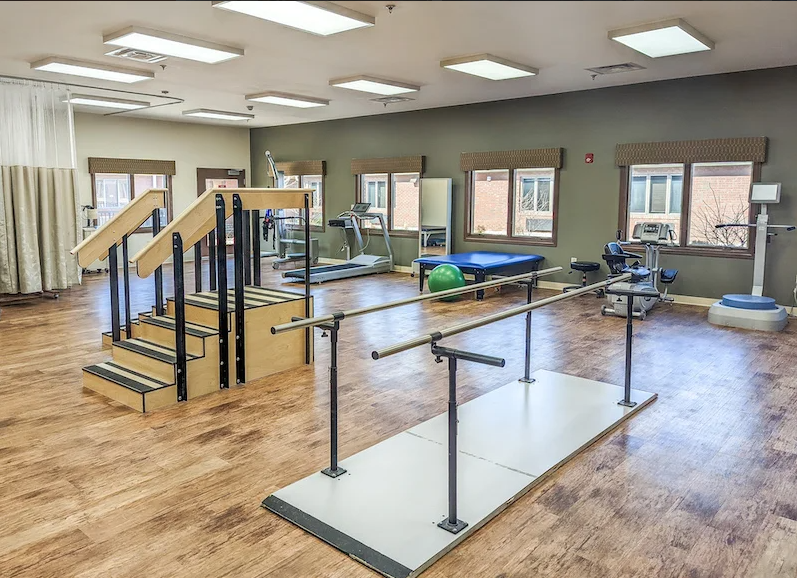
How is Bethel Pointe Health And Rehab Staffed?

CMS rates BETHEL POINTE HEALTH AND REHAB's staffing level at 2 out of 5 stars, which is below average compared to other nursing homes. Staff turnover is 42%, compared to the Indiana average of 46%. This relatively stable workforce can support continuity of care.

What Have Inspectors Found at Bethel Pointe Health And Rehab?

State health inspectors documented 15 deficiencies at BETHEL POINTE HEALTH AND REHAB during 2022 to 2025. These included: 14 with potential for harm and 1 minor or isolated issues.

Who Owns and Operates Bethel Pointe Health And Rehab?

BETHEL POINTE HEALTH AND REHAB is owned by a non-profit organization. Non-profit facilities reinvest revenue into operations rather than distributing to shareholders. The facility is operated by TLC MANAGEMENT, a chain that manages multiple nursing homes. With 114 certified beds and approximately 99 residents (about 87% occupancy), it is a mid-sized facility located in MUNCIE, Indiana.

How Does Bethel Pointe Health And Rehab Compare to Other Indiana Nursing Homes?

Compared to the 100 nursing homes in Indiana, BETHEL POINTE HEALTH AND REHAB's overall rating (4 stars) is above the state average of 3.1, staff turnover (42%) is near the state average of 46%, and health inspection rating (4 stars) is above the national benchmark.

What Should Families Ask When Visiting Bethel Pointe Health And Rehab?

Based on this facility's data, families visiting should ask: "Can you walk me through typical staffing levels on day, evening, and night shifts?" "Can I visit during a mealtime to observe dining assistance and food quality?" "How do you handle medical emergencies, and what is your hospital transfer rate?" "Can I speak with family members of current residents about their experience?" These questions are particularly relevant given the below-average staffing rating.

Is Bethel Pointe Health And Rehab Safe?

Based on CMS inspection data, BETHEL POINTE HEALTH AND REHAB has a clean safety record: no substantiated abuse findings (meaning no confirmed cases of resident harm), no Immediate Jeopardy citations (the most serious violation level indicating risk of serious injury or death), and is not on the Special Focus Facility watch list (a federal program monitoring the lowest-performing 1% of nursing homes). The facility has a 4-star overall rating and ranks #1 of 100 nursing homes in Indiana. While no facility is perfect, families should still ask about staff-to-resident ratios and recent inspection results during their visit.

Do Nurses at Bethel Pointe Health And Rehab Stick Around?

BETHEL POINTE HEALTH AND REHAB has a staff turnover rate of 42%, which is about average for Indiana nursing homes (state average: 46%). Moderate turnover is common in nursing homes, but families should still ask about staff tenure and how the facility maintains care continuity when employees leave.

Was Bethel Pointe Health And Rehab Ever Fined?

BETHEL POINTE HEALTH AND REHAB has no federal fines on record. CMS issues fines when nursing homes fail to meet care standards or don't correct problems found during inspections. The absence of fines suggests the facility has either maintained compliance or corrected any issues before penalties were assessed. This is a positive indicator, though families should still review recent inspection reports for the full picture.

Is Bethel Pointe Health And Rehab on Any Federal Watch List?

BETHEL POINTE HEALTH AND REHAB is not on any federal watch list. The most significant is the Special Focus Facility (SFF) program, which identifies the bottom 1% of nursing homes nationally based on persistent, serious quality problems. Not being on this list means the facility has avoided the pattern of deficiencies that triggers enhanced federal oversight. This is a positive indicator, though families should still review the facility's inspection history directly.