BRICKYARD HEALTHCARE - MUNCIE CARE CENTER
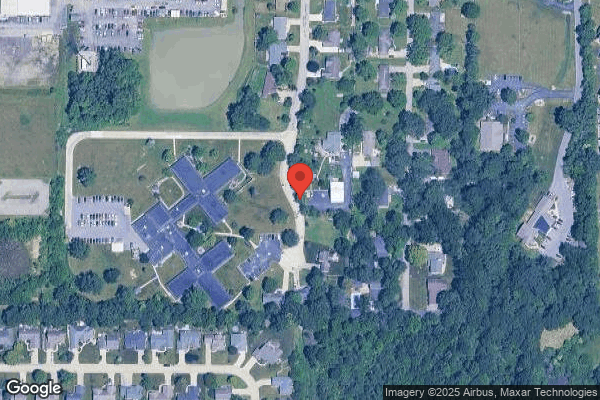
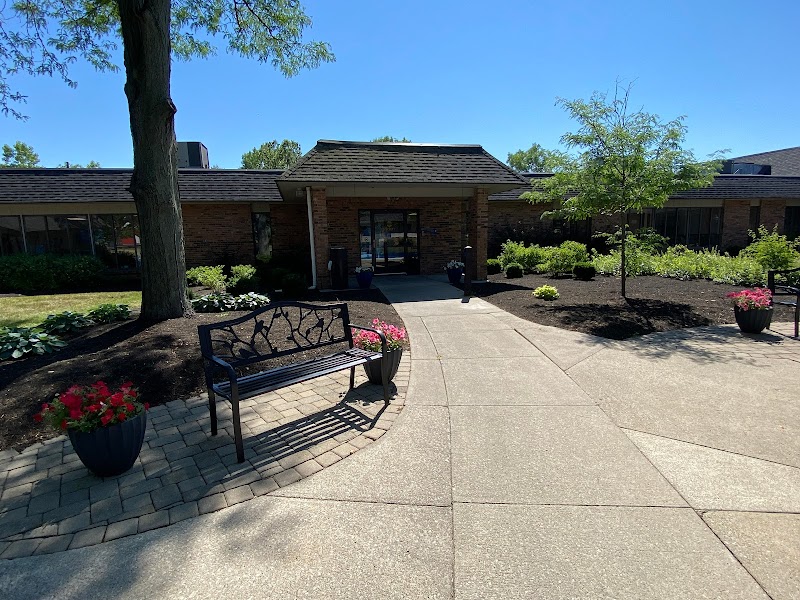
2701 LYN-MAR DR, MUNCIE, IN 47304 (765) 286-5979
For profit - Corporation 117 Beds BRICKYARD HEALTHCARE Data: November 2025
Trust Grade
23/100
#431 of 505 in IN
Last Inspection: May 2025

Inspected within the last 6 months. Data reflects current conditions.

Overview

Brickyard Healthcare - Muncie Care Center has received a Trust Grade of F, indicating poor quality and significant concerns about the facility's operations. It ranks #431 out of 505 nursing homes in Indiana, placing it in the bottom half of facilities statewide, and #11 out of 13 in Delaware County, meaning there are only two better local options available. The trend is worsening, with issues increasing from 8 in 2024 to 14 in 2025. Staffing is average with a rating of 3 out of 5 stars and a turnover rate of 50%, which is on par with the state average. However, the facility has concerning fines totaling $22,360, higher than 89% of Indiana facilities, and less RN coverage than 80% of state homes, which could impact patient care. Specific incidents reported include a failure to protect a resident from physical abuse by a staff member, which could cause ongoing fear and anxiety. Additionally, there was a serious incident where an allegation of abuse was not reported promptly, leading to further harm to a cognitively impaired resident. While staffing levels are average, the presence of significant quality and safety issues raises concerns for families considering this facility for their loved ones.

Trust Score
F
23/100
In Indiana
#431/505
Bottom 15%
Safety Record
High Risk
Review needed
Inspections
Getting Worse
8 → 14 violations
Staff Stability
⚠ Watch
50% turnover. Above average. Higher turnover means staff may not know residents' routines.
Penalties
○ Average
$22,360 in fines. Higher than 71% of Indiana facilities. Some compliance issues.
Skilled Nurses
⚠ Watch
Each resident gets only 27 minutes of Registered Nurse (RN) attention daily — below average for Indiana. Fewer RN minutes means fewer trained eyes watching for problems.
Violations
⚠ Watch
38 deficiencies on record. Higher than average. Multiple issues found across inspections.
★☆☆☆☆
1.0
Overall Rating
★★★☆☆
3.0
Staff Levels
★★☆☆☆
2.0
Care Quality
★☆☆☆☆
1.0
Inspection Score
Stable
2024: 8 issues
2025: 14 issues

The Good

  • Full Sprinkler Coverage · Fire safety systems throughout facility
  • No fines on record

Facility shows strength in fire safety.

The Bad

1-Star Overall Rating

Below Indiana average (3.1)

Significant quality concerns identified by CMS

Staff Turnover: 50%

Near Indiana avg (46%)

Higher turnover may affect care consistency

Federal Fines: $22,360

Below median ($33,413)

Minor penalties assessed

Chain: BRICKYARD HEALTHCARE

Part of a multi-facility chain

Ask about local staffing decisions and management

The Ugly 38 deficiencies on record

3 actual harm
May 2025 13 deficiencies
CONCERN (D)

Potential for Harm - no one hurt, but risky conditions existed

Deficiency F0551 (Tag F0551)

Could have caused harm · This affected 1 resident

Based on record review and interview, the facility failed to ensure the designated resident health care representative signed medical consent forms for 1 of 1 resident reviewed for health care represe...

Read full inspector narrative →
Based on record review and interview, the facility failed to ensure the designated resident health care representative signed medical consent forms for 1 of 1 resident reviewed for health care representation. (Resident 256) Finding includes: Resident 256's clinical record was reviewed on 4/30/25 at 10:59 a.m. Diagnoses included schizoaffective disorder, bipolar disorder, and other cirrhosis of the liver. The admission date was 4/25/25. A 5/20/24 court document titled, Order Appointing Health Care Representative, indicated Resident 256 had been declared legally incompetent and appointed a legal health care representative. The health care representative was not related to Resident 256 and had full authority to make health care decisions. A 4/25/25 alert note indicated Resident 256's daughter told staff she was not the resident's health care representative. A voice mail message was left for the legal health care representative. A 4/26/25 mental health consent form was signed by Resident 256's daughter. A 4/26/25 psychotropic medications informed consent form was signed by Resident 256's daughter. A 4/26/25 Indiana Physician Order for Scope of Treatment (POST) form was signed by Resident 256's daughter, which declared the resident was to receive all life saving measures. A 4/28/25 social services general note indicated the facility tried to contact the court appointed health care representative and was informed he was on vacation through 5/5/25. A 5/2/25 social services general note indicated the facility spoke with the legal representative's appointed contact person for the court appointed health care representative and was given verbal approval to send the resident to the emergency room as necessary. During an interview, on 5/2/25 at 11:14 a.m., the Administrator indicated he was aware Resident 256 had a legal health care representative and had sent the facility admission Contract by electronic mail (e-mail). The health care representative was on vacation and had not signed the contract yet. During an interview, on 5/2/25 at 11:46 a.m., the Social Services Director (SSD) indicated she was aware Resident 256 had a legal health care representative, but he was on vacation and could not be reached. The facility contacted the daughter, since she was listed as an emergency contact and the consents needed signed promptly. The SSD had not sent these consents to the health care representative by e-mail. The SSD had recently spoken with the legal representative's appointed contact person to get verbal permission to send the resident out for evaluation. During an interview, on 5/2/25 at 2:44 p.m., the Administrator indicated the facility had made attempts to contact the health care representative. Resident 256's daughter was asked to sign the consent forms while waiting for the health care representative to return from vacation. No additional information was provided by the facility prior to exit on 5/2/25.
CONCERN (D)

Potential for Harm - no one hurt, but risky conditions existed

Notification of Changes (Tag F0580)

Could have caused harm · This affected 1 resident

Based on interview and record review, the facility failed to notify the physician of elevated blood pressures for 1 of 5 residents reviewed for unnecessary medications. (Resident 39) Finding includes:...

Read full inspector narrative →
Based on interview and record review, the facility failed to notify the physician of elevated blood pressures for 1 of 5 residents reviewed for unnecessary medications. (Resident 39) Finding includes: Resident 39's record was reviewed on 4/29/25 at 2:21 p.m. Diagnoses included malignant neoplasm of frontal lobe, malignant neoplasm of parietal lobe, and essential (primary) hypertension. Current physician orders included, Aldactone (blood pressure medication) tablet 50 milligram (mg) one tablet by mouth one time a day, hydrochlorothiazide (blood pressure medication) 50 mg tablet by mouth in the morning, amlodipine besylate (blood pressure medication) 10 mg tablet give one tablet by mouth one time a day, and clonidine (blood pressure medication) 0.3 mg tablet give one tablet by mouth two times a day. An alert note dated 1/25/25 at 9:27 a.m. indicated the resident was admitted to the hospital for a stroke. Review of blood pressure readings from 4/1/25 through 5/1/25 indicated the following: 4/1/25 8:47 p.m. 200/90 mmHg (millimeters of mercury), 4/2/25 7:53 p.m. 200/101 mmHg, 4/9/25 8:48 p.m. 189/100 mmHg, 4/12/25 7:51 a.m. 176/107 mmHg, 4/13/25 7:11 a.m. 190/96 mmHg, 4/13/25 11:10 a.m. 190/96 mmHg, 4/29/25 2:20 a.m. 222/138 mmHg, 4/30/25 3:07 a.m. 198/102 mmHg, and 5/1/25 2:42 a.m. 195/100 mmHg. The resident's clinical record lacked physician notification for these elevated blood pressures. During an interview with LPN 15 on 5/1/25 at 3:32 p.m., she indicated there was not a standard protocol for notifying the physician of abnormally high blood pressure. If she had obtained an abnormal blood pressure, the physician would have been notified immediately. During an interview with LPN 17 on 5/2/25 at 1:55 p.m., she indicated the physician was working to stabilize the resident's blood pressure and noted recent changes in his medication. The resident was scheduled to see the physician again on 5/7/25 for a follow up. Although there was not an order, staff let the physician know about the resident's blood pressure every week. Blood pressures for the resident during her shifts were 140s/80s and she would have called for blood pressure over 140. During an interview with the DON on 5/2/25 at 2:57 p.m., she indicated there was no standing protocol for physician notification regarding abnormal vital signs unless directly ordered by the physician. The DON indicated the physician should have been notified of blood pressures outside the resident's baseline. A current, undated facility policy titled, Notification of Changes, provided by the DON on 5/2/25 at 12:03 p.m. included the following: Policy: The purpose of this policy is to ensure the facility promptly informs the resident, consults the resident's physician; and notifies, consistent with his or her authority, the resident's representative when there is a change requiring notification Definitions: Need to alter treatment significantly means a need to stop a form of treatment because of adverse consequences (such as adverse drug reaction), or commence a new form of treatment to deal with a problem (for example, the use of any medical procedure, or therapy that has not been used on that resident before) .Circumstances requiring notification include: .b. Potential to require physician intervention .3. Circumstances that require a need to alter treatment. This may include: a. New treatment. b. Discontinuation of current treatment due to: i. Adverse consequences. ii. Acute Condition. iii. Exacerbation of a chronic condition 3.1-5(a)(2) 3.1-5(a)(3)
CONCERN (D)

Potential for Harm - no one hurt, but risky conditions existed

Transfer Notice (Tag F0623)

Could have caused harm · This affected 1 resident

**NOTE- TERMS IN BRACKETS HAVE BEEN EDITED TO PROTECT CONFIDENTIALITY** Based on record review and interview, the facility failed to provide notifications of hospitalization to the Long-Term Care Ombu...

Read full inspector narrative →
**NOTE- TERMS IN BRACKETS HAVE BEEN EDITED TO PROTECT CONFIDENTIALITY** Based on record review and interview, the facility failed to provide notifications of hospitalization to the Long-Term Care Ombudsman for 1 of 3 residents reviewed for hospitalizations. (Resident 60) Finding includes: During an interview with Resident 60 on 4/28/25 at 1:44 p.m., he indicated he was hospitalized last month with pneumonia. Resident 60's record was reviewed on 5/1/25 at 11:19 a.m. Diagnoses included heart failure, end stage renal disease (kidney failure), dependence on renal dialysis, chronic obstructive pulmonary disease (COPD), and pneumonia. A progress note dated 3/12/25 at 10:18 p.m. indicated the resident was sent to the hospital by ambulance. A nurse's note dated 3/18/25 at 10:32 p.m. indicated the resident returned to the facility via ambulance at 6:00 p.m. During an interview with the SSD on 5/1/25 at 3:52 p.m., she indicated Ombudsman notifications for transfers and discharges had not been sent out for March 2025 and were usually sent within the first week of the next month. She was in charge of sending Ombudsman notifications. Resident 60 was hospitalized on [DATE] and the Ombudsman should have been notified. During an interview with the DON on 5/2/25 at 9:06 a.m., she indicated the facility did not have a policy regarding Ombudsman notification. A undated document titled, Indiana Long Term-Term Care Ombudsman Program, provided by the DON on 5/2/25 at 9:06 a.m. included the following: Report the following to both the State LTC Ombudsman (SLTCO) and your local LTC Ombudsman Representative: Acute Emergency Transfer When a resident is transferred on an emergency basis to an acute care facility and expected to return, the SLTCO must be notified. Information from facilities regarding emergency transfers should be provided in a monthly list to the SLTCO, which should include resident's names, dates of transfer, facilities to which residents were transferred, and reasons for the transfers A table in the document indicated when a resident experiences a transfer or discharge to a hospital, notice to the Ombudsman is required when practicable, and can be via a monthly list. 3.1-12(a)(6)(A)
CONCERN (D)

Potential for Harm - no one hurt, but risky conditions existed

Deficiency F0625 (Tag F0625)

Could have caused harm · This affected 1 resident

Based on interview and record review, the facility failed to ensure bed hold policies were provided to the resident and/or responsible parties at the time of the hospital transfer for 2 of 3 residents...

Read full inspector narrative →
Based on interview and record review, the facility failed to ensure bed hold policies were provided to the resident and/or responsible parties at the time of the hospital transfer for 2 of 3 residents reviewed for hospitalization. (Residents 48 and 60) Findings include: 1. During an interview on 4/28/25 at 2:57 p.m., Resident 48 indicated she was hospitalized a couple months ago for about a week and did not receive any paperwork regarding a bed hold. Resident 48's record was reviewed on 4/29/25 at 2:37 p.m. Diagnoses included chronic respiratory failure, congestive heart failure, chronic obstructive pulmonary disease (COPD), centrilobular emphysema, asthma, and pneumonia. A progress note, dated 1/26/25 at 4:38 p.m., indicated the resident was sent to the hospital for difficulty breathing. A progress note, dated 1/31/25 at 6:40 p.m. indicated the resident returned from the hospital. The clinical record lacked indication of bed hold notification or policy was provided to the resident or representative. 2. During an interview with Resident 60 on 4/28/25 at 1:44 p.m., he indicated he was hospitalized last month with pneumonia. He did not receive paperwork or notification of the bed hold or the facility's policy regarding bed holds. Resident 60's record was reviewed on 5/1/25 at 11:19 a.m. Diagnoses included, heart failure, end stage renal disease, chronic obstructive pulmonary disease, and pneumonia. A progress note dated 3/12/25 at 10:18 p.m. indicated the resident was transferred to the hospital. A progress note dated 3/18/25 at 10:52 p.m. indicated the resident returned to the facility at 6:00 p.m. The clinical record lacked indication of bed hold notification or the bed hold policy was given to the resident or representative. During an interview with the DON on 5/1/25 at 3:39 p.m., a copy of the facility bed hold policy and Notice of Transfer/Discharge was provided. The DON could not provide evidence of who these forms were given to, as they were typically sent with the ambulance staff when the resident was transferred. During an interview with the DON on 5/1/25 at 4:32 p.m., she indicated the facility was unable to find bed hold notifications in either resident's clinical record. A current undated policy titled, Notice of Bed Hold Policy, obtained from the DON on 5/1/25 at 3:39 p.m., indicated the following: .Our facility is required by state and federal law to inform you of our bed hold policy 3.1-12(a)(25) 3.1-12(a)(26)
CONCERN (D)

Potential for Harm - no one hurt, but risky conditions existed

Incontinence Care (Tag F0690)

Could have caused harm · This affected 1 resident

Based on observation, interview, and record review, the facility failed to provide catheter care in a manner to reduce the risk of contamination for 1 of 1 resident reviewed for catheter services (Res...

Read full inspector narrative →
Based on observation, interview, and record review, the facility failed to provide catheter care in a manner to reduce the risk of contamination for 1 of 1 resident reviewed for catheter services (Resident 46). Findings include: During an observation on 5/2/25 at 2:08 p.m., CNA 14 performed ABHR (alcohol based hang rub) prior to entry the resident's room. A PPE (personal protective equipment) cart was located just inside the door. CNA 14 donned gloves but no gown. She bent down and emptied resident 46's catheter bag into a plastic graduated cylinder. She emptied the cylinder in the toilet, then removed her gloves and donned a new set, which she pulled from the pocket of her scrubs. No hand hygiene was performed. She then filled two plastic buckets with soap and water, placed washcloths into them and placed the buckets on the resident's bed. The CNA then assisted the resident to stand at his walker, placing her gloved hands on his left arm and shirt, as well as the walker, resulting in contaminated gloves. Using her contaminated gloved hands, she pulled down his pants, removed his brief, and put the soiled brief into a trash can, touching the trash bag. With the same soiled gloves, the CNA obtained several washcloths and one bucket and wiped the resident's genitalia and the catheter tubing. Using the same gloved hands she obtained a second and third wash cloth and repeated the process. She obtained two clean washcloths and dried the resident's genitalia and catheter tubing. Using the same gloves, the CNA obtained a clean brief that was on his bed, placed the brief on him, pulled up his pants, touched the privacy curtain, and began placing the soiled washcloths in a trash bag. She took off her contaminated gloves and washed her hands in the sink. During an interview following the observation, CNA 14 indicated she was unsure if she needed to perform hand hygiene after taking off soiled gloves. Gowns should be worn in an EBP (enhanced barrier precaution) room, but she forgot to don one. Resident 46's clinical record was reviewed on 4/29/25 at 2:43 p.m. Current diagnoses included malignant neoplasm of the prostate, benign prostatic hyperpiesia with urinary tract symptoms, history of urinary tract infections (UTI), and schizophrenia. Resident 46 had current physician's orders for the following: change 18 french catheter monthly and as needed (3/21/25), change Foley catheter bag weekly and as needed (2/17/25), Foley catheter care every shift and as needed (8/8/23), flush catheter with 50 cc of saline daily at bed time (8/10/23), and observe for signs and symptoms of UTI-leaking, burning with urination, increased frequency of urination, cloudy urine, flank pain, fever or abdominal cramps every shift. Notify doctor if signs or symptoms are observed (8/8/23). Sign outside resident's room. Gown and gloves for all interactions with resident. Used for residents with MDRO (multi-drug resistant organism) or have a high risk of MDRO acquisition (Residents with wounds or indwelling medical devices). Used for high activity interactions with resident. Face shields should be used for any task that have high potential for splash or spray (4/6/24). A 3/19/25, quarterly, Minimum Date Set (MDS) assessment, indicated the resident had an indwelling catheter and required substantial assistance for toileting. The resident had a current, 9/4/24, care plan problem/need regarding the use of an indwelling catheter. An approach for this need was to provide catheter care each shift (5/12/22). The goal for this need was for the resident to be free of complications related to the use of a catheter (revised 9/4/24). The resident was observed in common areas with a catheter bag attached to his wheelchair during the following dates and times: 4/28/25 at 10:27 a.m., 4/29/25 at 9:56 a.m., and on 5/1/25 at 10:16 a.m. and 11:32 a.m. During an interview with the IP (Infection Preventionist) on 5/2/25 at 2:44 p.m., she indicated during catheter care for a resident on EBP, supplies should be gathered in the room, hand hygiene should be performed, a gown donned, with gloves and potentially a mask if the task might incur splash. If gloves were soiled, they should be removed. Hand hygiene should be done if hands were soiled. Then a new pair of gloves should be donned and if necessary, all other PPE. PPE should be donned during high-contact care activities. A current, undated, facility policy titled, Catheter Care, provided by the IP on 5/2/25 at 3:49 p.m. indicated .Policy: It is the policy of this facility to ensure that residents with indwelling catheters receive appropriate catheter care 15. Using a circular motion, cleanse the meatus with a clean cloth moistened with water and perineal cleaner (soap) 3.1-41(a)(1)
CONCERN (D)

Potential for Harm - no one hurt, but risky conditions existed

Deficiency F0692 (Tag F0692)

Could have caused harm · This affected 1 resident

Based on record review and interview, the facility failed to follow Registered Dietician recommendations and notify the physician for a resident experiencing significant weight loss for 1 of 4 residen...

Read full inspector narrative →
Based on record review and interview, the facility failed to follow Registered Dietician recommendations and notify the physician for a resident experiencing significant weight loss for 1 of 4 residents reviewed for nutrition. (Resident 42) Finding includes: Resident 42's clinical record was reviewed on 4/30/25 at 2:58 p.m. Diagnoses included essential hypertension, morbid severe obesity due to excess calories, and type 2 diabetes mellitus. An overweight/obesity care plan, initiated on 8/5/21, indicated the resident received a carbohydrate controlled regular textured diet, experienced 5.7 percent (%) weight loss in 30 days, and weight loss in 180 days. Interventions included the following: Diet as ordered (8/5/21) and monitor meal intakes (8/5/21). A current care plan, initiated on 12/28/24, indicated the resident had behaviors and would refuse to be weighed. A current order, initiated 2/28/25, indicated a regular texture consistent carbohydrate diet. Resident 42's meal consumption, for the last 30 days was reviewed and indicated the resident typically ate 76-100 % of her meals, occasionally 51- 75 % of meals, and rarely 0-25 % of meals. Resident 42's weight record was reviewed and indicated the following: 291.6 pounds (lbs) on 10/22/24, 283.6 lbs on 11/5/24, 281.6 lbs on 1/20/25, 281.4 lbs on 2/1/25, 265.4 lbs on 3/2/25, and 256.8 lbs on 4/27/25. A 3/5/25, quarterly, Minimum Data Set (MDS) assessment, indicated Resident 42 was cognitively intact, required set up assistance from staff for eating, and was on a physician prescribed weight-loss regimen. Resident 42 weighed 266 lbs. on 3/2/25. A 3/12/25, Interdisciplinary team (IDT) Nutrition At Risk (NAR) note indicated Resident 42 weighed 265.4 lbs on 3/2/25 and had experienced a significant weight loss in 30 days, the previous weight was 281.4 lbs on 2/1/25. The recommendation was to discontinue the carbohydrate control portion of the diet to improve intake, continue to evaluate for weight changes, and update the care plan as appropriate. A 3/21/25, IDT NAR note indicated Resident 42 weighed 265.4 lbs on 3/2/25 and 281.4 lbs on 2/1/25. The recommendation was to discontinue the carbohydrate control portion of the diet to improve intake, continue to evaluate for weight changes, and update the care plan as appropriate. A 3/26/25, IDT NAR note indicated Resident 42 weighed 265.4 lbs on 3/2/25 and 281.4 lbs on 2/1/25. The recommendation was to discontinue the carbohydrate control portion of the diet to improve intake, continue to evaluate for weight changes, and update the care plan as appropriate. A 4/3/25, IDT NAR note indicated Resident 42 weighed 265.4 lbs on 3/2/25 and 281.4 lbs on 2/1/25. The recommendation was to discontinue the carbohydrate control portion of the diet to improve intake, continue to evaluate for weight changes, and update the care plan as appropriate. A 4/28/25, IDT NAR note indicated Resident 42 weighed 246.8 lbs on 4/27/25 and previous weights were 265.4 lbs on 3/2/25 and 281.4 lbs on 2/1/25. The resident experienced a significant weight loss of 7% in 30 days. The recommendation was to discontinue the carbohydrate control portion of the diet to improve intake, continue to evaluate for weight changes, and update the care plan as appropriate. Review of the Registered Dietitian Reports from 2/3/25- 3/26/25 indicated Resident 42 was not reviewed. The clinical record lacked documentation indicating the physician was notified of the significant weight loss. The clinical record lacked an order to change the resident's diet or that the physician declined the recommendation to change the resident's diet. During an interview, on 5/2/25 at 10:07 a.m., CNA 16 indicated Resident 42 usually consumed 75-100% of her meals and did not require feeding assistance. During an interview, on 5/2/25 at 12:11 p.m., the Director of Nursing (DON) indicated she received electronic mail (e-mails) from the Registered Dietitian. The Registered Dietitian Report had recommendations for each resident reviewed. The DON was not aware the IDT NAR notes in the resident electronic medical record (eMar)recommended a change in Resident 42's diet as she went off the e-mailed report. Resident 42 was not in the Registered Dietitian Report e-mail. During an interview, 5/2/25 at 1:56 p.m., the DON indicated the physician should have been notified when the resident experienced significant weight loss. The IDT NAR notes should've included documentation indicating the physician notification. The Registered Dietitian completed the IDT NAR notes in the residents' clinical records. The NAR program was not effective if the recommendations were not communicated and the physician was not notified. A facility policy, dated 2023, titled, Nutritional Management, provided by the DON on 5/2/25 at 2:31 p.m., indicated the following: The facility provides care and services to each resident to ensure the resident maintains acceptable parameters of nutritional status in the context of his or her overall condition .Nursing staff shall obtain the resident's height and weight upon admission, and subsequently in accordance with facility policy .The dietitian shall use data gathered from the nutritional assessment to estimate the resident's calorie, nutrient, and fluid needs and whether intake is adequate to meet those needs. Current standards of practice/formulas are used in calculating these estimates .Interventions will be individualized to address the specific needs of the resident. Examples include, but are not limited to: Diet liberalization unless the resident's medical condition warrants a therapeutic diet . Monitoring of the resident's condition and care plan interventions will occur on an ongoing basis. Examples of monitoring include .The physician will be notified of: Significant changes in weight, intake, or nutritional status . 3.1-46(a)(2)
CONCERN (D)

Potential for Harm - no one hurt, but risky conditions existed

Tube Feeding (Tag F0693)

Could have caused harm · This affected 1 resident

Based on observation, interview, and record review, the facility failed to check placement and prevent contamination during site care for 1 of 2 residents reviewed for feeding tubes. (Resident 36) Fin...

Read full inspector narrative →
Based on observation, interview, and record review, the facility failed to check placement and prevent contamination during site care for 1 of 2 residents reviewed for feeding tubes. (Resident 36) Finding includes: Resident 36's clinical record was reviewed on 4/30/25 at 8:27 a.m. Diagnoses included hemiplegia and hemiparesis following cerebral infarction (stroke), oropharyngeal phase dysphagia (difficulty swallowing), and unspecified protein-calorie malnutrition. Current orders included check placement of tube prior to medication administration, flush feeding tube with 80 milliliters (ml) of water every shift, and place a split drain sponge with antibiotic ointment for feeding tube maintenance every shift. A 2/13/25, annual, Minimum Data Set assessment indicated Resident 36 had severe cognitive impairment. The resident required moderate assistance with eating. He was dependent on staff for assistance with all other activities of daily living. Nutritional approaches included a mechanically altered diet and a feeding tube. A discontinued care plan, resolved on 4/2/25, indicated the resident received supplemental tube feedings due to inadequate food and beverage intake related to a stroke with right hemiparesis, dysphagia, and malnutrition. Interventions included the following: provide care to the feeding tube site as ordered, water flushes as ordered, report concerns to the physician as needed, and check tube placement every feeding. During a feeding tube site care observation on 4/30/25 at 9:53 a.m., LPN 9 performed hand hygiene and donned a gown and gloves prior to entering the resident's room. She placed the tube feeding site care supplies on a foldable chair at the bedside. The chair, where she placed the supplies, lacked a barrier. She used her gloved hands and released the bottom of the abdominal binder that covered the feeding tube site. Without hand hygiene or checking placement, the feeding tube was opened with the same gloved hands and a syringe without the plunger was connected to the feeding tube. The feeding tube was flushed with water via gravity and closed with her contaminated gloved hands. The resident's old split drain sponge was removed. There was scant drainage noted on the old dressing. Without completing hand hygiene and a change of gloves, the bottle of normal saline wound wash was picked up from the chair and sprayed onto a clean gauze. Prior to spraying the saline, the gauze was opened with the same dirty gloves. The feeding tube site had minimal redness. The site was cleansed from the insertion site moving in an outward motion. LPN 9 used her contaminated gloved hands to open the resident's dresser drawer, and picked up a tube of zinc oxide cream in her right hand. She returned to the resident's bedside without hand hygiene and a change of gloves, placed the zinc oxide cream on the foldable chair, removed a packet of antibiotic ointment from her pocket, opened the antibiotic ointment, and squeezed the antibiotic ointment onto her right gloved index finger. She used her index finger and applied the antibiotic ointment to the reddened feeding tube insertion site and then applied a new split drain sponge to the site. The abdominal binder was put back in place over the feeding tube. During an interview, on 4/30/25 at 10:22 a.m., LPN 9 indicated during the above feeding tube site care observation, she should have checked placement of the feeding tube prior to flushing the resident's feeding tube. She would have typically performed hand hygiene and changed her gloves after removing the old dressing and prior to cleansing the resident's feeding tube site, but she did not this time. Hand hygiene and a change of gloves should have been completed after touching the resident's drawer, the items in the drawer, and prior to application of the resident's antibiotic ointment to the feeding tube site. The lack of proper infection control practices placed the resident at risk for infection. During an interview on 4/30/25 at 11:40 p.m., the DON indicated staff were required to verify placement of a feeding tube prior to flushing, administration of medication, and administration of feedings. Hand hygiene and glove changes were required after touching potentially contaminated surfaces during feeding tube site care. A lack of proper hand hygiene placed the resident at risk for infection. A current facility policy, undated, titled Verifying Placement of Feeding Tube, provided by the DON on 4/30/25 at 1:29 p.m., indicated the following: Policy: It is the practice of this facility to ensure proper placement of feeding tubes prior to beginning a feeding, flushing the tube, or before administering medications via feeding tube. Policy Explanation and Compliance Guidelines: 1. Before beginning a feeding, flushing the tube, or administering a medication via the feeding tube, proper placement and functioning will be verified A current facility policy, undated, titled Gastrostomy Site Care, provided by the DON on 4/30/25 at 1:29 p.m., indicated the following: It is the policy of this facility to perform gastrostomy site care as ordered and per current standards of practice. Policy Explanation and Compliance Guidelines: . 8. Set up supplies using clean technique using over bed table covered with towel or disposable barrier. 9. Wash hands and don gloves. 10. Apply any other PPE [personal protective equipment] as needed to protect staff from any exposure to infectious material and to comply with any isolation precautions ordered. 11. Maintain clean technique. 12. Remove old dressing if applicable and discard in appropriate container. 13. Wash hands and don gloves. 14.gently clean the area around the tube and continue in an outward circular fashion . 18. Apply dressing as ordered 3.1-44(a)(2) 3.1-18(l)
CONCERN (D)

Potential for Harm - no one hurt, but risky conditions existed

Respiratory Care (Tag F0695)

Could have caused harm · This affected 1 resident

Based on observation, interview, and record review, the facility failed to follow physician orders regarding oxygen flow rate and humidity for 1 of 2 residents reviewed for oxygen. (Resident 48) Findi...

Read full inspector narrative →
Based on observation, interview, and record review, the facility failed to follow physician orders regarding oxygen flow rate and humidity for 1 of 2 residents reviewed for oxygen. (Resident 48) Finding includes: Random observations of Resident 48 indicated the following: During an observation on 4/28/25 at 2:57 p.m., Resident 48 was in her bed asleep with oxygen on via nasal cannula at five liters per minute. The humidity bottle attached to the oxygen concentrator was empty and dated 4/24. During an interview with the resident, she indicated she wore oxygen continuous at four liters per minute. She was unable to get out of bed and did not adjust the oxygen flow rate. On 4/29/25 at 9:00 a.m., the resident was asleep in bed with the oxygen on via nasal cannula at five liters per minute. The humidity bottle attached to the oxygen concentrator was empty and dated 4/24. Resident 48's clinical record was reviewed on 4/29/25 at 2:37 p.m. Diagnoses included chronic obstructive pulmonary disease (COPD), chronic respiratory failure with hypoxia (low oxygen), chronic respiratory failure with hypercapnia (high carbon dioxide levels), and dependence on supplemental oxygen. A current order, dated 2/3/25, included oxygen at four liters per minute via nasal cannula. Physician notification was required if oxygen saturations were below 90 percent. A current order, dated 2/6/25, included a humidification bottle change once weekly, on Thursday, and as needed for humidity every shift. A 2/3/25, admission, Minimum Data Set (MDS) assessment indicated the resident was cognitively intact. The resident was dependent on staff assistance for toileting, bathing, dressing, and personal hygiene. She required substantial assistance for transfers. Specialized services included continuous oxygen therapy. A current care plan, dated 3/13/23, indicated the resident had a potential for alteration in her respiratory status related to chronic obstructive pulmonary disease and chronic respiratory failure with hypoxia and hypercapnia. Interventions included administer oxygen as needed per physician order (3/13/23) and monitor oxygen flow rate and response (3/13/23). A Nurse's note, dated 4/14/25 at 5:38 p.m., indicated Resident 48 complained of breathing discomfort and restlessness. The oxygen saturation level was 87 percent. The oxygen was increased to five liters per minute via nasal cannula and an as needed inhaler was administered. The nurse remained with the resident for ten minutes. After 10 minutes, the resident's oxygen saturation was 92 percent and the resident verbalized she felt better. The nurse planned to report the information to the next shift. The clinical record lacked a physician notification of the resident's change in respiratory status when the oxygen flow rate was changed to five liters per minute. During an observation on 4/29/25 at 4:04 p.m., Resident 48 was in bed watching television with her oxygen on via nasal cannula at five liters per minute. The humidity bottle attached to the oxygen concentrator was empty and dated 4/24. The oxygen concentrator was turned around backwards and positioned in a manner that the flow rate was difficult to read. During an interview on 4/29/25 at 4:22 p.m., LPN 7 indicated Resident 48 was cooperative with care. The resident did not get up on her own and had not been known to change her own oxygen flow rate. On 4/29/25 at 4:29 p.m., LPN 7 was in Resident 48's room and indicated the resident's oxygen flow rate was set on five liters per minute with an empty humidity canister dated 4/24. The resident's oxygen flow rate was ordered at four liters per minute. Oxygen flow rate should have been followed per physician orders. The oxygen humidification should have been changed as needed to prevent a lack of humidification. She had not received any information in report regarding a change in the resident's respiratory status. The residents oxygen saturation was 94 percent. LPN 7 was unable to find any information in the resident's clinical record where the physician was notified when the oxygen flow rate was changed to five liters per minute on 4/16/25. On 4/29/25 at 4:47 p.m., the DON indicated residents' oxygen flow rates should have been administered according to the physician's orders. The physician should have been notified when a resident required oxygen at five liters per minute when the order indicated to administer oxygen at four liters per minute. Humidity should have been changed as needed to prevent an empty oxygen humidification bottle. On 4/30/25 at 9:34 a.m., CNA 8 indicated she was familiar with the resident and never knew the resident nor her family to change the oxygen flow rate. A current facility policy, undated, titled Oxygen Administration, provided by the DON on 4/30/25 at 9:47 a.m., indicated the following: Policy: Oxygen is administered to residents who need it, consistent with professional standards of practice, the comprehensive person-centered care plans, and the resident's goals and preferences . Policy Explanation and Compliance Guidelines: 1. Oxygen is administered under orders of a physician, except in the case of an emergency. In such case, oxygen is administered and orders for oxygen are obtained as soon as practicable when the situation is under control . 9. The equipment needed for oxygen administration will depend on the type of delivery system ordered . Types of delivery systems include: a. Nasal Cannula - Oxygen is administered through plastic cannulas in the nostrils. Effective for low oxygen concentrations less than 40 %. Requires humidification at flow rates greater than 4 liters/minute . 12. Staff shall notify the physician of any changes in the resident's condition, including changes in vital signs, oxygen concentrations, or evidence of complications associated with the use of oxygen. 3.1-47(a)(6)
CONCERN (D)

Potential for Harm - no one hurt, but risky conditions existed

Deficiency F0744 (Tag F0744)

Could have caused harm · This affected 1 resident

Based on observation, interview, and record review, the facility failed to provide individualized interventions for dementia services to reduce or eliminate the need for psychoactive medications for 1...

Read full inspector narrative →
Based on observation, interview, and record review, the facility failed to provide individualized interventions for dementia services to reduce or eliminate the need for psychoactive medications for 1 of 4 residents reviewed for dementia care. (Resident 29) Findings include: Resident 29's clinical record was reviewed on 4/29/25 at 2:56 p.m. Current diagnoses included dementia with agitation, diabetes mellitus, insomnia, major depressive disorder, generalized anxiety disorder, and delusional disorder. Current physician's orders included the following psychoactive medications: Risperdal 0.5 mg (an anti-psychotic medication) - one tablet- two times daily for delusional disorder (4/29/25), buspirone HCL 10 mg (an anti-anxiety medication)- one tablet-three times daily for anxiety (3/3/25), Klonopin 0.5 mg (an anti-anxiety medication)- one tablet daily at bedtime (3/5/25), Zoloft 125 mg (an anti-depressant medication)- one tablet daily for depression (10/25/2024), and Remeron 7.5 mg (an anti-depressant used as an appetite stimulant). A 3/20/25, quarterly, Minimum Data Set (MDS) assessment indicated the resident was severely cognitively impaired, did not have hallucinations or delusions during the assessment period, displayed both verbal and psychical aggressive behaviors and rejected care visit one to three days of the assessment period, received anti-psychotic medication, antidepressant medication, and anti-anxiety medication during the assessment period. A 4/29/25 Psychiatry Progress Note indicated the visit was initiated due to increased anxiety and/or increased aggression. The resident had a failed GDR (gradual dose reduction) of Risperdal due to being aggressive towards another resident. The resident did not display delusions or hallucinations. A review of Resident 29's behavior notes from 12/1/24 through 5/1/25 (approximately five months) indicated the following: December 2024: The resident had eight (8) documented behavioral events this month. Two documented events were medical events. Four events were resistance to care. Five of the six non-medical behaviors the resident calmed with non-chemical interventions. A 12/31/24 at 4:03 p.m., note indicated the resident had been unclothed in the hall and staff had tried to dress her. The resident fought during attempts to clothe her. A 12/31/24 at 12:36 p.m., note indicated the resident became upset with her surroundings in the dining area and threw chocolate milk. She became calm when removed from the situation and allowed to rest. A 12/28/24 at 11:31 p.m , late entry note indicated, the resident slapped and scratched when being assisted to change her cloths for bed. Non-chemical intervention were successful and the resident went to bed. A 12/23/24 at 10:59 p.m., note indicated the resident could not remember how to swallow. A 12/23/24 at 10:51 p.m., note indicated the resident was having difficulty remembering how to swallow. A 12/6/24 at 8:31 p.m., note indicated the resident resisted care and spit and pulled the staff's hair. The staff left her alone and she became calm. A 12/6/24 at 4:26 p.m., note indicated the resident resisted toileting and changing. Non-chemical interventions were effective to calm the resident. A 12/6/24 at 7:28 a.m., note indicated the resident took other residents food and threw and orange juice. The resident was calmed when given extra food and taken to a different dining area. January 2025: The resident had one documented event of resisting personal care this one. The one event was successfully managed by non-chemical interventions. A 1/15/25 at 1:07 p.m., note indicated the resident became upset and yelled and hit at staff during peri-care. Non-chemical intervention were successful and the resident was calmed. February 2025: The resident had four (4) documented behavioral events this month. Three of 4 events were successfully managed by non-chemical interventions. A 2/25/25 at 6:05 a.m., note indicated the resident got out of bed and crawled on the floor. The resident had been in bed prior to the event. The resident was assisted to her wheelchair and she became calm. A 2/20/25 at 12:29 p.m., note indicated the resident grabbed another resident's hair while they were both in the dining room. Redirection and non chemical interventions were effective in calming the resident. Laboratory tests were ordered. A 2/20/25 at 10:16 a.m., note indicated the resident attempted to stab an activity staff member with a colored pencil and also hit and bit at staff. The resident had taken the colored pencils from the activity table and became angry when staff tried to take them away. Non-chemical interventions suck as coffee and snacks were effective to calm the resident. The record did not indicate if the staff members attempted to trade items or snacks for the colored pencils the resident had taken. A 2/12/25 at 5:10 a.m., note indicated the CNA was performing early morning care and bent to fix the resident's sock and the resident kicked her. The record lacked any indication why morning care needed to occur at 5:00 a.m. All attempts to calm the resident were unsuccessful. March 2025: The resident had two (2) documented behavioral events this month. Two of two events were successfully managed with non-chemical interventions. A 3/30/25 at 11:06 a.m., note indicated the resident grabbed the CNA and hit at her as the CNA attempted to dress her for the day. Non-chemical interventions were successful and the resident was dressed for the day. A 3/12/25 at 10:53 a.m., note indicated the resident grabbed the activity assistant and told her to sit down. Non-chemical interventions were successful in calming the resident. April 2025: The resident had six (6) documented behavioral events this month. One time she was startled and lashed out. Four (4) of 6 events the resisted care, three of which events she had been sleeping before the staff woke her to provide care. Five of six events were successfully managed with non-chemical interventions. A 4/28/25 at 10:58 a.m., note indicated was startled by activity staff and swatted them in the face. Non chemical interventions were successful to calm the resident. A 4/27/25 at 5:54 a.m., note indicated the resident resisted early morning care hitting and slapping. The resident had been asleep when staff awoke her for care. The staff redirected and switch care givers without success. The record lacked documentation of the reasoning the resident had to be woke from sleep in order to provide care. A 4/26/25 at 9:40 a.m., late entry note indicated the resident had been asleep in bed and was woke by staff for morning care. The resident resisted care and hit, grabbed and slapped at staff. When left alone and provided a different care giver at a later time the resident was co-operative. The record lacked documentation of the reasoning the resident had to be woke from sleep in order to provide care. A 4/26/25 at 7:23 a.m., note indicate the resident was asleep in bed when the staff awoke her for morning care. The resident hit, bit and kicked to resist care. Non-chemical interventions were somewhat effective. The record lacked documentation of the reasoning the resident had to be woke from sleep in order to provide care. A 4/19/25 at 11:12 a.m., late entry, note indicated the resident had been seated in her chair when staff approached her for care. She resisted care hitting and slapping. The staff redirected the resident and were eventually able to provide care. A 4/15/25 at 3:14 p.m., note indicated the resident was tearing up BINGO cards at an activity. She was offered drinks and snacks which were effective in redirecting her behavior. A 4/4/25 at 12:23 p.m., note indicated the resident was eating lunch and a CNA tried to assist her she cursed the CNA and hit her. Non-chemical interventions were successful to calm the resident. Review of SBAR (Situation, Background, Assessment and Recommendation)- Change of Condition notes from the 12/1/24 to 5/1/25 contained three behavioral events: A 1/26/25 at 11:12 a.m., SBAR note indicated, Resident attempted to stand without assistance and fell on her face. A 3/10/25 at 5:44 p.m., SBAR note indicated Two residents [names] both going to the dining room around 1650 hour and both made physical contact with each other. A 4/25/25 at 10:30 a.m., SBAR note indicated resident was in the activity room. propelled self to other side of table. smacked another resident's hand and pulled her hair. resident states resident was running her mouth. Following pharmacy recommendations for GDRs (gradual dose reductions of psychoactive medications on 3/15/25, the Nurse Practitioner refused recommendations indicating the resident was still having significant behaviors and anxiety. The resident had four documented behaviors in February and two in March 2025. Non-chemical interventions were documented as successful for the majority of the behavioral events. Although behavioral concerns were listed as the reason for maintaining current levels of psychoactive medications, approaches to behavioral care plans were not updated now resolved including, but not limited to, the following: The resident had a care plan problem regarding yelling at staff, attempting to exit, claiming someone is trying to kill me, throwing food, stating she would burn the place down (5/25/22). There were no new approaches were added since 4/25/23 nor had this problem been identified as resolved. The resident had a care plan problem regarding laying clothes all over the room (6/1/22). There were no new approaches since 6/1/22 nor had this problem been identified as resolved. The resident had a care plan problem regarding racial comments, not wanting others near me, making fun of others (6/3/22). There were no new approaches since 6/3/22 nor had this problem been identified as resolved. The resident had a care plan problem regarding agitation, yelling, running her walker into others, become upset with others, tearfulness, and suicidal comments (5/2/22). There were no new approaches to this problem since 8/29/23 nor had this problem been identified as resolved. The resident had a care plan problem of believing there was a horse in the hallway (3/29/24). There have been no new approaches to this problem since 3/29/24. The resident had a care plan problem regarding believing her clothing was poisoned (5/17/24). There have been no new approaches since 5/17/24. The resident had a care plan problem regarding calling staff fat a####, saying she worked here, knocking staffs glasses off during care, being combative (5/22/24). There were no new approaches to this problem since 5/22/24 nor had this problem been identified as resolved. The resident had a care plan problem regarding the refusal of care, refusing medication, believing care will cause her to get hurt (6/17/24). There were no new approached to this problem since 6/26/24 nor had this problem been identified as resolved. The residents record lacked an assessment for possible triggers to behaviors and personalized updated approaches to behavioral and dementia care plans. During an interview on 5/2/25 at 2:57 p.m., CNA 10 indicated Resident 29 had behaviors of being resistant to care. She did not have see or hear things that were not there. She liked it when staff talked to her and had a conversation. She could be easily redirected with pop and movies. Sometimes switching care givers helped. She did at times strike out at others out of the blue. Mostly dementia behavior. During an interview on 5/2/25 at 2:59 p.m., QMA 11 indicated Resident 29 had random behaviors. She occasionally had behaviors you didn't see coming. She did resist care. She did not see or hear things. She was not tearful. She liked movies, food, drinks. She did at time resist care. Snacks and switching care givers helped when she resisted. She had dementia behaviors. During an interview on 5/2/25 at 3:01 p.m. Agency CNA 12 indicated she was familiar with Resident 29. The resident resisted care. She did not see or hear things. She was not tearful. Staff needed to walk away and re-approach if she was resisting. During an interview on 5/2/25 at 3:03 p.m., LPN 13 indicated the resident did have behaviors. She resisted care. She was overwhelmed in large groups. If staff removed her from stimulating environments it helped. She likes treats and pop. During an interview on 5/2/25 at 12:22 p.m., the Administrator, DON, and Dementia Unit Manager indicated the facility would attempt to provide information about personalized dementia care provided to Resident 29 in order to reduce dementia related behaviors and reduce the need for psychoactive medications. A current, undated, facility policy titled, Dementia Care, provided by the Administrator on 5/2/25 at 2:25 p.m., indicated : Care and services will be person centered and reflect each resident's individual goals .Individualized non-pharmacological approaches to care will be utilized . 3.1-37(a)
CONCERN (D)

Potential for Harm - no one hurt, but risky conditions existed

Pharmacy Services (Tag F0755)

Could have caused harm · This affected 1 resident

Based on record review and interview, the facility failed to ensure shift to shift narcotic reconciliation was completed for 5 of 6 carts reviewed for medication storage. (C Unit 2 hall cart, C Unit 1...

Read full inspector narrative →
Based on record review and interview, the facility failed to ensure shift to shift narcotic reconciliation was completed for 5 of 6 carts reviewed for medication storage. (C Unit 2 hall cart, C Unit 1 hall cart, Advanced Acute Care Unit cart (AACU), Acute Care Unit (ACU) short hall cart, ACU long hall cart) Finding includes: 1. During a medication storage observation of the C Unit 1 hall cart, accompanied by LPN 3 on 5/1/25 at 11:41 a.m., the Controlled Drugs- Count Record was reviewed and the following dates lacked shift to shift reconciliation of controlled substances: In April 2025- 4/4/25 on evening shift, 4/18/25 on evening shift, 4/20/25 on day and night shifts. During an interview, at the time of the observation, LPN 3 indicated the narcotic count sheet was to be completed at the beginning of every shift. The medication count needed to be completed before the two nurses signed the form verifying the count was correct. 2. During a review of the C Unit 2 hall cart Controlled Drugs- Count Record, provided by Medical Records on 5/1/25 at 12:50 p.m., the following dates lacked signatures for shift to shift reconciliation of controlled medications: In February 2025- 2/2/25 on night shift, 2/6/25 on night shift, 2/7/25 on evening and night shifts, 2/20/25 on night shifts, 2/21/25 on day shift. 2/28/25 on evening and night shift. In March 2025- 3/1/25 on night shift, 3/2/25 on night shift, 3/8/25 on night shift, 3/12/25 on evening shift, 3/14/25 on evening shift, 3/15/25 on night shift, 3/16/25 on evening and night shifts, 3/25/25 on night shift. In April 2025- 4/9/25 on evening shift, 4/14/25 on evening shift. 3. During a review of the AACU hall cart Controlled Drugs- Count Record, provided by Medical Records on 5/1/25 at 12:50 p.m., the following dates lacked signatures for shift to shift reconciliation of controlled medications: In January 2025- 1/4/25 on evening shift, 1/5/25 on evening shift, 1/11/25 on evening shift, 1/12/25 on evening and night shifts, 1/14/25 on day shift, 1/16/25 on evening and night shifts, 1/17/25 on evening and night shifts, 1/18/25 on evening shift, 1/19/25 on evening shift, 1/20/25 on day and evening shift, 1/21/25 on day shift, 1/25/25 on day, evening, and night shifts, 1/26/25 on day, evening, and night shifts, 1/28/25 on evening shift, 1/29/25 on evening shift, 1/30/25 on evening shift. In February 2025- 2/1/25 on day and evening shifts, 2/2/25 on day and night shifts, 2/4/25 on evening and night shifts, 2/8/25 on evening shift, 2/9/25 on evening shift, 2/13/25 on day and evening shifts, 2/14/25 on evening and night shifts, 2/15/25 on evening shift, 2/16/25 on day and evening shifts, 2/22/25 on evening shift, 2/23/25 on evening shift, 2/24/25 on evening shift, 2/27/25 on evening shift. In March 2025- 3/1/25 on night shift, 3/2/25 on night shift, 3/3/25 on night shift, 3/4/25 on night shift, 3/5/25 on night shift. 4. During a review of the ACU short hall cart Controlled Drugs- Count Record, provided by Medical Records on 5/1/25 at 12:50 p.m., the following dates lacked signatures for shift to shift reconciliation of controlled medications: In January 2025- 1/3/25 on night shift, 1/8/25 on night shift, 1/9/25 on night shift, 1/17/25 on night shift, 1/24/25 on night shift, 1/25/25 on night shift, 1/26/25 on night shift. In February 2025- 2/2/25 on evening shift, 2/13/25 on night shift, 2/16/25 on night shift, 2/28/25 on evening shift. In March 2025- 3/1/25 on day and evening shifts, 3/2/25 on day shift, 3/9/25 on evening shift, 3/15/25 on night shift, 3/29/25 on day shift, 3/30/25 on night shift. In April 2025- 4/4/25 on night shift, 4/27/25 on night shift. 5. During a review of the ACU long hall cart Controlled Drugs- Count Record, provided by Medical Records on 5/1/25 at 12:50 p.m., the following dates lacked signatures for shift to shift reconciliation of controlled medications: In January 2025- 1/4/25 on day shift, 1/8/25 on night shift, 1/26/25 on day, evening, and night shifts. In February 2025- 2/13/25 on night shift, 2/16/25 on night shift, 2/22/25 on day shift, 2/24/25 on day shift. In March 2025- 3/1/25 on day and evening shifts, 3/2/25 on day shift, 3/11/25 on evening shift, 3/15/25 on night shift, 3/17/25 on evening shift, 3/29/25 on day shift. In April 2025- 4/19/25 on day shift, 4/24/25 on evening shift, 4/26/25 on day shift, 4/17/25 on day and night shifts. During an interview, on 5/2/25 on 2:25 p.m., the Director of Nursing (DON) indicated the expectation for staff was to complete a narcotic count at the start of each shift and exchange of keys. The two nurses sign the log to confirm the count was completed and correct. This process prevents drug diversion. A facility policy, dated 2025, titled, Controlled Substance Administration & Accountability, provided by the DON on 5/2/25 at 11:00 a.m., indicated the following: It is the policy of this facility to promote safe, high quality patient cares, compliant with state and federal regulations regarding monitoring the use of controlled substances. The facility will have safeguards in place in order to prevent loss, diversion or accidental exposure . All controlled substances (Schedule II, III, IV, V) are accounted for in one of the following ways: . All controlled substances obtained from a non-automatic medication cart or cabinet are recorded on the designated usage form. Written documentation must be clearly legible with all applicable information provided .The Controlled Drug Record (or other specified form) serves the dual purpose of recording both narcotic disposition and patient information .Inventory Verification .For areas without automated dispensing systems, two licensed nurses account for all controlled substances and access keys at the end of each shift . 3.1- 25(b)(3)
CONCERN (D)

Potential for Harm - no one hurt, but risky conditions existed

Deficiency F0761 (Tag F0761)

Could have caused harm · This affected 1 resident

**NOTE- TERMS IN BRACKETS HAVE BEEN EDITED TO PROTECT CONFIDENTIALITY** Based on observation and interview, the facility failed to ensure insulin was dated after opening and discarded when expired for...

Read full inspector narrative →
**NOTE- TERMS IN BRACKETS HAVE BEEN EDITED TO PROTECT CONFIDENTIALITY** Based on observation and interview, the facility failed to ensure insulin was dated after opening and discarded when expired for 1 of 3 medication carts reviewed. (ACU Medcart) Finding includes: During an observation on [DATE] at 10:48 a.m., the ACU Medcart was reviewed with LPN 13. A Lantus Subcutaneous Solution 100 unit/ml (insulin glargine) vial for resident 59 was opened and dated [DATE] and a HumaLOG Injection Solution 100 unit/ml (insulin lispro) vial was opened and undated. A Dulaglutide Subcutaneous Solution (to treat diabetes) Pen-injector 4.5 mg/0.5 ml for resident 12 was opened and undated. An Insulin NPH (neutral protamine [NAME] insulin) Suspension Pen-injector 100 unit/ml for resident 18 was opened and unlabeled. LPN 13 indicated insulin expired 30 days after opening and the pens and vials should have been labeled appropriately and the expired items thrown away. On [DATE] at 9:25 a.m. manufacturer recommendations for the Lantus, retrieved from https://products.sanofi.us/lantus/lantus.html indicated in-use (opened) vials may be stored at room temperature or refrigerated for 28 days. On [DATE] at 9:28 a.m., manufacturer recommendations for Humalog, retrieved from /https://pi.lilly.com/us/humalog-vial-ifu.pdf indicated store opened vials in the refrigerator or at room temperature up to 86°F (30°C) for up to 28 days. A current, undated facility policy, titled Insulin Pen, provided by the DON on [DATE] at 12:00 p.m. indicated, .2. Insulin Pens must be clearly labeled with the resident name, physician name, date dispensed, type of insulin, amount to be given, frequency, and expiration date. 3. If the label is missing, the pen will not be used;a new pen must be ordered from the pharmacy .9. Insulin pens should be dispose of after 28 days or according to manufacturer's recommendation 3.1-25(j) 3.1-25(m) 3.1-25(n)
CONCERN (D)

Potential for Harm - no one hurt, but risky conditions existed

Deficiency F0883 (Tag F0883)

Could have caused harm · This affected 1 resident

Based on record review and interview, the facility failed to offer and educate residents regarding Pneumococcal vaccines per the Center for Disease and Control (CDC) guidance for 1 of 5 residents revi...

Read full inspector narrative →
Based on record review and interview, the facility failed to offer and educate residents regarding Pneumococcal vaccines per the Center for Disease and Control (CDC) guidance for 1 of 5 residents reviewed for infection control. (Resident 48) Finding includes: Resident 48's clinical record was reviewed on 4/29/25 at 2:37 p.m. Diagnoses included chronic obstructive pulmonary disease, chronic respiratory failure with hypoxia, chronic respiratory failure with hypercapnia, and dependence on supplemental oxygen. An admission Minimum Data Set (MDS) assessment, dated 2/3/25, indicated the resident was cognitively intact. Specialized services included continuous oxygen therapy. Review of the resident's vaccinations included the following: The resident had a historical administration of Pneumovax (pneumococcal) 23 on 3/5/20, prior to admission to the facility. A Pneumococcal Vaccine Consent Form, dated 7/7/23, indicated the resident was provided education and declined administration. The clinical record lacked additional offerings of the Pneumococcal vaccine since 2023. During an interview on 5/1/25 at 11:37 a.m., the Infection Preventionist indicated residents who refused the Pneumococcal vaccines on admission were not offered the vaccines again when they were eligible to receive the next doses per CDC guidance. During an interview on 5/1/25 at 2:58 p.m., the DON indicated the Pneumococcal vaccines should have been offered/administered following the CDC guidance. A current facility policy, undated, titled General Immunization/Vaccination, provided by the DON on 5/1/25 at 2:57 p.m., indicated the following: Policy: It is the policy of this facility to minimize the risk of acquiring, transmitting or experiencing complications from infectious disease by offering our residents, staff members, and volunteer workers immunization/vaccination against such diseases . Policy Explanation and Compliance Guidelines: 1. It is the policy of this facility, in collaboration with the medical director, to have an immunization program against infectious diseases in accordance with national standards of practice. 2. Immunizations will follow current CDC guidance and scheduling based on the specific vaccinations. 3. Residents, staff, and volunteer workers will be offered immunizations against infectious diseases as per current federal, state and local guidance 3.1-18(b)(5)
CONCERN (D)

Potential for Harm - no one hurt, but risky conditions existed

Deficiency F0887 (Tag F0887)

Could have caused harm · This affected 1 resident

Based on record review and interview, the facility failed to provide education regarding and failed to offer COVID-19 vaccines per the Center for Disease and Control (CDC) guidance for 1 of 5 resident...

Read full inspector narrative →
Based on record review and interview, the facility failed to provide education regarding and failed to offer COVID-19 vaccines per the Center for Disease and Control (CDC) guidance for 1 of 5 residents reviewed for infection control. (Resident 48) Finding includes: Resident 48's clinical record was reviewed on 4/29/25 at 2:37 p.m. Diagnoses included chronic obstructive pulmonary disease, chronic respiratory failure with hypoxia, chronic respiratory failure with hypercapnia, and dependence on supplemental oxygen. An admission Minimum Data Set (MDS) assessment, dated 2/3/25, indicated the resident was cognitively intact. A COVID-19 Vaccine Consent/Declination Form, dated 9/13/23, indicated the resident was provided education and declined administration. The declination indicated the following information, I understand that I can change my mind at any time and accept the COVID-19 vaccination at a later time and will receive current education at that time. The clinical record lacked any other offerings of the COVID-19 vaccine since 2023. During an interview on 5/1/25 at 11:37 a.m., the Infection Preventionist indicated residents who refused the COVID-19 vaccines on admission were not offered the vaccines again when they were eligible to receive the next doses per CDC guidance. During an interview on 5/1/25 at 2:58 p.m., the DON indicated the COVID-19 vaccines should have been offered/administered following the CDC guidance. A current facility policy, undated, titled General Immunization/Vaccination, provided by the DON on 5/1/25 at 2:57 p.m., indicated the following: Policy: It is the policy of this facility to minimize the risk of acquiring, transmitting or experiencing complications from infectious disease by offering our residents, staff members, and volunteer workers immunization/vaccination against such diseases . Policy Explanation and Compliance Guidelines: 1. It is the policy of this facility, in collaboration with the medical director, to have an immunization program against infectious diseases in accordance with national standards of practice. 2. Immunizations will follow current CDC guidance and scheduling based on the specific vaccinations. 3. Residents, staff, and volunteer workers will be offered immunizations against infectious diseases as per current federal, state and local guidance 3.1-18(b)(5)
Feb 2025 1 deficiency
CONCERN (D) 📢 Someone Reported This

A family member, employee, or ombudsman was alarmed enough to file a formal complaint

Potential for Harm - no one hurt, but risky conditions existed

Quality of Care (Tag F0684)

Could have caused harm · This affected 1 resident

Based on record review and interview, the facility failed to follow physician ordered parameters for medication administration related to a blood pressure medication for 1 of 3 residents reviewed for ...

Read full inspector narrative →
Based on record review and interview, the facility failed to follow physician ordered parameters for medication administration related to a blood pressure medication for 1 of 3 residents reviewed for quality of care. (Resident B) Findings include: Resident B's closed clinical record was reviewed on 2/5/25 at 9:55 a.m. Diagnoses included heart failure, hypertension, constipation, dementia, and schizoaffective disorder. She was transferred to an emergency department and discharged from the facility on 12/28/25. A signed physician's order, dated 10/15/24, indicated to give metoprolol succinate extended release (to treat high blood pressure) 25 mg (milligram), 1/2 tablet (12.5 mg) in the evening to treat heart failure. The order indicated to hold the medication for a systolic blood pressure (SBP) below 100 and heart rate (HR) less than 60 beats per minute (BPM). On 12/22/24 at 8:00 p.m., the resident's SBP was 110 and her HR was 62 BPM. The resident's electronic medication administration record for December 2024, indicated the medication was held. The record lacked indication of the reason the medication was not administered. A signed physician's order, dated 10/11/24, indicated to give hydralazine hydrochloride (to treat high blood pressure) 100 mg, one tablet every eight hours for hypertension. Order indicated to hold medication for a SBP below 110 and/or a HR below 60 beats per minute. A review of the residents electronic medication administration record for December 2024, included the following: a. On 12/10/24 at 1:00 p.m., the resident's SBP was 102. The clinical record indicated the medication was administered to the resident. The record lacked indication of the medication being held. b. On 12/16/24 at 1:00 p.m., the resident's SBP was 92, the clinical record indicated the medication was administered to the resident. The record lacked indication of the medication being held. c. On 12/19/24 at 1:00 p.m., the resident's SBP was 105, the clinical record indicated the medication was administered to the resident. The record lacked indication of the medication being held. d. On 12/22/24 at 9:00 p.m., the resident's SBP was 110, the clinical record indicated the medication was held and not administered. The record lacked indication of reason for the medication being held. During an interview on 2/6/25 at 2:15 p.m., the DON indicated the medication should have been held or administered per physician order when within or outside of ordered parameters. A current facility policy, dated 2024, titled, Medication Administration, provided by the DON on 2/6/25 at 2:50 p.m., included the following: Policy Explanation and Compliance Guidelines: .8. Obtain and record vital signs, when applicable or per physician orders. When applicable, hold medication for those vital signs outside of the physician's prescribed parameters. This citation relates to Complaints IN00451394 and IN00451774. 3.1-37(a)
Jul 2024 8 deficiencies
CONCERN (D)

Potential for Harm - no one hurt, but risky conditions existed

Deficiency F0637 (Tag F0637)

Could have caused harm · This affected 1 resident

Based on record review and interview, the facility failed to ensure completion of a Significant Change Minimum Set (MDS) assessment within 14 days of a determined status change for 2 of 5 residents re...

Read full inspector narrative →
Based on record review and interview, the facility failed to ensure completion of a Significant Change Minimum Set (MDS) assessment within 14 days of a determined status change for 2 of 5 residents reviewed for timely Significant Change assessments. (Residents 18 and 203) Findings include: 1. Resident 8's clinical record was reviewed on 7/10/24 at 3:12 p.m. Diagnosis included Chronic Obstructive Pulmonary Disorder (COPD), morbid obesity due to excess calories, and dependence on supplemental oxygen. A current physician order, dated 12/8/23, indicated admission to hospice services related to COPD. The annual MDS assessment, dated 12/11/23, indicated the resident utilized oxygen daily and received hospice services. A significant change MDS assessment was not completed. During an interview, on 7/11/24 at 10:58 a.m., the MDS Coordinator indicated she started her current position in April of 2024. She utilized the Resident Assessment Instrument (RAI) manual for overseeing the MDS department. Resident 18 required a Significant Change assessment with the new order for hospice services. The annual assessment completed was not the correct assessment for this status change. 2. Resident 203's clinical record was reviewed on 7/11/24 at 4:00 p.m. Diagnosis included Alzheimer's Disease, protein-calorie malnutrition, and diastolic heart failure. A physicians order, dated 5/31/24, indicated admission to hospice services related to Alzheimer's Disease. The clinical record lacked a Significant Change assessment for new hospice services. During an interview, on 7/11/24 at 10:58 a.m., the MDS Coordinator indicated she utilized the Resident Assessment Instrument (RAI) manual for overseeing the MDS department. Upon reviewing the MDS for resident 203, a Significant Change assessment was needed for the new order for hospice services. Resident 203 had been removed from one hospice provider on 5/8/24 and the appropriate assessment was completed. She was not sure why the appropriate assessment for the additional status change on 5/31/24 was not completed. Review of the current RAI manual, retrieved from https://www.cms.gov/files/document/finalmds-30-rai-manual-v11811october2023.pdf, on 7/15/24 at 9:05 a.m., indicated the following: .A Significant Change in Status Assessment (SCSA) must be within 14 days from the effective date of the hospice election . and must be performed regardless of whether an assessment was recently conducted on the resident . 3.1-31(d)(1)
CONCERN (D)

Potential for Harm - no one hurt, but risky conditions existed

Deficiency F0638 (Tag F0638)

Could have caused harm · This affected 1 resident

Based on record review and interview, the facility failed to ensure timely completion of Quarterly Minimum Data Set (MDS) assessments every three months for 1 of 5 reviewed for timely assessment. (Res...

Read full inspector narrative →
Based on record review and interview, the facility failed to ensure timely completion of Quarterly Minimum Data Set (MDS) assessments every three months for 1 of 5 reviewed for timely assessment. (Residents 65) Findings include: Resident 65's clinical record was reviewed on 7/10/24 at 3:37 p.m. Current diagnosis included heart failure, paranoid schizophrenia, bipolar disorder, and anxiety disorder. The resident had a Quarterly MDS assessment, with the Assessment Reference Date (ARD) of 12/13/23 completed on 1/11/24. The assessment was completed 15 days late. The resident had a Quarterly MDS assessment, with the ARD of 9/12/23 which was completed on 9/27/23. The assessment was completed one day late. During an interview, on 7/11/24 at 10:58 a.m., the MDS Coordinator indicated she started her current role in April 2024 and utilized the Resident Assessment Instrument (RAI) manual for organizing the MDS position. She indicated the above listed assessments were completed late. Review of the current RAI manual, retrieved from https://www.cms.gov/files/document/finalmds-30-rai-manual-v11811october2023.pdf, on 7/15/24 at 9:05 a.m., indicated the following: . The Quarterly MDS completion date must be no later than 14 days after the assessment reference date (ARD) . 3.1-31(d)(3)
CONCERN (D)

Potential for Harm - no one hurt, but risky conditions existed

MDS Data Transmission (Tag F0640)

Could have caused harm · This affected 1 resident

Based on record review and interview, the facility failed to ensure timely submission of Minimum Data Set (MDS) assessments for 1 of 5 resident reviewed for assessment submission. (Resident 65) Findin...

Read full inspector narrative →
Based on record review and interview, the facility failed to ensure timely submission of Minimum Data Set (MDS) assessments for 1 of 5 resident reviewed for assessment submission. (Resident 65) Findings include: Resident 65's clinical record was reviewed on 7/10/24 at 3:37 p.m. Current diagnoses included heart failure, paranoid schizophrenia, bipolar disorder and anxiety disorder. The resident had a Quarterly MDS assessment with the Assessment Reference Date (ARD) of 5/6/24, completed on 5/13/24. The assessment was completed on time. The record lacked a transmission date. During an interview, on 7/11/24 at 10:58 a.m., the MDS Coordinator indicated she was not aware this assessment had not been transmitted. Upon reviewing the above assessment, she thought this could be an error in the program, as she could see the document was marked as not required for transmission. She would need to reach out to her consultant for direction. Review of the current the RAI manual, retrieved from https://www.cms.gov/files/document/finalmds-30-rai-manual-v11811october2023.pdf, on 7/15/24 at 9:16 a.m., indicated the following: . The Quarterly MDS submission date must be no later than the completion date plus 14 calendar days .
CONCERN (D) 📢 Someone Reported This

A family member, employee, or ombudsman was alarmed enough to file a formal complaint

Potential for Harm - no one hurt, but risky conditions existed

Incontinence Care (Tag F0690)

Could have caused harm · This affected 1 resident

Based on observation, interview, and record review, the facility failed to provide consistent interventions to maintain urinary drainage devices for 2 of 3 residents reviewed for urinary catheters. (R...

Read full inspector narrative →
Based on observation, interview, and record review, the facility failed to provide consistent interventions to maintain urinary drainage devices for 2 of 3 residents reviewed for urinary catheters. (Residents B and C). Findings include: 1. Resident B's clinical record was reviewed on 7/9/24 at 3:04 p.m. Diagnoses included, paraplegia, obstructive and reflux uropathy, malignant neoplasm of the bladder, and Methicillin-resistant Staphylococcus aureus (MRSA - bacteria resistant to treatment) infection. A current physician order, dated 7/3/24, included Bactrim (antibiotic) Double Strength (DS) - give 1 tablet by mouth twice daily related to a MRSA infection for 10 days. A current physician order, dated 3/9/23, included monitor urostomy site for signs/symptoms of infection every shift for urostomy monitoring. A current physician order, dated 3/9/23, included record urostomy output every shift for output monitoring. A current physician order, dated 3/9/23, included observe for signs/symptoms of urinary tract infection such as leaking or abdominal cramps every shift and notify the physician. A current physician order, dated 4/8/24, included gown and gloves for all interactions with the resident every shift. A quarterly Minimum Data Set (MDS) assessment, dated 6/5/24, indicated the resident was cognitively intact. He was dependent on staff assistance for toileting and transfers and used a wheelchair for mobility. He required a urostomy and had frequent bowel incontinence. A current care plan, dated 3/9/23, indicated the resident had a urostomy related to obstructive uropathy. Interventions included the following: observe for complications and the document findings if noted (3/9/23), monitor output from the urostomy (5/19/23), and document output as per facility policy (1/24/23). Review of the residents Treatment Administration Record, from 6/1/24 to 6/11/24, indicated the resident lacked urostomy output monitoring on the following dates and shifts: a. 6/2/24 - second shift b. 6/14/24 - second shift c. 6/19/24 - second shift d. 6/28/24 - second shift e. 7/2/24 - third shift f. 7/3/24 - third shift The resident failed to have his urostomy urinary drainage bag emptied until it was completely full on the following dates, shifts, and output amounts: a. 6/7/24 - third shift - 2000 milliliters (ml) b. 6/16/24 - third shift - 2000 ml c. 6/21/24 - second shift - 2000 ml d. 7/2/24 - first shift - 2600 ml e. 7/10/24 - first shift - 3050 ml During an observation on 7/10/24 at 10:00 a.m., LPN 8 delivered medication to Resident B's roommate. Resident B's urinary drainage bag was hung on the right side of his bed and excessively expanded, much like a balloon, and the tubing was full of clear yellow urine. LPN 8 exited the resident's room. The resident's catheter was not emptied at this time. During an observation on 7/10/24 at 11:32 a.m., LPN 8 used a graduated measuring container to empty the resident's over-full and expanded urinary drainage bag. The nurse had to make three separate trips with the graduated measuring container to empty the urinary drainage bag entirely. During an interview on 7/10/24 at 11:35 a.m., LPN 8 indicated the aides were not supposed to allow the urinary drainage bags get full and were responsible for emptying the urinary drainage bags every shift. She indicated a total of 3050 milliliters (ml) was in the resident's urinary collection bag when she emptied it during the observation. She thought the resident's urinary drainage bag was severely over-full and she was afraid it might burst when she touched it to empty it. During an interview on 7/10/24 at 3:57 p.m., Resident B indicated, approximately two or three times a week, staff had failed to empty his urinary drainage bag for an entire shift in the last month. He was dependent on staff to empty his urinary collection bag as he was unable to do it himself. 2. During an interview on 7/09/24 at 11:33 a.m., Resident C was in his bed with his urinary drainage bag hung on the resident's left side of the bed frame. The urinary drainage bag contained 900 ml of clear yellow urine. Wet, yellow residue was observed on the floor tiles below the urinary drainage bag the span of 1.5 large tiles in length and 1 large floor tile in width, towards the center of the bed. The yellow residue was wet underneath the urinary drainage bag and dried as it went towards the center of the bed. Resident C indicated the facility staff had been letting the urinary drainage bag get very full before they emptied it. He knew it was very full because they had to use two of the graduated measuring containers to get it emptied. Resident C's clinical record was reviewed on 7/9/24 at 3:14 p.m. Diagnoses included obstructive and reflux uropathy and urine retention. A current physician's order, dated 4/28/24, included monitoring of the suprapubic urinary catheter site for sign or symptoms of infections and document output every shift. A current physician order, dated 4/29/24, included gown and gloves for all interactions with the resident every shift for enhanced precautions. A quarterly MDS assessment, dated 5/3/24, indicated the resident was cognitively intact. The resident was dependent on staff assistance for toileting, lower body dressing, bathing, and transfers. He had an indwelling catheter and was always incontinent of bowel. A current care plan, dated 10/31/22, indicated the resident had a suprapubic urinary catheter. Interventions included the following: change catheter bag as ordered/needed (9/14/22), check catheter tubing for proper drainage and positioning (9/14/22), catheter care every shift and as needed (11/1/22), and observe for signs/symptoms of leaking, burning with urination, increased frequency of urination, cloudy urine, flank pain, fever or abdominal cramps every shift (5/20/23). Review of the resident's Treatment Administration Record from 6/1/24 to 6/11/24 indicated the resident lacked suprapubic catheter output monitoring on the following dates and shifts: a. 6/2/24 - first and second shift b. 6/8/24 - first shift c. 6/14/24 - second shift d. 6/19/24 - second shift e. 6/28/24 - second and third shift f. 7/2/24 - third shift g. 7/3/24- third shift h. 7/10/24 - first shift During an observation on 7/10/24 at 11:23 a.m., LPN 8 indicated Resident C's urinary drainage bag must have had a hole in it because it had leaked on the floor. During an interview on 7/11/24 at 12:20 p.m., Resident C was in his bed with the urinary catheter hung on the left side of the bed frame. He indicated he had some trouble with night shift emptying his urinary drainage bag for his suprapubic catheter. He was uncertain how long this had been a problem, but he knew they had not emptied it on 7/9/24 and 7/10/24 for night shift because he started writing it down this week. He had requested night shift not to wake him from midnight until 6:00 a.m. unless he pressed his call light, but not the whole shift. During an interview on 7/12/24 at 10:37 a.m., CNA 9 indicated she was familiar with the residents' care and never had any problems with Residents B or C refusing to have their urinary drainage bags emptied. Aides were required to empty the urinary collection bags every shift and report the output and any concerns to the nurse for output documentation in the resident's clinical record. The urinary drainage bags were full when the bag contained 2000 ml. During an interview on 7/12/24 at 12:10 p.m., the DON indicated the urinary drainage bags should have been emptied, at minimum, every shift. A urinary drainage bag should not be entirely full where the urine is backing up the drainage tube. CNAs typically emptied the urinary drainage bags, but all nursing staff were responsible to recognize if a urinary drainage bag was leaking. This information must be reported to the nurse immediately. A current facility policy, undated, titled Catheter Care, provided by the DON on 7/12/24 at 2:15 p.m., indicated the following: .Policy: It is the policy of this facility to ensure that resident with indwelling catheters receive appropriate catheter care . when indwelling catheters are in use. Policy Explanation: Empty drainage bags when bag is half-full or every 3 to 6 hours . 24. Document care and report any concerns noted to the nurse on duty This citation relates to complaint IN00436684. 3.1-41(a)(2)
CONCERN (D)

Potential for Harm - no one hurt, but risky conditions existed

Deficiency F0698 (Tag F0698)

Could have caused harm · This affected 1 resident

Based on observation, interview and record review, the facility failed to monitor the amount of fluids consumed by 1 or 2 residents on fluid restrictions reviewed for dialysis. (Residents 30) Findings...

Read full inspector narrative →
Based on observation, interview and record review, the facility failed to monitor the amount of fluids consumed by 1 or 2 residents on fluid restrictions reviewed for dialysis. (Residents 30) Findings include: The clinical record for Resident 30 was reviewed on 7/10/24 at 10:23 a.m. Diagnoses included end stage renal disease (ESRD), heart failure, and dependence on renal dialysis. A quarterly MDS (Minimum Data Set) assessment, dated 3/4/24, indicated the resident had moderate cognitive impairment, and made themselves understood and understood others. A current, 10/23/24 physician's order indicated a 1500 milliliter (ml) fluid restriction, with 960 ml to be provided by dietary and 540 ml provided by nursing. During an observation on 7/11/24 at 9:44 a.m., Resident 30 was asleep in bed. Several Styrofoam cups containing fluid and two cans of soda were observed on the overbed table and bedside table. A current care plan, initiated 1/20/23, indicated the resident was at risk for alteration in hydration related to fluid restriction due to ESRD. Interventions included to maintain fluid restriction per physician order, provide diet and fluids per physician orders, to record intakes, and to see the nurse prior to providing resident fluids related to a fluid restriction order. A current care plan, initiated 12/5/22, indicated the resident had a potential for alteration in kidney function due to ESRD and was dependent on renal dialysis. Interventions included to follow diet and fluid restrictions per physicians order and to encourage resident to follow hydration program interventions A current care plan, initiated 12/8/22, indicated the resident received a therapeutic diet and fluid restriction. Interventions included diet as ordered and monitor meal consumption daily. The eMAR (electronic medical record) for July 2024, contained checkmarks and nursing initials, but lacked measurement amounts of fluids consumed. A resident bedside report, provided by the DON on 7/11/24 at 10:40 a.m., lacked indication the resident had a fluid restriction. The point of care charting for the staff lacked entry of fluid intake amounts. During an interview on 7/11/24 at 9:16 a.m., LPN 5 indicated she was not aware of any documentation or monitoring needed regarding Resident 30's fluid intakes. During an interview on 7/12/24 at 9:03 a.m., the DON indicated the staff were not monitoring Resident 30's fluid intakes. The fluid intakes should have been recorded and monitored per physician's order. A current facility policy, dated 2022, titled, Fluid Restriction, provided by the DON on 7/12/24 at 9:21 a.m., included the following: .Policy: It is the policy of this facility to ensure that fluid restrictions will be followed in accordance to physician's orders Compliance Guidelines: 1.and will be recorded on the medication record of other format as per facility protocol 4. Water will not be provided at the bedside unless calculated into the daily total fluid restriction
CONCERN (E)

Potential for Harm - no one hurt, but risky conditions existed

Infection Control (Tag F0880)

Could have caused harm · This affected multiple residents

Based on observation, interview, and record review, the facility failed to implement and utilize infection prevention and control practices related to contact isolation, enhanced barrier precautions (...

Read full inspector narrative →
Based on observation, interview, and record review, the facility failed to implement and utilize infection prevention and control practices related to contact isolation, enhanced barrier precautions (EBP), and diagnostic testing for 3 of 5 residents reviewed for infection control. (Resident's B, C, and 99) 1.During an observation on 7/10/24 at 11:04 a.m., Resident B's door had an EBP sign on the left side of the door and a contact isolation sign was on the right side of the resident's door. The personal protective equipment canister was just inside the resident's room beside the bathroom door. The contact isolation sign indicated everyone must clean their hands, put on a gown, and put on gloves before entering the room. During an observation on 7/10/24 at 11:32 a.m., LPN 8 performed hand hygiene and put on gloves as she entered the resident's contact isolation room. She walked to the resident's left side of the bed and her clothing brushed up against the bed linens with her unprotected clothing. Then she went around the foot of the bed and used a graduated measuring container to empty the resident's over full expanded urinary drainage bag. An isolation gown was not worn by LPN 8 throughout the observation. During an interview on 7/10/24 at 11:35 a.m., LPN 8 indicated the resident was in contact isolation and she had not worn a gown when she was in his room emptying the urinary drainage bag. During an interview on 7/12/24 at 10:37 a.m., CNA 9 indicated contact isolation was posted on a sign outside the residents' doors when it was required. A gown and gloves should have been worn for care in contact isolation rooms. Resident B's clinical record was reviewed on 7/9/24 at 3:04 p.m. Diagnoses included, paraplegia, obstructive and reflux uropathy, malignant neoplasm of the bladder, and Methicillin-resistant Staphylococcus aureus (MRSA - bacteria resistant to treatment) infection. A current physician order, dated 7/3/24, included Bactrim (antibiotic) Double Strength (DS) - give 1 tablet by mouth twice daily related to a MRSA infection for 10 days. A current physician order, dated 4/8/24, included gown and gloves for all interactions with the resident every shift. A quarterly Minimum Data Set (MDS) assessment, dated 6/5/24, indicated the resident was cognitively intact. He was dependent on staff assistance for toileting and transfers and used a wheelchair for mobility. He required a urostomy and had frequent bowel incontinence. 2. During an interview at the time of observation on 7/10/24 from 11:18 a.m. to 11:23 a.m., LPN 8 was in the Resident C's EBP room at bedside with gloves on and no gown during the observation. She leaned in towards and against the resident's bed mattress with her scrubs directly against the resident's linens as she disconnected the old urinary drainage bag in her right hand and held the new drainage bag tubing in her left hand. LPN 8 reconnected the new urinary drainage bag to the suprapubic catheter. During an interview on 7/10/24 at 11:35 a.m., LPN 8 indicated the resident was in EBP and she had not worn a gown when she was in his room emptying the urinary drainage bag. Resident C's clinical record was reviewed on 7/9/24 at 3:14 p.m. Diagnoses included obstructive and reflux uropathy and urine retention. A current physician order, dated 4/29/24, included gown and gloves for all interactions with the resident every shift for enhanced precautions. A quarterly MDS assessment, dated 5/3/24, indicated the resident was cognitively intact. The resident was dependent on staff assistance for toileting, lower body dressing, bathing, and transfers. He had an indwelling catheter and was always incontinent of bowel. 3. During an interview on 7/9/24 at 12:15 p.m., Resident 99 was in her room and indicated she was currently suffering from very loose stools, perhaps from antibiotic use. The loose stools impacted her ability to participate in therapy. Resident 99's clinical record was reviewed on 7/9/24 at 4:00 p.m. Diagnoses included the following: unspecified open wound of right foot, subsequent encounter, constipation, and need for assistance with personalized care. A current physician order, dated 7/3/24, included vancomycin hydrochloride (antibiotic used to treat serious infections) administer 10 milliliters (ml) intravenously every 12 hours. A current physician order, dated 7/8/24, included check stool for Clostridium difficile (C. diff- a bacteria that causes an infection of the colon) one time for loose stools. The clinical record lacked any current, completed, or discontinued contact isolation orders from the date loose stools were reported through 7/11/24. An admission Minimum Data Set assessment, dated 6/12/24, indicated the resident was cognitively intact. She required moderate to maximal assistance for toileting, dressing, personal hygiene, and mobility. The resident had occasional urinary incontinence and frequent bowel incontinence. She had a surgical wound and received antibiotic during the assessment period. The clinical record lacked care plans for contact isolation or potential for C. diff. A Nurse's Note, dated 7/7/24 at 1:36 p.m., indicated a bowel movement had not been documented for 3 days, but the resident had experienced loose stools. A Nurse's Note, dated 7/8/24 at 7:20 p.m., indicated the resident voiced concerns related to diarrhea the past few days. Physician orders were received for a stool sample for C. diff and an order for anti-diarrhea medication. Review of the lab results report, dated 7/9/24, indicated the specimen was not collected for C. diff. The nurse was notified. The clinical record lacked indication another specimen was collected, nor the provider notified, that the order was not completed. During an observation on 7/9/24 at 4:15 p.m., the resident's door was closed and had an enhanced barrier precaution (EBP) sign noted on the left side of the door. During an observation on 7/10/24 at 9:44 a.m., the resident's door was closed and had an enhanced barrier precaution sign noted on the left side of the door. During an interview at the time of observation on 7/10/24 at 11:02 a.m., an EBP sign remained on the left of the resident's door. The resident exited her room in her wheelchair and indicated she was headed down to therapy. She was wearing her normal clothing. During an interview, QMA 6 indicated Resident 99 was not in her room. The door was labeled as EBP and lacked indication of any other type of isolation. The clinical record lacked any other isolation orders, active or discontinued, since the resident's ordered stool sample for C. diff testing. A resident with loose stools should have been placed immediately in contact isolation while awaiting the results of the C. diff stool specimen. He was unable to find or provide stool sample laboratory results. During an interview on 7/10/24 at 11:35 a.m., LPN 8 indicated a gown and gloves were required in contact isolation and EBPs. Failure to use a gown in contact isolation and EBPs put other residents at risk for infection because bacteria could have been carried from her clothing into other residents' rooms. During an interview on 7/11/24 at 3:58 p.m., the ADON indicated any resident suspicious for C. diff with loose stools and awaiting results from a C. diff stool sample should have been placed on contact isolation. The contact isolation should not have been removed unless the test result came back negative. Staff should have been educated on the contact isolation and the importance of washing their hands. They did not have any residents in contact isolation for C. diff precautions in the facility. During an interview on 7/11/24 at 5:07 p.m., LPN 7 indicated the resident's clinical record lacked C. diff stool sample results because the specimen was not collected. It should have been collected as ordered. The clinical record lacked indication why the specimen was not obtained. There was no indication of physician notification of the inability to obtain the ordered stool specimen. The resident was not restricted to her room because EBPs were ordered, rather than contact isolation. The resident was at an increased risk for C. diff due to her intravenous antibiotics. Services should have been provided in her room to prevent the potential spread of an infection to other residents. During an interview on 7/11/24 at 5:12 p.m., the ADON indicated the resident should have been placed in contact isolation when she was symptomatic with loose stools and the stool specimen was ordered. The ADON was the Infection Preventionist and should have caught the error, but she had not recognized the the resident was not in contact isolation, nor the stool specimen not collected, due to additional responsibilities. During an interview on 7/12/24 at 10:37 a.m., CNA 9 indicated she was responsible for the care of the residents on C- 3 Unit on this date. She had not received information/education regarding any residents on contact isolation for C. diff on her unit. It was posted outside the residents' doors when contact isolation was required. Resident 99's door remained with an EBP sign to the left of the door. The resident was not in contact isolation. During an interview on 7/12/24 at 12:10 p.m., the DON indicated staff were required to wear a gown and gloves upon entering the contact isolation rooms. Staff were required to wear a gown and gloves in EBPs for manipulation of a urinary catheter drainage bag. Three or more loose stools in a day, foul odors, and abdominal cramping were signs of potential C. diff. Residents on intravenous vancomycin were at higher risk for C. diff. She had to look at the entire clinical picture to determine if a resident should have been placed in contact isolation with the above mentioned symptoms of C. diff. During an interview on 7/12/24 at 2:25 p.m., the Administrator indicated the facility followed the Center for Disease Control (CDC) and Indiana Department of Health guidelines regarding infection control practices. During an observation on 7/12/24 at 2:30 p.m., the resident was not in her room. A contact isolation sign was hung to the left of the door, along with the EBP sign. An unknown staff member indicated the resident had gone to the activity room. During an observation on 7/12/24 at 2:33 p.m., Resident 99 was in the activity room in a group activity. Resident 99 had cards in her hand and was in the process of playing a card game where cards were exchanged with the other players. During an interview on 7/12/24 at 2:35 p.m., Resident 99 indicated she last had several loose watery stools on 7/11/24. She had not been educated or encouraged to remain in her room. She was unaware the facility had not received the C. diff stool specimen results. A current facility policy, undated, titled Provision of Physician Ordered Services, provided by the DON on 7/12/24 at 2:43 p.m., indicated the following: .Policy: The purpose of this policy is to provide a reliable process for the proper and consistent provision of physician ordered services according to professional standards of quality . Policy Explanation and Compliance Guidelines: 1. Facility will maintain a schedule of diagnostic tests (laboratory and radiology) in accordance with the physician's orders . 2. Qualified nursing personnel will submit timely requests for physician ordered services (laboratory, radiology, consultations) to the appropriate entity . 4. Documentation of consultations, diagnostic tests, the results, and date/time of Physician notification will be maintained in the resident's clinical record . A current facility policy, undated, titled Enhanced Barrier Precautions, provided by the DON on 7/12/24 at 1:50 p.m., indicated the following: Policy: It is the policy of this facility to implement enhanced barrier precautions for the prevention of transmission of multidrug-resistant organisms . Policy Explanation and Compliance Guidelines: .3. Implementation of Enhanced Barrier Precautions: .b. PPE [personal protective equipment] for enhanced barrier precautions is only necessary when performing high-contact care activities . 4. High-contact resident care activities include: .g. Device care or use: central lines, urinary catheters . 10. Enhanced barrier precautions should be used for the duration of the affected resident's stay in the facility or until resolution of the wound or discontinuation of the indwelling medical device that placed them at higher risk A current facility policy, undated, titled Isolation Precautions, provided by the DON on 7/12/24 at 1:50 p.m., indicated the following: Policy: It is our policy to take appropriate precautions, including isolation, to prevent transmission of infectious agents. This policy specifies the different types of precautions, including when and how isolation should be used for a resident . Policy Explanation and Compliance Guidelines: .2. Facility staff will apply Transmission-Based Precautions, in addition to standard precautions, to residents who are known or suspected to be infected or colonized with certain infectious agents requiring additional controls to prevent transmission . 10. The Infection Preventionist will serve as a consultant to facility staff on infectious diseases and the implementation of isolation precautions 3.1-18(a)(2) 3.1-18(b)(2)
CONCERN (E)

Potential for Harm - no one hurt, but risky conditions existed

Antibiotic Stewardship (Tag F0881)

Could have caused harm · This affected multiple residents

Based on record review and interview, the facility failed to implement an antibiotic stewardship program per facility policy. This had the potential to affect 98 or 98 residents residing in the facili...

Read full inspector narrative →
Based on record review and interview, the facility failed to implement an antibiotic stewardship program per facility policy. This had the potential to affect 98 or 98 residents residing in the facility. Findings include: A review of the facilities Infection Control Surveillance Binder was completed on 7/12/24 at 10:43 a.m., for the months of May and June 2024, and included the following: For June 2024, the binder contained an Infection Control Report completed by the ADON. It indicated the facility had 19 infections and 19 residents received antibiotics. The binder lacked documentation of resident names and infection types, or supporting documentation of treatment's provided or criteria for determining treatment. For May 2024, the binder contained an Infection Control Report completed by the ADON. It indicated the facility had 18 infections and 18 residents received antibiotics. The binder included 14 Revised McGeer Criteria for Infection Surveillance Checklist forms and three lab or xray results. The checklists lacked documentation regarding symptoms, criteria, or type of infection, or if the criteria for antibiotic treatment was met or not met. During an interview on 7/12/24 at 11:45 a.m., the ADON indicated she was the facility's infection preventionist. The surveillance binder was her record for infection surveillance. The facility's unit managers were to complete the Revised McGeer Criteria for Infection Surveillance Checklist forms when an infection was suspected. These were to be forwarded to her for the monthly report generation. She had not completed the forms herself or reviewed them. She had not received any forms during the month of June. She had not followed up with the unit managers and had not confirmed appropriateness for antibiotic usage. Her responsibility was solely to complete the monthly report. A current, undated facility policy titled Antibiotic Stewardship Program, provided by the DON on 7/12/24 at 12:10 p.m., indicated the following: Policy: It is the policy of this facility to implement an Antibiotic Stewardship Program as part of the facility's overall infection prevention and control program. The purpose of the program is to optimize the treatment of infections while reducing the adverse events associated with antibiotic use Policy Explanation and Compliance Guidelines: .2. a. Infection Preventionist - utilizes expertise and data to inform strategies to improve antibiotic use to include tracking of antibiotic starts, monitoring adherence to evidence-based published criteria during the evaluation and management of treated infections, and reviewing antibiotic resistance patterns in the facility to understand which infections are caused by resistant organisms 4. The program includes antibiotic use protocols and a system to monitor antibiotic use
CONCERN (F)

Potential for Harm - no one hurt, but risky conditions existed

Deficiency F0882 (Tag F0882)

Could have caused harm · This affected most or all residents

Based on interview and record review, the facility failed to designate one or more individual(s) as the Infection Preventionist with qualifying training or certification. The facility did not have a c...

Read full inspector narrative →
Based on interview and record review, the facility failed to designate one or more individual(s) as the Infection Preventionist with qualifying training or certification. The facility did not have a currently certified Infection Preventionist for 2 of the 5 days of the survey, or prior since 2/5/24. This deficient practice had potential to affect 98 of 98 residents in the facility. Findings include: During an interview on 7/8/24 at 10:35 a.m., the Administrator indicated RN 12 was the Infection Preventionist. A review of the facility's Infection Control Surveillance Binder was completed on 7/12/24 at 10:43 a.m., and documentation indicated the information was completed by the ADON. During an interview on 7/12/24 at 11:45 a.m., the ADON indicated she was the infection preventionist and had been in that roll since January 2024. During an interview 7/12/24 at 12:46 p.m., the Administrator indicated the ADON had been acting Infection Preventionist for the facility. RN 12 had been promoted about two months ago and had not completed her certification as yet. RN 13, who had Infection Preventionist certification, worked at the facility part-time and was to train and consult for the Infection Control Program. A review of a Centers for Disease Control and Prevention Completion for Nursing Home Infection Preventionist Training Course certificate for the ADON, provided by the Administrator on 7/12/24 at 12:42 p.m., indicated the course was completed on 7/10/24. During a telephone interview on 7/12/24 at 1:57 p.m., RN 13 indicated she had not worked as the Infection Preventionist or consulted for the ADON since 2/5/24. She had trained the ADON regarding surveillance issues and how to map infections, how to identify clusters of infections and how to respond, as well as antibiotic stewardship and how to identify and document criteria. She currently worked part-time at the facility and had no involvement with the infection control program. A current facility policy, dated 3/21/23 and titled, Infection Prevention RN Job Description, provided by the DON on 7/12/24 at 1:50 p.m., included the following: .Qualifications .Must also meet state requirements for relevant licensure or certifications Completed specialized training in infection prevention and control through accredited continuing education Cross reference F880. Cross reference F881.
Aug 2023 3 deficiencies 2 Harm
SERIOUS (G) 📢 Someone Reported This

A family member, employee, or ombudsman was alarmed enough to file a formal complaint

Actual Harm - a resident was hurt due to facility failures

Free from Abuse/Neglect (Tag F0600)

A resident was harmed · This affected 1 resident

**NOTE- TERMS IN BRACKETS HAVE BEEN EDITED TO PROTECT CONFIDENTIALITY** Based on observation, interview, and record review, the facility failed to protect the resident's right to be free from physical...

Read full inspector narrative →
**NOTE- TERMS IN BRACKETS HAVE BEEN EDITED TO PROTECT CONFIDENTIALITY** Based on observation, interview, and record review, the facility failed to protect the resident's right to be free from physical abuse by a staff member for 1 of 4 residents reviewed for abuse (Resident B). Using the reasonable person concept, it is likely these deficient practices would lead to chronic or recurrent fear and anxiety. Findings include: During the initial tour of the AACU (Advanced Alzheimer's Care Unit) accompanied by LPN 27, on 8/2/23 at 9:45 a.m., Resident B was observed lying in her bed. LPN 27 indicated Resident B liked to take morning naps and wandered the unit in the afternoon. During an interview with LPN 27, on 8/2/23 at 11:28 a.m., she indicated Resident B was not aggressive but did have a tongue on her. It was typical to find her in someone else's room. On 8/2/23 at 2:13 p.m., Resident B was observed ambulating independently in the hallway. On 8/3/23 at 11:01 a.m., Resident B was observed sitting in a dining room chair at a table, with another resident across the table from her. Resident B's clinical record was reviewed on 8/2/23 at 1:47 p.m. Diagnoses included hallucinations, dementia, unspecified severity, without behavioral disturbance, psychotic disturbance, mood disturbance, and anxiety, delusional disorders, cognitive communication deficit, Alzheimer's disease with early onset, major depressive disorder, recurrent, in remission, anxiety disorder due to known physiological condition and psychotic disorder with hallucinations due to known physiological condition. Her current medications included buspirone (anxiety) 5 mg (milligram), donepezil (memory loss) 10 mg daily, sertraline (depression) 75 mg daily and divalproex sodium (mood disorder) 125 mg twice daily. A quarterly MDS (Minimum Data Set), dated 7/13/23, indicated she was severely cognitively impaired. She had physical behavioral symptoms directed towards others (e.g., hitting, kicking, pushing, scratching, grabbing, abusing others sexually), verbal behavioral symptoms directed towards others (e.g., threatening others, screaming at others, cursing at others) and other behavioral symptoms not directed towards others (e.g., physical symptoms such as hitting or scratching self, pacing, rummaging, public sexual acts, disrobing in public, throwing or smearing food or bodily wastes, or verbal/vocal symptoms like screaming, disruptive sounds) that occurred one to three days during the assessment period. She wandered four to six days during the assessment period. She required extensive assistance of one staff member for bed mobility, transfers, walking in room/corridor, locomotion on/off unit, dressing, toilet use and personal hygiene. She had a current care plan problem of sometimes having behaviors that included wandering in the halls with no pants on, wandering into others rooms and laying in their bed and looking for her dad (3/2/23). Her interventions included staff would redirect her to her own bed as needed (3/3/23) and allow her time to fully wake up before redirecting her out of another resident's bed (7/30/23). She had a current care plan for a history of trauma that affected her negatively due to growing up in poverty and another stressful event that occurred in her life since being in the nursing facility. The triggers that have the potential to re-traumatize her included staff not talking to me in a slow calm manner (7/31/23). Her interventions included encourage her to be as independent as possible (7/31/23), her triggers were staff talking to her in a hurried tone (7/31/23), respect her personal space (7/31/23), staff would assist her with recovery and help avoid re-traumatization (7/31/23) and staff would know what her triggers were (7/31/23). A change of condition note, dated 7/29/23 at 1:09 p.m., indicated she had hit her head during a possible fall incident. She had a small bump on the top of the right side of her head and she reported she had neck pain with range of motion. She was sent to the ER (Emergency Room). The ER physician progress note, dated 7/29/23 at 1:21 p.m., indicated she was being seen for complaint of neck pain. Her history of present illness included she was [AGE] years old with a history of dementia and was assaulted at the nursing home. She stated she was at the of the bed, when an aide came in and threw her on the ground. She denied any loss of consciousness but that she hit the back of her head. She appeared at baseline mentally. She denied any chest pain, shortness of breath, stomach pain or back pain. Reportedly, there was a fellow staff member that witnessed her being thrown on the ground. She had no external signs of trauma. Her vitals were within normal limits. She complained of a headache. A CT (Computerized Tomography) scan of her head and cervical spine were ordered and were unremarkable. A nurses note, dated 7/29/23 at 4:45 p.m., indicated Resident B's brother was notified of her being transported to the ER and of the staff member allegedly getting rough with her. A nurses note, dated 7/31/23 at 11:40 a.m., indicated a skin assessment was completed. There was bruising to her right upper extremity, her right hand (6 cm x 5.8 cm), and her left wrist (6.5 cm x 5.2 cm). The bruises were purple in color. She denied any pain or discomfort and stated that she bumped into things all day. A nurses note, dated 8/2/23 at 9:59 a.m., indicated a follow up call was made to Resident B's brother regarding the incident that occurred with a CNA. He was informed the CNA was no longer employed at the facility as she failed to follow the resident care and treatment protocol which resulted in a negative outcome. During an interview with Housekeeper 12, with the Assistant [NAME] President of Operations present, on 8/2/23 at 2:48 p.m., she indicated when she was in the AACU dining room, she could see Resident B laying on the floor in another resident's room. She observed CNA 6 pick the top of Resident B's head up and slam her head onto the floor while Resident B laid on the floor. Housekeeper 12 just stood there stunned. She told her co-worker what happened, and later told her boss. During an interview with CNA 7, on 8/2/23 at 3:18 p.m., she indicated she and CNA 6 were taking a male resident to his room to lay him down after lunch. Resident B was in the male resident's bed when they walked into his room. CNA 6 walked over to Resident B and began shaking her arm aggressively to get her out of his bed. Resident B screamed Stop it! multiple times. CNA 6 then picked Resident B up by her left arm and left leg and lifted her off the bed (approximately waist high). Resident B kicked CNA 6 pretty hard and knocked CNA 6's glasses off her face and a piercing from her nose. CNA 6 then dropped Resident B on the floor. Resident B landed on her bottom and hit her head on the foot board of the bed. She felt CNA 6 intentionally dropped Resident B to the floor. She yelled at CNA 6 to leave the room and yelled at Housekeeper 12, who was standing in the dining room, to go get a nurse. Resident B yelled Yeah, bit--h get out of here! CNA 6 took a step out of the room and then stepped back into the room with her fist clenched like she was going to hurt Resident B. She left the room. LPN 23 entered the room to check on Resident B. CNA 6 then came back into the room with Housekeeper 12 and QMA 8 to look for her nose ring. CNA 6 indicated she wouldn't touch Resident B the rest of the day. Later, CNA 6 asked CNA 7 if she believed that she meant to hurt Resident B, and CNA 7 told her that she could had handled the situation better than she had. Earlier, Resident D had indicated to her that CNA 6 grabbed her by her wrists and slammed her down onto the shower chair and it hurt. CNA 6 was sent home around 2:00 p.m. During an interview with LPN 23, on 8/2/23 at 4:11 p.m., she indicated QMA 8 came to her while she was on the ACU (Alzheimer's Care Unit). She told her CNA 6 was crying from having her glasses and nose piercing ripped off of her face and that she was so pis--d off that the situation had gotten to that point. CNA 6 had gone in to the male resident's room and Resident B was in his bed, so she picked Resident B up in a cradle position to sit her up on the side of the bed. Resident B was kicking at her, so she lowered her to the ground. CNA 6 requested to go outside for a smoke break but wanted to get her nose ring from the room first. When LPN 23 entered the male resident's room, Resident B was standing up and did not appear in any distress. Housekeeper 12, CNA 7, and QMA 8 were in the room looking for CNA 6's nose piercing and it was located within a minute or two. CNA 6 indicated she needed to go to the other unit to have her friend help her put her nose piercing in and she would not touch Resident B the rest of the day if that's what she had to do. LPN 23 and CNA 7 walked Resident B to her room. CNA 7 indicated to LPN 23 she wanted to talk to her privately about what really happened. CNA 7 was visibly upset and indicated to her CNA 6 was roughly shaking Resident B to wake her up and to get her out of the male resident's bed. CNA 6 picked Resident B up by her one arm and one leg and dropped her and that she was rough with another resident earlier but had reported it to LPN 19 already. While they were talking privately, CNA 6 entered the room crying. She indicated she was sorry this had happened. LPN 23 indicated she worked with CNA 6 the previous weekend for the last four hours of CNA 6's sixteen hour shift. LPN 23 felt CNA 6 was kind of hateful and disrespectful to the residents in the way she spoke to them. She yelled at them rather than talking to them. She had an attitude towards the residents. There was a male resident who tried to follow her into a female resident's room,and rather than redirecting him calmly, CNA 6 said to the male resident You can't come in here, this is a female resident's room and I have to change her! LPN 23 indicated she didn't think too much of it and thought CNA 6 was just over-stimulated or irritated. LPN 23 went to report what was told to her by CNA 7 to LPN 19, who had worked at the facility longer than she had. As she walked to the break room to talk with LPN 19, CNA 7, Housekeeper 12, and a Laundry Aide were talking in the hall. Housekeeper 12 informed her CNA 6 shoved Resident B's head on the ground. LPN 23 spoke with LPN 19, and went back to the unit to assess Resident B. Resident B told LPN 23 she was shoved to the ground. She was pushed on her chest and hit her head. LPN 19 walked CNA 6 out of the building. During an interview with LPN 19, on 8/2/23 at 4:39 p.m., she indicated she was on lunch break when LPN 23 came to get her and indicated there was a mess in AACU. CNA 6 was already outside. CNA 7 reported she had witnessed CNA 6 roughly try to get Resident B up. Resident B started fighting CNA 6 and knocked out her nose ring and knocked her glasses off of her face, and CNA 6 just dropped Resident B on the floor. LPN 19 felt CNA 6 should had left Resident B where she was and let her go back to sleep. CNA 7 had reported to her that Resident D was grabbed by CNA 6 during her shower. LPN 19 was in the process of handling other things and was passing medication at the time CNA 7 reported this to her (between 8:00 a.m. and 9:00 a.m.). She called the DON and sent Resident B to the hospital because she complained of neck pain. When CNA 6 came back in from smoking she indicated this was [NAME]--t and she didn't do anything, she was just trying to get Resident B up out of bed and she started kicking and fighting and she went to the ground. During a phone interview with CNA 6, on 8/3/23 at 9:36 a.m., she indicated Resident B was laying in another resident's bed. She woke her up by tapping on her shoulder and removed the blanket and informed her she was in the wrong room. Resident B didn't want to get up, but she needed to take care of the resident of the bed she was in. She assisted her to sit up and moved her to the head of the bed by putting her arm under Resident B's shoulder blades and thigh. She did not pick her up. Resident B was upset and confused, and thought she was in the correct room. She assisted her to stand up from the bed. Resident B was upset, and she hit her (the CNA's) glasses off her face and her facial piercing from her nose. As Resident B walked, the CNA lowered her to the ground. She did not drop her. After the resident was on the ground, CNA 7 had asked her to leave the room. She felt it was because the resident needed another person to assist her. She did not believe she touched Resident B while she was on the floor. She left the room. She was in pain due to her piercing was ripped out of her face. It was a tense situation, she was not mad at Resident B. Resident D had repeated verbalizations, such as can she go to her room when she was already in her room. During her shower, she tried to stand up and she would tap her on the shoulder to cue her and told her that the tile was slippery. She felt that she managed her stress well and when she felt stressed out, she asked to take a 15 minute break. During an interview with QMA 8, on 8/3/23 at 2:31 p.m., she indicated she was sitting at the desk charting. CNA 6 walked down the hall crying, and indicated she tried to get Resident B out of a male resident's bed, and Resident B ripped her nose ring out of her nose and knocked her glasses off her face. QMA 8 reported to LPN 23 what CNA 6 told her. She went back to the male resident's room with CNA 6 to find CNA 6's nose ring and then CNA 6 left the unit. Resident B was [NAME] and smart-mouthed, but she had never seen her be aggressive. CNA 7 reported to her, about 30 minutes prior to the incident with Resident B, that Resident D tried to stand up during the shower and CNA 6 shoved her back into the shower chair. A current facility policy, titled Abuse, Neglect and Exploitation, copyrighted 2023 and provided by the DON, on 8/2/23 at 2:45 p.m., indicated the following: Policy: It is the policy of the facility to provide protections for the health, welfare and rights of each resident by developing and implementing written policies and procedures that prohibit and prevent abuse The deficient practice was corrected by August 1, 2023, prior to the start of the survey, and was therefore past noncompliance. The facility had completed resident assessments, staff and resident interviews, and education related to abuse. This Federal tag relates to complaint IN00414267. 3.1-27(a)(1)
SERIOUS (G) 📢 Someone Reported This

A family member, employee, or ombudsman was alarmed enough to file a formal complaint

Actual Harm - a resident was hurt due to facility failures

Abuse Prevention Policies (Tag F0607)

A resident was harmed · This affected 1 resident

Based on interviews and record review, the facility failed to report to the Administrator or designee allegations of abuse for 1 of 3 allegations of abuse reviewed (CNA 6 to Resident D). This failure ...

Read full inspector narrative →
Based on interviews and record review, the facility failed to report to the Administrator or designee allegations of abuse for 1 of 3 allegations of abuse reviewed (CNA 6 to Resident D). This failure to report the allegation immediately resulted in CNA 6's abuse of a cognitively impaired resident later in the day. Findings include: During an interview with LPN 19, on 8/2/23 at 4:39 p.m., she indicated CNA 7 had reported to her Resident D was grabbed roughly by CNA 6 during her shower on 7/29/23. LPN 19 was in the process of handling other things and was passing medication at the time CNA 7 reported this to her (between 8:00 a.m. and 9:00 a.m.). She did not report the allegation to the Administrator or their designee. An Incident Submission email confirmed an incident report was submitted to the Indiana Department of Health on 8/3/23 at 2:51 p.m. The actual or identified date and time of the incident was 7/31/23 at 1:39 p.m. The report indicated the following: The description added, on 8/3/23, indicated during another investigation, CNA 7 reported that Resident D alleged CNA 6 was rough during her shower and verbalized CNA 6 held her wrist and pushed her into the shower chair. Resident D was moderately cognitively impaired. During an interview with the DON, on 8/3/23 at 2:10 p.m., she indicated she thought they had 24 hours to report abuse and had always reported abuse within 24 hours to the State Agency. The information in the reportable related to staff to resident abuse was what she was told during interviews and they were still completing interviews. The housekeeper was not interviewed until on Monday 7/31/23. The allegation of abuse for Resident D, they were not aware of until Monday 7/31/23. They had investigated the allegation with Resident D along with the allegation of abuse for Resident B and was located in the investigation in the binder, it was not reported to the State Agency. LPN 19 was suspended for not reporting the allegation of abuse to Resident D, she knew about the allegation in the morning but she was busy with other things. Review of the current IDOH Long-Term Care Abuse and Incident Reporting Policy, effective 12/8/22 and retrieved from https://www.in.gov/health/files/IDOH-LTC-Abuse-and-Incident-Reporting-policy_policy-SIGNED.pdf indicated the following: .Alleged violation is a situation or occurrence that is observed or reported by staff, resident, relative, visitor, or other health care provider, or others but has not yet been investigated and, if verified, could be noncompliance with the federal requirements related to mistreatment, exploitation, neglect, or abuse, including injuries of unknown source, and misappropriation of resident property .Immediately means as soon as possible, in the absence of a shorter state time frame requirement, but not later than two hours after the allegation is made, if the events that cause the allegation involve abuse .All allegations of staff to resident abuse must be reported. Staff may receive allegations from any source, including other staff, residents, family members, or other health care providers. Also, each occurrence must be reported. If staff are aware of or witnessed any abuse that occurs, it must be reported Cross reference F600 and F609. This Federal tag relates to complaint IN00414267. 3.1-28(c)
CONCERN (D) 📢 Someone Reported This

A family member, employee, or ombudsman was alarmed enough to file a formal complaint

Potential for Harm - no one hurt, but risky conditions existed

Report Alleged Abuse (Tag F0609)

Could have caused harm · This affected 1 resident

Based on interviews and record review, the facility failed to report timely to the State Agency allegations of abuse for 3 of 3 allegations of abuse (CNA 6 and Resident B, CNA 6 and Resident D, and Re...

Read full inspector narrative →
Based on interviews and record review, the facility failed to report timely to the State Agency allegations of abuse for 3 of 3 allegations of abuse (CNA 6 and Resident B, CNA 6 and Resident D, and Resident E and Resident C) and failed to report accurate information regarding allegations of abuse for 1 of 3 allegations of abuse (CNA 6 and Resident B). Findings include: 1. Review of a handwritten statement signed by CNA 7 and dated 7/29/23 and provided in the facility's investigation binder, indicated she and CNA 6 walked into a male resident's room to put him in bed and when they walked in, Resident B was laying in his bed. CNA 6 proceeded to shake Resident B pretty hard and Resident B was yelling to stop. CNA 6 grabbed Resident B by one leg and one arm and Resident B started kicking to be put down and CNA 6 dropped Resident B on the floor. Resident B hit her head on a bed frame. A change of condition note, dated 7/29/23 at 1:09 p.m., indicated Resident B hit her head during a possible fall incident. She had a small bump on the top of the right side of her head and she reported she had neck pain with range of motion. She was sent to the ER (Emergency Room). Review of a facility-reported incident document, with an incident date of 7/29/23 at 2:03 p.m., indicated the following: A description of the incident, added on 7/30/23, indicated CNA 7 reported she and CNA 6 went to provide care on a resident. Resident B was sleeping in another resident's bed and CNA 6 attempted to wake Resident B to assist her to her own bed. Resident B became agitated during transfer from the bed and she struck CNA 6 in the face and during an attempted transfer, Resident B fell to the floor. At that time, CNA 7 alerted staff in the hallway to get the nurse for assistance. CNA 7 had CNA 6 leave the room and CNA 7 remained with Resident B until the nurse arrived. The action taken, added on 7/30/23, was CNA 6 was immediately escorted out of the building and suspended pending investigation. The physician was notified and Resident B was transferred to a local hospital for evaluation and treatment. Resident B's family, Administrator and DON were notified. The type of injury added, on 7/30/23, indicated Resident B was noted with complaints of pain and was transferred to a local hospital for further evaluation and treatment, she returned later in the evening with no injuries noted. The preventative measures added, on 7/30/23, indicated an investigation was initiated. CNA 6 was suspended pending outcome of investigation. Staff education was initiated for safe transfers, abuse prevention, and approach with dementia patients. At this time, Resident B continued to be monitored following event for any signs and symptoms of discomfort and psychosocial distress. Plan of care was being reviewed and interventions were updated. The report lacked the allegations of CNA 6's actions of shaking the resident, grabbing her arm and leg, nor the CNA dropping the resident to the ground. An Incident Submission email confirmed the report was submitted to the Indiana Department of Health on 7/30/23 at 1:46 p.m. and the actual or identified date and time of the incident was 7/29/23 at 2:03 p.m. 2. During an interview with LPN 19, on 8/2/23 at 4:39 p.m., she indicated CNA 7 had reported to her Resident D was grabbed by CNA 6 during her shower on 7/29/23. This had been reported to her prior to CNA 6 pulling Resident B from the bed. LPN 19 was in the process of handling other things and was passing medication at the time CNA 7 reported this to her (between 8:00 a.m. and 9:00 a.m.). An Incident Submission email confirmed an incident report was submitted to the Indiana Department of Health on 8/3/23 at 2:51 p.m. The actual or identified date and time of the incident was 7/31/23 at 1:39 p.m. The report indicated the following: The description added, on 8/3/23, indicated during another investigation, CNA 7 reported that Resident D alleged CNA 6 was rough during her shower and verbalized CNA 6 held her wrist and pushed her into the shower chair. Resident D was moderately cognitively impaired. This report was not submitted within two hours of being reported to the facility Administrator or designee. 3. A facility reported incident reported by the Administrator, with the incident date of 7/31/23 at 2:45 p.m. and reported on 8/1/23 at 1:12 p.m. indicated the following: The description added, on 8/1/23, indicated Resident E was seen by the nurse standing over Resident C while he was lying in bed with her hands around his neck. The nurse was able to redirect Resident E and separate her. Resident C responded by swinging his hand towards Resident E. Resident E became agitated and started swinging her hands towards the nurse as they were leaving the room. Both residents resided in AACU. An Incident Submission email confirmed the incident was submitted to the Indiana Department of Health on 8/1/23 at 1:12 p.m. The actual or identified date and time of the incident was 7/31/23 at 2:45 p.m. During an interview with the DON, on 8/3/23 at 2:10 p.m., she indicated she thought they had 24 hours to report abuse and had always reported abuse within 24 hours to the State Agency. The information in the reportable related to staff to resident abuse was what she was told during interviews and they were still completing interviews. The housekeeper was not interviewed until on Monday 7/31/23. The allegation of abuse for Resident D, they were not aware of until Monday 7/31/23. They had investigated the allegation with Resident D along with the allegation of abuse for Resident B and was located in the investigation in the binder, it was not reported to the State Agency. LPN 19 was suspended for not reporting the allegation of abuse to Resident D, she knew about the allegation in the morning but she was busy with other things. Review of the current IDOH Long-Term Care Abuse and Incident Reporting Policy, effective 12/8/22 and retrieved from https://www.in.gov/health/files/IDOH-LTC-Abuse-and-Incident-Reporting-policy_policy-SIGNED.pdf indicated the following: .Alleged violation is a situation or occurrence that is observed or reported by staff, resident, relative, visitor, or other health care provider, or others but has not yet been investigated and, if verified, could be noncompliance with the federal requirements related to mistreatment, exploitation, neglect, or abuse, including injuries of unknown source, and misappropriation of resident property .Immediately means as soon as possible, in the absence of a shorter state time frame requirement, but not later than two hours after the allegation is made, if the events that cause the allegation involve abuse Cross reference F600. This Federal tag relates to complaint IN00414267. 3.1-28(c)
Jun 2023 2 deficiencies
CONCERN (D) 📢 Someone Reported This

A family member, employee, or ombudsman was alarmed enough to file a formal complaint

Potential for Harm - no one hurt, but risky conditions existed

Accident Prevention (Tag F0689)

Could have caused harm · This affected 1 resident

**NOTE- TERMS IN BRACKETS HAVE BEEN EDITED TO PROTECT CONFIDENTIALITY** Based on record review and interview, the facility failed to provide supervision and implement person-centered interventions to ...

Read full inspector narrative →
**NOTE- TERMS IN BRACKETS HAVE BEEN EDITED TO PROTECT CONFIDENTIALITY** Based on record review and interview, the facility failed to provide supervision and implement person-centered interventions to prevent residents from leaving the facility property without facility knowledge, for 2 of 2 residents reviewed for elopement (Residents H and CC). Findings include: 1. During an observation, on 6/21/23 at 10:36 a.m., Resident H was up in a wheel-chair, wheeling himself around the facility talking on a cell phone. Resident H's clinical record was reviewed on 6/21/23 at 10:47 a.m. Diagnoses included paraplegia, paralytic syndrome following cerebral infarction bilateral, cannabis abuse, stimulant abuse, opioid abuse, bipolar disorder current manic severe with psychotic features, and violent behavior. Current physician orders included the following: May go on pass with responsible party without medications (dated 5/8/23) and may go LOA (Leave of Absence) on property unsupervised (dated 6/9/23). A 6/15/23, quarterly, MDS (Minimum Data Set) assessment indicated he was cognitively intact. He required extensive assistance of two staff members with bed mobility, transfers, toilet use, and personal hygiene. He required extensive assistance of one staff member with dressing and required supervision with locomotion on and off the unit. A current care plan, dated 12/11/22, indicated he had an ADL (Activities of Daily Living) self-care deficit related to paralysis secondary to a stroke and he required limited to extensive assistance for bed mobility, transfers, eating and toileting. Interventions included transfers with extensive assistance of two staff members, revised date of 2/21/23, and mobility- non-ambulatory, independent when up in wheel-chair, with a revised date of 4/6/23. The clinical record did not include a care plan and/or person-centered interventions related to exiting the facility property without supervision. A progress note, dated 5/10/23 at 3:18 p.m., indicated he appeared to be under the influence while he wheeled himself down the hall. His eyes were bloodshot, pupils pinpoint, and he was giddy. He denied taking anything. The physician was notified and ordered a drug test. He refused to take a drug test, but did admit he ingested an edible his family member had brought him. He indicated he did not have any more edibles at the facility. He was educated on the negative effects of THC (the main psychoactive compound in cannabis that produces the high sensation) and the facility was a drug-free facility. The resident would be under supervised visits, and was able to go outside with supervision. The resident was made aware of the LOA order. A Behavior Note, dated 5/17/23 at 8:17 p.m., indicated he had left the building with another resident, unaccompanied by staff. The intervention attempted was staff going to the gazebo to find the residents, and he returned to the facility without difficulty. A Behavior Note, dated 5/30/23 at 11:51 p.m., indicated Resident H had been found outside with another resident around 11:00 p.m. He did not re-enter the facility until 11:50 p.m., and had not alerted staff he was exiting the building. The intervention attempted was education, which was ineffective, as education had been provided many times on different shifts but the behavior continued. A Behavior Note, dated 6/5/23 at 11:13 p.m., indicated he reported to staff he was refusing his medication from third shift because he was angry at them for alerting management that he exited the building at night. A progress note, dated 6/10/23 at 10:39 a.m., indicated he was outside smoking and he was reminded it was a non-smoking facility. A Behavior Note, dated 6/19/23 at 12:30 p.m., indicated the resident had been seen wheeling himself on [NAME]-Mar Drive (the road the facility was located on) in his wheel-chair, with another resident. The staff member turned their vehicle around and asked what the residents were doing. The resident indicated it was not their business. He was asked to return to the facility because it was dangerous. He refused to turn around to head back to the facility. He continued down [NAME]-Mar Drive and reached Chadam Lane. The DON and ADON arrived and spoke with him. The intervention attempted was to encourage him to return to the facility and the event was reported to the DON. A review of Google Maps indicated the distance from the facility to Chadam Lane was 0.6 miles. An IDT (Interdisciplinary Team) Note, dated 6/19/23 at 12:51 p.m., indicated a discussion had taken place with the resident to discuss the facility's concerns. The resident indicated he was upset and wanted to get away for awhile, so he was headed to Walmart. He was calm, and was able to be re-directed back to the facility after their discussion. During an interview, on 6/21/23 at 11:04 a.m., Resident H indicated he was allowed to exit the facility unsupervised. During an interview, on 6/21/23 at 11:23 a.m., the DON indicated Resident H had exited the facility without staff's knowledge, and she had discussed it with the physician. The physician had written an order that he could go outside on the property unsupervised. During an interview, on 6/21/23 at 3:32 p.m., LPN 7 indicated Resident H had exited the facility, and would not be able to get himself up if he fell because he was paralyzed from the waist down. Residents had the door code to exit the facility because the Administrator had given it to them. 2. Resident CC's clinical record was reviewed on 6/21/23 at 3:47 p.m. Diagnoses included, but were not limited to, paraplegia and schizophrenia. Current physician orders included may go LOA on property unsupervised (dated 5/8/23) and may go on pass with responsible party without medications (dated 5/8/23). A 5/8/23 quarterly MDS assessment indicated he was cognitively intact. He required extensive assistance of two staff members for bed mobility, personal hygiene, toilet use, transfers, and dressing. He required extensive assistance of one for locomotion on and off the unit. A current care plan, dated 5/17/17, indicated he had a physical functioning deficit related to mobility impairment due to paraplegia, foot drop of bilateral feet, and relied on set-up/supervision to extensive assistance on staff for bed mobility, transfers and toileting. Interventions included mobility- non-ambulatory, wheel-chair was primary mode of transportation, revised date of 10/25/22, and transfers- extensive assistance of two staff members and mechanical lift for transfer assistance, revised date of 5/12/23. The clinical record did not include a care plan and/or person-centered interventions related to exiting the facility property without supervision. A progress note, dated 5/8/23 at 2:40 p.m., indicated he had been spoken to about outside time. He was allowed to sit in the gazebo area, but unable to go to the parking lot. He was reminded the facility was a non-smoking facility. A Behavior Note, dated 6/19/23 at 12:30 p.m., indicated the resident was seen by a staff member (who was driving to the facility) rolling down [NAME]-Mar Drive in his chair, away from the campus with another resident. He had indicated he needed to get away but turned around and headed back to the facility. The intervention attempted included letting him know it wasn't safe to be going down the road. During an interview, on 6/21/23 at 3:37 p.m., CNA 9 indicated Residents H and CC had exited the facility on their own. Resident CC had loaned his electric chair to other residents in the past, so they had the ability to exit the facility as well. During an interview, on 6/21/23 at 3:43 p.m., the Administrator indicated there had not been a resident who had left the property unsupervised, and some residents did have the codes to exit the doors to outside on the property. Review of a current, undated facility policy, titled Incidents and Accidents, provided by the DON on 6/21/23 at 4:50 p.m., indicated the following: .An incident is defined as an occurrence or situation that is not consistent with the routine care of a resident or with the routine operation of the organization .The purpose of incident reporting can include: * Assuring that appropriate and immediate interventions are implemented and corrective actions are taken to prevent recurrence and improve the management of resident care .5. The following incidents/accidents require an incident/accident report but are not limited to: .* Elopement Review of the current Long-Term Care Abuse and Incident Reporting Policy, dated 12/6/22, indicated the following: .Elopement occurs when .a resident with decision making capacity leaves the premises or a safe area, without facility knowledge, and does not return as per the resident plan of care or service plan, related to leaving the facility 3.1-45(a)
CONCERN (E) 📢 Someone Reported This

A family member, employee, or ombudsman was alarmed enough to file a formal complaint

Potential for Harm - no one hurt, but risky conditions existed

Deficiency F0659 (Tag F0659)

Could have caused harm · This affected multiple residents

Based on interview and record review, the facility failed to ensure QMAs who were not insulin-certified did not administer insulin for 6 of 23 residents receiving insulin or other injectable anti-diab...

Read full inspector narrative →
Based on interview and record review, the facility failed to ensure QMAs who were not insulin-certified did not administer insulin for 6 of 23 residents receiving insulin or other injectable anti-diabetic medications. (Residents M, O, S, U, Z, and BB.) Findings include: Medication Administration Records from June 2023 for all residents receiving insulin and/or anti-diabetic injectable medications were reviewed, on 6/21/23 at 9:00 a.m., and indicated the following for 6 out of 23 residents reviewed: Resident M received Insulin Glargine 9 (long-acting) on 6/7/23 at 7:00 a.m. from QMA 52. Resident O received Basaglar (long-acting insulin) on 6/15/23 at 8:00 p.m. from QMA 52. Resident S received Insulin NPH (intermediate-acting) on 6/3/23 at 7:00 a.m. from QMA 53. Resident U received Insulin Glargine on 6/7/23 at 7:00 a.m. from QMA 52. Resident Z received Insulin Glargine on 6/3/23 at 7:00 a.m. from QMA 53. Resident BB received Insulin Lispro (rapid-acting) on 6/3/23 at 11:30 a.m. from QMA 53. A list of Qualified Medication Aides provided by the DON, on 6/21/23 at 2:20 p.m., indicated QMA 52 and QMA 53 were not certified to administer insulins. During an interview, on 6/21/23 at 12:00 p.m., the DON indicated that QMAs must receive clinical experience in administering insulin and other injectable medications. It was her understanding that clinical training was provided by the QMA course providers, and any such clinical training happened outside of the facility. QMAs were not to administer insulin if they were not certified to do so. During an interview, on 6/21/23 at 2:20 p.m., the DON indicated QMA 53 had taken the injectable administration course, but had not completed the certification portion of the course. QMA 52 had not taken the injectable medication course and was not certified to administer injectable medications. Review of a current, 12/31/19, document titled INDIANA STATE DEPARTMENT OF HEALTH QUALIFIED MEDICATION AIDE (QMA) - INSULIN ADMINISTRATION EDUCATION MODULE INSTRUCTOR MANUAL, retrieved from www.in.gov/health, indicated the following: .Health Facility must: Verify on the Indiana Nurse Aide Registry that the QMA has had the appropriate training/testing with the QMA- Insulin Administration Certification sub-type This Federal tag relates to complaint IN00410288. 3.1-35(g)(1) 3.1-35(g)(2)
May 2023 6 deficiencies
CONCERN (D)

Potential for Harm - no one hurt, but risky conditions existed

Free from Abuse/Neglect (Tag F0600)

Could have caused harm · This affected 1 resident

Based on interview and record review, the facility failed to protect the resident's right to be free from sexual abuse when a resident with severe cognitive impairment (Resident 22) was groped and kis...

Read full inspector narrative →
Based on interview and record review, the facility failed to protect the resident's right to be free from sexual abuse when a resident with severe cognitive impairment (Resident 22) was groped and kissed by a cognitively intact resident (Resident 59) with known sexually aggressive behavior for 2 of 3 residents reviewed for mood and behaviors. Findings include: Review of a facility reportable incident, dated 5/13/23, indicated Resident 59 moved towards Resident 22 in the dining room. Resident 22 yelled no. A staff member who was present in the dining room attempted to intervene and Resident 59 touched Resident 22's breast. 1. Resident 59's clinical record was reviewed on 5/18/23 at 10:47 a.m. Diagnoses included, cerebral infarction, other sexual dysfunction not due to a substance or known physiological condition, and end stage renal disease. A current care plan, revised on 5/3/23, indicated the resident had behaviors such as kissing residents, holding hands, and inappropriate touching. Interventions included 15-minute monitoring (2/6/23) and separate from other residents as necessary (4/1/22). A current care plan, initiated 5/18/23, (following the 5/13/23 event) indicated the resident demonstrated sexually inappropriate behaviors such as fondling, inappropriate touching, and requested to touch female staff members and female residents. The clinical record lacked ongoing behavior tracking/monitoring for inappropriate sexual behaviors from 3/8/23 to 5/13/23, and 15-minute checks or one on one monitoring from 3/8/23 to 5/13/23. Review of a Psychiatry Progress Note, dated 5/9/23 at 7:32 p.m., indicated the resident was seen by the provider for continued, multiple episodes of sexually inappropriate behaviors towards staff during activity of daily living care. The assessment and plan indicated to continue appropriate behavioral interventions, psychotherapeutic communication, and change paroxetine (depression medication) to 40 milligrams daily. A progress note, dated 5/13/23 at 1:41 p.m., indicated Resident 59 moved from a table by himself to the table where Resident 22 was seated. Staff witnessed Resident 22 yelling no. When staff intervened, Resident 59 had his hand up Resident 22's shirt, squeezed her left breast, and kissed Resident 22's right side of her face. When Resident 59 was separated and educated regarding the unacceptable behavior, he used both hands and grabbed the staff member's buttocks. Resident 59 was moved away from other residents. A progress note, dated 5/15/23 at 9:41p.m., indicated the resident was sexually inappropriate with the CNA who provided one on one monitoring. He grabbed the CNA's arm and pulled her towards him and continued to stare at the female staff and licked his lips toward them. The resident was reminded the behavior was inappropriate. A progress note, dated 5/17/23 at 7:24 p.m., indicated the resident attempted to hold staff's hands and blew kisses at the staff. The resident was reminded the behavior was inappropriate. The reminder was ineffective. A progress note, dated 5/17/23 at 9:08 p.m., indicated the resident tried to hold the hand of his staff member who provided one on one monitoring. He blew her kisses and told her all he needed was a few minutes of her time. The staff member asked him to stop, and he asked why. A progress note, dated 5/17/23 at 9:08 p.m., indicated the physician rounded on the resident and changed the paroxetine (depression medication) to 60 milligrams daily. The clinical record lacked resident specific diversion activities and non-pharmacological interventions during dates and times of inappropriate sexual behaviors. Current orders included the following: one on one supervision every shift related to other sexual dysfunction (5/13/23) and 15-minute monitoring every shift for inappropriate sexual behavior (5/13/23). Current medications included paroxetine hydrochloride (depression) - give 60 milligrams daily (5/17/23) and medroxyprogesterone acetate (contraceptive used off-label for sexual dysfunction)- inject 150 milligrams intramuscularly once every Saturday (5/14/23). The most recent significant change MDS assessment, dated 4/26/23, indicated the resident was cognitively intact. The resident required extensive assistance for bed mobility, toileting, and transfers. He required limited assistance to walk in the room and for locomotion on and off the unit. The resident used a wheelchair for mobility. 2. Resident 22's clinical record was reviewed on 5/18/23 at 10:01 a.m. Diagnoses included, intracranial injury with loss of consciousness greater than 24 hours without return to pre-existing conscious level with patient surviving, hemiplegia and hemiparesis following cerebral infarction affecting right nondominant side, cognitive communication deficit, other abnormalities of gait and mobility, dementia without behavioral disturbance, and anxiety disorder. The most recent annual Minimum data Set (MDS) assessment, dated 4/4/23, indicated the resident was severely cognitively impaired. The resident required extensive assistance from one staff member for bed mobility, transfers, and locomotion on and off the unit. The resident used a wheelchair for mobility. A current care plan, revised 4/11/23, indicated a history of trauma affected the resident negatively. The resident had a history of sexual violence (rape). A progress note, dated 5/13/23, indicated staff heard Resident 22 say no. When staff turned around, Resident 59 had his hand under Resident 22's shirt, squeezed her breast, and kissed Resident 22's face. Resident 22 thanked staff for intervening. She indicated she was okay, but she hadn't liked it. During an interview on 5/23/23 at 10:05 a.m., Qualified Medication Aide (QMA) 12 indicated she was present in the dining room during lunch on 5/13/23. She was assisting another resident with their meal. Resident 59 sat in his wheelchair at a table by himself, near another male resident. Resident 59 was very self-mobile in his wheelchair. She noticed he left the table and went towards the hallway between the dining room and the front desk. She was unaware he had turned around to return to the dining room. After approximately two minutes, Resident 22 yelled stop do not touch me. Resident 59 was kissing Resident 22's cheek and had his hand up Resident 22's shirt. When the QMA approached, Resident 22 indicated she was okay. Resident 59 had been on frequent monitoring prior to his transfer from the Memory Care Unit, but the frequent monitoring was not continued on the C Unit after he transferred. During an interview on 5/23/23 at 11:12 a.m., LPN 7 indicated she was on duty on 5/13/23 when Resident 59 inappropriately touched Resident 22. This was sexual abuse. Resident 59 did not have any frequent monitoring in place at the time of the event on 5/13/23. The 15-minute monitoring had not been re-initiated once he transferred from the dementia unit to the C Unit. She was unaware of any specific interventions initiated when the resident had hypersexual behaviors exhibited with staff, which had occurred on 5/3/23 and 5/8/23. Resident 59 was placed on monitoring every 15 minutes, and one on one monitoring after the event on 5/13/23. Other than the psychiatric visit and frequent monitoring, she was unaware of any resident specific interventions put into place for diversions or behavior management. The facility was working to get the resident's dialysis set up at another facility, so he could be transferred to an all-male building. During an interview on 5/23/23 at 11:43 a.m., the Social Services Director (SSD) indicated she was aware Resident 59 had a history of inappropriate sexual behavior, prior to his transfer from the Memory Care Unit on 2/7/23. She was not made aware of any further hypersexual behavior from Resident 59 until the event on 5/13/23. She was not aware of interventions in place to prevent further inappropriate touching. Social Services had not been involved when Resident 59 had hypersexual behavior towards staff members on 5/3/23 and 5/8/23. Social Services had not created a plan to prevent further inappropriate sexual behaviors with residents or staff. During an interview on 5/23/23 at 12:26 p.m., the DON indicated she was aware of Resident 59's previous history of inappropriately touching a resident in February 2023. Resident 59's frequent monitoring was not in place when the sexual abuse occurred on 5/13/23. A current, undated, facility policy, titled Abuse, Neglect and Exploitation, provided by the DON on 5/16/23 at 12:30 p.m., indicated the following: Policy: It is the policy of this facility to provide protections for the health, welfare and right of each resident by developing and implementing written policies and procedures that prohibit and prevent abuse . Definitions: .Abuse . Instances of abuse of all residents, irrespective of any mental or physical condition, cause physical harm, pain, or mental anguish. It includes verbal abuse, sexual abuse, physical abuse, and mental abuse . III. Prevention of Abuse, Neglect and Exploitation . The facility will implement policies and procedures to prevent and prohibit all types of abuse . B. Identifying, correcting and intervening in situations in which abuse, neglect, exploitation, and/or misappropriation of resident property is more likely to occur .D. The identification, ongoing assessment, care planning for appropriate interventions, and monitoring of residents with needs and behaviors which might lead to conflict . E. Ensuring the health and safety of each resident No further information was provided prior to exit on 5/23/23. 3.1-27(a)(1)
CONCERN (D)

Potential for Harm - no one hurt, but risky conditions existed

Quality of Care (Tag F0684)

Could have caused harm · This affected 1 resident

**NOTE- TERMS IN BRACKETS HAVE BEEN EDITED TO PROTECT CONFIDENTIALITY** Based on record review and interview, the facility failed to following physician's orders regarding medication administration pa...

Read full inspector narrative →
**NOTE- TERMS IN BRACKETS HAVE BEEN EDITED TO PROTECT CONFIDENTIALITY** Based on record review and interview, the facility failed to following physician's orders regarding medication administration parameters for acetaminophen for 1 of 14 residents observed for medication administration. (Resident 58) Findings include: Resident 58's clinical record was reviewed on 5/23/23 at 11:17 a.m. Diagnoses included chronic viral hepatitis C and chronic pain. Current physician's order, included the following: a. Acetaminophen 500 (to treat pain) mg (milligrams), one tablet every eight hours for pain. The order contained instruction not to exceed three grams (3000 mg) of acetaminophen in 24 hours from all sources (10/26/22). b. Excedrin Migraine (aspirin 250 mg, acetaminophen 250 mg, caffeine 65 mg) (to treat migraine headaches), two tablets every four hours as needed for headache (4/12/23). c. Percocet (oxycodone 10 mg, acetaminophen 325 mg) (to treat pain), one tablet every four hours as needed for right ankle and joint pain of the right foot (4/12/23). A review of the electronic medication administration record (eMAR) for April 2023 indicated the following: On 4/14/23, the resident received the scheduled acetaminophen 500 mg, every eight hours. The resident received a dose of Percocet, containing 325 mg of acetaminophen, at 4:06 a.m., 9:16 a.m., 3:12 p.m., 7:40 p.m., and 11:30 p.m. The total amount of acetaminophen administered in a 24 hour period on 4/14/23 totaled 3125 mg. On 4/20/23, the resident received the scheduled acetaminophen 500 mg, every eight hours. The resident received a dose of Excedrin, containing 500 mg of acetaminophen, at 7:16 a.m. and 7:23 p.m. The resident received a dose of Percocet, containing 325 mg of acetaminophen at 4:22 p.m. and 10:54 p.m. The total amount of acetaminophen administered in a 24 hour period on 4/20/23 totaled 3150 mg. On 4/23/23, the resident received the scheduled acetaminophen 500 mg, every eight hours. The resident received a dose of Percocet, containing 325 mg of acetaminophen, at 1:46 a.m., 7:51 a.m., 1:05 p.m., 7:00 p.m., and 11:39 p.m. The total amount of acetaminophen administered in a 24 hour period on 4/23/23 totaled 3125 mg. On 4/29/23, the resident received the scheduled acetaminophen 500 mg, every eight hours. The resident received a dose of Excedrin containing 500 mg of acetaminophen at 11:23 a.m. and 11:13 p.m. The resident received a dose of Percocet, containing 325 mg of acetaminophen at 2:43 a.m. and 7:52 a.m. The total amount of acetaminophen administered in a 24 hour period on 4/29/23 totaled 3150 mg. During an interview on 5/23/23 at 2:15 p.m., the DON indicated the resident should not have been administered the medication when exceeding the ordered parameter of 3000 mg. The facility had no specific policy regarding following physician orders. No other information was provided at exit. Review of an online article titled Acetaminophen Overdose: What You Need to Know, retrieved from www.healthline.com, indicated the following: .According to the U.S. Food and Drug Administration (FDA), taking too much acetaminophen can damage your liver. The recommended maximum daily dose is 4,000 milligrams (mg) per day for adults. However, the difference between a safe dose of acetaminophen and one that may harm the liver is very small. [NAME] Consumer Healthcare (the maker of Tylenol) lowered their recommended maximum daily dose to 3,000 mg. Many pharmacists and healthcare providers agree with this recommendation 3.1-37(a)
CONCERN (D)

Potential for Harm - no one hurt, but risky conditions existed

Incontinence Care (Tag F0690)

Could have caused harm · This affected 1 resident

Based on observation, interview, and record review, the facility failed to ensure staff promptly obtained urinary catheter orders and utilized proper urinary catheter assessment and management techniq...

Read full inspector narrative →
Based on observation, interview, and record review, the facility failed to ensure staff promptly obtained urinary catheter orders and utilized proper urinary catheter assessment and management techniques for 1 of 2 residents reviewed for a urinary catheter. (Resident 29) Finding includes: During an interview on 5/17/23 at 10:12 a.m., with Resident 29, his suprapubic urinary catheter drainage bag was hung on the right side of his bed. It was the size of a urinary catheter leg bag (typically used for ambulatory resident to conceal under their clothing). The drainage bag contained only a trace of urine in the bottom of the drainage tube. This had been a problem since 5/16/23, and he had discussed it with the CNAs when they came to empty his drainage bag. It was not uncommon for the urinary catheter to be clogged because he had a lot of calcium in his body. They had not flushed his suprapubic catheter, nor changed it, since it had stopped draining appropriately. They would not flush the suprapubic catheter. During an interview on 5/18/23 at 12:16 p.m., the resident indicated he was not feeling well and did not plan to eat. His urinary catheter was still not draining correctly. The resident indicated the drainage bag was laying on the bed beside him, under his blanket. Staff were aware of the lack of drainage, but they had not responded to him with a plan of action. The catheter had not been flushed, nor changed, since the output had decreased. The staff told him they were unable to flush his catheter because it might cause an infection from bacteria. He was unable to manage his own catheter. The CNAs typically came to empty his catheter each shift and were aware the catheter was still not draining correctly. Resident 29's clinical record was reviewed on 5/18/23 at 4:28 p.m. Diagnoses included, obstructive and reflux uropathy, difficulty in walking, and spinal stenosis of the lumbar region with neurogenic claudication. Orders included, record urinary output every shift for suprapubic catheter use. The clinical record lacked current orders for the urinary catheter, catheter flush, and change schedule of the resident's urinary catheter. A quarterly Minimum Data Set (MDS) assessment, dated 4/2/23, indicated the resident was cognitively intact. He required extensive assistance for bed mobility, transfers, dressing, and toileting. The resident had an indwelling catheter. A current care plan, last revised on 2/21/23, indicated the resident was at risk for alteration in elimination of bowel and bladder related to obstructive uropathy and urinary retention. The resident's suprapubic catheter was dislodged on 2/21/23. Interventions included the following: change the catheter as ordered/needed for decreased output or occlusion (11/1/22), change catheter bag as ordered/needed (9/14/22), irrigate catheter as ordered (9/14/22), check catheter tubing for proper drainage and positioning (9/14/22), and monitor and report for signs and symptoms of urinary tract infections (9/14/22). The clinical record lacked progress notes regarding the suprapubic catheter from 5/16/23 to 5/19/23. (The dates the resident had concerns of his urinary output.) A Nurse's Note, dated 5/19/23 at 5:54 a.m., indicated the resident reported his suprapubic urinary catheter was still not draining. Review of the resident's urinary output indicated four out of nine shifts of urinary output from 4/16/23/ to 4/18/23 lacked any urine output. This included one shift on 4/16/23 and all three shifts on 4/18/23. This was a significant decrease in the resident's normal output each shift. His urine output ranged from 200 milliliters to 600 milliliters each shift the remainder of the month of May. During an interview on 5/19/23 at 11:17 a.m., CNA 8 indicated changes in mental status, urine odor, urine color, or urine output were potential indicators of urinary tract concerns. The resident's catheter was not draining a couple of days ago. CNAs emptied the urinary drainage bags and reported the urinary output to the nurse on the unit for each shift. Nurses entered the urinary output in the clinical record. CNA 8 had reported the urinary output concern to LPN 5 a couple of days ago when she recognized the catheter was not draining correctly. During an interview on 5/19/23 at 2:00 p.m., the resident indicated RN 13 had manipulated the tubing to his urinary catheter early in the morning on this date. The catheter began draining again and he was feeling better now that it was draining. The catheter was not flushed and had not been flushed or changed since he had problems with it draining on 5/16/23. Staff put briefs on him because he was having urine spill out of his penis since the urinary catheter was clogged. He did not have urine draining from his penis when the catheter drained correctly. The urinary drainage bag was half full of yellow urine and hung on the right side of the resident's bed during the observation. He spoke with nursing staff about the catheter being clogged and they indicated they do not flush a suprapubic catheter at this facility. During a catheter care observation on 5/19/23 at 2:22 p.m., the resident's suture attached to the suprapubic catheter tubing was not intact and was approximately one fourth of an inch from the resident's insertion site. A securement device was not attached to the resident's body to prevent dislodgement of the catheter before or after the catheter care was completed. The resident discussed his concern with LPN 5 and LPN 6 (during the catheter care observation) that the weight of the urine in the drainage bag, with the elastic strap, allowed the catheter to be pulled taught. During an interview on 5/19/23 at 2:33 p.m., LPN 5 indicated she provided regular care for the resident. She had not recognized the resident's decreased output the last couple of days. LPN 5 had worked on 5/16/23, 5/17/23, 5/18/23 and 5/19/23. She was not aware when the resident's catheter had last been flushed because they did not have any orders to flush the catheter. The physician should have been contacted to obtain orders when they did not have the order in the resident's clinical record. During an interview on 5/19/23 at 2:34 p.m., LPN 6 indicated she provided regular care for the resident. She had not recognized the resident's decreased output the last couple of days. LPN 6 had worked on 5/16/23, 5/17/23, 5/18/23 and 5/19/23. She was not aware when the resident's catheter had last been flushed because they did not have any orders to flush the catheter. The physician should have been contacted to obtain orders when they were not in the resident's clinical record. During an interview on 5/19/23 at 2:51 p.m., LPN 5 indicated orders for the catheter had not been re-activated when the resident returned from the Urologist on 4/26/23. The clinical record lacked orders for the suprapubic catheter, a catheter flush, or a catheter change since the orders were discontinued on 2/26/23. Orders that were missing or unclear should have been clarified with the urologist, at the number provided on the discharge instructions, when the resident returned to the facility. A catheter with inappropriate drainage should have been flushed or changed when a urinary catheter flush was unsuccessful. During an interview on 5/19/23 at 3:00 p.m., LPN 6 indicated the physician should have been notified immediately with urinary catheter changes such as a change in the resident's urine, clogging of a catheter, drainage around the site, or dislodged sutures. During an interview on 5/19/23 at 4:00 p.m., the DON indicated the physician was notified of the resident's suprapubic catheter concerns on 5/19/23. Urinary catheter orders for management of the resident's suprapubic urinary catheter should have been in place. Urinary concerns should have been brought to the physician's attention immediately. A current, undated, facility policy, titled Indwelling Catheter Use and Removal, provided by the DON on 5/19/23 at 4:00 p.m., indicated the following: Policy: It is the policy of this facility to ensure that indwelling urinary catheters that are inserted or remain in place are justified or removed according to regulations and current standards of practice . Compliance Guidelines: 4. If an indwelling catheter is in use, the facility will provide appropriate care for the catheter in accordance with current professional standards of practice and resident care policies and procedures that include but are not limited to: .f. Ongoing monitoring for changes in condition related to potential catheter-associated urinary tract infections, recognizing, reporting and addressing such changes . 7. Additional care practices include: a. Recognition and assessment for complications and their causes, and maintaining a record of any catheter-related problems . d. Keeping the catheter anchored to prevent excessive tension on the catheter, which can lead to . dislodgement of the catheter; and e. Securement of the catheter to facilitate flow of urine . 8. Catheters and drainage bags should be changed based on clinical indications such as infection, obstruction, or when the closed system is compromised 3.1-41(a)(2)
CONCERN (D)

Potential for Harm - no one hurt, but risky conditions existed

Deficiency F0740 (Tag F0740)

Could have caused harm · This affected 1 resident

Based on interview and record review, the facility failed to develop and implement behavioral programming regarding sexually inappropriate behaviors for 1 of 3 residents reviewed for mood and behavior...

Read full inspector narrative →
Based on interview and record review, the facility failed to develop and implement behavioral programming regarding sexually inappropriate behaviors for 1 of 3 residents reviewed for mood and behaviors. (Resident 59) Finding includes: Resident 59's clinical record was reviewed on 5/18/23 at 10:47 a.m. Diagnoses included, cerebral infarction , other sexual dysfunction not due to a substance or known physiological condition, and end stage renal disease. Current orders included the following: one on one supervision every shift related to other sexual dysfunction (5/13/23) and 15-minute monitoring every shift for inappropriate sexual behavior (5/13/23). The most recent significant change MDS assessment, dated 4/26/23, indicated the resident was cognitively intact. A current care plan, revised on 5/3/23, indicated the resident had behaviors such as kissing residents, holding hands, and inappropriate touching. Interventions included, 15-minute monitoring (2/6/23) and separate from other residents as necessary (4/1/22). A current care plan, initiated 5/18/23, indicated the resident demonstrated sexually inappropriate behaviors such as fondling, inappropriate touching, and requested to touch female staff members and female residents. The resident exhibited inappropriate sexual behaviors as follows: a. 2/6/23 at 9:22 a.m. - placed his hand down the back of a female resident's pants b. 5/3/23 at 3:10 a.m. - sexual behavior towards staff c. 5/8/23 at 2:00 a.m. - sexual behavior towards staff d. 5/13/23 at 12:30 p.m. - groped a female resident's breast and kissed her face e. 5/15/23 at 9:41 p.m. - sexual behavior towards staff f. 5/17/23 at 7:24 p.m. - sexual behavior towards staff g. 5/17/23 at 9:08 p.m. - sexual behavior towards staff Review of a Psychiatry Progress Note, dated 5/9/23 at 7:32 p.m., indicated the resident was seen by the provider for continued, multiple sexually inappropriate behaviors towards staff during activity of daily living care. The assessment and plan was to continue appropriate behavioral interventions and psychotherapeutic communication. The clinical record lacked ongoing behavior tracking/monitoring for sexual behaviors from 3/8/23 to 5/13/23. The clinical record lacked resident specific diversion activities and non-pharmacological interventions during dates and times of inappropriate sexual behaviors. During an interview on 5/23/23 at 11:12 a.m., LPN 7 indicated she was on duty on 5/13/23 when Resident 59 inappropriately touched Resident 22. She was unaware of any specific interventions initiated when the resident had hypersexual behaviors exhibited with staff on 5/3/23 and 5/8/23. Resident 59 was placed on 15-minute monitoring and one on one monitoring since the event on 5/13/23. Other than the psychiatric visit and frequent monitoring, she was unaware of any resident specific interventions put into place for diversions. During an interview on 5/23/23 at 11:43 a.m., the Social Services Director (SSD) indicated she was aware Resident 59 had a history of inappropriate sexual behavior prior to his transfer from the Memory Care Unit on 2/7/23. She was not made aware of any further hypersexual behavior from Resident 59 until the above mentioned event on 5/13/23. She was not aware of interventions in place to prevent further inappropriate touching. Social Services had not been involved when Resident 59 had hypersexual behavior towards staff members on 5/3/23 and 5/8/23. Social Services had not created programming to prevent further inappropriate sexual behaviors with residents or staff. During an interview on 5/23/23 at 12:04 p.m., the Activity Director was not aware of any specific diversion activities provided for Resident 59. During an interview on 5/23/23 at 12:26 p.m., the DON indicated she was aware of Resident 59's previous history of inappropriately touching a resident in February 2023. She was not aware of other resident specific interventions implemented when the resident displayed inappropriate sexual behaviors with staff on 5/3/23 and 5/8/23. No additional information was provided prior to exit on 5/23/23. A current facility policy, undated, titled Behavioral Health Services, provided by the DON on 5/23/23 at 3:10 p.m., indicated the following: Policy: It is the policy of this facility to ensure all residents receive necessary behavioral health services to assist them in reaching and maintaining their highest level of mental and psychosocial functioning. Definitions: .Non-pharmacological intervention refers to approaches to care that do not involve medications, generally directed towards stabilizing and/or improving a resident's mental, physical, and psychosocial well-being . Policy Explanation and Compliance Guidelines: .3. The facility will ensure that necessary behavioral health care services are person-centered and reflect the resident's goals for care, while maximizing the resident's dignity, autonomy, privacy, socialization, independence, choice, and safety . 11. Facility staff will implement person-centered care approaches designed to meet the individual goals and needs of each resident, which includes non-pharmacological interventions . 12. The Social Services Director shall serve as the facility's contact person for questions regarding behavioral services provided by the facility 3.1-37(a)
CONCERN (D)

Potential for Harm - no one hurt, but risky conditions existed

Unnecessary Medications (Tag F0759)

Could have caused harm · This affected 1 resident

Based on observation, interview, and record review, the facility failed to prime insulin pens to ensure accurate dose administration for 2 of 14 residents observed for medication administration. There...

Read full inspector narrative →
Based on observation, interview, and record review, the facility failed to prime insulin pens to ensure accurate dose administration for 2 of 14 residents observed for medication administration. There were 25 opportunities with 2 errors, resulting in a 8% medication administration error rate. (Residents 43 and 6) Findings include: During an observation of medication administration for Resident 43 on 5/18/23 at 10:48 a.m., LPN 11 was observed preparing an aspart insulin pen (to treat diabetes). After sanitizing her hands and the lip of the top of the pen, she applied a new needle onto the pen and dialed a dose of six units. She used an alcohol swab to prepare the resident's skin and administered the injection into the resident's abdomen. During an observation of medication administration for Resident 6 on 5/28/23 at 12:19 p.m., LPN 11 was observed preparing an aspart insulin pen. After sanitizing her hands and the lip of the top of the pen, she applied a new needle onto the pen and dialed a dose of two units. She used an alcohol swab to prepare the resident's skin and administered the injection into the back of the resident's arm. During an interview at the time of the observation, LPN 11 indicated she did not know about priming the insulin needle. During an interview on 5/23/23 at 11:13 a.m., the DON indicated the needle should be primed with two units of insulin when using an insulin pen prior to administering insulin to the resident. A current, undated, facility policy titled, Insulin Pen, provided by the DON on 5/23/23 at 11:01 a.m., indicated the following: Policy Explanation and Compliance Guidelines: .6. Insulin pens will be primed prior to each use to avoid collection of air in the insulin reservoir 11. Procedure: .h. Prime the insulin pen: i. Dial 2 units by turning the dose selector clockwise. ii. With the needle pointing up, push the plunger, and watch to see that at least one drop of insulin appears on the tip of the needle. If not, repeat until at least one drop appears 3.1-48(c)(1)
CONCERN (E)

Potential for Harm - no one hurt, but risky conditions existed

Deficiency F0565 (Tag F0565)

Could have caused harm · This affected multiple residents

Based on interview and record review, the facility failed to resolve resident council concerns related to long call light wait times. Findings include: During record review on 5/18/23 at 10:29 a.m., ...

Read full inspector narrative →
Based on interview and record review, the facility failed to resolve resident council concerns related to long call light wait times. Findings include: During record review on 5/18/23 at 10:29 a.m., the resident council record binder for the April 2023 meeting indicated resident discussion of the need for more CNAs and concerns regarding lengthy call light response times. During the Resident Council interview on 5/19/23 at 11:00 a.m., attendees indicated the average call light wait time to be 20-30 minutes, and wait times could be up to one hour. Those present indicated many had called family members and asked for help. Those relatives had then called the nurse's station to request assistance for their family member. This had been mentioned at previous meetings over the last several months. During the Resident Council interview, Resident 75 indicated staff advised the situation would be discussed with the management team and follow up would be communicated back to the Resident Council. This had not been done. Resident 40 indicated he experienced an avoidable incontinent episode due to the time it took staff to respond to his call light. The call light had been on approximately one hour. Resident 24 indicated he experienced increased pain and discomfort from not being repositioned in a timely manner. The call light had been on approximately one hour. During follow-up interviews, residents indicated the following: On 5/19/23 at 3:24 p.m., Resident 42 indicated she had multiple falls but had not utilized the call light due to long wait times for assistance. She felt she could complete her task well before staff arrived. On 5/22/23 at 9:40 a.m., Residents 24 and 40 indicated they utilized the large wall clock in their room, and their personal cell phones, to track the timeframe for assistance to arrive. During an interview on 5/22/23 at 9:45 a.m., CNA 10 indicated residents complained they waited a long time for assistance after using the call light button. The 200 hall was short-staffed, which made her feel rushed, and prevented her from completing tasks timely. During an interview on 5/22/23 at 1:57 p.m., CNA 9 indicated the other nursing staff had complained to her about her inability to answer call lights in a timely manner. She felt the 200 hall unit was often short-staffed. During an interview and review of the grievance tracking log on 5/22/23 at 11:30 a.m., the Administrator indicated Resident Council concerns were entered into the grievance tracking log. The incidents reported on 2/1/23, 1/28/23, and 1/27/23 regarding lengthy call lights wait times had been reviewed. The resolutions documented were staff education and audits. A facility in-service log provided by the DON on 5/22/23 at 3:23 p.m., indicated a call light timeliness in-service was held February 2023. She did not provide any audit information. A current, undated, facility policy titled, Resident Council Meetings, provided by the Administrator on 5/22/23 at 11:30 a.m., indicated the following: .Policy Explanation and Compliance Guidelines: .7. The facility shall act upon concerns and recommendations of the Council, make attempts to accommodate recommendations to the extent practicable, and communicate its decisions to the Council 3.1-3(l)
Mar 2023 2 deficiencies
CONCERN (D) 📢 Someone Reported This

A family member, employee, or ombudsman was alarmed enough to file a formal complaint

Potential for Harm - no one hurt, but risky conditions existed

Notification of Changes (Tag F0580)

Could have caused harm · This affected 1 resident

**NOTE- TERMS IN BRACKETS HAVE BEEN EDITED TO PROTECT CONFIDENTIALITY** Based on interview and record review, the facility failed to ensure the resident representative was notified when a new psychotr...

Read full inspector narrative →
**NOTE- TERMS IN BRACKETS HAVE BEEN EDITED TO PROTECT CONFIDENTIALITY** Based on interview and record review, the facility failed to ensure the resident representative was notified when a new psychotropic medication was started for 1 of 3 residents reviewed for behaviors (Resident B). Findings include: Resident B's clinical record was reviewed on 3/20/23 at 9:11 a.m. Diagnoses included Alzheimer's disease, anxiety disorder, and major depressive disorder, recurrent. She admitted to the facility on [DATE] and discharged from the facility on 6/23/22. Medications during her facility stay included Paxil (antidepressant) 20 mg daily (6/19/22), Seroquel (antipsychotic) 100 mg twice daily and 200 mg at bedtime (6/16/22 - admitted with), and donepezil (Alzheimer's disease) 10 mg daily (6/16/22 - admitted with). A discharge MDS (Minimum Data Set), dated 6/23/22, indicated she was rarely/never understood. She wandered one to three days during the assessment period. She required extensive assistance for bed mobility, transfers, walk in her room and corridor, locomotion on and off the unit, toilet use and personal hygiene. She experienced two or more falls. She received an antipsychotic medication seven of seven days during the assessment period and an antidepressant medication five of seven days during the assessment period. On 6/18/22 at 8:37 p.m., an order for Paxil 20 mg, give one tablet by mouth one time a day related to recurrent major depressive disorder was entered into the electronic medical record. The medication administration record indicated she received her first dose of Paxil on 6/19/22 at 7:00 a.m. A late entry nurses note, dated 6/19/22 at 8:23 p.m. and created on 7/10/22 at 1:19 p.m., indicated the resident's husband was called for a discussion about her wandering in and out of other resident's rooms. She had put her fingers in male resident's ears, touched their faces, and kissed them. Her husband didn't think it was anything sexual, as she liked people and she had not been around anyone else much. The nurse had spoken to the Administrator, DON, and the psychiatric NP (Nurse Practitioner) about giving her a PRN (as needed) medication. The nurse explained to the resident's husband what a PRN medication was, and he thought it would be okay, as long as it wasn't very strong. During an interview with the ACU (Alzheimer's Care Unit) Director and LPN 6, on 3/20/23 at 2:28 p.m., the ACU Director indicated Resident B had been at the facility for a short respite stay. She would get into other's personal space and she was late in her Alzheimer's dementia. She was ambulatory and loved to hold hands and kiss others. They had called her husband and received verbal consent for psychiatric services, and it became a bigger deal later on when he had claimed he had not given consent. The husband was upset about her starting on Paxil. She wasn't making out with the male residents, it had been just a kiss, a peck sort of thing. LPN 6 indicated she guessed the Paxil may have been to treat her touching others. She didn't know why she had put the progress notes in so late, she had no clue. She would usually try to put them in the day of, or within a couple days. During an interview with the DON, with the Nurse Consultant present, on 3/20/23 at 3:07 p.m., she indicated the psychiatric NP would not give the order for Paxil because she had not seen Resident B yet. The physician was notified and he gave the order. The resident's behaviors were touching another resident and being lovey/feely with the other resident. Multiple times, she had touched male resident's faces, kissing them and putting her fingers into the resident's ear. One behavior, but towards multiple people. They don't often have respite stays, but would change a resident's medication if they had behaviors, and they needed to. During an interview with LPN 12, on 3/21/23 at 9:42 a.m., she indicated when calling the doctor, he would ask for the resident's allergies, and she would call the family about the new order and then let the DON know. She would make sure the pharmacy got the new order and if they could pull the medication from EDK (Emergency Drug Kit) then she would. She would put in a nurses note referring to the new order. She would do it all at the same time. During an interview with LPN 6, on 3/21/23 at 9:48 a.m., she indicated whether it was the doctor or the NP, she would tell them what was going on with the resident. She would put a nurses note in the computer and notify the family all at same time, simultaneously. A current facility policy, titled Notification of Changes, provided by the DON on 3/21/23 at 10:23 a.m., indicated the following: The purpose of this policy is to ensure the facility promptly informs .the resident's representative when there is a change requiring notification .Definitions .Need to alter treatment significantly means .commence a new form of treatment to deal with a problem (for example .therapy that has not been used on that resident before) .Compliance Guidelines .3. Circumstances that require a need to alter treatment .a. New treatment. This Federal tag relates to complaint IN00403360. 3.1-5(a)(3)
CONCERN (D) 📢 Someone Reported This

A family member, employee, or ombudsman was alarmed enough to file a formal complaint

Potential for Harm - no one hurt, but risky conditions existed

Medication Errors (Tag F0758)

Could have caused harm · This affected 1 resident

**NOTE- TERMS IN BRACKETS HAVE BEEN EDITED TO PROTECT CONFIDENTIALITY** Based on interview and record review, the facility failed to ensure a new psychotropic medication had an appropriate indication ...

Read full inspector narrative →
**NOTE- TERMS IN BRACKETS HAVE BEEN EDITED TO PROTECT CONFIDENTIALITY** Based on interview and record review, the facility failed to ensure a new psychotropic medication had an appropriate indication for use for 1 of 3 residents reviewed for behaviors (Resident B). Findings include: Resident B's clinical record was reviewed on 3/20/23 at 9:11 a.m. Diagnoses included Alzheimer's disease, anxiety disorder, and major depressive disorder, recurrent. She admitted to the facility on [DATE] and discharged from the facility on 6/23/22. Her medications during her stay included Paxil (antidepressant) 20 mg daily (6/19/22) Seroquel (antipsychotic) 100 mg twice daily and 200 mg at bedtime (6/16/22 - admitted with), and donepezil (Alzheimer's disease) 10 mg daily (6/16/22 - admitted with). A discharge MDS (Minimum Data Set), dated 6/23/22, indicated she was rarely/never understood. She wandered one to three days during the assessment period. She required extensive assistance for bed mobility, transfers, walk in her room and corridor, locomotion on and off the unit, toilet use and personal hygiene. She had experienced two or more falls. She received an antipsychotic medication seven of the seven days during the assessment period and an antidepressant medication five of seven days during the assessment period. She had a care plan for a respite stay at the facility and would like to make plans to discharge to her private home without home health services (7/26/22). Her goal was to help her with developing transition strategies that would make her leaving go smoothly (7/26/22). Her interventions were educate her or her care giver about her medications, their side effects and how and when she should take them, and help her make sure she had what she needed (7/26/22). She had a care plan for behaviors to include kissing other residents and holding other resident's hands, dated 7/26/22 (after her discharge). Her goal was her behavior would stop with staff intervention and support (7/26/22). Her interventions were to let her physician know if her behaviors were interfering with her daily living (7/26/22). Place her on 15-minute checks if ED and/or DON advise (7/26/22). Remind her that it was not appropriate to kiss others (7/26/22). Separate her from the other resident as necessary (7/26/22). Speak to her unhurriedly and in a calm voice (7/26/22). She had a care plan that she found comfort in making physical contact with peers, such as holding their hand, rubbing their back, kissing and accidental inappropriate touching when reaching out to touch others, dated 7/26/22 (after her discharge). Her goal was to help her keep distance from her peers (7/26/22). Her interventions were attempt to redirect her is she was being too intrusive with peers (7/26/22). Involve her in a one on one activity or group activities (7/26/22). A nurses note, dated 6/16/22 at 11:33 a.m. and created on 6/17/23 at 6:54 p.m., indicated she had arrived at the facility via her husbands' care. She was calm and cooperative. She was alert to herself, but confused to the time and the place. She ambulated in the hallway and wandered around the facility. She was there for a respite stay and would be at the facility for seven days. The MD (Medical Director) was notified and her medications were clarified. She had no signs or symptoms of pain and no complaints. She was easily redirected. A late entry behavior note, dated 6/17/22 at 3:00 p.m. and created on 7/14/22 at 12:00 p.m., indicated as she ambulated in the hallway, she passed a male resident and kissed him on the lips. She continued to ambulate down the hall. She was redirected to activities, given fluids and snacks, and the interventions were effective. A late entry nurses note, dated 6/17/22 at 3:00 p.m. and created on 7/14/22 at 12:02 p.m., indicated she was calm and cooperative. She was alert to herself and confused to the time, place and other people. She ambulated in the hall with a slow and steady gait. She had no signs or symptoms of distress. She had no complaints of pain and no skin issues. Her husband and the MD was notified. 15-minute checks were in place. A nurses note, dated 6/17/22 at 6:24 p.m., indicated the ACU (Alzheimer's Care Unit) Director provided a psychosocial follow up with her regarding the incident that had occurred with the male resident. She walked the hallway holding the ACU Director's hand at time of the assessment. When ACU Director began to ask her questions, she began nonsensical speaking. She was unable to remember kissing the male resident and showed no signs or symptoms of emotional distress. On 6/18/22 at 8:37 p.m., an order for Paxil 20 mg, give one tablet by mouth one time a day related to recurrent major depressive disorder, was entered into the computer. The medication administration record indicated she received her first dose of Paxil on 6/19/22 at 7:00 a.m. A late entry nurses note, dated 6/19/22 at 8:23 p.m. and created on 7/10/22 at 1:19 p.m., indicated her husband was called for a discussion about her wandering in and out of other resident's rooms. She had been putting her fingers in male resident's ears, and touching their faces and kissing them. Her husband didn't think it was anything sexual, she liked people and she hadn't been around anyone else much. The nurse spoke to the Administrator, DON, and the psychiatric NP (Nurse Practitioner) about giving her a PRN (as needed) medication. The nurse had explained to the resident's husband what a PRN was and he thought it would be okay, as long as it wasn't very strong. A nurses note, dated 6/20/22 at 12:05 p.m., indicated the ACU Director provided psychosocial follow up with the resident regarding the incident that occurred on 6/17/22 with a male resident. She was sitting at the dining room table eating lunch at time of the assessment. When ACU Director began to ask her questions, she began nonsensical speaking, then stated that's good as she took a bite of her mashed potatoes. She was unable to remember kissing the male resident. She showed no signs or symptoms of emotional distress at that time. A nurses note, dated 6/21/22 at 1:32 p.m., indicated the ACU Director provided psychosocial follow up with her regarding the incident that occurred on 6/17/22 with a male resident. She walked around the ACU Director's office at time of the assessment. When ACU Director began to ask her questions, she began shaking her head no and nonsensical speaking. She was unable to remember kissing the male resident and showed no signs or symptoms of emotional distress. During an interview with the ACU Director and LPN 6, on 3/20/23 at 2:28 p.m., the ACU Director indicated Resident B had been at the facility for a short respite stay. She would get into other's personal space and she was late in her Alzheimer's dementia. She was ambulatory and loved to hold hands and kiss. They had called her husband and received verbal consent for psychiatric services. It had become a bigger deal later on, when he claimed he hadn't given consent. The husband was upset about her starting on Paxil. She wasn't making out with the male residents, it was just a kiss, a peck sort of thing. LPN 6 indicated she guessed the Paxil may had been for the resident's touching others. She didn't know why she would had put the progress notes in so late, she had no clue. She would usually try to put them in the day or within a couple days. During an interview with the DON, with the Nurse Consultant present, on 3/20/23 at 3:07 p.m., she indicated the psychiatric NP would not give the order for Paxil because she had not seen Resident B yet. The physician had been notified and he gave the order. The resident's behaviors were touching another resident and being lovey/feely with the other resident. Multiple times she had touched the male resident's faces, kissing and putting her fingers in the resident's ear. One behavior, but towards multiple people. They didn't often have respite stays, but would change a resident's medication if they had behaviors and they needed to. During an interview with QMA 4, on 3/21/23 at 9:25 a.m., she indicated she remembered that Resident B would wander in and out of people's rooms and she chewed on her shirts. When they tried to redirect her, she would try to smack or pinch. She couldn't recall her having had any sexual behaviors. During an interview with the DON, on 3/21/23 at 10:23 a.m., she indicated she was not sure why the care plans indicated they were initiated on 7/26/22, but when she looked at them on her computer, it reflected they were initiated on 6/16/22. A current facility policy, titled Behavioral Health Services, provided by the DON on 3/20/23 at 2:25 p.m., indicated the following: .Policy Explanation and Compliance Guidelines .8. The resident and as appropriate the resident's family, are included in the comprehensive assessment process along with the interdisciplinary team and outside sources, as indicated. The care plan shall .f. Use pharmacological interventions only when non-pharmacological interventions are ineffective or when clinically indicated .11. Facility staff will implement person-centered approaches designed to meet the individual goals and needs of each resident, which includes non-pharmacological interventions This Federal tag relates to complaint IN00403360. 3.1-48(a)(4)
Feb 2023 2 deficiencies 1 Harm
SERIOUS (G) 📢 Someone Reported This

A family member, employee, or ombudsman was alarmed enough to file a formal complaint

Actual Harm - a resident was hurt due to facility failures

Free from Abuse/Neglect (Tag F0600)

A resident was harmed · This affected 1 resident

**NOTE- TERMS IN BRACKETS HAVE BEEN EDITED TO PROTECT CONFIDENTIALITY** Based on interview and record review, the facility failed to prevent the physical abuse of a cognitively impaired resident (Resi...

Read full inspector narrative →
**NOTE- TERMS IN BRACKETS HAVE BEEN EDITED TO PROTECT CONFIDENTIALITY** Based on interview and record review, the facility failed to prevent the physical abuse of a cognitively impaired resident (Resident G) by a staff member (CNA [Certified Nursing Aide] 17). The facility also failed to prevent sexually inappropriate behaviors when a cognitively intact resident (Resident F) touched a severely cognitively impaired resident (Resident E) inappropriately. Using the reasonable person concept, it is likely these deficient practices would lead to chronic or recurrent fear and anxiety. The deficient practice was corrected by February 15, 2023, prior to the start of the survey, and was therefore past noncompliance. The facility had completed assessments, audits, and education related to abuse. Findings include: 1. Review of a facility reportable, dated 2/14/2023, indicated the ED (Executive Director) was escorting a terminated employee from the facility. The terminated employee became vocal and stated whoever punched [Resident G] in the face needed to be next. The facility had previously investigated a bruise under the resident's right eye, and determined it was from a previous fall. Once the allegation was made by the terminated employee the facility re-opened an investigation. The clinical record for Resident G was reviewed on 2/24/2023 at 2:30 p.m Diagnoses included, type 2 diabetes, encephalopathy, anxiety disorder, hypertension, vascular dementia with behaviors and chronic pain. Review of the most recent quarterly Minimum Data Set (MDS) assessment, dated 2/15/2023, indicated the resident was severely cognitively impaired. Review of a care plan, dated 8/30/2022, indicated I sometimes have behaviors which include Rejection of care such as yelling and being combative with care. Interventions included, but were not limited to, please tell me what you are going to do before you begin; Speak to me unhurriedly and in a calm voice. Review of a risk management report, dated 1/27/2023, indicated staff noted a purple bruise to the resident's right eye right measuring 4.8 centimeters (cm) long x 2.4 cm wide. Staff noted the bruise was observed on 1/27/2023 at 6:00 a.m., when the day shift began. In a written statement, dated 2/15/2023, Employee 18 indicated CNA 4 and CNA 17 had provided care to the resident, and when they exited the room CNA 17 indicated the resident had elbowed her in the private area. A written statement by the DON (Director of Nursing) indicated on 2/15/2023, CNA 17 was notified of suspension, pending investigation. CNA 17 had indicated the resident sustained a fall a few days prior, and then he had the bruise. CNA 17 indicated the resident was combative at times, but care was always completed with two staff members and it wasn't that bad. A written statement, dated 2/15/2023, by the ED and DON, indicated CNA 4 was re- interviewed regarding any incident on 1/25/2023. During the interview, CNA 4 stated She did it. She hit him. I am sorry I haven't said anything sooner, but I was afraid that I would lose my job. CNA 4 and CNA 17 had been providing care to the resident. CNA 4 was holding the resident's hands and CNA 17 was standing behind the resident. The resident's hand slipped from CNA 4 and the resident's elbow hit CNA 17 in the private area. From behind the resident, CNA 17 swung out and hit the resident in the eye. CNA 4 indicated they were shocked and it happened so quickly. During an interview, on 2/27/2023 at 11:13 a.m., CNA 4 indicated on 1/25/2023 while providing care for Resident G with CNA 17,the following had occurred: Dinner had just finished between 5:00 and 5:30 p.m. Usually they got people ready for bed, changed them, toileted them. She (CNA 17) asked for help with Resident G. CNA 4 was holding his hands and at first, the resident was ok. When CNA 17 started to pull the resident's pants down, he had started to shake. He had then pulled his hands free and hit her. CNA 4 didn't see where, but knew he had hit her. She was standing behind him, and just shot out and hit him on his face with a closed hand. When CNA 4 asked her why she did that, she said I am sorry he just hit me in my (slang term for female private area). CNA 4 was shocked and did not know how to react, so he just stayed away from her. He didn't tell anyone. He realized now he should have told someone. When the ED and DON asked him the previous week what had happened, he told them what had actually happened. He had never seen CNA 17 do anything like that before. She was one of the kinder aides, so he was really shocked. During the survey, the facility attempted to contact CNA 17 for an interview, but were unsuccessful. 2. The clinical record for Resident E was reviewed on, 2/24/2023 at 1:47 p.m Diagnoses included, dementia, anxiety, visual hallucinations, and delusional disorder. Review of the most recent admission Minimum Data Set (MDS) assessment, dated 2/2/2023, indicated the resident was severely cognitively impaired. The resident was admitted to the facility's memory care secured unit on 1/27/2023. Resident behaviors included wandering four to six days out of the assessment period. A current care plan, dated 1/27/2023, indicated I have a diagnosis of Alzheimer's or related dementia. Due to cognitive loss, diminished decision making capabilities and safety and security issues, placement in the secure Alzheimer's Care unit with programs designed for this population is needed as evidenced by: dx [diagnosis] of dementia. Review of a facility reportable incident, dated 2/7/2023, indicated on 2/6/2023 at 9:30 a.m., Housekeeper 2 observed Resident F with his hands down the back of Resident E's pants. The residents were in Resident E's room. The clinical record for Resident F was reviewed on 2/24/2023 at 2:00 p.m. Diagnoses included, end stage renal disease with dependence on renal dialysis, obstructive sleep apnea, depressive disorder, vascular dementia, anxiety, and sexual dysfunction. Review of the most recent quarterly MDS, dated [DATE], indicated the resident was cognitively intact. Behaviors included, but were not limited to the following: Physical behavioral symptoms directed towards others (e.g., hitting, kicking, pushing, scratching, grabbing, abusing others sexually)- occurred one to three days during the assessment period. Other behavioral symptoms not directed towards others (e.g., physical symptoms such as hitting or scratching self, pacing, rummaging, public sexual acts, disrobing in public, throwing or smearing food or bodily wastes, or verbal/vocal symptoms like screaming, disruptive sounds)-occurred one to three days during the assessment period. A current care plan, dated 4/1/2022, indicated I sometimes have behaviors which include kissing other residents, holding others [sic] resident's hands; inappropriate touching Dx: other sexual dysfunction not due to a sustance o [sic] know [sic] physiological condition. Review of a Psychiatry Progress Note, dated 12/29/2022, indicated there were no sexually in appropriate behaviors during the visit. The gradual dose reduction for Paxil was declined since there had been a decrease in sexually inappropriate behaviors since receiving Paxil (antidepressant/antianxiety) 20 mg once a day. Review of a Psychiatry Progress Note, dated 1/19/2023 indicated the resident was being seen for psychiatric follow up and medication management for dementia, depression, mood disorder, and sexual inappropriate behaviors. The noted indicated the resident had multiple noted behaviors of inappropriate gestures and touching of staff and other residents, but was stable. An order for Depo-Provera (hormone-suppressant) 150 mg/ml weekly-on Monday after dialysis and to monitor closely as written at this visit. Review of a Psychiatry Progress Note, dated 2/2/2023 indicated the resident was being seen for acute increased sexually inappropriate behaviors towards staff and other residents. The resident had a new order for Depo-Provera 150 mg/ml intramuscular suspension one a day on Fridays. One dose had been administered at the time of the visit. The order was changed to Mondays after dialysis on 2/2/2023. During an interview, on 2/24/2023 at 2:24 p.m., Housekeeper 2 indicated on 2/6/2023 she had entered Resident F's room, and observed him with his hands down the back of Resident E's pants. The housekeeper reported Resident E did not seem to know what was happening. She just looked at me dumbfounded. It was like she was saying 'I don't know what to do'. She didn't seem to be on board with it. During an interview, on 2/24/2023 at 3:17 p.m., the DON indicated Resident F was no longer on the secured unit. He had been placed there because of his confusion and exit-seeking behaviors. After the incident, the resident was reassessed and moved off the unit. Resident E was new to the facility, and wandered in and out of other residents' rooms. During an interview, on 2/27/2023 at 10:28 a.m., the DON indicated Resident F had a history of sexually inappropriate behaviors and had not moved from the secured unit due to his fluctuations in his cognitive state and exit-seeking behaviors. The facility felt he was safe to move off the unit, after the incident, because his BIMS (cognitive assessment) was 15 out of 15. During an interview, on 2/27/2023 at 1:32 p.m., QMA (Qualified Medication Aide) 8 indicated she had never had any experience with Resident F's behaviors. But, she knew he could be head strong and had heard about his sexually inappropriate behaviors. During an interview, on 2/27/2023 at 1:25 p.m. LPN 7 indicated Resident F was made a care in pairs (two-person ) because he would fondle the staff during care. Review of a current, undated facility policy, titled Abuse, Neglect and Exploitation was provided by the Assistant Director of Nursing on 2/24/2023 at 10:19 a.m. The policy indicated the following: Policy: It is the policy of this facility to provide protections for the health, welfare and rights of each resident by developing and implementing written policies and procedures that prohibit and prevent abuse, neglect, exploitation and misappropriation of resident property .Definitions: . Abuse means the willful infliction of injury unreasonable confinement, intimidation, or punishment with resulting physical harm, pain or mental anguish, which can include staff to resident abuse and certain resident to resident altercations. Abuse also includes the deprivation by any individual including caretaker, of goods or services that are necessary to attain or maintain physical, mental, and psychosocial well-being. Instances of abuse of all residents irrespective of any mental or physical condition, cause physical harm, pain or mental anguish. It includes verbal abuse, sexual abuse, physical abuse and mental abuse including abuse facilitated or enabled through use of technology .Willful means the individual must have acted deliberately, not that the individual must have intended to inflict injury or harm This Federal tag relates to complaints IN00401123 and IN00401809. 3.1-27(a)(1)
CONCERN (D) 📢 Someone Reported This

A family member, employee, or ombudsman was alarmed enough to file a formal complaint

Potential for Harm - no one hurt, but risky conditions existed

Abuse Prevention Policies (Tag F0607)

Could have caused harm · This affected 1 resident

Based on record review and interview, the facility failed to ensure staff reported allegations of abuse to the Administrator in a timely manner for 1 of 4 residents reviewed for abuse (Resident G). Th...

Read full inspector narrative →
Based on record review and interview, the facility failed to ensure staff reported allegations of abuse to the Administrator in a timely manner for 1 of 4 residents reviewed for abuse (Resident G). The deficient practice was corrected by February 15, 2023, prior to the start of the survey, and was therefore past noncompliance. The facility had completed assessments, audits, and education related to abuse. Findings include: The clinical record for Resident G was reviewed on 2/24/2023 at 2:30 p.m. Diagnoses included type 2 diabetes, encephalopathy, anxiety disorder, hypertension, vascular dementia with behaviors, and chronic pain. Review of a risk management report, dated 1/27/2023, indicated staff noted a purple bruise to the resident's right eye, measuring 4.8 centimeters (cm) long x 2.4 cm wide. Staff noted the bruise was observed on 1/27/2023 at 6:00 a.m., when the day shift began. In a written statement, dated 2/15/2023, the ED and DON indicated CNA 4 was re-interviewed regarding any incident on 1/25/2023. During the interview, CNA 4 stated She did it. She it him. I am sorry I haven't said anything sooner, but I was afraid that I would lose my job. CNA 4 and CNA 17 had been providing care to the resident. CNA 4 was holding the resident's hands and CNA 17 was standing behind the resident. The resident's hand slipped from CNA 4 and the resident's elbow hit CNA 17 in the private area. From behind the resident, CNA 17 swung out and hit the resident in the eye. CNA 4 indicated they were shocked and it happened so quickly. CNA 4 did not report the incident to the facility until 21 days after the incident. During an interview, on 2/27/2023 at 11:13 a.m., CNA 4 indicated on 1/25/2023, while providing care for Resident G with CNA 17, the following occurred: We had just finished dinner between 5:00 -530 p.m Usually we get people ready for bed, change them, toilet them. She (CNA 17) asked me to help with Resident G. I was holding his hands. At first he was ok. When she started to pull his pants down he started to shake. He pulled his hands free and hit her. I didn't see where, I just know he hit her. She was standing behind him. She just shot out and hit him on his face with a closed hand. I asked her why she did that and she said 'I am sorry he just hit me in my (slang term for female private area)'. I was shocked. I did not know how to react. I just stayed away from her. I didn't tell anyone. I realize now I should have told someone. When the ED and DON asked me last week what happened I told them just what I told you. I had never seen CNA 17 do anything like that before. She is one of the kinder aides, so I was really shocked. Review of a facility reportable incident, dated 2/14/2023, indicated the ED (Executive Director) was escorting a terminated employee from the facility. The terminated employee became vocal and stated whoever punched [Resident G] in the face needed to be next. The facility had previously investigated a bruise under the resident's right eye, and determined it was from a previous fall. Once the allegation was made by the terminated employee, the facility immediately re-opened an investigation. Review of a current policy, dated 12/25/2017, titled Investigation and Reporting of Alleged Violations of Federal and State Laws Involving Mistreatment, Neglect, Abuse, Injuries of Unknown Source and Misappropriation of Resident's Property was provided by the DON on 2/28/2023 at 12:23 p.m. The policy indicated the following: . Reporting .All employees shall immediately report to the Executive Director all alleged violations; if the Executive Director is not immediately available, all alleged violations should be reported to the Designated Supervisor in charge, who will report to the Executive Director; Reportable allegations include: reasonable suspicion of a crime; allegations of mistreatment; neglect; abuse; injury of unknown source as defined above, or; misappropriation of resident property, by anyone furnishing services on behalf of the center/locations. Cross reference F600. This Federal tag relates to complaint IN00401809. 3.1-28(c)
Dec 2022 1 deficiency
CONCERN (D) 📢 Someone Reported This

A family member, employee, or ombudsman was alarmed enough to file a formal complaint

Potential for Harm - no one hurt, but risky conditions existed

Accident Prevention (Tag F0689)

Could have caused harm · This affected 1 resident

Based on observation, record review, and interview, the facility failed to ensure adequate supervision was provided and individualized interventions were initiated to prevent falls for 1 of 3 resident...

Read full inspector narrative →
Based on observation, record review, and interview, the facility failed to ensure adequate supervision was provided and individualized interventions were initiated to prevent falls for 1 of 3 residents reviewed for accidents (Resident D). Findings include: During an observation, on 12/29/22 at 11:00 a.m., Resident D was lying in bed in low position with a floor mat on the side of the bed. The resident's clinical record was reviewed on 12/28/22 at 1:52 p.m. Diagnoses included, but were not limited to, dementia, falls and abnormalities of gait and mobility. A 11/6/22, admission, MDS (Minimum Data Set) assessment indicated he had moderate cognitive impairment. He required extensive assistance with bed mobility and personal hygiene, and limited assistance with transfers, to walk in room and corridor, with locomotion on and off the unit, dressing, and toilet use. He was occasionally incontinent of bladder and frequently incontinent of bowel. He had fallen in the last 2-6 months prior to admission, without fractures. A current care plan, dated 11/2/22, indicated he was at risk for falls related to impaired mobility, potential for adverse side effects related to medications, history of falling and incontinence of bowel and bladder. The goal, with a revision date of 11/27/22 and a target date of 2/27/23, indicated he would have no serious injuries related to falls through next review. Interventions included footwear to prevent slipping, orientation to new room and roommate, provide ADL (Activities of Daily Living) care as needed/requested and therapy as ordered, all dated 11/2/22. An intervention for call light or personal items available and in easy reach was initiated on 11/2/22 and revised on 11/14/22. An intervention for an emergency room transfer for evaluation was dated 11/9/22 and a low bed with a mat was initiated on 12/5/22 and revised on 12/11/22. A current care plan, dated 11/7/22, indicated he had an ADL self-care deficient related to dementia and required supervision/set-up to extensive assistance for bed mobility, transfers, eating and toileting. The goal, with a revision date of 11/27/22 and a target date of 2/27/22, indicated he would maintain current abilities through next review. The interventions included call light within reach, limited assistance of one staff member with mobility and a walker and therapy as ordered, all dated 11/7/22. The following interventions had been initiated on 11/7/22 and revised on 11/27/22: to show an increased need for assistance, extensive assistance of two staff members with bed mobility, extensive assistance of one staff member with toileting and extensive assistance of one staff member with transfers. Current physician orders included physical therapy three times a week for 30 days and hospice to evaluate and treat starting 12/28/22. The order dates for both was 12/28/22. A review of the resident's progress notes indicated the following: On 11/2/22 at 11:30 a.m., the resident admitted from home and had brought his own walker. Neurological checks had been started upon admission due to a fall at home. He had a knot and bruise to the left side of his head, abrasions and bruises to his left and right arms, abrasions to left and right legs. A fall risk assessment, dated 11/2/22 at 1:29 p.m., indicated he was at risk for falls. A fall risk assessment, dated 11/9/22 at 7:10 p.m., indicated he was at risk for falls. On 11/9/22 at 9:59 p.m., the resident had been found lying on his left side against the closet in his room at 7:10 p.m. He had indicated he had tried to go to the restroom and his legs had felt weak, complained of left pain and was able to bear some weight with assistance. Order received to obtain a left hip X-ray. An 11/9/22 at 7:10 p.m., late entry, post-fall evaluation note indicated the resident had an unwitnessed fall in his room. He sustained a fracture to his left hip and skin tear to his left elbow. The clinical record did not include additional interventions to reduce the risk of falls. On 11/10/22 at 4:41 a.m., X-ray results had been received and an order obtained to send the resident to the emergency room for evaluation and treatment. On 11/10/22 at 11:53 a.m., an IDT (Interdisciplinary Team) note indicated the resident had been found on the floor in front of his closet with complaints of left hip pain. He had a history of falls. The root cause analysis determined he had been ambulating without assistance in his room. The immediate intervention put in place was for the emergency room transfer. The care plan had been updated and continued with new interventions implemented as charted. On 11/10/22 at 2:08 p.m., his wife called the facility to let them know he would have surgery to his left hip. On 11/18/22 at 6:00 p.m., the resident arrived back to the facility via ambulance transport. A fall risk assessment, dated 12/5/22 at 6:30 a.m., indicated he was at risk for falls. On 12/5/22 at 9:09 a.m., the resident was calling out for help and was observed lying on the floor beside his bed. He indicated he had tried to turn over, fell out of bed, and had hit his forehead on the floor. He was assisted to a standing position and then back to bed. A red area over his left eyebrow measured 3.8 centimeters (cm) long X 4.0 cm width. On 12/8/22 at 9:13 p.m., an IDT note indicated the resident had fallen out of bed trying to turn himself. He had a history of falls. The root cause analysis of the fall determined he rolled out of bed. The immediate intervention put in place was a low bed with a mat. The care plan had been updated and continued with new interventions implemented as charted. On 12/14/22 at 5:01 p.m., the resident's wife had taken his walker home since he now used a wheelchair. During an interview, on 12/29/22 at 1:53 p.m., the Director of Nursing indicated the resident's ADL care plan had been updated to reflect the additional assistance he now required with bed mobility, transfers and toileting after his fracture. The Falls Management Program: A Quality Improvement Initiative for Nursing Facilities, developed and supported by the Agency for Healthcare Research and Quality (AHRQ) #290-00-0011, Task Order No. 3 dated October 2005 and available at https://www.ahrq.gov/sites/default/files/publications/files/fallspxmanual.pdf indicated .Chapter 4 Long Term Management .A. Interim Plan of Care for New Admissions. Most residents are at a higher risk of falling in the first 2-3 weeks following admission to a facility. However, it may take staff a significant portion of this period to develop a comprehensive care plan based on a multidisciplinary approach. Also, it may be difficult to determine the resident's risk this early in their stay. Other residents may have increased fall risk after admission that will decrease once adjustment to the facility is made. For these reasons, an interim plan of care should be implemented for all new admissions regardless of risk level. During this time, close observation to collect information about the resident's risk factors and individual behaviors can be used to develop a more comprehensive plan .Interim Plan of Care: *Close observation and increased supervision *Frequent orientation to room, bathroom and facility *Staff assistance to toilet or bedside commode This Federal tag relates to complaint IN00397076. 3.1-45(a)
Understanding Severity Codes (click to expand)
Life-Threatening (Immediate Jeopardy)
J - Isolated K - Pattern L - Widespread
Actual Harm
G - Isolated H - Pattern I - Widespread
Potential for Harm
D - Isolated E - Pattern F - Widespread
No Harm (Minor)
A - Isolated B - Pattern C - Widespread

Questions to Ask on Your Visit

  • "Can I speak with families of current residents?"
  • "What's your RN coverage like on weekends and overnight?"

Our Honest Assessment

Strengths
  • • Licensed and certified facility. Meets minimum state requirements.
Concerns
  • • Multiple safety concerns identified: 3 harm violation(s). Review inspection reports carefully.
  • • 38 deficiencies on record, including 3 serious (caused harm) violations. Ask about corrective actions taken.
  • • $22,360 in fines. Higher than 94% of Indiana facilities, suggesting repeated compliance issues.
  • • Grade F (23/100). Below average facility with significant concerns.
Bottom line: Trust Score of 23/100 indicates significant concerns. Thoroughly evaluate alternatives.

About This Facility

What is Brickyard Healthcare - Muncie's CMS Rating?

CMS assigns BRICKYARD HEALTHCARE - MUNCIE CARE CENTER an overall rating of 1 out of 5 stars, which is considered much below average nationally. Within Indiana, this rating places the facility higher than 0% of the state's 100 nursing homes. A rating at this level reflects concerns identified through health inspections, staffing assessments, or quality measures that families should carefully consider.
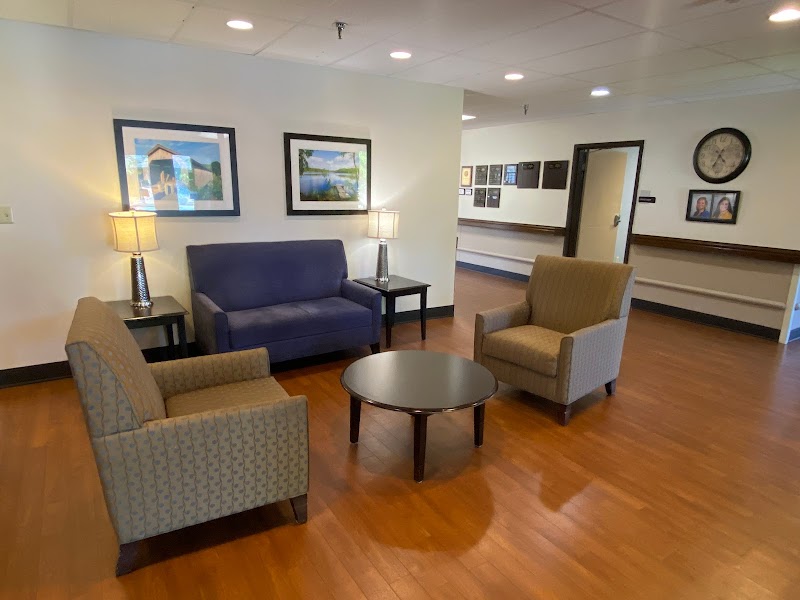
How is Brickyard Healthcare - Muncie Staffed?

CMS rates BRICKYARD HEALTHCARE - MUNCIE CARE CENTER's staffing level at 3 out of 5 stars, which is average compared to other nursing homes. Staff turnover is 50%, compared to the Indiana average of 46%.

What Have Inspectors Found at Brickyard Healthcare - Muncie?

State health inspectors documented 38 deficiencies at BRICKYARD HEALTHCARE - MUNCIE CARE CENTER during 2022 to 2025. These included: 3 that caused actual resident harm and 35 with potential for harm. Deficiencies causing actual harm indicate documented cases where residents experienced negative health consequences.
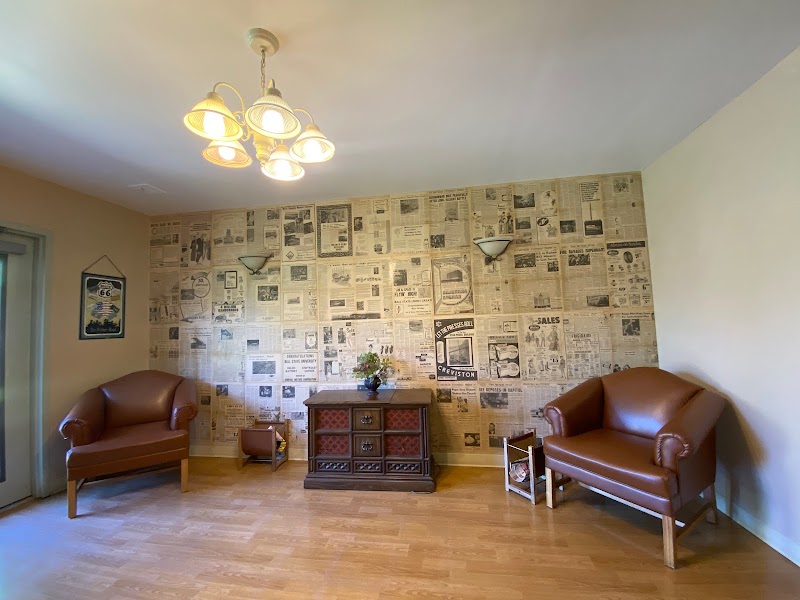
Who Owns and Operates Brickyard Healthcare - Muncie?

BRICKYARD HEALTHCARE - MUNCIE CARE CENTER is owned by a for-profit company. For-profit facilities operate as businesses with obligations to shareholders or private owners. The facility is operated by BRICKYARD HEALTHCARE, a chain that manages multiple nursing homes. With 117 certified beds and approximately 99 residents (about 85% occupancy), it is a mid-sized facility located in MUNCIE, Indiana.
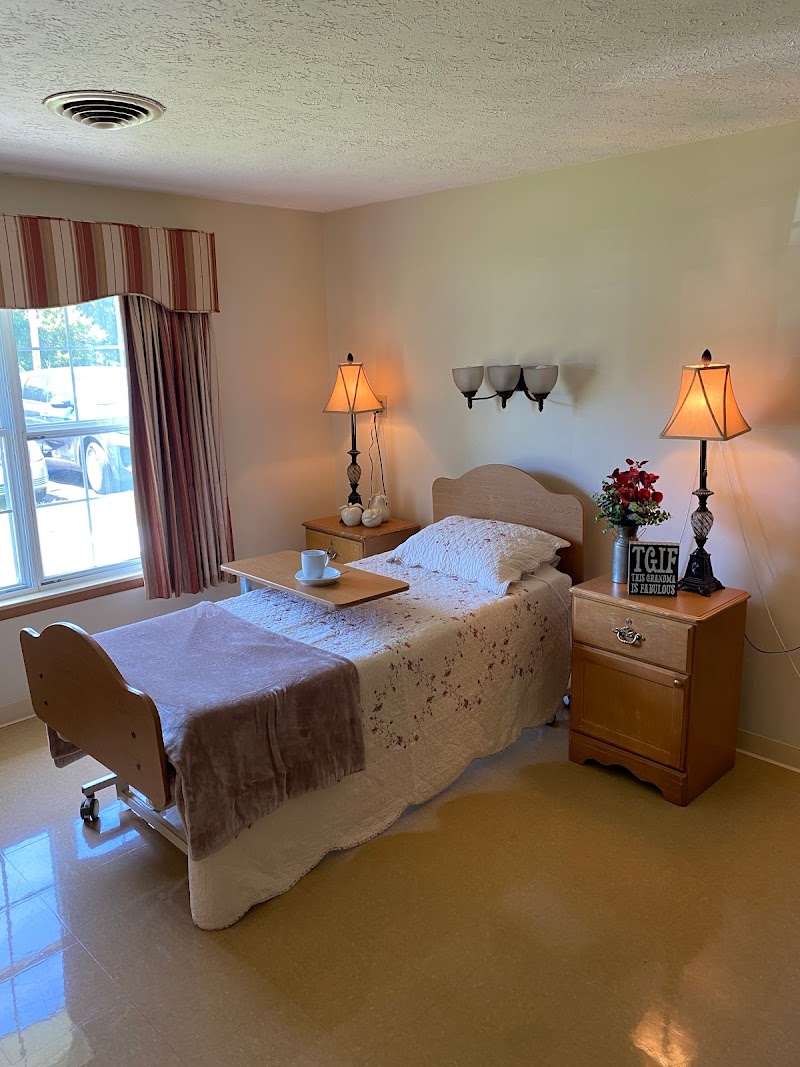
How Does Brickyard Healthcare - Muncie Compare to Other Indiana Nursing Homes?

Compared to the 100 nursing homes in Indiana, BRICKYARD HEALTHCARE - MUNCIE CARE CENTER's overall rating (1 stars) is below the state average of 3.1, staff turnover (50%) is near the state average of 46%, and health inspection rating (1 stars) is much below the national benchmark.

What Should Families Ask When Visiting Brickyard Healthcare - Muncie?

Based on this facility's data, families visiting should ask: "Can I visit during a mealtime to observe dining assistance and food quality?" "How do you handle medical emergencies, and what is your hospital transfer rate?" "Can I speak with family members of current residents about their experience?"

Is Brickyard Healthcare - Muncie Safe?

Based on CMS inspection data, BRICKYARD HEALTHCARE - MUNCIE CARE CENTER has a clean safety record: no substantiated abuse findings (meaning no confirmed cases of resident harm), no Immediate Jeopardy citations (the most serious violation level indicating risk of serious injury or death), and is not on the Special Focus Facility watch list (a federal program monitoring the lowest-performing 1% of nursing homes). The facility has a 1-star overall rating and ranks #100 of 100 nursing homes in Indiana. While no facility is perfect, families should still ask about staff-to-resident ratios and recent inspection results during their visit.

Do Nurses at Brickyard Healthcare - Muncie Stick Around?

BRICKYARD HEALTHCARE - MUNCIE CARE CENTER has a staff turnover rate of 50%, which is about average for Indiana nursing homes (state average: 46%). Moderate turnover is common in nursing homes, but families should still ask about staff tenure and how the facility maintains care continuity when employees leave.

Was Brickyard Healthcare - Muncie Ever Fined?

BRICKYARD HEALTHCARE - MUNCIE CARE CENTER has been fined $22,360 across 2 penalty actions. This is below the Indiana average of $33,302. While any fine indicates a compliance issue, fines under $50,000 are relatively common and typically reflect isolated problems that were subsequently corrected. Families should ask what specific issues led to these fines and confirm they've been resolved.

Is Brickyard Healthcare - Muncie on Any Federal Watch List?

BRICKYARD HEALTHCARE - MUNCIE CARE CENTER is not on any federal watch list. The most significant is the Special Focus Facility (SFF) program, which identifies the bottom 1% of nursing homes nationally based on persistent, serious quality problems. Not being on this list means the facility has avoided the pattern of deficiencies that triggers enhanced federal oversight. This is a positive indicator, though families should still review the facility's inspection history directly.