CARDINAL CARE STRATEGIES
4600 E JACKSON ST, MUNCIE, IN 47303 (765) 282-1416
For profit - Corporation 104 Beds Independent Data: November 2025 1 Immediate Jeopardy citation
Trust Grade
6/100
#438 of 505 in IN
Last Inspection: December 2024

Within standard 12-15 month inspection cycle. Federal law requires annual inspections.

Overview

Cardinal Care Strategies in Muncie, Indiana, has received a Trust Grade of F, indicating significant concerns and a poor quality of care. Ranking #438 out of 505 facilities in Indiana places it in the bottom half, and it is the least favorable option in Delaware County at #13 of 13. While the facility shows an improving trend, reducing issues from 22 in 2024 to 5 in 2025, the current situation remains serious with 48 total deficiencies reported, including a critical incident where a resident at risk of suicide had access to plastic bags. Staffing is below average with a 2 out of 5 star rating and a 61% turnover rate, which is concerning compared to the state average of 47%. Additionally, the facility has faced $22,217 in fines, higher than 90% of Indiana facilities, suggesting ongoing compliance issues, and it offers less RN coverage than 98% of facilities in the state, which can compromise care quality.

Trust Score
F
6/100
In Indiana
#438/505
Bottom 14%
Safety Record
High Risk
Review needed
Inspections
Getting Better
22 → 5 violations
Staff Stability
⚠ Watch
61% turnover. Above average. Higher turnover means staff may not know residents' routines.
Penalties
✓ Good
$22,217 in fines. Lower than most Indiana facilities. Relatively clean record.
Skilled Nurses
⚠ Watch
Each resident gets only 17 minutes of Registered Nurse (RN) attention daily — below average for Indiana. Fewer RN minutes means fewer trained eyes watching for problems.
Violations
⚠ Watch
48 deficiencies on record. Higher than average. Multiple issues found across inspections.
★☆☆☆☆
1.0
Overall Rating
★★☆☆☆
2.0
Staff Levels
★★☆☆☆
2.0
Care Quality
★☆☆☆☆
1.0
Inspection Score
Stable
2024: 22 issues
2025: 5 issues

The Good

  • Full Sprinkler Coverage · Fire safety systems throughout facility
  • No fines on record

Facility shows strength in fire safety.

The Bad

1-Star Overall Rating

Below Indiana average (3.1)

Significant quality concerns identified by CMS

Staff Turnover: 61%

15pts above Indiana avg (46%)

Frequent staff changes - ask about care continuity

Federal Fines: $22,217

Below median ($33,413)

Minor penalties assessed

Staff turnover is elevated (61%)

13 points above Indiana average of 48%

The Ugly 48 deficiencies on record

1 life-threatening
May 2025 3 deficiencies
CONCERN (D) 📢 Someone Reported This

A family member, employee, or ombudsman was alarmed enough to file a formal complaint

Potential for Harm - no one hurt, but risky conditions existed

Free from Abuse/Neglect (Tag F0600)

Could have caused harm · This affected 1 resident

Based on interviews and record review, the facility failed to protect a resident's right to be free from verbal abuse by staff for 1 of 3 residents reviewed for abuse. (QMA 1, Resident D) Findings in...

Read full inspector narrative →
Based on interviews and record review, the facility failed to protect a resident's right to be free from verbal abuse by staff for 1 of 3 residents reviewed for abuse. (QMA 1, Resident D) Findings include: The clinical record for Resident D was reviewed on 5/27/25 at 11:40 a.m. Diagnoses included schizophrenia, convulsions, morbid severe obesity with alveolar hypoventilation, and hypertension. Review of a facility self-reportable incident report, dated 4/9/25, indicated on 4/9/25 at approximately 5:30 a.m., QMA 1 was overheard using inappropriate language in a disrespectful manner to Resident D. The incident was reported to the State on 4/9/25 at 10:39 a.m. Review of a written statement by LPN 2, dated 4/9/25, indicated she heard QMA 1 tell Resident D You need to clean your f - - king room. Resident D said What? and was crying. QMA 1 left the room before LPN 2 got to the resident's room. QMA 1 told LPN 2 I'm done. He is a f - - king d - -k. LPN 1 indicated she spent approximately 20-30 minutes with the resident and tried to calm him down. CNA 3 entered the resident's room and stayed with him to help calm him down. During an interview on 5/27/25 at 10:54 a.m. , LPN 2 indicated on 4/9/25 at approximately 5:30 a.m., she overheard QMA 1 yelling and using inappropriate language at the resident. She entered the resident's room and QMA 1 left. She indicated the resident was upset and crying. The resident told her QMA 1 should not have spoken to him like that. LPN 2 did not report this incident to anyone immediately. She indicated QMA 1 had left the area and she felt the resident was safe. CNA 3 entered the room and stayed with the resident until they calmed down. CNA 3 was not available for interview during the survey. QMA 1's employment was terminated and not available for interview during the survey. During an interview on 5/27/25 at 11:30 a.m., Resident D indicated QMA 1 had yelled and cursed at him because his floor was dirty. The incident made him feel bad. During an interview on 5/27/25 at 11:54 a.m., the SSD indicated after she became aware of the incident, she spoke with the resident. The resident told her QMA 1 had hurt his feelings and made him cry. During an interview on 5/27/25 at 12:34 p.m., the DON indicated she arrived at the facility at around 8:00 a.m. on the day in question and was informed of the incident by Unit Manager 4 on 4/9/25 at approximately 10:00 a.m. She immediately informed the Administrator and initiated an investigation. Unit Manager 4 was no longer employed at the facility and was unable to be reached for interview during the survey. During an interview on 5/27/25 at 2:23 p.m., both the Administrator and DON indicated LPN 2 should have immediately informed the Administrator/DON of the incident and QMA 1 should have been sent home immediately. A current policy, dated 2/1/2023, titled Abuse Prevention and Prohibition Policy was provided by the Administrator on 5/27/25 at 11:40 a.m. The policy indicated the following: Purpose: To ensure the resident's right to remain free from verbal, sexual, physical, and mental abuse, mistreatment, neglect, corporal punishment, involuntary seclusion, and exploitation. This citation relates to Complaint IN00458662. 3.1-27(b)
CONCERN (D) 📢 Someone Reported This

A family member, employee, or ombudsman was alarmed enough to file a formal complaint

Potential for Harm - no one hurt, but risky conditions existed

Investigate Abuse (Tag F0610)

Could have caused harm · This affected 1 resident

Based on interview and record review, the facility failed to implement their policy regarding abuse investigation when they failed to provide assessment for psychosocial harm for vulnerable, cognitive...

Read full inspector narrative →
Based on interview and record review, the facility failed to implement their policy regarding abuse investigation when they failed to provide assessment for psychosocial harm for vulnerable, cognitively impaired residents following an allegation of staff to resident verbal abuse. This deficient practice had the potential to effect 3 of 17 residents living in on the unit where the abuse was alleged. Residents E, F, and G) Findings include: Review of a facility self-reportable incident report, dated 4/9/25, indicated on 4/9/25 at approximately 5:30 a.m., QMA 1 was overheard using inappropriate language in a disrespectful manner to Resident D. The incident was reported to the State on 4/9/25 at 10:39 a.m. The facility's investigation of a verbal abuse allegation was reviewed on 5/27/25 at 9:57 a.m. The investigation included, staff re-education, staff interviews, interviews of cognitively intact residents, and skin assessments. The investigation lacked psychosocial assessments/evaluations of vulnerable or non-verbal residents. 1. The clinical record for Resident E was reviewed on 5/27/25 at 10:07 a.m. Diagnoses included anxiety, depression and dementia. The clinical record lacked assessment of psychosocial status during the time of the facility's abuse investigation beginning on 4/9/25. A current quarterly Minimum Data Set (MDS) assessment, dated 3/25/25, indicated the resident was severely cognitively impaired. The resident was not interviewable during the survey. 2. The clinical record for Resident F was reviewed on 5/27/25 at 10:11 a.m. Diagnoses included depression, anxiety and dementia. The clinical record lacked assessment of psychosocial status during the time of the facility's abuse investigation beginning on 4/9/25. A current significant change Minimum Data Set (MDS) assessment, dated 4/9/25, indicated the resident was not interviewable. The resident was not interviewable during the survey. 3. The clinical record for Resident G was reviewed on 5/27/25 at 10:17 a.m. Diagnoses included Schizophrenia, respiratory failure, and diabetes type 2. The clinical record lacked assessment of psychosocial status during the time of the facility's abuse investigation beginning on 4/9/25. A current quarterly Minimum Data Set (MDS) assessment, dated 34/3/25, indicated the resident was not interviewable due to delusions. The resident was not interviewable during the survey. During an interview on 5/27/25 at 2:23 p.m., the Administrator and DON indicated the facility should have but failed to provide psychosocial assessments for vulnerable residents as part of the investigation. A current policy, dated 2/1/2023, titled Abuse Prohibition was provided by the Administrator on 5/27/25 at 11:40 a.m. The policy indicated the following: ,,,, a. Investigation of abuse: When an incident or suspected incident of abuse is reported, the Administrator or designee will investigate the incident with the assistance of appropriate personnel. The investigation will include: ii. Residents' statements a. For non-verbal residents, cognitively impaired or residents who refuse to be interviewed, attempt to interview residents first. If unable, observe resident, complete an evaluation of resident behavior, affect and response to interaction, and document findings. Cross reference F600. This citation relates to Complaint IN00458662. 3.1-28(d)
CONCERN (E) 📢 Someone Reported This

A family member, employee, or ombudsman was alarmed enough to file a formal complaint

Potential for Harm - no one hurt, but risky conditions existed

Abuse Prevention Policies (Tag F0607)

Could have caused harm · This affected multiple residents

Based on record review and interview, the facility failed to implement their facility abuse prevention program policy when staff members failed to report an incident of staff to resident verbal abuse,...

Read full inspector narrative →
Based on record review and interview, the facility failed to implement their facility abuse prevention program policy when staff members failed to report an incident of staff to resident verbal abuse, which delayed the initiation of the facility investigation and reporting to the appropriate agencies, for 1 of 4 residents reviewed for abuse. (QMA 1, Resident D, and LPN 2) Findings include: Review of a facility self-reportable incident report, dated 4/9/25, indicated on 4/9/25 at approximately 5:30 a.m., QMA 1 was overheard using inappropriate language in a disrespectful manner to Resident D. The incident was reported to the State on 4/9/25 at 10:39 a.m. The clinical record for Resident D was reviewed on 5/27/25 at 11:40 a.m. Diagnoses included schizophrenia, convulsions, morbid severe obesity with alveolar hypoventilation, and hypertension. Review of a facility self-reportable incident report, dated 4/9/25, indicated on 4/9/25 at approximately 5:30 a.m., QMA 1 was overheard using inappropriate language in a disrespectful manner to Resident D. The incident was reported to the State on 4/9/25 at 10:39 a.m. Review of a written statement by LPN 2, dated 4/9/25, indicated she heard QMA 1 tell Resident D You need to clean your f - - king room. Resident D said What? and was crying. QMA 1 left the room before LPN 2 got to the resident's room. QMA 1 told LPN 2 I'm done. He is a f - - king d - -k. LPN 1 indicated she spent approximately 20-30 minutes with the resident and tried to calm him down. CNA 3 entered the resident's room and stayed with him to help calm him down. During an interview on 5/27/25 at 10:54 a.m. , LPN 2 indicated on 4/9/25 at approximately 5:30 a.m., she overheard QMA 1 yelling and using inappropriate language at the resident. She entered the resident's room and QMA 1 left. She indicated the resident was upset and crying. The resident told her QMA 1 should not have spoken to him like that. LPN 2 did not report this incident to anyone immediately. She indicated QMA 1 had left the area and she felt the resident was safe. CNA 3 entered the room and stayed with the resident until they calmed down. CNA 3 was not available for interview during the survey. QMA 1's employment was terminated and not available for interview during the survey. During an interview on 5/27/25 at 11:30 a.m., Resident D indicated QMA 1 had yelled and cursed at him because his floor was dirty. The incident made him feel bad. During an interview on 5/27/25 at 11:54 a.m., the SSD indicated after she became aware of the incident, she spoke with the resident. The resident told her QMA 1 had hurt his feelings and made him cry. During an interview on 5/27/25 at 12:34 p.m., the DON indicated she arrived at the facility at around 8:00 a.m. on the day in question and was informed of the incident by Unit Manager 4 on 4/9/25 at approximately 10:00 a.m. She immediately informed the Administrator and initiated an investigation. Unit Manager 4 was no longer employed at the facility and was unable to be reached for interview during the survey. During an interview on 5/27/25 at 2:23 p.m., both the Administrator and DON indicated LPN 2 should have immediately informed the Administrator/DON of the incident and QMA 1 should have been sent home immediately. A current policy, dated 2/1/2023, titled Abuse Prohibition was provided by the Administrator on 5/27/25 at 11:40 a.m. The policy indicated the following: Procedure: Internal Reporting: a. Employees must always report any abuse or suspicions of abuse immediately to the Administrator. **Note: failure to report can make employee just as responsible for the abuse in accordance with State Law. Cross reference F600. This citation relates to Complaint IN00458662. 3.1-28(c)
Mar 2025 2 deficiencies
CONCERN (D) 📢 Someone Reported This

A family member, employee, or ombudsman was alarmed enough to file a formal complaint

Potential for Harm - no one hurt, but risky conditions existed

Respiratory Care (Tag F0695)

Could have caused harm · This affected 1 resident

Based on observation and interview, the facility failed to provide and maintain dated storage bags for oxygen administration equipment to be stored in a clean manner for 3 of 3 residents observed for ...

Read full inspector narrative →
Based on observation and interview, the facility failed to provide and maintain dated storage bags for oxygen administration equipment to be stored in a clean manner for 3 of 3 residents observed for oxygen administration. (Residents J, K, & L) Findings include: During an initial observation on 3/20/25 at 10:16 a.m., a wheelchair was observed outside of Resident K's room with the nasal cannula attached to a portable oxygen tank. The cannula was observed draped over the back of the wheelchair, with the cannula laying in the seat of the chair. There was no storage bag present on the wheelchair. Another wheelchair outside Resident L's room was observed with a nasal cannula attached to a portable oxygen tank. The cannula was observed tucked into a pocket on the back of the wheelchair that was part of the seat. There was no storage bag present on the wheelchair. During an interview with Resident J on 3/21/25 at 10:29 a.m., an oxygen concentrator was observed in the resident's room with the tubing and nasal cannula rolled up and anchored under the handle of the device. There was no dated storage bag on the machine. Resident J indicated there was no bag provided to store her cannula when she was not using it. During an interview on 3/21/25 at 12:09 p.m., the Assistant Director of Nursing/Infection Preventionist indicated the oxygen concentrators should all have dated storage bags on them for the tubing to be stored when not in use. The portable oxygen tanks should also have dated storage bags. There were a couple of residents who continually took the bags off the wheelchairs or concentrators. A current facility policy, revised 1/2023, titled, Oxygen Administration, provided by the Administrator on 3/21/25 at 4:06 p.m., indicated the following: Procedure .11. Oxygen tubing and bag are to be changed and dated every week. 3.1-47(a)(6)
CONCERN (D) 📢 Someone Reported This

A family member, employee, or ombudsman was alarmed enough to file a formal complaint

Potential for Harm - no one hurt, but risky conditions existed

Infection Control (Tag F0880)

Could have caused harm · This affected 1 resident

Based on observation and interview, the facility failed to maintain a clean, orderly shower room for resident use for 1 of 4 shower rooms observed for cleanliness. (100 East hall) Findings include: D...

Read full inspector narrative →
Based on observation and interview, the facility failed to maintain a clean, orderly shower room for resident use for 1 of 4 shower rooms observed for cleanliness. (100 East hall) Findings include: During an observation of the 100 East hall shower room on 3/20/25 at 10:16 a.m., the following was observed: the floor was soiled and had standing water from the shower to the sink. There were two open soda cans and a plastic bottle of a hydration drink on a shelf. There were plastic wrappers and a bottle of powder in the dirty sink. The toilet bowl had dark rings around the water line. The trash container was uncovered, and a bag of linens was observed on the floor next to the trash container. A sheet was observed draped over the seat of a shower chair and onto the floor. During an observation of the 100 East hall shower room on 3/21/25 at 1:52 p.m., accompanied by the Housekeeping Manager and the Unit Manager, the following was observed: multiple smears of feces on the floor from the shower to the sink, sink visibly dirty, and the toilet bowl had dark rings around the waterline. There were light colored smears on the toilet seat. During an interview at the time of the observation, the Housekeeping Manager indicated the shower rooms should not be in this condition and was an unacceptable way to leave the shower room. A current facility schedule for 3/2025, provide by the Administrator on 3/21/25 at 4:07 p.m., included: .*make sure you are getting your shower rooms Daily .shower rooms. This Federal tag relates to complaint IN00454626. 3.1-18(a)
Dec 2024 5 deficiencies
CONCERN (D)

Potential for Harm - no one hurt, but risky conditions existed

Deficiency F0744 (Tag F0744)

Could have caused harm · This affected 1 resident

Based on observation, interview and record review, the facility failed to provide dementia services related to intrusive wandering for 1 of 1 residents reviewed for a unit relocation due to wandering....

Read full inspector narrative →
Based on observation, interview and record review, the facility failed to provide dementia services related to intrusive wandering for 1 of 1 residents reviewed for a unit relocation due to wandering. (Resident 33) Finding includes: Resident 33's clinical record was reviewed on 12/12/24 at 3:05 p.m. Current diagnoses included, Alzheimer's disease, restlessness and agitation, and generalized anxiety disorder. The resident had a current care plan problem/need regarding wandering, entering other's room and rifling through belongings with no real objective or motive, initiated 9/11/23. The goal for this need was for the resident to remain safe from wandering. An 11/10/24 at 3:44 a.m., Late Entry, Behavior Note indicated the resident was up all night wandering in and out of other resident rooms. An 11/12/24 at 1:19 a.m.,Behavior Note indicated the resident continued to wander at night with multiple redirections required. The resident also continued to wander into other residents' rooms causing agitation in residents attempting to sleep. Resident 33 was redirected multiple times to their room and common area to watch TV, and given multiple snacks, but continued to wander unit. All interventions were attempted without success. An 11/18/24 at 8:08 p.m., Behavior Note indicated the resident was noted to be wandering in and out of resident rooms attempting to rummage through belongings. The resident only remained seated for 10-15 minutes then got distracted and got up and began wandering again. The resident did not tire out until morning time when it was time to get up for breakfast. An 11/21/24 at 3:40 a.m., Behavior Note indicated the resident woke up around 3:30 a.m. when he began wandering. Resident 33's clinical record indicated he was moved to a room on the secured behavior unit on 12/12/24 following intrusive wandering concerns on his hall of residence. Following the resident's move to the secured behavioral unit on 12/12/24, Resident 33's clinical record lacked documentation of a plan to reduce risks, increase safety, or reduce risk of injury due to intrusive wandering in his new environment and/or increase his potential for a successful transition into a new room and unit. During an observation, on 12/13/24 at 10:19 a.m., Resident 33 was in the lounge on the secured unit. He was watching TV and talking about the TV program. A 12/6/24, annual, Minimum Data Set (MDS) assessment indicated the resident was severely cognitively impaired and wandered daily through the assessment period. A 12/15/24 at 12:05 a.m., Progress Note indicated employees had heard loud resident voices and Resident 33 was standing in the doorway of another resident's room. Resident 33 was bleeding from the side of his mouth. The nurse observed a small cut inside the residents mouth. The resident was moved off the secured unit and placed in a room on his previous hall and 15 minute checks were initiated. A 12/15/24 facility reported incident indicated Resident 33 had been smacked in the face by another resident after he had wandered into another resident's room and rummaged through his belongings. A 12/16/24 at 2:39 a.m., Behavior Note indicated the resident was awake almost the entire shift. He required frequent redirection. He had not slept yet. The staff had to repeatedly encourage the resident to stay out of other resident rooms. On 12/17/24 at 11:30 a.m., 1:26 p.m., and 2:00 p.m., he was seated in a recliner in the 200 hall ,watching TV. During an interview on 12/17/24 at 11:35 a.m., the Administrator indicated the facility did not put a plan in place to help the resident successfully establish himself on his new unit nor ensure his safety when he was known to have a history of intrusive wandering. A current, undated, facility policy, titled Dementia Resident Care Policy, which was provided by the Administrator on 12/17/24 at 12:18 p.m., indicate the following: .Offering more activities and meaningful interactions assists with . preventing (or even reducing) disturbing behaviors 3.1-37(a)
CONCERN (D)

Potential for Harm - no one hurt, but risky conditions existed

Deficiency F0761 (Tag F0761)

Could have caused harm · This affected 1 resident

Based on observation and interview, the facility failed to label medications with resident identifying information in 1 of 3 medication carts (East 100 Unit Cart) and 1 of 2 medication storage rooms (...

Read full inspector narrative →
Based on observation and interview, the facility failed to label medications with resident identifying information in 1 of 3 medication carts (East 100 Unit Cart) and 1 of 2 medication storage rooms (200 Unit Storage Room) reviewed for medication storage. This had the potential to affect 19 residents who received medications from the 100 East Cart and 5 residents whose diabetic medications were stored in the 200 Medication Storage Room. Findings include: 1. During an observation, accompanied by LPN 5 on 12/13/24 at 9:16 a.m. , the 100 East Unit medication cart top right drawer contained 2 medication cups. One of the cups contained two pills with no resident identifiers. The other cup contained 7 pills with no resident identifier. She indicated the medication were pre-set because the resident was not out of bed yet. LPN 5 indicated she was aware who the medications belonged to. Since the medications were not labeled with any resident identifiers, others would not have any way to identify which medications were in the cups, nor who they belonged to. She indicated all medications in the medication cart should have been labeled. 2. During an observation of the 200 Unit Medication Storage Room, accompanied by LPN 7 on 12/13/24 at 10:19 a.m., the following was observed: a. One unopened Trulicity (injectable medication for diabetes) single dose pen, 0.75 milligrams(mg)/0.5 milliliters (ml), was in the medication refrigerator and unlabeled with any resident identifier or instructions for administration. b. One unopened Trulicity (injectable medication for diabetes) single dose pen , 3 mg/0.5 (ml), was in the medication refrigerator and unlabeled with any resident identifier or instructions for administration. During an interview at the time of observation, LPN 7 indicated she would not have a way to know who the medication belonged to since it was not labeled. During an interview on 12/13/24 at 10:30 a.m., LPN 7 indicated all medications in the medication storage room refrigerator should have been labeled with the resident name and instructions for administration. She indicated they would now have to be destroyed since they were not labeled. During an interview on 12/17/24 at 10:30 a.m., the Administrator indicated medications in the medication carts and medication storage rooms should have been labeled. A current facility policy, revised April 2019, titled Labeling of Medication Containers, provided by the Administrator on 12/17/24 at 10:50 a.m., indicated the following: Policy Statement . All medications maintained in the facility are properly labeled in accordance with current state and federal guidelines and regulations 3.1-25(j)
CONCERN (D)

Potential for Harm - no one hurt, but risky conditions existed

Menu Adequacy (Tag F0803)

Could have caused harm · This affected 1 resident

Based on observation, interview, and record review, the facility failed to ensure a resident with a dairy allergy was not served food containing dairy for 1 of 1 resident reviewed for food allergies. ...

Read full inspector narrative →
Based on observation, interview, and record review, the facility failed to ensure a resident with a dairy allergy was not served food containing dairy for 1 of 1 resident reviewed for food allergies. ( Resident 72) Finding includes: Resident 72's clinical record was reviewed on 12/12/24 at 2:53 p.m. Current diagnoses included psychotic disorder and depression. The resident had a documented intolerance of dairy products, entered in the record on 2/29/24. A 11/26/24, quarterly, Minimum Data Set (MDS) assessment indicated the resident was severely cognitively impaired. The resident had a current, 3/4/24, care plan problem/need regarding a potential alternation of nutrition related to multiple heath conditions and food allergies to egg, dairy, peanuts and seafood. During a meal service observation on 12/16/24 at 11:36 a.m., Dietary Aide 13 placed a container of sherbet on Resident 72's meal plate. Resident 72's meal ticket was observed and listed no dairy products due to allergies. The sherbet container's (which was placed on the resident's meal tray) label was reviewed for listed ingredients. Whey (milk protein) and skimmed milk were listed as ingredients in the sherbet. Cook 12, Dietary Aide 13, the Dietary Manager, and Registered Dietitian, were present in the kitchen when the sherbet container was placed on Resident 72's tray. Following the review of the ingredients labeled on sherbet, none of the four dietary employees indicated an understanding of sherbet containing dairy products. A current facility policy, dated 2017, titled, Food Allergies and Intolerance, which was provided by the Dietary Manager 12/16/2024 at 2:26 p.m., indicated the following: .Residents with foods allergies and/or intolerance's are identified upon admission and offered food substitutions of similar appeal and nutritional value. Steps are taken to prevent resident exposure to the allergie(s) 3.1-20(i)(2)
CONCERN (E)

Potential for Harm - no one hurt, but risky conditions existed

Deficiency F0809 (Tag F0809)

Could have caused harm · This affected multiple residents

Based on interview and record review, the facility failed to provide evening snacks for 1 of 4 residents reviewed for nutrition (Resident 35) and for 7 of 7 residents in resident group interview with ...

Read full inspector narrative →
Based on interview and record review, the facility failed to provide evening snacks for 1 of 4 residents reviewed for nutrition (Resident 35) and for 7 of 7 residents in resident group interview with the resident council. Findings include: 1. Resident 35's clinical record was reviewed on 12/12/24 at 3:03 p.m. Current diagnoses included dementia, type II diabetes without complications, and moderate protein calorie malnutrition. A current physician's order, dated 5/10/24, indicated to offer peanut butter and jelly at bedtime for nutrition from supplies located in the pantry to make sandwiches. A Nurse's Note, dated 11/29/24 at 9:01 p.m., indicated the order for peanut butter and jelly at bedtime for a nutritional supplement was not provided. A Nurse's Note, dated 11/30/24 at 9:49 p.m., indicated there was no supply to offer peanut butter and jelly at bedtime for a nutritional supplement. A Nurse's Note, dated 12/1/24 at 7:42 p.m., indicated there was no supply to offer peanut butter and jelly at bedtime for a nutritional supplement. A Nurse's Note, dated 12/15/24 at 9:11 p.m., indicated the supplies to make sandwiches were not delivered from the kitchen for administration. During an interview on 12/17/24 at 10:45 a.m., the Dietary Manager indicated she had never been informed there were concerns regarding availability of bedtime snacks and peanut butter and jelly. It should have been in the pantry on the unit. Staff should have asked when items were unavailable. During an observation at the time of interview on 12/17/24 at 10:53 a.m., Unit Manager 11 indicated she believed the snack issue was due to staff's lack of going further when they could not find something as peanut butter and jelly was currently in the Swan Unit pantry. They were supposed to go to another pantry and ask dietary if they had a concern. 2. During a confidential Resident Council group interview on 12/13/24 at 2:02 p.m., seven out of seven residents in the Resident Council Group meeting indicated snacks were unavailable at bedtime. This was an ongoing concern and had been discussed at multiple resident council meetings. They were unaware of what had been done to resolve the problem. The residents were told by staff, as frequent as 5 out of 7 days of the week, when they requested snacks, that bedtime snacks were unavailable. The snacks were requested on the 100 and 200 Units. Staff did not pass bedtime snacks and the residents did not have any access to get the snacks themselves. Resident Council Minutes, identified by the Activity Director (AD) as November 2024 minutes, indicated the group had a concern regarding a lack of passing bedtime snacks. Review of the December 2024 minutes, lacked any documentation of old business reviewed and or responses provided to the resident council group concerns regarding a lack of bedtime snacks. Review of a Grievance Form, dated 11/22/24, indicated the resident council group were concerned that bedtime snacks were not passed. Section 2 of the form, dated 11/22/24, indicated the dietary was working on a new available snack menu for bedtime to allow staff availability to make snacks of choice available to the residents if an alternate was requested. Section 3 of the form, follow up, was blank. There was no indication that anyone received a response to the concern. Section 4 was signed by the Administrator and indicated the concern was resolved. Review of an HS [bedtime] Snack Audit, dated 11/25/24, indicated 2 out of 15 residents audited did not get bedtime snacks and 4 out of 15 residents sometimes received bedtime snacks. Confidential interviews were held during the survey and indicated the following information: There were days the residents were told by staff that snacks were unavailable because they ran out. This was an ongoing concern and it happened at least one day every week. This happened on all of the units in the building rather than one particular unit. The nurses were aware of the ongoing problem. Snacks were available on this day. There have been a handful of times that snacks were not available on the Swan Unit. This happened weekly. On uncertain dates, the lack of unavailable snacks had been reported to Dietary Aide 17, QMA 14, and QMA 16. She believed they had concerns with snacks on the behavior unit because they issued more snacks to the residents for a diversion on that unit and dietary staff were not restocking the snacks. The dietary staff were supposed to restock the snacks every night before they left because no one on night shift had access to the kitchen. This included night shift managers. Some staff members wound not go to the trouble of searching for snacks on other units when the snacks were not available in the pantry for the Swan Unit. Education had not been provided regarding availability of night time snacks for the residents. Residents with diabetes have reported frustration and agitation due to a lack of available peanut butter and jelly sandwiches. A staff member had to use their own money on several different occasions to purchase snacks out of the vending machines that were significant for diabetic residents. Staff, to include night shift management, lacked access to the kitchen when peanut butter and jelly sandwiches were not available. Dietary staff were unable to understand the importance of having available snacks for the residents. The above mentioned concerns had been brought to management in the morning meeting in early November and multiple other times where the Administrator, DON and other department managers were in attendance. The pantry on this date was unusually well stocked which was believed to be a result of the regulatory visit from the Indiana Department of Health. Peanut butter and jelly had been unavailable in the pantry when requested as recent as within the last week. During an interview on 12/16/24 at 11:49 a.m., the AD indicated the resident council meeting were held on the following dates: 9/4/24, 10/9/24, 11/21/24, and 12/9/24. She took minutes for the resident council meetings, typed up notes, and sent them out to all the department heads after each meeting. The minutes were required to include all the information discussed during the resident council meetings. She indicated she did not have any responses or feedback documented in the resident council minutes for months from September through December 2024 because she was instructed not to keep the feedback forms by management like she had done in the past. She only had documented new business for said months. All resident council concerns each month should have been placed on a concern/grievance form. During an interview on 12/16/24 at 5:22 p.m., the Administrator was requested to provide the resident council follow responses/feedback to the resident council concerns from September through December 2024. Further documentation of resident council feedback/responses regarding bedtime snacks were not provided prior to exit on 12/17/24. During an interview on 12/17/24 at 2:02 p.m., the AD indicated the facility could not provide any resident council feedback forms. She indicated the resident council group had mentioned concerns regarding unavailable bedtime snacks during the October and November 2024 resident council meetings. Snacks were really important to the residents. Bedtime snacks were not discussed during the December 2024 resident council meeting. During an interview on 12/17/24 at 1:48 p.m., the Dietary Manager denied any knowledge of any type of available snack menu for bedtime snacks. A current, undated, facility policy, titled Snacks (Between Meal and Bedtime) Policy, provided by the Administrator on 12/17/24 at 12:18 p.m., indicated the following: Policy Statement .The purpose of this procedure is to provide the resident with adequate nutrition. 1. Review the resident's care plan and provide for any special needs of the resident .4. Snacks can be found on each unit in nursing/nourishment pantries. 5. Snacks may also come from the dietary department. 6. Report any problems or complaints made by the resident related to the snack. 8. Report other information in accordance with facility policy and professional standards of practice 3.1-21(e)
MINOR (C)

Minor Issue - procedural, no safety impact

Food Safety (Tag F0812)

Minor procedural issue · This affected most or all residents

Based on observation, interview and record review, the facility failed to ensure food was served in a manner to prevent possible food contamination. This deficient practice had the potential to impact...

Read full inspector narrative →
Based on observation, interview and record review, the facility failed to ensure food was served in a manner to prevent possible food contamination. This deficient practice had the potential to impact 69 residents, who ate meals prepared in the facility kitchen. Finding includes: During a continuous observation on 12/16/24 from 11:36 a.m. to 11:47 a.m., the following concerns regarding food handling were observed during lunch meal service: Cook 12 used her gloved hands to pick up a bread bag making contact with the external portion of the bag. With the same contaminated gloved hands, she picked up individual slices of bread and placed them individually into single slice plastic serving bags. She then held a baked potato with the same contaminated gloves and scooped out the interior of the potato placing it on a plate. This process continued with her touching bread, the bag, and potatoes with the same soiled gloves. She additionally touched utensils, plate, bowls, and trays with the same gloves. At 11:44 a.m., the cook removed her gloves, washed her hands, and placed on new clean gloves. With her freshly gloved hands, she again touched the outside of the bread bag, bread, plastic bags, potatoes, utensils, plates, and bowls using the same process as she had prior to washing her hands and changing gloves. During an interview on 12/16/24 at 11:47 a.m., [NAME] 12 indicated she did not realize she had contaminated her gloves when touching multiple items and also contaminated the food. A current facility policy, dated April 2019, titled, Food Preparation and Service, which was provided by the Dietary Manager on 12/16/24 at 1:10 p.m., indicated the following: .Bare hand contact with food is prohibited. Gloves are worn when handling food directly and changed between tasks. Disposable gloves are single-use items and discarded after each use 3.1-21(i)(1)
Nov 2024 2 deficiencies
CONCERN (E) 📢 Someone Reported This

A family member, employee, or ombudsman was alarmed enough to file a formal complaint

Potential for Harm - no one hurt, but risky conditions existed

Deficiency F0711 (Tag F0711)

Could have caused harm · This affected multiple residents

Based on interview and record review, the facility failed to ensure physician and nurse practitioner notes were documented and signed at the time of the visit for 6 of 6 residents reviewed for physici...

Read full inspector narrative →
Based on interview and record review, the facility failed to ensure physician and nurse practitioner notes were documented and signed at the time of the visit for 6 of 6 residents reviewed for physician's services (Residents B, C, D, E, F, and G). Findings include: 1. Resident B's clinical record was reviewed on 11/14/24 at 1:44 p.m. Current diagnoses included anxiety, depression, and diabetes mellitus. The resident's primary care physician was the facility's Medical Director. Nurse Practitioner (NP) 3 was identified as one of the resident's medical care providers. The resident had a care visit completed by Nurse Practitioner 3 on 7/9/24. A care note was not documented for this visit until 9/16/24 (72 days). 2. Resident C's clinical record was reviewed on 11/13/24 at 10:40 a.m. Current diagnoses included schizoaffective disorder, hypertension, chronic obstructive pulmonary disorder. The resident's primary care physician was the facility's Medical Director. Nurse Practitioner 3 was identified as one of the resident's medical care providers. The resident had a care visit note for a visit completed by Nurse Practitioner 3 on 9/5/24. The care visit was not documented on until 10/30/24 (55 days after the visit). 3. Resident D's clinical record was reviewed on 11/14/24 at 1:36 p.m. Current diagnoses included diabetes mellitus, depression, dementia, and hypertension. The resident's primary care physician was the facility's Medical Director. Nurse Practitioner 3 was identified as one of the resident's medical care providers. The resident had a 7/18/24 care visit from Nurse Practitioner 3. This note was not documented until 9/8/24, when it was made as a late entry (51 days after the visit date). A care visit on 9/10/24 from the NP was not documented until 10/26/24 (46 days after the visit). A care visit on 9/19/24 from the NP was not documented until 11/2/24 (44 days after the visit). 4. Resident E's clinical record was reviewed on 11/14/24 at 10:00 a.m. Current diagnoses included anxiety, depression, and obesity. The resident's primary care physician was the facility's Medical Director. Nurse Practitioner 3 was identified as one of the resident's medical care providers. The resident had a physician's admission progress visit on 7/27/24 that was not documented until 10/31/24 (126 days after the visit). An NP care visit on 8/6/24 was not documented until 9/17/24 (42 days after the visit). An NP care visit on 8/15/24 was not documented until 10/27/24 (73 days after the visit). An NP care visit on 9/10/24 was not documented until 10/30/24 (51 days after the visit). 5. Resident F's clinical record was reviewed on 11/13/24 at 2:45 p.m. Current diagnoses included schizoaffective disorder, bipolar disorder, and diabetes mellitus. The resident's primary care physician was the facility's Medical Director. Nurse Practitioner 3 was identified as one of the resident's medical care providers. An NP care visit on 8/29/24 was not documented until 10/29/24 (61 days after the visit). An NP care visit on 9/10/24 was not documented until 11/2/24 (53 days after the visit). An NP care visit on 9/24/24 was not documented until 11/2/24 (39 days after the visit). 6. Resident G's clinical record was reviewed on 11/14/24 at 2:00 p.m. Current diagnoses included depression, anxiety, and bipolar disorder. The resident's primary care physician was the facility's Medical Director. Nurse Practitioner 3 was identified as one of the resident's medical care providers. The resident had a care visit completed by Nurse Practitioner 3 on 8/8/24 and was not documented until 9/17/24 (41 days). During an interview on 11/14/24 at 2:51 p.m., the Administrator indicate the facility had identified a concern regarding timely physician's visits and timely visit notes. The facility had developed an action plan to address the concern. However, the plan had not been fully implemented and the corrective actions were still in the works. A current, undated, facility policy titled, Medical Director Services, provided by the Administrator on 11/14/24 at 3:22 p.m., indicated .Cardinal Care retains a physician designated as Medical Director, to coordinate the medical care provided . 4. The Medical Director's responsibilities include participating in: a. Following all regulations related to assessments of residents when admitted and on going . A current 11/4/24, facility document, titled Action Plan, provided by the Administrator on 11/14/24 at 1:00 p.m., indicated .Identified Area Needing Improvement-Noted MD (physician and/pr Medical Director) [and] NP (Nurse Practitioner) visits and notes were not timely. Goals: Every resident to be seen and notes entered into Medical Records in a timely manner. Action to be Taken: 1.) MD to see Residents within 72 hours of Admission/Readmission 2.) MD and NP to alternate Resident visit every 60 days-Ongoing 3.) Visit notes entered with 14-21 days of visits- Ongoing 4.) Interviewing for a new Medical Director and new NP-Ongoing 5.) Auditing and notifying MD and NP weekly-Ongoing 6.) Full facility wide audits of charts- Completed 11/4/24 This citation relates to complaint IN00445661. 3.1-22(c)(2)
CONCERN (E) 📢 Someone Reported This

A family member, employee, or ombudsman was alarmed enough to file a formal complaint

Potential for Harm - no one hurt, but risky conditions existed

Deficiency F0712 (Tag F0712)

Could have caused harm · This affected multiple residents

**NOTE- TERMS IN BRACKETS HAVE BEEN EDITED TO PROTECT CONFIDENTIALITY** Based on interview and record review, the facility failed to ensure physician's visits occurred at the regulatory required frequ...

Read full inspector narrative →
**NOTE- TERMS IN BRACKETS HAVE BEEN EDITED TO PROTECT CONFIDENTIALITY** Based on interview and record review, the facility failed to ensure physician's visits occurred at the regulatory required frequency and nurse practitioner visits alternated with a physician for required visits for 6 of 6 residents reviewed for physician's services (Residents B, C, D, E, F, and G). Findings include: Confidential interviews were conducted during the survey. During a confidential interview, a facility resident indicated, I do not think I have a doctor. All I see is the nurse practitioner. During a confidential interview, a facility resident indicated ,I see the nurse practitioner. I do not have a doctor. During a confidential interview, a facility resident indicated, When I asked to see the doctor, the doctor said no. During a confidential interview, a facility resident indicated, The nurse practitioner is my doctor. During a confidential interview, a facility resident indicated, I am kind of new. I do not think I have ever seen a doctor. 1. Resident B's clinical record was reviewed on 11/14/24 at 1:44 p.m. Current diagnoses included anxiety, depression, and diabetes mellitus. The resident's primary care physician was the facility's Medical Director (MD). Nurse Practitioner (NP) 3 was identified as one of the resident's medical care providers. The resident's most recent physician's visit was completed on 7/6/24. The resident had not had a physicians visit since 7/6/24 (131 days). The resident had a nurse practitioner visit completed on 7/9/24. The resident had not had either a MD or NP visit completed since that date (128 days). 2. Resident C's clinical record was reviewed on 11/13/24 at 10:40 a.m. Current diagnoses included schizoaffective disorder, hypertension, chronic obstructive pulmonary disorder. The resident's primary care physician was the facility's Medical Director. Nurse Practitioner 3 was identified as one of the resident's medical care providers. The resident had a care visit note by Nurse Practitioner 3 on 9/5/24. The clinical record lacked indication of a physician visit within the next 70 days. As of 11/14/24 at 3:00 p.m., the resident had not received a care visit by a physician. 3. Resident D's clinical record was reviewed on 11/14/24 at 1:36 p.m. Current diagnoses included diabetes mellitus, depression, dementia, and hypertension. The resident's primary care physician was the facility's Medical Director. Nurse Practitioner 3 was identified as one of the resident's medical care providers. The resident was admitted to the facility on [DATE]. The resident had a 7/18/24 care visit from Nurse Practitioner 3, which indicated the purpose of the visit was to establish services. The clinical record lacked indication of a physician's visit since his admission (a period of 130 days). 4. Resident E's clinical record was reviewed on 11/14/24 at 10:00 a.m. Current diagnoses included anxiety, depression, and obesity. The resident's primary care physician was the facility's Medical Director. Nurse Practitioner 3 was identified as one of the resident's medical care providers. The resident had a physician's admission progress visit on 7/27/24. The resident had not had another physician or NP visit since 7/27/24 visit (111 days at the time of the survey). 5. Resident F's clinical record was reviewed on 11/13/24 at 2:45 p.m. Current diagnoses included schizoaffective disorder, bipolar disorder, and diabetes mellitus. The resident's primary care physician was the facility's Medical Director. Nurse Practitioner 3 was identified as one of the resident's medical care providers. The resident's most current physician care visit was completed on 7/6/24. He had a NP care visit completed on 8/29/24. As of 11/14/24, the resident had not had a physician or NP visit since 7/6/24 (a period of 121 days). 6. Resident G's clinical record was reviewed on 11/14/24 at 2:00 p.m. Current diagnoses included depression, anxiety, and bipolar disorder. The resident's primary care physician was the facility's Medical Director. Nurse Practitioner 3 was identified as one of the resident's medical care providers. The resident had a physician's care visit completed on 7/6/24. The resident had a NP visit completed on 8/8/24. As of 11/14/24, the clinical record lacked indication of an NP or physician visit since 8/8/24 (99 days). During an interview on 11/14/24 at 2:51 p.m., the Administrator indicate the facility had identified a concern regarding timely physician's visits and timely visit notes. The facility had developed an action plan to address the concern. However, the plan had not been fully implemented and the corrective actions were still in the works. A current, undated, facility policy titled, Medical Director Services, which was provided by the Administrator on 11/14/24 at 3:22 p.m., indicated .Cardinal Care retains a physician designated as Medical Director, to coordinate the medical care provided . 4. The Medical Director's responsibilities include participating in: a. Following all regulations related to assessments of residents when admitted and on going . A current 11/4/24 facility document titled, Action Plan, provided by the Administrator on 11/14/24 at 1:00 p.m., indicated: .Identified Area Needing Improvement-Noted MD (physician and/pr Medical Director) [and] NP (Nurse Practitioner) visits and notes were not timely. Goals: Every resident to be seen and notes entered into Medical Records in a timely manner. Action to be Taken: 1.) MD to see Residents within 72 hours of Admission/Readmission 2.) MD and NP to alternate Resident visits every 60 days-Ongoing 3.) Visit notes entered with 14-21 days of visits- Ongoing 4.) Interviewing for a new Medical Director and new NP-Ongoing 5.) Auditing and notifying MD and NP weekly-Ongoing 6.) Full facility wide audits of charts- Completed 11/4/24 This citation relates to Complaint IN00445661. 3.1-22(d)(1) 3.1-22(d)(2) 3.1-22(d)(3)
Sept 2024 1 deficiency
CONCERN (D) 📢 Someone Reported This

A family member, employee, or ombudsman was alarmed enough to file a formal complaint

Potential for Harm - no one hurt, but risky conditions existed

Investigate Abuse (Tag F0610)

Could have caused harm · This affected 1 resident

Based on interview and record review, the facility failed thoroughly investigate the an allegation of physical abuse of a cognitively impaired resident by a staff member for 1 of 5 residents reviewed ...

Read full inspector narrative →
Based on interview and record review, the facility failed thoroughly investigate the an allegation of physical abuse of a cognitively impaired resident by a staff member for 1 of 5 residents reviewed for abuse. (CNA 1 and Resident F) Findings include: Review of a facility self reportable, dated 8/6/24 at 6:49 p.m., was completed on 9/19/24 at 1:33 p.m. The report indicated on 8/6/24, CNA 1 allegedly abused Resident F. The follow up for the investigation indicated staff who witnessed the incident were interviewed. The facility investigation lacked interviews of other staff members and residents to determine if there had been any other concerns with abuse. Resident F's clinical record was reviewed on 9/20/24 at 12:50 p.m. Diagnoses included Alzheimer's Disease, pulmonary fibrosis, rheumatoid arthritis, stage 3 chronic kidney disease, restless and agitation, muscle weakness and dementia with behavioral disturbances. An annual Minimum Data Set (MDS) assessment, dated 7/25/24, indicated the resident was severely cognitively impaired. An 8/6/24 written statement, by CNA 2 indicated Resident F was walking in the hallway. CNA 1 was also going down the hallway with a linen cart. CNA 1 grabbed the resident by the arm and attempted to pull the resident away. During an interview, on 9/20/24 at 2:10 p.m., Resident F was unable to answer screening questions accurately. During an interview on 9/19/24 at 2:03 p.m., the Administrator indicated the facility's investigation did not include interview or assessment of other residents. A current policy, dated 2/1/23, titled Abuse Prevention And Prohibition Policy was provided by the Administrator on 9/20/24 at 4:00 p.m. The policy indicated the following: a. Investigation of abuse: When an incident or suspected incident of abuse is reported, the Administrator or designee will investigate the incident with the assistance of appropriate personnel. The investigation will include a. For non-verbal residents, cognitively impaired residents or residents who refuse to be interviewed, attempt to interview residents first, if unable, observe resident, complete an evaluation of resident behavior, affect and response to interaction, and document findings. This citation relates to complaint IN00440479. 3.1-28(d)
May 2024 2 deficiencies
CONCERN (D) 📢 Someone Reported This

A family member, employee, or ombudsman was alarmed enough to file a formal complaint

Potential for Harm - no one hurt, but risky conditions existed

Resident Rights (Tag F0550)

Could have caused harm · This affected 1 resident

Based on observation, interview and record review, the facility failed to ensure residents had privacy while using the facility telephone. (Swan Unit) Findings include: During an interview with Reside...

Read full inspector narrative →
Based on observation, interview and record review, the facility failed to ensure residents had privacy while using the facility telephone. (Swan Unit) Findings include: During an interview with Resident E, on 5/17/24 at 12:22 p.m., she indicated she used the phone at the nurses station and everyone could hear what she talked about. During an interview with the Social Service Director, on 5/17/24 at 2:11 p.m., she indicated she didn't know Resident E needed a phone. They didn't have land lines in the residents' rooms. There was an office phone at the nurses station. She knew while being back in the Swan unit, Resident K would squat down in front of the nurses station to talk on the phone. During an interview with QMA 7, on 5/17/24 at 3:01 p.m., she indicated Resident E talked on the phone at the nurses station when no one was around. Resident E could go as far as the cord would allow her to go to talk privately. During an interview with the Administrator, with the DON present, on 5/21/24 at 11:57 a.m., she indicated some of the residents had cell phones. She had spoken to the Social Service Director about the residents getting government cell phones, and they had some on hand, and just needed to know how to activate them. The residents were able to use the phone at the nurses station, but she didn't want Resident K having to sit on the floor to talk on the phone. During an interview with QMA 7, on 5/21/24 at 2:15 p.m., she indicated there were four residents who used the phone at the nurses station on a regular basis. During an interview with CNA 14, on 5/21/24 at 2:20 p.m., she indicated she sat the nurses station phone on the top of the desk for the residents to use. Sometimes the staff would dial the number for them, or some residents would just pick up the phone and use it. Resident L had a cell phone, but still used the nurses station phone. There was not a private place for the residents to talk on the phone, and they had to stand at the nurses station to talk. During an interview with the Administrator on 5/21/24 at 3:14 p.m., she indicated the facility did not have a policy related to resident's privacy while using a phone. This citation relates to Complaint IN00434131. 3.1-3(f)
CONCERN (D) 📢 Someone Reported This

A family member, employee, or ombudsman was alarmed enough to file a formal complaint

Potential for Harm - no one hurt, but risky conditions existed

Quality of Care (Tag F0684)

Could have caused harm · This affected 1 resident

A. Based on observation, interview and record review, the facility failed to ensure to physician's orders were initiated and implemented for blood glucose monitoring for a resident receiving insulin f...

Read full inspector narrative →
A. Based on observation, interview and record review, the facility failed to ensure to physician's orders were initiated and implemented for blood glucose monitoring for a resident receiving insulin for 1 of 3 residents reviewed for hospitalizations. (Resident H) B. Based on observation, interview, and record review, the facility failed to monitor resident's bowel movements for 4 of 5 resident's reviewed for bowel management. (Resident B, Resident E, Resident F and Resident H) Findings include: A. Resident H's clinical record was reviewed on 5/21/24 at 9:42 a.m. Diagnoses included type 2 diabetes mellitus without complications, unspecified dementia, severe, with agitation, unspecified dementia, severe, with other behavioral disturbance, unspecified dementia, severe, with psychotic disturbance, unspecified dementia, severe, with anxiety, long term (current) use of insulin, unspecified dementia, unspecified severity, with other behavioral disturbance, type 2 diabetes mellitus with diabetic macular edema, resolved following treatment, unspecified eye, fracture of orbit, unspecified, subsequent encounter for fracture with routine healing, repeated falls and myocardial infarction type 2. Physician's orders included insulin glargine (long acting insulin) 35 units daily with a start date of 9/16/23 and discontinued on 4/29/24, check blood sugar three times (daily before meals and at bedtime) with a start date of 9/15/23, may check blood sugar for signs and symptoms of hypoglycemia/hyperglycemia, notify physician if blood sugar was less than 30 or greater than 400 with a start date of 9/15/23, and insulin glargine 5 units with at start date of 4/30/24. She had a current care plan for being at risk for complications of diabetes mellitus (9/16/23). The goal was her diabetes would be managed with her care plan interventions as evidenced by the absence increased thirst, increased appetite, frequent urination, weight loss, fatigue, muscle cramps, fruity smelling breath, deep labored breathing, lightheadedness, increased sweating, and/or dizziness. Her interventions included check my blood sugars as ordered (9/16/23), she would report and staff would observe for changes in my skin and sensation (9/16/23), she would and staff would observe for signs of hypoglycemia, hyperglycemia and medication side effects (increased thirst, increased appetite, frequent urination, weight loss, fatigue, muscle cramps, fruity smelling breath, deep labored breathing, lightheadedness, increased sweating, and/or dizziness) (9/16/23), observe/document/report as needed (PRN) any signs and symptoms of hyperglycemia: increased thirst and appetite, frequent urination, weight loss, fatigue, dry skin, poor wound healing, muscle cramps, abdominal pain, Kussmaul breathing, acetone breath (smells fruity), stupor, coma (9/16/24), and observe/document/report PRN any sign or symptoms of hypoglycemia: sweating, tremor, increased heart rate (tachycardia), pallor, nervousness, confusion, slurred speech, lack of coordination, and staggering gait (9/16/23). Resident H's documented blood sugars were as follows: On 12/5/23 at 9:57 a.m., it was 245 mg/dL. On 12/9/23 at 10:43 a.m., it was 261 mg/dL. On 12/9/23 at 4:05 p.m., it was 167 mg/dL. On 12/10/23 at 8:14 a.m., it was 151 mg/dL. On 12/10/23 at 10:37 a.m., it was 250 mg/dL. On 12/10/23 at 3:54 p.m., it was 180 mg/dL. On 12/12/23 at 9:24 a.m., it was 257 mg/dL. On 4/19/24 at 8:32 a.m. was 119 mg/dL. A facility fall investigation for Resident H, on 4/25/24 at 10:50 p.m., indicated Resident H was found on the floor face down. The fall was unwitnessed. She was bleeding from the face and could not recall what happened, as she had a diagnosis of dementia. She had a left inferior orbital blowout fracture from the fall. The follow up indicated, upon review of hospital results and video, the resident appeared to pass out after standing up from laying on the couch. She stood up and then fell forward. The hospital added a diagnosis of type 2 myocardial infarction. The nurse practitioner concluded that she likely had a medical event resulting in loss of consciousness. Orthostatic blood pressures would be completed twice a day for seven days. Hospital discharge paperwork, dated 4/29/24, indicated Resident H was admitted for falls, altered mental status, and orbital fracture noted on a CAT scan. She was given intravenous fluids and an antibiotic for urinary tract infections, as she was being treated prior to admission to the hospital. She had hypoglycemia (low blood sugar) and needed dextrose-containing intravenous fluids. Her insulin was held. She was discharged on 4/29/24 after her oral intakes improved, her mental status was back to her baseline, and her sugars were stabilized. Her insulin was decreased to 5 units daily on discharge and her blood sugars should be checked at the facility and monitored closely. The resident's clinical record lacked current orders for blood sugar checks/monitoring. During an interview with the DON and with the Administrator present, on 5/21/24 at 11:57 a.m., she indicated the nurse practitioner put the order in for Resident H to have her blood sugars monitored on 9/15/23 and it didn't flow over to the medication/treatment administration records. When they had an admission or readmission, the DON made a copy of the packet, entered the orders and medication into the computer, took a copy to the MDS Coordinator and then went through the packet and double checked it. Then the original packet got scanned into the clinical records. The packet should have been reviewed. The Administrator indicated they must have missed the order for the blood sugars in September. B.1. Resident B's clinical record was reviewed on 5/17/24 at 10:20 a.m. Diagnoses included ventral hernia without obstruction or gangrene and obesity. Resident B's physician's orders included polyethylene glycol powder (treat constipation) give 17 grams as needed for constipation. An admission Minimum Data Set (MDS) assessment, dated 4/17/24, indicated he was cognitively intact. He required limited assistance with toileting. His bowel continence and constipation were not assessed. He had a care plan problem of potential for constipation (5/20/24). His goal was he would have a movement at least every three days. His interventions included administer medications per physician orders (5/20/24), follow facility bowel protocol for bowel management (5/20/24), he would report and staff would observe for any changes in bowel patterns (5/20/24), and observe/document/report PRN sign and symptoms of complications related to constipation: change in mental status, new onset: confusion, sleepiness, inability to maintain posture, agitation, bradycardia (slow, low pulse), Abdominal distension, vomiting, small loose or stools, fecal smearing, bowel sounds, diaphoresis, abdomen tenderness, guarding, rigidity, and fecal compaction (5/20/24). Resident B's clinical record lacked bowel movement monitoring documentation on the following dates in April and May 2024: 4/11/24, 4/12/24, 4/13/24, 4/14/24, 4/15/24, 4/16/24, 4/17/24, 4/18/24, 4/19/24, 4/20/24, 4/21/24, 4/22/24, 4/23/24, 4/24/24, 4/25/24, 4/26/24, 4/27/24, 4/28/24, 4/29/24, 4/30/24, 5/1/24, 5/2/24, 5/3/24, 5/4/24, 5/5/24, 5/6/24, 5/7/24, 5/8/24, 5/9/24, 5/10/24, 5/11/24, 5/12/24, and 5/13/24. B.2. Resident E's clinical record was reviewed on 5/20/24 at 10:48 a.m. Diagnoses included constipation. Physician's orders included refer to gastrointestinal for irritable bowel syndrome and constipation, sennosides (treat constipation) 8.6 milligram (mg)daily, bisacodyl (treat constipation) 10 mg as needed for constipation twice daily, sodium phosphates (treat constipation) rectal enema one as needed daily, magnesium hydroxide 30 milliliter (ml)every 24 hours as needed, and polyethylene glycol (treat constipation) one scoop mixed with six to eight ounces of water at bedtime. A quarterly MDS assessment, dated 5/2/24, indicated she was cognitively intact and required supervision for toileting. She was always incontinent of bowel. She had a care plan problem of potential for constipation related to medication and required staff assistance to obtain water/fluids of choice (10/7/22). Her goal was she would have a bowel movement at least every three days utilizing care plan interventions. Her interventions included administer medications per physician orders (10/7/22), encourage consumption of fluids (10/7/22), encourage resident to sit on toilet to evacuate bowels if possible (2/19/24), follow facility bowel protocol for bowel management (2/19/24), she would report and staff would observe for any changes in bowel patterns (10/7/22), monitor medications for side effects of constipation and keep physician informed of any problems (2/19/24) and observe/document/report PRN sign and symptoms of complications related to constipation: Change in mental status, new onset: confusion, sleepiness, inability to maintain posture, agitation, bradycardia (slow, low pulse), abdominal distension, vomiting, small loose or stools, fecal smearing, bowel sounds, diaphoresis, abdomen tenderness, guarding, rigidity, and fecal compaction (10/7/22). Resident E's bowel movement monitoring documentation for 4/29/24 through 5/20/24 indicated the following: On 4/29/24 and 4/30/24, she did not have a bowel movement. The clinical record lacked documentation on 5/1/24. On 5/2/24 indicated she was continent. On 5/10/24 and 5/11/24, she did not have a bowel movement. The clinical record lacked documentation on 5/12/24. On 5/13/24, 5/14/24 and 5/15/24, she did not have a bowel movement. The clinical record lacked documentation on 5/16/24. On 5/17/24, 5/18/24, and 5/19/24, she did not have a bowel movement. The clinical record lacked documentation on 5/20/24. C.3. Resident F's clinical record was reviewed on 5/20/24 at 11:36 a.m. Diagnoses included hemiplegia and hemiparesis following cerebral infarction affecting left non-dominant side and need for assistance with personal care. Physician's orders included docusate sodium (treat constipation) 100 mg twice daily, magnesium hydroxide (treat constipation) 30 ml by mouth at bedtime, sodium phosphates rectal enema 133 ml every 24 hours as needed. A quarterly MDS assessment, dated 3/18/24, indicated she was cognitively intact and required extensive assistance from one staff member for toileting. She was always continent of bowel. She had a current care plan problem of potential for constipation (3/18/22). Her goal was she would have a bowel movement at least every three days utilizing care plan interventions. Her interventions included administer medications per physician orders (3/18/22), encourage consumption of fluids (3/18/22), she would report and staff would observe for any changes in bowel patterns (3/18/22) and observe/document/report PRN signs and symptoms of complications related to constipation: change in mental status, new onset: confusion, sleepiness, inability to maintain posture, agitation, bradycardia (slow, low pulse), abdominal distension, vomiting, small loose or stools, fecal smearing, bowel sounds, diaphoresis, abdomen tenderness, guarding, rigidity, and fecal compaction (3/18/22). Resident F's bowel movement monitoring documentation for 4/17/14 through 5/18/24 indicated the following: On 4/27/24, 4/28/24, and 4/29/24, she did not have a bowel movement. On 5/14/24, 5/15/24, 5/16/24, and 5/17/24, she did not have a bowel movement. On 5/18/24, she was incontinent of bowel. B.4. Resident H's clinical record was reviewed on 5/21/24 at 9:42 a.m. Diagnoses included moderate protein-calorie malnutrition. Physician's orders included sodium phosphates rectal enema 133 ml every 24 hours as needed, loperamide (treat diarrhea) 4 mg every eight hours as needed, glycerin (treat constipation) suppository one rectally as needed every 24 hours if no results after milk of magnesia (treat constipation), and magnesium hydroxide 30 ml every 24 hours as needed. A quarterly MDS assessment, dated 3/18/24, indicated she was severely cognitively impaired and required extensive assistance from one staff member for toileting. She was frequently incontinent of bowel. The resident did not have a care plan for bowel management or constipation. Resident H's bowel movement monitoring documentation indicated the following: On 5/1/24, 5/2/24, and 5/3/24, she did not have a bowel movement. On 5/4/24, she was incontinent of bowel. On 5/17/24, 5/18/24, 5/19/24, and 5/20/24, she did not have a bowel movement. During an interview, on 5/17/24 at 3:01 p.m., QMA 7 indicated Resident E had bowel movements every day and facility staff should document the bowel movements in the clinical record. During an interview, on 5/20/24 at 11:59 a.m., CNA 18 indicated she would document the bowel movements at the end of the day. If the resident was continent, she would ask the resident if they had a bowel movement. During an interview, on 5/21/24 at 1:03 p.m., the ADON indicated she monitored the resident's bowel movements when she pulled the information up on the electronic health record dashboard daily. If a resident did not have a bowel movement, they would follow the facility's bowel protocol. The first day after not having a bowel movement for three days, they would give the resident 30 ml of Milk of Magnesia. If that was not successful, on day 2 or three days without a bowel movement, they would give the resident a rectal suppository. If that didn't work, they would complete a bowel assessment and contact the doctor. Resident E did have bowel movements, and the ADON had spoken to the CNAs who had found evidence that Resident E had a bowel movement. Resident F took Milk of Magnesia every night and had not reported constipation. The facility's bowel movement documentation was not completed as it should have been. During an interview with CNA 14, on 5/21/24 at 2:20 p.m., she indicated she charted the consistency and continence of the resident's bowel movements in the clinical record. She charted the bowel movements right after the resident had a bowel movement. If a resident was able to tell her if they had a bowel movement, she would ask them in private. During an interview with LPN 5, on 5/21/24 at 2:24 p.m., she indicated she normally looked at the bowel movement charting, and then the resident for abdominal discomfort. If the resident had not had a bowel movement for three days, the facility would address it. A current facility policy titled Bowel Management, provided by the Administrator on 5/21/24 at 3:16 p.m., indicated the following: Policy: To see that residents bowel needs are met. Purpose: To assist with establishing a pattern for bowel for bowel function, and to avoid constipation, skin breakdown, and incontinency. In addition, maintain resident dignity and maintain optimum bowel function. Procedure .2. Record bowel movement where appropriate This citation relates to Complaint IN00434131. 3.1-37(a)
Apr 2024 1 deficiency
CONCERN (D) 📢 Someone Reported This

A family member, employee, or ombudsman was alarmed enough to file a formal complaint

Potential for Harm - no one hurt, but risky conditions existed

Deficiency F0658 (Tag F0658)

Could have caused harm · This affected 1 resident

Based on record review and interview, the facility failed to ensure a psychoactive medication was not administered to manage behavioral expressions without an order from medical provider . (Resident B...

Read full inspector narrative →
Based on record review and interview, the facility failed to ensure a psychoactive medication was not administered to manage behavioral expressions without an order from medical provider . (Resident B) Findings include: The clinical record for Resident B was reviewed on 4/3/24 at 11:03 a.m. Diagnoses included hypertension, alcohol dependence with alcohol induced persisting dementia, and vascular dementia with agitation. Review of a facility self-reportable dated 3/22/24 indicated, on 3/20/24 LPN 1 administered lorazepam 2 mg (anti-anxiety medication) to Resident B. LPN 1 had failed to follow appropriate procedure when she gave the medication without securing an order for the medication and did not call the pharmacy for confirmation before taking the medication from the emergency medication kit. Review of Resident B's March 2024 Medication Administration Record (MAR) was completed on on 4/3/24 at 11:03 a.m. The MAR indicated a 3/19/24 order for lorazepam 2 mg injection intramuscularly (IM) one time for restlessness and agitation. The medication was signed off as given on 3/20/24 by LPN 1. Review of a 3/5/24 written statement signed by the DON, indicated LPN 5 told her LPN 1 had gotten an order for lorazepam from the Nurse Practitioner (NP) on call. During an interview on 4/3/24 at 2:41 p.m., LPN 1 indicated, on 3/20/24, she spoke with NP 2 (general practice) and received a one-time order for lorazepam 2 mg IM. She and LPN 5 obtained the medication from the emergency medication kit, and she administered it. There must be two nurses to obtain medication from the emergency medication kit. LPN 1 indicated she did not call the pharmacy to confirm the order per protocol. During an interview on 4/3/24 at 2:59 p.m., NP 3 (psychiatric) indicated Resident B was a more recent admit to the facility. The facility was in the process of adjusting her medication. Resident B could be very aggressive. It was determined, due to her history and diagnosis, Resident B could not take lorazepam. On the evening of 3/20/24, a nurse she had never before spoken with called with a resident's radiology results. She informed the nurse she should have called the general practice NP and that she could call her for any psych concerns. The nurse never mentioned Resident B, and she never gave an order for any medications. During an interview on 4/3/24 at 3:35 p.m., NP 2 indicated on the evening of 3/20/24, she was contacted by LPN 1 about Resident B's behaviors and asked for an order for lorazepam. She instructed LPN 1 to call NP 3. NP 2 did not give an order for lorazepam for Resident B. LPN 1 also should have called the pharmacy to confirm the order before taking the medication from the emergency medication kit. Review of a current policy, dated 3/20/24 and titled Narcotic Drug Ordering, was provided by the Administrator on 4/3/24 at 2:20 p.m. The policy indicated the following: Procedure: 1. Obtain order for controlled substances and ensure that order has been E-scribed (electronically sent) to Guardian Pharmacy. 5. When emergency dispensing needed, the nurse must contact the Pharmacist at Guardian Pharmacy and obtain an authorization code. This citation relates to Complaints IN00431095 and IN00431414. 3.1-35(g)(1)
Mar 2024 1 deficiency
CONCERN (D) 📢 Someone Reported This

A family member, employee, or ombudsman was alarmed enough to file a formal complaint

Potential for Harm - no one hurt, but risky conditions existed

Deficiency F0740 (Tag F0740)

Could have caused harm · This affected 1 resident

Based on observation, interview, and record review, the facility failed to identify resident behavioral health needs and failed to develop individualized care plans to address resident behavioral safe...

Read full inspector narrative →
Based on observation, interview, and record review, the facility failed to identify resident behavioral health needs and failed to develop individualized care plans to address resident behavioral safety for 3 of 3 residents reviewed for resident behavioral health needs (Residents B, C, and D). Findings include: 1. Review of a 3/9/24 facility Self Reported Incident indicated the facility found two needles in Resident D's room when cleaning. The facility suspected drug use. The police were contacted. The resident was sent to the hospital for a drug screen. Resident D's clinical record was reviewed on 3/12/24 at 11:36 a.m. Current diagnoses included anxiety, major depressive disorder and bipolar disorder. A history of substance abuse was not included on the resident's current diagnoses. The clinical record contained scanned in documents of the resident's history prior to admission. Review of documents related to the resident's hospital stay on 10/3/23 included the following: Diagnoses of cocaine dependence, uncomplicated, methamphetamine abuse, episodic, amphetamine-type substance use disorder, bipolar disorder, and patient non-adherence. An Assessment and Plan indicated the resident was not permitted to return to his group home due to behavioral issues. A 10/4/23 progress note indicated has a long history of Bipolar 1 disorder, anxiety, and poly drug use (meth, cocaine in recent history) . A 2/8/24, quarterly, Minimum Data Set (MDS) assessment indicated the resident was severely cognitively impaired and daily displayed maladaptive behaviors which were not directed towards others. The clinical record lacked the following: A preadmission assessment to ensure the facility was able to meet the residents needs and provided the resident and others safety regarding a history of illegal drug use, An individualized plan of care which included personalized approaches to ensure the safety of the resident and others related to illegal drug use, Behavior monitoring and management related to multiple substance abuse disorders, and A plan to ensure the resident and other's safety following an event of finding alleged illegal drugs in his room. During an interview on 3/12/24 at 3:34 p.m., the Administrator indicated the facility had begun completing pre admission assessments about one week ago. The facility had not completed a preadmission assessment for Resident D prior to his admission. During an interview on 3/13/24 at 10:53 a.m., QMA 99 indicated she was working when syringes were found in the resident's room. They were not formally informed by the facility of any needed behavioral monitoring the resident had due to a history of illegal drug use. She heard of the resident's history through other co-workers. The resident did openly speak of his past history of substance abuse. During an observation and interview on 3/13/24 at 11:43 a.m., the resident was in wheelchair outside dining room and indicated he felt rough. During an interview on 3/13/24 at 11:49 a.m. the Social Services Assistant (SSA) indicated the staff were not informed at the time of admission of the resident's history of illegal drug use. She was unaware of any plan to keep the resident or others safe from illegal drugs. The resident has had visitors in the facility. During an interview on 3/13/24 at 11:54 a.m., Housekeeper 6 indicated she was cleaning the resident's room when she found a syringe under the resident's bed. The resident was not present, as he was taking a shower at the time. When she found the syringes, she got help right away. She notified the SSD, who obtained the syringes from the resident's room and secured them. During an interview on 3/13/24 at 12:00 p.m., the psychiatric services Nurse Practitioner indicated the facility had not informed her of a past substance abuse history. The resident informed her of his past history of meth and heroin use. He told her he hadn't used in over a year. She had met with the resident regarding depression. She had not been involved in developing or implementing a safety plan regarding a substance abuse history. During an interview on 3/13/24 at 12:09 p.m., the Social Services Director (SSD) indicated she did not remember if she reviewed the residents paperwork before admission. She did not recall when she had been made aware of his history of substance abuse. She was present when the syringes were found in the resident's room and lead the staff in searching. One syringe was found under his bed. One syringe was found in the closet in his tennis shoe. Both syringes had a dark sticky substance in them. The substance was about the color of iced tea and was thick and sticky. She heard he met someone on line and they came to the facility. The resident told her he received the syringes when the guy brought them into him. The resident told her the substance in the needle was heroin. She was not a part of developing a plan for him to stay clean, safe, and sober. After the drugs were found in his room, she asked about a safety plan. The Administrator and DON indicated they would develop and direct a safety plan. The police were notified and came and removed the syringes. They indicated to the facility they could not provide any other services or investigation regarding the syringes and substance inside. During an interview on 3/13/24 at 12:35 p.m., the DON indicated she began employment in the facility in December 2023, after the resident had admitted . She did recall a staff member telling her the resident had a history of illegal drug use. Although he told her the substance in the syringe was drugs, she could not be sure if he knew what he was saying because he had cognitive impairment. There was a liquid inside the syringes they found, and it was a dark, yellowish-brown amber color. The resident could make calls and get on line with his cell phone. The resident could dress himself, and feed himself, make his needs known. He liked to be independent and has had visitors. He had a visitor approximately one day before the syringes were found. During an interview on 3/13/24 at 2:58 p.m. LPN 5 indicated she was on duty when a guest came in between 6:15 a.m. and 6:30 a.m. The guest asked for assistance in finding the resident. She thought the visitor might come to the facility for a more intimate visit and had not been concerned about drug use or purchases. To ensure the dignity of the resident's roommate, she decided to go to the room to remind the resident it was smoking time. She did not see any transaction occur. She was aware the resident had a history of drug abuse. She did not recall where she first heard it, but the resident did tell her himself. The staff did not always know of the resident's behavioral histories or safety concerns upon admission. 2. Review of a 3/7/24 facility Self Reported Incident indicated Resident C, who had a diagnosis of dementia, was found in the room and bed of Resident B, who also had a diagnoses of dementia. Both residents were undressed from the waist down. Neither resident appeared to be in distress. Resident C was immediately removed from Resident B's room. Resident C's clinical record was reviewed on 3/12/24 at 11:00 a.m. Current diagnoses included, Alzheimer's disease, dementia, and major depressive disorder. A 2/21/24, admission, MDS assessment indicated the resident was severely cognitively impaired and wandered 1 to 3 days of the assessment period. Records from a previous nursing home and hospital stay prior to admission were scanned into the resident's record. A 1/19/24, Progress Note from a previous facility indicated the resident had been affectionate with another resident and had kissed him [the remainder of the note was illegible]. A Medical Progress Notes from her 1/20/24 hospital stay indicated she had been exhibiting sexually inappropriate behaviors, touching and sitting on male resident's laps. When redirected, the patient had been physically combative with staff. A 1/31/24 at 8:30 p.m., hospital Nursing Note indicated the resident placed her hands on a male resident and he began yelling. A 2/15/24, 4:50 p.m., nurses note indicated the resident was admitted to the facility from a sister facility. The resident was wandering in the hallway and dining room. A 2/20/24, Nurse Practitioner visit note indicated, at her previous facility, the resident was wandering into other resident rooms and had been involved in an alleged sexual touching event. A 3/7/24 at 3:25 p.m., nurses note indicated the resident had been found in a male resident's room in his bed and both resident's were undressed from the waist down. The clinical record lacked the following: A preadmission assessment to ensure the facility was able to meet the residents needs and provided the resident and others safety regarding touching others and sexually inappropriate behaviors, An individualized plan of care regarding the resident's history of sexual inappropriate behaviors which included personalized approaches to ensure the safety of the resident and others, and A behavior monitoring and management plan related to wandering, touching others, and/or sexually inappropriate behaviors. During an observation on 3/12/24 at 1:20 p.m., Resident C was seated in the lounge in a recliner. During observations on 3/13/24 at 10:58 a.m., 11:08 a.m., and 2:50 p.m., the resident was seated in a recliner in the lounge. During an interview on 3/12/24 at 3:34 p.m., the Administrator indicated Resident C was admitted from a sister facility because the previous facility could not meet the resident's behavioral needs. Because the resident had resided at a sister facility prior to admission,the facility did not receive a pre-admission assessment. The goal for the resident had always been to acquire a female only dementia unit. The Administrator had been working behind the scenes to locate such a facility since her admission to the facility. There was no documentation or plan regarding the resident's need for a female dementia unit. During a confidential interview, an employee indicated Resident C did wander the halls, took things off carts, and went in and out of other resident's rooms. The resident picked up items from other resident's rooms. The employee was not aware the resident had a history of touching others. During an interview on 3/13/24 at 11:15 a.m., CNA 8 indicated she had not been informed of Resident C touching others. The resident did wander about and staff had been told she wandered. The resident was able to get out of the lounge recliner on her own. Staff must learn about residents and what they like, and to know resident specific approaches to behaviors. She did not recall being informed of any resident specific approaches for Resident C. During an interview on 3/13/24 at 11:20 a.m., LPN 7 indicated, upon admission, she had been told the resident wandered. She had not been informed the resident touched others. She had not been aware of any safety plan to protect the resident and others from her touching behaviors. She was not aware the resident had a past history of sexually inappropriate behaviors prior to the event withe Resident B. During an interview on 3/13/24 at 11:45 a.m., the Activity Assistant indicated she had found Resident C in Resident B's room, in bed with him. She had been helping direct residents to the dining room for lunch. She saw two sets of feet in Resident B's bed. Both residents were undressed form the waist down. The were laying in bed spooning each other. Neither resident appeared to be in distress. She had not been informed Resident C had a past history of sexually inappropriate behaviors. She was unaware of any care plan or staff instructions to keep Resident C from touching others nor to ensure her safety. She sought assistance from the nurse to separate Resident C and B. During an interview on 3/13/24 at 12:28 p.m., the SSD indicated she had not had access to all of Resident C's previous hospital and nursing home notes prior to her admission. She did not know of the extent of her touching others nor her sexual inappropriate interactions. 3. Resident B's clinical record was reviewed on 3/12/24 at 11:45 a.m. and their current diagnosis included dementia. The resident's clinical record did not indicate he wandered or displayed any sexually inappropriate behaviors. A 3/7/24, 3:32 p.m., Nurses Note, indicated a female resident was found in bed with the resident. Both residents were undressed from the waist down. The resident did not appear in distress. A 1/7/24, quarterly MDS assessment indicated the resident was severely cognitively impaired and did not display maladaptive behaviors during the assessment period. During an observation on 3/12/24 at 1:20 p.m., the resident was seated in a recliner in his room watching TV. During an observation on 3/13/24 at 11:07 a.m., the resident was napping in bed. During an interview on 3/13/24 at 11:10 a.m., CNA 9 indicated there wasn't a formal system to manage resident behaviors. She had to get to know the residents. When she knew a resident, she would then use what she knew to offer them items and distractions they liked. Until she got to know the resident, she used approaches that have worked for other residents in the past. A current, undated, facility policy titled Care Strategies Behavior Management Program, provided by the Administrator on 3/14/24 at 10:18 a.m., indicated, .establishing a plan of treatment for those residents identified as needing 'Behavior Management'. Behavior/Mood indicators may adversely affect the well-being of the resident, peers, staff, or visitors. Examples may include . wandering and mood indicators This citation relates to Complaints IN00430035 and IN00430104.
Jan 2024 7 deficiencies
CONCERN (D)

Potential for Harm - no one hurt, but risky conditions existed

Deficiency F0554 (Tag F0554)

Could have caused harm · This affected 1 resident

Based on observation, record review, and interview, the facility failed to ensure a self-administration assessment was completed for 1 of 1 residents reviewed for self-administration. (Resident 13) Fi...

Read full inspector narrative →
Based on observation, record review, and interview, the facility failed to ensure a self-administration assessment was completed for 1 of 1 residents reviewed for self-administration. (Resident 13) Findings include: During an interview, on 1/24/24 at 11:53 a.m., Resident 13 was observed in his room with a medication cup on his dresser. The cup contained one oblong white pill. Resident 13 indicated he needed to take medication directly before lunch and he had requested this medication and was allowed to take it back to his room with the nurse's knowledge. Resident 13's clinical record was reviewed on 1/26/24 at 2:29 p.m. The resident's diagnosis included gastro-esophageal reflux disease and diabetes mellitus, type 2. A current physician order, dated 1/3/24, indicated lactase enzyme oral tablet, give 1 tablet by mouth before meals for lactose intolerance. Resident 13's clinical record lacked a medication self-administration assessment. During an interview on 1/29/24 at 11:19 a.m., Resident 13 indicated this happened frequently as he knew the nursing staff were busy. Since he needed to take the medication prior to eating a meal, he went to the nurse working the medication cart, asked for his pill, and then took it to his room to wait for his lunch tray. During an interview on 1/30/24 at 2:10 p.m., QMA 10 indicated Resident 13 asked for medication before meals, but he should not be allowed to take it without a nurse or QMA present. During an interview on 1/29/24 at 3:33 p.m., the ADON indicated there were no residents in the facility who self-administered medications. Review of a current, undated, facility policy, titled Self- Administration by a Resident, provided by the Administrator on 1/30/24 at 2:25 p.m., indicated the following: .Policy: Residents who desire to self- administer medications are permitted to do so with a prescriber's order and if the nursing care center's interdisciplinary team has determined that the practice would be safe 3.1-11(a)
CONCERN (D)

Potential for Harm - no one hurt, but risky conditions existed

Deficiency F0561 (Tag F0561)

Could have caused harm · This affected 1 resident

Based on interview and record review, the facility failed to honor a resident preference or obtain authorization from the resident's guardian to be transferred to the emergency room for further evalua...

Read full inspector narrative →
Based on interview and record review, the facility failed to honor a resident preference or obtain authorization from the resident's guardian to be transferred to the emergency room for further evaluation and treatment for 1 of 3 residents reviewed for choices. (Resident 1) Finding includes: 1. Resident 1's clinical record was reviewed on 1/26/24 at 4:24 p.m. Diagnoses included chronic obstructive pulmonary disease (COPD), heart failure, personal history of COVID-19, and schizoaffective disorder. A physician's order, dated 1/16/24, included furosemide (diuretic) 20 milligrams (mg) one table by mouth in the morning for three days related to congestive heart failure. A quarterly Minimum Data Set (MDS) assessment, dated 12/26/23, indicated the resident had moderate cognitive impairment. The resident required moderate assistance for transfers and used a wheelchair for mobility. A current care plan, dated 5/9/22, indicated the resident had shortness of breath related to COPD. Interventions included observe for signs and symptoms of acute respiratory insufficiency such as: anxiety, confusion, restlessness, shortness of breath at rest, cyanosis, and/or somnolence (5/9/22). A Nurse's Note, dated 1/13/24 at 5:11 p.m. , indicated the resident was yelling, cursing, and crying because she had shortness of breath and wanted to go to the emergency room. The nurse attempted to reassure the resident and the resident became upset, cursed, and indicated she wanted to go to the hospital. The on-call nurse and provider was notified. The clinical record lacked indication the resident's guardian was notified of the resident's request to be sent out to the hospital. The resident was not sent to the hospital. A Nurse's Note, dated 1/15/24 at 9:29 p.m., indicated the resident was anxious and demanded to go to the hospital because she was weak and did not feel well. The resident's oxygen saturation was 92 percent on two liters per minute of oxygen via nasal cannula. Attempts to redirect the resident were unsuccessful. The clinical record lacked any indication the guardian was notified of the resident's request to be sent to the hospital. The resident was not sent to the hospital. During an interview on 1/30/24 at 3:00 p.m., RN 7 indicated the residents have a right to choose if they want to go out of the facility for evaluation and treatment at the hospital. Residents with a guardian should have them notified if they requested to go out to the hospital. Resident 1 had a guardian, but she was unable to find information in the clinical record where the facility contacted them regarding the resident's preference to seek evaluation and treatment at the hospital on 1/13/24 and 1/15/24. During an interview on 1/30/24 at 3:37 p.m., RN 6 indicated it was not appropriate to disregard the resident's preference to receive care services at the facility of their choice. If the resident had a guardian, active POA, they should be contacted for consent to send the resident out upon their request. This communication should have been documented in the nurse's notes section of the residents clinical record. A current facility policy, revised June 2023, titled Resident Rights, provided by the Administrator on 1/30/24 at 3:45 p.m., indicated the following: .Policy Statement . Employees shall treat all residents with kindness, respect, and dignity. Policy Interpretation and Implementation 1. Federal and state laws guarantee certain basic rights to all residents of this facility. These rights include the resident's right to: . f. self-determination 3.1-3(a)
CONCERN (D)

Potential for Harm - no one hurt, but risky conditions existed

Deficiency F0744 (Tag F0744)

Could have caused harm · This affected 1 resident

Based on observation, record review, and interview, the facility failed to develop and implement individualized interventions for a cognitvely impaired resident with intrusive wandering behaviors for ...

Read full inspector narrative →
Based on observation, record review, and interview, the facility failed to develop and implement individualized interventions for a cognitvely impaired resident with intrusive wandering behaviors for 1 of 4 residents reviewed for dementia care. (Resident 37) Findings include: During an observation on 1/24/24 at 2:30 p.m., Resident 37 was observed wandering the 200 hallway. The resident entered an occupied conference room and was observed moving items from one area of the room to another. No facility staff was present at this time. During an observation on 1/24/24 at 2:45 p.m., Resident 37 was observed walking into and out of resident rooms on the 200 hall. During an interview on 1/24/24 at 2:45 p.m., LPN 10 indicated Resident 37 wandered around the facility, into other resident's rooms, and sometimes collected things. During an observation on 1/29/24 at 12:08 p.m., Resident 37 was observed walking from the nurse station down the 200 hallway. During an interview, on 1/29/24 at 3:31 p.m., CNA 13 indicated Resident 37 wandered the facility and staff redirected the resident as much as possible. During an interview, on 1/30/24 at 9:52 a.m., CNA 14 indicated Resident 37 had a habit of wandering around the facility and had seen the resident enter other resident's rooms on occasion. The resident was easily redirected. During an interview, on 1/30/24 at 9:55 a.m., QMA 10 indicated Resident 37 wandered all over the facility, had entered the first few rooms on the 200 hall, and the ability of staff to redirect the resident differed from day to day. Resident 37's clinical record was reviewed on 1/26/24 at 9:49 a.m. Diagnoses included severe unspecified dementia with psychotic disturbances, delusional disorders, generalized anxiety disorder, and severe major depressive disorder without psychotic features. The resident had a current, 9/22/23, care plan problem of elopement. Approaches included to secure resident from elopement and they would not exit the facility, allow resident to roam through out facility freely, and check skin integrity. The resident had a current, 9/18/23, care plan problem of displaying moderate impairment with decision making with moderate cognitive impairment. The resident required cues and assistance to make safe decisions daily. Approaches to this need included assist with thinking of more appropriate decision if first decision is not safe and explain to resident the risks associated with making poor decisions. The resident's clinical record lacked interventions to mitigate unsafe wandering into other resident rooms and/or staff work areas. A Behavior Management Monthly Review assessment, dated 12/12/23, indicated Resident 37 had exhibited the following behaviors: wandering 20 times, entering others rooms and taking items 15 times, taking items from others 9 times, and insomnia 11 times. Documentation indicated current interventions were successful. No new interventions were added. A Behavior Management Monthly Review assessment, dated 1/16/24, indicated Resident 37 had exhibited the following behaviors: wandering 32 times, entering others rooms and taking items 26 times, taking items from others 23 times, and insomnia 19 times. Documentation indicated current interventions were successful. No new interventions were added. A Nurse's note, dated 12/4/23 at 2:27 a.m., indicated Resident 37 would not stay in bed and kept walking around. A Nurse's note, dated 12/3/23 at 3:21 a.m., indicated Resident 37 continued to walk the halls, would open and close the doors in the hallway, and interventions such as snacks and soft music were unsuccessful. A Social Services note, dated 11/27/23, indicated the resident continued to have behaviors of wandering. Staff would continue to report any changes in mood or behavior, and to attempt to redirect the resident. During an interview with the Administrator and SSD, on 1/30/24 at 2:25 p.m., the SSD indicated the Behavior Management Review meetings were the interdisciplinary team review of residents who had exhibited behaviors. The review was of the resident medications, recent gradual dose reductions, care plans, interventions, and had behavior monitoring gathered from the CNA check off tasks list. The SSD indicated Resident 37 had no new interventions implemented or attempted. On 1/30/24 at 2:25 p.m., a current undated policy, titled, Elopement/Wander Risk Policy, was provided by the Administrator and indicated the following: . Purpose: To make certain, at all times, the safety and wellbeing of all Residents with a potential for elopement have been identified 3.1-37(a)
CONCERN (D)

Potential for Harm - no one hurt, but risky conditions existed

Medication Errors (Tag F0758)

Could have caused harm · This affected 1 resident

Based on observation, interview, and record review, the facility failed to complete gradual dose reductions or provide rationale when not completed for 1 of 5 residents reviewed for unnecessary medica...

Read full inspector narrative →
Based on observation, interview, and record review, the facility failed to complete gradual dose reductions or provide rationale when not completed for 1 of 5 residents reviewed for unnecessary medications. (Resident 15) Findings include: Resident 15's clinical record was reviewed on 1/26/24 at 11:21 a.m. Current diagnoses included anxiety, delusional disorder, major depressive disorder, and dementia. The resident had a current, 8/4/23, physician's order for buspirone (an anti-anxiety medication) 5 mg, take 1 tablet 3 times daily. The resident had a current, 8/6/23, care plan problem/need regarding being at risk for side effects due to psychotropic medication use. An approach to this problem was to consider a dose reduction when appropriate a least quarterly. An 11/11/23, quarterly, Minimum Data Set (MDS) assessment indicated the resident was severely cognitively impaired and displayed no maladaptive behaviors during the assessment period. The resident had an, 1/17/24, Behavioral Assessment, which indicated the resident was not displaying any maladaptive behaviors during the assessment period. The resident had a 1/15/24, Note To Attending Physician/Prescriber, completed by the facility pharmacist which indicated the resident was due for a gradual dose reduction for buspirone. The form requested the physician evaluate signs and symptoms of anxiety to determine a dose reduction is appropriate at this time. If not appropriate, please document rationale. It was recommend to reduce the buspirone 5 mg three times daily to 5 mg two times daily. The form was marked disagree and lacked the rational. Resident 15 was observed on the secured unit behaving in a calm manner as follows: 1/24/24 at 10:36 a.m., the resident was seated in the lounge watching TV. 1/24/24 at 2:54 p.m., the resident was seated calmly in her room. 11/26 at 11:15 a.m., the resident walked calmly onto the unit with a staff member after being off the unit. 11/29/24 at 9:37 a.m., the resident was in the lounge talking with her peers. During an interview on 1/30/24 at 2:52 p.m., the Social Service Designee indicated the facility did not have a statement of contraindication with rational or a risk benefit analysis. All that was available was the information written on the 1/15/23 pharmacy recommendation. A current, undated, facility policy titled Psychoactive Medication/Gradual Dose Reduction Policy, which was provided by the DON on 1/30/24 at 4:01 p.m., indicated the following: .Gradual dose reductions will be attempted, unless clinically contraindicated 3.1-48(a)(1)
CONCERN (D)

Potential for Harm - no one hurt, but risky conditions existed

Deficiency F0761 (Tag F0761)

Could have caused harm · This affected 1 resident

**NOTE- TERMS IN BRACKETS HAVE BEEN EDITED TO PROTECT CONFIDENTIALITY** B1. During a medication storage observation, on [DATE] at 2:32 p.m., of the 100 hall east cart, accompanied by LPN 5, an opened/...

Read full inspector narrative →
**NOTE- TERMS IN BRACKETS HAVE BEEN EDITED TO PROTECT CONFIDENTIALITY** B1. During a medication storage observation, on [DATE] at 2:32 p.m., of the 100 hall east cart, accompanied by LPN 5, an opened/undated, Lantus SoloStar Insulin Pen was observed in the top middle drawer of the medication cart. During an interview at the time of the observation, LPN 5 indicated the insulin pen lacked an opened date and the pen had been in use. B2. During a medication storage observation on [DATE] at 11:35 a.m. on the Swan Unit, accompanied by QMA 8, a Lantus SoloStar Insulin Pen was observed in the top drawer of the medication cart. During an interview at the time of the observation, QMA 8 indicated the insulin pen lacked an opened date and appeared to have 20 units administered from the pen. C. During a medication storage observation on [DATE] at 2:32 p.m., accompanied by LPN 5, of the 100 hall medication room, an expired single dose vial of Prevnar 20 (a pneumococcal vaccine) was observed in the locked refrigerator. The vaccine expiration date was [DATE]. During an interview at the time of the observation, LPN 5 indicated expired vaccines and medications should be disposed of. Review of a current facility policy, revised 7/12, titled Controlled Medication Storage, provided by the Administrator on [DATE] at 2:25 p.m., indicated the following: .11 .Date insulin vials when first opened . A current, undated facility policy titled Storage of Medications, provided by the Administrator on [DATE] at 5:13 p.m., indicated the following: .Policy Statement . The facility stores all drugs and biologicals in a safe, secure, and orderly manner. Policy Interpretation and Implementation . 1. Only persons authorized to prepare and administer medications have access to locked medications . 3. The nursing staff is responsible for maintaining medication storage and preparation areas in a clean, safe, and sanitary manner. 4 . Discontinued, outdated, or deteriorated drugs or biologicals are returned to the dispensing pharmacy or destroyed . 6. Compartments [including, but not limited to, drawers, cabinets, rooms, refrigerators, carts, and boxes] containing drugs and biologicals are locked when not in use. Unlocked medication carts are not left unattended 3.1-25(j) 3.1-25(m) 3.1-25(o) A. Based on observation and interview, the facility failed to store drugs and biologicals in a safe and secure manner for 17 of 17 residents' treatments stored in the 100 Hall medication cart. B. Based on observation and interview, the facility failed to ensure insulin pens were labeled and dated when opened for 2 of 5 medication carts reviewed for medication storage. (100 east cart and Swan cart) C. Based on observation and interview, the facility failed to ensure expired immunizations were removed from the medication refrigerator in the medication storage room for 1 of 2 medication storage rooms reviewed. (100 Hall medication room) Findings include: A. During a random observation on [DATE] at 9:10 a.m., the medication treatment cart on the North end of the 100 Unit was unlocked and unattended. During a continuous observation on [DATE] from 9:14 a.m. to 9:58 a.m., the treatment cart remained unlocked. LPN 2 exited a resident's room on the north end of the 100 unit and walked past the unlocked treatment cart. She continued beyond the Nurse's Station. During this time frame, the following were observed near the unlocked and unattended medication treatment cart: a visitor, six residents, CNA 3, Maintenance 4, and LPN 5. During an interview on [DATE] at 9:58 a.m., LPN 5 indicated the medication treatment cart on the 100 North Unit was unlocked. Medication carts should not be left unlocked. LPN 2 was assigned to this cart. During an interview on [DATE] at 10:05 a.m., LPN 2 indicated the 100 North Unit treatment cart should not have been unsecured and unattended, as it was a safety concern. She had not used the medication treatment cart since early that morning. An observation, accompanied by LPN 2, indicated the cart contained wound care supplies, wraps, prescription creams, powders, and treatment shampoos. During an interview on [DATE] at 1:45 p.m., RN 6 indicated the medication treatment cart contained items for 17 residents on the 100 Unit North and the 100 Unit South.
CONCERN (D)

Potential for Harm - no one hurt, but risky conditions existed

Infection Control (Tag F0880)

Could have caused harm · This affected 1 resident

**NOTE- TERMS IN BRACKETS HAVE BEEN EDITED TO PROTECT CONFIDENTIALITY** Based on interview and record review, the facility failed to implement transmission based precautions (TBP) for a resident with ...

Read full inspector narrative →
**NOTE- TERMS IN BRACKETS HAVE BEEN EDITED TO PROTECT CONFIDENTIALITY** Based on interview and record review, the facility failed to implement transmission based precautions (TBP) for a resident with COVID-19 prior to a hospitalization and upon return to the facility through recovery of illness for 1 of 6 residents reviewed for infection control and prevention. (Resident 1) Finding includes: 1. Resident 1's clinical record was reviewed on 1/26/24 at 4:24 p.m. Diagnoses included chronic obstructive pulmonary disease (COPD), heart failure, and personal history of COVID-19. A quarterly Minimum Data Set (MDS) assessment, dated 12/26/23, indicated the resident had moderate cognitive impairment. The resident required moderate assistance for toileting, transfers, and used a wheelchair for mobility. A care plan, dated 5/9/22, indicated the resident had shortness of breath related to COPD. Interventions include, observe for signs and symptoms of acute respiratory insufficiency such as: anxiety, confusion, restlessness, shortness of breath at rest, cyanosis, and/or somnolence (5/9/22). A Nurse Practitioner Progress Note, dated 11/28/23 at 12:42 p.m., indicated the resident was seen for reports of a cough, nasal congestion, and respiratory discomfort. The resident had diminished breath sounds throughout and a productive cough with yellow sputum. The clinical record lacked indication of TBP being initiated based on these symptoms. A Nurse's Note, dated 11/28/23 at 3:57 p.m., indicated the resident complained of a sore throat, congestion with chest discomfort and requested to be sent to the Emergency Room. A Nurse's Note, dated 11/29/23 at 12:43 a.m., indicated the resident was admitted to the hospital with COVID-19 and it was pretty bad. A Nurse's Note, dated 12/3/23 at 10:05 a.m., indicated the resident returned to the facility from the hospital. The clinical record lacked indication of orders for contact-droplet TBP from 11/28/23 through the time she was determined to be recovered. The clinical record lacked a care plan intervention for contact droplet isolation precautions related to the resident's positive COVID-19 status from 11/28/23 through the time she was deemed recovered. A Nurse Practitioner Progress Note, dated 12/5/23 at 10:34 a.m., indicated the resident was seen for a hospital follow-up visit related to COVID-19 and pneumonia. The clinical record lacked indication the resident was in isolation for COVID-19 upon symptom onset until the end of the isolation period. During an interview on 1/30/24 at 2:31 p.m., the Infection Preventionist (IP) indicated the resident's symptoms started on 11/28/23. The resident was later sent to the hospital on [DATE] and returned to the facility on [DATE]. Upon review of the clinical record, it lacked any orders for COVID-19 TBP while the resident had active illness. These orders should have been entered in the clinical record by the nurse on duty or the IP. Contact-Droplet TBP should have been implemented on 11/28/23, when the resident was symptomatic and continued through 12/8/23. The facility followed the Center for Disease Control (CDC) and Indiana Department of Health guidelines for COVID-19. A current Indiana Department of Health document, undated, titled Guidance for symptomatic individuals, confirmed COVID-19, or close contact, provided by the Administrator on 1/30/24 at 3:45 p.m., indicated the following: . Confirmed COVID-19: Resident . Place in single room or cohort with another confirmed COVID-19 case if needed . TBP for: . 10 days if asymptomatic, mild or moderate illness and not an immunocompromised individual [and improving symptoms, fever free without fever reducing meds for 24 hours] 3.1-18(b)(2)
CONCERN (E)

Potential for Harm - no one hurt, but risky conditions existed

Transfer Requirements (Tag F0622)

Could have caused harm · This affected multiple residents

3. Resident 67's clinical record was reviewed on 1/29/24 at 9:56 a.m. Diagnoses included fracture of unspecified part of the neck of left femur, chronic pain syndrome, and COVID-19. A Nurse Note, dat...

Read full inspector narrative →
3. Resident 67's clinical record was reviewed on 1/29/24 at 9:56 a.m. Diagnoses included fracture of unspecified part of the neck of left femur, chronic pain syndrome, and COVID-19. A Nurse Note, dated 11/30/23 at 6:33 p.m., indicated a new order to send the resident to the emergency room related to an altered level of consciousness. A Nurse Note, dated 12/11/23 at 9:52 p.m., indicated the resident readmitted to the facility from the hospital. The clinical record lacked a notice of transfer/discharge rights. The clinical record lacked indication of communication of the resident's plan of care, including medications and emergency contact information upon transfer for the receiving acute care facility. 4. Resident 70's clinical record was reviewed on 1/29/24 at 4:01 p.m. Diagnoses included chronic obstructive pulmonary disease, generalized muscle weakness, and Alzheimer's disease. A Nurse Note, dated 5/8/23 at 3:11 a.m., indicated a new order to send the resident to the emergency room for evaluation and treatment. The clinical record lacked a notice of transfer/discharge rights. The clinical record lacked indication of communication of the resident's plan of care, including medications and emergency contact information upon transfer for the receiving acute care facility. During an interview with RN 6, on 1/30/24 at 1:39 p.m., she indicated when a resident required transfer to the emergency room, the nurse was to do an assessment and print resident documents such as face sheet, order summary, any recent labs, current code status, and obtain a physician order for the transfer. These documents and a bed-hold policy were sent with the resident. During an interview on 1/29/24 at 3:33 p.m., the ADON indicated the facility did not keep record of the documentation sent from the facility during resident transfers to the emergency room. On 1/30/24 at 2:25 p.m., a current policy, revised August 2018, titled Transfer or Discharge, Emergency, was provided by the Administrator and indicated the following: .4. Should it become necessary to make an emergency transfer or discharge to a hospital or other related institution, our facility will implement the following procedures: .d. Prepare a transfer form to send with the resident; .g.Others as appropriate or as necessary. 3.1-12(a)(6)(B) Based on interview and record review, the facility failed to provide transfer and/or discharge information for continuity of care to outside providers for 4 of 5 residents reviewed for hospitalizations and discharge. (Residents 1, 14, 62, and 70) Findings include: 1. Resident 1's clinical record was reviewed on 1/26/24 at 4:24 p.m. Diagnoses included chronic obstructive pulmonary disease (COPD), heart failure, personal history of COVID-19, and schizoaffective disorder. A Nurse's Note, dated 11/28/23 at 3:57 p.m., indicated the resident was transferred to the emergency room. A Nurse's Note, dated 11/29/23 at 12:43 a.m., indicated the resident was admitted to the hospital with COVID-19. A Nurse's Note, dated 12/3/23 at 10:05 a.m., indicated the resident returned to the facility from her hospitalization. The clinical record lacked a notice of transfer/discharge rights. The clinical record lacked indication of communication of the resident's plan of care, including medications and emergency contact information upon transfer for the receiving acute care facility. 2. Resident 14's clinical record was reviewed on 1/26/24 at 10:45 a.m. Diagnoses included dementia with psychotic disturbance, bipolar disorder, and transient cerebral ischemic attack (TIA). A Nurse's Note, dated 12/30/23 at 9:18 a.m., indicated the resident was sent to the hospital. A Nurse's Note, dated 1/2/24 at 1:57 p.m., indicated the resident was admitted to the hospital with a TIA and acute kidney injury. A Nurse's Note, dated 1/6/24 at 5:00 p.m., indicated the resident returned to the facility from the hospital. The clinical record lacked a notice of transfer/discharge rights. The clinical record lacked indication of communication of the resident's plan of care, including medications and emergency contact information upon transfer for the receiving acute care facility.
Jan 2024 3 deficiencies
CONCERN (D) 📢 Someone Reported This

A family member, employee, or ombudsman was alarmed enough to file a formal complaint

Potential for Harm - no one hurt, but risky conditions existed

Deficiency F0602 (Tag F0602)

Could have caused harm · This affected 1 resident

**NOTE- TERMS IN BRACKETS HAVE BEEN EDITED TO PROTECT CONFIDENTIALITY** Based on interview and record review, the facility failed to prevent the theft of resident's property by a staff member (QMA 14)...

Read full inspector narrative →
**NOTE- TERMS IN BRACKETS HAVE BEEN EDITED TO PROTECT CONFIDENTIALITY** Based on interview and record review, the facility failed to prevent the theft of resident's property by a staff member (QMA 14) for 1 of 5 residents reviewed for abuse. (Resident C) Findings include: Resident C's clinical record was reviewed on 1/2/24 at 11:10 a.m. Diagnoses included major depressive disorder, single episode, severe with psychotic features, hemiplegia and hemiparesis following unspecified cerebrovascular disease affecting left non-dominant side, aphasia following unspecified cerebrovascular disease and generalized anxiety disorder. A quarterly Minimum Data Set (MDS), dated [DATE], indicated she was cognitively intact. During an interview with Resident C, on 1/2/24 at 2:32 p.m., she indicated she didn't realize she had dropped her wallet from a hook that was attached to the side of her motorized wheelchair. The wallet was returned to her, but the money was missing. The money was returned to her a week later. She did not want to disclose how much money was in the wallet. During an interview with the Administrator, on 1/2/24 at 2:49 p.m., she indicated Resident C hadn't realized she dropped her wallet. The wallet was found and given back to Resident C. Resident C wasn't aware $700.00 was missing from her wallet until the next day. The Administrator watched the camera and saw QMA 14 pick up the wallet. She was acting suspicious with the wallet. They called QMA 14, and she admitted to taking the money, and her employment was terminated. The Administrator thought she was aware of the incident on Monday 12/4/23, and the money was returned to Resident C on 12/5/23. She wasn't positive about the dates, and did not have a soft file on the incident. During an interview with the HR Coordinator, on 1/3/24 at 9:15 a.m., she indicated she was made aware of the missing money on 12/7/23. QMA 14 left a blank money order in the facility mailbox on Monday, 12/11/23 for $730.00. During an interview with LPN 17, on 1/3/24 at 11:17 a.m., she indicated over the weekend of 12/2/23 and 12/3/23, Resident C indicated to her she had dropped her wallet somewhere on the 200 hall. LPN 17 looked for it and couldn't find it. QMA 14 indicated there was a wallet at the nurse's station and gave the wallet to Resident C. About 10 minutes later, Resident C came back to LPN 17 and indicated $700.00 was missing from her wallet. The incident happened after lunch, but before second shift. LPN 17 reported the incident to the ADON, who was working second shift that day. During an interview with QMA 14, on 1/3/24 at 12:01 p.m., she indicated she had a bill that was due. She took, and then replaced, Resident C's money. She saw Resident C's wallet on the floor, she picked it up, took the money from it and placed the wallet on the treatment cart at the nurse's station. Resident C was looking for the wallet and she gave her the wallet off the treatment cart. Resident C noticed the same day her money was missing from her wallet. The HR Coordinator called her and asked her if she could come into the facility on Friday to talk, but then called her back and did a phone interview with her. She admitted to taking the money. She got a loan and returned the money via money order for $730.00. She put the money order in the facility mailbox. During an interview with the Administrator, on 1/3/24 at 11:56 a.m., she indicated she followed the Indiana Department of Health Policy and Procedure, titled Long-Term Care Abuse and Incident Reporting Policy, with the effective dates of 12/8/22 - 12/8/23. Review of the policy indicated the following: .Definitions .9 . Misappropriation of resident property means the deliberate misplacement, exploitation, or wrongful, temporary, or permanent use of a resident's belongings or money without the resident's consent This citation relates to complaint IN00424700. 3.1-28(a)
CONCERN (D) 📢 Someone Reported This

A family member, employee, or ombudsman was alarmed enough to file a formal complaint

Potential for Harm - no one hurt, but risky conditions existed

Report Alleged Abuse (Tag F0609)

Could have caused harm · This affected 1 resident

**NOTE- TERMS IN BRACKETS HAVE BEEN EDITED TO PROTECT CONFIDENTIALITY** Based on interview and record review, the facility failed to report the misappropriation/theft of resident's property by a staff...

Read full inspector narrative →
**NOTE- TERMS IN BRACKETS HAVE BEEN EDITED TO PROTECT CONFIDENTIALITY** Based on interview and record review, the facility failed to report the misappropriation/theft of resident's property by a staff member (QMA 14) to the State Agency and law enforcement in the required time frame for 1 of 5 residents reviewed for abuse. (Resident C) Findings include: Resident C's clinical record was reviewed on 1/2/24 at 11:10 a.m. Diagnoses included major depressive disorder, single episode, severe with psychotic features, hemiplegia and hemiparesis following unspecified cerebrovascular disease affecting left non-dominant side, aphasia following unspecified cerebrovascular disease and generalized anxiety disorder. A quarterly Minimum Data Set (MDS), dated [DATE], indicated she was cognitively intact. During an interview with Resident C, on 1/2/24 at 2:32 p.m., she indicated she didn't realize she had dropped her wallet from a hook that was attached to the side of her motorized wheelchair. The wallet was returned to her, but the money was missing. The money was returned to her a week later. She did not want to disclose how much money was in the wallet. During an interview with the Administrator, on 1/2/24 at 2:49 p.m., she indicated Resident C hadn't realized she dropped her wallet. The wallet was found and given back to Resident C. Resident C wasn't aware $700.00 was missing from her wallet until the next day. The facility watched the camera and saw QMA 14 pick up the wallet. She acted suspicious with the wallet. They called QMA 14, she admitted to taking the money, and her employment was terminated. The Administrator thought she was aware of the incident on Monday 12/4/23, and the money was returned to Resident C on 12/5/23. She wasn't positive about the dates and did not have a soft file on the incident. She didn't report the incident to the State Agency or law enforcement. She felt since it was figured out so quickly, the money was returned, and it was an isolated incident, it didn't need to be reported. During an interview with the Administrator, with the Human Resources (HR) Coordinator present, on 1/2/24 at 3:24 p.m., the Administrator indicated they did not involve the police because the incident was so cut and dry. QMA 14 returned the money right away, was very remorseful, and it was out of character for her. Resident C had indicated she did not want to press charges. During an interview with QMA 14, on 1/3/24 at 12:01 p.m., she indicated she had a bill that was due. She took, and then replaced, Resident C's money. She saw Resident C's wallet on the floor, she picked it up, took the money from it and placed the wallet on the treatment cart at the nurse's station. Resident C was looking for the wallet and she gave her the wallet off the treatment cart. Resident C noticed the same day her money was missing from her wallet. The HR Coordinator called her and asked her if she could come into the facility on Friday to talk, but then called her back and did a phone interview with her. She admitted to taking the money. She got a loan and returned the money via money order for $730.00. She put the money order in the facility mailbox. During an interview with the Administrator, on 1/3/24 at 11:56 a.m., she indicated she followed the Indiana Department of Health Policy and Procedure, titled Long-Term Care Abuse and Incident Reporting Policy, with the effective dates of 12/8/22 - 12/8/23. She provided the policy, and it indicated the following: .Ensure that all alleged violations involving .misappropriation of resident property, are reported immediately, but not later than two hours after the allegation is made, if the events that cause the allegation involve abuse or result in bodily injury, or not later than 24 hours if the events that cause the allegation do not involve abuse and do not result in bodily injury, to the administrator of the facility and to other officials (including to the State Survey Agency and adult protective services where state law provides jurisdiction in long term care facilities) in accordance with state law through established procedures This citation relates to complaint IN00424700. 3.1-28(c)
CONCERN (D) 📢 Someone Reported This

A family member, employee, or ombudsman was alarmed enough to file a formal complaint

Potential for Harm - no one hurt, but risky conditions existed

Investigate Abuse (Tag F0610)

Could have caused harm · This affected 1 resident

**NOTE- TERMS IN BRACKETS HAVE BEEN EDITED TO PROTECT CONFIDENTIALITY** Based on interview and record review, the facility failed thoroughly investigate the misappropriation of resident's property by ...

Read full inspector narrative →
**NOTE- TERMS IN BRACKETS HAVE BEEN EDITED TO PROTECT CONFIDENTIALITY** Based on interview and record review, the facility failed thoroughly investigate the misappropriation of resident's property by a staff member (QMA 14) for 1 of 5 residents reviewed for abuse. (Resident C) Findings include: Resident C's clinical record was reviewed on 1/2/24 at 11:10 a.m. Diagnoses included major depressive disorder, single episode, severe with psychotic features, hemiplegia and hemiparesis following unspecified cerebrovascular disease affecting left non-dominant side, aphasia following unspecified cerebrovascular disease and generalized anxiety disorder. A quarterly Minimum Data Set (MDS), dated [DATE], indicated she was cognitively intact. The clinical record lacked documentation of the misappropriation/theft of Resident C's money. During an interview with Resident C, on 1/2/24 at 2:32 p.m., she indicated she didn't realize she had dropped her wallet from a hook that was attached to the side of her motorized wheelchair. The wallet was returned to her, but the money was missing. The money was returned to her a week later. She did not want to disclose how much money was in the wallet. During an interview with the Administrator, on 1/2/24 at 2:49 p.m., she indicated Resident C hadn't realized she dropped her wallet. The wallet was found and given back to Resident C. Resident C wasn't aware $700.00 was missing from her wallet until the next day. The facility watched the camera and saw QMA 14 pick up the wallet. She acted suspicious with the wallet. They called QMA 14, she admitted to taking the money, and her employment was terminated. The Administrator thought she was aware of the incident on Monday 12/4/23, and the money was returned to Resident C on 12/5/23. She wasn't positive about the dates and did not have a soft file on the incident. She didn't report the incident to the State Agency or law enforcement. She felt since it was figured out so quickly, the money was returned, and it was an isolated incident, it didn't need to be reported. An undated facility checklist, titled Abuse Investigation Checklist, provided by the Administrator, on 1/3/24 at 4:17 p.m., she indicated, at this time, she followed the facility's form for all investigations. The checklist indicated the following: .Upon notification, Administrator/Department Manager will immediately suspend alleged employee. Alleged employee will remain suspended until investigation is complete. Nurses note will be completed for resident regarding incident with skin assessment. MD/NP and Family notification documented .Interview resident involved in allegation. Document or obtain written statement. Staff interviews from all staff working assigned hall/area on alleged day/shift. Obtain or document written statements of interviews. Complete resident interviews from residents on the same hall who received care from alleged employee. Also interview residents who may have seen/heard alleged incident. Reported to the IDOH. Social Services note documented in medical record for each resident documenting psychosocial support provided and continued. Review all documentation above and conclude on the investigation findings This citation relates to complaint IN00424700. 3.1-28(d)
Dec 2023 3 deficiencies
CONCERN (D) 📢 Someone Reported This

A family member, employee, or ombudsman was alarmed enough to file a formal complaint

Potential for Harm - no one hurt, but risky conditions existed

Deficiency F0658 (Tag F0658)

Could have caused harm · This affected 1 resident

Based on observation, interview, and record review, the facility failed to ensure a nurse's authorization was obtained prior to the administration of as needed (PRN) medication by a Qualified Medicati...

Read full inspector narrative →
Based on observation, interview, and record review, the facility failed to ensure a nurse's authorization was obtained prior to the administration of as needed (PRN) medication by a Qualified Medication Aide for 2 of 3 QMAs observed during a medication pass. (QMA 4 and QMA 12) Findings include: During an observation of a medication pass, on 12/5/23 at 1:41 p.m., Resident F indicated to QMA 4 he had pain in his groin area and rated his pain 7 out of a 10. QMA 4 indicated she was going to see what she could give him. He had a current order for hydrocodone - acetaminophen (narcotic pain reliever) 5-325 mg every six hours for pain. She prepared the medication and administered it to Resident F. She then told the nurse that Resident F had pain in his groin, he had rated 7 out of a 10 and she had administered him a pain pill. QMA 4 indicated she would normally ask the nurse prior to giving PRN medication. During an observation of a medication pass, on 12/5/23 at 1:50 p.m., Resident G indicated to QMA 12 he had diarrhea and requested two green pills. QMA 12 indicated he had PRN Lomotil (treat diarrhea) 2.5-0.25 mg. She prepared the medication and administered it to Resident G. QMA 12 indicated she who her nurse was and she would normally ask the nurse prior to giving a PRN medication. A current, undated facility policy, titled Qualified Medication Aide, Scope of Practice, provided by the Administrator on 12/5/23 at 3:20 p.m., indicated the following: .The following tasks are within the scope of practice for the QMA unless prohibited by facility policy . (11) Administer previously ordered pro re nata (PRN) medication only if authorization is obtained from the facility's licensed nurse on duty or on call This citation relates to complaints IN00421929 and IN00421994. 3.1-35(g)(1)
CONCERN (D) 📢 Someone Reported This

A family member, employee, or ombudsman was alarmed enough to file a formal complaint

Potential for Harm - no one hurt, but risky conditions existed

Deficiency F0727 (Tag F0727)

Could have caused harm · This affected 1 resident

Based on interview and record review, the facility failed to ensure RN services were provided for at least 8 consecutive hours, 7 days a week. Findings include: The RN coverage time sheets from 11/1...

Read full inspector narrative →
Based on interview and record review, the facility failed to ensure RN services were provided for at least 8 consecutive hours, 7 days a week. Findings include: The RN coverage time sheets from 11/1/23 to 12/4/23 were provided by the Administrator, on 12/6/23 at 11:32 a.m. and indicated there were not 8 hours of RN coverage on 11/5/23, 11/11/23, 11/12/23, 11/22/23, 11/25/23, 11/26/23, 12/2/23, 12/3/23 and 12/4/23. During an interview with the Corporate Human Resources (HR) Officer and with the Facility HR employee present, on 12/6/23 at 10:12 am., Corporate HR Officer indicated the nurse managers, the Minimum Data Set (MDS) Coordinator and the DON were typically salaried employees. They should be clocking in on the time clock and then the Facility's HR employee would change the code to make sure the hours were captured and then she would report them to CMS. The Facility HR employee indicated she was not always aware when administrative staff worked to make sure the coding was changed in the time clock. During an interview with the Administrator, on 12/6/23 at 11:32 a.m., she indicated they should have RN coverage 8 hours day/7 days a week. They did not have a policy for RN coverage and they would follow the regulations. 3.1-17(b)(3)
CONCERN (F) 📢 Someone Reported This

A family member, employee, or ombudsman was alarmed enough to file a formal complaint

Potential for Harm - no one hurt, but risky conditions existed

Staffing Data (Tag F0851)

Could have caused harm · This affected most or all residents

Based on interview and record review, the facility failed to accurately report the RN coverage hours for 12 of 21 days triggered on a Payroll Based Journal Report for Fiscal Year 2023 Quarter 3. Findi...

Read full inspector narrative →
Based on interview and record review, the facility failed to accurately report the RN coverage hours for 12 of 21 days triggered on a Payroll Based Journal Report for Fiscal Year 2023 Quarter 3. Findings include: A Payroll Based Journal (PBJ) report, compiled on 12/4/23, indicated no RN hours were reported for 21 days and included 4/3/23, 4/5/23, 4/6/23, 4/10/23, 4/11/23, 4/15/23, 4/19/23, 4/20/23, 4/29/23, 5/3/23, 5/6/23, 5/7/23, 5/9/23, 5/10/23, 5/13/23, 5/21/23, 5/27/23, 5/28/23, 6/18/23, 6/25/23, and 6/29/23. During an interview with the Corporate Human Resources (HR) Officer and with the Facility HR employee present, on 12/6/23 at 10:12 am., Corporate HR Officer indicated the nurse managers, the Minimum Data Set (MDS) Coordinator and the DON were typically salaried employees. They should be clocking in on the time clock and then the Facility's HR employee would change the code to make sure the hours were captured and then she would report them to CMS. The Facility HR employee indicated she was not always aware when administrative staff worked to make sure the coding was changed in the time clock. During an interview with the Administrator, on 12/6/23 at 11:32 a.m., she indicated they should have RN coverage 8 hours day/7 days a week. They did not have a policy for RN coverage and they would follow the regulations.
Oct 2023 1 deficiency
CONCERN (D) 📢 Someone Reported This

A family member, employee, or ombudsman was alarmed enough to file a formal complaint

Potential for Harm - no one hurt, but risky conditions existed

Notification of Changes (Tag F0580)

Could have caused harm · This affected 1 resident

**NOTE- TERMS IN BRACKETS HAVE BEEN EDITED TO PROTECT CONFIDENTIALITY** Based on interview and record review, the facility failed to ensure a resident's physician was notified for a resident who was s...

Read full inspector narrative →
**NOTE- TERMS IN BRACKETS HAVE BEEN EDITED TO PROTECT CONFIDENTIALITY** Based on interview and record review, the facility failed to ensure a resident's physician was notified for a resident who was sent to the hospital for 1 of 3 residents reviewed for hospital transfers (Resident C) and failed to notify residents' emergency contacts when the resident was sent to the hospital for 2 of 3 residents reviewed for emergency contact notification (Resident C and Resident B). Findings include: 1. Resident C's clinical record was reviewed on 10/20/23 at 11:20 a.m. Diagnoses included essential (primary) hypertension, atherosclerotic heart disease of native coronary artery without angina pectoris, presence of cardiac pacemaker, diabetes mellitus due to underlying condition with diabetic autonomic (poly) neuropathy and unspecified systolic (congestive) heart failure. A quarterly Minimum Data Set (MDS) assessment, dated 8/2/23, indicated he was cognitively intact. He was discharged to the hospital on [DATE]. His resident profile indicated a family member as the emergency contact. The clinical record lacked indication of the reason he was transferred to the hospital for emergency treatment. The clinical record lacked indication of notification of both the resident's physician and his emergency contact. A review of the history and physical note from the hospital, dated 10/9/23, indicated Resident C was unable to provide a list of his current medications. They had attempted to contact the facility for a list of medications, but were unable to reach anyone. 2. Resident B's clinical record was reviewed on 10/20/23 at 10:43 a.m. Diagnoses included chronic obstructive pulmonary disease, essential (primary) hypertension, type 2 diabetes mellitus with hyperglycemia and acute respiratory failure with hypoxia. A quarterly MDS assessment, dated 7/20/23, indicated she was cognitively intact. She was discharged to the hospital on [DATE]. Her resident profile indicated a friend as the emergency contact. A nurse note, dated 10/8/23 at 6:30 p.m., indicated Resident B was incoherent and pulled at her oxygen tubing. She had low output and was diaphoretic. She had a fever and her blood sugar was 96. A blood pressure was unable to be obtained. She was screaming in pain and not responding appropriately when asked questions. She had sediment and a dark urine output. She refused to eat or drink. The nurse practitioner was notified, and a new order was received to send her to the emergency room for evaluation and treatment. The clinical record lacked notification to her emergency contact. During an interview with Resident C's emergency contact, on 10/23/23 at 4:06 p.m., she indicated she was not aware Resident C was transferred to the hospital until the hospital notified her that she was being admitted . She was not aware Resident C was having any problems and she had been at the facility four to five days prior to her going to the hospital. During an interview with the Unit Manger, on 10/23/23 at 1:16 p.m., she indicated Resident B was sent to the hospital on [DATE]. Normally, she would get an order from the nurse practitioner to send a resident to the hospital. She would then call report to the hospital, get the paperwork ready, notify the emergency contact, and document it all in the nurses notes. She didn't know who sent Resident C to the hospital, but the DON talked about doing it. He was not wanting to get out of bed and the CNAs said he was slouching. They thought he may had aspirated, and they had downgraded his diet that morning for breakfast. During an interview with the DON, on 10/23/23 at 1:38 p.m., she indicated it was a collaborative decision of the management team to send Resident B out to the hospital. She couldn't remember who sent him to the hospital, but thought it was probably her. She would normally print a face sheet and paperwork, depending on the incident. They notified the doctor through a group chat on their cell phones. During an interview with LPN 12, on 10/23/23 at 2:26 p.m., she indicated the Unit Manager and the DON felt Resident C was showing signs of decline and opted to send him to the hospital. The Unit Manager and the DON handled him being sent to the hospital, so she assumed they made the notifications as well. During an interview with the Administrator, on 10/23/23 at 4:35 p.m., she indicated they did not have a specific policy for emergency contact notification when a resident was sent to the hospital. A current facility policy, dated 1/2023, titled Resident Discharge, provided by the Administrator, on 10/23/23 at 3:06 p.m., indicated the following: .Procedure: 1. Obtain an order from doctor or nurse practitioner to discharge resident. 2. Document reason for discharge. 3 . verify the following forms and information are sent with resident or representative .d. Medication Administration Record . This citation relates to Complaint IN00419944. 3.1-5(a)(2) 3.1-5(a)(4)
Sept 2023 3 deficiencies
CONCERN (D) 📢 Someone Reported This

A family member, employee, or ombudsman was alarmed enough to file a formal complaint

Potential for Harm - no one hurt, but risky conditions existed

Report Alleged Abuse (Tag F0609)

Could have caused harm · This affected 1 resident

**NOTE- TERMS IN BRACKETS HAVE BEEN EDITED TO PROTECT CONFIDENTIALITY** Based on interviews and record review, the facility failed to report accurate information regarding allegations of abuse for 1 o...

Read full inspector narrative →
**NOTE- TERMS IN BRACKETS HAVE BEEN EDITED TO PROTECT CONFIDENTIALITY** Based on interviews and record review, the facility failed to report accurate information regarding allegations of abuse for 1 of 3 allegations of abuse reviewed (Resident B and Resident E). Findings include: Review of a facility reported incident, submitted by the Administrator, dated 8/7/23 at 9:01 p.m. involving Resident E and Resident B indicated the following: Resident E was watching TV when Resident B asked her to turn it down several times without success. They lived across the hall from each other. Resident B became verbally frustrated with Resident E. There were no injuries. The physician, DON and the Administrator were immediately notified. Psychosocial support was provided immediately and continuously. An investigation was initiated and completed. Psychosocial support continued for both residents. Resident B became agitated with Resident E because he kept asking her to turn the volume down to her TV. Resident E had a hard time hearing. A nurse walked down and was able to diffuse the situation. The nurse explained it was late and Resident B asked for her to turn down the volume because he was trying to sleep. 15 minute checks for 72 hours were applied for both residents. Headphones were offered, accepted, and connected to Resident E's TV. A typed statement by the Administrator, dated 8/8/23, indicated she had talked with Resident B and E about their disagreement the night before. Resident E explained she wasn't able to hear very well and she didn't think it was fair she had to turn her TV down. The Administrator explained it was during quiet hours and she needed to understand and be compassionate about others trying to sleep. Resident E understood how a loud TV may be irritating to those who were trying to sleep. The Administrator offered to supply her with Bluetooth headphones that could connect to her TV to use at night. She was satisfied with the solution. The Administrator spoke with Resident B and he explained his frustration. The Administrator told about the solution they came up with and he seemed satisfied with the situation as well. A SS (Social Service) note for Resident E, dated 8/8/23 at 4:22 p.m. indicated it was reported last evening Resident E was involved in a verbal altercation with another resident, which resulted in damages to a company television. Staff reported Resident E sat on the side of her bed, in her room, watching television and another resident approached her doorway and asked her to turn her television down, as it could be heard in hallway, Resident E replied, No!. The other resident asked if she could at least close her door. Resident E stated to him No mother f--[NAME]! The other resident took his foot pedal off his wheelchair and stated, I'll show you mother f--[NAME], and hit and broke Resident E's television. Staff immediately separated the residents. The Administrator, DON and SS, the physician, the psychiatric nurse practitioner and her sister were notified. Both residents were placed on 15 minute checks. SS met with Resident E to follow-up on psychosocial well-being related to involvement and she reported she was doing okay. The TV was replaced. SS encouraged and provided Resident E with headphones and she agreed to try them. SS also encouraged her to communicate with others in an appropriate manner, she stated understanding. She appeared to be in good spirits and participated in activities such as, craft and BINGO. Her care plan was reviewed and revised, as needed. Staff would continue to monitor and report any changes in mood and/or behavior. During an interview with Resident E, 9/5/23 at 7:40 a.m., she indicated she had her TV on, Resident B told her to shut her door. She told him f--k no. He went back to his room wrapped a ball cap around his fist and came back into her room and beat her TV and broke it. During an interview with Resident B, on 9/5/23 at 8:20 a.m., he indicated he asked Resident B to turn her TV down. He could feel it vibrating in his bed. Resident B told him to shut his door and called him a mother f--[NAME]. He had the aides go over to ask her to turn it down and she would just send them on their way. His head had been hurting for days because he had head injuries in the past. He asked her again and she again, called him a mother f--[NAME]. He took off his foot rest from his wheelchair and hit the TV with it and broke it. Maintenance took his TV for a few days and then brought it back. He thought they replaced her TV and she had earbuds with it, but she still kept her TV loud. During an interview with the DON and the SS, on 9/6/23 at 4:04 p.m., the DON indicated she did not see the reportables that were sent to the state and she did not know what was reported regarding Resident B and E. SS indicated the residents would normally tell the State Agency exactly what happened, she documented accurate information in the resident's nurses notes. An undated facility policy tilted, ABUSE PREVENTION AND PROHIBITION POLICY, provided by the Administrator, on 9/6/23 at 12:35 p.m., indicated the following: .Facility investigation of suspected abuse will include .2. Description of the event as reported 3.1-28(c)
CONCERN (D) 📢 Someone Reported This

A family member, employee, or ombudsman was alarmed enough to file a formal complaint

Potential for Harm - no one hurt, but risky conditions existed

Investigate Abuse (Tag F0610)

Could have caused harm · This affected 1 resident

Based on interview and record review, the facility failed to thoroughly investigate allegations of abuse for 1 of 3 allegations of abuse reviewed (CNA 16 and Resident F). Findings include: During an i...

Read full inspector narrative →
Based on interview and record review, the facility failed to thoroughly investigate allegations of abuse for 1 of 3 allegations of abuse reviewed (CNA 16 and Resident F). Findings include: During an interview with Resident F, on 9/5/23 at 10:55 a.m., he indicated as he was going into the lounge bathroom to spit some nicotine out of his mouth, CNA 16 grabbed a hold of his left arm and told him he had a bathroom in his own room. CNA 16 then punched him in the arm. Resident F's clinical record was reviewed on 9/6/23 at 11:32 a.m. Diagnoses included schizophrenia, depression, attention and concentration deficit and mild cognitive impairment of uncertain or unknown etiology. A quarterly MDS (Minimum Data Set) assessment, dated 5/20/23, indicated he was moderately cognitively impaired. He had verbal behavioral symptoms directed towards others (e.g., threatening others, screaming at others, cursing at others), he had other behavioral symptoms not directed towards others (e.g., physical symptoms such as hitting or scratching self, pacing, rummaging, public sexual acts, disrobing in public, throwing or smearing food or bodily wastes, or verbal/vocal symptoms like screaming, disruptive sounds) and he rejected evaluation or care that occurred one to three days during the assessment period. He had a current care plan for making false accusations towards staff as exampled by he stated staff punched him in the arm (8/11/23). His interventions included inform family and follow up with family as needed (8/14/23), investigate accusations as needed (8/14/23) and listen to him and allow him to voice his concerns (8/14/23). A late entry social service note, dated 8/11/23 at 5:14 p.m. and created on 8/14/23 at 10:15 a.m., indicated she met with Resident F to follow-up on psychosocial well being related to the reported incident. No signs or symptoms of distress were noted. A nurse practitioner note, dated 8/11/23 at 5:43 p.m., indicated she was notified that Resident F reported to the Administrator a staff member grabbed his arm last night. The Administrator investigated it, and staff had redirected Resident F towards his room by placing a hand on his arm. Resident F had a history of false accusations and delusions. An investigation was being done by the Administrator. No visible markings or wounds noted on him. No psychosocial distress was noted. A medication administration note, dated 8/11/23 at 7:45 p.m., indicated acetaminophen 500 mg was given to Resident F, per his request, for pain in his arm. A social service note, dated 8/14/23 at 10:15 a.m., indicated she met with Resident F to follow-up on psychosocial well being related to reported incident. No signs or symptoms of distress was noted. The completed facility investigation was provided by the Administrator on 9/6/23 at 11:35 a.m. Review of the investigation report indicated it contained the reportable incident to the State Agency, a handwritten statement by the QMA who was working with CNA 16 the evening of the alleged abuse, an email dated 8/14/23 at 11:21 a.m. from the Administrator to the SSD, the NP and the DON, a typed statement by the Administrator, three resident interviews questioning if abuse was experienced at the facility, and a skin observation for Resident F dated 8/11/23 at 8:00 a.m. A typed statement provided by the Administrator, on 9/6/23 at 12:35 p.m., indicated if abuse was reported to her (the Administrator), she would immediately collaborate with the DON, the NP, the physician and the social worker on the situation. She reported it to the State Agency based off the initial information she received within two hours of her notification. She would start her investigation which would include her personally interviewing any staff members involved and suspend staff members as necessary. She would speak with the resident(s), who made the allegation personally and get their statements on the incident. The social worker would also begin resident interviews. During an interview with CNA 16, on 9/6/23 at 12:03 p.m., he indicated Resident F tried to go into the lounge bathroom. He tried to encourage the resident to go use his own bathroom. Resident F tried to fight him by screaming at him and waving his arms. Resident F said to him that he could go wherever the h-ll he wanted to go and he couldn't stop him. Resident F started to get up out of his wheelchair and took one step forward, and acted like he was going to fall and he wasn't near a railing to grab hold of. He grabbed Resident F's arm with his index finger and thumb and he sat back down. He wheeled Resident F to his room to use his bathroom. Resident F thought anything around him was his, if there was a drink left at the nurses station he would take it and drink it. Resident F felt like he could use any bathroom that he wanted to. The facility suspended him on Friday and then on Sunday, Resident F changed his story. He felt being suspended after 18 years of being a CNA was retarded. They had been using the lounge bathroom as an employee bathroom. He didn't punch Resident F, the resident just said that because he was throwing a tantrum. During an interview with SS and the DON, on 9/6/23 at 4:04 p.m., the SS indicated her role in an abuse allegation/investigation was to complete interviews with three to five residents and psychosocial follow ups with the resident. She randomly picked three to five residents with a BIMS of 15 (cognitively intact residents) and interviewed them. She would interview more residents if the three to five residents indicated problems. She would update the resident's care plan. The DON's role during an abuse allegation/investigation was she made sure the Administrator was notified, made sure the residents were safe, and she tried to help start the process of the investigation. She would contact the nursing staff and do a skin assessment on the resident. If there was harm or if the resident was hurt, she would notify the NP. An undated facility policy tilted, ABUSE PREVENTION AND PROHIBITION POLICY, provided by the Administrator, on 9/6/23 at 12:35 p.m., indicated the following: .EMPLOYEE TO RESIDENT .5. The Administrator or his/her designer, with assistance from the HR director, will conduct a thorough investigation of the incident within five working days .PROCEDURE: a. Investigation of abuse .The investigation will include i. Who was involved. ii. Residents' statements a. For non-verbal residents, cognitively impaired residents or residents who refuse to be interviewed, attempt to interview residents first. If unable, observe resident completed an evaluation of resident behavior, affect and response to interaction and document findings 3.1-28(d)
CONCERN (D) 📢 Someone Reported This

A family member, employee, or ombudsman was alarmed enough to file a formal complaint

Potential for Harm - no one hurt, but risky conditions existed

Accident Prevention (Tag F0689)

Could have caused harm · This affected 1 resident

Based on observation, interview and record review, the facility failed to provide adequate supervision to prevent falls for residents' who were at a high risk for falls (Resident D and Resident K) for...

Read full inspector narrative →
Based on observation, interview and record review, the facility failed to provide adequate supervision to prevent falls for residents' who were at a high risk for falls (Resident D and Resident K) for 2 of 3 residents reviewed for falls. Findings include: 1. On 9/5/23 at 4:55 a.m., Resident D was in a recliner in the common area with her legs elevated, wearing non-slip socks. She had a light purple bruising to the left side of her forehead. Resident D's clinical record was reviewed on 9/5/23 at 9:04 a.m. Diagnoses included Alzheimer's disease, epilepsy, unspecified, not intractable, without status epilepticus, unspecified psychosis not due to a substance or known physiological condition, dementia in other diseases classified elsewhere, moderate, with psychotic disturbance, age-related osteoporosis without current pathological fracture, muscle weakness (generalized), and other abnormalities of gait and mobility. Her medications included metoprolol tartrate (blood pressure) 25 mg (milligram) daily, divalproex sodium (seizures) 250 mg twice daily, and escitalopram oxalate (anxiety) 10 mg daily. A quarterly MDS (Minimum Data Set) assessment, dated 7/26/23, indicated she was severely cognitively impaired. She required limited assistance for bed mobility, transfers, walk in her room and the corridor, locomotion on unit. She required extensive assistance for dressing, toilet use and personal hygiene. She used a walker and a wheelchair. She had two or more falls with no injury since admission/entry or reentry or the prior assessment, and one fall with injury (except major injury) since admission or the prior assessment. Her fall risk assessments, dated 4/24/23, 7/11/23, 7/15/23, indicated she was at a high risk for falling. Her fall risk assessment, dated 7/19/23, indicated she was at a moderate risk for falling. Her fall risk assessments, dated 8/15/23, 8/20/23, 8/23/23 and 8/24/23, indicated she was at a high risk for falling. She had a current care plan problem of risk for falls related to Alzheimer's, dementia, seizures, impaired mobility, psychosis and effects of medications. She would attempt to throw herself backwards when being redirected from others' rooms (1/14/23). Her interventions included assist with toileting and transfers (1/14/23), she was to utilize non-skid footwear (1/15/23), bed to be in lowest position (1/22/23) anticipate and meet her needs (2/2/23), staff assist her to the dining room and seat her promptly (2/19/23) and she would be a SBA (Stand By Assist) and guided to chair when going from stand to sit position (4/28/23). She had a current care plan for being non-compliant with transfers (4/20/23). Her interventions included attempt at a later time and/or with a different staff member, if possible (4/20/23), document all episodes of non-compliance (4/20/23) and explain rationale for order to her (4/20/23). Her nurses notes indicated the following: On 7/11/23 at 4:38 a.m., she was on the floor screaming. She had pain with palpation and movement, and she was holding the right side of her head. On 7/11/23 at 4:40 a.m., she was found lying on her right hip screaming and yelling Ouch that hurts. During the assessment she had limited ROM (Range of Motion) and pain with movement and palpation. She was resistant to move or attempted to get her up as this was not her normal. A new order received to send her to the ER (Emergency Room) for evaluation and treatment. On 7/11/23 at 9:11 a.m., the hospital did a CT (Computerized Tomography) of her head and results were negative. A chest x-ray was completed but did not find enough to treat. They did not do an x-ray to her hips. On 7/11/23 at 9:46 a.m., she returned to the facility with no new orders. On 7/11/23 at 9:59 a.m., the NP (Nurse Practitioner) ordered an x-ray to her bilateral hips/pelvis to be done immediately due to increased pain. On 7/11/23 at 8:54 p.m., the x-ray results did not show findings and no new orders were received. A late entry IDT (Interdisciplinary Team) note, dated 7/12/23 at 7:03 p.m. and created on 7/23/23 at 7:10 p.m., indicated the team met regarding her fall on 7/11/23. She had diagnosis of dementia and Alzheimer's and she was not always aware of her own personnel safety. She was found on the floor next to the door lying on her right hip and holding the right side of her head. She was yelling, screaming and would not bend or move to get off floor. She had pain with palpation during the assessment. A new order was received to send her to the ER for evaluation. Her care plan was reviewed and updated, as needed. Her new care plan intervention was staff was to provide SBA/guidance with ambulation (7/12/23). On 7/13/23 at 2:09 p.m., she was transferred to the dementia unit to improve the functionally of the facility. An IDT note, dated 7/17/23 at 10:37 a.m., indicated the team met regarding a fall on 7/14, and neurological assessments continued to be within normal limits. She was trying to get up from the couch and needed extra arm support. Armed chairs would be placed in the common areas to support transfers. A late entry IDT note, dated 7/17/23 at 7:51 p.m. and created on 7/23/23 at 7:54 p.m., indicated the team met regarding a fall on 7/15/23. She had diagnosis of dementia, Alzheimer's disease and she frequently was confused as to what was happening in her surroundings. She was found laying on her left side on the floor in the dining area. She said she was going to the kitchen to cook. A head to toe assessment was completed immediately, ROM (Range of Motion) was within normal limits, she had no distress or complaints of pain, no redness or bruising to her head or arms, but she had a slight red mark on the mid section of her back. She was assisted up by two staff members. Her gait was steady and she walked to the dining room chair. She was alert and oriented per her normal and she was talking and laughing. Vitals and neurological checks were within normal limits. Her care plan was reviewed and updated, as needed. Staff were to encourage her to sit in the common areas while awake. Her new care plan intervention was staff to assist her to set in the common area while awake (7/17/23). On 7/19/23 at 7:00 p.m., she was walking in the dining room, lost her balance, and fell to her knees. She landed on her side, she did not hit her head. Staff immediately were able to assist her up with two staff members. Her gait was steady. Neurological checks and vitals were within normal limits. There was no redness, open areas or bruising. A late entry IDT note, dated 7/20/23 at 8:53 p.m., the team met regarding her fall on 7/19/23. She had diagnosis of dementia, Alzheimer's disease and was frequently unaware of her own personnel safety and limitations. She walked in the dining room, lost her balance and she fell to her knees landing on her side. She did not hit her head. Staff immediately were able to assist her up with two staff members. Her gait was steady. Neurological checks and vitals were within normal limits. There were no redness, open areas or bruising. Her care plan was reviewed and updated as needed. Staff were to encourage her to use her walker while ambulating. A NP note, dated 8/15/23 at 5:16 p.m., indicated she was being seen for an acute visit for a witnessed fall this afternoon. Nursing reported she was walking from common area when she lost her footing and fell to the floor. She landed on her left side, she hit her head on the floor and received a laceration to her left eyebrow and two hematomas, one to her forehead and one to the side of her eye. She did not appear to be in any apparent distress at this time. She was to be sent to the ER for further evaluation of head trauma. On 8/15/23 at 9:01 p.m., she was ambulating with assistance. She wore non skid slippers. She changed planes from the carpet to the tile, lost her balance, and was lowered to the floor. However, she did hit the right side of her head on the accent table. She had lacerations to her right eyebrow with a small amount of bleeding. The NP was in-house and assessed her for injuries. An order was received to send to the ER for continuation of care. On 8/16/23 at 5:58 a.m., she returned from the hospital at approximately 4:30 a.m. She was alert and oriented per her usual. She was resting quietly in bed. She occasionally yelled out. On 8/16/23 at 10:01 a.m., during the IDT meeting, the nurse who was present during shift was contacted to clarify the incident. While Resident D ambulated with the CNA walking near by for assistance, Resident D's feet started to tangle, and the CNA grabbed hold of her shirt as she was falling to try and prevent from falling without success. She hit her head and a laceration was noted. The clinical record lacked a new intervention for fall prevention. On 8/20/23 at 9:36 p.m., she was found on the floor lying on her back facing up with her head towards the door. She had a copious amount of blood coming from her head. She had a laceration to her left side of her forehead. A new order was received to send her to the ER. A risk assessment, dated 8/20/23 at 8:45 p.m., indicated as the staff member was completing the medication pass and came up the hallway, it was noticed Resident D's door was closed by her roommate. When the door was opened, Resident D was lying on the floor on her back and her head was towards the door. She had a laceration to her the top of her left forehead. On 8/24/23 at 1:23 p.m., she returned to the facility from the hospital. She had an abrasion to her left knee. She had a dressing to the left side of her forehead. There was a small laceration with discoloration. New orders were Flagyl (antifungal) 500 mg three times daily for 5 days and Omnicef (antibiotic) 300 mg every 12 hours for 5 days for an abdominal wall abscess. On 8/24/23 at 3:18 p.m., her daughter came up with a plan to move Resident D's bed to better suit her attempts to self transfer. She would also have a mat at bedside while the bed was in low position. Her care plan and staff were updated. On 8/24/23 at 5:42 p.m., family requested Resident D be moved, within same room, to move her bed by the door. Family reported due to her leaning to the right, her daughters requested the right side of her bed be against the wall, in hopes it would decrease her falls, as she was often non-compliant with transfers and/or did not utilize walker/wheelchair. She had a diagnosis of Alzheimer's disease and she was unable to be provided education due to cognition. Staff would continue to attempt to remind and encourage her to utilize her walker. Her new care plan intervention was a floor mat to be at bedside while resident in bed (8/24/23). During an interview with CNA 27, on 9/5/23 at 4:53 a.m., she indicated Resident D got up early in the night and she put her in the recliner in the common area to keep an eye on her. 2. On 9/5/23 at 9:11 a.m., Resident K was observed in bed, her bed was in a low position and a floor mat was next to her bed. On 9/6/23 at 3:36 p.m., she sat in the common area in a recliner with her legs elevated. Resident K's clinical record was reviewed on 9/5/23 at 12:20 p.m. Diagnoses included unspecified dementia, unspecified severity, with other behavioral disturbance, chronic obstructive pulmonary disease, personal history of transient ischemic attack (TIA), cerebral infarction, mood disorder due to known physiological condition with depressive features, mood disorder due to known physiological condition with mixed features, muscle weakness (generalized), unsteadiness on feet, other abnormalities of gait and mobility, cognitive communication deficit, unspecified dementia, moderate, with agitation, unspecified dementia, moderate, with mood disturbance, unspecified dementia, moderate, with psychotic disturbance, unspecified dementia, moderate, with anxiety, dementia in other diseases classified elsewhere, mild, with other behavioral disturbance, and other lack of coordination. Her fall risk assessments, dated 4/12/23, 6/3/23, 6/8/23, 6/13/23, 6/15/23, 7/27/23 and 8/8/23, indicated she was at a high risk for falling. A quarterly MDS assessment, dated 7/19/23, indicated she was severely cognitively impaired. She required extensive assistance for bed mobility, transfers, walking in her room and the corridor, locomotion on the unit, dressing, toilet use and personal hygiene. She did not use a mobility device. She had two or more falls with no injury since admission/entry or reentry or the prior assessment. Her medications included hydrocodone-acetaminophen (narcotic pain medication) 5-325 mg every 12 hours, brexpiprazole (antipsychotic) 1 mg daily, gabapentin (treat nerve pain) 300 mg twice daily, gabapentin 200 mg daily, buspirone 15 mg three times daily, and trazodone (antidepressant) 50 mg at bedtime. She had a care plan for falls due to dementia with behaviors, impaired mobility, history of CVA (Cerebrovascular Accident), abnormal gait, mood disorders and effect of medications (10/15/22). Her interventions included anticipate and meet her needs (10/15/22), assist with toileting (10/15/22), assist with transfers (10/15/22), she was to utilize foot wear with non-skid soles (10/15/22), observe her when attempting to sit down in chairs and assist as needed to prevent falls (10/18/22), be sure her call light is within reach and encourage her to use it for assistance as needed. She needed prompt response to all requests for assistance (1/1/23), keep resident in common areas while awake (1/11/23),bed in lowest position (1/23/23), she needed activities that minimize the potential for falls while providing diversion and distraction such as coloring, interacting with peers/staff, getting her nails painted (1/25/23), bright tape added to call light as a visual cue for use (2/4/23), assist/encourage her to lay down after meals (3/13/23), she was to be laid in bed when she was fatigued (4/13/23), she was to receive a shower in morning after morning meds (6/5/23). A nurse practitioner note, dated 7/13/23 at 6:22 p.m. indicated she had a dementia diagnosis and a progressive cognitive decline. Due to her lack of safety awareness, she required more supervision. She may move to the dementia hall. A social service note, dated 7/14/23 at 5:00 p.m., indicated she moved rooms due to medical necessity. She was a high fall risk and the room was located closer to nurse's station/lounge area for closer monitoring. An incident note, dated 7/27/23 at 6:03 p.m., indicated she had an unwitnessed fall. Upon entering the room, she was laying on her right-side in front of closet on the floor. She was unable to walk and she leaned to her right side. She was not yelling out. A new order was received to send her to the ER for evaluation and treatment. The clinical record lacked an IDT review and a new fall intervention. An incident note, dated 7/28/23 at 6:02 p.m., indicated the nurse was called to the dining room on the 200 hall. Resident K was laying on the floor. She had skin tears on the middle two knuckles on her right hand. She was helped to her wheelchair. Neurological checks continued. The clinical record lacked an IDT note and a new fall intervention. An incident note, dated 8/8/23 at 6:22 p.m., indicated she lost her balance and fell forward, hitting her head on the floor. She had a hematoma above her right eye. A new order was received to send her to the ER due to striking her head. A nurses note, dated 8/9/23 at 2:51 a.m., indicated she returned to the facility. She sustained no injuries from prior fall other than scalp bruise to right side of forehead. The clinical record lacked an IDT note and a new fall intervention. During an interview on 9/5/23 at 9:13 a.m., CNA 5 indicated she made sure she toileted Resident D before putting her in the recliner. She didn't put her in her room. She tried to get up on her own and it was safer for her to be in the common area. Resident K usually got out of bed closer to lunch. She hollered out and screamed, she couldn't talk. She felt she hollered out in pain related to her previous falls. Resident H didn't try to get up when she was in bed, she kept her changed and she liked to be covered with a blanket. She tried to keep the residents in the common area. It was kind of hard with one CNA in the dementia unit. She tried to pick and choose what residents she took care of. She would assist the easier residents first before she assisted Resident D, K and H. During an interview with QMA 7, on 9/5/23 at 10:44 a.m., she indicated she had to walk with Resident H. If she was unsteady, she put her in her wheelchair or in a recliner in the common area. She liked to go back to bed. She did stand up on her own and she had to keep an eye on her. Resident D was feisty, it depended on the day, but she tried to walk and was very unsteady. During an interview with QMA 13, on 9/6/23 at 2:15 p.m., she indicated she didn't let Resident D walk by herself. The CNAs pushed her in her wheelchair. She would get up by herself and they had to keep an eye on her, they did not let her be by herself. Someone had to watch her and keep a close eye on them. (During the interview, Resident D sat in the common area. She pulled her blanket off of her legs and began to put her legs to the side of the recliner). Resident K cried out a lot in pain and was on pain medication. They sat Resident H in the common area, but she liked to lay in bed and she would normally stay in bed, unlike Residents K and H. Working with one CNA in the dementia unit wasn't that bad. If someone needed to use the restroom, she could watch the other residents. During an interview with the DON and the SSD, on 9/6/23 at 4:04 p.m., the DON indicated she had a concern with supervision in the dementia unit. Resident H screamed out, and they tried to decipher if she was in pain or scared. She was non-verbal. She used to tell them her back hurt. They had changed and tried different medications, but she still screamed at times. Related to falls, she had no safety awareness. The SSD indicated Resident D had a number of falls at the prior facility she was at. They tried to let her be independent. When she would see her walker in front of her, she had a destination, and they tried not to leave her walker in front of her anymore. She was much better as a stand by assist. Resident D was a true dementia resident, whenever she was on the go she would say that she was putting clothes in the dryer, going to make macaroni and cheese, or going to get the kids. The DON indicated Resident D had a walker, her back was hunched, she would lose her balance and tip backwards, and her neck leaned over to her right. Resident K had an overall decline, another hard one to figure out. Her falls increased with pain medication. The NP put her on doxepin and that was when she had the major fall. The decision would be made by her son to put her on hospice and to keep her comfortable. Her dementia had progressed. Her dementia contributed to her falls. The DON indicated they normally staffed a QMA or a Nurse on 200 hall and Swan hall. If the CNA needed assistance on the 200 hall right away, needed to toilet someone or leave the hall, they could call the nurse or the QMA to help. They had staffed two CNAs in the dementia unit, but there wasn't enough to do for two CNAs. There were 11 residents in the dementia unit. An undated facility policy, titled Fall Policy and Protocol, provided by the Administrator on 9/6/23 at 9:49 a.m. indicated the following: .Policy: The facility to the best of its ability strives to provide an environment that is free from accident hazards over which the facility has control and provides supervision .to each resident to prevent avoidable accidents .Procedure .5. The interdisciplinary team (IDT) will conduct a more thorough review of the event to determine if the initial investigation is complete and include the most likes causation. The IDT team will as part of their review, determine if initial intervention is sufficient or if modification is needed. At that time Care plans will be updated, and any changes will be communicated to the staff caring for the resident This Federal Tag relates to Complaint IN00415737. 3.1-45(a)(2)
Jun 2023 2 deficiencies
CONCERN (D) 📢 Someone Reported This

A family member, employee, or ombudsman was alarmed enough to file a formal complaint

Potential for Harm - no one hurt, but risky conditions existed

Free from Abuse/Neglect (Tag F0600)

Could have caused harm · This affected 1 resident

**NOTE- TERMS IN BRACKETS HAVE BEEN EDITED TO PROTECT CONFIDENTIALITY** Based on observations, interviews, and record reviews, the facility failed to protect the residents' right to be free from physi...

Read full inspector narrative →
**NOTE- TERMS IN BRACKETS HAVE BEEN EDITED TO PROTECT CONFIDENTIALITY** Based on observations, interviews, and record reviews, the facility failed to protect the residents' right to be free from physical abuse by Resident B for 2 of 6 residents reviewed for abuse (Residents M and C). Findings include: 1. Resident B's clinical record was reviewed on 6/20/23 at 1:20 p.m. Diagnoses included, alcohol dependence, anxiety disorder, delusional disorders, alcohol use, unspecified with alcohol-induced persisting dementia, psychotic disorder with hallucinations due to known physiological condition, vascular dementia, moderate, with agitation, with other behavioral disturbance, with psychotic disturbance and with mood disturbance. His orders included ziprasidone (antipsychotic) 80 mg (milligram) by mouth two times a day (1/20/23), send to neuropsychiatry for inpatient psychiatric stay (2/21/23), send to behavioral center for evaluation and treatment (3/24/23), one on one supervision to be provided until further notice (5/24/23), buspirone (anxiety) 10 mg three times daily (6/9/23), resident was physically able to be discharged at this time due to his behaviors which endangered the safety of the other resident (3/10/23). A quarterly MDS (Minimum Data Set), dated 3/18/23, indicated he was severely cognitively impaired. He required extensive assistance of two staff members for transfers. He required extensive assistance of one staff member for walking in his room or the corridor and locomotion on and off the unit. He did not use an assistive device for ambulation. He had verbal behavioral symptoms directed towards others (e.g., threatening others, screaming at others, cursing at others) that occurred four to six days during the assessment period. He wandered one to three days of the assessment period. He had a current care plan for exhibiting physical and verbal aggression towards a peer (12/6/21). His goal was he would not show behaviors of physical and/or verbal aggression towards a peer through next review. His interventions included the following: Assess for pain and toileting needs (12/30/21). A door alarm was placed on his door to alert when he exited or when others attempted to enter his room, he removed the alarm (2/14/23). Explain to him his behavior was inappropriate (12/30/21). Talk to him about the feelings and rights of others who are exposed to negative behavior (12/30/21). Initiate 15-minute checks (2/5/23). Keep other residents from entering his room (2/5/23). Stop sign placed on his door to deter other peers from entering his room (2/13/23). He had a care plan for potential psychosocial distress related to an altercation with a peer (initiated on 5/25/22, and updated on 5/21/23). His goal was he would not show signs or symptoms of psychosocial distress related to the incident. His interventions included to encourage him to participate in activities of interest such as, music, coffee and talking with his daughters (5/25/22) and provide one to one supervision (5/21/23). A nurses note, dated 5/21/23 at 9:22 p.m., indicated at approximated 8:15 p.m., the nurse was called to the (secured) dementia unit. Resident B came out of his room unprovoked and struck Resident M in the head. No injuries were noted or reported on either resident. He then went directly back into his room. One on one supervision was put in place until the police arrived. The psychiatric nurse practitioner (NP) was made aware and a new order was received to send him to the ED. At 8:45 p.m. the EMTs and the police arrived. Staff attempted to get him onto the stretcher, and he indicated he was not going anywhere and got up from his bed and walked towards the EMT. He was then asked if he was going to get on the stretcher assisted or unassisted. He indicated again he was not going anywhere. After three attempts, the police officer told him they had to go and asked if he would like the stretcher brought in, or would he walk to the stretcher, he got up and started to advance towards the door and at the police officer. The police officer and his partner attempted to keep him from leaving, and he pulled his arm away and started cussing at them. He then advanced on the other police officer and became very agitated and aggressive. He tried to pull up his arm and swing, and he was restrained by the police officers and continued to cuss and struggle/fight with them until they brought handcuffs out . They were able to safely and securely get him handcuffed and lowered him onto the stretcher. Once on the stretcher, he was able to have the handcuffs switched out and be cuffed separately to the stretcher. He kicked at staff and yelled until they were able to get the safety belts on and secured. They took him out via stretcher to the hospital. The DON, ADON, and on-call nurse were made aware. A review of an emergency department (ED) physician progress note, dated 5/21/23 at 9:10 a.m. indicated he had aggression, he was very agitated and violent and he required to be temporarily hand-cuffed to the side-rail during the EMS transport. He was seen on 12/6/22 and 3/20/23 for the same complaint. His daughter reported he often sundowned and could become aggressive, but then typically, he calmed down by himself and he could not remember or recalled his behavior. Resident M's clinical record was reviewed on 6/21/23 at 1:51 p.m. Diagnoses included, major depressive disorder, recurrent, unspecified dementia, severe, with agitation, psychotic disturbance and anxiety, anxiety disorder due to known physiological condition, generalized anxiety disorder, restlessness and agitation. An admission MDS, dated [DATE], indicated she was severely cognitively impaired. She required supervision for walking in her room and in the corridor and locomotion on and off the unit. She did not use an assistive device for ambulation. She wandered daily during the assessment period. She had a care plan for being placed on locked unit due to her long mental health history with physical aggression, in patient psychiatric stays, and exit seeking. She was to be on the unit and assessed at later date to see if adjusting well and will move off unit when deemed appropriate (4/27/23). A nurses note, dated 5/21/23 at 9:45 p.m., indicated the nurse was notified of the incident regarding an altercation from Resident B. After the situation, she was assessed and she had no signs of pain or distress. Neurological checks were started. A review of the facility investigation of the altercation with Resident B and Resident M, included a handwritten statement by QMA 5. The QMA was in the middle of the medication pass when Resident B came out of his room, walked up to Resident M, and hit her in the head. Resident M yelled and asked why Resident B did that. Resident B indicated he did not hit Resident M. QMA 5 told the resident he had hit Resident M and it was wrong and not nice. Resident B did not reply and went back to his room. 2. On 6/9/23 at 5:30 p.m., Resident B was in the hall sitting next to Resident C. He was agitated and exhibited (unspecified) behaviors. Redirection was given, which caused more agitation. He stood up and hit Resident C in the chest. They were immediately separated. Resident B was on one to one supervision. The NP was called and a new order was received to send him to the ED and to call the police. Resident B's family was notified. EMS arrived at the facility, but was unable to transport him to the ED because he answered four of five screening questions and it would be kidnapping. The EMT's supervisor was requested and they awaited the police to arrive at the facility to speak to the resident. An application for emergency detention of mentally ill person, dated 6/9/23 at 6:55 p.m., indicated Resident B was suffering from physical aggression. He was dangerous to himself and others because he assaulted another resident unprovoked. He had a history of unprovoked physical aggression towards other residents. It was believed if Resident B was not restrained immediately, he would assault another resident. On 6/9/23 at 8:14 p.m., a new order was received from the medical director to send Resident B to the ED for a 72-hour hold due to increased physical aggression towards Resident C. Resident B left via stretcher by ambulance and was cooperative. His family was made aware, who voiced concerns about the police escort and was instructed, due to his previous history, it was in the best interest for him and the staffs' safety. Review of an ED physician progress note, dated 6/9/23 at 9:33 p.m., indicated Resident B had hit another resident and was in the process of being evicted from the facility. He needed placement. He had 13 attacks on other residents in one year. Resident C's clinical record was reviewed on 6/20/23 at 2:12 p.m. Diagnoses included schizophrenia, depression, attention and concentration deficit, and mild cognitive impairment of uncertain or unknown etiology. A quarterly MDS, dated [DATE], indicated he was moderately cognitively impaired. He required extensive assistance of one staff member for transfers. He required supervision for locomotion on and off the unit. He used a wheelchair. He had verbal behaviors (e.g., threatening others, screaming at others and cursing at others) one to three days during the assessment period. His medications included donepezil hydrochloride (memory loss) 5 mg daily, haloperidol decanoate (schizophrenia) intramuscular solution, inject 50 mg intramuscularly once every 30 days, escitalopram oxalate (depression) 10 mg daily, memantine (memory loss) 5 mg daily and olanzapine (schizophrenia) 20 mg daily. He had a care plan for a peer to peer altercation (6/12/23). His goal was he would no exhibit behaviors of peer to peer altercation through next review. His interventions included the following: Initiate 15 minute checks, as needed (6/12/23). Provide comfort and reassurance, as needed (6/12/23). Remove him from the situation (6/12/23). Separate the residents immediately (6/12/23). A nurses note, dated 6/12/23 at 4:40 p.m., indicated Social Service met with him to follow-up on his psychosocial well-being related to an incident with a peer. He was able to recall the behavior and reported the guy hit him right in the chest and the cops came. He was allowed to express his feelings and comfort and reassurance was provided. His care plan was reviewed and revised, as needed. Social Service was to provide one on one visits, as needed. During an interview with Resident C, on 6/20/23 at 3:24 p.m., he indicated he was talking to the employees and asked them if they could smoke for a half hour and smoke four cigarettes. Resident B told him not to talk about stuff like that, and hit him with his fist in the middle of his chest and it hurt awful. He called him some names after he had hit him. He did not hit him back. Resident B was a bully, he bullied the staff and other residents. He was gone now and he did not want him to come back. During an interview with the Administrator, on 6/21/23 at 9:30 a.m., she indicated Resident B and C had words with each other. Resident B was known to hit people and he hit Resident C in the chest. This was the second time in a month Resident B had an altercation with another resident. The EMS and the police department was called. The EMTs would not take Resident B until a 72 hour hold order was received. The Social Worker at the hospital indicated he was not having any behaviors and he did not qualify for a psychiatric inpatient stay. The Administrator tried to explain to her his behaviors, he would be calm and then have outbursts. The Administrator read notes from the hospital that indicated they had to give him an Ativan (antianxiety) injection when he first arrived at the hospital due to aggressive behaviors and irritation, but they told her, he was not having behaviors. He moved so quickly and they could not stop him, even if he was on one to ones. During an interview with QMA 16, on 6/21/23 at 10:19 a.m., she indicated she heard Resident B and Resident C telling each other to calm down. The next thing she knew, Resident C was holding his chest. They were sitting next to each other, in facility chairs, across from the nurses station. The CNA was sitting with Resident B because he was on one to ones. Resident B had an outburst about a month ago. They separated Resident B and Resident C, and let the nurse know. During an interview with CNA 12, on 6/21/23 at 2:00 p.m., she indicated she had been doing one to ones with Resident B while he was in the dining room. He went to his room and then came out of his room and sat beside Resident C across from the nurses station. Resident C was already agitated, and she tried to redirect him. His agitation started to become irritating to Resident B, and a switch flipped. She did not hear the beginning the conversation, as she was down the hallway towards the dining room helping another resident. She was not sure where the QMA was. Resident C called Resident B a name, and then Resident B called him a name. As she was going towards them, Resident B started to swing at Resident C. Resident B yelled and got agitated super easy. Most of the time he was okay, until another resident had a behavior and then would act out. Resident M was very quiet. She liked to walk into resident's rooms and she needed redirection. During an interview with LPN 9, on 6/21/23 at 2:42 p.m., she indicated she did not see anything regarding Resident B and C. The QMA reported to her they were sitting next to each other and some words were exchanged. Resident B stood up and hit Resident C in the chest. He was on one to ones, and it happened so quickly they couldn't prevent it. The psychiatric NP was called and told her to send Resident B out. The EMTs refused to take the Resident B because he answered three of four questions appropriately and it would be kidnapping if they took him. She left before the EMTs took Resident B. Resident C was a very sweet guy and kept to himself. He became agitated easily. If someone was yelling, he got angry and would cuss at the other resident. A current, undated policy, titled Abuse and Prevention Policy, provided by the Administrator, on 6/21/23 at 9:14 a.m., indicated the following: Policy: This facility shall observe the resident's right to remain free from .physical abuse This Federal tag relates to complaint IN00410516. 3.1-27(a)(1)
CONCERN (E) 📢 Someone Reported This

A family member, employee, or ombudsman was alarmed enough to file a formal complaint

Potential for Harm - no one hurt, but risky conditions existed

Deficiency F0761 (Tag F0761)

Could have caused harm · This affected multiple residents

Based on observation, interview, and record review, the facility failed to ensure medication and treatment carts were locked, and medication was securely stored to prevent unauthorized access, for 2 o...

Read full inspector narrative →
Based on observation, interview, and record review, the facility failed to ensure medication and treatment carts were locked, and medication was securely stored to prevent unauthorized access, for 2 of 4 medication carts and 2 of 4 treatment carts in the facility (Freedom and East halls). This deficient practice had the potential to effect 9 of 36 residents that resided on Freedom and East halls who were cognitively impaired. Findings include: During the initial tour of the facility, on 7/20/23 at 1:42 p.m., QMA 6 was assisting EMTs in a resident's room on the East hall. On 7/20/23 at 1:44 p.m., near the nurses station between Freedom and East hall, one medication cart and two treatment carts were unlocked and unattended. One of the medication carts had an insulin pen lying on top of it. No licensed staff were present. QMA 6 came from the East hall and indicated he would get a nurse. He went to the closed door of the Unit Manager's office, next to the nurses station, and retrieved LPN 9. She stepped out of the office and observed the unlocked carts. She indicated she was the only nurse in the building and there were QMAs on the other halls. The carts should be kept locked when not in use. The treatment carts contents included wound cleanser, ointments, betadine (contains iodine) and bandages. The medication cart contents included three unlabeled medication cups with pills in them sitting loosely in the top drawer, insulin pens, lancets, medication punch cards, medication in bottles, and liquid and powder medications. The cart was QMA 6's and she did not know where he was and did not know why the insulin pen would be lying on top of the cart. During an observation of the East hall's medication cart at the open concept nurses station, was another medication cart. On top of the medication cart were two stacks of medications in punch cards. LPN 9 indicated QMA 6 was organizing them, but had left them out of the cart. During an interview, on 7/20/23 at 1:50 p.m., the Administrator indicated QMA 6 had to step away to assist the EMTs with a resident. The 29 punch cards that had been left on the cart included Buspar (anti-anxiety), Senna (constipation), Plavix (blood thinner), vitamin D3 (supplement), Tylenol (pain reliever), folic acid (supplement), ferrous sulfate (supplement), vitamin B12 (supplement), aspirin (blood thinner), multivitamin (supplement), metformin (diabetes), furosemide (diuretic), Latuda (antipsychotic), hydralizine (blood pressure), tamsulosin (urinary retention), famotodine (antacid) and Depakote (anticonvulsant). During an interview with QMA 6, on 7/20/23 at 2:59 p.m., he indicated he didn't normally leave insulin out and it was supposed to be locked in the medication cart. The punch card medications left on the medication cart in the nurses station were from the medication room. He was looking through the overflow medications, trying to find a pill that needed refilled. He laid them on top of the cart when the EMTs needed help. He didn't ever leave medication out. The EMTs were transporting a resident when he almost fell off the stretcher when they were taking him out to the EMS. A current facility policy, revised April 2007, titled Security of Medication Cart, provided by the Administrator, on 7/20/23 at 2:50 p.m., indicated the following: .4. Medication carts must be securely locked at all times when out of the nurse's view 3.1-25(m)
Apr 2023 1 deficiency 1 IJ
CRITICAL (J) 📢 Someone Reported This

A family member, employee, or ombudsman was alarmed enough to file a formal complaint

Immediate Jeopardy (IJ) - the most serious Medicare violation

Accident Prevention (Tag F0689)

Someone could have died · This affected 1 resident

A. Based on observation, interview and record review, the facility failed to ensure a resident with known suicidal ideations with plastic bags had interventions in place, including no access to plasti...

Read full inspector narrative →
A. Based on observation, interview and record review, the facility failed to ensure a resident with known suicidal ideations with plastic bags had interventions in place, including no access to plastic bags for 1 of 3 resident reviewed for accidents (Resident C). The Immediate Jeopardy began on 4/11/23 when a resident with previous suicidal ideations with plastic bags was found by staff applying a plastic bag to her head. During an observation of the resident's room, on 4/13/23, there were plastic bags observed in two trash cans. The DON, ADON, SSD and Medical Records Nurse were notified of the Immediate Jeopardy on 4/13/23 at 3:23 p.m. The Immediate Jeopardy was removed on 4/14/23, but noncompliance remained at the lower scope and severity of isolated, no actual harm with potential for more than minimal harm that is not Immediate Jeopardy. B. Based on observation, interview and record review, the facility failed to follow the facility's fall protocol for a resident who had a fall with fracture (Resident E) for 1 of 3 residents reviewed for accidents. Findings include: A. Resident C's clinical record was reviewed on 4/12/23 at 10:50 a.m. Diagnoses included unspecified mood [affective] disorder, major depressive disorder, recurrent, moderate, depressive disorder, recurrent, borderline personality disorder, mild cognitive impairment of uncertain or unknown etiology, major depressive disorder, recurrent, severe with psychotic symptoms, schizoaffective disorder, bipolar disorder, generalized anxiety disorder, and suicidal ideations. Her current medications included, quetiapine fumarate (antipsychotic) 100 mg (milligram) in the morning, quetiapine fumarate 300 mg at bedtime, trazodone (treat insomnia) 50 mg daily, clonazepam (treat anxiety) 0.5 mg twice daily, and lithium carbonate (treat borderline personality disorder) 150 mg twice daily. A quarterly MDS (Minimum Data Set) assessment, dated 2/1/23, indicated she was cognitively intact. Her PHQ-9 (questionnaire for depression) was normal, she did not have thoughts she would be better off dead or hurting herself in some way. She had verbal behavior symptoms directed towards other (e.g., threatening others, screaming at others, cursing at others) that occurred one to three days during the assessment period. She required supervision of one staff member for bed mobility, locomotion on and off the unit, dressing, eating and personal hygiene. She required extensive assistance of two staff members for toileting. She had a current, 10/7/22, care plan for diagnosis of depression and had a history of symptoms such as negative statements, sad mood, tearfulness, and suicidal ideation. She voiced feelings of being down, depressed, hopeless and a poor appetite during the assessment. Her goal was her overall mood would improve AEB (as evidenced by), her PHQ-9 score of less than three (normal) during the next review. Her interventions were to encourage her out of her room for activities (10/7/22), medication per physician orders and monitor for side effects (10/07/22), and no trash bags in her room (3/7/23). She had a current, 10/7/22, care plan for voiced suicidal ideations AEB recent psychiatric stay due to suicidal ideation. Her goal was she would not harm herself through next review. Her interventions were to allow her to voice all concerns (10/7/23), notify the physician and her representative of new or continued verbalization of ideations (10/7/22), and provide one on one visits as needed (10/7/22). Review of nurses notes indicated the following: On 2/28/23 at 10:55 a.m., a behavior note indicated the nurse knocked and entered her room to give her insulin. She was in bed with a plastic bag loosely over her head, it was not secured around her neck. She was alert and oriented to person, place and time. The nurse immediately removed the bag and asked her what she was doing, she stated no one cared about her, she just wanted to die. The SSD (Social Service Director), Administrator and DON was notified. She was brought out to the nurse's station with the SSD. A 2/28/23 behavior note indicated she had been found in bed at 10:55 a.m. with a bag over her head. The SSD and DON met with her, she had a flat affect and voiced she was extremely depressed, and if her son didn't care about her, then why should she care about herself. She was unable to get ahold of her son and upset he would not buy her clothing. It was explained to her her son had lost his phone and he was doing the best to care for her needs. The psychiatric NP and physician were notified. The SSD did one on one visits with her until the EMTs arrived. She was sent to the ER for an evaluation. Review of a hospital HPI (history of present illness) document, dated 2/28/23 at 12:31 p.m., indicated the history was provided by the patient and the nursing home staff. She presented to the ER with complaints of suicidal ideation. She reported she had not been able to get in touch with her son, and this had increased her depression. She stated she had put a trash bag over her head in an attempt to kill herself. She denied previous attempts to kill herself. Staff at the nursing home reported she saw the nurse walking into a room and she pulled a bag over her head, and the bag was on her head for less than 30 seconds. On 3/7/23 at 3:10 p.m., she returned to the facility from the hospital. She continued to state she didn't want to come back to the facility. Her son didn't buy her anything, etc. Trash bags were removed from her room. On 3/7/23 at 10:03 p.m., she continued past behaviors. She was unwilling to talk. She stated she had no pain medication and refused hydrocodone. She desired to return to the hospital. On 4/10/23 at 10:03 p.m., she had tried to call her son multiple times with no answer. She exhibited attention seeking behaviors. She refused her evening medications. She came to the nurses' station and stated she wanted to go to the hospital because she was depressed and refused her night medications. The Psychiatric NP (Nurse Practitioner) was called with orders received for her to be monitored and put on 15 minute checks. The SSD was made aware. On 4/11/23 at 4:56 p.m., the QMA called the nurse to her room. The resident requested to be sent to the hospital because she was in pain. She reported she was unable to get pain medication like the other residents in the facility. Her hands were slightly shaking. She was hurting all over, especially her head. Her vital signs were within limits. The NP was made aware, with no new orders. They would continue to monitor her. On 4/11/23 at 8:05 p.m., she continued to complain about her pain, and she was offered acetaminophen (pain reliever). She refused and stated it would not help her, she wanted the pain medication she was promised. She was very upset, she said she needed to use the phone, and proceeded to call 911 to have them take her to the ER. She continued with attention seeking behaviors. The NP was called and an order was received to send her to the ER for evaluation and treatment. All parties were notified. The history of present illness from the local hospital dated 4/11/23 at 9:48 p.m., indicated she had suicidal ideations, with multiple attempts over the last six months and had attempted again today, when she placed a plastic bag over her head. She stated the reason for being suicidal was she did not like the facility she resided in currently. She felt the nurses were mean and did not give her adequate pain medication. She stated she would continue to attempt suicide if she was returned to the facility. During an interview with Resident C, on 4/12/23 at 1:42 p.m., she indicated she had gone to the hospital the previous night because she had put a bag over her head and she was brought back to the facility. The nurses and doctors were not good at the facility. They refused to give her any of her medications. She had a headache and they wanted to give her acetaminophen and it did not work for her. She was going to live the rest of her life in her room with no showers or nothing and she would die in this facility. During the interview with Resident C, there was a plastic bag observed in her trash can near her nightstand and a plastic bag in her bathroom trash can. During an interview, on 4/12/23 at 1:52 p.m., LPN 31 indicated it was different every other day for Resident C, as she would have a good day, then a bad day. It mattered how much attention she received, or if she didn't get the answers she wanted. She got obsessive with topics, such as not having shoes, clothing or bras. Her family lived out of state. She complained about clothes, when she received new clothes, she felt they were not the right size. She received the right sized clothes but she then threw them away or gave them away. Last night (4/11/23) she put a bag over her head. They were doing 15 minute checks on her. She was sent to the hospital and they put her on an antibiotic for a urinary tract infection. They had found towels and washcloths in her room and rolls of plastic bags. During an interview with the Housekeeping Supervisor, on 4/12/23 at 2:06 p.m., she indicated Resident C had been suicidal and put bags over her head. The Housekeeping Supervisor was informed, on 4/11/23, by the DON not to put plastic bags in her room. She had not told the other housekeepers not to put the bags in the resident's trash can. During an interview with Housekeeper 3 and Unit Manager 16, on 4/12/23 at 2:08 p.m., the Housekeeper indicated she was not aware Resident C was suicidal and not to put plastic bags in her trash cans until five minutes prior to the interview. Unit Manager 16 indicated on 4/11/23, they found three rolls of plastic bags under Resident C's mattress. During an interview with LPN 24, on 4/12/23 at 2:50 p.m., she indicated Resident C was basically having attention - seeking behaviors. She was upset about wanting a pain pill and had called 911. She continuously said she wanted to go to the hospital and she was going to do something to herself until she succeeded. She was on 15 minute checks. LPN 24 was told in report she had placed a bag over her head. The resident would get mad if her family didn't answer the phone and she would refuse to eat and take medications. During an interview with CNA 11, on 4/12/23 at 3:11 p.m., she indicated all she knew about Resident C was she liked to hoard things. She did not know of anyone, and had not been told of anyone, in the facility with suicidal ideation. She knew she was to check on Resident C every 15 minutes since she had been back from the hospital. During an interview with CNA 17, on 4/12/23 at 3:18 p.m., she indicated that Resident C had been suicidal on 4/11/23. She turned on her call light before supper when they were trying to get everyone to the dining room. She went to her room to answer her call light and she was in the act of putting a plastic trash bag on her head. The ADON removed the trash bags from three of the trash cans that were in her room. They brought her to the TV lounge. She didn't want to go to the dining room to eat so, she ate in her room. She told the nurse she was in pain and they gave her some medicine. She was on 15 minute checks and they encouraged her to go to activities. On 4/11/23 CNA 17 was told not to put trash bags in her room. During an interview with the ADON, on 4/13/23 at 11:20 a.m., she indicated she talked with Resident C, who said she was in pain and talked about the other residents getting medication. She had no outward signs of pain and she ignored difficult questions. The NP was notified of her complaints of pain and there were no new orders given. Because of her history she knew her, but if was the first time you met her, you may not see it like that. Later in the shift she did place a bag on her head. She was in the facility until 7:00 p.m. but worked as the nurse until 6:00 p.m. She was upset and continued to complain of pain and did not help, so she used the phone and called 911. The NP was made aware and there was an order to send to her to the ER at 10:05 p.m. She had not witnessed her putting a bag on her head and they did remove the bags from her room. She did not document in the nurse's notes when it was reported to her the resident had put a bag over her head. During an interview with QMA 9, on 4/13/23 at 2:27 p.m., she indicated on 4/11/23, Resident C mostly complained of having pain. She told her she could have acetaminophen, but she did not have other orders for pain. She refused to take acetaminophen. She would get upset and frustrated, she said she wanted to go to the hospital and she was going to put bags on her head, so they made sure she didn't have bags in her room. She was on 15 minute checks. She had not witnessed her putting a bag on her head but had seen her grab one. She got upset if she was unable to get ahold of her family, then she wanted to go to the hospital. She wanted pain medication and refused her medications. She had tried to put a bag on her head many times and would frequently say she would put a bag over her head. QMA 9 had done sweeps of her room before and removed bags from her room. She would hide them in her drawers or under her mattress. QMA 9 found eight rolls of bags in her room before. A 12/2007, revised policy titled, Suicide Threats, provided by the DON, on 4/13/23 at 3:12 p.m., indicated the following: .Policy Statement: Resident suicide threats shall be taken seriously and addressed appropriately. Policy Interpretation and Implementation .5. All nursing personnel and other staff involved in caring for the resident shall be informed of the suicide threat and instructed to report changes in the resident's behavior immediately .7. If the resident remains in the facility, staff will monitor the resident's mood and behavior and update care plans accordingly, until a physician has determined that a risk of suicide does not appear to be present. 8. Staff shall document details of the situation objectively in the resident's medical record B. Resident E's clinical record was reviewed on 4/12/23 at 2:00 p.m. Diagnoses included catatonic schizophrenia, generalized anxiety disorder, type II diabetes mellitus without complications, schizoaffective disorder, bipolar type, essential (primary) hypertension, chronic obstructive pulmonary disease, diabetes mellitus due to underlying condition with diabetic neuropathy, and pain in left arm. His current physician orders included lisinopril (treat blood pressure) 40 mg daily, paliperidone palmitate (antipsychotic) 234 mg/1.5 ml (milliliters) every 28 days, trazodone (antidepressant) 100 mg daily, buspirone (antianxiety)10 mg twice daily, carvedilol (treat blood pressure) 6.25 mg twice daily, gabapentin (treat neuropathy) 300 mg twice daily, haloperidol (antipsychotic) 5 mg twice daily, tramadol (pain reliever) 50 mg every six hours as needed (4/9/23), and anti-roll back bars on wheelchair (11/9/22). His fall risk assessments, dated 2/22/23 and 4/12/23, indicated he was at a high risk for falls. A quarterly, 3/27/23, MDS (Minimum Data Set) assessment indicated he was cognitively intact. He required limited assistance of one staff member for bed mobility. He required extensive assistance of one staff member for transfers. He required supervision with set up help only for walking in his room, the corridor, and locomotion on the unit. He required supervision of one staff member for locomotion off the unit, dressing and personal hygiene. He required extensive assistance of two staff members for toilet use. He used a wheelchair. He had a current, 6/28/22, care plan for being at risk for falls. His goal was he would not sustain serious injury. His interventions included anticipate and meet his needs (6/28/22), assist with toileting (6/28/22), assist with transfers (6/28/22), he was to utilize foot wear with non-skid soles (6/28/22), he was to utilize a wheel chair with anti-roll back bars on it when outside smoking (8/31/22), and educate him on taking smaller, slower inhalations of his cigarette (9/20/22). Review of nurses notes indicated the following: A late entry nurses note, dated 4/7/23 at 10:13 a.m. and created on 4/12/23 at 10:17 a.m., indicated during routine care he was found to have a yellow/purple bruise covering his left arm/shoulder/armpit/hand, with swelling noted, and he had very limited ROM (Range of Motion). He complained of pain to the area and was unable to move his arm/hand. He reported he had fallen a couple of days ago. The ADON and the NP were made aware. On 4/7/23 at 7:21 p.m., he complained of pain, and his left arm had dark purple bruising from his armpit to his elbow. He had no ROM in his shoulder or his elbow. He was slightly able to move his fingers. He stated he fell in the dining room a few days ago. He had a history of being a poor historian. The ADON and NP was notified, and a new order was received to send him to the emergency room for an evaluation and treatment. A review of the final report of the emergency physician progress report, dated 4/7/23 at 9:33 p.m., indicated Resident E was brought to the emergency department with complaints of left upper extremity swelling. He stated that he fell a couple days ago and was noted to have a swollen left upper extremity with ecchymoses (discoloration from bruising) from the shoulder to the hand. An impression of an x-ray of his left humerus (upper arm bone) indicated comminuted (broken in at least two places) humerus fractures with mildly displaced fracture fragments and intra-articular (inside the joint) extension. On 4/8/23 at 8:00 a.m., he returned to the facility via ambulance. He had a fracture to his left humerus. He was to follow up with orthopedics in two to three days. A late entry social service note, dated 4/11/23 at 11:21 a.m. and created on 4/12/23 at 11:24 a.m., indicated he reported to a QMA that he fell in his room. He reported to the Social Service Director that he fell in the dining room after smoking and reported to the CNA that he fell in the bathroom. He was asked about this and he reported that he just fell. A late entry nurses note, dated 4/11/23 at 11:35 a.m. and created on 4/12/23 at 11:40 a.m., indicated he returned to the facility from an orthopedic appointment with new orders for a referral for a surgery consultation, scheduled for 4/14/23. He was encouraged to wear the sling but most of the times, he refused. During an interview with Resident E, on 4/12/23 at 2:25 p.m., he indicated he fell out of his wheelchair in the dining room. Two men helped him up off the floor. He could not remember when it happened, but thought it was in the afternoon. He sometimes walked, except when he went out to smoke, then staff put him in his wheelchair. During an interview with CNA 7, on 4/12/23 at 3:18 p.m., she indicated a little over a week ago, she thought, on Monday 4/3/23, at the last smoke break after supper, Resident E was outside. He had a lit cigarette in one hand and an unlit cigarette in his other hand. He walked in the door to the dining room and fell. She yelled for CNA 14 to get LPN 16. Resident E was trying to get up and she thought he was holding his left arm. LPN 16 and CNA 14 picked Resident E up off of the floor. During an interview with LPN 16, on 4/13/23 at 8:11 p.m., he indicated he did not have a recollection of Resident E falling on Monday 4/3/23, but he was not saying it didn't happen, he just couldn't recall. He was the only nurse most of the evenings he worked. It got extremely busy with the acuity level, behaviors, and being the only licensed nurse in the building. The typical procedure was, after a resident fell, he would put a note in the computer, enter the fall into risk management, and then let the ADON know about the fall. During an interview with CNA 14, on 4/13/23 at 8:27 p.m., he indicated on Monday 4/3/23, Resident E got up out of his wheelchair and started running into the building. He bounced off the doorway, stumbled, and fell on his face in the dining room. He went to get LPN 16. LPN 16 did an assessment on him, and together they got Resident E off of the floor. He did not complain of pain that night, but the next day he complained of pain in his left arm. An undated current facility policy titled, Fall Protocol, and provided by the DON, on 4/13/23 at 3:12 p.m., indicated the following: .1. Ensure resident safety. 2. Assess resident, check for any injuries, obtain vital signs. 3. Call physician's office .to determine if the resident should be sent to ER and make a progress note with this information. 4. Notify family .5. Complete required documentation: Risk management (includes progress note with description of what happened leading up to the fall) neuro checks if applicable. 6. Text Administrator, DON and ADON The immediate jeopardy that began on 4/11/23 was removed on 4/14/23, when the facility educated staff on suicidal threats protocol for the identification and reporting of threats, and the safety of residents with threats of suicide, but noncompliance remained at the lower scope and severity of isolated, no actual harm with potential for more than minimal harm that is not Immediate Jeopardy, because all staff had not yet been educated. This Federal tag relates to complaint IN00405975. 3.1-45(a)(1)
Mar 2023 7 deficiencies
CONCERN (D)

Potential for Harm - no one hurt, but risky conditions existed

Investigate Abuse (Tag F0610)

Could have caused harm · This affected 1 resident

Based on interview and record review, the facility failed to thoroughly investigate a staff to resident abuse allegation for 1 of 2 residents reviewed for abuse. (Resident 17) Finding includes: During...

Read full inspector narrative →
Based on interview and record review, the facility failed to thoroughly investigate a staff to resident abuse allegation for 1 of 2 residents reviewed for abuse. (Resident 17) Finding includes: During an interview on 3/7/23 at 12:07 p.m., Resident 17 was seated in her electric wheelchair with a family member present, just outside of her room. She indicated LPN 6 had called her a fat rat over the last weekend. The resident had reported it to the Human Resources (HR) Manager. They suspended the staff member, but the staff member had returned to duty. She was concerned she would be treated differently because she had reported her concern. No one had followed up with her on her reported concern. During an interview on 3/7/23 at 12:29 p.m., Administrator 1 and the Clinical Supervisor indicated they had not been made aware of a potential abuse allegation from Resident 17, regarding LPN 6 having had called her a fat rat over the weekend. During an interview on 3/7/23 at 12:34 p.m., the Human Resources Manager indicated no one had reported the allegation to her over the weekend. Approximately two weeks to a month ago, the resident had come to her and told her the nurses were not being nice to her. The resident would not give any names or specific details regarding what was said or done. The HR Manager had not documented this information or reported to anyone for further investigation, because she did not have any specific details related to the concern. She had asked the resident for a description of the person if she did not know their name. The resident told her the person who did it knew who they were and she would not provide any additional information. The resident had not said anything more about it to the HR Manager since that time, but maybe she should have reported this to someone for further investigation. Resident 17's clinical record was reviewed on 3/7/23 at 4:34 p.m. Diagnoses included major depressive disorder, recurrent moderate, essential primary hypertension, posttraumatic stress disorder, and generalized anxiety disorder. Her current medications included the following: fluoxetine hydrochloride (depression) 20 milligram (mg) once daily- take with 40 mg for a total of 60 mg daily, fluoxetine hydrochloride (depression) 40 mg once daily for depression- take with 20 mg for a total of 60 mg daily, and buspirone hydrochloride (anxiety) 7.5 mg twice daily. A 1/30/23 physician's order was completed for a urinalysis, culture, and sensitivity for altered mental status two days after the alleged event. A quarterly Minimum Data Set (MDS) assessment, dated 2/7/23, indicated the resident was cognitively intact. Rejection of care behaviors were not exhibited. She required extensive assistance for bed mobility, transfers, and toileting and limited assistance for dressing and personal hygiene. She was dependent for bathing and utilized a wheelchair for mobility. She was always incontinent of bowel and bladder. A current care plan for false accusations toward staff was dated 6/24/22. Interventions included, inform family and follow-up with family as needed (6/24/22) and investigate accusations as needed (6/24/22). A current care plan, dated 6/28/21, indicated the resident received mental health services. Interventions included notify the physician and resident representative upon any significant change (6/28/21) and mental health services will be provided as ordered (6/28/21). A current care plan, dated 6/24/22, indicated the resident exhibited episodes of delusions. Interventions included ensure the resident's safety and gently explain their belief was false and introduce evidence to prove why it was not true (6/24/22). A Nurse's Note, dated 1/28/23 at 1:48 p.m., indicated the resident had signs of delusions. The resident accused the nurse of calling her a name, which did not occur. She got upset with another resident because he did not side with her about hearing the nurse call her a name. She stated it had occurred at the nurse's station. There was another nurse at the nurse's station as well. The clinical record lacked any documentation regarding the allegation, other than the alleged perpetrator's behavior note on 1/28/23. The clinical record lacked family and physician notification documentation of the alleged events on 1/28/23 and 3/7/23. During an interview on 3/10/23 at 9:49 a.m., the Clinical Supervisor indicated a report of a staff member who allegedly called a resident a name was considered potential abuse. The facility's investigation of the allegation consisted of the behavior progress note (documented by the alleged perpetrator), the urinalysis and urine culture results (ordered 2 days after the alleged event), and the care plans for false allegations and delusions. She indicated it was not appropriate for the alleged perpetrator in an abuse allegation to complete the investigation. During an interview on 3/10/23 at 12:39 p.m., the Clinical Supervisor indicated the facility lacked documentation of an investigation to include a statement made by the resident on 1/28/23. She had not spoken with the resident on 3/7/23 for a statement of her concerns when the Clinical Supervisor and Administrator 1 were made aware of the alleged abuse. Instead, she had reviewed the previous incident from the 1/28/23 behavior note and the associated urine culture, because it was the same verbiage. Facility abuse investigations were reviewed on 3/10/23 at 11:20 a.m., and consisted of a one page summary of the allegation dates and a signature of the Clinical Supervisor. The summary indicated it had been typed on 3/10/23 due to a reference to the urine culture reviewed by the provider on 3/10/23. There were no individual statements from residents or staff members regarding alleged abuse. During an interview on 3/10/23 at 2:45 p.m., the Social Services Director indicated the allegations of abuse had not been reported to her by any residents or staff members. She was usually involved in the investigations and would have completed 4-5 interviews with cognitively intact residents for the investigation. Any staff who had an allegation of abuse reported to them should have reported it immediately to a manager. During an interview on 3/10/23 at 3:18 p.m., Resident 23 indicated he had been at the 100 Unit Nurse's Station approximately a month ago when Resident 17 alleged the nurse had called her a fat rat. No one had spoken to him about the original allegation, about a month ago. During an interview on 3/13/23 at 10:21 a.m., LPN 6 indicated Resident 23 had elevated his voice in response to Resident 17, who had tried to get him to side with her. Resident 17 had alleged the nurse had called her a fat rat. The LPN had reported it to the ADON over the telephone, just a few minutes after it had happened. She had not been suspended or relieved from her duties as a nurse while an investigation was underway because it did not happen. She returned to her regular shift and provided care for Resident 17 on the next day without any concerns. LPN 6 was not aware of who had investigated the allegation. No one has requested her to provide a statement, because it did not happen. She was unaware the resident had reported this on any further dates, as no one had spoken with her about it. During an interview on 3/13/23 at 12:07 p.m., the ADON indicated LPN 6 had reported the allegation of staff to resident verbal abuse to her during a phone call on 1/28/23. She had instructed LPN 6 to complete a behavioral form and document who the witnesses were. She also instructed her to notify the physician. The ADON had not reported the allegation on 1/28/23 to any further staff members for further investigation and did not have any documentation to provide. If the allegation had been unwitnessed , then the care giver would have been suspended pending investigation. It would have been reported to the Director of Nursing, Administrator, and a formal investigation would have been completed. The formal investigation would have included the witness interviews, statements from the resident and the employee, observations of the staff member with other residents, and interviews of other cognitively intact residents. The clinical record lacked documentation of physician notification on 1/28/23. During an interview on 3/13/23 at 1:59 p.m., Administrator 2 indicated an allegation of staff to resident abuse should have been investigated if it was not witnessed. She was uncertain if staff to resident abuse allegations had to have an investigation if the resident had a history of false allegations. She was concerned how the facility was protected if the facility was required to investigate/report allegations from residents with a history of false allegations. Residents with a false allegation history could have experienced abuse, as well as those without a history of false allegations. A current, undated, policy titled ABUSE PREVENTION AND PROHIBITION POLICY, provided by Administrator 1 on 3/6/23 at 9:45 a.m., indicated the following: PURPOSE . To ensure the resident's right to remain free from verbal, sexual, physical, and mental abuse, mistreatment, neglect, corporal punishment, involuntary seclusion, and exploitation. POLICY . This policy is to identify guidelines for preventing and reporting abuse or alleged abuse whether being Resident to Resident, Resident to Employee, or Employee to Resident. Residents residing in this facility will be treated with dignity and respect in accordance with their individual needs. They will not be subjected to physical, verbal, sexual, and mental abuse, corporal punishment, mental and physical neglect, involuntary seclusion, and exploitation . VERBAL ABUSE: *Threatening a resident verbally *Raising your voice to a resident in a scolding or abrupt manner * Using offensive terms / words * Gestured language that is disparaging . MENTAL ABUSE: *Deliberately embarrassing a resident * Belittling or mocking a resident * Saying anything to a resident which might cause him/her to worry or become alarmed * Creating a scene in the presence of a resident * Threats of punishment or deprivation . EMPLOYEE TO RESIDENT 1. Should an occurrence of abusive behavior be reported or witnessed, the Administrator shall be notified IMMEDIATELY. 2. The Administrator or his/her designee shall report to state / certified licensing agency within 2 hr [hours] of being notified. 3. The legal guardian of resident will also be notified of the incident and the results of the investigation. 4. The Employee should be suspended immediately pending the investigation and not allowed to return to facility until notified by Administrator or HR Director. 5. The Administrator or his/her designer, with assistance from the HR director, will conduct a thorough investigation of the incident within five working days. 6. The appropriate documentation will be reported to the state survey and certification agency as well as other related agencies within five working days of the incident. 7. The staff who witnessed or was made aware of the abusive incident will take immediate steps to protect thee involved resident from further abuse, including verbal, mental, physical, neglect, involuntary seclusion and/or exploitation 3.1-28(d)
CONCERN (D)

Potential for Harm - no one hurt, but risky conditions existed

Incontinence Care (Tag F0690)

Could have caused harm · This affected 1 resident

**NOTE- TERMS IN BRACKETS HAVE BEEN EDITED TO PROTECT CONFIDENTIALITY** Based on observation, interview, and record review, the facility failed to ensure hygienic handling of the urinary catheter bag ...

Read full inspector narrative →
**NOTE- TERMS IN BRACKETS HAVE BEEN EDITED TO PROTECT CONFIDENTIALITY** Based on observation, interview, and record review, the facility failed to ensure hygienic handling of the urinary catheter bag and tubing, and hygienic catheter care for 1 of 3 residents reviewed for catheters or urinary tract infections. (Resident 16) Finding includes: During an observation on 3/7/23 at 9:14 a.m., Resident 16 sat up in her recliner in her room, with her head nodded forward and her eyes closed. Her urinary catheter was hung underneath her wheelchair with the drainage bag directly against the floor. A barrier was not in place. During an observation on 3/7/23 at 3:49 p.m., the resident was seated in her wheelchair in her room. Her urinary catheter collection bag was hung underneath the resident's wheelchair, and rested against the floor beneath the wheelchair without a barrier. During an observation on 3/9/23 at 8:30 a.m., the resident was dressed and seated in her wheelchair in her room. Her urinary catheter bag was hung on her wheelchair frame. The urinary catheter tubing rested against the floor, underneath her wheelchair, without a barrier. During an observation on 3/9/23 at 9:33 a.m., the resident remained seated in her wheelchair in her room with the door open. The urinary catheter tubing rested against the floor and without a barrier. This was visible from the 200 Unit hallway. Resident 16's clinical record was reviewed on 3/9/23 at 8:37 a.m. Current diagnoses included the following: dementia in other diseases classified elsewhere, moderate, with mood disturbance, unspecified retention of urine, unspecified neuromuscular dysfunction of the bladder, and unspecified chronic kidney disease. An order, dated 1/25/23, indicated to change the Foley (urinary catheter) 18 french x 30 cubic centimeter (cc) at bedtime every 30 days related to neuromuscular dysfunction of the bladder. A quarterly Minimum Data Set (MDS) assessment, dated 2/14/23, indicated the resident was severely cognitively impaired. She required extensive assistance for bed mobility, dressing, personal hygiene, transfers, toileting, and locomotion on the unit. The resident was always incontinent of bowel and required an indwelling urinary catheter device. Review of a hospital emergency room discharge instructions, dated [DATE], indicated the resident had been treated for a urinary tract infection. Review of the resident's positive urinalysis and urine culture (bacteria- Enterococcus Faecalis), collected on 2/14/23, indicated the resident required treatment for a urinary tract infection. She had a current care plan problem of an indwelling catheter, last reviewed/revised on 2/4/23. Interventions included, provide catheter care according to physician orders - clinical record lacked catheter care orders (9/15/21) and observe/record/report to the physician for signs and symptoms of a urinary tract infection (9/15/21). During an interview on 3/9/23 at 10:32 a.m., Licensed Practical Nurse (LPN) 10 indicated a resident's urinary catheter bag and tubing should not have been against the floor when it was hung underneath the wheelchair. During an interview, at the time of an observation on 3/9/23 at 10:34 a.m., LPN 10 indicated the resident's urinary catheter bag and tubing was against the floor without a barrier while the resident sat in her wheelchair in her room. During an interview on 3/9/23 at 10:43 a.m., Certified Nurse's Aide (CNA) 11 indicated staff were required to ensure urinary catheter bags and tubing were not against the floor for urinary tract infection prevention. During a continuous observation of urinary catheter care on 3/9/23 at 1:07 p.m., CNA 11 was in the resident's room upon entry, with gloves on her hands. She placed a bag on the floor for soiled linens. She took her clean rags into the resident's shared restroom with her gloves on and used her right gloved hand to turn on the faucet as she held the rags in her left gloved hand. CNA 11 applied soap and water to one rag, applied water to another rag, and the third rag remained dry. She used her right gloved hands when she got the rags wet and then stacked the wet rags back onto the dry rag in her left hand. She turned off the faucet with her right gloved hand and carried the three rags back to the resident's bedside in her left hand and placed them directly on the residents Bible, on top of the resident's night stand beside the bed. A barrier was not utilized. She removed the resident's brief with her gloved hands and picked up the soapy rag off of the end table with her right gloved hand. She performed catheter care with the soapy rag front to back and cleaned the catheter tubing from the insertion site and moved away from the body. She placed the soiled rag in the bag on the floor. CNA 11 picked up the rinse rag off of the night stand with her right hand and rinsed the perineal area front to back and the catheter tubing by starting at the catheter insertion site and moved away from the body. Then she picked up the dry rag that was directly against the Bible with her right hand and dried the perineal area front to back and dried the catheter tubing by starting at the catheter insertion site and moved away from the body. The CNA had not used any hand washing, hand hygiene, or changed gloves during the catheter care observation. During an interview on 3/9/23 at 1:25 p.m., CNA 11 indicated she should have used a barrier on the surface before she placed the clean rags for urinary catheter care on Resident 16's night stand. During an interview on 3/9/23 at 1:31 p.m., LPN 10 indicated it was not appropriate to place the clean rags for catheter care on a surface without a barrier due to contamination. Contamination of the rags was a risk for urinary tract infections. She was familiar with Resident 16's care and aware the resident had a history of urinary tract infections. She indicated she had not had any recent in-services on urinary catheter care. During an interview on 3/9/23 at 3:33 p.m., the Clinical Supervisor indicated it was not appropriate infection prevention and control practice when a staff member placed the clean rags in preparation for urinary catheter care on a resident's end table or personal items without a barrier and then performed urinary catheter care with the contaminated rags. A current policy, dated 1/1/23, titled Catheter Care, provided by Administrator 2 on 3/10/23 at 11:26 p.m., indicated the following: GENERAL GUIDELINES .1. Gather all needed supplies. 2. Wash hands. 3. Using mild soap and water, clean the genital area For a female, separate the labia and clean the area from front to back. 4. Clean the urethra (urinary opening) where the catheter enters the body. 5. Clean the catheter from the entrance of the body then down away from the body. Hold the catheter at the point closest to the body so that there is no tension on the catheter. 6. Rinse the area well and dry it gently .8. Wash hands A current policy, dated 1/1/23, titled Proper Techniques for Urinary Catheter Maintenance, provided by Administrator 2 on 3/13/23 at 9:30 a.m., indicated the following: Guidelines .1. Following aseptic insertion of urinary catheter, maintain a closed drainage system .2. Maintain unobstructed urine flow. a. Keep the catheter and collecting tube free from kinking. b. Keep the collecting bag below the level of the bladder at all times. Do not rest the bag on the floor. c. Empty the collecting bag regularly using a separate, clean collecting container for each patient; avoid splashing, and prevent contact of the drainage spigot with the nonsterile collecting container. 3. Use Standard Precautions, including the use of gloves and gown as appropriate, during any manipulation of the catheter or collecting system 3.1-41(a)(2)
CONCERN (D)

Potential for Harm - no one hurt, but risky conditions existed

Deficiency F0757 (Tag F0757)

Could have caused harm · This affected 1 resident

Based on interview and record review, the facility failed to provide a radiology test according to physician order to monitor medication effectiveness for 1 of 5 residents reviewed for unnecessary med...

Read full inspector narrative →
Based on interview and record review, the facility failed to provide a radiology test according to physician order to monitor medication effectiveness for 1 of 5 residents reviewed for unnecessary medications review. (Resident 17) Finding includes: Resident 17's clinical record was reviewed on 3/7/23 at 4:34 p.m. Diagnoses included, essential primary hypertension, deep vein thrombosis, and generalized anxiety disorder. Medications included Eliquis (anticoagulant) 5 mg twice daily. An order, revised on 6/1/22, indicated a venous doppler (radiology test) of the left lower extremity was ordered for a follow up to a previous deep vein thrombosis. If negative, then discontinue Eliquis. This order ended on 6/6/22. The clinical record lacked a repeat doppler of the left lower extremity three months after 6/7/22 (September 2022) to determine whether to discontinue the Eliquis (anticoagulant). Review of the Medication Administrator Record indicated Eliquis continued to be administered to the resident from Decameter 2022 through the survey period. A Nurse's Note, dated 6/3/22 at 9:43 a.m., indicated the doppler report was sent to the physician on 6/2/22. The provider planned to review the report and respond how to proceed in regard to the Eliquis administration. A Nurse's Note, dated 6/7/22 at 1:21 p.m., indicated an order was received to continue Eliquis for three months and repeat the left lower extremity doppler in three months. The clinical record lacked any documentation of communication with the physician to clarify if the doppler to the left lower extremity had been discontinued, and if the Eliquis could be discontinued. During an interview on 3/13/23 at 3:32 p.m., the Clinical Supervisor indicated the resident should have had a repeat venous doppler of the left lower extremity to determine if the resident should remain on Eliquis for a deep vein thrombosis, in the beginning of September 2022. The radiology test was not performed according to the physician order, and the resident remained on Eliquis to date. The physician orders should have been completed as ordered or documented otherwise if new orders were obtained. A current facility policy, dated 3/26/21, titled Administration and Documentation of Medication, provided by Administrator 2 on 3/13/23 at 4:46 p.m., indicated the following: .POLICY: It is the policy of this facility that every resident receives medications by a licensed nurse as prescribed by a licensed physician or other healthcare provider legally permitted to prescribe medications, safely, properly and in a timely manner and that medication shall be accurately and completely documented . GENERAL STANDARDS FOR MEDICATION ADMINISTRATION .7. If there is clinical data, such as vital signs required for medication administration, this must be obtained prior to administration . STANDARDS OF ORDER ENTRY 1. Residents with new/changed orders are to be noted on the 24 hour report . 3. Nurse entering order is responsible for setting up consults, appointments, lab work, x-rays, etc. as ordered prior to the end of shift . RESPONSIBILITY . 4. Nurses are responsible for consulting with pharmacist or physician as needed to resolve discrepancies or concerns regarding specific medications ordered 3.1-48(a)(4)
CONCERN (D)

Potential for Harm - no one hurt, but risky conditions existed

Deficiency F0761 (Tag F0761)

Could have caused harm · This affected 1 resident

Based on observation, interview, and record review, the facility failed to ensure medications and biologicals requiring refrigeration were maintained within the acceptable temperature range in 2 of 2 ...

Read full inspector narrative →
Based on observation, interview, and record review, the facility failed to ensure medications and biologicals requiring refrigeration were maintained within the acceptable temperature range in 2 of 2 refrigerators reviewed for medication storage. (Medication refrigerators on the 200 and 300 hall) Findings include: 1. During an observation, on 3/9/23 at 10:01 a.m., the refrigerator in the 300 hall medication room contained medications/biologicals to include Trulicity injection pens (for diabetes), Levemir (insulin) injection pens, Risperdal Consta (anti-psychotic) 25 mg injection pens, bisacodyl (laxative) suppositories, and five doses of high dose quadrivalent flu vaccine. The refrigerator lacked a thermometer. On top of the refrigerator was a temperature log dated February 2023. Temperature entries were documented for the morning on February 1, 2, 3, 4, 5, and 6 and afternoon for February 6. The remaining days lacked entries in both the a.m. and p.m. During an interview, at the time of the observation, QMA 4 indicated the night shift was responsible for documenting the medication refrigerator temperature on the refrigerator log. She did not think she was supposed to document the temperature, as she had not been told to do so. During an interview, on 3/9/23 at 10:59 a.m., QMA 4 indicated there was no thermometer in the medication refrigerator. She was unable to locate the March 2023 medication refrigerator log. 2. During an observation, on 3/9/23 at 10:48 a.m., the refrigerator in the 200 Hall medication room contained Trulicity injection pens. The thermometer inside the refrigerator had a reading of 35 degrees Fahrenheit. No temperature log was present near or around the refrigerator. During an interview, on 3/9/23 at 11:41 a.m., LPN 10 indicated the refrigerators' temperatures were checked daily on night shift. The medication room was recently opened after remodeling and a refrigerator temperature log had not been started. During an interview, on 3/9/23 at 11:44 a.m., the Clinical Supervisor indicated the medication refrigerators should be checked twice daily. A facility document, titled Refrigerator & Freezer Log, provided by QMA 4 on 3/9/23 at 11:03 a.m., indicated the following: .Refrigerator is to be at +36 degrees to 46 degrees F. A facility staff member must check and record date, time, and temperature two times each day, once during day shift and once during second shift A current facility policy, dated 7/2012, provided by Administrator 2 on 3/10/23 at 2:29 p.m., and titled Storage of Medications and Biologicals, indicated the following: .Medications and biological are stored safely, securely, and properly, following manufacturer's recommendations or those of the supplier .Medications requiring 'refrigeration' or 'temperatures between 2 degrees Celsius (36 degrees Fahrenheit) and 8 degrees Celsius (46 degrees Fahrenheit) are kept in a refrigerator with a thermometer to allow temperature monitoring Review of the Trulicity website, accessed at www.trulicity.com on 3/13/23 at 4:12 p.m., indicated the Trulicity pen is to be stored in the refrigerator between 36- and 46-degrees Fahrenheit. If the pen is frozen, it is to be thrown away. According to the CDC website, accessed on 3/13/23 at 4:17 p.m. at www.cdc.gov, refrigerator temperatures containing vaccines are to be checked and recorded at least twice a day. 3.1-25(m)
CONCERN (E)

Potential for Harm - no one hurt, but risky conditions existed

Deficiency F0565 (Tag F0565)

Could have caused harm · This affected multiple residents

Based on interview and record review, the facility failed to respond to, and resolve, Resident Council care concerns in a timely manner. Findings include: Facility Resident Council minutes were revie...

Read full inspector narrative →
Based on interview and record review, the facility failed to respond to, and resolve, Resident Council care concerns in a timely manner. Findings include: Facility Resident Council minutes were reviewed on 3/8/23 at 9:15 a.m., and indicated the following: Resident Council Minutes were reviewed by the Administrator only on 4/28/22 and 11/28/22 in the last 12 months. The facility did not provide responses to the monthly resident council concerns identified in the minutes each month. The most recent Resident Council Meeting, held on 3/8/23 at 11:00 a.m., had discussed concerns with call light wait times of 45 minutes to one hour. Second shift call light wait times were reported as a concern more often than other shifts. Repeated Resident Council concerns, observed in the monthly minutes, were as follows: On 2/10/23 - lack of showers, poor attitudes of staff, timely call light response, and facility staff making residents feel afraid, humiliated, or degraded. On 1/13/23 - timely call light response, lack of facility responses to reported concerns with no reasonable explanation, facility management did not consider the views of the council, inability to get snacks at bedtime, facility staff making residents feel afraid, humiliated, or degraded, and resident rights were not respected and encouraged. On 12/9/22 - timely call light response, poor staff attitudes, lack of responses to requests and concerns with no reasonable explanation or follow- thru, residents not getting washed well, and rights were not respected and encouraged. On 11/28/22 - timely call light response on second shift, poor staff attitudes, no snacks at bedtime or when requested, and rights were not respected and encouraged. On 10/14/22 - timely call light response on second shift or staff would say they'd be right back but not return, facility staff making residents feel afraid, humiliated, or degraded. Unresolved old business of call lights and staff attitudes. On 9/22/22- timely call light response on second shift, poor staff attitudes where they were dismissive and showed a lack of caring, and no evening snacks available. On 9/9/22 - timely call light response on second shift, the facility was awful, facility staff making residents feel afraid, humiliated, or degraded, and they did not respond promptly to the resident's views or recommendations. Call light response times and staff attitudes were not resolved from previous meeting. During a meeting with the Resident Council group, on 3/8/23 at 11:00 a.m., the following concerns were indicated during confidential interviews: The facility lacked prompt responses to the Resident Council concerns. Unresolved items of concern over the course of several months included completion of showers, extended call light wait times, dismissive attitudes of staff, availability of snacks, and the continued failure of addressing concerns identified by the resident group. Call light wait times could be over an hour, with the majority of longer wait times being experienced between 6:00 p.m. and 10:00 p.m. During this time frame, due to the extended call light wait time, residents would start banging on the walls and yelling out, in an effort to try to get someone to answer their call lights. The staff members would initially come to the room, deactivate the call light, and tell the resident they would be back to assist them. Often, they did not return back to the room for over an hour. A resident had urinated on himself while he waited over an hour for the call light to be answered. Staff members were observed on their phones while a particular call light had been on for an hour. Snacks were improved in the evenings, but it had gotten bad again. A roommate who required staff assistance for toileting had to wait over an hour for help, and sometimes up to two hours. This practice had resulted in several episodes of incontinence. When the call light was answered, she was told she had to wait for her turn. They used to have a shower aide, but now residents were not getting their showers twice a week or according to their preference. A resident had received a shower on 3/7/23, which was her first shower in three weeks. Another resident had not received a shower twice a week since October 2022 and another resident had not had a shower in the last 10 days. On 2/6/23 and 2/7/23, the pantry was empty when snacks were requested. This remained an unresolved concern as well. When concerns were voiced by the Resident Group, they were not made aware of what action was in place to solve the problems. Residents felt degraded by some of the staff members, and their rights were not encouraged - they often felt dismissed. During an interview on 3/8/23 at 3:29 p.m., the Clinical Supervisor indicated the Social Services Director would have the responses to the Resident Council concerns. During an interview on 3/9/23 at 11:04 a.m., the Social Services Director indicated a former staff member handled the resident council meetings. The Social Services Director handled only the regular grievances, and was uncertain how the Resident Council concerns were responded to. During an interview on 3/10/23 at 2:56 p.m., the Social Services Director indicated none of the Resident Council concerns were brought to them to address through the grievance process. During an interview, at the time of observation on 3/13/23 at 11:54 a.m., Certified Nurse Aide (CNA) 4 provided a tour of the resident snack pantry. Drinks were readily available. The snack cabinet had one box of cream of wheat and three personal sized toasted oats containers. The CNA indicated the snack cabinet should have contained peanut butter sandwich cookies, oatmeal cream pies, fudge rounds, cheese puffs, brownies, and pop tarts. None of these items were available. During a confidential employee interview, they indicated residents typically had not refused their showers and usually asked for them to be given. A few residents had called the facility because they felt like the call light wait time was too lengthy and they would get faster assistance by calling the phone. During a confidential employee interview, they indicated residents felt uncomfortable or demeaned because the facility had been dismissive and failed to follow-up on resident concerns brought to their attention for several months. During a confidential employee interview, they indicated on Tuesdays and Thursdays on the 100 Unit, there were too many showers scheduled on day shift to get all of them done. This information had been reported to the previous two administrators and the Director of Nursing, but nothing changed. Some of the residents had concerns with timely showers once or twice a week. They usually asked about their showers at the beginning of the shift to get reassurance they would be completed. During an interview on 3/13/23 at 1:59 p.m., Administrator 2 indicated she was unable to provide any Resident Council response forms. A current facility policy, dated 8/1/22, titled Resident Council, provided by Administrator 2 on 3/13/23 at 1:59 p.m., indicated the following: .POLICY INTERPRETATION AND IMPLEMENTATION 1. The purpose of the Resident Council is to provide a forum for: a. Residents, families and resident representatives to have input in the operation of the facility; b. Discussion of concerns and suggestions for improvement; c. Consensus building and communication between residents and facility staff; and d. Disseminating information and gathering feedback from interested residents . 5. The Resident Council Response Form will be utilized to track issues and their resolution. The facility department related to any issues will be responsible for addressing the item(s) of concern. 6. The Quality Assurance and Performance Improvement (QAPI) Committee will review information and feedback from the Resident Council as part of their quality review. Issues documented on council response forms may be referred to the QAPI Committee, if applicable (i.e., the issue is of serious nature or if there is a pattern, etc.) A current facility policy, dated 8/1/22, titled Resident Concerns and/or Grievances, provided by Administrator 2 on 3/10/23 at 11:20 a.m., indicated the following: .POLICY . It is the policy of this facility that resident or family concerns/grievances occurring during the resident's stay in the facility shall, whenever possible, be responded to by the designated Social Services worker or responsible Department Head closest to the cause of the concern/grievance. Regardless of which supervisor/department head responds, the Executive Director or his/her authorized representative shall review all complaints and agree with the actions taken towards resolution. Responses to resident/family shall be made as soon as possible and preferably immediately. Actions taken to resolve the complaint shall be made within 72 hours from the time the Concern/Grievance Form was received. Actions taken include contacting the resident and/or family with an explanation of the steps we are going to take to resolve the complaint and to ensure their satisfaction. Actions must be documented. It should be noted if the resident or resident's family continues to express a concern and in their view, the problem is not resolved, the Executive Director must be apprised of the situation and the Executive Director must keep the Director of Operations informed 3.1-3(l)
CONCERN (E)

Potential for Harm - no one hurt, but risky conditions existed

Deficiency F0657 (Tag F0657)

Could have caused harm · This affected multiple residents

4. During an interview, on 3/8/23 at 10:52 a.m., the resident indicated she had never attended a care plan meeting. Resident 23's clinical record was reviewed on 3/8/23 at 9:00 a.m. Diagnoses include...

Read full inspector narrative →
4. During an interview, on 3/8/23 at 10:52 a.m., the resident indicated she had never attended a care plan meeting. Resident 23's clinical record was reviewed on 3/8/23 at 9:00 a.m. Diagnoses included conversion disorder with seizures, major depressive disorder, alcohol abuse with alcohol-induced mood disorder, and chronic obstructive pulmonary disease. The resident's 1/14/23 admission MDS assessment indicated the resident was mildly cognitively impaired. She exhibited verbal behavioral symptoms directed at others and rejection of care behaviors. A nurse's note, dated 1/12/23 at 7:25 a.m., indicated the resident was teary. She felt no one cared about her. She was always in pain. The clinical record lacked indication of the resident and/or their representative's invitation to a care plan meeting in conjunction to this assessment, nor of a care plan meeting ,which included a multidisciplinary team, held in conjunction with this assessment. The resident's current care plan had problems not reviewed during an initial care plan meeting. A current 1/1/22, policy titled Comprehensive Resident Care Plans, provided by Administrator 2 on 3/13/23 at 4:56 p.m., indicated the following: .The interdisciplinary plan of care will be developed through collaborative efforts of the Interdisciplinary Team and other health care professionals. It will be consistent with the medical plan of care and those disciplines that have direct involvement with the resident's care. The resident and/or family member will be involved in the care planning.The resident will have the right to participate in the development and implementation of his or her person-centered plan of care . The Process will: a. Facilitate the inclusion of the resident and/or resident representative.Reviewed and revised by the interdisciplinary team after each assessment, including both the comprehensive and quarterly review assessment 3.1-35(c)(2)(C) 3.1-35(d)(2)(B) 3. During a telephone interview on 3/7/23 at 10:11 a.m., Resident 16's representative indicated she had last spoken with the facility in November of 2022. The facility used to have care plan meetings she could call in to attend, but she had not been invited to a care plan meeting in the last couple of years. She thought this had changed because of the pandemic, since she had not been invited in recent years. Resident 16's clinical record was reviewed on 3/9/23 at 8:37 a.m. Current diagnoses included the following: dementia in other diseases classified elsewhere, moderate, with mood disturbance, unspecified retention of urine, unspecified neuromuscular dysfunction of the bladder, and unspecified chronic kidney disease. A quarterly Minimum Data Set (MDS) assessment, dated 2/14/23, indicated the resident was severely cognitively impaired. The clinical record lacked indication of the resident and/or their representative's invitation to a care plan meeting in conjunction to this assessment, nor of a care plan meeting ,which included a multidisciplinary team, held in conjunction with this assessment.Based on interview and record review, the facility failed to hold care plan meetings, invite residents and/or representatives to care plan meetings, and to review and/or revise care plans in conjunction with care plan meetings for 4 of 4 residents reviewed for care planning. (Residents 39, 29, 16 & 23 ) Findings include: During an interview on 3/10/23 at 11:38 a.m., the Social Services Designee (SSD) indicated the facility was supposed to have care plan meetings on Wednesdays. Care plan meetings were not held due to resident behavioral concerns requiring all of the staff focus. Although the attendance record indicated otherwise, the interdisciplinary team did not meet together as a group nor with the resident and/or family/responsible party attending in person or via phone and discussed the residents plan of care for any of the facility's residents. Each department reviewed the care plan independently and then would sign the attendance form. She considered residents, families and/or responsible parties as having attended a care plan meeting because she had on-going, regular communications with them. 1. During an interview on 3/7/23 at 9:27 a.m., Resident 39's family member indicated she had not been invited to a care plan meeting since the resident's admission to the facility. She would have attended, even if it was by phone, had she been invited. Resident 39's clinical record was reviewed on 3/8/23 at 3:46 p.m. Current diagnoses included, Alzheimer's disease, dementia with psychotic disturbance, and depression. A 1/23/23, admission, Minimum Data Set (MDS) assessment indicated the resident was severely cognitively impaired, wandered daily, and required some level of staff assistance for all activities of daily living. A 2/22/23, 10:00 p.m., progress note indicated the resident fell and hit her head, which required an emergency room visit and a review of the resident's fall care plan. Behavioral progress notes on 2/1/23, 2/8/23, and 3/6/23, indicated the resident was displaying maladaptive behaviors, which could negatively impact the resident or others. This behavioral display required review of the resident's behavioral care plan. The clinical record lacked indication of the resident and/or their representative's invitation to a care plan meeting in conjunction to this assessment, nor of a care plan meeting ,which included a multidisciplinary team, held in conjunction with this assessment. 2. During an interview on on 3/9/23 at 1:35 p.m., Resident 29's family member indicated they had never been invited to a care plan meeting. Resident 29's clinical record was reviewed on 3/9/23 at 12:20 p.m. Current diagnoses included dementia, psychotic disorder with hallucinations, and Alzheimer's Disease. A 2/17/23,quarterly, Minimum Data Set (MDS) assessment indicated the resident was severely cognitively impaired, wandered daily, and required some form of staff assistance for all activities of daily living. The clinical record lacked indication of the resident and/or their representative's invitation to a care plan meeting in conjunction to this assessment, nor of a care plan meeting ,which included a multidisciplinary team, held in conjunction with this assessment.
CONCERN (E)

Potential for Harm - no one hurt, but risky conditions existed

Deficiency F0740 (Tag F0740)

Could have caused harm · This affected multiple residents

Based on observation, interview, and record review, the facility failed prevent a lack of assessment/evaluation of residents prior to placement on a secured behavior unit; failed to ensure employees h...

Read full inspector narrative →
Based on observation, interview, and record review, the facility failed prevent a lack of assessment/evaluation of residents prior to placement on a secured behavior unit; failed to ensure employees had specialized behavior management training, and failed to develop a specialized program for a secured behavioral unit for 6 of 6 residents reviewed for behavioral health services. (Residents. 38, 46, 27, 9, 39 & 29) Findings include: During an interview on 3/6/23 at 10:00 a.m., Administrator 1 indicated the facility did not have a secured memory care unit. The secured unit was instead a behavioral unit. During an interview on 3/6/23 at 11:21 a.m., the Human Resources Manager indicated the facility did not have a dementia unit director because the secured unit was a behavioral unit, not a dementia care unit. During an observation on 3/6/23 at 11:38 a.m., the 300 hall (Swan Hall) was observed to be a secured unit, with a key-pad style lock at both the entrances and exits. These key-pads required a code to be entered into the device in order for the doors to unlock for entrances and exits. Eleven (11) residents were observed moving about the unit, seated in the dining room, or in their room. During an interview on 3/8/23 at 11:20 a.m., Administrator 2 indicated the facility did not have a secured memory care unit. The secured unit was a behavioral unit. During an interview on 3/9/23 at 9:37 a.m., QMA 4, who was working on the secured unit, indicated the unit was a secured memory care unit and all the residents on the unit had dementia or a like disorder. She had been employed in the facility since January 2023 and had received the required dementia training. During an interview on 3/9/23 at 9:45 a.m., CNA 3, who was working on the secured unit, indicated the unit was a memory care unit for individuals with dementia or like disorders. She had been working at the facility since the end of January 2023. She believed all the residents who resided on the unit had dementia. During an interview on 3/10/23 at 9:30 a.m., Administrator 2 again indicated the secured unit was a behavioral unit not a dementia/memory care unit. The staff on the unit had experience working in psychiatric settings, which supported it being specialized for behavior management. The Psychiatric Nurse Practitioner had trained all the staff who worked on the unit. The employees had all received specialized dementia training, but all the residents on the secured unit had both dementia and behavioral concerns. During an interview on 3/10/23 at 9:38 a.m., CNA 3, who was working on the secured unit, indicated she did not have any experience in a psychiatric setting. She had not received any specialized behavior training specific to this secured unit. She did not remember having any training by the Psychiatric Nurse Practitioner and all behavioral training seemed to focus on dementia. During an interview on 3/10/23 at 9:41 a.m., QMA 4, who was working on the secured unit, indicated she did not have any psychiatric experience. Most of her behavioral training was related to dementia. She had not had any specialized behavioral training related to this unit. She had not had any training presented by the Psychiatric Nurse Practitioner since she began her employment in the facility in January 2023. Review of In-Services Sign-In Sheets related to behavioral training indicated only one training had been provided by the Psychiatric Nurse Practitioner during the past six- month period. The training was offered to 11 employees on 9/16/22. The Bed Inventory, State Form 4332, completed by the facility on 3/6/23, indicated the the 300 hall secured unit (Swan Hall) had 11 rooms with the potential of housing 22 residents. Review of the Resident Matrix provided by the facility on 3/6/23 indicated Eleven (11) residents resided on the secured 300 Unit (Swan Hall) on 3/6/23. An undated facility policy titled, Criteria for Secure Unit, provided by Administrator 2 on 3/9/23 at 3:16 p.m., indicated the following: .The facility will assess the potential risk as well as potential benefit to the resident. has been determined to be an elopement risk and/or benefit from specialized programming provided on the secured unity.BIMs [Brief Interview of Mental Status] of less than 13, Alzheimer's/Dementia diagnosis or other related disorders/diagnosis affecting the cognition or safety of the resident. During an interview on 3/13/23 at 1:58 p.m., Administrator 2 indicated the facility did not have any written specialized programing information to provide related to the secured unit. In addition, the facility had never filed a Alzheimer's/Dementia Special Care Unit State Form 48896 because it was not a designated memory care unit. 1. During an interview on 3/7/23 at 10:16 a.m., Resident 38 indicated he had no idea why he resided in a secured unit. He did not have the code to exit the unit, and staff assisted him as he exited the unit to go outside and smoke. The residents on the unit were not conversational with him. The interview was the best conversation he had in a long time. Resident 38's clinical record was reviewed on 3/8/23 at 10:15 a.m. Current diagnoses included Schizoaffective disorder, generalized anxiety disorder, bipolar disorder, major depressive disorder, and catatonic schizophrenia. The resident did not have a diagnosis of dementia or a related disorder. The resident had a current 6/17/22, physician's order which indicated the resident should reside on a secured unit. A 12/25/22, quarterly, Minimum Data Set (MDS) assessment indicated the resident was cognitively intact and displayed no maladaptive behaviors during the assessment period including wandering. A 6/20/22, care plan problem/need indicated the resident resided on a secured unit due to a diagnosis of catatonic schizophrenia. An approach to this problem/need was resident resides on a secured unit. The last four Nurse Practitioner's notes, dated 11/8/22, 11/18/22, 1/3/23, did not address any maladaptive behavioral concerns and focused primarily on pain management. A 1/21/23, Wandering Risk Scale was miscalculated to indicate the resident had medical diagnosis of dementia/cognitive impairment; diagnosis impacting gait/mobility or strength. The form indicated the resident could follow directions, was ambulatory, and had not wandered in the last month. The comment section of the form it indicated the resident would ambulate with a destination in mind. The clinical record lacked the following: a. An assessment/evaluation regarding the resident's need for a secured behavioral unit prior to admission, upon admission or at any time since admission. b. An evaluation addressing why the resident could not reside in the facility on another unit with peers of his functioning level. c. Documentation regarding any exhibited behavioral symptoms being treated by residing on a secured unit. d. Documentation of any specialized treatment or programing being offered to the resident while residing on a secured unit. Resident 38 was observed on the unit, calm and without behaviors, during the follow dates and times: 3/6/23 at 3:04 p.m., being escorted by staff off of the unit for smoking, 3/8/23 at 9:59 a.m., waiting in the hallway by exit doors for smoke break, 3/9/23 at 941 a.m., resting in bed with the TV on. 3/9/23 at 11:53 a.m., the resident was awaiting lunch and involved in a casual conversation. The resident was never observed displaying maladaptive behaviors during the survey. 2. Resident 46's clinical record was reviewed on 3/13/23 at 11:45 a.m. Current diagnoses included mood disorder with depressed features, dementia, and anxiety. A current 10/12/22, physician's order indicated the resident should reside on a secured unit. A 1/16/23, quarterly, Minimum Data Set (MDS) assessment indicated the resident was severely cognitively impaired and exhibited physically aggressive behaviors, verbally aggressive behaviors, rejected care, and wandered 1 to 3 days of the assessment period. A current, 10/15/22, care plan problem/need indicated the resident was at risk for elopement. An approach to this problem/need was to reside on a secured unit. A current, 11/7/22, care plan problem/need indicated the resident wandered. An approach to this problem was to reside on a secured unit. The last five behavioral notes for 3/6/23, 1/25/23, 12/23/22, 12/22/22 and 11/18/22 were related to signs of agitation, resistance to care, and resistance to redirection. The clinical record lacked the following: a. An assessment/evaluation regarding the resident's need for a secured behavioral unit prior to admission, upon admission or any time thereafter, b. Documentation of how this resident, who has a diagnoses of dementia, was best served on a behavioral unit as opposed to a dementia unit, c. Documentation of any specialized treatment or programing being offered to the resident while residing on a secured unit. Resident 46 was observed on the unit, calm and without behaviors during the follow dates and times: 3/7/23 at 10:31 a.m., in the small lounge across from the nursing station, her head was bent far forward, 3/8/23 at 10:01 a.m., in the small lounge talking to the empty room, 3/9/23 at 9:48 a.m. and 11:42 a.m., in the small lounge in the recliner with her feet up, 3/10/23 at 9:44 a.m., in the small lounge in her wheelchair. During the survey process the only observed behaviors displayed by the resident were leaning far forward and talking to an empty room. 3. Resident 27's clinical record was reviewed on 3/8/23 at 10:10 a.m. Current diagnoses included traumatic brain injury and depression. A current 4/5/22, physician's order indicated the resident should reside on a secured unit. A 1/11/23 , significant change, Minimum Data Set (MDS) assessment indicated the resident was severely cognitively impaired and displayed no maladaptive behaviors during the assessment period. A current, 6/30/22 care plan problem/need indicated the resident was at list for elopement and wandering. An approach to this problem/need was reside on a secured unit. The last three Nurse Practitioner's Notes on 1/2/23, 1/5/23, and 12/15/22 focused on health related concerns. The notes did not address any behavioral concerns or the need for a behavioral unit. The clinical record lacked the following: a. An assessment/evaluation regarding the resident's need for a secured behavioral unit, prior to admission to the unit or any time thereafter, b. Documentation regarding an exhibited behavioral system being treated by residing on a secured unit, c. Documentation of any specialized treatment or programing being offered to the resident while residing on a secured unit. Resident 27 was observed on the unit, calm and without behaviors, during the follow dates and times: 3/6/23 at 3:06 p.m., in bed, 3/8/23 at 10:02 a.m., in bed, 3/9/23 at 9:49 a.m. and 11:43 a.m., in bed, 3/10/23 at 9:46 a.m., in bed. At no time during the survey process was the resident observed displaying any maladaptive behaviors. 4. Resident 9's clinical record was reviewed on 3/13/23 at 10:35 a.m. Current diagnoses included dementia, anxiety, and depression. The resident had a current 1/6/23, physician's order which indicated the resident should reside on a secured unit. A 1/16/23, admission,Minimum Data Set (MDS) assessment indicated the resident was severely cognitively impaired and wandered daily. A current, 1/9/23, care plan problem/need indicated the resident was at risk for elopement related to dementia. An approach to this problem/need was to reside on a secured unit. The clinical record lacked the following: a. An assessment/evaluation regarding the resident's need for a secured behavioral unit prior to admission, upon admission or anytime thereafter, b. Documentation of how this resident, who has a diagnoses of dementia, was best served on a behavioral unit as opposed to a dementia unit, c. Documentation of any specialized treatment or programing being offered to the resident while residing on a secured unit. Resident 9 was observed on the unit, calm and without behaviors during the follow dates and times: 3/8/22 at 10:00 a.m., in bed in her room, 3/9/23 at 9:37 a.m. and 11:41 a.m., in bed in her room, 3/10/23 at 9:44 a.m., seated in the small lounge across from the nursing station. The resident was never observed displaying any maladaptive behaviors during the survey process. 5. Resident 39's clinical record was reviewed on 3/8/23 at 3:46 p.m. Current diagnoses included, Alzheimer's Disease, dementia with psychotic disturbance, and depression. A current 1/13/23, physician's order to reside on a secured unit. A 1/23/23, admission, Minimum Data Set (MDS) assessment indicated the resident was severely cognitively impaired, wandered daily, and required some level of staff assistance for all activities of daily living. The resident has a current, 1/13/23, care plan problem/need regarding long and short term memory issues due to dementia. An approach to this problem was to reside on the secured unit. The resident had a current, 1/13/23, care plan problem/need related to a risk of elopement. An approach to this problem was to reside on the secured unit. The clinical record lacked the following: a. An assessment/evaluation regarding the resident's need for a secured behavioral and/or dementia unit, prior to admission, upon admission, or anytime thereafter, b. Documentation regarding an exhibited behavioral system being treated by residing on a secured behavioral unit, c. Documentation regarding any specialized programing the resident was receiving while on the secured behavioral unit. Resident 39 was observed on the unit, calm and without behaviors during the follow dates and times: 3/7/23 at 10:35 a.m., in the recliner in the small lounge withe her feet up, appeared to be sleeping, 3/8/23 at 10:00 a.m., in the recliner in the small lounge with her feet up, 3/9/23 at 9:40 a.m., in bed moving about, 3/9/23 at 11:42 a.m., in the recliner in the small lounge with her feet up. At no time during the survey process was the resident observed displaying maladaptive behaviors. 6. Resident 29's clinical record was reviewed on 3/9/23 at 12:20 p.m. Current diagnoses included dementia, psychotic disorder with hallucinations, and Alzheimer's Disease. The resident had a current, 7/14/22, physician's order to reside in a secured unit. A 2/17/23,quarterly, Minimum Data Set (MDS) assessment indicated the resident was severely cognitively impaired, wandered daily, required some form of staff assistance for all activities of daily living and wandered daily during the assessment period. A current, 7/15/22, care plan problem/need indicated the resident was at risk for elopement. An approach to this problem was to reside in the secured unit. The resident had a current, 7/15/22, care plan problem/need regarding wandering due to Alzheimer's disease. An approach to this problem was to reside an a secured unit. The last three Nurse Practitioner's notes, from 1/12/23, 1/5/23, and 12/20/22, all related to a fall history. None of the notes addressed any specialized behavioral needs being addressed by the secured unit. The clinical record lacked the following: a. An assessment/evaluation regarding the resident's need for a secured behavioral and/or dementia unit prior to admission, upon admission or any time thereafter, b. Documentation regarding an exhibited behavioral system being treated by residing on a secured unit, c. Documentation regarding any specialized programing the resident was receiving while on the secured behavioral unit. Resident 29 was observed on the unit, calm and without behaviors during the follow dates and times: 3/6/23 at 11:51 a.m., in the dining area awaiting lunch, 3/8/23 at 10:03 a.m., in bed, 3/9/23 at 9:36 a.m. and 11:43 a.m., in bed, 3/10/23 at 9:44 a.m., in the small lounge leaning far forward touching the floor and her lower leg. The only behavior observed during the survey process was leaning forward as mentioned above. 3.1-37 3.1-43
Feb 2023 3 deficiencies
CONCERN (D) 📢 Someone Reported This

A family member, employee, or ombudsman was alarmed enough to file a formal complaint

Potential for Harm - no one hurt, but risky conditions existed

Free from Abuse/Neglect (Tag F0600)

Could have caused harm · This affected 1 resident

**NOTE- TERMS IN BRACKETS HAVE BEEN EDITED TO PROTECT CONFIDENTIALITY** Based on observation, interview, and record review, the facility failed to provide supervision to prevent abuse for 2 of 4 resid...

Read full inspector narrative →
**NOTE- TERMS IN BRACKETS HAVE BEEN EDITED TO PROTECT CONFIDENTIALITY** Based on observation, interview, and record review, the facility failed to provide supervision to prevent abuse for 2 of 4 residents reviewed for abuse (Resident B and Resident E). Findings include: 1. Resident B's clinical record was reviewed on 2/16/23 at 9:27 a.m. Diagnoses included Alzheimer's disease, anxiety disorder, other recurrent depressive disorders, restlessness and agitation, dementia in other diseases classified elsewhere, severe, with agitation and dementia in other diseases classified elsewhere, severe, with anxiety. Her medications included buspirone (treat anxiety) 10 mg (milligram) three times daily, divalproex sodium (treat mood disorders) 250 mg three times daily, and olanzapine (treat mood disorders) 10 mg twice daily. A quarterly MDS (Minimum Data Set), dated 11/17/22, indicated she was severely cognitively impaired. She required extensive assistance of one staff member for bed mobility and transfers. She required supervision of one staff member for walking in her room and locomotion on the unit. She had other behavioral symptoms not directed towards others (e.g., physical symptoms such as hitting or scratching self, pacing, rummaging, public sexual acts, disrobing in public, throwing, or smearing food or bodily wastes, or verbal/vocal symptoms like screaming, disruptive sounds) which occurred daily. Her current care plans included the following: She had a peer-to-peer altercation initiated on 3/28/22. Her goal was she would not exhibit behaviors of physical altercation with peer(s) through next review. Her interventions initiated on 3/28/23 were to allow her to express her feelings and concerns and to remove her from the situation. Take her for a walk was initiated on 2/3/23. She had a potential for psychosocial distress related to peer-to-peer altercation, initiated on 5/25/22. Her goal was she would not exhibit signs or symptoms of psychosocial distress related to incident. Her interventions, initiated on 5/25/22, were encourage her to participate in activities of interest, provide one on one as needed, offer emotional support. Her interventions initiated on 2/3/23, were to encourage/assist her to have an acceptable interaction with other residents and to remove her from the situation. She exhibited wandering, yelling out, verbal and physical aggression, exit seeking, agitation, peer-to-peer altercation, she yelled at staff, hit staff, she was restless, resistant to care, she paced and she was self-injurious such as banging on windows and doors initiated on 6/17/22. Her goal was that she would have less than 10 episodes monthly. Her interventions initiated on 6/17/22, were approach in a calm manner, attempt to redirect with an activity of interest. She enjoyed pushing keys on the piano, and call her by her name. Her nurses notes indicated the following: On 2/2/23 at 8:00 p.m., staff heard her screaming, she was found in the dining room area. Resident C had her head pressed on the table by her nose. Resident C believed the resident had stolen her blanket. They were both removed from the area. She had a red area to the right side of her face, a red nose, and a small abrasion to the right side of her nose. She had no complaints of pain. Fifteen - minute checks were started. A handwritten statement by Employee 37, dated 2/2/23, indicated she was in a resident's room and heard yelling coming from the dining room. She went to see what was going on, and Resident C had a hold of Resident B by her nose and was pulling her down. Resident C's nails were going into her nose. Resident B was screaming. She got Resident C to let go, and then she grabbed Resident B's nose again. The nurse came and got Resident C, and took her to the desk. 2. Resident E's clinical record was reviewed on 2/16/23 at 2:12 p.m. Diagnoses included Alzheimer's disease, unspecified psychosis not due to a substance or known physiological condition, dementia in other diseases classified elsewhere, moderate, with psychotic disturbance, and depression. Her medications included divalproex sodium 250 mg twice daily, apixaban (blood thinner) 2.5 mg twice daily, escitalopram oxalate (treat depression) 10 mg daily, and risperidone (treat mood disorder) 0.25 mg twice daily. An admission MDS, dated [DATE], indicated she was severely cognitively impaired. She required extensive assistance of one staff member for bed mobility. She required limited assistance of one staff member for transfers, walk in room or corridor, locomotion on and off the unit. She used a walker. She wandered daily and it placed her at a significant risk of getting to a potentially dangerous place (e.g., stairs, outside of the facility). Her wandering significantly intruded on the privacy or activities of others. A wandering risk assessment, dated 1/16/23, indicated she was at risk to wander. She had a current care plan for a potential for psychosocial distress related to peer to peer altercation initiated on 2/5/23. Her goal was that she would not exhibit signs or symptoms of psychosocial distress related to incident. Her interventions were initiated on 2/5/23 and included offer emotional support, provide one on one as needed, redirect her to not enter other residents room and remove her from the situation. Her nurses notes indicated the following: On 2/5/23 at 5:01 p.m., she was sitting in a chair at the nurse's station. The QMA went to her room to get her walker, and when the QMA returned, she had wandered into Resident D's room. The QMA was not able to reach her in time to re-direct her out of his room. Resident D grabbed Resident E her by the back of her neck, and hit her head on the bed frame. They were immediately separated, 15-minute checks were started, and a nursing assessment was completed. Her vital signs and neurological checks were with in normal limits. The psychiatric nurse practitioner was made aware. A new order was received and 911 was called to transport her to a local ER (Emergency Room) for evaluation and treatment. On 2/5/23 at 6:00 p.m., ER staff called the facility with a report. CT (Computed Tomography) of her head was negative, her vitals were stable, and she did not complaint of pain. She would return to the facility. The impression of the CT of her head without contrast, dated 2/5/23, indicated 1. No acute intracranial findings. 2. No significant interval change in appearance of the brain in comparison to the study from 6/20/22. During a review of the facility's investigation, a handwritten statement by CNA 23, dated 2/5/23, indicated she was in another room with a resident. She heard her name being called and when she approached, she observed Resident E being bent over while Resident D was pushing her and QMA 27 out of the doorway. Resident D was observed bending QMA 27's fingers and cussing her out and calling her names. A handwritten statement by QMA 27, dated 2/5/23, indicated around 3:00 p.m., Resident E started to wander around. She helped her to find a seat around nurses station while she went to get her walker down the hall in the dining room, she came back and Resident E was in Resident D's room and was being held down at her neck and bent over by Resident D. Resident D held tightly to the back of Resident E's neck, her upper body was going up and down, causing Resident E's head to hit the footboard on Resident D's bed. She immediately intervened and yelled for CNA 23 to help her. Resident D stayed standing over Resident E and cussing at her and still tried to grab Resident E. They tried to get Resident D off and away from Resident E. Resident D bent her fingers back when she tried to close his door. She stayed in doorway until they could calm Resident E down to exit away. They contacted the ADON about the altercation and started 15-minute checks on the residents. During an interview with CNA 18, on 2/16/23 at 2:53 p.m., she indicated she tried to redirect Resident D with coffee and snacks, and they tried to keep the little ladies from his room. He didn't like them in his room. They had put a stop sign on his door, but it didn't work, the residents would still just go right in. They redirected the residents who tried to go into his room, with an activity or a snack. Sometimes it was scary and hard to watch all the residents. The nurse and the CNA would take turns answering call lights and toileting people. Unfortunately, there were times when they both may be in a room at the same time. During an interview with QMA 35, on 2/17/23 at 9:18 a.m., she indicated Resident D showed verbal aggression and had displayed physical aggression. They tried to keep residents from going into his room. With the wandering residents, they tried not to let them get past the corner of the wall of the hallway that led to his room. They tried to keep someone near the nurse's station to supervise the residents. They tried to staff a nurse and two CNAs on the unit, but sometimes the CNA would get pulled to a different part of the facility. About half of a seven-day period, three to four days they would work with two CNAs and a nurse or a QMA. One nurse and one CNA could do it on the unit, it all depended on what type of mood Resident D was in. During an interview with QMA 27, on 2/17/23 at 11:49 a.m., she indicated she had witnessed Resident D and Resident E. Resident D had a lot of behaviors. Sometimes if he saw her, it caused him to have behaviors and had indicated to her she lied and got him in trouble. She was scared of him. The other day, the ADON and SSD had to come to the unit to watch him so she could finish her work. He would stand by her at the medication cart and she could just tell he was getting angry at her. He would get mad just by someone walking in his room that he didn't want in there. They had tried a stop sign to his door to keep residents from wandering into his room. They had also tried a door chime to know when he was coming out of his room, or someone was going in, but he took it off and threw it. There was normally a QMA and two CNAs that worked the unit if everyone showed up. She could work with just her and a strong CNA. A 2/1/23 revised facility policy, titled ABUSE PREVENTION AND PROHIBITION POLICY, provided by the Administrator on 2/17/23 at 11:04 a.m., indicated the following: .Policy .Residents residing in this facility will be treated with dignity and respect .They will not be subjected to physical, verbal, sexual and mental abuse This Federal tag relates to complaint IN00400820 and IN00400954. 3.1-27(a)(1)
CONCERN (D) 📢 Someone Reported This

A family member, employee, or ombudsman was alarmed enough to file a formal complaint

Potential for Harm - no one hurt, but risky conditions existed

Report Alleged Abuse (Tag F0609)

Could have caused harm · This affected 1 resident

Based on observation, interview, and record review, the facility failed to report to the State Agency a fall requiring hospital intervention for 1 of 1 resident reviewed for reporting to State Agency ...

Read full inspector narrative →
Based on observation, interview, and record review, the facility failed to report to the State Agency a fall requiring hospital intervention for 1 of 1 resident reviewed for reporting to State Agency (Resident F). Findings include: On 2/17/23 at 10:30 a.m., Resident F sat in her Broda (high back reclining wheelchair) in the common area. She had stitches on the right side of her forehead. Resident F's clinical record was reviewed on 2/17/23 at 11:30 a.m. Diagnoses included chronic atrial fibrillation, Alzheimer's disease, depression, essential (primary) hypertension, combined systolic (congestive) and diastolic (congestive) heart failure, vascular dementia, unspecified severity, with other behavioral disturbance, convulsions, anxiety disorder, and muscle weakness (generalized). Her medications included buspirone (treat anxiety) 10 mg (milligram) three times daily, carbamazepine (treat convulsions) 200 mg three times daily, midodrine 5 mg after meals, hydrocodone-acetaminophen (narcotic pain reliever) 5-325 mg twice daily, risperidone (antipsychotic) 0.5 mg twice daily, and rivaroxaban (blood thinner) 15 mg daily. Review of a 2/7/23 at 7:13 a.m., progress note indicated she was sitting in her Broda (high back reclining wheelchair) chair in the lounge. The QMA advised the nurses she was on the floor. A complete head to toe assessment was done and there was an apparent deep open forehead wound. Her right knee was also swollen and beginning to discolor. Neurological checks were initiated but she was unable to follow directions as she had a diagnosis of severe vascular dementia and Alzheimer's disease. The NP (Nurse Practitioner) was notified, and a new order was received to send her to the ER (Emergency Room) to evaluate and treat. On 2/7/23 at 1:09 p.m., she returned to the facility with five stitches to her forehead, which measured 3.0 cm x 0.5 cm. The stitches were to be removed in seven to ten days. During an interview with the Administrator, on 2/17/23 at 11:04 a.m., she indicated she did not know she was to report Resident F's fall. A 7/15/15 current facility policy titled INDIANA STATE DEPARTMENT OF HEALTH, provided by the ADON on 2/17/23 at 1:18 p.m., indicated the following: .C. Types of incidents reportable under State rules only .5. MAJOR ACCIDENTS - unexpected or unintentional events resulting in any fracture or other outcomes that require medical treatment beyond basic first aid or ER/physician evaluation 3.1-28(e)
CONCERN (E) 📢 Someone Reported This

A family member, employee, or ombudsman was alarmed enough to file a formal complaint

Potential for Harm - no one hurt, but risky conditions existed

Accident Prevention (Tag F0689)

Could have caused harm · This affected multiple residents

**NOTE- TERMS IN BRACKETS HAVE BEEN EDITED TO PROTECT CONFIDENTIALITY** Based on observation, interview, and record review, the facility failed to provide adequate supervision to prevent falls for 3 o...

Read full inspector narrative →
**NOTE- TERMS IN BRACKETS HAVE BEEN EDITED TO PROTECT CONFIDENTIALITY** Based on observation, interview, and record review, the facility failed to provide adequate supervision to prevent falls for 3 of 3 residents reviewed for falls (Resident F, Resident C and Resident E). Findings include: On 2/17/23 at 10:30 a.m., Resident F sat in her Broda (high back reclining wheelchair) in the common area. She had stitches on the right side of her forehead. Resident F's clinical record was reviewed on 2/17/23 at 11:30 a.m. Diagnoses included chronic atrial fibrillation, Alzheimer's disease, depression, essential (primary) hypertension, combined systolic (congestive) and diastolic (congestive) heart failure, vascular dementia, unspecified severity, with other behavioral disturbance, convulsions, anxiety disorder, and muscle weakness (generalized). She had admitted to the facility on [DATE]. Her medications included buspirone (treat anxiety) 10 mg (milligram) three times daily, carbamazepine (treat convulsions) 200 mg three times daily, midodrine 5 mg after meals, hydrocodone-acetaminophen (narcotic pain reliever) 5-325 mg twice daily, risperidone (antipsychotic) 0.5 mg twice daily, and rivaroxaban (blood thinner) 15 mg daily. Her orders included floor mat next to her bed and low bed every shift for fall risk started on 12/7/22 and half siderail to bed started on 12/22/22. An admission MDS (Minimum Data Set), dated 12/13/22, indicated she was severely cognitively impaired. She required extensive assistance of two staff members for bed mobility, transfers, and toilet use. She required extensive assistance of one staff member for locomotion on/off the unit, dressing and personal hygiene. She used a wheelchair. She had one fall with no injury. She had a current care plan which indicated she was at risk for falls related to confusion, gait/balance problems and hypotension initiated on 12/8/22. Her interventions, initiated on 12/8/22, were assist with toileting, she was to be checked while in bed every two hours and PRN (as needed) for soilage, assist with transfers, she was to utilize footwear with non-skid soles. A fall risk assessment, dated 12/6/22, indicated she was at a high risk for falling. Her nurses notes indicated the following: On 12/9/22 at 9:15 a.m., she was in her wheelchair and the CNA was making her bed. She leaned forward and slid onto the floor. She did not hit hard and did not hit her head. No injuries were noted. A fall risk assessment, dated 12/9/22, indicated she was at a moderate risk for falling. A late entry, IDT (Interdisciplinary Team) note, dated 12/12/22 at 10:51 a.m., indicated they met regarding her fall on 12/9/22. She had diagnosis of vascular dementia and Alzheimer's disease. She was severely cognitively impaired. She made poor decisions and was unaware of safety issues. She leaned forward in her wheelchair, slid out onto the floor and onto her bottom. She denied any complaints. She had full ROM (Range of Motion) to all extremities per her baseline. There were no areas of redness/bruising. Therapy was to provide foot pedals for her wheelchair. Her care plan was reviewed and updated as needed. On 12/18/22 at 1:46 a.m., she was found on the floor. She had rolled out of bed. The siderail was missing off her bed and the mat was not in place. A 4 cm x 4 cm abrasion was noted to area, and on her right hip a 3 cm x 6 cm light bruise was noted. She had no pain. She was alert to self and situation and able to make wants and needs known. She was assisted to bed by three staff members. A fall risk assessment, dated 12/18/22, indicated she was at a high risk for falling. A late entry IDT note, dated 12/19/22 at 3:11 p.m., indicated they met regarding her fall on 12/18/22 when she was laying on the floor beside her bed. She was a poor historian and was unable to tell staff how she fell, nursing assessment was completed. The half side rail was installed on her bed to assist her with turning and repositioning, The care plan was reviewed and updated. Her care plan was updated on 12/22/22 for half siderails. On 12/28/22 at 3:40 a.m., she was found on the floor by her bed with no injuries. A fall risk assessment, dated 12/28/22, indicated she was at a high risk for falling. A late entry, IDT note, dated 12/29/22 at 10:54 a.m., indicated they met regarding her fall on 12/28/22. She was found on the floor by her bed without injury. She was incontinent of bowel. When she was asked what happened, she stated I know, ok. She was assessed and assisted back to bed, with bed in lowest position and with mat at the bedside. She was provided peri care and brought to common area in her wheelchair. The care plan was reviewed and updated as needed. On 12/29/22 at 2:13 p.m., purple/yellow bruising developed around her right temple/eyebrow. On 12/30/22 at 2:49 a.m., she was found on the floor next to her bed with no injury. On 12/30/22 at 1:09 p.m., she has been restless and anxious, rocking back and forth in her hi-back wheelchair. She leaned forward frequently and attempted to scoot out of bed. She was given reminders to sit back in her chair and wait on staff for assistance. She was able to be re-directed momentarily. Her wants and needs were anticipated and met by staff. A fall risk assessment, dated 12/30/22, indicated she was at a high risk for falling. A late entry IDT note, dated 12/30/22 at 3:09 p.m., indicated they met regarding her fall on 12/30/22. She was found on floor beside her bed with no injuries. She stated, I know, when asked what happened. She was reassessed, assisted back to bed and peri care was provided. The bedside mat was in place and her bed was in lowest position. Staff was to check her while in bed, every two hours and PRN (as needed) for soilage. Her care plan was reviewed and updated as needed. Her care plan was updated on 12/31/22 for her bed to be used in lowest position and ensure device was in place as needed. On 1/2/23 at 2:56 p.m., she was in her high back wheelchair in the lounge. When the QMA walked by the lounge, they witnessed her push the table forward. She bent forward and slid out of her wheelchair onto the floor on her right side. A complete head to toe assessment was done with no injuries. The witness stated she did not strike her head. A fall risk assessment, dated 1/2/23, indicated she was at a high risk for falling. An IDT note, dated 1/3/23 at 10:04 a.m., indicated they met regarding her fall on 1/2/23. She was up and in her high back wheelchair in the lounge when the QMA walked by the lounge and witnessed her push the table forward, she bent forward and slid out of her wheelchair onto the floor on her right side. A complete head to toe assessment was done with no injuries. The witness stated she did not strike her head. She was to sit in the common areas while in hi-back wheelchair. Her care plan was reviewed as needed. On 1/5/23 at 1:11 p.m., she was sitting in her high back wheelchair during the shift. She continuously was sliding out of her chair or trying to get out of it. She had been yelling out at times, when staff tried to redirect her from getting out of chair, she would shout Shut up. On 1/5/23 at 2:05 p.m., she attempted to pull herself out of her chair. She had been moving her wheelchair down the hallway despite the wheels being locked. She was given colored pencils and a coloring book, and she threw them onto the floor. On 1/17/23 at 7:16 a.m., she was found on the mat beside her bed with no injuries. She had on nonskid slippers and her bed was in low position. A fall risk assessment, dated 1/17/23, indicated she was at a high risk for falling. A late entry IDT note, dated 1/17/23 at 12:01 p.m., indicated they met regarding her fall on 1/16/23. She was found on the floor mat beside her bed with no injuries. She stated she didn't know what happened. She was assisted back to bed. Staff was to anticipate and meet her needs. Her care plan was reviewed and updated as needed. On 1/30/23 at 6:08 a.m., she was found on floor by her bed. She was assisted to her chair by three staff members. She was moved in staff's view. A fall risk assessment, dated 1/30/23, indicated she was at a high risk for falling. Her care plan was updated on 1/30/23 to anticipate and meet her needs. A late entry IDT note, dated 1/31/23 at 9:00 a.m., indicated they met to discuss her fall on 1/30/23. She was found on the floor by her bed. She was assisted to her chair by three staff members, and she was moved into staff's view. The staff was to anticipate and meet her needs. The plan of care was updated, and therapy was made aware. On 2/7/23 at 7:13 a.m., she was sitting in her Broda (high back reclining wheelchair) chair in the lounge. The QMA informed the nurses she was on the floor. A complete head to toe assessment was done and there was an apparent deep open forehead wound. Her right knee was also swollen and beginning to discolor. Neurological checks were initiated but she was unable to follow direction as she has diagnosis of severe vascular dementia and Alzheimer's disease. The NP was notified, and a new order was received to send her to the ER (Emergency Room) to evaluate and treat. On 2/7/23 at 1:09 p.m., she returned to the facility with five stitches to her forehead and measured 3 cm x 0.5 cm and were to be removed in seven to ten days. The impression of the CT of her head without IV contrast, dated 2/7/23, indicated mild right parietal scalp soft tissue swelling/contusion without underlying calvarial fracture. A fall risk assessment, dated 2/7/23, indicated she was at a high risk for falling. A late entry, IDT note, dated 2/8/23 at 2:38 p.m. indicated they met to review her fall on 2/7/23. Per charting she was last seen sitting in Broda chair in lounge. The QMA notified the nurse that they found her laying on the floor. Intervention was when she was in her Broda chair staff was to ensure her chair was in a reclining position to keep her from falling forward. Her care plans were updated on 2/9/23 and indicated when she was up in the high back wheelchair/Broda chair, the chair needed to be in a reclined position, she had wound management; laceration to her head with five sutures in place related to a fall and she had a skin tear to her right knee related to a fall. During an interview with LPN 45, on 2/17/23 at 11:43 a.m., she indicated Resident F was deep into Alzheimer's dementia. She didn't really seem to know what was going on around her or able to articulate her needs. She was restless all the time. They assisted her with eating, and she was incontinent. She had no safety awareness at all. The interventions were her bed low position and mat on the floor. She was fidgety in bed. They kept her close. The only time she was out of sight was when she was in bed. They kept her Broda chair in a reclined position so she couldn't tumble forwards out of it. 2. On 2/16/23 at 9:20 a.m., Resident C sat in her wheelchair with a drink on an overbed table in front of her. On 2/16/23 at 2:01 p.m., she sat in her wheelchair to the side of the nurses station in her wheelchair. Resident C's clinical record was reviewed on 2/16/23 at 10:07 a.m. Diagnoses included unspecified dementia, unspecified severity, with other behavioral disturbance, muscle weakness (generalized), unsteadiness on feet, other abnormalities of gait and mobility, cognitive communication deficit, and unspecified dementia, moderate. A quarterly MDS, dated [DATE], indicated she was severely cognitively impaired. She required extensive assistance of one staff member for bed mobility, transfers, locomotion on/off the unit, dressing, toilet use and personal hygiene. She required limited assistance on one staff member for walking in her room/corridor. She did not use an assistive device. She had a care plan for risk for falls due to dementia with behaviors, impaired mobility, history of CVA (Cerebrovascular Accident), abnormal gait, mood disorders and effects of medications initiated on 10/15/22. Her interventions initiated on 10/15/22 were assist with toileting and transfers, physical therapy to evaluate and treat as ordered or PRN, she was to utilize footwear with non-skid soles. Observe her for attempting to sit down in chairs and assist as needed to prevent falls initiated on 10/28/22. A fall risk assessment, dated 12/18/22, indicated she was at a high risk for falling. Her nurses notes indicated she had the following falls: On 12/28/22 at 6:44 a.m., she was found on the floor beside her bed with no injuries. A fall risk assessment, dated 12/28/22, indicated she was at a high risk for falling. On 12/29/22 at 7:17 p.m., IDT (Interdisciplinary Team) met regarding her fall on 12/28/22. She had a diagnosis of unspecified dementia and cerebral infarction, she made poor decisions and would wander without purpose. She was found on floor by bed without injury. She was incontinent of bowel, and stated I don't know, peri care was provided, she was assessed and assisted to her wheelchair by the nurses station with staff. Staff was to ensure she had proper footwear on and her call light was within easy reach. Her care plan was reviewed and updated as needed. Her care plan was updated on 1/1/23 to be sure her call light was within reach and encourage her to use it for assistance as needed. She needed prompt response to all requests for assistance. On 1/11/23 at 8:36 a.m., staff heard her calling out and entered her room to find her sitting on her bottom on the floor next to her bed. She appeared as if she had fallen out of bed or attempted to get up by herself. No injuries were found. She was weak and appeared fretful, she was on an antibiotic. She had not been ambulatory since last fall. A fall risk assessment, dated 1/11/23, indicated she was at a high risk for falling. Her care plan was updated on 1/11/23 to keep her in the common areas while awake. On 1/12/23 at 12:27 p.m., IDT met regarding her fall on 1/11/23. She should not ambulate without assistance, but she had no concept of the possibility of injury. Staff heard her calling out, they entered her room to find her sitting on the floor on her bottom next to the bed. (Was in bed and fell out). She was confused per her normal and unable to articulate what happened, assessment found no apparent injuries. She was generally weak and appears fretful. She was assisted to bed and positioned for comfort. She was to remain in the common areas while awake. Her care plan was reviewed and updated as needed. On 1/17/23 at 1:15 p.m., she was found on the floor in the unit dining room. She appeared to have landed on her left hip and possibly had hit her head. Staff was unable to move her and 911 was called for transport to ER for evaluation. A fall risk assessment, dated 1/17/23, indicated she was at a high risk for falling. Her care plan was updated on 1/17/23 to send her to ER for evaluation and treatment. On 1/17/23 at 7:00 p.m., she returned to the facility with no new orders and was cleared of no injuries noted from fall. She was transferred to her bed, her call light was in reach. On 1/18/23 at 9:34 p.m., IDT met regarding her fall from 1/17/23. She was noted to be on the floor in dining area of the unit. She landed on her left hip and did hit her head. She complained of pain. Staff kept her still. NP was notified and order received to send to her to ER for evaluation and treatment. She went to ER and returned to facility with no new orders received. Her plan of care was updated and therapy was made aware. On 1/23/23 at 7:29 a.m., she was found on the floor beside her bed with no injuries noted. Her bed in lowest position and she had on appropriate footwear. A fall risk assessment, dated 1/23/23, indicated she was at a high risk for falling. Her care plan was updated on 1/23/23 for her bed to be in the lowest position. On 1/23/23 at 9:50 a.m., IDT met to discuss her fall from earlier that morning. She was noted to be on floor beside bed with no apparent injury and she voiced no complaints of pain. Her plan of care was updated. Her care plan was updated on 1/25/23 that she needed activities that minimized the potential for falls while providing diversion and distraction such as coloring, interacting with peers/staff, and getting her nails painted. A fall risk assessment, dated 2/4/23, indicated she was at a high risk for falling. Her care plan was updated on 2/4/23, as bright tape was added to call light as a visual cue for use. The clinical record lacked nurses notes regarding a fall on 2/4/23. On 2/5/23 at 6:38 a.m., she was resting in bed, no complaints of distress. Her call light was within reach and 15-minute checks continued. She had not attempted to self-transfer. On 2/6/23 at 10:40 a.m., IDT met to discuss her fall from 2/4/23. She appeared to have slide out of bed due to attempting to self-transfer. She was sitting on the floor with her back leaned against bed. No apparent injuries with no signs of discomfort. Therapy was made aware. Her plan of care was updated. On 2/6/23 at 10:44 a.m. IDT note indicated the intervention for her fall was bright tape added to call light as a visual cue for use. 3. On 2/16/23 at 9:20 a.m., Resident E sat in front of the nurses station in a facility chair, drinking from a foam cup. On 2/16/23 at 2:01 p.m., she sat in a recliner in the room across from the nurses station, with her legs elevated as she was looking at a book Resident E's clinical record was reviewed on 2/16/23 at 2:12 p.m. Diagnoses included Alzheimer's disease, unspecified psychosis not due to a substance or known physiological condition, dementia in other diseases classified elsewhere, moderate, with psychotic disturbance, depression, epilepsy, essential (primary) hypertension, age-related osteoporosis without current pathological fracture, muscle weakness (generalized), and other abnormalities of gait and mobility. Her medications included divalproex sodium 250 mg twice daily, apixaban (blood thinner) 2.5 mg twice daily, escitalopram oxalate (treat depression) 10 mg daily, and risperidone (treat mood disorder) 0.25 mg twice daily. An admission MDS, dated [DATE], indicated she was severely cognitively impaired. She required extensive assistance of one staff member for bed mobility, dressing, toilet use, and personal hygiene. She required limited assistance of one staff member for transfers, walk in room/corridor, locomotion on/off unit. She used a walker. She wandered daily and it placed her at a significant risk of getting to a potentially dangerous place (e.g., stairs, outside of the facility). She had a care plan for risk for falls related to Alzheimer's, dementia, seizures, impaired mobility, psychosis and effects of medications, initiated on 1/14/23. Her interventions initiated on 1/14/23 were assist with toileting and transfers, assistive device was a walker, ensure another resident's mat was put up when he was not in bed. She was to utilize non-skid footwear initiated on 1/15/23. A fall risk assessment, dated 1/13/23, indicated she was at a high risk for falling. Her nurses notes indicated the following: On 1/14/23 at 11:47 a.m., she had fallen in another resident's room. She didn't know why she fell, but stated she bumped the left side of her head. The resident other resident stated, she fell over the mat. No other injuries were noted. A fall risk assessment, dated 1/14/23, indicated she was at a high risk for falling. On 1/15/23 at 9:00 a.m., IDT met to discuss her fall on 1/14/23. She was on the floor in another resident's room. The other resident stated she fell over his mat. She had no apparent injury and denied pain. Staff was to ensure the other resident's bedside mat was put up when he was not in bed. Her plan of care was updated and therapy was made aware. On 1/15/23 at 12:21 p.m., she was found on the floor by the nurses station. She was laying on her back. She had a hematoma to her left forehead. She was an extensive assistance of two staff members to her feet. No rotation noted to her hips. On 1/16/23 at 9:22 a.m., IDT met to discuss her fall from 1/15/23. She was on floor by the nurses station on her hall. She sustained a hematoma to her left forehead. She had no signs of pain. First aid was provided. She was to utilize non-skid footwear when up. Her plan of care was updated and therapy was made aware. On 1/16/23 at 3:06 p.m., she continued to have an unsteady gait and wandered without her rolling walker. On 1/21/23 at 4:33 p.m., she stood in the hall/near nurse station and was witnessed falling onto her right side. She bumped her head as she slid to the floor. Staff was nearby although not close enough to catch her. She was assessed for injuries. She had a small skin tear on her right elbow. The nurse was able to approximate it with steri-strips. A fall risk assessment, dated 1/21/23, indicated she was at a high risk for falling. Her care plan was updated on 1/21/23 to assist/encourage her to use her walker. On 1/22/23 at 3:46 a.m., she was found on floor at her bedside, no injuries were noted. A fall risk assessment, dated 1/22/23, indicated she was at a high risk for falling. Her care plan was updated on 1/22/23 for her bed to be in the lowest position. A care plan for a skin tear to her right elbow related to a fall was initiated on 1/22/23. On 1/22/23 at 9:25 p.m., IDT met to discuss her fall on 1/21/23. She stood in the hall near the nurses station without her walker and fell to her right side, without notice. She sustained a skin tear to her right elbow. Staff were to encourage/assist her to utilize her walker. Her plan of care was updated and therapy was made aware. On 1/22/23 at 9:36 a.m., IDT met to discuss her fall from earlier this a.m. Staff walked by the room and she was on the floor by her bed. She could not state what she was doing. No apparent injury was noted. Her plan of care was updated and therapy was made aware. On 1/22/23 at 10:56 a.m., when collecting her vital signs, she indicated her hand was sore. She had a significant swelling on top of right wrist. She squeezed with both hands and she squeezed harder with her left hand. On 1/22/23 at 12:09 p.m., a soft nodule observed on her right hand. She was able to move it freely without difficulty. Does not articulate pain well although she denied it hurting with movement. No bruising was on surface of her skin, her grasps were within normal limits. She was placed on the NP list for further assessment. On 1/23/23 at 8:24 a.m., she complained of pain in her right hand, she unable to squeeze with her hand and she was tearful with movement. Tylenol (pain reliever) was given per order. Her hand had a hard nodule on top with swelling to whole hand and wrist. On 1/24/23 at 5:51 a.m., she was in bed resting with her eyes closed at prior bed check. She stated she was getting up to come check on staff and she fell. She was found on buttocks near doorway. A fall risk assessment, dated 1/24/23, indicated she was at a high risk for falling. Her care plan was updated on 1/24/23 for a urinary analysis and culture and sensitivity. On 1/24/23 at 9:38 a.m., IDT met to discuss her fall from earlier that morning. She was on her buttocks near her doorway. She had gotten out of bed per herself and stated, checking on staff. She had no apparent injury. NP notified with new order received to do a urinary analysis and culture and sensitivity due to her increased confusion. Her plan of care was updated and therapy was made aware. On 1/24/23 at 5:00 p.m., a new order was received per NP to send her to the ER for evaluation and treatment. She had increased confusion, attempting to walk through walls, and picking up furniture. On 1/26/23 at 8:28 a.m., she continued on an antibiotic for UTI (Urinary Tract Infection). On 2/1/23 at 12:04 p.m., she was walking around with an unsteady gait. She was educated on using a walker with no comprehension. Staff tried to assist her to dining room to sit and she kicked staff and started to throw herself backwards, staff caught her and walked her to nurses station to sit in a chair. She was toileted and fluids were offered. Her care plan was updated on 2/2/23 to anticipate and meet her needs. During an interview with LPN 7, on 2/16/23 at 9:25 a.m., she indicated there were eleven residents on the unit. Typically, there was one aide and one nurse on duty on the unit, and the same was on the evening shift and night shift. Although sometimes there was just a QMA in the unit on night shift. During an interview with QMA 35, on 2/17/23 at 9:18 a.m., she indicated they tried to keep someone near the nurse's station to supervise the residents. They tried to staff a nurse and two CNAs on the unit, but sometimes the CNA would get pulled to a different part of the facility. About half of a seven-day period, three to four days they would work with two CNAs and a nurse or a QMA. During an interview with QMA 27, on 2/17/23 at 11:49 a.m., she indicated Resident E was persistent she was going walk. She was unsteady on her and needed reminders to keep her walker with her. She liked to be on the go, and she was the resident who wandered the most. Resident C would kick her feet over the edge of her bed and come to the nurses station and say see - I'm up. There was normally a QMA and two CNAs that worked the unit if everyone showed up. She could work with just her and a strong CNA. A 10/14 policy, titled FALL PREVENTIONS PROGRAM, provided by the ADON on 2/17/23 at 1:18 p.m., indicated the following: .POLICY .Identified residents shall be monitored by the IDT in an effort to implement prevention interventions that minimize occurrence of falls thereby minimizing resident risk of injury 3.1-45(a)
Feb 2023 1 deficiency
CONCERN (D) 📢 Someone Reported This

A family member, employee, or ombudsman was alarmed enough to file a formal complaint

Potential for Harm - no one hurt, but risky conditions existed

Free from Abuse/Neglect (Tag F0600)

Could have caused harm · This affected 1 resident

**NOTE- TERMS IN BRACKETS HAVE BEEN EDITED TO PROTECT CONFIDENTIALITY** Based on observation, interview, and record review, the facility failed to prevent physical abuse for 2 of 4 residents reviewed ...

Read full inspector narrative →
**NOTE- TERMS IN BRACKETS HAVE BEEN EDITED TO PROTECT CONFIDENTIALITY** Based on observation, interview, and record review, the facility failed to prevent physical abuse for 2 of 4 residents reviewed for abuse (Resident E and Resident B). Findings include: On 2/1/23 at 11:05 a.m., Resident D's door to his room was closed. 1. Resident D's clinical record was reviewed on 2/1/23 at 10:25 a.m. Diagnoses included alcohol dependence, uncomplicated, anxiety disorder, delusional disorders, alcohol use, with alcohol-induced persisting dementia, psychotic disorder with hallucinations due to known physiological condition, vascular dementia, moderate, with agitation, other behavioral disturbance, psychotic disturbance, and mood disturbance. An annual MDS (Minimum Data Set), dated 12/16/22, indicated he was severely cognitively impaired. His orders included ziprasidone (treat psychotic disorders) 80 mg (milligrams) twice daily. He had the following current care plans in place: He had exhibited physical and verbal aggression towards a peer, initiated on 12/6/21. Interventions initiated on 12/30/21 were assess for pain and toileting needs, explain to him that the behavior was inappropriate, talk to him about the feelings and rights of others who are exposed to his negative behavior, he believed another resident was his niece and she would not want him to drive himself and leave the facility. The residents were immediately separated and he was placed on one on ones. His family, medical doctor and psychiatric NP (Nurse Practitioner) were contacted and an order was received to send him to an inpatient psychiatric facility for a psychiatric evaluation and treatment. He exhibited being verbally aggressive towards staff by hitting, spitting on, pushing, cursing, yelling and pulled staff's hair, initiated on 12/12/21. His interventions were to leave him alone, reapproach later and staff would approach in a calm manner, initiated on 12/12/21. Offer fluids and snacks was initiated on 1/7/22. He had potential for psychosocial distress related to an altercation with a peer, initiated on 5/25/22. His interventions were to encourage him to participate in activities of interest such as, music, coffee, talking with his family, and provide one on one as needed, initiated on 5/25/22. He exhibited verbal aggression, exit seeking, yelling at staff, and was non-complaint with the smoke break policy. He paced, made repetitive movements, had increased agitation, refused medication, refused to shower, cursed at staff, made repetitive verbalizations, repetitive questions and slammed doors, initiated on 6/15/22. His intervention was to attempt to remind him the behavior was not appropriate, initiated on 6/15/22. His nurses notes indicated the following: On 10/30/22 at 1:13 p.m., he and another resident were in the hall near the nurses station. The other resident was moaning and making noises. Resident D told him to shut up and raised his hand as if to slap the other resident. The CNA was able to catch his hand before he struck the other resident. Both residents were separated and sent to their individual rooms. On 11/22/22 at 4:10 p.m., Resident D and Resident E were involved in a physical altercation. Resident E approached Resident D and called Resident D a name. Resident D swung at Resident E and made contact to his left cheek/ear area. Resident E swung back and made contact to Resident D's right upper chest. Resident E started to swing back at Resident D, then Resident D swung back at Resident E and made contact to Resident E's left cheek and arm and he fell to the floor to his buttocks. Resident E had an abrasion to his left ear with scant amount of blood, slight bruising to his left cheek, and redness to his knuckles on his left hand. On 11/25/22 at 7:15 p.m., Resident D was sent to the emergency room for aggressive behaviors. On 11/26/22 at 4:00 a.m., Resident D returned to the facility with a new order for lactulose (to decrease ammonia levels). On 12/6/22 at 5:30 p.m. Resident D became verbally and physically aggressive with Resident B. The SSD (Social Service Director) attempted to maintain a safe distance between residents but due to the resident's height, he was able to make contact with Resident B, who was facing the facility exit door. An attempt was made to redirect Resident D but he continued to be verbally aggressive. Resident B was removed from the area. A new order was obtained to send the resident out for evaluation. On 12/7/22 at 6:31 a.m., he returned to the facility with no new orders. On 1/15/23 at 4:37 p.m., he became agitated when Resident B started to walk into his room. Resident D started cursing at Resident B and punched Resident B in the left side of his back/shoulder area. Review of a facility reported incident for Resident D and Resident E, dated 11/22/22 at 4:01 p.m., indicated the resident had approached the other resident and called him names then punched him. The other resident had defended himself. 2. Resident E's clinical record was reviewed on 1/31/23 at 10:45 a.m. Diagnoses included other drug induced movement disorders, major depressive disorder, recurrent severe without psychotic features, dysphagia, post-traumatic stress disorder, chronic, personal history of traumatic brain injury, unspecified dementia, severe, with agitation, anxiety, psychotic disturbance and mood disturbance. An admission MDS, dated [DATE], indicated he was moderately cognitively impaired. His nurses notes indicated the following: On 11/22/22 at 4:35 p.m. Resident E exhibited verbal and physical aggression towards a peer. There had been a physical altercation between Resident E and Resident D. On 11/22/22 at 4:40 p.m., a referral packet was sent to a psychiatric inpatient facility. On 11/22/22 at 5:48 p.m., the nurse was called to the unit by the QMA, as Resident E had called Resident D a derogatory name. Resident D had swung at Resident E and made contact on Resident E's left cheek/left ear area. Resident E swung back at Resident D and made contact to Resident E's right upper chest. Resident E started to swing back at Resident D and Resident D swung back at Resident E and made contact to Resident E's left cheek and and left arm. Resident E sat down on his buttocks. Resident E had a small abrasion to his left ear with a scant amount of blood and slight bruising to his left cheek. On 11/22/22 at 7:06 p.m., Resident E was yelling at Resident D again. He was approached by the SSD (Social Service Director) and he became agitated and started yelling at her regarding use of the telephone. The SSD attempted to assist him in using the telephone to speak with his family member and attempted to hand the resident the phone. He wrapped his hand around both her hand and the telephone and yelled this is why I don't like to do this kind of thing. The SSD asked the resident to let go of her hand, which he did, and then took the phone from her. On 11/23/22 at 7:41 a.m., the residents were separated. On 11/23/22 at 1:02 p.m., Resident E was sent to a psychiatric inpatient facility. 3. Review of a facility reported incident, dated 1/15/23 at 3:30 p.m., indicated Resident B was walking down the hallway when Resident D hit him in the back. Resident B's clinical record was reviewed on 2/1/23 at 9:29 a.m. Diagnoses included dementia in other diseases classified elsewhere, severe, with other behavioral disturbance, alcohol dependence, uncomplicated, depression, Wernicke's encephalopathy, hallucinations, delusional disorders, generalized anxiety disorder, and violent behavior. His current orders included the following: buspirone (anti-anxiety) 5 mg three times daily, haloperidol (treat psychotic disorder) 5 mg three times daily, sertraline (depression) 50 mg daily, and trazodone (sleep) 50 mg daily. An admission MDS, dated [DATE], indicated he was moderately cognitively impaired. His care plans included: He wandered aimlessly without regards to needs or safety on his assigned hall, initiated on 11/3/22. The interventions were involve him in a diversional activities as possible and redirect him away from doors, initiated on 11/3/22. He was involved in a peer to peer altercation, initiated on 1/21/23. His interventions that were initiated on 12/6/22 were approach him in a calm manner and call him by his name. A nurses note, dated 1/15/23 at 4:32 p.m., indicated Resident B was walking towards Resident D when Resident D started cursing at Resident B and doubled up his fist and hit Resident B on his back/shoulder area. 3. A facility reported incident, dated 1/21/23 at 10:01 p.m., indicated Resident C had struck Resident B on his left hand with his cane. Resident C's clinical record was reviewed on 2/1/23 at 10:07 a.m. Diagnoses included cognitive communication deficit, major depressive disorder, recurrent, dementia in other diseases classified elsewhere, unspecified severity with other behavioral disturbance, and anxiety disorder. An admission MDS assessment, dated 12/31/22, indicated he was cognitively intact. He had verbal behavioral symptoms directed towards others (e.g., threatening others, screaming at others, cursing at others) and other behavioral symptoms not directed towards others (e.g., physical symptoms such as hitting or scratching self, pacing, rummaging, public sexual acts, disrobing in public, throwing or smearing food or bodily wastes, or verbal/vocal symptoms like screaming, disruptive sounds) one to three days of the assessment period. He had a current care plan, initiated on 12/28/22, for verbal aggression and yelling at staff. His interventions were to assess for pain and toileting needs and offer a snack or drink, initiated on 12/28/22. A nurses note, dated 1/21/23 at 10:00 p.m., indicated the QMA reported a resident to resident altercation. No injuries were noted to this resident. New orders were to send to him to the emergency room for evaluation and treatment. A nurses note, dated 1/22/23 at 7:02 a.m., indicated he returned to the facility with no new orders. He had a care plan problem of a skin tear/potential for skin tear to his left hand related to a resident to resident altercation, initiated on 1/22/23. He had a care plan problem of risk for acute pain related to a fracture of the fifth digit of his left hand, with bruising noted, initiated on 1/22/23. A nurses note, dated 1/21/23 at 10:00 p.m., indicated the QMA reported there had been a resident to resident altercation. Resident B received injuries to his left hand, a 2 cm x 2 cm skin tear, and his pinky finger had started to bruise. A new order was received to send him to the emergency room for evaluation and treatment. On 1/22/23 at 2:29 a.m., he returned from the hospital with his left pinky and ring finger in a splint. He was to follow up with orthopedics in five to seven days. He was placed on 15 minute checks. An impression of the x-ray of his left hand, dated 1/21/23 at 11:50 p.m., indicated a comminuted, angulated fracture to the left fifth proximal phalanx. During an interview with LPN 33, on 2/1/23 at 10:58 a.m., she indicated she had worked at the facility for about three weeks. Resident B typically wandered and would wander into other resident's rooms, like Resident D's room. No one was to go into Resident D's room unless it was staff. Resident B had been going into Resident D's room and Resident D came out and argued with him. As they were redirecting Resident B, Resident D had swung and hit Resident B in the middle of his back. They separated them, with Resident D in a chair in the hallway and they had Resident B sit in the nurses station. During an interview with CNA 7, on 2/1/23 at 11:10 a.m., she indicated that Resident B could be aggressive, was irritable, and wandered into other resident's rooms, which caused behaviors. By looking at his face you could tell what type of mood he was in. Resident C was not a people person, as he was grumpy and used foul language, but she had never seen him be aggressive. She was not working the day of the incident with Resident C and B, but she worked the next day and they were both on 15 minute checks. Resident B was sent for a psychiatric inpatient stay and Resident C went to another facility. Resident E was sexually inappropriate and he would cuss you out. Once he was mad, he would be mad the rest of the day. He paced back and forth. They normally did not have problems with Resident D, but he didn't like other residents in his room and he liked to be by himself. During an interview with LPN 12, on 1/1/23 at 11:30 a.m., she indicated Resident E had sexual behaviors. Resident B would get up without assistance and was a fall risk. She had seen Resident D be verbally aggressive with staff. He could get angry when he wanted something or did not get what he wanted right away, and he was a gruffy guy. You could redirect him with coffee or cigarettes. He did yell at other residents to get away from his room. During an interview with the SSD, on 2/1/23 at 2:11 p.m., she indicated that the CNAs charted the resident's behaviors. The IDT (Interdisciplinary Team) reviewed them and she would make a follow up note. Once she put a follow up note in, she updated the care plans. This included resident to resident altercations. Resident B came from an assisted living, and he had wandering behaviors. He had a texture issue and would rub the walls and the door frames. She had been caught in the middle of the altercation between Resident B and Resident D on 12/6/22. They tried to put a stop sign on Resident D's door. Resident B would go to the end of the hall next to Resident D's room and rub the edge of the exit door frame. Her back was towards the hallway and Resident D had said something and then went around her to hit Resident B in his ribs. Resident D was normally ok with her. He could be verbal and physically aggressive. Interventions for Resident D were he liked to drink coffee, and at times he would drink non-alcoholic wine to relax him and take extra smoke breaks. Resident C's prior facility paperwork indicated he had behaviors but did not have behaviors until 1/21/23. He was upset and wanted to be with his wife and would be tearful at times. He moved to a facility that was closer to his family, as he was originally from a place three hours away and was having behaviors towards wife and staff. Family was not aware that they were 3 hours away. While here was upset he wanted to be with his wife. In his paperwork said that he had behaviors until the time 1/21/23. Resident B was currently at an inpatient psychiatric facility. Resident E went to a sister facility. An undated facility policy, titled Abuse and Prevention Policy, provided by the Administrator on 2/1/23 at 1:06 p.m., indicated the following: .Policy: This facility shall observe the resident's right to remain free from verbal .physical abuse This Federal tag relates to complaint IN00399887. 3.1-27(a)(1) 3.1-27(b)
Understanding Severity Codes (click to expand)
Life-Threatening (Immediate Jeopardy)
J - Isolated K - Pattern L - Widespread
Actual Harm
G - Isolated H - Pattern I - Widespread
Potential for Harm
D - Isolated E - Pattern F - Widespread
No Harm (Minor)
A - Isolated B - Pattern C - Widespread

Questions to Ask on Your Visit

  • "What changes have you made since the serious inspection findings?"
  • "What safeguards are in place to prevent abuse and neglect?"
  • "Why is there high staff turnover? How do you retain staff?"
  • "Can I speak with families of current residents?"
  • "What's your RN coverage like on weekends and overnight?"

Our Honest Assessment

Strengths
  • • Licensed and certified facility. Meets minimum state requirements.
Concerns
  • • Multiple safety concerns identified: Federal abuse finding, 1 life-threatening violation(s), Payment denial on record. Review inspection reports carefully.
  • • 48 deficiencies on record, including 1 critical (life-threatening) violation. These warrant careful review before choosing this facility.
  • • $22,217 in fines. Higher than 94% of Indiana facilities, suggesting repeated compliance issues.
  • • Grade F (6/100). Below average facility with significant concerns.
Bottom line: This facility has a substantiated abuse finding. Extreme caution advised. Explore alternatives.

About This Facility

What is Cardinal Care Strategies's CMS Rating?

CMS assigns CARDINAL CARE STRATEGIES an overall rating of 1 out of 5 stars, which is considered much below average nationally. Within Indiana, this rating places the facility higher than 0% of the state's 100 nursing homes. A rating at this level reflects concerns identified through health inspections, staffing assessments, or quality measures that families should carefully consider.
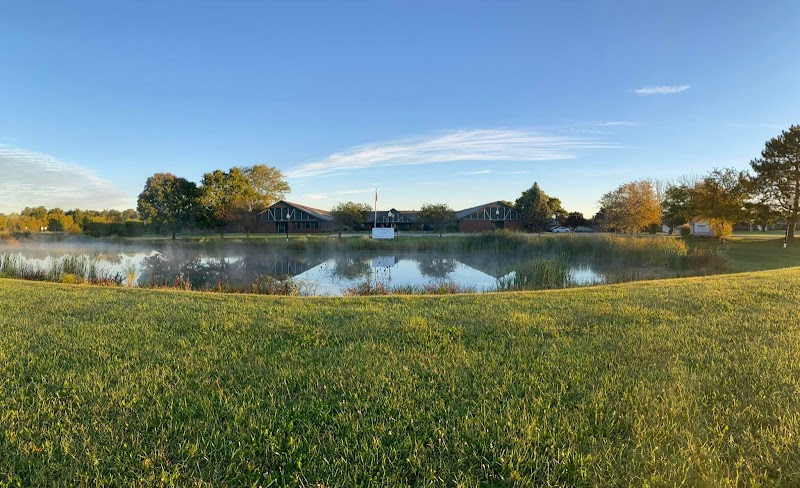
How is Cardinal Care Strategies Staffed?

CMS rates CARDINAL CARE STRATEGIES's staffing level at 2 out of 5 stars, which is below average compared to other nursing homes. Staff turnover is 61%, which is 15 percentage points above the Indiana average of 46%. High turnover can affect care consistency as new staff learn residents' individual needs. RN turnover specifically is 56%, which is notably high. RNs provide skilled clinical oversight, so turnover in this role can affect medical care quality.

What Have Inspectors Found at Cardinal Care Strategies?

State health inspectors documented 48 deficiencies at CARDINAL CARE STRATEGIES during 2023 to 2025. These included: 1 Immediate Jeopardy (the most serious level, indicating potential for serious harm or death), 46 with potential for harm, and 1 minor or isolated issues. Immediate Jeopardy findings are rare and represent the most serious regulatory concerns. They require immediate corrective action.
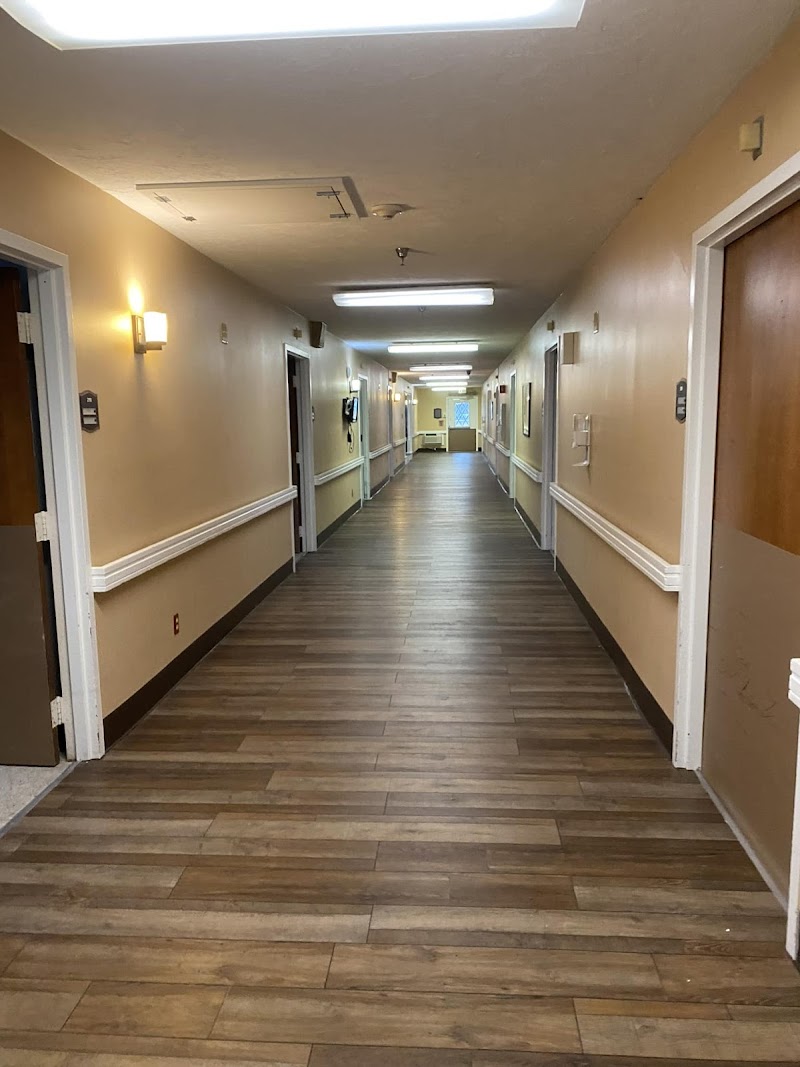
Who Owns and Operates Cardinal Care Strategies?

CARDINAL CARE STRATEGIES is owned by a for-profit company. For-profit facilities operate as businesses with obligations to shareholders or private owners. The facility operates independently rather than as part of a larger chain. With 104 certified beds and approximately 73 residents (about 70% occupancy), it is a mid-sized facility located in MUNCIE, Indiana.
How Does Cardinal Care Strategies Compare to Other Indiana Nursing Homes?

Compared to the 100 nursing homes in Indiana, CARDINAL CARE STRATEGIES's overall rating (1 stars) is below the state average of 3.1, staff turnover (61%) is significantly higher than the state average of 46%, and health inspection rating (1 stars) is much below the national benchmark.

What Should Families Ask When Visiting Cardinal Care Strategies?

Based on this facility's data, families visiting should ask: "What changes have been made since the serious inspection findings, and how are you preventing similar issues?" "What safeguards and monitoring systems are in place to protect residents from abuse or neglect?" "How do you ensure continuity of care given staff turnover, and what is your staff retention strategy?" "Can you walk me through typical staffing levels on day, evening, and night shifts?" These questions are particularly relevant given the facility's Immediate Jeopardy citations, the substantiated abuse finding on record, the facility's high staff turnover rate, and the below-average staffing rating.

Is Cardinal Care Strategies Safe?

Based on CMS inspection data, CARDINAL CARE STRATEGIES has documented safety concerns. The facility has 1 substantiated abuse finding (meaning confirmed case of resident harm by staff or other residents). Inspectors have issued 1 Immediate Jeopardy citation (the most serious violation level indicating risk of serious injury or death). The facility has a 1-star overall rating and ranks #100 of 100 nursing homes in Indiana. Families considering this facility should ask detailed questions about what corrective actions have been taken since these incidents.

Do Nurses at Cardinal Care Strategies Stick Around?

Staff turnover at CARDINAL CARE STRATEGIES is high. At 61%, the facility is 15 percentage points above the Indiana average of 46%. Registered Nurse turnover is particularly concerning at 56%. RNs handle complex medical decisions and coordinate care — frequent RN changes can directly impact care quality. High turnover means new staff may not know residents' individual needs, medications, or preferences. It can also be disorienting for residents, especially those with dementia who rely on familiar faces. Families should ask: What is causing the turnover? What retention programs are in place? How do you ensure care continuity during staff transitions?

Was Cardinal Care Strategies Ever Fined?

CARDINAL CARE STRATEGIES has been fined $22,217 across 1 penalty action. This is below the Indiana average of $33,301. While any fine indicates a compliance issue, fines under $50,000 are relatively common and typically reflect isolated problems that were subsequently corrected. Families should ask what specific issues led to these fines and confirm they've been resolved.

Is Cardinal Care Strategies on Any Federal Watch List?

CARDINAL CARE STRATEGIES is not on any federal watch list. The most significant is the Special Focus Facility (SFF) program, which identifies the bottom 1% of nursing homes nationally based on persistent, serious quality problems. Not being on this list means the facility has avoided the pattern of deficiencies that triggers enhanced federal oversight. This is a positive indicator, though families should still review the facility's inspection history directly.