MORRISON WOODS HEALTH CAMPUS
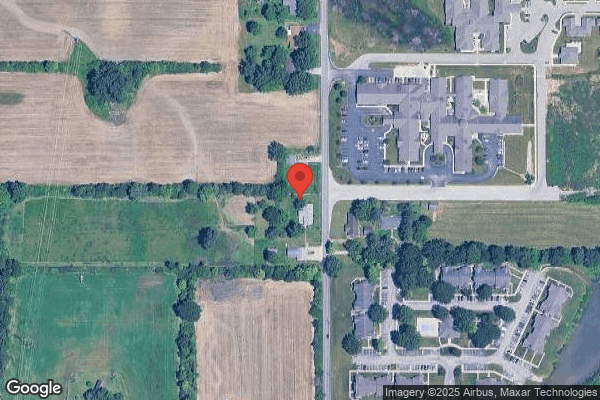
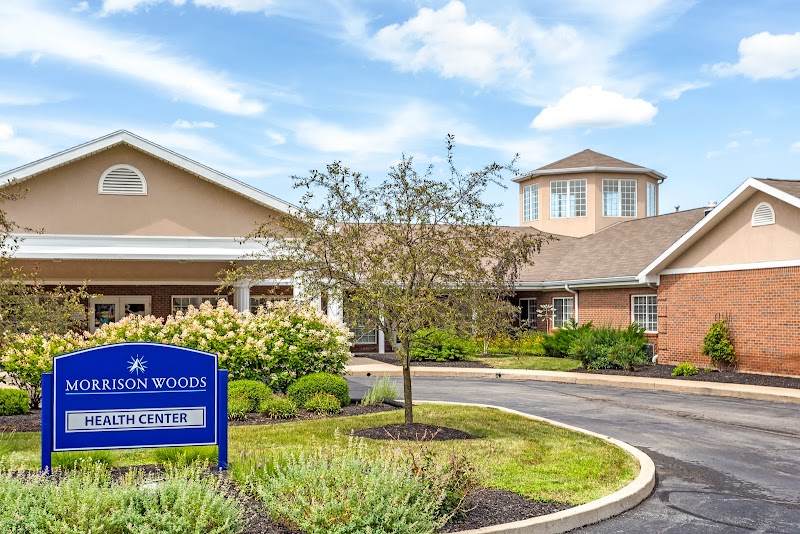
4100 N MORRISON RD, MUNCIE, IN 47304 (765) 286-9066
Non profit - Corporation 68 Beds TRILOGY HEALTH SERVICES Data: November 2025
Trust Grade
65/100
#272 of 505 in IN
Last Inspection: August 2024

Within standard 12-15 month inspection cycle. Federal law requires annual inspections.

Overview

Morrison Woods Health Campus has a Trust Grade of C+, indicating it is slightly above average but not exceptional. It ranks #272 out of 505 facilities in Indiana, placing it in the bottom half of the state, and #6 out of 13 in Delaware County, meaning there are only a few local options that perform better. Unfortunately, the facility is worsening, with issues increasing from 2 in 2023 to 7 in 2024. Staffing is a significant concern, with a poor rating of 1 out of 5 stars and a turnover rate of 47%, which is right at the state average, suggesting that staff may not remain long enough to build strong relationships with residents. While there have been no fines recorded, which is a positive sign, the facility has encountered serious concerns in care practices. For example, one resident's advance directive was not consistently documented, potentially leading to confusion about their care preferences. Additionally, preventative measures were not taken after a resident sustained an unexplained bruise, and there were lapses in following a physician's oxygen administration orders for another resident. These incidents highlight the need for improvement in both communication and adherence to care protocols. Overall, while there are some strengths, families should be aware of the weaknesses before making a decision.

Trust Score
C+
65/100
In Indiana
#272/505
Bottom 47%
Safety Record
Low Risk
No red flags
Inspections
Getting Worse
2 → 7 violations
Staff Stability
⚠ Watch
47% turnover. Above average. Higher turnover means staff may not know residents' routines.
Penalties
✓ Good
No fines on record. Clean compliance history, better than most Indiana facilities.
Skilled Nurses
○ Average
Each resident gets 36 minutes of Registered Nurse (RN) attention daily — about average for Indiana. RNs are the most trained staff who monitor for health changes.
Violations
⚠ Watch
14 deficiencies on record. Higher than average. Multiple issues found across inspections.
★★★☆☆
3.0
Overall Rating
★☆☆☆☆
1.0
Staff Levels
★★★★☆
4.0
Care Quality
★★★★☆
4.0
Inspection Score
Stable
2023: 2 issues
2024: 7 issues

The Good

  • 4-Star Quality Measures · Strong clinical quality outcomes
  • Full Sprinkler Coverage · Fire safety systems throughout facility
  • No fines on record

Facility shows strength in quality measures, fire safety.

The Bad

3-Star Overall Rating

Near Indiana average (3.1)

Meets federal standards, typical of most facilities

Staff Turnover: 47%

Near Indiana avg (46%)

Higher turnover may affect care consistency

Chain: TRILOGY HEALTH SERVICES

Part of a multi-facility chain

Ask about local staffing decisions and management

The Ugly 14 deficiencies on record

Aug 2024 4 deficiencies
CONCERN (D)

Potential for Harm - no one hurt, but risky conditions existed

Deficiency F0578 (Tag F0578)

Could have caused harm · This affected 1 resident

**NOTE- TERMS IN BRACKETS HAVE BEEN EDITED TO PROTECT CONFIDENTIALITY** Based on interview and record review, the facility failed to ensure consistent documentation and communication related to a resi...

Read full inspector narrative →
**NOTE- TERMS IN BRACKETS HAVE BEEN EDITED TO PROTECT CONFIDENTIALITY** Based on interview and record review, the facility failed to ensure consistent documentation and communication related to a resident's choice for advance directives for 1 of 8 residents reviewed for advance directives (Resident 35). Finding include: Resident 35's record was reviewed on [DATE] at 2:26 p.m. Diagnoses included rhabdomyolosis, severe sepsis with septic shock, acute respiratory failure with hypoxia, type 2 diabetes mellitus with diabetic chronic kidney disease, and unspecified dysphagia. A physician order, dated [DATE], included a code status of Full Code (perform Cardiopulmonary Resuscitation or CPR). A current face sheet indicated he was a full code. A current electronic Continuity of Care document in the electronic health record indicated he had signed a Do Not Resuscitate (DNR) form. The resident's current code status care plan, dated [DATE], indicated that the resident/ resident representative had chosen his advance directives to include a code status of full code and those advance directives would be honored. Reviews to the advance directives were to be completed quarterly and as needed. A Nurse Practitioner's progress note, dated [DATE], indicated the resident's code status was reviewed with the resident. It indicated he was a full code and his code status was reviewed and updated. During an interview, on [DATE] at 2:51 p.m., the DON indicated when evaluating a code status for a resident in need of CPR, she looked for verification in the Continuity of Care document. This was the location where she educated nursing staff to look for a resident's code status. The DON verified Resident 35's Continuity of Care document, signed by the resident, indicated he did not want CPR and was a DNR. However, his face sheet and his physician's order both indicated a Full Code status. These discrepancies would make it difficult to assess the resident's wishes in the event of need for CPR and should all list the same status. During an interview, on [DATE] at 2:58 p.m., LPN 6 indicated he verified a resident's code status from the face sheet. Resident 35's face sheet listed him as a full code which meant if needed, staff would perform CPR on Resident 35. LPN 6 would initiate CPR on any resident until the code status was proven to be a DNR. A current facility policy, dated [DATE] and provided by the DON on [DATE] at 2:53 p.m., titled Guidelines for Advance Directives, indicated the purpose of the care plan was .to ensure facility staff obtains and follows resident's advance directives regarding end of life care nursing staff will obtain an order from the attending physician for the desired code status Designation of code status and obtainment of physician order will be part of the medical record 3.1-4(f)(8)
CONCERN (D)

Potential for Harm - no one hurt, but risky conditions existed

Comprehensive Care Plan (Tag F0656)

Could have caused harm · This affected 1 resident

Based on observation, interview, and record review, the facility failed to implement preventative measures following an injury of unknown origin for 1 of 1 residents reviewed for injuries of unknown o...

Read full inspector narrative →
Based on observation, interview, and record review, the facility failed to implement preventative measures following an injury of unknown origin for 1 of 1 residents reviewed for injuries of unknown origin (Resident 24). Findings include: Resident 24's clinical record was reviewed on 8/20/24 at 3:33 p.m. Current diagnoses included dementia and Parkinson's Disease. The resident had an order for one antiplatelet medication, aspirin 81 mg taken one time daily. A 5/8/24, quarterly, Minimum Data Set (MDS) assessment indicated the resident was severely cognitively impaired, had mobility impairment in both the upper and lower extremities, and required staff assistance for bed mobility. A 7/29/24, 12:18 p.m., progress note indicated, while providing care, a CNA had observed a 9.5 centimeter (cm) long by 12 cm wide bruise on the inside of the resident's right knee. The bruise was purple/black in color. The bruise was tender to touch. The charge nurse was informed of the bruise. A 7/29/24, Wound Management Detail Report indicated the resident had a 9.5 cm by 12 cm black and purple bruise. This document was completed by LPN 8. A 7/30/24, Statement of Witness Form indicated LPN 8 had stated she was informed of Resident 24's knee bruise the day before when she had been the nurse on duty for the resident's hall. The form indicated the LPN had identified the bruises most likely likely cause as the resident's legs were contracted (shortening of muscles, tendons, skin, and nearby soft tissues that causes the joints to shorten and become very stiff, preventing normal movement), and his knees were very knobby. Staff placed pillows between his knees when they laid him down, however due to his disease progression, he got restless in bed and kicked/pulled the pillow off. He also used a mechanical lift for transfers and the way the sling positioned with his legs, the sling could have contributed to the bruising. The resident had a current care plan problem/need regarding the potential for bleeding and bruising related to medication. This problem originated 4/1/23. No new approaches were added to this care plan problem following the 7/29/24 bruise. The record lacked care plan interventions or preventative approaches to reduce the risk for knee bruising due to knee contractures, removing the pillow from between his knees, and/or the bruising risk associated with using a full body mechanical lift. During an interview on 8/23/24 at 11:32 a.m., QMA 7 indicated the resident had contractures. She was aware the resident had experienced a recent bruise to his knee. The staff placed pillows between the resident's knees. The resident frequently removed the pillow. She did not know of any updates or changes that had made since the resident had developed a bruise on his knee. Staff just continued to place the pillow between his knees and he sometimes removed or displaced it. She had never received any new or specific information about transferring the resident with a full body lift in a manner to reduce bruising. During an interview on 8/23/24 at 11:23 a.m., the Administrator and Assistant Director of Nursing both indicated related to Resident 24's injury, the root cause analysis had identified the most likely cause to be contractures to the knees, restless leg, removing the pillow between his knees, and the use of an anticoagulant medication as the medically likely cause of the bruising. During an interview on 8/23/24 at 11:48 a.m., the Administrator indicated the facility had not developed and implemented new approaches to prevent recurrence of bruising after completing the root cause analysis identified contractors, rubbing knees together, and knees touching while transferring in a mechanical full body lift were the most likely causes of the bruising on the resident's legs. 3.1-35(a)
CONCERN (D)

Potential for Harm - no one hurt, but risky conditions existed

Respiratory Care (Tag F0695)

Could have caused harm · This affected 1 resident

Based on observation, interview, and record review, the facility failed to ensure physician's orders were followed regarding oxygen administration for 1 of 1 resident reviewed for respiratory care. (R...

Read full inspector narrative →
Based on observation, interview, and record review, the facility failed to ensure physician's orders were followed regarding oxygen administration for 1 of 1 resident reviewed for respiratory care. (Resident 261) Findings include: During an observation, on 8/19/24 at 1:28 p.m., Resident 261 was lying in bed, eyes closed. He was wearing a nasal cannula. The oxygen concentrator was on at 3 liters per minute. During an observation, on 8/20/24 at 9:55 a.m., he was lying in bed. The head of the bed was elevated 90 degrees. He was wearing a nasal cannula. The oxygen concentrator was on at 3.5 liters per minute. During an observation, on 8/20/24 at 11:30 a.m., the resident was seated upright in bed. He was not wearing a nasal cannula. An oxygen mask was lying across his lap. During an interview, at the time of the observation, he indicated he had a heart attack earlier in the week and the doctor had him using oxygen for a few days. During an observation, on 8/21/24 at 10:19 a.m., Resident 261 was lying in bed. He was not wearing a nasal cannula. During an interview, at the time of the observation, he indicated he was a little short of breath. During an observation, on 8/21/24 at 3:35 p.m., the resident was seated upright in his bed visiting with family. He was not wearing a nasal cannula. During an interview, at the time of the observation, he indicated he did not feel well. During an observation, on 8/22/24 at 8:32 a.m., Resident 261 was lying in bed. He was not wearing a nasal cannula. The oxygen concentrator was off and against the wall by the head of bed. Resident 261's clinical record was reviewed on 8/21/24 at 4:05 p.m. Diagnosis included metabolic encephalopathy, unspecified atrial fibrillation, essential hypertension, and unspecified sepsis. The resident's admission dated was 8/16/24. A current physician's order, dated 8/19/24, indicated the following: send to emergency room if oxygen saturation is below 85 % on 4 liters per minute of oxygen or if mental status changes. A respiratory care plan, initiated 8/19/24, indicated to administer oxygen per physician's order and as needed and to elevate head of bed or place in upright position as needed. A vital sign record, on 8/19/24 at 11:31 p.m., indicated the resident's oxygen saturation was at 95%, and the resident was on 2 liters of oxygen per minute. A vital sign record, on 8/20/24 at 11:36 p.m., indicated the resident's oxygen saturation was at 95%, and the resident was on 2 liters of oxygen per minute. A vital sign record, on 8/21/24 at 11:18 p.m., indicated the resident's oxygen saturation was at 96%, and the resident was on 2 liters of oxygen per minute. A physician's progress note, dated 8/21/24 at 9:56 p.m., indicated the resident had an acute hypoxia episode during breakfast on Monday, 8/19/24 and was started on oxygen at 4 liters per minute. The plan was to wean the resident off the oxygen as tolerated but to send to the emergency room if oxygen saturation is below 85 % on 4 liters per minute of oxygen or if oxygen saturation is below 90% on room air. During an interview, on 8/22/24 at 8:45 a.m., RN 5 indicated Resident 261 did not wear oxygen and she was aware of the order to send him to the emergency room if his oxygen saturation was below 85% on 4 liters per minute of oxygen. During an interview, on 8/22/24 at 8:47 a.m., the ADON indicated she would need to call the physician and get clarification for the order as the resident was not wearing oxygen at this time. During an interview, on 8/22/24 at 3:00 p.m., Corporate Nurse Consultant indicated the order for Resident 261 to wear oxygen should have been a one time order related to his cardiac event earlier in the week and needed discontinued. She was not able to locate a titration order for the resident. A current facility policy, reviewed 12/31/23 and titled, Guidelines for Medication Orders, provided by the DON on 8/23/24 at 11:15 a.m., indicated the following: .2. A current list of orders will be maintained in the electronic medical record or each resident 6. Oxygen orders a. When recording oxygen orders specify: 1. The rate of flow, route, and rationale (i.e: 02, 2L/min per nasal cannula PRN for SOB.) . 3.1-47(a)(4)
CONCERN (D)

Potential for Harm - no one hurt, but risky conditions existed

Pharmacy Services (Tag F0755)

Could have caused harm · This affected 1 resident

Based on record review and interview, the facility failed to ensure narcotic reconciliation per facility policy for 2 of 3 medication carts reviewed for medication storage. (100 Hall and 300 Hall) Fin...

Read full inspector narrative →
Based on record review and interview, the facility failed to ensure narcotic reconciliation per facility policy for 2 of 3 medication carts reviewed for medication storage. (100 Hall and 300 Hall) Finding include: 1. During a medication storage observation of the 100 hall cart, accompanied by LPN 9 on 8/23/24 at 9:49 a.m., the Narcotic Count Sheet record was reviewed and the following dates lacked shift to shift reconciliation of controlled medications: In July 2024- 7/1/24- on day and night shifts, 7/6/24- on day shift, 7/7/24- on evening shift, 7/10/24- on day and evening shifts, 7/16/24- on night shift 7/17/24- on evening shift, 7/19/24- on evening shift, 7/20/24- on all three shifts, 7/25/24- on all three shifts, 7/26/24- on all three shifts, 7/27/24- on all three shifts, 7/28/24- on all three shifts, 7/29/24- on all three shifts, 7/30/24- on all three shifts, 7/31/24- on all three shifts. In August 2024- 8/2/24- on evening shift, 8/3/24- on evening shift, 8/4/24- on evening shift, 8/5/24- on evening shift, 8/7/24- on evening shift, 8/10/24- on all three shifts. 2. During a medication storage observation of the 300 hall cart, accompanied by LPN 10 on 8/23/24 at 11:04 a.m. the Narcotic Count Sheet record was reviewed and the following dates lacked shift to shift reconciliation of controlled medications: In July 2024- 7/4/24- on evening shift, 7/6/24- on day shift, 7/7/14- on night shift, 7/8/24- on evening shift, 7/12/24- on evening shift, 7/13/24- on night shift, 7/14/24- on day shift, 7/15/24- on day and evening shifts, 7/16/24- on day shift, 7/22/24- on evening shift, 7/23/24- on day and evening shifts, 7/29/24- on evening shift, 7/30/24- on evening shift, 7/31/24- on evening shift. In August 2024- 8/1/24- on all three shifts, 8/3/24- on night and evening shifts, 8/4/24- on evening shifts, 8/5/24- on evening shifts, 8/13/24- on evening shifts, 8/14/24- on night and evening shifts, 8/15/24- on day and evening shifts, 8/16/24- on night and day shifts, 8/17/24- on evening shift, 8/18/24- on evening shift, 8/19/24- on evening shift. During an interview, at the time of the observation, LPN 10 indicated the narcotic sign in/sign out sheet was to be completed after the narcotic medication count and with the exchange of keys. During an interview, on 8/23/24 at 2:08 p.m., the DON indicated the expectation was for the narcotic count sheet to be completed at every shift change and at any time the medication cart keys change hands. The DON indicated she was not able to locate any additional count sheets. A current facility policy, reviewed on 12/31/23, titled, Guidelines for Narcotic Count, provided by the DON on 8/23/24 at 11:15 a.m., indicated the following: . 2. The narcotic book shall contain a sheet providing space for the off going and oncoming nursing staff to record their signature indicating the narcotics have been reviewed 5. Both staff members shall sign that the narcotic count is accurately reconciled 3.1-25(b)(3)
Aug 2024 1 deficiency
CONCERN (D) 📢 Someone Reported This

A family member, employee, or ombudsman was alarmed enough to file a formal complaint

Potential for Harm - no one hurt, but risky conditions existed

Report Alleged Abuse (Tag F0609)

Could have caused harm · This affected 1 resident

**NOTE- TERMS IN BRACKETS HAVE BEEN EDITED TO PROTECT CONFIDENTIALITY** Based on record review and interview, the facility failed to ensure staff reported allegations of abuse to the Administrator imm...

Read full inspector narrative →
**NOTE- TERMS IN BRACKETS HAVE BEEN EDITED TO PROTECT CONFIDENTIALITY** Based on record review and interview, the facility failed to ensure staff reported allegations of abuse to the Administrator immediately per facility policy. This resulted in a delay in the reporting of allegation to the appropriate state agencies and initiation of an investigation for 1 of 2 residents reviewed for abuse. (Resident B) Findings include: The clinical record for Resident B was reviewed on 8/9/24 at 10:12 a.m. Diagnoses include urinary tract infection, hypertensive heart disease with heart failure, osteoporosis, and rheumatoid arthritis. The most current admission Minimum Data Set assessment (MDS), dated [DATE], indicated the resident was cognitively intact. The facility reportable, dated 7/8/24, indicated an allegation was received through a call from a family member regarding care concerns involving CNA 3. During an interview on 8/9/24 at 10:41 a.m., LPN 1 indicated, on 7/6/24, Resident B had complained to her about care received from CNA 3. LPN 1 assessed the resident for signs of physical injury. LPN 1 instructed CNA 3 to not enter Resident's B room for the remainder of the shift and instructed the other staff to provide care in pairs for Resident B. LPN 1 indicated she failed to report the allegation to the Administrator. During an interview on 8/9/24 at 2:00 p.m., the Administrator indicated they were made aware of the allegation on 7/8/24 (2 days after the alleged incident). The resident's family called the Administrator to verbalize the concern. The Administrator indicated staff had not reported the allegation per facility policy and regulation. The investigation was initiated once the Administrator had been made aware and CNA 3 was suspended pending investigation. During the survey, Resident B declined an interview with the surveyor. During the survey, CNA 3 was not available for interview. Review of CNA 3's time report indicated the CNA worked 32 hours after the allegation was made by Resident B. A current policy, dated 8/29/2019, titled Abuse and Neglect Procedural Guidelines and provided by the Administrator on 8/9/24 at 10:08 a.m., indicated the following: d. Identification ii. Any person with knowledge or suspicion of suspected violations shall report immediately, without fear of reprisal. iv. IMMEDIATELY notify the Executive Director. If the Executive Director is absent they may appoint a designee. e. Protection iv. Suspend suspected employee(s) pending outcome off investigation. This citation relates to Complaint IN00438284. 3.1-28(c)
Jan 2024 2 deficiencies
CONCERN (D) 📢 Someone Reported This

A family member, employee, or ombudsman was alarmed enough to file a formal complaint

Potential for Harm - no one hurt, but risky conditions existed

Deficiency F0659 (Tag F0659)

Could have caused harm · This affected 1 resident

Based on record review and interview the facility failed to ensure staff were providing resident care within their scope of practice for 3 of 4 residents reviewed for wound care. (Residents B, C,G, QM...

Read full inspector narrative →
Based on record review and interview the facility failed to ensure staff were providing resident care within their scope of practice for 3 of 4 residents reviewed for wound care. (Residents B, C,G, QMAs 1, 2, 3, 4 , and 5) Findings include: 1. The clinical record for Resident B was reviewed on 1/4/24 at 2:05 p.m. Diagnoses included Parkinson's disease, stage 3 chronic kidney disease with heart failure, type 2 diabetes, and stage 3 pressure ulcers. Review of the resident's orders indicated a wound care order , dated 12/11/23. The order was to clean the wound with wound cleaner or normal saline, then apply skin prep and cover with foam dressing. Dressing was to be changed every 3 days. Review of Resident B's Treatment Administration Record (TAR) for January 2024 indicated wound care for a pressure injury to the coccyx, dated 12/12/23, was completed by a Qualified Medication Aide (QMA) on 1/1/24, 1/2/24, 1/4.24, 1/5/24 and 1/6/24. Wound care for a pressure injury to the right buttocks was completed by a QMA on 1/1/24 and 1/4/24. QMAs who documented they had completed the wound treatment were QMAs 2, 3, 4, and 5. 2. The clinical record for Resident C was reviewed on 1/5/2024 at 12:19 p.m. Diagnoses included repeated falls, pressure ulcer, chronic obstructive pulmonary disease, and chronic kidney disease. Review of the resident's orders indicated a wound care order for the right ankle, dated 12/11/23. The order was to clean the wound with wound cleaner or normal saline then apply skin prep. Apply calcium alginate to the wound bed and cover with foam dressing. Review of Resident C's TAR for January 2024 indicated wound care for a pressure injury to the coccyx was completed by a QMA on 1/3/24 and 1/6/24. Wound care to the right ankle was completed by a QMA on 1/1/24, 1/2/24, /13/24, 1/4/24, 1/6/24 and 1/7/24. QMAs who documented they had provided wound treatment QMAs 2, 3, and 5. 3. The clinical record for Resident G was reviewed on 1/5/24 at 2:30 p.m. Diagnoses included pressure ulcers, anemia, coronary artery disease, hypertension, hypothyroidism, and malnutrition. Review of the resident's orders indicated a wound care order for the right foot webbing between the 4th and 5th toe. The order was dated 12/21/23. The order indicated the wound was to be cleaned with wound cleaner or normal saline, then apply gauze soaked with breadline between toes. Review of Resident G's TAR for January 2024 indicated wound care was completed by a QMA on 1/1/24, 1/3/24, 1/4/24 and 1/5/24. QMAs who documented they had provided wound treatment were QMA 1 and QMA 3. During an observation on 1/8/24 at 12:55 p.m., Resident G's pressure areas were open areas, with scabbing present. The surrounding skin was red, with drainage present. The Corporate Nurse Consultant confirmed the observation findings. During an interview on 1/5/24 at 12:11 p.m., QMA 1 indicated providing wound care was not within their scope of practice. QMA 1 denied providing care outside of their scope of practice. During an interview on 1/8/24 at 9:38 a.m., QMA 2 indicated providing wound care was not within their scope of practice. QMA 2 denied providing care outside of their scope of practice. During an interview on 1/8/24 at 2:41 p.m., QMA 3 indicated providing wound care was not within their scope of practice. QMA 3 denied providing care outside of their scope of practice. During an interview on 1/8/24 at 2:56 p.m., QMA 5 indicated providing wound care was not within their scope of practice. QMA 5 denied providing care outside of their scope of practice. During the survey, QMA 4 could not be reached for interview. During an interview and observation on 1/8/24 at 12:55 p.m., the Corporate Nursing Consultant indicated it was the expectation of the facility that all staff provide resident care within their scope of practice. QMA were authorized to apply topical medications on intact skin. If the skin was not intact, QMAs could not provide wound care. Review of a current policy, dated 11/18, titled Medication Administration-General Guidelines was provided by the Corporate Nursing Consultant on 1/8/24 at 4:14 p.m. The Corporate Nursing Consultant indicated this policy applied to the provision treatments as well as medication administration. The policy indicated the following: Policy Medications are administered as prescribed in accordance with food nursing principles and practices and only by persons legally authorized to do so. B. Administration 1) Medications are administered only by licensed nursing, medical, pharmacy or other personnel authorized by state laws and regulation as to administer medications. D. Documentation (including electronic) 1. The individual who administers the medication dose records the administration on the resident's MAR [Medication Administration Record] directly after the medication is given. At the end of each medication pass, the person administering the medications reviews the MAR to ensure necessary doses were administered and documented. In no case should the individual who administered the medications report off-duty without first recording the administration of any medication This citation relates to Complaint IN 00425466. 3.1-14(j)
CONCERN (D) 📢 Someone Reported This

A family member, employee, or ombudsman was alarmed enough to file a formal complaint

Potential for Harm - no one hurt, but risky conditions existed

Pressure Ulcer Prevention (Tag F0686)

Could have caused harm · This affected 1 resident

Based on observation, record review an interview the facility failed to ensure infection control protocol was followed during a dressing change observation for 1 of 3 residents reviewed for wound care...

Read full inspector narrative →
Based on observation, record review an interview the facility failed to ensure infection control protocol was followed during a dressing change observation for 1 of 3 residents reviewed for wound care. (Resident B) Findings include: The clinical record for Resident B was reviewed on 1/4/24 at 2:05 p.m. Diagnoses included Parkinson's disease, stage 3 chronic kidney disease with heart failure, type 2 diabetes, and stage 3 pressure ulcers. Review of the resident's orders indicated a wound care order , dated 12/11/23. The order was to clean the wound with wound cleaner or normal saline, then apply skin prep and cover with foam dressing. Dressing was to be changed every 3 days. During an observation of wound care on 1/5/24 at 11:34 a.m., LPN 7 provided a dressing change and wound care for a stage 3 pressure area on Resident B's coccyx. LPN 7 washed her hands with soap and water then donned gloves and removed the old dressing. She then cleaned the wound and applied the medication and covered the wound with a new dressing. The wound treatment was provided per physician order, however the nurse did not change her gloves throughout the procedure and did not follow proper hand hygiene protocol. The Corporate Nurse Consultant and the Director of Nursing were present and assisting during the procedure. During an interview on 1/5/24 at 12:03 p.m., the Corporate Nurse Consultant indicated LPN 7 had been nervous during the observation and she realized she had not used proper hand hygiene and glove use during the procedure. LPN 7 had been re-educated. During an interview on 1/8/24 at 10:01 a.m., LPN 7 indicated she had been nervous during the dressing change observation of Resident G. She indicated she should have washed her hands after removing the old dressing. She should have washed her hands and donned clean gloves before medicating the wound and applying the new dressing. Review of a current policy, dated 5/23/2016, titled Dressing Changes, provided by the Administrator on 1/5/24 at 12:22 p.m. The policy indicated the following: Overview To ensure measures that will promote and maintain good skin integrity while maintaining standard measures that will minimize/control contamination. 3. Remove old adhesive with adhesive remover, if necessary, 4. Wash hands with soap and water. 5. Open dressing pack. 6. put on first pair of disposable gloves. 7. Remove soiled dressing and discard in plastic bag or trash can. 8. Dispose of gloves in plastic bag or trash can. 9. Wash hands with soap and water. 10. Put on second pair of disposable gloves This citation relates to Complaint IN00424262. 3.1-40(a)(2)
Sept 2023 2 deficiencies
CONCERN (D)

Potential for Harm - no one hurt, but risky conditions existed

Deficiency F0849 (Tag F0849)

Could have caused harm · This affected 1 resident

Based on observation, interview, and record review, the facility failed to ensure hospice communication between the facility and hospice provider was complete, accurate, and readily accessible to staf...

Read full inspector narrative →
Based on observation, interview, and record review, the facility failed to ensure hospice communication between the facility and hospice provider was complete, accurate, and readily accessible to staff for collaboration of care for 1 of 6 residents reviewed for hospice. (Resident 15) Finding includes: During an observation on 9/19/23 at 11:35 a.m., the resident was in bed in his room. His eyes were closed and the resident had an unkempt appearance with 1/4 inch to 1/2 inch of hair stubble on his face. During a interview on 9/20/23 at 11:04 a.m., the resident indicated he was not happy with hospice services, as he could not count on them. He had services provided once a week by a hospice staff member. The hospice group was supposed to provide his bed baths. Facility staff did not bathe him on the days when hospice did not provide bathing. He preferred his bed bath twice a week. During the observation of the resident in his bed, his facial hair remained unkempt and between 1/4 inch to 1/2 inch hair growth on his face. Resident 15's clinical record was reviewed on 9/21/23 at 4:41 p.m. Diagnoses included heart failure, chronic kidney disease and other depressive episodes. A current order, dated 3/30/22, indicated hospices services were ordered. A quarterly Minimum Data Set assessment, dated 7/4/23, indicated the resident was cognitively intact. He was totally dependent on staff for bathing and frequently incontinent of bowel and bladder. The resident had a life expectancy of less than 6 months. A current care plan, dated 7/18/23, indicated the resident required hospice care related to hypertensive heart and chronic kidney disease with heart failure. Interventions included the following: coordinate care with the hospice provider - Number of days visited weekly by hospice nurse and aide: 3 (6/23/21), identify the care to be provided by the facility and hospice agency (6/23/21), provide basic comfort measures (6/23/21), and coordinate the plan of care with the hospice agency (6/23/21). During an observation on 9/21/23 at 4:34 p.m., the resident was up in his wheelchair in the hallway outside of the dining room. He was well groomed during the observation, without any facial hair. A review of shower sheets indicated college students provided a complete bed bath on Thursday 9/21/23. On 9/22/23 at 2:27 p.m., the resident's hospice binder was reviewed. The Facility Communication Log was included only three dates the resident had received services from the hospice provider: 8/25/23, 9/13/23 and 9/21/23. The binder lacked current visit notes. The following visit notes were the last visit notes available to staff for reference: Hospice Plan of Care, dated 7/5/23 (benefit period ended 8/11/23), Chaplain Visit Note, dated 8/28/23, Hospice Aide Visit Note, dated 8/25/23, Hospice Skilled Nurse Visit Note, dated 8/30/23, Hospice Social Worker Note, dated 8/8/23. The last IDG (Hospice Team Meeting) Summary Report, dated 7/24/23, indicated the resident had hospice aide services provided twice a week. It did not indicate how often the resident would have visits from the hospice skilled nurse and the hospice social worker. During an interview on 9/22/23 at 4:05 p.m., LPN 3 indicated the resident received his bathing by hospice on Wednesdays and Saturdays. She referenced the resident's hospice binder to determine if his shower services were provided, as hospice communicated the information on their visit notes in the binder. Current visits regarding showers were not in the hospice binder when reviewed during the interview. During an interview on 9/22/23 at 4:25 p.m., LPN 2 indicated she and the hospice providers were responsible to ensure hospice communication binders were kept current for staff reference during their shift. During an interview on 9/22/23 at 4:38 p.m., the Corporate Nurse Consultant indicated hospice communication should have been kept current in the resident's hospice binder for staff reference and continuity of care. During an interview on 9/25/23 at 1:49 p.m., the Hospice Care Consultant indicated she typically placed the visit notes in the resident's hospice binders for her hospice company weekly. The IDG Notes were done every two weeks. Hospice recertification should have been updated every 60 days and placed in the resident's hospice binder at the facility. The hospice staff had not signed in on the communication log for all of their visits to indicate the services were provided. The hospice communication between the facility and the hospice provider had not been kept current for the staff's reference because the hospice company was short on staff. The last visit notes in the binder, mentioned above, were delinquent as well as the Hospice Plan of Care and recertification date. She was made aware of the delinquent communications in the resident's hospice binder by the Hospice Case Manager on 9/13/23 but still failed to get the information updated. Resident 15 was scheduled to have hospice skilled nursing visits twice each week and hospice aide visits once weekly. The hospice aides were responsible for the resident's showers when they visited. Showers were not provided during the hospice skilled nursing visits. During an interview on 9/26/23 at 1:35 p.m., the Corporate Nurse Consultant indicated the facility lacked a facility policy regarding hospice services communication. A current facility document, dated January 2018, titled NURSING FACILITY HOSPICE SERVICES AGREEMENT, provided by the DON on 9/22/23 at 5:17 p.m., indicated the following: . 2.3 Plan of Care (a) Establishment of Plan of Care . All Hospice Services provided must be in accordance with the Plan of Care developed for each Resident . 2.6 Manner of Communication . All communication between the Hospice and Nursing Facility pertaining to the care and services provided to the Resident Patient shall be documented in the Resident Patient's clinical record . 3.8 Coordination of Services. The Nursing Facility Designee shall be responsible for (a) collaborating with Hospice representatives and coordinating Nursing Facility staff participation in the Hospice care planning process; (b) communicating with Hospice representatives . to ensure quality of care of the patient and family; (c) ensuring that the Nursing Facility communicates with the Hospice Medical Director, the patient's Attending Physician, and other practitioners participating in the provision of care to the patient as needed to coordinate the hospice care with the medical care provided by other physicians; and obtaining the following information from the Hospice: (i) the most recent Hospice plan of care specific to each patient . (iii) physician certification and recertification of the terminal illness specific to each patient
CONCERN (D)

Potential for Harm - no one hurt, but risky conditions existed

Deficiency F0883 (Tag F0883)

Could have caused harm · This affected 1 resident

**NOTE- TERMS IN BRACKETS HAVE BEEN EDITED TO PROTECT CONFIDENTIALITY** Based on record review and interview, the facility failed to offer and provide pneumococcal immunizations per Center for Disease...

Read full inspector narrative →
**NOTE- TERMS IN BRACKETS HAVE BEEN EDITED TO PROTECT CONFIDENTIALITY** Based on record review and interview, the facility failed to offer and provide pneumococcal immunizations per Center for Disease Control (CDC) guidelines for 3 of 5 residents reviewed for immunizations. (Residents 6, 3, and 10) Findings include: 1. Resident 6's clinical record was reviewed on 9/21/23 at 2:01 p.m. The resident admitted on [DATE]. Diagnoses included acute on chronic diastolic congestive heart failure, stage four chronic kidney disease, asthma, and respiratory failure. She received the Pneumovax 23 (immunization for pneumonia) on 1/1/2007, when she was over [AGE] years of age. The clinical record lacked information regarding refusals or dates of offers of additional recommended pneumococcal doses. 2. Resident 3's clinical record was reviewed on 9/21/23 at 1:42 p.m. The resident admitted on [DATE]. Diagnoses included aphasia following cerebral infarction, heart failure, and vascular dementia. She declined a pneumococcal vaccination on 4/11/2017, when she was over [AGE] years of age. The clinical record lacked information regarding refusals or dates of offers of additional recommended pneumococcal doses. 3. Resident 10's clinical record was reviewed on 9/20/23 at 2:45 p.m. Diagnoses included Parkinson's disease, heart failure, dysphasia, and bi-polar disorder. He declined a pneumococcal vaccination on 2/25/2020, when he was over [AGE] years of age. The clinical record lacked information regarding refusals or dates of offers of additional recommended pneumococcal doses. During an interview with the Corporate Nurse Consultant on 9/25/23 at 11:24 a.m., she indicated vaccinations were tracked by the Infection Preventionist. The facility followed the CDC guidelines for pneumococcal vaccinations. Residents new to the facility received vaccination consent forms with the admission packet and those consents or declinations were uploaded into the residents electronic medical record (EMAR). She was not able to locate any further information related to residents being offered recommended pneumococcal vaccination. A review of the current facility policy, revised on 7/12/23, titled Guidelines for Influenza, Pneumococcal, and COVID-19 Immunizations, provided by the Corporate Nurse Consultant on 9/19/23 at 1:36 p.m., indicated the following: .Procedures . 12. Pneumococcal vaccinations per CDC recommendations. According to the CDC website page Pneumococcal Vaccination: Summary of Who and When to Vaccinate, at https://www.cdc.gov/vaccines/vpd/pneumo/hcp/who-when-to-vaccinate.html, retrieved on 9/29/23 at 10:15 a.m., indicated the following: .People over [AGE] years of age who have never received any pneumococcal vaccine, give 1 dose of pneumococcal conjugate vaccine 15 (PCV15) or pneumococcal conjugate vaccine 20 (PCV20) and for those that received one dose of Pneumovax 23 to receive 1 dose of PCV15 one year after the original dose 3.1-13(a)
Sept 2022 5 deficiencies
CONCERN (D)

Potential for Harm - no one hurt, but risky conditions existed

Deficiency F0645 (Tag F0645)

Could have caused harm · This affected 1 resident

**NOTE- TERMS IN BRACKETS HAVE BEEN EDITED TO PROTECT CONFIDENTIALITY** Based on interview and record review, the facility failed to ensure a resident had a PASRR/Preadmission Screening completed upon...

Read full inspector narrative →
**NOTE- TERMS IN BRACKETS HAVE BEEN EDITED TO PROTECT CONFIDENTIALITY** Based on interview and record review, the facility failed to ensure a resident had a PASRR/Preadmission Screening completed upon admission for 1 of 1 residents reviewed for preadmission screening. (Resident 41) Findings include: Resident 41's clinical record was reviewed on 9/8/22 at 10:07 a.m. Current diagnosis included, but were not limited to, anxiety, major depression, dementia, and unspecified psychosis. The resident was admitted to the facility on [DATE]. The record lacked a PASRR/Preadmission screening. The resident had a 8/1/22 hospital discharge record which indicated: the resident had physician's orders for the antidepressant medications escitalopram/Lexapro and mirtazipine/Remeron. During an interview on 9/12/22 at 11:23 a.m., the Social Services Director indicated Resident 41 had not had a Preadmission screening/PASRR completed in error. The first screening was not completed due to an error with the social security number. She had intended to resubmit the information, but had forgotten to do so in error. She indicated she had resubmitted the screening on this date 9/12/22. A current, undated, facility policy, titled, PASRR Quick Sheet, provided by the Corporate Nurse Consultant on 9/12/22 at 3:07 p.m., included, but was not limited to, the following: New Admissions: If any of the following triggers a positive response, the Level 1 (MAP 409) will be checked YES .Individual has a severe mental illness/behavioral health (BH) diagnosis.Major Depression Disorder, Anxiety Disorder . 3.1-16(d)
CONCERN (D)

Potential for Harm - no one hurt, but risky conditions existed

Deficiency F0657 (Tag F0657)

Could have caused harm · This affected 1 resident

Based on observation, interview and record review, the facility failed to promptly revise the comprehensive care plan to reflect changes as they occurred for 1 of 2 residents reviewed for dialysis. (R...

Read full inspector narrative →
Based on observation, interview and record review, the facility failed to promptly revise the comprehensive care plan to reflect changes as they occurred for 1 of 2 residents reviewed for dialysis. (Resident 1) Findings include: During an interview on 9/6/22 at 2:08 p.m., Resident 1 indicated she had dialysis at the dialysis center in the mornings on Tuesday, Thursday, and Saturday each week. During an observation on 9/8/22 at 11:18 a.m., the resident self propelled down the 200 unit hallway in her wheelchair from her room. She indicated she had not been to dialysis on this date. Resident 1's clinical record was reviewed on 9/8/22 at 3:24 p.m. Diagnoses included, but were not limited to the following: end stage renal disease, dependence on renal dialysis, and unspecified diastolic heart failure. Current physician orders included, but were not limited to the following: hemodialysis on Tuesday, Thursday, and Saturday. Complete Dialysis Center Communication Observation under 'Other Clinical Observation' and send with resident. A care plan for renal failure, dated 9/16/20, indicated the resident required dialysis. Interventions included, but were not limited to, coordinate care with dialysis center. The care plan lacked interventions for resident refusal of dialysis treatments. A Nurse's Note, dated 7/23/22, indicated the resident refused dialysis on this date. A Nurse's Note, dated 8/6/22, indicated the resident refused dialysis on this date. A Nurse's Note, dated 8/18/22, indicated the resident refused dialysis on this date. A Nurse's Note, dated 9/8/22, indicated the resident refused dialysis on this date. The clinical record lacked documentation of dialysis center notification on the following dates the resident refused dialysis: 7/23/22, 8/6/22 and 8/18/22. During an interview on 9/12/22 at 3:44 p.m., the Corporate Nurse Consultant indicated the dialysis center should have been notified if the resident refused to go to dialysis. During an interview on 9/13/22 at 10:58 a.m., Licensed Practical Nurse (LPN) 5 indicated Resident 1 has been known to refuse dialysis and refused dialysis one day last week. The transportation service, dialysis center, and physician required notification when a resident refused dialysis. The communication should have been documented in the Nurse's Notes. During an observation at the time of interview on 9/13/22 at 11:13 a.m., the Corporate Nurse Consultant reviewed the residents care plan obtained from the clinical record on 9/8/22 and indicated it lacked any care plan interventions regarding dialysis refusals and notifications. Further information was not provided. A current policy, titled, Comprehensive Care Plan Guideline, provided by the Corporate Nurse Consultant on 9/13/22 at 11:25 a.m., included, but was not limited to, the following: PURPOSE .To ensure appropriateness of services and communication that will meet the resident's needs, severity/stability of conditions, impairment, disability, or disease in accordance with state and federal guidelines. PROCEDURES .3. The comprehensive care plan should be . revised to reflect changes in the resident's condition as they occur 6. Comprehensive care plans need to remain accurate and current 3.1-35(b)
CONCERN (D)

Potential for Harm - no one hurt, but risky conditions existed

Quality of Care (Tag F0684)

Could have caused harm · This affected 1 resident

Based on observation, interview and record review, the facility failed to ensure a resident who had an order for a hand splint had the hand splint applied as ordered for 1 of 1 resident reviewed for s...

Read full inspector narrative →
Based on observation, interview and record review, the facility failed to ensure a resident who had an order for a hand splint had the hand splint applied as ordered for 1 of 1 resident reviewed for splint application as ordered by a physician. (Resident 17) Findings include: During an interview on 9/08/22 at 12:58 p.m., Resident 17's spouse indicated the resident had a hand splint that had somehow gone to the laundry and not returned. She indicated the brace had been missing about three weeks. She also indicated she had told a laundry worker and a therapy person about the missing splint, and it still had not been located. Resident 17's clinical record was reviewed on 9/07/22 at 9:38 a.m. Current diagnoses included, but were not limited to, contracture of muscle of the right hand, Parkinson's disease, hypothyroidism, and diabetes mellitus. The resident had a current, 6/03/2022, physician's order for a right hand splint to be checked and removed briefly for a skin integrity check and/or cleaning or shower one time each shift (three times a day). The resident had a current, 3/04/2022, care plan for the resident care profile which listed the services needed by the resident. Approaches to this need included, but was not limited to, Ted Hose/Splints: right hand splint, trough arm on R [right] side W/C [wheelchair]. The clinical record for August 2022 and September 1 to 8, 2022 lacked documentation of the resident refusing to wear his hand splint. In addition, the clinical record lacked a care plan regarding the resident refusing to wear a splint prior to 9/8/22. The behavior monitoring record for, Target Behavior-refusing hand brace for 9/8/22 (date of initiation) to Sunday 9/11/22 lacked documentation of the resident refusing to wear his hand brace for 12 of 12 monitored shifts. During observations on the following dates and times the resident was observed without a hand splint in place: a. During an observation on 9/06/22 at 10:03 a.m., the resident was in his room, seated in a wheelchair. His feet were on the foot rest. He was well groomed in daytime clothing. He was not wearing a hand splint. b. During an observation on 9/06/22 at 10:35 a.m., the resident was in his wheelchair in the lounge during an activity. He was not wearing a hand splint. c. During an observation on 9/06/22 at 1:38 p.m., the resident was awake in bed. He indicated he was trying to take a nap. He was not wearing a hand splint. d. During an observation on 9/07/22 at 9:44 a.m., the resident was seated in a wheelchair in his room. He was dressed for the day. He was not wearing a hand splint. e. During an observation on 9/08/22 at 10:24 a.m., the resident was in the lounge in his wheelchair attending an activity. He was not wearing a hand splint. f. During an observation on 9/08/22 at 12:06 p.m., the resident was seated at a table in the dining room. He was not wearing a hand splint. g. During an observation on 9/08/22 at 12:57 p.m., the resident was in a wheelchair in his room without a hand splint. During an interview on 9/8/22 at 3:27 p.m., the Director of Nursing (DON) indicated Resident 17's hand splint had been found either yesterday or today (9/7/22 or 9/8/22). She indicated she believed the resident had a history of refusing to wear his brace. She had entered the specific behavior of refusing to wear a hand splint on the behavior tracking record to be monitored effective 9/8/22. During an interview on 3:43 p.m., the Corporate Nurse Consultant indicated the facility did not have a policy specific to the application of splints. 3.1-37
CONCERN (D)

Potential for Harm - no one hurt, but risky conditions existed

Deficiency F0698 (Tag F0698)

Could have caused harm · This affected 1 resident

Based on observation, interview and record review, the facility failed to ensure communication between the dialysis center and the facility was documented in the clinical record for safe continuity of...

Read full inspector narrative →
Based on observation, interview and record review, the facility failed to ensure communication between the dialysis center and the facility was documented in the clinical record for safe continuity of care for 2 of 2 residents reviewed for dialysis. (Residents 1 and 47) Findings include: 1. During an interview on 9/6/22 at 2:08 p.m., Resident 1 indicated she had dialysis at the dialysis center in the mornings on Tuesday, Thursday, and Saturday each week. During an observation on 9/8/22 at 11:18 a.m., the resident self propelled down the 200 unit hallway in her wheelchair from her room. She indicated she had not been to dialysis on this date. Resident 1's clinical record was reviewed on 9/8/22 at 3:24 p.m. Diagnoses included, but were not limited to the following: end stage renal disease, dependence on renal dialysis, and unspecified diastolic heart failure. Current physician orders included, but were not limited to the following: hemodialysis on Tuesday, Thursday, and Saturday. Complete Dialysis Center Communication Observation under 'Other Clinical Observation' and send with resident. Obtain vital signs and update dialysis observation upon return from dialysis on Tuesday, Thursday, and Saturday. A care plan for renal failure, dated 9/16/20, indicated the resident required dialysis. Interventions included, but were not limited to, coordinate care with dialysis center, and observe catheter site per orders. The care plan lacked interventions for dialysis refusal. During a review of the resident's Dialysis Center Communication Form in observations, the following was observed: a. Communication form, dated 8/23/22, completed on 8/30/22, indicated the resident's hemodialysis treatment date was 8/23/22. Fluid Restrictions, Nutrition and Medications were blank. The area for Communication From Dialysis Center to Campus was not completed. b. Communication form, dated 8/25/22, completed on 8/31/22, indicated the resident's hemodialysis treatment date was 8/25/22. Transfer Time, Fluid Restrictions, Nutrition, and Medications were blank. The area for Communication From Dialysis Center to Campus was not completed. c. Communication form, dated 8/30/22, completed on 9/6/22, indicated the resident's hemodialysis treatment date was 8/30/22. Transfer Time, Mental Status, Nutrition, and Medications were blank. The area for Communication From Dialysis Center to Campus was not completed. Assessment upon return from dialysis was not completed. d. Communication form, dated 9/1/22, completed on 9/1/22, indicated the resident's hemodialysis treatment date was 9/1/22. Transfer Time, Mental Status, Condition of Shunt, Fluid Restrictions, Nutrition, Condition Change, and Medications were blank. The area for Communication From Dialysis Center to Campus was not completed. e. Communication form, dated 9/3/22, completed 9/8/22, indicated the resident's hemodialysis treatment date was 9/3/22. Condition of Shunt, Fluid Restrictions, Nutrition, Condition Change, and Medications were blank. The area for Communication From Dialysis Center to Campus was not completed. Other notes indicated Dialysis center did not fill out communication form. f. Communication form, dated 9/6/22, completed 9/6/22, indicated the resident's hemodialysis treatment date was 9/6/22. Transfer Time, Nutrition and Medications were blank. The area for Communication from Dialysis Center to Campus was not completed. Assessment upon return from dialysis was not completed. The clinical record lacked any Nurse's notes regarding dialysis communication for the following dates: 8/23/22, 8/25/22, 8/30/22, 9/1/22, 9/3/22, and 9/6/22. A review of the scanned documents lacked dialysis communication for the following dates: 8/23/22, 8/25/22, 8/30/22, 9/1/22, 9/3/22 and 9/6/22. A Nurse's Note, dated 7/23/22, indicated the resident refused dialysis on this date. A Nurse's Note, dated 8/6/22, indicated the resident refused dialysis on this date. A Nurse's Note, dated 8/18/22, indicated the resident refused dialysis on this date. A Nurse's Note, dated 9/8/22, indicated the resident refused dialysis on this date. The clinical record lacked documentation of dialysis center notification on the following dates the resident refused dialysis: 7/23/22, 8/6/22 and 8/18/22. During an interview on 9/9/22 at 1:59 p.m., Registered Nurse (RN) 4 indicated the top section of the Hemodialysis Communication Form was required to be completed and sent with the resident to the dialysis center. She indicated if the area did not apply it should have been marked not applicable and then signed rather than left blank. When the communication section of the form was not completed by the dialysis center upon resident return to the facility, the nurse was required to call the dialysis center and obtain the communication. The communication obtained was then documented in the dialysis communication observations with indication of who provided the communication from the dialysis center. The nurse was required to obtain the resident's vitals and an assessment upon return to the facility. It was not appropriate communication between the facility and the dialysis center if this information was not communicated. She was unaware of any other location in which the dialysis communication would be located. During an interview on 9/9/22 at 2:07 p.m., the Director of Nursing (DON) indicated the dialysis communication may also be found in a Progress Note or the dialysis scanned documents. During an interview on 9/9/22 at 2:20 p.m., the Corporate Nurse Consultant indicated the written or verbal communication between the facility and the dialysis center when the resident went to dialysis and upon return to the facility was required to be a part of the resident's clinical record. Documentation of an assessment was also required along with a full set of vitals and the assessment of the shunt or fistula. During a mock survey on 8/18/22 and 8/19/22 the facility recognized the communication from the dialysis center was missing. She indicated the facility initiated a plan of correction for the missing dialysis communication on 8/22/22. During an interview on 9/9//22 at 2:46 p.m., the DON indicated she obtained dialysis records from the dialysis center but they were not a part of the clinical record on 9/8/22. During an interview on 9/12/22 at 3:44 p.m., the Corporate Nurse Consultant indicated the dialysis center should have been notified if a resident refused to go to dialysis. During an interview on 9/13/22 at 10:58 a.m., Licensed Practical Nurse (LPN) 5 indicated Resident 1 has been known to refuse dialysis and refused dialysis one day last week. The transportation service, dialysis center, and physician required notification when a resident refused dialysis. The communication should have been documented in the Nurse's Notes. During an observation at the time of interview on 9/13/22 at 11:13 a.m., the Corporate Nurse Consultant reviewed the residents care plan obtained from the clinical record on 9/8/22 and indicated it lacked any care plan interventions regarding dialysis refusals and notifications. During an observation at the time of interview on 9/13/22 at 11:31 a.m., the Corporate Nurse Consultant reviewed the dialysis communication documentation and indicated it lacked required documentation and remained a problem. 2. The clinical record for Resident 47 was reviewed on 9/6/22 at 2:08 p.m. Diagnoses included, but were not limited to, end stage renal disease and dependence on renal dialysis. A care plan, dated 8/11/22, for renal failure resulting in need for dialysis, included, but was not limited to, an intervention to coordinate care with the dialysis center. A current physician's order, dated 8/10/22, included, but was not limited to, dialysis on Monday, Wednesday, and Friday. Complete Dialysis Center Communication Observation under 'Other Clinical Observation' and send with resident. During a review of the resident's Dialysis Center Communication Forms, the following was observed: a. Communication form, dated 8/24/22, completed on 8/24/22, indicated Renal dialysis as the description of type of dialysis access and location (type of vascular access for dialysis treatment). Areas for Precautions, Nutrition and Fluid Restrictions were blank. The area for Communication From Dialysis Center to Campus was not completed. b. Communication form, dated 9/2/22, completed 9/3/22, indicated Renal dialysis as the description of type of dialysis access and location. Area for Precautions and Nutrition was blank. The area for Communication From Dialysis Center to Campus was not completed. c. Communication form, dated 9/7/22, no completion date, indicated Renal dialysis as the description of type of dialysis access and location. Area for Precautions and Nutrition was blank. The area for Communication From Dialysis Center to Campus was not completed. The Assessment Upon Return From Dialysis section was not completed. The form lacked vital signs. During an interview on 9/8/22 at 10:35 a.m., LPN 3 indicated the staff print the Dialysis Observation form and send it with the resident. The dialysis facility completed their portion and this was scanned into electronic health record. She has no other documentation regarding dialysis visits, but what was in the electronic health record. During an interview on 9/8/22 at 10:47 a.m., the Director of Nursing (DON) indicated that the dialysis provider usually had not sent any communication back with resident. If information was received, staff would enter this information into the Dialysis Observation. During an interview on 9/9/22 at 2:51 p.m., the DON indicated that the facility had performed a mock survey on 8/19/22 and found the facility had not completed consistent communication with the dialysis provider. She had not mentioned this in her previous interview and indicated I don't know why. A current facility policy, revised 5/11/16, titled, Guidelines for Dialysis, provided by the Corporate Nursing Consultant on 9/9/22 at 11:06 a.m., included, but was not limited to, the following: Purpose: To provide communication to Dialysis Providers and monitoring of residents receiving dialysis . Procedure: 4. A report (may be written or verbal) shall be requested from the Dialysis Provider that will alert the campus regarding: a. Tolerance to procedure, b. vitals signs, c. medications administered d. other information deemed necessary for the ongoing provision of care.5. Upon return from the Dialysis Provider the campus shall: . b. Review the Dialysis Provider paperwork for any necessary follow up treatments. 3.1-37(a)
CONCERN (D)

Potential for Harm - no one hurt, but risky conditions existed

QAPI Program (Tag F0867)

Could have caused harm · This affected 1 resident

Based on interview and record review, the facility failed to ensure systematic issues related to facility communication with a dialysis provider, as identified by the facility, were implemented accord...

Read full inspector narrative →
Based on interview and record review, the facility failed to ensure systematic issues related to facility communication with a dialysis provider, as identified by the facility, were implemented according to a quality assessment and assurance plan for residents receiving dialysis services. (Residents 1 and 47) Findings include: During an interview on 9/9/22 at 2:51 p.m., the Director of Nursing (DON) indicated the facility had performed a mock survey on 8/19/22, and found the facility had not completed consistent communication documentation with the dialysis provider for the facilities two dialysis residents, Resident 1 and 47. The process was being implemented through the Quality Assurance and Performance Program. She provided a completed Episodic Event/Past Non-Compliance form, dated 8/19/22, and completed on 8/22/22. The form included, but was not limited to, the following: Event: Campus did not consistently receive report from dialysis center after dialysis completed on residents (1 and 47] .Auditing/Compliance: As a measure of ongoing compliance, DHS (Director of Health Services) or designee to monitor residents receiving dialysis for dialysis center communication 3 x (three times) a week for 4 weeks, then weekly x 2 (times two) months or until 100% compliance is maintained. An August 2022 audit document included, but was not limited to, initialed audit for the following dates: a. For Resident 47, an audit was completed and initialed by the DON on 9/7/22. The audit failed to identify the lack of dialysis communication documentation. No corrective actions were indicated on the audit form. Review of the communication form, dated 9/7/22, with no completion date, indicated Renal dialysis as the description of type of dialysis access and location (type of vascular access for dialysis treatments). Area for Precautions and Nutrition was blank. The area for Communication From Dialysis Center to Campus was not completed. The Assessment Upon Return From Dialysis section was not completed. The form lacked vital signs. b. For Resident 1, an audit was completed and initialed by the DON on 8/25/22. The audit failed to identify the lack of dialysis communication documentation. No corrective actions were indicated on the audit form. Review of the communication form, dated 8/25/22, lacked a transfer time, indication of a fluid restriction, type of nutrition and medications. The area for Communication From Dialysis Center to Campus was not completed. Review of a current facility policy, titled Quality Assessment and Assurance Committee/Quality Assurance and Performance Improvement (QAPI) Program, revised 1/17/18, and provided by the Administrator following the Entrance Conference on 9/6/22, included, but was not limited to, the following: QAPI Program Analysis and Action: 1. The facility shall review the delivery of clinical services, policies, and take actions as indicated aimed a performance improvement .2.The plans shall be executed, communicated with appropriate staff, monitored, and reassessed for effectiveness with changes's made as appropriate until the compliance has been met. Cross reference F698. 3.1-52(b)(2)
Understanding Severity Codes (click to expand)
Life-Threatening (Immediate Jeopardy)
J - Isolated K - Pattern L - Widespread
Actual Harm
G - Isolated H - Pattern I - Widespread
Potential for Harm
D - Isolated E - Pattern F - Widespread
No Harm (Minor)
A - Isolated B - Pattern C - Widespread

Questions to Ask on Your Visit

  • "Can I speak with families of current residents?"
  • "What's your RN coverage like on weekends and overnight?"

Our Honest Assessment

Strengths
  • • No major safety red flags. No abuse findings, life-threatening violations, or SFF status.
  • • No fines on record. Clean compliance history, better than most Indiana facilities.
Concerns
  • • 14 deficiencies on record. Higher than average. Multiple issues found across inspections.
Bottom line: Mixed indicators with Trust Score of 65/100. Visit in person and ask pointed questions.

About This Facility

What is Morrison Woods Health Campus's CMS Rating?

CMS assigns MORRISON WOODS HEALTH CAMPUS an overall rating of 3 out of 5 stars, which is considered average nationally. Within Indiana, this rating places the facility higher than 0% of the state's 100 nursing homes. This mid-range rating indicates the facility meets federal standards but may have areas for improvement.
How is Morrison Woods Health Campus Staffed?

CMS rates MORRISON WOODS HEALTH CAMPUS's staffing level at 1 out of 5 stars, which is much below average compared to other nursing homes. Staff turnover is 47%, compared to the Indiana average of 46%.

What Have Inspectors Found at Morrison Woods Health Campus?

State health inspectors documented 14 deficiencies at MORRISON WOODS HEALTH CAMPUS during 2022 to 2024. These included: 14 with potential for harm.

Who Owns and Operates Morrison Woods Health Campus?

MORRISON WOODS HEALTH CAMPUS is owned by a non-profit organization. Non-profit facilities reinvest revenue into operations rather than distributing to shareholders. The facility is operated by TRILOGY HEALTH SERVICES, a chain that manages multiple nursing homes. With 68 certified beds and approximately 58 residents (about 85% occupancy), it is a smaller facility located in MUNCIE, Indiana.

How Does Morrison Woods Health Campus Compare to Other Indiana Nursing Homes?

Compared to the 100 nursing homes in Indiana, MORRISON WOODS HEALTH CAMPUS's overall rating (3 stars) is below the state average of 3.1, staff turnover (47%) is near the state average of 46%, and health inspection rating (4 stars) is above the national benchmark.

What Should Families Ask When Visiting Morrison Woods Health Campus?

Based on this facility's data, families visiting should ask: "Can you walk me through typical staffing levels on day, evening, and night shifts?" "Can I visit during a mealtime to observe dining assistance and food quality?" "How do you handle medical emergencies, and what is your hospital transfer rate?" "Can I speak with family members of current residents about their experience?" These questions are particularly relevant given the below-average staffing rating.

Is Morrison Woods Health Campus Safe?

Based on CMS inspection data, MORRISON WOODS HEALTH CAMPUS has a clean safety record: no substantiated abuse findings (meaning no confirmed cases of resident harm), no Immediate Jeopardy citations (the most serious violation level indicating risk of serious injury or death), and is not on the Special Focus Facility watch list (a federal program monitoring the lowest-performing 1% of nursing homes). The facility has a 3-star overall rating and ranks #100 of 100 nursing homes in Indiana. While no facility is perfect, families should still ask about staff-to-resident ratios and recent inspection results during their visit.

Do Nurses at Morrison Woods Health Campus Stick Around?

MORRISON WOODS HEALTH CAMPUS has a staff turnover rate of 47%, which is about average for Indiana nursing homes (state average: 46%). Moderate turnover is common in nursing homes, but families should still ask about staff tenure and how the facility maintains care continuity when employees leave.

Was Morrison Woods Health Campus Ever Fined?

MORRISON WOODS HEALTH CAMPUS has no federal fines on record. CMS issues fines when nursing homes fail to meet care standards or don't correct problems found during inspections. The absence of fines suggests the facility has either maintained compliance or corrected any issues before penalties were assessed. This is a positive indicator, though families should still review recent inspection reports for the full picture.

Is Morrison Woods Health Campus on Any Federal Watch List?

MORRISON WOODS HEALTH CAMPUS is not on any federal watch list. The most significant is the Special Focus Facility (SFF) program, which identifies the bottom 1% of nursing homes nationally based on persistent, serious quality problems. Not being on this list means the facility has avoided the pattern of deficiencies that triggers enhanced federal oversight. This is a positive indicator, though families should still review the facility's inspection history directly.