SIGNATURE HEALTHCARE OF MUNCIE
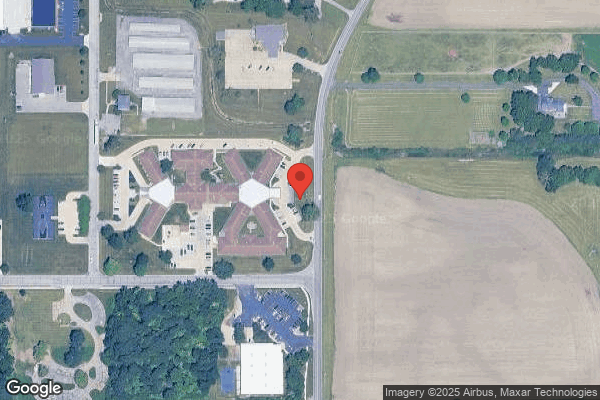
4301 N WALNUT ST, MUNCIE, IN 47303 (765) 282-0053
For profit - Individual 140 Beds SIGNATURE HEALTHCARE Data: November 2025
Trust Grade
30/100
#388 of 505 in IN
Last Inspection: January 2025

Within standard 12-15 month inspection cycle. Federal law requires annual inspections.

Overview

Signature Healthcare of Muncie has a Trust Grade of F, indicating poor performance with significant concerns. It ranks #388 out of 505 facilities in Indiana, placing it in the bottom half, and #8 out of 13 in Delaware County, meaning only a few local options are worse. While the facility is improving, with issues decreasing from 18 in 2024 to 14 in 2025, it still faces serious challenges. Staffing is a mixed bag; they have a 2/5 star rating and a turnover rate of 54%, which is around the state average. However, they have good RN coverage, surpassing 76% of Indiana facilities, which can help catch issues that other staff might miss. Some concerning incidents include a resident who experienced severe abdominal pain and was not promptly transferred to the hospital, resulting in serious complications, and issues with food preparation that raised risks of cross-contamination. Additionally, meal trays were delivered significantly late, impacting resident satisfaction. Overall, while there are strengths in RN coverage and a reduction in issues, the facility still has critical weaknesses that families should consider.

Trust Score
F
30/100
In Indiana
#388/505
Bottom 24%
Safety Record
High Risk
Review needed
Inspections
Getting Better
18 → 14 violations
Staff Stability
⚠ Watch
54% turnover. Above average. Higher turnover means staff may not know residents' routines.
Penalties
✓ Good
No fines on record. Clean compliance history, better than most Indiana facilities.
Skilled Nurses
✓ Good
Each resident gets 47 minutes of Registered Nurse (RN) attention daily — more than average for Indiana. RNs are trained to catch health problems early.
Violations
⚠ Watch
44 deficiencies on record. Higher than average. Multiple issues found across inspections.
★★☆☆☆
2.0
Overall Rating
★★☆☆☆
2.0
Staff Levels
★★★★★
5.0
Care Quality
★☆☆☆☆
1.0
Inspection Score
Stable
2024: 18 issues
2025: 14 issues

The Good

  • 5-Star Quality Measures · Strong clinical quality outcomes
  • Full Sprinkler Coverage · Fire safety systems throughout facility
  • No fines on record

Facility shows strength in quality measures, fire safety.

The Bad

2-Star Overall Rating

Below Indiana average (3.1)

Below average - review inspection findings carefully

Staff Turnover: 54%

Near Indiana avg (46%)

Higher turnover may affect care consistency

Chain: SIGNATURE HEALTHCARE

Part of a multi-facility chain

Ask about local staffing decisions and management

The Ugly 44 deficiencies on record

1 actual harm
Jul 2025 3 deficiencies
CONCERN (D) 📢 Someone Reported This

A family member, employee, or ombudsman was alarmed enough to file a formal complaint

Potential for Harm - no one hurt, but risky conditions existed

Report Alleged Abuse (Tag F0609)

Could have caused harm · This affected 1 resident

Based on record review and interview, the facility failed to report a suspected drug diversion to the appropriate regulatory agencies for 4 of 6 residents reviewed for narcotic medication administrati...

Read full inspector narrative →
Based on record review and interview, the facility failed to report a suspected drug diversion to the appropriate regulatory agencies for 4 of 6 residents reviewed for narcotic medication administration. (Residents H, J, K, and M) Findings include: 1. Resident H's record was reviewed on 7/2/25 at 10:45 a.m. Diagnoses included migraine, osteoarthritis (bone pain), fibromyalgia (nerve pain) , and chronic pain syndrome. Physician orders included oxycodone-acetaminophen (narcotic pain medication) 7.5-325 milligram (mg) give one tablet by mouth every four hours only while awake. Resident H's electronic medication administration record (eMAR) indicated she received a dose of oxycodone on 6/2/25 scheduled at 6:00 p.m. but was charted at 8:22 p.m. with the comment per lpn by LPN 15. A dose of oxycodone scheduled for 6/2/25 at 10:00 p.m. was charted on 6/3/25 at 9:39 a.m. as not given due to condition, signed by QMA 20. A dose scheduled for 6/3/25 at 2:00 a.m. was charted as refused on 6/3/25 at 4:10 a.m. by QMA 2 due to the resident sleeping. Resident H's narcotic sign out sheet, provided by the Corporate Nurse Consultant on 7/2/25 at 10:36 a.m., indicated LPN 15 signed out a dose of oxycodone-acetaminophen on 6/2/25 at 10:00 p.m. with forty-two tablets remaining. The times of 12:00 a.m. and 2:00 a.m. were printed on the narcotic sheet, but had no signature, amount given, or amount remaining. A photograph of the resident's narcotic card provided concurrently with the count sheet indicated thirty-eight tablets remained. Thirty-nine oxycodone should have remained. During an interview with the Corporate Nursing Consultant on 7/3/25 at 10:02 a.m., she indicated that during an interview with Resident H, the resident indicated LPN 15 gave her pain medication early and she received two oxycodone tablets. During an interview with Resident H, on 7/3/25 at 10:26 a.m., she was unable to recall being given medications early on 6/2/25 and 6/3/25. 2. Resident K's record was reviewed on 7/2/25 at 10:42 a.m. Diagnoses included spina bifida (spinal cord defect), bilateral above knee amputations, and chronic pain syndrome. Physician orders included oxycodone-acetaminophen 5-325 mg give 1 tablet by mouth every 4 hours while awake. The resident's eMAR indicated doses of oxycodone-acetaminophen scheduled for 6/3/25 at 12:00 a.m. was administered by QMA 2 at 3:21 a.m. due to patient care, and he refused his scheduled 4:00 a.m. dose on 6/3/25. The resident's narcotic sheet, provided by the Corporate Nurse Consultant on 7/2/25 at 10:36 a.m., indicated doses were signed out by LPN 15 on 6/2/25 at 8:00 p.m., 6/3/25 at 12:00 a.m. with the comment not given signed by LPN 16, and 6/3/25 at 4:00 a.m. with the comment not given signed by LPN 16 and 6/3/25 at 2:00 a.m. by QMA 2. A medication card for comparison was not provided prior to exit. 3. Resident L's record was reviewed on 7/2/25 at 11:58 a.m. Diagnoses included COPD, peripheral vascular disease, and chronic pain syndrome. Physician orders included oxycodone 5 mg give 5 mg by mouth every eight hours at 6:00 a.m., 2:00 p.m., and 10:00 p.m. The resident's eMAR indicated doses of oxycodone scheduled on 6/2/25 at 10:00 p.m. were given on 6/3/25 at 4:00 a.m. and a dose scheduled 6/3/25 at 6:00 a.m. was given by LPN 16. The resident's narcotic count sheet provided by the Corporate Nurse Consultant on 7/2/25 at 10:36 a.m. indicated a dose of oxycodone was signed out by LPN 16 on 6/3/25 at 1:00 a.m. and 6/3/25 at 6:00 a.m. During an interview with LPN 16 on 7/3/25 at 9:43 a.m. she indicated a dose of oxycodone for resident L was due at 12:00 a.m. She took the medication out of the card and indicated QMA 19 gave the medication. She was unable to recall which medications she administered and which medications QMA 19 administered on 6/3/25. LPN 16 indicated it was not appropriate for someone to remove a medication from the card and another person administer the medication. 4. Resident M's record was reviewed on 7/2/25 at 10:47 a.m. Diagnoses included COPD, opioid use, restless legs syndrome, other chronic pain, and radiculopathy (nerve pain) of the lumbar (lower back) region. Physician orders included, oxycodone-acetaminophen 10-325 mg give 1 tablet every 4 hours as needed for pain. The resident's eMAR indicated she was given doses of oxycodone-acetaminophen on 6/2/25 at 4:51 p.m. and 6/3/25 at 10:22 a.m. The resident's narcotic count sheet provided by the Corporate Nurse Consultant on 7/3/25 at 10:08 a.m., indicated doses of oxycodone-acetaminophen were signed out by LPN 15 on 6/2/25 at 10:00 p.m., 6/3/25 at 2:00 a.m., and 6/3/25 at 6:00 a.m. A medication card for comparison was not provided prior to exit. During an interview on 7/3/2025 at 10:05 a.m., the Corporate Nurse Consultant indicated when she was informed of the concern of missing medications, she reviewed the medication carts for the 200 and 400 Halls and the narcotic count books. The narcotic counts were off, but they thought the discrepancies could be explained because the medications had been documented as signed out early. The Corporate RN did not compare the narcotic sheets with the Medication Administration Record during the investigation, nor report the concerns to the appropriate regulatory agencies. During an interview with the Corporate Nurse Consultant on 7/3/25 at 10:53 a.m., she indicated no medication reconciliation was performed for Resident M for the doses signed out on 6/2/25 at 10:00 p.m., 6/3/25 at 2:00 a.m., and 6/3/25 at 6:00 a.m. During an interview on 7/3/2025 at 7:41 a.m., QMA 2 indicated during the third shift on 6/2/2025 a nurse went home due to illness. At approximately between 5:00 a.m. and 5:30 a.m., she counted the medication cart for the 400 Hall with LPN 16. The narcotic count was not correct and she believed some medications were missing. QMA 2 indicated it appeared LPN 15 had signed out some of the mediations in advance. LPN 16 and QMA 2 reported the discrepancies to the unit manager. During an interview on 7/2/2025 at 9:48 a.m., LPN 16 indicated she was informed by CNA 17 that none of the medication on the 200 Hall had been passed and residents were complaining. Upon finding the nurse for that hall (LPN 15), LPN 16 found her in the bathroom. Her speech was slurred and she appeared disheveled, swaying and unable to stand up straight. LPN 15 was sent home and gave the medication cart keys to LPN 16. LPN 16 did not count the narcotic boxes due to it being a busy night. During an interview on 7/2/2025 at 9:53 a.m., Unit Manager 18 indicated on 6/3/2025 at 5:15 a.m. she received a phone call from LPN 16 stating that LPN 15 had been sent home and the narcotic count was off. The Unit Manager was en route to the facility and indicated she would investigate the concern when she arrived. The Unit Manager investigated the medication carts for the 200 and 400 Halls and found the counts to be off. The Unit Manager interviewed alert and oriented residents, and reported the concern to the Corporate Nurse at 6:22 a.m. Review of a current policy, dated 5/27/2016, titled Abuse, Neglect and Misappropriation of Property was provided by the DON on 7/1/2025 at 12:04 p.m. The policy indicated the following: .It is the organization's intention to prevent the occurrence of abuse, neglect, exploitation injuries of unknown origin, and misappropriation of resident property, and to assure that all alleged violations of federal or State laws which involve abuse, neglect, exploitation, injuries of unknown origin and misappropriation of resident property are investigated, and reported immediately to the Facility Administrator, the State Survey Agency, and other appropriate State and local agencies in accordance with Federal and Sate law. ***Reporting Guidelines:*** Any allegation of neglect, exploitation, mistreatment or misappropriation of resident property must be reported to the State Regulatory Agency within 24 hours. Cross reference F755. This citation relates to complaints IN00461866. 3.1-28(c)
CONCERN (D) 📢 Someone Reported This

A family member, employee, or ombudsman was alarmed enough to file a formal complaint

Potential for Harm - no one hurt, but risky conditions existed

Investigate Abuse (Tag F0610)

Could have caused harm · This affected 1 resident

Based on interview and record review, the facility failed to conduct a through investigation of an suspected drug diversion for 4 of 6 residents reviewed for medication admnistration. (Residents H, K,...

Read full inspector narrative →
Based on interview and record review, the facility failed to conduct a through investigation of an suspected drug diversion for 4 of 6 residents reviewed for medication admnistration. (Residents H, K, L,and M) Findings include: 1. Resident H's record was reviewed on 7/2/25 at 10:45 a.m. Diagnoses included migraine, osteoarthritis (bone pain), fibromyalgia (nerve pain) , and chronic pain syndrome. Physician orders included oxycodone-acetaminophen (narcotic pain medication) 7.5-325 milligram (mg) give one tablet by mouth every four hours only while awake. Resident H's electronic medication administration record (eMAR) indicated she received a dose of oxycodone on 6/2/25 scheduled at 6:00 p.m. but was charted at 8:22 p.m. with the comment per lpn by LPN 15. A dose of oxycodone scheduled for 6/2/25 at 10:00 p.m. was charted on 6/3/25 at 9:39 a.m. as not given due to condition, signed by QMA 20. A dose scheduled for 6/3/25 at 2:00 a.m. was charted as refused on 6/3/25 at 4:10 a.m. by QMA 2 due to the resident sleeping. Resident H's narcotic sign out sheet, provided by the Corporate Nurse Consultant on 7/2/25 at 10:36 a.m., indicated LPN 15 signed out a dose of oxycodone-acetaminophen on 6/2/25 at 10:00 p.m. with forty-two tablets remaining. The times of 12:00 a.m. and 2:00 a.m. were printed on the narcotic sheet, but had no signature, amount given, or amount remaining. A photograph of the resident's narcotic card provided concurrently with the count sheet indicated thirty-eight tablets remained. Thirty-nine oxycodone should have remained. During an interview with the Corporate Nursing Consultant on 7/3/25 at 10:02 a.m., she indicated that during an interview with Resident H, the resident indicated LPN 15 gave her pain medication early and she received two oxycodone tablets. During an interview with Resident H, on 7/3/25 at 10:26 a.m., she was unable to recall being given medications early on 6/2/25 and 6/3/25. 2. Resident K's record was reviewed on 7/2/25 at 10:42 a.m. Diagnoses included spina bifida (spinal cord defect), bilateral above knee amputations, and chronic pain syndrome. Physician orders included oxycodone-acetaminophen 5-325 mg give 1 tablet by mouth every 4 hours while awake. The resident's eMAR indicated doses of oxycodone-acetaminophen scheduled for 6/3/25 at 12:00 a.m. was administered by QMA 2 at 3:21 a.m. due to patient care, and he refused his scheduled 4:00 a.m. dose on 6/3/25. The resident's narcotic sheet, provided by the Corporate Nurse Consultant on 7/2/25 at 10:36 a.m., indicated doses were signed out by LPN 15 on 6/2/25 at 8:00 p.m., 6/3/25 at 12:00 a.m. with the comment not given signed by LPN 16, and 6/3/25 at 4:00 a.m. with the comment not given signed by LPN 16 and 6/3/25 at 2:00 a.m. by QMA 2. A medication card for comparison was not provided prior to exit. 3. Resident L's record was reviewed on 7/2/25 at 11:58 a.m. Diagnoses included COPD, peripheral vascular disease, and chronic pain syndrome. Physician orders included oxycodone 5 mg give 5 mg by mouth every eight hours at 6:00 a.m., 2:00 p.m., and 10:00 p.m. The resident's eMAR indicated doses of oxycodone scheduled on 6/2/25 at 10:00 p.m. were given on 6/3/25 at 4:00 a.m. and a dose scheduled 6/3/25 at 6:00 a.m. was given by LPN 16. The resident's narcotic count sheet provided by the Corporate Nurse Consultant on 7/2/25 at 10:36 a.m. indicated a dose of oxycodone was signed out by LPN 16 on 6/3/25 at 1:00 a.m. and 6/3/25 at 6:00 a.m. During an interview with LPN 16 on 7/3/25 at 9:43 a.m. she indicated a dose of oxycodone for resident L was due at 12:00 a.m. She took the medication out of the card and indicated QMA 19 gave the medication. She was unable to recall which medications she administered and which medications QMA 19 administered on 6/3/25. LPN 16 indicated it was not appropriate for someone to remove a medication from the card and another person administer the medication. 4. Resident M's record was reviewed on 7/2/25 at 10:47 a.m. Diagnoses included COPD, opioid use, restless legs syndrome, other chronic pain, and radiculopathy (nerve pain) of the lumbar (lower back) region. Physician orders included, oxycodone-acetaminophen 10-325 mg give 1 tablet every 4 hours as needed for pain. The resident's eMAR indicated she was given doses of oxycodone-acetaminophen on 6/2/25 at 4:51 p.m. and 6/3/25 at 10:22 a.m. The resident's narcotic count sheet provided by the Corporate Nurse Consultant on 7/3/25 at 10:08 a.m., indicated doses of oxycodone-acetaminophen were signed out by LPN 15 on 6/2/25 at 10:00 p.m., 6/3/25 at 2:00 a.m., and 6/3/25 at 6:00 a.m. A medication card for comparison was not provided prior to exit. During an interview on 7/3/2025 at 10:05 a.m., the Corporate Nurse Consultant indicated when she was informed of the concern of missing medications, she reviewed the medication carts for the 200 and 400 Halls and the narcotic count books. The narcotic counts were off, but they thought the discrepancies could be explained because the medications had been documented as signed out early. The Corporate RN did not compare the narcotic sheets with the Medication Administration Record during the investigation, nor report the concerns to the appropriate regulatory agencies. During an interview with the Corporate Nurse Consultant on 7/3/25 at 10:53 a.m., she indicated no medication reconciliation was performed for Resident M for the doses signed out on 6/2/25 at 10:00 p.m., 6/3/25 at 2:00 a.m., and 6/3/25 at 6:00 a.m. Cross reference F609 and F755. This citation relates to complaints IN00461866. 3.1-28(d)
CONCERN (D) 📢 Someone Reported This

A family member, employee, or ombudsman was alarmed enough to file a formal complaint

Potential for Harm - no one hurt, but risky conditions existed

Pharmacy Services (Tag F0755)

Could have caused harm · This affected 1 resident

Based on interview and record review, the facility failed to ensure controlled medication administration was accurately documented and medication amounts reconciled according to facility policy for 4 ...

Read full inspector narrative →
Based on interview and record review, the facility failed to ensure controlled medication administration was accurately documented and medication amounts reconciled according to facility policy for 4 of 6 residents reviewed for medications (Residents H, K, L, and M) Findings included: 1. Resident H's record was reviewed on 7/2/25 at 10:45 a.m. Diagnoses included migraine, osteoarthritis (bone pain), fibromyalgia (nerve pain) , and chronic pain syndrome. Physician orders included oxycodone-acetaminophen (narcotic pain medication) 7.5-325 milligram (mg) give one tablet by mouth every four hours only while awake. Resident H's electronic medication administration record (eMAR) indicated she received a dose of oxycodone on 6/2/25 scheduled at 6:00 p.m. but was charted at 8:22 p.m. with the comment per lpn by LPN 15. A dose of oxycodone scheduled for 6/2/25 at 10:00 p.m. was charted on 6/3/25 at 9:39 a.m. as not given due to condition, signed by QMA 20. A dose scheduled for 6/3/25 at 2:00 a.m. was charted as refused on 6/3/25 at 4:10 a.m. by QMA 2 due to the resident sleeping. Resident H's narcotic sign out sheet, provided by the Corporate Nurse Consultant on 7/2/25 at 10:36 a.m., indicated LPN 15 signed out a dose of oxycodone-acetaminophen on 6/2/25 at 10:00 p.m. with forty-two tablets remaining. The times of 12:00 a.m. and 2:00 a.m. were printed on the narcotic sheet, but had no signature, amount given, or amount remaining. A photograph of the resident's narcotic card provided concurrently with the count sheet indicated thirty-eight tablets remained. Thirty-nine oxycodone should have remained. During an interview with the Corporate Nursing Consultant on 7/3/25 at 10:02 a.m., she indicated that during an interview with Resident H, the resident indicated LPN 15 gave her pain medication early and she received two oxycodone tablets. During an interview with Resident H, on 7/3/25 at 10:26 a.m., she was unable to recall being given medications early on 6/2/25 and 6/3/25. 2. Resident K's record was reviewed on 7/2/25 at 10:42 a.m. Diagnoses included spina bifida (spinal cord defect), bilateral above knee amputations, and chronic pain syndrome. Physician orders included oxycodone-acetaminophen 5-325 mg give 1 tablet by mouth every 4 hours while awake. The resident's eMAR indicated doses of oxycodone-acetaminophen scheduled for 6/3/25 at 12:00 a.m. was administered by QMA 2 at 3:21 a.m. due to patient care, and he refused his scheduled 4:00 a.m. dose on 6/3/25. The resident's narcotic sheet, provided by the Corporate Nurse Consultant on 7/2/25 at 10:36 a.m., indicated doses were signed out by LPN 15 on 6/2/25 at 8:00 p.m., 6/3/25 at 12:00 a.m. with the comment not given signed by LPN 16, and 6/3/25 at 4:00 a.m. with the comment not given signed by LPN 16 and 6/3/25 at 2:00 a.m. by QMA 2. A medication card for comparison was not provided prior to exit. 3. Resident L's record was reviewed on 7/2/25 at 11:58 a.m. Diagnoses included COPD, peripheral vascular disease, and chronic pain syndrome. Physician orders included oxycodone 5 mg give 5 mg by mouth every eight hours at 6:00 a.m., 2:00 p.m., and 10:00 p.m. The resident's eMAR indicated doses of oxycodone scheduled on 6/2/25 at 10:00 p.m. were given on 6/3/25 at 4:00 a.m. and a dose scheduled 6/3/25 at 6:00 a.m. was given by LPN 16. The resident's narcotic count sheet provided by the Corporate Nurse Consultant on 7/2/25 at 10:36 a.m. indicated a dose of oxycodone was signed out by LPN 16 on 6/3/25 at 1:00 a.m. and 6/3/25 at 6:00 a.m. During an interview with LPN 16 on 7/3/25 at 9:43 a.m. she indicated a dose of oxycodone for resident L was due at 12:00 a.m. She took the medication out of the card and indicated QMA 19 gave the medication. She was unable to recall which medications she administered and which medications QMA 19 administered on 6/3/25. LPN 16 indicated it was not appropriate for someone to remove a medication from the card and another person administer the medication. 4. Resident M's record was reviewed on 7/2/25 at 10:47 a.m. Diagnoses included COPD, opioid use, restless legs syndrome, other chronic pain, and radiculopathy (nerve pain) of the lumbar (lower back) region. Physician orders included, oxycodone-acetaminophen 10-325 mg give 1 tablet every 4 hours as needed for pain. The resident's eMAR indicated she was given doses of oxycodone-acetaminophen on 6/2/25 at 4:51 p.m. and 6/3/25 at 10:22 a.m. The resident's narcotic count sheet provided by the corporate nurse consultant on 7/3/25 at 10:08 a.m., indicated doses of oxycodone-acetaminophen were signed out by LPN 15 on 6/2/25 at 10:00 p.m., 6/3/25 at 2:00 a.m., and 6/3/25 at 6:00 a.m. A medication card for comparison was not provided prior to exit. During an interview with the Corporate Nurse consultant on 7/3/25 at 10:53 a.m., she indicated no medication reconciliation was performed for resident M for the doses signed out on 6/2/25 at 10:00 p.m., 6/3/25 at 2:00 a.m., and 6/3/25 at 6:00 a.m. An untitled facility document was provided by the Corporate Nurse Consultant on 7/3/25 at 11:05 a.m. indicated the following: 1. How many medications were ordered to be given? .2. All medications given AND documented immediately after administered? .6. Medications area given within at least 60 minutes before or after scheduled times? . During a concurrent interview, she indicated the document was part of the orientation check off process and was given to all staff authorized to give medications. A current facility policy provided by the Corporate Nurse Consultant on 7/2/25 at 12:08 p.m. and titled, Controlled Medication, indicated the following: .2. At each shift change or when keys are rendered, a physical inventory of all controlled medication is conducted by two staff members who are either license nurses, medication technicians, or appropriate staff per state regulations and is documented on the controlled medications accountability record. This is completed as follows: a. The licensed nurse or medication technician surrendering the keys, along with the licensed nurse or medication technician assuming the keys will review the controlled medication accountability book for each resident's medication(s) for each resident in the narcotic drawer. The licensed nurse or medication technician surrendering the keys along with the licensed nurse or medication technician assuming the keys will ensure the count of the remaining medications (s) match the medication accountability book b. Any medication count discrepancies or medication card count discrepancies that can't be reconciled by the licensed nurse and/or medication technician need to be reported to the Director of Nursing (DON) immediately. A current facility policy provided by the Corporate Nurse Consultant on 7/2/25 at 12:08 p.m. and titled, Drug Diversion, included the following: .2. Any medications discrepancies that can't be reconciled by the licensed nurse and/or medication tech or for any suspected drug diversions of medications, need to be reported to the Director of Nursing (DON) immediately. 3. All suspected incident of drug diversions will be thoroughly investigated. 4. Any discrepancies that cannot be reconciled, will be reported to all appropriate government licensing, regulatory, and law enforcement agencies. A current facility policy provided by the Corporate Nurse Consultant on 7/3/25 at 10:51 a.m. and titled, Medication Administration General Guidelines, indicated the following: Medications are administered as prescribed in accordance with manufacturers' specifications, good nursing principles and practices, 4. Medications are to be administered at the time they are prepared. 5. The person who prepares the dose for administration is the person who administers the dose 14. Medications are administered within 60 minutes of scheduled time .Unless otherwise specified by the prescriber, routine medications are administered according to the established medication administration schedule for the nursing care center Documentation: 1. The individual who administers the medication dose, records the administration on the resident's MAR immediately following the medication being given. In no case should the individual who administered the medications report off-duty without first recording the administration of any medications. 2. If a dose of regularly scheduled medication is withheld, refused, or given at other than the scheduled time (for example, the resident is not in the nursing care center at scheduled dose time, or a starter dose of antibiotic is needed), the space provided on the front of the MAR for that dosage administration is initialed and circled. An explanatory note is entered on the reverse side of the record provided for PRN documentation. 4. The resident's MAR/TAR is initialed by the person administering the medication, in the space provided under the date, and on the line for that specific medication dose administration and time. 5. When PRN medications are administered, the following documentation is provided: a. Date and time of administration, dose, route of administration (if other than oral), and, if applicable, the injection site. b. Complaints or symptoms for which the medication was given. c. Results achieved from giving the dose and the time results were noted. d. Signature or initials of person recording administration or initials of person recording effects This citation relates to Complaint IN00461866. 3.1-48(c)(2)
Jun 2025 1 deficiency
CONCERN (D) 📢 Someone Reported This

A family member, employee, or ombudsman was alarmed enough to file a formal complaint

Potential for Harm - no one hurt, but risky conditions existed

Deficiency F0627 (Tag F0627)

Could have caused harm · This affected 1 resident

**NOTE- TERMS IN BRACKETS HAVE BEEN EDITED TO PROTECT CONFIDENTIALITY** Based on record review and interview, the facility failed to allow a resident to return to the facility following a hospital out...

Read full inspector narrative →
**NOTE- TERMS IN BRACKETS HAVE BEEN EDITED TO PROTECT CONFIDENTIALITY** Based on record review and interview, the facility failed to allow a resident to return to the facility following a hospital outpatient observation and failed to indicate supporting rationale or documentation for the discharge . (Resident C) Findings include: Resident C's clinical record was reviewed on 6/2/25 at 11:01 a.m Diagnoses included chronic congestive heart failure, chronic obstructive pulmonary disease, pressure ulcer of sacral region, chronic osteomyelitis, polyneuropathy, muscle spasm, chronic stage 3 kidney disease, opioid use, chronic pain syndrome, and depressive disorder. The resident was admitted to the facility on [DATE]. A 3/28/25, quarterly, Minimum Data Set (MDS) assessment indicated Resident C was cognitively intact and had moderate depression. Review of Resident C's care plans indicated the resident displayed verbal aggression. The clinical record lacked a care plan for physical aggression. Review of a progress note, dated 5/1/25 at 1:35 p.m., indicated Unit Manager 1 heard Resident C yelling and using in appropriate language directed towards the Social Service Director (SSD). The Unit Manager attempted to de-escalate the situation and the resident became verbally aggressive towards her. The CCS (Corporate Clinical Support) and Therapy Director intercepted the resident and the resident became verbally aggressive towards them. The CCS called the police and the resident was taken into police custody. The resident's family and Nurse Practitioner (NP) were notified. The responding officer was unable to be reached for interview during the survey. Review of an IDT Behavior Note, dated 5/15/25 at 6:20 p.m., indicated Resident C became upset after being notified he would be getting another roommate. Resident C had been involved in a verbal altercation with his previous roommate and the roommate was removed from the room. Resident C aggressively followed the SSD down the hallway and continued yelling and using inappropriate language. The Unit Manager attempted to de-escalate the situation. Resident C became agitated and began yelling profanities at the Unit Manager and making threatening remarks. The resident continued to yell at staff in the area and wheeled his wheelchair towards them. The Unit Manager notified the CCS. The CCS arrived and attempted to de-escalate the situation. Again, the resident became verbally aggressive toward the CCS and moved towards her, attempting [unspecified] harm. The police were called and arrived to place the resident in police custody. Notifications were made. The Ombudsman was also notified and informed the facility that if the resident was taken into police custody, they did not have to allow him to return to the facility. An emergency discharge was initiated and paperwork was completed. Review of a hospital discharge note, dated, 5/15/25, indicated Resident C arrived to the emergency department with an officer from the local police department. The officer reported he had been dispatched to the facility after the resident became verbally aggressive with staff. The officer reported that facility staff gave him the details of the situation and informed him Resident C had warrants for his arrest. The resident was notably upset. The officer indicated the resident had two warrants in city court for driving while suspended and failure to appear. The resident stated he had gotten into an altercation today because his previous roommate threatened to stab him three days ago, and yesterday they moved the roommate, but it was only to across the hall. The patient stated he was speaking to staff about this today because he was upset that they were not further apart and then the situation escalated. Staff reportedly told police that due to patient's aggression, they did not feel comfortable with him staying at the facility, so he was brought to emergency department for medical clearance for jail, as he would have to go to jail for the outstanding warrants. The facility did not call the emergency department to provide any further information. During an interview on 6/2/25 at 10:29 a.m., the area Ombudsman indicated, on 5/16/25, she received a phone call from the CCS regarding Resident C. The CCS indicated the resident had a verbal altercation with his roommate and the police were called. Resident C had an outstanding warrant and had been arrested and taken into police custody. The CCS asked if the resident could be discharged from the facility since he had been arrested. On 5/16/25, the Ombudsman spoke with Resident C, who indicated he was staying with his family member and that he had called the facility and was told they refused to take him back. The resident indicated he had been taken to the hospital for observation and was then released to the custody of his family member. The resident indicated he had not been arrested. On 5/28/25, the Ombudsman spoke with the responding officer, who indicated when he had been called to the facility, he was told by the CCS the resident had an outstanding warrant. The resident was taken to the hospital for examination and then released to his family member. The officer said the warrant was minor and he had been able to assist the resident in getting a new court date. On 5/28/25, the Ombudsman also spoke to staff members who voiced concern that Resident C may have been unjustly discharged . The Ombudsman called the facility Administrator with the concerns. The Administrator told the Ombudsman he would look into the incident and get back with her. The Ombudsman indicated she had not heard back from the facility. During an interview on 6/2/25 at 11:40 a.m., the CCS indicated, on 5/15/25, Resident C was an immediate discharge because he became hostile and attempted to harm the SSD, Unit Manager, Therapy Director, and herself. It was bad enough they had to call 911. When the police arrived, they ran his name and found out he had an outstanding warrant. The police officer told the facility Resident C was being arrested. He was taken to the hospital for an examination. The police were unable to transport him so he went via ambulance. When he left the facility, he was in police custody. The Ombudsman was called and she indicated if the resident left the facility in police custody, it would be an immediate discharge. The facility informed the hospital they would not be taking the resident back. The resident was discharged from the hospital to his sister. His sister brought him to the facility to get his belongings. He was not allowed back in the facility. The Liaison was going to go to the hospital to deliver the paperwork for the immediate discharge, but the resident was already on his way to the facility. The Liaison stayed and met the resident in the outside. The resident refused to sign the paperwork. His sister came into the facility to get his belongings. She signed the paperwork. During an interview on 6/2/25 at 1:13 p.m., CNA 3 indicated they were present during the incident on 5/15/25. Resident C was upset and yelling because the facility was going to move his old roommate across the hall from his room. He and his roommate had a verbal altercation a few days prior. The roommate had been sent out of a psychiatric evaluation. CNA 3 indicated the resident was verbally aggressive, however she never saw him being physical aggressive. During an interview on 6/2/25 at 1:23 p.m., the Liaison indicated he returned to the facility to get Resident C's inventory sheet and discharge paperwork. By the time he got it together, the resident had already left the ER. The Liaison called the resident's sister and she said they were at the facility. He brought the paperwork for the resident to sign back to the facility. The Liaison indicated at first, the resident acted like he was going to sign and then he refused and started yelling and arguing. It was already past 7:30 p.m. Eventually, the resident returned the paperwork and said he would not sign them. The resident's sister had entered the facility and the CCS had gone over the information with the sister and she signed them. During an interview on 6/2/25 at 2:22 p.m. the Therapy Director indicated, on 5/15/25 at approximately 1:00 p.m., the Unit Manager called for male assistance at the nurses station. Resident C was yelling and threatening people. The Therapy Director did not hear Resident C make any threatening comments to staff. The Therapy Director denied speaking to the resident. He watched the resident to make sure no one got hurt. The Therapy Director did not see the resident being physical aggressive anyone. The Therapy Director walked away when the police arrived. During an interview on 6/3/25 at 9:03 a.m., CNA 5 indicated she heard Resident C yelling and saw him yelling at staff at the nurses' station. She did not see the resident being physically aggressive with anyone. CNA 5 indicated she ha known the resident to verbally aggressive, but never physically aggressive. During an interview on 6/3/25 at 9:11 a.m., Unit Manager 1 indicated Resident C came into the office and threatened to harm another his old roommate and anyone they moved into his room. She tried to calm him down, got the SSD, and explained the situation to her. The SSD went to the resident's room and heard screaming and yelling. She saw the SSD was walking up the hall and resident was following her in his wheelchair, screaming. The resident threatened to kill Unit Manager 1 when she tired to calm him down. The CCS was called to the area and tried to de-escalate the situation. He started threatening her and was yelling at her. The Unit Manager thought he was going to hit them. The resident started to swing his arm, but pulled it back. The Therapy Director came up the hall and tried to de-escalate the situation. He tried talking to the resident, who was screaming at him, What are you going to do big boy? He did not make physical contact with the Therapy Director. The police showed up and they tried to talk to them. He as verbally negative with them. The officer ran the resident's name and found out he had outstanding warrants. They told him they were going to take him in. They had called an ambulance because they couldn't get his wheelchair in the police car. During an interview on 6/3/25 at 10:39 a.m. the DON indicated she was present on 5/15/25, but was no longer employed at the facility. She heard yelling and saw Resident C in his wheelchair at the nurses' station. She denied seeing the resident being physical aggressive with anyone. During an interview on 6/3/25 at 1:42 p.m., the SSD indicated she was present on 5/15/25, but was no longer employed at the facility. Resident C had told her he wanted a private room after his roommate was moved out. He got upset because he did not want a roommate and it was planned to move someone else into the room with him. Resident C became verbally aggressive. The former SSD told the resident they could continue the conversation when he stopped cursing and yelling. The resident followed her down the hallway and continued to yell and make threatening statements. The CCS came out of her office, and he started threatening her. The CCS ended up calling the police. He was not physically aggressive with the former SSD. When the police came, she was told by the CCS to leave from the area. The SSD did not talk to the police when they arrived. When she came back the next day, she as told the resident had been arrested and was not coming back to the facility. During an interview on 6/3/25 at 2:17 p.m., the resident's sister indicated, after an altercation between Resident C and his roommate, the facility moved the roommate out of the room. The facility later said they were moving another resident into his room. Resident C was upset. The police were called on him. The Liaison called her and said Resident C was not allowed back into the facility. The call was on speaker phone in the car and the resident's sister heard the Liaison say that Resident C would not get his belongings back if he did not sign the discharge paperwork. The resident's phone and iPad were on the table and as she was getting the rest of the resident's belongings, the Liaison moved them (iPad and phone) to the nurses' station. Resident C was not offered the opportunity to return to the facility since he had not been arrested. Review of a current policy, dated 2/3/25, titled Transfer/Discharge Notice provided by the Administrator on 6/3/25 at 8:47 a.m , indicated the following: 1. Facility Requirements: a. This facility must permit each resident to remain in the facility, and not transfer or discharge the resident from the facility unless --- i. The transfer or discharge is necessary for the resident's welfare and the needs cannot be met in the facility; ii. The transfer or discharge is appropriate because the resident's health has improved sufficiently so the resident no longer needs the services provided by the facility; iii. The safety of individuals in the facility is endangered due to the clinical or behavioral status of the resident. iv. The health of individuals in the facility would otherwise be endangered. This citation relates to complaint IN00459938. 3.1-12(a)(4)(D)
Jan 2025 10 deficiencies
CONCERN (D)

Potential for Harm - no one hurt, but risky conditions existed

Deficiency F0554 (Tag F0554)

Could have caused harm · This affected 1 resident

Based on observation, record review, and interview, the facility failed to ensure a self-administration assessment was completed for 1 of 1 residents reviewed for self-administration of medication. (R...

Read full inspector narrative →
Based on observation, record review, and interview, the facility failed to ensure a self-administration assessment was completed for 1 of 1 residents reviewed for self-administration of medication. (Resident 17) Finding includes: During an observation, on 1/15/25 at 11:11 a.m., Resident 17 was in bed with a plastic container on her bedside table. The plastic container held five bottles of eye drops. During an interview, on 1/16/25 at 10:41 a.m., Resident 17 was seated in her wheelchair at the side of her bed. There was a plastic container and a rectangular white box on her bedside table. The plastic container held five bottles of eye drops. The white box contained one bottle of eye drops. Resident 17 indicated she used her eye drops twice a day, was allowed to keep them in her room, and the staff were aware. The plastic container had the following eye drop bottles: 1. Rocklatan (netarsudil and latanoprost) 0.02% drops (a prescription eye drop to reduce eye pressure) without a label or resident identifiers. 2. Systane (an over the counter eye lubricant) night gel 10 grams (g). 1 to 2 drops in affected eye as needed. The bottle had no resident identifiers. 3. Dorzolamide Ophthalmic 2% drops (a prescription eye drop to treat glaucoma) without a label or resident identifiers. 4. Brimonide Tartrate/Timolol Maleate 0.2/0.5% drops (a prescription eye drop treat glaucoma and ocular hypertension) without a label or resident identifiers. 5. Systane (an over the counter eye lubricant) drops 0.6%. 1 to 2 drops in affected eye as needed. The bottle had no resident identifiers. The white box contained the following eye dropper bottle: Restasis (cyclosporine)(a prescription eye drop to treat dry eyes) 0.05%. 1 drop into each eye twice daily. The box was labeled with resident identifiers. During an interview, on 1/17/25 at 9:55 a.m., Resident 17 was seated at her bedside with a visitor present. The plastic container and white rectangular box was on the bed side table. Resident 17's clinical record was reviewed on 1/17/25 at 10:07 a.m. Diagnoses included dry eye syndrome of unspecified lacrimal gland, other seasonal allergic rhinitis, and essential hypertension. Current physician orders included (12/31/24) dorzolamide-timolol drops; 2-0.5%; give one drop in both eyes for chronic dry eyes, (12/31/24) GenTeal Tears (a lubricant) eye drops, give 1 drop in both eyes for chronic dry eyes, and (1/2/25) cyclosporine drops 0.05 %; give one drop in both eyes for dry eyes. Resident 17's clinical record lacked a physicians orders for Brimonide Tartrate/Timolol Maleate 0.2/0.5% drops, Rocklatan(netarsudil and latanoprost) 0.02% drops, and for self-administration of eye drop medications. A 1/3/25, Admission, Minimum Date Set (MDS) indicated the resident was moderately cognitively impaired, made poor decisions, and required supervision. Resident 17's clinical record lacked a medication self-administration assessment. During an interview, on 1/21/25 at 12:03 p.m., RN 3 indicated she was aware Resident 17 kept multiple eye drops in her room. RN 3 was told during report when the resident admitted that it was okay for Resident 17 to self administer her eye drops. During an interview, on 1/23/25 at 2:11 p.m., the DON indicated he was not able to locate a self administration assessment for Resident 17. The physician orders had not been written with additional instructions to allow the resident to self administer her eye drop medications. A current facility policy, dated 1/23, titled, Self- Administration by Resident, provided by the DON on 1/22/25 at 12:39 p.m., indicated the following: .Residents who desire to self-administer medications are permitted to do so with a prescriber's order and if the nursing care center's interdisciplinary team has determined that the practice would be safe and the medications are appropriate and safe for self-administration. 1. If the resident desires to self-administer medications, an assessment is conducted by the interdisciplinary team of the resident's cognitive, physical, and visual ability to carry out this responsibility, during the care planning process .3. The results of the interdisciplinary team assessment are recorded on the Medication Self-Administration Assessment, which is placed in the resident's medical record. 4. If the resident demonstrates the ability to safely self-administer medications, a further assessment of the safety of bedside medication storage is conducted 3.1-11(a)
CONCERN (D) 📢 Someone Reported This

A family member, employee, or ombudsman was alarmed enough to file a formal complaint

Potential for Harm - no one hurt, but risky conditions existed

Deficiency F0602 (Tag F0602)

Could have caused harm · This affected 1 resident

Based on record review and interview, the facility failed to prevent the misappropriation of resident funds for 1 of 3 residents reviewed for personal property. (Resident B) Finding includes: A 12/24/...

Read full inspector narrative →
Based on record review and interview, the facility failed to prevent the misappropriation of resident funds for 1 of 3 residents reviewed for personal property. (Resident B) Finding includes: A 12/24/24, facility reported incident indicated Resident B reported that he discovered his debit card, grocery card from insurance company and drivers license missing from wallet upon returning from dialysis on 12/24/24. Reported that CNA 31 had assisted him with an online order that night before. The immediate actions taken included reported to the Administrator, local police were called and CNA 31 was suspended pending outcome. The investigation was underway. Preventative measures taken included the suspension of CNA 31 and the police were called. Resident B's clinical record was reviewed on 1/17/25 at 1:31 p.m. Diagnoses included dependence on renal dialysis, end stage renal disease, and need for assistance with personal care. A 11/25/24, Admission, Minimum Data Set (MDS) indicated Resident B was cognitively intact and had reasonably consistent decision making. Resident B required partial assistance from staff for showering and personal hygiene. During an interview, on 1/17/25 at 3:35 p.m., Resident B was seated in an electric wheelchair at bedside. He indicated, a few weeks ago. he returned to the facility from dialysis and found belongings missing, including his bank card. CNA 31 had recently helped him order a pizza on the night shift and he wondered if she took his stuff. He told another CNA and the Administrator about his missing items and that he had already needed to shut off four debit cards during this month. His financial institution had been extremely helpful in assisting him with three different charges made on his debit card. These issues had not cost him any money out of his own pocket. Someone used his card to buy $300 worth of stuff online and then some shoes that cost around $200. He had spoken with the police and they had not provided him with any documentation or outcome yet. He had spoken with the Office of the Attorney General as well. A review of the facility investigation file, provided by the Administrator on 1/17/25 at 3:47 p.m., indicated the following: A 12/24/24-12/26/24, timeline of events, typed by the Administrator indicated the following: At 4:00 p.m., on 12/24/24 a staff member arrived to notify her of Resident B's missing items. She interviewed the resident and he pointed out his wallet had been moved to the incorrect pocket of his duffel bag. His debit card, grocery card, and driver license was missing. The resident indicated, roughly 3 or 4 weeks ago, he had asked CNA 31 to order him a pizza, during night shift. The CNA took his debit card and was gone for hours. She eventually brought him his pizza, but it was cold and she returned his card. The resident went to the bank the next day and was told of the charges made online at a major retailer. The total of the charge was roughly $300. The bank assisted him in getting the charges reversed and a new bank card. The facility called the police. Police arrived and spoke with the resident. The resident had to wait until after the Christmas holiday to call his bank for the charge. When he spoke with his bank on 12/26/25, he was made aware of an additional online purchase of $190. The police were called and given this additional information. A 12/30/24 updated timeline of events, authored by the Administrator, indicated the local police asked to have Resident B get a printed statement with all the charges listed. The Administrator was not able to obtain any police records as the case was ongoing, but Resident B could ask for additional information. A 12/24/24 typed statement indicated RN 22 was not aware of anyone assisting Resident B with ordering food. She was aware he went to his bank on a previous day in December, either the 9th or the 16th. A 12/24/24, a hand-written statement from CNA 32 indicated she was working with CNA 31 and Resident B asked them to assist him with ordering items from the online site of a major retailer for his girlfriend. CNA 31 told the resident would come back later and help him place the order. An undated typed statement from CNA 31 indicated her first weekend working in the facility was December 7, 8, and 9, 2024. She was training with a preceptor, CNA 33, when Resident B asked her to assist him in ordering a pizza. The preceptor told her it was fine to order a pizza for this resident as he asked for assistance a lot. CNA 31 used the facility phone to order the pizza and Resident B gave her his zip code to complete the order. She returned his debit card immediately. She indicated this was the only time she was in contact with his personal belongings and debit card. An undated, typed statement from Unit Manager 16 indicated she was aware of the situation where CNA 31 used the work phone to order Resident B a pizza during her orientation. On the night of 12/22/24, CNA 31 texted her she needed to leave early and was not on site to provide hand off report to the oncoming CNA. A bank statement for the month of December 2024 from Resident B's bank indicated the following: There was no charge documented for pizza dated 12/7/24. On 12/17/24, two charges were made, $210.56 and $118.61 for online purchases at a major retailer. On 12/19/24, the charges were reversed and credited to the account. On 12/23/24, a charge was made for $190.20 at online retailer. On 12/26/24, the charge was reversed and credited to the account. Printed schedules for CNA 31 indicated the employee worked the evening and night shifts on the 800/500 halls on the following dates: 12/14/24, 12/15/24, 12/16/24, and 12/23/24. Review of CNA 31's employee file, provided by the Administrator on 1/21/25 at 10:03 a.m., indicated the following: A 12/27/24, training transcript of completed courses indicated CNA 31 completed the following training: Safeguarding Resident Rights in Nursing Facilities, Preventing, Recognizing and Reporting Abuse, CNA- New Hire- Day 2-7- Mandatory Training and a 12/13/24, Gift Policy Training Questions document, completed and signed by CNA 31 indicating stakeholders were not allowed to take money from a resident and use it to shop for the resident, were not allowed to accept money as gift from a resident, and were not allowed to keep a resident's debit/credit card for safekeeping During an interview, on 1/22/25 at 10:15 a.m., RN 22 indicated that Resident B told her he got a message from his bank about the charges, for boots for a female to wear. RN 22 advised him to report this to the Administrator. RN 22 indicated facility policy was that staff was not to take a residents debit/credit card to help them make purchases. During an interview, on 1/22/25 at 10:24 a.m., CNA 33 indicated she was aware of the incident when she was training CNA 31. Resident B asked CNA 31 to order him a pizza. CNA 33 told CNA 31 to ask the RN on staff before agreeing. CNA 31 said it's okay and took the resident's debit card. Roughly one hour later, Resident B turned on the call light and asked for his debit card. CNA 31 was seated at the nurse station and had the debit card in her pocket. CNA 31 returned it to Resident B. CNA 33 had not reported the incident to any other staff member. CNA 33 indicated the current facility policy was for staff not to take any money or a debit card from a resident. During an interview, on 1/22/25 at 3:23 p.m., CNA 32 indicated the current facility policy was for staff to direct resident to the social services department or activities department to help them make purchases with money or a debit card. During an interview, on 1/22/25 at 7:44 p.m., Unit Manager 16 indicated sometime in December, Resident B had unauthorized debit card charges appear on his debit card. The Administrator asked her to assist with an investigation. CNA 31 was in orientation at the time of the incident. She asked CNA 31 what happened and was told she had ordered a pizza, from a restaurant using the 800 Unit telephone, along with CNA 33, for Resident B, per his request, with his debit card. CNA 31 indicated she returned the debit card immediately. Unit Manager 16 reminded CNA 31 of the facility policy to not take money or debit cards from residents, even if it's to assist them with purchases. Unit Manager 16 was not aware of the incident until the Administrator asked for assistance. During an interview, on 1/23/25 at 12:21 p.m., the Activity Director indicated residents brought money to purchase chips, candy, or pop for sale in the activity room. Her department was not to take a residents debit card to assist with online purchases. A resident could go on an outing to a physical store to make purchases with a debit card and the activity staff supervise the outings. During an interview, on 1/23/25 at 12:35 p.m., the Social Services Assistant indicated the social services and the activities departments were allowed to assist residents with purchases online using a debit card. These departments were staffed Monday through Friday from 8:00 a.m. to 5:30 p.m. The weekend manager on duty would be responsible for assisting residents on Saturday and Sunday. There was not an official facility policy for this situation. During an interview, on 1/23/25 at 2:18 p.m., the DON indicated he was made aware of the situation when the investigation was started. The floor staff was aware they should not be taking money or bank cards from residents, even to assist that resident to make a purchase. The resident was to be advised to talk with the social services or activities departments. However, if the resident requested help after normal business hours, there was not a plan in place to accommodate them. There was not an official facility policy for this type of situation. During an interview, on 1/23/25 at 2:26 p.m., the Administrator indicated there was not an official policy related to residents requesting assistance from staff to make purchases. The social services and activity departments was where residents should be directed if they needed help from staff. If a resident required assistance outside normal business hours, the person in charge on shift was to be contacted. The facility did a gift policy training on 12/13/24. A facility policy, reviewed 1/1/24, titled, Conduct & Behavior, provided by the Administrator on 12/31/24 at 1:53 p.m., indicated the following: .It is the policy of the Company that Stakeholder accept certain responsibilities: adhere to acceptable business practices in matters of conduct and behavior and exhibit a high degree of personal integrity at all times .Types of conduct and behaviors that are considered to be inappropriate include, but are not limited to the following: . hh. Borrowing or accepting money from residents, family members, or visitors A facility policy, last revised on 11/25/24, titled, Gifts, provided by the Administrator on 1/21/25 at 12:27 p.m., indicated the following: .Gift means anything of value, including a gift card .If a stakeholder receives a gift or any type of remuneration in violation of this Policy, the Stakeholder must either return the gift or remuneration or provide it to the Organizations Inspire Foundation A facility policy, last revised 9/15/23, titled, Abuse, Neglect and Misappropriation of Property, provided by the Administrator at the time of entrance conference, indicated the following: .It is the organizations intention to prevent the occurrence of abuse, neglect, exploitation, injuries of unknown origin, and misappropriation of resident property, and to assure that all alleged violations of federal or State laws which involve abuse, neglect, exploitation, injuries of unknown origin, and misappropriation of resident property are investigated, and reported immediately to the Facility Administrator, the State Survey Agency, and other appropriate State and local agencies in accordance with Federal and State law . Under no circumstances shall any Stakeholder accept any money, property, inheritance, or anything else of value from a resident or resident's family member This citation relates to Complaint IN00450001. 3.1-28(a)
CONCERN (D)

Potential for Harm - no one hurt, but risky conditions existed

Quality of Care (Tag F0684)

Could have caused harm · This affected 1 resident

Based on observation, interview, and record review, the facility failed to provide increased monitoring and assessment and interventions for a resident experiencing a worsening change in condition for...

Read full inspector narrative →
Based on observation, interview, and record review, the facility failed to provide increased monitoring and assessment and interventions for a resident experiencing a worsening change in condition for 1 of 1 resident reviewed for a urinary tract infection. (Resident 76) Finding includes: During an interview on 1/15/25 at 10:53 a.m., Resident 76 indicated, in November 2024, she had a really bad urinary tract infection (UTI). She had vomiting and diarrhea, and two nurses would not send her out to the hospital for further evaluation. She begged them to send her out. When she finally was sent out, the hospital gave her a peripherally inserted central catheter (PICC) line and admitted her. She was concerned because the facility was so slow to give antibiotics. The resident's clinical record was reviewed on 1/17/25 at 10:10 a.m. Diagnoses included sepsis, unspecified organism, overactive bladder, dysuria, and post COVID-19. A current physician order, dated 12/14/24, included Macrobid (antibiotic) 100 milligrams (mg) capsule by mouth once daily given for UTI prevention. A physician order, dated 2/8/24, included COVID-19 testing as needed. A physician order, dated 11/27/24, included enhanced barrier precautions every shift. A quarterly Minimum Data Set (MDS) assessment, dated 10/28/24, indicated the resident was cognitively intact. Rejection of care behavior was not exhibited during the assessment period. The resident required partial staff assistance for toileting hygiene and toileting transfers, and she was independent for personal hygiene, footwear, and wheelchair mobility. She had occasional urinary and bowel incontinence. Her diagnoses included sepsis and hematuria. The resident was taking an antibiotic during the assessment period. An annual MDS assessment, dated 12/10/24, indicated the resident was cognitively intact. Rejection of care behavior was not exhibited during the assessment period. The resident required substantial staff assistance for toileting hygiene, partial staff assistance for transfers, and was independent for her personal hygiene. She was dependent on staff for donning and doffing of footwear. She had frequent urinary and bowel incontinence. Her diagnoses included sepsis, and post COVID-19 condition. The resident was taking an antibiotic during the assessment period. A current care plan, initiated 11/20/24, indicated the resident required Enhanced Barrier Precautions (EBP) related to infection control. An intervention indicated to report to the physician any signs and symptoms of infection as needed (11/20/24). A current care plan, initiated 2/8/24, indicated the resident required assistance with activities of daily living including transfers, bed mobility, and toileting. An intervention indicated to report changes in the activity of daily living self-performance to the nurse (2/8/24). A current care plan, initiated 2/8/24, indicated the resident had episodes of urinary incontinence and was at risk for complications. Interventions included the following: Observe the resident for incontinence and change as needed (2/8/24), observe for signs and symptoms of UTI such as fever, change in mental status or function, burning with urination, flank pain, and changes in color and clarity of the urine (2/8/24). The clinical record lacked a care plan for sepsis or being at-risk for sepsis. A Nurse's note, dated 10/18/24 at 2:21 a.m., indicated the resident was weak and not feeling well. She had vomiting, incontinence of bowel and bladder, and was cold to touch. The resident had an elevated blood pressure, elevated heart rate, and a low temperature. An order was received to send the resident to the emergency room for further evaluation and treatment. A hospital progress note and Inpatient Discharge Instructions, for a hospitalization from 10/18/24 to 10/24/24, indicated the resident was being discharged from a hospitalization related to sepsis secondary to a UTI. A Nurse's note, dated 10/31/24 at 1:07 a.m., indicated the resident continued on oral antibiotics for a UTI. A Nurse's note, dated 11/13/24 at 10:28 p.m., indicated the resident requested a urinalysis for pain, burning, and decreased urinary output. The clinical record lacked interventions to support the resident's urinary complaints. A Nurse's note, dated 11/16/24 at 4:58 p.m., indicated the resident's urine culture was received from the lab and was found to have Escherichia coli (bacteria growth) with extended-spectrum beta-lactamases (ESBL- enzymes that are resistant to specific antibiotics). The resident and provider services were notified, and appropriate precautions were initiated. A Nurse's note, dated 11/17/24 at 5:20 p.m., indicated a response was received related to the urine results, and an antibiotic was not needed due to the bacteria count under 100,000 CFU/mL (colony-forming unit per milliliter). The nurse manager and resident were notified. A Nurse Practitioner's progress note, dated 11/22/24 at 12:00 a.m., indicated the resident denied any worsening urinary incontinence, dysuria, or hematuria. A Nurse's note, dated 11/24/24 at 11:00 p.m., indicated the resident had an unwitnessed fall near her bedside. The clinical record lacked increased frequency of assessments for a resident with a change in condition from 11/26/24. A Nurse's note, dated 11/26/24, at 1:46 p.m. indicated the resident reported she had not felt good since the weekend. On assessment, the resident was clammy, dropping things, poor appetite, thirsty, dry heaves, weak, and shaky. A strong urine smell filled the room. Her vitals were as follows: temperature 97.3 degrees Fahrenheit, pulse 125 beats per minute, blood pressure 161/98 millimeters of mercury (mm Hg), respiratory rate 14 breaths per minute, and oxygen saturation 92 percent on room air. The Medical Director was in the facility and aware of the situation. New orders were received for an electrocardiogram (EKG- a test to look at the electrical activity of the heart), complete blood count (a blood test), and a comprehensive metabolic panel (a blood test). A Change of Condition Form, dated 11/26/24 at 1:52 p.m., indicated the resident had a genitourinary and a cardiac change in condition. Urinary symptoms included amber urine, pain with urination and increased output. Cardiac symptoms included irregular heart tones, increased pulse, and increased blood pressure. An EKG, dated 11/27/24 at 12:26 p.m., was interpreted as sinus tachycardia (increased heart rate). The result lacked acknowledgement from the physician. A Nurse's note, dated 11/27/24 at 2:26 p.m., indicated, in the morning (there was no indication what time in the morning this occurred), the resident complained of fatigue, weakness, and did not feel well. The resident's blood sugar had increased over the last couple of days. Vitals were as follows: temperature 97.7 degrees Fahrenheit, pulse 117 beats per minute, respirations 16 breaths per minutes, blood pressure 118/85 mm Hg, and oxygen saturation 93 percent on room air. Around 1:00 p.m., the resident was found lying at 10- 15 degrees with vomit in her mouth and falling out of the side. The resident's head was immediately raised to a 90 degree position. The DON was called to the room. The resident vomited after sitting up and was very lethargic. She required assistance from two staff members and was usually independent. The CNA was called to the room. Vitals were as follows: temperature 99.3 degrees Fahrenheit, pulse- 130 to 140 beats per minute, respirations 14 breaths per minutes, and oxygen saturation 82 percent. Oxygen was applied at two liters per minute. The oxygen saturation went up to 95 percent but then desaturated back towards 90 percent on two liters of oxygen per minute. A nebulizer was given, and a STAT chest x-ray was ordered. Management and family were aware. A hospital transfer form, dated 11/27/24, indicated a report was called to the receiving facility at 2:30 p.m. The report indicated the resident's mental status before the acute change in condition was alert and oriented. The resident's functional status before the acute change in condition was independent ambulation. A Nurse's note, dated 11/28/24 at 8:29 a.m., indicated the resident was admitted to the hospital for a UTI, sepsis, and COVID-19. Review of the Medication Administration Record (MAR) for November 2024 lacked COVID-19 testing performed for the resident in November (an as needed order was available). During an interview on 1/22/25 at 12:39 p.m., the DON indicated he was unable to provide any additional urine test results for the resident from 11/14/24 to 11/27/24. Confidential interviews were completed during the survey. During a confidential interview, a staff member indicated Resident 76 had a history of frequently UTIs and had two separate hospitalizations for UTI and sepsis. The resident had known bacteria growth on a urine culture for ESBL approximately two to three weeks before her hospitalization. The resident started having some changes to include a fall and an increased in need for assistance (previously independent). On 11/26/24, the Medical Director was contacted and provided orders for a urinalysis along with the other orders they documented in the clinical record. The urinalysis was not documented because the DON gave instruction to hold off on the urinalysis. On 11/27/24, in the morning, the resident was still having abnormal vital signs and still needing additional assistance from her baseline. They told the resident they were concerned, and thought the resident needed to be sent to the hospital. They returned back to the resident's room at noon. The resident was then lethargic and had vomit coming out of her mouth and her head was not elevated very much. The DON instructed staff they needed to treat the resident in-house and quit sending the residents out so often. The DON wanted staff to get an order for a chest x-ray. The resident did not get sent out until almost 3:00 p.m. because the DON pushed them off. The DON did not want the residents tested for COVID-19. The resident should have been sent out at noon when the resident was lethargic, vomiting, and had signs of sepsis. The resident was a full code. A resident with urinary symptoms and a history of UTI and sepsis were at higher risk of becoming septic when they were not treated promptly. During a confidential interview, a staff member indicated Resident 76 was sent to the hospital at the end of November 2024. On that day, the nurse was in the resident's room and the DON was on his way in the room. The resident was very lethargic, sick, and required a lot more assistance than normal, so they jumped in to assist. While in the resident's room, the nurse asked the DON to send the resident out to the hospital. The DON told the nurse they were going to try to treat her in house first. During an interview on 1/23/25 at 3:02 p.m., the DON indicated he was aware the resident had a history of UTIs. He indicated the resident had a hospitalization in October 2024 for urosepsis. Signs of potential sepsis included the following: blood pressure irregularity, elevated pulse, abnormal white blood cell count, increased confusion, altered mental status, and decreased physical function. He was aware the resident had some bacterial growth on a urine culture positive for ESBL on 11/16/24. The resident had a fall that could have been potential change. On 11/26/24, the DON was aware the resident was not feeling well. The symptoms were potential signs of sepsis, but not necessarily urine related. It could have been a standard practice of nursing to request an order for a urine specimen for a resident with a history of UTIs and a strong urine odor. A urine collection order was not obtained and urgent (STAT) orders were not obtained. It was the nurse's duty to advocate for the resident. He was uncertain if he placed eyes on the resident on 11/26/24 or 11/27/24. He was made aware of the resident's status, but it was not presented to him that she was that much worse from the previous day. Labs were drawn on 11/27/24, and the results were not available before the resident was sent to the hospital. The resident did not have any treatment started on 11/26/24, when the resident had potential signs of sepsis. It was unknown if the nurse recommended for him to have the resident sent out to the hospital for further evaluation. The nurse knew that the facility's goal was to treat the residents in house, and this remained the facility's goal. The resident was admitted for a hospitalization from 11/27/24 to 12/4/24 for sepsis. During an interview on 1/23/25 at 4:39 p.m., the Medical Director indicated he was in the facility on 11/26/24, but he did not see Resident 76 that day. He could not recall which orders he had given, but the nurse should have documented all verbal orders. No one contacted him to request to send the resident out to the hospital due to a decline. He had not been asked to change the orders to STAT. A current facility policy, last revised 9/15/23, titled Notification of Change of Condition, provided by the Administrator on 1/23/25 at 9:35 a.m., indicated the following: POLICY . To ensure appropriate individuals are notified of changes in condition. Guidelines . 4. If unable to contact the physician, depending on the significance of the change, the facility may contact the Medical Director, as appropriate. 3.1-37(a)
CONCERN (D)

Potential for Harm - no one hurt, but risky conditions existed

Accident Prevention (Tag F0689)

Could have caused harm · This affected 1 resident

Based on observation, interview, and record review, the facility failed to ensure resident smoking materials were securely stored for 1 of 4 residents reviewed for accidents. (Resident 86) Finding inc...

Read full inspector narrative →
Based on observation, interview, and record review, the facility failed to ensure resident smoking materials were securely stored for 1 of 4 residents reviewed for accidents. (Resident 86) Finding includes: During an interview on 1/16/25 at 10:31 a.m., Resident 86 was in her room. She indicated she was a smoker and signed herself out to go smoke. She received her cigarettes and lighter from the facility when she signed out on leave of absence early in the day. Then, she kept her smoking paraphernalia for the day, in her purse in bed on her side. She returned the smoking paraphernalia to the facility at the end of the day. Resident 86's clinical record was reviewed on 1/17/25 at 10:26 a.m. Diagnoses included chronic respiratory failure with hypoxia and current tobacco use. A current physician order, dated 8/10/24, indicated the resident used oxygen therapy at 2 liters per minute via nasal cannula. An annual Minimum Data Set (MDS) assessment, dated 7/5/24, indicated the resident was cognitively intact. She used tobacco. A quarterly MDS assessment, dated 11/16/24, indicated the resident was cognitively intact. She was independent for eating. The resident was dependent on staff assistance for transfers. She used a manual wheelchair for mobility and required set-up assistance to partial assistance from staff to propel in her wheelchair. A current care plan, last reviewed 11/20/24, indicated the resident wished to smoke. Interventions included the following: Stakeholders will maintain the smoking materials until the designated smoking times or leave of absence (8/21/23). The resident's Smoking Observation evaluation, dated 11/11/23, indicated the resident chose to smoke while she was at the facility. The resident was alert and oriented with understanding of the smoking rules, safety, and awareness. During an observation on 1/17/25 at 2:28 p.m., the leave of absence binder indicated Resident 86 signed out for a leave of absence on 1/17/25 at 12:50 p.m. During a review of the leave of absence binder, the leave of absence log indicated Resident 86 signed out for a leave of absence on 1/21/25 at 6:30 p.m. and return on 1/21/25 at 7:50 p.m. During an interview on 1/21/25 at 8:44 p.m., CNA 14 indicated the last resident smoke break was at 6:30 p.m. in the evening. The nurses were the only ones who had access to the residents' smoking materials, which were locked in the medication room. During an interview on 1/21/25 at 9:00 p.m., RN 13 opened the medication room on the 100 unit and looked through the tackle box of smoking materials for Resident 86's materials. He indicated all of the resident's smoking paraphernalia should have been located in the tackle box in the 100 Unit medication room. Resident 86's smoking materials were not there. During an interview on 1/22/25 at 11:34 a.m., CNA 7 indicated all the residents' smoking materials were required to be managed by the staff. When a resident went on a leave of absence, they were required to return the smoking material upon return from the leave of absence to the staff. They did not have any residents that were permitted to keep the smoking paraphernalia with them in their resident rooms. All smoking materials for the 100 Unit residents were stored in a tackle box locked in the 100 Unit medication room. During an interview on 1/23/25 at 10:49 a.m., the Administrator indicated the resident's smoking paraphernalia was required to be kept in the possession of staff after smoke breaks and immediately upon return from a leave of absence. She was uncertain why the resident's smoking paraphernalia was not in the 100 Unit medication room. Residents, regardless of their cognitive status, were not permitted to keep smoking paraphernalia on them after smoking breaks nor after they returned from a leave of absence. The facility did not track receipt and return of smoking materials. During a continuous observation on 1/23/25 at 11:24 a.m., the Social Services Assistant and another unidentified staff member entered the resident's room with empty hands and shut the door. At 11:25 a.m., the Social Services Assistant exited the resident's room with Resident 86's cigarette pouch (the cigarette box had the resident's name written on it), in her hand. During an interview, at the time of observation, the Social Services Assistant indicated the resident had the smoking paraphernalia in her room. A current facility policy, last revised 9/15/23, titled Facility Smoking/Non-Smoking Policy, provided by the Administrator on 1/23/25 at 9:35 a.m., indicated the following: POLICY STATEMENT . This facility has adopted a smoking policy that will promote safety for residents, visitors, families, and stakeholders. It is not the intent of the facility to prohibit or restrict smoking privileges but to provide for the safety of resident who choose to smoke, as well as the safety of all other facility residents, visitors, and stakeholders. The smoking policy shall be explained to the residents and family upon admission to the facility . GUIDELINE: . 6. Stakeholders will maintain smoking materials 3.1-45(a)
CONCERN (D)

Potential for Harm - no one hurt, but risky conditions existed

Deficiency F0761 (Tag F0761)

Could have caused harm · This affected 1 resident

Based on observation, interview, and record review, the facility failed to ensure medications, treatments, and biological products were properly labeled and stored for 2 of 2 medication rooms and 2 of...

Read full inspector narrative →
Based on observation, interview, and record review, the facility failed to ensure medications, treatments, and biological products were properly labeled and stored for 2 of 2 medication rooms and 2 of 6 medication carts reviewed for medication storage. (Medication Room East for 100/200/300/400 halls, Medication Room [NAME] for the 500/600/700 halls, Medication Cart for the 200 hall, and Treatment Cart for the 500/800 halls) Findings include: 1. During an observation, on 1/21/25 at 10:11 a.m., with the Director of Nursing (DON), the refrigerator in the Medication Room East contained an open vial of influenza vaccine and an open vial of tuberculin purified protein derivative (PPD). The vial and box containing the influenza vaccine vial lacked an open date. The vial and plastic package containing the PPD lacked an open date. The temperature log indicated the temperature was taken daily. The DON indicated, at the time of the observation, that the temperature was taken daily on the medication refrigerators and the vials should have open dates. 2. During an observation, on 1/21/25 at 10:31 a.m., with RN 3, the refrigerator in the Medication Room [NAME] contained an open vial of influenza vaccine. The vial and box containing the influenza vaccine lacked an open date. The temperature log indicated the temperature was taken daily. RN 3, at the time of the observation, indicated when medication and vaccine vials were opened, an open date should be placed on them, and temperatures were obtained on the medication refrigerator daily. 3. During an observation, on 1/21/25 at 11:21 a.m., with LPN 4, the medication cart for the 200 Hall contained a total of 11 loose, unlabeled medications in the bottom of the drawers. The second drawer contained a blue capsule, a yellow caplet, a white caplet, two half white tablets, and a white tablet. The third drawer contained a white caplet, a white tablet, a reddish-brown tablet and two white tablets. At the time of the observation, LPN 4 indicated the medications should be disposed of immediately. 4. During an medication storage observation of the treatment cart for the 800 and 500 hallways, accompanied by RN 22 at 1/21/25 at 1:54 p.m., the following medications were observed without resident identifiers and directions: Six (6) tubes of miconazole (to treat fungus and yeast) anti-fungal 2% cream, Three (3) tubes of Medi-honey (to treat wounds) wound and burn gel, Two (2) tubes of Hydrogel (to treat wounds) wound dressing, One tube of lidocaine 4% (to numb and prevent pain) anesthetic cream, One tube of mupririon (to treat bacteria) 2% ointment. During an interview, at the time of the observation, RN 22 indicated the cart was used for the 800 and 500 hall treatments. The Wound team and the nurse assigned to the hall had access. When a staff member used a tube of medication for a resident, they should place it in a plastic bag and put the residents name on it. The anti-fungal cream tubes was for facility stock and kept in the treatment cart. During an interview, on 1/22/25 at 4:07 p.m., the DON indicated the facility did not have a specific policy on vaccine storage. The influenza vaccine manufacturer's package insert information, retrieved on 1/22/25 from https://labeling.seqirus.com/PI/US/Afluria/EN/Afluria-Prescribing-Information.pdf, indicated the following: .Once the stopper of the multi-dose vial has been pierced the vial must be discarded within 28 days The article Vaccine Storage and Handling Toolkit, updated 3/29/24, was retrieved on 1/23/25 from the Centers of Disease Control and Prevention (CDC) website at https://www.cdc.gov/vaccines/hcp/downloads/storage-handling-toolkit.pdf. The guidance indicated if the temperature monitoring device did not read maximum/minimum temperatures then the temperature must be checked and recorded a minimum of two times a day as a minimal action to protect the vaccine supply. A pharmacy policy and procedure manual appendix, dated 1/23, titled, Medications with Shortened Expiration Dates, provided by the DON on 1/22/25 at 12:38 p.m., indicated the following: . tuberculin PPD, diluted, injection store at 36 degrees to 46 degrees in the dark except when doses are actually being withdrawn from the vial. Vials in use more than 30 days should be discarded due to possible oxidation and degradation which may affect potency . A facility policy, dated 1/23, titled, Storage of Medication, provided by the DON on 1/22/25 at 12:38 p.m., indicated the following: .Medications requiring refrigeration or temperatures between 2°Celsius (C) (36°Fahrenheit (F)) and 8°C (46°F) are kept in a refrigerator with a thermometer to allow temperature monitoring . A temperature log or tracking mechanism is maintained to verify that temperature has remained within accepted limits. The temperature of any refrigerator that stores vaccines should be monitored and recorded twice daily . Medication storage should be kept clean, well lit, organized and free of clutter . A facility policy, dated 1/23, titled, Medication and Medication Labels, provided by the DON on 1/22/25 at 12:38 p.m., indicated the following: . Medications are labeled in accordance with currently accepted professional principles including appropriate auxiliary and cautionary instructions to promote safe medication use following state and federal laws . 1. Each prescription medication will be labeled to include: a. Resident's name, b. Specific directions for use, including route of administration, c. Medication name . d. Strength of medication . e. Prescriber's name, f. Date medication is dispensed, g. Quantity dispensed, h. Expiration or end-of-use date . i. Name, address, and telephone number of dispensing pharmacy, j. Prescription number, k. Accessory/precautionary labels . l. Dispensing pharmacist's initials . 2. Multi- dose vials shall be labeled to assure product integrity, considering the manufactures' specifications. (Example: Modified expiration dates upon opening the multi-dose vial.) Nursing staff should document the date opened on multi-dose vials on the attached auxiliary label . 5. Non-prescription medications not labeled by the pharmacy are kept in the manufacturer's original container. Nursing care center personnel may write the resident's name on the container or label as long as the required information is not covered, if applicable by state regulations . 10. Floor stock medications kept in the original manufactures container must have the expiration date and lot numbers clearly evident. The manufacturer's or pharmacy label shall include the following: a. Medication name, b. Medication strength, c. Quantity, d. Accessory information, e. Lot number, f. Expiration date . 3.1-25(j) 3.1-25(k)
CONCERN (D)

Potential for Harm - no one hurt, but risky conditions existed

QAPI Program (Tag F0867)

Could have caused harm · This affected 1 resident

Based on record review and interview, the facility failed to develop and implement approaches to maintain a Quality Assurance and Performance Improvement (QAPI) program to prevent repeat deficiencies....

Read full inspector narrative →
Based on record review and interview, the facility failed to develop and implement approaches to maintain a Quality Assurance and Performance Improvement (QAPI) program to prevent repeat deficiencies. Finding includes: Review of the Summary Statement of Deficiencies, for the facility's last annual recertification and licensure survey completed on 2/9/24, indicated the facility had deficiencies related to failure to follow infection control guidelines related to isolation procedures and failure to ensure medications were labeled with resident identifiers and directions. During an interview, on 1/23/25 at 4:19 p.m., the Administration indicated the Quality Assessment and Assurance (QAA) committee met quarterly to review current facility concerns. The QAA committee utilized an online program to assist with streamlining the process, assessing trends, and documentation of these meetings. The current nursing topics were wounds and falls. During a follow-up interview, on 1/23/25 at 4:43 p.m., the Administrator indicated the facility did not have any current QAPI or Performance Improvement Plans (PIP) in place for isolation procedures such as Enhanced Barrier Precautions (EBP) or medication storage and labeling procedures. Repeat concerns regarding infection control and prevents and labeling of drugs and biologicals were cited during the January 23, 2025 survey as follows: The facility failed to ensure medications, treatments, and biological products were properly labeled and stored for 2 of 2 medication rooms and 2 of 6 medication carts reviewed for medication storage. (Medication Room East for 100/200/300/400 halls, Medication Rood [NAME] for the 500/600/700 halls, Medication Cart for the 200 hall, and Treatment Cart for the 500/800 halls) The facility failed to develop and implement an infection control program which provided Enhanced Barrier Precautions (EBP) and/or isolation services in order to eliminate or reduce the risk of spread of contagions for 2 of 5 residents reviewed for infection prevention (Residents 66 and 86). A facility policy, revised 9/15/23, titled, Quality Assurance/Performance Improvement (QAPI) Program Policy, provided by the Administrator on 1/15/25 at 9:50 a.m., indicated the following: . It is the intent of this facility to conduct an on-going Quality Assurance/Performance Improvement (QAPI) program designed to systematically monitor, evaluate, and improve the quality and appropriateness of resident care. QAPI supports the overall goals of the facility and examines both the outcomes and process relevant to these outcomes with the objective of improving the organizations overall performance with addressing care and management systems . The facility will identify areas for QAPI monitoring and tools/resources to be utilized. These monitoring activities should focus on those processes that significantly affect resident outcomes . Criteria for selecting additional aspects of care for performance improvement are based on the following: . Problem areas- the aspect of care has tended in the past to produce problems for staff or residents . Cross reference F761 Cross reference F880. 3.1-52(b)(2)
CONCERN (D)

Potential for Harm - no one hurt, but risky conditions existed

Infection Control (Tag F0880)

Could have caused harm · This affected 1 resident

Based on observation, interview, and record review, the facility failed to develop and implement an infection control program which provided Enhanced Barrier Precautions (EBP) and/or isolation service...

Read full inspector narrative →
Based on observation, interview, and record review, the facility failed to develop and implement an infection control program which provided Enhanced Barrier Precautions (EBP) and/or isolation services in order to eliminate or reduce the risk of spread of contagions for 2 of 5 residents reviewed for infection prevention. (Residents 66 and 86) Findings include: 1. During an observation on 1/15/25 at 11:39 a.m., Resident 66's door had two signs posted. The first sign was a red stop sign posted on pink paper. The second sign was instructions regarding how to correctly apply PPE (personal protective equipment). The door signs did not contain direction regarding what type of isolation the resident was under, what was required to enter the room, when a staff or visitor needed to wear P.P.E. During an interview on 1/15/25 at 11:42 a.m., QMA 19 indicated Resident 66 was on some type of precautions, however she was unsure of the type and it might be droplet isolation. She left and quickly returned stating the resident was on Enhanced Barrier Precautions (EBP) or contact isolation due to a rash she used to have. The QMA indicated she thought staff and visitors were supposed to wear P.P.E. when the resident had a rash and the resident did not currently have a rash. During an observation on 1/16/25 at 10:28 a.m., a third sign had been added to Resident 66's door. The third sign indicated the resident was on Enhanced Barrier Precautions and offered instructions to staff and visitors. During an observation on 1/17/25 at 10:44 a.m., CNA 21 was speaking to Resident 66 as she assisted her to exit the in room bathroom. CNA 21 removed gloves and threw them away. She then used her bare hands to push the residents wheel chair and assist the residents to don shoes. CNA 21 was not wearing any form of PPE. CNA 21 did not complete hand hygiene. During an interview at this time, CNA 21 indicated she believed she only needed PPE if the resident had a skin rash. She had only used gloves when providing toileting care. CNA 21 reviewed the EBP sign posted on the resident's door and indicated she might be wrong. When the door sign says EBP employees are supposed to wear full PPE during resident care and she had made an error. The three signs regarding infection control and prevention remained posted on the resident door during the following dates and times: 1/17/27 at 10:03 a.m., 1/17/25 at 10:44 a.m., 1/21/25 at 3:46 p.m., 1/23/25 at 11:47 a.m. During an interview on 1/21/25 at 3:48 p.m. LPN 20, indicated, the resident had contact isolation due to a history of skin rashes. The resident did not have to remain in her room. The resident only had to stay in her room if she had a rash. Staff were to follow the directions on the posted signs. Resident 66's clinical record was reviewed on 1/17/25 at 9:29 a.m. Current diagnoses included candidiasid - unspecified, chronic respiratory failure with hypoxia, and depression. The resident had current physician's orders which included: a. An order which originated, 03/05/2024 for Enhanced Barrier Precautions, b. An order which originated 06/26/2024 for Resident in room without a roommate for isolation, and c. An order which originated 01/07/2025 forResident receives all meals, medications, activities, and therapy in room. The resident had a current, 11/20/24, care plan regarding the need for enhanced barrier precautions for the purpose of infection control. An approach to this problem was Personal Protective Equipment as indicated. The care plan did not indicate when PPE was indicated. Resident 66 had a 6/25/24 hospital, Facility Infection Control Form which indicated the resident had screened positive for Candida auris on 6/19/24 and had been on enhanced contact precautions while in the hospital. The resident had a 6/25/24 hospital discharge summary which stated the resident had tested positive for Candida auris. She had been on enhanced contact precautions while in the hospital. During an interview on 1/23/25 at 11:50 a.m., the Infection Preventionist (IP) indicated Resident 66 should not have orders for both isolation and EBP. If a resident had an order for isolation the order should be clear as to the type of isolation the resident required. If a resident had an order for EBP a sign regarding the precautions should be posted on the resident's door. She did not believe Resident 66 should be on isolation in her room and she would look into the matter. CNA 21 had informed her she had made an error when she toileted Resident 66. The two had discussed the need for full PPE when caring for the resident. During an interview on 1/23/25 at 2:06 p.m., the IP indicated Resident 66 should not have had orders for isolation or restrictions to remain in her room. The resident required EBP and staff should wear PPE during care. 2. During an interview at the time of observation on 1/16/25 at 10:22 a.m., Resident 86's door and room lacked any signage for specific precautions. Personal protective equipment (PPE) was not observed readily available in or near the resident's room. During an interview with the resident in her room, she indicated she had a pressure ulcer on the middle-right of her buttock. She was resting on her left side in bed and indicated she repositioned herself in bed. Her wound vacuum was on during the observation. The facility staff changed her wound vacuum every other day. Staff wore gloves when they changed her dressing, but they never wore a gown for her wound care. Resident 86's clinical record was reviewed on 1/17/25 at 10:26 a.m. Diagnoses included pressure ulcer of the sacral region, unspecified stage. The clinical record lacked any orders for enhanced barrier precautions (EBP). A current physician order, dated 12/30/24, included the following: Cleanse the coccyx wound with Hibiclens (antibacterial wound wash) and rinse with normal saline once a day on Mondays, Wednesdays, and Fridays, apply skin preparation to the peri area and black foam to the wound cavity, then cover it with the wound vacuum dressing and set the wound vacuum to run continuously at 150 millimeters of mercury pressure. A quarterly Minimum Data Set (MDS) assessment, dated 11/16/24, indicated the resident was cognitively intact. She required substantial assistance from the staff for toileting, lower body dressing, personal hygiene and donning and doffing of footwear. The resident was dependent on staff assistance for transfers. She had a stage 3 pressure ulcer that was not present on admission. A current care plan, dated 9/2/24, indicated the resident had a pressure ulcer to her sacrum. The care plan lacked any interventions regarding EBP's. During an observation on 1/17/25 at 11:07 a.m., the resident's door to her room was closed. No signage was noted on the resident's door during the observation. During an observation on 1/17/25 at 11:50 a.m., CNA 15 indicated the resident was ready to get dressed and get up, and she planned to assist her. She knocked on the resident's door and donned a pair of gloves. The resident consented to the observation of her pressure ulcer wound vacuum before she got dressed. Hand hygiene was not observed. CNA 15 leaned in against the resident's bed with her pants directly against the resident's bed linens. She used her gloved hands to pull down the resident's blanket and unsecured the resident's brief. The resident repositioned herself onto her left side. CNA 15 tucked the brief down under the resident for review of the pressure ulcer wound vacuum. The wound vacuum dressing was on the resident's coccyx, clean, dry, and intact with the wound vacuum turned on. The only PPE noted in the room was gloves. No signage for enhanced barrier precautions was in the resident's room. The resident told CNA 15 she was ready to get assistance with her personal hygiene/dressing. The CNA did not don a gown anytime during the observation. Review of a Care Guide 100 Hall-Last Revision 1/20/2025 document, used as a reference guide for the CNA staff, lacked any indication the resident was in enhanced barrier precautions. During an observation on 1/21/25 at 11:55 a.m., the outside of the resident's door contained an EBP sign that was not present during previous observations. The sign indicated gloves and gowns were required for staff during high contact care activities. During an interview at the time of observation on 1/21/25 at 6:38 p.m., the resident's door had an EBP sign on the outside. During an interview at the time of observation, the resident indicated staff placed a new sign on her door on this date, as she pointed to the EBP sign. She did not know why it was on her door. She indicated staff had to assist her with dressing. She required assistance from two staff members and a lift to transfer into the wheelchair. Staff wore gloves when they assisted her, but they had not worn gowns during the above-mentioned resident care. During an interview on 1/22/25 at 11:34 a.m., CNA 7 indicated the CNAs were able to identify if a resident had EBP due to a sign on the door labeled enhanced barrier precaution. The CNA activity of daily living (Care Guide) was also used as a reference to ensure they were aware which residents were in EBP. The resident's door did not have an EBP sign prior to 1/21/25 even though the resident had a chronic wound prior to that date. She had received new training on 1/20/25 or 1/21/25 when staff were informed of new things going into effect. This included information that residents with wounds and devices such as colostomies and catheters were required to have EBP implemented. Prior to 1/21/25, the staff were only required to wear gloves in the resident's room during high contact care because EBP were not in place at that time. Since 1/21/25, a gown, gloves, and masks were required to be worn in the resident's room during dressing, bathing, and assistance with wound care. During an interview on 1/23/25 at 9:27 a.m., the Infection Preventionist indicated she explained EBP to the staff when it was initiated on each resident. A sign for EBP was also posted on the door, and gowns and gloves were made readily available when it was implemented as well. Prior to 1/21/25, the staff would not have known they should have worn a gown and gloves for the resident's high contact care because EBP had not been implemented for her. She had been trying to get clarification from a corporate staff member and was uncertain about which residents should have been in EBP. As a result, the resident's EBP was not implemented until 1/21/25. She had not reached out to the Indiana Department of Health Infection Preventionist for clarification on EBP. The resident's wound developed before 1/21/25. Any resident with wounds required EBP with a gown and gloves worn during any care that involved touching the resident. A current facility infection control door sign titled, Enhanced Barrier Precautions, which was provided by the DON on 1/23/25 at 9:30 a.m., indicated: Everyone Must: Clean their hands, including before entering and when leaving the room. Providers and staff must also: Wear gloves and gown for the following High Contact Resident Care Activities. Dressing Bathing/Showering Transferring Changing Linens Providing Hygiene Changing briefs or assisting with toileting Device care of use: central line, urinary catheter, feeding tube, tracheotomy Wound Care: any skin opening requiring a dressing Do not wear the same gown and gloves for the care of more than one person. A document, which was identified as a resource used by the facility, Titled Infection Control Guidance: Candida aurius was provided by the IP on 1/23/25 at 2:24 p.m., and identified as the CDC (Center for Disease Control) guidance used to direct care for Resident 66 indicated the following: Ensuring that all healthcare personnel adhere to infection control is critical to preventing transmission of C aurius . Practice good hygiene Use alcohol-based sanitizer as the preferred method of cleaning hands .Wear gowns and gloves using proper donning and doffing techniques . A current facility policy, last revised 3/25/24, titled Enhanced Barrier Precautions Policy, provided by the Infection Preventionist on 1/23/25 at 10:20 a.m., indicated the following: Policy Statement . This facility's infection control policies and practices are intended to facilitate maintaining a safe, sanitary, and comfortable environment and to help prevent and manage transmission of diseases and infections. GUIDELINE: . 2. Enhanced Barrier Precautions (EBP) are additional measures to attempt to decrease transmission of Multidrug-Resistant Organisms (MDRO) . 3. If a resident is placed on EBP, appropriate signage is placed at the room entrance so that personnel and visitors are aware of the need for and the type of precautions. a. The signage informs the staff of instructions for use of PPE, and/or instructions to see a nurse before entering the room . 5. EBP are indicated for residents who have chronic wounds and or indwelling devices regardless of MDRO status 3.1-18(b)(2)
CONCERN (D) 📢 Someone Reported This

A family member, employee, or ombudsman was alarmed enough to file a formal complaint

Potential for Harm - no one hurt, but risky conditions existed

Room Equipment (Tag F0908)

Could have caused harm · This affected 1 resident

**NOTE- TERMS IN BRACKETS HAVE BEEN EDITED TO PROTECT CONFIDENTIALITY** Based on record review, observation, and interview, the facility failed to ensure the automated external defibrillator (AED) was...

Read full inspector narrative →
**NOTE- TERMS IN BRACKETS HAVE BEEN EDITED TO PROTECT CONFIDENTIALITY** Based on record review, observation, and interview, the facility failed to ensure the automated external defibrillator (AED) was maintained in safe operating condition. (Resident F) Finding includes: Resident F's clinical record was reviewed on [DATE] at 2:23 p.m. A progress note, dated [DATE] at 11:13 a.m., indicated the resident was observed unresponsive without a pulse. Facility staff had called a code (a medical term for cardiac arrest) and begun cardiopulmonary resuscitation (CPR). Emergency services (EMS) were contacted. A progress note, dated [DATE] at 12:11 p.m., indicated the facility staff had transferred CPR and rescue breathing to the EMS, who continued without success. CPR was ceased at 11:28 a.m. During an interview, on [DATE] at 11:51 a.m., RN 29 indicated when a code blue (a medical term for cardiac arrest) was called the staff would get the crash cart from the end of the 700 hall and the AED off the wall, at the junction of the 800 hallway. He indicated the AED was in working order as it was tested just a few months ago. During an interview, on [DATE] at 12:03 p.m., RN 3 indicated when a resident required CPR, the staff utilized the crash cart on the 700 hall and obtained the AED from the 800 hallway. She indicated the AED was currently in working order. During an observation of the 800 hall junction, on [DATE] at 12:30 a.m., the white box attached to the wall contained a red AED device. The outside of the box contained no markings to indicate if the device was in working order. During an observation of the 800 hall junction, on [DATE] at 4:15 p.m., the white box attached to the wall was empty. The red AED device was removed from the box. The inside of the box contained no markings or documentation to indicated the device was in working order. During a telephone interview, on [DATE] at 2:56 p.m., RN 27 indicated she was working the hallway where Resident F was staying. On [DATE], she and Unit Manager 16 entered the residents room and found the resident was not breathing. The Unit Manager immediately started CPR. The AED was brought in at some time during CPR but was unable to be utilized because the battery was dead. During a telephone interview, on [DATE] at 7:43 p.m., Unit Manager 16 indicated she was called to help assess Resident F in his room. When she was unable to obtain vital signs, she immediately started CPR. At one point, CNA 28 took over chest compressions, so she retrieved the AED that hung at the 800 hall junction, and called the Code Blue. EMS was called. When she returned to the residents room she opened the AED, pulled out the cartridges and attached the pads to the residents chest. She pressed the power button and the AED would not turn on. CPR was continued. EMS arrived roughly around 11:10 a.m. and took over CPR. She indicated she was trained in the use of an AED and was under the impression the device had been in working order. After the situation, she contacted the DON and the Maintenance Director to let them know the AED had not worked. She was unaware what staff member was responsible for maintaining the AED in working condition. During an interview, on [DATE] at 2:13 p.m., the DON indicated he was aware a battery had been ordered for the AED on [DATE], but it had not arrived yet. He was not aware who ordered the battery or the reason why the battery was ordered. He indicated he was not aware of the battery being dead until Unit Manager 16 told him on the night after the Code Blue. He was not aware of what staff member was responsible for maintaining the AED in working condition. He removed the AED from the box attached to the wall on the 800 hallway on [DATE] since it was not in working order. There was not a facility policy related to the AED. The facility did not have a system or practice for routine monitoring and management of the AED. During an interview, on [DATE] at 2:22 p.m., the Administrator indicated she was made aware of the AED not working after the Code Blue. She was aware the Maintenance Director ordered a battery every 6 months as a part of his duties. The battery was ordered on [DATE] but had not arrived. The facility did not have a system or practice for routine monitoring and management of the AED. During an interview, on [DATE] at 2:43 p.m., the Maintenance Director indicated he requested a battery for the AED every 6 months and had done this since he began working at the facility in 2013. The order is placed through Central Supply and was done on [DATE], but the battery had not arrived as it was on back order. He was not aware of which staff member was responsible for maintaining the AED in working condition. A current AED Owner's Manual, undated, provided by the DON on [DATE] at 4:06 p.m., indicated the following: .The AED performs a self-test every day .As long as the green Ready light is blinking, it is not necessary to test . Checks are recommended after each use and periodic checks are limited to checking the green Ready light .Record each periodic check in your inspection log/maintenance booklet .The green Ready light is your guide to knowing the defibrillator is ready for use .If the Ready light is off and the device is emitting a series of single chirps, and the i-button is flashing: a self test has occurred, there is a problem with the pads or the battery power is low .If the Ready light is off and the device is not chirping and the i-button is not flashing: there is no battery inserted, the battery is depleted, or the device needs repair . This citation relates to Complaint IN00451569. 3.1-19(bb)
CONCERN (E)

Potential for Harm - no one hurt, but risky conditions existed

Deficiency F0802 (Tag F0802)

Could have caused harm · This affected multiple residents

Based on observation, interview and record review, the facility failed to provide adequate dietary staff to ensure room tray meals were delivered in a timely manner for 3 of 9 Units. (100 Unit, 300 Un...

Read full inspector narrative →
Based on observation, interview and record review, the facility failed to provide adequate dietary staff to ensure room tray meals were delivered in a timely manner for 3 of 9 Units. (100 Unit, 300 Unit, and 400 Unit) Findings include: Review of a Meal/Cart Delivery Time schedule, provided by the facility on 1/15/25, indicated the dinner service meal carts were scheduled to arrive at the following times on the specified units: 100 Unit - 5:35 p.m. 300 Unit - 5:55 p.m. 400 Unit - 6:05 p.m. During observations of dinner service meal tray delivery, on 1/21/25, the meal trays were observed delivered at the following times on the specified units: 100 Unit - 6:19 p.m.: This was a 44 minute delay. The last tray was delivered at 6:25 p.m. 300 Unit - 6:52 p.m.: This was a 57 minute delay. The last tray was delivered at 6:59 p.m. 400 Unit - 7:02 p.m.: This was a 57 minute delay. The last tray was delivered at 7:12 p.m. During an observation on 1/21/25 at 7:03 p.m., Resident 76 was seated in her wheelchair in the doorway of her room with the door open and gazed down the unit. The resident indicated she was waiting on her dinner tray. During an observation on 1/21/25 at 7:08 p.m., Resident 53 was seated on her bed and yelled out into the hallway and asked if they have delivered supper yet. Confidential interviews were completed during the survey as follows: Meals were often cold as a result of being the last unit served. Meals were served cold. Residents on the 400 Unit had complained as recent as the last weekend and reported they usually did not get their dinner meal tray until 6:45 p.m. to 7:00 p.m. This was reported to Unit Manager 16 who said it would be discussed with the dietary manager. They recently started getting a clipboard to sign and time stamp when the meal tray carts arrived on the units. They had been receiving their meals late for quite a long time. The dinner meals had been delivered late, like on 1/21/25, several days each week Dinner meal trays had been delivered between 6:45 p.m. and 7:15 p.m. on a daily basis since arrival to the facility. Dinner meals were delivered around 7:00 p.m. for approximately the past year. This had been reported to several staff. They believed there wasn't anything that could be done about it since it had been going on this long. They had so many people to serve meals. No one had responded to let them know if anything was being done to correct the late dinner meals. The kitchen had three dietary staff on duty for dinner, not including a manager, on 1/21/25. Three dietary staff members were the typical amount of staff used on a regular basis. This was not enough staff to serve the residents timely. Dietary management had changed often, and they had notified multiple dietary management team members of the concern that residents were not able to be served in a timely manner. It was reported to the dietary services human resources around June or July of 2024, and it was reported to the supervisor of the Dietary Manager that is not in that position anymore. Each of them said they had to follow the budget. It was also reported to the Administrator of the facility, a few months ago, regarding a lack of enough dietary staff causing the meals to be delayed for dinner. The Administrator said she would do something about it, but nothing happened to correct the problem. Many times, the request for substitutes during meal delivery placed the dietary staff behind and resulted in delayed meals in the evenings. Residents also complained to them about the delay in the dinner meal delivery, but the concern remained a problem. They felt bad because the residents had not received their dinner in a timely manner, and there was no known solution to the problem. Around two out of five days a week, they had observed the dinner meals trays delivered at a late time comparable to the 1/21/25 dinner meal delivery times on the 100 Unit, 300 Unit, and 400 Units. The later meals were usually a hot meal, but the delayed dinner today was even a cold meal. They had reported their concern about late meal tray delivery to a nurse on duty approximately three weeks to a month ago. This was a problem, as it ran into the 8:00 p.m. bed checks when the residents did not get finished with their meals until 7:30 p.m. No one responded to them about a solution to correct the problem, but that was not unusual. There was a lack of enough dietary staff, but she was uncertain if there had been any staff added recently. They had not reported to upper management directly, but late meals had been communicated through a facility group chat. They were uncertain what date it was on the facility group chat. During a telephone interview on 1/22/25 at 7:16 p.m., Unit Manager 16 indicated, two to four weekends in the last four months, she had noticed the meal trays were served late. Staff hadn't really reported it to her, as she was aware. She worked on the weekends, so she was not aware of dinner meal tray delivery times through the week. The kitchen had been short of dietary staff and have even had to bring some staff in from other facilities to assist in the kitchen. The dietary department had problems with staff turnaround. For the delayed meal trays in the last two months, she had spoken with the District Dietary Manager and/or the dietary supervisor on duty, and even offered assistance at the time of the concern if she could assist with pushing a cart for them. In the last two months, she attended morning meetings on Mondays either in person or via the telephone. She brought up the late meal tray concerns during those meetings. She had not personally filled out a grievance form for the concern, but the Administrator was aware due to her discussions in morning meetings. Approximately one year ago, the meal times were so bad that she called the dietary company's corporate office and filed a complaint. She felt the late meal trays were improved since that time, but meals delivered later than a 30 minute delay was an unreasonable delay. During an interview on 1/23/25 at 9:47 a.m., the Dietary Manager indicated the Administrator had mentioned delayed dinner meals to him a little over a month ago. The Dietary Manager and the District Dietary Manager had been staying at the facility for the evening meal pass three times a week. This was an effort to assist with dinner meal service to ensure meals were delivered on time. This was in place since approximately the beginning of December. The District Dietary Manager stayed for the dinner delivery on 1/21/25 and the Dietary Manager stayed for the dinner delivery on 1/22/25. They were still experiencing late dinner meal tray deliveries. They implemented a meal tray delivery tracking audit on 1/16/25, after the annual survey was underway. They also worked with [NAME] 32 to get more efficient, though he was not on duty on 1/21/25. [NAME] 32 worked on 1/15/25, 1/17/25, and 1/20/25. They also worked with [NAME] 10 on his efficiency. The Dietary Manager and District Dietary Manager assisted with cooking, plating food, wrapping the dishware, and helped to keep things moving when they stayed late three days a week. Even though the District Manager stayed for the dinner meal trays on 1/21/25, the dinner meal trays were still excessively delayed. He believed they should have been able to serve the dinner meals timely without additional staff members, even though the dinner meals were still delayed when the Dietary Manager and the District Dietary Managers were there and provided assistance to the three scheduled dietary staff members. [NAME] 10 must have been dilly dallying on 1/21/25. He indicated the staffing schedule required a cook and two dietary aides to serve 120 residents. He had also advocated to have the dietary company hire a Sous Chef in the future. Review of the Dietary Work Schedule indicated a [NAME] and two Dietary Aides were on the schedule for the evening shifts from 1/12/25 through 1/25/25. Evening hours for the Dietary Manager and the District Dietary Manager were not indicated on the schedule. Review of the Cart Delivery Audits, dated 1/16/25 through 1/22/25, indicated the following concerns regarding dinner meal cart delivery dates and times: 100 Unit Meal Cart Delivery Audits 1/16/25: Incomplete 1/17/25: Time received 6:14 p.m. - This was a 39 minute delay. 1/18/25: Time received 6:13 p.m. - This was a 38 minute delay. 1/19/25: Time received 6:19 p.m. - This was a 44 minute delay. 1/20/25: Time received 6:06 p.m. - This was a 31 minute delay. 1/21/25: Time received 6:18 p.m. - This was a 43 minute delay. 1/22/25: Time received 5:07 p.m. - No concerns with delivery on this date. 300 Unit Meal Cart Delivery Audits 1/16/25: Time received 6:31 p.m. - this was a 36 minute delay. 1/17/25: Time received 6:41 p.m. - This was a 46 minute delay. 1/18/25: Time received 6:35 p.m. - This was a 40 minute delay. 1/19/25: Time received 6:47 p.m. - This was a 52 minute delay. 1/20/25: Time received 6:20 p.m. - This was a 25 minute delay. 1/21/25: Time received 6:47 p.m. - This was a 52 minute delay. 1/22/25: Time received 5:34 p.m. - No concerns with delivery on this date. 400 Unit Meal Cart Delivery Audits 1/16/25: Incomplete 1/17/25: Time received 6:51 p.m. - This was a 46 minute delay. 1/18/25: Time received 6:46 p.m. - This was a 41 minute delay. 1/19/25: Time received 6:49 p.m. - This was a 44 minute delay. 1/20/25: Time received 6:35 p.m. - This was a 30 minute delay. 1/21/25: Time received 7:00 p.m. - This was a 55 minute delay. 1/22/25: Time received 5:55 p.m. - No concerns with delivery on this date. During an interview on 1/23/25 at 10:25 a.m., the Administrator indicated delayed supper meal tray delivery had been a periodic issue, though the grievances did not reflect delayed dinner meal concerns. The meal trays for dinner on 1/21/25 were not delivered timely to the units. Any dietary concerns were forwarded to the Dietary Manager immediately. She was unable to recall if they had discussed delayed dinner meal delivery in morning meetings. Delayed dinner meal delivery was brought to the Administrator's attention from a staff member on 1/3/25 via a text that indicated the dinner meal cart arrived on the 100 Unit at 6:23 p.m. She was uncertain which staff member brought it to her attention because she did not put it on a grievance form. She had not followed up with that staff member. She had copied and pasted the staff member's text into another text to the Dietary Manager on 1/3/25. He had responded to her text that he contacted the dietary staff (as he was not in the facility), and they told him everything was going smoothly and on time. In text, he asked if the nursing staff were on break when the tray was delivered. She text him back and let him know the nurse was present on the 100 Unit when the cart arrived at 6:23 p.m. on 1/3/25. There was no further communication after that. She was unaware what was being done to address the problem. She believed the dietary had an in-service, and they started and an audit of the meal cart delivery, after the annual survey was underway. Review of a document, provided by the Administrator on 1/23/25 at 12:00 p.m., indicated the following: 10 residents were served dinner in their room on the 100 Unit, 10 residents were served dinner in their rooms on the 300 Unit, and 11 residents received dinner in their rooms on the 400 Unit. A current document, dated 2/28/22, titled DIETARY SERVICES AGREEMENT, provided by the Administrator on 1/22/25 at 10:28 a.m., indicated the following: . COMPLIANCE WITH LAWS . Both parties agree at all times during the existence of this Agreement to comply with all federal, state, and local laws, rules, ordinances and regulations . shall notify Client within (2) business days of any complaints, concerns, or compliance issues of which . receives notice from any residents, patients, family members, employees, or others A current facility policy, last revised 2/2023, titled Meal Distribution, provided by the Administrator on 1/22/25 at 10:28 a.m., indicated the following: Policy Statement . Meals are transported to the dining locations in a manner that ensures proper temperature maintenance, protects against contamination, and are delivered in a timely and accurate manner. Procedures . 4. The nursing staff will be responsible for verifying meal accuracy and the timely delivery of meals to residents/patients 3.1-20(h) 3.1-21(c)
CONCERN (E)

Potential for Harm - no one hurt, but risky conditions existed

Deficiency F0847 (Tag F0847)

Could have caused harm · This affected multiple residents

Based on interview and record review, the facility failed to ensure residents who entered into a binding arbitration agreement were granted the right to verbally rescind the agreement within 30 days o...

Read full inspector narrative →
Based on interview and record review, the facility failed to ensure residents who entered into a binding arbitration agreement were granted the right to verbally rescind the agreement within 30 days of signing it and were granted the right to rescind the original agreement for a subsequent stay if discharged and re-admitted to the facility or admitted to another facility owned by the same corporation in the future. This deficiency has the potential to affect 57 of the 127 residents who reside in the facility. Findings include: During an interview, during the entrance conference, on 1/15/25 at 10:10 a.m., the Administrator indicated the facility utilized arbitration agreements. The facility's arbitration agreement provided by the administrator with entrance conference paperwork on 1/15/25, was reviewed on 1/17/25 at 9:15 a.m. The arbitration agreement was included in the residents' admission paperwork and indicated the following: .Unless rescinded within thirty (30) days under Paragraph 10 below, this agreement will also remain valid and of full force and effect even if the resident is discharged and then later re-admitted to Facility. It will also apply to all of the Resident's subsequent admissions and stays at any Signature Facility . [Paragraph 10] The Parties understand and agree that either Party can rescind this agreement by, and only by, providing written notice to the other within thirty (30) days of the date of signing this agreement A list of residents, provided by the Administrator with entrance conference paperwork on 1/15/25, indicated 57 residents currently residing in the facility had signed arbitration agreements. During an interview, on 1/23/25 at 12:18 p.m., the DON indicated the Facility Liaison discussed the arbitration agreements with the residents upon admission to the facility. During an interview, on 1/23/25 at 12:19 p.m., the Corporate Nurse indicated she was uncertain if the resident signed the arbitration agreement without rescinding it, then for all subsequent admissions to the facility and other facilities owned by the corporation it would remain in effect for those stays as well. She indicated she would call the legal department for more information. During a phone interview, on 1/23/25 at 3:09 p.m., the Corporate Legal Counsel indicated if the resident admitted to the facility and signed the arbitration agreement, did not rescind it in 30 days, then it would be in effect for the current stay and any other subsequent stays in the facility. If the resident discharged from the facility and readmitted in the future to the facility or another facility owned by the corporation, the agreement remained in effect. She indicated nowhere in the CMS (Centers for Medicaid and Medicare Services) regulations was this not permitted. She indicated the notice to rescind the agreement had to be in writing because from a legal standpoint someone could say at any time, they verbally asked to rescind the agreement. A review, completed on 1/23/25 at 3:39 p.m., of the arbitration agreements signed by Resident 21, 40, and 72, indicated the arbitration agreements were the same as the arbitration agreement sample provided by the Administrator. During a phone interview, on 1/23/25 at 3:43 p.m., the Facility Liaison indicated he and his coworker, the admission Coordinator discussed the arbitration agreement with the residents upon admission to the facility. He was uncertain how long the residents had after signing the agreement to change their mind and rescind the agreement. He indicated he had just asked the Admissions Coordinator, and she was uncertain as well. He had never had a resident, or their family, ask to terminate the agreement so he was not sure of the process. During an interview, on 1/23/25 at 4:08 p.m., the Nurse Consultant indicated the facility did not have a policy for the arbitration agreement.
Nov 2024 2 deficiencies
CONCERN (D) 📢 Someone Reported This

A family member, employee, or ombudsman was alarmed enough to file a formal complaint

Potential for Harm - no one hurt, but risky conditions existed

Free from Abuse/Neglect (Tag F0600)

Could have caused harm · This affected 1 resident

Based on record review and interview, the facility failed to prevent verbal abuse from a staff member and failed to implement the facility abuse policy to protect the resident from the possibility of ...

Read full inspector narrative →
Based on record review and interview, the facility failed to prevent verbal abuse from a staff member and failed to implement the facility abuse policy to protect the resident from the possibility of further abuse for 1 of 3 residents reviewed for abuse. (Resident F) Findings include: An 11/5/24, facility self-reported incident indicated the following: Brief Description of Incident: A resident reported that a staff member was impatient, making comments regarding her incontinence and pushed her back towards the bathroom when the resident attempted to leave bathroom. The immediate actions taken were the completion of a skin assessment with no signs of injury and the suspension of the staff member pending an investigation. The Director of Nursing, Administrator, and Physician were notified. Preventative measures taken included the social services department was to do a psychosocial follow-up and the staff member was to remain suspended pending investigation. Resident F's clinical record was reviewed on 11/12/24 at 3:11 p.m. Diagnoses included unspecified convulsions, adult failure to thrive, and need for assistance with personal care. An 11/7/24, Discharge Minimum Data Set (MDS) Assessment indicated the resident was dependent for all Activities of Daily Living (ADL's). The Brief Interview for Mental Status (BIMS) was not performed. An ADL's Functional Status care plan, initiated 8/26/24, indicated the resident had a decline in ability to perform ADL's and needed assistance. Approaches indicated to assist and encourage the resident to turn and reposition periodically, for staff to provide assistance as needed to ensure daily needs are met, and assist with transfers. A review of the facility investigation file, provided by the Administrator on 11/13/24 at 1:05 p.m., included, but was not limited to, the following: An 11/6/24, written statement from CNA 4 indicated CNA 5 was talking loudly in the hall about Resident F being nothing but a problem all night. An 11/6/24, written statement from CNA 6 indicated CNA 5 yelled down the hallway to ask for help with Resident F. CNA 6 noticed Resident F had feces on her bed sheets and hands and was whining. CNA 6 told Resident F to walk to the restroom and wash her hands so the staff could change the bed sheets. Resident F refused and CNA 5 said get your f---ing a-- up. CNA 6 asked CNA 5 not to talk to the resident like that. CNA 6 encouraged the resident to get up and the resident was seated on the edge of the bed. CNA 5 said I got it from here. CNA 6 exited the room and continued with her assigned tasks. An 11/6/24, written statement from RN 7 indicated she did not hear the abusive language to Resident F, but had observed CNA 5 having an attitude with RN 7 and other staff all night. An undated, written statement from the Administrator indicated multiple attempts to contact CNA 5. During a phone call conversation on 11/6/24, CNA 5 got upset about the allegation of abuse and indicated she was not sure she wanted to work at a place like that. CNA 5 indicated Resident F was a mess all night but CNA 5 was not abusive to the resident. CNA 5 provided no written statement related to the abuse allegations. A review of CNA 5's employee file, on 11/13/24 at 1:41 p.m., indicated her hire date was 10/22/24. A Day 1: New Hire Orientation curriculum, printed 11/13/24, indicated CNA 5 completed resident rights and abuse training by 11/5/24. During a phone interview, on 11/13/24 at 1:23 p.m., CNA 6 indicated CNA 5 asked her for assistance with Resident F. The resident had feces on the bed sheets and her hands. Resident F was able to walk and she asked the resident to walk to the restroom to wash her hands. Resident F continued to lay in bed and that was when CNA 5 said get your f---ing a-- up to the resident. CNA 6 told CNA 5 not to talk like that to a resident. CNA 6 left the room and directly reported the incident to RN 7. CNA 6 felt it was okay to leave Resident F alone with CNA 5. During an interview, on 11/13/24 at 1:41 p.m., the Administrator indicated the investigation concluded with no substantiation of abuse. She indicated there was no risk to Resident F's safety when she was left with CNA 5. The Administrator felt her staff acted appropriately and followed the facility policy. A facility policy, revised on 9/15/23, titled Abuse, Neglect, and Misappropriation of Property, provided by the Administrator on 11/12/24 at 11:22 a.m., indicated the following: .It is the organization's intention to prevent the occurrence of abuse, neglect, exploitation, injuries of unknown origin, and misappropriation of resident property, and to assure that all alleged violations of federal or state law which involve abuse, neglect, exploitation, injuries of unknown origin, and misappropriation of resident property are investigated, and reported immediately to the Facility Administrator, the State Survey Agency and other appropriate State and local agencies in accordance with Federal and State law .Verbal Abuse is use of any oral, written, or gestured language that includes any threat, or any frightening, disparaging, or derogatory language, to residents or their families, or within their hearing distance, regardless of age, ability to comprehend, or disability .If a Stakeholder observes any form of abuse, the Stakeholder will intervene immediately, remove and or separate residents involved, and move them to an environment where the residents' safety can be assured . This citation relates to Complaint IN00446632. 3.1-27(a) 3.1-27(b)
CONCERN (D) 📢 Someone Reported This

A family member, employee, or ombudsman was alarmed enough to file a formal complaint

Potential for Harm - no one hurt, but risky conditions existed

Pressure Ulcer Prevention (Tag F0686)

Could have caused harm · This affected 1 resident

Based on record review and interview, the facility failed to accurately and consistently assess a new pressure injury and failed to promptly initiate wound treatment to promote healing of pressure inj...

Read full inspector narrative →
Based on record review and interview, the facility failed to accurately and consistently assess a new pressure injury and failed to promptly initiate wound treatment to promote healing of pressure injury for 1 of 3 residents reviewed for pressure injuries. (Resident B). Findings include: Resident B's closed clinical record was reviewed on 11/12/24 at 11:07 a.m. Diagnoses included ventricular tachycardia, subsequent encounter for closed fracture of the neck of the left femur, muscle weakness, and unspecified dementia. A 9/3/24, admission Minimum Data Set (MDS) Assessment indicated Resident B was cognitively intact, had no wounds or pressure ulcers, and required partial assistance from staff for bed mobility and transferring. A skin integrity care plan, initiated 9/3/24, indicated the resident was at risk for pressure ulcers related to decreased mobility. Approaches included to report changes in skin status and to complete treatments per physician order. A Skin Integrity Event, dated 9/9/24, indicated a skin tear to the sacrum, measuring 2.5 centimeters (cm) length x 2.0 cm width x 0.1 cm depth, the size of a quarter. There were small amounts of blood loss and the wound had smooth edges. The nurse practitioner was notified and staff to monitor the skin tear for signs and symptoms of infection. A Wound Management Detail Report, dated 9/9/24, indicated the resident had an area on the sacrum measuring 4.0 cm length x 4.0 cm width x 0.3 cm depth, roughly the size of a golf ball. There were light amounts of serosanguineous (watery, pale red to pink) drainage. A Nursing Progress Note, dated 9/9/24, indicated an open area to the sacrum which appeared to be a skin tear. The nurse practitioner was notified and a comfort dressing was to be put into place. The clinical record lacked indication of treatment orders for the skin impairment, including a comfort dressing. A Wound Management Detail Report, dated 9/11/24, indicated an area to the sacrum measuring 3.8 cm length x 3.9 cm width x 0.3 cm depth, roughly the size of a golf ball. There were light amounts of serosanguineous drainage. A Nursing Progress Note, dated 9/11/24, indicated the skin tear to the coccyx remained without signs of infection and the protective dressing was changed due to soilage. A Wound Management Detail Report, dated 9/18/24, indicated an unstageable (full-thickness tissue loss that's covered) pressure ulcer to the sacrum measuring 3.0 cm length x 4.0 cm width, roughly the diameter of a D battery. There was slough (dead tissue, white in color that prevents healing) covering half the wound surface. The wound healing status was declining. A physician's order, dated 9/20/24, indicated to clean the sacrum area with sterile water, pat dry, and apply Santyl (a debriding wound treatment) to the wound bed and cover with a foam dressing daily. The clinical record lacked a physician's order for treatment of Resident B's unstageable pressure ulcer prior to 9/20/24. The clinical record referred to the same wound/pressure area using different wound types. The facility failed to develop and implement a care plan with individualized interventions to support the healing of the pressure injury to Resident B's sacrum. The resident discharged from the facility on October 1, 2024, with the wound present. During an interview, on 11/12/24 at 1:45 p.m., RN 3 indicated when a new skin area was found by staff, they completed the skin event and contacted the physician to obtain any orders. Then they would notify the Unit Manager or Director of Nursing and document in the clinical record. During an interview, on 11/12/24 at 2:25 p.m., the DON indicated Resident B's wound was first documented on 9/9/24 as a skin tear. On 9/11/24, he reclassified it to a pressure ulcer. The floor staff try to get as much information as possible into the skin events, but sometimes wounds are not categorized correctly. He indicated there was a protective dressing on the wound according to the progress notes. He was not able to locate any treatment orders until the one dated 9/20/24. A facility policy, revised 9/15/23, titled, Skin Integrity, provided by the DON on 11/13/24 at 11:04 a.m., indicated the following: .A resident with impaired skin integrity receives necessary treatment and services, consistent with professional standards of practice, to promote healing, prevent infections and prevent avoidable skin integrity issues from developing . This citation relates to Complaint IN00446869. 3.1-40(a)(2)
Aug 2024 1 deficiency
CONCERN (D) 📢 Someone Reported This

A family member, employee, or ombudsman was alarmed enough to file a formal complaint

Potential for Harm - no one hurt, but risky conditions existed

Comprehensive Care Plan (Tag F0656)

Could have caused harm · This affected 1 resident

Based on record review and interview, the facility failed to develop a resident-centered careplan and interventions to address a resident's use of alcohol and physical aggressive behaviors. (Resident ...

Read full inspector narrative →
Based on record review and interview, the facility failed to develop a resident-centered careplan and interventions to address a resident's use of alcohol and physical aggressive behaviors. (Resident K) Findings include: The clinical record for Resident K was reviewed on 8/29/24 at 9:34 a.m. Diagnoses included history of pulmonary embolism, history of other venous thrombosis and embolism, fracture of neck of right femur, pressure ulcer of sacral region, osteomyelitis, acute kidney failure, polyneuropathy, chronic stage 3 kidney disease, opioid use, chronic congestive heart failure, chronic obstructive pulmonary disease, acute respiratory failure with hypoxia, gastro-esophageal reflux disease, anemia, hyperkalemia, and vitamin D deficiency. The most recent annual Minimum Data Set (MDS) assessment, dated 7/30/24 indicated Resident K was cognitively intact. Review of the clinical record indicated a lack of a care plan and interventions to address Resident K's alcohol consumption and physical aggression. A progress note, dated 08/19/24 at 3:59 p.m., indicated Resident K had been involved in a physical altercation with another resident off facility property. Resident K returned to the facility, with slurred speech, cursing and screaming. The resident became physically aggressive with staff by punching, choking and grabbing them. 911 was called and the resident was sedated before being removed from the facility. The resident returned to the facility from the hospital, sober, on 8/19/24 at 4:00 a.m. During an interview, on 8/28/24 at 11:10 a.m., RN 1 indicated, on 8/18/24 at approximately 7:22 p.m., she observed Resident K getting into an physical altercation with another resident. The residents were off facility property, smoking and drinking alcohol. This (smoking and drinking) was not a new behavior for this resident. RN 1 intervened and assisted the residents back into the facility. When Resident K got back into the facility, he went after RN 2, demanding his pain medication. RN 2 was on the telephone with a physician. RN 1 verbalized to Resident K he should not take narcotics if he has been drinking. Resident K backed RN 1 against the wall. LPN 3 arrived and took the resident to the front lobby area. The resident remained aggressive and staff had to call the police. At one point, the resident started hitting RN 3. RN 1 pulled the resident's wheelchair back to get him away from LPN 3. The resident then grabbed the front of RN 1's uniform top and started twisting it around her neck. RN 1 indicated it took four to five staff members to get him to let go. LPN 3 called the police. When the police arrived, Resident K became aggressive with them and had to be handcuffed to his wheelchair. Resident K was taken to a local hospital by ambulance. During an interview on 8/28/24 at 11:40 a.m., LPN 3 indicated when she got to Resident K, after he returned to the facility, the resident as sitting in the doorway of his room. The resident began swinging a wheelchair pedal at her. She was able to get behind the resident and pushed his wheelchair to the front of the building. She had known the police were on the way. Resident K had a history of being verbally aggressive towards others, but she had not seen him being physically aggressive before. The resident also had a history of smoking and drinking off facility property. Review of a security video (no audio) with the Administrator on 8/28/24 at 2:57 p.m., dated 8/18/24 from 7:30 p.m. to 8:10 p.m., showed Resident K sitting in his wheelchair in the front lobby of the facility. LPN 3 was with the resident. Resident K was observed making sporadic movements in the wheelchair, pushing it back and forth and backing into the wall. LPN 3 was observed approaching the resident slowly. The resident became more agitated and started swinging and grabbing at LPN 3. RN 1 arrived and got behind the wheelchair to pull the resident away from LPN 3. The resident reached above and behind his head and grabbed the front of RN 1's shirt and started twisting it around her neck. Several staff member arrived and assisted RN 1 and LPN 3. When the police arrived, the resident became physically aggressive toward them. The police were observed putting the resident's hands behind the wheelchair and using handcuffs to secure the resident. During an interview on 8/29/24 at 9:39 a.m., LPN 4 indicated Resident K could be verbally aggressive, but staff were usually able to calm the resident down. LPN 4 had never seen the resident be physically aggressive towards anyone. She indicated there should have been an event documented for new or worsening behaviors. The clinical record was reviewed with the DON present. The clinical record lacked an event for new or worsening behaviors. A current policy, dated 4/6/15, titled, Comprehensive Care Plans, was provided by the Corporate Clinical Support on 8/29/24 at 11:00 a.m. The policy indicated the following: .Policy Statement The facility will develop and implement a comprehensive person-centered care plan for each resident, that includes measurable objectives and time frames to meet a resident's medical, nursing, mental, and psychosocial needs that are identified in the comprehensive assessment. GUIDELINE: 4. Each resident's Comprehensive Care plan [sic] is is designed to: a. Incorporate identified problem areas. b. Incorporate risk factors associated with identified problems. c. Revised as necessary with changes . 5. The Comprehensive Care Plan may assist in preventing or reducing declines that are not unavoidable, in the resident's physical and psychosocial needs. 6. The Comprehensive Care Plan will be person-centered for each resident This citation relates to complaint IN00442103. 3.1-35(d)(1)
Jul 2024 4 deficiencies
CONCERN (D) 📢 Someone Reported This

A family member, employee, or ombudsman was alarmed enough to file a formal complaint

Potential for Harm - no one hurt, but risky conditions existed

Free from Abuse/Neglect (Tag F0600)

Could have caused harm · This affected 1 resident

**NOTE- TERMS IN BRACKETS HAVE BEEN EDITED TO PROTECT CONFIDENTIALITY** Based on observation, interview and record review, the facility failed to ensure a resident was free from verbal abuse from a st...

Read full inspector narrative →
**NOTE- TERMS IN BRACKETS HAVE BEEN EDITED TO PROTECT CONFIDENTIALITY** Based on observation, interview and record review, the facility failed to ensure a resident was free from verbal abuse from a staff member for 1 of 3 residents reviewed for abuse. (Resident F) Findings include: During an interview with Resident L, on 7/3/24 at 11:03 a.m., she indicated she witnessed CNA 6 tell Resident F that the resident needed to get out of the facility. She didn't need to live there, and needed to move in with her ex-husband and mooch off him. The CNA also told Resident F that her grandkids didn't love her. During an interview with Resident K, on 7/3/24 at 11:58 a.m., she indicated she had witnessed CNA 6 arguing with Resident F because she intentionally did not pass ice to Resident F. Resident F reported it, and CNA 6 told Resident F that she was a bully and she needed to move back in with her husband and that her children only wanted her for her money. During an interview with Resident F, on 7/3/24 at 12:29 p.m., she indicated CNA 6 would not give her ice water and told her that she had to get her own, although she was not supposed to be in the area where the ice was located. This was also the same with linens. She had been living at the facility for six months and she had to change her own linens and retrieve the linens from the linen closet. She reported that she felt CNA 6 intentionally did not pass ice water to her. After she reported it, CNA 6 followed her down the hall and told Resident F that she got her into trouble, and she needed to find another place to live. She needed to go home to live with her husband and the only reason her children and grandchildren came to visit her in the facility was for her money. She responded with negative comments related to CNA 6's personal life. Resident F rolled up to CNA 6 in her wheelchair and Resident F's knees touched CNA 6. CNA 6 began to yell that she wanted Resident F to be arrested and sent to jail. RN 12 was present and separated them. During an interview with the Administrator, on 7/3/24 at 4:18 p.m., he indicated Resident F came to his office with concerns regarding CNA 6 not giving her ice water and felt CNA 6 had singled her out. CNA 6 had seen Resident F come from his office and approached Resident F and said to her You told on me. Later, Resident F, CNA 6, and RN 12 were in his office, at some point CNA 6 claimed Resident F slammed into her with the wheelchair and Resident F indicated CNA 6 was on her phone rather than working. CNA 6 felt Resident F bullied staff. The Administrator decided he needed to meet with them individually rather than them talking over each other. He asked CNA 6 to leave, and she was suspended pending the investigation. He was waiting on the Human Resource (HR) to review the situation. His biggest concern was that CNA 6 had an inappropriate verbal altercation with a resident. They are supposed to be equipped for that type of behavior; staff could not and should not engage. An altercation could turn into verbal abuse or worse. CNA 6 and Resident F were virtually separated immediately. RN 12 told CNA 6 and Resident F to go to the Administrator's office. During an interview with CNA 6, on 7/3/24 at 4:35 p.m., she indicated the Scheduler had told her that Resident F wanted CNA 6 moved off her hall and wanted to get her fired. CNA 6 asked Resident F about it. CNA 6 told Resident F that her grandkids don't come to see her because she didn't have any money to give to them. She knew she shouldn't have said that to her. Resident F verbally assaulted her by making a comment about her personal life. Resident F was in her wheelchair and ran over her toes and ran into her legs, which left bruising on her legs. When they were all in the Administrator's office, she told him she was going to call the police on Resident F and have her arrested for battery. Resident F's clinical record was reviewed on 7/3/24 at 12:19 p.m. Diagnoses include peripheral vascular disease, muscle weakness (generalized), need for assistance with personal care, difficulty in walking, not elsewhere classified, major depressive disorder, single episode, anxiety disorder, and unspecified lack of coordination. Her orders included alprazolam (treat anxiety) 0.5 mg (milligram) four times daily, trazodone (treat depression) 75 mg daily, and venlafaxine (treat depression) 225 mg daily. A quarterly Minimum Data Set (MDS), dated [DATE], indicated she was cognitively intact. She required supervision for bed mobility, transfers and toilet use. No behaviors were exhibited. Her clinical record lacked a care plan and nurses notes related to the incident with CNA 6. A current facility policy, titled Abuse, Neglect and Misappropriation of Property, provided by the Nurse Consultant on 7/3/24 at 4:51 p.m., indicated the following: .Definitions .Verbal abuse is the use of any oral, written, or gestured language that includes any threat, or any frightening, disparaging or derogatory language, to residents or their families, or within hearing distance, regardless of age, ability to comprehend, or disability . This citation relates to complaint IN00438076. 3.1-27(b)
CONCERN (D) 📢 Someone Reported This

A family member, employee, or ombudsman was alarmed enough to file a formal complaint

Potential for Harm - no one hurt, but risky conditions existed

Report Alleged Abuse (Tag F0609)

Could have caused harm · This affected 1 resident

Based on interview and record review, the facility failed to report an allegation of abuse to the State Agency in a timely manner for 1 of 3 reportable abuse allegations reviewed. Findings include: A...

Read full inspector narrative →
Based on interview and record review, the facility failed to report an allegation of abuse to the State Agency in a timely manner for 1 of 3 reportable abuse allegations reviewed. Findings include: A facility reported incident indicated an allegation of verbal abuse occurred on 6/27/24 at 4:45 p.m. when Resident F alleged CNA 6 intentionally skipped providing ice water to her because CNA 6 felt Resident F could get it herself. This led to a loud verbal exchange during which angry language was used by each party. The confirmation email for the incident indicated it was submitted to the Indiana State Department of Health on 6/30/24 at 8:27 a.m. During an interview with the Administrator, on 7/3/24 at 4:18 p.m., he indicated abuse was to be reported within 24 hours unless it involved physical abuse, then it was to be reported within two hours. A current facility policy, titled Abuse, Neglect and Misappropriation of Property, provided by the Nurse Consultant on 7/3/24 at 4:51 p.m., indicated the following: .Reporting Guidelines: Any abuse allegations must be reported to State within 2 hours from the time the allegation was received Cross reference F 600. This citation relates to complaint IN00438076. 3.1-28(c)
CONCERN (D) 📢 Someone Reported This

A family member, employee, or ombudsman was alarmed enough to file a formal complaint

Potential for Harm - no one hurt, but risky conditions existed

ADL Care (Tag F0677)

Could have caused harm · This affected 1 resident

2. During an interview on 7/3/24 at 11:22 a.m., Resident M indicated she had not been getting a complete bed bath on schedule for some time. Her hair had not been washed for at least three weeks. She ...

Read full inspector narrative →
2. During an interview on 7/3/24 at 11:22 a.m., Resident M indicated she had not been getting a complete bed bath on schedule for some time. Her hair had not been washed for at least three weeks. She received quick wash-ups, when staff change her brief. She preferred a complete bed bath when she got into bed at night due to her being transferred using a mechanical life and not wanting to transfer more than she had to. The clinical record for Resident M was reviewed on 7/5/24 at 10:14 a.m. Diagnoses included right heart failure, atrial fibrillation, morbid obesity, and need for assistance with personal care. The most recent quarterly MDS assessment, dated 4/5/24, indicated the resident was cognitively intact and was dependent on staff for bathing. Review of the facility shower schedule indicated Resident M was scheduled for a complete bed bath on Tuesday, Thursday and Saturday. A current health care plan, updated 4/16/24, regarding ADL (activities of daily living) functional status included Resident does not like to have showers, is deathly afraid of water in her face. An approach indicated staff to provide assistance as needed with all ADL care to ensure daily needs were met. Review of the resident's ADL bathing record indicated from 6/5/24 through 7/5/24, Resident M received two complete bed baths. The resident was scheduled for 13 complete bed baths during that 30-day period. During an interview on 7/3/24 at 11:41 a.m., QMA 13 indicated day shift got their assigned showers completed. Evening shift did not get the assigned showers completed. Staff offered bed baths, but they did not replace getting a shower. During an interview on 7/5/24 at 11:20 a.m., CNA 7 indicated Resident M was scheduled for a complete bed bath in the evening. She had given her a partial bed bath during the day shift as part of her care. The resident had shared with her before that she had not been getting her complete bed baths. The resident had not refused care. She indicated the resident told her she preferred her bath at 9:00 p.m. when she was transferred to bed for the night. During an interview on 7/5/24 at 3:40 p.m., the Corporate Nurse Consultant indicated resident's should have their preferences met regarding time of bathing and hygiene. A current facility policy, revised 9/15/23, titled, Resident Rights, provided by the Corporate Nurse Consultant on 7/5/24 at 3:56 p.m., included the following: .Policy Statement All residents have the right to be treated with respect and dignity. These rights will be promoted and protected by the facility. All residents will be treated in a manner and in an environment that promotes maintenance or enhancement of quality of life This citation relates to complaint IN00436945. 3.1-38(b)(2) Based on interview and record review, the facility failed to ensure dependent residents received showers/bed baths per the resident care plan and resident preference for 2 of 4 residents reviewed of activities of daily living. (Residents E and M) Findings include: 1. The clinical record for Resident E was reviewed on 7/5/2024 at 11:21 a.m. Diagnoses included cerebral infarction, hydronephrosis, chronic obstructive pulmonary disease, need for assistance with personal care, muscle weakness, dysphagia, anxiety disorder, depressive disorder, osteoarthritis, hearing loss, and chronic pain syndrome. The most recent quarterly Minimum Data Set (MDS) assessment indicated Resident E was cognitively intact and required supervision and touch assistance for showers and shower transfers. Review of the facility shower schedule indicated Resident E was scheduled for showers on Mondays, Thursdays and Saturday evenings. Review of Resident E's care plans indicated bathing preferences had not been assessed and recorded. Review of Resident E's care plans indicated a history of refusal for treatment/care as evidenced by refusal for as needed prune juice, labs and medications for bowel movements. Review of the clinical record indicated from 6/5/24 through 7/4/24, Resident E received four showers. The resident was scheduled for 12 showers during the same 29-day period. During an interview on 7/5/24 at 10:39 a.m., Resident E indicated they preferred showers. The resident indicated showers were scheduled on Mondays, Thursdays and Saturdays in the evening. Sometimes they (staff) told her they did not have time for her showers. This happened most of the time. I usually have to do it myself. During an interview on 7/5/24 at 12:34 p.m., CNA 12 indicated Resident E reminded staff off her shower days. CNA 12 indicated they worked 6:00 a.m. to 6:00 p.m. and attempted to get at least one of the evening showers done in addition to the day shift showers.
CONCERN (D) 📢 Someone Reported This

A family member, employee, or ombudsman was alarmed enough to file a formal complaint

Potential for Harm - no one hurt, but risky conditions existed

Pharmacy Services (Tag F0755)

Could have caused harm · This affected 1 resident

**NOTE- TERMS IN BRACKETS HAVE BEEN EDITED TO PROTECT CONFIDENTIALITY** Based on interview and record review, the facility failed to ensure physician ordered medication was obtained to continue treatm...

Read full inspector narrative →
**NOTE- TERMS IN BRACKETS HAVE BEEN EDITED TO PROTECT CONFIDENTIALITY** Based on interview and record review, the facility failed to ensure physician ordered medication was obtained to continue treatment for a resident for 1 of 1 residents reviewed for neglect. (Resident B) Findings include: The closed clinical record for Resident B was reviewed on 7/2/24 at 6:45 p.m. Diagnoses included anemia, nausea with vomiting, history of stroke with right side hemiplegia, and copper deficiency. The resident was admitted to the facility on [DATE] at approximately 7:00 p.m., from an acute care hospital stay. The hospital discharge orders included copper sulfate (supplement) 2 mg (milligram) daily for the duration of 30 days for anemia due to gastrointestinal blood loss. A physician hematology consultation report, dated 6/3/24, completed during the resident's acute hospital stay included the following: Copper deficiency. Start copper sulfate 2 mg orally daily, to continue even on discharge, for 1 month. The resident's physician admission orders, dated 6/7/24, included Copper Sulfate (cupric sulfate (bulk)) crystals, 2 ml (milliliter) daily for anemia due to gastrointestinal blood loss. The order was discontinued 6/7/24. A physician's order, dated 6/7/24, indicated Copper Sulfate (cupric sulfate (bulk)) crystals, 2 ml daily for anemia due to gastrointestinal blood loss. The order was discontinued 6/9/24. A physician's order, dated 6/9/24, indicated, Copper Sulfate (cupric sulfate (bulk)) crystals, 2 mg (milligrams) daily for anemia due to gastrointestinal blood loss. The order was discontinued 7/7/24. A nurse practitioner progress note, dated 6/10/24, indicated, during the resident's acute hospital stay, she had an undetectable copper level which led to the addition of Copper Sulfate 2 mg daily. A noted assessment and plan included to continue copper sulfate 2 mg once daily through July 7, 2024, for the resident's anemia. During a telephone interview on 6/5/24 at 10:43 a.m., the Pharmacy Technician indicated the order for copper sulfate was received by the pharmacy on 6/8/24 at 11:00 p.m. (52 hours after resident was admitted ). This information was processed and entered for pharmacy staff on 6/9/24 at 7:00 p.m., and available to pharmacy staff on 6/10/24. She indicated the pharmacy did not have this medication in stock and an email was sent to the facilities Director of Nursing on 6/10/24 at 7:46 p.m. During an interview on 7/5/24 at 11:43 a.m., the DON indicated the copper sulfate had not been received with the rest of Resident B's medications. The nurse practitioner was notified of the delay on 6/11/24. The DON indicated the staff should have contacted the pharmacy when the medication had not arrived with the resident's other medications. A nursing progress note, dated 6/11/24 at 10:30 a.m. as a late entry note on 6/12/24 at 10:08 a.m., indicated the facility was notified by pharmacy that the copper 2 mg supplement could not be obtained. During a telephone interview on 7/5/24 at 12:29 p.m., the Nurse Practitioner indicated she had been unaware the copper sulfate was unavailable until Monday, 6/10/24. She was aware the DON had attempted to get the copper sulfate from another vendor and finally ordered the supplement from an online source on 6/11/24. The medication needed to be administered due to the continued order from the hospital. She had not given an order to place the medication on hold. A current facility policy, dated 1/23, titled, Medication Orders Non-Controlled Medication Orders, provided by the Corporate Nurse Consultant on 7/3/24 at 4:51 p.m., included the following: .Procedures Elements of the Medication Order: .4. The prescriber shall be contacted by nursing for direction when delivery of a medication will be delayed or the medication is not available This citation relates to complaint IN00436790. 3.1-25(a)
Apr 2024 1 deficiency 1 Harm
SERIOUS (G) 📢 Someone Reported This

A family member, employee, or ombudsman was alarmed enough to file a formal complaint

Actual Harm - a resident was hurt due to facility failures

Quality of Care (Tag F0684)

A resident was harmed · This affected 1 resident

**NOTE- TERMS IN BRACKETS HAVE BEEN EDITED TO PROTECT CONFIDENTIALITY** Based on interview and record review, the facility failed to ensure effective monitoring and services were provided when Residen...

Read full inspector narrative →
**NOTE- TERMS IN BRACKETS HAVE BEEN EDITED TO PROTECT CONFIDENTIALITY** Based on interview and record review, the facility failed to ensure effective monitoring and services were provided when Resident B requested to be transferred to the hospital after experiencing acute abdominal pain with nausea for 1 of 3 residents reviewed for change in condition. This deficient practice resulted in the resident a delay in treatment that required emergent hospitalization for treatment of a perforated bowel with sepsis (severe infection throughout body), a hemicolectomy (a surgical intervention to permanently open the bowel), intravenous (IV) antibiotic therapy via a PICC (a central intravenous line) line, and a permanent colostomy. Findings include: Resident B's closed clinical record was reviewed on 4/15/24 at 11:00 a.m. Diagnoses included paroxysmal atrial fibrillation, fracture of lower end of right femur, acute embolism and thrombosis of deep veins of right lower extremity, rheumatoid arthritis, type 2 diabetes mellitus, and constipation. The most recent admission Minimum Data Set (MDS) assessment, dated 11/29/23, indicated Resident B was cognitively intact, made herself understood, and understood others. She had not experienced a change in mental status. She received medications at high-risk for side effects, including diuretics and opioids. She was dependent on others for toileting, and was frequently incontinent of bowel. The resident's December 2023 physician orders included, but were not limited to, the following: Observe resident closely for significant common side effects related to opioid medication use such as sedation, dizziness, nausea/vomiting, constipation, physical dependence, tolerance, respiratory depression, delayed gastric emptying, hyperalgesia (over-medicating), immunologic and hormonal dysfunction, muscle rigidity, and myoclonus (muscle jerking) every shift (dated 11/23/23), hydrocodone-acetaminophen (opioid pain medication) 10-325 mg, one tablet orally for pain every 4 hours as needed (order date 11/22/23), furosemide (diuretic) 20 mg, three tablets to equal 60 mg once daily (ordered 11/22/23-12/1/23), furosemide 40 mg, one tablet twice daily (ordered 12/1/23-2/2/24), observe resident closely for significant common side effects related to diuretic medication use such as dark urine, irregular heartbeat, fatigue lethargy, convulsions, nausea/vomiting, diarrhea/constipation, cramping, and weakness (order date 11/22/23), and bisacodyl (laxative) 10 mg suppository once a day as needed for constipation (order date 12/22/23). The resident's Medication Administration Record (MAR) for December 2023 indicated the following: Hydrocodone-acetaminophen 10-325 mg was given 55 times between 12/1/23 and 12/24/23 for chronic pain and recent femur fracture, the side effect of constipation was documented on 12/22/23 for opioid use, and a bisacodyl suppository was given on 12/24/23 at 9:33 p.m. The resident's December 2023 bowel movement record indicated Resident B had a medium, formed bowel movement on 12/20/23. A nurse progress note, dated 12/22/23 at 1:11 p.m., indicated the resident complained of constipation. The resident's abdomen was soft and not distended, with active bowel sounds heard in all quadrants. The physician was informed and a new order for bisacodyl suppositories once a day as needed was received. A Change in Condition form was initiated for constipation and indicated the system of concern was gastrointestinal related to constipation. A nurse progress note, dated 12/23/23 at 6:34 p.m., indicated the resident complained of pain and was medicated with an as-needed medication for constipation, with no results. The progress note lacked a pain assessment, did not identify the area of pain, and lacked an abdominal assessment. A nurse progress note, dated 12/23/23 at 6:39 p.m., indicated the resident continued to complain of pain with no bowel movement. The resident's December 2023 bowel movement record indicated two large bowel movements on 12/23/23. The consistency of the bowel movements was not indicated. The resident's December 2023 meal intake report indicated she did not eat lunch or dinner on 12/23/23 and 12/24/23. A nurse progress note, dated 12/24/23 6:34 a.m., indicated the resident complained of pain and experienced two bouts of yellowish-green emesis (vomiting). The resident was medicated with an as needed Zofran (antiemetic). The progress note lacked a pain assessment, did not identify the area of pain, and lacked an abdominal assessment. A nurse progress note, dated 12/25/23 at 5:00 a.m., indicated the resident was found having black coffee ground appearing emesis and severe abdominal pain. The as needed medications were documented as ineffective. The resident requested to be sent to the emergency room. The resident rated the abdominal pain as 9 out of a scale of 1-10. The physician was made aware, and an order to send the resident to the emergency room for evaluation and treatment was received. 911 was called for transport. A late-entry nurse progress note, dated 12/25/23 at 5:23 a.m., for 12/24/23 at 9:31 p.m., indicated the resident complained of nausea and vomiting, and abdominal pain. The resident indicated the pain had started a few days prior and she had been trying to digitally remove stool by herself. The resident requested as needed medication for constipation and nausea/vomiting. The medication was administered. The progress note lacked an abdominal assessment. Review of assessments and progress notes for 12/23/23 after 1:11 p.m. through 12/24/23 before 5:00 a.m. lacked indication of physician notification and abdominal assessments. The hospital emergency room note, dated 12/25/23 at 6:23 a.m., indicated the resident presented with the chief complaint of constipation and vomiting. The resident complained of abdominal pain and indicated her last bowel movement was one week prior. She had a history of constipation issues, but indicated it had never been this bad. She reported she had attempted to remove the stool herself, and the night prior, the facility nurse had tried to digitally remove an impaction (bowel movement stuck in or near the rectum). The abdominal pain had started 3 days prior and was rated as a 10 on a scale of 1-10. The resident had not been taking stool softeners while taking pain medications. Assessment of the abdomen indicated it was soft and mildly distended with hypoactive bowel sounds. The resident was alert and oriented to person, place, and time. The abdominal CT (radiology imaging) indicated moderate pneumoperitoneum (air or gas in the abdominal cavity) with concerns of bowel perforation. Surgical intervention was initiated. The resident was also determined to be septic. An inpatient hospital Discharge summary, dated [DATE], indicated the resident had been admitted for peritoneal infection after a perforated bowel. The resident had been found to be septic and required laparotomy washout (surgical cleaning of abdomen) and left hemicolectomy with end colostomy (an opening in the abdomen for the intestine to allow elimination of bowel contents). A progress note, dated 2/2/24 at 12:40 p.m., indicated the resident was readmitted to the facility from the hospital. The resident arrived with a PICC line for I.V. antibiotic administration and a colostomy bag. During an interview, on 4/15/24 at 11:53 a.m., Resident B's family member indicated they had been visiting the resident on 12/24/23. The resident was complaining of abdominal pain and requested to be sent to the hospital. The resident was sent to the hospital the next day and had to have surgery for a colostomy. During an interview on 4/15/23 at 1:16 p.m., RN 1 indicated, on 12/22/24, Resident B had complained of constipation. An order for medication was received from the Nurse Practitioner (NP). RN 1 did not administer the medication since it was the end of the shift, and passed the information on to the oncoming shift. RN 1 indicated Resident B had been digitally removing stool from the rectum themselves. During an interview, on 4/15/24 at 1:32 p.m., CNA 2 indicated, on 12/24/24, during the day shift ending at 6:00 p.m., the family of Resident B had requested the resident be sent to the hospital. CNA 2 indicated the resident was not acting like herself; she was sweaty and screaming out, which was unusual for her. The CNA reported the request to LPN 3 and was told LPN 3 thought the resident was overreacting, and LPN 3 was unable to send the resident out without permission. CNA 2 did not report this information to another nurse. During an interview, on 4/15/24 at 1:53 p.m., Unit Manager 4 indicated Resident B had previously reported a history of constipation and had never really had regular bowel movements. During an interview, on 4/15/24 at 2:38 p.m., the Weekend Supervisor indicated Resident B was sent to the hospital after she started vomiting. The Weekend Supervisor denied seeing the resident in any acute distress. During an interview, on 4/15/24 at 2:56 p.m., the Weekend Supervisor indicated she had been unaware of the resident requesting to be sent out to the hospital. The Weekend Supervisor indicated if she had known Resident B had asked to go the the hospital, she would have sent the resident to the hospital. During an interview, on 4/16/24 at 10:16 a.m., LPN 3 indicated she did not know Resident B, as she had never taken care of her before 12/24/23. The resident was bedridden and was placed on the bedpan and bedside commode several times and never had any results. The resident also indicated she felt like she was going to vomit and requested an emesis basin. The resident requested to be sent to the hospital. LPN 3 reported this to the Weekend Supervisor and was told this was normal behavior for the resident and not to send her out. LPN 3 indicated the resident was in pain and was administered pain medication. She did not document these interactions or observations in the clinical record. She did not notify the physician of the resident's condition, nor the resident's desire to be sent to the hospital. During an interview, on 4/16/24 at 1:03 p.m., the Regional Care Consultant indicated if the resident requested to be sent to the hospital, it should have been documented in the clinical record and the physician should have been notified and the resident sent out. Per the facility bowel protocol, if a resident had not had a bowel movement in three days (72 hours) the protocol would have been initiated. RN 99, who worked 12/25/23 and was assigned care of Resident B and sent resident to the hospital, declined interview on 4/26/24. A current facility policy, dated 9/15/23 and titled Notification of Change of Condition, was provided by the Unit Manager on 4/16/24 at 12:45 p.m. The policy indicated the following: .Policy .To ensure appropriate individuals are notified of changes in condition. Guidelines 1. The facility must inform the resident, consult with the resident's physician; and notify consistent with his or her authority, the resident representative(s) when there is: a. An accident involving the resident which results in an injury and has the potential for requiring physician intervention, b. A significant change in the resident's physical, mental, or psychological status. c. A need to alter treatment significantly. d. A decision to transfer or discharge a resident from the facility. 2. Documentation of notification or notification attempts should be recorded in the resident electronic medical record. 3. The resident and/or representative (if applicable), and medical provider should be notified of a change in condition. The medial provider will provide guidance related to the change in condition. 4. If unable to contact the physician, depending on the significance of the change, the facility may contact the Medical Director, as appropriate A current facility policy, dated 9/20/23 and titled Bowel Management for Constipation, was provided by the Regional Care Consultant on 4/16/23 at 1:46 p.m. The policy indicated the following: .Policy Statement The facility will be alert for and determine the need for dietary and/or other interventions to treat chronic and/or acute episodes of constipation. Guideline: 1. Resident bowel movements are monitored and documented in the medical record. 2. Residents with no bowel movement for 3 days will be evaluated for potential interventions as indicated, as appropriate for resident, or per MD orders. This citation relates to complaint IN00432324. 3.1-37(a)
Feb 2024 10 deficiencies
CONCERN (D) 📢 Someone Reported This

A family member, employee, or ombudsman was alarmed enough to file a formal complaint

Potential for Harm - no one hurt, but risky conditions existed

Investigate Abuse (Tag F0610)

Could have caused harm · This affected 1 resident

Based on interview and record review, the facility failed to complete thorough investigations of alleged abuse for 2 of 3 residents reviewed for abuse. (Residents E and L) Findings include: 1. Residen...

Read full inspector narrative →
Based on interview and record review, the facility failed to complete thorough investigations of alleged abuse for 2 of 3 residents reviewed for abuse. (Residents E and L) Findings include: 1. Resident E's clinical record was reviewed on 2/6/24 at 4:33 p.m. Diagnoses included unspecified dementia without behavioral disturbance, need for assistance with personal care, and other reduced mobility. A Nurse's Note, dated 12/13/23 at 4:19 p.m., indicated the resident verbalized a CNA was mean to her. The resident was more tearful and had increased confusion. The family, provider, and DON were aware. A review of the facility's investigation of the abuse allegation was completed on 2/7/24 at 4:04 p.m. The investigation documentation, dated 12/13/23, lacked interviews/statements from the following individuals: the alleged perpetrator, the nurse on duty during the alleged event, and other staff members who worked with the alleged perpetrator. The file included an undated skin assessment. The alleged perpetrator continued to work with residents during the investigation. During an interview on 2/8/24 at 12:01 p.m., CNA 18 indicated, on 12/13/23 at approximately 10:45 a.m., Resident E told Certified Occupational Therapy Assistant (COTA) 19 that CNA 18 abused her. CNA 18 remained at work, on her current assignment, while the Administrator did the investigation that day. She was allowed to continue to work because the allegation was unsubstantiated after the investigation. She could not recall if she was asked for a statement regarding the alleged abuse. During an interview on 2/8/24 at 1:52 p.m., the DON indicated the file folder provided during survey contained the facility's entire abuse investigation for Resident E's abuse allegation. During an interview on 2/8/24 at 2:06 p.m., COTA 19 indicated, on 12/13/23, the resident was sobbing uncontrollably in the 900 Unit hallway as CNA 18 assisted her in her wheelchair to the nurse's station. She reported the alleged abuse to LPN 20 at the nurse's station, the Therapy Manager, and the Administrator. She remained with the resident and took her immediately out of the situation and to the therapy room. A skin assessment was not completed by the nurse prior to taking the resident to therapy. The resident remained in therapy until approximately 2:00 p.m. During an interview on 2/8/24 at 4:20 p.m., LPN 20 indicated alleged abuse from staff to resident required immediate separation of the staff member, reporting to the Administrator, and an immediate head to toe skin assessment of the resident. She was sitting at the nurse's station on 12/13/23 when she overheard Resident E report the alleged abuse to COTA 19. CNA 18 continued to work on the unit while the investigation was underway. During an interview on 2/9/24 at 12:29 p.m., the DON indicated Resident E's abuse investigation on 12/13/23 was completed by the Administrator. During an interview on 2/9/24 at 3:01 p.m., the Administrator indicated he completed the investigation for the resident's alleged abuse on 12/13/23. The abuse was reported to the Administrator on 12/13/23 at 11:02 a.m. and the investigation was started. Resident E and her roommate had severe cognitive impairment and were both interviewed regarding the alleged abuse. Other interviewable resident room numbers were included and indicated 81 interviewable residents denied any concerns with care or staff. The residents' names were not included. The investigation should have included a statement from the alleged perpetrator and any witnesses. Interviews from other staff members who worked with the alleged perpetrator would have also ensured a thorough investigation, but were not included. A suspension of CNA 18 should have been included in the abuse investigation. During an interview on 2/9/23 at 3:27 p.m., the Staff Development Coordinator indicated CNA 18's personnel file lacked any suspension in her record. 2. The clinical record for Resident L was reviewed on 2/6/24 at 2:25 p.m. Diagnoses included right side hemiplegia, acute respiratory failure, dysphagia, diabetes mellitus type II, anxiety disorder, and heart disease. Review of the facility self reportable, dated 1/24/24, indicated on this date, staff reported a CNA had been rough when repositioning Resident L in her bed. Review of a Resident Investigation Tool for Allegation of Abuse, Neglect, Misappropriation of Resident Property form, provided by the Administrator on 2/8/24 at 4:00 p.m., indicated residents on the 600 hall were interviewed without concerns or issues. A list of ten resident names were included. The record lacked specific questions asked or resident responses. During an interview on 2/9/24 at 11:35 a.m., the Administrator indicated the investigation file provided was the complete documentation of the investigation. Staff and resident's were interviewed, but no specific documentation of all the interviews were completed. A current facility policy, revised 9/15/23, titled, Abuse, Neglect and Misappropriation of Property, provided following entrance conference on 2/5/24, indicated the following: .E. Investigation Guidelines .2. The investigation should include interviews of involved persons, including the alleged victim, alleged perpetrator, witnesses, and others who might have knowledge of the allegations. 3. To the extent possible and applicable, provide complete and thorough documentation of the investigation This citation relates to Complaint IN00426952. 3.1-28(d)
CONCERN (D)

Potential for Harm - no one hurt, but risky conditions existed

Transfer Notice (Tag F0623)

Could have caused harm · This affected 1 resident

**NOTE- TERMS IN BRACKETS HAVE BEEN EDITED TO PROTECT CONFIDENTIALITY** 2. Resident G's clinical record was reviewed on 2/6/24 at 3:10 p.m. Diagnoses included acute on chronic diastolic congestive hea...

Read full inspector narrative →
**NOTE- TERMS IN BRACKETS HAVE BEEN EDITED TO PROTECT CONFIDENTIALITY** 2. Resident G's clinical record was reviewed on 2/6/24 at 3:10 p.m. Diagnoses included acute on chronic diastolic congestive heart failure, chronic respiratory failure with hypoxia, and major depressive disorder. The resident was transferred to the hospital on [DATE] and returned to the facility on [DATE]. The clinical record lacked an Ombudsman notification for a transfer/discharge on the above mentioned date. During an interview on 2/9/24 at 11:49 a.m., the SSD indicated the State Ombudsman Notifications for transfers/discharges should have been emailed to the Ombudsman the first week of each month. Ombudsman notifications for November 2023 and December 2023 were not sent timely. Resident G was omitted from the November 2023 Ombudsman notifications. Both months were emailed to the Ombudsman on 2/9/24, after the information was requested during the survey. A current facility policy, dated 9/15/23, titled Transfer/Discharge Notice, provided by the DON on 2/9/24 at 12:23 p.m., indicated the following: POLICY STATEMENT . The appropriate notice will be provided to the resident and/or resident representative, along with other required organizations, if it is necessary to transfer or discharge a resident from a facility . FACILITY-INITIATED DISCHARGE/TRANSFER: . 4. Facility will notify the Office of the State LTC Ombudsman as close as possible to the actual time of a facility-initiated transfer or discharge . For transfers to the acute care setting the facility will notify the Ombudsman monthly 3.1-12(a)(6)(A)(iv) Based on interview and record review, the facility failed to notify the Ombudsman of resident discharge for 2 of 3 residents reviewed for Ombudsman notification. (Residents 112 & G) Findings include: 1. Resident 112's closed clinical record was reviewed on 2/8/24 at 11:21 a.m. The resident's discharge diagnoses included acute duodenal ulcer with perforation, peptic ulcer, and anemia. The resident was discharged to the hospital via ambulance on 12/12/23 and was admitted . The resident chose not to return to the facility following his hospitalization. Review of a facility email indicated the Ombudsman notification of residents who were discharge in December 2023 was sent to the Ombudsman 2/9/24. The December 2023 Discharge and Transfer Form Ombudsman Fax Log, listed Resident 112's name and date of discharge. During an interview, on 2/9/24 at 12:18 p.m., the Social Services Director indicated the December 2023 discharge form had not been sent in January as required. The lack of timely notification was caused by a human and computer error.
CONCERN (D)

Potential for Harm - no one hurt, but risky conditions existed

Deficiency F0624 (Tag F0624)

Could have caused harm · This affected 1 resident

Based on observation, interview, and clinical record review, the facility failed to develop a discharge care plan and assist a resident to obtain his discharge goals for 1 of 1 residents who desired t...

Read full inspector narrative →
Based on observation, interview, and clinical record review, the facility failed to develop a discharge care plan and assist a resident to obtain his discharge goals for 1 of 1 residents who desired to discharge home following therapy. (Resident 12) Findings include: During an interview on 2/6/24 at 10:53 a.m., Resident 12 indicated he had come to the facility for therapy and desired to return to a home living environment now that his therapy was completed. He didn't really know what the plan was. He believed he needed to get on a list for income based housing. He needed some help with the process and hoped the facility would help him. At this point, he was unsure of what was happening. During an observation at this time, the resident was neat and clean. He was dressed appropriately for the weather. He was wearing rubber soled shoes and walking independently with a cane. Resident 12's clinical records was reviewed 2/8/24 at 10:33 a.m. Current diagnoses include, chronic obstructive pulmonary disease (COPD), anxiety, and atrial fibrillation. A 11/13/23 at 4:52 p.m., admission progress note indicated the resident planned to rehab to home. The resident had previously set up his medications for himself at home. He used a cane at home. He used a local transit company to attend doctors appointments, and had received assistance from a home health agency, but could not remember the name of the agency. The clinical record lacked a care plan for discharge planning or documentation regarding discharge assistance and planning. During an interview on 2/9/24 at 9:46 a.m., the Rehab Manager indicated Resident 12 had finished his rehabilitation therapy on 12/12/23. The resident's goal had been to rehab to home. The resident finished therapy with the ability to walk independently with a cane. His record indicated he needed assistance with obtaining a new apartment or a less restrictive living place. During an interview on 2/9/24 at 9:53 a.m., the Social Services Director (SSD) indicated Resident 12 had a legal guardian. She knew the resident desired a less restrictive environment and an assisted living or income based apartment would be a good choice. She would review to see if she had developed and implemented a care plan for discharge planning. She would also review for any documentation of keeping the resident informed and involved. During an interview on 2/9/24 at 11:32 a.m., the SSD indicated Resident 12 did not have a care plan for discharge planning nor was there any documentation regarding discharge planning or resident involvement. A current, 11/1/22, facility policy titled, Discharge Planning, which was provided by the DON on 2/9/24 at 11:53 a.m., indicated the following: .The facility will ensure that the discharge needs of each resident are identified and result in the development of a discharge plan for each residents. The discharge planning process generally involves identifying each resident's discharge goals and needs, developing and implementing interventions to address them, and continuously evaluating them throughout the resident's stay to ensure a successful discharge 3.1-12(a)(21)
CONCERN (D)

Potential for Harm - no one hurt, but risky conditions existed

Quality of Care (Tag F0684)

Could have caused harm · This affected 1 resident

Based on record review and interview, the facility failed to notify the physician of weights outside the ordered parameters for 1 of 2 residents reviewed for edema. (Resident 265) Findings include: T...

Read full inspector narrative →
Based on record review and interview, the facility failed to notify the physician of weights outside the ordered parameters for 1 of 2 residents reviewed for edema. (Resident 265) Findings include: The clinical record for Resident 265 was reviewed on 2/6/24 at 3:27 p.m. Diagnoses included diabetes mellitus type II, diastolic congestive heart failure, acute osteomyelitis right foot/ankle, and peripheral vascular disease. A current physician's order, dated 1/18/24, indicated to obtain daily weights and to notify the physician or nurse practitioner for a greater than two pound weight gain in one day or greater than five pound weight gain in a week. A care plan, dated 1/29/24, indicated the resident was at risk for actual fluid imbalance related to diuretic therapy. The goal included the resident would be free of complications from fluid overload. An approach for the care plan included to obtain weights as indicated and to report significant changes to the physician or nurse practitioner. The resident had weights documented as follows: On 1/18/24, the resident's weight was documented as 220 pounds. The weight one week later, on 1/25/24, the resident's weight was 229.8 pounds; a 9.8 pound weight gain. The clinical record lacked physician or nurse practitioner notification. On 1/19/24, the resident's weight was documented as 221.6 pounds. The weight one week later, on 1/26/24, the resident's weight was 230 pounds; an 8.4 pound weight gain. The clinical record lacked physician or nurse practitioner notification. On 1/20/24, the resident's weight was documented as 221 pounds. The weight one week later, on 1/27/24, the resident's weight was 230.6 pounds; a 9.6 pound weight gain. The clinical record lack physician or nurse practitioner notification. During an interview on 2/9/24 at 11:32 a.m., the DON indicated the nurse practitioner was notified of the resident's weight gain and had determined it was due to the wound vacuum weight. There was no documentation regarding the gain attributed to the wound vacuum and she just learned this information from RN 14 today. The wound vacuum was present continuously since admission, but staff may have been placing it on the floor prior to the resident being on the weight scale. She was unsure. The electronic health record did not have a specific indication of the physician or nurse practitioner being notified regarding weight gain of greater than five pounds in a week. A progress note should have been entered of any notification. A current facility policy, revised 9/15/23, titled, Notification of Change of Condition, provided by the DON on 2/9/24 at 2:20 p.m., indicated: .Guidelines .2. Documentation of notification or notification attempts should be recorded in the resident electronic medical record. 3 The medical provider will provide guidance related to the change of condition 3.1-37(a)
CONCERN (D)

Potential for Harm - no one hurt, but risky conditions existed

Pharmacy Services (Tag F0755)

Could have caused harm · This affected 1 resident

Based on observation, interview, and record review, the facility failed to ensure narcotics were reconciled per facility policy for 1 of 5 medication carts reviewed for medication storage. (800 hall c...

Read full inspector narrative →
Based on observation, interview, and record review, the facility failed to ensure narcotics were reconciled per facility policy for 1 of 5 medication carts reviewed for medication storage. (800 hall cart) Findings include: During a medication storage observation of the 800 hall cart, accompanied by LPN 11 on 2/9/24 at 11:02 a.m., the Narcotics Sheet Count was reviewed, and the following dates lacked shift to shift reconciliation of controlled medications: In December 2023- 12/6: 7:00 a.m.- 7:00 p.m. shift and 7:00 p.m.- 7:00 a.m. shift 12/7: 7:00 p.m.- 7:00 a.m. shift 12/8: 7:00 p.m.- 7:00 a.m. shift 12/9: 7:00 p.m.- 7:00 a.m. shift 12/10: 7:00 p.m.- 7:00 a.m. shift 12/11: 7:00 p.m.- 7:00 a.m. shift 12/16: 7:00 p.m.- 7:00 a.m. shift 12/21: 7:00 a.m.- 7:00 p.m. shift 12/26: 7:00 p.m.- 7:00 a.m. shift 12/27: 7:00 a.m.- 7:00 p.m. shift 12/28: 7:00 p.m.- 7:00 a.m. shift In January 2024- 1/1: 7:00 p.m.- 7:00 a.m. shift 1/2: 7:00 a.m.- 7:00 p.m. shift and 7:00 p.m.- 7:00 a.m. shift 1/3: 7:00 p.m.- 7:00 a.m. shift 1/8: 7:00 p.m.- 7:00 a.m. shift 1/9: 7:00 p.m.- 7:00 a.m. shift 1/10: 7:00 p.m.- 7:00 a.m. shift 1/13: 7:00 a.m.- 7:00 p.m. shift and 7:00 p.m.- 7:00 a.m. shift 1/14: 7:00 a.m.- 7:00 p.m. shift and 7:00 p.m.- 7:00 a.m. shift 1/15: 7:00 a.m.- 7:00 p.m. shift and 7:00 p.m.- 7:00 a.m. shift 1/16: 7:00 a.m.- 7:00 p.m. shift and 7:00 p.m.- 7:00 a.m. shift 1/17: 7:00 a.m.- 7:00 p.m. shift and 7:00 p.m.- 7:00 a.m. shift 1/18: 7:00 p.m.- 7:00 a.m. shift 1/19: 7:00 a.m.- 7:00 p.m. shift and 7:00 p.m.- 7:00 a.m. shift 1/20: 7:00 a.m.- 7:00 p.m. shift and 7:00 p.m.- 7:00 a.m. shift 1/21: 7:00 a.m.- 7:00 p.m. shift and 7:00 p.m.- 7:00 a.m. shift 1/22: 7:00 a.m.- 7:00 p.m. shift and 7:00 p.m.- 7:00 a.m. shift 1/24: 7:00 p.m.- 7:00 a.m. shift 1/29: 7:00 p.m.- 7:00 a.m. shift 1/30: 7:00 p.m.- 7:00 a.m. shift In February 2024- 2/3: 7:00 p.m.- 7:00 a.m. shift 2/4: 7:00 a.m.- 7:00 p.m. shift and 7:00 p.m.- 7:00 a.m. shift 2/5: 7:00 a.m.- 7:00 p.m. shift and 7:00 p.m.- 7:00 a.m. shift 2/7: 7:00 p.m.- 7:00 a.m. shift During an interview at the time of the observation, LPN 11 indicated both the incoming and outgoing nurses were to do a narcotic count and sign the Narcotics Sheet Count page at the start and end of the shift. During an interview on 2/9/24 at 3:40 p.m., the DON-in-training indicated the expectation for the nursing staff was for shift to shift narcotic counts to be completed at every change of shift. The nurses should both sign the Narcotics Sheet Count form. A current, revised 11/13/23, facility policy, titled, Controlled Medication Policy, provided by the DON on 2/9/24 at 2:15 p.m., indicated the following: . 2. At each shift change or when keys are rendered, a physical inventory of all controlled medication is conducted by two staff members who are either licensed nurses, medications technicians, or appropriate staff per state regulations and is documented on the controlled medications accountability record . 3.1-25(b)(3)
CONCERN (D)

Potential for Harm - no one hurt, but risky conditions existed

Deficiency F0761 (Tag F0761)

Could have caused harm · This affected 1 resident

A. Based on observation and interview, the facility failed to ensure medications stored in the medication refrigerator in the hall medication storage room were labeled with resident identifiers and di...

Read full inspector narrative →
A. Based on observation and interview, the facility failed to ensure medications stored in the medication refrigerator in the hall medication storage room were labeled with resident identifiers and directions for 1 of 2 medication storage rooms reviewed (100 hall) and for 13 of 13 residents' treatments stored in the treatment carts. (800 and 500 halls) Findings include: 1. During a medication storage observation of the 100 unit medication room, accompanied by LPN 8 on 2/8/24 at 9:47 a.m., sixteen unlabeled 650 mg (milligrams) acetaminophen (to treat fevers or mild pain) suppositories were in the refrigerator. During an interview, at the time of the observation, LPN 8 indicated there were no labels present on the medication and she did not know why the suppositories were stored in the medication room. 2. During a medication storage observation of the treatment cart for the 800 and 500 halls, accompanied by LPN 11 on 2/9/24 at 11:30 a.m., the following medications were observed without resident identifiers and directions: Two tubes of Woun'Dres collagen hydrogel (to promote wound healing) cream One tube Aleve Arthritis (for pain relief) gel One tube Medihoney (to treat wounds) wound and burn gel One tube bacitracin (an antibiotic ointment) ointment One tube clobetasol propionate (a topical steroid) 0.05% cream One tube diclofenac sodium (to reduce inflammation) 1% topical cream One tube miconazole nitrate (an antifungal medication) 2% topical cream One tube sodium fluoride 5000 plus (to prevent tooth decay) paste One tube capsaicin (to relieve pain) 0.0025% cream One bottle of Nystatin (an antifungal medication) powder 100,000 units Two tubes of triamcinolone acetinide (a corticosteroid) 0/1% lotion During an interview, at the time of the observation, LPN 11 indicated the medications stored in the treatment cart were used by the wound nurse for residents on the 800 and 500 halls. She was not able to say which residents these medications were for and did not know why they did not have labels. A current facility policy, dated 1/23, titled Medications and Medications Labels, provided by the DON on 2/9/24 at 2:15 p.m., indicated the following: . Medications are labeled in accordance with currently accepted professional principles including appropriate auxiliary and cautionary instructions to promote safe medications use following state and federal laws 1. Each prescription medication will be labeled to include: a. Resident's name. b. Specific directions for use, including route of administration. c. Medication name . d. Strength of medication . e. Prescriber's name. f. Date medication is dispensed. g. Quantity dispensed. h. Expiration or end-of-use date . i. Name, address, and telephone number of dispensing pharmacy. j. Prescription number. k. Accessory/precautionary labels . l. Dispensing pharmacist's initials . 3.1-25(j) 3.1-25(k)
CONCERN (D)

Potential for Harm - no one hurt, but risky conditions existed

Infection Control (Tag F0880)

Could have caused harm · This affected 1 resident

Based on observation, interview and record review, the facility failed to follow infection control guidelines related to isolation procedures for 1 of 1 residents on isolation precautions. (Resident 2...

Read full inspector narrative →
Based on observation, interview and record review, the facility failed to follow infection control guidelines related to isolation procedures for 1 of 1 residents on isolation precautions. (Resident 267) Finding include: During an observation on 2/5/24 at 10:00 a.m., Resident 267's room door had signage indicating Enhanced Barrier Precautions and had a personal protective equipment (PPE) cart outside her door. RN 15 and an unidentified CNA were observed entering the resident's room to pull her up in the bed. The staff had not donned PPE. During an interview at the time of the observation, RN 15 indicated she was unsure if the resident was actually on transmission based precautions and thought the PPE was not longer necessary. She had not had a chance to check. During an observation on 2/7/24 at 12:33 p.m., the resident's door continued to have signage indicating Enhanced Barrier Precautions and a PPE supply cart outside her door. Resident 267's clinical record was reviewed on 2/7/24 at 12:40 p.m. Diagnoses included vancomycin-resistant enterococcus (resistant bacterial infection) of abdominal fluid and colostomy. A current health care plan, dated 2/5/24, indicated the resident had a decline in her ability to perform activities of daily living and needed assistance with bed mobility, transfers, eating and toileting related to decreased mobility, surgery and pain. Approaches for the care plan included to provide assistance as needed with all activities of daily living to ensure daily needs were met. A current health care plan, dated 2/5/24, indicated the resident had an active peritonitis infection and indicated use of personal protective equipment as indicated. During an interview on 2/8/24 at 4:06 p.m., RN 15 indicated she should have donned a gown and gloves prior to assisting the resident up in her bed. She had thought the resident's transmission based precautions had been lifted and the signage should have been removed, then realized the resident remained in TBP. A current facility policy, dated 1/30/24, titled, Enhanced Barrier Precautions Policy, provided by the DON on 2/9/24 at 11:30 a.m., indicated: .Policy Statement. This facility's infection control policies and practices are intended to facilitate maintaining a safe, sanitary, and comfortable environment and to help prevent and manage transmission of diseases and infections. Guidelines: .4. When a resident is placed on Enhanced Barrier Precautions, appropriate signage is place on the room entrance so that personnel and visitors are aware of the need for and the type of precautions. a. The signage informs the staff on instructions for use of PPE, and/or instructions to see a nurse before entering the room 3.1-18(a)
CONCERN (E) 📢 Someone Reported This

A family member, employee, or ombudsman was alarmed enough to file a formal complaint

Potential for Harm - no one hurt, but risky conditions existed

Grievances (Tag F0585)

Could have caused harm · This affected multiple residents

Based on interview and record review, the facility failed to utilize the grievance process to promptly resolve resident grievances/concerns/complaints and follow up with a corrective action for 2 of 2...

Read full inspector narrative →
Based on interview and record review, the facility failed to utilize the grievance process to promptly resolve resident grievances/concerns/complaints and follow up with a corrective action for 2 of 2 residents reviewed for grievances (Resident F and G) and 6 of 6 residents interviewed in a group setting. Findings include: Confidential interviews were completed during the survey. During a confidential interview, it was indicated there was nothing to look forward to when it came to meals. The portion sizes were much like toddler portions and they would still be hungry if family didn't keep their room stocked with groceries. The pizza tasted like a biscuit with ketchup on it and a small amount of cheese. Yesterday, the sweet potatoes were water-logged, lacked flavor due to being over cooked, and mushy. Many of the different meats were gray on the inside and tough, and were difficult to chew. The bread was served soggy on the plate along with undrained vegetables. Nearly every meal, the food needed to be reheated which made the tough meat worse. As recent as last night, grilled cheese was served so hard they could not eat it. Menus were not provided to the residents, so they did not know what was being served. They had voiced these concerns to the aides multiple times a week for months and had also spoken to the Administrator about one month ago, but no one had followed up with a response or action taken to resolve the dietary concerns. During a confidential interview, it was indicated the food was bland and served in an unpleasant manner. The meals were cold at least 4 out 7 days each week. Pancakes were chewy if reheated. Bread was always served on the plate, swimming in vegetable juices. A variety of meats were tough and gray on the inside, so it was difficult to determine what kind of meat was served. The eggs were always scrambled and rubbery. The grilled cheese was over cooked so hard it would knock a person out if she threw it at them. These concerns were reported every week to the aides on days shift and second shift, for a very long time. They were not aware of any action taken to correct the reported concerns. Today the food was hot, which was very unusual. Last night, they served a chicken thigh and it was very tough. Staff were aware, but did not offer a replacement, which would have been another burnt grilled cheese sandwich so they ate a Lunchable from their room for supper. During a group Resident Council interview, on 2/8/24 at 11:00 a.m., the following food related concerns were expressed: Six of six residents indicated the food arrived at rooms cold, hard, and sometimes undercooked. Six of six residents indicated the meal presentation was poor, and the food did not look good enough for them to want to eat. Three of six residents indicated they spent money ordering take-out every week. The residents indicated these concerns have been raised multiple times and there had been no correction by the facility. Six of six residents present indicated management did not provide any follow-up related to concerns, complaints, or grievances. They felt like the facility managers did not listen to them and did not work to assist them in solving issues or problems. During confidential employee interviews the following concerns were expressed regarding grievances/concerns/complaints: Residents regularly complained regarding food quality and quantity. Facility leadership was aware of the resident dissatisfaction with food, but little changes had been made. Residents regularly disliked the food. They often times said it lacked flavor and was over or under-cooked. The facility leadership was aware of the food dissatisfaction. However, little changes seem to have been made. Residents ordered food delivery on a regular basis. Residents frequently complained about food quality and quantity. Residents stated the food was without any flavor and meat was dry and chewy. Facility leadership was aware of the resident complaints and little was changed. Residents reported poor palatability, pasta was served too often, and a lack of menus or knowledge of what was being served. This information was provided to an available staff member in the kitchen. They were unaware of a process in which the residents and staff could voice their concerns and receive feedback or a solution to their concern. There had been at least three dietary concerns reported to them, by different residents, on a daily basis. The following ongoing concerns included poor palatability, cold and rubbery food, burnt grilled cheese, late meals, and tough meat. These concerns were reported to an available dietary staff member and had also been reported to the Administrator over the last three months. There were grievance forms available, but not completed for the residents' mentioned concerns. Review of the Food Committee Meeting Minutes from 8/2023 to 1/2024 indicated the concerns mentioned in the minutes from the previous meeting were not addressed, nor responded to, in the nex scheduled meeting. During an interview on 2/7/24 at 1:55 p.m., the Administrator indicated the resident did not have menus provided in the resident's rooms. The menu was only posted daily on the menu board at the kitchen. During an interview on 2/7/24 at 2:21 p.m., the Administrator indicated he was the grievance official. During an interview on 2/9/24 at 11:33 a.m., the Administrator indicated he was unaware of any individual resident's food concerns in the last 3 months, other than the concerns brought to the food committee. Residents could attend the food committee to voice their concerns. He confirmed the grievances for the last 3 months lacked regularly reported dietary concerns and responses. There was a dietary manager change, but this was due to leadership. Any concerns were required to be reported to management and placed on a grievance form. Grievances could be reported to the facility by residents, staff, or visitors. These concerns were assigned to the proper department so feedback would be given to the person who reported the concern. The facility could do a better job closing the loop on grievances. A current facility policy, dated 9/15/23, titled Grievances / Complaints, provided by the DON on 2/9/24 at 11:53 a.m., indicated the following: Policy Statements . The resident has the right to voice grievances without discrimination or reprisal and without fear of discrimination or reprisal. This policy is to ensure the prompt resolution of resident grievances. GUIDELINE: 1. The Administrator will assign the responsibility of the investigating grievances and complaints . 2. Residents and resident representatives have the right to file grievances orally or in writing and the right to file grievances anonymously . 3. The grievance or complaint and the corrective action taken will be documented . 4. With each Grievance and Complaint Report, the designated department will begin an investigation. 5. The investigation and report will include . a. The date the incident took place b. The nature of grievance and complaint . f. Follow-up/Recommendation for corrective action g. Resolution h. Date resolution reported i. The signature of the Individual who filed the grievance or complaint and a copy given to the resident/resident representative per facility policy . 7. All Grievances and Complaint Reports will be reviewed by the Administrator . 8.The resident or person acting on behalf of the resident . will be informed of the findings upon completion of the investigation, as well as any corrective actions the facility will implement . 15. The facility will maintain evidence of the result of all grievances for no less than 3 years from the date the grievance decision was issued This tag relates to complaint IN00426662. 3.1-7(a)(1) 3.1-7(a)(2)
CONCERN (E) 📢 Someone Reported This

A family member, employee, or ombudsman was alarmed enough to file a formal complaint

Potential for Harm - no one hurt, but risky conditions existed

Deficiency F0804 (Tag F0804)

Could have caused harm · This affected multiple residents

Based on observation, interview, and record review, the facility failed to ensure food was attractive, palatable, and contained satisfying portions for 12 of 12 residents reviewed for food satisfactio...

Read full inspector narrative →
Based on observation, interview, and record review, the facility failed to ensure food was attractive, palatable, and contained satisfying portions for 12 of 12 residents reviewed for food satisfaction and palatability, and 6 of 6 residents interviewed in a group setting. Findings include: Confidential interviews were completed during the survey. During confidential resident interviews, the following concerns were expressed regarding food attractiveness, portion size, and palatability: a. The portions are not large enough. I am usually hungry after I finish eating. The food is often unappetizing. Regarding a recent breakfast, all I got was a biscuit, nothing else. I did not have funds to purchase a snack. b. They are frequently not careful when they place the food on the plate. They got a lot of veggie juice on the plate and the roll would be all wet and soggy, so I didn't eat it. It was not attractive or palatable. c. Many times, the menu does not reflect what was served. Last night, the tray card that lists menu items to be served, listed tomato soup and grilled cheese. The tray had what appeared to be uncooked French fries and no soup. The portions served at meals are like kiddy portions. She felt she had not gotten enough to eat at some meals. d. The food sucks. She had suggested to management to eat the food and not tell the kitchen so they could really see how bad the food really was. She recently was served a grilled cheese that she was unable to bite into because it was so hard. There also was no tomato soup on the tray either, which was not a great lose as the tomato soup in the past, tasted like ketchup and water. She ended up ordering food through a delivery service because she was hungry. e. The menu card on the tray said bacon was to be served, but the plate had sausage. She indicated she did not feel she gets enough to eat. Portions on her plate are very small. She did not get a menu to order from, but one comes on the meal tray. She can ask for an alternative, but it takes awhile. f. They list banana on the menu but it's not on the tray. The menu is not usually posted by the dining rooms. She did not get a menu daily or a way to order alternative meals. It's always a surprise what is served. She had been eating delivery a lot lately. Sunday night, her grilled cheese sandwich was like a brick and she was unable to bite into it. g. The food here is terrible, last night's dinner was two hard grilled cheese sandwiches and still- frozen French fries. h. The food here is just awful. i. The food here is poor, it's cold and keeps getting served later and later than the scheduled time. j. The chicken was dry, I didn't like it, I did not eat anything else on the tray either. k. There is nothing to look forward to when it comes to meals. The portion sizes are much like toddler portions. I would still be hungry if my family didn't keep my room stocked with groceries. The pizza tastes like a biscuit with ketchup on it and a small amount of cheese. Yesterday, the sweet potatoes were water logged, lacked flavor due to being over cooked, and mushy. Many of the different meats are gray on the inside and tough. This was difficult to chew. The bread was served soggy on the plate along with not drained vegetables. Nearly every meal, I need to have the food reheated which makes tough meat worse. As recent as last night, grilled cheese was served so hard I could not eat it. A wide variety of personal food items were in the room. They indicated menus were not provided to the residents, so they do not know what was being served. I have voiced these concerns to the aides multiple times a week for months. I also spoke to the Administrator about one month ago, but no one has followed up with a response or action taken to resolve the dietary concerns reported to staff. I refused the meal today except for the pie. Staff delivered the pie, but I could not eat it because it had terrible flavor. l. Food is bland and served in an unpleasant manner. Food is cold at least 4 out of 7 days each week. Pancakes as recent as two days ago were served cold. Pancakes are chewy if they are reheated. Bread is always served on the plate swimming in vegetable juices. A variety of meats were tough and gray on the inside, so it was difficult to determine what kind of meat was served. The eggs are always scrambled and like rubber. The grilled cheese was over cooked so hard it would knock a person out if she threw it at them. The resident kept a supply of her own dietary items so she would not be hungry or do without. These concerns were reported every week to the aides on day shift and second shift for a very long time. I am unaware of any action taken to correct the reported concerns. Today the food was hot which was very unusual. I cannot remember the last time the tray was served hot. Last night they served a chicken thigh and it was very tough. I could not chew it so I told the aide. They did not offer another tray. I did not ask for a replacement because I did not want another burnt grilled cheese sandwich so I ate a Lunchable out of my refrigerator for supper. Personal dietary items were stored in the resident's refrigerator, on top of the refrigerator, and in the top drawer of the end table. During a Resident Council group interview, on 2/8/24 at 11:00 a.m., the following food related concerns were expressed: a. Six of six residents indicated the food arrived to rooms cold, hard, and sometimes undercooked. b. Six of six residents indicated the meal presentation was poor and the food does not look good enough for them to want to eat. c. Three of six residents indicated they spent money 'ordering out' every week. The residents indicated this concern has been raised multiple times and there has been no correction by the facility. During confidential employee interviews, the following concerns were expressed regarding food satisfaction and palatability: a. Residents regularly complained regarding food quality and quantity. Residents who were supposed to get double portions were not always served double portions. There were often inconsistent portion sizes. Two trays side by side would not always have the same portion sizes. The residents complained that the food had no flavor. The food was often cold. Facility leadership was aware of the resident dissatisfaction with food, but little changes have been made. b. Residents regularly disliked the food. They stated it didn't taste good and was unappetizing. They often times said it lacked flavor and was over or under cooked. The facility leadership was aware of the food dissatisfactions. However, little changes seem to have been made. Residents ordered food delivery on a regular basis. c. Residents frequently have complained about food quality and quantity on a regular basis. Residents who are supposed to get double portions often times received single portions. Residents state the food tastes bland without any flavor. They said meat was dry and chewy. Facility leadership was aware of the resident complaints and little has changed. d. Dietary concerns have been ongoing since they have worked at the facility. Dietary concerns included: poor palatability, lack of menus, or knowledge of what is being served. This information was provided to an available staff member in the kitchen. e. There were at least three dietary concerns reported to staff by different residents on a daily basis. The following concerns included: poor palatability, cold and rubbery food, burnt grilled cheese, late meals, and tough meat. These items were reported to an available dietary staff member and had also been reported to the Administrator over the last three months. Food Committee Meeting Minutes for 1/2024 to 8/2023 were reviewed and indicated the following: a. 1/30/24 - Six (6) residents were in attendance. Review of minutes or actions form the last meeting:- [Resident name]- no seafood. The ideas discussed during the last meeting were not addressed. Any menu items that are generally not liked or product that are not liked (need specifics)?- Capri veggies, tilapia Are you offered and alternate meal or beverages? -Depends on the CNA. b. 12/29/23- Eight (8) residents were in attendance. Review of minutes or actions form the last meeting: blank Any menu items that are generally not liked or product that are not liked (need specifics)?- country fired steak, Capri veggies [a vegetable blend which usually contained carrots, green beans, yellow squash and zucchini). Are you offered and alternate meal or beverages? - sometimes c. 11/21/23 - 9 residents in attendance. No other topic addressed. Review of minutes or actions form the last meeting: Take salad off always available, put chicken tenders back on always available or chicken sandwich Any menu items that are generally not liked or product that are not liked (need specifics)?- Tilapia Are you offered and alternate meal or beverages? - yes d. 10/10/23- 9 residents in attendance- Different form and different topics. Want new items, Kitchen will go through menu and residents will decide what items they enjoyed and want to get away with [sic], e. 9/28/23- 7 residents in attendance Review of minutes or actions form the last meeting: Changed always available menu removed chicken tenders, replaced with chef salad. No other issues were addressed. Rolls get soggy .Put rolls in bags instead of on plate. f. 8/3/23- 9 residents in attendance. Review of minutes or actions from the last meeting:- Resident choice was delicious. No other issues were addressed. Any menu items that are generally not liked or product that are not liked (need specifics)?- Capri vegetable blend Although Capri blend and tilapia were often mentioned as dislikes, this issue was never addressed in the following meeting. Review of the menu for the week of 2/4/24 to 2/20/23 included the following: a. When scrambled eggs were served on Sunday, Tuesday, Wednesday, and Friday, the portion size for eggs was 1/4 cup which equals 1 egg. b. Tuesdays breakfast was 1 egg with cheese (1/4 cup) and one biscuit. c. Tuesday's lunch had Capri blend vegetables d. Monday's dinner had Tilapia e. Friday's lunch had Tilapia f. Three (3) meals had pasta or casserole dishes served in 8 ounce/1 cup portions for the entire entree. Monday-lunch, Wednesday- dinner, and Friday dinner. An untitled document provided by the Administrator on 2/9/24 at 11:32 a.m., indicated on Monday 2/5/24, 116 of the facility's 119 residents consumed food orally. During an interview on 2/7/24 at 1:55 p.m., the Administrator indicated the residents did not have menus provided in the resident's rooms. The menu was only posted daily on the menu board by the kitchen. During an interview on 2/7/24 at 2:21 p.m., the Administrator indicated he was the grievance official. During an interview on 2/9/24 at 11:33 a.m., the Administrator indicated he was unaware of any individual residents' food concerns in the last three months other than the concerns brought to the food committee. Resident can attend food committee meetings to voice their concerns. He confirmed the grievances for the last three months lacked regularly reported dietary concerns. There was a dietary manager change but this was due to leadership. Any concerns were required to be reported to management and placed on a grievance form. Grievances could be reported to the facility by residents, staff, or visitors. These concerns were assigned to the proper department so feedback would be given to the person who reported the concern. The facility could do a better job closing the loop on grievances. This tag relates to complaint IN00426662. 3.1-21(a)(2) 3.1-21(a)(3)
CONCERN (F)

Potential for Harm - no one hurt, but risky conditions existed

Food Safety (Tag F0812)

Could have caused harm · This affected most or all residents

Based on observation, interview, and record review, the facility failed to ensure food was prepared, served, and distributed in a manner to prevent possible cross contamination for 1 of 1 food service...

Read full inspector narrative →
Based on observation, interview, and record review, the facility failed to ensure food was prepared, served, and distributed in a manner to prevent possible cross contamination for 1 of 1 food service line observations on 2/7/24 lunch meal service. This deficient practice had the potential to impact 116 of 116 resident who consumed meals prepared in the facility kitchen. Findings include: During an observation of the lunch meal service line on 2/7/24 from 11:30 a.m. to 11:48 a.m., the following concerns regarding possible cross contamination of foods were observed: At 11:40 a.m., the Dietary Manager (DM), using gloved hands, touched a bun, left the meal service area wearing the same gloves, opened drawers and retrieved utensils with the same gloves, and returned to the food service area wearing the same contaminated gloves. Using the same contaminated gloves, she touched lettuce, cheese, pickles, and tomatoes. She left the food service area again and returned to the area with the same gloves and continued meal service. At 11:41 a.m., [NAME] 2 touched a bread slice with her gloved hand. She then touched Styrofoam containers, scoops, countertops, meal tickets, and meal trays with the same contaminated gloved hands. She continued this process of touching food, bread, lettuce, buns, scoops, Styrofoam containers, counter tops, meal tickets, trays with the same contaminated gloves, until 11:48 a.m. At 11:47 a.m., the DM began serving food again using her gloved hand. She touched buns, pickles, cheese, tomatoes and lettuce. During an interview on 2/7/23 at 11:48 a.m., the DM and [NAME] 2 both indicated food should be served using utensils such as tongs and should not be touched with gloved hands. They both agreed their gloved hands had touched many objects. An untitled document provided by the Administrator on 2/9/24 at 11:32 a.m., indicated on Monday, 2/5/24, 116 of the facilities 119 residents consumed food orally. A current facility policy, dated 2/2023, titled, Food Preparation, provided by the DON on 2/7/23 at 12:14 p.m., indicated the following: .All staff will use appropriate serving utensils appropriately to prevent cross contamination 3.1-21(i)(1)
Nov 2023 4 deficiencies
CONCERN (D) 📢 Someone Reported This

A family member, employee, or ombudsman was alarmed enough to file a formal complaint

Potential for Harm - no one hurt, but risky conditions existed

Resident Rights (Tag F0550)

Could have caused harm · This affected 1 resident

Based on interview and record review, the facility failed to ensure a resident was treated with dignity for 1 of 3 residents reviewed for nursing services. (Resident G) Findings include: Resident G's ...

Read full inspector narrative →
Based on interview and record review, the facility failed to ensure a resident was treated with dignity for 1 of 3 residents reviewed for nursing services. (Resident G) Findings include: Resident G's clinical record was reviewed on 11/29/23 at 10:25 a.m. Diagnoses include muscle weakness (generalized) other reduced mobility, need for assistance with personal care, other abnormalities of gait and mobility, cognitive communication deficit, unspecified dementia, unspecified severity, without behavioral disturbance, psychotic disturbance, mood disturbance, and anxiety. A quarterly Minimum Data Set (MDS) assessment, dated 8/22/23, indicated she was cognitively intact. A quarterly MDS assessment, dated 10/20/23, indicated her cognitive status was not assessed. She required substantial/maximal assistance for toileting hygiene, upper and lower body dressing and personal hygiene. She was dependent on staff to roll left and right. She was always incontinent of bladder and frequently incontinent of bowel. A facility investigation for Resident G, reviewed on 11/29/23 at 12:20 p.m., indicated the following: A typed interview statement for Resident G, completed by the interim DON and dated 11/28/23, indicated Resident G stated CNA 6 came into her room assisted her into bed. Once she was in bed, CNA 6 left and she never returned. She stated she turned her call light back on, she was unsure of the time, the next person that entered her room was LPN 27. She stated she was upset and crying, but the nurse provided care to her and she was alright. A typed interview statement for LPN 27, dated 11/28/23, indicated around 10:00 p.m., CNA 6 completed report with the off going shift. After midnight, call lights were alerting on the hall and she went to look for CNA 6, whom she found in a vacant room laying in the bed. She woke her up and told her she had call lights going off and she needed to do her job. Around 1:00 a.m., CNA 6 told her she was going on break. Around 2:00 a.m., CNA 6 contacted the emergency medical services and they took her to the hospital. She, along with the assistance of another nurse, continued to oversee resident care. Around 4:30 a.m., Resident G was upset and told her that CNA 6 threw her in the bed and just left her and never came back. A typed interview statement for CNA 6 indicated on 11/28/23 at around 10:30 p.m., she entered Resident G's room and assisted her to bed. She denied throwing Resident G into the bed. Resident G stated she looked unhappy and asked her to get someone else to take care of her. CNA 6 left the room. She did not notify anyone Resident G wanted someone else to take care of her, as she was going to give Resident G time to calm down and reapproach her. She went into an empty room on the 400 hall and laid down in a bed. She later went down the hallway and answered the call lights. She re-entered Resident G's room and once again she told her she wanted her to get someone else to take care of her. She left the room and did not notify anyone of her request to take care of her. She left the unit to take a break, called 911 a little before 2:00 a.m., and then went to the emergency room for an evaluation. During an interview with Resident G, on 11/30/23 at 10:00 a.m., she indicated she asked CNA 6 to leave her room and find someone else to take care of her because she was rude to her. She left her room and left her uncovered. She turned on her call light, but no one came for hours. CNA 6 later returned to her room, but she had already struggled to get herself covered up with her blanket. During an interview with Unit Manager 12, on 11/30/23 at 10:45 a.m., she indicated the third shift nurse tried to text her between 9:30 p.m. and 10:00 p.m., and she text messaged the third shift nurse back around 4:00 a.m. that she would just talk to her when she came to work. She arrived to work at 6:00 a.m. on 11/28/23. She was told CNA 6 was found asleep in an empty room. There were call lights going off including Resident G's. CNA 6 answered Resident G's call light and then indicated she was going to lunch. CNA 6 came back from lunch, went into the bathroom, and called the ambulance to come to the facility to get her. Due to not having a CNA on the hall, the third shift nurse checked on the residents, and found Resident G with blankets down at her feet and her brief was wet. The third shift nurse was crying as she was telling her what had happened. After she spoke to the third shift nurse, she went to Resident G's room and spoke to her. She was also crying and upset about what had happened. She reported the incident to management once they arrived to work between 8:30 a.m. and 9:00 a.m. A current facility policy, dated 9/15/23, titled Activities of Daily Living (ADLs), provided by the interim DON, on 11/30/23 at 12:13 p.m., indicated the following: .For those residents who are unable to perform their own activities of daily living, the facility will provide the needed assistance for completion of cares 3.1-3(a)
CONCERN (D) 📢 Someone Reported This

A family member, employee, or ombudsman was alarmed enough to file a formal complaint

Potential for Harm - no one hurt, but risky conditions existed

Notification of Changes (Tag F0580)

Could have caused harm · This affected 1 resident

**NOTE- TERMS IN BRACKETS HAVE BEEN EDITED TO PROTECT CONFIDENTIALITY** Based on record review and interview, the facility failed to notify a resident' representative regarding an allegation of neglec...

Read full inspector narrative →
**NOTE- TERMS IN BRACKETS HAVE BEEN EDITED TO PROTECT CONFIDENTIALITY** Based on record review and interview, the facility failed to notify a resident' representative regarding an allegation of neglect in a timely manner for 1 of 2 residents reviewed for notifications. (Resident G) Findings include: Resident G's clinical record was reviewed on 11/29/23 at 10:25 a.m. Diagnoses include muscle weakness (generalized) other reduced mobility, need for assistance with personal care, other abnormalities of gait and mobility, cognitive communication deficit, unspecified dementia, unspecified severity, without behavioral disturbance, psychotic disturbance, mood disturbance, and anxiety. A quarterly Minimum Data Set (MDS), dated [DATE], indicated she was cognitively intact. A facility investigation for Resident G, reviewed on 11/29/23 at 12:20 p.m., indicated the following: A typed interview statement for Resident G, completed by the interim DON and dated 11/28/23, indicated Resident G stated CNA 6 came into her room assisted her into bed. Once she was in bed, CNA 6 left and she never returned. She stated she turned her call light back on, she was unsure of the time, the next person that entered her room was LPN 27. She stated she was upset and crying, but the nurse provided care to her and she was alright. During a interview with the Social Service Director (SSD), on 11/29/23 at 11:48 a.m., she indicated she interviewed Resident G between 4:00 p.m. and 4:30 p.m. on 11/28/23. She was not crying or tearful and she had no emotional distress. She seemed fine. Resident's G's family member entered the room when she was wrapping up her interview. The SSD informed her the resident had alleged neglect the night before. The SSD normally spoke to Resident G's other daughter, whom she contacted between 5:00 p.m. and 5:30 p.m. The facility normally sat down and talked about the incidents and then decided who contacted the family. During an interview with CNA 6, on 11/29/23 at 2:47 p.m., she indicated she put Resident G to bed around 10:30 p.m. Resident G told her she looked unhappy and wanted her to find someone else to take care of her. She asked her if she wanted her brief changed and she told her no. She looked for someone else to take care of her and couldn't find anyone. She went back to her around midnight and she still didn't want her to take care of her. During an interview with the Administrator, on 11/29/23 at 3:56 p.m., he indicated the family should had been contacted prior to the incident being reported to the state agency. The DON or clinical staff would notify the physician and family. During an interview with Resident G, on 11/30/23 at 10:00 a.m., she indicated she asked CNA 6 to leave her room and find someone else to take care of her because she was rude to her. She left her room and left her uncovered. She turned on her call light but no one came for hours. CNA 6 came back into her room, but she had already struggled to get herself covered up with her blanket. During an interview with Unit Manager 12, on 11/30/23 at 10:45 a.m., she indicated the third shift nurse tried to text her between 9:30 p.m. and 10:00 p.m., and she text messaged the third shift nurse back around 4:00 a.m. that she would just talk to her when she came to work. She arrived to work at 6:00 a.m. on 11/28/23. She was told CNA 6 was found asleep in an empty room. There were call lights going off including Resident G's. CNA 6 answered Resident G's call light and then indicated she was going to lunch. CNA 6 came back from lunch, went into the bathroom, and called the ambulance to come to the facility to get her. Due to not having a CNA on the hall, the third shift nurse checked on the residents, and found Resident G with blankets down at her feet and her brief was wet. The third shift nurse was crying as she was telling her what had happened. After she spoke to the third shift nurse, she went to Resident G's room and spoke to her. She was also crying and upset about what had happened. She reported the incident to management once they arrived to work between 8:30 a.m. and 9:00 a.m. A current facility policy, revised on 9/15/23, titled Notification of Change of Condition, provided by the interim DON, on 11/30/23 at 12:13 p.m., indicated the following: .Guidelines: 1. The facility must inform the resident, consult with the resident's physician, and notify consistent with his or her authority, the resident representative(s) when there is .b. significant change in the resident's physical, mental or psychosocial status 3.1-5(a)(2)
CONCERN (D) 📢 Someone Reported This

A family member, employee, or ombudsman was alarmed enough to file a formal complaint

Potential for Harm - no one hurt, but risky conditions existed

Report Alleged Abuse (Tag F0609)

Could have caused harm · This affected 1 resident

**NOTE- TERMS IN BRACKETS HAVE BEEN EDITED TO PROTECT CONFIDENTIALITY** Based on interview and record review, the facility failed to ensure an allegation of neglect was immediately reported to the Adm...

Read full inspector narrative →
**NOTE- TERMS IN BRACKETS HAVE BEEN EDITED TO PROTECT CONFIDENTIALITY** Based on interview and record review, the facility failed to ensure an allegation of neglect was immediately reported to the Administrator for 1 of 4 residents reviewed for abuse. (Resident G) Findings include: Resident G's clinical record was reviewed on 11/29/23 at 10:25 a.m. Diagnoses include muscle weakness (generalized) other reduced mobility, need for assistance with personal care, other abnormalities of gait and mobility, cognitive communication deficit, unspecified dementia, unspecified severity, without behavioral disturbance, psychotic disturbance, mood disturbance, and anxiety. A quarterly Minimum Data Set (MDS), dated [DATE], indicated she was cognitively intact. A quarterly MDS, dated [DATE], indicated her cognitive status was not assessed. She required substantial/maximal assistance for toileting hygiene, upper and lower body dressing and personal hygiene. She was dependent on staff to roll left and right. She was always incontinent of bladder and frequently incontinent of bowel. During an interview with Unit Manager 12, on 11/30/23 at 10:45 a.m., she indicated the third shift nurse tried to text her between 9:30 p.m. and 10:00 p.m., and she text messaged the third shift nurse back around 4:00 a.m. that she would just talk to her when she came to work. She arrived to work at 6:00 a.m. on 11/28/23. She was told CNA 6 was found asleep in an empty room. There were call lights going off including Resident G's. CNA 6 answered Resident G's call light and then indicated she was going to lunch. CNA 6 came back from lunch, went into the bathroom, and called the ambulance to come to the facility to get her. Due to not having a CNA on the hall, the third shift nurse checked on the residents, and found Resident G with blankets down at her feet and her brief was wet. The third shift nurse was crying as she was telling her what had happened. After she spoke to the third shift nurse, she went to Resident G's room and spoke to her. She was also crying and upset about what had happened. She reported the incident to management once they arrived to work between 8:30 a.m. and 9:00 a.m. During an interview with the interim DON, on 11/30/23 at 12:10 p.m., she indicated LPN 27 should have contacted the Administrator immediately. A current facility policy, revised on 10/17/22, titled Abuse, Neglect and Misappropriation of Property, and provided by the interim DON, on 11/29/23 at 10:23 a.m., indicated the following: .Other definitions .Deprivation of Goods and Services by Stakeholders: Abuse also includes the deprivation by staff of goods or services that are necessary to attain or maintain physical, mental, and psychosocial well-being. In these cases, staff has the knowledge and ability to provide care and services, but choose not to do it, or acknowledge the request for assistance from a resident(s), which result in care deficits to a resident(s) .Reporting/Response: 1. Every Stakeholder shall immediately report any allegation of abuse .to the facility Administrator or designee as assigned by the facility administrator in his/her absence 3.1-28(c)
CONCERN (D) 📢 Someone Reported This

A family member, employee, or ombudsman was alarmed enough to file a formal complaint

Potential for Harm - no one hurt, but risky conditions existed

Infection Control (Tag F0880)

Could have caused harm · This affected 1 resident

Based on observation, interview, and record review, the facility failed to ensure staff practiced appropriate infection control practices while providing care for a resident in transmission-based prec...

Read full inspector narrative →
Based on observation, interview, and record review, the facility failed to ensure staff practiced appropriate infection control practices while providing care for a resident in transmission-based precautions during a random observation. Findings include: The clinical record for Resident J was reviewed on 11/30/23 at 10:04 a.m. Diagnoses include dementia, hypertension, and COVID-19. During an observation on 11/29/23 at 11:37 a.m., CNA 1 was delivering lunch room trays. The CNA entered an isolation room (Resident J's room) without donning additional PPE. The door to the resident's room displayed signage for appropriate PPE use. An isolation cart was located outside the door. CNA 1 exited the room carrying an empty tray (from breakfast). During an interview, at the time of the observation, CNA 1 indicated they did not don the appropriate PPE, but should have. During an interview on 11/29/23 at 11:42 a.m., The Rehab Unit Manager indicated CNA 1 should have donned the appropriate PPE before entering an isolation room. During an interview on 11/29/23 at 3:34 p.m., LPN 3 indicated all staff were educated on PPE use and isolation protocol. The appropriate PPE should have been donned prior to entering an isolation room. On 11/29/23 at 12:53 a.m., the DON provided staff education materials and attendance records for an inservice related to infection control, COVID -19 and the use of PPE, completed on 10/19/23. CNA 1's name was on the attendance sheet. Inservice materials included the Center for Disease Control instructions on how to don/doff PPE, and a diagram, last revised 5/12/23, titled PPE Use During COVID-19. This citation relates to complaint IN00422607. 3.1-18(a)
Sept 2023 4 deficiencies
CONCERN (D) 📢 Someone Reported This

A family member, employee, or ombudsman was alarmed enough to file a formal complaint

Potential for Harm - no one hurt, but risky conditions existed

Notification of Changes (Tag F0580)

Could have caused harm · This affected 1 resident

Based on interview and record review the facility failed to notify the resident's physician when blood sugars were outside of parameters for 2 of 3 residents reviewed for blood sugars (Resident C and ...

Read full inspector narrative →
Based on interview and record review the facility failed to notify the resident's physician when blood sugars were outside of parameters for 2 of 3 residents reviewed for blood sugars (Resident C and Resident M). Findings include: 1. Resident C's clinical record was reviewed on 9/26/23 at 10:00 a.m. Diagnoses included type 2 diabetes mellitus without complications, cognitive communication deficit, aphasia, dietary counseling and surveillance, type 2 diabetes mellitus with ketoacidosis without coma, unspecified dementia, unspecified severity, without behavioral disturbance, psychotic disturbance, mood disturbance, and anxiety. His medications included take blood sugar at 6:00 a.m. daily, insulin glargine (treat high blood sugar) 22 units daily (7:00 a.m. to 11:00 a.m.), insulin lispro (treat high blood sugar) 5 units before meals (7:00 a.m., 11:15 a.m. and 5:00 p.m.), insulin lispro per sliding scale three time daily (8:00 a.m., 12:00 p.m. and 5:30 p.m.) , if his blood sugar was less than 60, call the physician .if his blood sugar was greater than 500, call the physician, Glucagon (treat low blood sugar) 1 milligram (mg) as needed for blood sugars less than 60, and document side effects of hyperglycemic related to insulin medication use - observe him closely for side effects: confusion, sweating, shortness of breath, fruity breath, weakness, fatigue, increased thirst, increased urination, shakiness, pale skin, and lethargy every shift. He had a current care plan for a diagnosis of diabetes and he was at risk for unstable blood glucose as evidenced by hyperglycemia with signs and symptoms of increased thirst, headaches, blurred vision, increased urination, fatigue, weight loss, blood sugars more than 180 mg/dl (milligram/deciliter) and hypoglycemia with signs and symptoms of shakiness, dizziness, sweating, intense hunger, irritability, anxiety, decreased level of consciousness, headache. He continued to have fluctuating blood sugars, elevated into mid 300's at times. He was a brittle diabetic and even minimal changes in insulin or other diabetic medication could cause significant affects. The staff and physician felt multiple medication changes as result of fluctuating blood sugars was not the best intervention for him. Continue to monitor him for glucose levels per physician order (1/26/23). Interventions included blood glucose monitoring as indicated (1/26/23), notify physician with significant changes in signs and symptoms (1/26/23). Review of the clinical record indicated on 8/8/23 at 6:04 a.m., his blood sugar was 49 mg/dl. His insulin glargine 22 units and his insulin lispro 5 units were not administered. He was given two fig bars. On 8/8/23 at 10:12 a.m., his blood sugar was 109 mg/dl. The clinical record lacked documentation of a physician notification of the low blood sugar. On 8/20/23 at 6:07 a.m. and 6:09 a.m., his blood sugar was 41 mg/dl. On 8/20/23 at 6:15 a.m., a notation was made in his MAR, his insulin lispro 5 units was not administered due to his blood sugar of 41 mg/dl. On 8/20/23 at 10:56 a.m., his blood sugar was 175 mg/dl. The clinical record lacked documentation of a physician notification or an intervention other than holding the insulin, to treat the low blood sugar. A nurses note, dated 8/27/23 at 12:40 p.m., indicated his blood sugar was 38 mg/dl and PRN (as needed) GlucaGen (treat low blood sugar) was administered per order. The clinical record lacked documentation of a physician notification of the low blood sugar. A nurses note, dated 8/27/23 at 12:55 p.m., indicated glucose was given and his blood sugar was 234 mg/dl. He walked around and ate lunch. He had no signs or symptoms of hypoglycemia. 2. Resident M's clinical record was reviewed on 9/28/23 at 11:02 a.m. Diagnoses included type 2 diabetes mellitus with hyperglycemia, body mass index (BMI) 40 - 44.9, and morbid (severe) obesity due to excess calories. His medications included insulin lispro 10 units three times daily (7:00 a.m., 11:15 a.m. and 5:00 p.m.), insulin glargine 40 units daily (7:15 a.m. to 11:00 a.m.), metformin (treat diabetes) 1,000 mg twice daily, and document side effects of hyperglycemic related to insulin medication use - observe him closely for side effects: confusion, sweating, shortness of breath, fruity breath, weakness, fatigue, increased thirst, increased urination, shakiness, pale skin, and lethargy every shift. He had a current care plan for a diagnosis of diabetes and he was at risk for unstable blood glucose as evidenced by hyperglycemia with signs and symptoms of increased thirst, headaches, blurred vision, increased urination, fatigue, weight loss, blood sugars more than 180 mg/dl and hypoglycemia with signs and symptoms of shakiness, dizziness, sweating, intense hunger, irritability, anxiety, decreased level of consciousness, headache. He had started refusing metformin, the reason was unknown. The physician was made aware of the refusals. A registered dietician referral, continued non compliance with diet restrictions (8/2/23). His interventions included blood glucose monitoring as indicated (8/2/23) and notify physician with significant changes in signs and symptoms (8/2/23). On 8/13/23 at 7:38 a.m., his blood sugar was documented as high. The clinical record lacked physician notification for the high blood sugar. On 9/19/23 at 6:10 a.m., his blood sugar was documented as high. The clinical record lacked physician notification for the high blood sugar. During an interview with LPN 7, on 9/27/23 at 3:55 p.m., she indicated she would call the doctor if a residents blood sugar was out of parameters, she would put a nurses note in and recheck the resident's blood sugar. During an interview with the LPN/Unit Manager, with the Social Service Director present, on 9/28/23 at 1:49 p.m., she indicated if a resident's blood sugars were below or above parameters she would call the physician for any new orders. The staff should put a nurses note in and recheck the blood sugar. If the blood sugar was below parameters they were allowed to give orange juice and a snack. During an interview with RN 29, on 9/28/23 at 2:44 p.m., she indicated if the blood sugars were out of parameters she would call the physician for recommendations, put in a nurses note and recheck the blood sugar. A 9/15/23 revised facility policy, titled Notification of Change of Condition, provided by the Administrator, on 9/27/23 at 3:02 p.m., indicated the following: .Guidelines: 1. The facility must .consult with the residents' physician .when there is .c. A need to alter treatment significantly .2. Documentation of notification or notification attempts should be recorded in the residents electronic medical record This Federal tag relates to complaint IN00418061. 3.1-5(a)(3)
CONCERN (D) 📢 Someone Reported This

A family member, employee, or ombudsman was alarmed enough to file a formal complaint

Potential for Harm - no one hurt, but risky conditions existed

Free from Abuse/Neglect (Tag F0600)

Could have caused harm · This affected 1 resident

Based on observations, interviews, and record review, the facility failed to protect the resident's right to be free from verbal abuse by CNA 4 for 1 of 7 residents reviewed for abuse (Resident B and ...

Read full inspector narrative →
Based on observations, interviews, and record review, the facility failed to protect the resident's right to be free from verbal abuse by CNA 4 for 1 of 7 residents reviewed for abuse (Resident B and CNA 4). Findings include: On 9/26/23 at 3:09 p.m., Resident B was observed ambulating with her walker in the hallway. She indicated staff was nice to her and they better be. No one had ever been mean to her and she wouldn't put up with it, she paid the bill at the facility. On 9/28/23 at 4:02 p.m., Resident B was observed ambulating with her walker in the hallway. Resident B's clinical record was reviewed on 9/26/23 at 11:45 a.m. Diagnoses included major depressive disorder, recurrent, Alzheimer's disease. unspecified dementia, unspecified severity, without behavioral disturbance, psychotic disturbance, mood disturbance, and anxiety. A quarterly Minimum Data Set (MDS) assessment, dated 7/5/23, indicated she was unable to complete the Brief Interview for Mental Status (BIMS). She had a current care plan for being at risk for change in mood state, she report a stakeholder hit and grabbed her on her arm while conversing with her in the hallway. Upon investigation, she complained of pain in her right wrist and arm on 8/18/23, relating pain to blood draw on 8/4/23. In addition, she was noted to be instructing another resident on her hallway the other resident didn't belong on her hall. Aide was in hallway, and did interject and offer the other resident does live on same hall, resident then made negative comment You hit me. Witness statements do not support resident getting hit. Resident had potential verbal encounter with staff member. Resident does not express any negative statements regarding aide, and appears resident did not hear negative comment voiced out loud. Resident has not expressed any conversation related to possible negative comment by aide. No change in mental status or demeanor at present (8/19/23). Her interventions included encourage and allow open expressions of feeling(8/19/23), observe effectiveness/side effects of medications as ordered (8/19/23), provide regular opportunities for: physical activity, daily decision making, stimulation, socialization, leisure activities consistent with interests (8/19/23), report to physician changes in mood status (8/19/23) and support resident's strengths and coping skills (8/19/23). A nurses note, dated 9/16/23 at 2:25 p.m., indicated during breakfast tray pass, Resident B saw the cart in the hallway and began to worry about her breakfast getting cold. She walked back and forth in the hallway until she found CNA 4, who was working that hall. She began following CNA 4 and talking about the fact she wanted her breakfast now while it was hot. CNA 4 continued with her passing order. Resident B became aggressive with her tone and continued to follow her room to room. CNA 4 said out loud Ok, I will make sure you get your tray last you mean old woman. There was no response or reaction from Resident B. The shift supervisor, DON, family and physician were informed. The facility investigation was reviewed on 9/26/23 at 10:55 a.m. and indicated the following: A hand written statement by CNA 4, dated 9/16/23, indicated Resident B chased down the hall demanding he tray first. Resident B was in her face yelling at her. As Resident B walked away CNA 4 said under her breath, she could just make sure she got her tray last. As soon as she said it, she regretted it and got Resident B's tray first and took it straight into her room. A handwritten statement by RN 25, dated 9/16/23, indicated CNA 4 was passing trays on the 300 hall. Resident B was upset about cold food and she wanted her tray. She was aggressive in her speech and continue to follow CNA 4 as she passed trays. CNA 4 said out loud Ok, I will make sure you are last one to get your tray, you mean old woman. Resident B had no reaction. During an interview with CNA 4, on 9/26/23 at 11:36 a.m., she indicated lunch trays were being served. Resident B was chasing her down the hall, yelling and spitting on her. They were running behind and her tray was the last on one on the cart. She wanted her tray. It was her first time working on that hall. She did not call her a mean old woman. She was provided with education on verbal abuse, all the types of abuses and suspended for three days. During an interview with RN 25, on 9/26/23 at 3:49 p.m., she indicated Resident B was following CNA 4 around wanting her tray. CNA 4 had her back to Resident B. RN 25 was at her medication cart and CNA 4 was coming down the hall, Resident B was right behind her. CNA 4 said Oh, ok, I will make sure you get served last you mean old woman. CNA 4 could had avoided the whole situation and things being said if she would just had given her the tray. She reported it to the weekend supervisor. A 9/15/23 revised facility policy, titled Abuse, Neglect and Misappropriation of Property, provided by the Administrator on 9/27/23 at 3:02 p.m., indicated the following: .It is the organization's intention to prevent the occurrence of abuse .Verbal Abuse is the use of any oral, written or gestured language that includes any threat, or any frightening, disparaging or derogatory language, to residents or their families, or within their hearing distance, regardless of age, ability to comprehend, or disability This Federal tag relates to complaint IN00417645. 3.1-27(b)
CONCERN (D) 📢 Someone Reported This

A family member, employee, or ombudsman was alarmed enough to file a formal complaint

Potential for Harm - no one hurt, but risky conditions existed

Report Alleged Abuse (Tag F0609)

Could have caused harm · This affected 1 resident

**NOTE- TERMS IN BRACKETS HAVE BEEN EDITED TO PROTECT CONFIDENTIALITY** Based on observation, interview, and record review, the facility failed to ensure allegations of abuse were reported to the Stat...

Read full inspector narrative →
**NOTE- TERMS IN BRACKETS HAVE BEEN EDITED TO PROTECT CONFIDENTIALITY** Based on observation, interview, and record review, the facility failed to ensure allegations of abuse were reported to the State Agency timely for 3 of 7 residents reviewed for abuse allegations (Resident L and CNA 6, Resident K and CNA 6 and Resident F and CNA 13.) Findings include: Confidential interviews were conducted during the course of the survey. During a confidential interview, it was indicated Resident L yelled at CNA 6 to get out of her face because she didn't want her hair brushed. CNA 6 told Resident L when someone told her to get out of her face, she won't, because no one would talk to her like that. That same day, Resident K said something about CNA 6's mom. CNA 6 told Resident K that no one talked about her mom and if she did she was going to go to jail. Resident K had anxiety and with CNA 6 telling her she was going to go to jail caused her more anxiety and she began to cry and got worked up. They were taught about the signs of abuse through education and to report. The incidents were immediately reported to the DON and she had the staff make out statements. During a confidential interview, it was indicated CNA 6 wanted to comb Resident L's hair. Resident L had a knot in her hair that needed worked on. Resident L was upset and didn't want her hair combed. She kept telling CNA 6 to get out of her face and get away from her. CNA 6 was not reading Resident L's body language and that she was upset. CNA 6 needed to reapproach Resident L at a later time, it was reported to the DON and she had the staff make out statements. During an interview with the DON, on 9/27/23 at 10:21 a.m., she indicated when she asked the nurse about the incidents with CNA 6, she indicated to her she didn't feel like it was abuse. She wasn't sure if statements were made out, but she would look. During an interview with Resident F, on 9/26/23 at 11:52 a.m., she indicated she sat near a resident in the dining who was a fall risk. She watched the resident for the staff because she liked to get up and she was a fall risk. She had told an unidentified CNA, the resident was getting up and the CNA told her to shut up. This happened about a month ago, she did not report it right away, but reported it to the DON about three weeks ago. She was offended by her telling her to shut up, that was not how people were supposed to be treated, but nothing was done about it and the CNA still worked at the facility. She didn't know the CNA's name, but she could recognize her. During an interview with the DON, on 9/26/23 at 12:00 p.m., she indicated she was not aware of the incident with Resident F. The DON approached Resident F, and Resident F explained the incident to her. The DON indicated she honestly did not remember her reporting the incident to her and she would take care of it. Resident F's clinical record was reviewed on 9/26/23 at 3:14 p.m. Diagnoses included other specified depressive, episodes, generalized anxiety disorder and cognitive communication deficit. Her medications included buspirone (treat anxiety) 10 mg three times daily, and desvenlafaxine succinate (treat depression) 100 mg daily. A quarterly MDS, dated [DATE], indicated she was cognitively intact. On 9/27/23 at 9:49 a.m., Resident L was observed in bed. She indicated everyone was nice to her. Resident L's clinical record was reviewed on 9/27/23 at 4:15 p.m. Diagnoses cognitive communication deficit, unspecified dementia, unspecified severity, without behavioral disturbance, psychotic disturbance, mood disturbance, and anxiety. Her medications included escitalopram oxalate (treat anxiety) 10 mg (mg) daily. A 6/3/23 quarterly MDS indicated she was cognitively intact. No behaviors were exhibited. She had a current behavioral care plan for refusal of treatment or care. As example by, refusal of care, medications, getting out bed, showers and brushing hair (revised on 9/18/23). Her interventions included converse with her to determine why she refused (3/6/23), converse with her during care to explain procedure (7/5/22), educate her regarding the importance of care and treatment to her health (7/5/22), have another staff member address her (7/5/22), offer another time for care (7/5/22) and provide positive reinforcement (7/5/22). Her clinical record lacked documentation of the incident with CNA 6. On 9/27/23 at 9:49 a.m., Resident K was observed sitting on the side of her bed. She indicated everyone was nice to her. Resident K's clinical record was reviewed on 9/27/23 at 3:56 p.m. Diagnoses included cognitive communication deficit, generalized anxiety disorder, unspecified dementia, unspecified severity, without behavioral disturbance, psychotic disturbance, mood disturbance, and anxiety. Her medications included escitalopram oxalate 20 milligram daily and trazodone (treat depression) 50 mg daily. A 8/15/23 quarterly Minimum Data Set (MDS), indicated she was severely cognitively impaired. No behaviors were exhibited. Her clinical record lacked documentation of the incident with CNA 6. A 9/15/23 revised facility policy, titled Abuse, Neglect and Misappropriation of Property, provided by the Administrator on 9/27/23 at 3:02 p.m., indicated the following: .Verbal Abuse is the use of any oral, written or gestured language that includes any threat, or any frightening, disparaging or derogatory language, to residents or their families, or within their hearing distance, regardless of age, ability to comprehend, or disability .Allegation of Abuse: This means a report, complaint, grievance, statement, incident or other facts that a reasonable person would understand to mean that abuse, as defined in this policy, is occurring, has occurred, or plausibly might have occurred .Any abuse allegation must be reported to the State within 2 hours from the time the allegation was received 3.1-28(c)
CONCERN (D) 📢 Someone Reported This

A family member, employee, or ombudsman was alarmed enough to file a formal complaint

Potential for Harm - no one hurt, but risky conditions existed

Investigate Abuse (Tag F0610)

Could have caused harm · This affected 1 resident

**NOTE- TERMS IN BRACKETS HAVE BEEN EDITED TO PROTECT CONFIDENTIALITY** Based on observation, interview, and record review, the facility failed to ensure allegations of abuse were investigated for 3 o...

Read full inspector narrative →
**NOTE- TERMS IN BRACKETS HAVE BEEN EDITED TO PROTECT CONFIDENTIALITY** Based on observation, interview, and record review, the facility failed to ensure allegations of abuse were investigated for 3 of 7 residents reviewed for abuse allegations (Resident L and CNA 6, Resident K and CNA 6 and Resident F and CNA 13). Findings include: Confidential interviews were conducted during the course of the survey. During a confidential interview, it was indicated Resident L yelled at CNA 6 to get out of her face because she didn't want her hair brushed. CNA 6 told Resident L when someone told her to get out of her face, she won't, because no one would talk to her like that. That same day, Resident K said something about CNA 6's mom. CNA 6 told Resident K that no one talked about her mom and if she did she was going to go to jail. Resident K had anxiety and with CNA 6 telling her she was going to go to jail caused her more anxiety and she began to cry and got worked up. They were taught about the signs of abuse through education and to report. The incidents were immediately reported to the DON and she had the staff make out statements. During a confidential interview, it was indicated CNA 6 wanted to comb Resident L's hair. Resident L had a knot in her hair that needed worked on. Resident L was upset and didn't want her hair combed. She kept telling CNA 6 to get out of her face and get away from her. CNA 6 was not reading Resident L's body language and that she was upset. CNA 6 needed to reapproach Resident L at a later time, it was reported to the DON and she had the staff make out statements. During an interview with the DON, on 9/27/23 at 10:21 a.m., she indicated when she asked the nurse about the incidents with CNA 6, she indicated to her she didn't feel like it was abuse. She wasn't sure if statements were made out, but she would look. During an interview with Resident F, on 9/26/23 at 11:52 a.m., she indicated she sat near a resident in the dining who was a fall risk. She watched the resident for the staff because she liked to get up and she was a fall risk. She had told an unidentified CNA, the resident was getting up and the CNA told her to shut up. This happened about a month ago, she did not report it right away, but reported it to the DON about three weeks ago. She was offended by her telling her to shut up, that was not how people were supposed to be treated, but nothing was done about it and the CNA still worked at the facility. She didn't know the CNA's name, but she could recognize her. During an interview with the DON, on 9/26/23 at 12:00 p.m., she indicated she was not aware of the incident with Resident F. The DON approached Resident F, and Resident F explained the incident to her. The DON indicated she honestly did not remember her reporting the incident to her and she would take care of it. Resident F's clinical record was reviewed on 9/26/23 at 3:14 p.m. Diagnoses included other specified depressive, episodes, generalized anxiety disorder and cognitive communication deficit. Her medications included buspirone (treat anxiety) 10 mg three times daily, and desvenlafaxine succinate (treat depression) 100 mg daily. A quarterly MDS, dated [DATE], indicated she was cognitively intact. On 9/27/23 at 9:49 a.m., Resident L was observed in bed. She indicated everyone was nice to her. Resident L's clinical record was reviewed on 9/27/23 at 4:15 p.m. Diagnoses cognitive communication deficit, unspecified dementia, unspecified severity, without behavioral disturbance, psychotic disturbance, mood disturbance, and anxiety. Her medications included escitalopram oxalate (treat anxiety) 10 mg (mg) daily. A 6/3/23 quarterly MDS indicated she was cognitively intact. No behaviors were exhibited. She had a current behavioral care plan for refusal of treatment or care. As example by, refusal of care, medications, getting out bed, showers and brushing hair (revised on 9/18/23). Her interventions included converse with her to determine why she refused (3/6/23), converse with her during care to explain procedure (7/5/22), educate her regarding the importance of care and treatment to her health (7/5/22), have another staff member address her (7/5/22), offer another time for care (7/5/22) and provide positive reinforcement (7/5/22). Her clinical record lacked documentation of the incident with CNA 6. On 9/27/23 at 9:49 a.m., Resident K was observed sitting on the side of her bed. She indicated everyone was nice to her. Resident K's clinical record was reviewed on 9/27/23 at 3:56 p.m. Diagnoses included cognitive communication deficit, generalized anxiety disorder, unspecified dementia, unspecified severity, without behavioral disturbance, psychotic disturbance, mood disturbance, and anxiety. Her medications included escitalopram oxalate 20 milligram daily and trazodone (treat depression) 50 mg daily. A 8/15/23 quarterly Minimum Data Set (MDS), indicated she was severely cognitively impaired. No behaviors were exhibited. Her clinical record lacked documentation of the incident with CNA 6. A 9/15/23 revised facility policy, titled Abuse, Neglect and Misappropriation of Property, provided by the Administrator on 9/27/23 at 3:02 p.m., indicated the following: .Verbal Abuse is the use of any oral, written or gestured language that includes any threat, or any frightening, disparaging or derogatory language, to residents or their families, or within their hearing distance, regardless of age, ability to comprehend, or disability .Allegation of Abuse: This means a report, complaint, grievance, statement, incident or other facts that a reasonable person would understand to mean that abuse, as defined in this policy, is occurring, has occurred, or plausibly might have occurred .E. Investigation Guidelines 1. The Facility Administrator will investigate all allegations, reports, grievances, and incidents that potentially could constitute allegations of abuse, .The Facility Administrator may delegate some or all of the investigation as appropriate, but the Facility Administrator retains the ultimate responsibility to oversee and complete the investigation, and to draw conclusions regarding the nature of the incident 3.1-28(d)
Sept 2023 2 deficiencies
CONCERN (D) 📢 Someone Reported This

A family member, employee, or ombudsman was alarmed enough to file a formal complaint

Potential for Harm - no one hurt, but risky conditions existed

Free from Abuse/Neglect (Tag F0600)

Could have caused harm · This affected 1 resident

Based on interview and record review the facility failed to prevent staff to resident verbal abuse for 2 of 3 residents reviewed for abuse. (Residents B, Resident D, CNA 13 and CNA 14 ) Findings incl...

Read full inspector narrative →
Based on interview and record review the facility failed to prevent staff to resident verbal abuse for 2 of 3 residents reviewed for abuse. (Residents B, Resident D, CNA 13 and CNA 14 ) Findings include: 1. The clinical record for Resident B was reviewed on 9/11/2023 at 10:44 a.m. Diagnoses include hemiplegia and hemiparesis following cerebral infarction affecting left non-dominant side, hypertension, depressive disorder, and anxiety disorder. Review of the most current quarterly Minimum Data Set (MDS) assessment, dated 6/2/2023, indicated the resident was cognitively intact. Review of a facility reportable, dated 8/25/2023, indicated on 8/25/2023 CNA 13 used inappropriate language with Resident B when he requested assistance. During an interview, on 9/11/2023 at 11:58 a.m., Resident B indicated CNA 13 cussed him out when he requested assistance getting off the bedpan and told him he needed to get his a _ _ up and go to the bathroom. She would not let it go. She kept yelling and cussing. Finally, I lost it and started yelling back. 2. The clinical record for Resident D was reviewed on 9/11/2023 at 3:25 p.m. Diagnoses include chronic obstructive pulmonary disease, chronic respiratory failure, chronic kidney disease, hypertension, Type 2 diabetes mellitus, and peripheral vascular disease. Review of the most current quarterly Minimum Data Set (MDS) assessment, dated 5/26/2023, indicated the resident was moderately cognitively impaired. During an interview on 9/11/2023 at 11:58 a.m., Resident N indicated on 9/10/2023, they witnessed a verbal altercation between Resident D and CNA 14, when CNA 14 was being verbally abusive to Resident D by yelling and using inappropriate language. The altercation was witnessed by other residents. During an interview on 9/11/2023 at 1:45 p.m., RN 11 indicated on 9/10/2023, they witnessed Resident D taking ice from the ice chest in the clean utility room. CNA 14 started yelling at the resident. The resident was in a wheelchair and CNA 14 pulled him out of the clean utility room. The resident got angry. The resident and CNA 14 exchanged inappropriate words. The resident punched RN 11 in the stomach. It was unknown if the punch was deflected. CNA 14 took the cup of ice and shoved it in the resident's direction and the ice fell to the floor. CNA 14 walked away. The resident went to his room. The incident was witnessed by at least two residents and other staff members. RN 11 could not remember the names of the other staff members. RN 11 did not report the incident. I did not know I had to report this kind of thing, no one told me I had to report it. Review of RN 11's education record indicated the staff member received abuse reporting education on 6/29/2023. During an interview, on 9/11/2023 at 2:38 p.m., Resident P indicated during the past weekend Resident D went into the clean utility room to get ice. CNA 14 started cussing and yelling at Resident D to stay out of that room. CNA 14 told the resident that was the reason things were getting spread around the facility because the residents were touching things. Resident D stood up from his wheelchair. CNA 14 asked Resident D if he was going to hit him and then told him to go ahead and hit him and called him an inappropriate name. Resident D went to his room and CNA 14 walked away. During an interview on 9/12/2023 at 9:26 a.m., CNA 12 indicated on 9/10/2023, he heard CNA 14 tell Resident D to get out of the f _ _ king ice. CNA 14 continued to yell at Resident D and continued to use inappropriate language. CNA 12 indicated they should have reported the incident to the Administrator but did not. A current policy, dated 5/27/2016 and last reviewed on 10/17/2022, titled Abuse, Neglect and Misappropriation of Property was provided by the DON on 9/11/23 at 9:40 a.m. and indicated the following: .Policy Statement It is the organization's intention to prevent the occurrence of abuse, neglect, exploitation, injuries of unknown origin, and misappropriation of resident property, and to assure that all alleged violations of federal or State laws which involve abuse, neglect, exploitation, injuries of unknown origin and misappropriation of resident property are investigated, and reported immediately to the Facility Administrator, the State Survey Agency, and other appropriate State and local agencies in accordance with Federal and State law. This Federal tag relates to Complaint IN00416092. 3.1-27(a) 3.1-27(b)
CONCERN (D) 📢 Someone Reported This

A family member, employee, or ombudsman was alarmed enough to file a formal complaint

Potential for Harm - no one hurt, but risky conditions existed

Report Alleged Abuse (Tag F0609)

Could have caused harm · This affected 1 resident

Based on interviews and record review, the facility failed to report allegations of staff to resident abuse for 1 of 3 allegations of abuse reviewed (CNA 14 and Resident D). Findings include: The cli...

Read full inspector narrative →
Based on interviews and record review, the facility failed to report allegations of staff to resident abuse for 1 of 3 allegations of abuse reviewed (CNA 14 and Resident D). Findings include: The clinical record for Resident D was reviewed on 9/11/2023 at 3:25 p.m. Diagnoses include chronic obstructive pulmonary disease, chronic respiratory failure, chronic kidney disease, hypertension, Type 2 diabetes mellitus, and peripheral vascular disease. Review of the most current quarterly Minimum Data Set (MDS) assessment, dated 5/2/2023, indicated the resident was moderately cognitively impaired. During an interview Employee 7 indicated they witnessed CNA 14 using an excessively loud voice and inappropriate language with Resident D. The Employee indicated they felt CNA 14 was being intimidating towards Resident D. Employee 7 did not report the incident. They indicated they should have reported the incident to the Administrator. During an interview on 9/11/2023 at 1:45 p.m., RN 11 indicated on 9/10/2023 they witnessed Resident D taking ice from the ice chest in the clean utility. CNA 14 started yelling at the resident. The resident was in a wheelchair and CNA 14 pulled him out of the clean utility room. The resident got angry and they resident and CNA 14 exchanged inappropriate words. The resident punched RN 11 in the stomach. It was unknown if the punch was deflected. CNA 14 the cup of ice and shoved it in the resident's direction and the ice fell to the floor. CNA 14 walked away. The resident went to his room. The incident was witnessed by at least 2 residents and other staff members. RN 11 could not remember the names of the other staff members. RN 11 did not report the incident. I did not know I had to report this kind of thing, No one told me I had to report it. Review of RN 11's education record indicated the staff member received abuse reporting education on 6/29/2023. During an interview on 9/12/2023 at 9:26 a.m., CNA 12 indicated on 9/10/2023, they heard CNA 14 tell Resident D to get out of the f _ _ king ice. CNA 14 continued to yell at Resident D and continued to use inappropriate language. CNA 12 indicated they should have reported the incident to the Administrator but did not. CNA 12 indicated they did report the incident to RN 11. A current policy, dated 5/27/2016 and last reviewed on 10/17/2022, titled Abuse, Neglect and Misappropriation of Property was provided by the DON on 9/11/23 at 9:40 a.m., and indicated the following: Policy Statement It is the organization's intention to prevent the occurrence of abuse, neglect, exploitation, injuries of unknown origin, and misappropriation of resident property, and to assure that all alleged violations of federal or State laws which involve abuse, neglect, exploitation, injuries of unknown origin and misappropriation of resident property are investigated, and reported immediately to the Facility Administrator, the State Survey Agency, and other appropriate State and local agencies in accordance with Federal and State law. G. Reporting/Response 1. Every Stakeholder shall immediately report any allegation of abuse, injury of unknown origin, or suspicion of crime, as those terms are defined above, to the Facility Administrator or designee as assigned by the facility administrator in his/her absence. Reporting Guidelines: Any abuse allegation must be reported to State within 2 hours from the time the allegation was received. This federal tag relates to Complaint IN00417257. 3.1-28(c)
Dec 2022 2 deficiencies
CONCERN (D)

Potential for Harm - no one hurt, but risky conditions existed

Accident Prevention (Tag F0689)

Could have caused harm · This affected 1 resident

Based on observation, interview, and record review, the facility failed to prevent a fall resulting in bruising for a dependent resident for 1 of 3 residents reviewed for falls. (Resident 56) Finding ...

Read full inspector narrative →
Based on observation, interview, and record review, the facility failed to prevent a fall resulting in bruising for a dependent resident for 1 of 3 residents reviewed for falls. (Resident 56) Finding includes: During an interview, at the time of an observation on 12/14/22 at 2:50 p.m., Resident 56 was seated in her wheelchair in her room. A greenish-purple discoloration was on the residents left forehead, near the hairline, approximately the size of a half-dollar coin. The resident indicated the bruise was from a fall she had in the shower room a few days ago. A staff member had assisted her off of the toilet, and did not have another staff member to assist her. Her glasses had been broken during the fall as well. She had fallen more than once, when the facility failed to use two staff members for her transfers according to her plan. She never tried to stand on her own and would called for assistance with transfers because she was paralyzed on her left side from a stroke. She was completely aware she was unable to stand without staff assistance. Resident 56's clinical record was reviewed on 12/16/22 at 4:20 p.m. Diagnoses included, but were not limited to hemiplegia and hemiparesis following cerebral infarction affecting left non-dominant side, history of falls, need for assistance with personal care, unspecified pain, and hypertension. Review of a Fall Risk Assessment, dated 11/28/22, indicated the resident lacked any cognition issues and was at high risk for falls. Current medications included the following: hydrocodone-acetaminophen (narcotic pain medication) 5-325 milligrams (mg) tablet four times daily as needed, furosemide (blood pressure/diuretic) 40 mg once daily and amlodipine (blood pressure) 10 mg once daily. A 11/27/22, annual, Minimum Data Set (MDS) assessment, indicated the resident was cognitively intact. She required extensive assistance of two staff members for bed mobility, transfers, and toileting. She had frequent urinary and bowel incontinence. She had one fall without injury and one fall with injury since her prior MDS assessment. A current care plan for falls, dated 11/25/19, indicated the resident was at risk for falls related to impaired balance, history of falls, weakness, incontinence, medication use, hemiparesis, and cerebrovascular accident. Interventions included staff to stay with resident during toileting, staff education on not leaving resident in bathroom, and two person assistance for safe transfers. Review of an Event Report, completed on 12/16/22 at 10:49 a.m. for an event date 10/28/22 at 8:40 a.m., indicated the resident was lowered to the floor in the shower room with one witness present. Review of an Event Report, dated 11/26/22 at 8:04 p.m., indicated the resident had an assisted fall without injury in the shower room with one witness present. The immediate intervention indicated an assist if two with transfers. This intervention had previously been initiated on 1/27/22. Review of an Event Report, dated 12/10/22 at 1:45 p.m., indicated the resident was lowered to the floor in the shower room with an injury to her forehead. One staff member witnessed the fall. The immediate intervention was for the Certified Nurse's Aide (CNA) to remain in the restroom with the resident. This intervention had previously been initiated on 7/16/20. A Nurse's Note, dated 12/10/22 at 2:15 p.m., indicated the resident was in the shower room on the commode when the CNA entered the room and saw the resident attempted to stand. The CNA used the gait belt and lowered the resident to the floor, which resulted in a discoloration to the left forehead. During an interview, on 12/19/22 at 12:03 p.m., CNA 5 indicated the CNAs referenced the CNA Assignment Sheet for any resident specific activity of daily living requirements. The Care Guide for the 100 Unit, provided by CNA 5 at the time of the interview, included the resident was left side affected, required 2 staff members for assistance, and was not to be left in the bathroom unattended. During an interview, on 12/19/22 at 12:18 p.m., CNA 4 indicated Resident 56 had always been cooperative with staff assistance for transfers. The resident had a recent fall which resulted in a bruise on the left side of her face. The resident required a two person assistance for transfers, a gait belt, proper body mechanics, and verbal instructions to the resident of the steps to take during each transfer. The resident had required 2 person staff assistance for transfers for quite awhile prior to her recent fall. During an interview, on 12/20/22 at 10:46 a.m., CNA 6 indicated the resident had a fall where she assisted the resident to the floor using a gait belt on 12/10/22. She had not provided care for this resident prior to 12/10/22. CNA 6 had been charting at the Nurse's Station when the call light activated for the shower room. She answered the call light within 3 minutes and found the resident had been left in the shower room, without monitoring, by another staff member. The resident attempted to stand unaccompanied as she entered the shower room, so she used the gait belt and lowered her to the floor in a prone position. The resident hit her head on the floor and broke her glasses. During a review of the 12/10/22 fall investigation, on 12/20/21 at 11:16 a.m., the documentation indicated the resident was left in the shower room on the commode instead of remaining with the resident. Further documentation was not provided. During an interview, on 12/20/22 at 1:38 p.m., the Interim Director of Nursing (DON) indicated the resident had falls on 10/28/22, 11/26/22 and 12/10/22 where she had been assisted to the floor in the shower room. During an interview, on 12/20/22 at 1:48 p.m., the Corporate Nurse Consultant indicated the resident should not have been left on the commode without monitoring on 12/10/22, as the care plan indicated staff should have remained with the resident. Review of a current facility policy titled Falls Policy, provided by the Corporate Nurse Consultant on 12/20/22 at 2:54 p.m., indicated the following: .POLICY STATEMENT . The intent of this policy is to ensure the facility provides an environment that is free from accident hazards over which the facility has control to prevent avoidable falls. GUIDELINE: .1. All residents will have a comprehensive fall risk assessment on admission/readmission, quarterly, annually and with significant change of condition. Appropriate care plan interventions will be implemented and evaluated 3.1-45(a)
CONCERN (D)

Potential for Harm - no one hurt, but risky conditions existed

Menu Adequacy (Tag F0803)

Could have caused harm · This affected 1 resident

Based on observation, interview, and record review, the facility failed to offer preferred foods and serve foods prepared in a manner preferred by residents for 2 of 4 residents reviewed for food (Res...

Read full inspector narrative →
Based on observation, interview, and record review, the facility failed to offer preferred foods and serve foods prepared in a manner preferred by residents for 2 of 4 residents reviewed for food (Residents 90 and 91) and failed to provide serving sizes and supplemental foods as ordered by the medical provider for 3 of 7 residents reviewed for nutrition. (Residents 42, 45, and 77) Findings include: 1. During an interview, on 12/14/22 at 11:38 a.m., Resident 91 indicated the food was not appetizing. The chef salad listed as an alternative meal item lacked eggs and many times, any meat. She ordered a chef salad last week which had lettuce, a few shaved carrots, a small amount of shredded cheese, and three cherry tomatoes. The kitchen staff had told her they had no meat or eggs for the chef salad. She did not order breakfast foods anymore because she did not like what was served. She ordered milk, juice, and coffee each morning. Her preference for breakfast was fried eggs and toast. The facility did not serve any fresh fruits, cottage cheese, or offer lemonade to drink. Her family and friends brought her fresh fruit and V8 juice. 2. During a meal observation, on 12/20/22 at 9:12 a.m., Resident 90 was eating breakfast. His tray had a bowl of oatmeal, one biscuit with jelly, a small amount of scrambled eggs, a cup of apple juice, and coffee. During an interview, at the time of the observation, he indicated he had not received orange juice this morning. The facility had not taken orders for breakfast, but had occasionally taken orders for lunch and dinner. He disliked the scrambled eggs, but ate them. He preferred his eggs were fried and the facility would offer meat at breakfast. He had requested fried eggs, but was told by staff the facility did not offer fresh eggs. He also preferred toast in the morning. Occasionally, the facility served a sausage patty and piece of bacon, but not often. A current physician's order, dated 12/8/22, indicated the resident was to have a regular diet with special instructions to serve two eggs at breakfast and vitamin C juice at breakfast and dinner. A health care plan, revised 12/16/22, indicated potential for nutrition risk related to history of mild depletion of protein stores and history of weight loss with a decrease in appetite. An approach, dated 6/10/22, indicated the registered dietitian recommended to add vitamin C juice at breakfast and dinner to enhance iron absorption and add an extra egg at breakfast to enhance protein stores. 3. The clinical record for Resident 42 was reviewed on 12/19/22 at 12:47 p.m. Diagnosis included Lewy Body dementia. A health care plan, updated 4/12/18, indicated the resident's family was concerned the resident was not getting enough to eat and requested double portions at all meals. An intervention indicated the resident was to receive double portions with breakfast and lunch, and snacks per resident and resident family wishes. During a dining observation on 12/20/22 at 11:30 a.m., Resident 42 was observed seated in the dining room with a divided plate. The resident had a single, small scoop serving of ground Swedish meatballs, egg noodles, canned peaches, and a bread roll. During a kitchen observation, on 12/20/22 at 11:00 a.m., Dietary Aide 10 was observed scooping egg noodles and three meatballs onto warmed plates. When preparing a plate for a resident whose meal ticket indicated double entree, she placed the single serving of three meatballs onto the plate. During an interview, at the time of the observation, Dietary Aide 10 indicated she should have served six meatballs for the double entree. 4. The clinical record for Resident 45 was reviewed on 12/15/22 at 3:11 p.m. Diagnoses included osteoporosis with current pathological fracture and diabetes mellitus-type II. A current physician's order, dated 6/22/22, indicated the resident was to have a regular diet with cottage cheese at lunch and a health shake at all meals. A current health care plan, edited 11/22/22, indicated the resident had an open area on her nose. Approaches included to provide diet as ordered and observe nutritional status and dietary needs. A current health care plan, edited 11/22/22, indicated the resident had potential for nutritional risk related to a diagnoses of diabetes mellitus, history of refusals of care and supplements, wounds, unavoidable weight loss, and poor oral food and fluid intakes. During a meal observation, on 12/16/22 at 11:55 a.m., the resident's lunch tray lacked a serving of cottage cheese. During an interview, at the time of the observation, the resident indicated she had not received cottage cheese on her tray for a long time and she liked cottage cheese. During a meal observation, on 12/19/22 at 12:32 p.m., the resident's lunch tray lacked a serving of cottage cheese. During an interview on 12/19/22 at 2:00 p.m., the District Dietary Manager indicated she was unaware of Resident 45's order for cottage cheese at lunch. She knew there used to be one, but thought it had been changed to a house shake. The dietician had to substitute for the cottage cheese supplement, because the contract did not provide cottage cheese. The contracted provider did not check with the resident about the substitution. 5. Resident 77's clinical record was reviewed on 12/16/22 at 10:19 a.m. Diagnoses included dietary counseling and surveillance, osteoporosis, and vitamin deficiency. A current physician's order, dated 10/21/22, indicated the resident was to have a two gram sodium diet with vitamin C juice and double protein servings with meals. A current health care plan, edited 12/19/22, indicated the resident was at nutritional risk related to diagnoses of congestive heart failure and refusal of concentrated protein supplement. An approach indicated to serve diet per order. During a meal observation, on 12/19/22 at 12:10 p.m., the resident's lunch tray had one hot dog, a fruit cup, and milk. During an interview, on 12/19/22 at 2:14 p.m., the Dietary Manager indicated she performed a food preference assessment with new admissions. The staff had a monthly food meeting with the residents. If the residents requested to add fried eggs to the menu, she would explain they are not available. The dietary department did not serve cottage cheese, lemonade, hot chocolate, fresh fruit, except bananas, or fresh eggs. During a phone interview, on 12/19/22 at 2:28 p.m., the Regional Dietary Manager, indicated the resident preferences were tracked in a system. The dietary provider made reasonable accommodations for resident preferences. They did their best regarding what was included on the menu. Not all facilities had the same food formulary and it depended on the number of residents who wanted a particular service. The facility was the resident's home and the preferences would be accommodated. Fresh eggs, cottage cheese, hot chocolate, lemonade, and fresh fruit were not included in the facilities' food formulary. During an interview, on 12/19/22 at 2:41 p.m., the Administrator indicated the facility tried to accommodate the resident preferences when available. He felt the choice issue was an isolated situation. Review of a current, undated facility policy titled Indiana and Federal Resident Rights, provided by the Administrator on 12/19/22 at 4:19 p.m., indicated the following: .Self-Determination .The resident has the right to, and the facility must promote and facilitate resident self-determination through support of resident choice 3.1-21(a)(3)
Understanding Severity Codes (click to expand)
Life-Threatening (Immediate Jeopardy)
J - Isolated K - Pattern L - Widespread
Actual Harm
G - Isolated H - Pattern I - Widespread
Potential for Harm
D - Isolated E - Pattern F - Widespread
No Harm (Minor)
A - Isolated B - Pattern C - Widespread

Questions to Ask on Your Visit

  • "What safeguards are in place to prevent abuse and neglect?"
  • "Can I speak with families of current residents?"
  • "What's your RN coverage like on weekends and overnight?"

Our Honest Assessment

Strengths
  • • No fines on record. Clean compliance history, better than most Indiana facilities.
Concerns
  • • Multiple safety concerns identified: Federal abuse finding, 1 harm violation(s). Review inspection reports carefully.
  • • 44 deficiencies on record, including 1 serious (caused harm) violation. Ask about corrective actions taken.
  • • Grade F (30/100). Below average facility with significant concerns.
Bottom line: This facility has a substantiated abuse finding. Extreme caution advised. Explore alternatives.

About This Facility

What is Signature Healthcare Of Muncie's CMS Rating?

CMS assigns SIGNATURE HEALTHCARE OF MUNCIE an overall rating of 2 out of 5 stars, which is considered below average nationally. Within Indiana, this rating places the facility higher than 0% of the state's 100 nursing homes. A rating at this level reflects concerns identified through health inspections, staffing assessments, or quality measures that families should carefully consider.
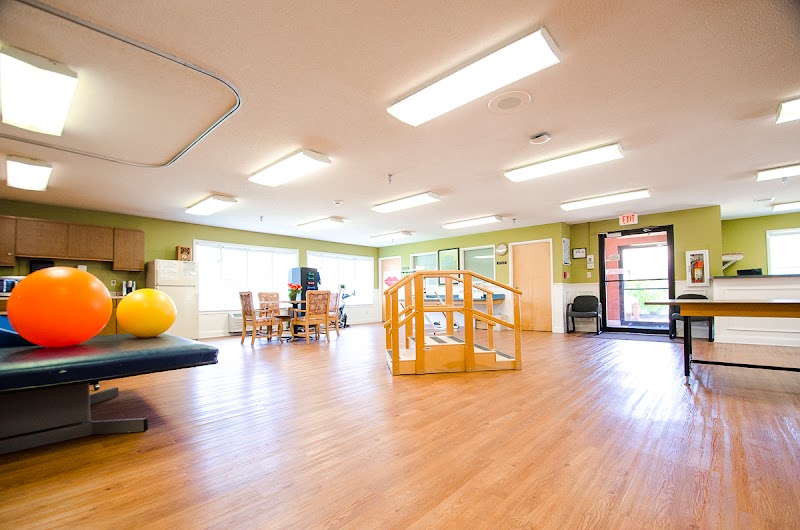
How is Signature Healthcare Of Muncie Staffed?

CMS rates SIGNATURE HEALTHCARE OF MUNCIE's staffing level at 2 out of 5 stars, which is below average compared to other nursing homes. Staff turnover is 54%, compared to the Indiana average of 46%.

What Have Inspectors Found at Signature Healthcare Of Muncie?

State health inspectors documented 44 deficiencies at SIGNATURE HEALTHCARE OF MUNCIE during 2022 to 2025. These included: 1 that caused actual resident harm and 43 with potential for harm. Deficiencies causing actual harm indicate documented cases where residents experienced negative health consequences.
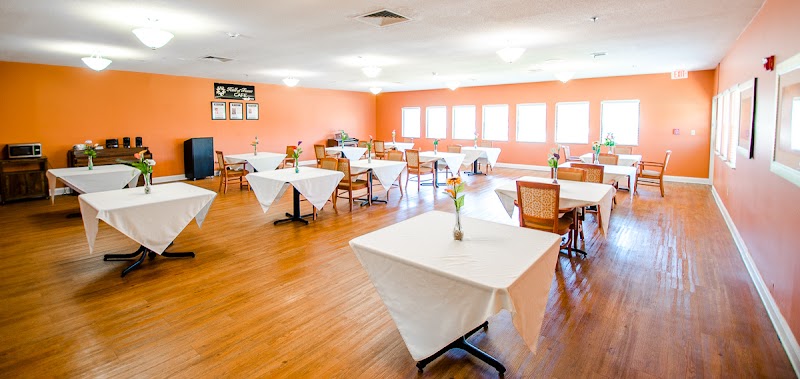
Who Owns and Operates Signature Healthcare Of Muncie?

SIGNATURE HEALTHCARE OF MUNCIE is owned by a for-profit company. For-profit facilities operate as businesses with obligations to shareholders or private owners. The facility is operated by SIGNATURE HEALTHCARE, a chain that manages multiple nursing homes. With 140 certified beds and approximately 121 residents (about 86% occupancy), it is a mid-sized facility located in MUNCIE, Indiana.
How Does Signature Healthcare Of Muncie Compare to Other Indiana Nursing Homes?

Compared to the 100 nursing homes in Indiana, SIGNATURE HEALTHCARE OF MUNCIE's overall rating (2 stars) is below the state average of 3.1, staff turnover (54%) is near the state average of 46%, and health inspection rating (1 stars) is much below the national benchmark.

What Should Families Ask When Visiting Signature Healthcare Of Muncie?

Based on this facility's data, families visiting should ask: "What safeguards and monitoring systems are in place to protect residents from abuse or neglect?" "Can you walk me through typical staffing levels on day, evening, and night shifts?" "Can I visit during a mealtime to observe dining assistance and food quality?" "How do you handle medical emergencies, and what is your hospital transfer rate?" These questions are particularly relevant given the substantiated abuse finding on record and the below-average staffing rating.

Is Signature Healthcare Of Muncie Safe?

Based on CMS inspection data, SIGNATURE HEALTHCARE OF MUNCIE has documented safety concerns. The facility has 1 substantiated abuse finding (meaning confirmed case of resident harm by staff or other residents). The facility has a 2-star overall rating and ranks #100 of 100 nursing homes in Indiana. Families considering this facility should ask detailed questions about what corrective actions have been taken since these incidents.

Do Nurses at Signature Healthcare Of Muncie Stick Around?

SIGNATURE HEALTHCARE OF MUNCIE has a staff turnover rate of 54%, which is 8 percentage points above the Indiana average of 46%. Moderate turnover is common in nursing homes, but families should still ask about staff tenure and how the facility maintains care continuity when employees leave.

Was Signature Healthcare Of Muncie Ever Fined?

SIGNATURE HEALTHCARE OF MUNCIE has no federal fines on record. CMS issues fines when nursing homes fail to meet care standards or don't correct problems found during inspections. The absence of fines suggests the facility has either maintained compliance or corrected any issues before penalties were assessed. This is a positive indicator, though families should still review recent inspection reports for the full picture.

Is Signature Healthcare Of Muncie on Any Federal Watch List?

SIGNATURE HEALTHCARE OF MUNCIE is not on any federal watch list. The most significant is the Special Focus Facility (SFF) program, which identifies the bottom 1% of nursing homes nationally based on persistent, serious quality problems. Not being on this list means the facility has avoided the pattern of deficiencies that triggers enhanced federal oversight. This is a positive indicator, though families should still review the facility's inspection history directly.