WATERS OF MUNCIE, THE
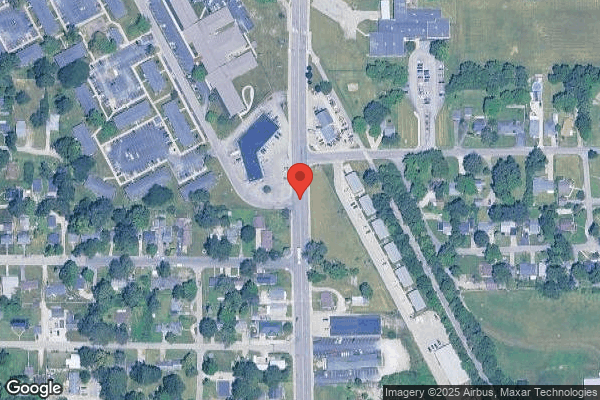
2400 CHATEAU DR, MUNCIE, IN 47303 (765) 747-9044
Government - City/county 72 Beds INFINITY HEALTHCARE CONSULTING Data: November 2025
Trust Grade
38/100
#401 of 505 in IN
Last Inspection: March 2025

Within standard 12-15 month inspection cycle. Federal law requires annual inspections.

Overview

The Waters of Muncie nursing home has received an F trust grade, indicating poor performance with significant concerns. Ranking #401 out of 505 in Indiana places it in the bottom half of facilities in the state, and #9 out of 13 in Delaware County suggests that only a few local options are better. The situation is worsening, with the number of issues increasing from 6 in 2024 to 13 in 2025. Staffing is a major concern, as it has a low rating of 1 out of 5 stars and an alarming turnover rate of 67%, much higher than the state average. Additionally, there have been serious incidents, including a failure to prevent a sexual assault of a resident with severe cognitive impairment, and lapses in medication reconciliation that could affect resident safety. While quality measures are rated excellent, the overall picture indicates significant weaknesses that families should consider carefully.

Trust Score
F
38/100
In Indiana
#401/505
Bottom 21%
Safety Record
Moderate
Needs review
Inspections
Getting Worse
6 → 13 violations
Staff Stability
⚠ Watch
67% turnover. Above average. Higher turnover means staff may not know residents' routines.
Penalties
✓ Good
$15,850 in fines. Lower than most Indiana facilities. Relatively clean record.
Skilled Nurses
⚠ Watch
Each resident gets only 22 minutes of Registered Nurse (RN) attention daily — below average for Indiana. Fewer RN minutes means fewer trained eyes watching for problems.
Violations
⚠ Watch
33 deficiencies on record. Higher than average. Multiple issues found across inspections.
★★☆☆☆
2.0
Overall Rating
★☆☆☆☆
1.0
Staff Levels
★★★★★
5.0
Care Quality
★★☆☆☆
2.0
Inspection Score
Stable
2024: 6 issues
2025: 13 issues

The Good

  • 5-Star Quality Measures · Strong clinical quality outcomes
  • Full Sprinkler Coverage · Fire safety systems throughout facility
  • No fines on record

Facility shows strength in quality measures, fire safety.

The Bad

2-Star Overall Rating

Below Indiana average (3.1)

Below average - review inspection findings carefully

Staff Turnover: 67%

21pts above Indiana avg (46%)

Frequent staff changes - ask about care continuity

Federal Fines: $15,850

Below median ($33,413)

Minor penalties assessed

Chain: INFINITY HEALTHCARE CONSULTING

Part of a multi-facility chain

Ask about local staffing decisions and management

Staff turnover is elevated (67%)

19 points above Indiana average of 48%

The Ugly 33 deficiencies on record

1 actual harm
May 2025 3 deficiencies
CONCERN (D) 📢 Someone Reported This

A family member, employee, or ombudsman was alarmed enough to file a formal complaint

Potential for Harm - no one hurt, but risky conditions existed

Abuse Prevention Policies (Tag F0607)

Could have caused harm · This affected 1 resident

Based on interview and record review, the facility failed to implement their facility abuse prevention program policy when staff members failed to report a suspicion of abuse, involving three cognitiv...

Read full inspector narrative →
Based on interview and record review, the facility failed to implement their facility abuse prevention program policy when staff members failed to report a suspicion of abuse, involving three cognitively impaired residents, which delayed the initiation of the facility investigation and reporting to the appropriate agencies, for 3 of 5 residents reviewed for abuse. (Resident D, Resident F, DON, LPN 5 and CNA 6) Findings include: During a phone interview on 5/15/25 at 10:40 a.m., LPN 5 indicated she observed Resident D put his hands up Resident G's shirt sleeve and touch her breast. She did not report it at the time of the incident due to it being a weekend. She waited until Tuesday, 5/6/25 at approximately 9:00 p.m., to notify the Director of Nursing (DON) via text of the incident between Resident D and Resident G. She also reported an allegation that Resident F fondled Resident D's groin through his clothing. CNA 6 had reported the fondling to her at the start of her shift on 5/6/25. During a phone interview on 5/15/25 at 1:00 p.m., LPN 5 indicated she witnessed Resident D touching Resident G's breast on 5/3/25, and she did not report it until 5/6/25. The Administrator spoke with her on 5/9/25 regarding Resident D touching Resident G's breast. During a phone interview on 5/15/25 at 10:50 a.m., CNA 6 indicated she had to intervene during an episode, approximately one week prior, when Resident F fondled Resident D's groin through his clothing. Resident F was redirected away from Resident D. Resident F immediately turned around, reapproached Resident D, sat down on his lap, and bounced up and down. CNA 6 immediately intervened and removed Resident F from the dining room. LPN 5 and LPN 7 were notified on the day of the incident. She did not report the incident to the DON or the Administrator until 5/7/25. During a phone interview on 5/15/24 at 1:05 p.m., LPN 7 indicated she did not work on 5/6/25 and staff did not report any inappropriate sexual behaviors to her. During an interview on 5/15/24 at 1:40 p.m., the Administrator indicated the DON received a text from LPN 5 on Tuesday, 5/6/25 at 8:39 p.m. The DON did not inform the Administrator of the text until Wednesday, 5/7/25 at 9:00 a.m. during the managers' meeting. The text indicated Resident D had inappropriately touched a female resident. CNA 6 was interviewed on 5/7/25. CNA 6 informed the Administrator that on 5/6/25, a female resident sat down on a male resident's lap and had begun to bounce up and down while sitting on the male resident's lap and CNA 6 might have indicated a male resident was fondled through his clothing. Staff were to report incidents of this type immediately. The DON was unavailable for interview at the time of the survey on 5/14/25 and 5/15/25. Resident D's clinical record was reviewed on 5/14/25 at 11:20 a.m. Diagnoses included dementia in other diseases, classified elsewhere, mild, without behavioral disturbance, encephalopathy (brain disease that alters brain function or structure) and sexual aversion disorder. The most recent Minimum Data Set (MDS) assessment, dated 2/17/25, indicated the resident was moderately cognitively impaired. Behaviors were not exhibited. A current care plan, revised on 5/9/25, indicated Resident D displayed socially inappropriate behavior, such as attempting to hug and hold female residents' hands or touch other body parts and try to get female residents to touch him. The goal indicated the resident to have improvement in socially inappropriate behaviors through next review. The electronic medication administration record indicated behavior monitoring every shift for wandering, depressive symptoms, sexual inappropriateness (attempting to hug female residents/attempting to hold female residents' hands). A progress note, dated 5/7/25, indicated the Director of Nursing (DON) and Administrator educated Resident D on inappropriate touch and holding hands with female residents. The Resident agreed not to have any touch at all with any female residents. Due to staff noticing the female residents showing more attention to Resident D, 15-minute checks were initiated. Continuation of the 15-minute checks was to be reassessed on 5/12/25. A progress note, dated 5/8/25, indicated Resident D was placed on one-on-ones in place of 15-minute checks due to female residents approaching Resident D and wanting their backs scratched. A psychiatric progress note dated 5/14/25 indicated Resident D was seen for inappropriate sexual behavior and gradual dose reduction of Zoloft (an antidepressant medication). Staff had reported the resident had been holding hands and touching certain female residents on the unit. Reports verbalized by staff had been inconsistent, making the accuracy of Resident D expressing inappropriate sexual behaviors hard to determine. Resident G's clinical record was reviewed on 5/15/25 at 11:30 a.m. Diagnoses included dementia, non-traumatic brain dysfunction, and anemia (deficiency of red blood cells causing reduced oxygen throughout the body). The most recent Minimum Data Set (MDS) assessment, dated 5/1/25, indicated the resident was severely cognitively impaired, had moderate depression, and did not demonstrate behavioral symptoms. 3. Resident F's clinical record was reviewed on 5/15/25 at 11:40 a.m. Diagnoses included unspecified dementia, moderate, with other behavioral disturbance, depression, anxiety, delusional disorder, unspecified dementia, moderate, with agitation, and pseudobulbar affect (inappropriate involuntary laughing and crying due to a nervous system disorder). The most recent Minimum Data Set (MDS) assessment, dated 4/9/25, indicated the resident was severely cognitively impaired and behavioral symptoms, not directed towards others, occurred daily. The resident's behavior status was identified as worse, compared to prior assessment. An electronic medication administration record, dated May 2025, indicated behavior monitoring every shift for wandering, delusions, insomnia, hallucinations, yelling out, crying, and refusal of care. A psychiatric progress note, dated 5/14/25, indicated Resident F was seen for inappropriate sexual behaviors, including touching a male resident. Inappropriate sexual behaviors were hard to determine due to inconsistent staff reports. Resident F's clinical record lacked documentation and a care plan regarding sexual behaviors. A current policy, dated 10/22/22, titled Abuse Prevention Program, provided by the Administrator 5/15/25 at 11:35 a.m., indicated the following: .Policy. It is the policy of this facility to prevent resident abuse, neglect, mistreatment and misappropriation of resident property. Each resident receives care and services in a person dash centered environment in which all individuals are treated as human beings. The following procedure shall be implemented when an employee or agent becomes aware of abuse or neglect of a resident, or an allegation of suspected abuse or neglect of a resident by a third party. Procedure .II. Orientation and Training of Employees . staff obligations to prevent and report abuse, neglect, mistreatment any crime against the resident, theft and how to distinguish theft from lost items and willful abuse from insensitive staff actions that should be corrected through counseling and additional training. Staff should report their knowledge of allegations without fear of reprisal . What constitutes abuse (physical, mental, sexual, verbal), neglect, mistreatment and misappropriation of resident property .IV. Identification. Employees are required to report any incident, allegation or suspicion of potential abuse, neglect or mistreatment they observe, hear about or suspect to the administrator or an immediate supervisor will immediately report the allegation to the administrator. The administrator is the abuse coordinator . supervisor shall immediately inform the administrator or in the absence of the administrator, the person in charge of the facility of all reports of incidents, allegations or suspicion of potential treatment. Upon learning of the report, the administrator or in the absence of the administrator, the person in charge of the facility shall initiate an incident investigation .ABUSE REPORTING. Policy . all personnel must promptly report any incident or suspected incident of resident abuse, mistreatment or neglect, including injuries of unknown origin .3. Sexual abuse: including, but not limited to, sexual harassment, sexual coercion or sexual assault .Procedure. Any alleged violations involving mistreatment, abuse, neglect, misappropriation of resident property and any injuries of unknown origin MUST be reported to the administrator and director of nursing. The administrator is the abuse coordinator of the facility. Additionally, the person(s) observing an incident of resident abuse or suspecting resident abuse must IMMEDIATELY report such incidents to the charge nurse, regardless of the time lapse since the incident occurred. The charge nurse will immediately report the incident to the administrator or to the individual in charge of the facility during the administrator's absence . A completed copy of the incident report and written statements from witnesses, if any, will be provided to the administrator or individual in the charge of the facility within 24 hours of the occurrence of such incident This citation relates to complaint IN00459159. 3.1-28(c)
CONCERN (D) 📢 Someone Reported This

A family member, employee, or ombudsman was alarmed enough to file a formal complaint

Potential for Harm - no one hurt, but risky conditions existed

Report Alleged Abuse (Tag F0609)

Could have caused harm · This affected 1 resident

Based on record review and interview, the facility failed to report two allegations of sexually-toned abusive behavior between cognitively impaired residents to the appropriate agencies in a timely ma...

Read full inspector narrative →
Based on record review and interview, the facility failed to report two allegations of sexually-toned abusive behavior between cognitively impaired residents to the appropriate agencies in a timely manner within the required timeframe. (Resident D, Resident F and Resident G) Findings include: During a phone interview on 5/15/25 at 10:40 a.m., LPN 5 indicated she observed Resident D put his hands up Resident G's shirt sleeve and touch her breast. She did not report it to the Administrator at the time of the incident due to it being a weekend. She waited until Tuesday, 5/6/25 at approximately 9:00 p.m., to notify the Director of Nursing (DON) via text of the incident between Resident D and Resident G. She also reported an allegation that Resident F fondled Resident D's groin through his clothing. CNA 6 reported the fondling to her at the start of her shift on 5/6/25. During a phone interview on 5/15/25 at 1:00 p.m., LPN 5 indicated the observation she witnessed was on 5/3/25 and she did not report it until 5/6/25. The Administrator spoke with her on 5/9/25 regarding Resident D touching Resident G's breast. During a phone interview on 5/15/25 at 10:50 a.m., CNA 6 indicated that she had to intervene during an episode, approximately one week prior, when Resident F fondled Resident D's groin through his clothing. Resident F was redirected away from Resident D. Resident F immediately turned around, reapproached Resident D, sat down on his lap, and bounced up and down. CNA 6 immediately intervened and removed Resident F from the dining room. LPN 5 and LPN 7 were notified on the day of the incident. She did not report the incident to the DON or the Administrator until 5/7/25. During an interview on 5/15/24 at 1:40 p.m., the Administrator indicated the DON received a text from LPN 5 on Tuesday, 5/6/25 at 8:39 p.m. The DON did not inform the Administrator of the text until Wednesday, 5/7/25 at 9:00 a.m. during the managers' meeting. The text identified Resident D had inappropriately touched a female resident. CNA 6 was interviewed on 5/7/25. CNA 6 informed the Administrator that on 5/6/25, a female resident sat down on a male resident's lap and had begun to bounce up and down while sitting on the male resident's lap and CNA 6 might have indicated a male resident was fondled through his clothing. Staff were to report incidents of this type immediately. An email confirmation, dated 5/8/25 and provided by the Administrator on 5/15/24 at 2:26 p.m., indicated an incident was submitted to the Indiana State Department of Health on 5/8/25, 1:48 p.m., and an identified date and time of incident of incident of 5/7/25 at 9:01 a.m. Twenty eight hours and forty-eight minutes lapsed from the time the Administrator became aware of Resident D touching Resident G's breast and the submission of the incident to the Indiana State Department of Health. A current facility policy, dated 10/22/22 and titled Abuse Prevention Program, provided by the Administrator on 5/15/25 at 11:35 a.m., indicated the following: .The Administrator or designee utilizing the incident reporting system (IRS) will immediately notify the Department of Health by the online system or per the direction given by the Department of Health . when an alleged or suspected case of abuse or neglect is reported to the administrator, the administrator, or person in charge of the facility, will notify the following persons or agencies of such incident immediately . law enforcement officials as per the policy on reporting reasonable suspicions of a crime in LTC facility . sexual abuse of a resident by a staff member, another resident or visitor Cross reference F607. This citation relates to Complaint IN00459159. 3.1-28(c)
CONCERN (D) 📢 Someone Reported This

A family member, employee, or ombudsman was alarmed enough to file a formal complaint

Potential for Harm - no one hurt, but risky conditions existed

Deficiency F0744 (Tag F0744)

Could have caused harm · This affected 1 resident

Based on interview and record review, the facility failed to identify and monitor sexual behavior expressions in order to develop and implement individualized interventions for a cognitively impaired ...

Read full inspector narrative →
Based on interview and record review, the facility failed to identify and monitor sexual behavior expressions in order to develop and implement individualized interventions for a cognitively impaired resident for 1 of 2 residents reviewed for behavior monitoring. (Resident F) Finding includes: Resident F's clinical record was reviewed on 5/15/25 at 11:40 a.m. Current diagnoses included unspecified dementia, moderate, with other behavioral disturbance, depression, anxiety, delusional disorder, unspecified dementia, moderate, with agitation, and pseudobulbar affect (involuntary laughing and crying due to a nervous system disorder). A 4/9/25, annual, Minimum Data Set (MDS) assessment indicated the resident was severely cognitively impaired and behavioral symptoms that were not directed towards others occurred daily. The resident's behavior status was identified as worse, compared to the prior assessment. A current care plan, dated 4/8/24, indicated Resident F was at risk for behavioral disturbances related to diagnosis of dementia with behavioral disturbances and history of behaviors with need for anti-psych medications. Interventions included notifying physician, family, and interdisciplinary team (IDT) of changes in behaviors, observe for behaviors, monitor for effectiveness of meds and interventions. A current care plan, dated 8/5/24, indicated Resident F had a diagnosis of dementia and has been noted to have episodes of yelling out and crying and is not able to identify wants and needs when asked. Interventions included to update physician, family, and psychiatric nurse practitioner (NP) as needed, approach the resident in calm manner, redirect the resident to activities of interest, such as going outside or listening to music. A current care plan, dated 5/12/23, indicated Resident F had a diagnosis of dementia with short term and long term memory impairment and a diagnosis of dementia, moderate, with other behavioral disturbances. Interventions included antidementia medications per order, notify MD and family as needed, redirect the resident to activities of interest, such as going outside or listening to music, and repeat self as needed. A Psychiatry Progress Note, dated 5/14/25, indicated Resident F was seen for inappropriate sexual behaviors, including touching a male resident. Inappropriate sexual behaviors were difficult to determine due to inconsistent staff reports. The electronic medication administration record, dated May 2025, indicated behavior monitoring every shift for wandering, delusions, insomnia, hallucinations, yelling out, crying, and refusal of care. The clinical record lacked a plan of care related to sexual behavior expressions, including behavior monitoring related to sexually-toned behaviors. During a phone interview on 5/15/25 at 10:50 a.m., CNA 6 indicated that she had to intervene during an episode, approximately one week prior, when Resident F fondled Resident D's groin through his clothing. Resident F was redirected away from Resident D. Resident F immediately turned around, reapproached Resident D, sat down on his lap, and bounced up and down. She immediately intervened and removed Resident F from the dining room. LPN 5 and LPN 7 were notified on the day of the incident. She did not report the incident to the Director of Nursing (DON) nor the Administrator. During an interview on 5/15/25 at 1:40 p.m., the Corporate RN indicated that Resident F's inappropriate behaviors of touching, sitting on a male resident's lap, and bouncing on a male resident's lap should have been care planned and these behaviors should have been monitored. She confirmed there was a lack of documentation regarding inappropriate sexual behaviors in Resident F's record, including a care plan. During an interview on 5/15/25 at 1:40 p.m., the Administrator indicated the facility planned to move Resident D from the secured unit, but this would not resolve Resident F's inappropriate sexual behaviors. Staff should have reported the incident immediately. The Administrator confirmed there was a lack of documentation regarding inappropriate sexual behaviors in Resident F's record, including a care plan. During an interview on 5/15/25 at 1:49 p.m., the Social Services Director (SSD) indicated she was made aware of Resident F's inappropriate sexual behaviors at the manager's meeting on 5/7/25 at 9:00 a.m. She felt Resident F's increased behaviors were due to the dynamics of the secured unit having changed due to new residents being admitted to the unit. Resident F sought attention from resident D and did not want other residents to gain his attention. Upon hearing about Resident F's sexually toned behavior with Resident D, the facility immediately put interventions in place for Resident D. Nursing interventions, such as increased surveillance, were implemented but not documented. She confirmed there was a lack of documentation regarding inappropriate sexual behaviors in Resident F's record, including a care plan. A current facility policy, updated 11/25/17, titled Baseline Care Plan Assessment/Comprehensive Care Plans, provided by the Administrator on 5/15/25 at 3:25 p.m., indicated the following: Policy: The Comprehensive Care Plan will further expand on the resident's risks, goals, and interventions using the Person-Centered Plan of Care approach for each resident that includes measurable objectives and timetables to meet the resident's medical, nursing, physical functioning, mental and psychosocial needs .Procedure: 9. The Comprehensive Care Plans will be reviewed and updated every quarter at a minimum. The facility may need to review the care plans more often based on changes in the resident's condition and/or newly developed health/psycho-social issues A current facility, dated 3/18/23, titled GUIDELINES FOR HANDLING AND ADDRESSUING BEHAVIORAL EMERGENCIES, provided by the Administrator on 5/15/25 at 3:25 p.m., indicated the following: I. The First Step Involves Recognizing and Handling the Behavior in the Earliest Stages .II. The Escalating Resident .B. Immediate Approaches .11. Every resident behavior will be assessed and addressed individually. There is no Standing Program for behavior management. C. Documentation 1. Record specifics related to the behavior incident(s). Include time, place, duration, actions observed by the resident, statements or vocalizations made by the resident, positive causative factors, persons involved other than resident, witnesses, behavior intensity, interventions, notifications, orders received and resolutions. This documentation should be done on a behavioral occurrence form for the review at the CQI meeting and slash or the Behavior Meetings. 2. Documentation in the clinical record should include facts related to time, positive causative factors, actual behavior with consequences, interventions and outcomes. Three. An incident report will be completed according to facility policy for any physical altercation or outcome of the behavioral episode that results in meeting state reportable criteria. The protocol for reporting to the state as per state guidelines and facility policy will be followed .III. Provide On-Going Training in Crisis Management and Prevention .F. Be sure that the assessments and care planning and medication reviews as well as the individualized Activity Programs for residents with behavior issues are done accurately and timely. This citation relates to complaint IN00459159. 3.1-37(a)
Mar 2025 9 deficiencies
CONCERN (D) 📢 Someone Reported This

A family member, employee, or ombudsman was alarmed enough to file a formal complaint

Potential for Harm - no one hurt, but risky conditions existed

Deficiency F0582 (Tag F0582)

Could have caused harm · This affected 1 resident

Based on interview and record review, the facility failed to ensure a SNF-ABN (Skilled Nursing Facility-Advance Beneficiary Notice of Non-coverage) and NOMNC (Notice of Medicare Non-coverage) was prov...

Read full inspector narrative →
Based on interview and record review, the facility failed to ensure a SNF-ABN (Skilled Nursing Facility-Advance Beneficiary Notice of Non-coverage) and NOMNC (Notice of Medicare Non-coverage) was provided following the end of Medicare skilled services for 2 of 2 residents who discharged from Medicare services and remained in the facility. (Residents 14 and 10) Findings included: On 3/25/25 at 3:00 p.m. the SNF (Skilled Nursing Facility) Beneficiary Protection Notification Review forms were reviewed and indicated the following: 1. Resident 14's last covered day of Part A service was 9/24/24. The resident was required to pay for services starting on 9/25/24 A NOMNC signed by their guardian was dated 9/23/24, one day prior to the end of service. The resident did not receive an ABN and remained in the facility after the end of service date. 2. Resident 10 had an ABN signed by the resident on 1/10/25, one week after services ended. The ABN stated .Beginning on 1/3/25, you may have to pay out of pocket for this care if you do not have other insurance that may cover these costs ., but lacked in any information about an estimated cost of services after covered services ended. Resident 10 did not receive a NOMNC. Their last day of covered service was 1/3/25 and the resident remained in the facility after. During an interview with the Administrator on 3/28/25 at 10:33 a.m., she indicated that she was unsure why the proper forms were not given to the residents. She was not the administrator when the forms were completed. SSD 11 handled the beneficiary paperwork at that time. During an interview with SSD 11 on 3/28/25 at 10:35 a.m., she indicated she was unsure why residents had not received the proper paperwork. No additional information was provided. The previous administrator handled the beneficiary paperwork. During an interview on 3/31/25 at 12:28 p.m., the Administrator indicated she could not find a beneficiary policy and would check with SSD 11. No additional paperwork or policies were provided before facility exit on 3/31/25. 3.1-4(f)(3)
CONCERN (D)

Potential for Harm - no one hurt, but risky conditions existed

Respiratory Care (Tag F0695)

Could have caused harm · This affected 1 resident

Based on observation, interview, and record review, the facility failed to provide oxygen and humidity as ordered for 1 of 1 resident reviewed for oxygen. (Resident F) Finding includes: During an obs...

Read full inspector narrative →
Based on observation, interview, and record review, the facility failed to provide oxygen and humidity as ordered for 1 of 1 resident reviewed for oxygen. (Resident F) Finding includes: During an observation on 3/25/25 at 11:27 a.m., Resident F was in her bed asleep with oxygen on via nasal cannula at 5 liters per minute (lpm). The humidity bottle attached to the oxygen concentrator was empty and dated 3/21/25. During an observation on 3/25/25 at 3:10 p.m., the resident was seated in a wheelchair with her oxygen on via nasal cannula and attached to an oxygen concentrator. The oxygen was on at 5 lpm and the humidification bottle was empty. During an observation on 3/26/25 at 11:18 a.m., the resident was in bed asleep with the oxygen on at 5 lpm via nasal cannula. The humidification bottle was empty and dated 3/21/25. Resident F's clinical record was reviewed on 3/26/25 at 3:56 p.m. Diagnoses included chronic obstructive pulmonary disease, solitary pulmonary nodule, and weakness. A current physician order, dated 7/22/24, included oxygen at three liters per minute via nasal cannula. A current physician order, dated 7/22/24, included a humidification bottle change once weekly and as needed for humidity. A quarterly Minimum Data Set (MDS) assessment, dated 3/1/25, indicated the resident had moderate cognitive impairment. The resident had a chronic condition that may result in a life expectancy of less than six months. Special services included oxygen therapy. A current care plan, dated 8/11/24, indicated the resident was at risk for respiratory distress related to a left lung pulmonary nodule/lung cancer. Interventions included monitoring respiratory status frequently (8/11/24) and oxygen as ordered per the physician (9/11/24). During an interview on 3/26/25 at 4:56 p.m., LPN 7 indicated the resident's oxygen was on via nasal cannula at 5 lpm. The humidity canister was empty. She indicated the resident typically required 2-3 lpm. LPN 7 had not been informed of any changes nor had hospice left any notes. During an interview on 3/26/25 at 5:00 p.m., LPN 7 indicated the resident's hospice binder did not have any notes regarding a change in the orders for oxygen. The resident's oxygen was ordered at 3 lpm. The physician orders should have been followed and the humidity should not have been empty. During an interview on 3/28/25 at 11:46 a.m., the CNA 5 indicated the resident was very cooperative with care. She had never known the resident to change her own oxygen settings, as her vision was impaired. She required staff assistance with her oxygen needs. During an interview on 3/28/25 at 1:10 p.m., the DON indicated she had contacted hospice on 3/26/25 and confirmed no changes had been made to the resident's oxygen orders. The resident's oxygen flow rate and humidity should have been provided for the resident as it was ordered. A current facility policy, undated, titled OXYGEN ADMINISTRATION, provided by the DON on 3/28/25 at 1:17 p.m., indicated the following: Policy . It is the policy of this facility to provide oxygen to maintain levels of saturation to residents as needed and as ordered by the attending physician . 1. Check orders for accurate oxygen liter flow . 4. Tubing, humidifier bottles and filters will be changed, cleaned, and maintained no less than weekly and PRN [as needed] 3.1-47(a)(6)
CONCERN (D)

Potential for Harm - no one hurt, but risky conditions existed

Deficiency F0700 (Tag F0700)

Could have caused harm · This affected 1 resident

Based on record review and interview, the facility failed to accurately complete assessments to prevent a cognitively impaired resident from entrapment between a mattress and a side rail/grab bar. (Re...

Read full inspector narrative →
Based on record review and interview, the facility failed to accurately complete assessments to prevent a cognitively impaired resident from entrapment between a mattress and a side rail/grab bar. (Resident B) Finding includes: Resident B's record was reviewed on 03/31/25 at 12:52 p.m. Diagnosis included unspecified dementia in other diseases classified elsewhere, delusional disorders, muscle wasting and atrophy, and other frontotemporal neurocognitive disorder. An admission mobility assessment, dated 1/22/25, indicated Resident B did not require side rails/enablers. A side rails assessment, dated 1/22/25, indicated Resident B did not require side rails. A physician's order, dated 1/24/24, indicated an enabler bar to help patient transfer, reposition, and turn. A bed mobility care plan, initiated 1/24/25, indicated Resident B utilized enabler bars for bed mobility. Interventions included the following: enabler on bed per resident request, resident quality of life to be maintained and side rails/enabler assessment quarterly and as needed (PRN). A quarterly Minimum Data Set (MDS) assessment, dated 2/13/25, indicated Resident B was severely impaired and required supervision from staff for transfer, bed mobility, and walking. Resident B did not utilize any mobility devices. A nursing progress note, dated 3/11/25 at 9:15 a.m., indicated Resident B was found on their knees beside the bed with their head between the mattress and the side rail. The side rail was in the up position. Staff assisted Resident B from the floor back into the bed. Resident B was assessed for injuries and pain. The left side of Resident B's face had some redness. Resident B voiced no pain. The side rail was lowered. The resident family and doctor were notified. A physician's order, dated 3/11/25, indicated to discontinue enabler bars. An Interdisciplinary team (IDT) note, dated 3/12/25 at 3:48 p.m., indicated Resident B was found on the floor beside the bed on their knees. The resident's head was noted to be between the mattress and the enabler bar. The resident was immediately assessed by licensed nurse who noted redness to the left side of his face which quickly dissipated. The root cause of the fall was the resident attempted to self-transfer from bed. The immediate intervention was to remove the enabler bars from bed. The care plan to be reviewed and updated. A side rails assessment, dated 3/14/25, indicated Resident B did not require side rails. During an interview, on 3/31/25 at 1:46 p.m., LPN 6 indicated a resident would need to be assessed by physical therapy for enabler bars and nursing would get a physician's order before the bars were put into place. If a resident had a fall and was found to have their head stuck between the mattress and the enabler bars, there would be a full assessment completed, and the enabler bars would likely be removed. During an interview, on 3/31/25 at 1:51 p.m., the DON indicated a resident would be assessed for mobility issues prior to enabler bars being utilized. If a resident was found caught between the mattress and the enabler bars, the staff would immediately assess the resident for injury and completed any assessments necessary. The resident's family and physician would be notified. The IDT would discuss the incident, review care plans, and orders. An undated, current facility policy, titled, Side Rails/Enabler Bars, provided by the DON on 3/31/25 at 3:45 p.m., indicated the following: It is the intent of the facility to provide the licensed medical staff with a process for the evaluation, documentation needs and necessary interventions relating to side rails/enabler bars evaluation and utilization Enabler bars attach to the bed, so they are to be considered side rails . 1. The IDT will discuss the predisposing factors that resulted in the conclusion that a side rail(s) or enabler bar(s) evaluation and utilization may be needed. 2. The side rail/enabler bar screen will be completed . 3. If upon completion of the evaluation, the IDT reaches the conclusion that a side rail(s) or enabler bar(s) is needed, the least restrictive side rail(s) or enabler bar(s) that is appropriate for the resident's specific situation will be implemented . If it is determined that an enabler is to be used strictly for enabling more independence in bed mobility and not as a restraint this will be indicated on the assessment screen as well as the care plan . 4. The medical symptoms and related diagnosis that supports the use of the side rail(s) or enabler bar(s) will be documented on the side rails/enabler bar evaluation screen . 10. Residents who have side rail(s) or enabler bar(s) will be re-evaluated at least quarterly or in the event of a change of condition . 3.1-45(2)
CONCERN (D)

Potential for Harm - no one hurt, but risky conditions existed

Staffing Information (Tag F0732)

Could have caused harm · This affected 1 resident

Based on observation, interview, and record review, the facility failed to post complete nurse staffing information daily for residents and visitors. This deficiency had the potential to affect 46 of ...

Read full inspector narrative →
Based on observation, interview, and record review, the facility failed to post complete nurse staffing information daily for residents and visitors. This deficiency had the potential to affect 46 of 46 residents in the facility. Finding includes: During an observation, on 3/25/25 at 9:30 a.m., the Daily Report of Nursing Staff was posted on the wall by the receptionist desk. The posting was dated 3/21/25. During an observation on 3/26/25 at 9:37 a.m., the Daily Report of Nursing Staff remained unchanged, showing 3/25/24. During an observation on 3/26/25 at 2:37 p.m., the Daily Report of Nursing Staff remained unchanged, showing 3/25/24. During an observation on 3/27/25 at 9:48 a.m., the Daily Report of Nursing Staff was posted on the wall by the receptionist desk. The posting was dated 3/26/25. During an observation on 3/27/25 at 1:42 p.m., the Daily Report of Nursing Staff remained unchanged showing 3/26/25. During an observation on 3/27/25 at 3:41 p.m., the Daily Report of Nursing Staff remained unchanged showing 3/26/25. During an observation on 3/28/25 at 9:21 a.m., the Daily Report of Nursing Staff remained unchanged showing 3/26/25. During an interview, on 3/31/25 at 9:00 a.m., the Administrator indicated the scheduler was responsible for updating the staff posting. This posting was supposed to be completed every morning. During an interview, on 3/31/25 at 11:48 a.m., QMA 8 indicated he was responsible for ensuring the staffing posted was updated daily at the beginning of each day. However, he was often needed to cover shifts and would work as a QMA providing resident care and updated the staff posting as quickly as possible. A current facility policy, dated 4/24/23, titled Guidelines for BIPA Staffing Posting Requirement, provided by the Administrator on 3/31/25 at 9:00 a.m., indicated the following: . 1.) SNF's and NF's must post daily, at the beginning of each shift, the facility specific shift schedule for the 24 hour period, the number and category of nursing staff employed or contracted by the facility for each 24 hour period, as well as the total number of hours worked by licensed and unlicensed nursing staff who are directly responsible for resident care
CONCERN (D)

Potential for Harm - no one hurt, but risky conditions existed

Deficiency F0744 (Tag F0744)

Could have caused harm · This affected 1 resident

Based on record review and interview, the facility failed to provide individualized interventions to prevent resident to resident physical altercations for cogntively impaired residents with dementia ...

Read full inspector narrative →
Based on record review and interview, the facility failed to provide individualized interventions to prevent resident to resident physical altercations for cogntively impaired residents with dementia for 1 of 4 residents reviewed for physical altercations. (Resident B) Finding includes: Review of an Indiana State Department of Health facility reported incident, dated 1/22/25 at 8:30 p.m., indicated the facility initiated an investigation of a resident to resident altercation. The incident was identified on 1/22/25 at 8:30 p.m. The brief description indicated Resident B had entered another residents room and refused to leave. The other resident made contact with his hand to Resident B's chest. The nurse removed Resident B from the room. The immediate actions taken were separation of the residents and Resident B was given a one to one staff supervision. Resident B was assessed for injury and/or pain. The police were notified. A follow-up on 1/31/25 indicated the investigation was complete without any findings. No further behaviors noted and care plans updated as needed. Resident B's clinical record was reviewed on 3/27/25 at 3:45 p.m. Diagnosis included dementia in other diseases classified elsewhere with moderate behavioral disturbances, mood disorder due to know physiological condition with mixed features, delusional disorder, and unspecified dementia with agitation. A current care plan, initiated on 1/23/25, indicated the resident had been noted to have altercations with other residents. Interventions included the following: establish if resident has any needs (1/23/25), provide resident with one on one as needed (1/23/25), redirect resident as needed (1/23/25), and remove resident from areas of other residents immediately (1/23/25). A current care plan, initiated on 1/27/25, indicated the resident had been noted to wander and will go in and out of other resident rooms due to confusion related to dementia and requires a secure unit. Interventions included the following: assessments as necessary (1/27/25), one on one as needed (1/27/25), and redirect resident as needed (1/27/25). A 1/22/25 nursing progress note indicated Resident B wandered into another residents room and was hit in the chest. The incident was unwitnessed. Resident B was taken back to his room and a small red area was noted to his chest. The resident's family and physician was notified. The police were notified. A 1/23/25 nursing progress note indicated Resident B had one to one staff supervision. The resident had not rested on this shift, was exit seeking, and difficult to re-direct. The resident wandered into other resident rooms. A 1/23/25 social service note indicated Resident B was given one to one staff supervision after an incident the previous day. Staff continued to walk with the resident and tried to redirect. The interventions lasted for a short time and the resident was on the move again. The resident was moved to a new room, since the previous room shared a bathroom with another resident. The resident was confused upon seeing another person from the bathroom and believed someone was in his home. A 1/24/25 behavior charting note indicated Resident B was ambulating in the lounge and became agitated with a Certified Nursing Assistant (CNA) when redirection to the bathroom was attempted. Resident B drew back his fist as if to strike the CNA. Resident B urinated on the lounge floor. A 1/26/25 nursing progress note indicated the resident continued with one to one staff supervision. The resident was ambulating in the hallways and attempting to enter other residents rooms. Staff continued to redirect and offer snacks and beverages. A 1/27/25 social service note indicated the Interdepartmental team (IDT) met and discussed the one on one staff supervision for Resident B. The resident was easily redirected and had no further incidents with other residents. The one to one staff supervision was discontinued at this time. A 1/29/25 behavior charting note indicated Resident B was participating in an activity and became angry; he started hitting staff. The resident was pushing chairs and the treatment cart around. Redirection was ineffective. Staff reached out to family for assistance. A 1/29/25 nursing progress note indicated the resident picked up a chair and was carrying it towards the exit doors. Staff was able to redirect and remove the chair from the resident. Resident became tearful. The physician was notified and staff was given a new order. The physician indicated the resident might require an outside provider for a psychiatric evaluation and treatment. A 1/30/25 behavior charting note indicated the resident was angry and agitated. He was ambulating in the hallways, pushing the treatment cart, and removing items from the medication cart. Staff attempts at redirection were ineffective. A 1/31/25 daily skilled nursing note indicated the resident was awake and walked nude to the nurse station. Staff needed multiple attempts to get the resident dressed. He remained at the nurse station for roughly 20 minutes attempting to open the door. He was seen ambulating the hallways. A 1/31/25 nurses note indicated Resident B attempted to urinate on the hallway wall. He became combative when staff make attempts to redirect. Staff was able to direct Resident B to the bathroom, but he returned to the hallway and urinated in the hall. A 1/31/25 nurses note indicated the resident attempted to pull down his own pants. Staff attempts to redirect were difficult. The resident hung onto the side rail in the hallway to resist being redirected to the bathroom. The resident allowed staff to assist him into a wheelchair. A 2/1/25 behavior charting note indicated Resident B was wandering the halls and into other residents' rooms. The resident was agitated with staff and redirection attempts were ineffective. The resident pushed a staff member out of the way in an attempt to enter a room on the female hallway. Resident B was witnessed mocking another resident and sticking his tongue out toward that resident while in the common areas. Resident was resistant to care and was grabbing or striking out at staff. A 2/2/25 behavior charting note indicated Resident B was wandering in and out of his room pulling his pants and brief down. The resident become agitated and resistive to redirections and interventions were ineffective. A 2/3/25 behavior charting note indicated the resident was ambulating the hallway and began to disrobe in the dining room. Resident became agitated and struck out at staff when redirection was attempted. The staff attempts at redirection were ineffective. A 2/4/25 nursing progress note indicated Resident B entered into another resident's room. Resident B was struck across the left cheek. Staff immediately separated the residents. Resident B was placed on one to one staff supervision. The resident was sent to the emergency room for evaluation and treatment. Review of an Indiana State Department of Health facility reported incident, dated 2/4/25 at 7:44 p.m., indicated the facility initiated an investigation of a resident to resident altercation. The incident was identified on 2/4/25 at 7:44 p.m. The brief description indicated Resident B had entered another residents room uninvited. The other resident made contact with his hand to Resident B's left cheek. The nurse removed Resident B from the room. The immediate actions taken were separation of the residents and Resident B was given one to one staff supervision. The family and physician were notified. The physician ordered Resident B sent to the emergency room for evaluation. The care plan was reviewed and updated as deemed appropriate. The police were notified. A follow-up was not provided. A current physician order, dated 1/22/25, indicated to take one risperidone (an anti-psychotic medication) 1 milligram (mg) tablet by mouth 3 times a day with a .50 mg tablet to equal 1.5 mg total. A current physicians order, dated 1/22/25 indicated to take one risperidone (an anti-psychotic medication) 0.5 mg tablet by mouth 3 times a day with a 1 mg tablet to equal 1.5 mg total. A current physicians order, dated 2/24/25, indicated to take one Wellbutrin XL (an anti-depressant medication) extended release 150 mg tablet by mouth in the morning for depression. A current physicians order, dated 3/5/25, indicated to take two amitriptyline HCI (an anti-depressant medication) 25 mg tablet by mouth in the evening for mood disorders. A quarterly Minimum Data Set (MDS) assessment, dated 2/13/25, indicated Resident B was not cognitively intact, had difficulty focusing, and had disorganized or incoherent thoughts. He displayed physical and verbal behaviors towards others and wandering. He required supervision from staff for transfer, bed mobility, and walking. During an interview, on 3/31/25 at 12:02 p.m., SSD 11 indicated Resident B was wandering on the locked unit and was difficult to re-direct. He was to meet with the psychiatric provider tomorrow. The SSD was part of the IDT meeting where it was decided to discontinue Resident B's one to one staff supervision. The documentation indicated he had not had any other resident to resident incidents. This resident was new to the facility at the time of the first incident and he went through a difficult adjustment period. The staff had taken all the appropriate actions to prevent another resident to resident altercation. She indicated one on one staff supervision was not a long term option for the facility During an interview, on 3/31/25 at 1:02 p.m., the ADON indicated she was part of the IDT meeting on 1/27/25. The resident was new to the facility when the first incident happened. The one on one staff supervision was removed when he had no further behaviors. The ADON indicated if the resident had remained on one to one staff supervision while adjusting to the facility, the second incident could have been avoided. During an interview, on 3/31/25 at 1:08 p.m. CNA 13 indicated Resident B wandered the hallways and stood outside other residents' rooms, looking inside. The resident had slapped at staff and some redirection did not work. The facility staff utilized the resident's family and hospice staff for assistance with his continued behaviors. During an interview, on 3/31/25 at 1:16 p.m., LPN 6 indicated Resident B continued to wander the hallways, but he wasn't going into other residents rooms as much. The facility staff attempted to redirect the resident but he could get agitated. They utilized his family and hospice staff for assistance with his behaviors. A current facility policy, dated 10/22/22, titled, Abuse Prevention Program, provided by the Administrator on 3/25/25 at time of entrance, indicated the following: It is the policy of this facility to prevent resident abuse, neglect, mistreatment, and misappropriation of resident property .The facility will take steps to prevent mistreatment while the investigation is underway .Prevention: . As part of the social history assessment and MDS assessments, staff will identify resident with increased vulnerability for abuse, neglect, mistreatment or who have needs and behaviors that might lead to conflict. Through the care planning process, staff will identify any problems, goals, and approaches which would reduce the chances of mistreatment for these residents. Staff will continue to monitor the goals and approaches on a regular basis . 3.1-37(a)
CONCERN (E) 📢 Someone Reported This

A family member, employee, or ombudsman was alarmed enough to file a formal complaint

Potential for Harm - no one hurt, but risky conditions existed

Deficiency F0602 (Tag F0602)

Could have caused harm · This affected multiple residents

Based on record review and interview, the facility failed to prevent the misappropriation of residents' medications for 4 of 7 residents reviewed for misappropriation. (Residents J, F, H, and G) This ...

Read full inspector narrative →
Based on record review and interview, the facility failed to prevent the misappropriation of residents' medications for 4 of 7 residents reviewed for misappropriation. (Residents J, F, H, and G) This deficiency had the potential to affect 16 of 46 residents who had controlled medications stored in facility's the medication carts. Findings include: Review of an Indiana State Department of Health facility reported incident, dated 3/16/25 at 12:16 p.m., indicated the facility initiated an investigation of misappropriation of Resident J's medications. The incident was identified on 3/16/25 at 10:25 a.m. LPN 9 was the staff member involved and suspended until further notice. The police were notified on 3/16/25. The brief description indicated LPN 14 reported Resident J's oxycodone-acetaminophen (narcotic pain reliever) card was not in the medication drawer and the order had been discontinued when she came back on shift following LPN 9's duty. An order for oxycodone (narcotic pain reliever) as needed had been put back in from the previous day. The DON called LPN 9 who indicated Resident J was itching last night from the oxycodone-acetaminophen. She had received an order to resume the oxycodone as needed and destroyed the oxycodone-acetaminophen. A follow up on 3/21/25 indicated the investigation was completed. Additional residents were found with controlled medication discrepancies. The following medication discrepancies were identified: Resident J had 28 tablets of oxycodone-acetaminophen unaccounted for, Resident F had 58 tablets of tramadol (narcotic pain reliever) unaccounted for with missing narcotic count sheets, Resident H had six tablets of oxycodone/acetaminophen unaccounted for, and Resident G had 28 tablets of oxycodone unaccounted for. The oxycodone-acetaminophen narcotic count sheet for resident J was not located and there were no witnesses when LPN 9 allegedly destroyed resident J's oxycodone-acetaminophen tablets. Resident J denied any concerns of itching. LPN 9 was requested to provide a drug screen and failed to present for drug testing. Instead, she called and resigned, stating she had to now take care of her father. 1. Resident J's clinical record was reviewed on 3/26/25 at 3:38 p.m. The resident discharged from the facility on 3/22/25. Diagnoses included abnormal posture, scoliosis, and chronic pain syndrome. A physician's order, dated 3/15/25, included oxycodone-acetaminophen 10-325 milligrams (mg) - give one tablet by mouth every four hours as needed for pain. The order was discontinued on 3/16/25 at 5:40 a.m. A physician's order, dated 3/13/25, included oxycodone hydrochloride 10 mg - give one tablet by mouth every 4 hours as needed for pain. The order was held from 3/15/25 to 3/16/25. It was discontinued on 3/22/25. Review of the pharmacy Monthly Controlled Drug Report indicated the facility received 30 tablets of oxycodone-acetaminophen 10-325 mg on 3/13/25 for Resident J. Review of the Medication Administration Record for March 2025 indicated the resident received two tablets of oxycodone-acetaminophen 10-325 mg out of the 30 tablets delivered to the facility. The two tablets were administered by LPN 9 and the order was discontinued by LPN 9. A record of disposition was not completed. (This left 28 tablets unaccounted for.) The clinical record lacked a Controlled Drug Record/Disposition Form. An admission Minimum Data Set (MDS) assessment, dated 2/20/25, indicated the resident was cognitively intact. The resident experienced frequent pain. A current care plan, dated 2/13/25, indicated the resident was at risk for potential pain related to chronic pain syndrome and fibromyalgia. Interventions included, administer the medications as ordered (2/13/25) and observe for the effectiveness of the intervention. A Nurse's note, dated 3/16/25 at 5:45 a.m., indicated the pharmacy was called regarding the resident's pain medication. The provider had not sent the prescription, but they had the ability to pull the medication from house stock. The clinical record lacked any indication the resident reported itching. 2. Resident F's clinical record was reviewed on 3/26/25 at 3:56 p.m. Diagnoses included chronic obstructive pulmonary disease, solitary pulmonary nodule, and weakness. A physician's order, dated 12/16/24, included tramadol hydrochloride - give two tablets by mouth every six hours for pain. The order was discontinued on 3/13/25 by LPN 9. A current physician's order, dated 1/14/25, included methadone hydrochloride (narcotic pain reliever) oral concentrate 10 milligrams (mg)/milliliter (ml) - give 1 ml by mouth every four hours as needed for pain. Review of the pharmacy Monthly Controlled Drug Report indicated the facility received 52 tablets of tramadol hydrochloride 50 mg on 3/4/25, and 54 tablets of tramadol hydrochloride 50 mg on 3/9/25. A Controlled Drug Record/Disposition Form dated 3/4/25 indicated 30 doses were recorded on receipt. The clinical record lacked a Controlled Drug Record/Disposition Form for the remaining 22 tablets delivered on 3/4/25. The clinical record lacked a Controlled Drug Record/Disposition Form for the 54 tablets delivered on 3/9/25. Review of the resident's Medication Administration Record for March 2025 indicated the resident received 48 tablets of tramadol hydrochloride 50 mg out of the 106 tablets delivered to the facility. (This left 58 tramadol tablets unaccounted for.) A quarterly Minimum Data Set (MDS) assessment, dated 3/1/25, indicated the resident had moderate cognitive impairment. The resident had a chronic condition that may result in a life expectancy of less than six months. A current care plan, dated 3/21/24, indicated the resident was at an increased risk for pain/discomfort related to osteoporosis and chronic disease processes. Interventions included analgesic medication as ordered (3/21/24). 3. Resident H's clinical record was reviewed on 3/26/25 at 2:09 p.m. Diagnoses included malignant neoplasm of the pancreas and subsequent encounter of unspecified fracture of the shaft of the left femur. The resident discharged on 3/3/25. A physician's order, dated 2/17/25, included oxycodone-acetaminophen 5-325 mg - give one tablet by mouth every eight hours for moderate to severe pain. The order was discontinued on 2/24/25. A physician's order, dated 2/24/25, included oxycodone-acetaminophen 5-325 mg - give 1 tablet by mouth every 8 hours for pain. The order was discontinued on 3/4/25. A physician's order, dated 3/3/25, indicated the resident may be discharged home with all medications except narcotics. The clinical record lacked a record of disposition for the resident's 30 tablets of oxycodone- acetaminophen delivered on 2/24/25. Review of the resident's MAR for February 2025 indicated the resident received 13 tablets of oxycodone-acetaminophen 5-325 mg from 2/24/25 through 2/28/25. The resident's MAR for March 2025 indicated the resident received eight tablets from 3/1/25 through 3/3/25. (This left nine oxycodone-acetaminophen tablets unaccounted for.) A handwritten note on the MAR indicated 30 tablets of oxycodone-acetaminophen were delivered to the facility on 2/24/25. An admission Minimum Data Set (MDS) assessment, dated 2/21/25, indicated the resident was cognitively intact. The resident required opioid pain relievers in the assessment period. A current care plan, dated 2/17/25, indicated the resident was at a potential risk for pain. Interventions included medications as ordered (3/21/24). A Nurse's note, dated 3/3/25 at 3:52 p.m., indicated the resident was discharged home with all of his medications except narcotics. During an interview on 3/31/25 at 11:37 a.m., LPN 10 indicated she had discharged Resident H on 3/3/25 and narcotics were not sent with the resident. The resident's narcotics remained secured in the medication cart drawer when she did shift-to-shift narcotic count with LPN 9 at the end of her shift. She had not participated in any destruction of the resident's controlled medications. The destruction of controlled medications were never done alone and required the presence of the DON or ADON along with another nurse. 4. Resident G's clinical record was reviewed on 3/26/25 at 3:25 p.m. Diagnoses included primary osteoarthritis, right knee and pain in right knee. The resident discharged on 2/12/25. A physician's order, dated 2/3/25, included oxycodone-acetaminophen 10-325 mg - give one tablet by mouth every six hours as needed for moderate pain. This order was discontinued on 2/6/25 A physician's order, dated 2/5/24, included oxycodone-acetaminophen 10-325 mg - give one tablet by mouth every four hours as needed for pain. Give two tablets by mouth for moderate to severe pain. The order was discontinued on 2/6/25. A physician's order, dated 2/6/25, included oxycodone-acetaminophen 10-325 mg - give one tablet by mouth every four hours as needed for pain. The order was discontinued on 2/11/25. A physician's order, dated 2/6/25, included oxycodone-acetaminophen 10-325 mg - give two tablets by mouth every four hours as needed for moderate to severe pain. The order was discontinued on 2/11/25. A physician's order, dated 2/11/25, included oxycodone-acetaminophen 10-325 mg - give one tablet by mouth every four hours as needed for pain. The order was discontinued on 2/14/25. Review of the pharmacy Monthly Controlled Drug Report indicated the facility received eight tablets of oxycodone-acetaminophen 10-325 mg on 2/3/25, 42 tablets of oxycodone-acetaminophen 10-325 mg on 2/4/25, and 30 tablets of oxycodone-acetaminophen 10-325 mg on 2/6/24. Three tablets were dispensed from the emergency drug supply. The clinical record lacked a record of disposition for the 42 tablets delivered on 2/4/25. A Controlled Drug Record/Disposition Form dated 2/6/25 indicated 26 tablets were destroyed. Review of the resident's Medication Administration Record for February 2025 indicated the resident received 29 tablets of oxycodone-acetaminophen 10-325 mg out of the 83 tablets delivered/pulled to the facility. (This left 28 tablets unaccounted for.) An admission Minimum Data Set (MDS) assessment, dated 2/10/25, indicated the resident was cognitively intact. The resident was taking opioid pain reliever during the assessment period. A current care plan, dated 2/4/25, indicated the resident had a potential for pain related to a history of right knee pain. Interventions included administer medications as ordered (2/4/25). During an interview on 3/31/25 at 12:50 p.m., LPN 7 indicated she was the nurse on duty when Resident G left against medical advice on 2/12/25. She indicated the resident did not have medications sent with him when he left the facility. The resident's regular medication and controlled medications remained locked in the medication cart on the 300 Unit medication cart when she completed her shift-to-shift narcotic count with LPN 9 on 2/12/25. She was unaware what happened to the resident's medications after her shift ended. She had not been a part of the destruction of the resident's medications. It had never been acceptable to destroy controlled medications alone and she had never seen anyone who destroyed controlled medications alone. Destruction of controlled medication required the presence of the DON or ADON. The staff were recently in-serviced on the importance of shift-to-shift narcotic counts with both staff members present at each shift change. The count required staff to include the resident's name on any cards, sheets, or medications added or removed on the shift-to-shift narcotic count log. They were also required to ensure the accuracy, then sign and submit the pharmacy delivery sheets to the DON. A review of the facility investigation file, provided by the Administrator on 3/26/25 at 2:59 p.m., contained the following information: A typed statement from the DON, dated 3/19/25, indicated she was called by LPN 14 on 3/16/25 at 10:19 a.m. who reported Resident J's oxycodone-acetaminophen medication had been discontinued and was not in the drawer. She had spoken with a nurse who worked last night and indicated she had not destroyed any medication. LPN 14 had tried to call LPN 9 who worked the night shift prior to her shift, but she could not get an answer. On 3/16/25 at 10:22 a.m., the DON left a message for LPN 9 to return her call as soon as possible. She contacted the previous Administrator and the Corporate Nurse Consultant 4 for verification of the appropriate steps. On 3/16/25 at 10:30 a.m. the DON spoke with LPN 9 via telephone. LPN 9 explained she received an order to resume Resident J's order for oxycodone as needed because the resident told her she was itching from the oxycodone-acetaminophen. LPN 9 had destroyed the oxycodone-acetaminophen herself by putting it in the Drug Buster while she sat at the nurses' station. She explained she put the narcotic sheet in the box outside the MDS Office after she destroyed the medication. LPN 9 explained she did not think about needing a witness. The DON notified LPN 9 that she was suspended. On 3/16/25 at 10:50 a.m., the DON spoke with the Charge Nurse 15 who indicated Resident J denied any reports of itching to the nurse over the night shift. On 3/16/25 at 10:54 a.m., the DON spoke with LPN 9 again via telephone and LPN 9 then confirmed the resident had not reported any itching. LPN 9 explained, in previously employment, she always destroyed narcotics herself because she was often the only nurse on duty. On 3/16/25 at 12:11 p.m., the previous Administrator notified the DON that LPN 9 needed to submit a drug test as soon as possible. On 3/16/25 at 12:14 p.m., the DON attempted to unsuccessfully reach LPN 9 via telephone. A text message was sent and requested LPN 9 to call the DON. On 3/16/25 at 1:16 p.m., the DON attempted to reach LPN 9 again via telephone. Another text message was sent asking for a returned call. LPN 9 called back, and the DON asked her to come to the facility to get a drug test. She asked if she could come tomorrow, and the DON explained it needed done as soon as possible. LPN 9 indicated she would come into the facility. On 3/16/25 at 4:41 p.m., the DON sent LPN 9 a text asking if she had gotten her drug test yet. On 3/16/25 at 5:19 p.m., the DON received a call from LPN 9 and indicated she had fallen asleep and was going in to get her drug test. On 3/16/25 at 6:45 p.m., the DON received a text from LPN 9. The text stated, I'm resigning effective immediately On 3/17/25, the DON contacted pharmacy services and obtained a report of all narcotics delivered since LPN 9 began employment. On 3/19/25, the DON completed a review of all narcotics delivered. Discrepancies were found in the above-mentioned residents' medication reconciliations as follows: Resident J: Discrepancy - 28 tablets of oxycodone-acetaminophen 10-325 mg Resident F: Discrepancy - 58 tablets of tramadol 50 mg Resident H: Discrepancy - Six tablets of oxycodone-acetaminophen 10-325 mg Resident G: Discrepancy - 28 tablets of oxycodone-acetaminophen A hand-written statement from QMA 8, dated 3/19/25, indicated on 3/14/25 Resident F's tramadol was in the medication cart when he counted off with LPN 9 at the end of his shift. A hand-written statement from LPN 6, dated 3/19/25, indicated Resident H discharged home without any narcotics. The resident's narcotics were left in the narcotic drawer. She had no idea what happened to them after that. A hand-written statement from LPN 7, dated 3/19/25, indicated Resident G left against medical advice. No medications were sent with the resident. Narcotics were left in the narcotic drawer. During an interview on 3/31/25 at 12:15 p.m., the DON indicated LPN 9 had administered medications from all the medication carts in the facility prior to her resignation. The DON was unable to provide copies of the pharmacy delivery receipts for the time that was audited because they had not been kept. She found the Shift-to-Shift Narcotic Count Logs were lacking accuracy because staff had not recorded the medications and sheets added and removed each time. During an interview on 3/31/25 at 12:39 p.m., the DON indicated five residents received controlled medications on the Memory Care Unit medication cart, four residents received controlled medications on the 300 Unit medication cart, and seven residents received controlled medications on the 400 Unit medication cart. A current facility policy, dated 10/22/22, titled ABUSE PREVENTION PROGRAM, provided by the Administrator after facility entrance on 3/25/25, indicated the following: Policy . It is the policy of this facility to prevent resident abuse, neglect, mistreatment, and misappropriation of resident property This citation relates to Complaint IN00455668. 3.1-28(a)
CONCERN (E) 📢 Someone Reported This

A family member, employee, or ombudsman was alarmed enough to file a formal complaint

Potential for Harm - no one hurt, but risky conditions existed

Report Alleged Abuse (Tag F0609)

Could have caused harm · This affected multiple residents

Based on record review and interview, the facility failed to report misappropriation of resident medications to the appropriate agencies within the required timeframe for 4 of 7 residents reviewed for...

Read full inspector narrative →
Based on record review and interview, the facility failed to report misappropriation of resident medications to the appropriate agencies within the required timeframe for 4 of 7 residents reviewed for misappropriation. (Residents F, G, H, and J) This deficiency had the potential to affect 16 of 46 residents who had controlled medications stored in the facility's the medication carts. Findings include: Review of an Indiana State Department of Health facility reported incident, dated 3/16/25 at 12:16 p.m., indicated the facility initiated an investigation of misappropriation of Resident J's medications. The incident was identified on 3/16/25 at 10:25 a.m. LPN 9 was the staff member involved and suspended until further notice. The police were notified on 3/16/25. The brief description indicated LPN 14 reported Resident J's oxycodone-acetaminophen (narcotic pain reliever) card was not in the medication drawer and the order had been discontinued when she came back on shift following LPN 9's duty. An order for oxycodone (narcotic pain reliever) as needed had been put back in from the previous day. The DON called LPN 9 who indicated Resident J was itching last night from the oxycodone-acetaminophen. She had received an order to resume the oxycodone as needed and destroyed the oxycodone-acetaminophen. A follow up on 3/21/25 indicated the investigation was completed. Additional residents were found with controlled medication discrepancies. The following medication discrepancies were identified: Resident J had 28 tablets of oxycodone-acetaminophen unaccounted for, Resident F had 58 tablets of tramadol (narcotic pain reliever) unaccounted for with missing narcotic count sheets, Resident H had six tablets of oxycodone/acetaminophen (narcotic pain reliever) unaccounted for, and Resident G had 28 tablets of oxycodone unaccounted for. The oxycodone-acetaminophen narcotic count sheet for resident J was not located and there were no witnesses when LPN 9 allegedly destroyed resident J's Percocet tablets. Resident J denied any concerns of itching. LPN 9 was requested to provide a drug screen and failed to present for drug testing. Instead, she called and resigned, stating she had to now take care of her father. Review of the facility investigation on 3/26/25 at 2:59 p.m. lacked indication that LPN 9 was reported to the Attorney General Office for professional licensing. During an interview on 3/28/25 at 2:50 p.m., the Administrator indicated she was unable to provide information that the facility had previously reported LPN 9 to the Attorney General Office prior to the survey. During an interview on 3/31/25 at 12:39 p.m., the DON indicated LPN 9 had worked on all the medication carts in the building. Five residents received controlled medications from the Memory Care Unit medication cart, four residents received controlled medications from the 300 Unit medication cart and seven residents received controlled medications from the 400 Unit medication cart. The facility did not have a policy regarding timely reporting to State Agencies. They followed the Indiana State guidelines for reporting misappropriation. During an interview on 3/31/25 at 1:35 p.m., the Administrator indicated LPN 9 should have been reported to the Office of Attorney General for misappropriation when the facility reported it to the Indiana Department of Health. She was not at the facility when the misappropriation was identified. She did not know why it was not timely reported to the Attorney General Office. Cross reference F602. This citation relates to complaint IN00455668. 3.1-28(c)
CONCERN (E)

Potential for Harm - no one hurt, but risky conditions existed

Pharmacy Services (Tag F0755)

Could have caused harm · This affected multiple residents

Based on observation, interview, and record review, the facility failed to ensure the shift-to-shift narcotic count sheets were completed and signed for 2 of 3 medication carts reviewed. (300 Unit and...

Read full inspector narrative →
Based on observation, interview, and record review, the facility failed to ensure the shift-to-shift narcotic count sheets were completed and signed for 2 of 3 medication carts reviewed. (300 Unit and 400 Unit medication carts). This deficiency had the potential to affect 11 of 46 residents who received controlled medications from the 200 Unit and 300 Unit medication carts. Findings include: 1. During a medication storage observation with the ADON on 3/28/25 at 12:43 p.m., the 400 Unit medication cart shift-to-shift narcotic count log lacked signatures or a count from the in-coming nurse and off-going staff members during shift change at the beginning of day shift on 3/28/25. It also lacked a shift-to-shift narcotic count or signature from the in-coming and off-going staff members when the cart was exchanged around approximately 12:30 p.m. on 3/28/25. During an interview on 3/28/25 at 12:43 p.m. the ADON indicated the 400 Unit medication cart shift-to shift narcotic log had not been completed by QMA 8 on 3/28/25 at the beginning of the day shift. The ADON had recently taken over the 400 Unit medication cart from QMA 8 to administer the insulin and they had not completed the shift-to shift narcotic count. The shift-to shift narcotic count should have been completed with each exchange of the medication cart. This was an opportunity for misappropriation of medications. During an interview on 3/28/25 at 12:47 p.m., QMA 8 indicated he had not signed the shift-to-shift narcotic count when he took over the 400 Unit Medication cart at 6:00 a.m. on 3/28/24. The medication reconciliation should have been completed with each exchange of the medication cart. Review of the 400 Unit Shift-to-Shift Narcotic Count Sheets from 3/1/25 to 3/28/25 lacked the following information: a. 3/4/25: 7:00 p.m. - 11:00 p.m. - Count completion b. 3/5/25: 7:00 a.m. - 11:00 p.m. - Count completion c. 3/5/25: 11:00 p.m. - 7:00 a.m. - Count completion d. 3/6/25: 3:00 p.m. - 11:00 p.m. - Count completion e. 3/6/25: 11:00 p.m. - 7:00 a.m. - In-coming signature f. 3/6/25: 7:00 a.m. - 5:00 p.m. - Count completion and off-going signature g. 3/6/25: 5:00 p.m. - 11:00 p.m. - Count completion h. 3/8/25: 3:00 p.m. - 7:00 p.m. - Count completion i. 3/9/25: 7:00 p.m. - 7:00 a.m. - Count discrepancy (scored through without explanation) j. 3/15/25: 7:00 p.m. - 7:00 a.m. - Count discrepancy (scored through without explanation and illegible) k. 3/20/25: 11:00 p.m. - 7:00 a.m. - Count completion and discrepancy l. 3/27/25: 11:00 p.m. - 7:00 a.m. - In-coming signature m. 3/28/25: 7:00 a.m. - 12:30 p.m.- Count completion, in-coming signature, and off-going signature 2. During an interview on 3/28/24 at 12:44 p.m., QMA 8 indicated the 300 Unit medication cart shift-to-shift narcotic count log had not been completed for his shift. The form for 3/27/25 from 11:00 p.m. - 7:00 a.m. lacked the in-coming nurse signature. Prior to providing a copy, he signed the form and filled in the blanks for his shift dated 3/28/25 from 7:00 a.m. to 3:00 p.m. The form should have been completed at the beginning of his shift. Review of the 300 Unit Shift-to-Shift Narcotic Count Sheets from 3/1/25 to 3/28/25 lacked the following information: a. 3/1/25: No shift marked b. 3/3/25: 7:00 a.m. - 7:00 p.m. - Count completion and in-coming signature c. 3/4/25: 7:00 a.m. - 10:00 a.m. shift- Count completion d. 3/4/2: 10:00 a.m. - Count completion and in-coming signature e. 3/8/25: 7:00 a.m. - 7:00 p.m. - Count completion f. 3/8/25: 11:00 p.m. - 7:00 a.m. - Count discrepancy (marked error without explanation) g. 3/13/25: 3:00 p.m. - 7:00 p.m. - Count discrepancy (scored through without explanation) h. 3/14/25: 3:00 p.m. - 11:00 p.m. - Count completion, in-coming signature, and off-going signature i. 3/15/25: 7:00 a.m. - 11:00 p.m. - Count completion j. 3/15/25: 11:00 p.m. - 7:00 a.m. - Count discrepancy (scored through without explanation) k. 3/18/25: 7:00 a.m. - 3:00 p.m. - Count completion l. 3/18/25: 3:00 p.m. - 7:00 a.m. - Count completion m. 3/23/25: 7:00 a.m. - 11:00 p.m. - Count completion n. 3/26/25: 7:00 a.m. - 7:00 p.m. - Count completion o. 3/28/25: 7:00 a.m. - 3:00 p.m. - Count completion, in-coming signature, and off- going signature During an interview on 3/28/25 at 12:56 p.m., the DON indicated she was aware the facility was deficient for shift-to-shift narcotic counts because she identified the problem in March 2025 when she audited for misappropriation of medications. Staff had been in-serviced regarding shift-to-shift narcotic counts. She had not yet completed her audit on 3/28/25. A current facility policy, dated 7/22/23, titled GUIDELINES for Controlled Substance Medications - an Overview, provided by the DON on 3/31/25 at 12:39 p.m., indicated the following: .Shift-to Shift Controlled Substance/Medication Counting: At each shift change, a physical inventory of controlled substances/medications as well as any other medications selected by the facility to closely track will be conducted by 2 licensed nurses. This will be documented on the Shift Change Accountability Record For Controlled Substances Form. This will include a count cards/bottles & corresponding sheets to be documented on the Narcotic Counts Sheets - shift to shift. Additionally, whenever there is an exchange of keys, there will be a count completed This citation relates to Complaint IN00455668. 3.1-25(e)(2)
CONCERN (E)

Potential for Harm - no one hurt, but risky conditions existed

Deficiency F0865 (Tag F0865)

Could have caused harm · This affected multiple residents

Based on record review and interview, the facility failed to develop and implement approaches to maintain a Quality Assurance and Performance Improvement (QAPI) program to prevent repeat deficiencies....

Read full inspector narrative →
Based on record review and interview, the facility failed to develop and implement approaches to maintain a Quality Assurance and Performance Improvement (QAPI) program to prevent repeat deficiencies. Finding includes: Review of the Summary Statement of Deficiencies, for the facility's last annual Recertification and State Licensure Survey completed on 5/17/24, indicated the facility failed to ensure controlled medication counts were completed and acknowledgements signed to account for controlled medications. The plan of correction indicated, During the monthly QAPI meeting, monitoring will be reviewed, and any concerns will have been corrected as found. Any patterns will be identified. If necessary, an Action Plan will be written by the committee. Any written Action Plan will be monitored by the Administrator weekly until resolution. During an interview, on 3/31/25 at 3:53 p.m., the Social Services Director indicated the QAA committee meets monthly to review facility concerns. The committee utilized an online program to assist with streamlining the process, assessing trends, and documentation of these meetings. During a follow- up interview, on 3/31/25 at 4:00 p.m. the Regional Director of Operations indicated if the facility was found to have a concern that was previously cited, they would ensure the previous plan of correction had been completed. A previous plan of correction would be completed within six months and then discontinued. If issues remained, the problem would be put into the QAPI program, and a Performance Improvement Plan (PIP) would be developed. The current shift to shift narcotic count concern was found just days before the March QAPI meeting. The concern was discussed in the QAPI meeting on 3/18/25, but a PIP was not put into place immediately at the meeting. The facility's annual survey started on 3/25/25 and the QAA committee was unable to get one in place. Repeat concerns regarding lack of shift-to-shift narcotic counts and signatures were cited during the March 31, 2025, survey as follows: Based on observation, interview, and record review, the facility failed to ensure the Shift-to-Shift Narcotic Count Sheets were completed and signed for 2 of 3 medication carts reviewed. (300 Unit and 400 Unit medication carts). This deficiency had the potential to affect 11 of 46 residents who received controlled medications from the 200 Unit and 300 Unit medication carts. A current facility policy, revised 3/9/22, titled, Quality Assurance/Performance Improvement Program(QAPI), provided by the Administrator at entrance, indicated the following: . It is the intent of this facility to conduct an on-going Quality Assurance/Performance Improvement (QAPI) program designed to systematically monitor, evaluate, and improve the quality and appropriateness of resident care . 6. The facility will identify areas for QAPI monitoring and tools/resources to be utilized. These monitoring activities should focus on those processes that significantly affect resident outcomes. 7. The QAPI committee will review, and coordinate audits and assessments based on the QAPI process. Completion of additional audits and assessments will be determined by concerns identified through the QAPI committee. Criteria for selecting additional aspects of care for performance improvement are based on the following: . d. Problem areas- the aspect of care has tended in the past to produce problems for staff or residents .12. Based on audit findings, plan will be developed, and tasks assigned to appropriate employees to include required completion dates. Cross reference F755. 3.1-52(b)(2)
Mar 2025 1 deficiency
CONCERN (D) 📢 Someone Reported This

A family member, employee, or ombudsman was alarmed enough to file a formal complaint

Potential for Harm - no one hurt, but risky conditions existed

Deficiency F0849 (Tag F0849)

Could have caused harm · This affected 1 resident

**NOTE- TERMS IN BRACKETS HAVE BEEN EDITED TO PROTECT CONFIDENTIALITY** Based on record review and interview, the facility failed to review and implement the hospice provider's plan of care resulting ...

Read full inspector narrative →
**NOTE- TERMS IN BRACKETS HAVE BEEN EDITED TO PROTECT CONFIDENTIALITY** Based on record review and interview, the facility failed to review and implement the hospice provider's plan of care resulting in a resident receiving Cardiopulmonary Resuscitation efforts for a resident who had signed a Do Not Resuscitate Directive for 1 of 3 resident reviewed for death. (Resident E) Findings include: Resident E's closed clinical record was reviewed on [DATE] at 11:48 a.m. Diagnoses included nontraumatic intracerebral hemorrhage/stroke, muscle wasting and atrophy, and dysphagia. The resident was admitted to hospice services on [DATE] at 6:59 p.m. A signed physician's order, dated [DATE], indicated the resident was a Full Code (CPR was to be initiated as appropriate). A signed physician's order, dated [DATE], indicated hospice was to evaluate and treat. A health care plan, dated [DATE], indicated the resident had elected a Full Code status. The care plan and interventions had no review or revised dates. A health care plan, dated [DATE], indicated the resident received hospice services. The goal indicated the resident's wishes for hospice services would be respected. Interventions included hospice services as order. A review of the resident's hospice documentation on [DATE] at 11:48 a.m., indicated the plan of care and hospice certification form were completed [DATE]. The plan of care indicated the resident's advanced directive/code status as do not resuscitate. An email sent to the facility Administrator, dated [DATE] at 10:29 a.m., provided by the hospice provider, included a POST (Physician Orders for Scope of Treatment) form attachment. The form indicated Do Not Attempt Resuscitation/DNR as the resident's code status. A nursing progress note, dated [DATE] at 8:15 a.m., indicated LPN 4 had entered the resident's room to delivery her breakfast tray. She observed the resident was not responding to verbal or tactile stimuli. She immediately left the room and checked the resident's code status in the electronic health record. The resident's clinical record indicated the resident was a full code. LPN 4 called for staff assistance and initiated cardiopulmonary resuscitation (CPR). A nursing progress note, dated [DATE] at 8:20 a.m., indicated Emergency Medical Technicians, Paramedics and the Fire Department arrived and took over resuscitation efforts. A nursing progress note, dated [DATE] at 8:40 a.m., indicated cardiopulmonary resuscitation was discontinued and the resident was declared deceased . During an interview on [DATE] at 3:39 p.m., LPN 4 indicated, when she entered Resident E's room (on [DATE]), she observed the resident positioned on her back with her head facing the window. She noticed her skin color was more pale than her usual. Her skin was cool to the touch. She was not familiar with the resident and checked her code status and noted she was a full code. She began chest compressions and alerted staff. She was aware the resident was admitted to hospice, but she had known hospice residents to be a full code before. Other staff mentioned they believed the resident was a DNR and it had been discussed previously in October. All the information she observed in the resident's electronic health record indicated the resident was a full code, so she continued CPR until another staff member took over. During an interview on [DATE] at 9:31 a.m., SSD indicated she received a call from the MDS Coordinator on [DATE] requesting any clarification on the resident's code status. She indicated she had no clarification and would need to look it up when she arrived at the facility. She called the hospice provider when she arrived at the facility and was able to obtain a faxed copy of the resident's POST form indicating the resident was a DNR. She indicated she had not reviewed the resident's hospice admission paperwork or plan of care. She should have reviewed the documentation in order to coordinate the resident's plan of care with the facilities plan of care. She felt the lack of review of the hospice clinical documentation lead to the confusion and the resident receiving CPR. During an interview on [DATE] at 10:22 a.m., the MDS Coordinator indicated compressions had already begun when she arrived at the resident's room. She had called the SSD to clarify the resident's code status when the resident was receiving hospice services. The SSD called the hospice provider when she arrived at the facility and the provider indicated they had a DNR on file. The EMS personnel discontinued CPR when the POST form, faxed by the hospice provider, was received. During a telephone interview on [DATE] at 3:38 p.m., the Director of Health Hospice indicated an electronic copy of the POST form and admission documentation was emailed to the facility administrator on [DATE]. A current facility policy, dated [DATE], titled, Guidelines for Palliative Care-Hospice Care, provided by the Administrator on [DATE] at 3:21 p.m., included the following: Key Elements of Maintain Compliance regarding Hospice .4) There must be a designated member of the facility's IDT (Interdisciplinary Team) who is responsible for working with hospice representatives to coordinate care to the resident(s) provided by the facility staff and the hospice staff. 5) Ensure that each resident's written plan of care includes both the most recent hospice plan of care as well as a description of the services provided by the LTC facility to attain or maintain the resident's highest practicable, physical, mental, and psychosocial well-being This citation relates to Complaint IN00455065.
May 2024 6 deficiencies
CONCERN (D)

Potential for Harm - no one hurt, but risky conditions existed

Pressure Ulcer Prevention (Tag F0686)

Could have caused harm · This affected 1 resident

Based on observation, interview, and record review, the facility failed to ensure a wound treatment was completed as ordered by the physician for 1 of 3 residents reviewed for pressure injuries. (Resi...

Read full inspector narrative →
Based on observation, interview, and record review, the facility failed to ensure a wound treatment was completed as ordered by the physician for 1 of 3 residents reviewed for pressure injuries. (Resident 47) Finding includes: Resident 47's clinical record was reviewed on 5/14/24 at 4:21 p.m. Diagnosis included, peripheral vascular disease, heart failure, atrial fibrillation, type 2 diabetes mellitus, and encounter for palliative care. A physician's order, dated 5/5/24, included the following: every day shift, cleanse area to right side of back with wound wash or normal saline, pat dry, apply medi-honey (wound treatment) and collagen (wound treatment), and cover with bordered foam. This order was discontinued on 5/14/24. A current physician's order, dated 5/15/24, included the following: every day shift, cleanse area to right side of back with normal saline, pat dry, apply medi-honey, and cover with bordered foam for wound care. A quarterly Minimum Data Set (MDS) assessment, dated 4/12/24, indicated the resident was severely cognitively impaired. Rejection of care behaviors were not exhibited during the assessment period. The resident required supervision to roll left and right. He required maximal assistance for toileting and personal hygiene. The resident was dependent for transfers. He had a chronic disease that may result in a life expectancy of less than six months. He was at risk for pressure ulcers and did not have any unhealed pressure ulcers. Skin interventions included a pressure reducing device for this bed. A current care plan, dated 2/13/24 indicated the resident had a potential for skin breakdown. Interventions included provide pressure reducing mattress on the resident's bed (3/4/24) and staff were to observe skin treatment with each care interaction. A current care plan, dated 5/13/24, indicated the resident had a wound present on the right back and left gluteal fold. Interventions included administer medications per physician's order (5/13/24) and pressure reducing mattress (5/13/24). A wound note, dated 5/13/24, indicated the right back wound was a facility acquired unstageable (full-thickness skin and tissue loss in which the extent of tissue damage within the ulcer cannot be confirmed because the wound bed is obscured by deadened tissue) pressure injury acquired on 4/23/24. The measurements were 0.5 centimeters (cm) in length, by 0.5 cm in width, by 0.1 cm depth. During a wound observation on 5/16/24 at 2:39 p.m., RN 7 removed Resident 47's wound dressing to the right upper back. The dressing was dated 5/14/24 and had initials written on it. Minimal serous drainage was noted on the dressing, approximately the size of a dime. During an interview at the time of observation, RN 7 indicated the dressing was dated 5/14/24. The dressing change to the right upper back was due to be changed daily. Review of the May Treatment Administration Record (TAR) indicated the resident's dressing change to the right back was not completed on 5/8/24. The record indicated the treatment had been completed on 5/15/24, and was documented as completed by staff with different initials than those observed on the dressing dated 5/14/24 (RN 7). Review of the resident's hospice binder lacked information of dressing changes completed by hospice staff on 5/8/24 and 5/15/24. During an interview on 5/16/24 at 3:13 p.m., RN 7 indicated she had not worked on the 300 unit on 5/15/24 when the dressing was due to be changed. She had completed the resident's right upper back dressing change on 5/14/24. On the days when a QMA was assigned to the 300 unit medication cart, the 400 Unit nurse was assigned to do dressing changes on the 300 Unit and 400 Unit. If the 400 Unit nurse was unable to complete all of the dressing changes, they were required to notify management so additional assistance could be arranged to complete all of the dressing changes. During an interview on 5/16/24 at 3:39 p.m., RN 7 indicated it was not appropriate to chart a dressing change was completed if it was not completed. If it was changed by the hospice staff or refused by the resident, the facility nurse should have selected other and made a notation of what happened with the resident's wound dressing change in the comments. During an interview on 5/16/24 at 5:17 p.m., the ADON indicated a wound dressing change should not have been documented as completed if it wasn't done. Wound dressings were required to have the nurse's initials as well as the date when the wound care was completed. She indicated the hospice note, dated 5/15/24, lacked indication the resident's wound dressing had been changed by hospice. Wound care should have been completed as ordered. A current facility policy, undated, titled Non-Sterile Dressings, provided by the Corporate Nurse Consultant 3 on 5/16/24 at 5:49 p.m., indicated the following: .Procedure: . 20. Apply prescribed ointment and/or dressing per physician treatment orders . 25. Initial treatment Administration record 3.1-40(a)(2)
CONCERN (D)

Potential for Harm - no one hurt, but risky conditions existed

Deficiency F0692 (Tag F0692)

Could have caused harm · This affected 1 resident

Based on interview and record review, the facility failed to provide services as recommended by the Registered Dietitian to maintain acceptable parameters of nutrition for 1 of 3 residents reviewed fo...

Read full inspector narrative →
Based on interview and record review, the facility failed to provide services as recommended by the Registered Dietitian to maintain acceptable parameters of nutrition for 1 of 3 residents reviewed for nutrition. (Resident 50) Finding includes: During an interview on 5/13/24 at 3:04 p.m., Resident 50 indicated she had lost some weight since she admitted to the facility. She received wound care to her buttock every day. She also received a juice supplement. Resident 50's clinical record was reviewed on 5/14/24 at 3:22 p.m. Diagnosis included, type 2 diabetes mellitus, depression, and generalized weakness. An order, dated 4/19/24, included a general diet, regular texture, thin liquids, and a nutritional juice. An order, dated 4/22/24, included mirtazapine (appetite stimulant) 7.5 milligrams (mg) tablet by mouth daily in the evening. An order, dated 4/22/24, included Zofran (anti-nausea) 4 mg tablet every six hours as needed. An order, dated 5/12/24, included fluoxetine hydrochloride (anti-depressant) 40 mg capsule by mouth daily in the morning. Review of the resident's weights were as follows: The resident weighed 138 lbs. (pounds) on 4/17/24. The resident weighed 137.7 lbs. on 4/23/24. The resident weighed 137.6 lbs. on 4/26/24. The resident weighed 125.4 lbs on 5/7/24. This was a 9.13% weight loss since 4/17/24. The clinical record lacked additional weight measurements. A quarterly Minimum Data Set (MDS) assessment, dated 4/24/24, indicated the resident had mild cognitive impairment. She required supervision for eating meals. The resident had an unstageable pressure ulcer and a surgical wound that were present on admission. Skin interventions included a pressure reducing device for the bed, pressure injury care, and surgical wound care. A current diet care plan, dated 4/20/24, indicated the resident was on a general diet, regular texture, and thin liquids. Interventions included, monitor meal consumption of all meals (4/20/24), offer substitutions when the resident consumes 50 % or less of a meal (4/20/24), and serve the diet as ordered (4/20/24). The care plan lacked any indication of weight loss, weekly weights, or supplements. A dietary progress note, dated 4/19/24, indicated the resident was on nutritionally at risk (NAR) monitoring for admission and wounds. The resident would continue to be monitored with weekly weights and NAR. The Registered Dietitian was available as needed. A dietary progress note, dated 4/27/24, indicated the resident was on NAR monitoring for admission and wounds. The resident continued to be monitored with weekly weights and NAR monitoring. The Registered Dietitian was available as needed. A dietary progress note, dated 5/5/24, indicated the resident was on NAR monitoring for admission and wounds The resident was not eating much. The plan included a recommendation to add fortified potatoes to lunch and dinner. The resident continued to be monitored with weekly weights and NAR monitoring. A dietary progress note, dated 5/10/24, indicated the resident was on NAR monitoring for weight loss and wounds. The resident was not eating. The plan included a recommendation to add fortified potatoes to lunch and dinner. The resident continued to be monitored with weekly weights and NAR monitoring. The clinical record lacked implementation of the recommended fortified potatoes supplement for lunch and dinner and weekly weights. During an interview on 5/16/24 at 4:43 p.m., the Dietary Manager indicated a conference call was held every Friday with the Registered Dietitian, Dietary Manager, DON, ADON, and the Administrator for their weekly NAR/Skin and Weight Assessment Team (S.W.A.T.). They discussed new admissions and residents with weight loss. Any recommendations from the Registered Dietitian were communicated in the meeting and sent in an email to the Dietary Manager, DON, ADON, and Administrator. The recommendations were typically implemented the same day they were received. The Dietary Manager also discussed the changes with the DON the same day recommendations were received so orders were placed in the electronic medical record by the nursing staff. During an interview on 5/16/24 at 5:29 p.m., CNA 9 indicated ordered weights triggered in the electronic tasks for CNAs to obtain. Weights were reported to the nurses to be documented in the electronic health record. At times, the nurse on duty reminded the CNAs which residents required weights. CNA 9 denied having problems with obtaining the scheduled weights during her shift each day. During an interview on 5/16/24 at 5:34 p.m., LPN 10 indicated residents with weekly weights had orders that triggered on the Medication Administration Record (MAR) when the weights were due. She believed this order also triggered a task for the CNAs. Additionally, she reminded the CNAs at the beginning of the shift of any residents who triggered to be weighed that day. Without an order entered, the weights would not trigger. Dietary recommendations, such as weights, were usually reported to the nurse by the Dietary Manager or Registered Dietitian so the orders could be entered. Weights were documented in the MAR or the weights section in the electronic record. Upon reviewing the resident's clinical record, LPN 10 indicated Resident 50's record lacked orders for weekly weights and fortified potatoes for lunch and dinner. The weights were not obtained weekly and the resident had significant weight loss since she admitted . The Registered Dietitian made recommendations on 5/5/24 and 5/10/24 that should have been ordered and implemented. During an interview on 5/17/24 at 12:13 p.m., the DON indicated new admissions were placed on NAR for four weeks. She met weekly with the Registered Dietitian and recommendations were discussed. The Interdisciplinary Team also met daily to review any new orders or new progress notes to catch any orders that were not implemented. Weekly weights and supplemental recommendations should have been implemented and completed according to the Registered Dietitian's recommendations. Dietary supplement orders were implemented the when the orders were placed in the electronic record. She was unable to explain why the resident's NAR recommendations were omitted and orders were not placed in the clinical record for implementation. During an interview on 5/17/24 at 12:30 p.m., the Dietary Manager indicated she had not received the resident's NAR recommendations prior to 5/10/24. She could not explain why the orders for the recommendations were not in the resident's clinical record. During an interview on 5/17/24 at 2:12 p.m., the Dietary Manager indicated the cooks referenced the individual meal tickets in order to know when supplements were required on residents' meal trays. Upon review of the resident's meal tickets for 5/5/24, 5/10/24, and 5/17/24, the meal tickets lacked the fortified potatoes meal supplement for lunch and dinner. She had failed to save the supplement changes to the resident's meal tickets when she received the recommendation on 5/10/24. As a result, the resident's meal tickets lacked the fortified potato supplement up to and including 5/17/24. During an interview on 5/17/24 at 2:27 p.m., the resident indicated she had not been receiving repeat items such as potatoes for lunch and dinner each day. She had received mashed potatoes and a hamburger for lunch on this date, but had been getting a variety of sides prior to this date for lunch and dinner. A current facility policy, undated, titled S.W.A.T. PROGRAM [SKIN AND WEIGHT ASSESSMENT TEAM], provided by the Administrator on 5/17/24 at 1:25 p.m., indicated the following: .POLICY: It is the policy of this facility to assess the nutritional status of each resident. S.W.A.T. is designed to aggressively review and address those residents exhibiting significant weight change or skin breakdown. These residents will be monitored through this team effort on a weekly basis, involving all applicable disciplines to best cater to the improvement of the resident's nutritional status A current facility policy, dated 7/24/23, titled GUIDELINES FOR OBTAINING RESIDENTS' WEIGHTS, provided by the Administrator on 5/17/24 at 1:34 p.m., indicated the following: .Purpose: Accuracy with weight measurement is essential for residents in the long-term-care setting. Weight measurement is used to calculate energy, protein, and fluid needs. Further, weight is an indicator of nutritional and health status and changes in weight can often indicate other medical changes . KEY POINTS FOR ASSURING WEIGHT ACCURACY . Weekly weights mean WEEKLY 3.1-46(a)
CONCERN (D)

Potential for Harm - no one hurt, but risky conditions existed

Deficiency F0849 (Tag F0849)

Could have caused harm · This affected 1 resident

Based on record review and interview, the facility failed to ensure complete and accurate communication records between the facility and a hospice provider for 1 of 1 resident reviewed for hospice ser...

Read full inspector narrative →
Based on record review and interview, the facility failed to ensure complete and accurate communication records between the facility and a hospice provider for 1 of 1 resident reviewed for hospice services. (Resident 4) Findings include: The clinical record for Resident 4 was reviewed on 5/16/24 at 10:23 a.m. Diagnosis included hemiplegia and hemiparesis following unspecified cerebrovascular disease affecting right dominant side, neoplasm of the left breast, and vascular dementia. A physician's order, dated 12/22/23, indicated to admit to hospice services. A hospice care plan, initiated 12/22/23, indicated admittance to hospice for left breast cancer. Interventions included the following: keep hospice CNA/nurse updated on any care changes (12/29/23), keep hospice notified of all transfers and discharges (12/29/23), notify Hospice nurse of any new orders and changes in condition (12/29/23). A significant change Minimum Data Set (MDS) assessment, dated 1/5/24, indicated Resident 4 received hospice services. A review of the facility hospice communication binder, on 5/16/24 at 3:00 p.m., indicated Resident 4 was admitted to hospice services on 12/21/23. The hospice Plan of Care document indicated the resident would receive skilled nursing services twice weekly for eleven (11) weeks by a registered nurse and hospice certified nursing aide (CNA) services twice weekly for eleven weeks. The communication binder lacked a sign-in sheet for services provided. In the month of May 2024, the hospice binder contained one skilled nursing Communication Note, dated 5/8/23. The hospice binder lacked CNA communication notes for the month of May '24. During an interview, on 5/16/24 at 4:41 p.m., RN 18 indicated the hospice communication books had log-in sheets for the hospice provider to utilize so the facility staff would know when the resident was visited. The hospice staff stopped at the nurses station and communicated to facility staff about the care provided at these visits. During an interview, on 5/16/24 at 4:46 p.m., the DON indicated the hospice communication binder was updated when the facility received documentation from the hospice provider, which was usually towards the end of each month. She indicated the hospice staff verbally communicated with facility staff at each visit about the care provided, but the communication binder should be kept current in order to keep clear communication between the facility and the hospice provider. A current contract with Resident 4's hospice provider, dated 6/23/22, provided by the Administrator, on 5/13/24 @ 10:00 a.m., indicated the following: .5.1 Preparation and Maintenance of Records. The facility shall prepare and maintain medical records for each Hospice patient receiving services pursuant to the Agreement. The medical records shall consist of progress notes and clinical notes describing all inpatient services and events in accordance with the patients Plan of Care 3.1-37(a)
CONCERN (E)

Potential for Harm - no one hurt, but risky conditions existed

Resident Rights (Tag F0550)

Could have caused harm · This affected multiple residents

Based on interview, observation, and record review, the facility failed to ensure residents had the freedom and assistance to exercise their rights to go outside for fresh air for 6 of 6 residents int...

Read full inspector narrative →
Based on interview, observation, and record review, the facility failed to ensure residents had the freedom and assistance to exercise their rights to go outside for fresh air for 6 of 6 residents interviewed about residents rights during the Resident Council group interview. Findings include: During a resident council group interview, on 5/15/24 at 1:15 p.m., 5 of 5 residents present indicated they wanted to be able to sit outside in the fresh air but were not permitted to do this as the facility was unable to find staff to supervise them. This concern was discussed at the previous meeting and the grievance form was filled out. Resident 38 indicated she felt like a prisoner in the facility and would like to sit outside alone and de-stress. The Resident Council Meeting Minutes, dated 2/8/24 and provided by the Activity Director on 5/13/24 at 1:27 p.m., indicated the following concern: residents not being able to leave without responsible party and the staff were not taking residents out for smoke breaks at the scheduled times. No resolution was documented. The Resident Council Meeting Minutes, dated 3/14/24 and provided by the Activity Director on 5/13/24 at 1:27 p.m., indicated the following concern: Residents had an open grievance about leave of absence (LOA) and smoking. The resolution documented on 3/29/24 was for the Ombudsman (a public advocate) to visit the facility on 3/29/24 to meet with residents about LOA and smoking. The Resident Council Meeting Minutes, dated 4/11/24 and provided by the Activity Director on 5/13/24 at 1:27 p.m., indicated the following concern: Residents not being able to use courtyard. The resolution documented on 4/12/24 was that due to weather, patio time had not been added to the calendar and would be added for summer months. Review of a facility document titled I Would Like to Know, dated 4/11/24 and provided by the Administrator on 5/16/24 at 1:30 p.m., indicated the following: Resident council members want to know about using the patio or courtyards. Review of a facility document titled Internal Review of I Would Like to Know, dated 4/12/24 and provided by the Administrator on 5/16/24 at 1:30 p.m., indicated the following actions taken: Spoke with activity department due to residents need supervision and courtyard has to be accessed through the secure unit. The resolution indicated that due to weather, patio time had not been added to the calendar and would be added for summer months starting in May. Review of the May 2024 activity calendar on 5/17/24 at 11:46 a.m., which was provided by the Activity Director on 5/17/24 at 11:45 a.m., indicated patio time was added to three days during the month of May as follows: 5/6/24, 5/10/24, and 5/27/24. An observation of the outside areas of the facility, on 5/17/24 at 12:30 p.m., indicated the following: the front area included two small grass covered lawns, a front entrance covered by an awning, and a large parking lot running the length of the building. The smoking section at the rear of the building was not enclosed, there was a smoking shed and open grassy lawn areas. The courtyard outside the secured unit is enclosed. The secured unit required a code to gain and the courtyard was accessible through this secured unit. An e-mail communication from the Ombudsman, dated 5/15/24 at 3:53 p.m., indicated she had met with the resident council group to discuss the desire for some residents to smoke at their own discretion. She explained the facility had a liberal smoking policy and since the courtyard was not enclosed, there was potential for residents to leave the premise while unattended. During an interview, on 5/16/24 at 12:18 p.m., Resident 38 indicated she had asked at the front desk to be allowed to sit outside alone. She was advised there was no staff available to sit with her. She indicated she stopped asking to go outside. Resident 38 was aware there was a courtyard outside the secure unit, but since she was not a resident on the secured unit, she was not allowed back there. During an interview, on 5/16/24 at 12:30 p.m., CNA 21 indicated she worked on the secured unit and would have to ask the management staff if a resident from the unsecured unit would be allowed to sit alone in the locked courtyard, since it had to be accessed through the unit. During an interview, on 5/16/24 at 12:30 p.m., LPN 22 indicated she worked on both the secured unit and the unsecured unit, but would need to ask the DON if a resident who resided outside of the dementia unit would be allowed to sit alone in the locked courtyard. An undated, current facility policy, titled Resident Rights, provided by the Administrator, on 5/13/24 at 10:00 a.m., indicated the following: .(1) The resident has a right to a dignified existence, self-determination, and communication with and access to persons and services inside and outside the facility. A facility must protect and promote the rights of each resident, including each of the following rights: .1. The resident has the right to exercise his or her rights as a resident of the facility and as a citizen or resident of the United States 3.1-3(a)(1)
CONCERN (E)

Potential for Harm - no one hurt, but risky conditions existed

Deficiency F0744 (Tag F0744)

Could have caused harm · This affected multiple residents

Based on observation, interview, and record review, the facility failed to provide meaningful, structured activities and/or an environment with available diversionary materials within the secured deme...

Read full inspector narrative →
Based on observation, interview, and record review, the facility failed to provide meaningful, structured activities and/or an environment with available diversionary materials within the secured dementia care unit for 3 of 4 residents reviewed for dementia services (Residents 25, 7, and 42). Findings include: During a confidential interview, a resident representative indicated the activity calendar posted in the dementia unit was not followed. Often times, the residents simply sat and watched TV. What was offered was not always meaningful to the residents. When activities were held, staff did not always invite everyone on the dementia unit to attend. The facility completed Resident Matrix document, provided on 5/13/24 following the entrance conference, indicated 22 residents resided on the dementia unit. The May 2024 Memory Care Unit/Hope Springs activity calendar, which was posted on the wall of the unit, had no activity before 10:30 a.m. listed for Monday through Friday. The first activity on Saturday and Sunday was scheduled for 10:00 a.m. The activity calendar for 5/13/24 (Monday) to 5/17/24 (Friday) contained the following morning activities: 5/13/24 -Monday 10:30 a.m.-Sip and Chat 11:00 a.m.-Meditation Moments 11:30 a.m.-Daily Chronicle From the finish of the 11:30 to the 2:15 p.m. activity, no activities were scheduled. 5/14/24-Tuesday 10:30 a.m.-Morning Meet Up 11:00 a.m.- Timeless Trivia 11:30 a.m.-Daily Chronicle From the finish of the 11:30 to the 2:15 p.m. activity, no activities were scheduled. 5/15/24-Wednesday 10:30 a.m.-Sip and Chat 11:00 a.m.-Sweatin' to the Oldies 11:30 a.m.-Daily Chronicle From the finish of the 11:30 to the 2:15 p.m. activity, no activities were scheduled. 5/16/24-Thursday 10:30 a.m.- Morning Meet Up 11:00 a.m.- Move and Grove 11:30 a.m.-Daily Chronicle From the finish of the 11:30 to the 2:15 p.m. activity, no activities were scheduled. 5/17/24-Friday 10:30 a.m.-Sip and Chat 11:00 a.m.- BINGO 12:00 p.m.-Cookout An untitled and undated facility document, provided after the entrance conference on 5/13/24, indicated the facility served breakfast from 8:00 a.m. to 9:00 a.m. During an observation on 5/13/24 at 8:38 a.m., the dementia unit/Hope Springs had one (1) dependent resident seated in the common area- lounge/dining area/activity room. The television was on. There were no diversionary materials, such as books, magazines, games, toys, or manipulative sensory devices, in the common area or visible in any common area in the dementia unit. During observations on 5/15/24 from 9:41 a.m. to 11:21 a.m., the activity area/lounge/dining area was void of any diversionary materials such a books, toys, games, magazines, manipulative devices. The television in the lounge/dining area played Little House on the Prairie from 9:41 a.m. to 11:21 a.m. (1 hour and 40 minute period). The staff did not engage with the residents or discuss what they were watching. Residents came and left the area. The most residents at any one time watching the TV was three. On 5/15/24 at 10:26 a.m., Activity Aide 15 pushed a coffee cart through the area. He offered residents coffee and asked how they took their coffee. He did not converse with the residents nor encourage the residents to converse with each other, and went from the lounge to individual rooms offering coffee. He indicated to the residents that he was not there for a smoke break. On 5/15/24 at 10:27 a.m., Activity Aide 15 engaged one resident in a game of cards. He indicated he would help them wait for the smoking time. On 5/15/24 at 10:28 a.m., an unknown staff member told a small group of residents they could not smoke yet because staff were not available to supervise. At this time, residents began to pace about. Multiple residents sat in their room doorways or paced about until 11:07 a.m., when a smoking break was offered. On 5/15/24 at 10:55 a.m., Activity Aide 16 invited a resident and their family member to join the card game. This resulted in two residents and a family member playing cards. No other residents were invited. Sweatin' with the Oldies was scheduled for 11:00 a.m., but no activity was offered at this time. From 11:00 a.m. to 11:21 a.m the only observed activity offered was the TV on Little House on the Prairie and two residents engaged in cards. During observations of the Hope Springs Unit on 5/16/24 from 10:01 a.m. to 11:30 a.m., the activity area/lounge/dining area was void of diversionary materials such a books, toys, games, magazines, manipulative devices. On 5/16/24 at 10:01 a.m., one resident was seated in a dining chair with the chair back against the wall. Another resident was seated in a chair facing a table and blank wall. The TV was turned on and playing a western show. From 10:01 a.m. to 10:33 a.m., the TV played a western show. Staff did not engage the residents in conversation about the television program. The 10:30 a.m. scheduled activity Morning Meet Up was not offered. On 5/16/24 at 10:34 a.m., the sound went off the television. The sound returned at 10:35 a.m. Western shows continued on the television until 11:03 a.m. Residents came and went from the area during this time. On 5/16/24 at 11:03 a.m., Activity Aide 15 walked about the unit with the coffee cart. He offered the residents coffee. He did not engage in meaningful conversation, nor encourage the residents to converse with each other. On 5/16/24 from 11:03 a.m. to 11:16 a.m., the television continued to play a western program when the picture went out. The television continued without any picture from 11:16 a.m. to 11:30 a.m., when the TV began working again. The 11:00 a.m. scheduled activity Move and Grove was not offered. On 5/16/24 at 11:30 a.m., staff and residents began preparations to await the lunch meal. The 11:30 a.m. scheduled activity Daily Chronicle was not offered. 1. Resident 25 was observed either in their room or within the unit without purposefully activities or engaged in meaningful pursuits as follows: On 5/13/24 at 9:01 a.m., the resident was in their room in a recliner. Their feet were up. They were softly snoring. The room was quiet. The resident was not engaged in any diversionary pursuits. On 5/13/24 at 1:09 p.m., the resident was in their room in a recliner. They were speaking with a staff member who had entered their room. On 5/14/24 at 9:14 a.m., the resident was in their room in a recliner. The window blinds were open to slits allowing the room to be dimly lit. The resident was not engaged in any diversionary pursuits. On 5/15/24 at 9:43 a.m., the resident was in their room in a recliner. Their feet were up and their eyes were closed. The slats on blinds were open a little the room was dark. The resident was not engaged in any diversionary pursuits. On 5/15/24 at 10:20 a.m., the resident was awake and walked into the unit lounge. The TV was on in the lounge. No structured activity was occurring. No diversionary materials such as books, puzzles, or games were visible in the area. The resident looked around the area. They spoke to another resident, using that residents name. The resident appeared to look around the area. On 5/15/24 at 10:22 a.m., the resident walked to the nursing station and spoke to an unidentified staff member. The resident asked, Where is everyone? The staff member said I think everyone went to room for nap. No activity or diversion was offered to the resident. The resident left the area and ambulated back to their room and sat in their recliner. On 5/15/24 at 11:02 a.m., the resident was in their room in their recliner snoring softly. The resident was not engaged in any diversionary pursuits. On 5/15/24 at 4:16 p.m., the resident was in their room in their recliner with their eyes closed and feet up. The resident was not engaged in any diversionary pursuits. On 5/16/24 at 2:25 p.m., the resident was in their room in their recliner. Their feet were up and they were softly snoring. The resident was not engaged in any diversionary pursuits. On 5/16/24 at 2:49 p.m., the resident was in their room in their recliner. Their feet were up and they were softly snoring. The resident was not engaged in any diversionary pursuits. On 5/17/24 at 11:06 a.m., the resident was in their room in their recliner. Their feet were up and they were softly snoring. The resident was not engaged in any diversionary pursuits. Resident 25's clinical record was reviewed on 5/15/24 at 10:11 a.m. Current diagnoses included, dementia with agitation, depression, anxiety, and delusional disorder. The Resident 25's activity participation records for April 2024 indicated the resident had attended zero activities in the morning during the month of April. The record did not indicate the resident was invited and refused to attend or was unavailable for any morning activities. The resident's May 2024 activity participation record for 5/1/24 to 5/16/24 indicated the resident had attended two morning activities in 16 days. The record did not indicate the resident was invited and refused to attend or was unavailable for any morning activities. A 4/6/24, annual, MDS assessment indicated the resident stated it was very important to listen to music, very important to be involved in their favorite activities, was very important to go outside in good weather, and was very important to be involved in activities with groups of people. A 4/15/24, quarterly, Minimum Data Set (MDS) assessment indicated the resident was severely cognitively impaired, usually understood others and was usually understood by others, and had displayed no maladaptive behaviors during the assessment period. The resident had the following current care plans related to purposeful activities and meaningful pursuits: A current, 2/9/24, care plan problem/need regarding depression. Approaches to this need included, encourage activities of choice; provide monthly activity calendar. A current,2/13/24, care plan problem/need regarding exhibiting symptoms of depression. Approaches to this need included, Encourage resident to participate in activities of choice. A current,10/2/23, care plan problem/need cognitive impairment and expressing preferences. Approaches to this need included, Encourage participation in activities of interest. A current, 2/13/24, care plan problem/need regarding insomnia. Approaches to this need included, Encourage resident to not take naps during the day. A current, 4/16/24, care plan problem/need regarding a risk for a mood decline relating to depression. Approaches to this need included, Encourage out of room activities. A current, 5/13/24, care plan problem/need regarding being at risk for behavioral disturbances related to dementia. Approaches to this need included, Offer activity of choice. A 5/1/24, psychiatry progress note indicated, Depression: continued tearful episodes 4. Mood Changes: continued tearful episodes 5. Dementia: continue to monitor . 2. Resident 7 was observed either in their room or within the unit without purposefully activities or engaged in meaningful pursuits as follows: On 5/13/24 at 9:03 a.m., the resident was in bed in their room. The room was dark. Their eyes were closed. On 5/13/24 at 1:09 p.m., the resident was in bed in their room. The room was dark. Their eyes were closed. The TV was on. On 5/14/24 at 9:16 a.m., the resident was in bed in their room. The room was dark. Their eyes were open and she looked around the room. The TV was on. On 5/15/24 at 9:44 a.m., the resident's door was closed. The resident was not visible anywhere on the unit. On 5/15/24 at 11:03 a.m., the resident's door was closed. The resident was not visible anywhere on the unit. On 5/15/24 at 4:17 p.m., the resident's door was closed. The resident was not visible anywhere on the unit. On 5/16/24 at 10:31 a.m., the resident was in bed in their room. The room was dark. Their eyes were open and she looked around the room. The TV was on. On 5/16/24 at 2:25 p.m., the resident's door was closed. The resident was not visible anywhere on the unit. On 5/17/24 at 11:06 a.m., the resident was in bed in their room. The room was dark. Their eyes were open and she looked around the room. The TV was on. Resident 7's clinical record was reviewed on 5/15/24 at 10:24 a.m. Current diagnoses included schizoaffective disorder, schizoaffective disorder, anxiety, depression, obsessive compulsive disorder, and dementia. The resident's activity participation records for April 2024 indicated the resident had attended zero activities in the morning during the month. The record did not indicate the resident was invited and refused to attend or was unavailable for any morning activities. The resident's May 2024 activity participation record for 5/1/24 to 5/16/24 indicated the resident had attended one morning activity in 16 days. The record did not indicate the resident was invited and refused to attend or was unavailable for any morning activities. A 9/1/23, annual, MDS assessment indicated the resident considered it very important to be involved in their favorite activities. A 3/3/24, quarterly, MDS assessment indicated the resident was moderately cognitively impaired and displayed no maladaptive behaviors during the assessment period. The resident had the following current care plans related to purposeful activities and meaningful pursuits: A current, 2/6/19, care plan problem/need regarding their desire to be involved in activities of interest. Approaches to this need included, Provide resident with cueing and direction to and from all desired group activities. A current, 3/5/24, care plan problem/need regarding depression. Approaches to this need included, Encourage activities of choice . A current, 1/18/23, care plan problem/need regarding a diagnoses of major depressive disorder. Approaches to this need included, Provide the resident with a program of activities that is meaningful and of interest. A current, 3/27/24, care plan problem/need related to anxiety. Approaches to this need included, Encourage out of room activities . A current, 3/26/15, care plan problem/need regarding insomnia. Approaches to this need included, Encourage resident to do more activities in the day. A current, 6/27/17, care plan problem/need regarding schizoaffective disorder. Approaches to this need included, Redirect to activity of choice . A 5/1/24 Psychiatric Progress Note indicated the facility needed to continue to monitor behaviors related to depression, anxiety, dementia, and schizoaffective disorder. 3. Resident 42 was observed either in their room or within the unit without purposefully activities or engaged in meaningful pursuits as follows: On 5/13/24 at 8:58 a.m., the resident was in their room seated in their recliner, Their knees were drawn up. They had a blanket on their lap. Their eyes were closed. The room was dim. They were not engaged in any diversionary activity. On 5/13/24 at 1:08 p.m., the resident was in their room seated in their recliner, Their knees were drawn up. They had a blanket on their lap. Their eyes were closed. The room was dim. They were not engaged in any diversionary activity. On 5/14/24 at 9:12 a.m., the resident was in their room seated in their recliner, Their knees were drawn up. They had a blanket on their lap. Their eyes were closed. The room was dim. They were not engaged in any diversionary activity. On 5/15/24 at 9:42 a.m., the resident was in their room seated in their recliner, Their knees were drawn up. They had a blanket on their lap. Their eyes were closed. The room was dim. They were not engaged in any diversionary activity. On 5/15/24 at 11:01 a.m., the resident was in their room seated in their recliner, Their knees were drawn up. They had a blanket on their lap. Their eyes were open. The room was dim. They were not engaged in any diversionary activity. On 5/16/24 at 10:29 a.m., the resident was in their room seated in their recliner, Their knees were drawn up. They had a blanket on their lap. Their eyes were closed. The room was dim. They were not engaged in any diversionary activity. Resident 42's clinical record was reviewed on 5/16/24 at 5:16 p.m. Current diagnoses included, dementia and depression. The resident's activity participation records for April 2024 indicated the resident had attended zero activities in the morning during the month of April. The record did not indicate the resident was invited and refused to attend or was unavailable for any morning activities. The residents May 2024 activity participation record for 5/1/24 to 5/16/24 indicated the resident had attended two morning activities in 16 days. The record did not indicate the resident was invited and refused to attend or was unavailable for any morning activities. An 11/28/23, annual, MDS assessment indicated it was very important for the resident to engage in their favorite activities, very important to go outside for fresh air, and very important to be involved in religious activities. A 5/7/24, quarterly, MDS assessment indicated the resident was severely cognitively impaired and did not display any maladaptive behaviors during the assessment period. The resident had the following current care plans related to purposeful activities and meaningful pursuits: A current, 2/22/23, care plan problem/need regarding depression. Approaches to this need included, Encourage activities of choice . A current, 4/26/24 , care plan problem/need regarding dementia. Approaches to this need included, Redirect resident to activities . A current, 5/14/25, care plan problem/need regarding confusion regarding dementia. Approaches to this need included, Involve in low stress/ small group activities. A current, 2/22/23, care plan problem/need regarding a cognitive deficit related to dementia. Approaches to this need included, Encourage activities. A, 5/1/24, Psychiatry Progress Note, indicated the resident needed monitored for dementia, depression, and insomnia. During a confidential interview, an employee indicated the activities on the Hope Springs/ Dementia Unit were seldom offered as scheduled. During mornings, the residents slept or watched TV. No structured activities were offered until after lunch. During an interview on 5/17/24 at 10:41 a.m., Activity Aide 15 indicated he usually arrived to work at 11:00 a.m. He mostly worked 11:00 a.m. to 5:00 p.m. The activity Sip and Chat was simply passing coffee and connecting with the residents. He had never done Morning Meet Up. Daily Chronicles was reading from a newspaper-like sheet. He did not know if that particular activity had been offered that week. During an interview on 5/17/24 at 10:46 a.m., Activity Aide 14 indicated he usually began his shifts between 10:30 a.m. and 11:00 a.m. Sip and Chat was passing coffee to residents. In the main area, off the dementia unit, the residents might sit in the activity area and chat. The person leading this activities usually passed the coffee on both the main unit and the dementia unit. He generally did not work on the dementia unit. During an interview on 5/17/24 at 10:57 a.m., CNA 16 indicated there were very few activities ever offered in the dementia unit before lunch. Someone passed coffee and turned on the TV. Most mornings, residents spent time in their rooms, napping or watching TV. When they offered activities in the afternoon, there seemed to be good participation. During an interview on 5/17/24 at 11:00 a.m., LPN 5 indicated there were not many activities offered on the dementia unit before lunch time. She believed it was so they could do morning care like showers. In the morning, someone turned on the TV or music. During an interview on 5/17/24 at 11:02 a.m., Housekeeper 17 indicated there were not many activities on the dementia unit before lunch. During an interview on 5/17/24 at 11:44 a.m., the Dementia Care Director, who was also the Activity Director, indicated the following: Activities on the dementia unit/Hope Springs did not begin until 10:00 a.m. or 10:30 a.m. each day. Activities were not offered before this time because she must attend morning meetings and clinical meetings. Sip and Chat and Morning Meet up were times when the residents and staff gathered together and socialized. Sometimes the same staff were responsible for doing the activity on both the dementia unit and outside long time care unit. This event should have been more than coffee passing. Typically, Daily Chronicles was reading a newspaper-type sheet about events on this date. Generally, there were no structured activities on Hope Springs until after lunch. She was very confused about activity attendance in the electronic clinical record and did not understand why no activities appeared to be offered on first shift during April 2024. In the morning, CNAs were supposed to offer meaningful pursuits to the residents on Hope Springs. She indicated she would provide documentation regarding the training CNAs had been offered regarding meaningful pursuits for residents residing on the dementia unit. At the time of exit on 5/17/24 at 3:25 p.m., no documentation regarding CNA training for offering meaningful pursuits for residents with dementia had been provided. An undated facility policy titled Memory Springs, provided by Corporate RN Consultant on 5/17/24 at 2:04 p.m., indicated the following: .We believe that the quality of life for our residents is enriched when their days are filled with meaningful and enjoyable structured activity. We believe that this activity serve as a powerful coping mechanism in times of fear and stress. Memory Springs provides structured specifically for functionally limited residents. Memory Springs offers rich sensory stimulation 3.1-37(a)
CONCERN (E)

Potential for Harm - no one hurt, but risky conditions existed

Pharmacy Services (Tag F0755)

Could have caused harm · This affected multiple residents

Based on interview and record review, the facility failed to ensure controlled medication counts were completed and acknowledgements signed to account for controlled medications for 2 of 3 medication ...

Read full inspector narrative →
Based on interview and record review, the facility failed to ensure controlled medication counts were completed and acknowledgements signed to account for controlled medications for 2 of 3 medication carts reviewed. (300 Unit and Hope Springs Unit medication carts) . Findings include: During an observation on 5/15/25 at 10:17 a.m., QMA 4 indicated she had not signed the 300 Unit Narcotic Count Sheets at the beginning of her shift on 5/15/24. Additionally, two narcotic shift counts with acknowledgments were incomplete on the 300 Unit Narcotic Count Sheets for shifts on 5/9/24. Offgoing and oncoming staff members assigned to the carts should have both signed at the beginning and end of each shift. This was an opportunity to have missing medications when narcotic shift counts when acknowledgements were incomplete. Review of the 300 Unit Shift to Shift Narcotic Count Verification Log from 5/8/24 to 5/15/24 indicated a lack of the following information: 5/9/24 Day shift- Oncoming Shift Signature, 5/9/24 Evening shift - Offgoing Shift Signature, and 5/15/24 Day shift- Oncoming Shift Signature. During an observation on 5/15/24 at 10:33 a.m., LPN 5 indicated she had signed the Hope Springs Unit Narcotic Count Sheets for the current shift, but failed to ensure both the total sheet count and the total card/medication count was accurately written on the Narcotic Count Sheet prior to signing it at the beginning of her shift. She briefly looked at the total card/medication count number and signed it. The offgoing and oncoming staff member for the medication carts were required to ensure the counts were accurate during shift change when they signed the acknowledgement. Additionally, signatures were missing for Hope Springs Unit Narcotic Count Sheets on 5/14/24 and 5/11/24. The Hope Springs Unit Narcotic sheet count on 5/11/24 lacked record of a narcotic count. Review of the Hope Springs Unit Shift to Shift Narcotic Count Verification Log from 5/9/24 to 5/15/24 indicated a lack of the following information: 5/11/24 Night shift- Oncoming Shift Signature and count completion, 5/14/24 Night shift - Offgoing Shift Signature, and 5/15/24 Day shift- Accurate count completion. During an interview on 5/17/24 at 12:33 p.m., the DON indicated Narcotic Sheet Counts/acknowledgements should have been completed by both staff members at the beginning and end of their shifts or any time the keys for the medication cart leave their hands to another medication cart attendee. Both the oncoming and offgoing signatures should have been completed when the count was completed. A current, undated facility policy titled Controlled Substances, provided by the Administrator on 5/17/24 at 1:25 p.m., indicated the following: .Policy: To maintain individual records of receipt and distribution of all controlled drugs in sufficient detail to enable an accurate reconciliation. Controlled substance shall be securely stored and precautionary measures taken to prevent misuse . 7.The drug shall be counted by the nurse to maintain accuracy . 8. Change of shift counts will be conducted by authorized personnel to reconcile drug availability . 12. Periodically the DON shall conduct a drug reconciliation in order to determine if nursing personnel are adhering to facility policy 3.1-25(e)(2) 3.1-25(e)(3)
Dec 2023 3 deficiencies
CONCERN (E) 📢 Someone Reported This

A family member, employee, or ombudsman was alarmed enough to file a formal complaint

Potential for Harm - no one hurt, but risky conditions existed

Resident Rights (Tag F0550)

Could have caused harm · This affected multiple residents

Based on interview and record review, the facility failed to ensure residents were spoken to in a dignified manner for 3 of 7 residents reviewed for abuse. (Residents C, D, and F) Findings include: Co...

Read full inspector narrative →
Based on interview and record review, the facility failed to ensure residents were spoken to in a dignified manner for 3 of 7 residents reviewed for abuse. (Residents C, D, and F) Findings include: Confidential interviews were conducted during the survey. During a confidential interview, it was indicated reports of potential verbal abuse allegations were brought to the DON, Administrator, and the ADON, a few days after Thanksgiving, regarding potential verbal abuse from CNA 2 directed towards Residents C, D, and F. In response to Resident C's request for something, CNA 2 yelled at Resident C, What do you need now? Other staff member concerns regarding potential verbal abuse was reported to include the name of another staff member who also came forward regarding the concerns of CNA 2's disrespectful responses to Resident D and Resident F when CNA 7 reported allegations of potential verbal abuse. CNA 2 rolled her eyes and sighed as if annoyed whenever the residents would need things on a regular basis. CNA 2 was rude and disrespectful in her demeanor when she responded to resident requests. After the incident was reported on 11/28/23, a disciplinary action for customer service was issued without a facility investigation. Due to the lack of investigation when it was reported to the Administrator and DON, the allegations were further reported to Human Resources. CNA 2 had not been removed from the schedule after the allegations were reported on 11/28/23. She was later removed from the schedule until further notice on 12/16/23. During a confidential interview, it was indicated potential allegations of verbal abuse from CNA 2 to Residents C, D, and F were reported to Human Resources on 11/28/23, due to a lack of investigation by the facility. They feared the residents would continue to have exposure to CNA 2 after the allegations were reported on 11/28/23 to the Administrator, DON, and SSD. CNA 2 remained on the regular schedule. Multiple staff members had come forth about concerns of CNA 2 speaking to the residents inappropriately. Resident D used her call light and when CNA 2 responded, another staff member heard CNA 2 yelling at the resident, Did you really turn on your call light and have me come in here to do something you could have done your d--n self? This information was reported to the Corporate Human Resources due to the concern for a lack of an investigation on the reported allegations. The above allegations were reported again in the Morning Meeting on 11/29/23 to the Administrator, DON and the SSD. When asked if all of the allegations would be investigated, they indicated they would look into those allegations. During a confidential interview, it was indicated CNA 2 was short-tempered with residents and staff on a regular basis. Administration knew about it because CNA 2 was not quiet, so everyone could hear and see the poor interactions. They could not recall the exact date and time, but it was close to Thanksgiving when it occurred. CNA 2 was called to Resident F's room and CNA 2 was heard down the hallway as she told Resident F, She could get her a-- up and pick up that paper on the floor herself. This was reported to the nurse on duty and the ADON, but a statement was not written. They indicated CNA 2 was verbally abusive to the residents on a regular basis and a written statement was not going to matter because nothing was going to be done about it. CNA 2 spoke to the residents in a manner they should never be spoken to. Even though the Administrator was aware, CNA 2 continued to work the regular scheduled shifts and units. There was a fear of retaliation, as they did not want to lose their job. During a confidential interview, it was indicated CNA 7 was overheard talking to other staff and reported they did not know how CNA 2 was still employed the way she talked to residents. CNA 7 did not give names of the residents in which was referenced, but it was obvious CNA 2 was the perpetrator of the allegation. They attempted to get CNA 7 to write up a statement, but CNA 7 kept saying the facility already knew. A statement was not obtained that evening and it was not reported to the Administrator, DON and SSD regarding CNA 7's concerns until morning meeting the next day. They indicated if specifics were discussed, it would have been reported immediately to the Administrator. During the meeting, the DON indicated it was not a new concern and it was being addressed. CNA 2 continued on her usual schedule. Morning meeting around Thanksgiving was quite tense and uncomfortable as the BOM mentioned concerns of several resident who had concerns of potential verbal abuse from CNA 2 and wanted to ensure they were being investigated. The Administrator indicated they were being investigated and taken care of. Staff feared reprisal because staff who reported concerns have had their office location removed to a secluded area. CNA 2 continued to work her normal schedule on the 300 and 400 units until a couple of weeks later. They indicated any suspicion of abuse should have been reported immediately to the Administrator. Staff poor attitude, short tempered with residents, or staff negative reactions to residents were potential indicators of abuse and burnout. Any known inappropriate interactions of staff with a resident warranted the resident being immediately removed from duty for investigation. During a confidential interview, it was indicated CNA 2 told Resident C, when he went to his room after dinner, He should not turn on his call light. This was reported to the ADON and DON approximately one month ago, just before Thanksgiving. She did not report it to the Administrator. CNA 2 was very aggressive and intimidating to Resident C when she made these comments to him. CNA 2 continued to provide care for this resident after it was reported. Any aggressive behavior, inappropriate verbal response to residents, and refusal of care from a staff member were potential signs of abuse and should have been reported immediately to the Administrator. During a confidential interview, it was indicated the BOM brought up allegations regarding CNA 2 and several different residents. The Administrator and the DON indicated they would look into those concerns. During a confidential interview, it was indicated, at the end of November, verbal abuse allegations were observed and other allegations were brought to her attention and it was reported to the Administrator, DON, and the SSD. Instead of being investigated, a written warning was issued. CNA 2 remained on the schedule and continued to provide care to the residents regardless of the reported allegations. The Corporate Human Resources Consultant was notified due to the lack of an initiated investigation of alleged verbal abuse when it was reported to the Administrator, DON, and SSD. When the Corporate Human Resources Consultant returned a call on the same day, a list of verbal abuse allegations was reported to the Corporate Human Resources Consultant. The Corporate Human Resources Consultant indicated written statements were required for Corporate Human Resources to come to the building for an investigation. Written statements were not available to provide. Neither the Corporate Human Resources Consultant, nor the Director of Human Resources came to investigate the reported allegations. The Corporate Nurse Consultant arrived several days later to do an investigation on the allegations. She indicated any knowledge of potential abuse should have been reported to the Administrator immediately but she did not report it to the Administrator out of fear of retaliation. During a confidential interview, it was indicated, in the last month near the beginning of December, the Business Office Manager asked them about verbal abuse allegations concerns from CNA 2 that had been previously reported to the DON and SSD. CNA 2 was always talking crazy to the residents and she continued to provide care in her normal scheduled area. They did not complete a statement of what was reported to them because she did not know of any form to complete for staff to resident abuse. They felt abuse was being reported to them, so they immediately went back into the building and reported it to the Administrator and the DON. During an interview on 12/28/23 at 12:55 p.m., the DON indicated CNA 3 reported potential abuse allegations to the DON on 11/28/23 that were witnessed by CNA 7. CNA 7 indicated CNA 2 was verbally rude to Resident D regarding a request to pick up something off of the floor. The Business Office Manager reported to the DON on an unknown date that CNA 2 yelled at Resident C and made the resident cry. The DON called CNA 2 into the facility and spoke to her regarding customer service and had CNA 3 witness an employee disciplinary action report for CNA 2. During an interview on 12/28/23 at 4:02 p.m., the Corporate Nurse Consultant indicated reports of foul language directed towards a resident from staff would be considered abusive in nature. Resident C's clinical record was reviewed on 12/27/23 at 11:49 a.m. Diagnoses included hemiplegia and hemiparesis following cerebral infarction affecting left dominant side, chronic systolic congestive heart failure, major depressive disorder, and unsteadiness on feet. A quarterly Minimum Data Set (MDS) assessment, dated 11/28/23, indicated the resident had severe cognitive impairment. Behaviors were not exhibited during the assessment period. The resident required substantial or maximal assistance from staff for toileting, bathing, dressing, footwear, and personal hygiene. The resident required substantial to maximal assistance for transfers. A care plan, revised 10/20/23, indicated the resident had a cerebrovascular accident (Stroke) resulting in hemiplegia and hemiparesis of the left dominant side. Interventions included, encourage the resident to do what he/she is capable of doing for self (1/19/23), monitor resident's abilities for activities of daily living and assist resident as needed (1/19/23), the resident requires mechanical lift related to debility (3/24/23), and offer reassurance to resident during lift procedure(3/24/23). A care plan, revised 10/20/23, indicated the resident has major depressive disorder related to a stroke. Interventions included the following: monitor, document, and report signs and symptoms of depression to nurse/physician to include hopelessness, anxiety, sadness, insomnia, anorexia, verbalizing negative statements, repetitive health related complaints, and tearfulness (4/18/22). During an interview on 12/27/23 at 12:57 p.m., Resident C spoke in a normal and pleasant tone of voice and lacked difficulty hearing when spoken to in a normal tone of voice. Resident D's clinical record was reviewed on 12/27/23 at 12:30 p.m. Diagnoses included heart failure, anxiety disorder, depression, muscle weakness, unsteadiness on feet, and other abnormalities of gait and mobility. A quarterly MDS assessment, dated 12/2/23, indicated the resident was cognitively intact. Behaviors were not exhibited during the assessment period. The resident required substantial assistance with toileting, dressing, bathing, footwear, and personal hygiene. A care plan, revised 9/21/23, indicated the resident is at risk for falls due to impaired mobility. Interventions included, attempt to keep areas free of clutter (8/23/22), and keep call light in reach (8/23/22). A care plan, revised on 9/21/23, indicated the resident was at risk for increased anxiousness related to anxiety. Interventions included approach resident calmly (8/26/22), and allow ample time to complete tasks (8/26/22). A care plan, revised on 9/21/23, indicated the resident required assistance with activities of daily living. Interventions included encourage resident to completed as much as they are able (8/22/22), and staff assistance as needed with bed mobility, transfers, and toileting (8/22/22). During an interview on 12/27/23 at 12:44 p.m., Resident D indicated one CNA who was rude to her and made her cry. The CNA was being short with her and made her upset because the CNA interrupted her conversation with her roommate when she was not invited into the conversation. She was uncertain of the date when it occurred, but the CNA was fired. Resident D spoke in a normal pleasant tone of voice and lacked difficulty hearing when spoken to in a normal tone of voice during the interview. Resident F's clinical record was reviewed on 12/27/23 4:05 p.m. Diagnoses included cerebral infarction, anxiety disorder, depression, muscle weakness, unsteadiness on feet, and other abnormalities of gait and mobility. A quarterly MDS assessment, dated 12/2/23, indicated Resident F was cognitively intact. Behaviors were not exhibited during the assessment period. The resident required supervision with one person physical assistance for bed mobility and transfers. The resident required limited assistance with one person for toilet use. A care plan, revised on 12/13/23, indicated the resident required a restorative program to maintain their ability to complete activities of daily living. Interventions included, provide assistance as needed (9/1/23) and encourage the resident to do as much of their lower body as possible without risk of falling. (9/1/23) A care plan, revised on 12/13/23, indicated the resident is at risk for falls. Interventions included, attempt to keep areas clutter free (4/17/23), and encourage resident to use call light to seek assistance (4/17/23) During an interview on 12/28/23 at 11:08 a.m., Resident F spoke in a normal tone of voice and lacked difficulty hearing when spoken to in a normal tone of voice. A current, undated facility policy, titled Dignity, provided by the Corporate Nurse Consultant on 12/28/23 at 4:40 p.m., indicated the following: .As an extension of appropriate interactions between staff and residents, the following will be practices of the facility: NOTE: Depending on scope and severity; what appears to be a dignity issue often can be interpreted and even meet the criteria for abuse. Conversations 1.) Staff will be polite and respectful at all times. 2.) Staff will not speak in a manner that could be interpreted as even minimally condescending/critical or argumentative nor in a volume any louder that is absolutely necessary as this can be interpreted as meeting criteria for abuse. 3.) Staff will not use any profanity or vulgar words in the presence of the resident and under no circumstances directed at a resident. This would meet abuse criteria . 5.) Staff will ask the resident directly to answer questions pertaining to the resident whenever possible and not talk over the resident as this can diminish the resident's self worth . Note: Residents are to have all aspects of their dignity maintained by staff regardless of the resident's cognitive level or ability to realize or understand what is being said or done by others This citation relates to Complaint IN00422883. 3.1-3(a) 3.1-3(t)
CONCERN (E) 📢 Someone Reported This

A family member, employee, or ombudsman was alarmed enough to file a formal complaint

Potential for Harm - no one hurt, but risky conditions existed

Report Alleged Abuse (Tag F0609)

Could have caused harm · This affected multiple residents

**NOTE- TERMS IN BRACKETS HAVE BEEN EDITED TO PROTECT CONFIDENTIALITY** Based on interview and record review, the facility failed to report allegations of abuse to the Indiana Department of Health for...

Read full inspector narrative →
**NOTE- TERMS IN BRACKETS HAVE BEEN EDITED TO PROTECT CONFIDENTIALITY** Based on interview and record review, the facility failed to report allegations of abuse to the Indiana Department of Health for 3 of 7 residents reviewed for abuse. (Residents C, D, and F) Findings include: Review of a facility investigation report on 12/27/23 at 5:04 p.m. indicated a lack of evidence allegations were reported to the Indiana Department of Health when it was brought to the facility's attention on 11/28/23 or 11/29/23. CNA 2 was not suspended on 11/28/23 pending an investigation. There were no statements nor interviews on 11/28/23 from Resident C or Resident D recorded for review in the facility investigation file. The facility investigation lacked an interview or a statement with CNA 7, CNA 3, or the Business Office Manager on 11/28/23 prior to determining the allegtions were not potential abuse. CNA 2 continued to provide care to the residents on the 300 and 400 units without restrictions. Due to a report to the home office from the Business Office Manager, the Corporate Nurse Consultant got involved. This resulted in a delay of a facility-reported incident to the Indiana Department of Health on 12/15/23 and CNA 2's suspension from 12/15/23 to 12/18/23. During the review, the DON indicated any potential abuse allegation should have been reported to the Administrator immediately, the investigation should have been initiated immediately, and the alleged staff member should have been suspended pending the investigation. During an interview on 12/28/23 at 12:55 p.m., the DON indicated CNA 3 reported potential abuse allegations to the DON on 11/28/23 that were witnessed by CNA 7. CNA 7 indicated CNA 2 was verbally rude to Resident D regarding a request to pick up something off of the floor. The Business Office Manager reported to the DON on an unknown date that CNA 2 yelled at Resident C and made the resident cry. The DON called CNA 2 into the facility and spoke to her regarding customer service and had CNA 3 witness an employee disciplinary action report for CNA 2. The DON indicated there were no other residents or staff interviewed on 11/28/23 to determine if the allegations were potential abuse prior to issuing a disciplinary action for customer service. During an interview on 12/28/23 at 4:02 p.m., the Corporate Nurse Consultant indicated the facility did not report the allegations to the Indiana Department of Health (IDOH) on 11/28/23 and a thorough investigation was not completed on 11/28/23 before she came to the facility on [DATE] to complete the investigation. It was expected the facility would follow company policies regarding allegations of abuse, mistreatment, and reporting to the IDOH for these allegations. Reports of foul language directed towards a resident from staff would be considered abusive in nature. During an interview on 12/29/23 at 10:30 a.m., the Corporate Nurse Consultant indicated a statement or interview from CNA 7 was not included in the facility investigation on 12/18/23. CNA 7 should have been included to ensure a thorough investigation process. All allegations should have been reported immediately to the Administrator rather than another staff member. A current policy, titled ABUSE PREVENTION PROGRAM, provided by the DON on 12/27/23 at 9:52 a.m., indicated the following: Policy .It is the policy of this facility to prevent resident abuse, neglect, mistreatment and misappropriation of resident property. Each resident receives care and services in a person-centered environment in which all individuals are treated as human beings. The following Procedure shall be implemented when an employee or agent becomes aware of abuse or neglect of a resident, or of an allegation of suspected abuse or neglect of a resident by a 3rd party IV. Identification .Employees are required to report any incident, allegation or suspicion of potential abuse neglect or mistreatment they observe, hear about or suspect to the Administrator or an immediate supervisor who will immediately report the allegation to the Administrator Abuse Reporting .Policy .For the purposes of this policy and to assist staff members in recognizing abuse, the following definitions shall pertain: .1. Abuse.: the willful infliction of injury, unreasonable confinement, intimidation or punishment with resulting physical harm, pain, mental anguish or deprivation by an individual, including a caretaker, of goods or services that are necessary to attain or maintain physical mental and psychosocial well-being. 2. Verbal Abuse .3. Sexual Abuse .4. Physical Abuse .5. Involuntary Seclusion .6. Mental Abuse .7. Misappropriation of resident property .8. Neglect/Mistreatment .Any alleged violations involving mistreatment, abuse, neglect, misappropriation of resident property and any injuries of an unknown origin MUST be reported to the Administrator and Director of Nursing. The Administrator is the Abuse Coordinator of the facility The charge nurse must complete and incident report and obtain a written, signed and dated statement from the person reporting the incident. A complete copy of the incident report and written statements from the witnesses, if any, will be provided to the Administrator or individuals in charge of the facility within twenty-four (24) hours of the occurrence of such incident. After notification of the alleged abuse or neglect, the Administrator or person in charge of the facility shall immediately commence an investigation of the incident reported. The findings of such investigation will be provided to the Administrator within five (5) working days of the occurrence of such incidents. The Administrator shall either rule-out or substantiate the allegation of abuse. When an alleged or suspected case of abuse or neglect is reported to the Administrator, the Administrator, or person in charge of the facility, will notify the following persons or agencies of such incident immediately. State Licensing and Certification Agency (i.e. ISDH) Cross reference F550. This citation relates to Complaint IN00422883. 3.1-28(c)
CONCERN (E) 📢 Someone Reported This

A family member, employee, or ombudsman was alarmed enough to file a formal complaint

Potential for Harm - no one hurt, but risky conditions existed

Investigate Abuse (Tag F0610)

Could have caused harm · This affected multiple residents

**NOTE- TERMS IN BRACKETS HAVE BEEN EDITED TO PROTECT CONFIDENTIALITY** Based on interview and record review, the facility failed to complete a thorough and timely investigation of allegations of verb...

Read full inspector narrative →
**NOTE- TERMS IN BRACKETS HAVE BEEN EDITED TO PROTECT CONFIDENTIALITY** Based on interview and record review, the facility failed to complete a thorough and timely investigation of allegations of verbal abuse for 3 of 7 residents reviewed for abuse. (Residents C, D, and F) Findings include: Review of a facility investigation report on 12/27/23 at 5:04 p.m. indicated a lack of evidence allegations were reported to the Indiana Department of Health when it was brought to the facility's attention on 11/28/23 or 11/29/23. CNA 2 was not suspended on 11/28/23 pending an investigation. There were no statements nor interviews on 11/28/23 from Resident C or Resident D recorded for review in the facility investigation file. The facility investigation lacked an interview or a statement with CNA 7, CNA 3, or the Business Office Manager on 11/28/23 prior to determining the allegtions were not potential abuse. CNA 2 continued to provide care to the residents on the 300 and 400 units without restrictions. Due to a report to the home office from the Business Office Manager, the Corporate Nurse Consultant got involved. This resulted in a delay of a facility-reported incident to the Indiana Department of Health on 12/15/23 and CNA 2's suspension from 12/15/23 to 12/18/23. During the review, the DON indicated any potential abuse allegation should have been reported to the Administrator immediately, the investigation should have been initiated immediately, and the alleged staff member should have been suspended pending the investigation. During an interview on 12/28/23 at 12:55 p.m., the DON indicated CNA 3 reported potential abuse allegations to the DON on 11/28/23 that were witnessed by CNA 7. CNA 7 indicated CNA 2 was verbally rude to Resident D regarding a request to pick up something off of the floor. The Business Office Manager reported to the DON on an unknown date that CNA 2 yelled at Resident C and made the resident cry. The DON called CNA 2 into the facility and spoke to her regarding customer service and had CNA 3 witness an employee disciplinary action report for CNA 2. The DON indicated there were no other residents or staff interviewed on 11/28/23 to determine if the allegations were potential abuse prior to issuing a disciplinary action for customer service. During an interview on 12/28/23 at 4:02 p.m., the Corporate Nurse Consultant indicated the facility did not report the allegations to the Indiana Department of Health (IDOH) on 11/28/23 and a thorough investigation was not completed on 11/28/23 before she came to the facility on [DATE] to complete the investigation. It was expected the facility would follow company policies regarding allegations of abuse, mistreatment, and reporting to the IDOH for these allegations. Reports of foul language directed towards a resident from staff would be considered abusive in nature. During an interview on 12/29/23 at 10:30 a.m., the Corporate Nurse Consultant indicated a statement or interview from CNA 7 was not included in the facility investigation on 12/18/23. CNA 7 should have been included to ensure a thorough investigation process. All allegations should have been reported immediately to the Administrator rather than another staff member. Confidential interviews were conducted during the survey. During a confidential interview, it was indicated any suspicion of abuse should have been reported immediately to the Administrator. Staff who exhibited poor attitude, short tempered , or exhibit negative reactions to residents were potential indicators of abuse and burnout. Any known inappropriate interactions of staff with a resident warranted the resident being immediately removed from duty for investigation. Review of a Corporate email on 12/29/23 at 10:10 indicated the facility was aware CNA 7 had reported witnessed allegations of verbal abuse to the residents. A current facility policy, titled ABUSE PREVENTION PROGRAM, provided by the DON on 12/27/23 at 9:52 a.m., indicated the following: .Policy .It is the policy of this facility to prevent resident abuse, neglect, mistreatment and misappropriation of resident property .The Administrator is the Abuse Coordinator of the facility The charge nurse must complete and incident report and obtain a written, signed and dated statement from the person reporting the incident. A complete copy of the incident report and written statements from the witnesses, if any, will be provided to the Administrator or individuals in charge of the facility within twenty-four (24) hours of the occurrence of such incident. After notification of the alleged abuse or neglect, the Administrator or person in charge of the facility shall immediately commence an investigation of the incident reported. The findings of such investigation will be provided to the Administrator within five (5) working days of the occurrence of such incidents. The Administrator shall either rule-out or substantiate the allegation of abuse. When an alleged or suspected case of abuse or neglect is reported to the Administrator, the Administrator, or person in charge of the facility, will notify the following persons or agencies of such incident immediately. State Licensing and Certification Agency (i.e. ISDH) Cross reference F550. This citation relates to Complaint IN00422883. 3.1-28(d)
Jun 2023 9 deficiencies
CONCERN (D) 📢 Someone Reported This

A family member, employee, or ombudsman was alarmed enough to file a formal complaint

Potential for Harm - no one hurt, but risky conditions existed

Deficiency F0561 (Tag F0561)

Could have caused harm · This affected 1 resident

**NOTE- TERMS IN BRACKETS HAVE BEEN EDITED TO PROTECT CONFIDENTIALITY** Based on interview and record review, the facility failed to provide bathing assistance according to residents' preferences for ...

Read full inspector narrative →
**NOTE- TERMS IN BRACKETS HAVE BEEN EDITED TO PROTECT CONFIDENTIALITY** Based on interview and record review, the facility failed to provide bathing assistance according to residents' preferences for 2 of 3 residents reviewed for choices. (Residents B and C) Findings include: 1. During an interview on 6/26/23 at 4:13 p.m., Resident B indicated he preferred to have showers twice a week. The resident had not received a shower in approximately two months. He had not refused any showers. Staff were only washing his genital areas and his legs due to his incontinence. He required two staff members to provide his care due to his inability to assist himself. During an interview on 6/27/23 at 10:45 a.m., CNA 7 indicated Resident B had never refused care from her. The resident got upset when there was a lack of staff due to a decrease in the amount of aides because he required assistance of two staff members for his care. When they only had one aide scheduled on each unit, there were times in which a resident's care was postponed to wait for a nurse or a Qualified Medication Aide (QMA) to get time in their schedule to stop to assist the aide. Resident B's clinical record was reviewed on 6/27/23 at 3:57 p.m. Diagnoses included quadriplegia, stage four pressure ulcer of the right buttock, stage four pressure ulcer of the left buttock, and stage four pressure ulcer of the sacral region. The clinical record lacked care plan interventions for specific preferences. A quarterly Minimum Data Set (MDS), dated [DATE], indicated the resident was cognitively intact. He was totally dependent on staff for bed mobility, transfers, eating, toileting, personal hygiene, and bathing. The resident was always incontinent of bladder and bowels. Review of an Activity Resident Interview, dated 4/7/23, indicated it was very important to the resident to choose between a tub bath, shower, bed bath, or sponge bath. The resident was oriented to person, place, and time. The resident interview for preferences was completed, but the resident's preferences were left blank on the form. Review of the resident's shower sheets from 5/1/23 to 6/28/23 and the shower task in the electronic health record indicated he received one shower, on 5/5/23, during the time period. The facility 400 Hall Shower Days sheet, provided by the Corporate Nurse Consultant, indicated the resident's shower days were Monday and Thursday on day shift. The shower task in the electronic health record indicated the resident's shower days were Monday and Friday evening shift, which conflicted with the 400 Hall Shower Days sheet. The resident's current care plan indicated he required assistance with activities of daily living. Interventions included the following: bathe the resident two times weekly and as needed per the resident's preferences (10/7/21), follow patient preferences as detailed on the CNA pocket worksheet (10/7/21), and refer to the most current Choices for Resident Care document for resident preferences (10/7/21). During an interview on 6/28/23 at 11:27 a.m., Licensed Practical Nurse (LPN) 5 indicated Resident B had not refused care from her when she offered to provide care. During an interview on 6/28/23 at 11:37 a.m., Qualified Medication Aide 9 indicated Resident B had been non-cooperative with care in the past, but he had not refused care from her in a very long time. During an interview on 6/28/23 at 2:23 p.m., CNA 7 indicated Resident B had not refused showers from her. The resident preferred to get showers, and had reported concerns to her because he had not been getting showers according to his preference. Resident B was scheduled to get his showers on Monday and Thursday during day shift. In the last two weeks, staffing was decreased to one CNA per unit. This was not enough staff to complete all of the showers, according to resident preferences, with the acuity of the residents on the 400 Unit. Resident B had not received his showers on Thursday the last two weeks due to a lack of sufficient staff. During an interview on 6/28/23 at 2:38 p.m., CNA 8 indicated Resident B had not refused showers. She was unable to get all of the resident's showered as scheduled because they only had one aide scheduled for each unit. During an interview on 6/30/23 at 11:17 a.m., the Social Services Director indicated she rounded on the resident, as she was assigned to be his guardian angel. Resident B had spoken to her regarding his lack of showers. He wanted his showers according to his preferences. His shower took two hours and required two staff members for assistance. 2. During an interview on 6/27/23 at 9:57 a.m., Resident C indicated she had not received her showers twice a week since she admitted to the facility in May. She had refused her showers twice since her admission. Even though the resident washed herself up in her bathroom each day, she still wanted to get her showers twice a week as planned. Resident C's clinical record was reviewed on 6/28/23 at 4:37 p.m. Diagnoses included cerebral infarction without residual deficits and unsteadiness on feet. The clinical record lacked a care plan for specific bathing preferences. An admission MDS, dated [DATE], indicated the resident was cognitively intact. Rejection of care behaviors were not exhibited during the assessment period. The resident required extensive staff assistance for transfers, dressing, toileting, personal hygiene, and bathing. She was occasionally incontinent of bladder. Review of the resident's Activity Resident Interview, dated 5/22/23, indicated it was very important to the resident to choose between a tub bath, shower, bed bath, or sponge bath. The resident was oriented to person, place, and time. The resident interview for preferences was completed, but the preferences regarding bathing was left blank on the form. Review of the resident's shower sheets from 5/1/23 to 6/28/23 and the shower task in the electronic health record, indicated the resident refused a shower on 6/10/23 and 6/14/23. She had received four showers during the time period reviewed. Review of the 400 Hall Shower Days sheet indicated the resident's shower days were Wednesday and Saturday on the evening shift. The shower task in the electronic health record indicated the resident's shower days were Wednesday and Sunday evenings, which conflicted with the 400 Hall Shower Days sheet. A current care plan, dated 5/25/23, indicated the resident required assistance with activities of daily living. Interventions included the following: bathe the resident two times weekly and as needed per the resident's preference and follow the resident's preferences as detailed on the CNA pocket worksheet. During an interview on 6/28/23 at 2:23 p.m., CNA 7 indicated she had worked over on evening shift at times. Resident C had not refused any showers when they were offered. More than one resident had complained they were not getting their showers according to their preferences on the evening shift. During an interview on 6/28/23 at 2:38 p.m., CNA 8 indicated Residents C had not refused showers from her. During an interview on 6/28/23 at 3:07 p.m., CNA 7 indicated Resident C was scheduled to get her showers on Wednesdays and Saturdays on the evening shift. She required assistance to get her shower set up for her. During an interview on 6/30/23 at 3:00 p.m., CNA 11 indicated she had updated the Shower Days preferences with the residents approximately two months ago. She had only asked which days of the week they preferred their showers. She had not asked the residents' preferences on which type of bathing they preferred since they were familiar with their residents. The CNAs did not have a pocket guide in which they referenced. Instead, they referenced the 400 Hall Shower Days document kept in the shower binder. Review of the 400 Hall Shower Days document during the interview, lacked the residents' preferred bathing type. CNA 11 indicated it was current. A current facility policy, undated, titled RESIDENT PREFERENCES, provided by the Administrator on 6/30/23 at 2:34 p.m., indicated the following: Policy: It is the policy of the facility to ensure that as part of a [person centered] approach to care, the resident receives care as to their preference and choice. The objective is to deliver care while honoring the resident's [likes] and not subjecting to them to any [dislikes] developed over a lifetime of experiences in living . It is also upholding their Resident Rights. Procedure: 1. Upon admission as part of the admission process, the resident will be interviewed as to their individual preference regarding their personal care . It will be well documented on a specific form dedicated to state and track their choices. 2. The interview will include but will not necessarily be limited to defining the resident's preference for: .What type of bathing they prefer (bath/shower/other) How many of these baths/showers/other they prefer each week . What time of the day, (before or after breakfast), afternoon or evening would they prefer to receive their bath/shower/other . What days would you prefer to receive your bath/shower/other) . 3. The preferences of the resident will be reviewed with the quarterly care plan meetings as well as with a readmission or a change of condition as appropriate. The preferences will also be amended or changed upon the resident's request to do so. 4. The resident's preferences will be care planned as appropriate. 5. CNA reference/information sheets will reflect resident preferences as appropriate Further information regarding resident preferences was not provided prior to survey exit on 6/30/23. This Federal tag relates to complaint IN00410808. 3.1-3(a)
CONCERN (D)

Potential for Harm - no one hurt, but risky conditions existed

Deficiency F0568 (Tag F0568)

Could have caused harm · This affected 1 resident

Based on interview and record review, the facility failed to provide quarterly statements to resident representatives for 3 of 4 residents reviewed for resident funds (Residents 33, 23, and 32). Findi...

Read full inspector narrative →
Based on interview and record review, the facility failed to provide quarterly statements to resident representatives for 3 of 4 residents reviewed for resident funds (Residents 33, 23, and 32). Findings include: An untitled resident funds balance sheet, provided by the Business Office Manager on 6/27/23 at 4:00 p.m., indicated the following: a. Resident 33 had a 6/27/23 balance of $1,925.68 (one thousand nine hundred twenty five dollars and sixty eight cents). b. Resident 23 had a 6/27/23 balance of $2,733.48 (two thousand seven hundred thirty three dollars and forty eight cents). c. Resident 32 had a 6/27/23 balance of $2,803.65 (two thousand eight hundred and three dollars and sixty five cents). On 6/29/23 at 5:28 p.m., untitled resident funds documents were provided by the Corporate Nurse Consultant. The documents lacked documentation supporting when quarterly statements were mailed and to whom. During an interview on 6/30/23, at 9:55 a.m., the Business Office Manager indicated she had only been serving in her position for approximately three months. She had received training slowly over this period. She did not have record of the quarterly statements she had mailed since beginning her position. 1. Resident 33's clinical record was reviewed on 6/27/23 at 3:40 p.m. Current diagnosis included vascular dementia, and hypertension. A 4/27/23 Quarterly Minimum Data Set (MDS) assessment indicated the resident was severely cognitively impaired. During an interview on 6/29/23 at 3:55 p.m., Resident 33's family member, who was responsible for money management, indicated she had not received a quarterly statement regarding the resident's personal funds balance and transactions. Until a very recent phone call, she had no idea the resident had excess funds which needed spent before Medicaid began to enforce resource limits once again. The family purchased a TV and refrigerator for the resident at their own cost. They did not know the resident needed to spend some money to maintain his resources within established limits, and these items could have been purchased to reach this goal. They did not want to spend the resident's money for him, however if they had been informed, they would have assisted the facility to make wise choices when purchasing items. 2. Resident 23's clinical record was reviewed on 6/30/23 at 2:39 p.m. Current diagnosis included schizoaffective disorder and anxiety. A 4/4/23, annual MDS assessment indicated the resident was moderately cognitively impaired. During an interview on 6/29/23 at 3:49 p.m., Resident 23's family member, who managed the resident's finances, indicated he had not been issued a quarterly statement of resident funds for a very long time. He had no idea how much money the resident had in his funds account until 6/28/23 when the facility called to inform the family the resident had excess funds that could eventual impact Medicaid eligibility. The family did not know the resident had available funds and had been spending their own money for the resident's needs. If they had been aware the resident had available funds, the family would have made some larger purchases for the resident. The family had spoken of trying to purchase a mobility scooter for the resident, like the one he had previously had, and was discussing how to obtain enough funds for this type of purchase. Until yesterday, the family was completely unaware the resident had any excess resources and would have looked further into the mobility device if they had been aware of excess funds. 3. Resident 32's clinical record was reviewed in 6/30/23 at 2:45 p.m. Current diagnoses included dementia, anxiety, and depression. A 6/11/23, quarterly MDS assessment indicated the resident was moderately cognitively impaired. During an interview on 6/29/23 at 4:17 p.m., Resident 32's family member, who managed the residents finances, indicated she was just recently notified of the resident's funds balance. The family had not received a quarterly statement regarding the residents funds balance for over a year. The family had helped make major purchases out of pocket. The family had no idea the resident had excess funds. The facility had been purchasing the resident's tobacco and snacks from the resident's account. The family believed the resident had very little money in his account. If the family had been aware of the balance, they would have considered purchasing a water resistant recliner. A current, undated facility policy titled Resident Trust Fund Policy, which was provided by the Administrator on 6/30/23 at 8:32 a.m., indicated the following: .Resident trust statements will be presented to the resident/responsible party on a quarterly bases 3.1-6(g)
CONCERN (D)

Potential for Harm - no one hurt, but risky conditions existed

PASARR Coordination (Tag F0644)

Could have caused harm · This affected 1 resident

Based on record review and interview, the facility failed to complete PASRR (pre-admission screening and resident review) assessments after a new diagnosis for 1 of 3 residents reviewed for PASRR. (Re...

Read full inspector narrative →
Based on record review and interview, the facility failed to complete PASRR (pre-admission screening and resident review) assessments after a new diagnosis for 1 of 3 residents reviewed for PASRR. (Resident 23) Findings include: Resident 23 clinical record was reviewed on 6/27/23 at 11:51 a.m. Diagnoses included major depressive disorder, anxiety, cognitive communication deficit, and schizoaffective disorder. The resident had a current order for Seroquel (antipsychotic) 25 mg daily. The Level 1 clinical assessment, dated 4/26/19, indicated Resident 23 did not have a major mental illness. The record indicated the diagnosis of schizoaffective disorder was added on 7/14/21. A nursing care plan dated 7/14/21, indicated Resident 23 was at risk for behavioral disturbances related to diagnosis of schizoaffective disorder and used an anti-psychotic medication. During an interview on 6/28/23 at 1:54 p.m., the SSD indicated that she was looking for the PASSAR information for Resident 23, and the facility was working a Performance Improvement Project (PIP) for auditing new schizophrenia diagnosis. The PIP had not been updated since April 2023, when the former DON had left employment. During an interview on 06/30/23 at 11:15 a.m., the SSD indicated when a resident received a new diagnosis of a mental disability, mental health disease, or intellectual disorder the process or policy after this occurs was as follows: The facility psychiatric nurse practitioner would verify the need for the diagnosis and the appropriate medication orders. The social services staff member at the time should have sent the new information into the Division of Aging to ascertain if there was the requirement for a new Level I and/or Level II. She indicated it appeared this was not completed for the resident when he received his diagnosis in 2021. Review of current, 2023 guidance titled Pre-admission Screening and Resident Review, retrieved from https://www.in.gov/medicaid/providers/clinical-services/preadmission-screening-and-resident-review-pasrr, indicated the following: .The Preadmission Screening and Resident Review (PASRR) process is a requirement in all Indiana Health Coverage Programs (IHCP)-certified nursing facilities (NFs). All residents and prospective residents of an IHCP-certified NF are subject to the PASRR process, regardless of known diagnoses or methods of payment (Medicaid or non-Medicaid). Screening occurs prior to admission and when there is a significant change in the physical or mental condition of a resident (resident review or RR) .All applicants to Medicaid-certified NFs in Indiana are entered in the state's web-based PASRR system, and a Level I screen is completed to initiate the PASRR process. When indicated, a Level II evaluation is then performed to identify the specialized needs of individuals with mental illness (MI), intellectual or developmental disability ID/DD, or both (MI/ID/DD)
CONCERN (D)

Potential for Harm - no one hurt, but risky conditions existed

Deficiency F0726 (Tag F0726)

Could have caused harm · This affected 1 resident

Based on observation, interview, and record review, the qualified medication assistant (QMA) failed to obtain authorization from a licensed nurse or physician prior to administering an as needed (PRN)...

Read full inspector narrative →
Based on observation, interview, and record review, the qualified medication assistant (QMA) failed to obtain authorization from a licensed nurse or physician prior to administering an as needed (PRN) medication for 1 of 4 residents observed during medication administration observation. (Resident 30) Findings include: During medication administration observation on 6/28/23 at 8:45 a.m., QMA 9 was observed administering Resident 30's medication. The resident requested a Tessalon Perl (benzonatate) (to treat a cough) from QMA 9 after taking her regular medication. She indicated she had a cough. QMA 9 indicated she would return with the medication. QMA 9 obtained the resident's requested medication from the cart, returned to the resident's room, and administered the medication. The clinical record for Resident 30 was reviewed on 6/28/23 at 10:40 a.m. Diagnoses included atrial fibrillation, history of pulmonary embolism, and diastolic heart failure. A current physician's order, dated 5/2/23, indicated resident could have benzonatate 100 mg (milligram), one capsule every eight hours as needed for cough. During an interview, on 6/28/23 at 9:04 a.m., QMA 9 indicated she would request a licensed nurse's permission prior to administering a narcotic medication for pain, but did not need to for a resident complaining of a cough. She would inform the licensed nurse regarding the cough after she finished her medication pass. During an interview, on 6/28/23 at 11:04 a.m., the Administrator indicated QMA 9 should have obtained authorization from a licensed nurse prior to administering any PRN medication. A current, undated facility document titled Qualified Medication Aide Job Description, provided by the Administrator on 6/28/23 at 11:05 a.m., indicated the following: .Position Summary: The Qualified Medication Aide (QMA) will administer medications with safety techniques and sound judgment under the supervision of a licensed nurse .Essential Job Functions: 8. Reports to the nurse on duty for instructions before administering any PRN medication 3.1-14(i)
CONCERN (E) 📢 Someone Reported This

A family member, employee, or ombudsman was alarmed enough to file a formal complaint

Potential for Harm - no one hurt, but risky conditions existed

Deficiency F0725 (Tag F0725)

Could have caused harm · This affected multiple residents

**NOTE- TERMS IN BRACKETS HAVE BEEN EDITED TO PROTECT CONFIDENTIALITY** Based on observation, interview, and record review, the facility failed to provide sufficient staffing based on resident acuity ...

Read full inspector narrative →
**NOTE- TERMS IN BRACKETS HAVE BEEN EDITED TO PROTECT CONFIDENTIALITY** Based on observation, interview, and record review, the facility failed to provide sufficient staffing based on resident acuity to meet the needs and preferences for 3 of 3 residents reviewed for sufficient staffing. (Residents B, C, and D) Findings include: The Resident Census and Condition of Residents form (CMS form 672), which was completed by the MDS Coordinator and dated 6/26/23, indicated the facility residents had the following acuity levels and care needs: a. 12 of 52 residents required assistance for bathing. b. 38 of 52 residents were totally dependent on the staff for bathing. c. 48 of 52 residents required assistance for dressing. d. 2 of 52 residents were totally dependent on the staff for dressing. e. 45 of 52 residents required staff assistance for physically transferring. f. 3 of 52 residents were totally dependent on the staff for physically transferring. g. 47 of 52 residents required staff assistance for toileting needs. h. 3 of 52 residents were totally dependent on staff for toileting needs. i. 49 of 52 residents required staff assistance for eating. j. 1 of 52 residents was totally dependent on staff to eat. k. 45 of 52 residents were occasionally incontinent of bladder. l. 21 of 52 residents were occasionally incontinent of bowel. m. 26 of 52 residents had a diagnoses of dementia. n. 24 of 52 residents had behavioral concerns. o. 3 of 52 residents were bedfast. p. 34 of 52 residents were in a chair most of the time. q. 4 of 52 residents had pressure ulcers. r. 50 of 52 residents required preventative skin care. s. 51 of 52 residents were on pain management. Review of the worked nursing schedule from 6/18/23 to 6/29/23 indicated the following concerns: a. On 6/20/23, the census was 55. The 200 Unit lacked a CNA from 3:00 a.m. to 7:00 a.m. From 7:00 a.m. to 3:00 p.m., the 300 and 400 units were staffed with one CNA for each unit. b. On 6/21/23, the census was 54. The 300 and 400 Units were staffed with one CNA for each unit from 7:00 a.m. to 3:00 p.m. Three staff were flexed off (removed from the schedule based on the resident census) on this day. c. On 6/22/23, the census was 54. The 300 and 400 Units were staffed with one CNA for each unit from 7: 00 a.m. to 3:00 p.m., and 3:00 p.m. to 11:00 p.m. Two day shift CNAs and one evening shift CNA were flexed off work. d. On 6/23/23, the census was 54. The 300 and 400 Units were staffed with one CNA for each unit from 7:00 a.m. to 3:00 p.m. and 3:00 p.m. to 11:00 p.m. The 200 unit lacked a CNA from 11:00 p.m. to 7:00 a.m. e. On 6/24/23, the census was 52. The 300 and 400 Units were staffed with one CNA for each unit from 7:00 a.m. to 3:00 p.m. The 300 and 400 Units had one CNA to cover both units on night shift from 11:00 p.m. to 7:00 a.m. f. On 6/25/23, the census was 52. The 300 and 400 Units were staffed with one CNA for each Unit from 7:00 a.m. to 3:00 p.m. and from 3:00 p.m. to 11:00 p.m. The 300 and 400 Units had one CNA to cover both units from 11:00 p.m. to 7:00 a.m. g. On 6/26/23, the census was 52. The 300 and 400 Units were staffed with one CNA for each Unit from 7:00 a.m. to 3:00 p.m. and from 3:00 p.m. to 11:00 p.m. The 200 unit lacked a CNA from 11:00 p.m. to 7:00 a.m. h. On 6/27/23, the census was 52. The 300 and 400 Units were staffed with one CNA for each Unit from 7:00 a.m. to 3:00 p.m. and from 3:00 p.m. to 11:00 p.m. i. On 6/28/23, the census was 51. The 300 and 400 Units were staffed with one CNA for each Unit from 7:00 a.m. to 3:00 p.m. and from 3:00 p.m. to 11:00 p.m. j. On 6/29/23, the census was 52. The 300 and 400 Units were staffed with one CNA for each Unit from 7:00 a.m. to 3:00 p.m. and from 3:00 p.m. to 11:00 p.m. The 200 Unit lacked a CNA from 11:00 p.m. to 7:00 a.m. 1. During an interview on 6/26/23 at 4:13 p.m., Resident B indicated he preferred to have showers twice a week. The resident had not received a shower in approximately two months. He had not been offered showers and refused. Staff were only washing his genital areas and his legs due to his incontinence. He had not been getting bathed according to his preferences. He indicated he required assistance of two staff members to provide his care due to his lack of mobility. The resident had concerns regarding a decrease in the scheduled amount of CNAs who provided the activities of daily living. There had been an increase in the amount of shifts when only one CNA was scheduled on each Unit. On night shift, there were times the facility did not have two staff members available to change him when he had been incontinent due to low staffing. He waited for what he felt was an excessive amount of time when this occurred. During an interview on 6/27/23 at 10:45 a.m., CNA 7 indicated Resident B had never refused care from her. The resident got upset when there was a lack of staff due to a decrease in the amount of Aides because he required assistance of two staff members for his care. When they only had one Aide scheduled on each unit, there were times in which a resident's care was postponed approximately 15 minutes because they had nine residents between the 300 unit and 400 unit who required assistance of two staff members. It was necessary to wait for a nurse or a Qualified Medication Aide (QMA) to provide safe assistance based on the resident's needs. This took time for them to stop their duties of medication administration, IV management, gastrostomy tube care, and wound dressing changes to assist the aides. This had been a problem since they began removing CNAs from the schedule due to the census. During an interview on 6/28/23 at 2:23 p.m., CNA 7 indicated Resident B had not refused showers from her. The resident preferred to get his showers and had reported concerns to her because he had not been getting his showers according to his preference. Resident B was scheduled to get his showers on Monday and Thursday during day shift. In the last two weeks they decreased Aide staffing to one CNA per Unit. This was not enough staff to complete all of the showers, according to resident preferences, with the acuity of the residents on the 400 Unit. When this was brought to the attention of the DON, she felt like the subject was changed and her staffing concerns were dismissed. Resident B had not received his showers on Thursday the last two weeks due to a lack of sufficient staff. Staff had not been made aware of any changes made to correct the problem. The schedule continued to reflect one Aide on each unit. During an interview on 6/28/23 at 2:38 p.m., CNA 8 indicated Resident B had not refused showers from her. She was unable to get all of the resident's showered as scheduled because they only had one aide scheduled for each unit. This became a problem since staff were removed from the schedule due to a decrease in census in the last two weeks. Due to the acuity of the residents on the 300 and 400 unit, two CNAs (one on each unit) were unable to provide proper safe assistance to meet the resident's needs and preferences in regard to showers. CNA 8 indicated 9 out of 31 residents who resided on the 300 and 400 Units required two person assistance to total dependence for their activities of daily living. During an interview on 6/30/23 at 11:17 a.m., the Social Services Director indicated she rounded on the resident as she was assigned to be his guardian angel. Resident B had spoken to her regarding his lack of showers. The resident wanted his showers according to his preferences. His shower took two hours and required two staff members for assistance. 3. During a dining observation on 6/29/23 at 12:15 p.m., Resident D was seated in the common area across from the 400 Unit Nurse's Station. CNA 8 delivered a meal tray to the resident in the common area and immediately exited the area. No staff were in the common or any areas in which they could see the resident for safe monitoring during dining. The resident had a divided plate and pureed food. She did not have a clothing protector over her clothing. Staff were not present as she fed herself. Confidential interviews were conducted during the course of the survey. The confidential interview indicated Resident D should not have been left eating in the common area with out staff monitoring for safety. It was not uncommon for the resident to sit and eat by herself in the common area across from the nurse's station with the overbed table in front of her. The resident ate a pureed diet and may be at risk for choking. Since they only had two CNAs for the 300 and 400 Unit, the two CNAs were unable to be in all of the different locations during meal time for monitoring. Staffing had been this way for the last couple of weeks. Two CNAs could not get everything completed. Resident D's clinical record was reviewed on 6/29/23 at 1:00 p.m. Diagnoses included unspecified dementia with other behavioral disturbance, pharyngeal phase dysphagia, and anorexia nervosa. A quarterly Minimum Data Set, dated [DATE], indicated the resident had severe cognitive impairment. Resident D required extensive staff assistance with transfers, toileting, eating, and personal hygiene. A modified diet was required. During an interview on 6/30/23 at 10:13 a.m., the DON indicated Resident D should not have been left to eat in the common area across from the Nurse's station without staff supervision on 6/29/23. During an interview on 6/29/23 at 12:01 p.m., the DON and ADON indicated staff who were flexed off on the schedule had been removed for their entire shift based on the census. During an interview on 6/29/23 at 2:52 p.m., the Administrator indicated the facility determined when to flex staff members based on the census and hours allotted per day per resident (PPD) 3.09. Corporate had recently corrected her for using too many staff based on the census. Typical staffing for the 300 and 400 unit, with a census of 60, was two licensed staff and three CNAs for days and evenings and one licensed staff and two CNAs for nights. As census decreased, the census calculation was used to determine staffing as follows: Multiply 3.09 x census, divided by 8 = Number of staff for 24 hours. During an interview on 6/29/23 at 3:48 p.m., the Administrator indicated the facility lacked a policy for sufficient staffing. A current facility policy, undated, titled Policy and Procedure Meal Service, provided by the Administrator on 6/30/23 at 2:34 p.m., indicated the following: .Policy Statement: It is the policy of this facility that all residents are provided adequate supervision to meet each resident's nursing and personal care needs including meal service and assistance with eating A current facility policy, undated, titled RESIDENT PREFERENCES, provided by the Administrator on 6/30/23 at 2:34 p.m., indicated the following: .Policy: It is the policy of the facility to ensure that as part of a [person centered] approach to care, the resident receives care as to their preference and choice. The objective is to deliver care while honoring the resident's [likes] and not subjecting to them to any [dislikes] developed over a lifetime of experiences in living . It is also upholding their Resident Rights. Procedure: 1. Upon admission as part of the admission process, the resident will be interviewed as to their individual preference regarding their personal care . It will be well documented on a specific form dedicated to state and track their choices. 2. The interview will include but will not necessarily be limited to defining the resident's preference for: .What type of bathing they prefer (bath/shower/other) How many of these baths/showers/other they prefer each week . What time of the day, (before or after breakfast), afternoon or evening would they prefer to receive their bath/shower/other . What days would you prefer to receive your bath/shower/other) . 3. The preferences of the resident will be reviewed with the quarterly care plan meetings as well as with a readmission or a change of condition as appropriate. The preferences will also be amended or changed upon the resident's request to do so. 4. The resident's preferences will be care planned as appropriate. 5. CNA reference/information sheets will reflect resident preferences as appropriate This Federal tag relates to complaint IN00410808. 3.1-17(a) 3.1-3(a)
CONCERN (E)

Potential for Harm - no one hurt, but risky conditions existed

Deficiency F0744 (Tag F0744)

Could have caused harm · This affected multiple residents

Based on observation, interview, and record review, the facility failed to ensure residents who resided on the secured dementia unit had physician orders to reside on a secured unit, had assessments t...

Read full inspector narrative →
Based on observation, interview, and record review, the facility failed to ensure residents who resided on the secured dementia unit had physician orders to reside on a secured unit, had assessments to reside on a secured dementia unit, and had care plans regarding the need to reside on a dementia unit for 4 of 4 residents reviewed for dementia services (Residents 24, 25, 33 and 39). Findings include: 1. During an observation on 6/26/23 at 10:23 a.m., Resident 24 was in his room on the secured dementia unit. He was in bed watching TV. He was calm. During an observation on 6/26/23 at 1:50 p.m., the resident was napping in his bed. During an observation on 6/29/23 at 9:44 a.m., the resident was napping in bed with his TV playing. Resident 24's clinical record was reviewed on 6/27/23 at 3:46 a.m. Current diagnoses included dementia with behavioral disturbances and bradycaria. The resident was moved to reside on the secured dementia unit on 11/3/21. A 4/2/23, quarterly Minimum Data Set (MDS) assessment indicated he was severely cognitively impaired and displayed zero maladaptive behaviors during the assessment period. The clinical record lacked the following: a. An order to reside on a secured dementia unit, b. An assessment for the need for a secured dementia unit upon admission or at any time thereafter, c. A care plan regarding the resident's need for a secured dementia unit. 2. On 6/26/23 at 1:51 p.m., Resident 25 was in bed in his darkened room resting. His room was located on the secured dementia unit. He was calm. On 6/27/23 at 9:58 a.m., the resident was calmly participating in an activity on the secured dementia unit. Resident 25's clinical record was reviewed on 6/27/23 at 3:44 p.m. Current diagnoses included dementia with behavioral disturbances, schizoaffective disorder, and anxiety. The resident was admitted to the secured dementia unit on 10/29/18. A quarterly, 4/7/23, MDS, assessment indicated the resident was rarely or never understood, had long and short term memory loss, had displayed zero maladaptive behaviors during the assessment period, and received an antianxiety medication 7 of 7 days of the assessment period. The clinical record lacked the following: a. An order to reside on a secured dementia unit, b. An assessment for the need for a secured dementia unit upon admission or at any time thereafter. 3. During an observation on 6/26/23 at 10:26 a.m., Resident 33 was ambulating in his room. His room was located on the secured dementia unit. He was calm. During an observation on 6/29/23 at 9:43 a.m., the resident was seated in the dining/activity room located on the secured dementia unit. Resident 33's clinical record was reviewed on 6/27/23 at 3:40 p.m. Current diagnosis included vascular dementia, and hypertension. The resident was moved to reside on the secured dementia unit on 11/4/20. A 4/27/23, Quarterly Minimum Data Set (MDS) assessment indicated the resident was severely cognitively impaired and displayed zero maladaptive behaviors during the assessment period. The clinical record lacked the following: a. An order to reside on a secured dementia unit, b. An assessment for the need for a secured dementia unit upon admission or at any time thereafter. 4. During an observation on 6/26/23 at 2:21 p.m., Resident 39 was in her room on the secured dementia unit. She was calm and conversational. During an observation on 6/29/23 at 9:49 a.m., the resident was ambulating calmly in the secured dementia unit dining and activity area. Resident 39's clinical record was reviewed on 6/27/23 at 3:36 p.m. Current diagnoses included dementia with behavioral disturbances, depression, and schizoaffective disorder. The resident was admitted to the secured dementia unit on 9/25/21. A 6/5/23, quarterly, MDS, indicated the resident was moderately cognitively impaired was verbal aggressive 1 to 3 days of the assessment period and rejected care 1 to 3 days of the assessment period. The clinical record lacked the following: a. An order to reside on a secured dementia unit, b. An assessment for the need for a secured dementia unit upon admission or at any time thereafter, c. A care plan regarding the resident's need for a secured dementia unit. During an interview on 6/29/23 at 11:01 a.m., both the Administrator and Social Services Director indicated they had worked in the facility for approximately one year. Neither one had been aware of preadmission and continued placement assessment for the Hope Springs Unit prior to 6/28/23. Formal documented assessments for admission and continuing stay had not been completed for residents who resided on the secured dementia unit. In addition, Residents 24, 25, 33 and 39 did not have orders to reside on the secured dementia unit until 6/28/23. Residents 24 and 39 did not have care plans to reside on the secured unit prior to 6/28/23. A current, undated, facility policy titled Admission/Discharge Criteria for Hope Springs (secured dementia care unit), provided by the Administrator on 6/28/23 at 12:10 p.m., indicated the following: .A pre-admission assessment, which addresses medical; status, stage of illness, psychosocial circumstance and family understanding of the disease, is completed before admission. The decision to admit to the Hope Springs Unit is made jointly between the physician, Social Services Department, admission Coordinator, Nurse Administration, family/legal representative, and Administration .Social Services and the nursing staff will continue to observe all residents for appropriate placement on the Hope Springs Unit. This will foster further assessment opportunity to ensure placement is appropriate and continue to protect the controlled environment of the unit . 3.1-37(a)
CONCERN (E)

Potential for Harm - no one hurt, but risky conditions existed

Deficiency F0806 (Tag F0806)

Could have caused harm · This affected multiple residents

Based on observation and interview, the facility failed to honor dietary preferences for 4 of 4 residents reviewed for food preferences. Finding includes: During an interview on 6/26/23 at 12:13 p.m....

Read full inspector narrative →
Based on observation and interview, the facility failed to honor dietary preferences for 4 of 4 residents reviewed for food preferences. Finding includes: During an interview on 6/26/23 at 12:13 p.m., Resident 20 indicated he disliked chicken salad. He had spoken to the Dietary Manager regarding his dislikes and discussed dislikes in resident council. Regardless of the list of dislikes, the items continued to be sent on his meal tray on a regular basis. During the interview, the resident's meal tray was delivered to his room. His lunch was a chicken salad sandwich, a cup of peas, cookie, and lemonade. The meal ticket on his tray listed peas and chicken as dislikes. The resident indicated the cookie and the lemonade were the only items on his tray that he would consume. During a meeting with the Resident Council group, on 6/29/23 at 11:00 a.m., the following concerns were indicated during confidential interviews: A resident indicated pears were listed on the meal ticket dislikes and the resident continued to receive them on the meal trays. A resident indicated green beans were listed on the resident's meal ticket dislikes and the resident continued to receive them on the meal trays. During a random interview on 6/29/23 at 12:28 p.m., Resident 10 indicated the residents did not have the opportunity to select their meal. Instead, staff delivered meals prepared without regard to preferences. During an interview on 6/30/23 at 10:36 a.m., the Dietary Manager indicated he spoke with the residents regarding their dietary dislikes and food allergies. These items were entered into the system so they printed on the dietary tickets for the cook to reference. The cook was required to ensure a substitute of equal nutritive value was provided to the residents in place of their dislikes. Each day, dietary substitutes were prepared and readily available to replace. He was aware a resident reported they had received turkey on their tray when it was on their dislike list. He did not know why Resident 20 received two dietary dislikes on his lunch tray on 6/26/23. During an interview on 6/30/23 at 10:53 a.m., Resident 20 indicated he had reported concerns about receiving his list of dietary dislikes on his meal tray to many of the staff members who delivered and picked up the meal trays. His efforts to bring this to the attention of staff seemed futile, as he continued to receive those items. During an interview on 6/30/23 at 10:59 a.m., LPN 6 indicated she had been made aware the dietary department was sending dietary dislikes out to the residents on their meal trays. She removed the tickets from the lunch trays and gave them to any dietary staff member in the kitchen to let them know who received the dislikes. There were no specific roles that LPN 6 reported these concerns to for correction and follow through. A current, undated, facility policy, titled Offering Choices, provided by the Administrator on 6/30/23 at 11:19 a.m., indicated the following: .In keeping with the new Dining Practice Standards and embracing the rights of residents including self-determination, it is suggested that planned meals be offered versus served . The practice of offering versus automatically serving also prevents unplanned and undesired food waste 3.1-21(a)(4)
CONCERN (E)

Potential for Harm - no one hurt, but risky conditions existed

Infection Control (Tag F0880)

Could have caused harm · This affected multiple residents

**NOTE- TERMS IN BRACKETS HAVE BEEN EDITED TO PROTECT CONFIDENTIALITY** 5. On 6/26/23 at 10:24 a.m., Resident 16 was observed lying in bed. There were no signs on the door. During an observation on 6/...

Read full inspector narrative →
**NOTE- TERMS IN BRACKETS HAVE BEEN EDITED TO PROTECT CONFIDENTIALITY** 5. On 6/26/23 at 10:24 a.m., Resident 16 was observed lying in bed. There were no signs on the door. During an observation on 6/27/23 at 10:15 a.m., Driver 12 placed Enhanced Barrier precaution signage and storage containers with personal protection equipment (PPE) to multiple rooms on the 300 and 400 halls. The clinical record for Resident 16 was reviewed on 6/28/23 at 2:26 p.m. The resident's diagnosis included a stage 4 pressure wound ( wound penetrates all three layers of skin, exposing muscles, tendons and bones in your musculoskeletal system) to her right thigh, present on admission. The clinical record lacked an order or care plan for transmission based precautions prior to 6/27/23. The resident had a quarterly Minimum Data Set (MDS) dated [DATE], which indicated a pressure wound on admission. A nursing care plan initiated 3/20/23, and updated 5/2/23, indicated a pressure ulcer to right thigh, now classified as stage 4. During an interview on 6/27/23 at 10:06 a.m., Resident 16 indicated she did not know why there was a new sign for precautions on her door. During an interview on 6/28/23 at 9:32 a.m., Resident 16 indicated that she spoke with staff about the new precaution sign and was informed it was for when staff worked with her wound dressing changes. She had this wound to her thigh for some time now. During a follow-up interview on 6/29/23 at 3:15 p.m., Resident 16 indicated that her wound dressing was changed but the floor nurse did not wear the gown as described on the sign. She remembered having precautions the first few weeks she was in the facility, and then they stopped. A current, 12/19/22, facility policy titled Landmark/The Waters- Clinical Standard and Guidelines, Enhanced Barrier Precautions provided by the Corporate Nurse Consultant on 6/29/23 at 4:45 p.m. indicated the following: .Policy: It is the policy of the facility to ensure that additional and appropriate PPE (Personal Protective Equipment) is utilized, when indicated to prevent the spread of Multidrug-resistant Organisms also known as MDRO's. .Enhanced Barrier Precautions: Enhanced Barrier Precautions are defined as the use of PPE (gowns and gloves) during high-contact resident care activities that generate opportunities for transfer of MDRO's in the form of blood or bodily fluids, onto the hands and/or clothing of the rendering caregiver .These precautions are generally in place for the duration of the residents stay, or until there is a resolution of the wound or discontinuation of the device that placed the resident at higher risk. .Who is at High Risk for acquiring or spreading an MDRO? Resident known to be infected or colonized with an MDRO. Residents with an indwelling medical device including but not limited to: a) Central Venous Catheters .c) Feeding tubes (any type) .Residents with wounds regardless of MDRO status. .Examples of High Contact Resident Care Activities at which time EBP is to be practiced are: a) Dressing care/changes management of dressing, b) bathing/showering, c) transferring, d) providing hygiene-ADL's, e) changing linen, f) changing briefs/assisting with toileting, g) Device care or use of to include: central lines . feeding tubes (any type) . wound care .Procedure: 1). When engaging in any of the afore mentioned High Risk resident care activities with a resident who has a known MDRO, or a colonized MDRO, or who would be at high risk to contract a MDRO- use gown and gloves (EBP), with the same technique/practice as in contact precautions use. This includes all required hand hygiene before and after donning/doffing gloves and gowns 3.1-18(a)(2) Based on observation, interview, and record review, the facility failed to promptly implement enhanced barrier precautions (EBP) for residents at high risk for acquiring or spreading multi-drug resistant organisms (MDRO's) for 5 of 5 residents reviewed for infection control. (Residents B, 46, 20, 4, and 16) This deficient practice had the potential to effect 52 of 52 residents who resided in the facility. Findings include: During a facility tour observation on 6/26/23 at 11:47 a.m., the resident rooms on the 300 and 400 units lacked isolation signs in place or personal protective equipment (PPE) canisters. 1. During an observation on 6/26/23 at 10:23 a.m., Resident B's room lacked a sign for transmission based precautions. A PPE canister was not readily available with PPE. Two staff members answered the resident's call light. No personal protective equipment was donned prior to entering the resident's room for care. During an interview on 6/26/23 at 4:13 p.m., Resident B indicated he was receiving intravenous antibiotics for a wound infection on his buttocks. The antibiotic infused during the observation. During an interview on 6/27/23 at 10:10 a.m., with the Corporate Nurse Consultant, the resident's room contained an enhanced barrier precautions sign and a PPE canister to left of the resident's door. The Corporate Nurse Consultant indicated the resident was in enhanced barrier precautions due to wounds. She was unaware why the enhanced barrier precaution sign and PPE canister were not in place on 6/26/23. Resident B's clinical record was reviewed on 6/27/23 at 3:57 p.m. Diagnoses included quadriplegia, stage four pressure ulcer of the right buttock, stage four pressure ulcer of the left buttock, and stage four pressure ulcer of the sacral region. The clinical record lacked an order or care plan for transmission based precautions prior to 6/27/23. A quarterly Minimum Data Set (MDS), dated [DATE], indicated the resident was cognitively intact. He was totally dependent on staff for bed mobility, transfers, eating, toileting, personal hygiene, and bathing. Three stage four pressure ulcers were present on admission. A current care plan, dated 5/15/23, indicated the resident was receiving antibiotic and at risk for adverse reactions related to a wound infection. Interventions included, follow universal/standard precautions to prevent cross contamination and spread of infection. A current care plan, initiated on 6/27/23, indicated the resident was in enhanced barrier precaution isolation for high contact resident care. A gown and gloves were required for the following activity each shift: bathing/showering, changing linens, providing hygiene, toileting/changing briefs, device care or use (central line), or wound care. 2. During an observation on 6/26/23 at 4:39 p.m., Resident 46 mumbled incomprehensible words, uncovered his gastrostomy tube, and pointed to his feeding tube. His door lacked any isolation sign. PPE was not readily available outside or inside the resident's room. During an observation on 6/27/23 at 10:10 a.m., Resident 46's room had an enhanced barrier precaution sign on the door and PPE readily available (which were not present during the prior observation). During an interview on 6/27/23 at 10:10 a.m., the Corporate Nurse Consultant indicated Resident 46 was in enhanced barrier precautions due to his gastrostomy tube. She was unaware why the enhanced barrier precaution sign and PPE canister were not in place on 6/26/23. Resident 46's clinical record was reviewed on 6/29/23 at 5:47 p.m. Diagnoses included hemiplegia and hemiparesis following cerebral infarction affecting the right dominant side and oropharyngeal phase dysphagia. The clinical record lacked a transmission based precaution order or care plan for transmission based precautions prior to 6/26/23. A current order for a gastrostomy tube (G- tube) was dated 5/24/23. All medications were given via G-tube each shift. An admission Minimum Data Set (MDS), dated [DATE] , indicated the resident was rarely or never understood. The resident required limited assistance of 2 staff for bed mobility, transfers, and dressing. He required extensive assistance to total dependence on staff for eating, dressing, toileting, and bathing. A feeding tube was required for nutrition. A current care plan, initiated on 6/27/23, indicated the resident was in enhanced barrier precaution isolation for high contact resident care related to a feeding tube. A gown and gloves were required for the following activity each shift: bathing/showering, changing linens, providing hygiene, toileting/changing briefs, device care or use (feeding tube), or wound care. 3. During an observation on 6/26/23 at 11:00 a.m., Resident 20 exited his room with a dressing on his right lower extremity. His door lacked any transmission based precaution signs and a PPE canister for readily available PPE. During an interview on 6/26/23 at 11:50 a.m., the resident indicated he had been treated for cellulitis and his right lower extremity (leg) weeped. The staff changed the dressing to his right lower extremity each day. Resident 20's clinical record was reviewed on 6/29/23 at 5:52 p.m. Diagnoses included acute on chronic diastolic congestive heart failure and non-pressure chronic ulcer of the right lower leg. The clinical record lacked a transmission based precaution order or care plan for transmission based precautions prior to 6/27/23. An admission Minimum Data Set (MDS), dated [DATE] , indicated the resident was cognitively intact. The resident required extensive assistance for bed mobility, transfers, dressing, toileting, and personal hygiene. A current care plan, initiated on 6/27/23, indicated the resident was in enhanced barrier precaution isolation for high contact resident care. A gown and gloves were required for the following activity each shift: bathing/showering, changing linens, providing hygiene, toileting/changing briefs, device care, or wound care. 4. During an observation on 6/26/23 at 11:13 a.m., Resident 4's room lacked transmission based precaution signs and a PPE canister with readily available PPE. During an interview on 6/26/23 at 2:48 p.m., the resident indicated staff administered all of his medications through his feeding tube each day. This was not a new process. Resident 4's clinical record was reviewed on 6/29/23 at 10:36 a.m. Diagnoses included alcohol dependence with alcohol- induced persisting dementia and pharyngoesphageal phase dysphagia. The clinical record lacked a transmission based precautions order and a care plan for transmission based precautions prior to 6/27/23. A current order for enhanced barrier precautions, initiated 6/27/23, indicated a gown and gloves were required every shift for the following high contact care: bathing/showering and device care related to the feeding tube. A quarterly Minimum Data Set, dated [DATE], indicated the resident had moderate cognitive impairment. Swallowing difficulties included complaints of difficulty or pain with swallowing. He required physical assistance of 1 staff member for dressing, personal hygiene, and bathing. During an interview on 6/29/23 at 3:36 p.m., CNA 7 indicated the following residents were not in transmission based precautions until 6/27/23: Residents B, 46, 20, and 4. She was familiar with the 400 Unit and she had not worn a gown and gloves for high contact activities when she provided care to the above mentioned residents through 6/26/23. CNA 7 was unaware the enhanced barrier precautions also included residents with feeding tubes. Showers had been provided without wearing gowns. During an interview on 6/29/23 at 3:47 p.m., Qualified Medication Aide (QMA) 9 indicated enhanced barrier precautions had not been implemented for any residents on the 400 unit until 6/27/23. She had provided high contact care for the following resident without using a gown and gloves prior to 6/27/23: Residents B, 46, 20, and 4. QMA 9 indicated she had not received enhanced barrier precaution education until 6/27/23. During an interview on 6/29/23 at 4:06 p.m., the DON indicated she had received the enhanced barrier precaution information from the Corporate Nurse Consultant on an unknown date. She failed to implement the enhanced barrier precautions prior to 6/27/23. The lack of implementation was a risk for potential infection for residents who resided in the facility.
CONCERN (F)

Potential for Harm - no one hurt, but risky conditions existed

Pharmacy Services (Tag F0755)

Could have caused harm · This affected most or all residents

Based on observation, interview, and record review, the facility failed to ensure narcotics were reconciled per facility policy for 2 of 3 nursing unit's medication carts reviewed for medication stora...

Read full inspector narrative →
Based on observation, interview, and record review, the facility failed to ensure narcotics were reconciled per facility policy for 2 of 3 nursing unit's medication carts reviewed for medication storage. (300 Hall cart and 400 Hall cart) Findings include: 1. During a medication storage observation on 6/28/23 at 11:57 a.m. with LPN 5, the narcotic book on the 300 Hall medication cart lacked any shift-to-shift sign-in/out sheets or narcotic count reconciliation documentation. LPN 5 indicated there were no sheets to document the narcotic counts that she was aware of, and the nurses counted the narcotics in the drawer during shift change, but did not document this anywhere. 2. During an observation of the narcotic book on the 400 Hall medication cart with the ADON on 6/28/23 at 12:07 p.m., the book lacked any shift-to-shift sign-in/out sheets or narcotic count reconciliation documentation. The ADON indicated each nurse was to report off to the on-coming nurse. The narcotic medication in the drawers were counted. There was no sign-in/out sheets or documentation of narcotic counts or indication of who had the medication cart keys. During an interview, on 6/28/23 at 2:04 p.m., the Administrator indicated the 300 and 400 Hall medication carts had no sheets documenting on-coming and off-going staff or documentation of narcotic count reconciliation for June 2023. This should be completed any time the medication cart keys were transferred to another staff member. A current facility policy, dated 5/2019 and titled Controlled Substances, was provided by the Regional Nurse Consultant on 6/28/23 at 1:51 p.m., and indicated the following: .Procedure: .4. While a controlled substance is in use the nursing staff will maintain the following medication records: .b. All schedule II controlled substances (and other schedules if facility policy so dictates) will be counted each shift or whenever there is an exchange of keys between off-going and on-going licensed nurses .2. Both nurses will count the number of packages of controlled substances that are being reconciled during the shift/shift count and document on the Shift Controlled Substance Count Sheet 4. Both nurses will sign the Shift/Shift Controlled Substance Count Sheet acknowledging that the actual count of controlled substances and count sheet matches the quantity documented 3.1-25(n)
Jan 2023 1 deficiency 1 Harm
SERIOUS (G) 📢 Someone Reported This

A family member, employee, or ombudsman was alarmed enough to file a formal complaint

Actual Harm - a resident was hurt due to facility failures

Free from Abuse/Neglect (Tag F0600)

A resident was harmed · This affected 1 resident

**NOTE- TERMS IN BRACKETS HAVE BEEN EDITED TO PROTECT CONFIDENTIALITY** Based on interview and record review, the facility failed to prevent the alleged sexual assault of a resident with severe cognit...

Read full inspector narrative →
**NOTE- TERMS IN BRACKETS HAVE BEEN EDITED TO PROTECT CONFIDENTIALITY** Based on interview and record review, the facility failed to prevent the alleged sexual assault of a resident with severe cognitive impairment (Resident B) by another resident (Resident C), which resulted in Resident B being sent to the hospital for a sexual assault evaluation. Using the reasonable person concept, it is likely this would lead to chronic or recurrent fear and anxiety. Findings include: The clinical record of Resident B was reviewed on 1/27/2023 at 10:00 a.m. Diagnoses included chronic obstructive pulmonary disease, dementia with behaviors, depressive disorder and high risk heterosexual behaviors. A 1/3/23, quarterly, Minimum Data Set (MDS) assessment indicated Resident B's cognitive state and mood was unable to be assessed due to rarely/never being understood. He rarely/never made decisions. He was dependent for ADLs and mobility. He did not walk. The clinical record for Resident C was reviewed on 1/27/2023 at 10:44 a.m. Diagnoses included Guillain-[NAME] Syndrome and depressive disorder. A 12/28/22, quarterly, MDS assessment indicated Resident C was cognitively intact. He required supervision for mobility. Review of a facility reportable investigation, dated 1/25/23, indicated staff entered the room of Resident B and Resident C (they were roommates) to provide morning care for Resident B. Resident C was found in bed with Resident B, laying on top of him while holding a bottle of baby oil. Staff separated the residents and proceeded to provide morning care for Resident B. The police, families, doctors, and the Administrator were informed and Resident B was sent to the hospital with a police escort for evaluation and treatment. Review of a police report, dated 1/25/23, indicated the police were called to the facility. The police were informed that Resident B had severe dementia, nonverbal and unable move on his own power. The resident was transported to the hospital for a sexual assault exam. Review of the emergency department report, dated 1/25/23, indicated the resident was being examined, and a sexual assault kit collected, due to the resident having been found with another male resident in his bed. He had been found with baby oil on his buttocks. The facility had removed the resident's brief and clothing worn at the time of the assault, and it had been left at the facility in a bag, per the police report. During an interview, on 1/27/23 at 12:21 p.m., CNA (Certified Nursing Assistant) 1 indicated on the morning of 1/25/2023 she entered Resident B and Resident C's room. Resident B requires two persons for care. Upon entering the room, Resident C was found naked in the bed with Resident B. Resident B had on a shirt and incontinence briefs. When staff entered the room, Resident C rolled off the bed and attempted to cover himself. During an interview, on 1/27/2023 at 12:37 p.m., LPN 2 indicated she as working the morning of 1/25/2023 and heard a scream. She entered the room of Resident B and was informed of the situation. The Administrator and the police were called. LPN 2 later returned to the room to assess Resident B. During an interview, on 1/27/23 at 12:50 p.m., CNA 4 indicated she was on a one to one observation with Resident C once he left his room. CNA 4 indicated Resident C had become increasingly agitated and began verbalizing about his thwarted intent to have sex with Resident B. He was expressing suicidal ideation. Resident C was taken to the hospital for a psychiatric evaluation. During an interview, on 1/27/2023 at 12:57 p.m., CNA 5 indicated he and two other staff members entered Resident B's room to assist him to get up for the day. The resident required two persons for morning care. (Name of Resident C) was completely nude. He was on the mat next to the bed and kind of rolling and try to get up. He was trying to keep staff from seeing him. It looked like he had a bottle of baby oil in his hand. They instructed him to get to his side of the room. Resident B was found to have skin oil present to his buttocks when his brief was removed. They provided peri care, changed his brief, dressed the resident, and assisted him to his wheelchair before he was transferred to the hospital. Review of a current, undated, facility policy titled Abuse Prevention Program, provided by the Administrator on 1/27/23 at 10:11 a.m. indicated the following: Policy .It is the policy of this facility to prevent resident abuse, neglect, mistreatment and misappropriation of resident property. Each resident receives care and services in a person-centered environment in which all individuals are treated as human beings. The following Procedures shall be implemented when an employee or agent becomes aware of abuser or neglect of a resident or of an allegation of suspected abuse or neglect of a resident by a 3rd party. This Federal tag relates to complaint IN00400161. 3.1-45(2)
Dec 2022 1 deficiency
CONCERN (D) 📢 Someone Reported This

A family member, employee, or ombudsman was alarmed enough to file a formal complaint

Potential for Harm - no one hurt, but risky conditions existed

Infection Control (Tag F0880)

Could have caused harm · This affected 1 resident

Based on interview and record, review the facility failed to properly prevent and/or contain COVID-19 by failing to ensure staff members followed professionally accepted protocol for testing during a ...

Read full inspector narrative →
Based on interview and record, review the facility failed to properly prevent and/or contain COVID-19 by failing to ensure staff members followed professionally accepted protocol for testing during a COVID-19 outbreak. Findings include: During a confidential interview, Employee 1 indicated during the recent outbreak, staff were routinely tested twice a week. Staff would test upon entering the facility and go to the floor to work without waiting the required 15 minutes for the test to develop. Someone would then come tell them if they were positive or negative for COVID-19. During a confidential interview, Employee 2 indicated during the recent outbreak, staff were routinely tested twice a week. They would test upon entering the facility and go to the floor to work without waiting the required 15 minutes for the test to develop. During the outbreak, the employee tested positive and was sent home. During a confidential interview, Employee 3 indicated during the recent outbreak, staff were routinely tested twice a week. They would test upon entering the facility and go to the floor to work without waiting the required 15 minutes for the test to develop. They entered the facility, put their things away, then went to get tested. They did not wait to get the test results before beginning work. Someone later came to tell them they had tested positive, so they left the facility immediately. During an interview, on 12/28/2022 at 9:37 a.m., the Director of Nursing (DON) and the Assistant Director of Nursing (ADON) indicated the facility had a previous COVID-19 outbreak but was now COVID-19 free. During the outbreak, staff were instructed to test twice weekly. Staff were required to wait 15 minutes, after test performed, for the results. If they were negative they could go to the floor. If they were positive, they had to go home. Review of the facility COVID-19 collection data, indicated the facility had 35 positive COVID-19 residents from 11/27/2022 through 12/15/2022 and 28 positive staff members from 11/16/2022 through 12/18/2022. Review of the test procedure instructions from the COVID-19 test indicated the following: . 4. Peel off adhesive liner from the right edge of the test card. Close and securely seal the card. Read Results in window 15 minutes after closing the card. In order to ensure proper test performance, it is important to read results promptly at 15 minutes, and not before. Results should not be read after 30 minutes This Federal tag relates to complaint IN00397722. 3.1-18(a)
Understanding Severity Codes (click to expand)
Life-Threatening (Immediate Jeopardy)
J - Isolated K - Pattern L - Widespread
Actual Harm
G - Isolated H - Pattern I - Widespread
Potential for Harm
D - Isolated E - Pattern F - Widespread
No Harm (Minor)
A - Isolated B - Pattern C - Widespread

Questions to Ask on Your Visit

  • "Why is there high staff turnover? How do you retain staff?"
  • "Can I speak with families of current residents?"
  • "What's your RN coverage like on weekends and overnight?"

Our Honest Assessment

Strengths
  • • Licensed and certified facility. Meets minimum state requirements.
Concerns
  • • 33 deficiencies on record, including 1 serious (caused harm) violation. Ask about corrective actions taken.
  • • $15,850 in fines. Above average for Indiana. Some compliance problems on record.
  • • Grade F (38/100). Below average facility with significant concerns.
  • • 67% turnover. Above average. Higher turnover means staff may not know residents' routines.
Bottom line: Trust Score of 38/100 indicates significant concerns. Thoroughly evaluate alternatives.

About This Facility

What is Waters Of Muncie, The's CMS Rating?

CMS assigns WATERS OF MUNCIE, THE an overall rating of 2 out of 5 stars, which is considered below average nationally. Within Indiana, this rating places the facility higher than 0% of the state's 100 nursing homes. A rating at this level reflects concerns identified through health inspections, staffing assessments, or quality measures that families should carefully consider.

How is Waters Of Muncie, The Staffed?

CMS rates WATERS OF MUNCIE, THE's staffing level at 1 out of 5 stars, which is much below average compared to other nursing homes. Staff turnover is 67%, which is 21 percentage points above the Indiana average of 46%. High turnover can affect care consistency as new staff learn residents' individual needs. RN turnover specifically is 88%, which is notably high. RNs provide skilled clinical oversight, so turnover in this role can affect medical care quality.

What Have Inspectors Found at Waters Of Muncie, The?

State health inspectors documented 33 deficiencies at WATERS OF MUNCIE, THE during 2022 to 2025. These included: 1 that caused actual resident harm and 32 with potential for harm. Deficiencies causing actual harm indicate documented cases where residents experienced negative health consequences.

Who Owns and Operates Waters Of Muncie, The?

WATERS OF MUNCIE, THE is owned by a government entity. Government-operated facilities are typically run by state, county, or municipal agencies. The facility is operated by INFINITY HEALTHCARE CONSULTING, a chain that manages multiple nursing homes. With 72 certified beds and approximately 42 residents (about 58% occupancy), it is a smaller facility located in MUNCIE, Indiana.

How Does Waters Of Muncie, The Compare to Other Indiana Nursing Homes?

Compared to the 100 nursing homes in Indiana, WATERS OF MUNCIE, THE's overall rating (2 stars) is below the state average of 3.1, staff turnover (67%) is significantly higher than the state average of 46%, and health inspection rating (2 stars) is below the national benchmark.

What Should Families Ask When Visiting Waters Of Muncie, The?

Based on this facility's data, families visiting should ask: "How do you ensure continuity of care given staff turnover, and what is your staff retention strategy?" "Can you walk me through typical staffing levels on day, evening, and night shifts?" "Can I visit during a mealtime to observe dining assistance and food quality?" "How do you handle medical emergencies, and what is your hospital transfer rate?" These questions are particularly relevant given the facility's high staff turnover rate and the below-average staffing rating.

Is Waters Of Muncie, The Safe?

Based on CMS inspection data, WATERS OF MUNCIE, THE has a clean safety record: no substantiated abuse findings (meaning no confirmed cases of resident harm), no Immediate Jeopardy citations (the most serious violation level indicating risk of serious injury or death), and is not on the Special Focus Facility watch list (a federal program monitoring the lowest-performing 1% of nursing homes). The facility has a 2-star overall rating and ranks #100 of 100 nursing homes in Indiana. While no facility is perfect, families should still ask about staff-to-resident ratios and recent inspection results during their visit.

Do Nurses at Waters Of Muncie, The Stick Around?

Staff turnover at WATERS OF MUNCIE, THE is high. At 67%, the facility is 21 percentage points above the Indiana average of 46%. Registered Nurse turnover is particularly concerning at 88%. RNs handle complex medical decisions and coordinate care — frequent RN changes can directly impact care quality. High turnover means new staff may not know residents' individual needs, medications, or preferences. It can also be disorienting for residents, especially those with dementia who rely on familiar faces. Families should ask: What is causing the turnover? What retention programs are in place? How do you ensure care continuity during staff transitions?

Was Waters Of Muncie, The Ever Fined?

WATERS OF MUNCIE, THE has been fined $15,850 across 1 penalty action. This is below the Indiana average of $33,237. While any fine indicates a compliance issue, fines under $50,000 are relatively common and typically reflect isolated problems that were subsequently corrected. Families should ask what specific issues led to these fines and confirm they've been resolved.

Is Waters Of Muncie, The on Any Federal Watch List?

WATERS OF MUNCIE, THE is not on any federal watch list. The most significant is the Special Focus Facility (SFF) program, which identifies the bottom 1% of nursing homes nationally based on persistent, serious quality problems. Not being on this list means the facility has avoided the pattern of deficiencies that triggers enhanced federal oversight. This is a positive indicator, though families should still review the facility's inspection history directly.